Mandi, Prashar Lake and the Tirthan Valley in 5 Days
5 DAYS8 placesby WaTrips
Panchvaktra and Rewalsar, Barot valley, Prashar Lake, Pandoh Dam, the Great Himalayan National Park, Jalori Pass and Serolsar.
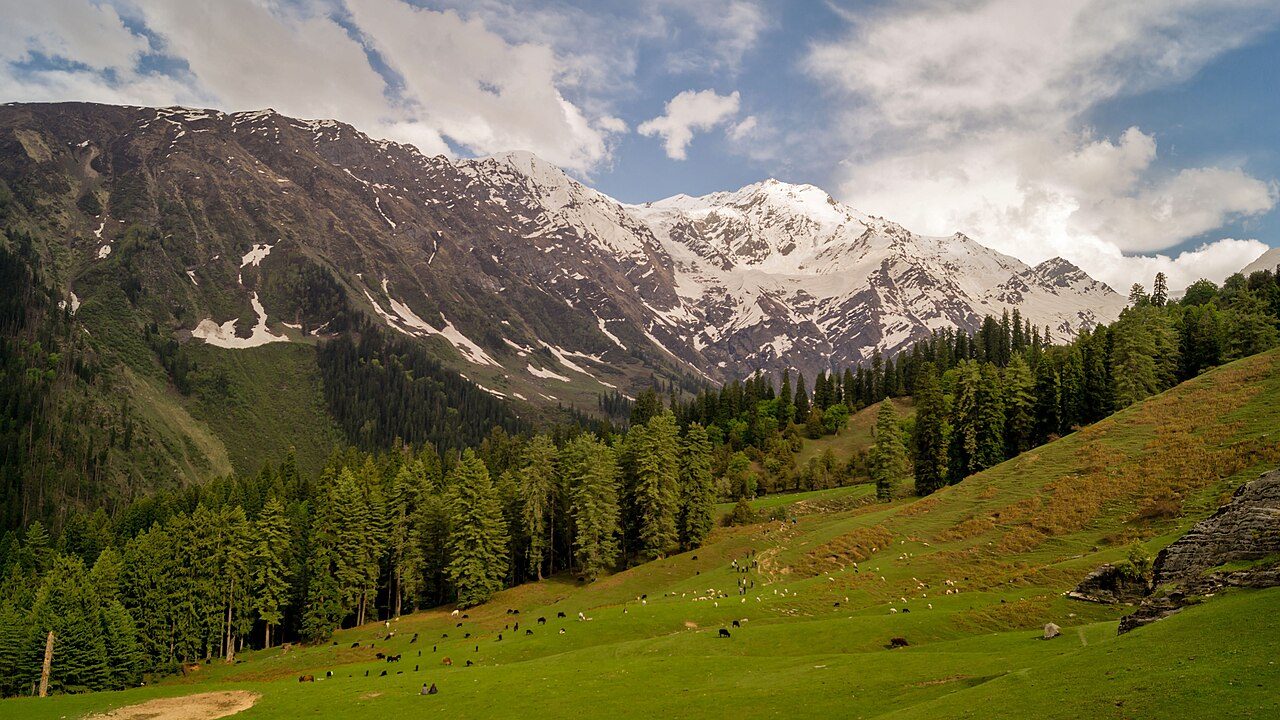
This route explores the quieter middle hills of Himachal. Day one visits Mandi's Panchvaktra temple at the river confluence and the sacred lake at Rewalsar. Day two goes to the trout streams of Barot valley. Day three climbs to Prashar Lake, with its pagoda temple and floating island. Day four passes Pandoh Dam and reaches the Tirthan valley at the edge of the Great Himalayan National Park, a UNESCO World Heritage Site. Day five crosses Jalori Pass and walks through the forest to Serolsar lake. April to June and September to November are best; Jalori can close with winter snow.
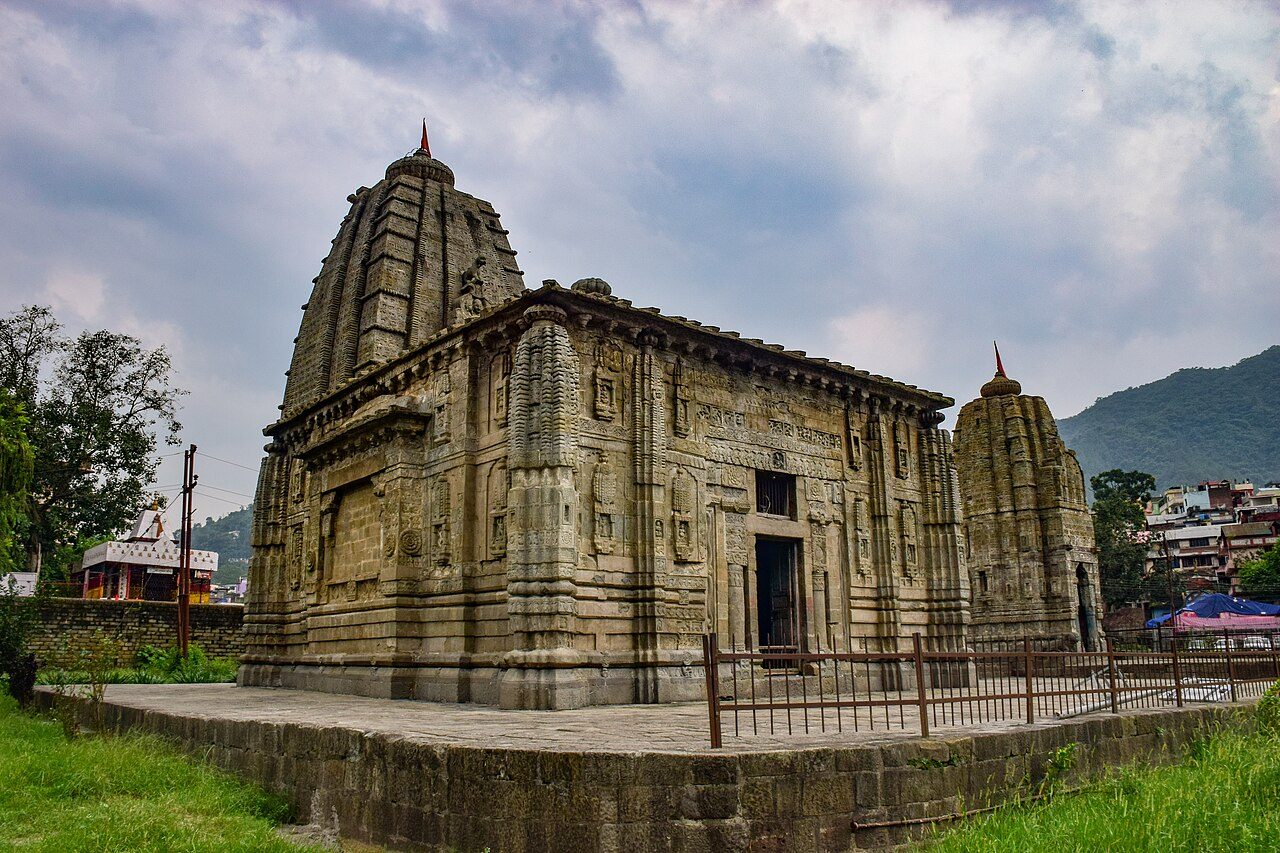
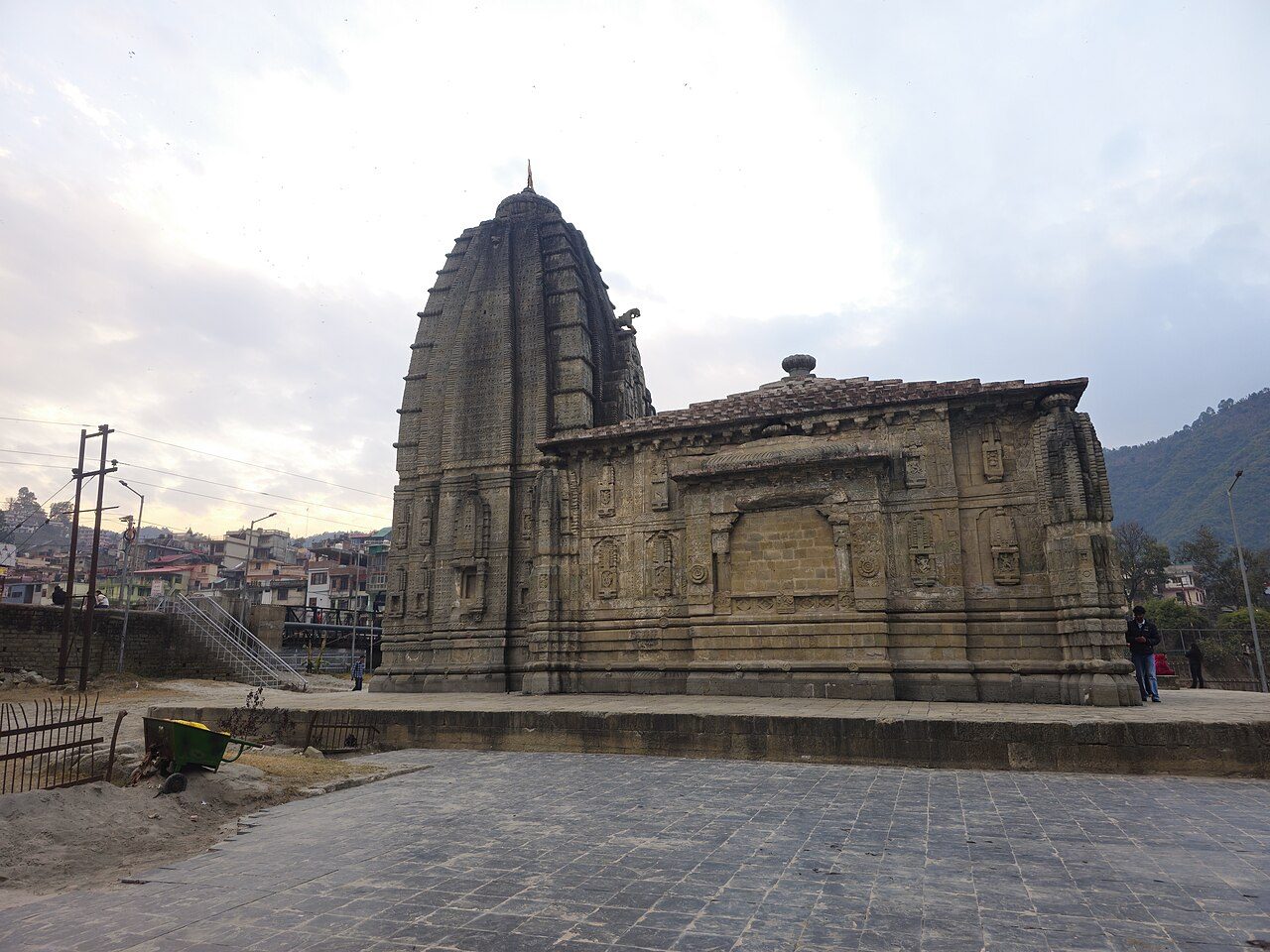
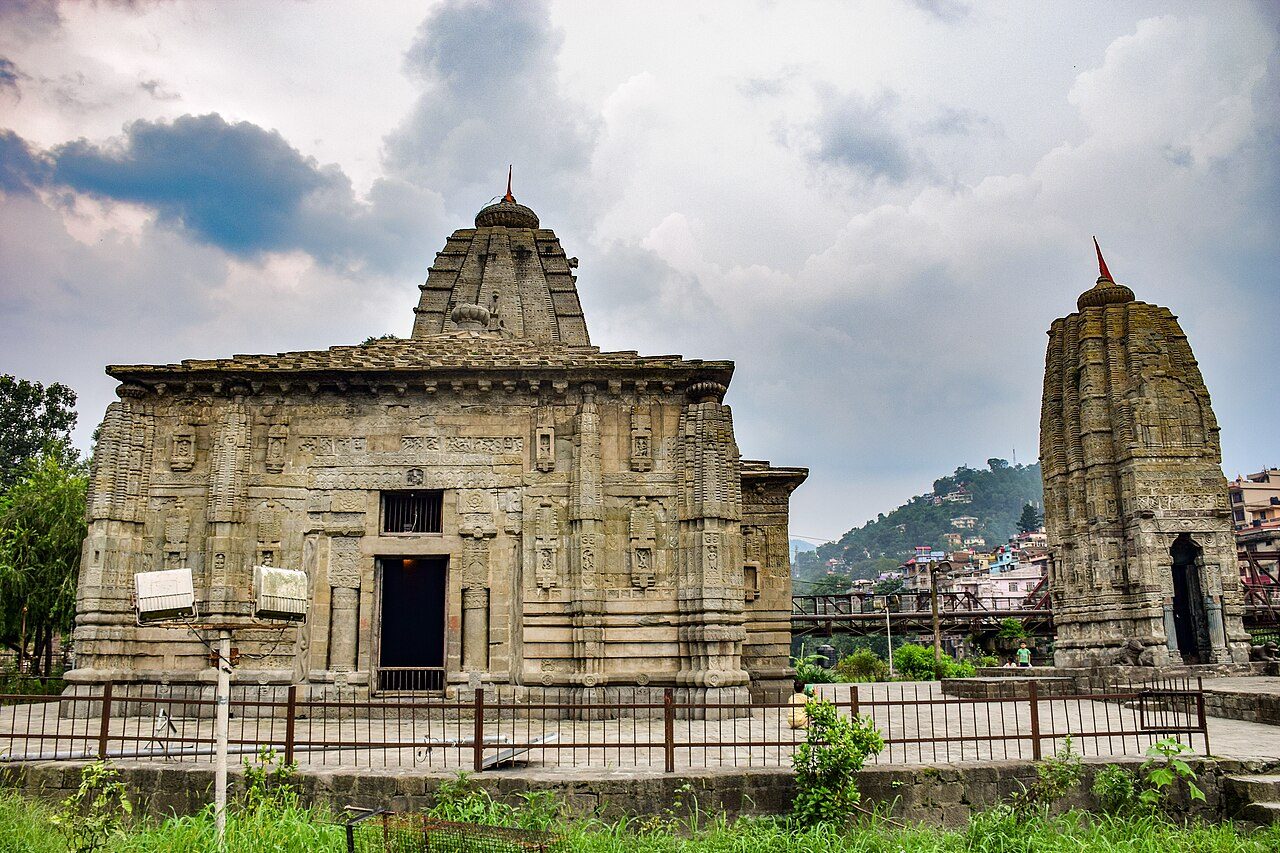
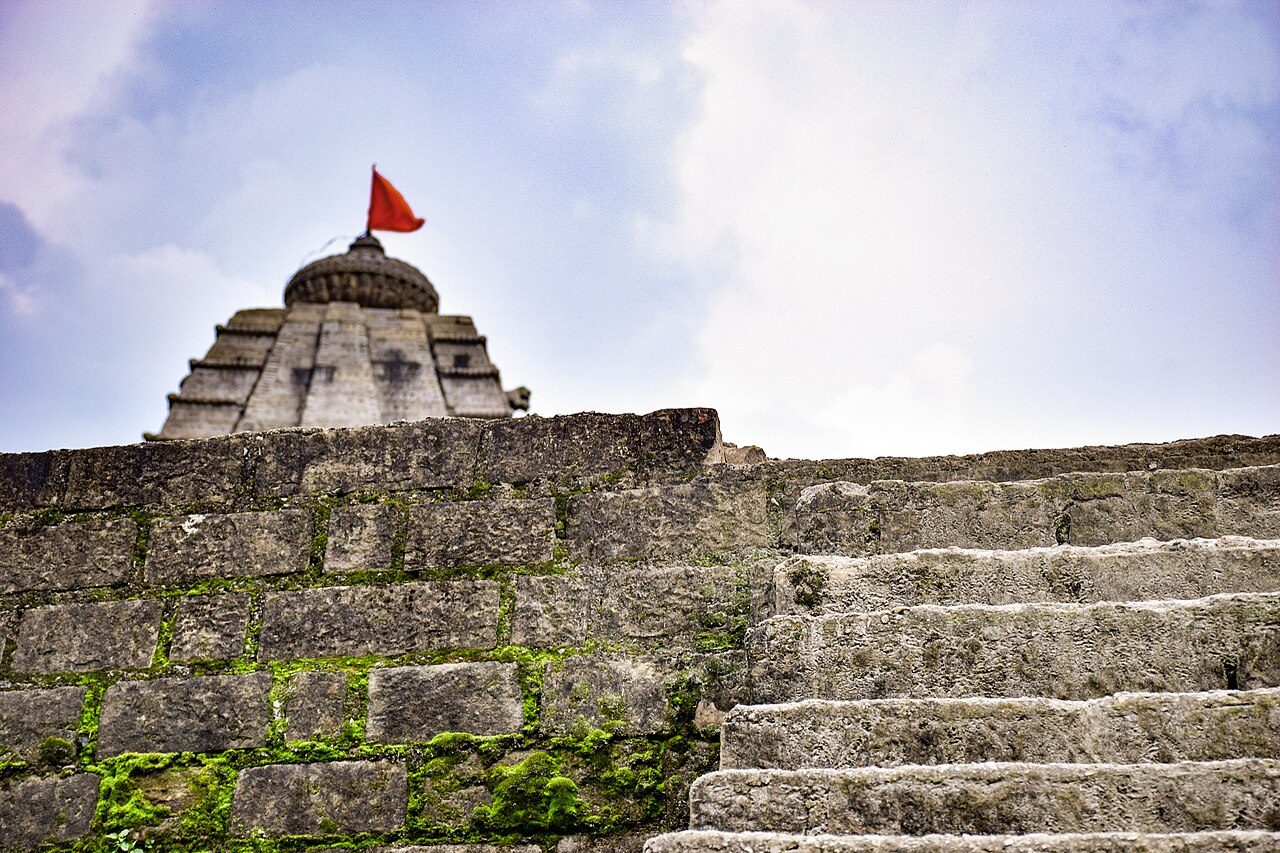
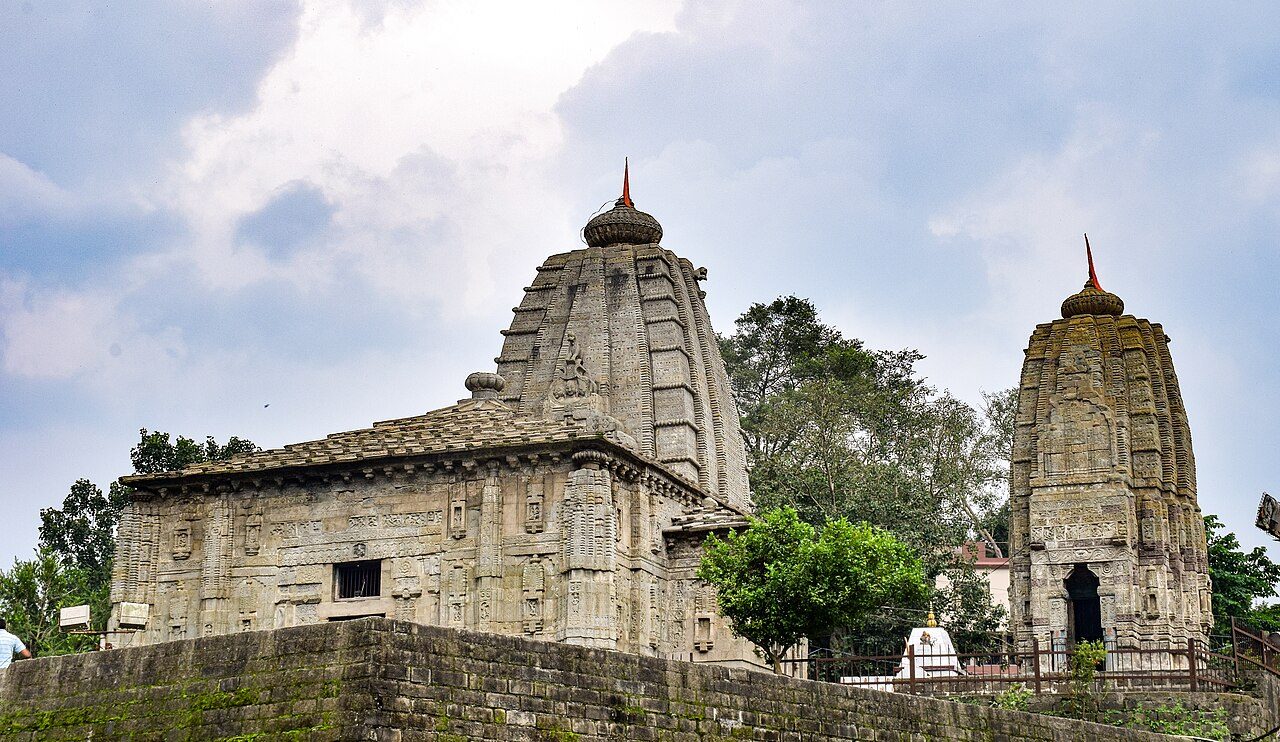
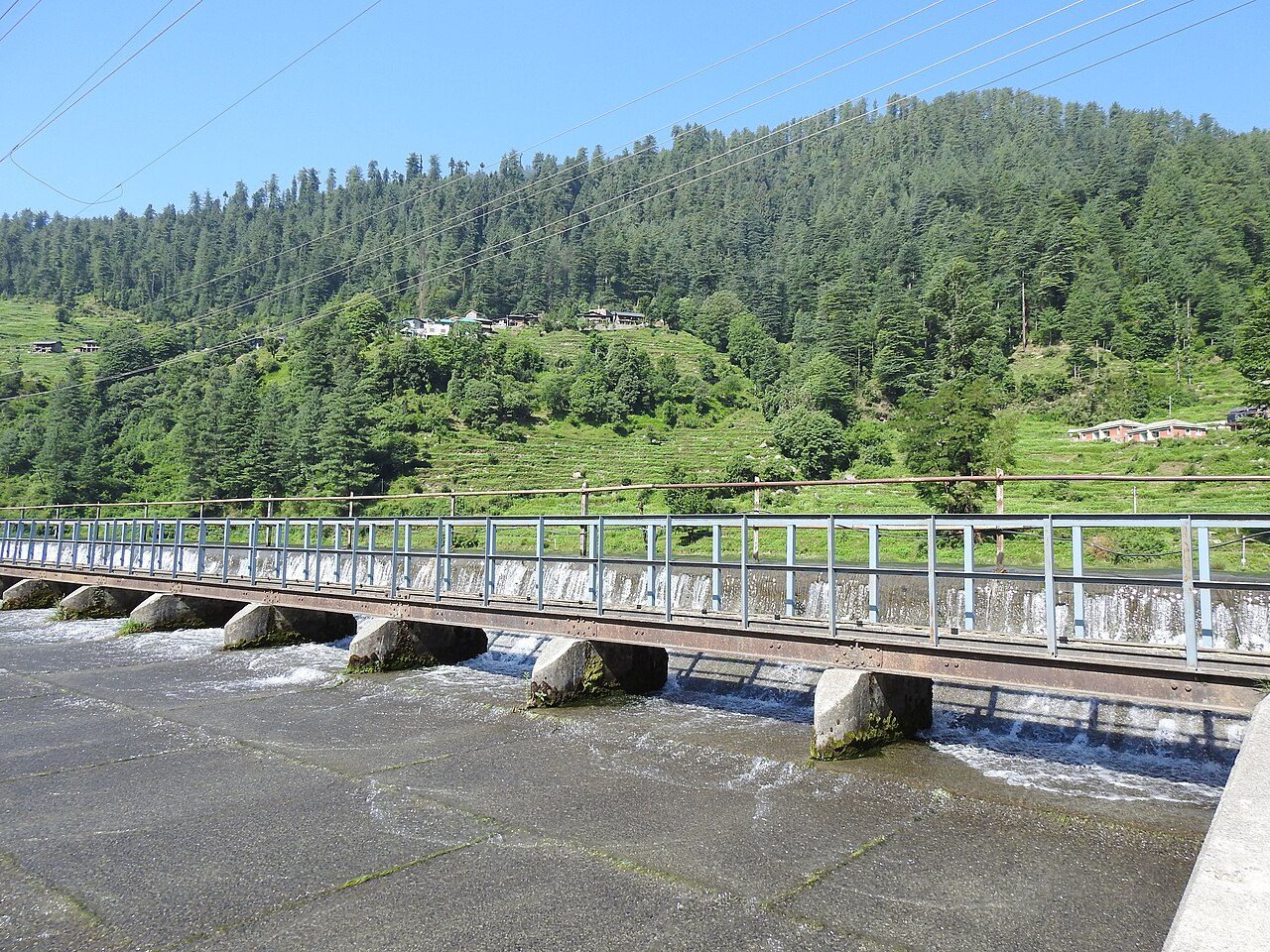
The Panchvaktra Temple stands at the confluence of the Beas and Suketi rivers in Mandi, a town with so many old stone temples that it is called the Varanasi of the hills. Built in the shikhara style, it houses an image of Shiva with five faces. The temple is a protected monument and was restored after flood damage. Its riverside setting is best seen from the bridge.
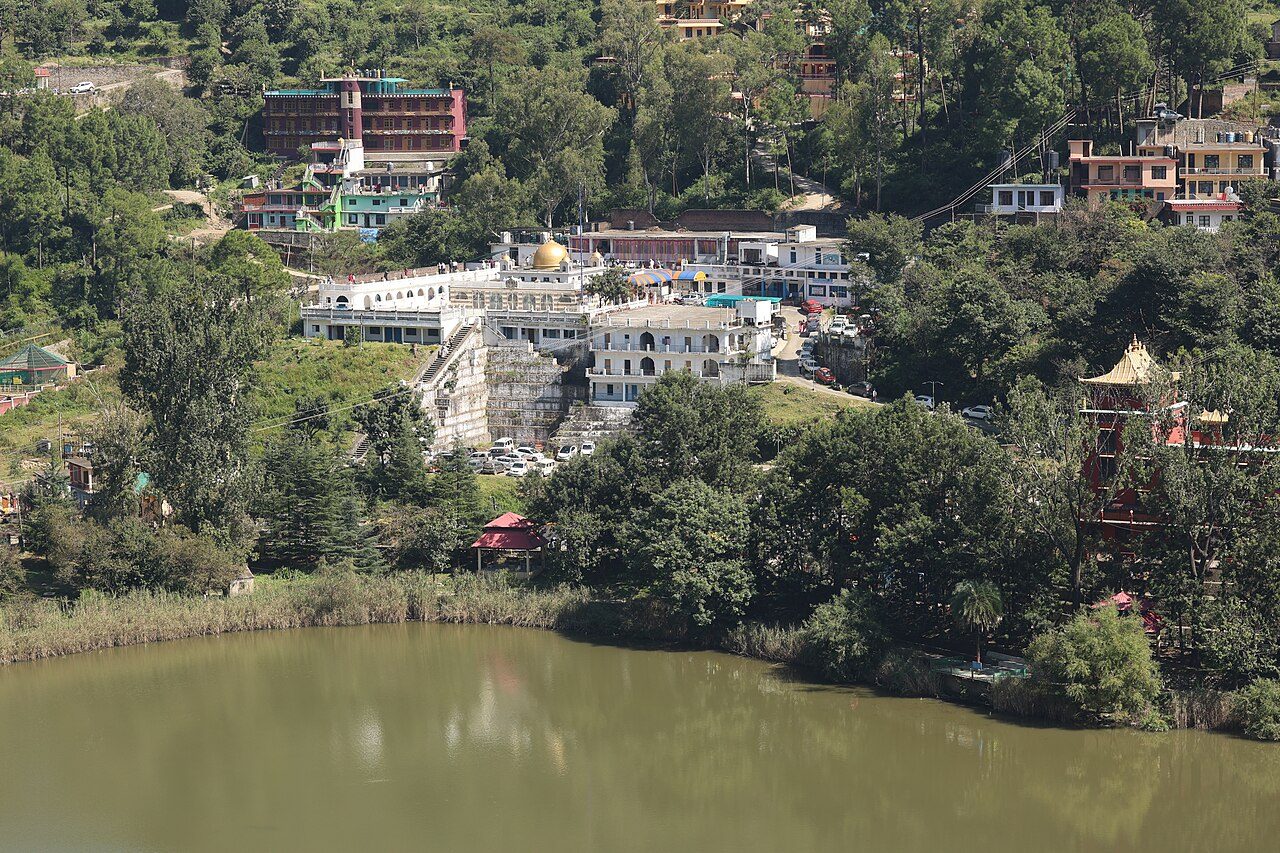
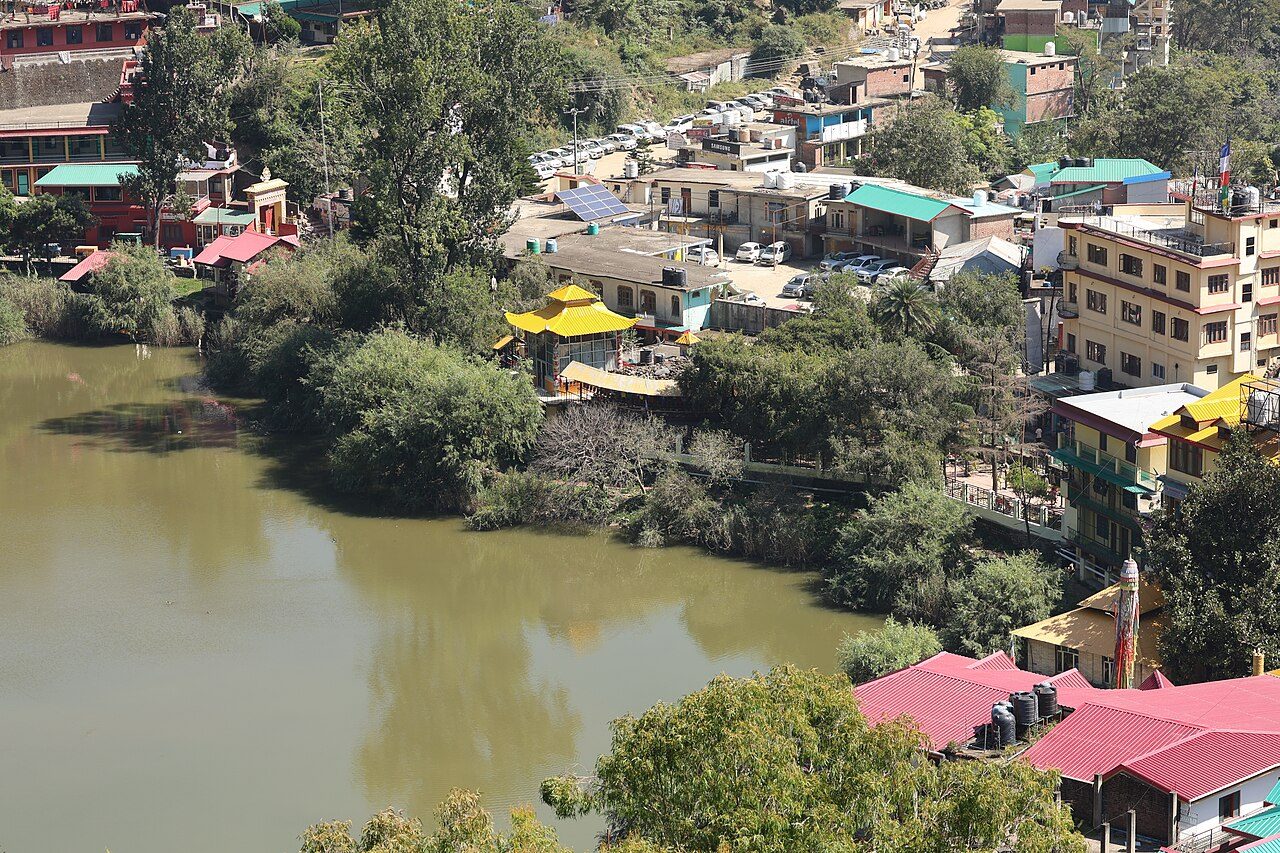
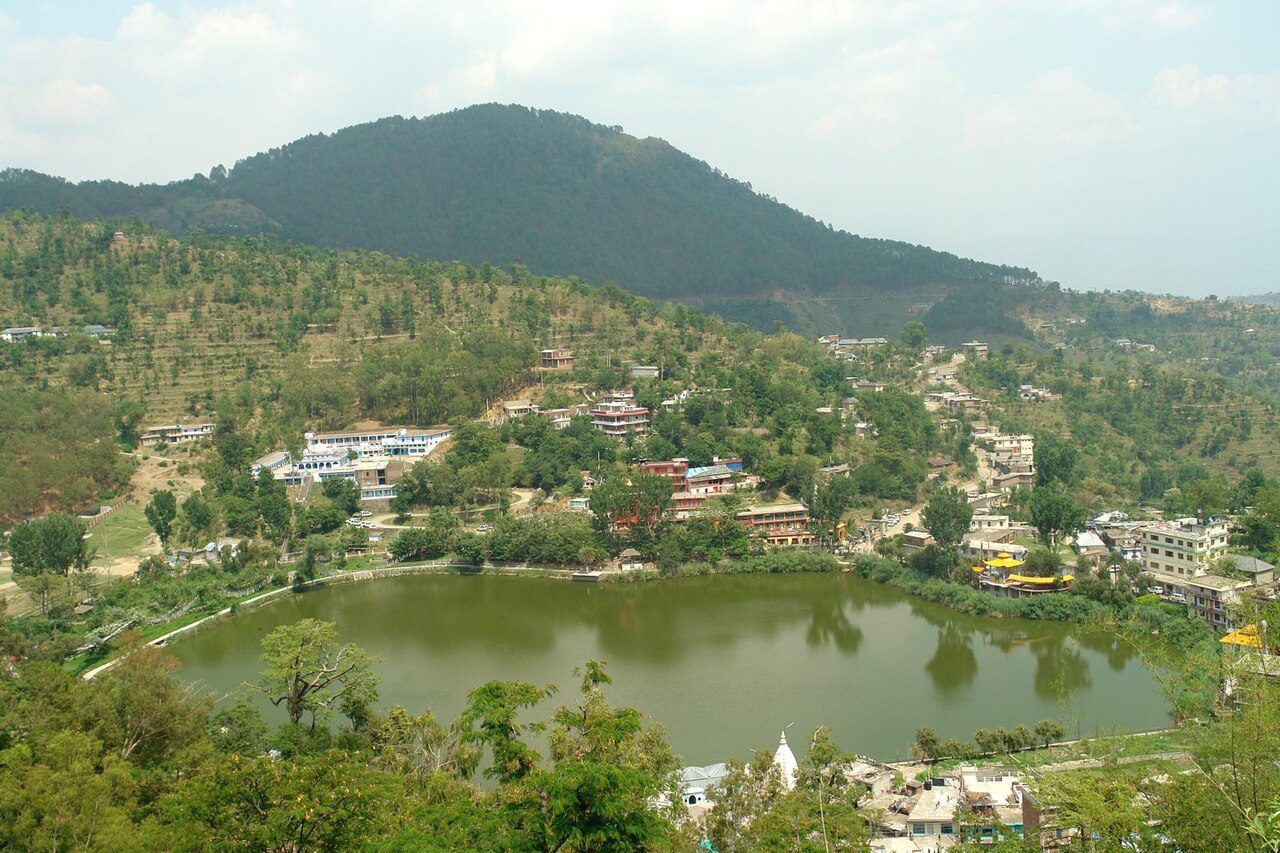
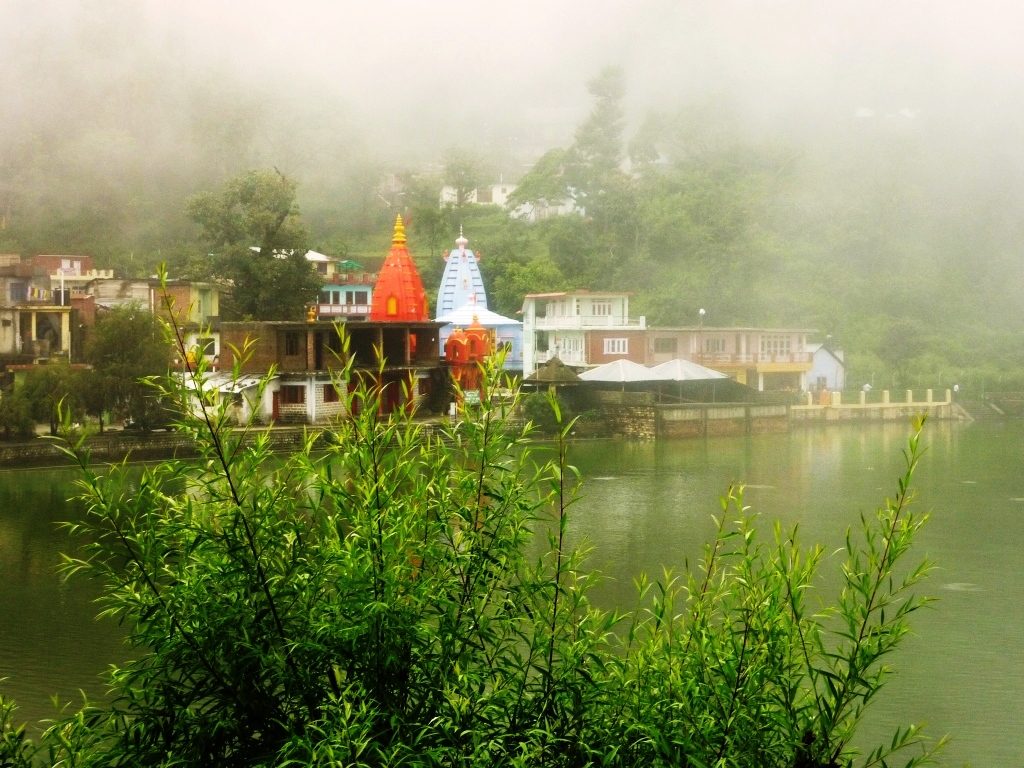
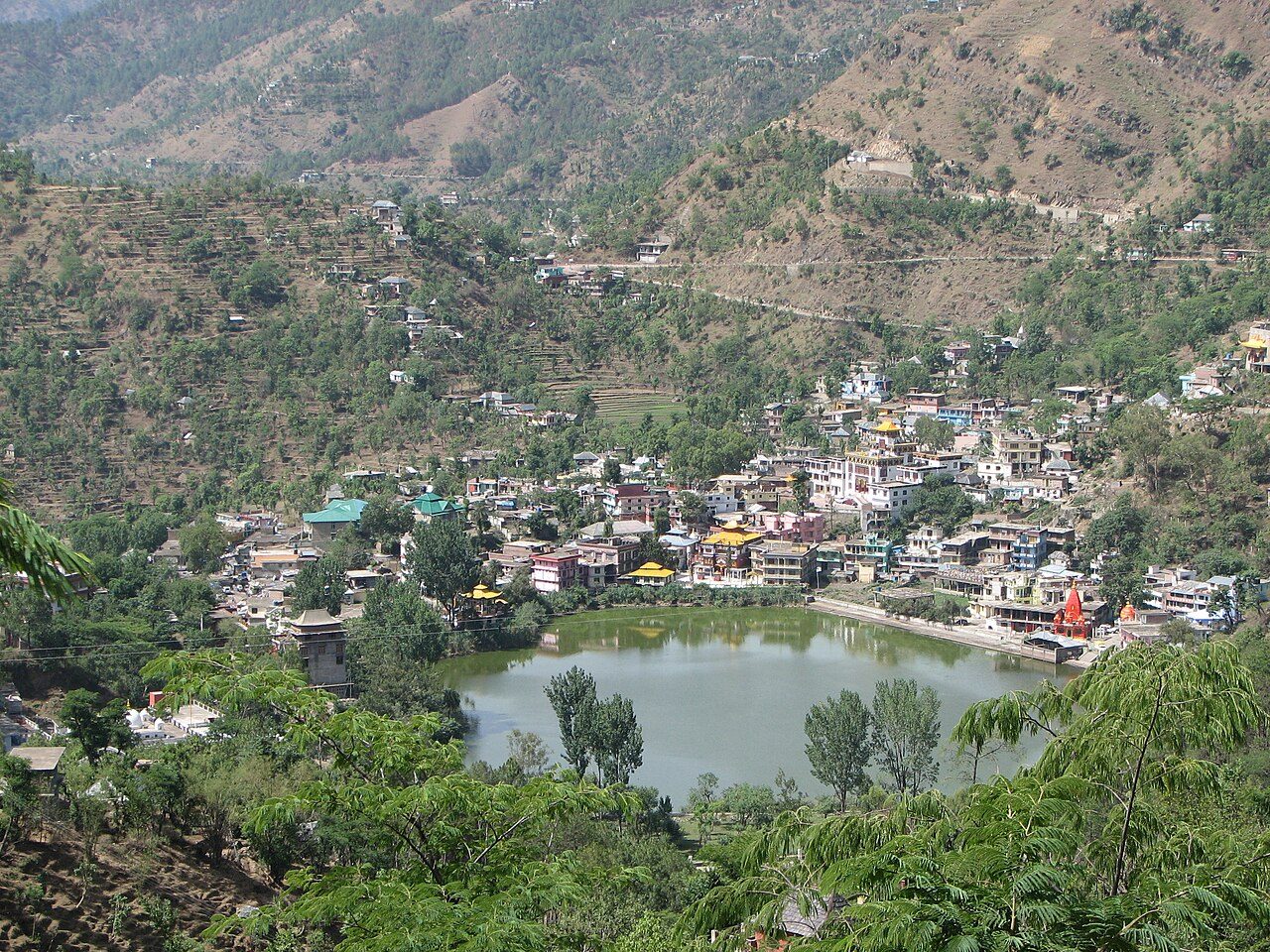
Rewalsar Lake, in the hills above Mandi, is sacred to Buddhists, Hindus and Sikhs alike. Tibetans call it Tso Pema and believe Padmasambhava left for Tibet from here; a huge statue of him overlooks the lake. Monasteries, a gurdwara commemorating Guru Gobind Singh and Hindu temples stand around the shore, and pilgrims walk the path that circles the water.
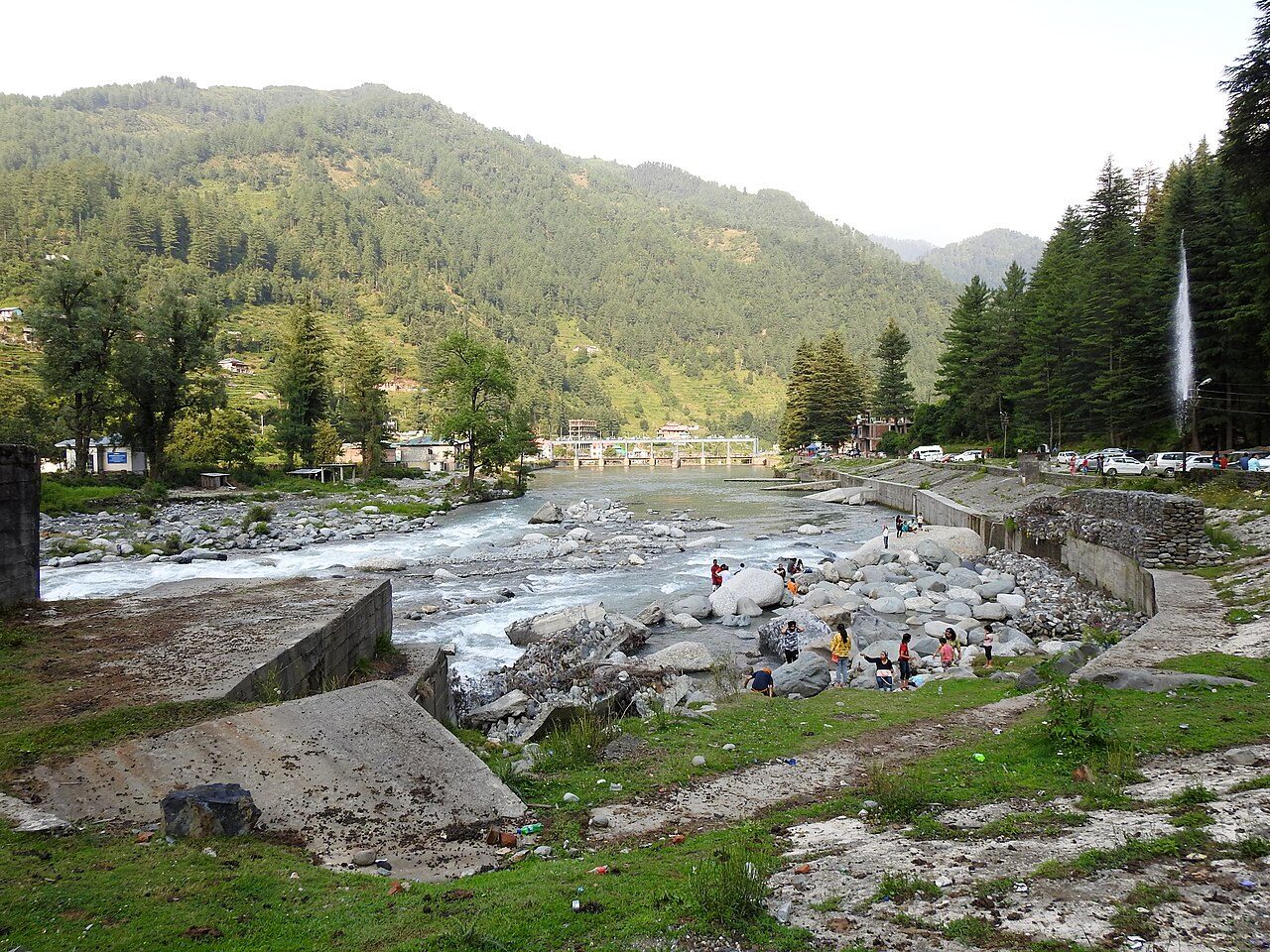
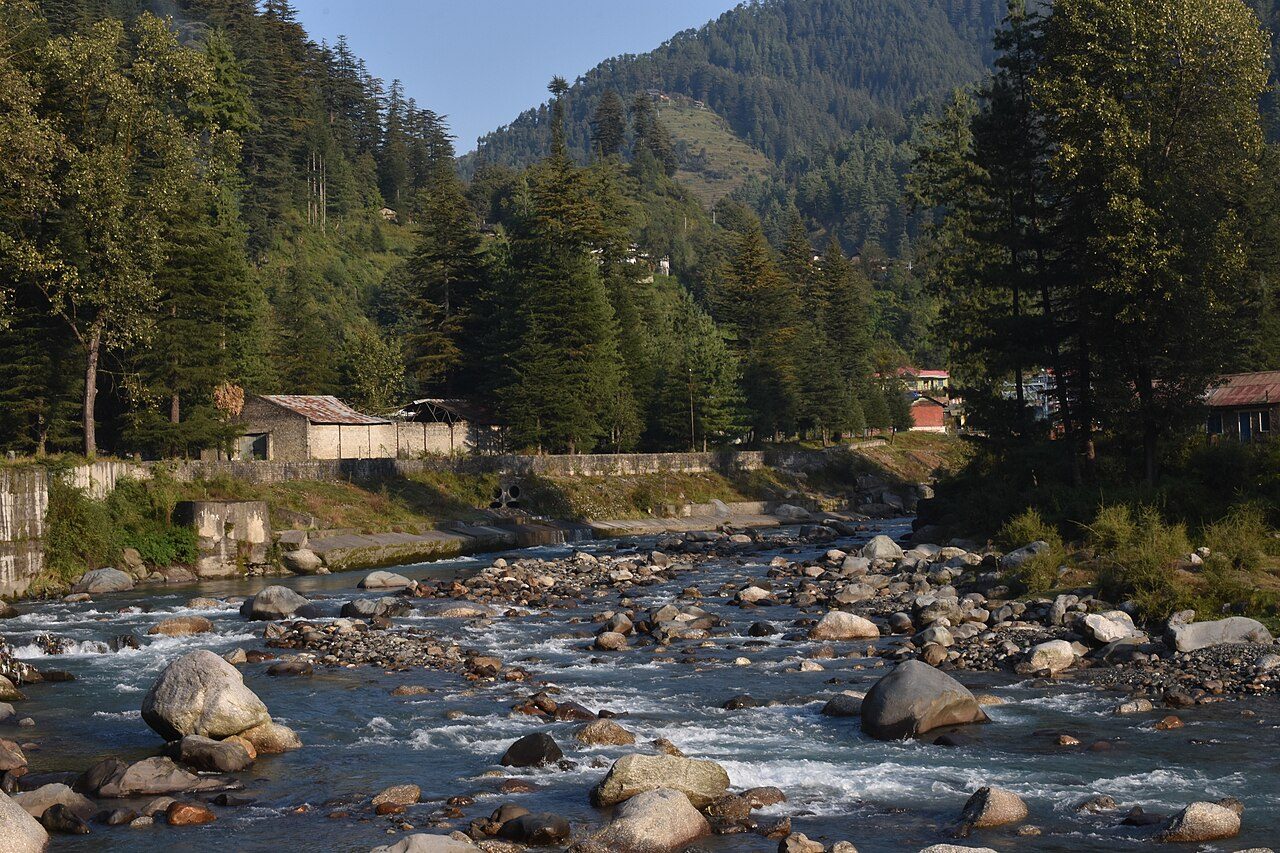
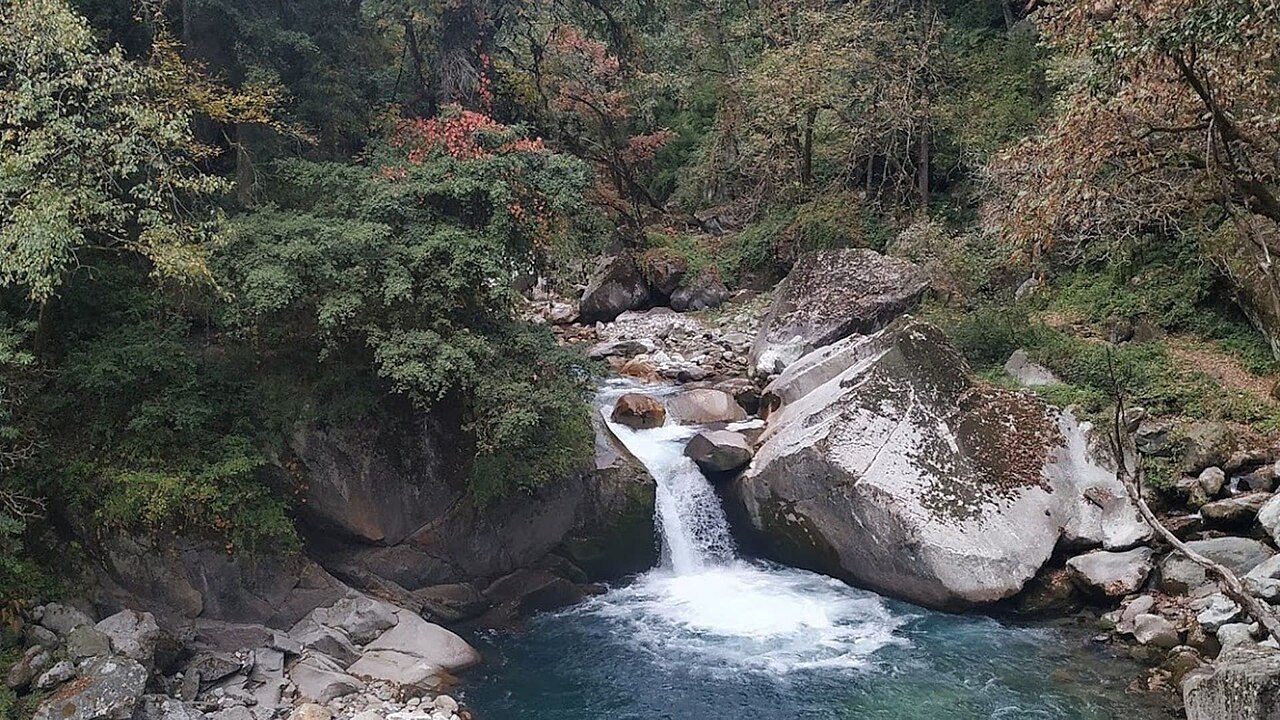
Barot is a quiet village in the Uhl valley, originally built in the 1920s for a hydroelectric project whose haulage trolley line still climbs the hillside. The clear river is stocked with trout, and angling permits are available. Deodar forest surrounds the village, which is the gateway to the Nargu Wildlife Sanctuary and to treks towards Bara Bhangal.
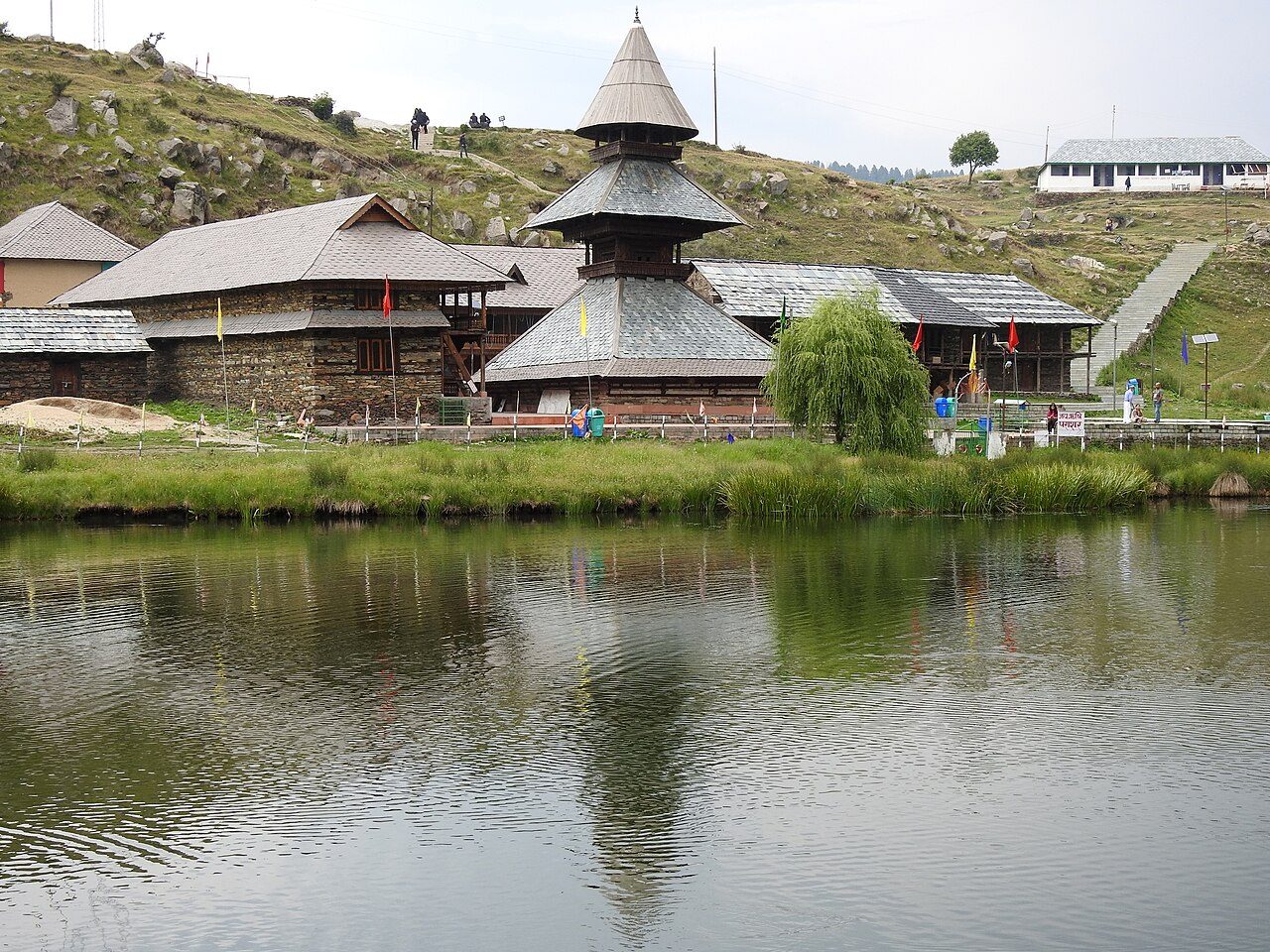
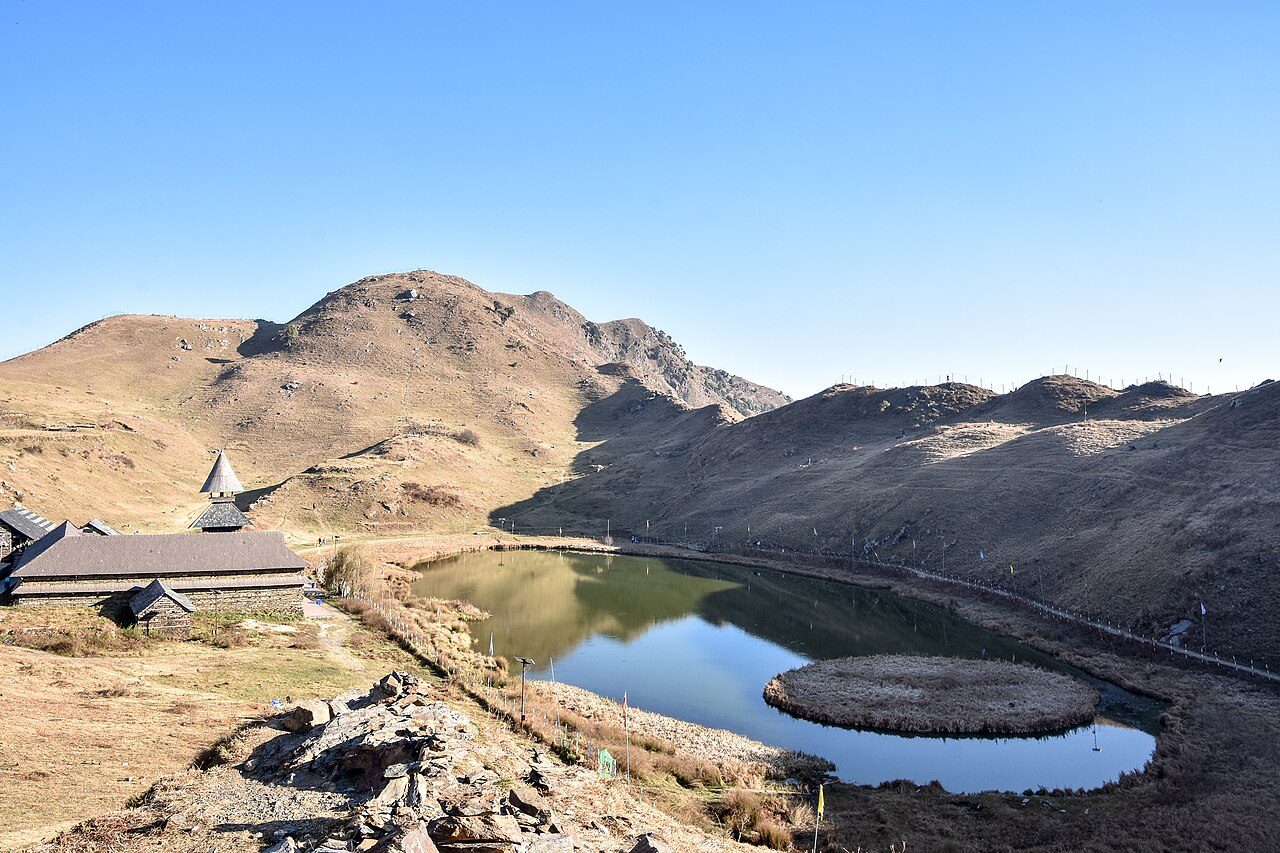
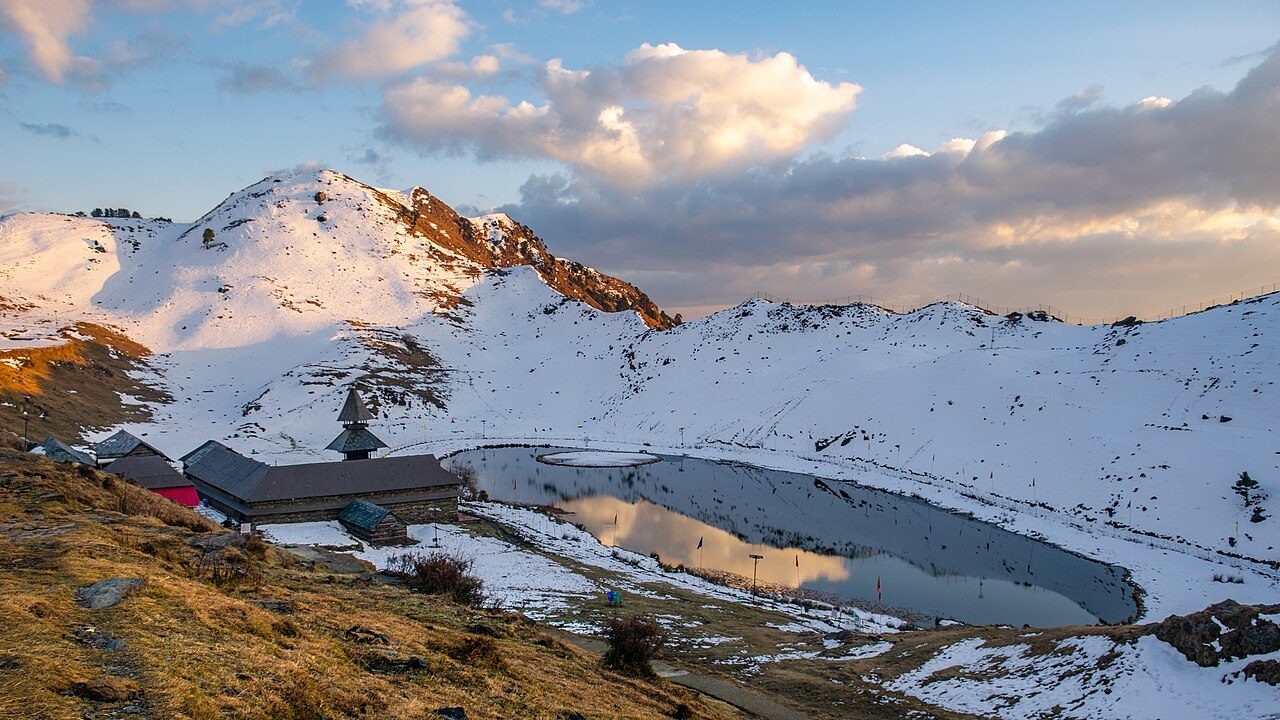
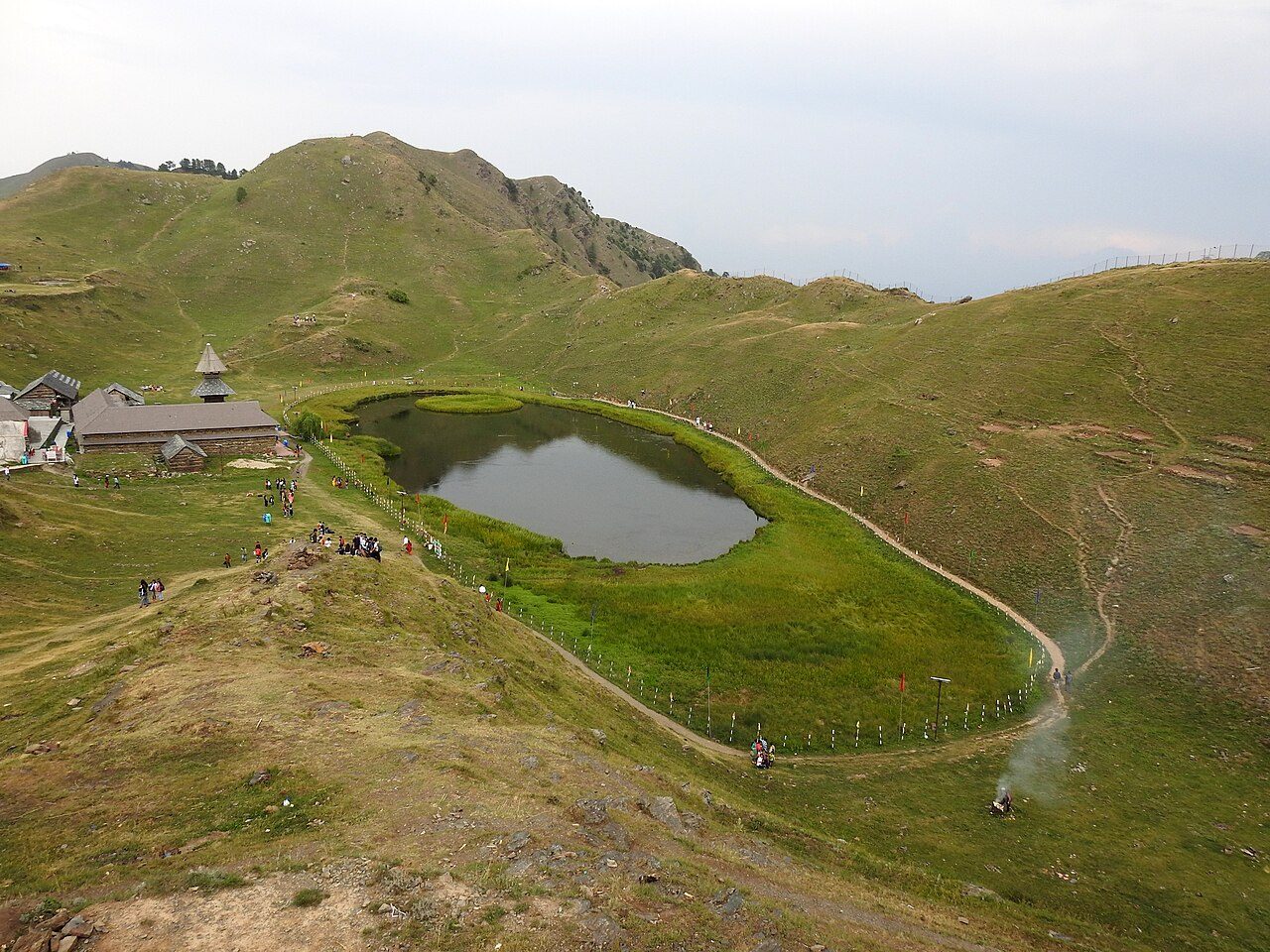
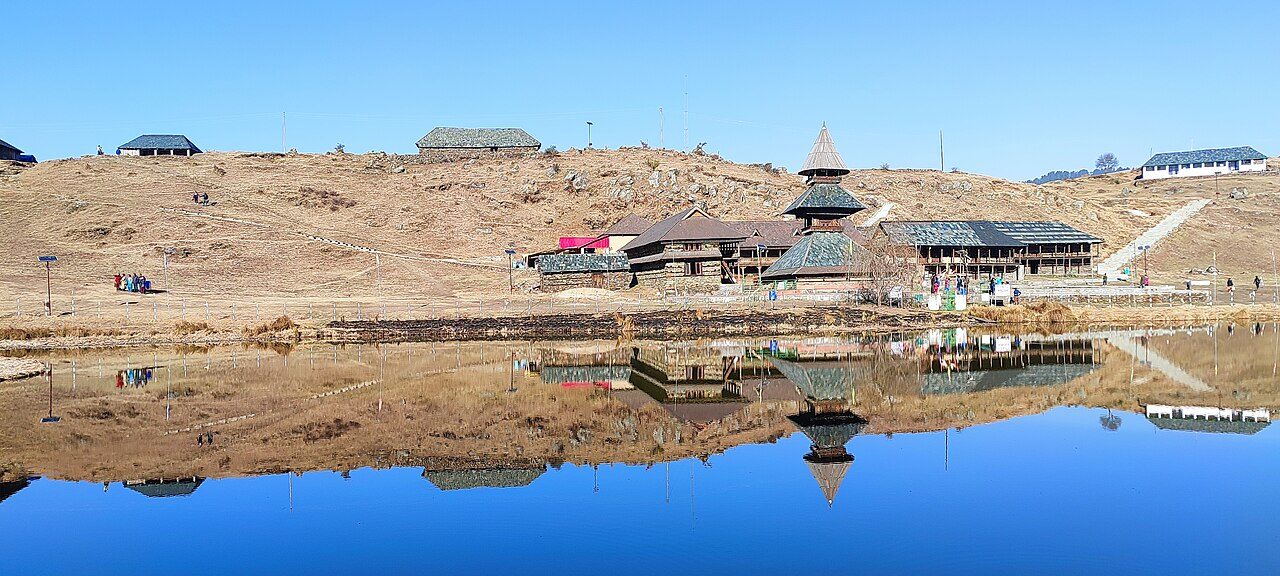
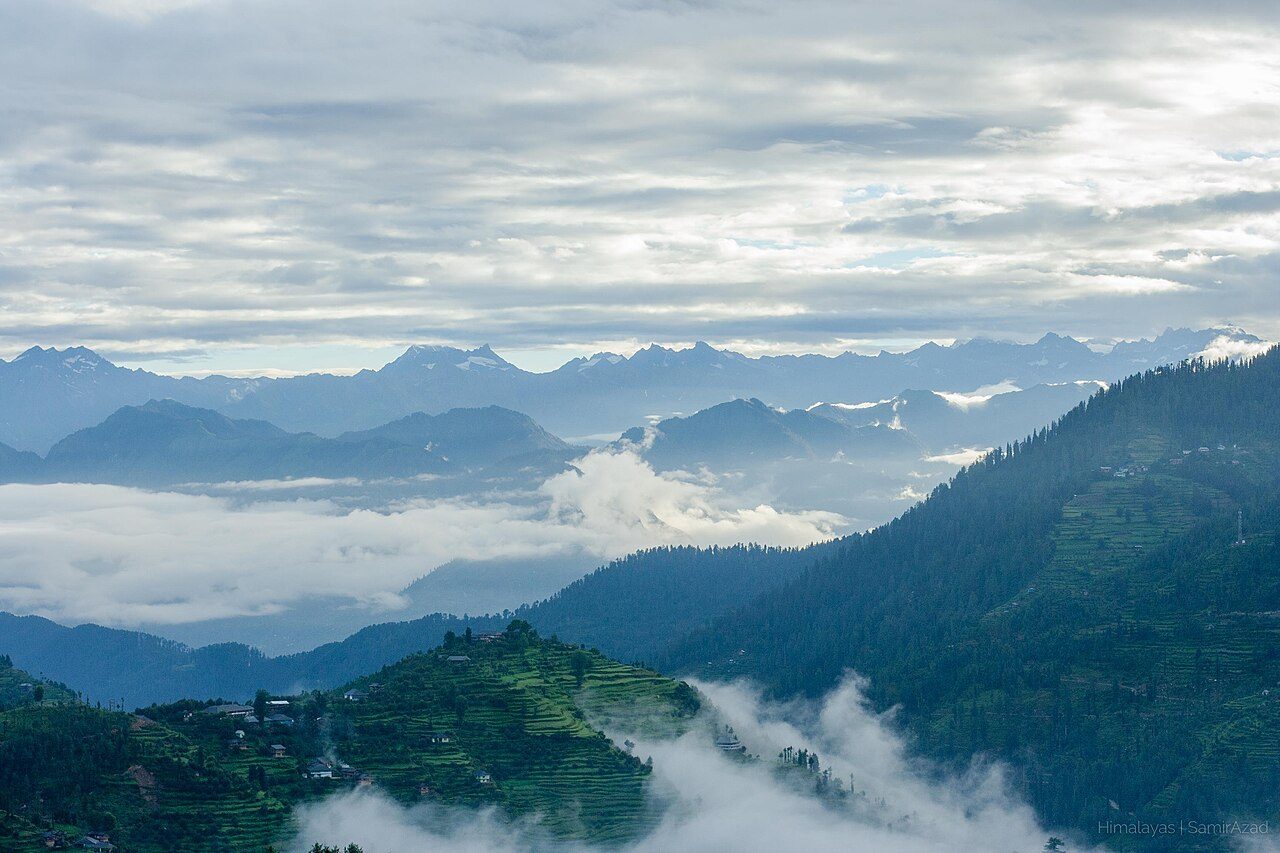
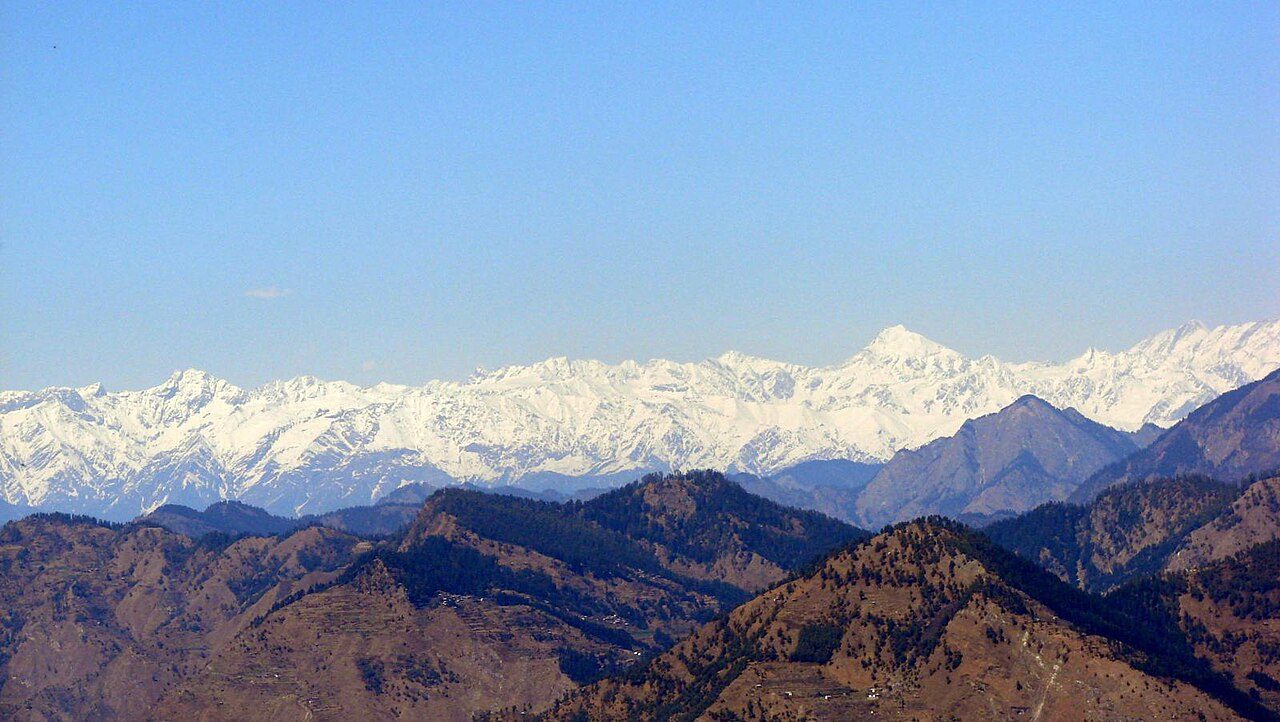
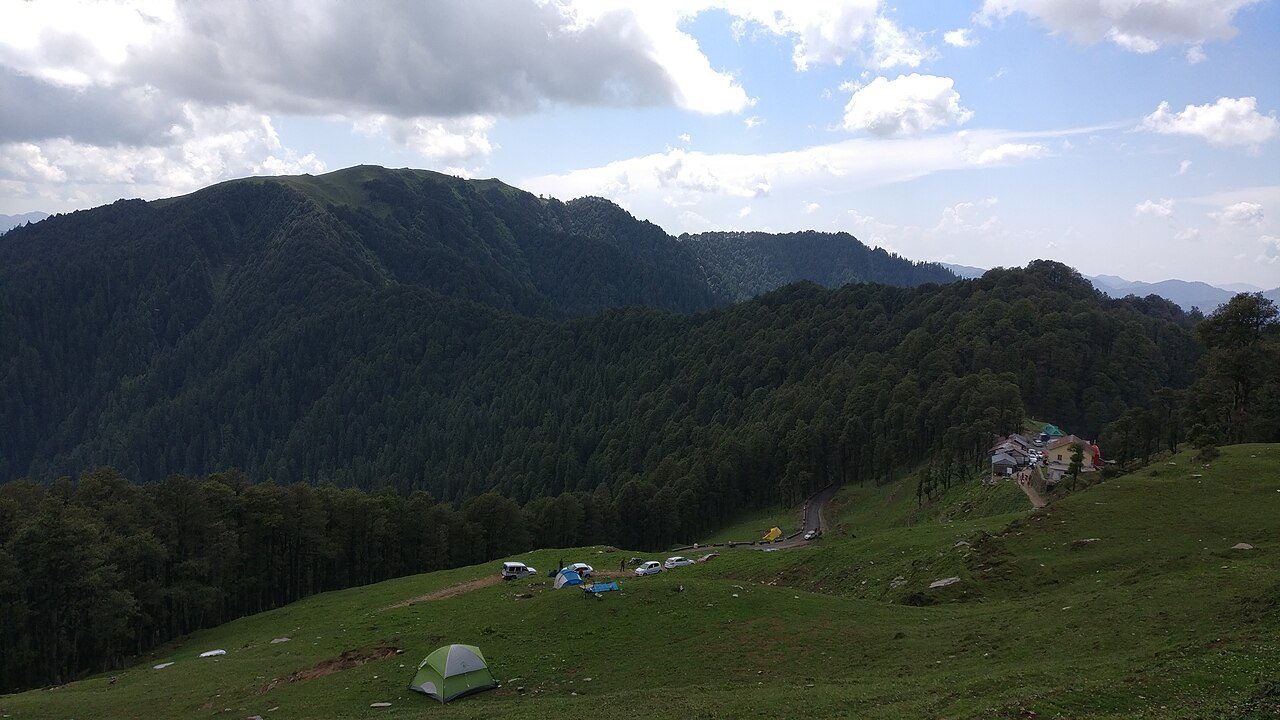
Prashar Lake lies at about 2,730 metres in the hills east of Mandi, with a small floating island that slowly drifts across its surface. Beside it stands a three-tiered wooden pagoda temple of the 13th or 14th century dedicated to the sage Prashar. The surrounding ridge gives a wide view of the Dhauladhar and Pir Panjal ranges. It is snowbound in winter.
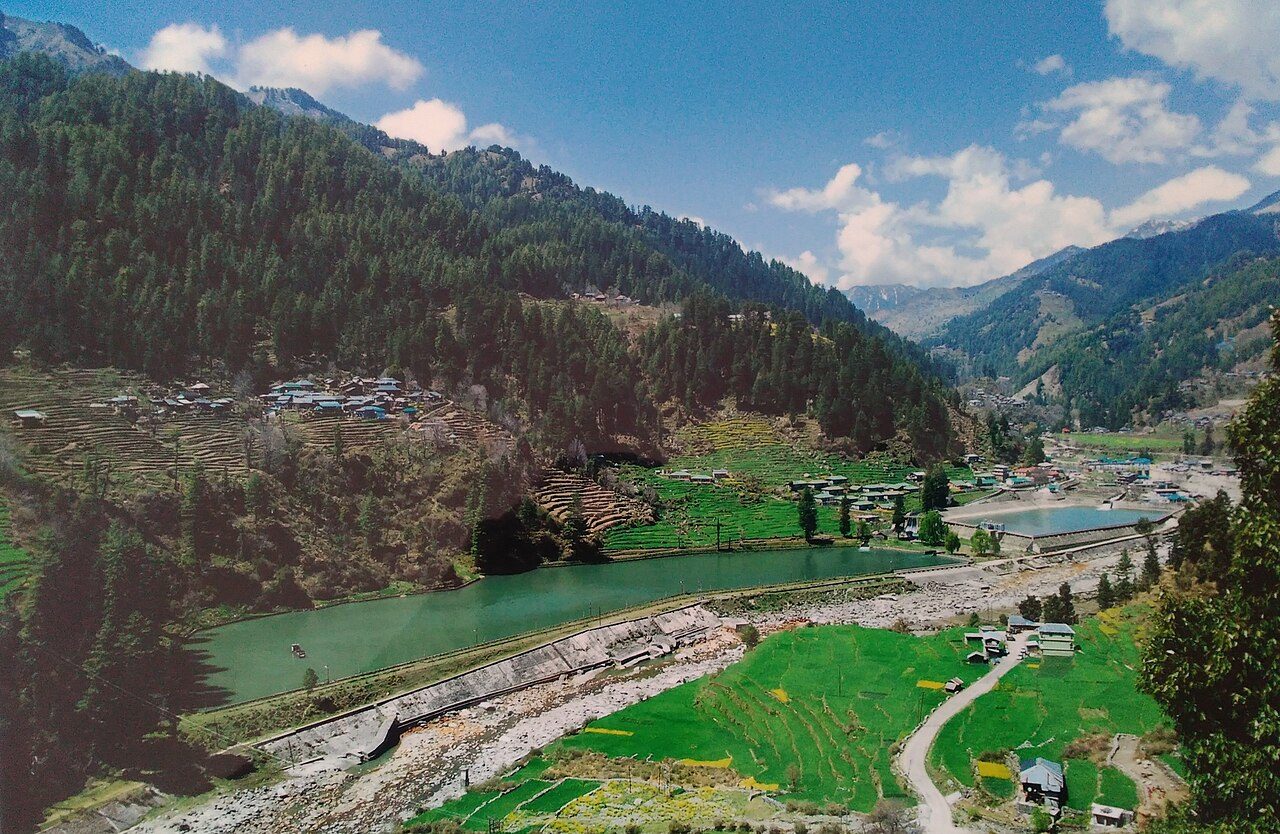
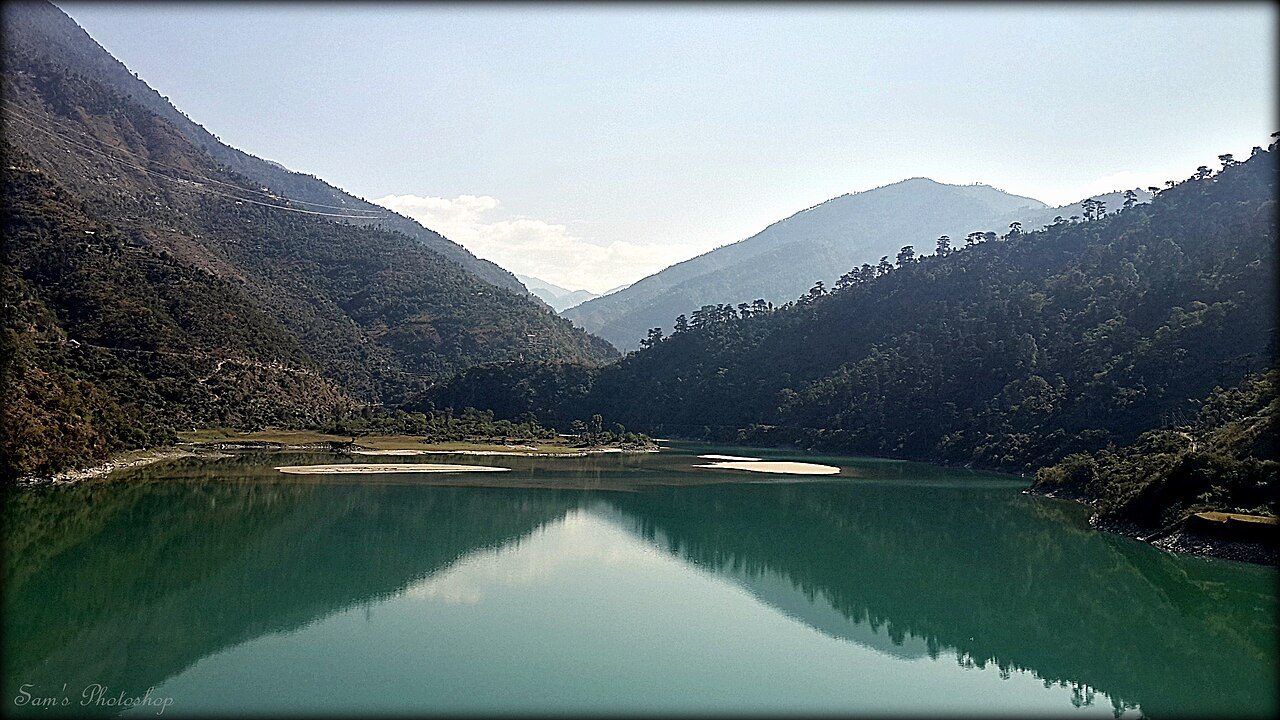
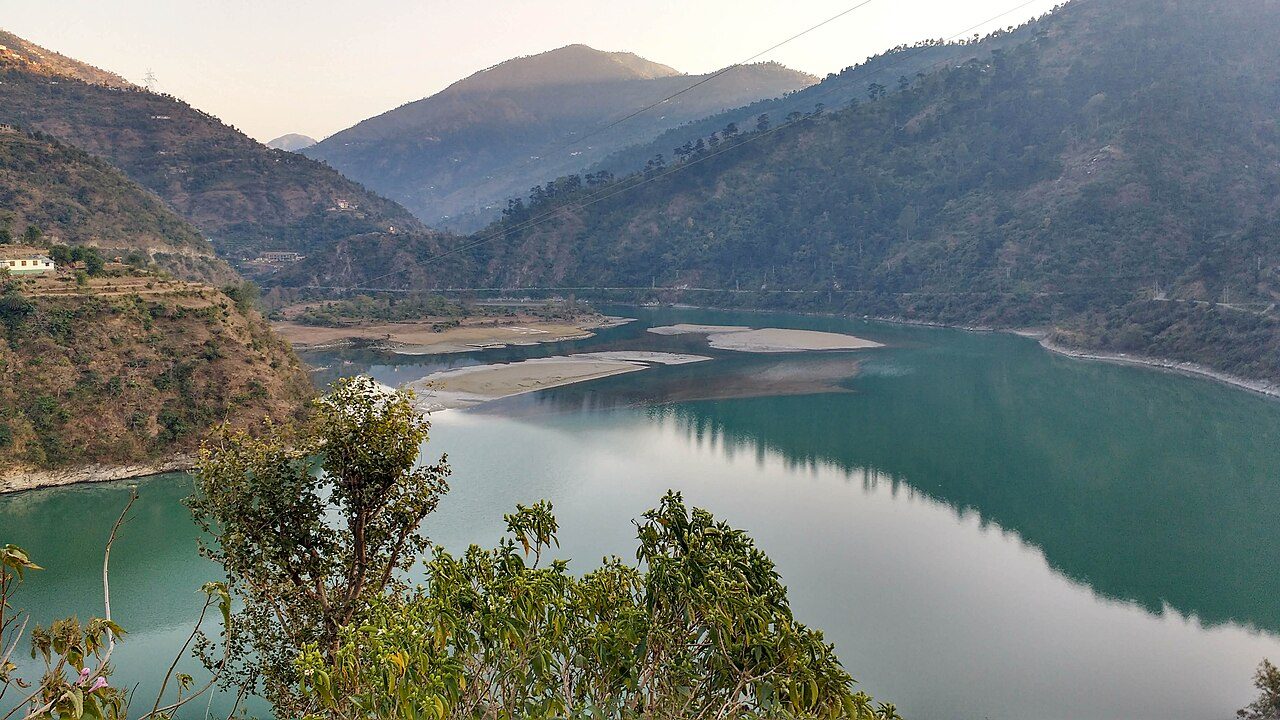
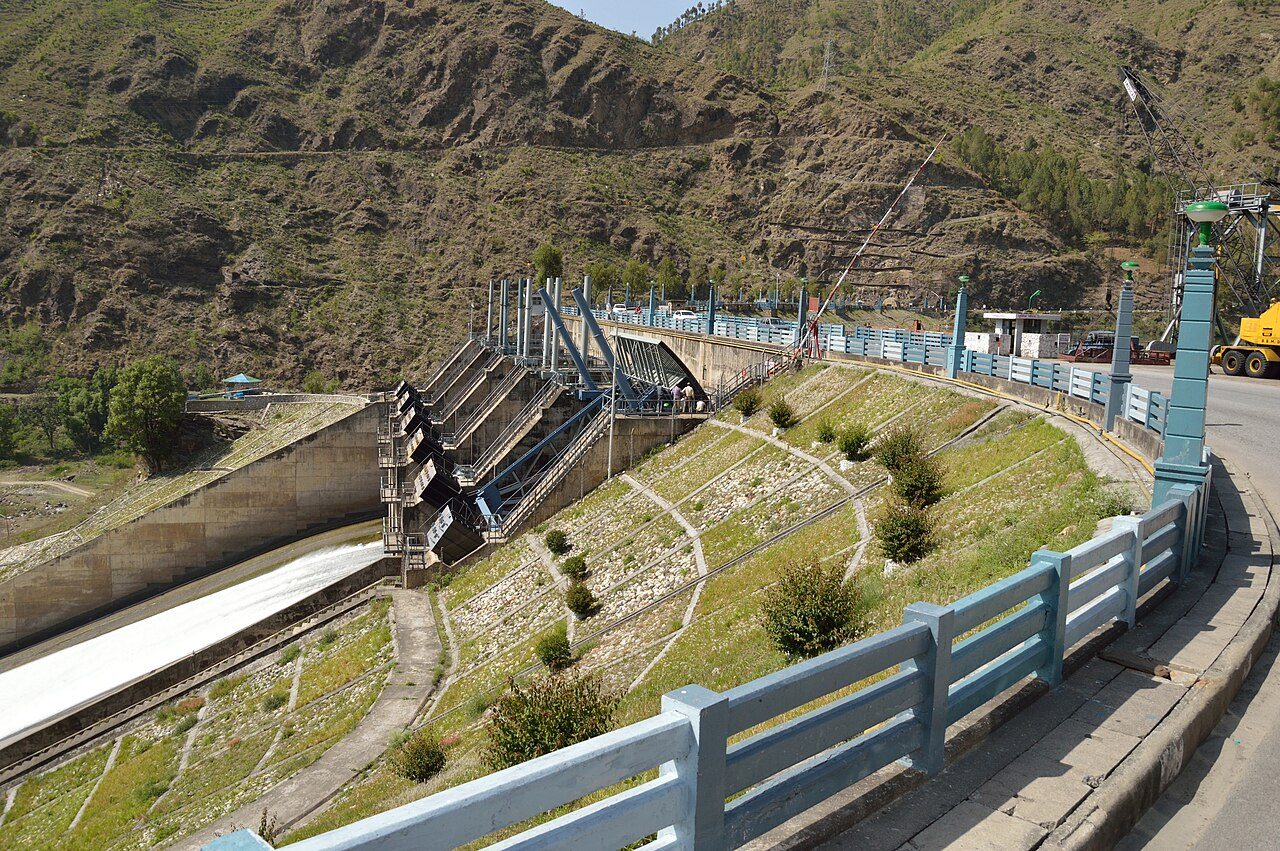
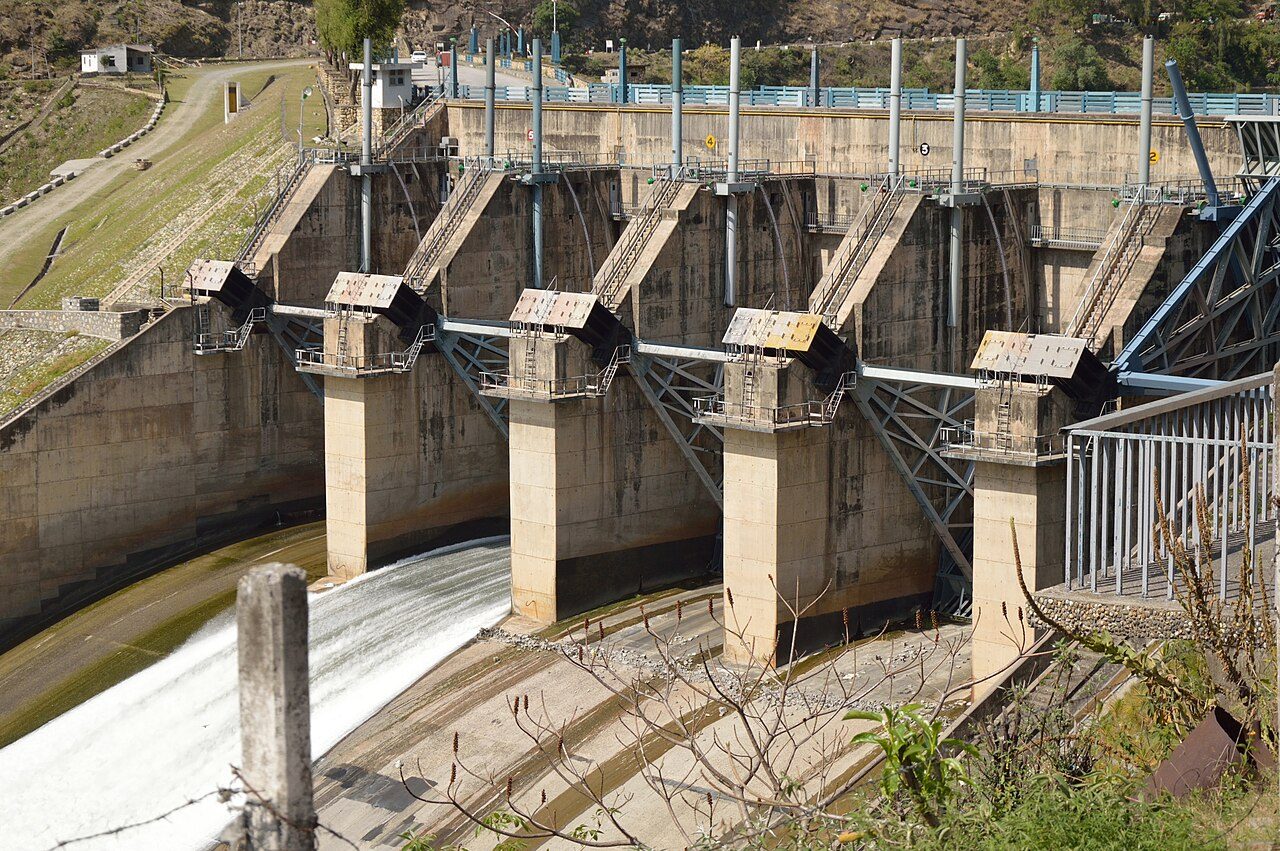
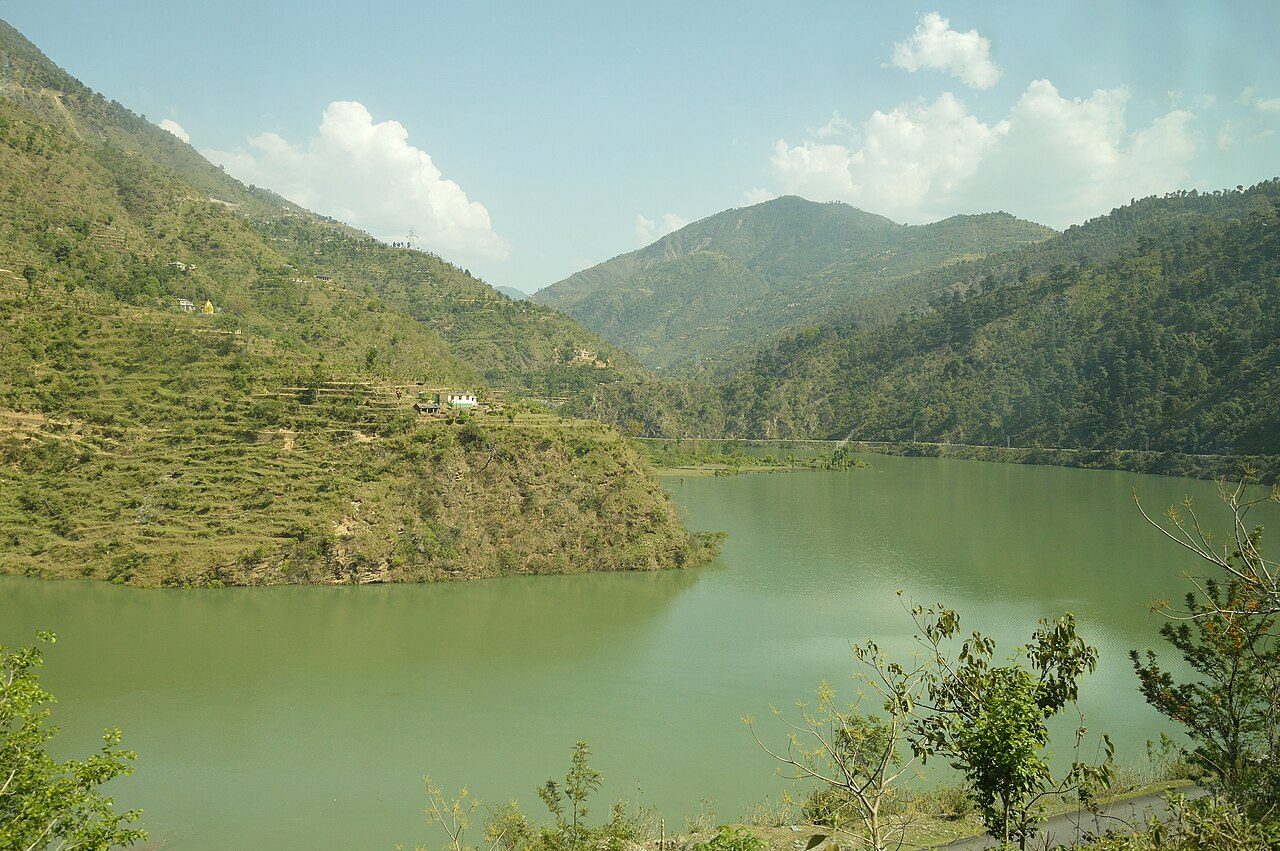
Pandoh Dam, on the Beas about 19 km from Mandi on the Manali highway, diverts the river through tunnels to the Sutlej for power generation. Its emerald-green reservoir fills the gorge beside the road and is a familiar sight on the drive to Kullu. Photography of the structure is restricted, but viewpoints along the highway look over the lake.
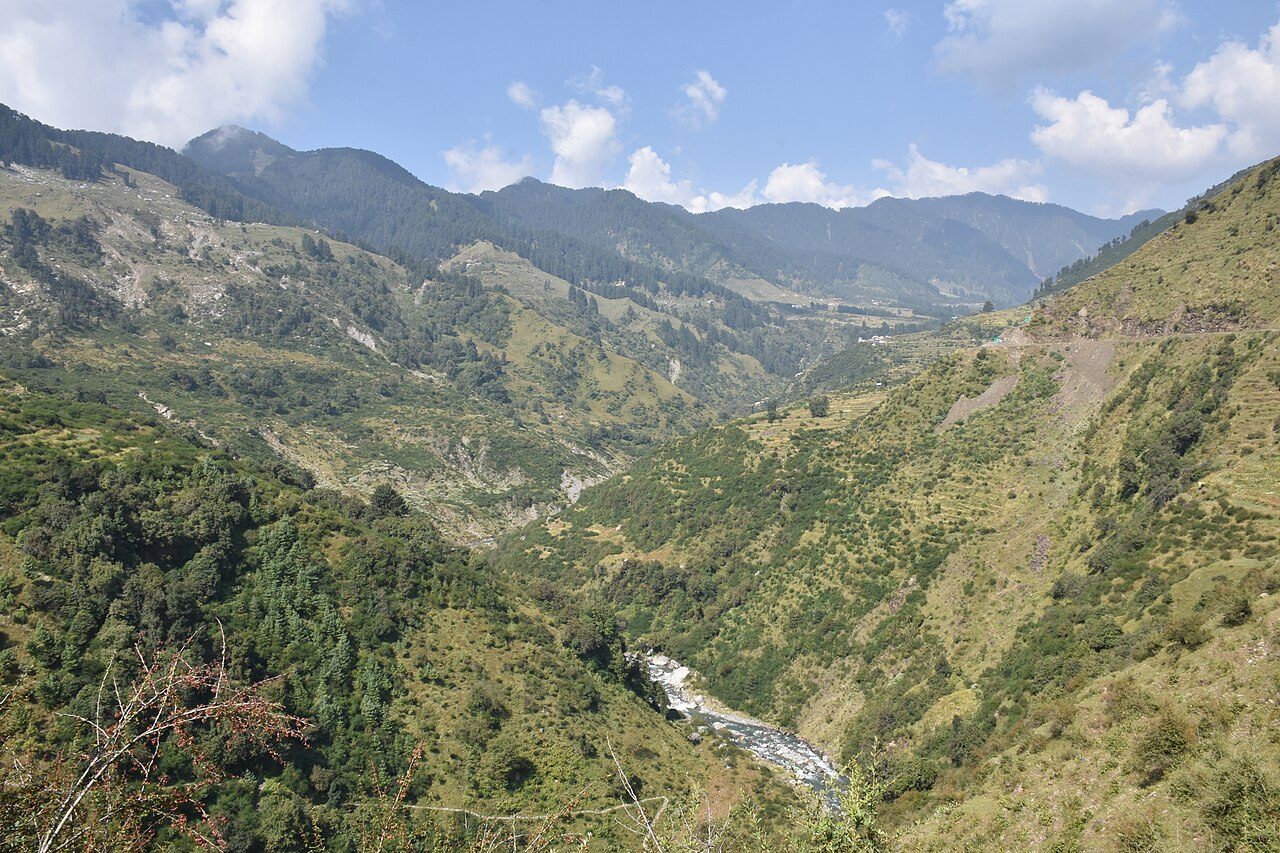
The Great Himalayan National Park in Kullu district is a UNESCO World Heritage Site protecting high forests, alpine meadows and glaciers in the upper Tirthan, Sainj and Parvati valleys. It shelters the western tragopan, Himalayan tahr, blue sheep and snow leopard. There are no roads inside: visitors trek in with permits from the park office at Sai Ropa in the Tirthan valley.
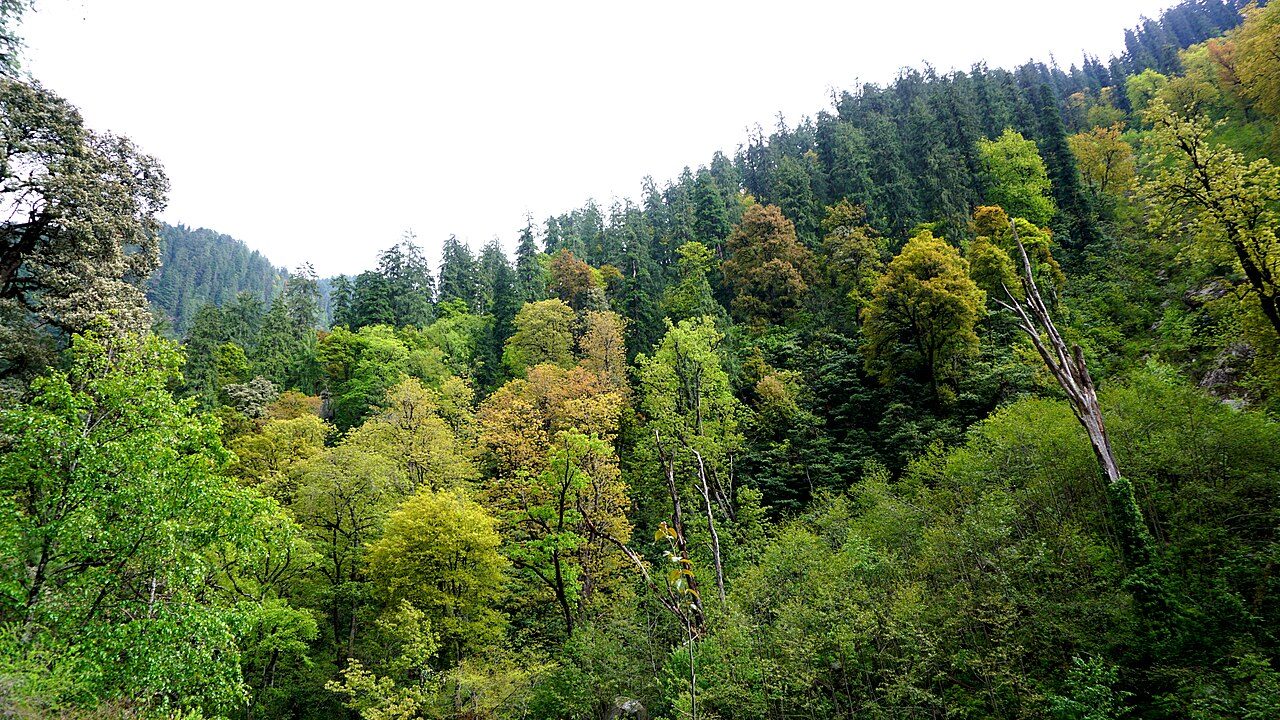
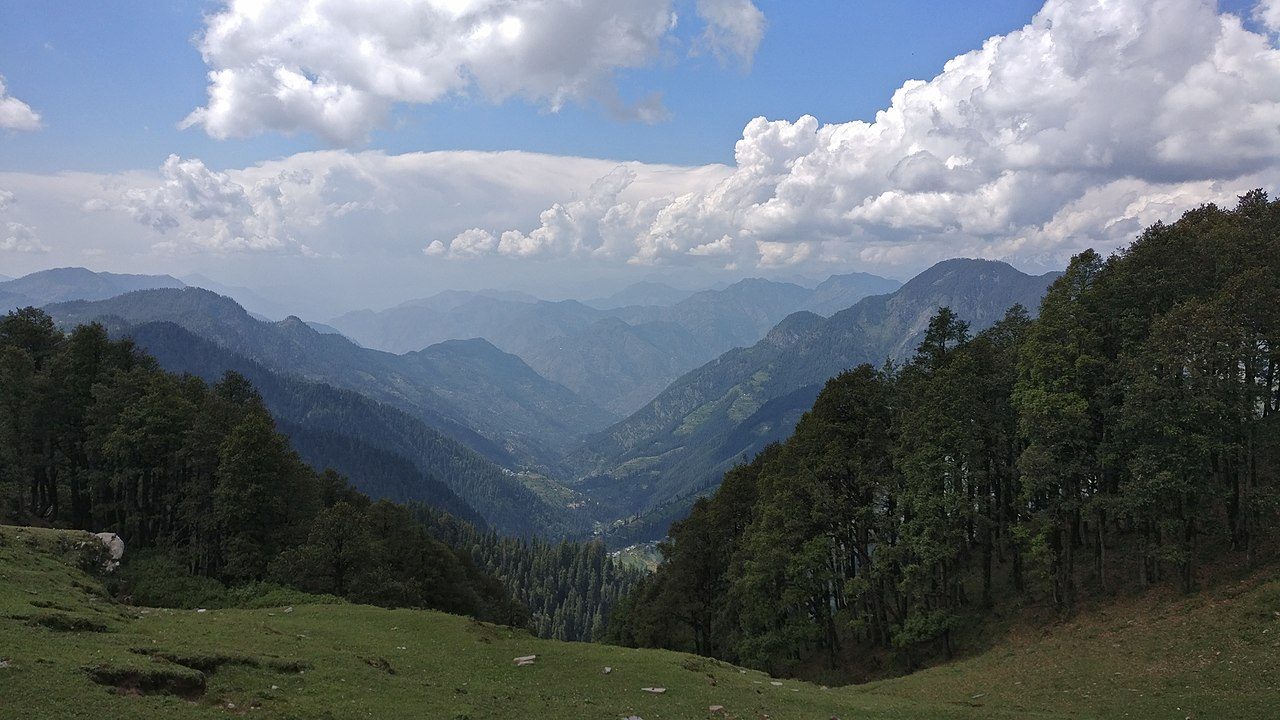
Jalori Pass, at about 3,120 metres, links the Tirthan and Banjar valleys with the Sutlej side and was one of the first motorable passes in the region. The steep road climbs through oak and fir forest to a small temple at the top. Easy trails lead from the pass to Serolsar Lake and to the ruins of Raghupur Fort. It is usually closed by snow from December to March.
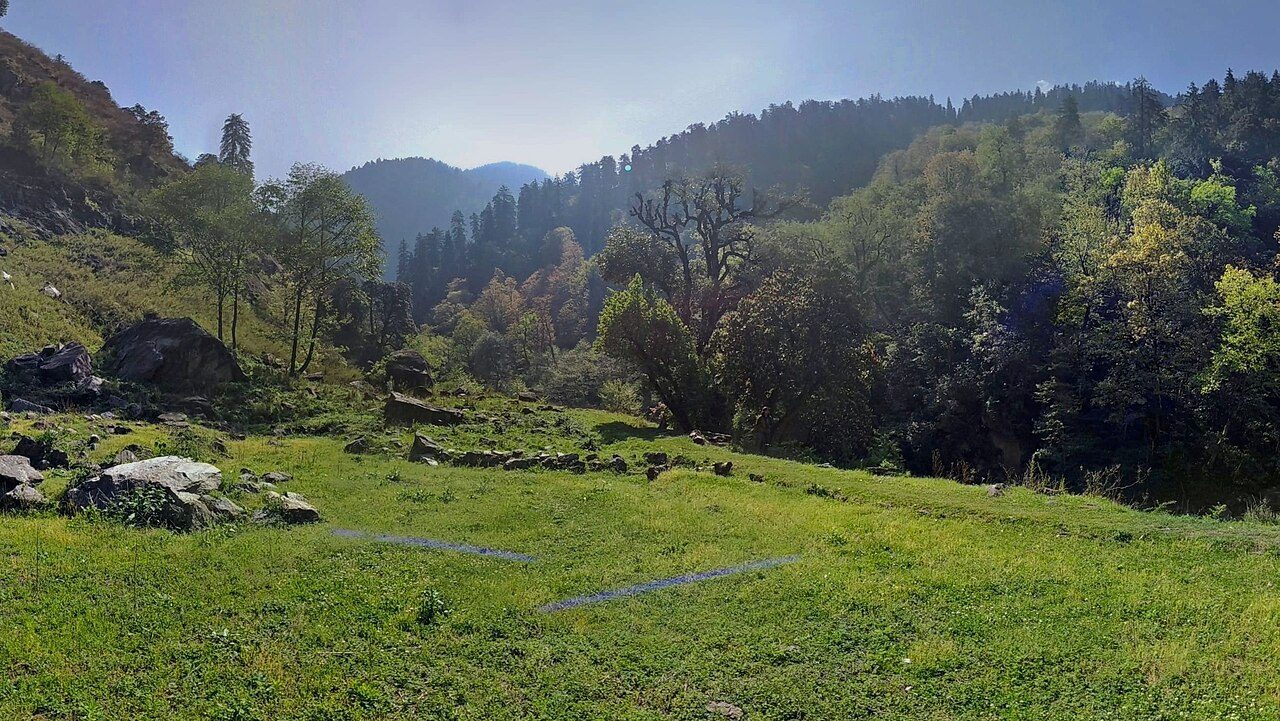
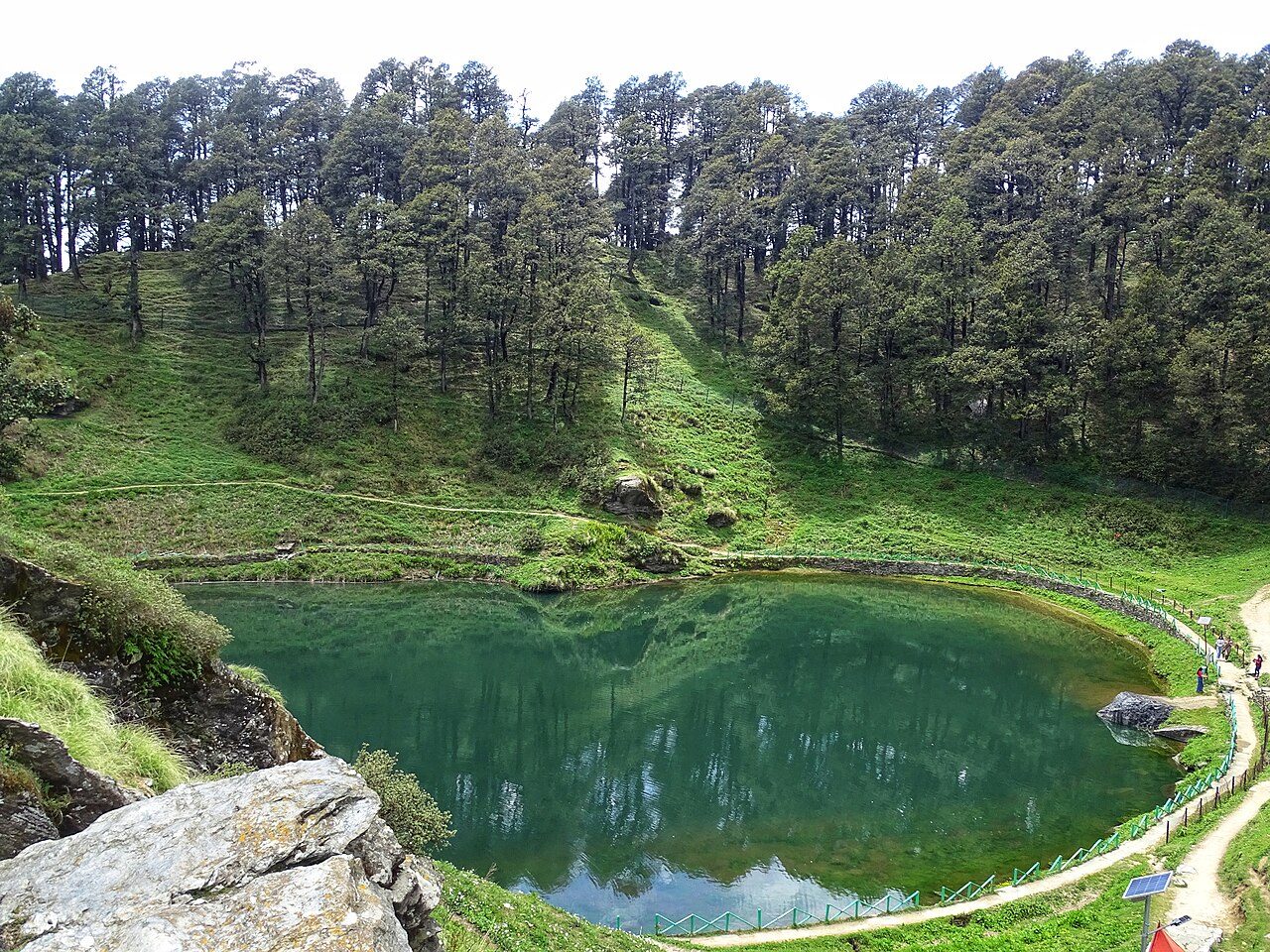
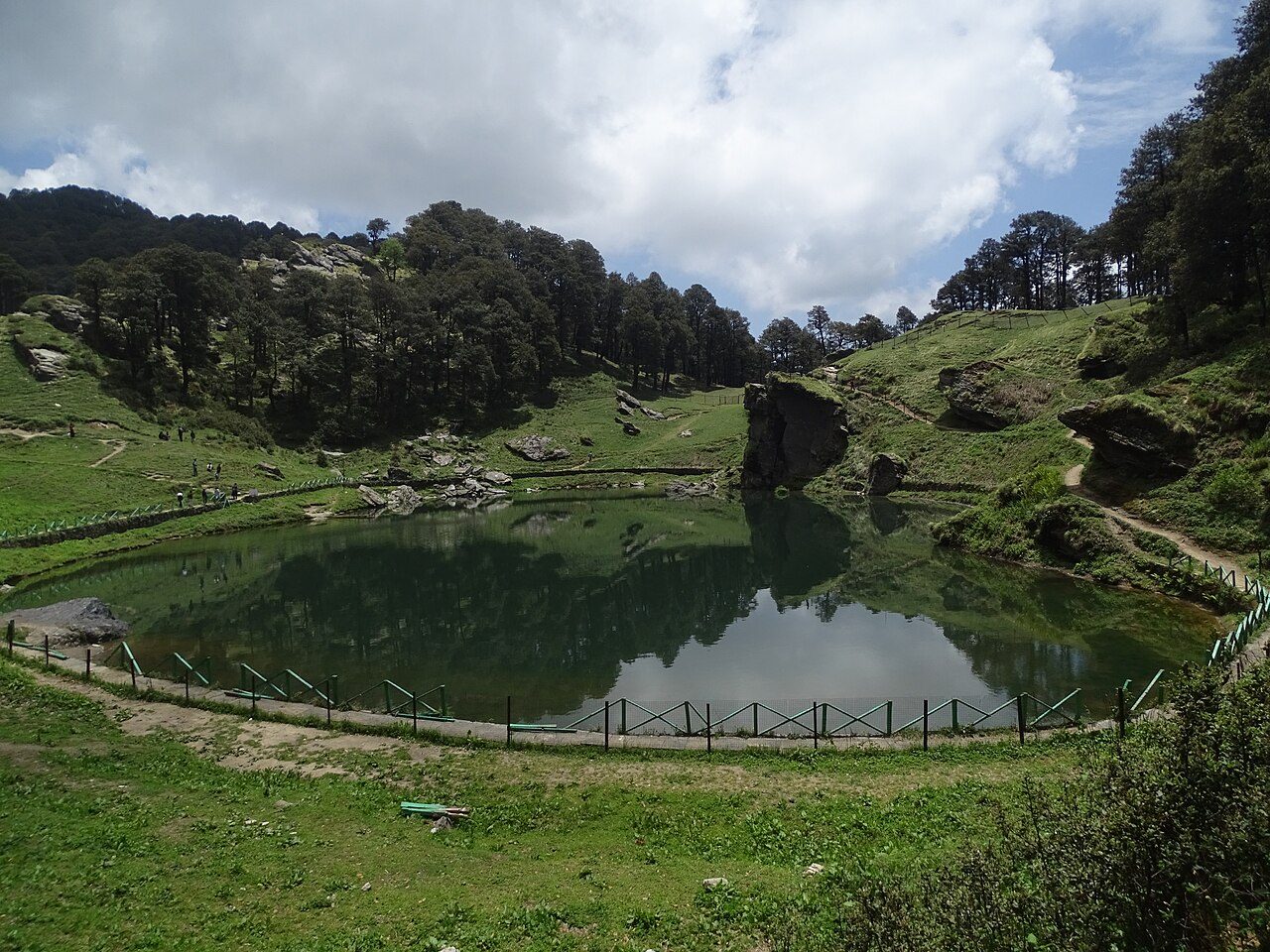
Serolsar Lake is a small, clear lake at about 3,100 metres, a level walk of roughly five kilometres from Jalori Pass through dense oak forest. A temple to the goddess Budhi Nagin stands on its shore, and local belief says birds keep the water free of fallen leaves. The trail is easy and shaded, and the lake is often snowbound until April.
 WaTrips