Hadimba, Vashisht and Jogini Falls, Solang, the Atal Tunnel and Sissu, Rohtang Pass and Naggar, then Bijli Mahadev, Manikaran and Kasol.
Manali is the gateway to the high passes, and this route mixes the classics with the Parvati valley. Day one covers Hadimba temple in its cedar forest, the hot springs at Vashisht, Jogini Falls and Mall Road. Day two goes to Solang Valley and through the Atal Tunnel to Sissu waterfall in Lahaul. Day three climbs to Rohtang Pass, which needs an online permit, and stops at Naggar Castle on the way back. Day four visits Bijli Mahadev above Kullu, the hot springs at Manikaran Sahib and the cafés of Kasol. Rohtang is usually open from about May to November.
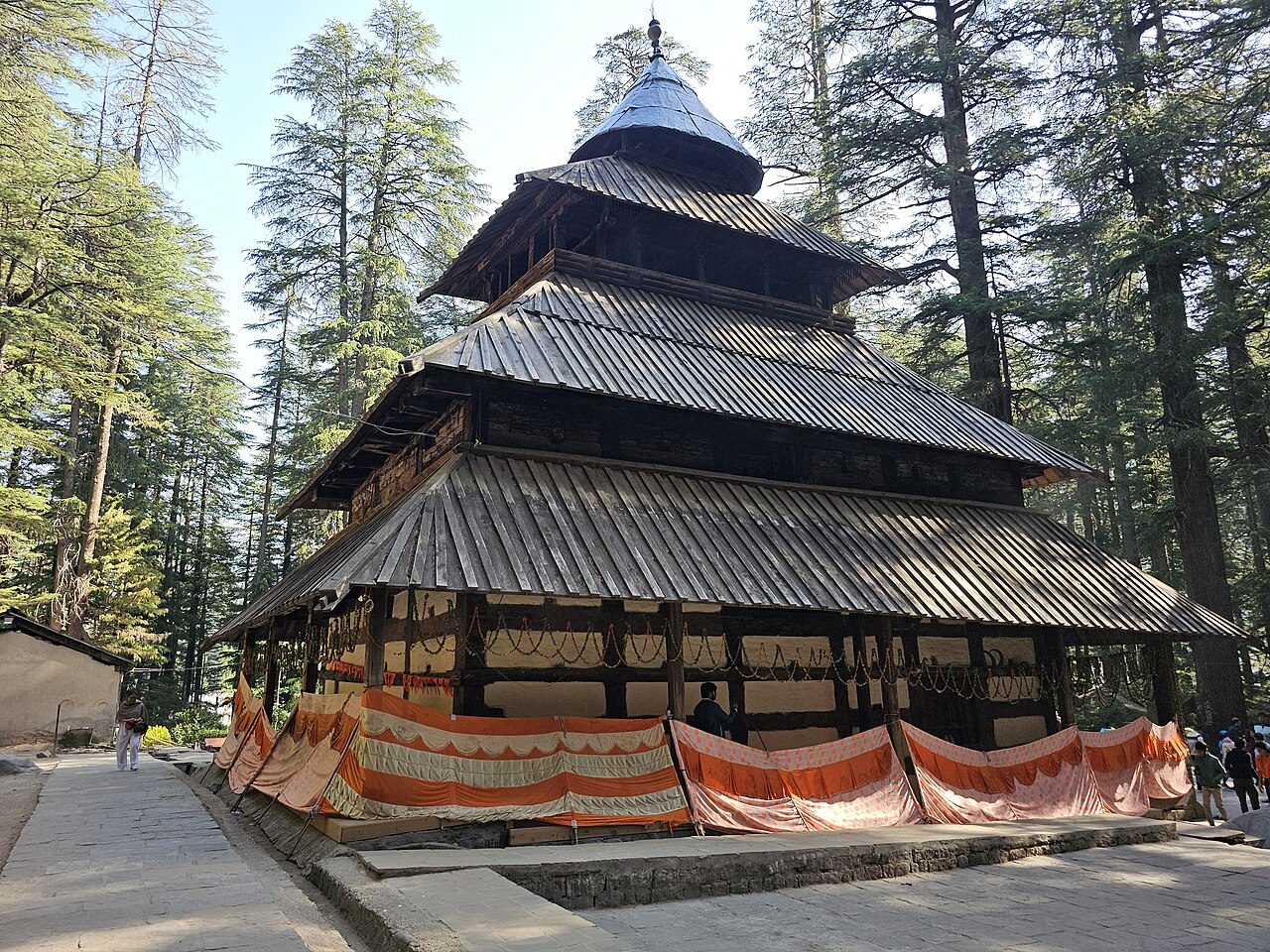
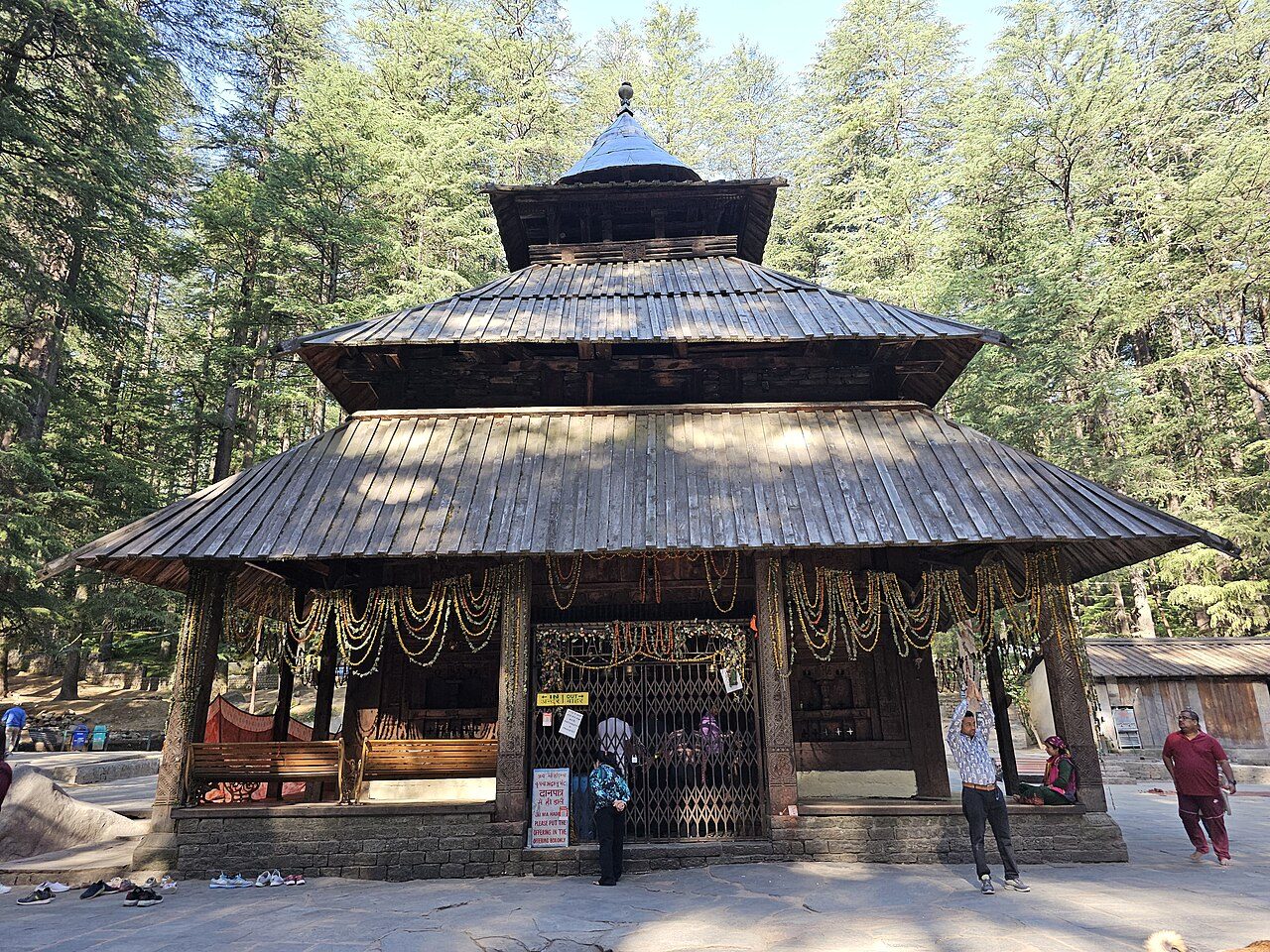
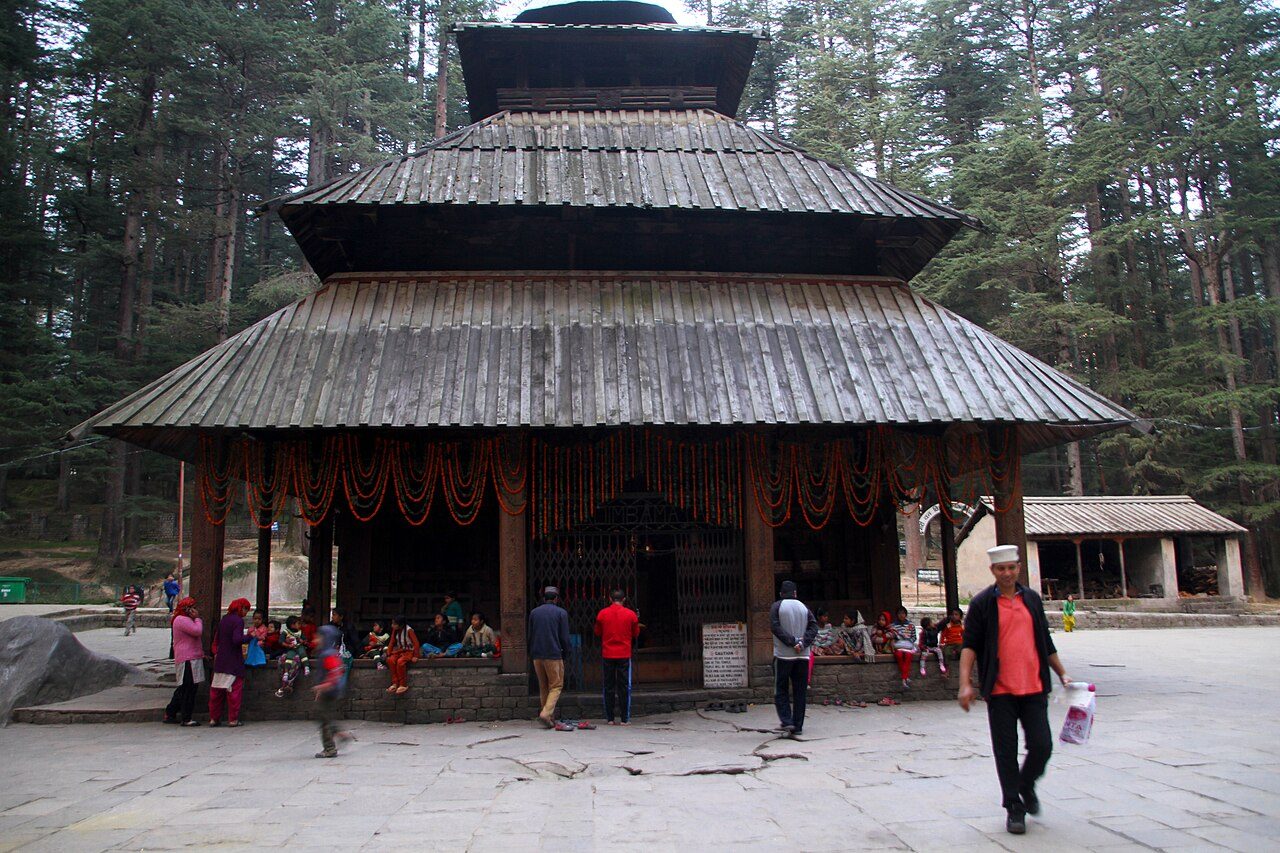
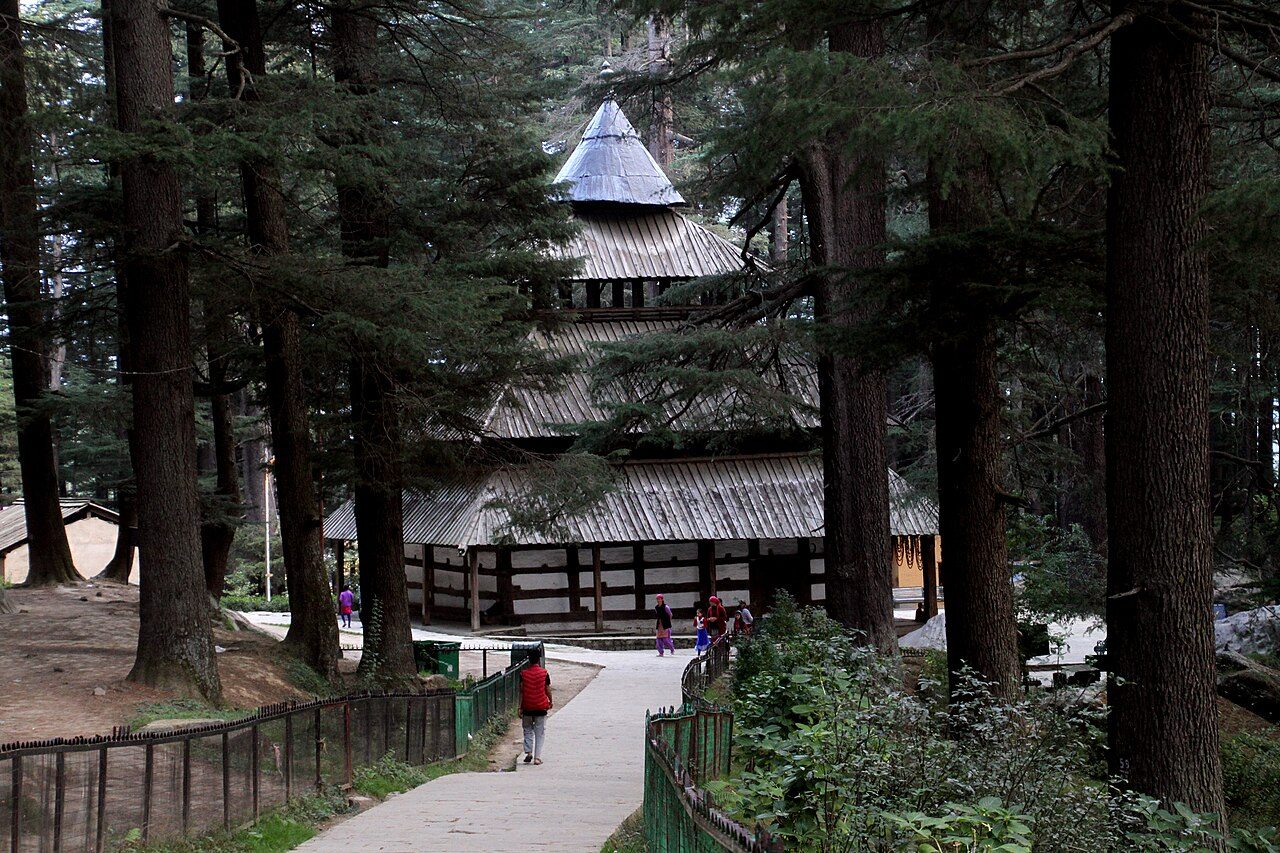
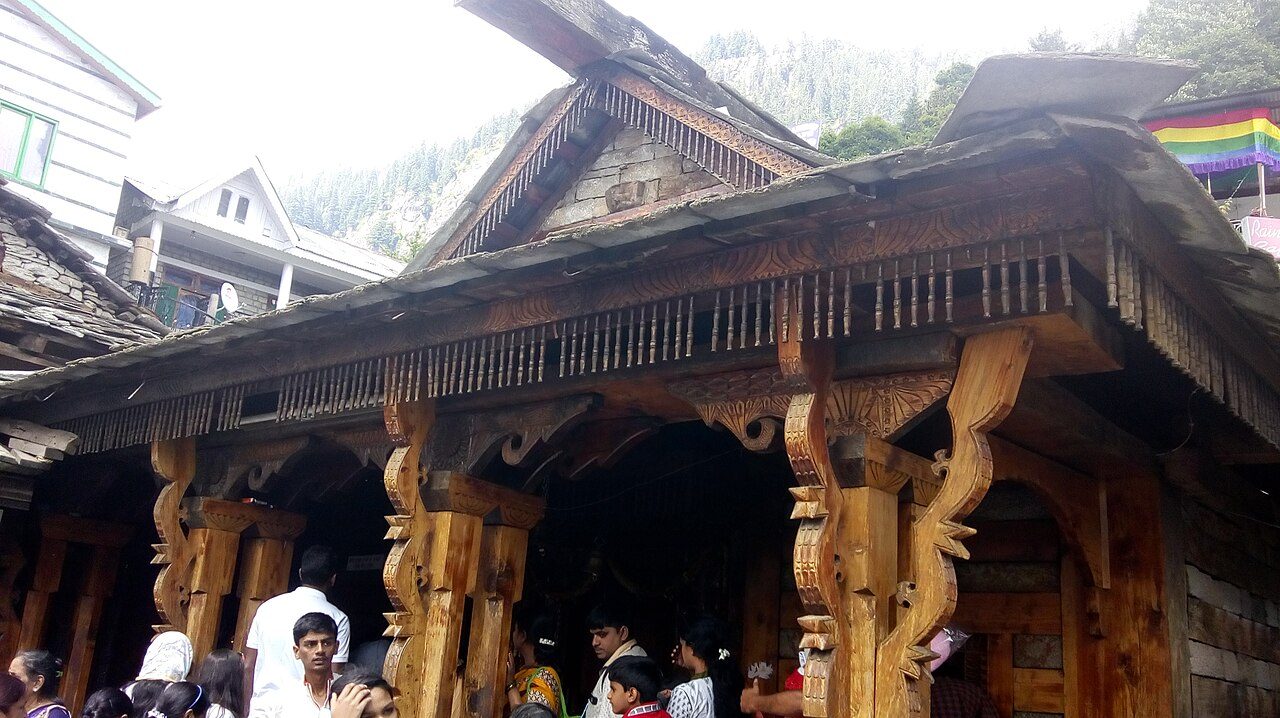
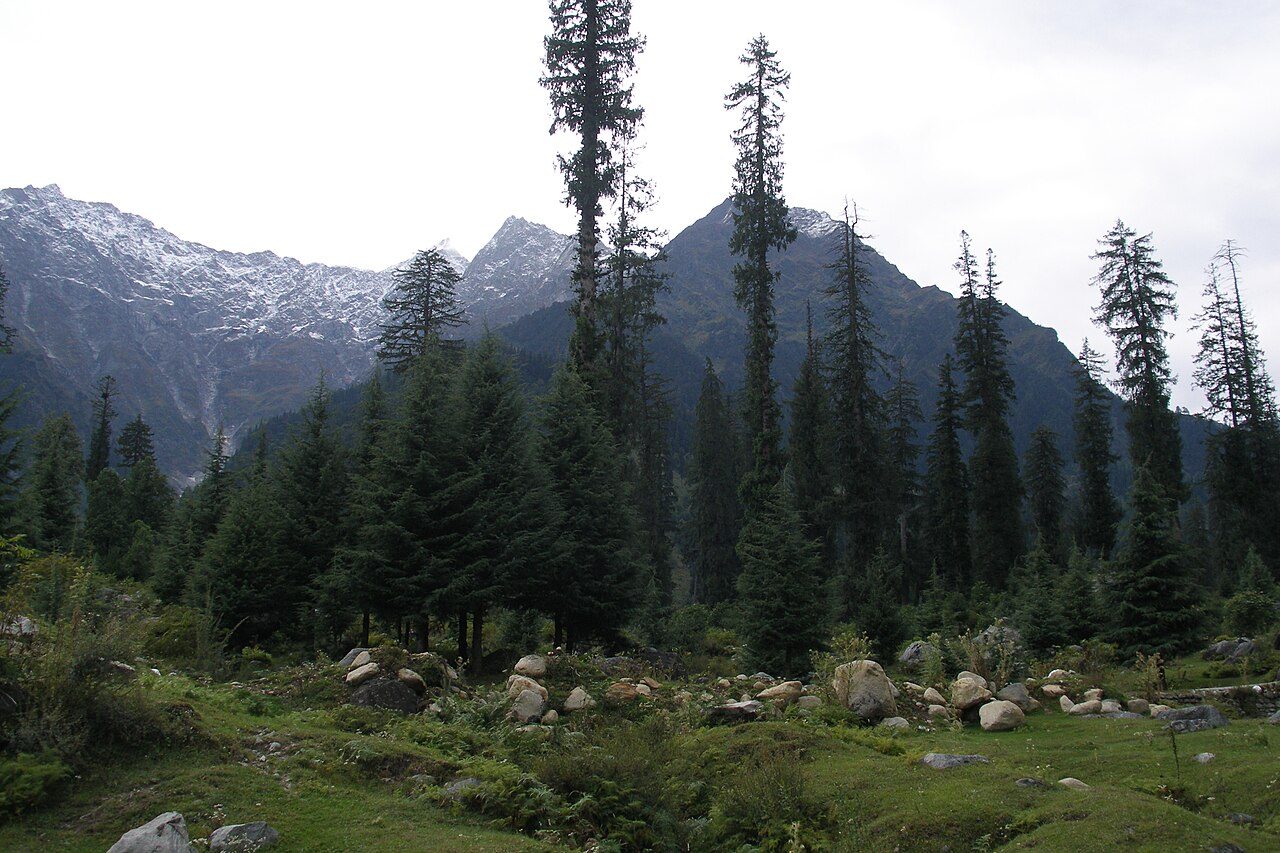
Hadimba Temple in Manali, built in 1553, is dedicated to Hidimbi Devi, wife of Bhima in the Mahabharata. The four-tiered pagoda-style temple of wood and stone, with finely carved doors, stands over a rock in a grove of giant deodars. Hadimba is the patron goddess of the Kullu rulers. A large fair is held here in May. Yaks and angora rabbits are offered for photos outside.
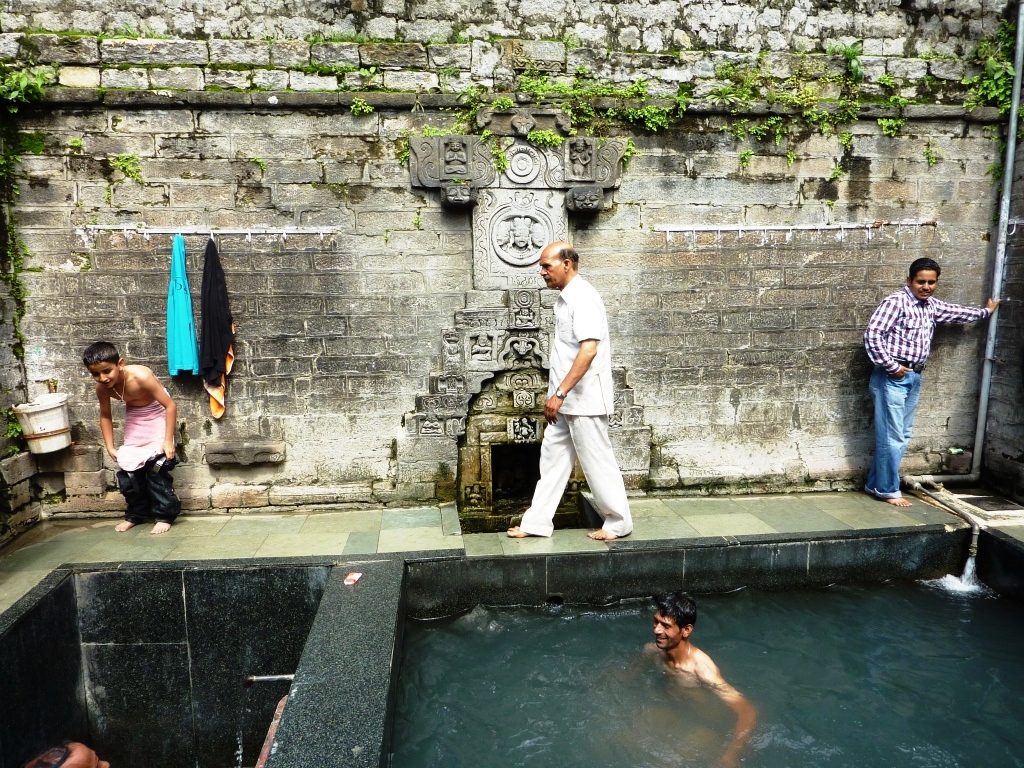
Vashisht, a village across the Beas from Manali, is known for its hot sulphur springs and the old stone temple of the sage Vashisht, built in the traditional hill style with carved wood. The spring water is piped into separate free public baths for men and women beside the temple. A second temple to Rama stands nearby, and the village lanes are full of guesthouses and cafes.
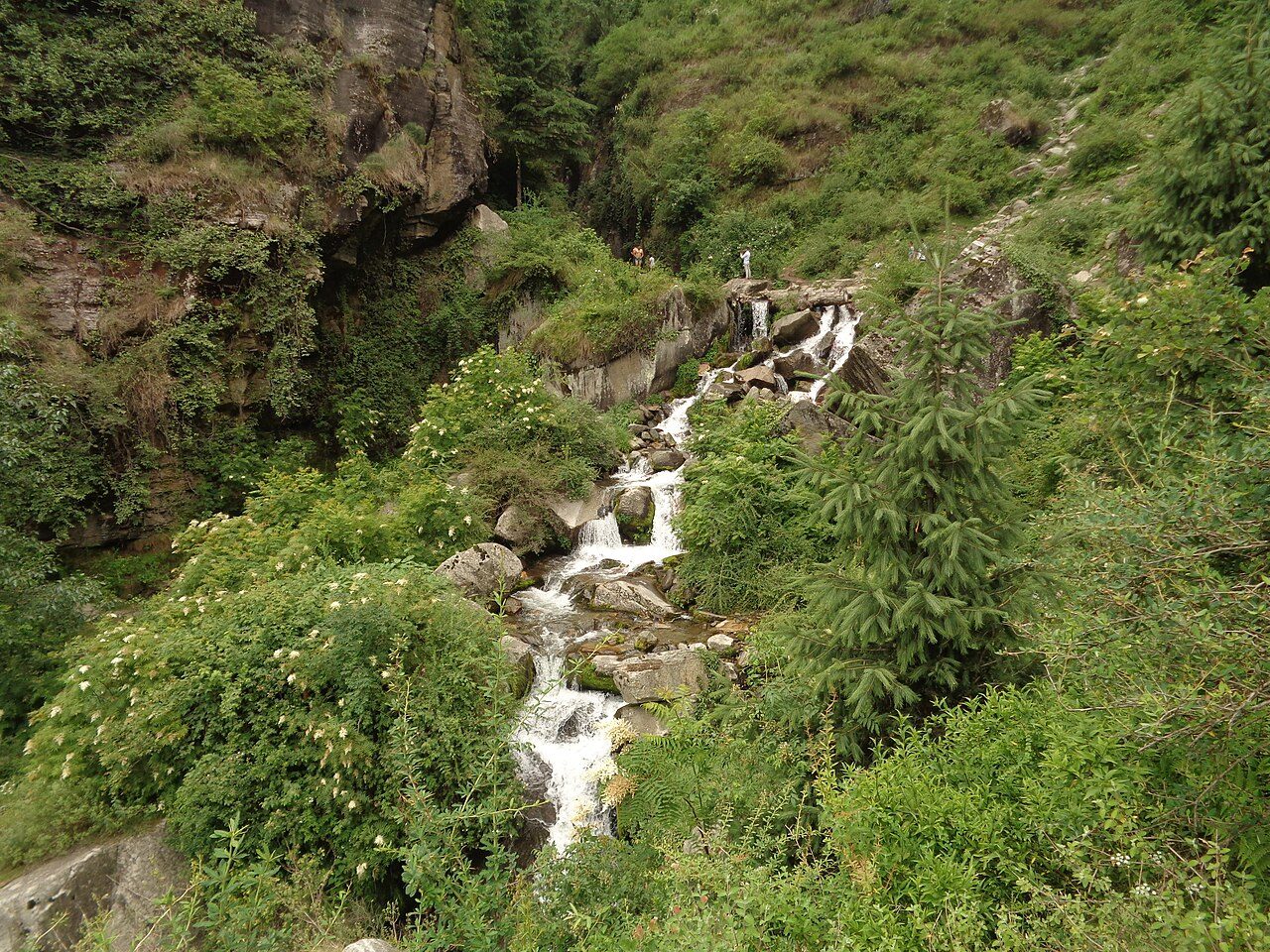
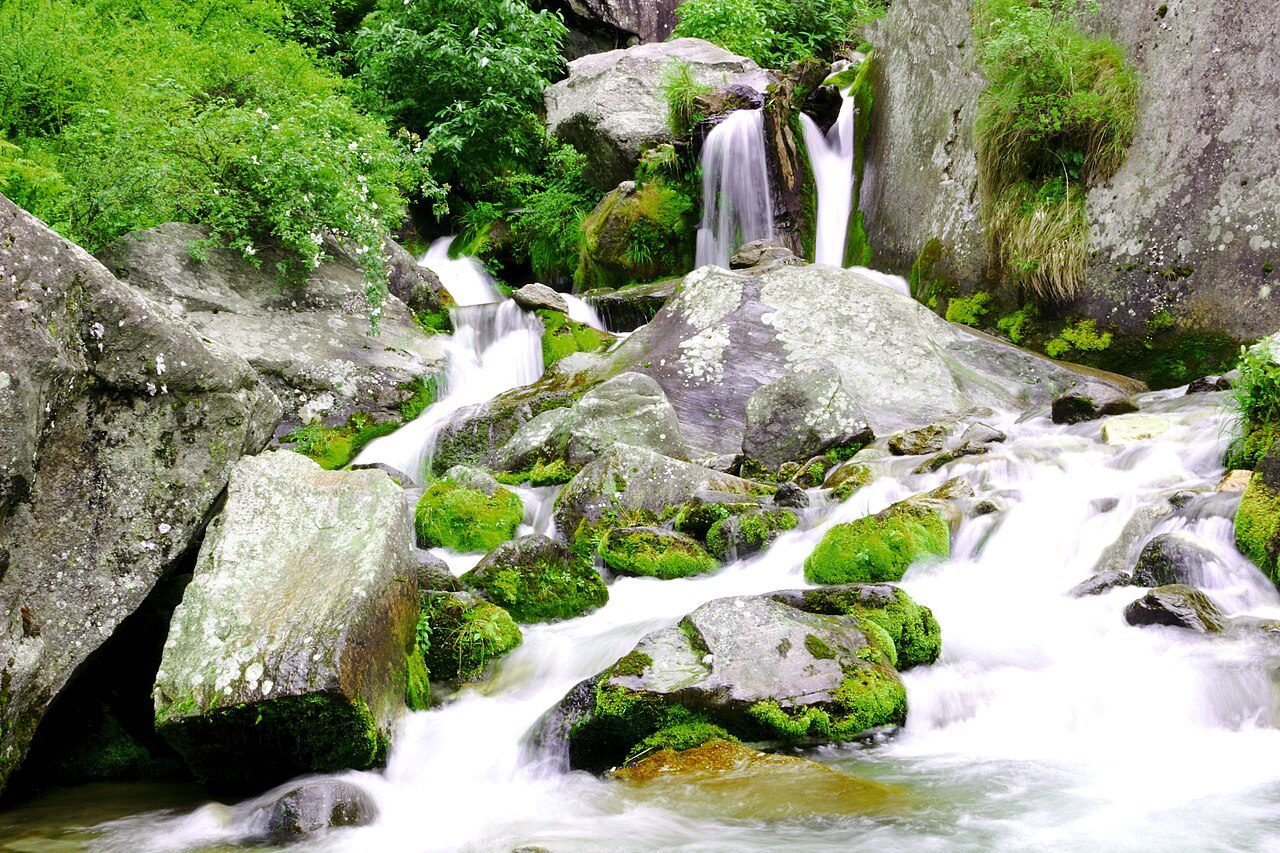
Jogini Falls is a waterfall above the village of Vashisht, near Manali, reached by a walk of about three kilometres through apple orchards and pine forest. The water drops in several stages down a rock face, and a small shrine to the Jogini goddess stands at its base. The path continues to the upper fall for wide views of the Beas valley and Rohtang peaks.
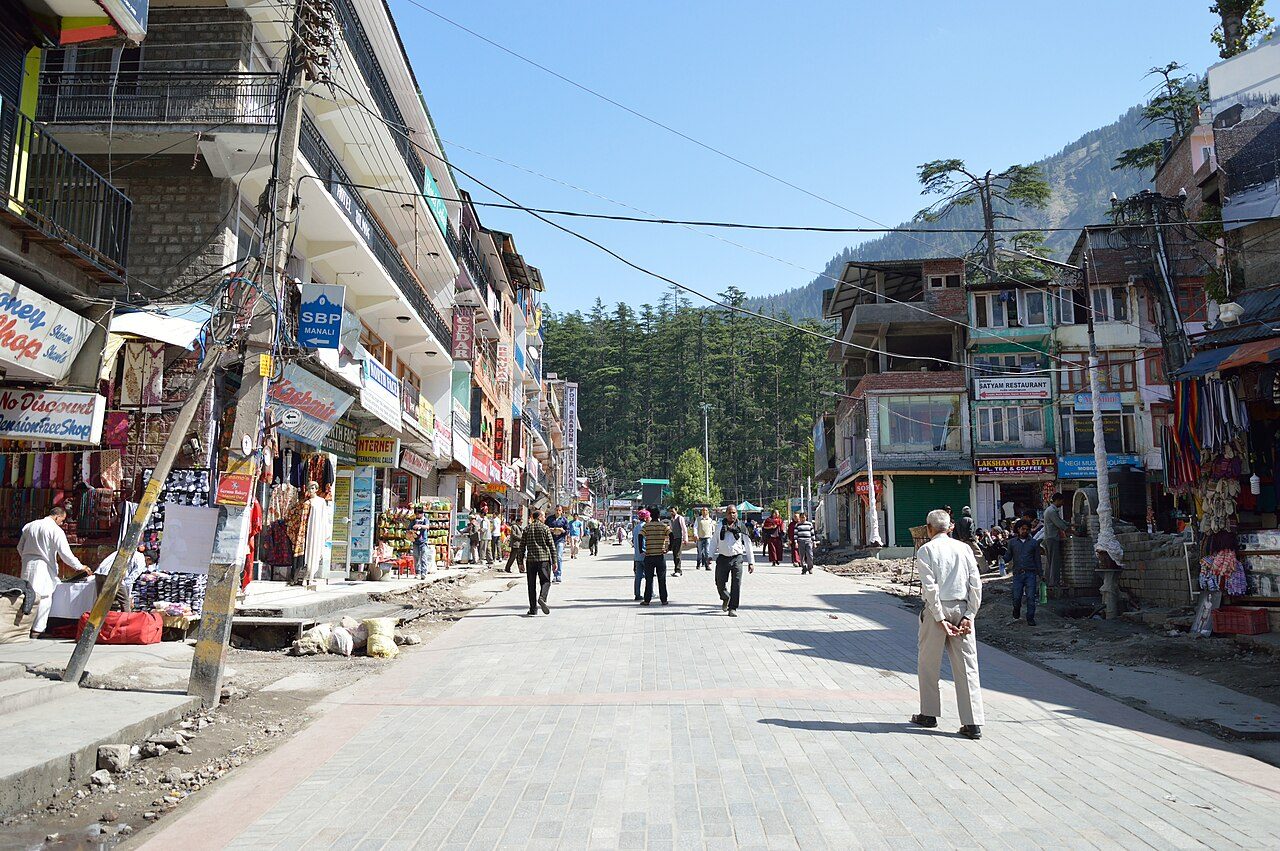
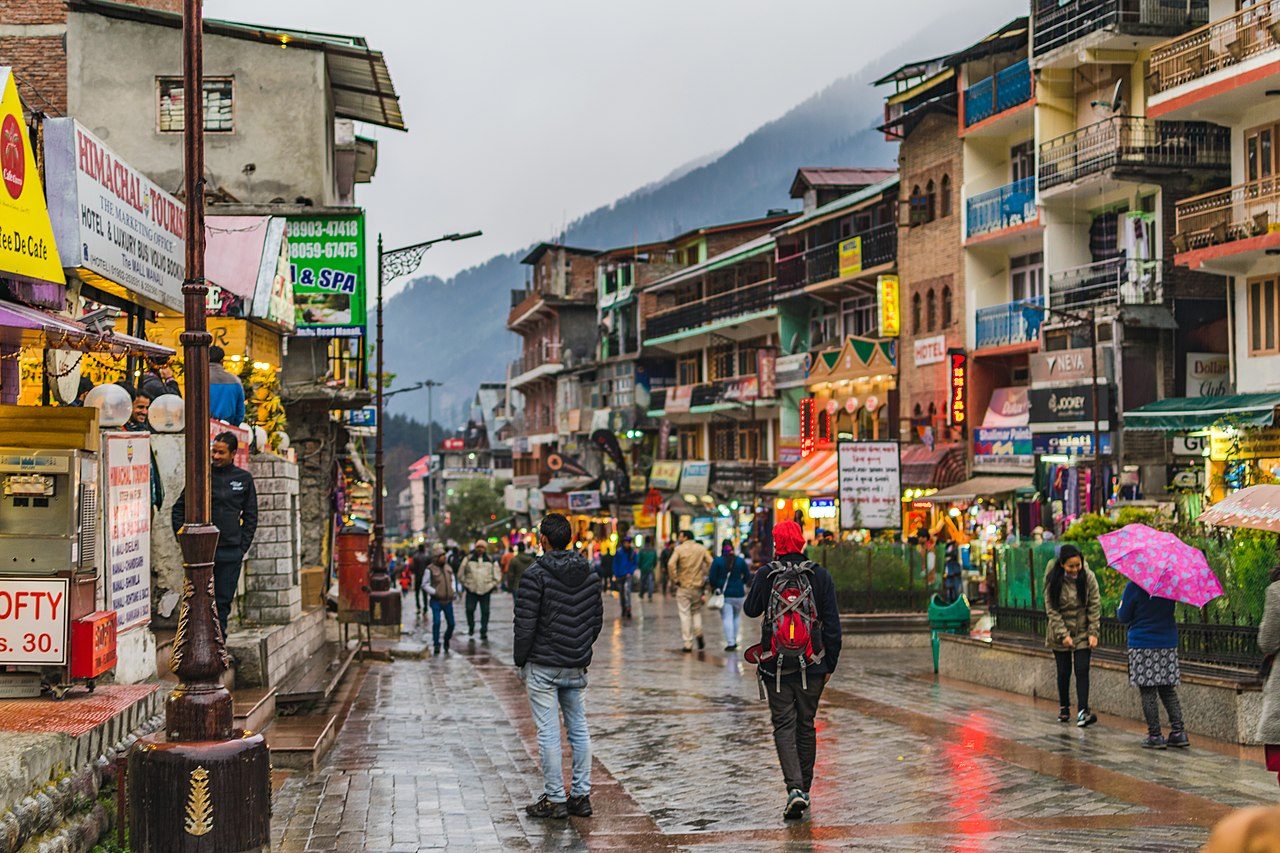
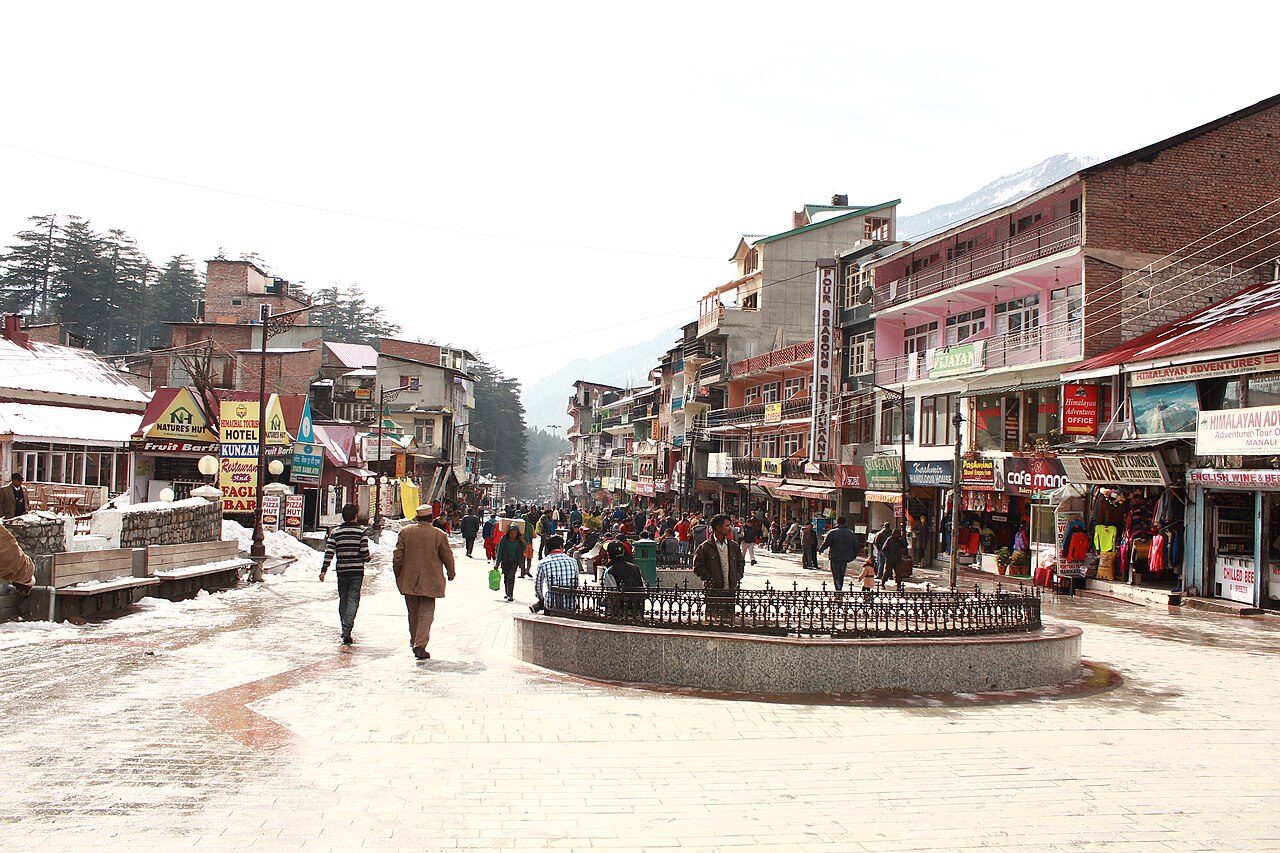
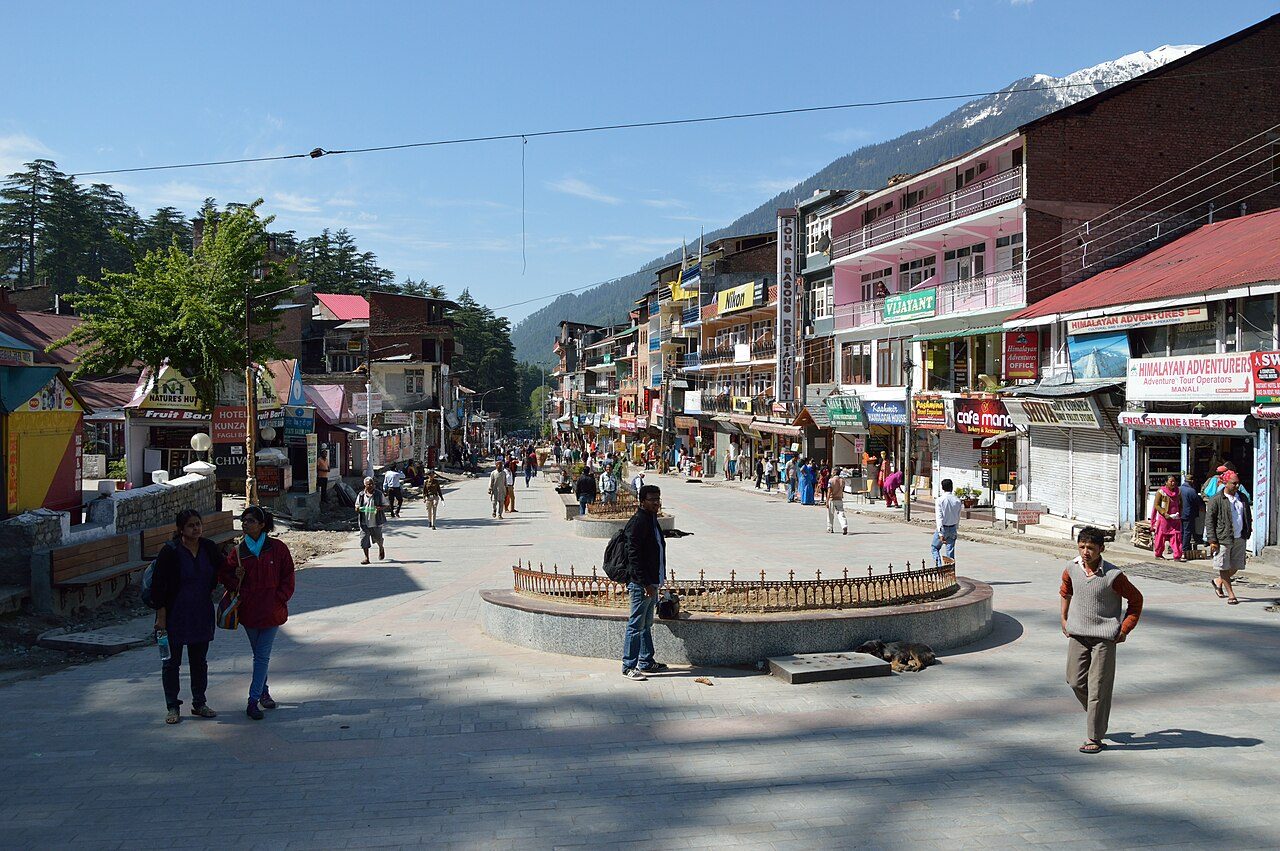
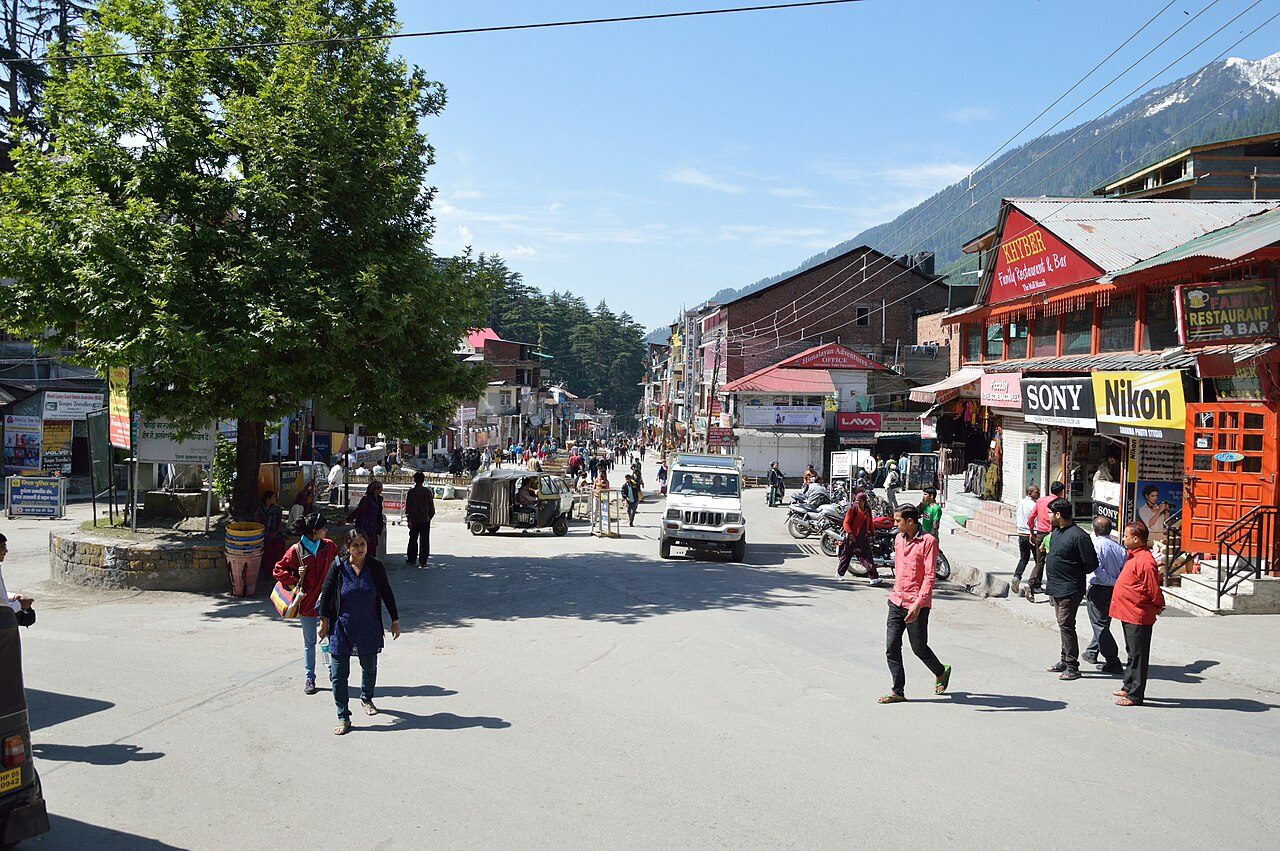
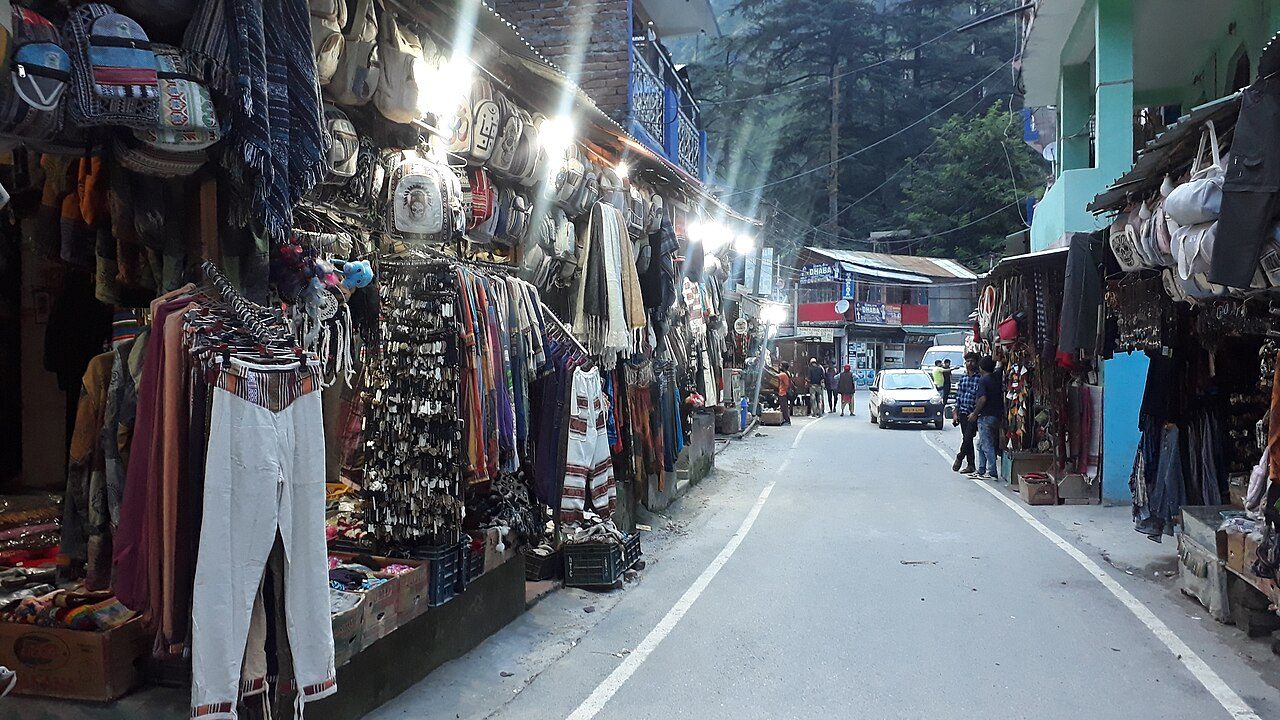
Mall Road is the busy main street of Manali, running through the centre of the new town. It is lined with shops selling shawls, woollens and handicrafts, restaurants, travel agents and the bus stand, and is closed to traffic for much of its length. Benches under the trees make it the town's meeting place. Evenings are liveliest, especially in the summer season.
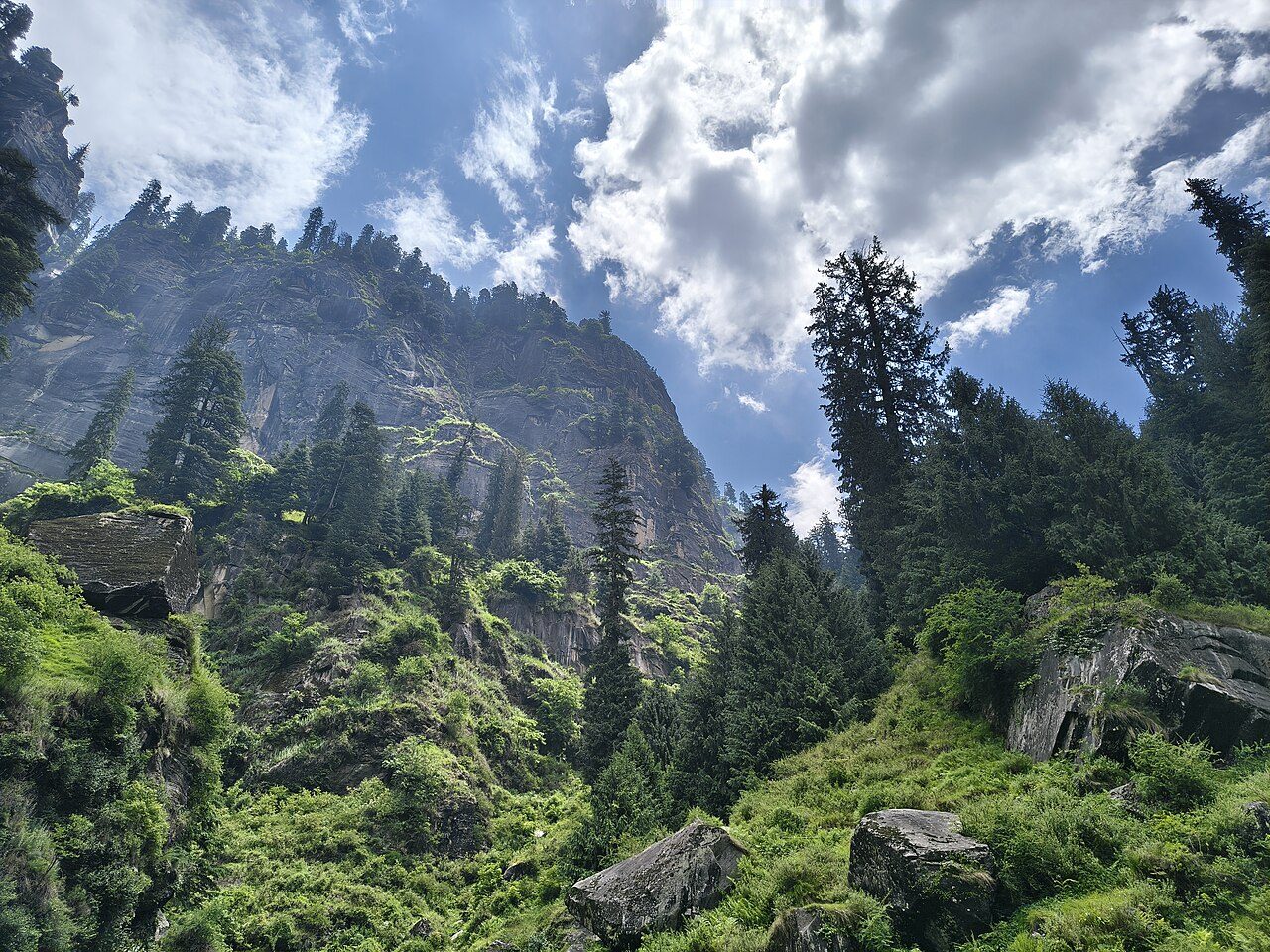
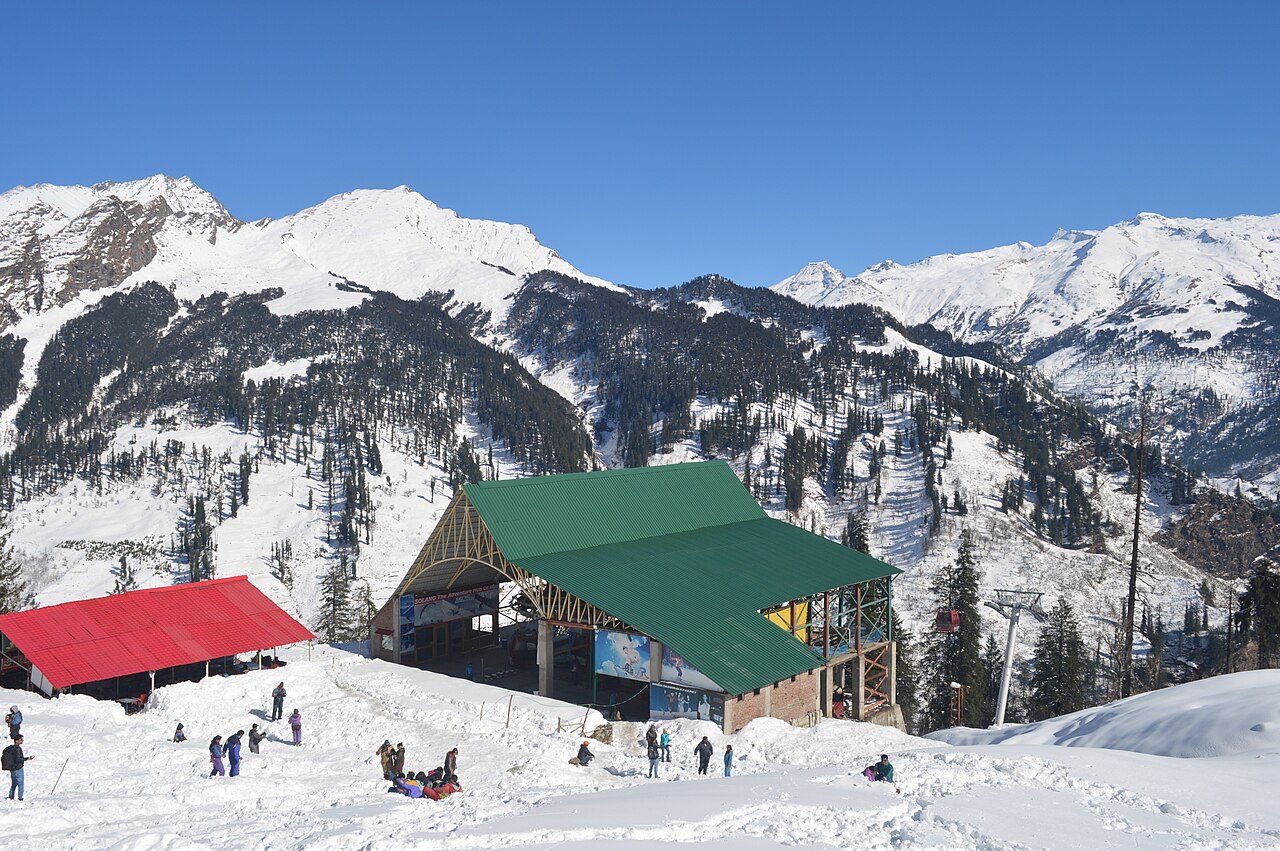
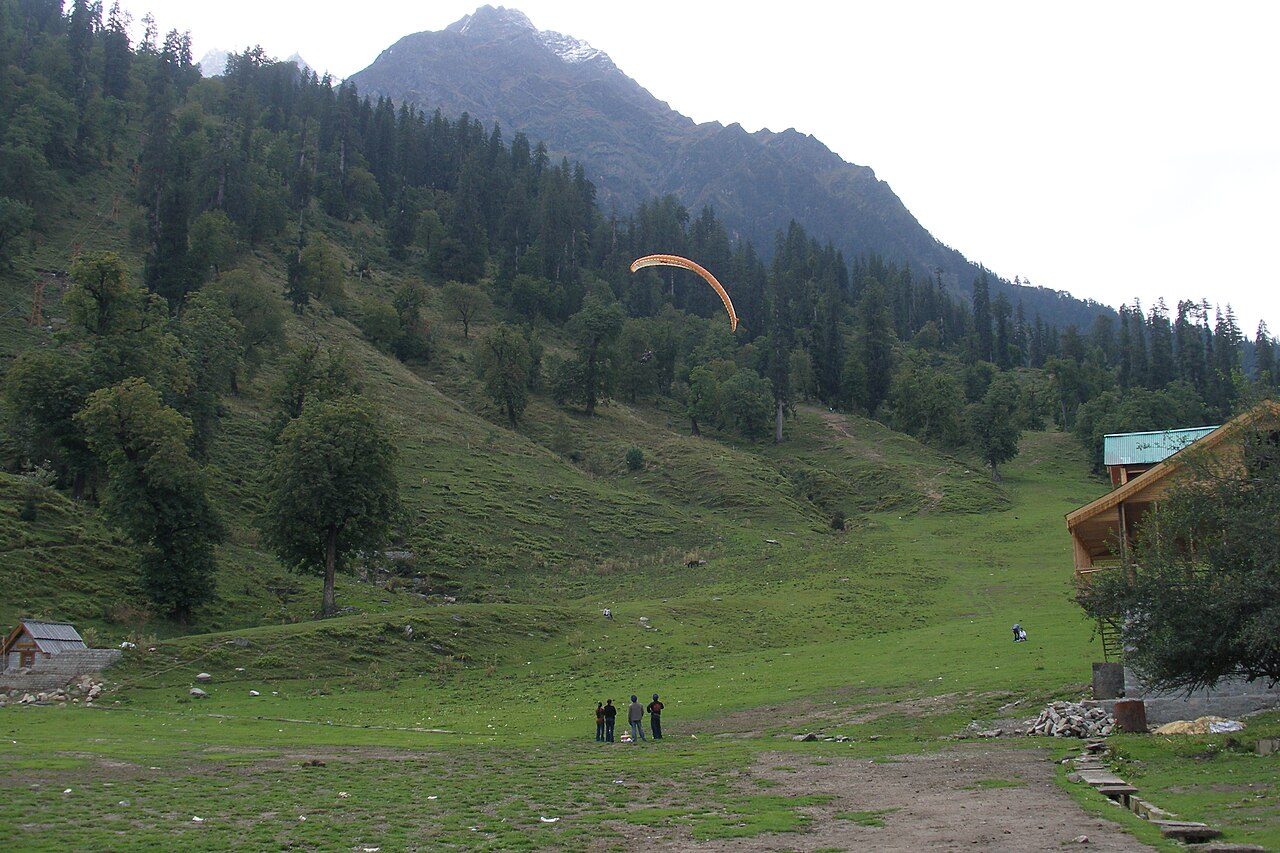
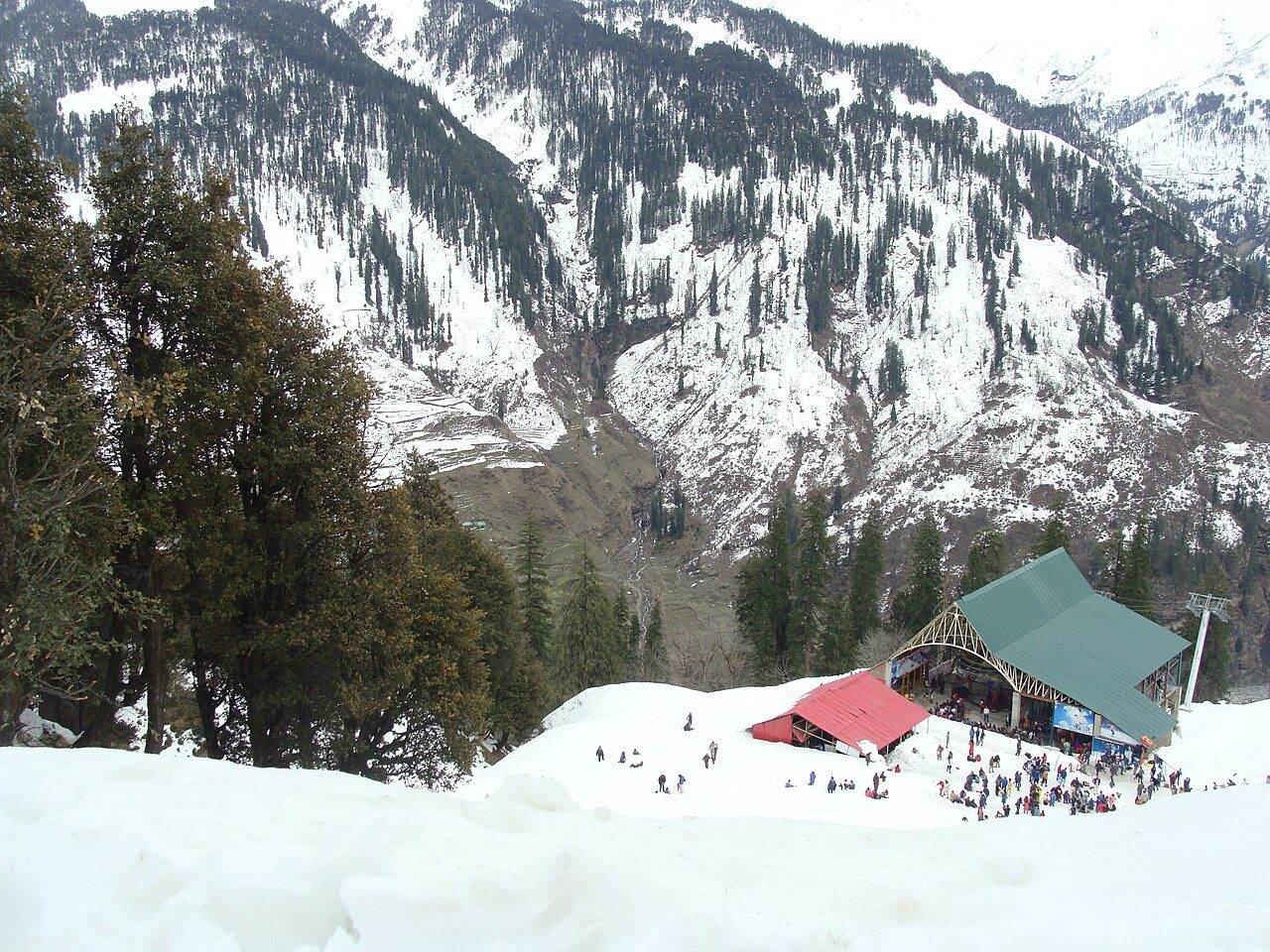
Solang Valley lies about 13 km from Manali on the road to the Atal Tunnel and is the region's adventure playground. A ropeway climbs the slope, and depending on the season there is skiing, snow tubing, paragliding, zorbing and quad biking. In winter it is the main snow point when Rohtang is closed. The valley is ringed by glaciers and snow peaks.
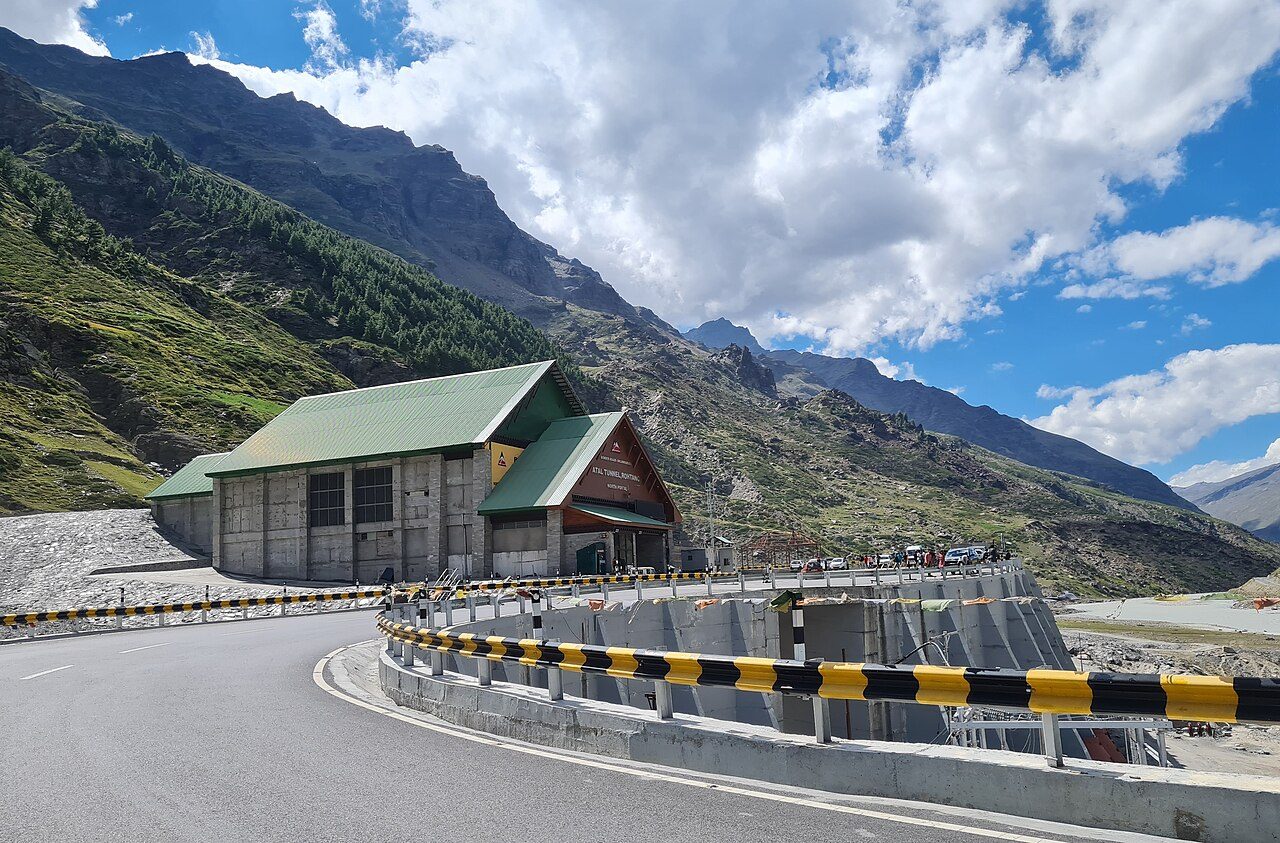
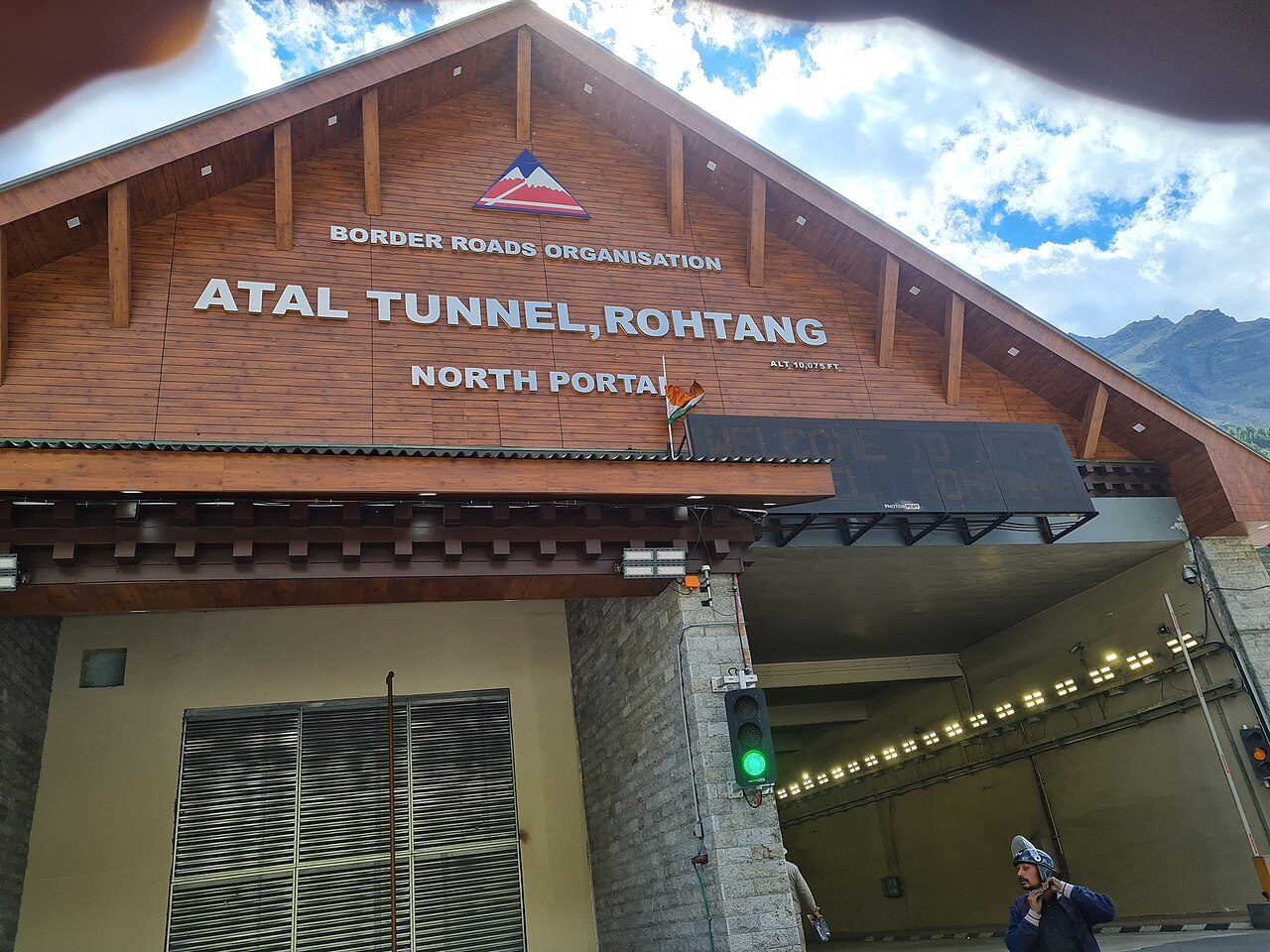
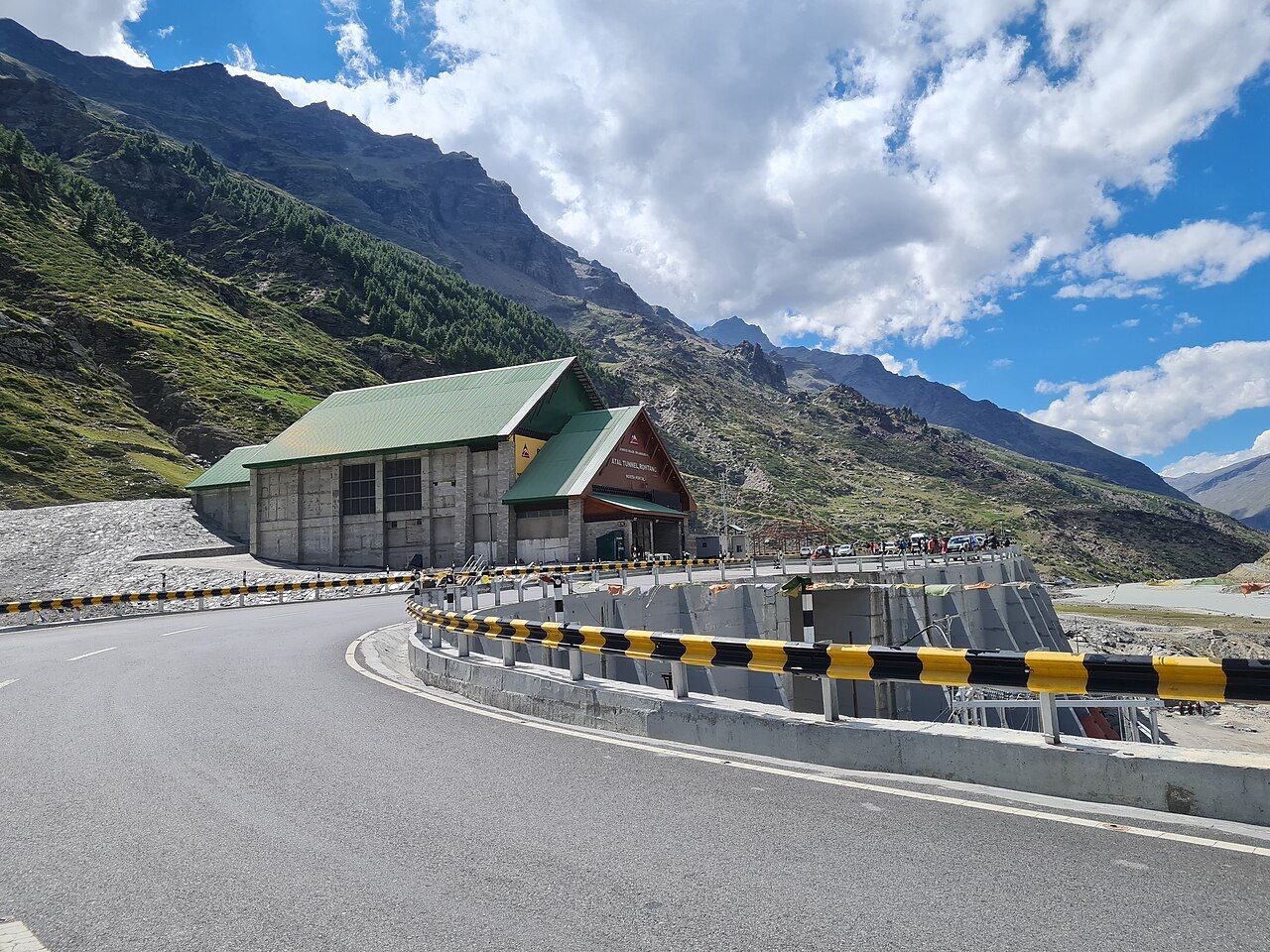
The Atal Tunnel runs for about nine kilometres beneath the Rohtang Pass and is the world's longest highway tunnel above 3,000 metres. Opened in 2020, it gives all-weather road access from Manali to Lahaul and cuts the journey by several hours. The south portal lies beyond Solang at Dhundi. Stopping inside is not allowed; viewpoints at both portals look onto the snow peaks.
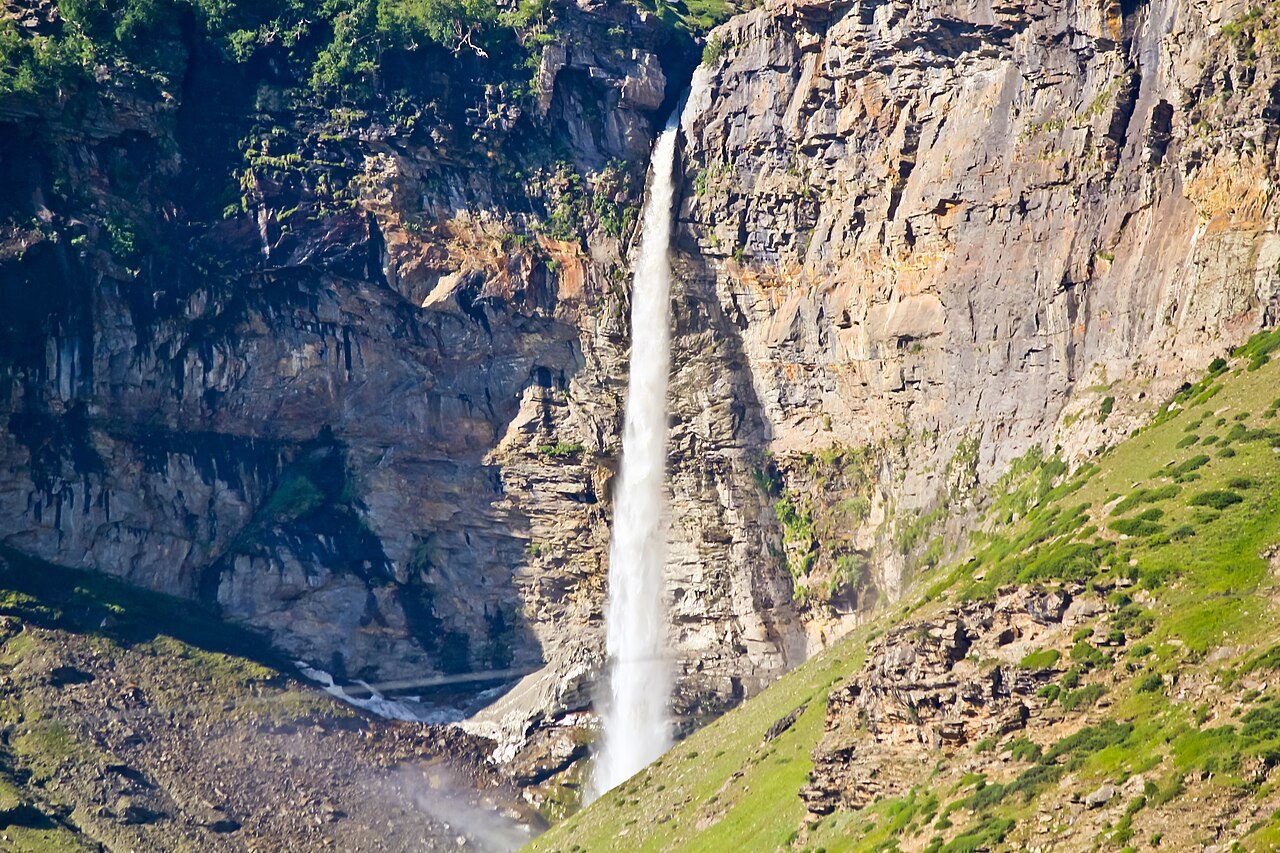
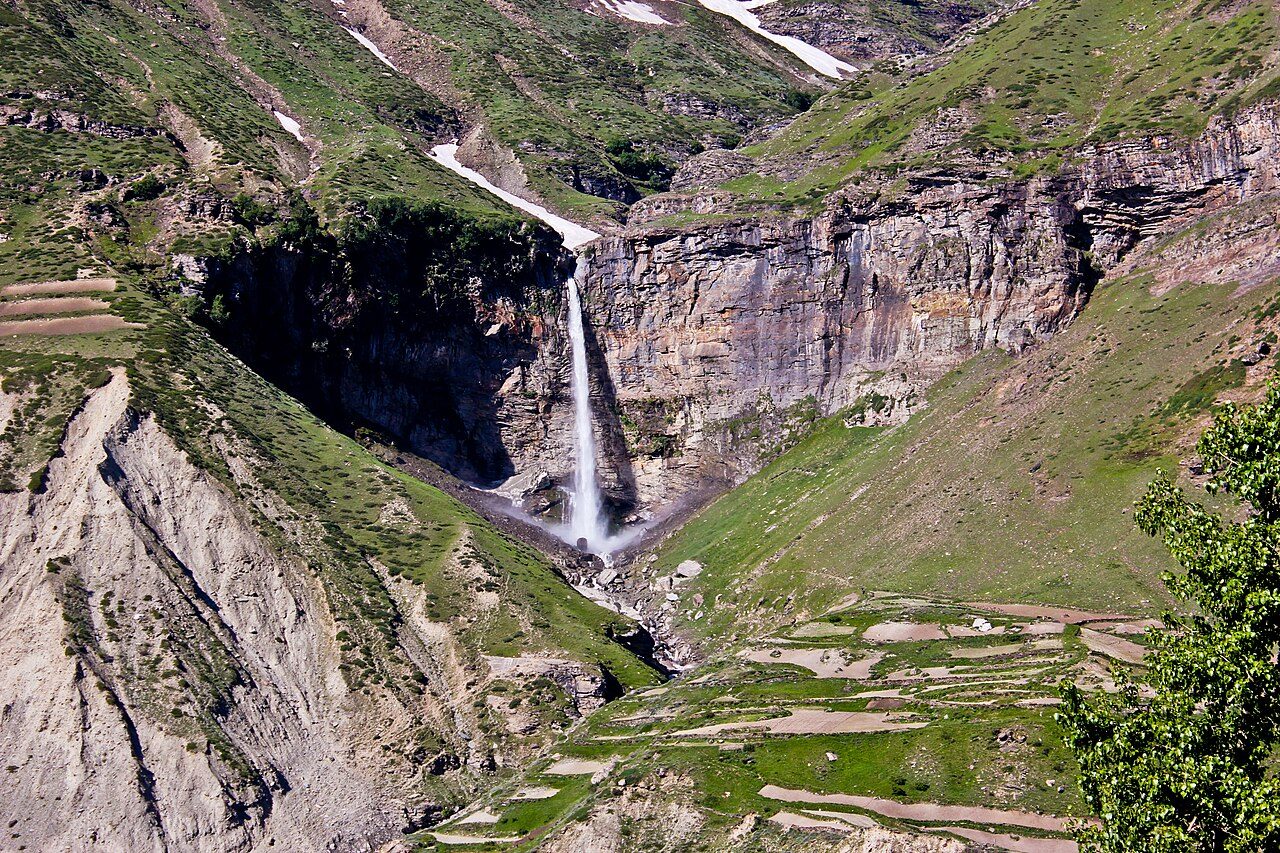
Sissu Waterfall drops down a cliff across the Chandra River from the village of Sissu, the first settlement in Lahaul beyond the north portal of the Atal Tunnel. It can be viewed from the highway and the village, or reached by a short walk across the river. A small lake, willow groves and a helipad lie nearby. The area is open for most of the year since the tunnel opened.
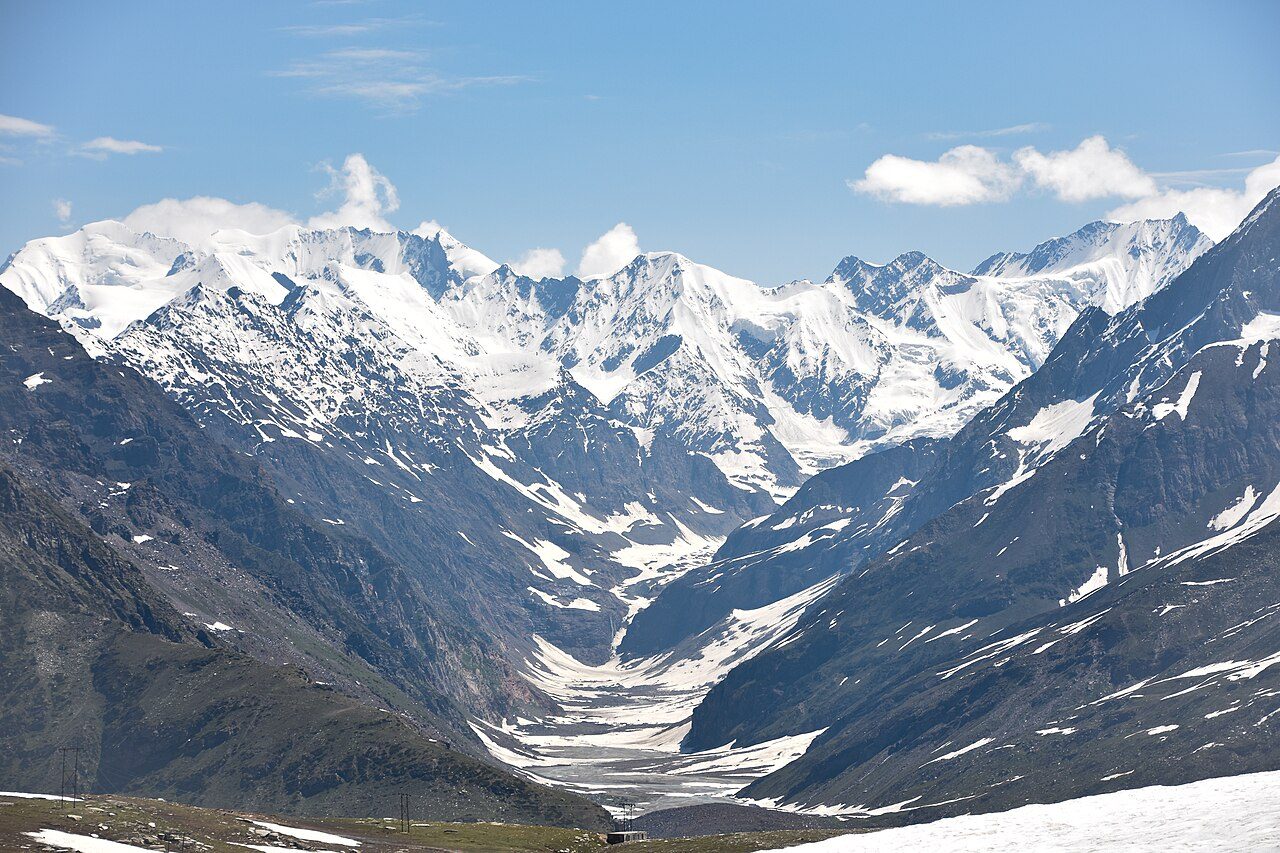
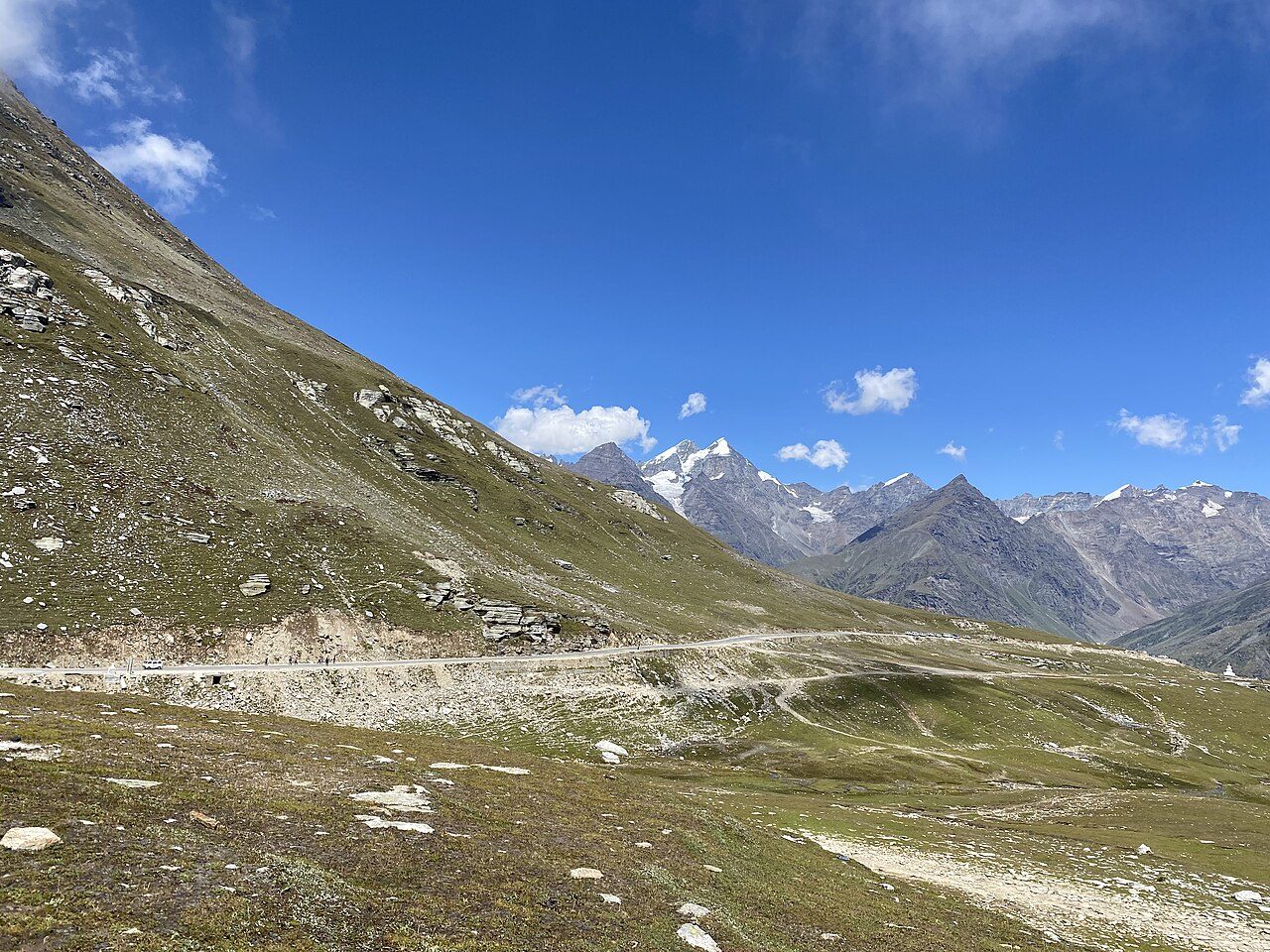
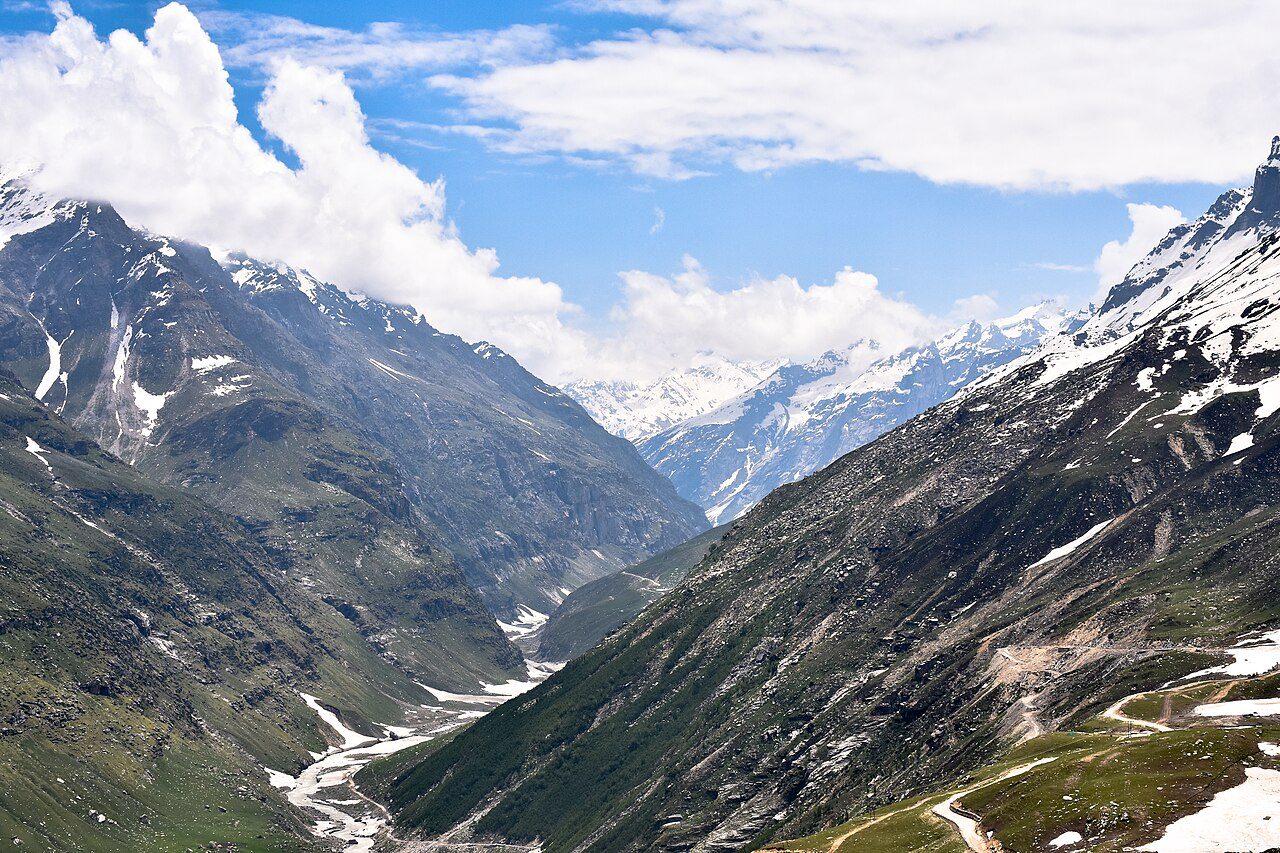
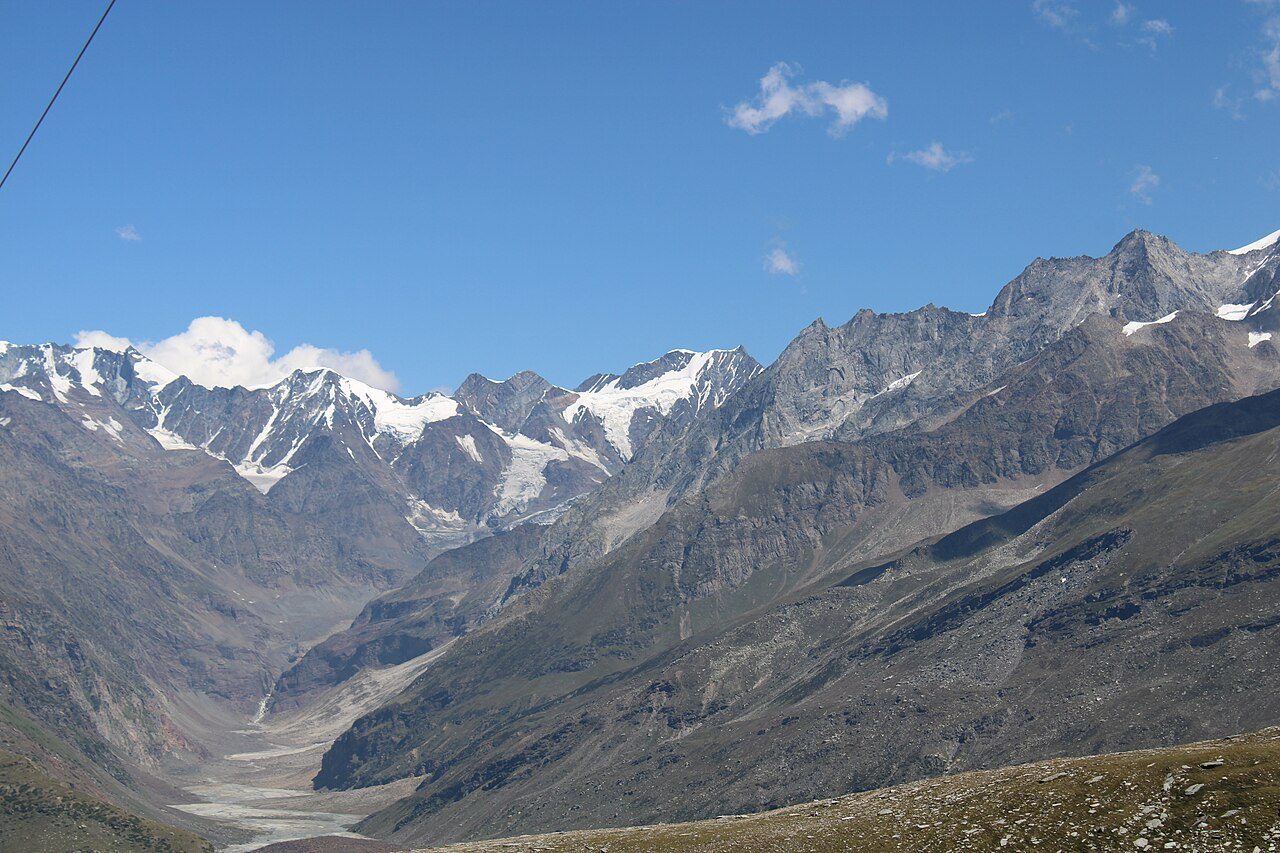
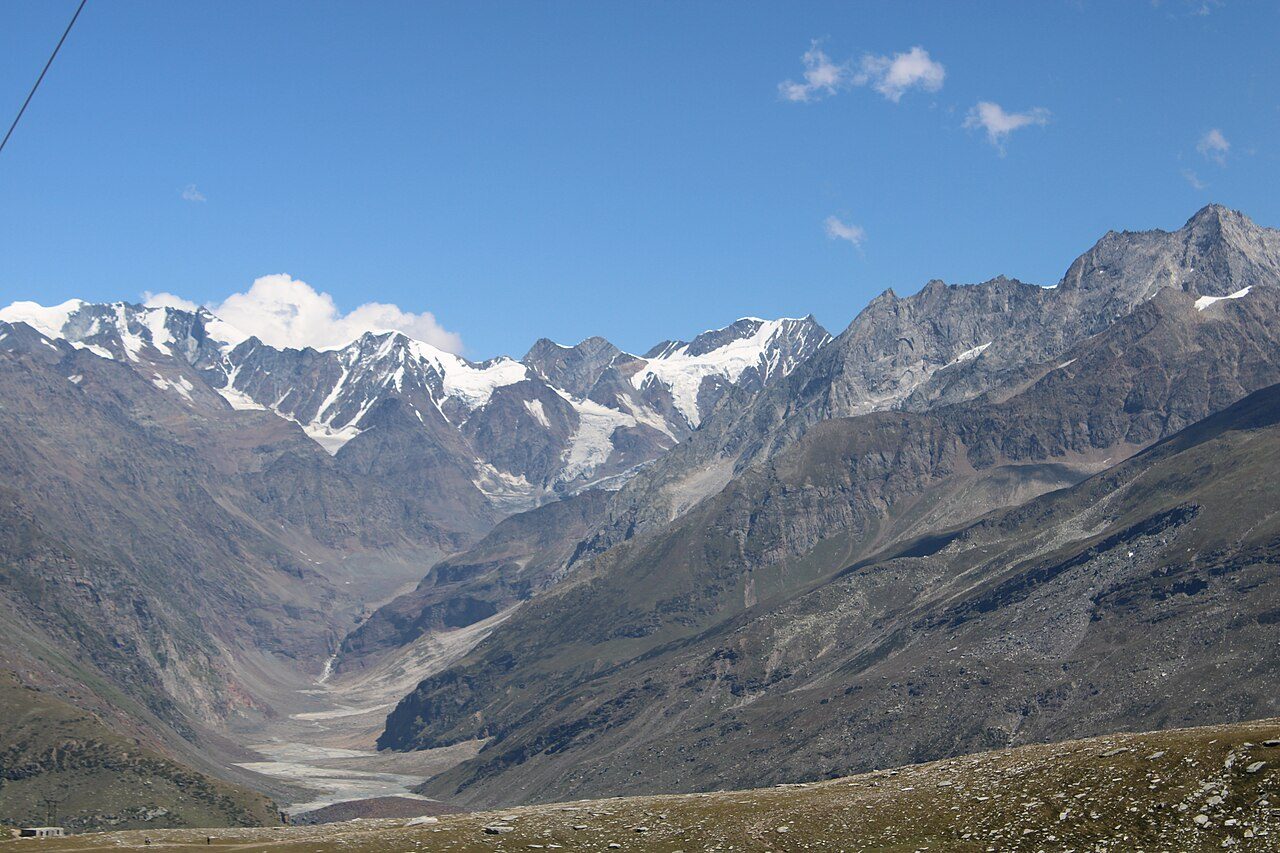
Rohtang Pass, at about 3,980 metres, crosses the Pir Panjal range between the Kullu valley and Lahaul, 51 km from Manali. It is open from roughly May to November and is famous for snow even in summer and for sweeping views of glaciers and peaks. Vehicle numbers are limited by permit, which must be booked in advance; the pass is closed to tourists on Tuesdays.
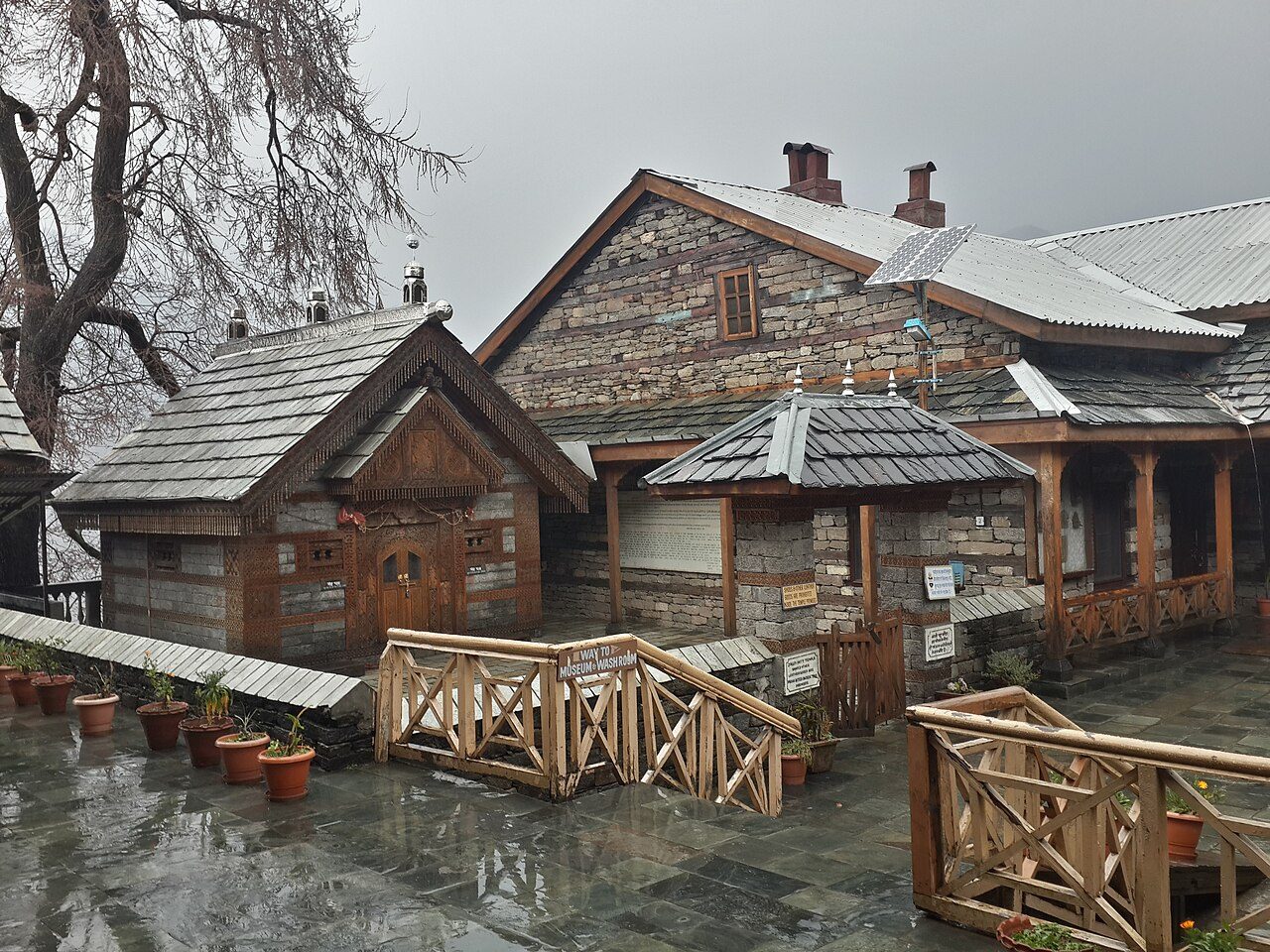
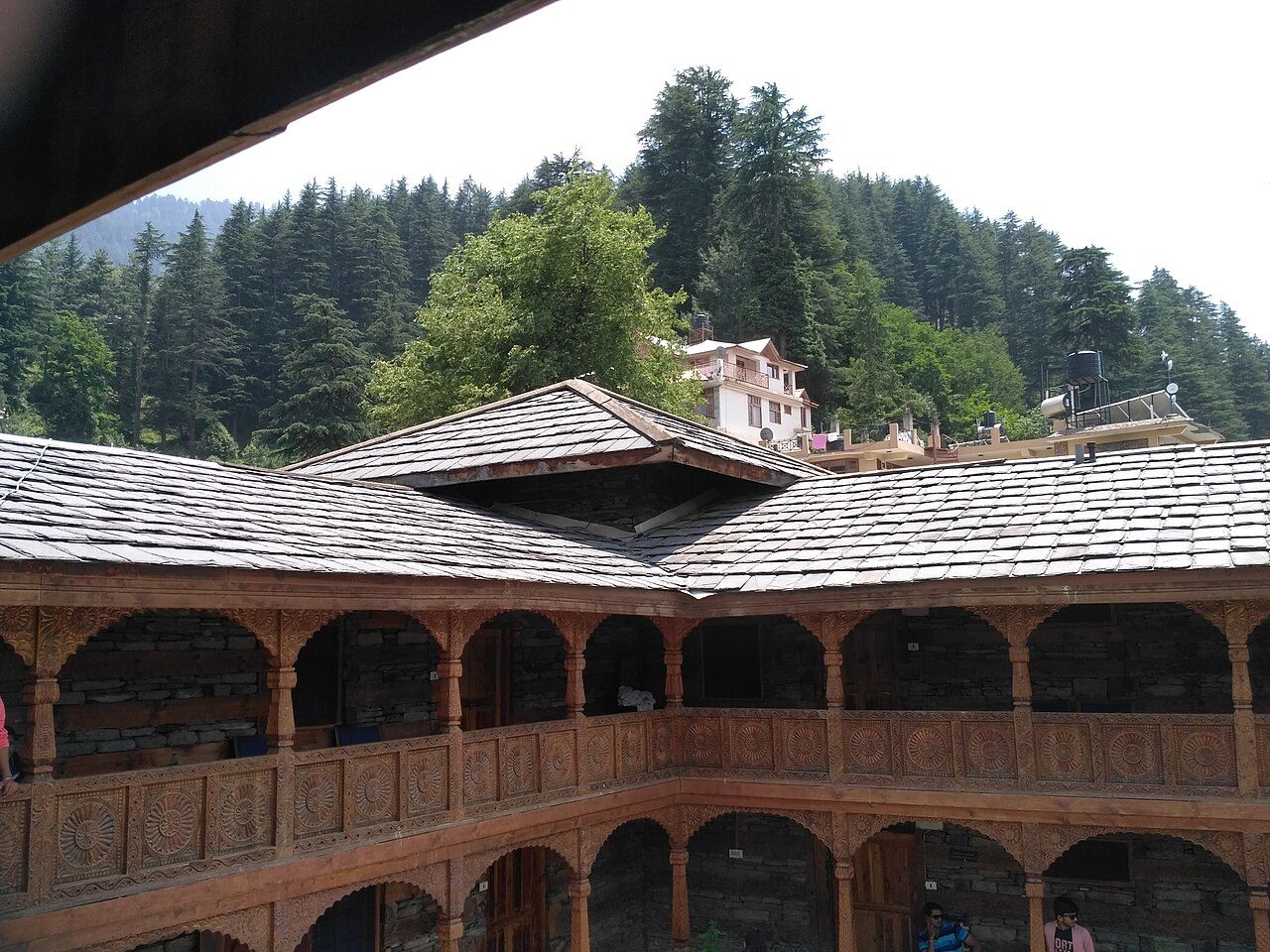
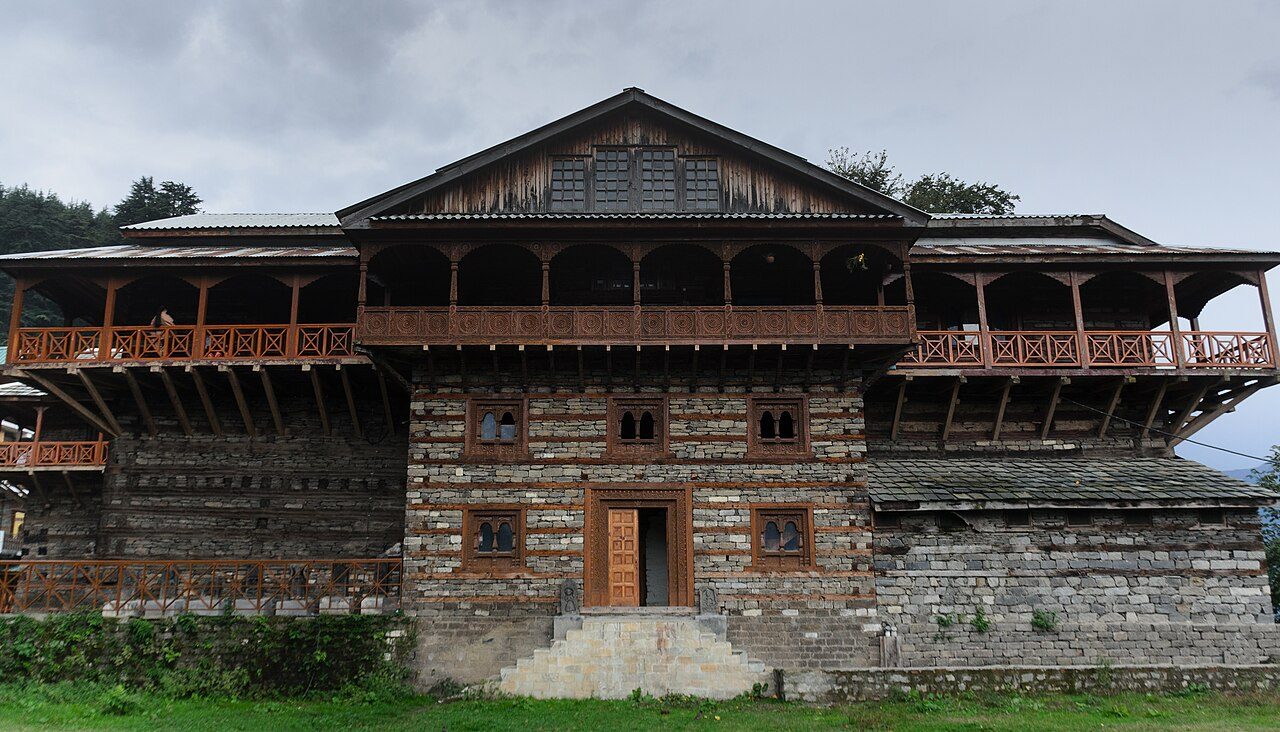
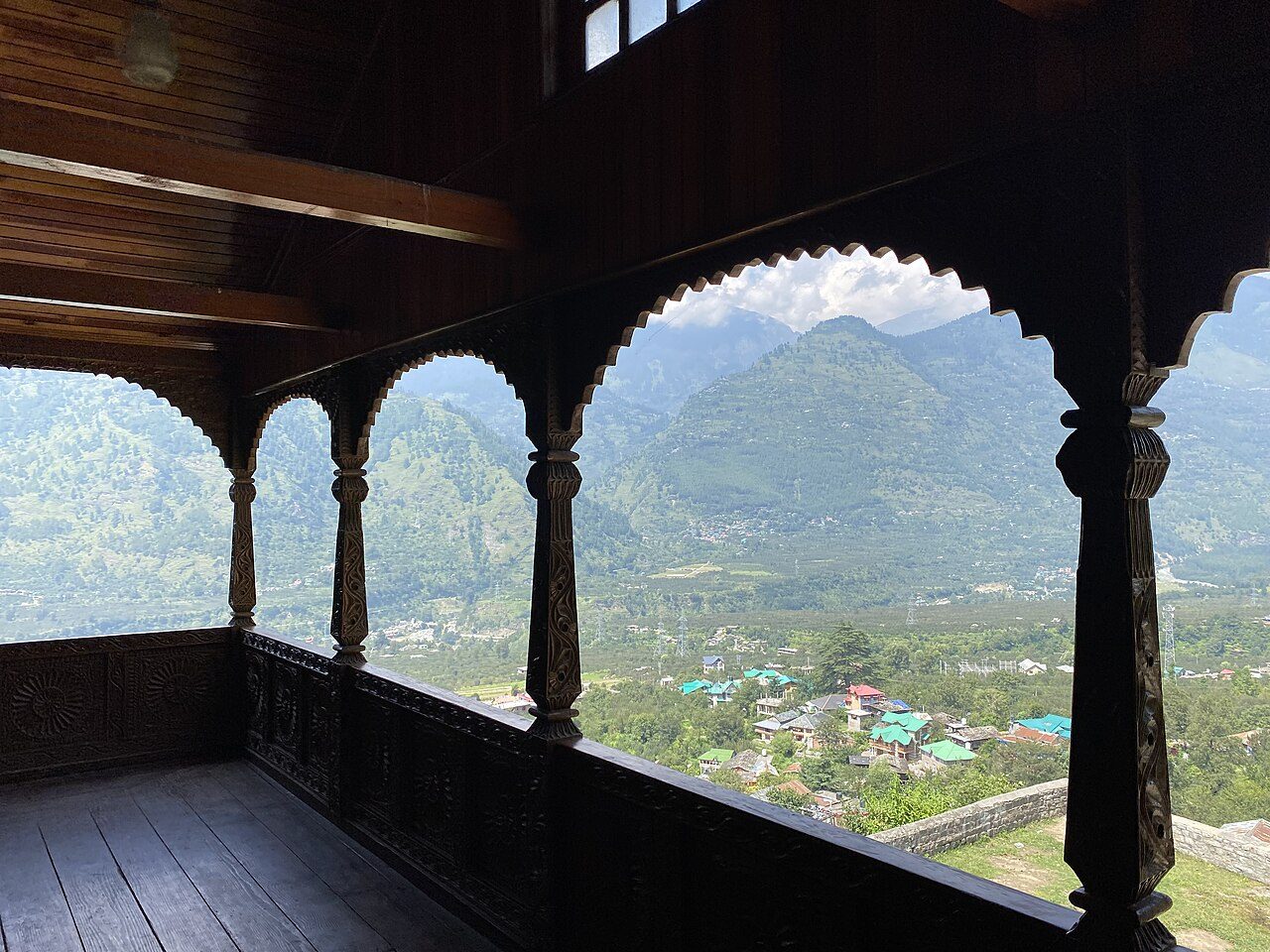
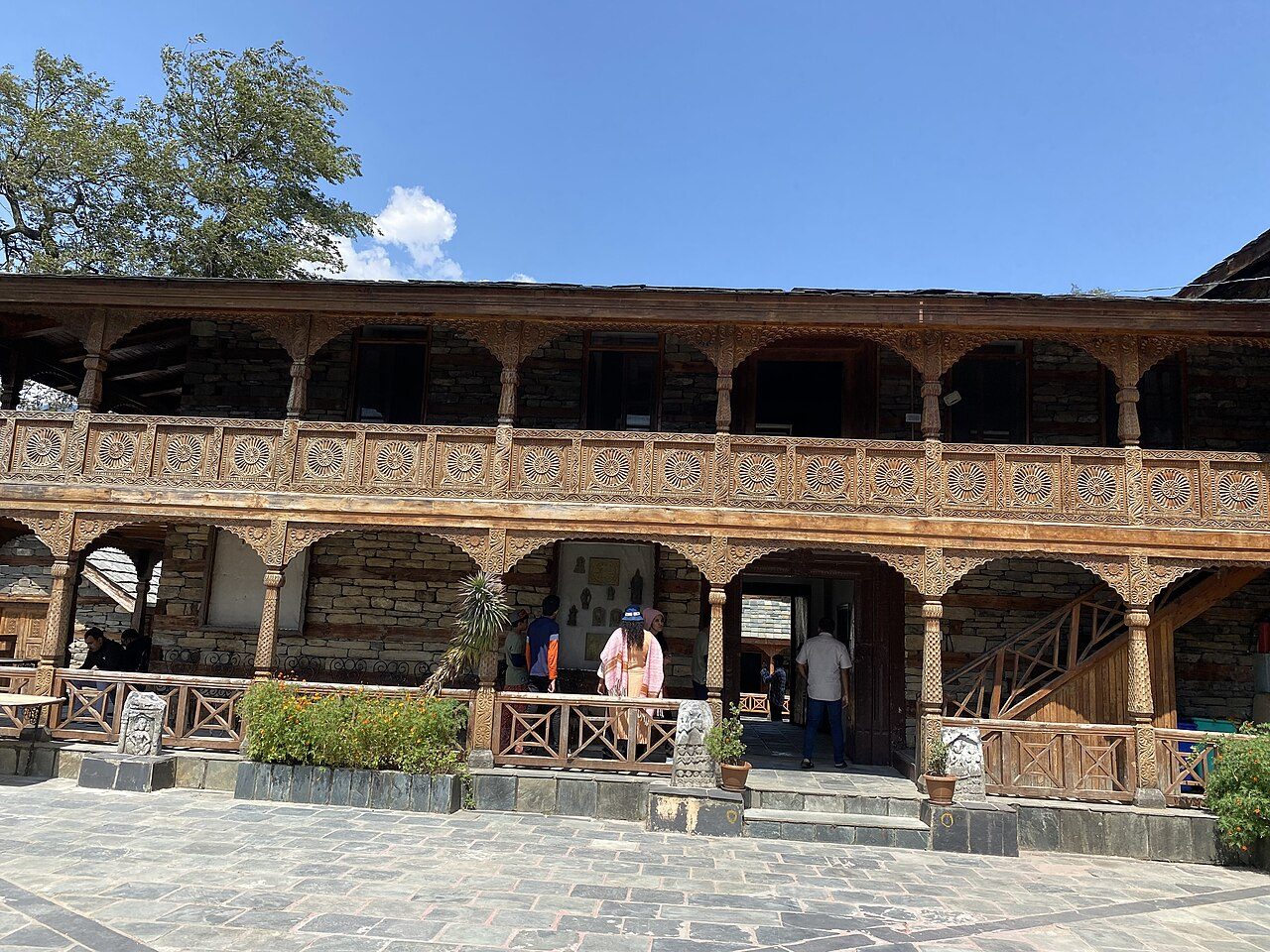
Naggar Castle was the seat of the Kullu kings for many centuries, built around 1460 of stone and timber laid in alternating courses, a style that has survived earthquakes. It stands on a hillside above the Beas with broad views of the valley. The castle is now a heritage hotel with a small museum, a gallery and a tiny temple in the courtyard. The Roerich estate is a short walk uphill.
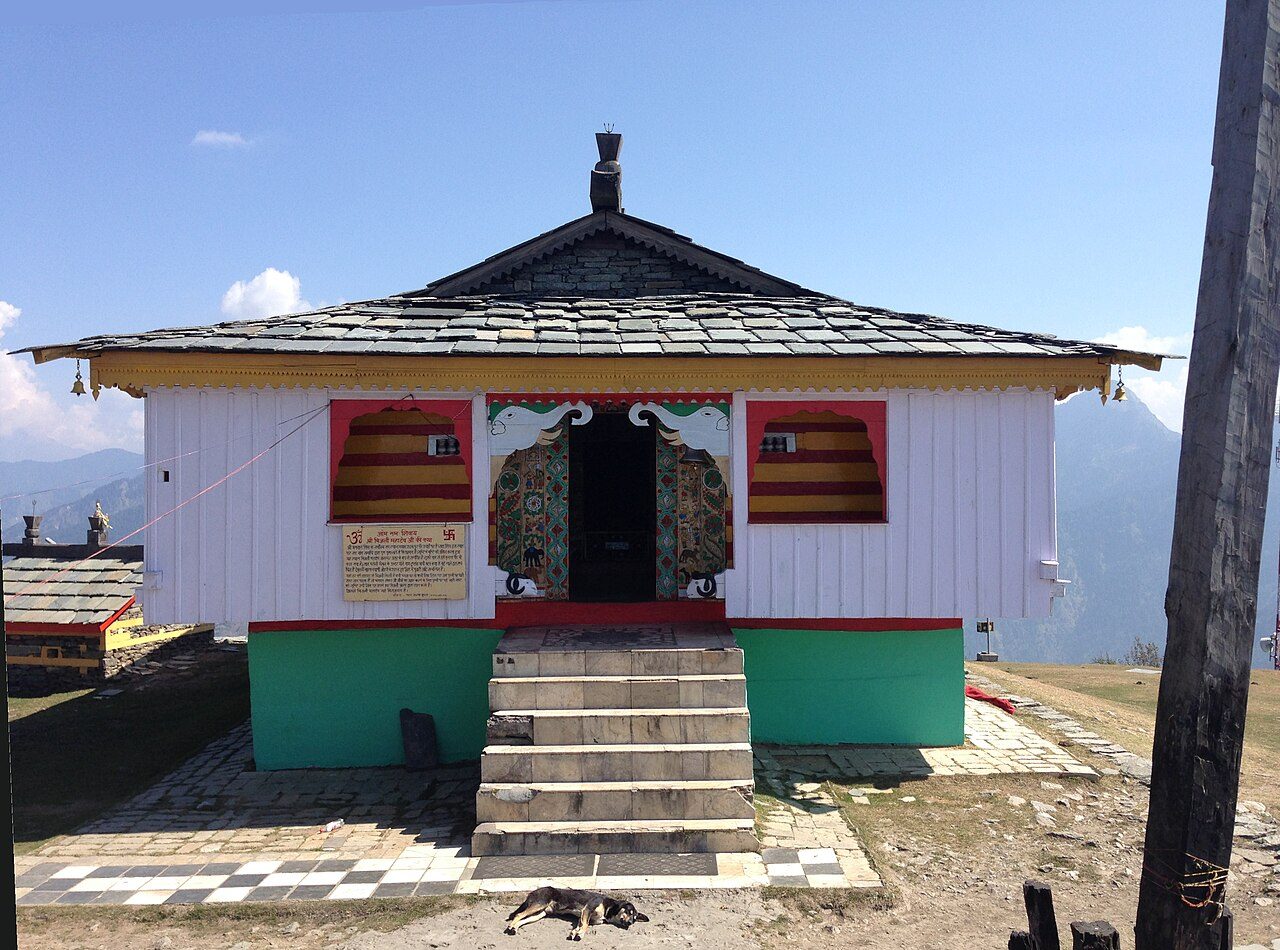
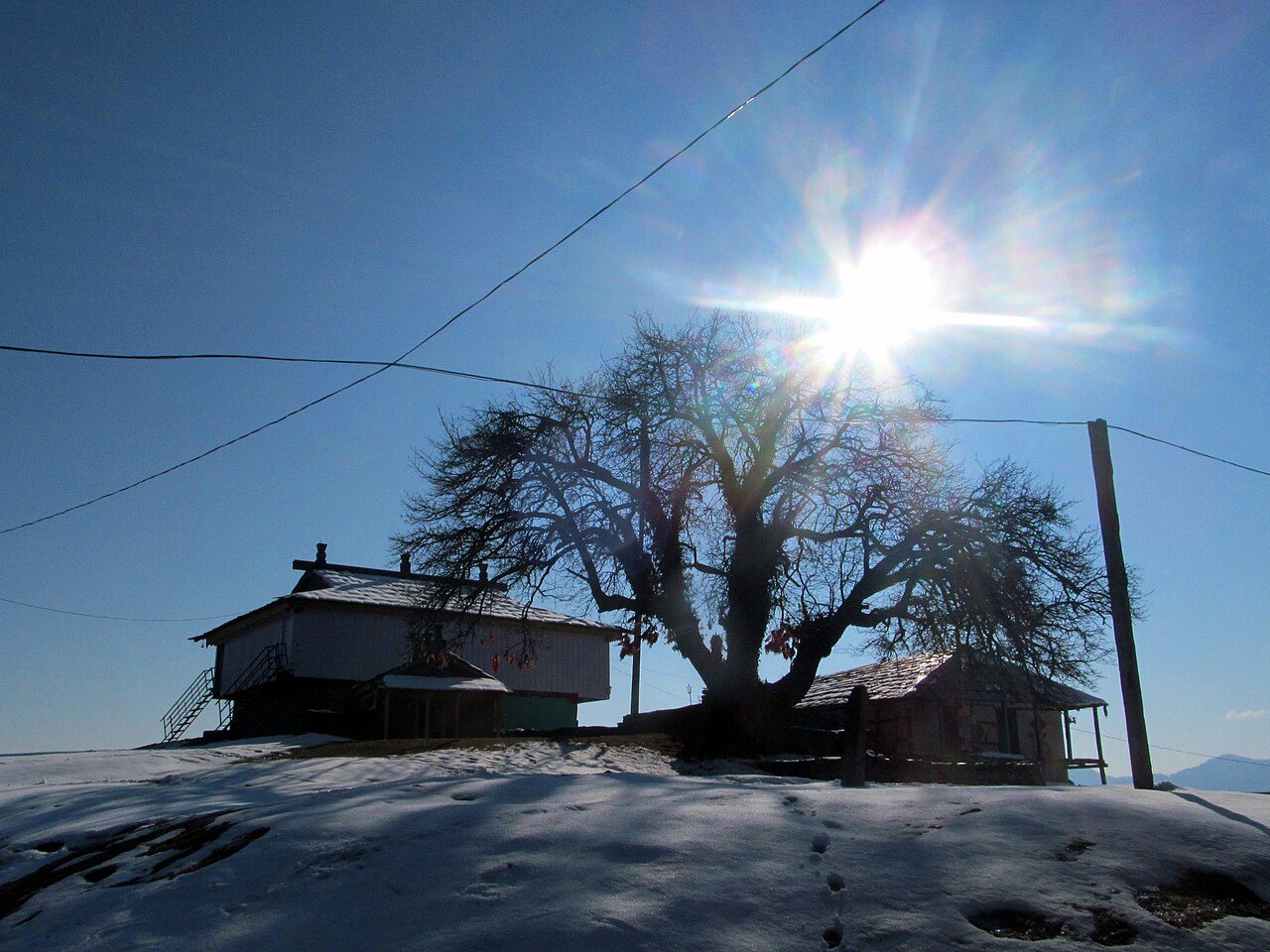
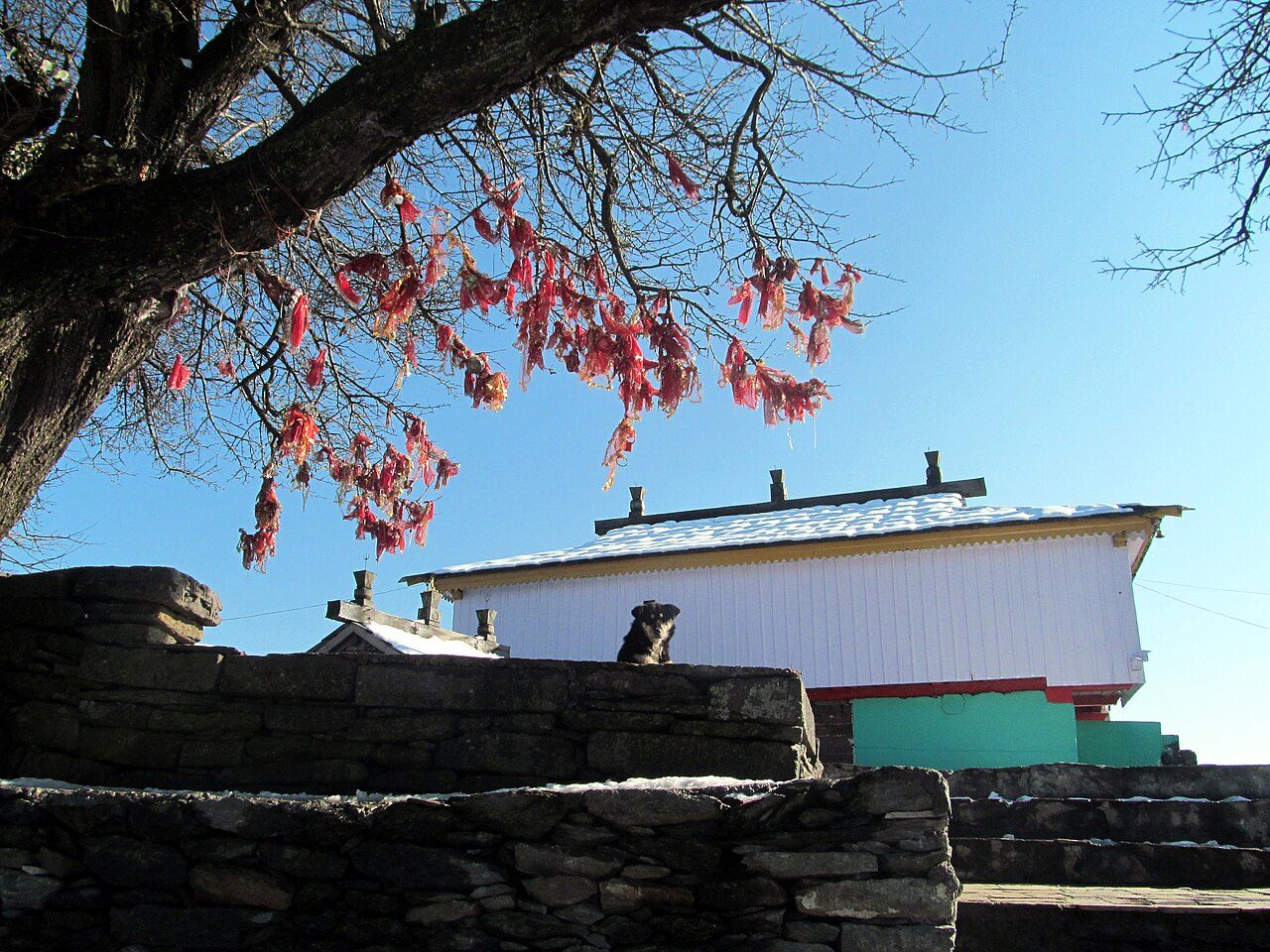
Bijli Mahadev is a hilltop Shiva temple at about 2,460 metres above the meeting of the Beas and Parvati rivers, near Kullu. A tall wooden staff beside it is said to attract lightning, which shatters the linga; the priests then join the pieces with butter. A walk of about three kilometres leads up from the road. The meadow at the top looks over both valleys.
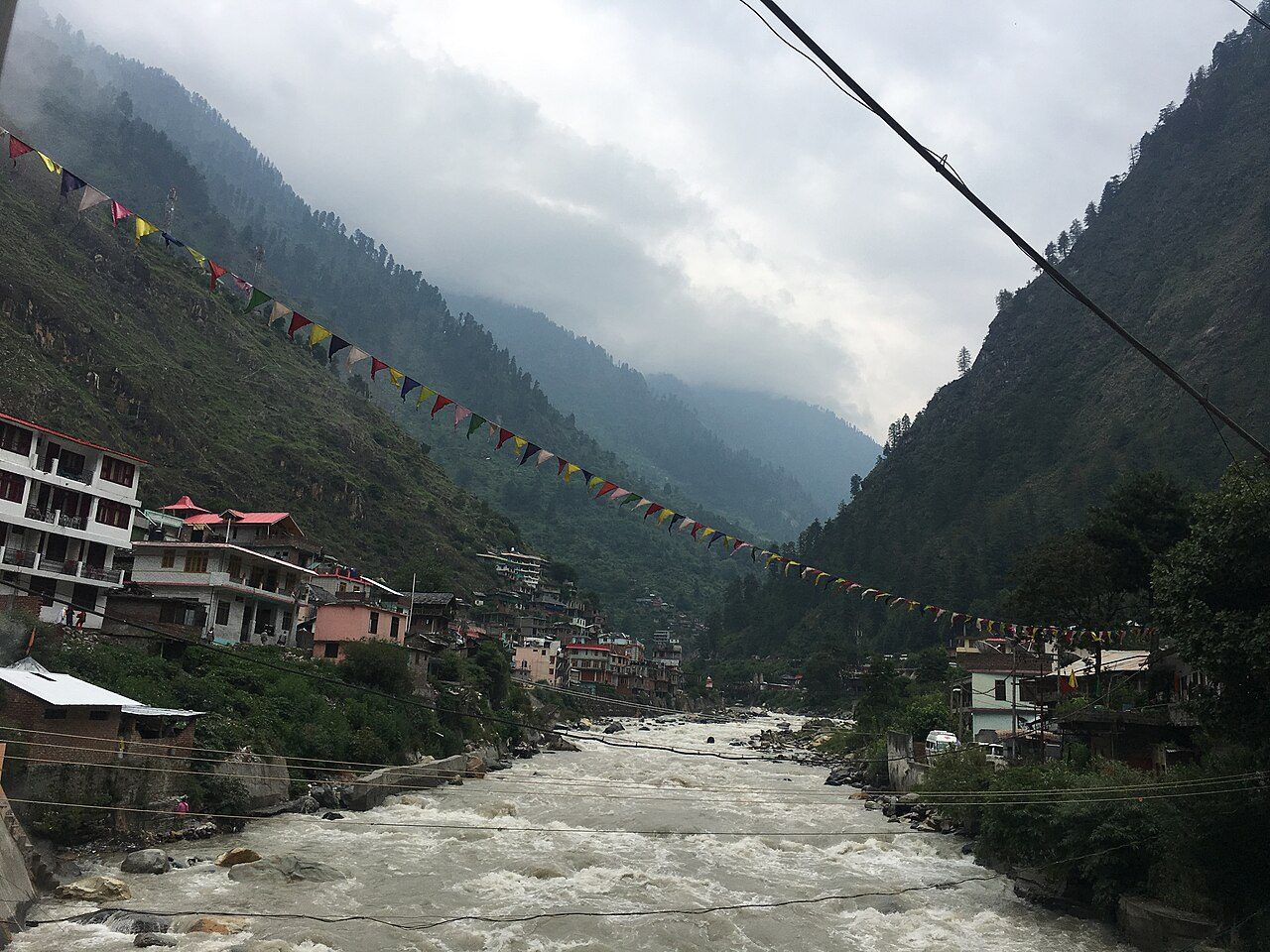
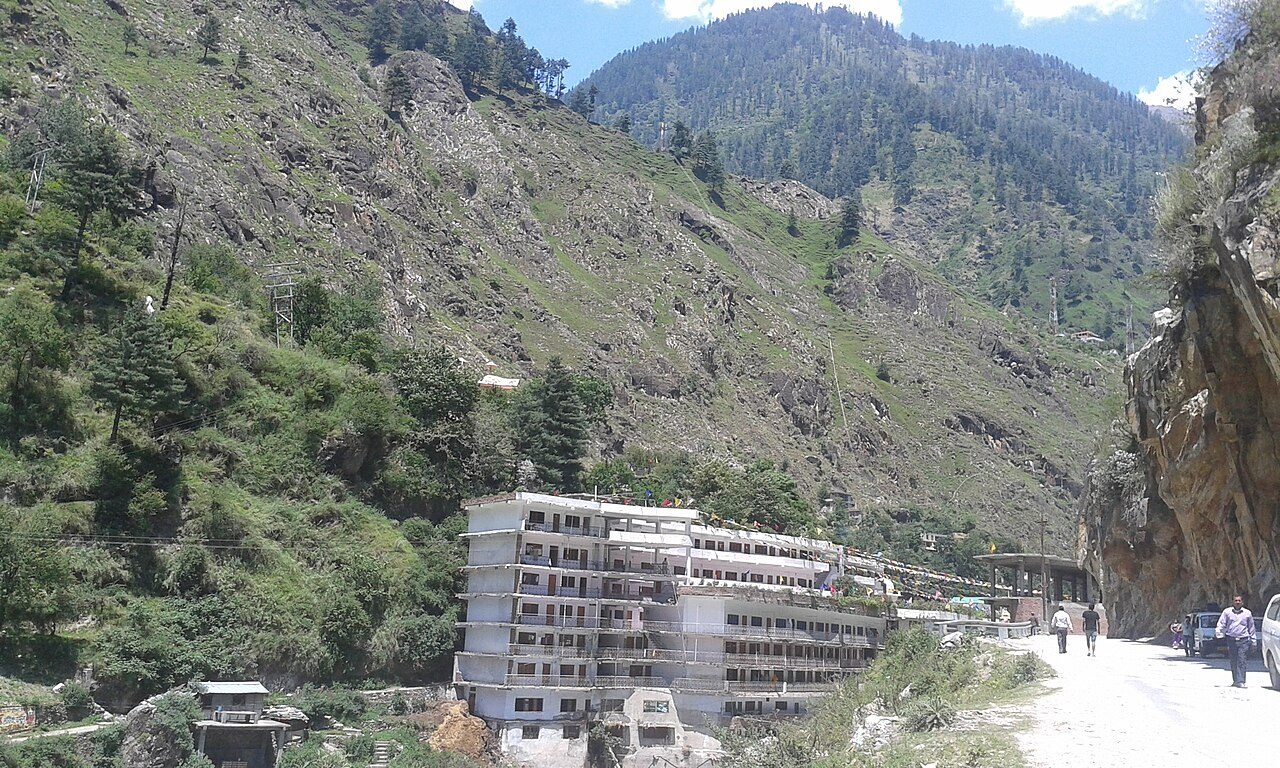
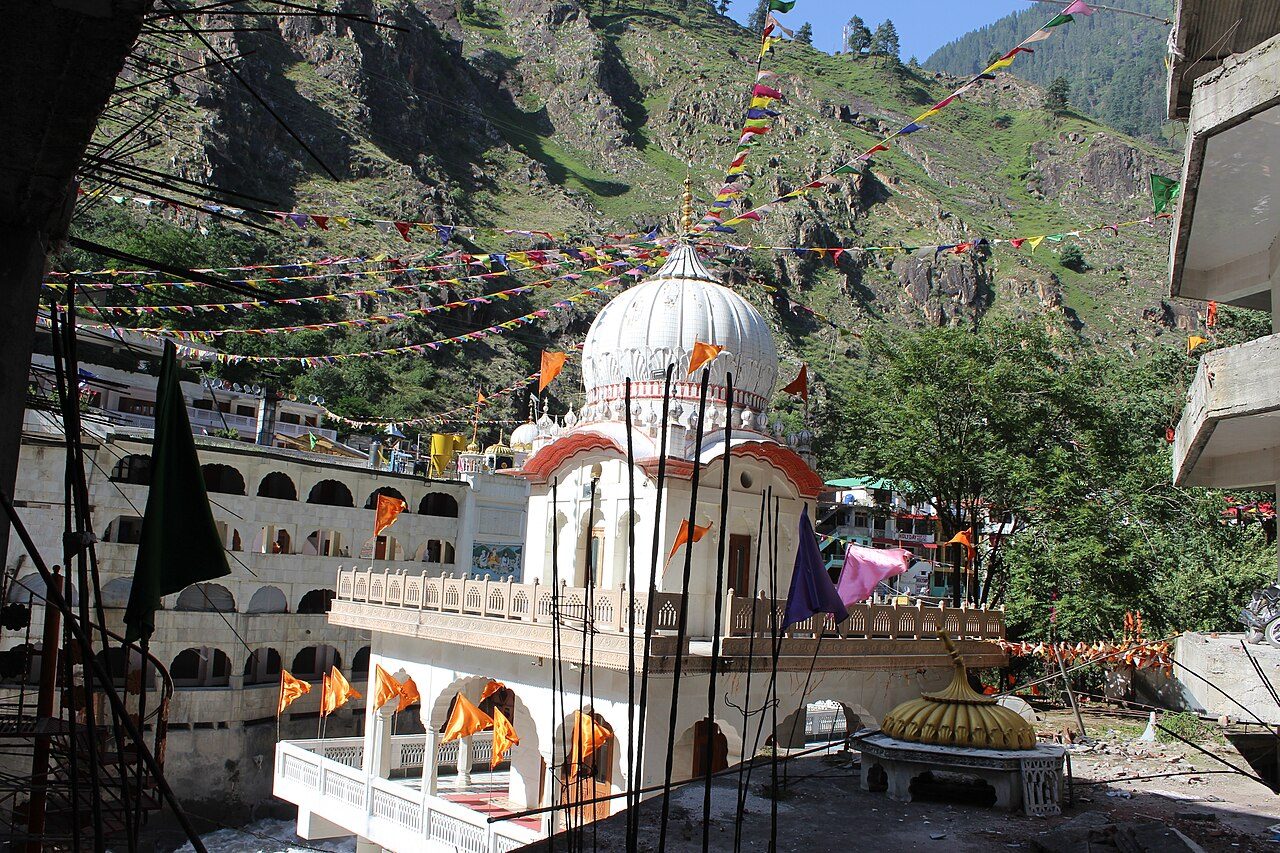
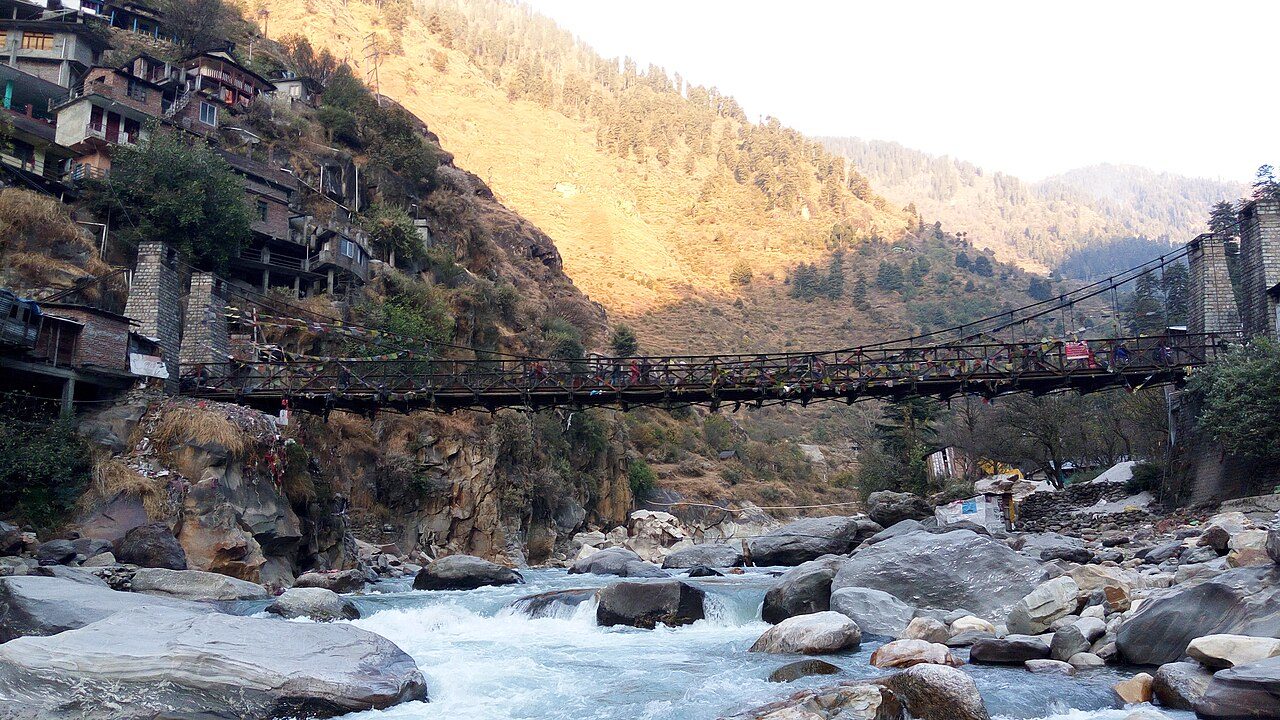
Manikaran Sahib is a gurdwara in the Parvati valley built beside boiling hot springs, at a place visited, according to Sikh tradition, by Guru Nanak. Rice for the free community kitchen is cooked in the springs, and there are hot baths for pilgrims. Hindu temples to Rama and Shiva stand alongside, since the site is sacred to both faiths. It lies four kilometres beyond Kasol.
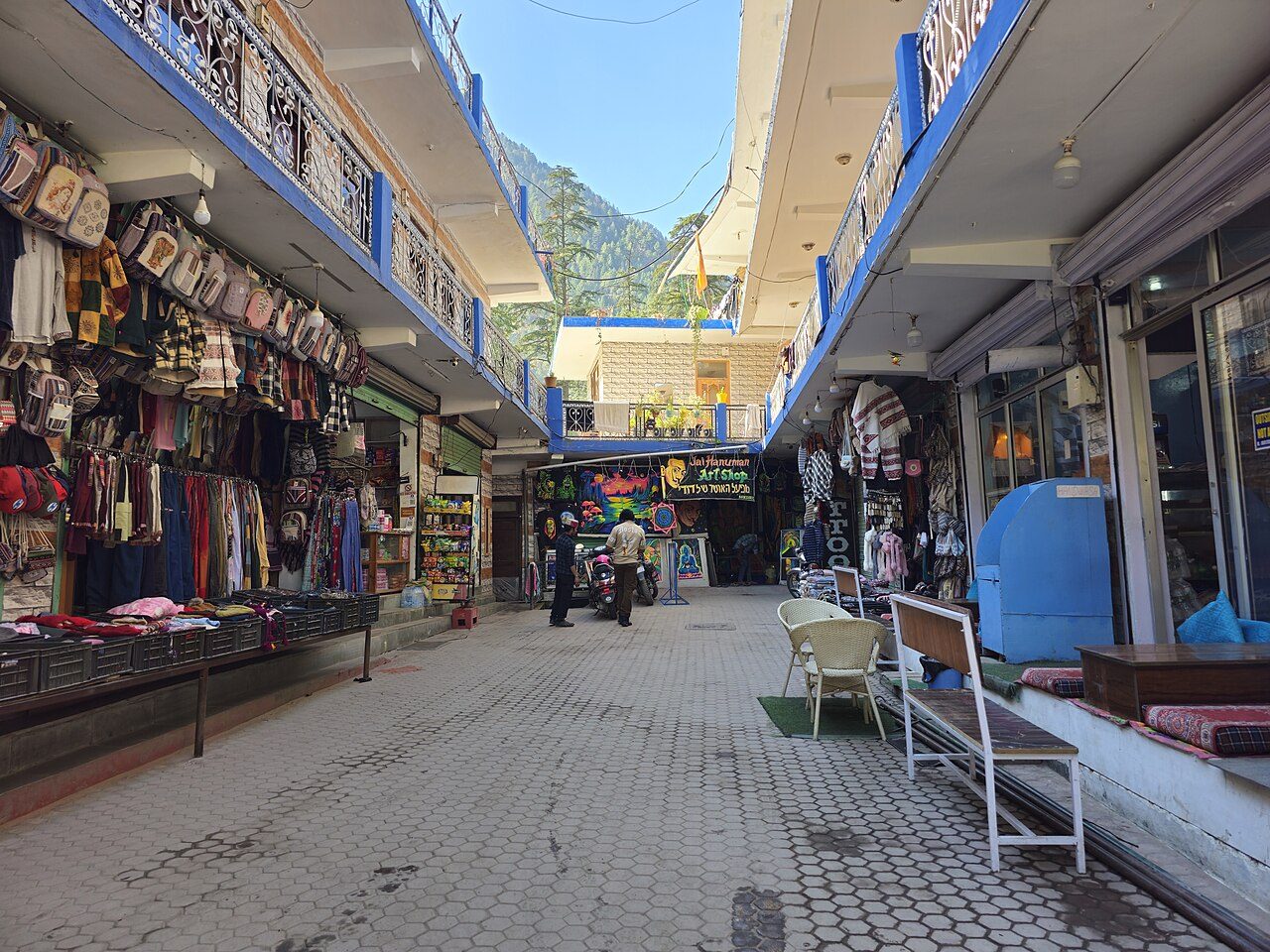
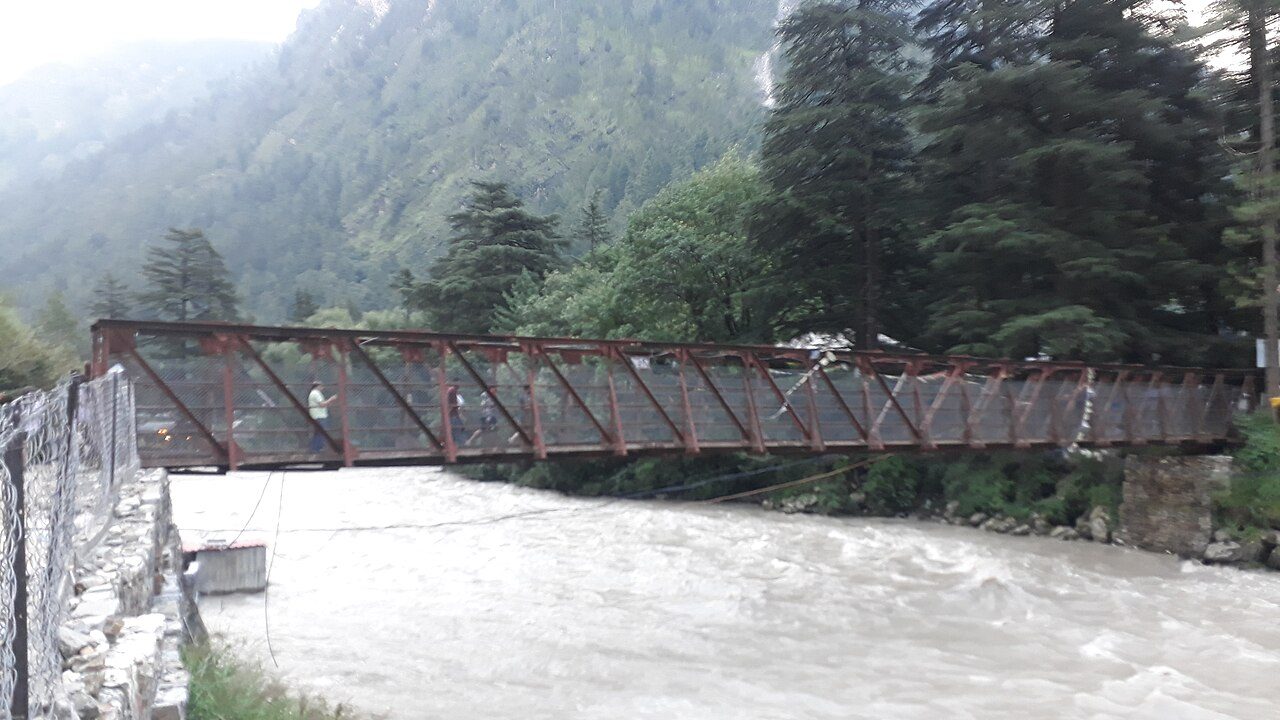
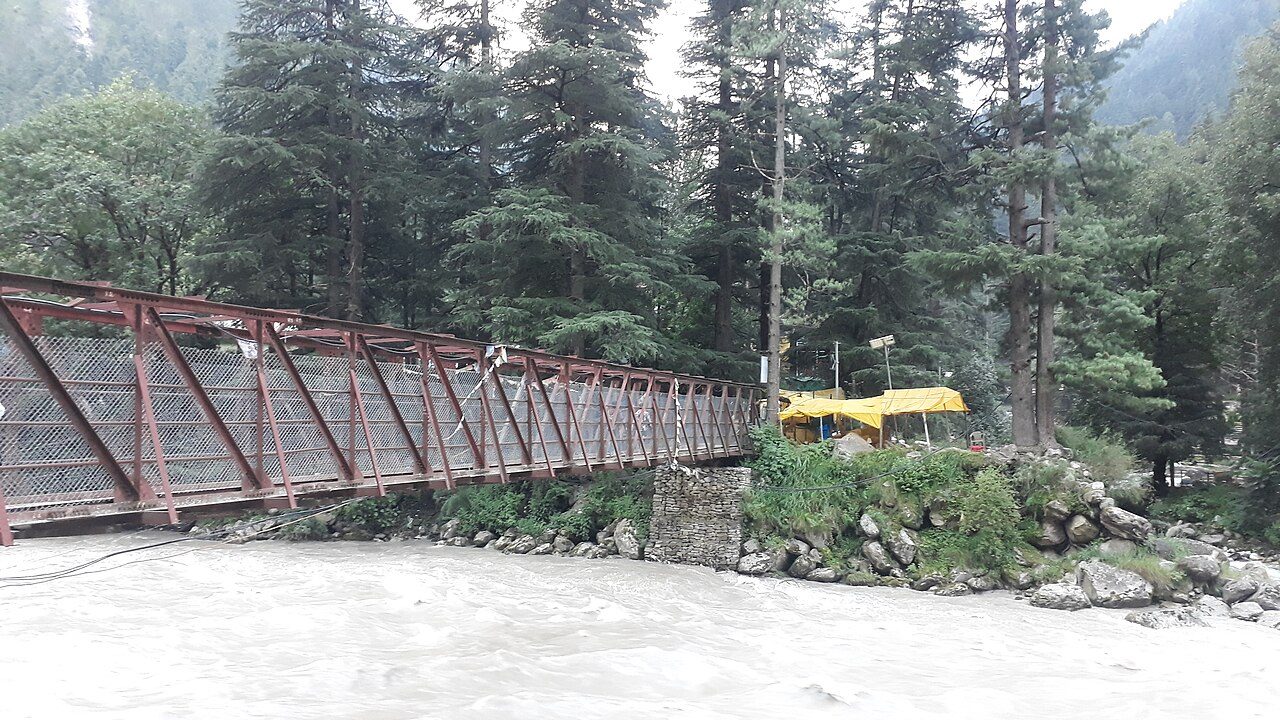
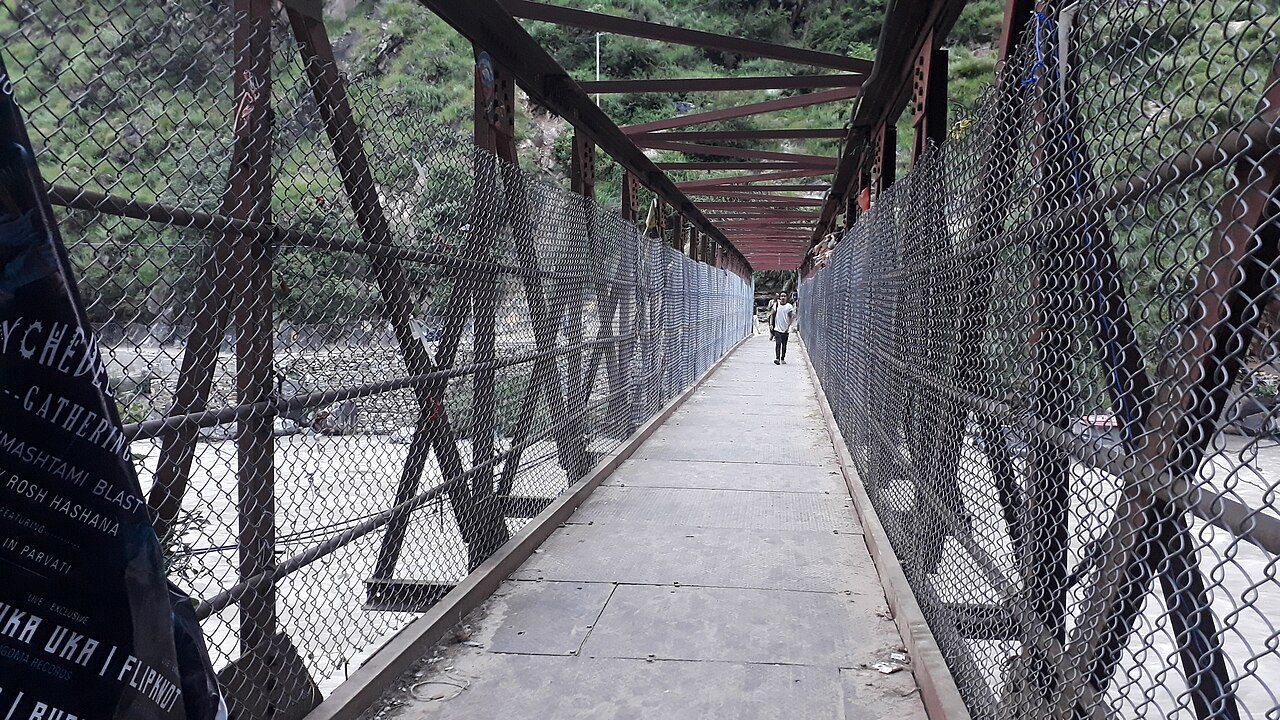
Kasol is a small village on the Parvati River that has become the backpacker hub of the Parvati valley. Pine forest, the fast green river and a row of cafes serving Israeli and Himalayan food draw long-stay travellers. It is the base for walks to Chalal, Tosh and Kheerganga and for the trek over Sar Pass. March to June and September to November are the best months.
Best weather: Apr – Jun
Seasons from 20 years of NASA POWER climate data.
Was this trip blog helpful?
0
0
Ready to follow this route?
Copy all 12 stops into your trip plans in the app.
 WaTrips