Malwa Temple Trail in 3 Days: Pashupatinath, Mahakaleshwar and Omkareshwar
3 DAYS8 placesby WaTrips
Mandsaur's Pashupatinath and Dharmrajeshwar, Ujjain's Mahakaleshwar, Kal Bhairav and Harsiddhi, Khajrana Ganesh and Omkareshwar.
A pilgrim's loop through western Madhya Pradesh. Day one is Mandsaur, with its eight-faced Pashupatinath idol on the Shivna river and the rock-cut Dharmrajeshwar temple. Day two is Ujjain: Mahakaleshwar Jyotirlinga, whose dawn Bhasma Aarti must be booked in advance, the Kal Bhairav and Harsiddhi temples, and evening aarti at Ram Ghat on the Shipra. Day three stops at Khajrana Ganesh in Indore and ends at Omkareshwar, the Jyotirlinga on an island in the Narmada. October to March is the most comfortable time.
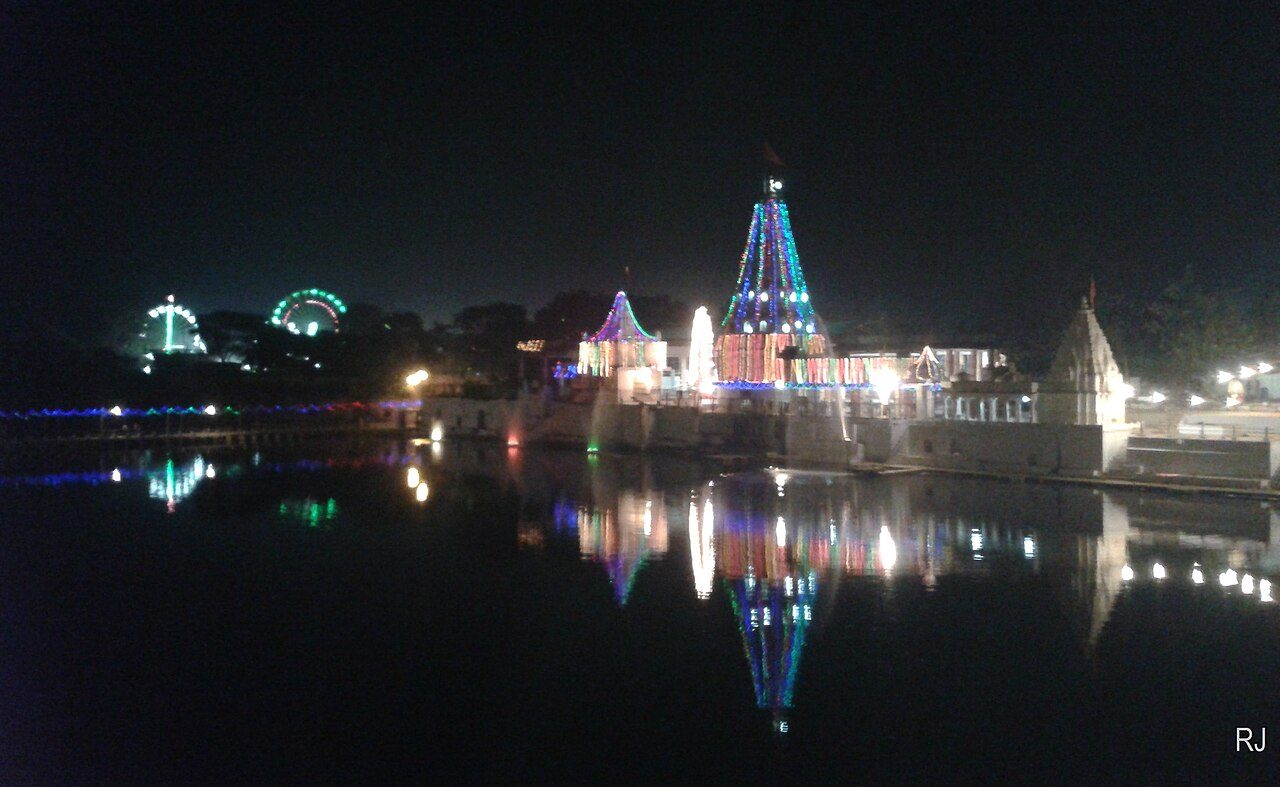
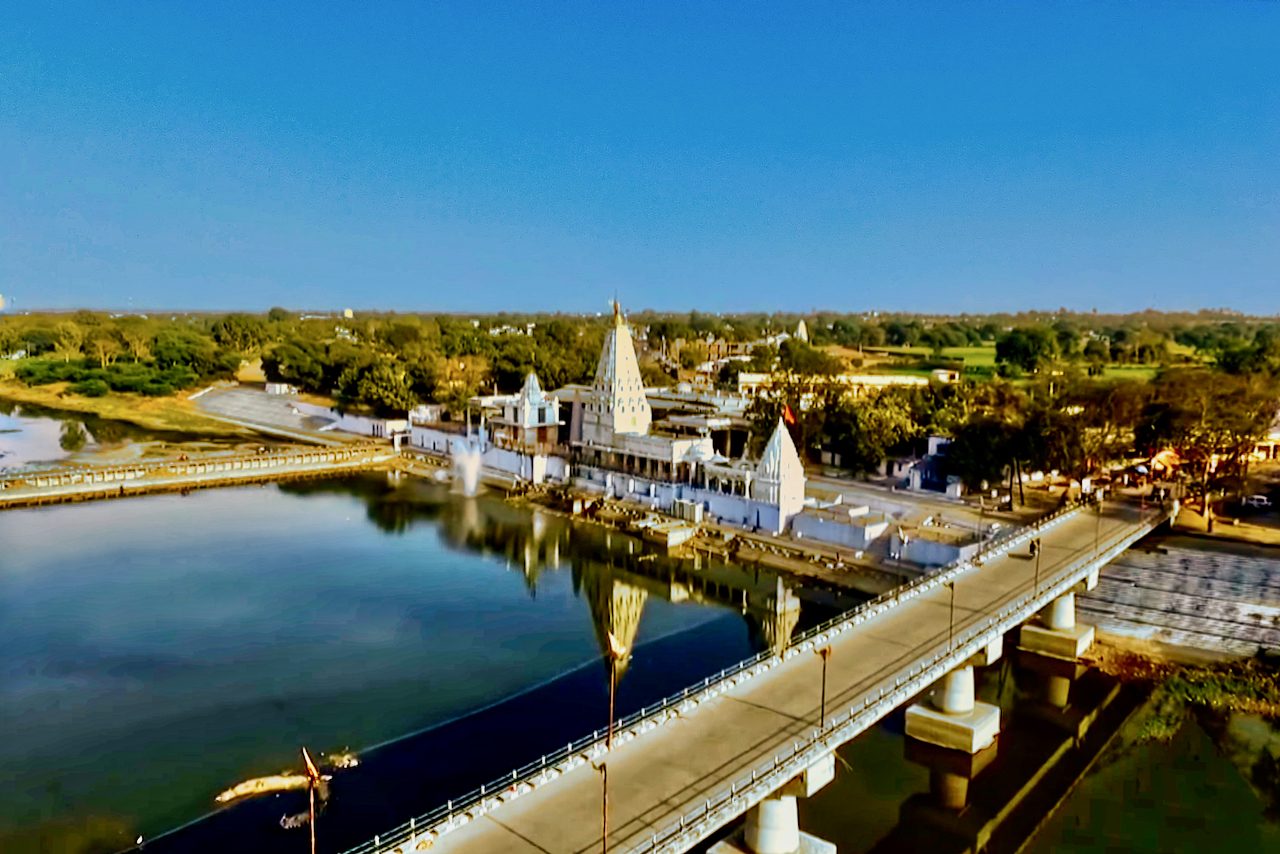
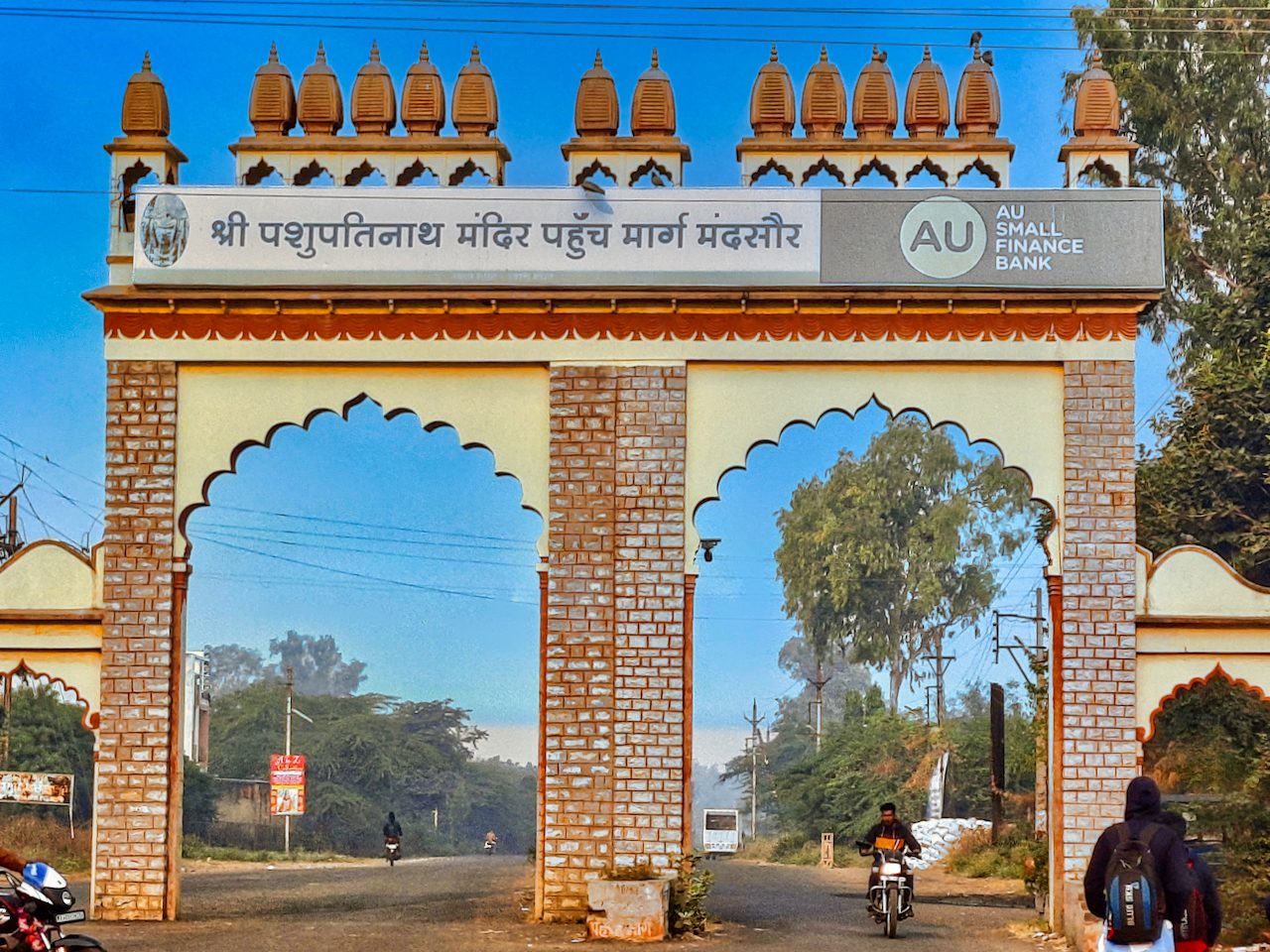
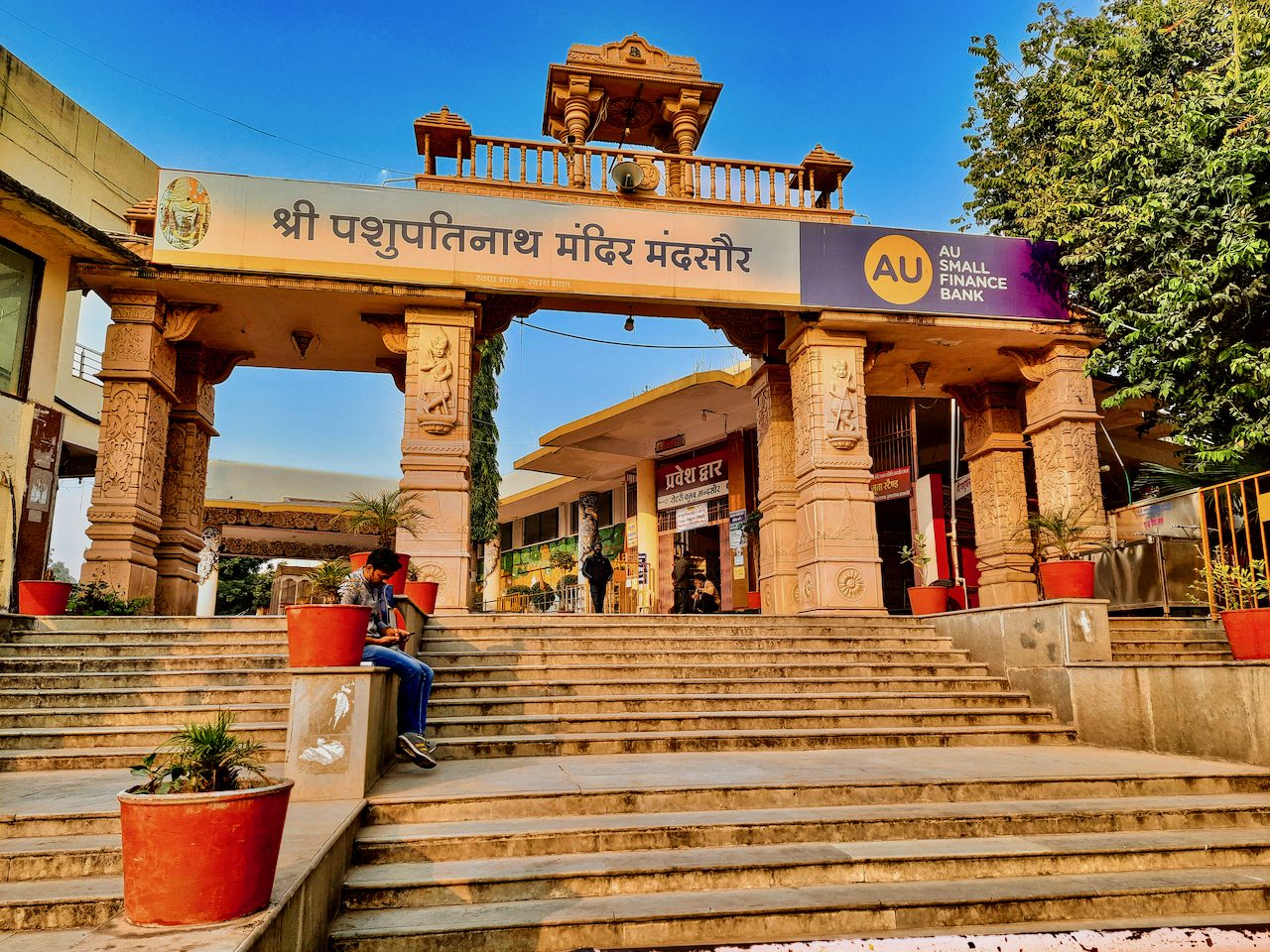
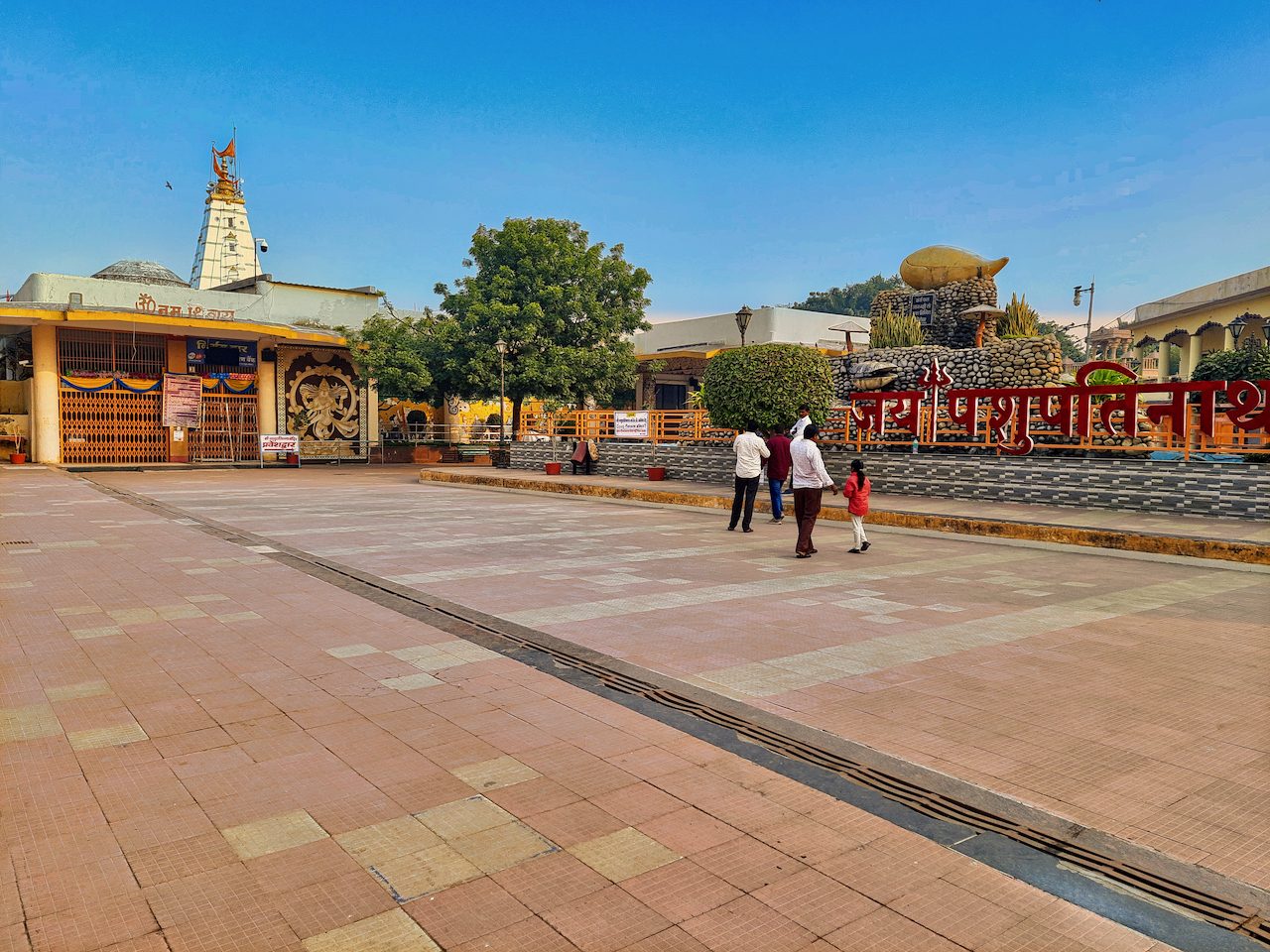
The Pashupatinath Temple at Mandsaur stands on the bank of the Shivna River and houses a rare eight-faced Shiva linga, more than two metres tall and carved from a single block of stone. The sculpture, dated to around the 5th or 6th century, was found in the riverbed in the 20th century and installed here. The temple is busiest on Mondays in Shravan and during the Kartik fair.
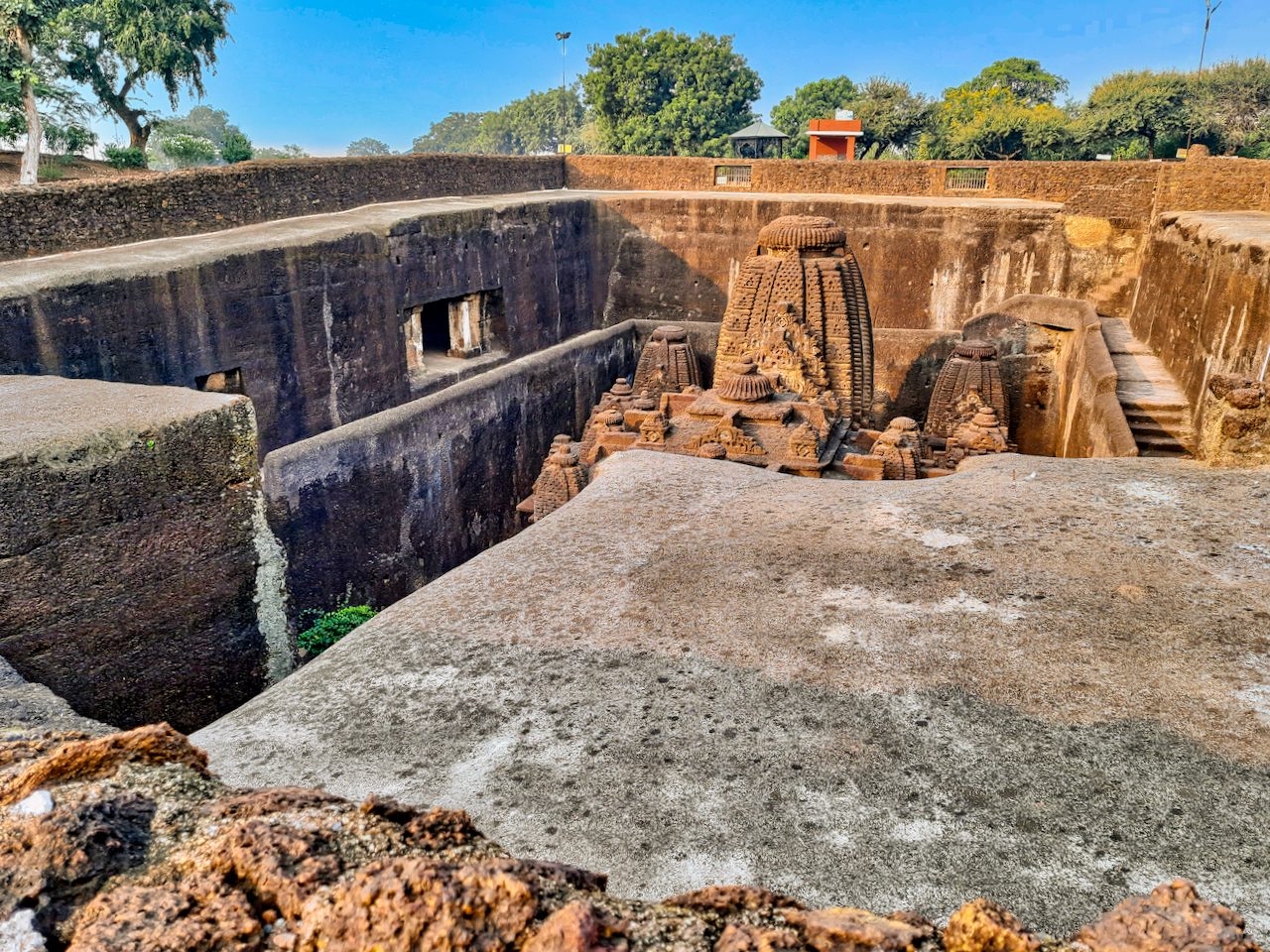
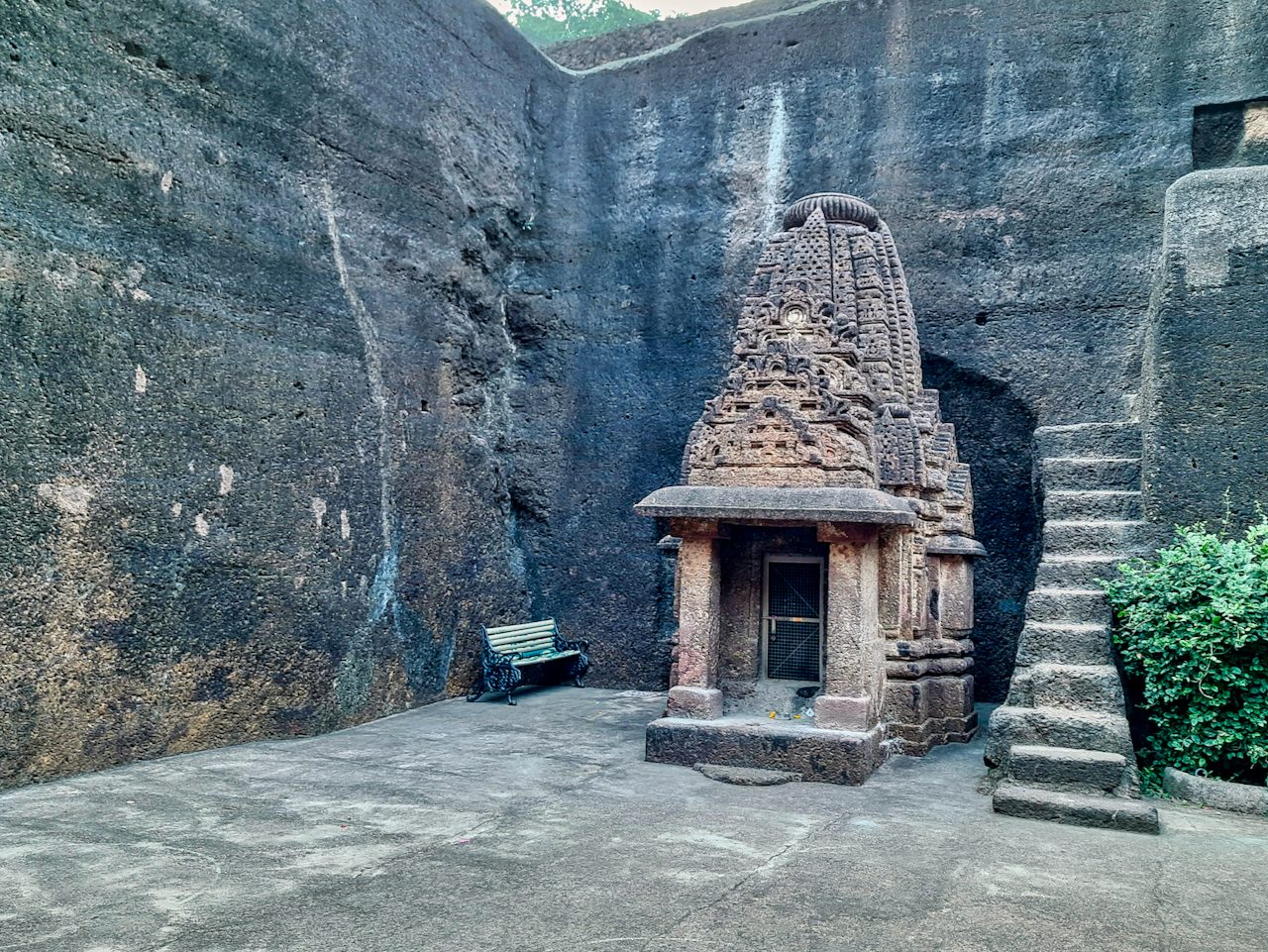
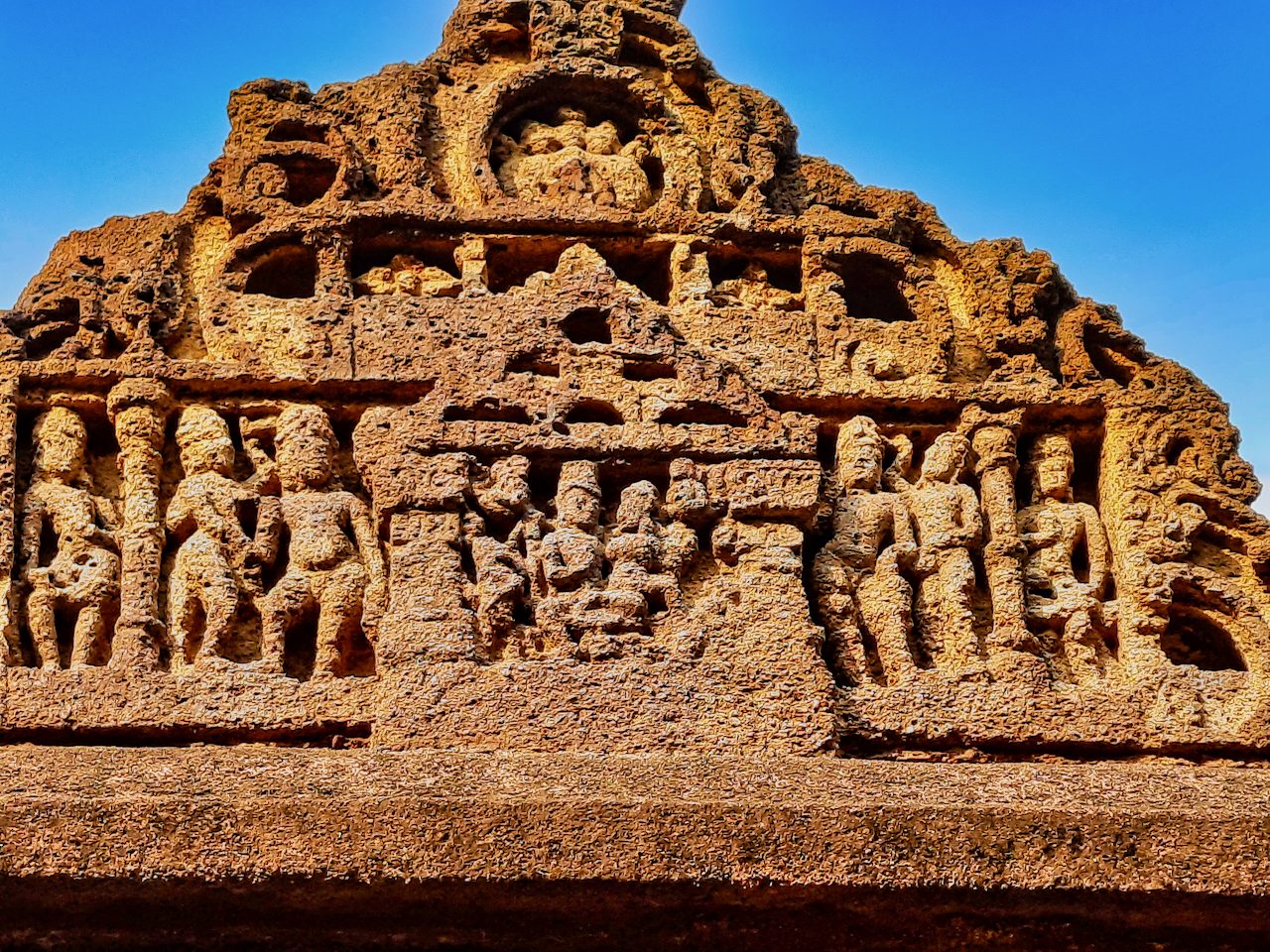
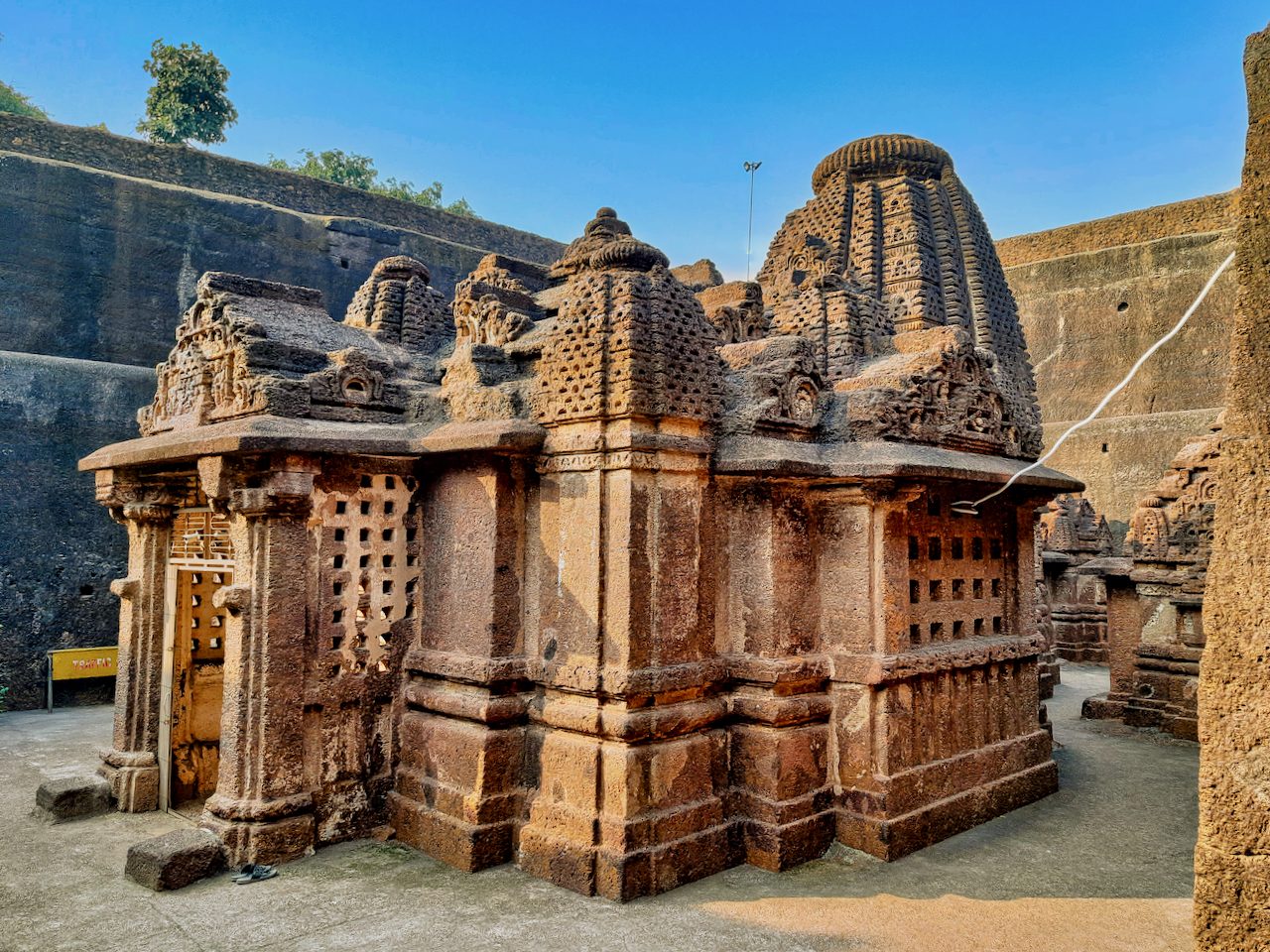
Dharmrajeshwar is a rock-cut temple in Mandsaur district, carved downwards out of a single mass of rock in about the 8th or 9th century, in the manner of the Kailasa temple at Ellora on a smaller scale. The main shrine, with a northern-style spire, stands in a sunken court surrounded by seven small shrines. The Buddhist Dhamnar caves are cut into the same hill.
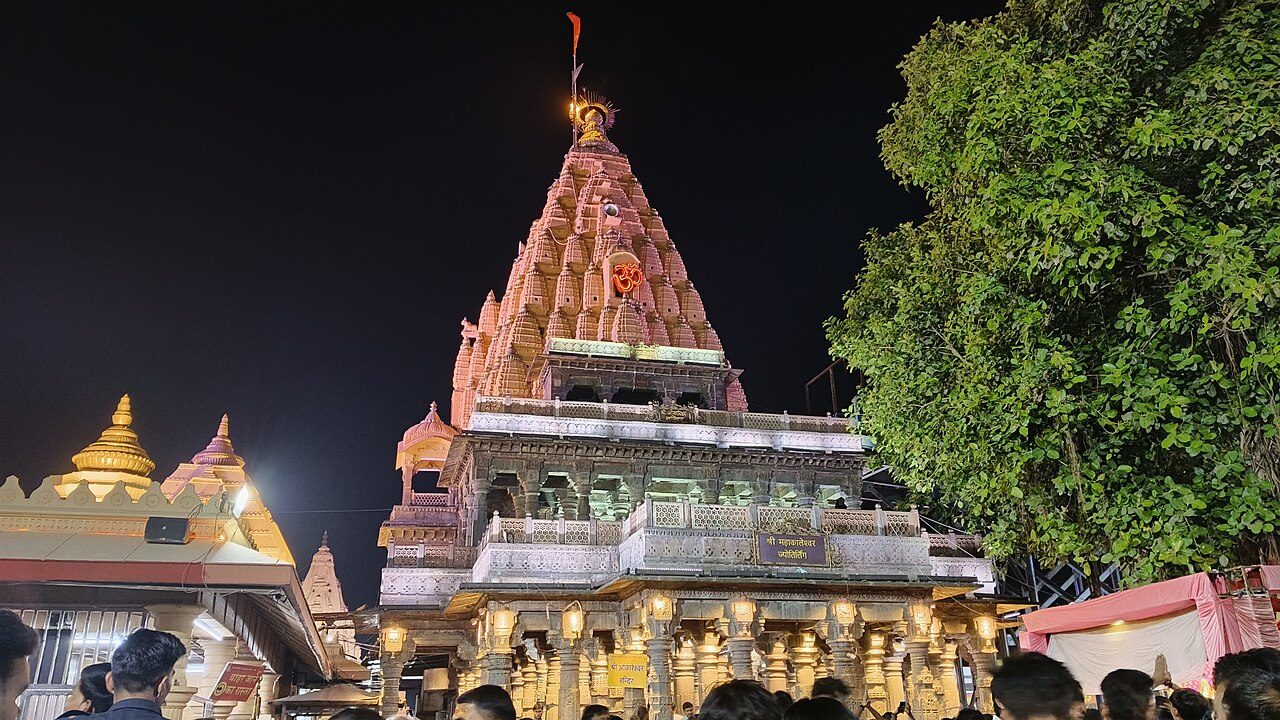
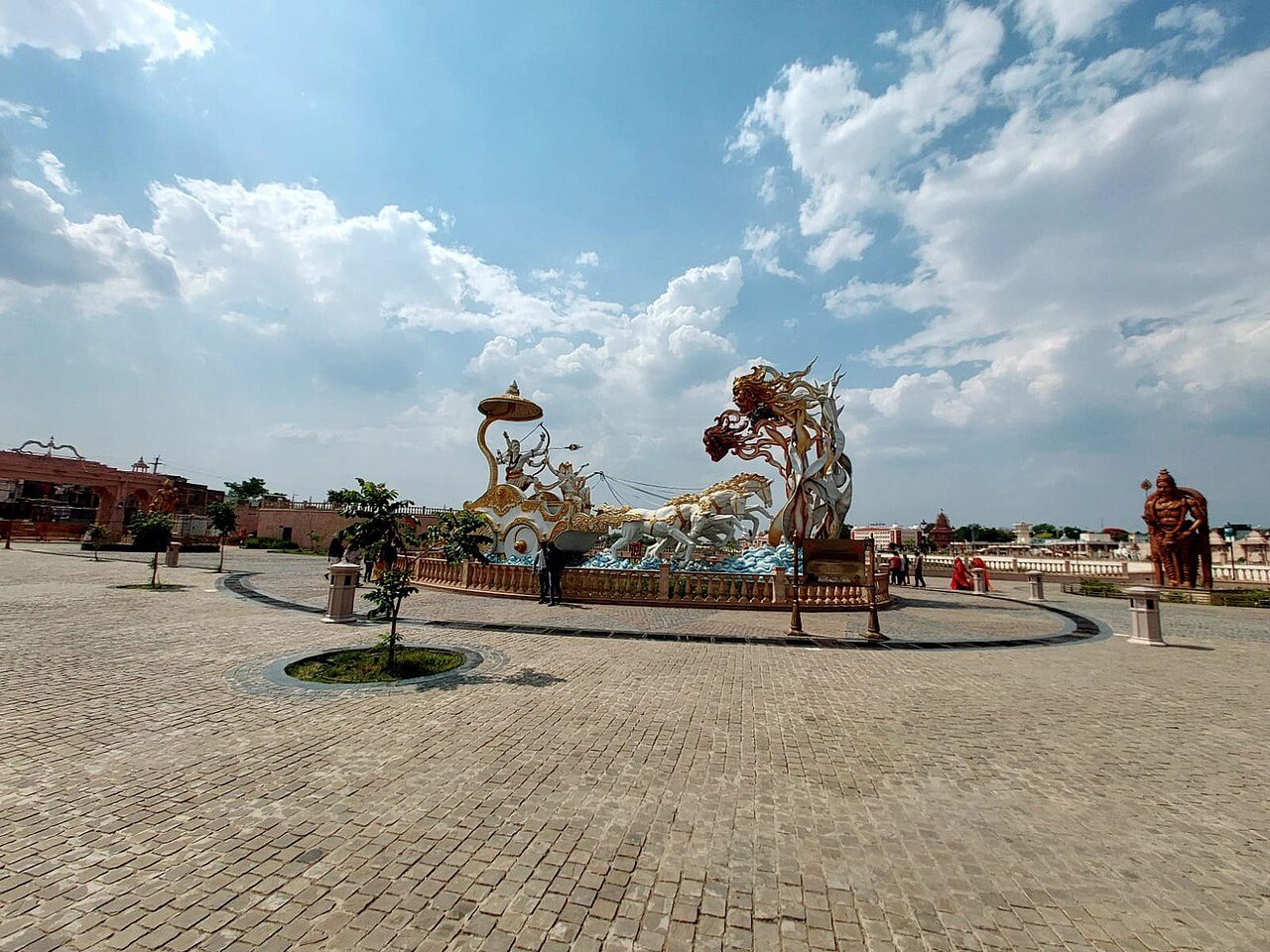
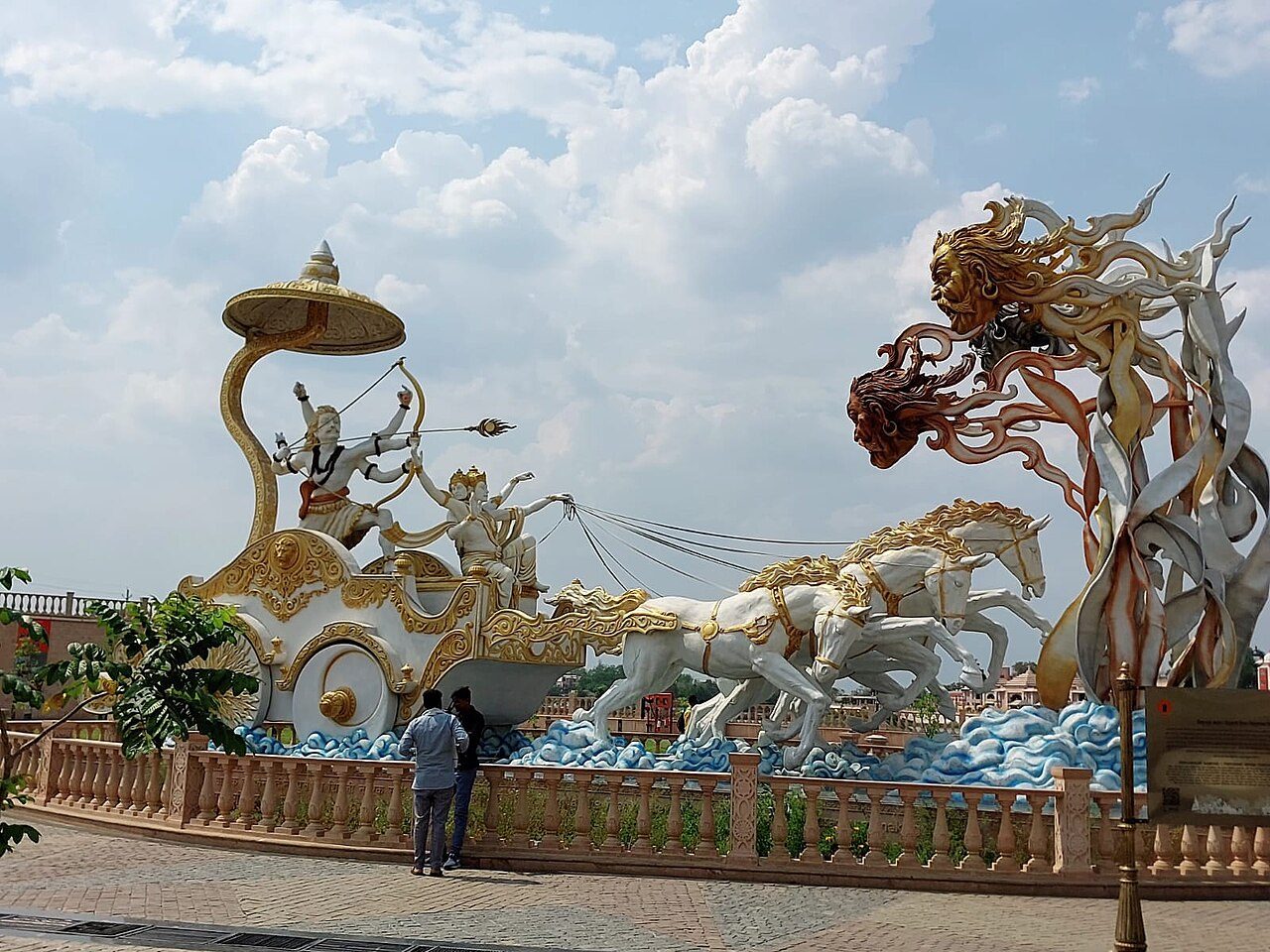
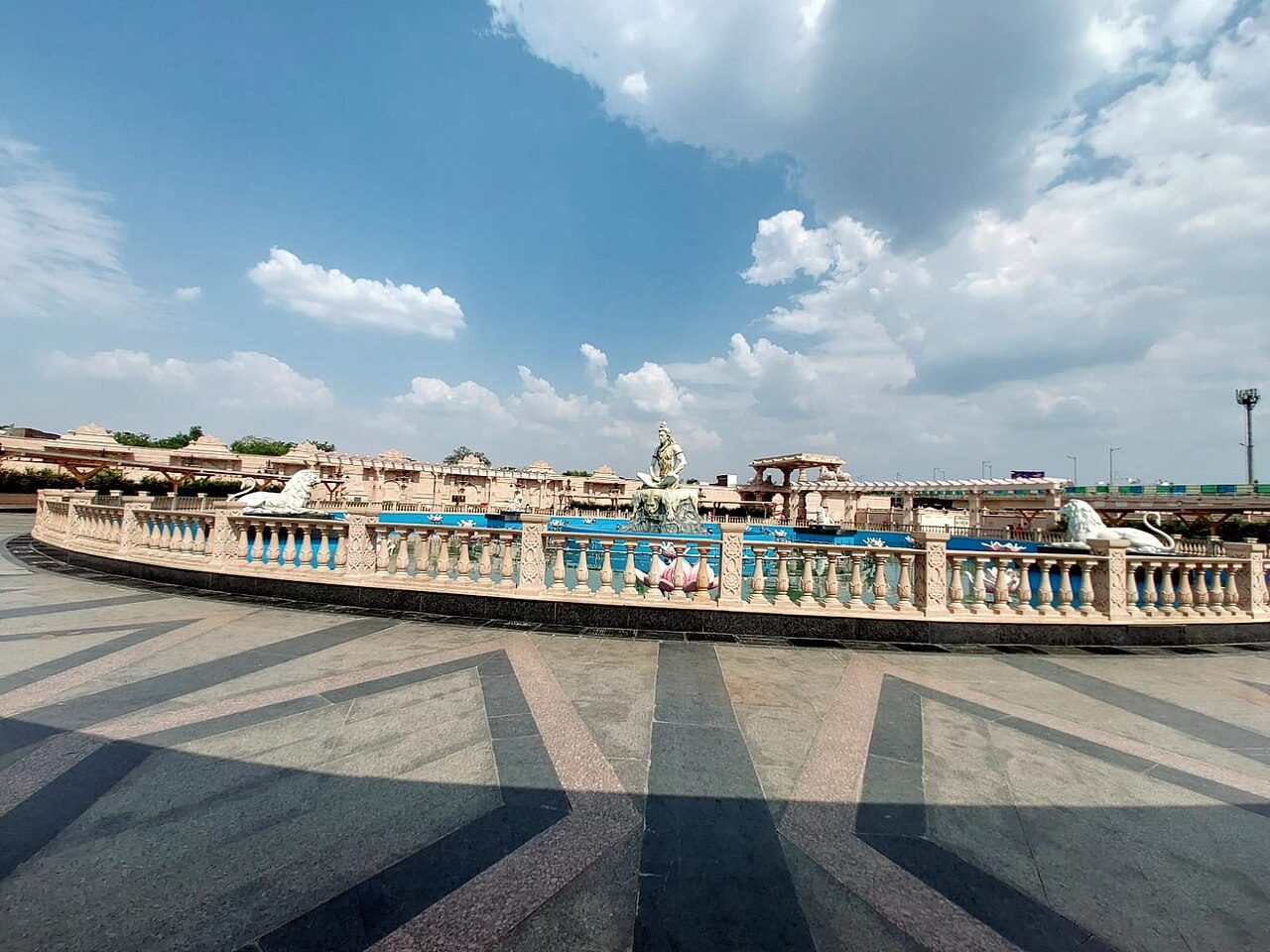
Mahakaleshwar in Ujjain is one of the twelve jyotirlingas, the most sacred shrines of Shiva. The linga, set in an underground sanctum, is unusual in facing south. The pre-dawn Bhasma Aarti, in which it is anointed with sacred ash, needs advance booking. The temple was rebuilt in the 18th century by the Marathas, and the Mahakal Lok corridor of murals and statues now leads to it.
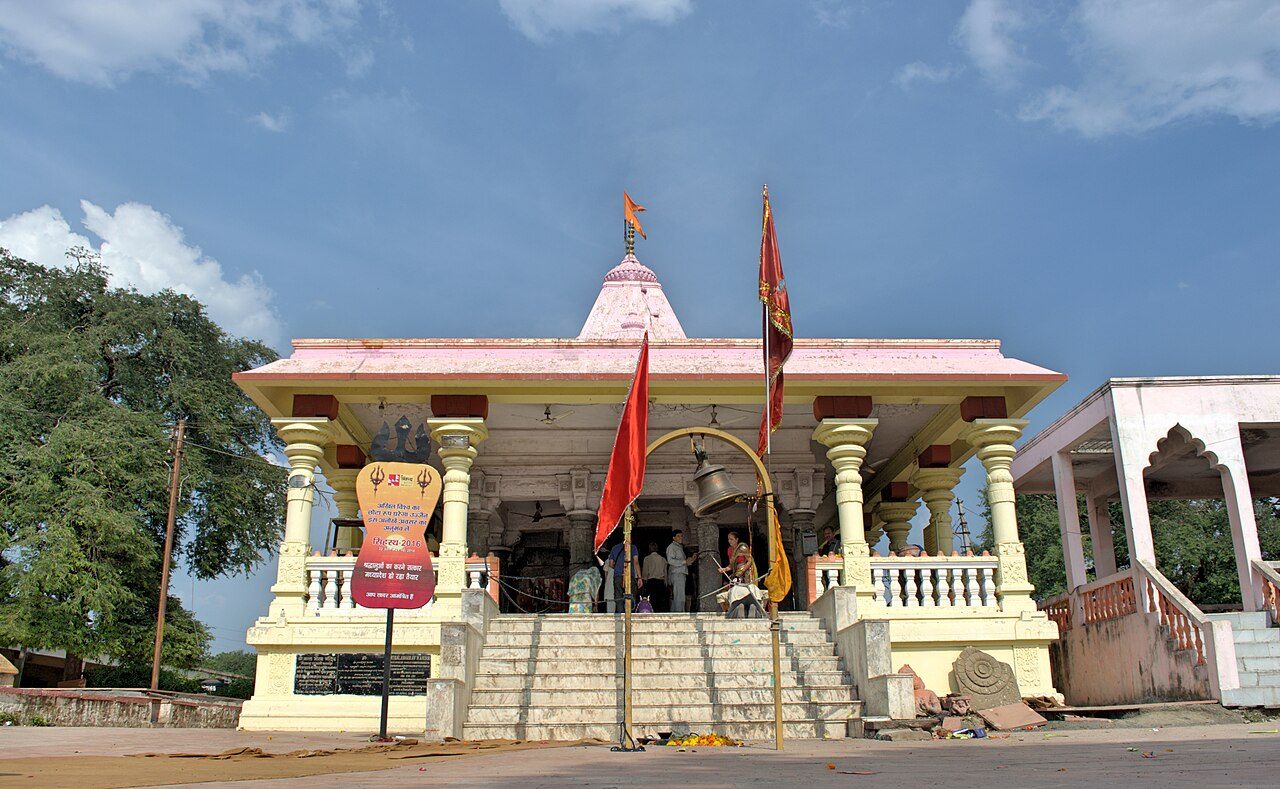
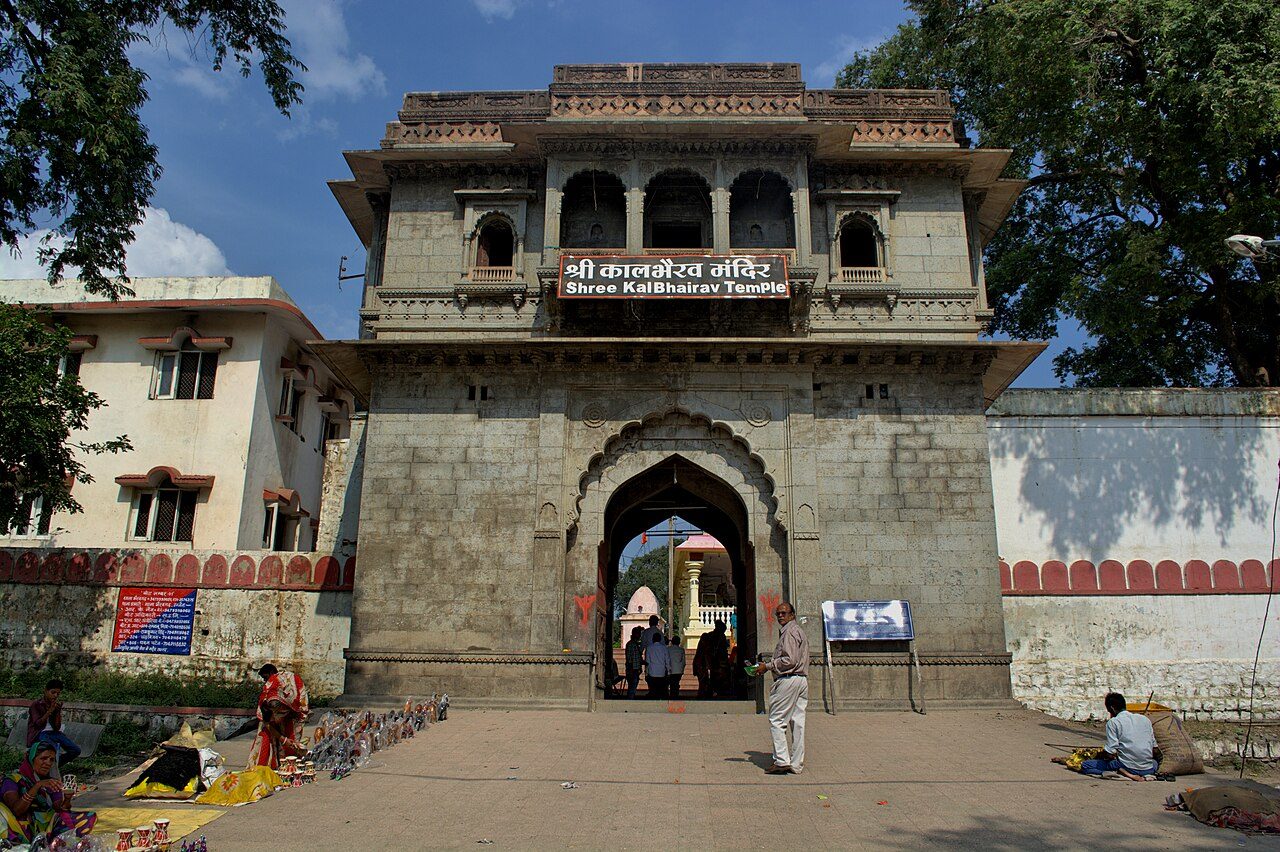
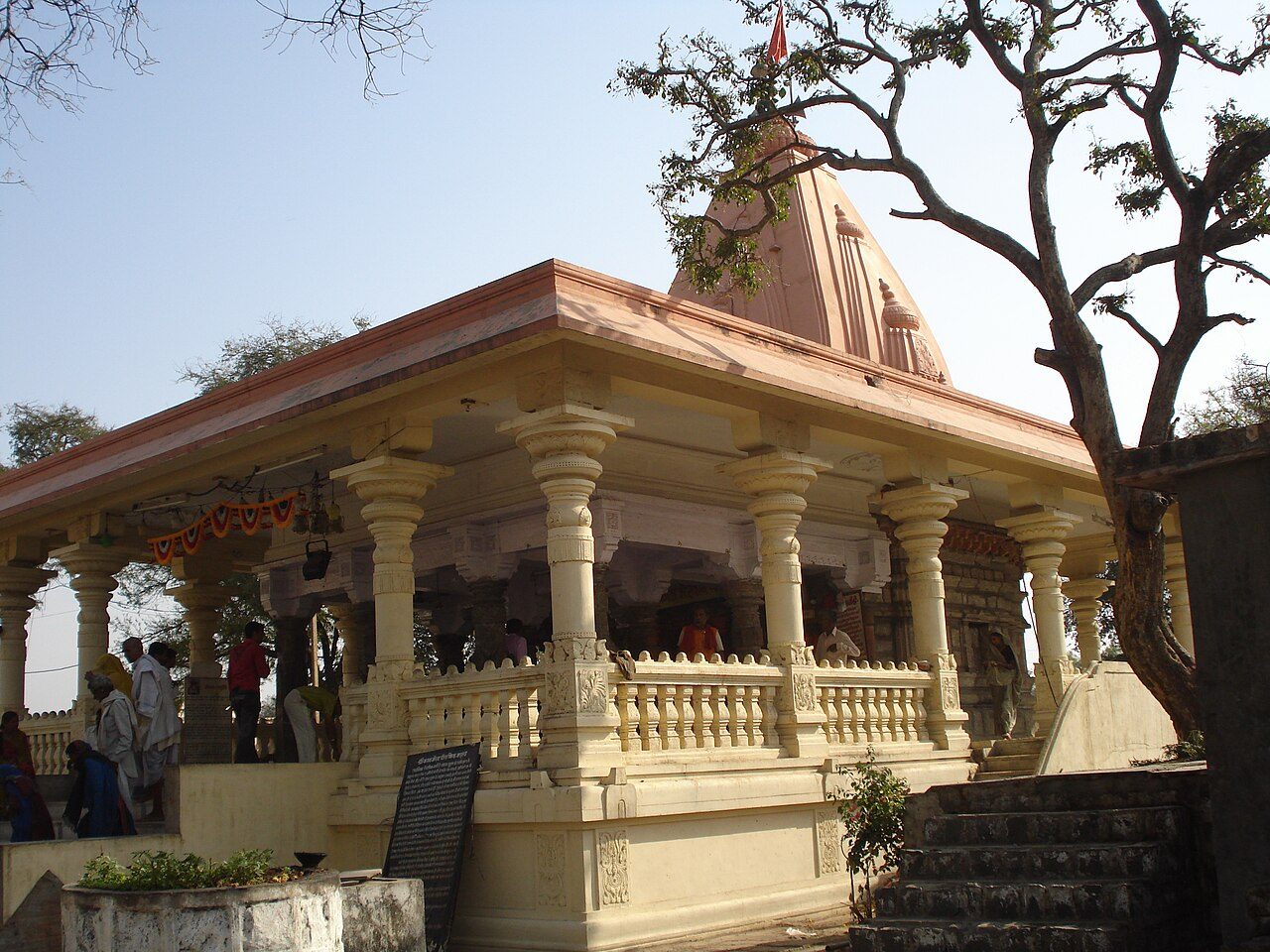
The Kal Bhairav Temple in Ujjain is dedicated to a fierce form of Shiva regarded as the guardian deity of the city. It is known for an unusual custom: devotees offer liquor to the deity, which priests pour into a saucer held to the idol's lips. The present building dates from the Maratha period and stands on the bank of the Shipra, a few kilometres north of the centre.
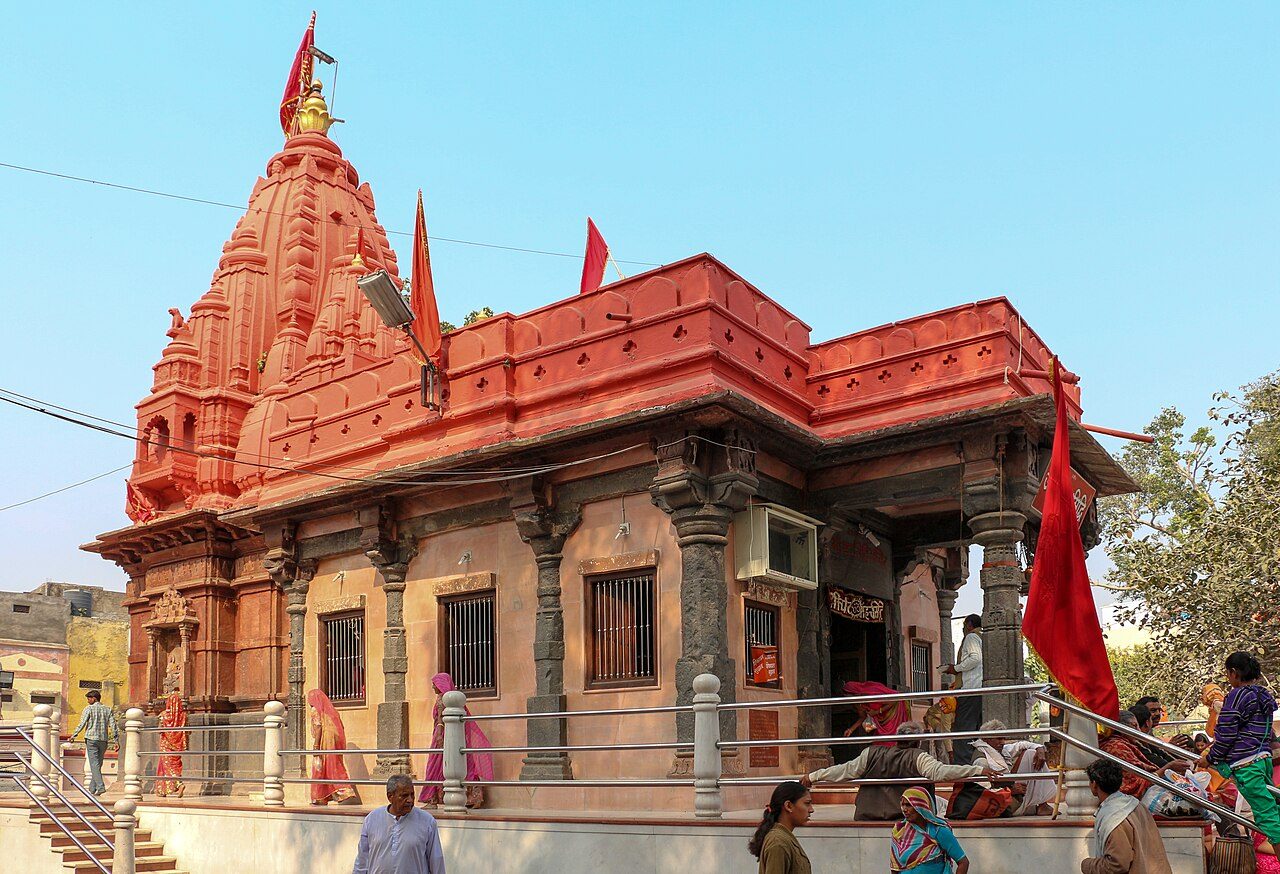
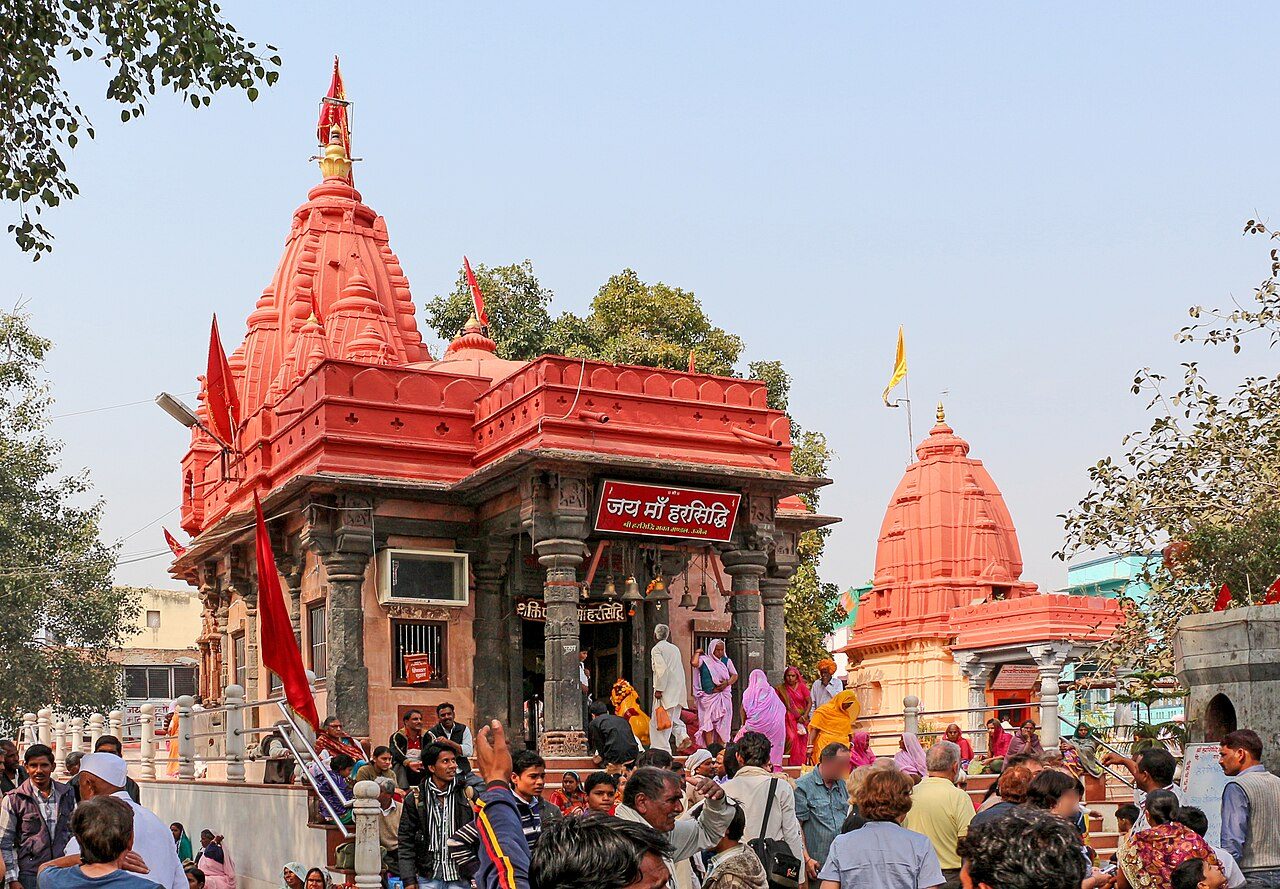
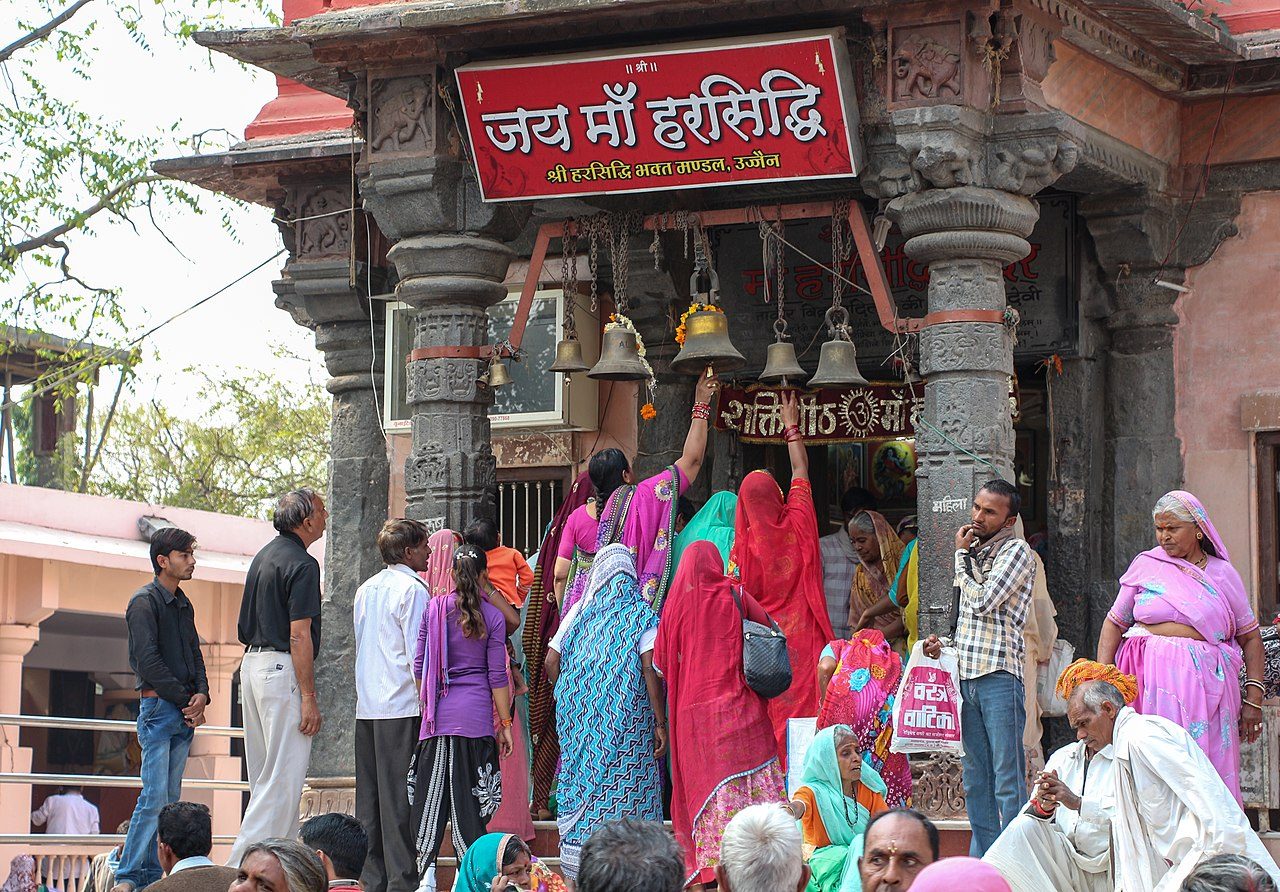
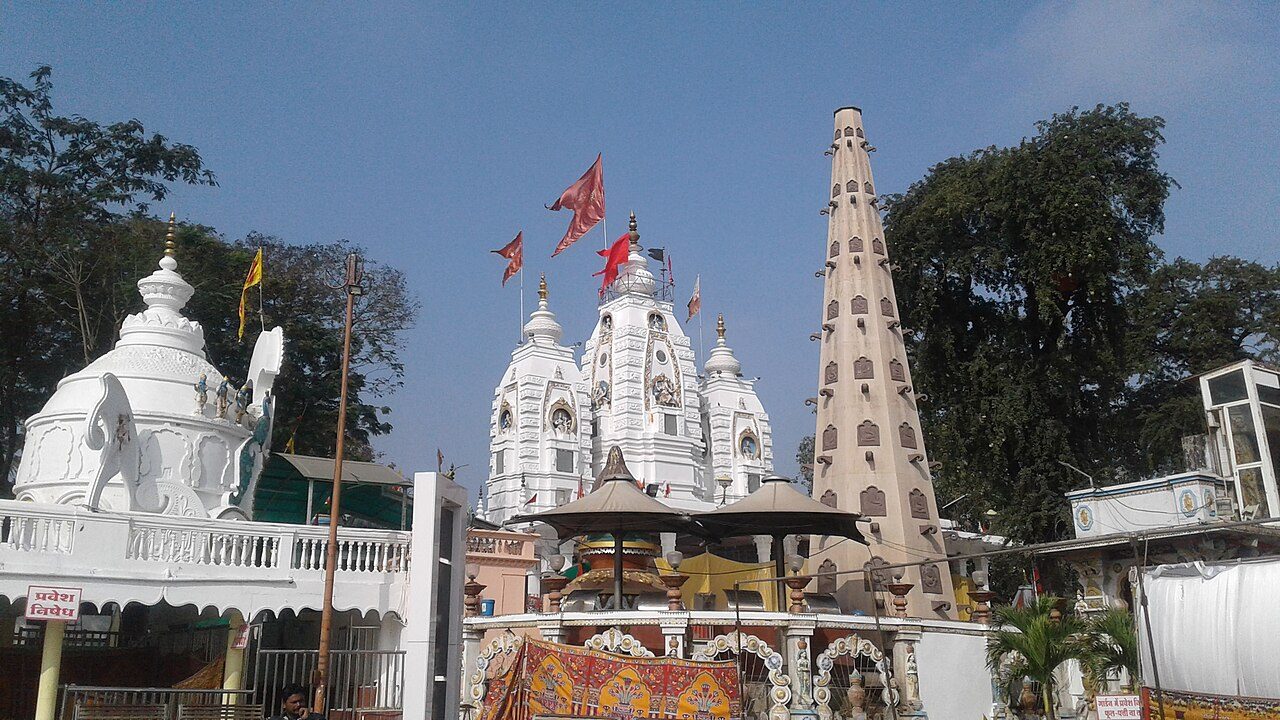
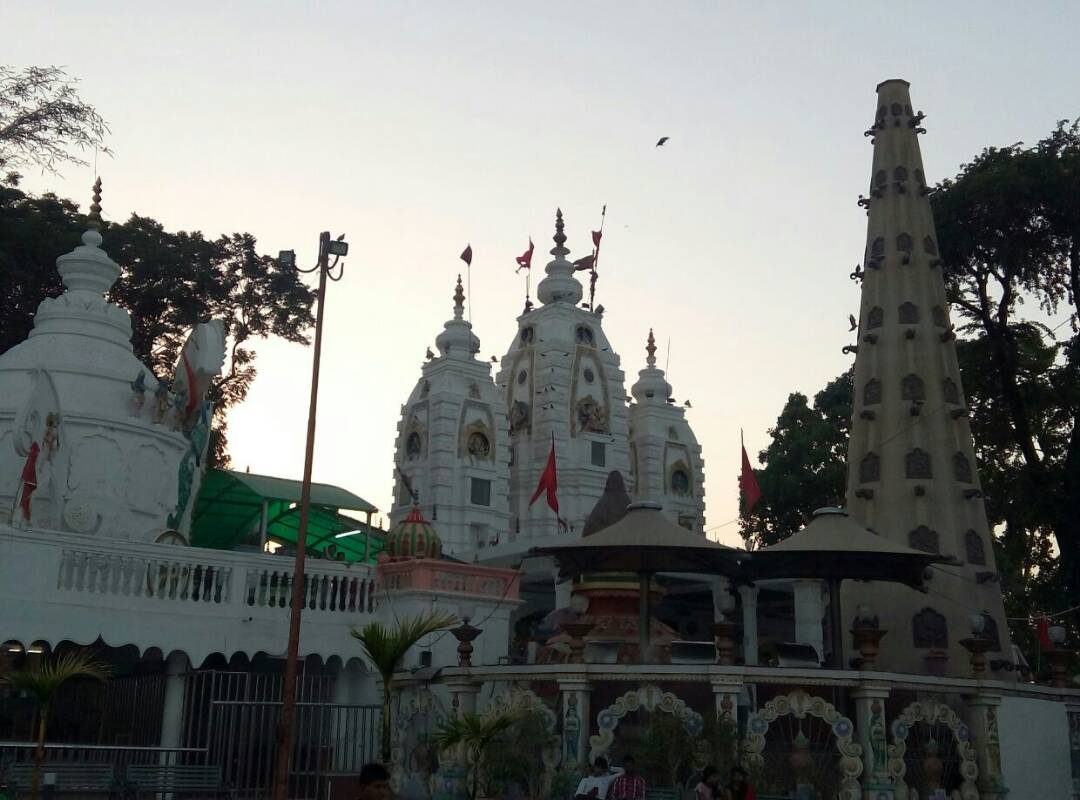
Harsiddhi Temple in Ujjain is counted among the Shakti Peethas and is dedicated to a form of the goddess said to have been worshipped by the legendary king Vikramaditya. The Maratha-period temple has a red spire and, in the courtyard, two tall lamp towers studded with hundreds of oil lamps. They are lit during Navratri, creating one of the city's most memorable sights.
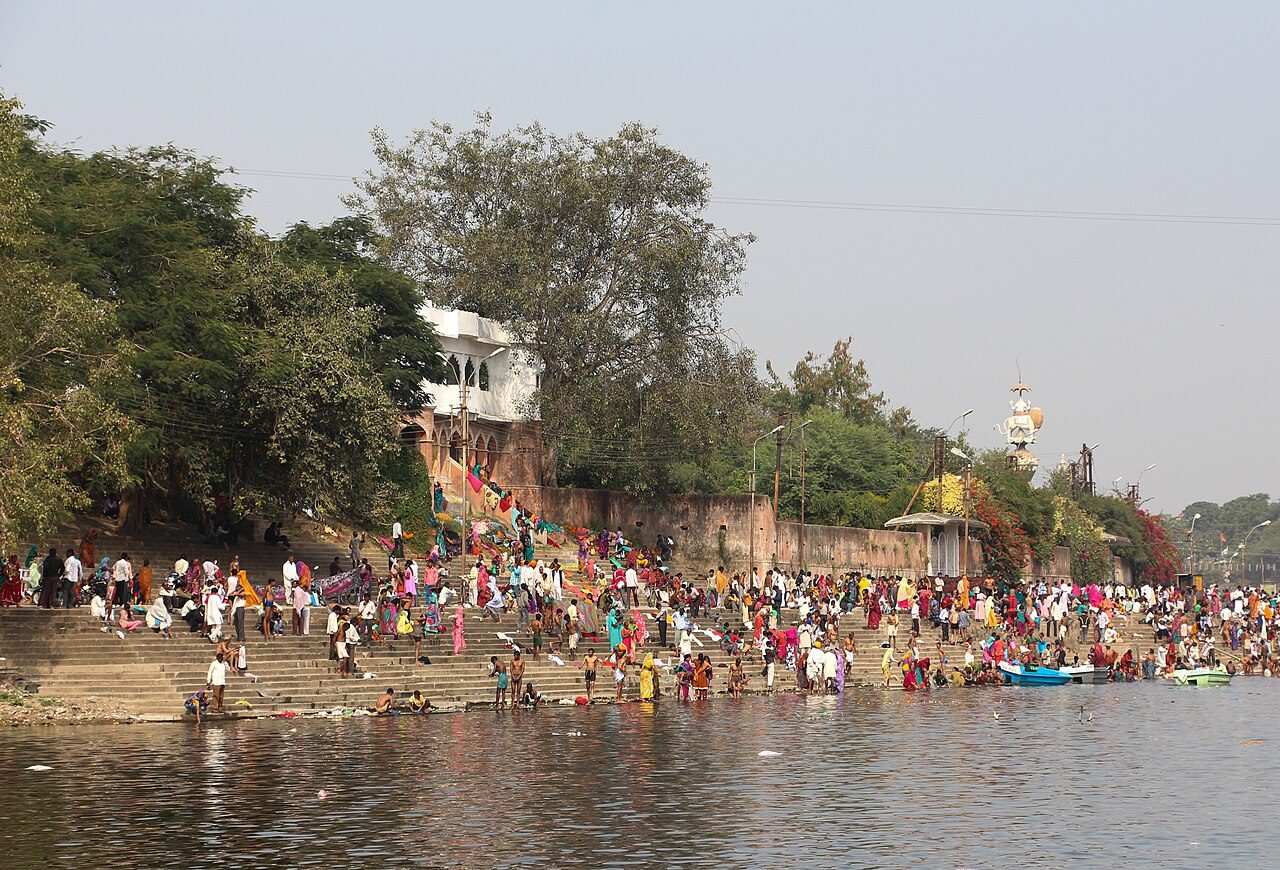
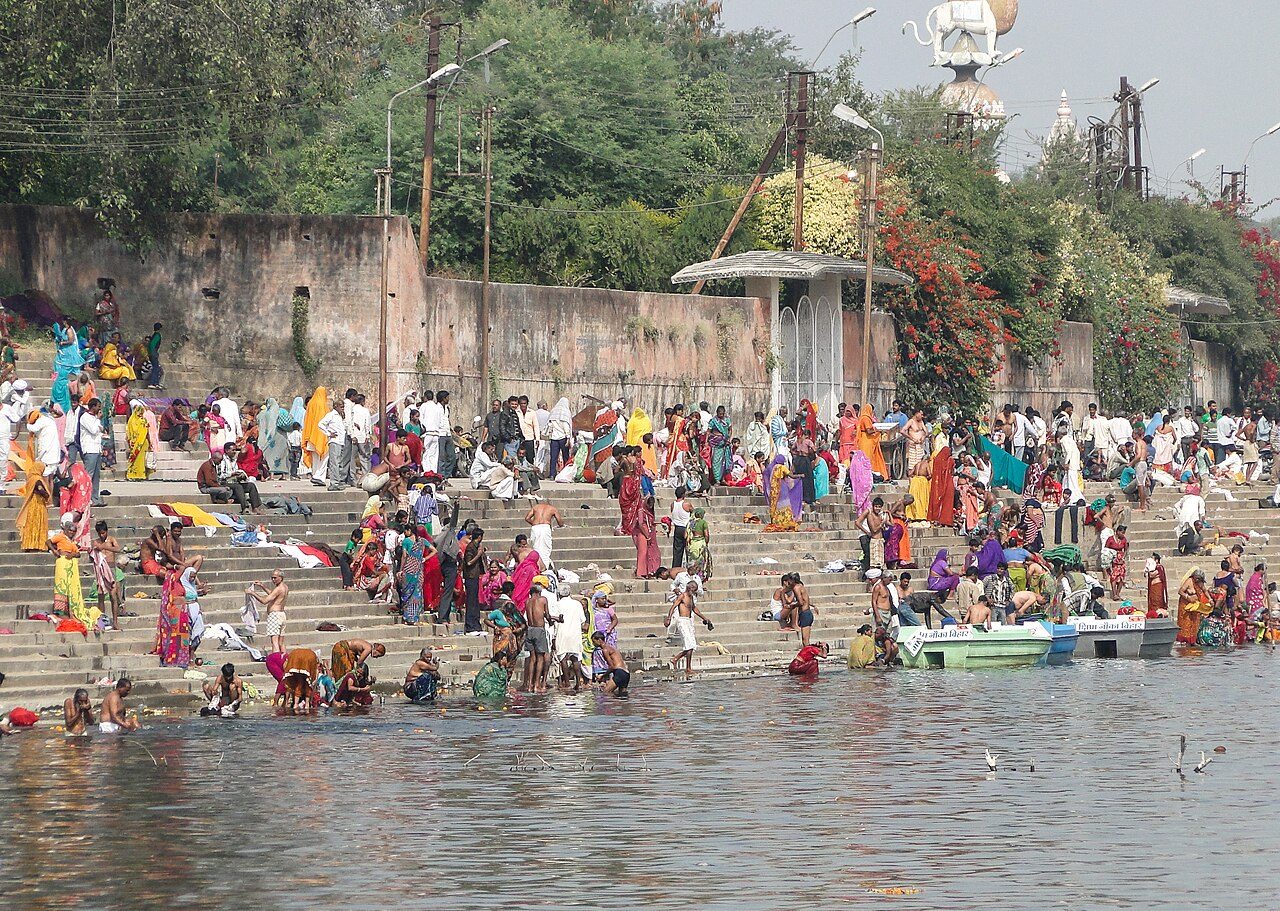
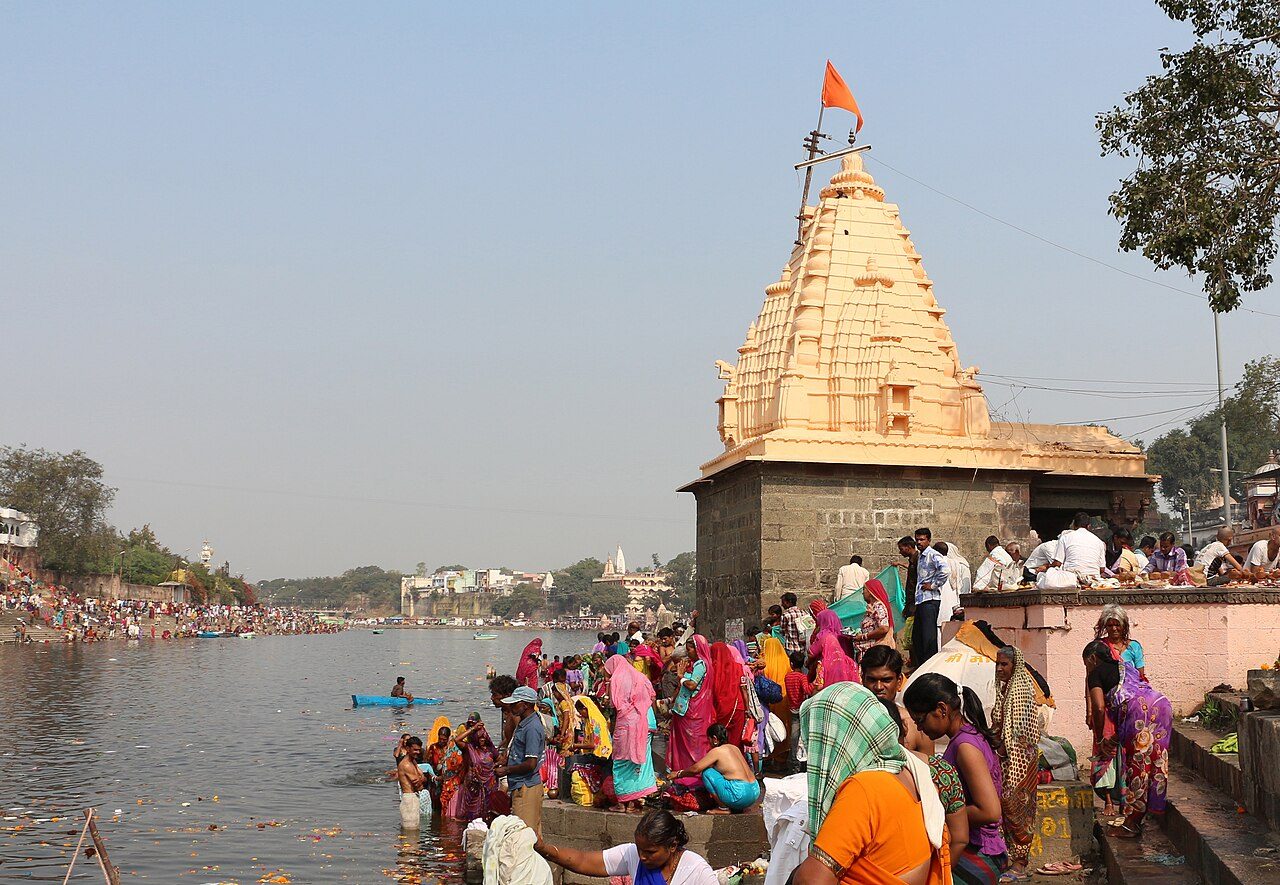
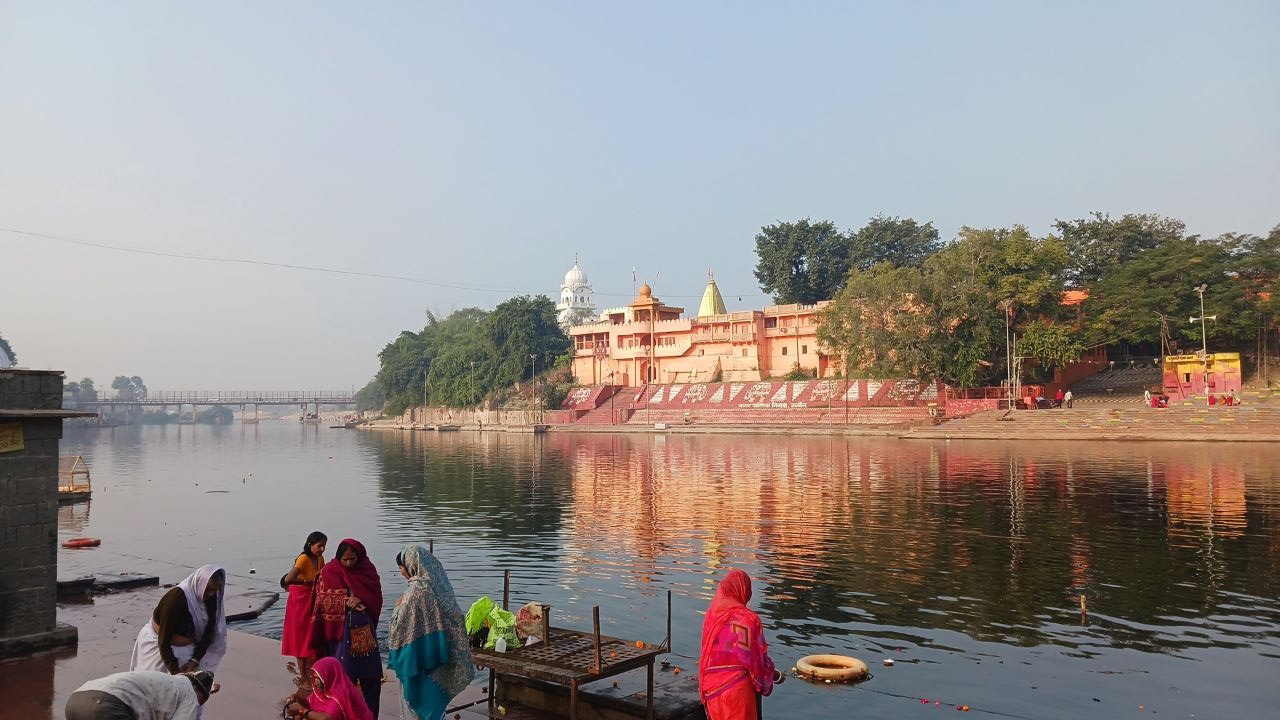
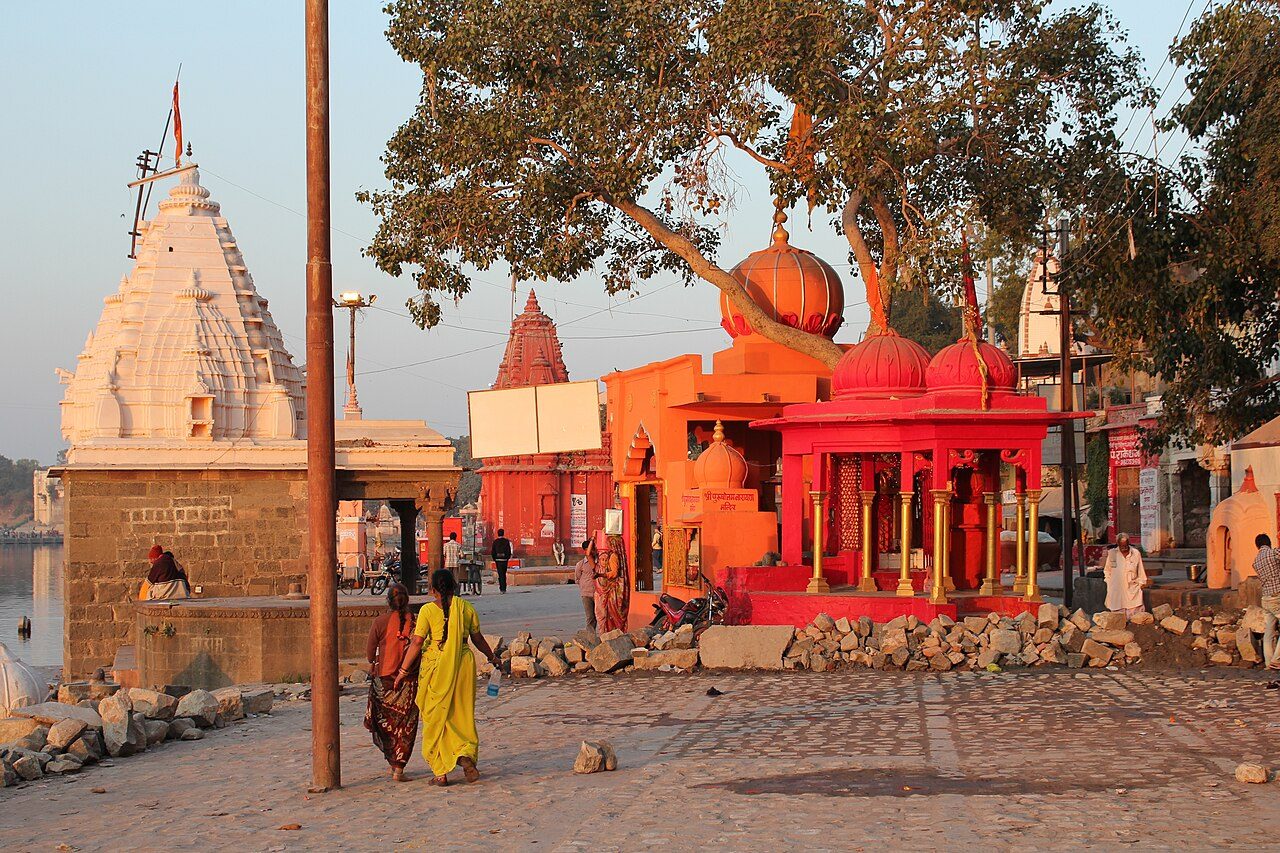
Ram Ghat is the oldest and most important bathing ghat on the Shipra River in Ujjain. It is the heart of the Simhastha Kumbh Mela, held here every twelve years, when millions of pilgrims come to bathe. On ordinary days priests perform rituals on the steps beneath a line of temples, and the evening aarti with lamps and bells is the best time to visit.
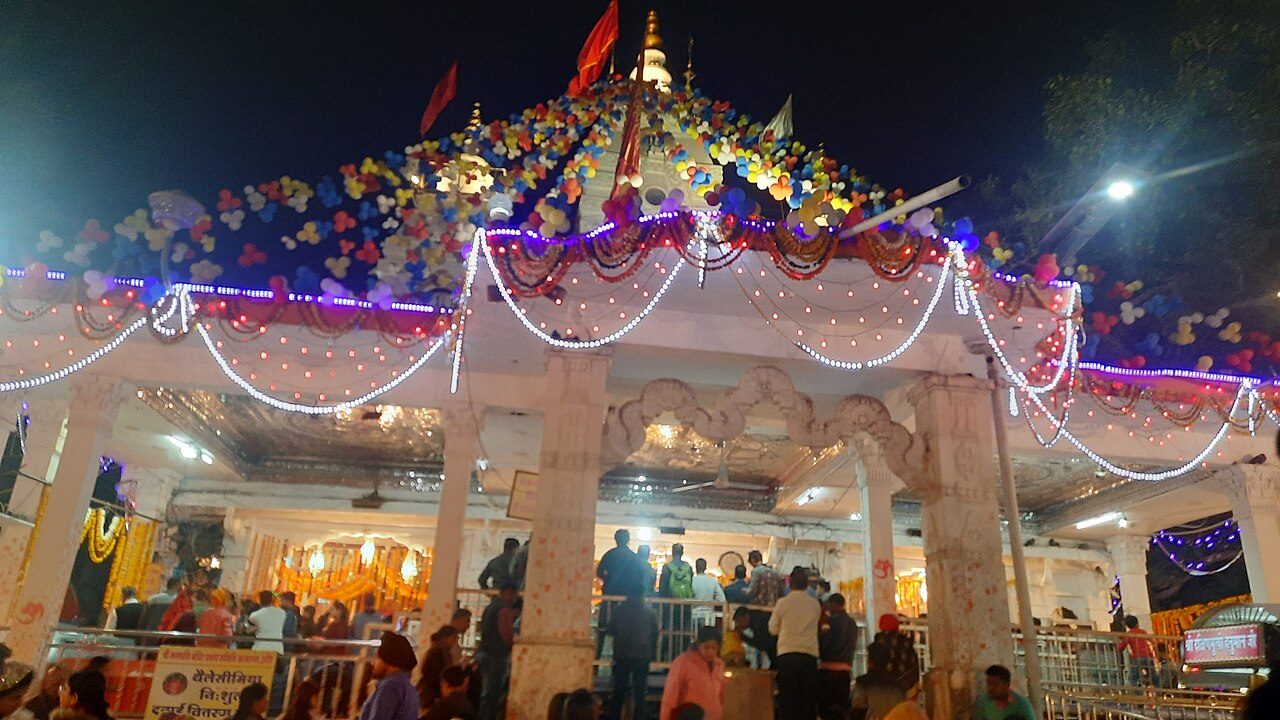
The Khajrana Ganesh Temple is Indore's most visited shrine, built in the 18th century by Queen Ahilyabai Holkar. Tradition says the idol had been hidden in a well to protect it and was recovered and installed here. Devotees believe wishes made at the temple are granted, and Wednesdays and Ganesh Chaturthi draw very large crowds. The complex also has many smaller shrines.
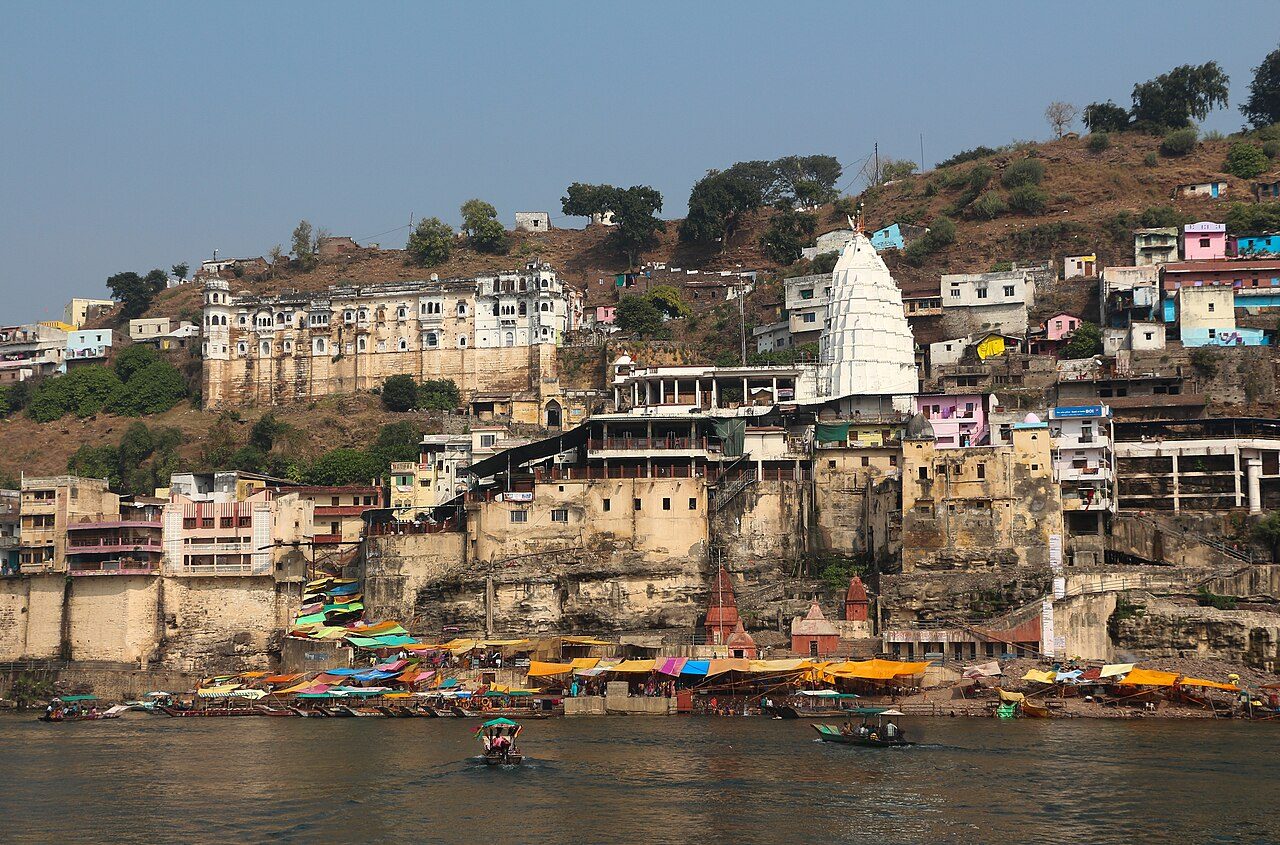
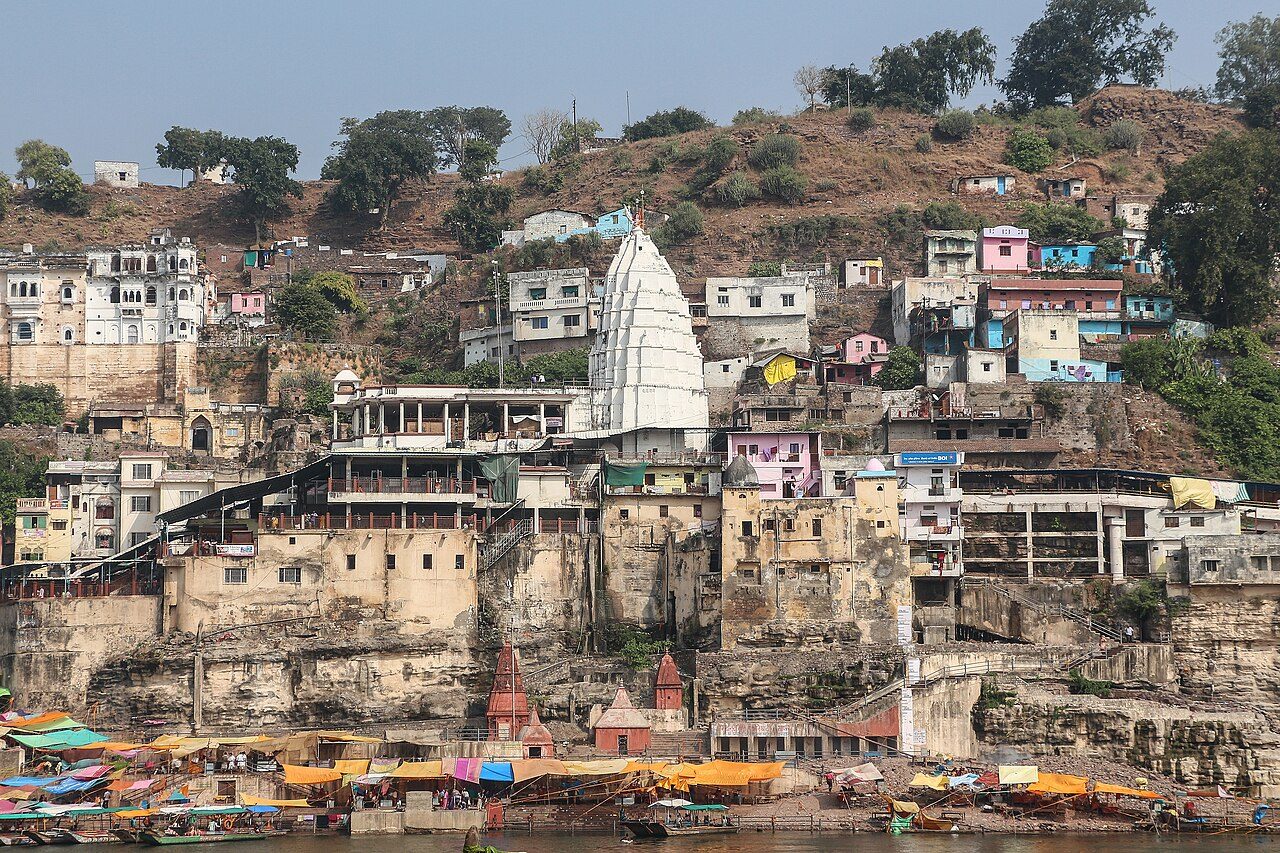
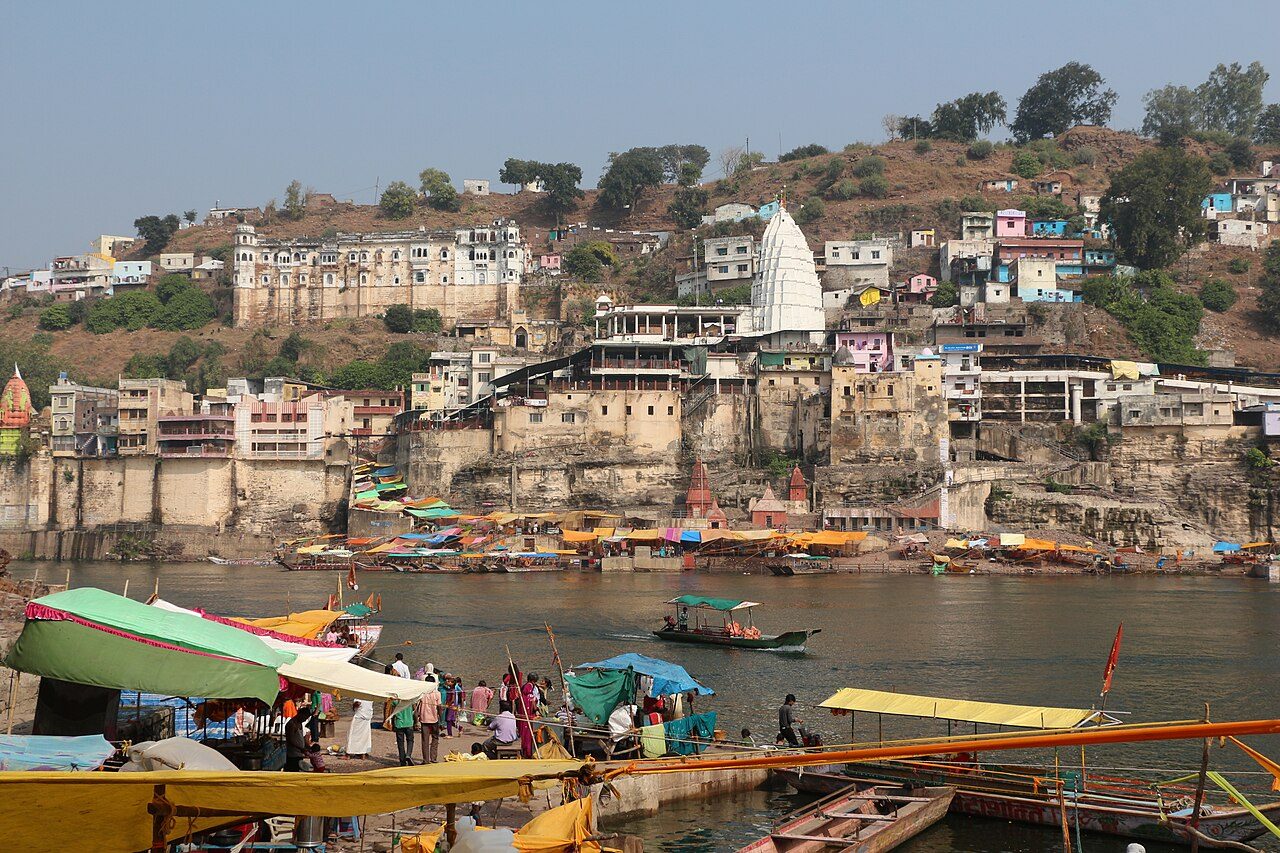
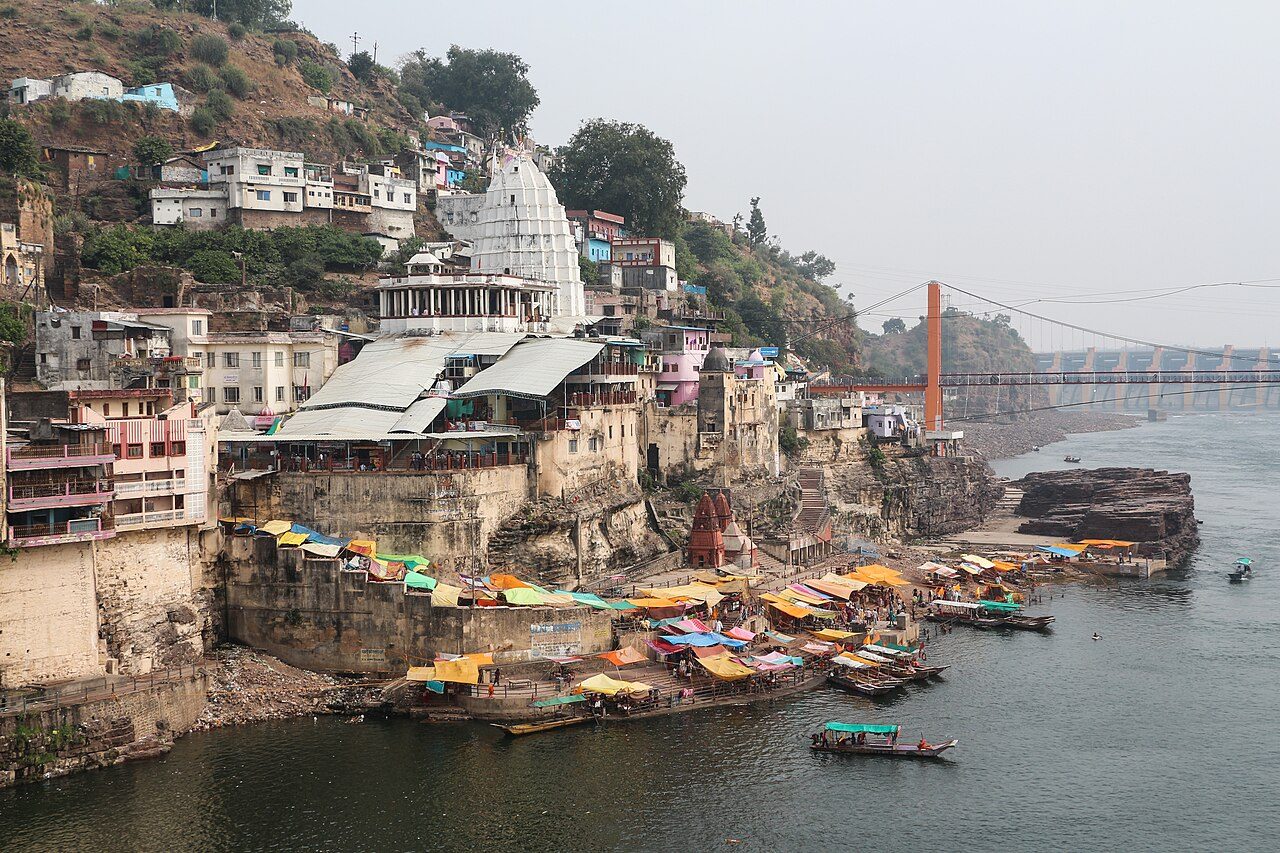
Omkareshwar is one of the twelve jyotirlingas of Shiva, set on Mandhata, an island in the Narmada whose shape is said to resemble the sacred symbol Om. The white-spired temple is reached by footbridges or by boat from the mainland ghats. Pilgrims also walk the path around the island and visit the Mamleshwar temple on the south bank. Mondays and Shravan are the busiest times.
 WaTrips