Malwa in 5 Days: Indore, Ujjain, Mandu, Maheshwar and Omkareshwar
5 DAYS17 placesby WaTrips
Indore's palaces and food, Ujjain's Mahakaleshwar, the Afghan ruins of Mandu, Maheshwar's ghats and Omkareshwar.
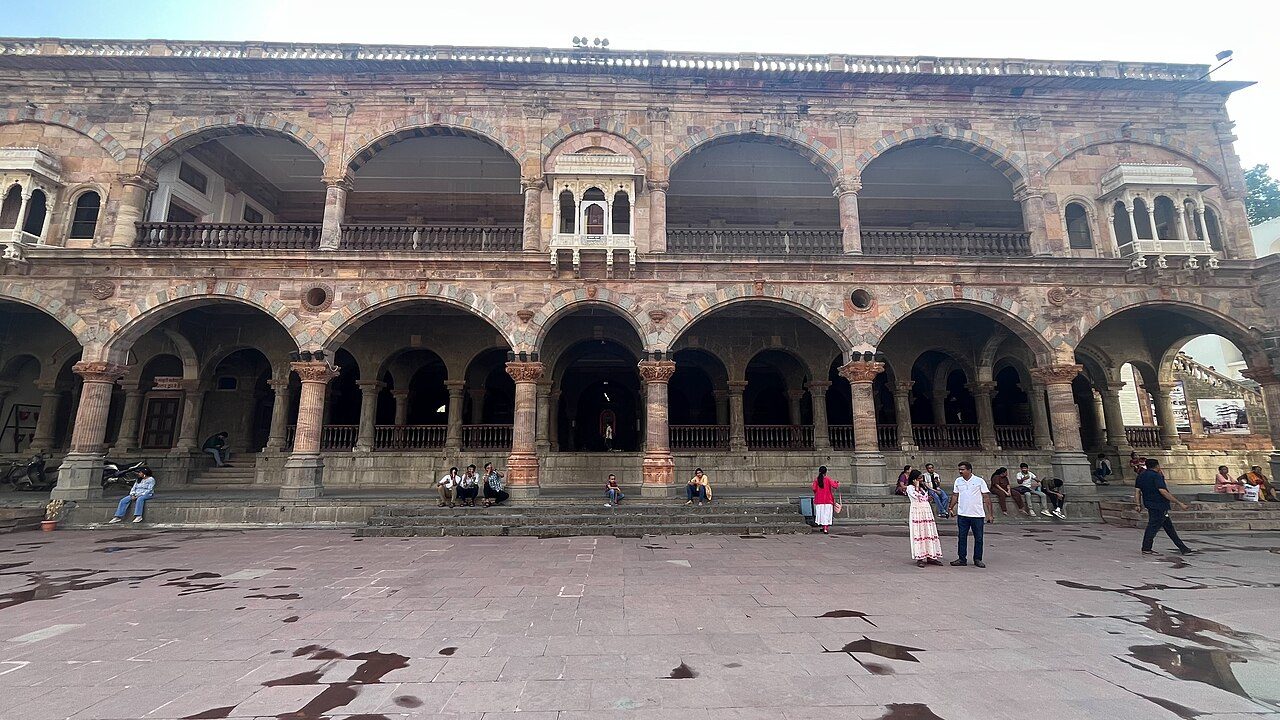
The Malwa plateau packs a lot into a short loop from Indore. Day one is the city: Rajwada, Lal Bagh Palace, Khajrana Ganesh and the Holkar chhatris, with the Sarafa night food market after dark. Day two is Ujjain, one of Hinduism's holiest cities, for Mahakaleshwar, Kal Bhairav and Harsiddhi, the old observatory and aarti at Ram Ghat. Days three and four explore Mandu, a ruined hill capital with Jahaz Mahal, Hindola Mahal, Hoshang Shah's marble tomb and Roopmati's pavilion, before Maheshwar's fort and ghats on the Narmada. Day five ends at Omkareshwar, on an island in the river. July to March is best; Mandu is lovely in the monsoon.
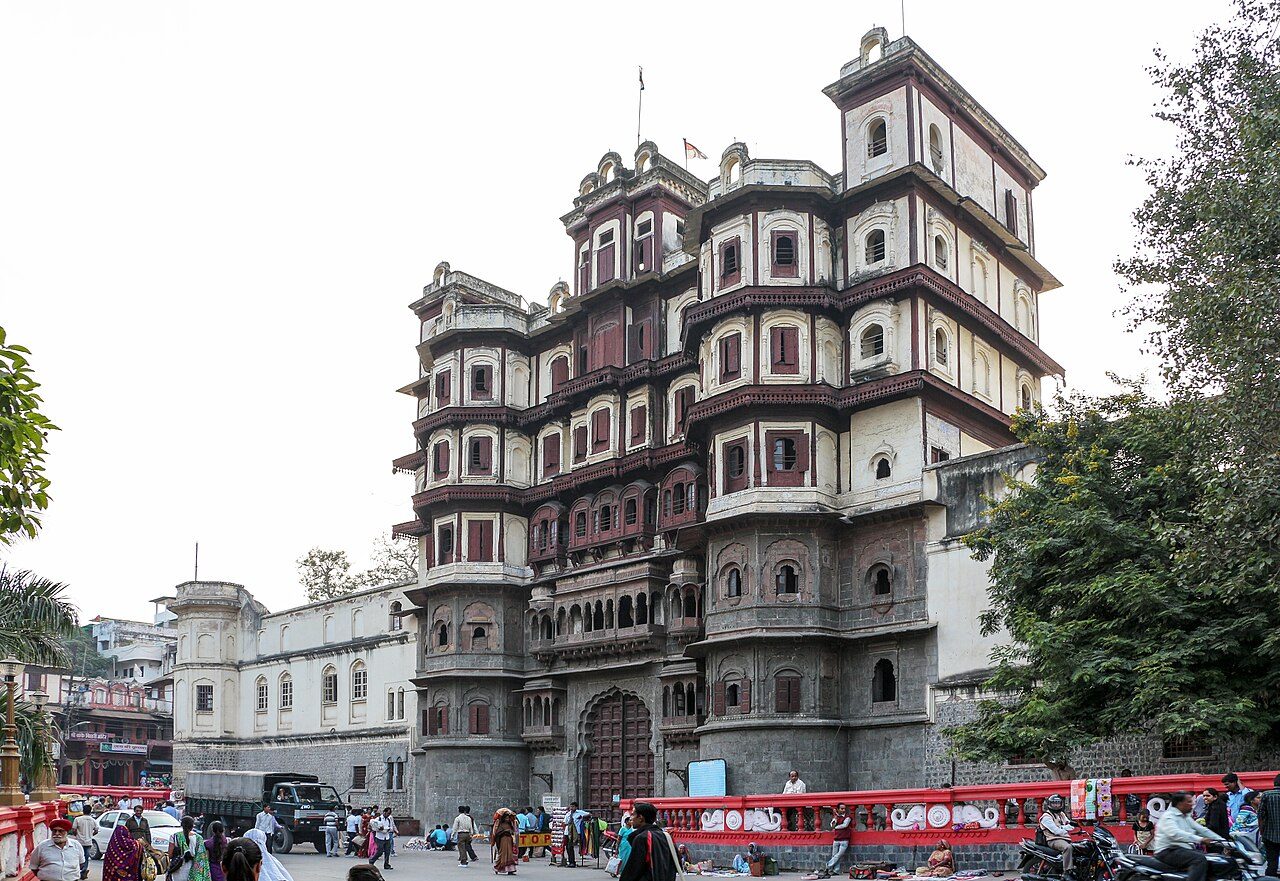
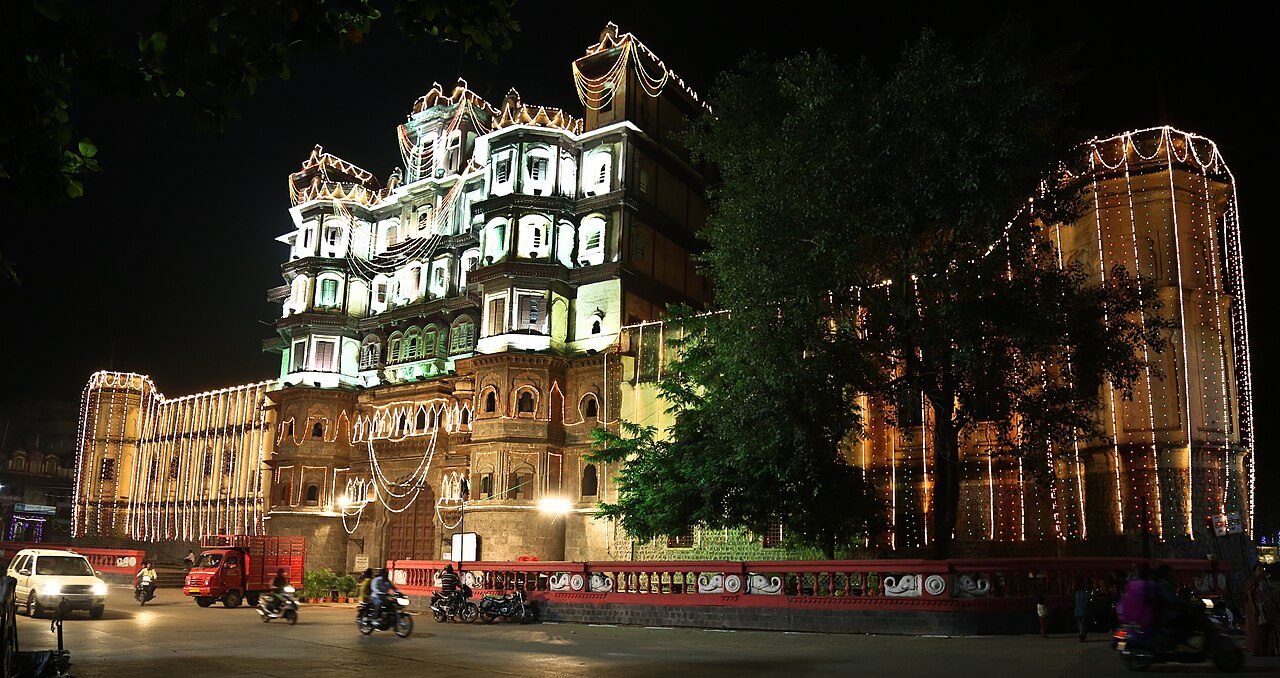
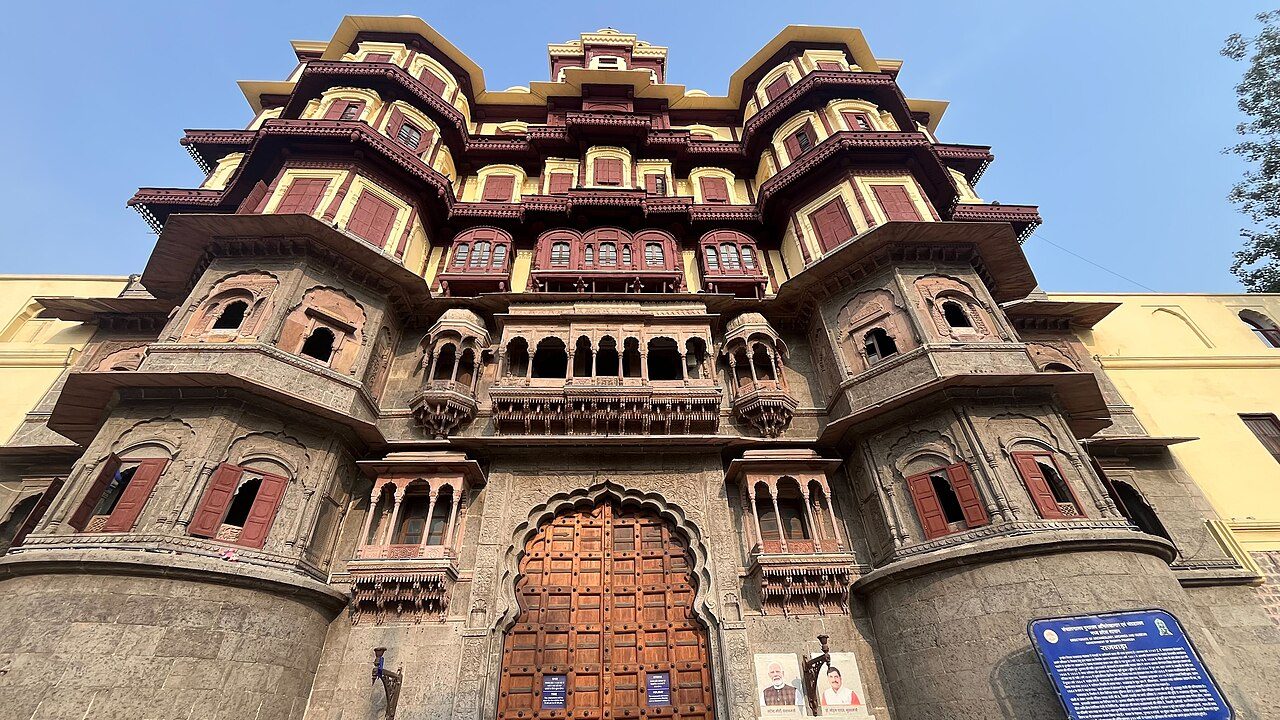
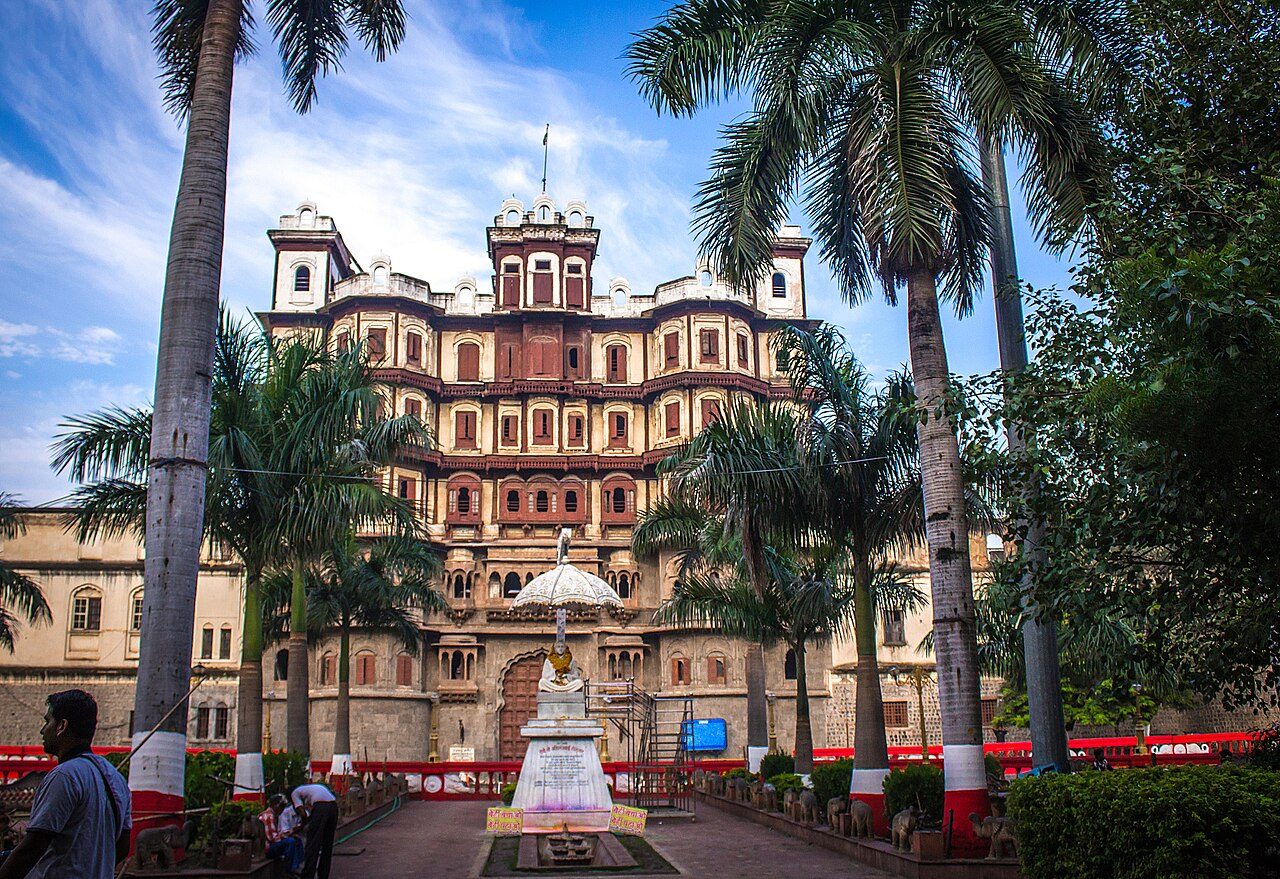
Rajwada is the 18th-century palace of the Holkar rulers in the heart of Indore's old city. Its seven-storey gateway mixes Maratha, Mughal and French styles, with stone lower floors and wooden upper ones. The palace burned more than once and has been restored; a courtyard, temple and small displays are open inside. The surrounding bazaars and the nearby Sarafa night food market complete a visit.
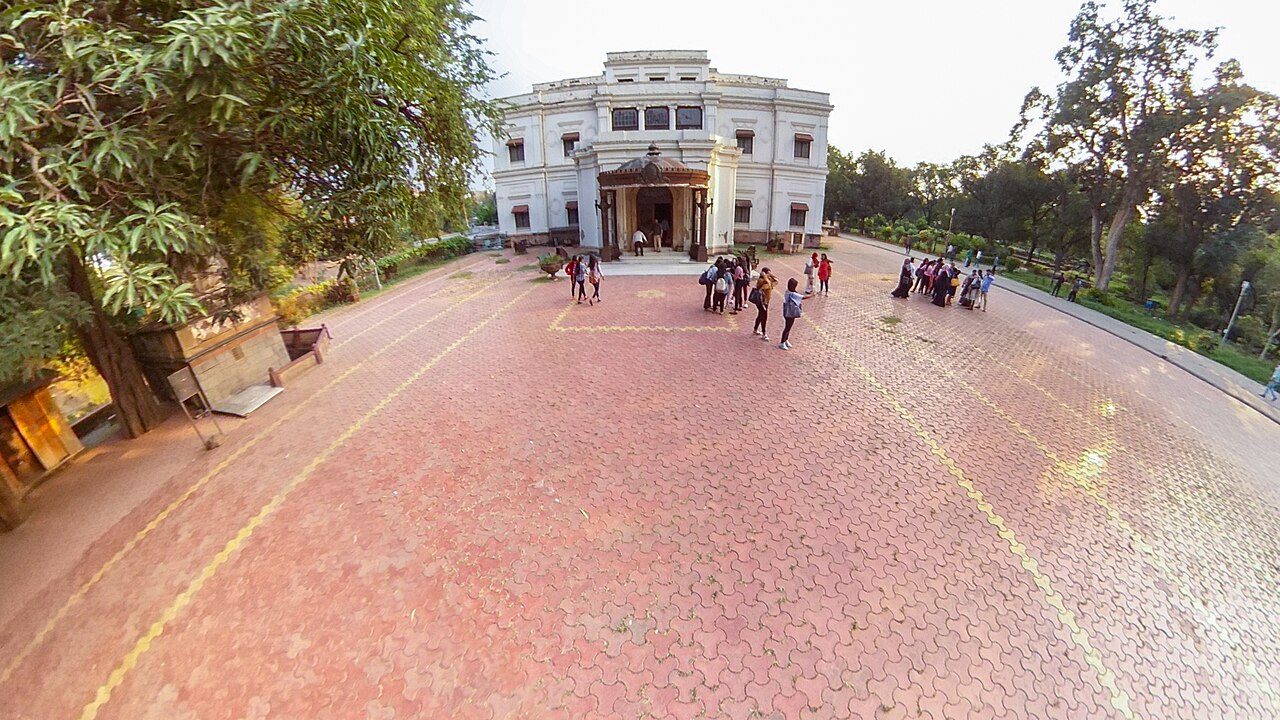
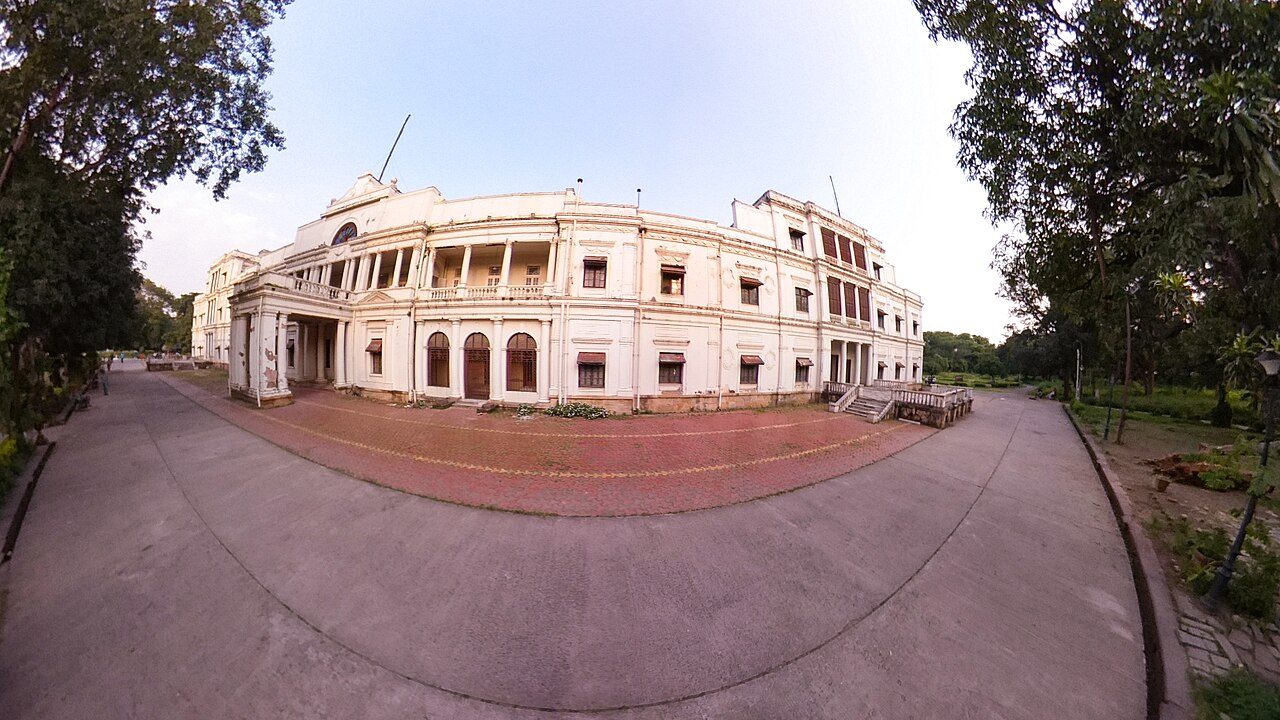
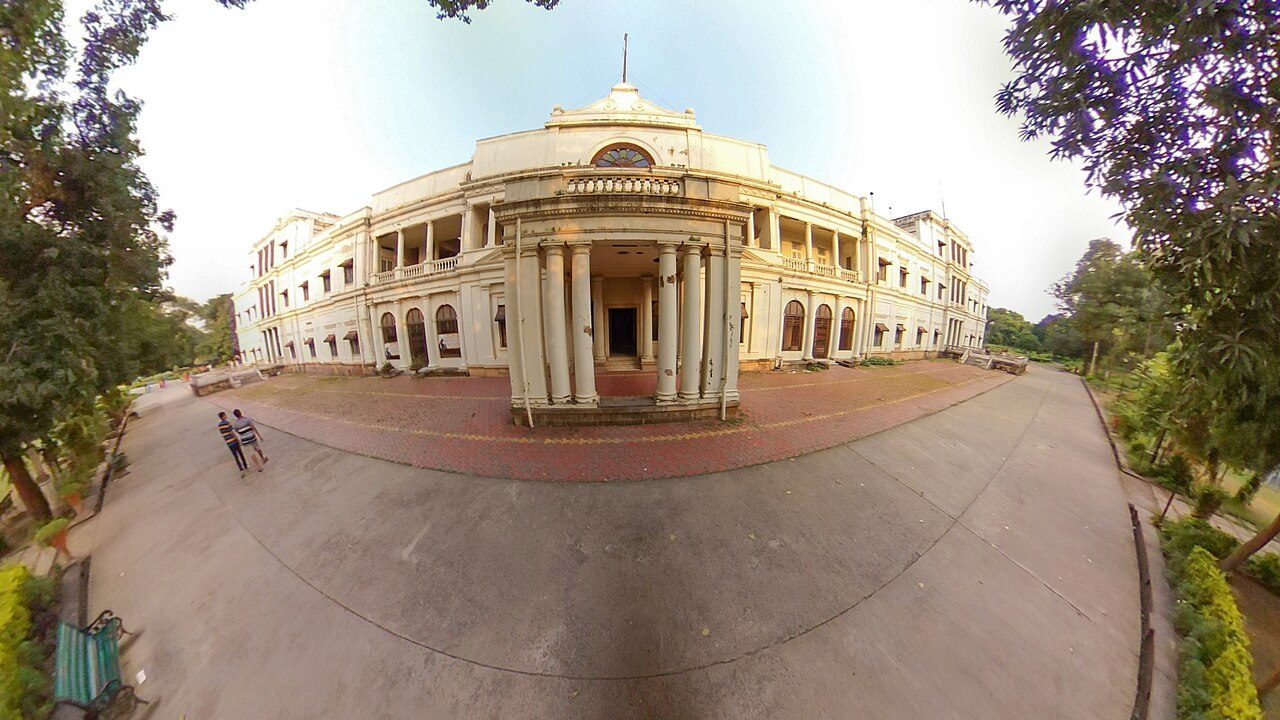
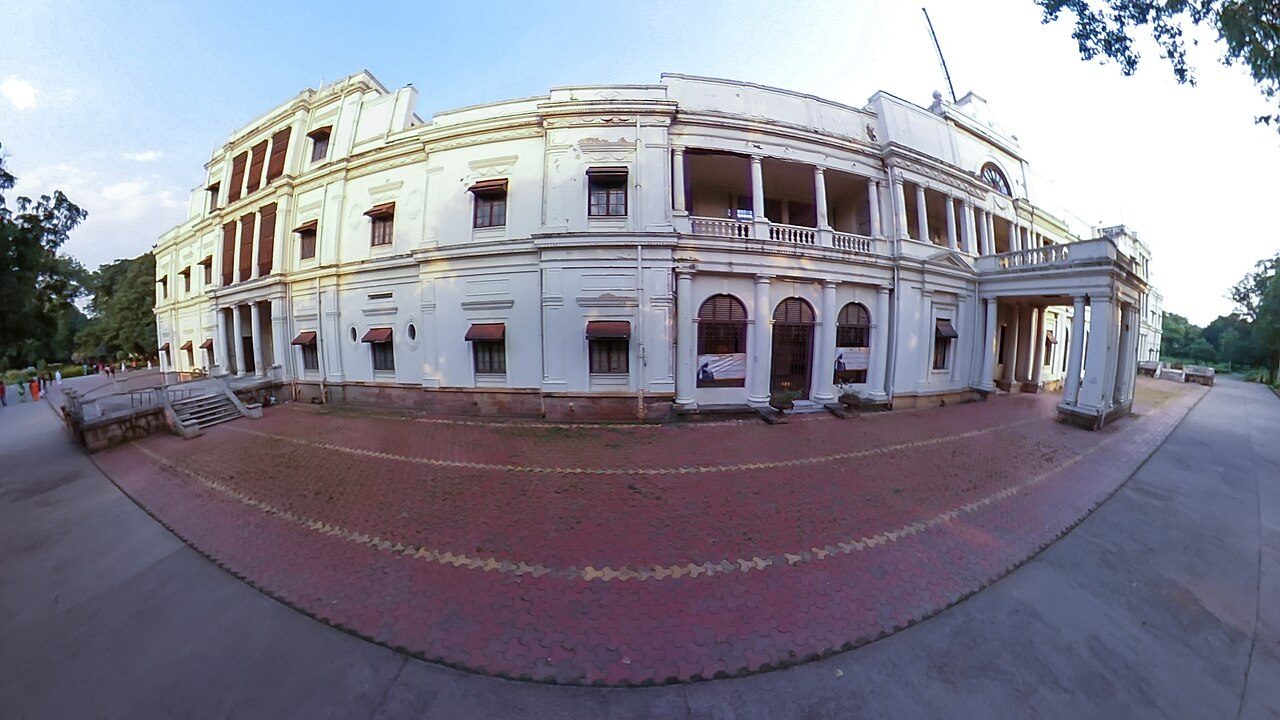
Lal Bagh Palace was the residence of the Holkar maharajas of Indore, built between the 1880s and 1920s. Plain from outside, it is lavishly European within, with Italian marble, painted ceilings, chandeliers and a ballroom. Its wrought-iron entrance gates are modelled on those of Buckingham Palace. The palace stands in large gardens near the Khan River and is closed on Mondays.
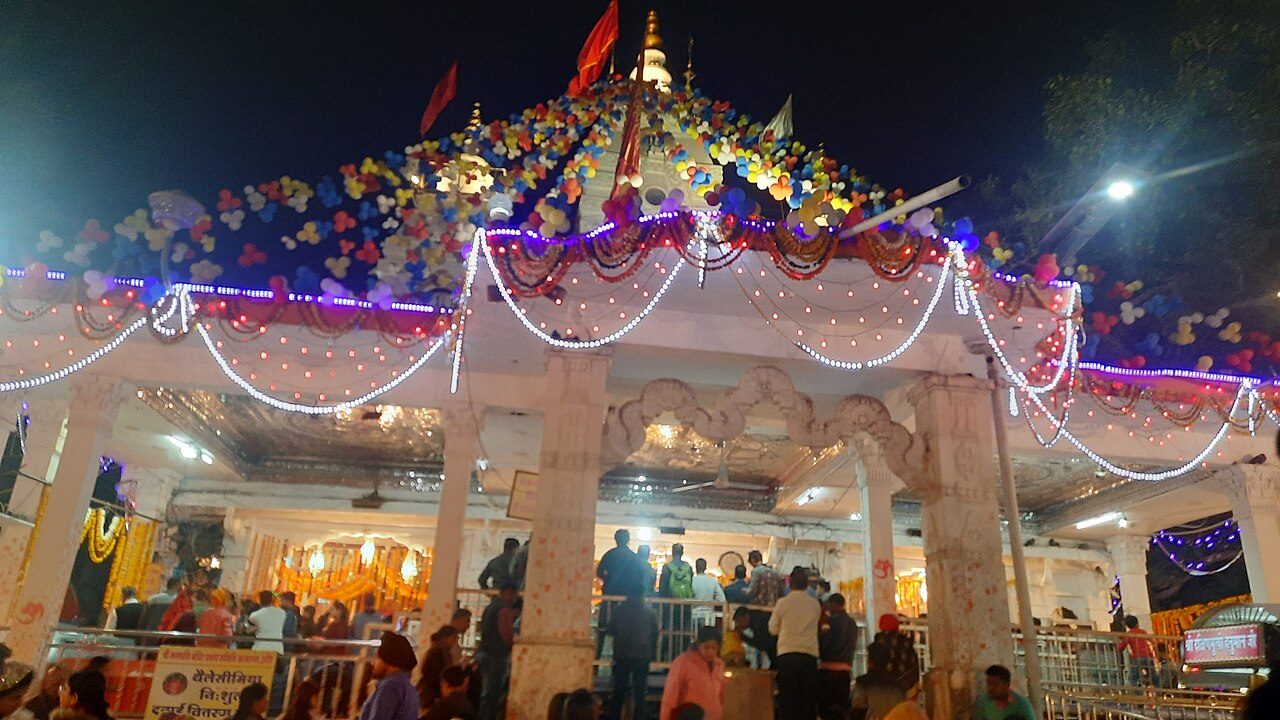
The Khajrana Ganesh Temple is Indore's most visited shrine, built in the 18th century by Queen Ahilyabai Holkar. Tradition says the idol had been hidden in a well to protect it and was recovered and installed here. Devotees believe wishes made at the temple are granted, and Wednesdays and Ganesh Chaturthi draw very large crowds. The complex also has many smaller shrines.
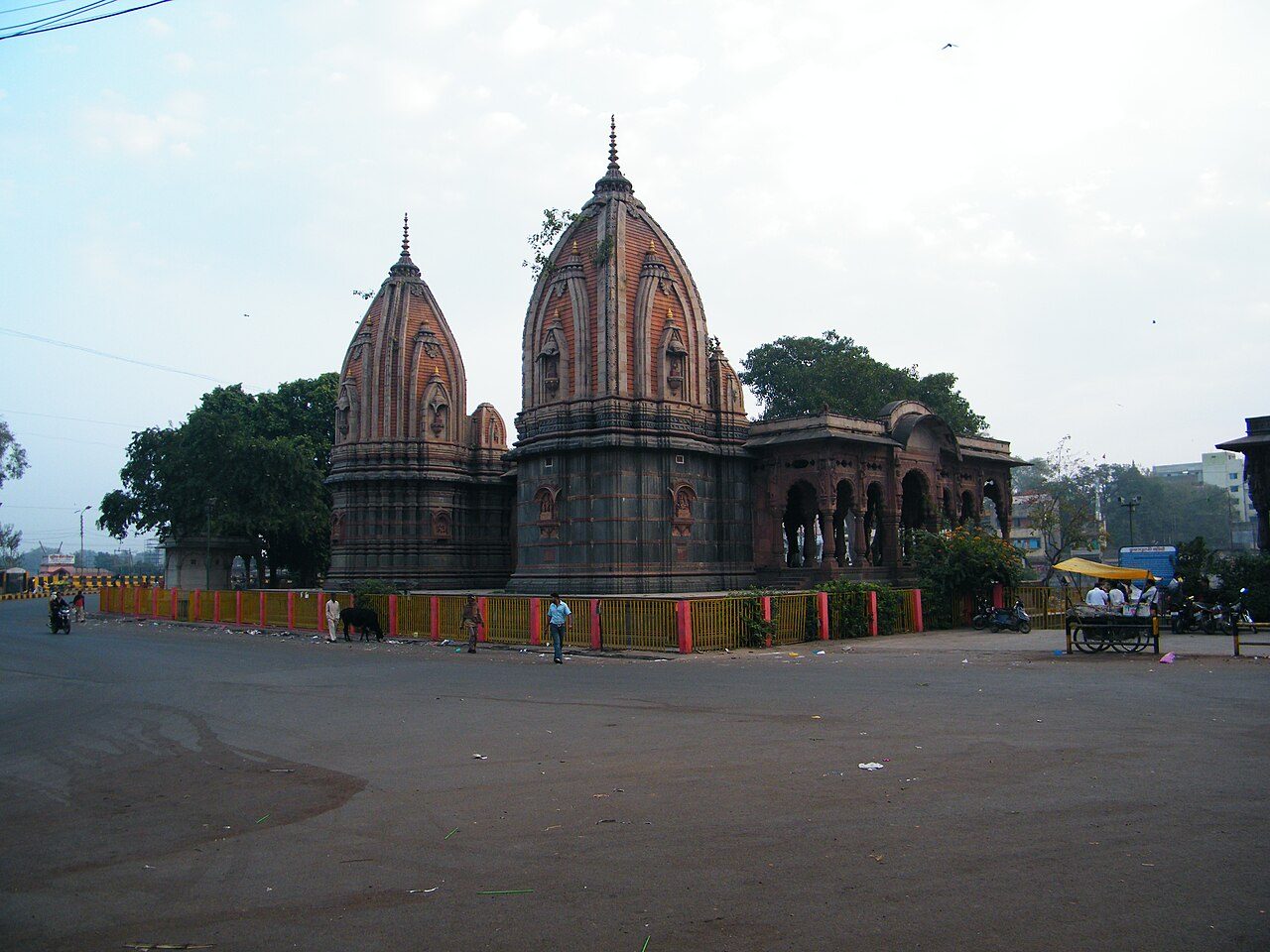
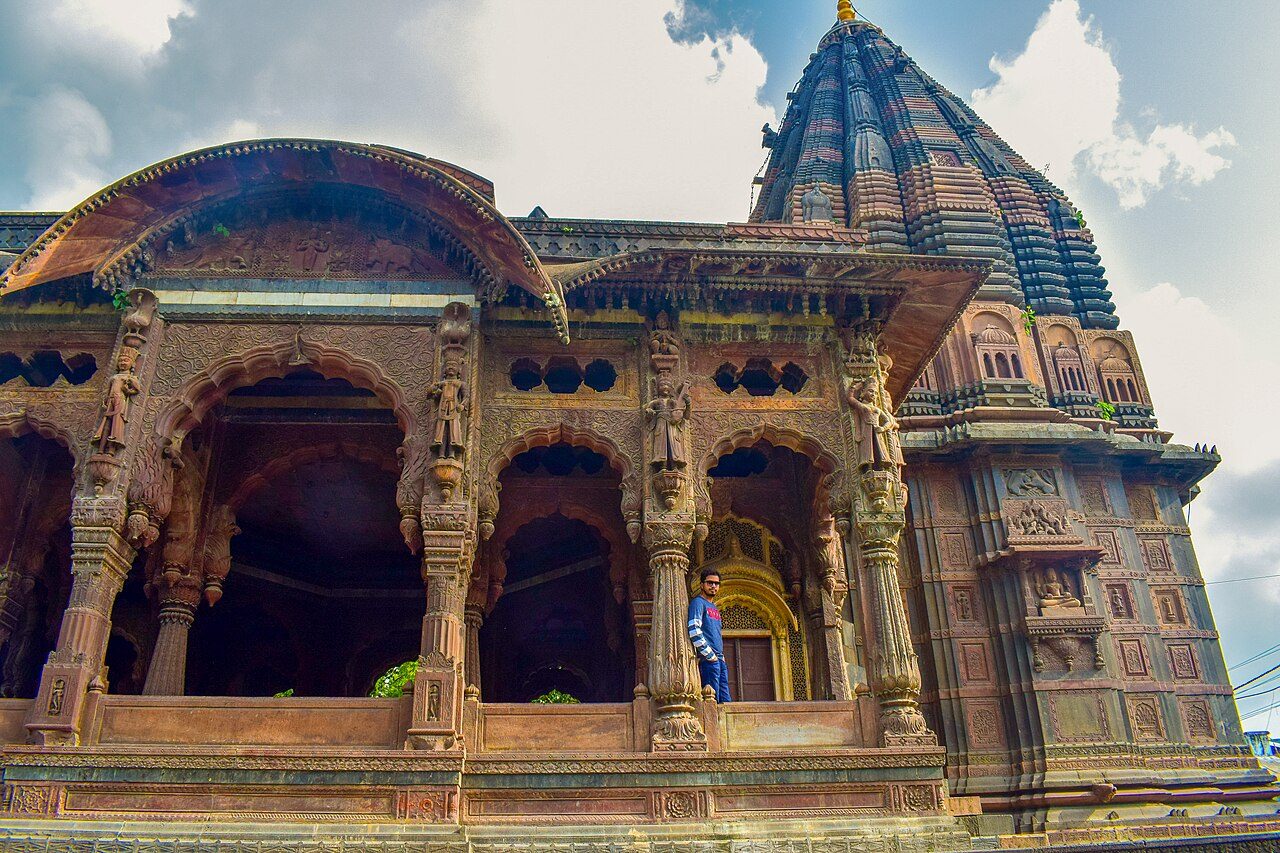
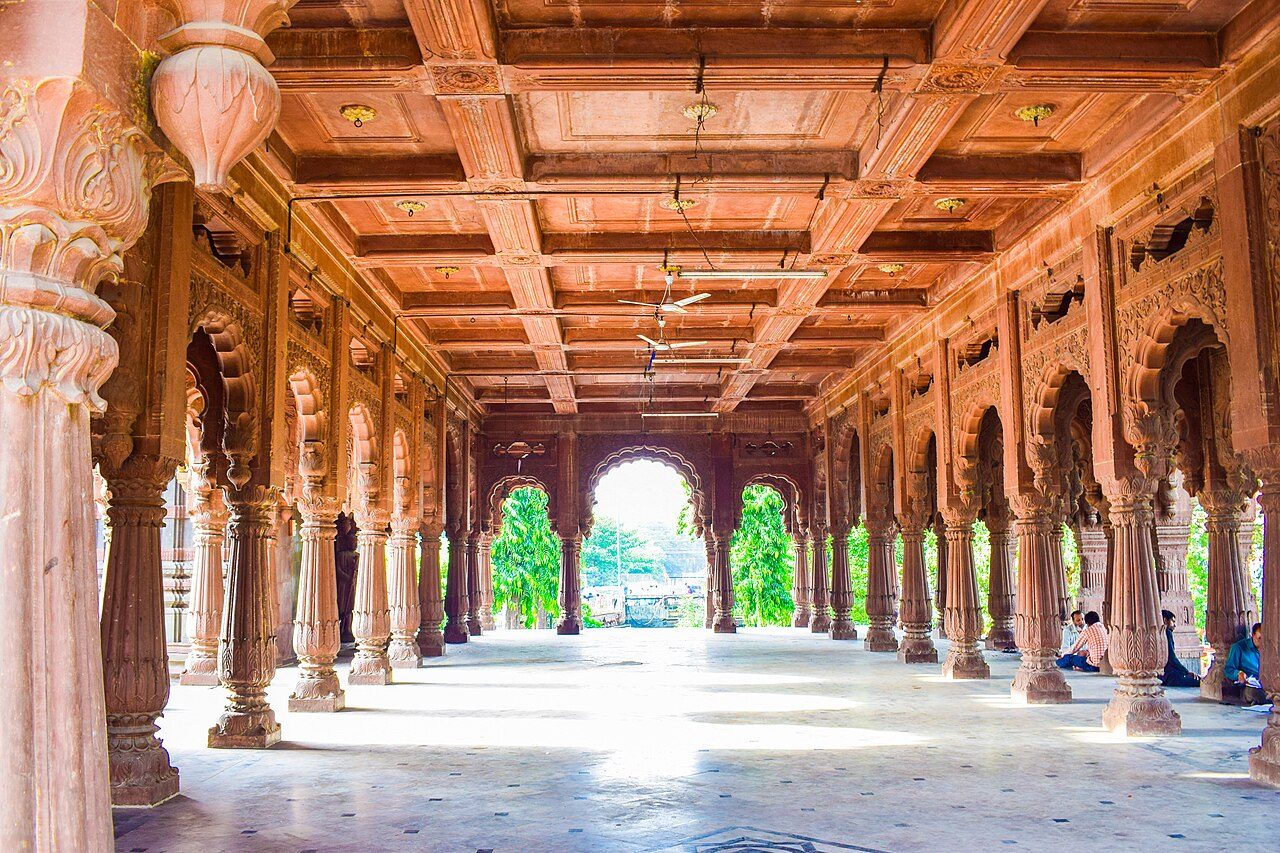
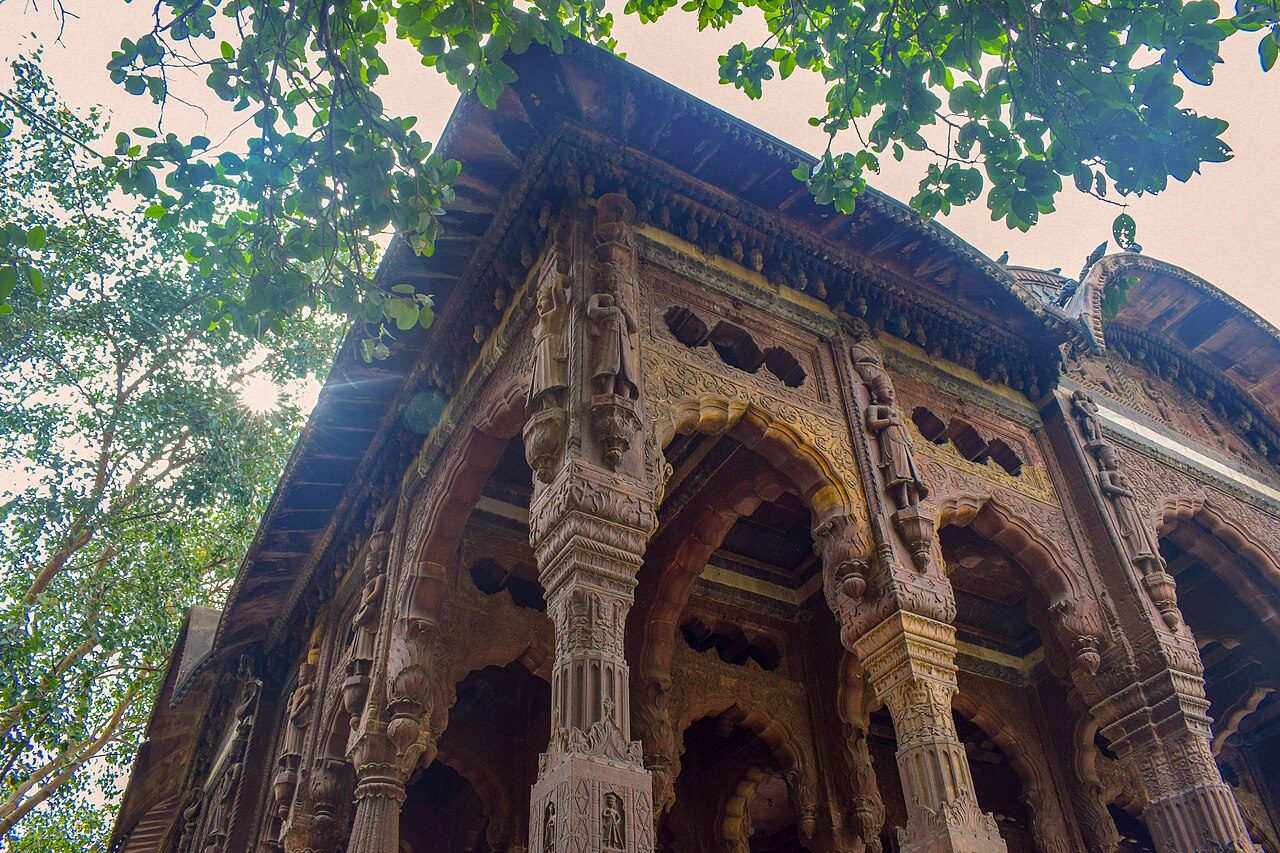
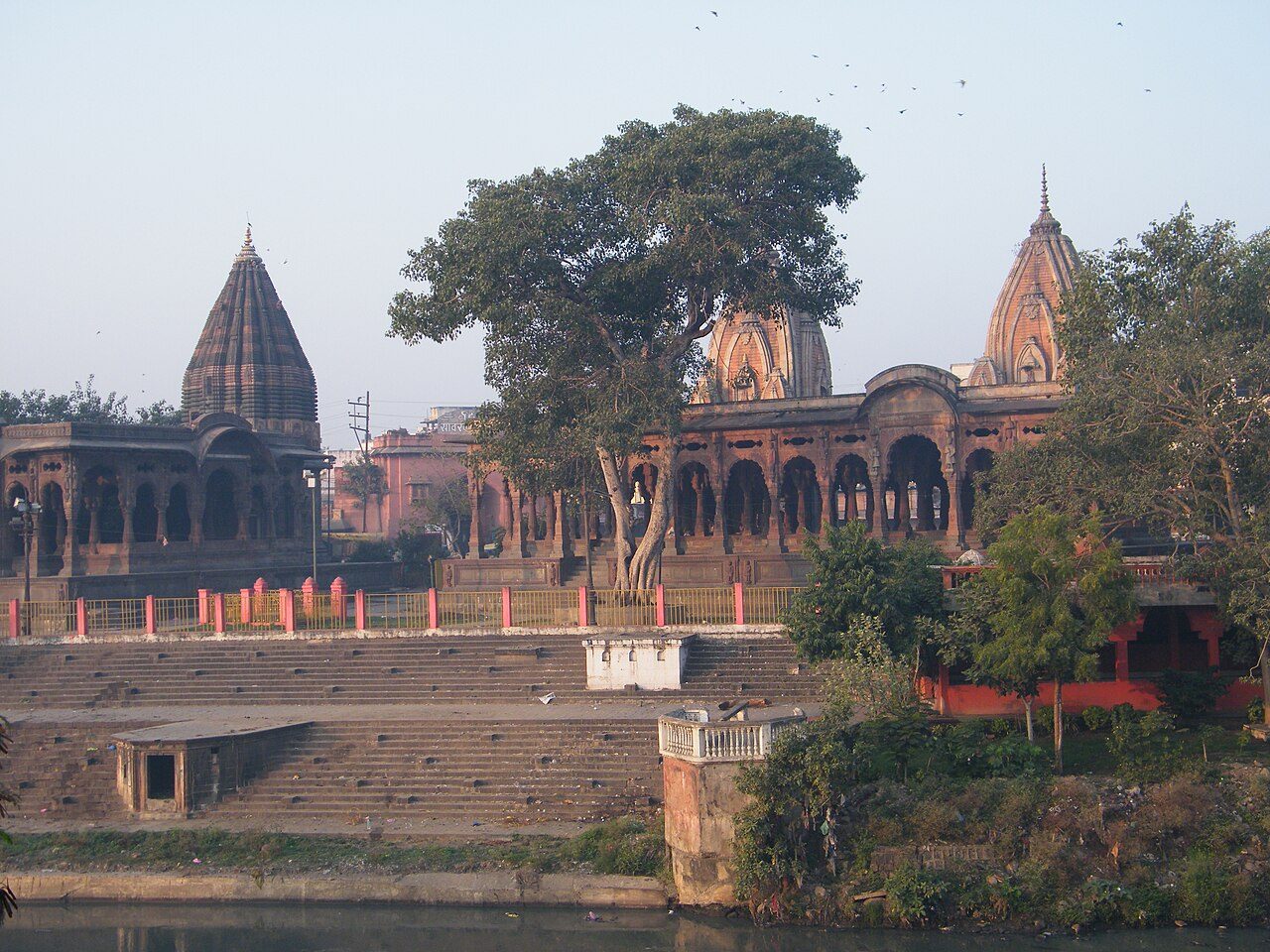
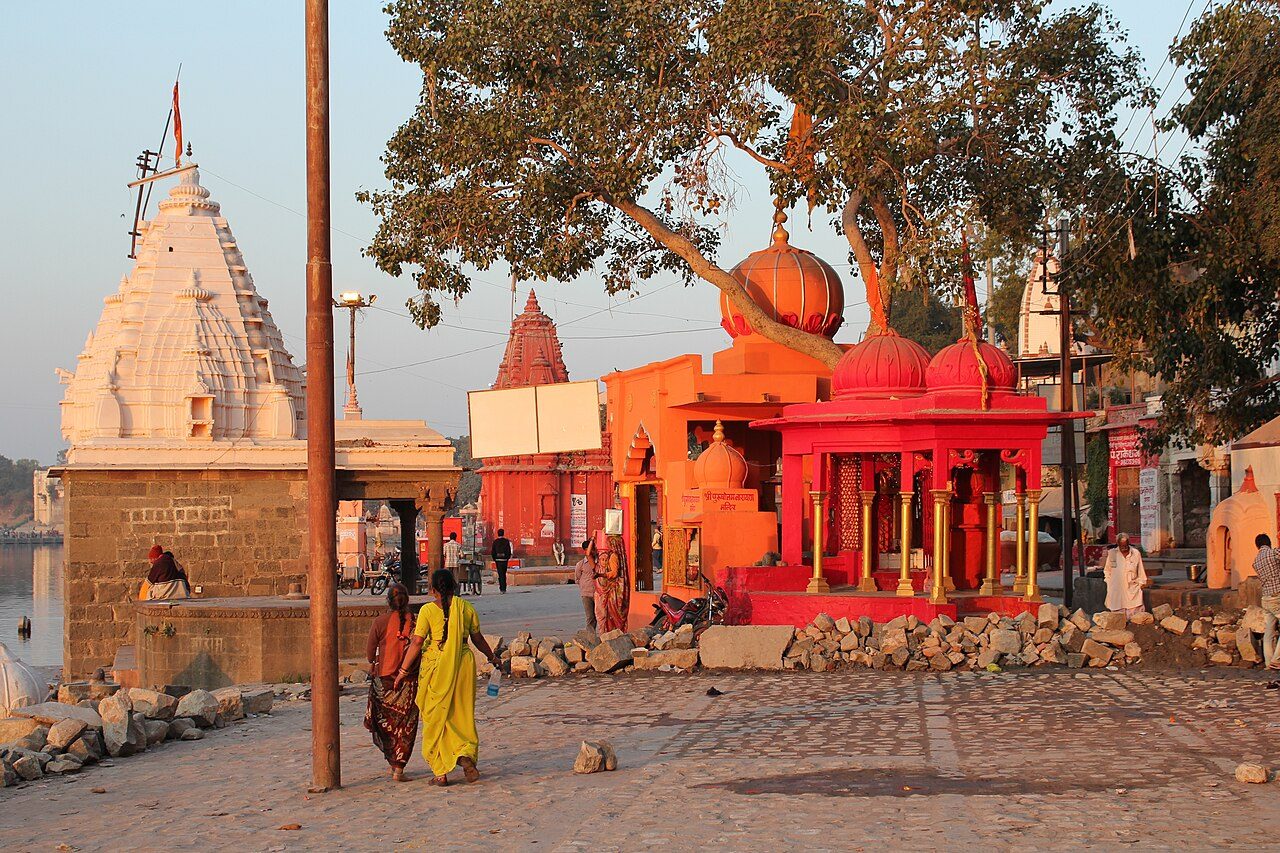
The Krishnapura Chhatris are the memorial cenotaphs of the Holkar rulers of Indore, built in the 19th century on the bank of the Khan River near Rajwada. The three main monuments have pillared halls and spired domes carved with figures of soldiers, musicians and deities. They are lit in the evening, when the riverside terrace makes a calm pause in the old city.
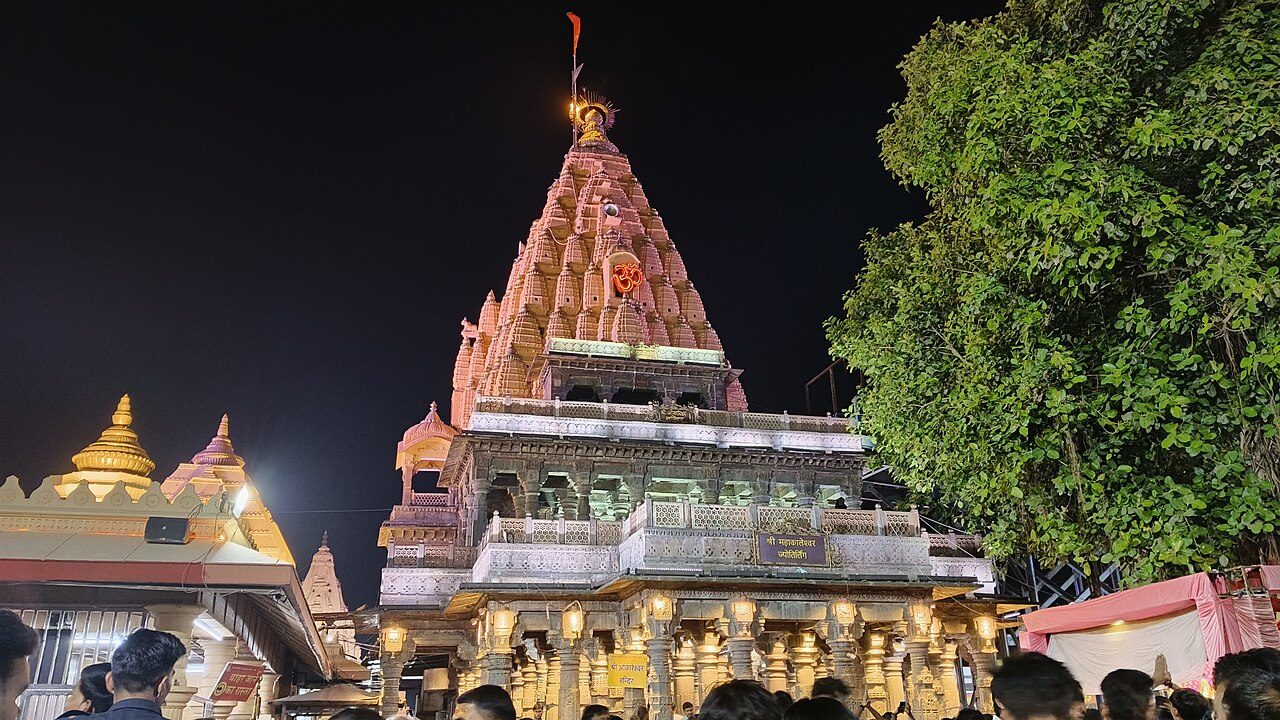
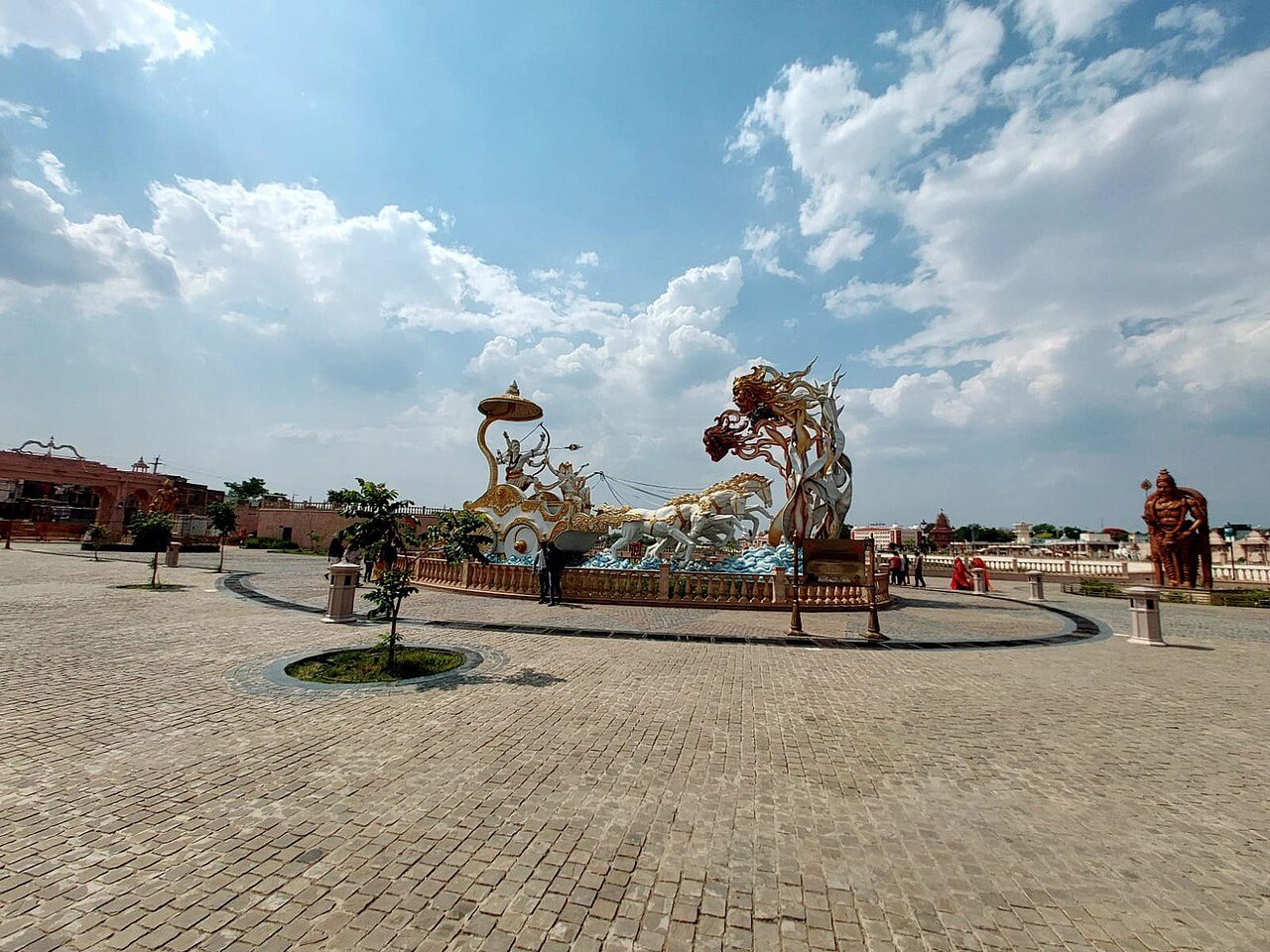
Mahakaleshwar in Ujjain is one of the twelve jyotirlingas, the most sacred shrines of Shiva. The linga, set in an underground sanctum, is unusual in facing south. The pre-dawn Bhasma Aarti, in which it is anointed with sacred ash, needs advance booking. The temple was rebuilt in the 18th century by the Marathas, and the Mahakal Lok corridor of murals and statues now leads to it.
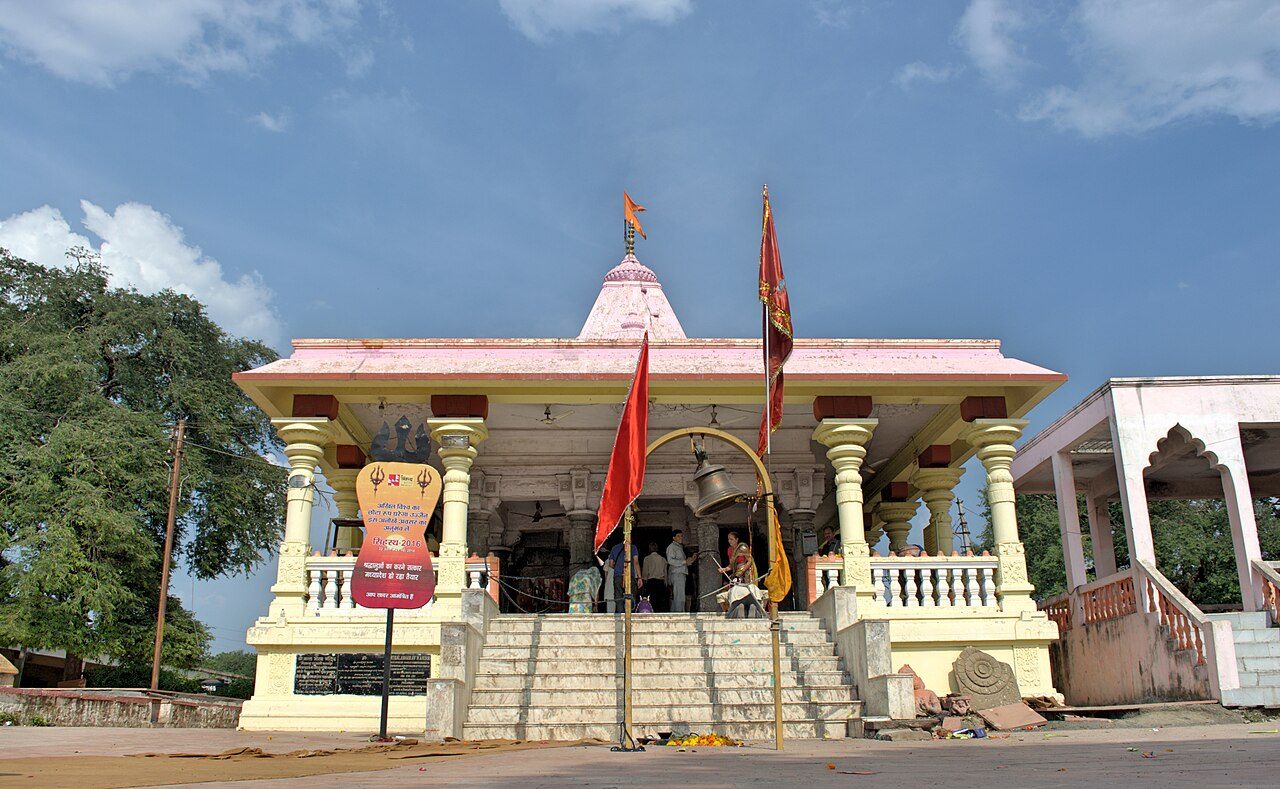
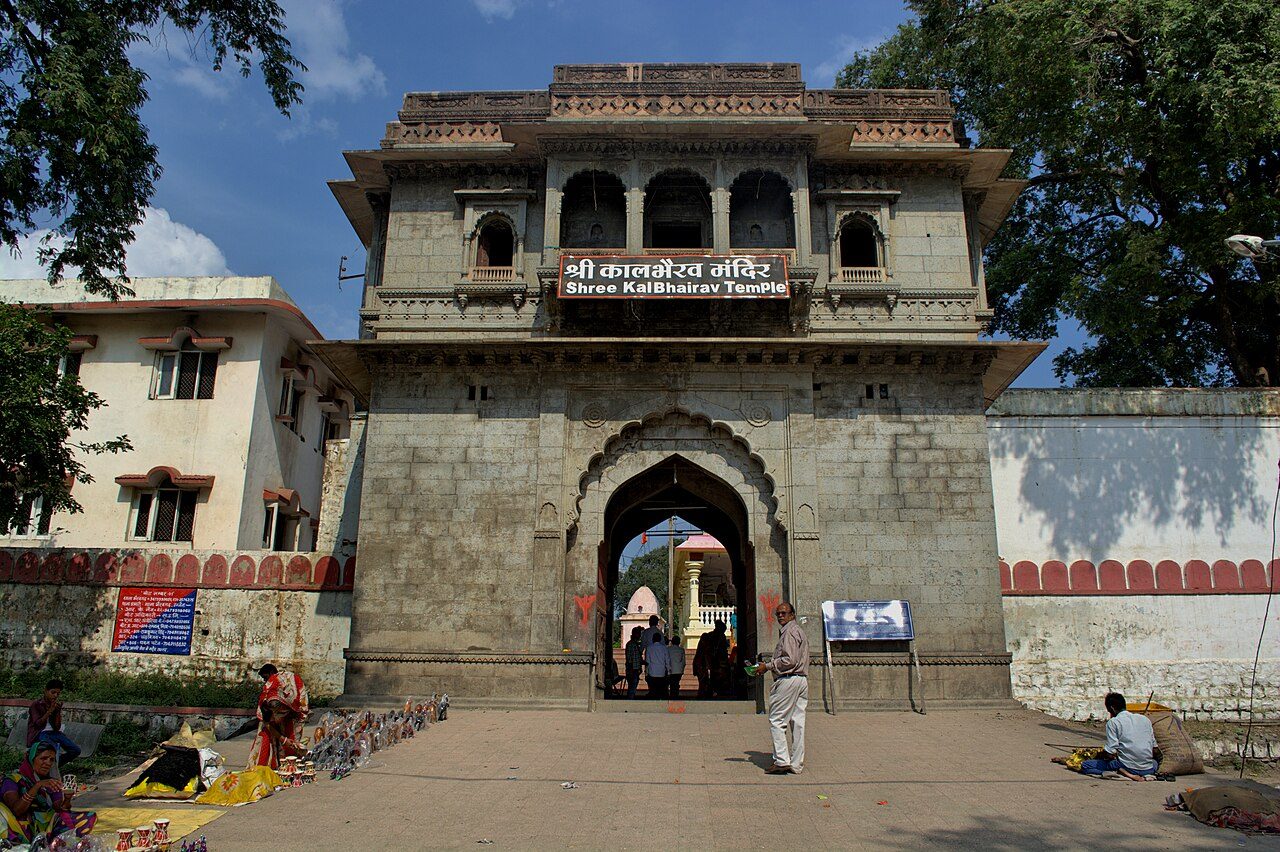
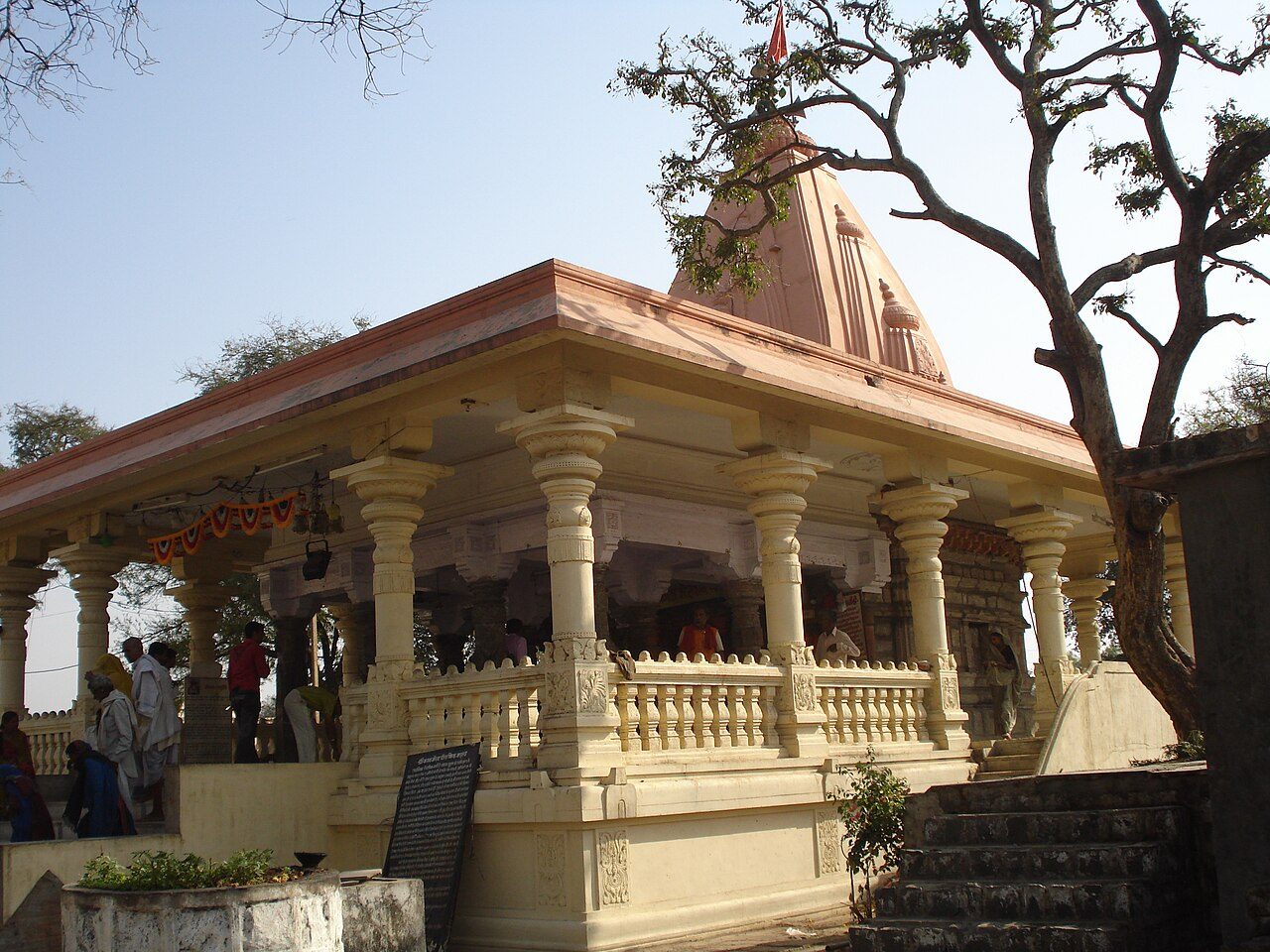
The Kal Bhairav Temple in Ujjain is dedicated to a fierce form of Shiva regarded as the guardian deity of the city. It is known for an unusual custom: devotees offer liquor to the deity, which priests pour into a saucer held to the idol's lips. The present building dates from the Maratha period and stands on the bank of the Shipra, a few kilometres north of the centre.
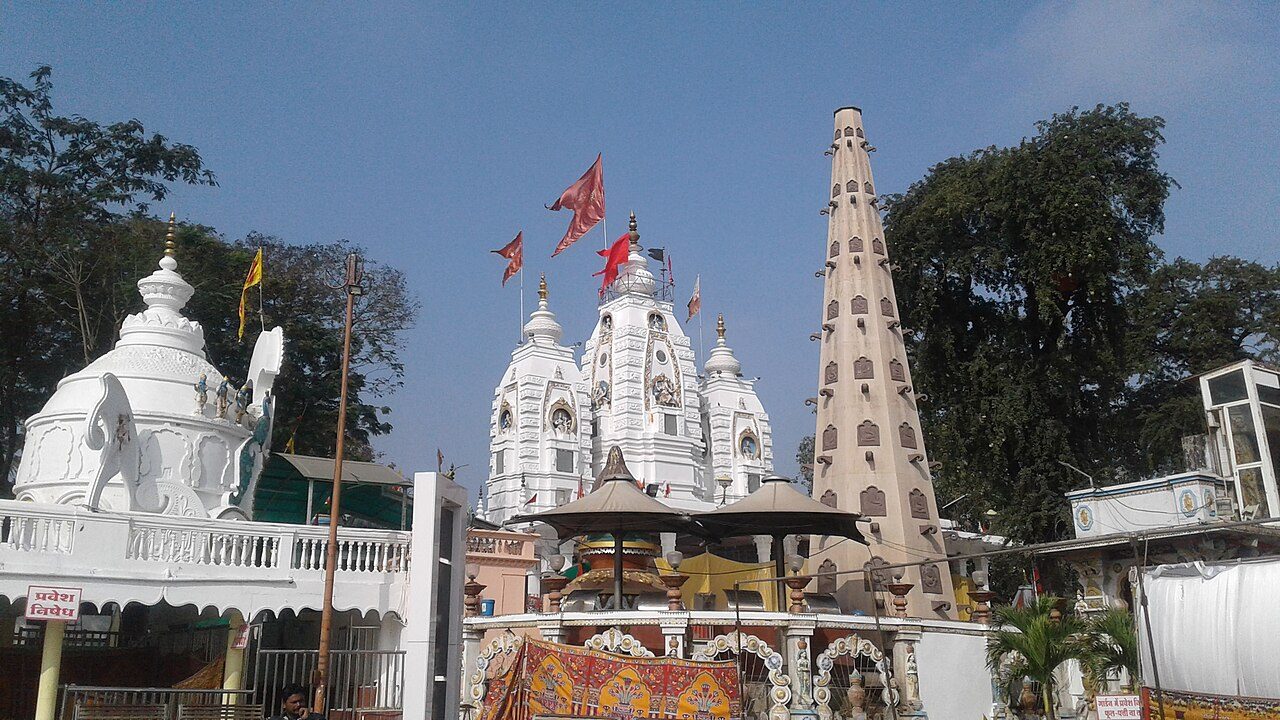
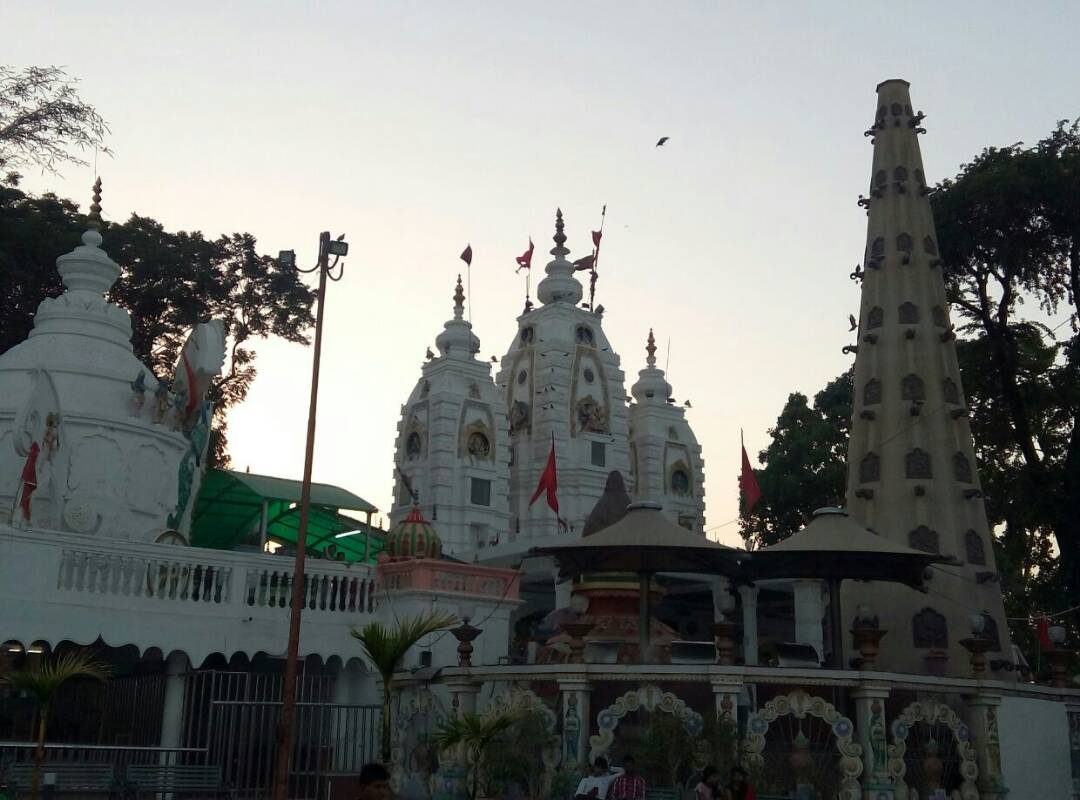
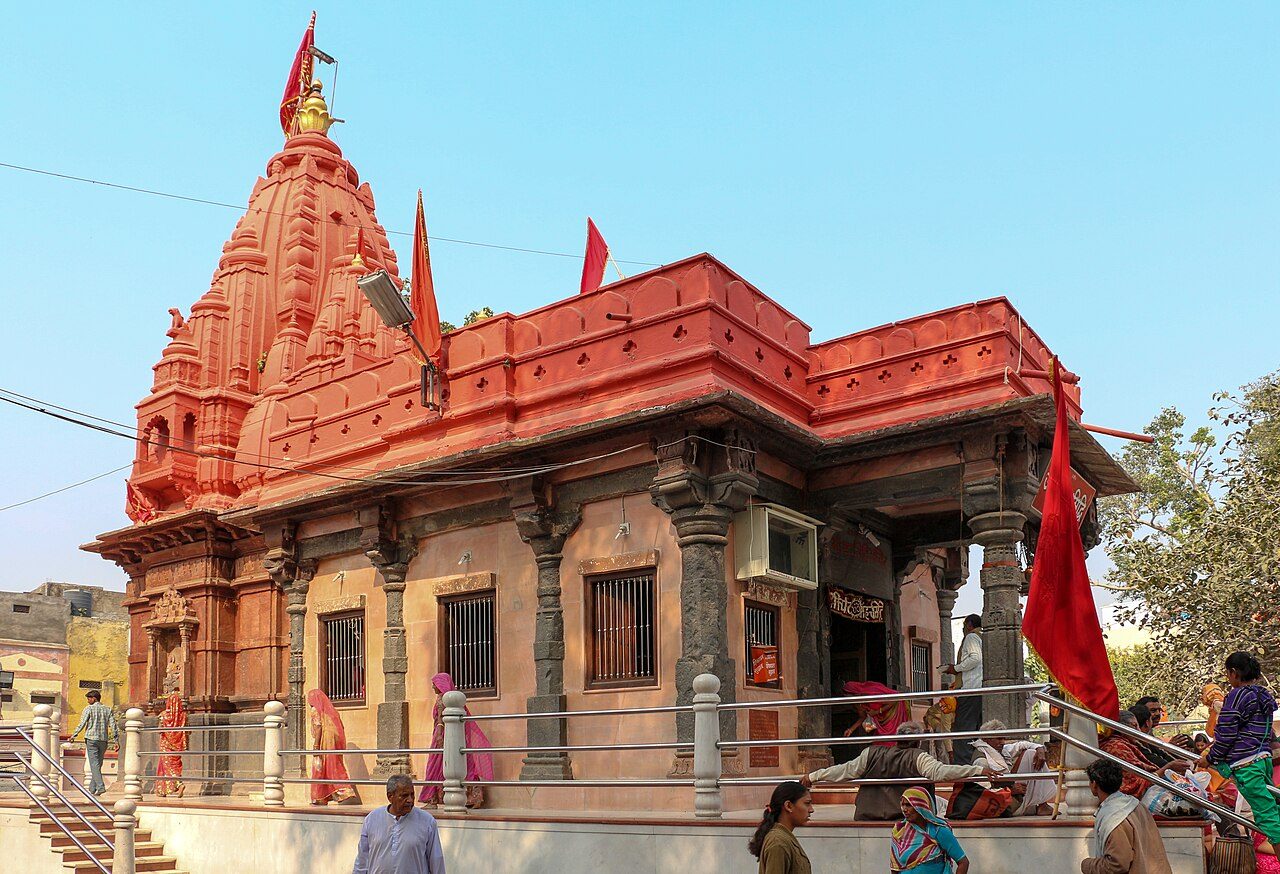
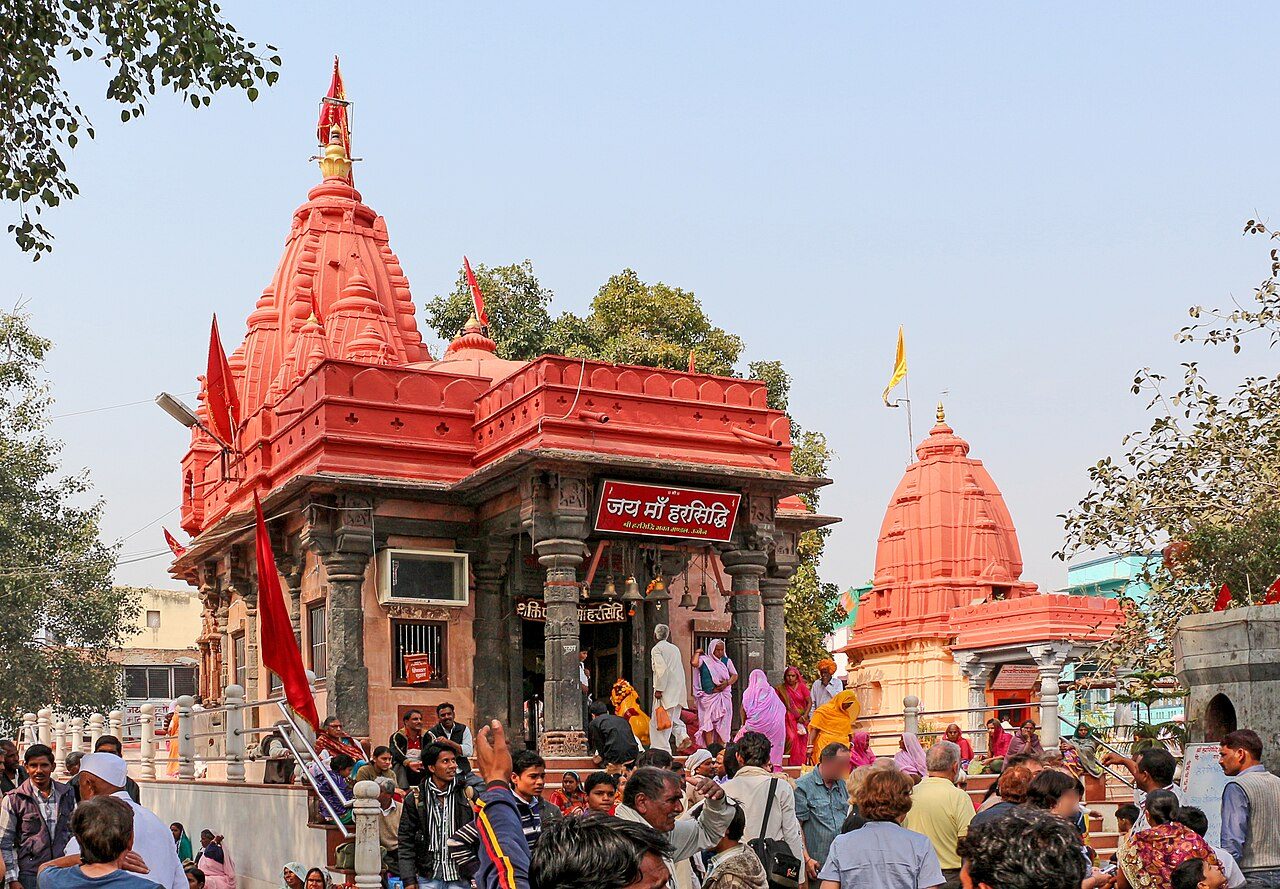
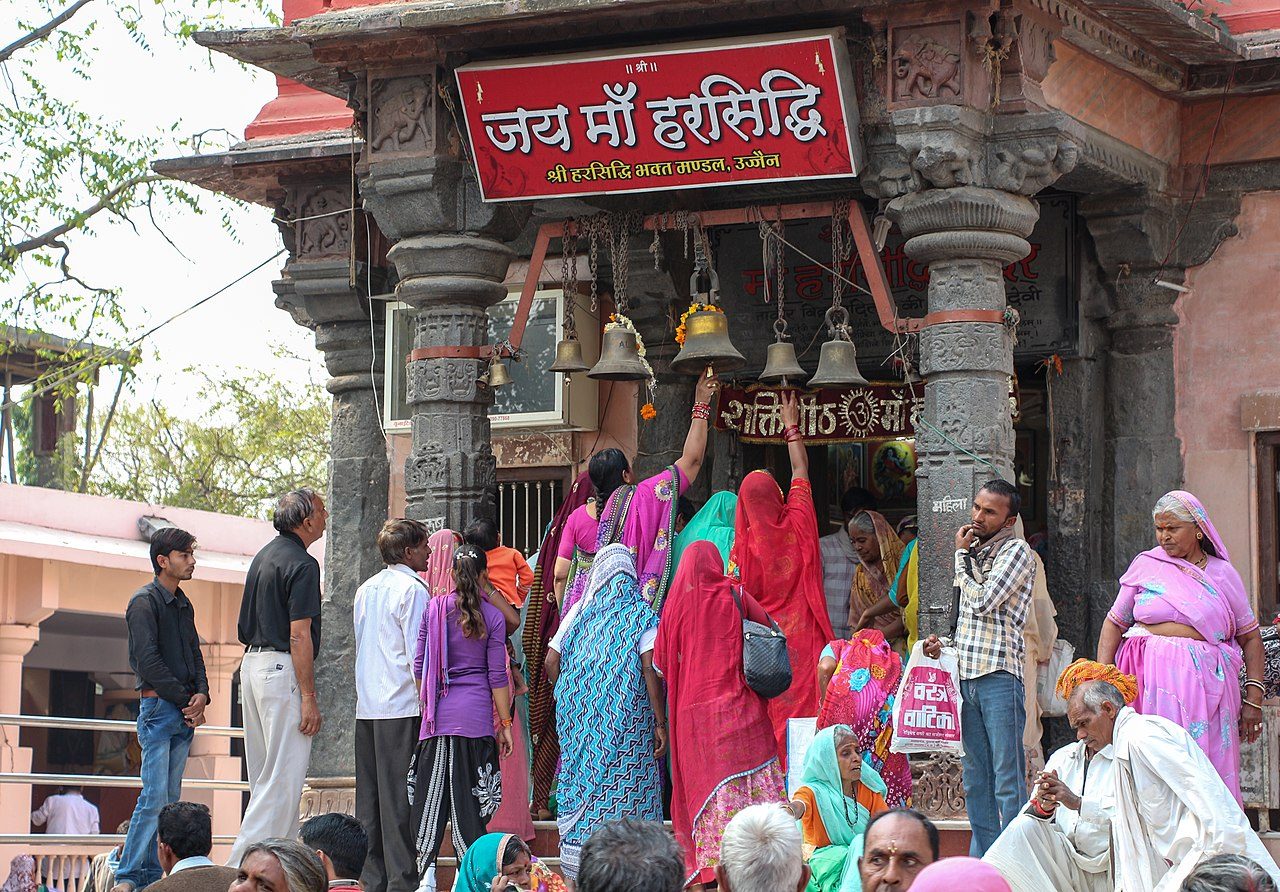
Harsiddhi Temple in Ujjain is counted among the Shakti Peethas and is dedicated to a form of the goddess said to have been worshipped by the legendary king Vikramaditya. The Maratha-period temple has a red spire and, in the courtyard, two tall lamp towers studded with hundreds of oil lamps. They are lit during Navratri, creating one of the city's most memorable sights.
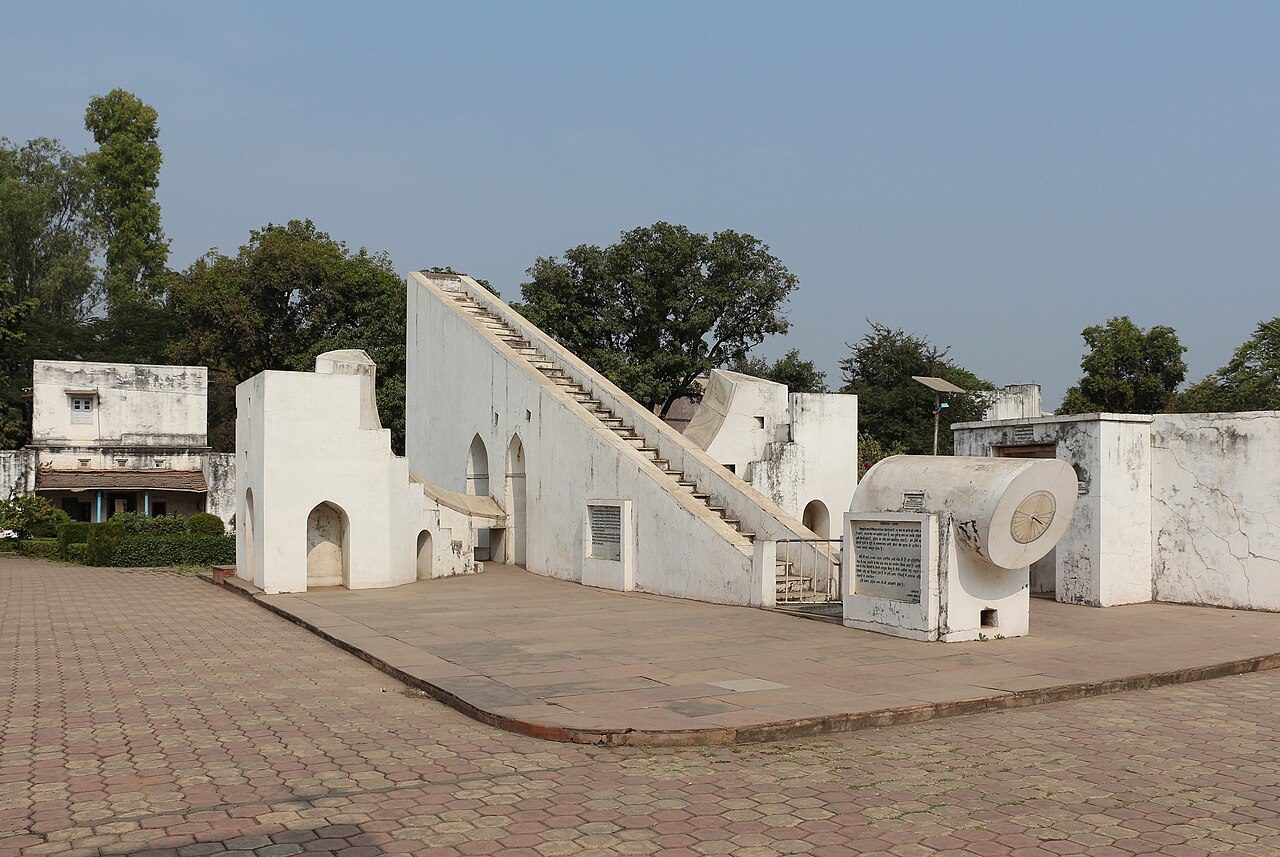
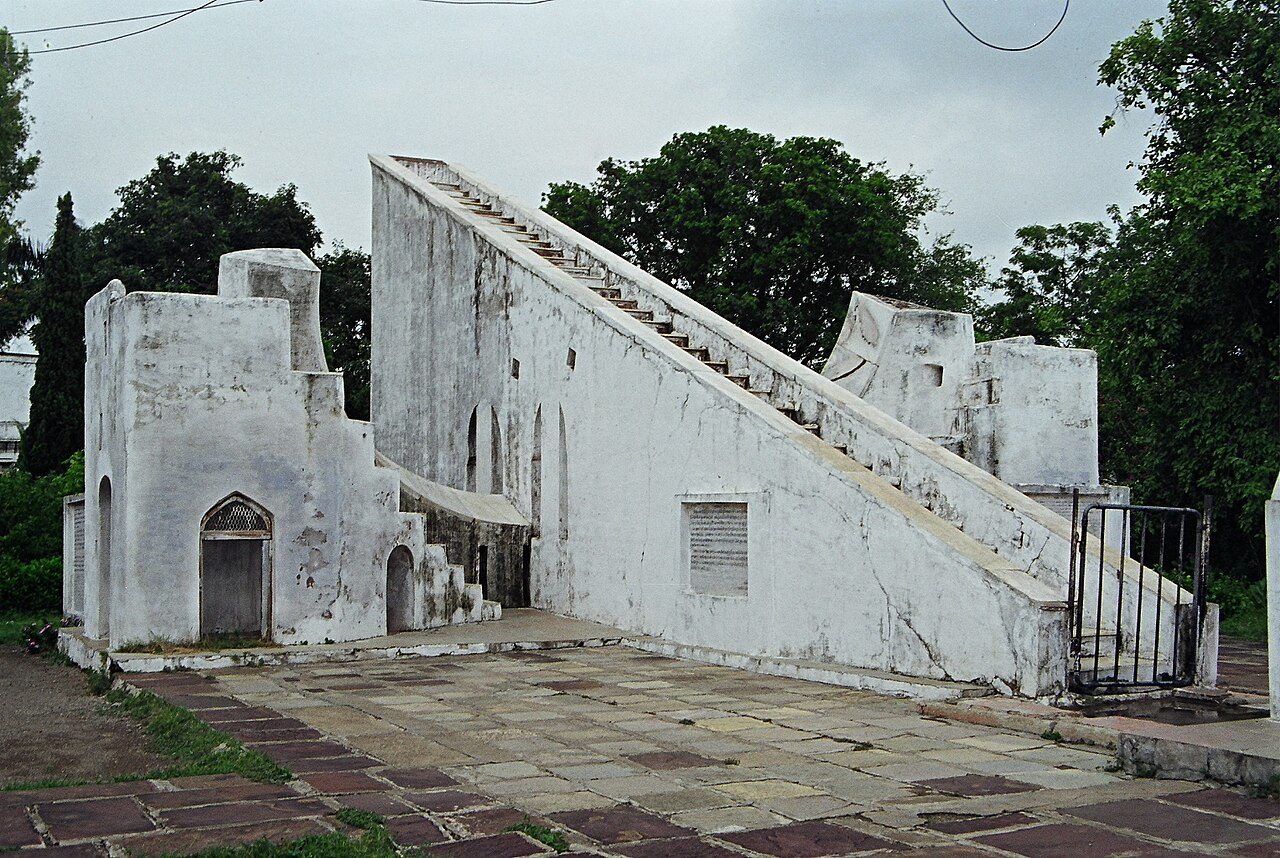
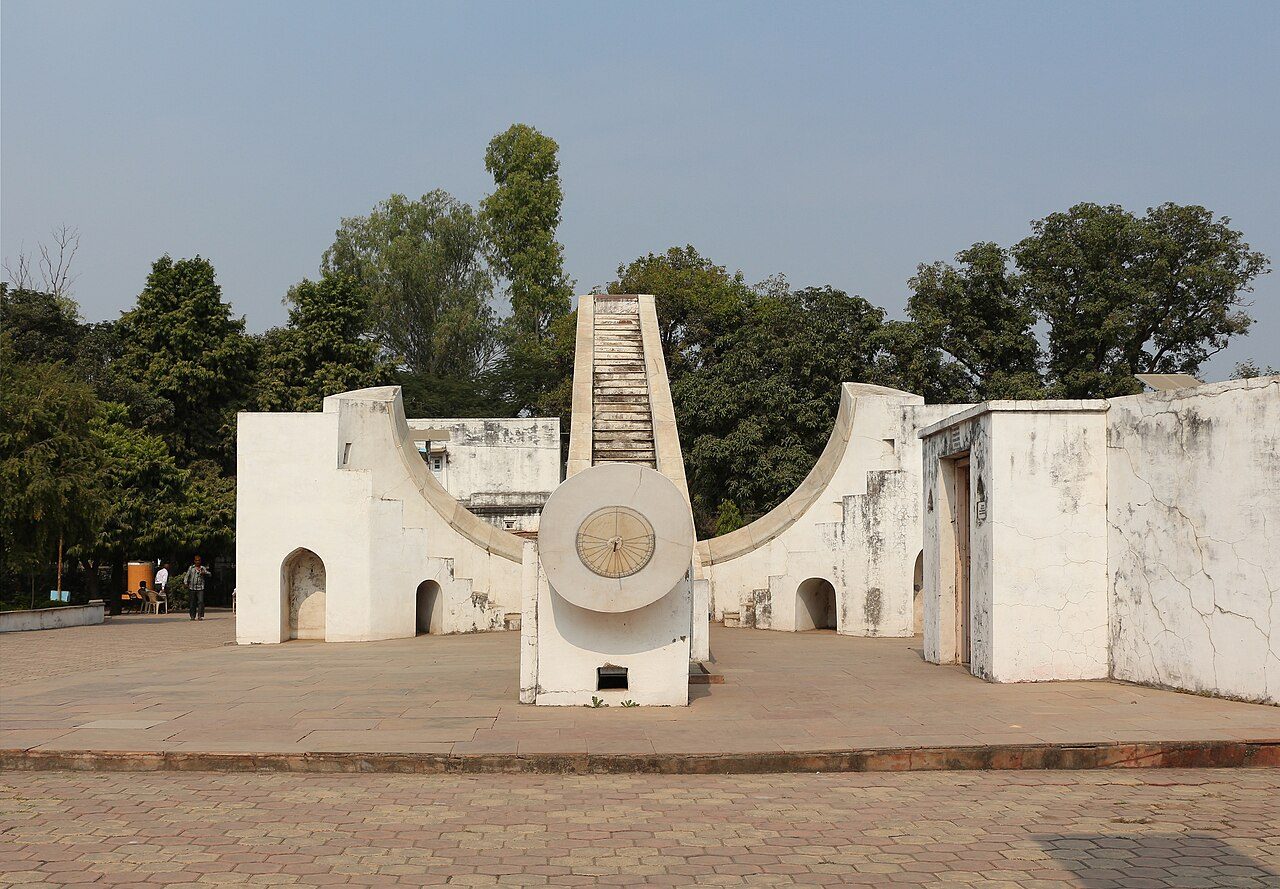
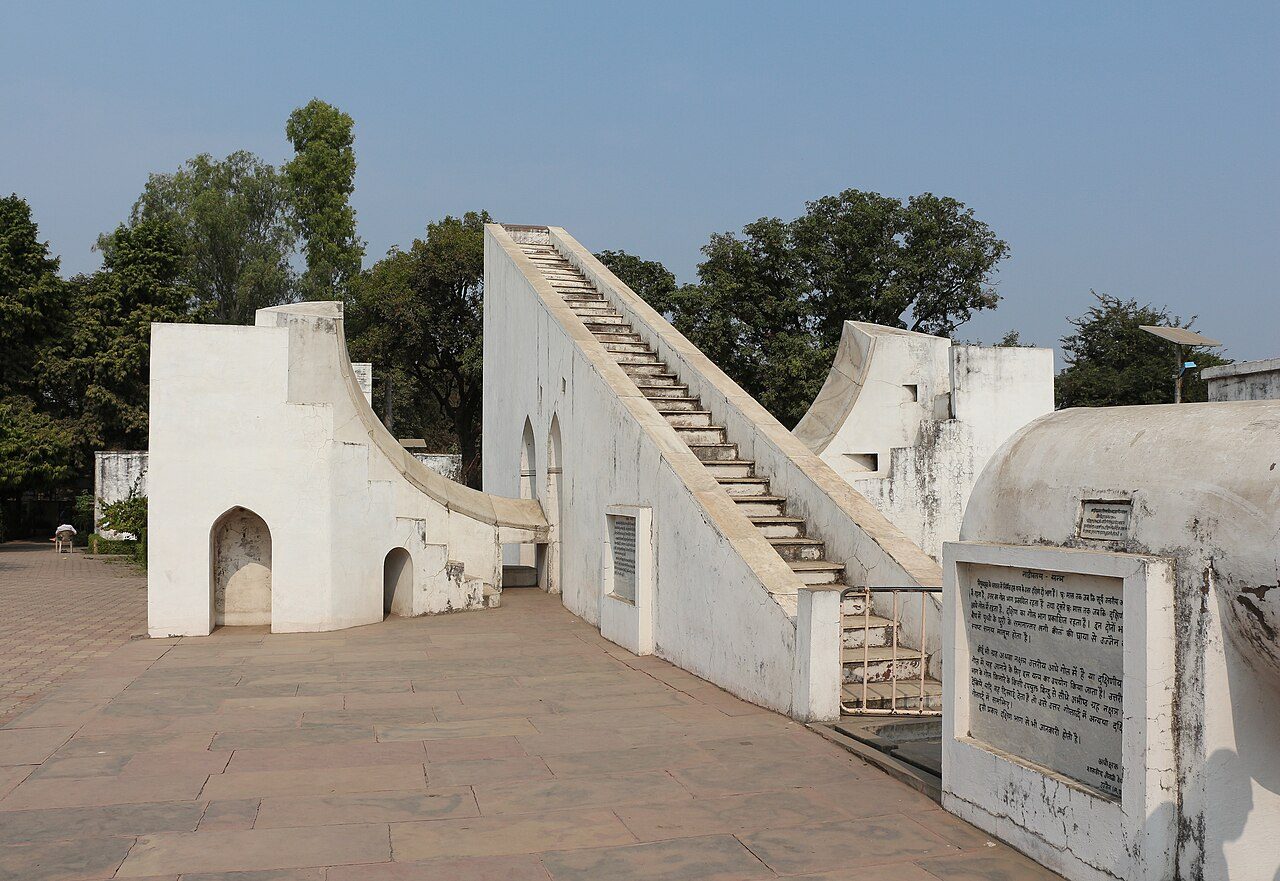
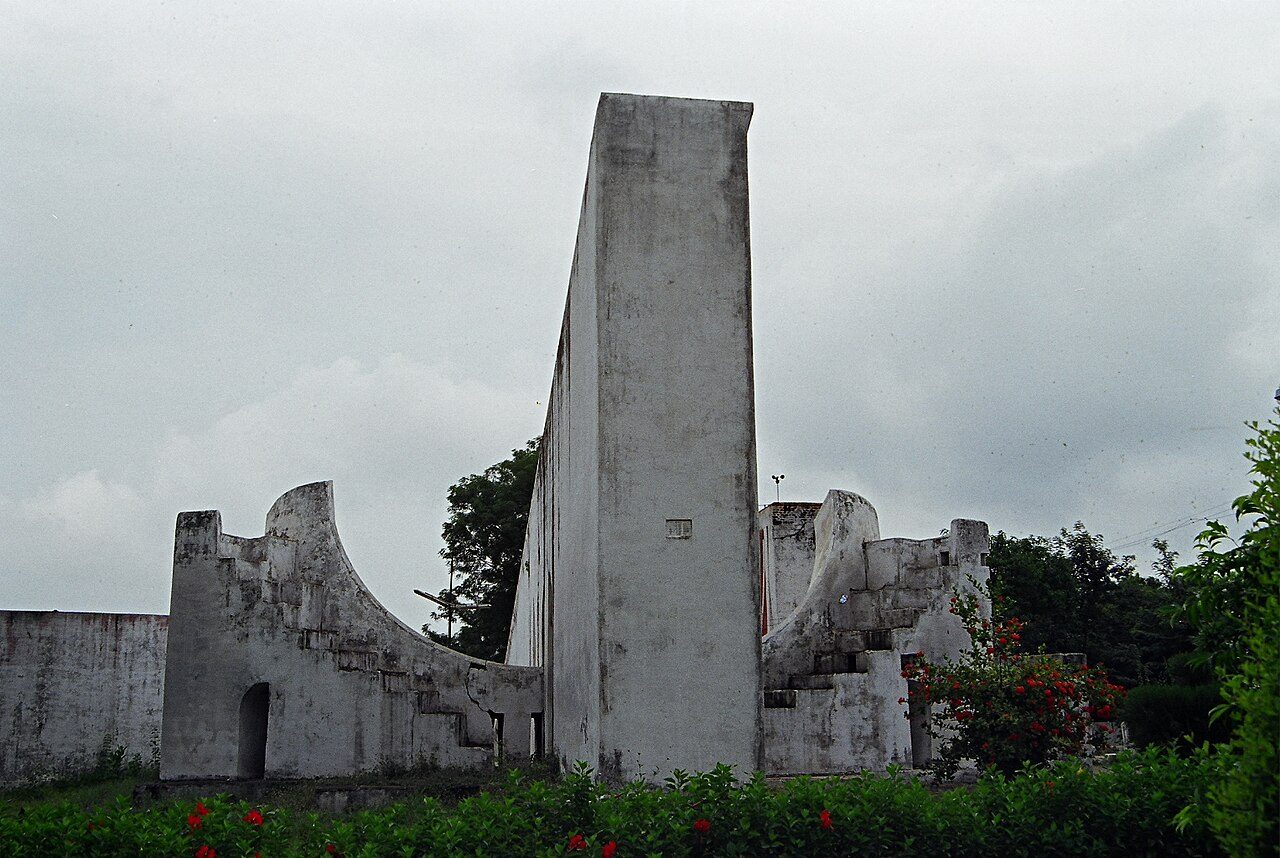
The Vedh Shala, or Jantar Mantar, in Ujjain is an observatory built in the early 18th century by Maharaja Jai Singh II of Jaipur, who also built those in Delhi and Jaipur. Ujjain was long treated as the prime meridian of Indian astronomy. The masonry instruments, including a large sundial, still work and are used to compile astronomical almanacs; a guide helps to explain them.
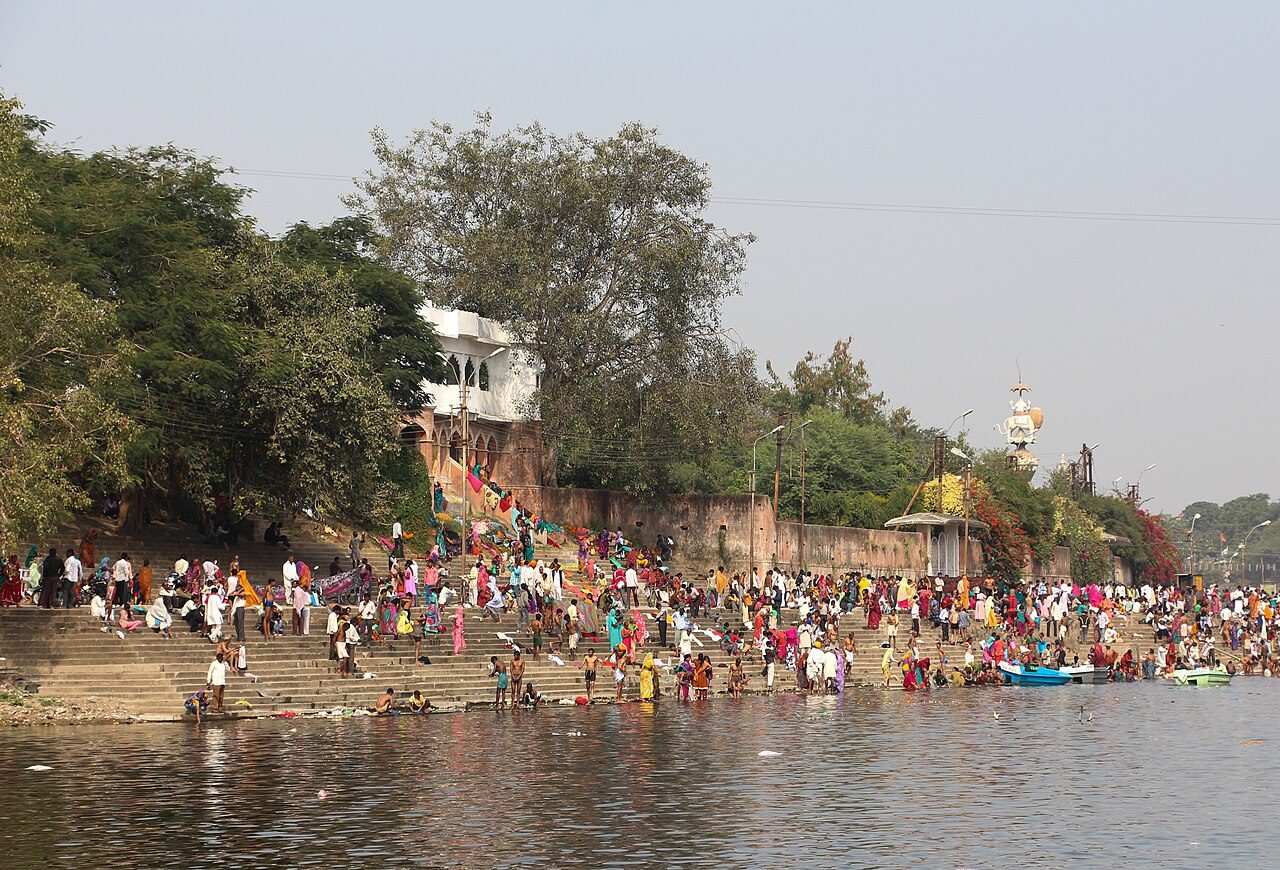
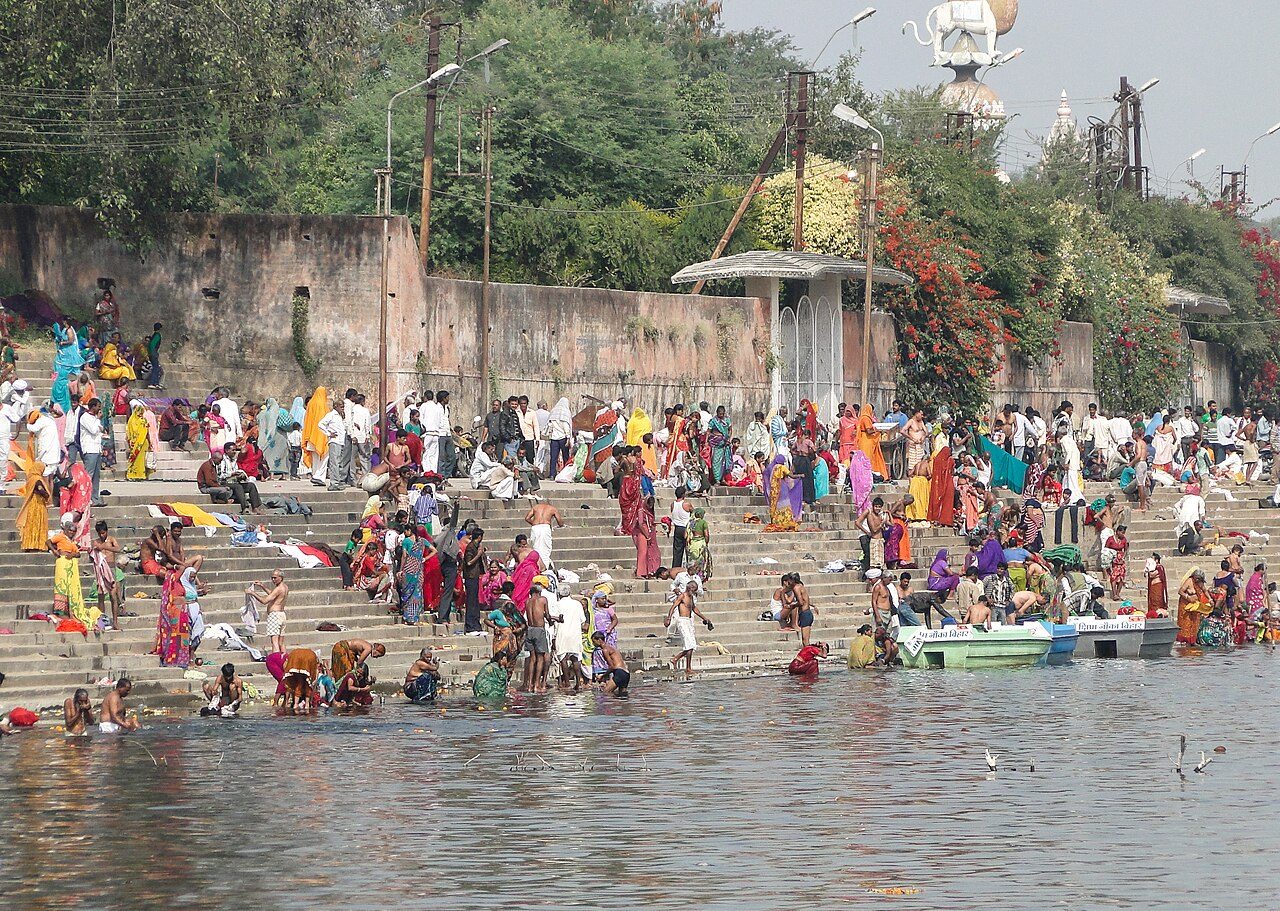
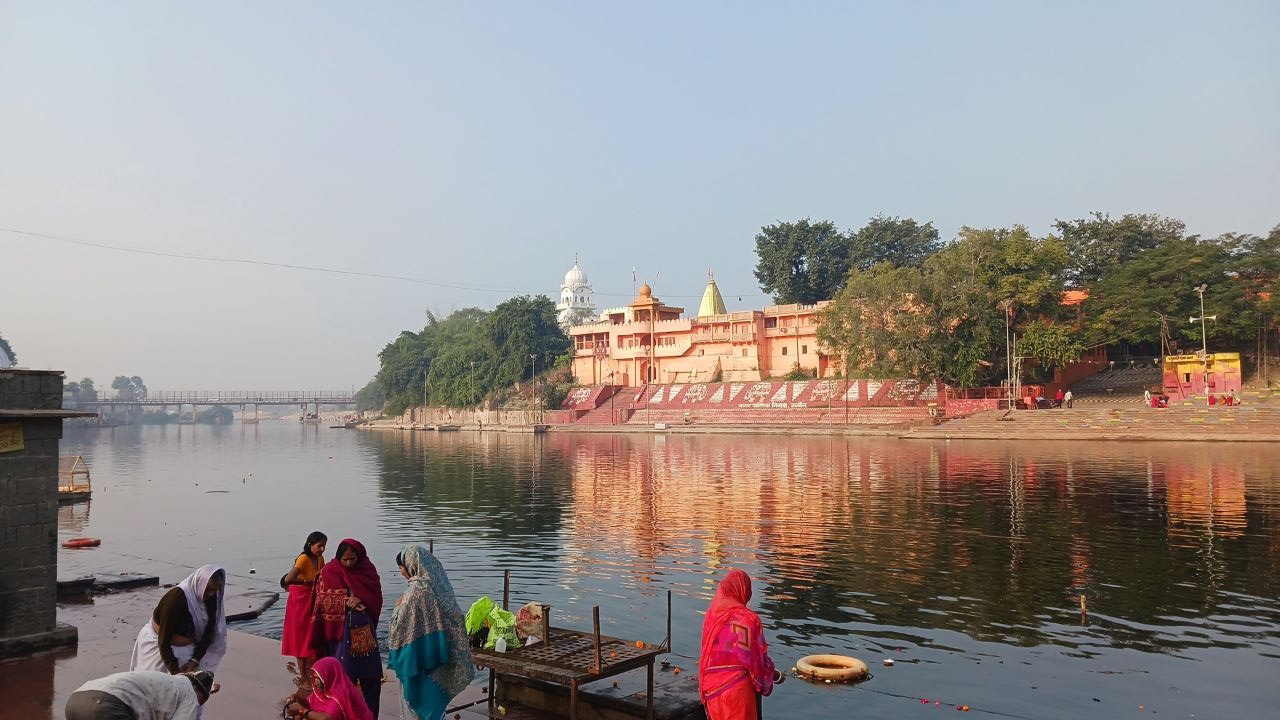
Ram Ghat is the oldest and most important bathing ghat on the Shipra River in Ujjain. It is the heart of the Simhastha Kumbh Mela, held here every twelve years, when millions of pilgrims come to bathe. On ordinary days priests perform rituals on the steps beneath a line of temples, and the evening aarti with lamps and bells is the best time to visit.
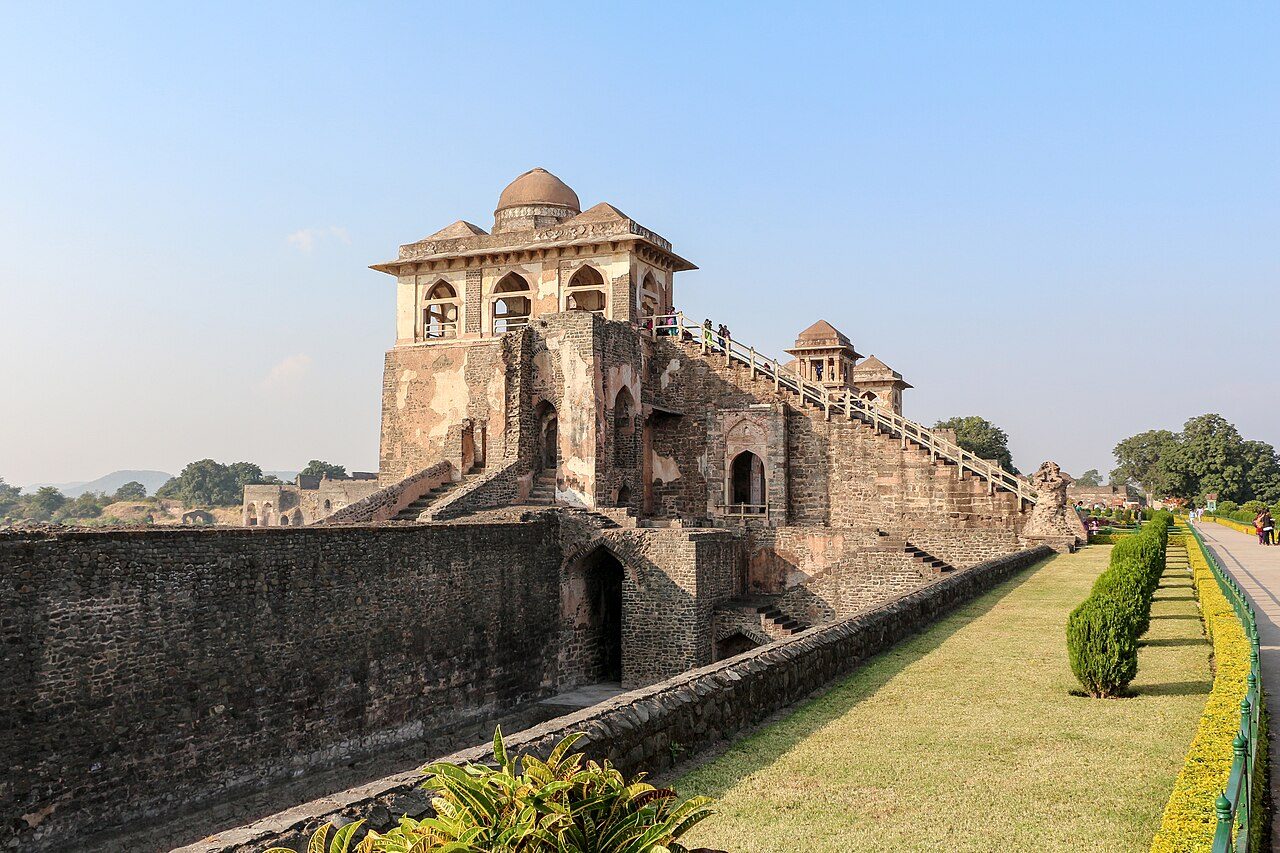
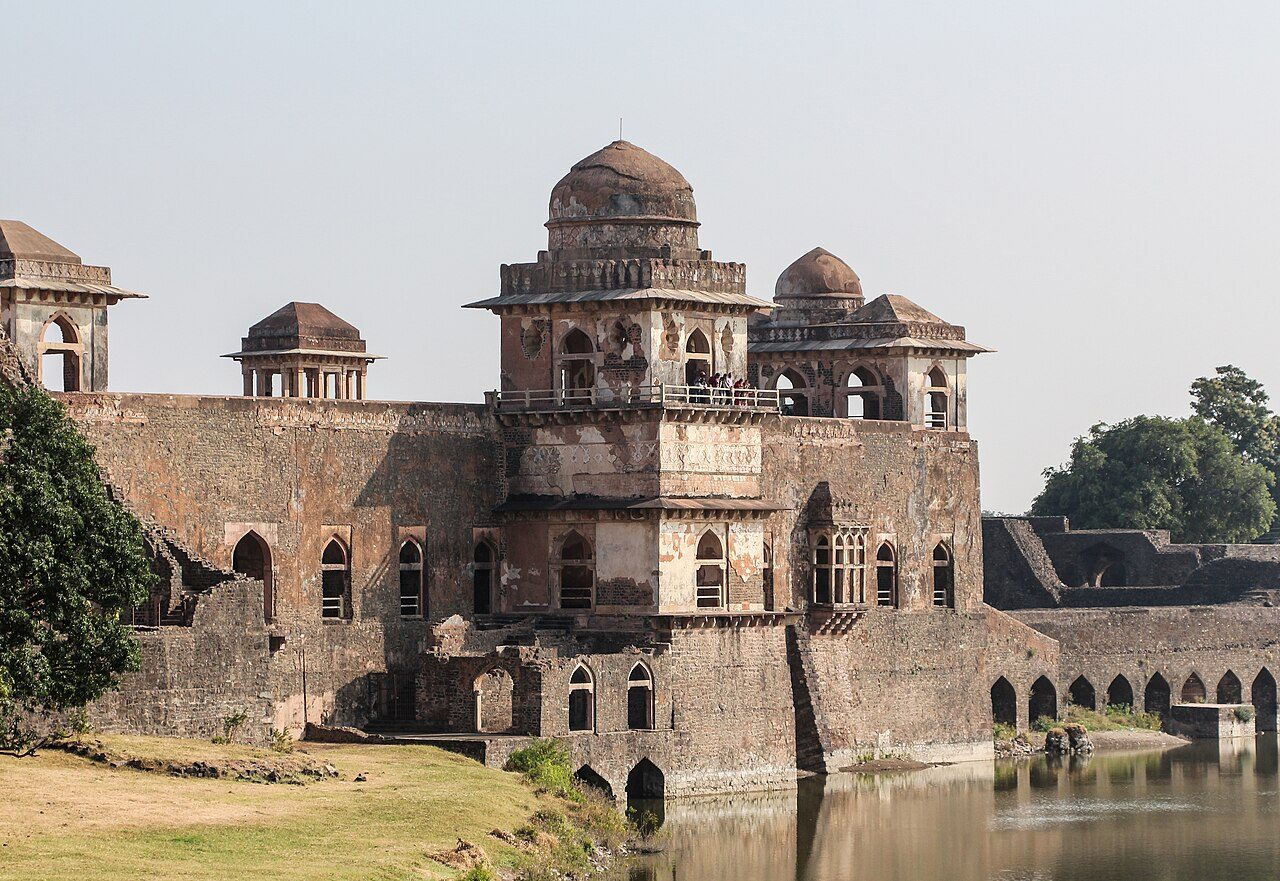
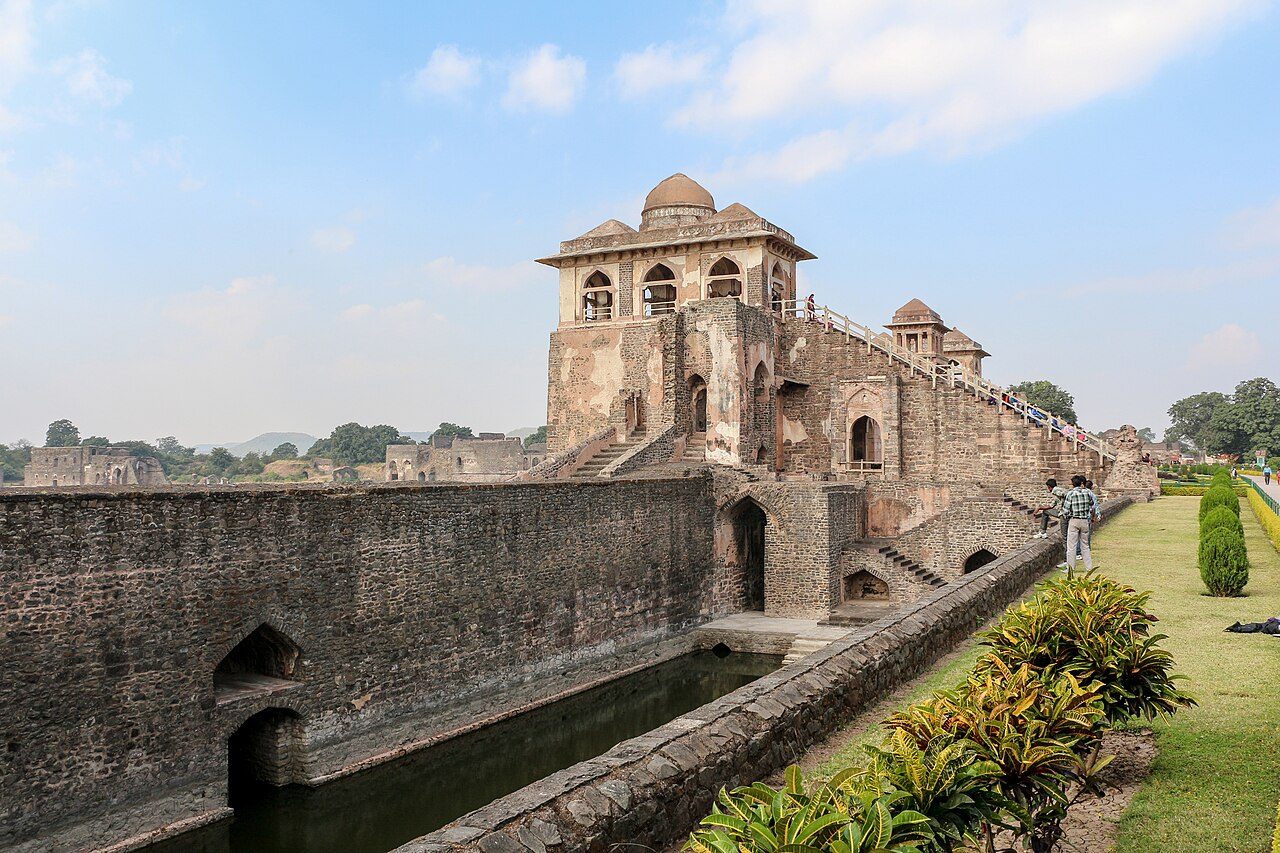
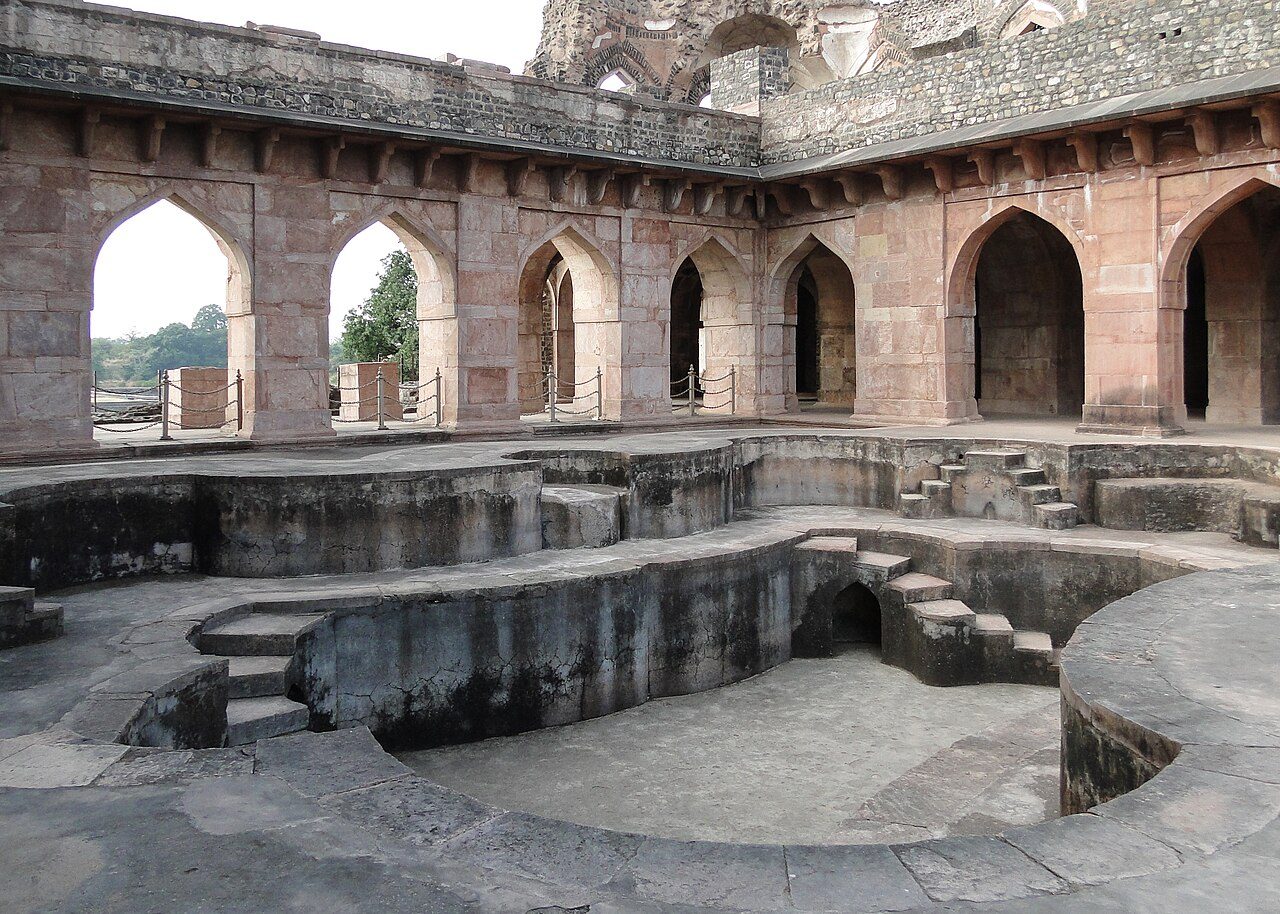
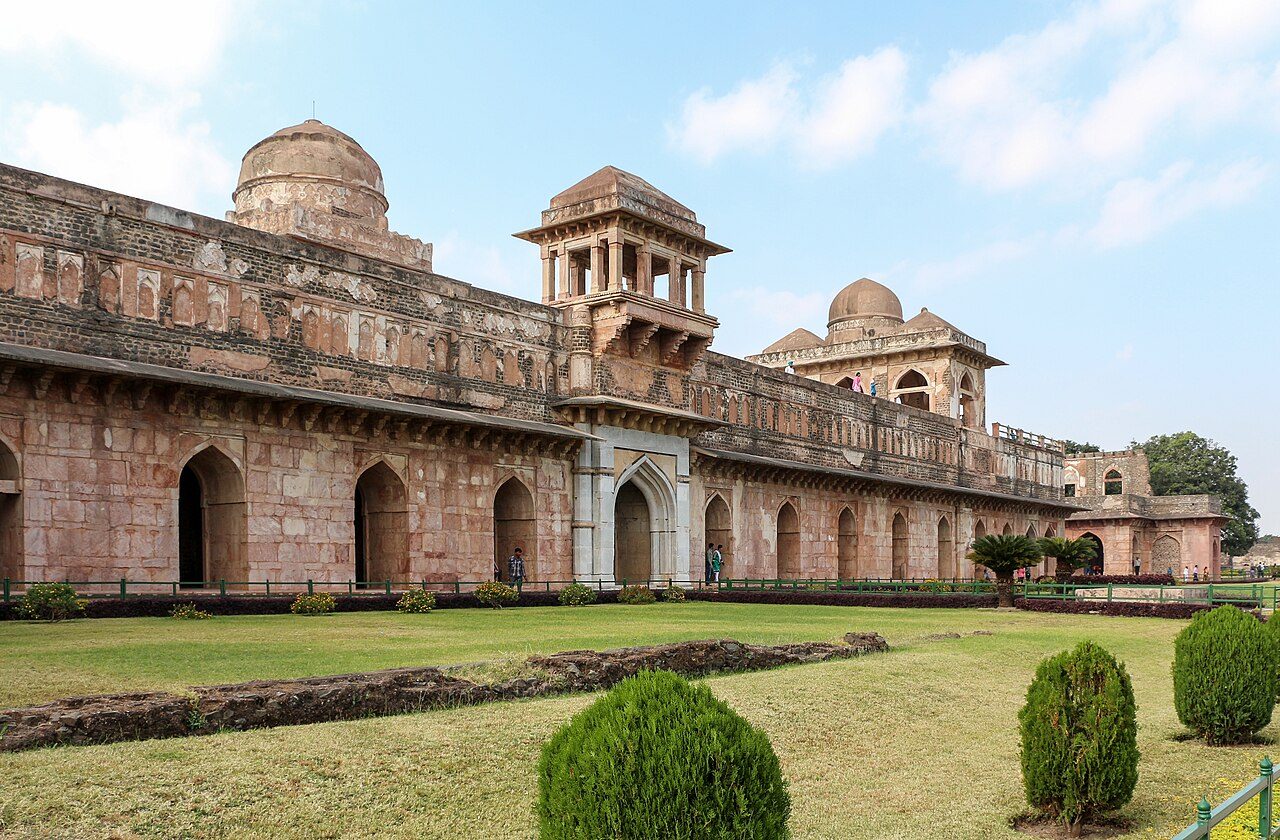
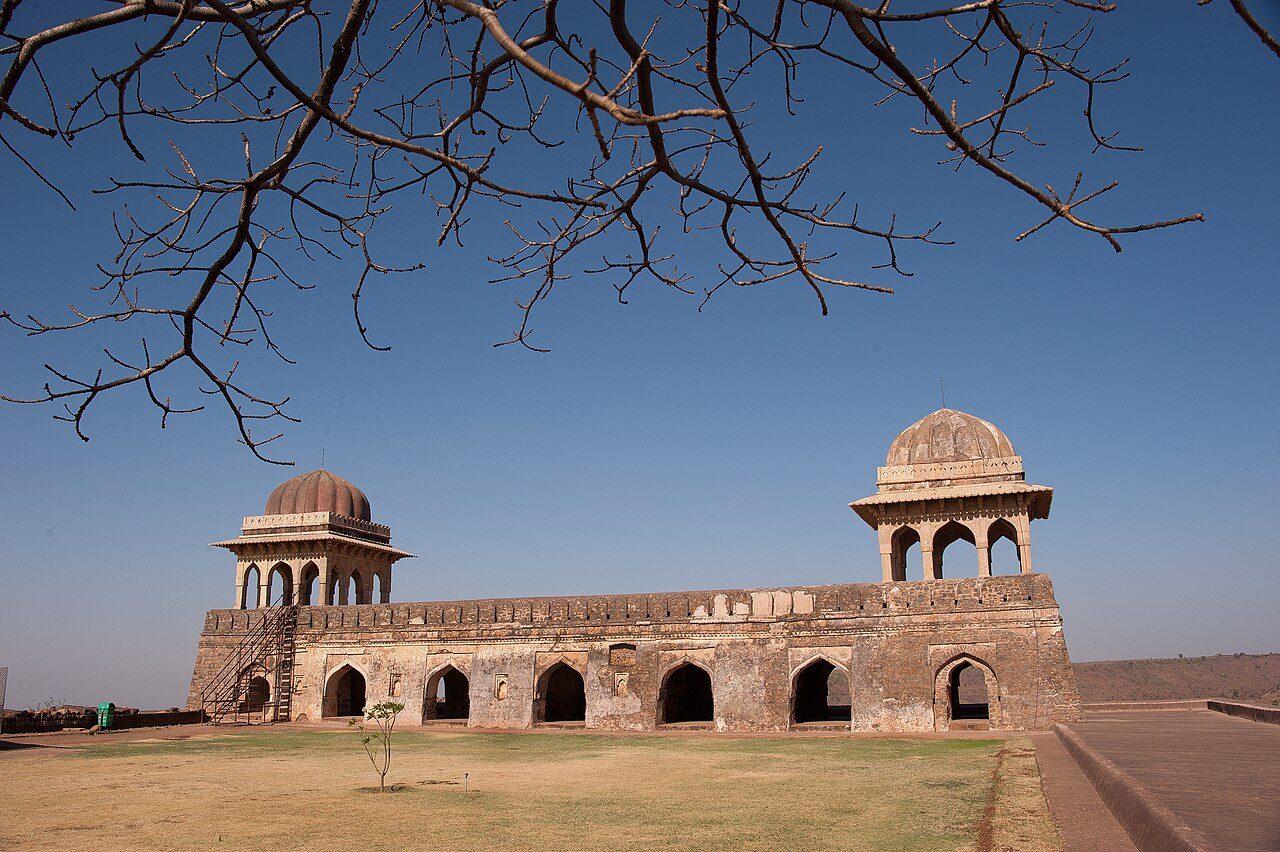
Jahaz Mahal, the 'ship palace', is the most famous building in the ruined hill-fort city of Mandu. Built in the late 15th century under Sultan Ghiyasuddin Khalji, the long, narrow palace stands between two artificial lakes, so that it seems to float when they fill in the monsoon. Its rooftop pavilions, pools and water channels are best seen from July to September.
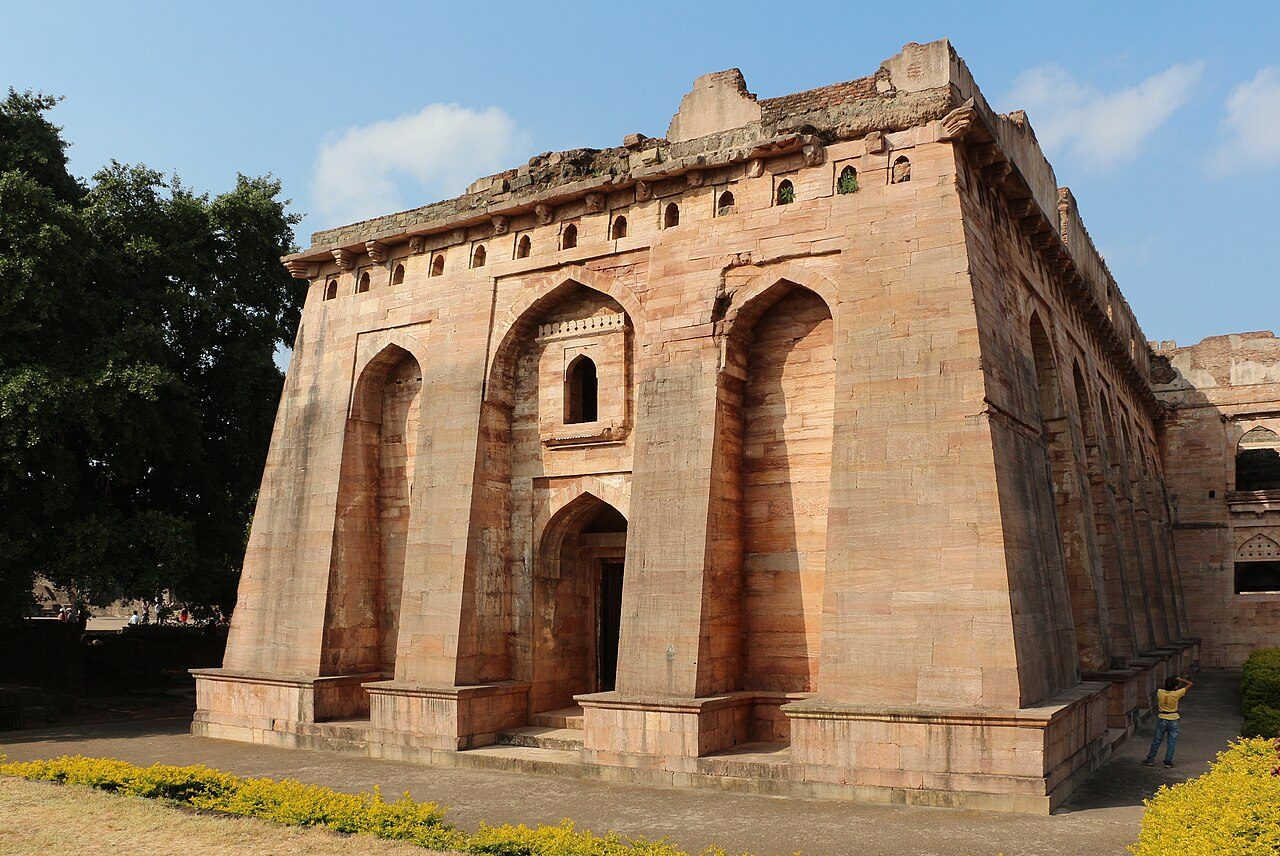
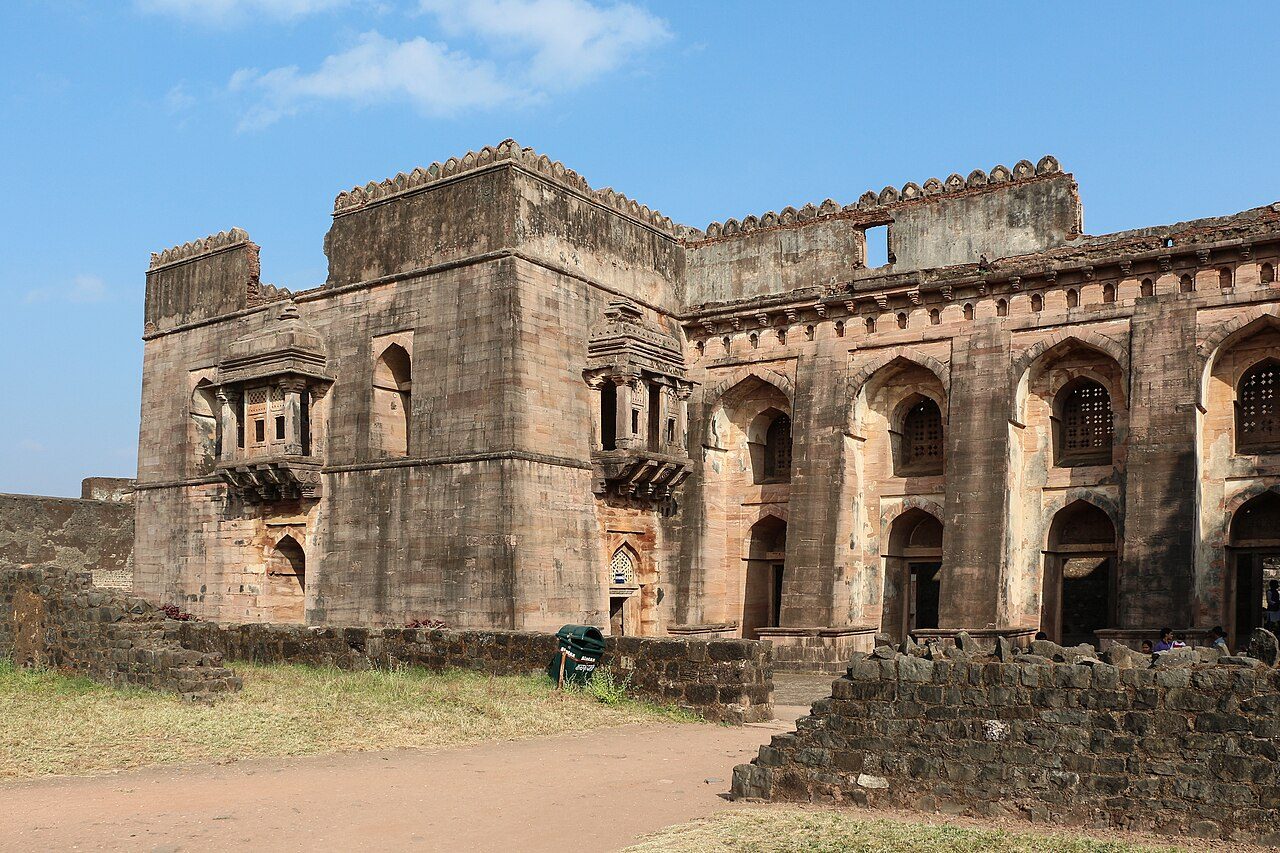
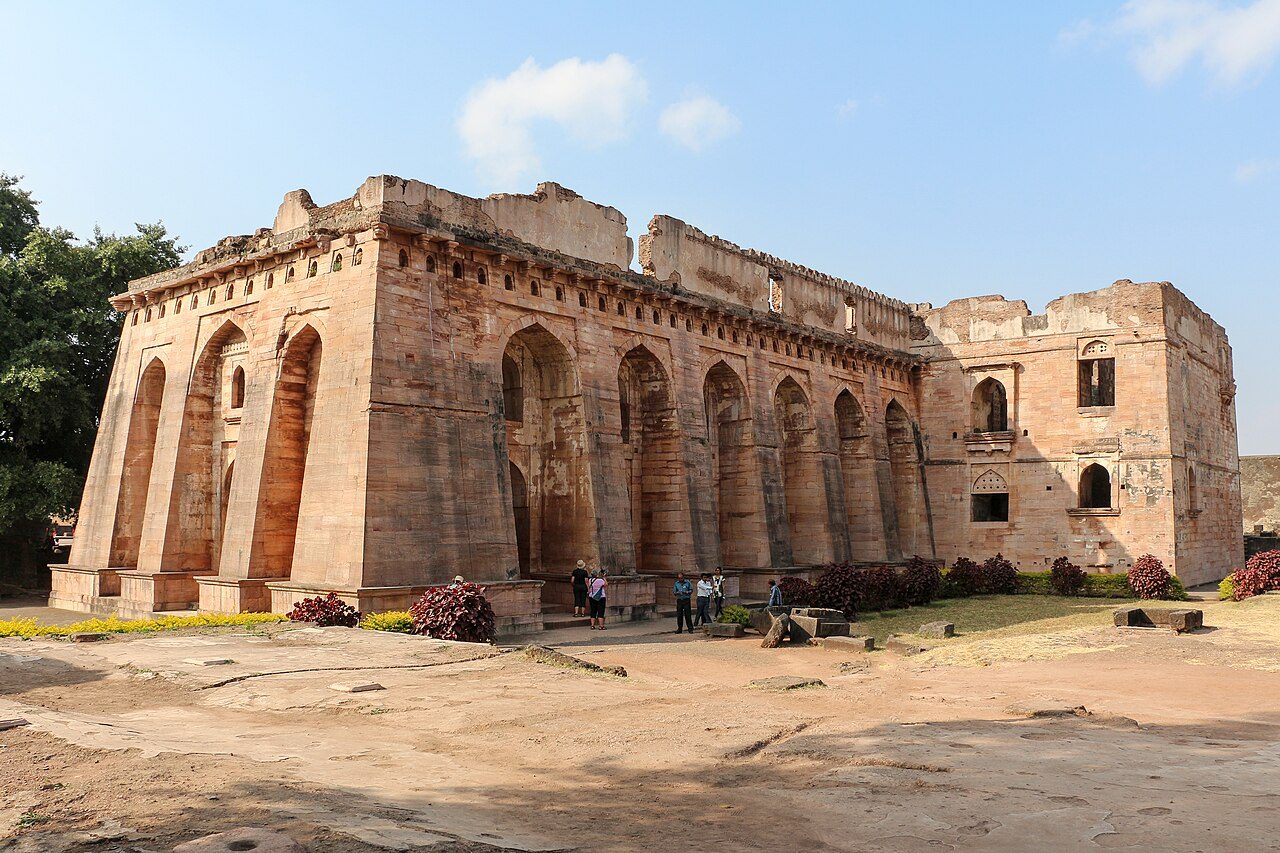
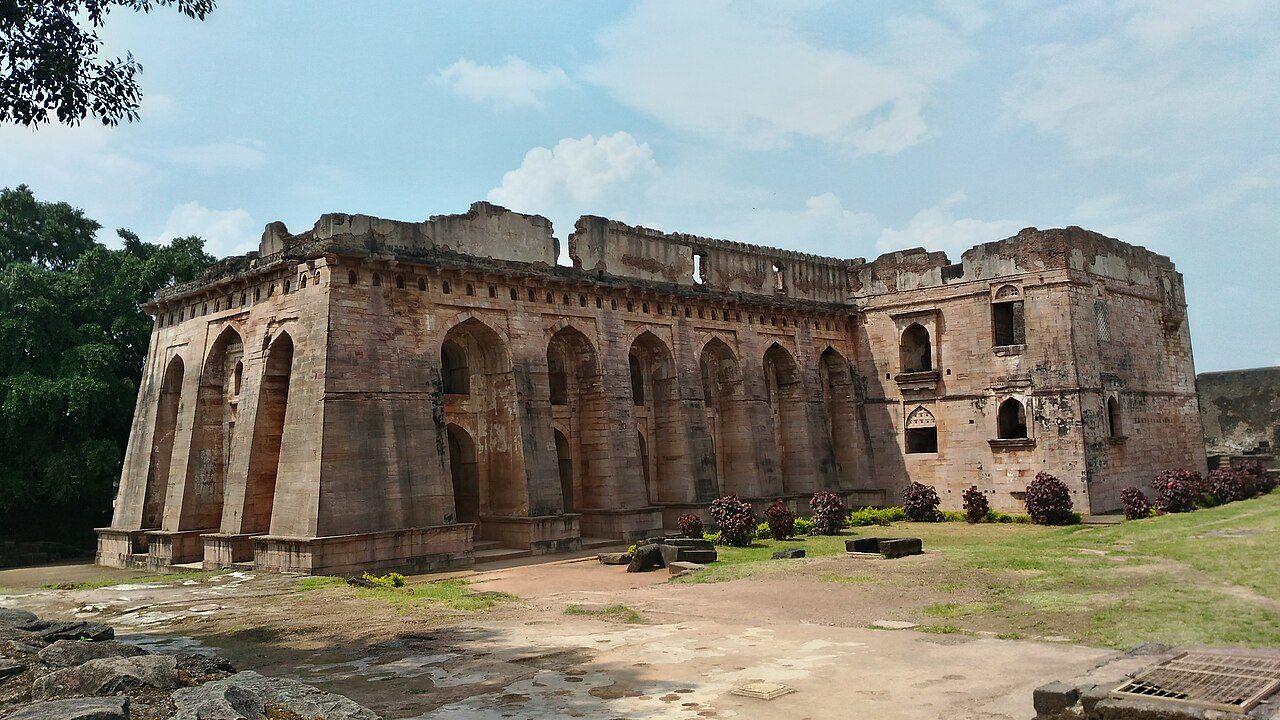
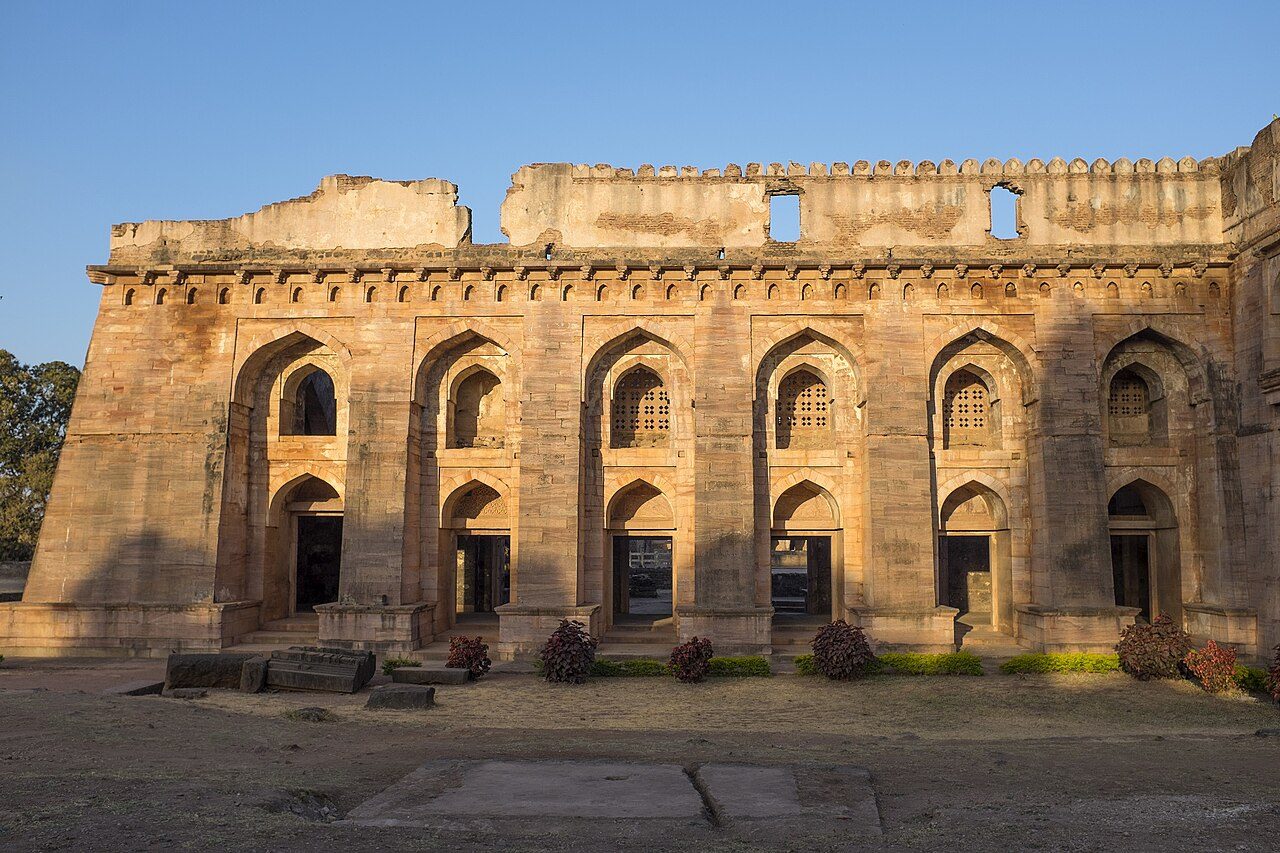
Hindola Mahal, the 'swinging palace', is a 15th-century audience hall in the royal enclave of Mandu. It takes its name from its massive side walls, which slope inwards so sharply that the building seems to sway. Inside, tall pointed arches span a single long hall. It stands next to Jahaz Mahal and is covered by the same ticket.
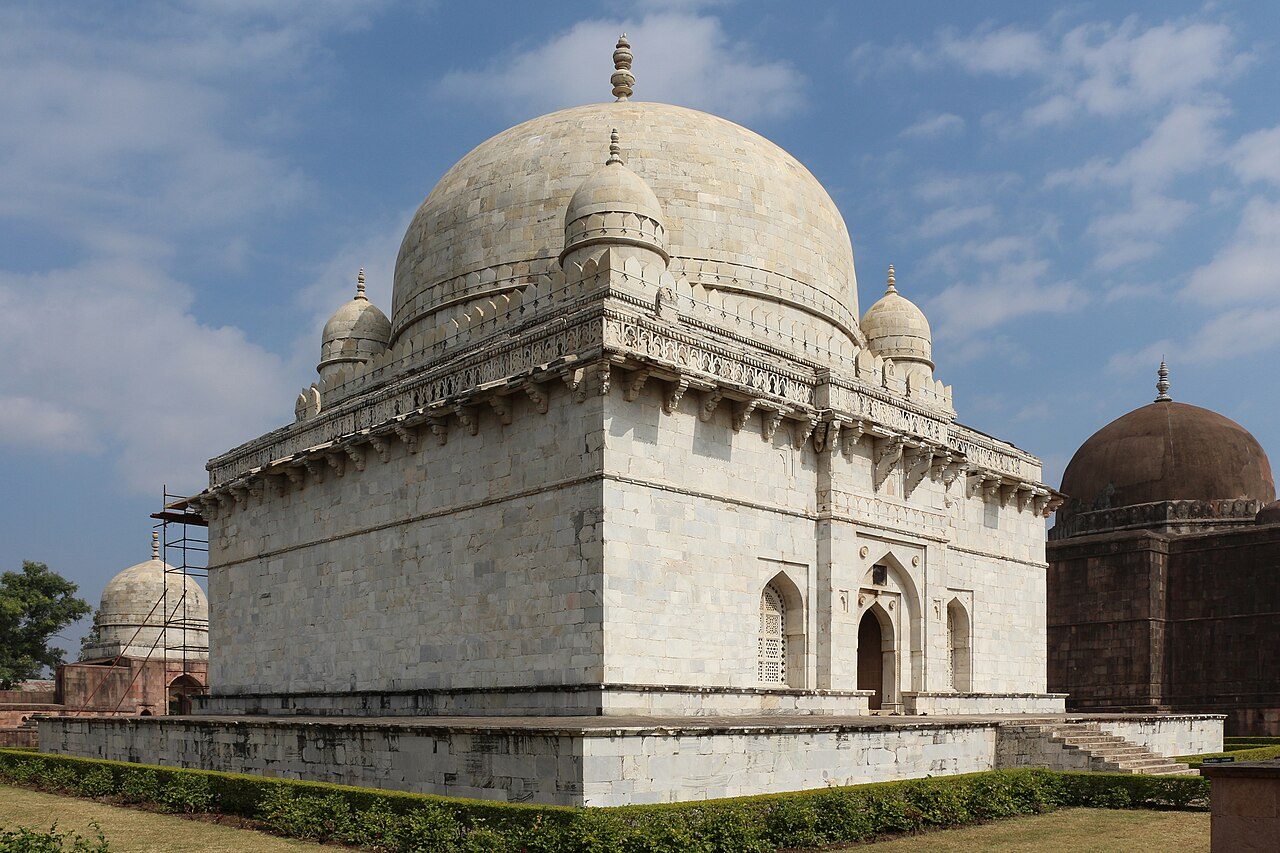
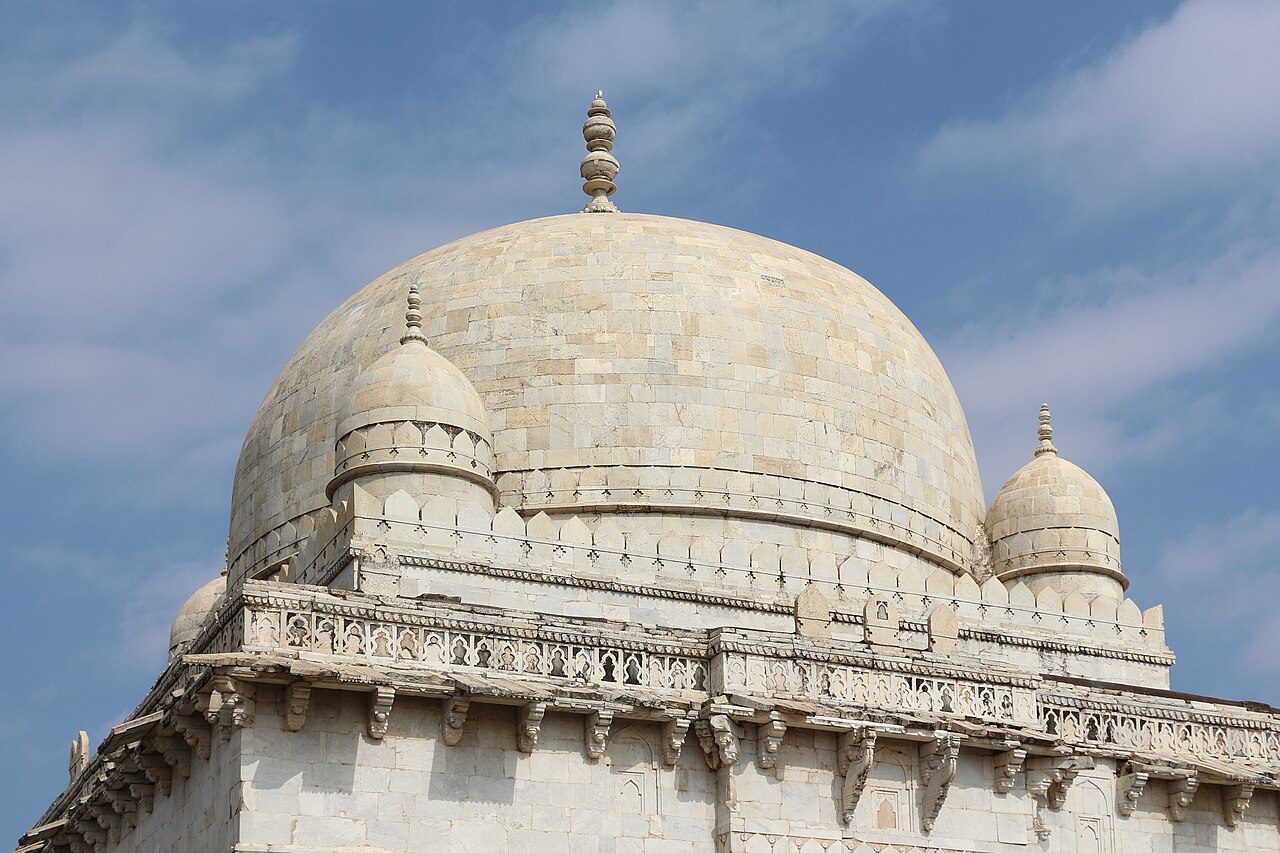
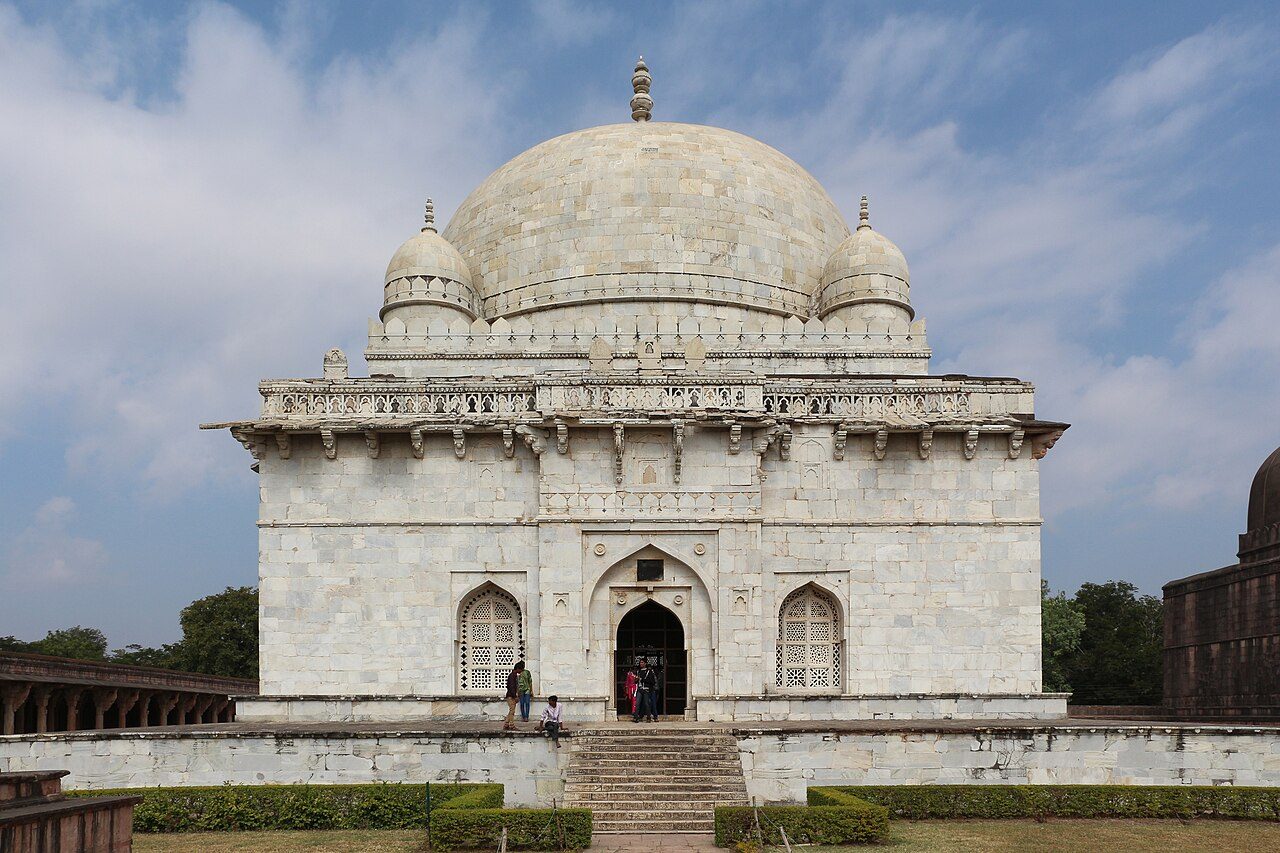
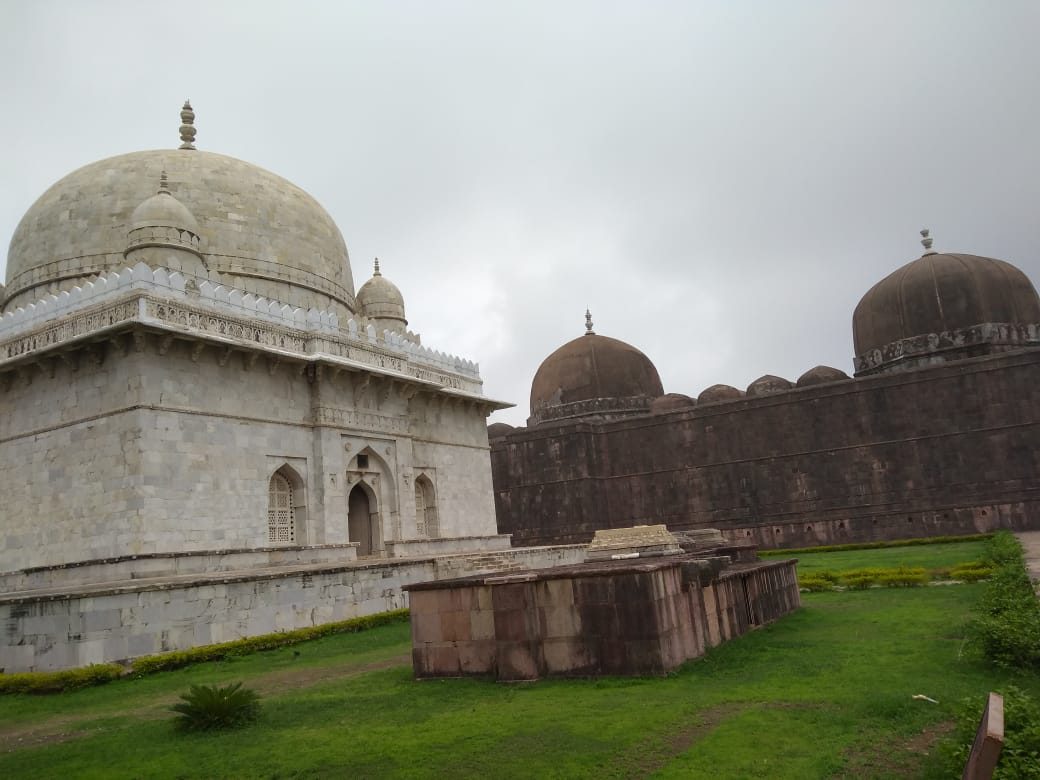
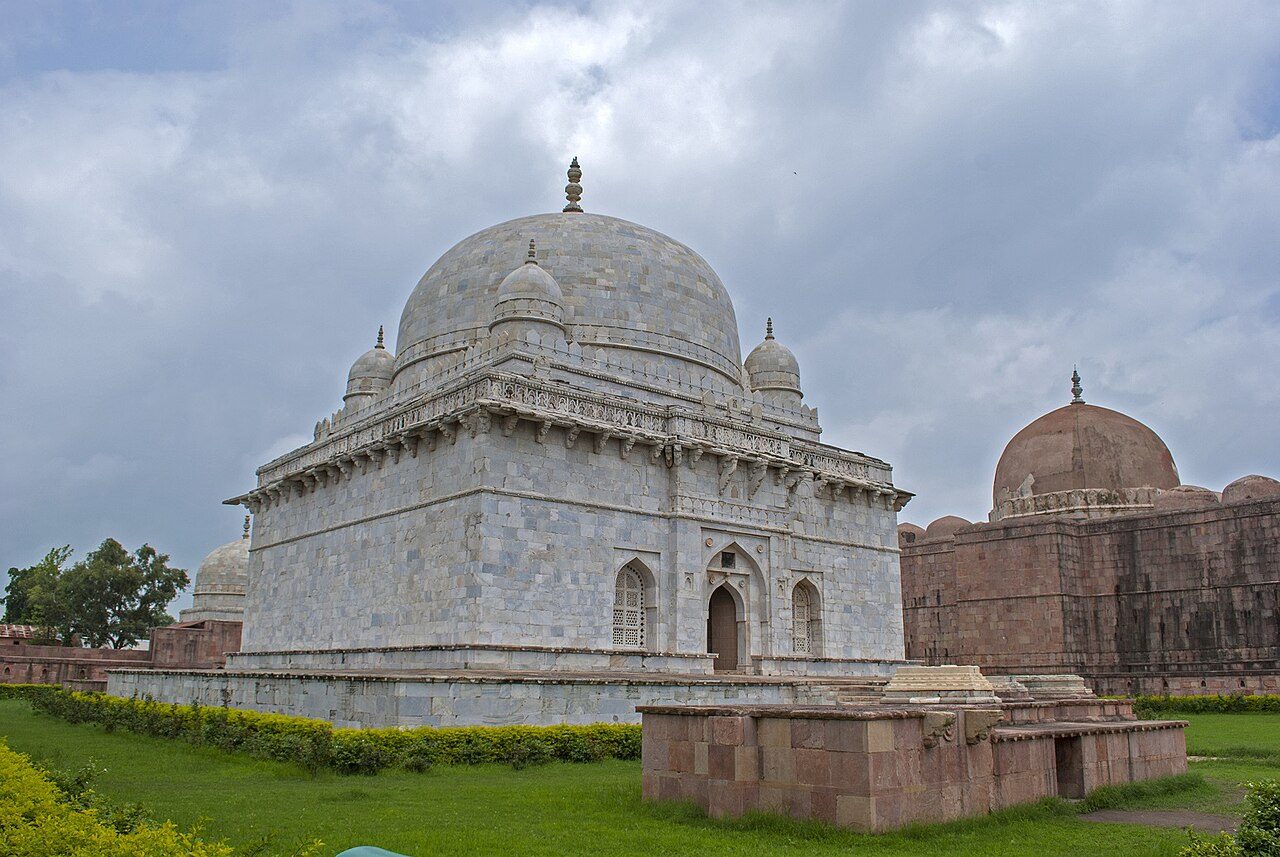
Hoshang Shah's Tomb in Mandu, finished around 1440, is considered the first marble mausoleum in India. Its plain white dome, corner turrets and delicate stone lattice screens are widely believed to have been studied by the builders of the Taj Mahal; an inscription records a visit by Shah Jahan's architects. It stands in a walled court behind the Jami Masjid.
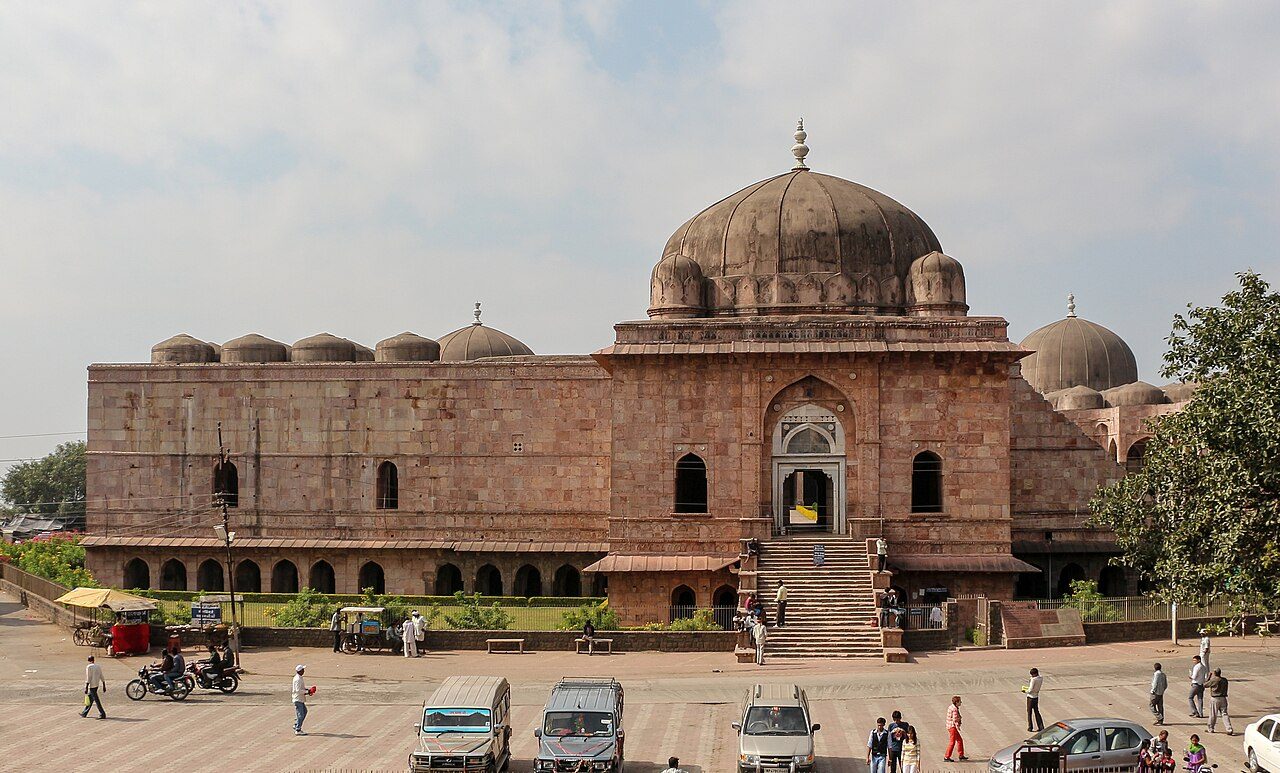
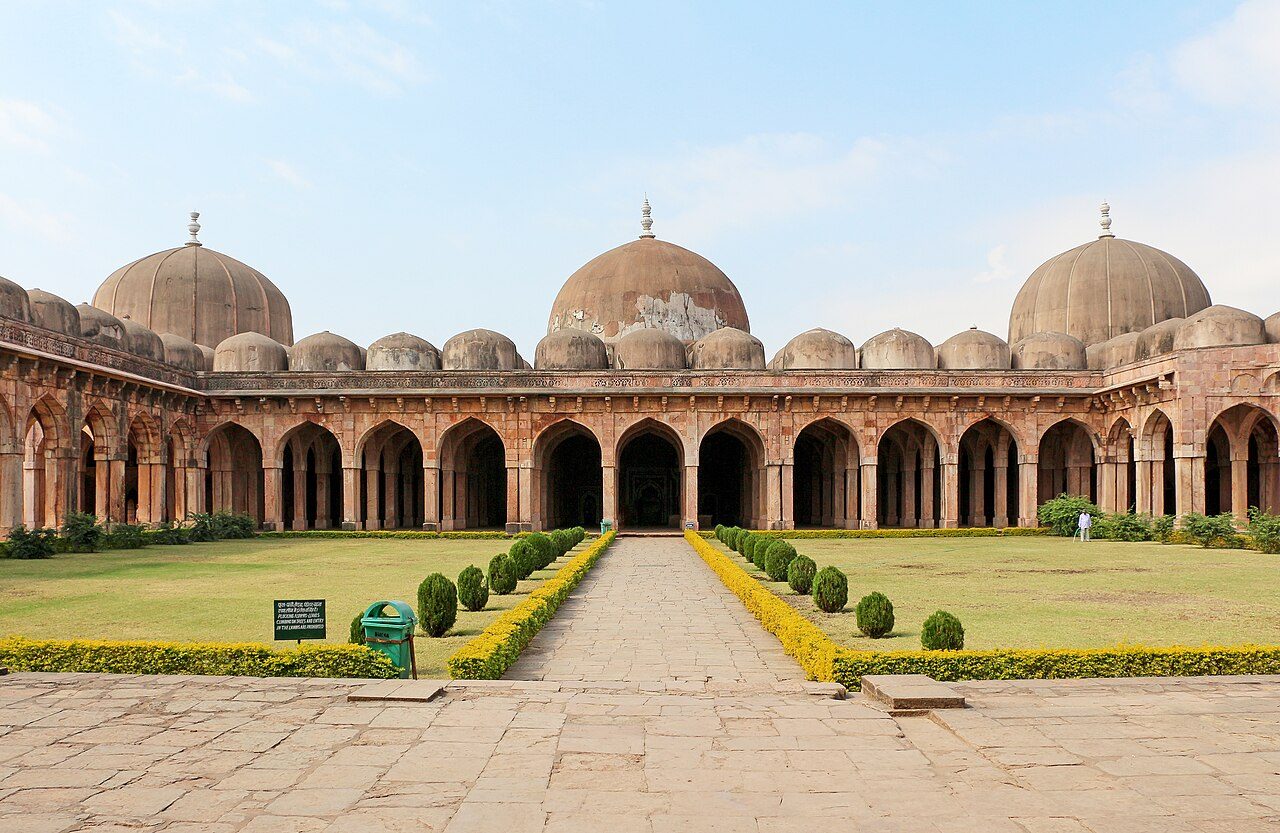
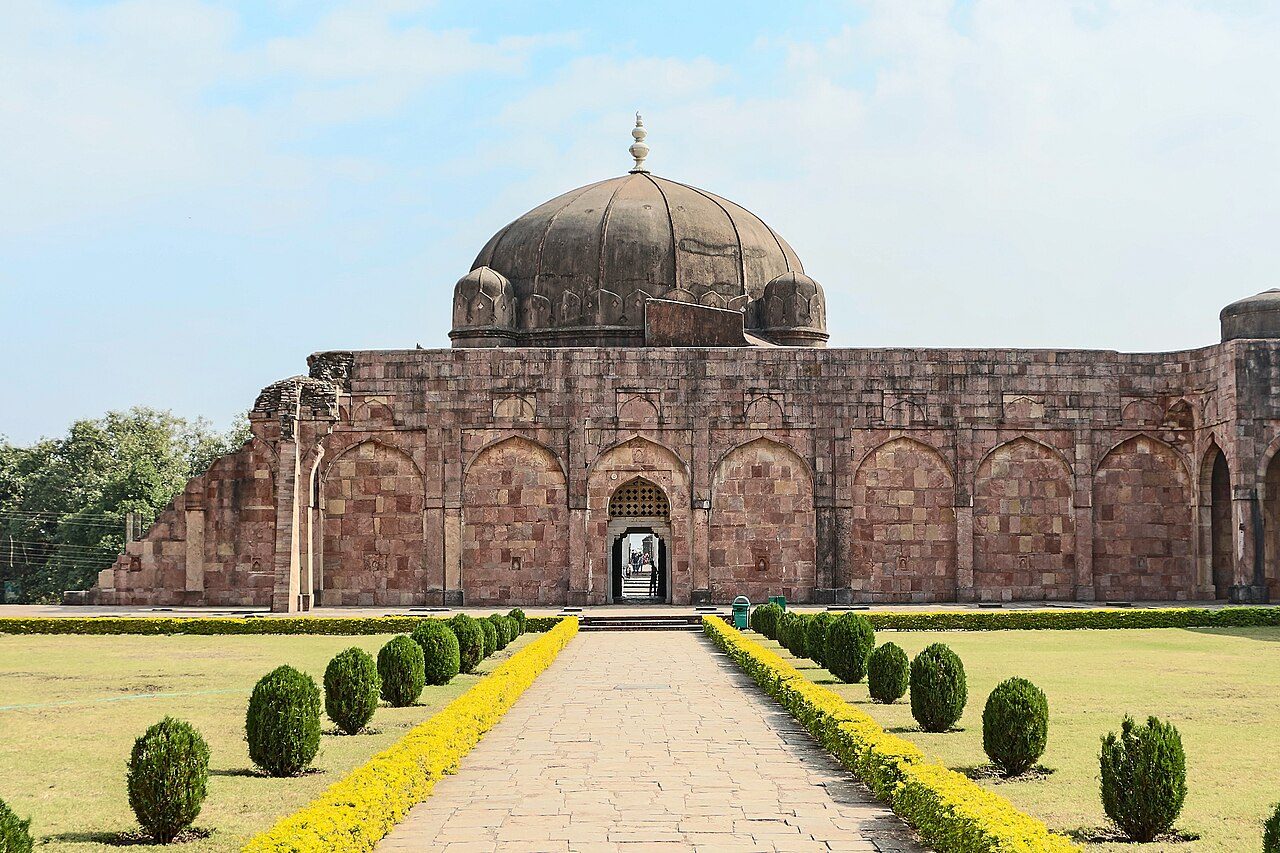
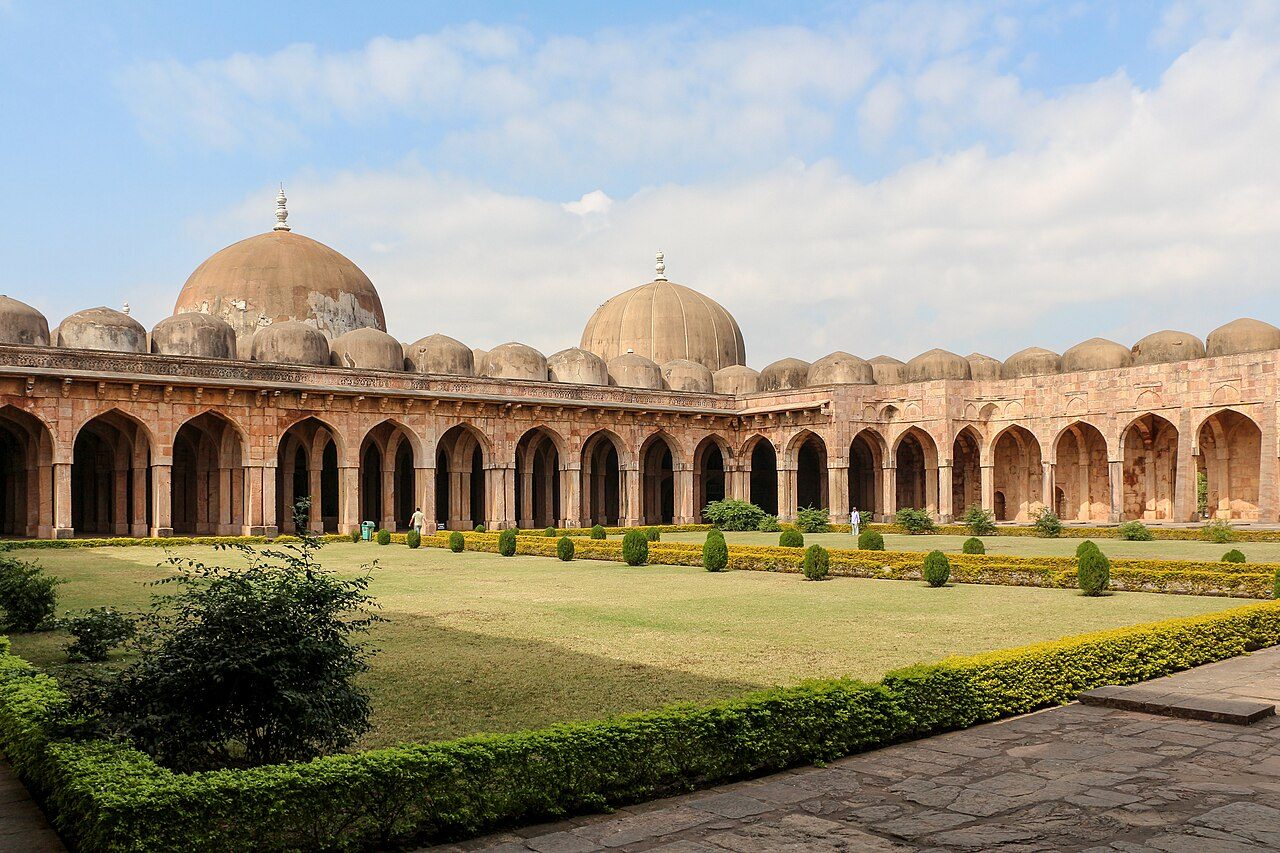
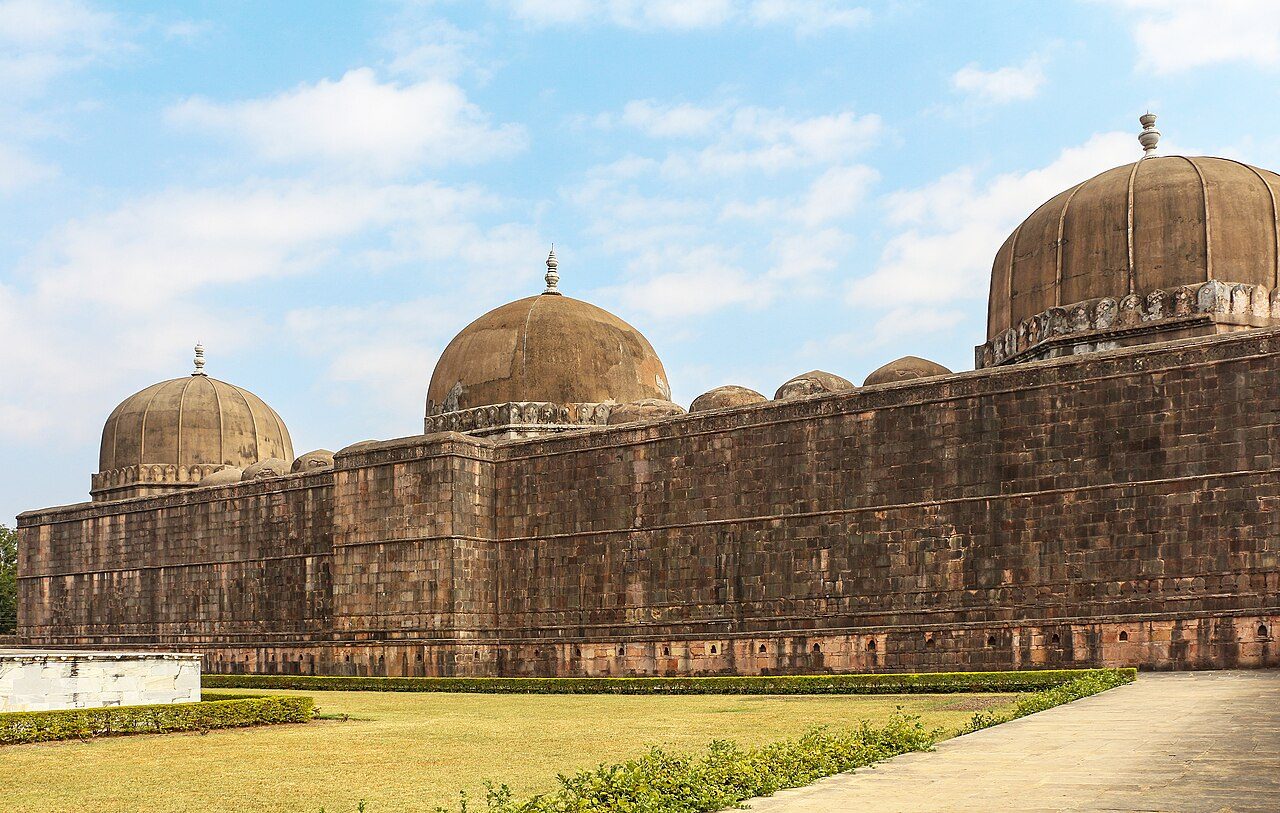
The Jami Masjid of Mandu, completed in 1454, is the grandest building of the Malwa sultans and is said to have been inspired by the great mosque of Damascus. A wide flight of steps climbs to a domed entrance porch, beyond which a huge courtyard is surrounded by arcades and rows of domes. It stands in the village centre, beside Hoshang Shah's Tomb and opposite the Ashrafi Mahal.
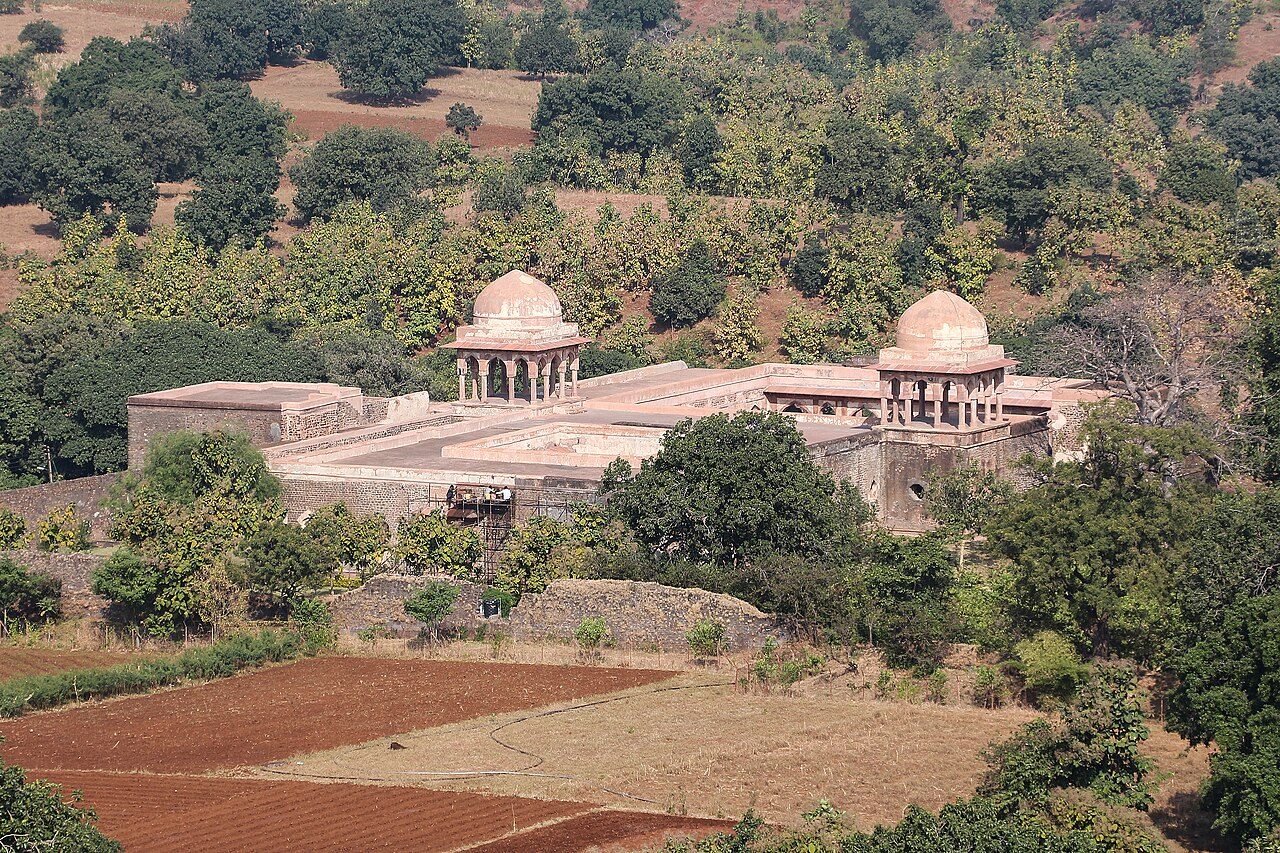
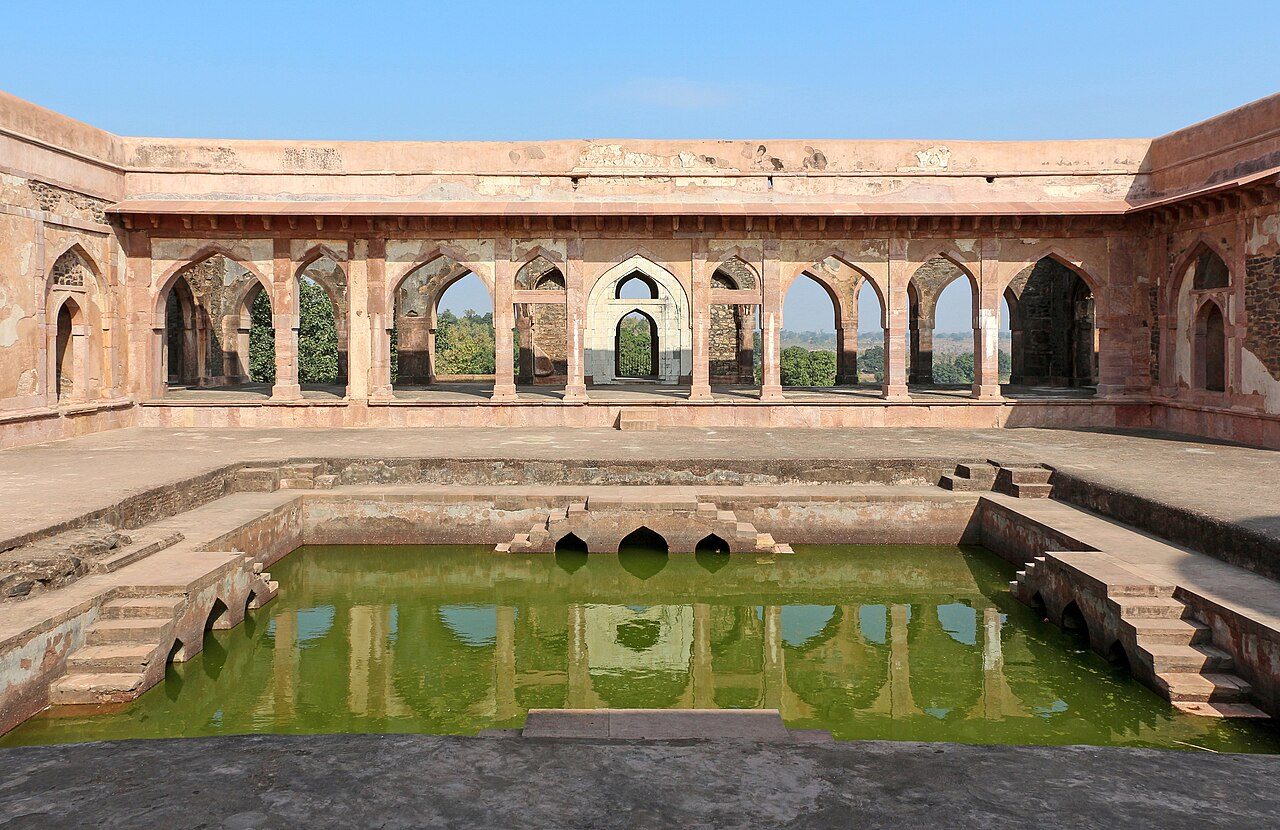
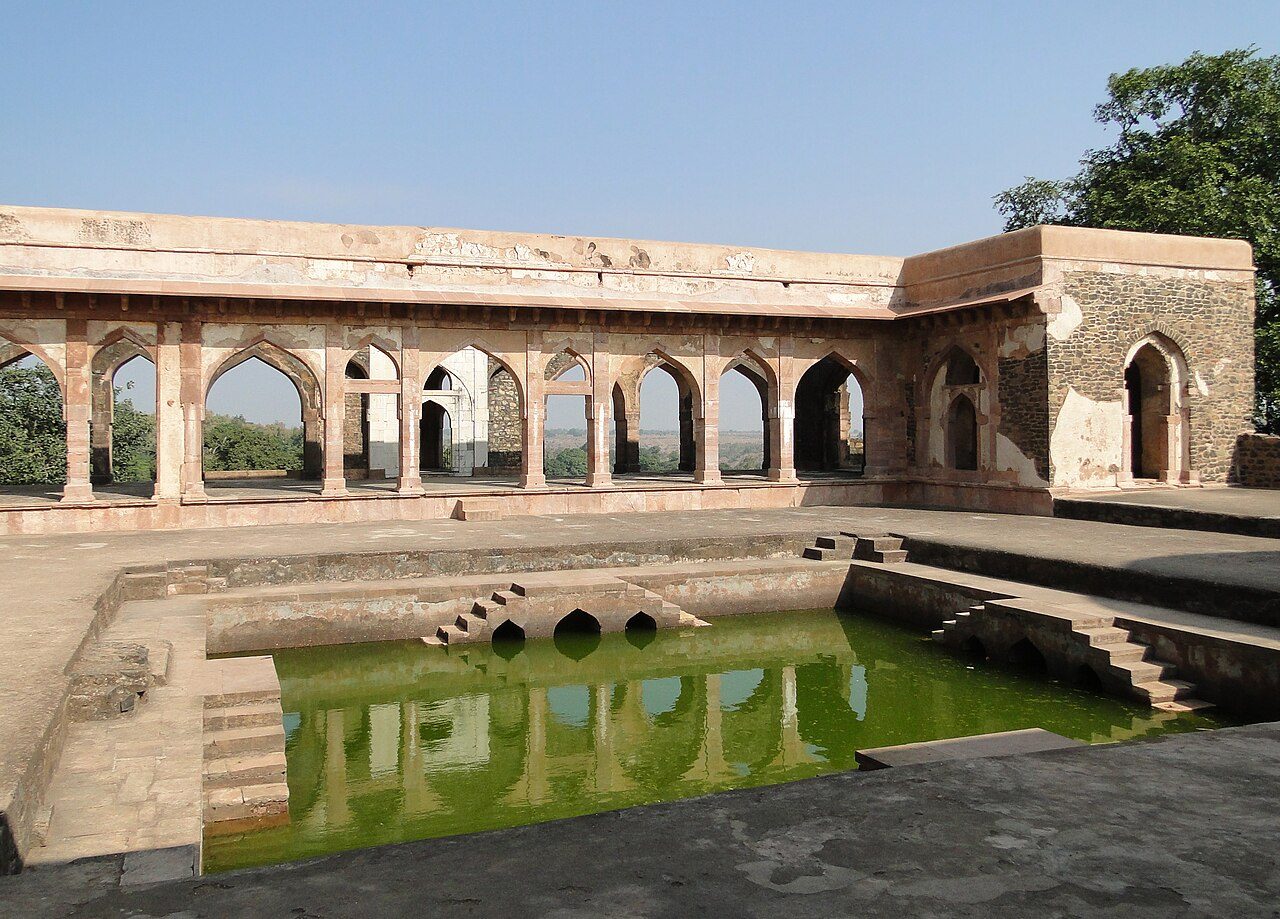
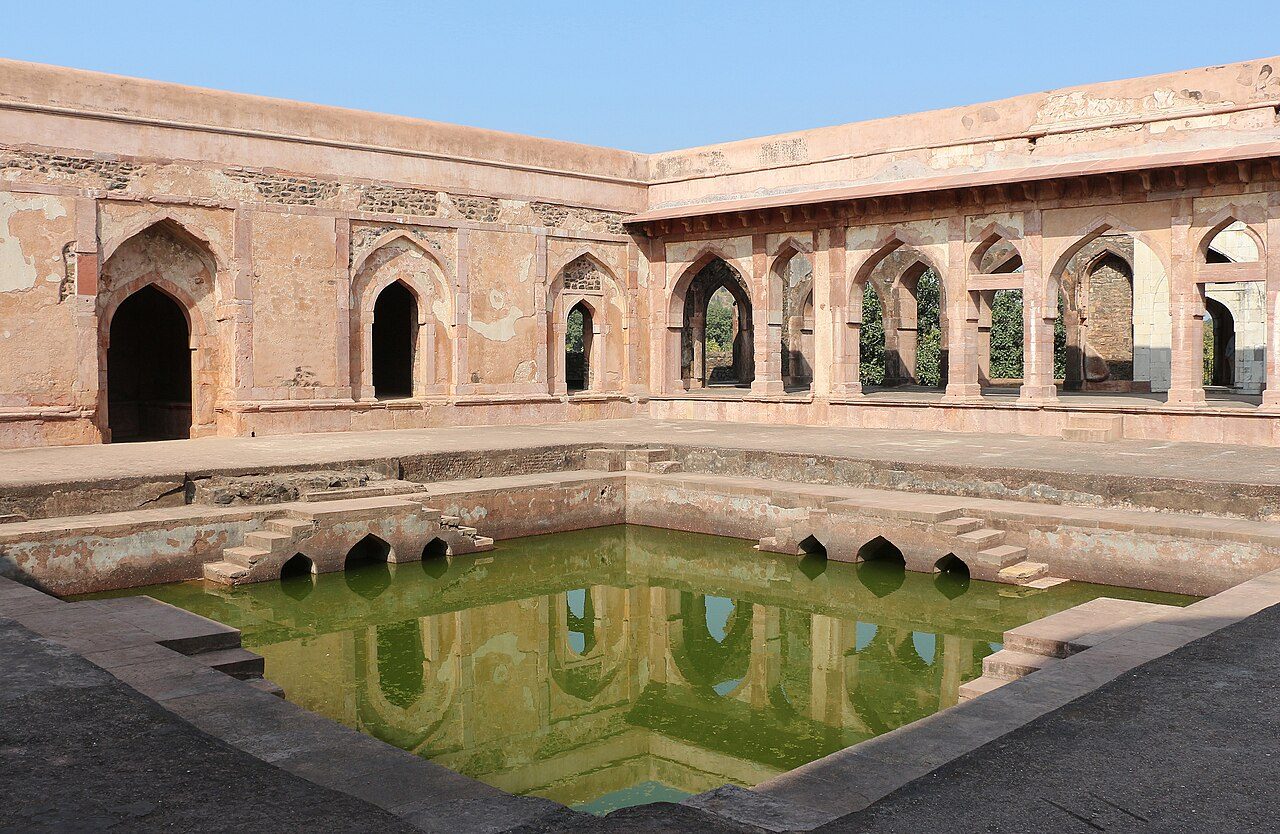
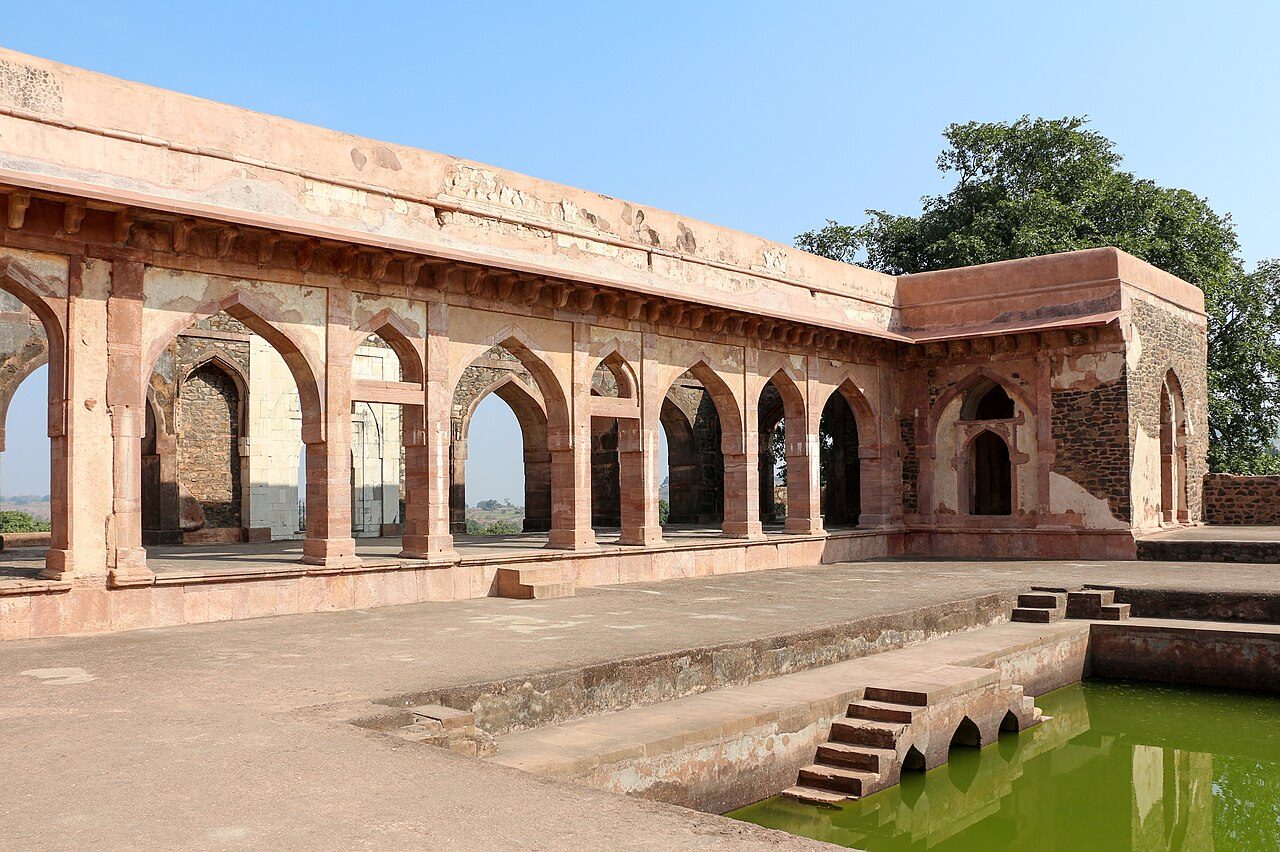
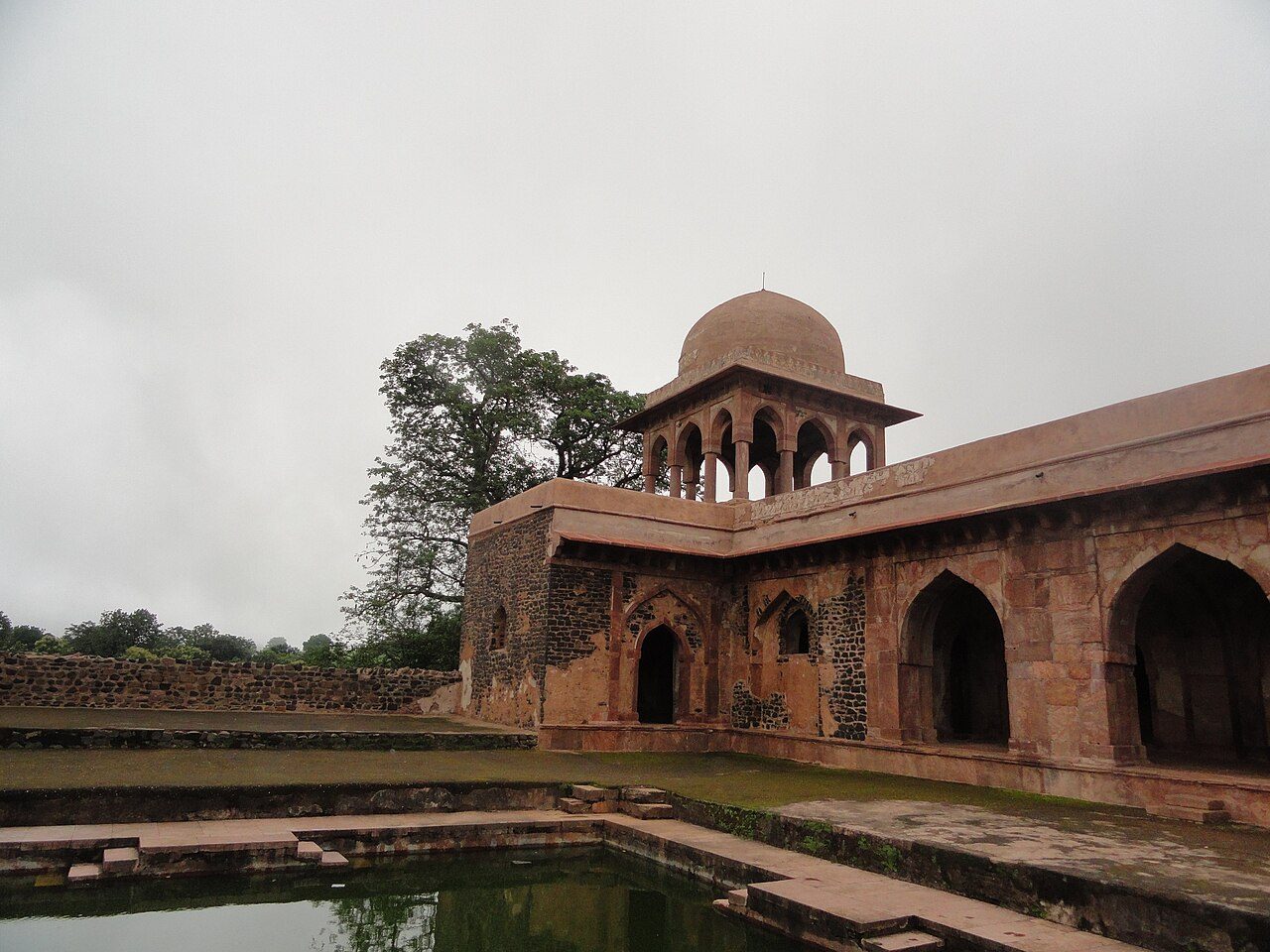
Baz Bahadur's Palace in Mandu was built in the early 16th century and later used by Baz Bahadur, the last independent sultan of Malwa, remembered for his love of music and of the singer Roopmati. The palace has a broad flight of steps, a large courtyard with a pool and halls surrounding it, and a terrace with domed pavilions. It lies beside the sacred Rewa Kund tank.
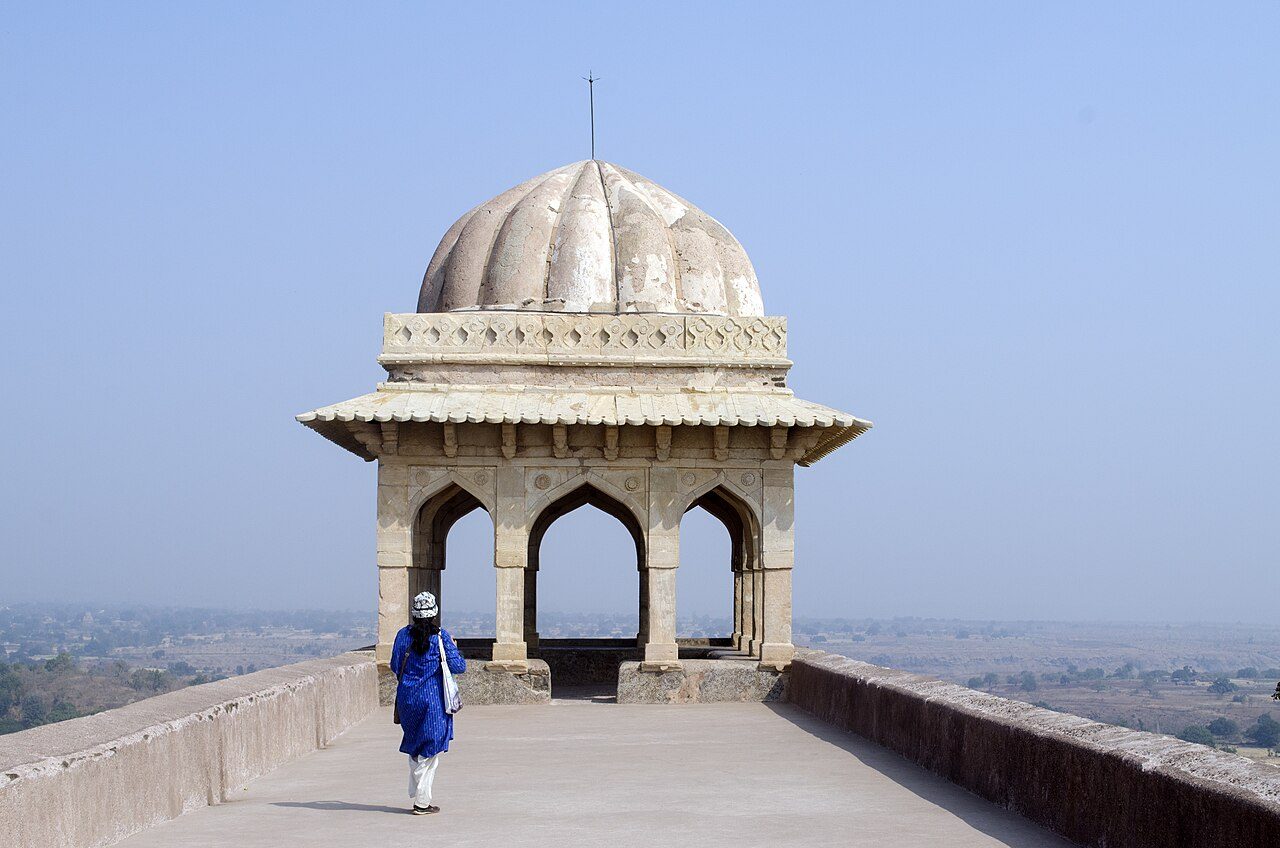
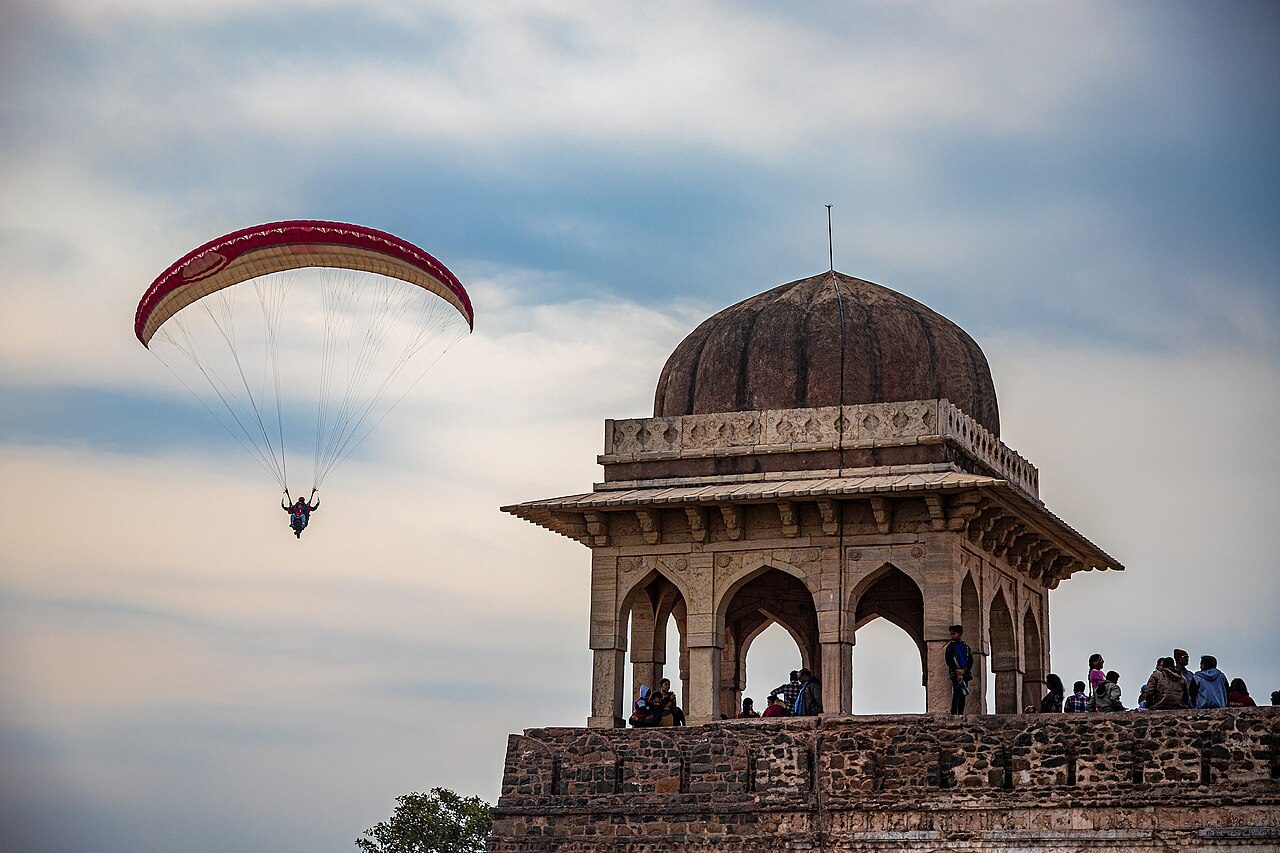
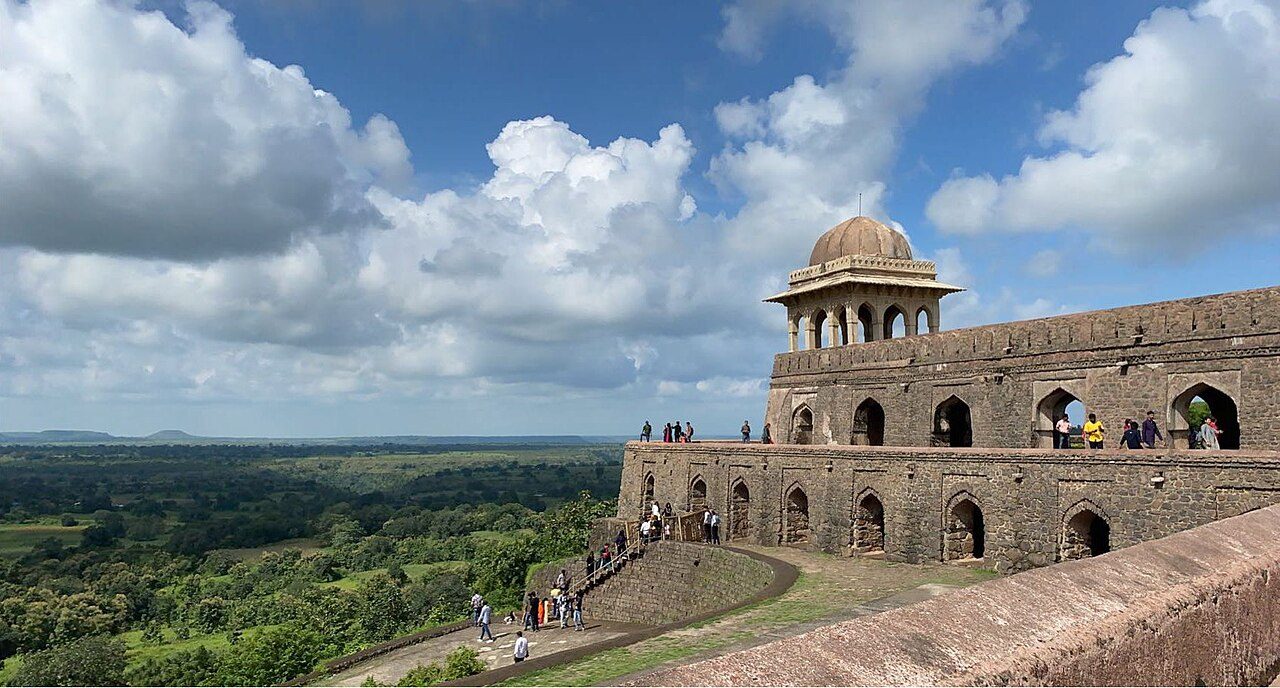
Rani Roopmati's Pavilion stands on the southern edge of the Mandu plateau, high above the Narmada valley. Originally an army lookout, it is linked by legend to Roopmati, the singer loved by Sultan Baz Bahadur, who is said to have come here to gaze at the Narmada. Two domed pavilions crown the roof. The views at sunset, and across the green hills in the monsoon, are the finest in Mandu.
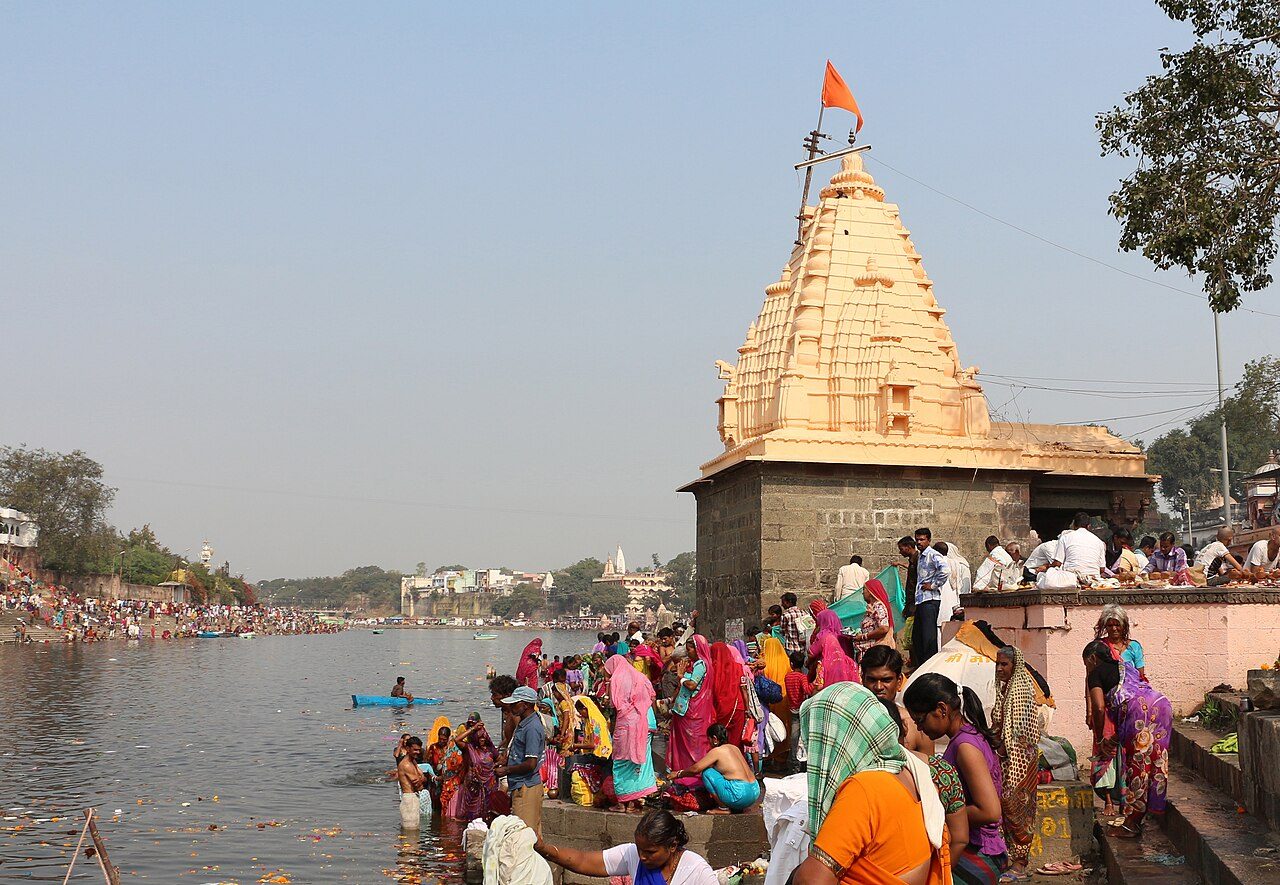
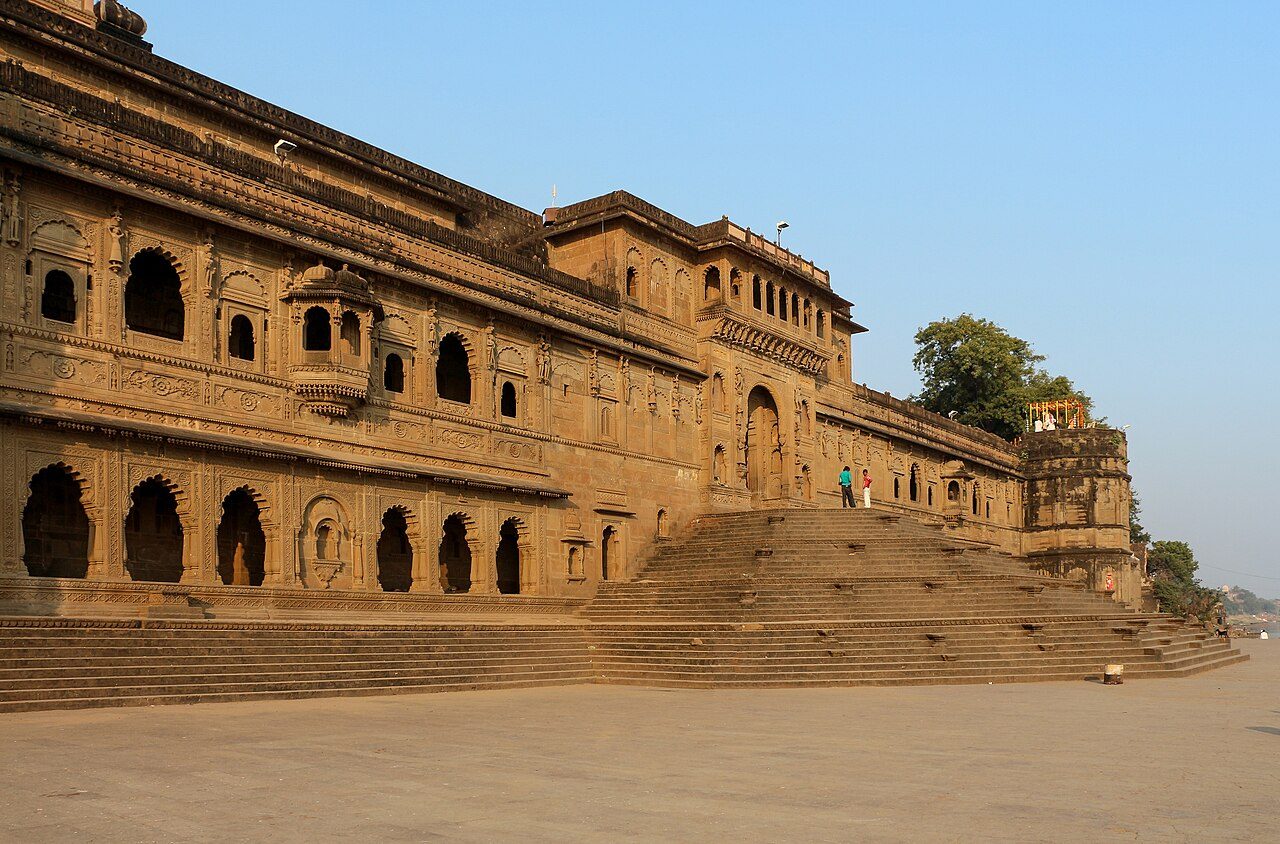
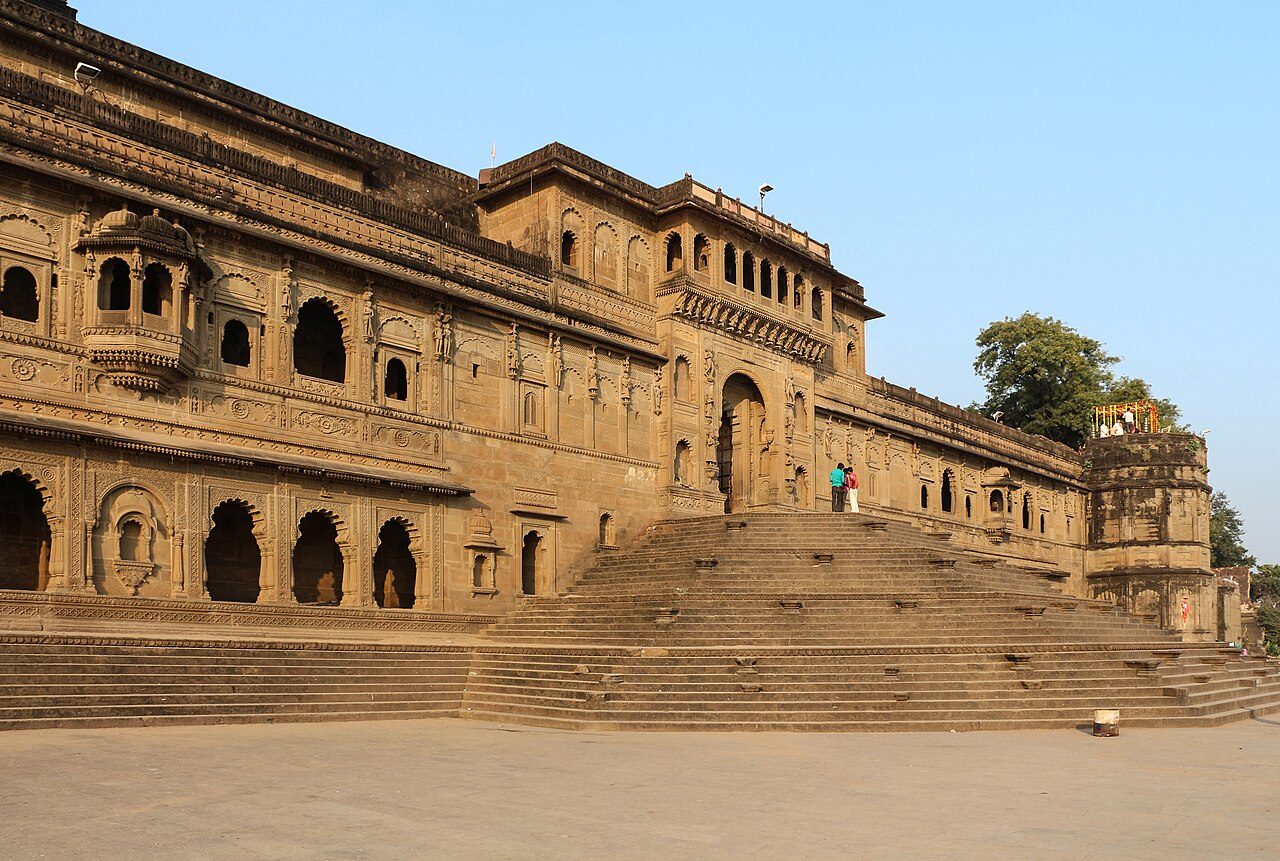
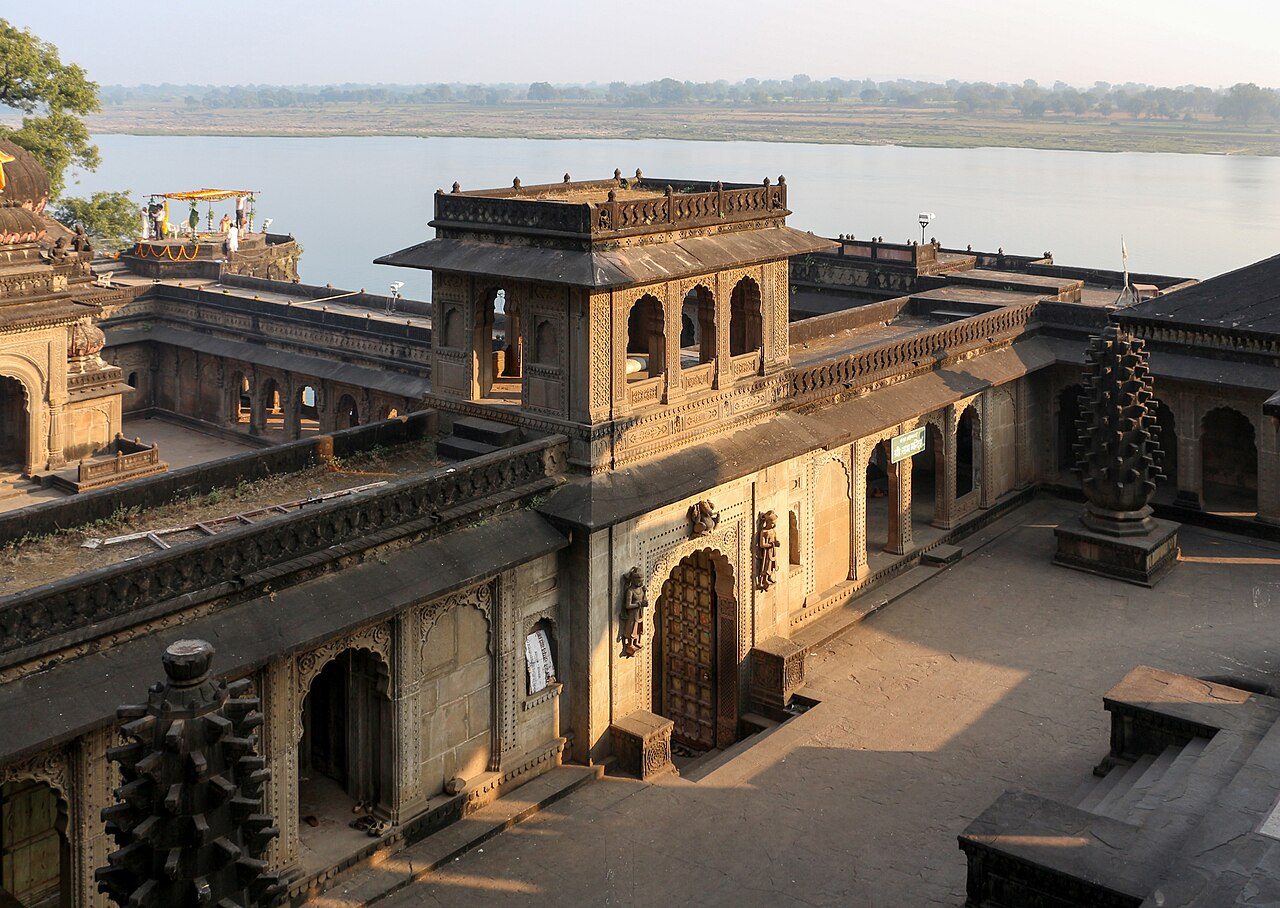
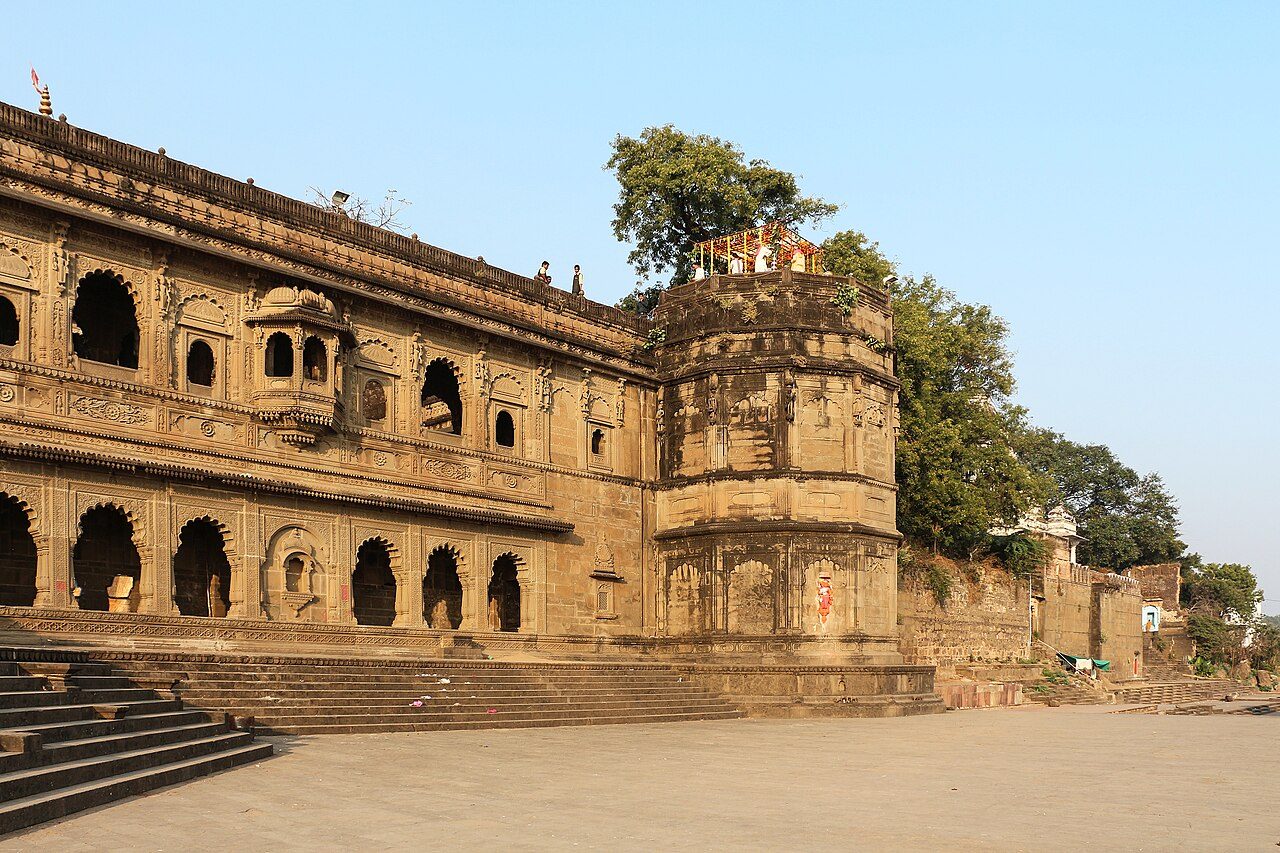
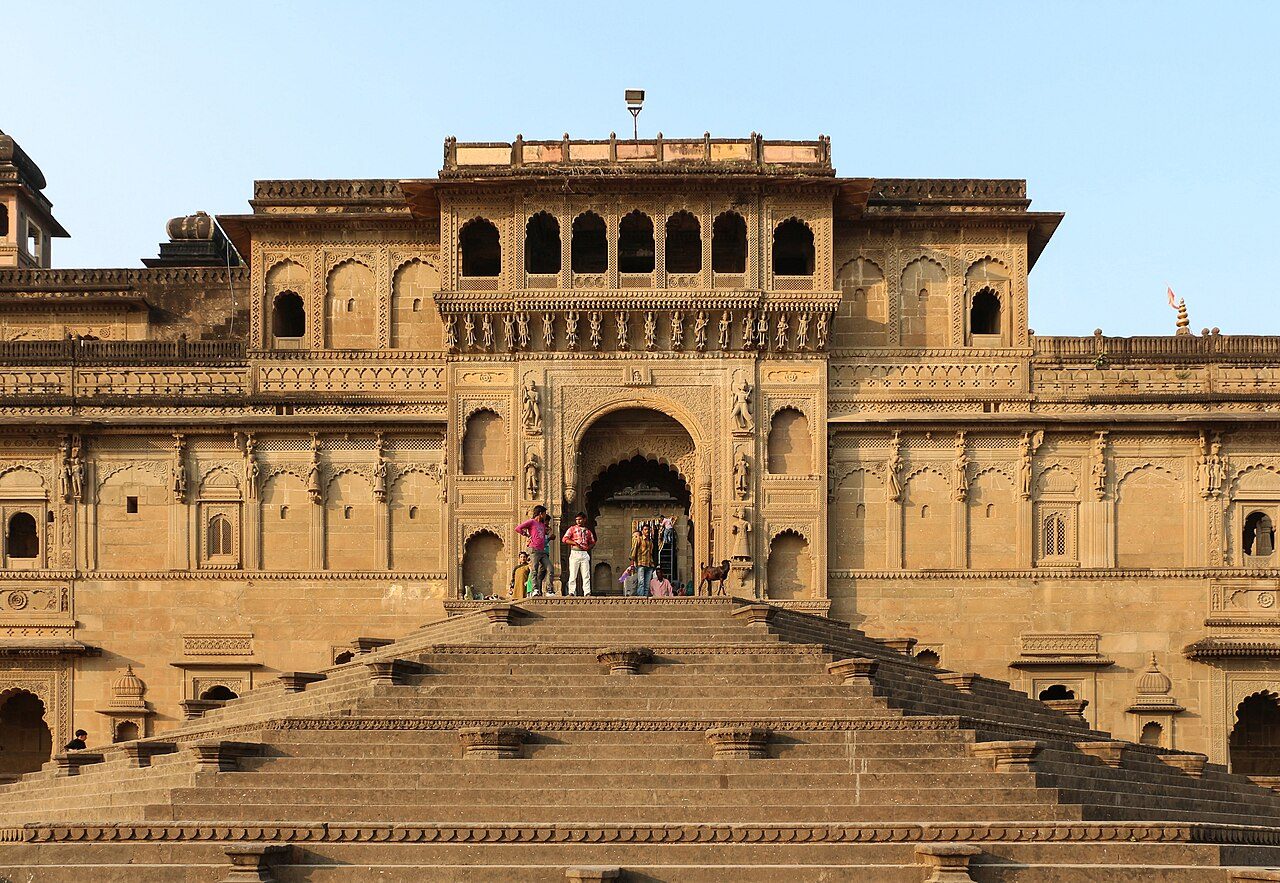
Ahilya Fort stands above the Narmada at Maheshwar, the capital of the 18th-century queen Ahilyabai Holkar, one of India's most admired rulers. Her modest palace, a small museum and temples lie within the walls, and wide stone steps descend past finely carved gateways to the ghats, where pilgrims bathe and boats wait. The town is also known for its hand-woven Maheshwari saris.
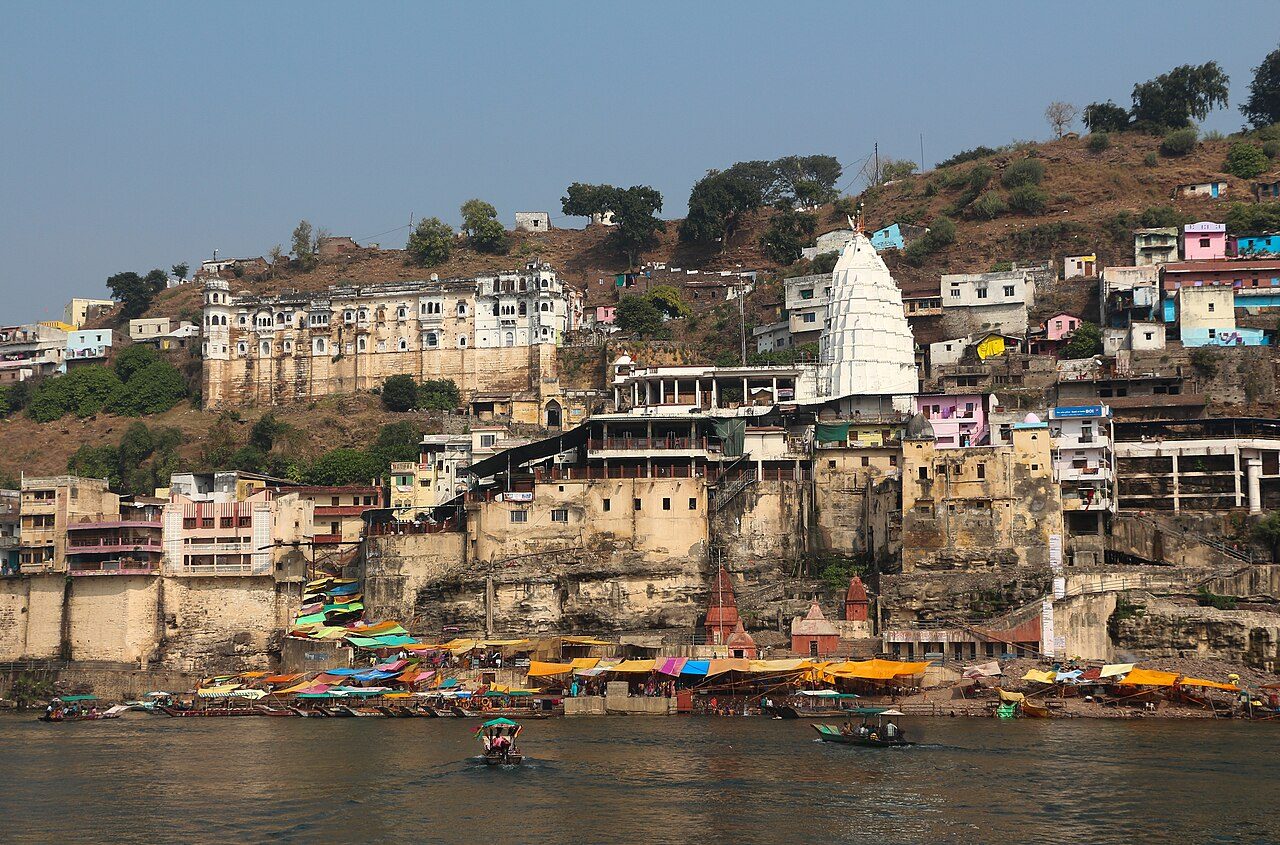
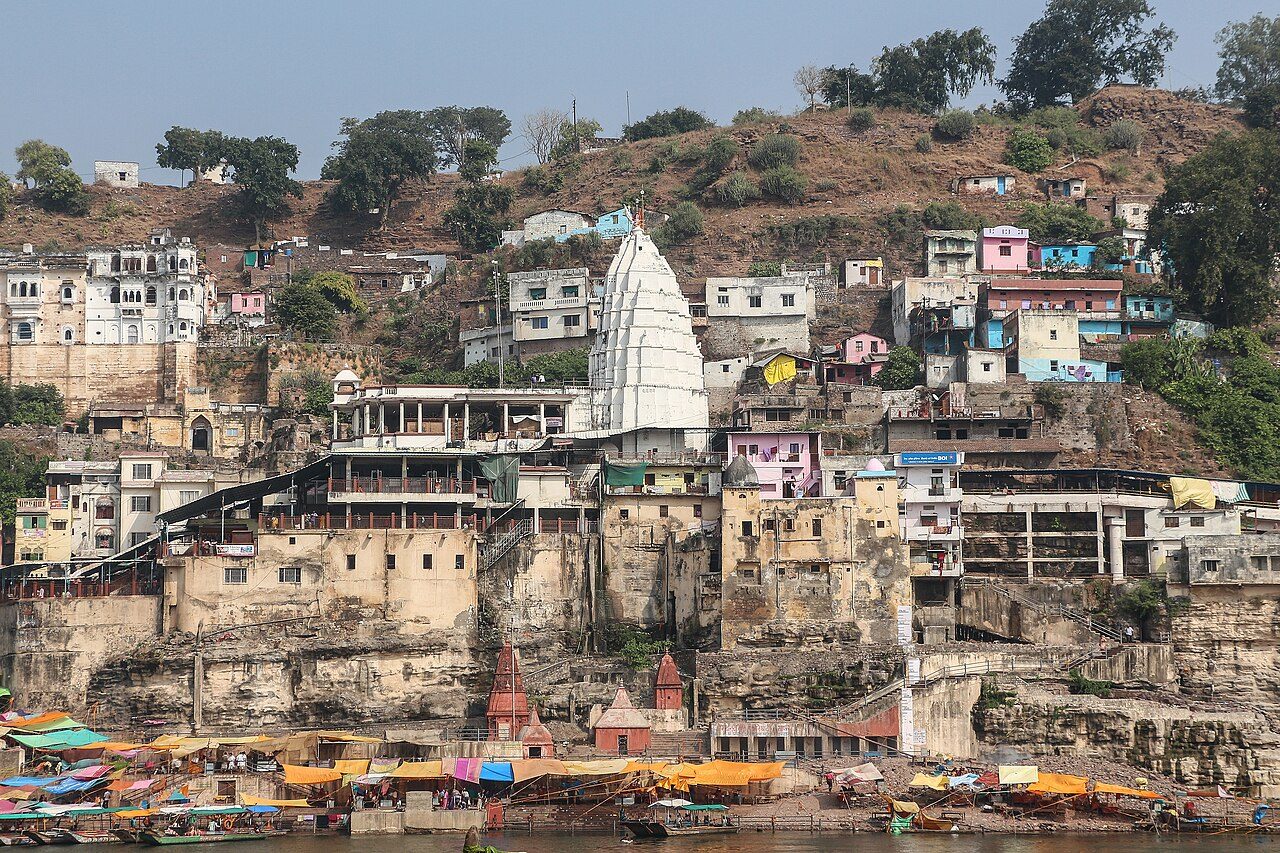
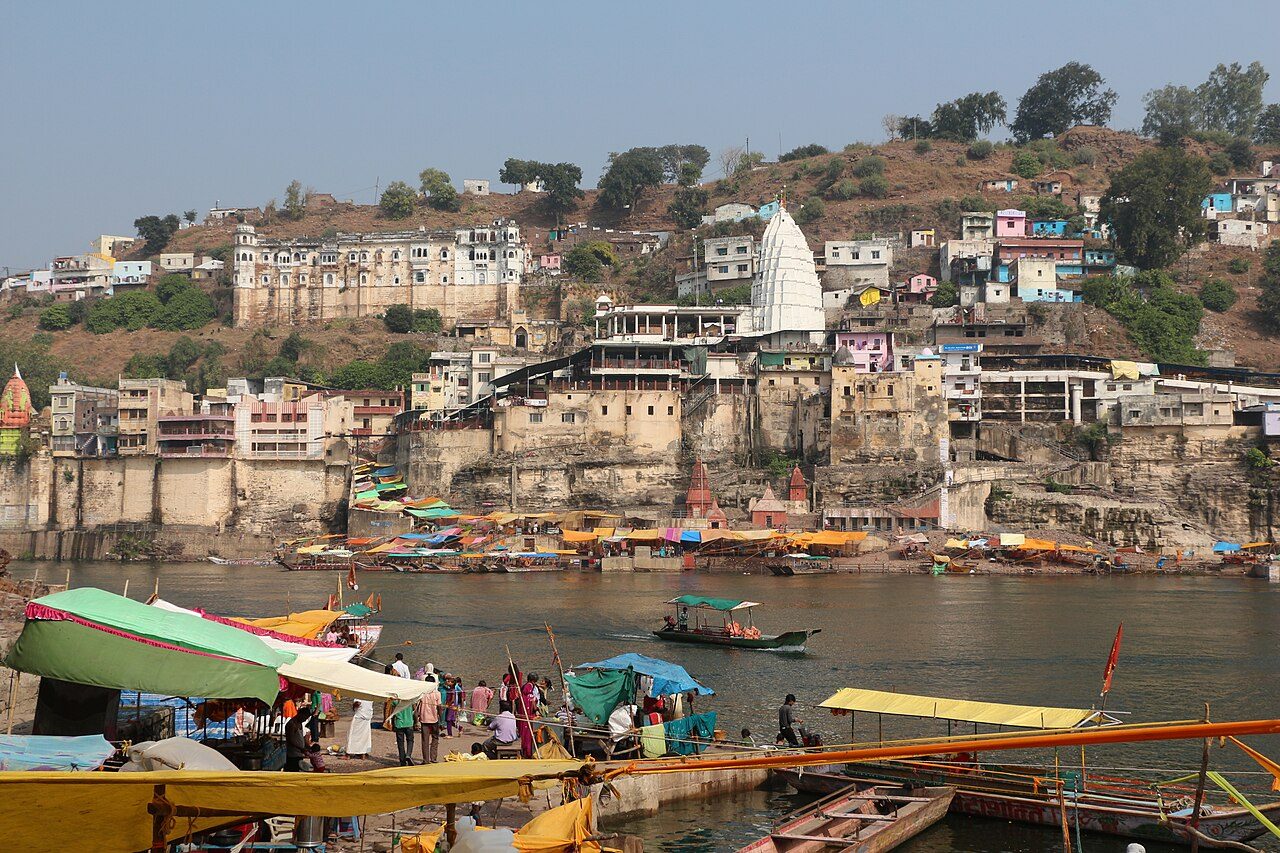
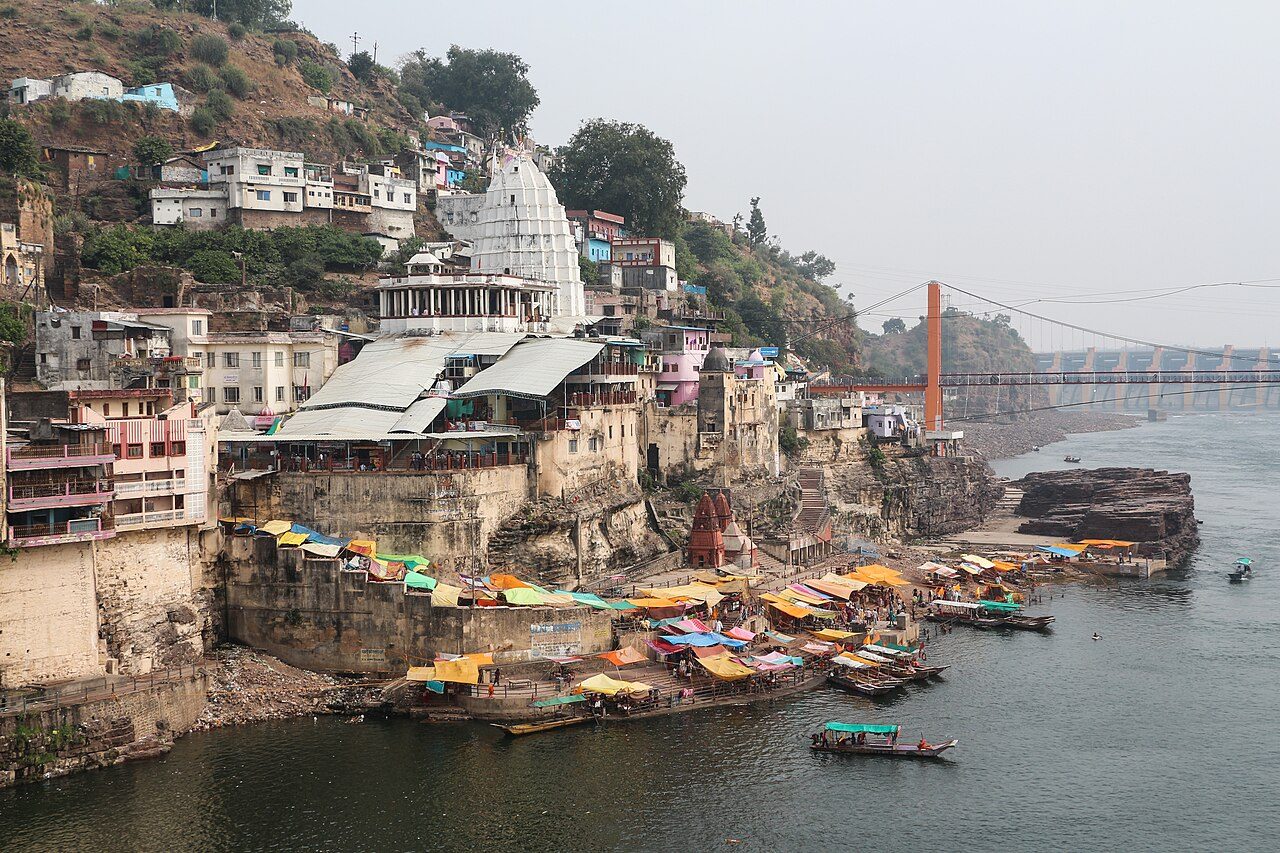
Omkareshwar is one of the twelve jyotirlingas of Shiva, set on Mandhata, an island in the Narmada whose shape is said to resemble the sacred symbol Om. The white-spired temple is reached by footbridges or by boat from the mainland ghats. Pilgrims also walk the path around the island and visit the Mamleshwar temple on the south bank. Mondays and Shravan are the busiest times.
Best weather: Oct – FebHeavy rain: Jul – Aug
Seasons from 20 years of NASA POWER climate data.
Was this trip blog helpful?
0
0
Ready to follow this route?
Copy all 17 stops into your trip plans in the app.
 WaTrips