Lucknow in 2 Days: Imambaras, the Residency and Nawabi Food
2 DAYS8 placesby WaTrips
Bara Imambara and its maze, Rumi Darwaza, Chota Imambara, the Residency, Dilkusha and La Martiniere.
Lucknow is the city of the Nawabs, and two days is enough to see it well. Day one is the old city: the Bara Imambara and its maze of passages, Rumi Darwaza, the Chota Imambara and the Husainabad clock tower, followed by kebabs in Aminabad or Chowk. Day two visits the ruins of the Residency, besieged in 1857, Dilkusha Kothi, the grand La Martiniere school, and Ambedkar Memorial Park at dusk. October to March is best.
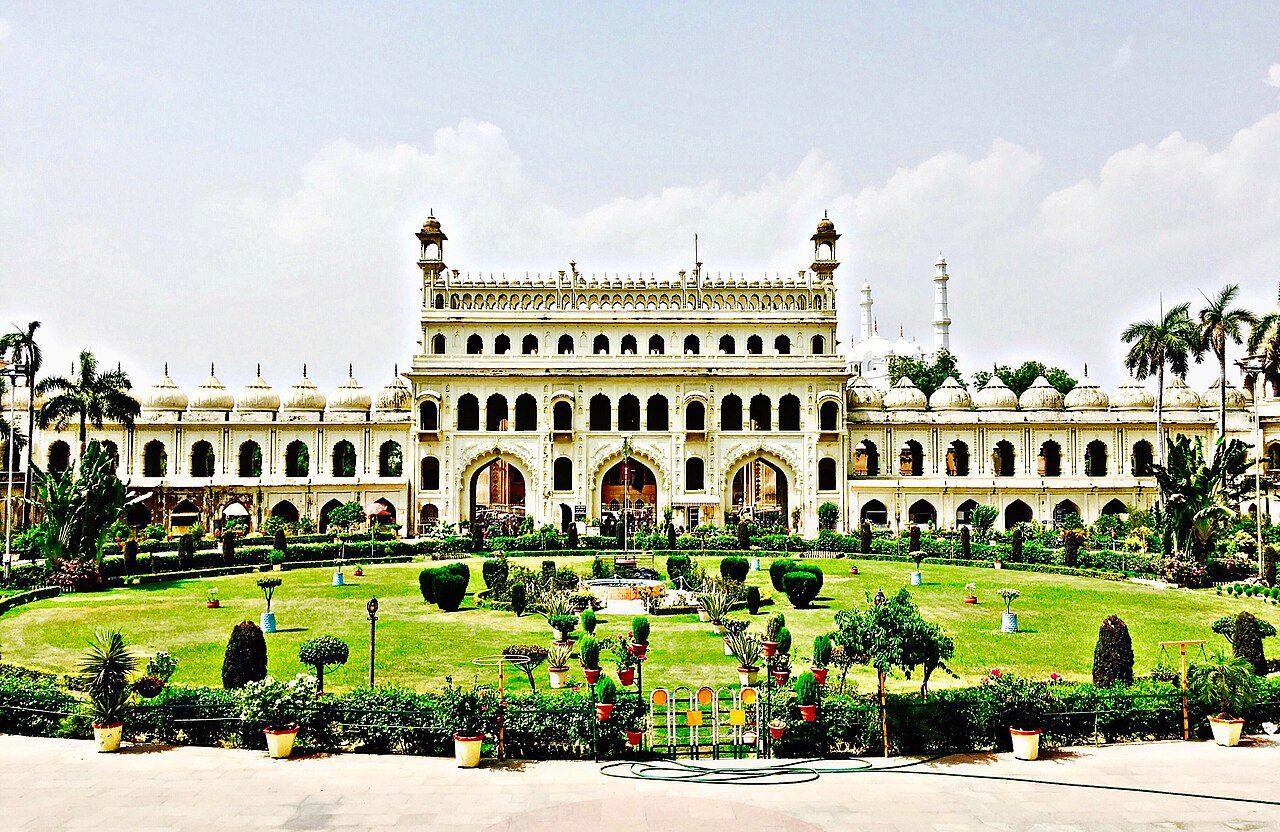
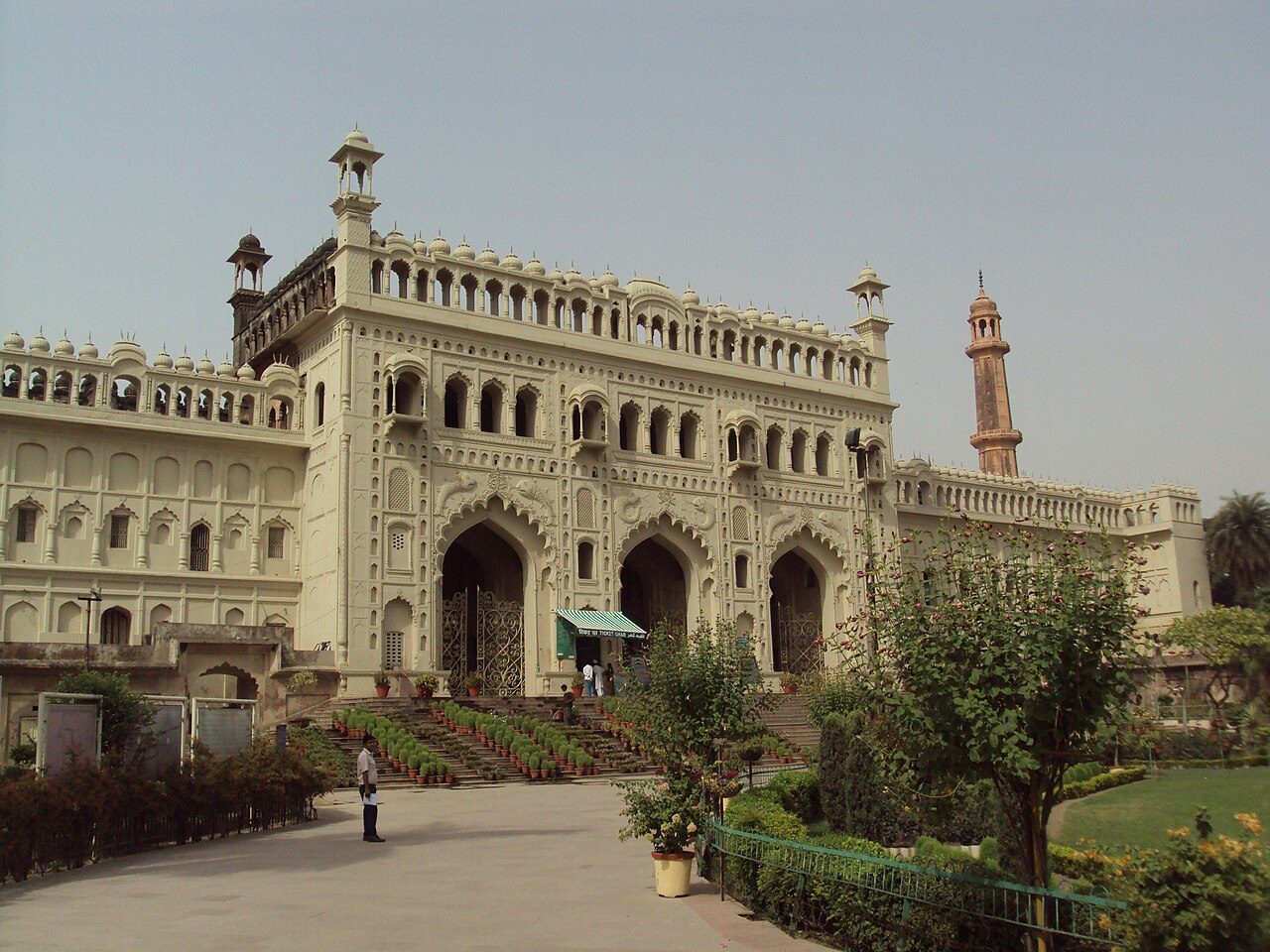
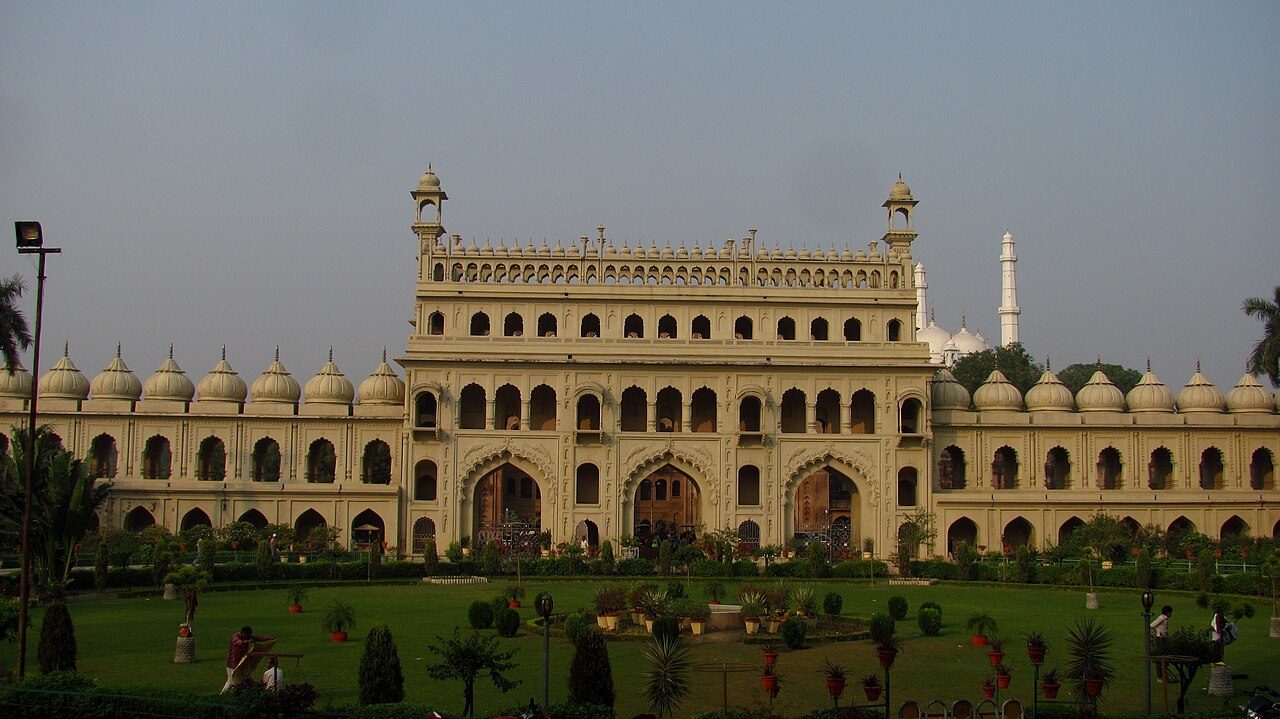
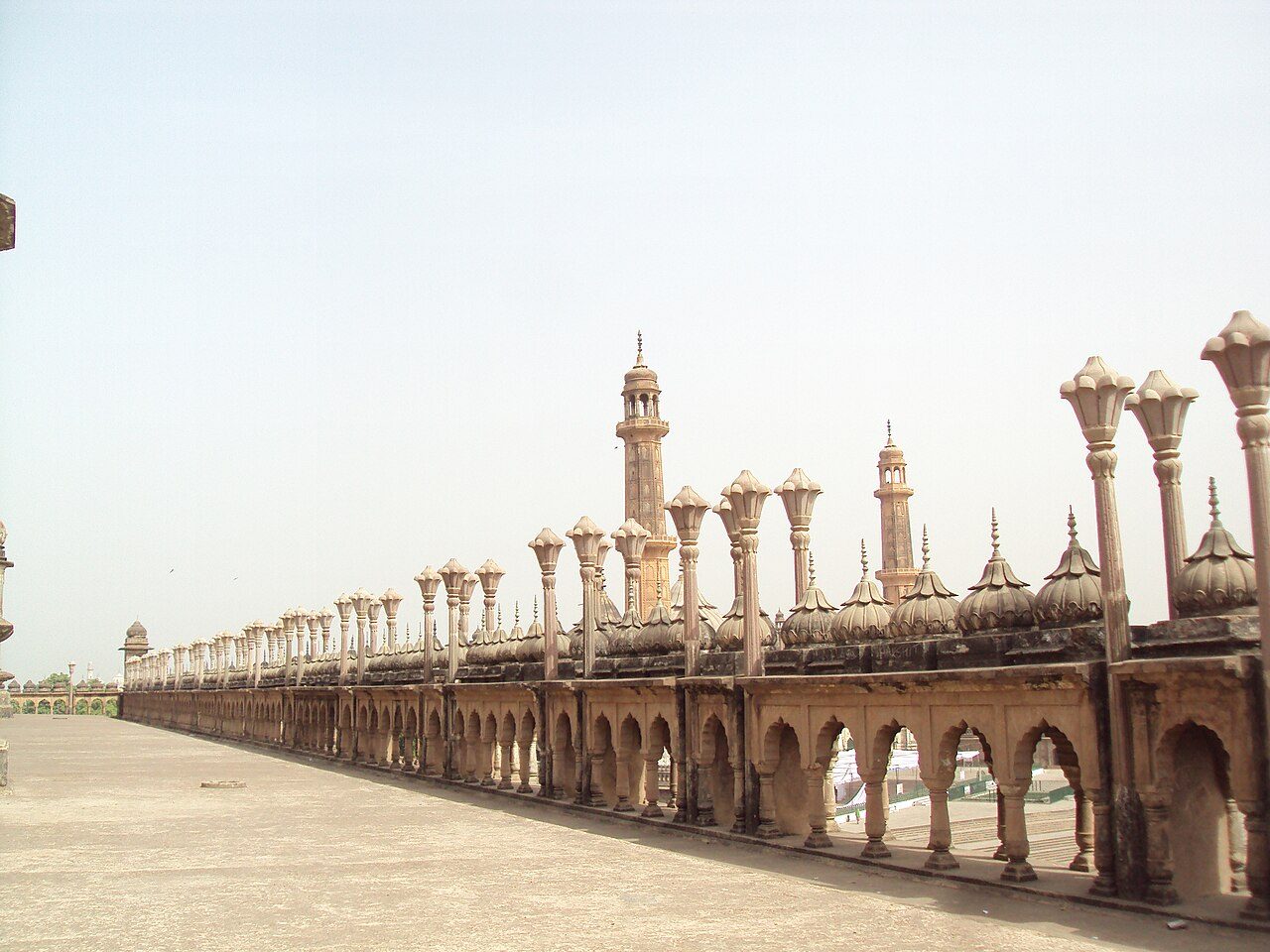
The Bara Imambara was built by Nawab Asaf-ud-Daula of Awadh in 1784 as a famine-relief project. Its central hall, about fifty metres long, is one of the largest vaulted chambers in the world built without beams or pillars. Above it is the Bhul Bhulaiya, a labyrinth of narrow passages and stairways. The complex also contains the Asafi mosque and a stepwell. Guides are advisable in the labyrinth.
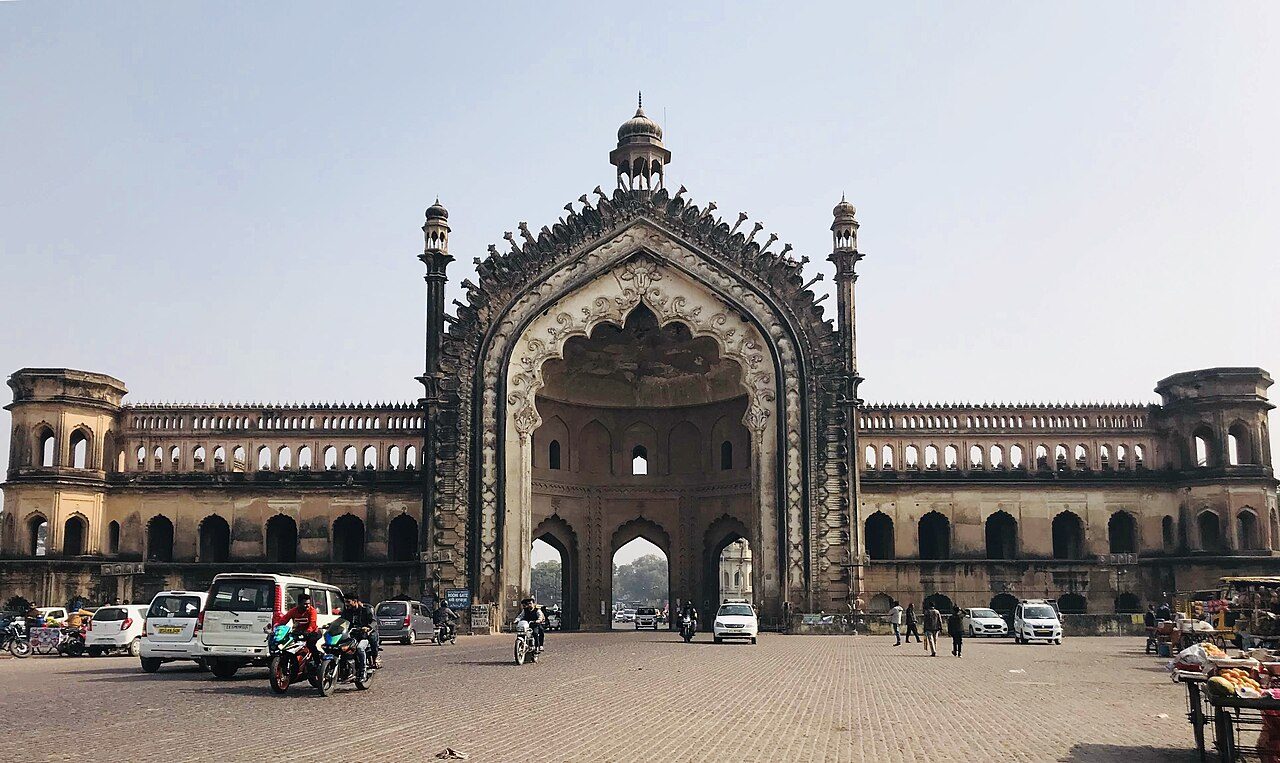
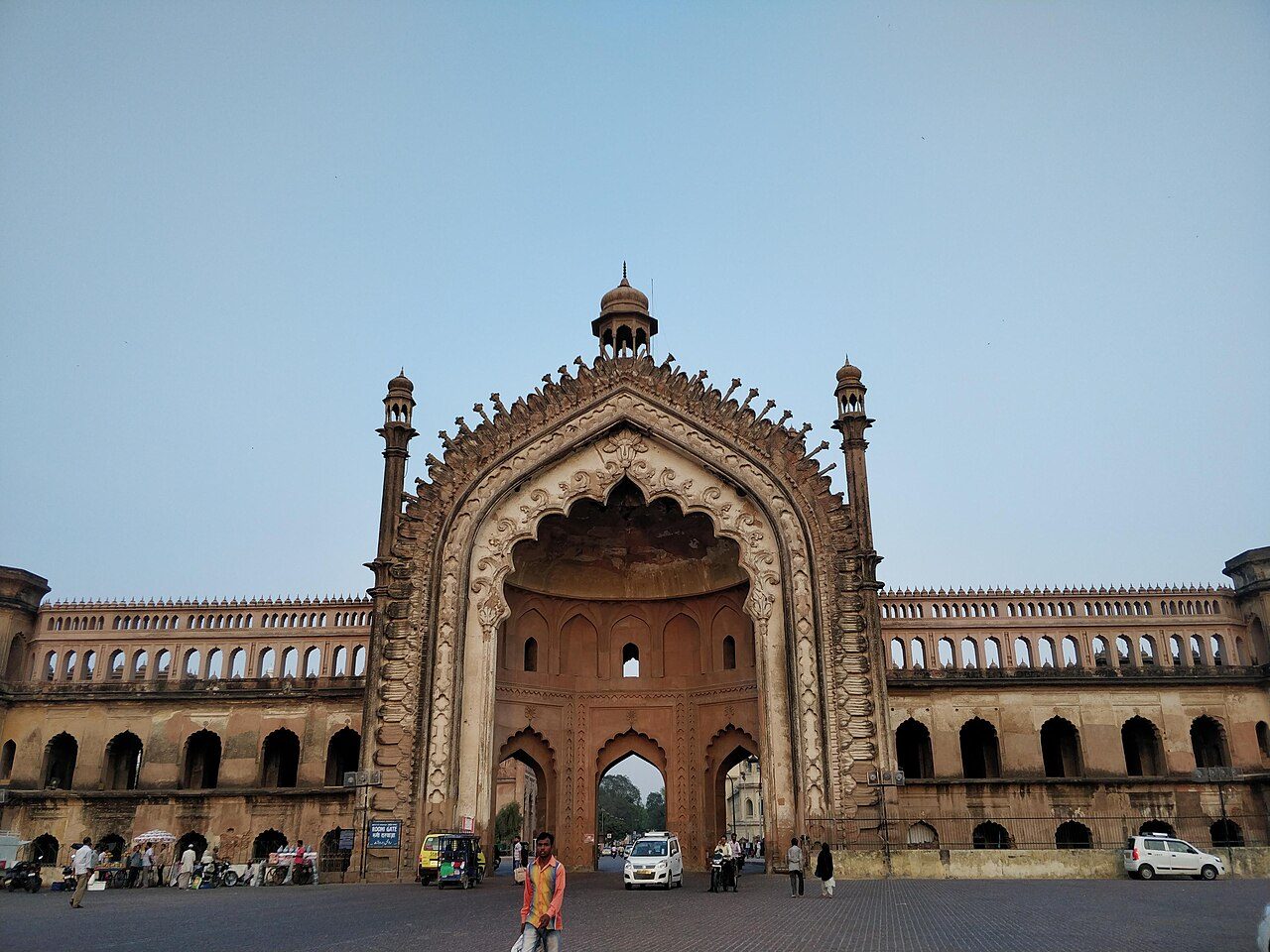
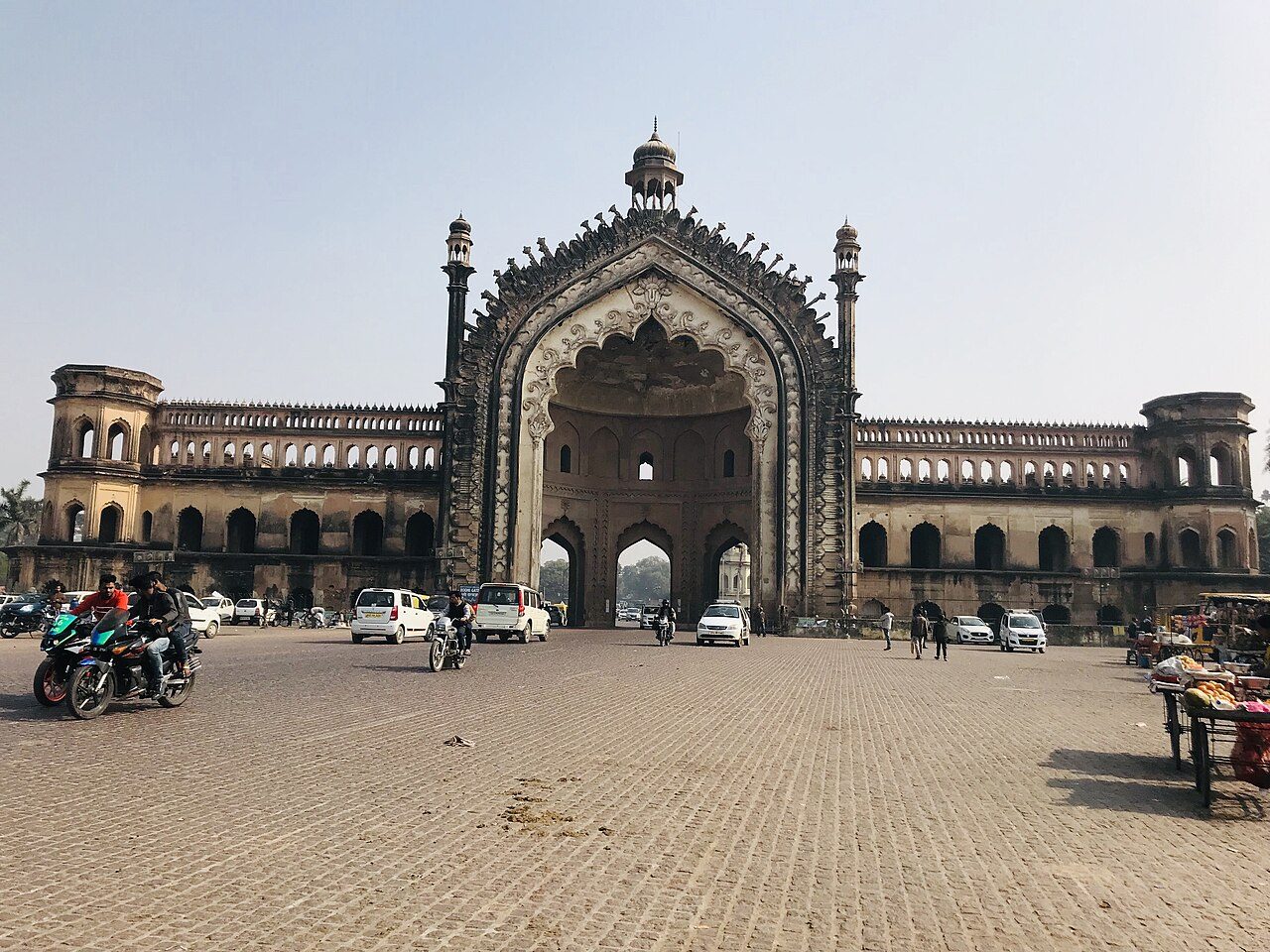
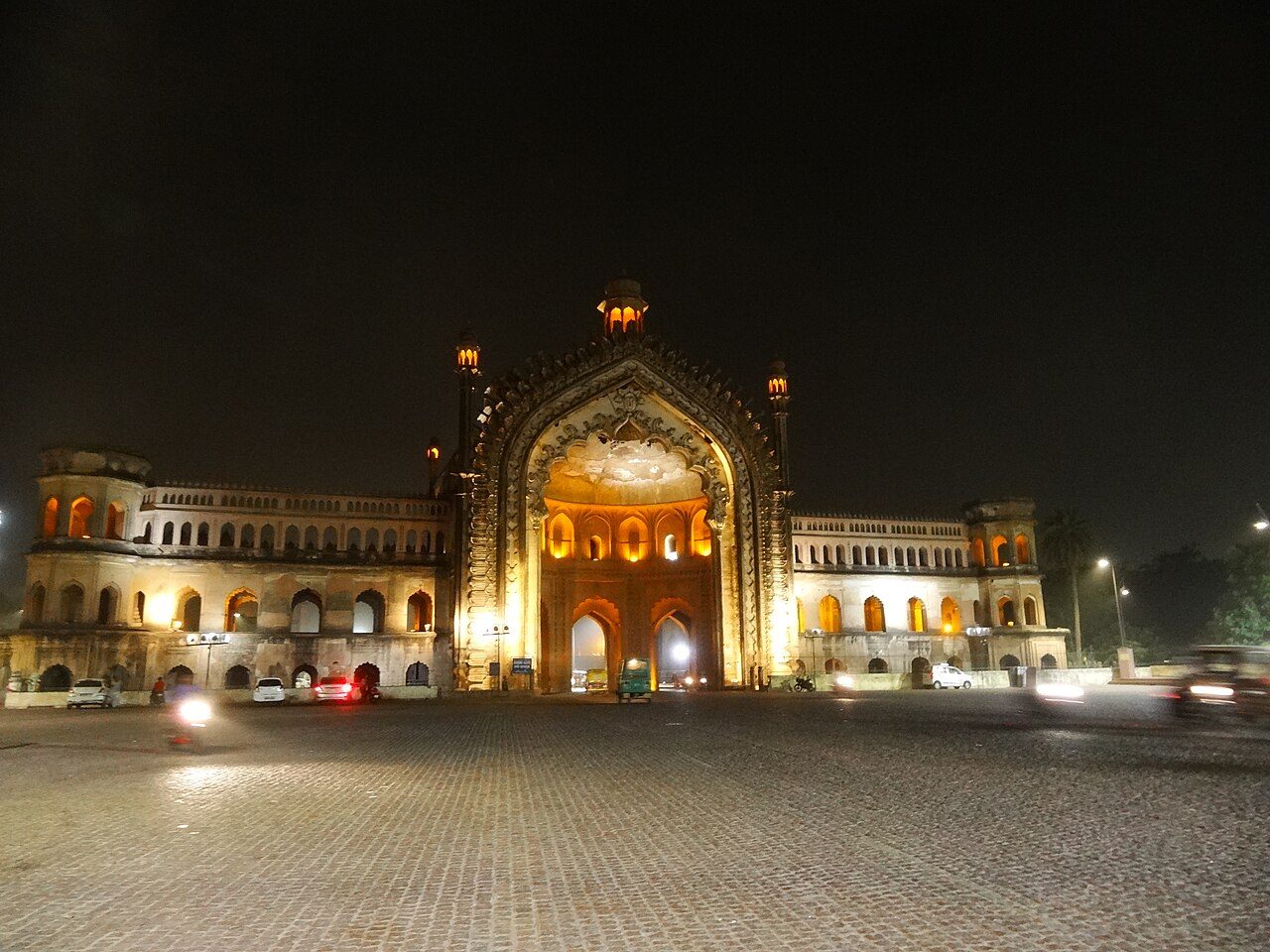
The Rumi Darwaza is an ornate eighteen-metre gateway built by Nawab Asaf-ud-Daula in 1784, at the same time as the adjacent Bara Imambara. Said to be modelled on a gate in Constantinople, it is also called the Turkish Gate. It has become the emblem of Lucknow. Traffic still passes through it, and it is at its best when lit up in the evening.
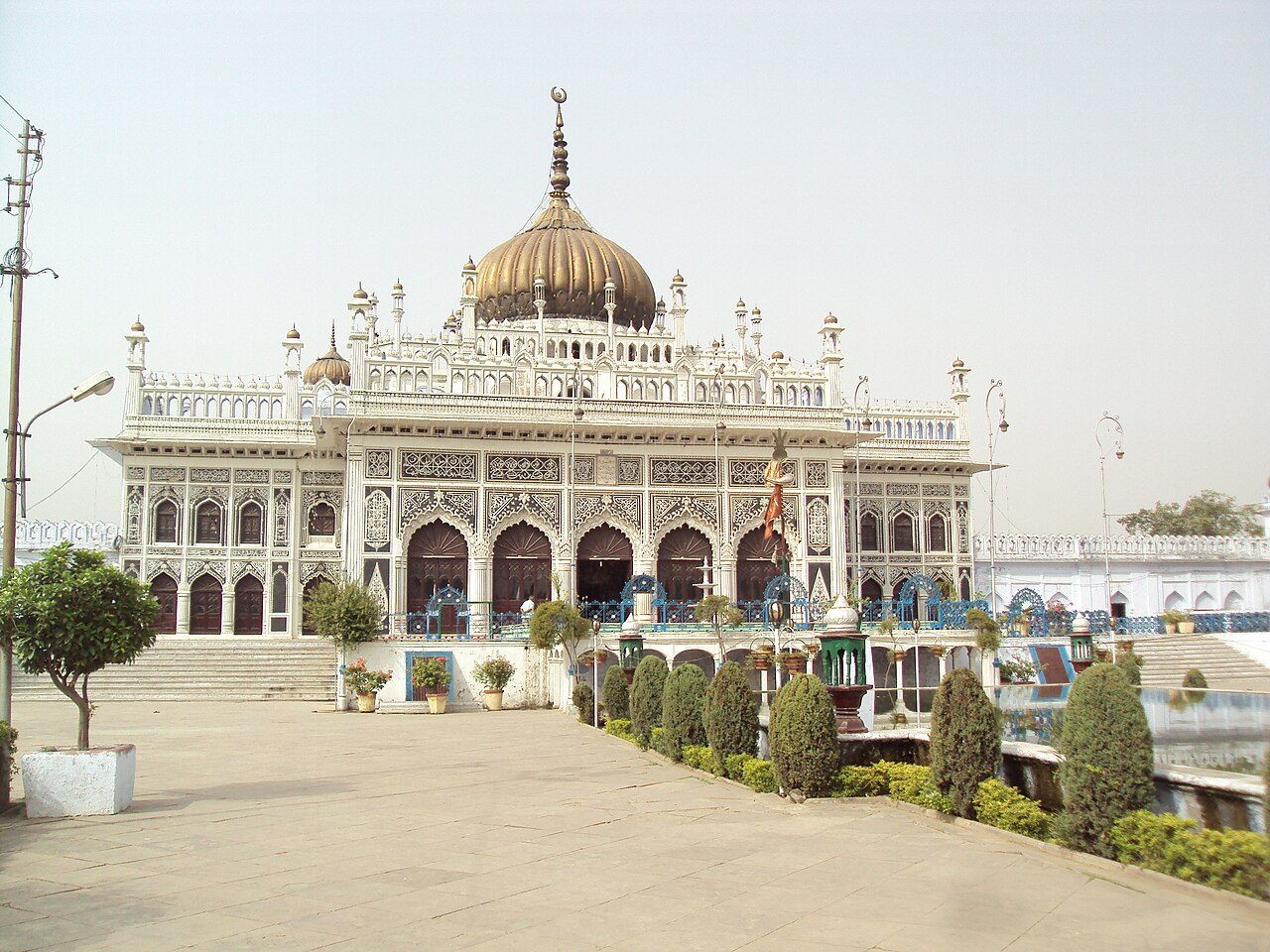
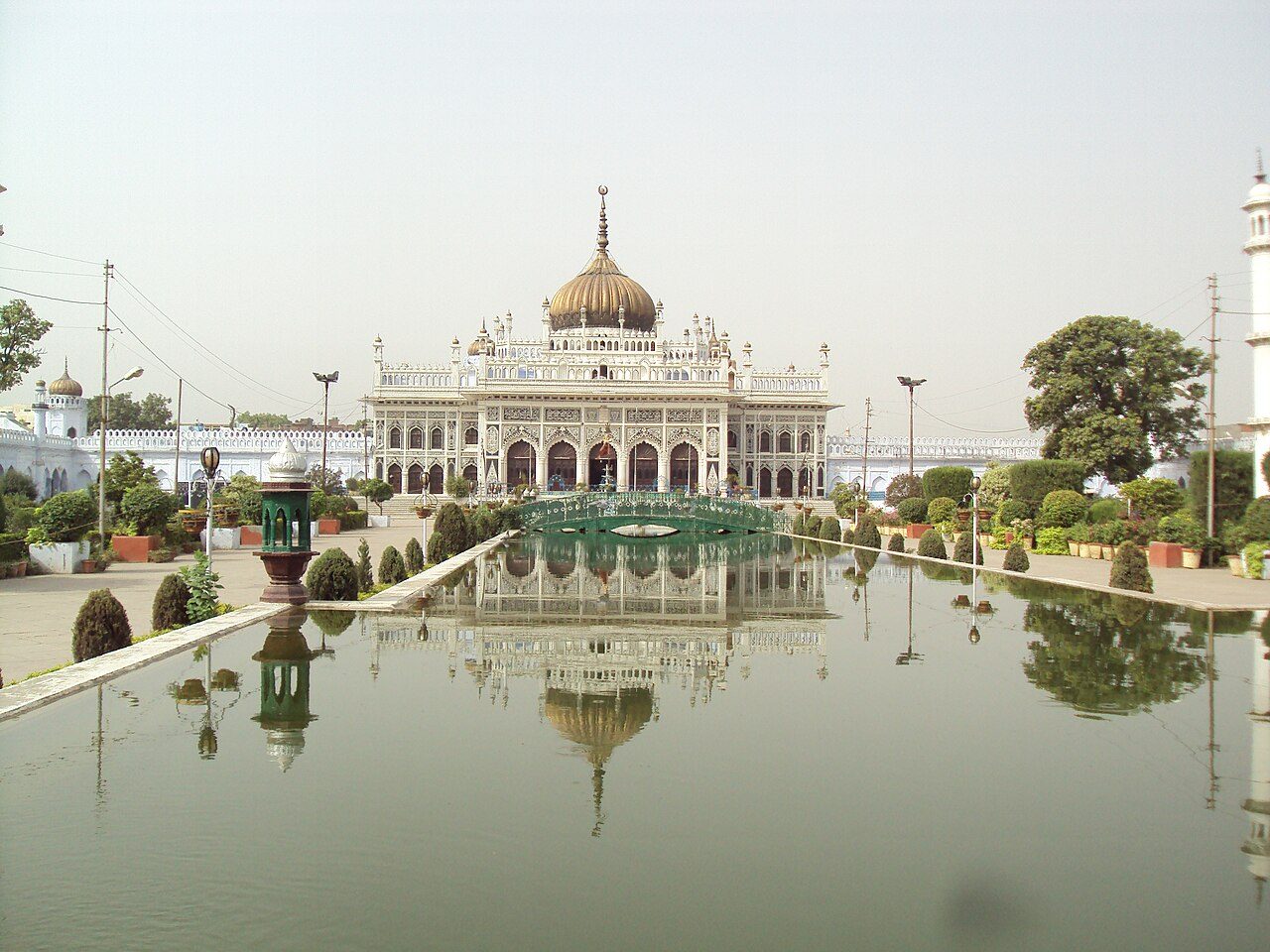
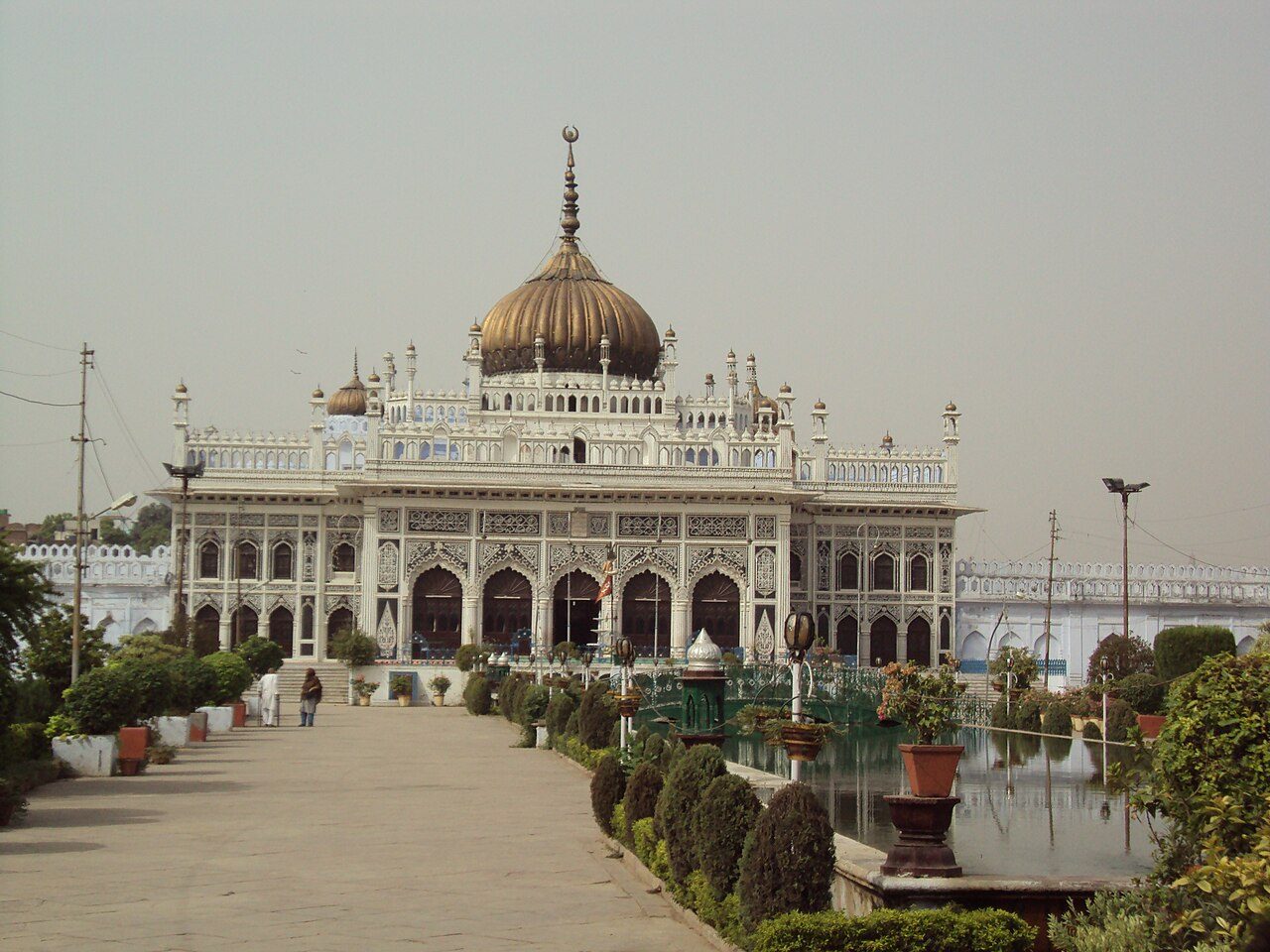
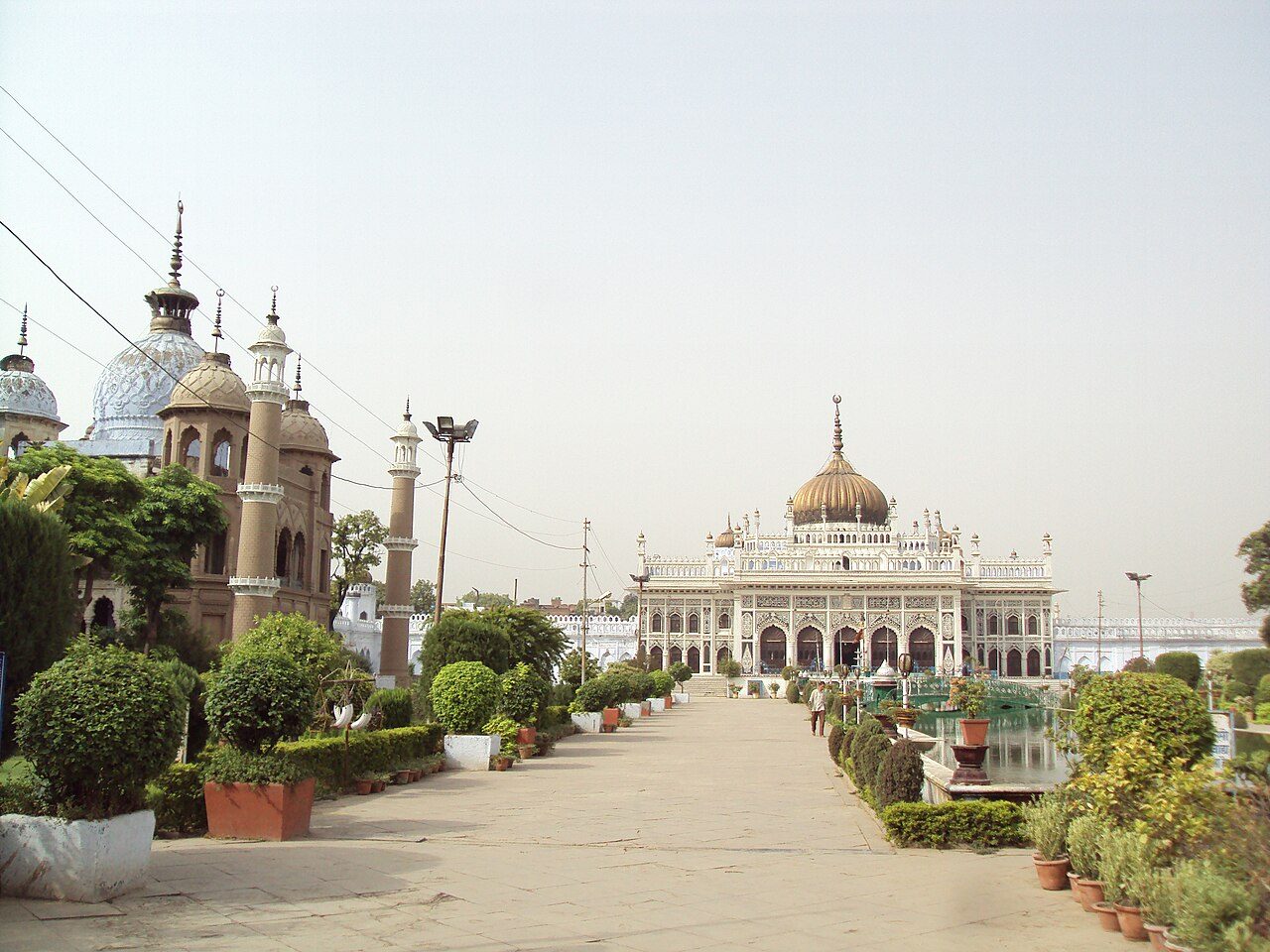
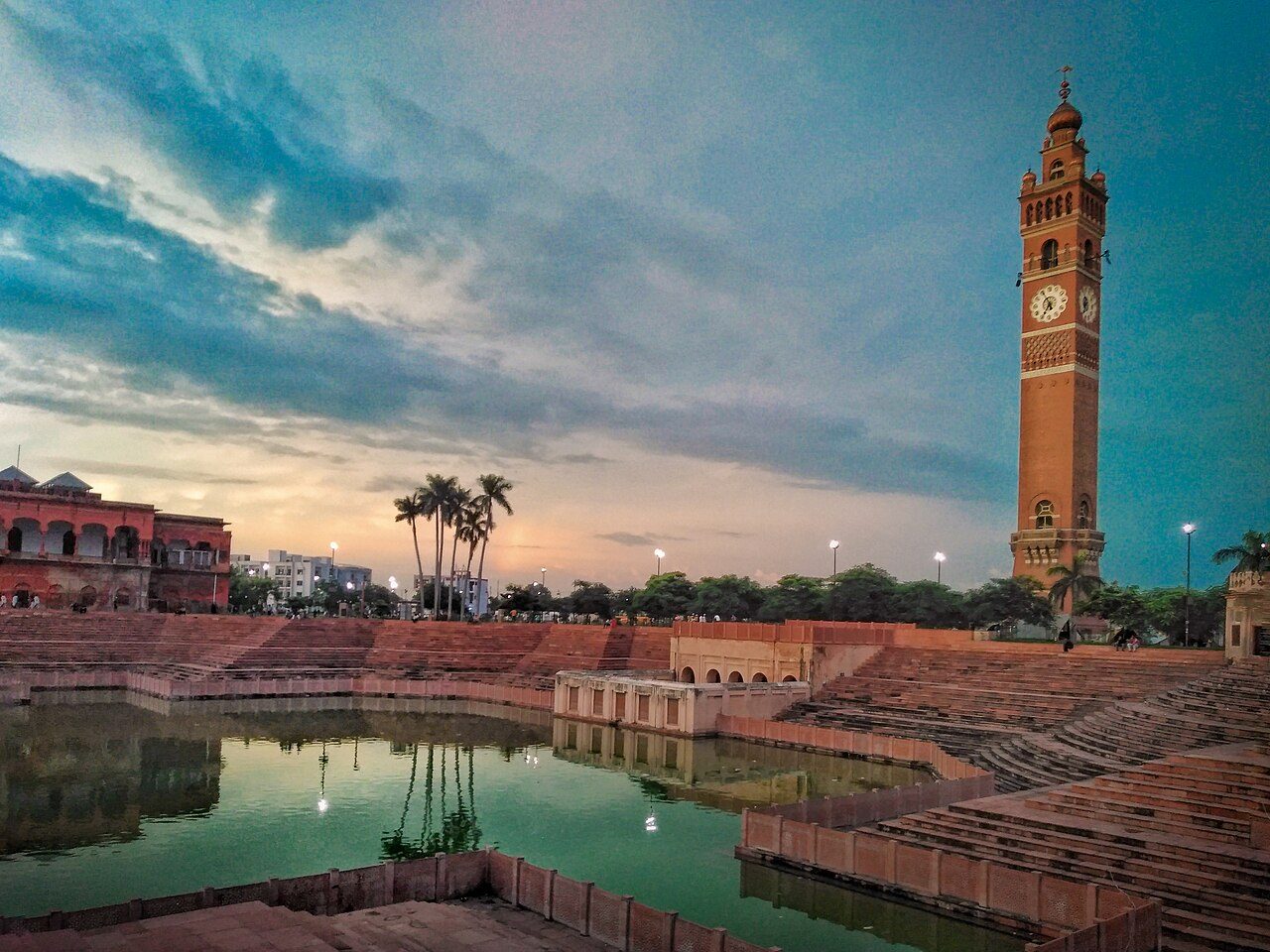
The Chota Imambara, or Imambara of Husainabad, was built in 1838 by Muhammad Ali Shah, the third king of Awadh, who is buried here with his mother. Its gilded dome, turrets and calligraphy are complemented inside by chandeliers and mirrors from Belgium, which give it the name Palace of Lights. A long pool lies in front of the main hall, with a small replica of the Taj Mahal beside it.
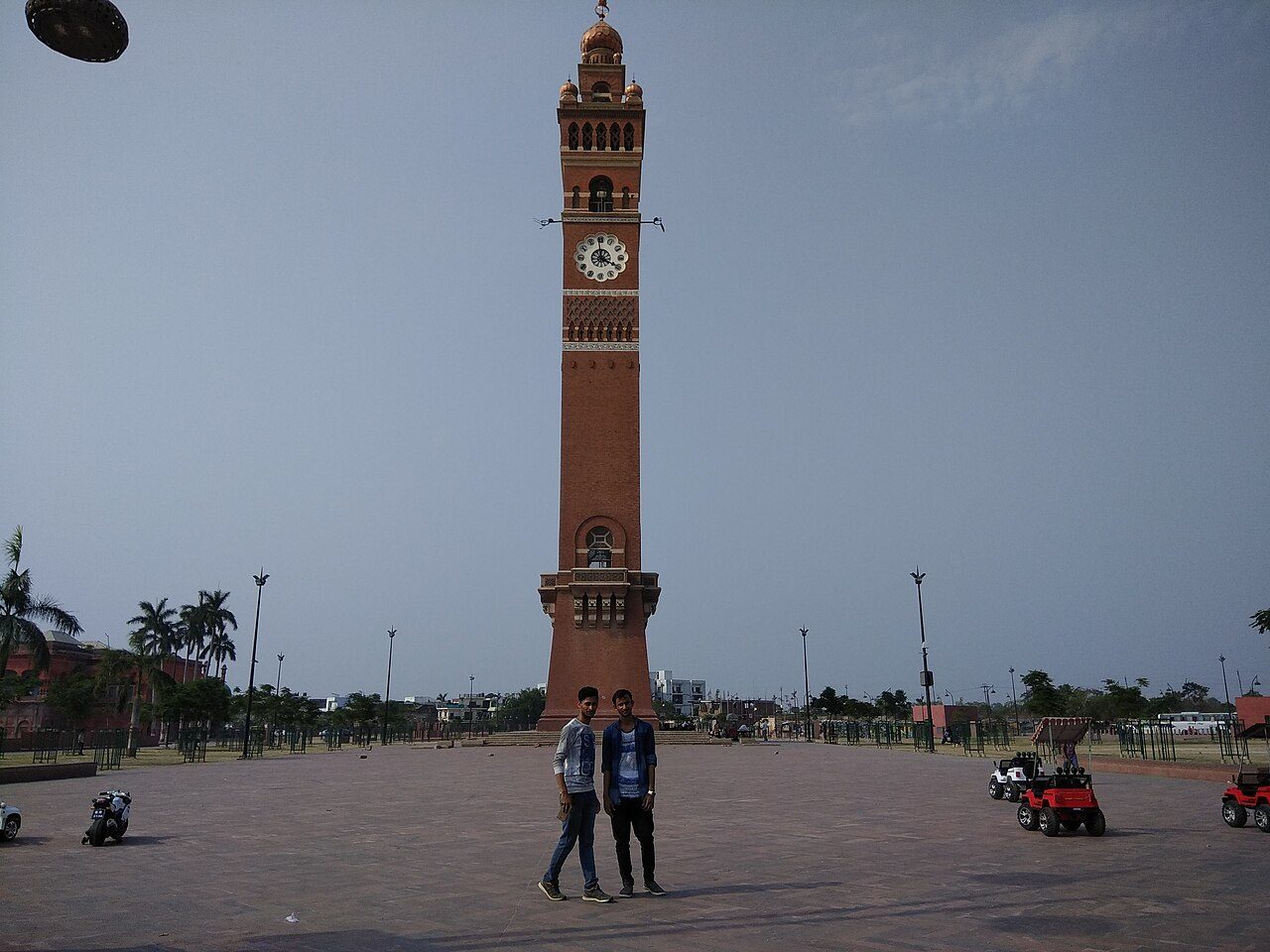
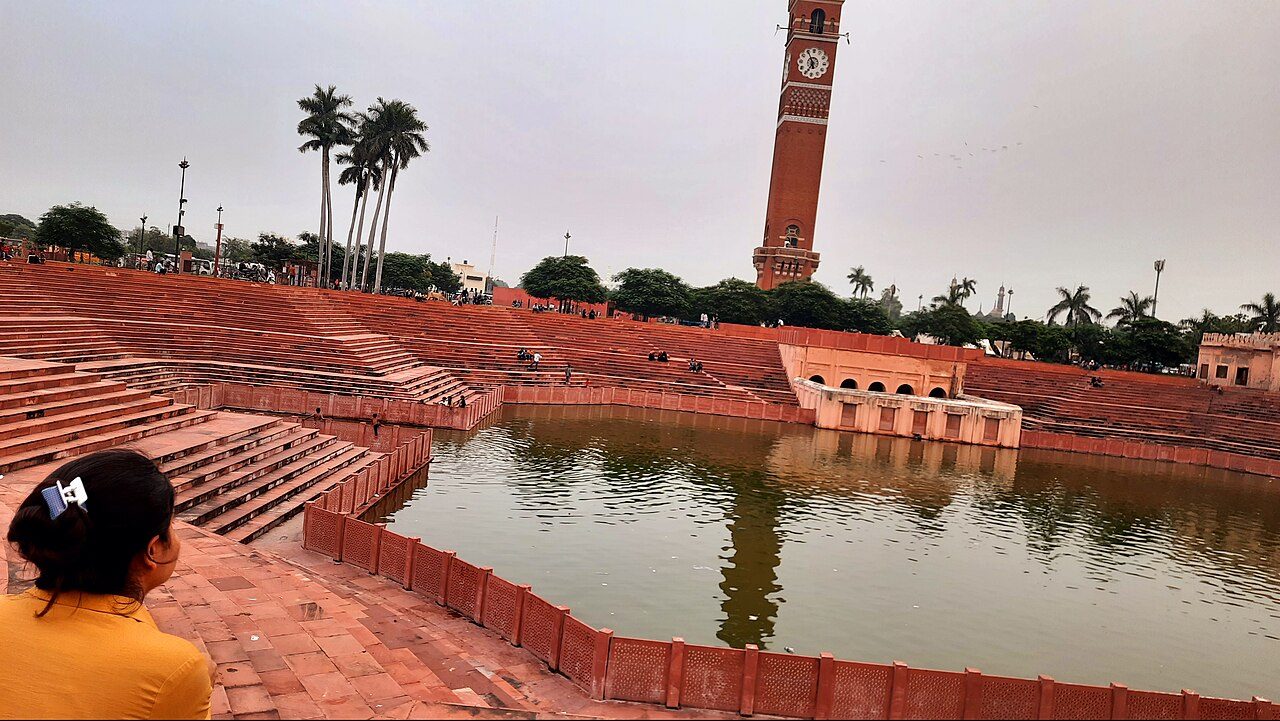
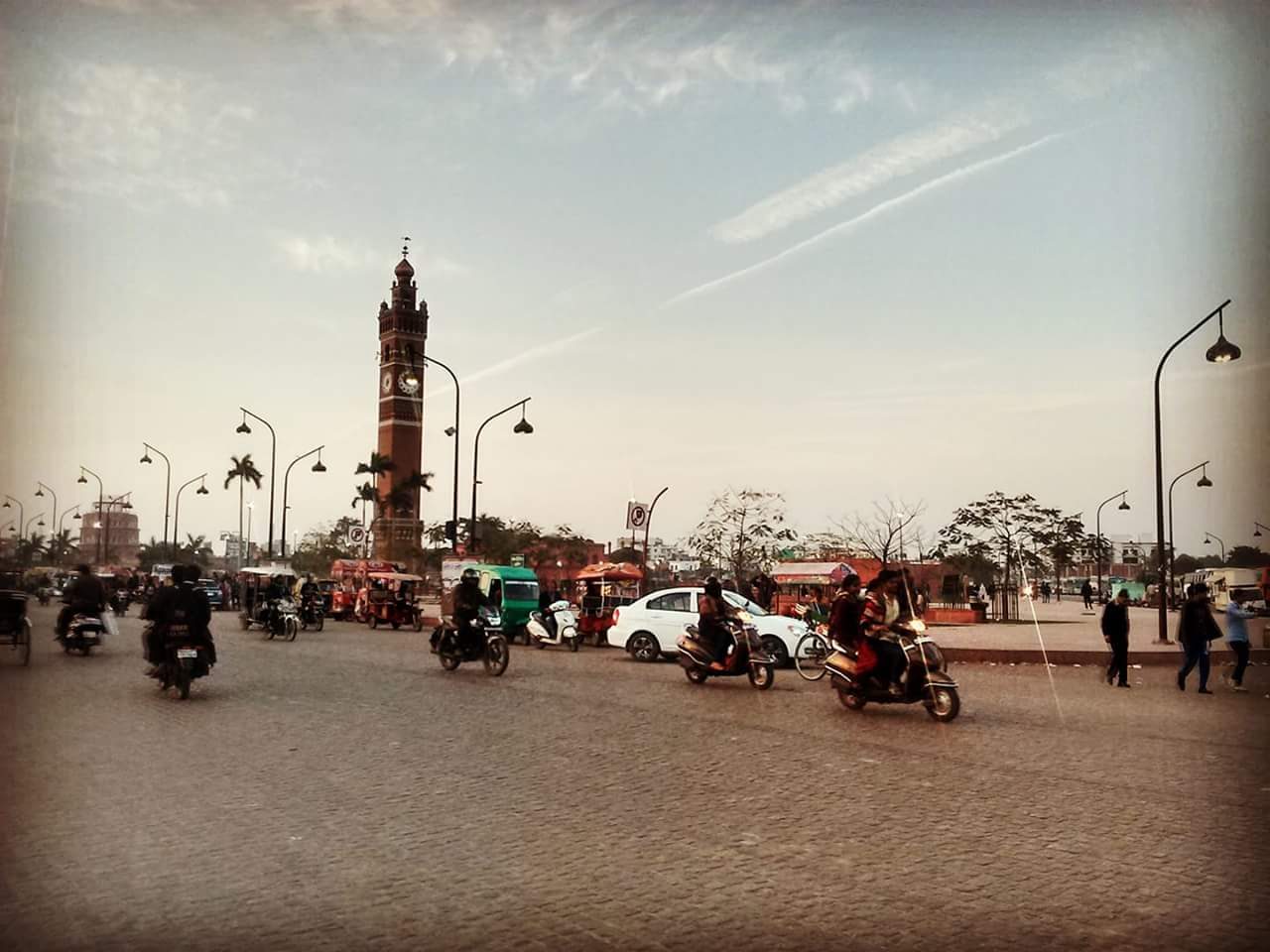
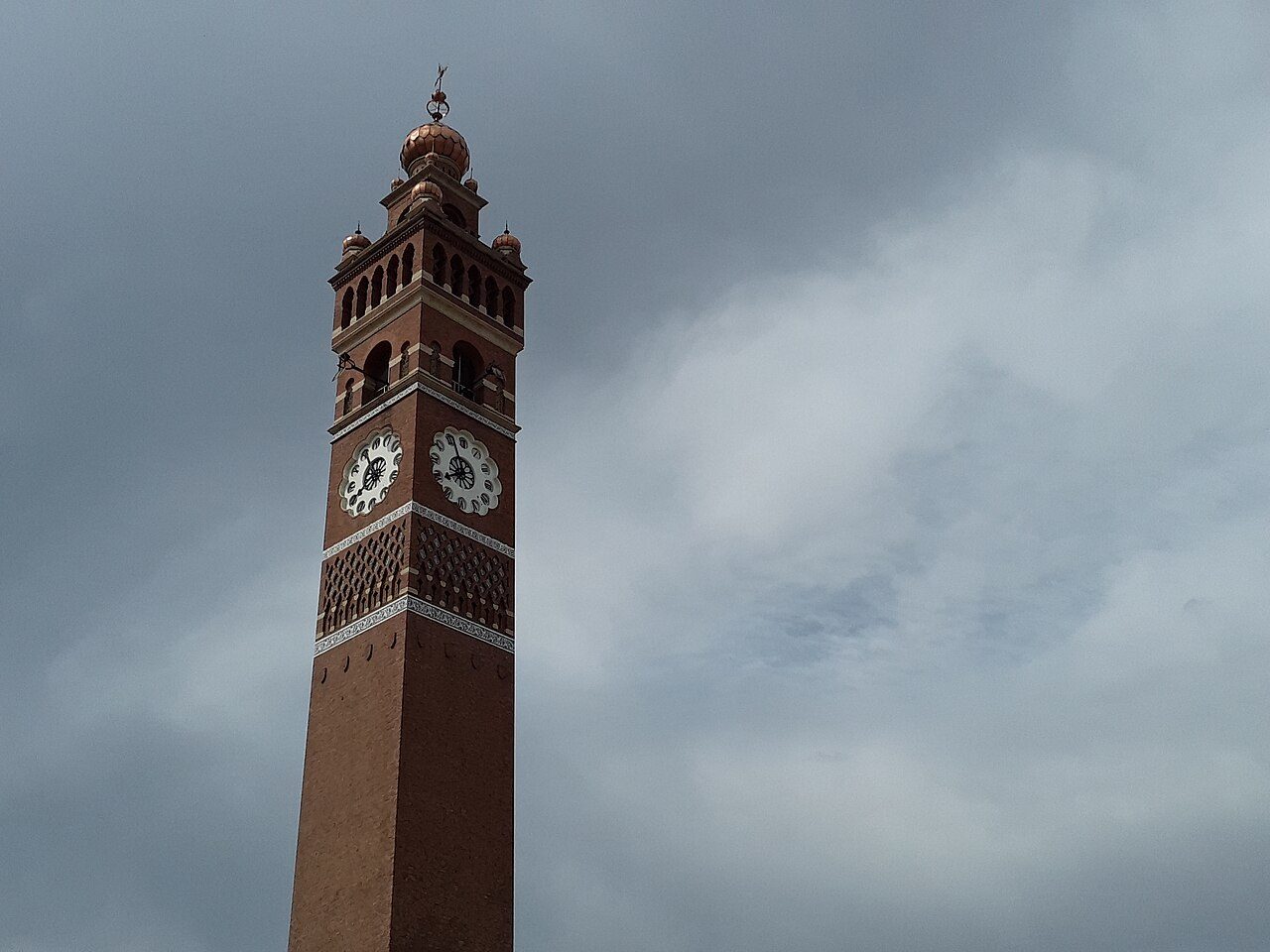
The Husainabad Clock Tower, completed in 1887, is about 67 metres high and is regarded as the tallest clock tower in India. It was built by the Husainabad Trust to mark the arrival of Sir George Couper, the first lieutenant governor of the United Provinces. Its Victorian Gothic design has a large pendulum and dials shaped like twelve-petalled flowers. It stands between the two imambaras.
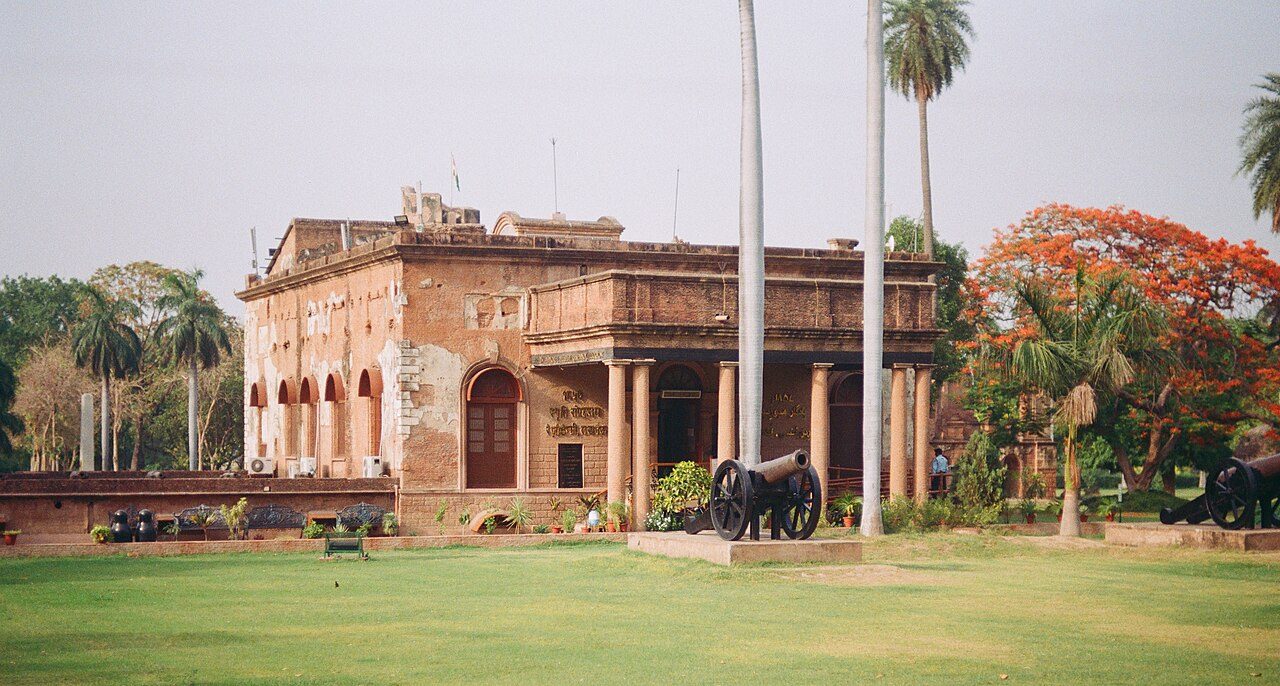
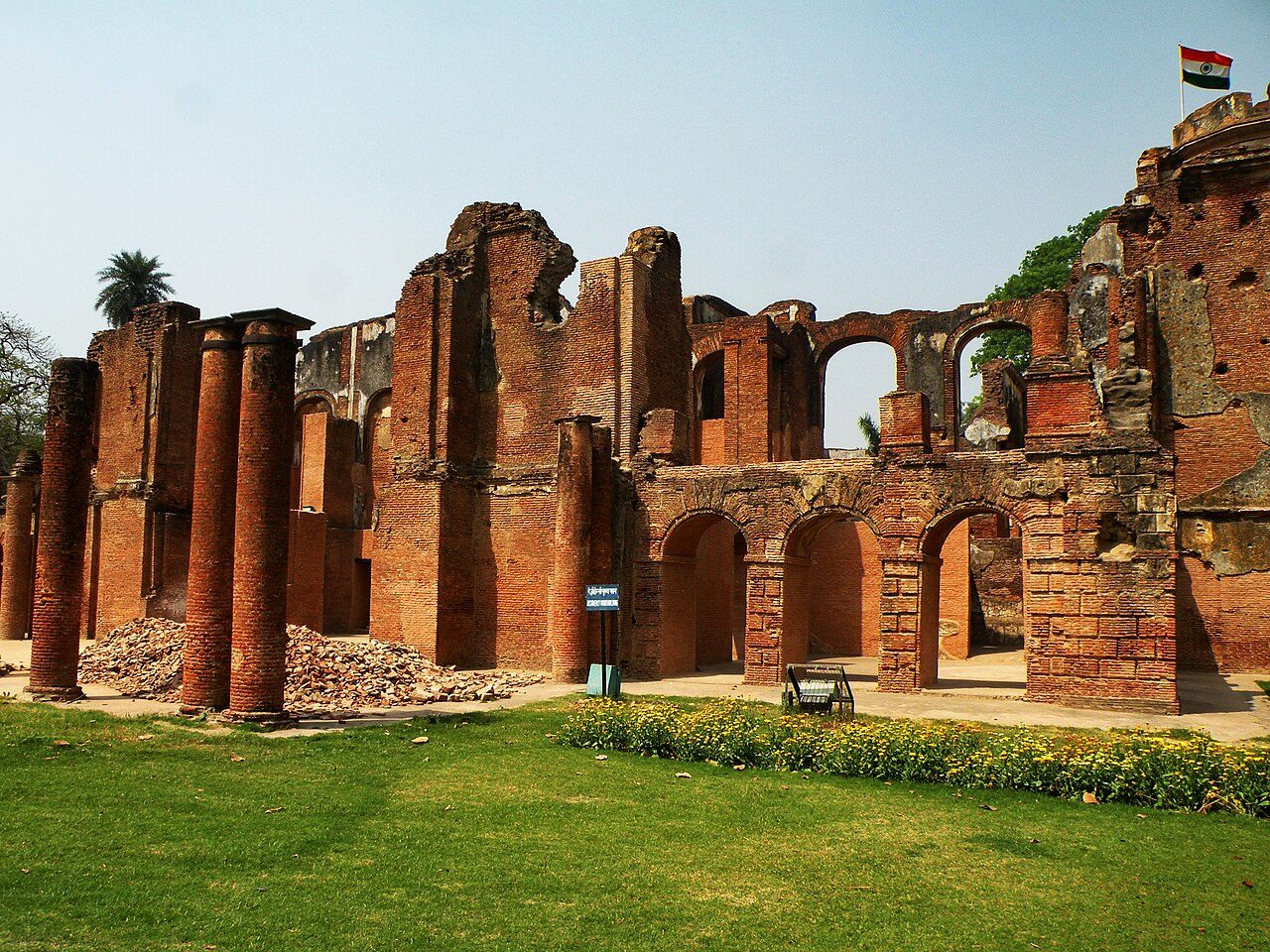
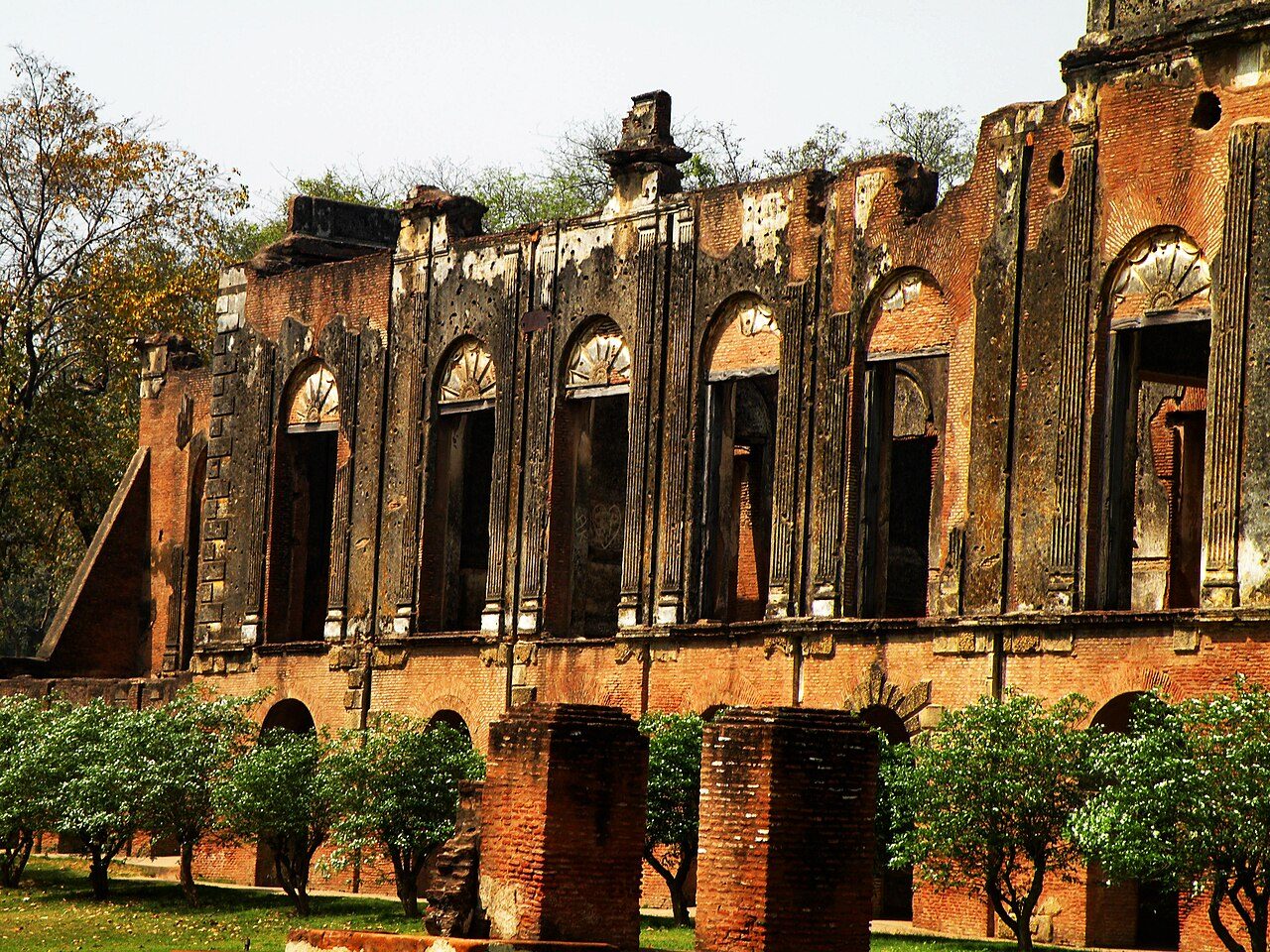
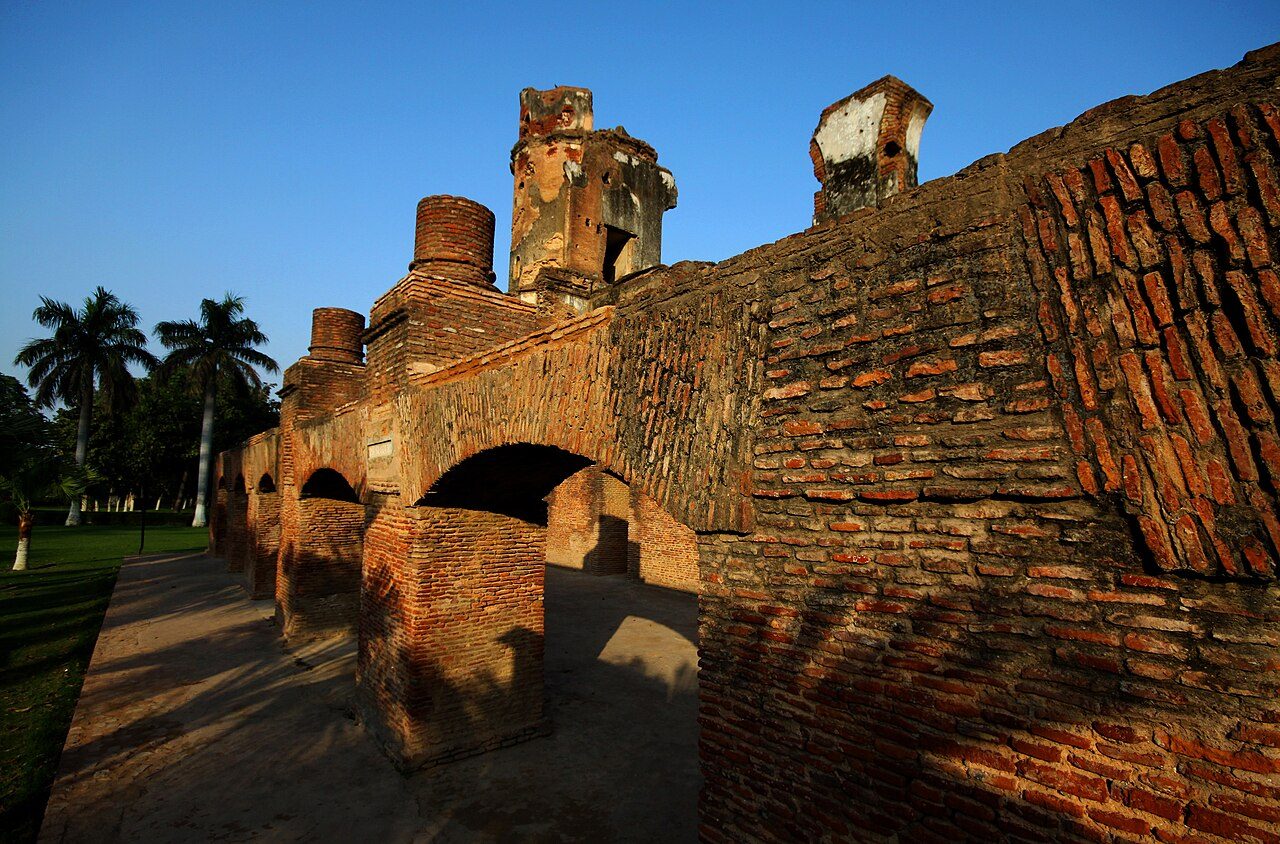
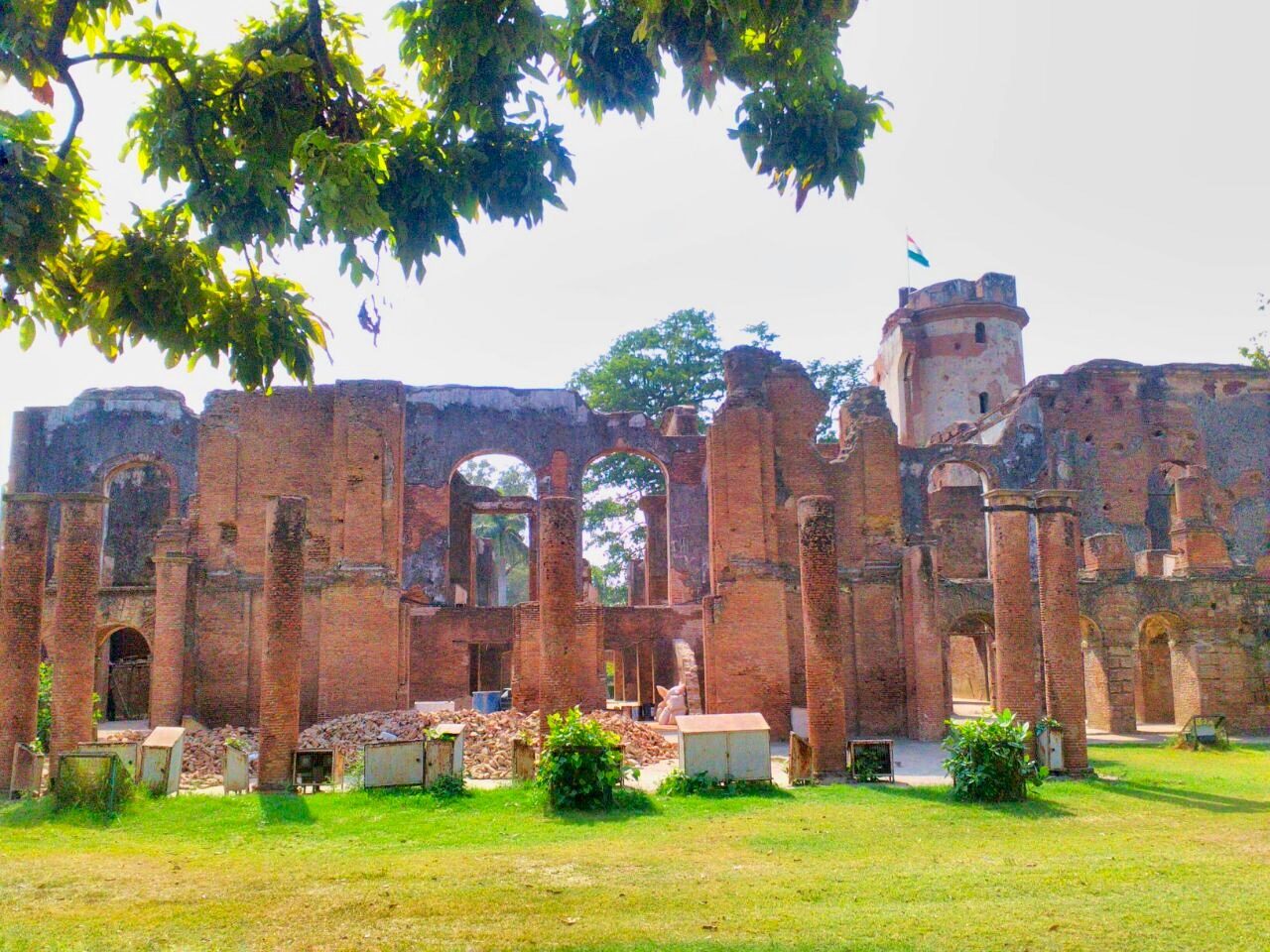
The Residency was the headquarters of the British Resident at the court of Awadh, built from the late 18th century. During the uprising of 1857 it was besieged for almost five months, and about two thousand people died within its walls. The shattered buildings have been left as they were, with cannon-ball marks still visible. A museum and a cemetery lie within the peaceful gardens.
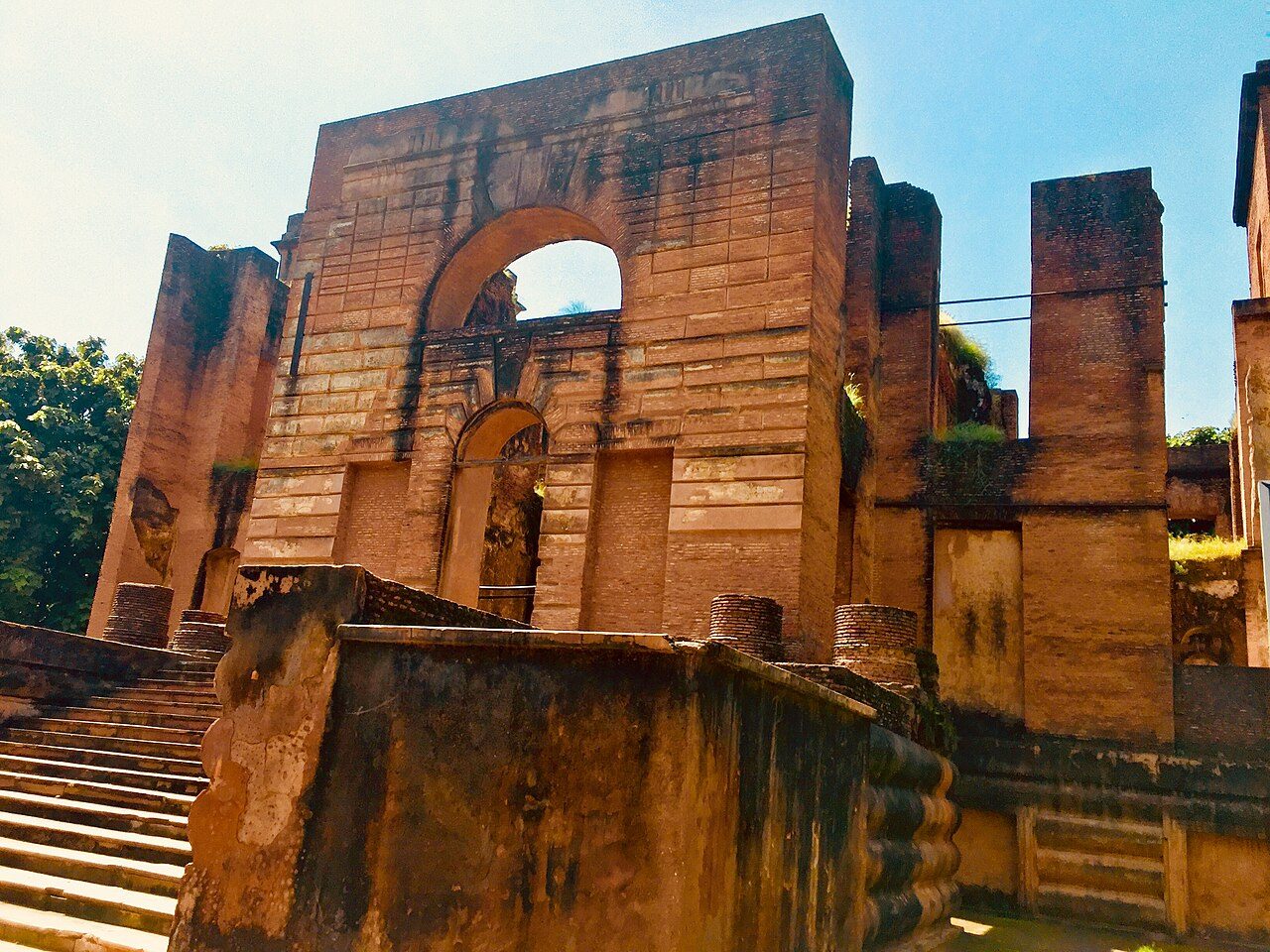
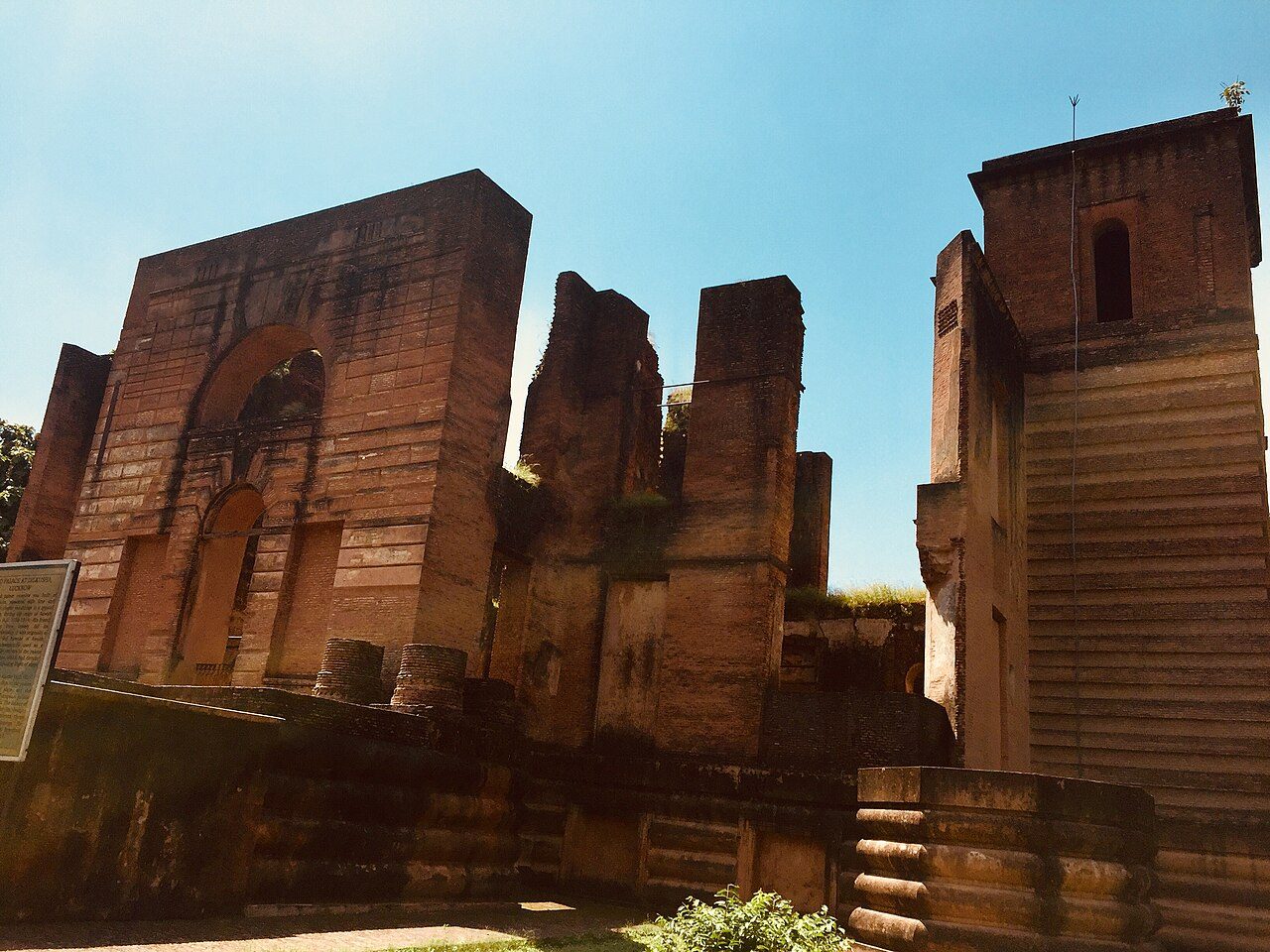
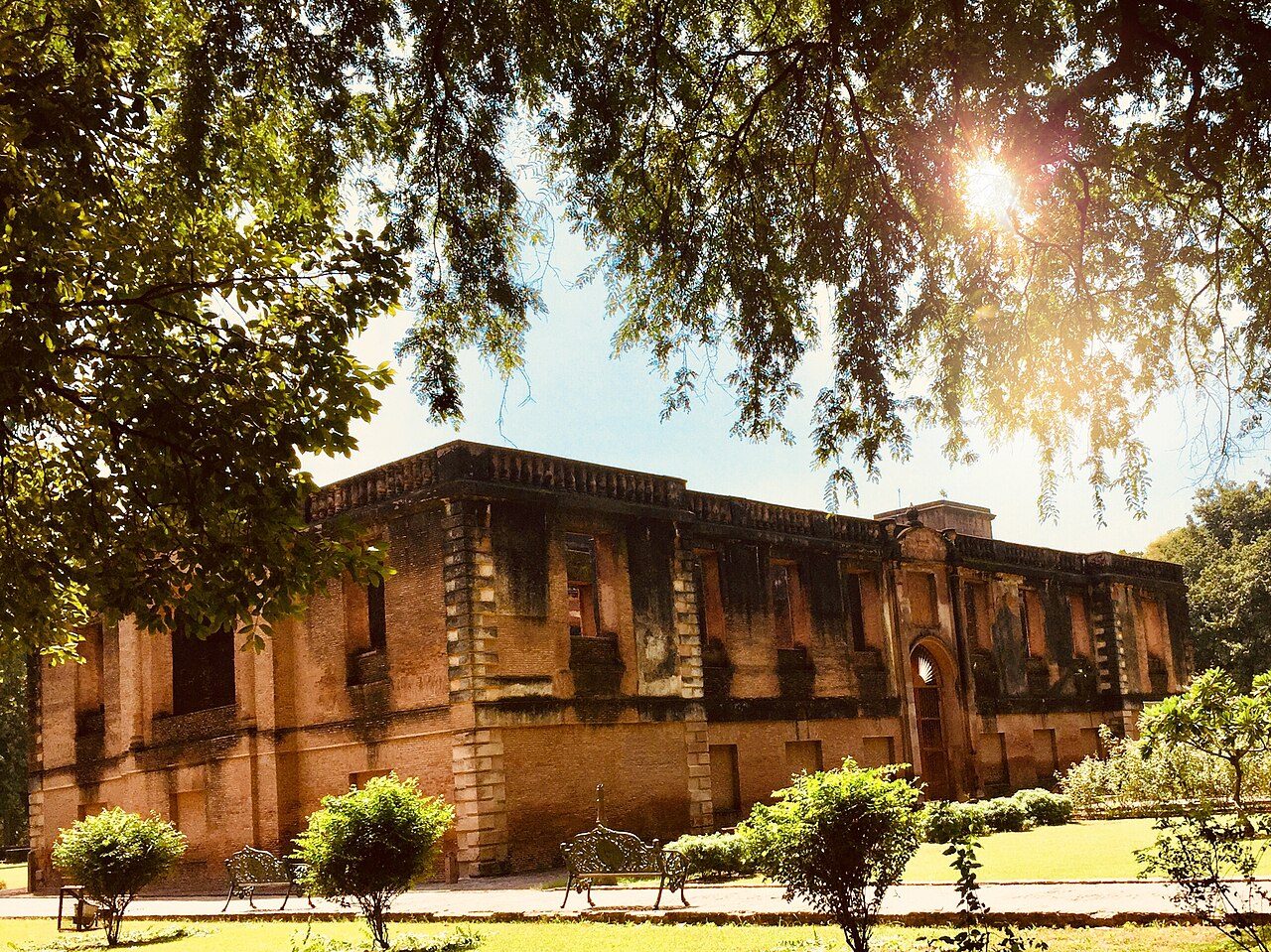
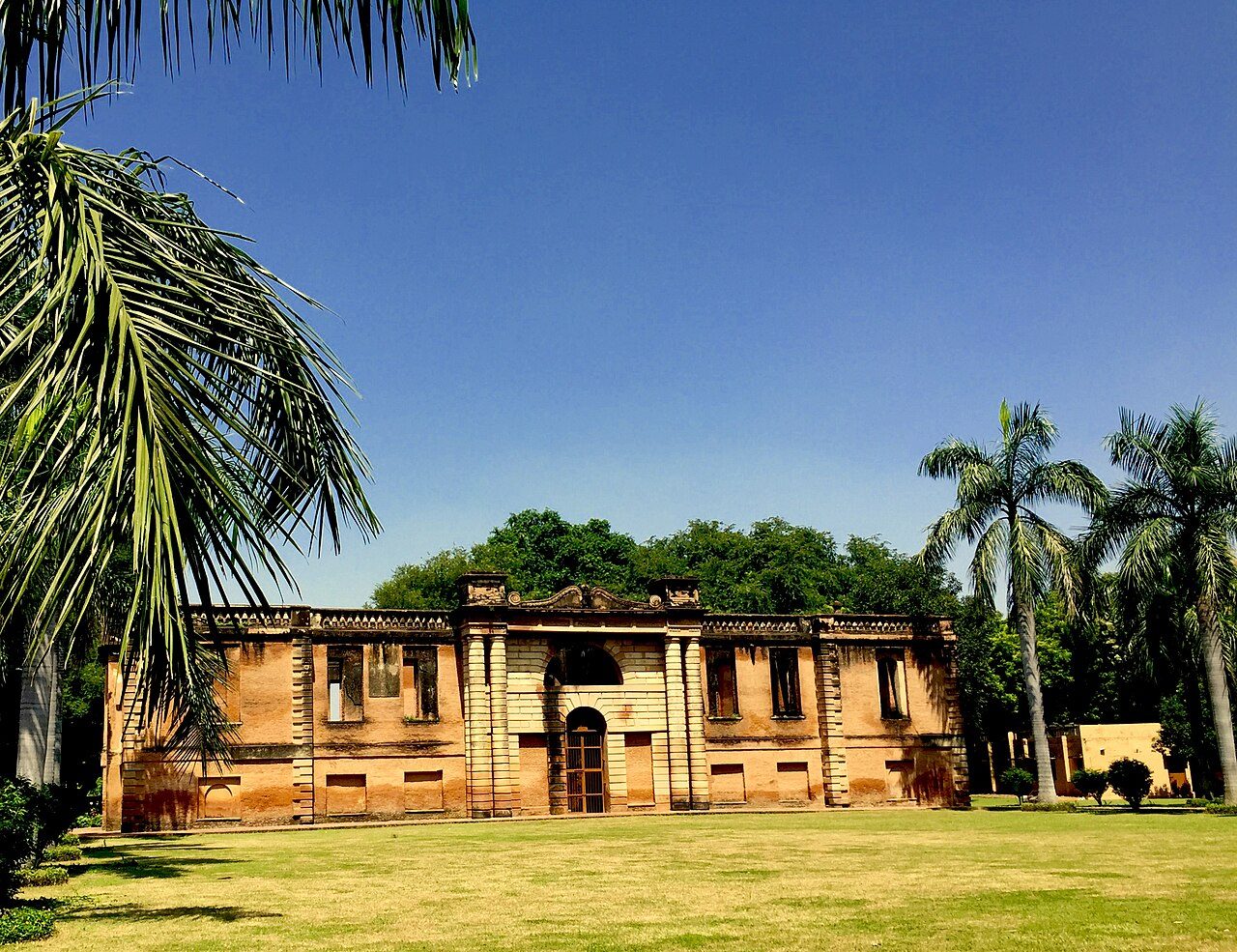
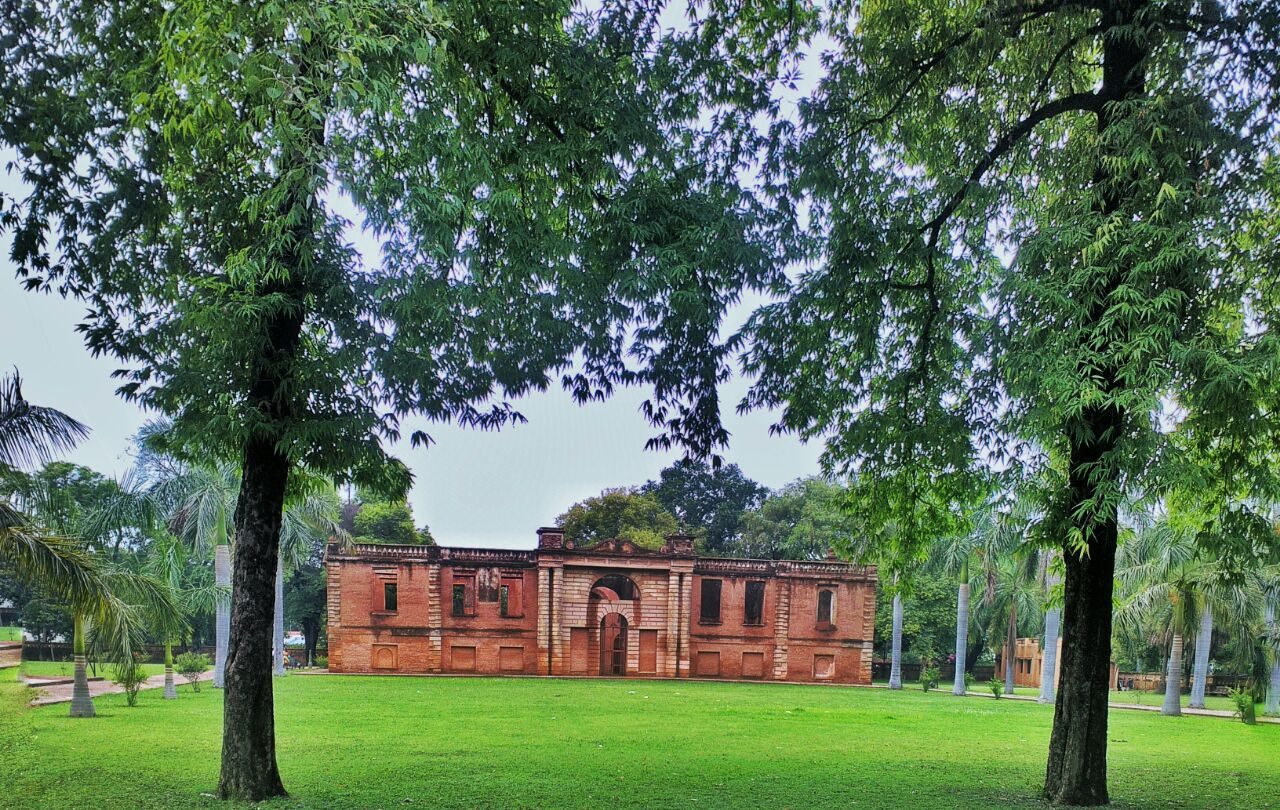
Dilkusha Kothi was built around 1800 as a hunting lodge and country house for Nawab Saadat Ali Khan, in an English baroque style modelled on Seaton Delaval Hall in Northumberland. It was badly damaged in the fighting of 1857, when the British general Sir Henry Havelock died here. The roofless towers and walls now stand in a well-kept garden.
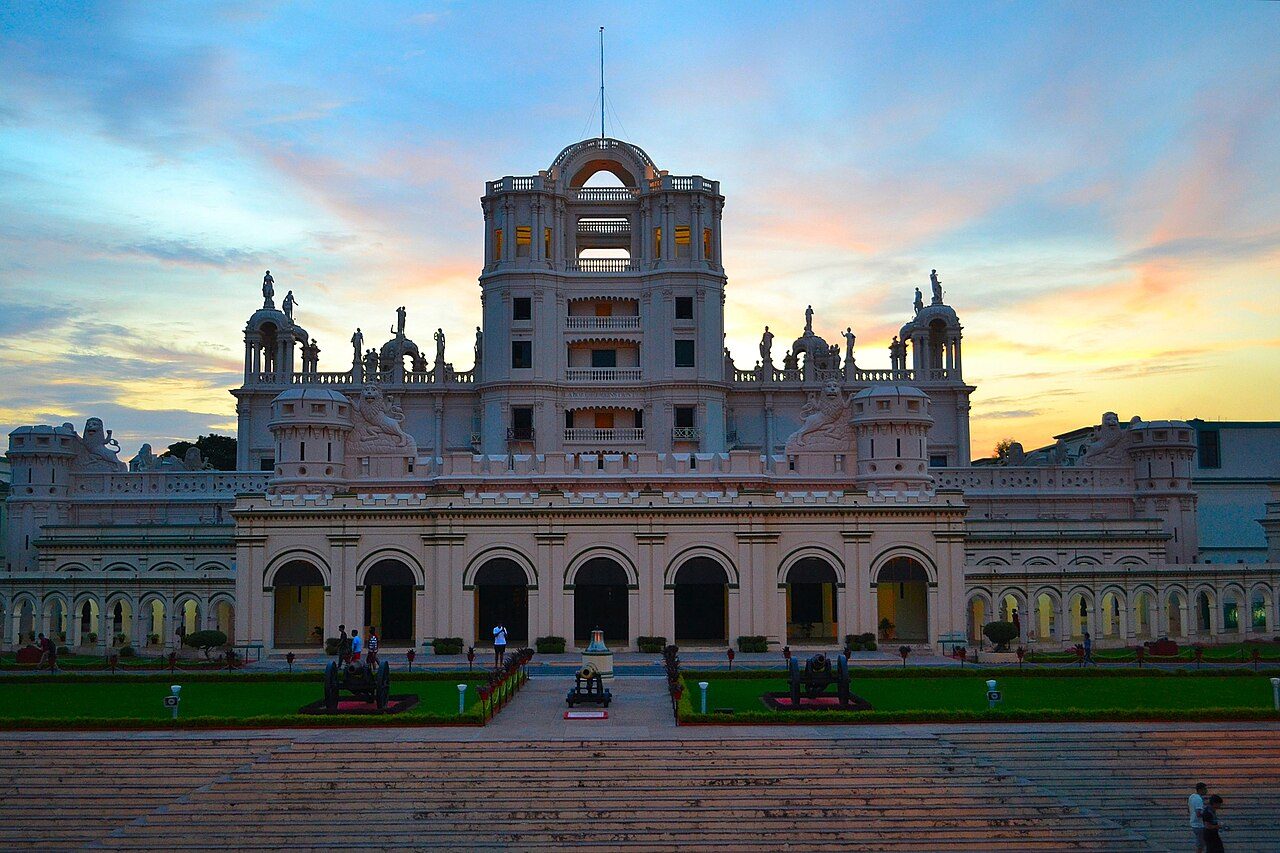
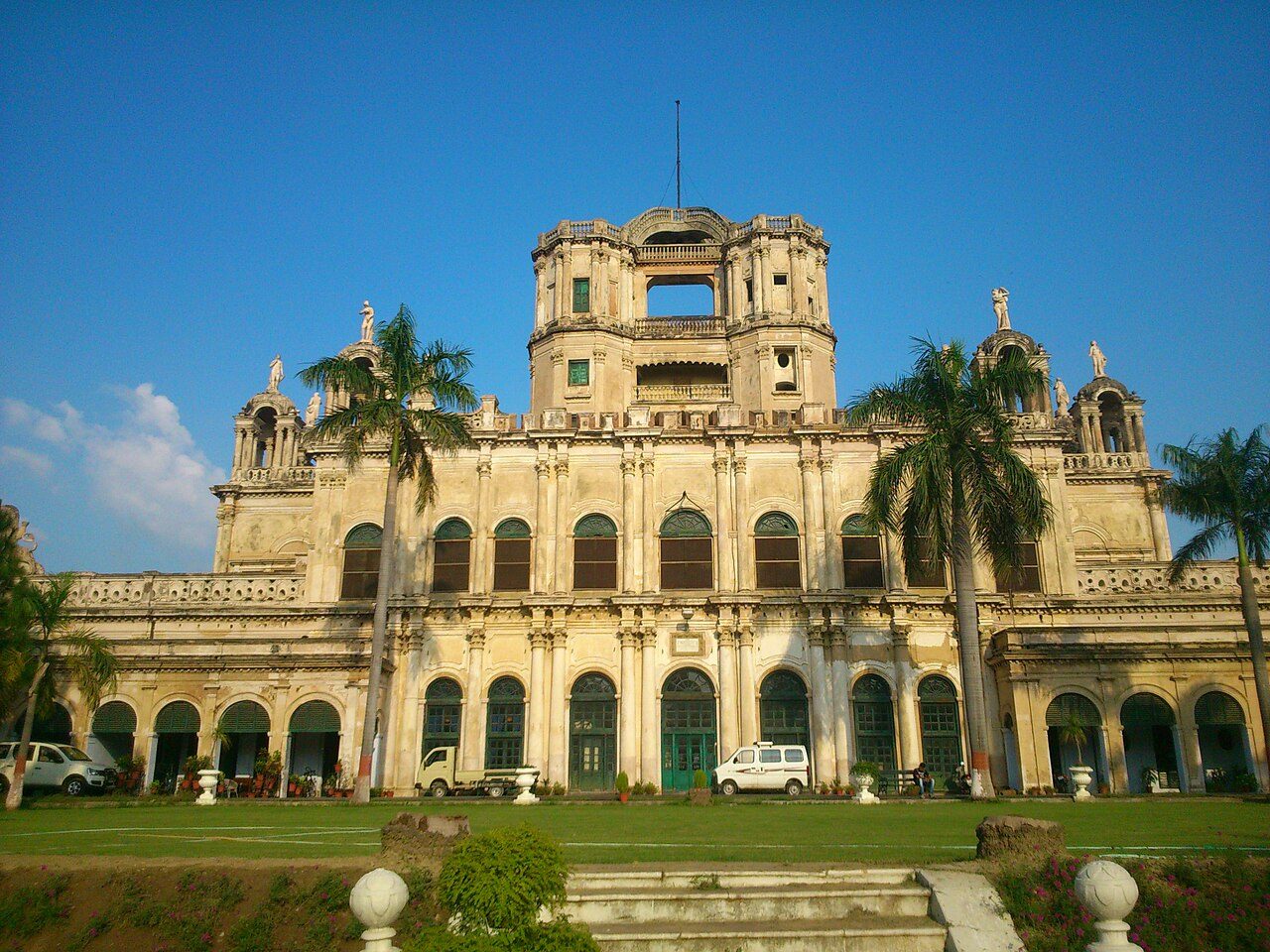
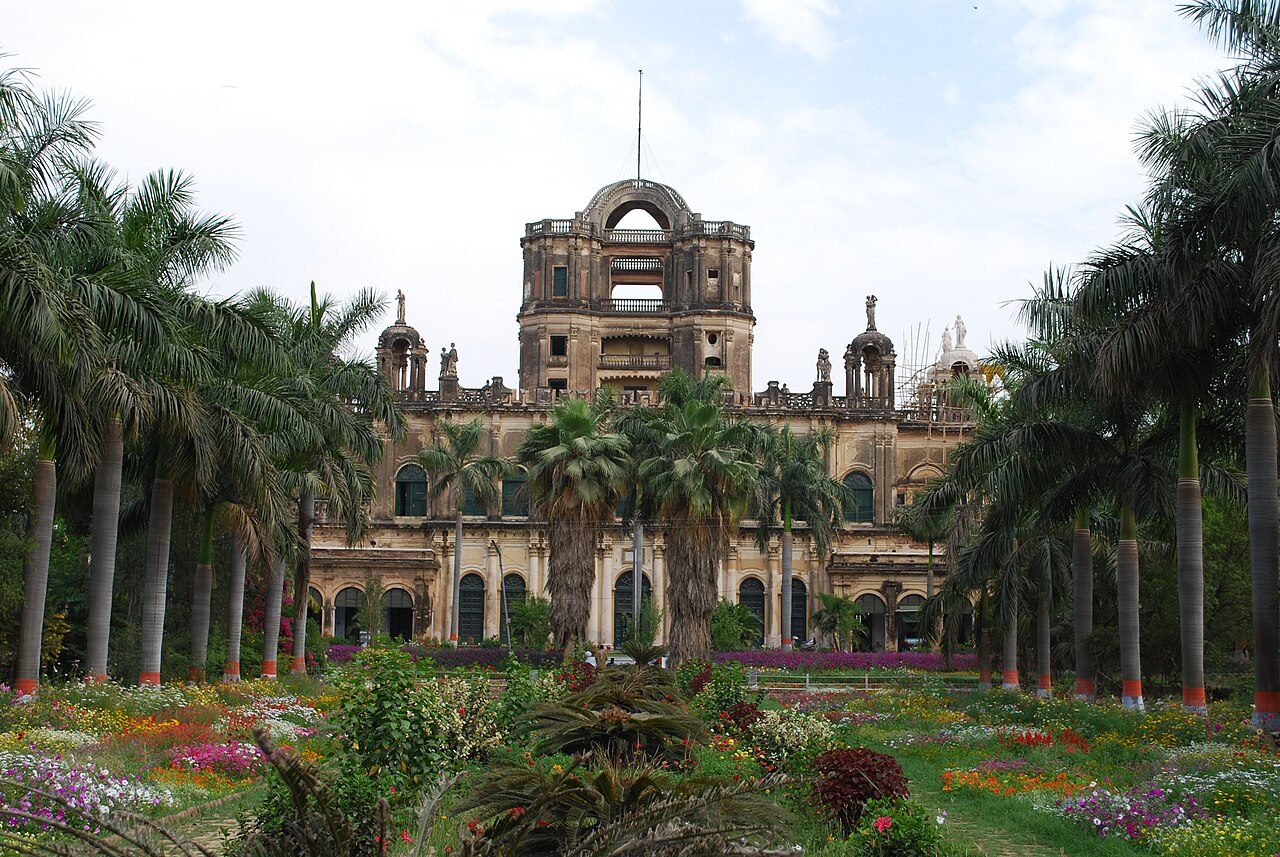
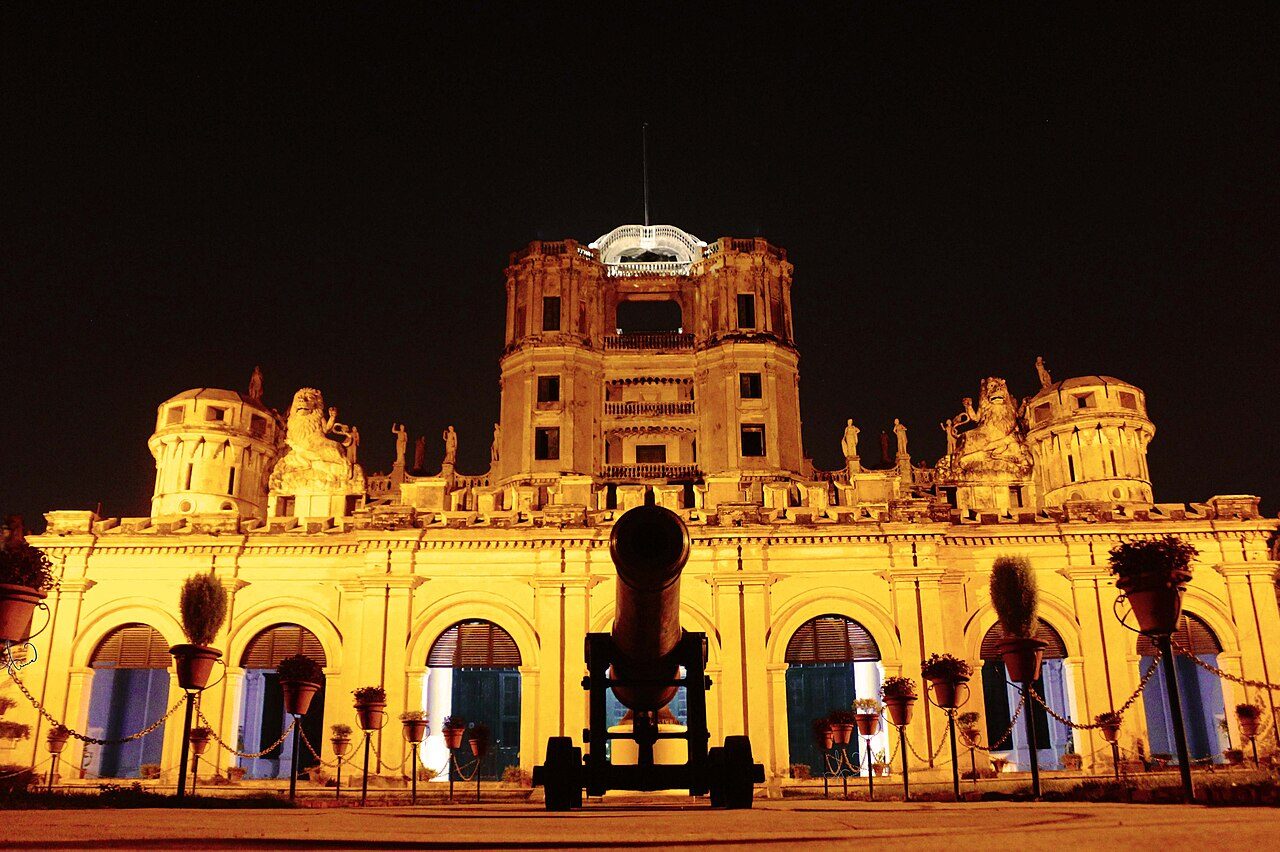
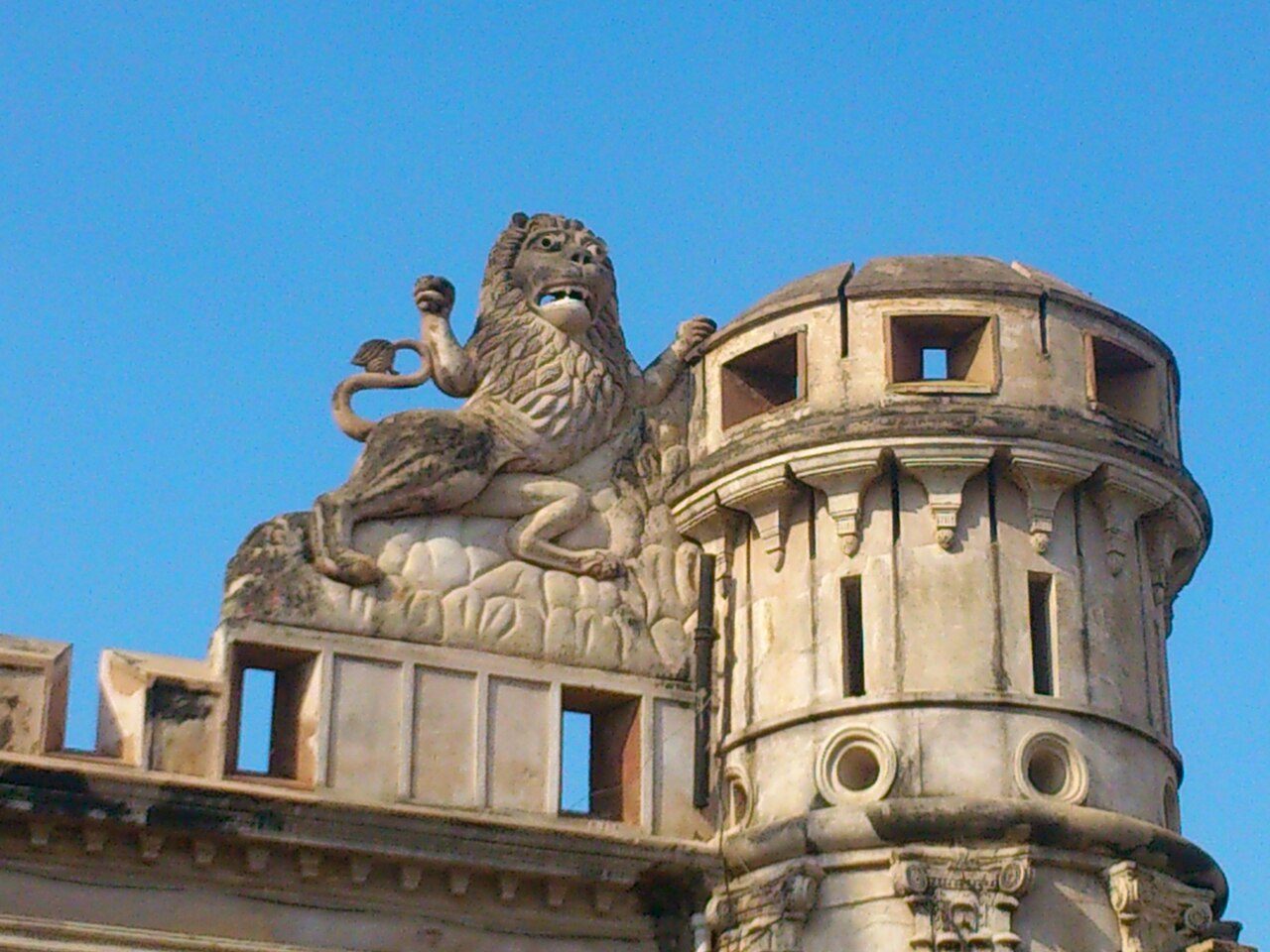
La Martiniere College occupies Constantia, a palatial mansion built in the 1790s by Major-General Claude Martin, a French adventurer who made his fortune in India. He is buried in its vault, and by his will the house became a school, which opened in 1845. The building mixes European classical and Indian features, with statues along the roofline. Its pupils helped defend the Residency in 1857.
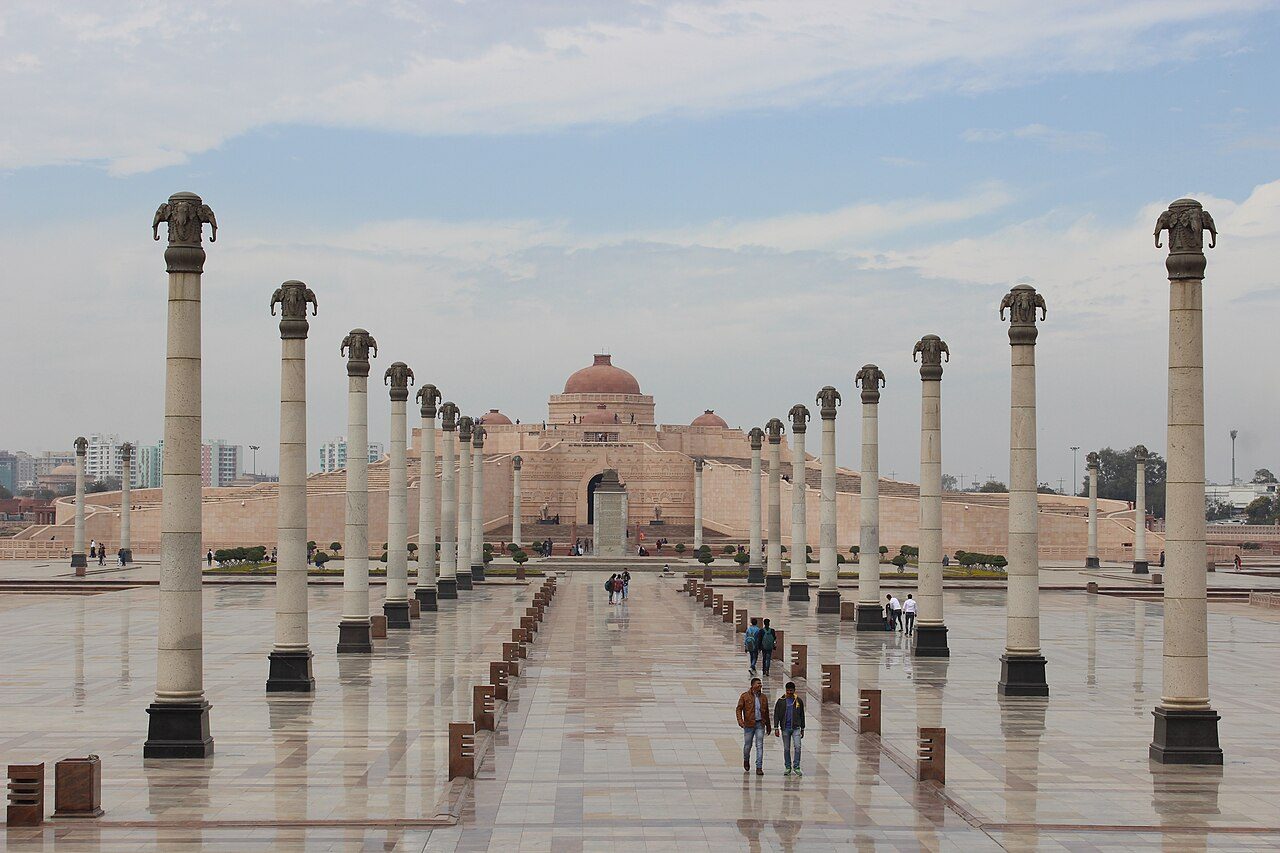
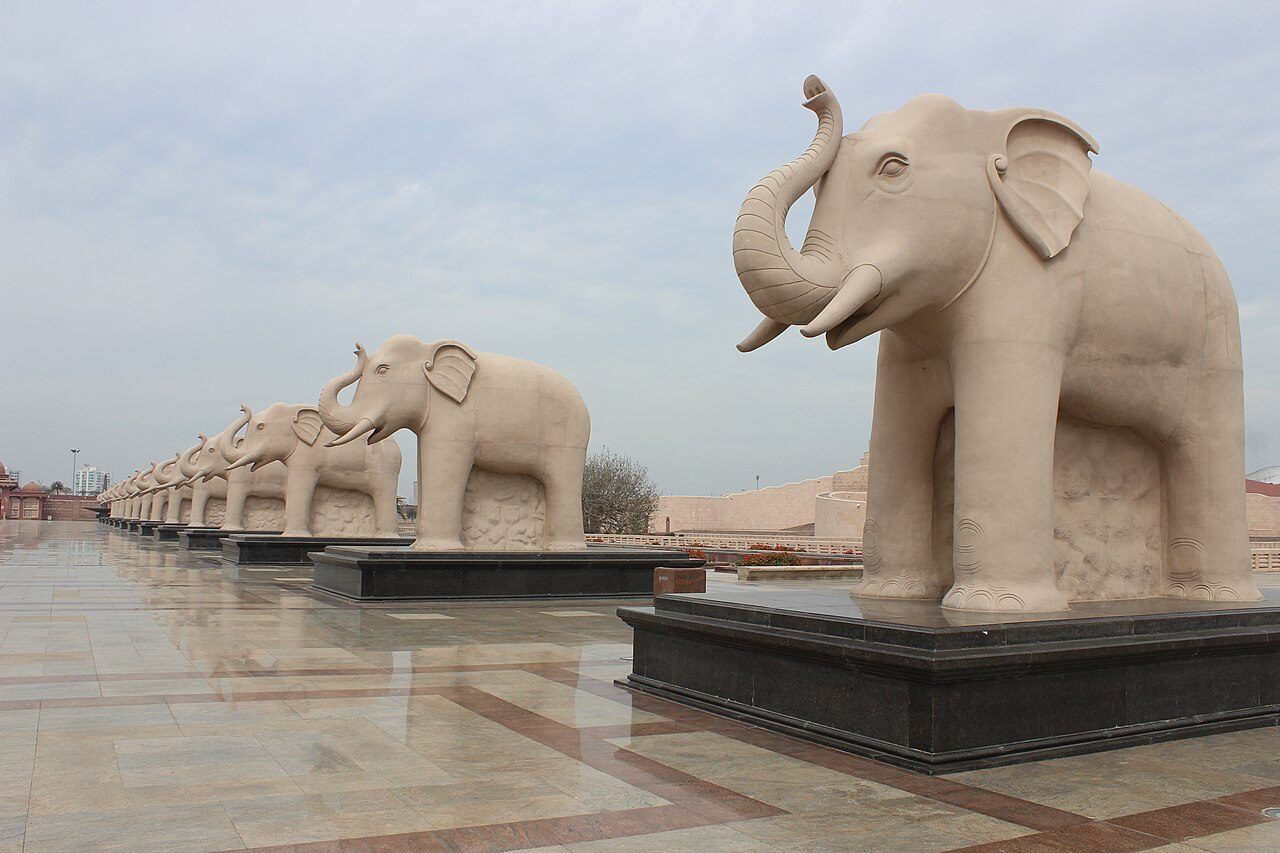
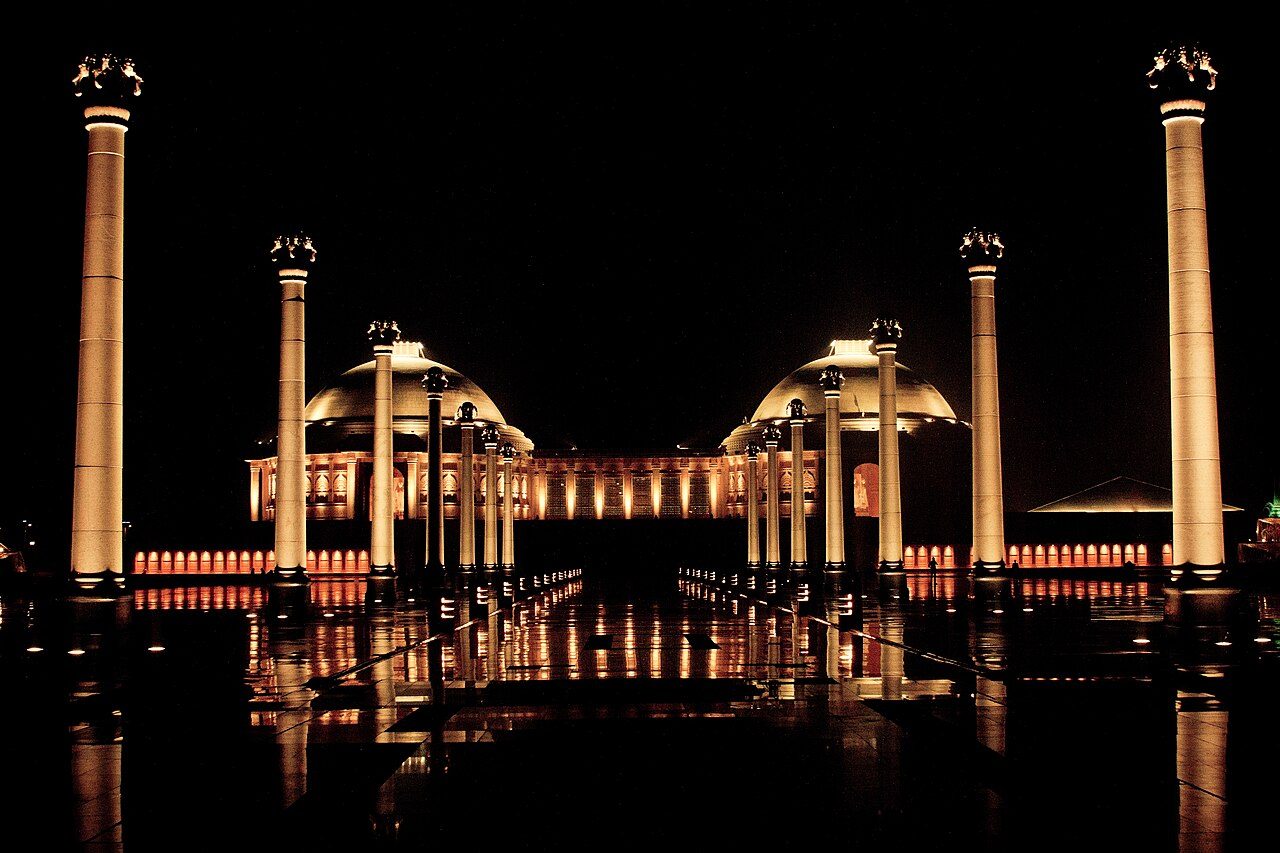
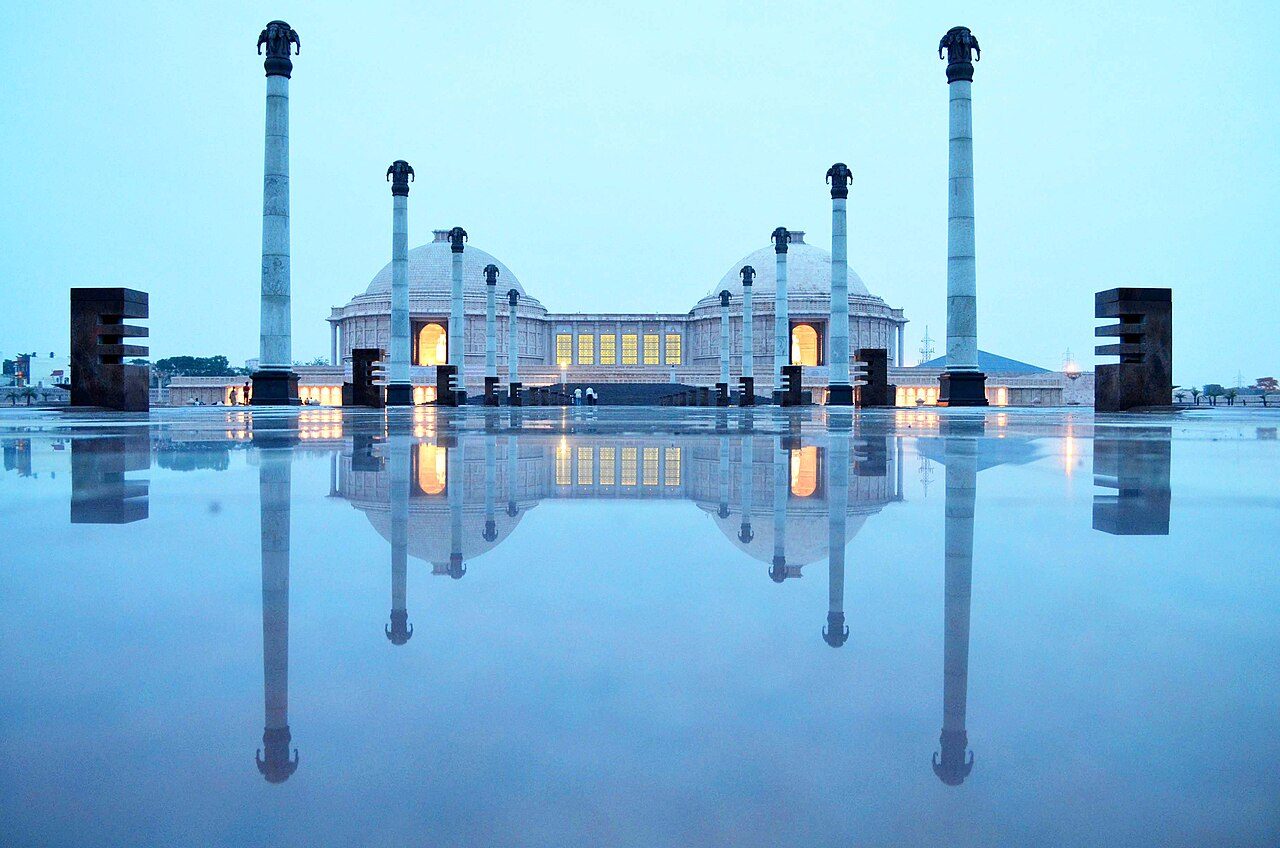
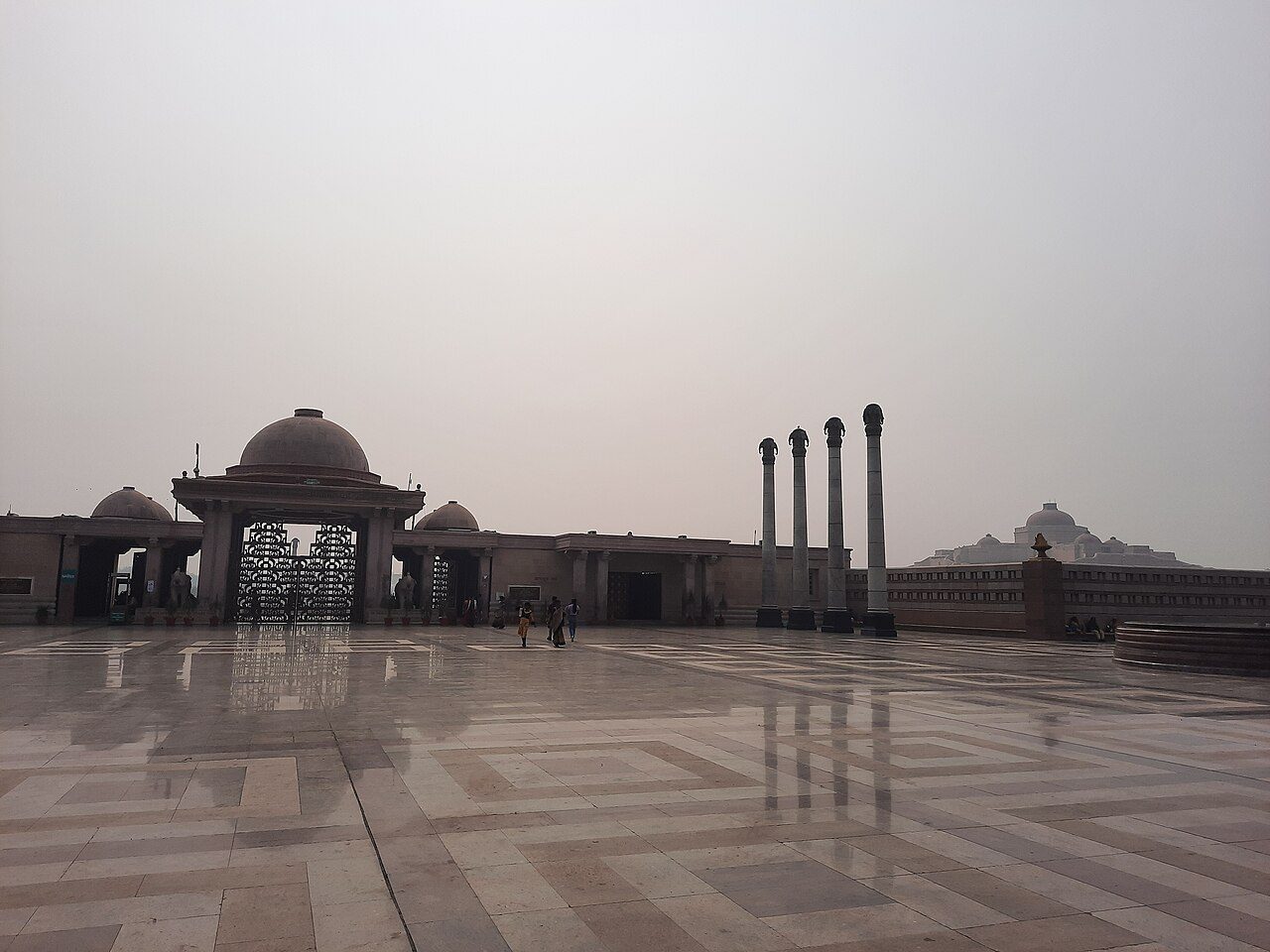
The Ambedkar Memorial Park in Gomti Nagar was completed in 2008 and honours Dr B. R. Ambedkar and other social reformers. Built almost entirely of red sandstone from Rajasthan, it covers more than a hundred acres with a domed memorial, colonnades, galleries of bronze statues and avenues lined with stone elephants. It is most impressive in the evening, when the monuments are illuminated.
 WaTrips