Kumaon Temple Trail in 4 Days: Kainchi Dham to Champawat
4 DAYS11 placesby WaTrips
Naina Devi and Kainchi Dham, Almora's Nanda Devi and Kasar Devi, Katarmal and Jageshwar, Dwarahat, Baijnath and Bagnath, Patal Bhuvaneshwar and Baleshwar.
Kumaon's old temples are some of the most beautiful in the Himalaya. Day one starts at Naina Devi in Nainital and Kainchi Dham. Day two visits Almora's Nanda Devi and Kasar Devi temples, the Katarmal Sun Temple and the Jageshwar group of more than a hundred shrines. Day three passes the temple groups at Dwarahat, Baijnath on the Gomti and Bagnath in Bageshwar. Day four goes to the cave temple of Patal Bhuvaneshwar and ends at the carved Baleshwar temple in Champawat. October to June is best.
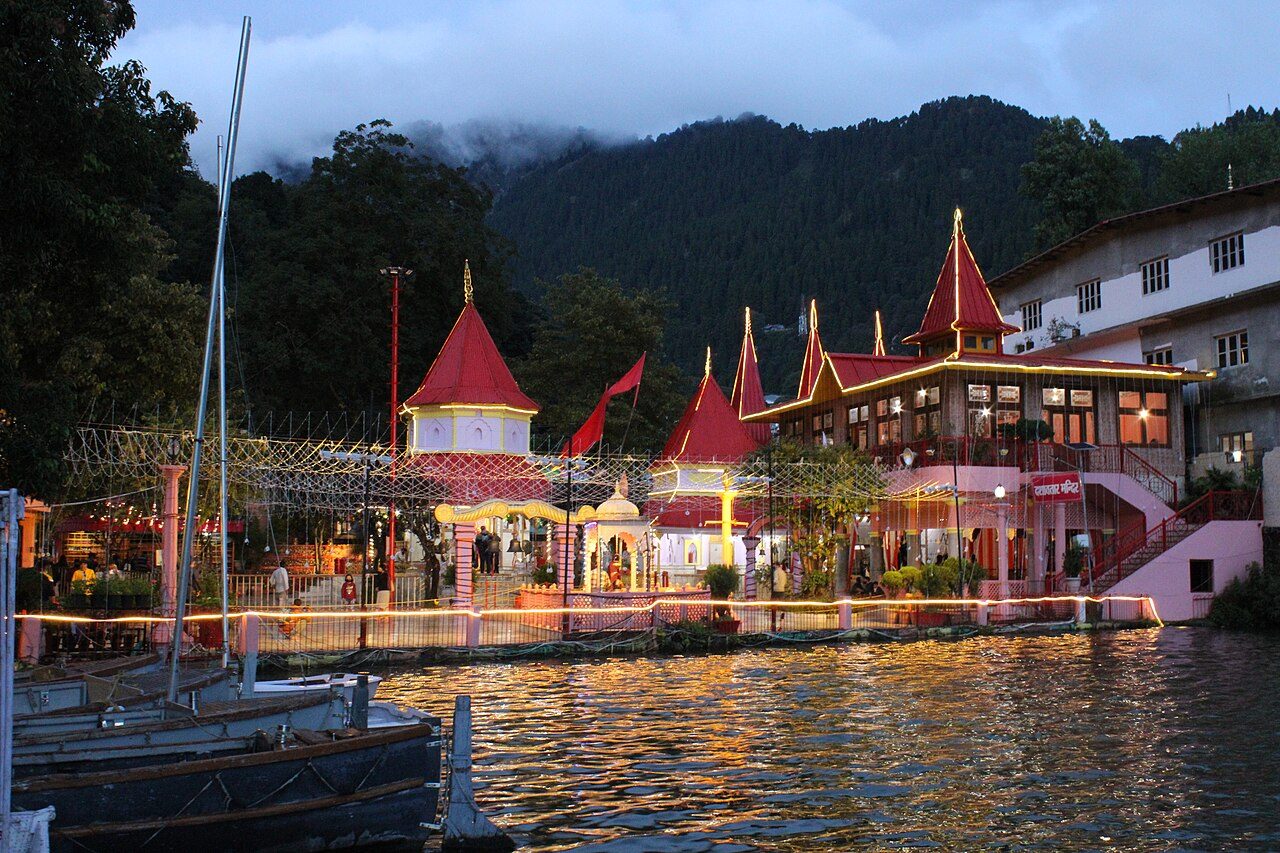
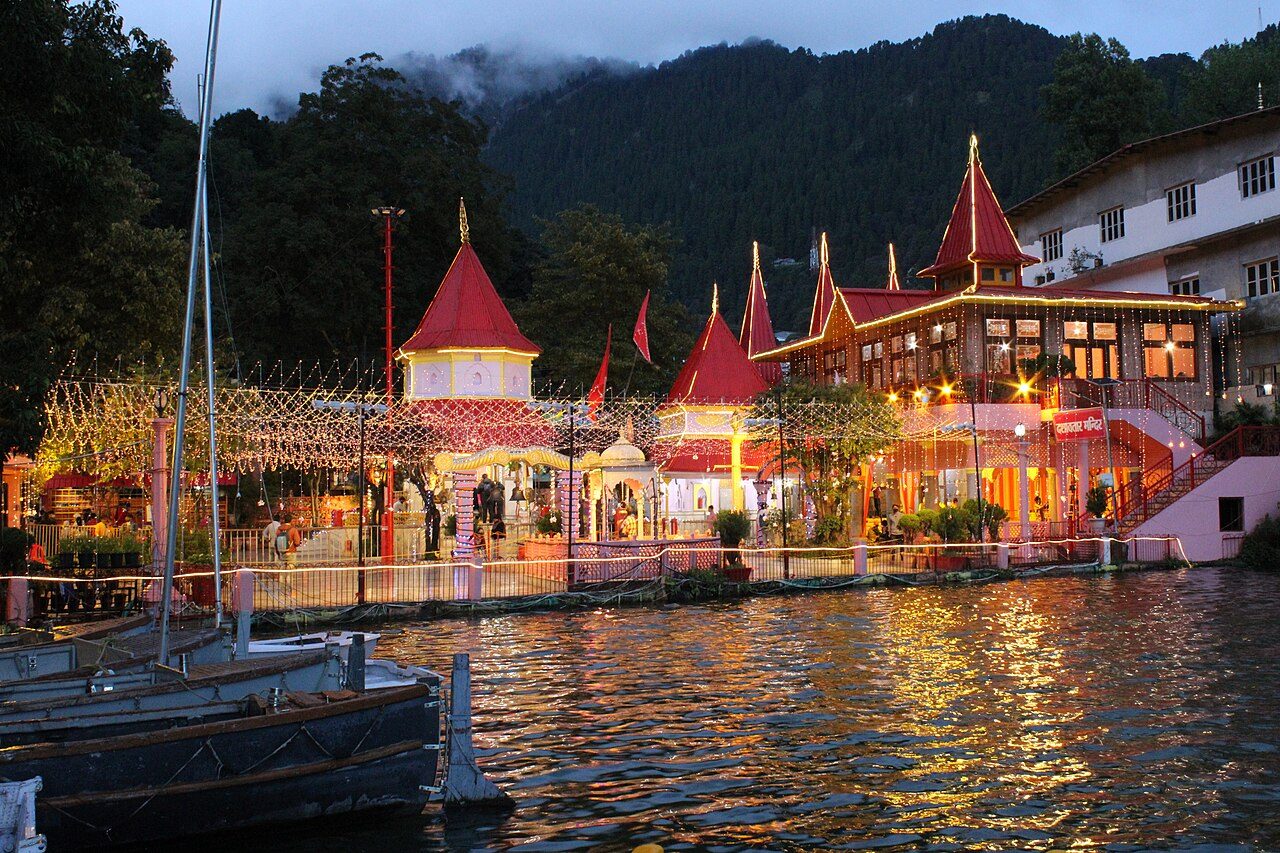
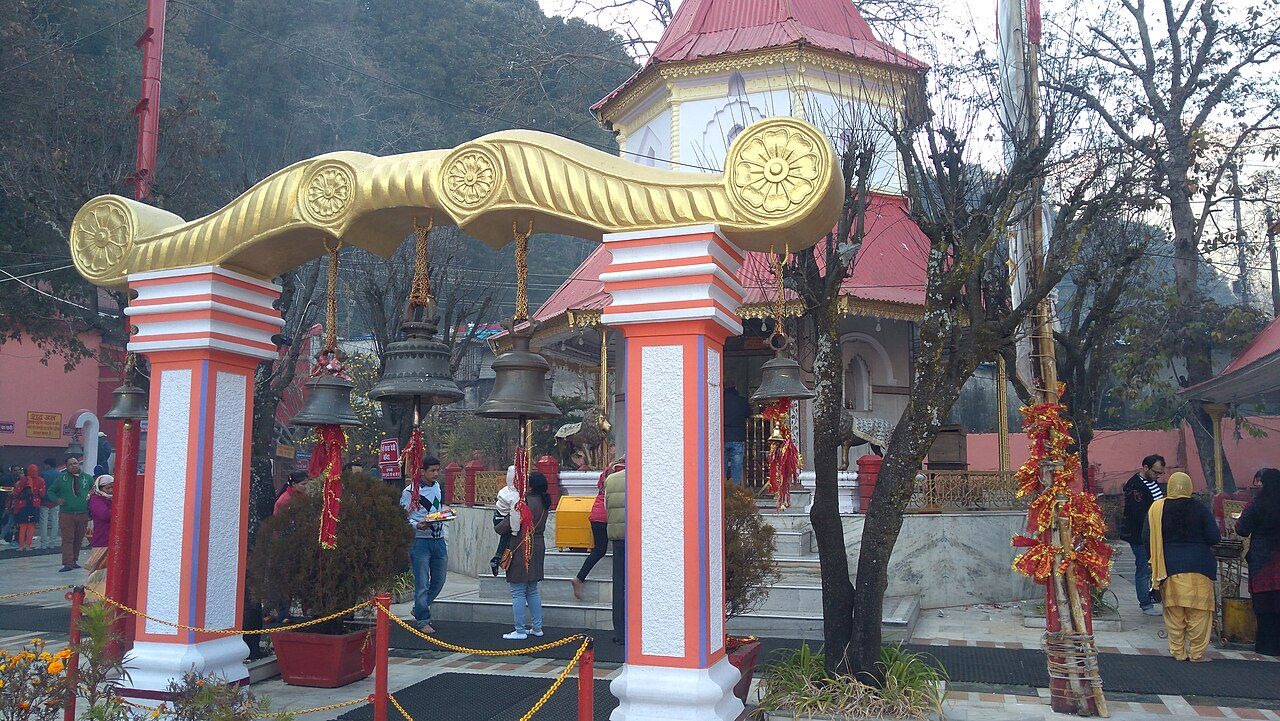
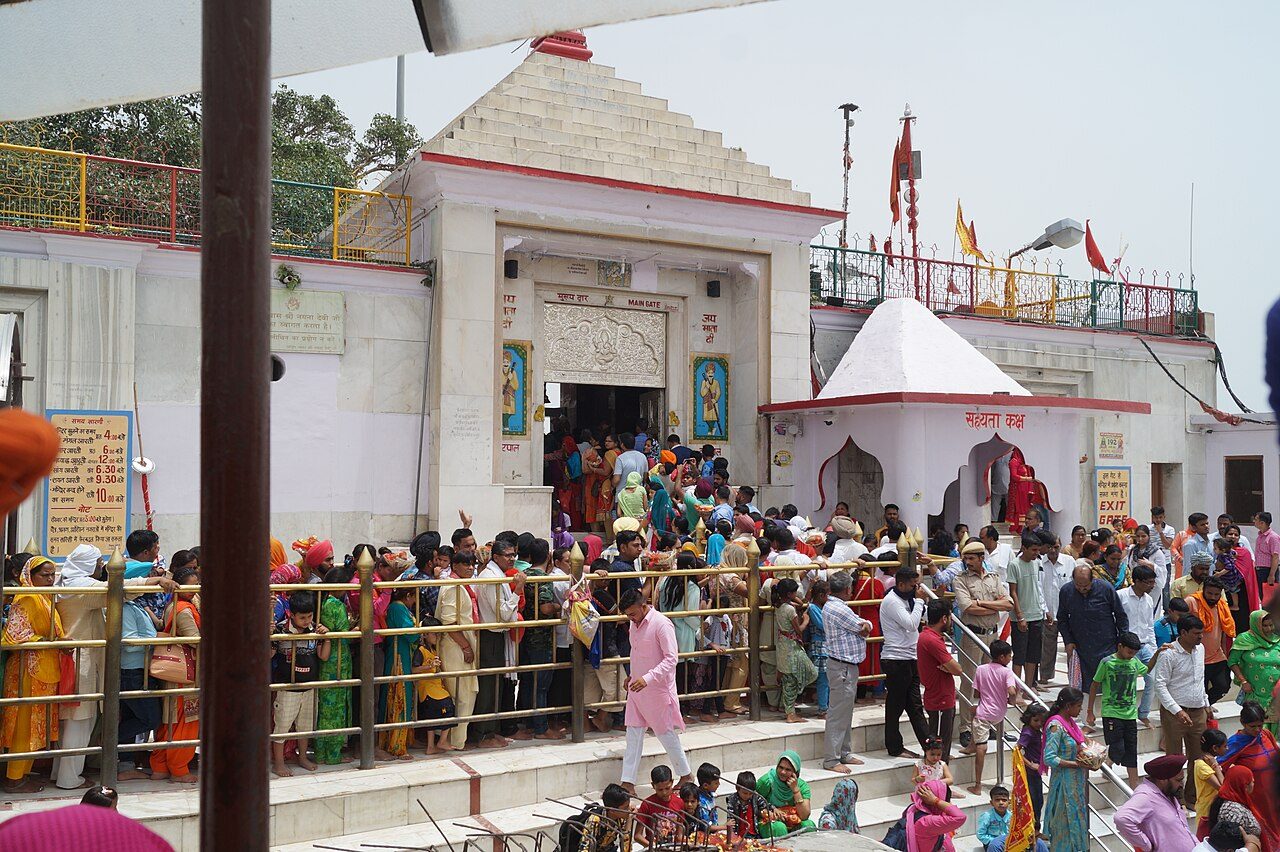
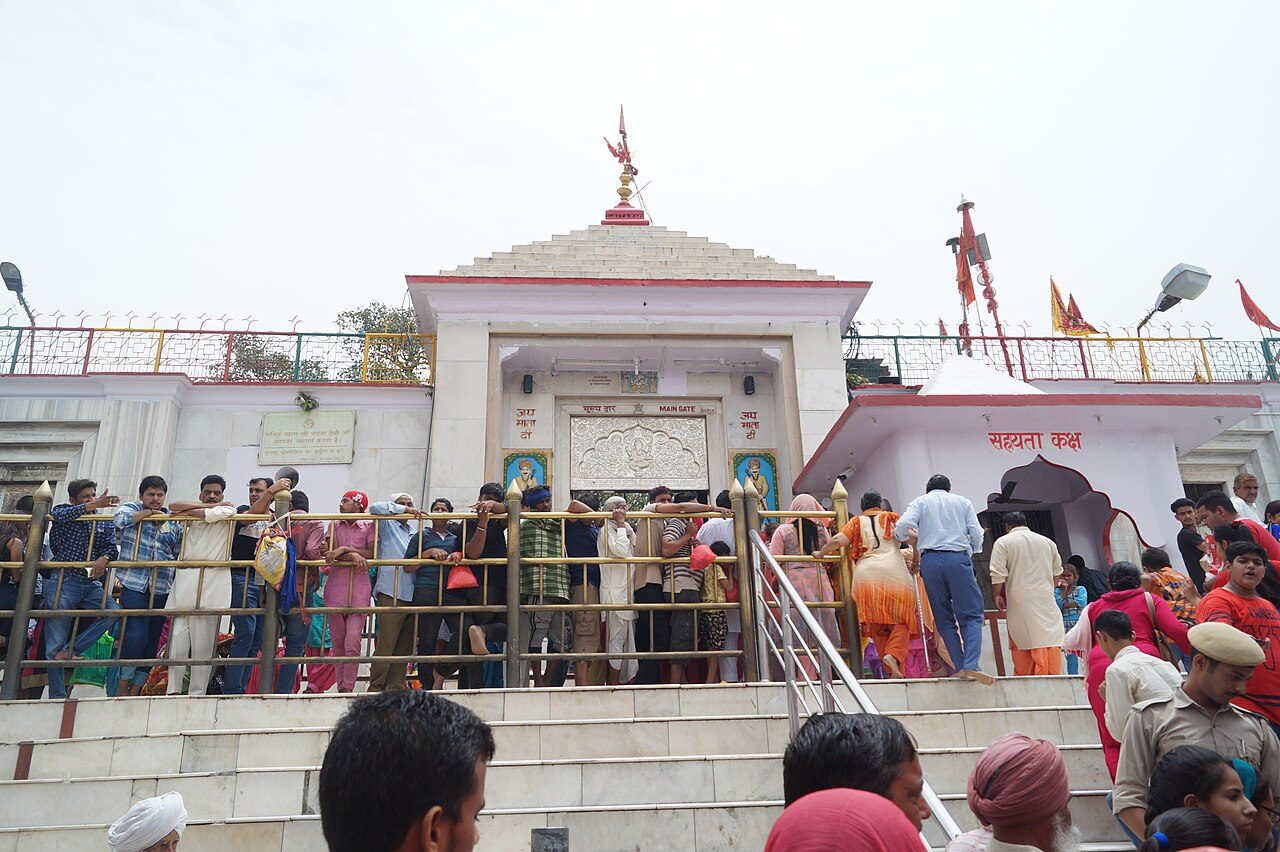
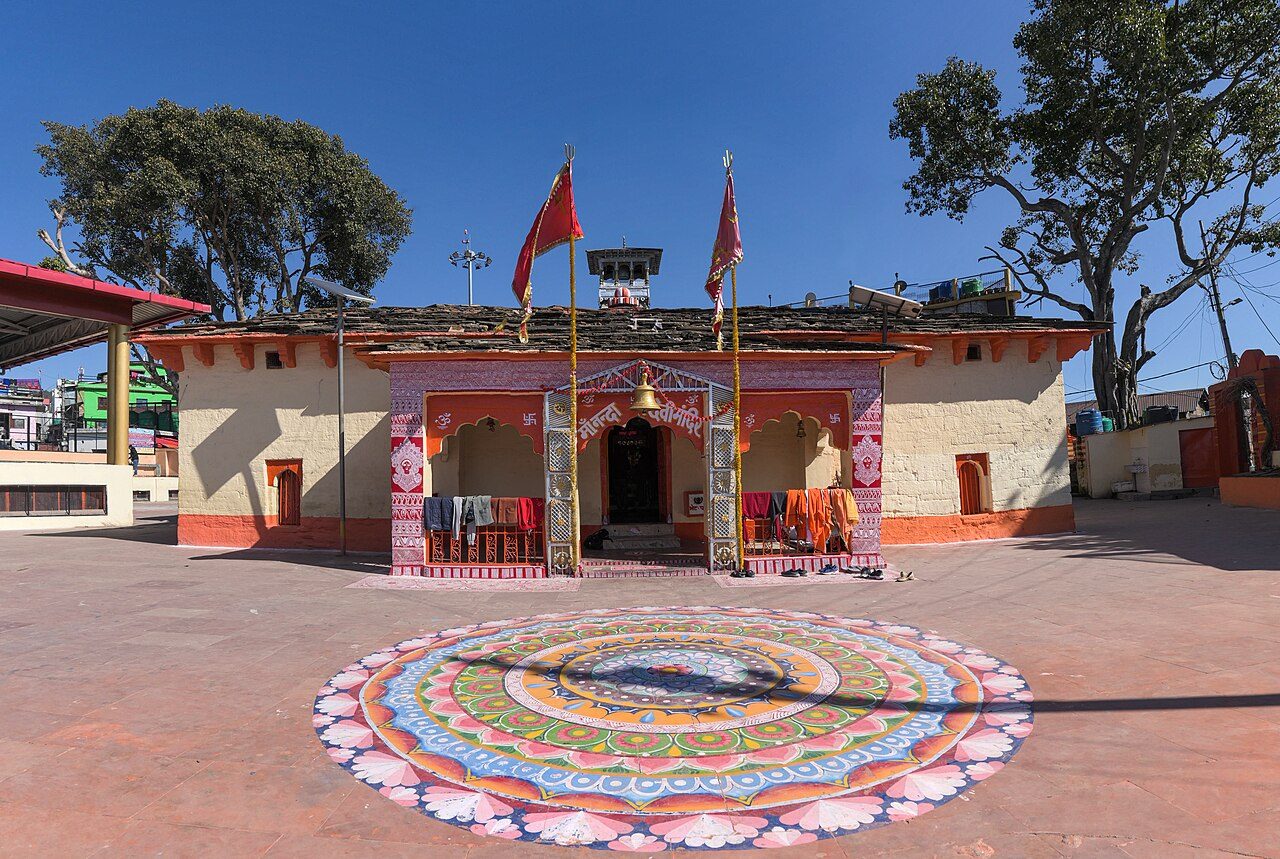
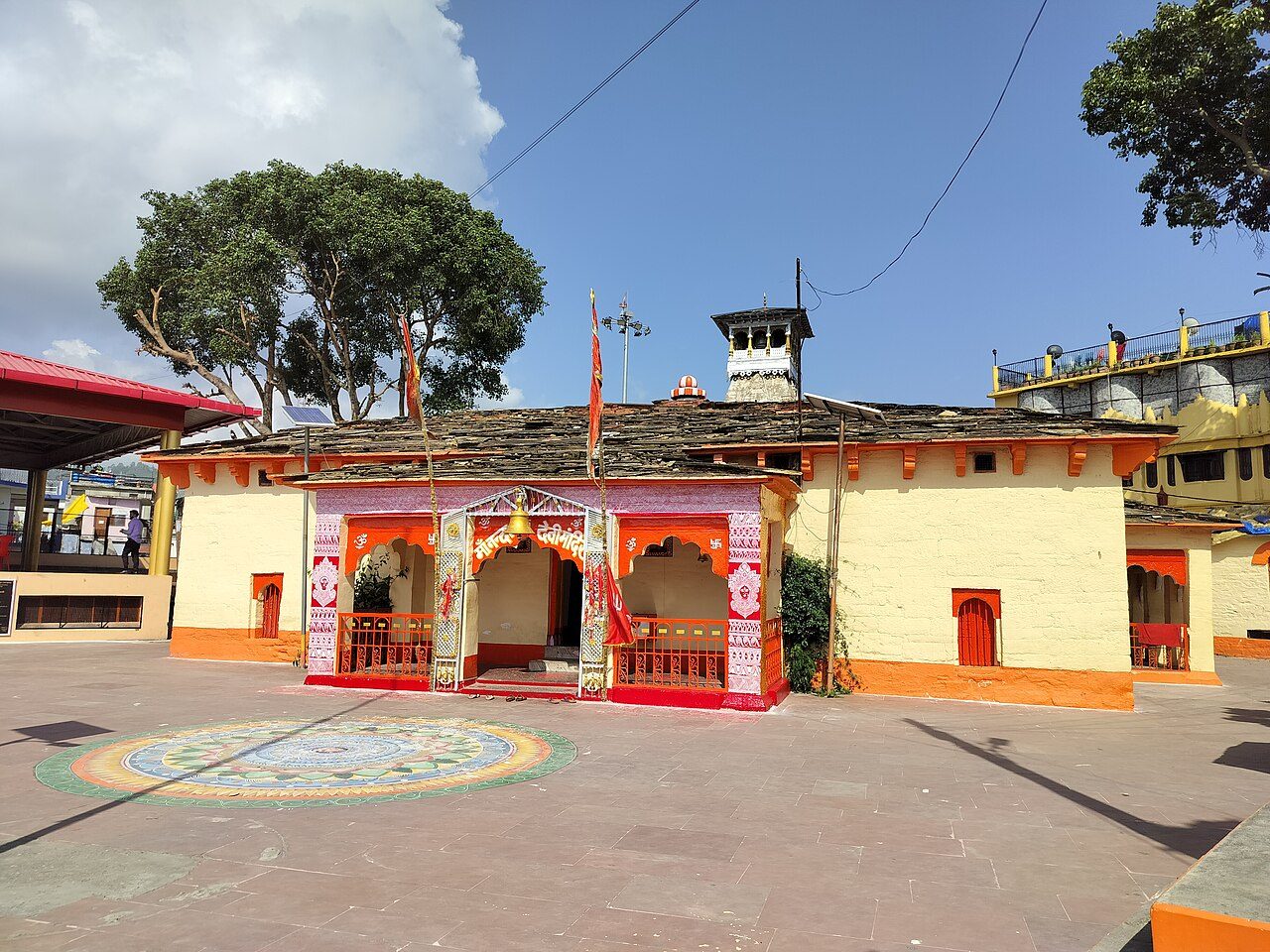
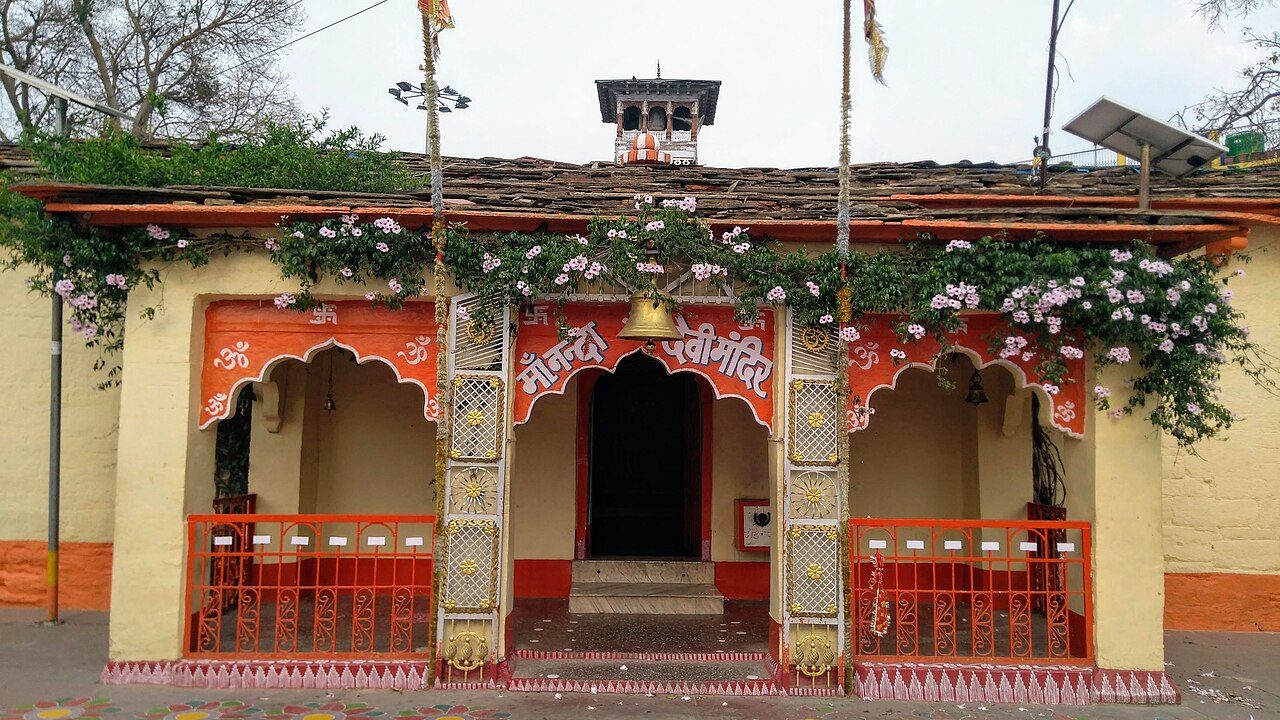
Naina Devi Temple stands on the northern shore of Naini Lake in Nainital and gives the town its name. It is counted among the Shakti Peethas, said to mark where the eyes of Sati fell. The original temple was destroyed by a landslide in 1880 and rebuilt. The goddess is represented by two eyes, and the temple is busiest during the Nanda Devi fair in September.
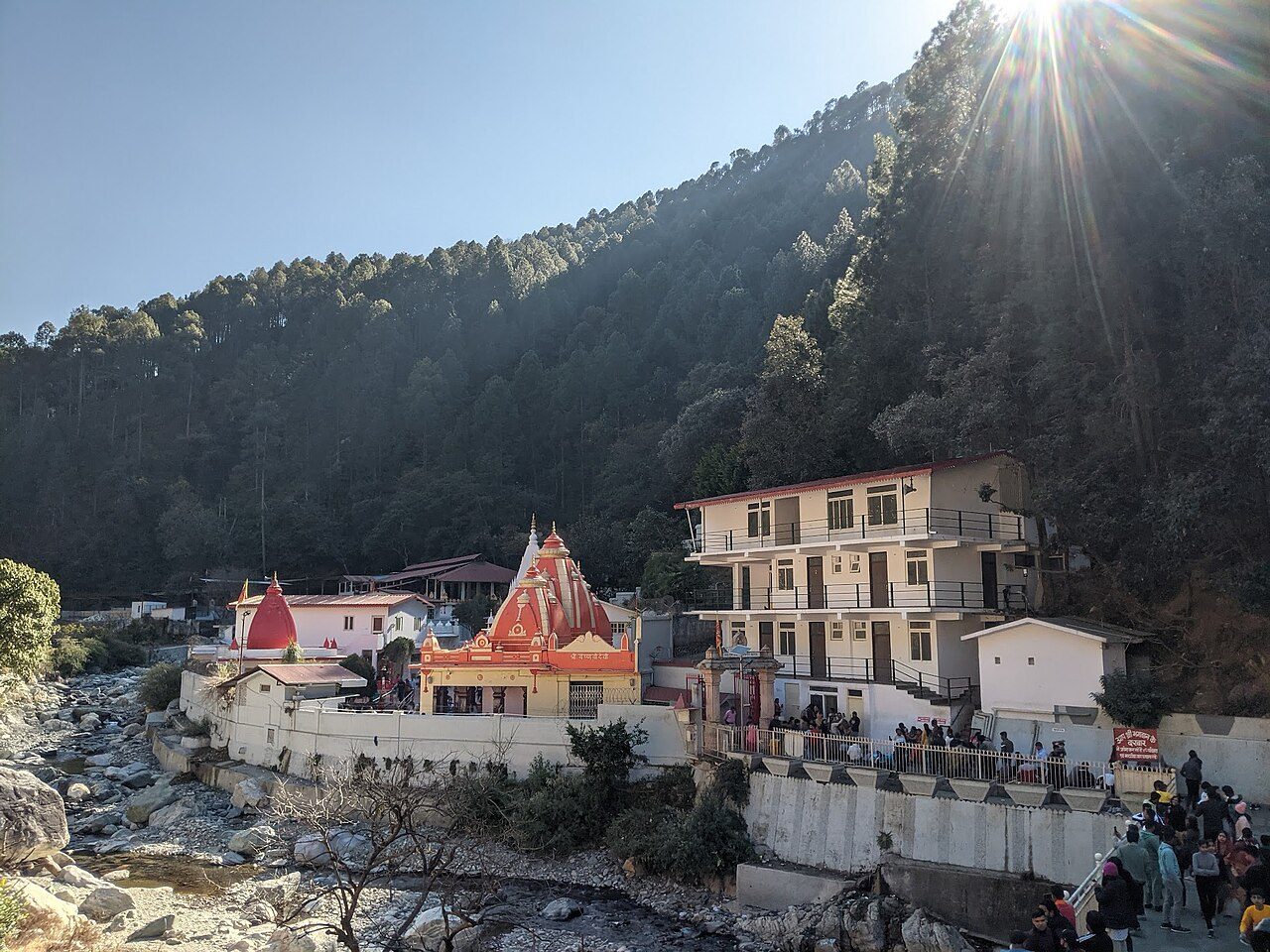
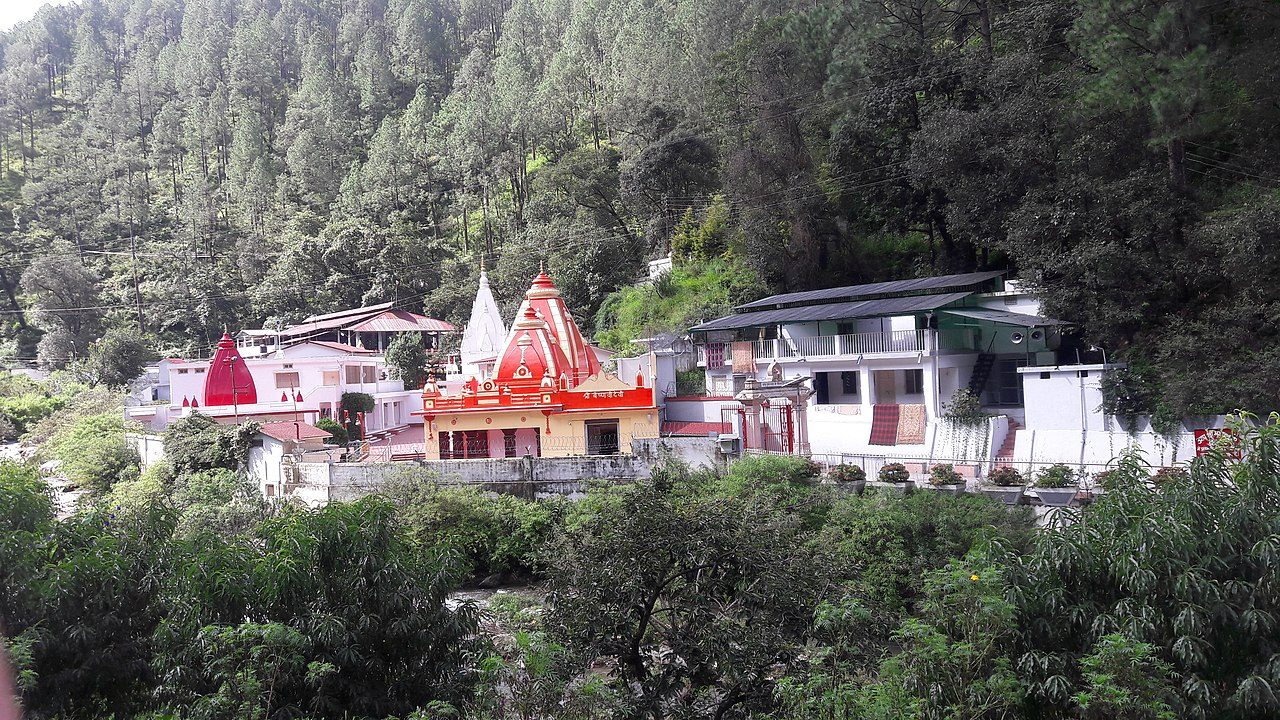
Kainchi Dham is an ashram and Hanuman temple founded in the 1960s by the saint Neem Karoli Baba, on a bend of the Nainital-Almora road beside a mountain stream. It became known worldwide through visitors such as Steve Jobs and Mark Zuckerberg. The temple is always busy, and its foundation day fair on 15 June draws very large crowds.
The Nanda Devi Temple in the old bazaar of Almora is dedicated to the patron goddess of Kumaon and of the Chand kings, who ruled from here. The stone temple, several centuries old, has carved walls and a wooden-roofed porch. It is the centre of the Nanda Devi fair held each September, when the town fills with processions, music and traders.
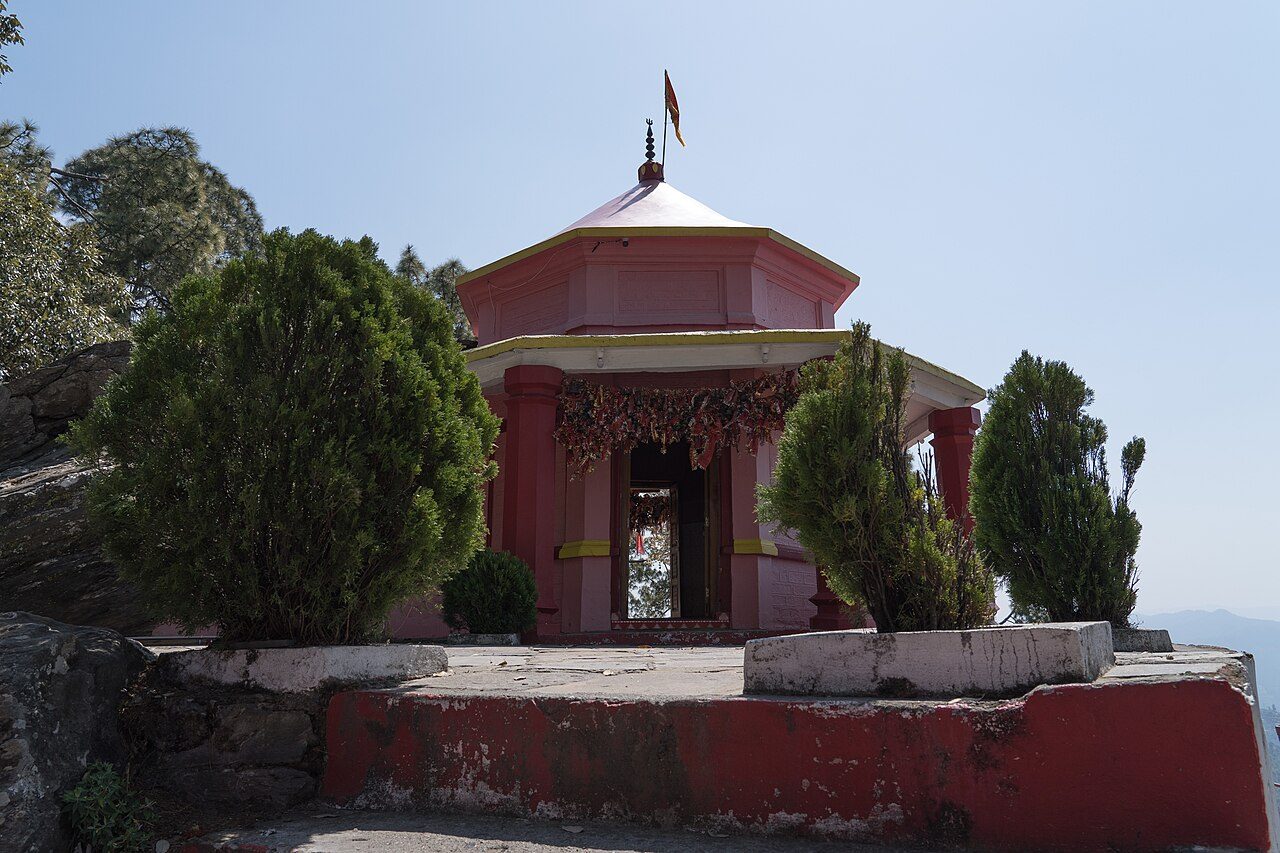
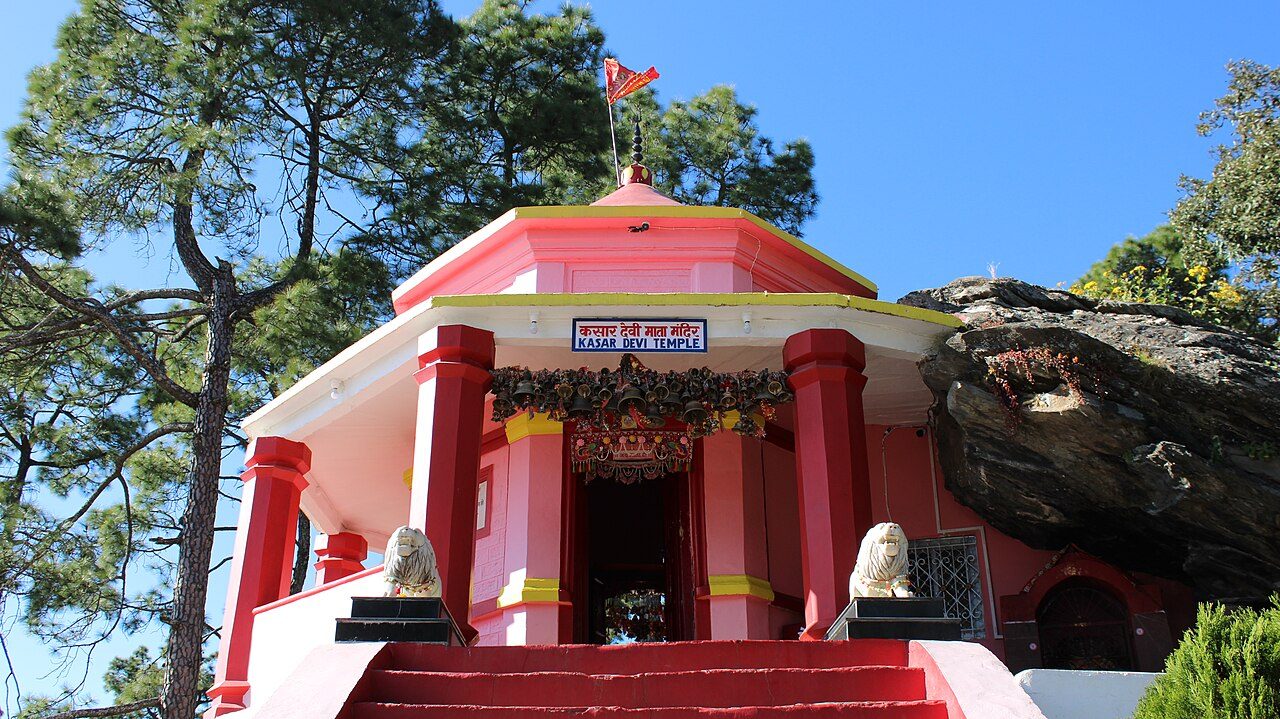
Kasar Devi is a hilltop temple on a ridge above Almora, dating from around the 2nd century. Swami Vivekananda meditated here in the 1890s, and in the 1960s and 70s the ridge drew writers and seekers from the West. The area is also noted for an unusual geomagnetic field. The temple and the path around it give long views of the Himalaya, best at sunrise and sunset.
The Katarmal Sun Temple, on a hillside facing Almora, was built in the 9th century by the Katyuri king Katarmalla and is one of the few sun temples in northern India. The main shrine faces east so the first rays strike the image, and more than forty small shrines surround it. A short uphill walk from the road is needed. Its carved wooden doors are now in the National Museum in Delhi.
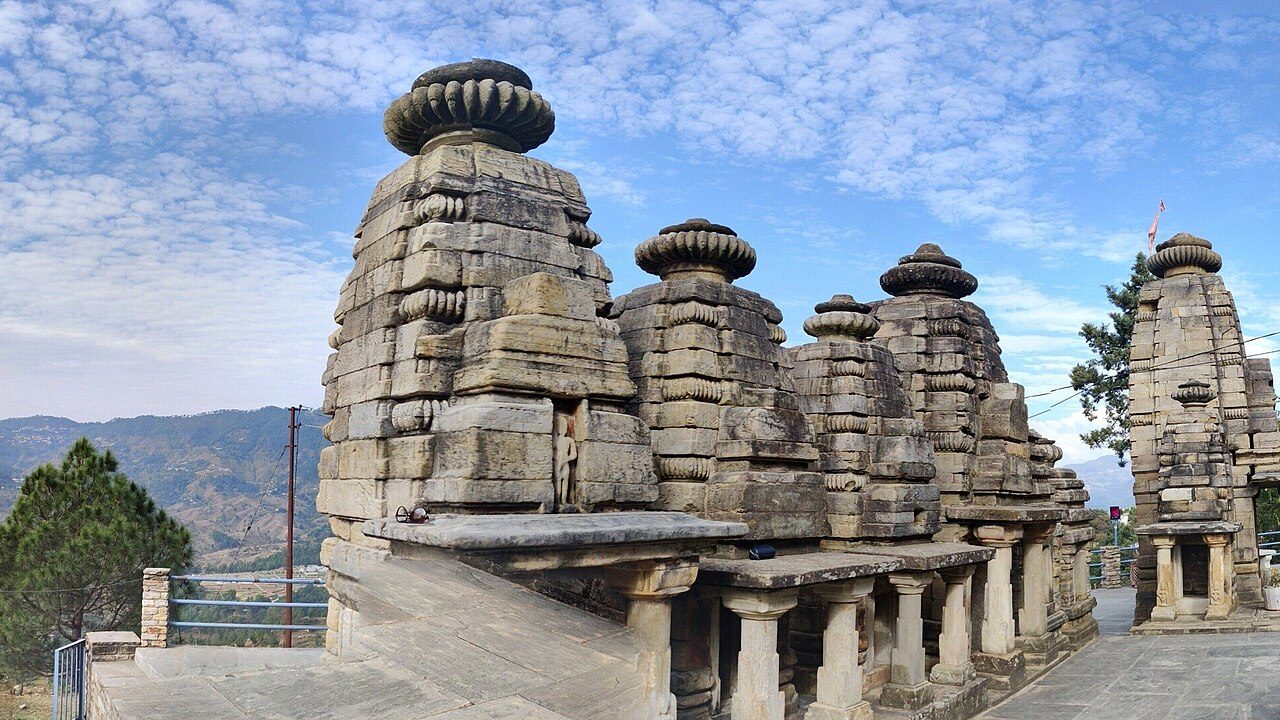
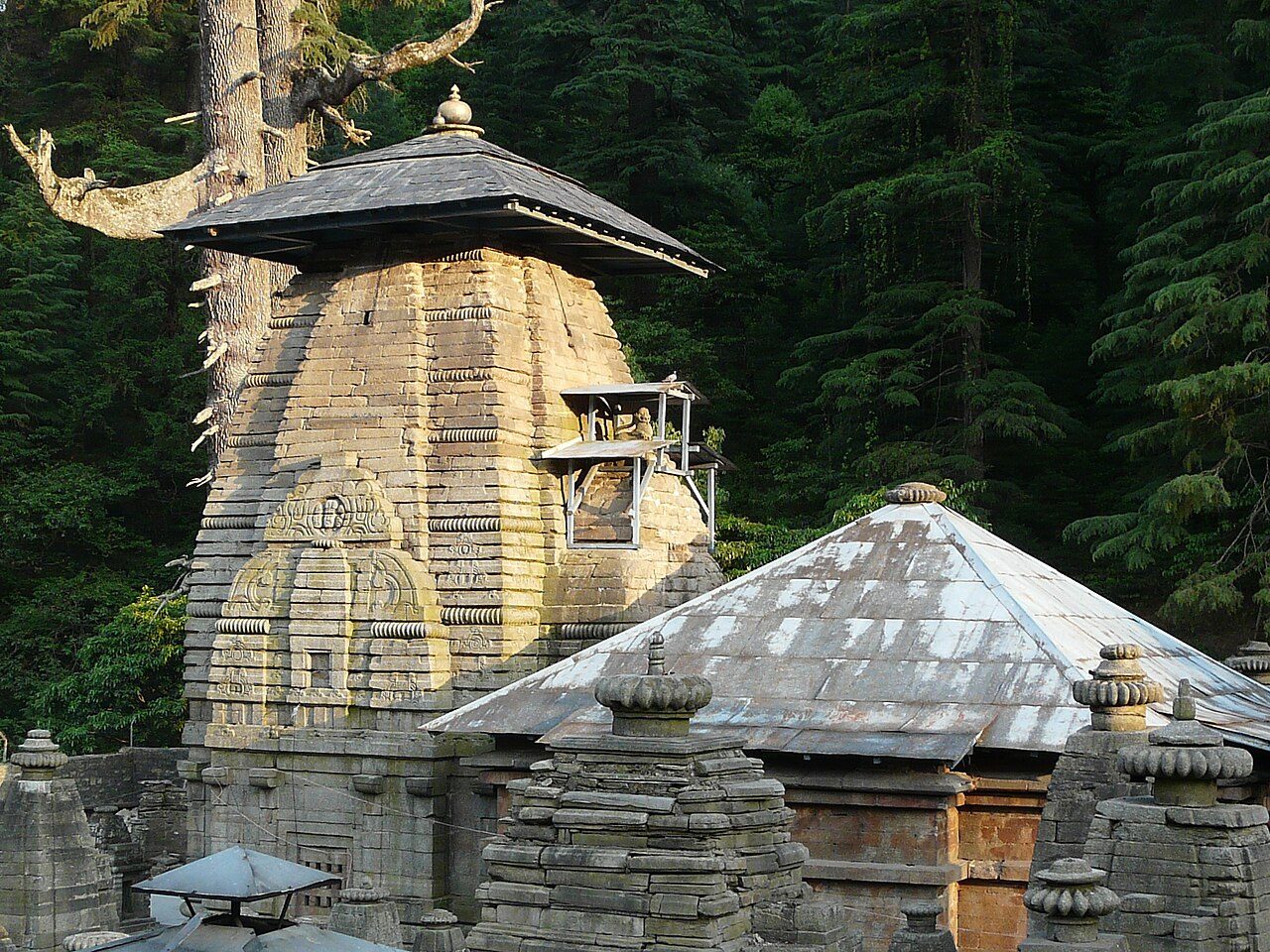
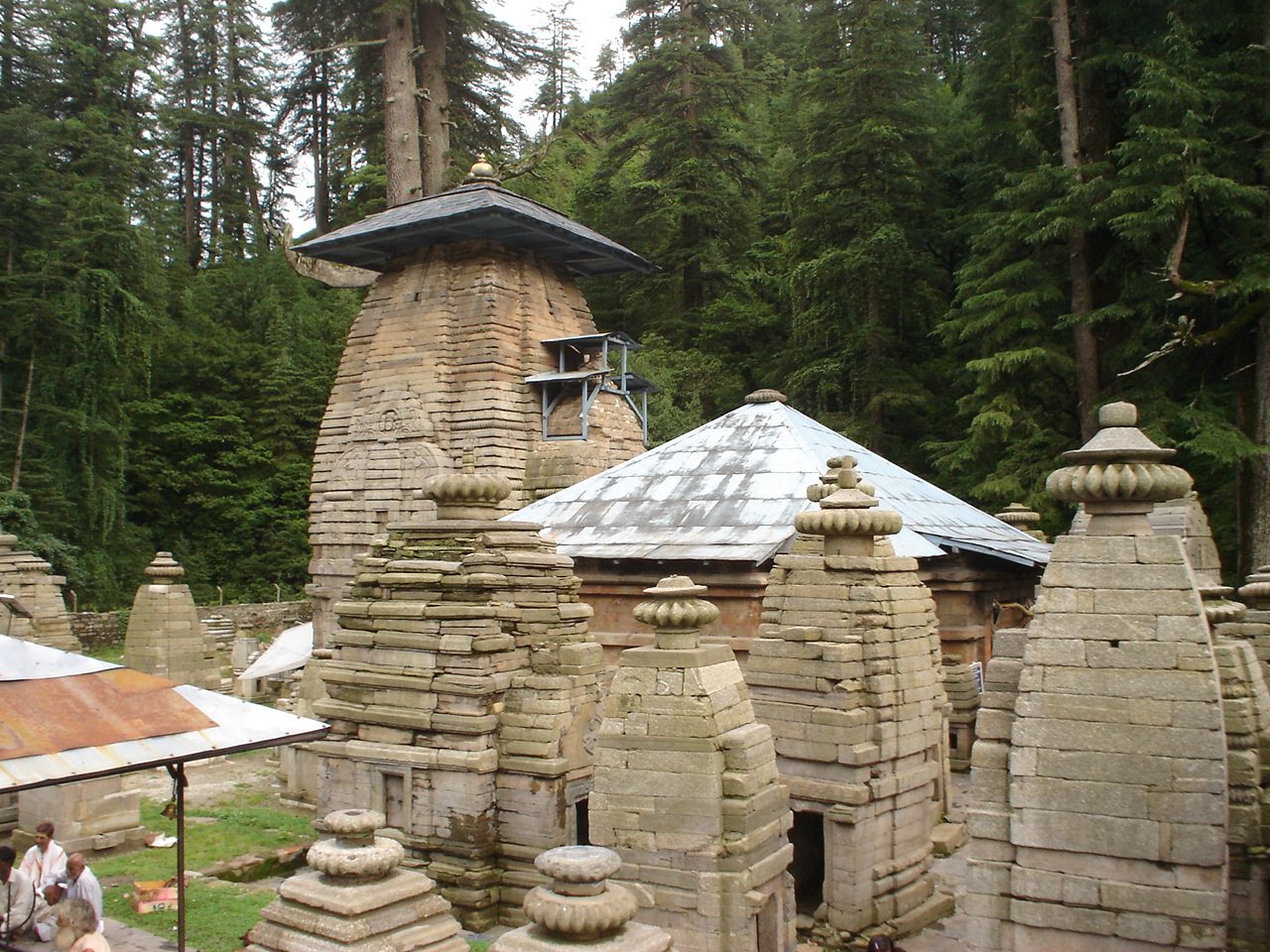
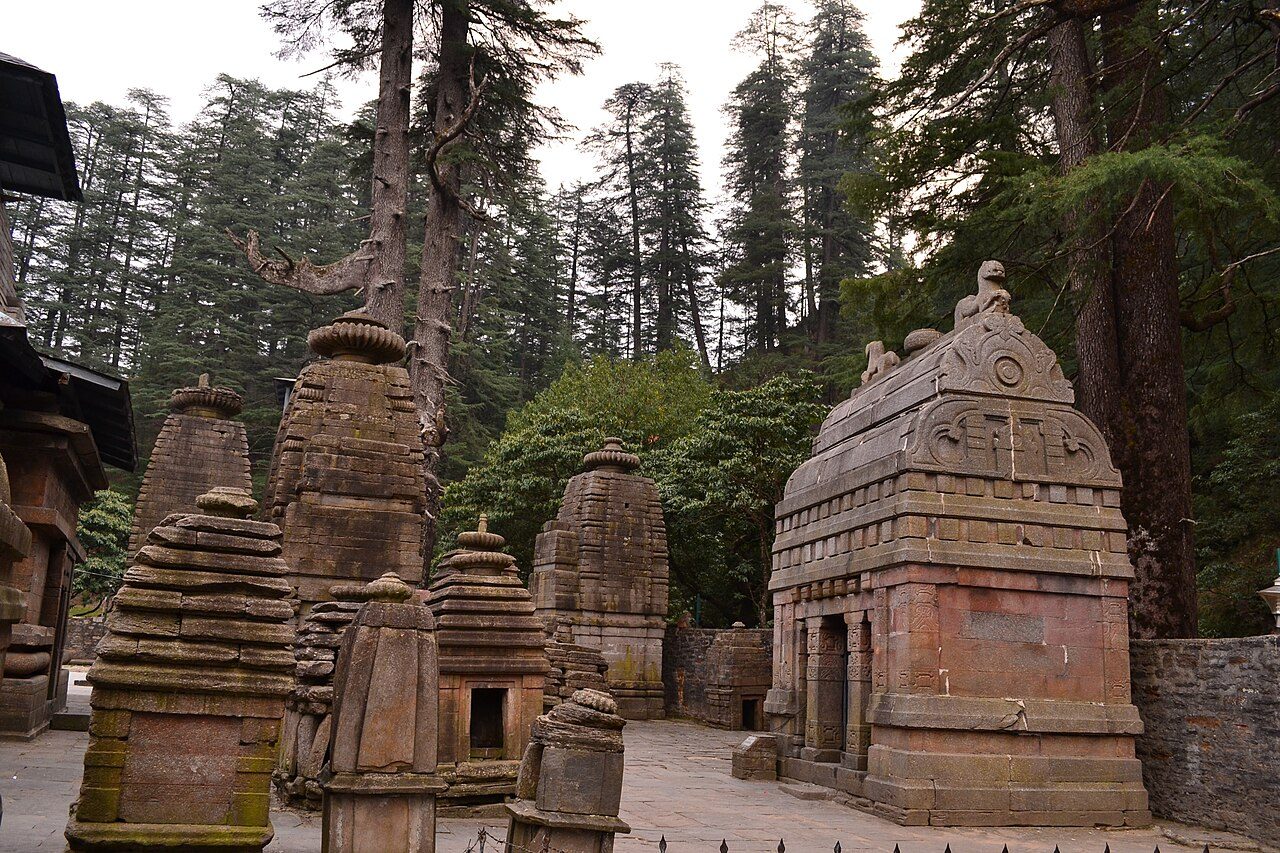
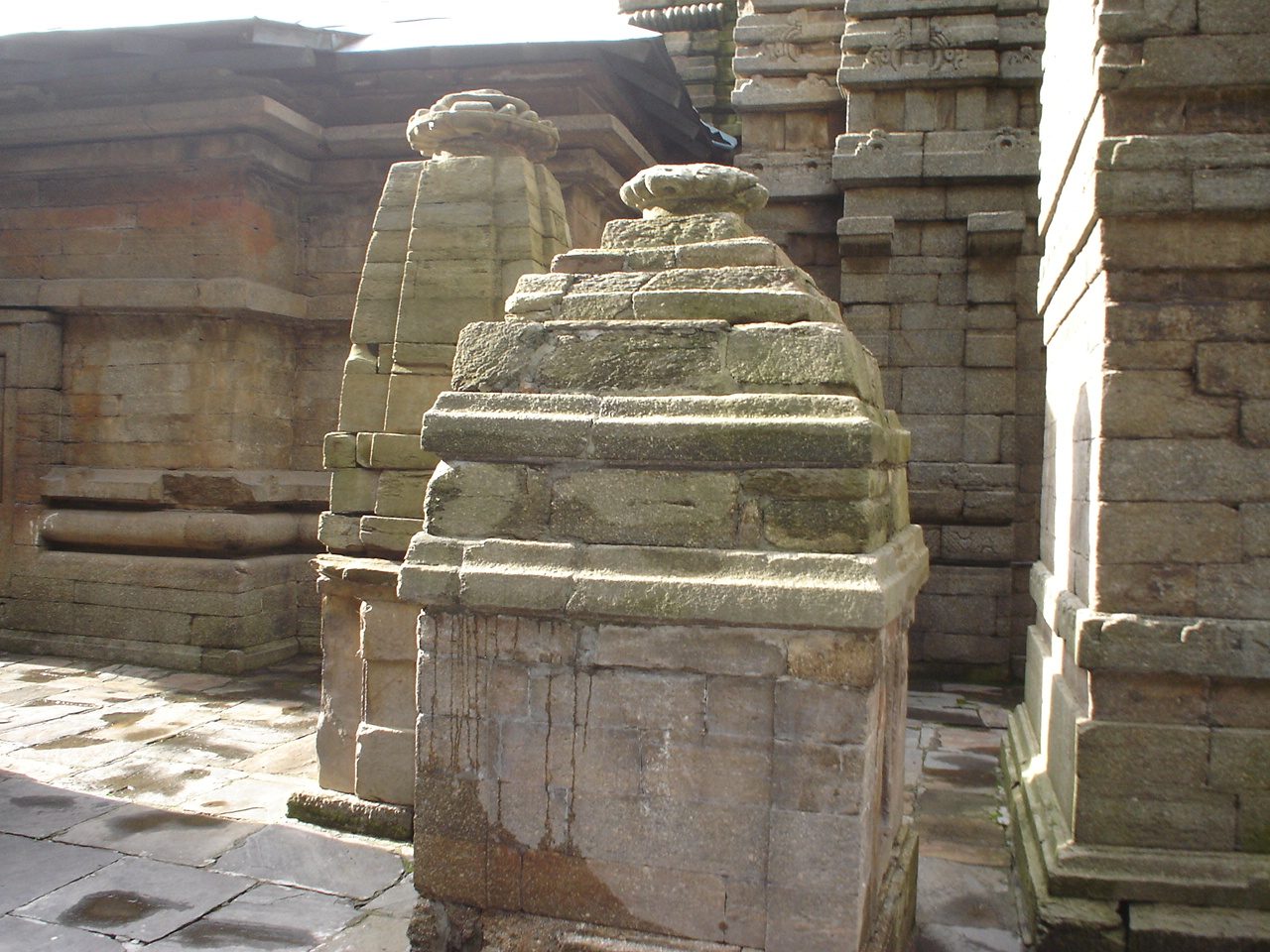
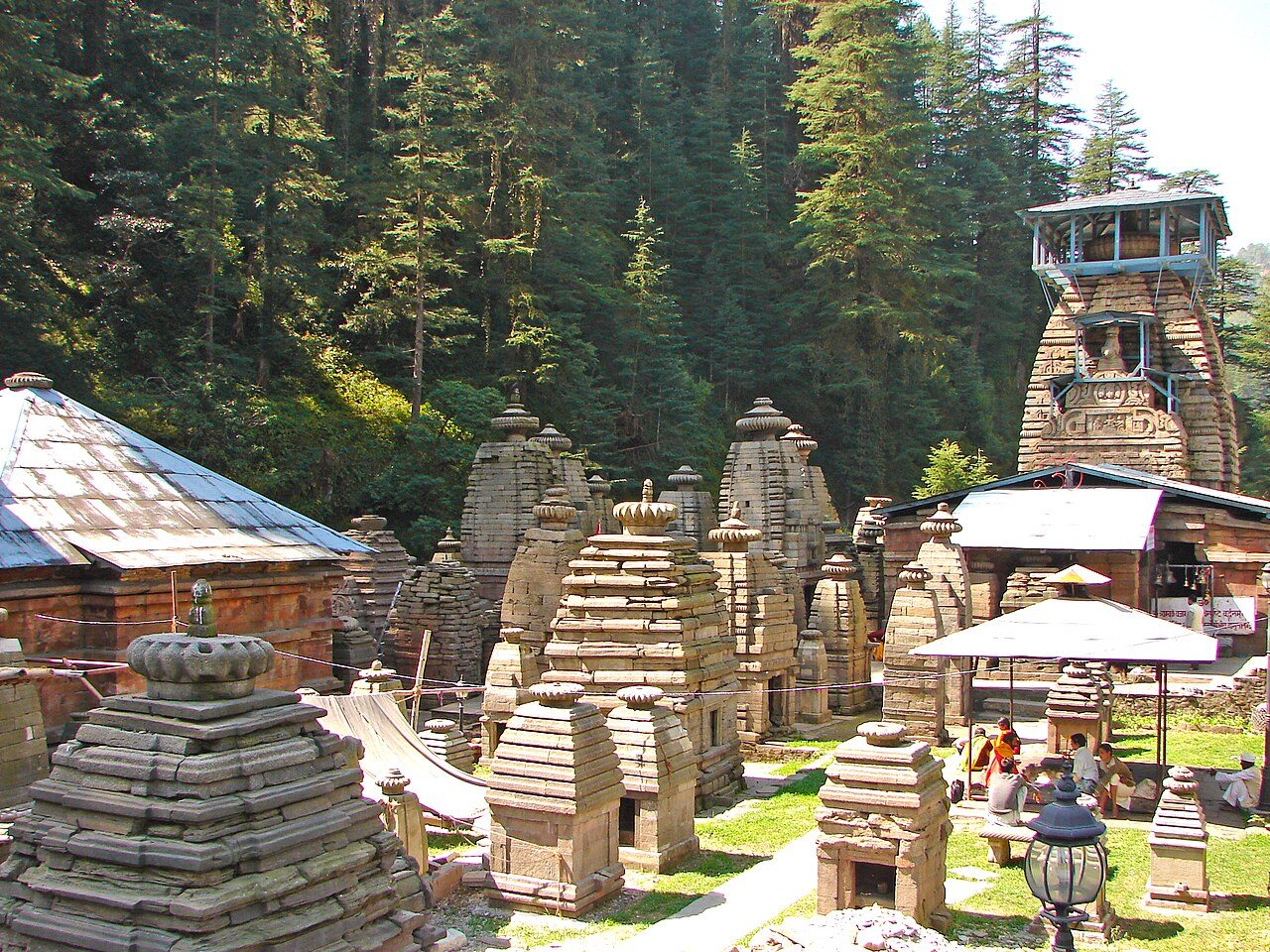
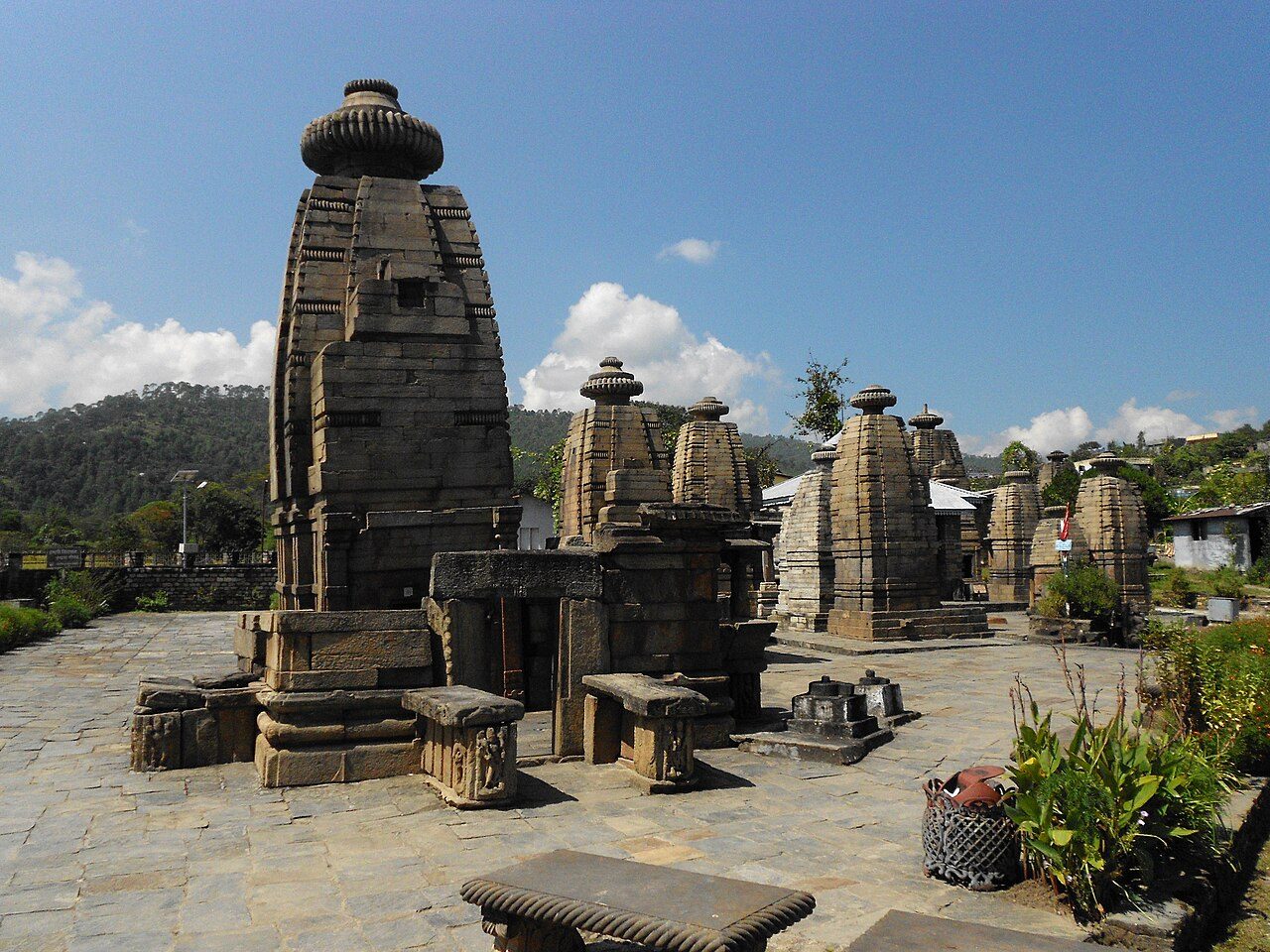
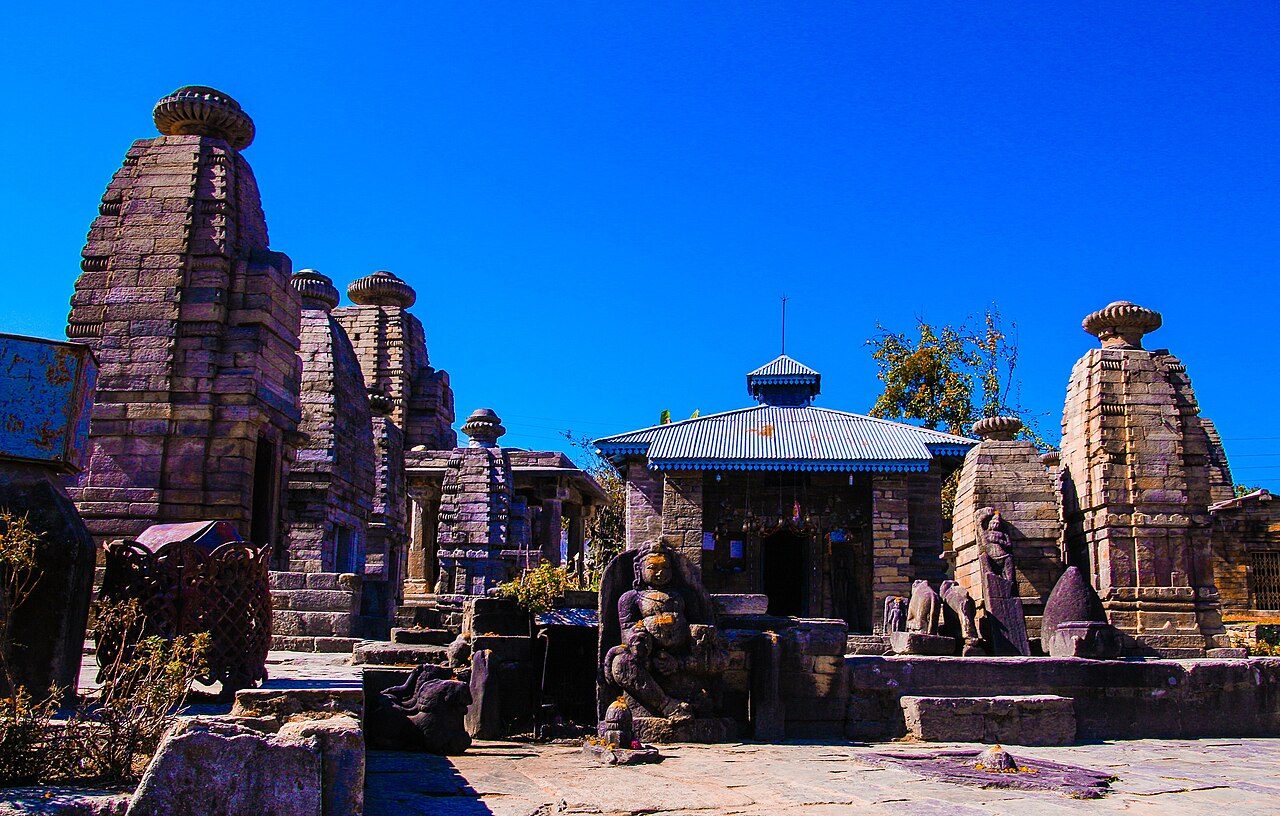
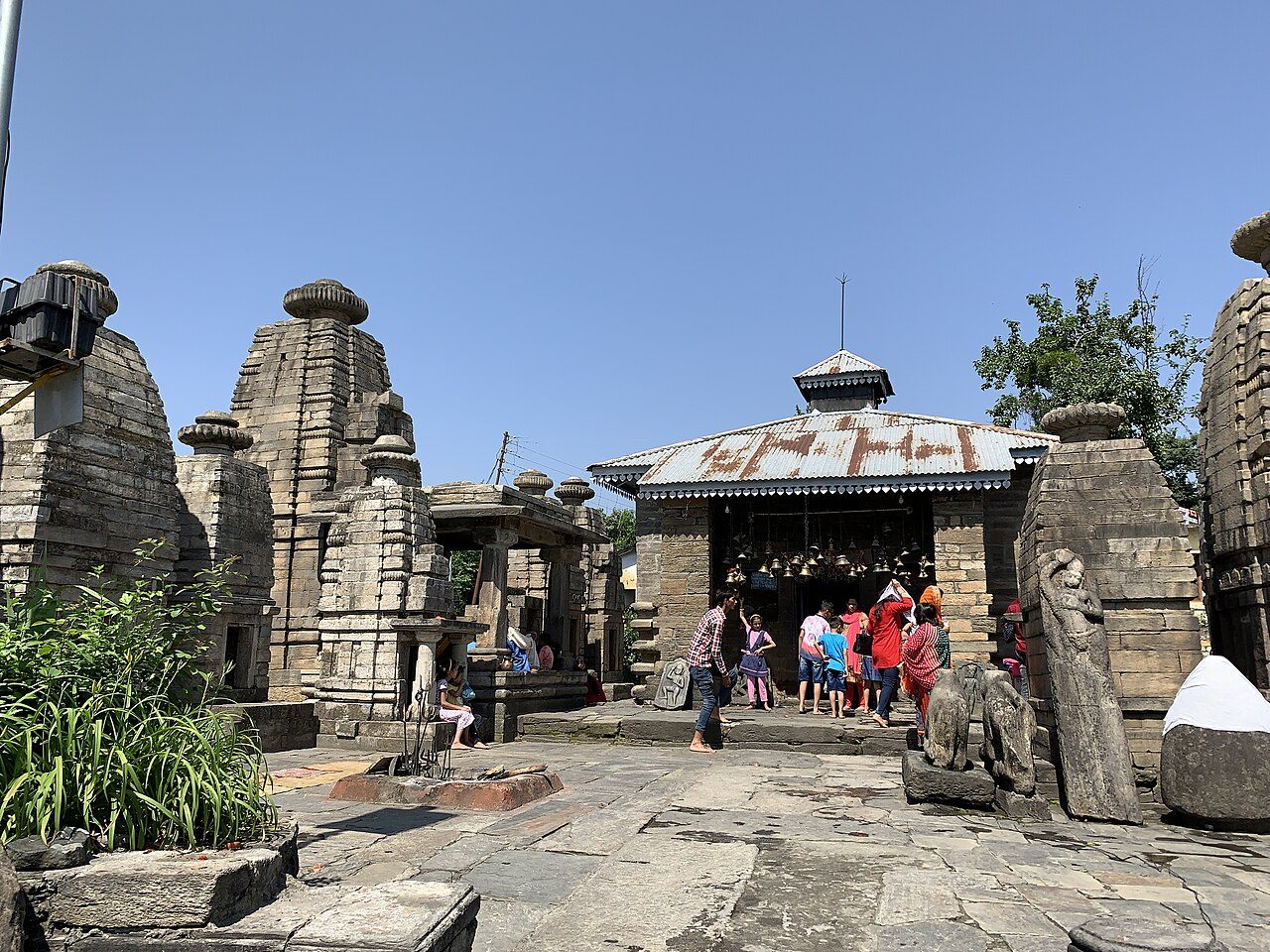
Jageshwar is a group of more than a hundred stone temples in a narrow valley of ancient deodar forest, 35 km from Almora. Built mainly between the 7th and 14th centuries under the Katyuri and Chand kings, they are dedicated to Shiva, and many pilgrims regard Jageshwar as one of the jyotirlingas. A small museum holds sculpture from the site. The Shravan fair in the monsoon is the main festival.
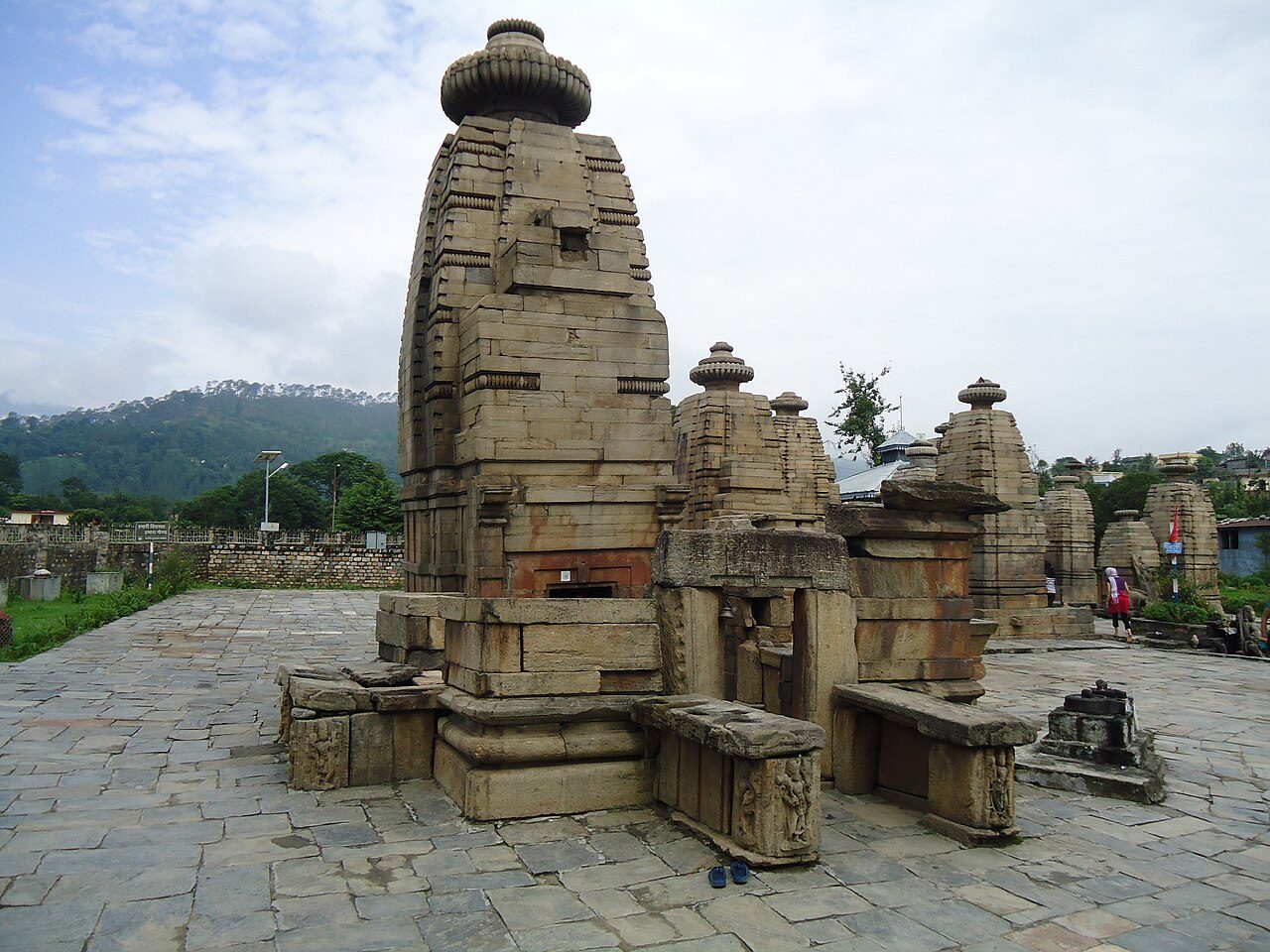
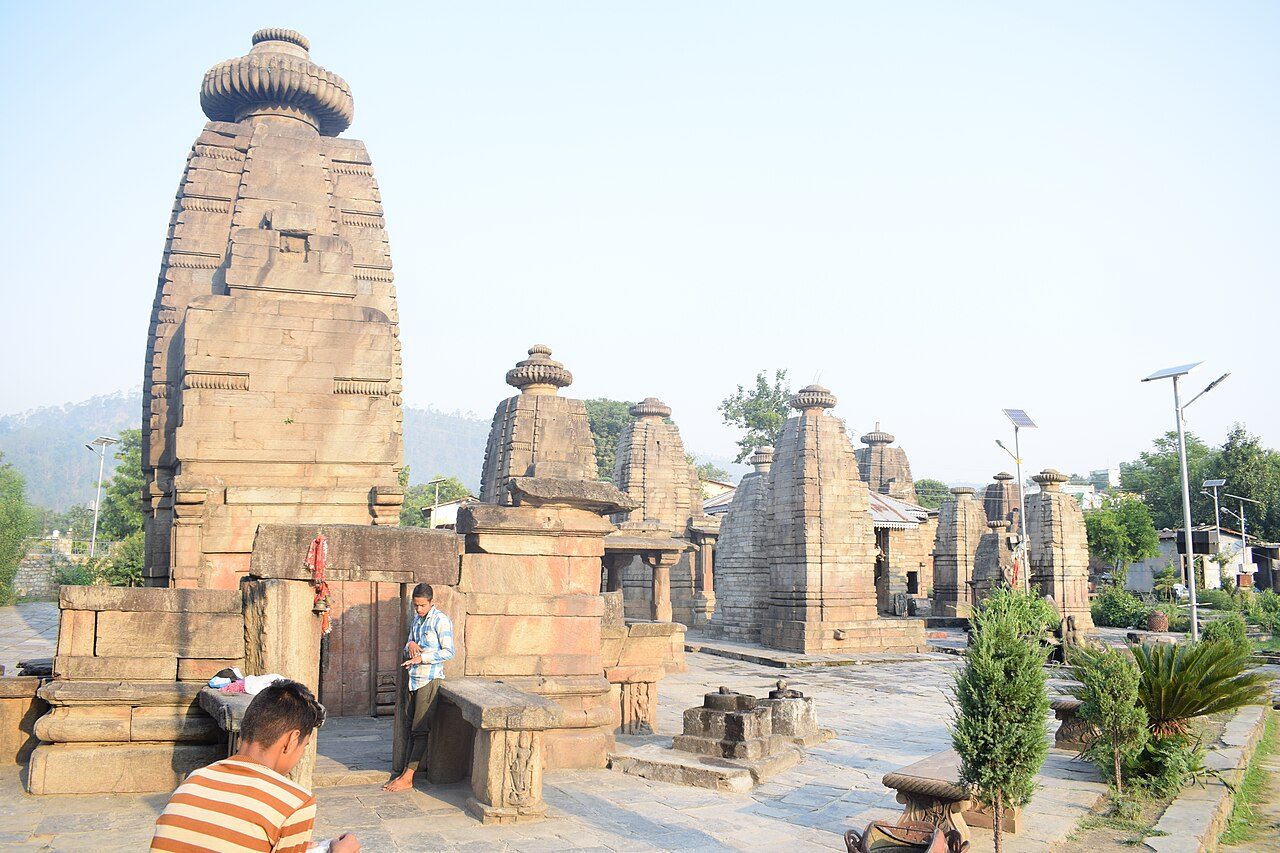
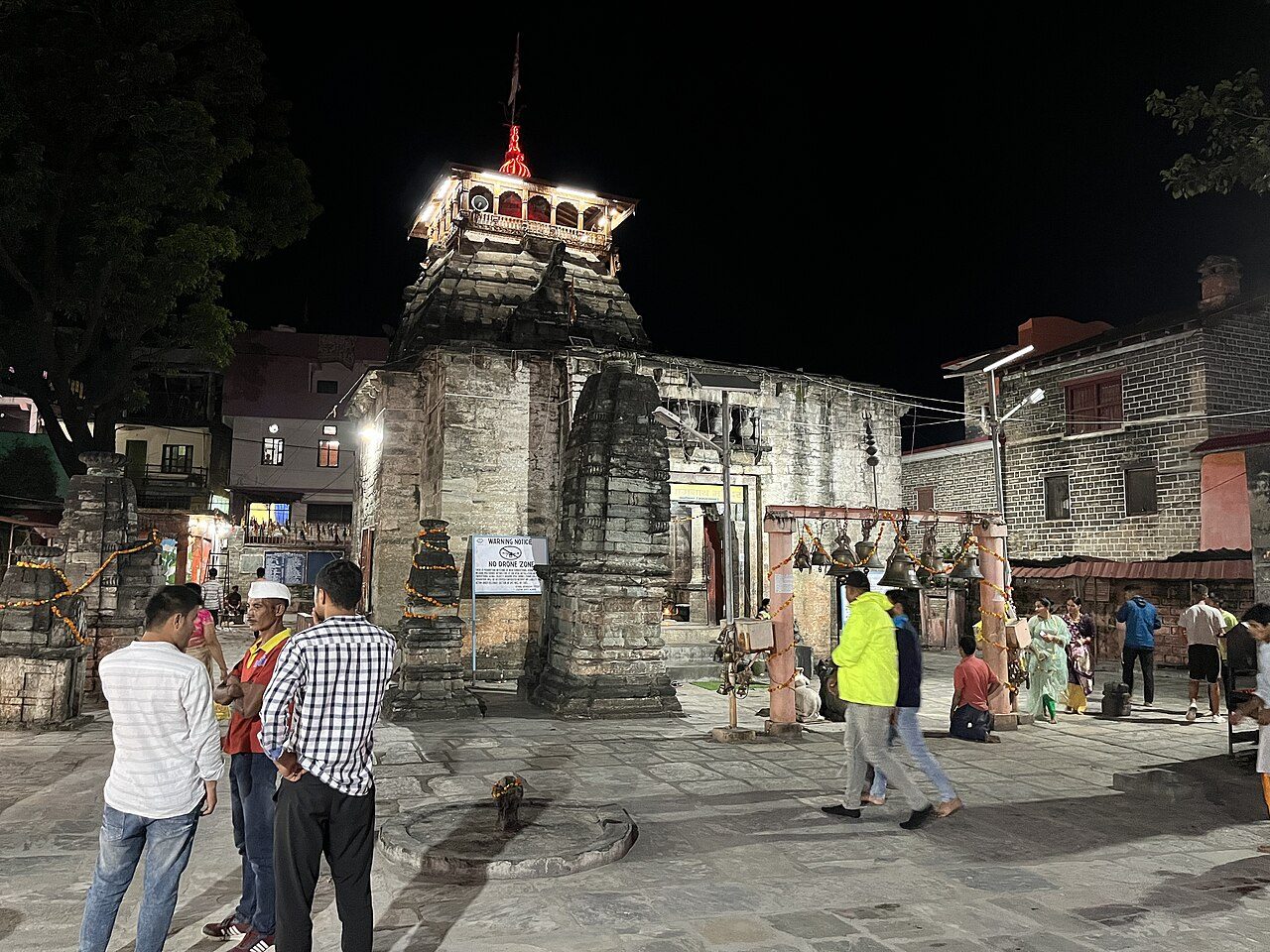
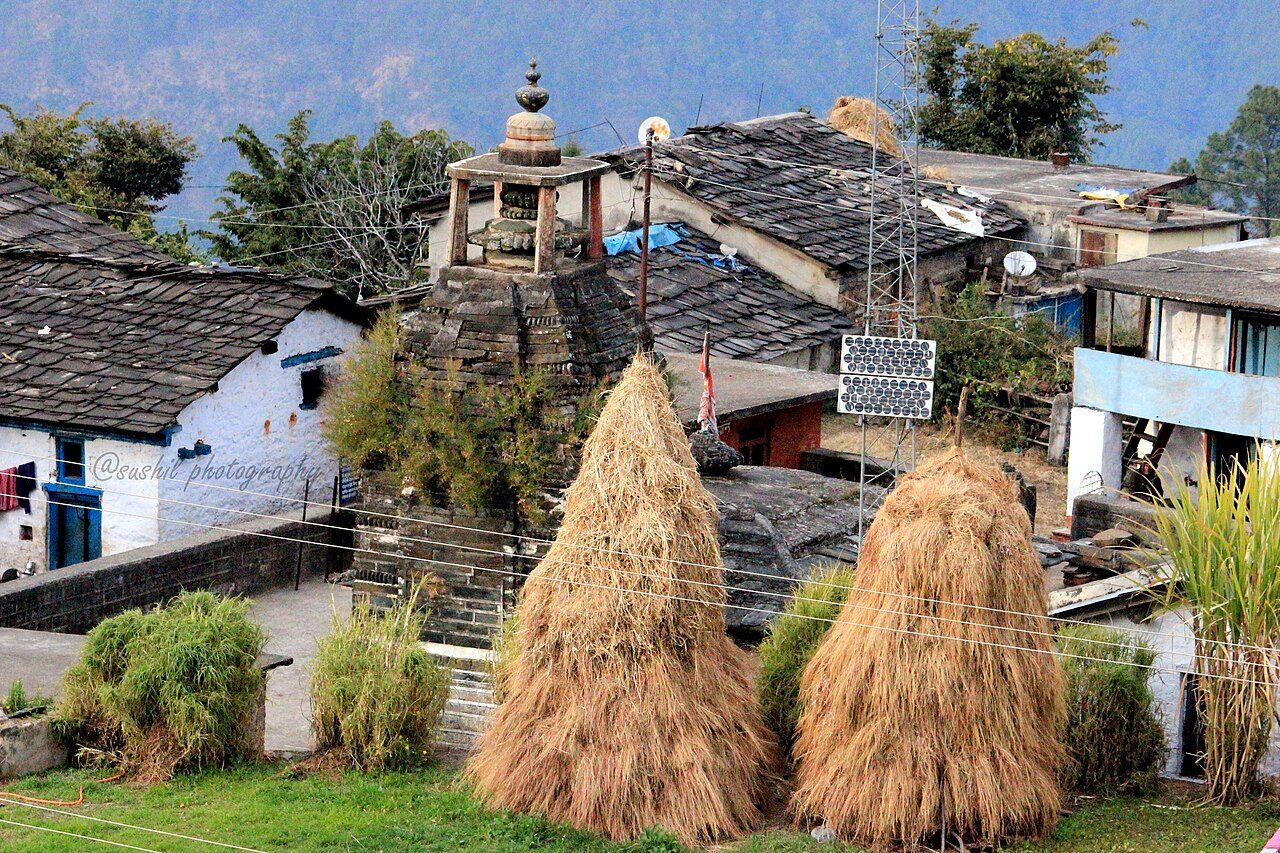
Dwarahat, a small town in the hills near Ranikhet, is scattered with dozens of stone temples built by the Katyuri kings between about the 10th and 12th centuries. They stand in several groups, among them the Badrinath, Mrityunjaya, Ratan Deo and Gujar Deo temples, the last noted for its carving. The sites lie within walking distance of each other among fields and houses.
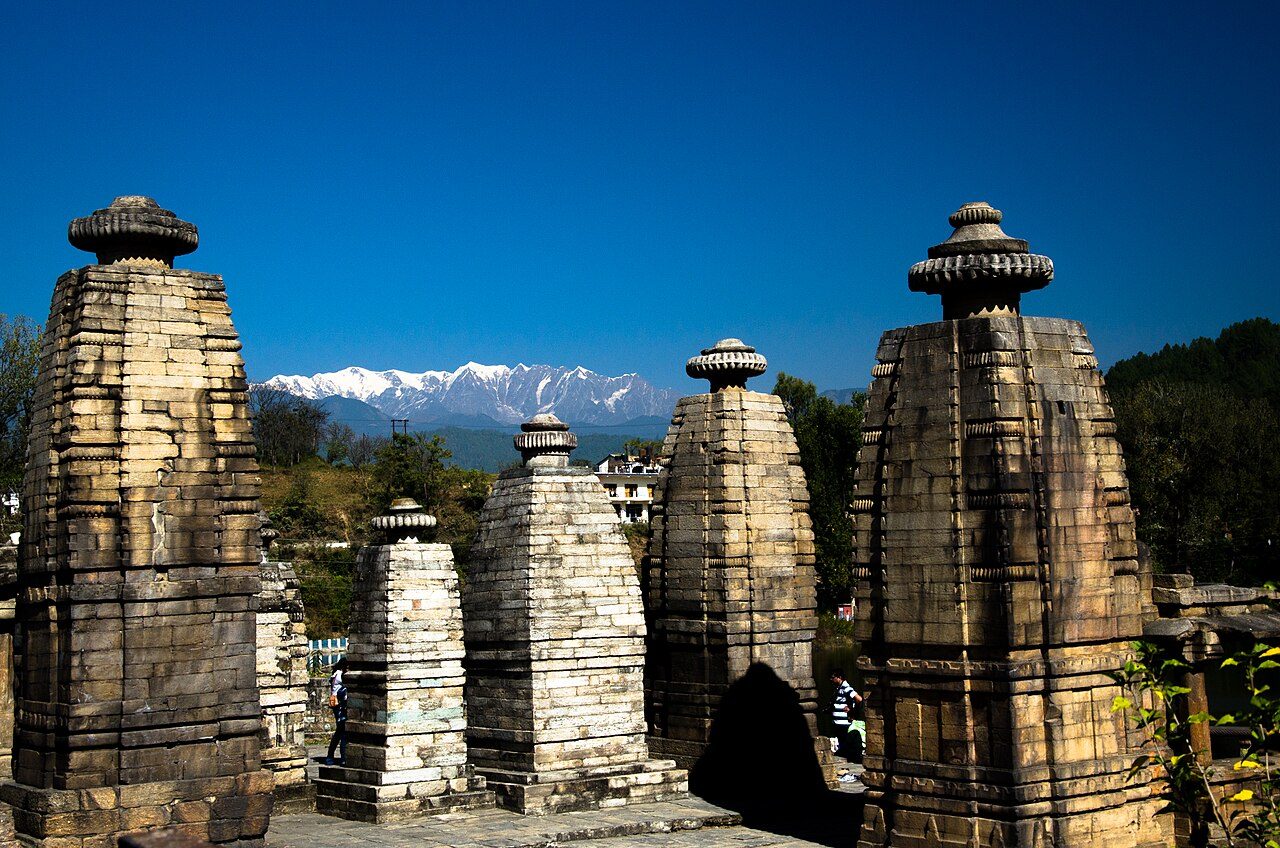
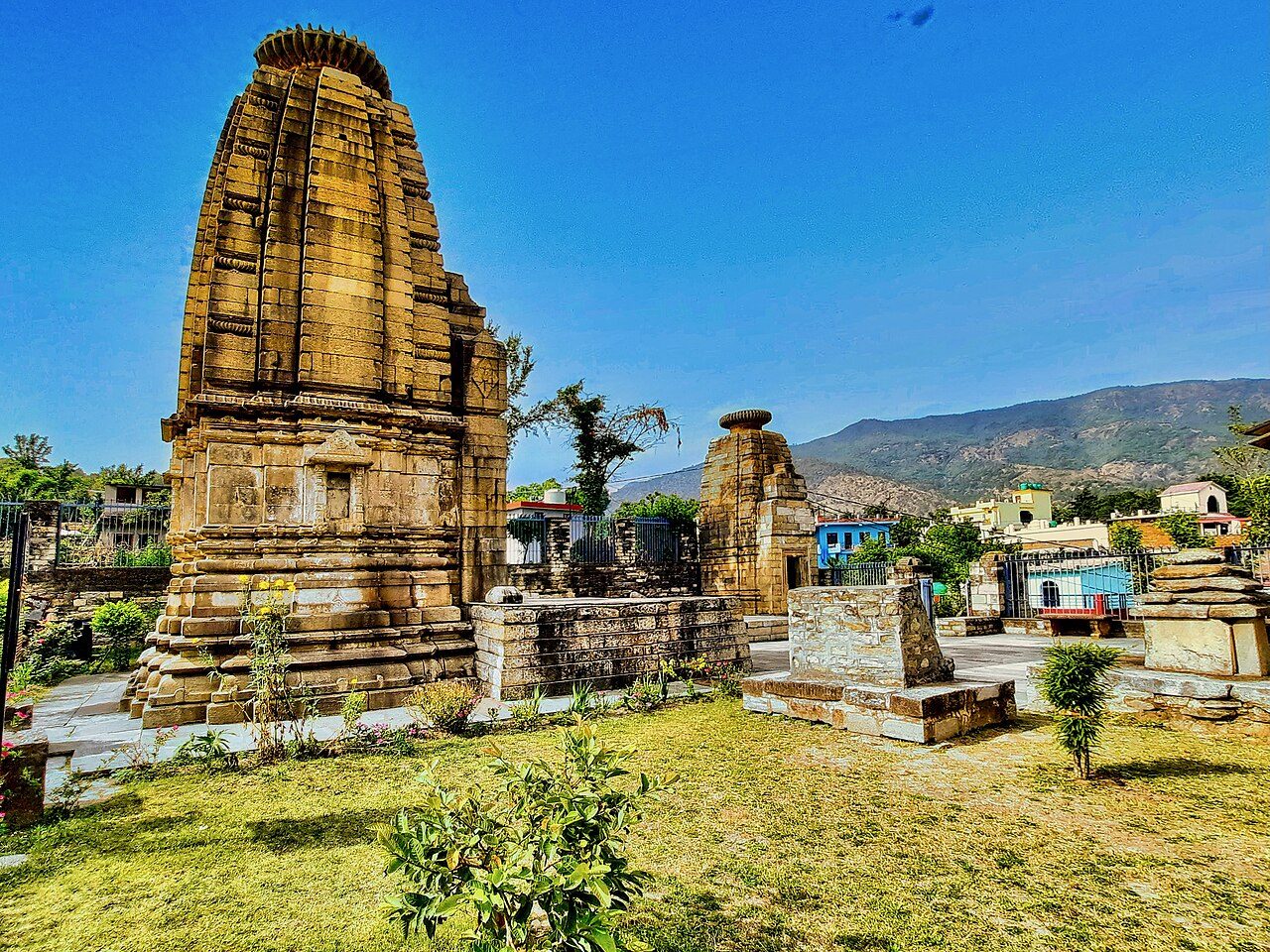
The Baijnath temples stand on the bank of the Gomti River in the Katyur valley, near Kausani. Built around the 12th century by the Katyuri kings, whose capital was here, the cluster of stone shrines surrounds a main Shiva temple noted for a fine image of Parvati in black stone. Fish in the river beside the ghats are protected and fed by visitors.
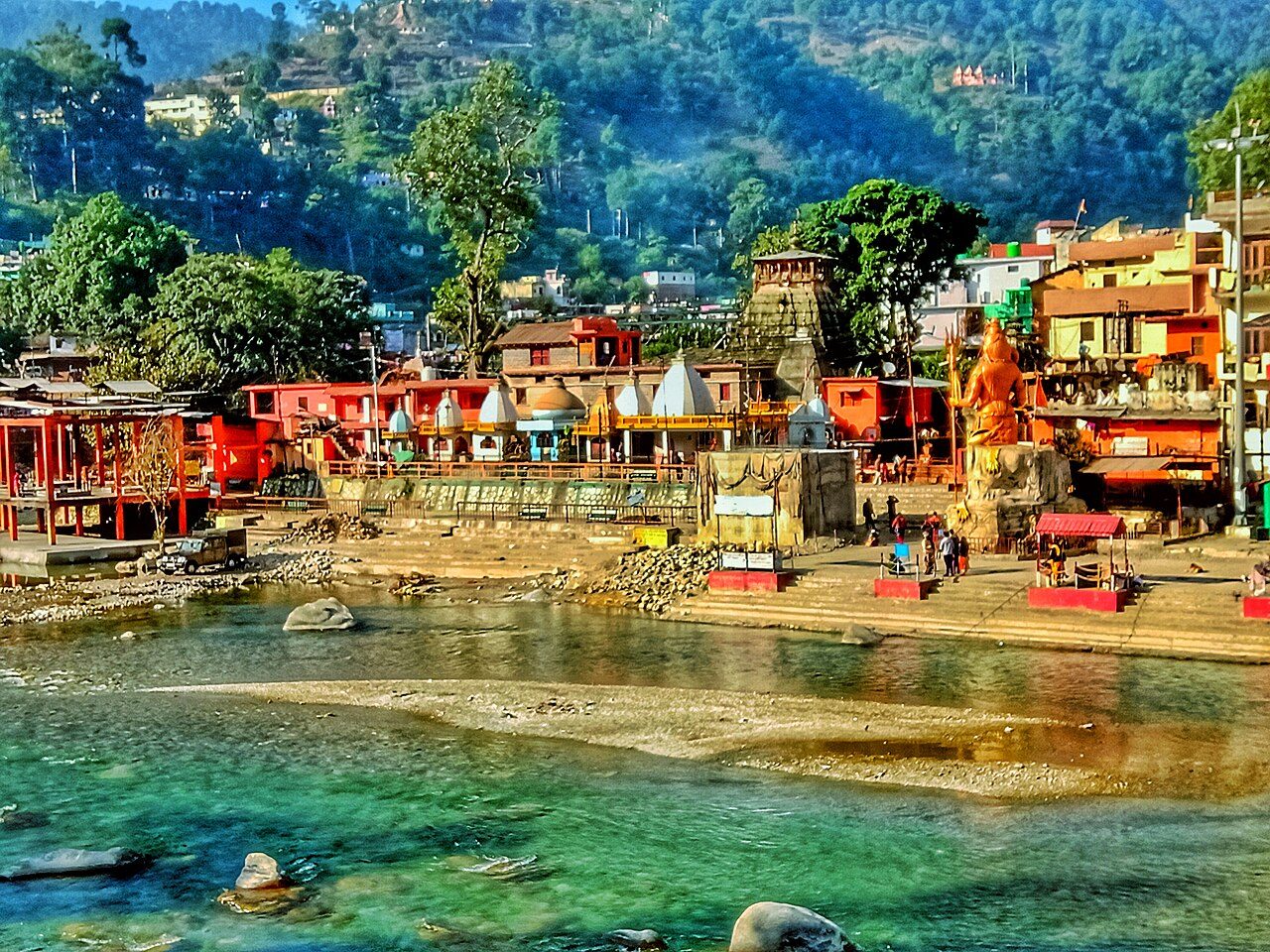
Bagnath Temple stands at the confluence of the Saryu and Gomti rivers in Bageshwar and gives the town its name. Dedicated to Shiva as lord of the tiger, the present temple was built around 1450 by the Chand king Laxmi Chand, though the site is older. Its courtyard holds many ancient sculptures. The Uttarayani fair each January is one of the largest in Kumaon.
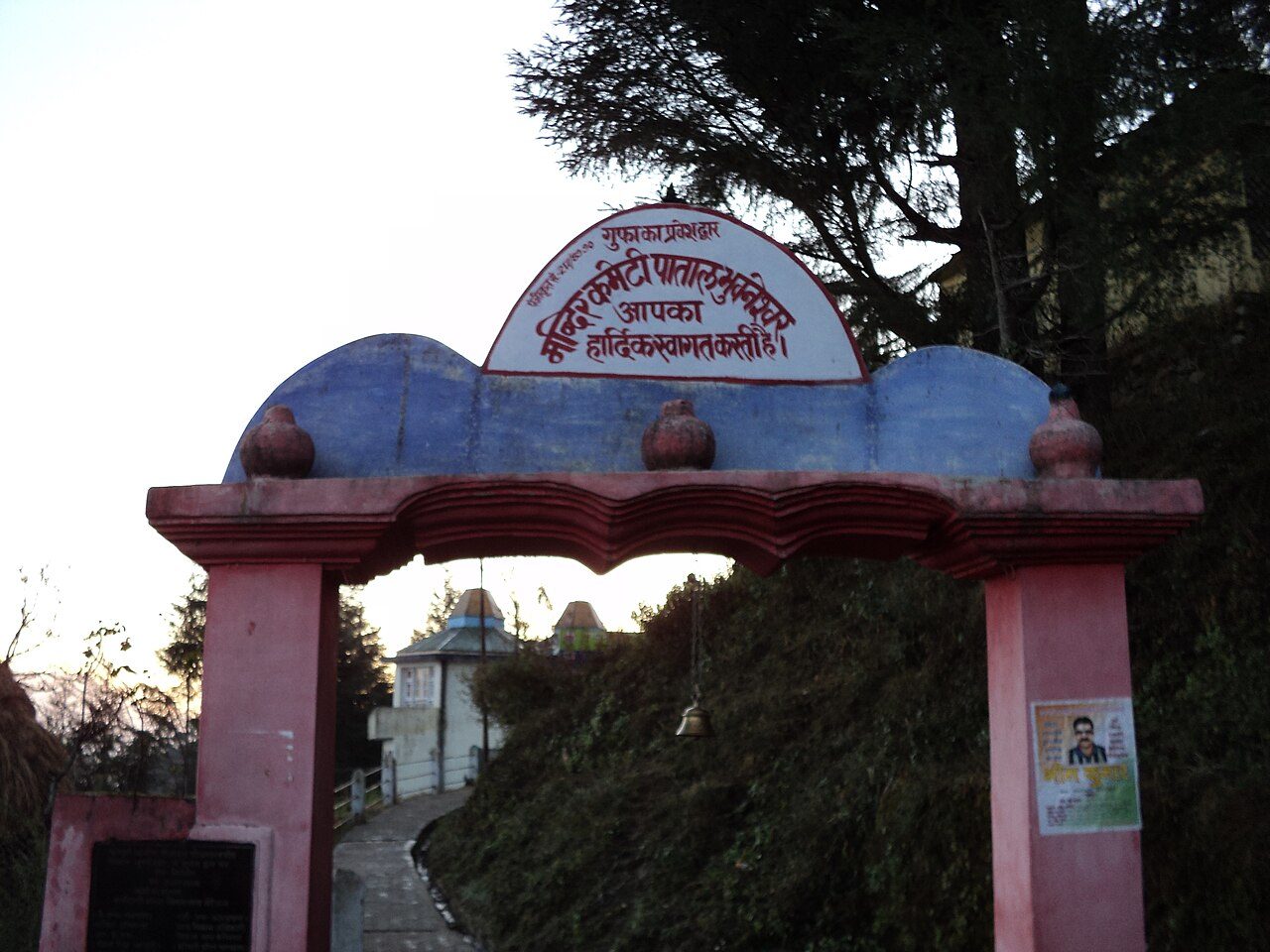
Patal Bhuvaneshwar is a limestone cave temple near Gangolihat in Pithoragarh district. A narrow, stepped tunnel descends about 90 feet into a series of chambers, where rock formations are identified with Shiva, Ganesha, Sheshnag and many other deities. Guides lead small groups through with torches. The descent is tight and slippery, so it is not suited to those uneasy in confined spaces.
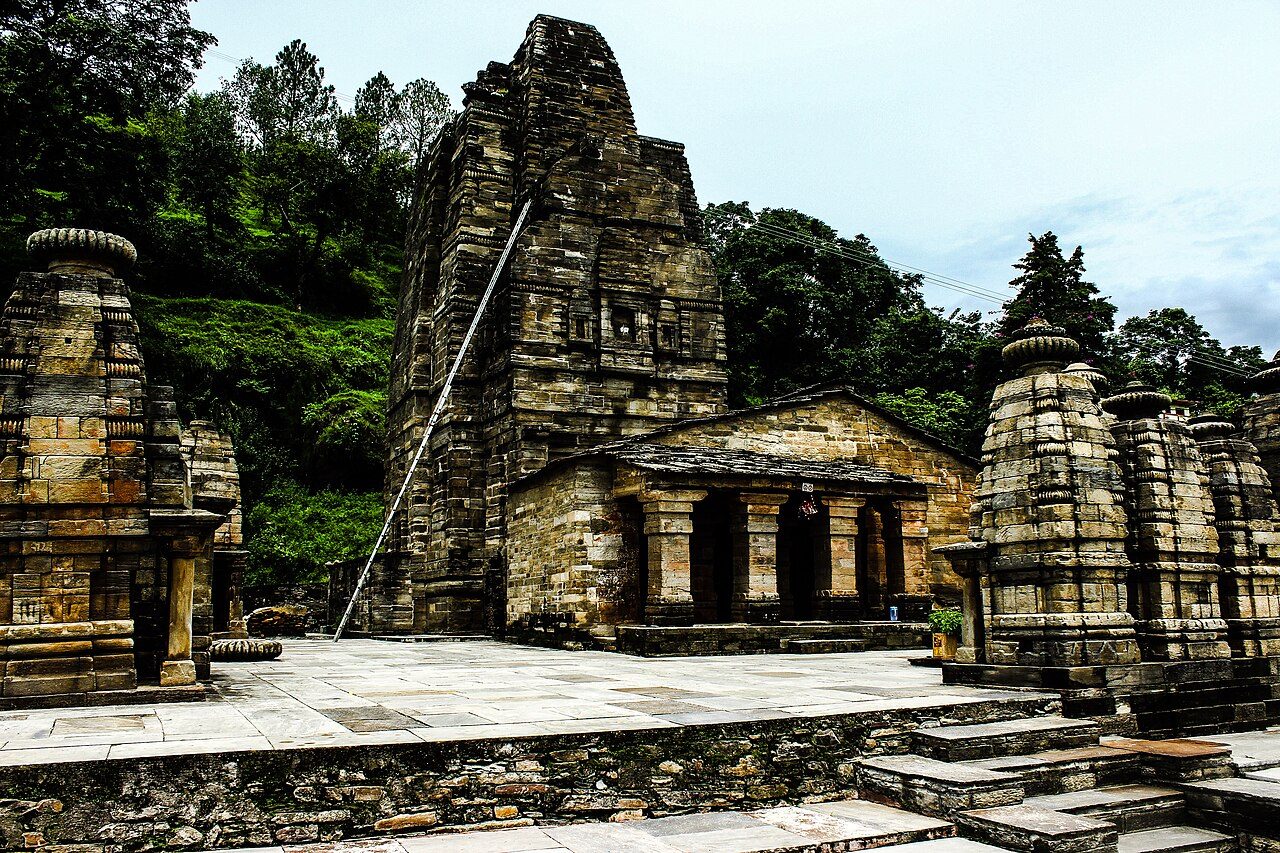
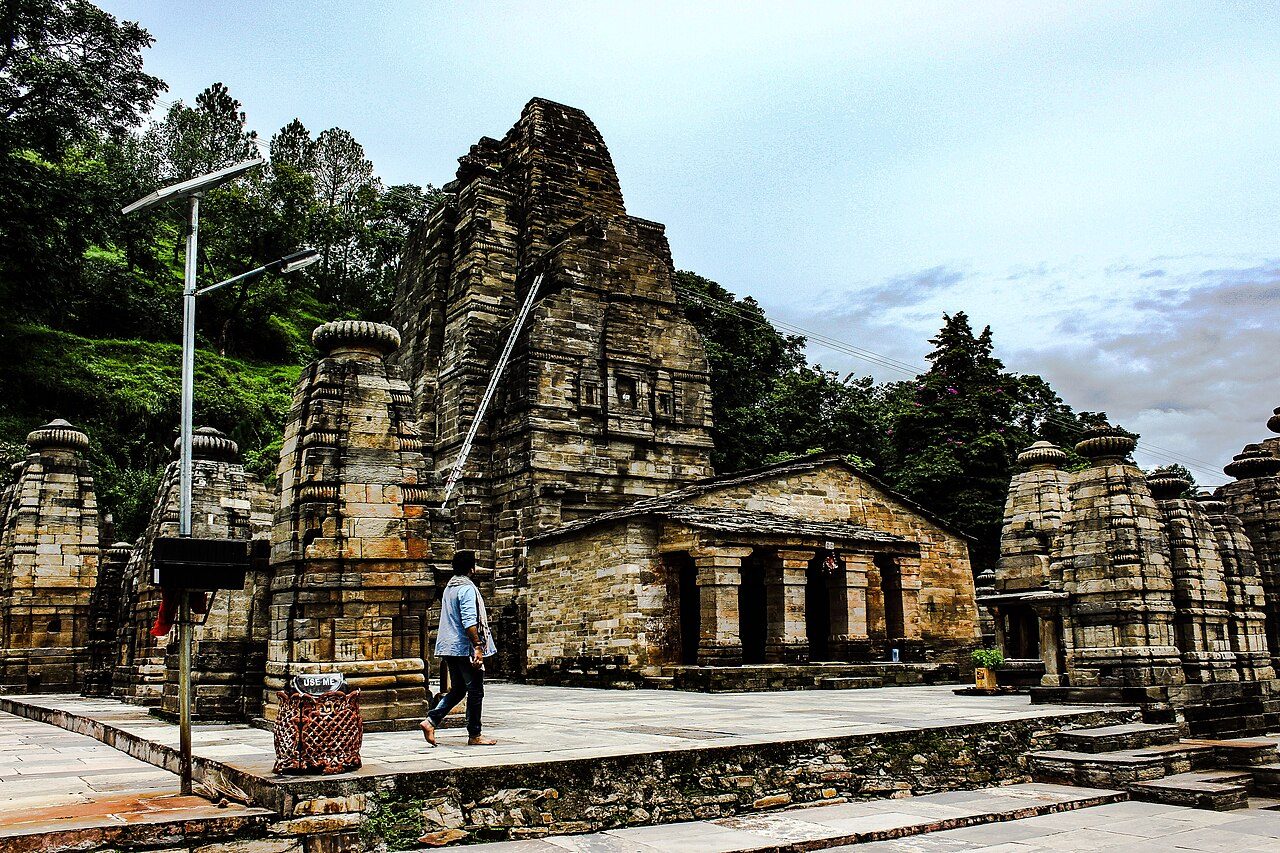
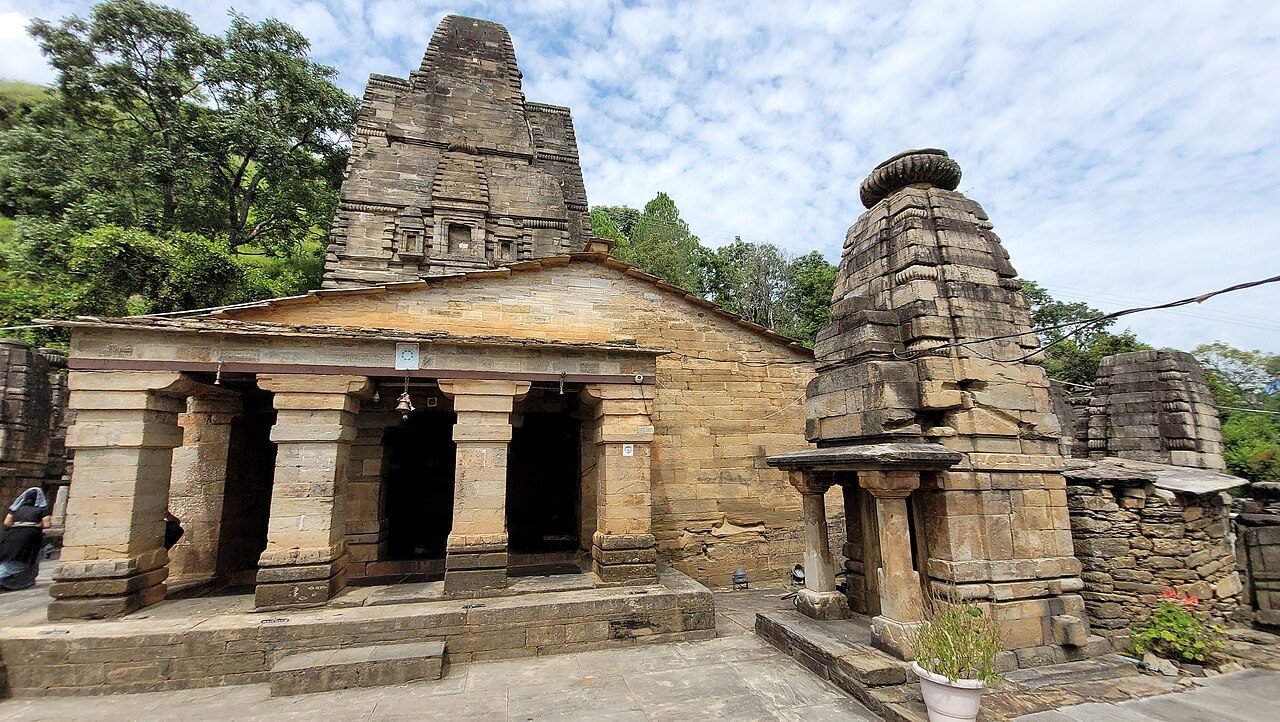
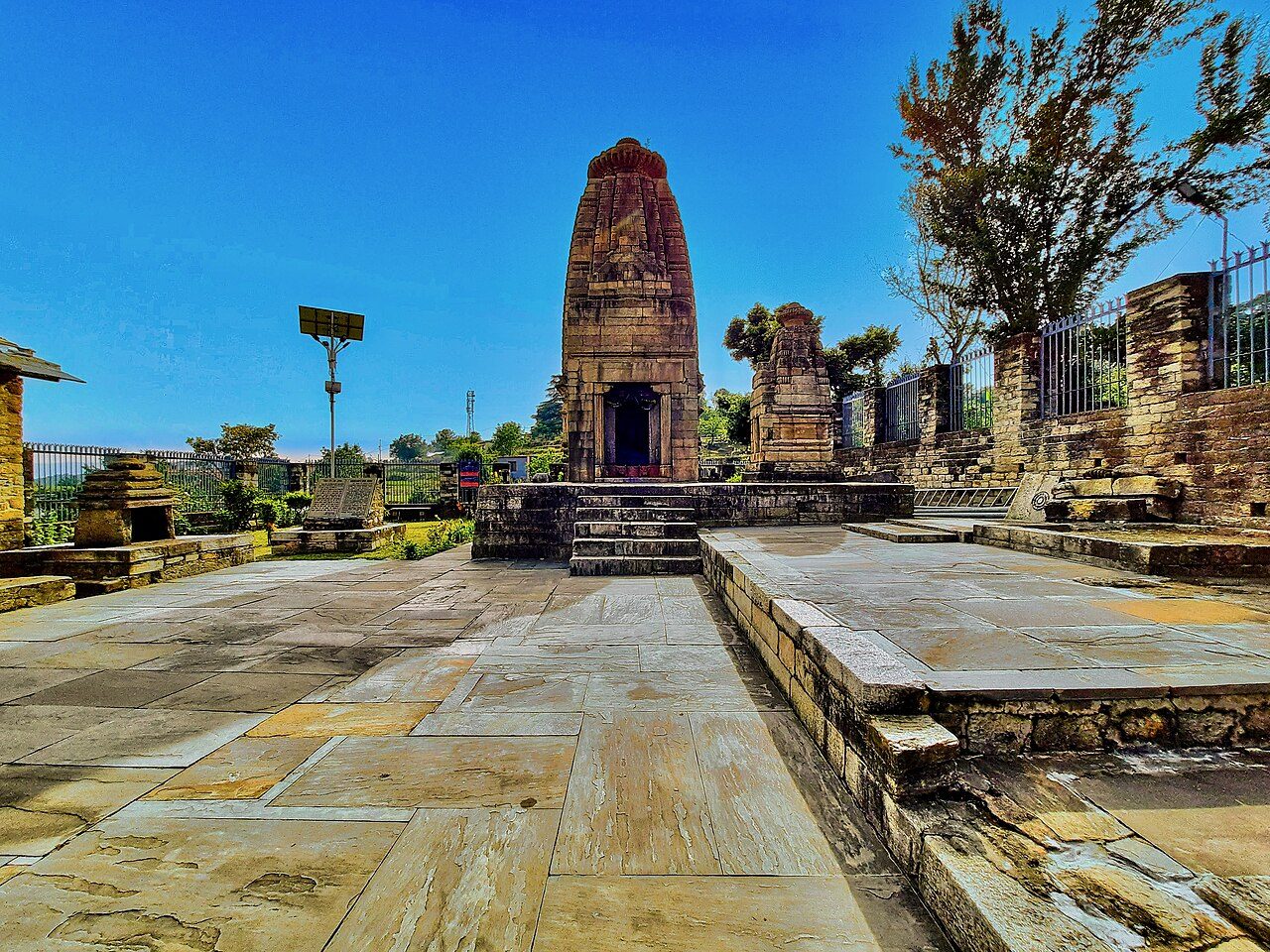
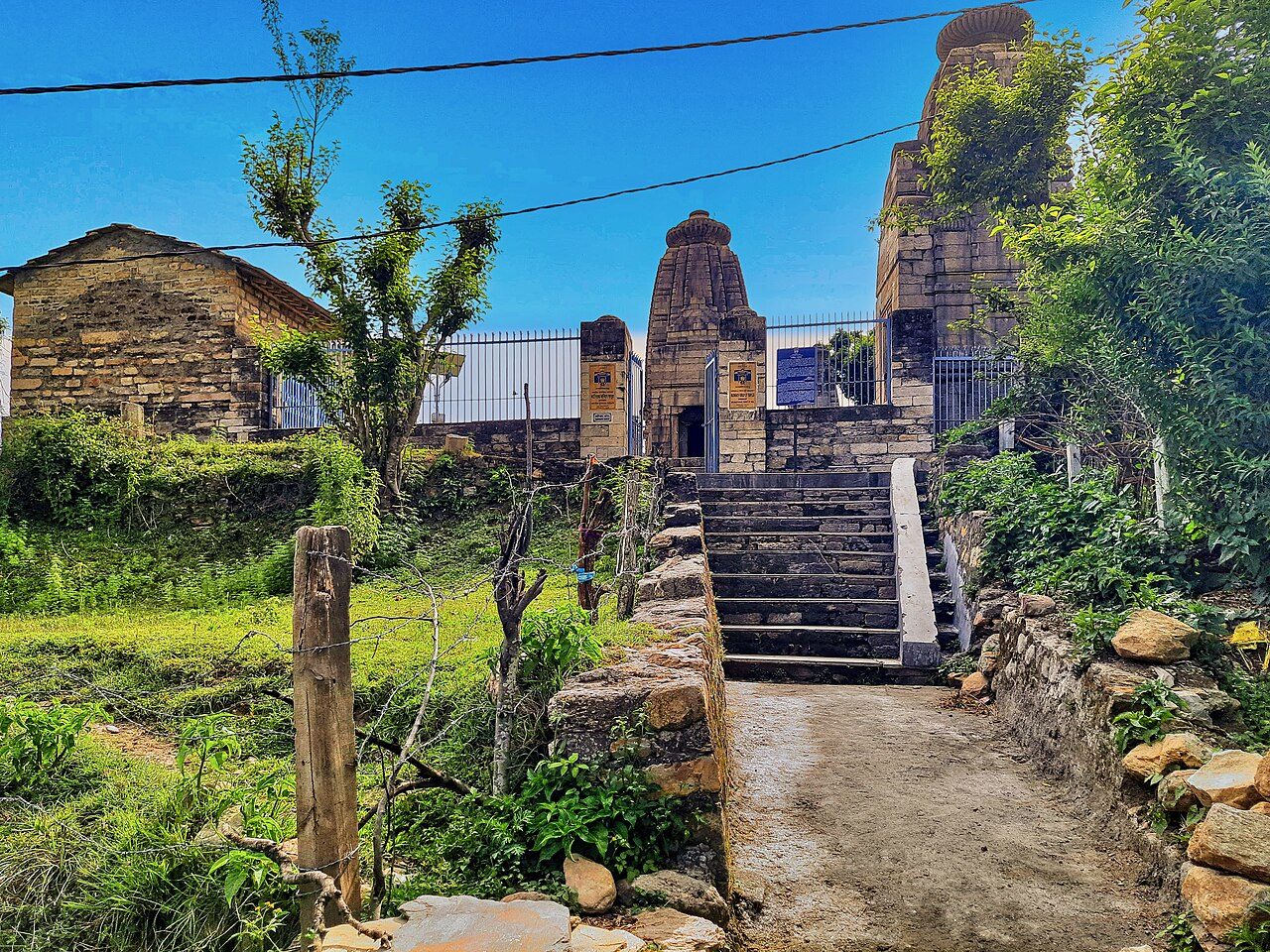
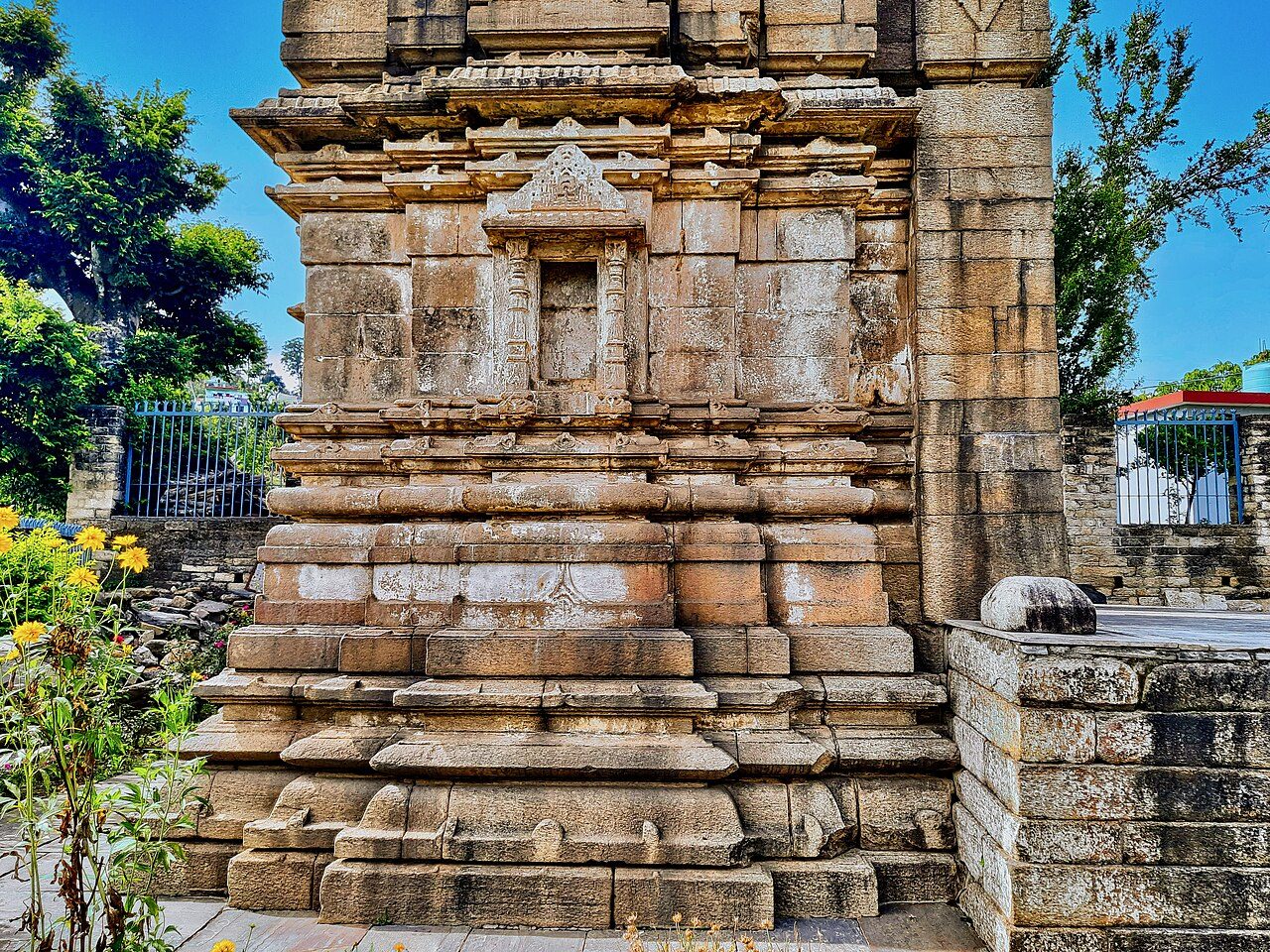
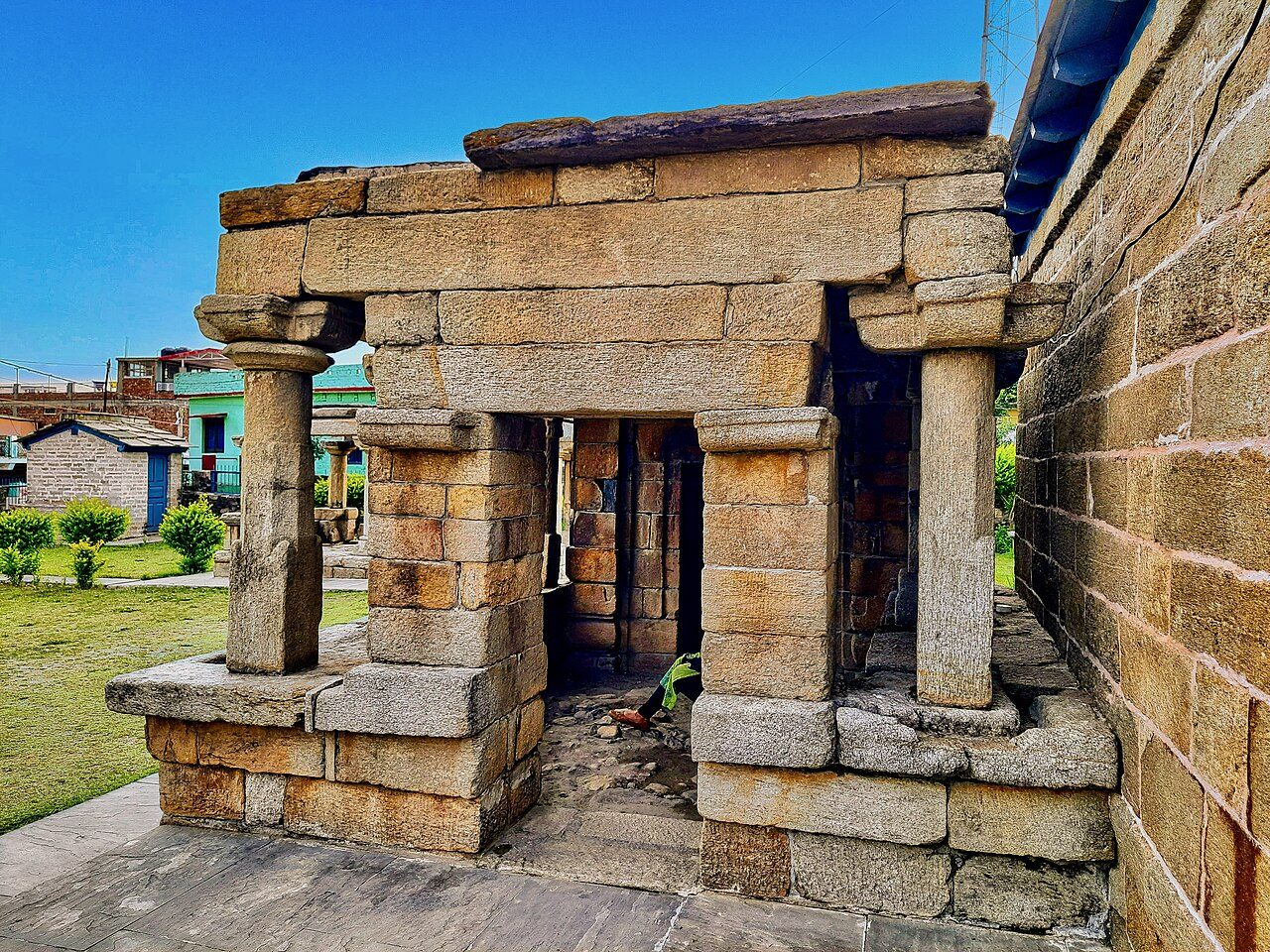
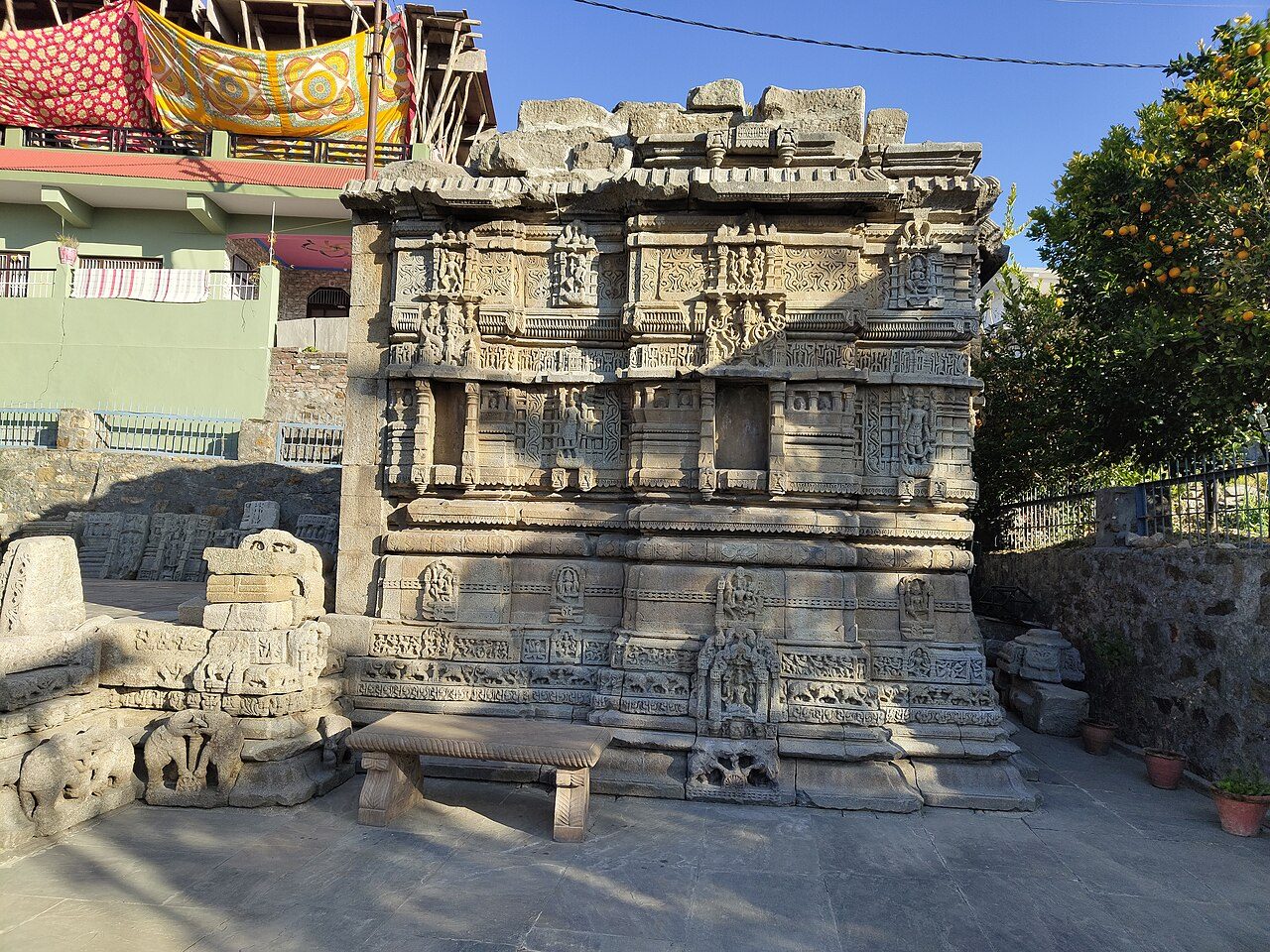
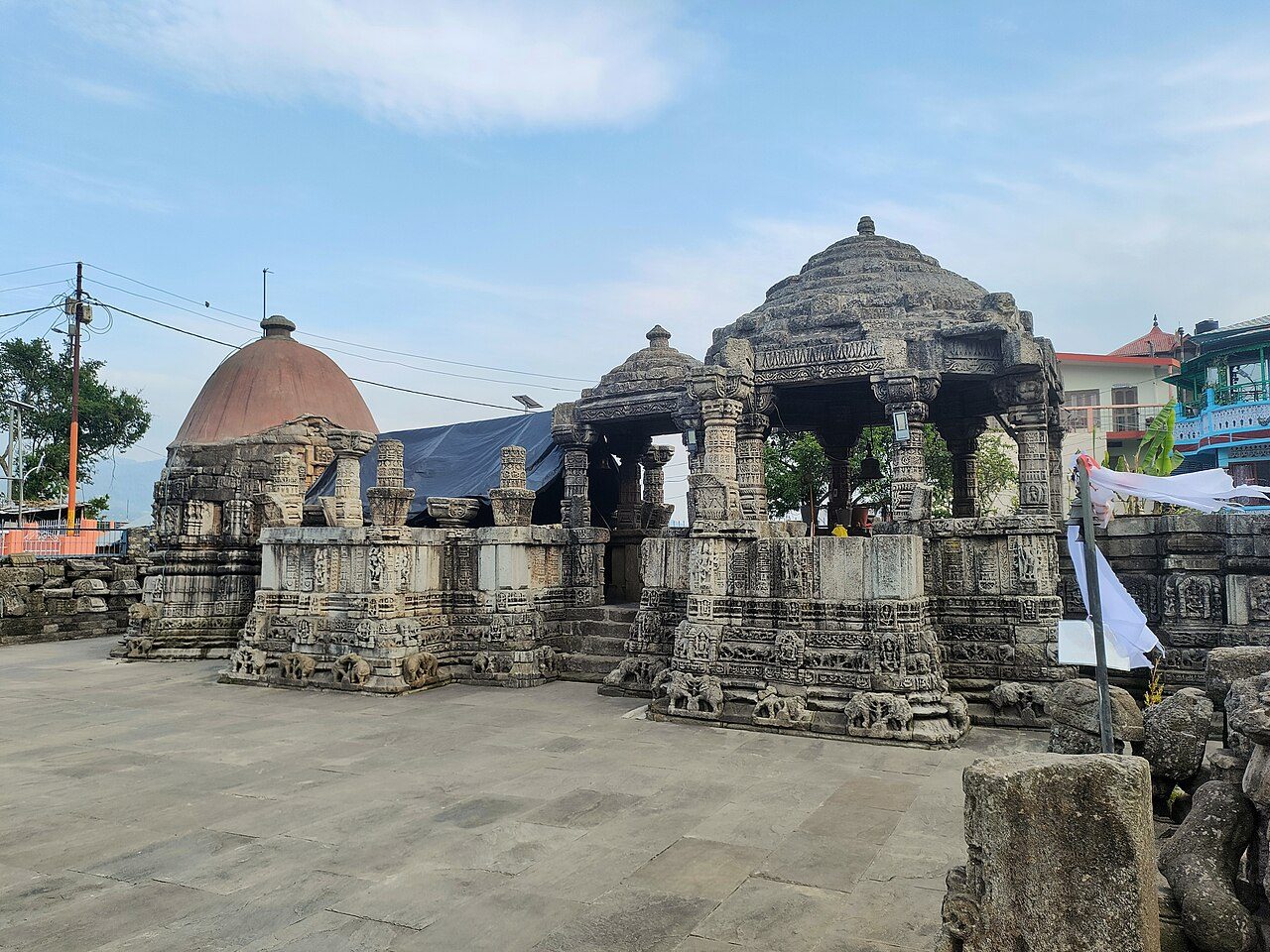
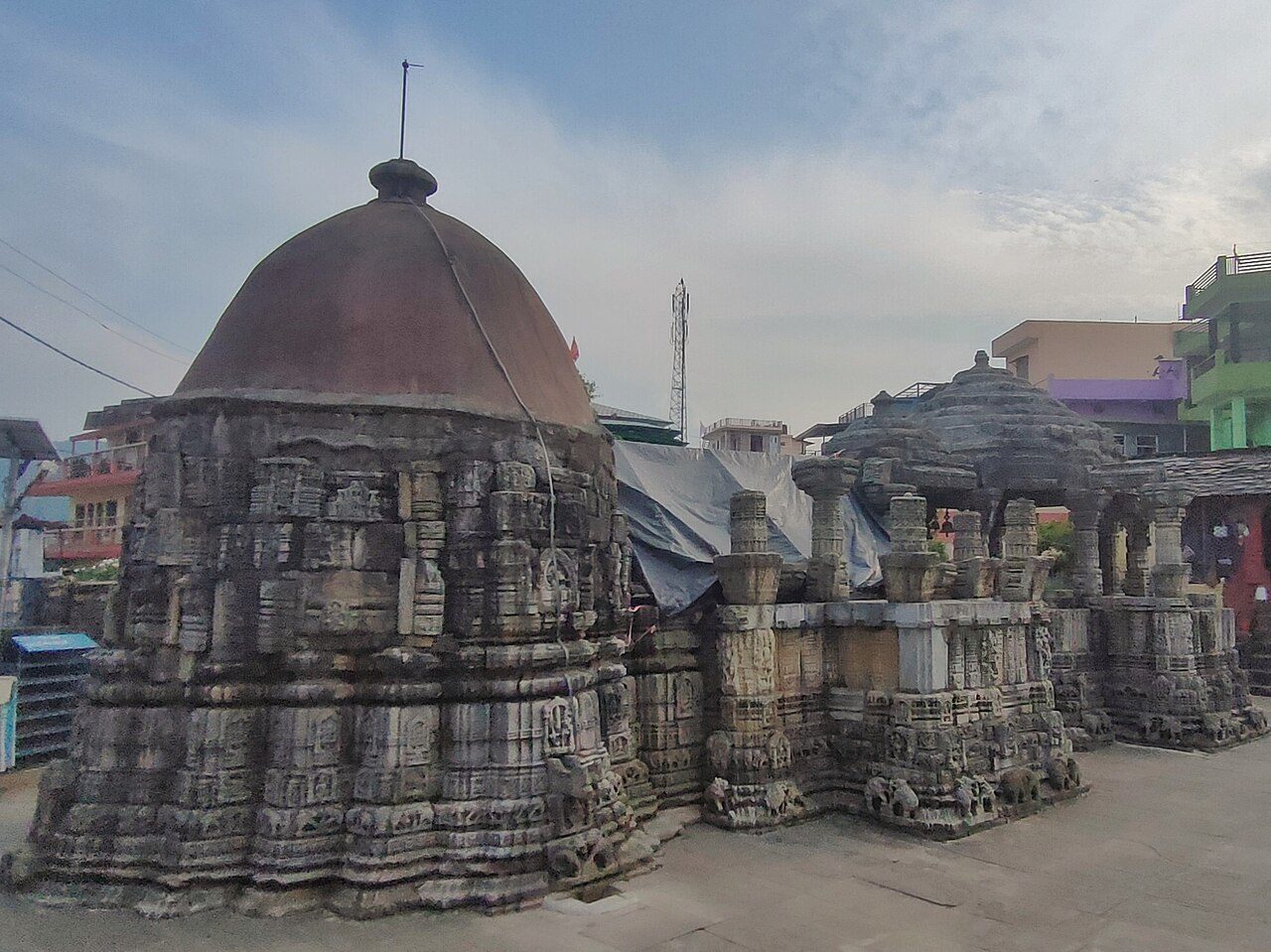
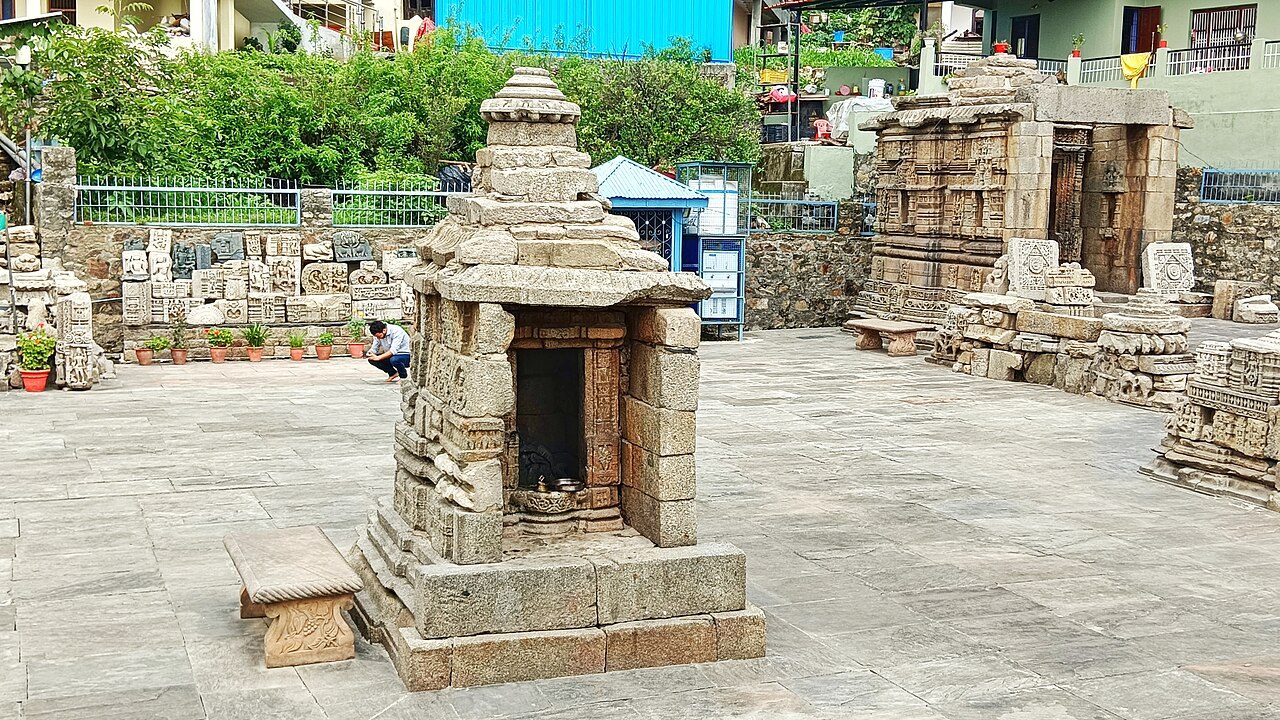
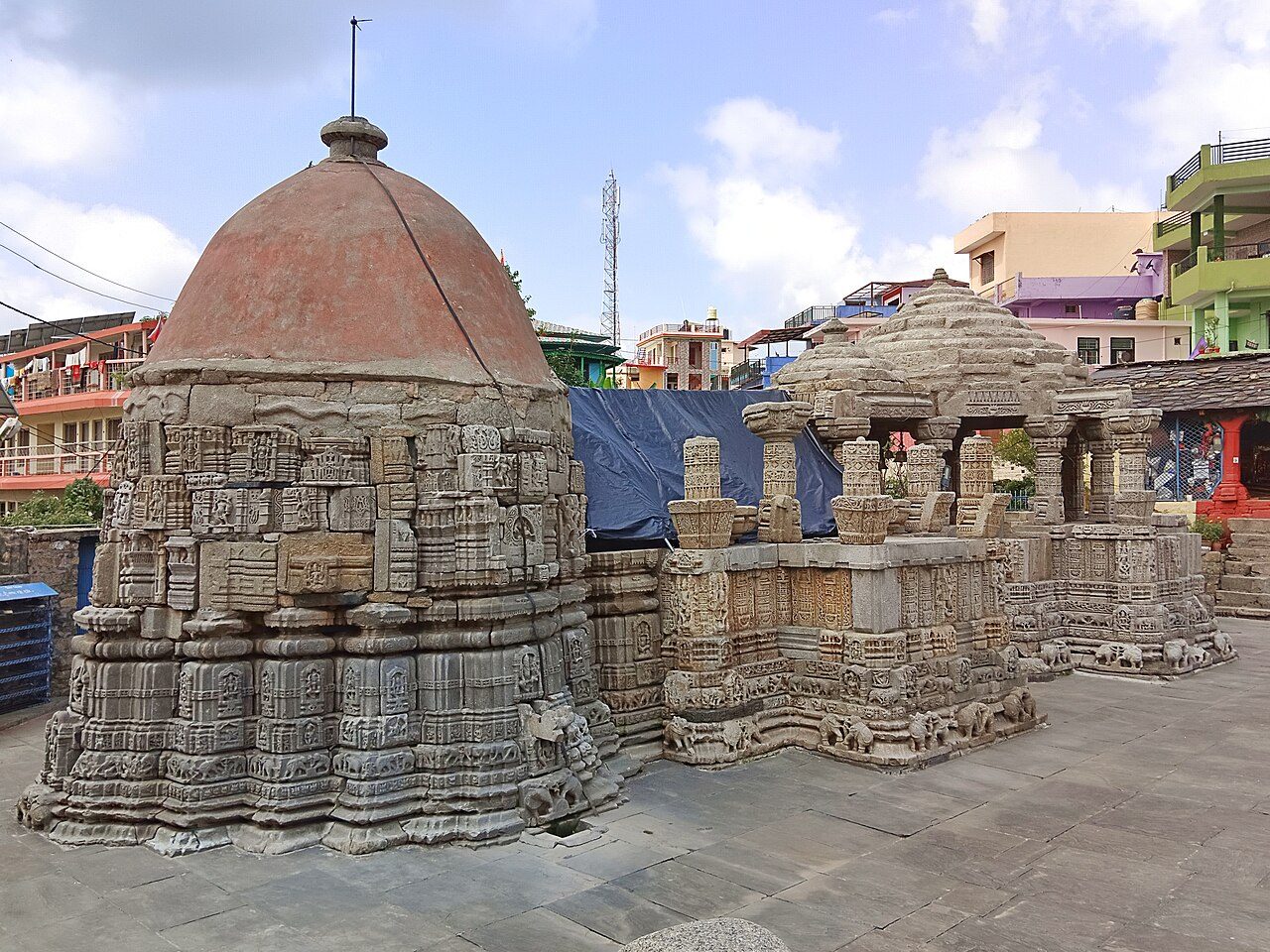
The Baleshwar Temple in Champawat was built by the Chand kings, who made the town their first capital, between about the 10th and 12th centuries. Dedicated to Shiva, the complex is known for its intricate stone carving on walls, ceilings and the pillared halls, though parts are damaged. A stone water spout nearby is of similar age. It is a protected national monument in the town centre.
Best weather: Oct – DecHeavy rain: Jul – Aug
Seasons from 20 years of NASA POWER climate data.
Was this trip blog helpful?
0
0
Ready to follow this route?
Copy all 11 stops into your trip plans in the app.
 WaTrips