Kongu Country & Kolli Hills: Erode, Tiruppur, Karur and Namakkal in 5 Days
5 DAYS14 placesby WaTrips
Western Tamil Nadu off the tourist trail: river-meeting temples, dams and bird lakes, Thirumoorthy Falls, Karur's old temples and Kolli Hills.
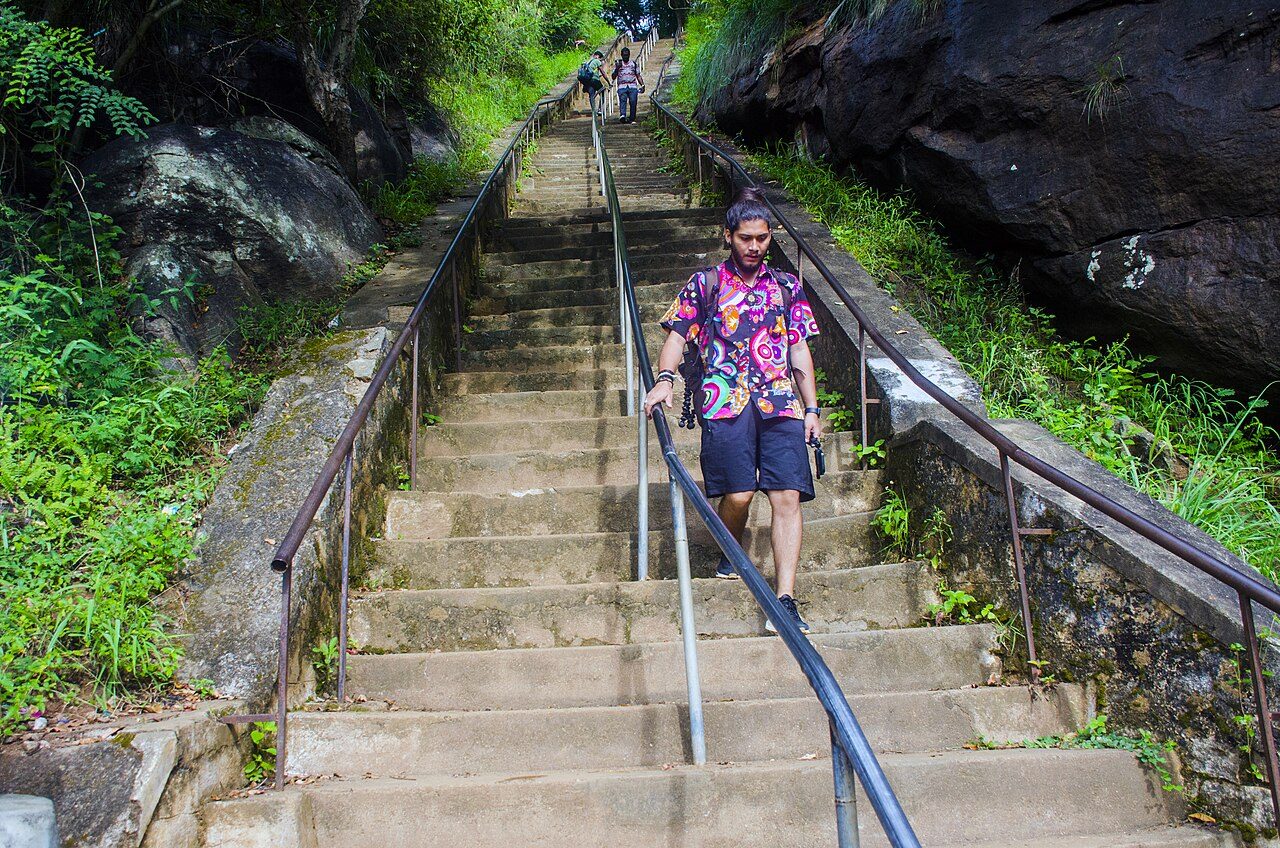
The Kongu region of western Tamil Nadu is farming country with old temples, big dams and almost no tourist crowds. Start at Bhavani, where two rivers meet at the Sangameswarar temple, then the Chennimalai hill temple and the Vellode bird sanctuary. Day two goes along the edge of the forest to the Bannari Amman Temple and the Bhavanisagar and Kodiveri dams. Day three is Thirumoorthy Falls with its temple, and the Amaravathi Dam. In Karur, see the Pasupatheeswarar and Kulithalai temples and the Kaveri at Mayanur. Finish in Namakkal at the Anjaneyar statue, then climb the 70 hairpin bends of Kolli Hills to the Arapaleeswarar temple and Agaya Gangai Falls. The steps down to the falls are steep.
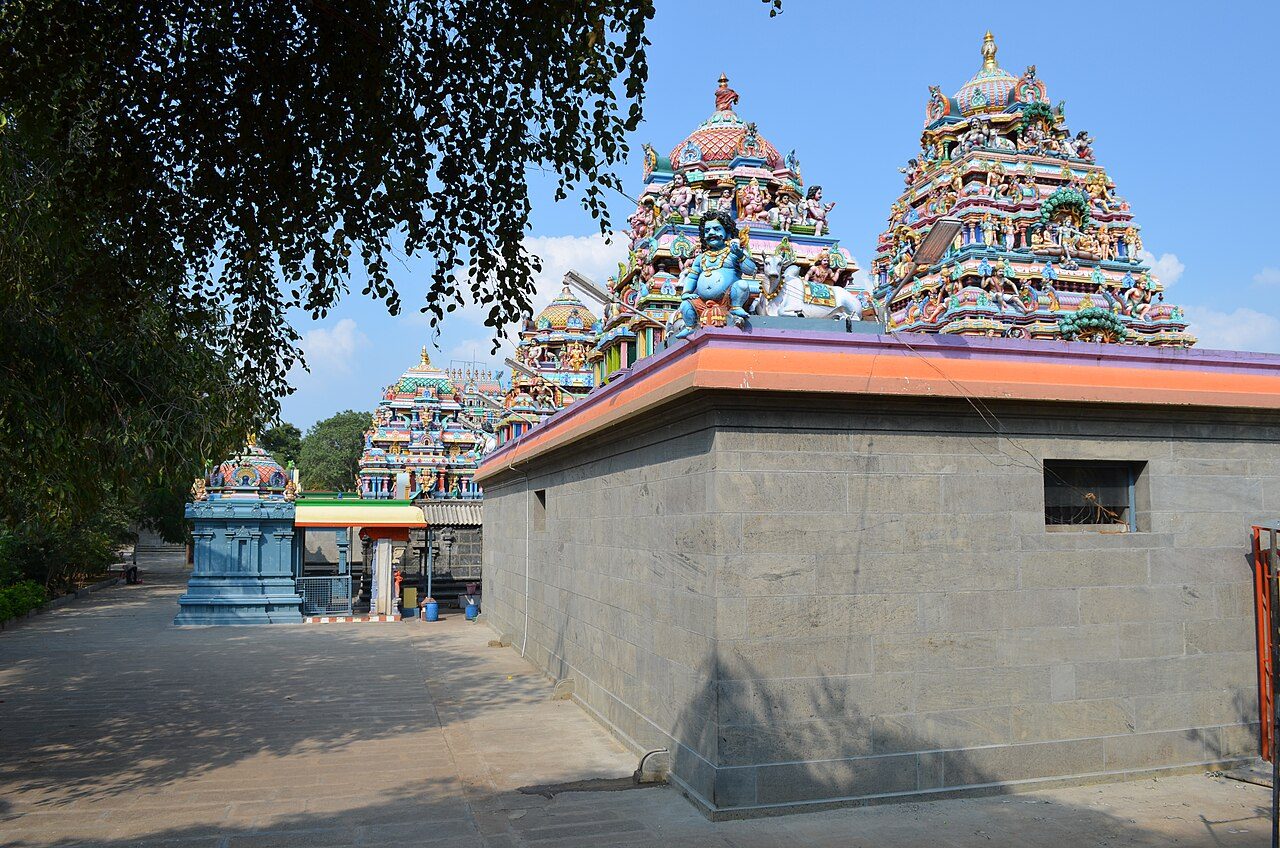
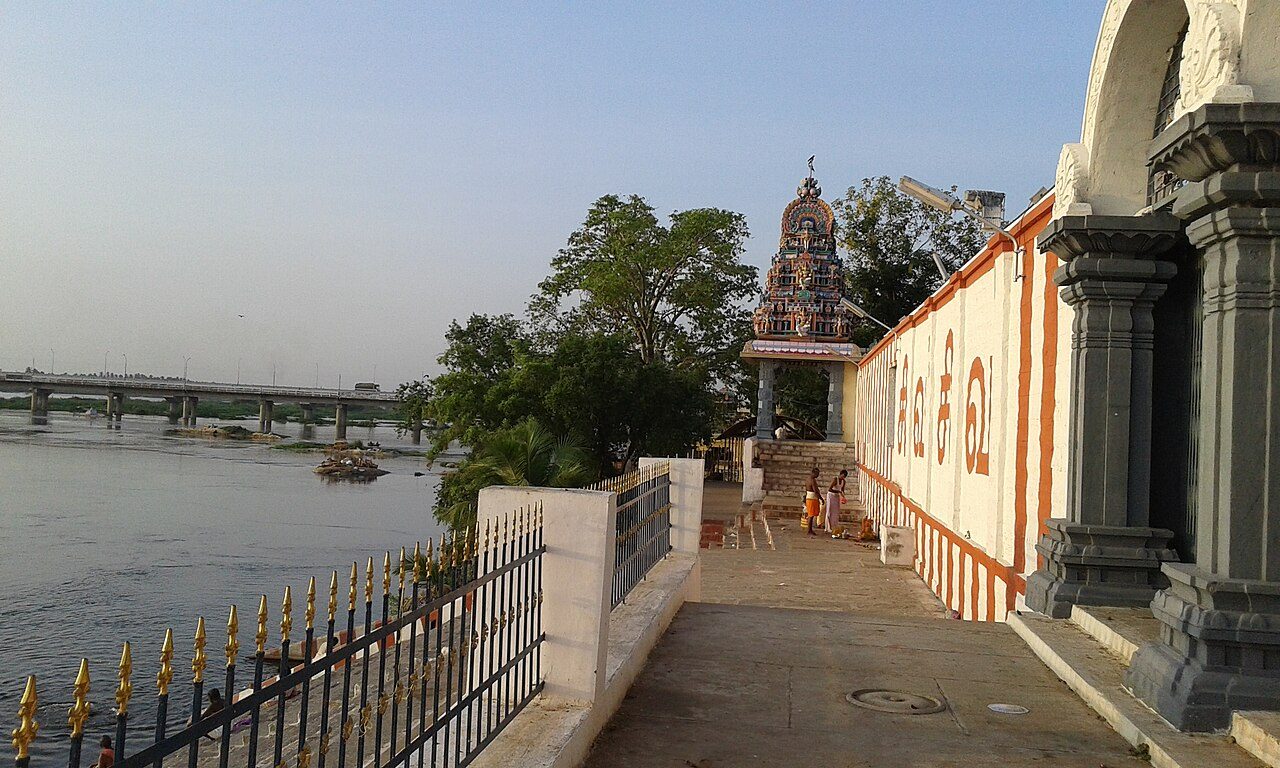
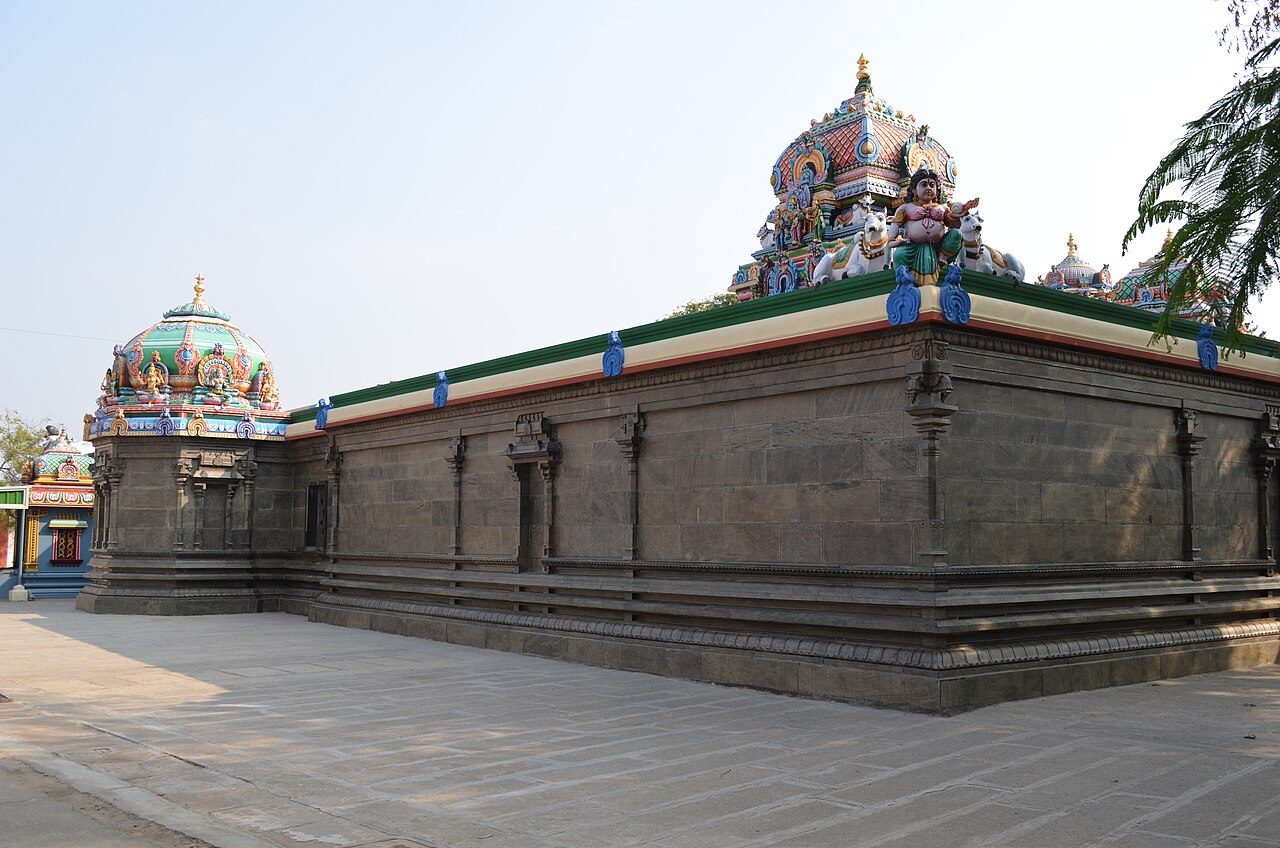
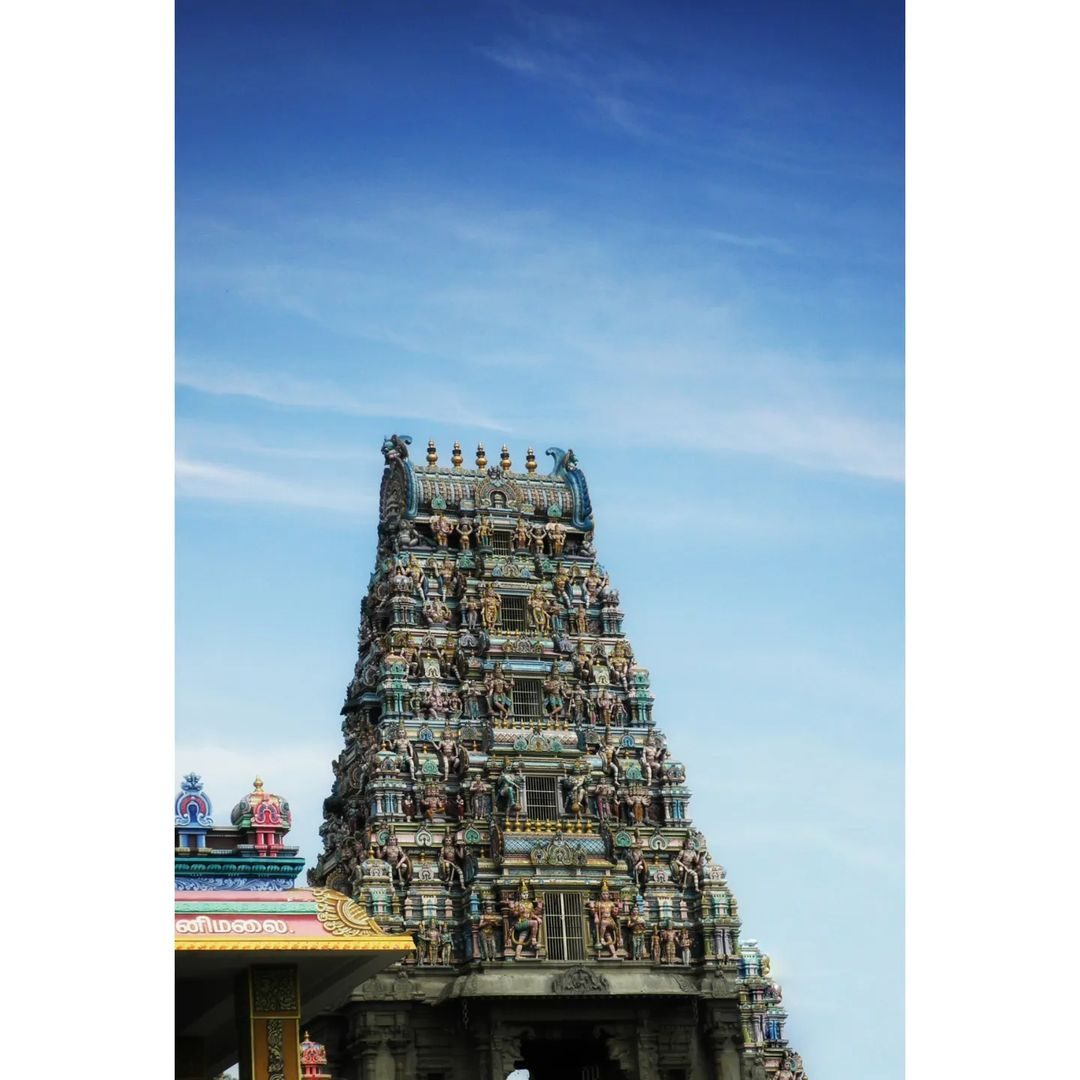
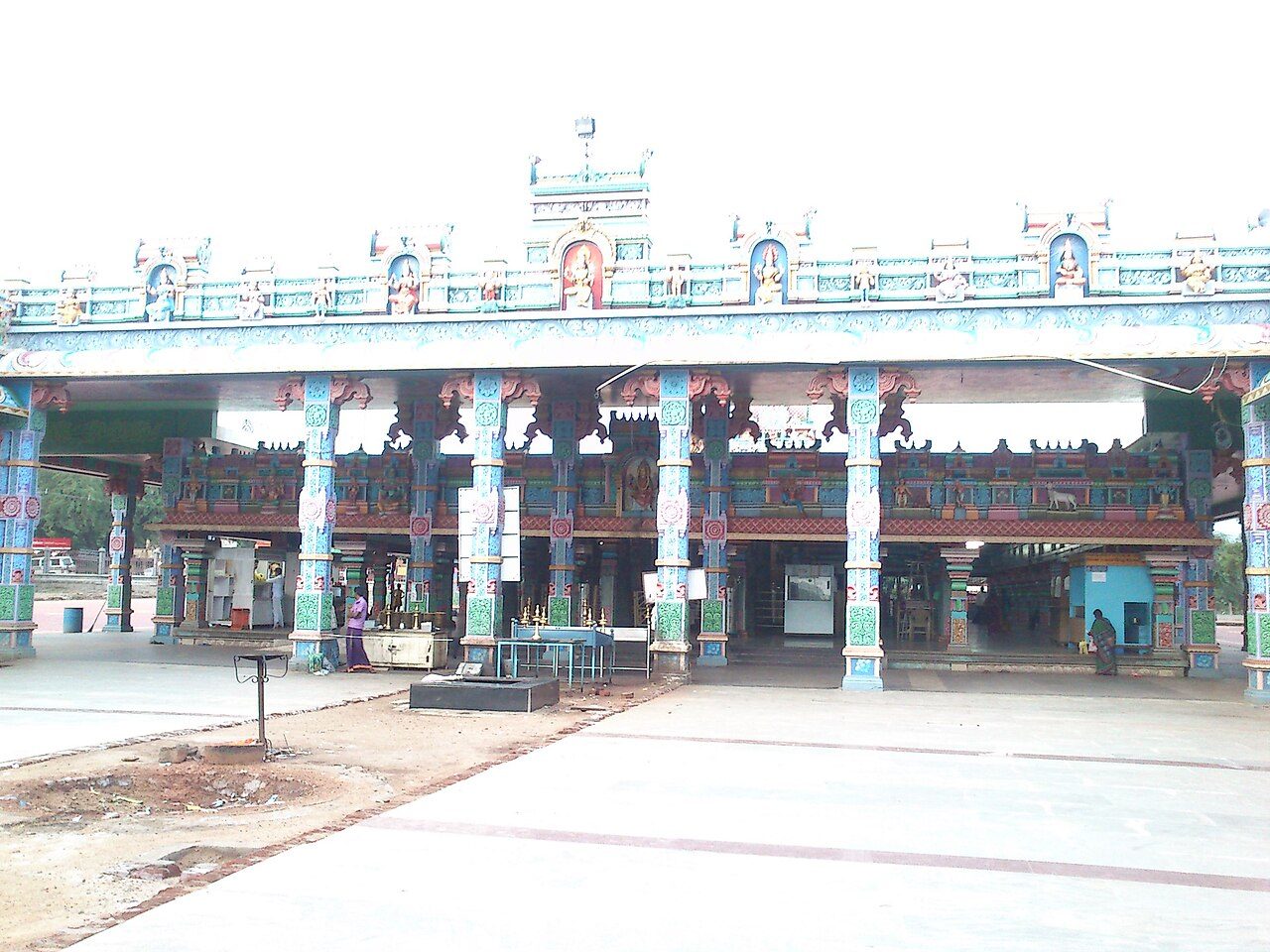
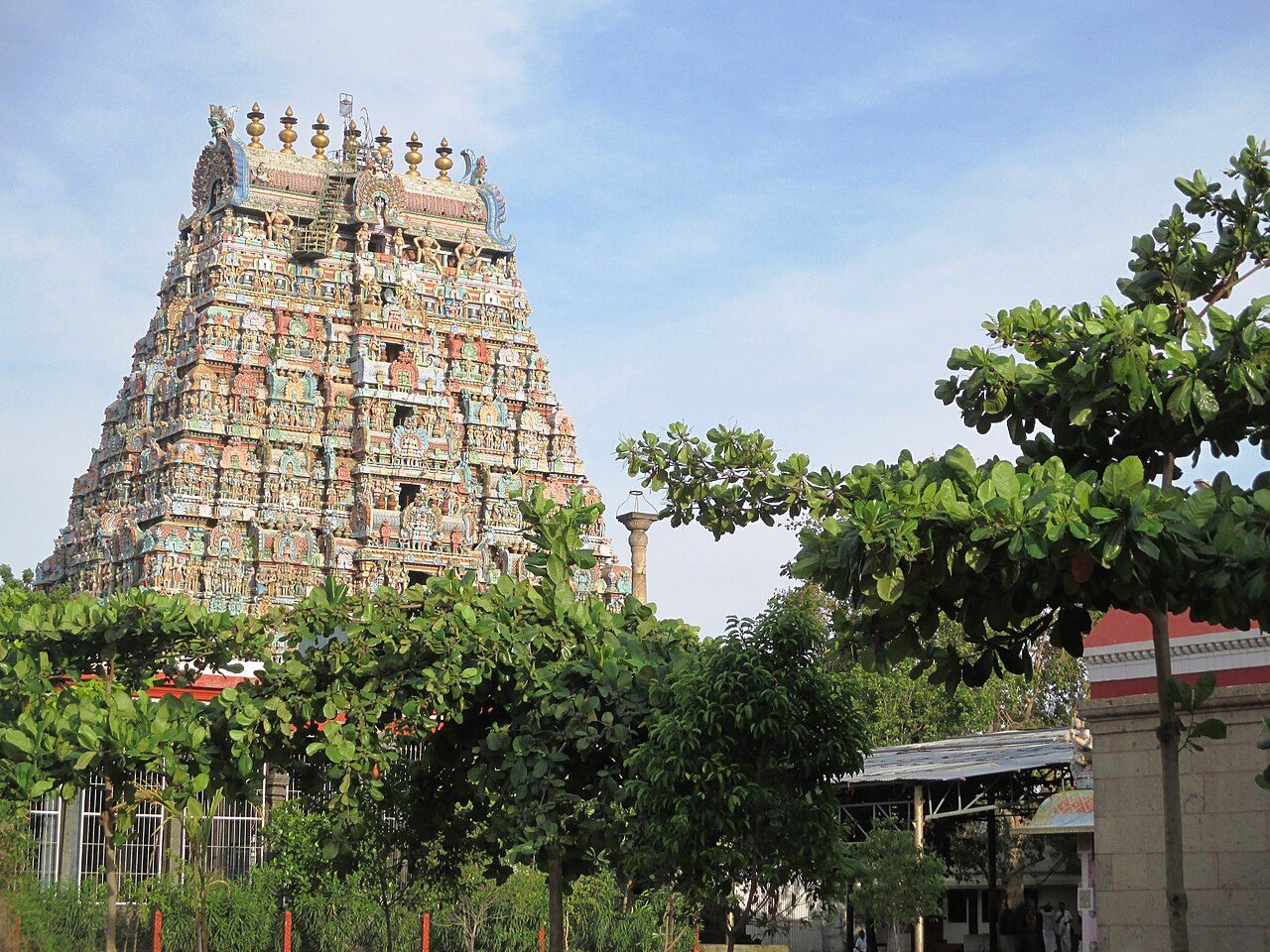
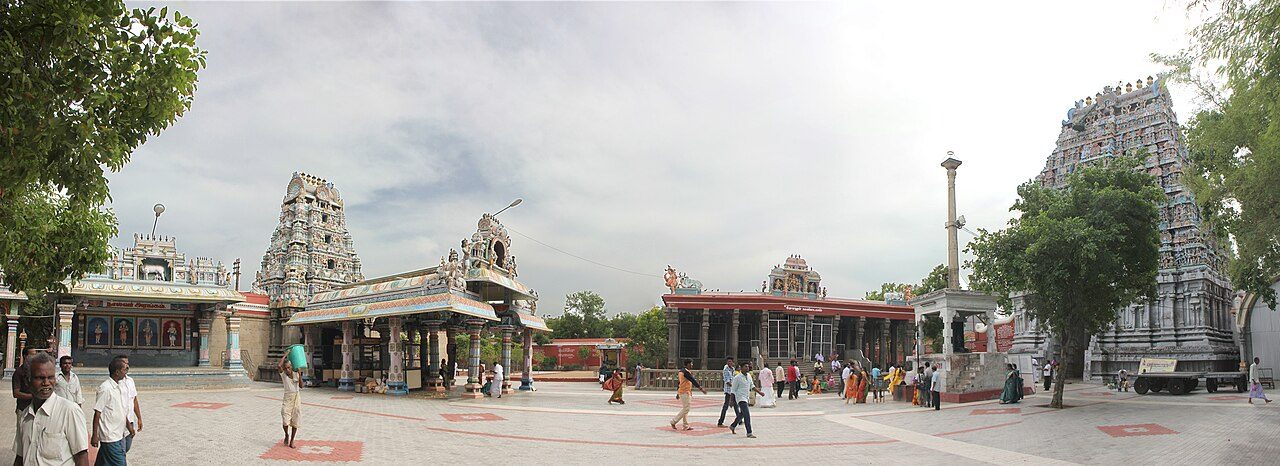
At Kooduthurai, where the Bhavani river joins the Kaveri, this Shiva temple is one of the Padal Petra Sthalams sung by the Nayanmar saints. The granite complex was largely built and endowed under the Kongu Cholas and later extended by Mysore rulers and local chieftains. Pilgrims bathe at the confluence, known as the Triveni Sangamam of the south, before worshipping Sangameswarar and his consort Vedanayaki.
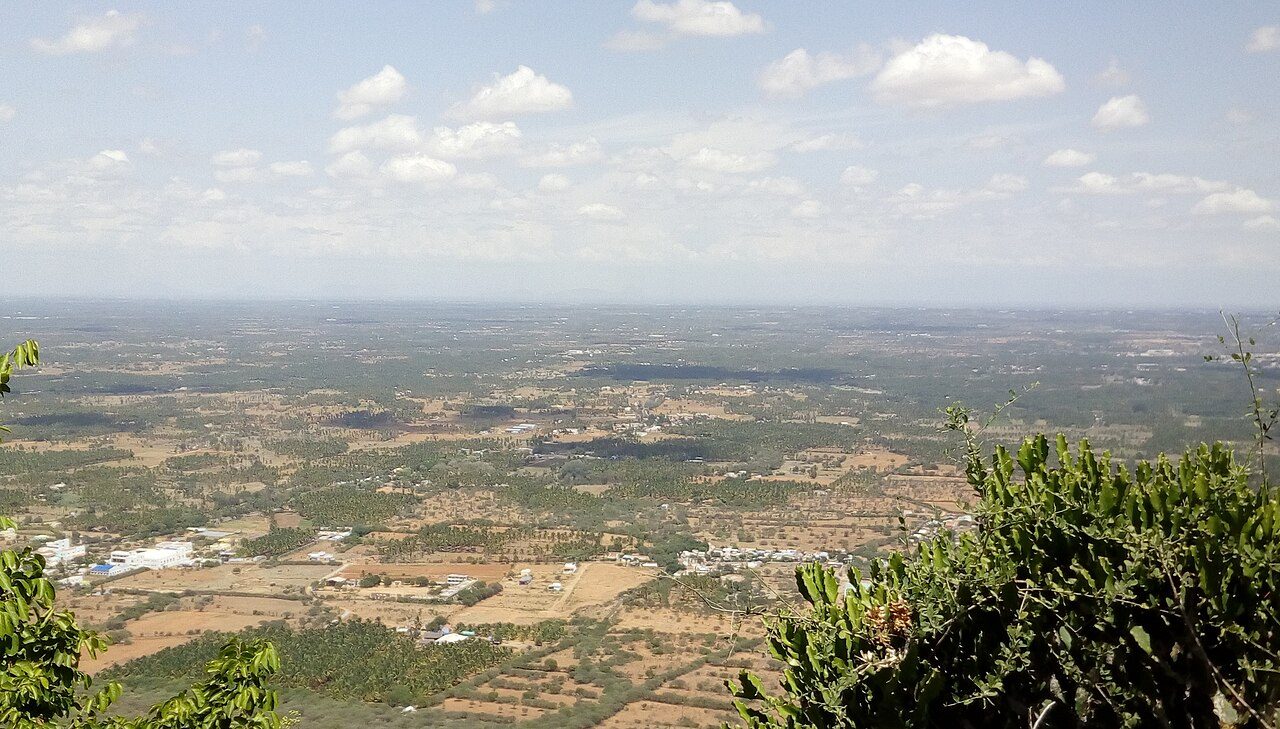
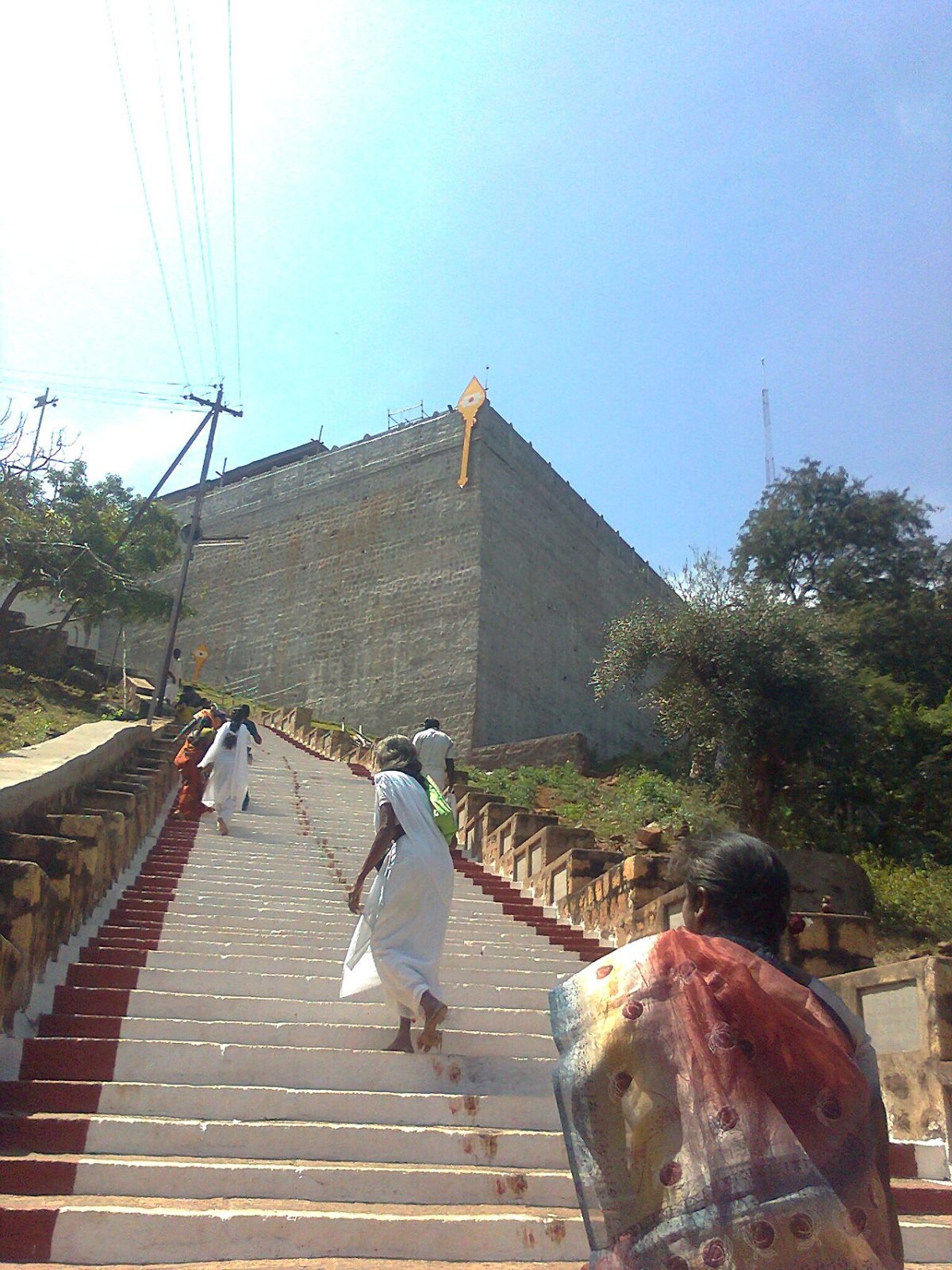
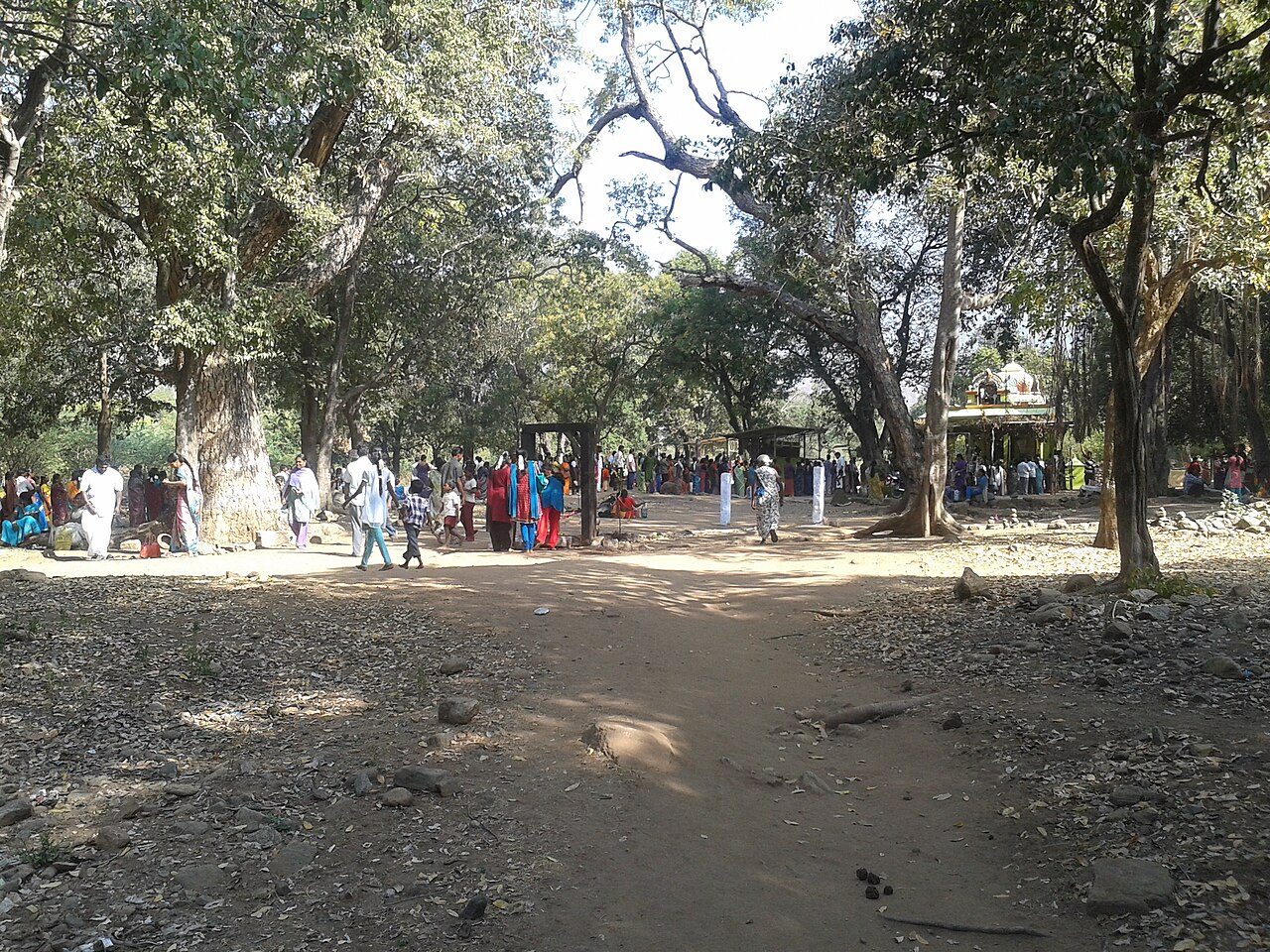
Murugan's hill shrine at Chennimalai is reached by around 1,320 stone steps cut into the slope, or by a winding ghat road. The temple belongs to the Kongu region's long Murugan tradition, and its Thai Poosam and Vaikasi Visakam festivals draw crowds of kavadi-bearing pilgrims. From the summit the Kongu plain opens out below, which is why the climb is as popular with walkers as with devotees.
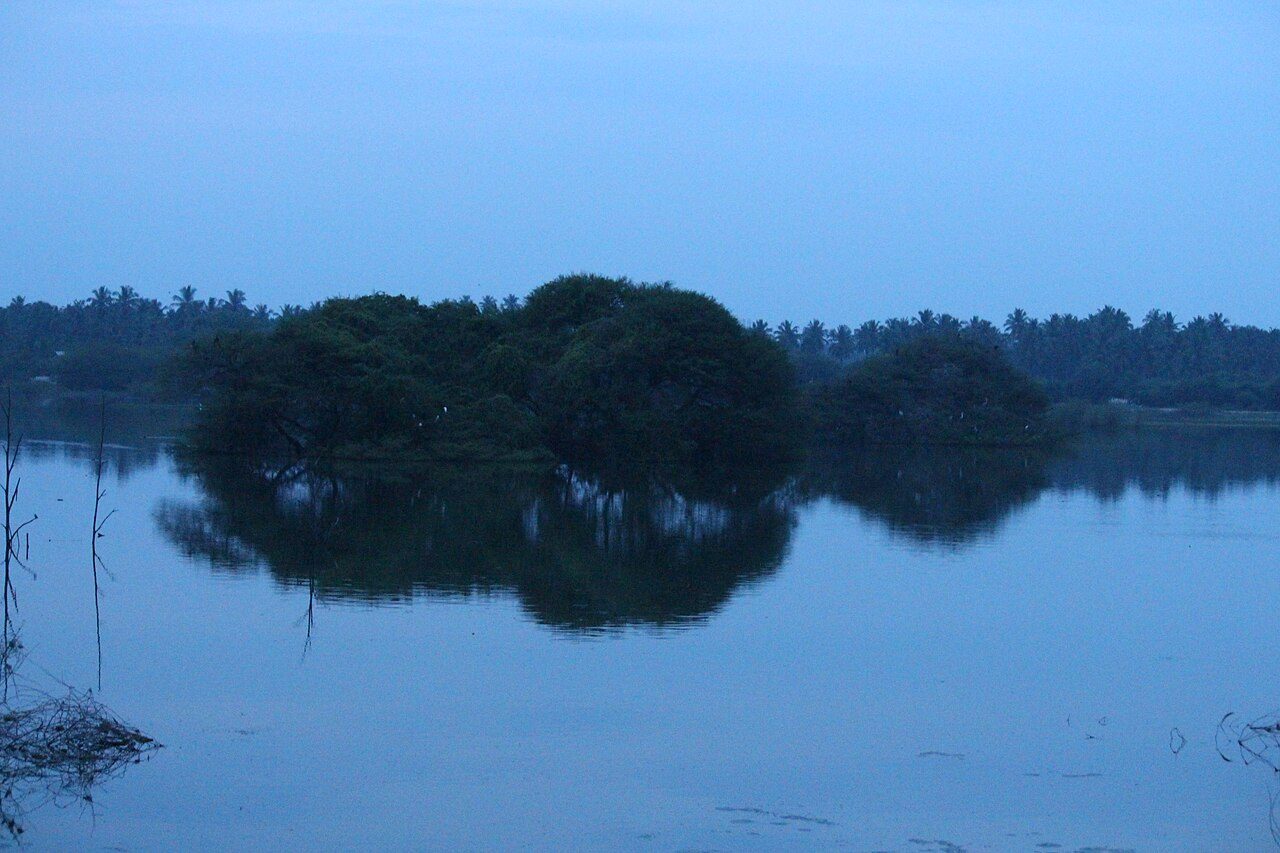
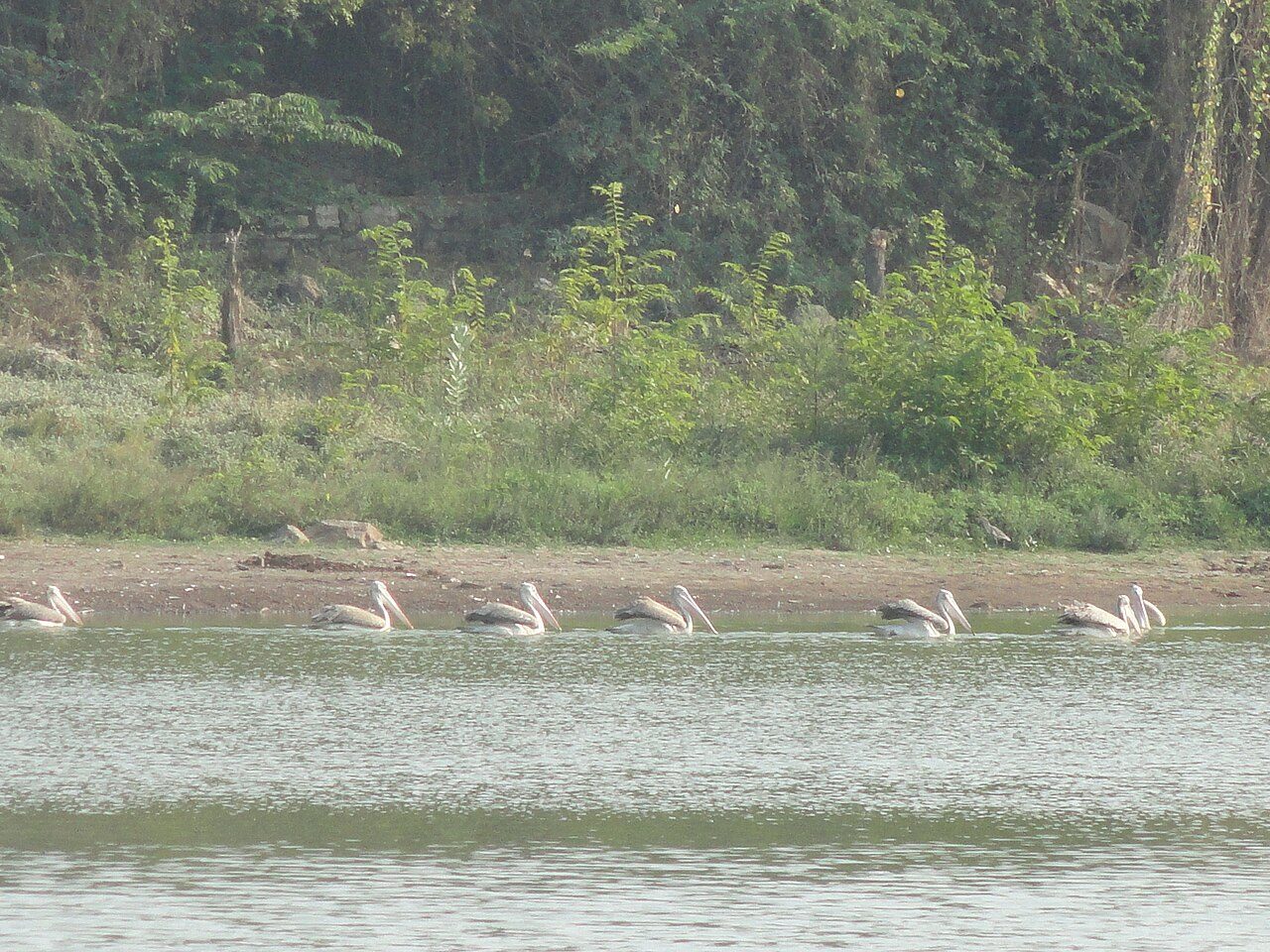
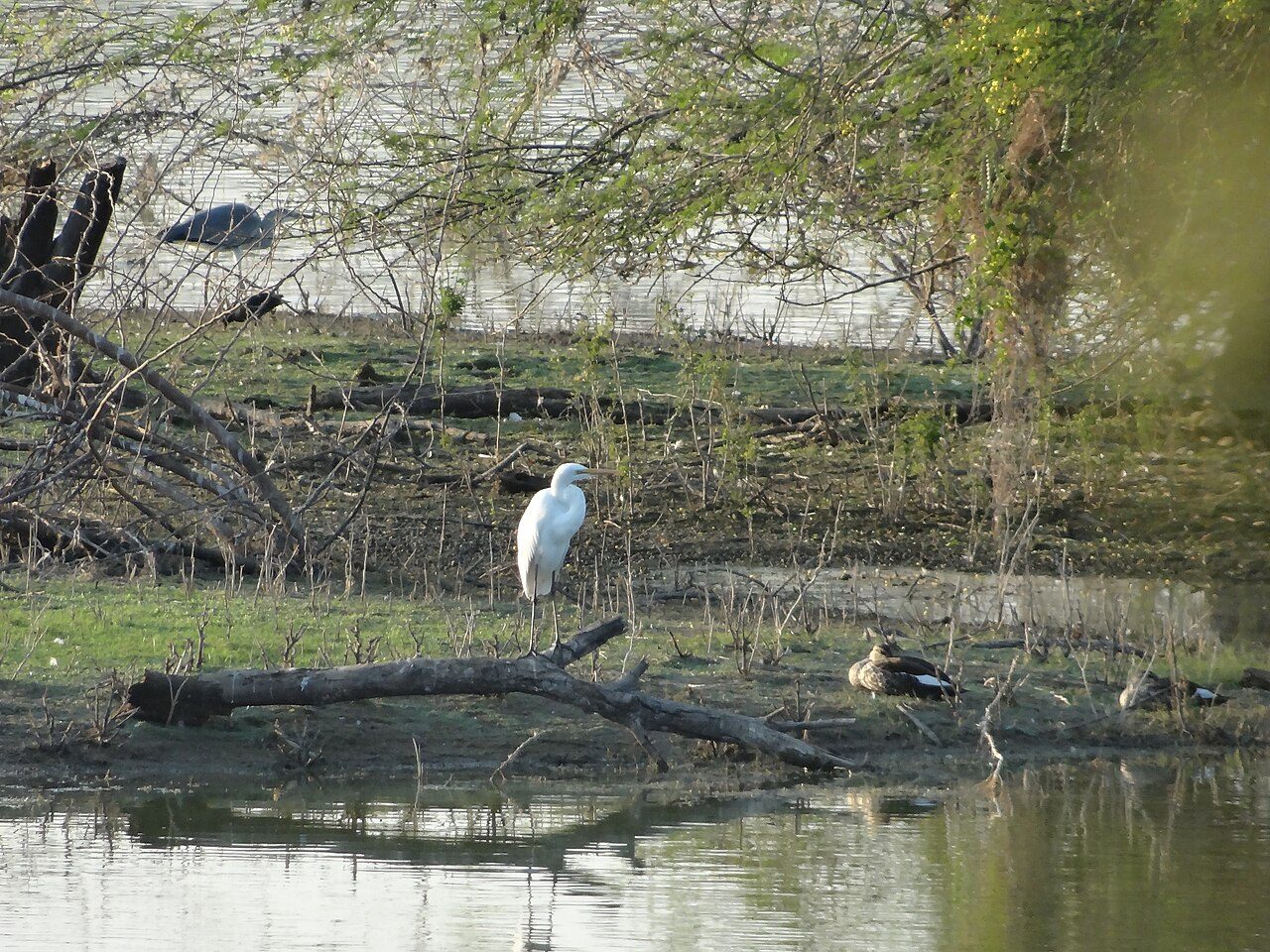
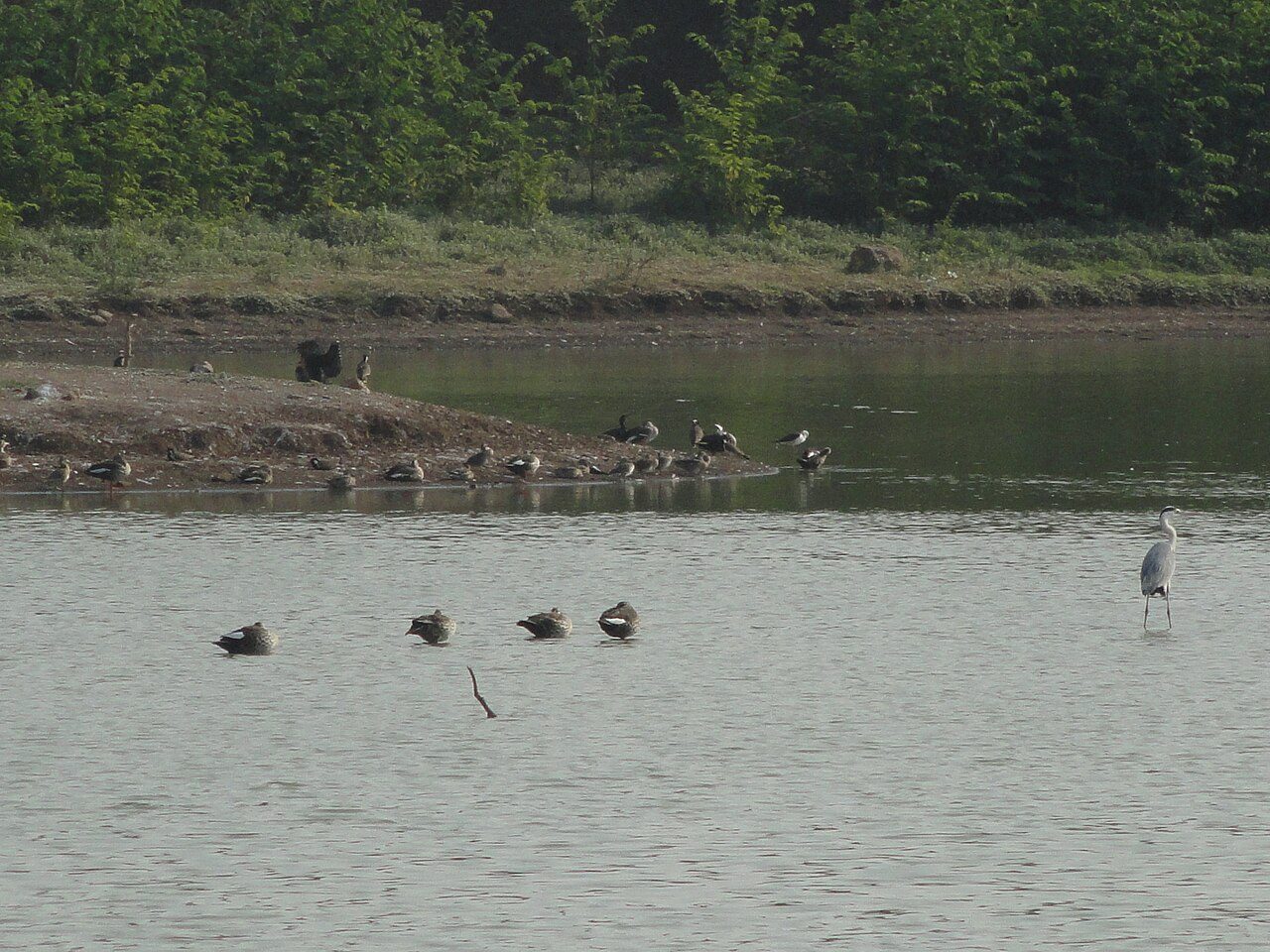
Notified as a sanctuary in 1997, this irrigation wetland near Perundurai is a nesting ground for spot-billed pelicans, painted storks, darters and open-billed storks. The tank fills with the northeast monsoon and the breeding season runs roughly from November to March. A watchtower and a short trail let visitors watch the nesting colonies without disturbing them.
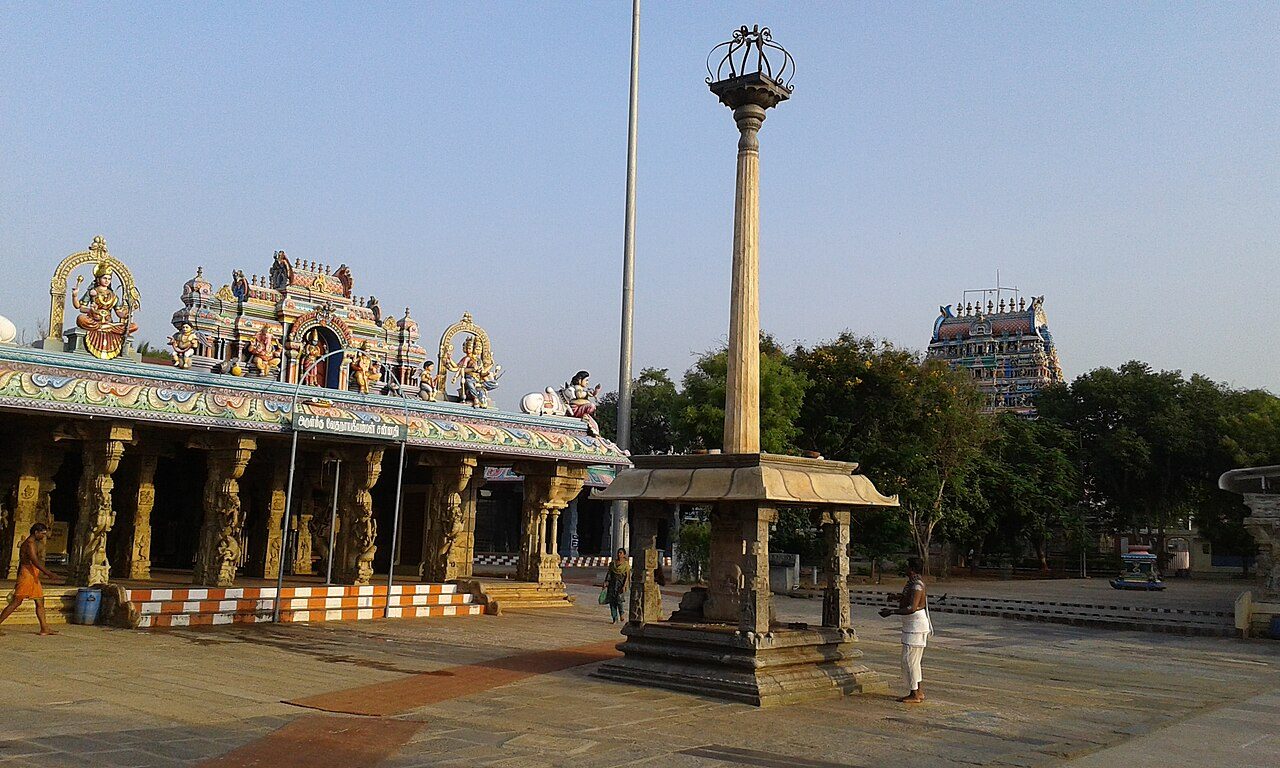
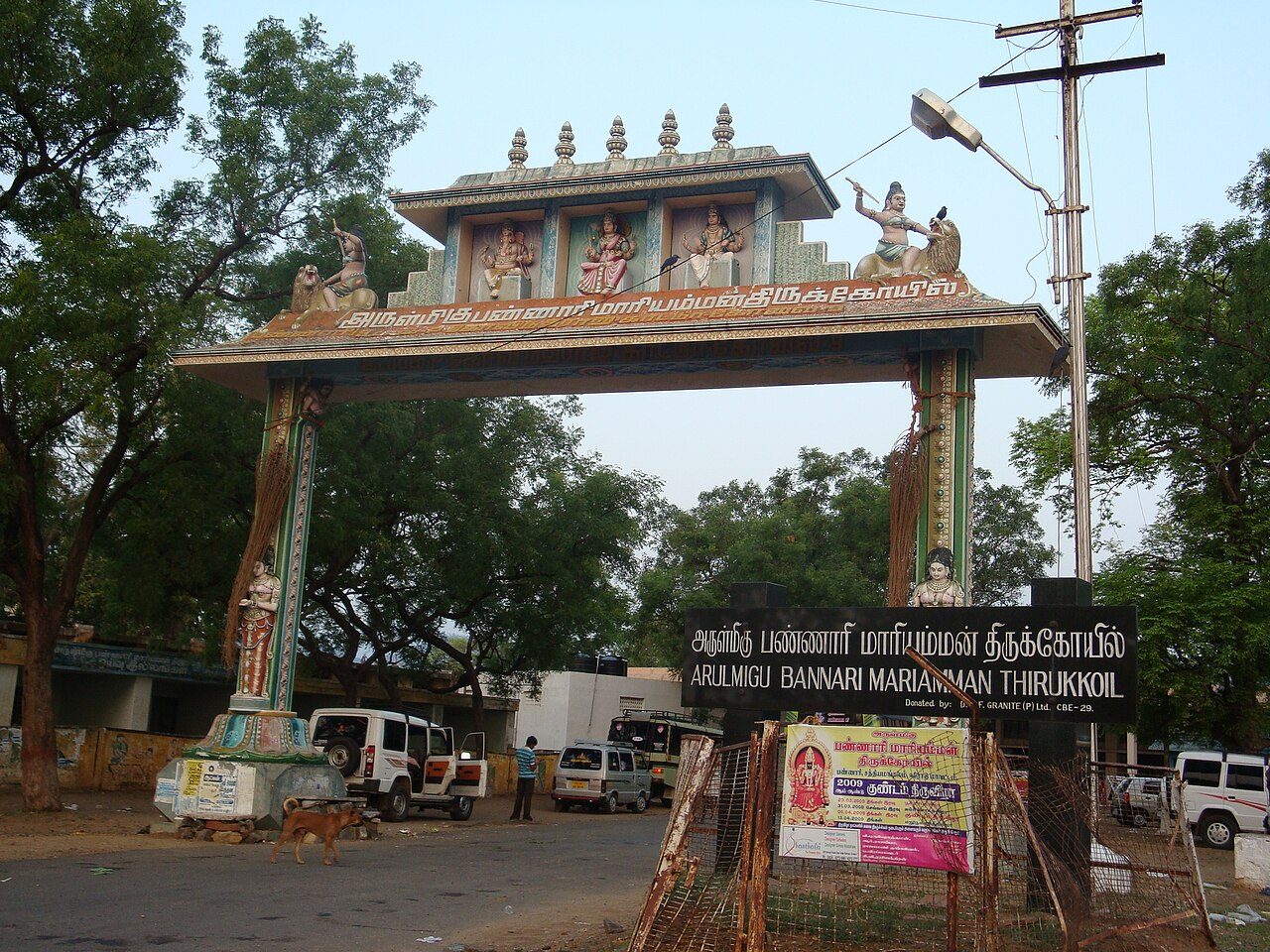
Standing at the foot of the Sathyamangalam hills on the old road to Mysore, this Mariamman temple grew from a forest shrine where, by tradition, a cowherd found the goddess. It is among the most visited Amman temples in western Tamil Nadu, and its Panguni festival and fire-walking rites draw pilgrims from Tamil Nadu and Karnataka alike. The jungle around it is now the Sathyamangalam Tiger Reserve, so the temple sits on the edge of protected forest.
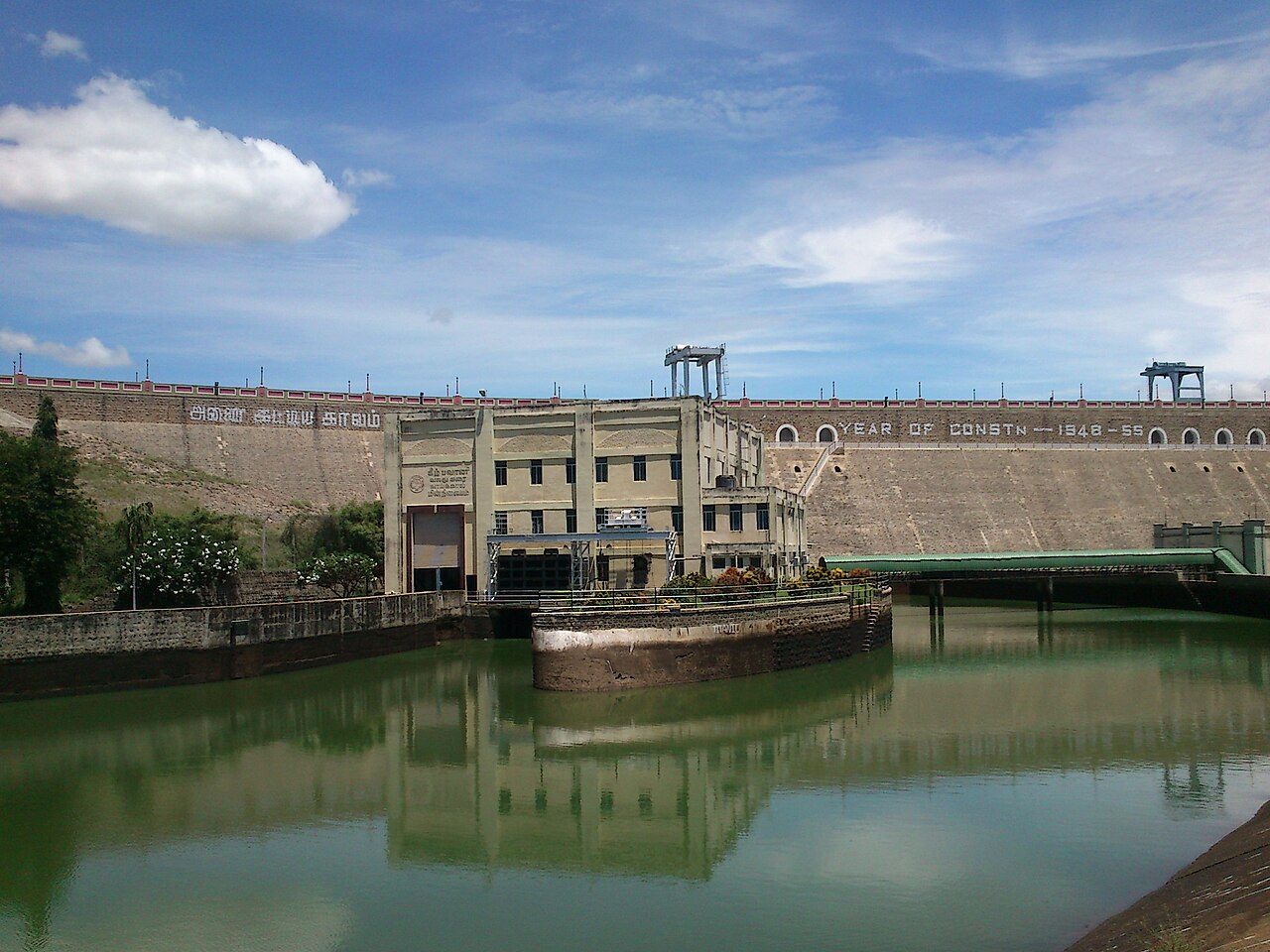
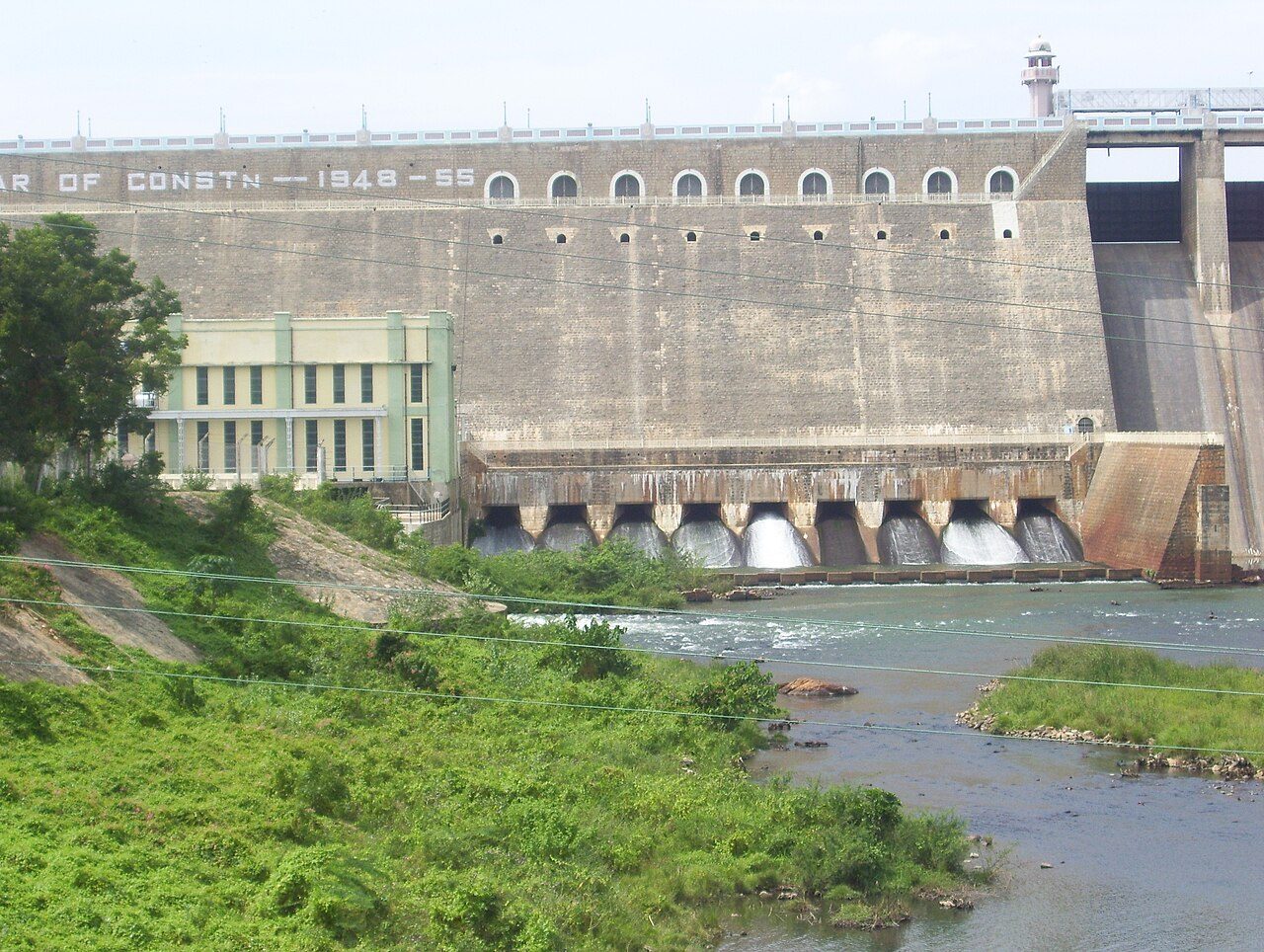
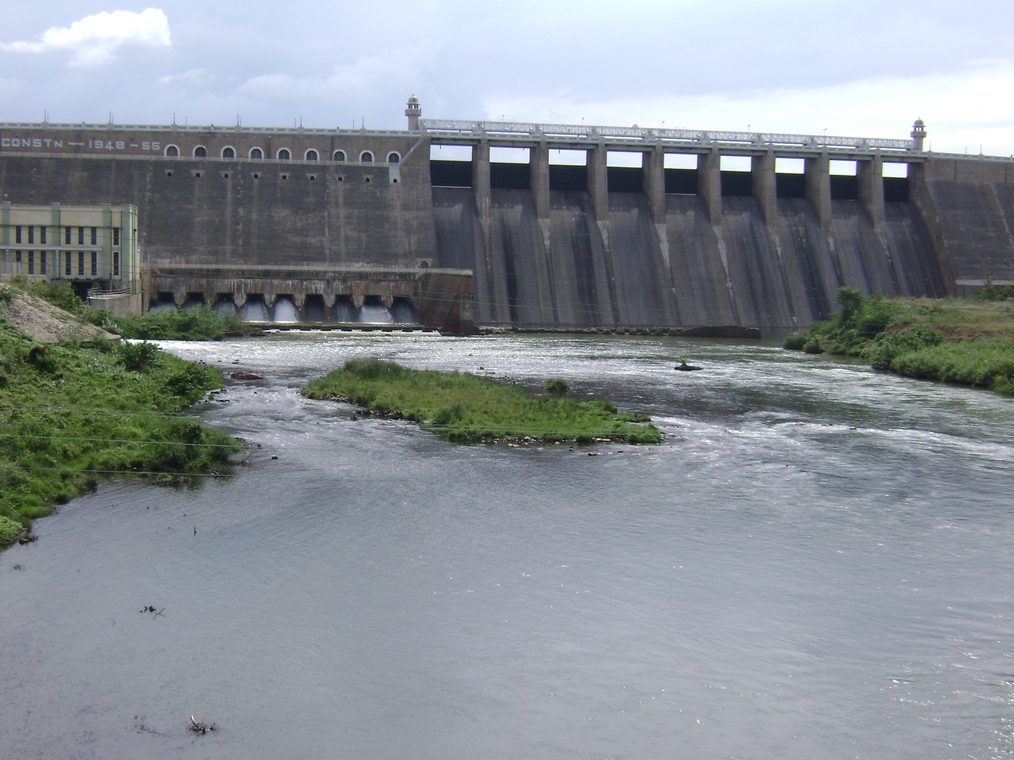
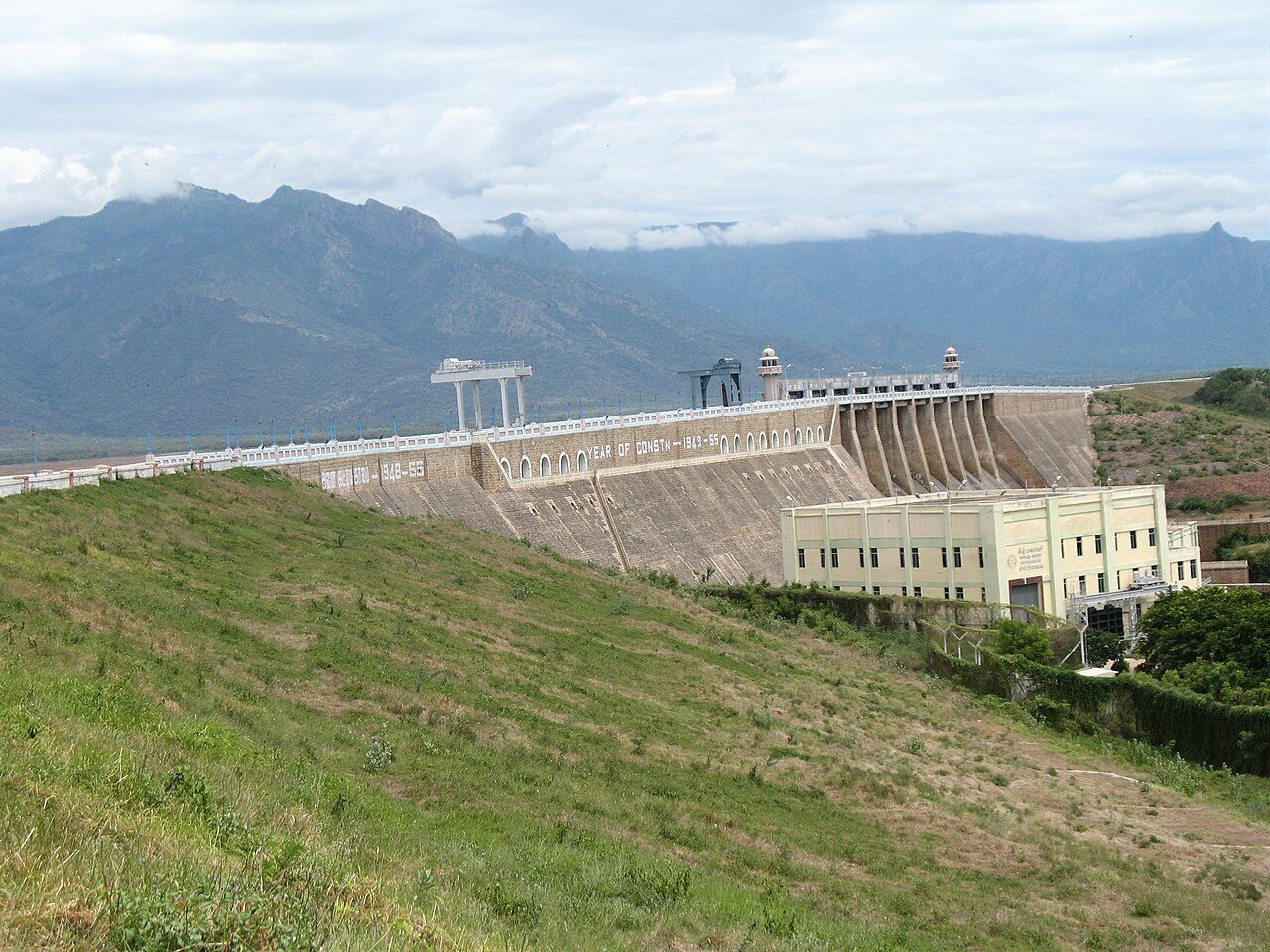
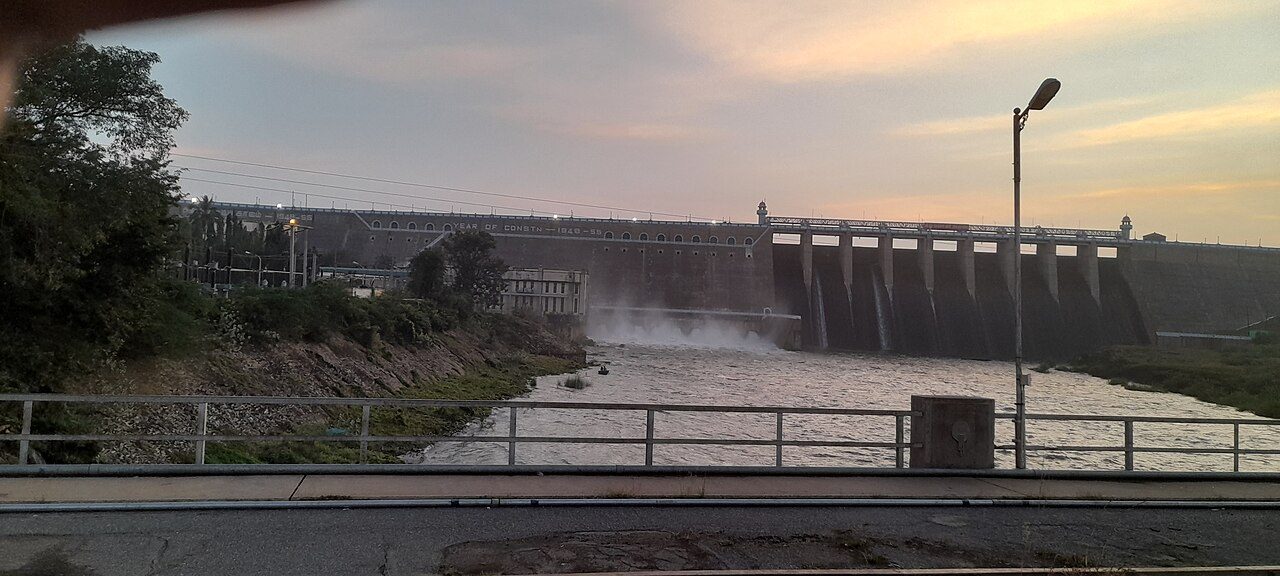
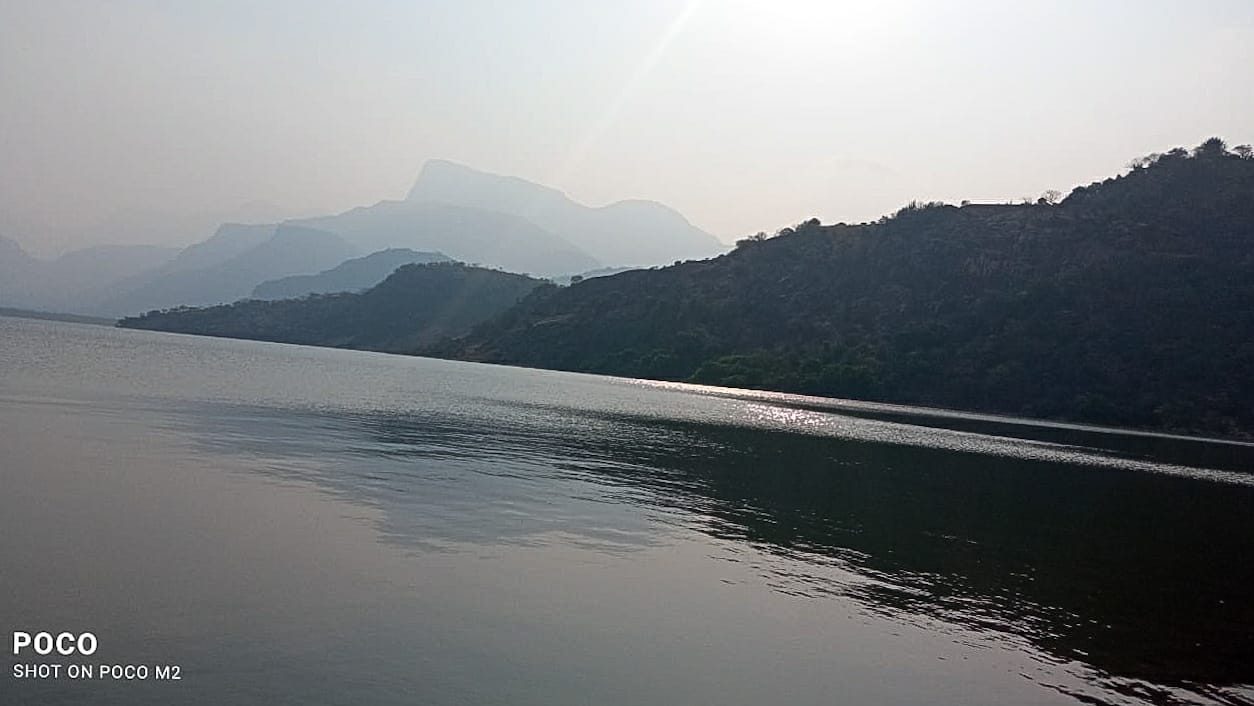
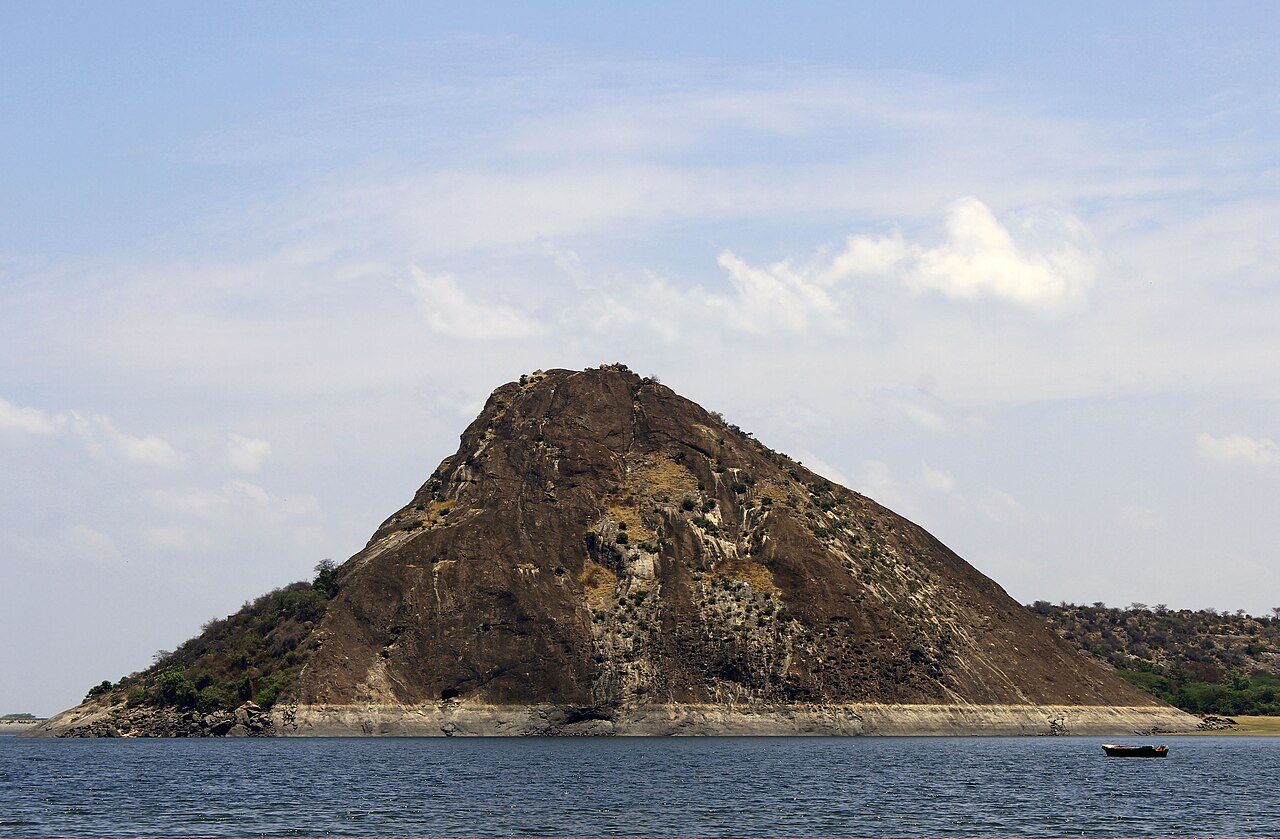
Completed in 1955 across the Bhavani river, Bhavanisagar is one of the largest earthen dams in the world and the centrepiece of the Lower Bhavani Project. Its reservoir waters tens of thousands of hectares of Erode farmland and backs up against the Nilgiri foothills. The garden below the dam and the view of the Sathyamangalam ranges across the water make it a favourite evening stop.
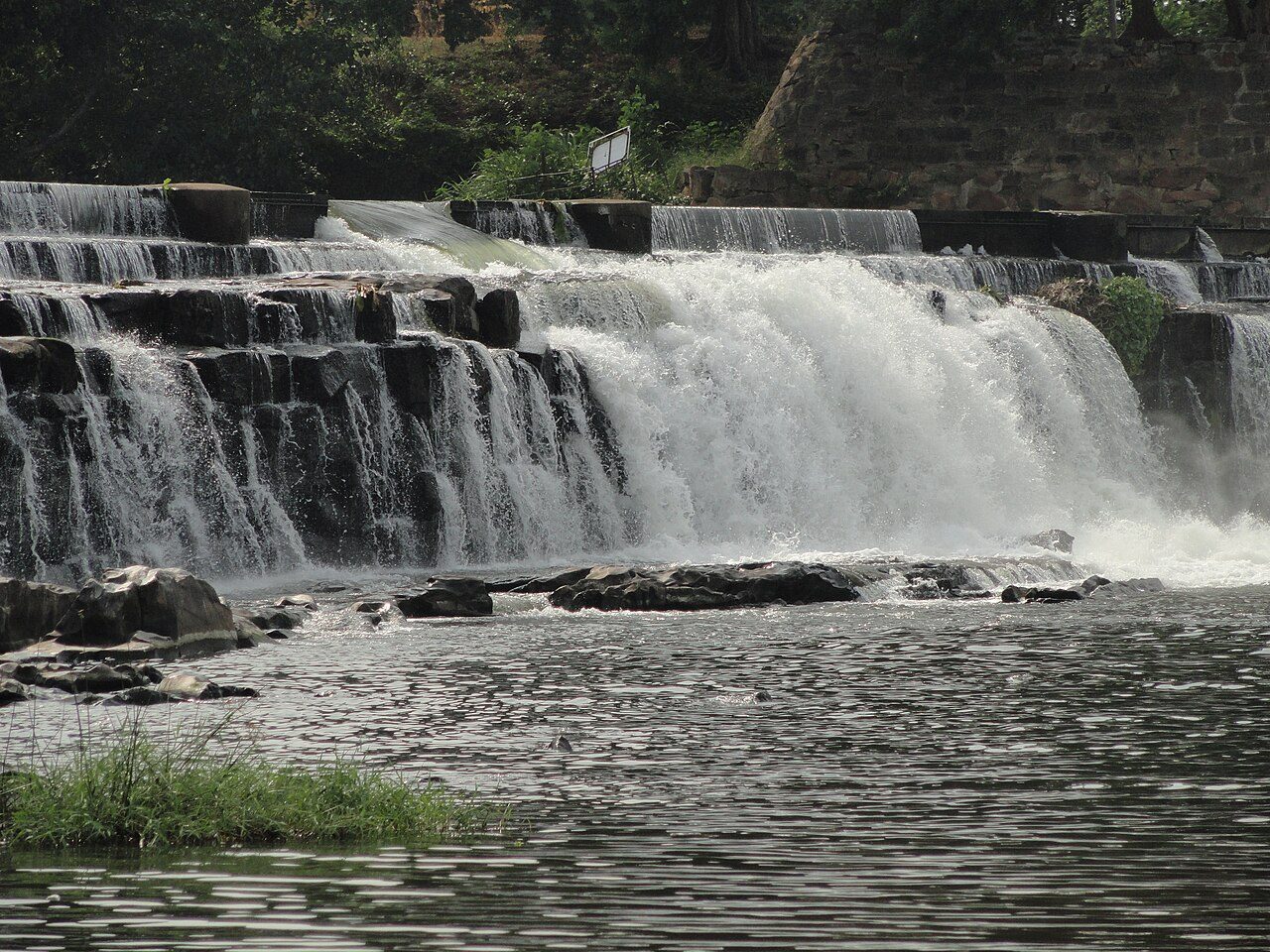
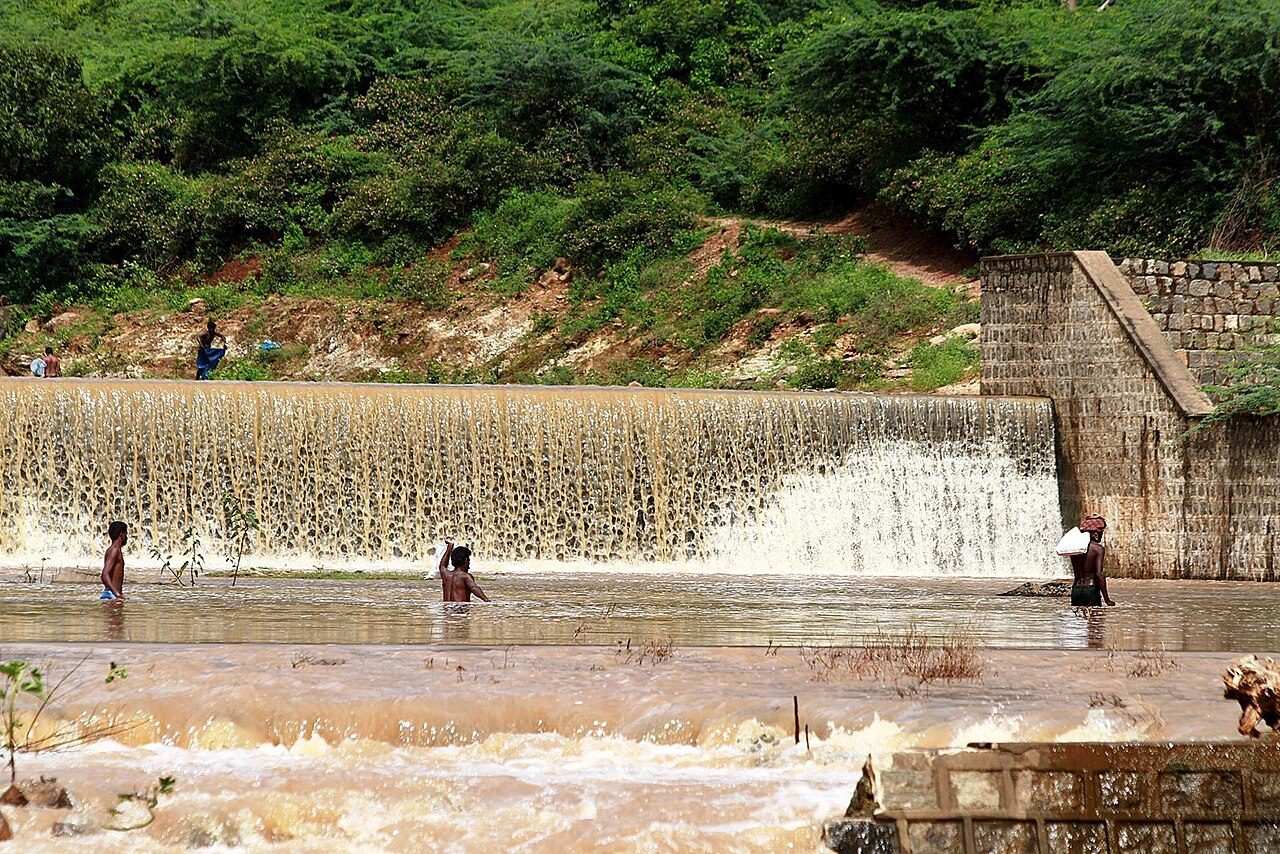
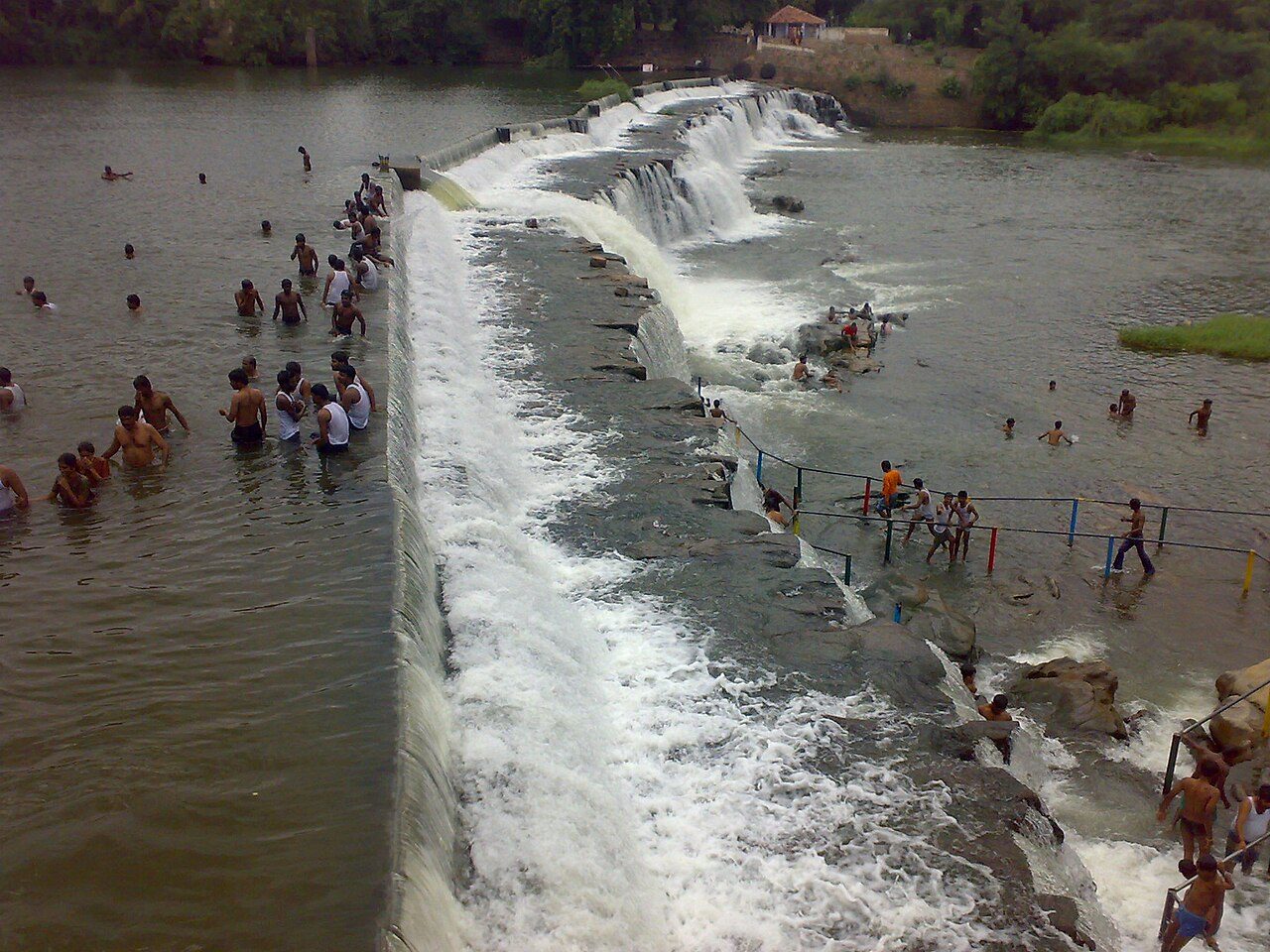
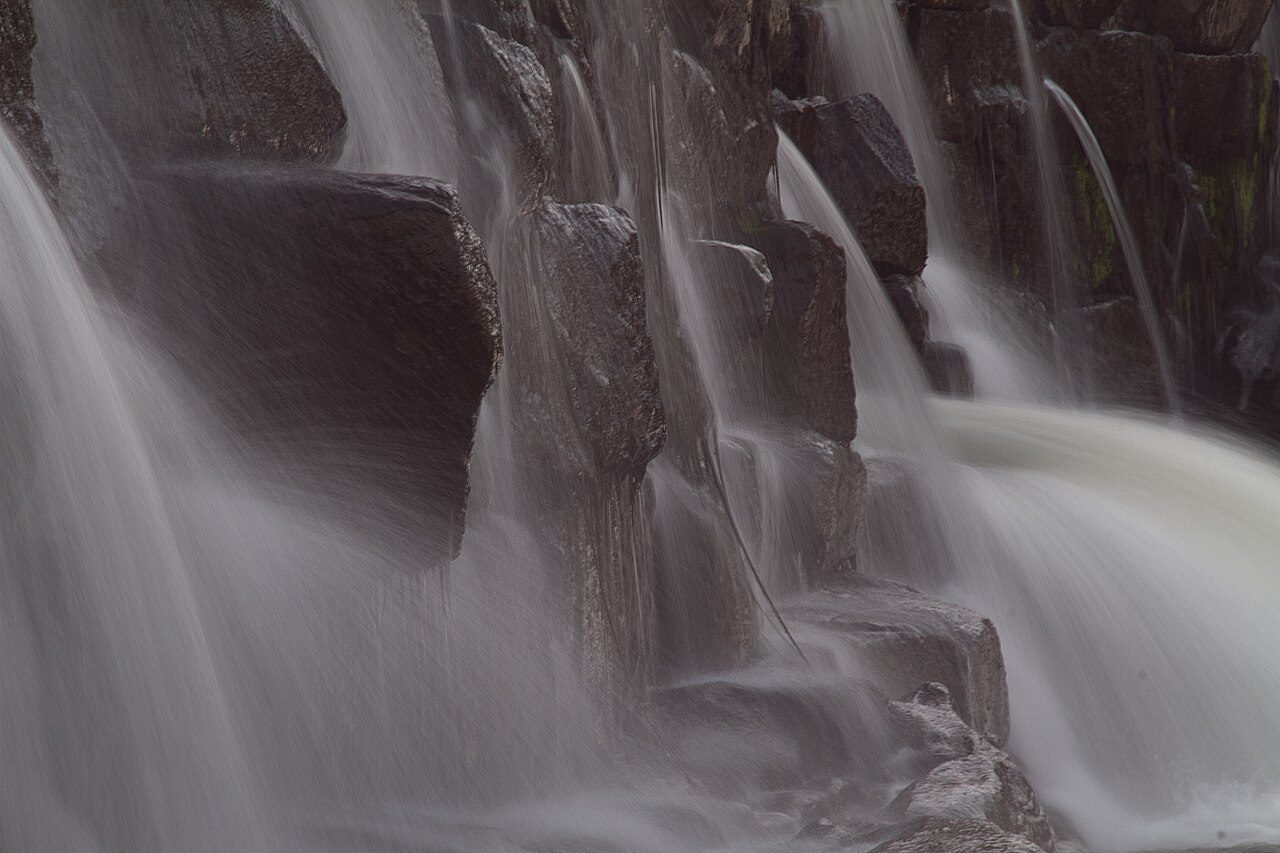
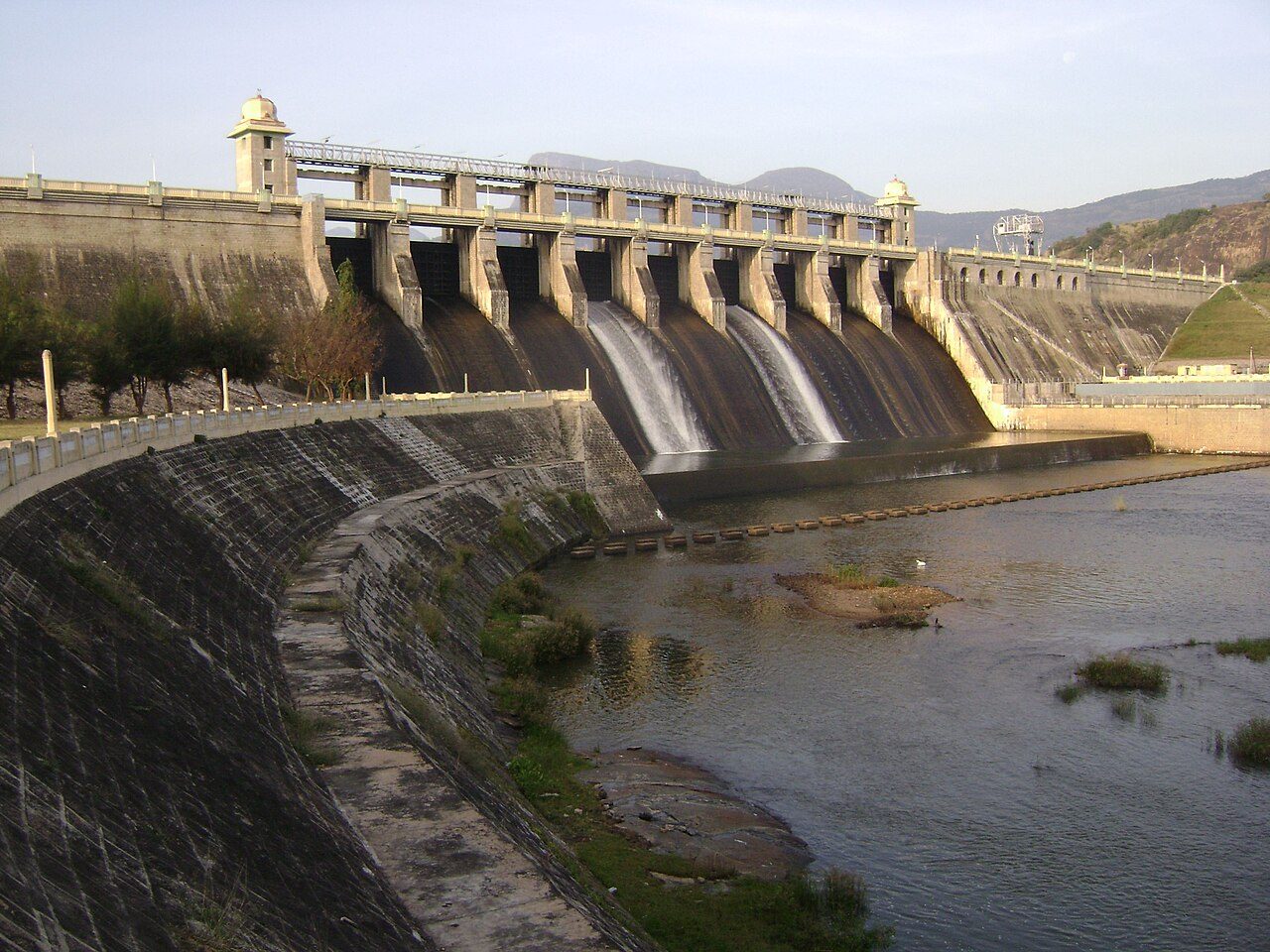
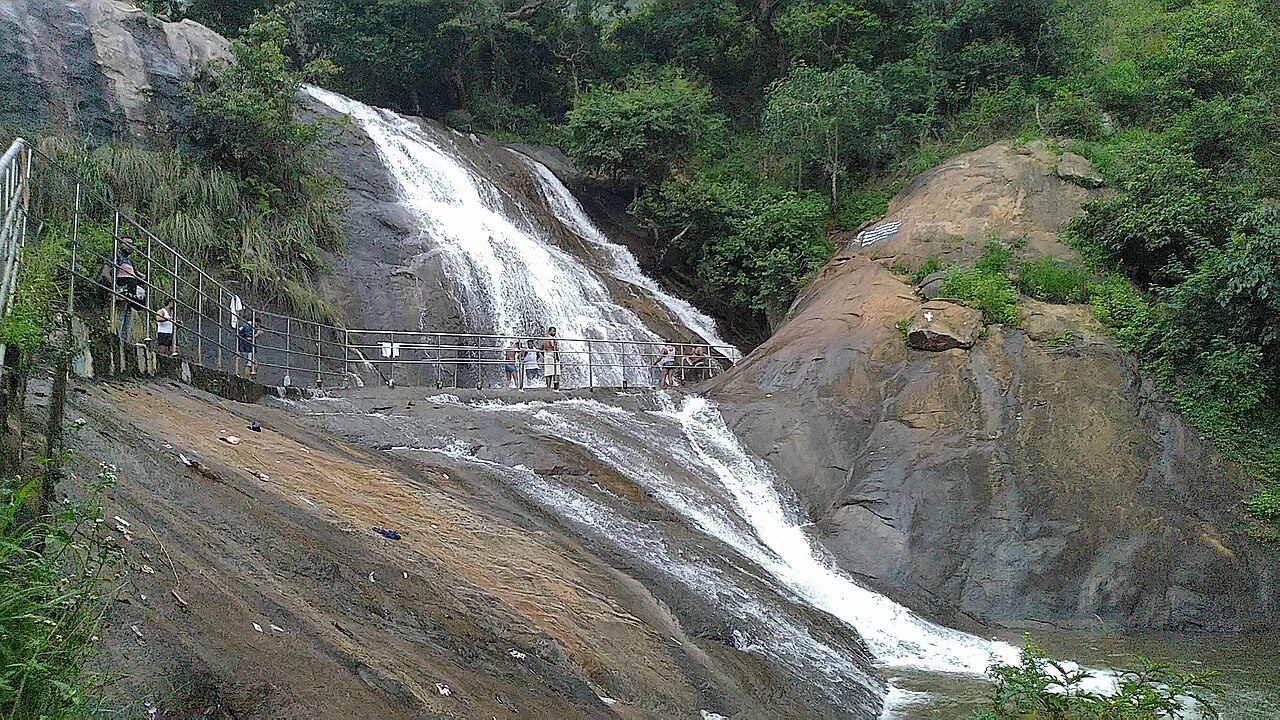
This anicut across the Bhavani river dates to the 17th century and Madurai Nayak rule, when it was raised to feed the Arakkankottai and Thadapalli irrigation canals. Water spilling over the old stone weir forms a broad cascade that has become a popular bathing and picnic spot. The canals it feeds are still carrying water after more than three centuries.
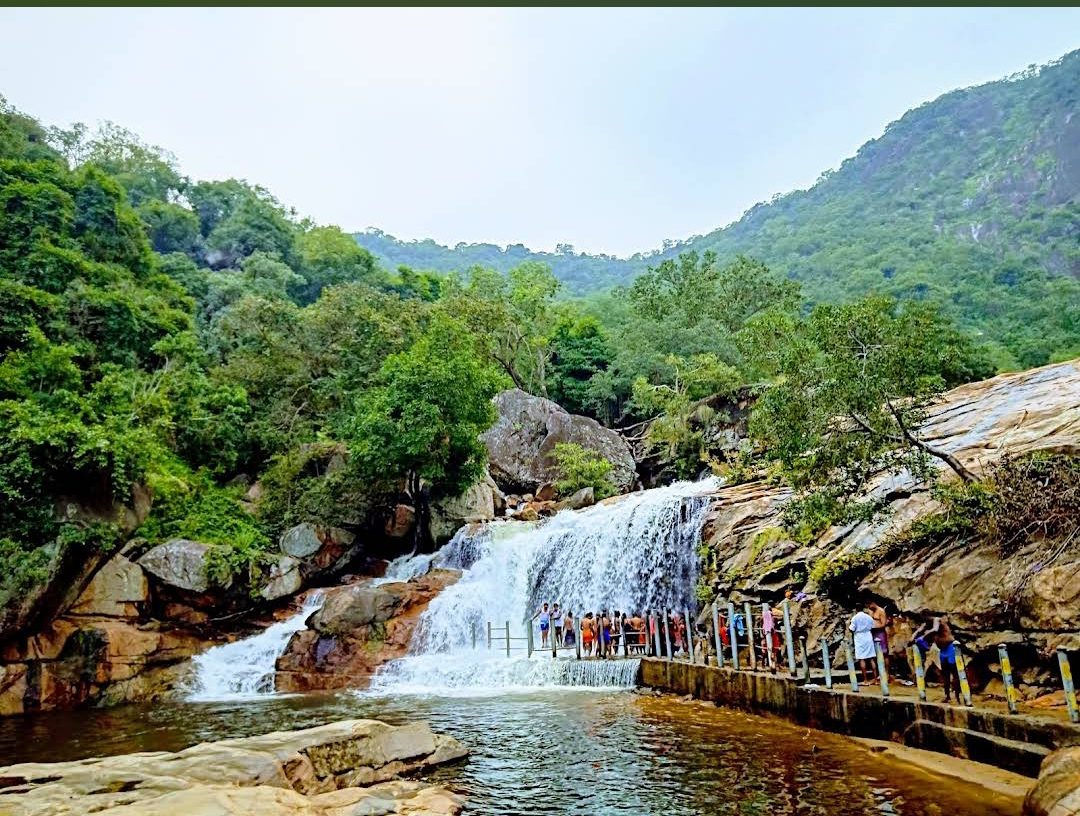
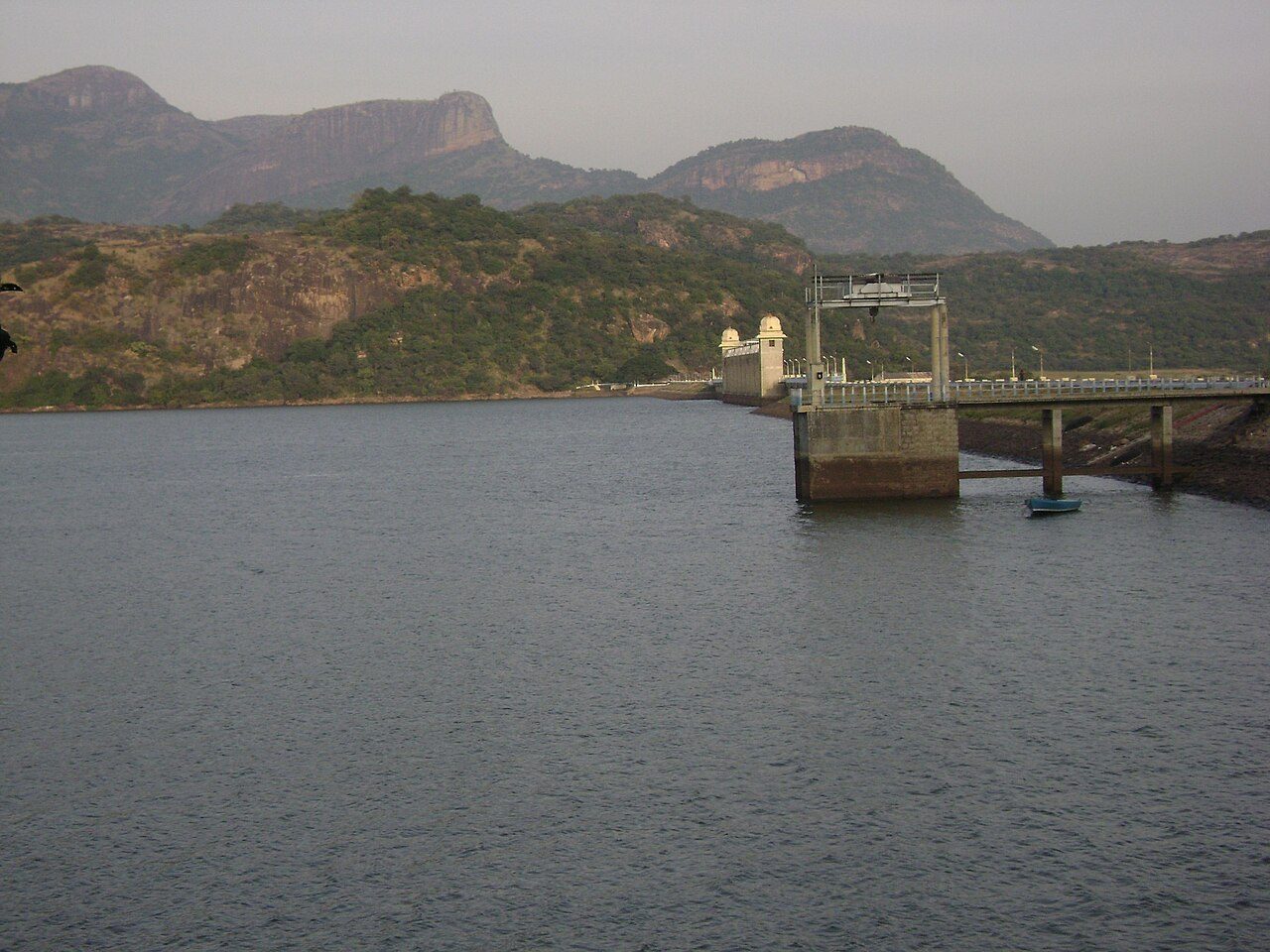
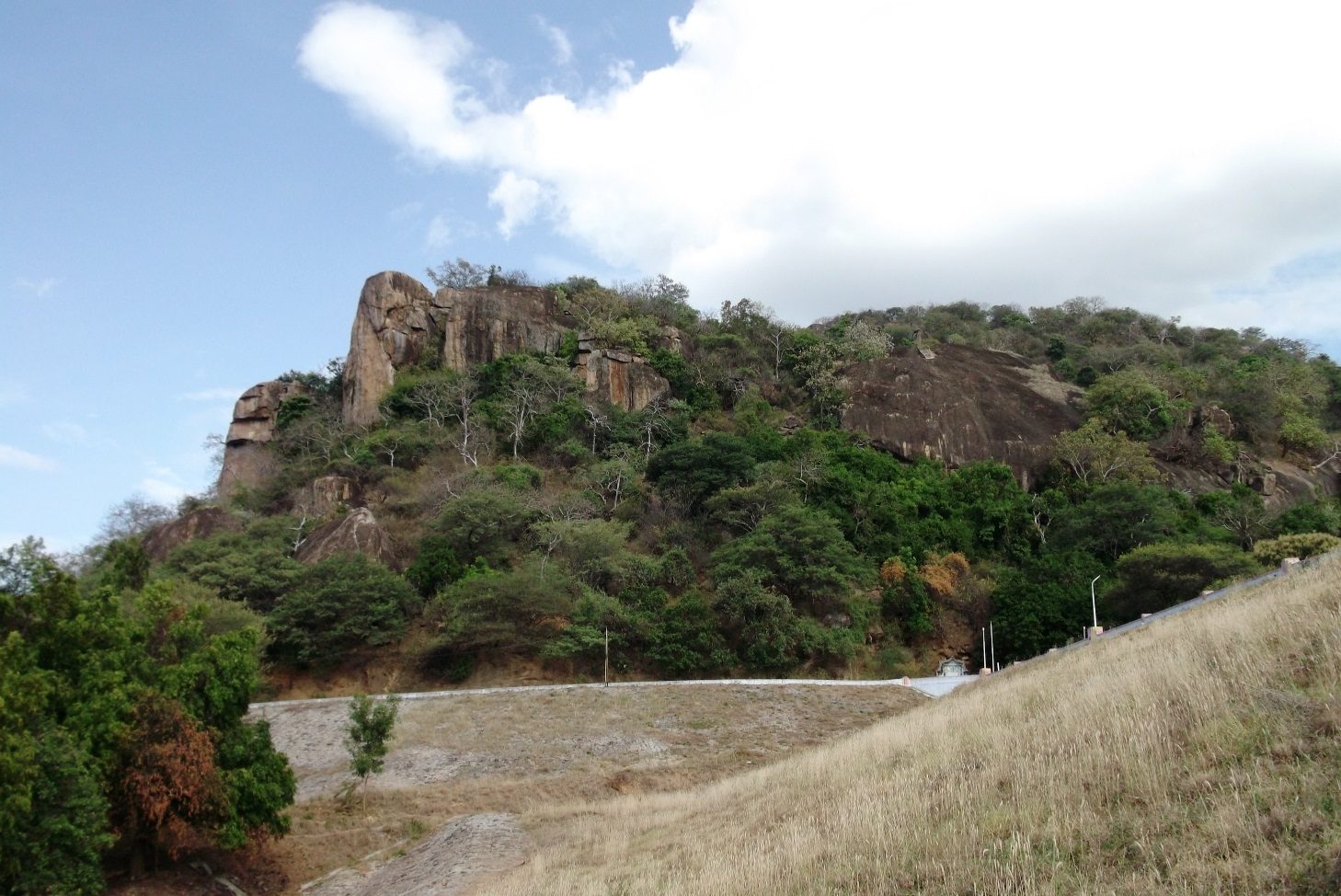
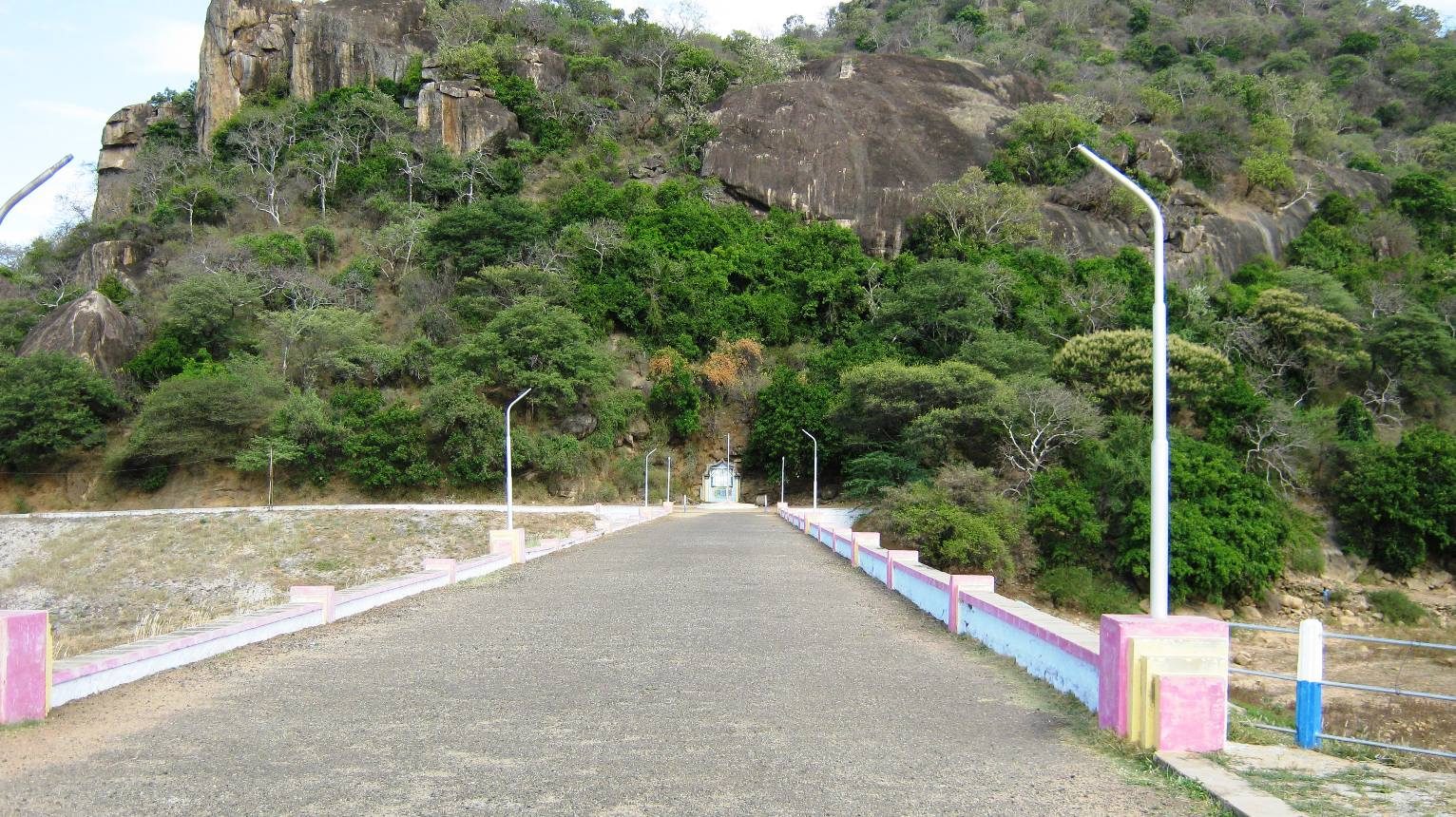
At the foot of the Anamalai hills, the reservoir of the Thirumoorthy dam lies below the Amanalingeswarar temple, a riverside shrine to the Hindu trinity of Brahma, Vishnu and Shiva. A short walk upstream leads to the Panchalingam falls, a favourite bathing spot, and boating on the reservoir gives views of the green hills around.
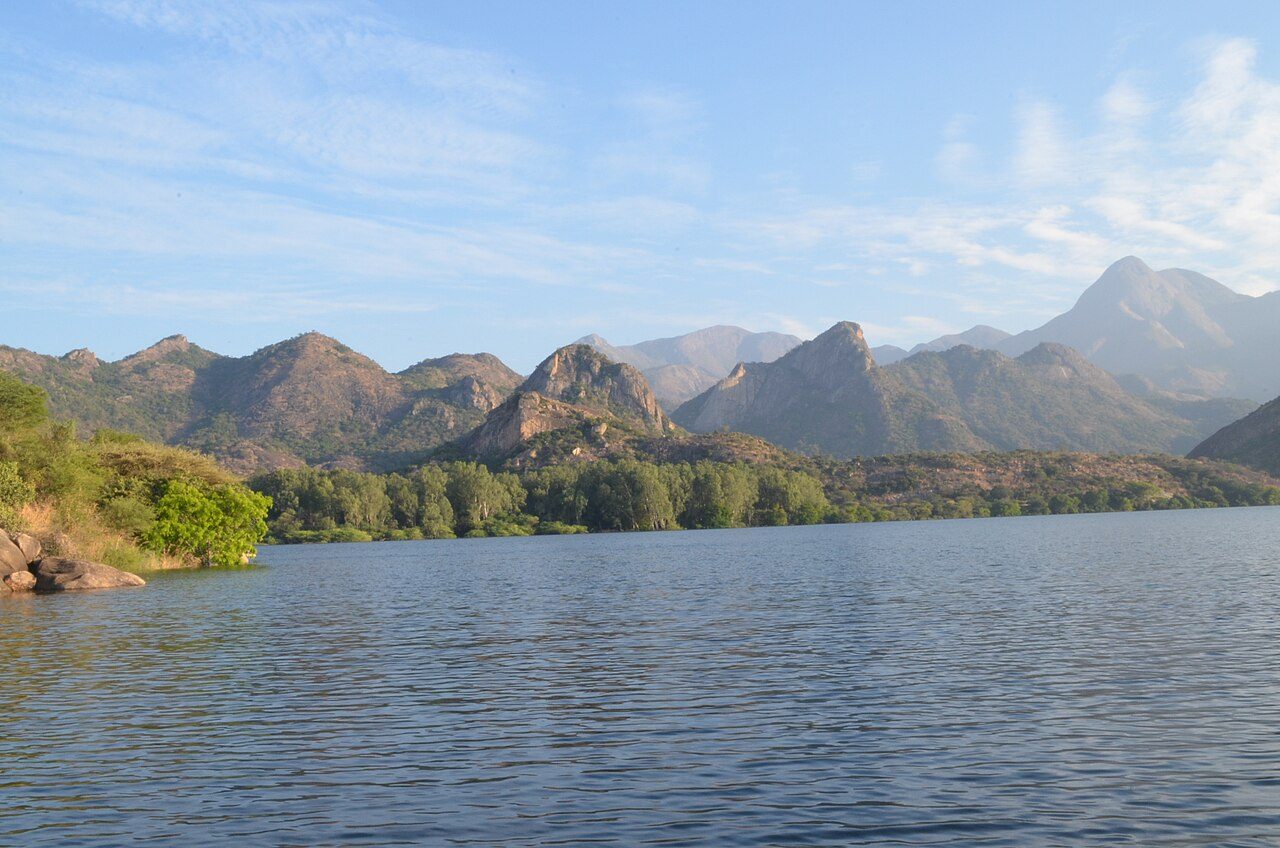
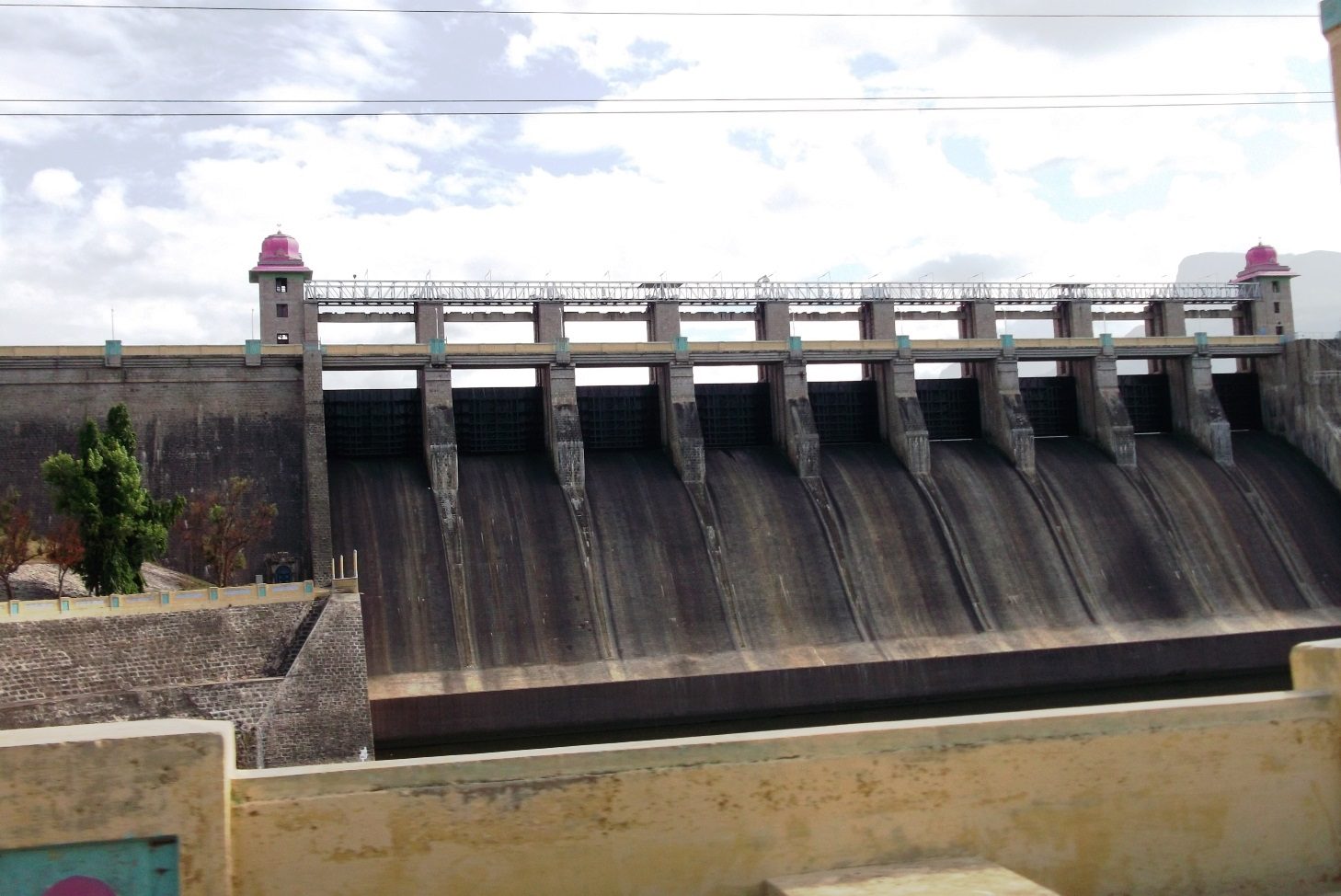
Built in 1957 across the Amaravathi river at the foot of the Anamalai hills, the dam's reservoir lies at the edge of the Anamalai Tiger Reserve with forested slopes all around. Beside it is one of the largest crocodile farms in India, where mugger crocodiles are bred and can be seen up close, and a park below the dam is a popular stop for visitors.
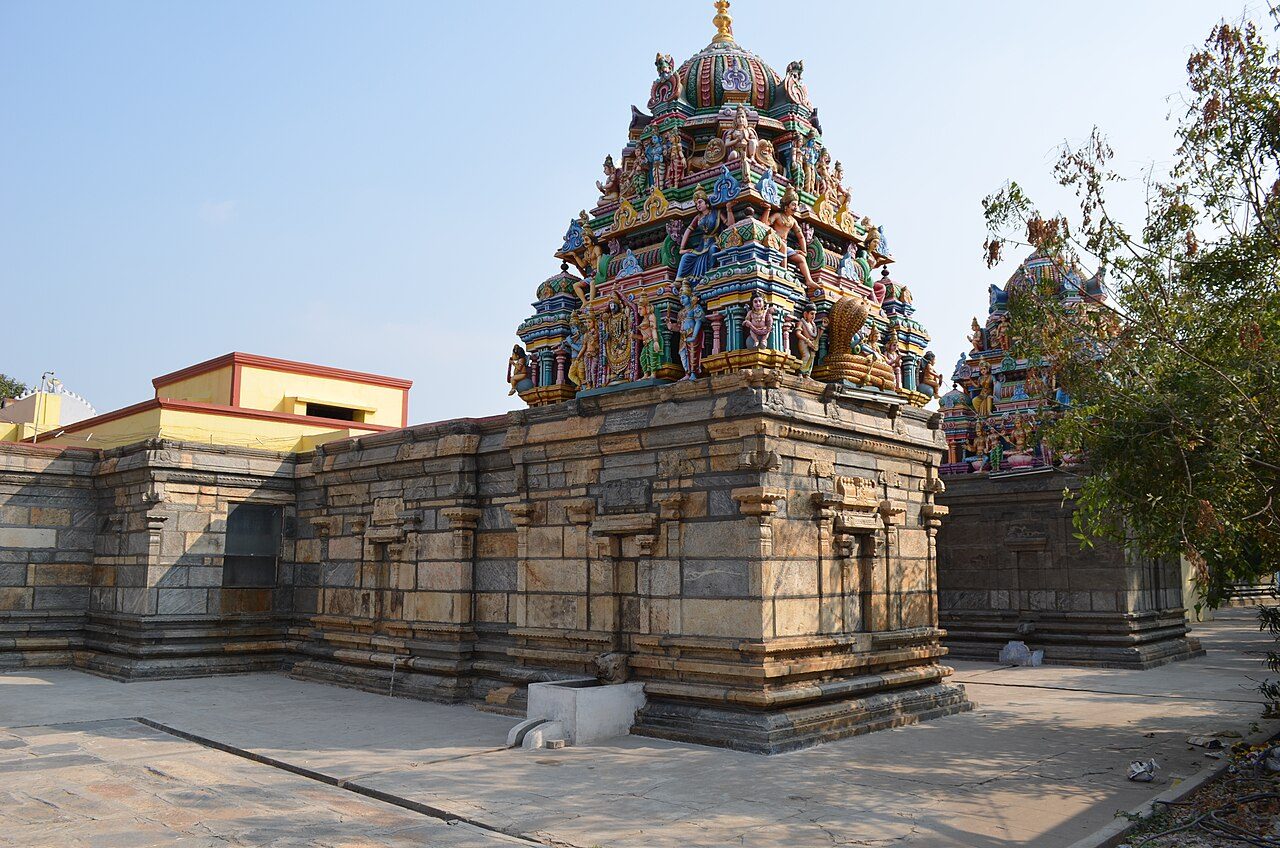
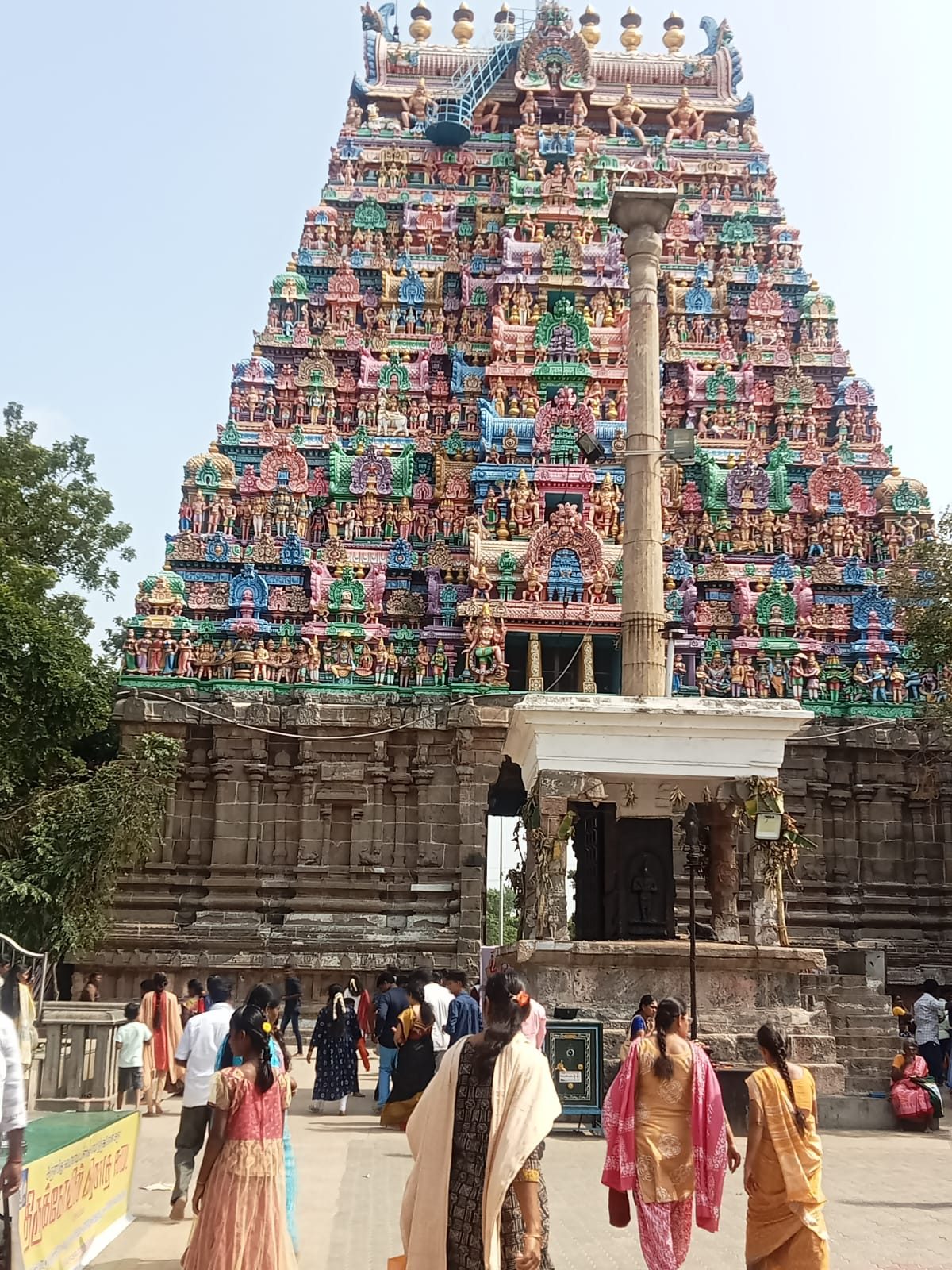
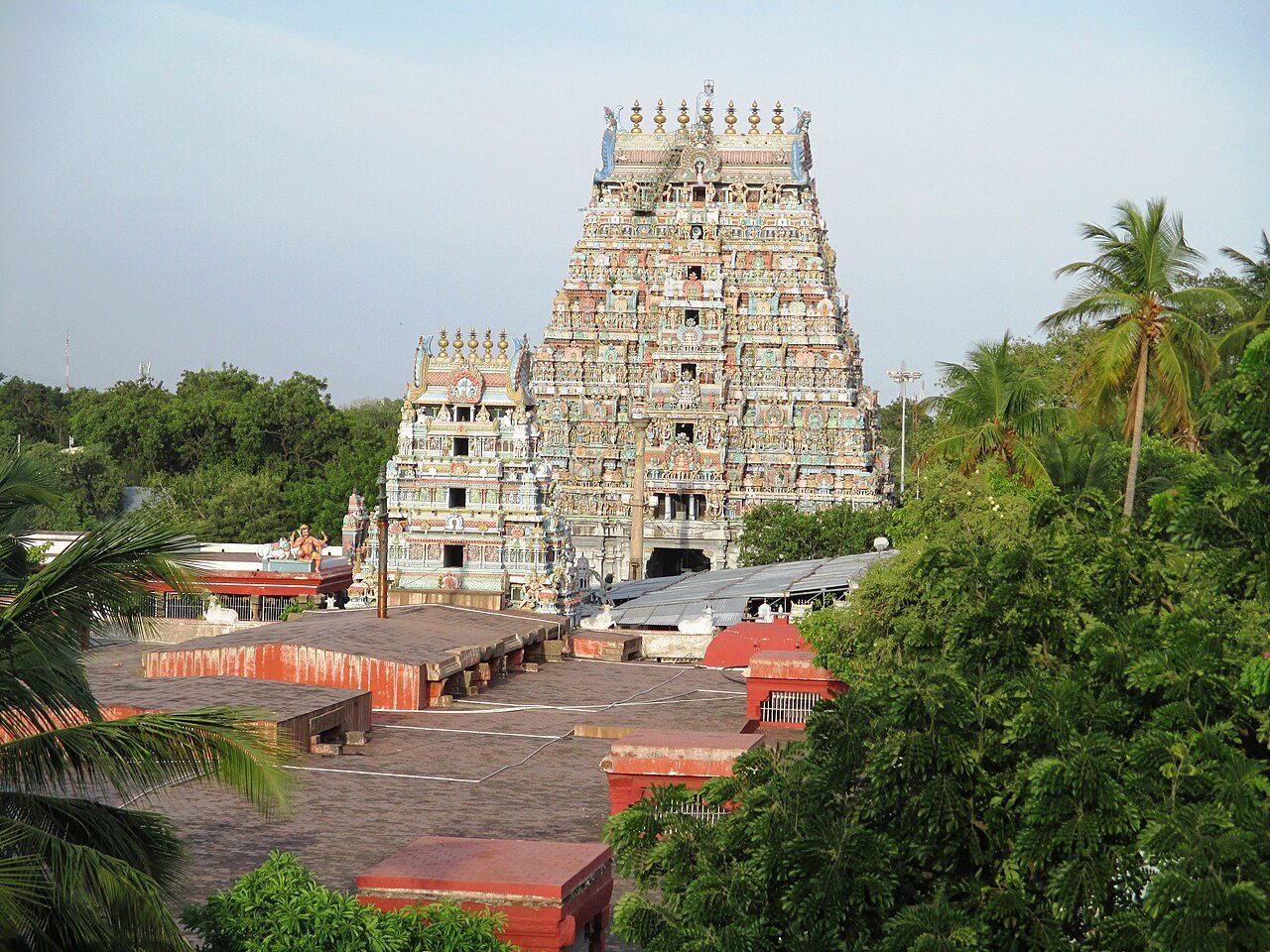
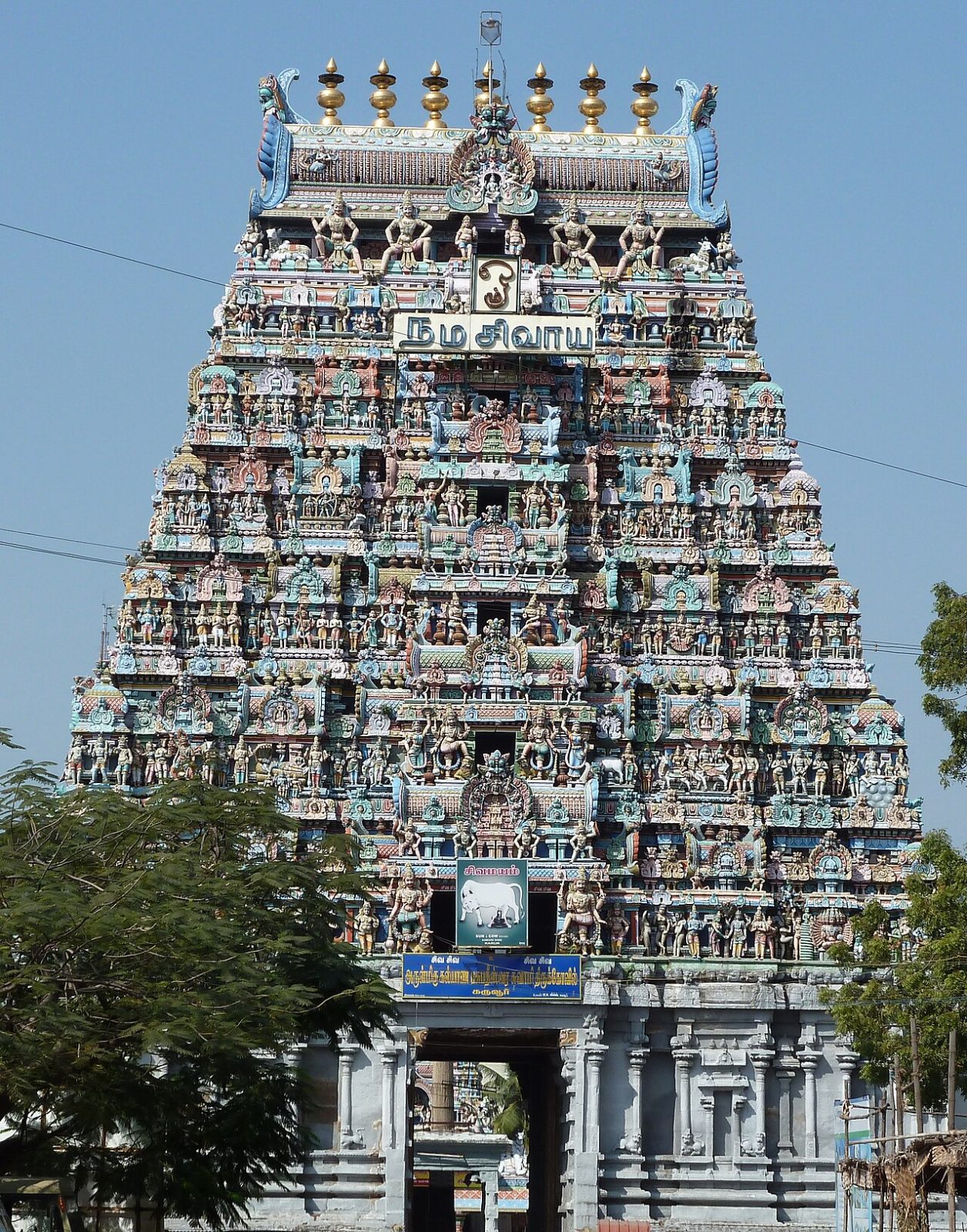
Karur is one of the oldest continuously inhabited towns in Tamil Nadu - the Karuvur of the Sangam age and an early Chera capital - and this Shiva temple stands at its heart. It is a Padal Petra Sthalam praised in the Thevaram, and Karuvur Thevar, one of the composers of the Thiruvisaippa, belonged to this town. Roman coins and Sangam-period finds from the mound around it show how far Karur's trade once reached.
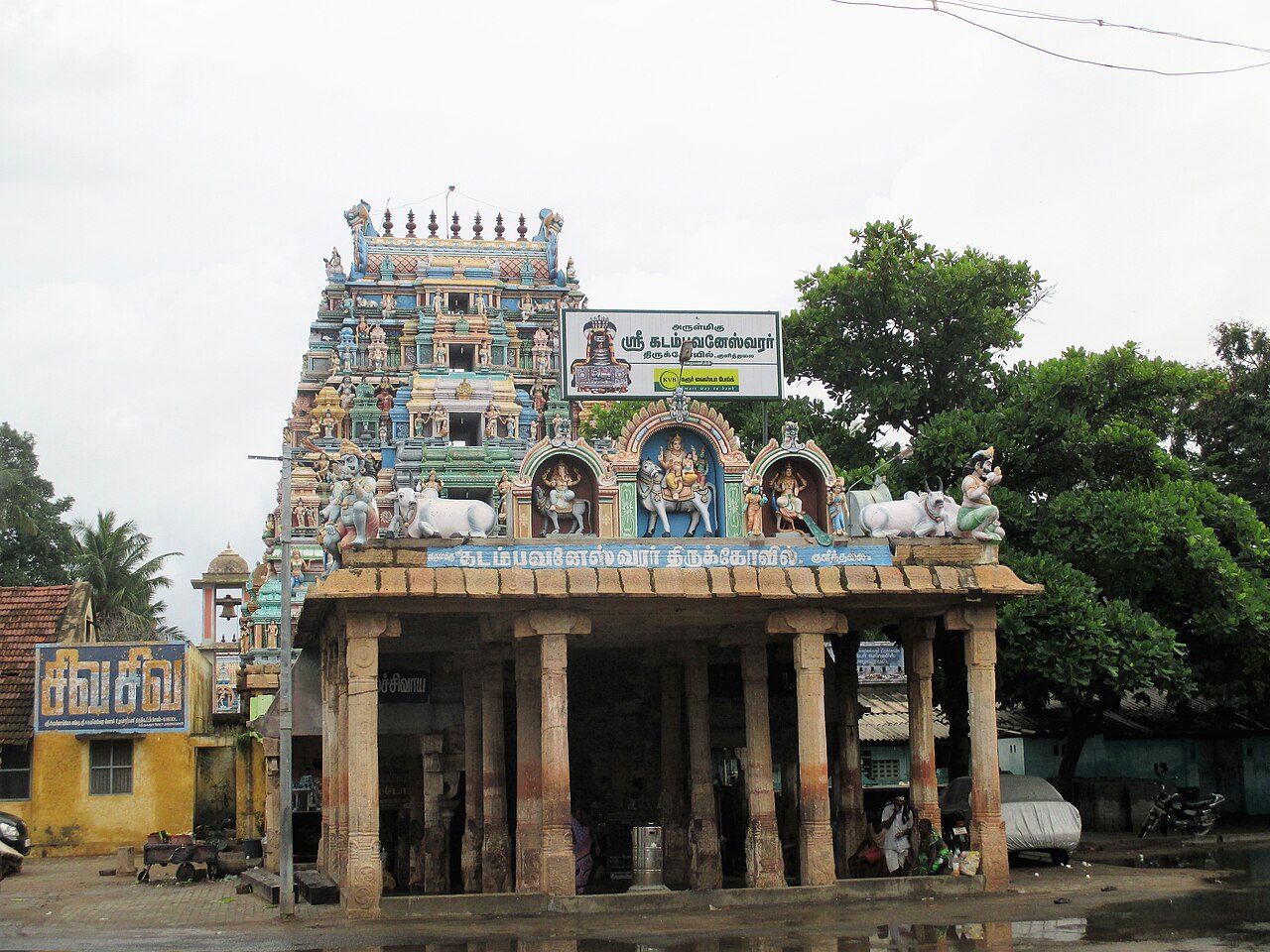
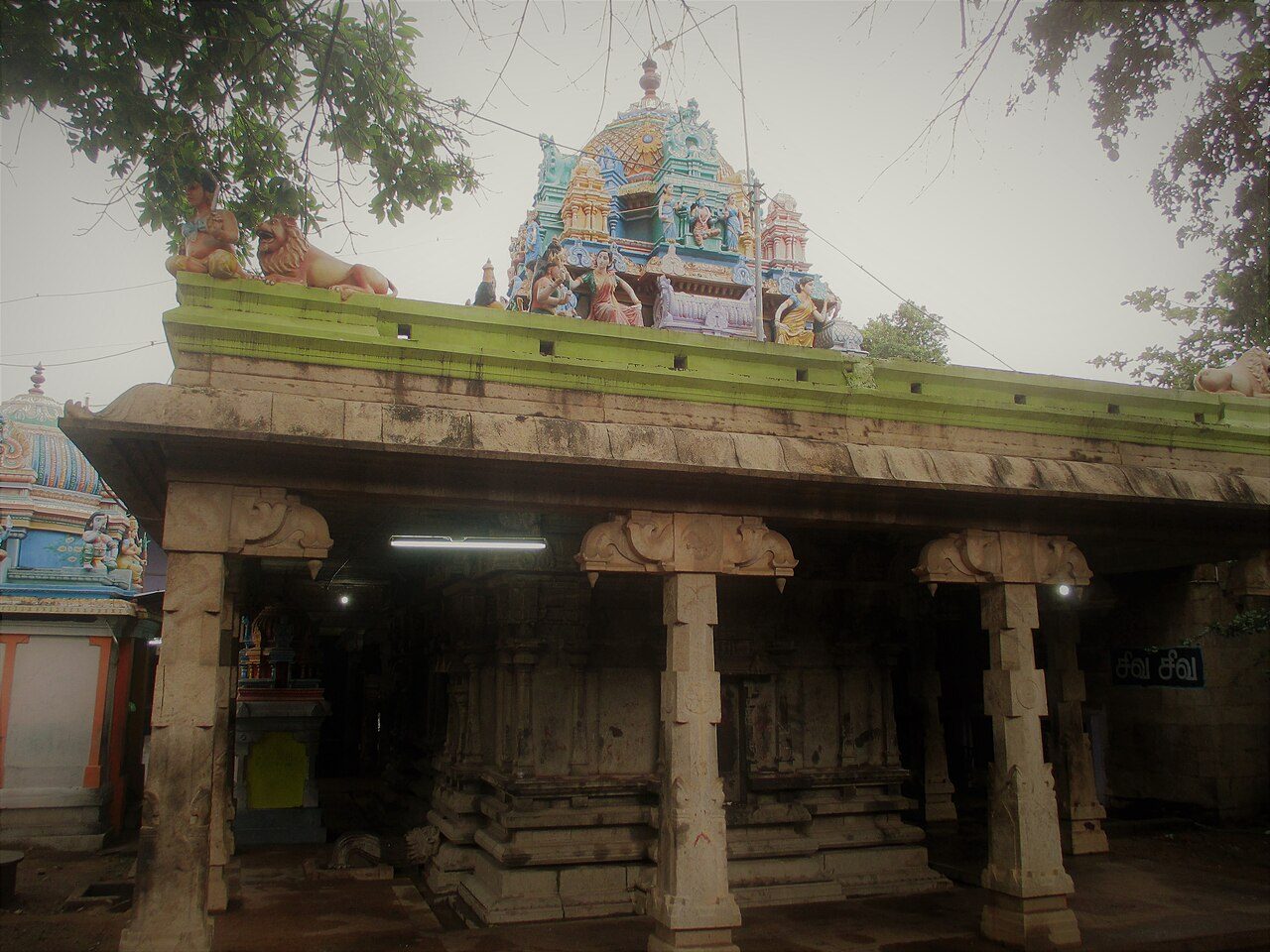
Shiva is worshipped here as the lord of the kadamba grove, and the temple, known as Thirukkadambanthurai, is a Padal Petra Sthalam sung in the Thevaram. It stands on the south bank of the Kaveri at Kulithalai, a town named for its bathing ghat on the river. Its pillared halls and gopuram carry Chola and later additions.
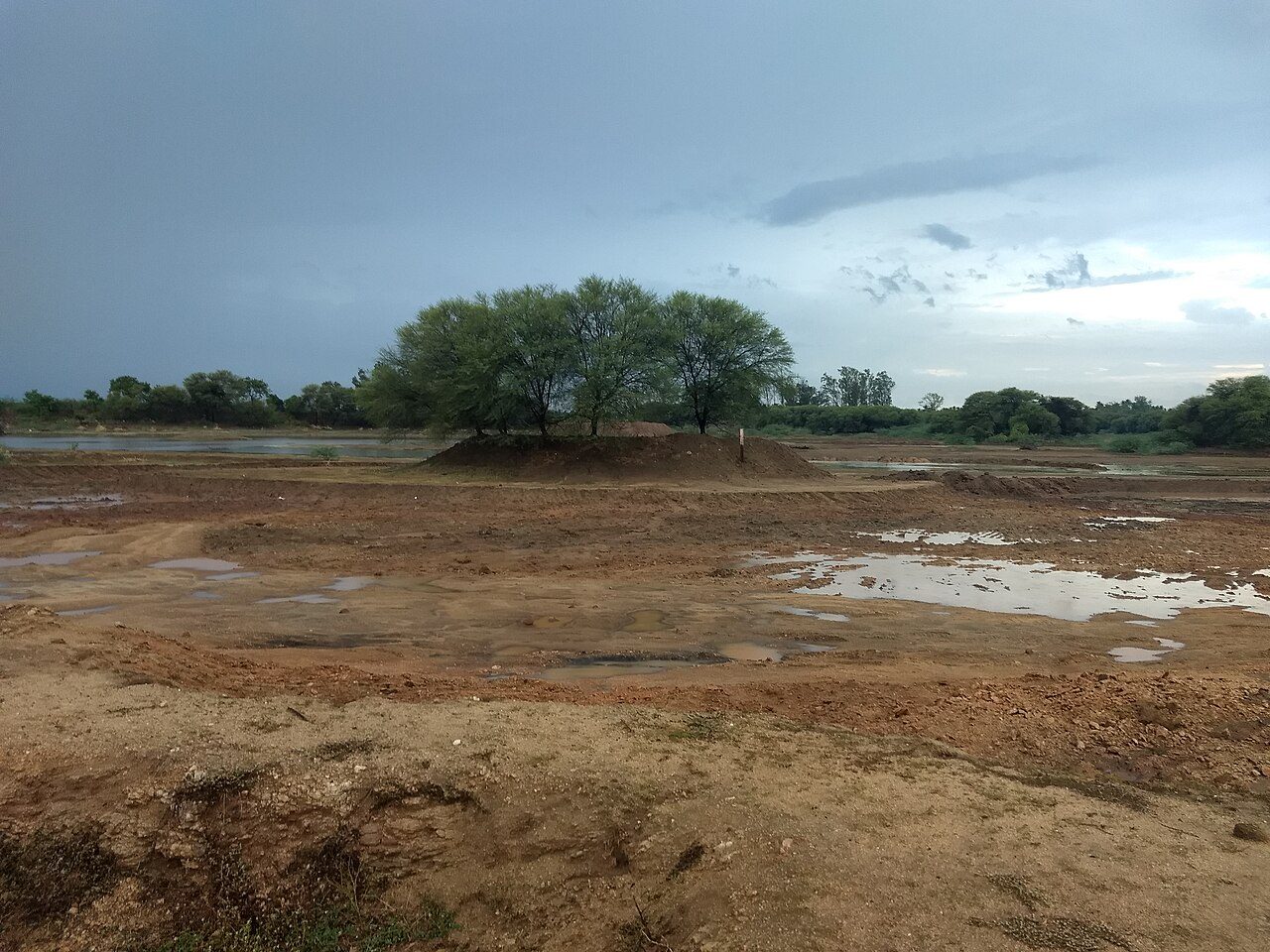
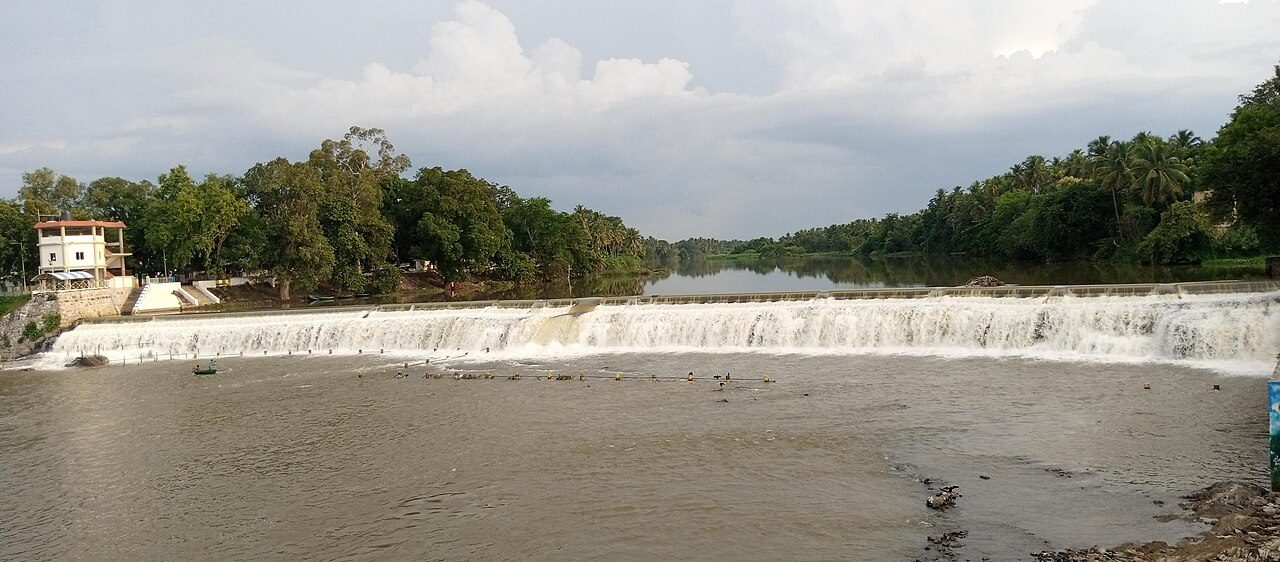
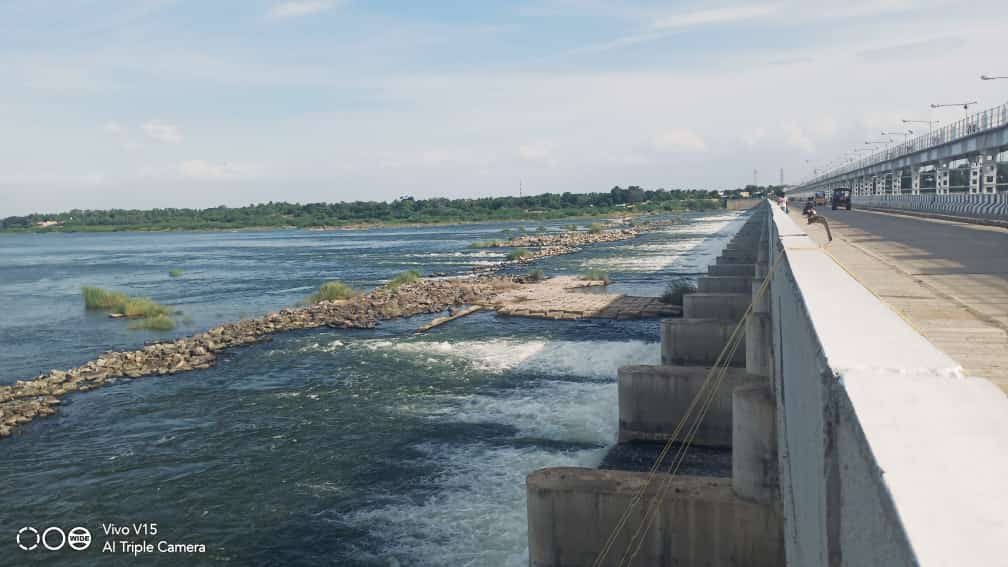
Built across the Kaveri at Mayanur to regulate water for the Kattalai High Level Canal, this barrage also carries a long road bridge over the river. It joins the Karur and Tiruchirappalli banks and is a well-known stop for the wide view up and down the Kaveri. The water held behind it draws flocks of waterbirds in the dry months.
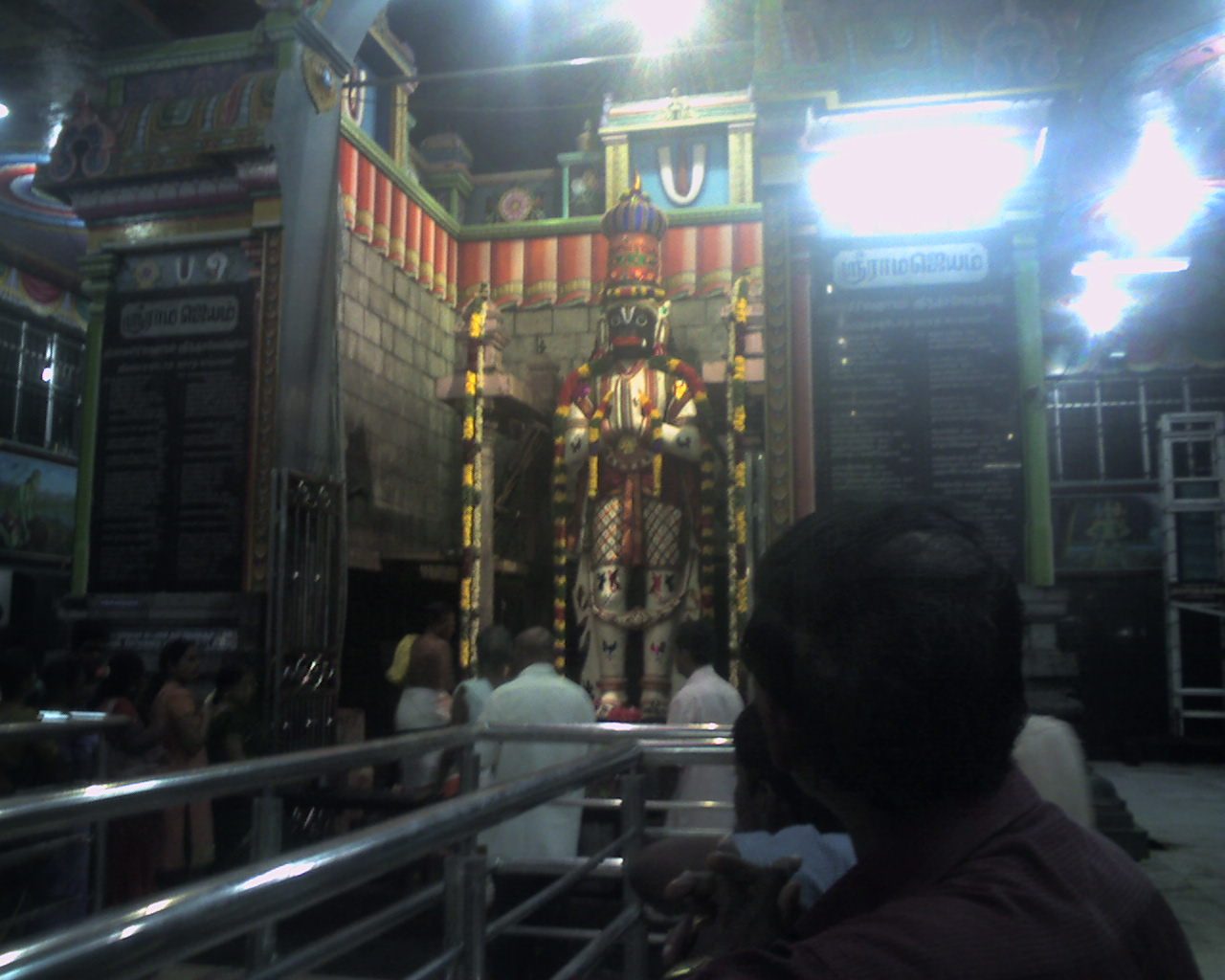
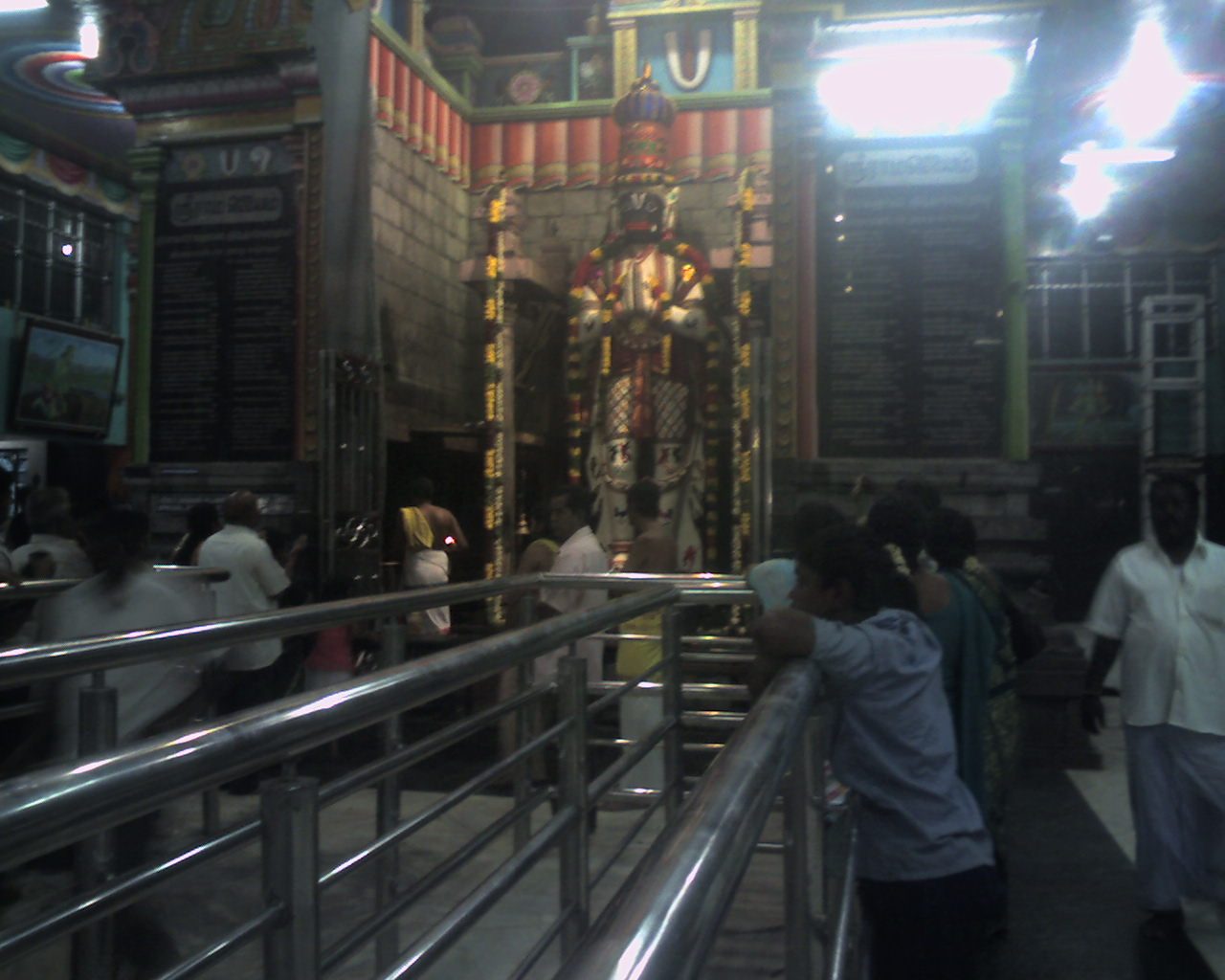
An eighteen-metre Hanuman carved from a single block of stone stands here open to the sky, facing the Narasimha shrine on the far side of the Namagiri rock; tradition says the image grows a little each year, which is why no roof over it has ever been finished. Devotees offer vadai garlands and butter, and Saturdays bring the largest crowds. The temple stands at the foot of the fort rock in the middle of Namakkal.
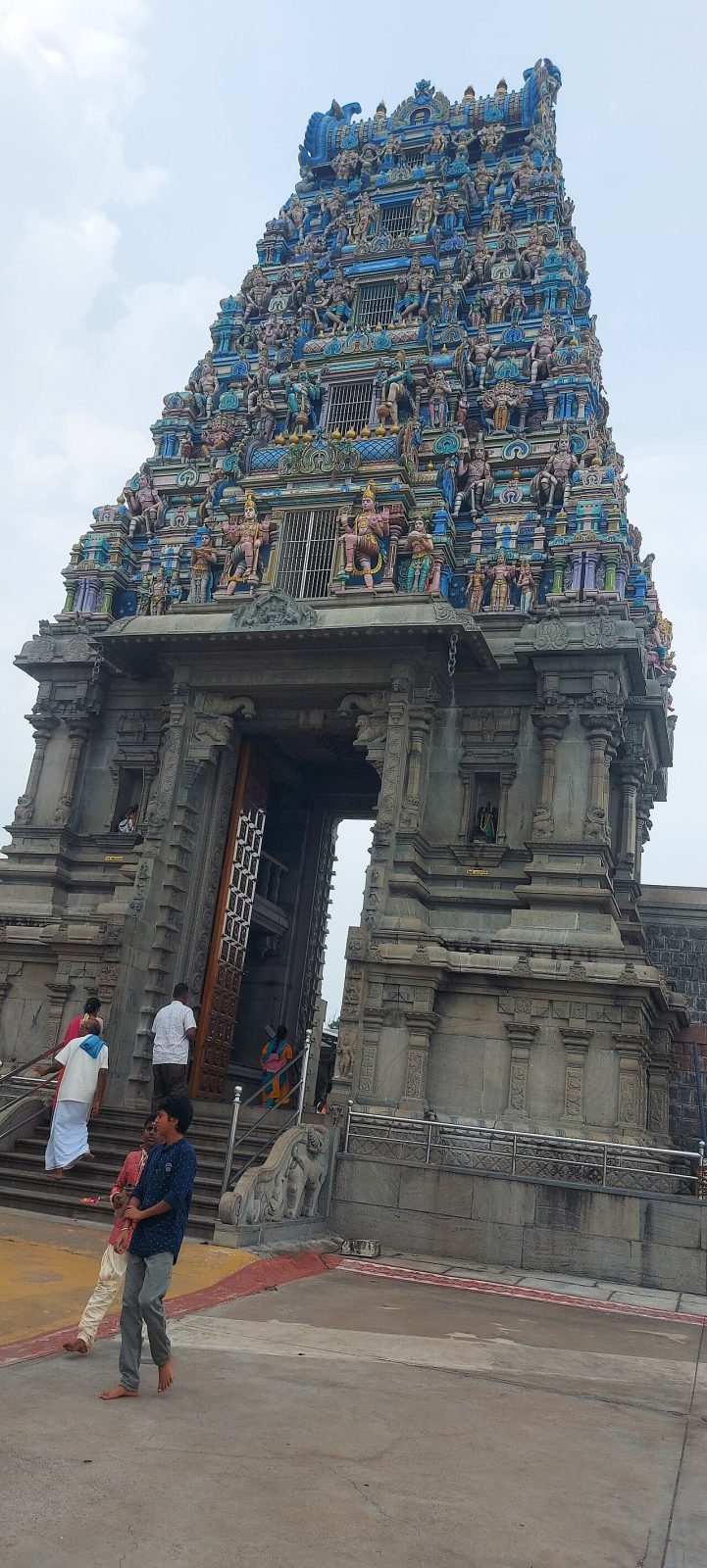
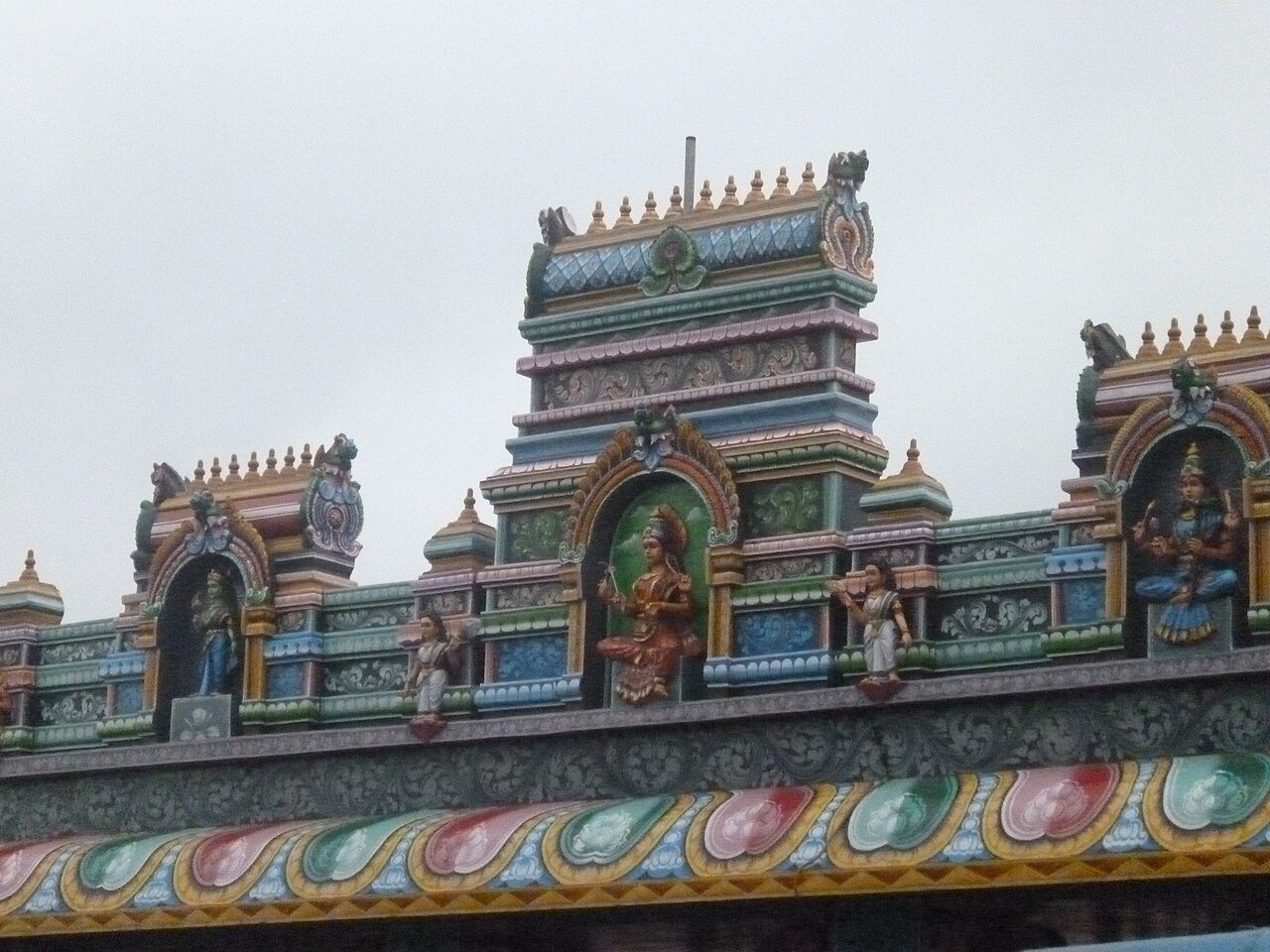
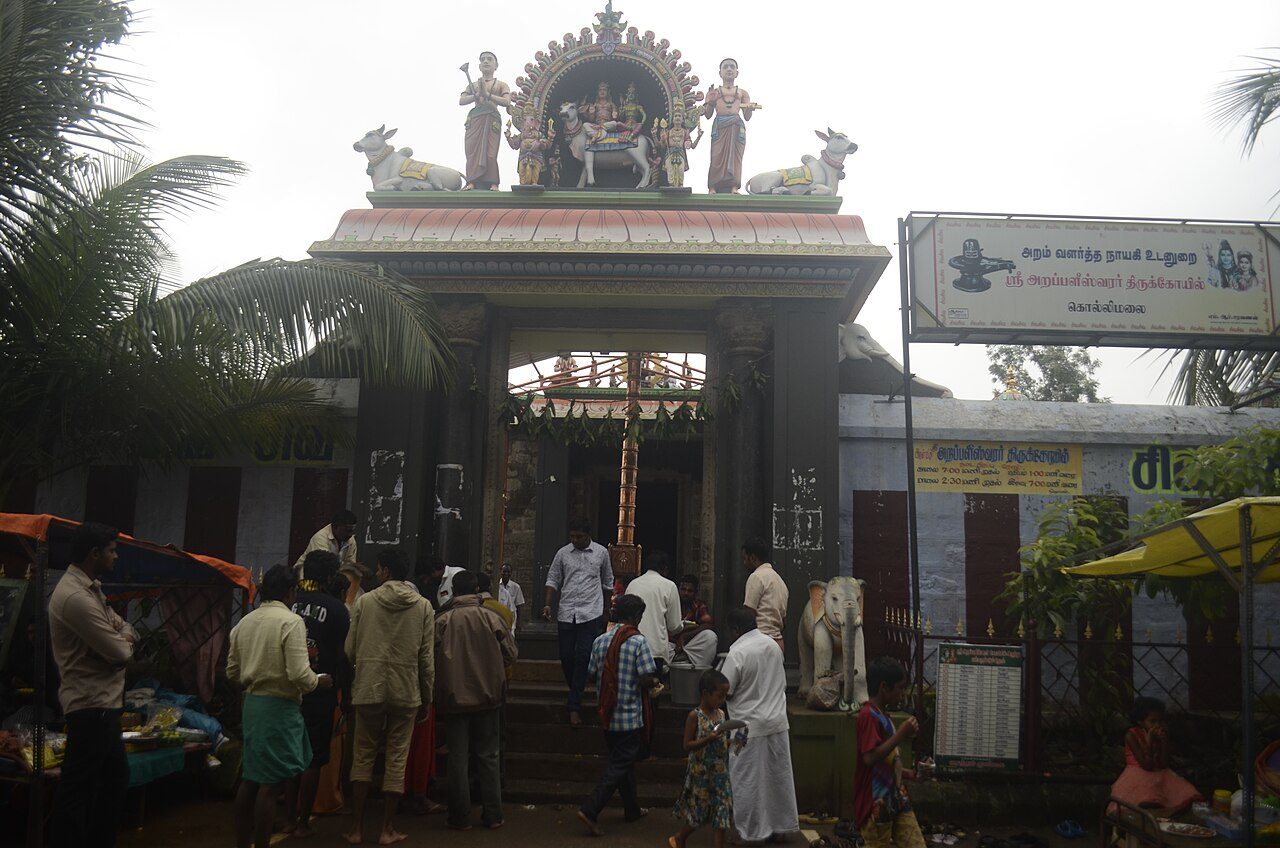
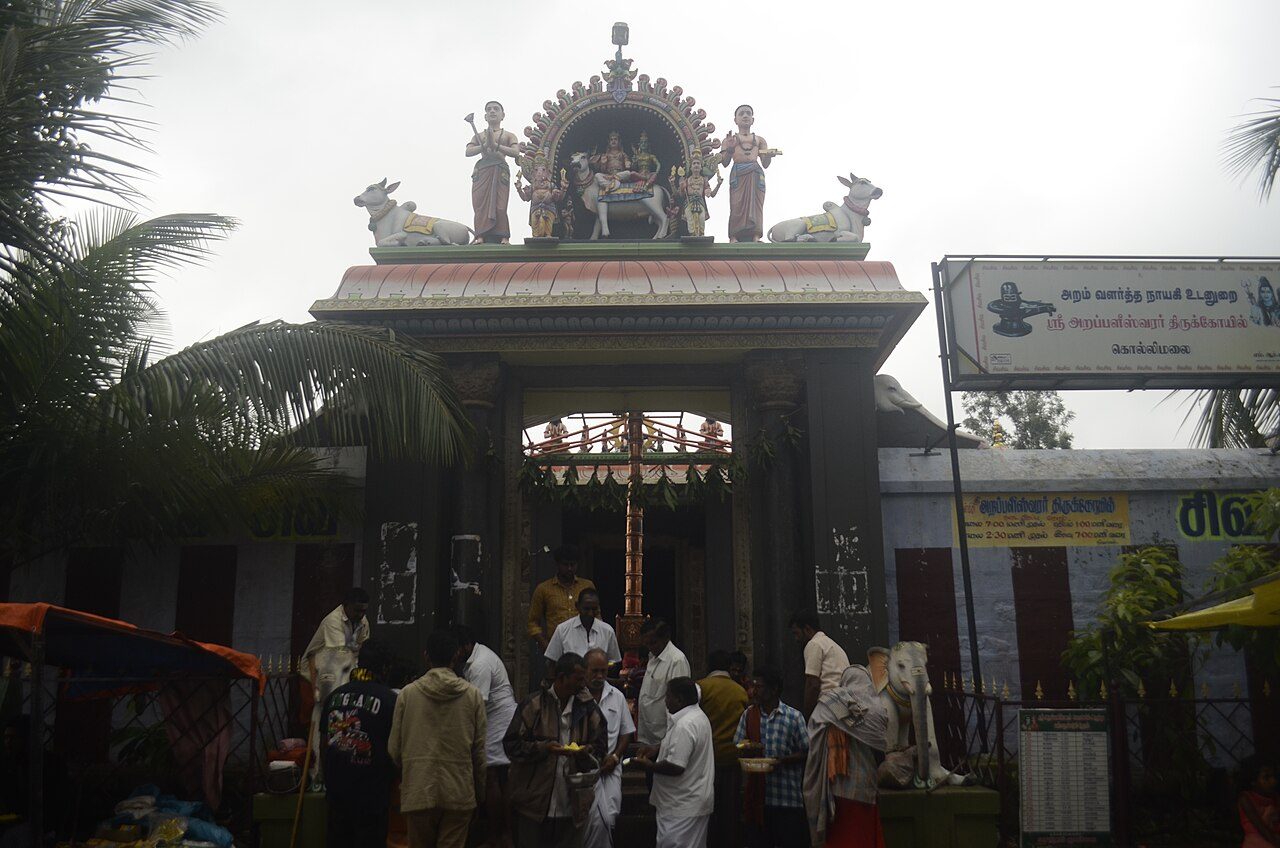
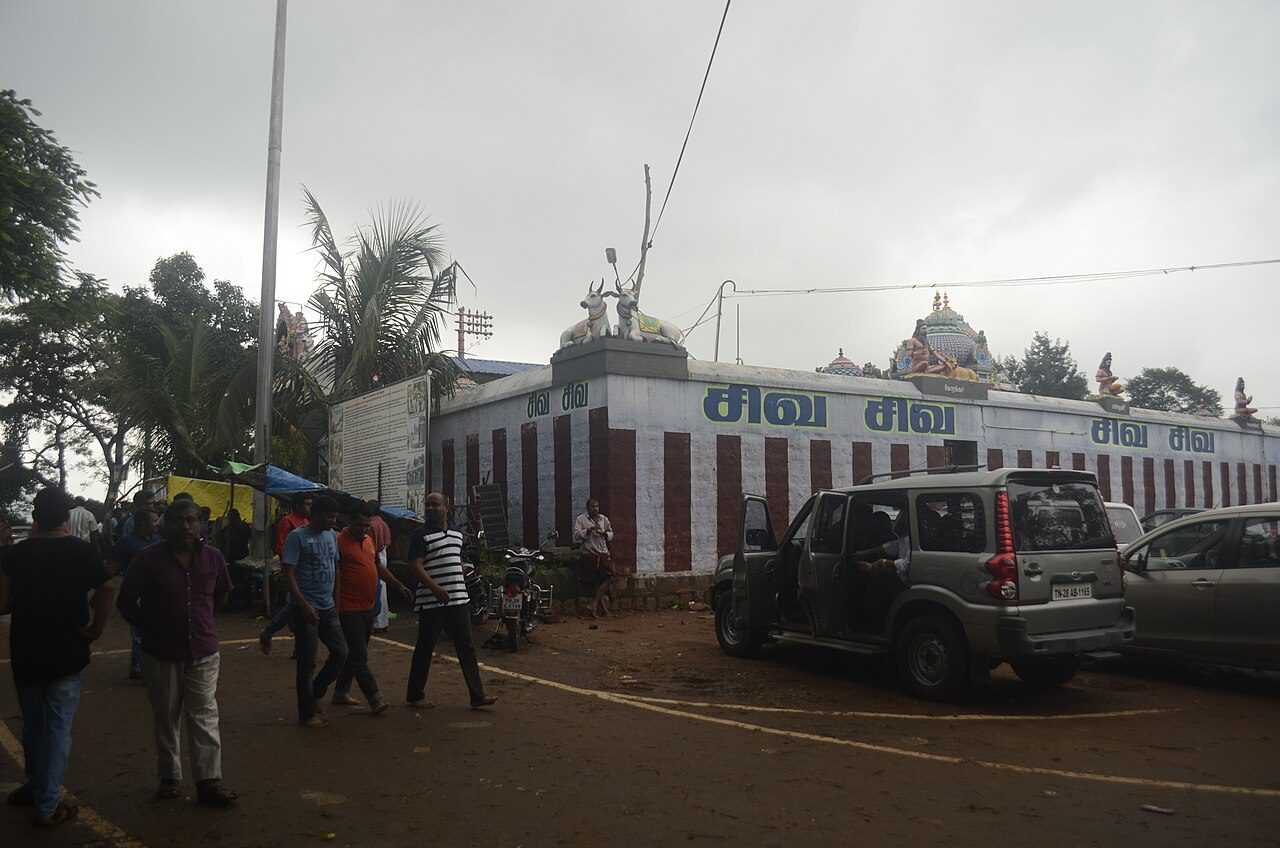
The old Shiva temple of the Kolli Hills, reached by the ghat road with its seventy hairpin bends, and the starting point for the descent to the Agaya Gangai falls. Local tradition ties it to the Chera period and to the hill chieftain Valvil Ori of Sangam poetry. A weekly market fills the open ground outside it.
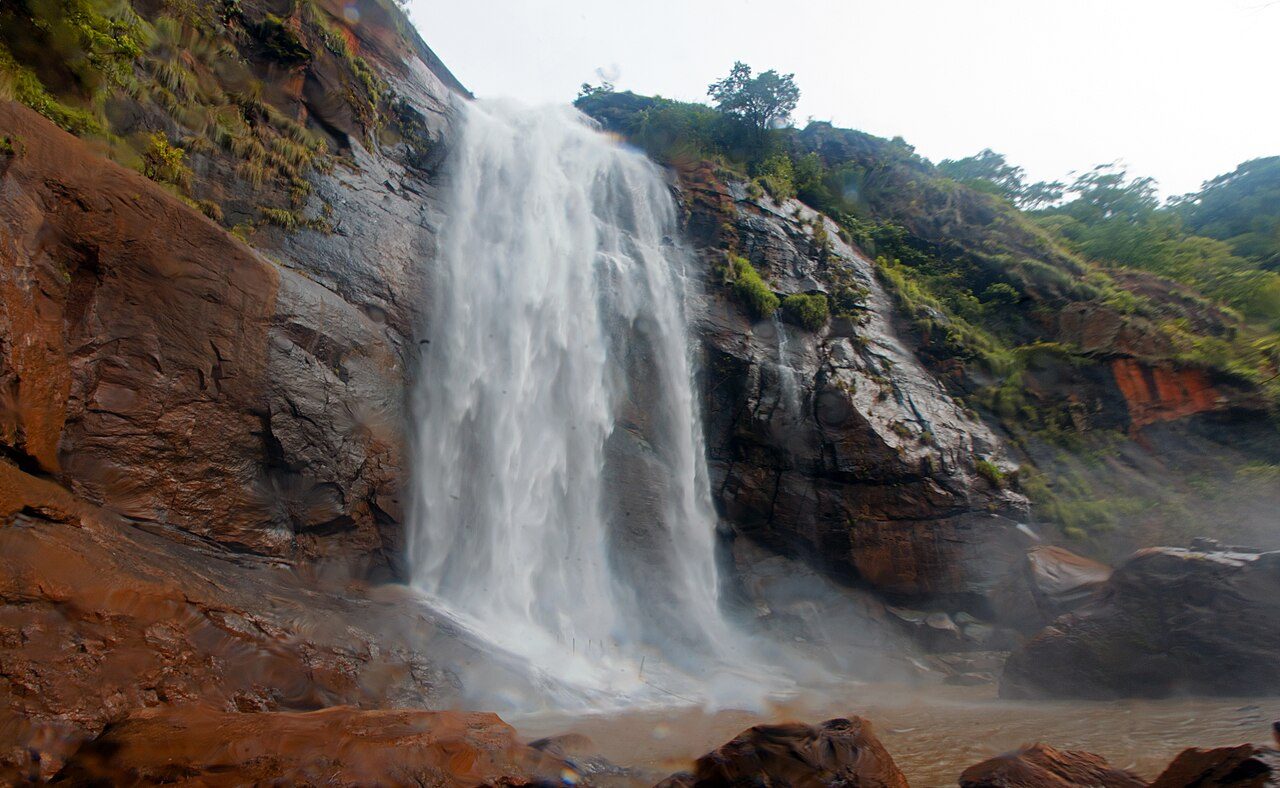
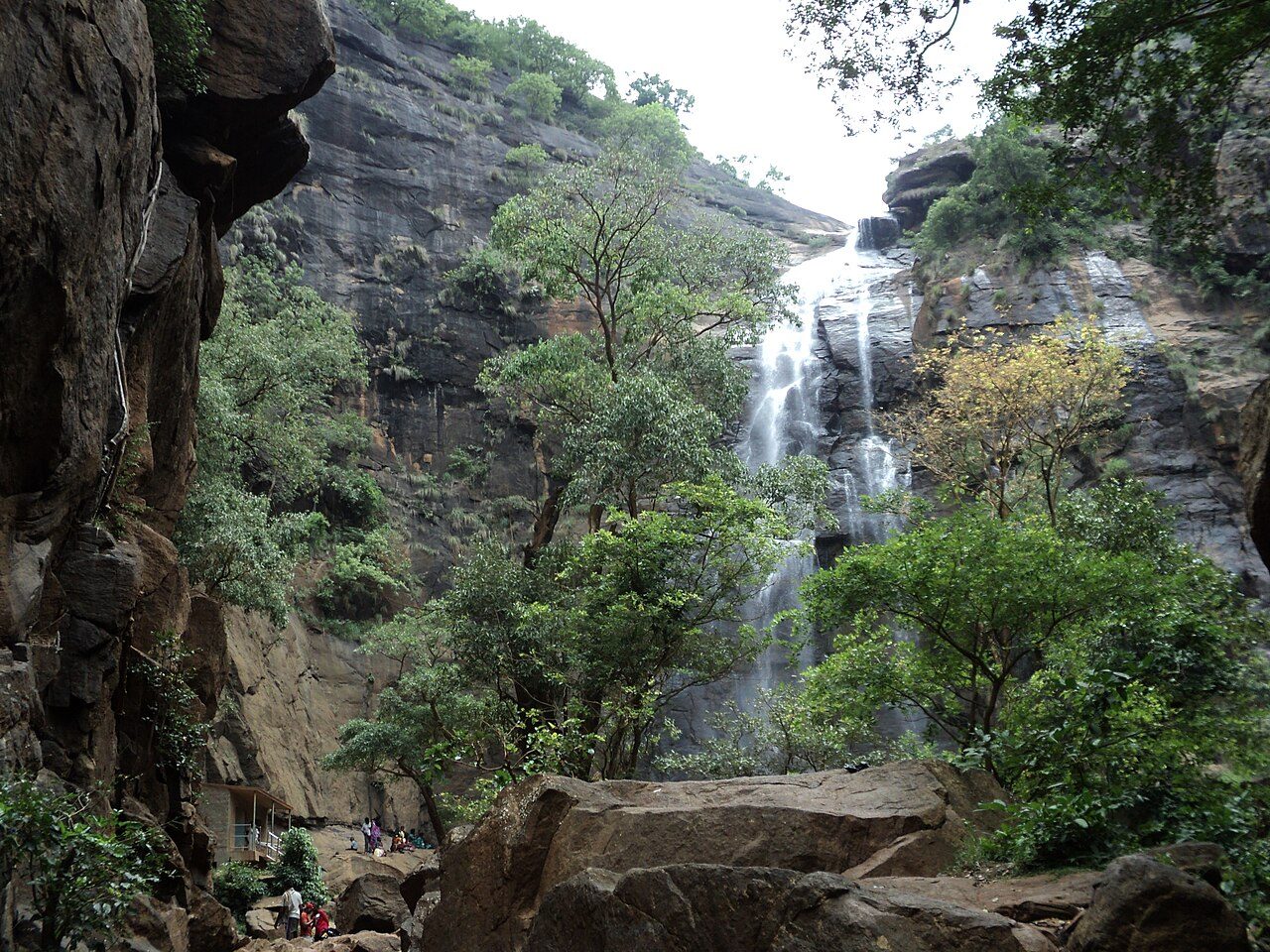
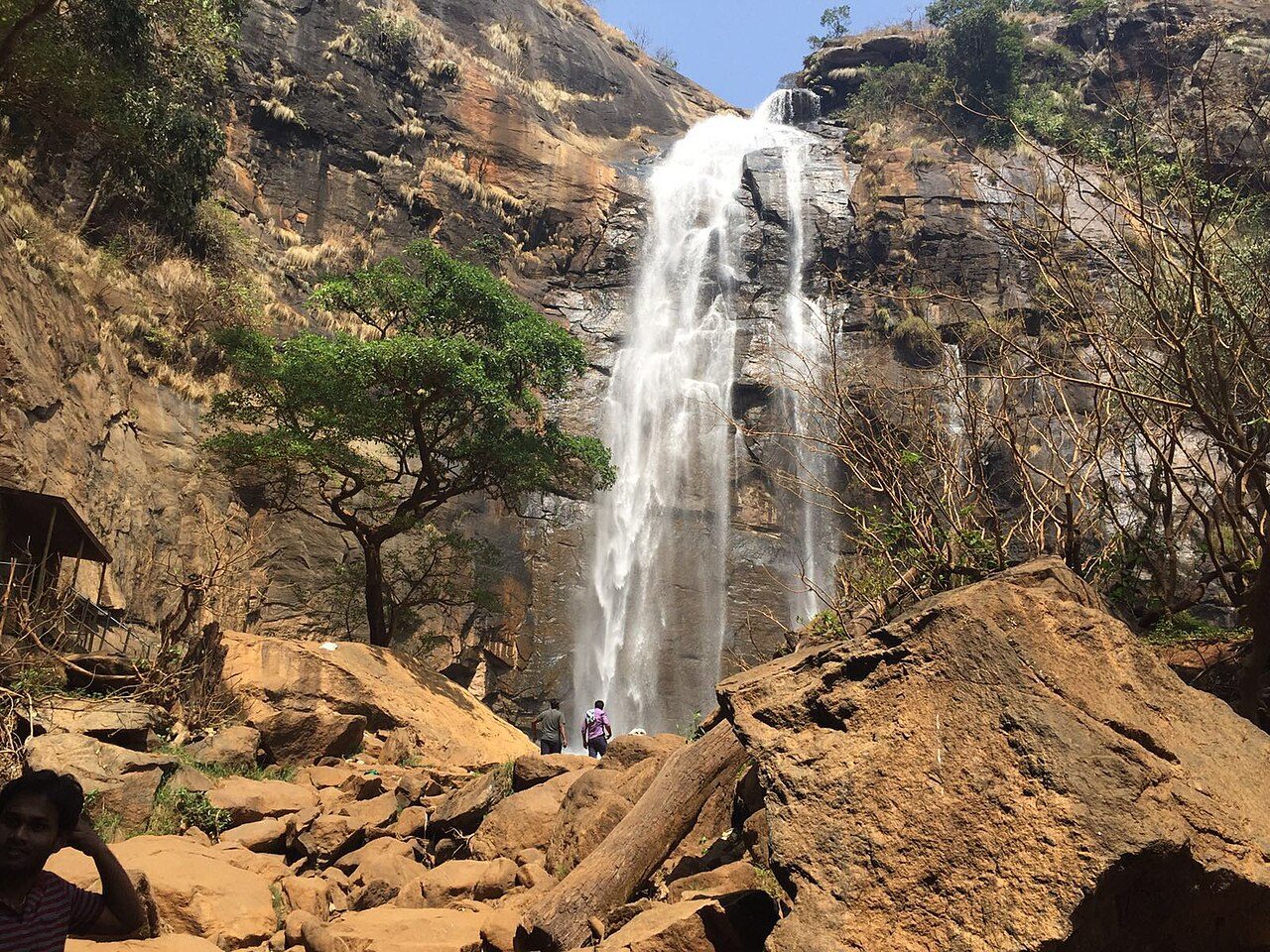
The Aiyaru river drops around a hundred metres into a gorge below the Arapaleeswarar temple, and the only way down is a staircase of more than a thousand steps cut into the hillside. The name means the Ganga of the sky. The flow is strongest after the monsoon, and the climb back up is the hard part.
Best weather: Dec – Apr
Seasons from 20 years of NASA POWER climate data.
Was this trip blog helpful?
0
0
Ready to follow this route?
Copy all 14 stops into your trip plans in the app.
 WaTrips