Kerala Temple Pilgrimage: Guruvayur to Thiruvananthapuram in 4 Days
4 DAYS12 placesby WaTrips
Kerala's great temples from north to south — Guruvayur, Vadakkumnathan, Chottanikkara, Vaikom, Ambalappuzha, Aranmula and Padmanabhaswamy.
A south-bound pilgrimage through Kerala's most revered temples. Begin at Guruvayur, the 'Dwaraka of the South', then the Sree Rama temple at Triprayar and Thrissur's Vadakkumnathan. Day two continues to Koodalmanikyam, the rare Bharata temple, Kodungallur Bhagavathy and the Chottanikkara Devi temple near Kochi. On day three go to the Shiva temples of Vaikom and Ettumanoor, and taste the famous palpayasam at Ambalappuzha. The last day passes through Aranmula, home of the snake-boat race and its Parthasarathy temple, to Thiruvananthapuram for the Padmanabhaswamy and Attukal temples. Most Kerala temples have a strict dress code (mundu for men, saree or long skirt for women), allow only Hindus inside, and close for a few hours around midday.
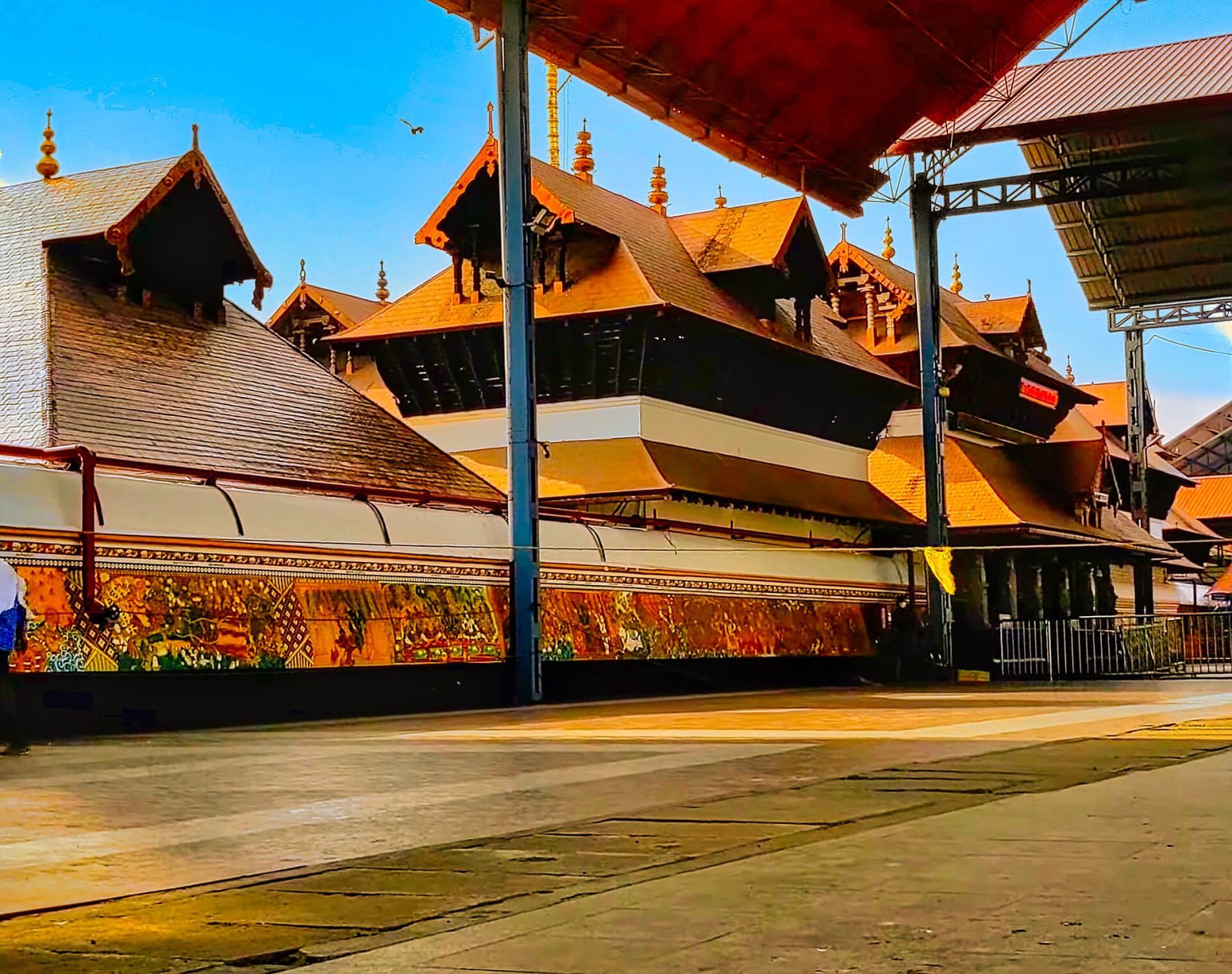
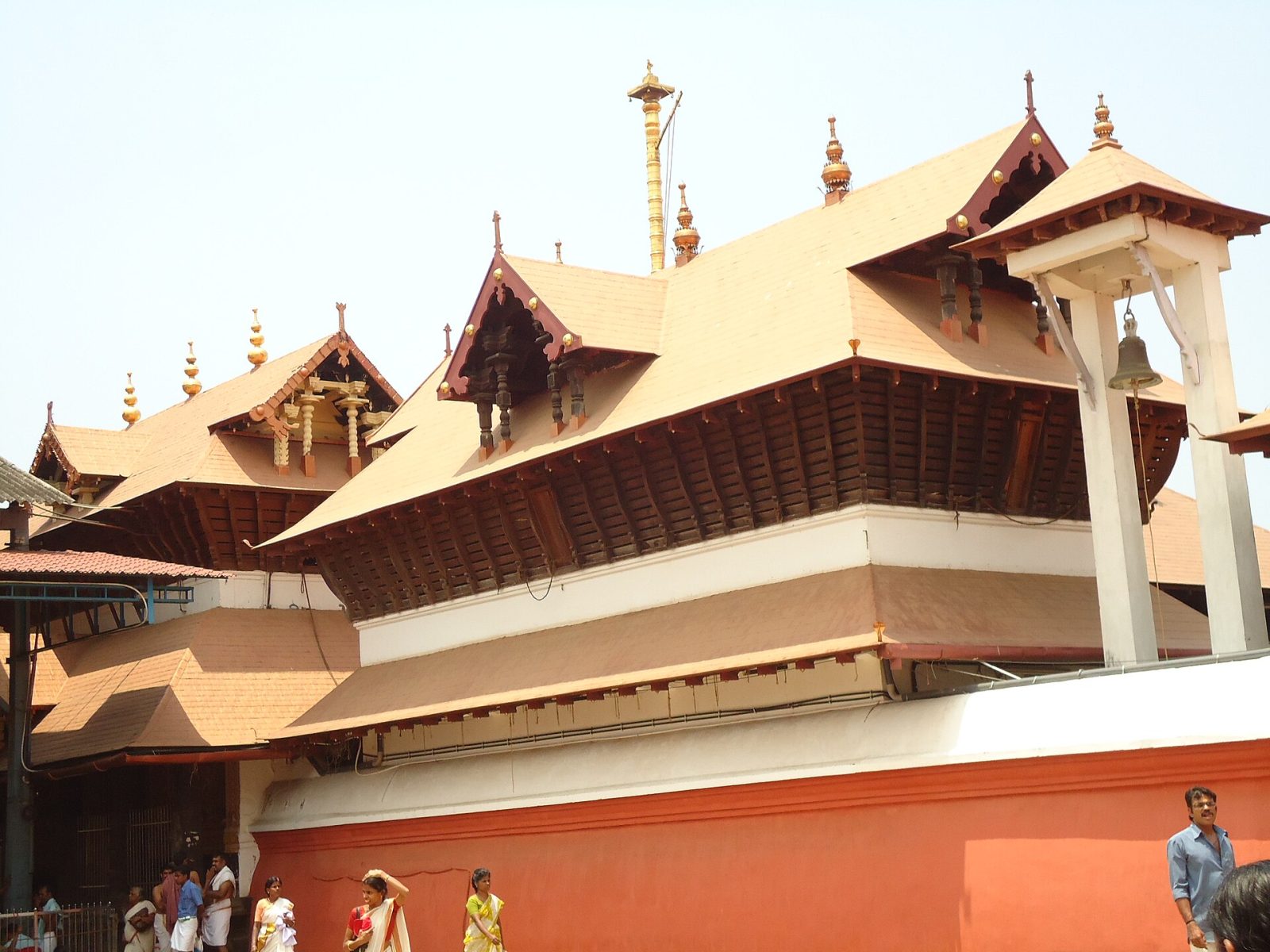
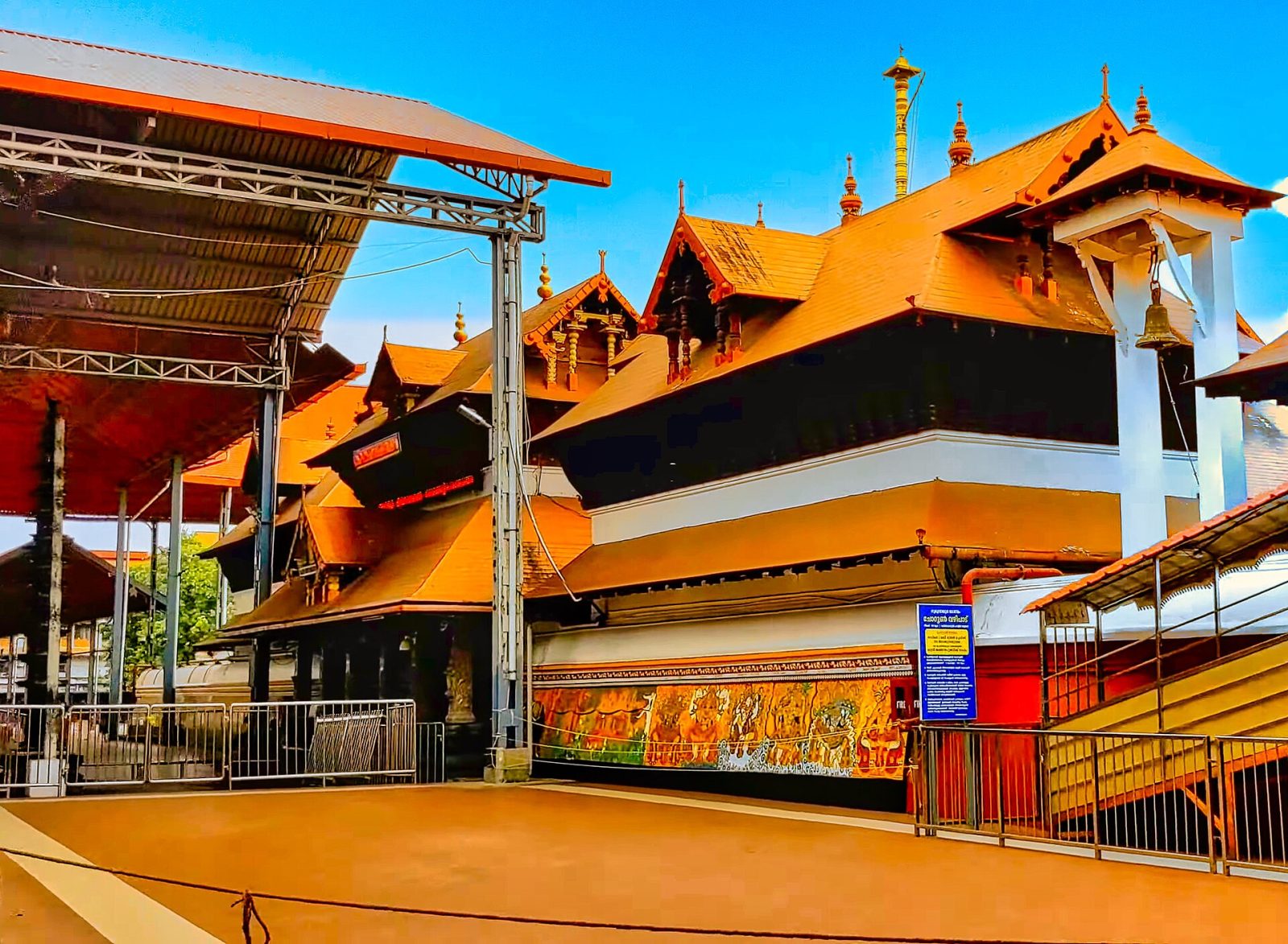
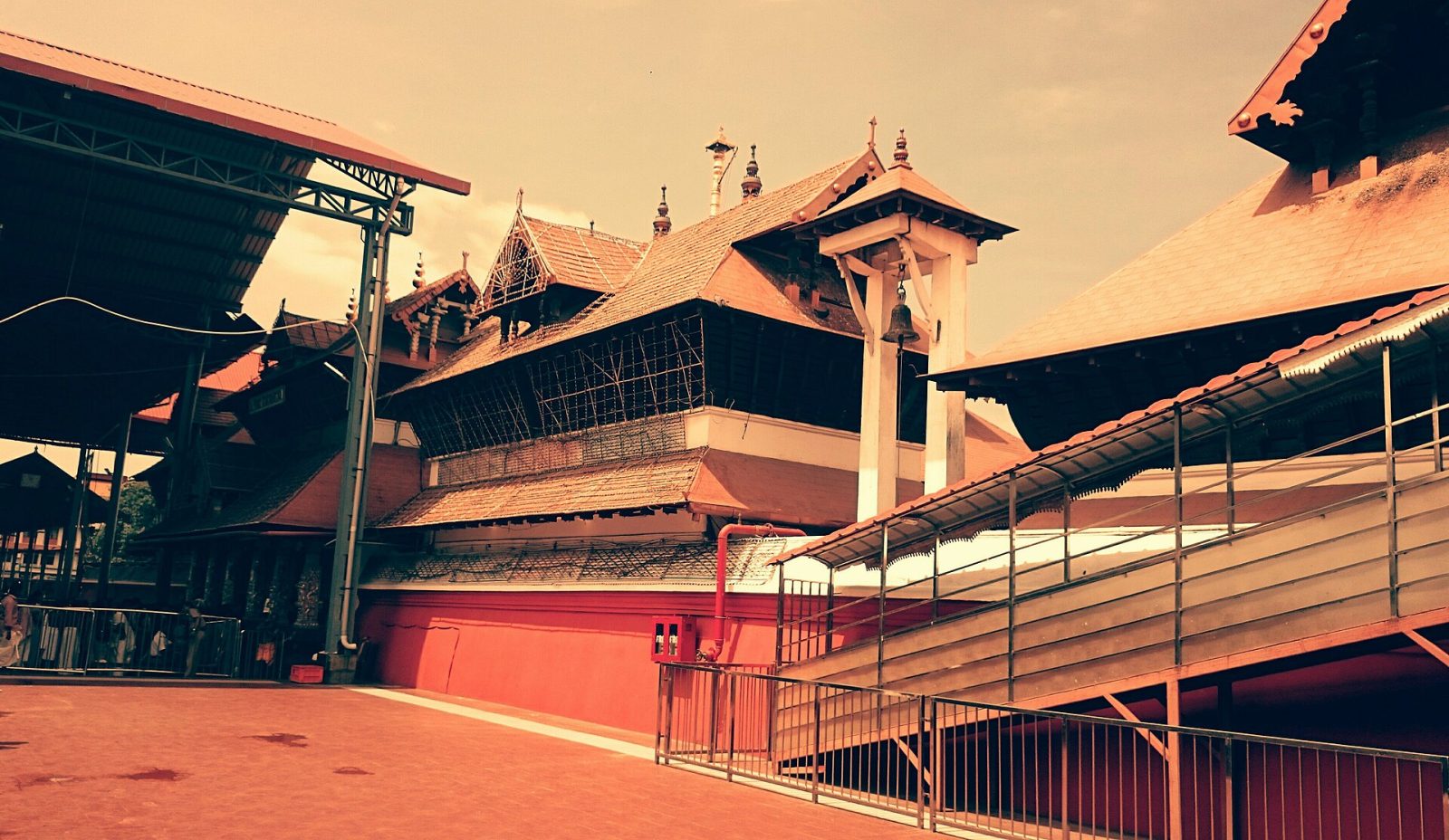
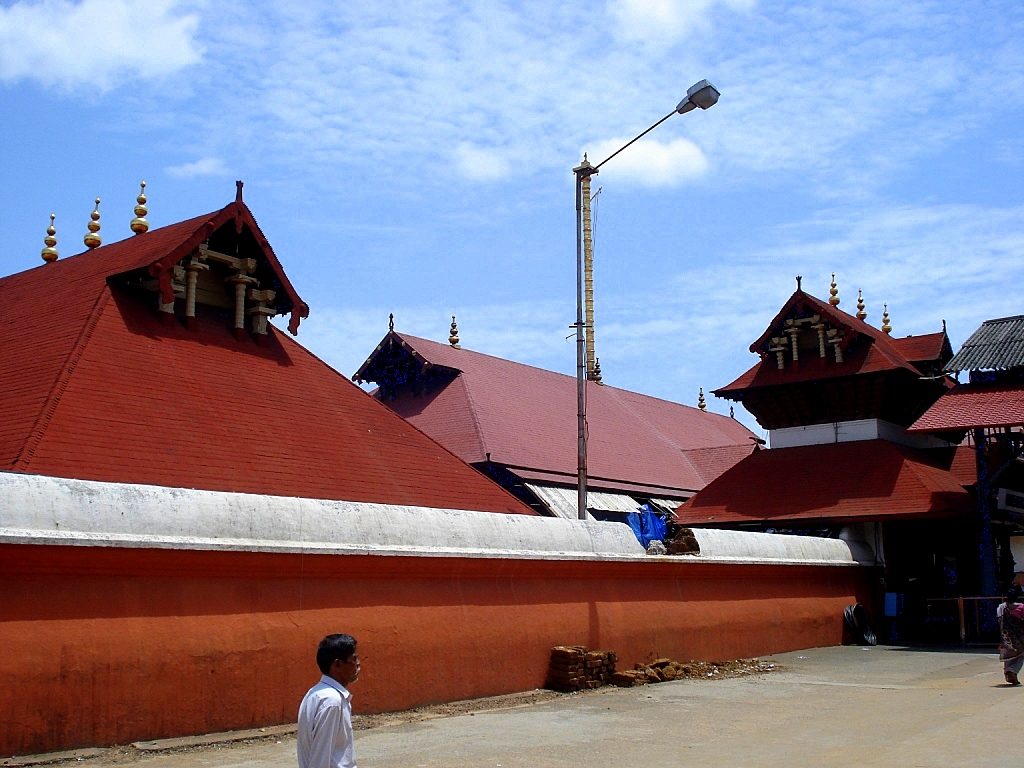
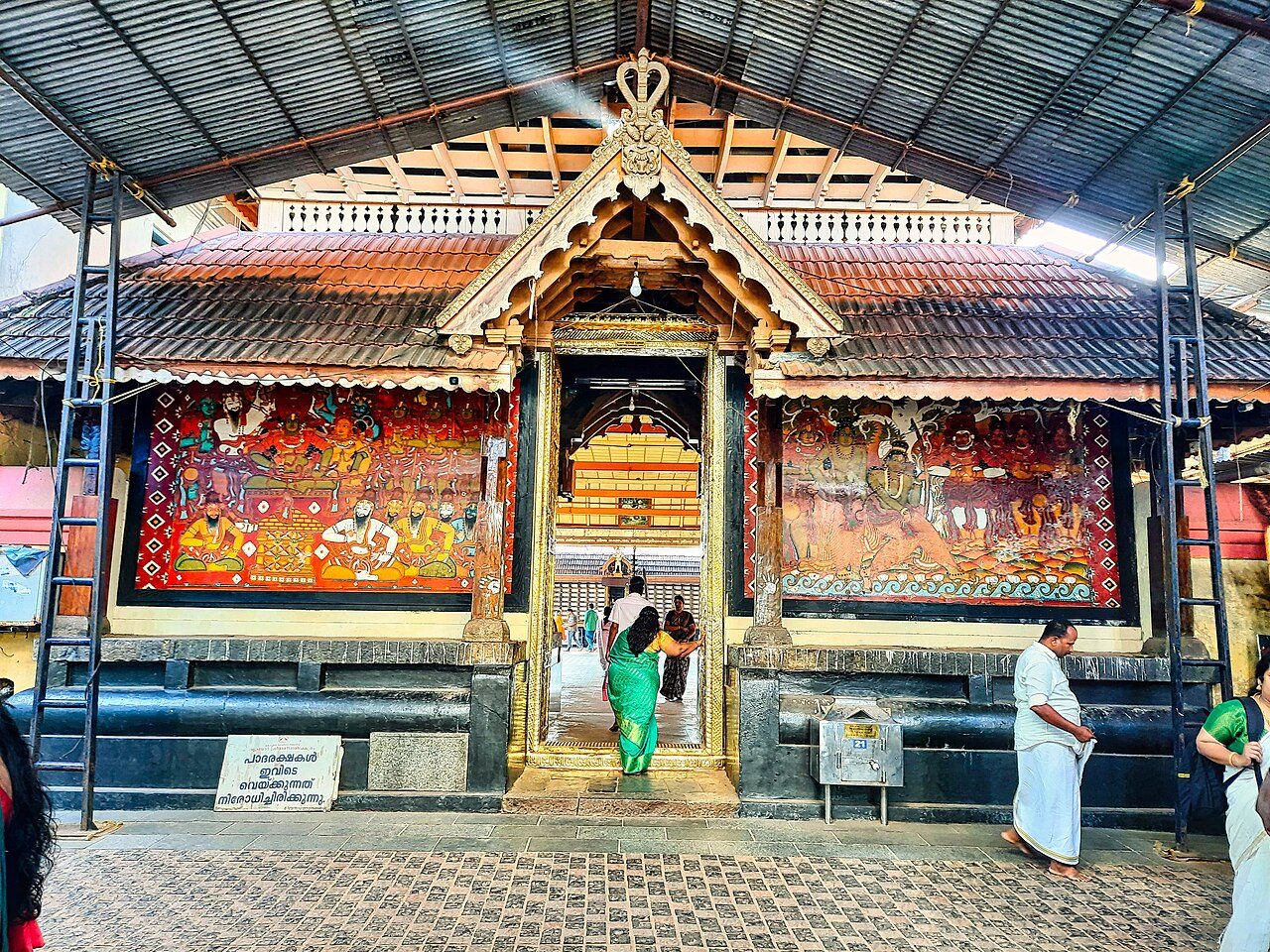
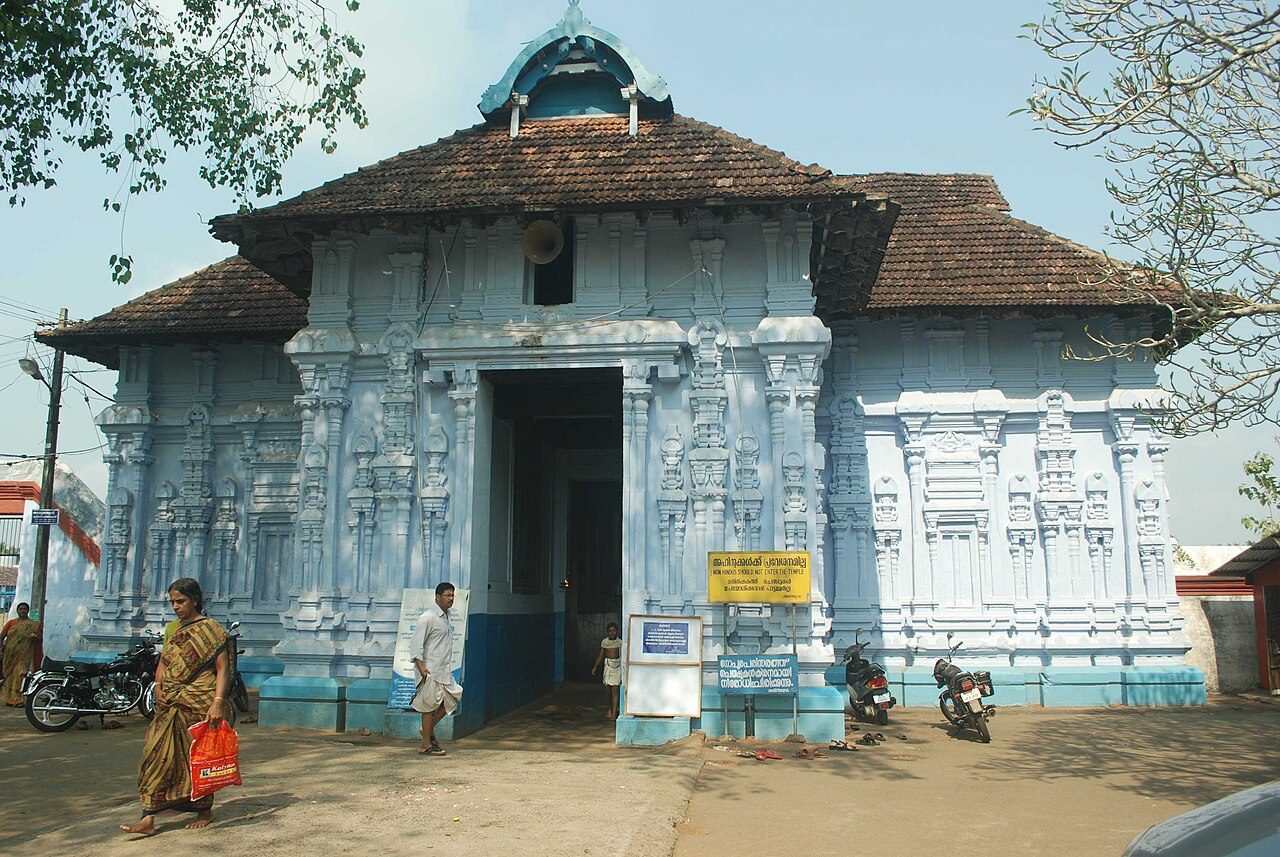
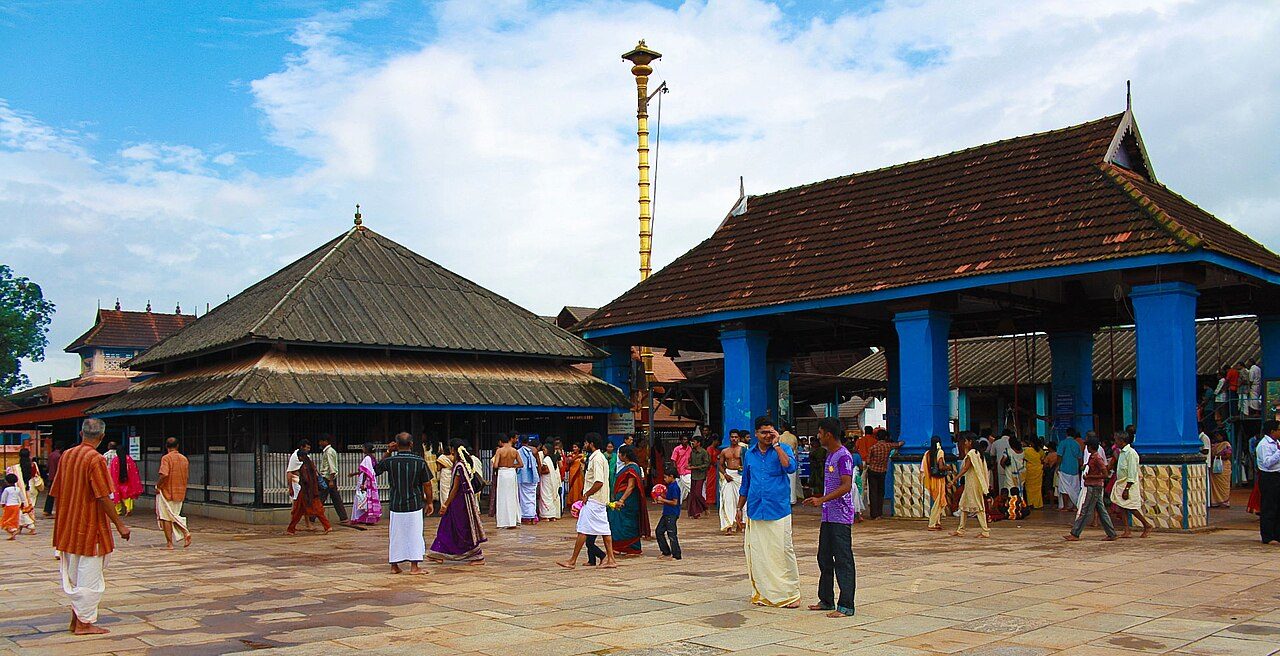
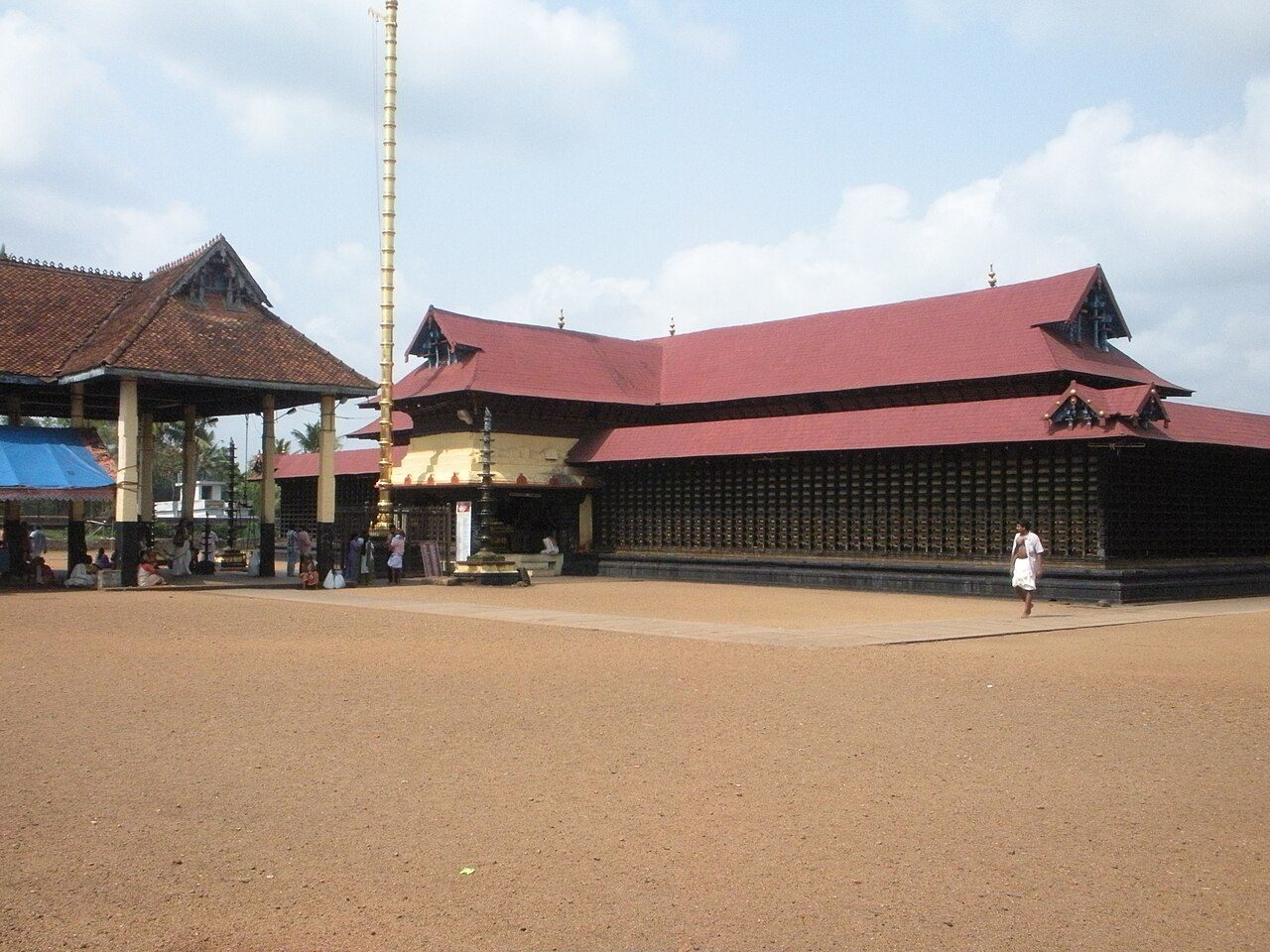
Guruvayur, in Thrissur district, is one of the most visited Krishna temples in India and is often called the Dwarka of the South. The deity is worshipped as Guruvayurappan, and the idol is said to have been installed by Guru, the teacher of the gods, and Vayu, the wind god, which is how the town got its name. Weddings and the first rice-feeding ceremony for babies are performed here in huge numbers every day, and the temple elephants are kept at the Punnathurkotta sanctuary nearby. The day begins with the Nirmalya Darshanam before dawn and ends late at night, with long queues in between. Only Hindus may enter, and there is a strict dress code.
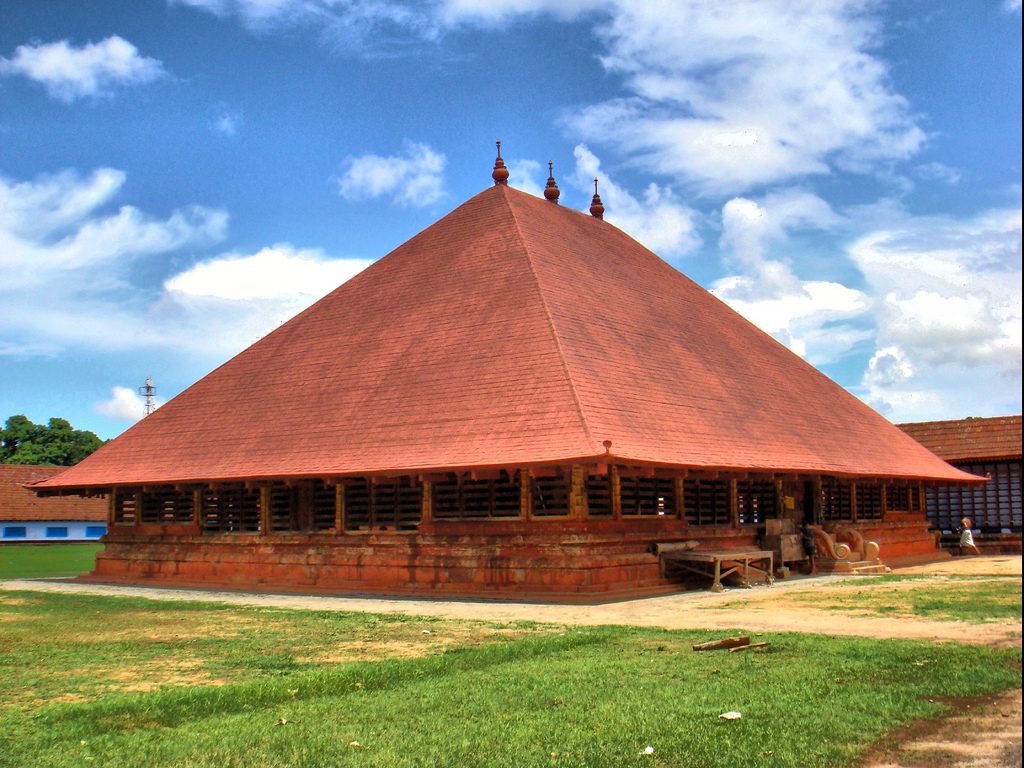
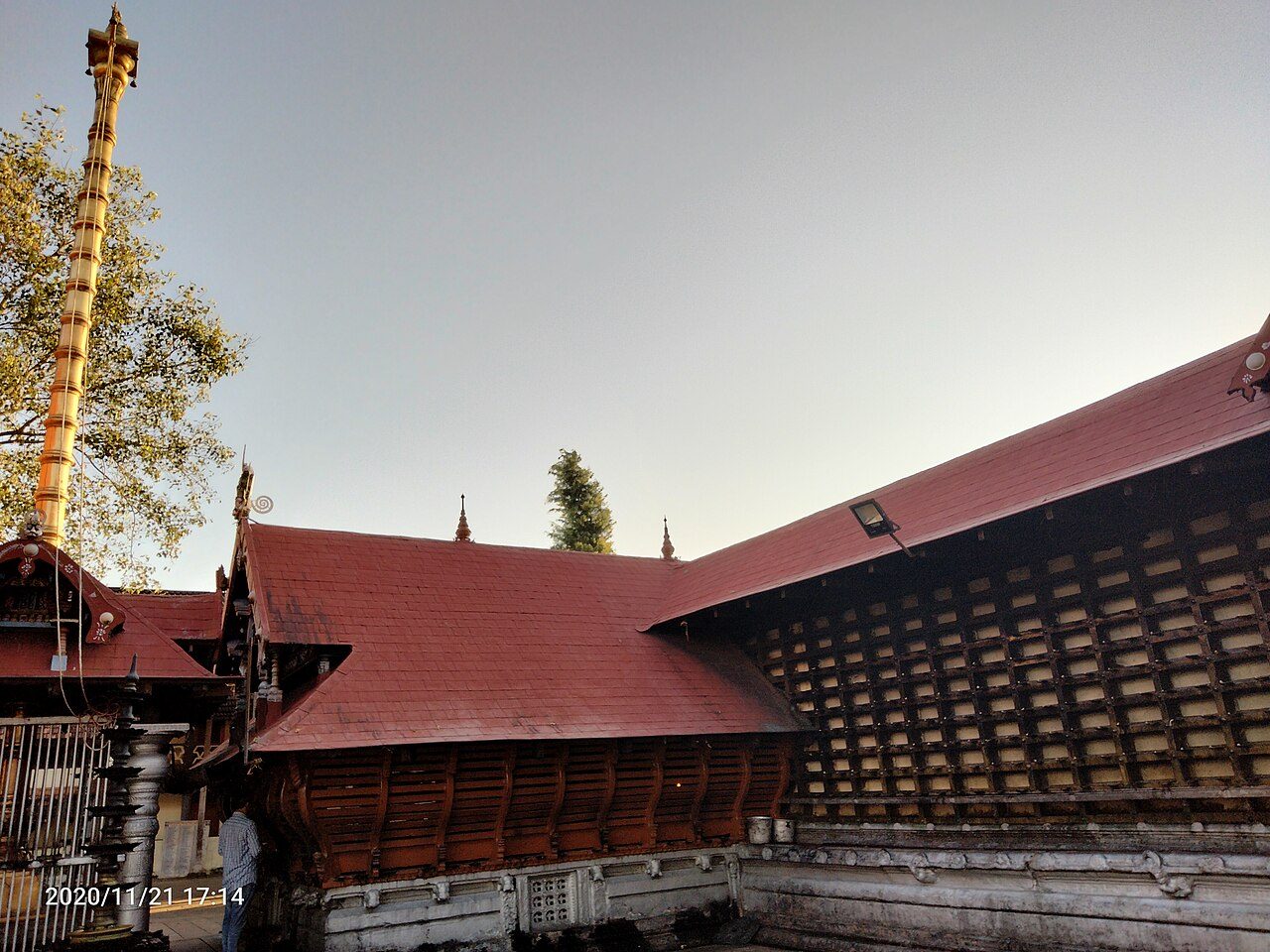
The Triprayar Sree Rama Temple stands on the bank of the Karuvannur River and is one of the four temples of the Nalambalam pilgrimage. Its circular sanctum carries carved wooden panels and old murals.
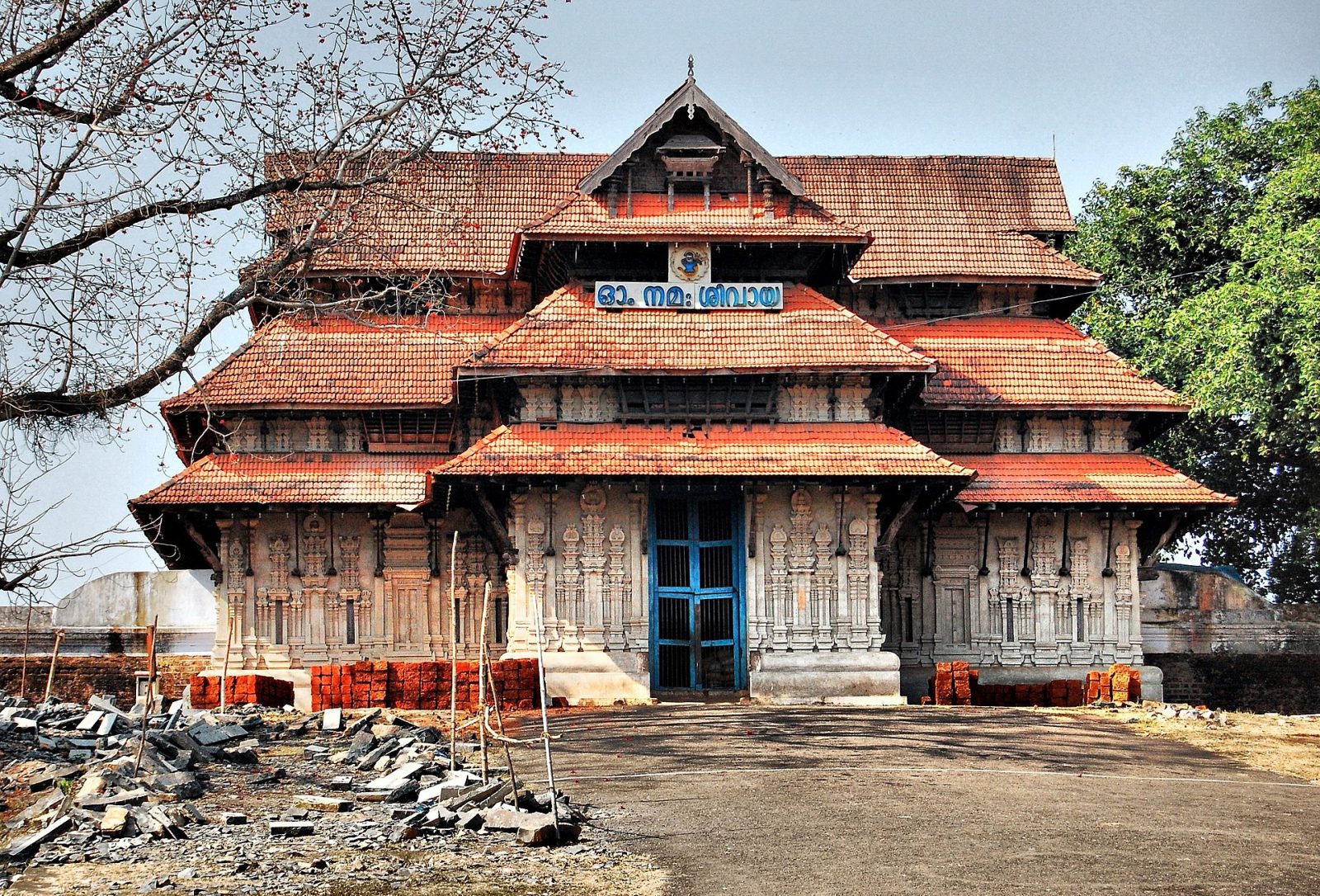
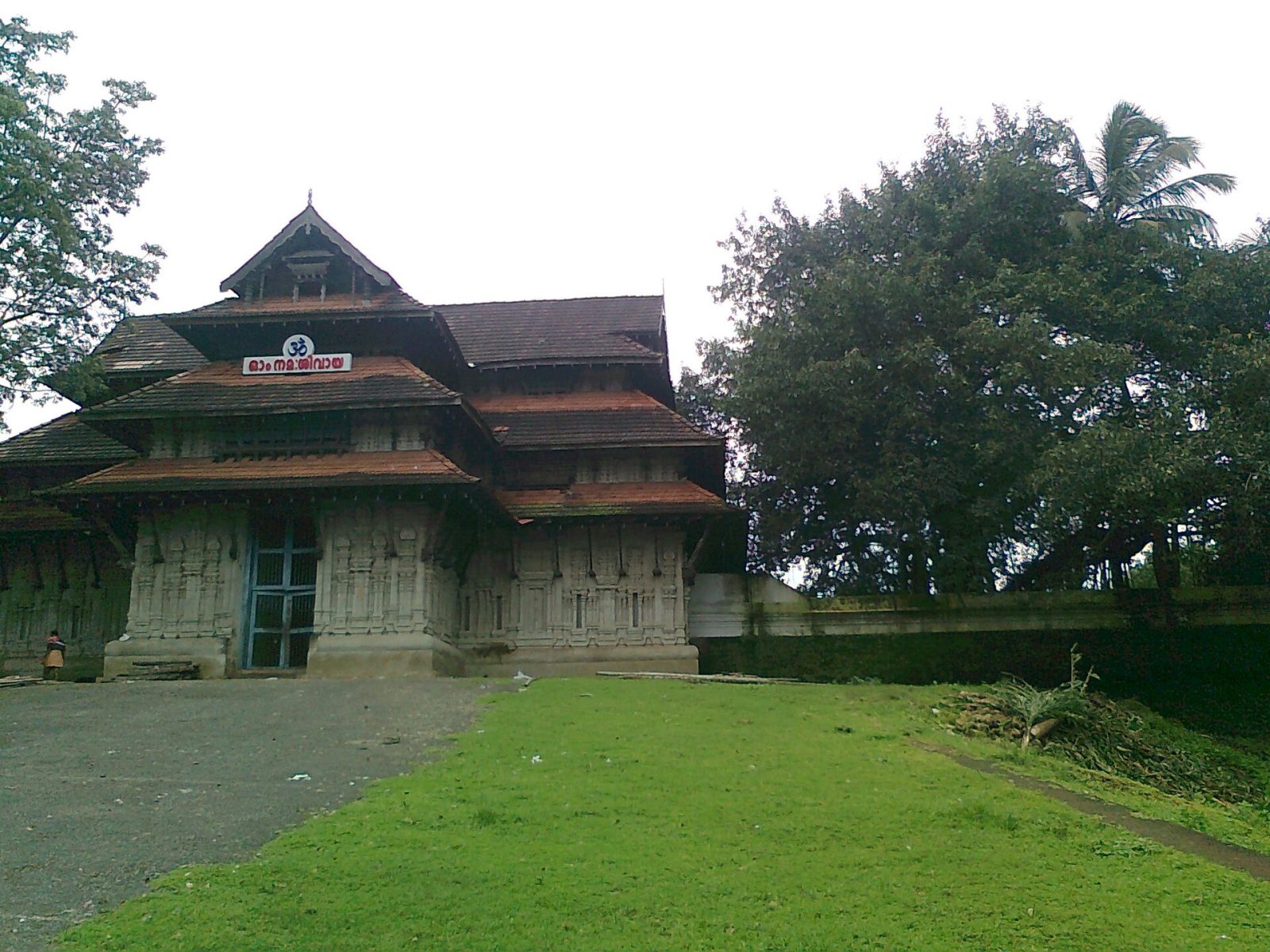
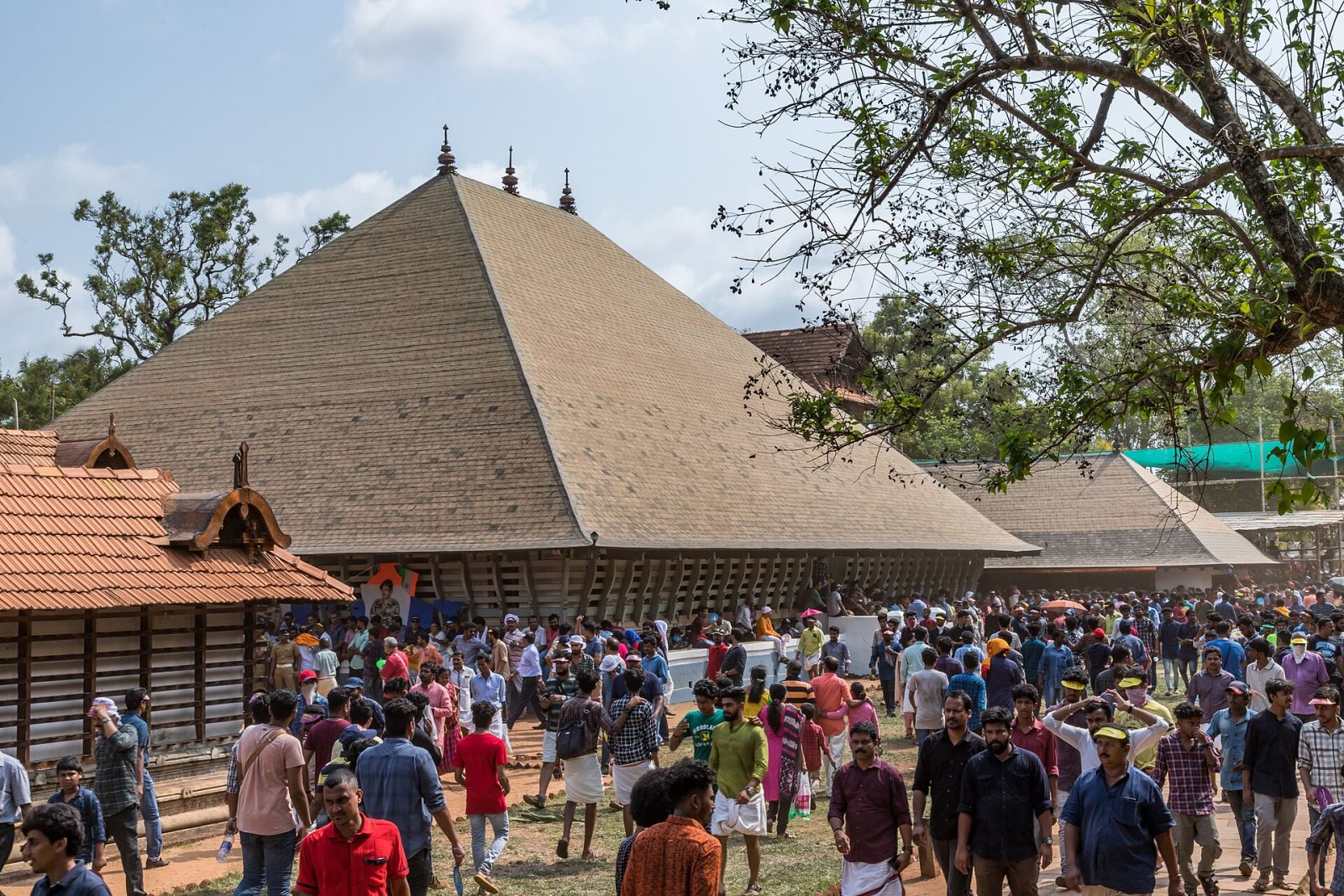
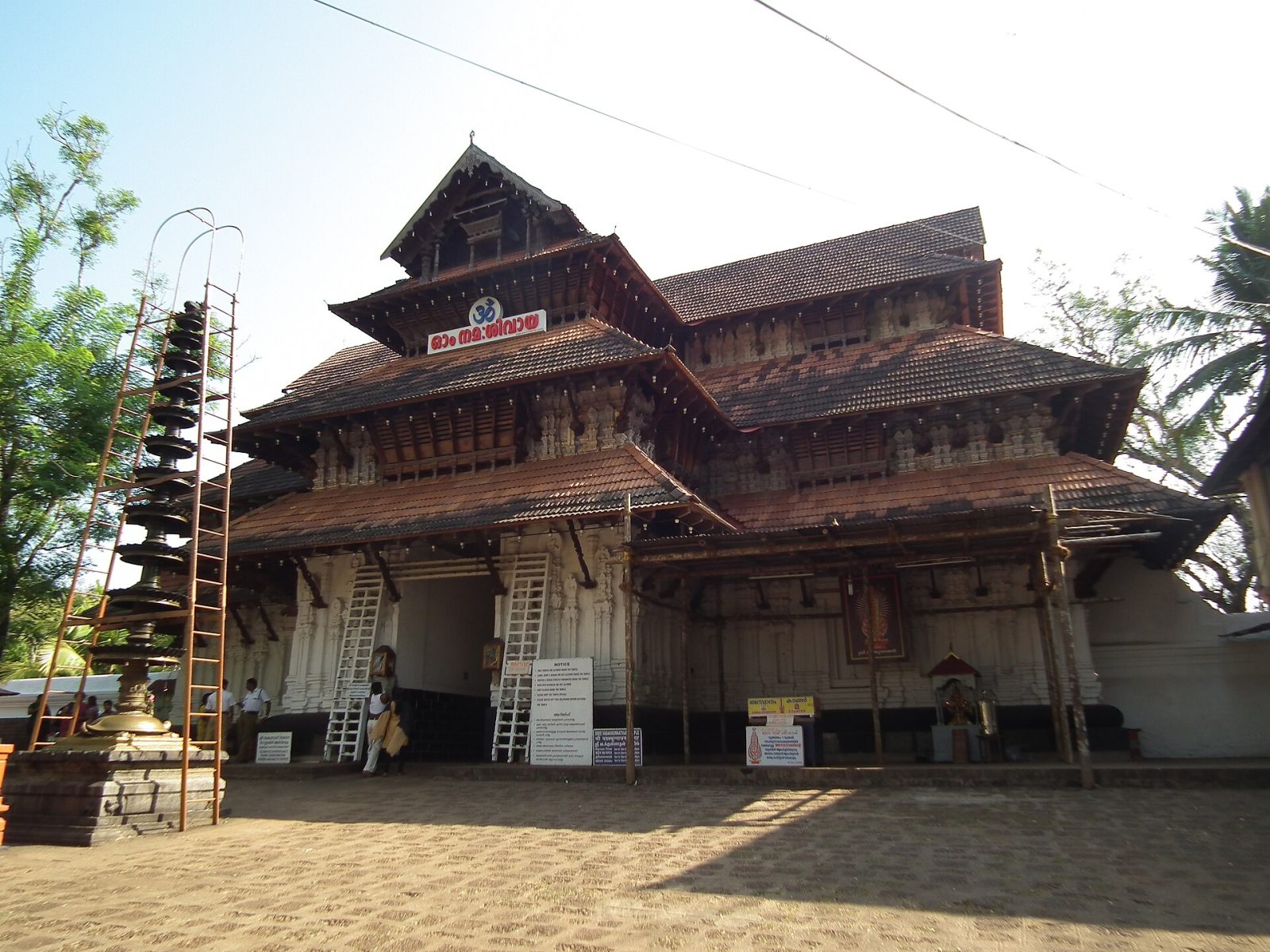
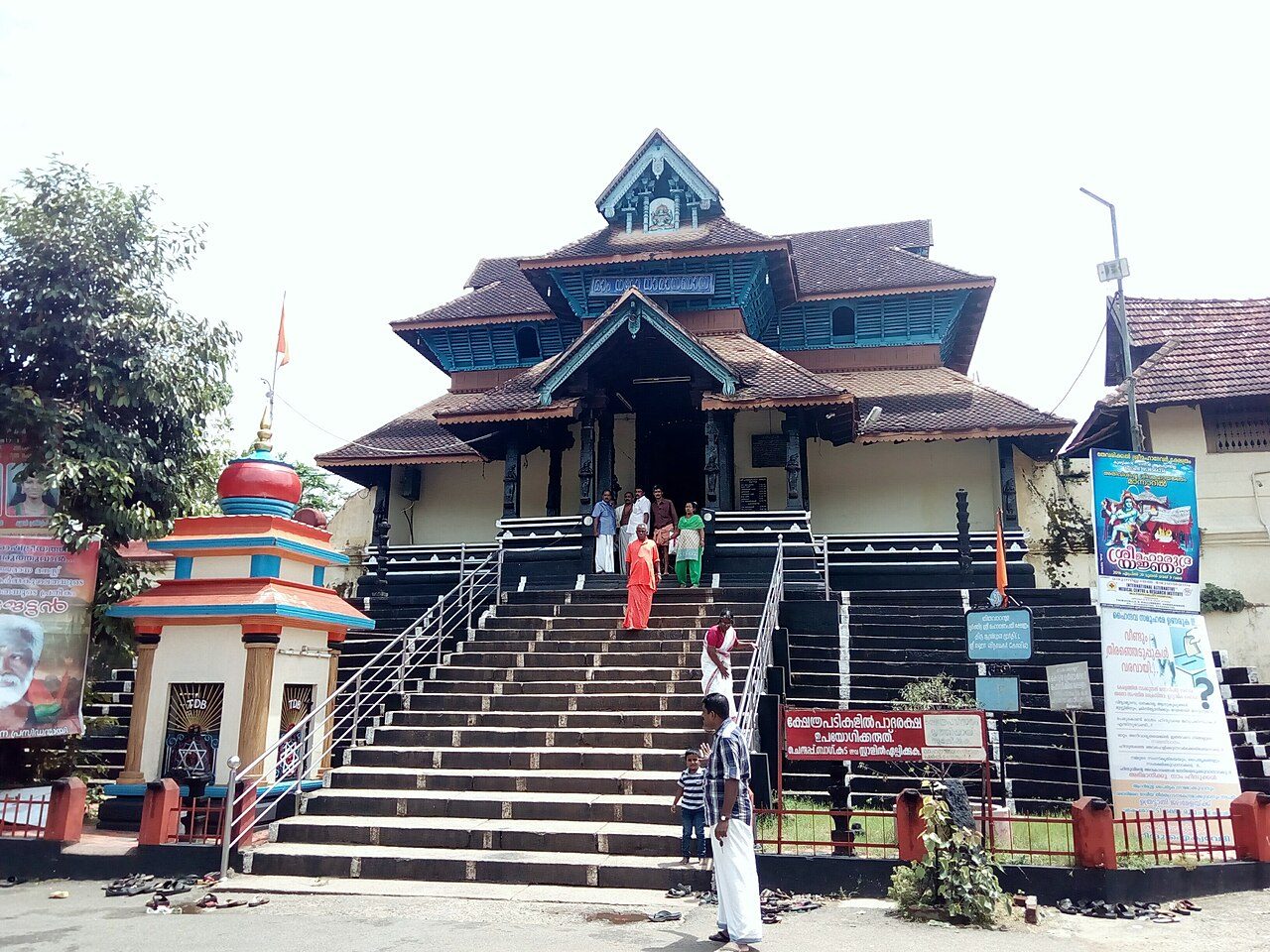
Vadakkumnathan is an ancient Shiva temple standing on a raised mound in the centre of Thrissur, surrounded by the great open ground known as the Thekkinkadu Maidan. Its classical Kerala architecture, with multi-tiered roofs, koothambalam theatre hall and some of the oldest mural paintings in the state, earned it a UNESCO award for cultural conservation. The temple is the focal point of Thrissur Pooram, the biggest temple festival in Kerala, when caparisoned elephants, percussion ensembles and fireworks fill the surrounding ground each April or May. Legend credits its founding to Parasurama, the sage said to have created Kerala itself. Only Hindus may enter the inner temple, but the grounds are open to everyone.
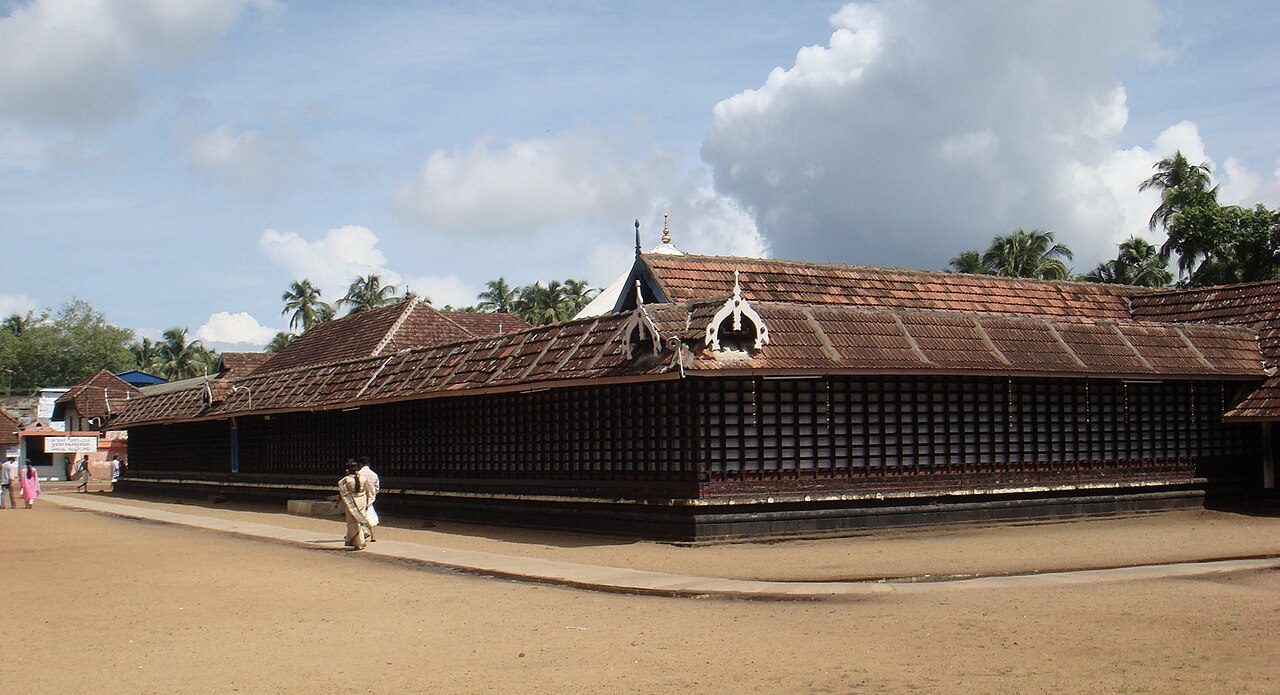
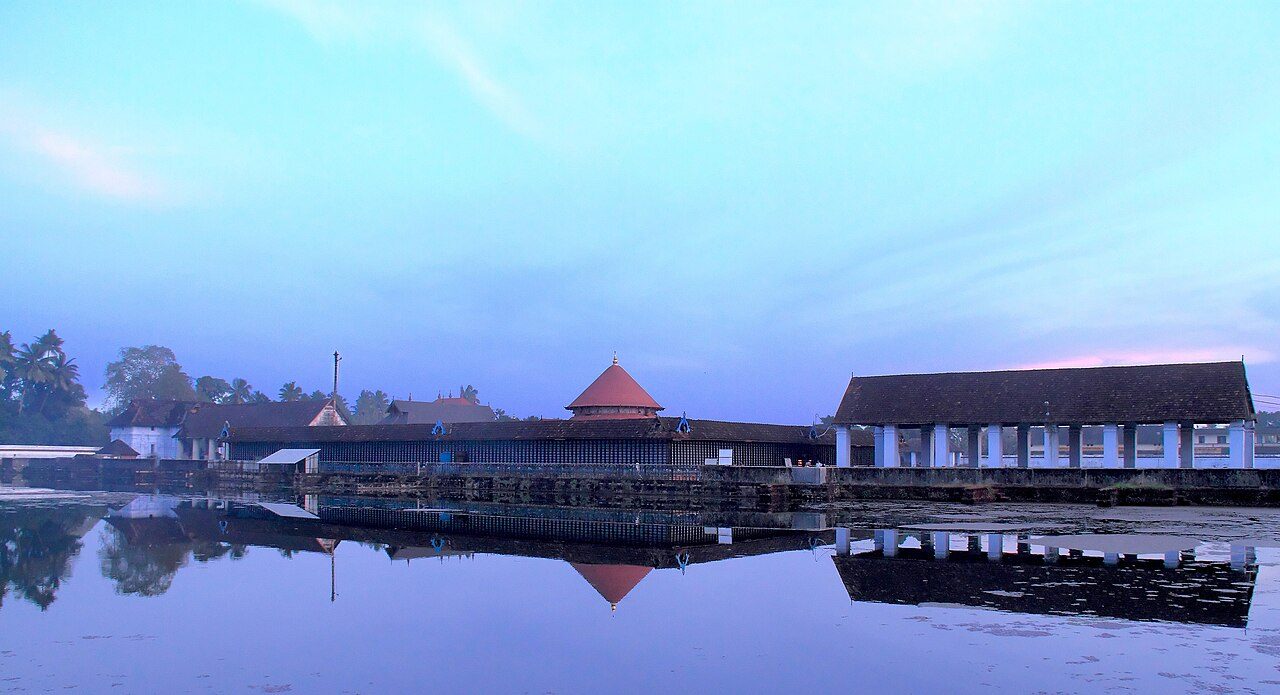
Koodalmanikyam at Irinjalakuda is the only temple in India dedicated to Bharata, the brother of Rama, and one of the four Nalambalam temples. Four tanks surround the temple and the conical roof over the sanctum is its most recognisable feature.
The Kodungallur Bhagavathy Temple is dedicated to Bhadrakali and is among the oldest and most visited Devi temples in Kerala. It is best known for Bharani, the annual festival held in March or April.
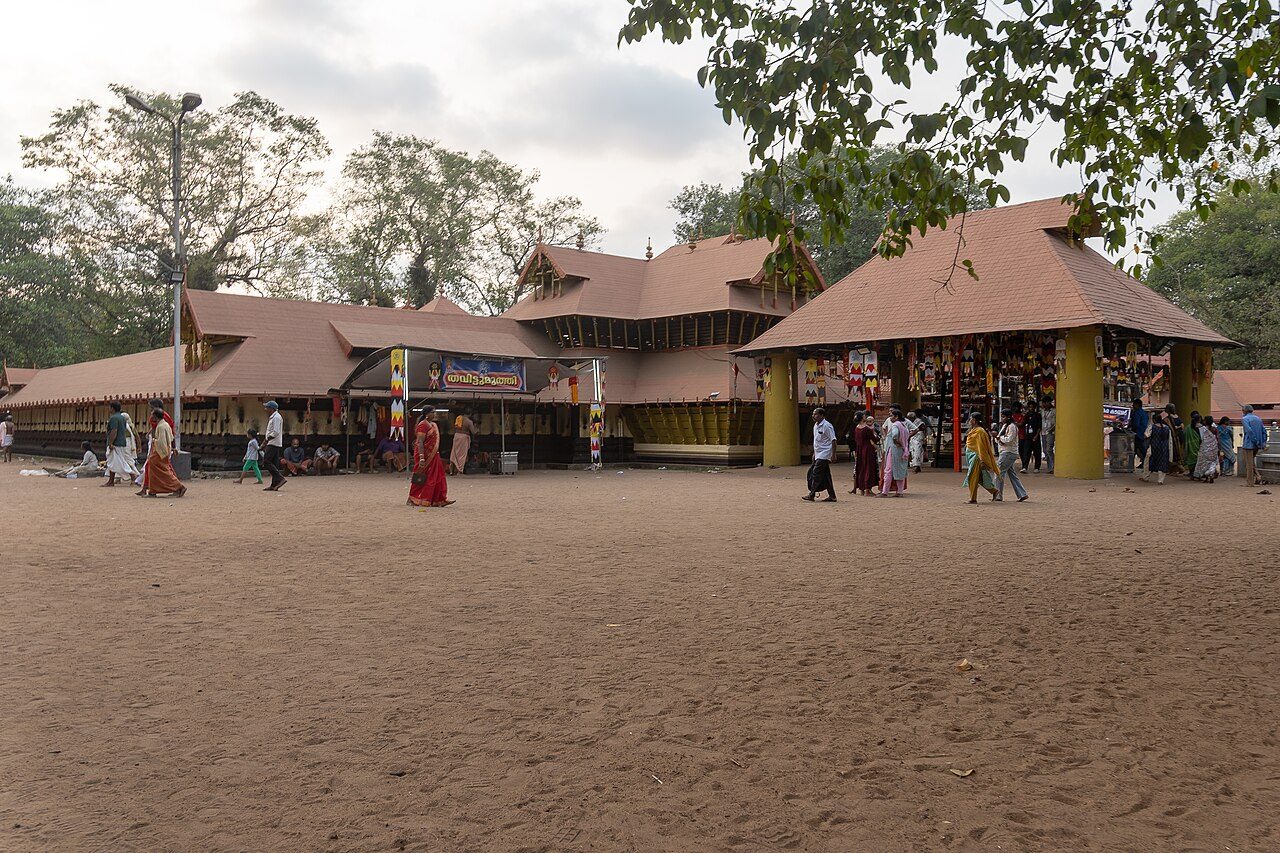
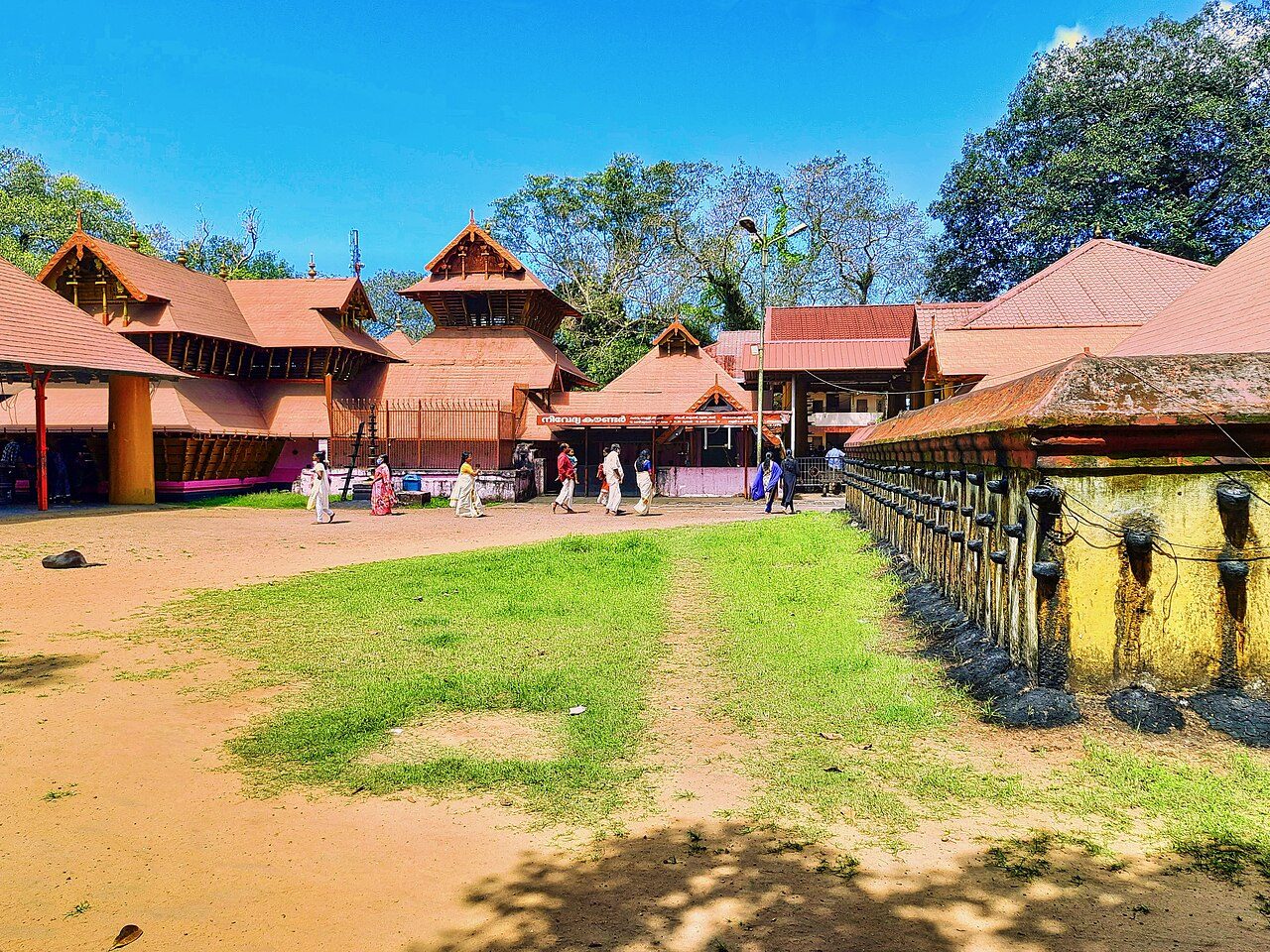
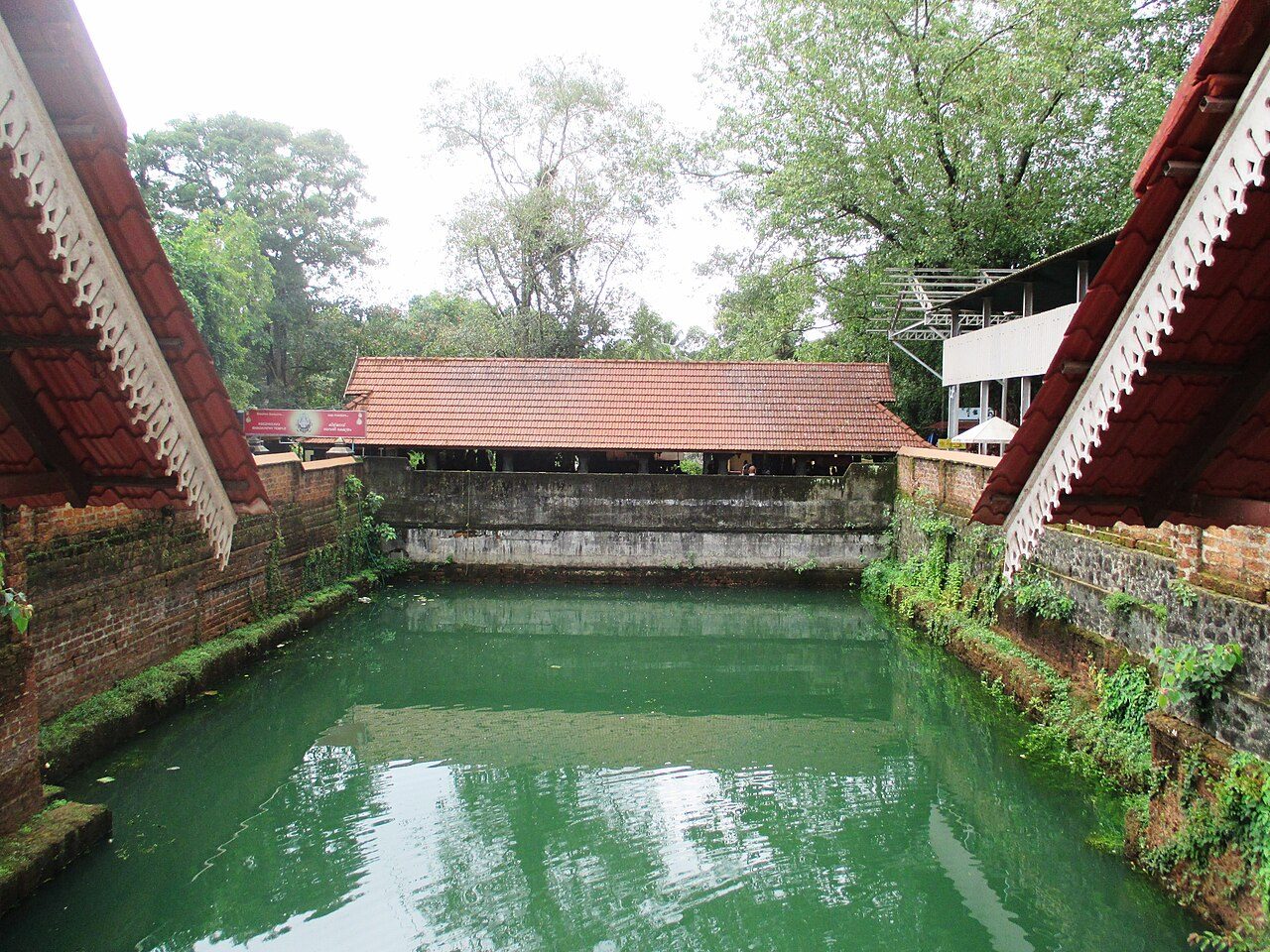
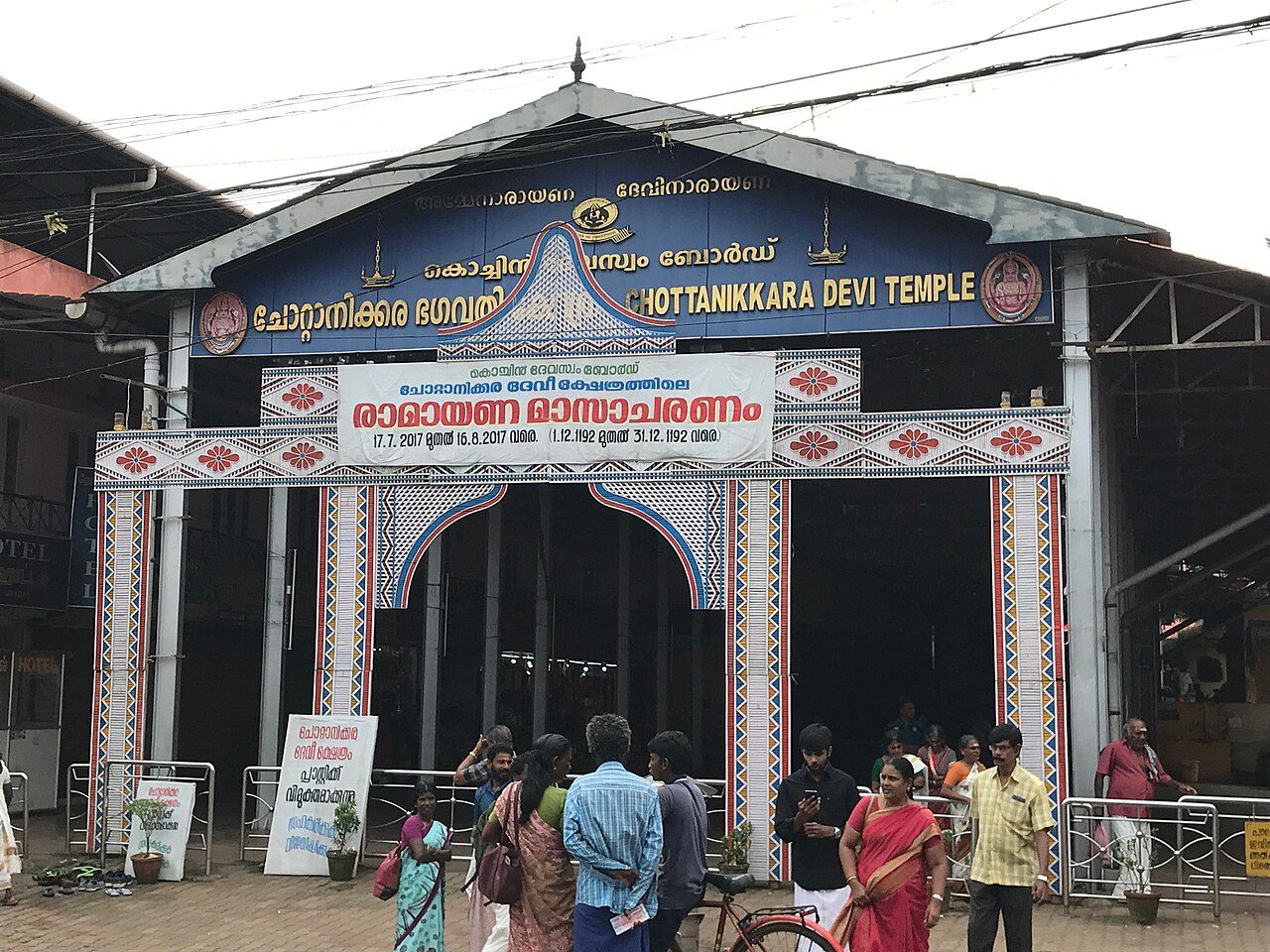
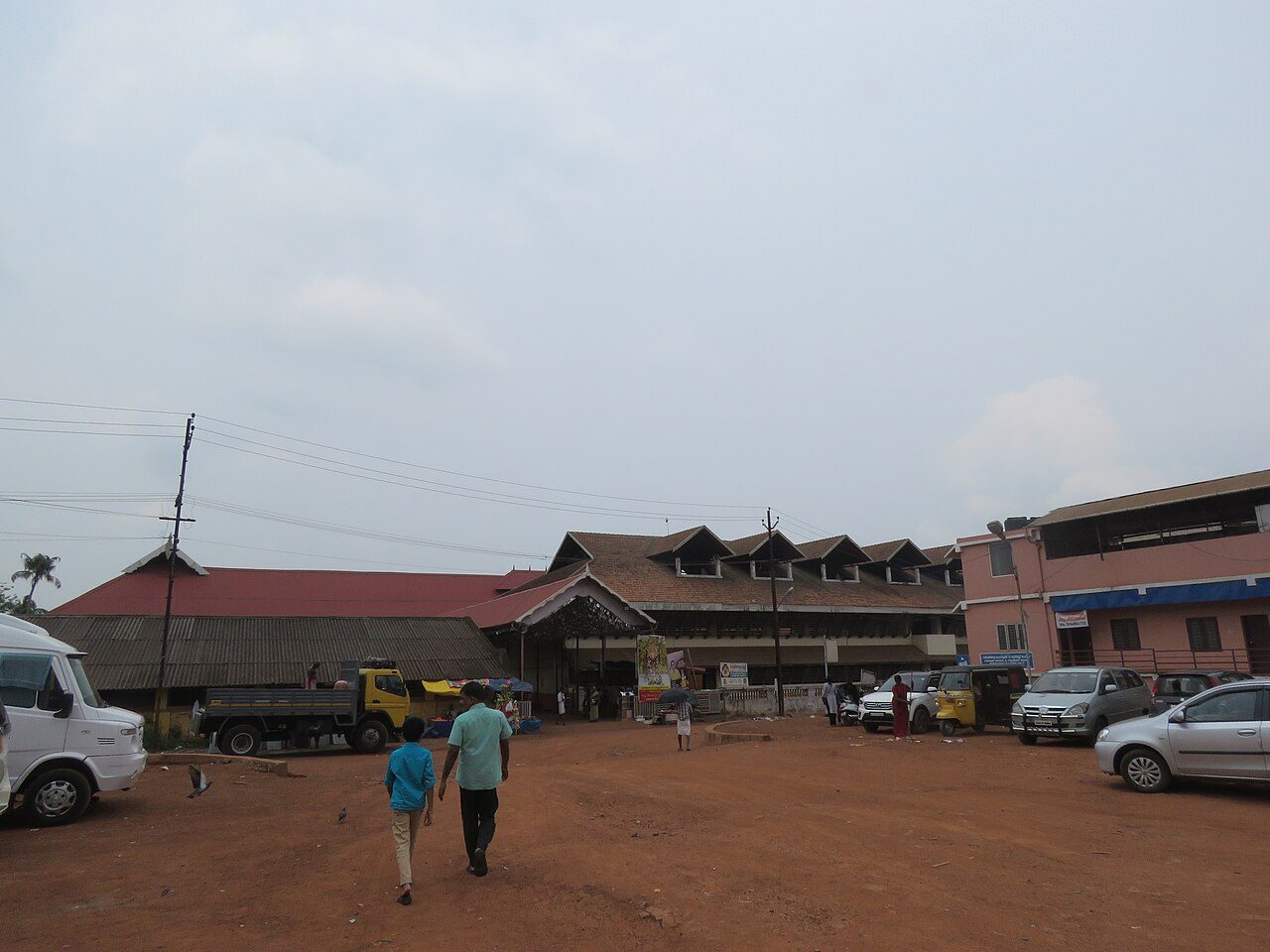
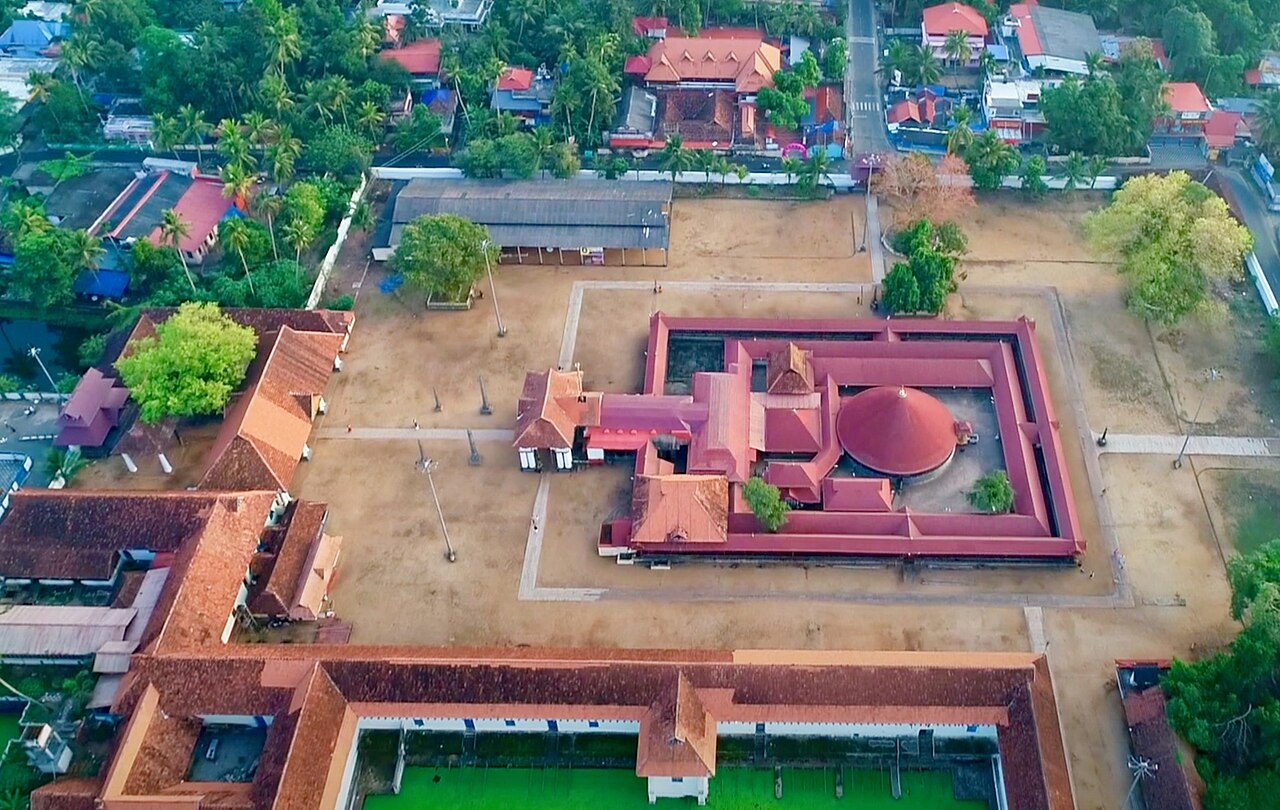
Chottanikkara, about 17 km from Kochi, is one of the most visited temples in Kerala, and its goddess is worshipped in three forms through the day: Saraswathi in the morning in white, Lakshmi at noon in crimson, and Durga in the evening in blue. Below the main shrine is the Keezhkkavu temple, where the Guruthi Pooja is performed at night; people bring relatives believed to be troubled by mental illness or possession here, and the temple has long been associated with such healing. An old banyan studded with iron nails stands beside it. The Makam Thozhal in February or March is the temple's biggest day. Dress code is traditional and strictly enforced.
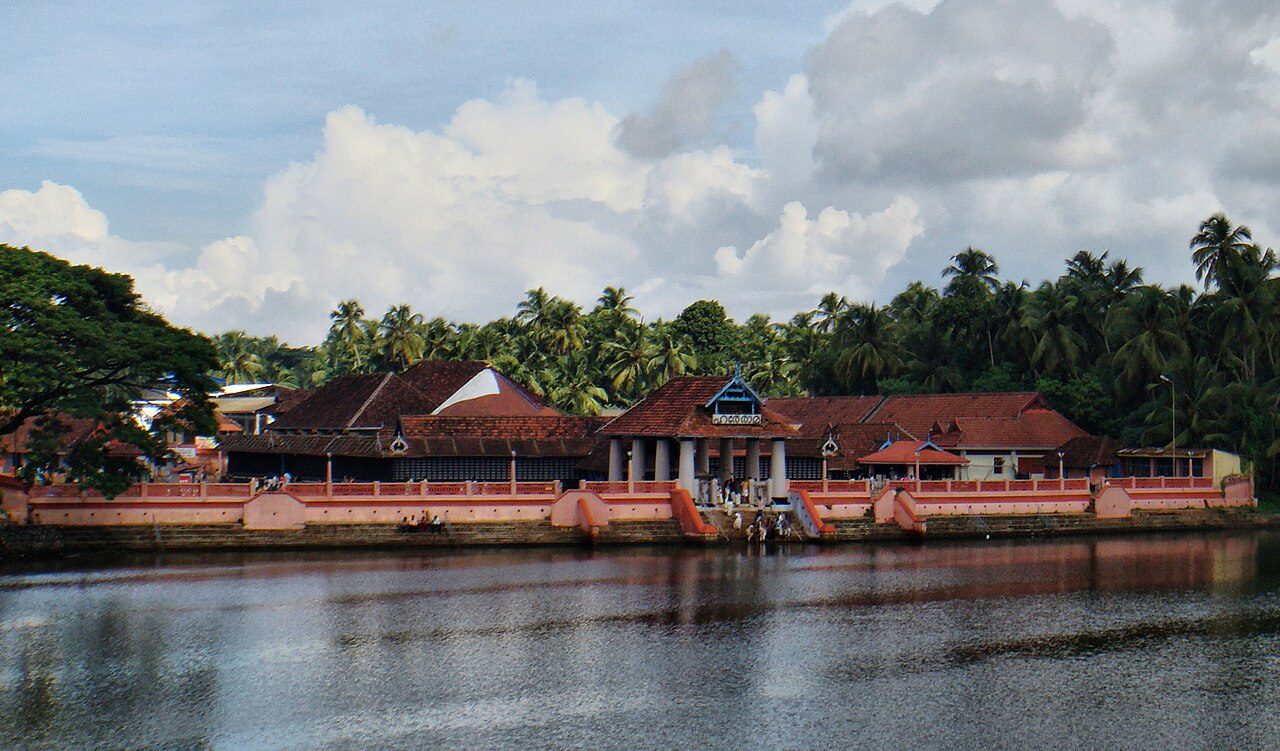
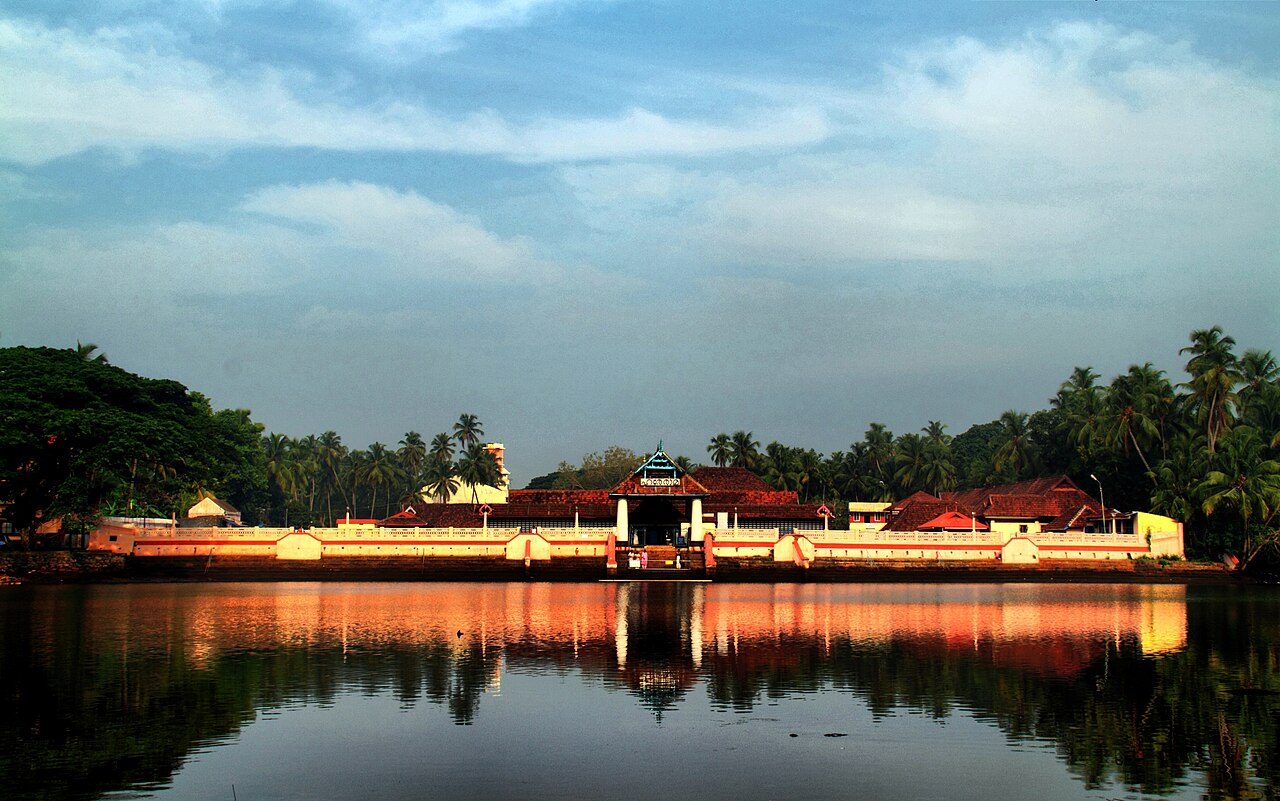
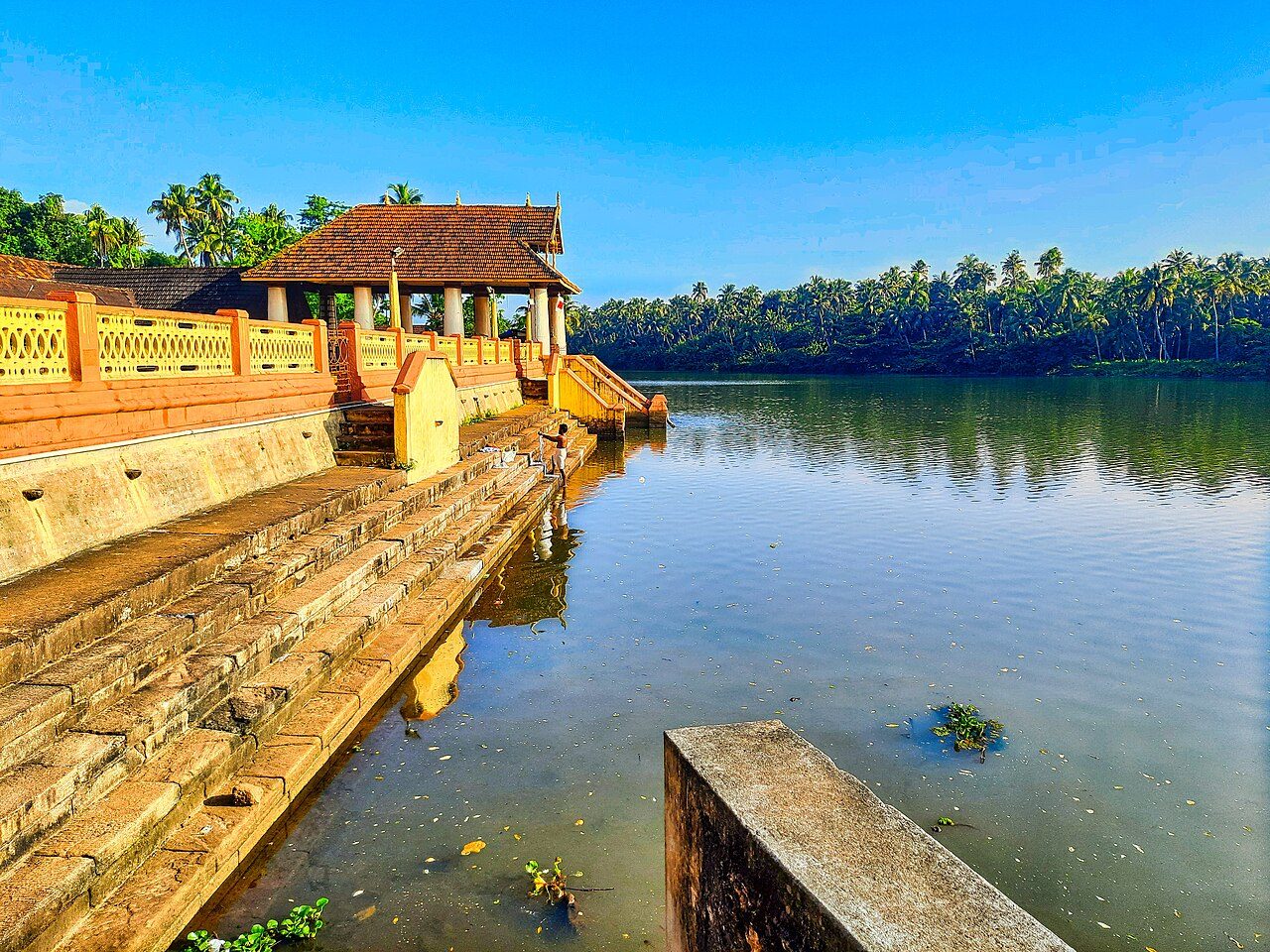
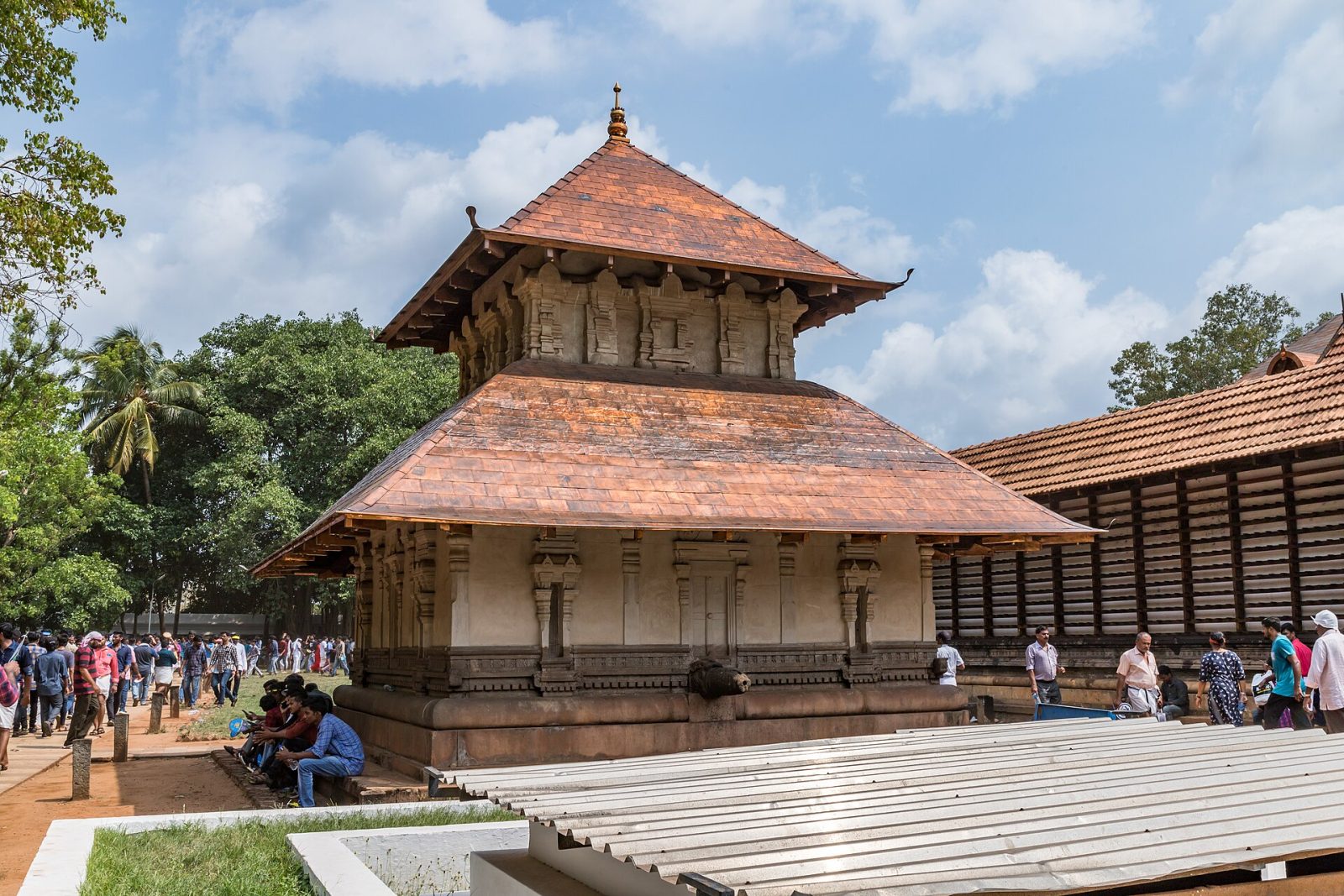
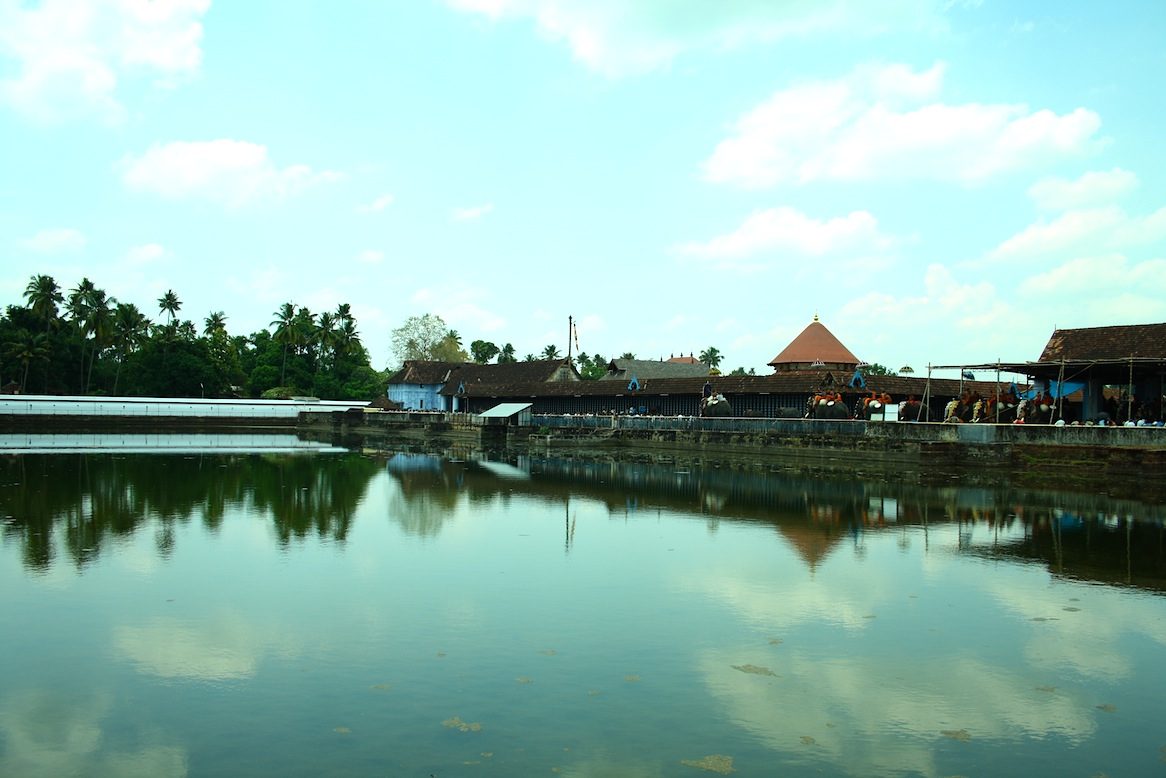
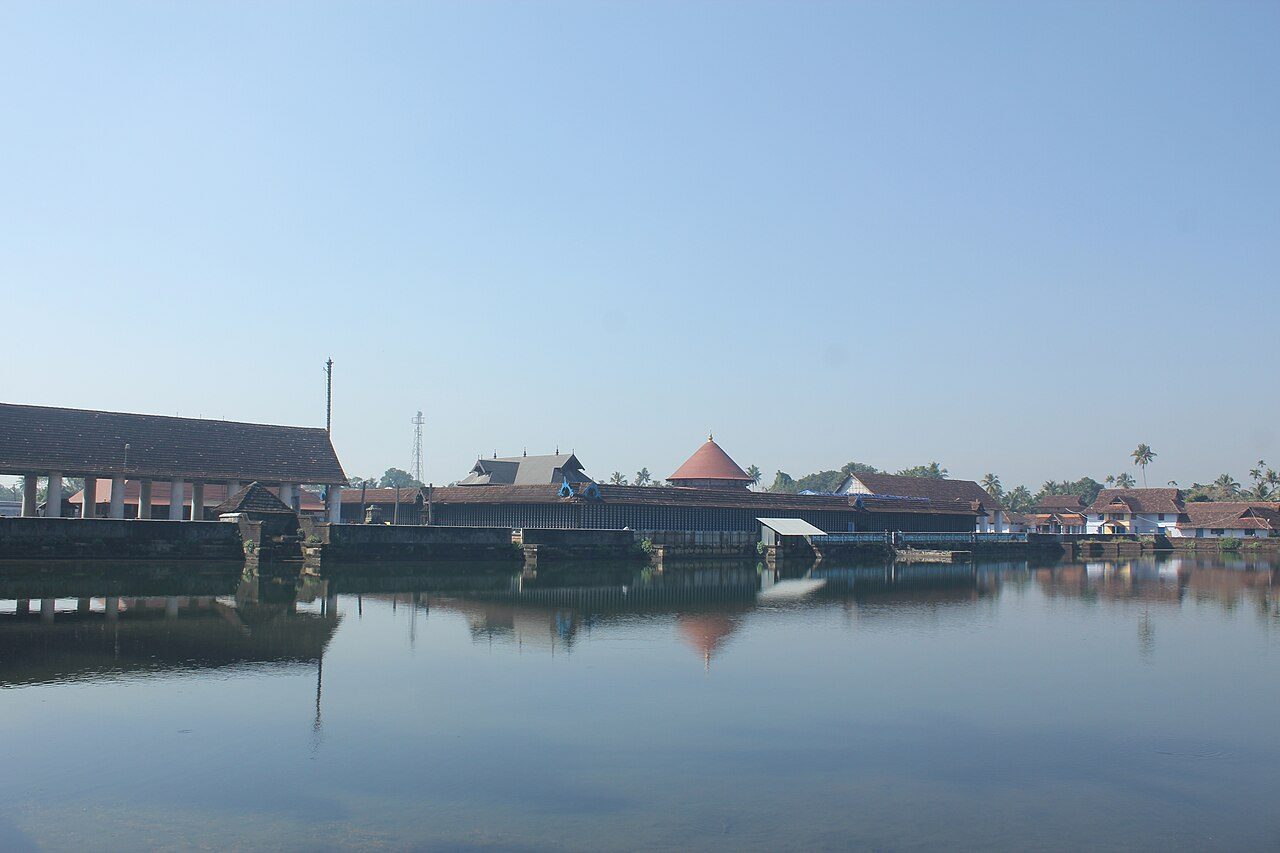
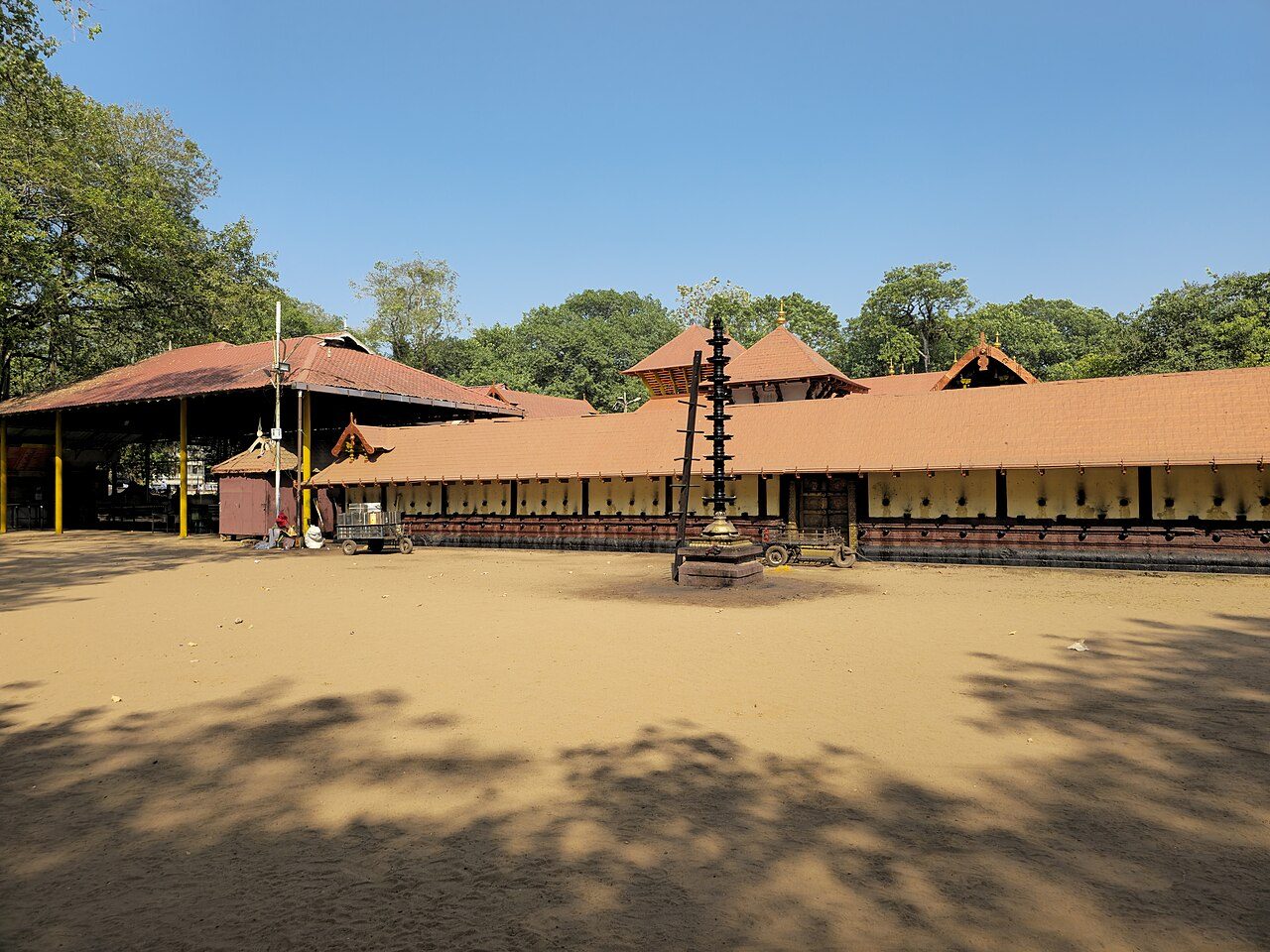
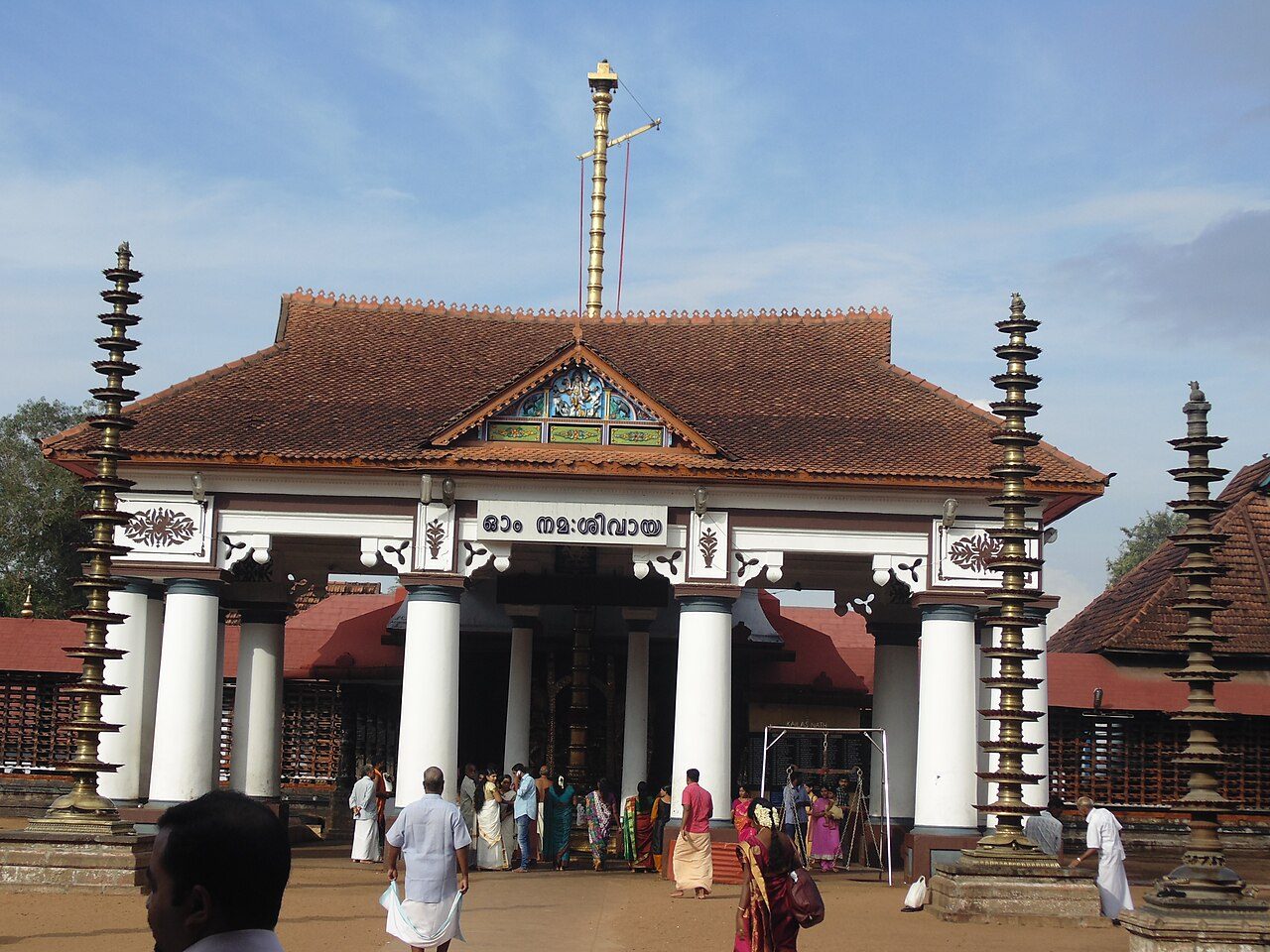
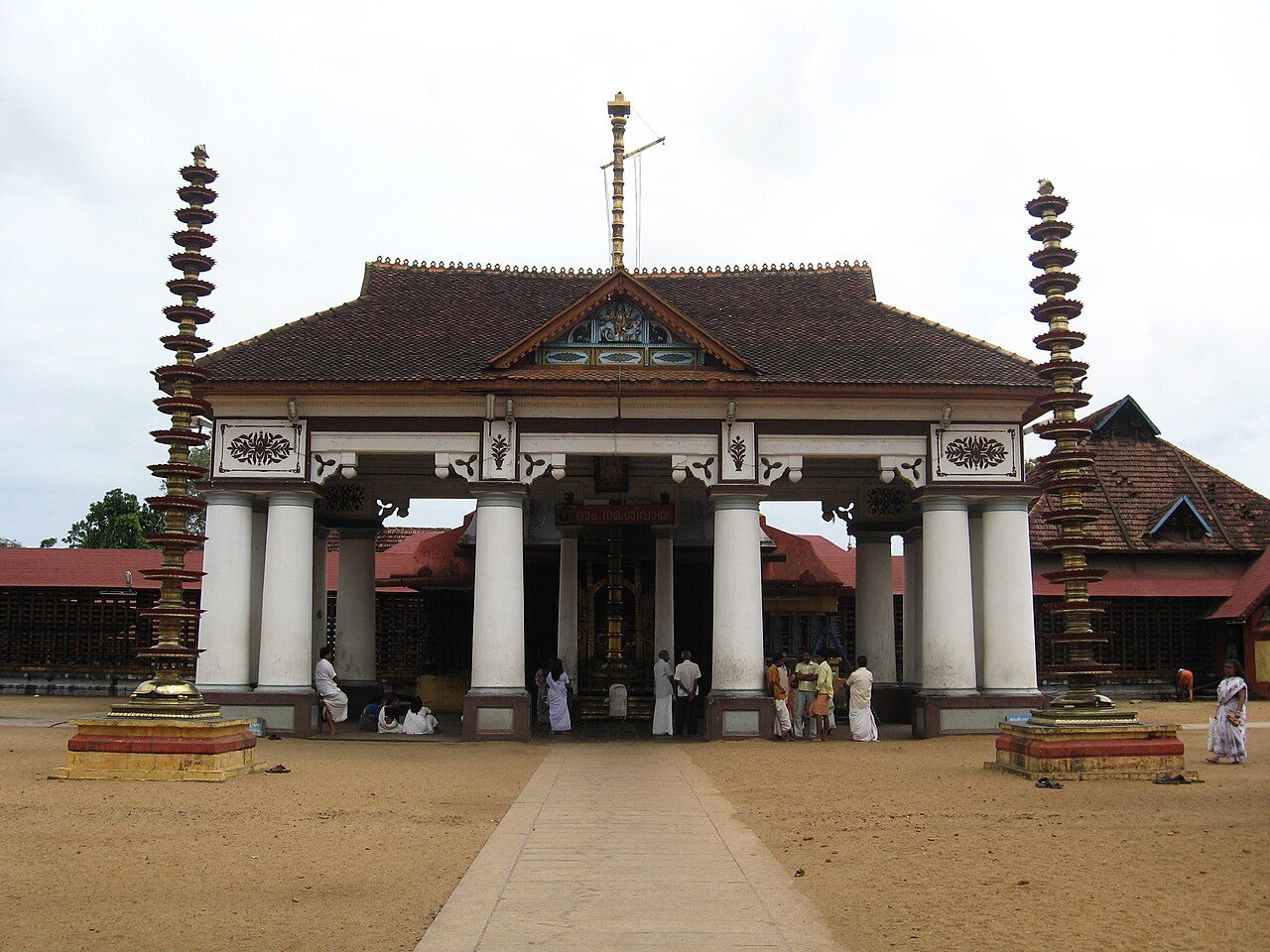
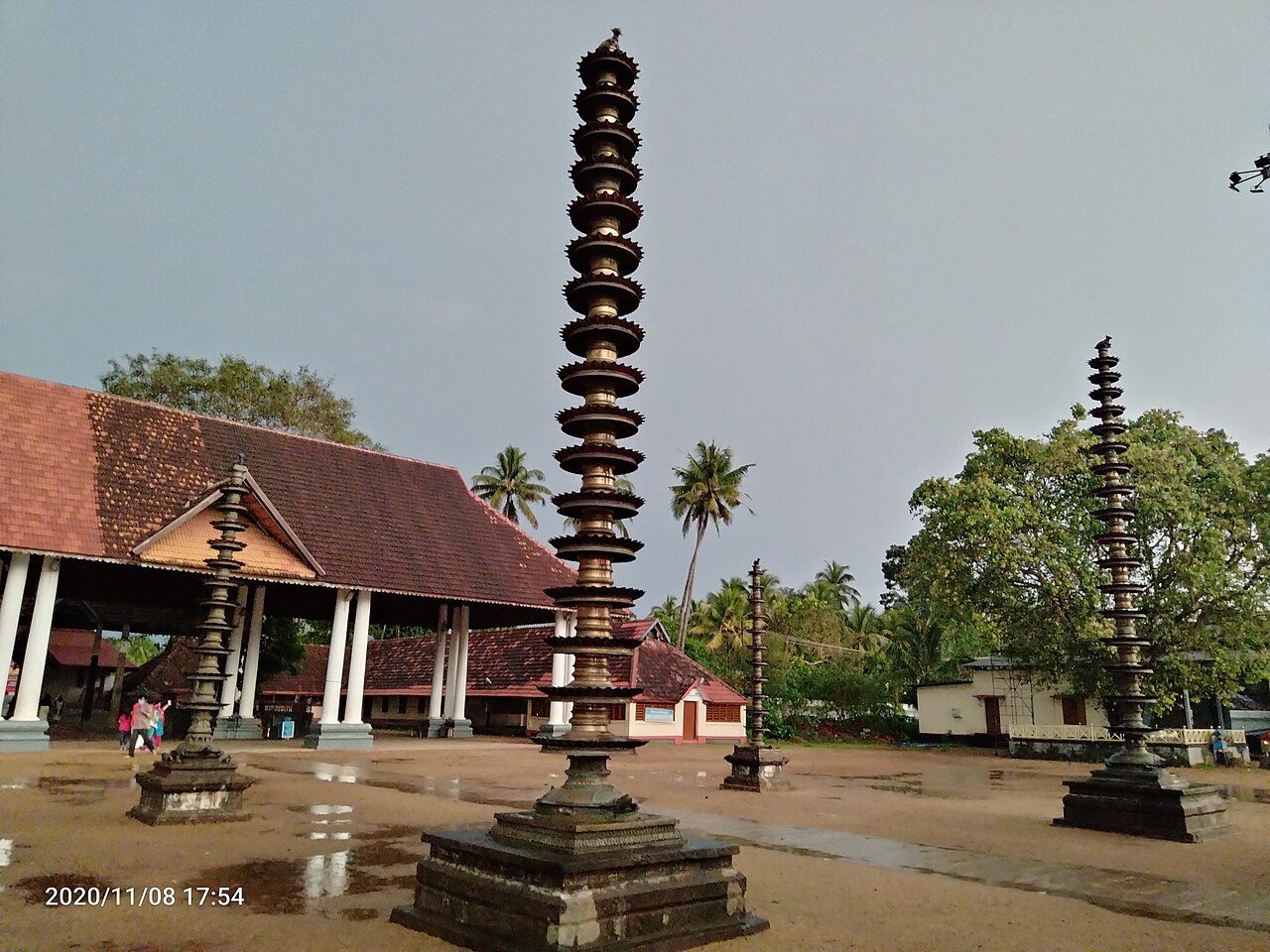
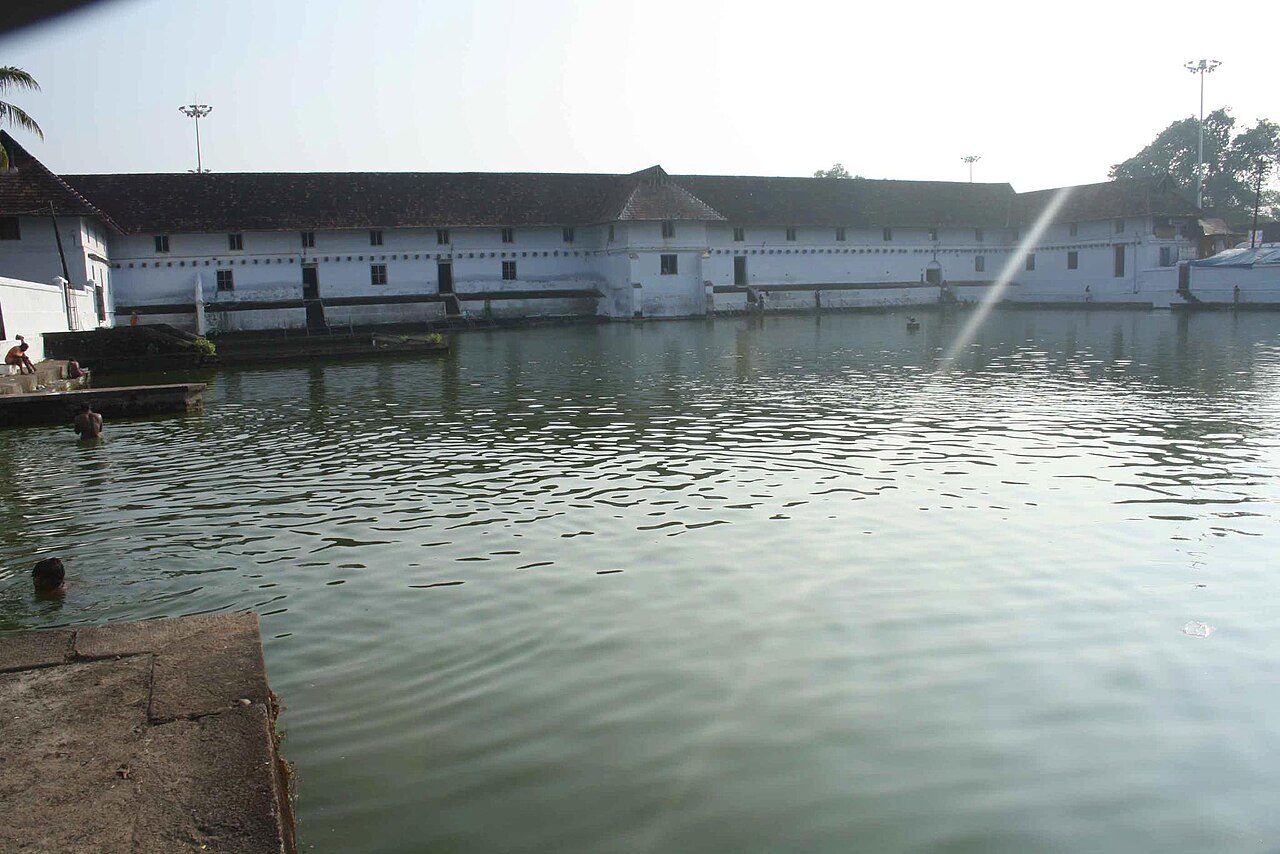
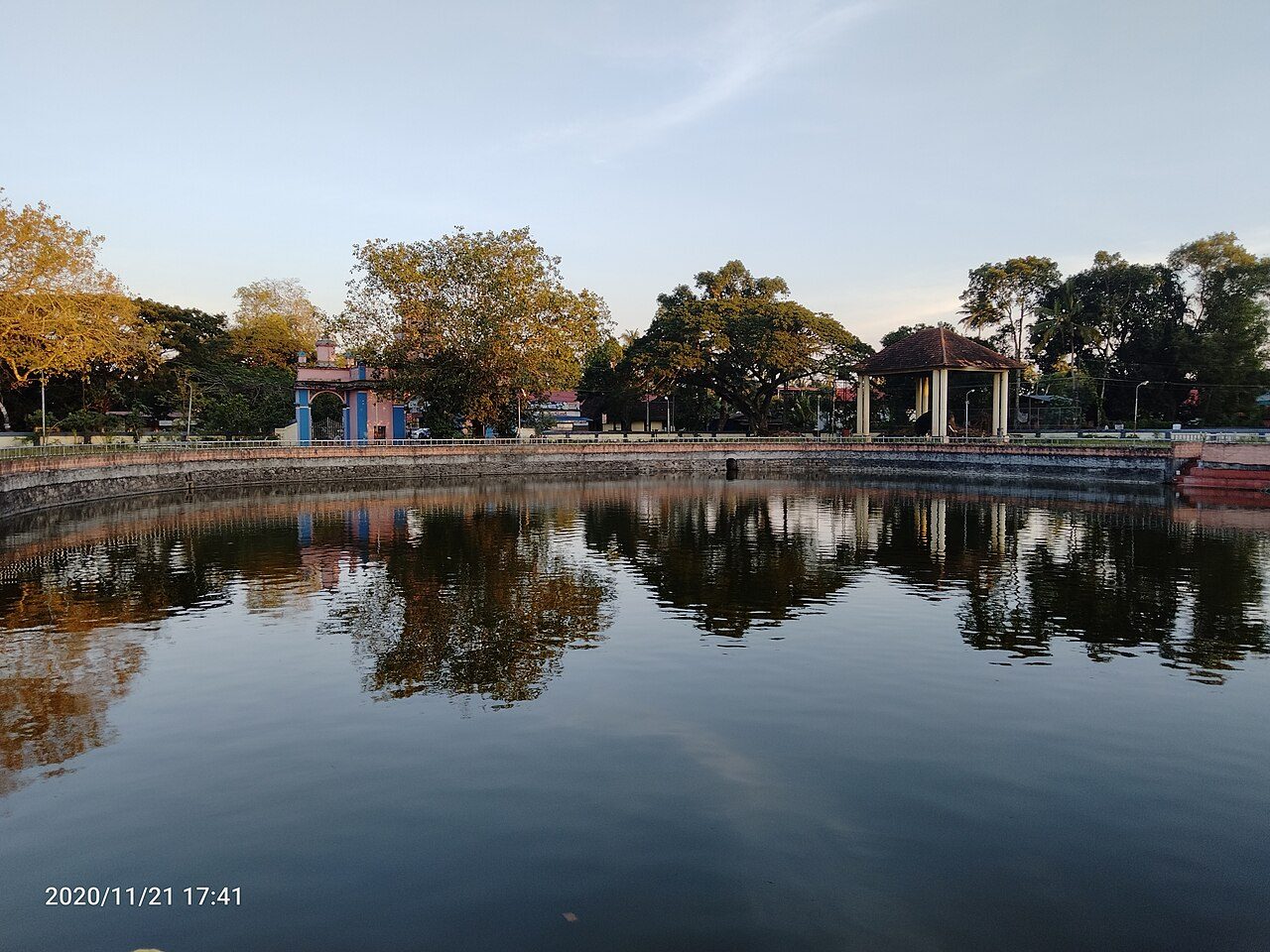
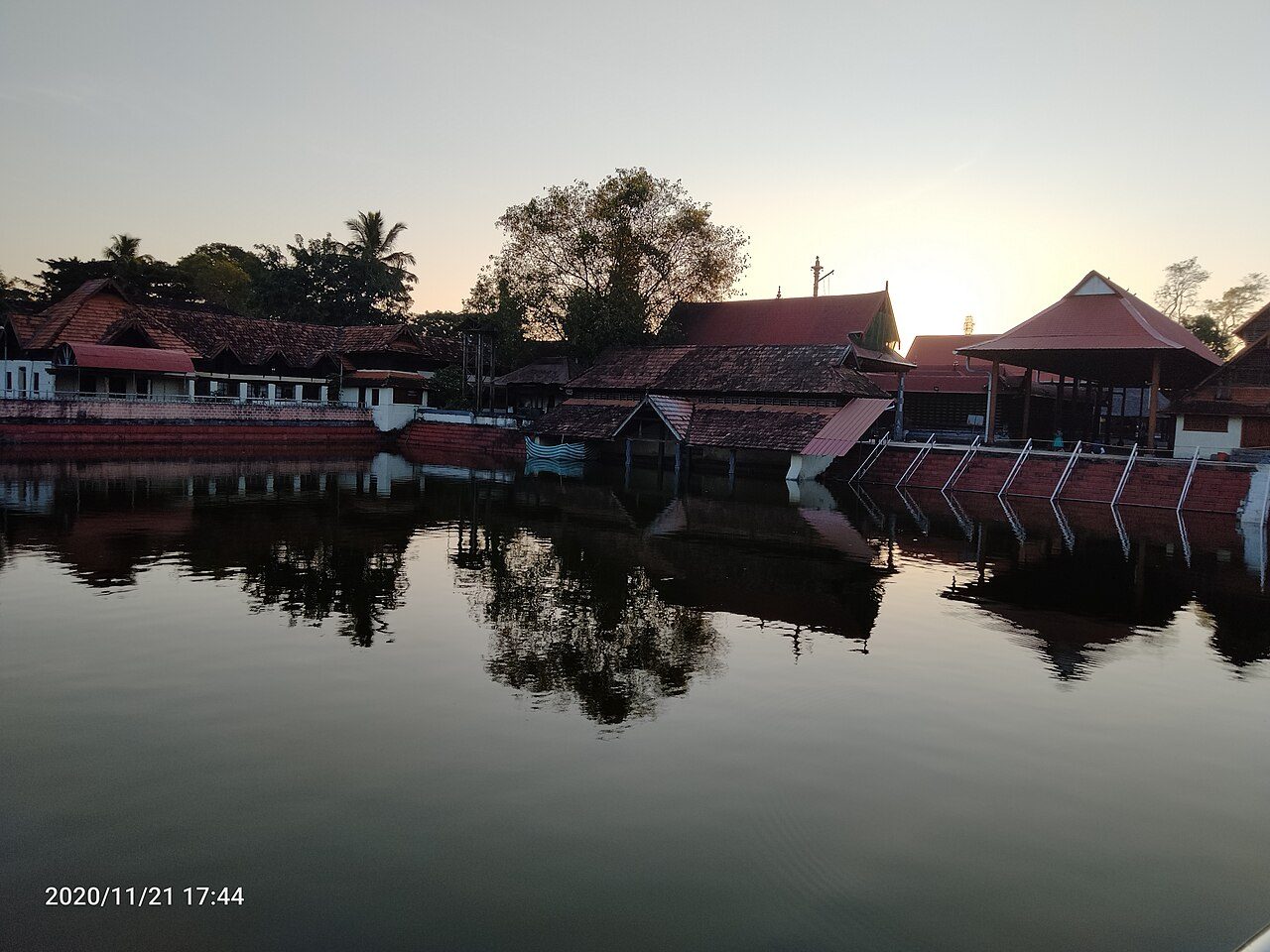
Vaikom Mahadeva is one of the oldest and most revered Shiva temples in Kerala, and together with Ettumanoor and Kaduthuruthy forms a trio said to grant complete blessing if all three are visited before dawn on the same day. The deity is worshipped in three forms through the day: Dakshinamurthy in the morning, Kiratamurthy at noon and Sachidananda in the evening. The temple stands in a large walled compound with a copper-roofed circular sanctum, an old banyan and one of the biggest temple ponds in the region. Vaikom is also remembered for the Vaikom Satyagraha of 1924-25, the campaign led by T K Madhavan and supported by Gandhi that won lower-caste people the right to use the roads around the temple. Its twelve-day Vaikathashtami festival in November or December is among the largest in central Kerala.
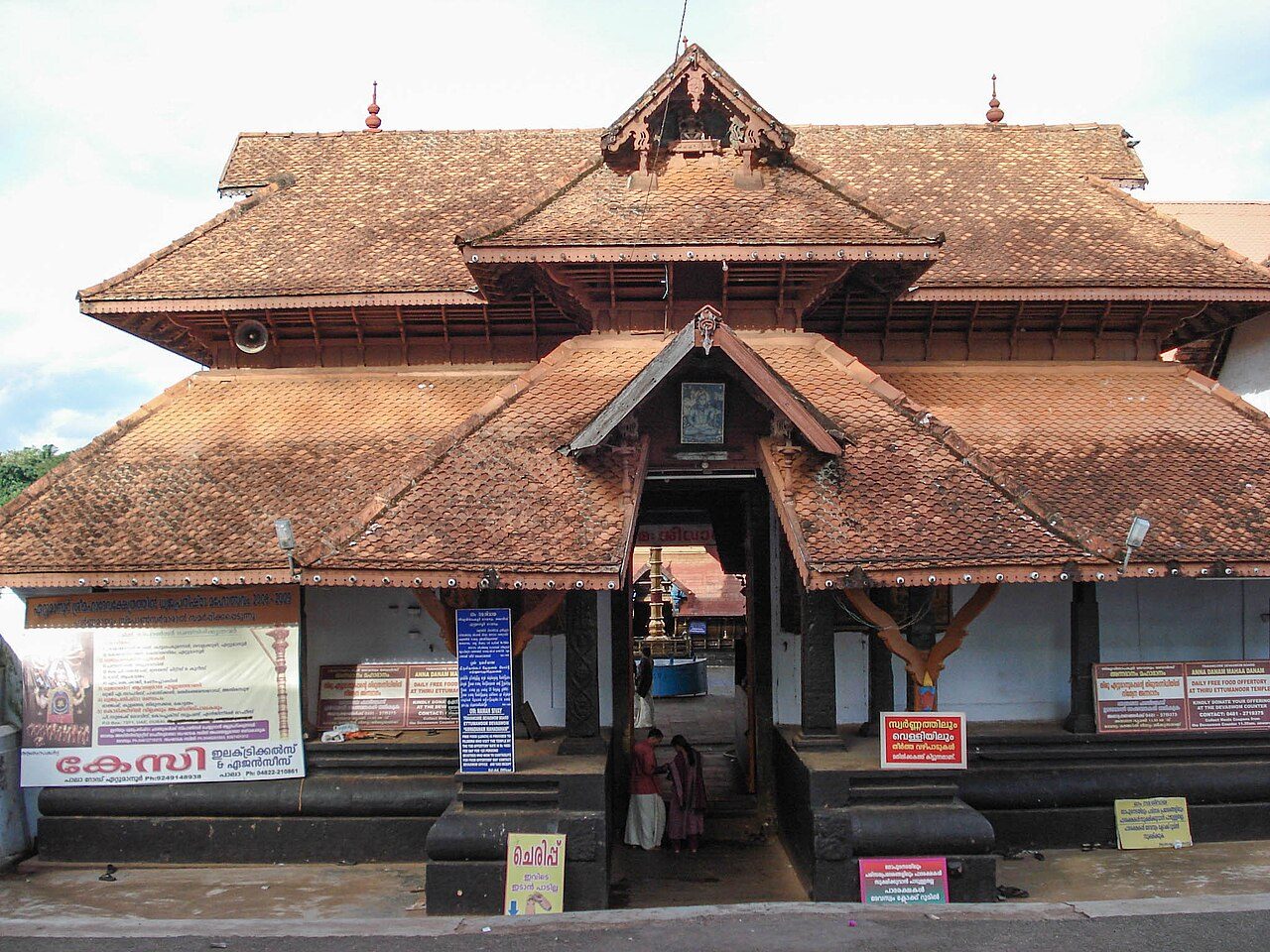
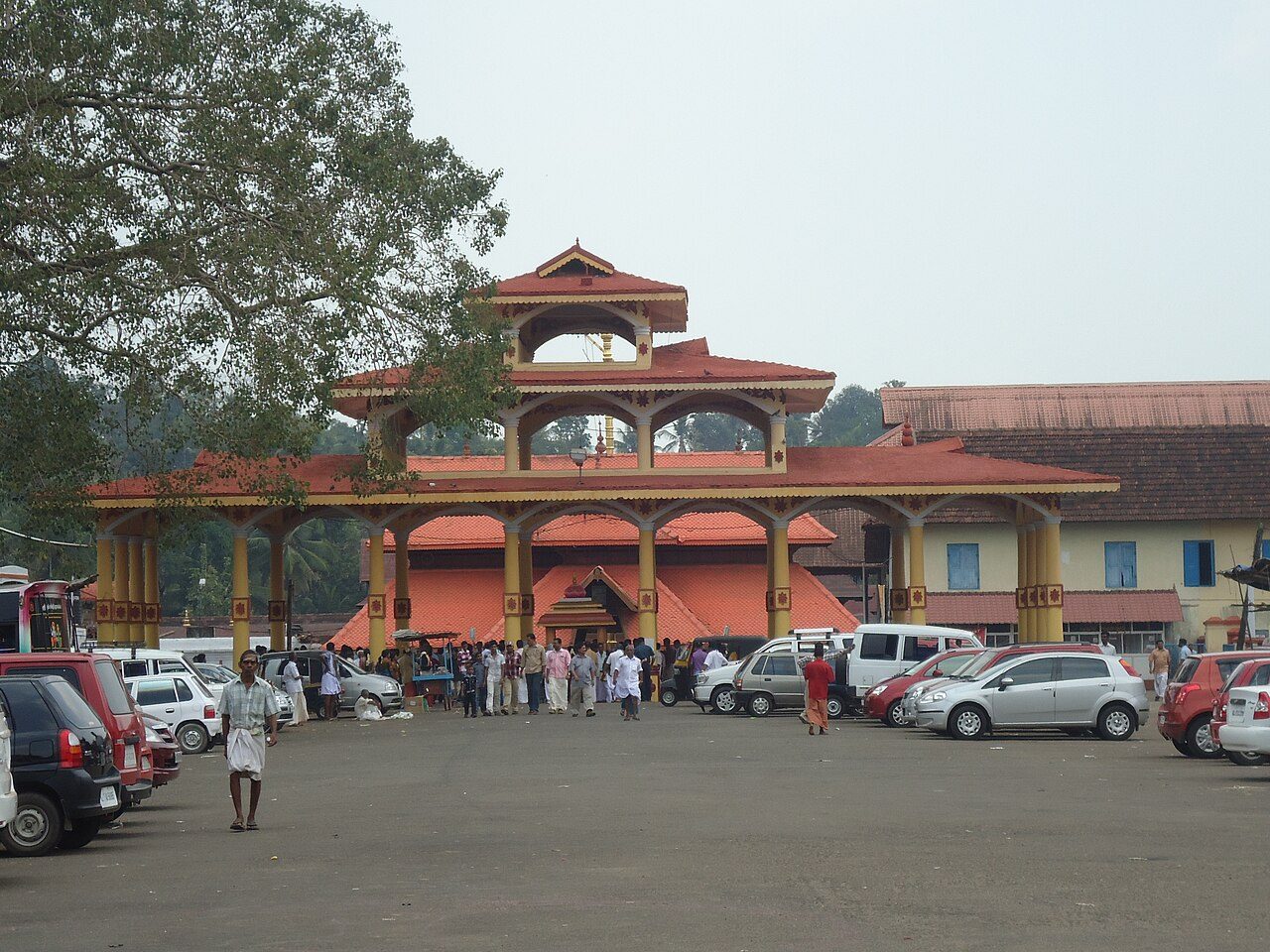
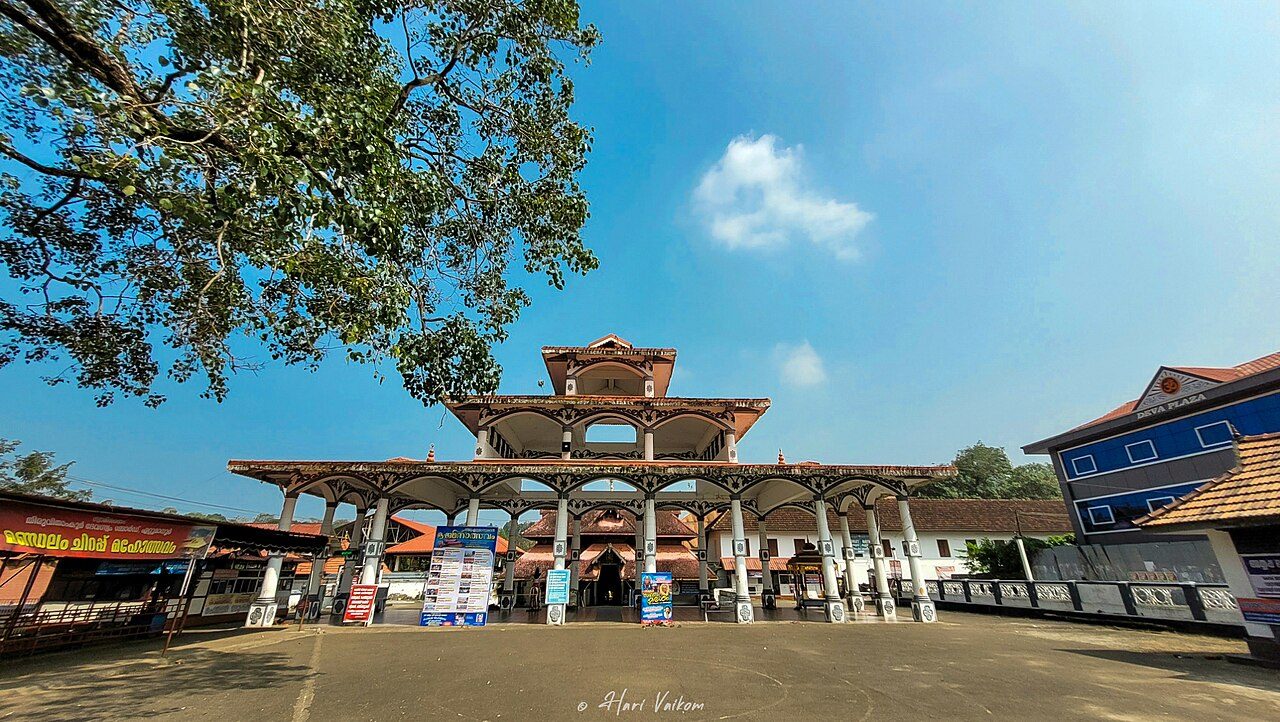
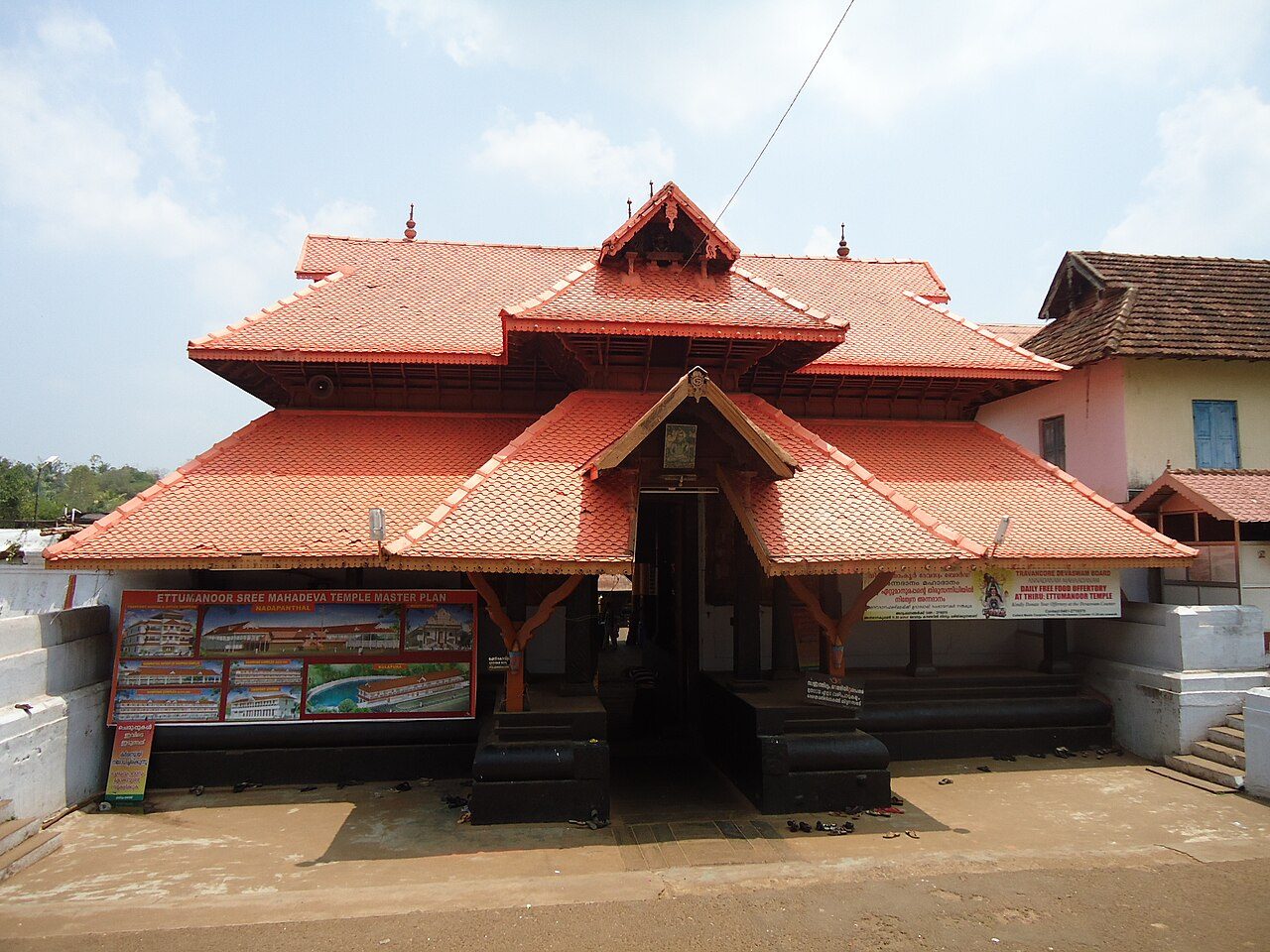
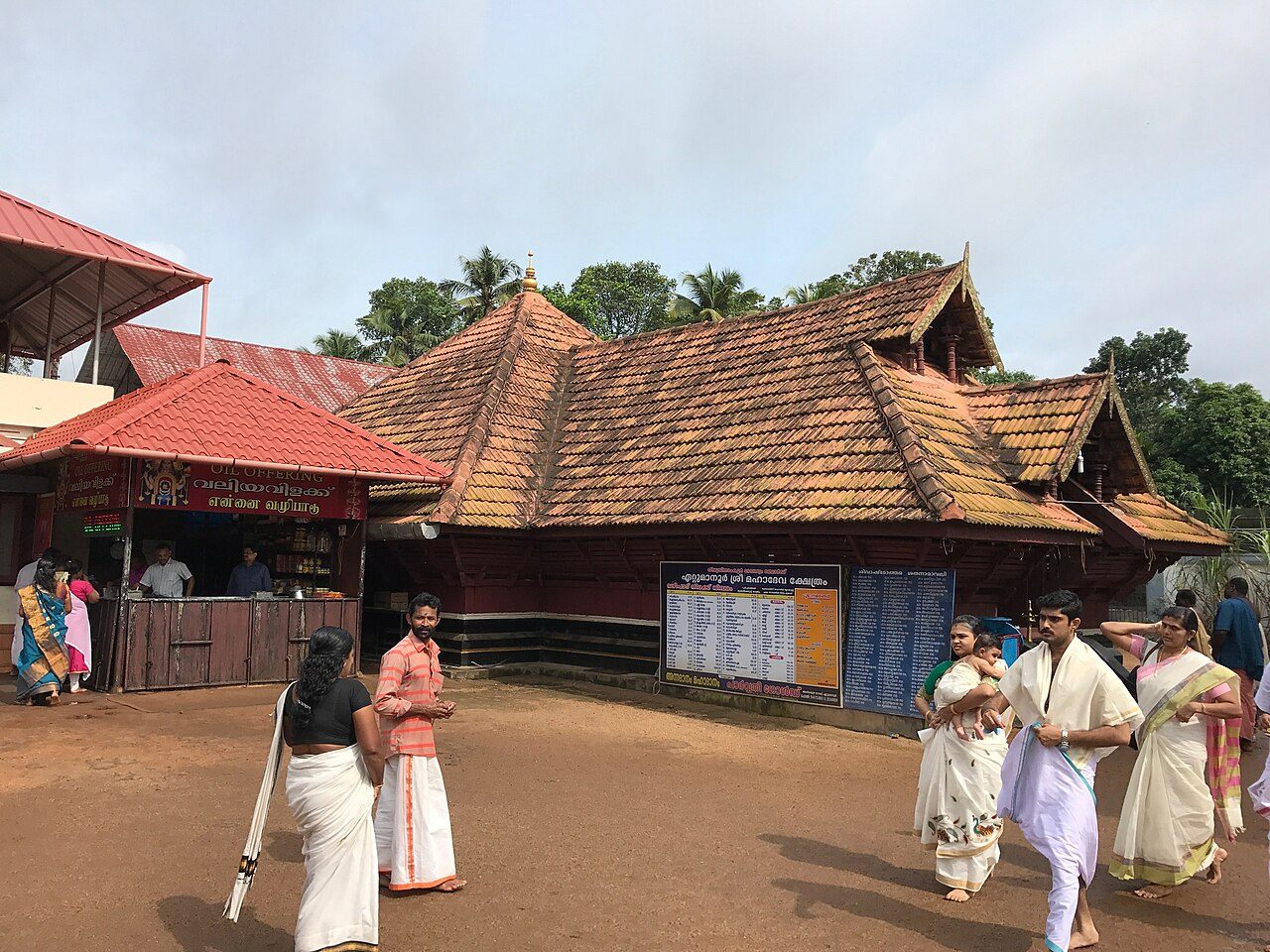
Ettumanoor, about 12 km from Kottayam, is famous for two things: its murals and its gold. The 16th-century wall paintings here, especially the Nataraja on the western gopuram, are among the finest surviving Kerala murals, painted in the traditional five-colour vegetable palette. The Ezharaponnana, seven and a half golden elephants weighing around 13 kg in all, are displayed during the Arattu festival in February or March, an offering said to have been made by Marthanda Varma of Travancore. The temple is dedicated to Shiva and is one of the trio with Vaikom and Kaduthuruthy. Its wooden roof, brass lamps and the long gopuram walls repay a slow walk around.
Ambalappuzha, about 14 km south of Alappuzha, was built in the 15th or 16th century by the Chembakassery raja and is one of the best known Krishna temples in Kerala. Its palpayasam, a sweet milk-and-rice pudding offered to the deity and distributed to devotees, is famous across the state and carries its own legend about a game of chess with grains of rice. The idol here is said to have been brought from Guruvayur for safety during Tipu Sultan's campaigns. The temple also gave its name to Ambalappuzha Velakali, a martial dance performed in the courtyard, and to Ottan Thullal, first staged here by Kunchan Nambiar. The grounds hold Nambiar's memorial and a large temple tank.
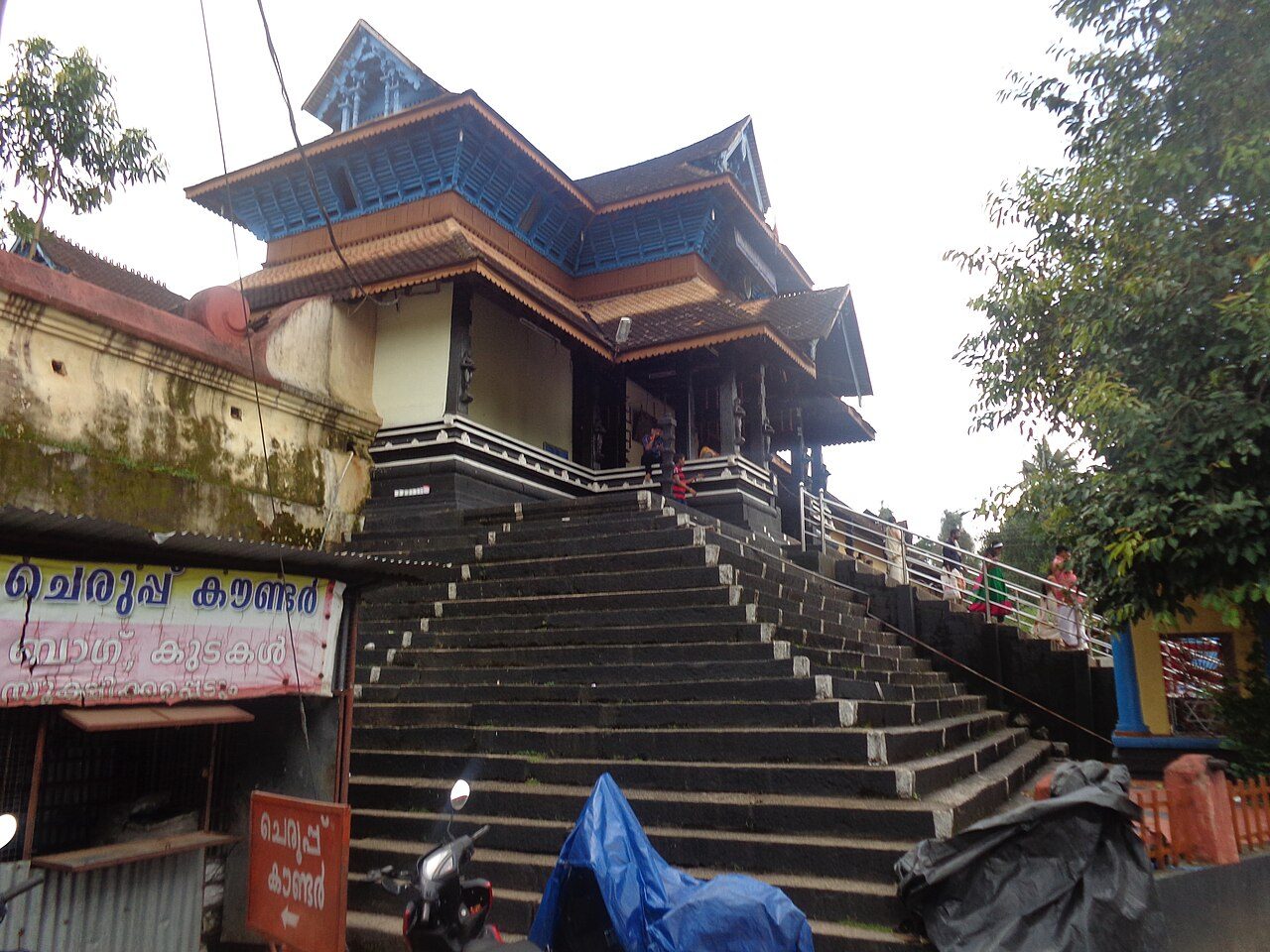
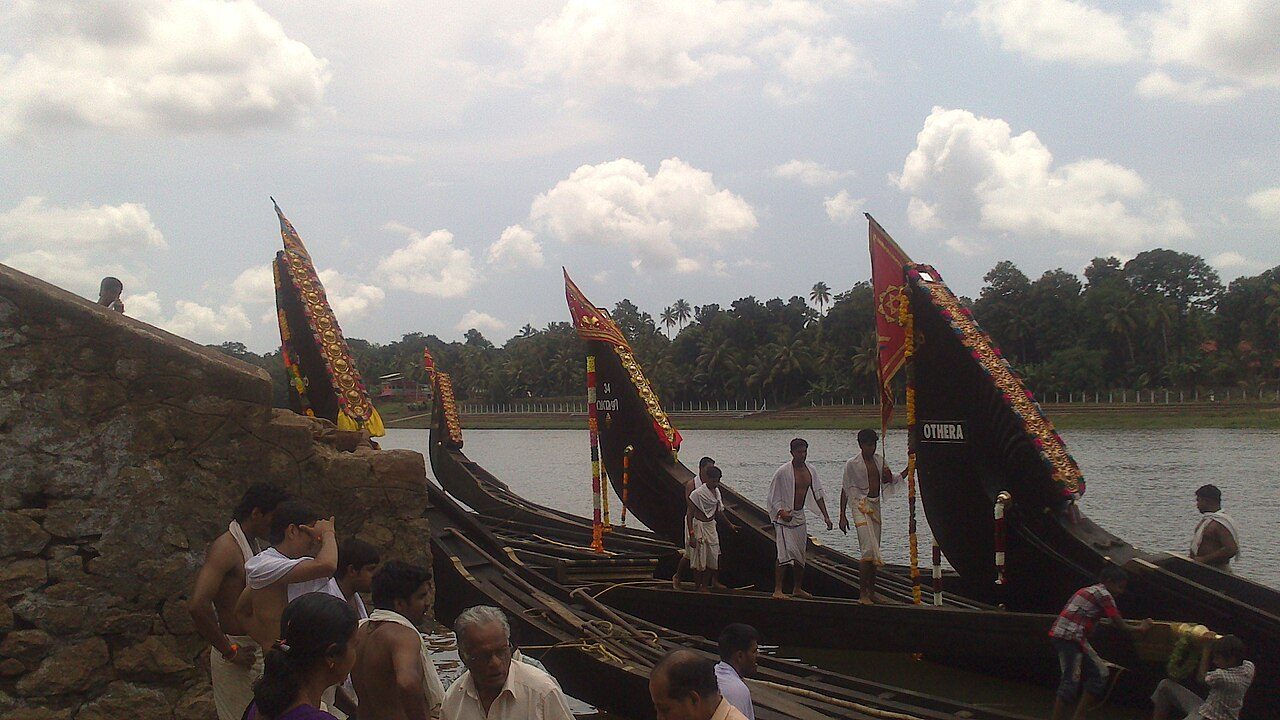
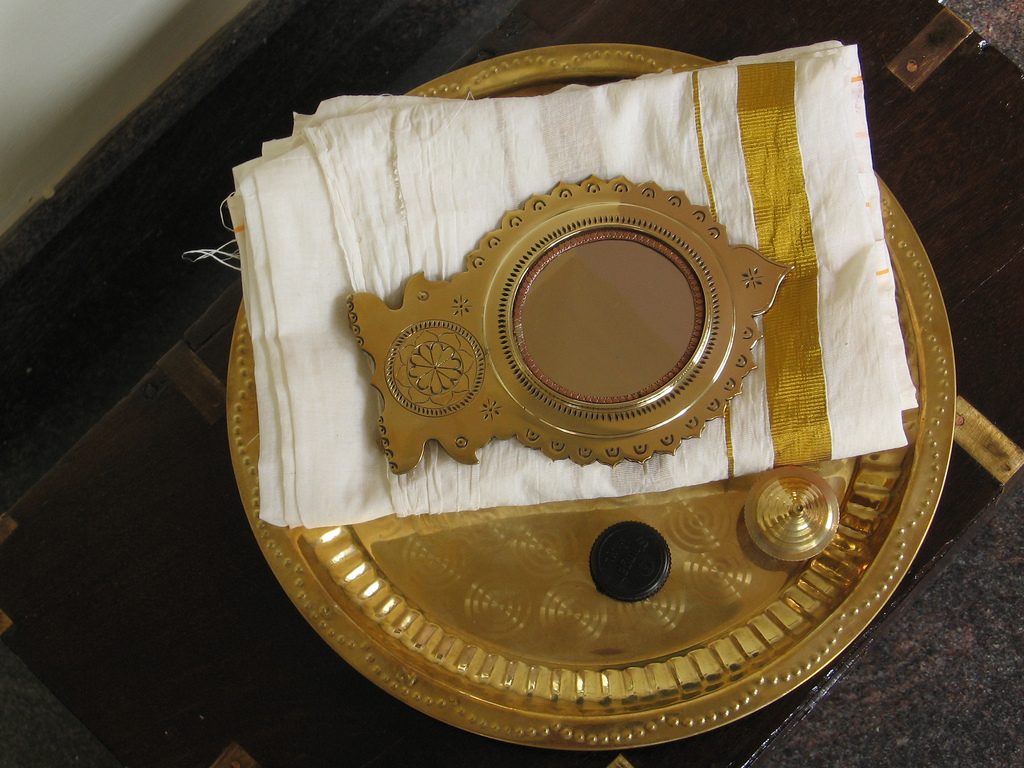
Aranmula stands on the bank of the Pampa and is one of the five ancient Pandava temples of Kerala, its deity Parthasarathy, Krishna as Arjuna's charioteer. The temple is the centre of the Aranmula Uthrattathi Vallamkali, the snake-boat procession held in September in which dozens of 100-foot palliyodams row upstream to the temple, a ritual offering rather than a race. It is also home to the Aranmula kannadi, the handmade metal mirror produced by a handful of families here and nowhere else in the world. Wall murals from the 18th century survive inside, and the Valla Sadya feast served to boat crews is famous in its own right. The temple and its surroundings were declared a heritage village by the state.
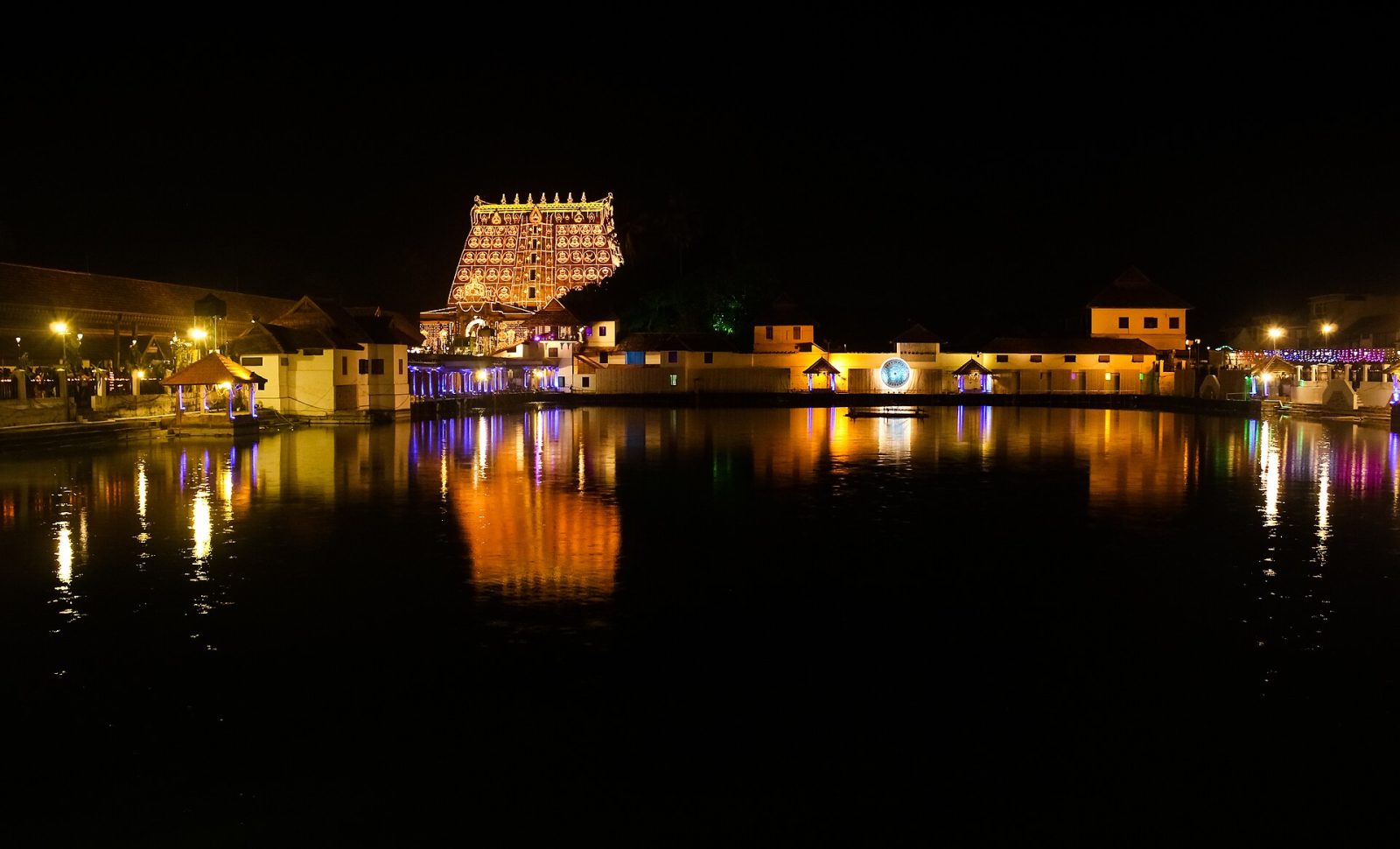
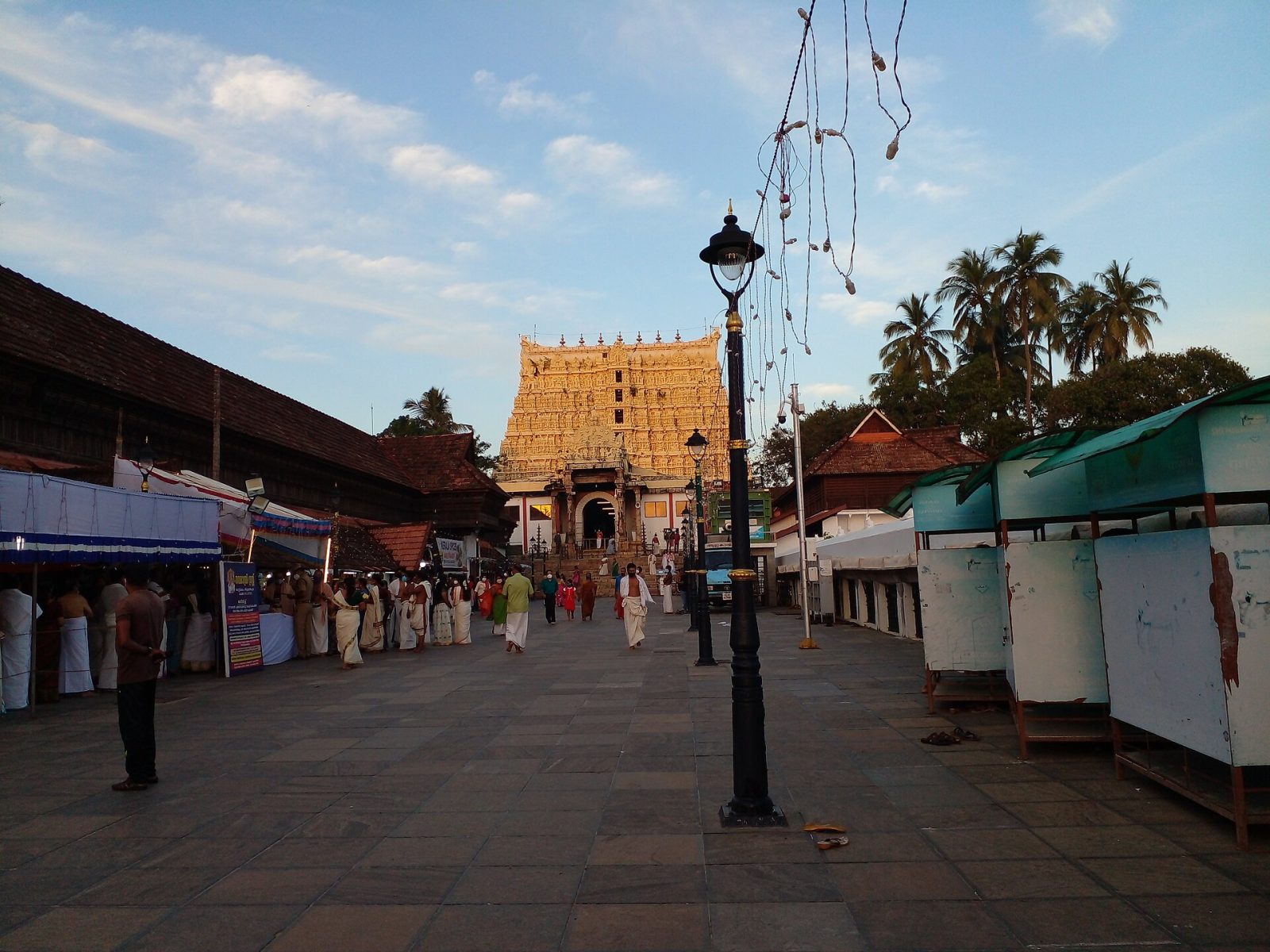
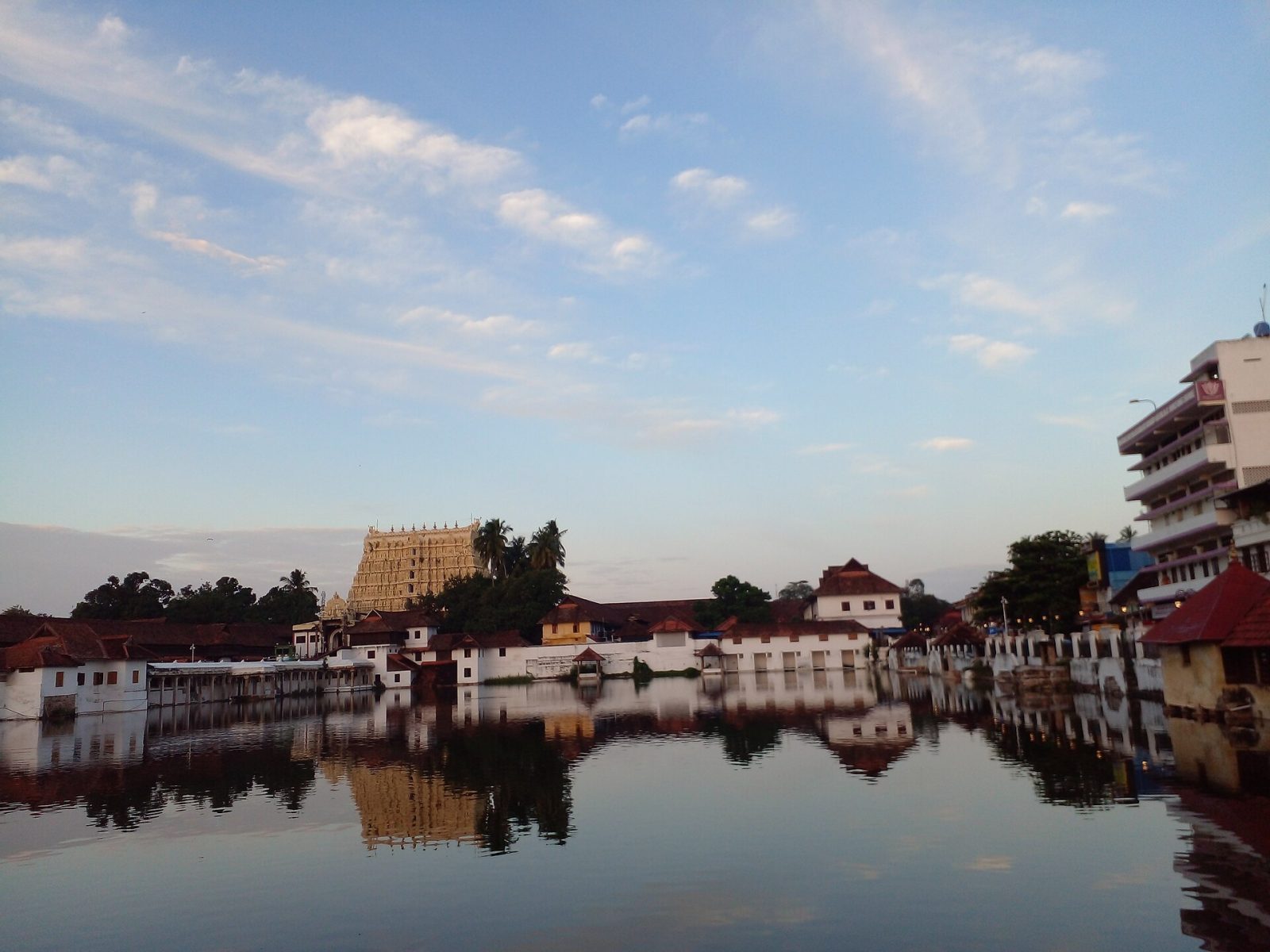
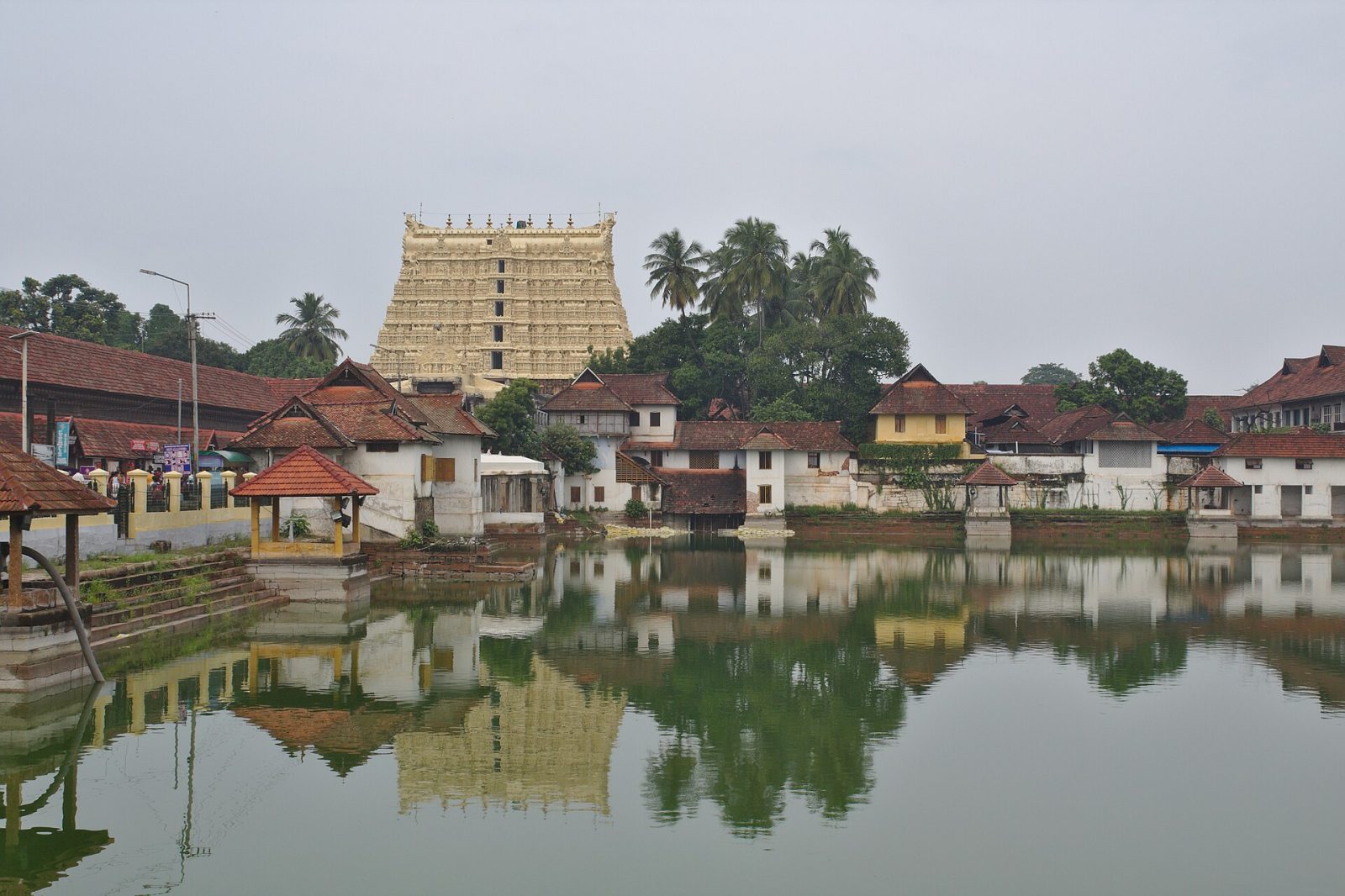
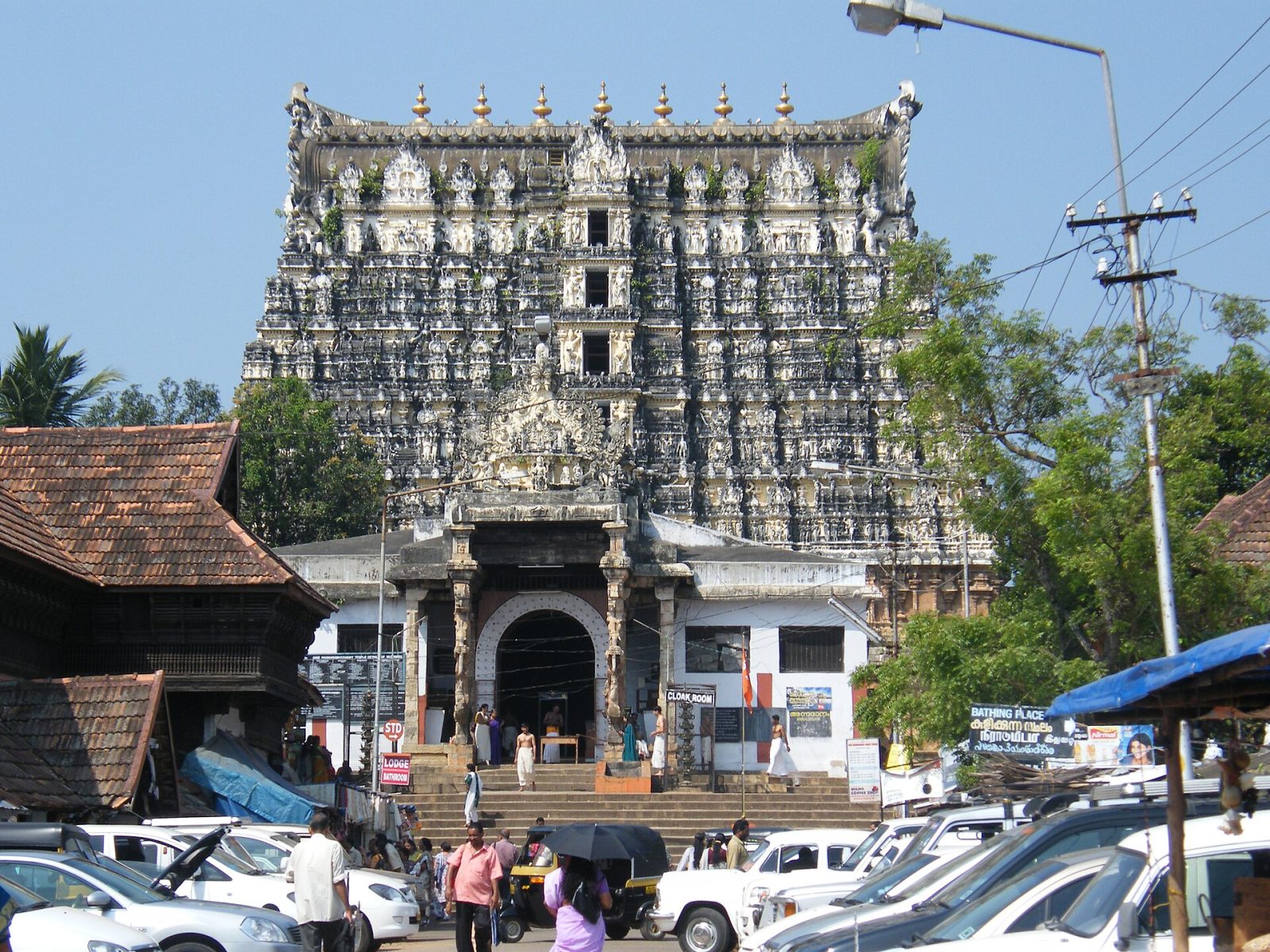
Sree Padmanabhaswamy Temple in Thiruvananthapuram is dedicated to Vishnu reclining on the serpent Anantha, and the city itself is named after that deity. The present granite temple with its seven-tier gopuram was built by the rulers of Travancore in the 18th century, when King Marthanda Varma dedicated his whole kingdom to the god and ruled as his servant. It became world news in 2011 when vaults beneath the temple were opened and found to hold one of the largest treasure hoards ever recorded. The temple is still run by the royal family's trust, and worship continues much as it has for centuries. Only Hindus may enter, and a strict dress code applies: mundu for men, sari or long skirt for women.
Attukal Bhagavathy, often called the Sabarimala of women, is one of the most visited temples in Kerala and stands about 2 km from the Padmanabhaswamy Temple. The goddess here is worshipped as Kannaki, the heroine of the Tamil epic Silappathikaram, believed to have rested at this spot on her way to Kodungallur. Its Attukal Pongala, held in February or March, is the largest gathering of women for a single religious event anywhere in the world, with lakhs of devotees cooking rice offerings on brick hearths along the streets for kilometres around. On that one day the whole city becomes the temple courtyard. Through the rest of the year it is a calm, compact shrine with carved wooden panels and unhurried daily pujas.
Best weather: Dec – FebHeavy rain: Jun, Oct
Seasons from 20 years of NASA POWER climate data.
Was this trip blog helpful?
0
0
Ready to follow this route?
Copy all 12 stops into your trip plans in the app.
 WaTrips