Kerala Christian Heritage: Churches from Palayur to Edathua in 4 Days
4 DAYS14 placesby WaTrips
Nearly 2,000 years of faith: Palayur, Malayattoor, Fort Kochi's basilica and St Francis Church, Kottayam's old churches and the backwater churches.
Kerala's Christian story is said to begin with St Thomas the Apostle in AD 52, and this route follows it. Start at Palayur, one of the oldest churches in India, and Thrissur's tall Our Lady of Dolours Basilica. Day two goes to the hilltop shrine at Malayattoor, Edappally, then Fort Kochi's Santa Cruz Basilica and St Francis Church, where Vasco da Gama was first buried. In Kottayam, visit the painted Cheriapally, Manarcad, Mannanam and Bharananganam, where St Alphonsa rests. The last day is in the old Syrian churches of Niranam and Parumala, then the backwater churches at Champakulam and Edathua. Dress modestly, and check Mass times if you want to visit during a service.
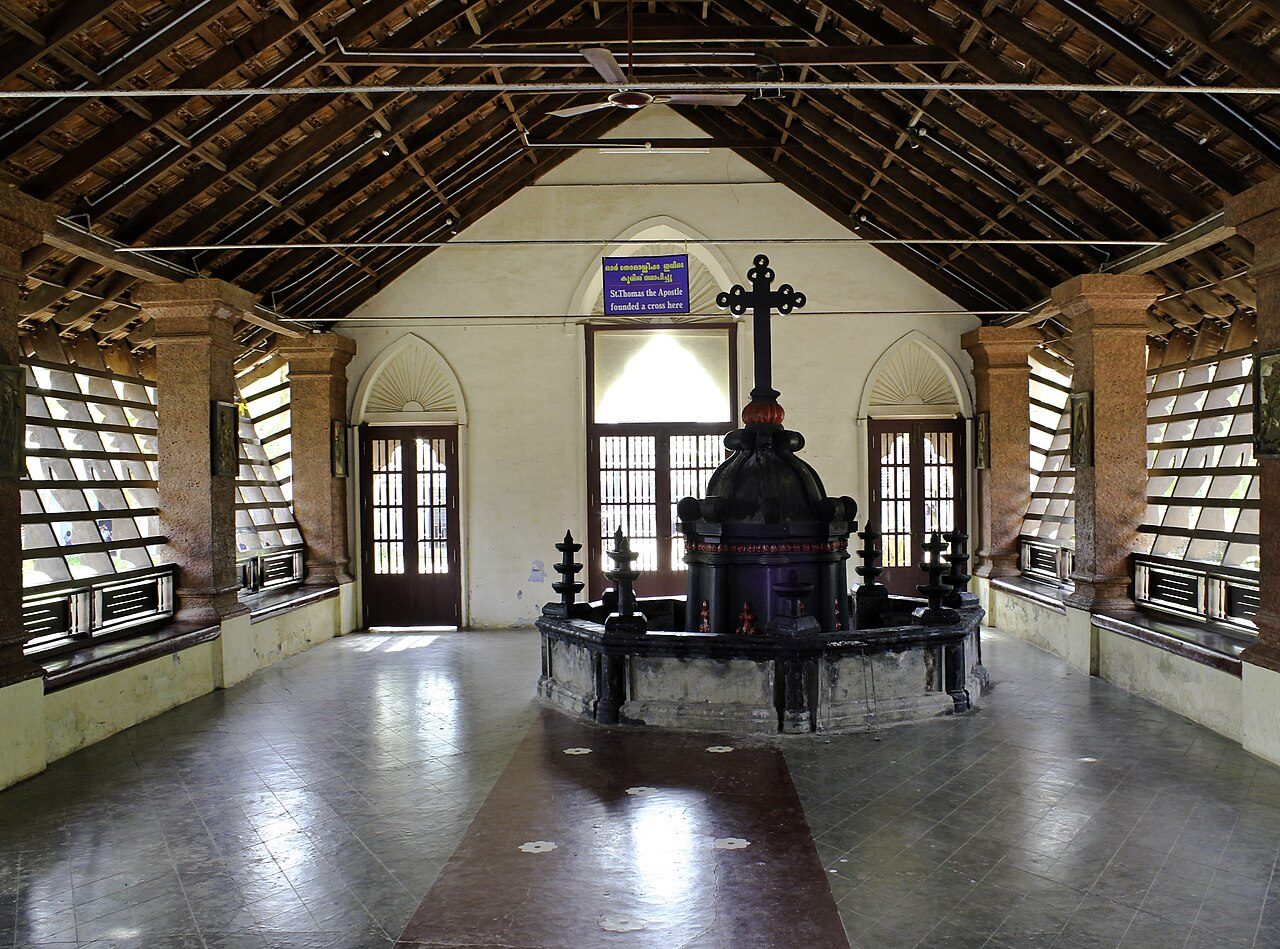
Palayur is held by tradition to have been founded by St Thomas the Apostle, which would make it among the oldest churches in India. The present building keeps parts of the older structure and the site is a pilgrimage centre.
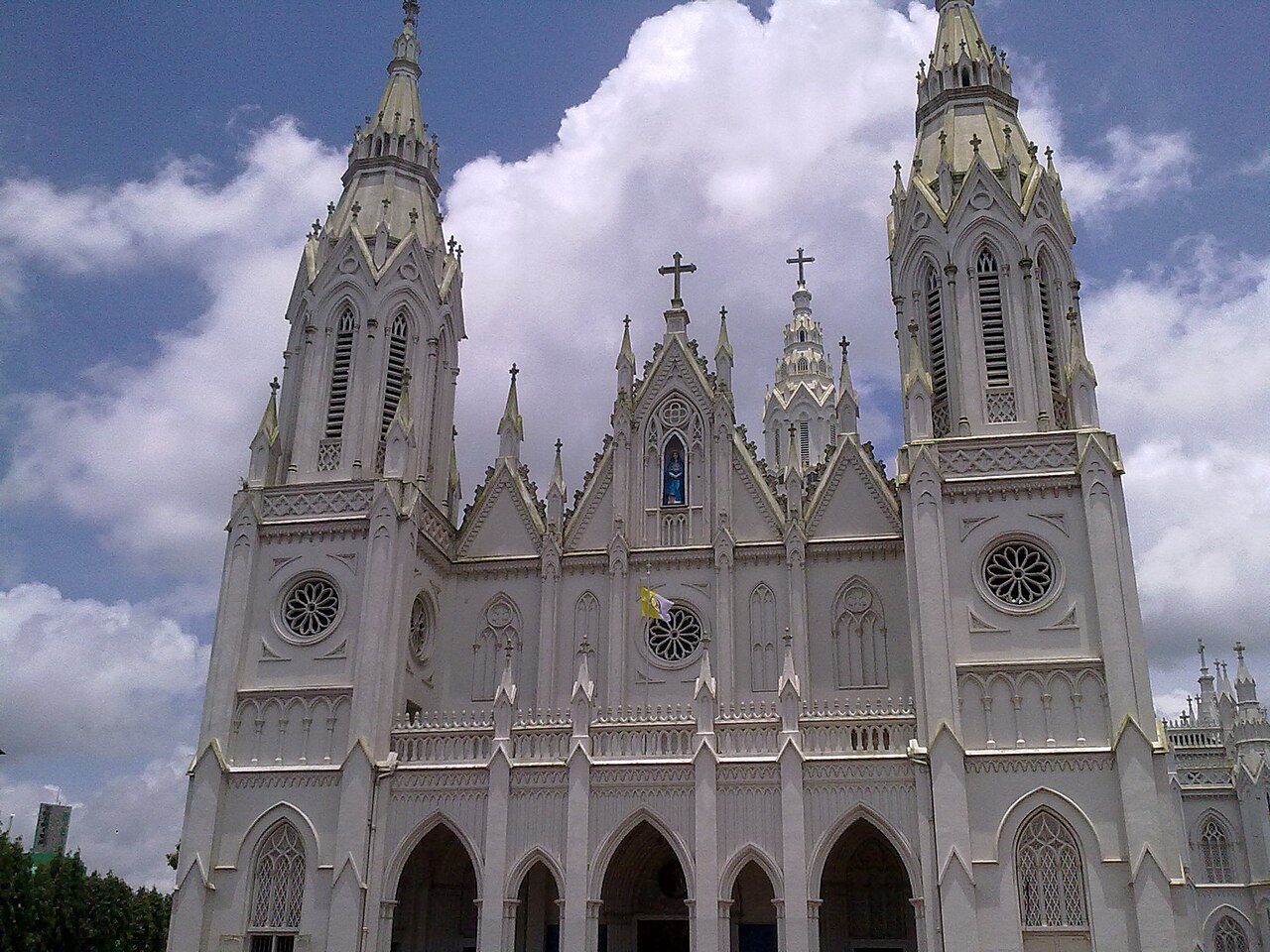
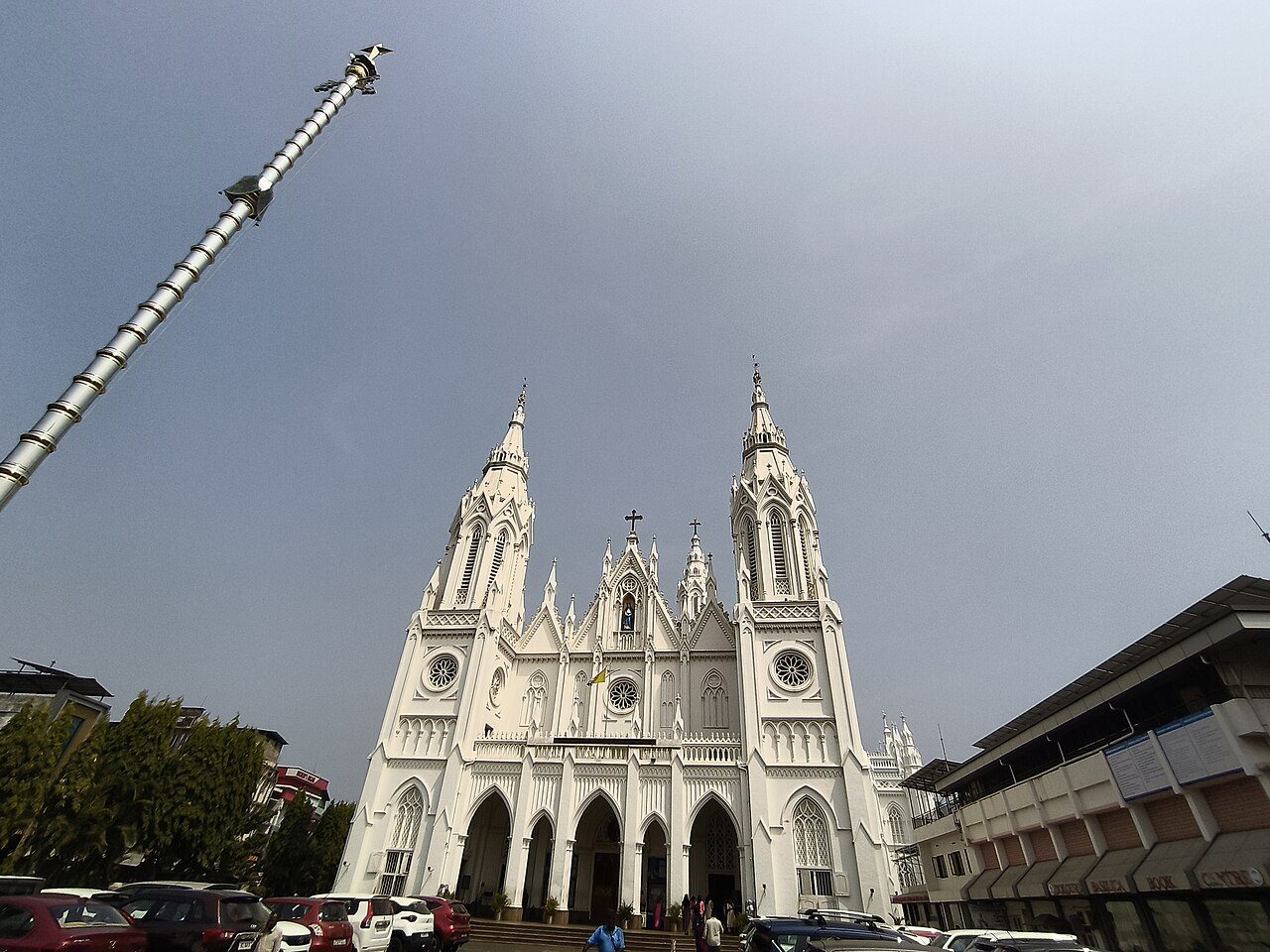
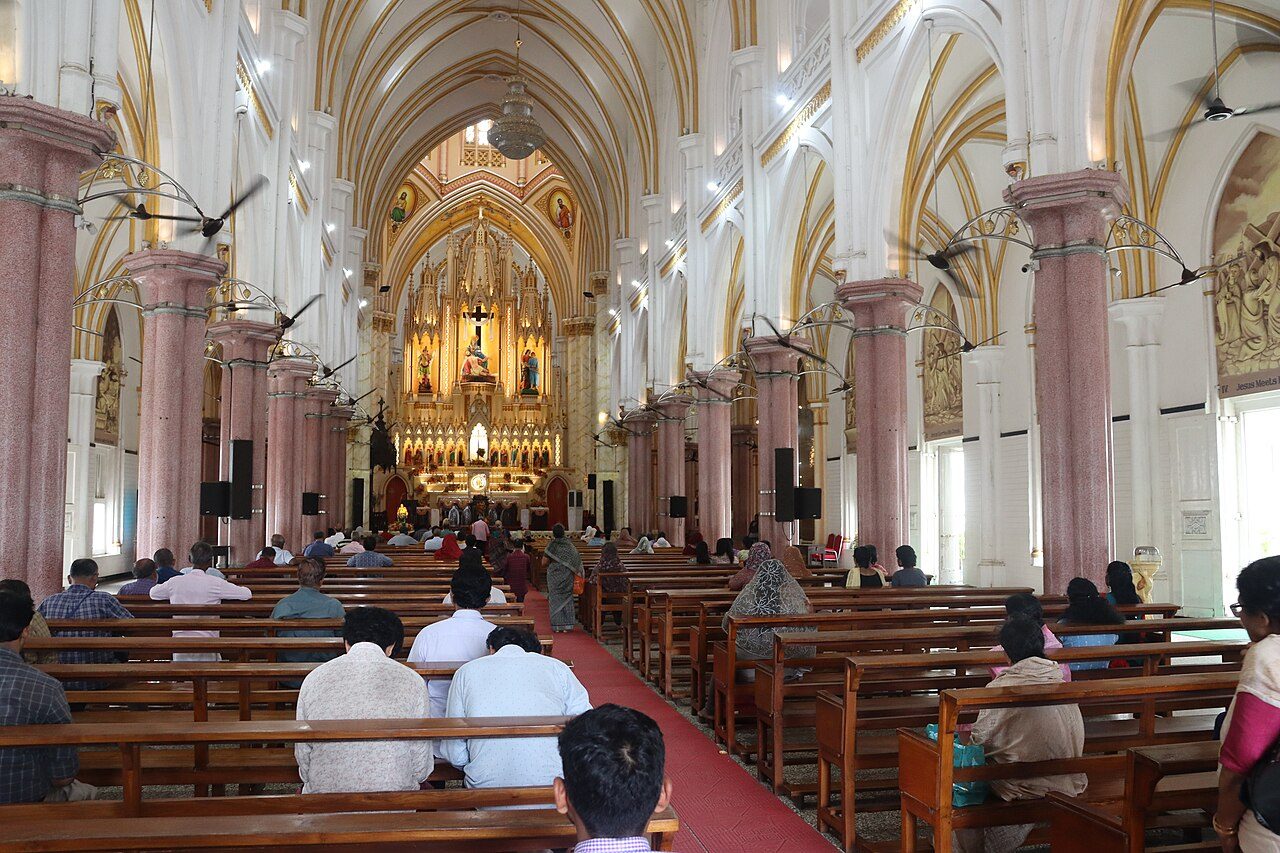
The Our Lady of Dolours Basilica, known locally as Puthan Pally, is one of the largest churches in India, with a Gothic facade and a tower open to visitors. Work on the present building began in 1929 and it was raised to a minor basilica in 1992.
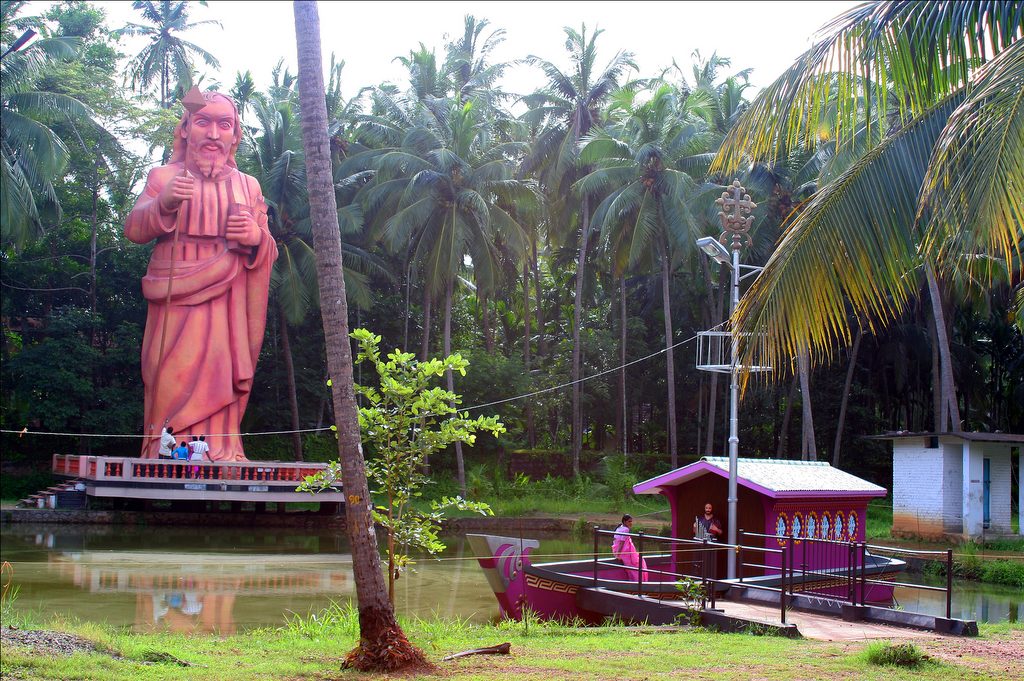
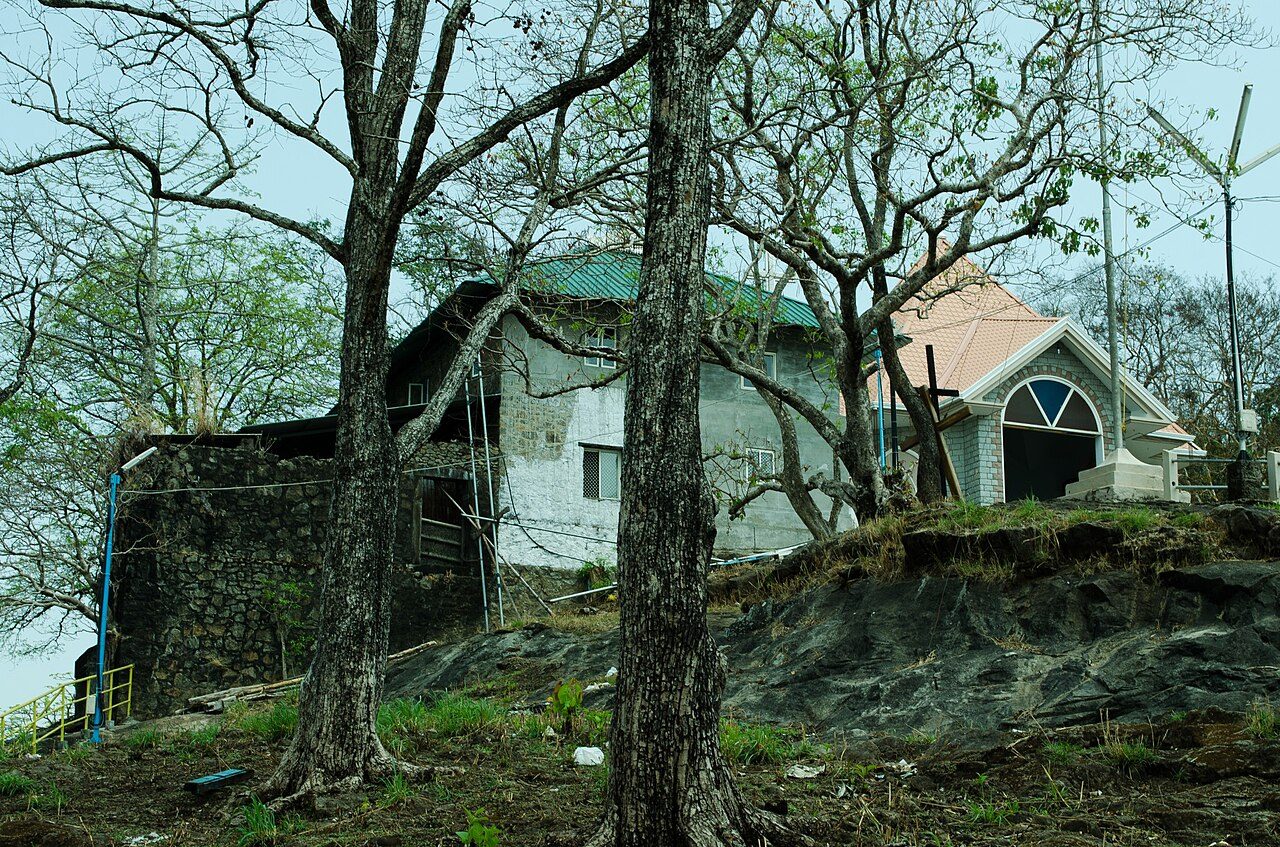
St Thomas Church at Malayattoor stands on a hill about 609 metres above the Periyar, at the spot where the apostle Thomas is believed to have prayed in the first century, leaving the imprint of his foot on the rock. The climb is about 2.5 km up a stepped path through forest, and during the Malayattoor Perunnal after Easter hundreds of thousands make it, many barefoot, calling out as they go. The church was declared an international pilgrimage centre by the Vatican in 2004, one of only a handful in India. At the top are the shrine, the rock with the footprint and a long view over the Periyar valley. The old church at the foot of the hill is worth a stop on the way.
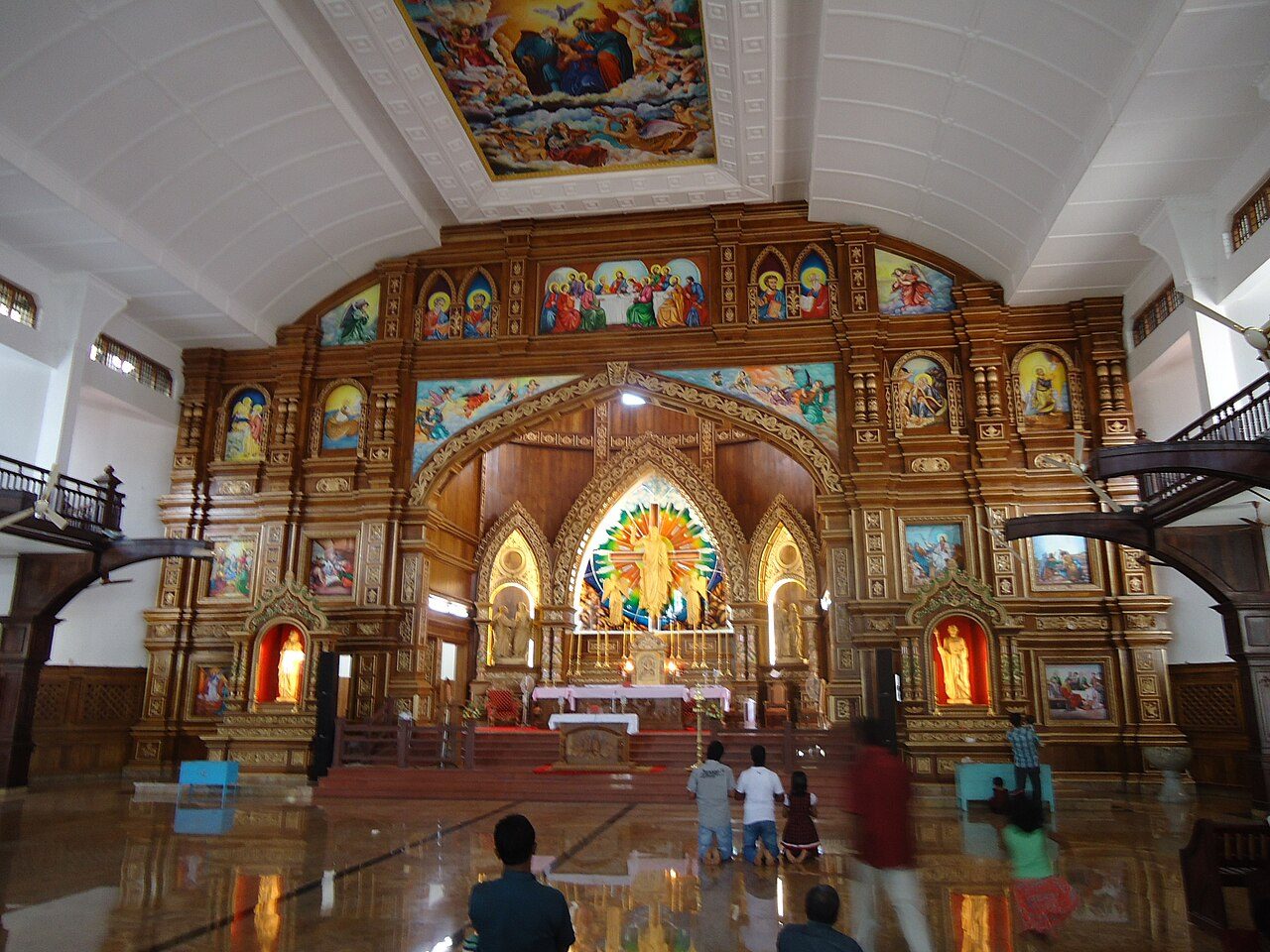
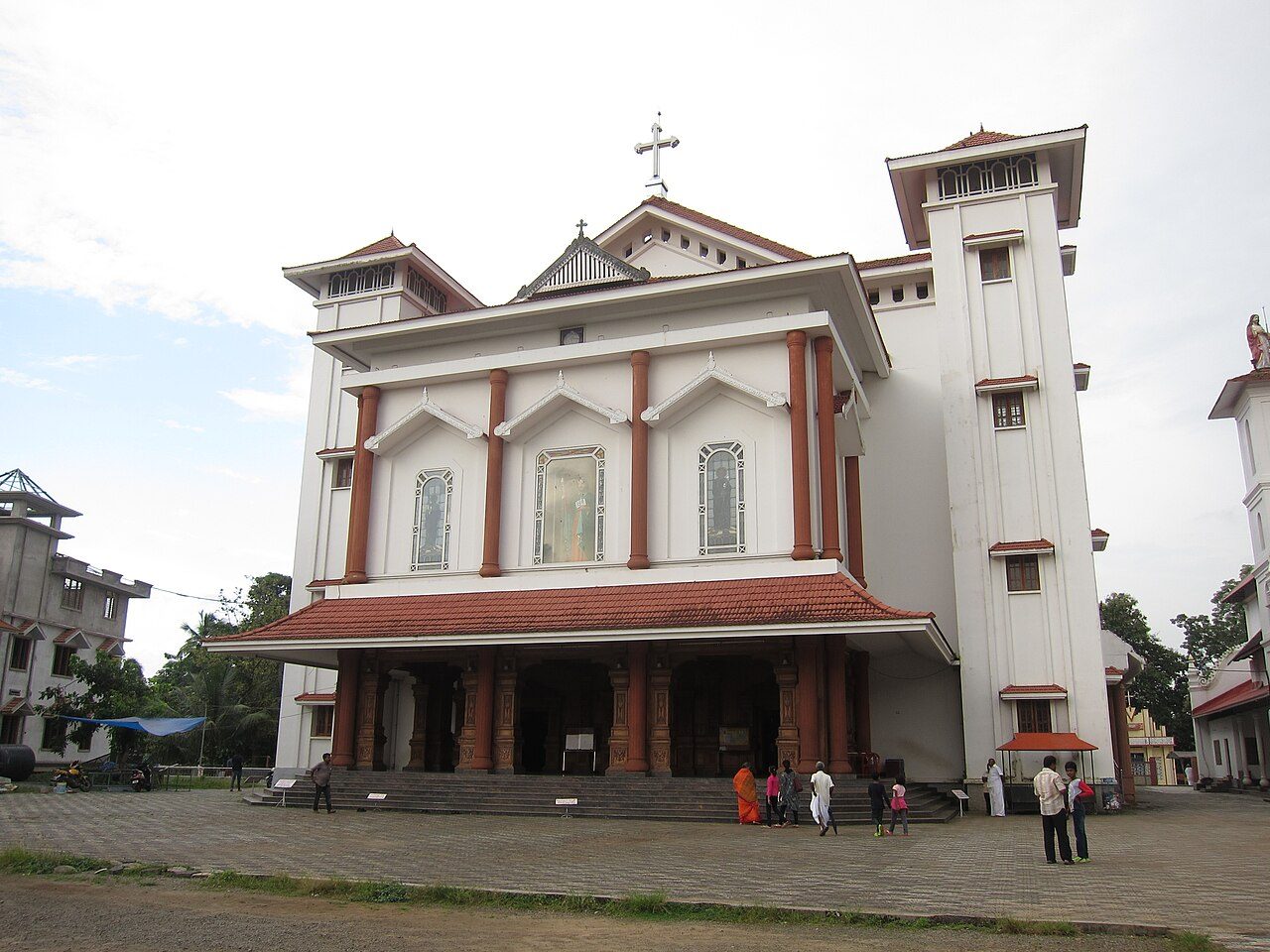
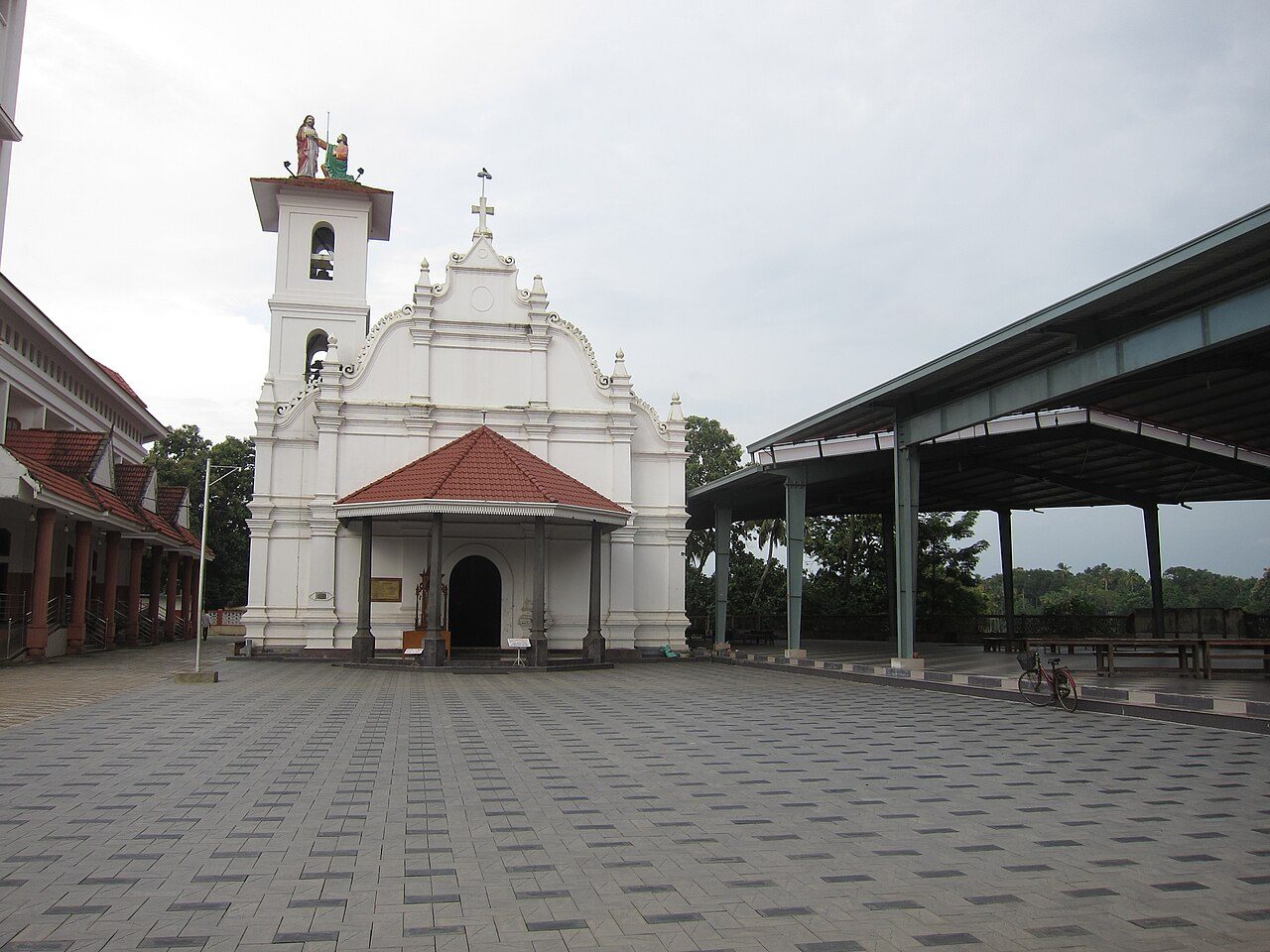
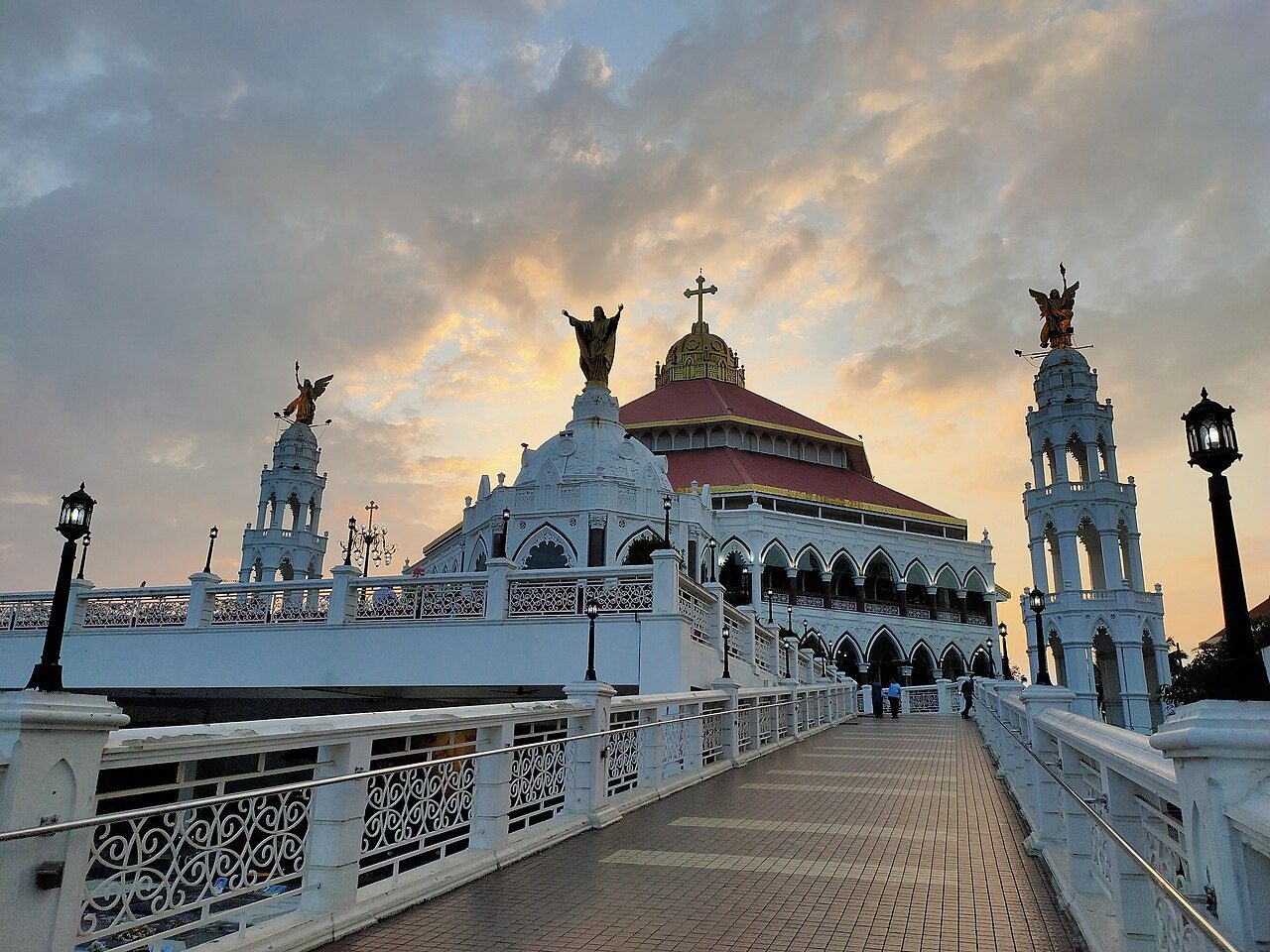
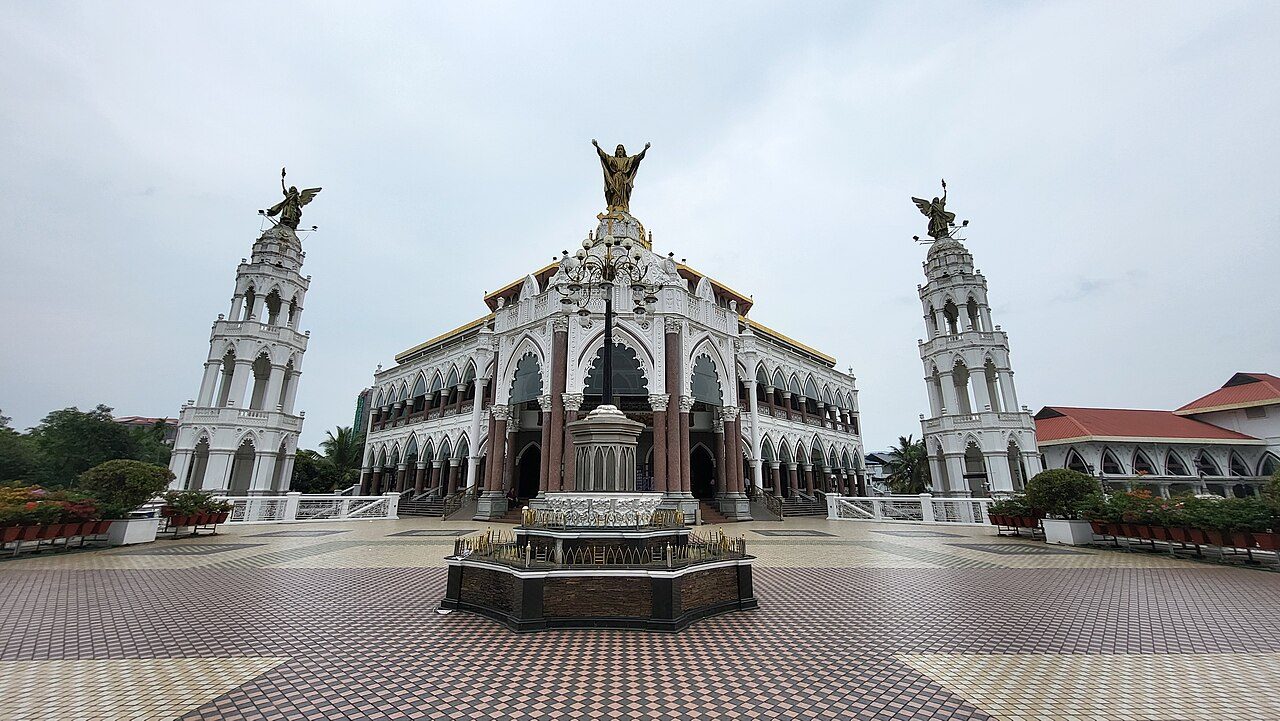
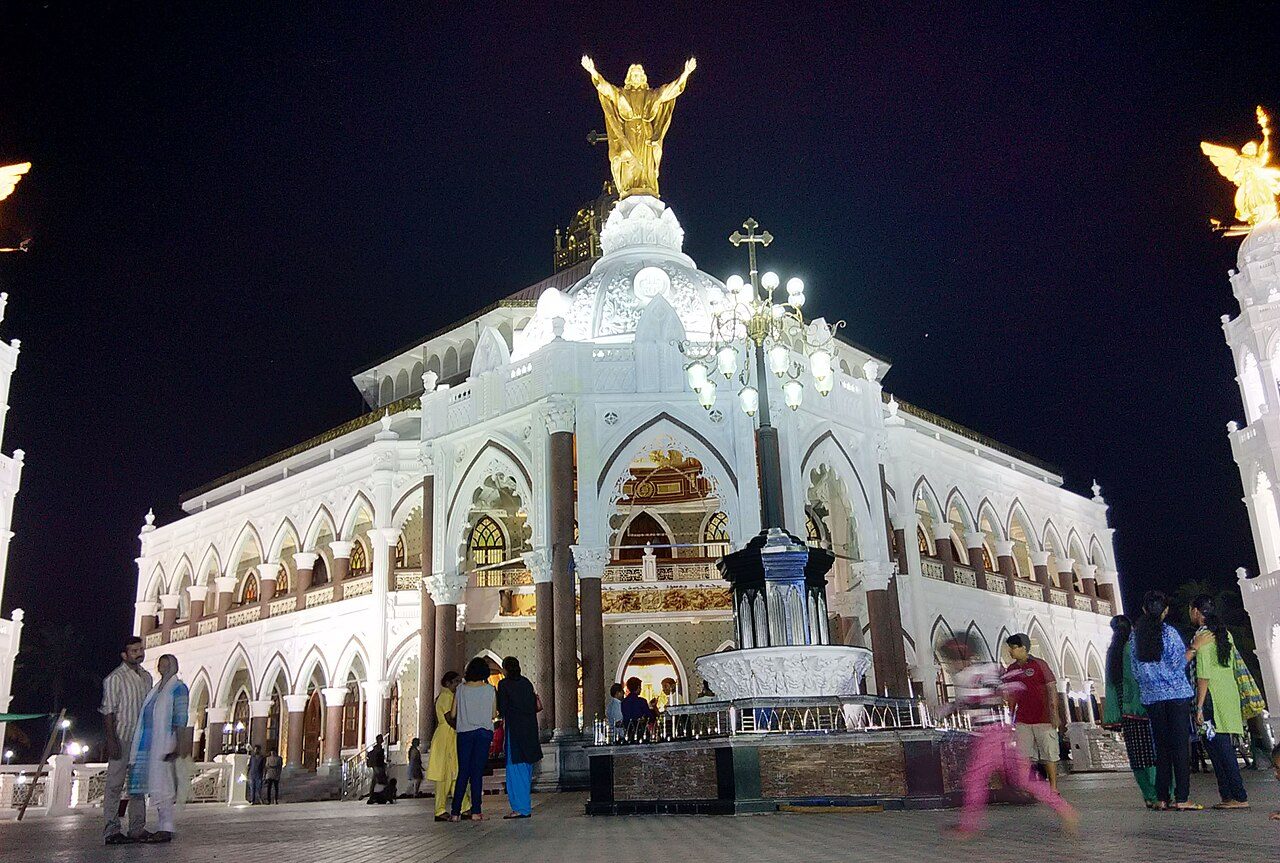
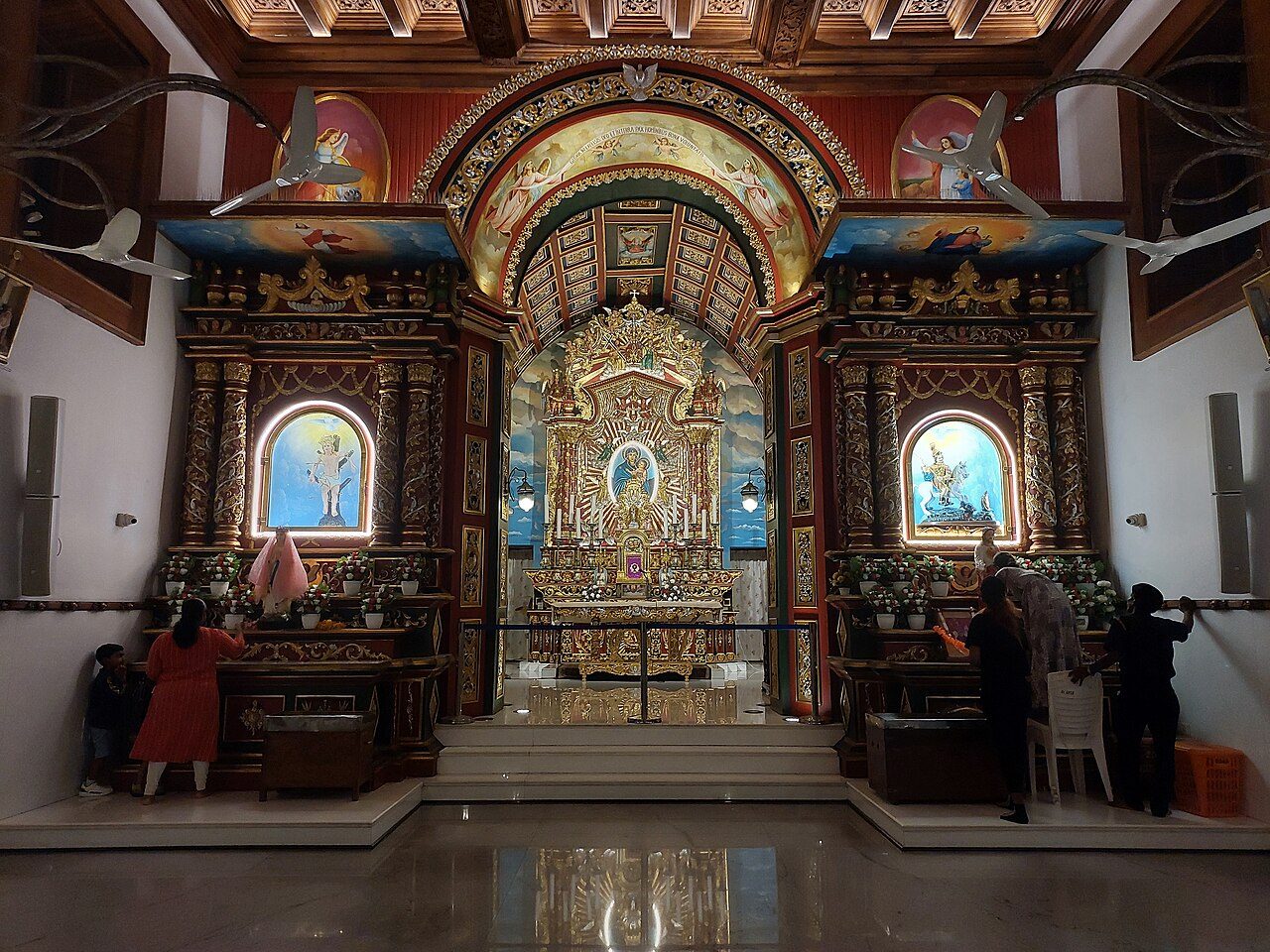
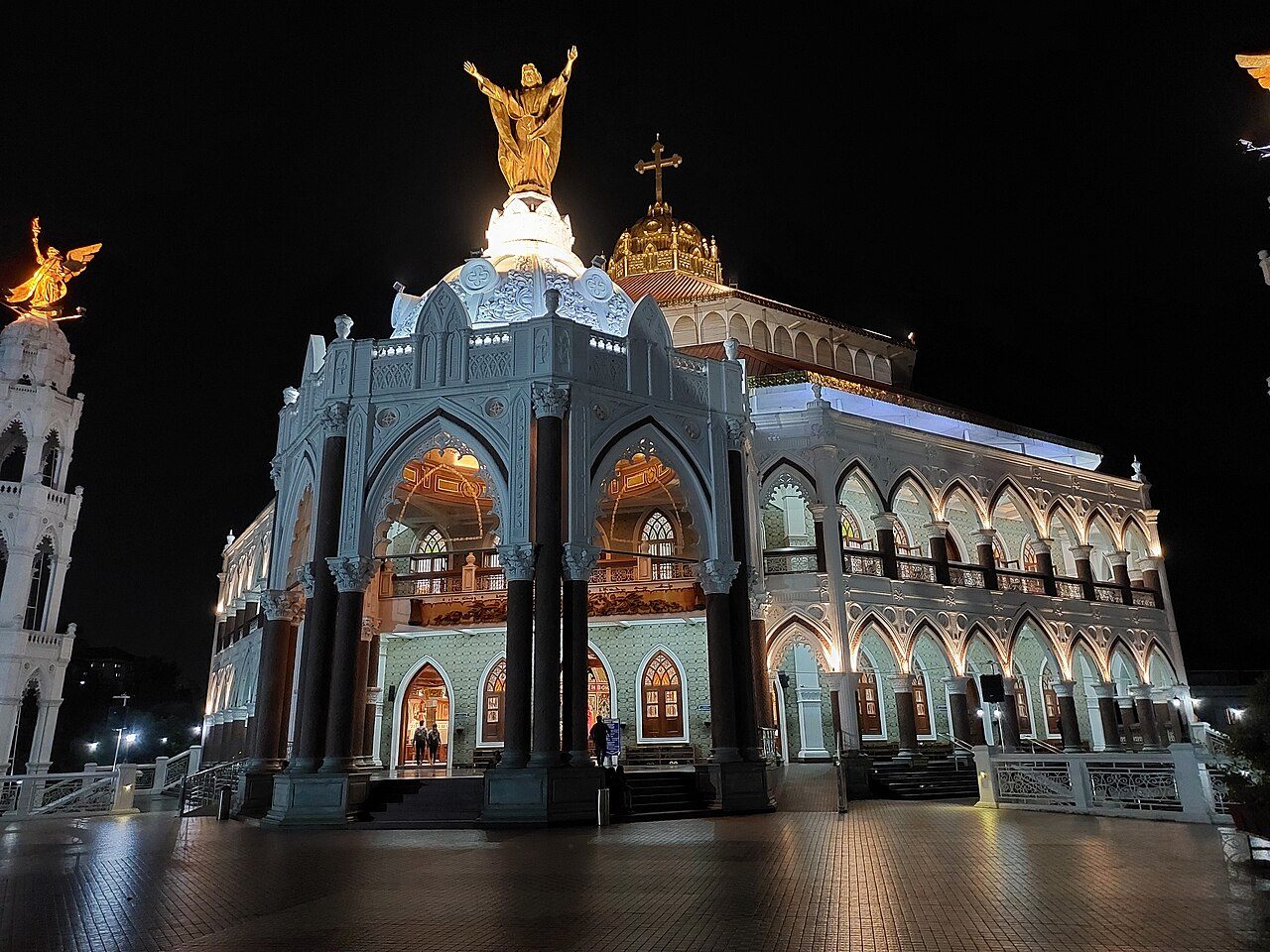
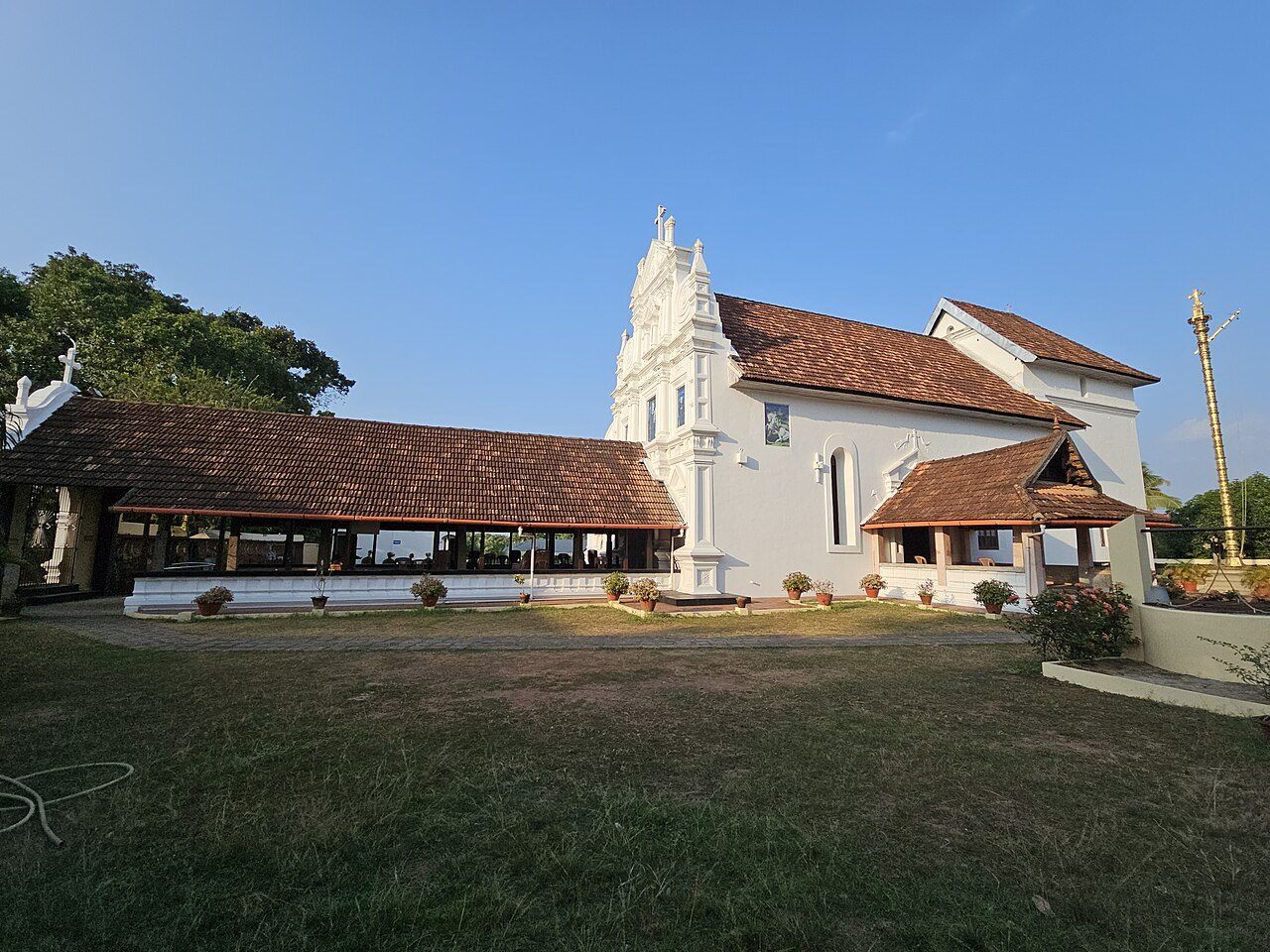
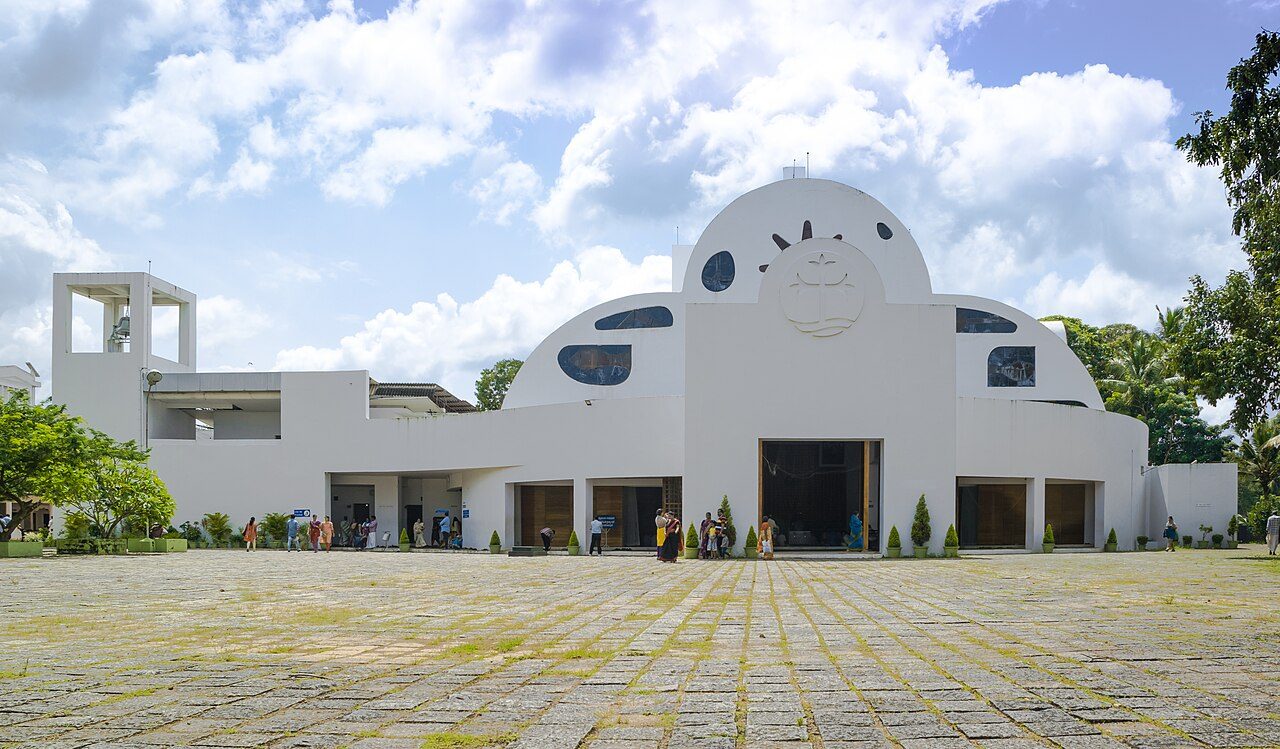
St George's Forane Church at Edappally traces itself to 593 AD, which would make it one of the oldest churches in India, and it has been rebuilt several times; the old church beside the new one still has its painted altar and murals. The new basilica, finished in the 1990s, is an enormous white structure covered in sculpture and lit up at night, and it draws pilgrims from across Kerala and beyond, particularly for the feast of St George in late April and early May. Devotees of every faith come here to make vows. The complex sits beside the national highway on the northern edge of Kochi. It was raised to the rank of basilica by the Vatican in 2010.
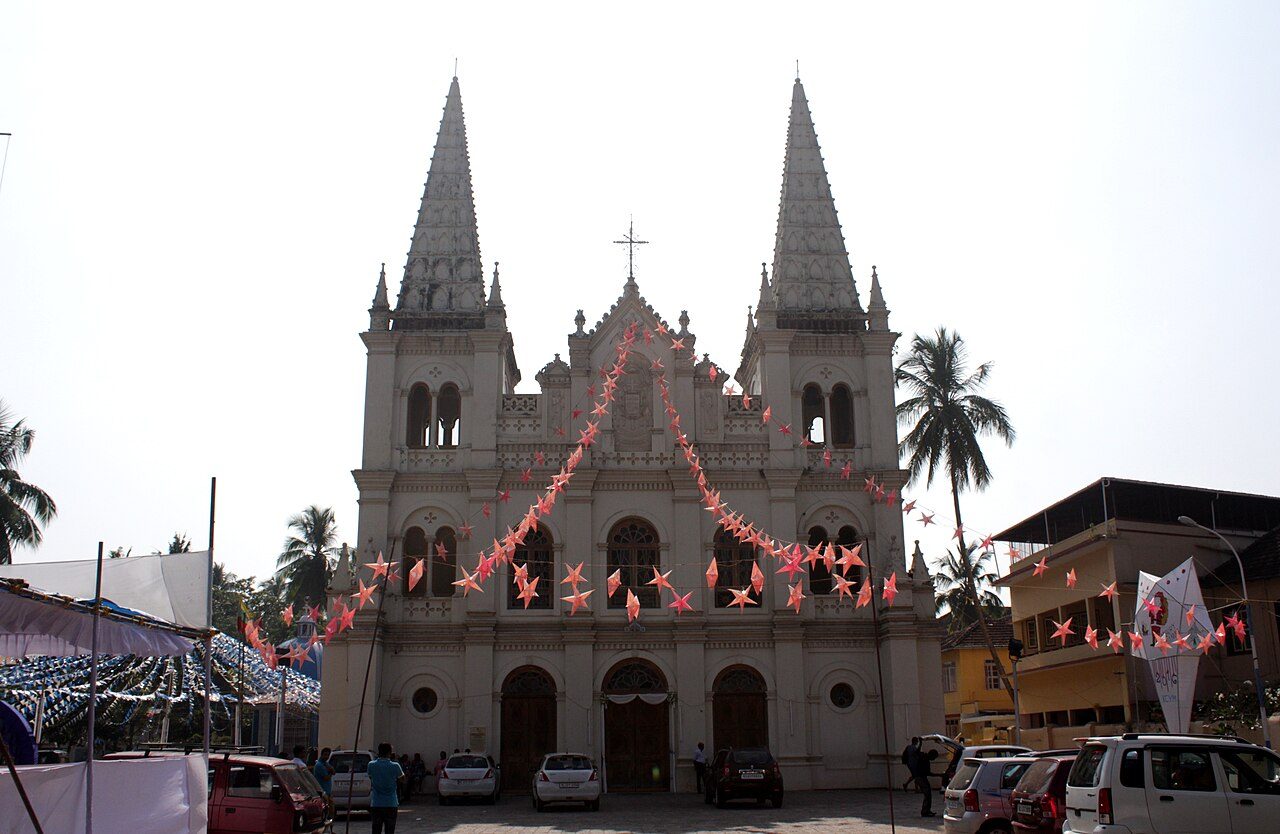
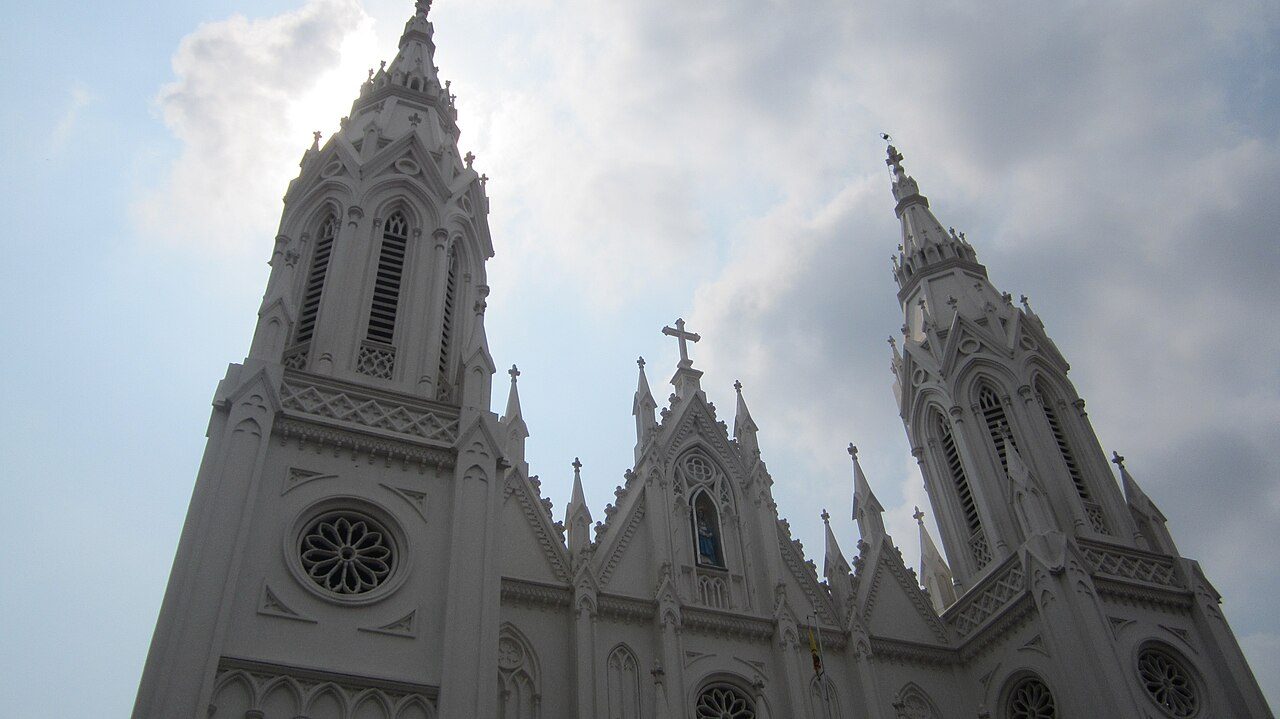
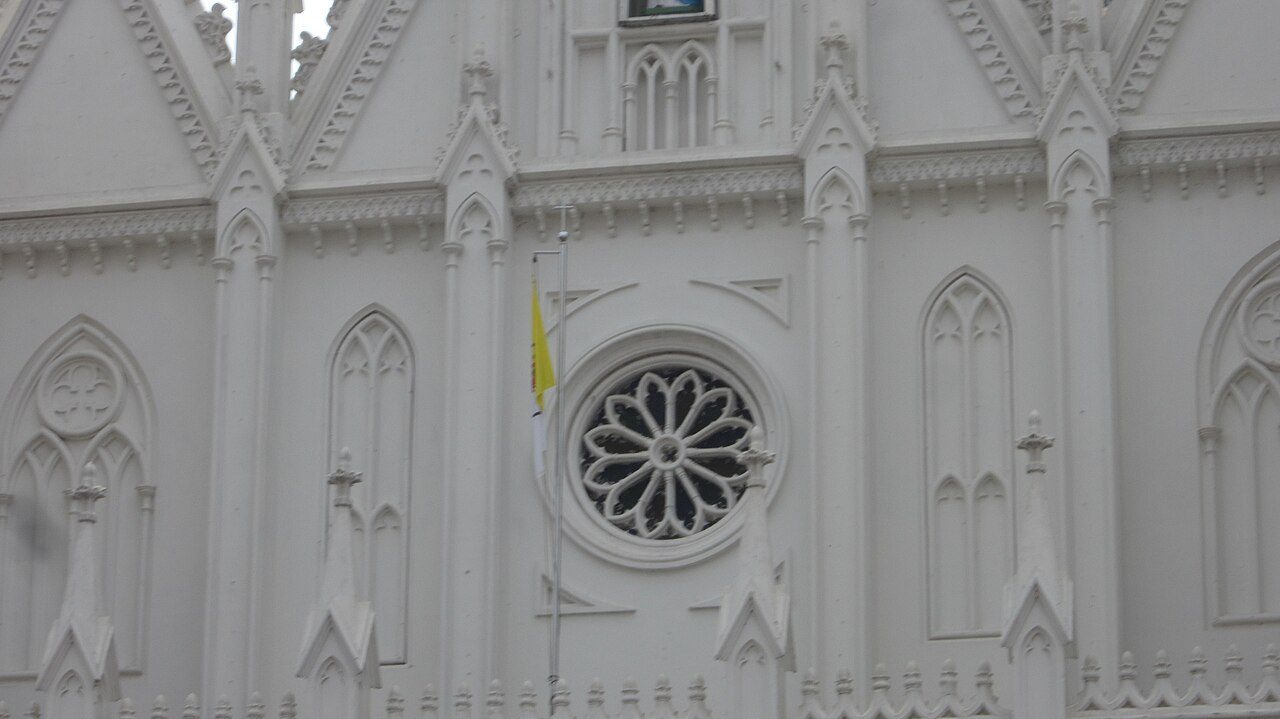
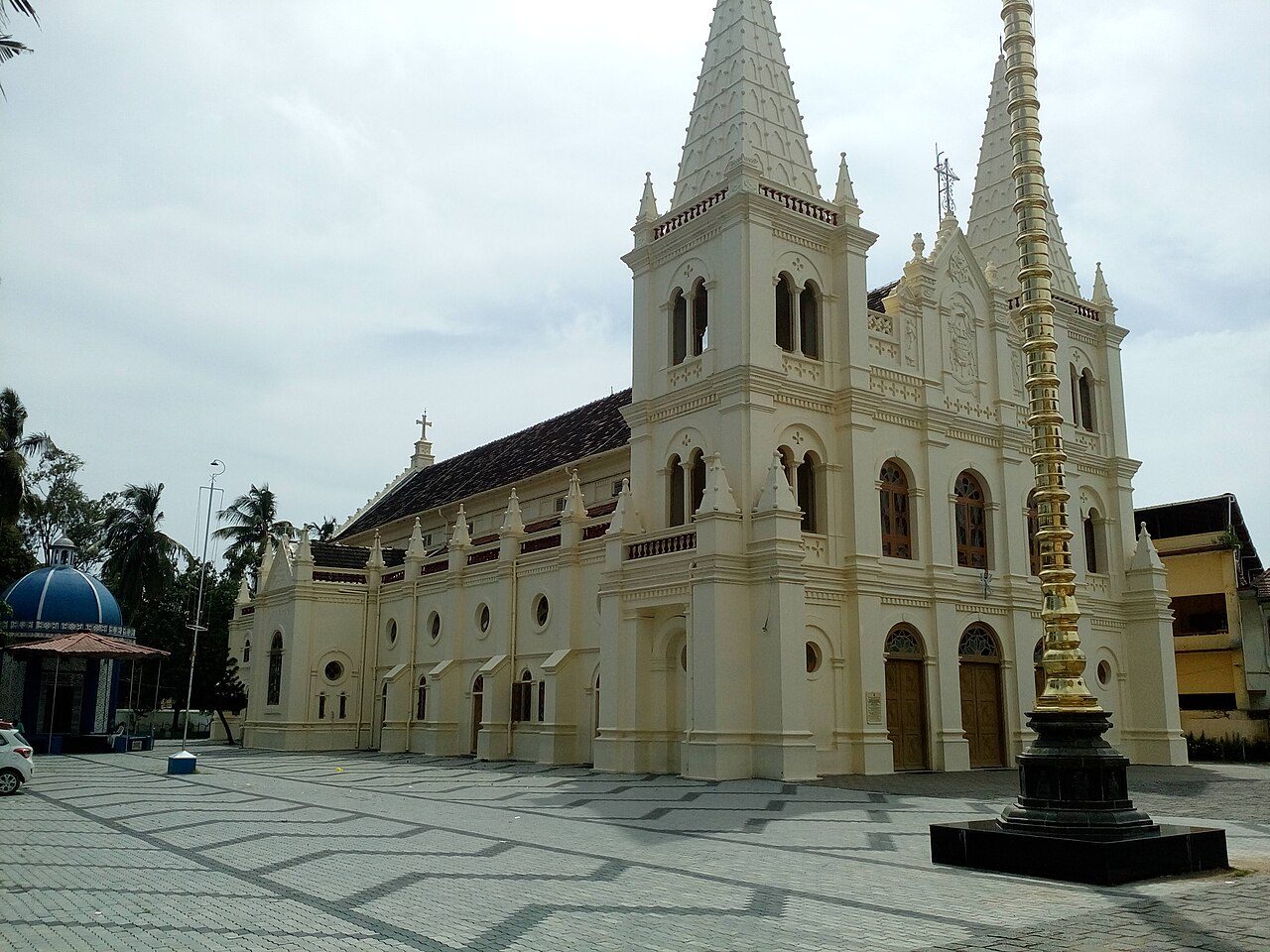
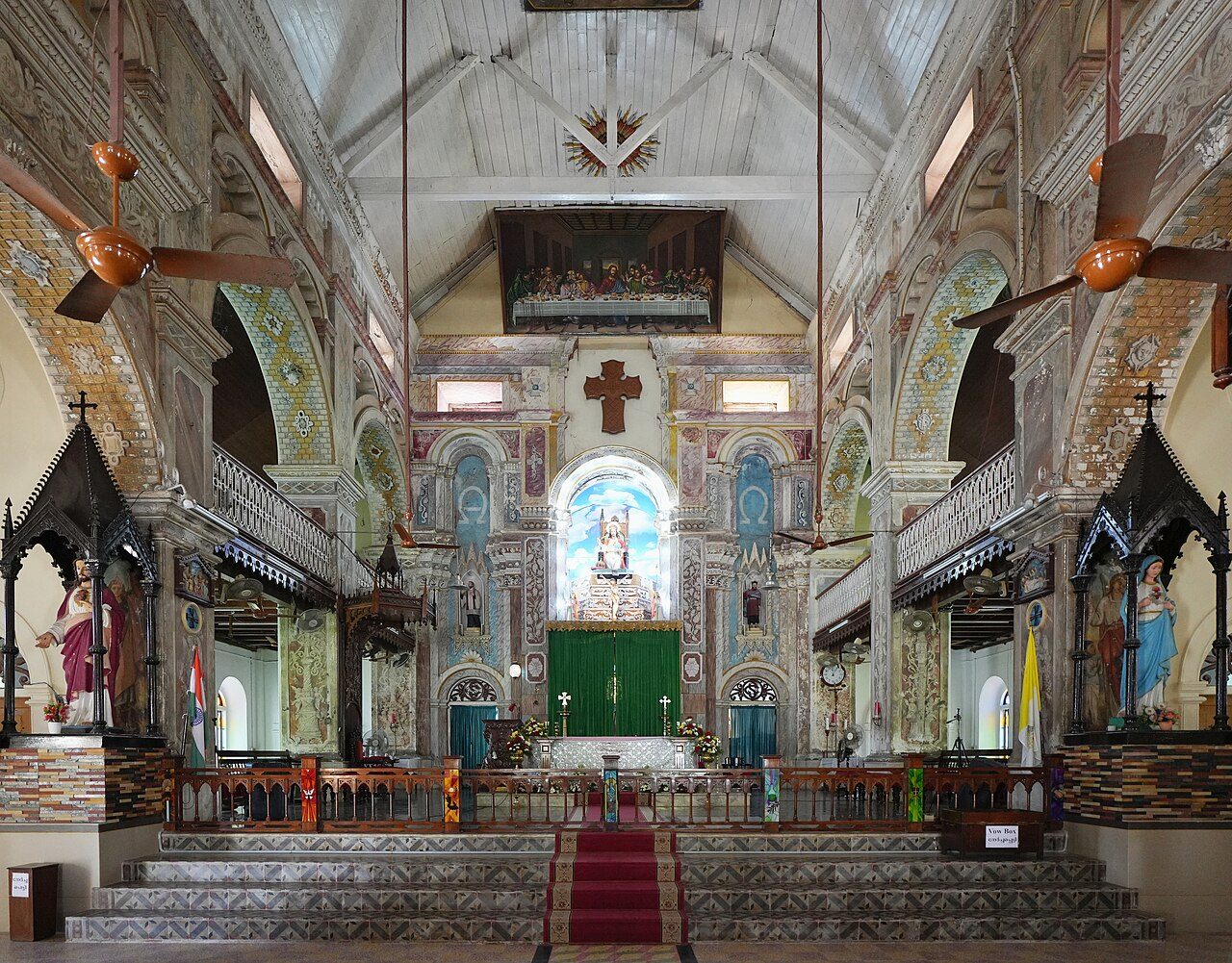
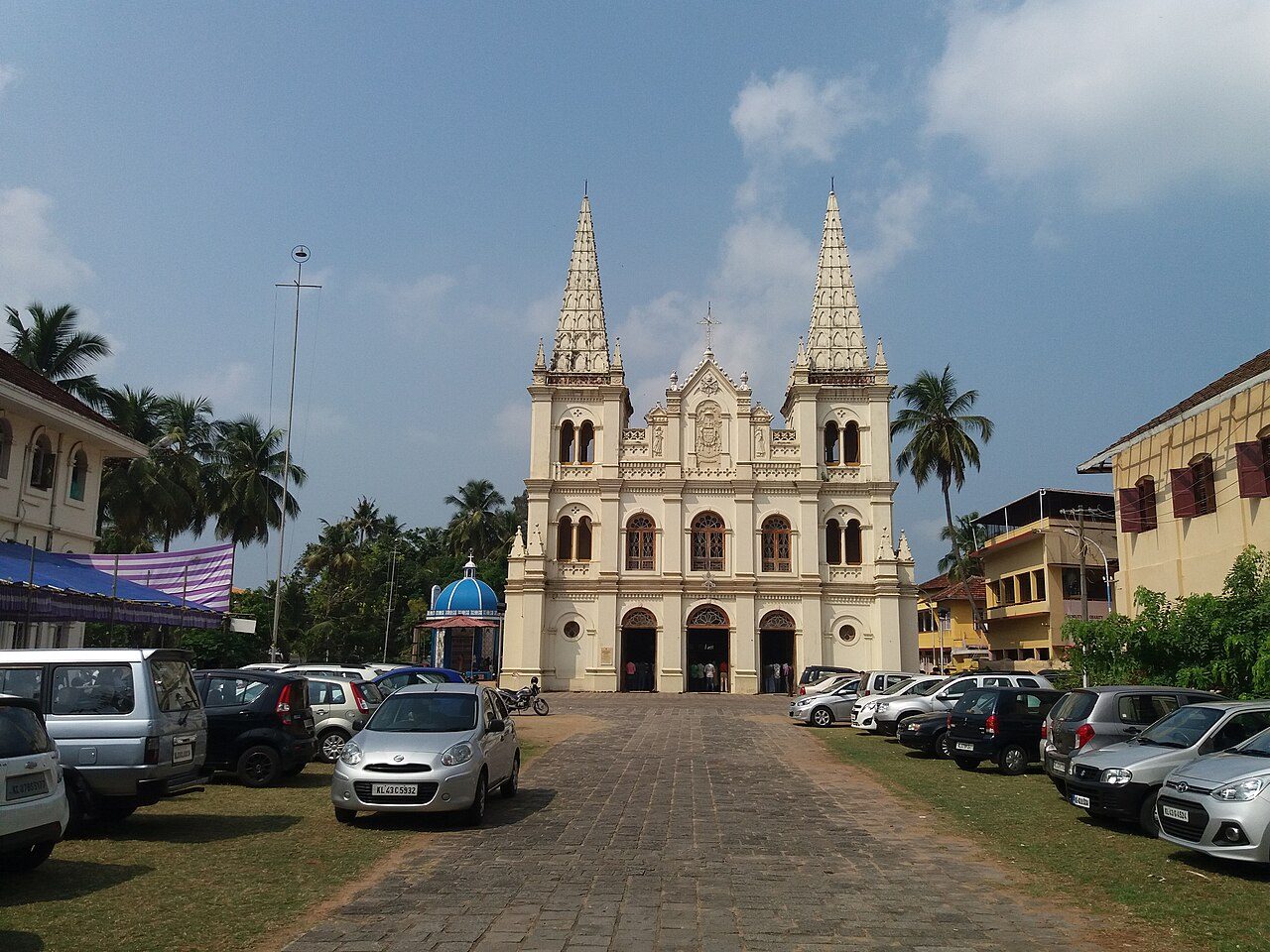
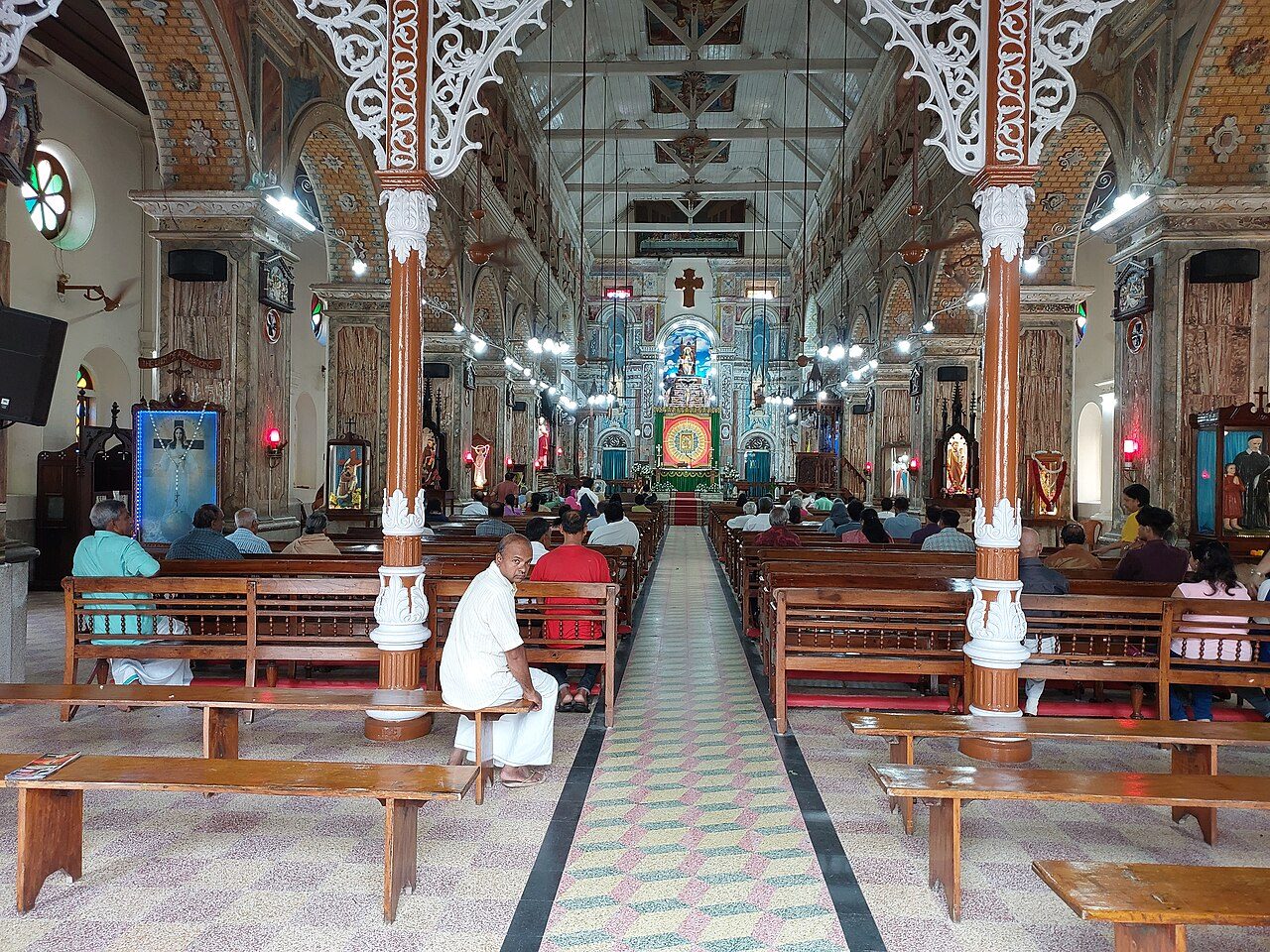
Santa Cruz was first built by the Portuguese in 1505, demolished by the British in 1795, and rebuilt at the end of the 19th century in the Gothic style you see today, with twin white spires over the Fort Kochi skyline. Pope John Paul II raised it to a basilica in 1984. The interior is the surprise: every surface is painted, with a barrel-vaulted ceiling of Italianate frescoes, scenes from the Passion along the walls and Italian stained glass in the windows. It is one of only a handful of basilicas in India and remains an active parish church. It stands a short walk from St Francis Church and the fishing nets.
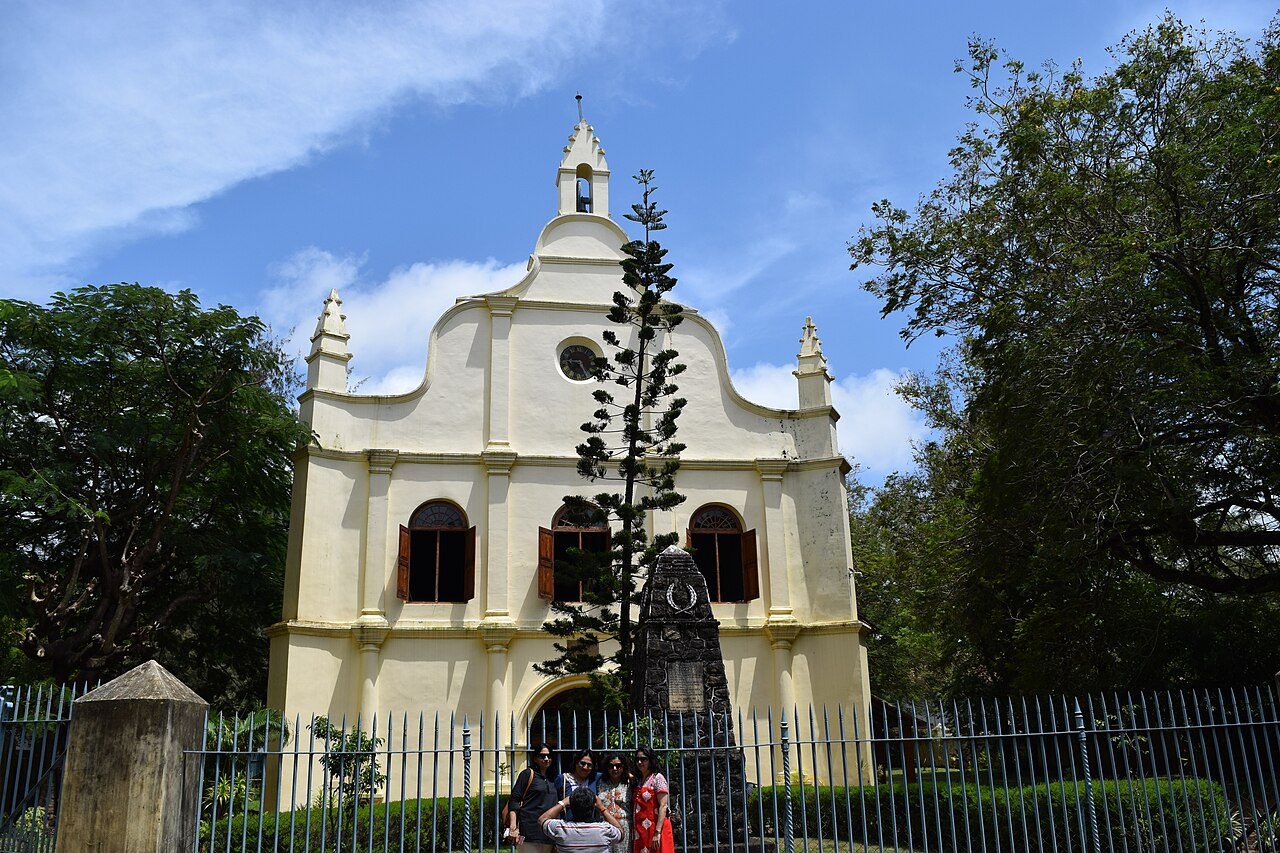
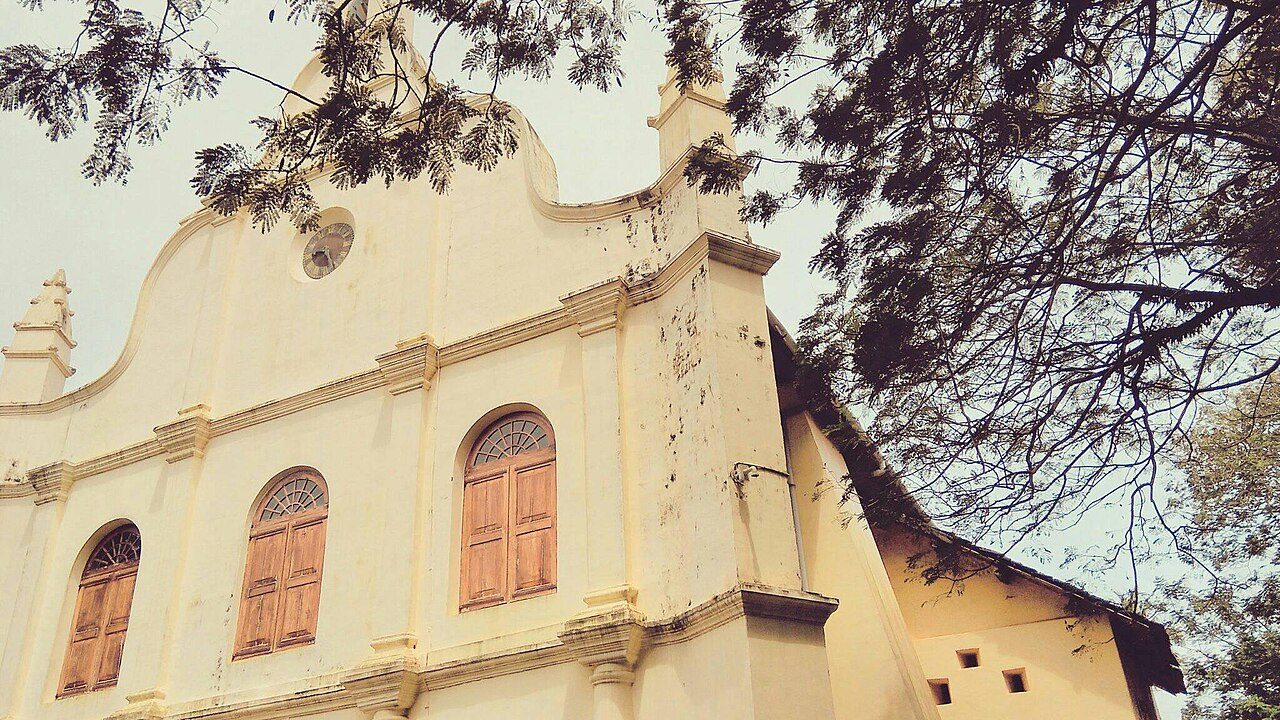
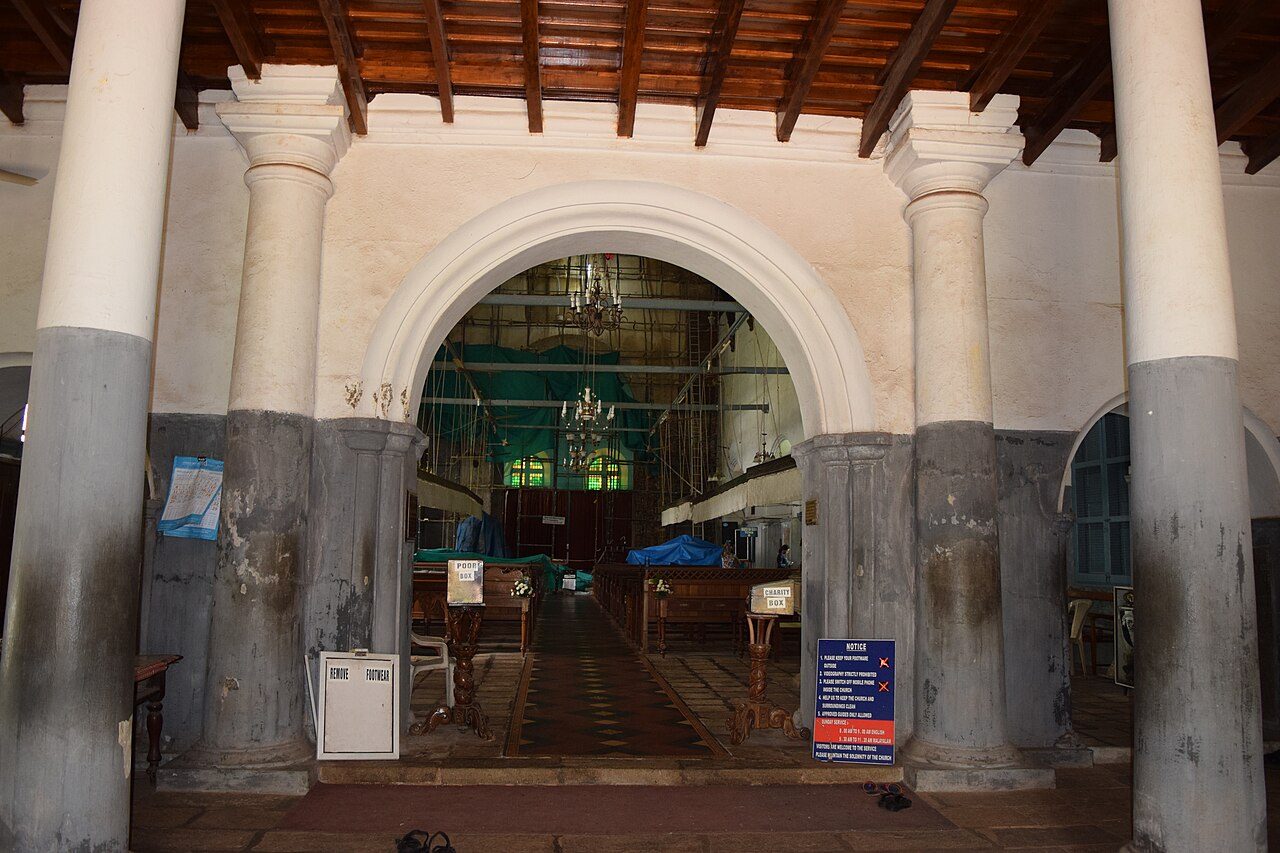
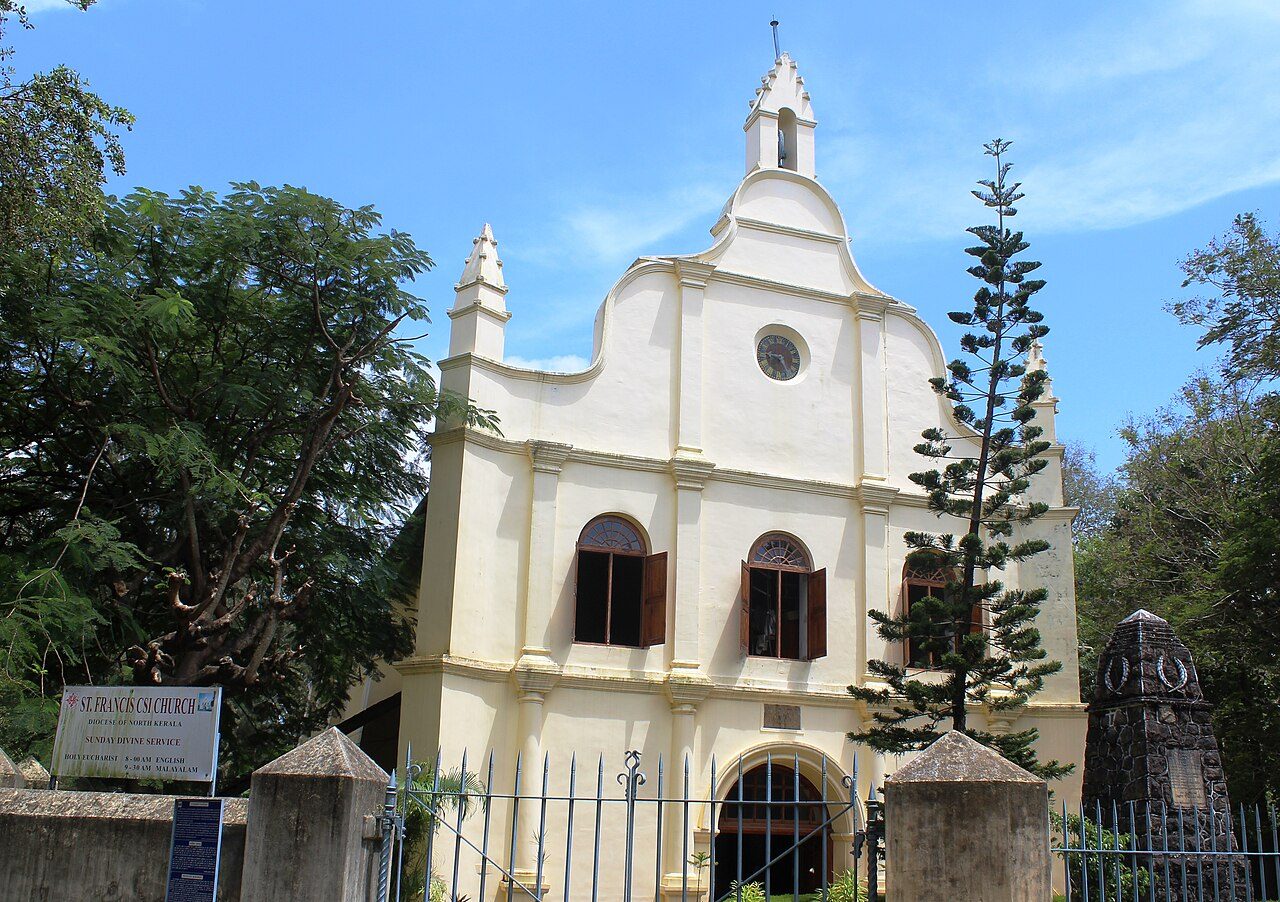
Built by Portuguese Franciscan friars in 1503, St Francis is the oldest European church still standing in India. Vasco da Gama died in Kochi in 1524 and was buried here; his body was later moved to Lisbon, but the gravestone is still set into the floor and marked off with a rail. The building passed from the Portuguese to the Dutch, who made it Protestant in 1663, and then to the British, and each left its mark, from the Dutch tombstones along the walls to the punkahs, the cloth fans once pulled by hand during services. The nave is plain and cool, with a tiled roof and whitewashed walls. It is a protected monument and stands on the green at the heart of Fort Kochi.
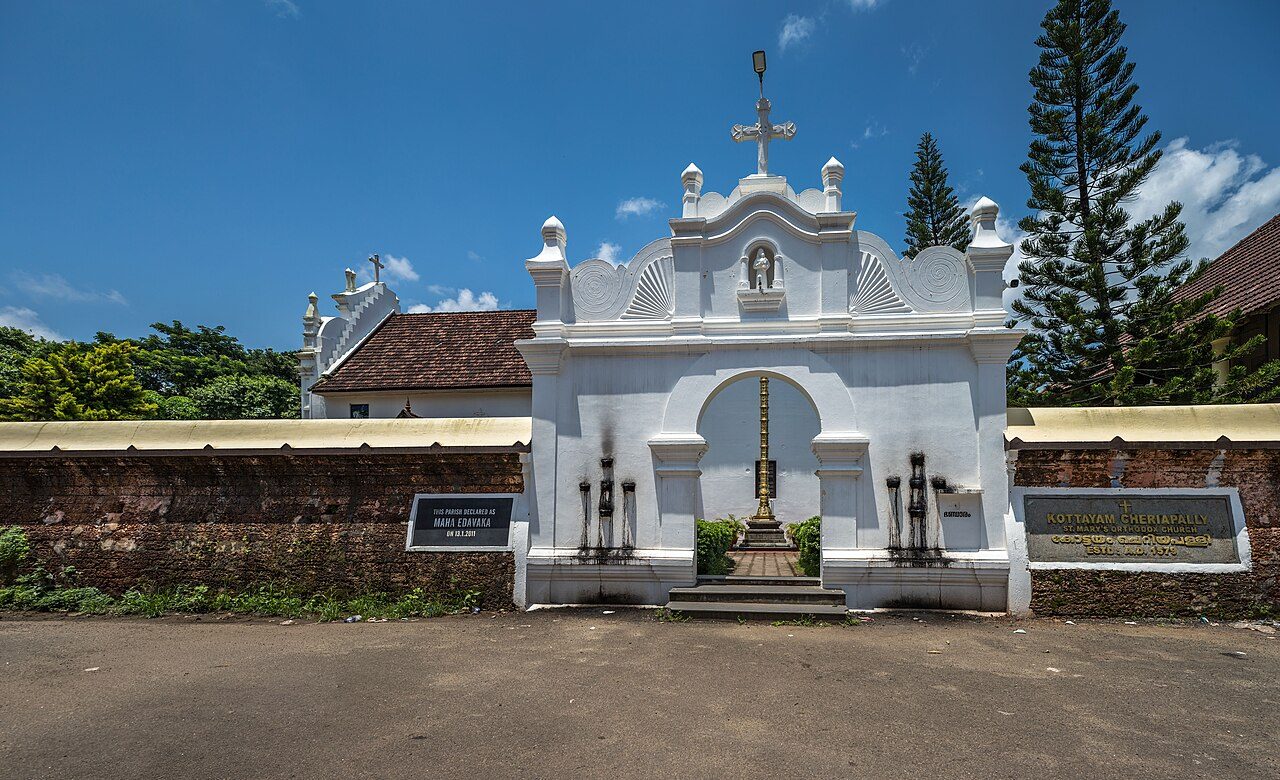
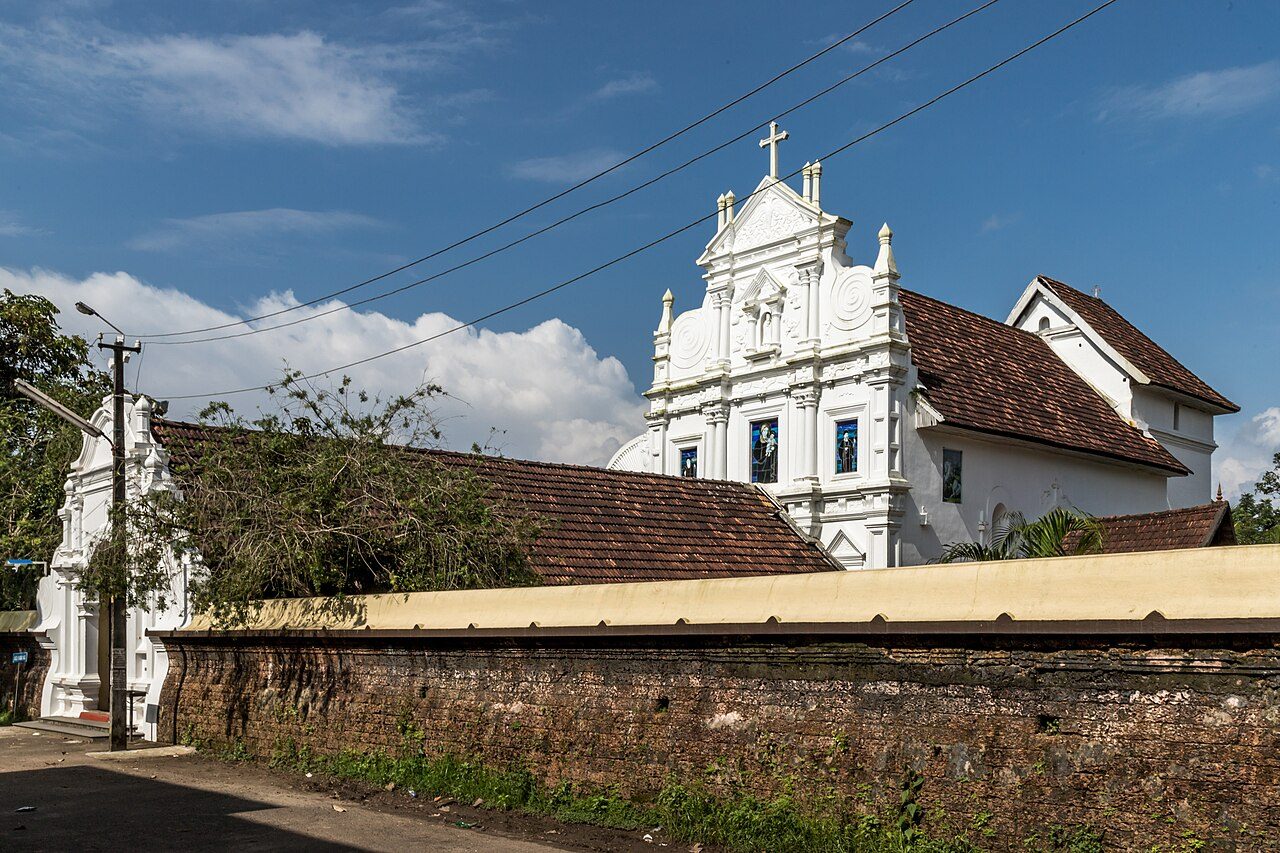
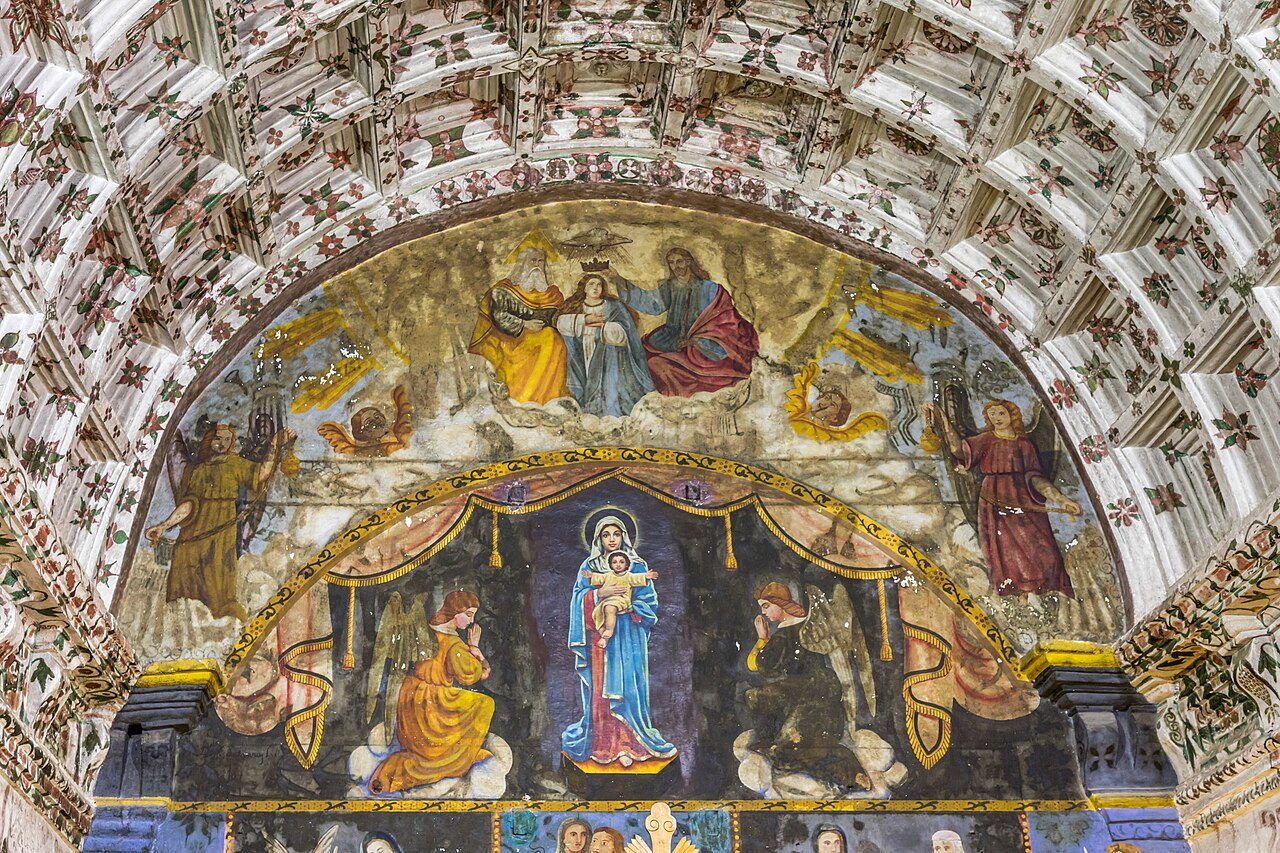
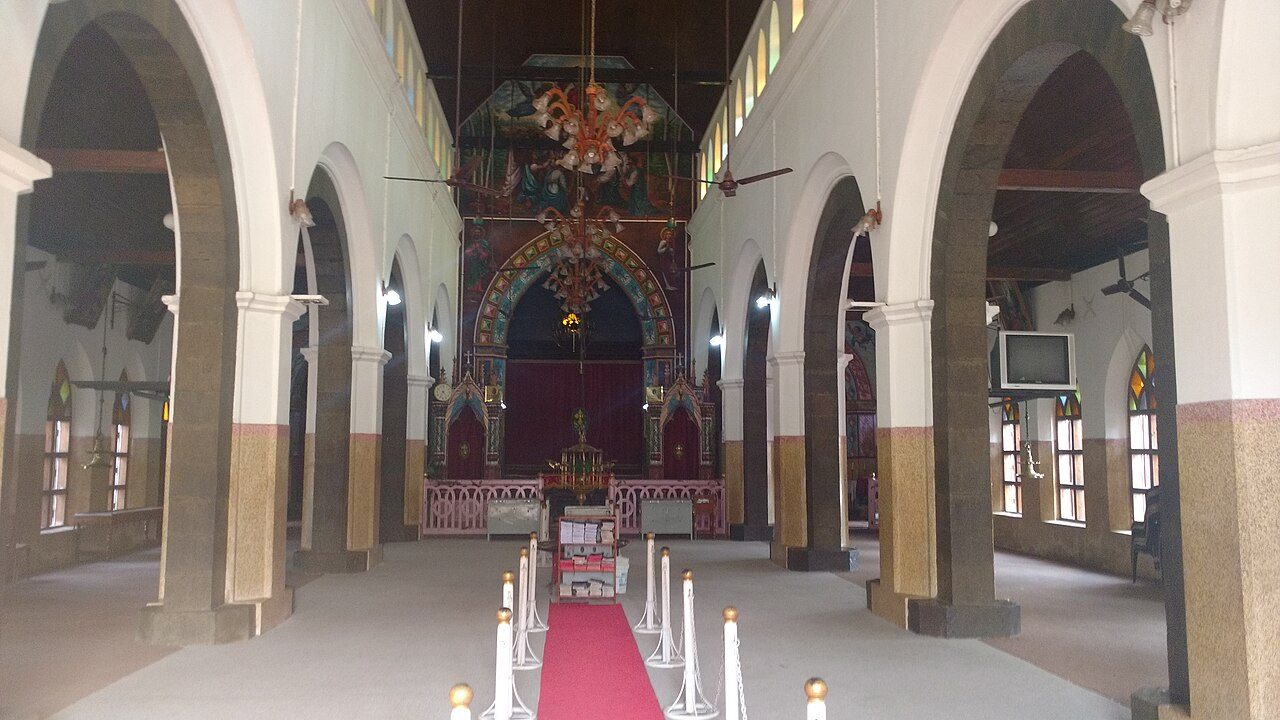
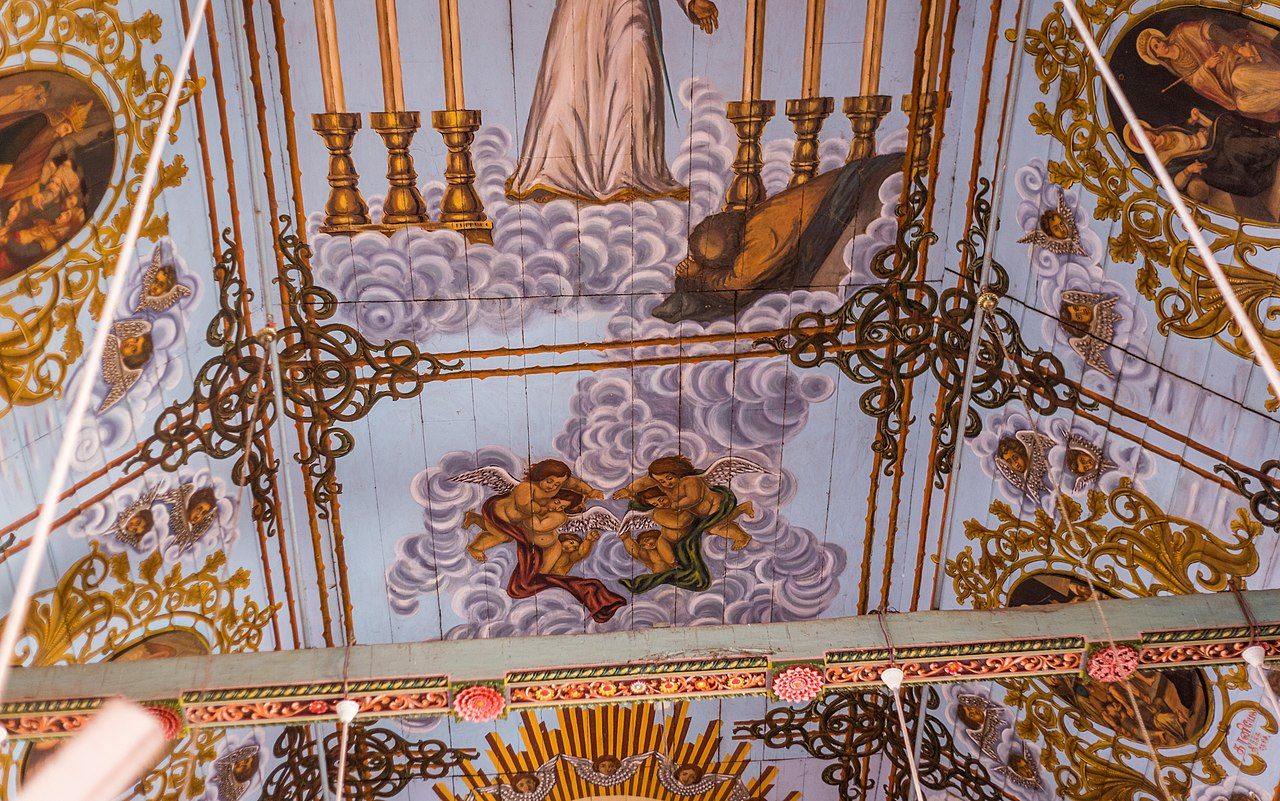
Cheriapally, the small church, was built in 1579 with the support of the raja of Thekkumkur and is one of the most complete examples of Portuguese-influenced Kerala church architecture. Behind its plain whitewashed facade is a barrel-vaulted madbaha whose walls and ceiling are covered with 17th-century paintings in a mix of Indian and European styles, showing scenes from the Bible alongside Portuguese ships and local figures. The gabled roof, laterite walls and wooden trellis work are pure Kerala. It belongs to the Malankara Orthodox Syrian Church and is a protected monument. Cheriapally is a short walk from Thazhathangady in the old quarter of Kottayam.
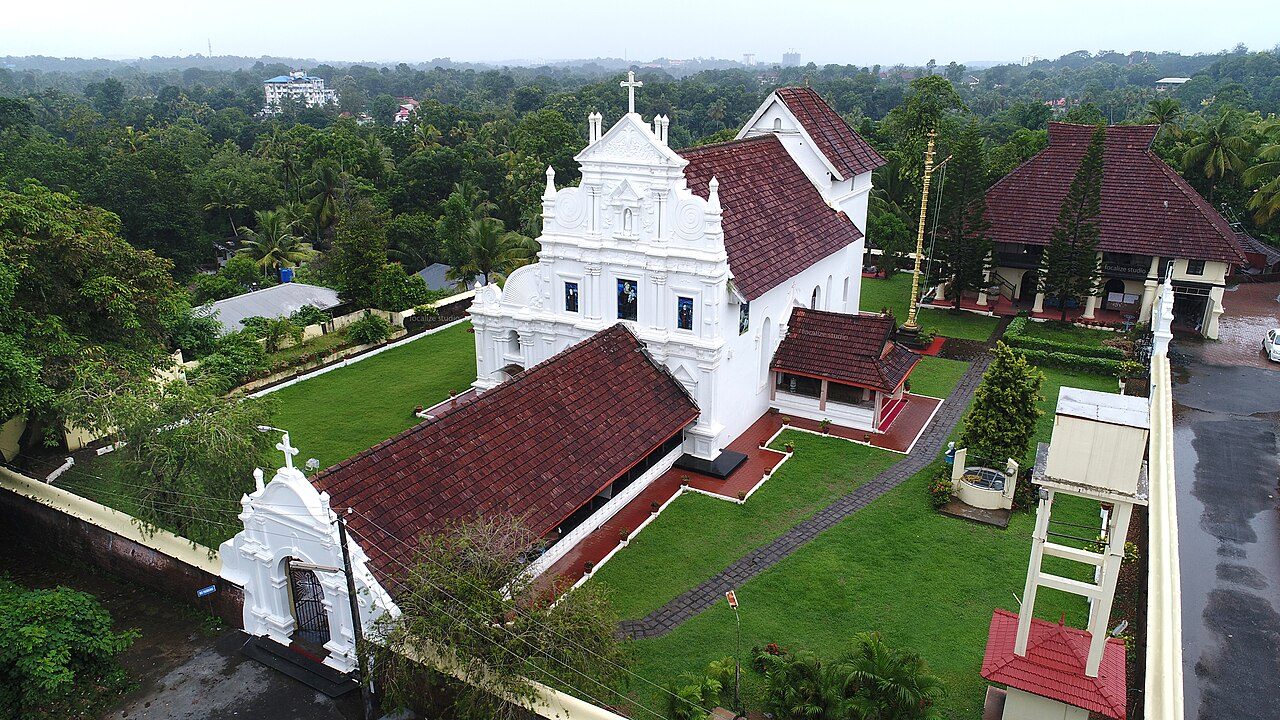
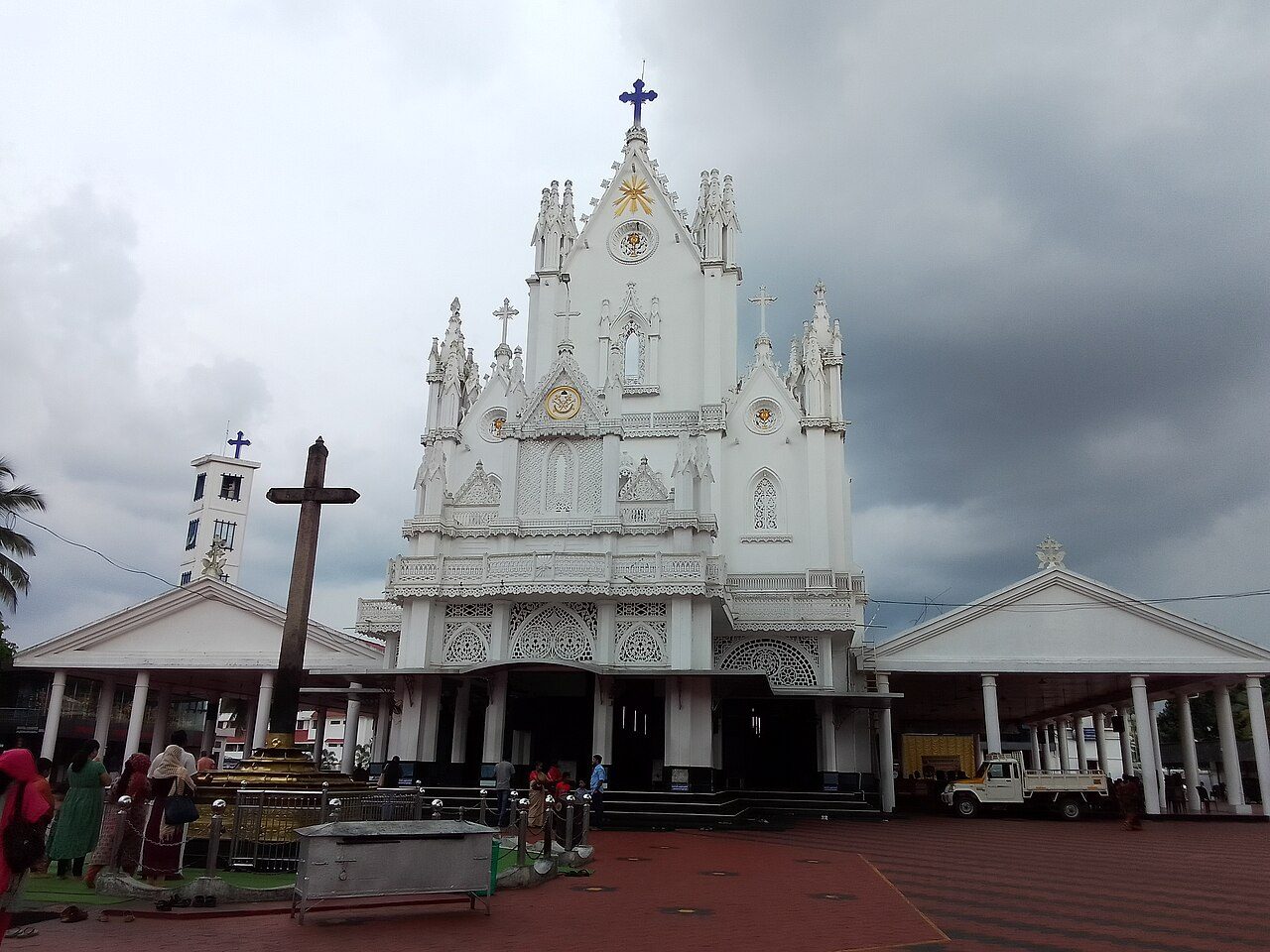
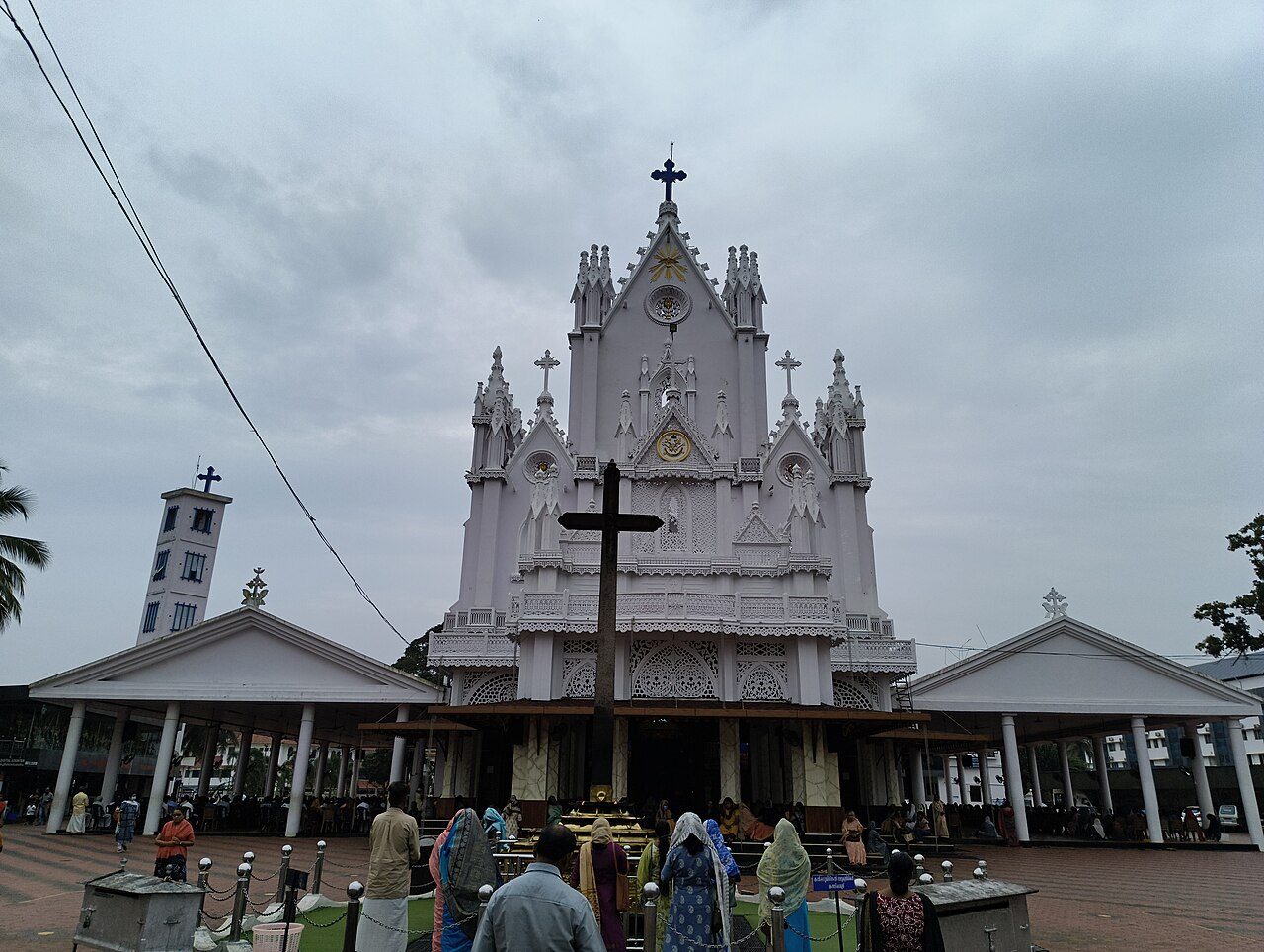
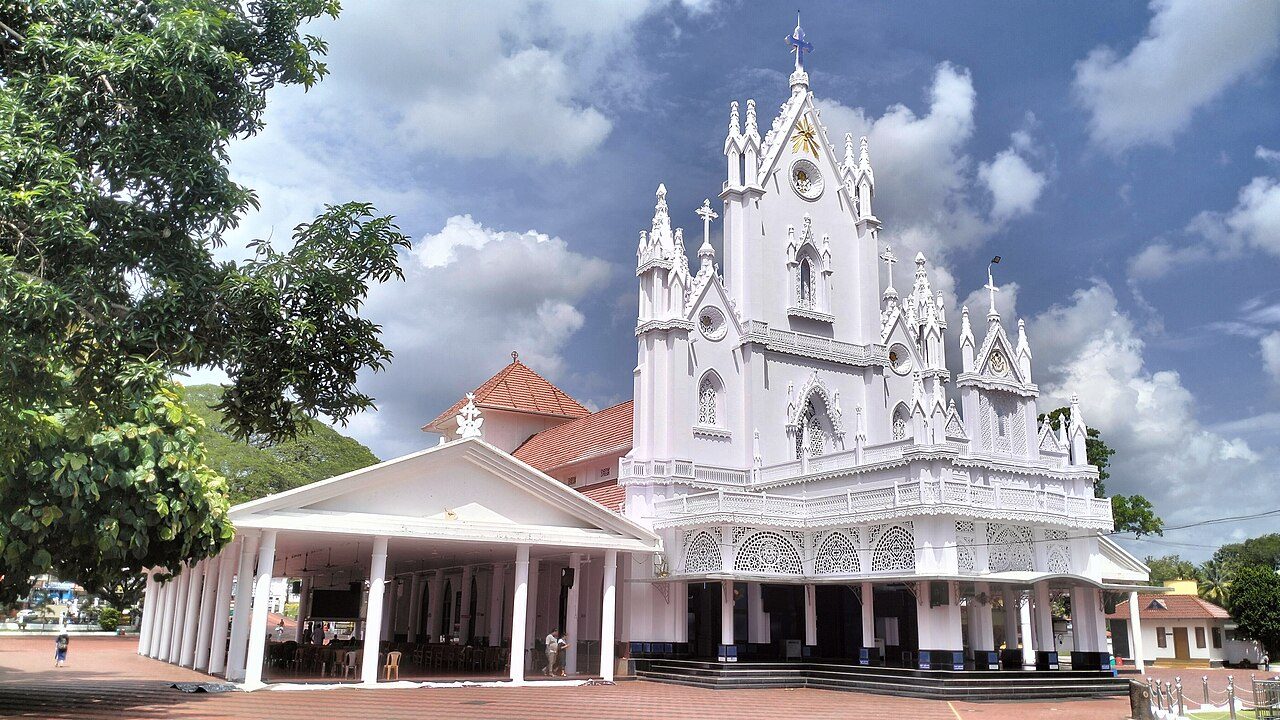
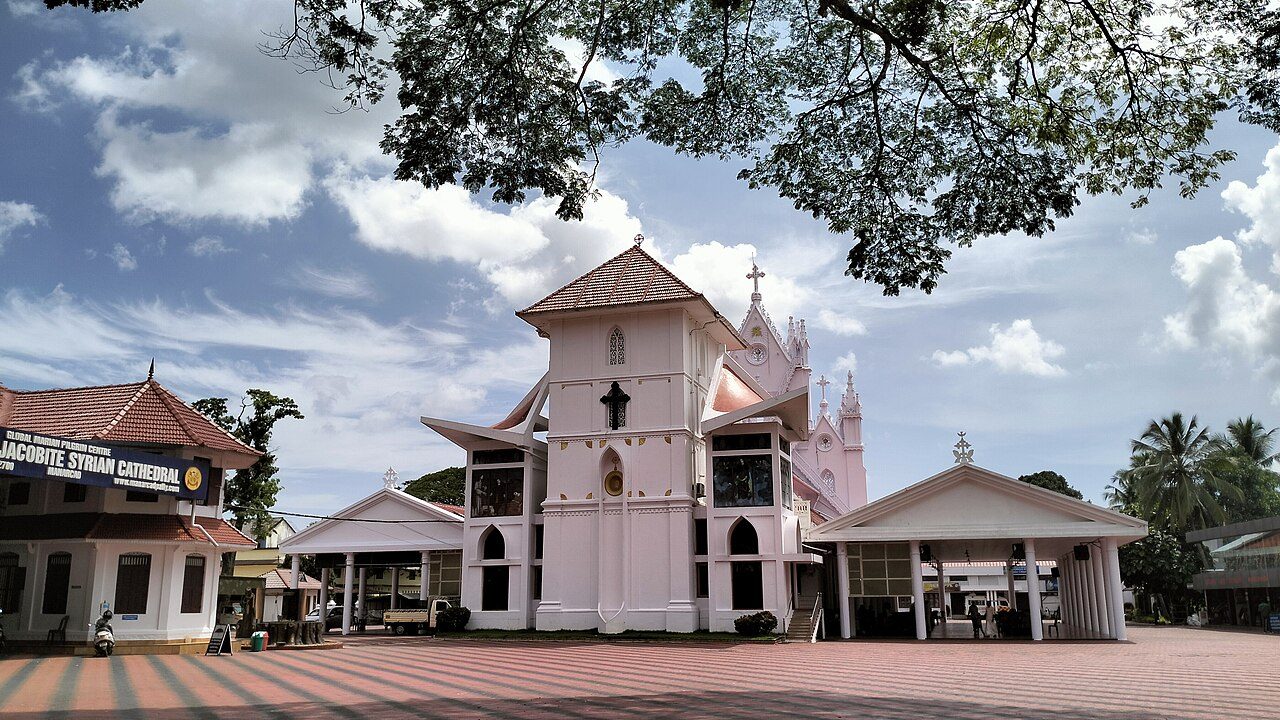
Manarcad, about 8 km east of Kottayam, is one of the principal churches of the Jacobite Syrian Christian Church and is known for its eight-day Ettunombu fast in September, which draws hundreds of thousands of pilgrims from across Kerala and beyond. The church, first built in the 9th or 10th century and rebuilt several times, now has a tall white multi-spired facade that is lit at night. The final day of the fast, with the breaking of the nombu, is the most crowded. Inside are old Syriac inscriptions and a revered icon of the Virgin. A large open ground in front absorbs the festival crowds.
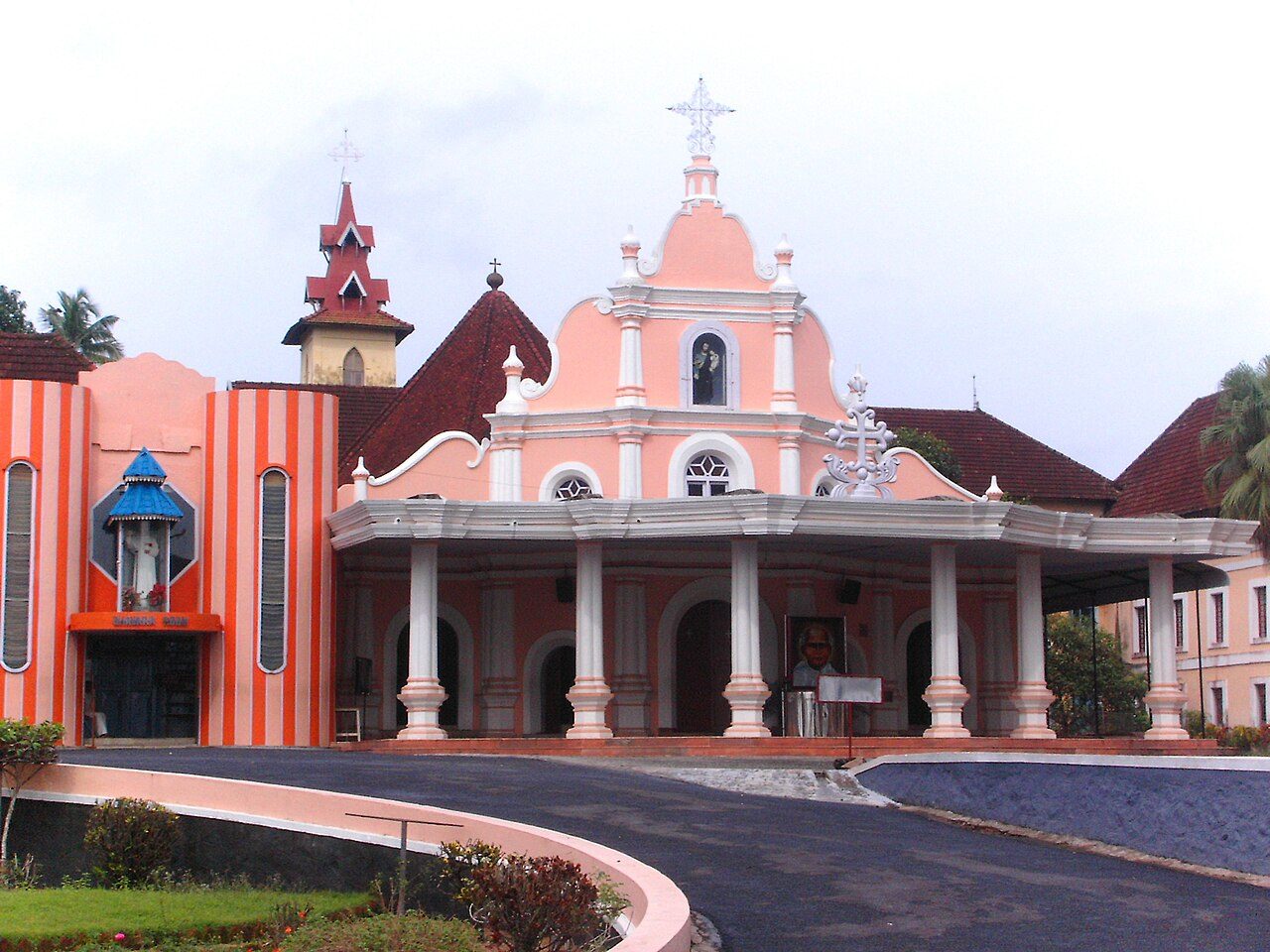
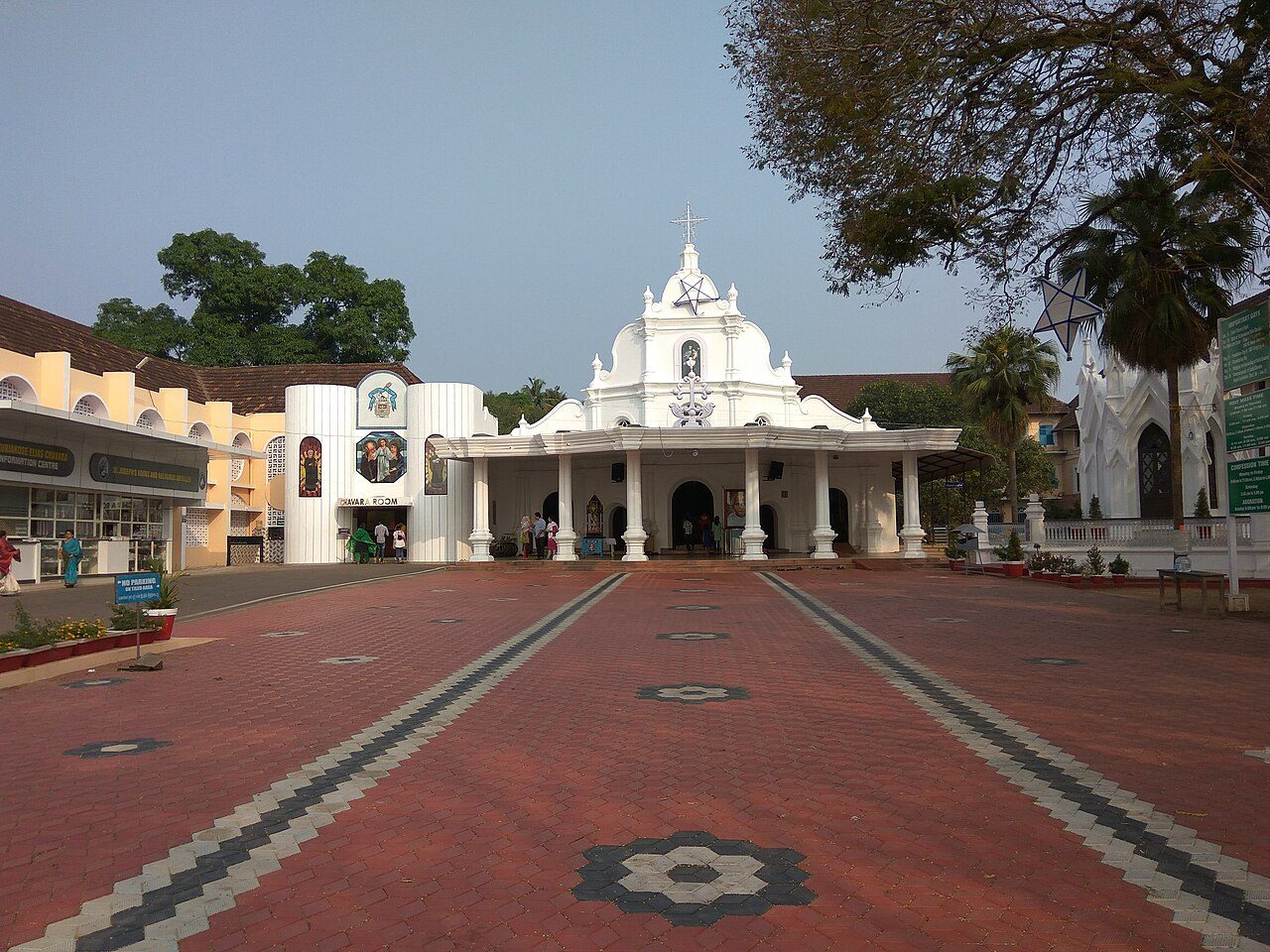
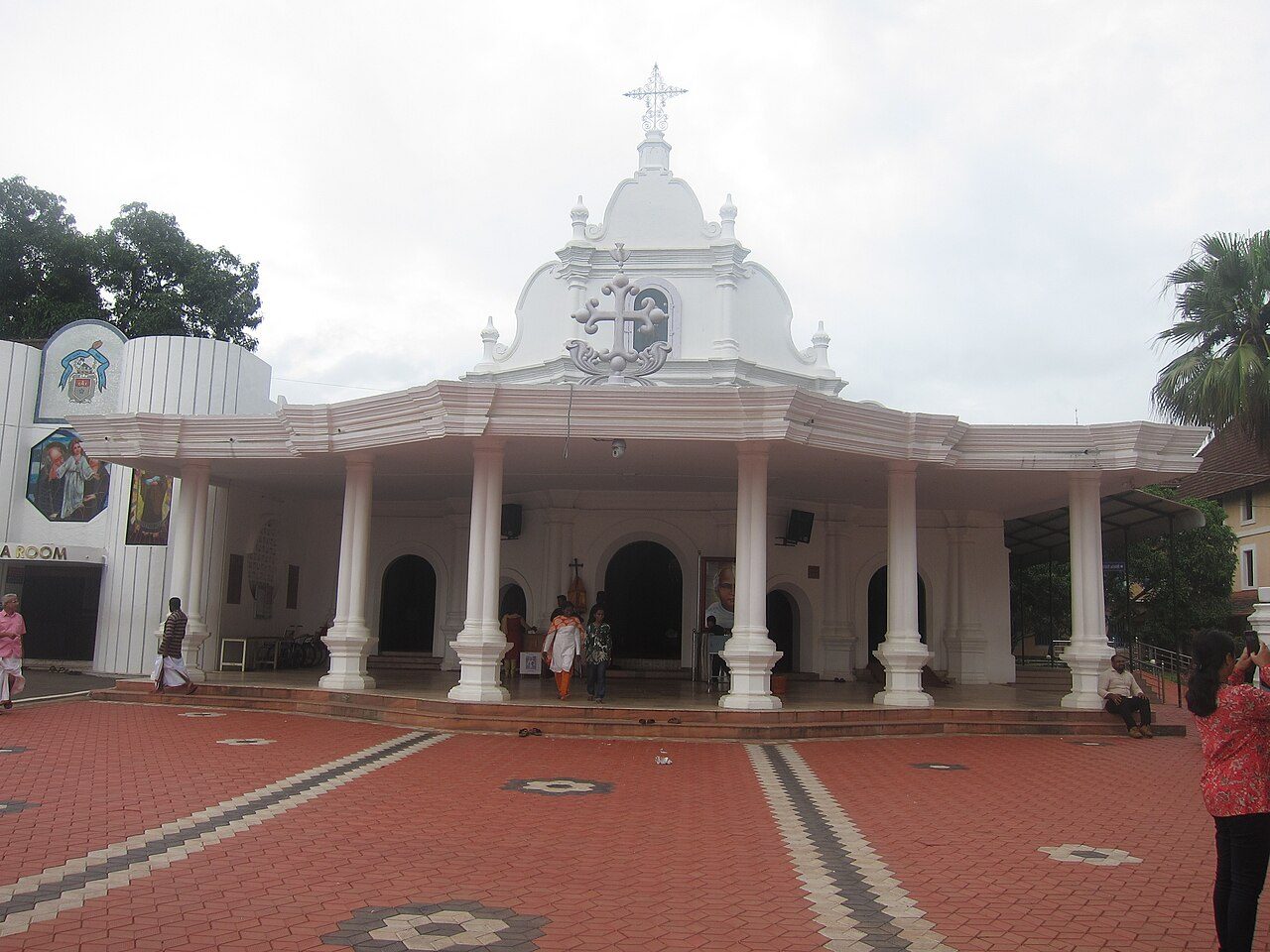
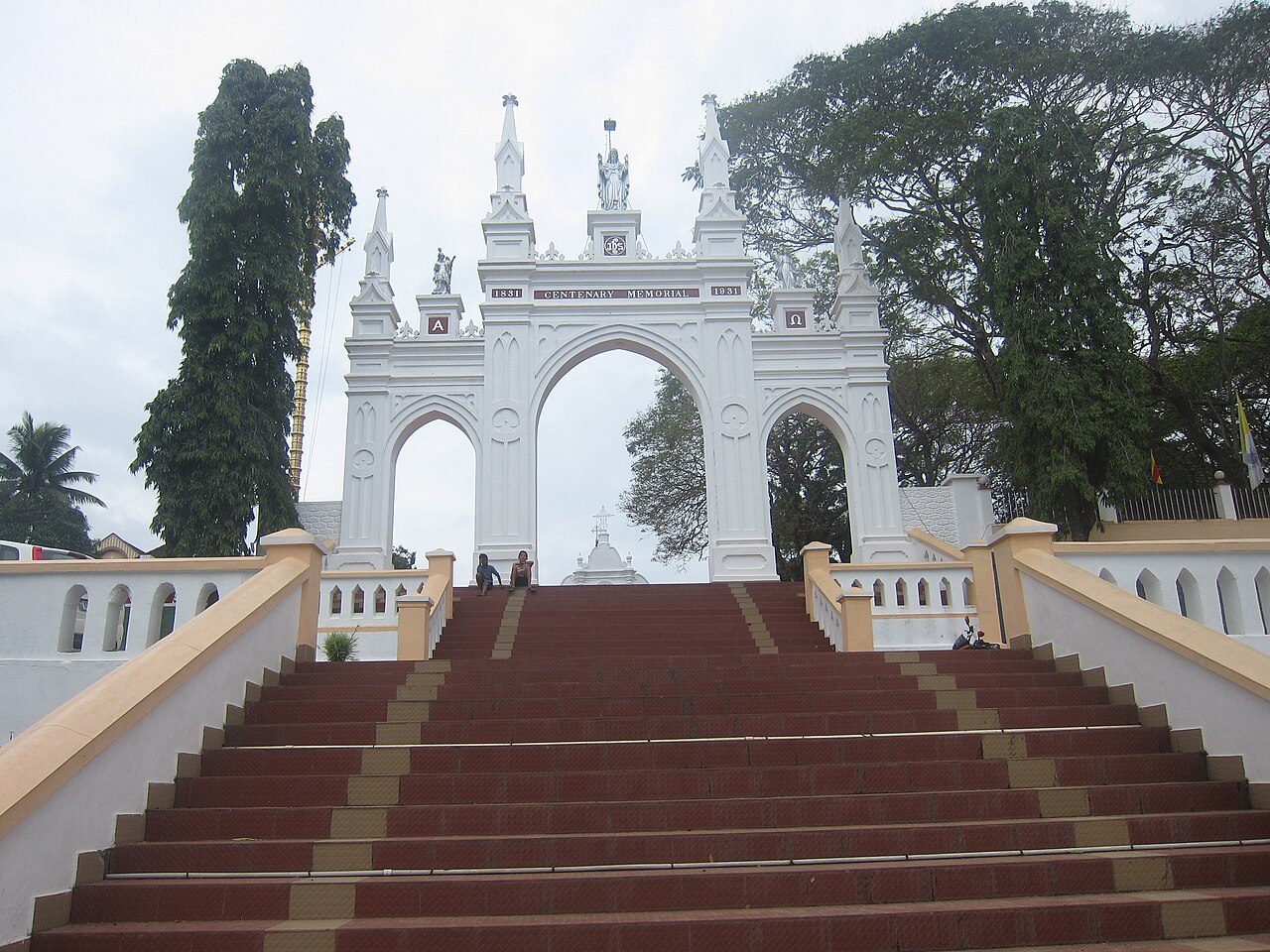
Mannanam, about 8 km from Kottayam, is where St Kuriakose Elias Chavara founded the first indigenous religious congregation for men in India in 1831, and his tomb in St Joseph's Church here is a major pilgrimage site. The monastery also produced Kerala's first Malayalam printing press, Deepika, the oldest Malayalam newspaper, and one of the first Sanskrit schools open to all castes, so its importance is educational as much as religious. The church, the tomb chapel and the old press buildings all stand on a low hill among trees. The feast of St Chavara in early January fills the grounds. It is a quiet, well-kept complex that takes about an hour to see.
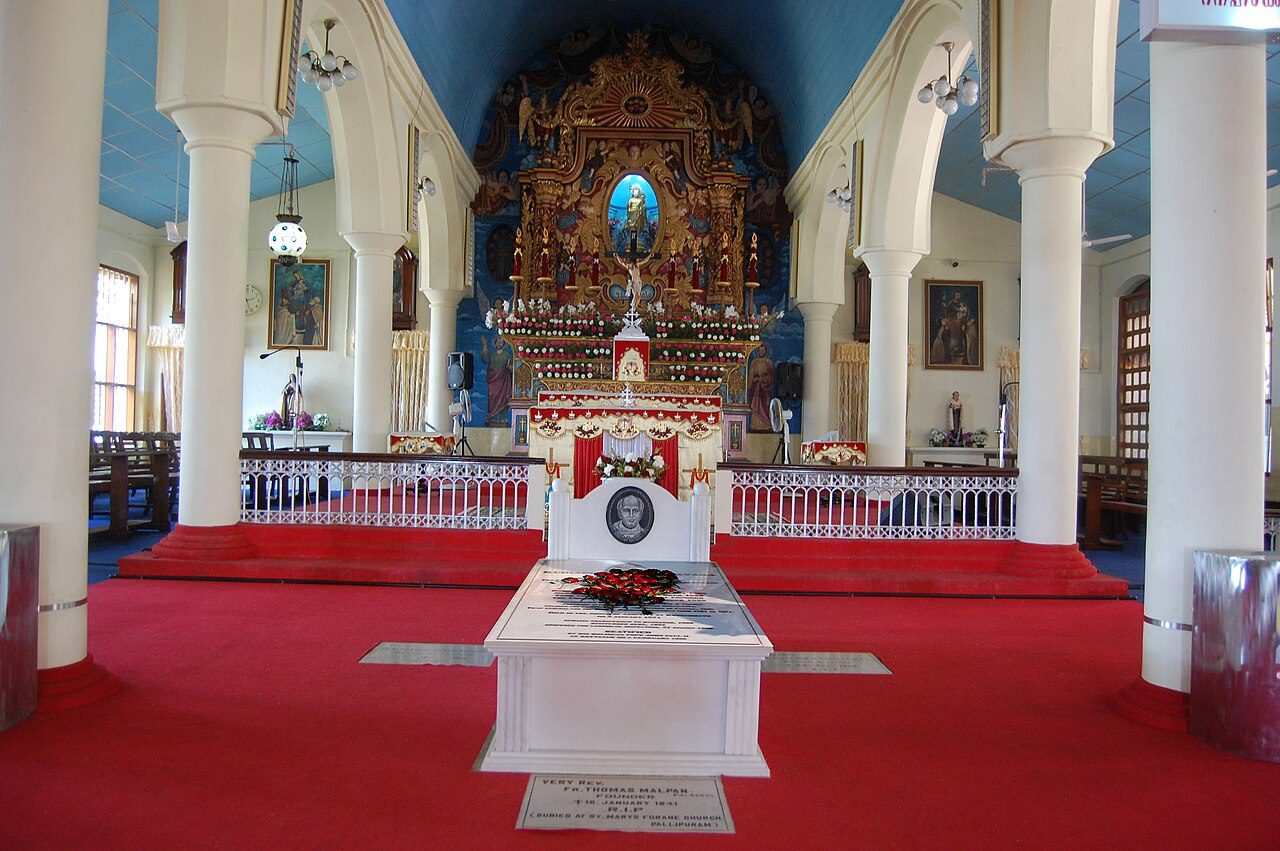
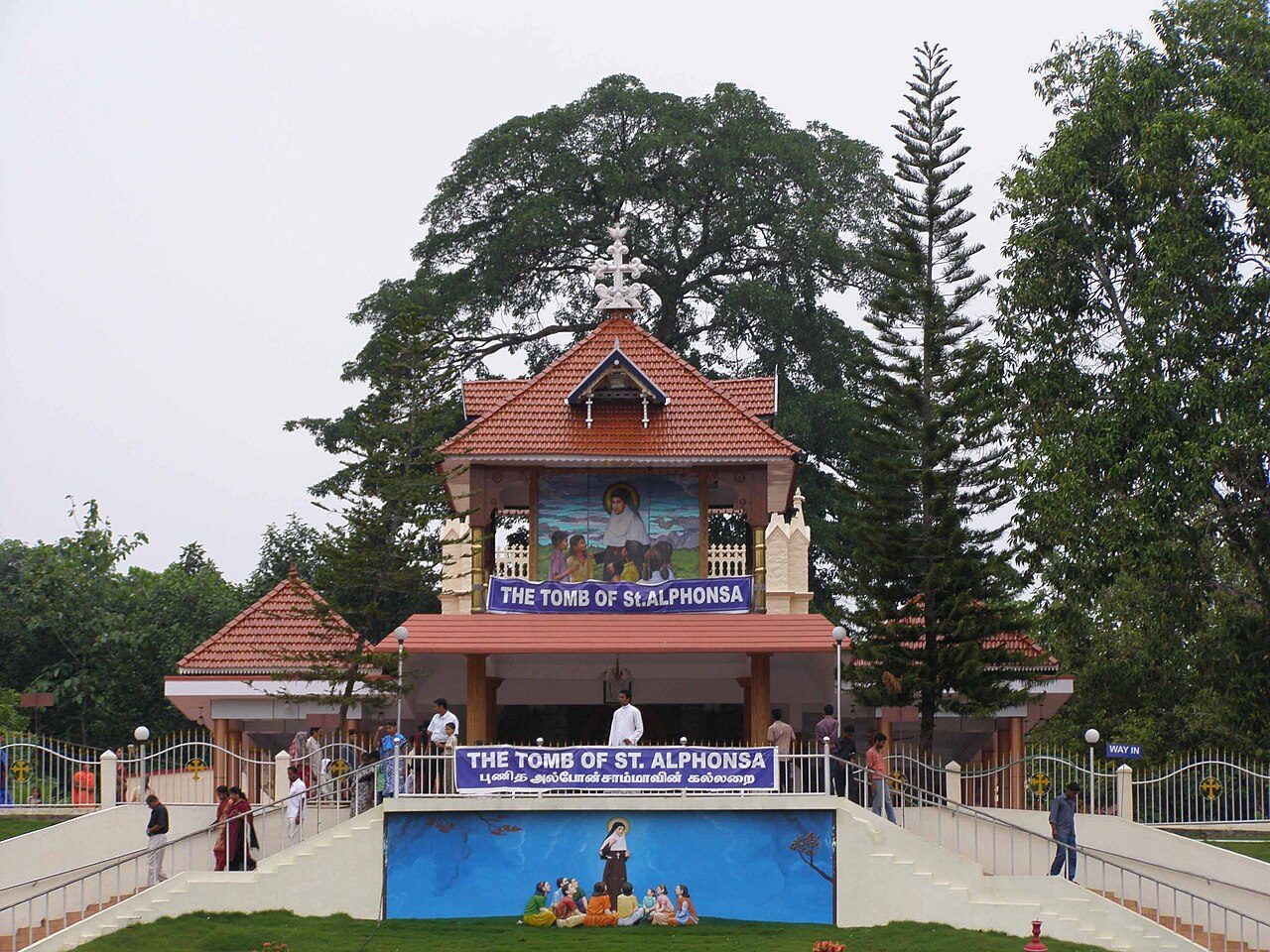
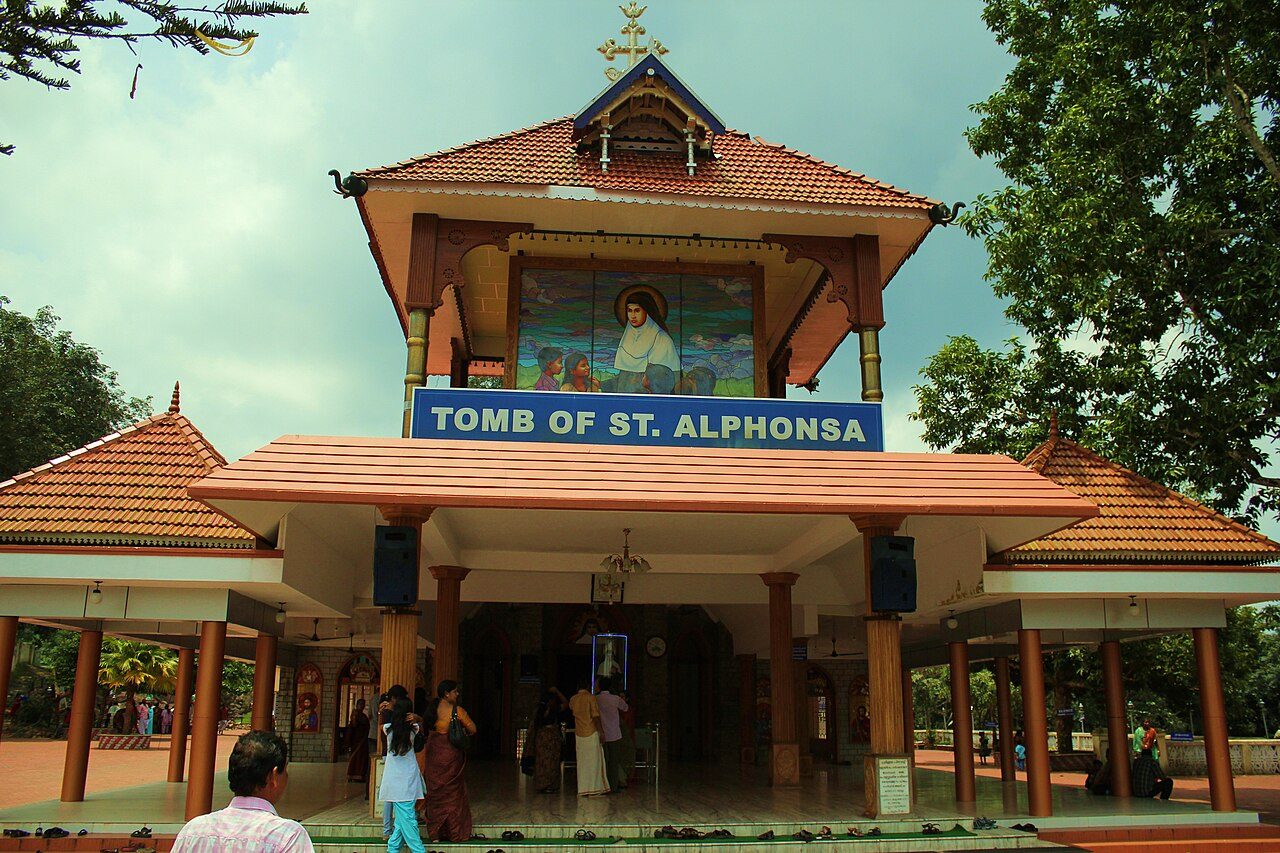
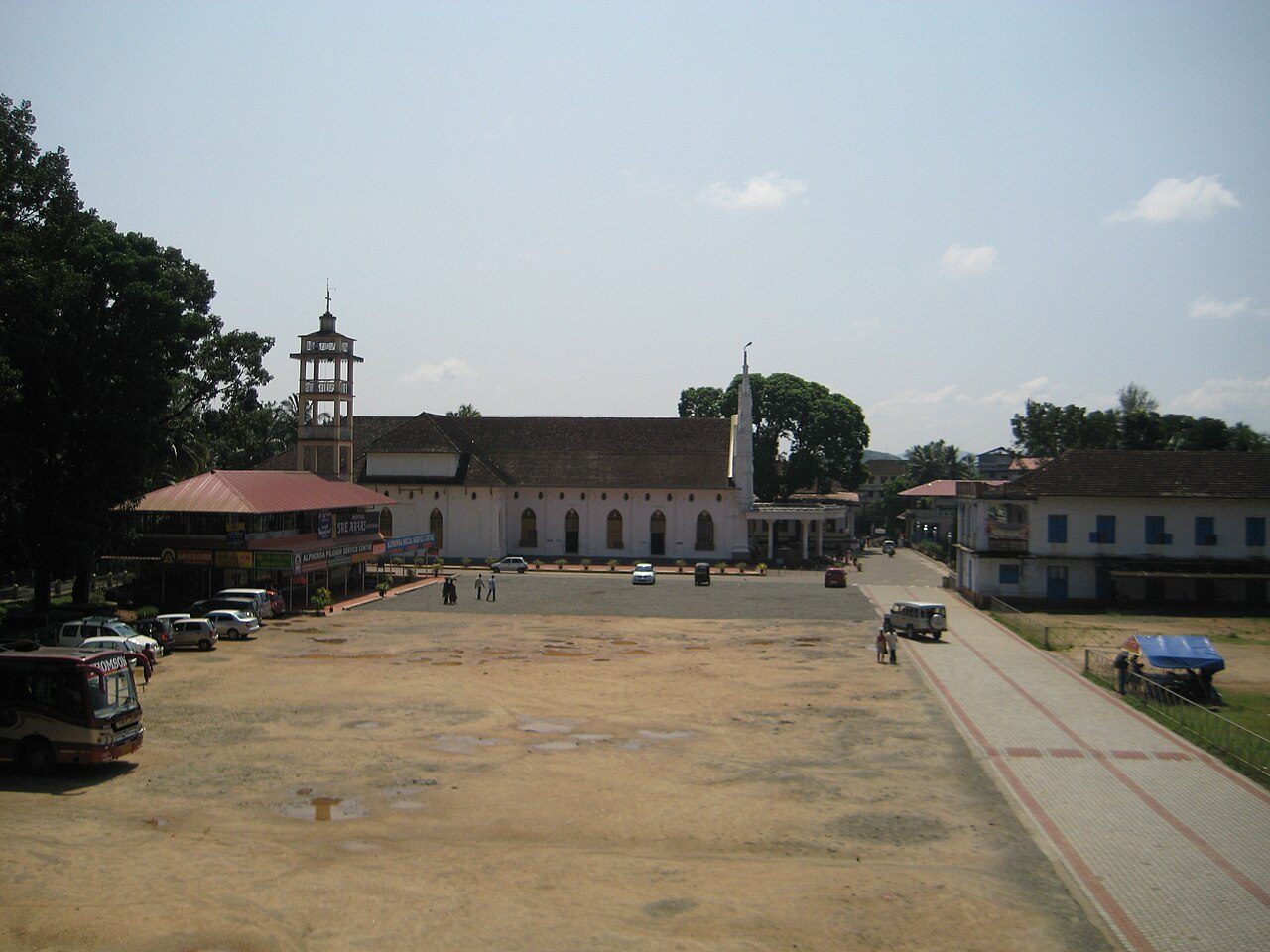
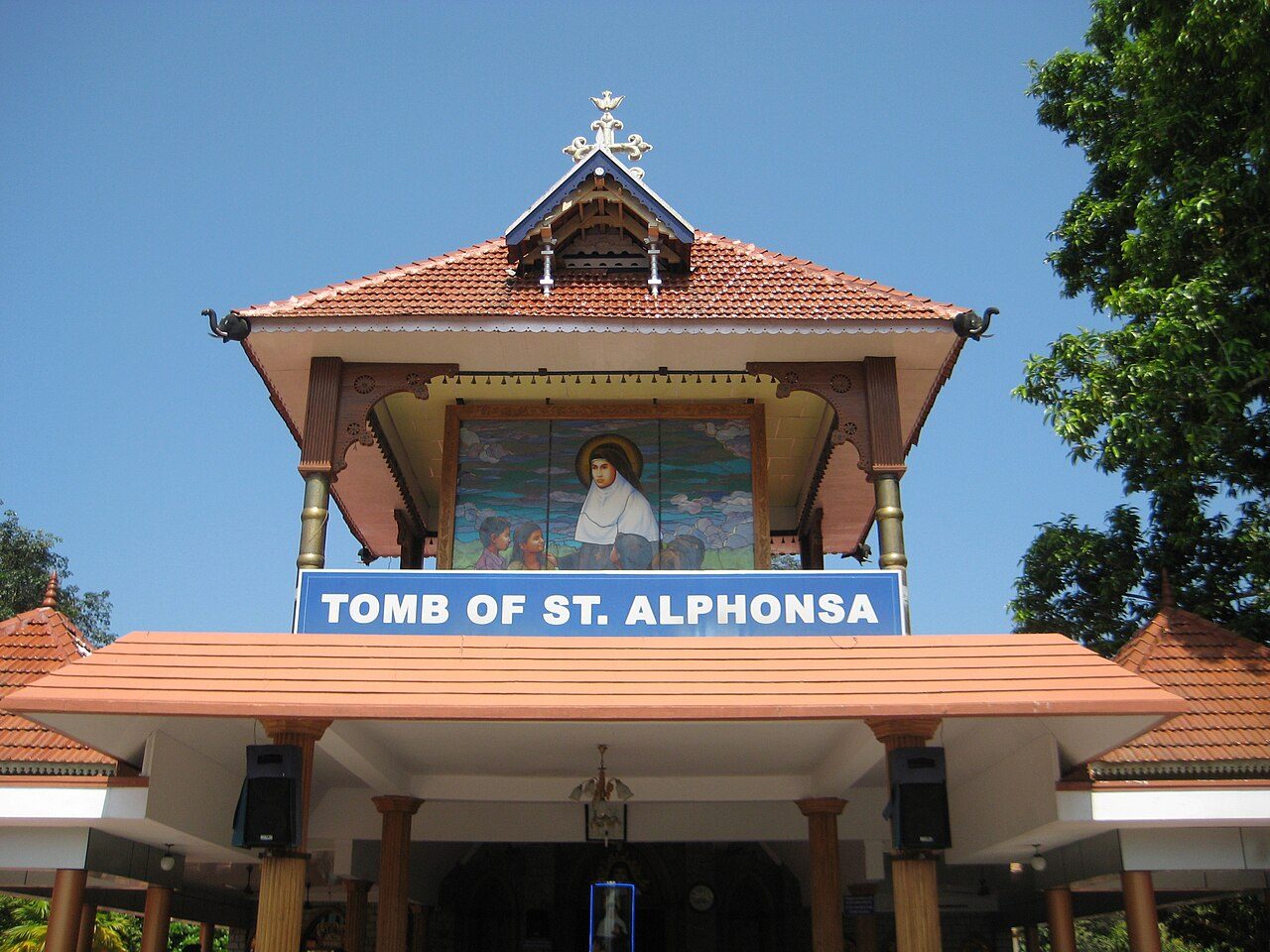
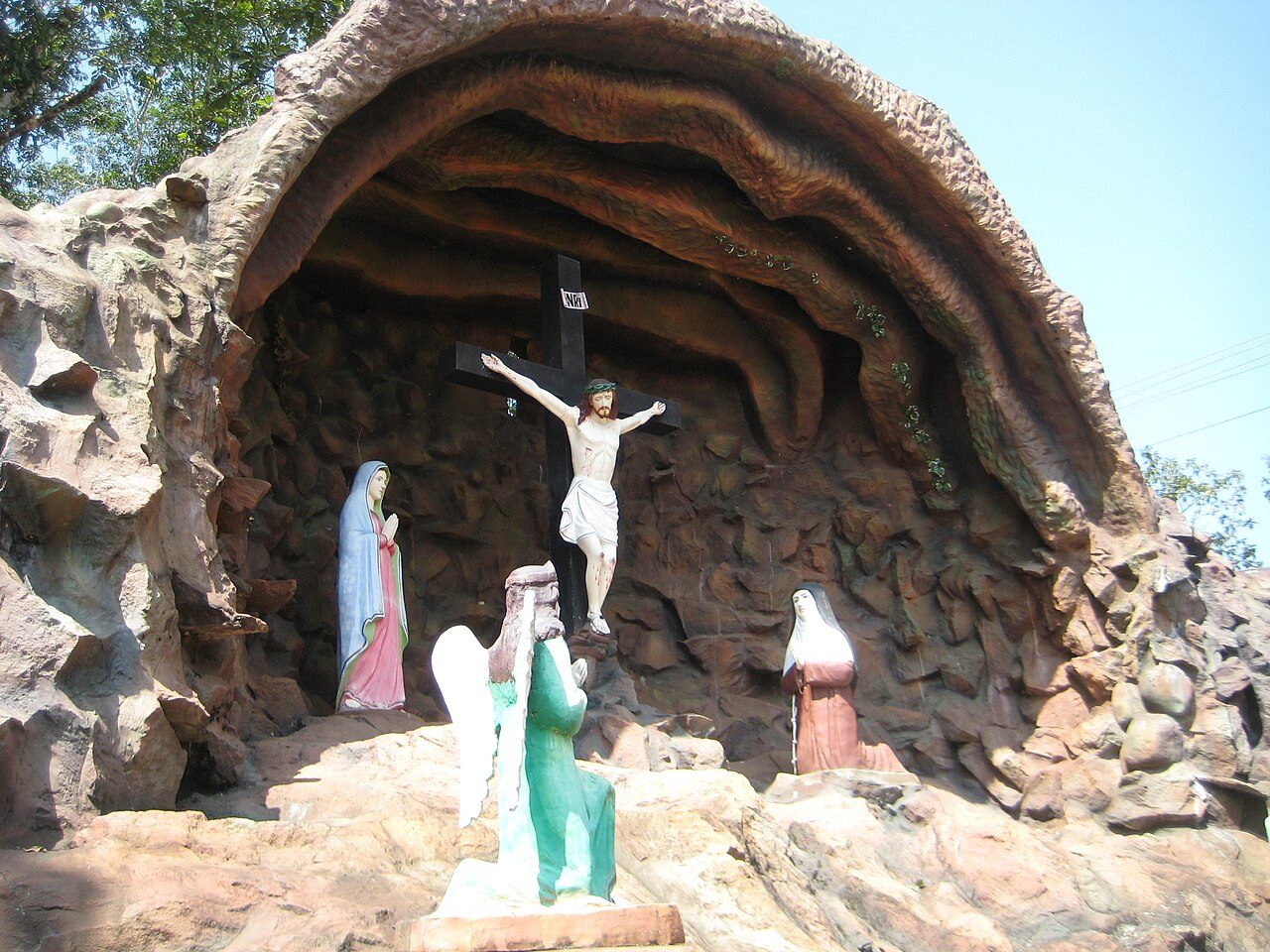
Bharananganam, near Pala, holds the tomb of St Alphonsa, the first woman of Indian origin to be canonised, who died here in 1946 at the age of 36 and was declared a saint by Pope Benedict XVI in 2008. Pilgrims come throughout the year, and the feast on 28 July fills the village. The church itself, St Mary's Forane Church, is much older, dating in some form to the 11th century, and stands on the bank of the Meenachil. The tomb chapel, a grotto and a museum of the saint's belongings are all within the compound. It is about 4 km from Pala and is visited by people of every faith.
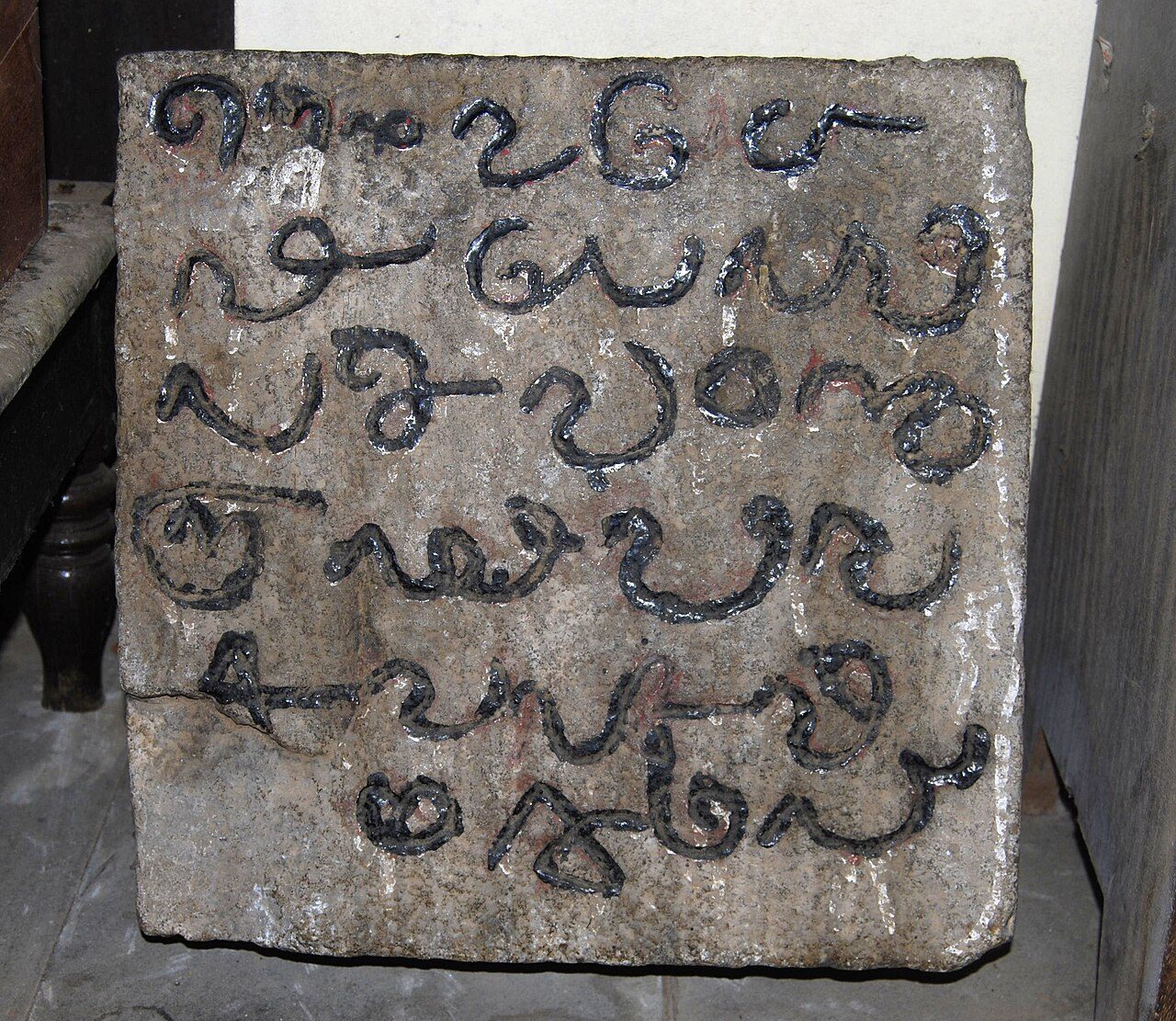
Niranam church traces itself to AD 54 and the mission of St Thomas the Apostle, making it one of the seven churches he is said to have founded in Kerala and among the oldest Christian sites in India. The present building is a 1970s reconstruction, but the churchyard holds much older stone crosses and inscriptions, including granite slabs recording earlier rebuildings. Niranam was also home to the Niranam poets, a family of 14th and 15th century Malayalam writers whose work shaped the language. The church sits in quiet paddy country between Thiruvalla and Mannar. Its annual feast in October draws pilgrims from across the Malankara church.
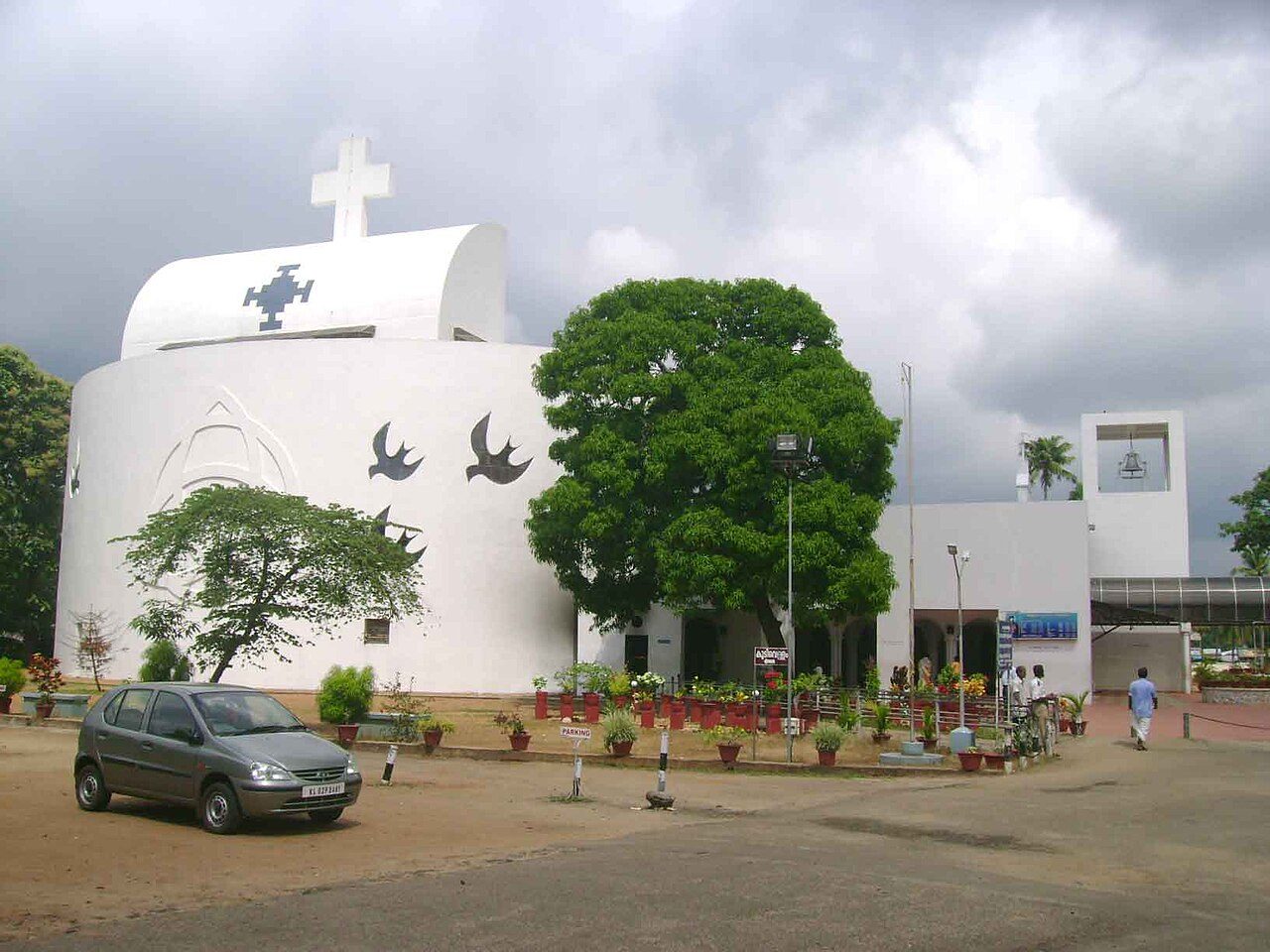
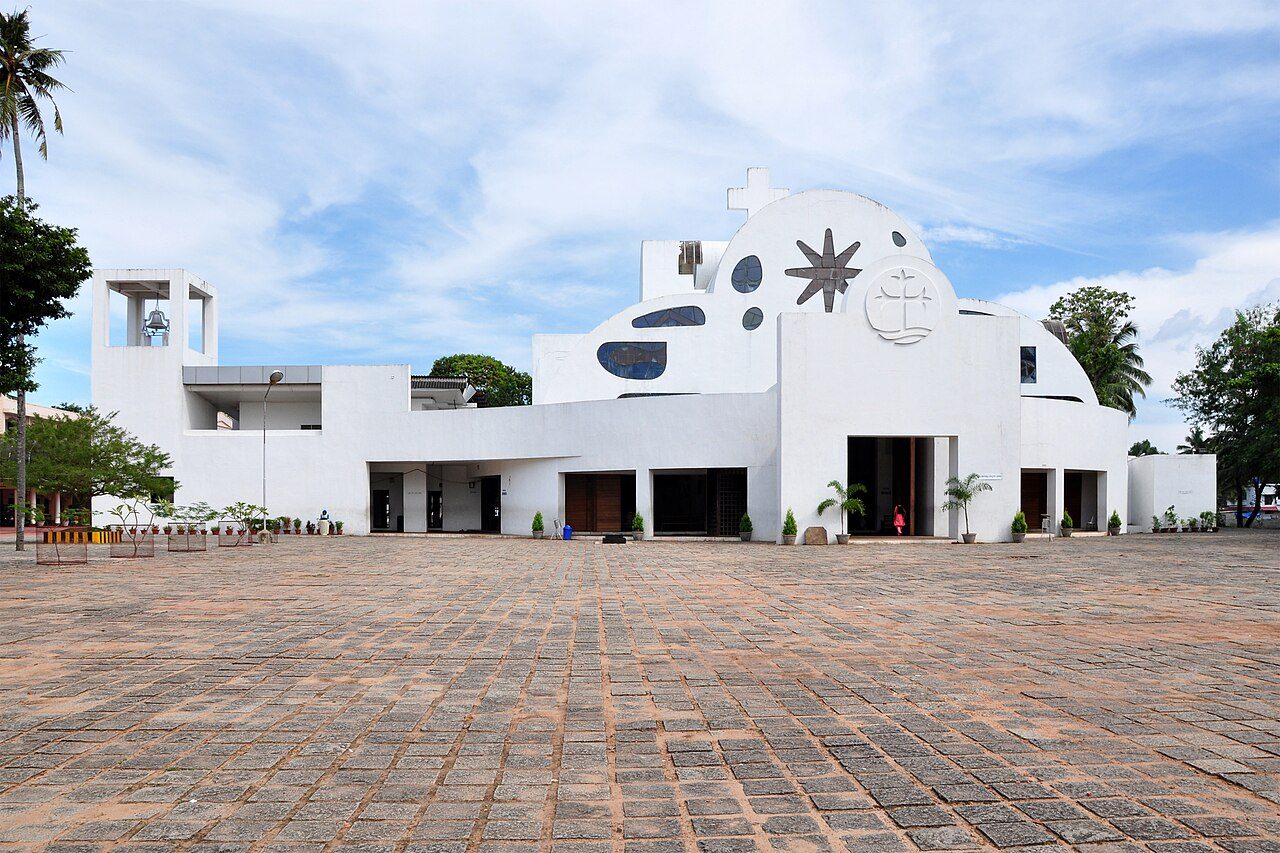
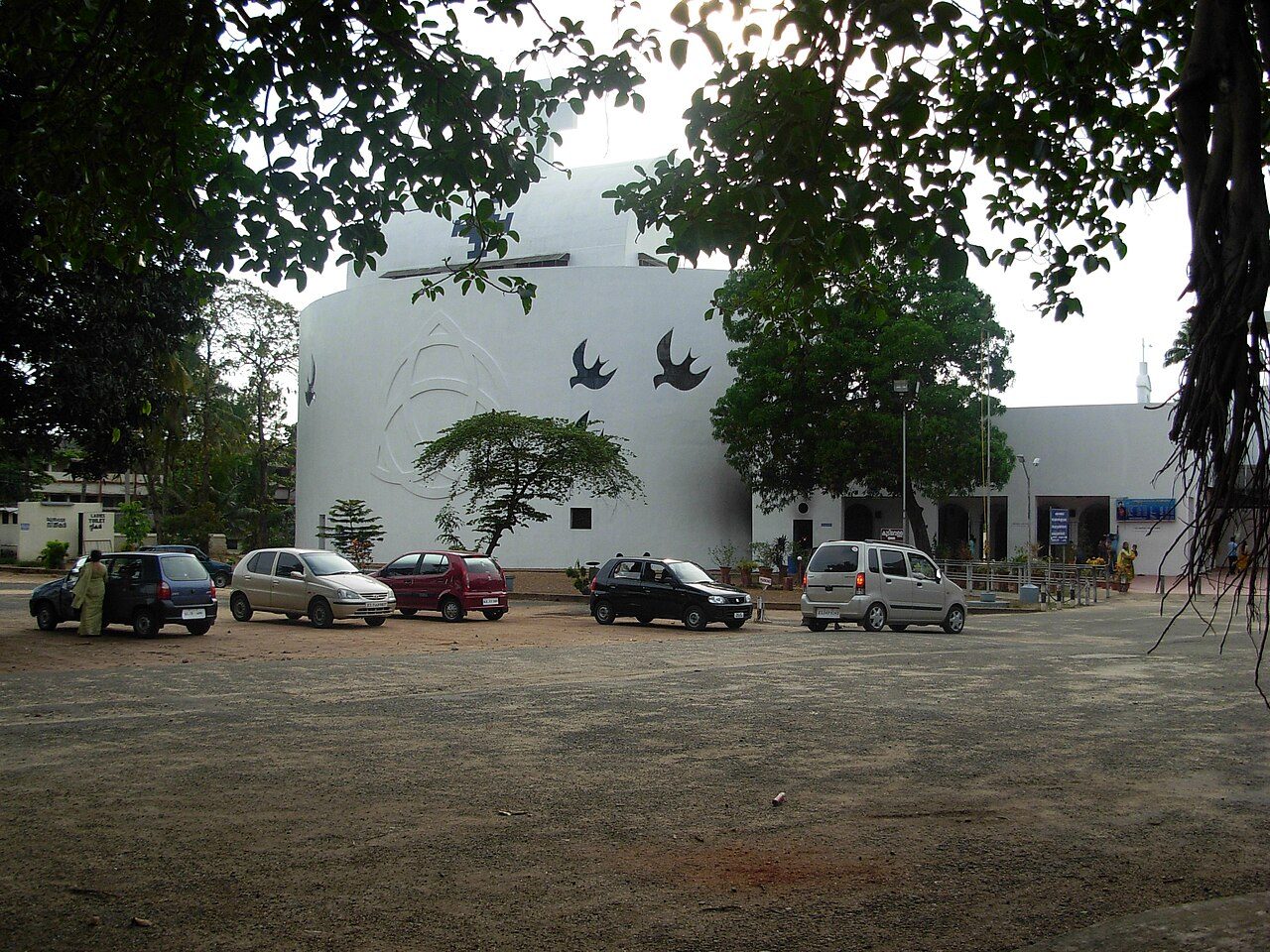
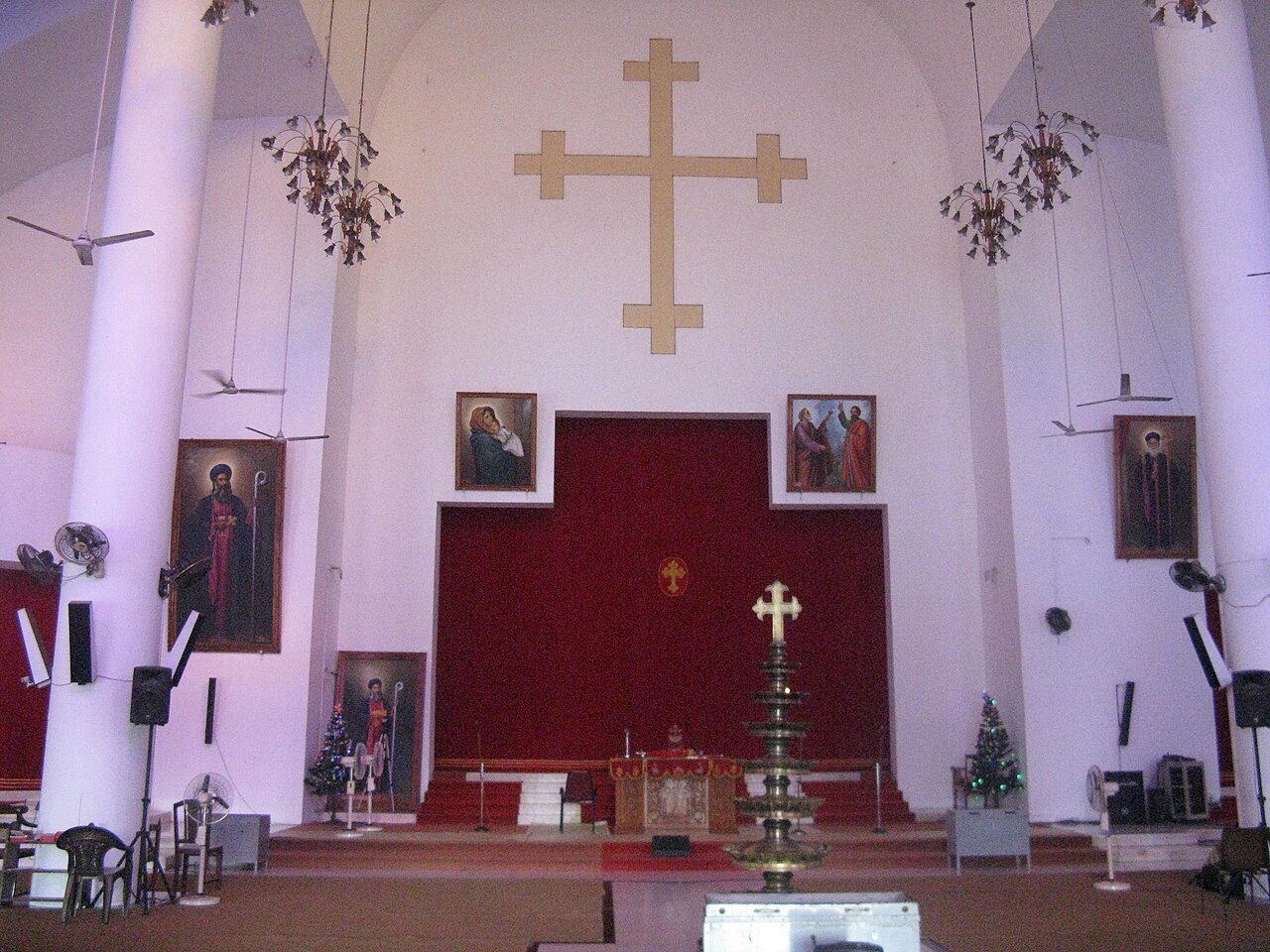
Parumala, on an island in the Pampa near Mannar, is the resting place of Parumala Thirumeni, Saint Gregorios of the Malankara Orthodox Syrian Church, who was declared a saint in 1947 and is the first canonised saint of Indian origin in that church. His tomb inside the church draws pilgrims of every faith through the year, and the Ormapperunnal in early November brings tens of thousands. The present church is a large modern white building with a distinctive sculpted facade, standing in wide grounds by the river. A seminary he founded still functions beside it. Parumala is about 12 km from Thiruvalla.
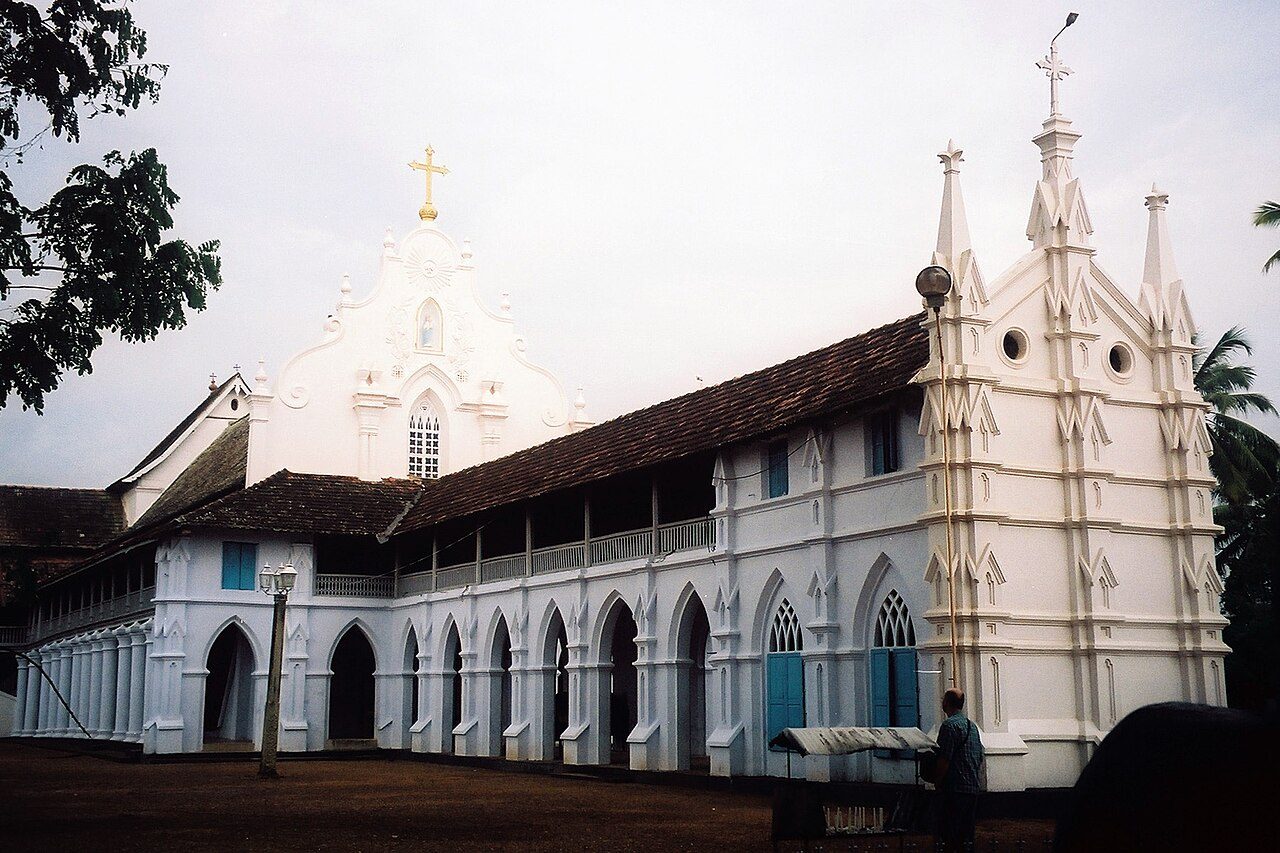
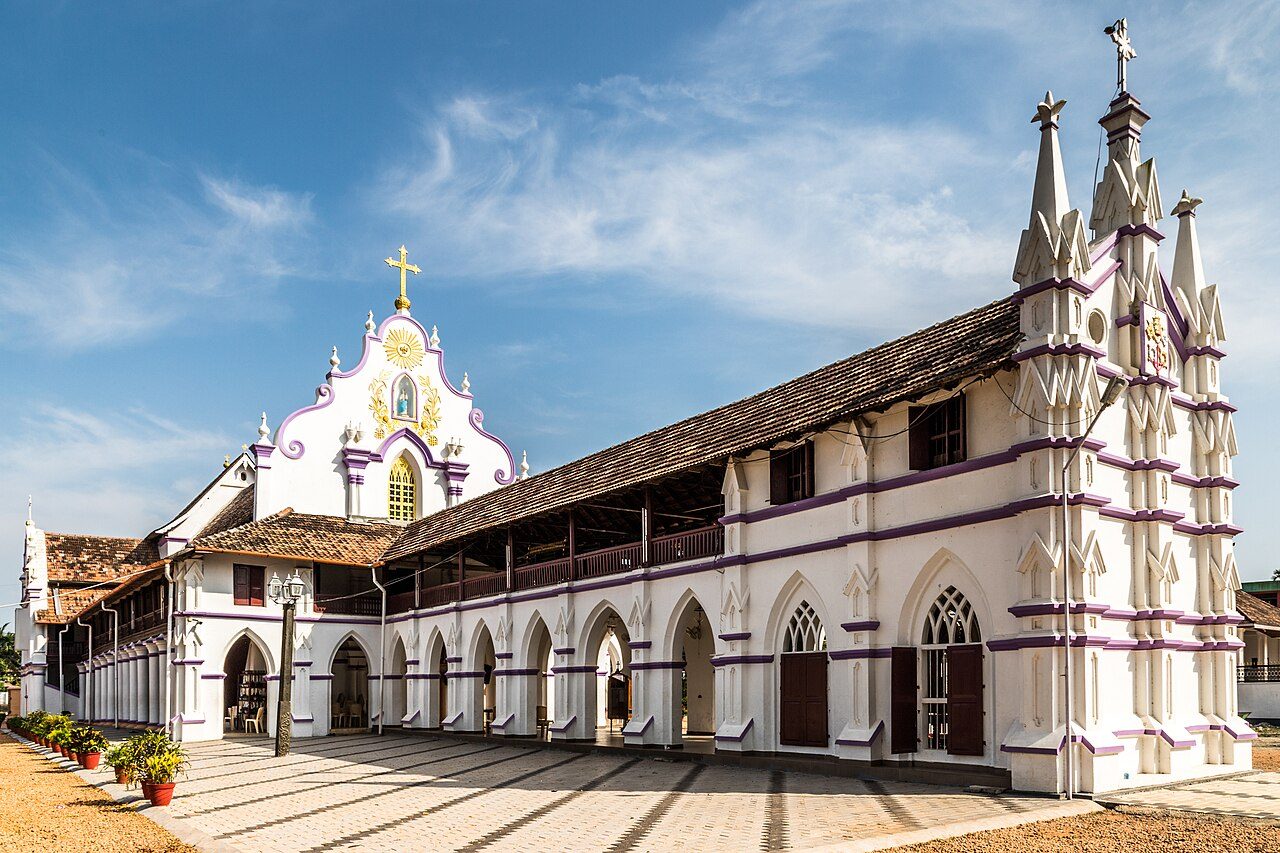
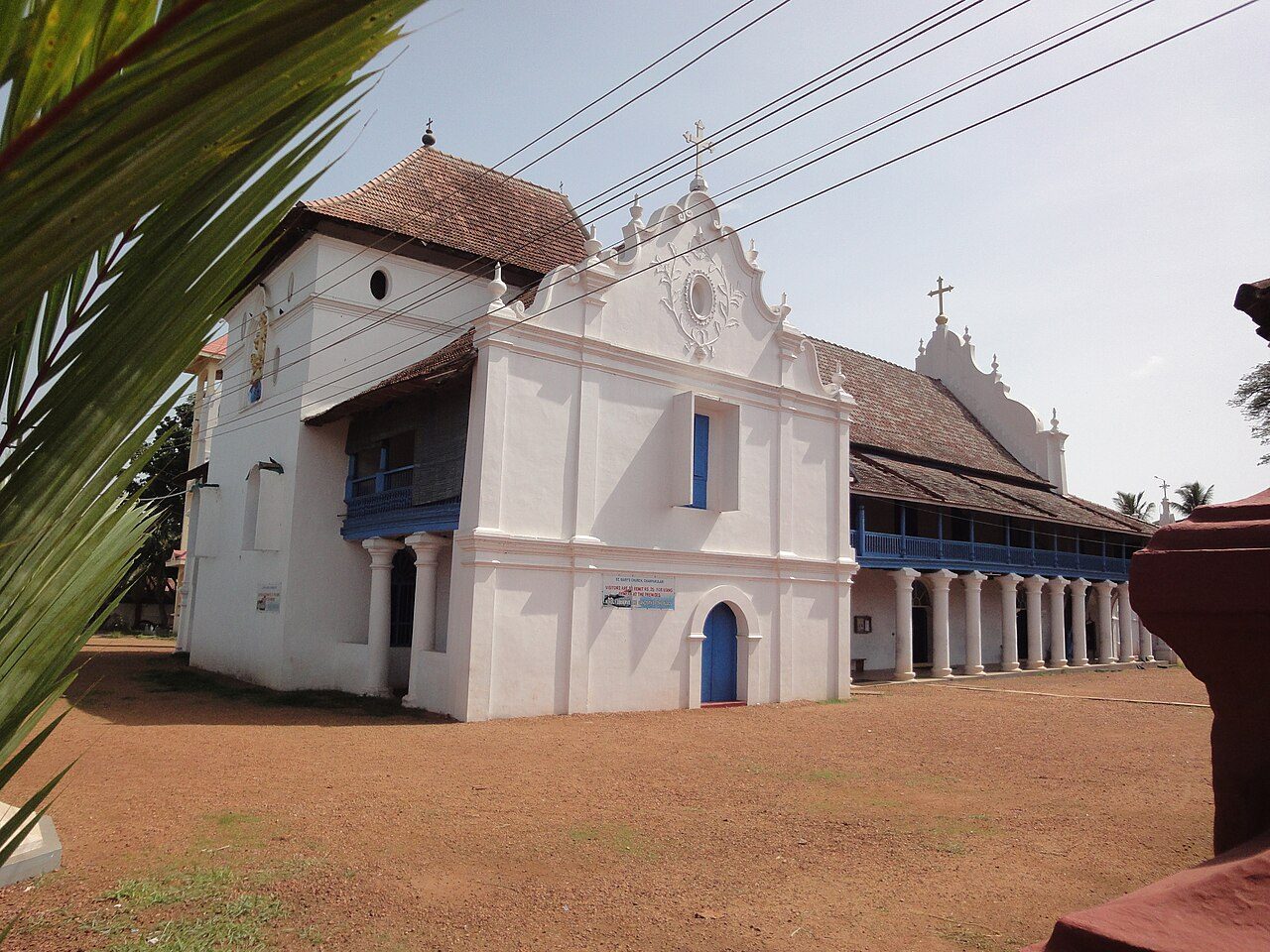
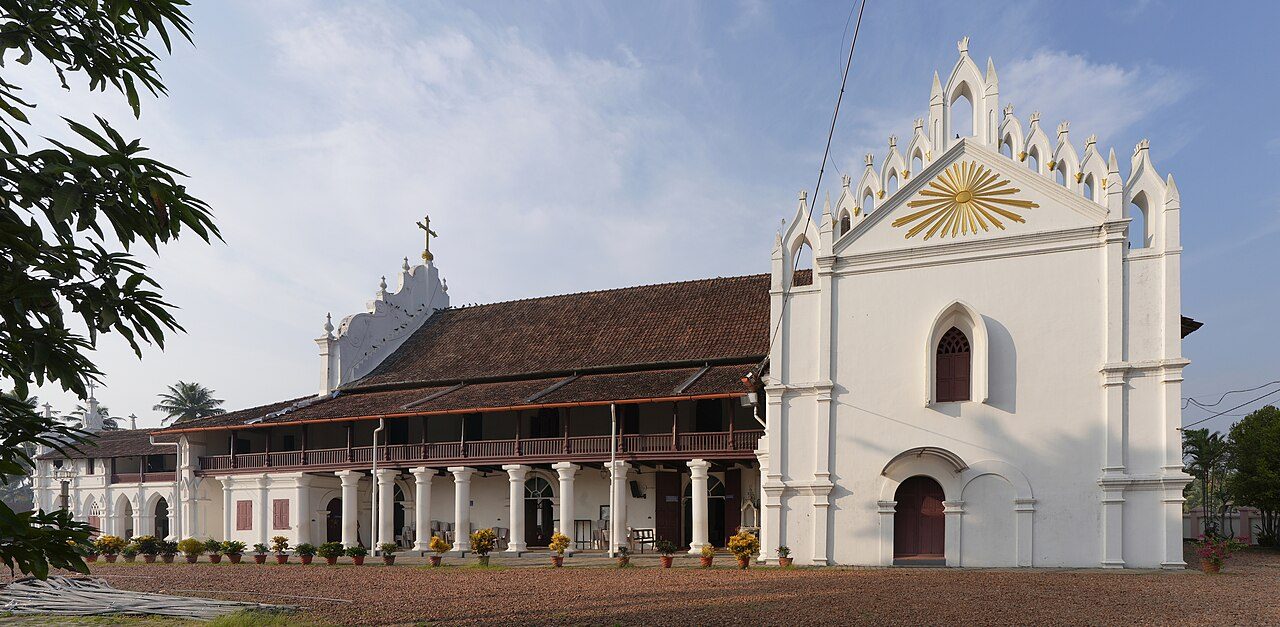
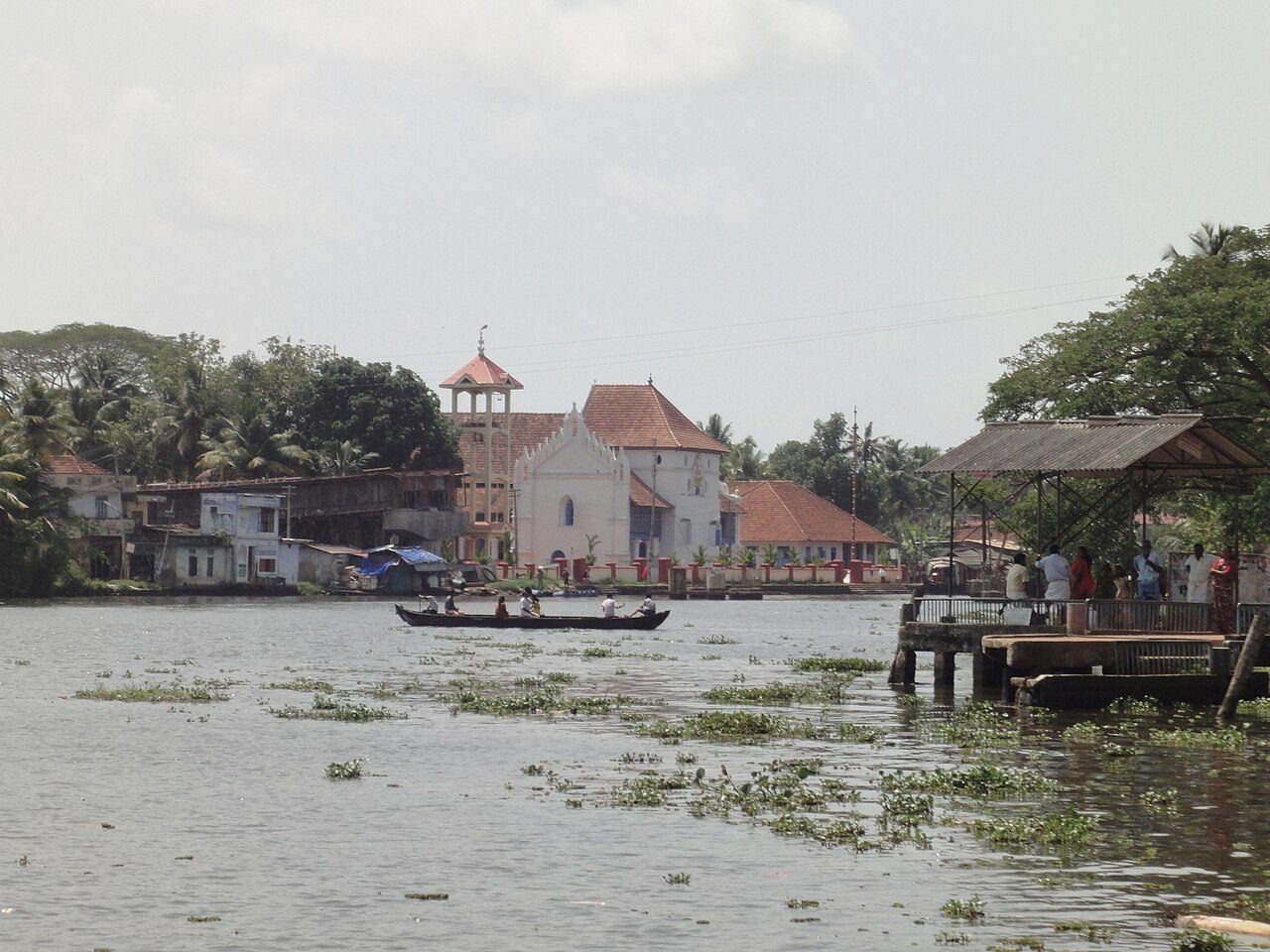
St Mary's Forane Church at Champakulam, known as Kalloorkad Valia Palli, claims descent from AD 427 and is counted among the oldest Christian churches in Kerala, later associated with the mission of St Thomas. The present whitewashed building stands on the bank of the Pampa in the heart of Kuttanad, reached most pleasantly by boat. Inside, the wooden ceiling carries painted panels and the sanctuary holds a granite cross and old murals. The Champakulam Moolam boat race, the oldest snake-boat race in Kerala, is held on the river beside the church each June in connection with the temple at Ambalappuzha. The church was made a minor basilica in 1999.
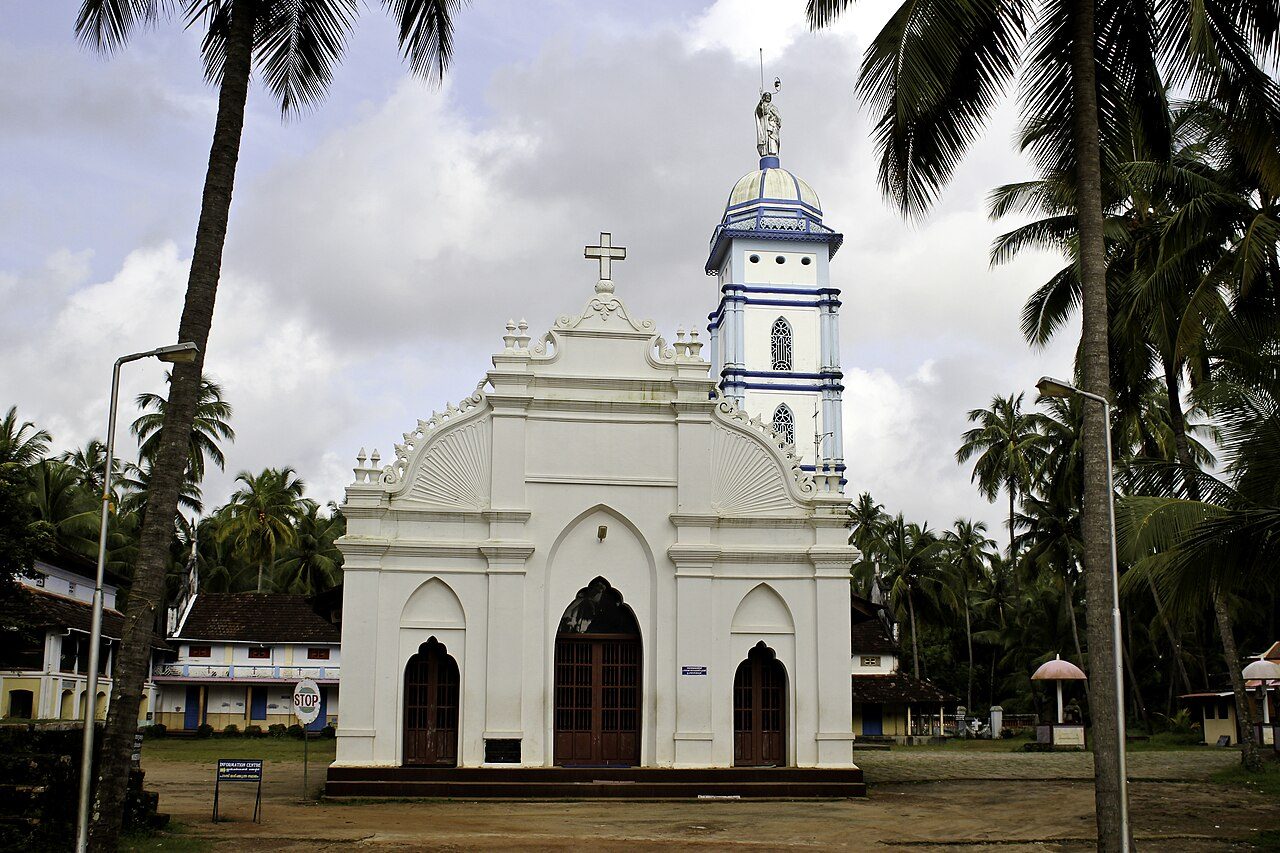
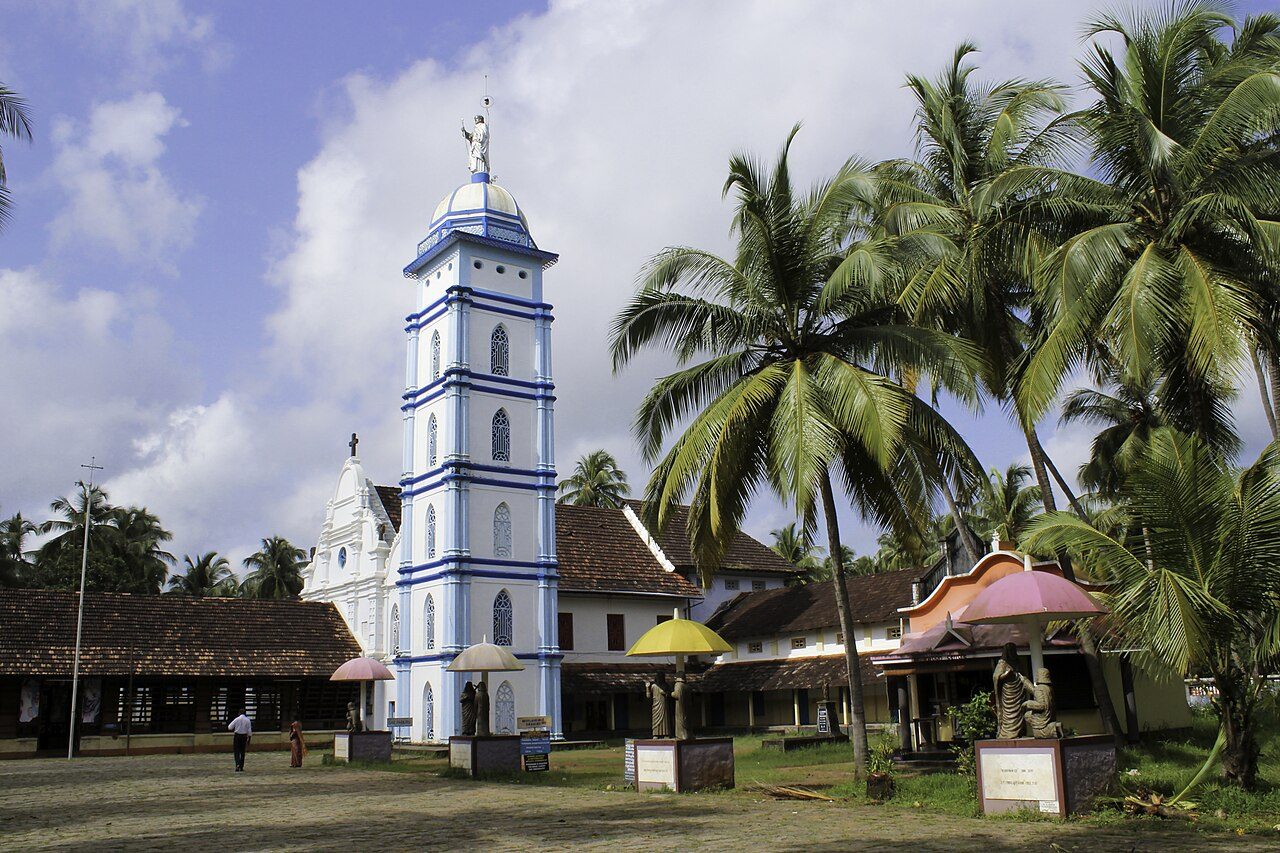
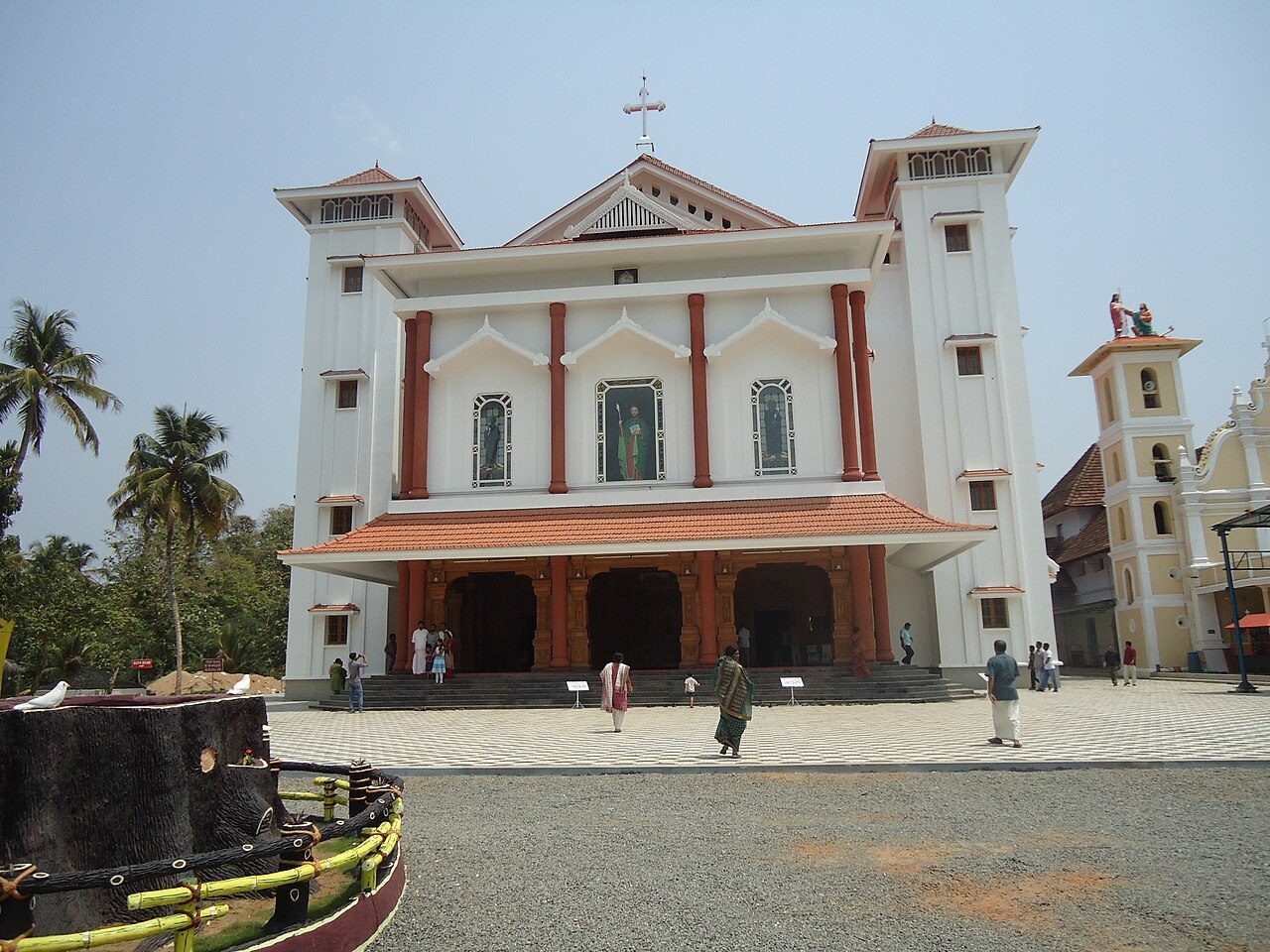
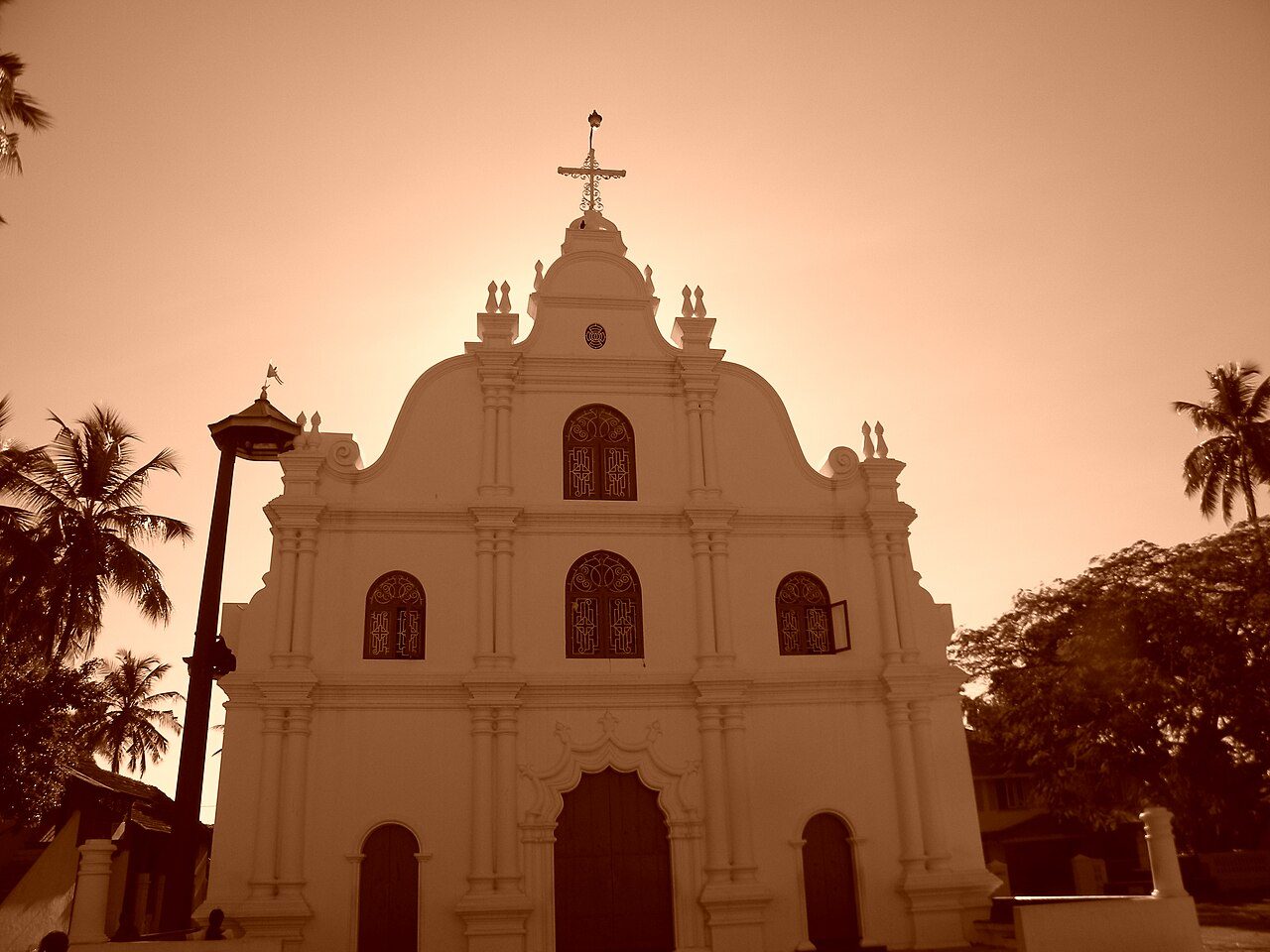
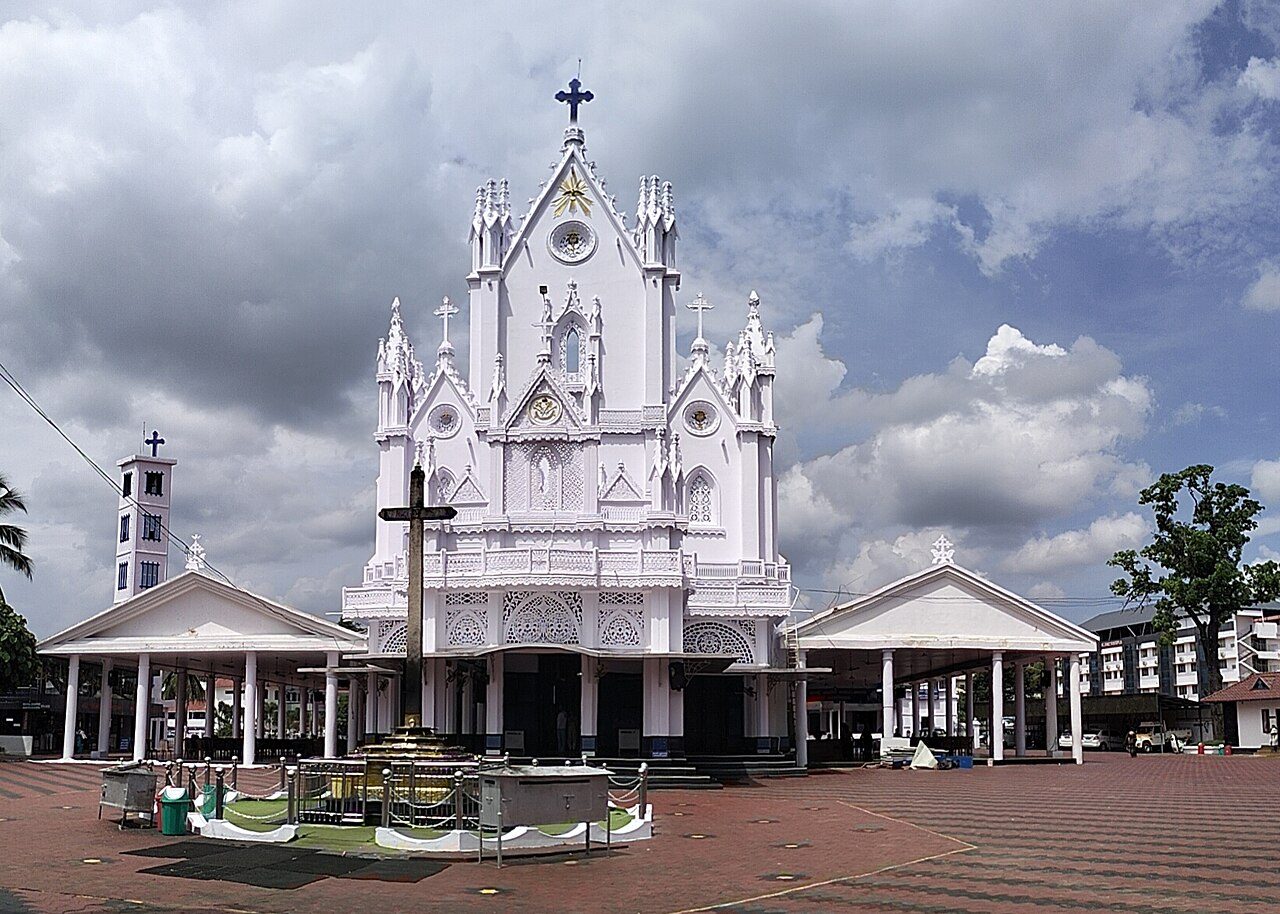
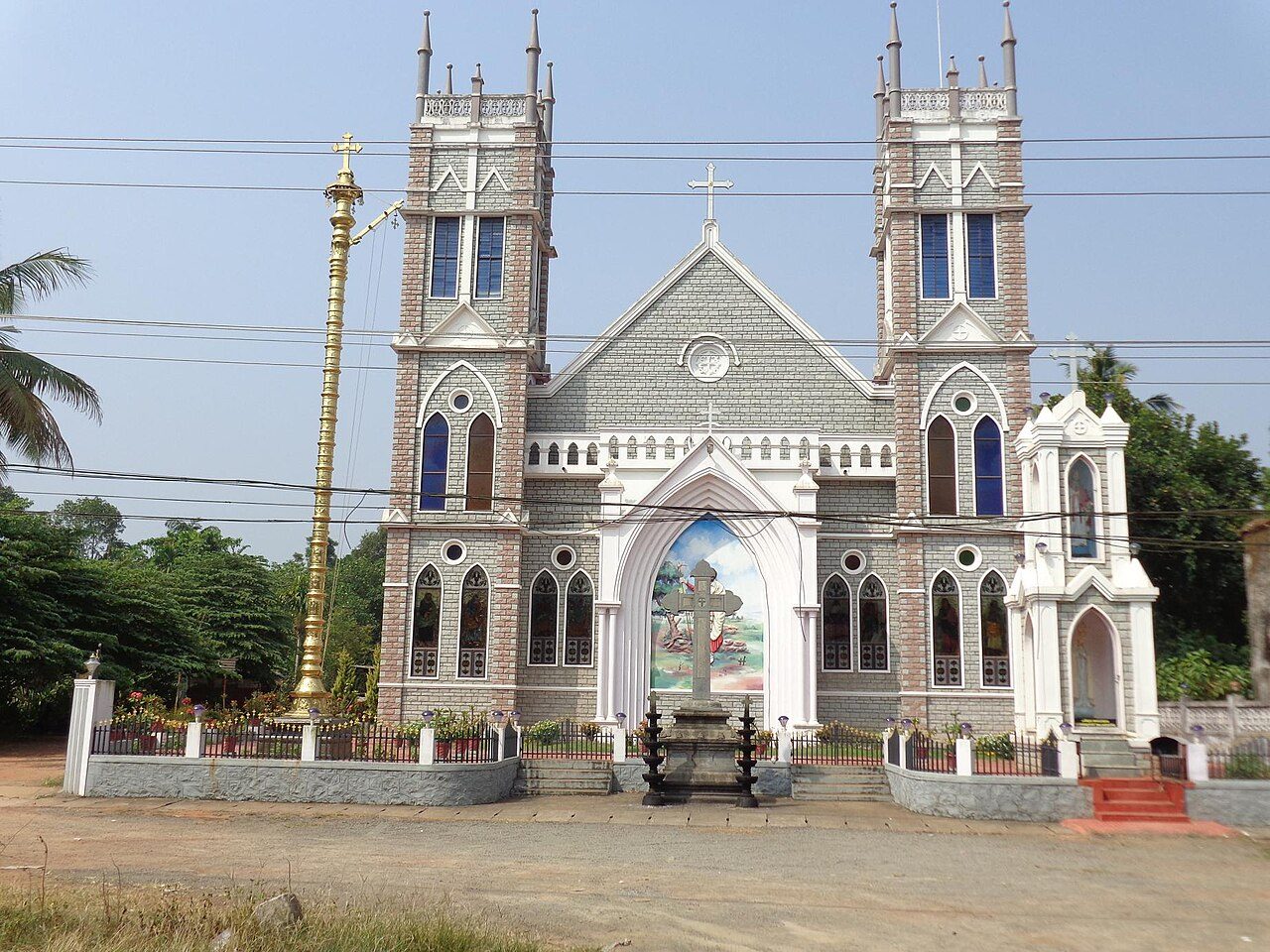
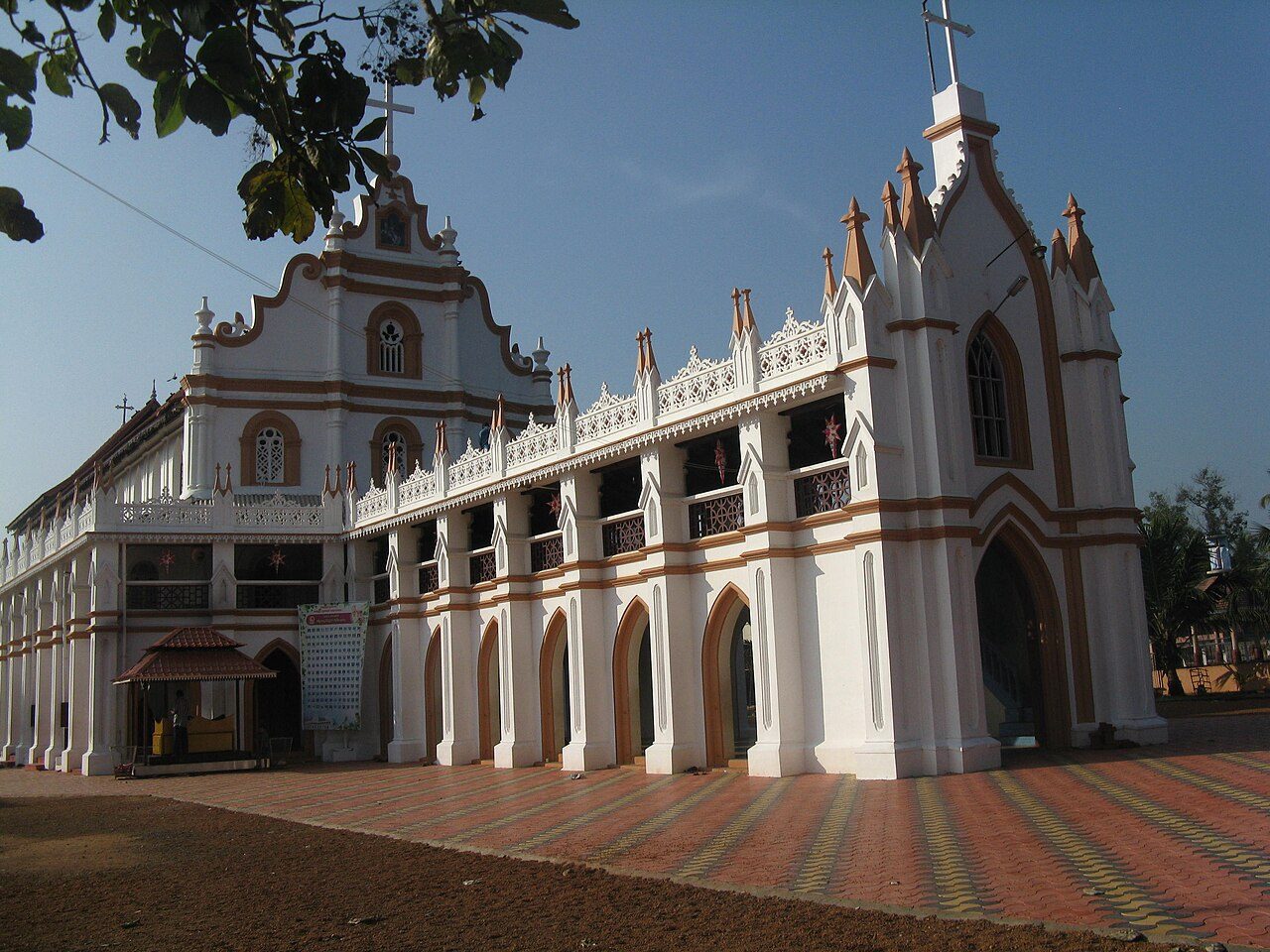
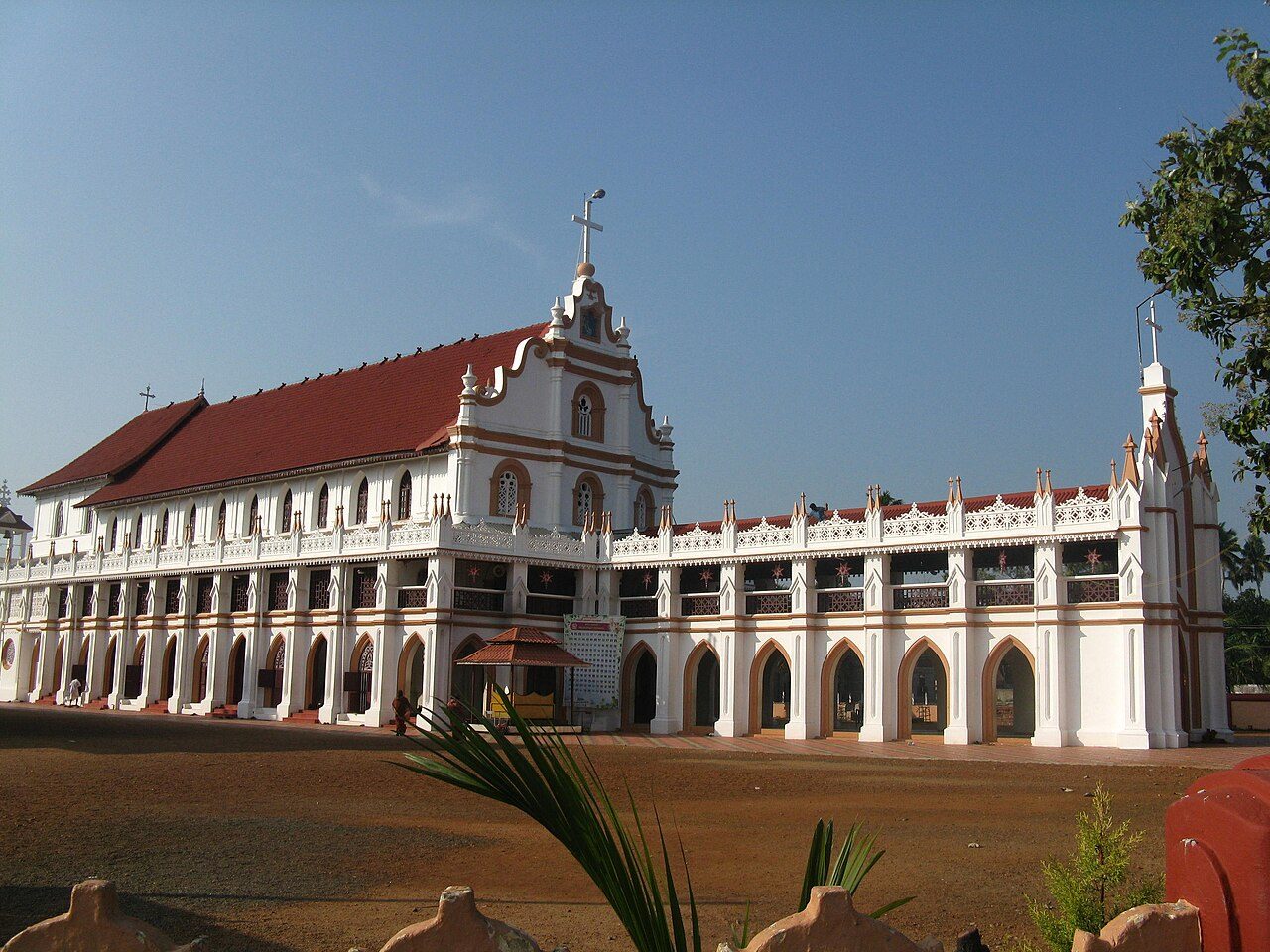
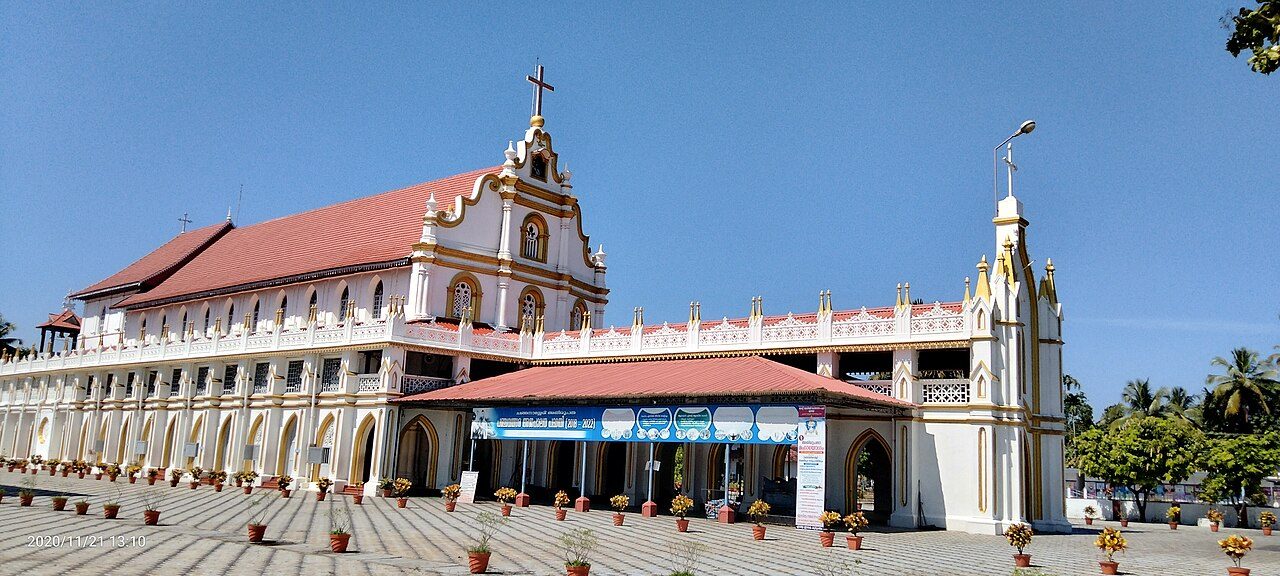
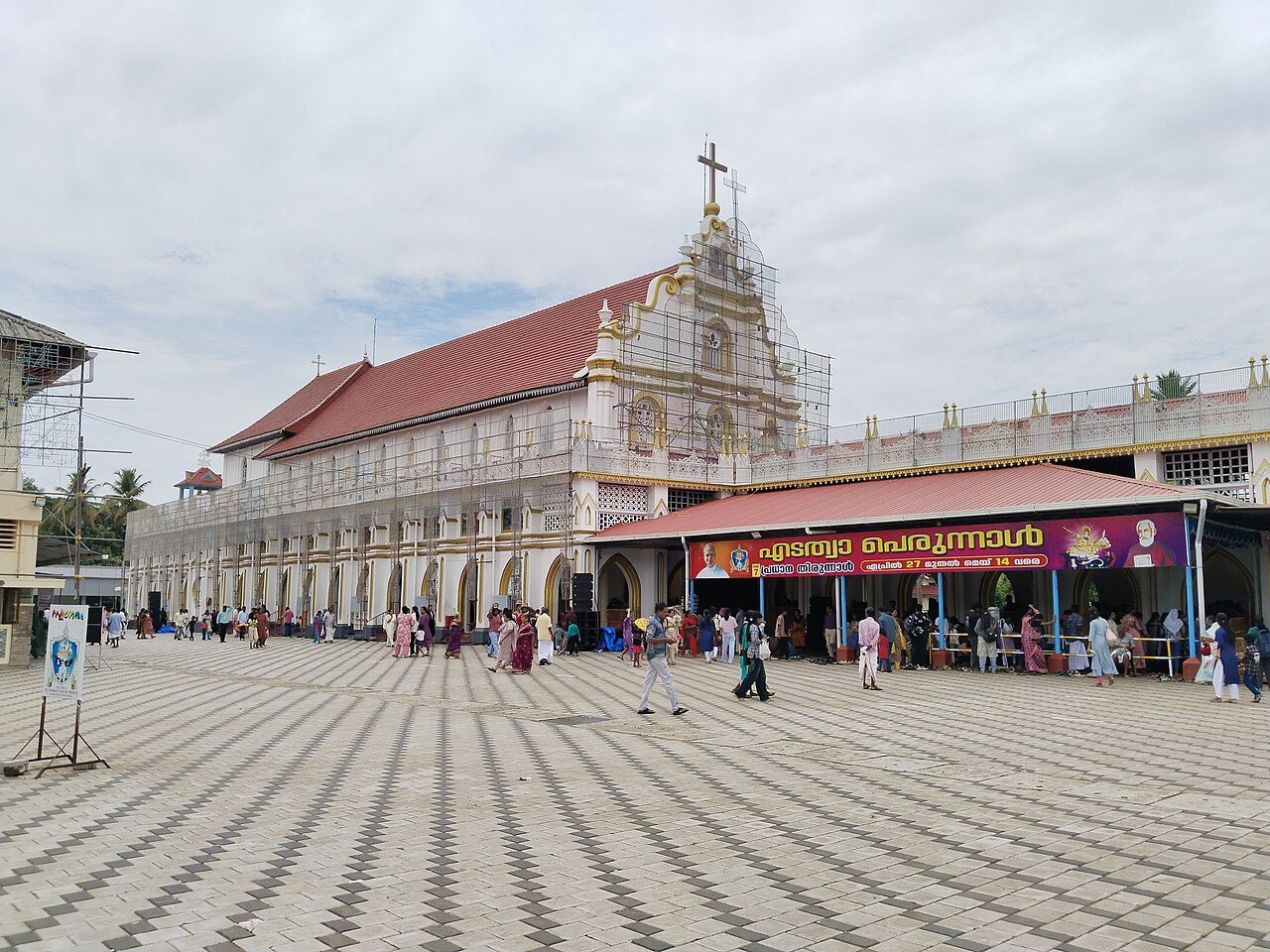
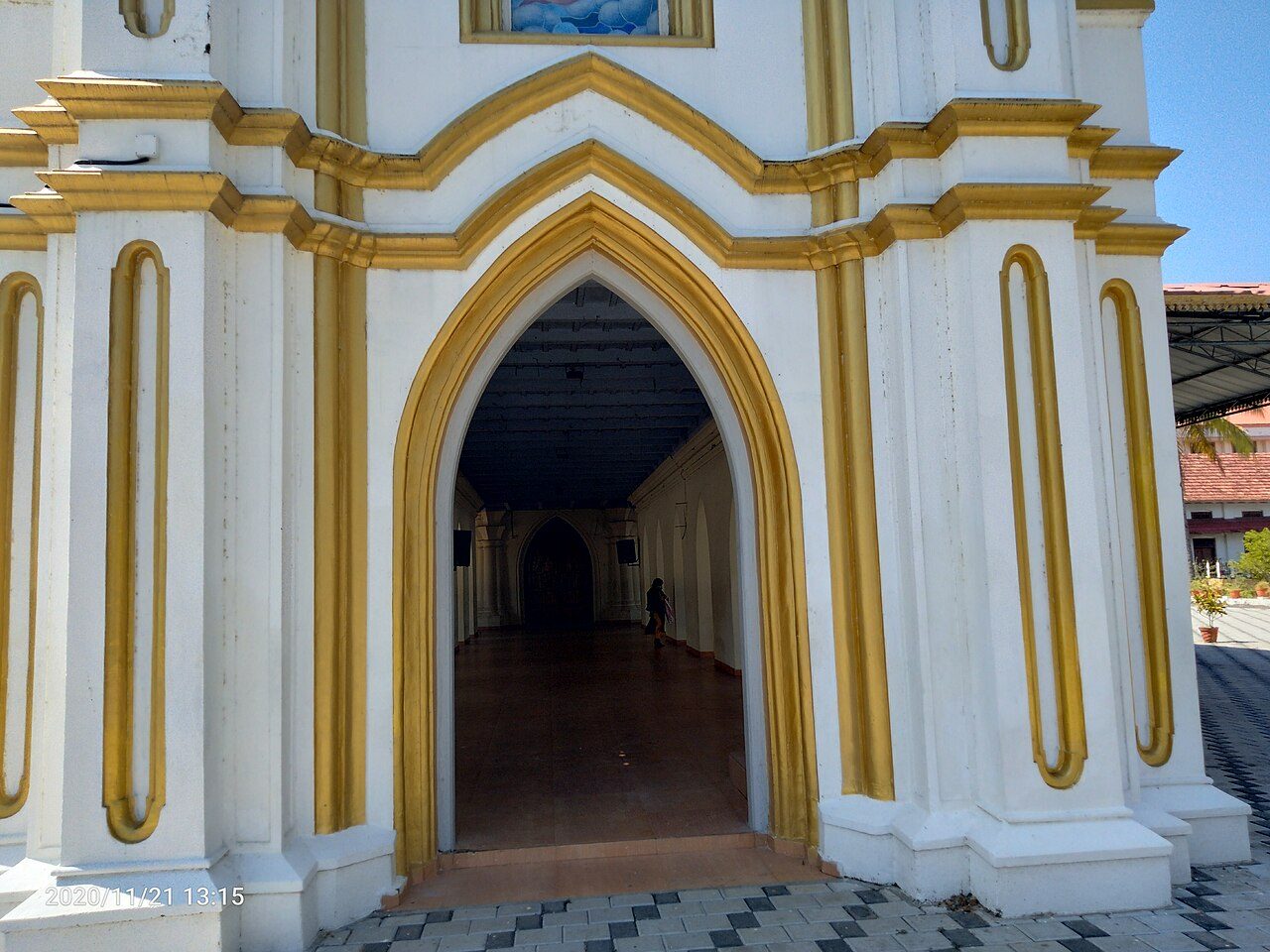
Edathua, on the bank of the Pampa in Kuttanad, was built in 1810 and is one of the most visited churches in Kerala, dedicated to St George. Its annual feast from 27 April to 7 May draws pilgrims of all religions, many of whom believe the saint's intercession here cures mental illness and possession. The church has a tall white facade with twin towers and a broad sandy forecourt that fills completely during the feast. The building was raised to the rank of basilica in recognition of its standing. It is about 24 km from Alappuzha, in the middle of paddy country.
Best weather: Dec – FebHeavy rain: May – Oct
Seasons from 20 years of NASA POWER climate data.
Was this trip blog helpful?
0
0
Ready to follow this route?
Copy all 14 stops into your trip plans in the app.
 WaTrips