Kerala Backwaters & Beaches: Alappuzha to Kovalam in 4 Days
4 DAYS12 placesby WaTrips
Canals, lakes and cliffs down Kerala's south coast: Alappuzha, Munroe Island, Varkala and Kovalam, ending in Thiruvananthapuram.
This is the water side of Kerala. Start in Alappuzha with the backwaters and the quiet sand of Marari Beach. In Kollam, Munroe Island's narrow canals are best seen from a small country boat, and Ashtamudi Lake spreads out around the town. Day three is Varkala, where the beach sits under red laterite cliffs, with Sivagiri Mutt and the lake-meets-sea strip at Kappil close by. The last day is in Thiruvananthapuram: the Padmanabhaswamy Temple (strict dress code for entry), the Napier Museum, and an evening at Kovalam. The distances are short, so this works well at an easy pace, and October to March is the most comfortable time on the coast.
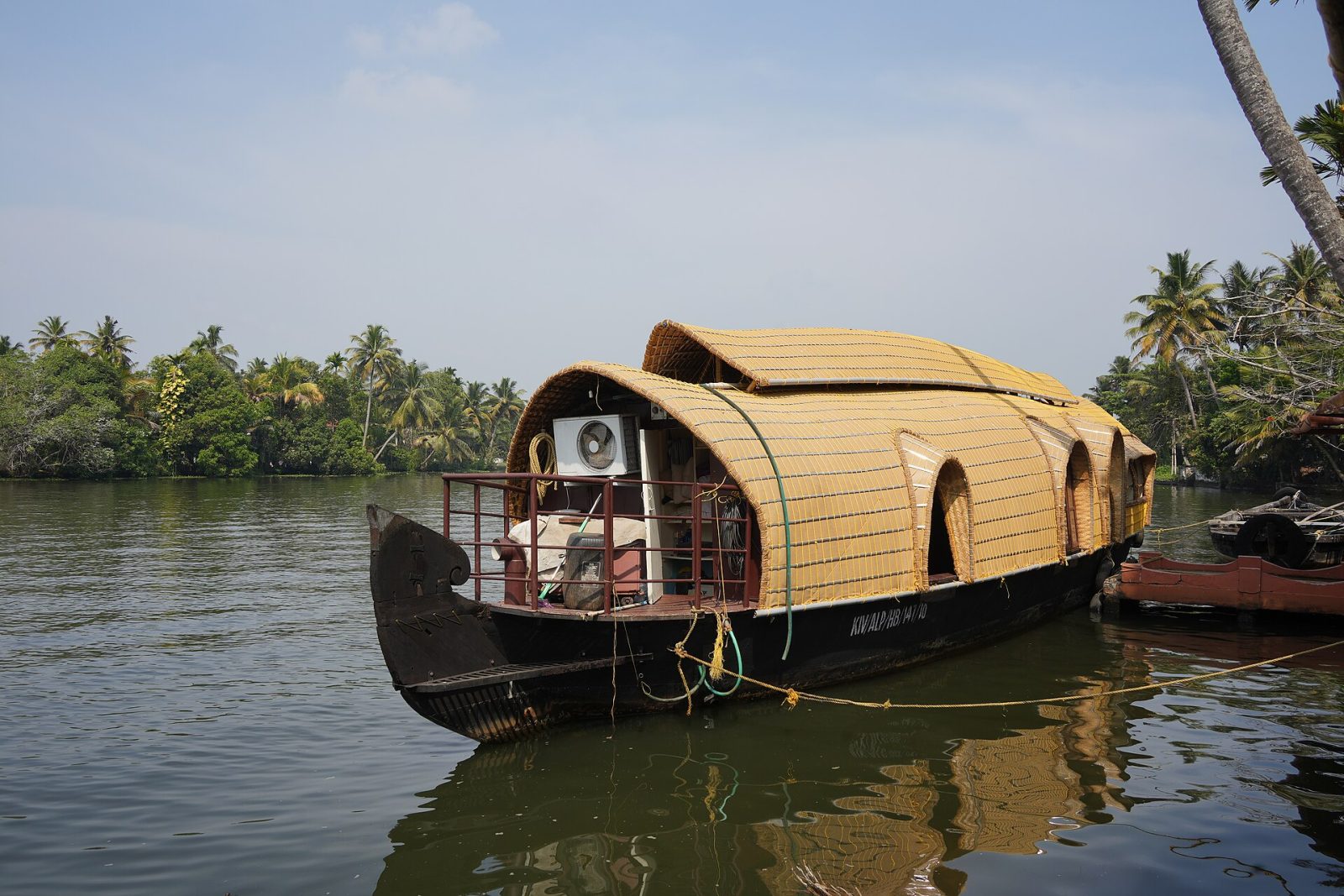
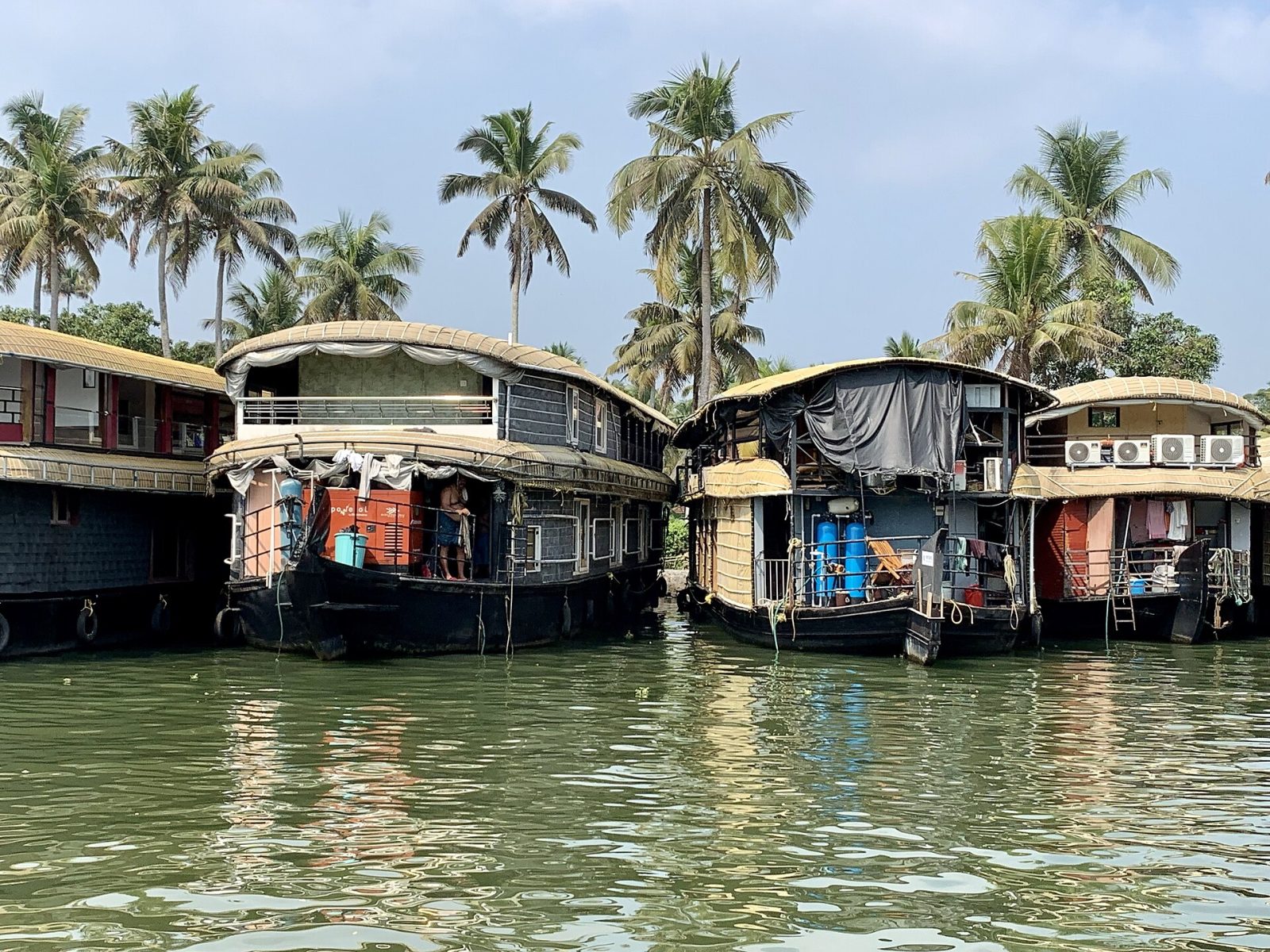
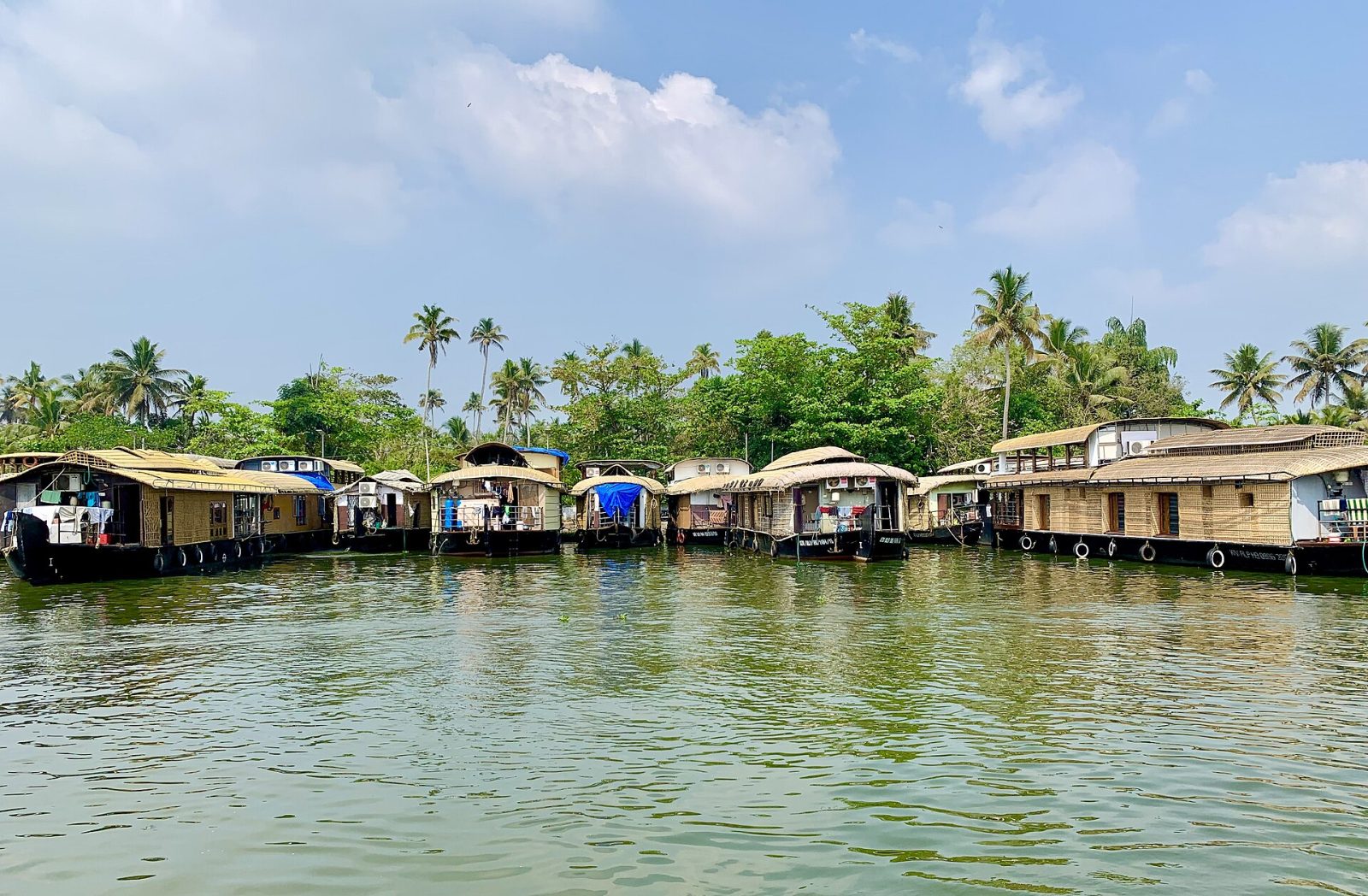
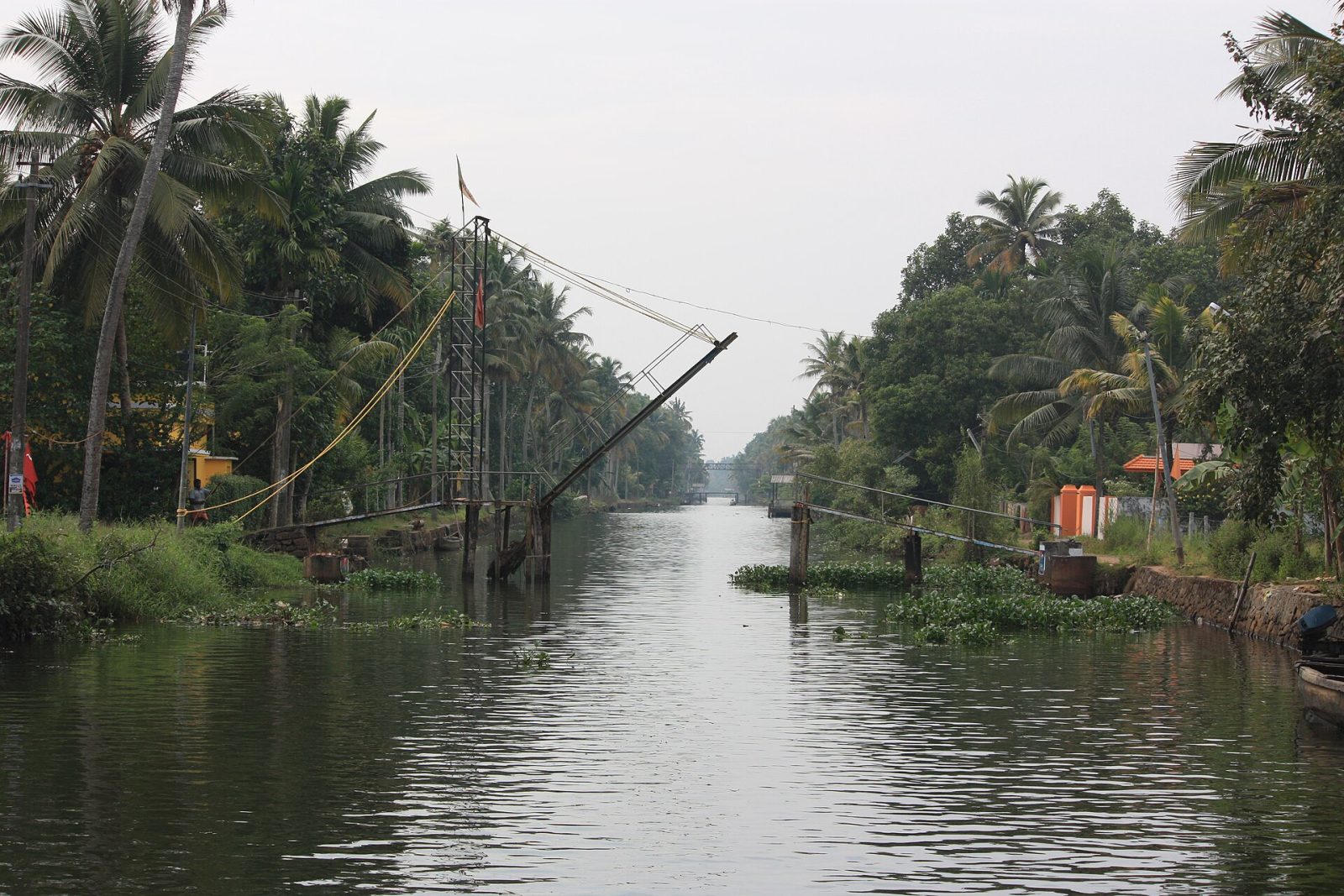
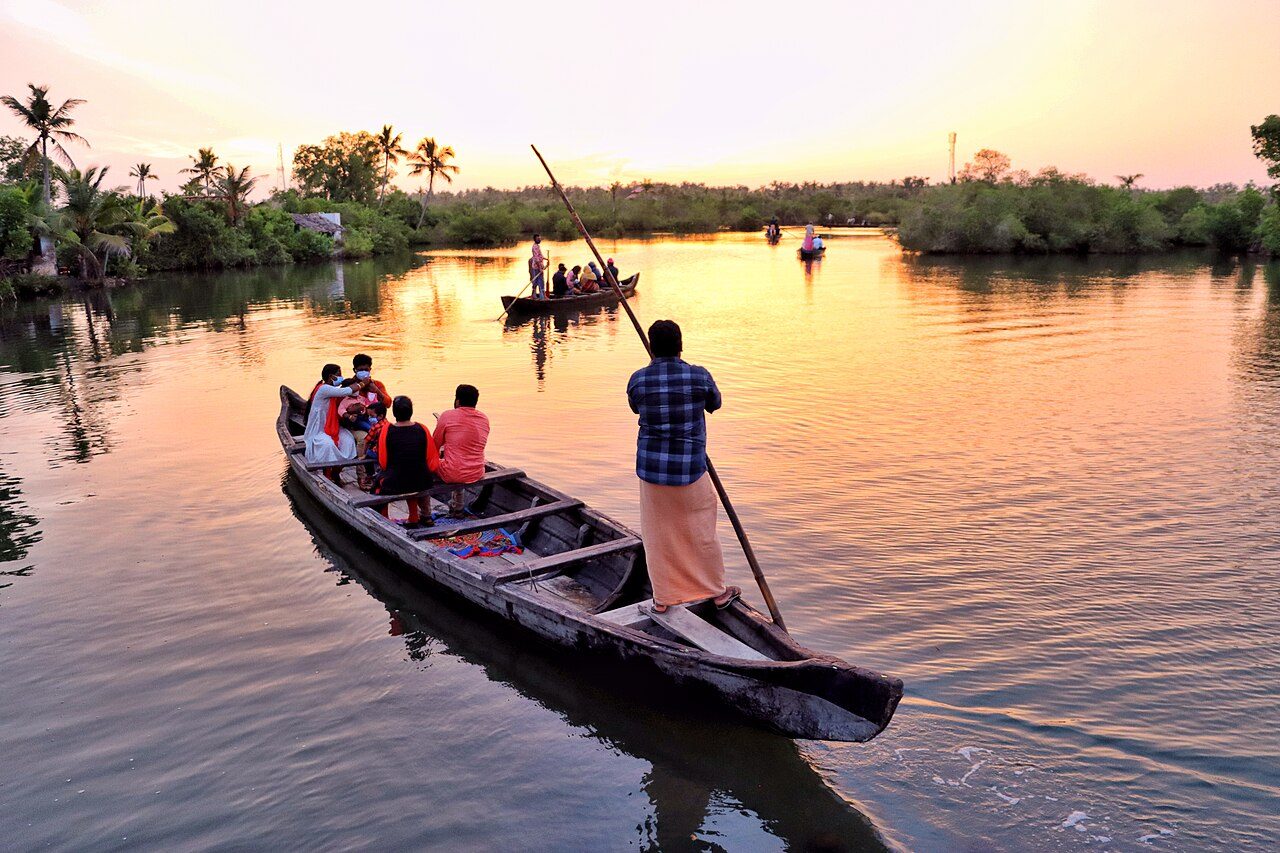
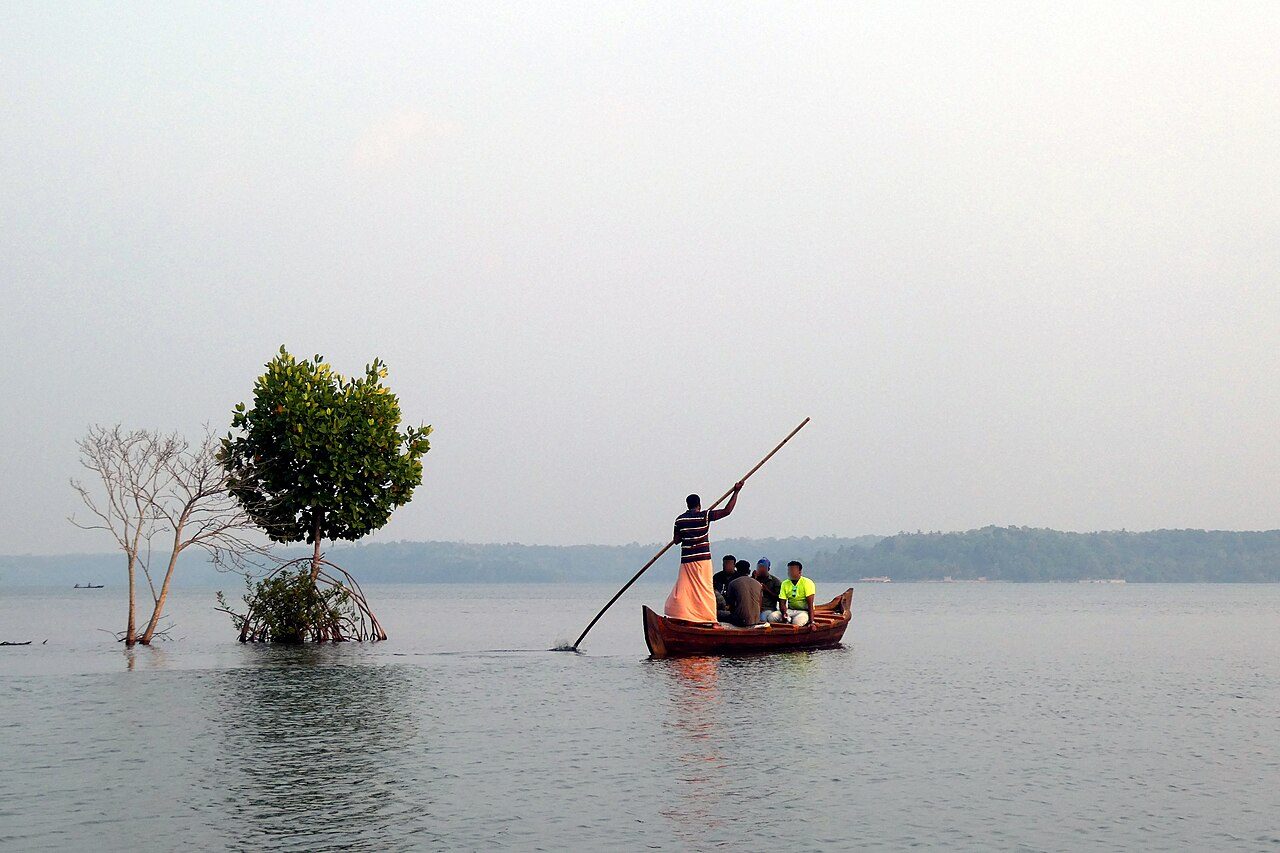
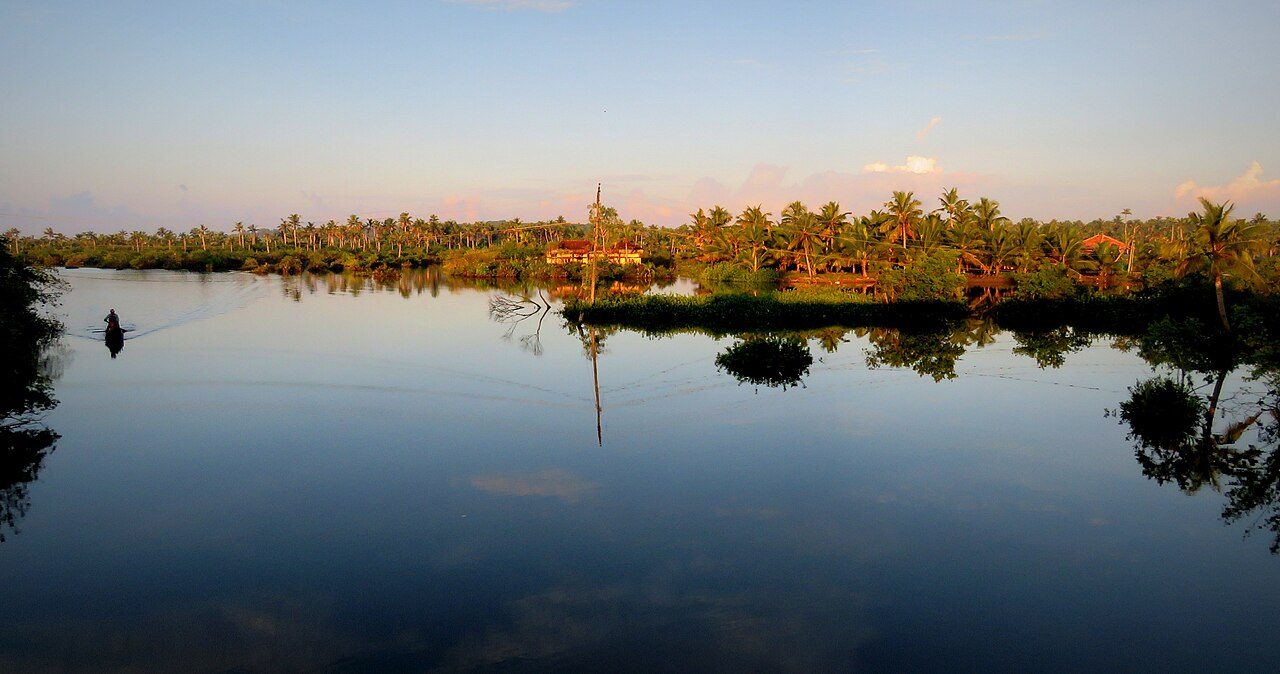
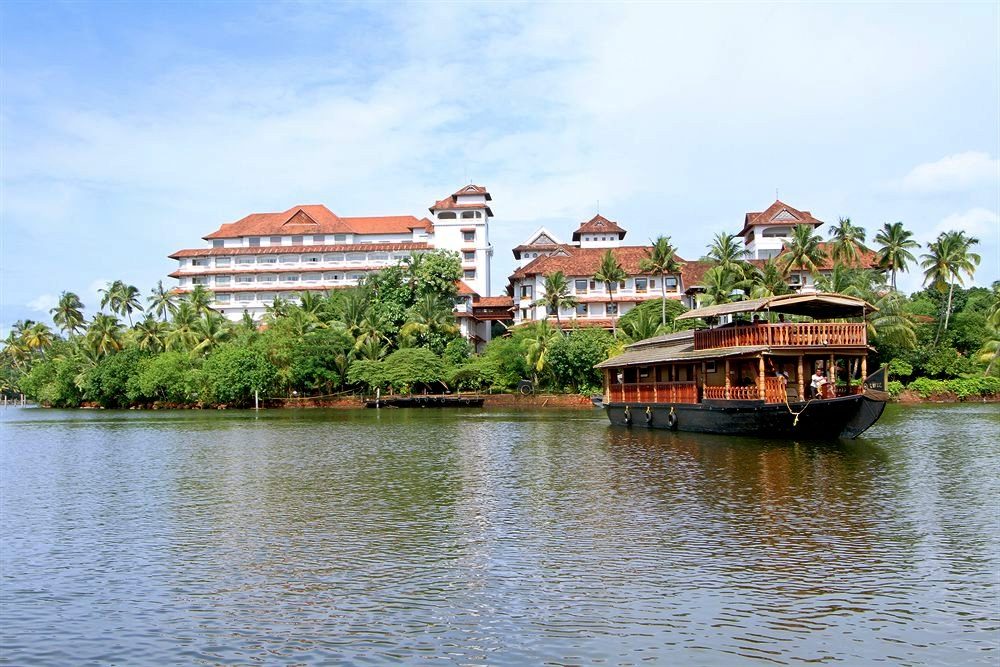
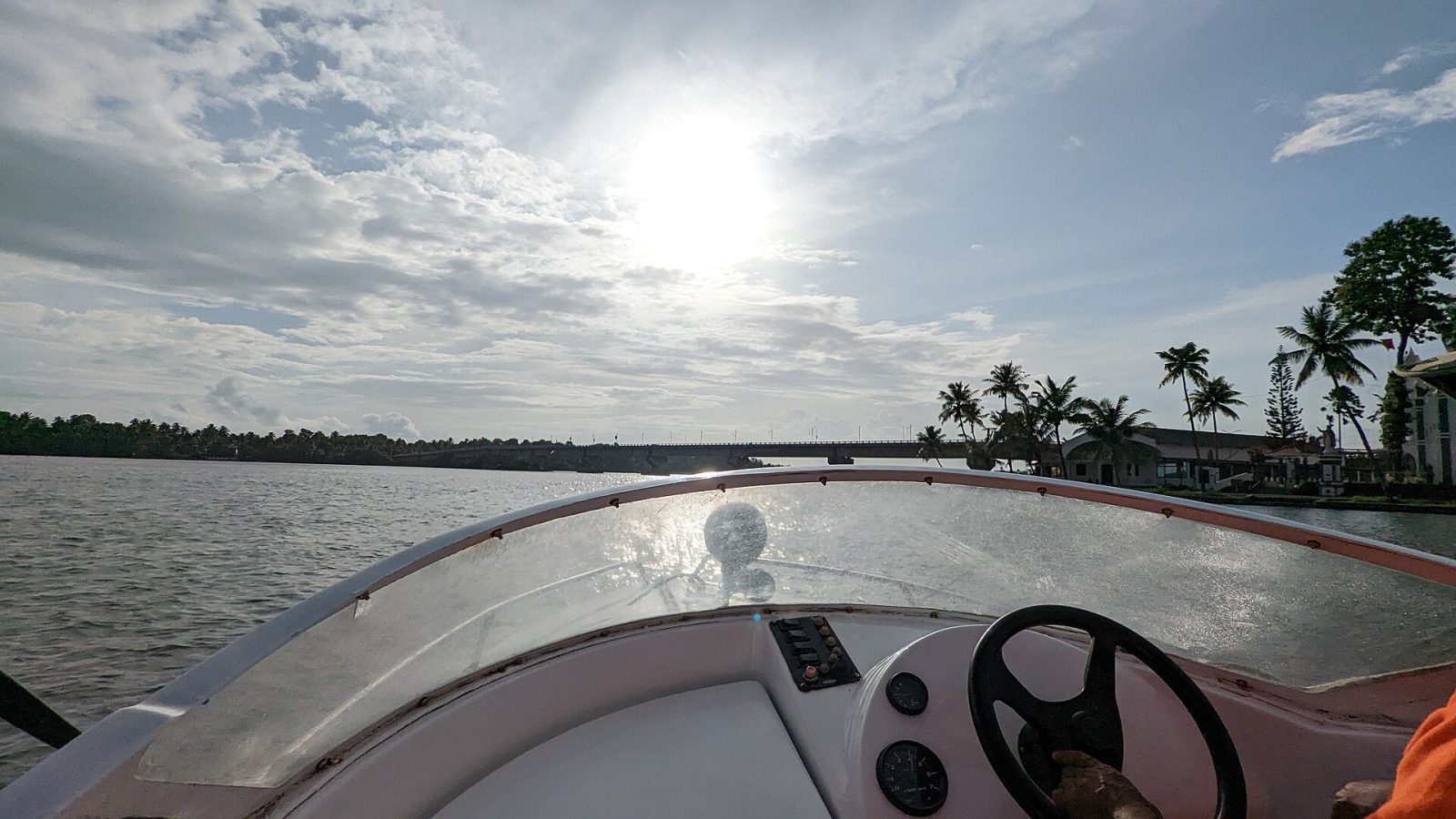
The Alappuzha backwaters are a maze of canals, lagoons and lakes that run behind the coast of Alappuzha, once known as Alleppey. For centuries these waterways were the highways of Kerala, carrying rice, coir and spices from the villages to the ports, and the big kettuvallam rice barges you now see as houseboats were built for that trade. Today a slow cruise past paddy fields lying below sea level, coconut palms and small village churches and temples is the classic Kerala experience. Overnight houseboats, smaller shikara boats and the cheap public ferry from Alappuzha to Kottayam all cross the same water. The season runs from about November to February, and the snake boat races in the monsoon months draw huge crowds.
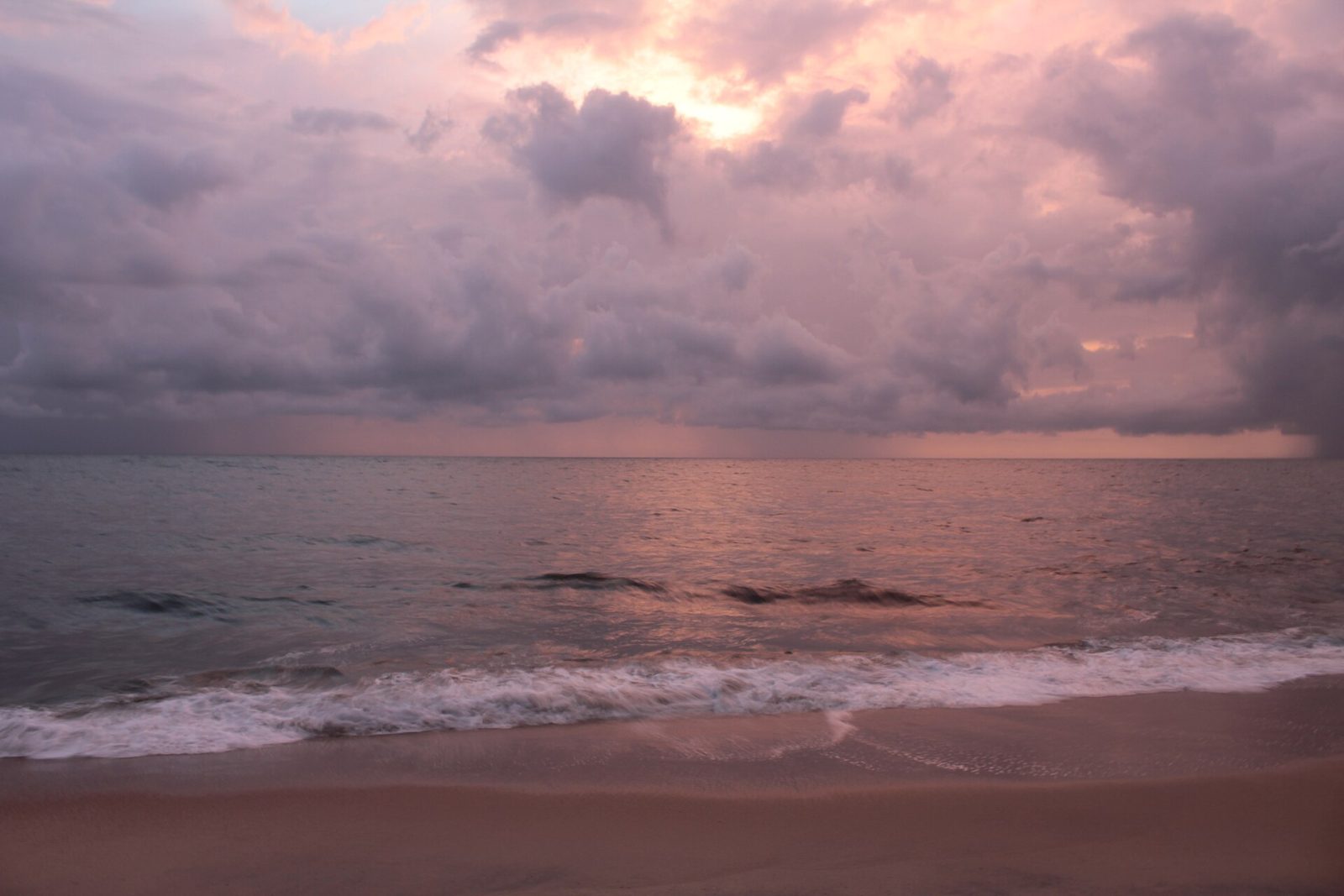
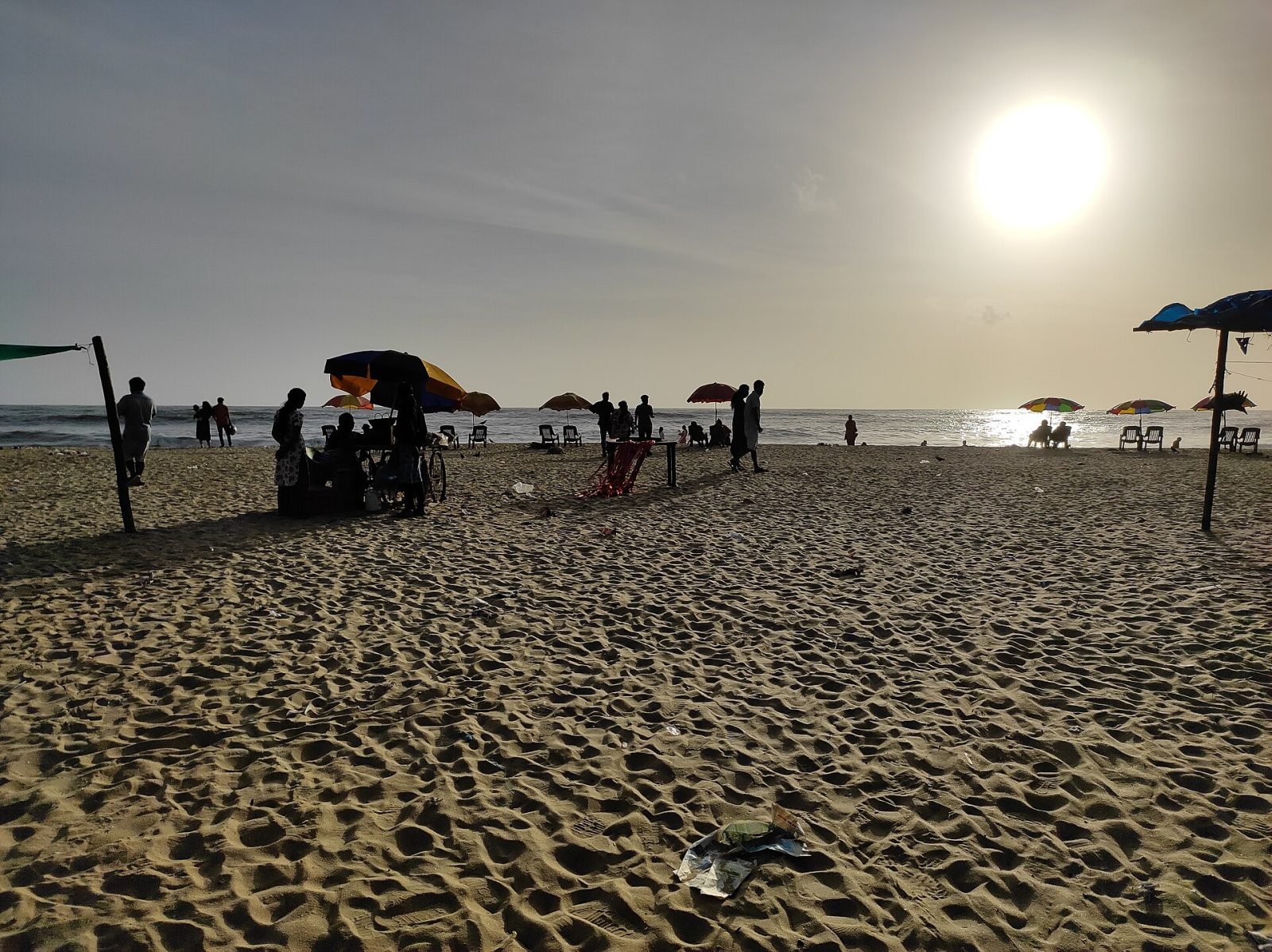
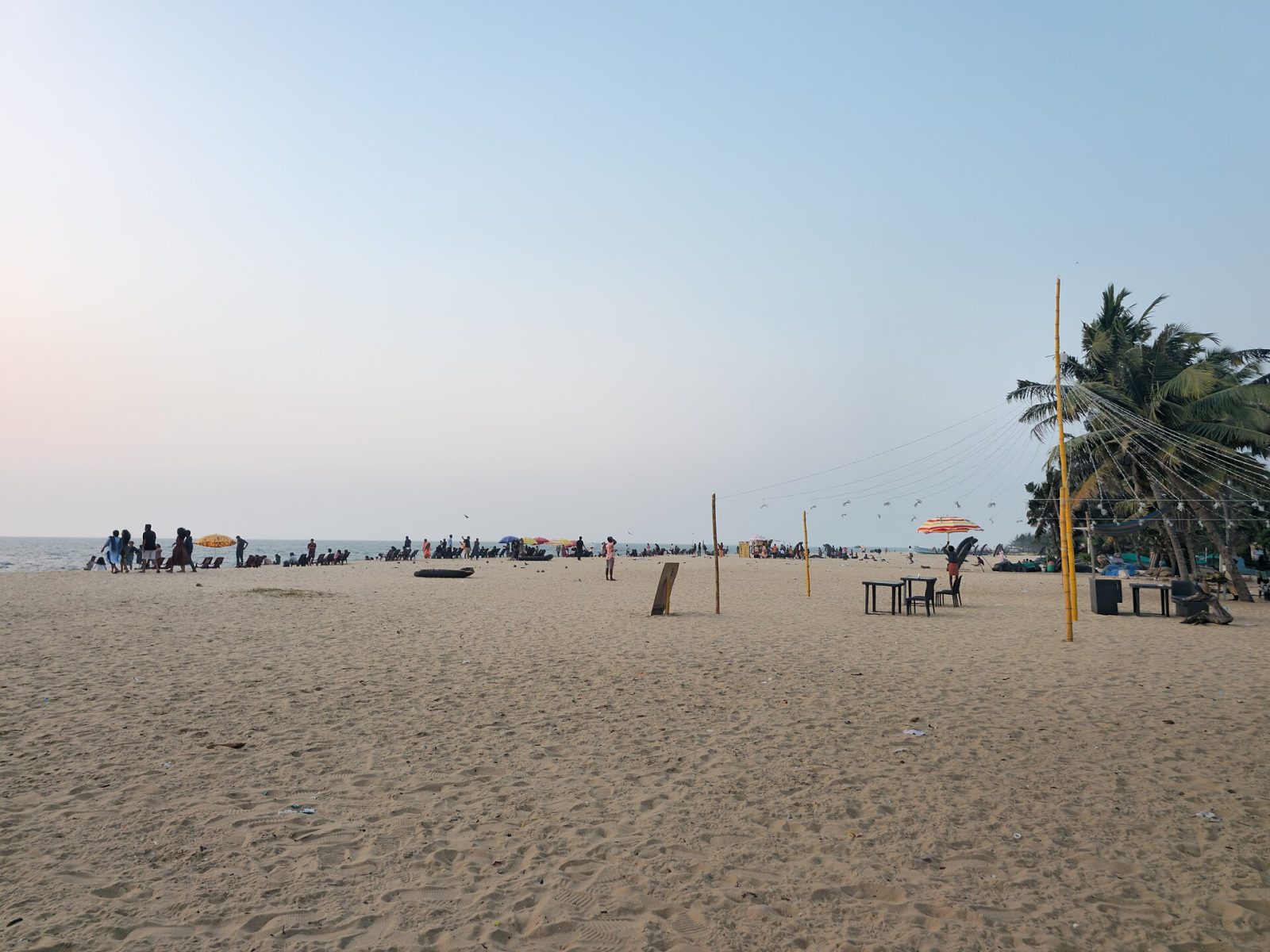
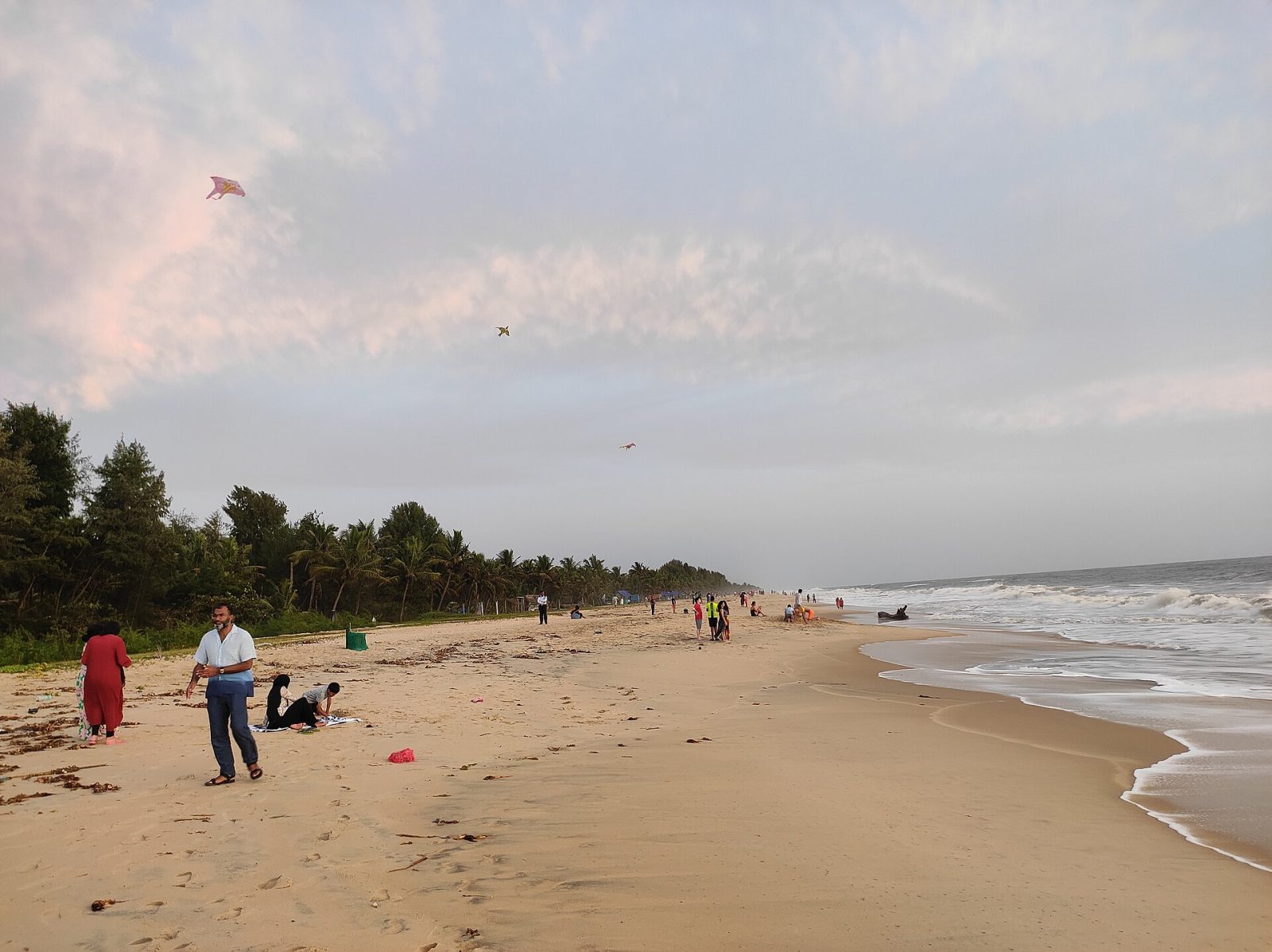
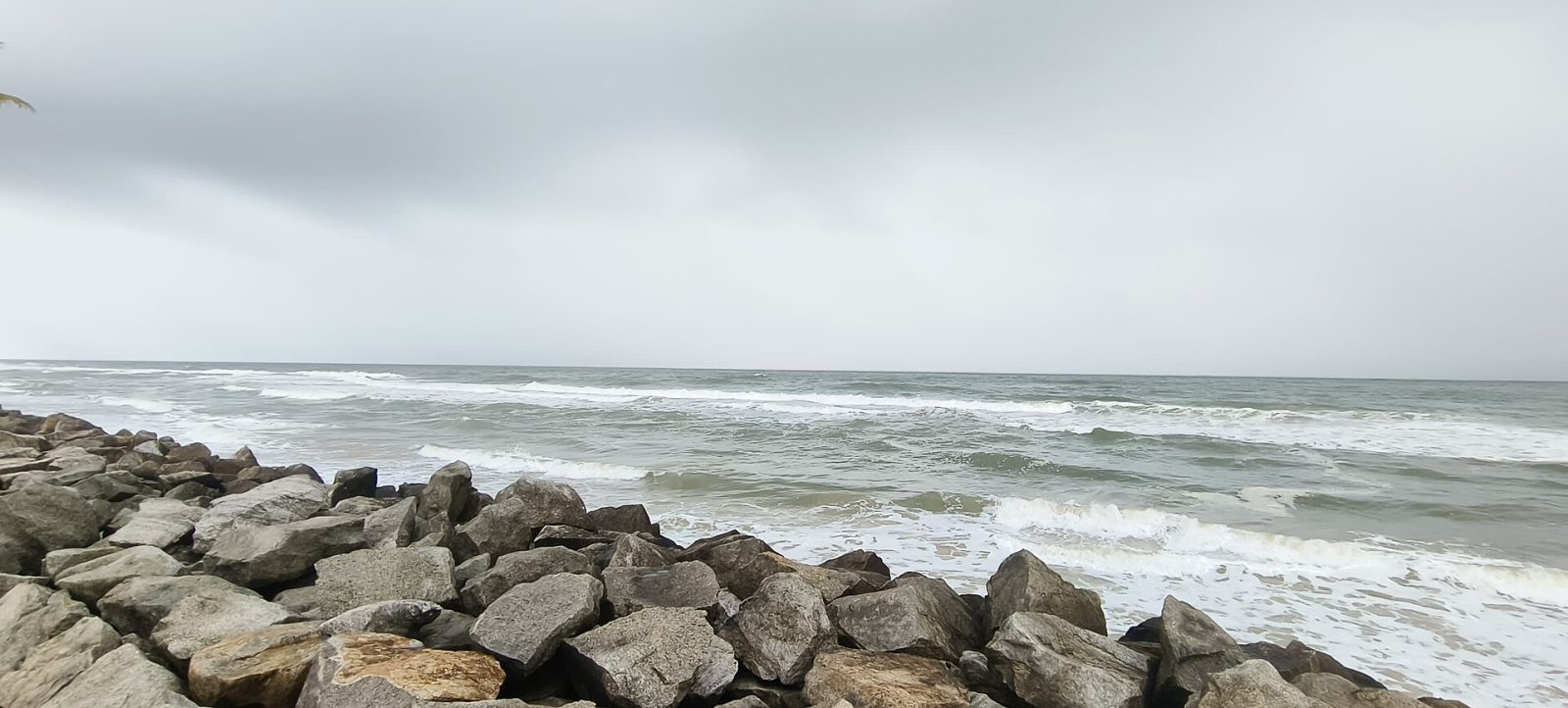
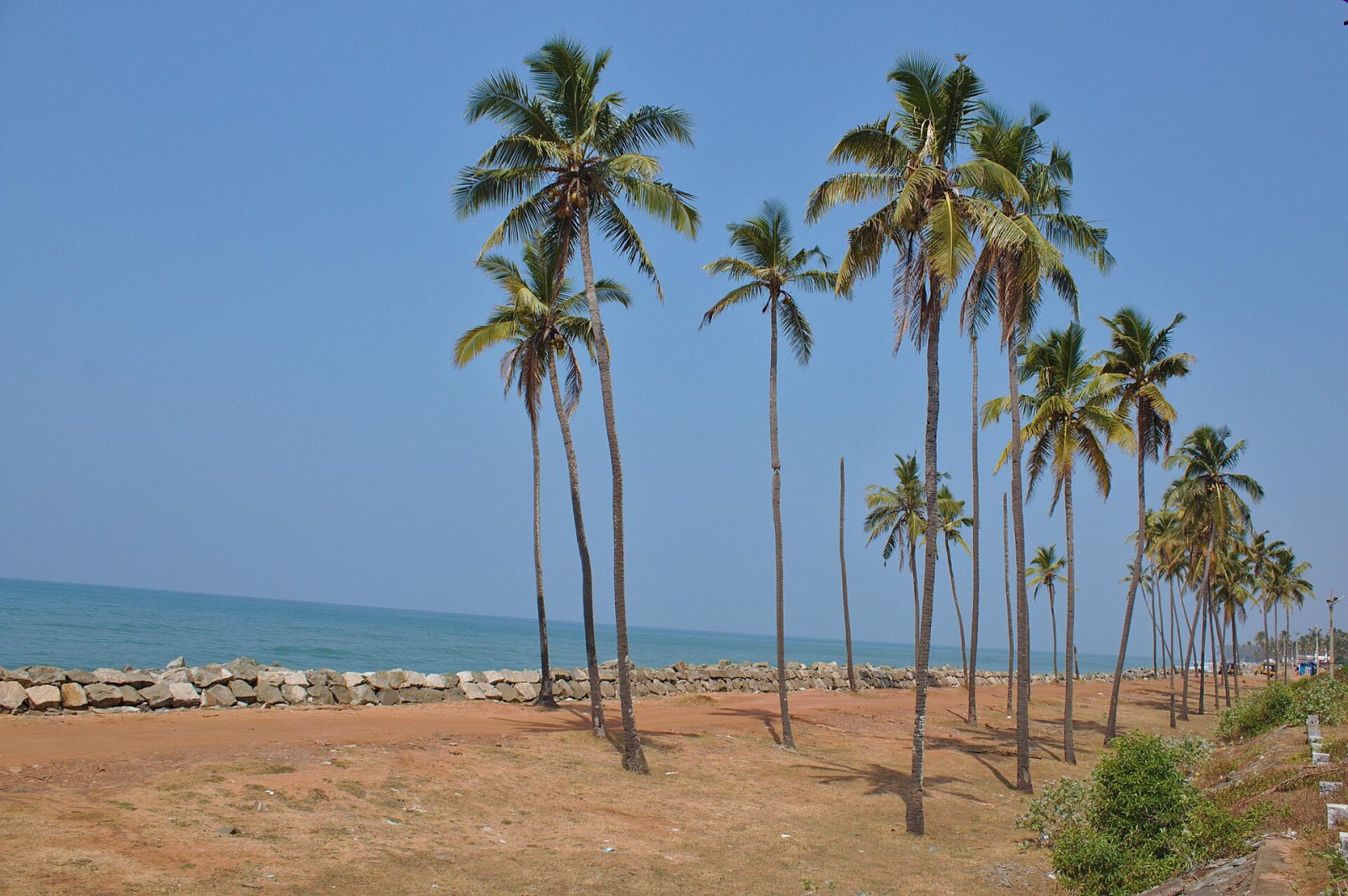
Marari, named after the fishing village of Mararikulam, is a long stretch of palm-backed sand about 15 km north of Alappuzha. It is much quieter than Kerala's famous beaches: the daily rhythm is still set by the fishermen who launch their boats at dawn and pull the nets in by hand. Behind the sand are coconut groves, small homestays and a few beach resorts, and bicycles are the usual way to get around. The sea is clean and the sunsets are wide open, with almost no crowds. Come between November and March, and buy fish straight off the boats in the morning.
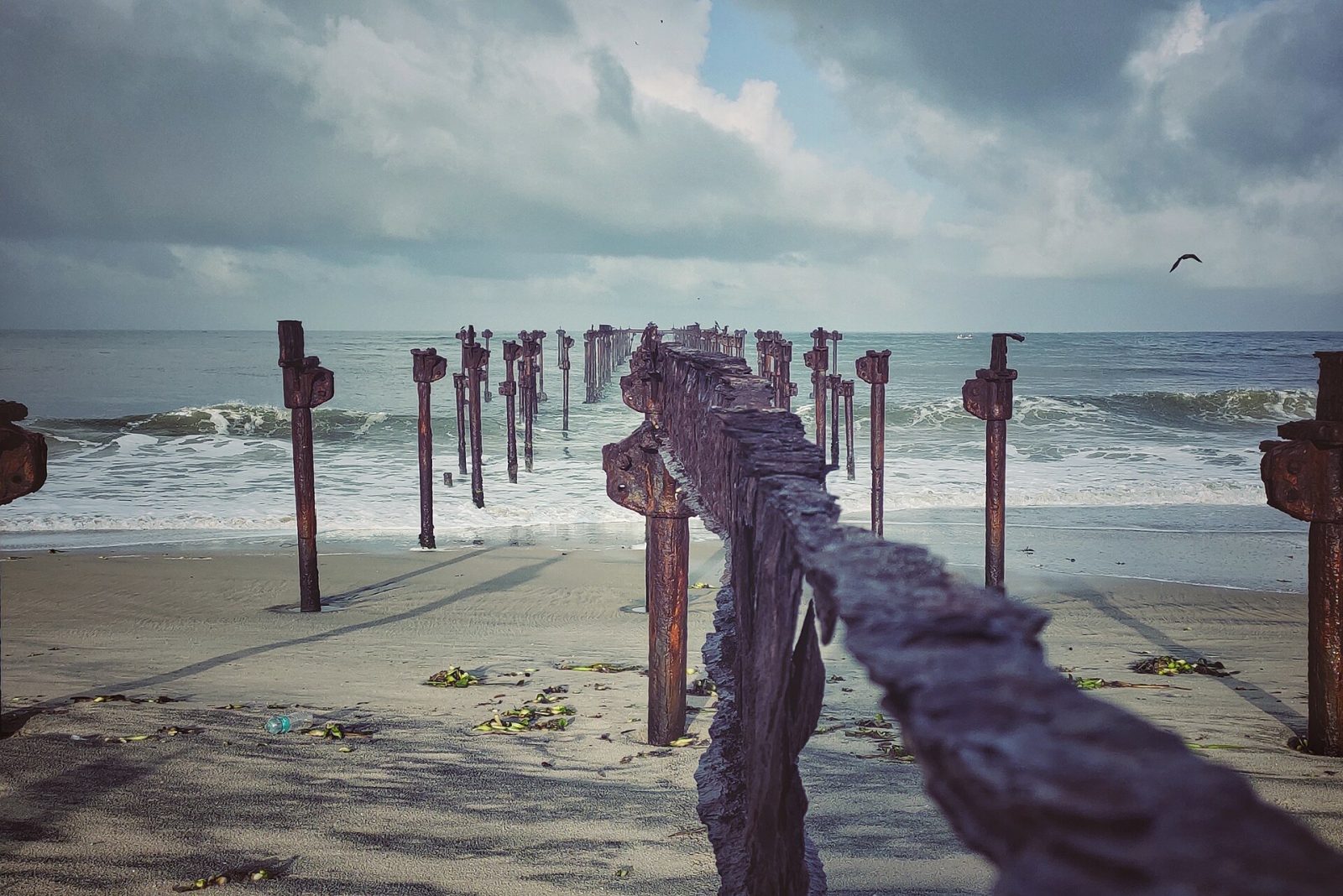
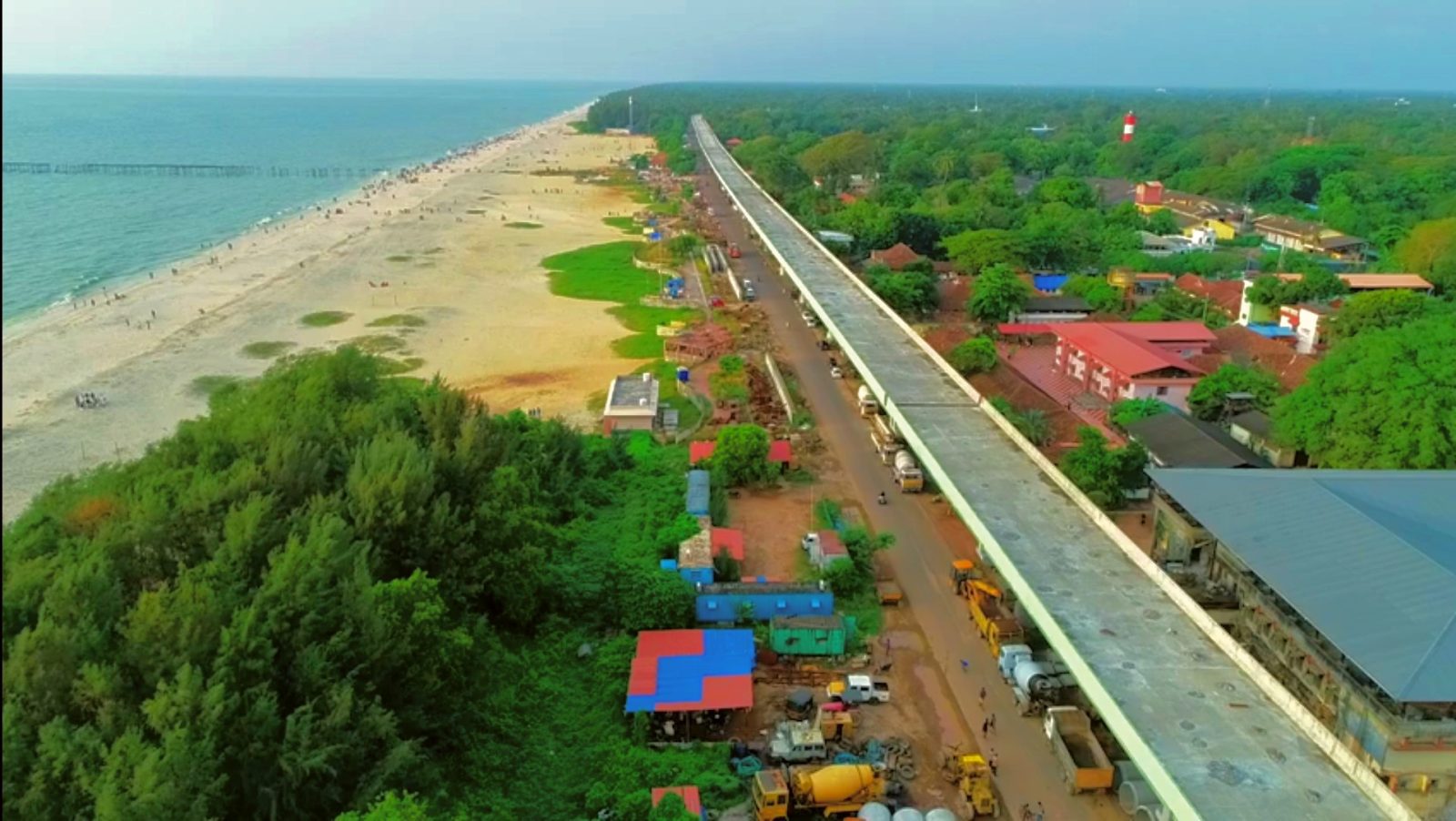
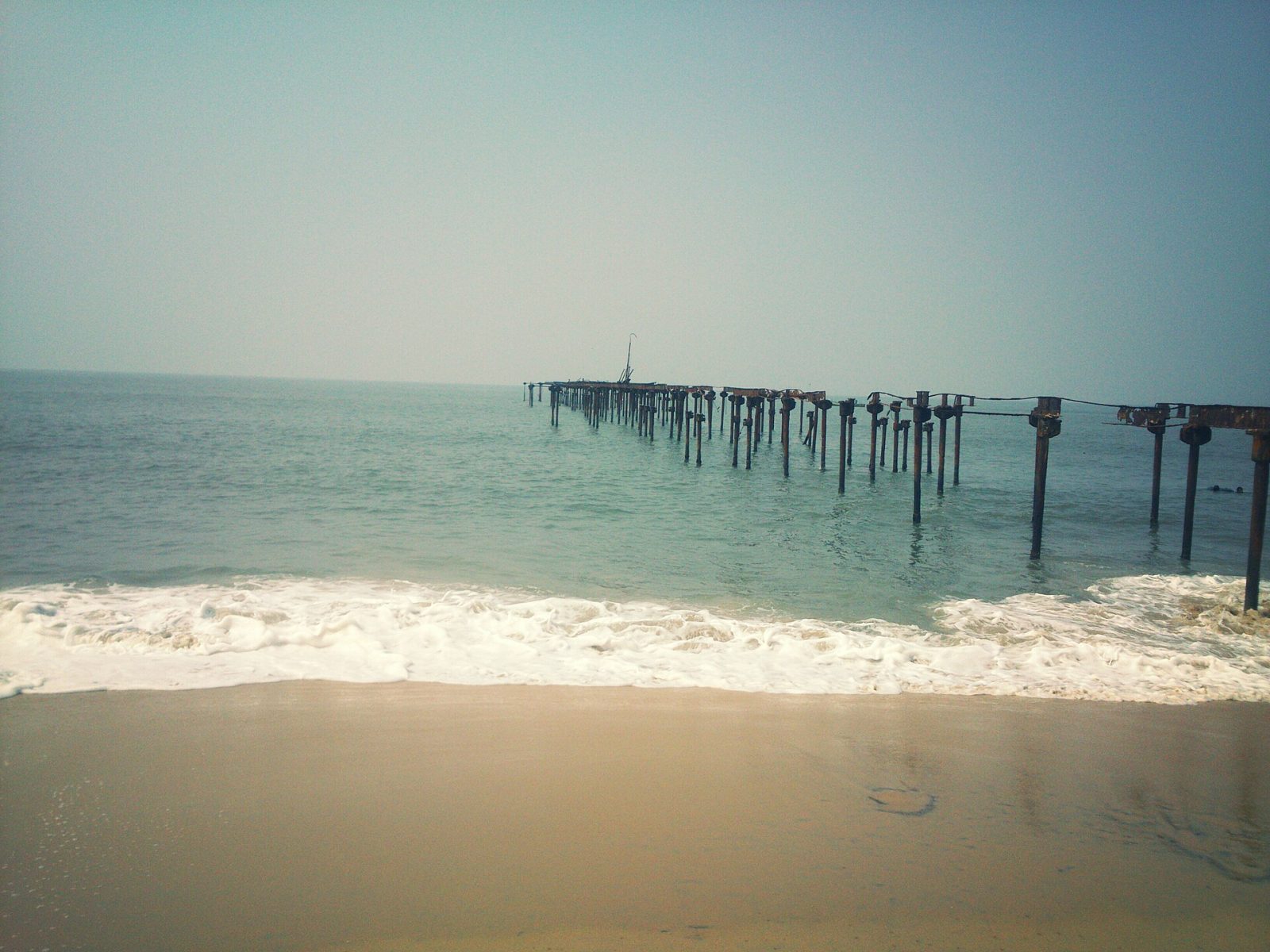
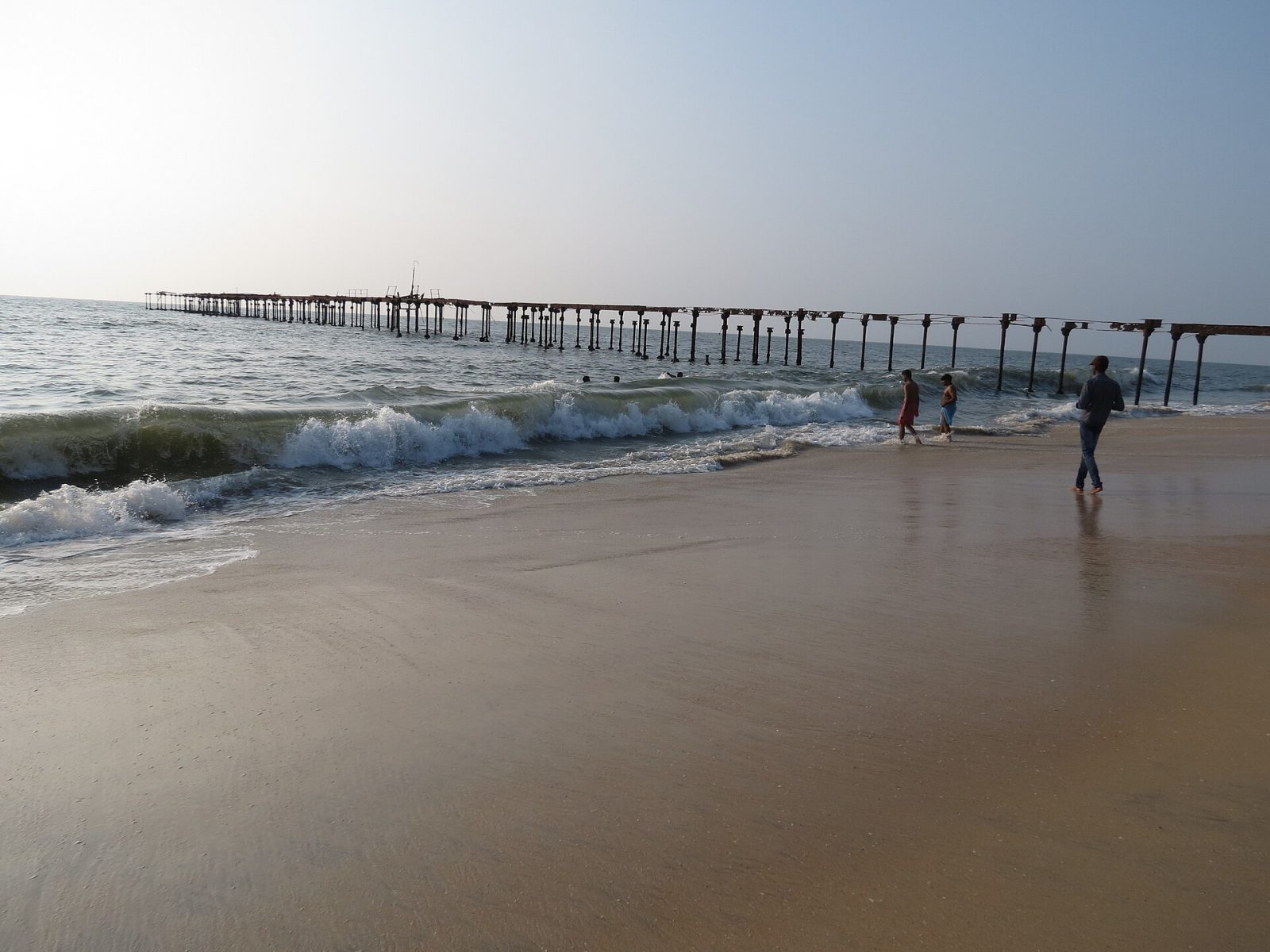
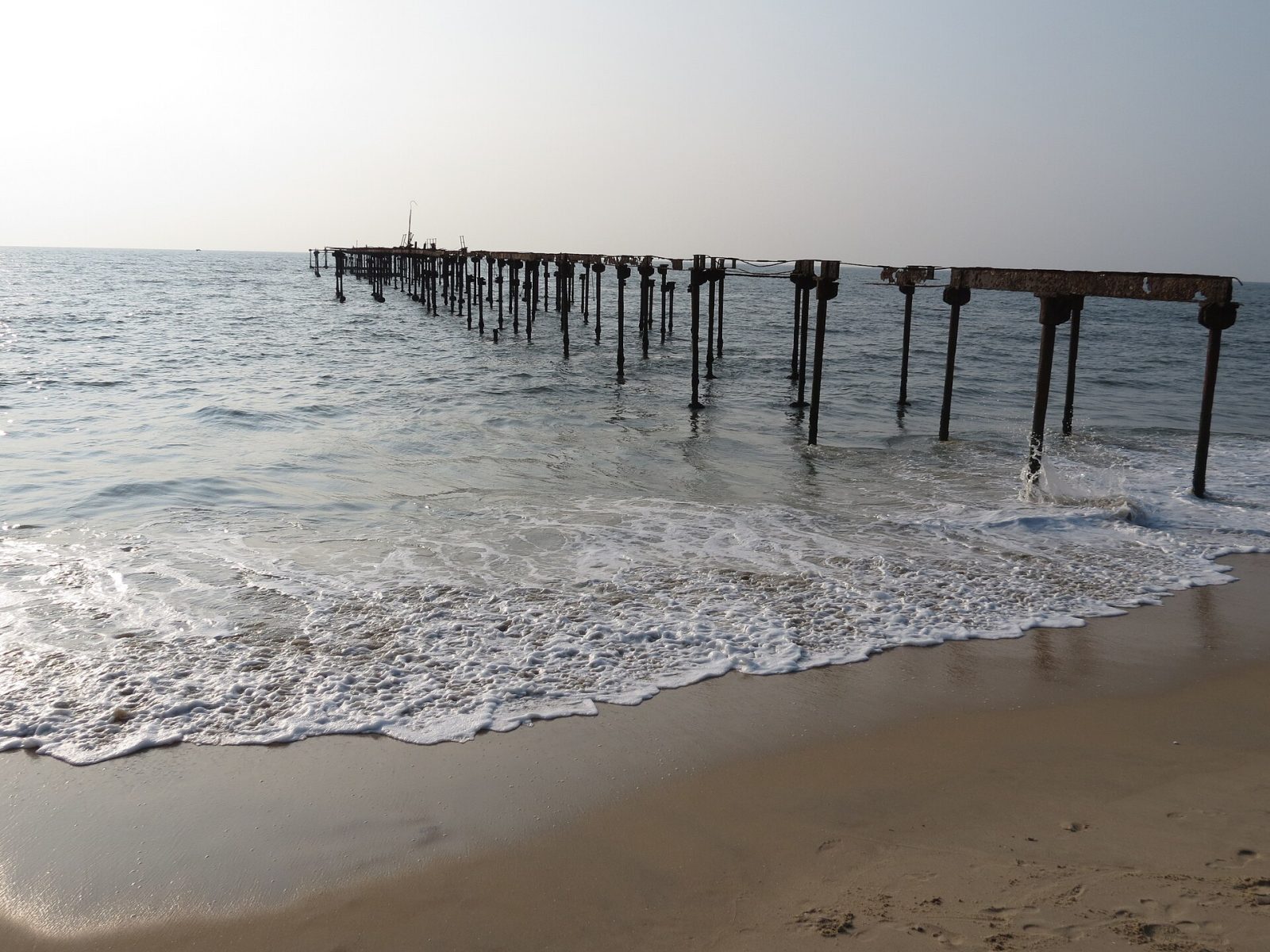
Alappuzha beach is where the backwater town meets the Arabian Sea, and its landmark is a 150-year-old pier that once carried cargo out to ships anchored offshore. The old sea bridge is now a ruin standing in the surf, and the 1862 lighthouse behind it is open to visitors for the view. Lord Curzon called this town the Venice of the East, and a walk along the beach park in the evening explains the nickname, with canals on one side and the sea on the other. Families gather at sunset for snacks from the stalls, and the beach hosts the town's big festivals. It is a short walk or auto ride from the boat jetty and railway station.
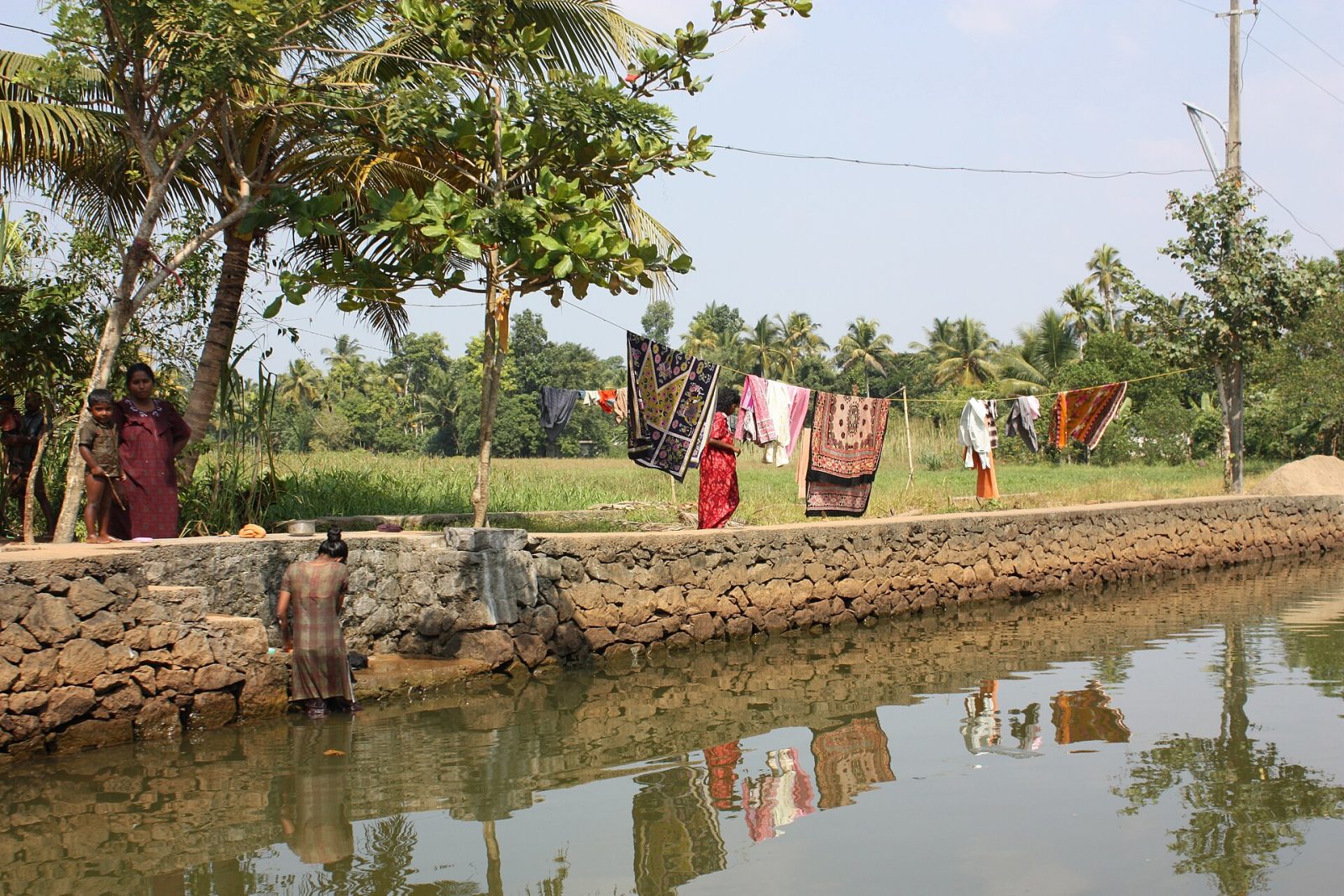
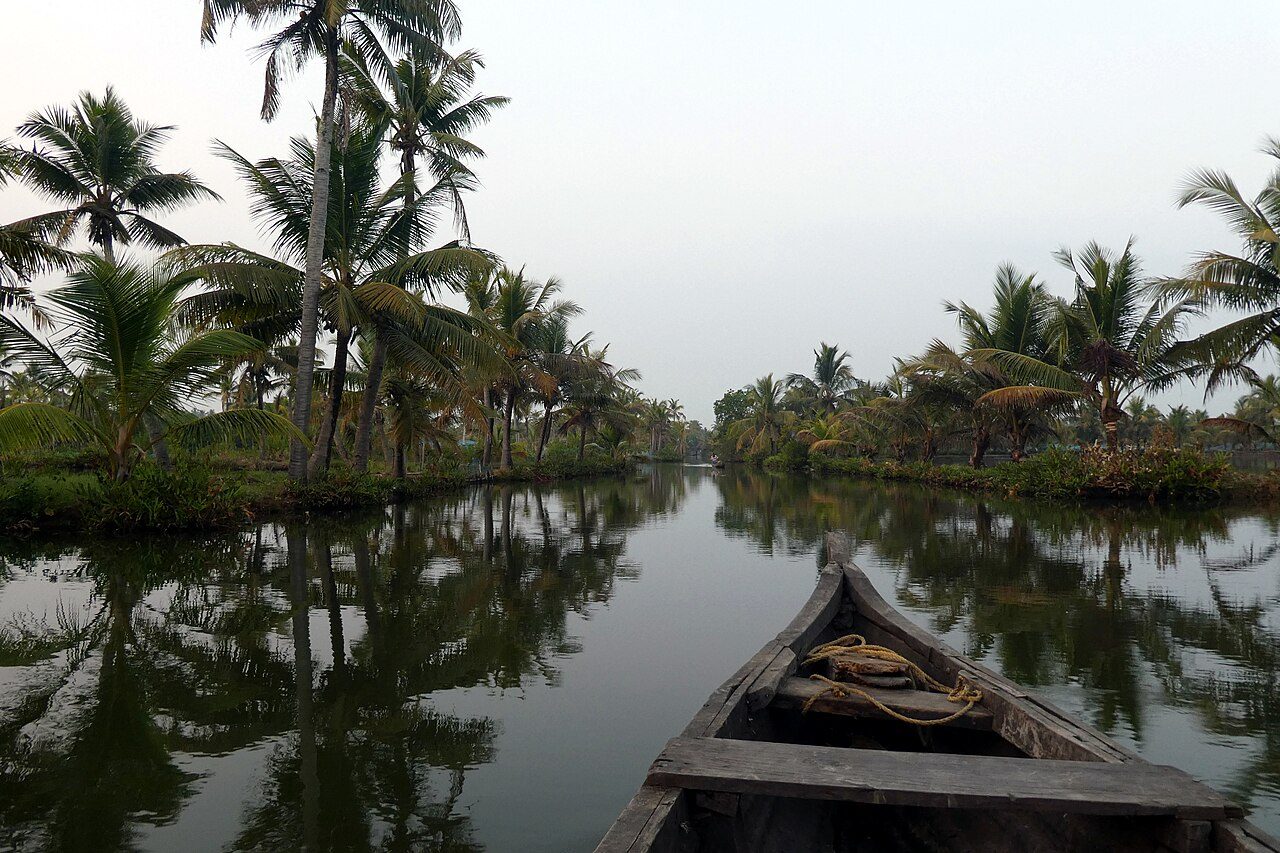
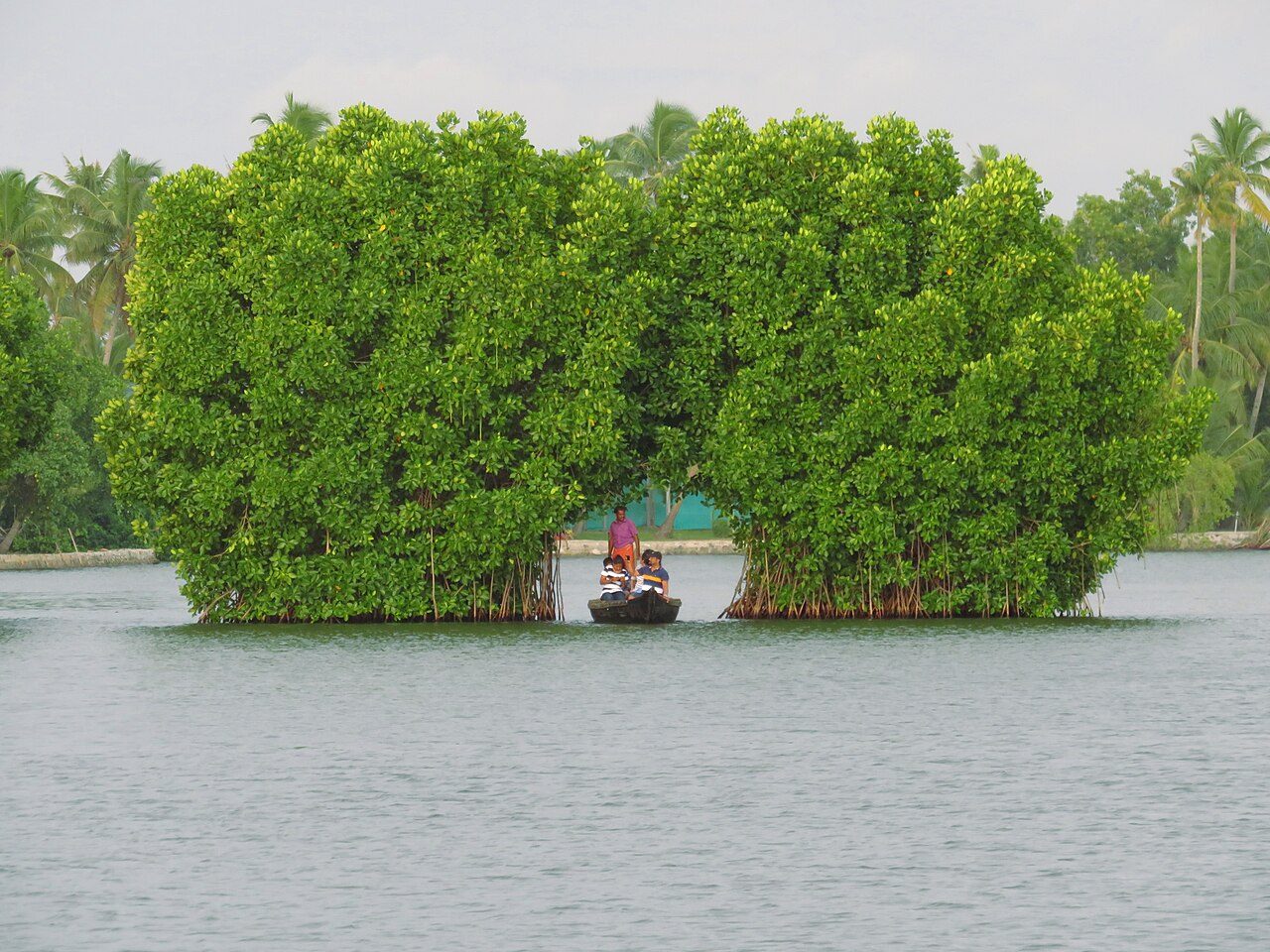
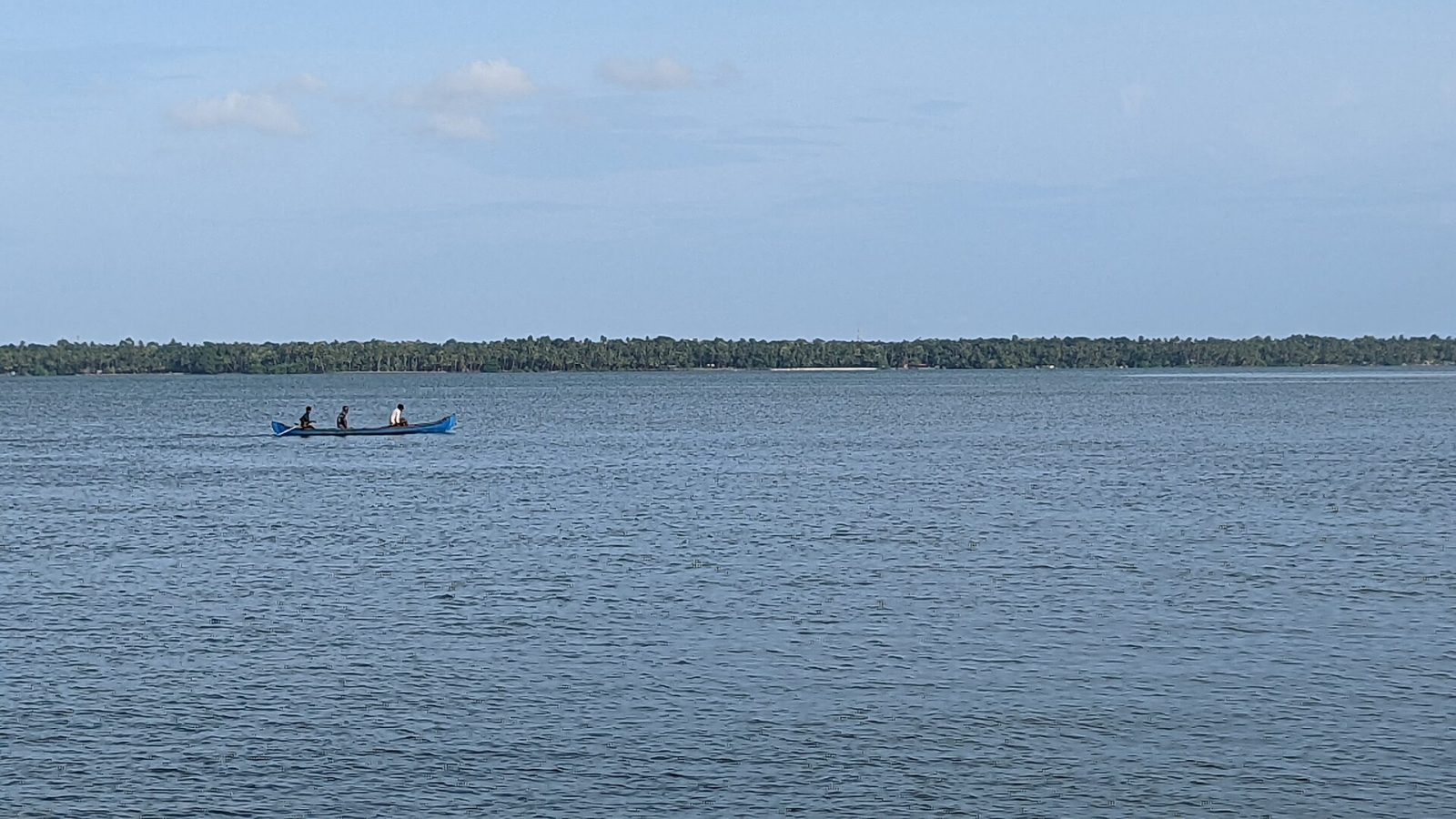
Munroe Island, or Mundrothuruthu, is a cluster of eight small islets where the Kallada River meets Ashtamudi Lake, named after Colonel John Munro, the British Resident of Travancore. Life here runs on water: narrow canals thread between the houses, and the only real way to see the place is a canoe ride through tunnels of overhanging palm and mangrove. The trips usually take in coir-making, prawn farming, lime-shell collecting and a village church or two. Sunrise and sunset over the lake are the reason many people stay the night in a homestay. The island is slowly sinking and shrinking, which has drawn scientists as well as travellers, and it is reached by boat from Kollam or by train to Munroe Thuruth station.
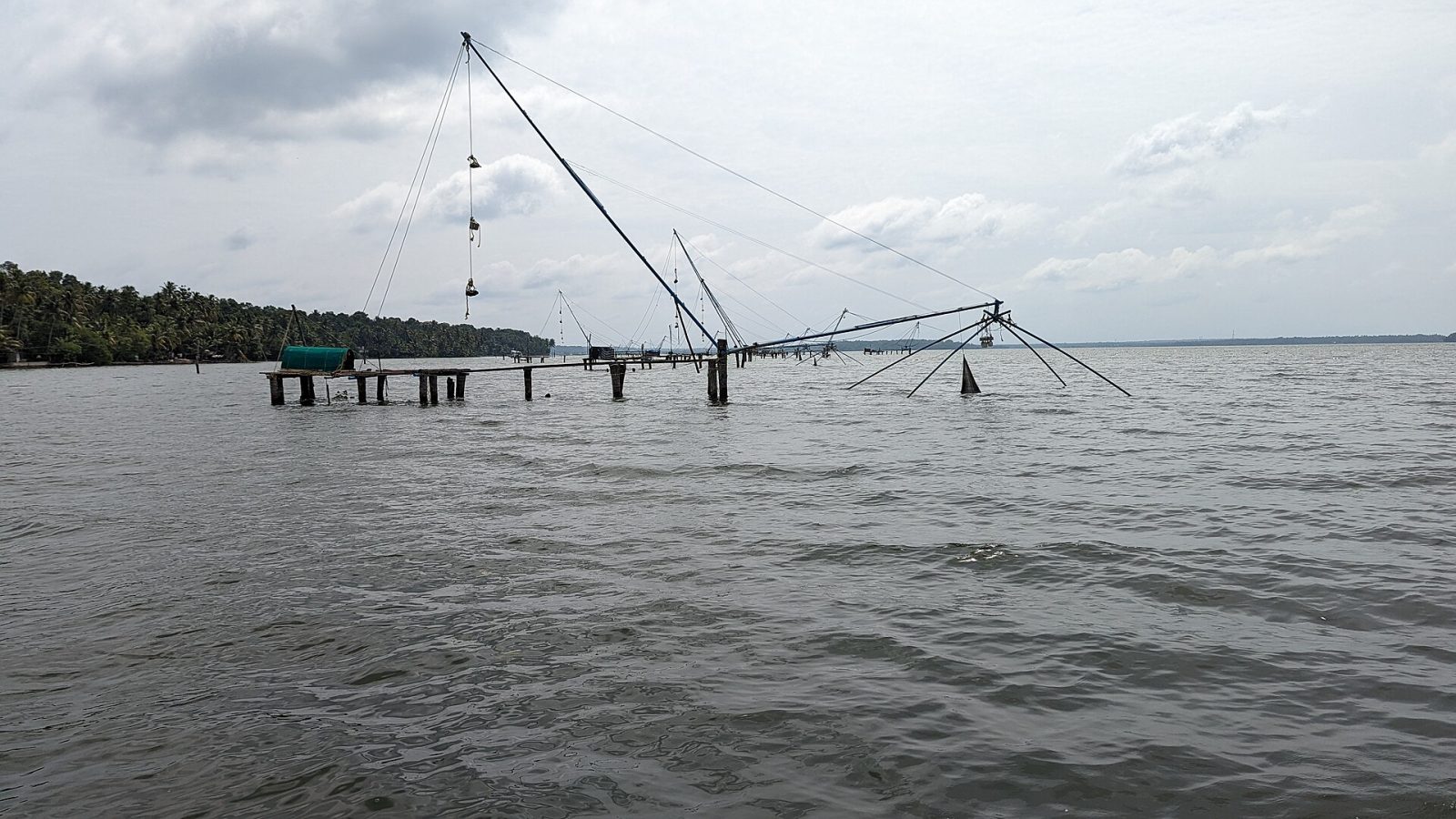
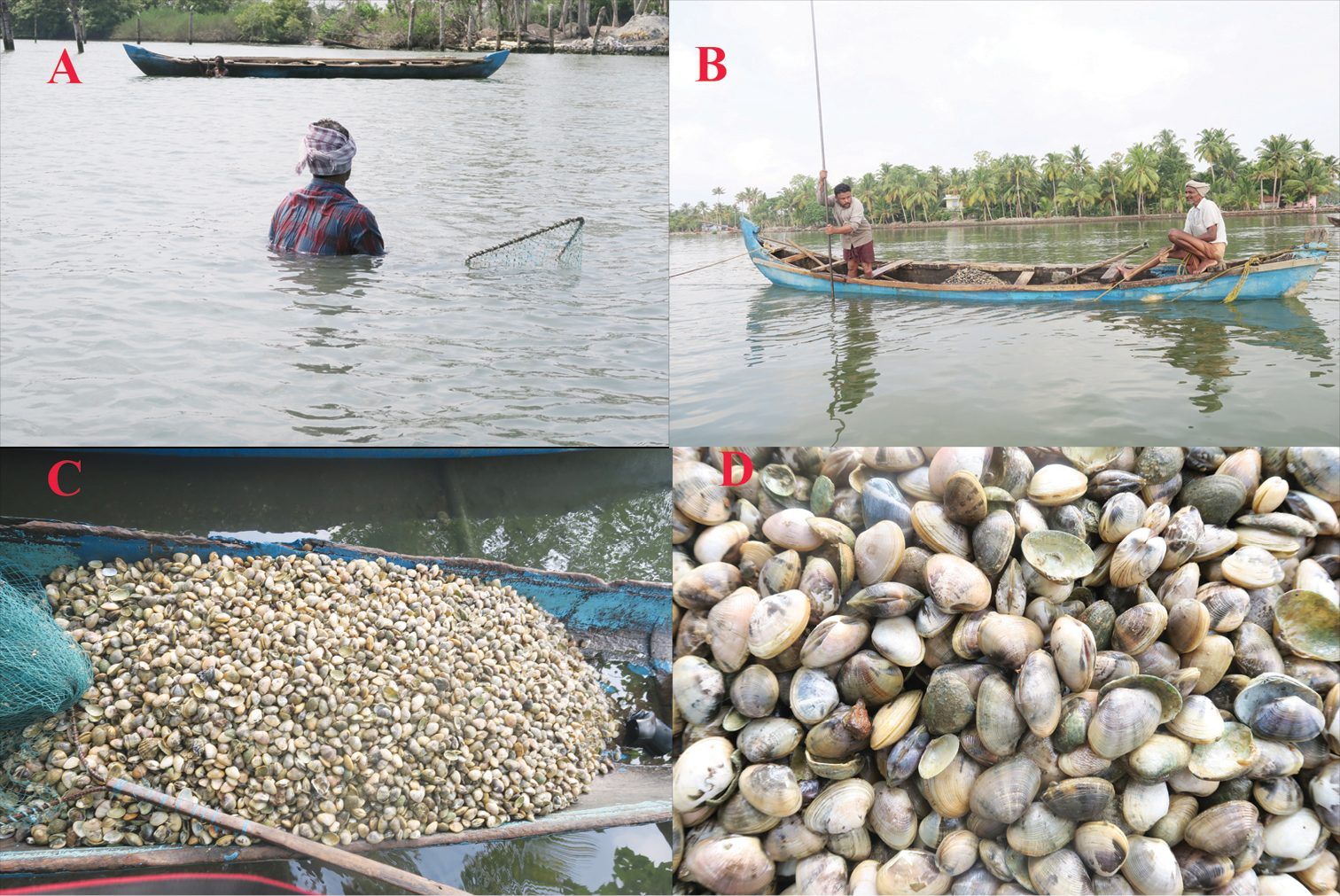
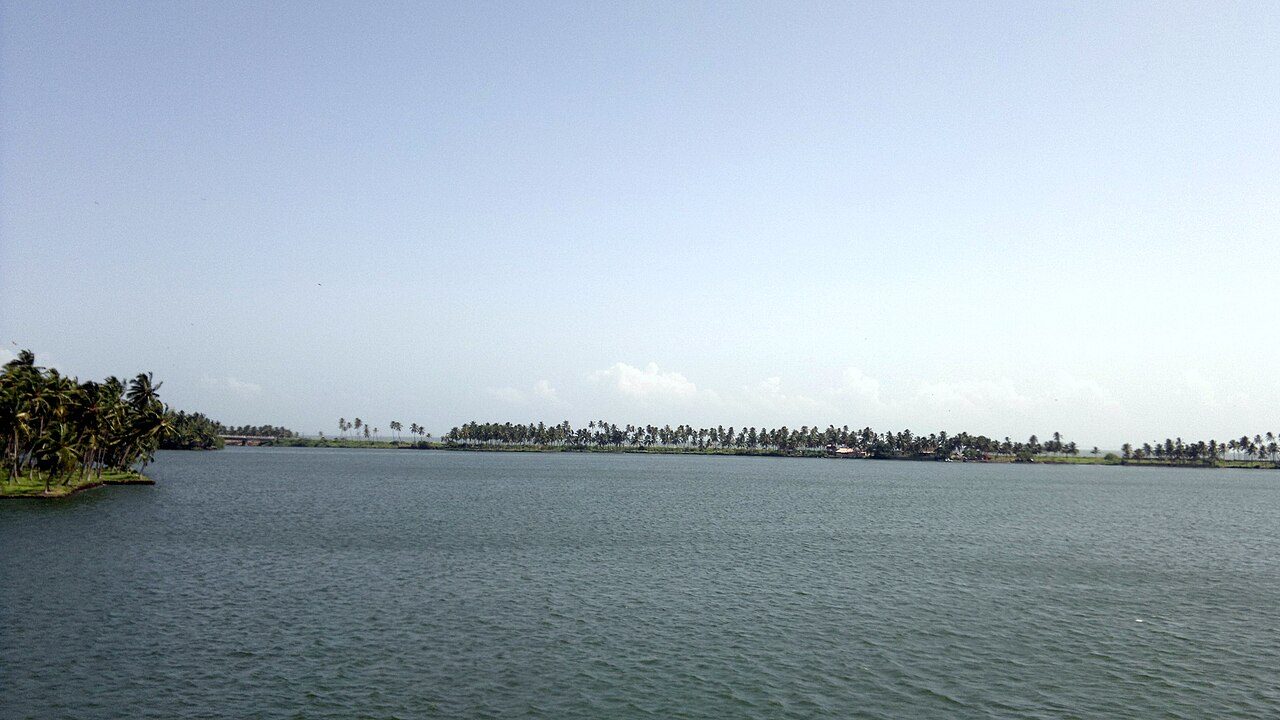
Ashtamudi means eight-armed, and the lake is named for the branches that spread inland from Kollam like the fingers of a hand. It is the second largest lake in Kerala and the southern gateway to the backwaters, joined to the sea at Neendakara, where a busy fishing harbour brings in the day's catch. Boats leave Kollam for cruises through coconut groves, Chinese fishing nets and small islands, and the long eight-hour ferry to Alappuzha is one of the cheapest backwater trips in India. The lake supports a famous clam fishery that was the first in India to earn an international sustainability certificate. Mornings and late afternoons are the best times on the water.
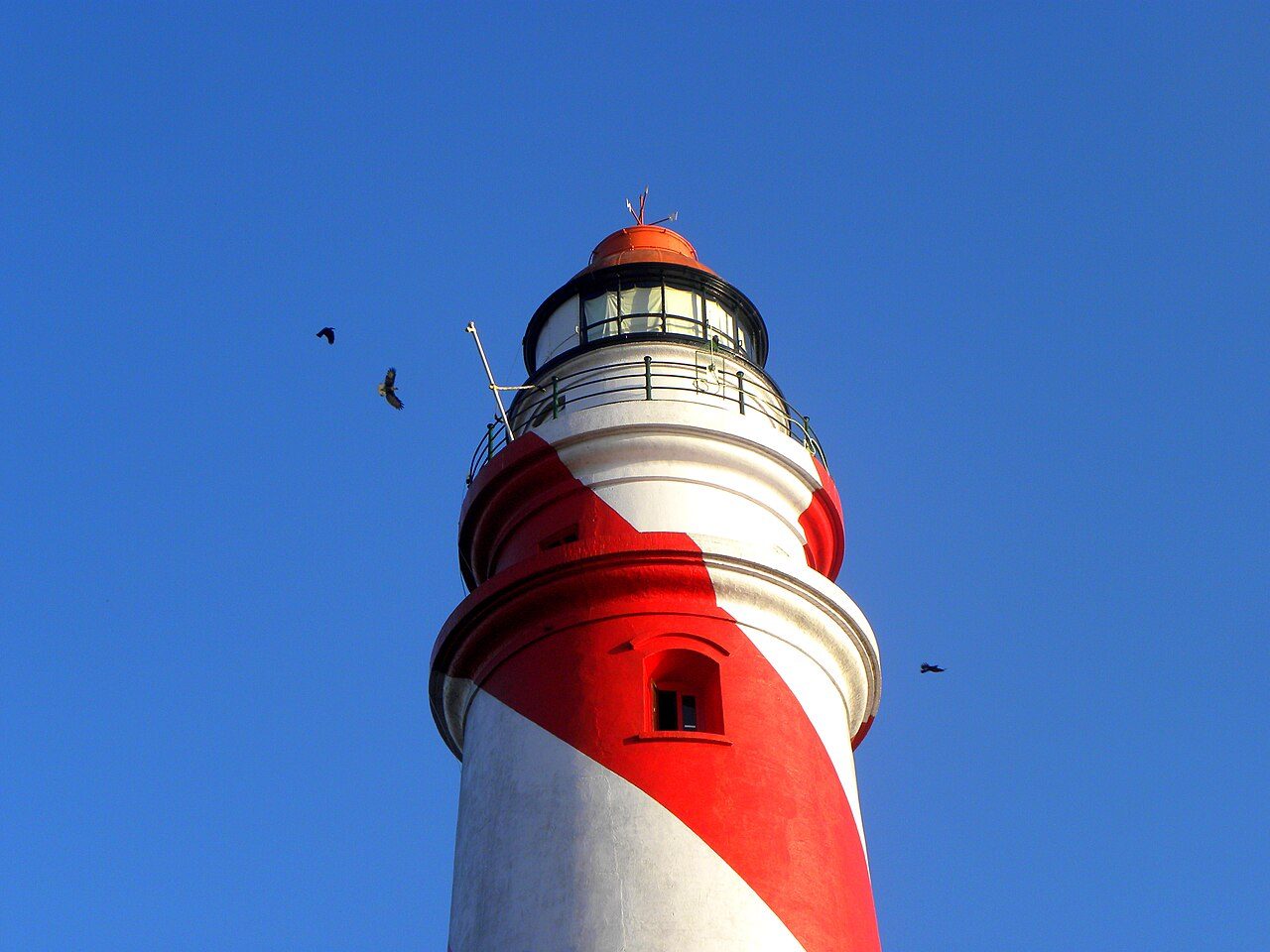
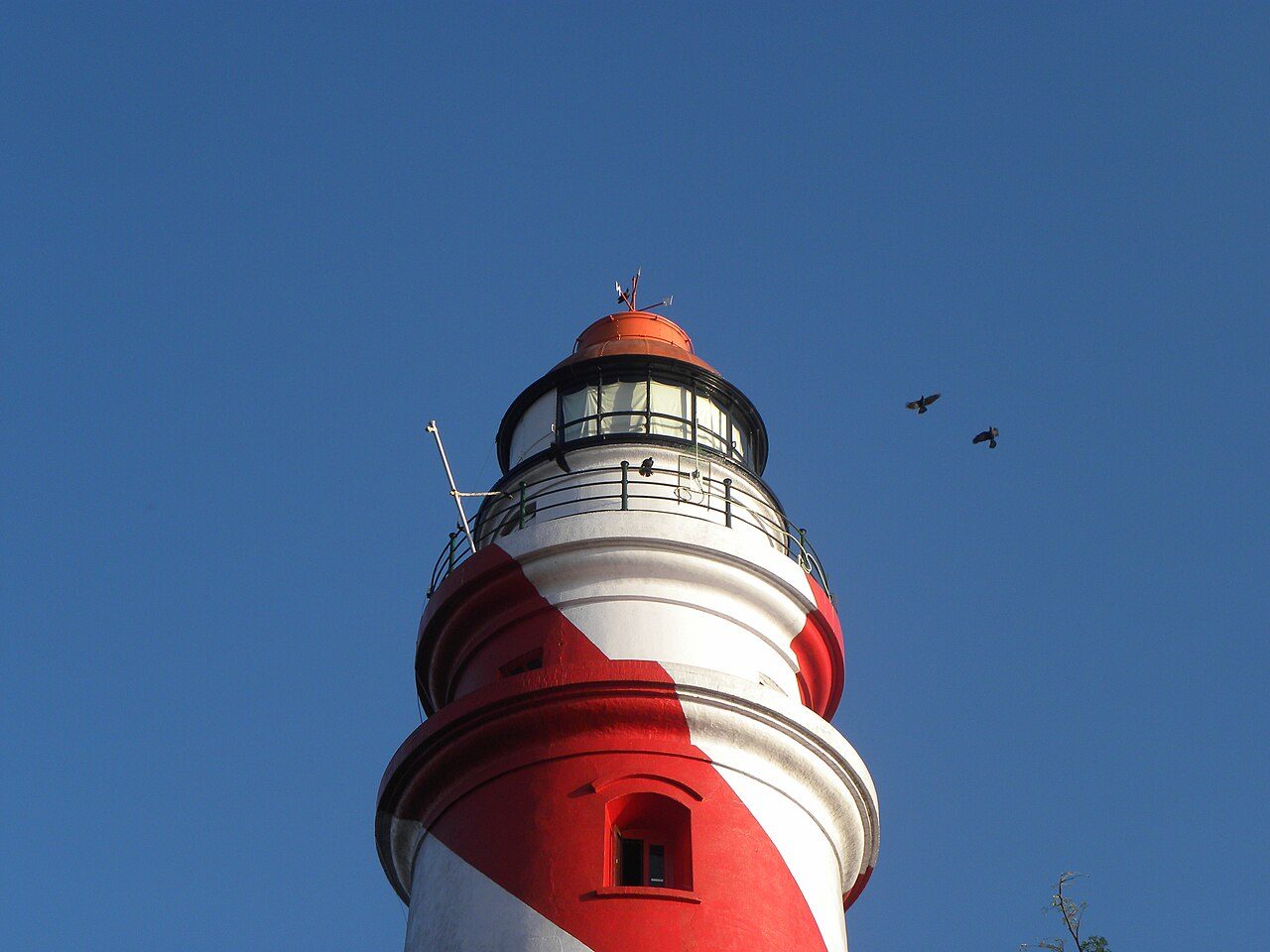
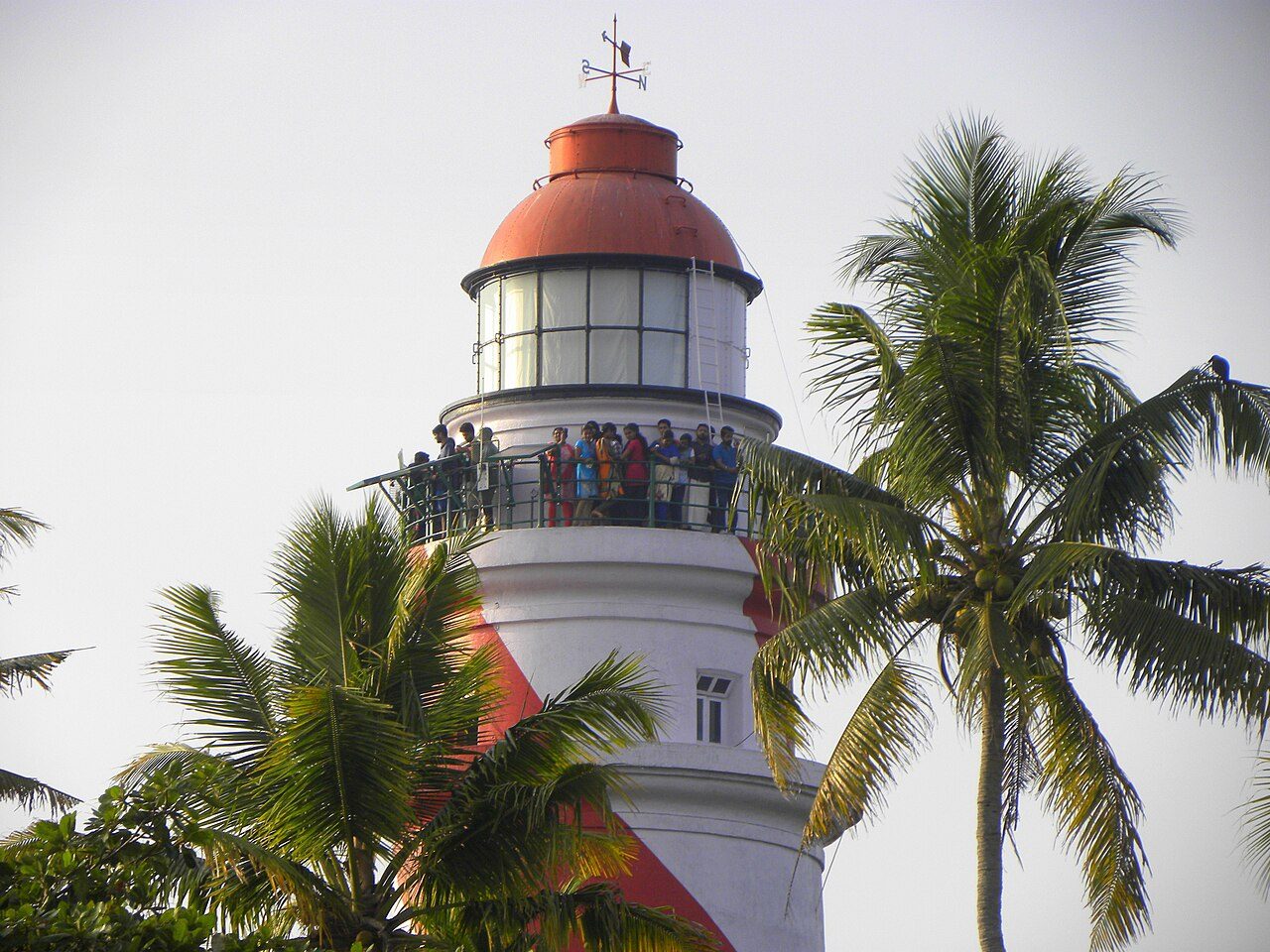
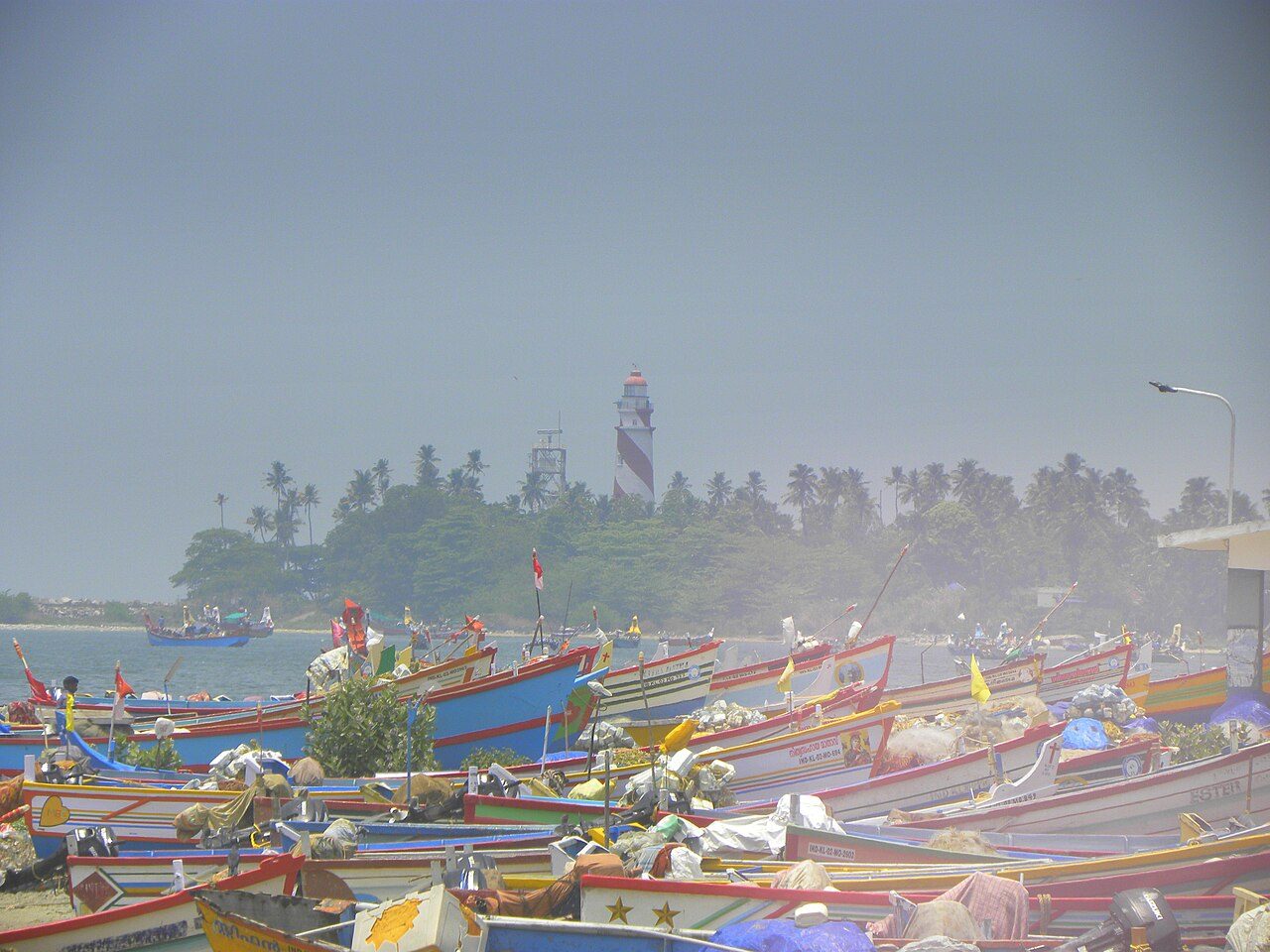
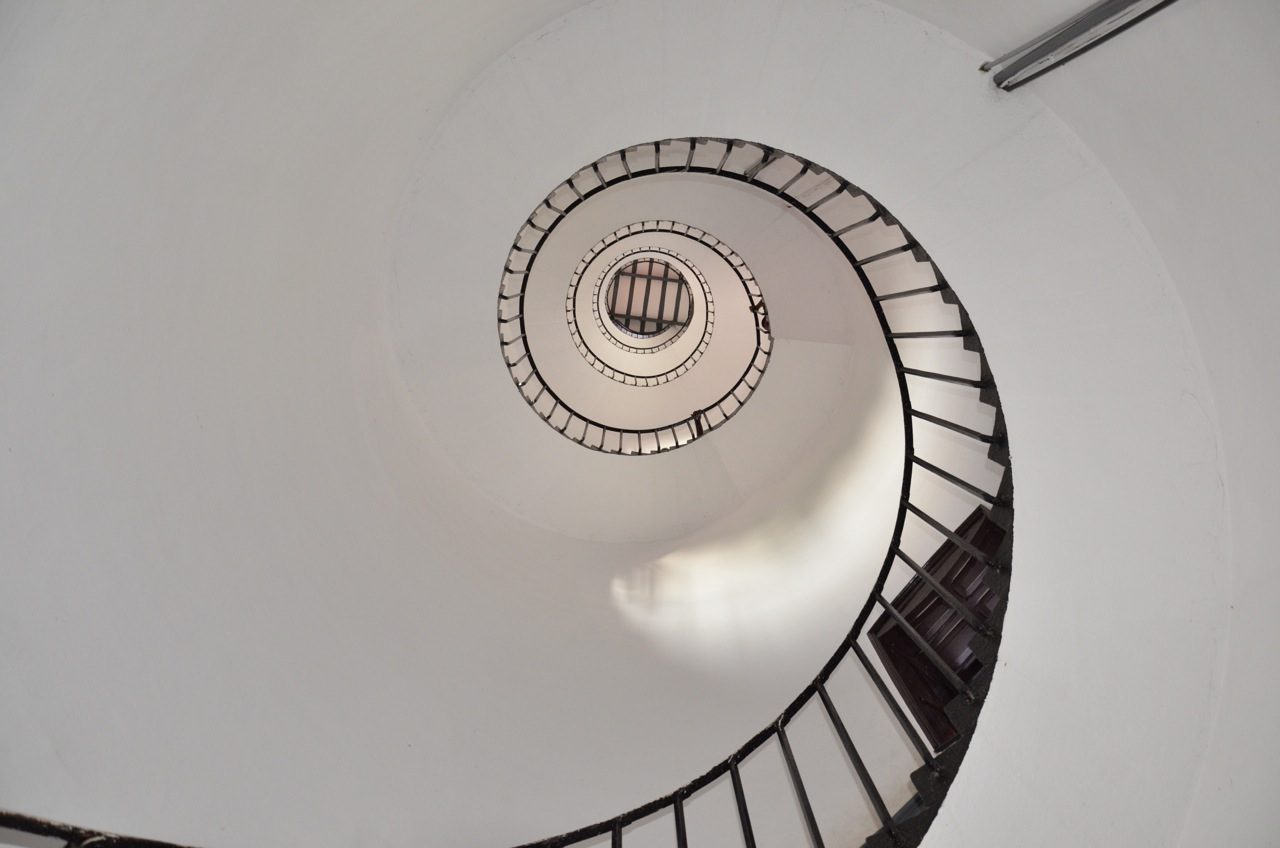
Painted in red and white bands and standing 41 metres tall, the Thangassery lighthouse has guided ships along the Kollam coast since 1902. Visitors can climb the spiral staircase inside to a gallery that looks out over the fishing harbour, the ruins of the old fort and the long curve of the Arabian Sea. The headland it stands on was Portuguese, then Dutch, then British, and the small Anglo-Indian settlement around it still carries that history in its churches and street names. Sunset is the popular hour and the tower opens to the public in the afternoons on most days. It is about 5 km from the centre of Kollam town.
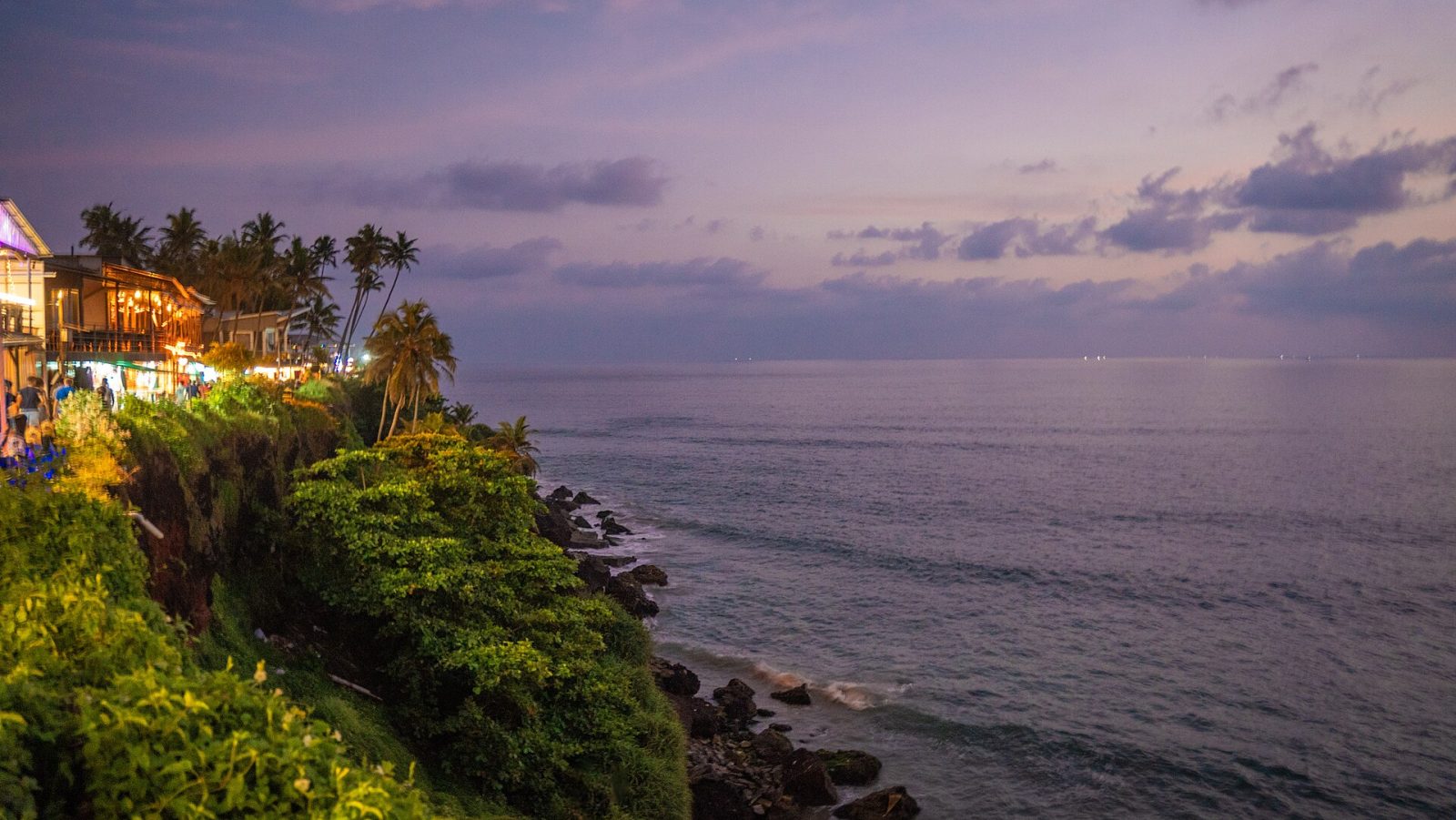
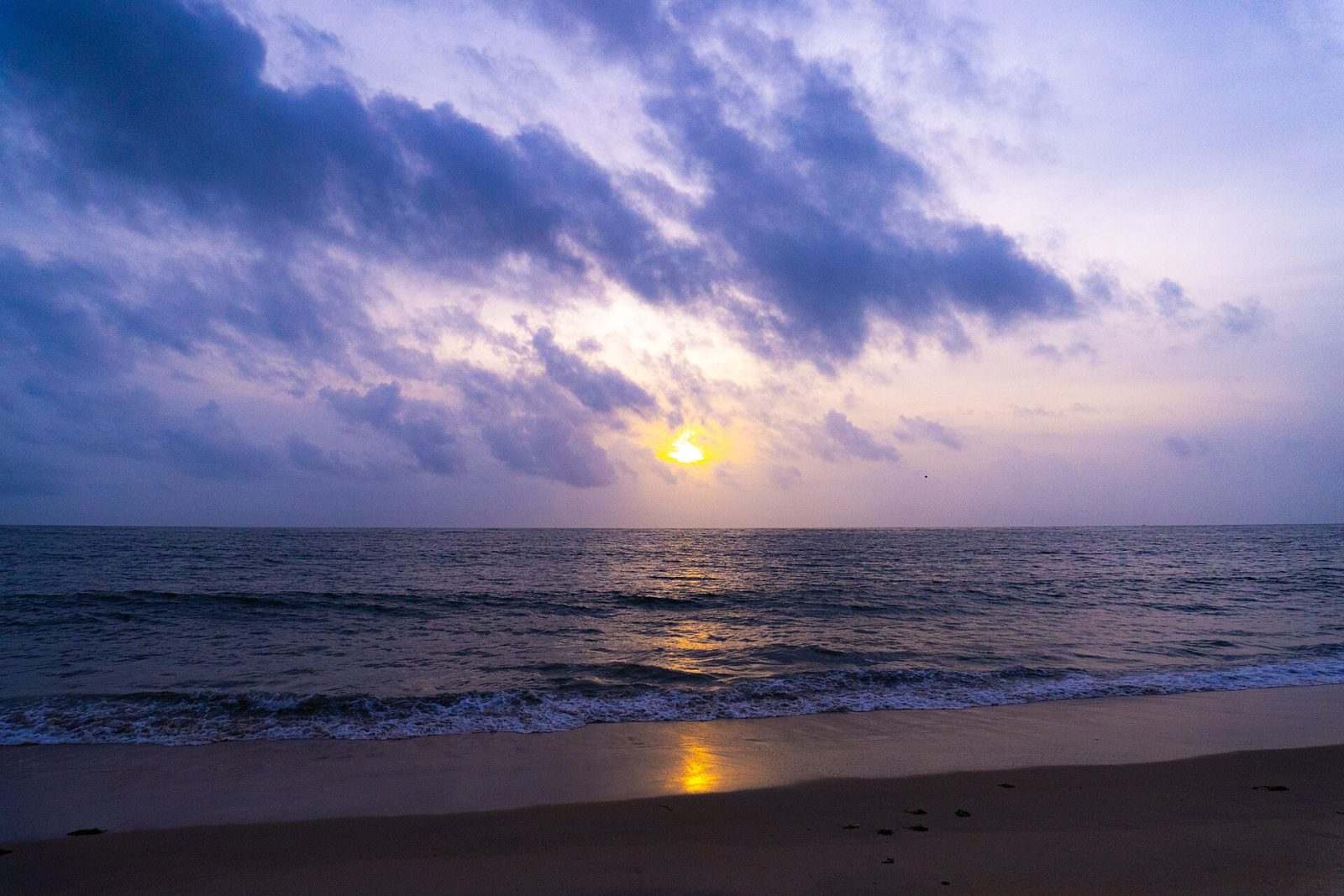
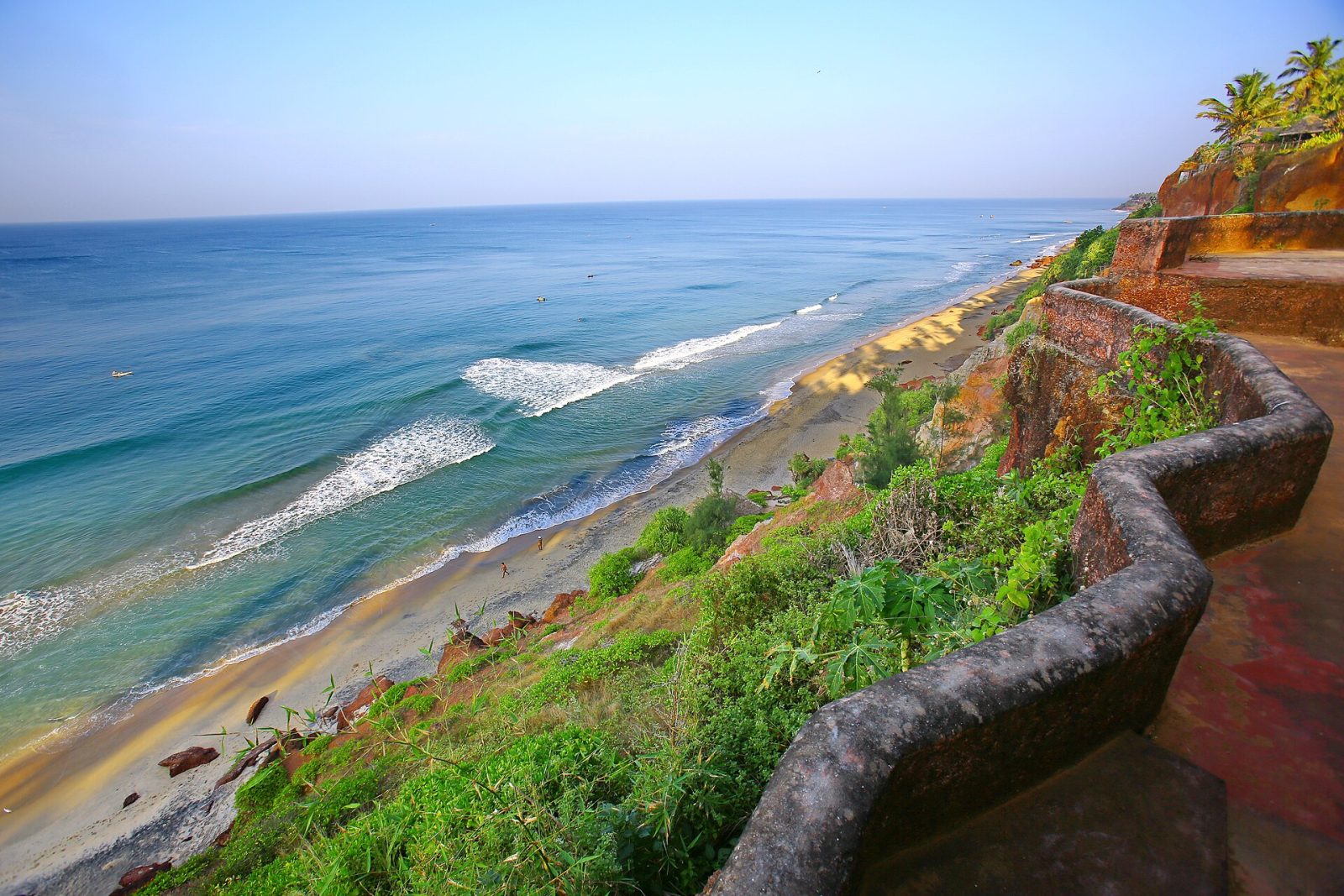
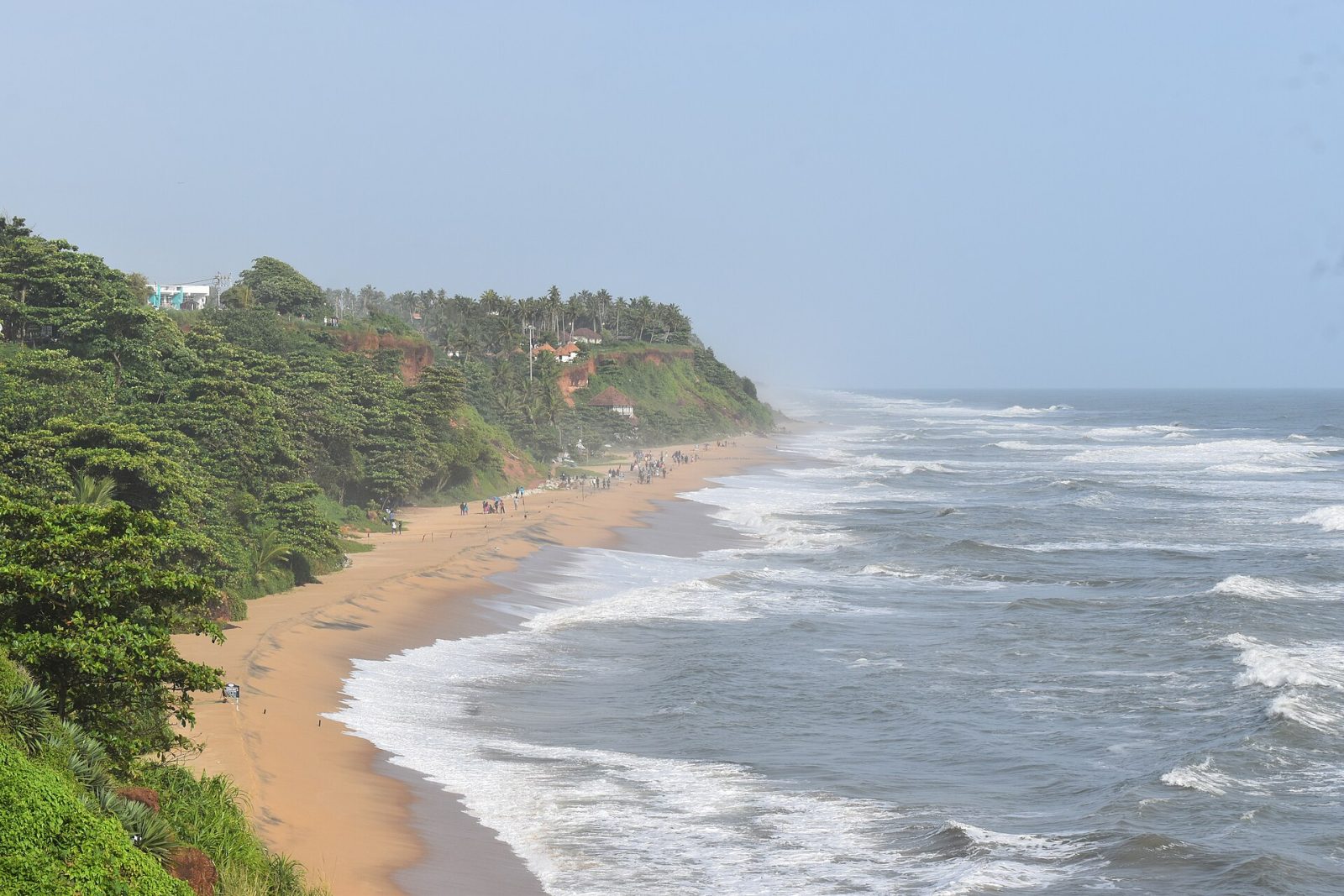
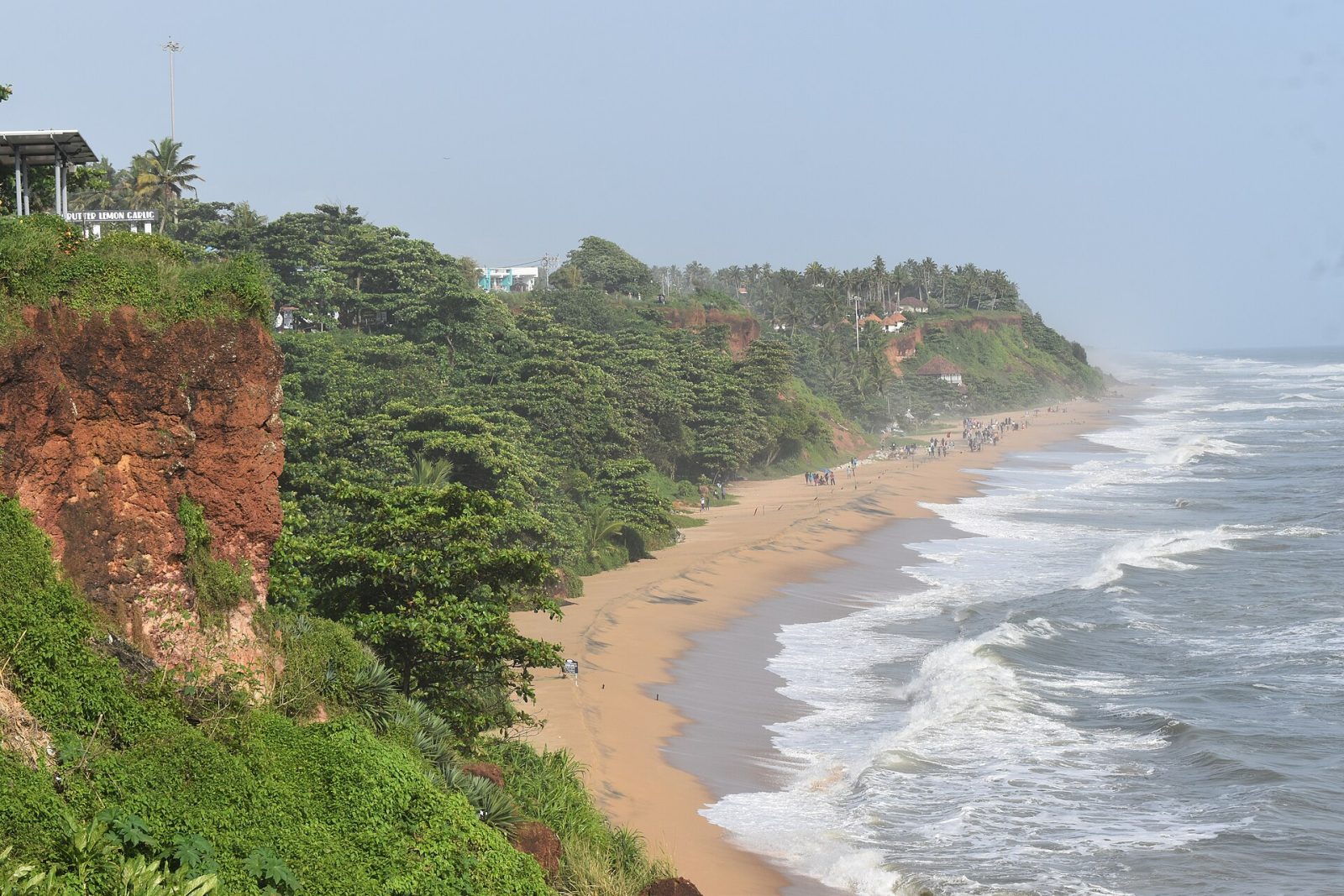
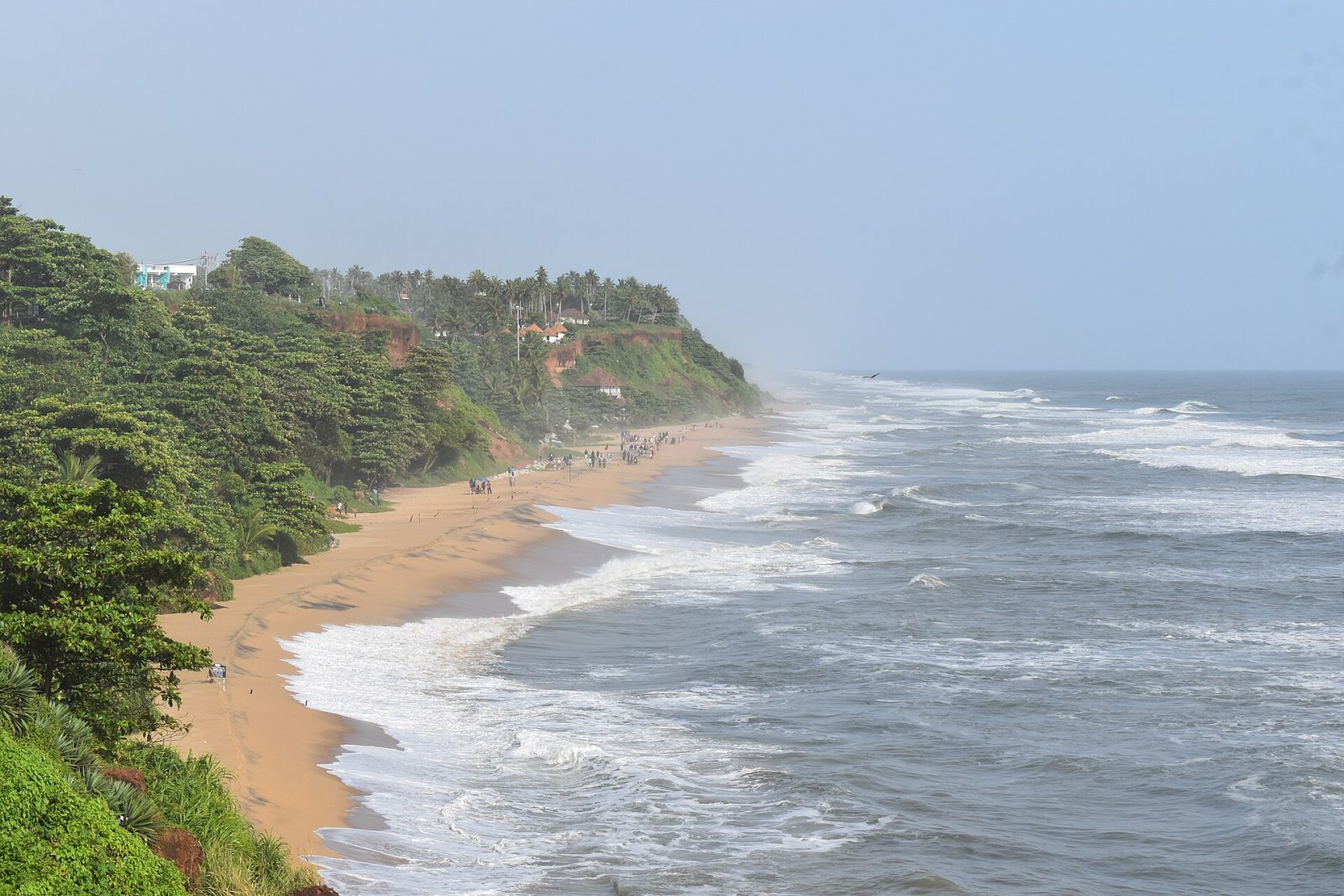
Varkala is the only place on the Kerala coast where red laterite cliffs drop straight to the Arabian Sea. A footpath runs along the cliff edge past cafes, yoga shalas and shops, with stairways down to Papanasam Beach below. The name Papanasam means the washing away of sins, and Hindu families come here to bathe and perform last rites for their relatives; the 2,000-year-old Janardanaswamy Temple stands just above the beach. Mineral springs seep out of the cliff face, which is how the town first became known as a place of healing. Sunset from the cliff is the highlight, and the season runs from October to March.
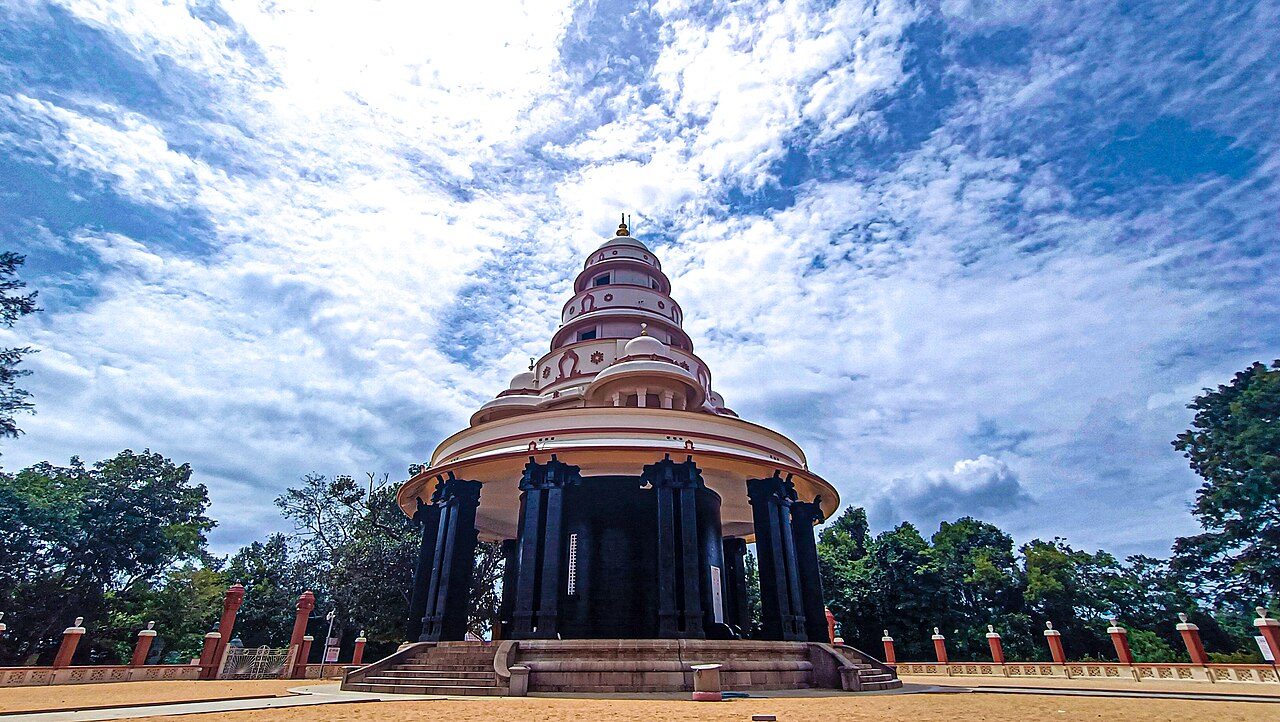
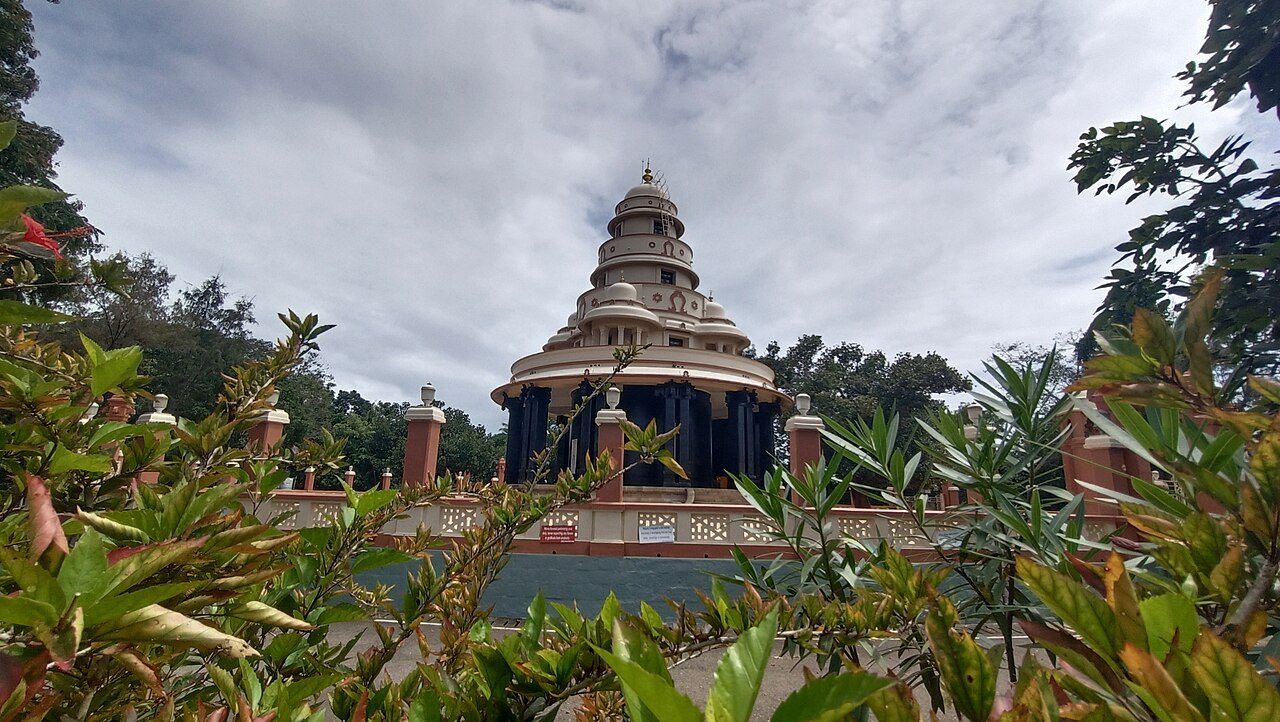
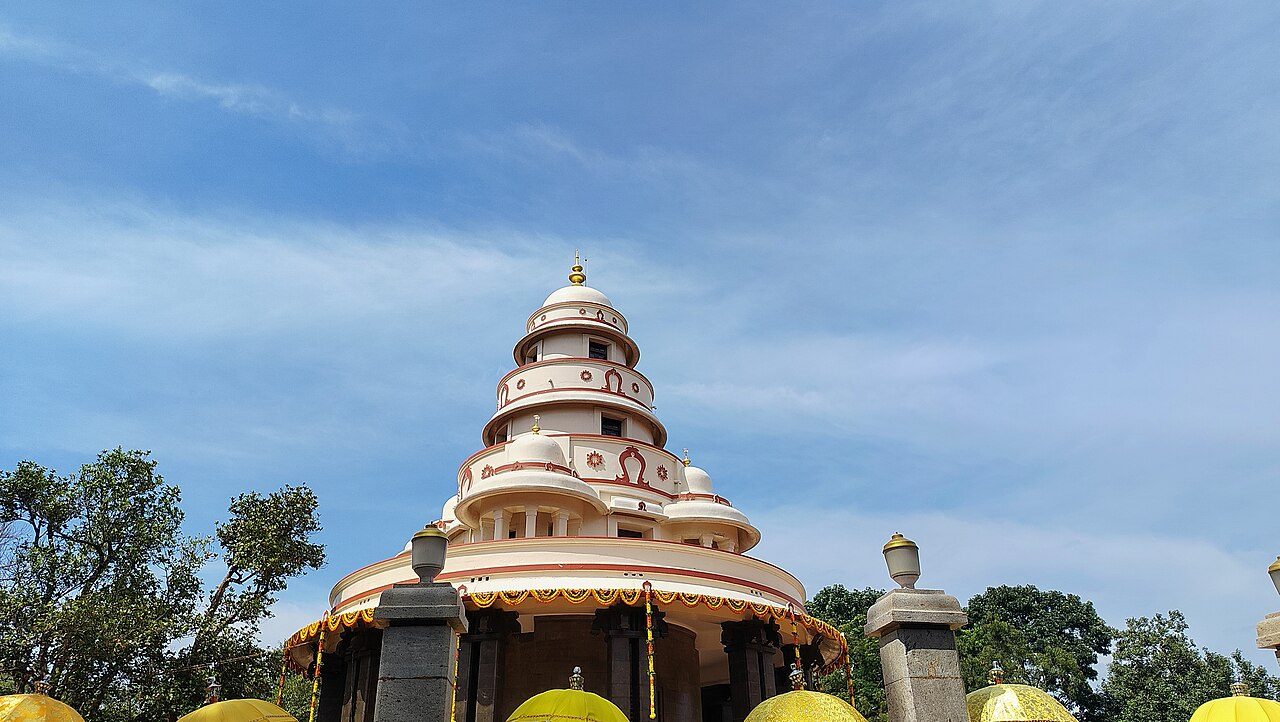
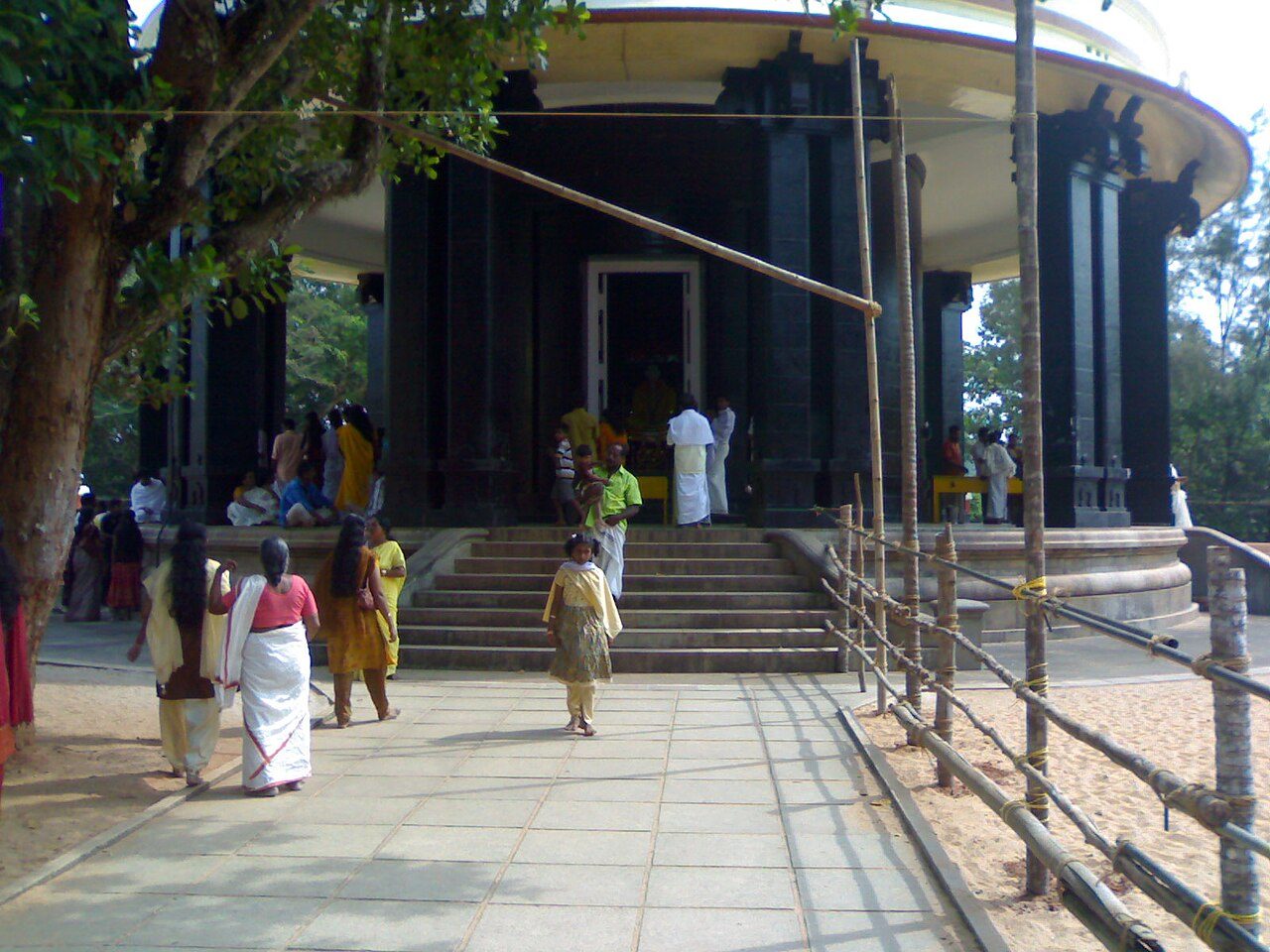
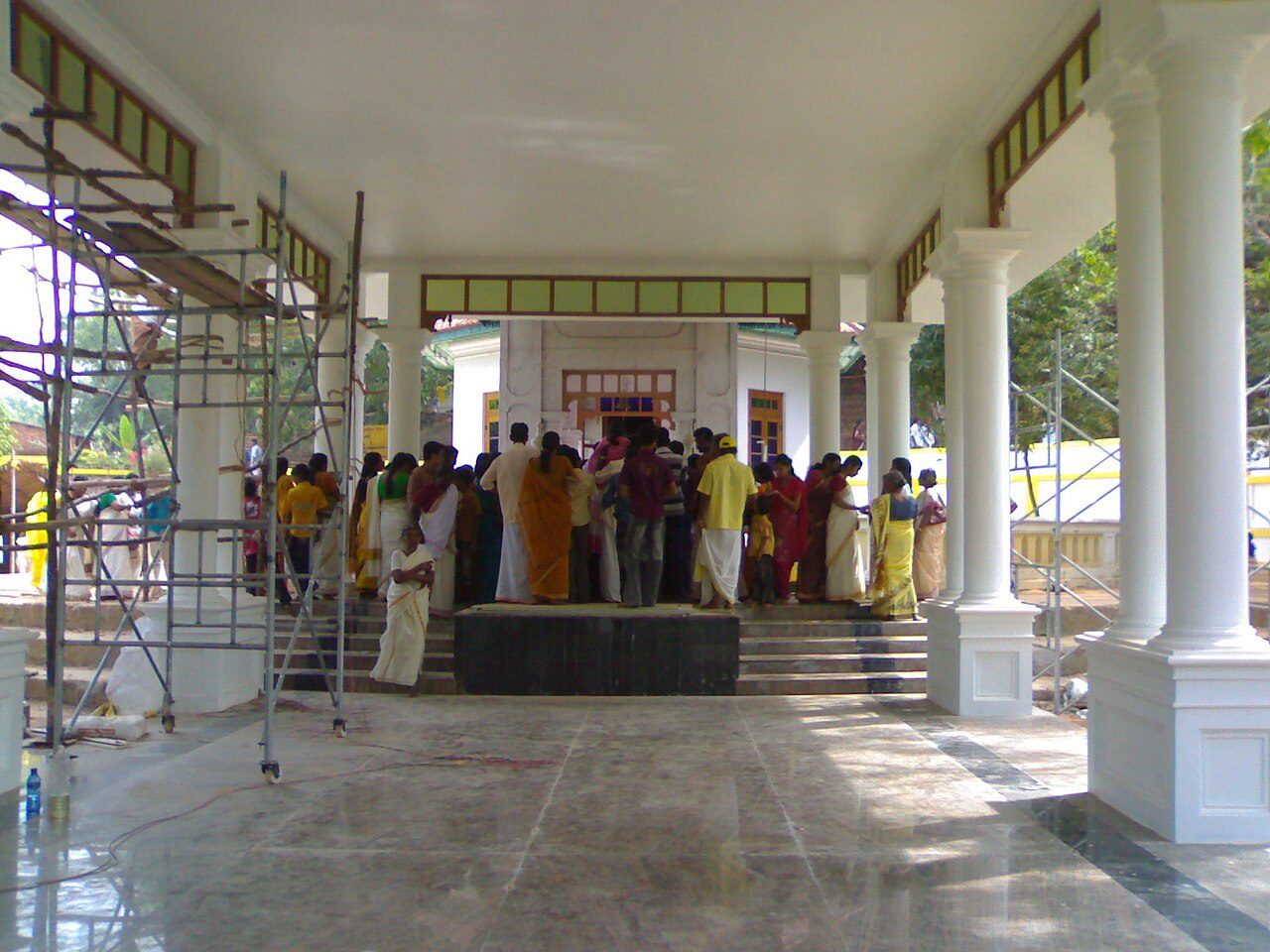
Sivagiri is the hilltop ashram founded in 1904 by Sree Narayana Guru, the social reformer whose message of one caste, one religion and one god for all reshaped modern Kerala. The Guru's samadhi shrine and the octagonal Sharada Mutt, its temple to the goddess of learning, stand on the hill overlooking Varkala. The Sivagiri pilgrimage from 30 December to 1 January brings lakhs of devotees dressed in yellow up the hill, a tradition the Guru himself set out. The complex also holds a library, a publishing house and educational institutions run by the order. It lies about 3 km from Varkala town and is usually combined with a visit to the Varkala cliff.
Kappil is where the Kappil backwater runs parallel to the sea and almost touches it, separated by a thin strip of sand and palms about 6 km north of Varkala. Standing on the small bridge over the estuary you can see the lake on one side and the open Arabian Sea on the other. The beach itself stays quiet even when the Varkala cliff is crowded, and the shallow lake is used for short boat rides. A viewpoint above the bridge looks out over the whole bend of the coast. It marks the boundary between Thiruvananthapuram and Kollam districts and is best visited in the late afternoon.
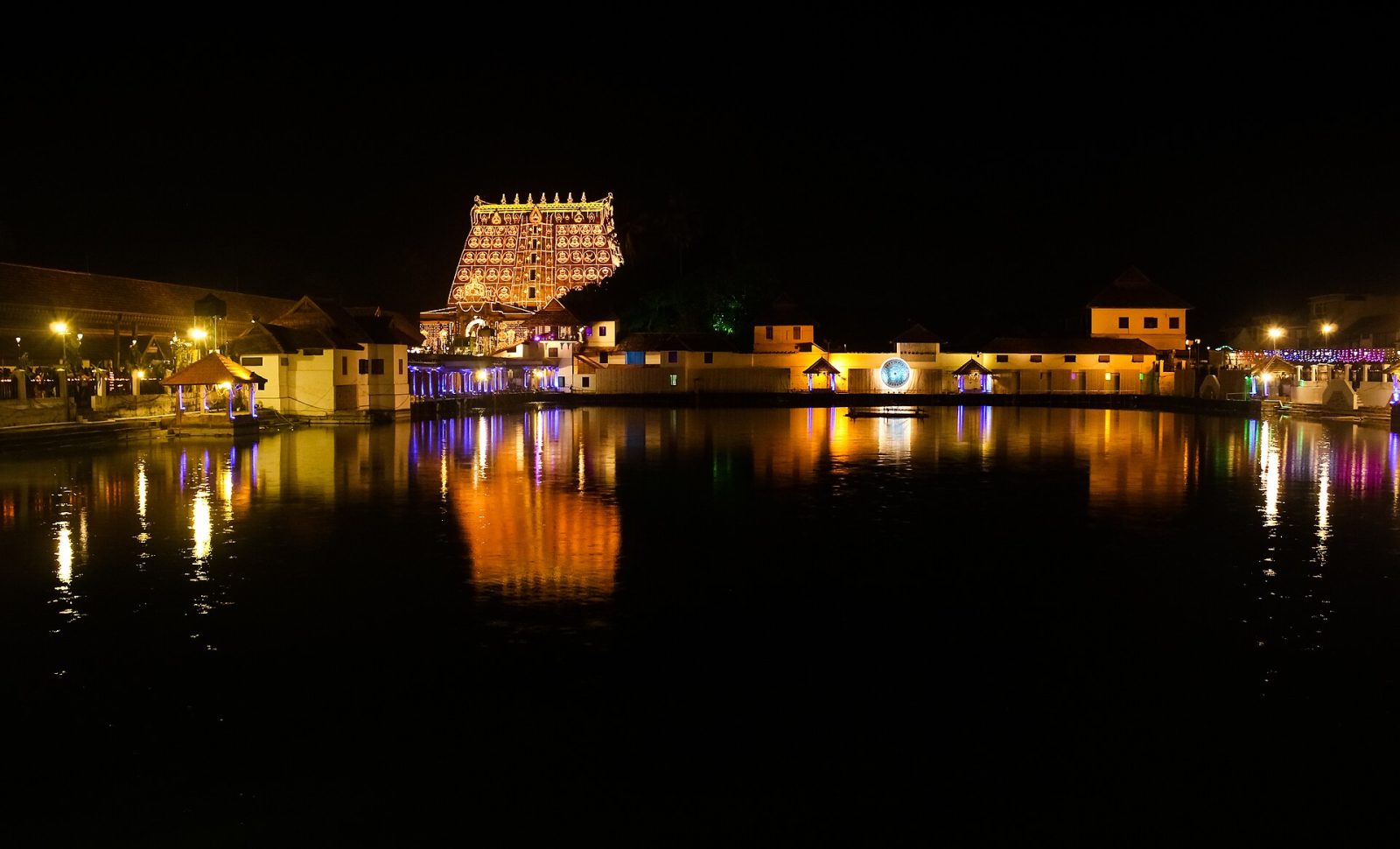
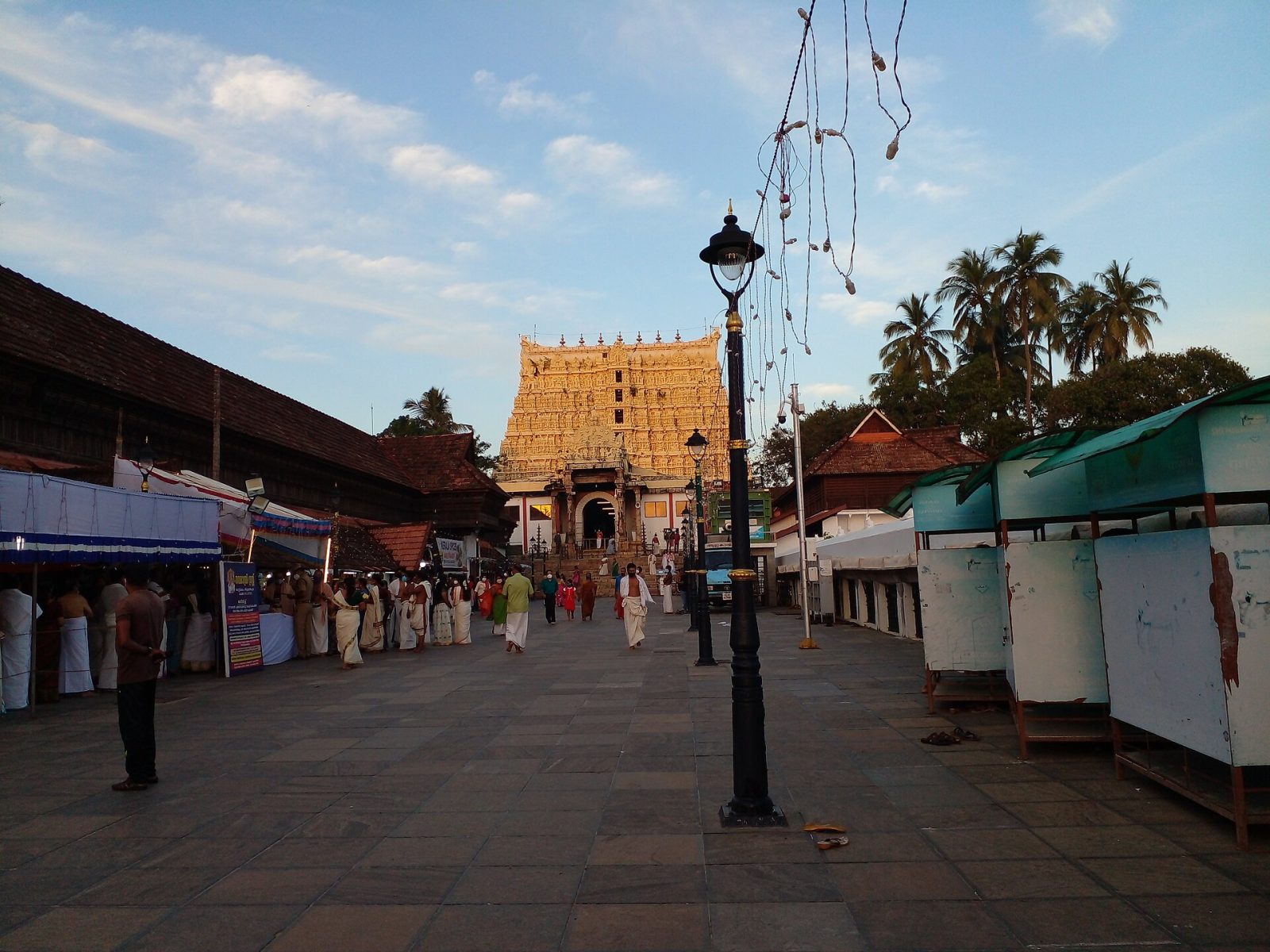
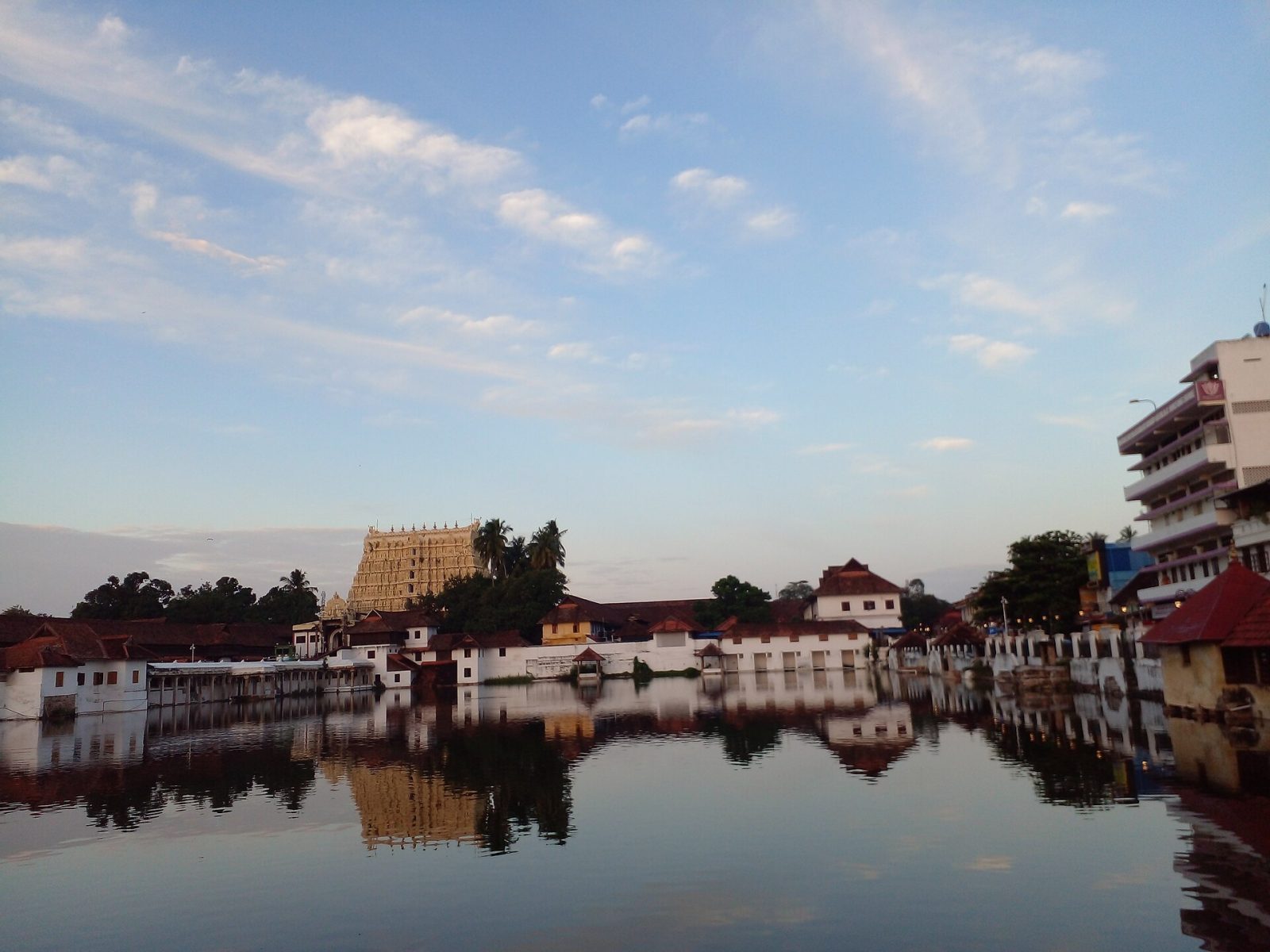
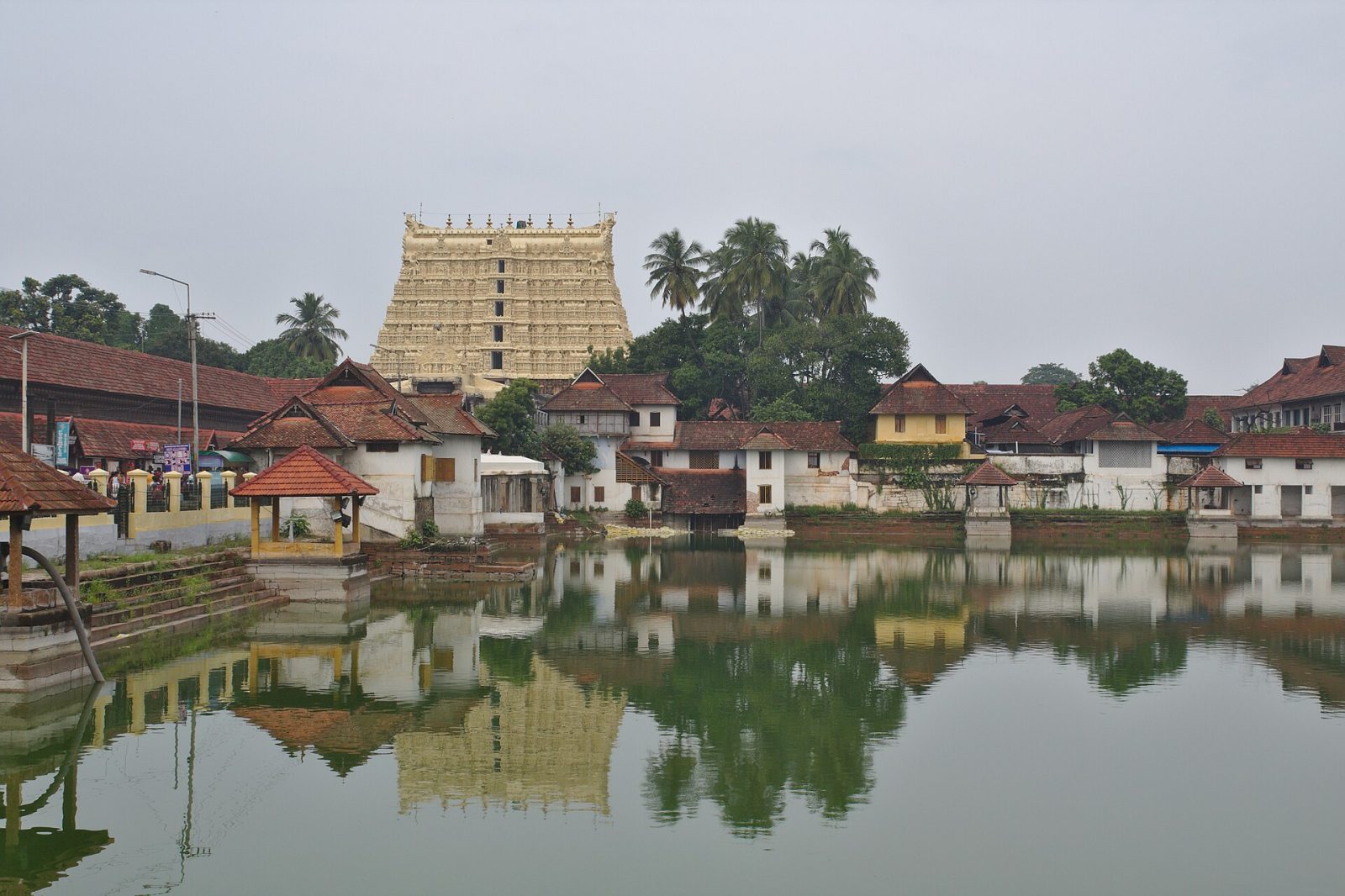
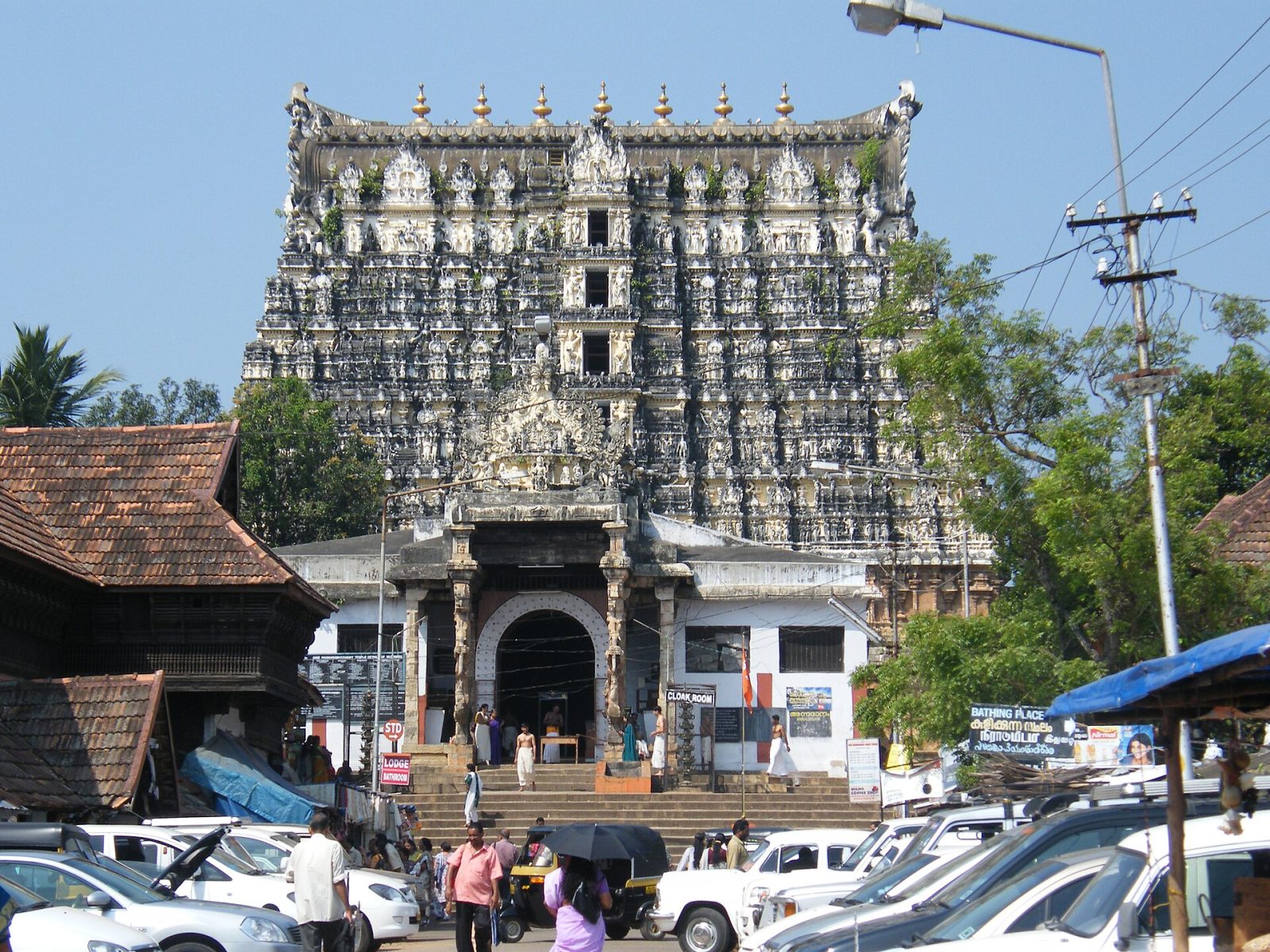
Sree Padmanabhaswamy Temple in Thiruvananthapuram is dedicated to Vishnu reclining on the serpent Anantha, and the city itself is named after that deity. The present granite temple with its seven-tier gopuram was built by the rulers of Travancore in the 18th century, when King Marthanda Varma dedicated his whole kingdom to the god and ruled as his servant. It became world news in 2011 when vaults beneath the temple were opened and found to hold one of the largest treasure hoards ever recorded. The temple is still run by the royal family's trust, and worship continues much as it has for centuries. Only Hindus may enter, and a strict dress code applies: mundu for men, sari or long skirt for women.
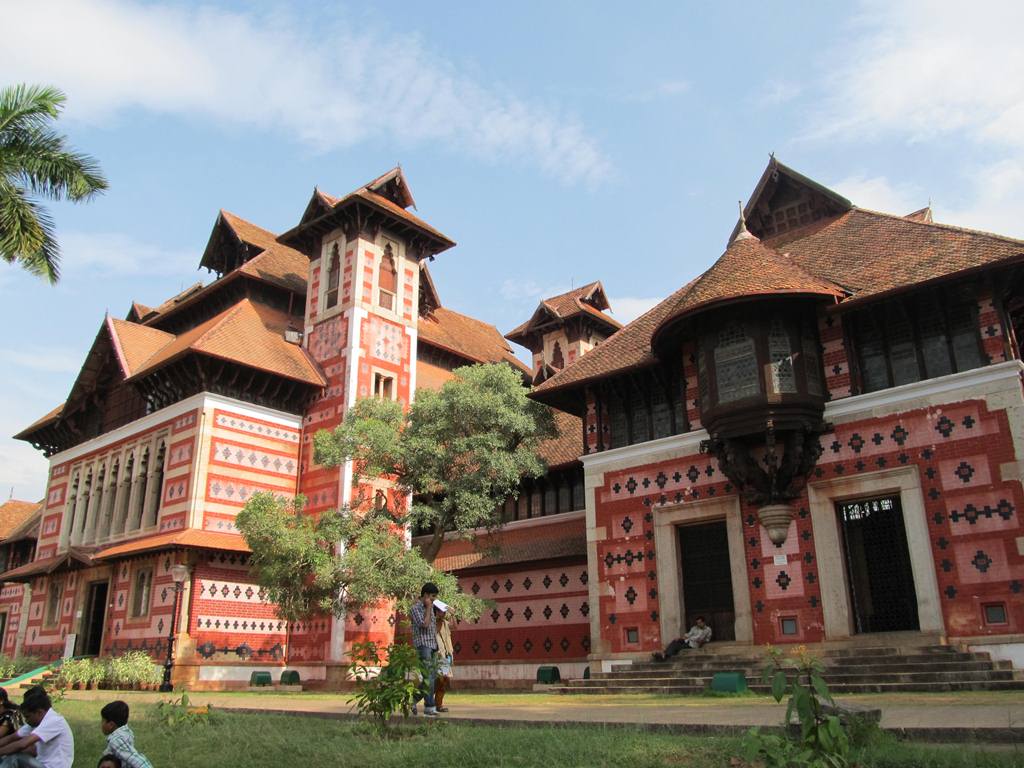
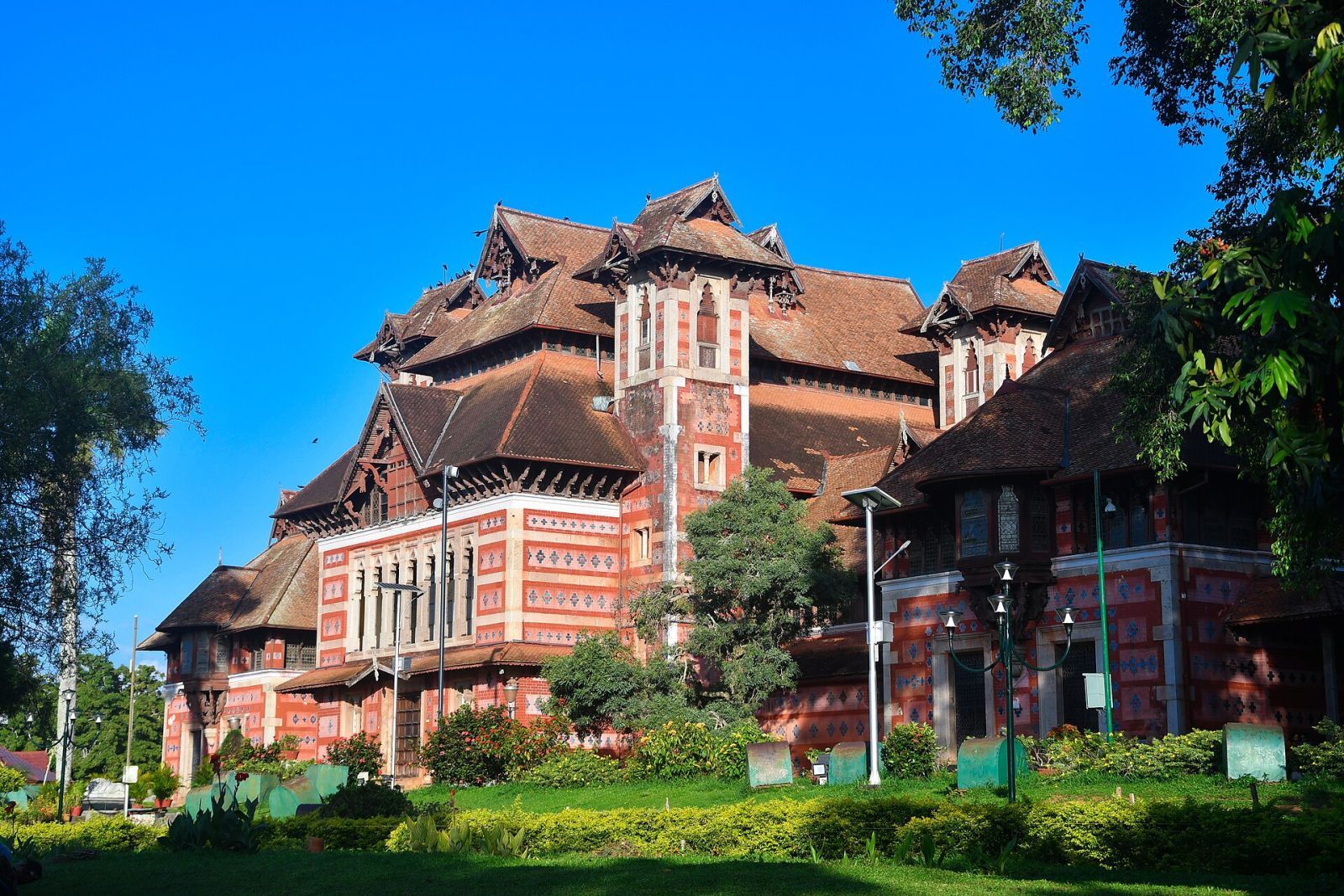
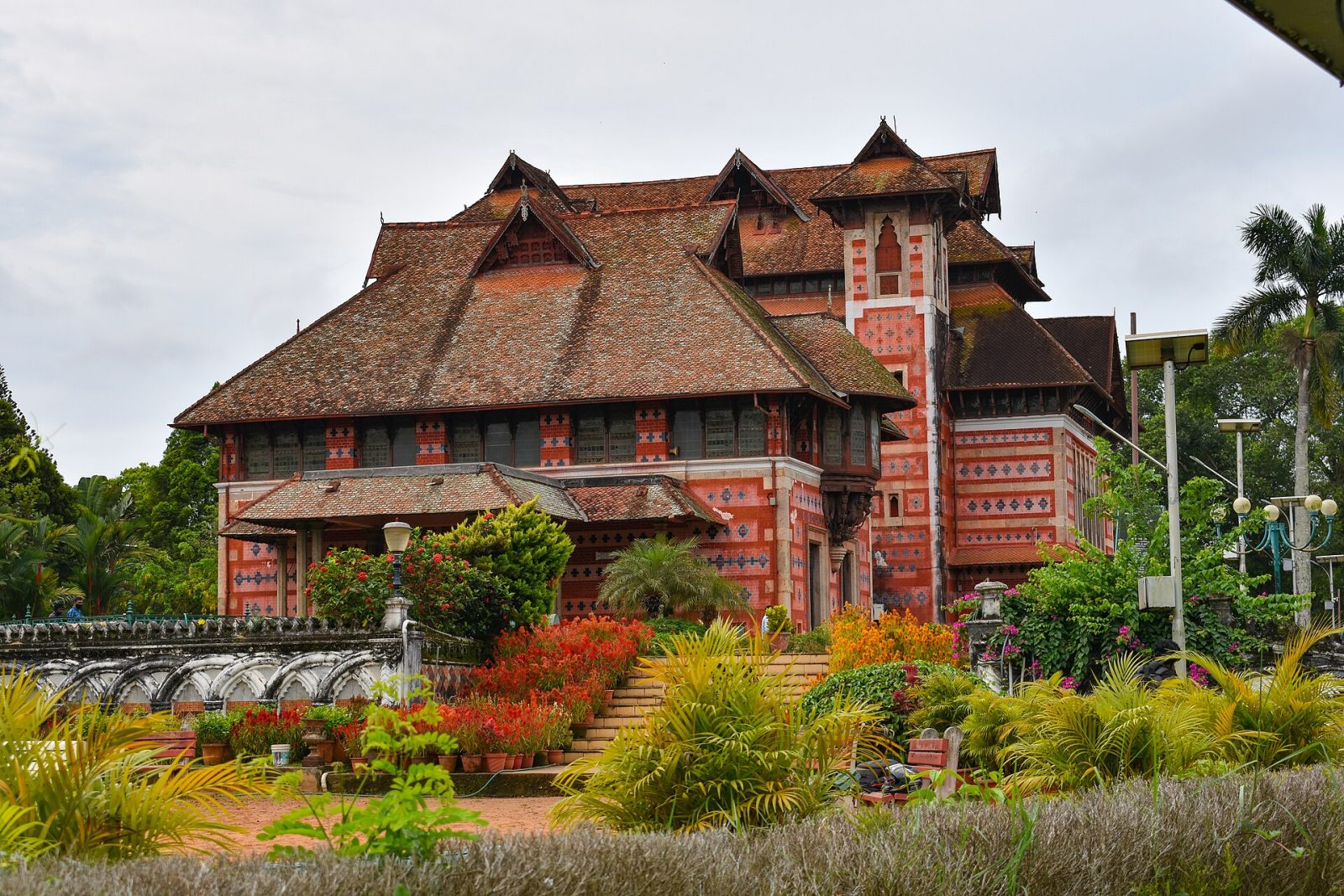
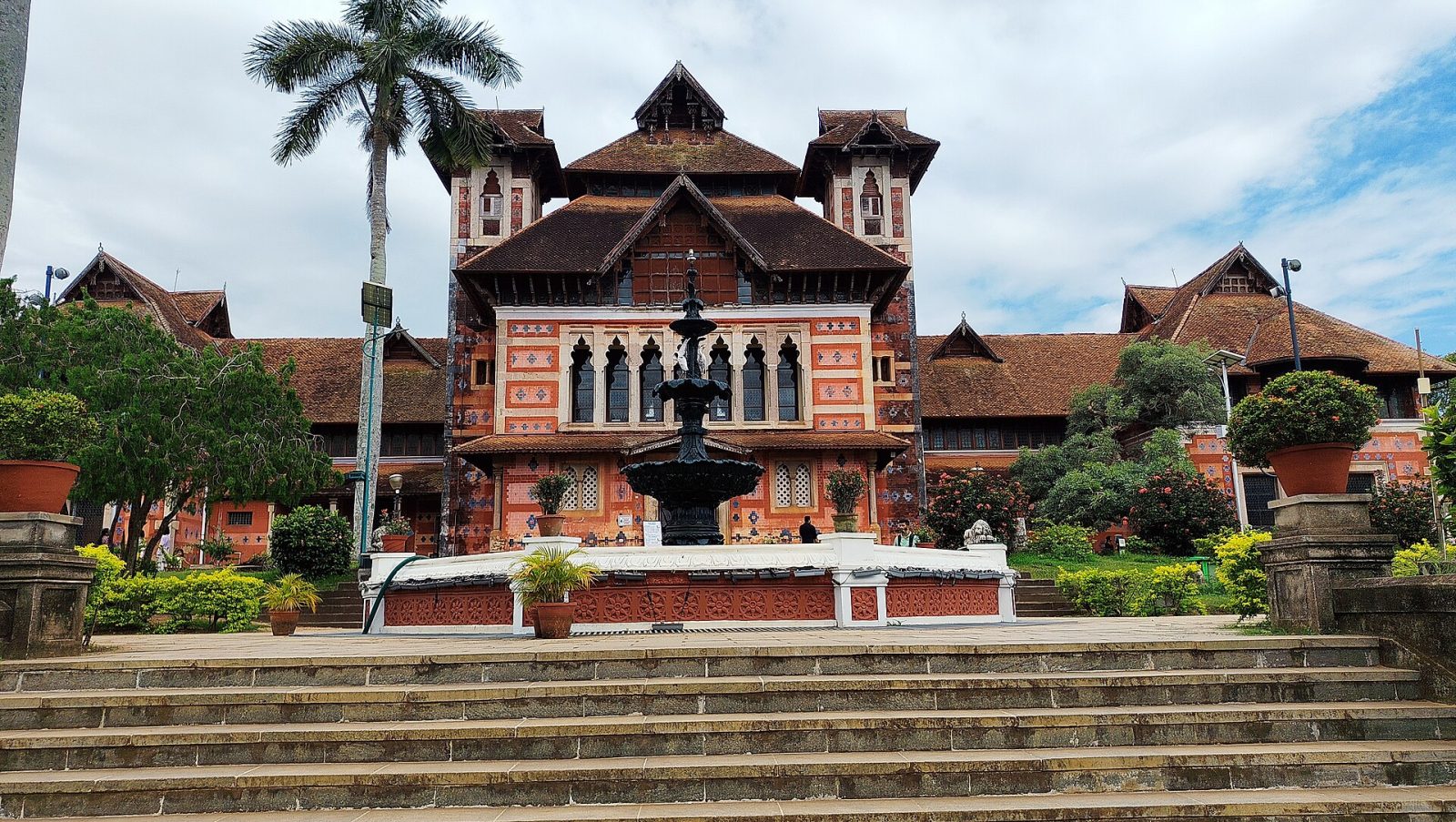
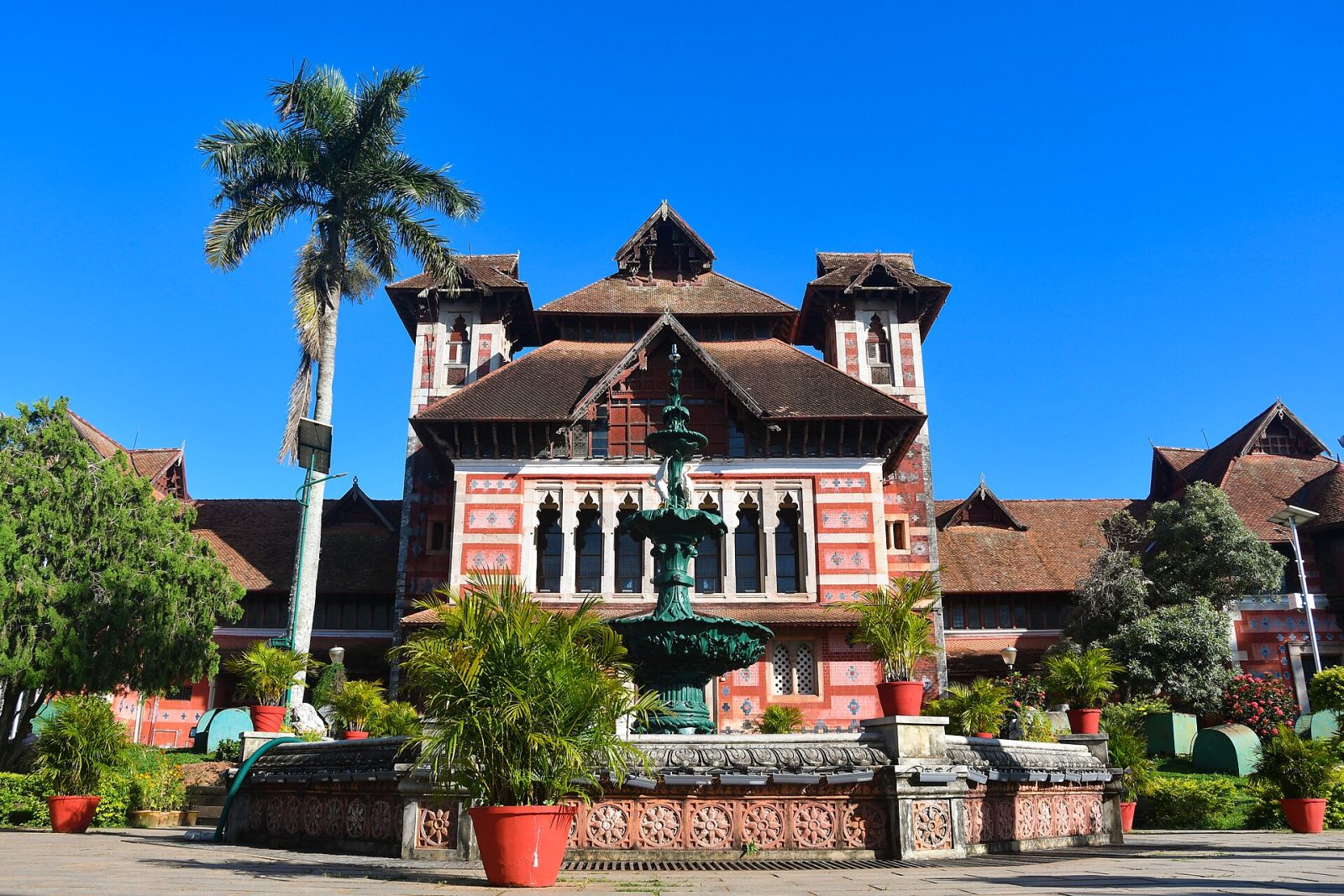
The Napier Museum in Thiruvananthapuram is as much a sight as the collection it holds. Designed in the 1870s by Robert Chisholm for Governor John Napier, it mixes Kerala's gabled roofs and wooden detail with Gothic and Mughal touches, painted in bands of red, black and cream. Inside are bronzes, temple carvings, ivory work, a carved wooden chariot and the ornaments of the Travancore court. The building was designed to stay cool without fans, using its high roof and open sides. It sits in a large public garden with a zoo and an art gallery next door, and it is closed on Mondays and Wednesday mornings.
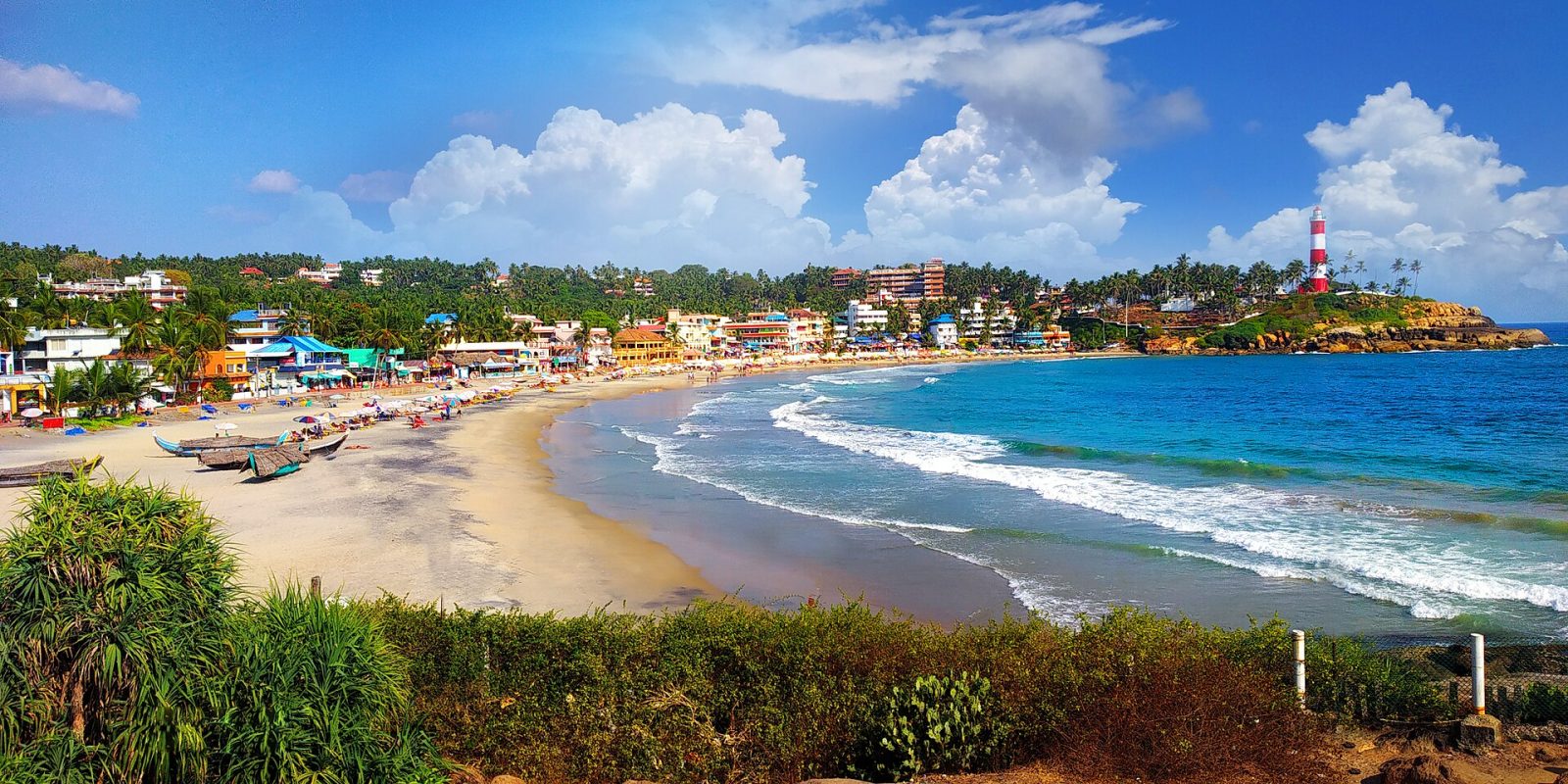
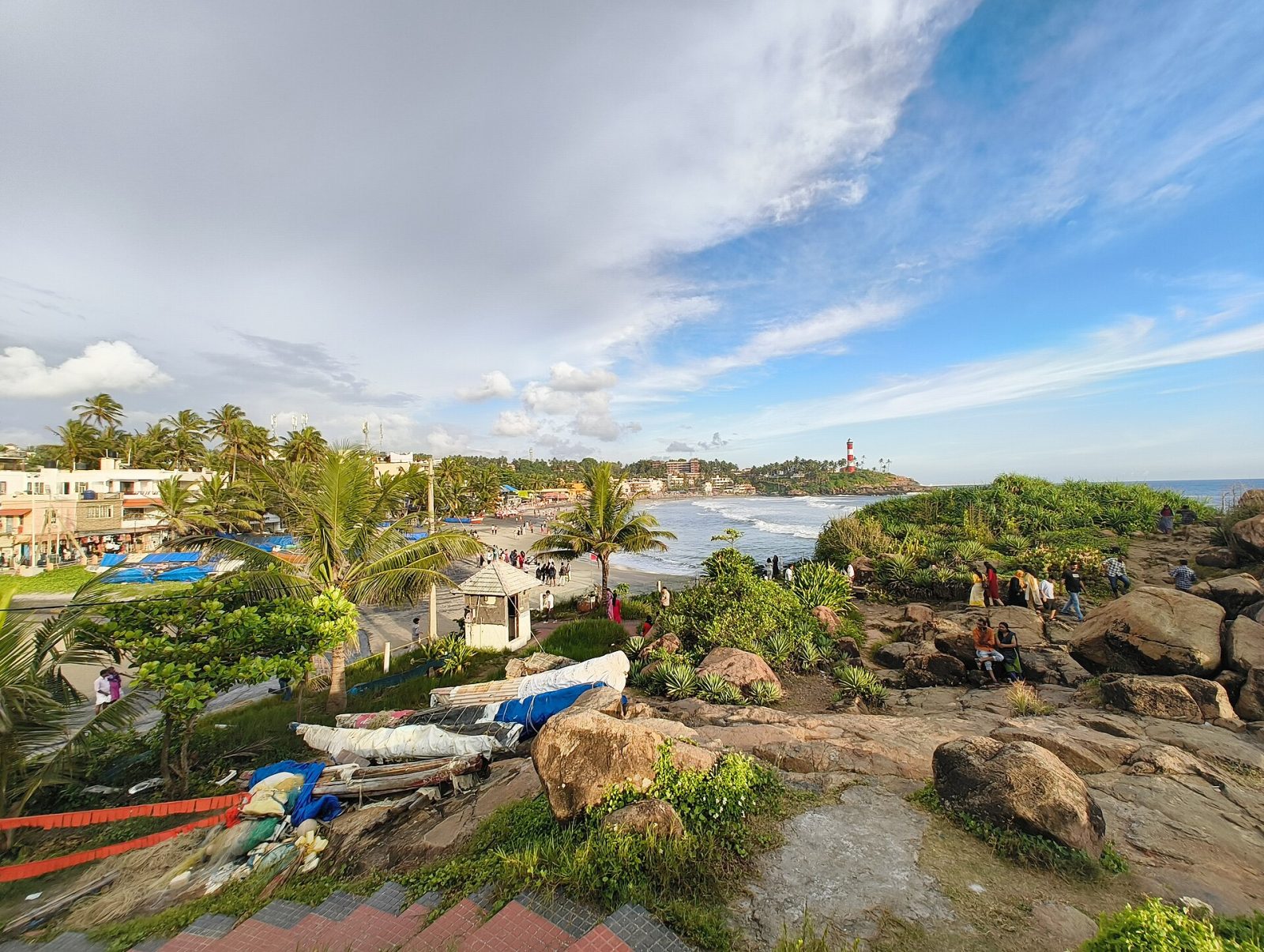
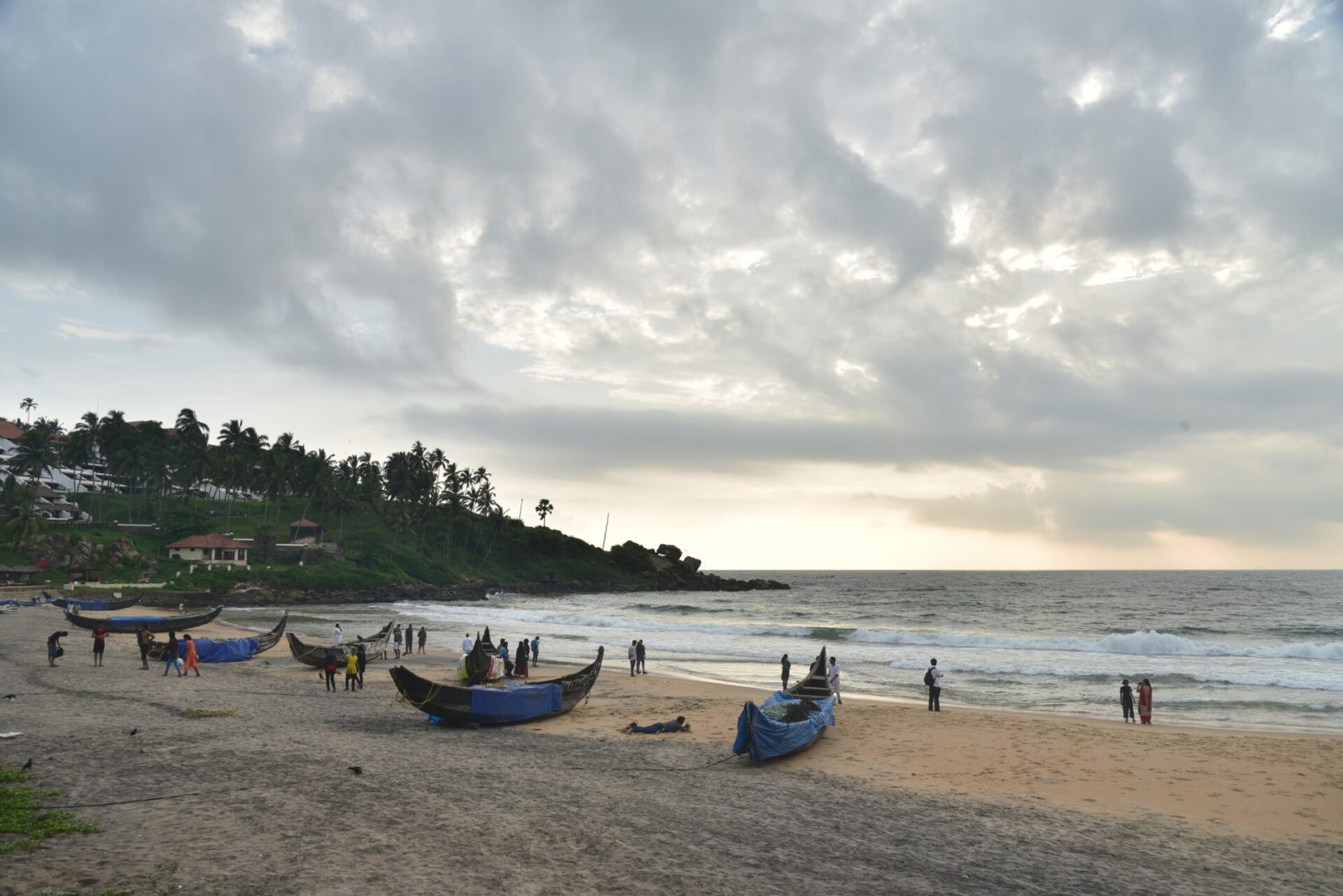
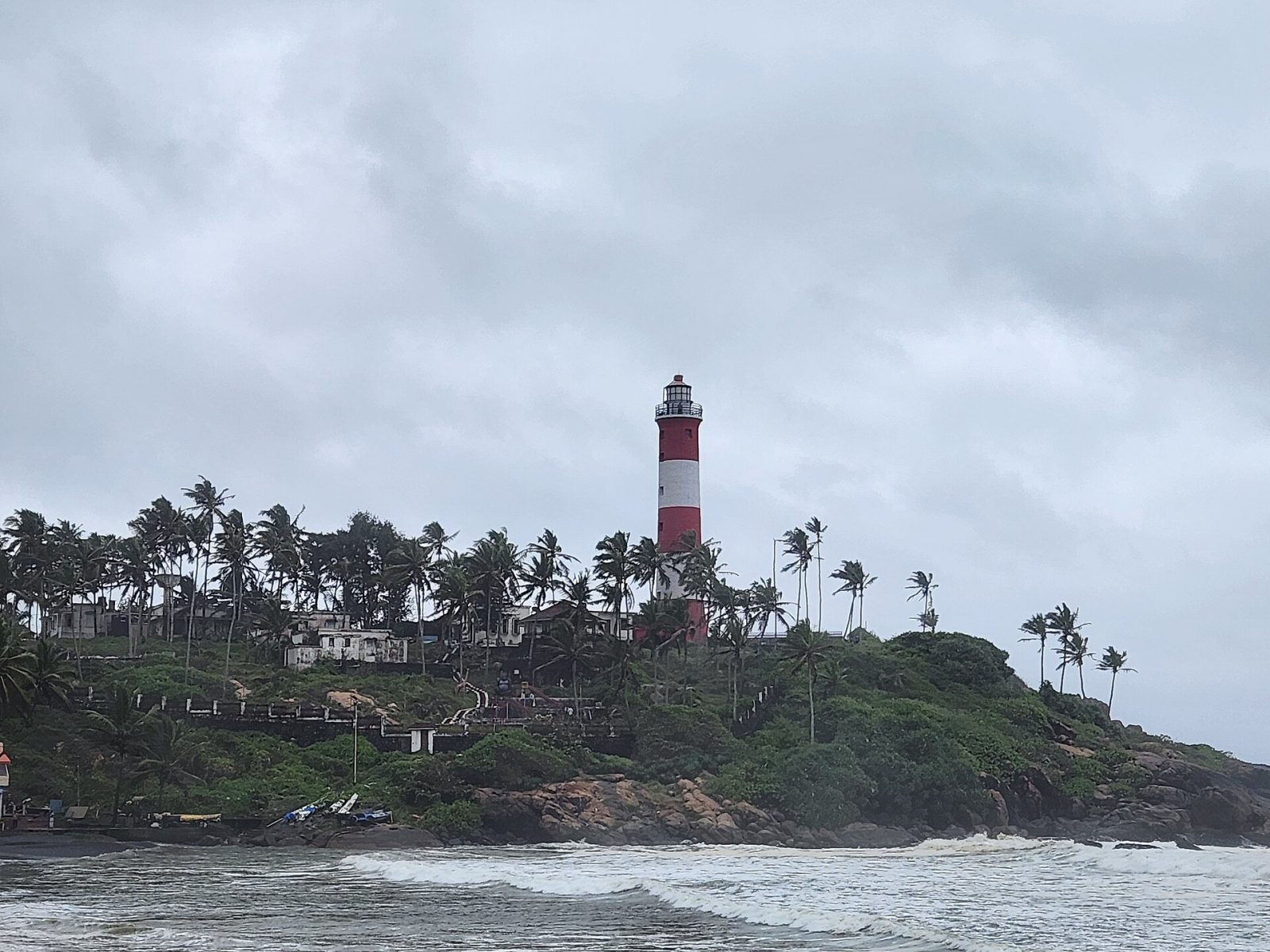
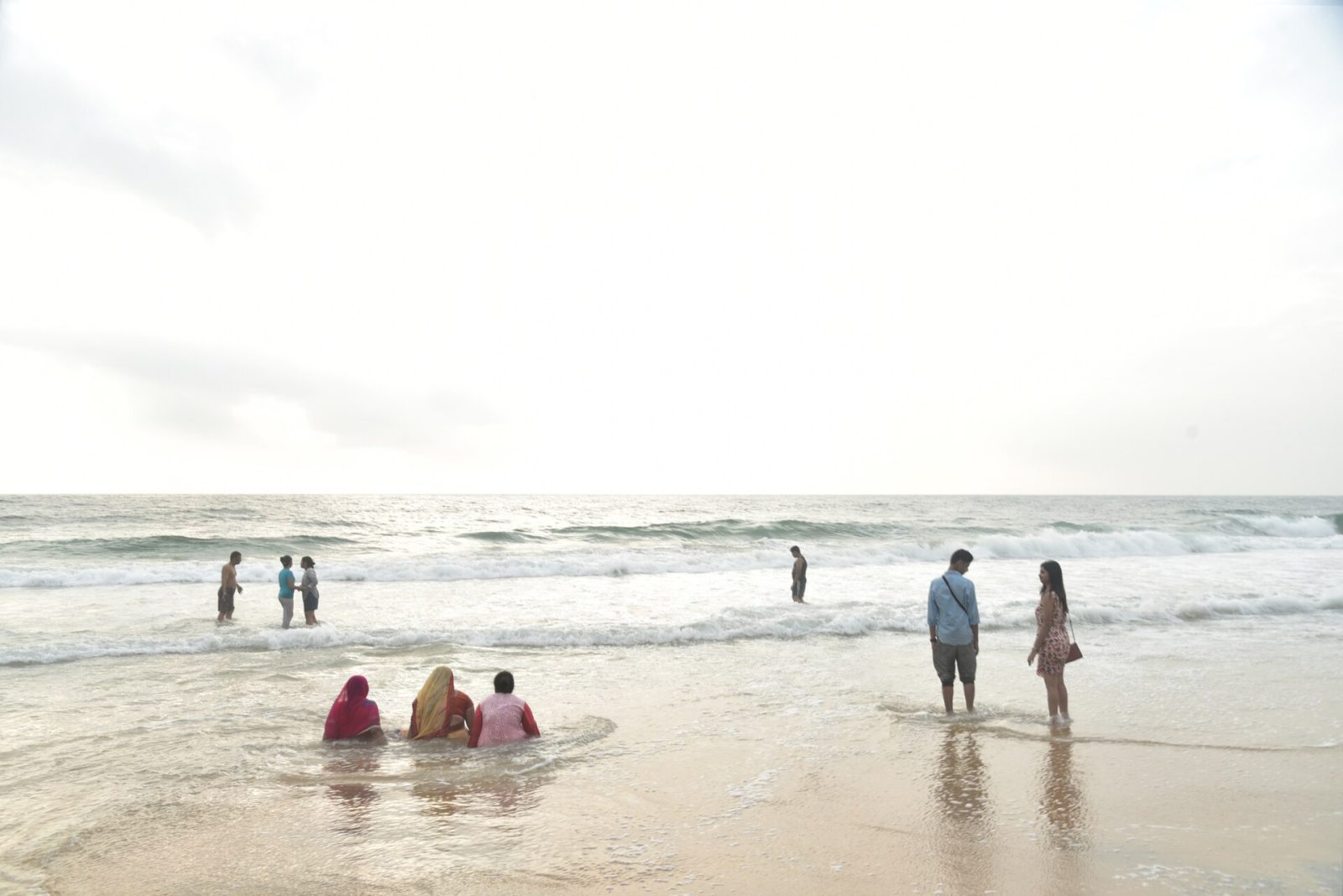
Kovalam is a string of crescent-shaped coves about 16 km from Thiruvananthapuram, and it was the beach that first put Kerala on the world tourist map in the 1970s. Lighthouse Beach, named after the red-and-white Vizhinjam lighthouse on the headland, is the busiest, with Hawa Beach and the quieter Samudra Beach beside it. The water is warm and swimmable for much of the year, though the currents can be strong, and lifeguards mark the safe areas. Along the shore are seafood shacks, ayurvedic massage centres and small hotels built into the rocks. Climb the lighthouse for a view of the whole coastline, and stay for sunset.
Best weather: Dec – FebHeavy rain: Jun, Oct
Seasons from 20 years of NASA POWER climate data.
Was this trip blog helpful?
0
0
Ready to follow this route?
Copy all 12 stops into your trip plans in the app.
 WaTrips