Kashi, Prayag and Ayodhya in 4 Days: A Ganga and Saryu Pilgrimage
4 DAYS9 placesby WaTrips
Kashi Vishwanath and the evening Ganga aarti, a dip at the Triveni Sangam, Mangarh, then Ram Ki Paidi, Hanuman Garhi and Kanak Bhawan.
Three of Hinduism's holiest cities in one route. Day one is Varanasi: Kashi Vishwanath, the Durga and Tulsi Manas temples, and the Ganga aarti at Dashashwamedh Ghat. Day two takes a boat to the Triveni Sangam at Prayagraj for a holy dip where the rivers meet. Day three stops at the Bhakti Mandir in Mangarh and reaches Ayodhya for the evening at Ram Ki Paidi on the Saryu. Day four visits Hanuman Garhi and Kanak Bhawan. Prayagraj is very crowded during the Magh Mela; October to March is best.
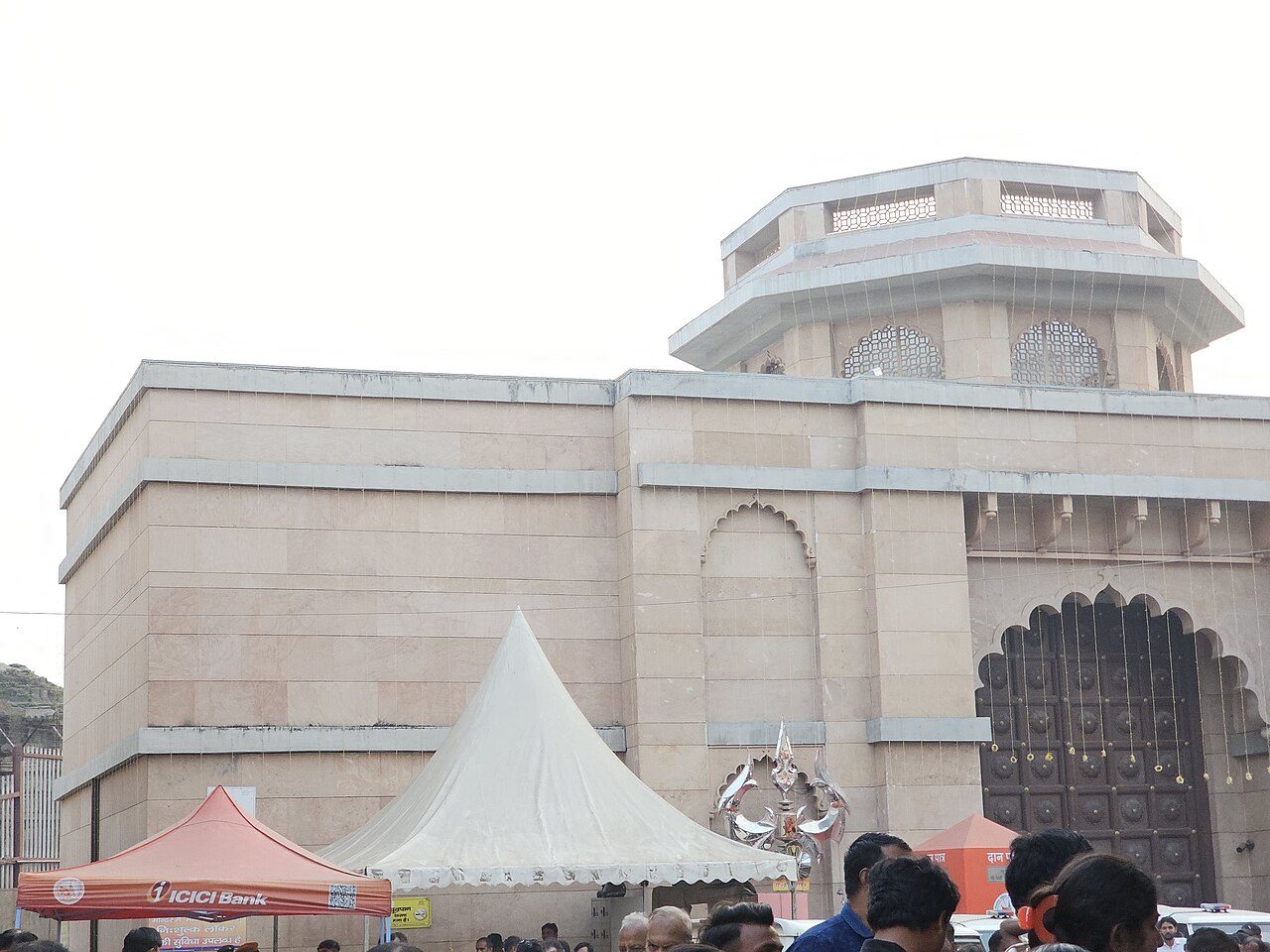
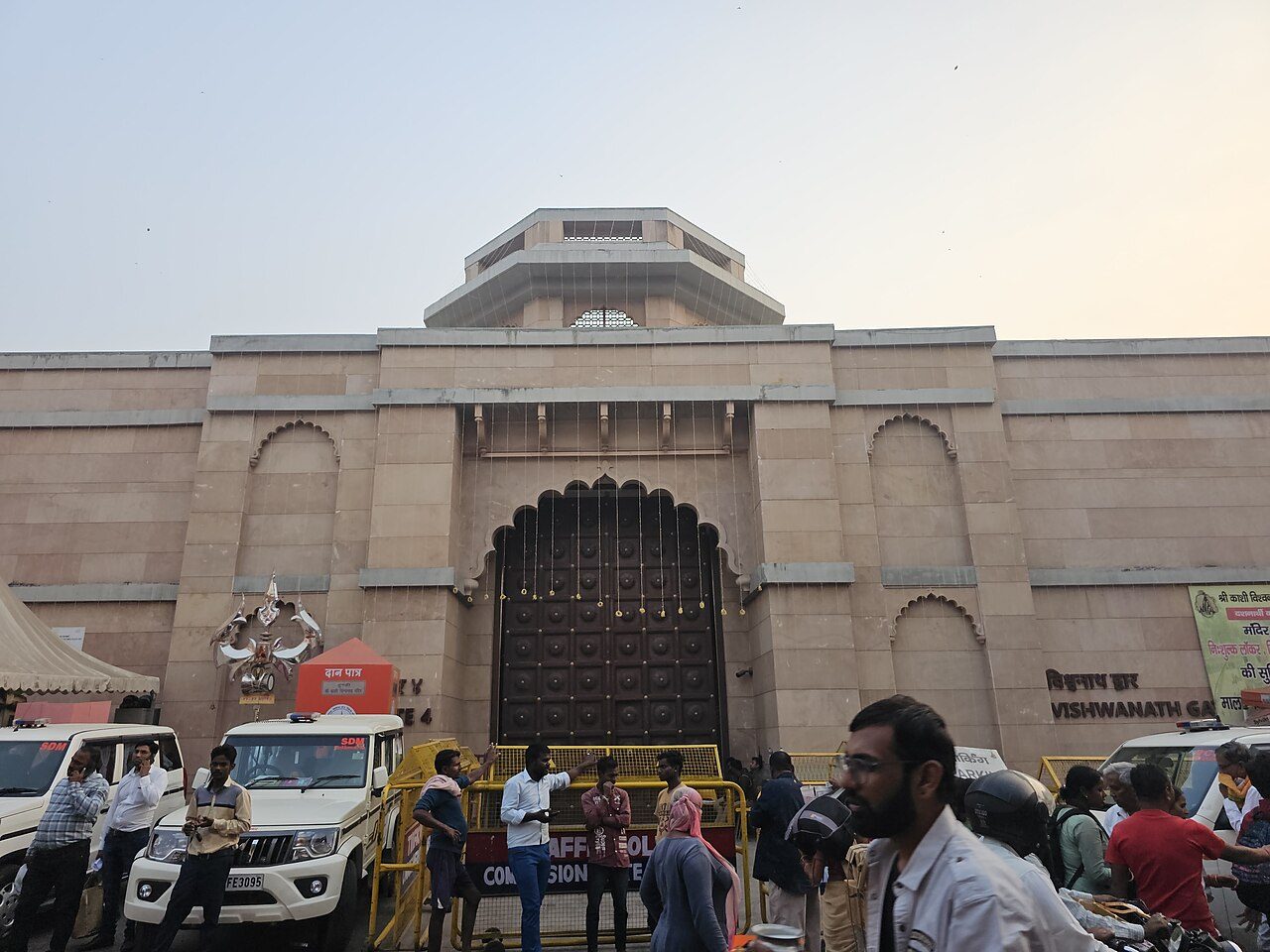
The Kashi Vishwanath temple is the most sacred shrine of Varanasi, dedicated to Shiva as Lord of the Universe and counted among the twelve Jyotirlingas. The present temple was built in 1780 by Ahilyabai Holkar of Indore, and its spire and domes were later plated with gold given by Maharaja Ranjit Singh. A broad corridor opened in 2021 now links it directly to the Ganges. Phones and bags must be left in lockers.
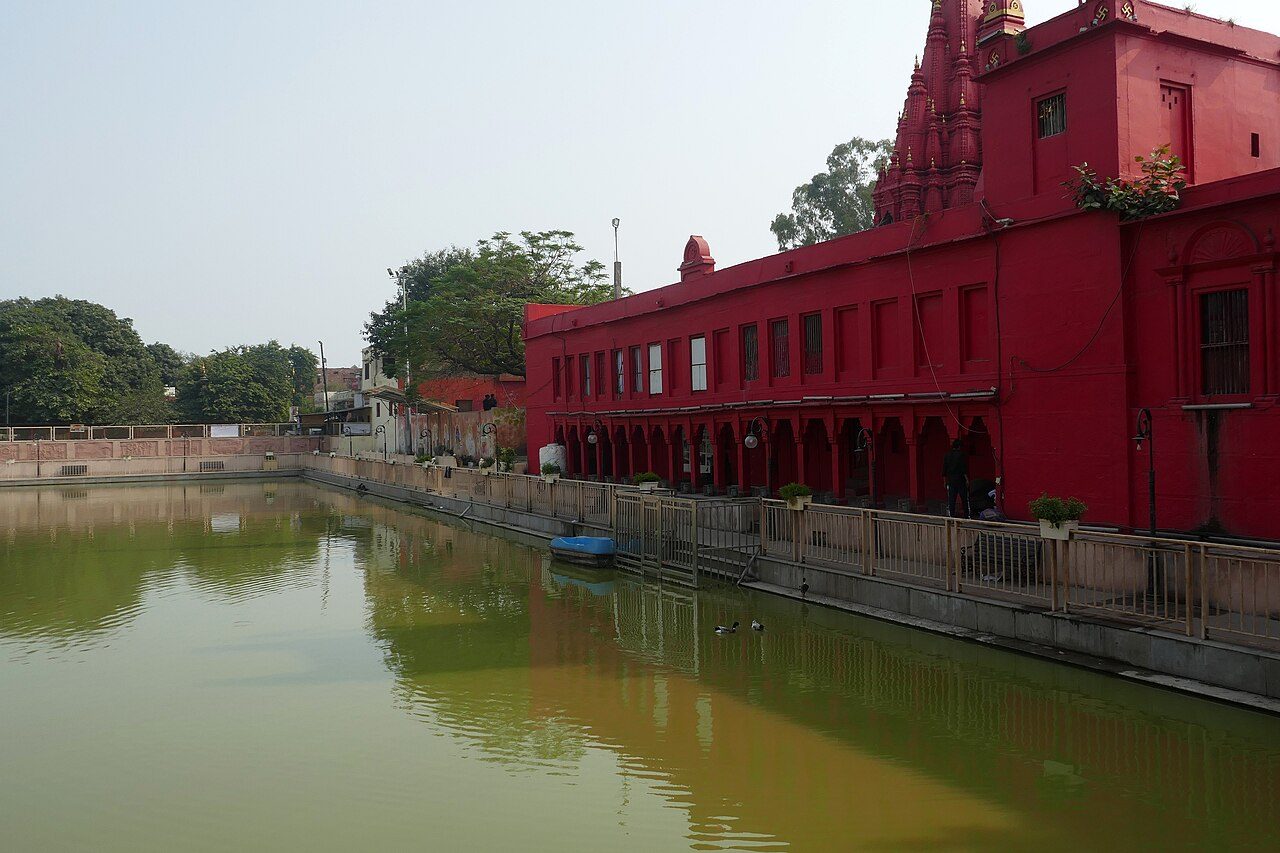
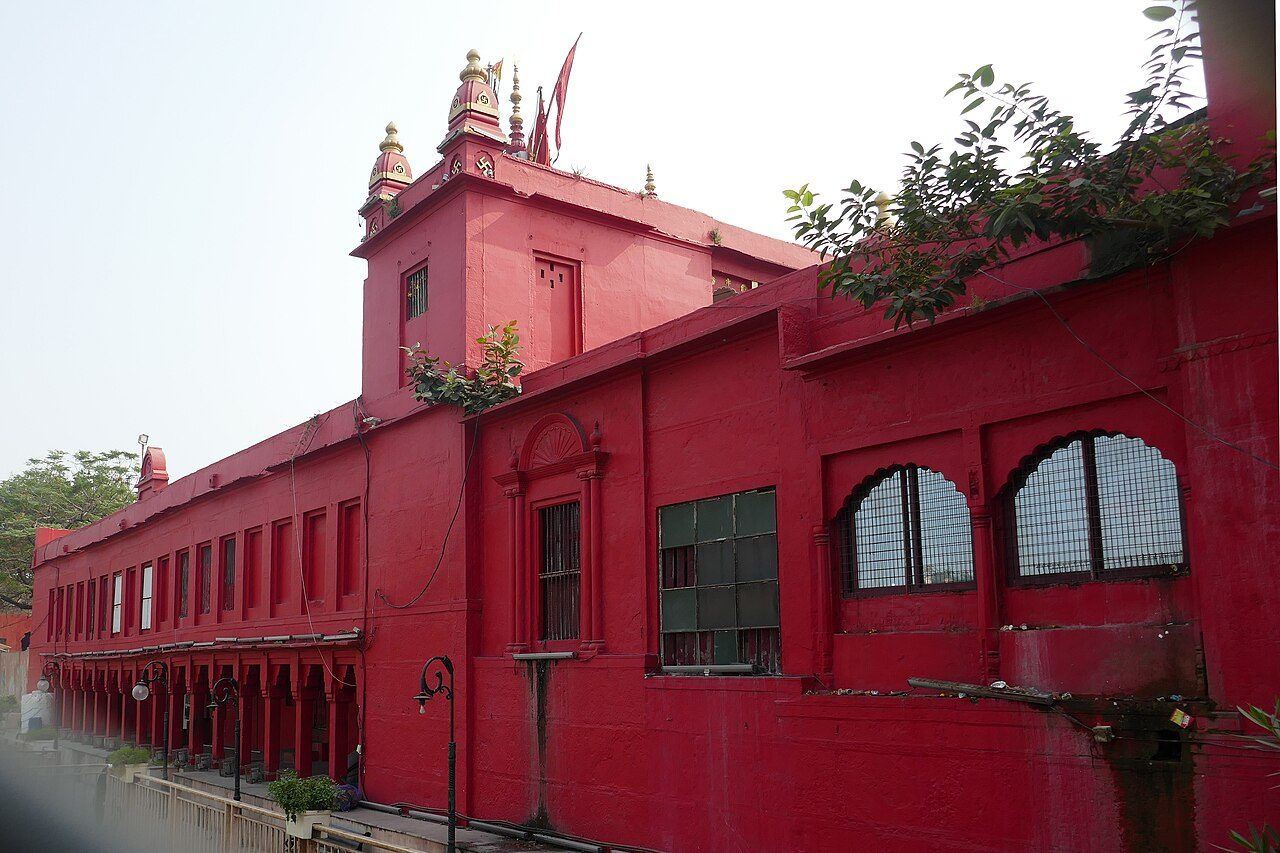
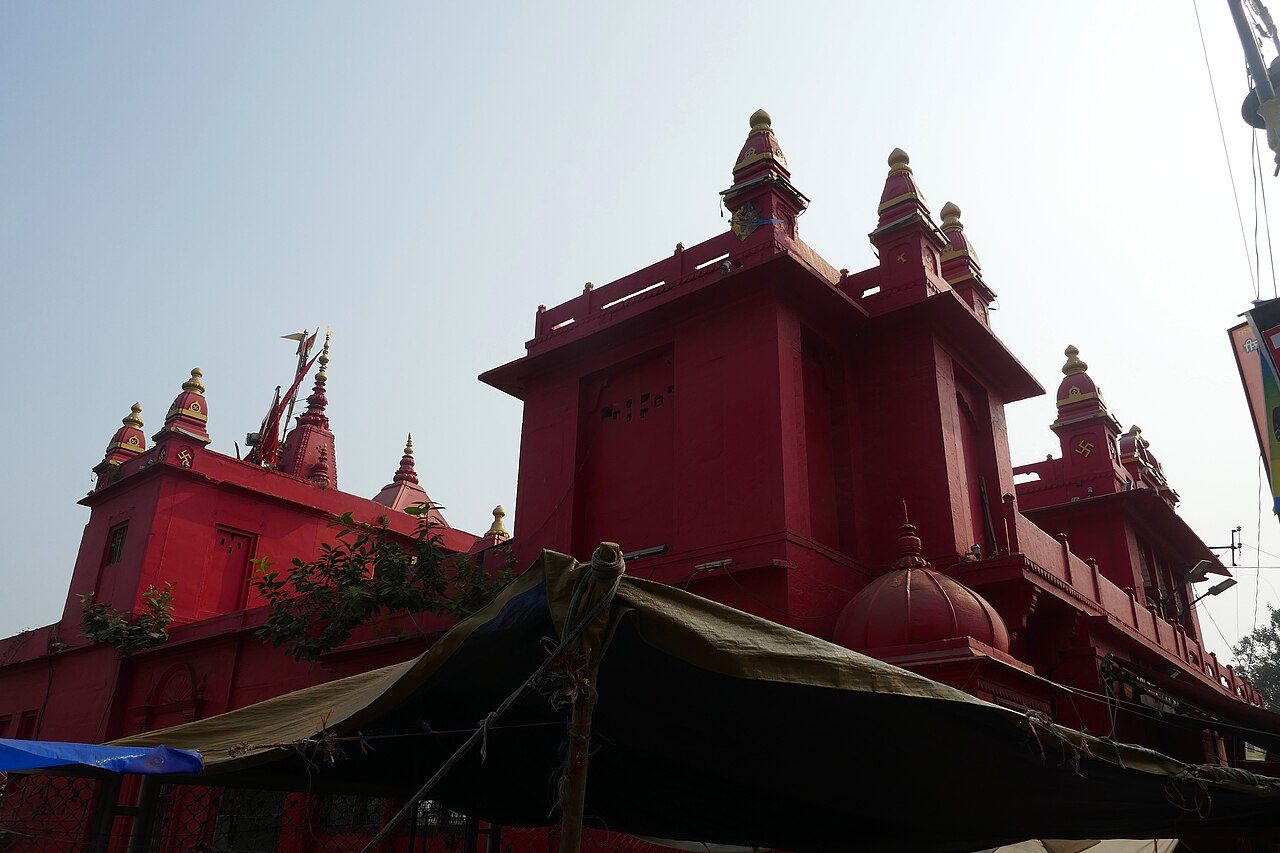
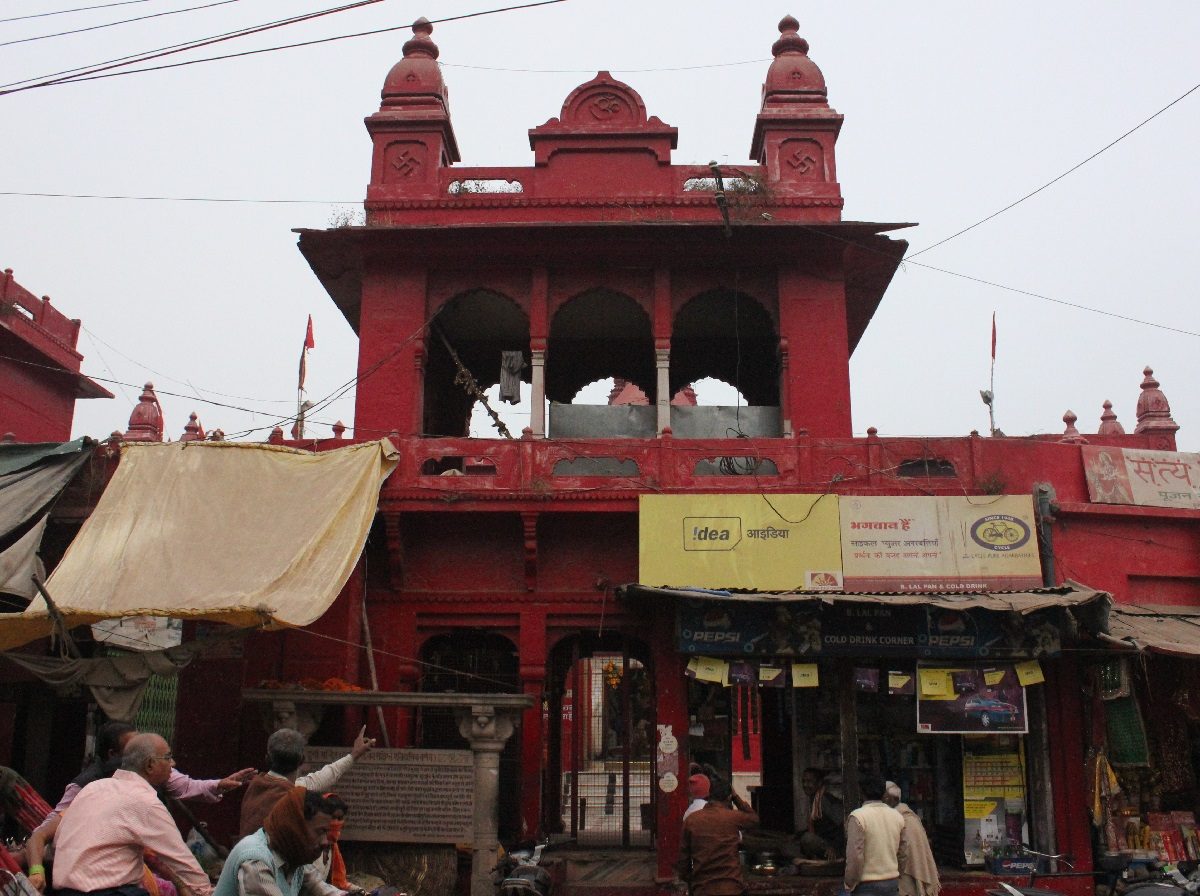
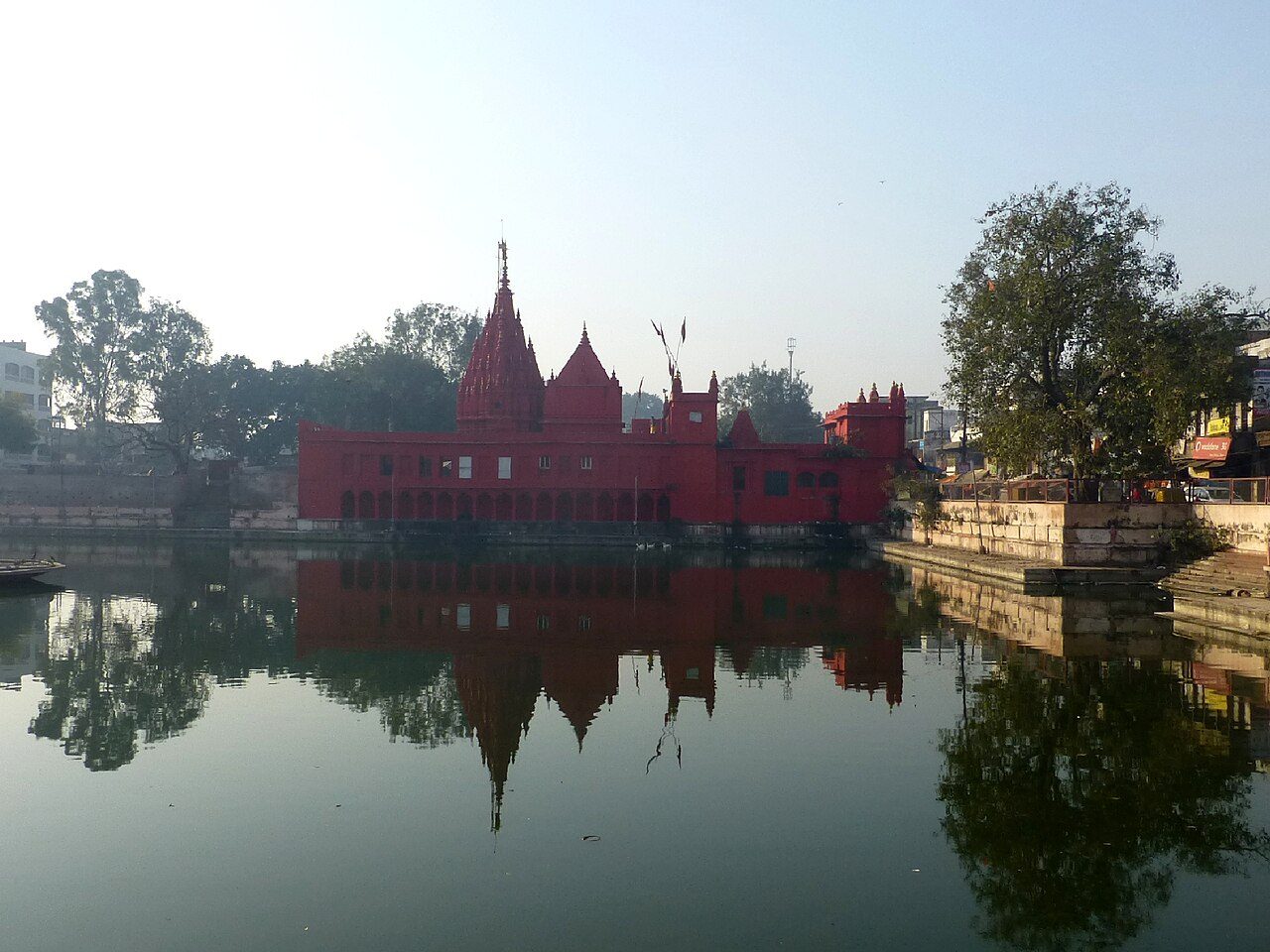
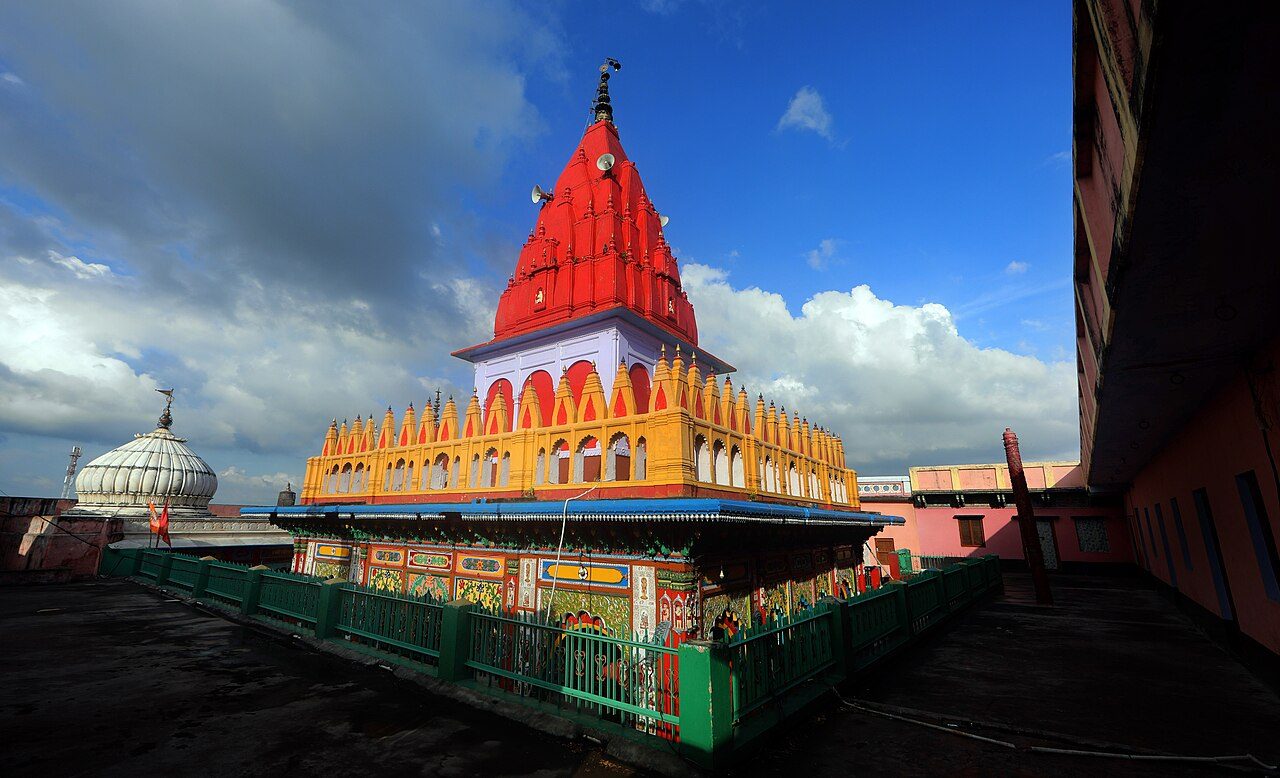
The Durga temple in Varanasi was built in the 18th century by a queen of Natore in Bengal. Its multi-tiered spire in the Nagara style is painted red with ochre, the colour of the goddess. It stands beside a rectangular tank called Durga Kund. The many monkeys that live around it have given it the popular name Monkey Temple. It is busiest during Navratri.
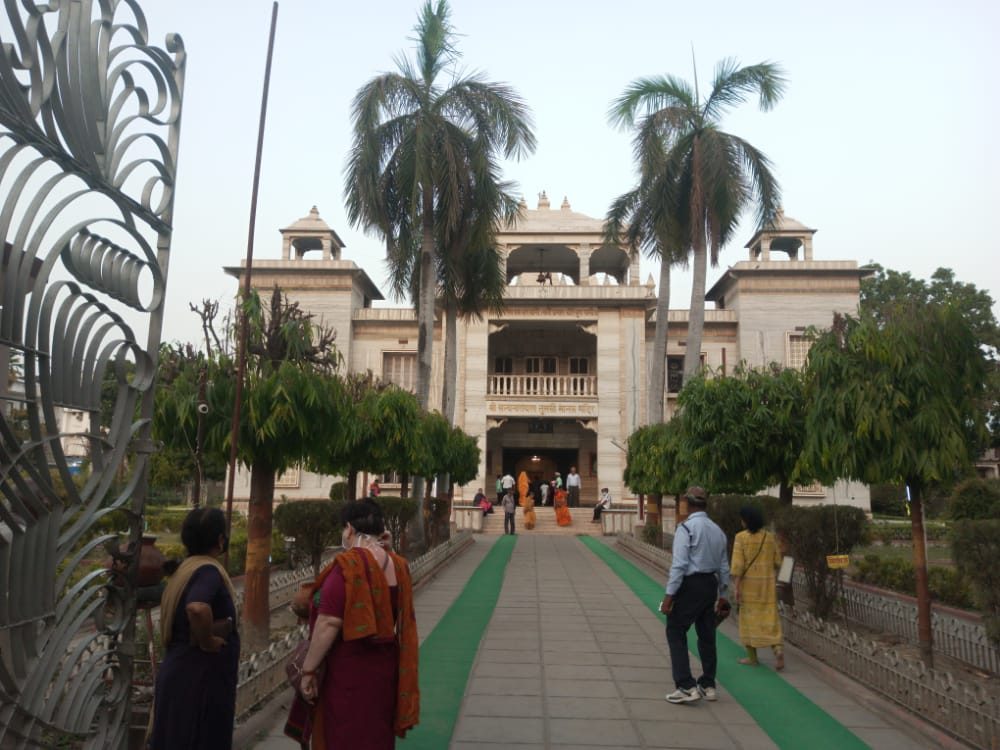
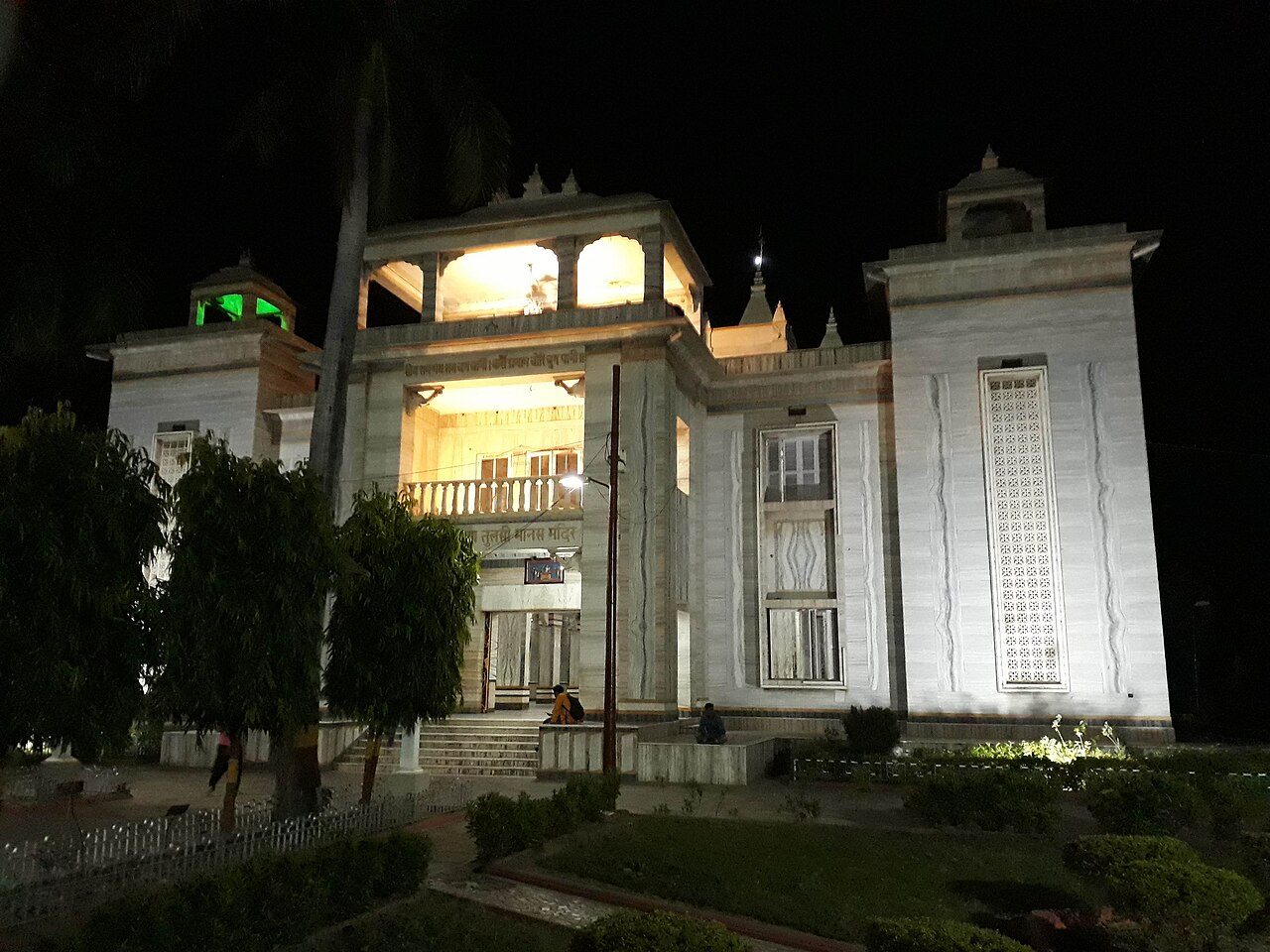
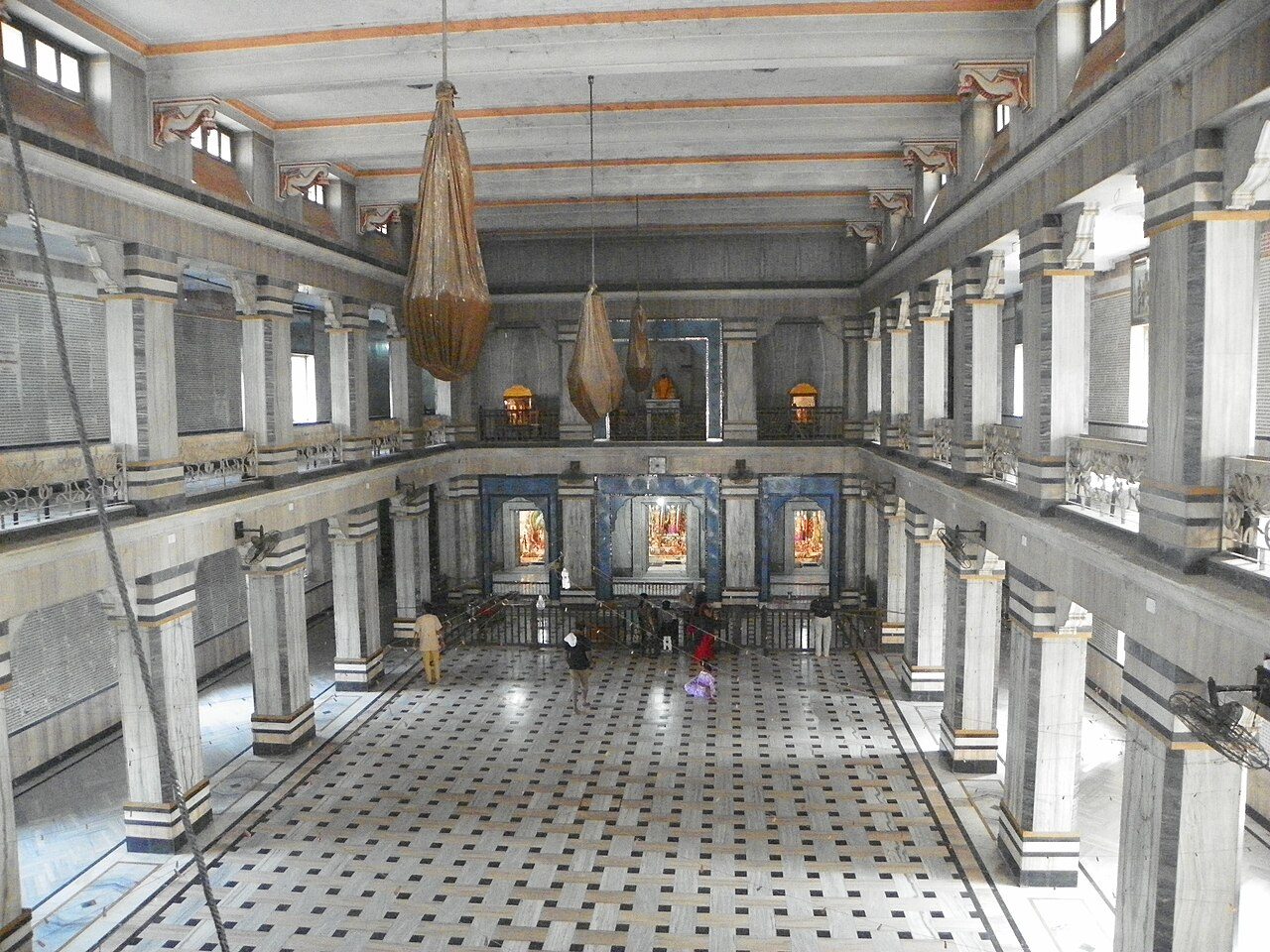
Tulsi Manas Mandir was built in white marble in 1964 on the spot where the poet-saint Tulsidas is believed to have composed the Ramcharitmanas in the 16th century. Verses and scenes from the epic are engraved on the walls of the temple. The upper floor has moving figures depicting episodes from the Ramayana. It lies close to the Durga temple, and the two are usually visited together.
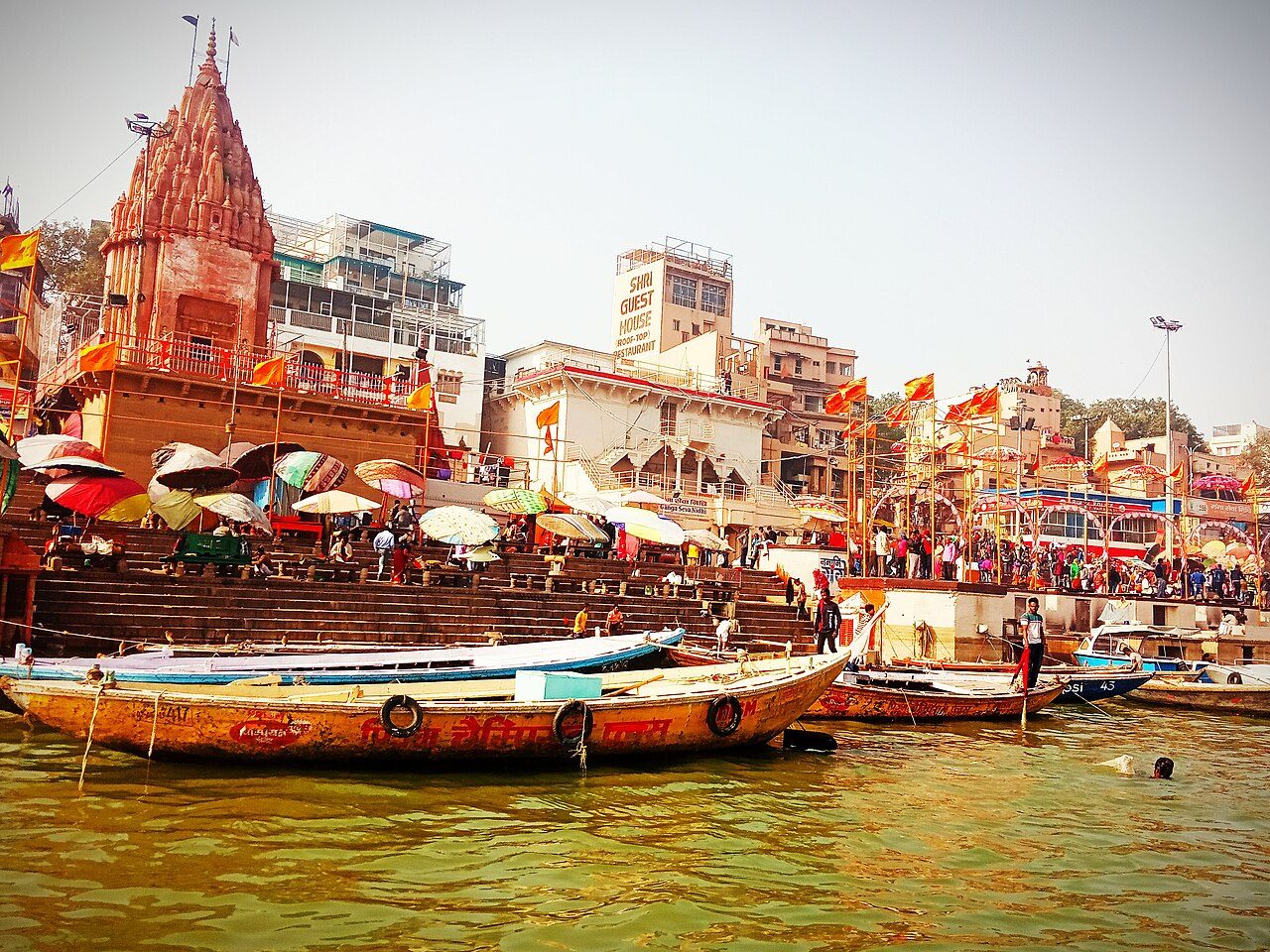
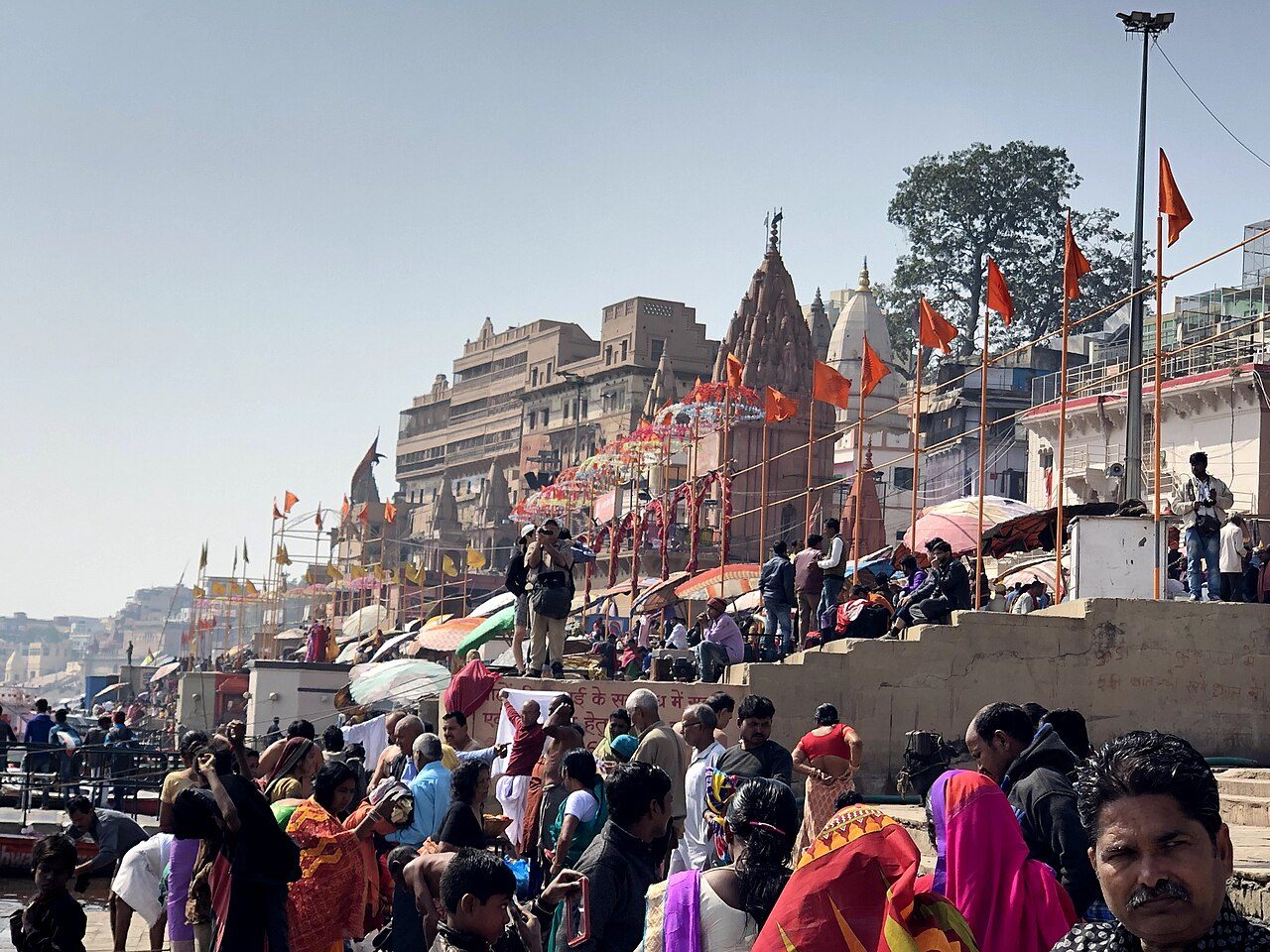
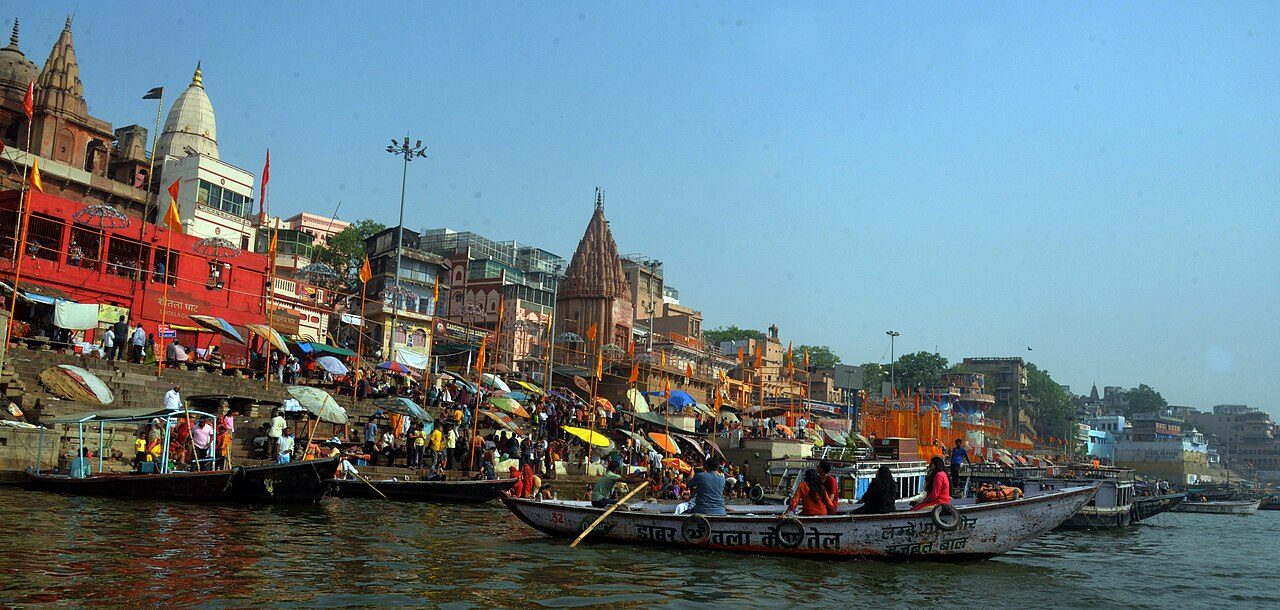
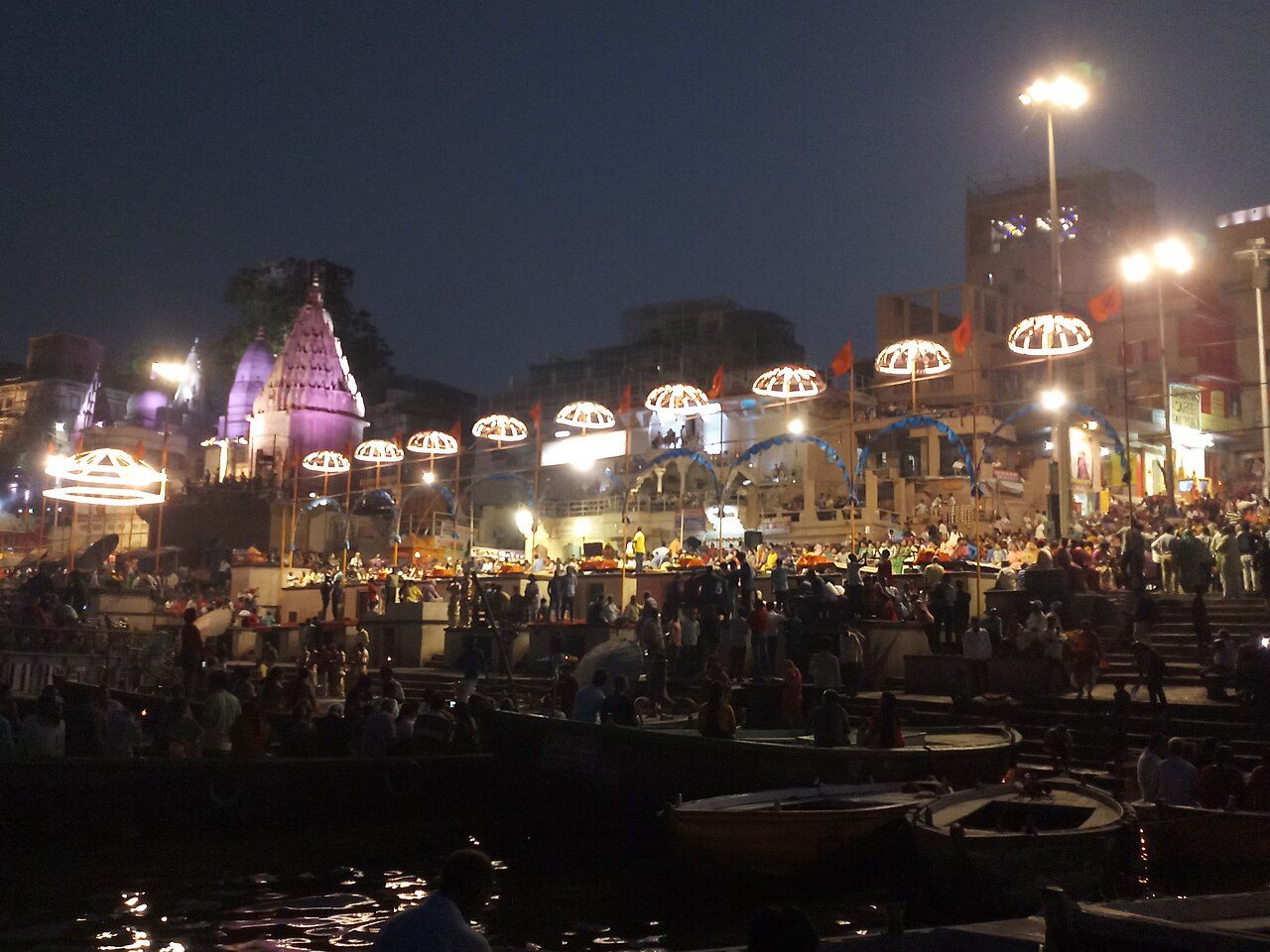
Dashashwamedh is the main and busiest ghat of Varanasi, close to the Kashi Vishwanath temple. Its name recalls a legend that Brahma performed a sacrifice of ten horses here. From dawn it is crowded with bathers, priests under bamboo umbrellas, boatmen and flower sellers. Every evening the Ganga Aarti is performed with large brass lamps, incense and chanting, watched by thousands from the steps and from boats.
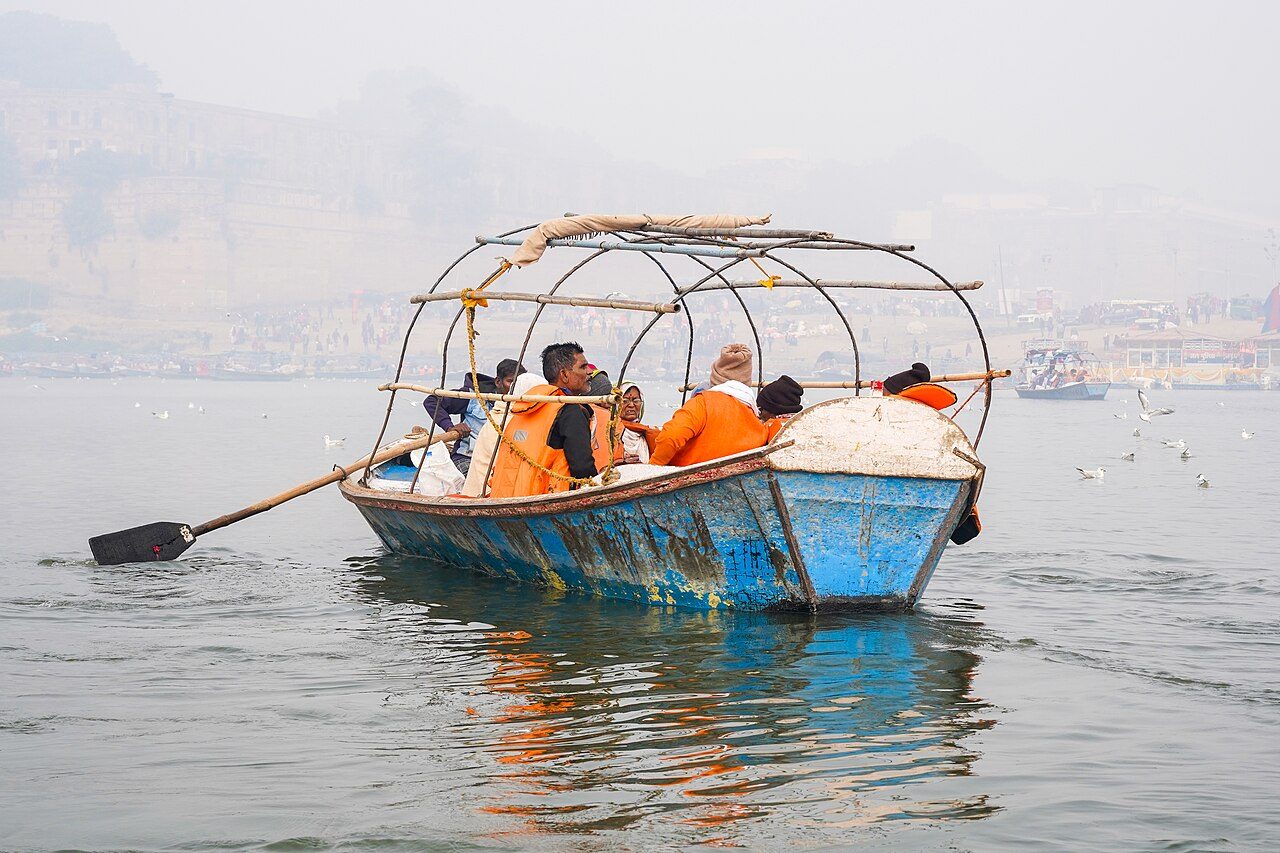
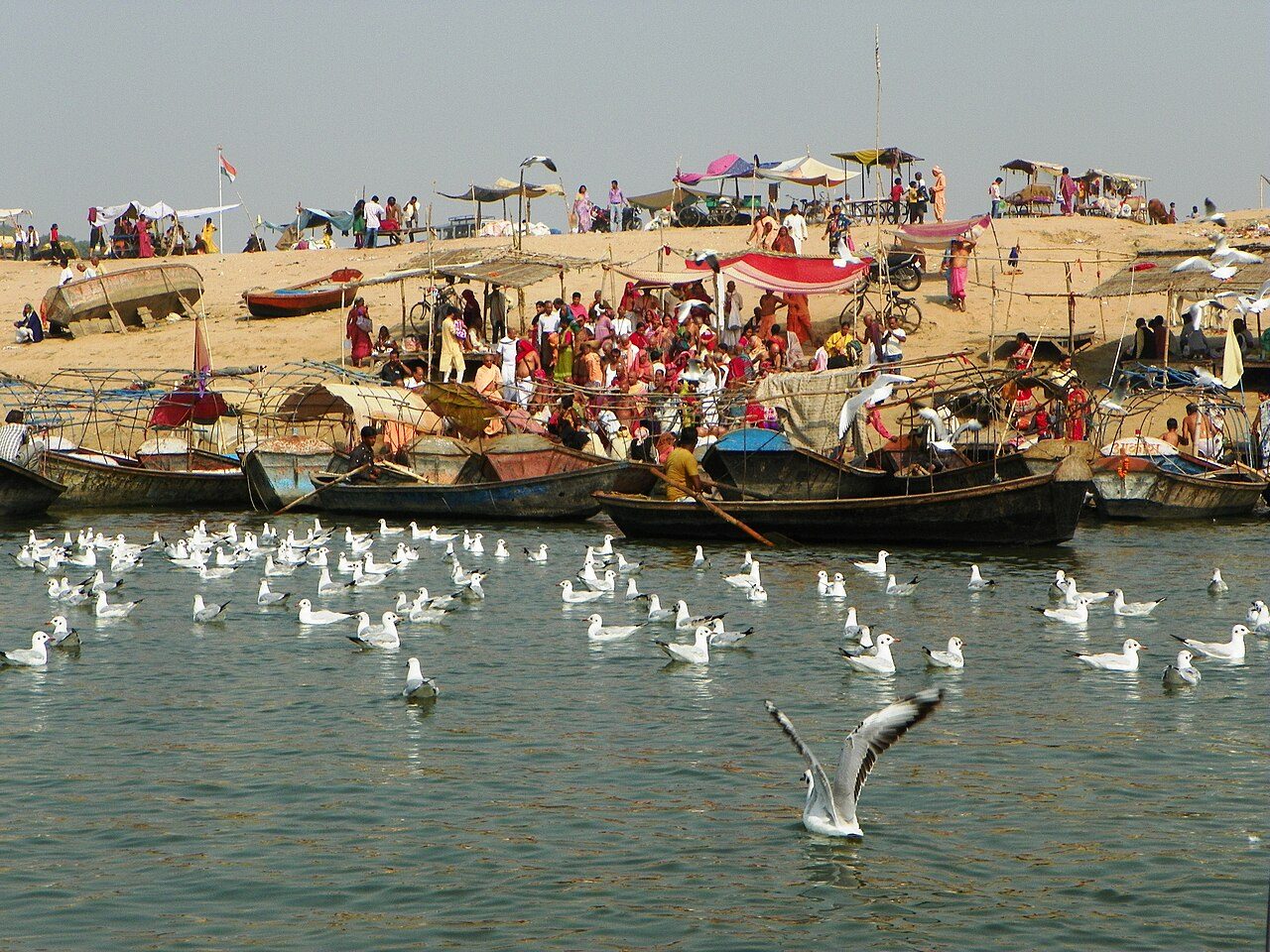
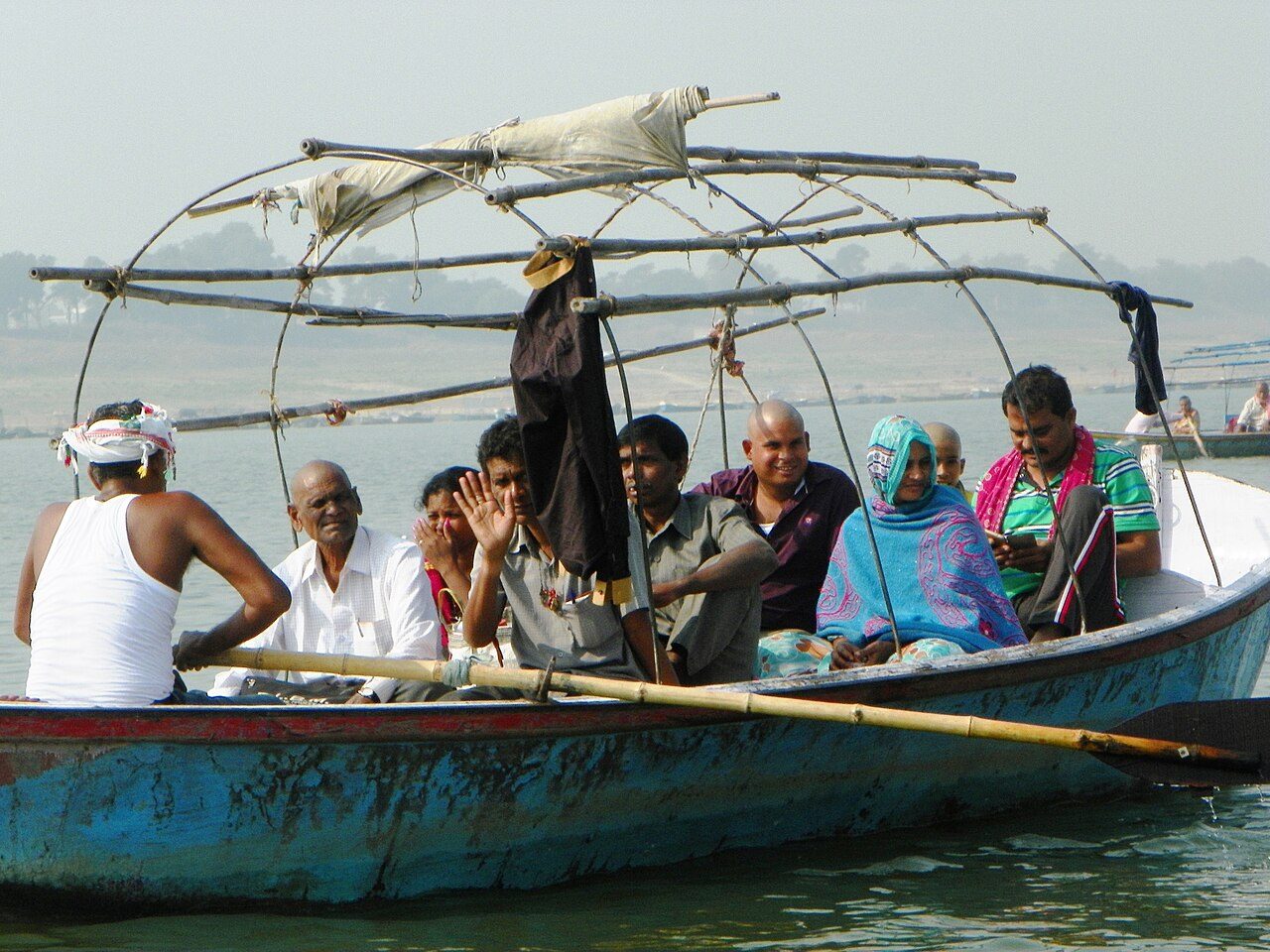
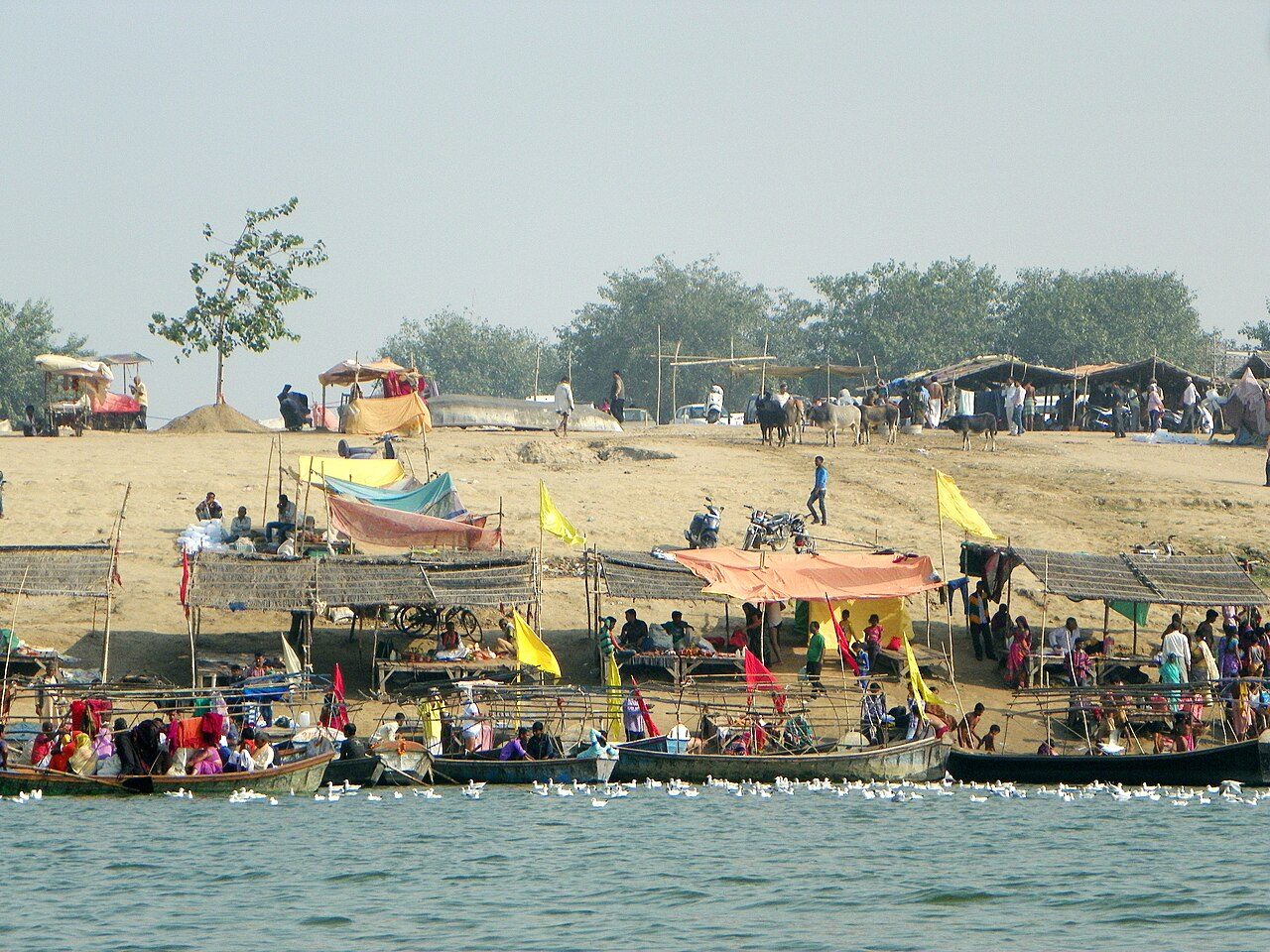
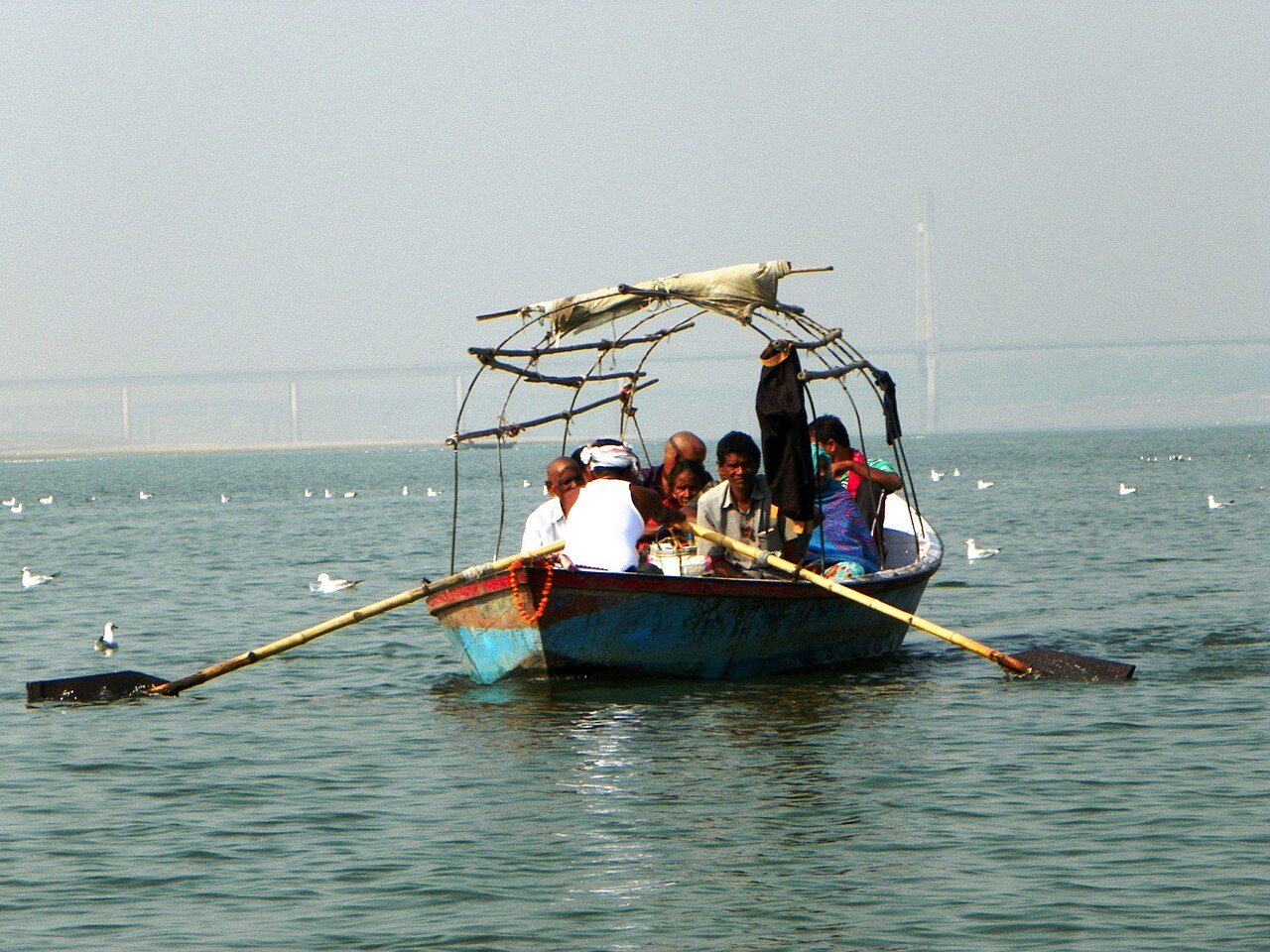
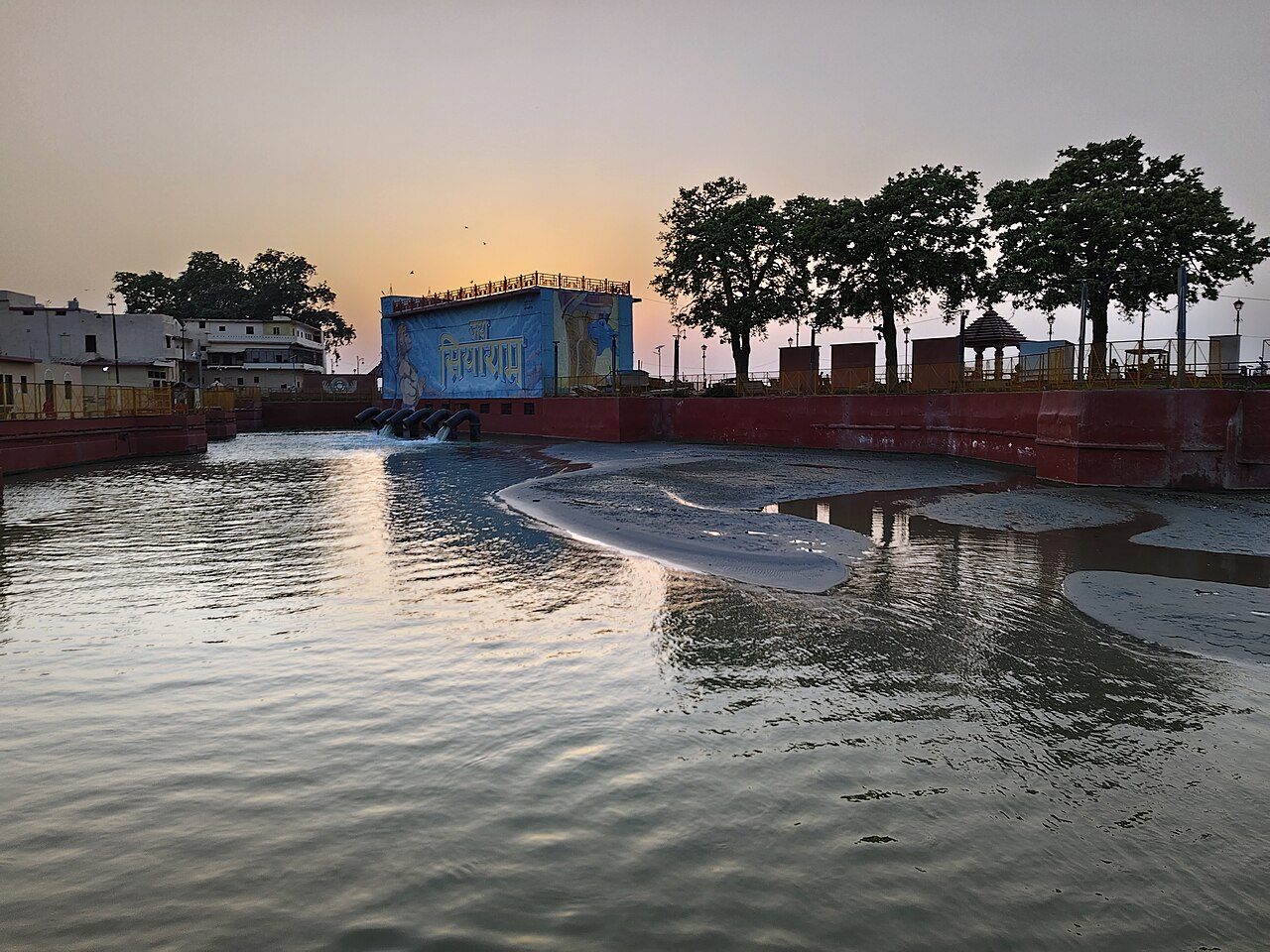
The Triveni Sangam at Prayagraj is the confluence of the Ganges, the Yamuna and the mythical Saraswati, and one of the holiest places in Hinduism. The muddy and the greenish waters can be seen meeting, and pilgrims are rowed out to bathe at the point of confluence. The Kumbh Mela is held on its banks every twelve years, and the Magh Mela each winter.
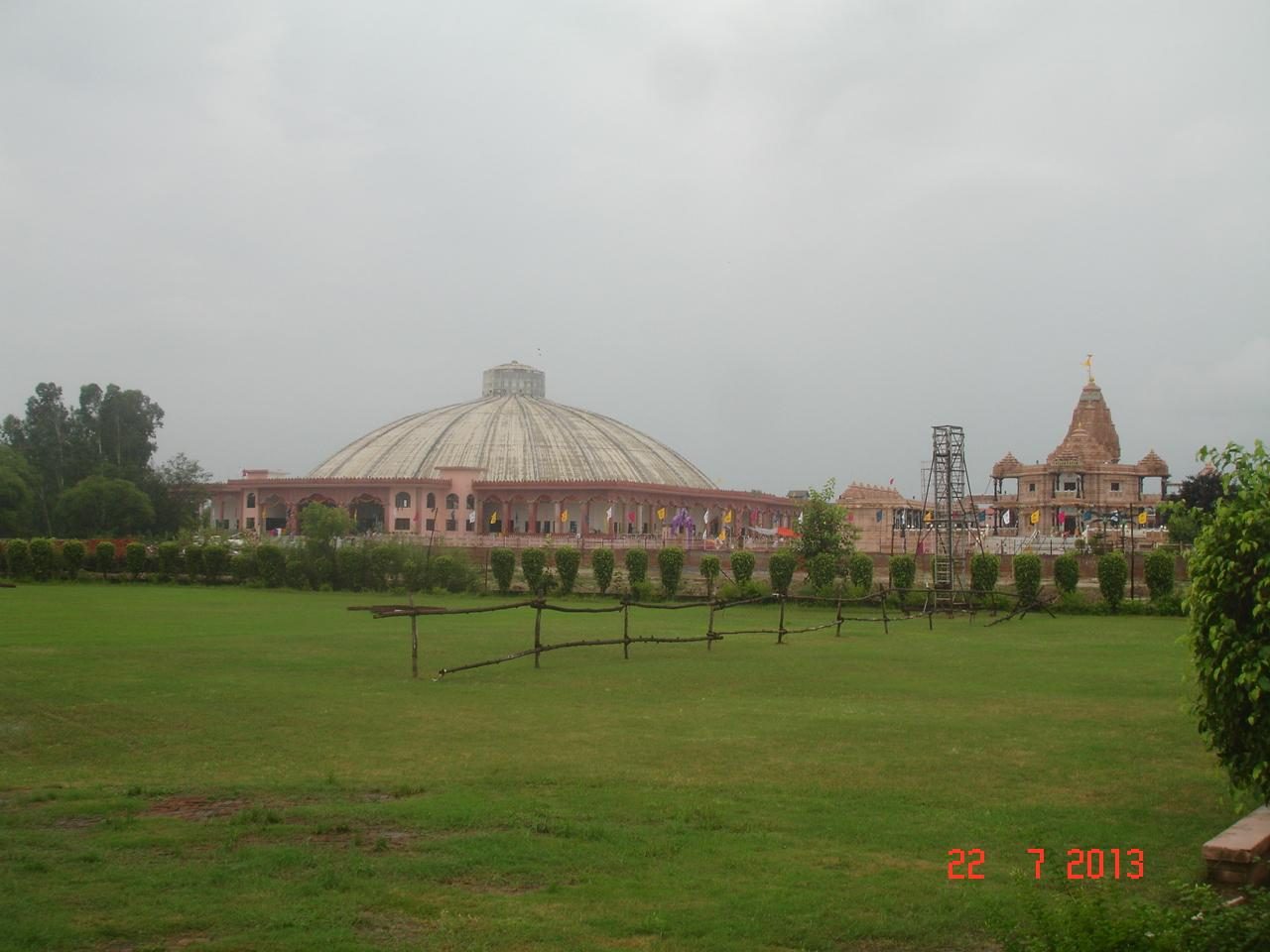
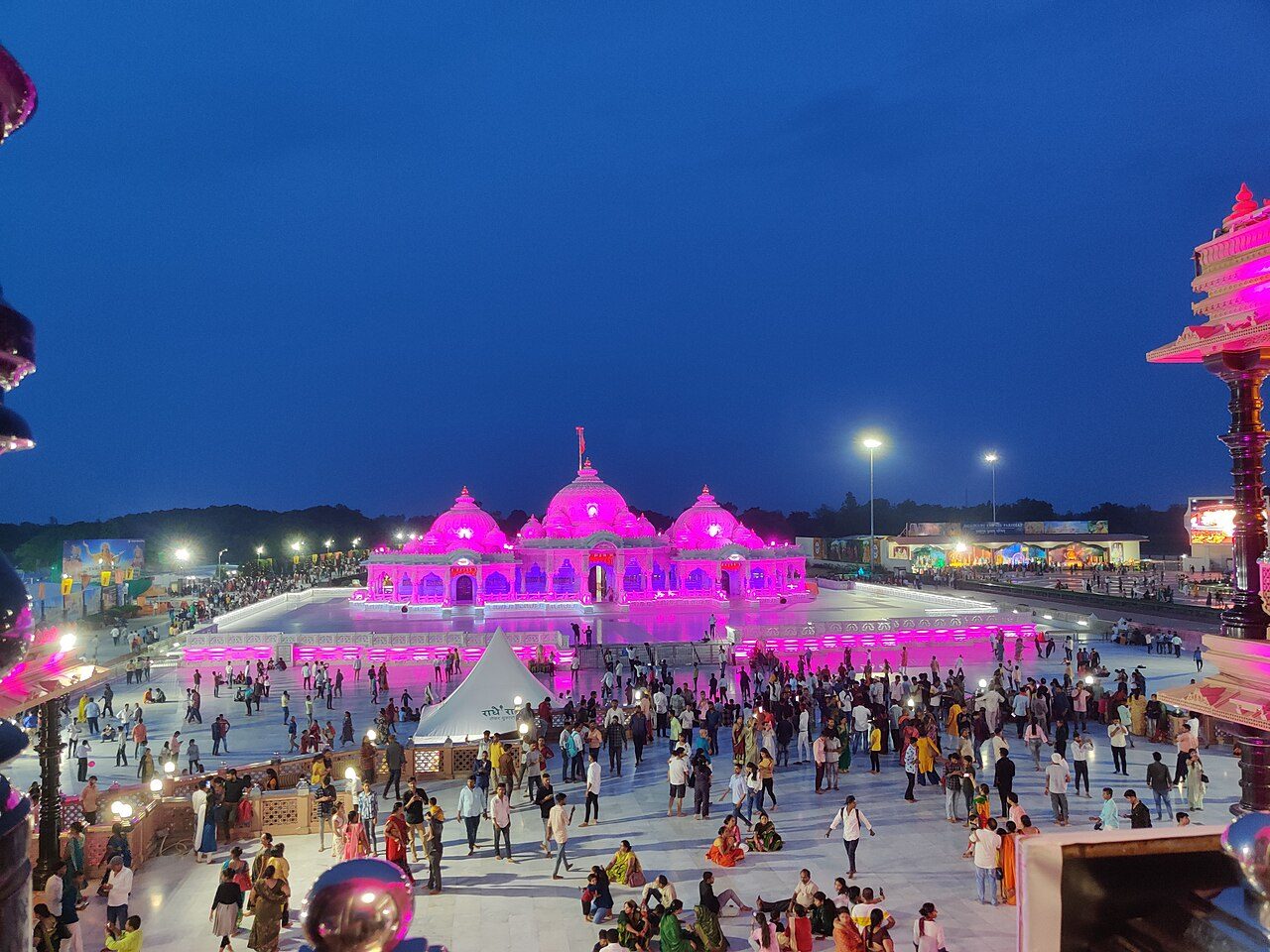
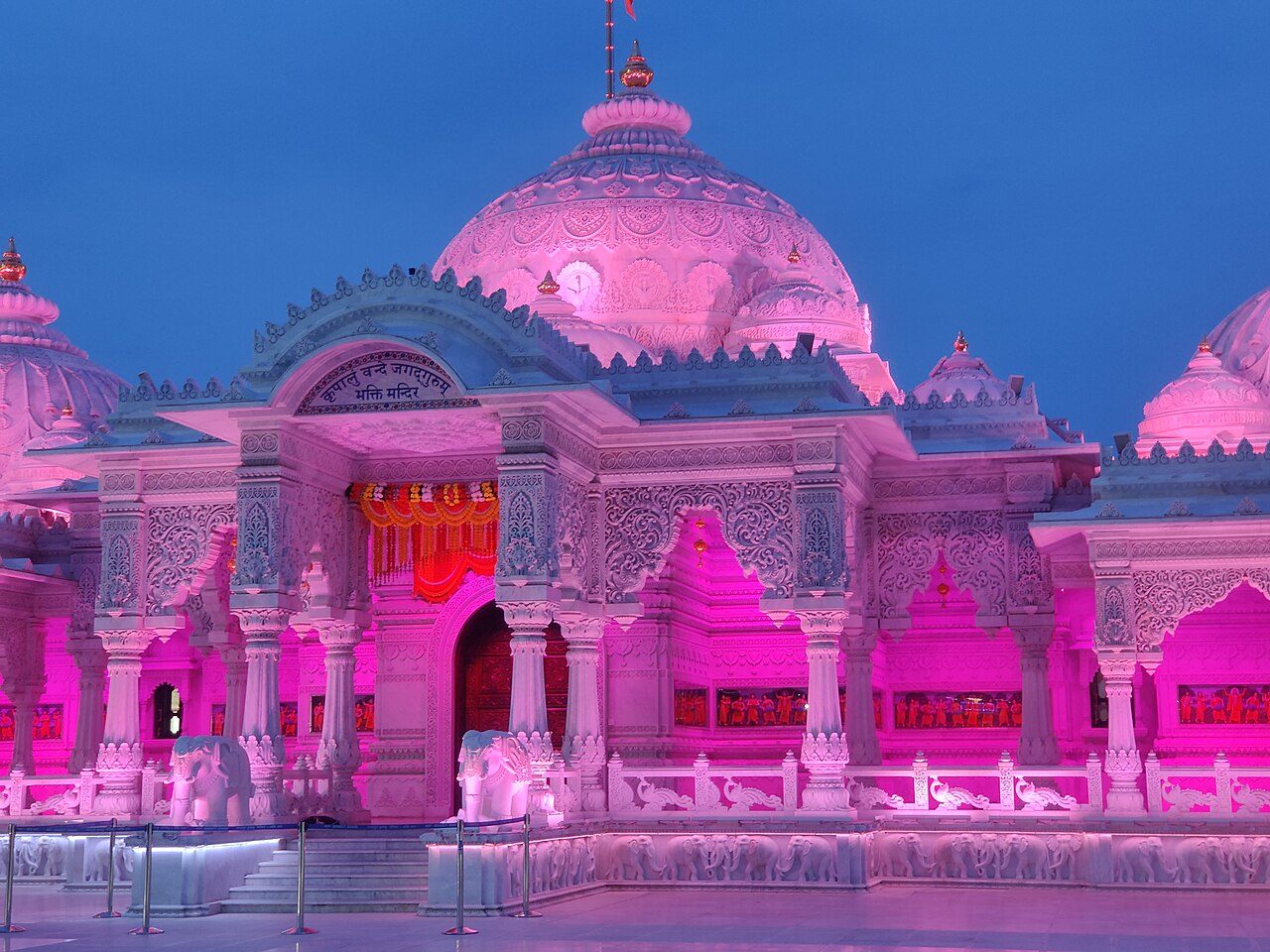
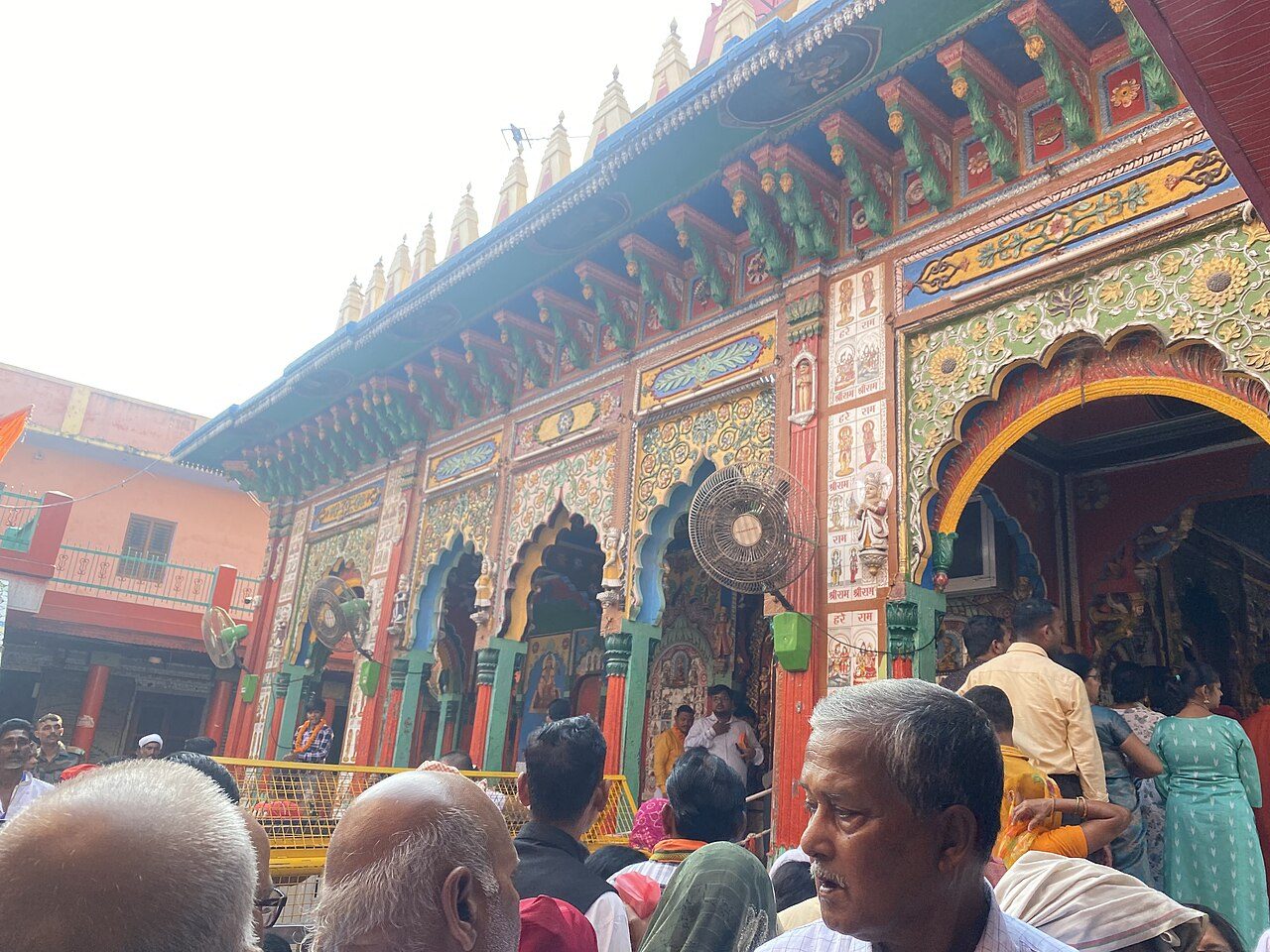
Bhakti Mandir at Mangarh, near Kunda, was established by Jagadguru Kripalu Ji Maharaj. Built of pink sandstone and white marble with finely carved pillars, it is dedicated to Radha-Krishna and Sita-Ram. The temple is lit in changing colours after dark, and large gatherings are held on Janmashtami and Radhashtami. Evening is the most atmospheric time to visit.
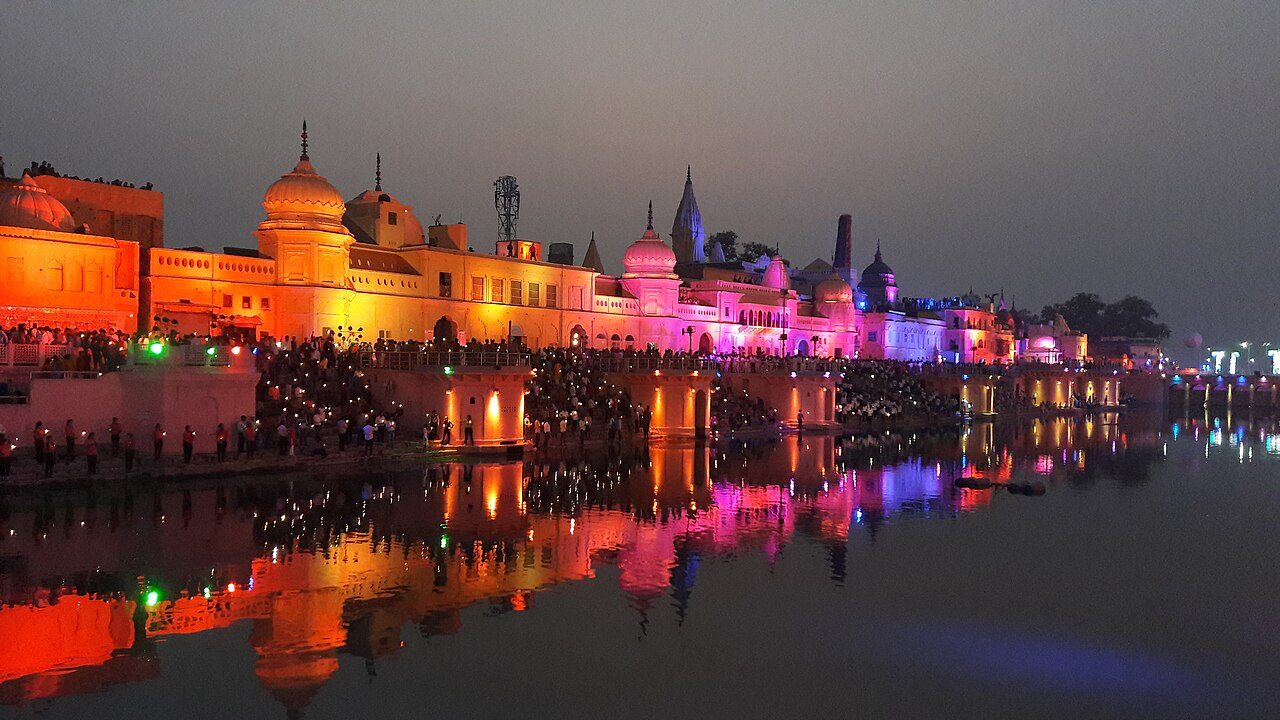
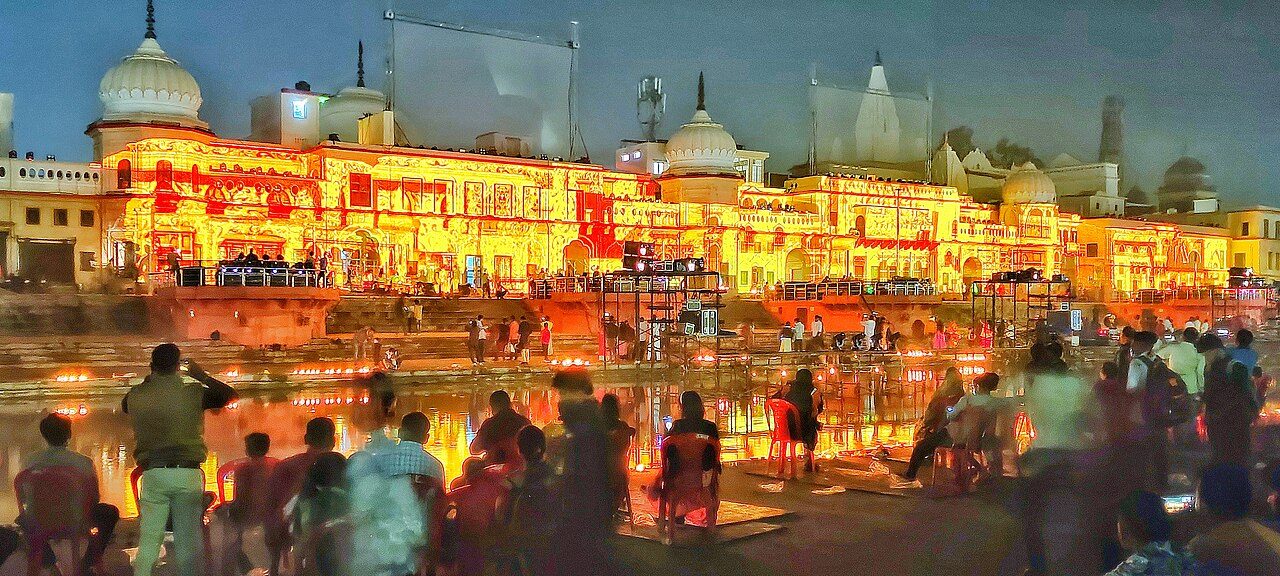
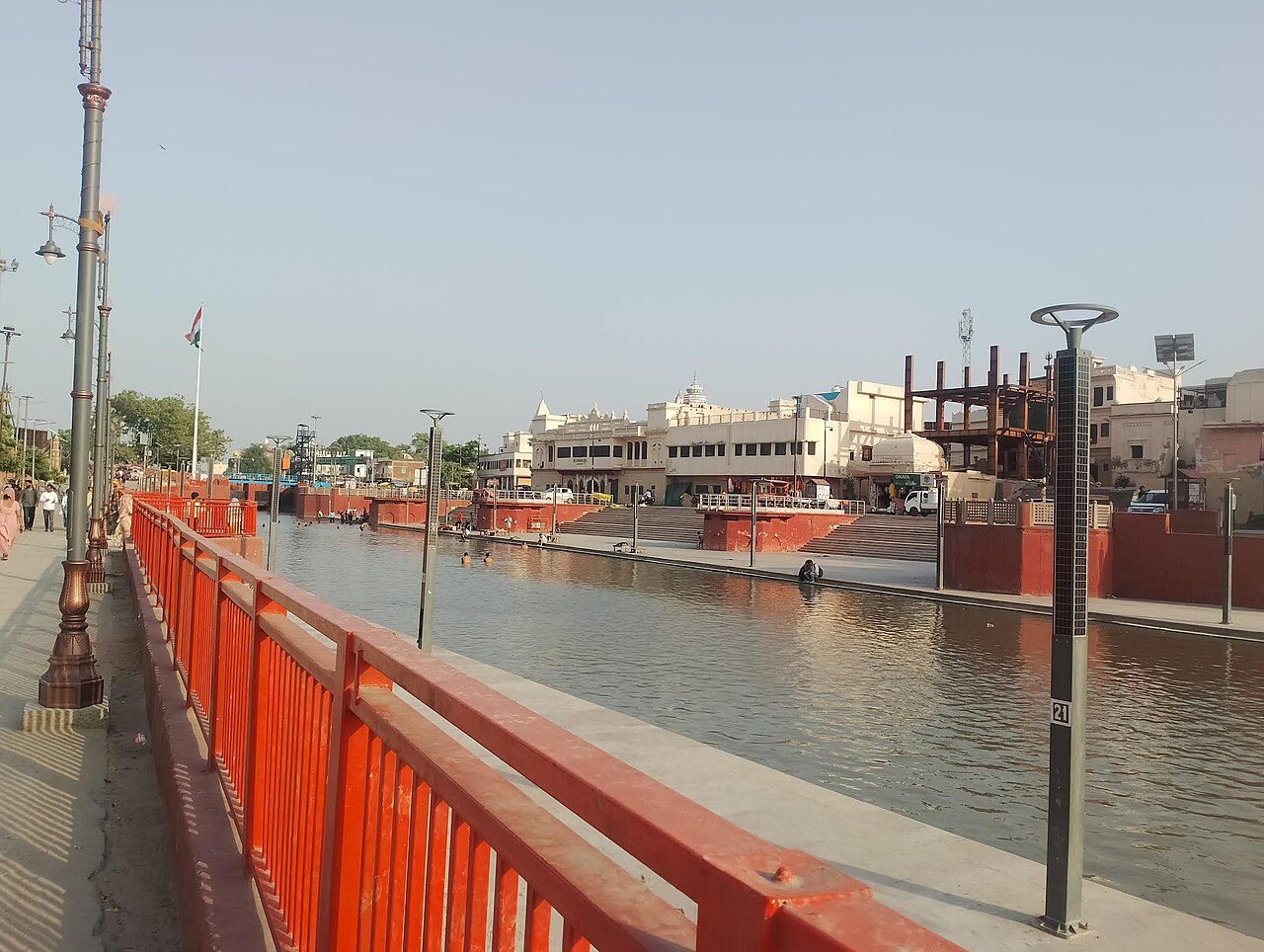
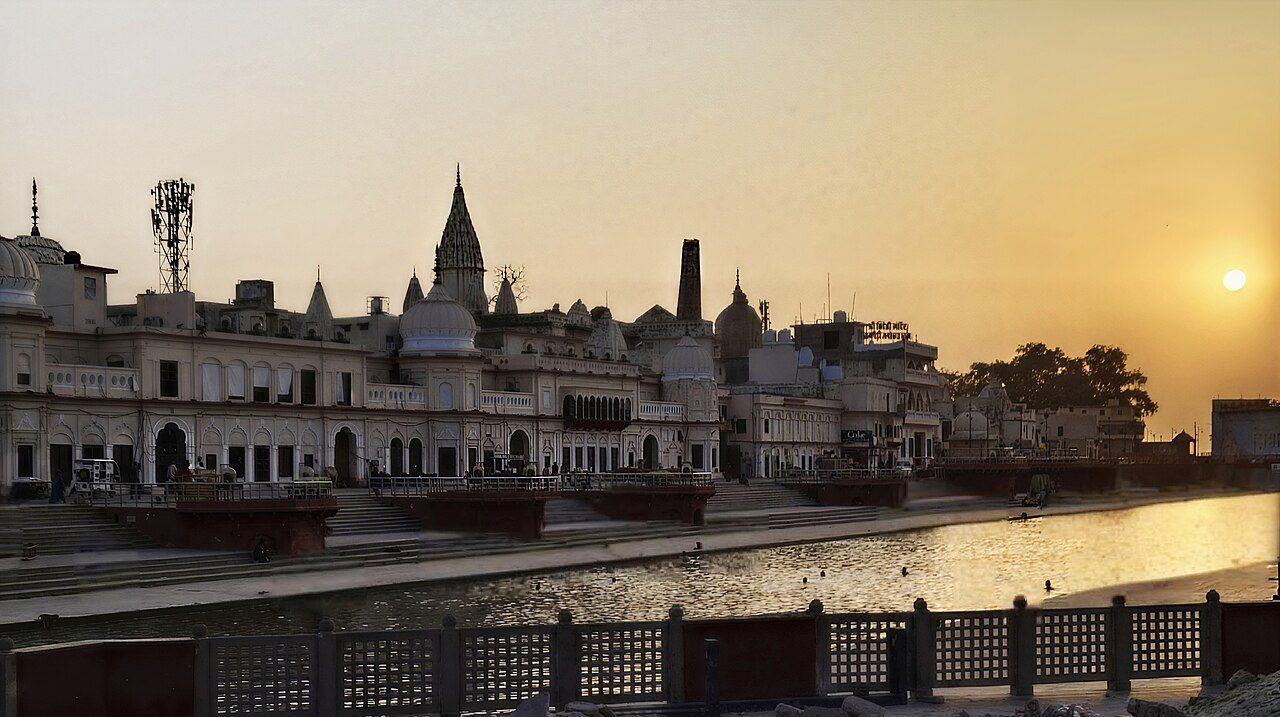
Ram Ki Paidi is a long series of bathing ghats on a channel of the Sarayu river in Ayodhya. Pilgrims come to bathe, especially on full-moon days. It is the main venue of the Deepotsav festival at Diwali, when hundreds of thousands of earthen lamps are lit along the steps. In the evening the ghats are illuminated and a laser show is projected.
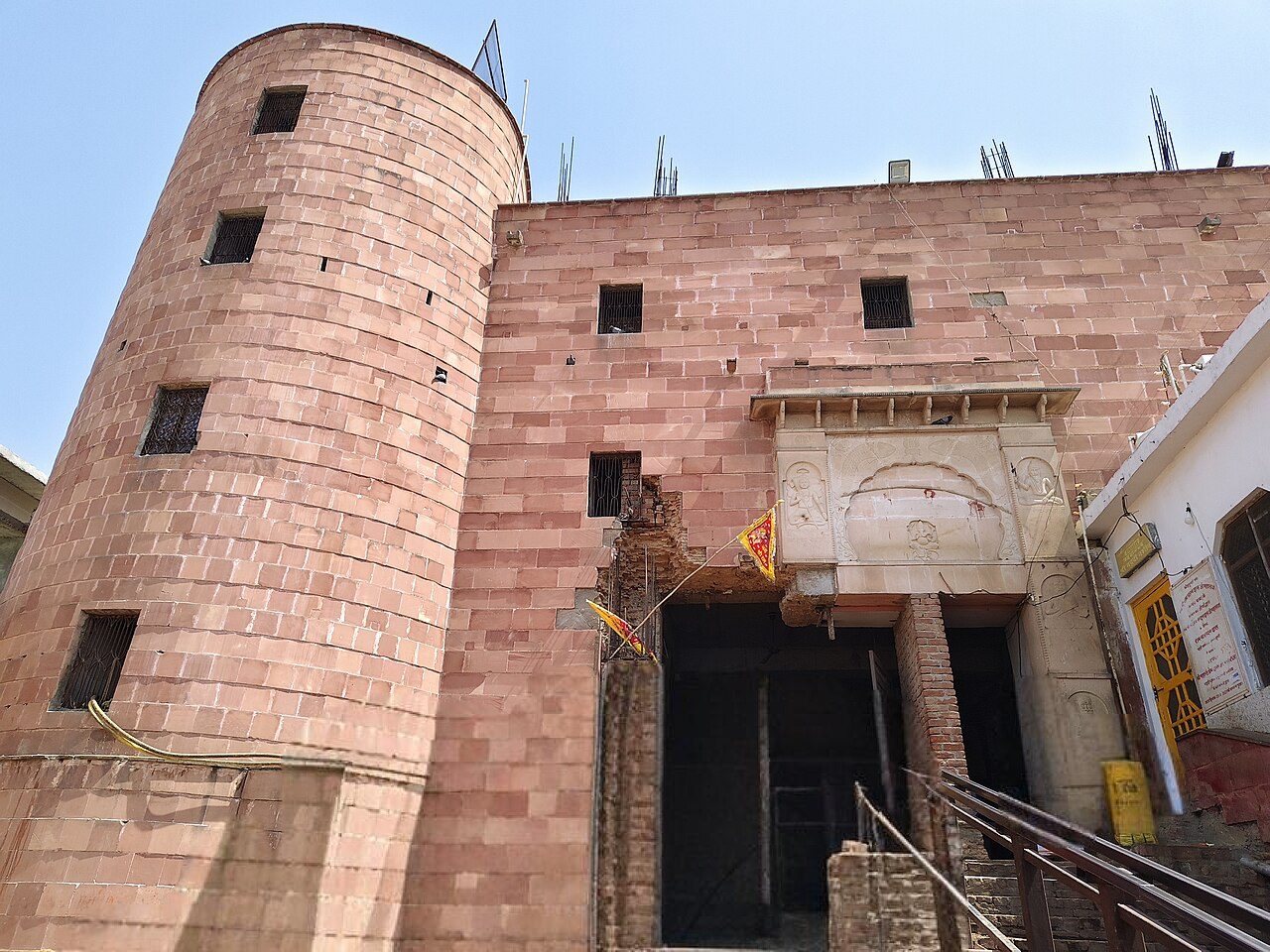
Hanuman Garhi is a 10th-century temple in the form of a four-sided fort in the heart of Ayodhya. Seventy-six steps lead up to the shrine, where Hanuman is shown as a child in the lap of his mother Anjani. Tradition holds that Hanuman lived here to guard the city, and pilgrims customarily visit it before going on to the Ram temple.
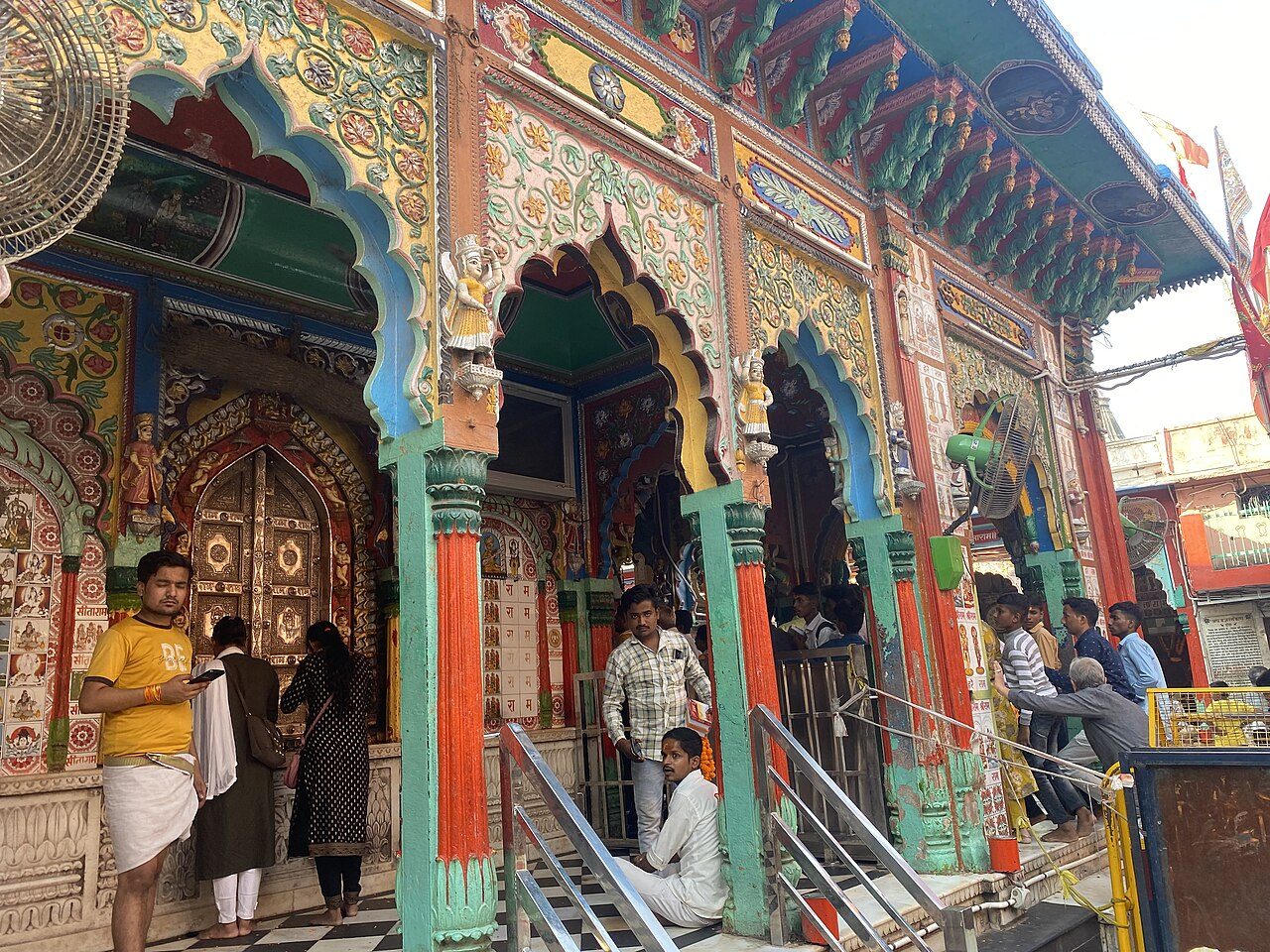
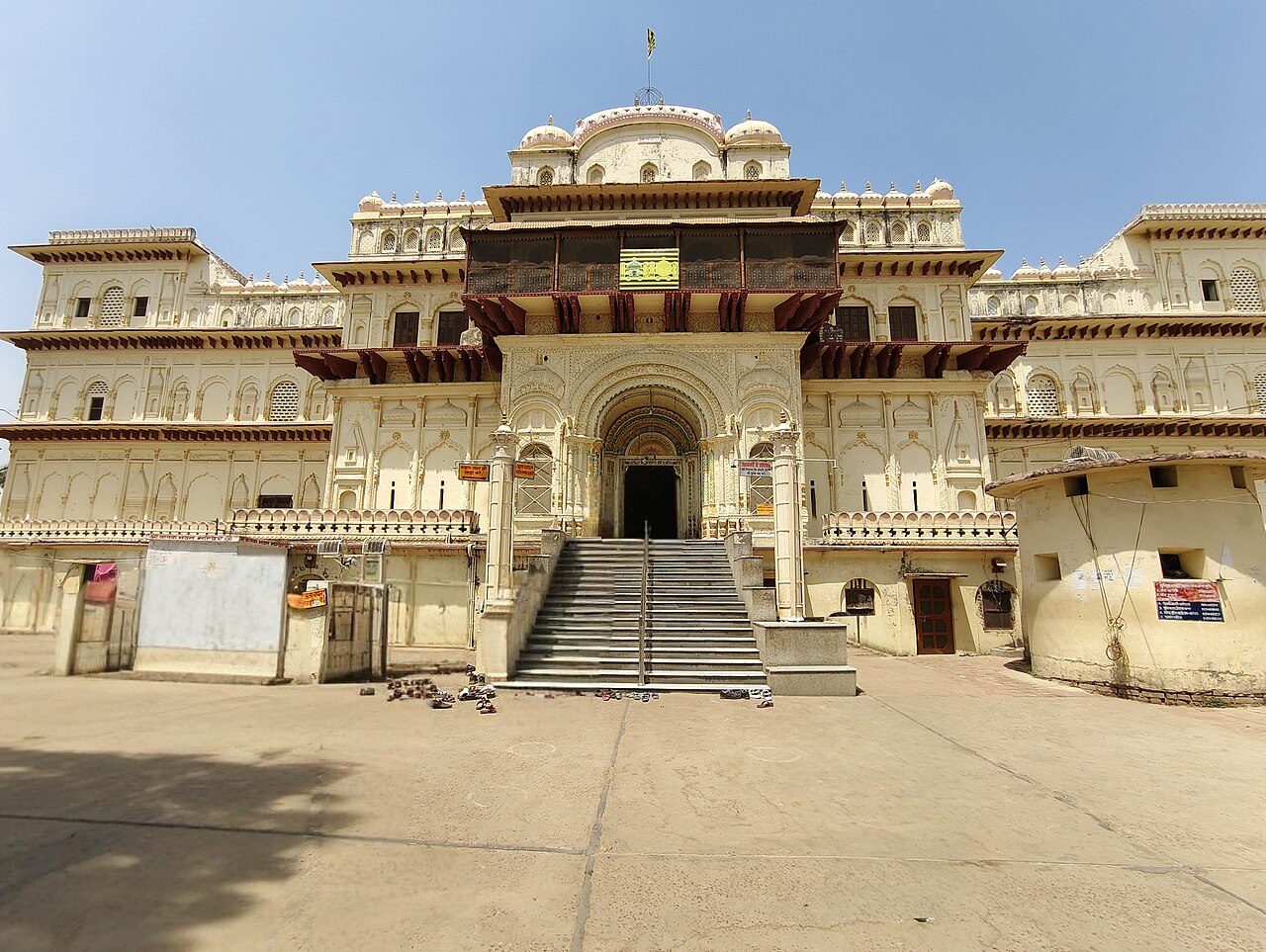
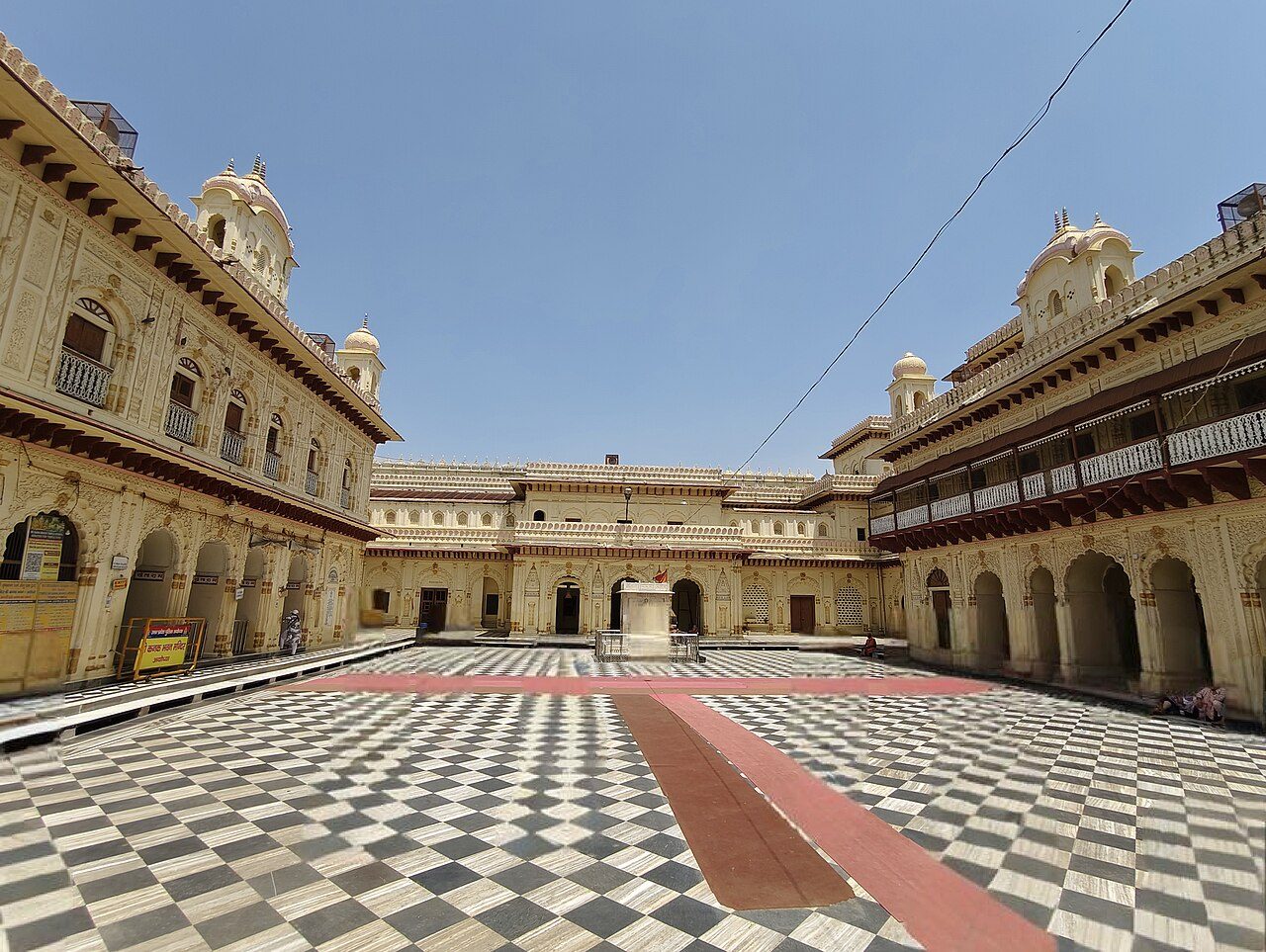
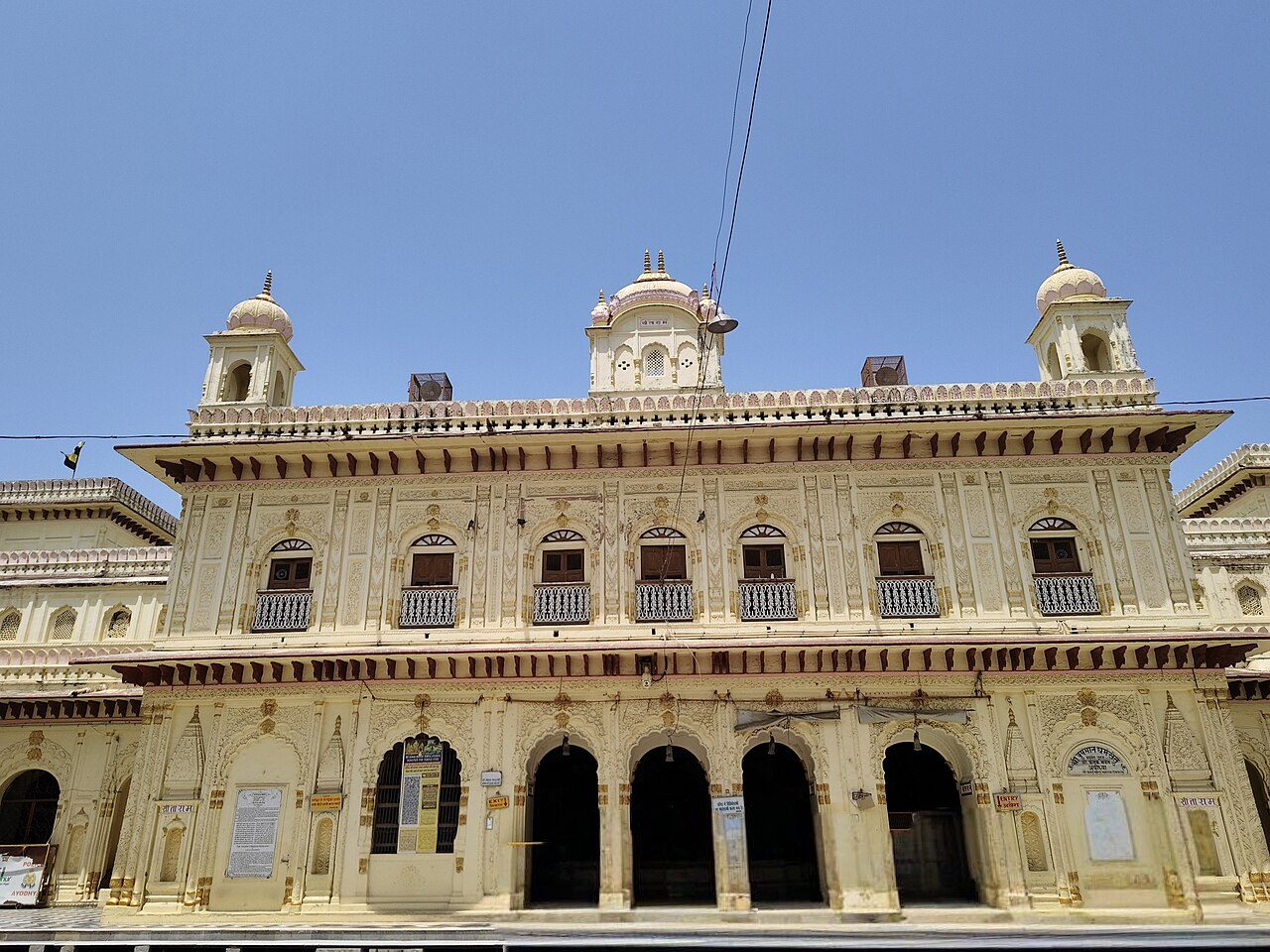
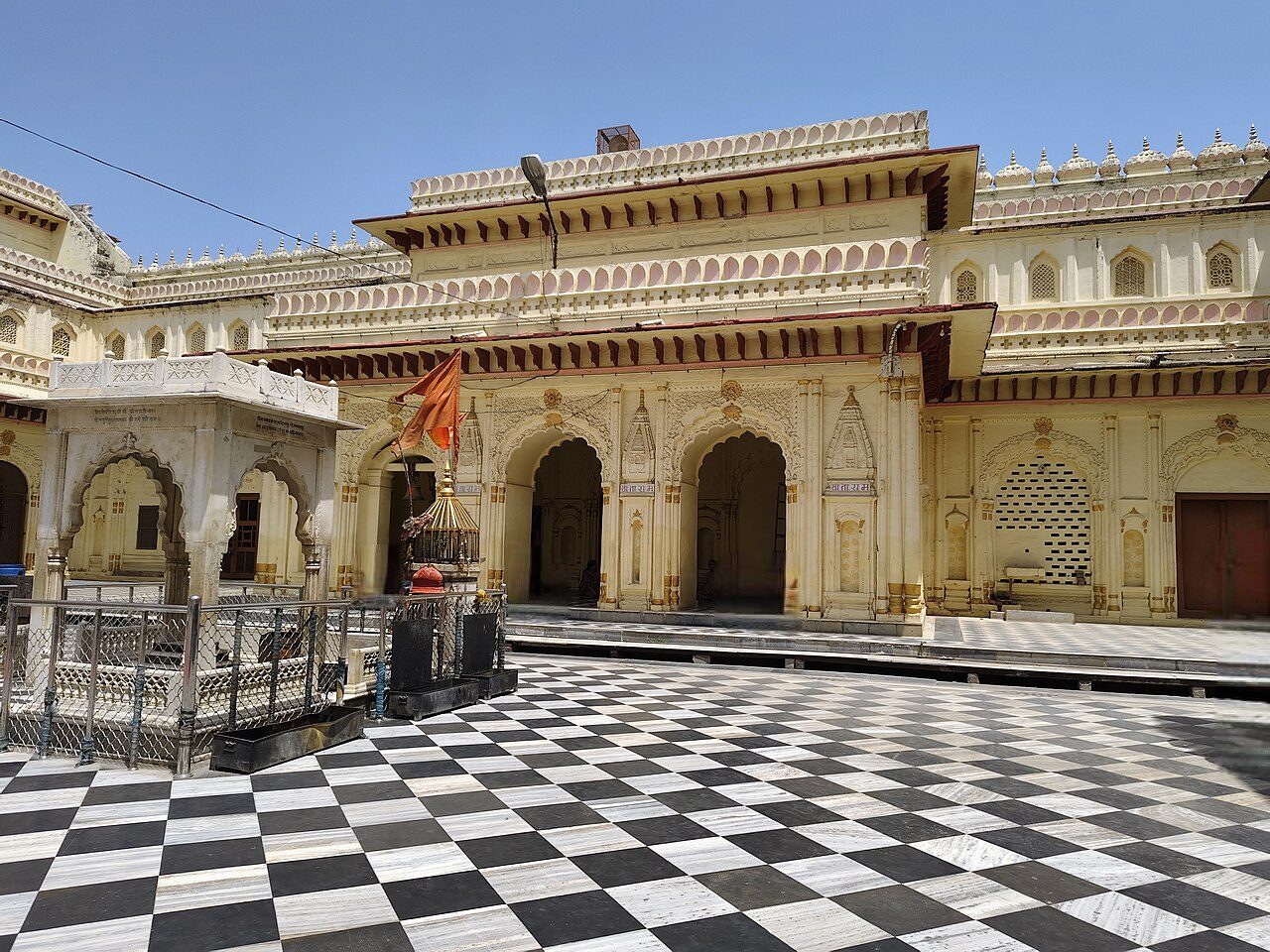
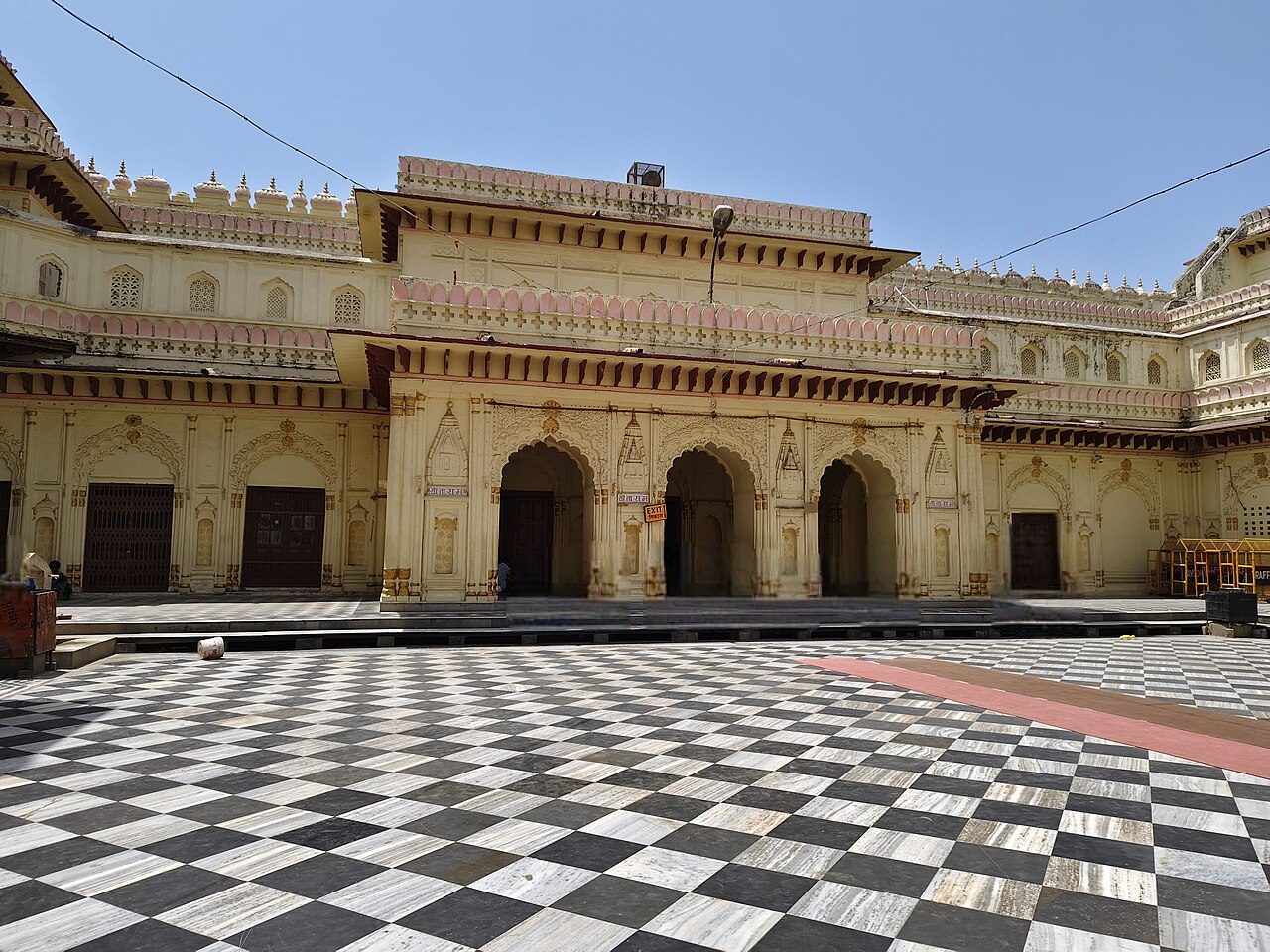
Kanak Bhawan, the Golden Palace, is said in legend to have been a wedding gift to Sita from Kaikeyi, stepmother of Rama. The present temple was built in 1891 by Queen Vrishabhanu Kunwari of Orchha. Its sanctum holds images of Rama and Sita wearing gold crowns, and the courtyard building is in the Bundela style. Devotional music is often performed here.
 WaTrips