Karnataka Coastal Ride: Mangaluru to Gokarna in 4 Days
4 DAYS11 placesby WaTrips
Up the Karnataka coast: Mangaluru, Udupi's Krishna temple, St. Mary's Island, the road-beside-the-sea at Maravanthe, Murudeshwar and Gokarna.
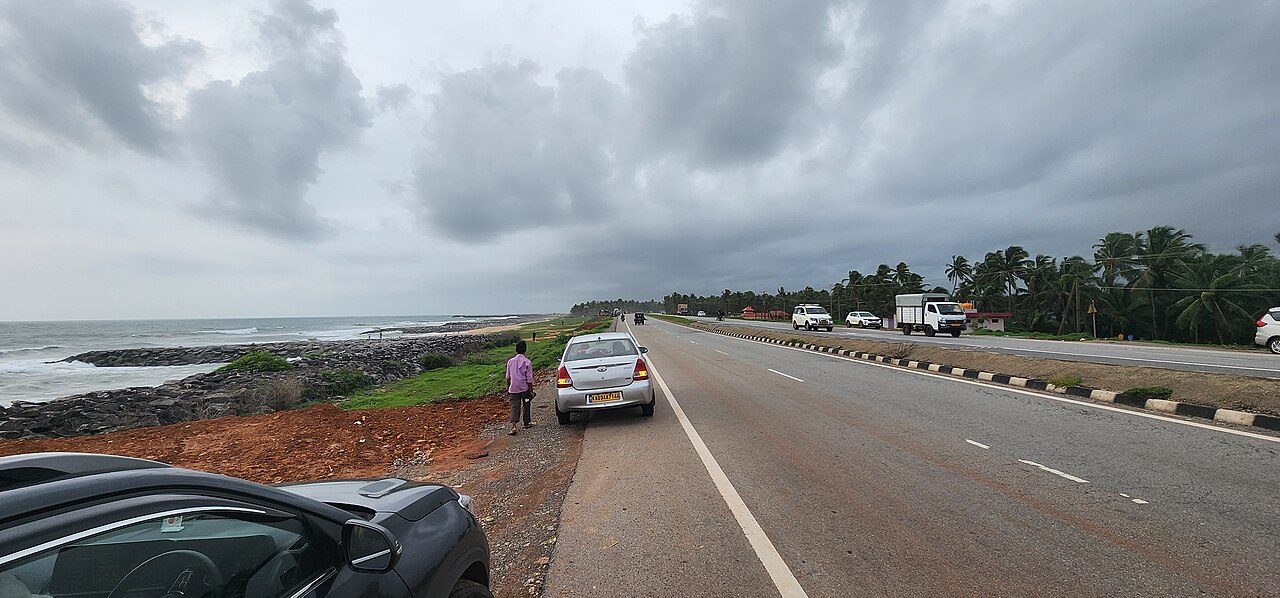
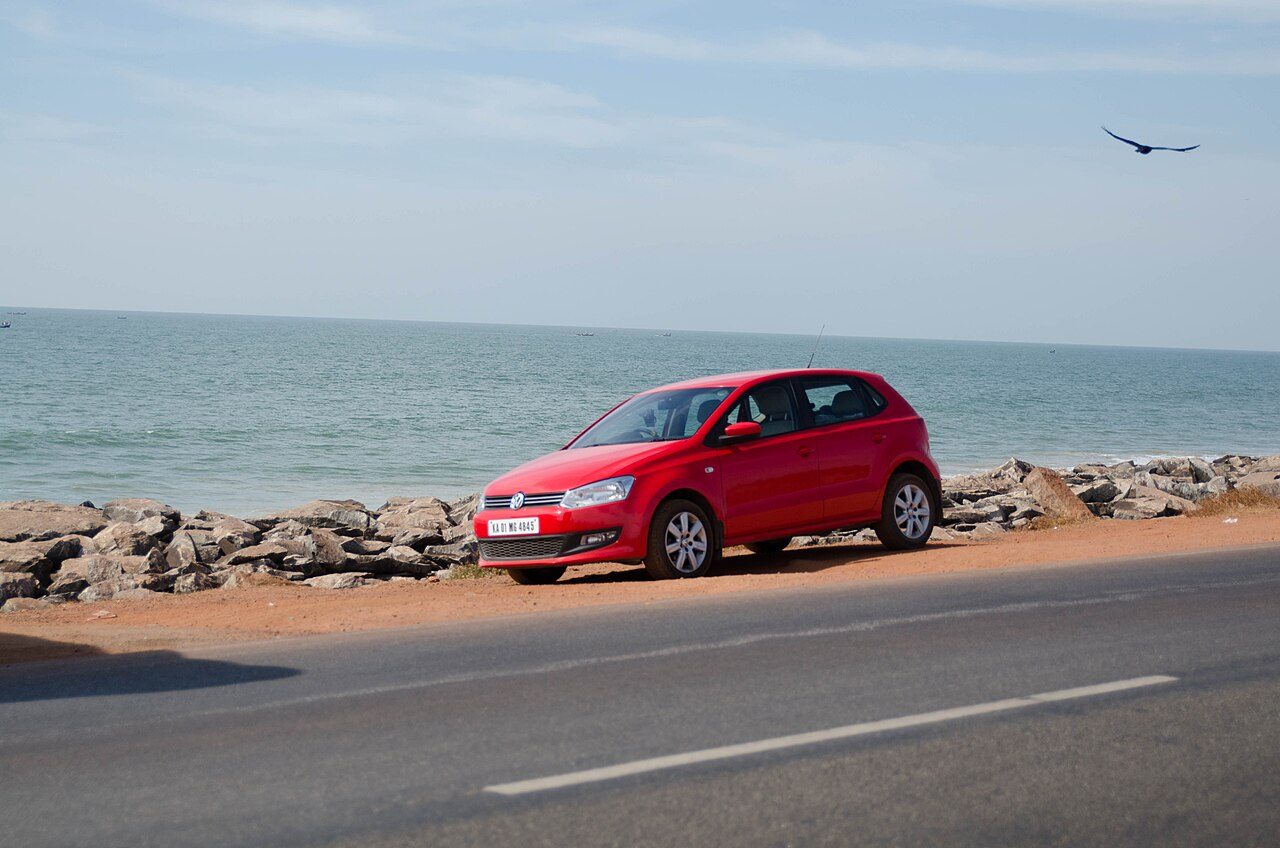
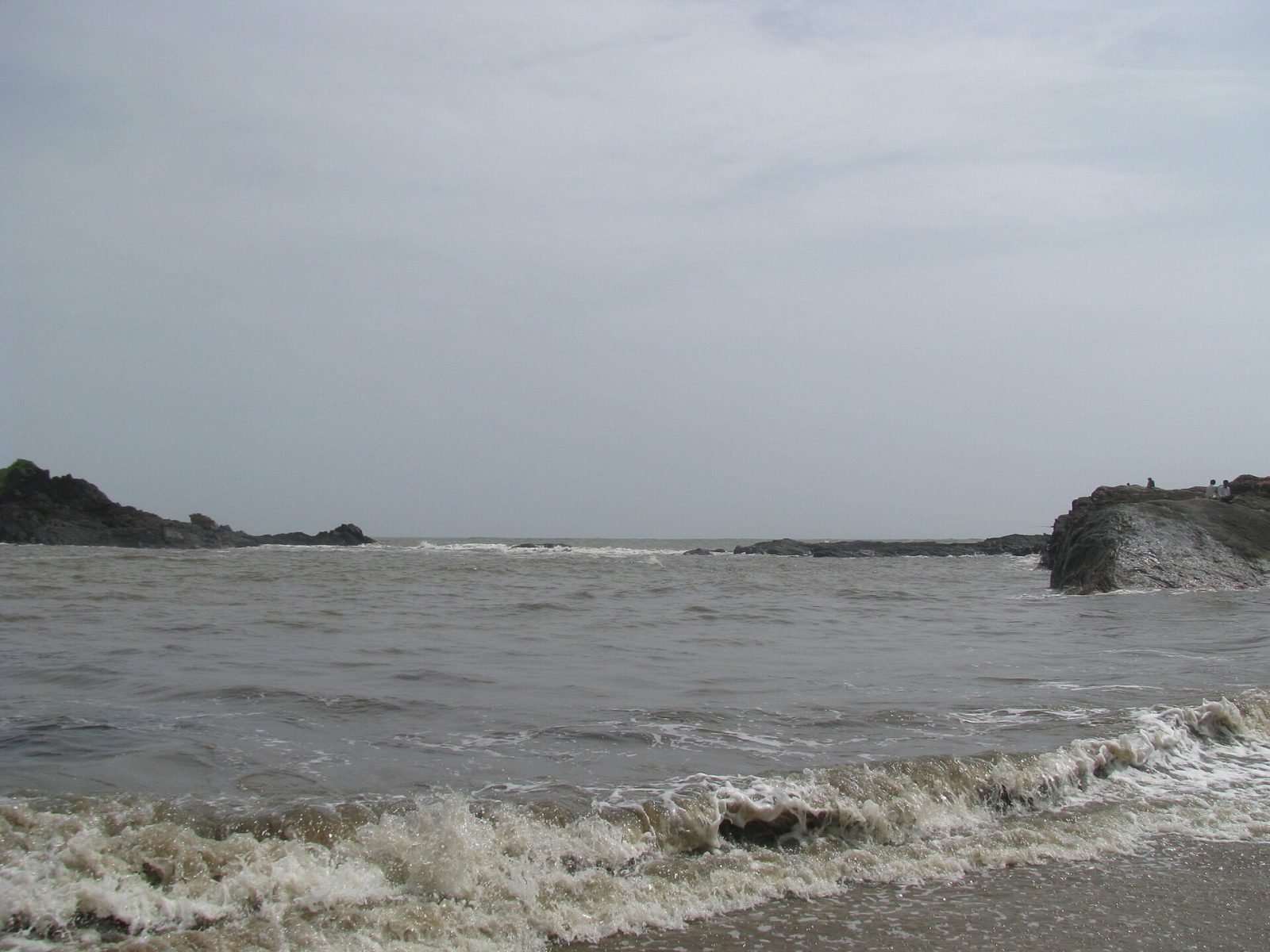
Karnataka's coast is one of the best rides in India, with the Western Ghats on one side and the Arabian Sea on the other. Begin in Mangaluru at the Kadri Manjunath Temple, Sultan Battery and Panambur Beach. In Udupi, visit the Sri Krishna Temple, then take the boat from Malpe to the basalt columns of St. Mary's Island (no boats in the monsoon). Day three follows the highway north, where at Maravanthe the road runs between the sea and a river, to the giant Shiva statue at Murudeshwar. Finish in Gokarna: Mirjan Fort, the Mahabaleshwar Temple and the curved Om Beach. October to March is the best season, and the coast is very wet from June to September.
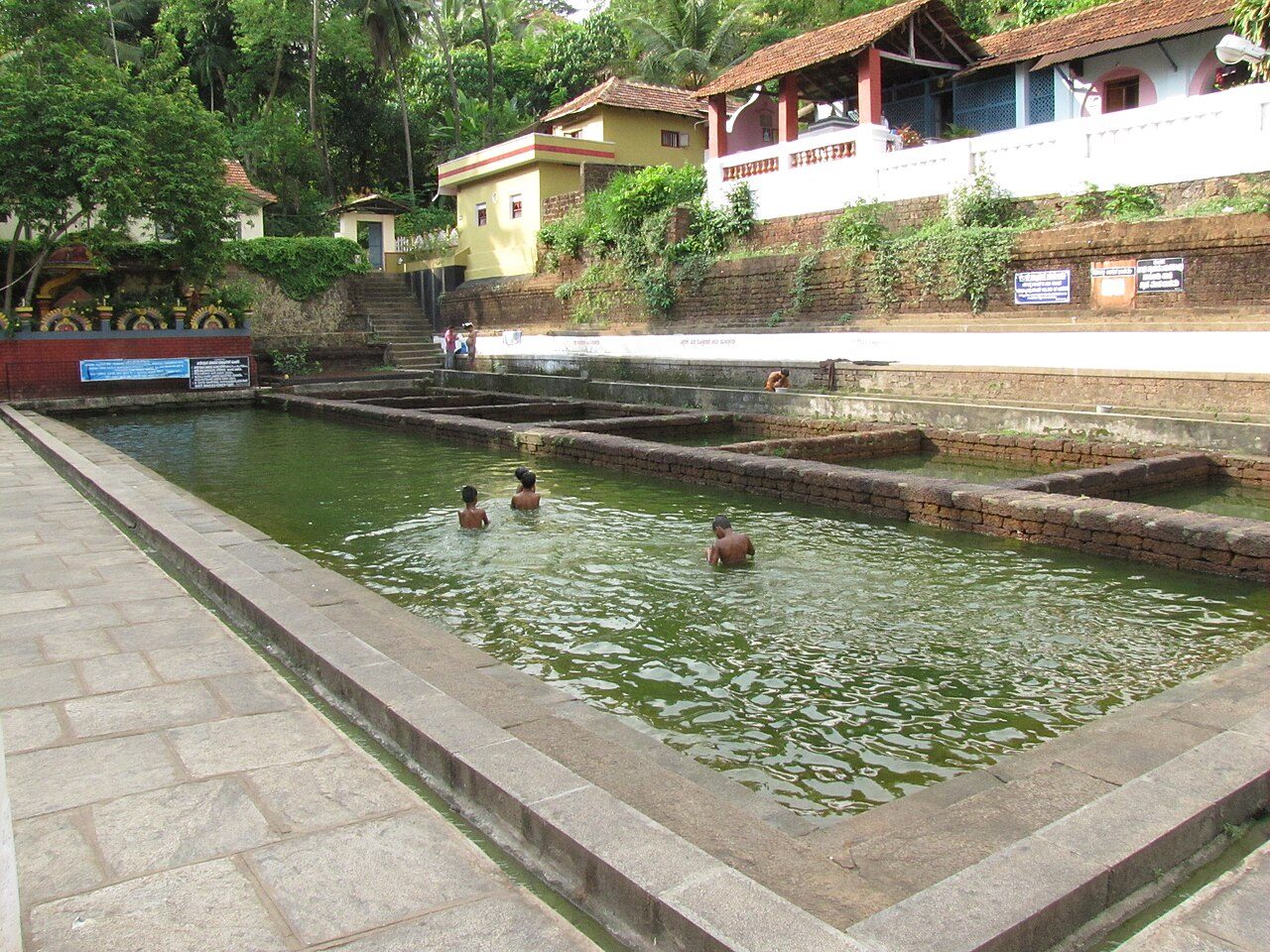
Built around 1068, the Kadri Manjunath Temple in Mangaluru is one of the oldest temples in coastal Karnataka. Its bronze image of Lokeshwara is one of the finest in India. A set of tanks fed by springs stand above the temple, and caves nearby are linked to the Pandavas.
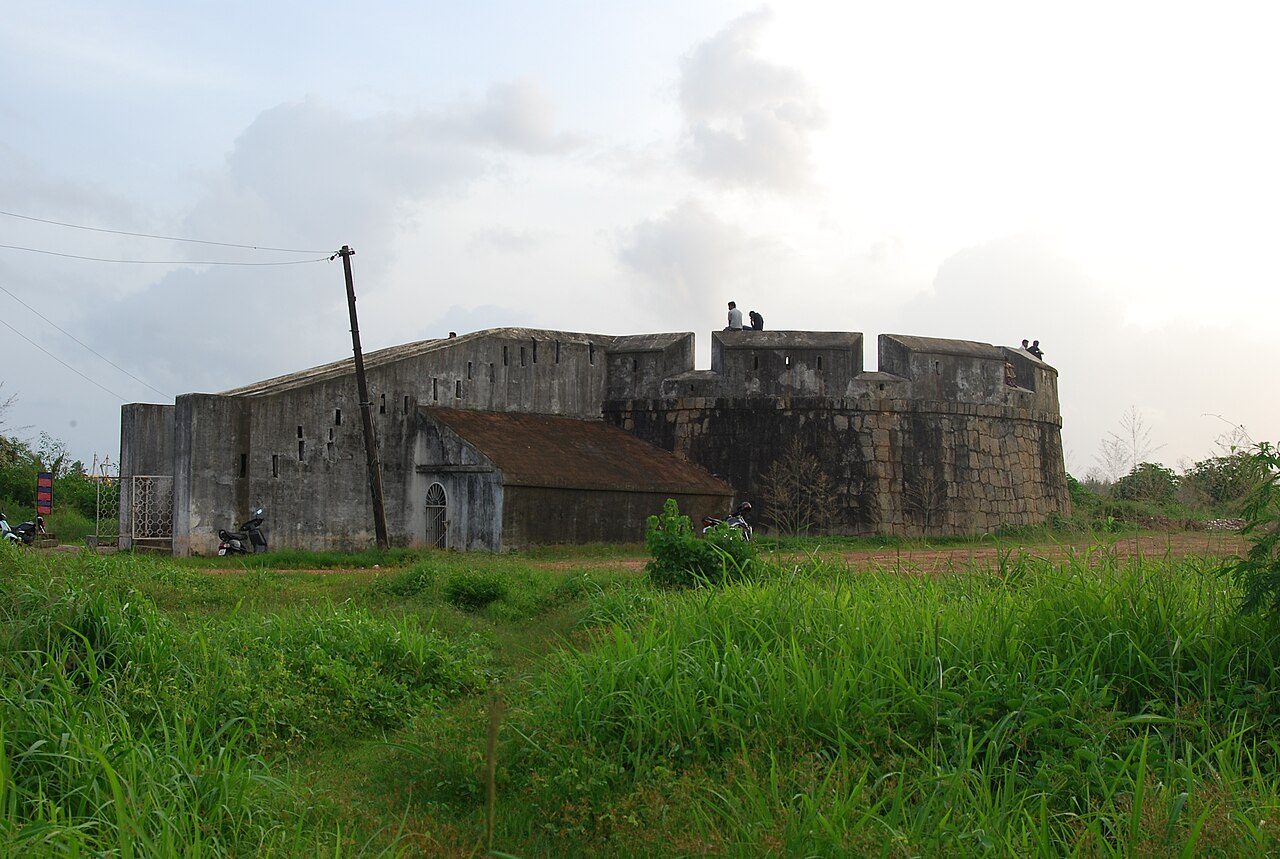
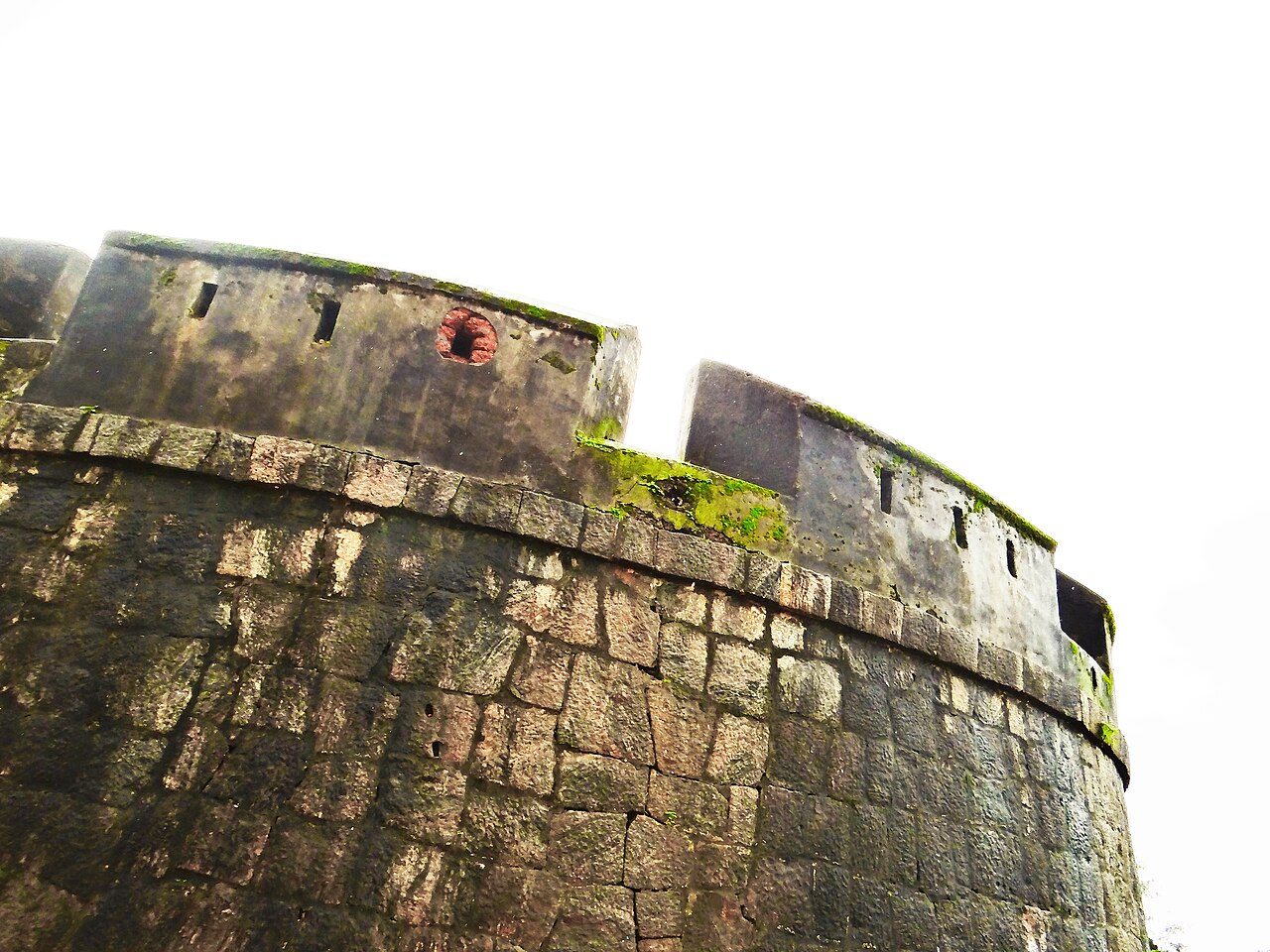
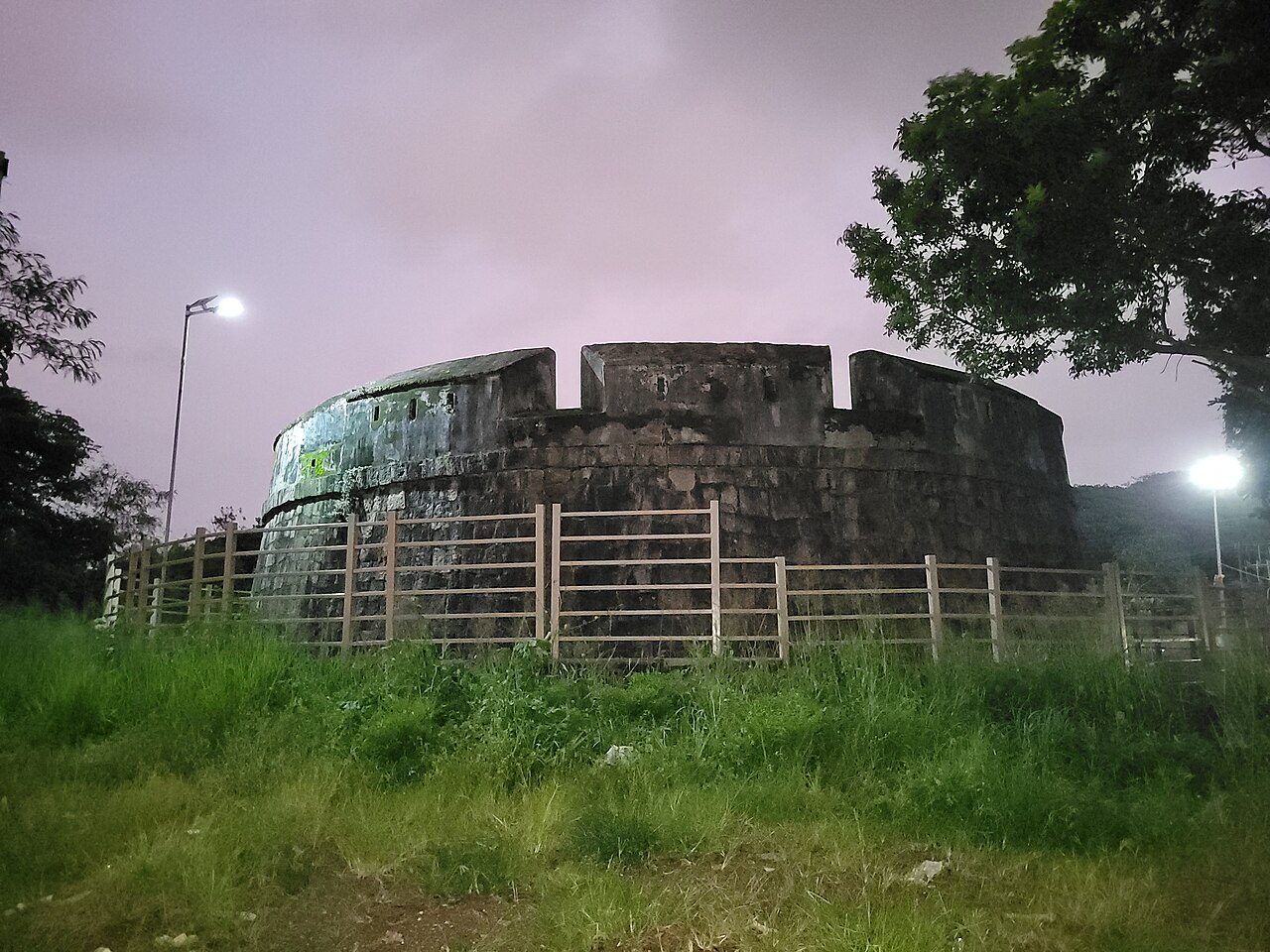
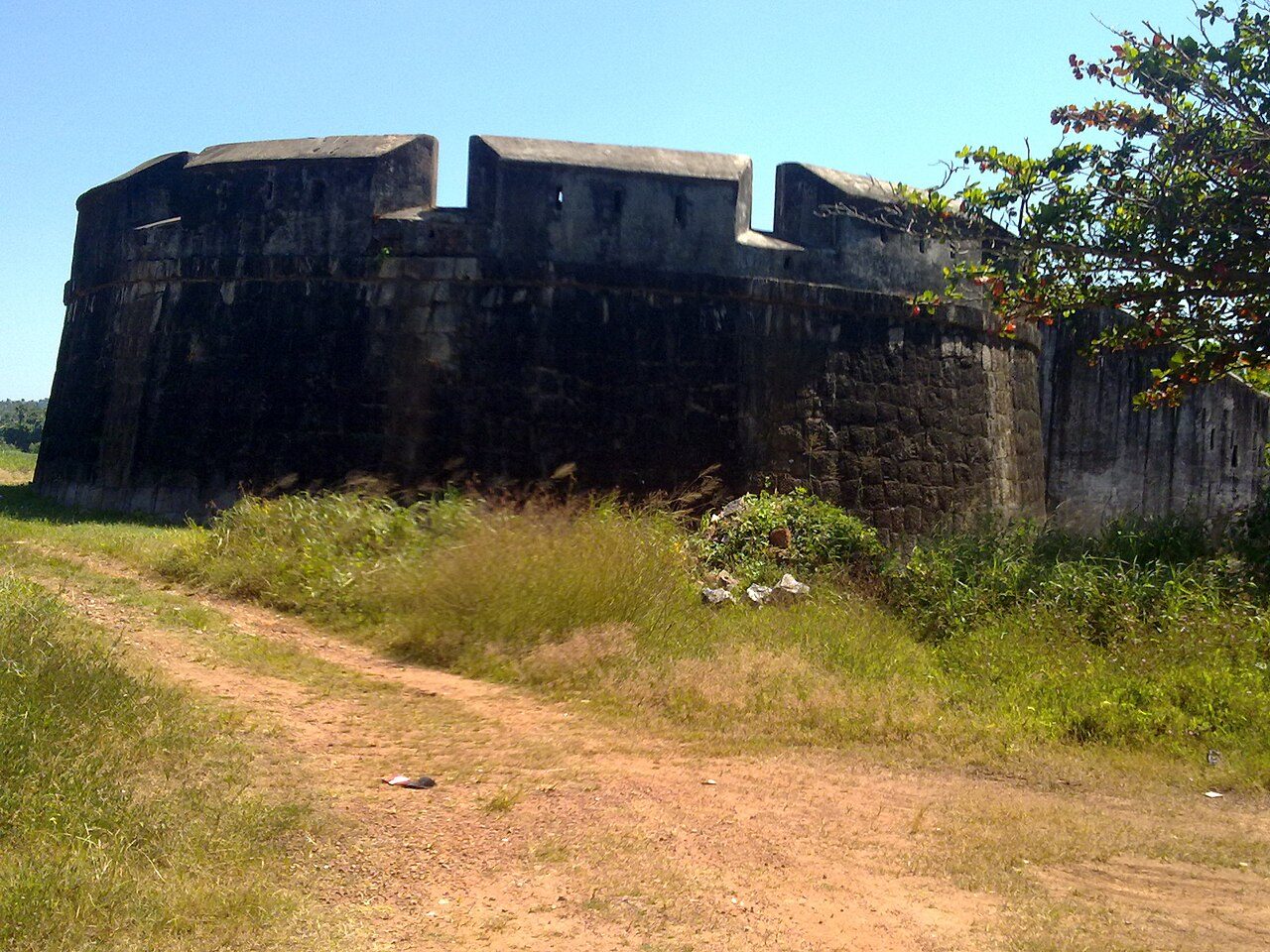
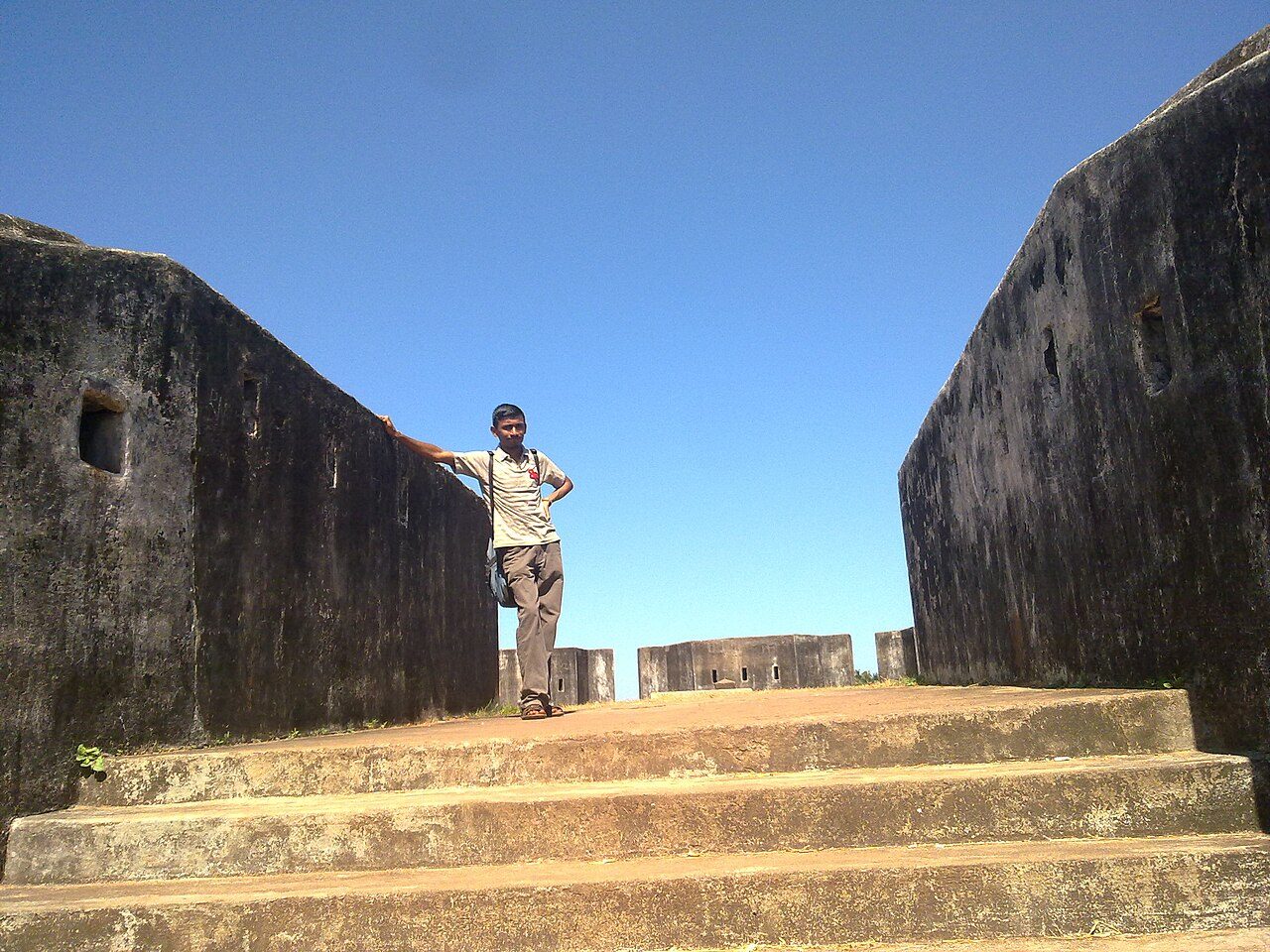
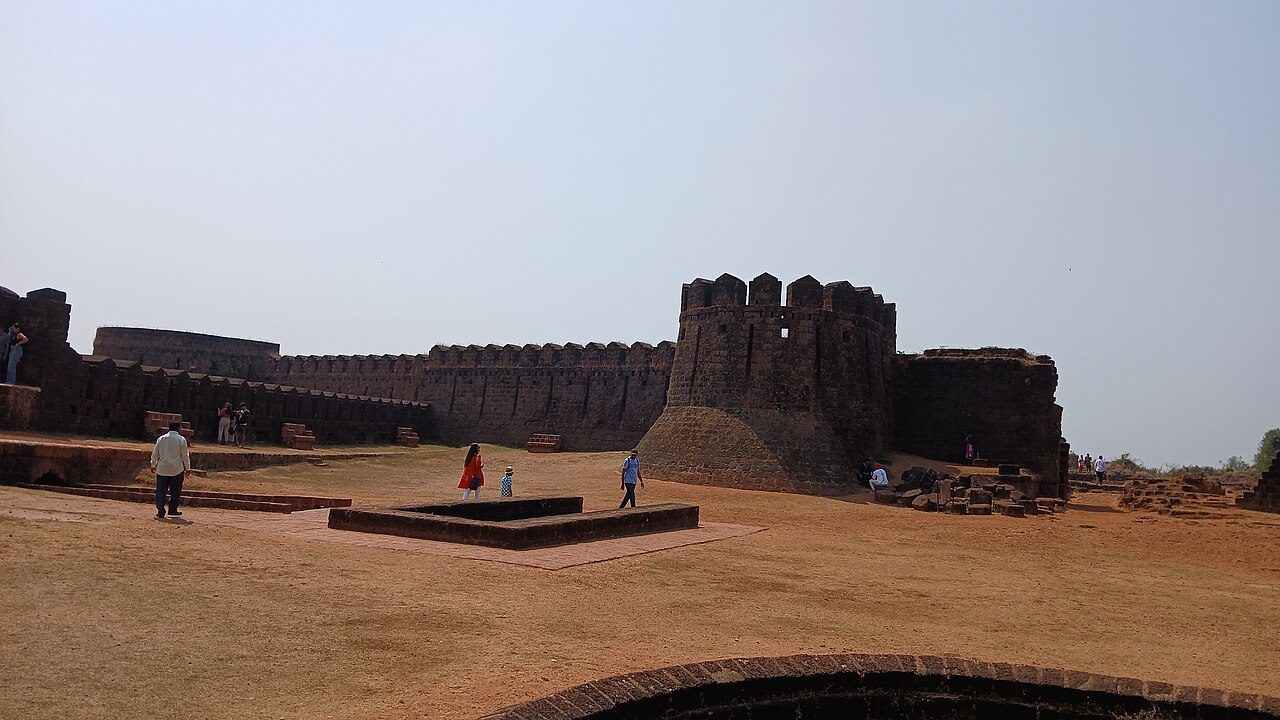
A watchtower built in 1784 by Tipu Sultan near Boloor on the Gurupura river, Sultan Battery was used to stop enemy warships entering the river. Its black-stone walls and gun holes give it the look of a small fort. Ferries cross from here to Tannirbhavi beach.
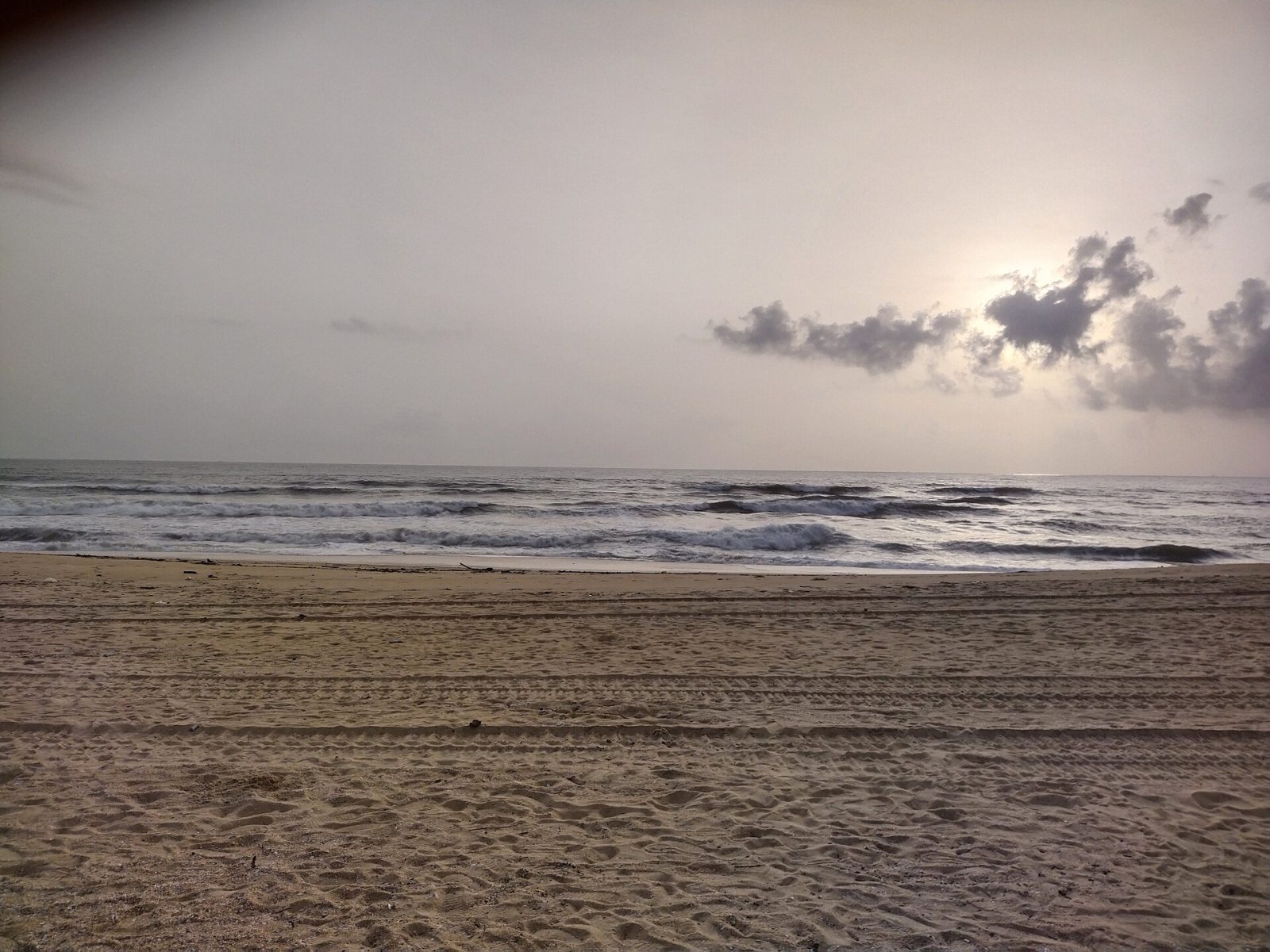
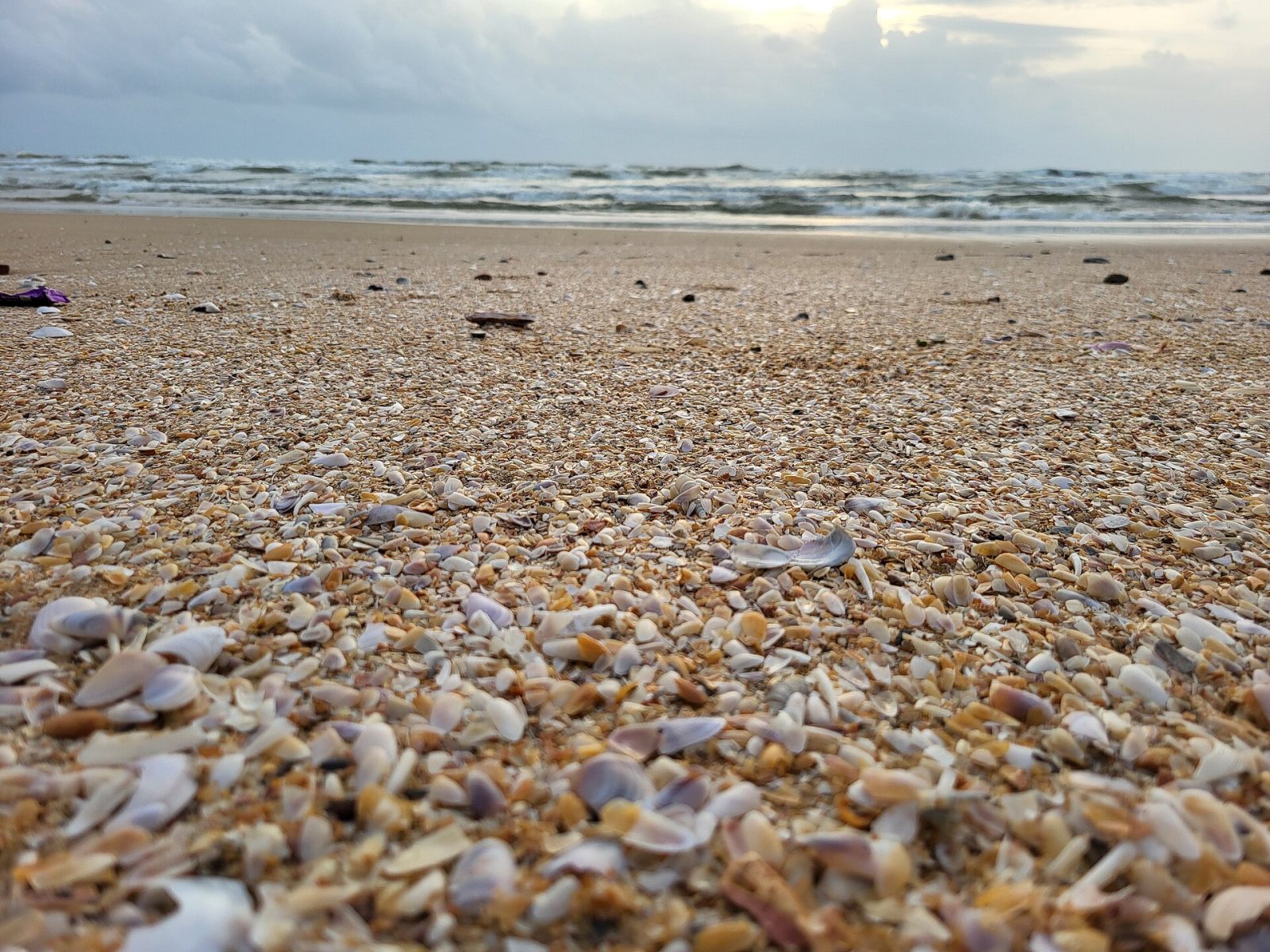
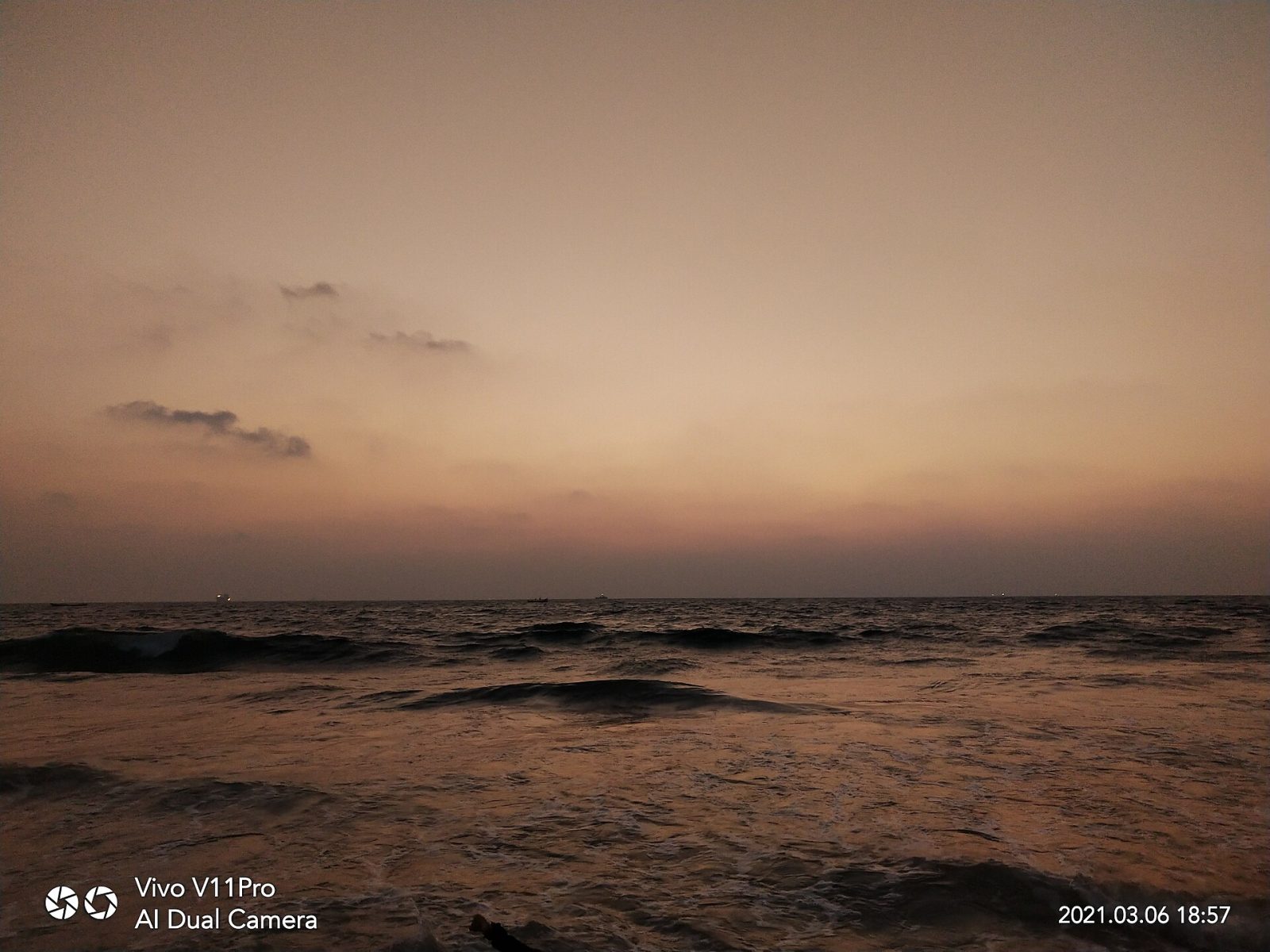
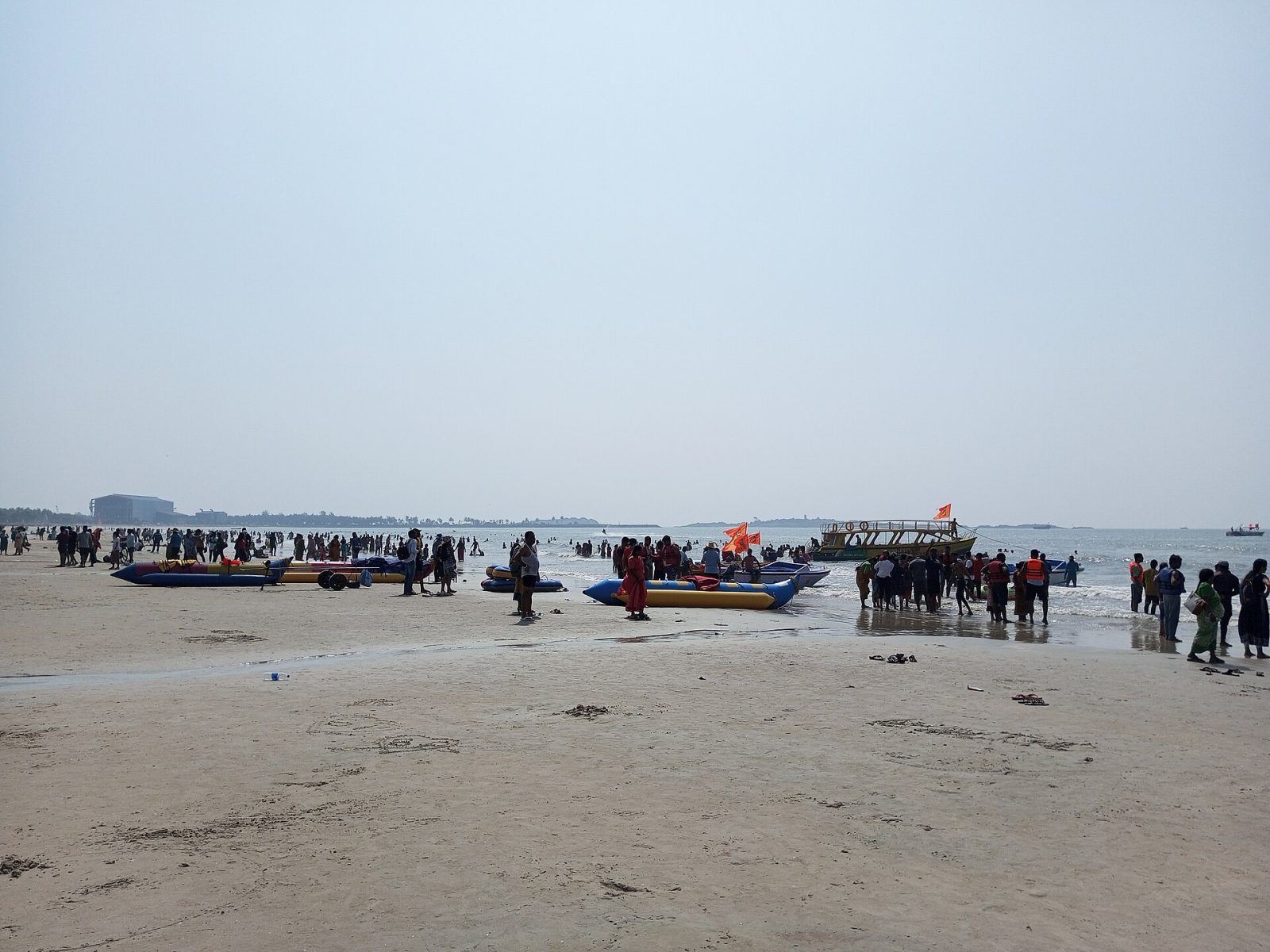
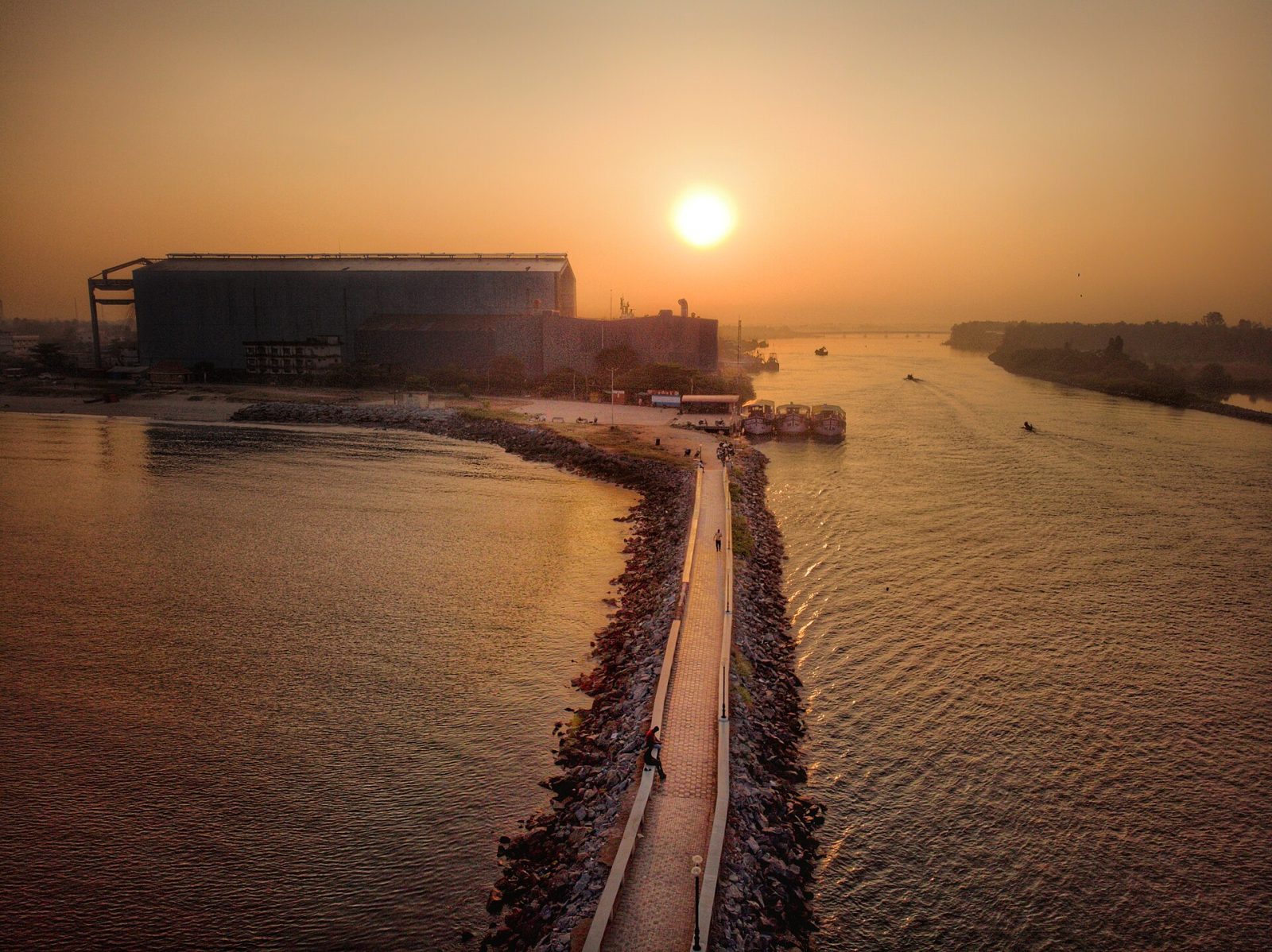
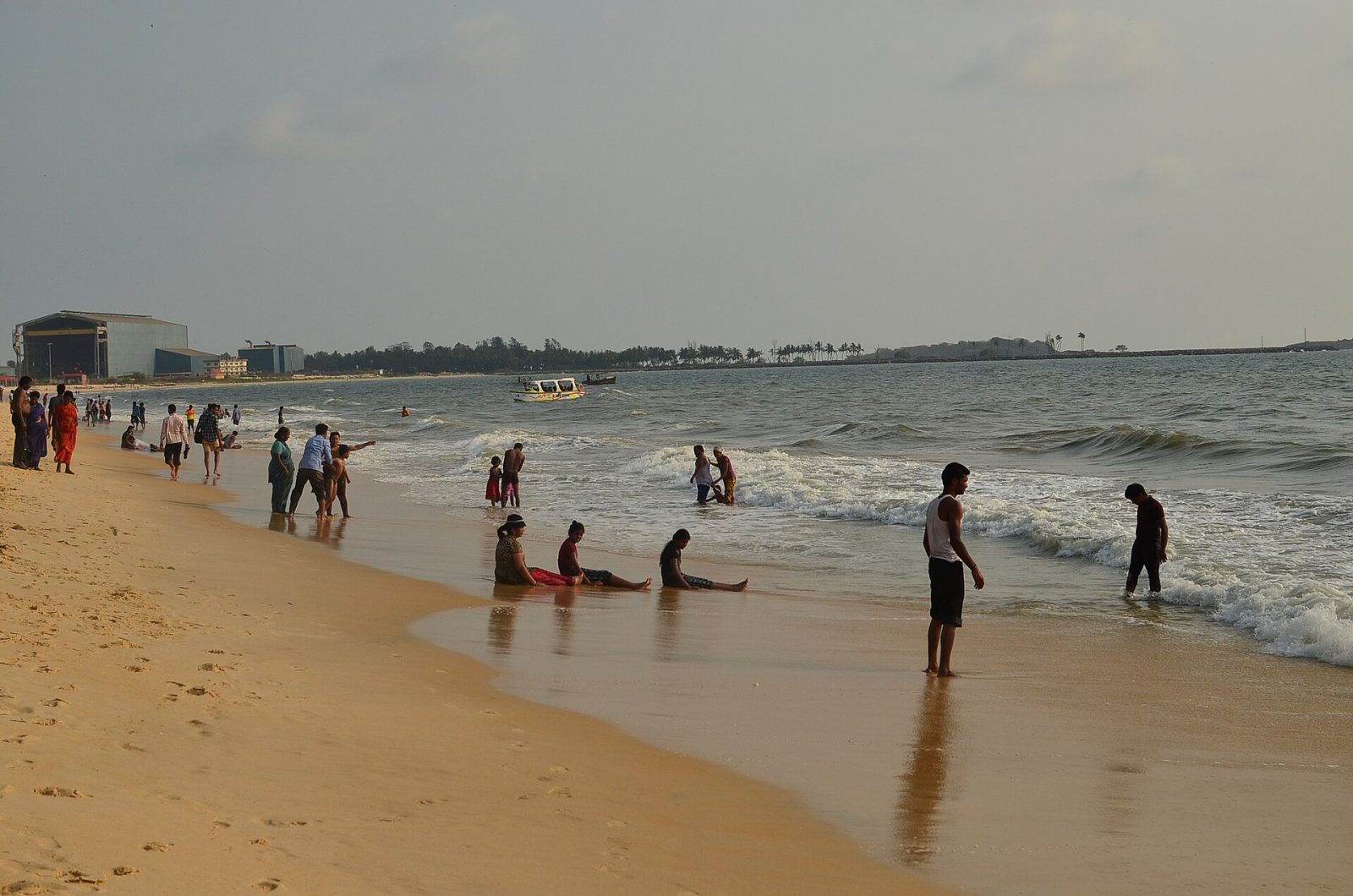
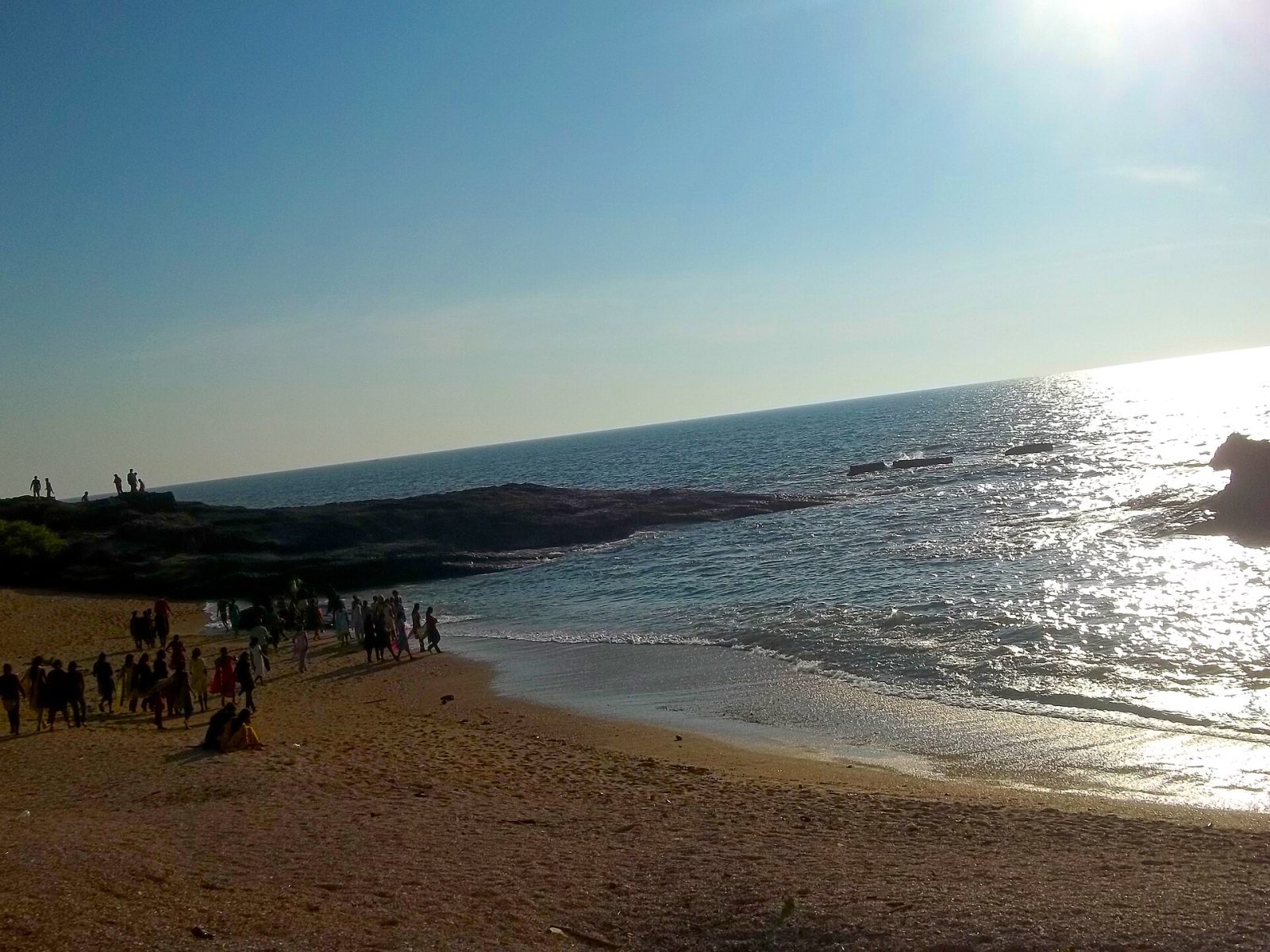
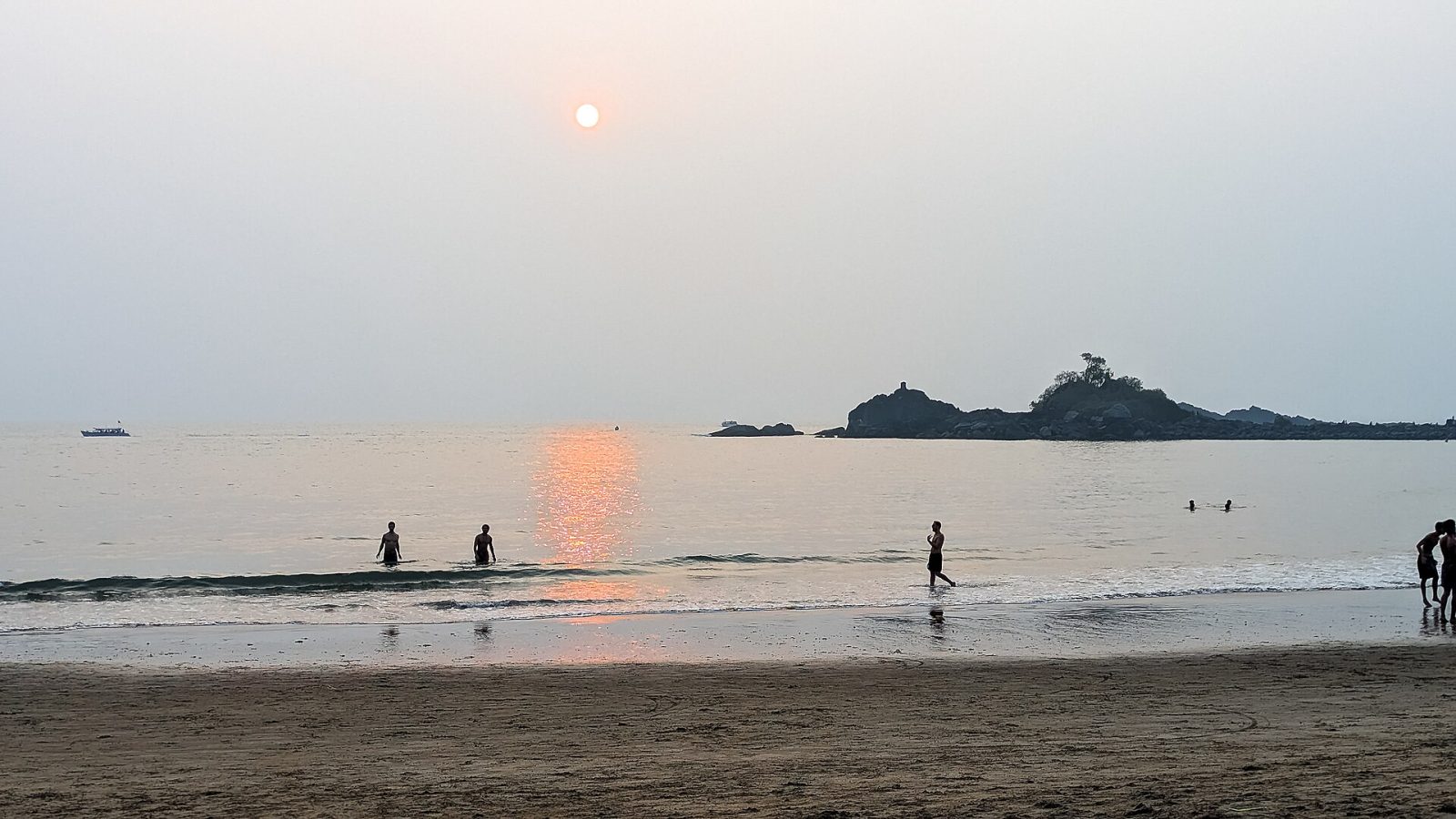
Panambur is the main city beach of Mangaluru, lying just north of New Mangalore Port where the Gurupura river meets the sea. It is one of the most actively managed beaches in Karnataka, with lifeguards, clean-up drives, food stalls, camel and horse rides and jet skis. The beach hosts an international kite festival and a sandcastle competition that draw big crowds each year. Ships waiting to enter the port sit on the horizon, and the breakwater is a favourite spot at sunset. It is about 10 km from the city centre and busiest on weekend evenings.
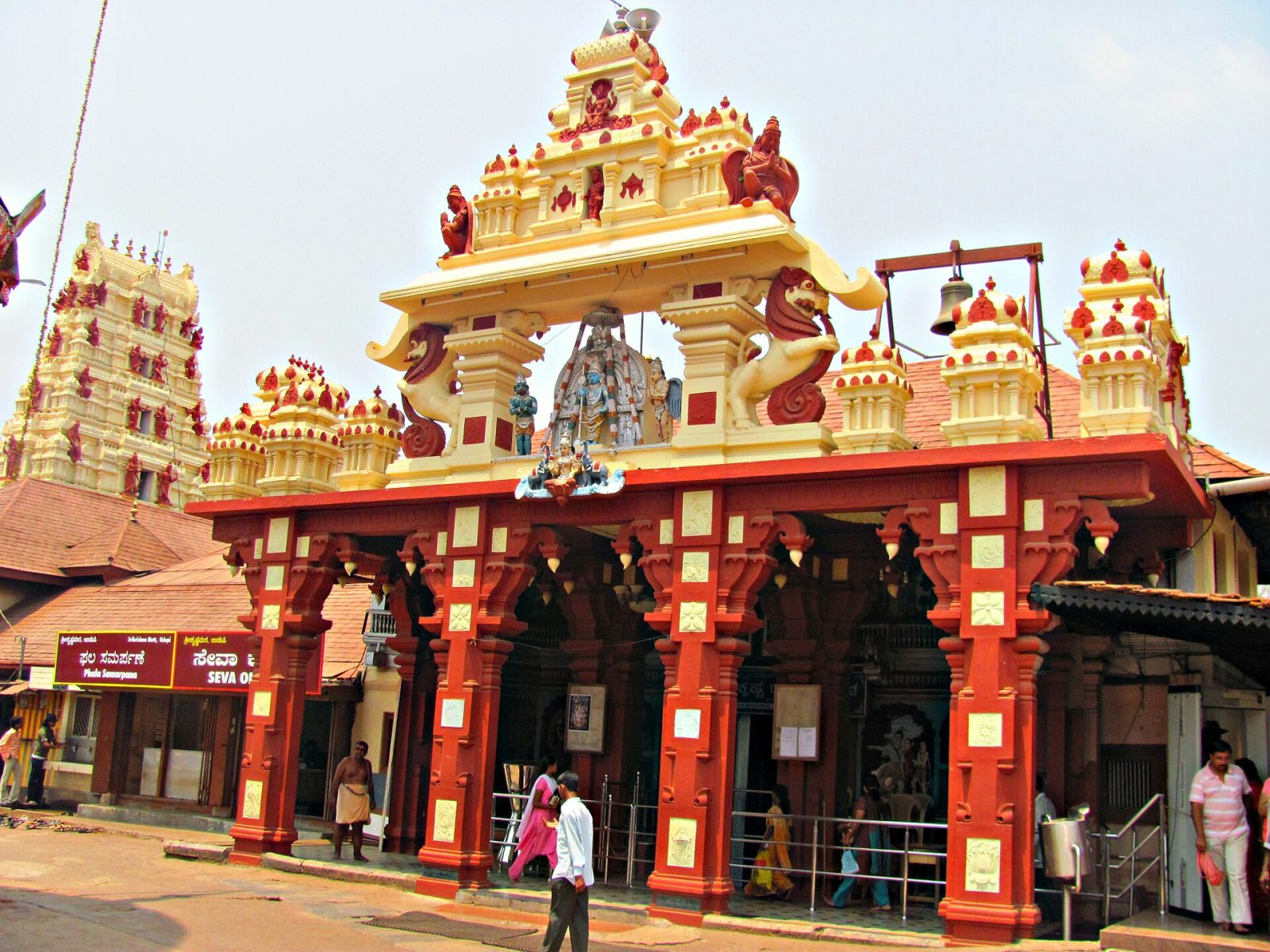
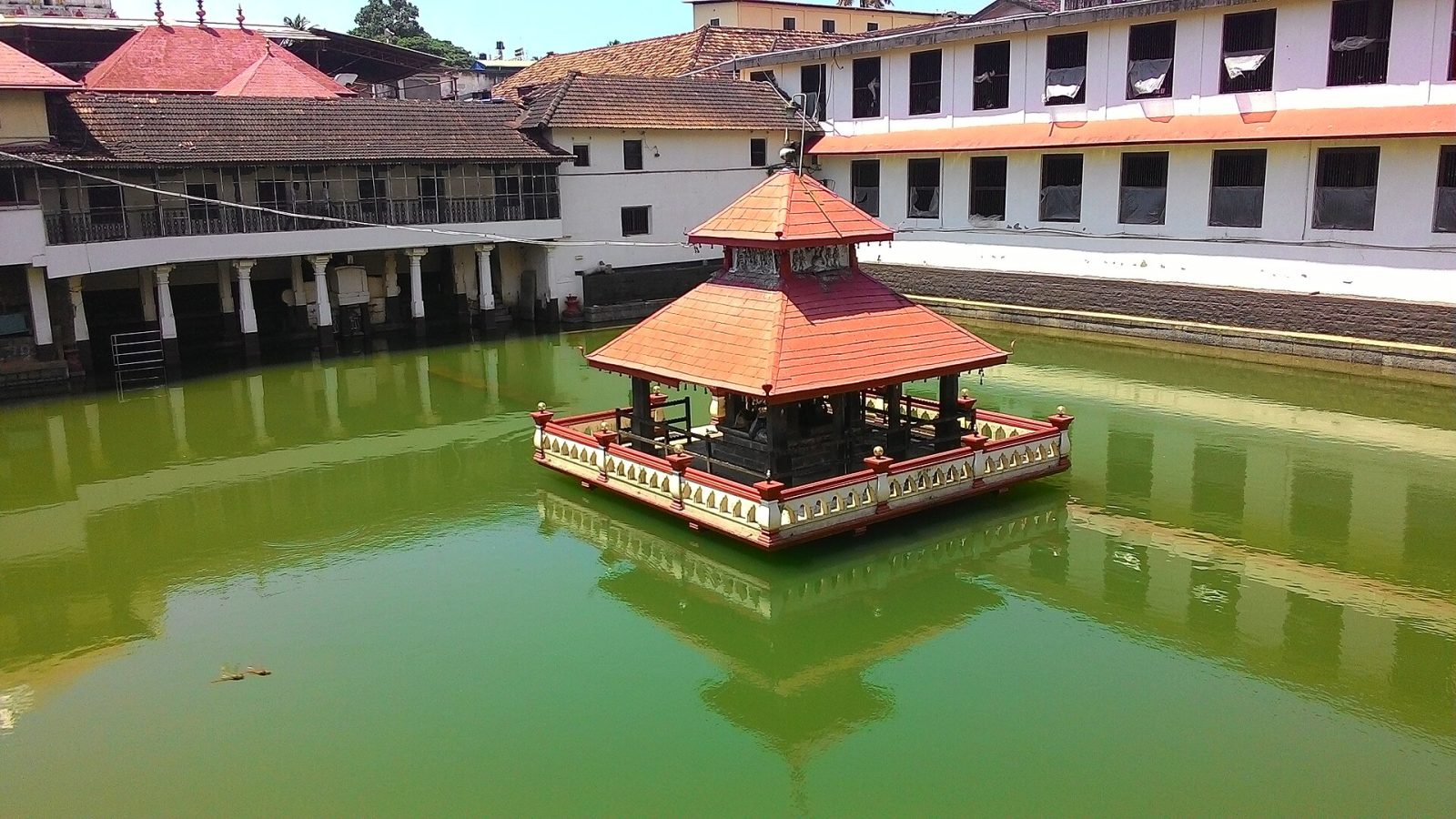
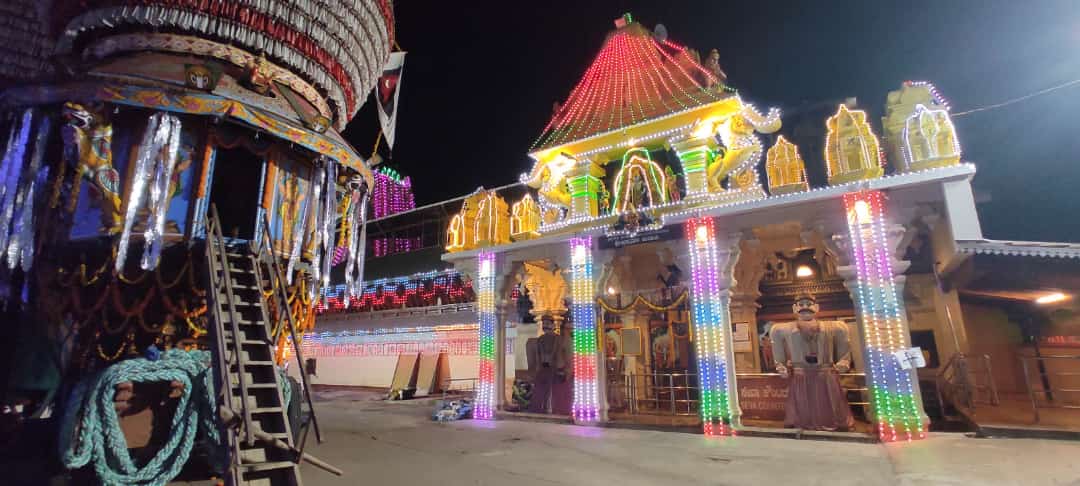
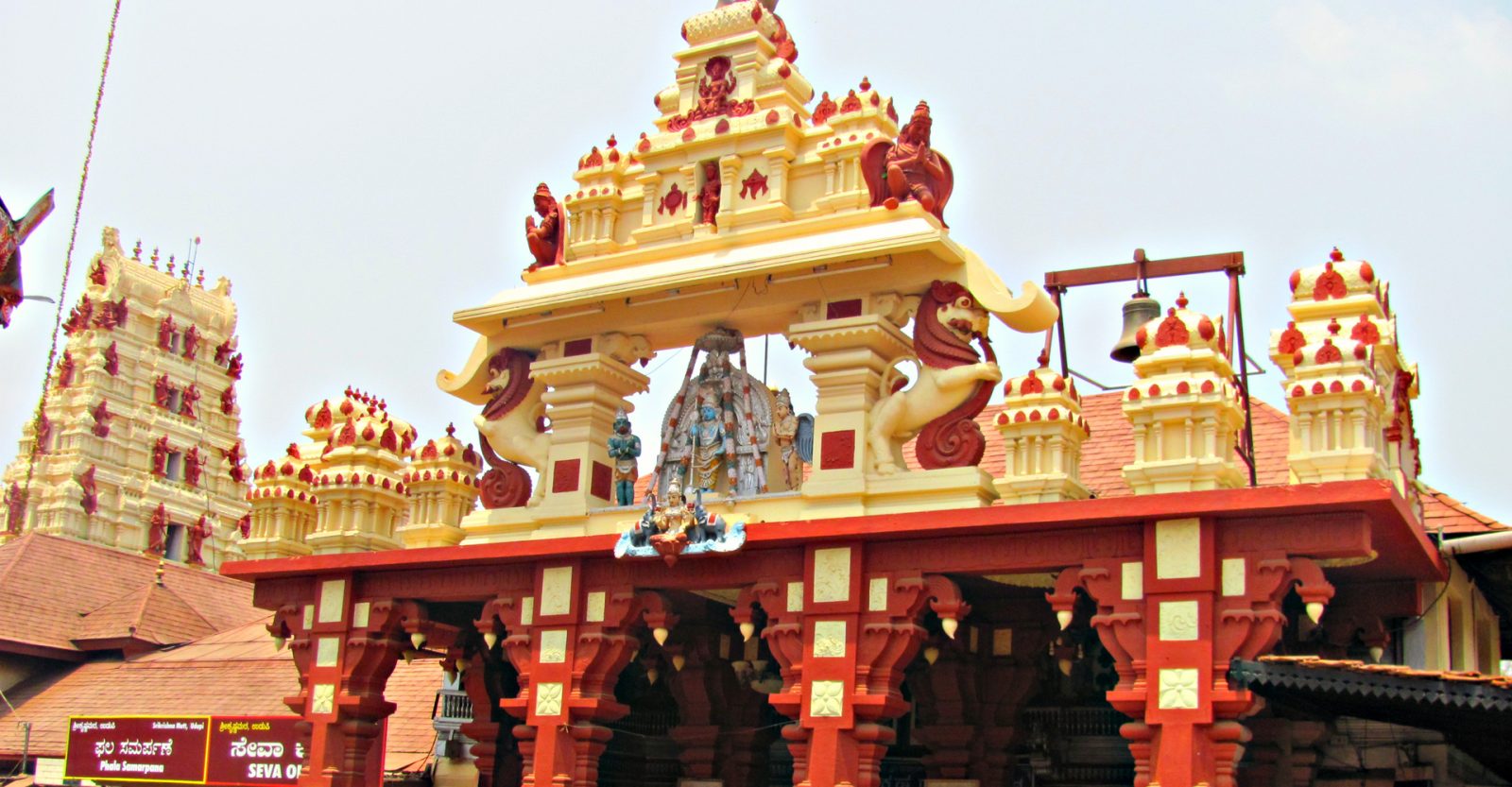
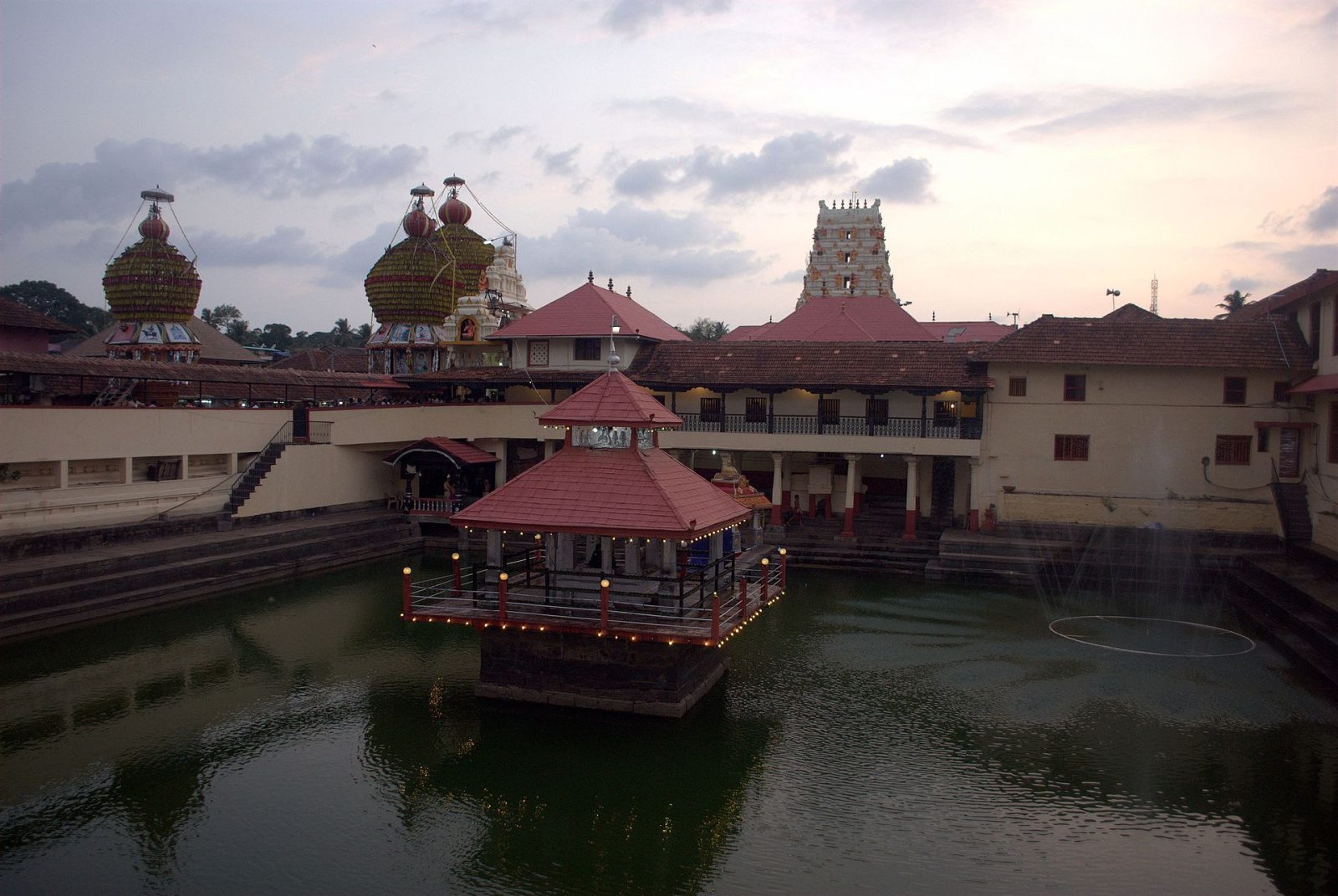
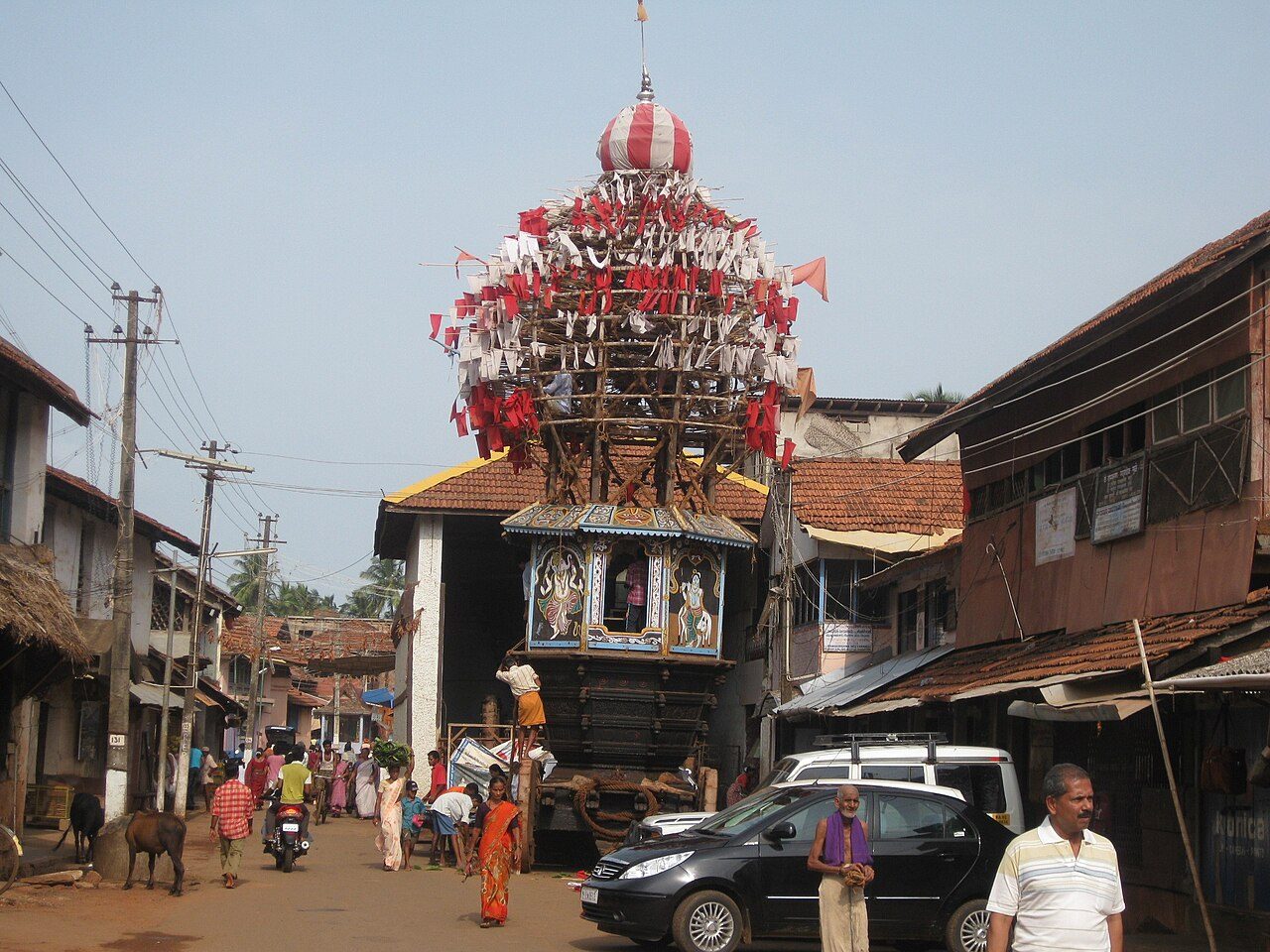
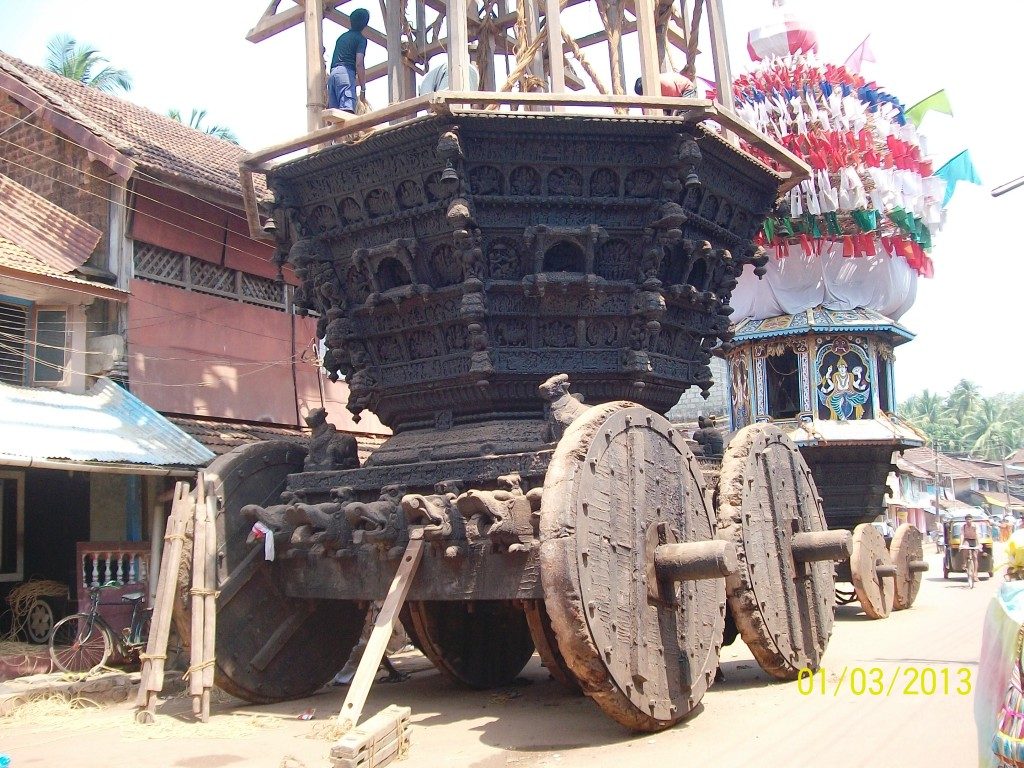
The Krishna Matha at Udupi was founded in the 13th century by the philosopher Madhvacharya, who established the Dvaita school of Vedanta here. The idol of Krishna is worshipped through a silver-plated window of nine holes called the Kanakana Kindi, after the devotee Kanakadasa who, denied entry, was said to have been granted a view when the idol turned to face him. Eight monasteries around the temple take turns to run it, and the handover ceremony, the Paryaya festival, happens every two years with a great procession. The temple's kitchens are famous, and Udupi cuisine takes its name from this tradition. The temple tank and the surrounding mathas are all part of the visit.
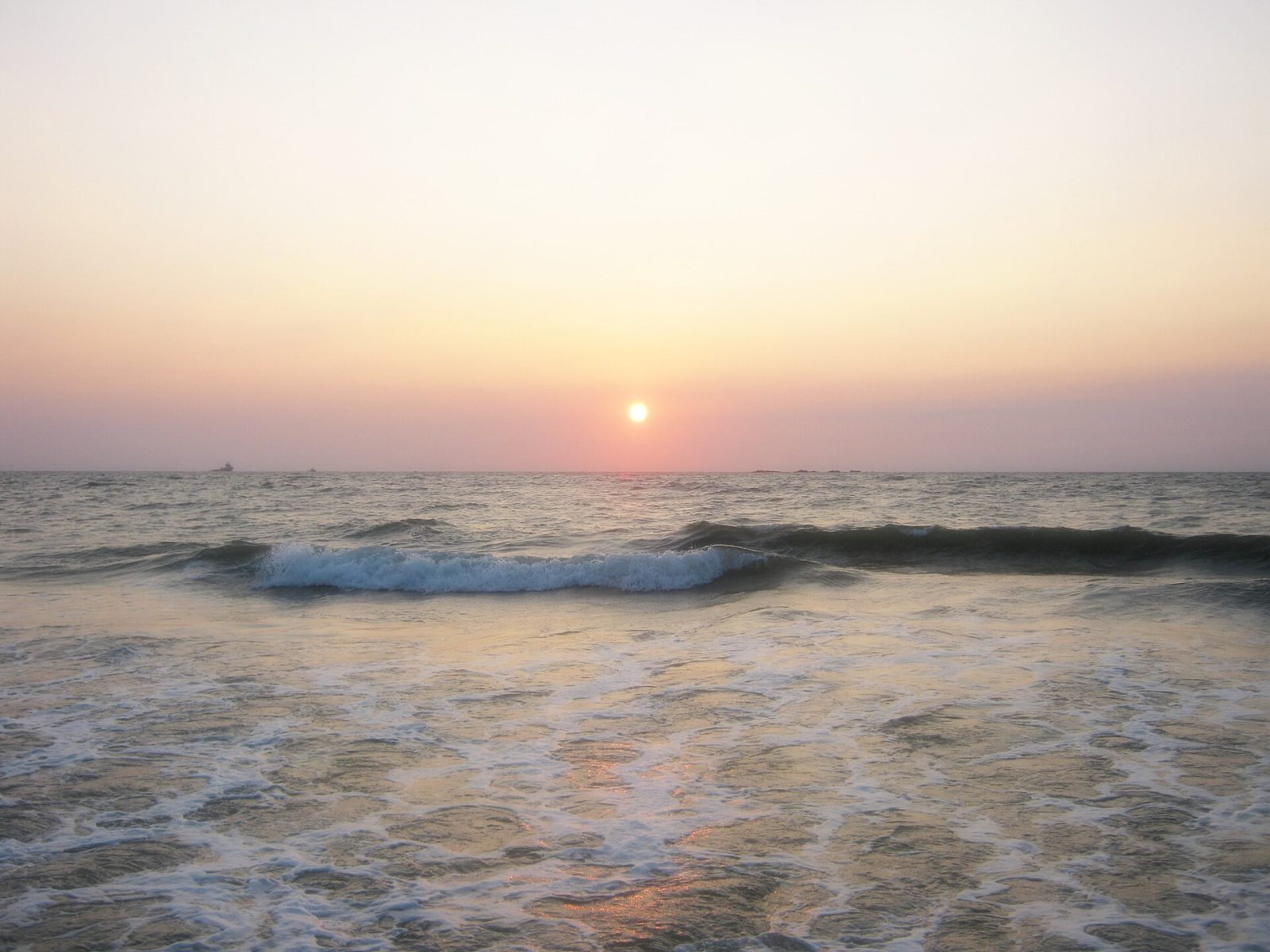
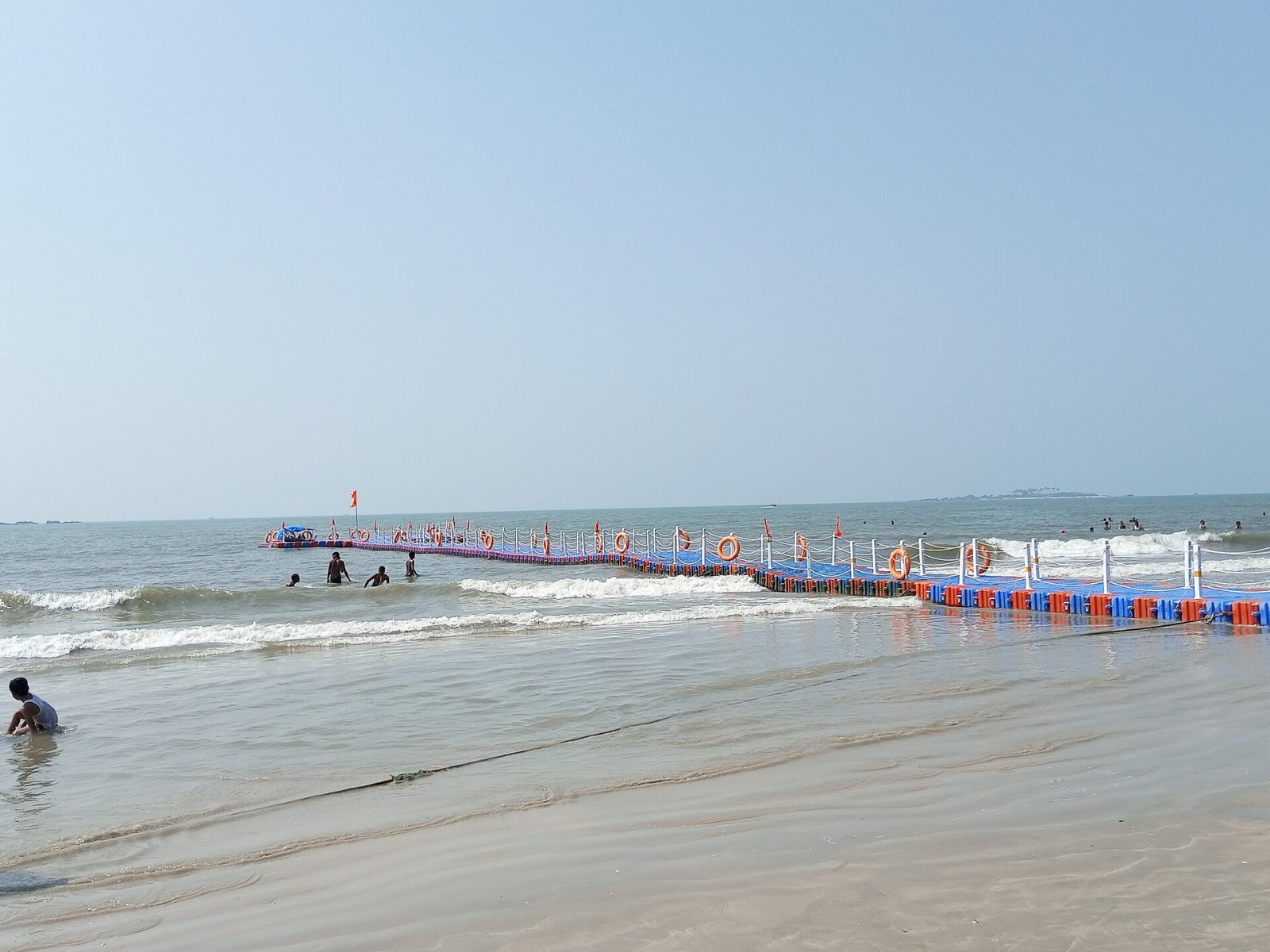
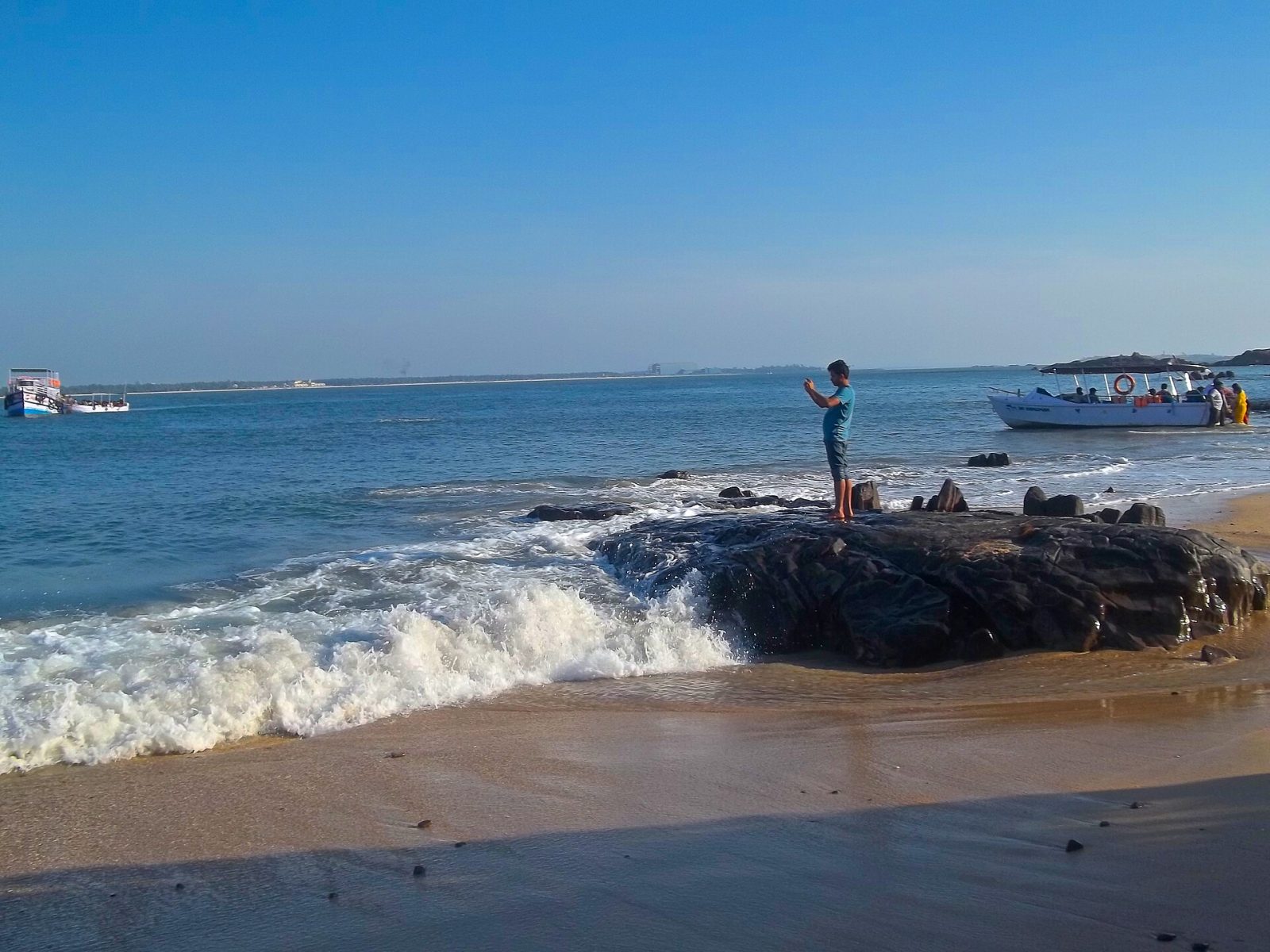
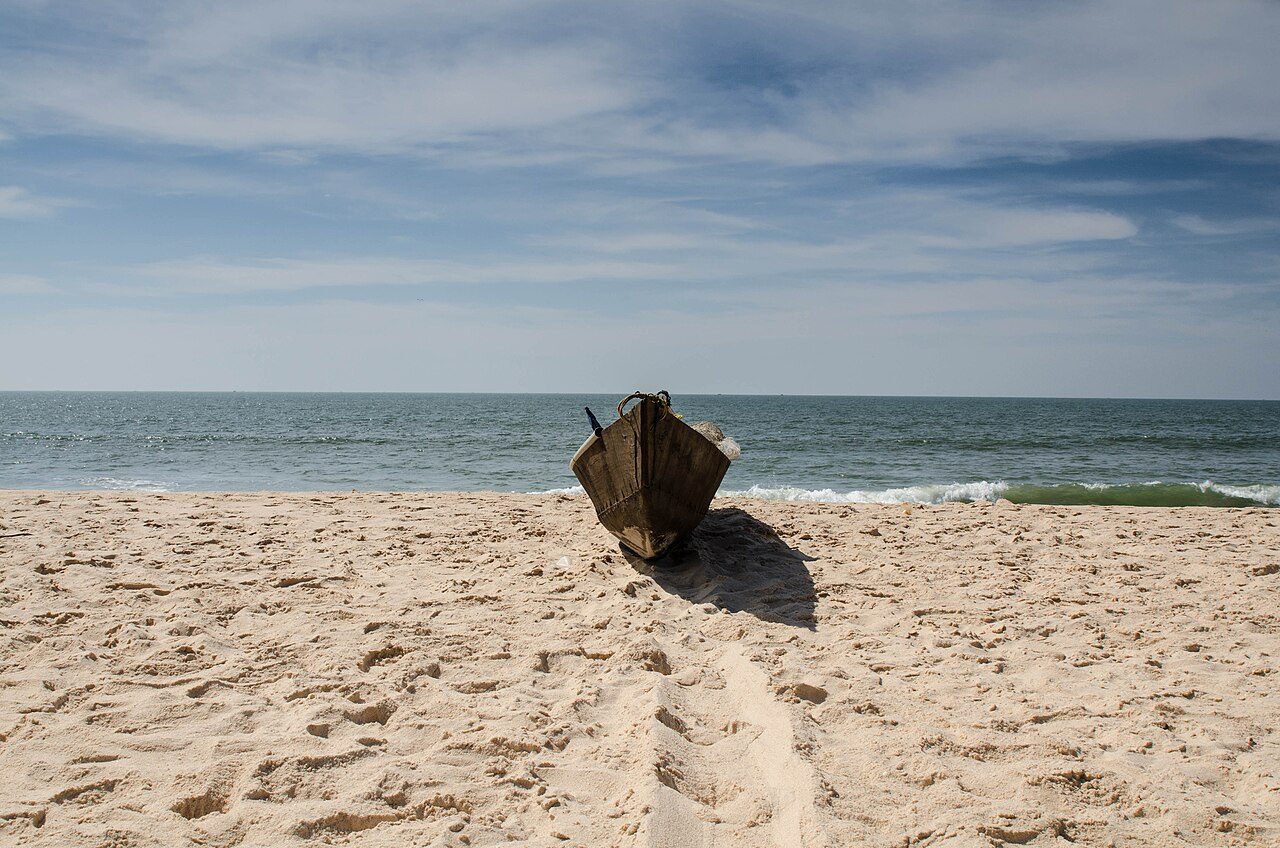
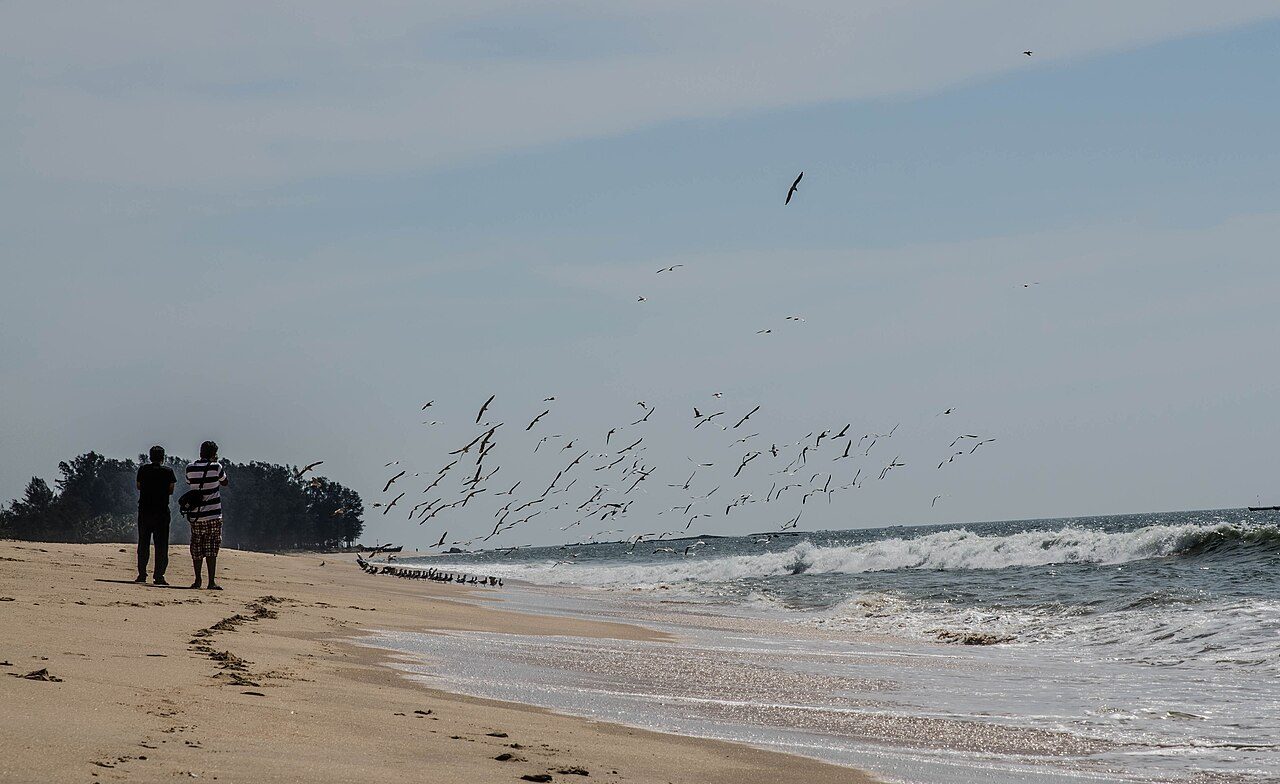
Malpe, about 6 km from Udupi, is a working fishing harbour and one of the cleanest beaches on the Karnataka coast, with a Blue Flag rating for part of its shore. The sand is broad and pale, with walkways, food stalls, watersports and a small pier. Boats leave from here for St Mary's Island, about 6 km offshore, and the harbour is busy with the trawler fleet that supplies much of the region's fish. Vadabhandeshwara temple sits at the edge of the beach facing the sea. Sunsets are the main draw, and the sea is calmest from October to May.
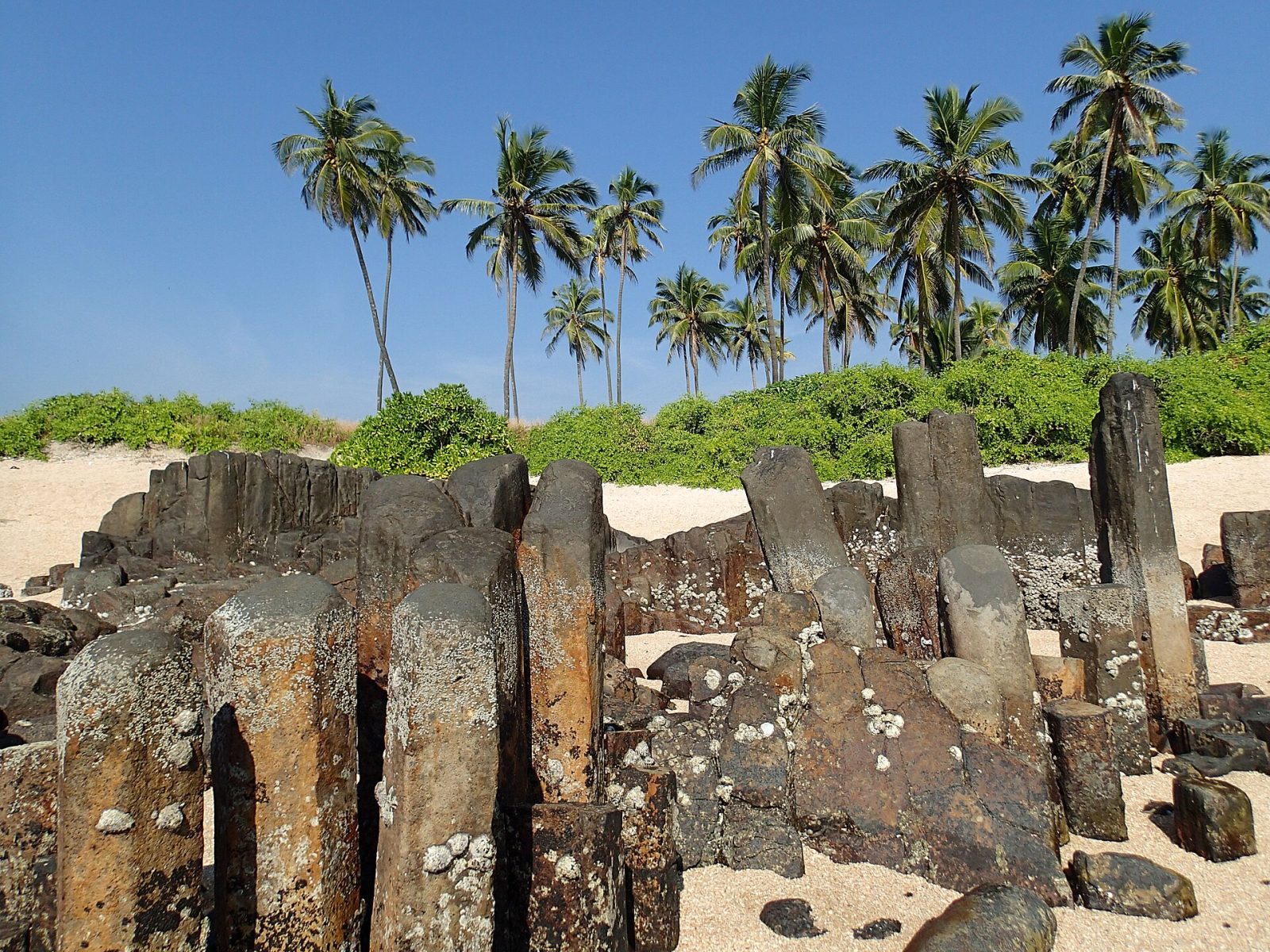
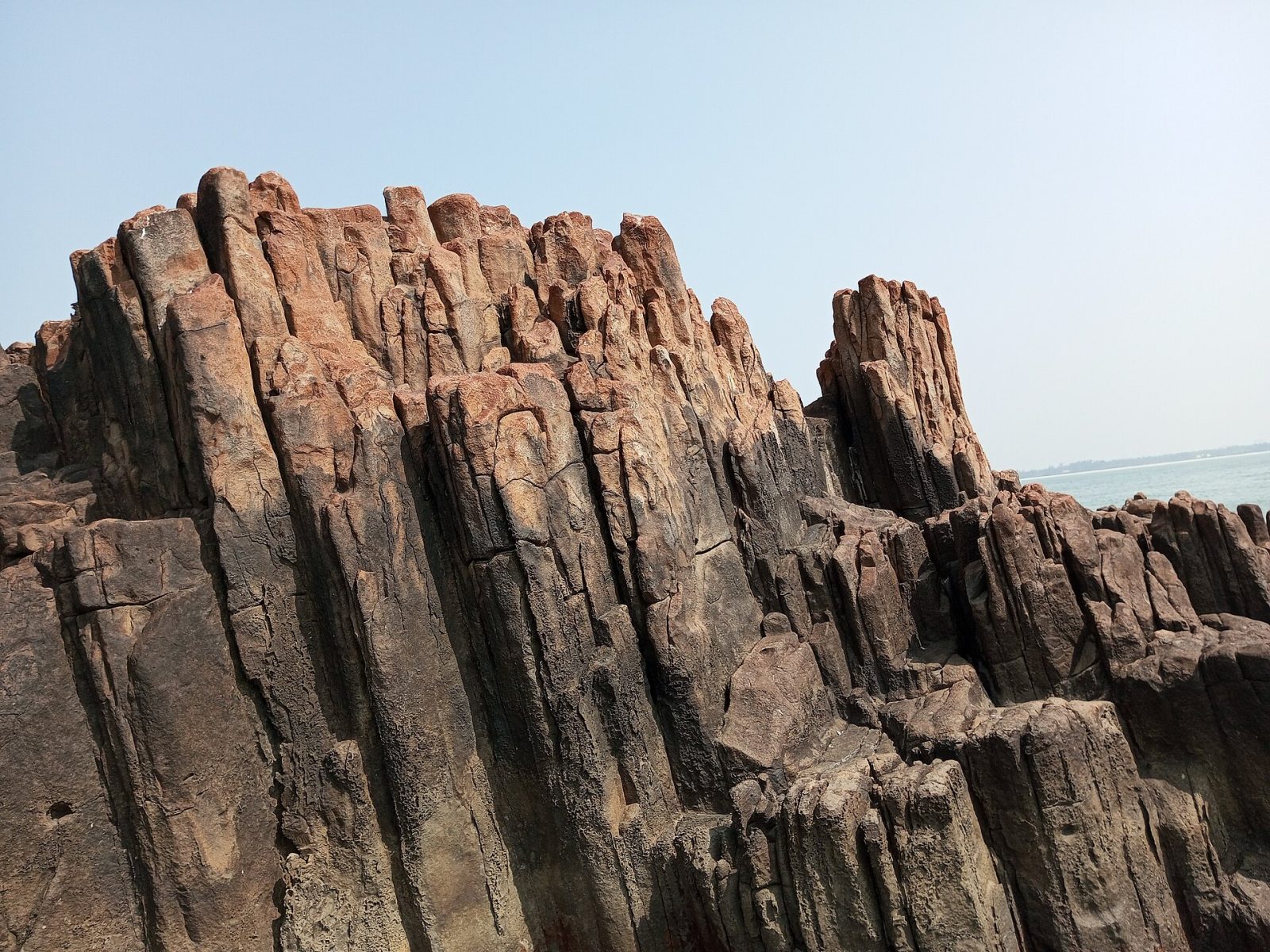
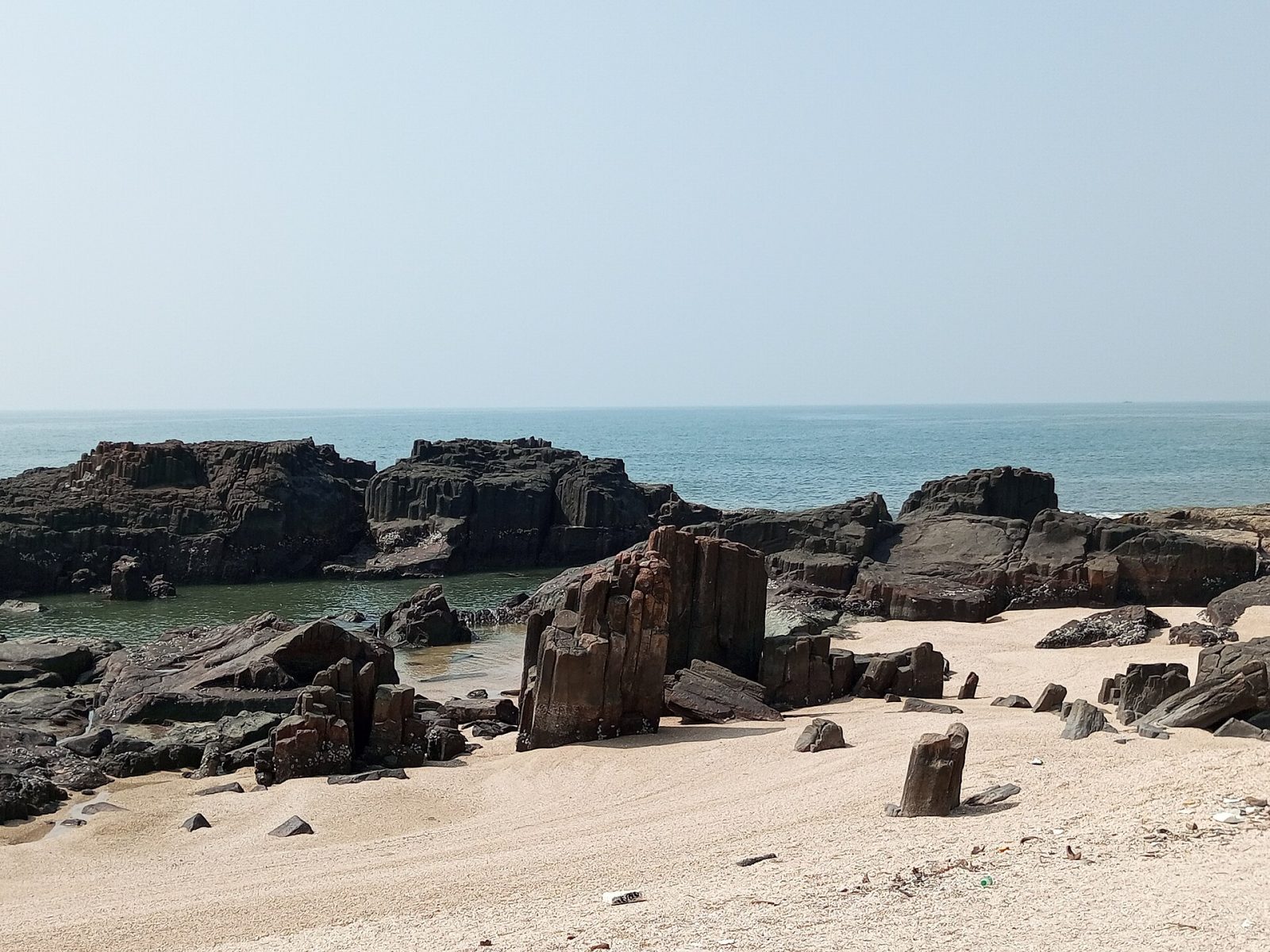
St Mary's Island, a short boat ride from Malpe, is a small group of islets made of columnar basalt, hexagonal rock pillars formed by lava cooling some 88 million years ago. Geologists regard the formation as evidence that Madagascar once lay against this coast before the continents split, and it is listed as a national geological monument. Vasco da Gama is said to have landed here in 1498 and set up a cross, giving the island its name. Coconut palms, shells and clear water make it a popular day trip, though there is no accommodation and boats stop in rough weather. Ferries run in season, usually October to May.
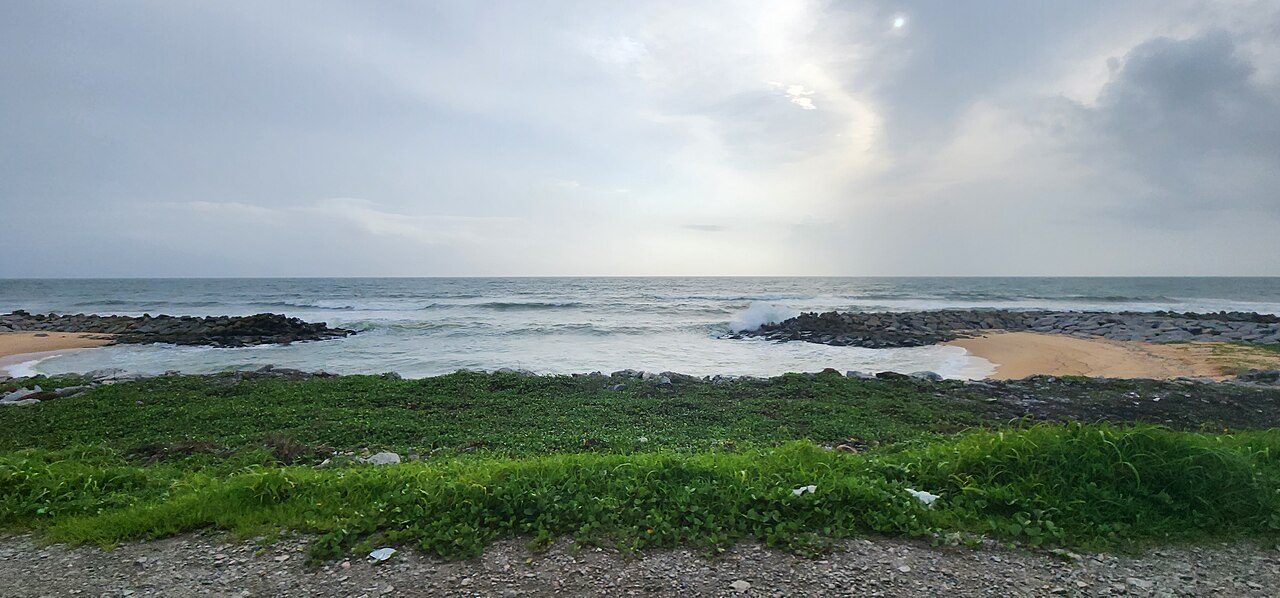
At Maravanthe, the national highway runs on a narrow strip of land with the Arabian Sea on one side and the Souparnika river on the other, making it one of the most scenic drives in India. The long beach is popular at sunset, and fishing boats line the shore.
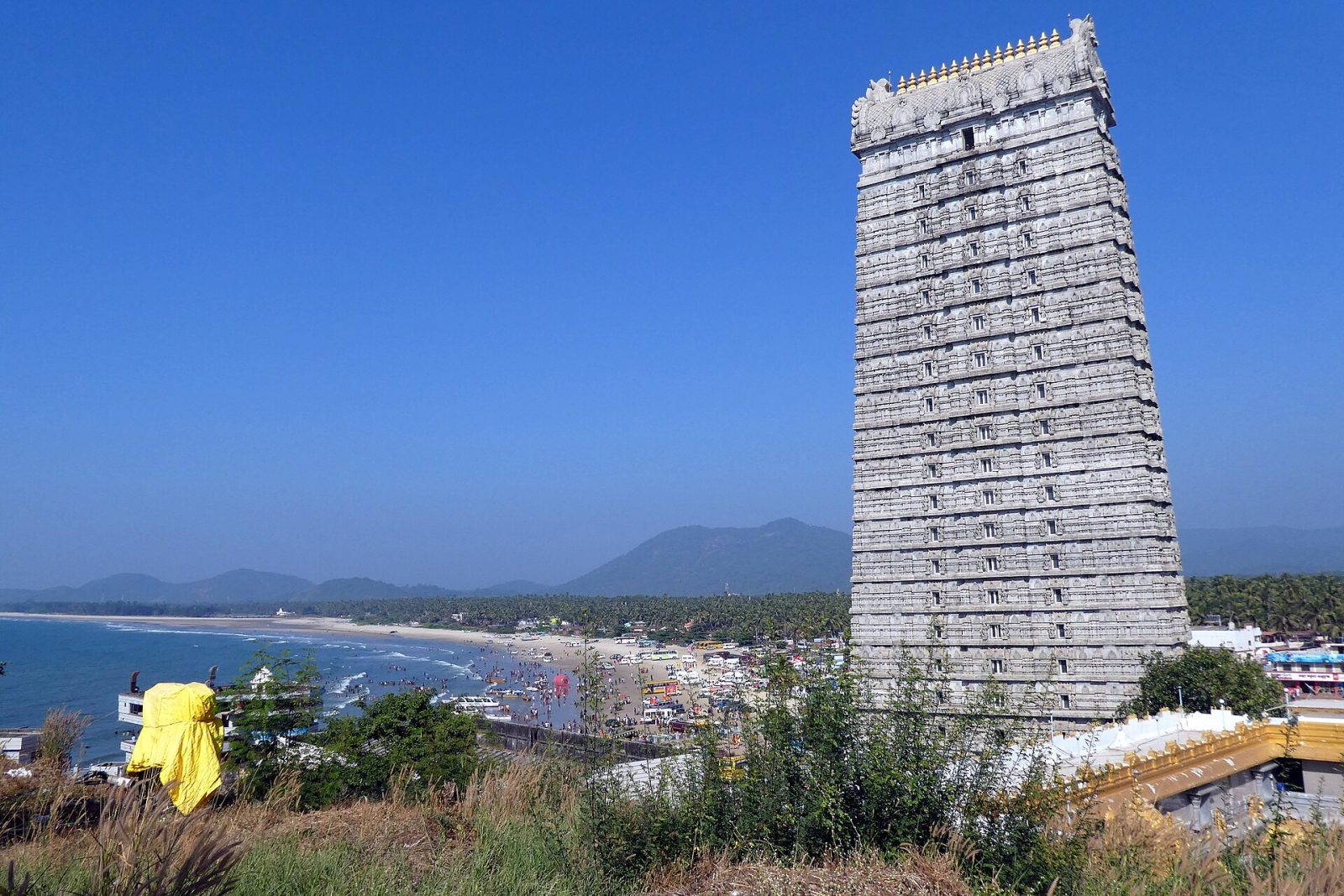
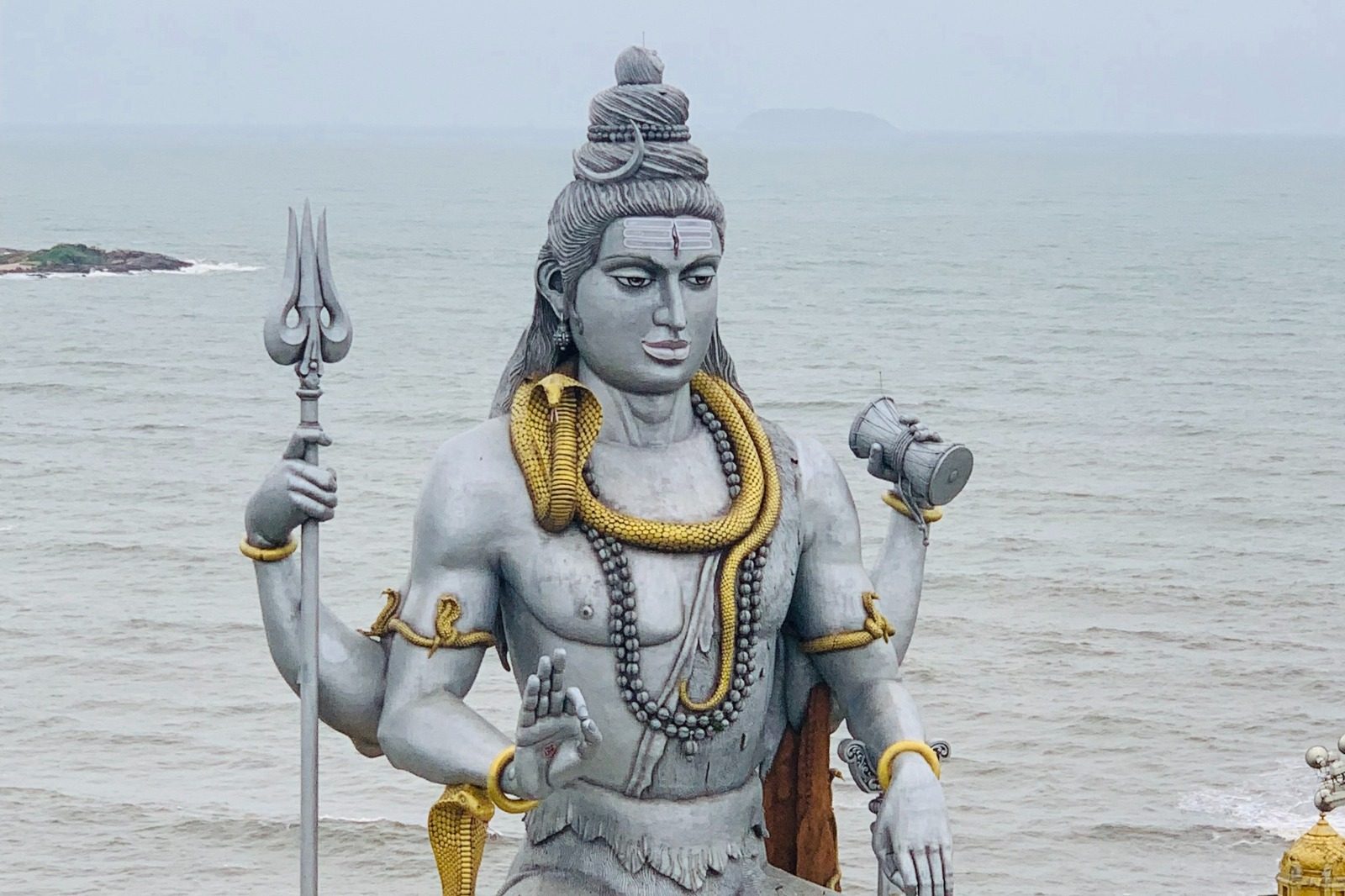
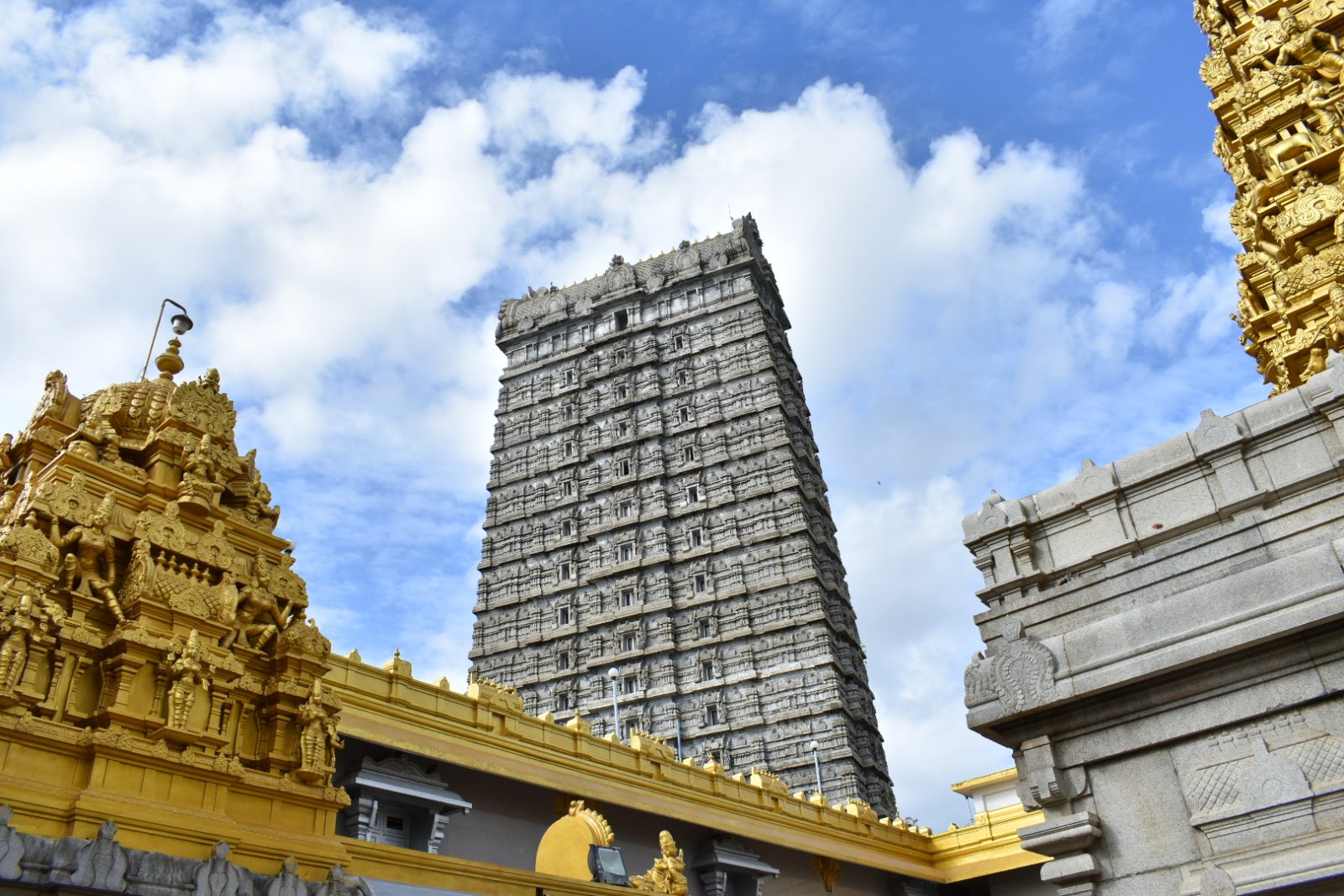
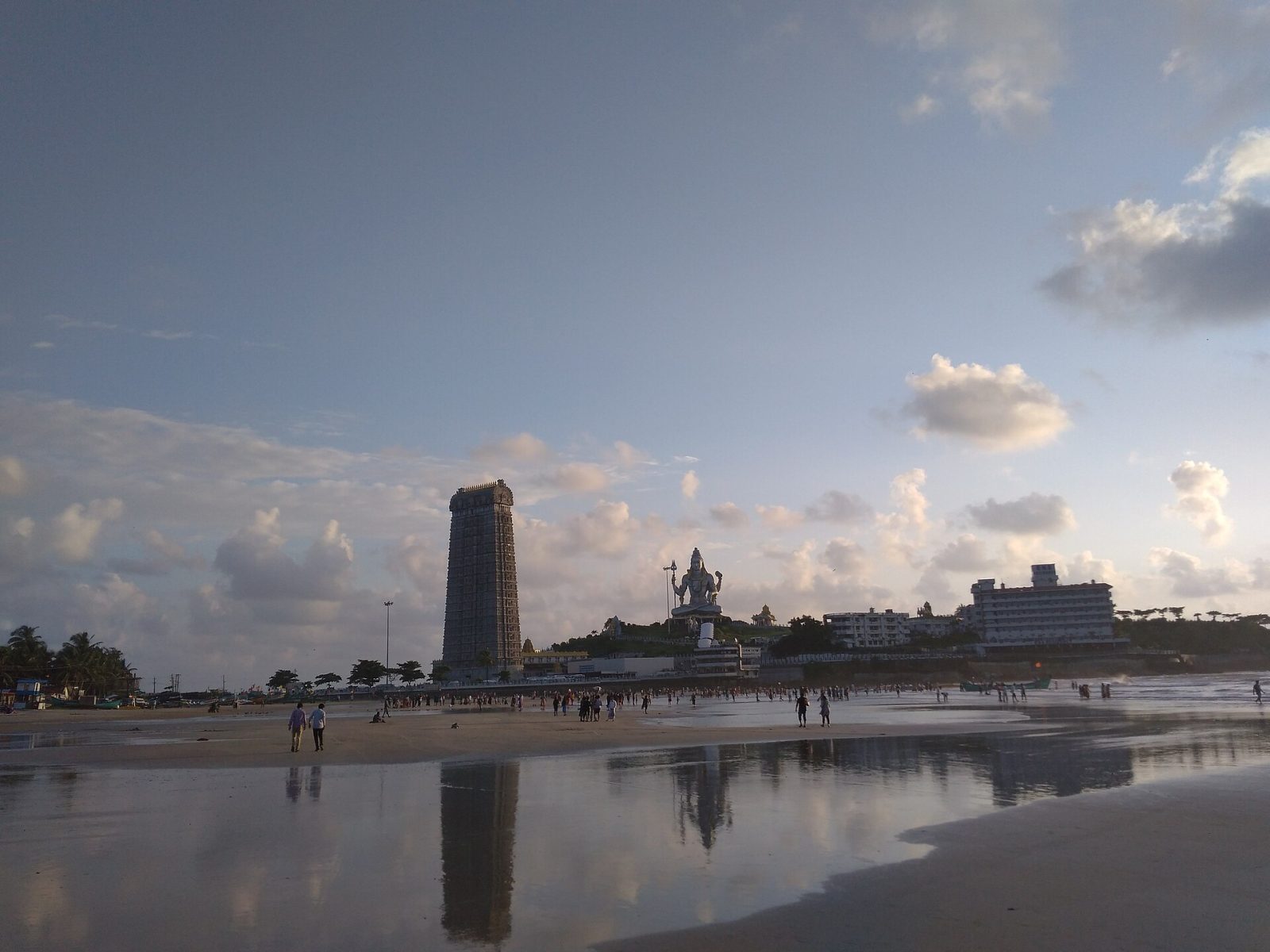
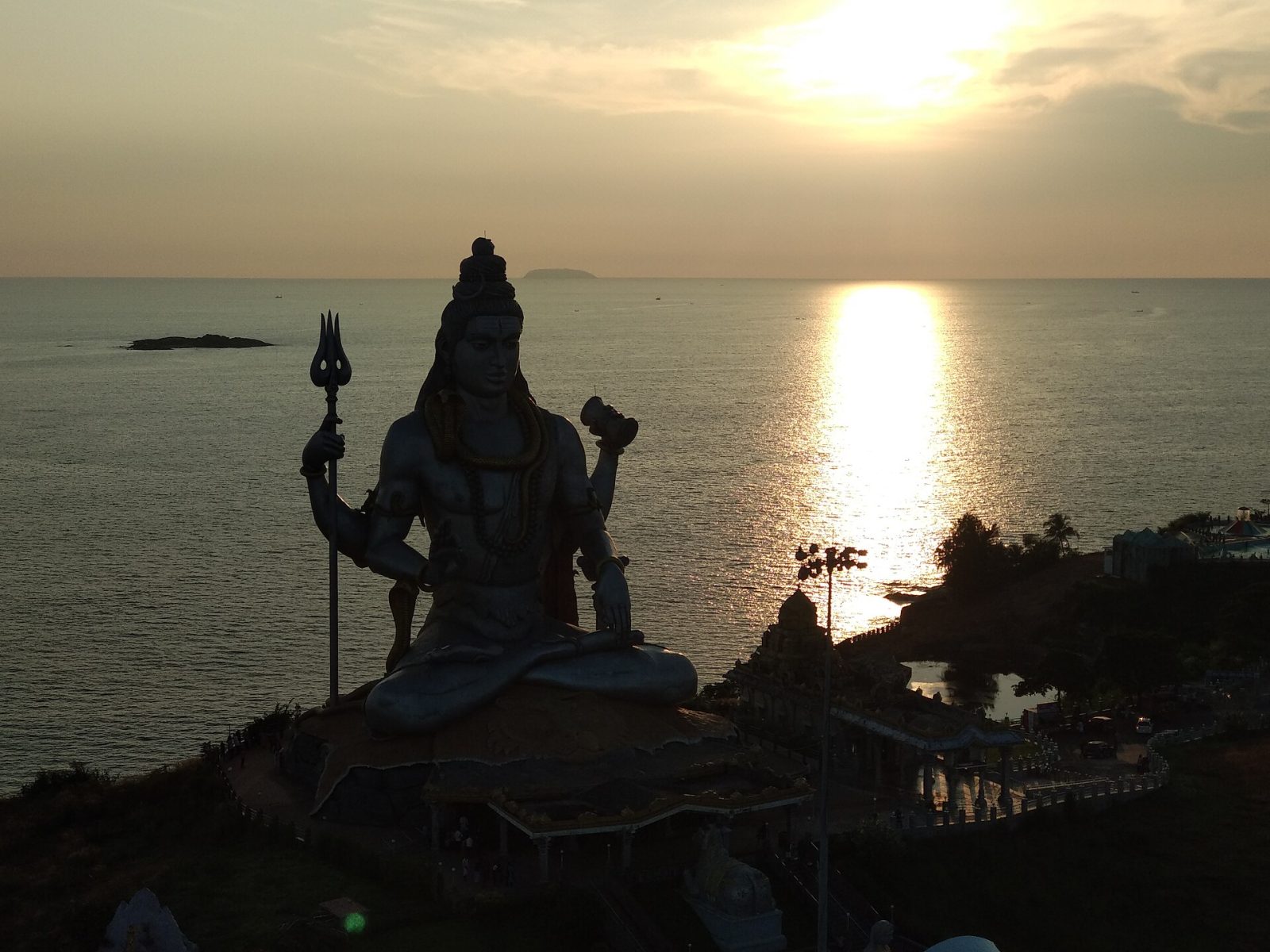
Murudeshwar stands on a headland between the Arabian Sea and the hills of Uttara Kannada, known for the second tallest Shiva statue in the world, about 37 metres high, seated with the sea behind it. Beside it rises a 20-storey gopuram with a lift that carries visitors up for a view over the coast and the statue. The temple is linked to the legend of Ravana and the Atmalinga, the same story that gives Gokarna its importance. Beaches curve away on both sides of the promontory, and boats run to Netrani island, a well-known diving spot. The site is floodlit at night and the sea views are best at sunset.
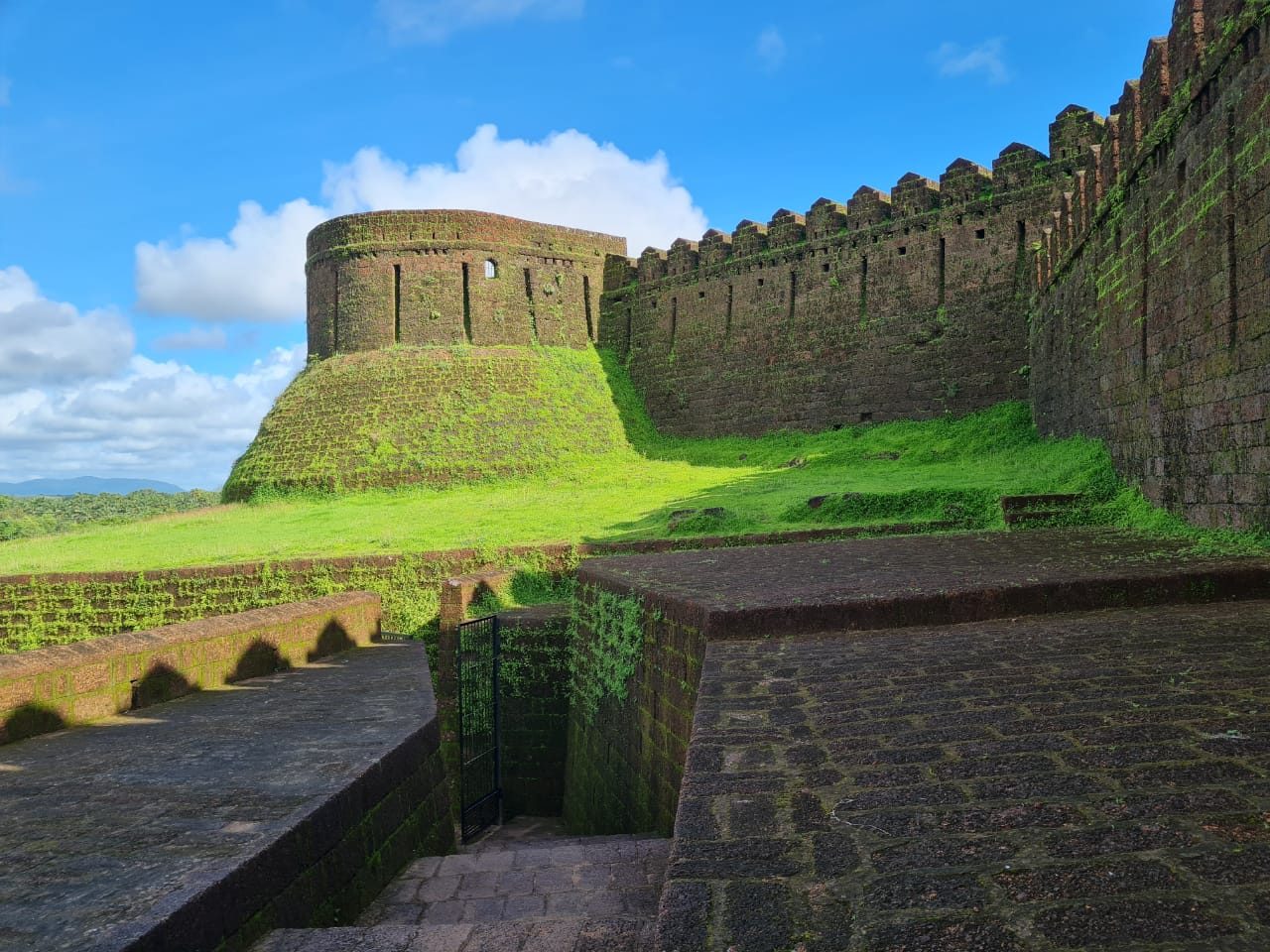
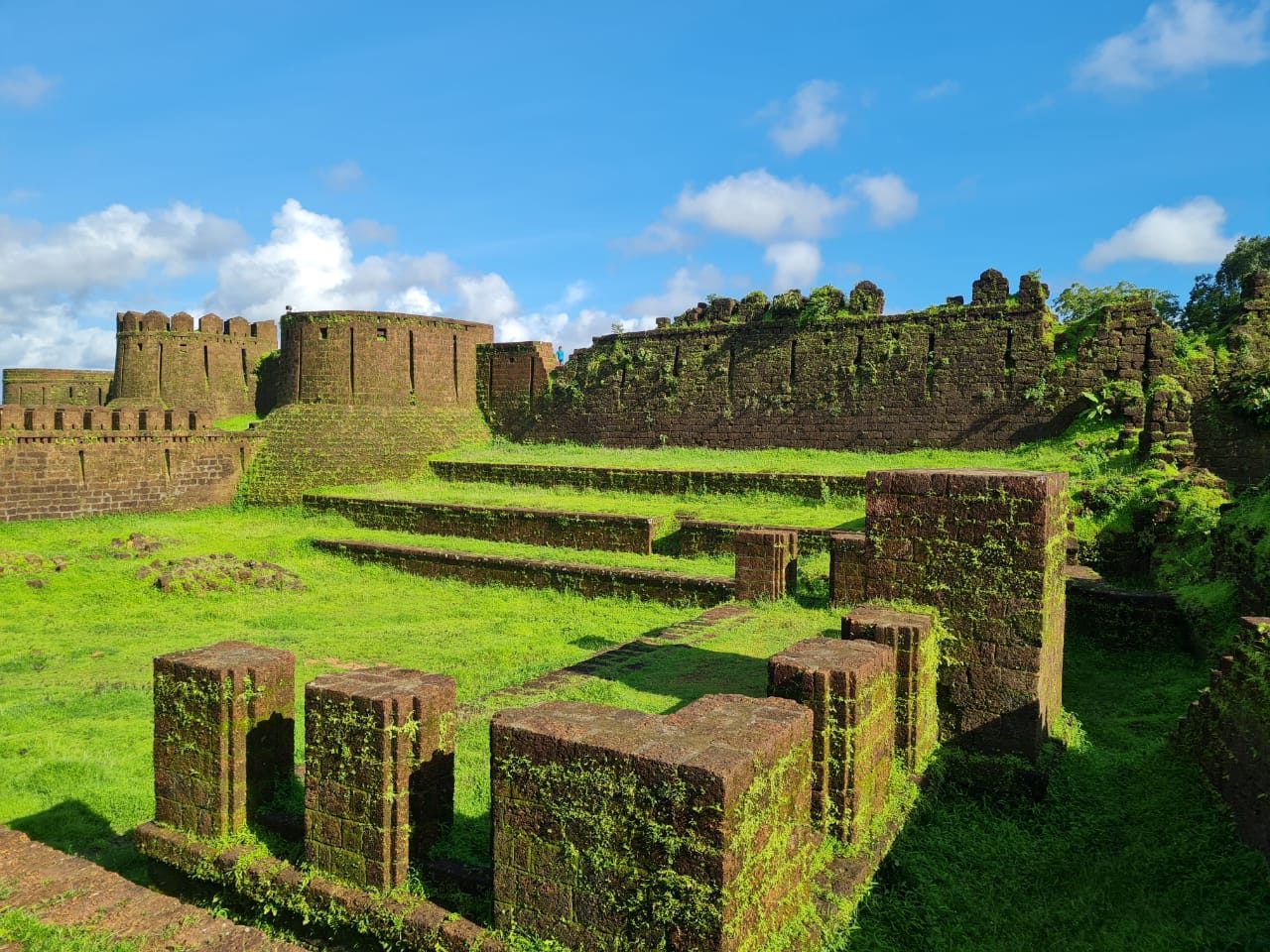
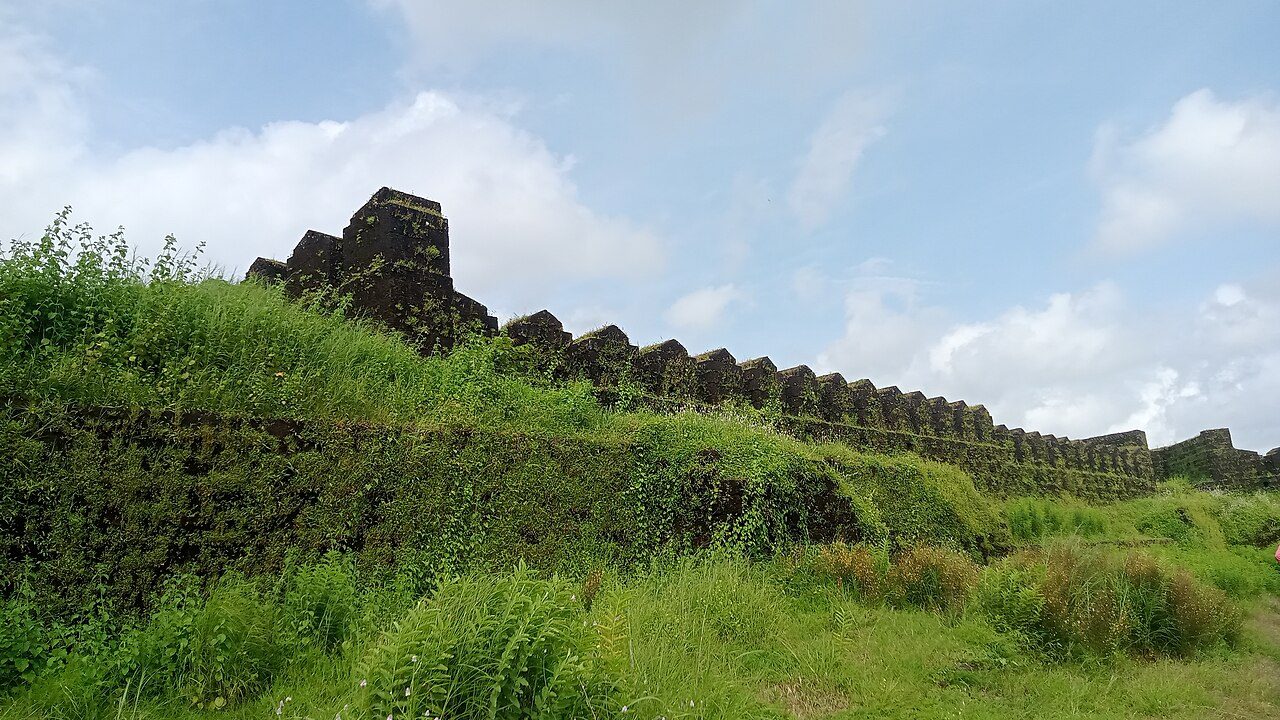
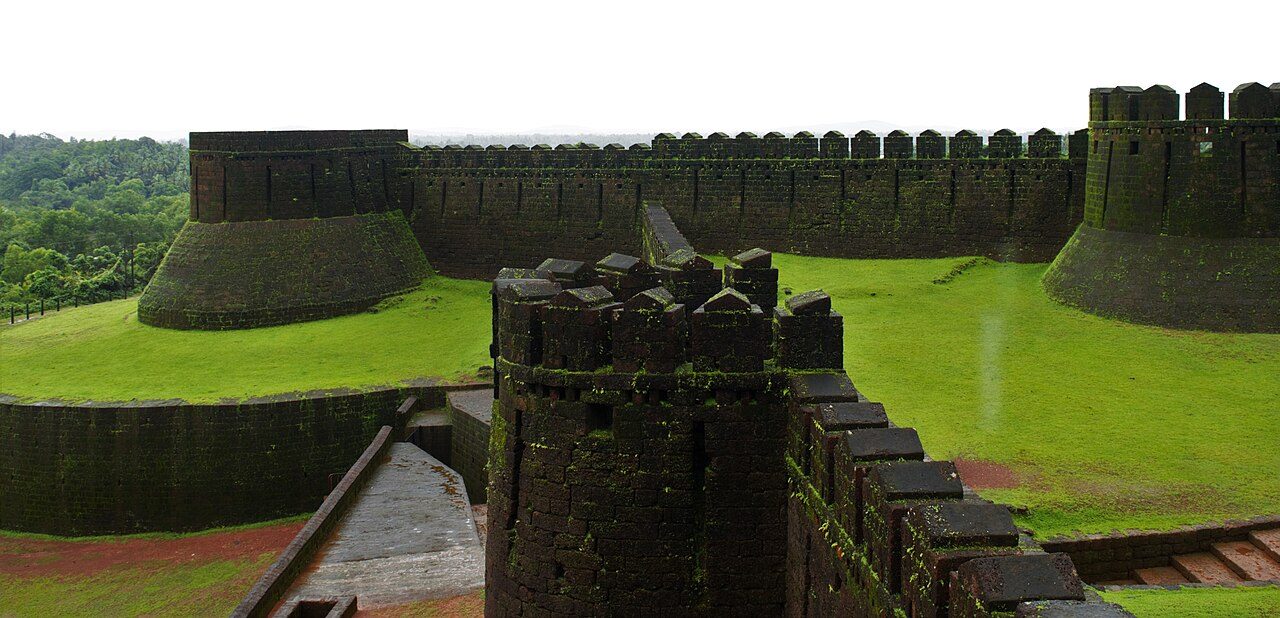
Built in the 16th century and associated with the pepper queen Chennabhairadevi, Mirjan Fort near Kumta is a laterite fort with moats, walls and bastions covered in moss and creepers. Its secret passages and wells make it an atmospheric place to explore, especially after the monsoon.
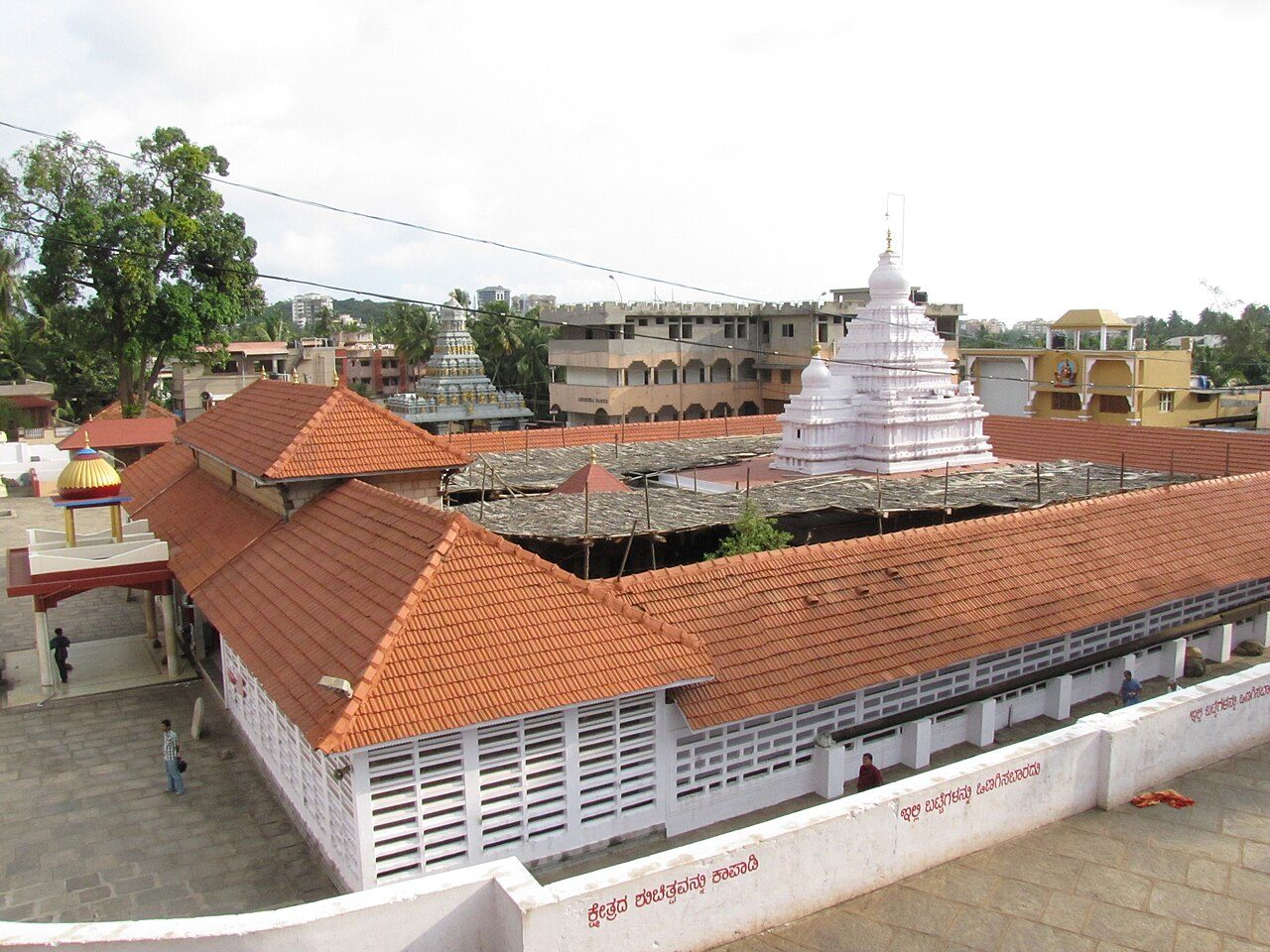
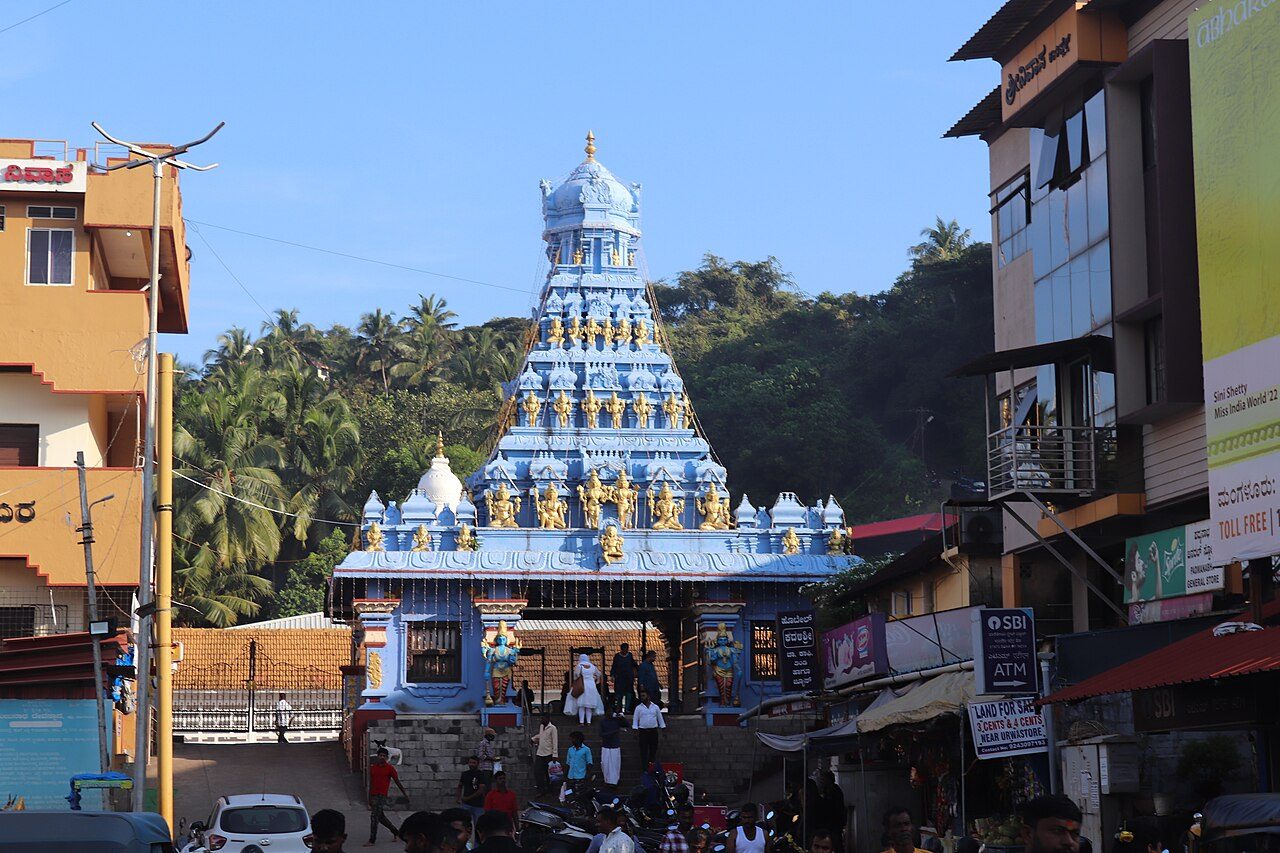
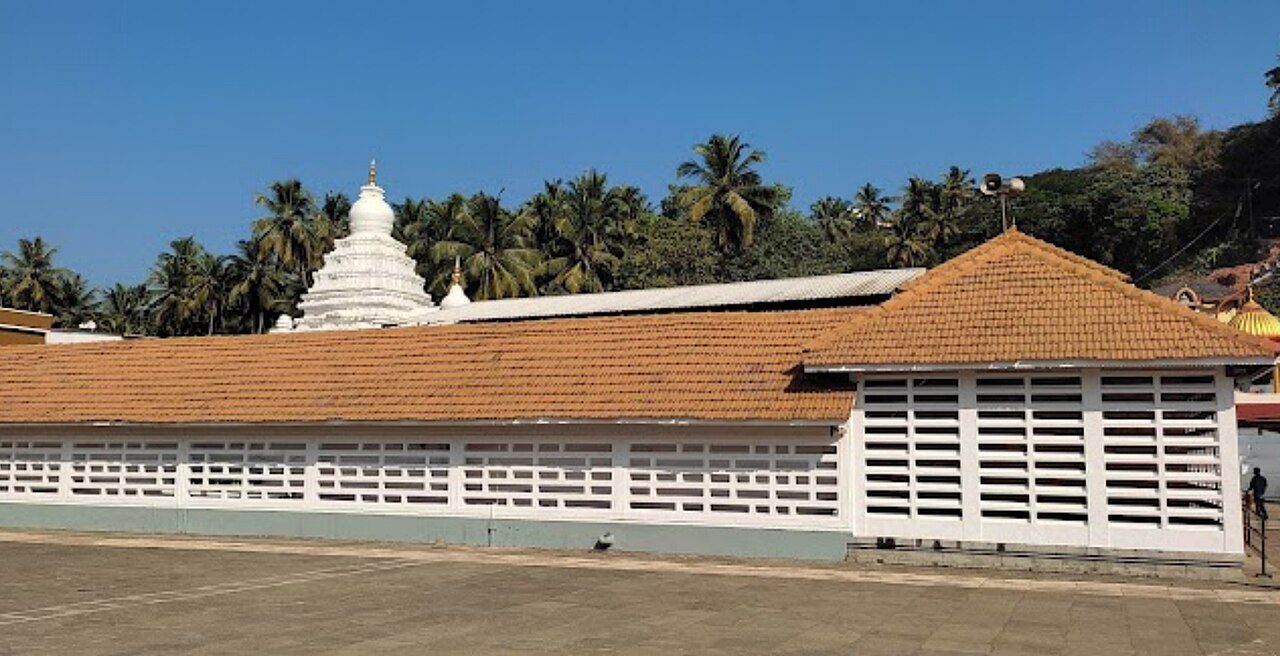
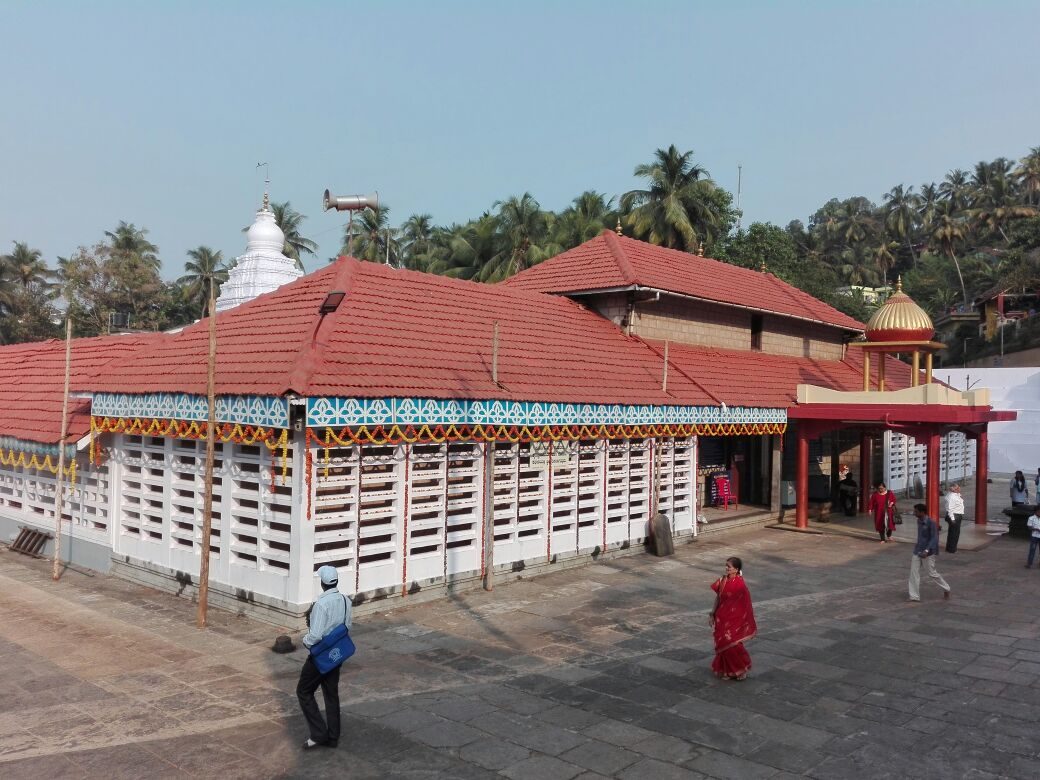
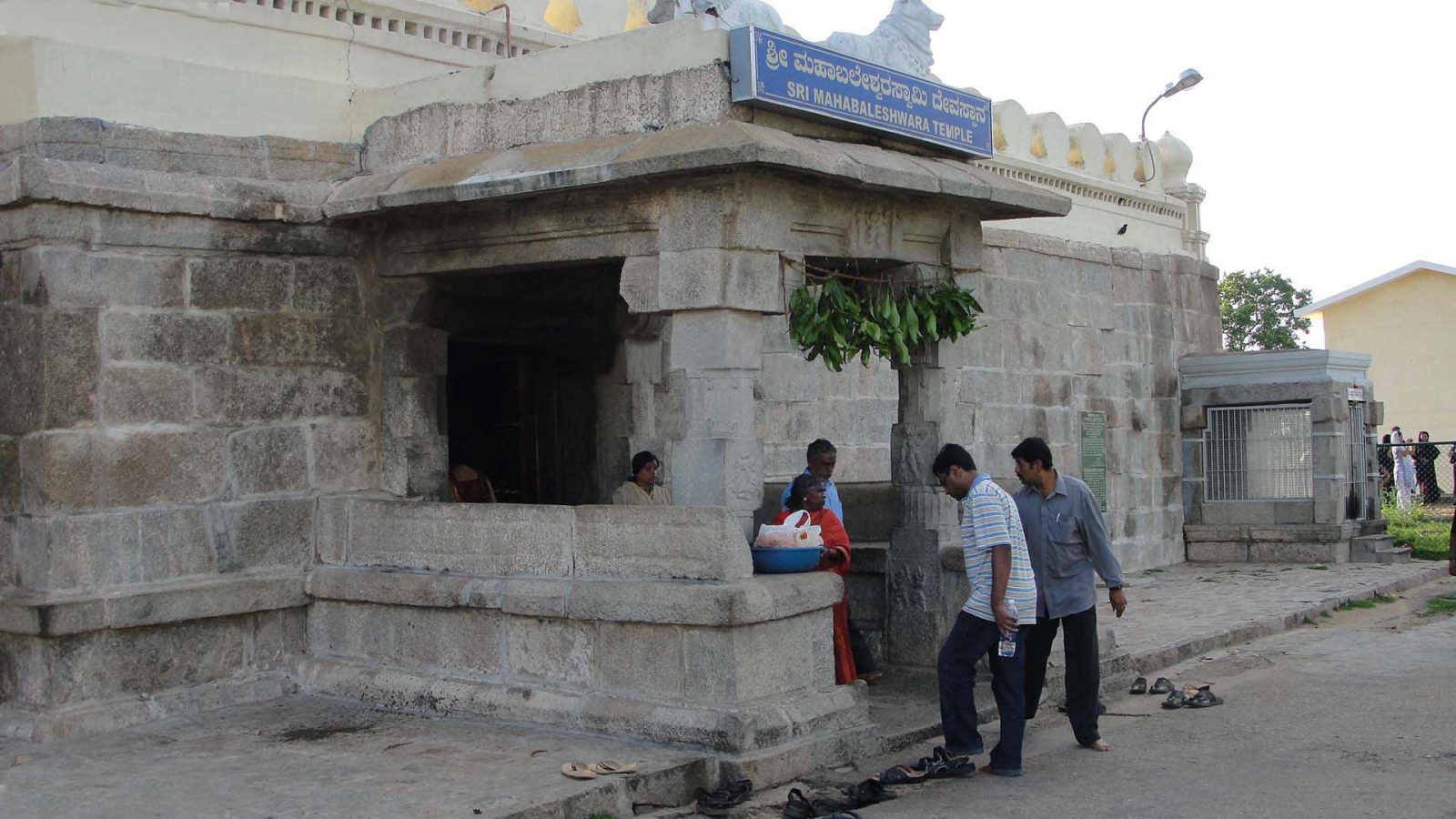
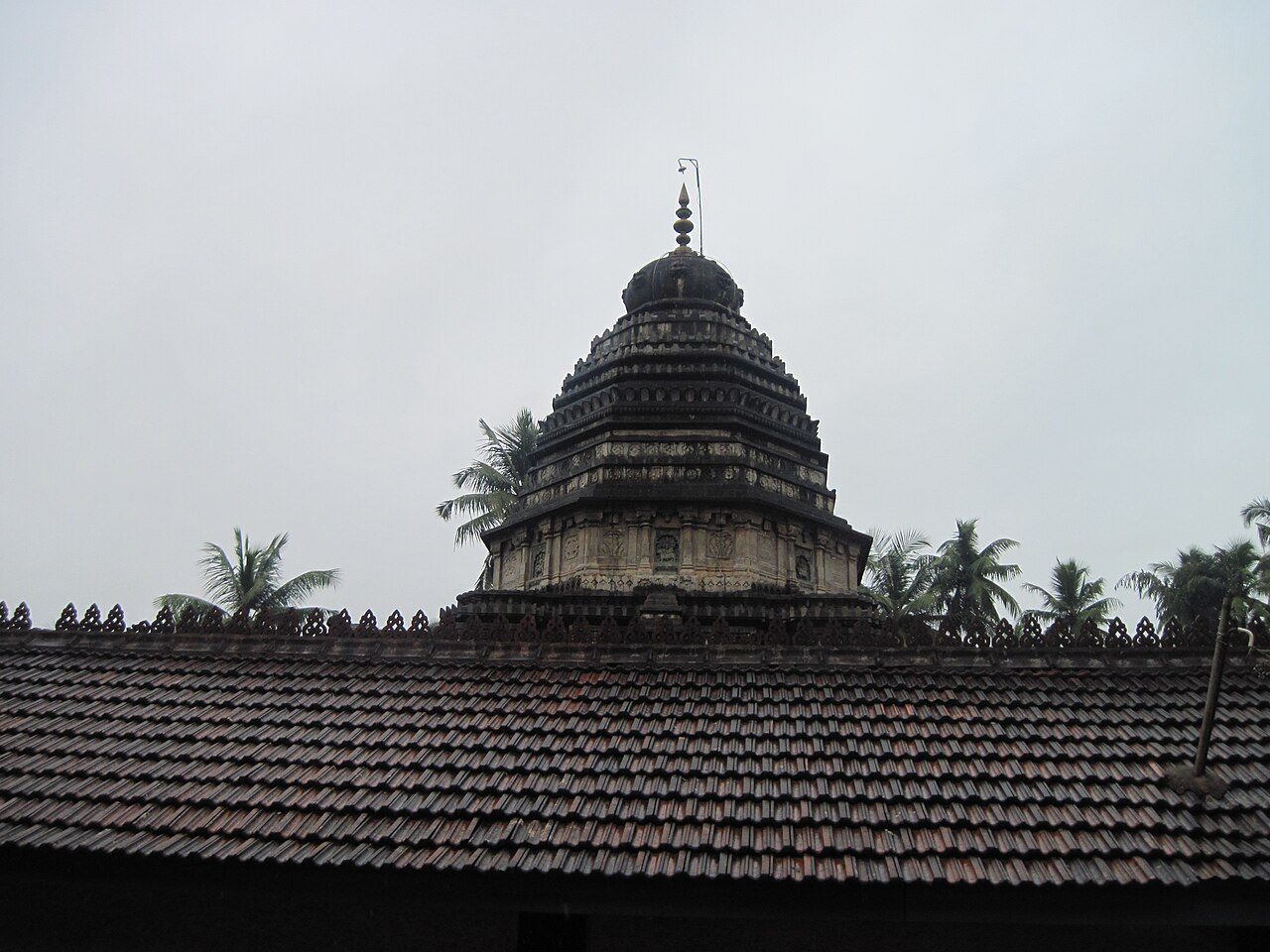
The Mahabaleshwar Temple in Gokarna holds the Atmalinga, which by legend Ravana carried from Mount Kailash and was tricked into setting down here. One of the most sacred Shiva shrines in South India, it draws pilgrims who bathe in the sea before worship. Its Dravidian-style towers stand at the heart of Gokarna town.
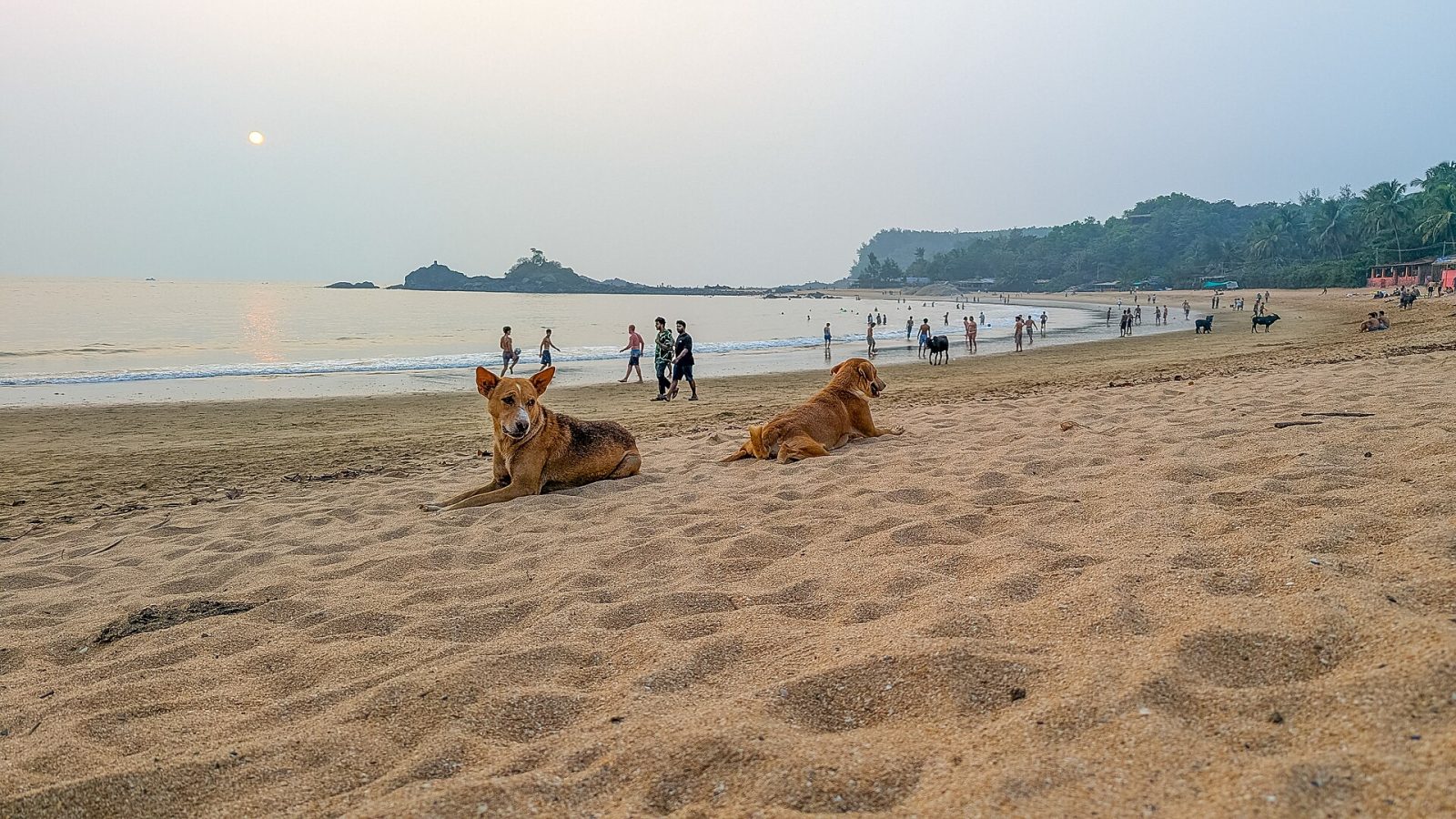
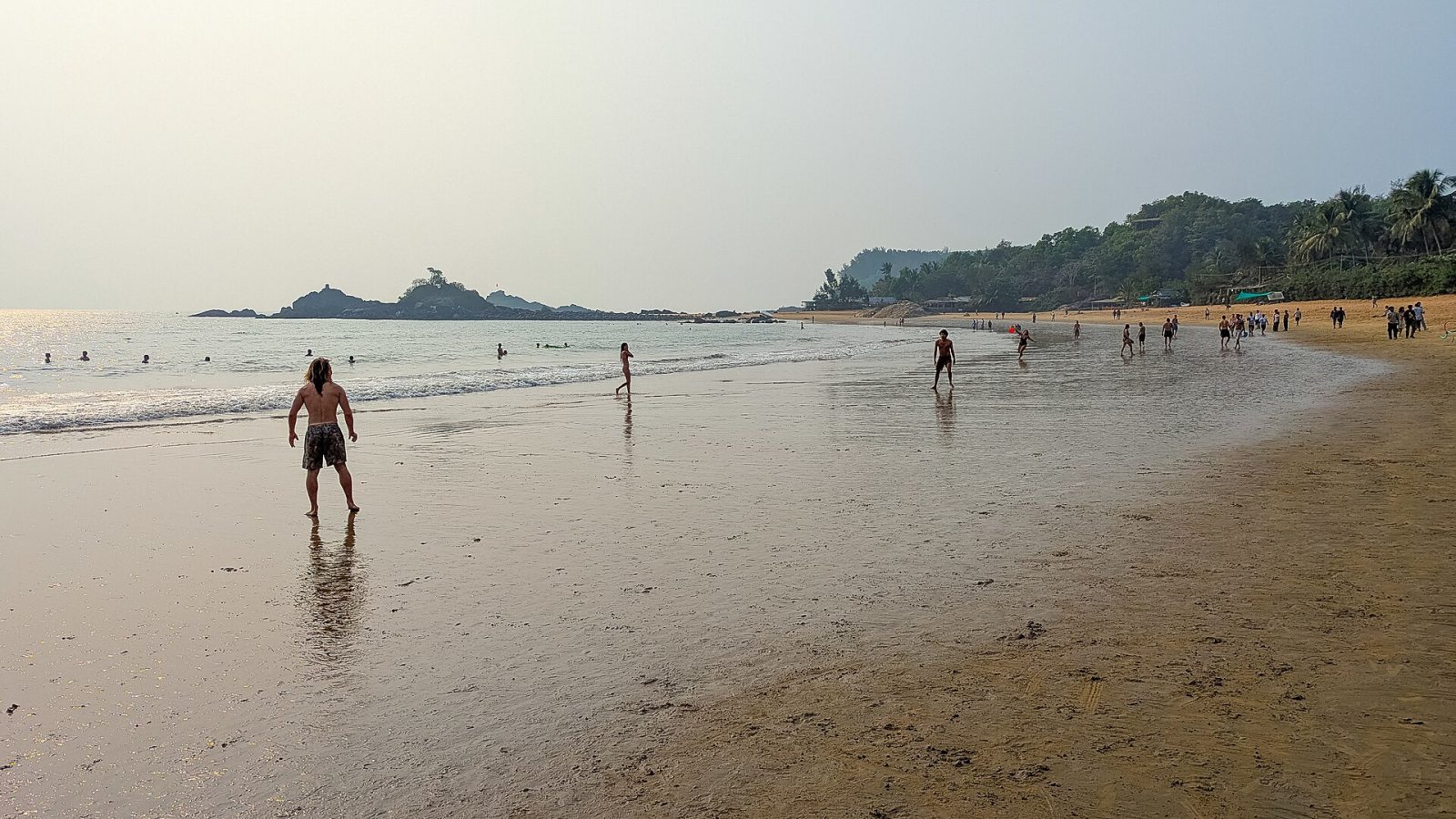
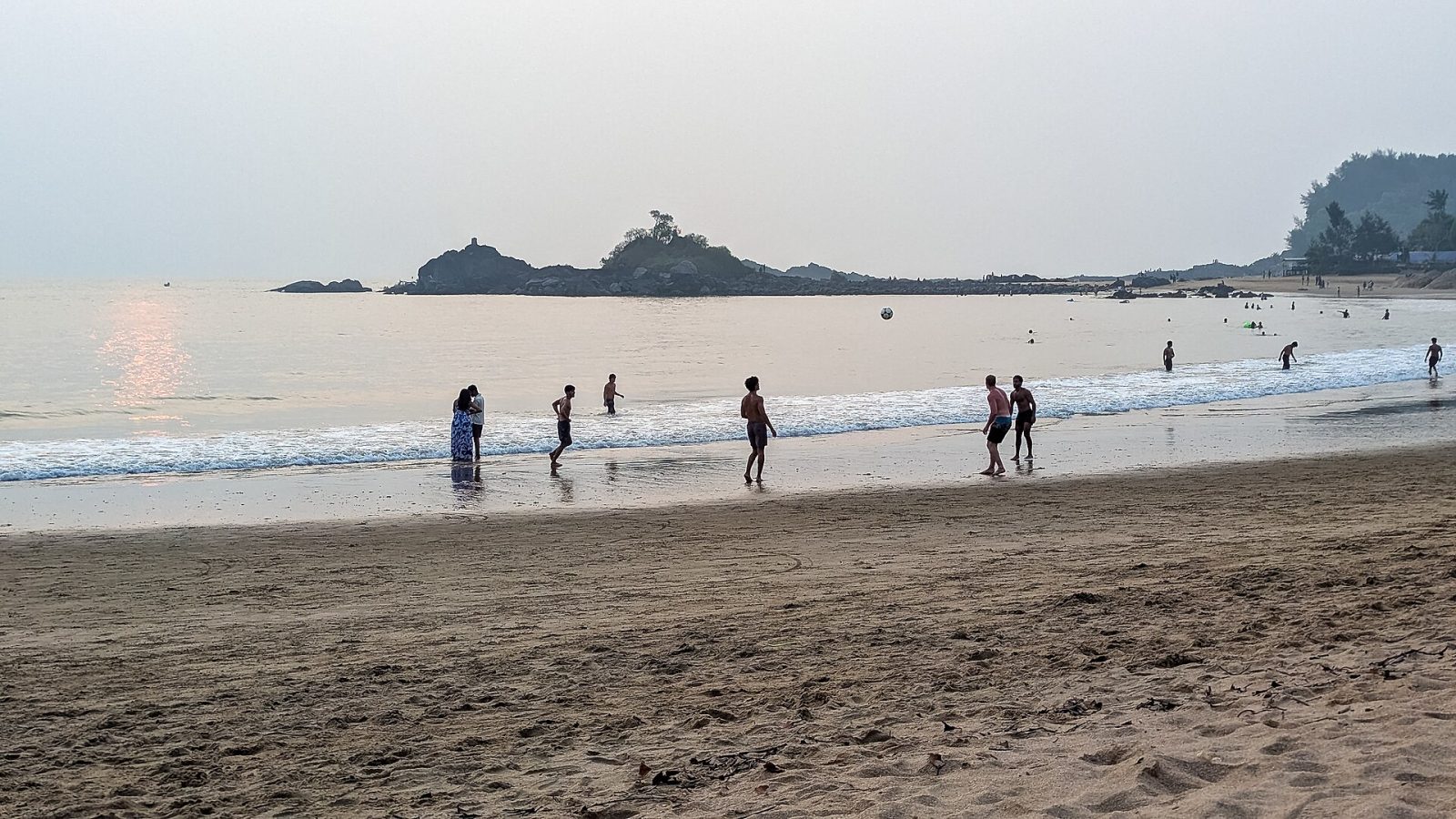
Om Beach takes its name from its shape: two joined crescents of sand that from the headland trace the outline of the Om symbol. It lies south of Gokarna town in Uttara Kannada, a temple town centred on the Mahabaleshwar shrine with its ancient Atmalinga, which draws pilgrims through the year. The beach became known in the 1990s as a quieter alternative to Goa, and a coastal path links it with Kudle, Half Moon and Paradise beaches. Shacks and small guesthouses line the sand, and boats run along the coast when the sea is calm. The season is October to March; the monsoon closes most places down.
Best weather: Nov – MarHeavy rain: Jun – Sep
Seasons from 20 years of NASA POWER climate data.
Was this trip blog helpful?
0
0
Ready to follow this route?
Copy all 11 stops into your trip plans in the app.
 WaTrips