The Kakatiya Trail in 4 Days: Warangal, Ramappa Temple and Bhadrachalam
4 DAYS11 placesby WaTrips
Bhongir's rock fort and Yadadri, Warangal's Kakatiya gateways and the Thousand Pillar Temple, UNESCO-listed Ramappa, Bogatha falls and Bhadrachalam.
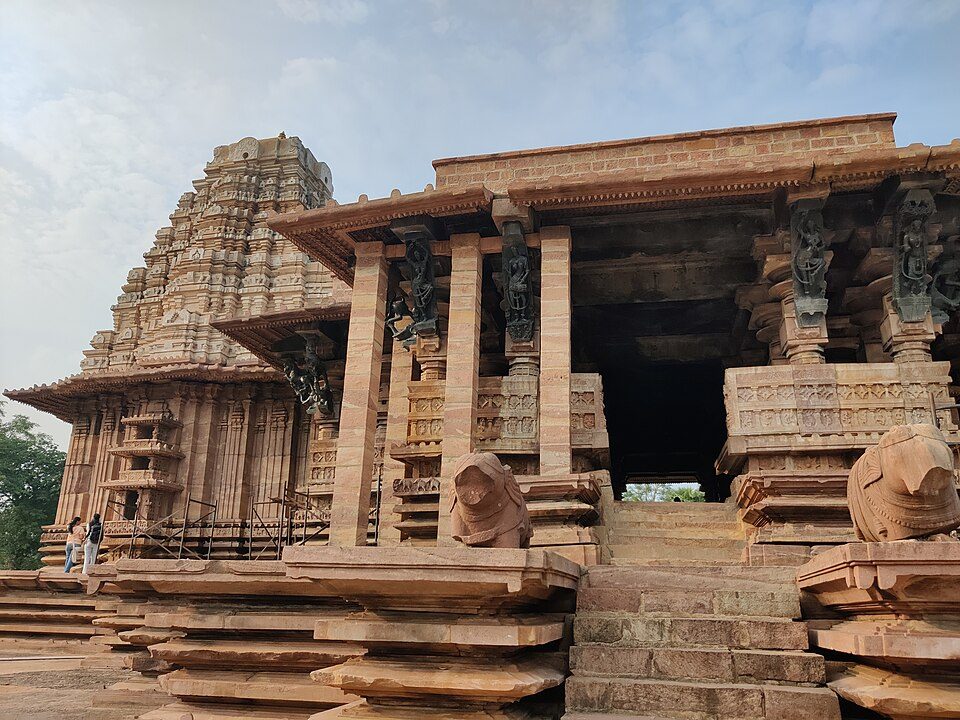
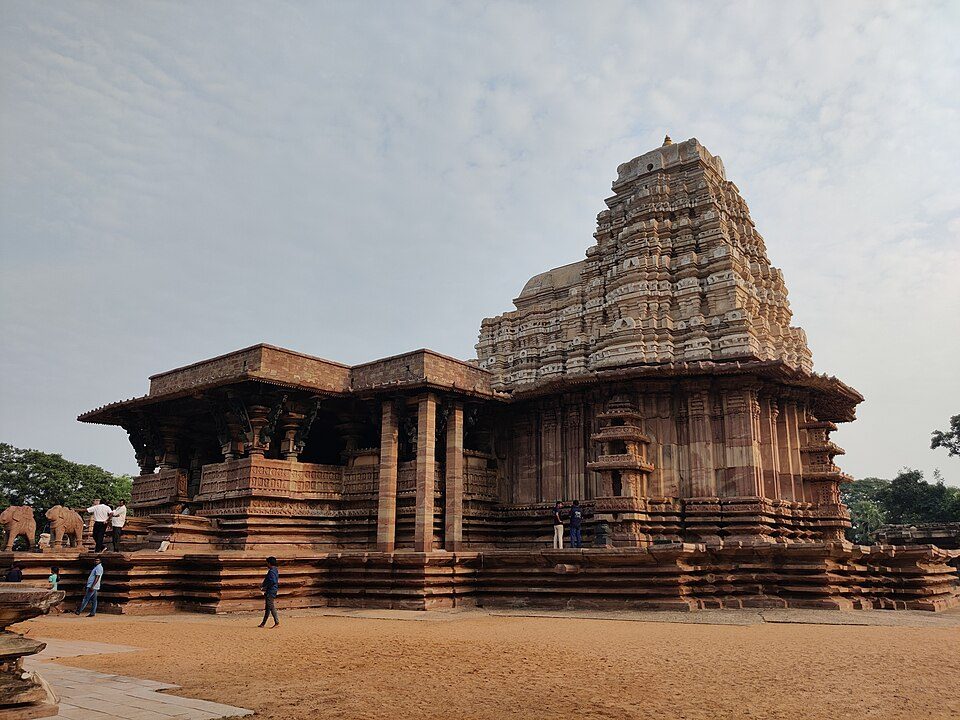
Eight hundred years ago the Kakatiya kings ruled from Warangal and left some of the finest stone carving in the Deccan. Leaving Hyderabad, climb the rock fort at Bhongir and visit the hill temple at Yadadri, then reach Hanumakonda for the Thousand Pillar Temple and Bhadrakali temple. Day two is the heart of the trip: the carved gateways of Warangal Fort, the quiet Pakhal Lake, and Ramappa Temple, a UNESCO World Heritage Site famous for its floating bricks and dancing figures, best in late afternoon light. Day three goes into the forest to Bogatha waterfall, fullest after the monsoon, and on to the Rama temple at Bhadrachalam on the Godavari. The drive back passes Khammam's hill fort and the Buddhist site at Phanigiri.
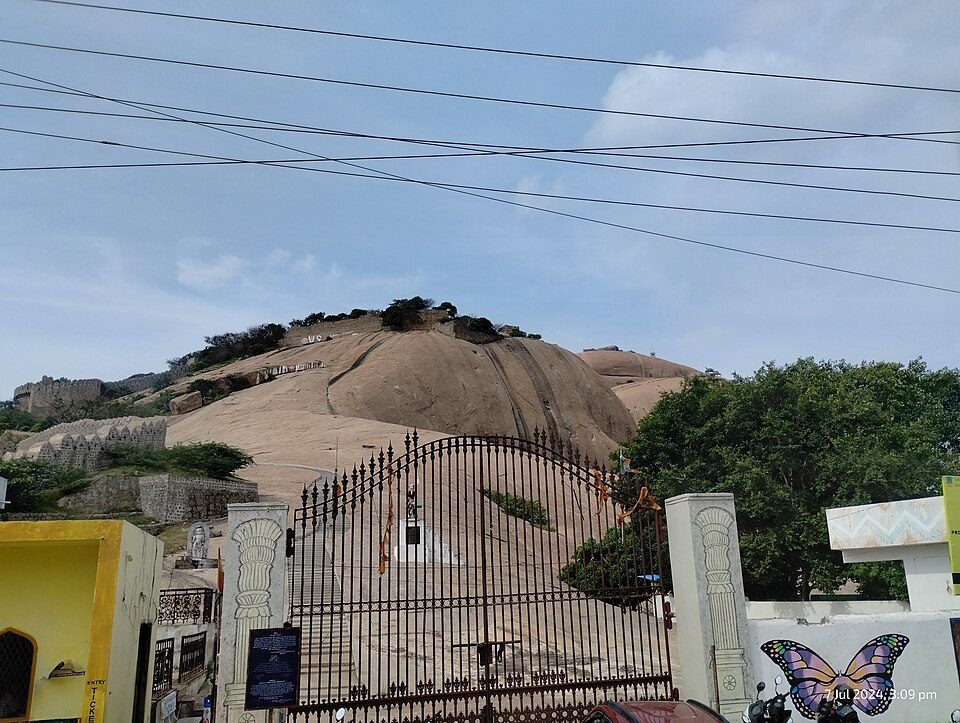
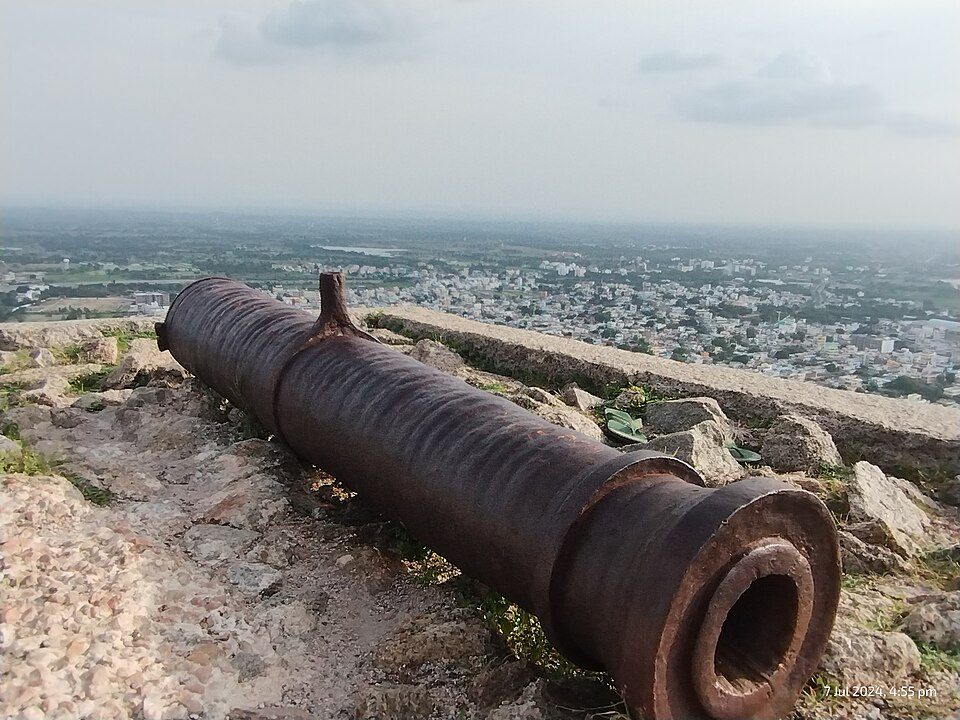
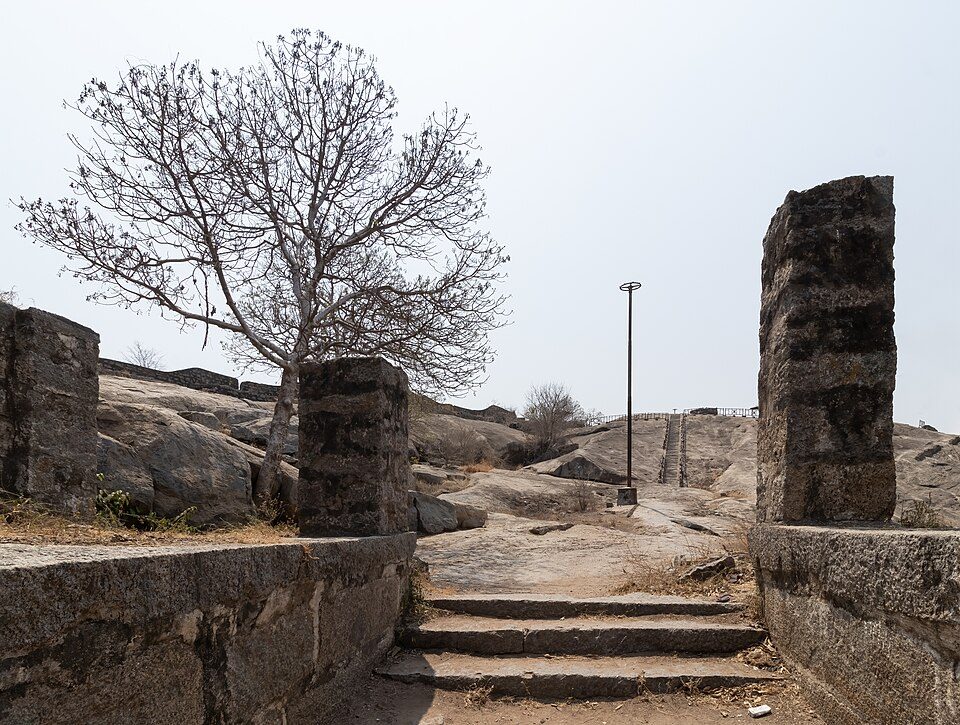
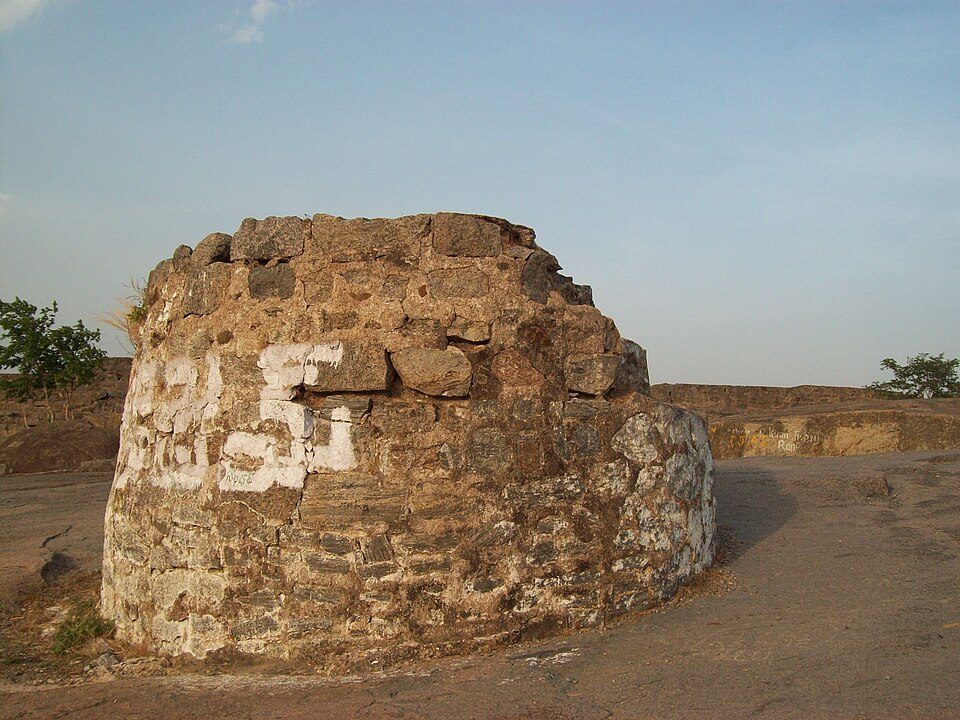
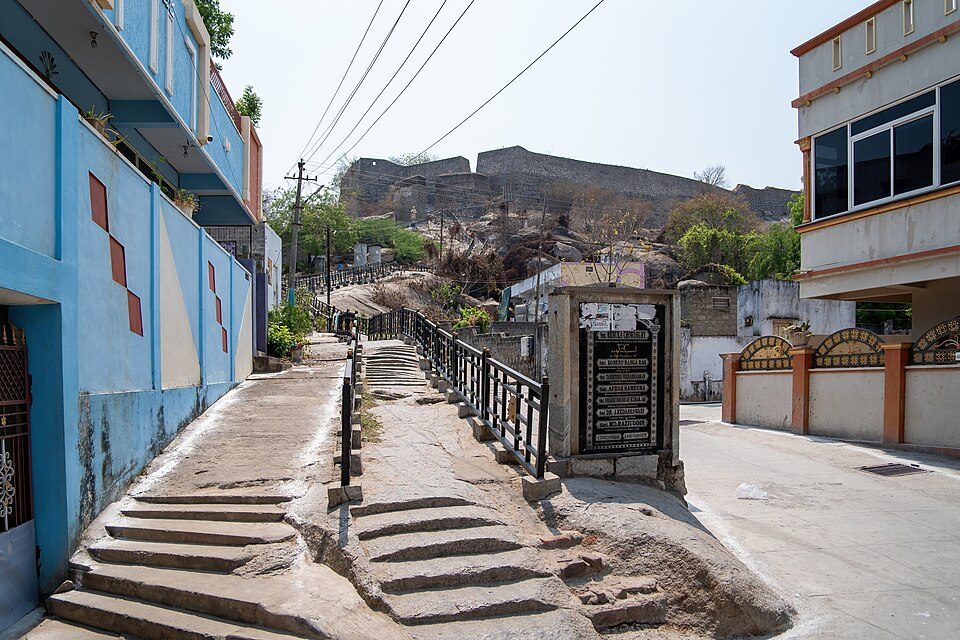
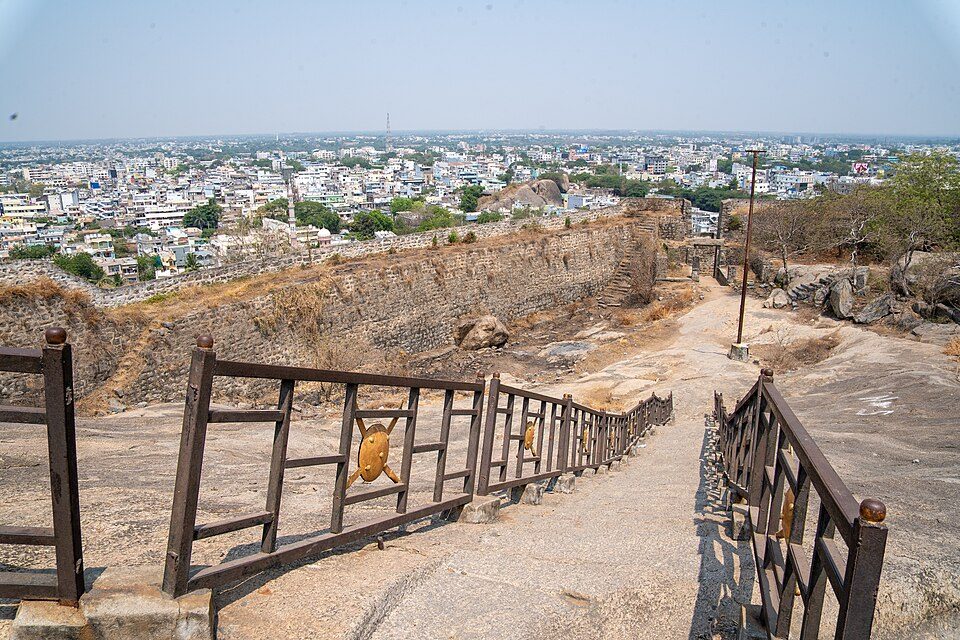
Built on a single monolithic rock rising high above the plains, Bhongir Fort dates back to the 10th century under the Western Chalukyas. A steep climb up steps cut into the rock leads past gates and water tanks to the top, with wide views over the countryside.
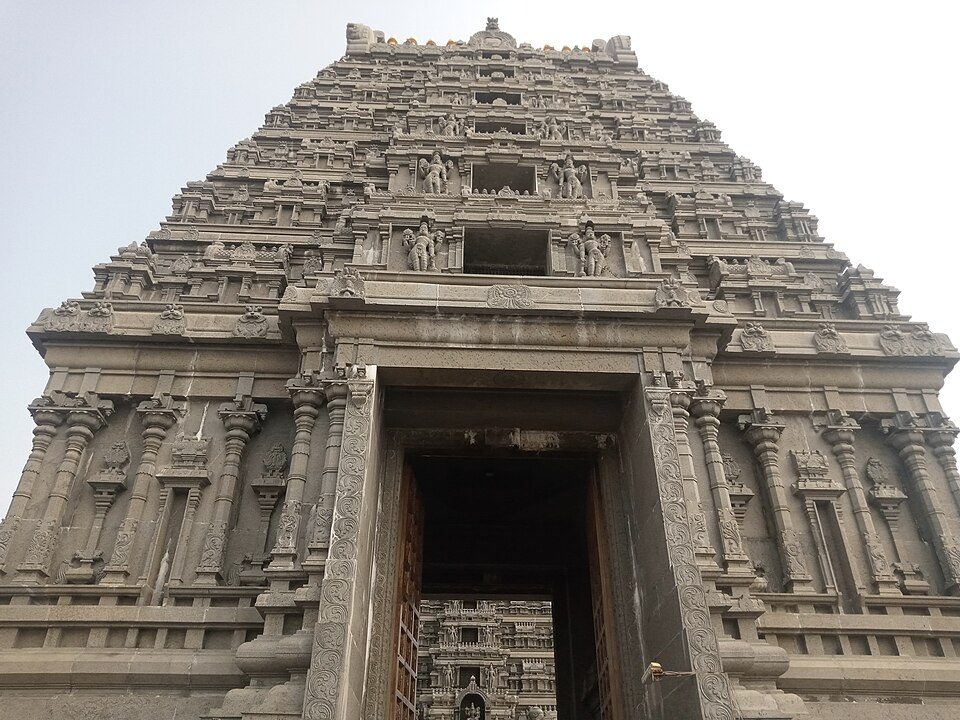
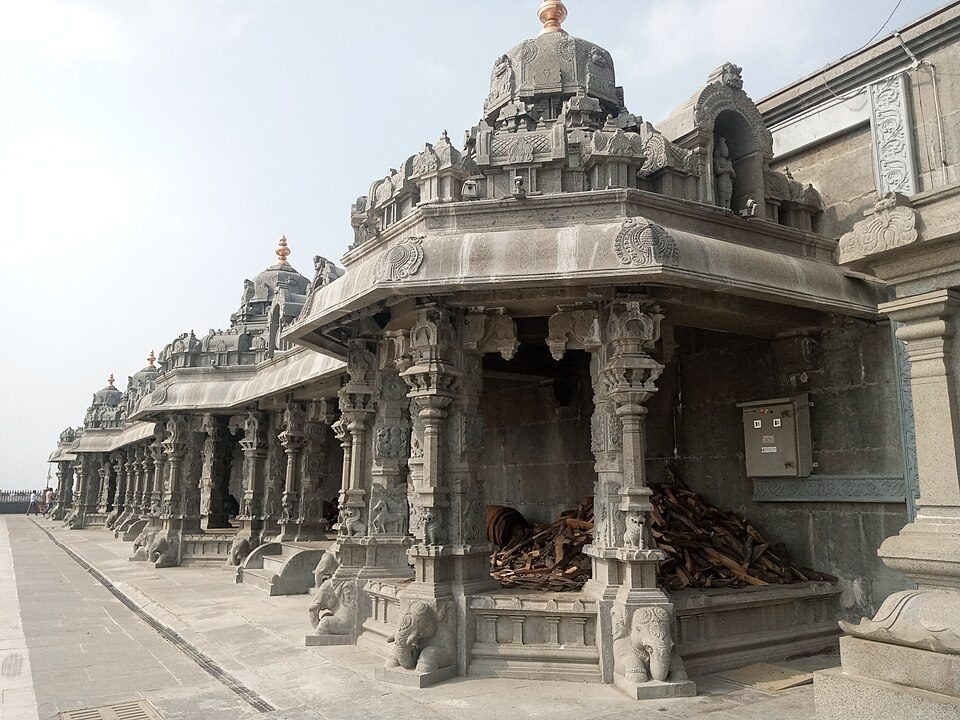
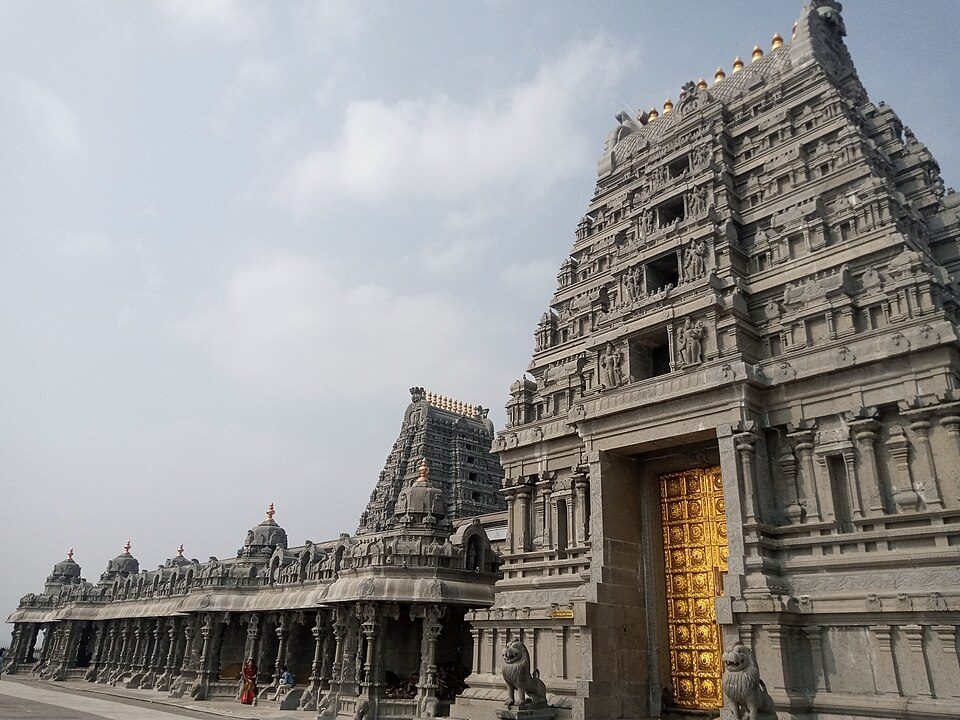
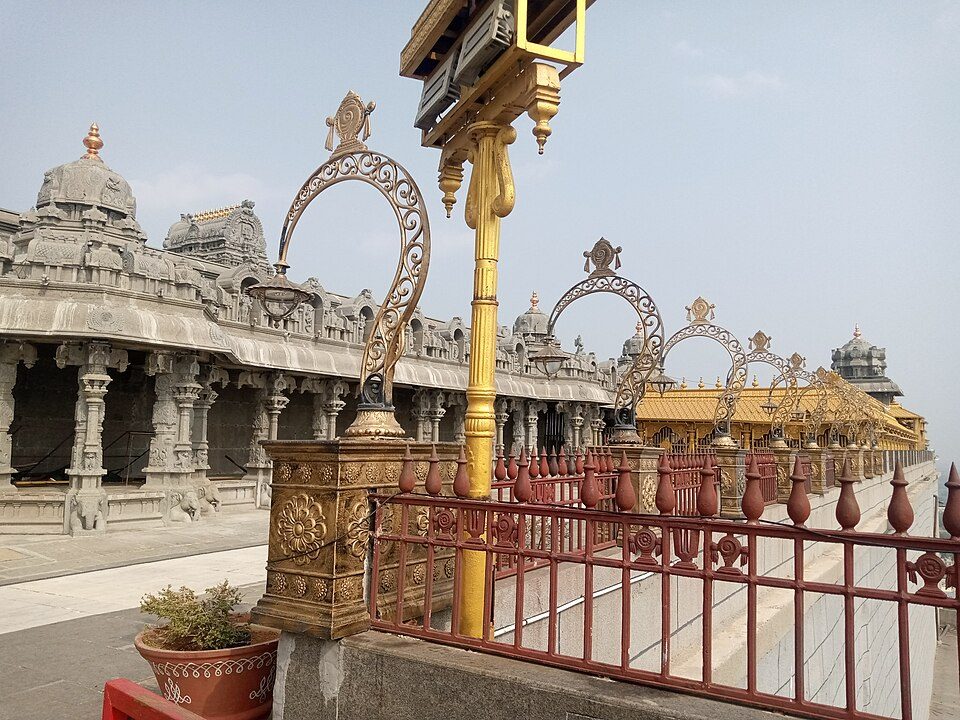
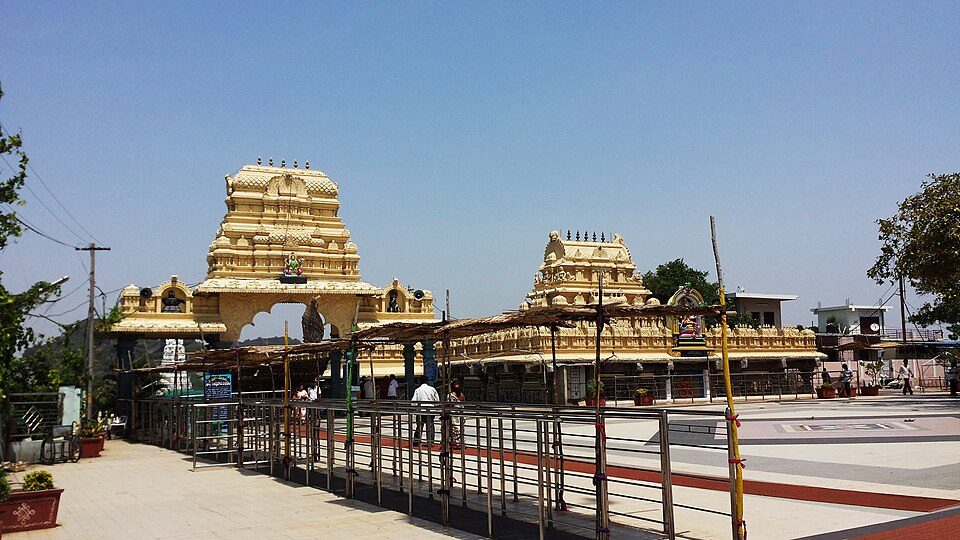
On a hill at Yadagirigutta, the Lakshmi Narasimha Swamy temple was rebuilt in black granite and reopened in 2022 as one of the grandest temples in Telangana. The deity is worshipped in a cave shrine, and the new complex has towering gopurams and finely carved halls.
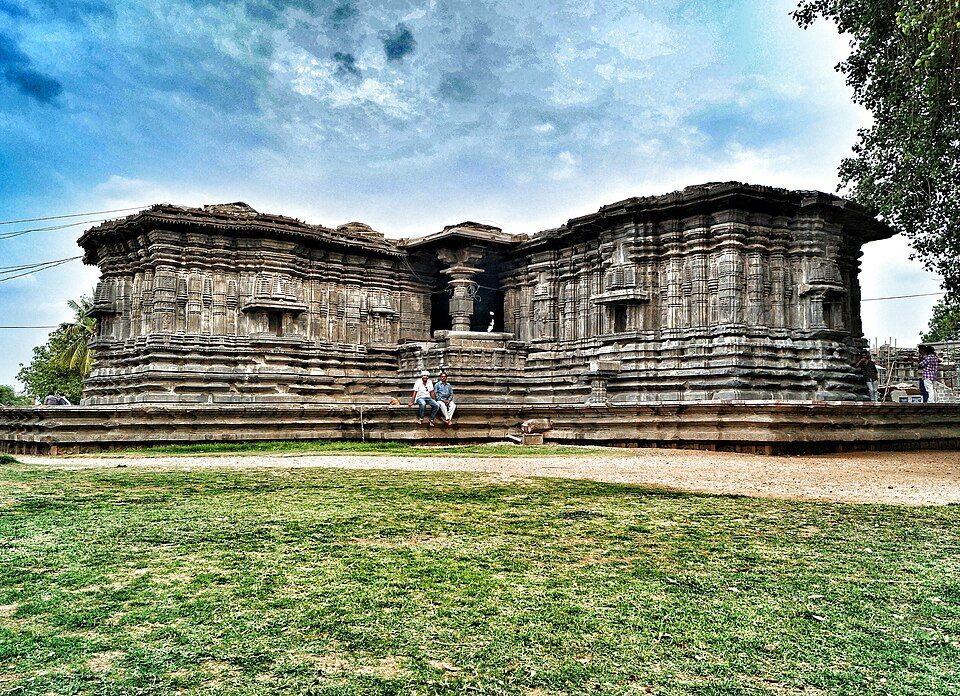
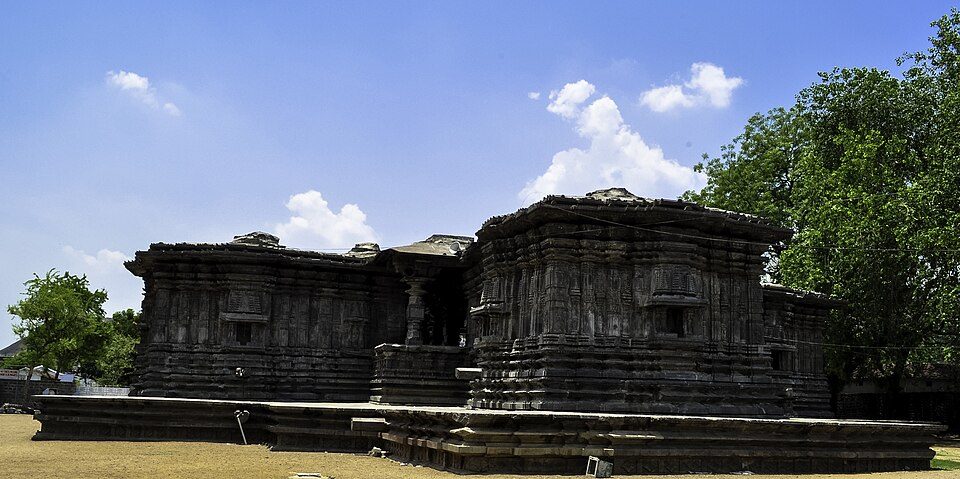
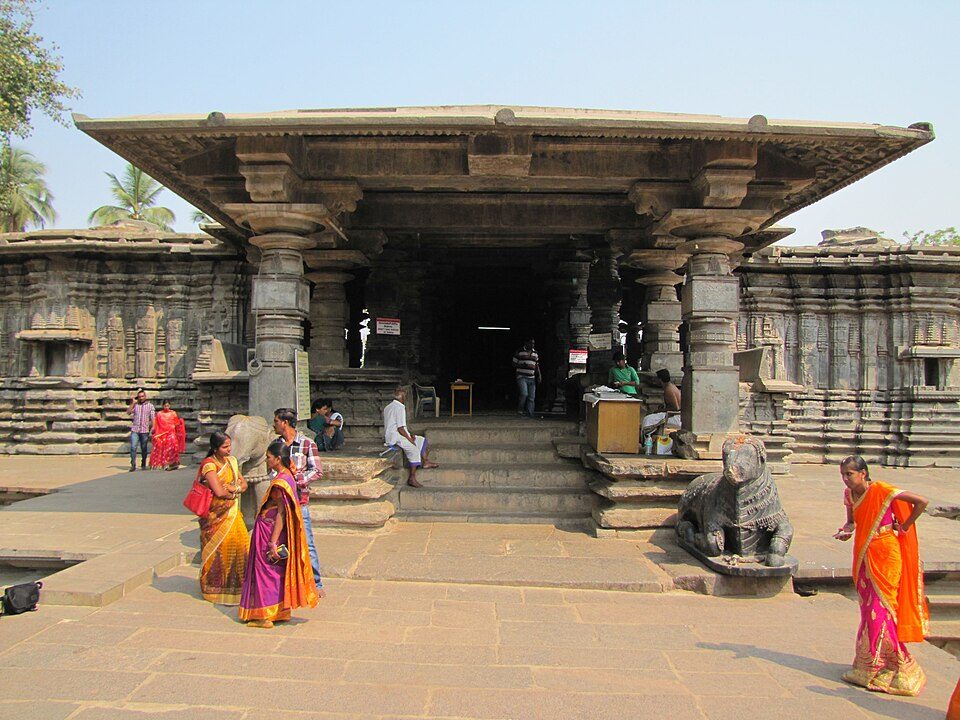
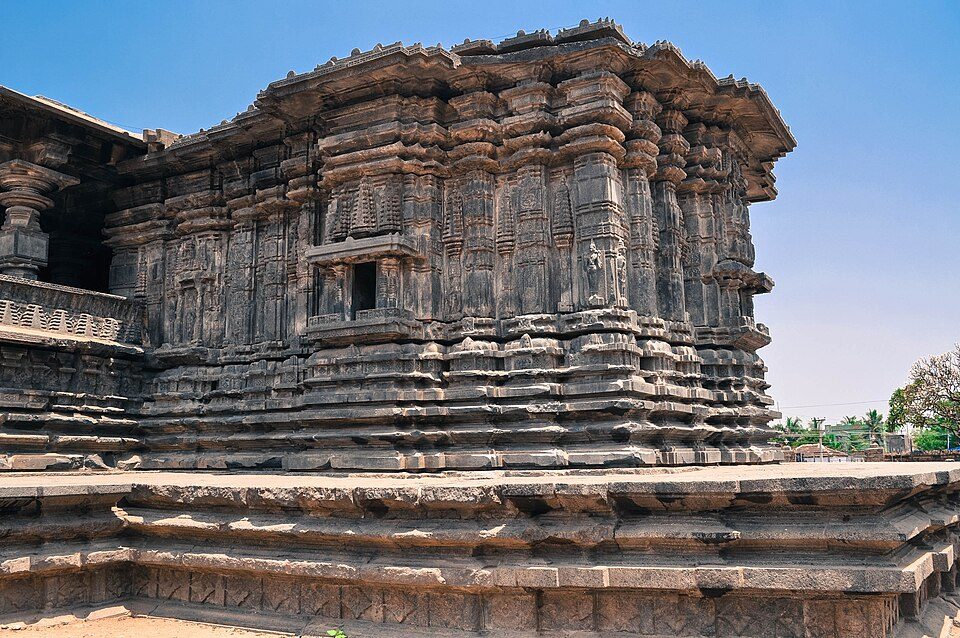
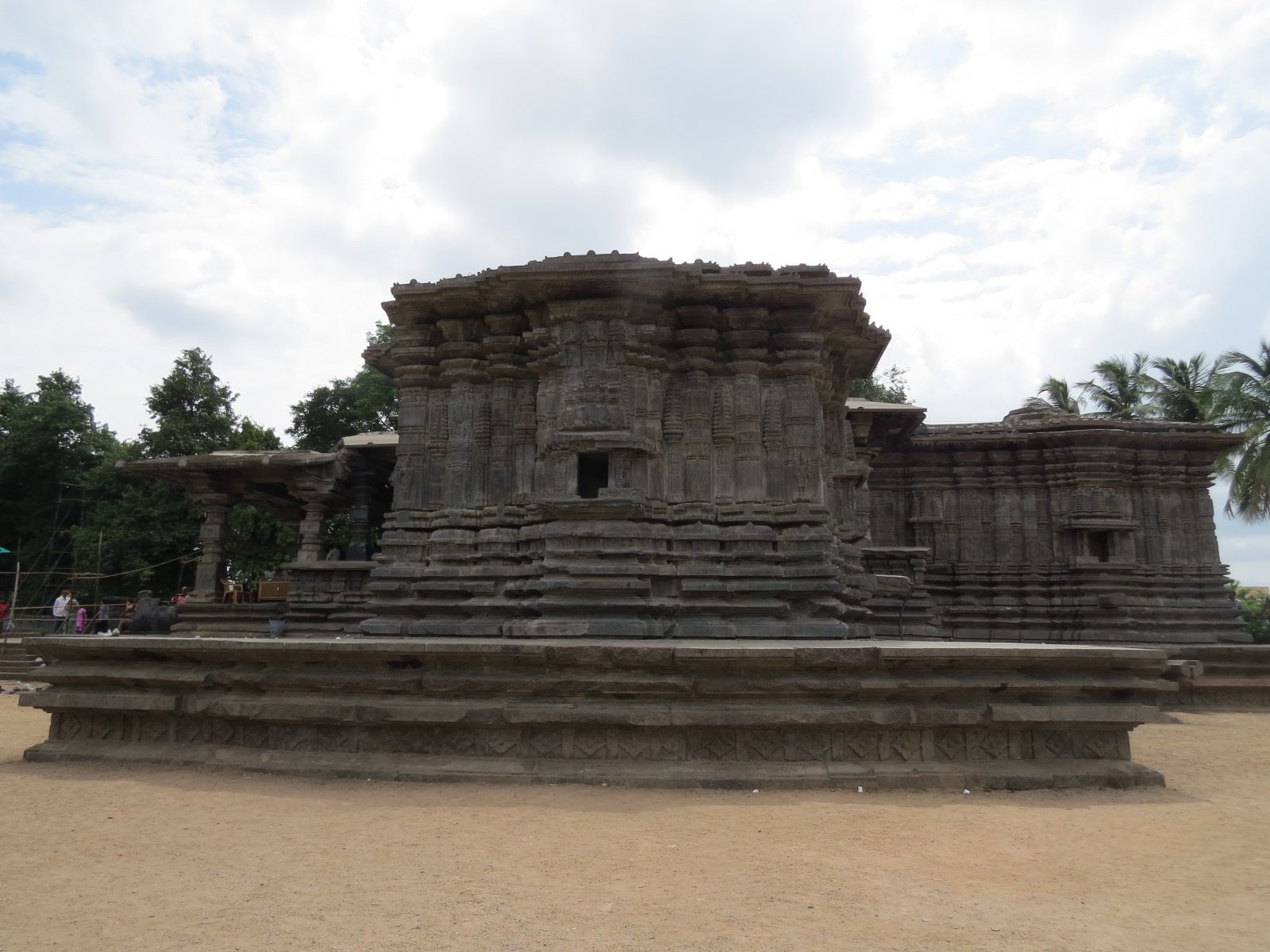
Built in 1163 by the Kakatiya king Rudra Deva, the Thousand Pillar Temple at Hanamkonda is dedicated to Shiva, Vishnu and Surya. Its star-shaped plan, richly carved pillars and the large monolithic Nandi in front show the Kakatiya style at its best.
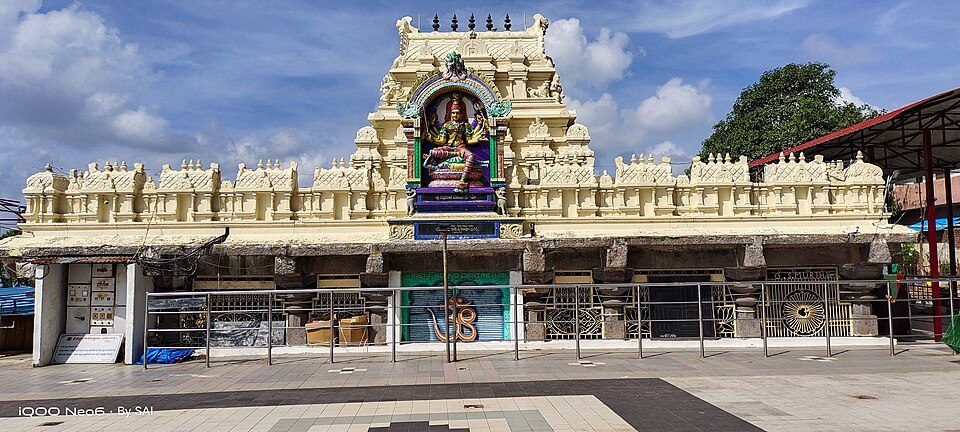
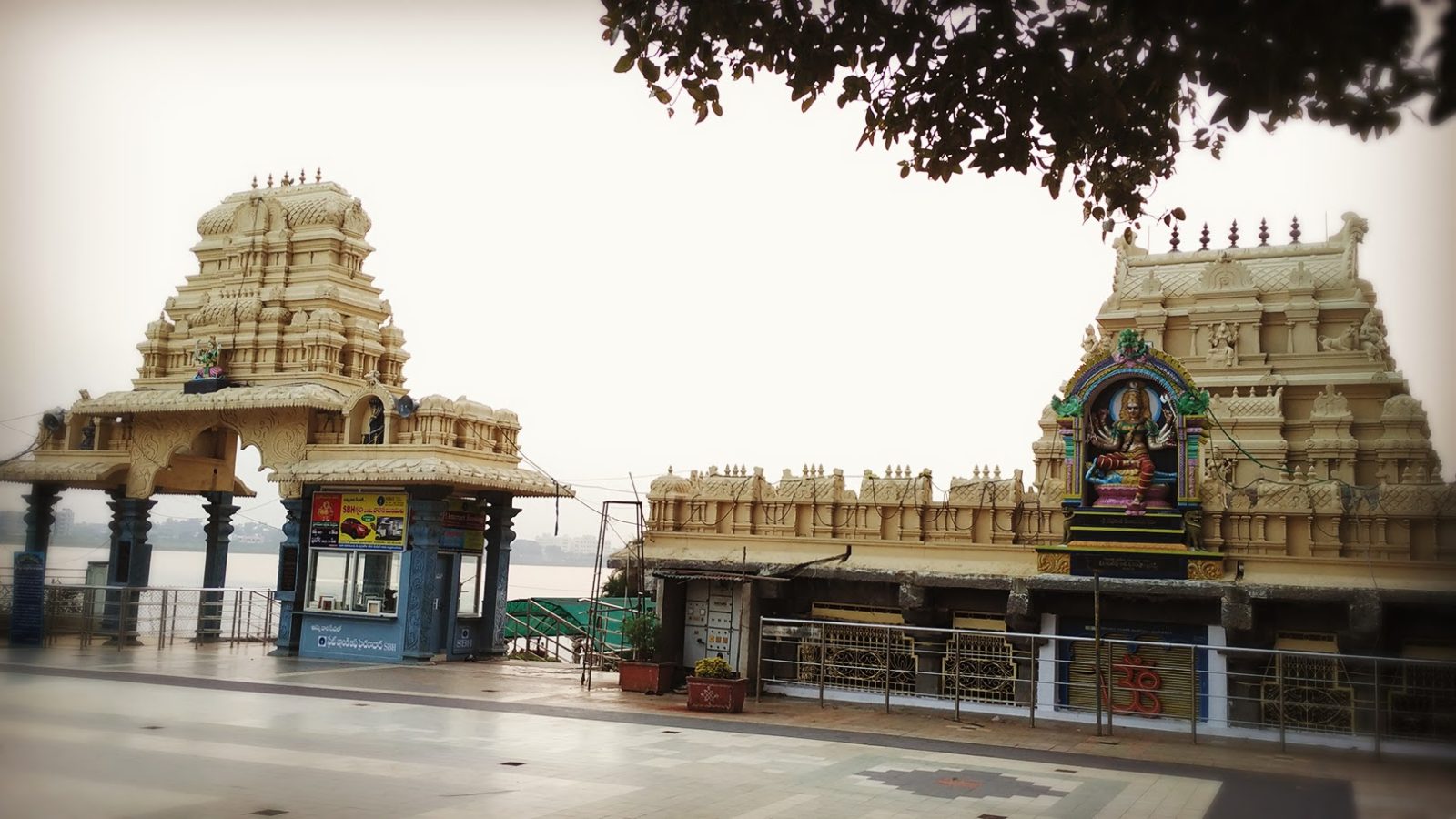
On a hillock beside a lake between Hanamkonda and Warangal, the Bhadrakali temple dates back to the Chalukyas in the 7th century and was patronised by the Kakatiyas. The stone image of the goddess is seated with eight arms, and the lakeside setting is especially pleasant in the evening.
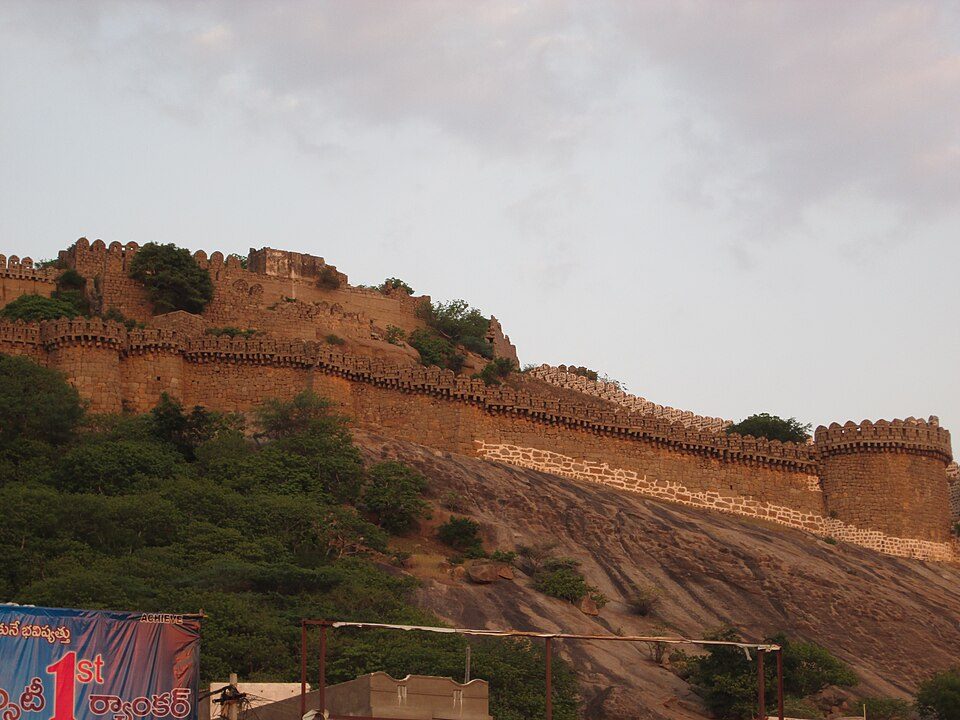
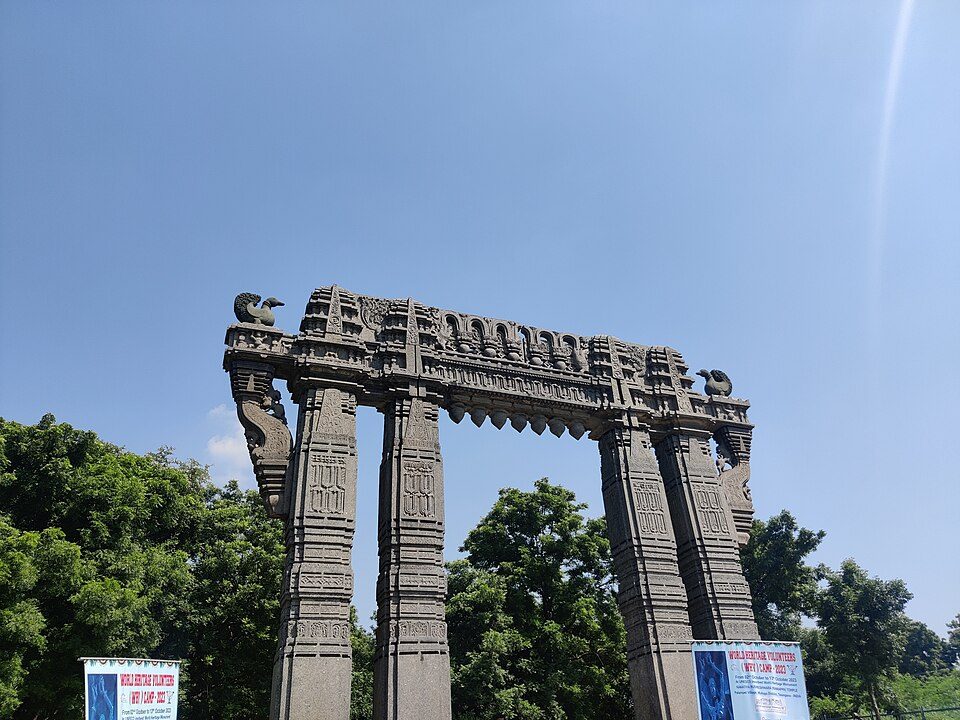
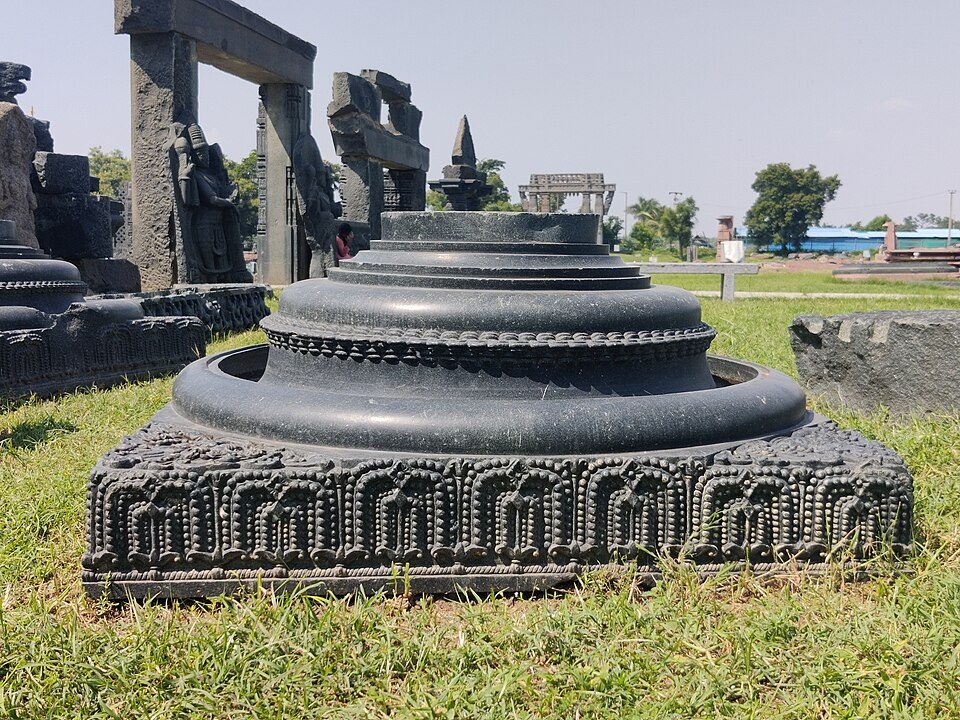
The Kakatiya capital in the 12th and 13th centuries, Warangal Fort had several rings of walls. Its four great stone gateways, the Kakatiya Kala Thoranam, now the emblem of Telangana, stand among the ruins of a large temple. The Khush Mahal, a later royal hall, also survives.
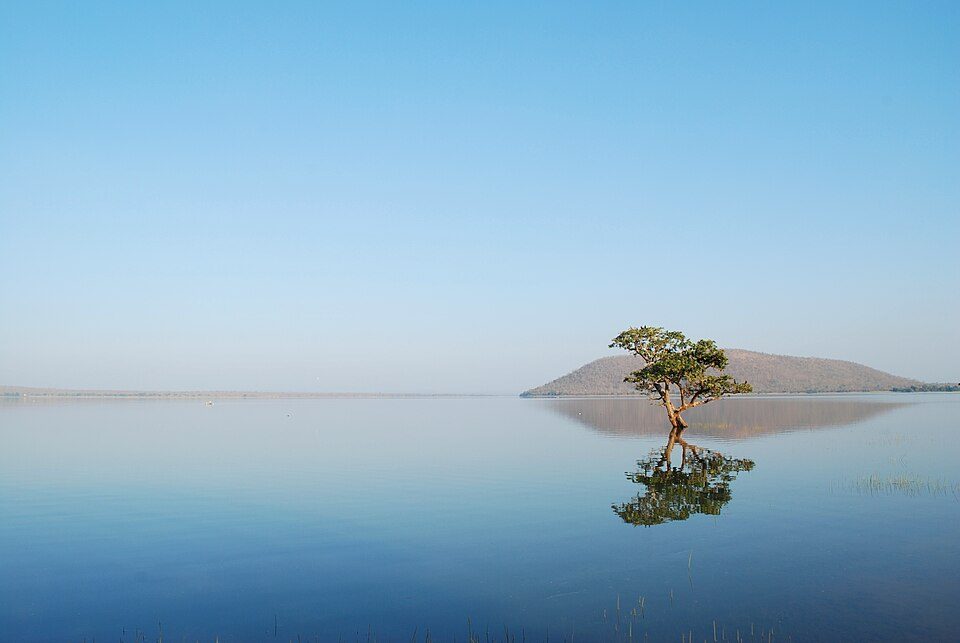
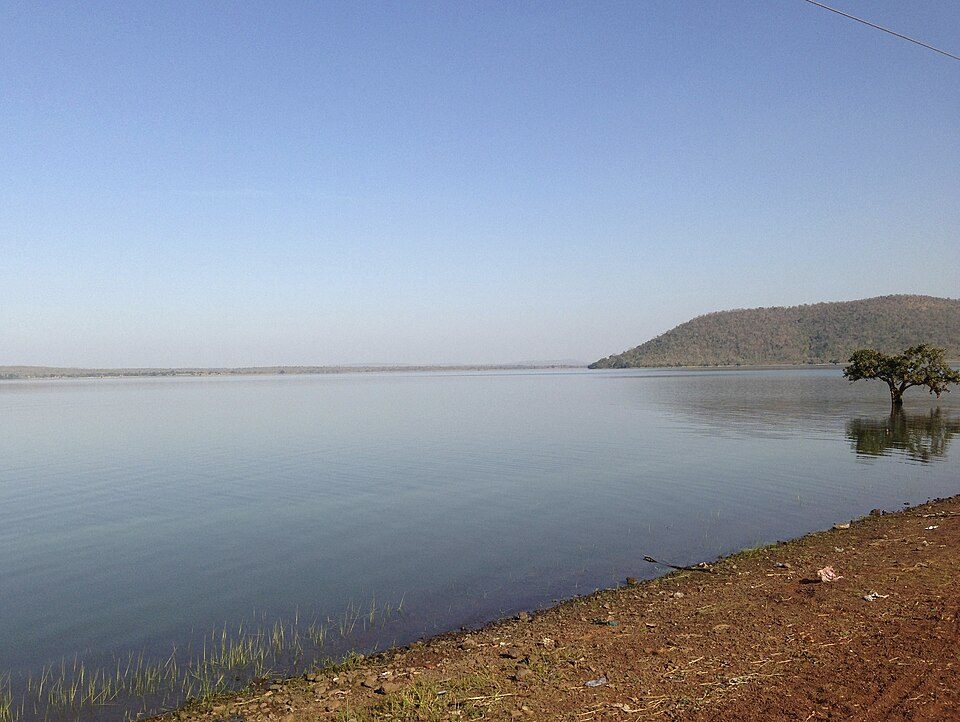
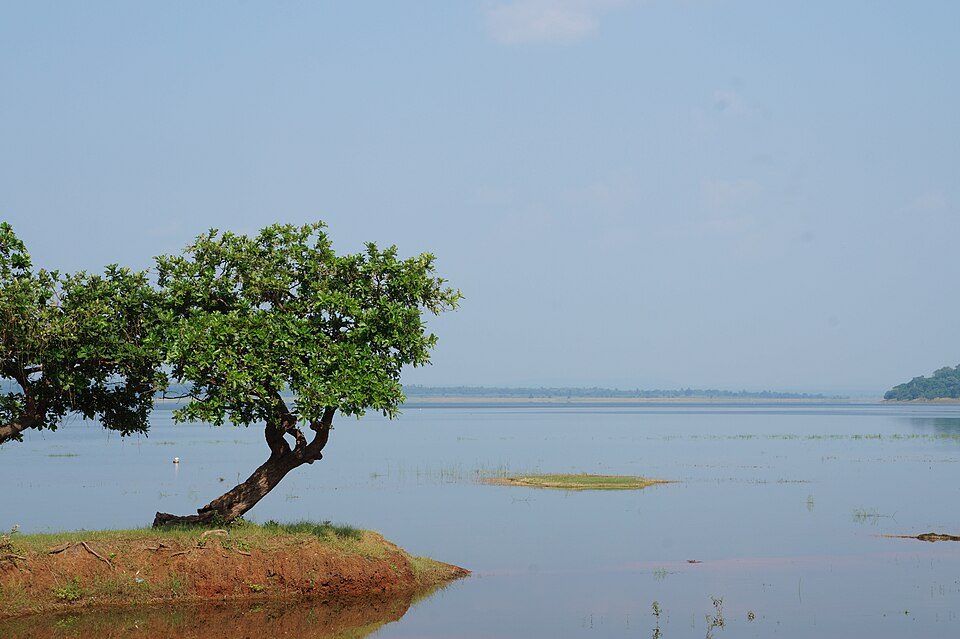
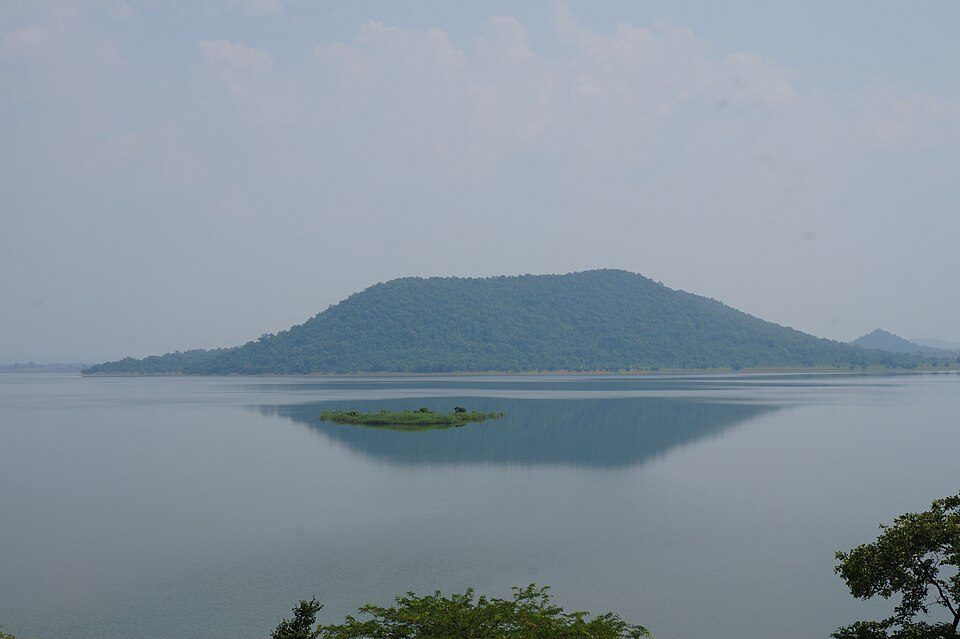
An artificial lake built in the 13th century by the Kakatiya king Ganapati Deva, Pakhal Lake lies within a wildlife sanctuary of dense forest, home to deer, sloth bears and many birds. Its quiet shores and forest setting make it a peaceful escape.
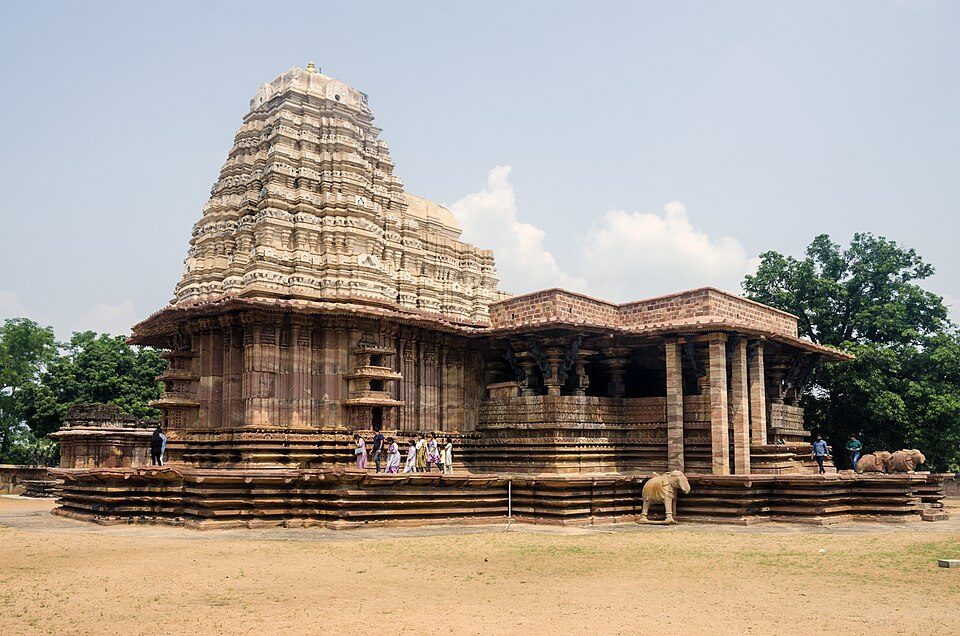
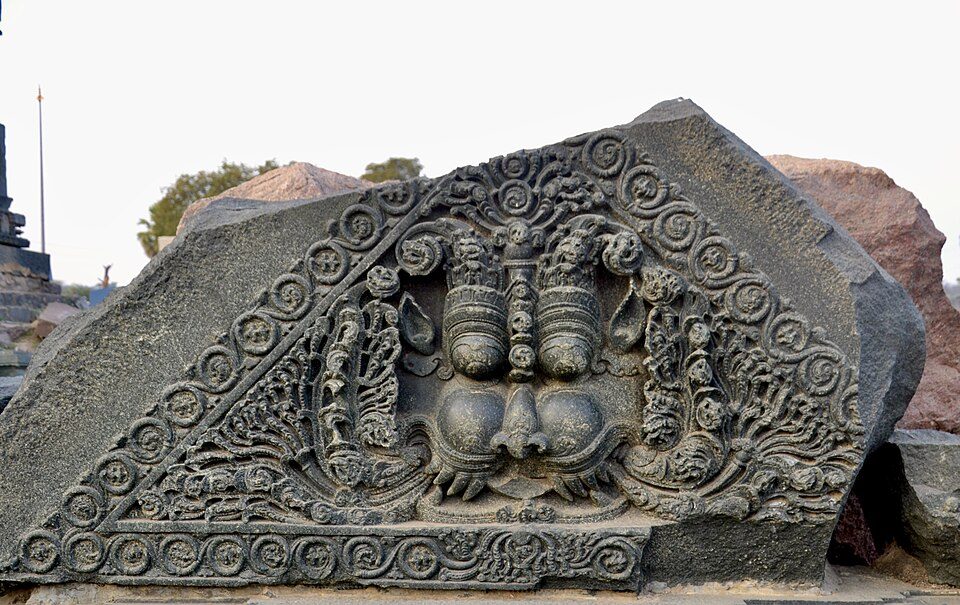
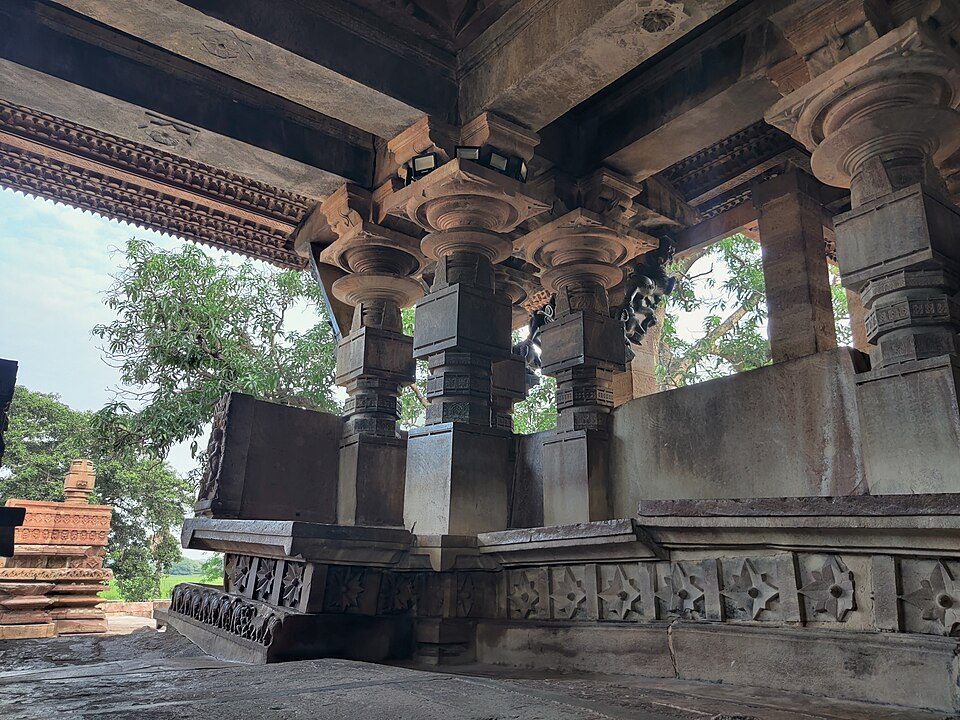
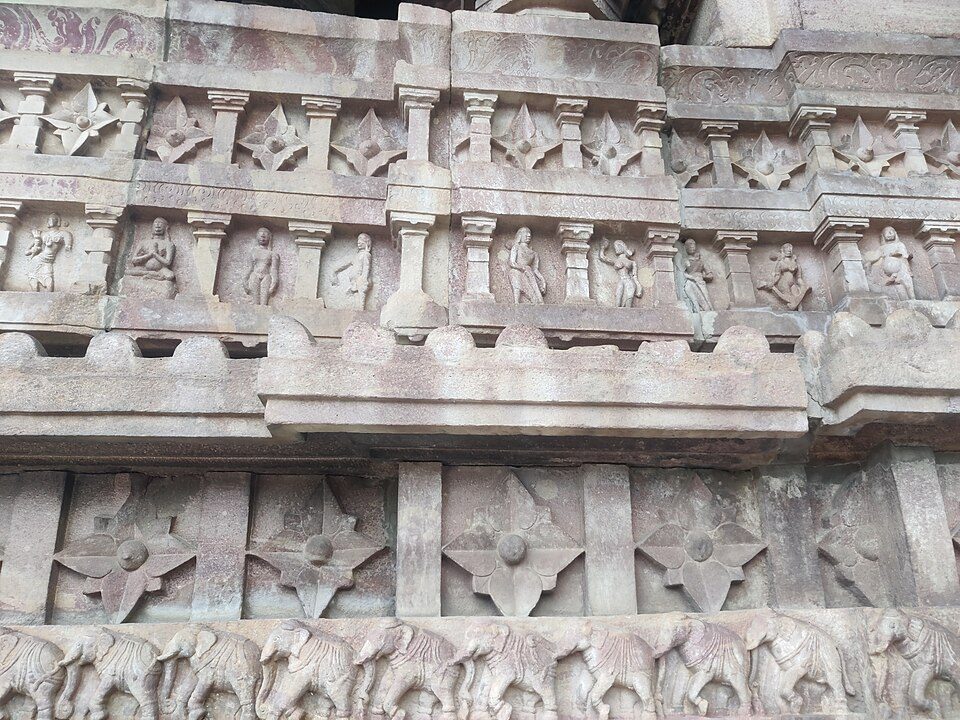
Built in 1213 under the Kakatiyas and named after its sculptor Ramappa, this Shiva temple at Palampet became a UNESCO World Heritage Site in 2021. Its bracket figures of dancers, carved from black basalt, are among the finest in India, and the tower is built of bricks so light they are said to float on water.
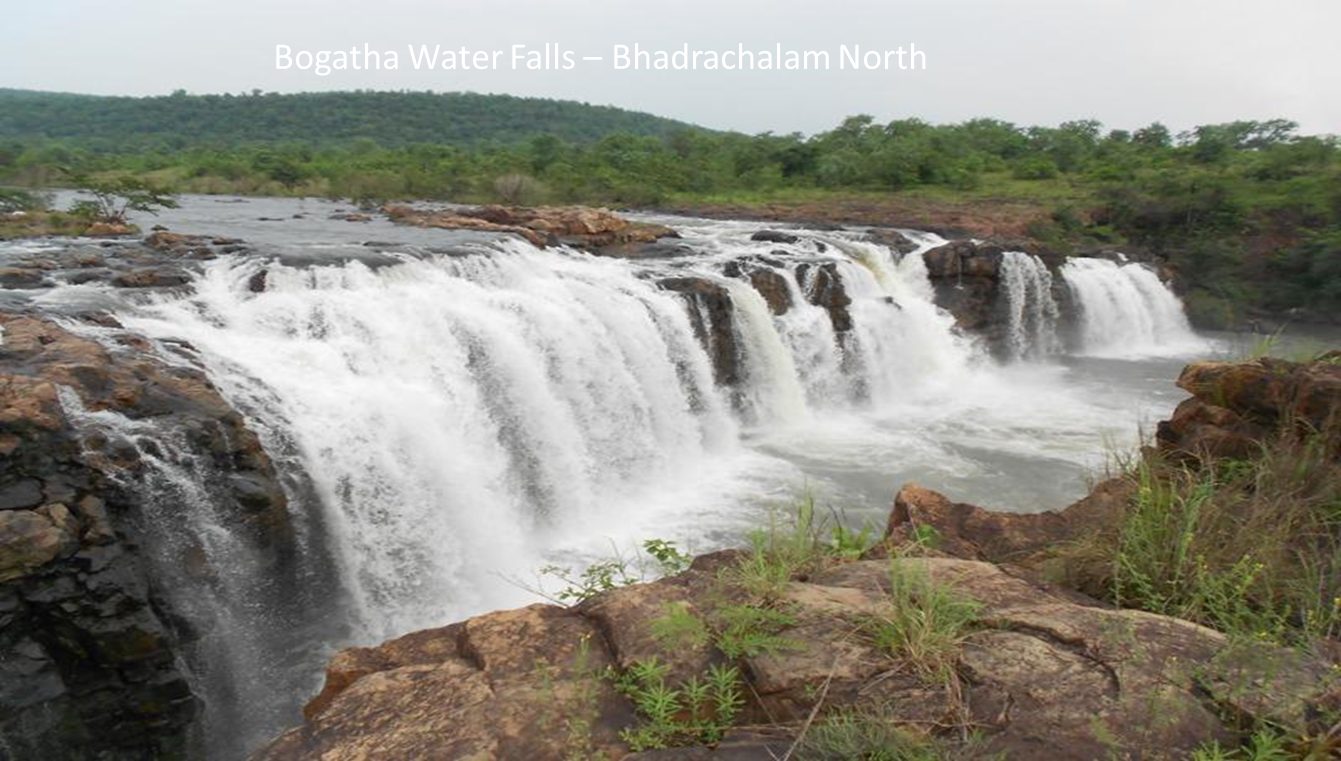
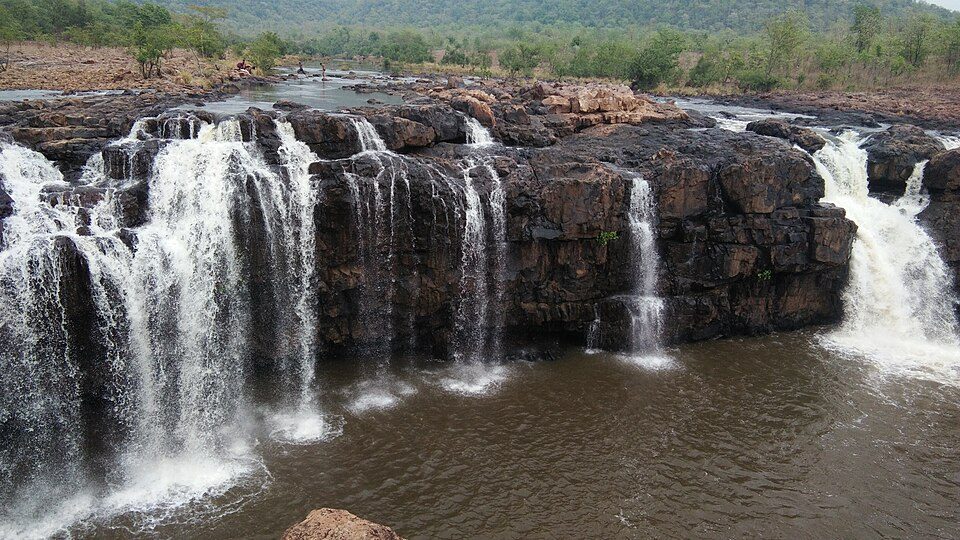
Called the Niagara of Telangana, Bogatha Waterfall drops in a broad sheet into a pool in the forests of Mulugu district. It is at its fullest during the monsoon, from July to October, and there are viewing platforms and a pool for bathing nearby.
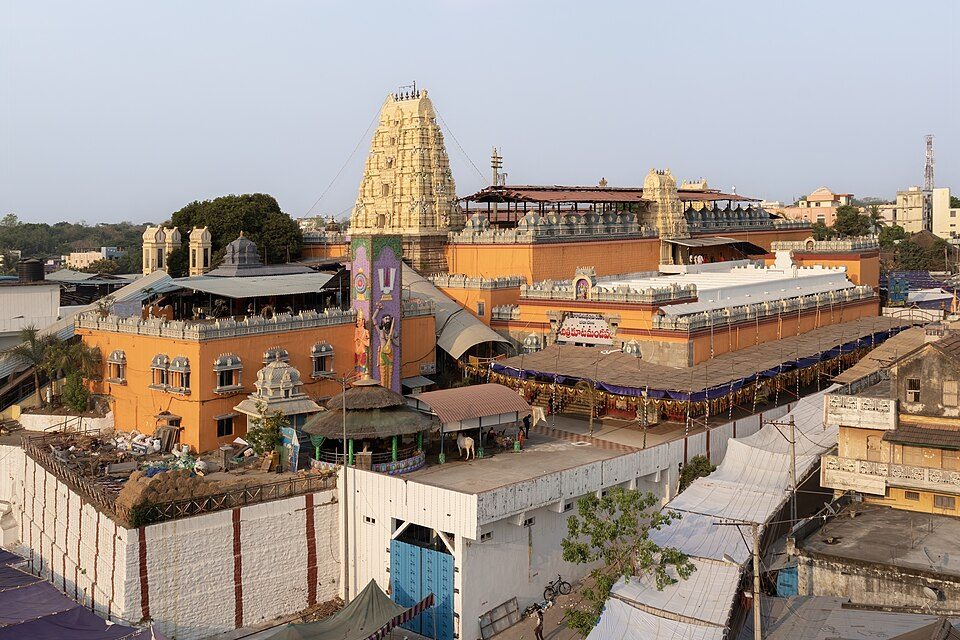
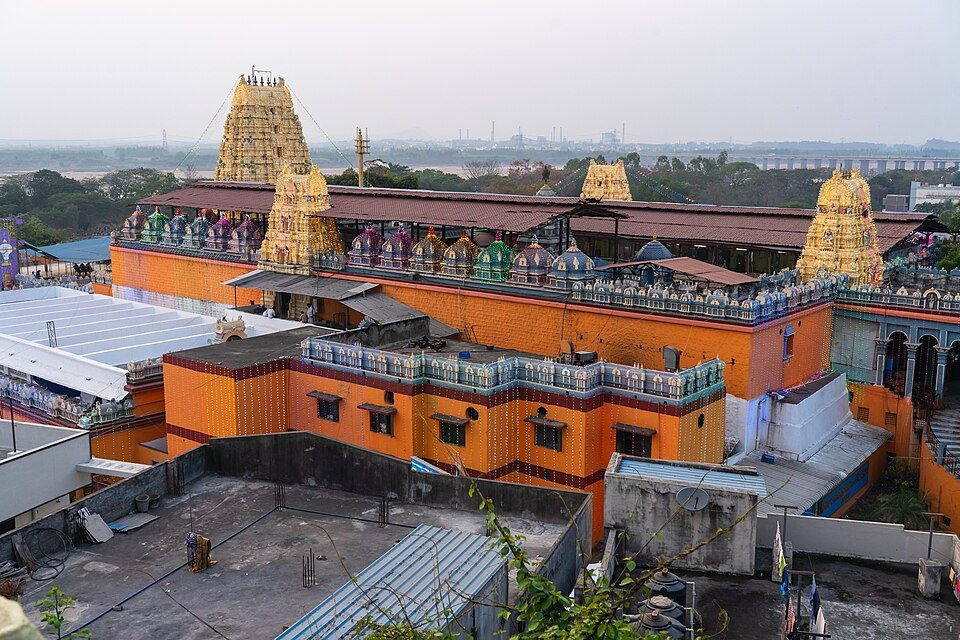
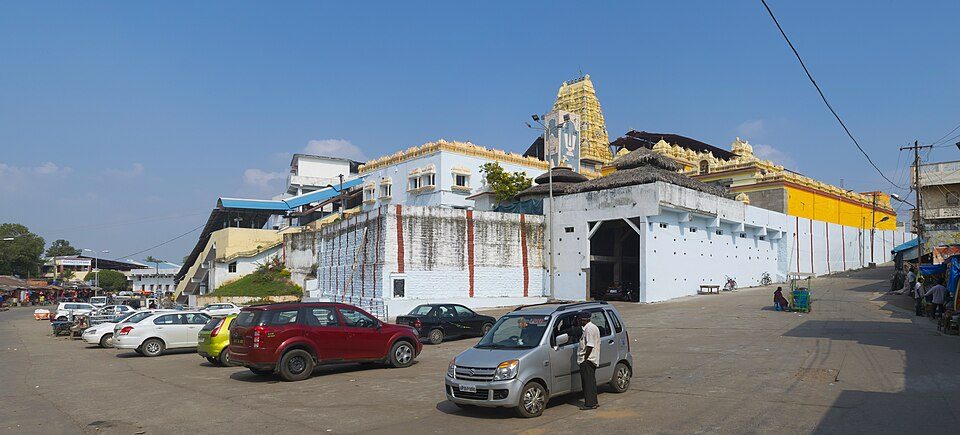
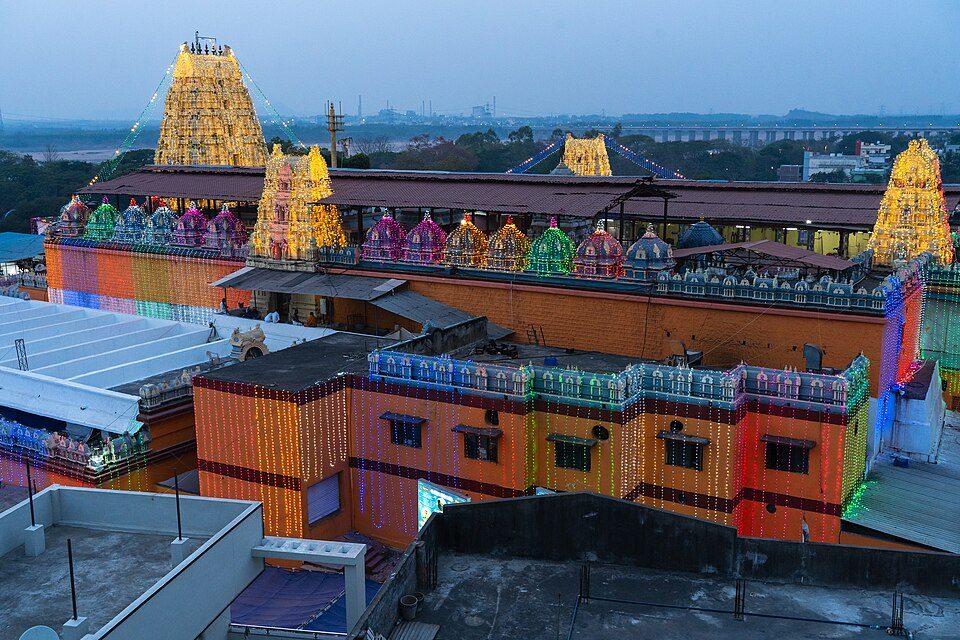
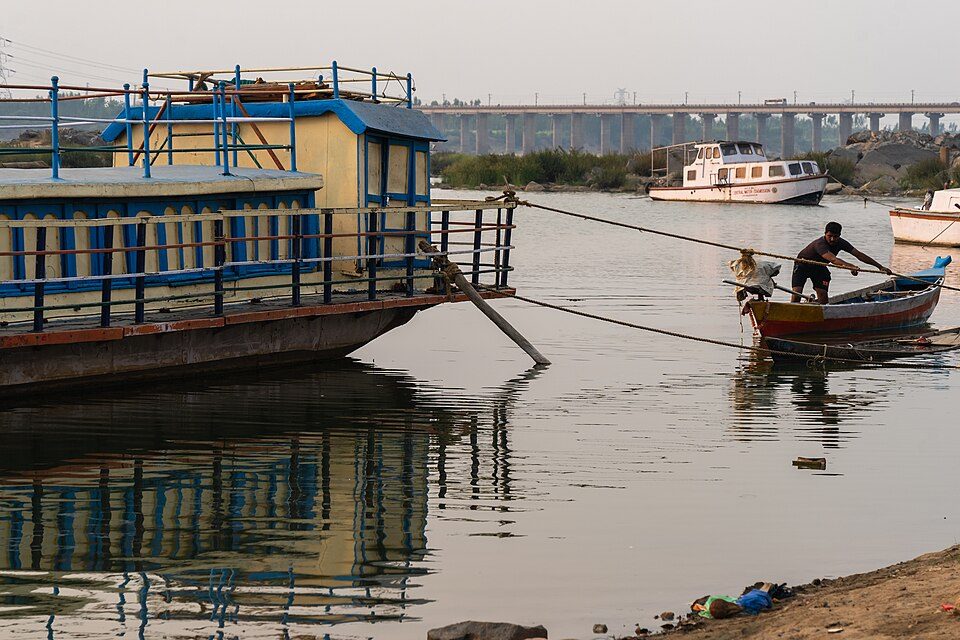
On the banks of the Godavari, the Sita Ramachandraswamy temple at Bhadrachalam is one of the most important Rama temples in South India, built in the 17th century by Kancharla Gopanna, known as Bhakta Ramadasu. The Sri Rama Navami wedding festival draws huge crowds.
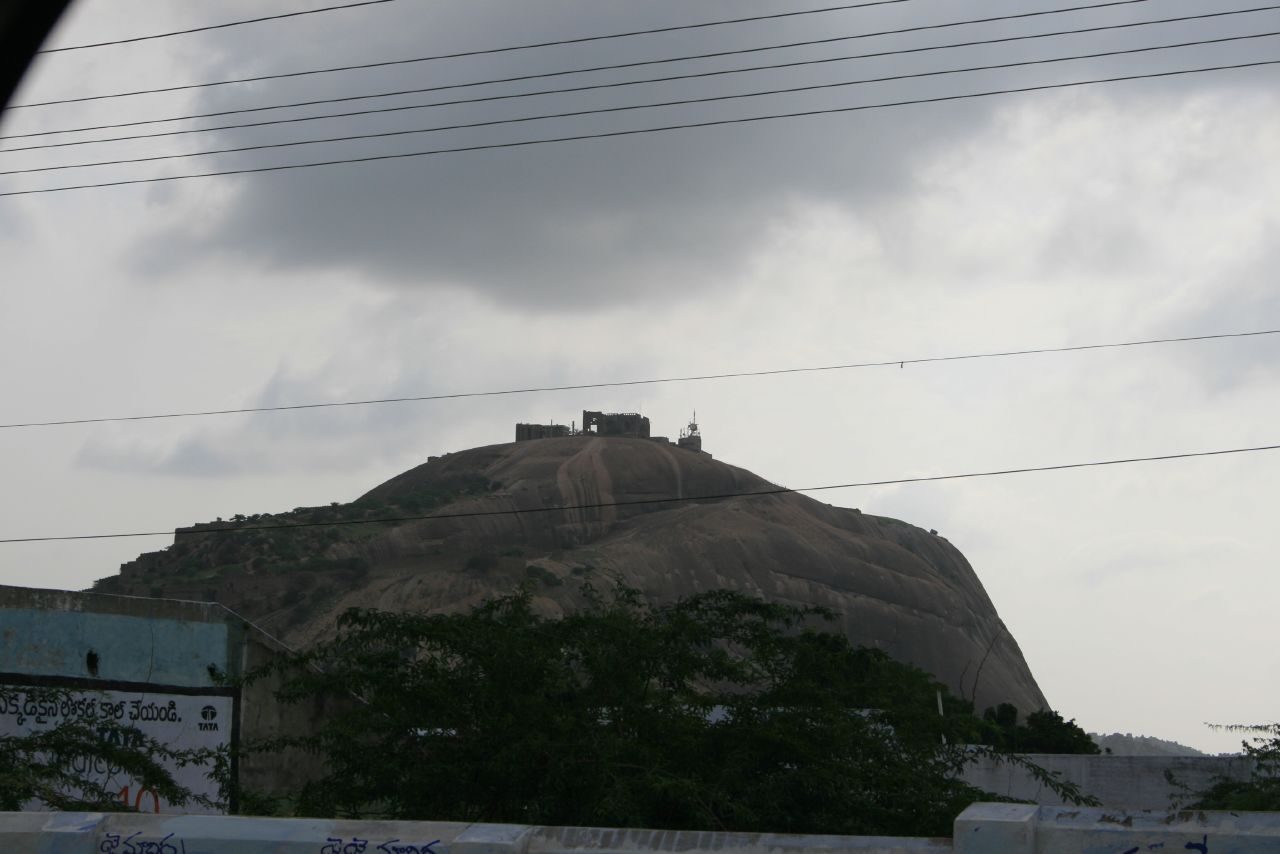
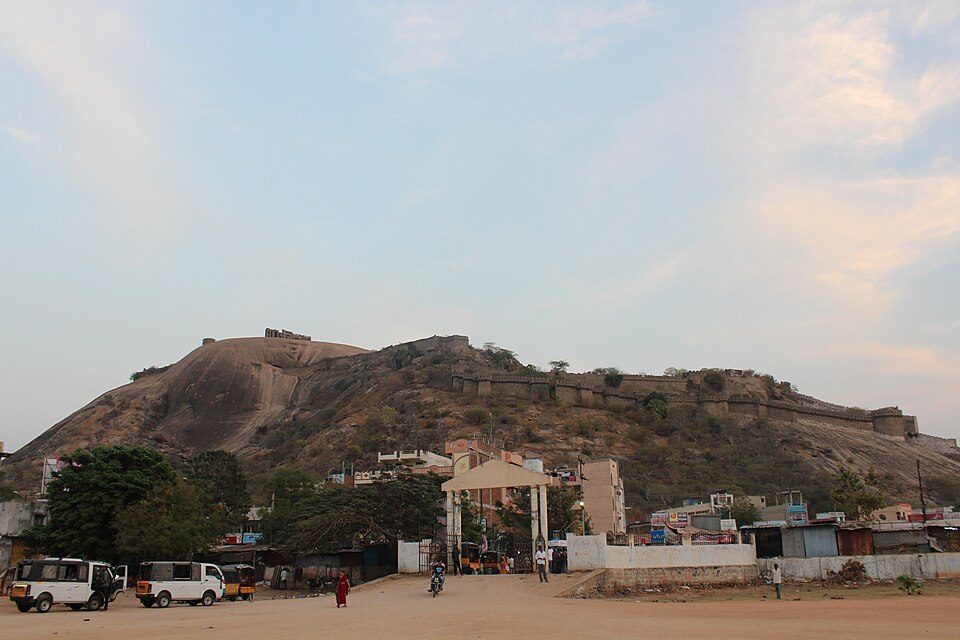
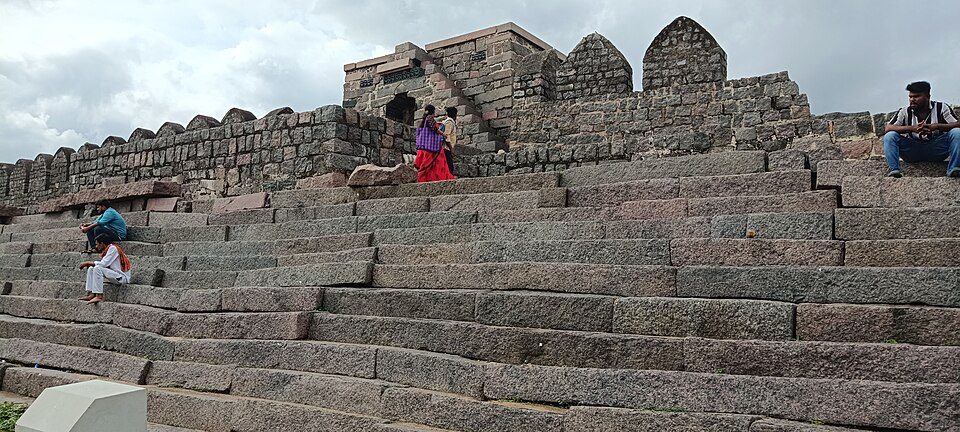
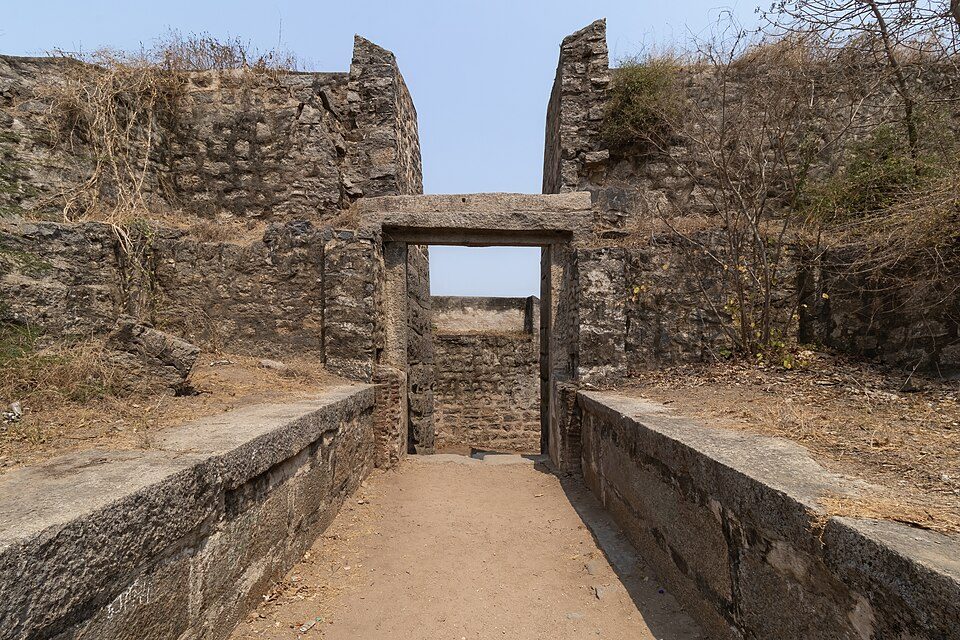
A hill fort in the heart of Khammam, begun under the Kakatiyas in the 10th century and expanded under the Qutb Shahis, Khammam Fort mixes Hindu and Islamic architecture. Its walls, gateways and bastions give views over the town.
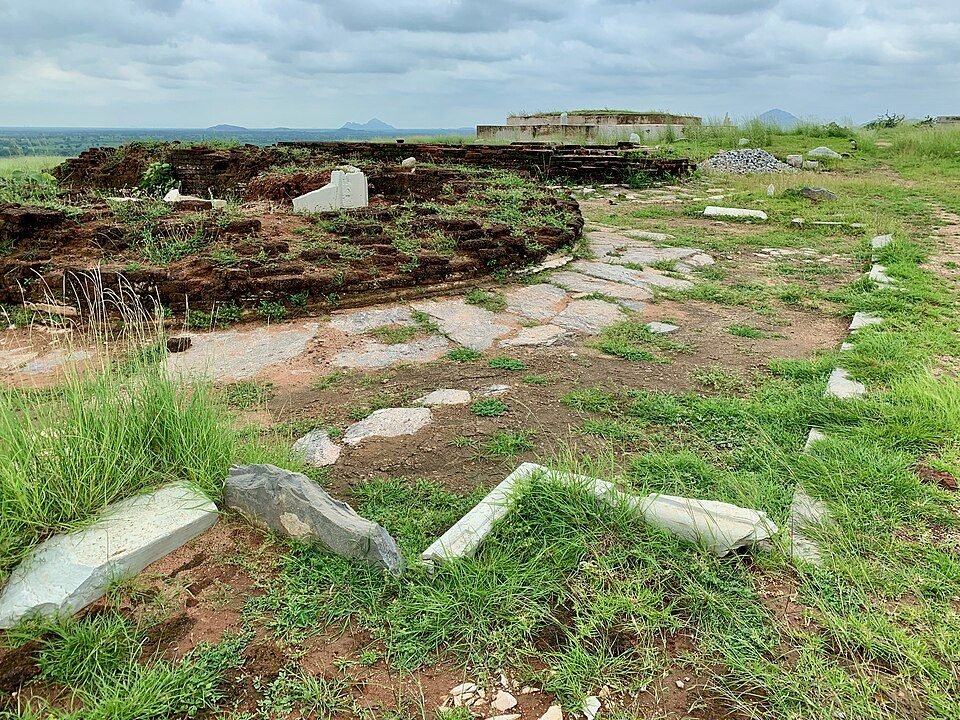
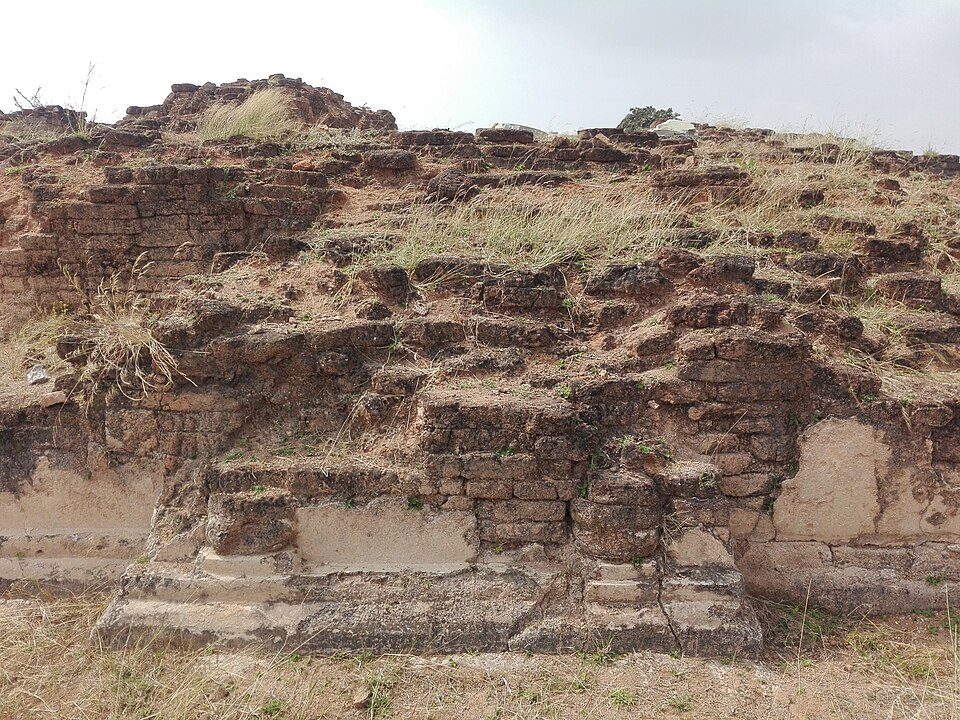
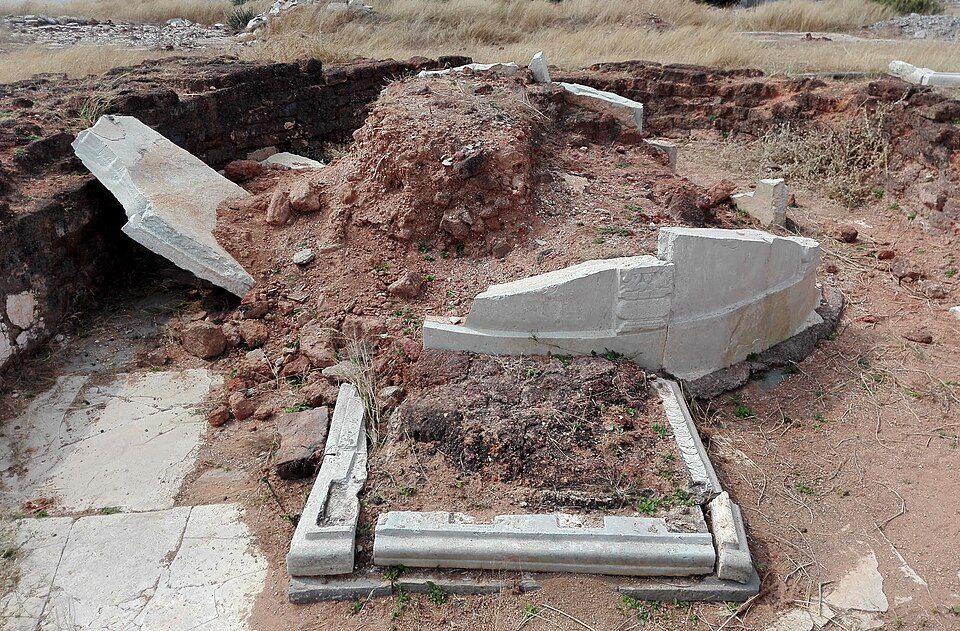
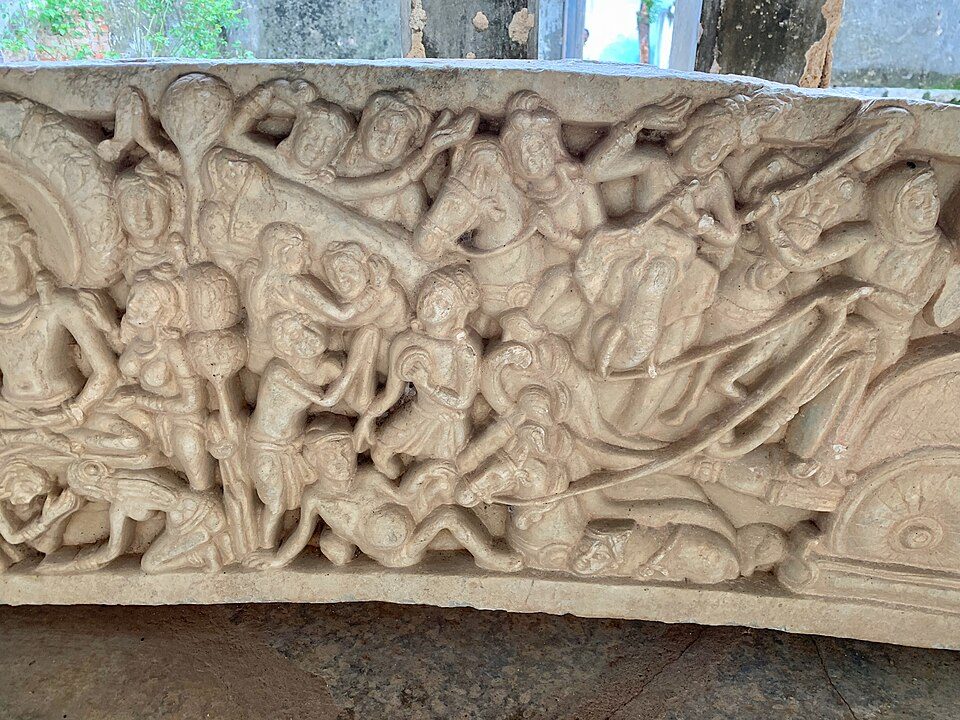
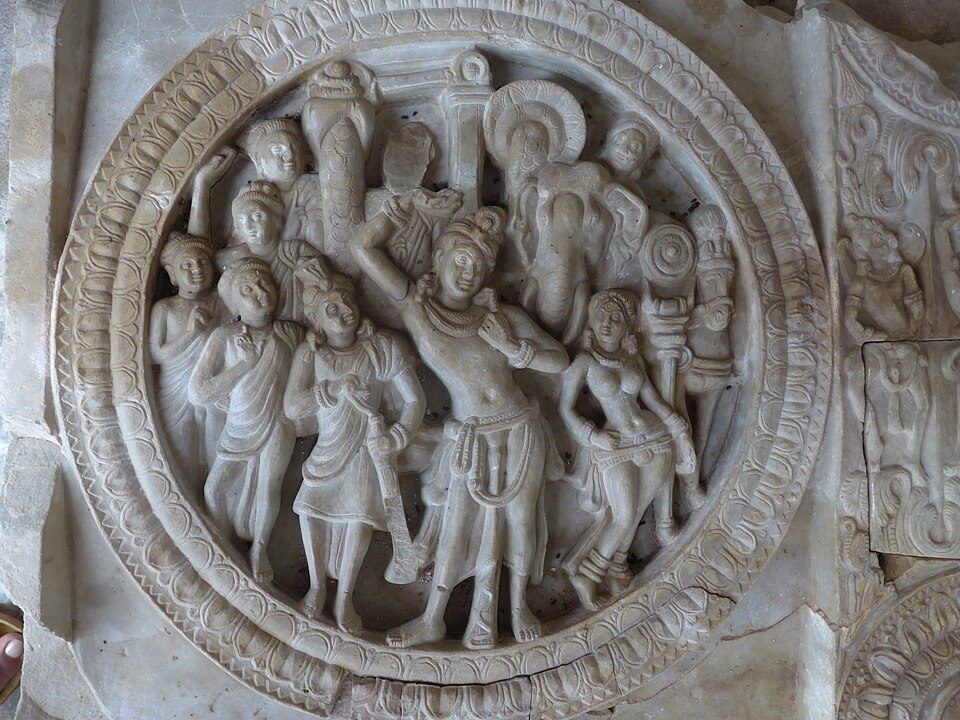
On a hill shaped like a snake's hood, Phanigiri holds the remains of a large Buddhist monastery from around the 1st century BCE to the 4th century CE. Excavations uncovered stupas, halls, monk cells and fine limestone sculptures showing scenes from the Buddha's life.
Best weather: Oct – Feb
Seasons from 20 years of NASA POWER climate data.
Was this trip blog helpful?
0
0
Ready to follow this route?
Copy all 11 stops into your trip plans in the app.
 WaTrips