Amber and Jaigarh forts, the old city's palaces and Jantar Mantar, sunset from Nahargarh, Galtaji temple and the Chand Baori stepwell at Abhaneri.
Jaipur is Rajasthan's capital and its easiest introduction. Day one starts early at Amber Fort, before the crowds, then the geometric stepwell of Panna Meena ka Kund, Jaigarh Fort on the ridge above, and Jal Mahal in its lake on the way back. Day two explores the walled pink city: the City Palace, the giant instruments of Jantar Mantar, the honeycomb facade of Hawa Mahal, Albert Hall museum and Birla Mandir, ending at Nahargarh for the sunset over the city. On day three visit Galtaji, the temple complex in a gorge east of town known for its monkeys, then drive to Abhaneri for Chand Baori, one of the deepest and most striking stepwells in India. October to March is the season to go.
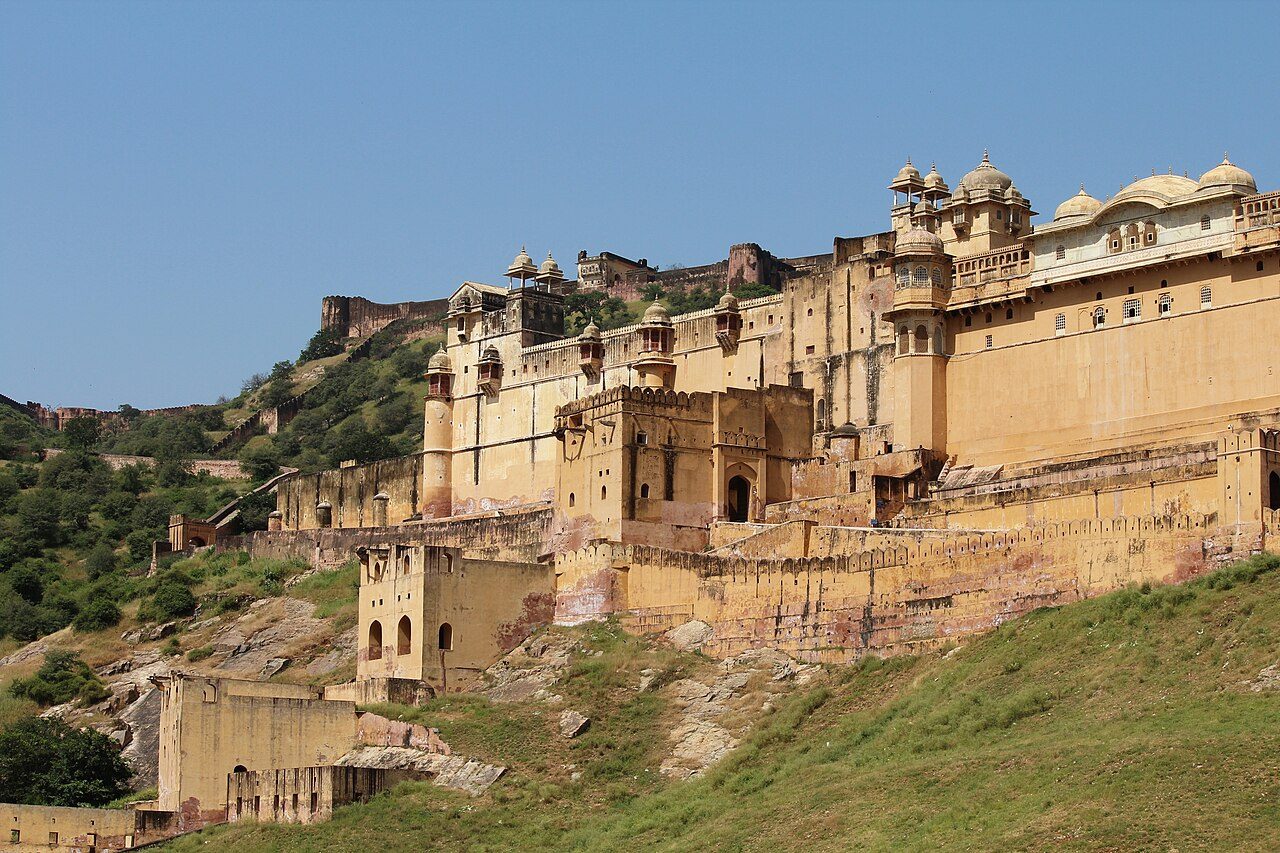
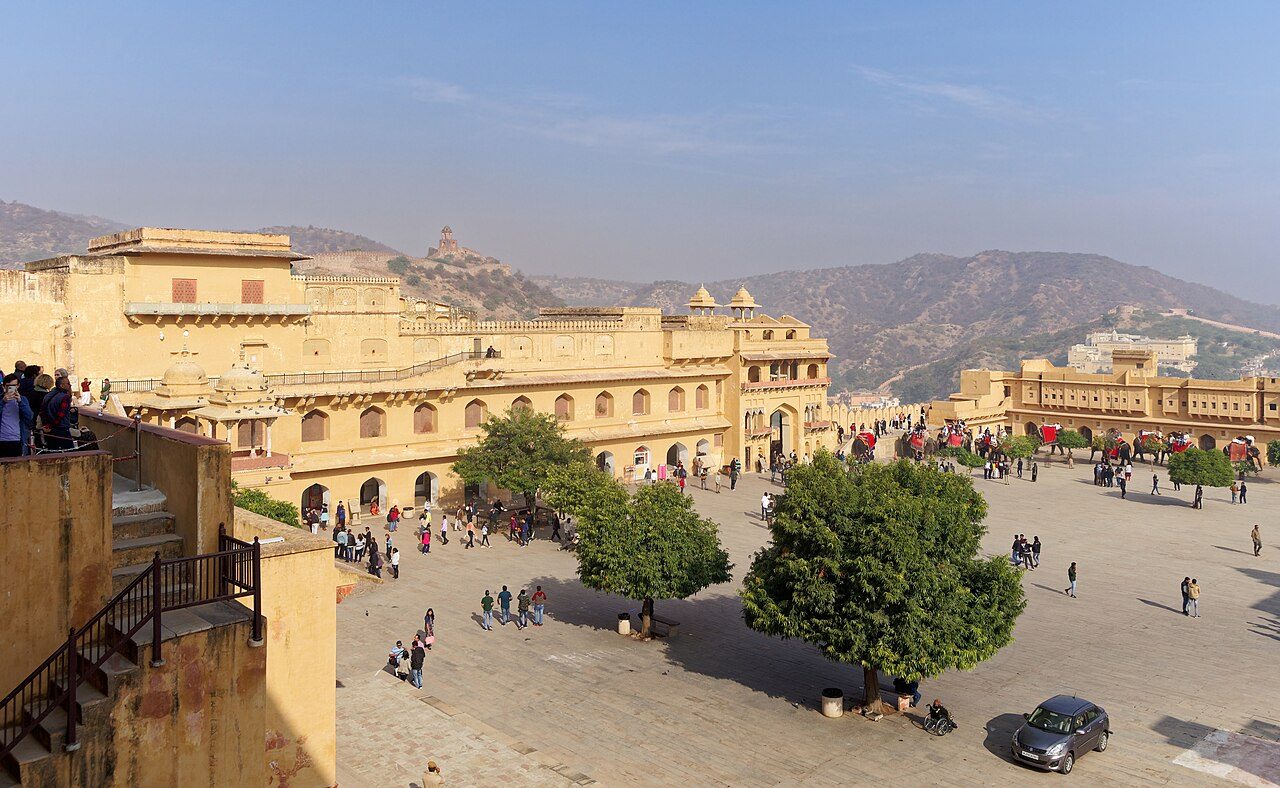
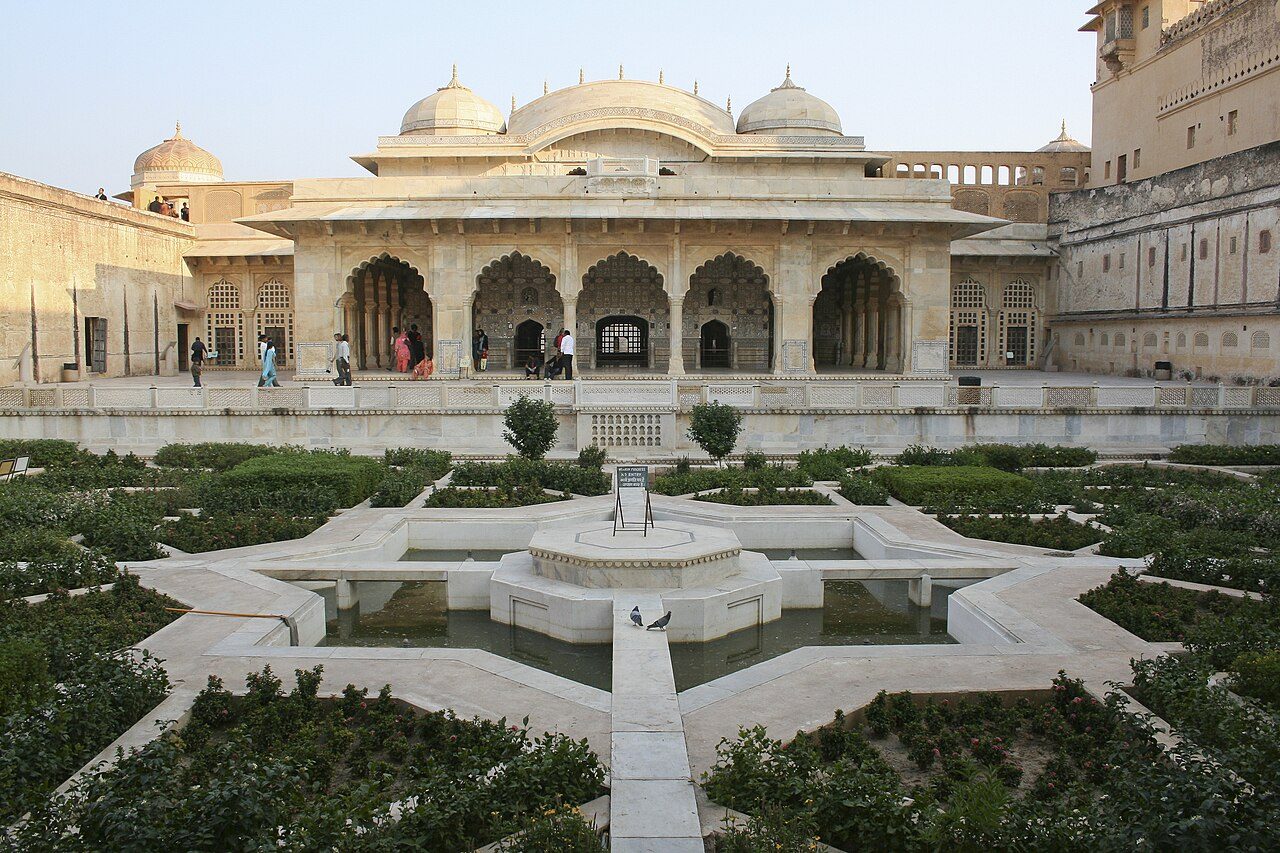
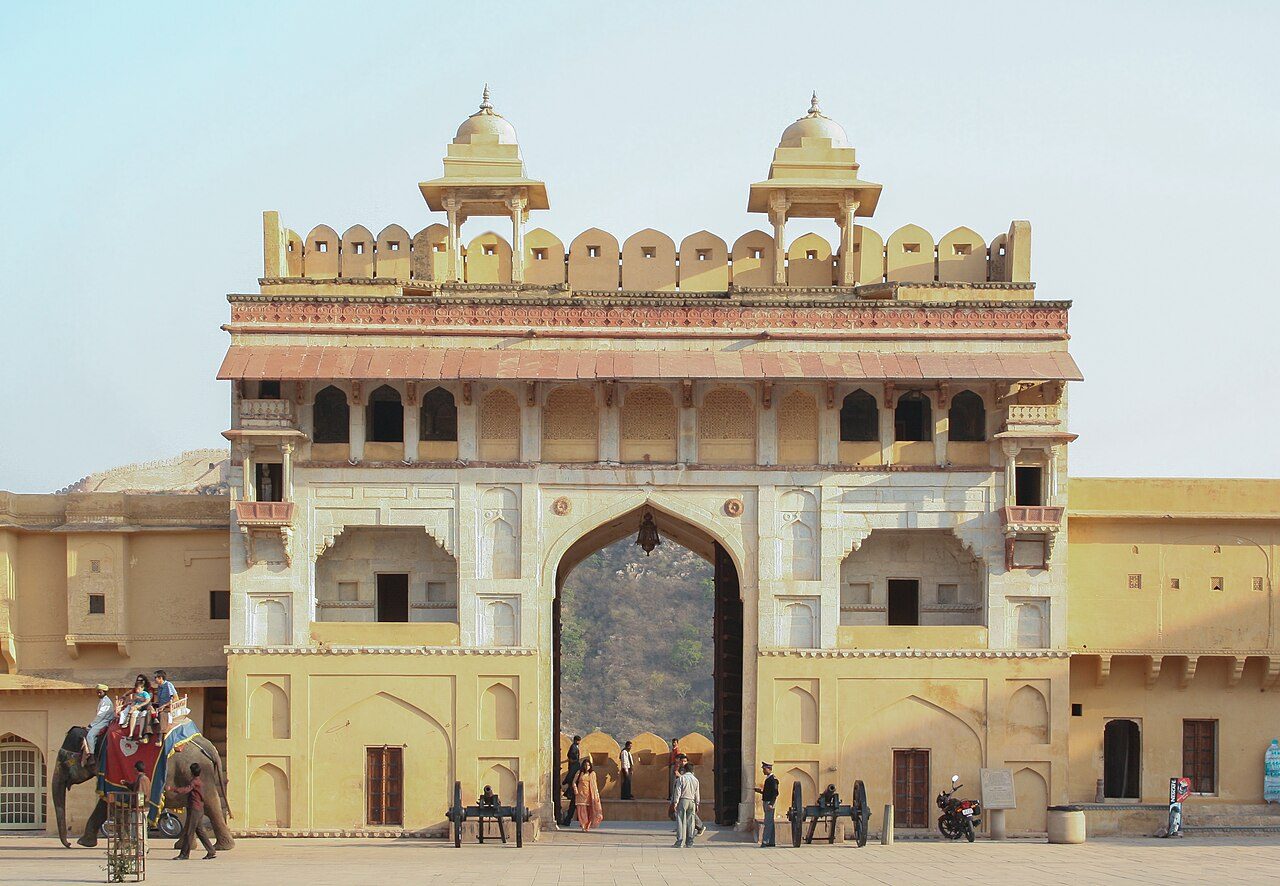
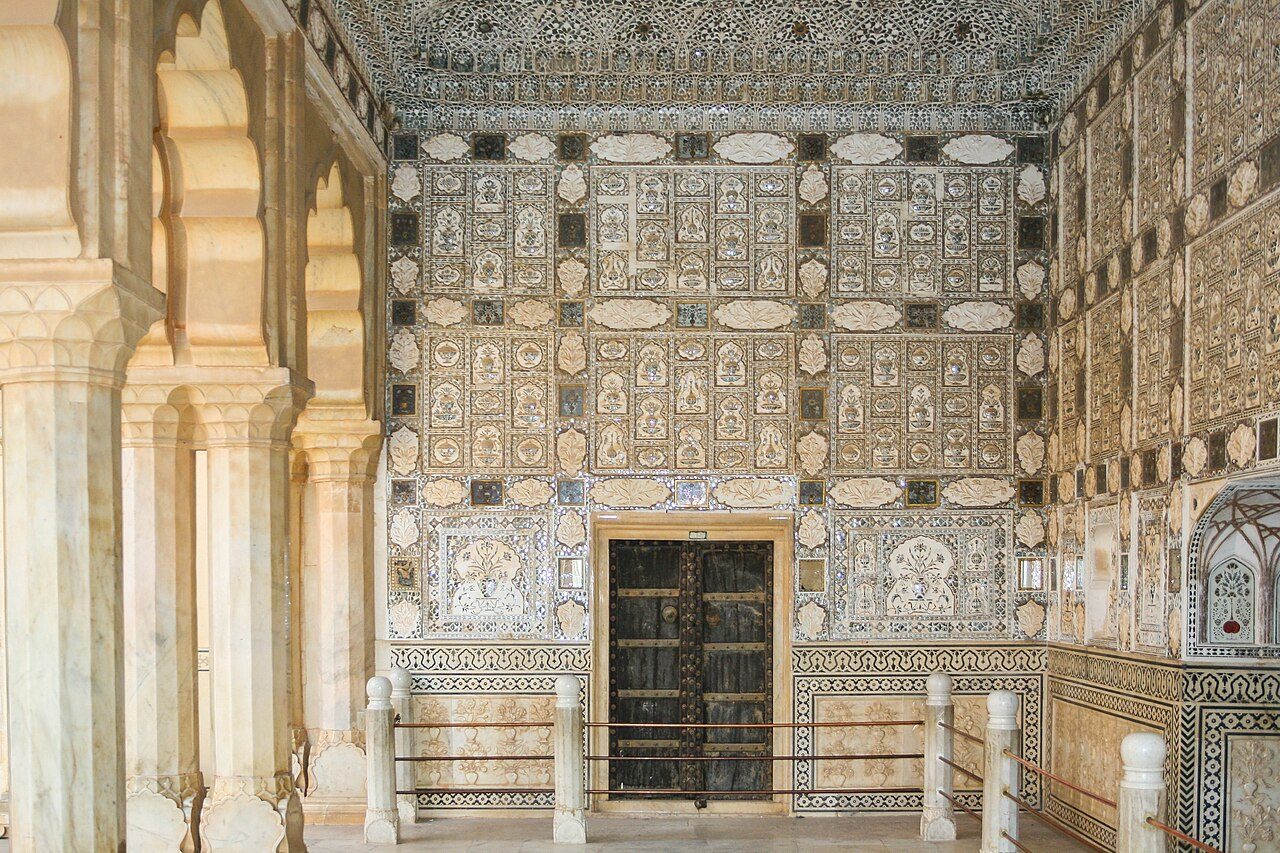
Amber Fort, in the hills just north of Jaipur, was the seat of the Kachwaha Rajputs before the capital moved to Jaipur. Begun by Raja Man Singh I in 1592 and enlarged by his successors, it blends Rajput and Mughal styles in courtyards, the mirrored Sheesh Mahal and the painted Ganesh Pol gate. It is one of the hill forts of Rajasthan on the UNESCO World Heritage list. Come early to beat the heat and crowds.
02
STOP 2 OF 12
Panna Meena ka Kund
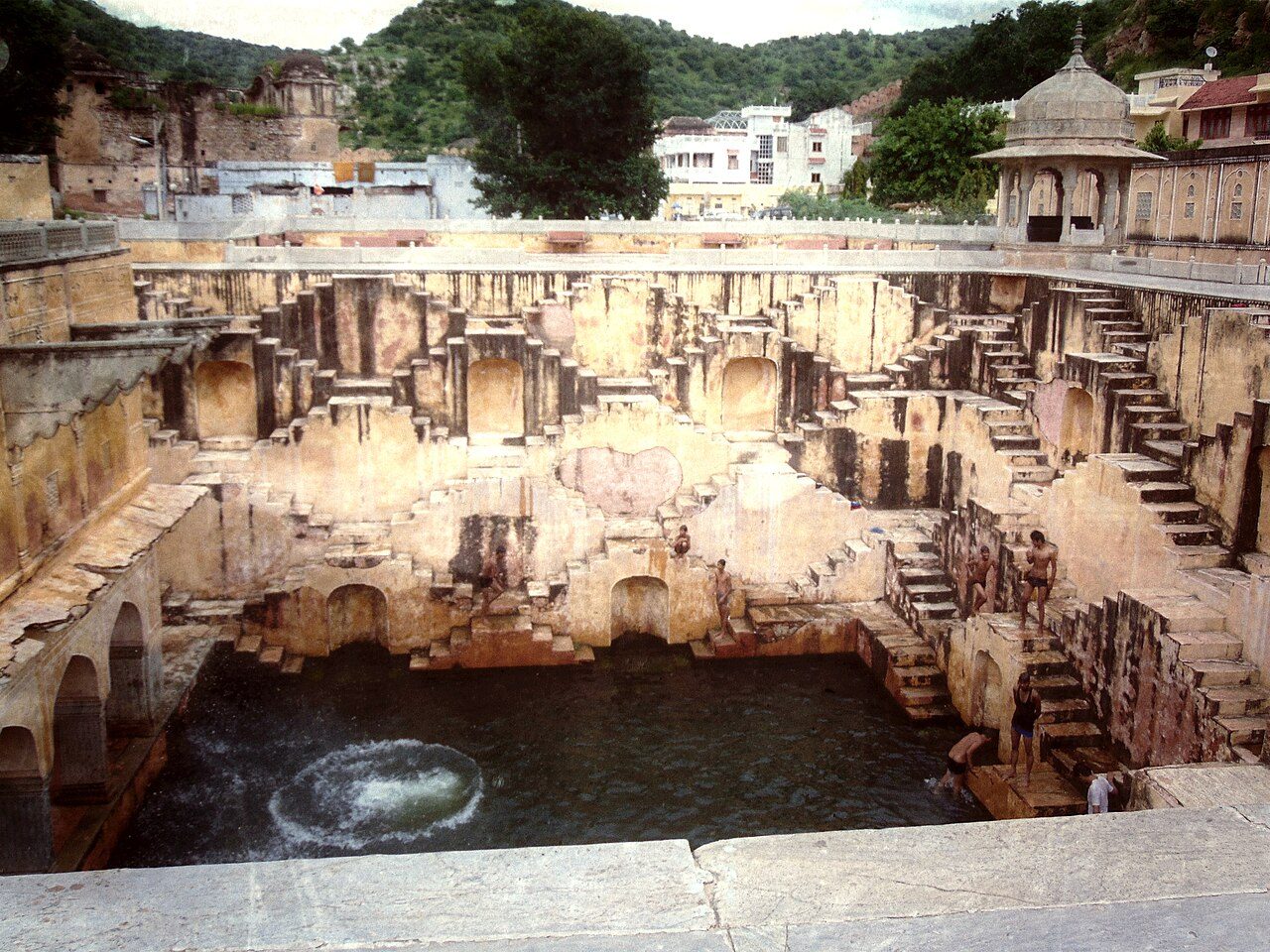
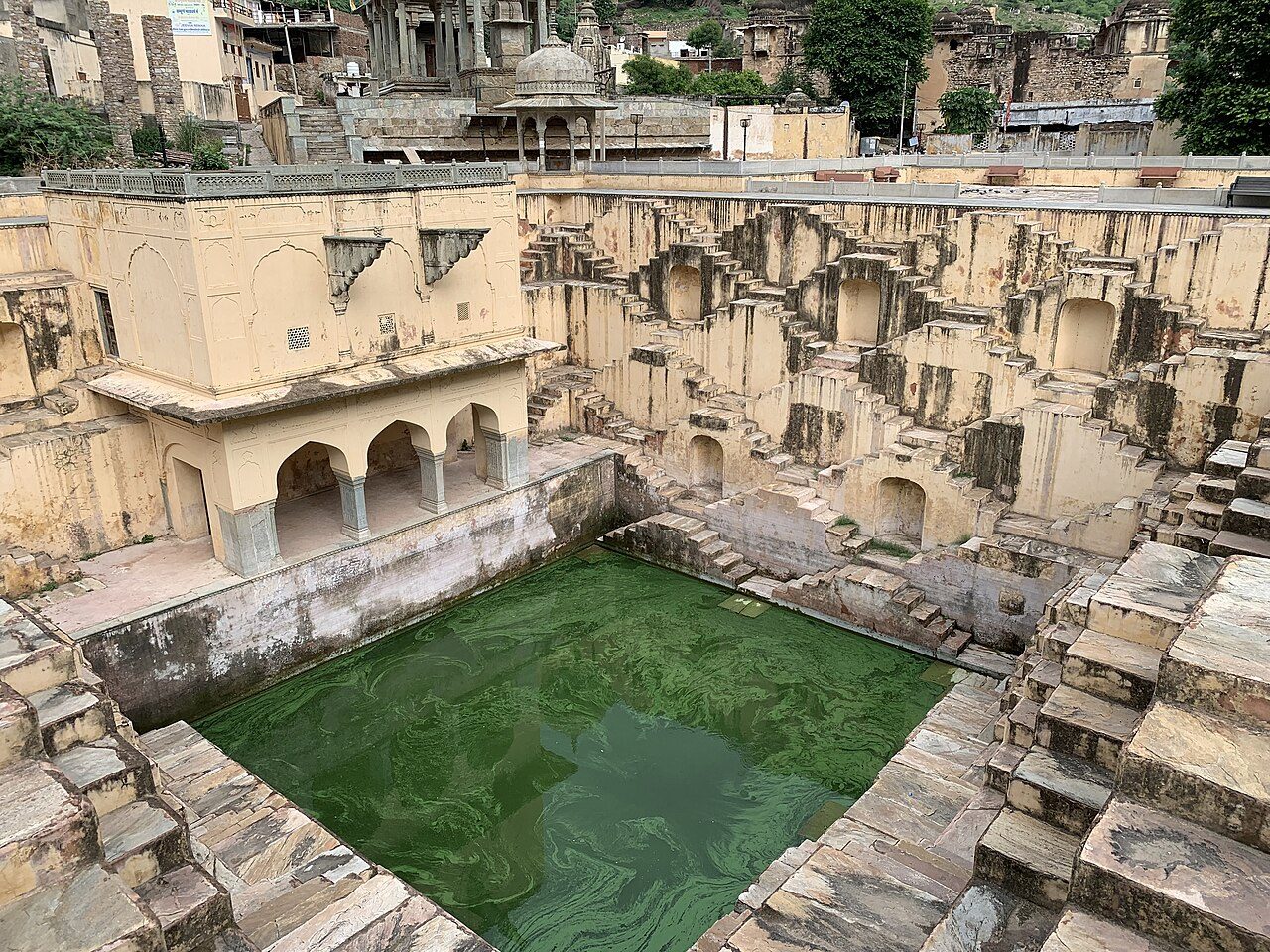
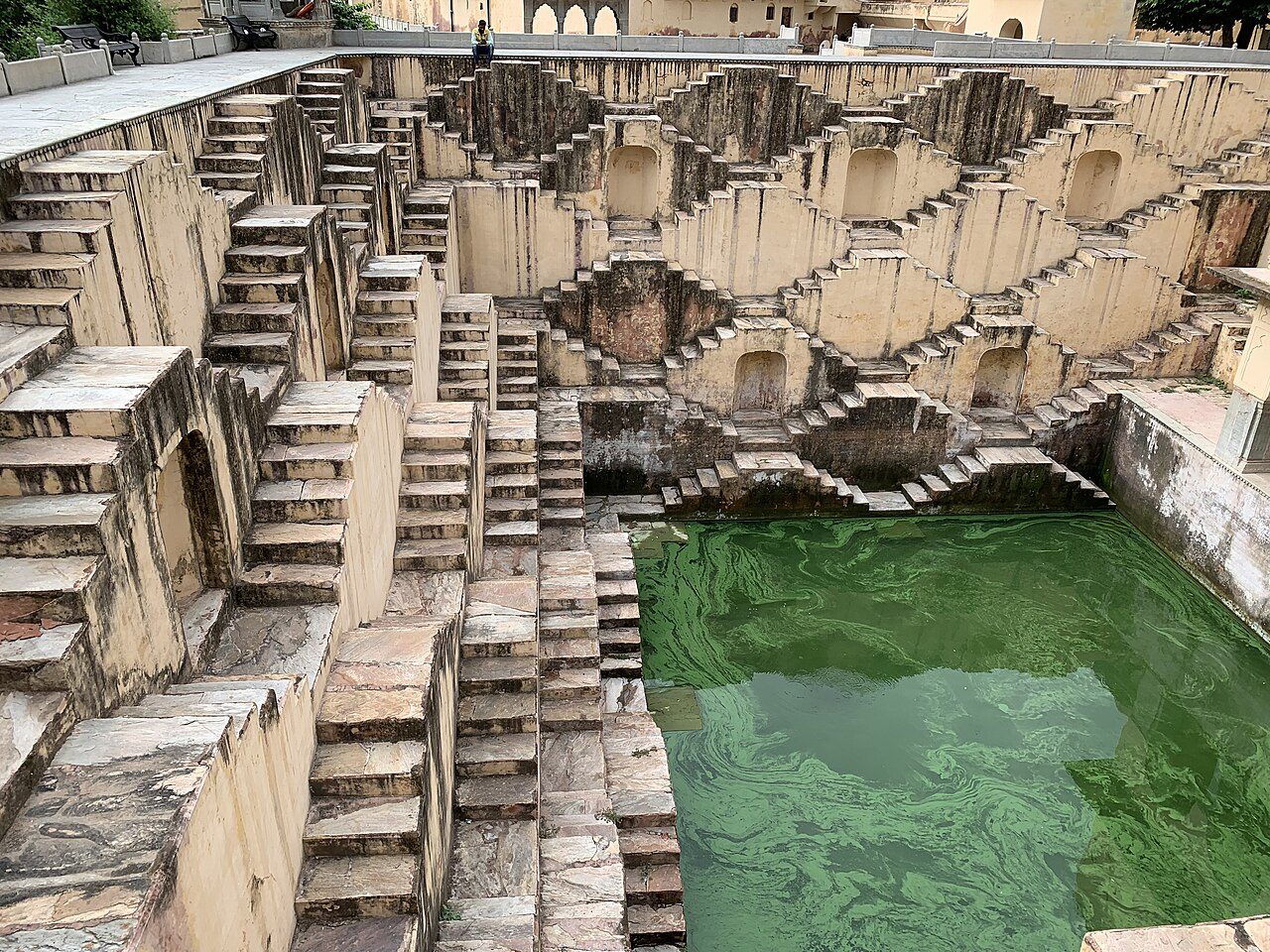
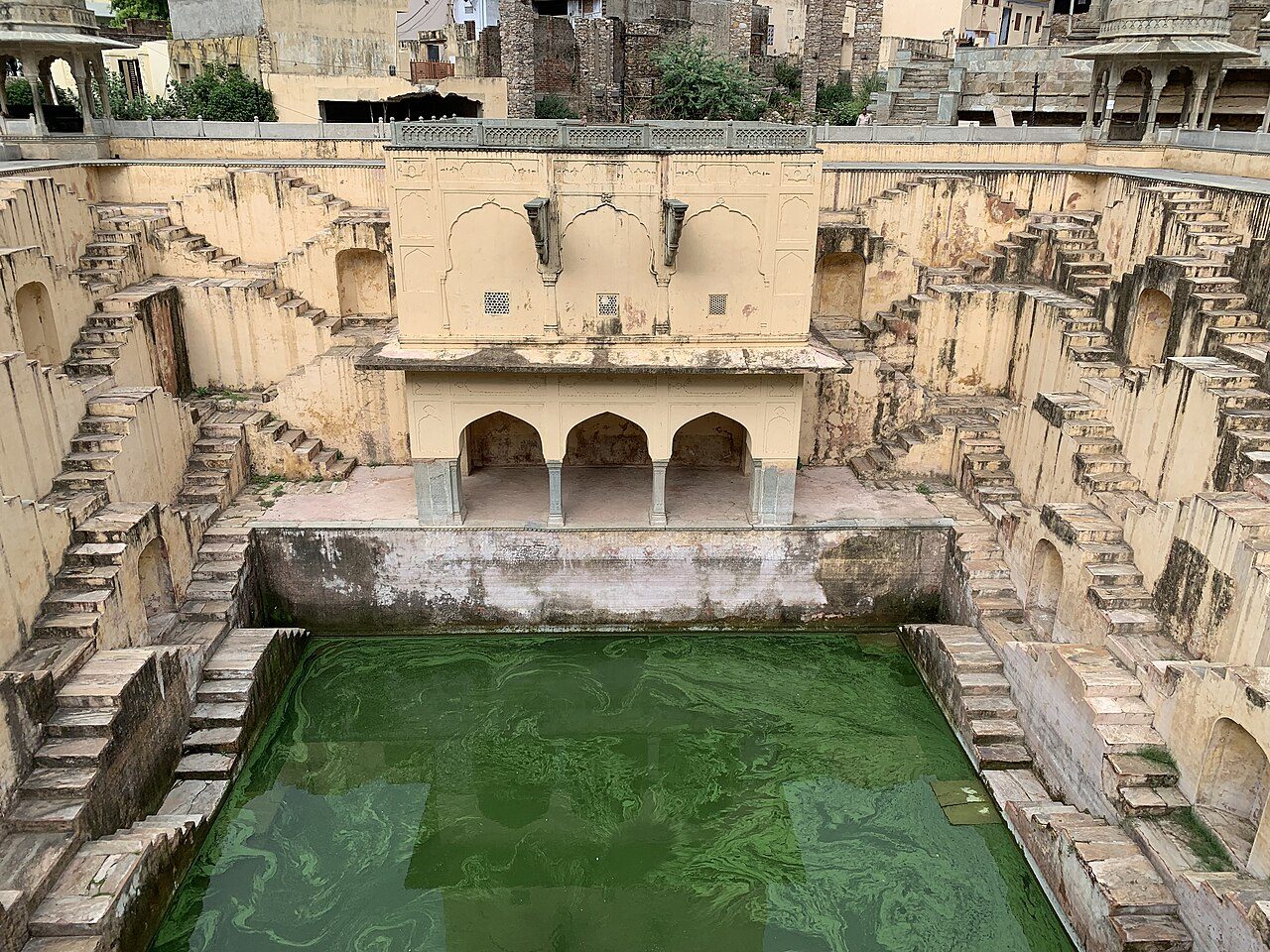
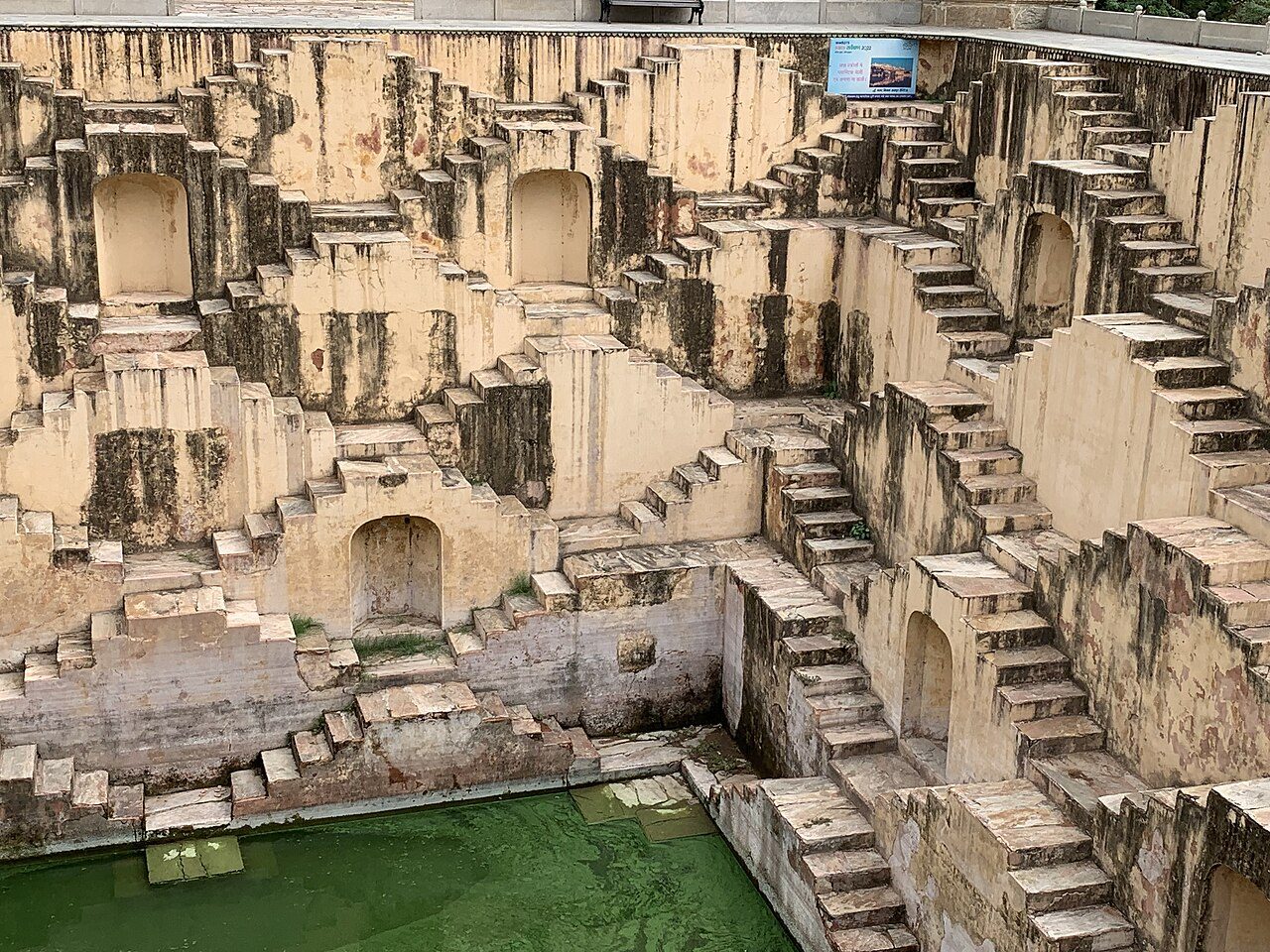
Panna Meena ka Kund is a 16th-century stepwell in Amer, a short walk from Amber Fort. Its symmetrical criss-cross flights of steps descend on three sides to the water, in the same style as the larger stepwells of the region. It once served as a community water source and gathering place. Visitors may no longer walk down the steps, but the geometric patterns make it a favourite with photographers.
03
STOP 3 OF 12
Jaigarh Fort
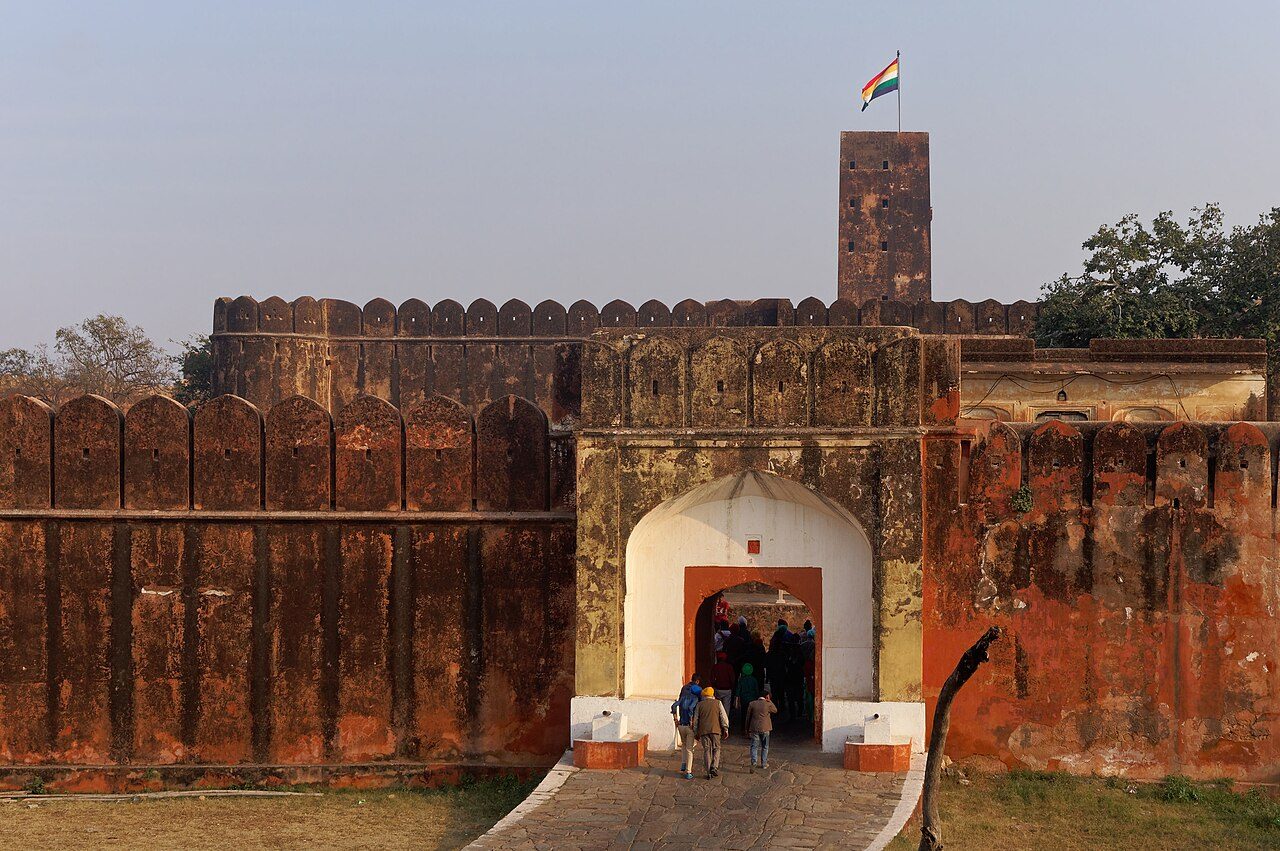
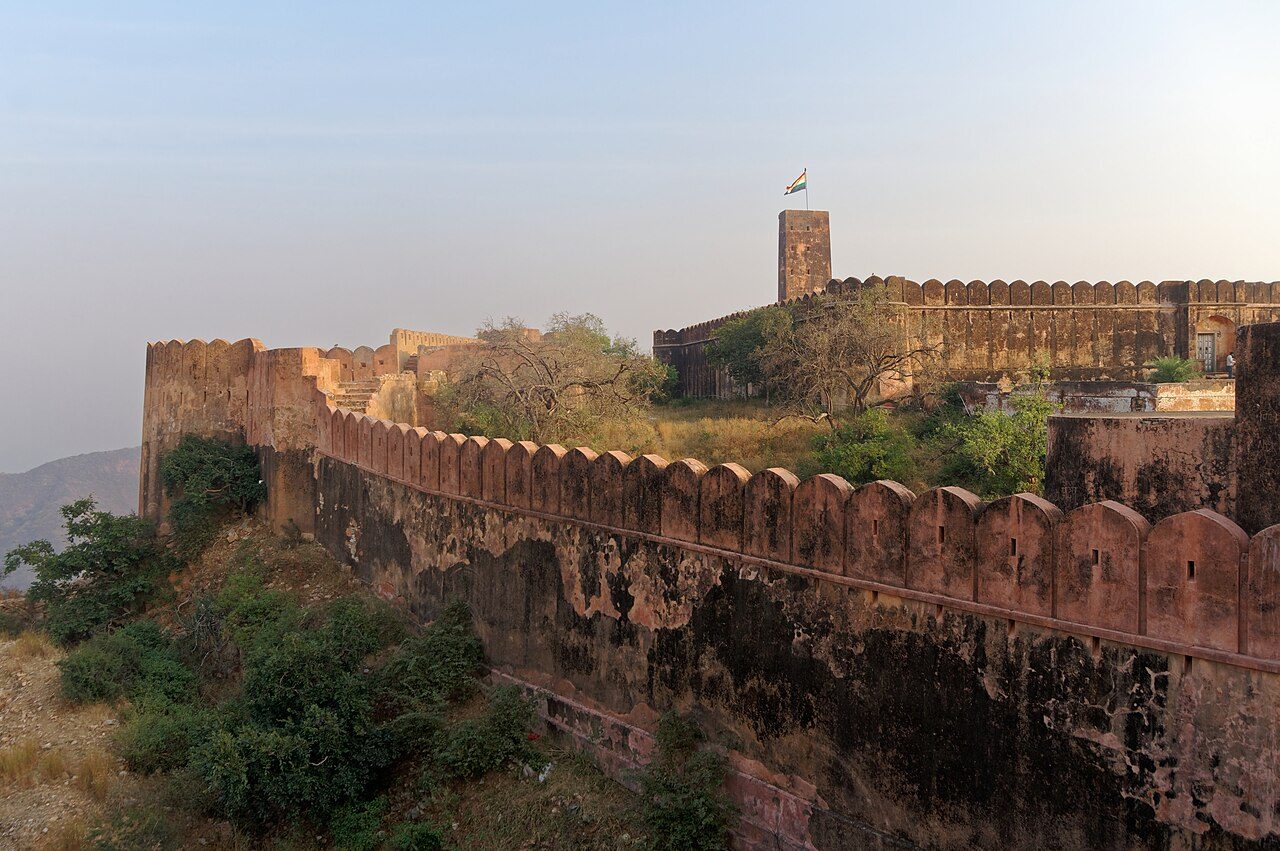
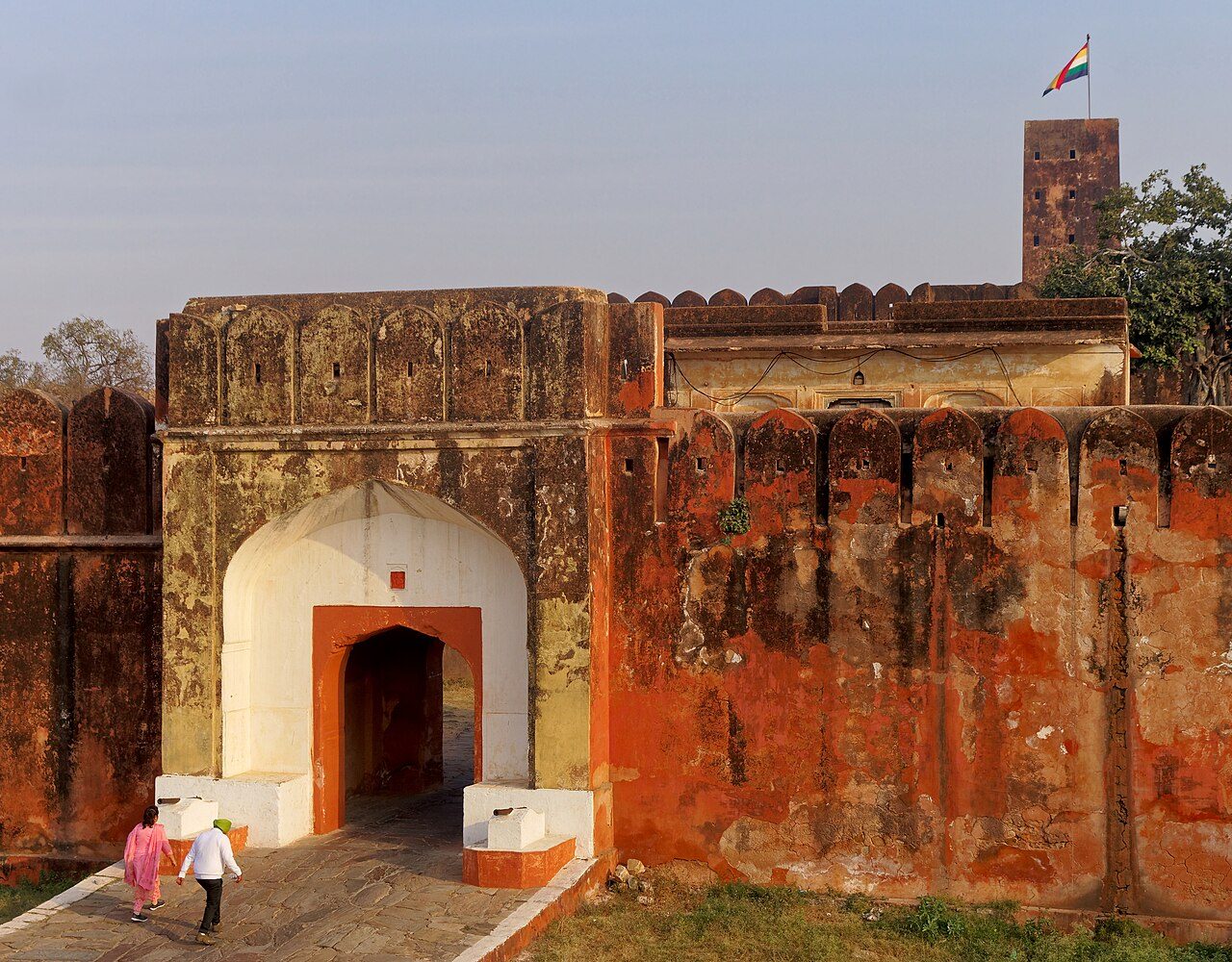
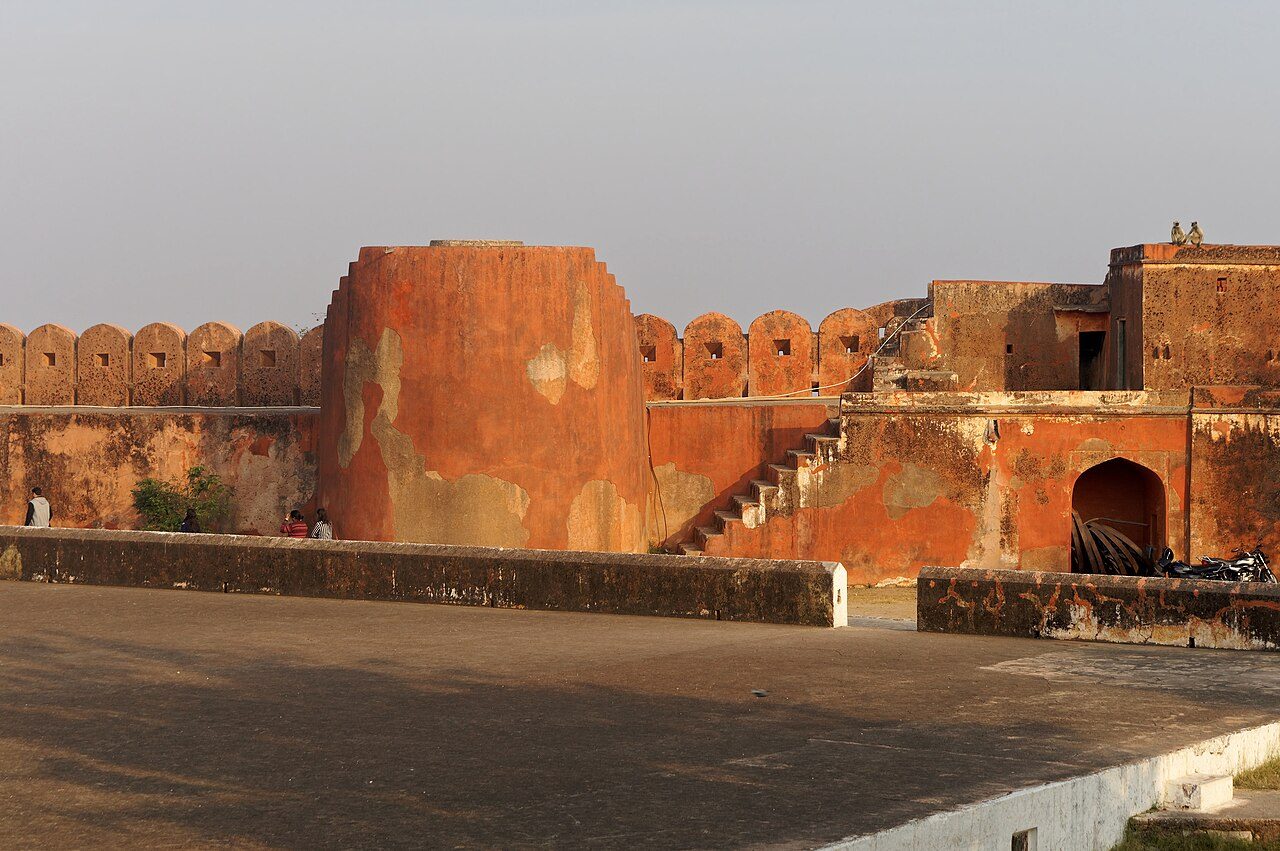
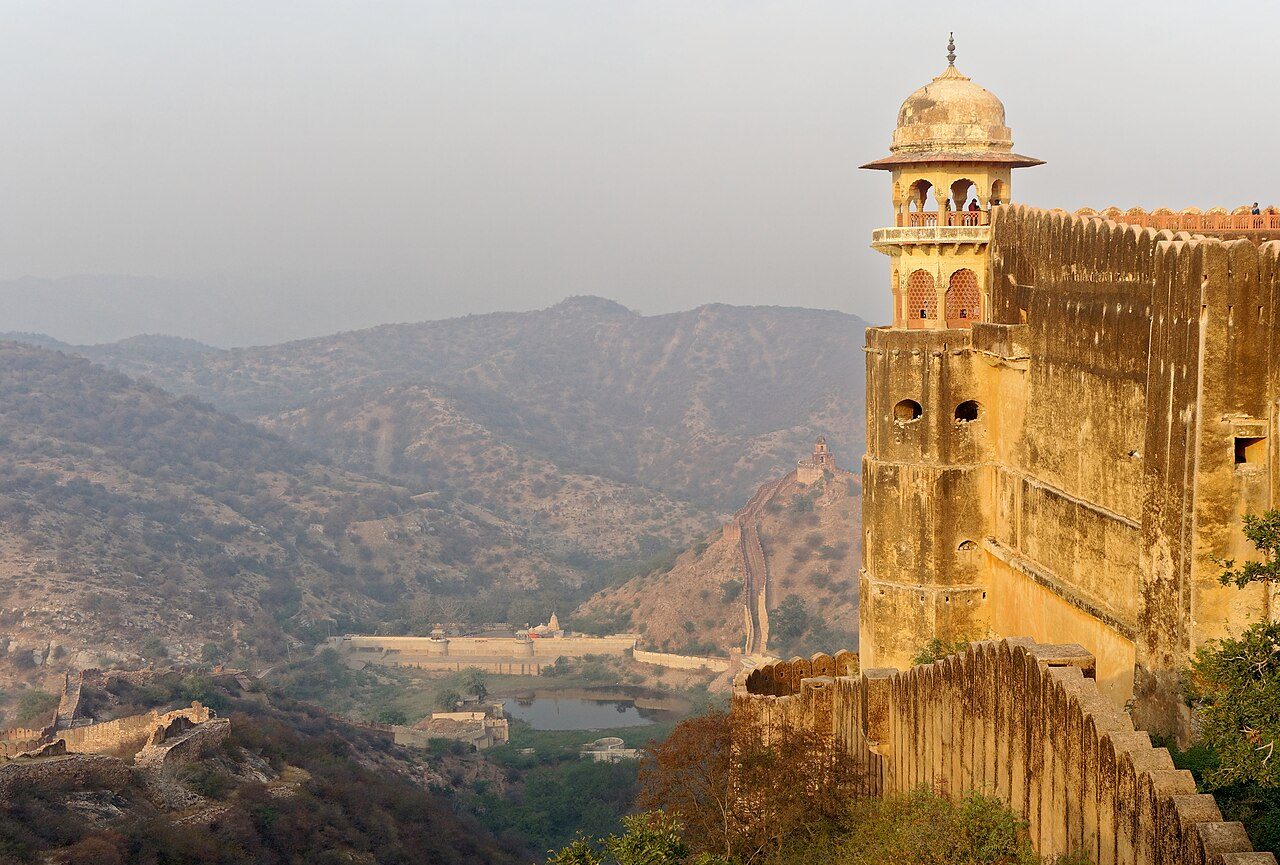
Jaigarh Fort crowns the hill above Amber and was built in 1726 by Sawai Jai Singh II to protect the Amber palace complex. It was a centre of cannon making, and houses Jaivana, said to have been the largest cannon on wheels in the world when it was cast. Thick walls, water reservoirs, an armoury and a museum survive, and the ramparts look down on Amber Fort and Maota Lake.
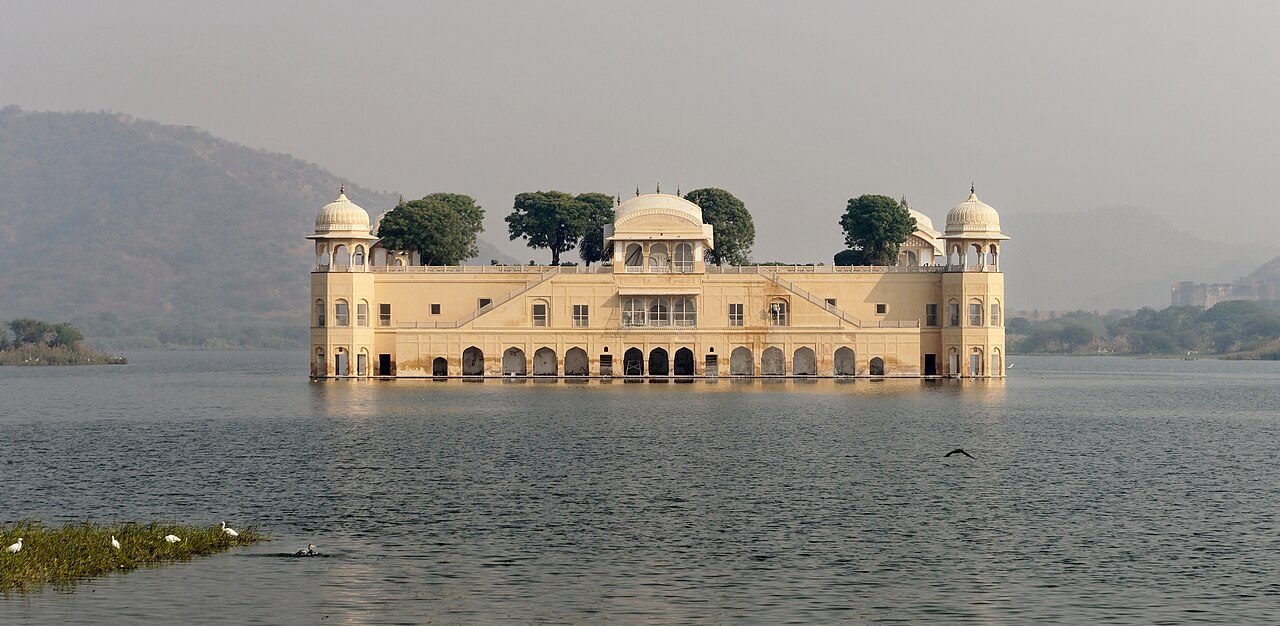
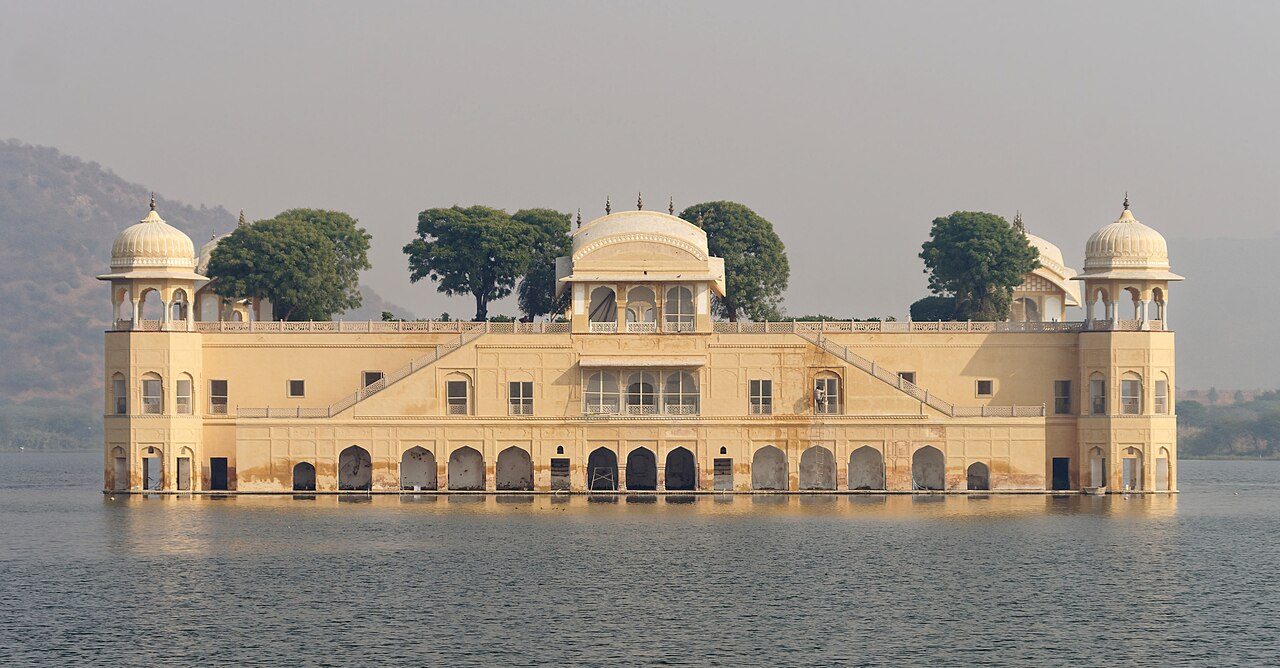
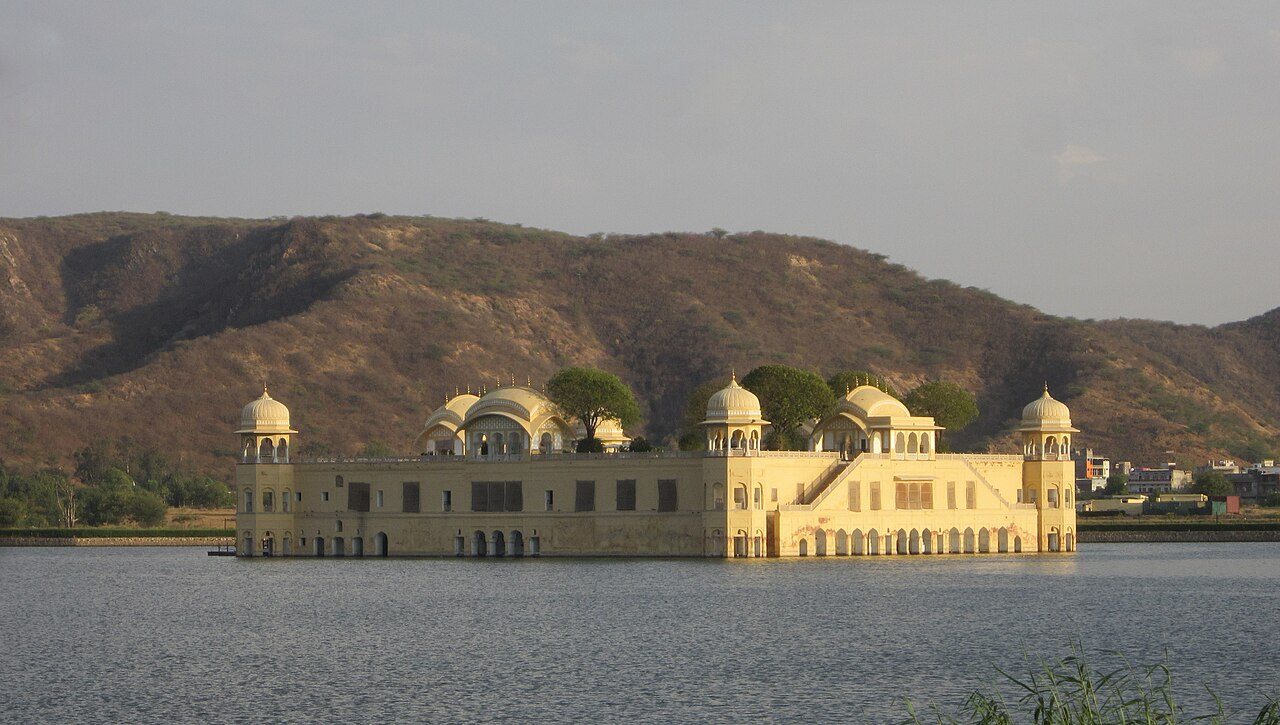
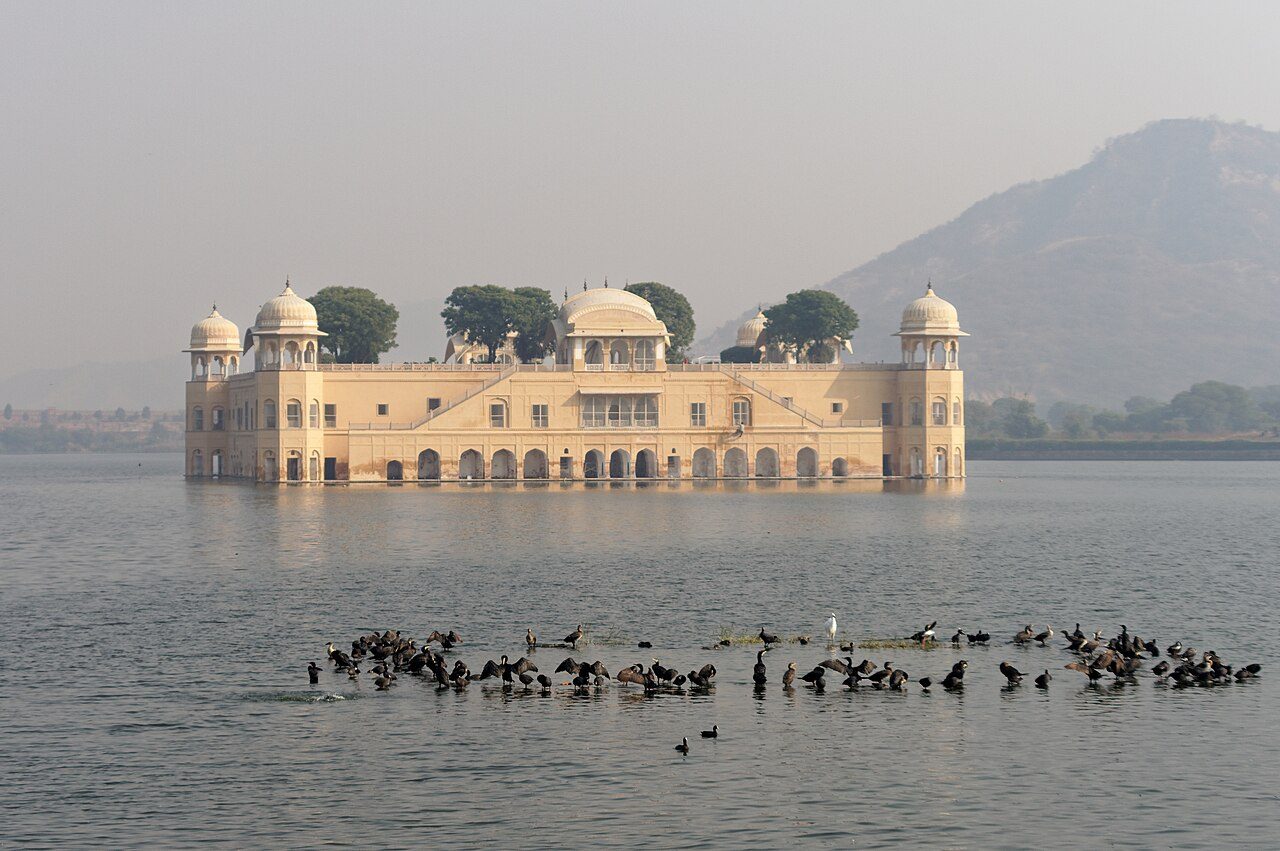
Jal Mahal, the Water Palace, sits in the middle of Man Sagar Lake on the road from Jaipur to Amber. The sandstone pavilion was built in the 18th century as a pleasure palace and duck-hunting lodge for the maharajas; four of its five storeys lie under water when the lake is full. Visitors cannot enter, but the lakeside promenade gives a fine view, especially at dusk when it is lit.
05
STOP 5 OF 12
City Palace Jaipur
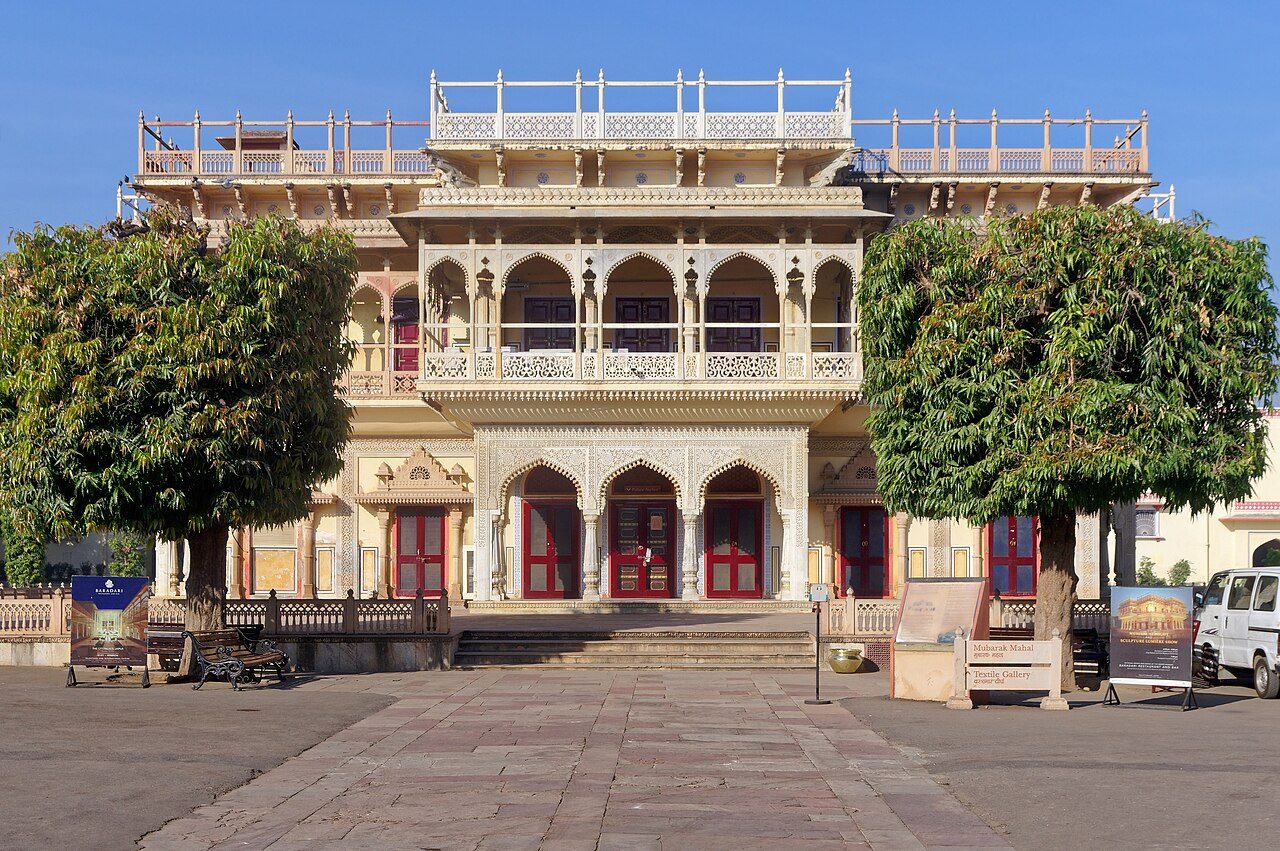
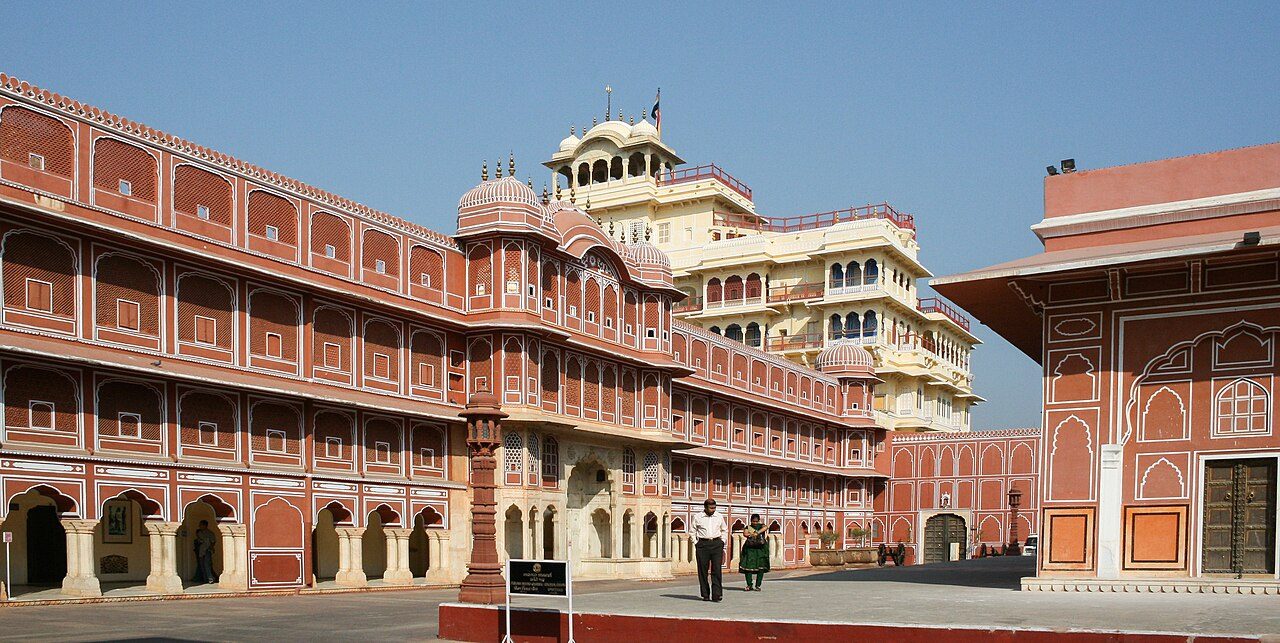
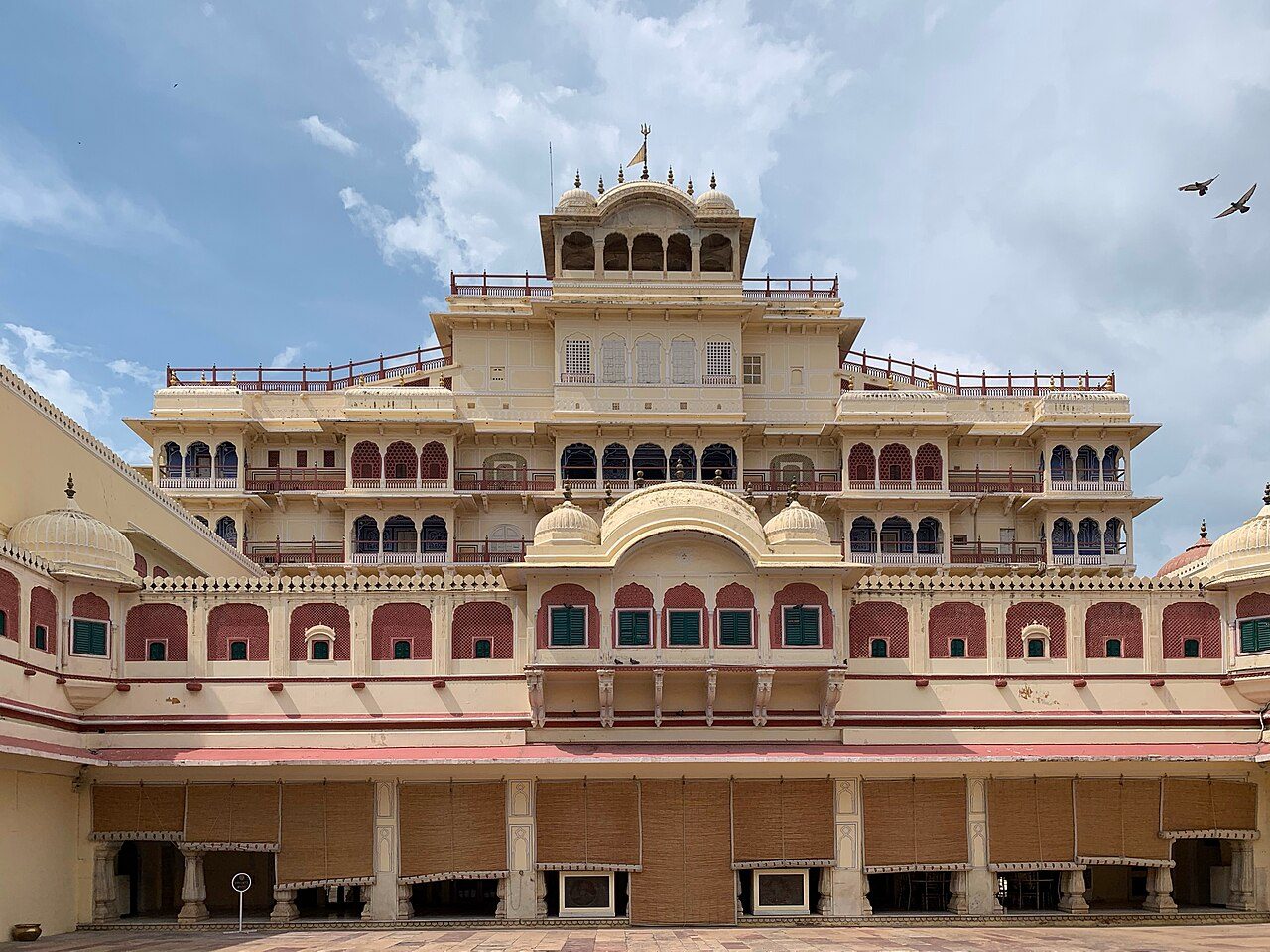
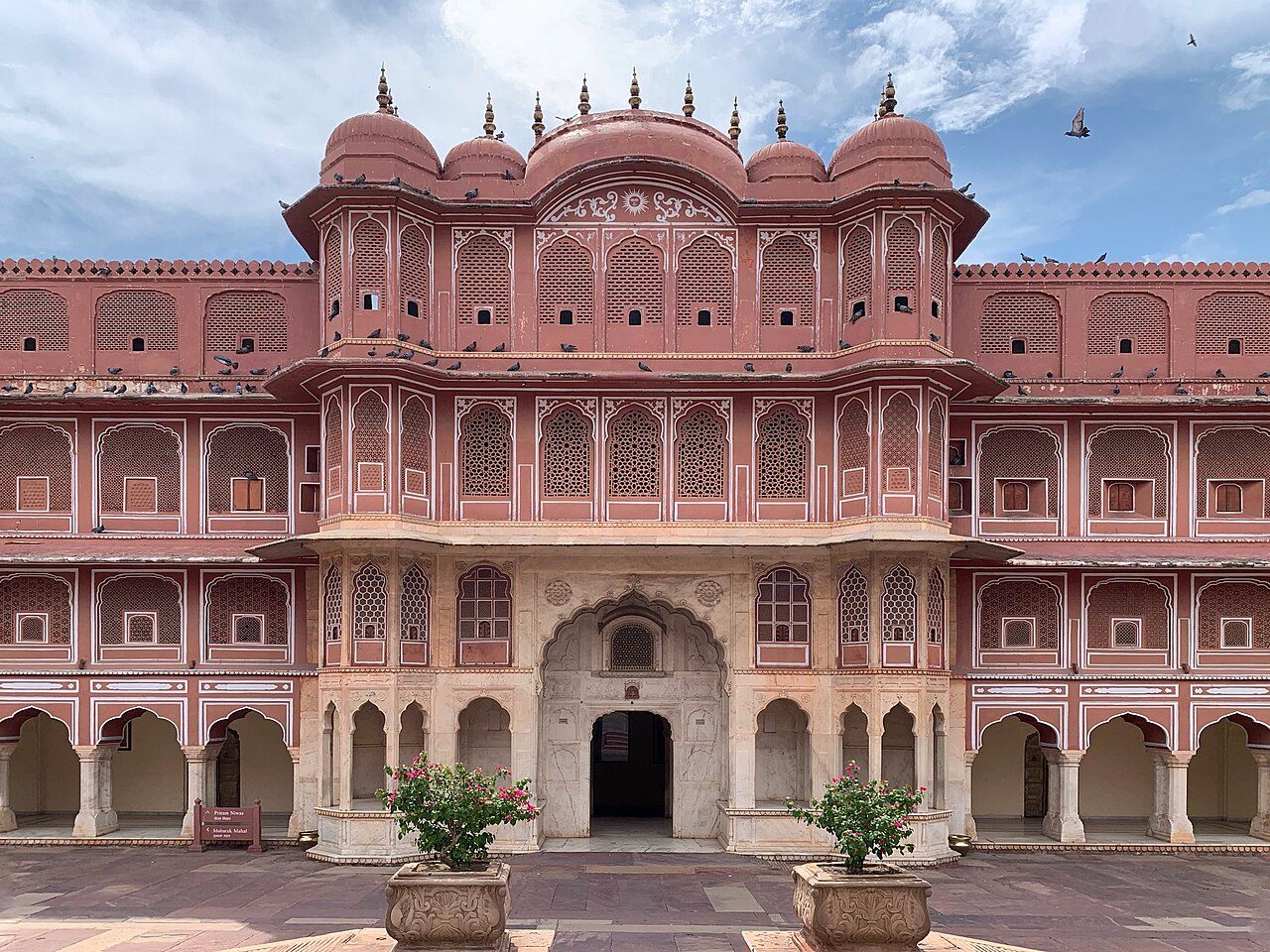
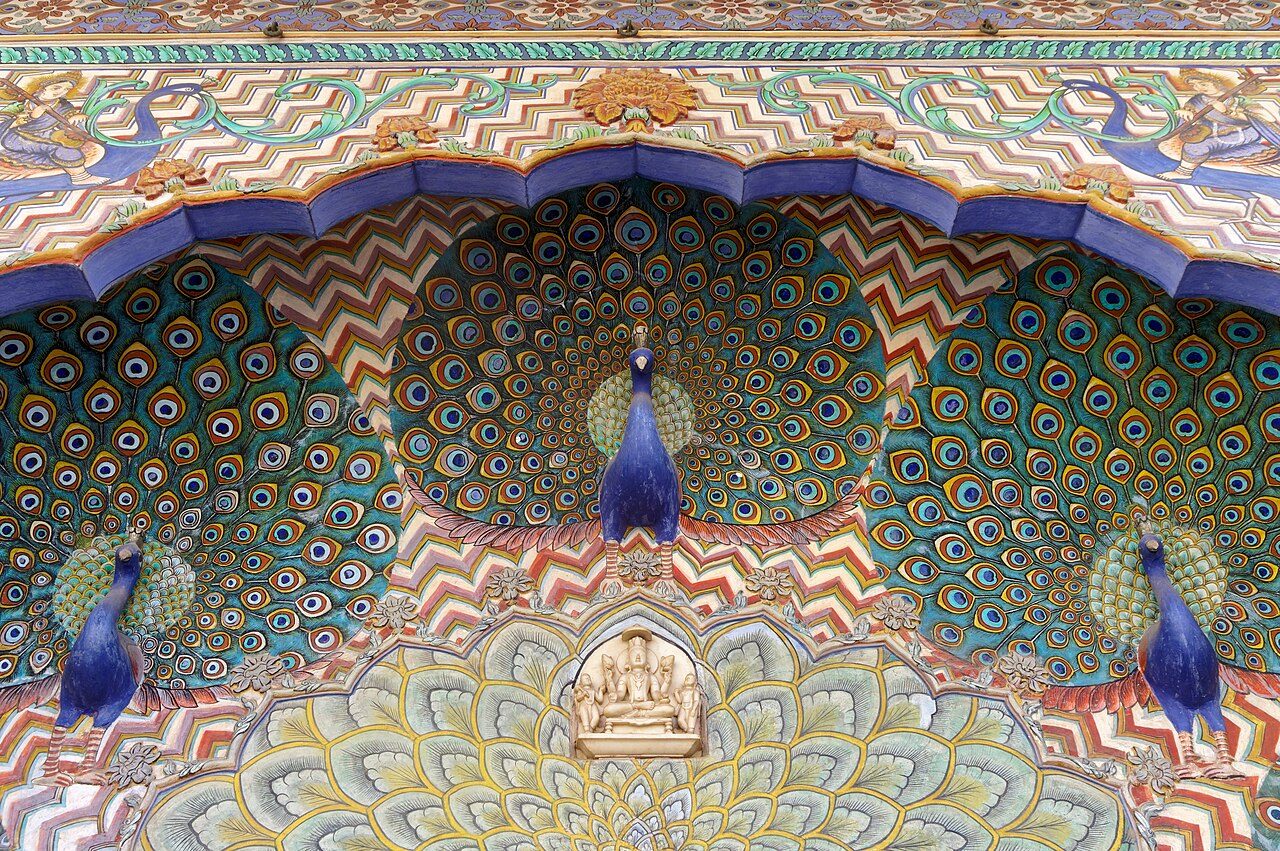
The City Palace was laid out by Maharaja Sawai Jai Singh II when he founded Jaipur in 1727, and part of it is still the home of the former royal family. Its courtyards hold the Mubarak Mahal, the Diwan-i-Khas with its giant silver urns, and the Pritam Niwas Chowk with four painted gates representing the seasons. The museum displays royal costumes, arms, carpets and manuscripts.
06
STOP 6 OF 12
Jantar Mantar Jaipur
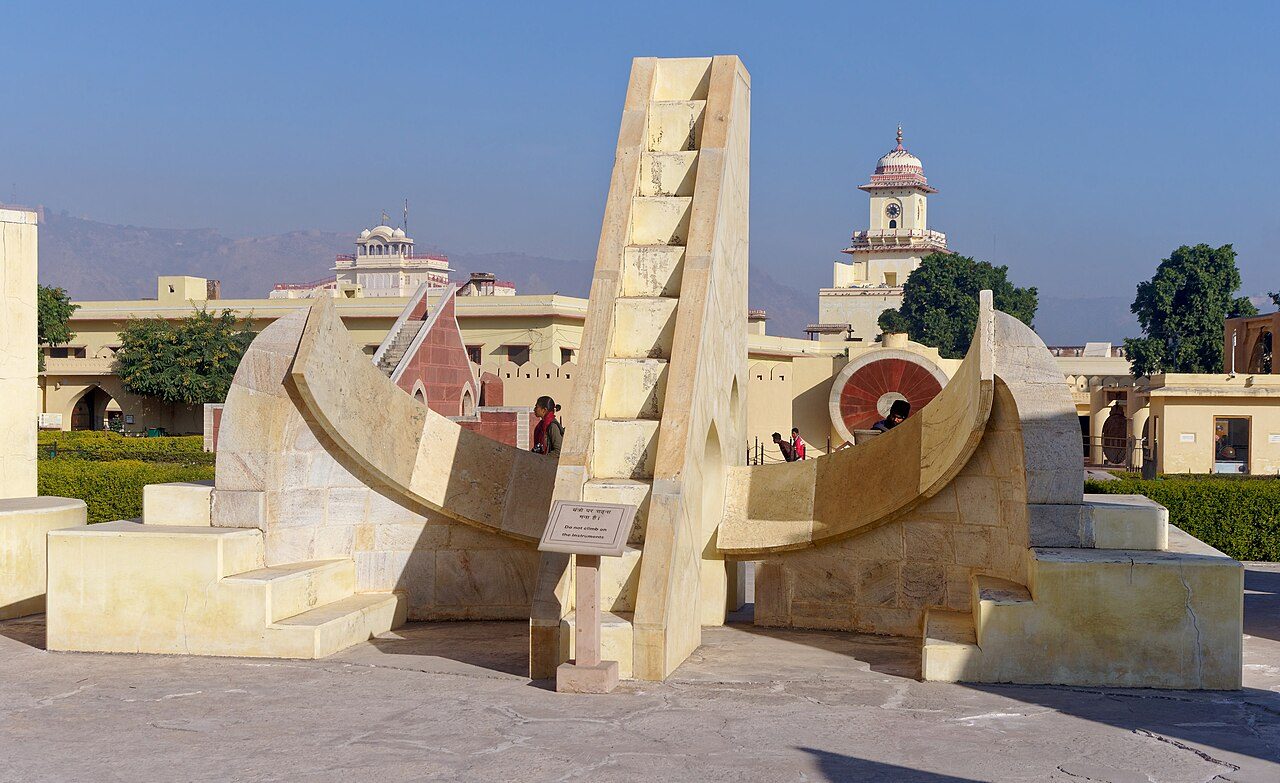
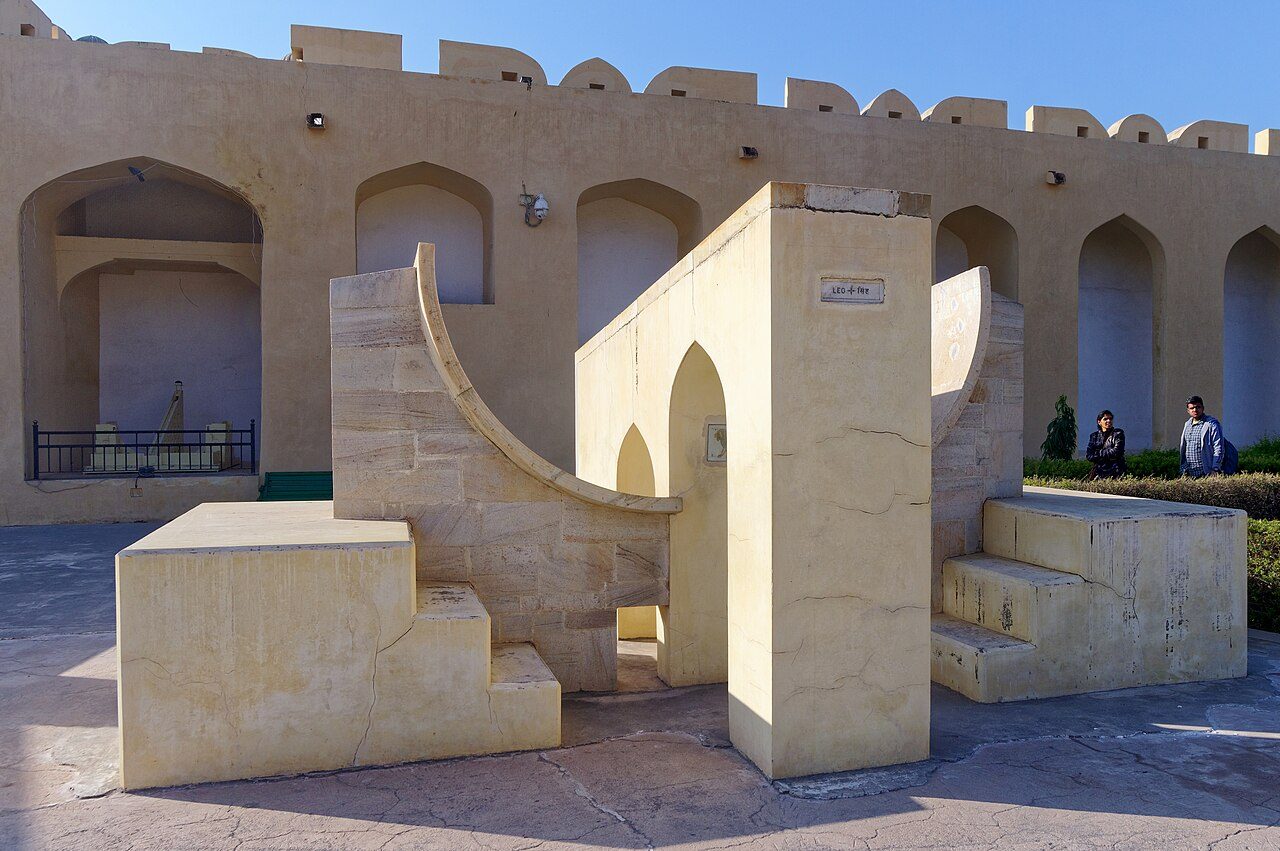
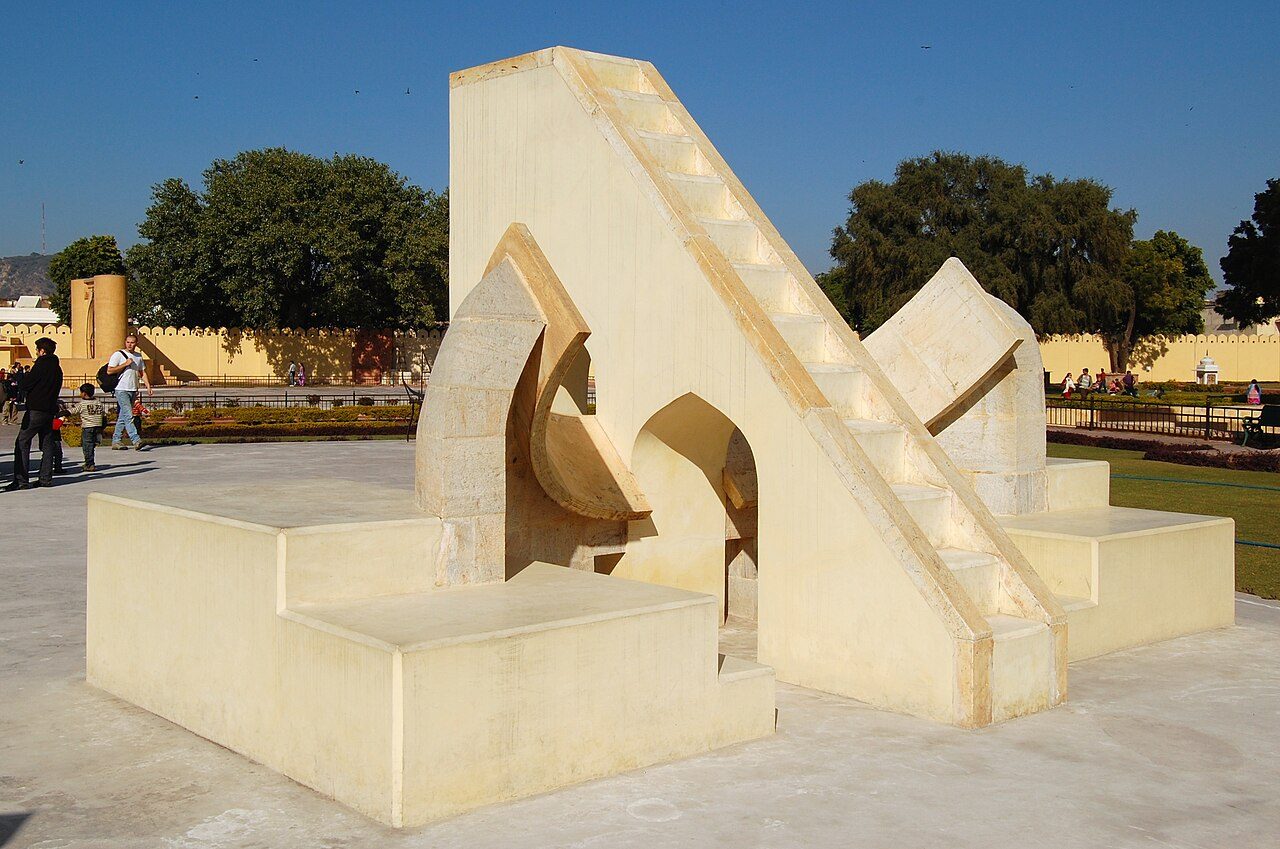
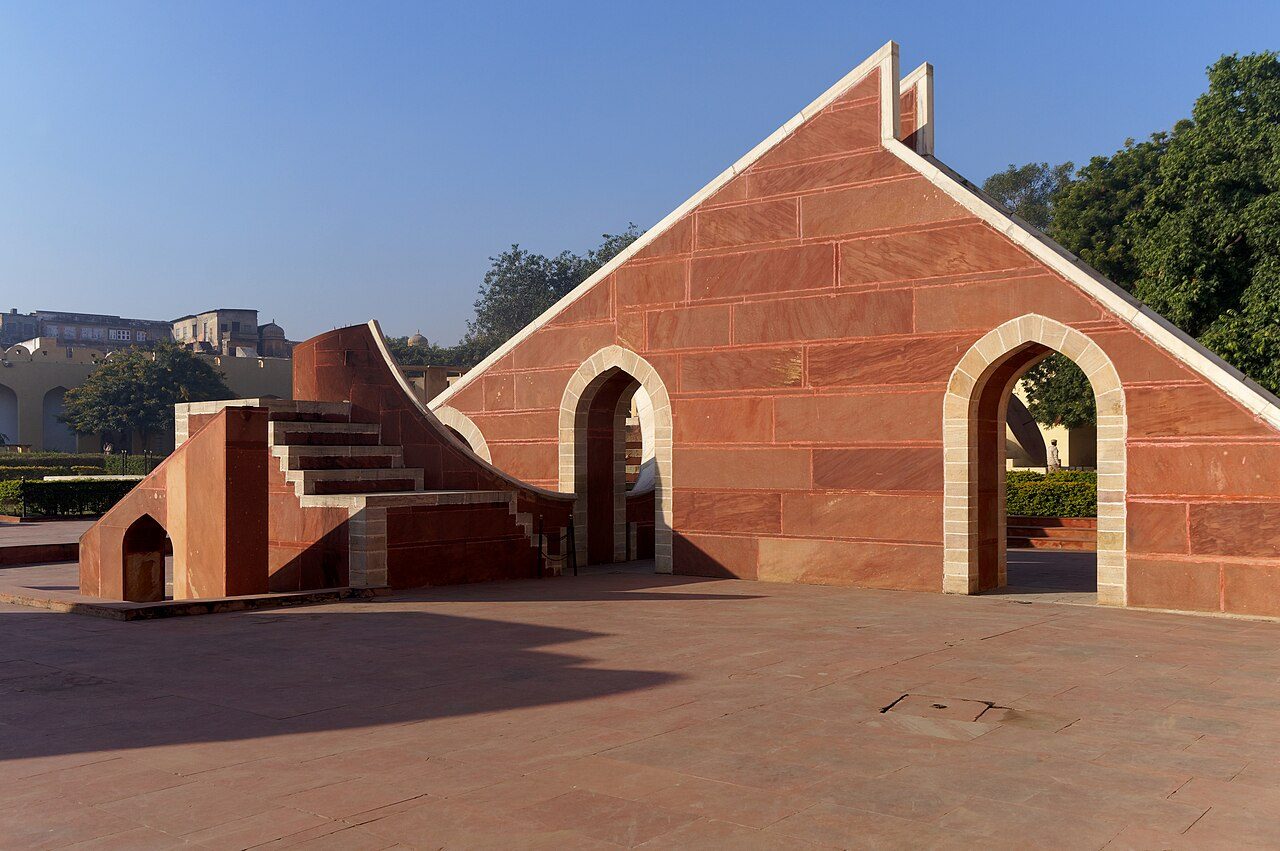
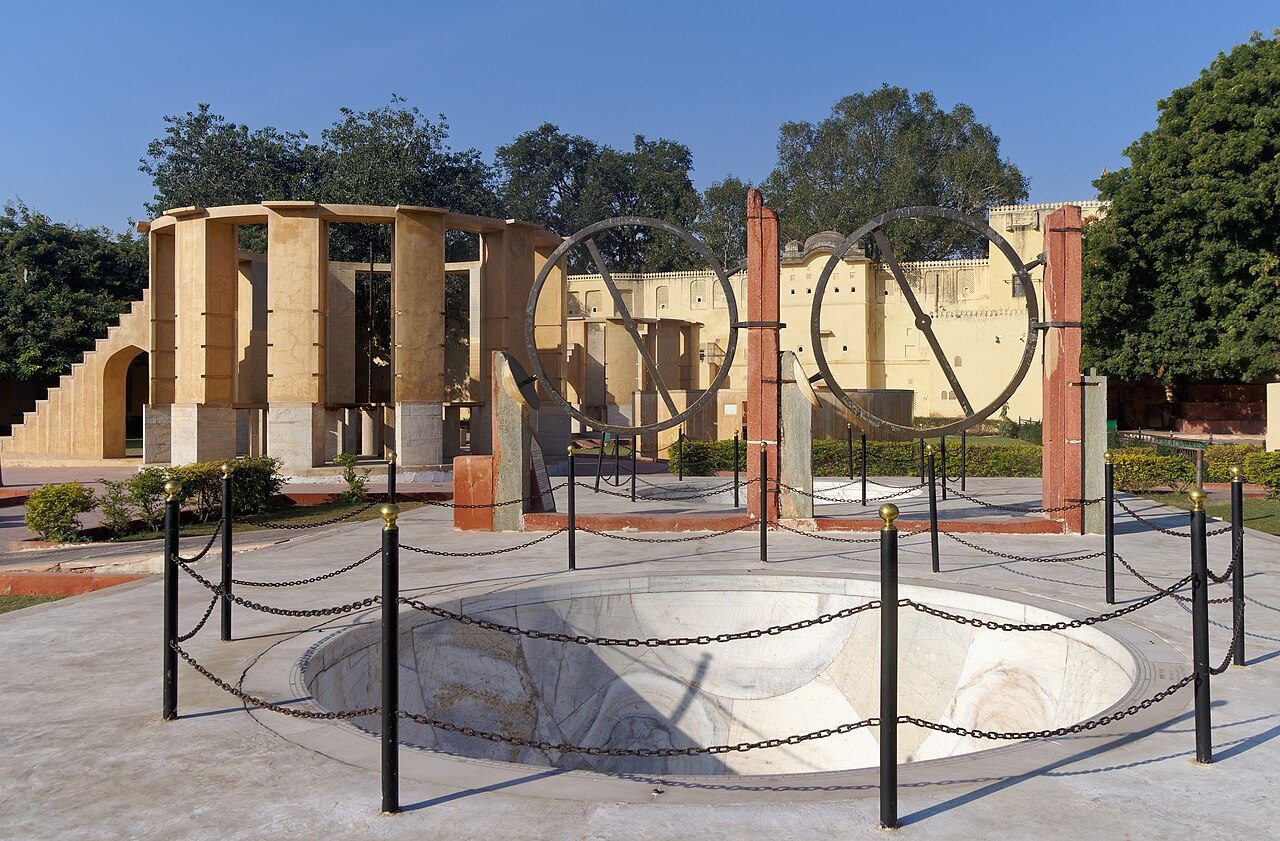
Jantar Mantar is a collection of nineteen astronomical instruments built in masonry by Maharaja Sawai Jai Singh II and completed in the 1730s. They were designed to measure time, track stars and predict eclipses with the naked eye, and include the Samrat Yantra, the world's largest stone sundial. The observatory is a UNESCO World Heritage Site. A guide helps make sense of how each instrument works.
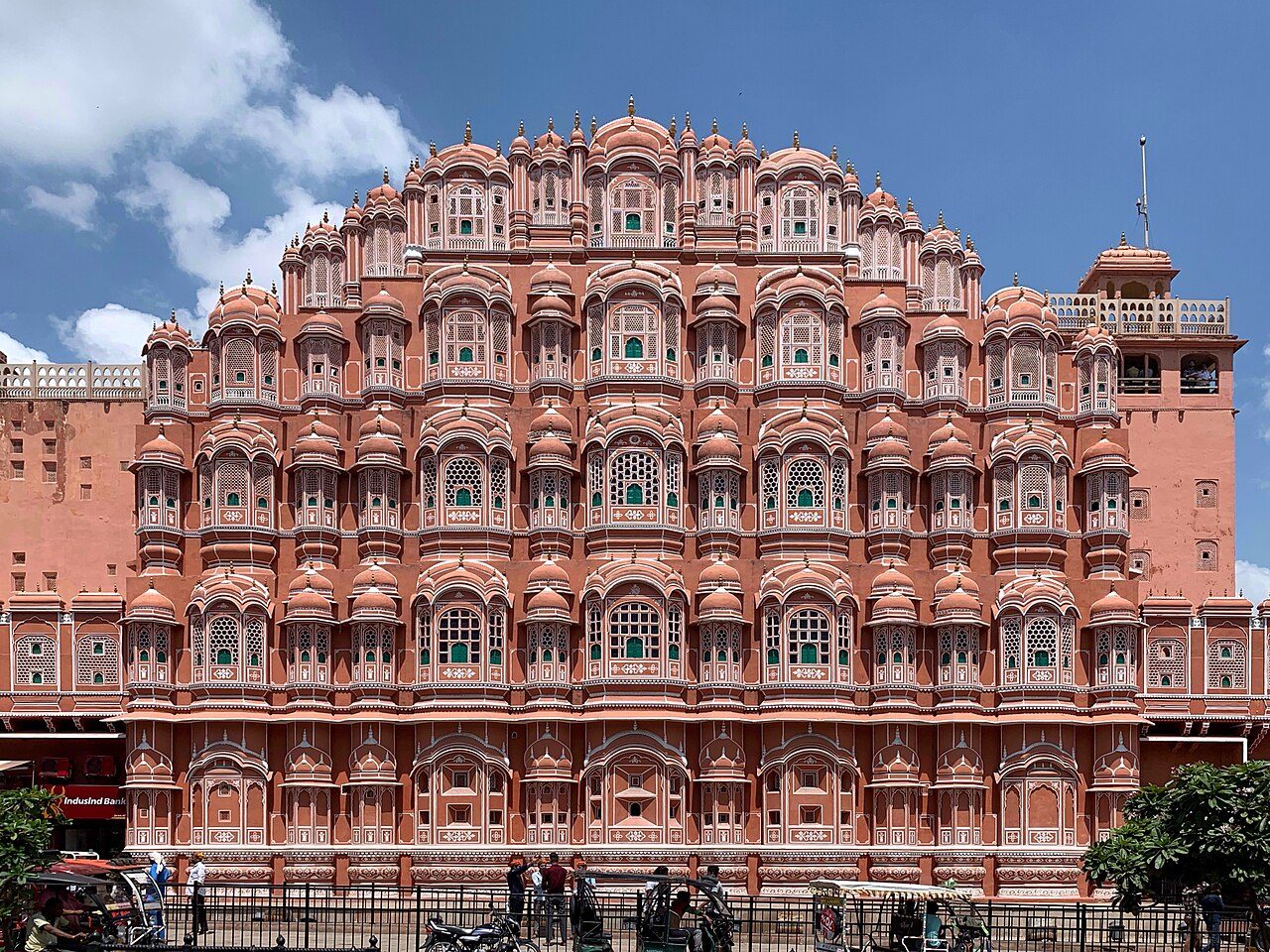
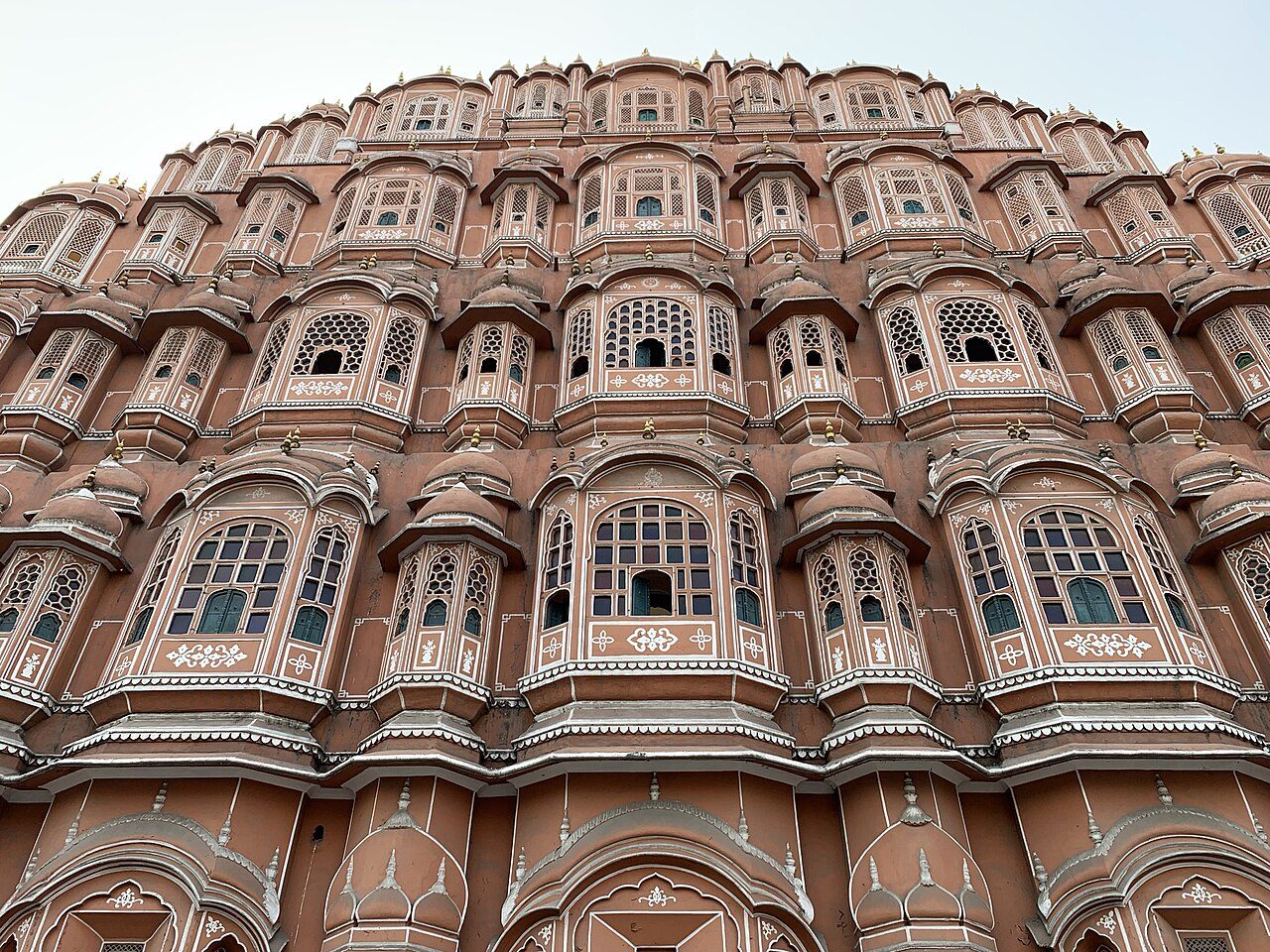
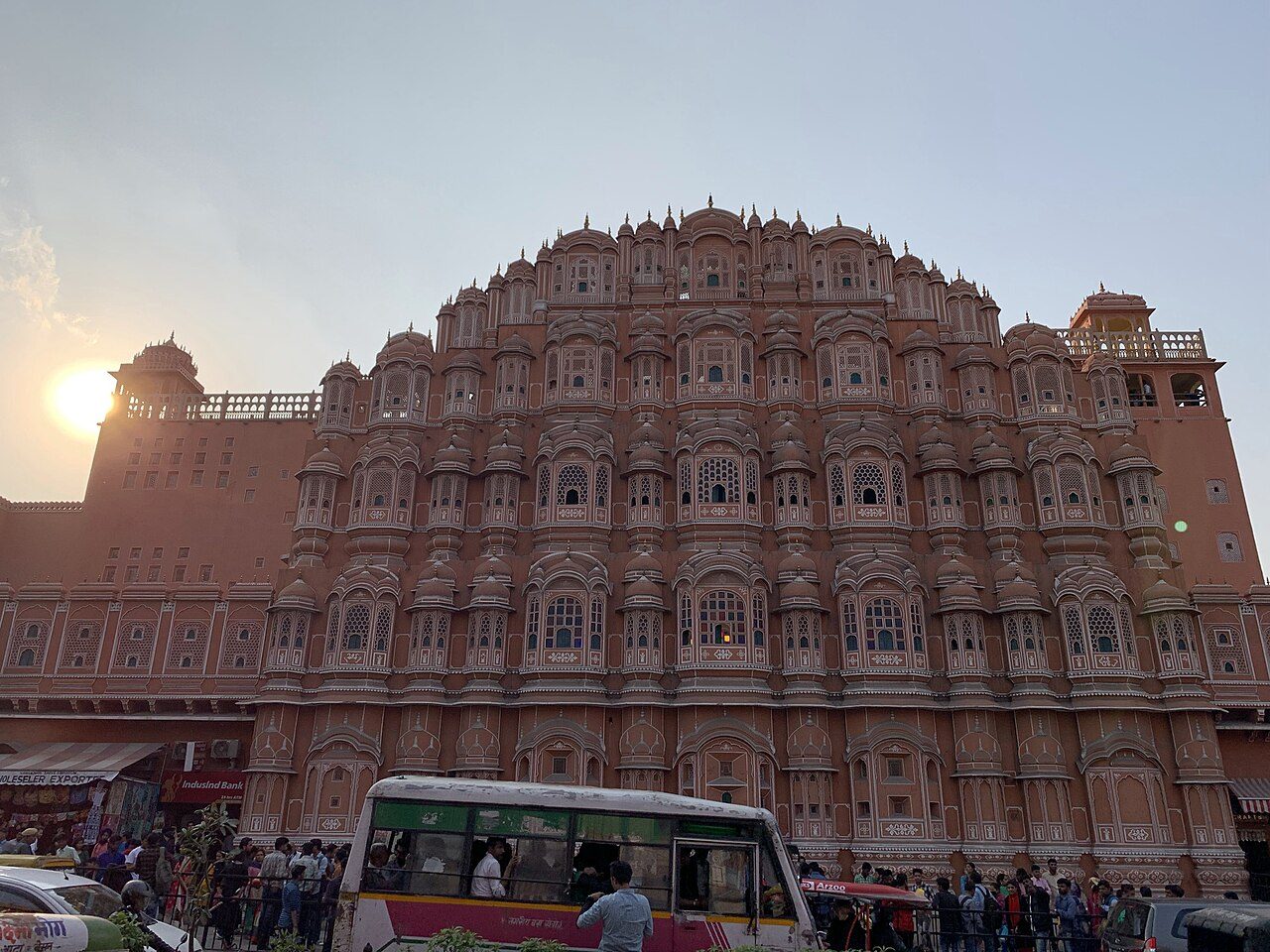
Hawa Mahal, the Palace of Winds, was built in 1799 by Maharaja Sawai Pratap Singh as an extension of the City Palace. Its five-storey pink sandstone facade has hundreds of small latticed windows, designed so that royal women could watch street processions unseen while breezes cooled the rooms. The facade is best seen from the street in the morning light; the entrance is around the back.
08
STOP 8 OF 12
Albert Hall Museum
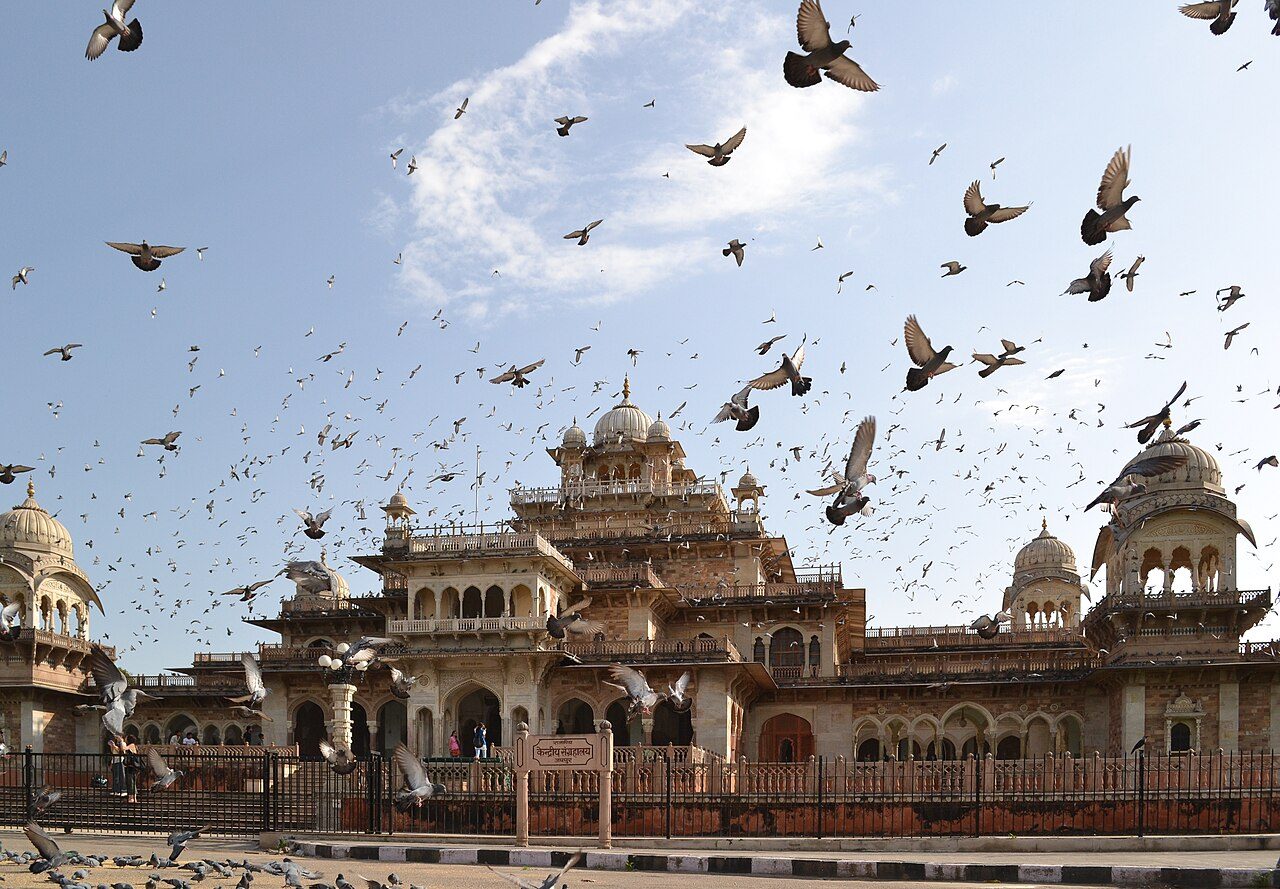
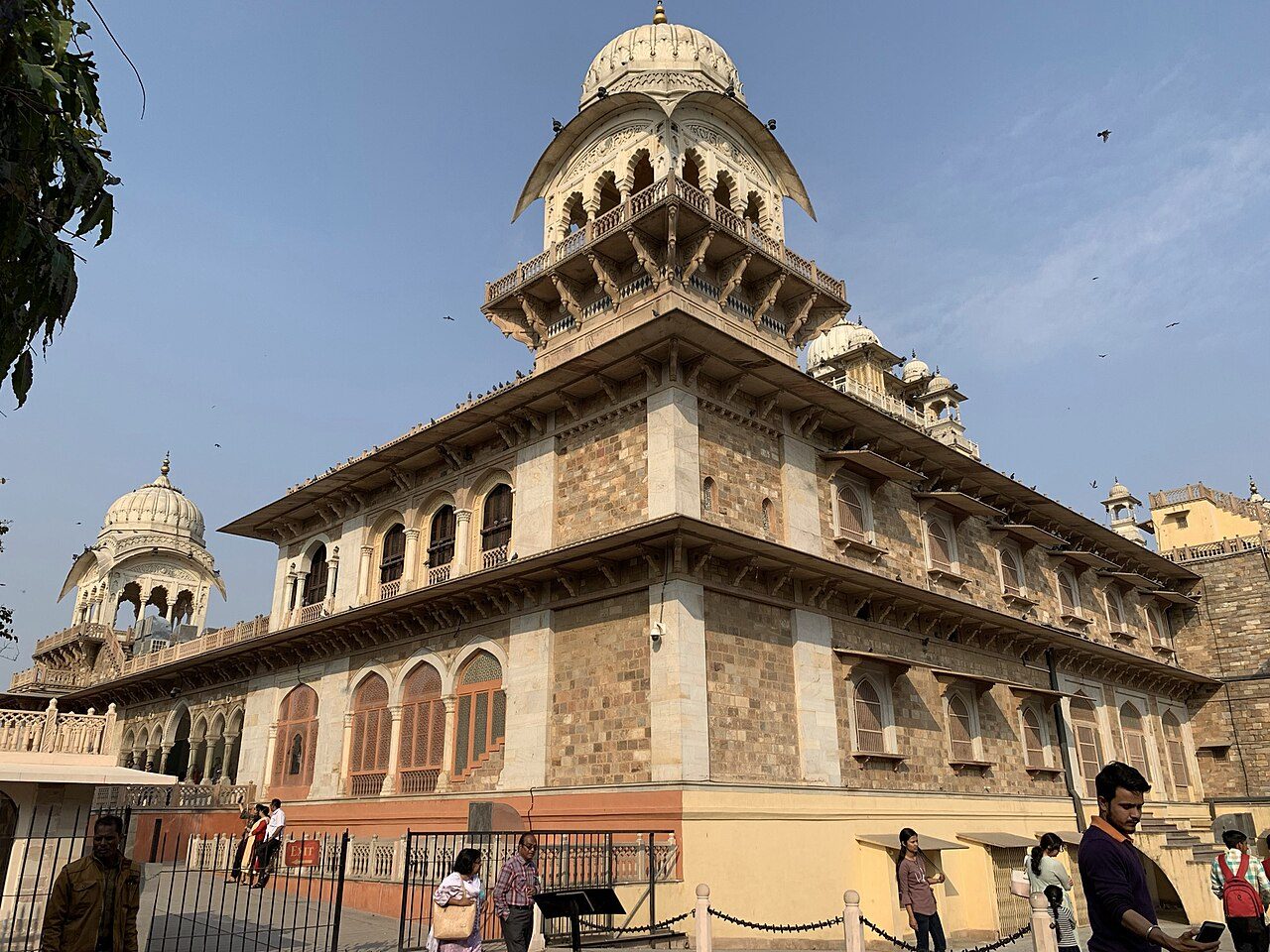
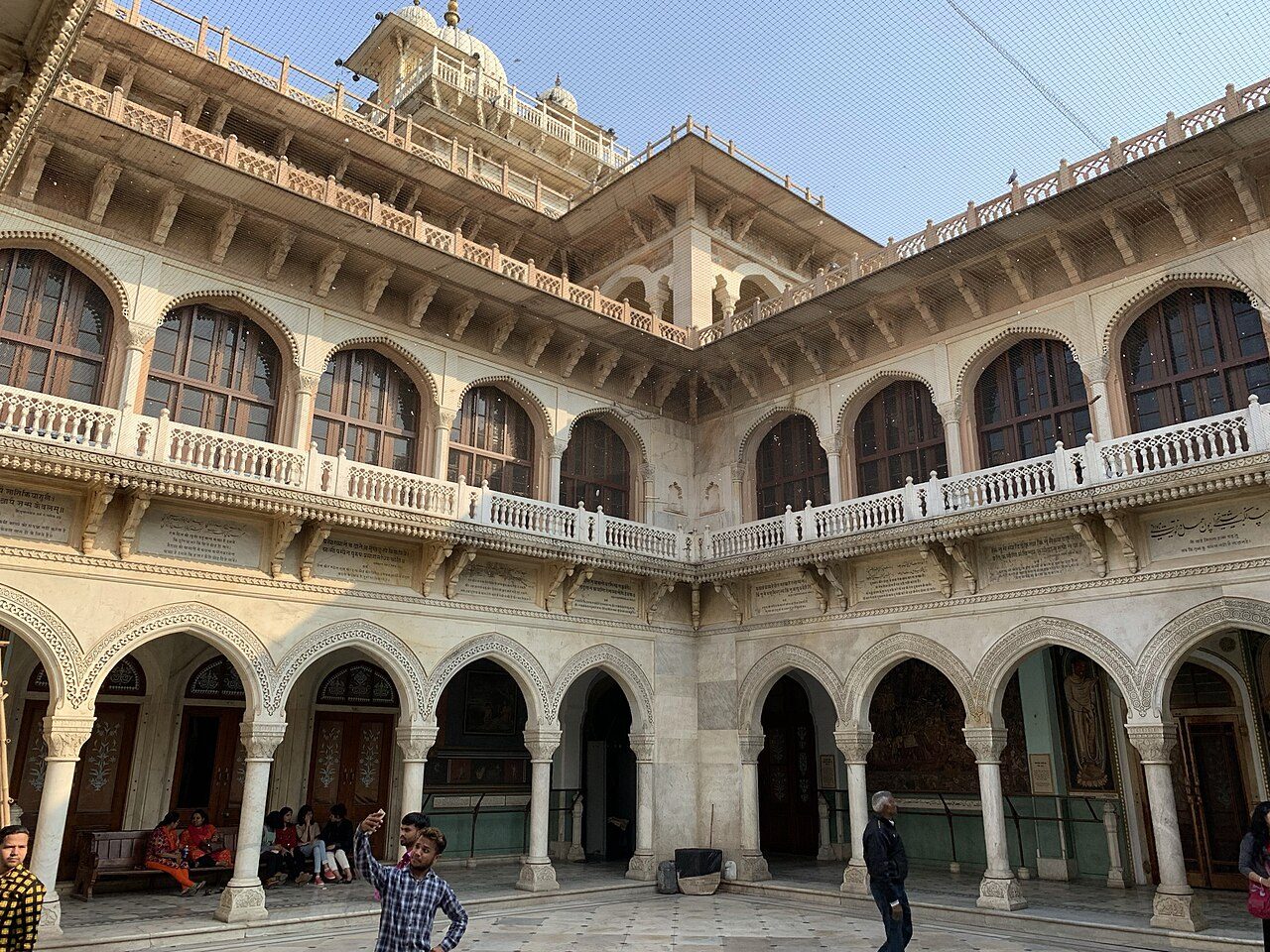
Albert Hall, in Ram Niwas Garden, is the oldest museum in Rajasthan. Its foundation stone was laid in 1876 during the visit of the Prince of Wales, and it opened as a museum in 1887, designed by Samuel Swinton Jacob in the Indo-Saracenic style. The collection includes paintings, carpets, metalwork, pottery, arms and an Egyptian mummy. The building is illuminated every evening.
09
STOP 9 OF 12
Birla Mandir Jaipur
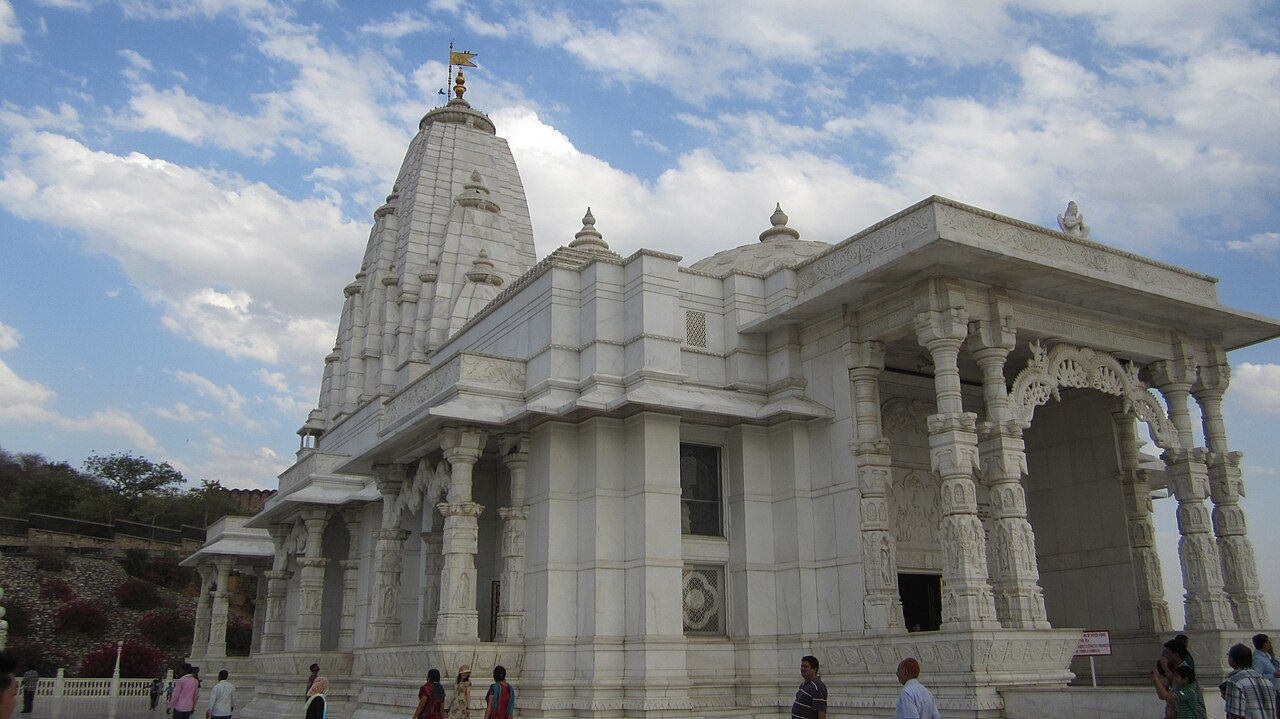
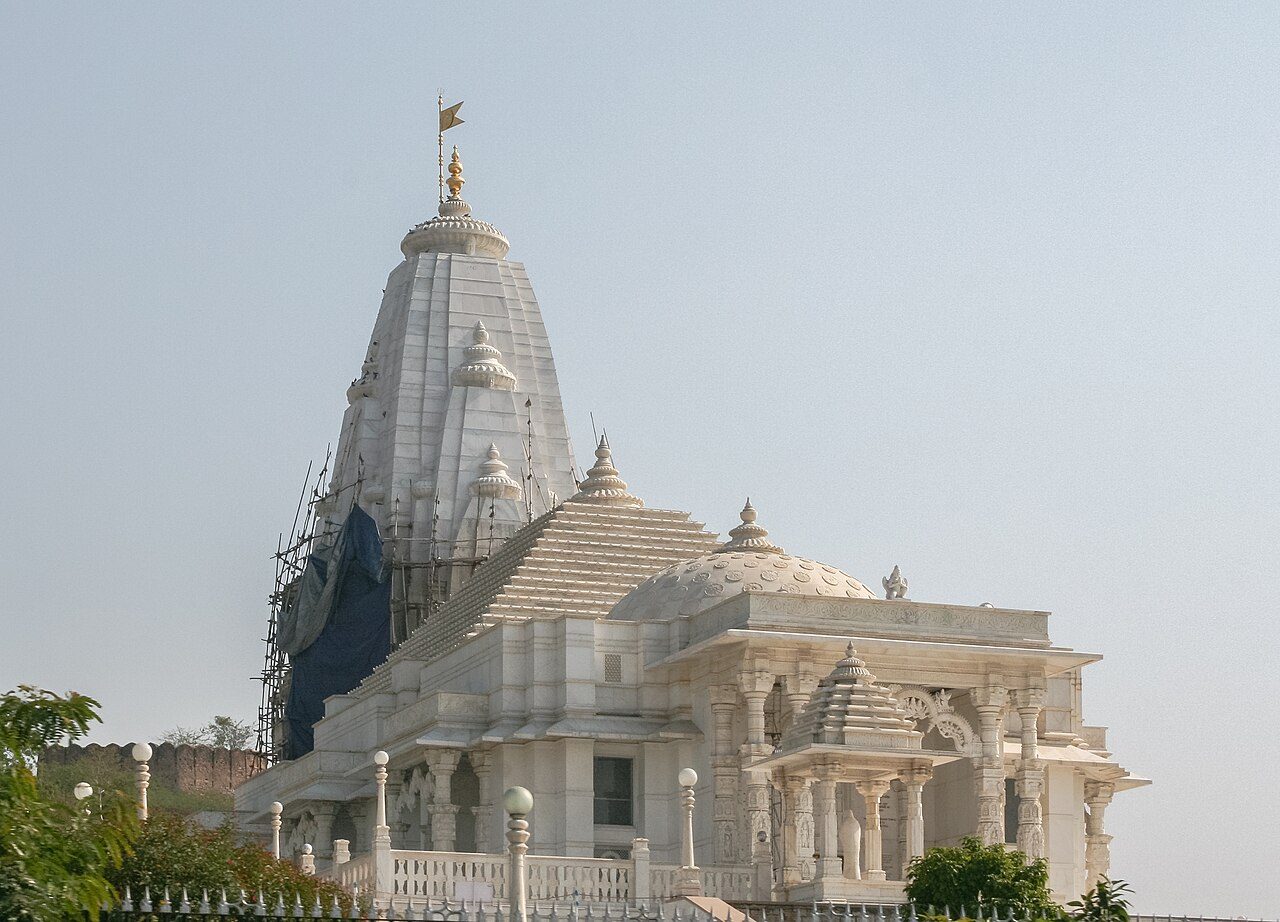
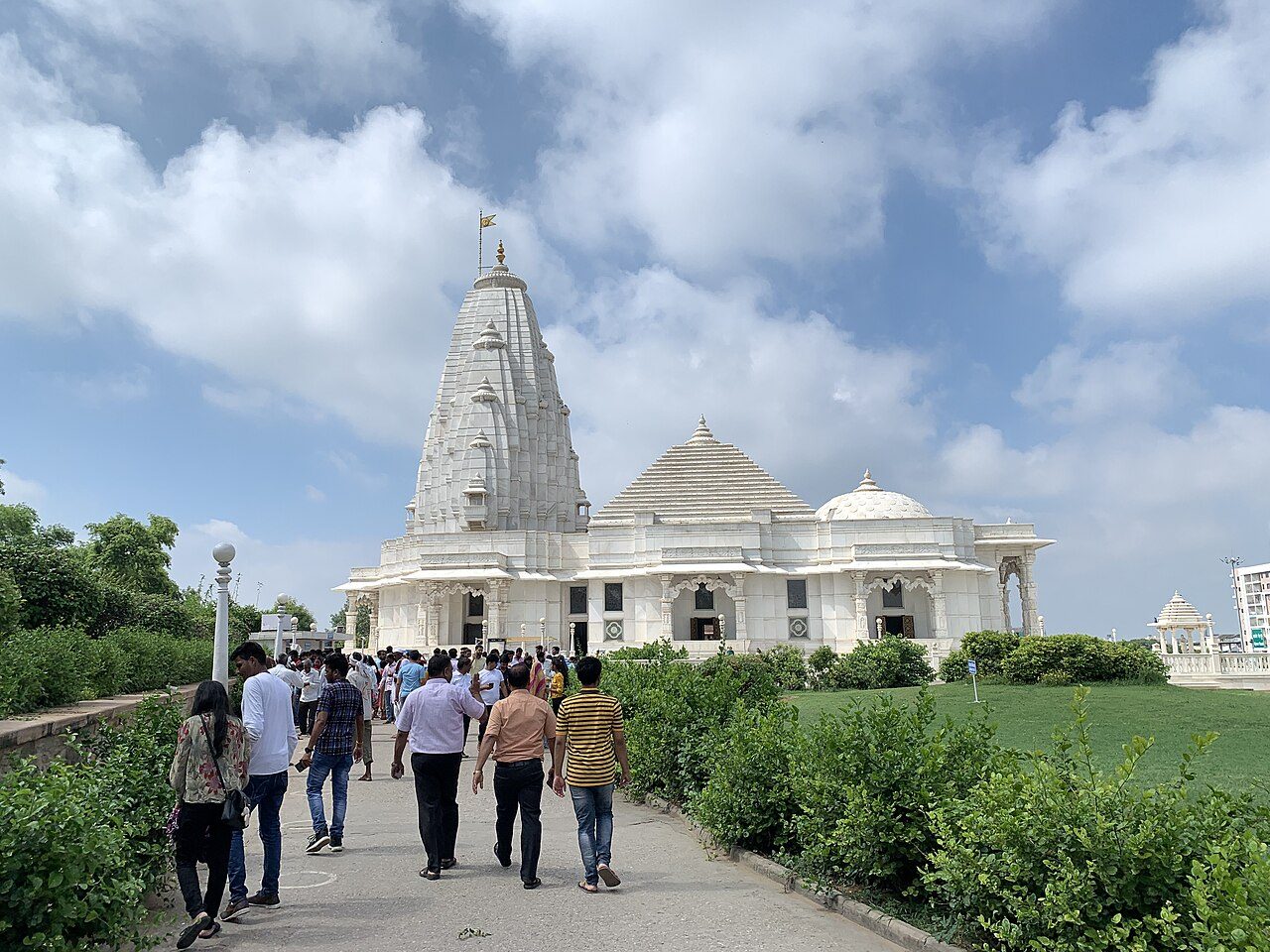
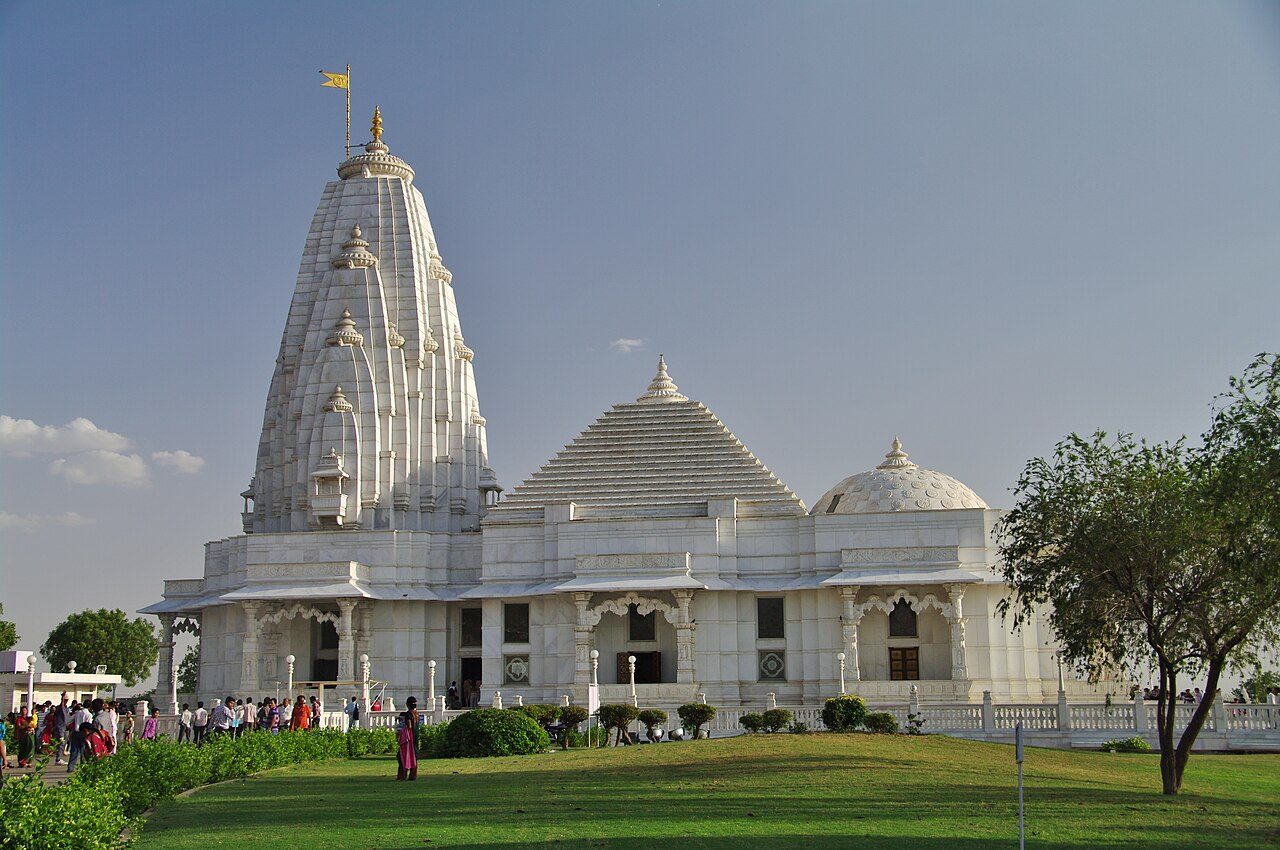
The Birla Mandir, or Lakshmi Narayan Temple, stands at the foot of Moti Dungri hill in Jaipur. Built in white marble by the Birla family and completed in 1988, it is dedicated to Vishnu and Lakshmi. Its three domes are said to represent different approaches to religion, and the walls are carved with scenes from Hindu scripture as well as figures of world thinkers. It glows at night when lit.
10
STOP 10 OF 12
Nahargarh Fort
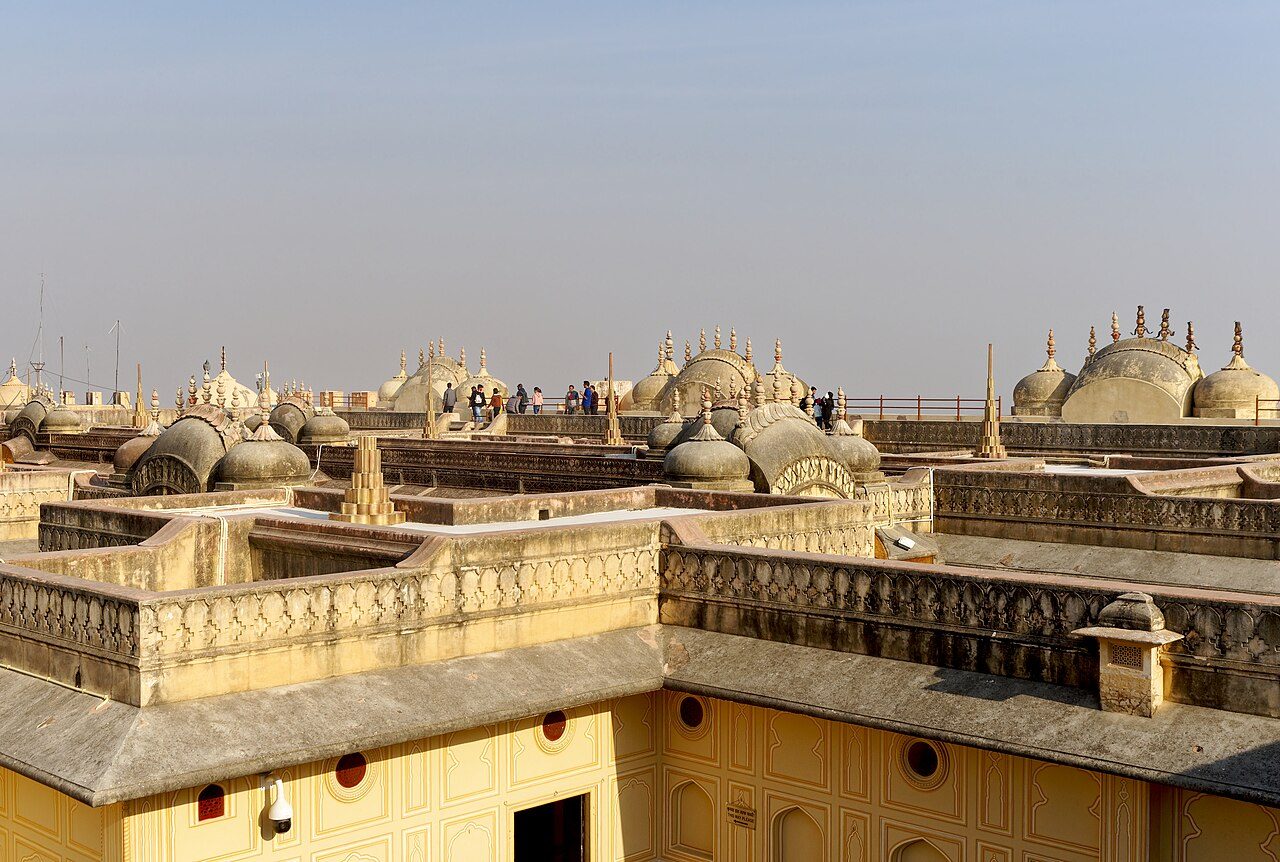
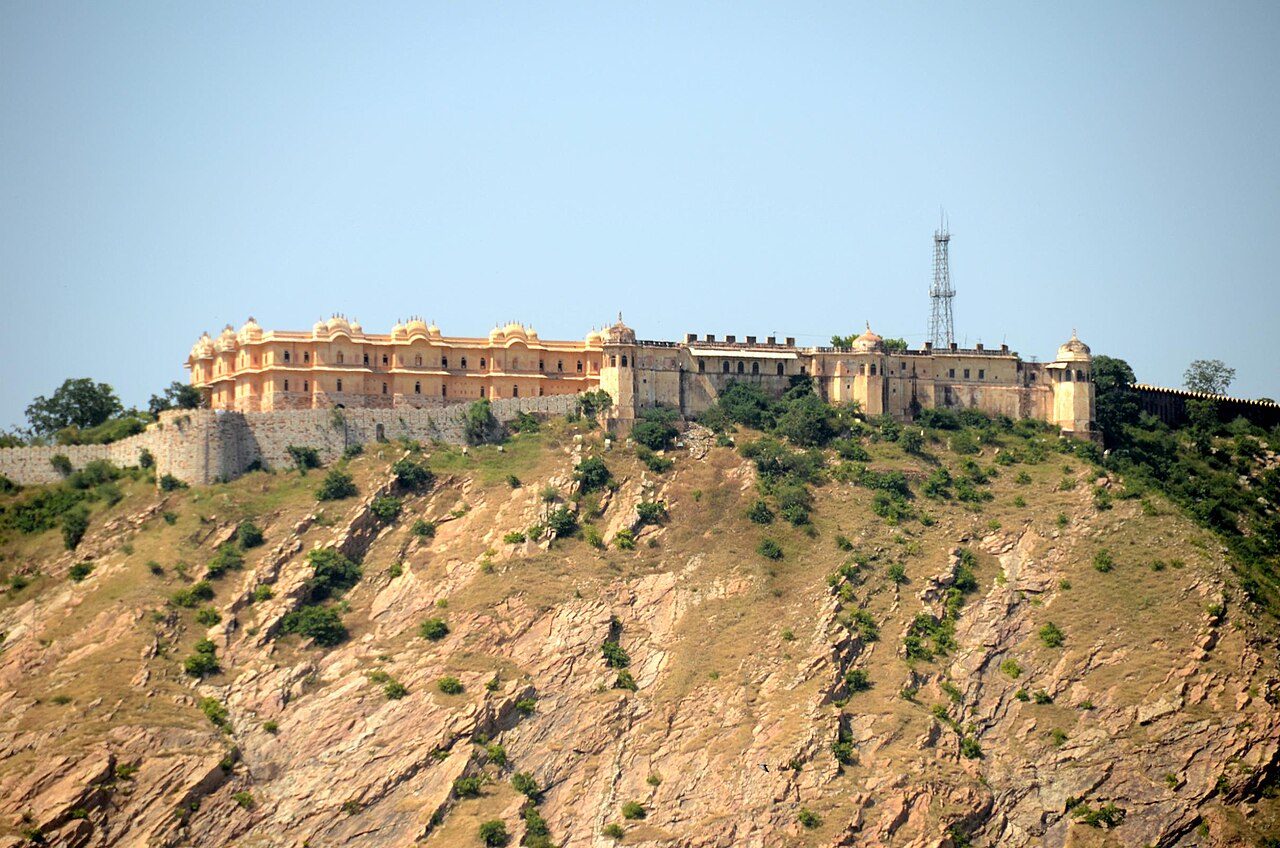
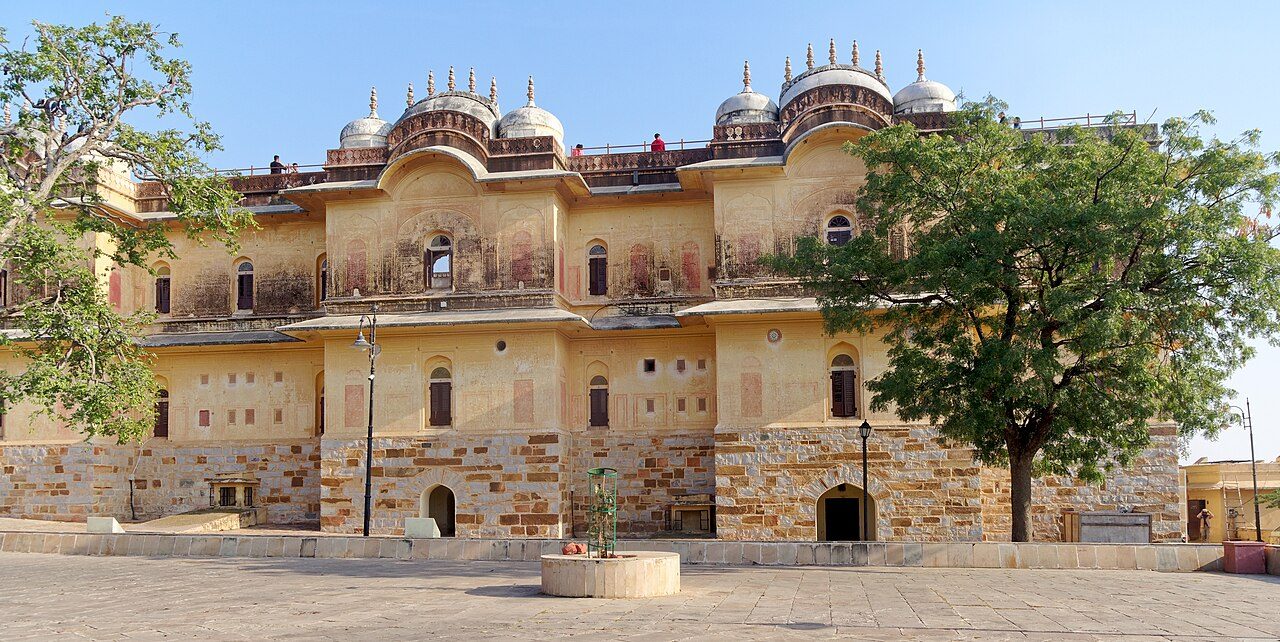
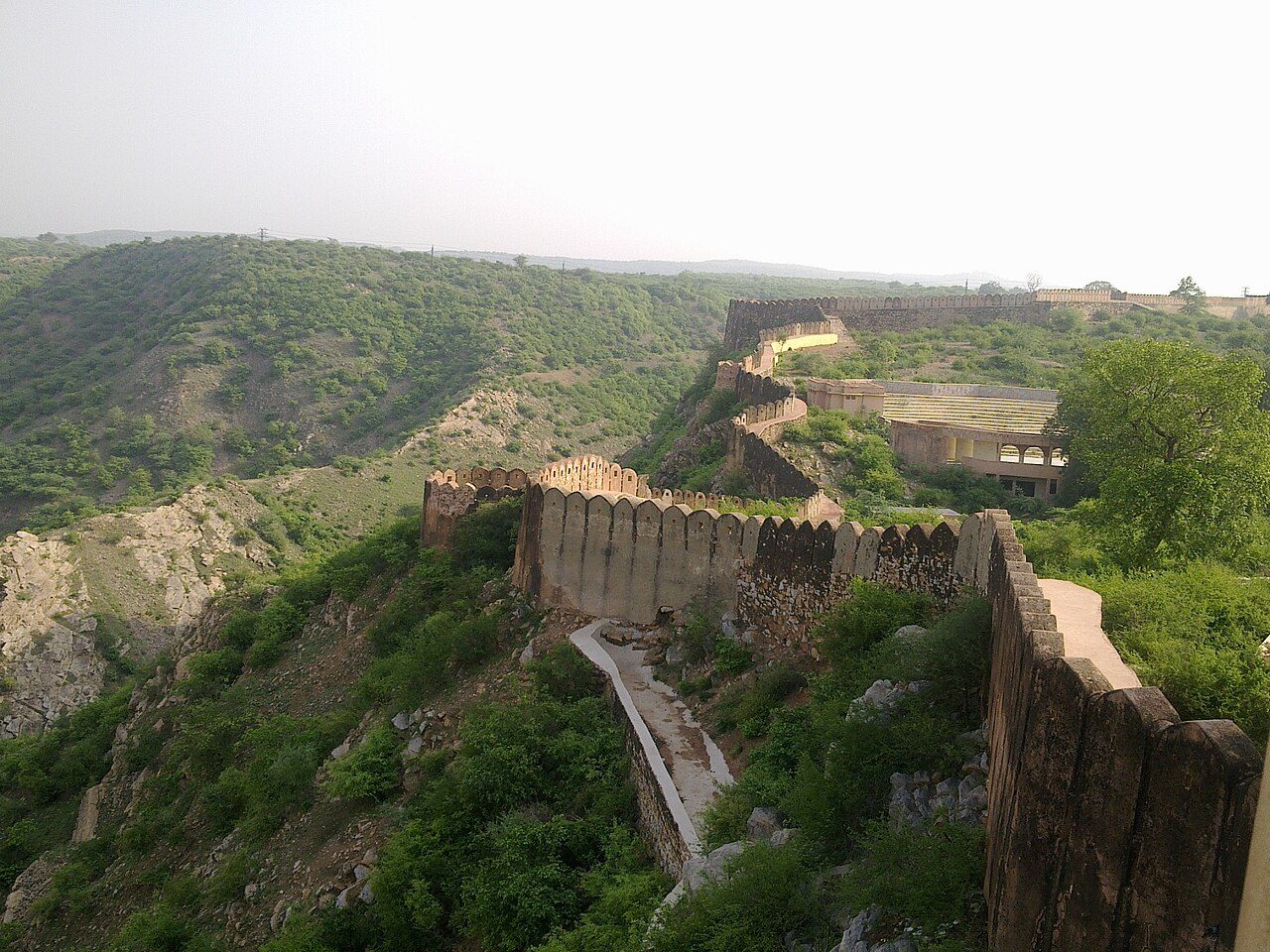
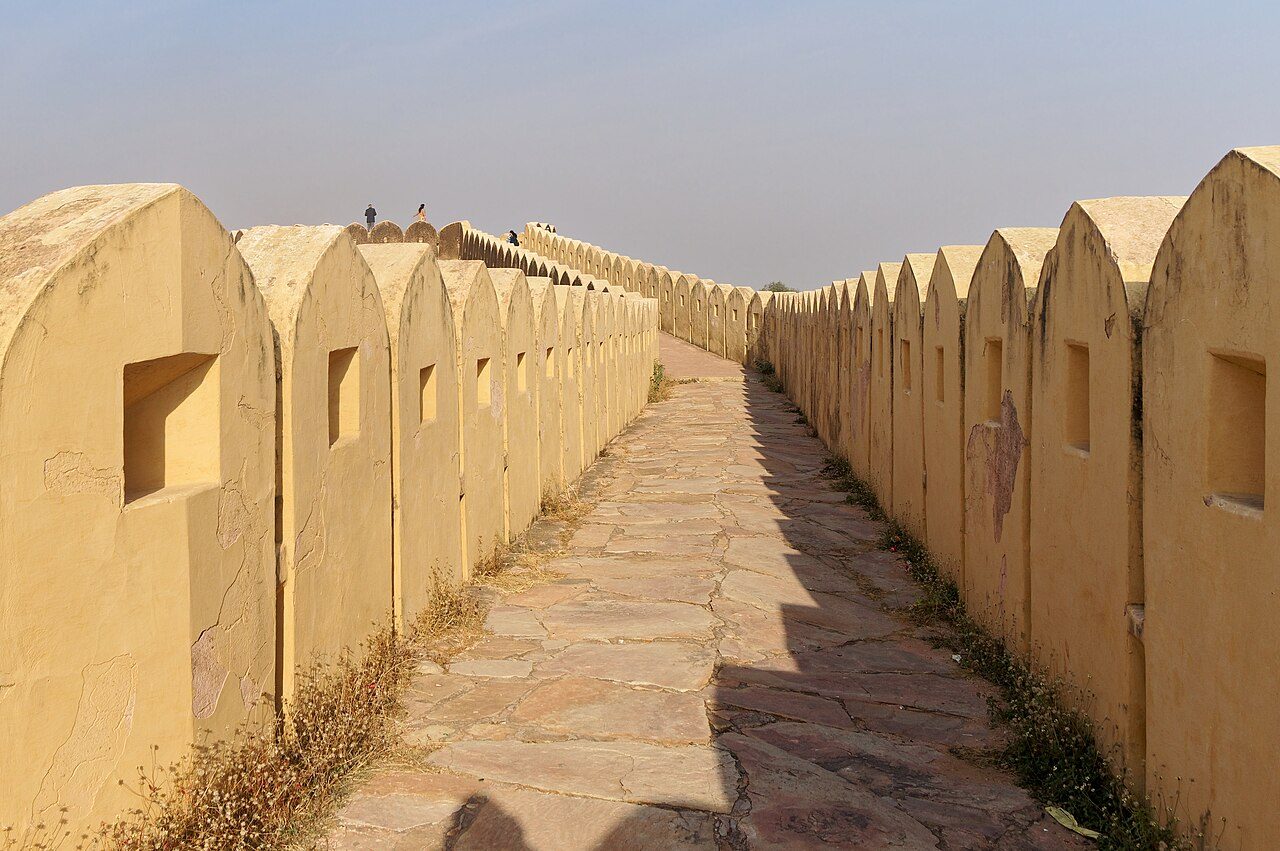
Nahargarh Fort stands on the edge of the Aravalli ridge above Jaipur and was built in 1734 by Sawai Jai Singh II as a retreat and part of the city's defences. Its Madhavendra Bhawan has a set of identical suites built for the king's queens, linked by corridors and decorated with frescoes. The ramparts give the best view over the pink city, especially at sunset.
11
STOP 11 OF 12
Galtaji Temple
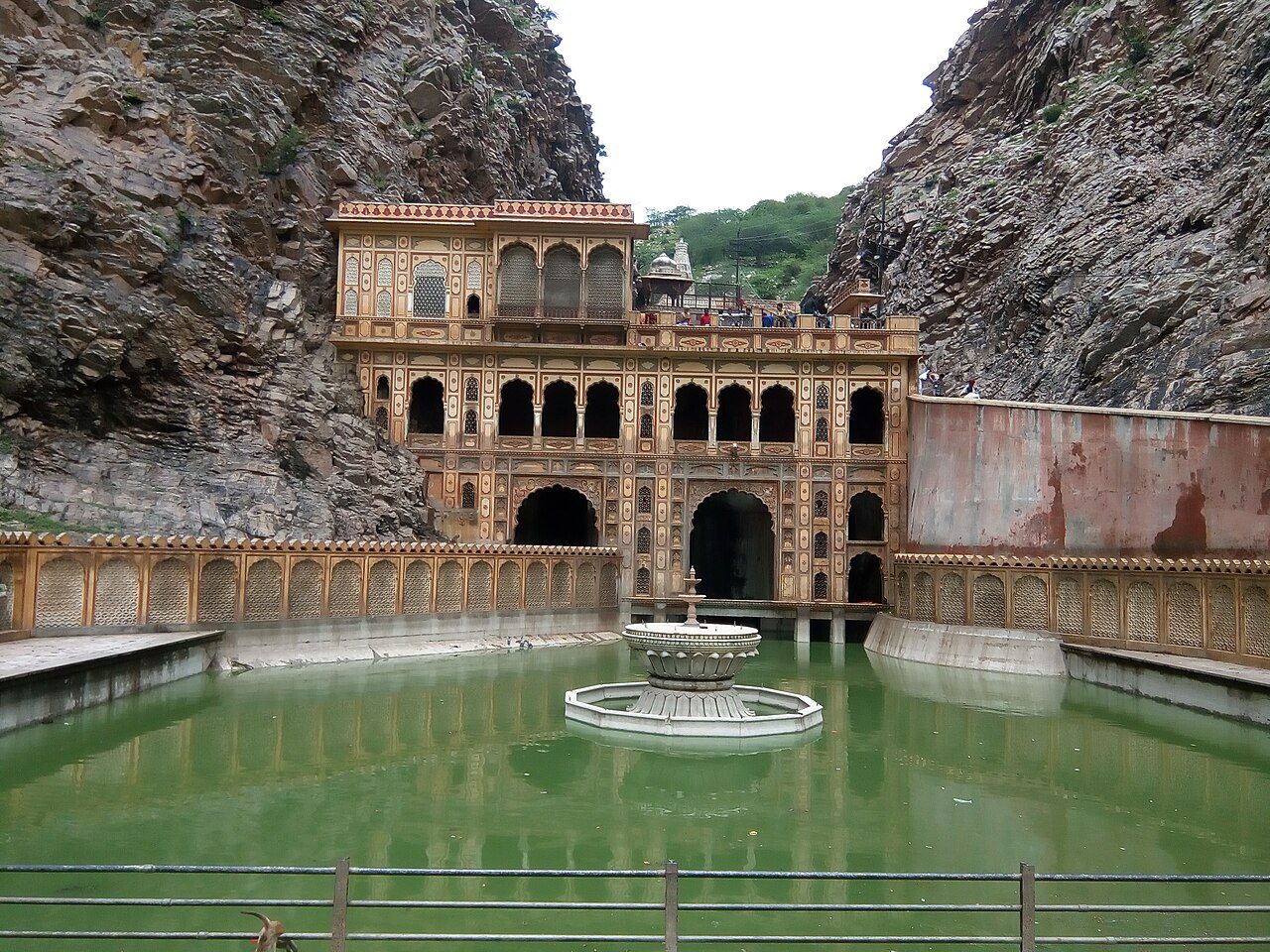
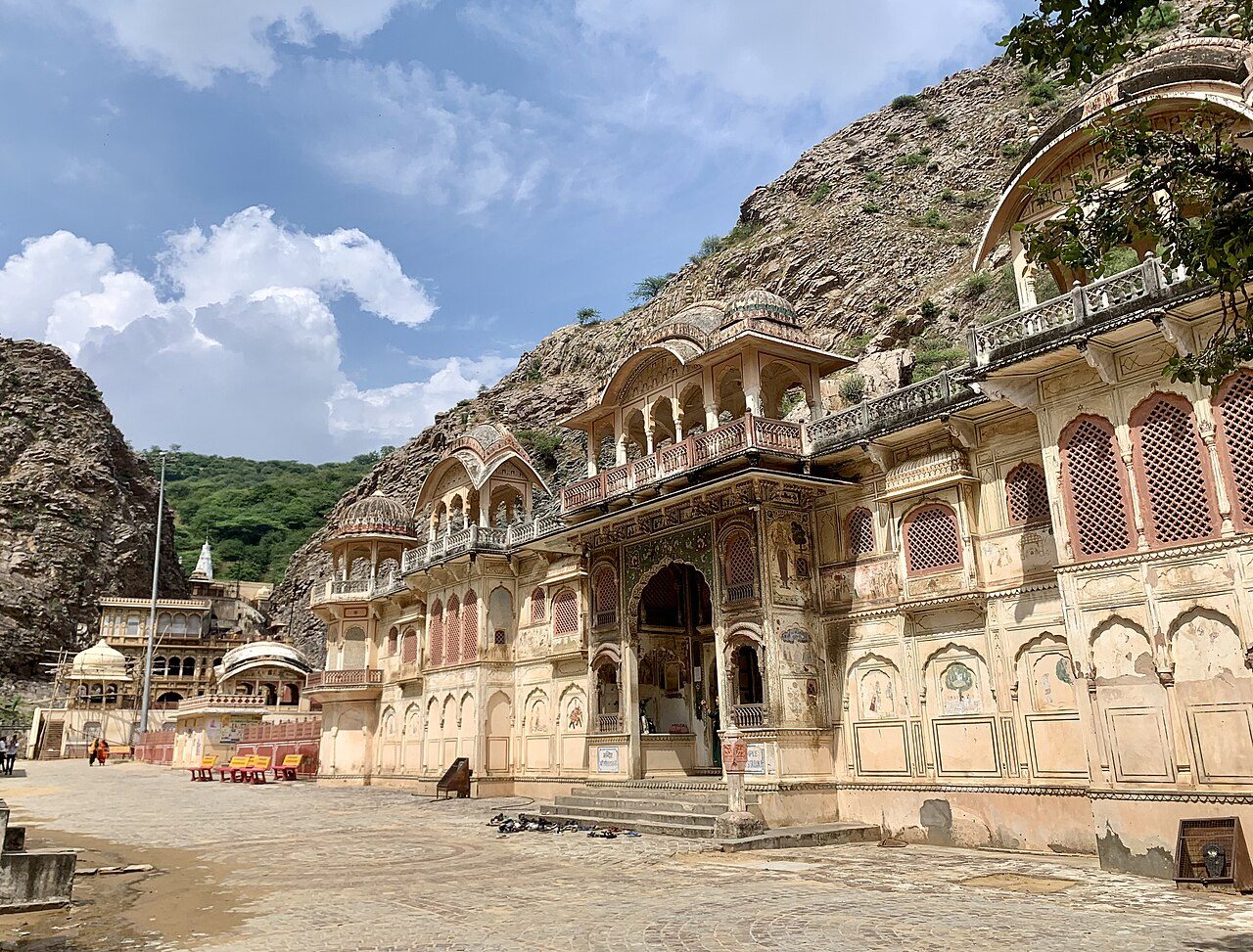
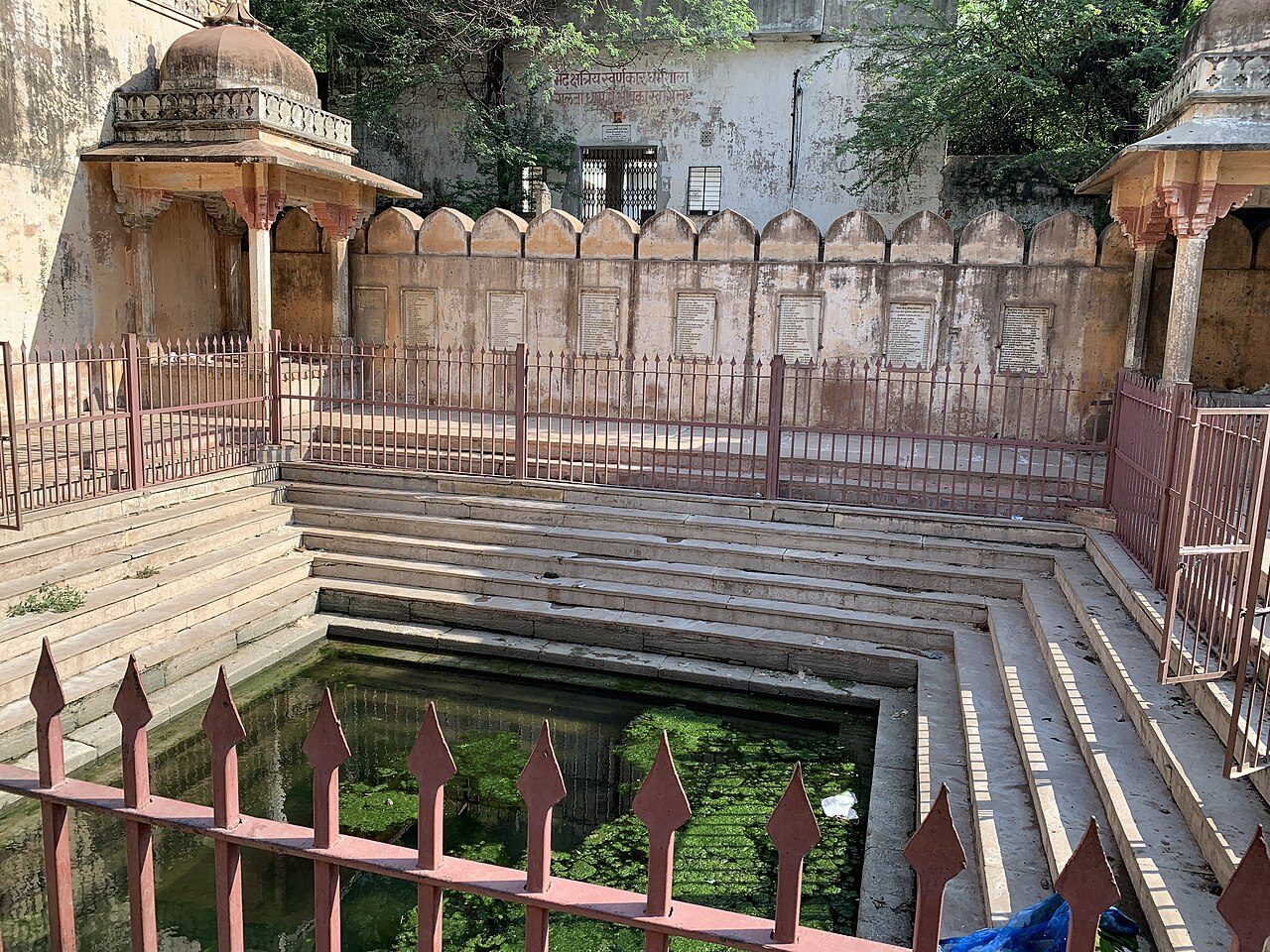
Galtaji is an old Hindu pilgrimage site set in a narrow gorge in the hills east of Jaipur. A natural spring feeds a series of sacred tanks in which pilgrims bathe, surrounded by pink sandstone temples and pavilions built in the 18th century. Large troops of monkeys live here, giving it the nickname Monkey Temple. A Sun temple on the ridge above gives a view over the city.
12
STOP 12 OF 12 · LAST STOP
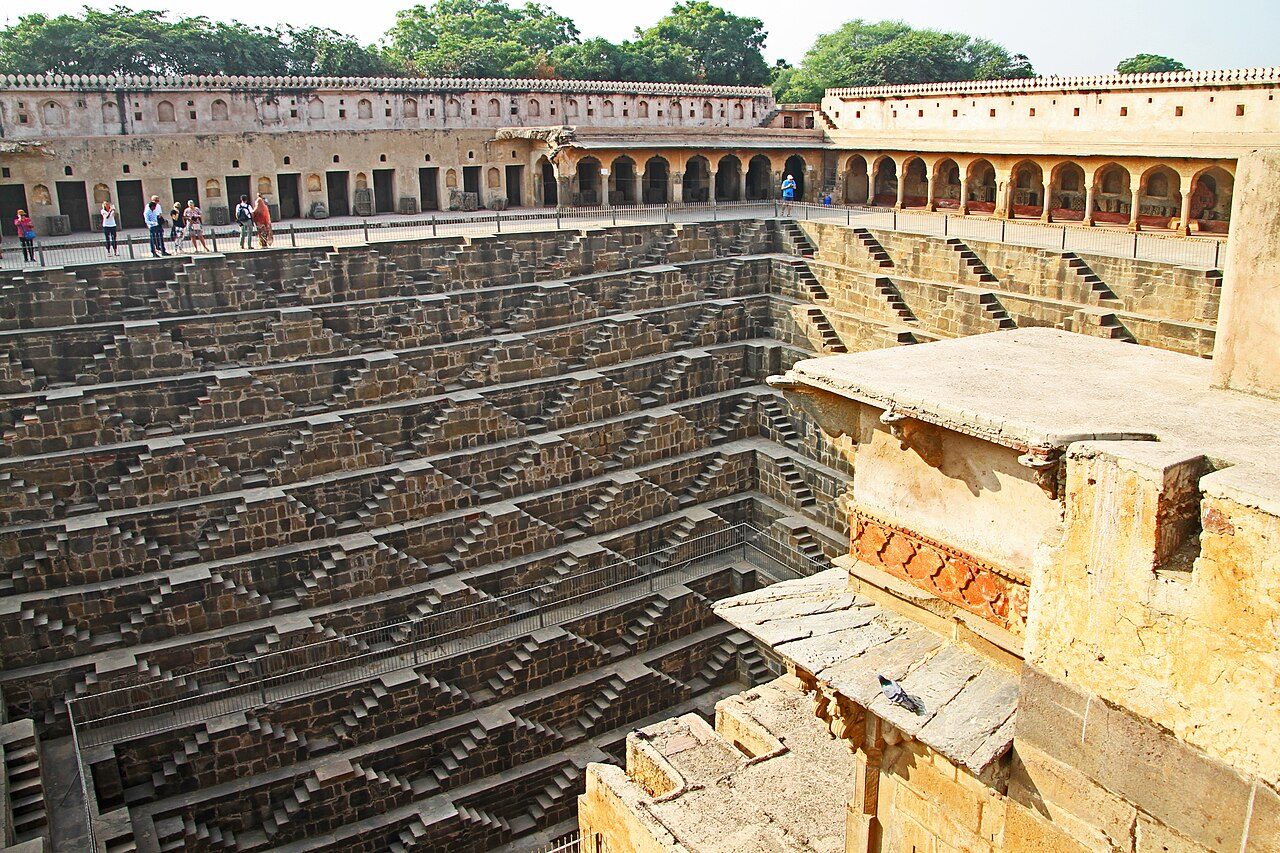
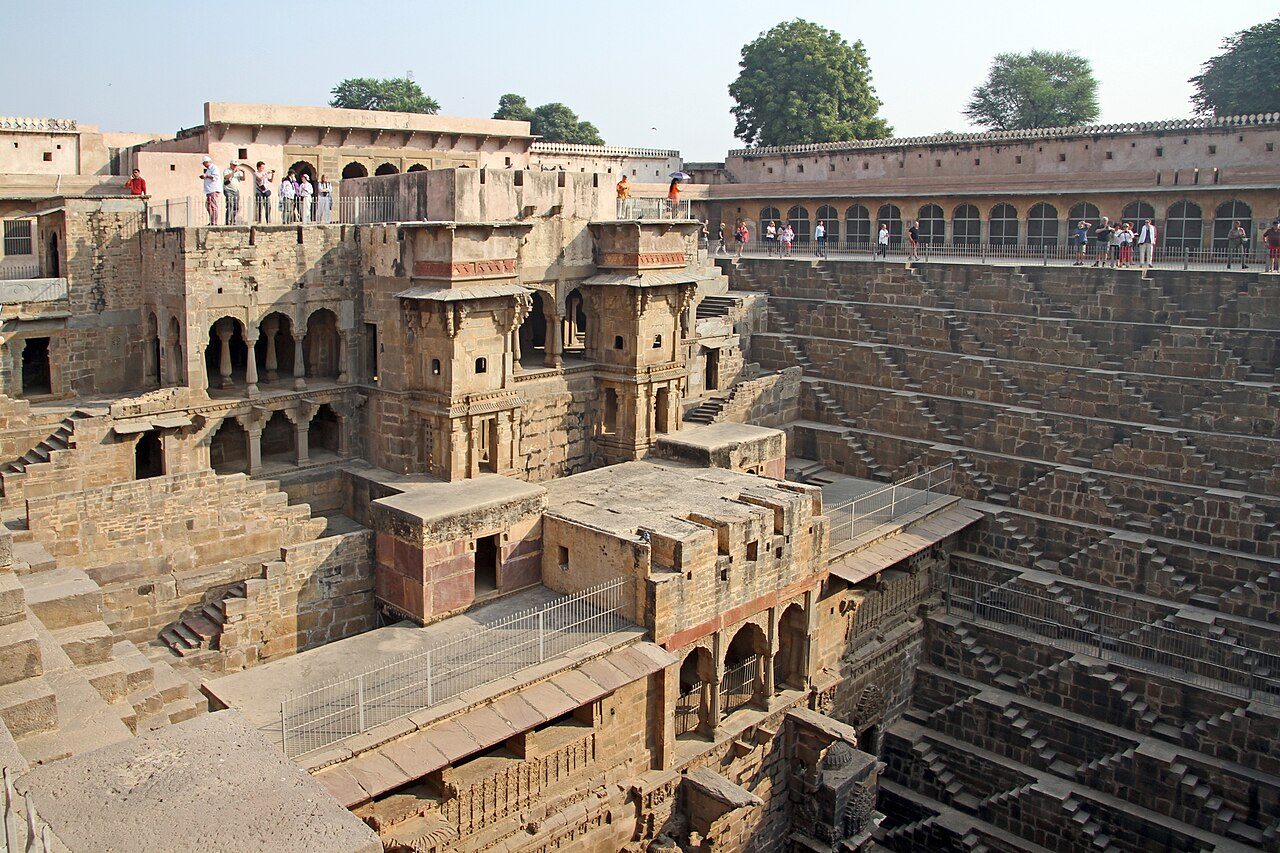
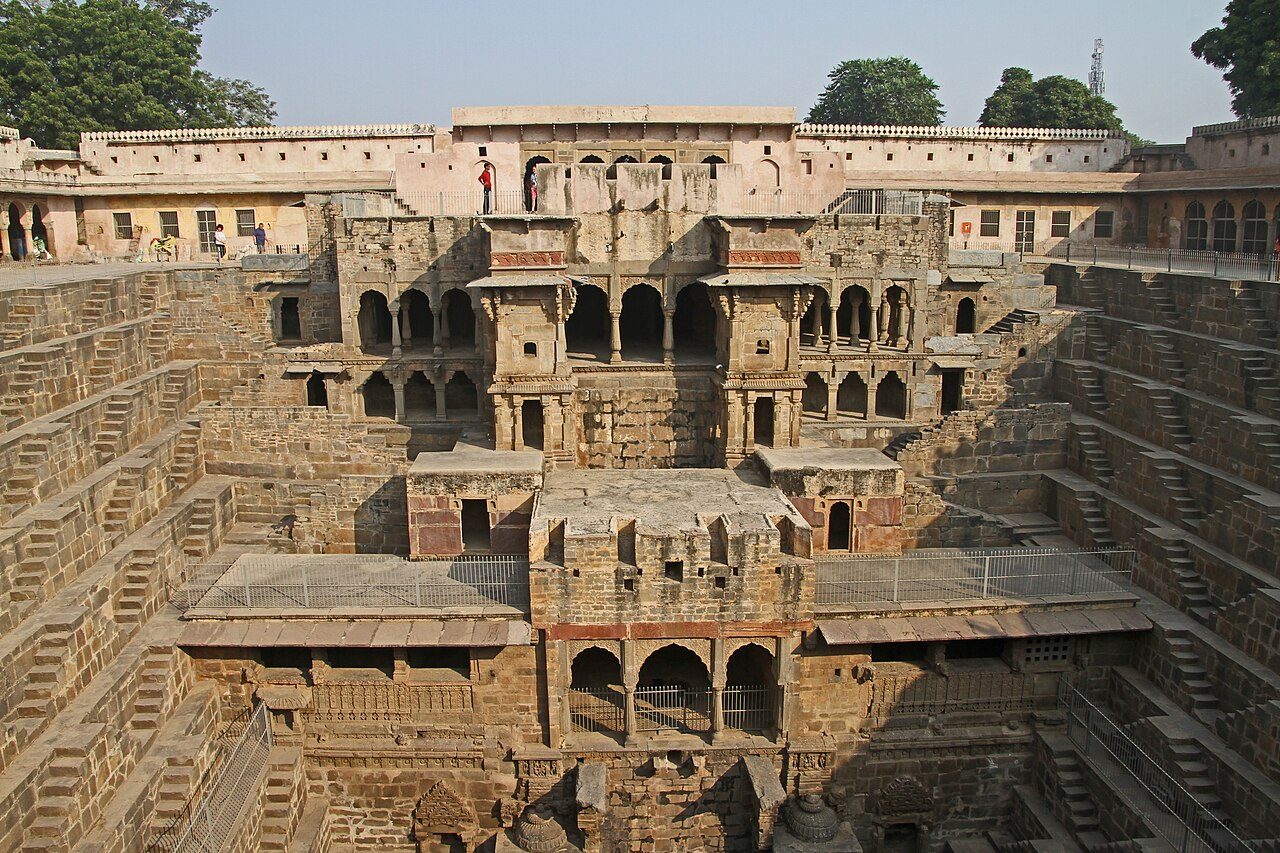
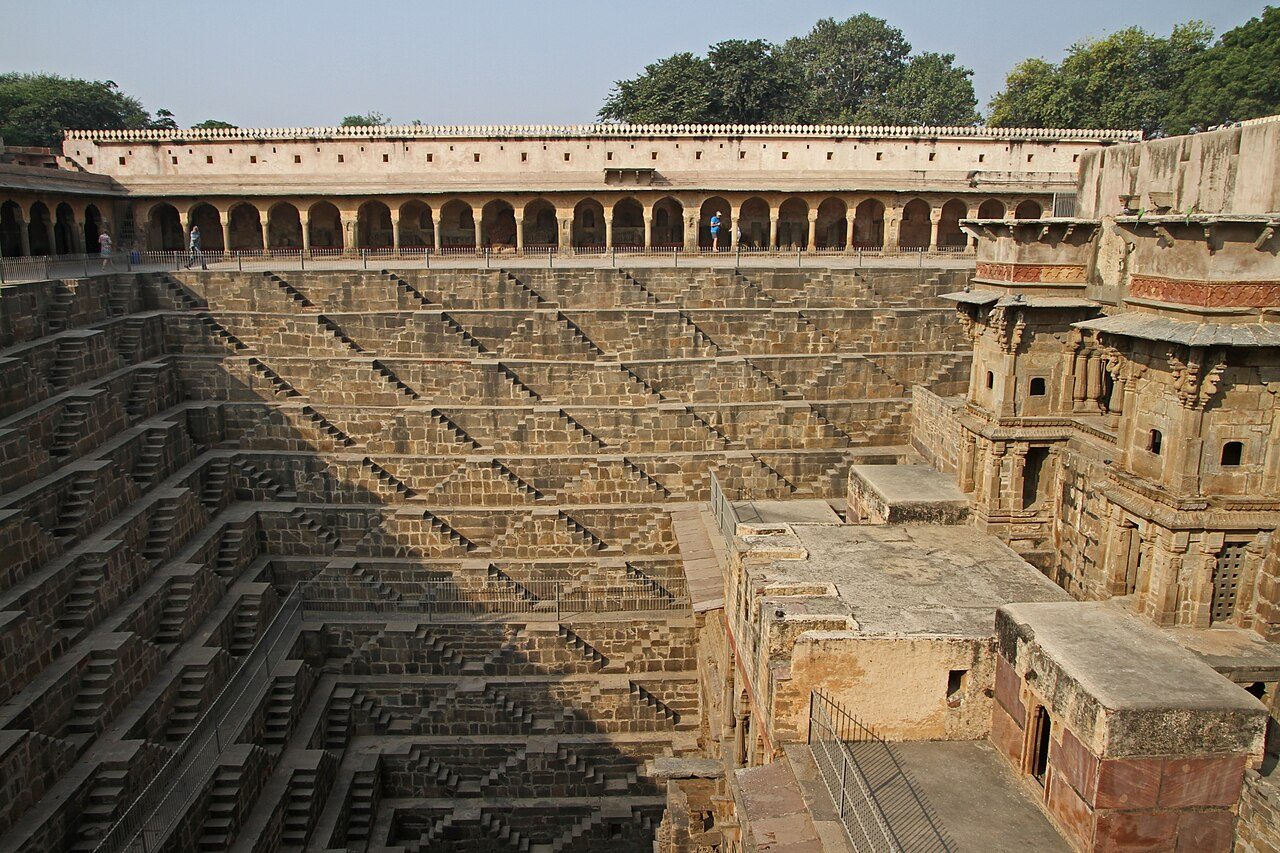
Chand Baori
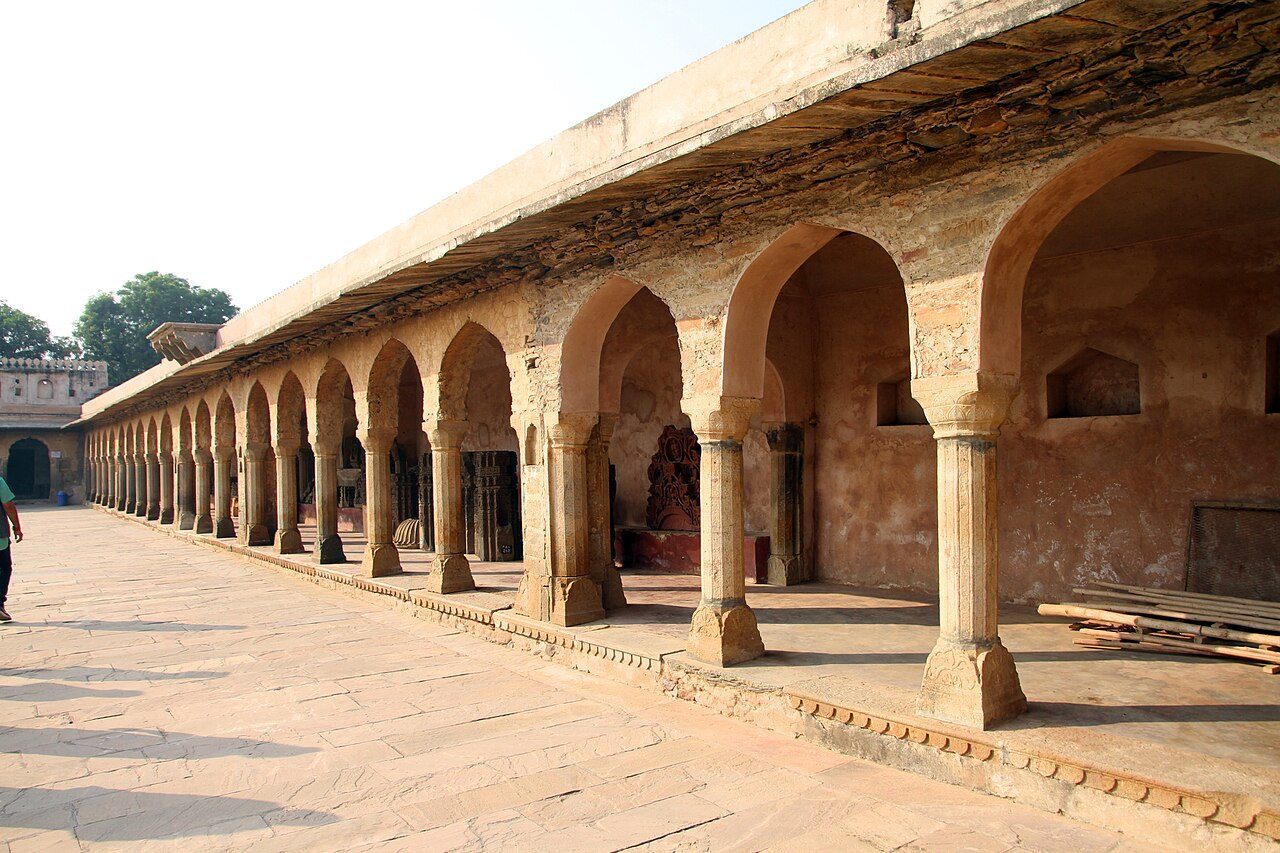
Chand Baori at Abhaneri is one of the deepest and largest stepwells in India, built around the 9th century by King Chanda of the Nikumbha dynasty. Some 3,500 narrow steps in thirteen storeys descend about 20 metres on three sides, while the fourth has pavilions and royal chambers added later. The ruined Harshat Mata temple stands beside it. It is an easy stop between Jaipur and Agra.
Seasons from 20 years of NASA POWER climate data.
 WaTrips