Jain Temples of Gujarat in 4 Days: Hutheesing, Taranga, Kumbhariya, Palitana and Girnar TRIP BLOG Photo: Bernard Gagnon · CC BY-SA 3.0
India · Gujarat · Palitana

Jain Temples of Gujarat in 4 Days: Hutheesing, Taranga, Kumbhariya, Palitana and Girnar

4 DAYS 6 places by WaTrips

Hutheesing in Ahmedabad, Taranga, the marble temples of Kumbhariya, Palitana's Shatrunjaya hill and the temples on Girnar.

Gujarat has some of the most beautiful Jain temples in India. Day one starts at the Hutheesing temple in Ahmedabad and drives to the hilltop Ajitnath temple at Taranga. Day two visits the white marble Kumbhariya temples near Ambaji, known for their carved ceilings. Day three is Palitana, where hundreds of temples crown Shatrunjaya hill, the holiest Jain pilgrimage in Gujarat; start the climb at dawn. Day four climbs Girnar near Junagadh to its Jain temples, by thousands of steps or the ropeway. Dress modestly, leave leather behind, and expect a long ride between days two and three.

01
STOP 1 OF 6

Hutheesing Jain Temple
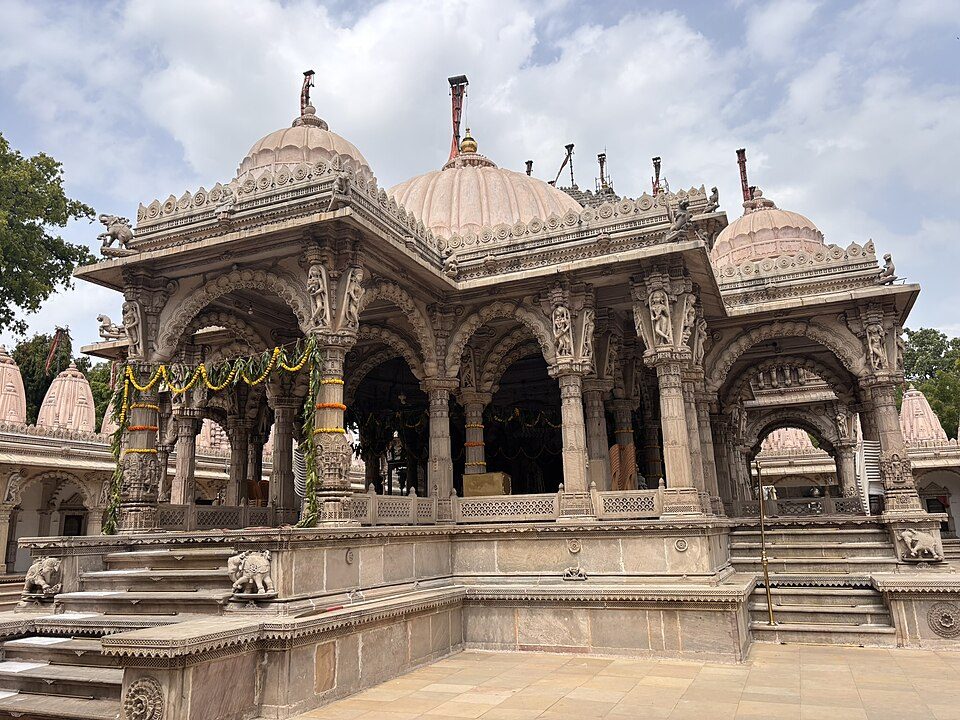
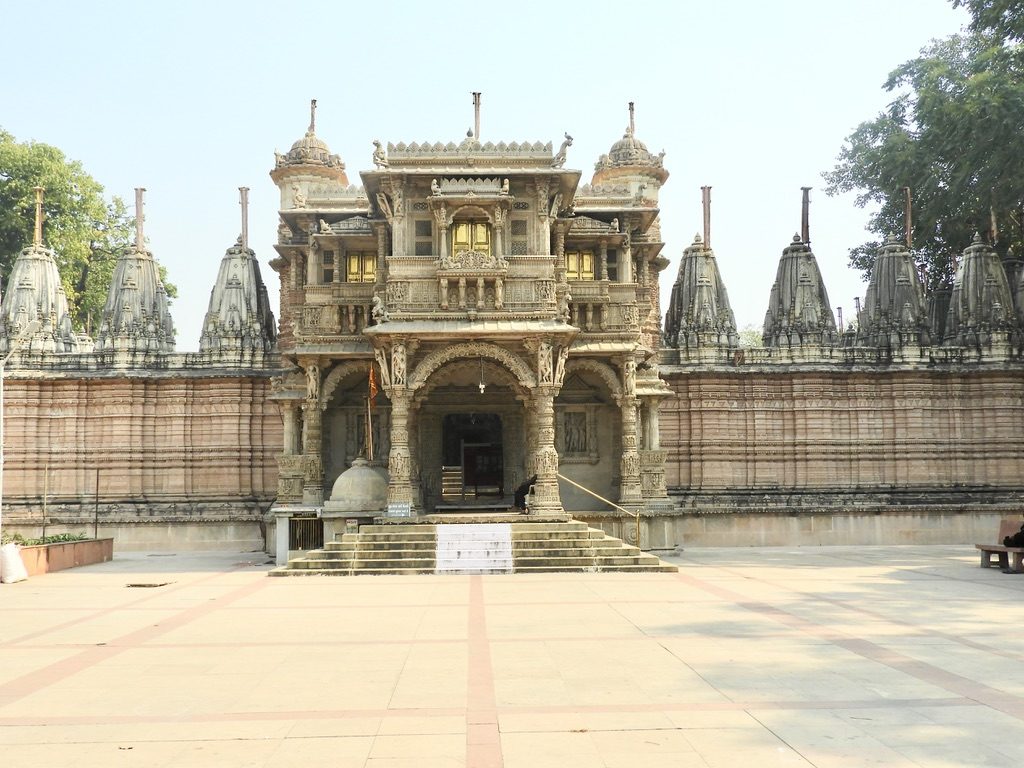
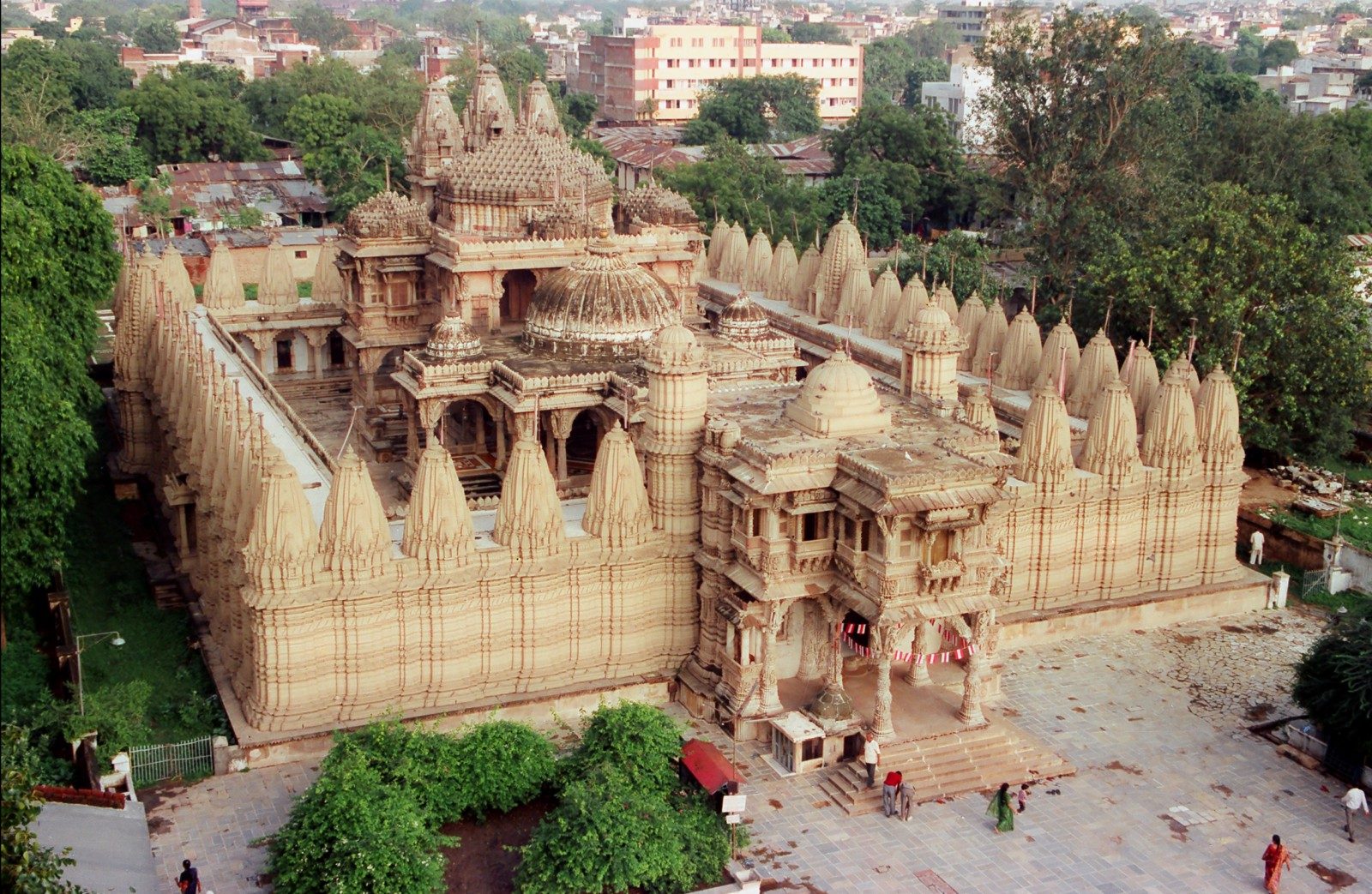
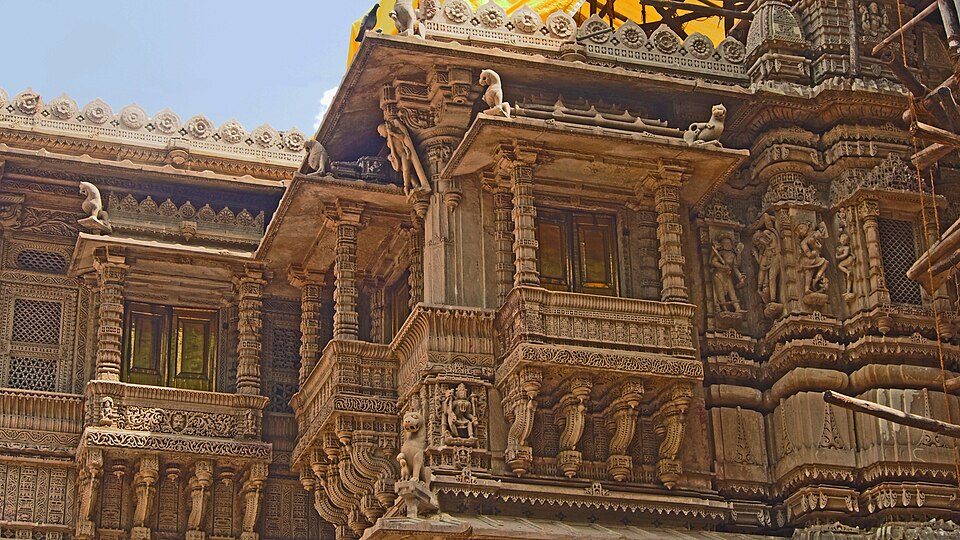
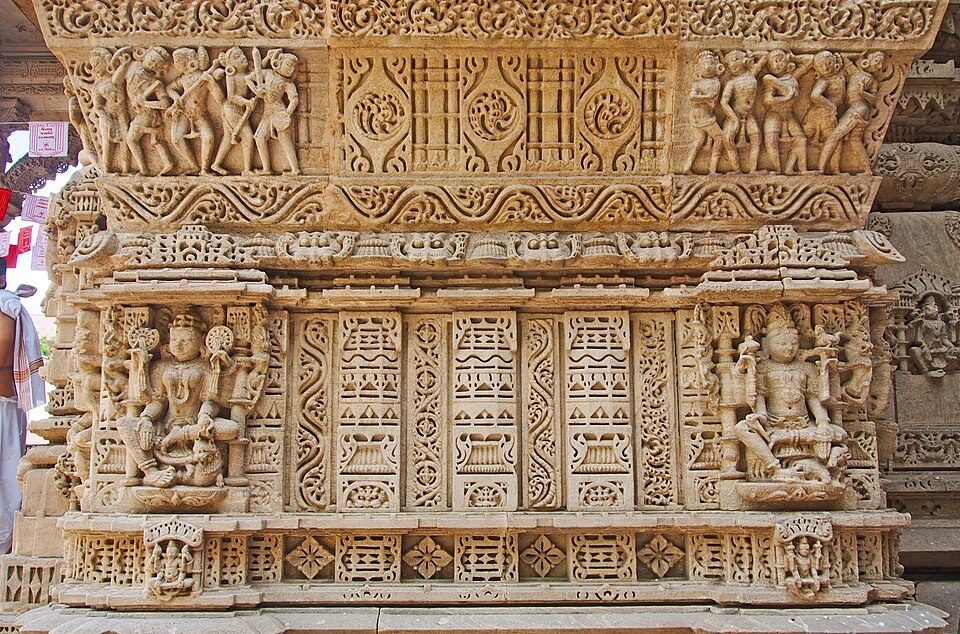
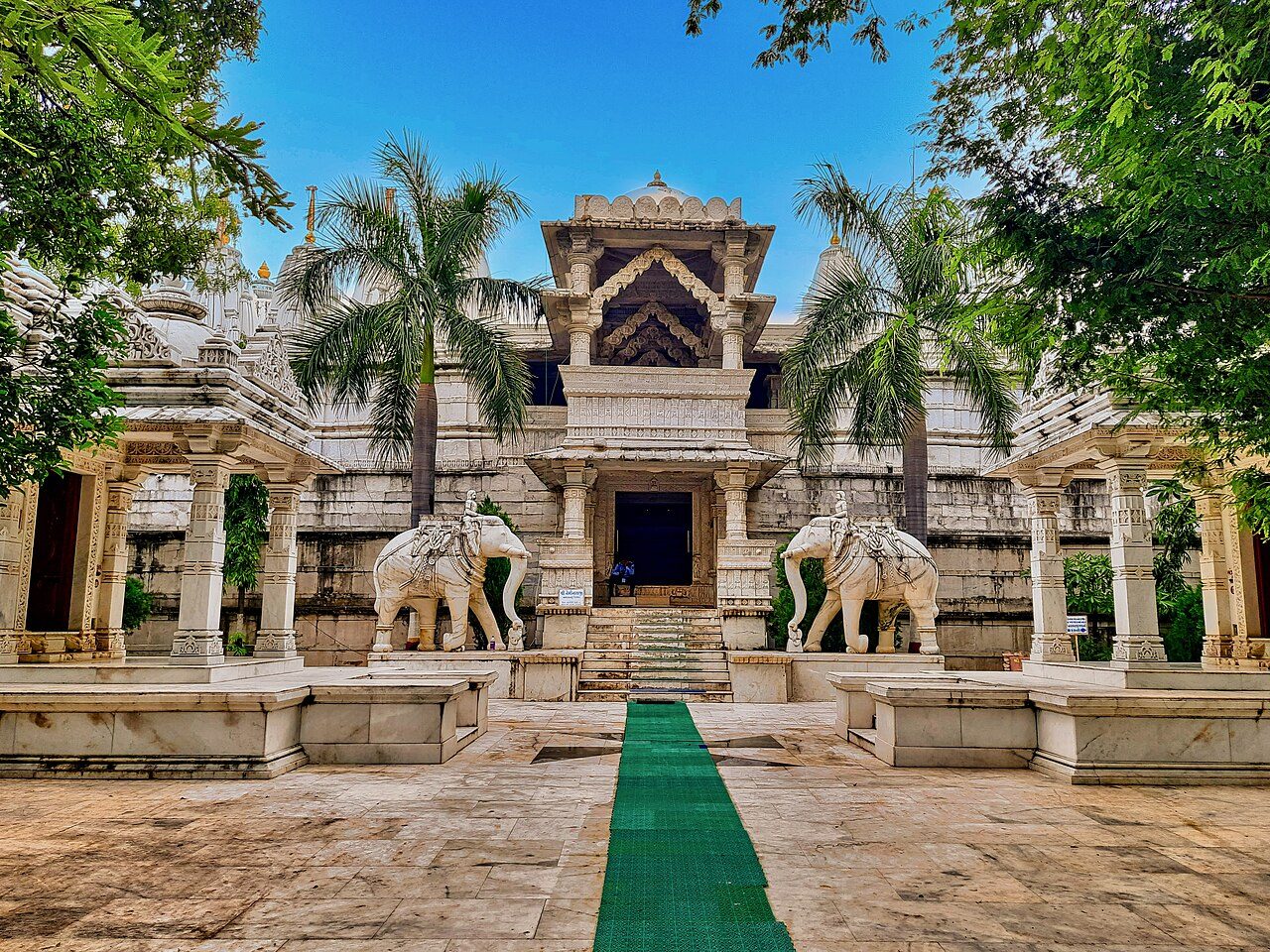
Built in 1848 by the family of the merchant Hutheesing Kesarisinh, this white marble temple is dedicated to Dharmanatha, the fifteenth Tirthankara. Its main shrine is surrounded by 52 smaller shrines, all finely carved, and a tall victory tower stands in the courtyard.

Best weather: Oct – Feb Heavy rain: Jul – Aug
02
STOP 2 OF 6

Taranga Jain Temple

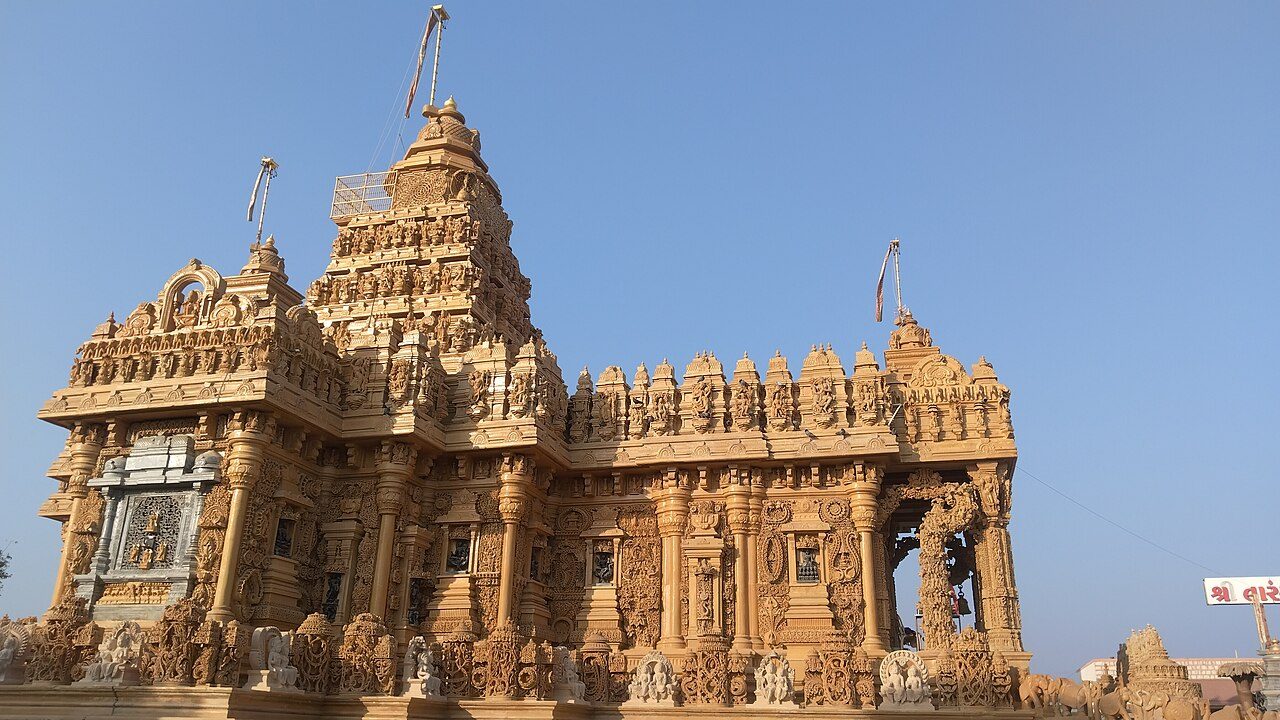
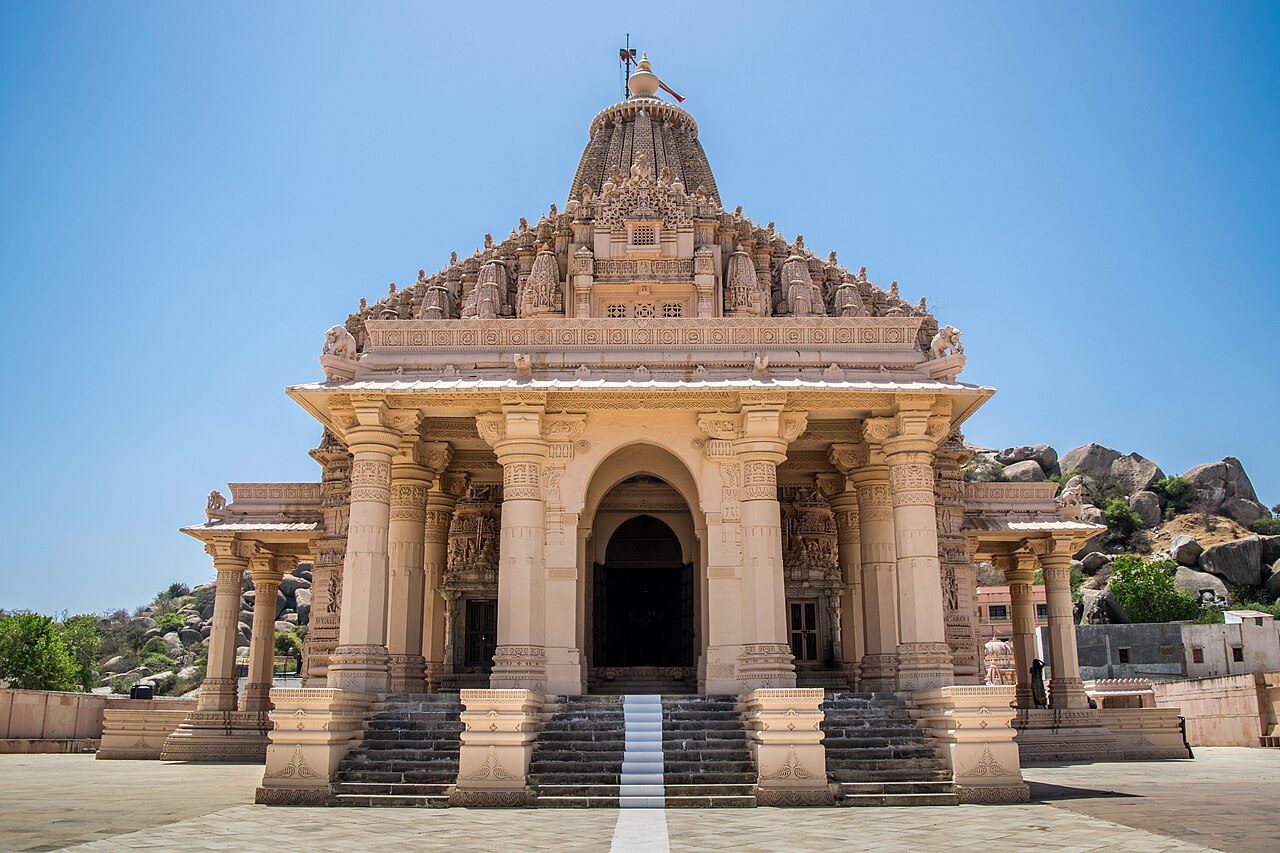
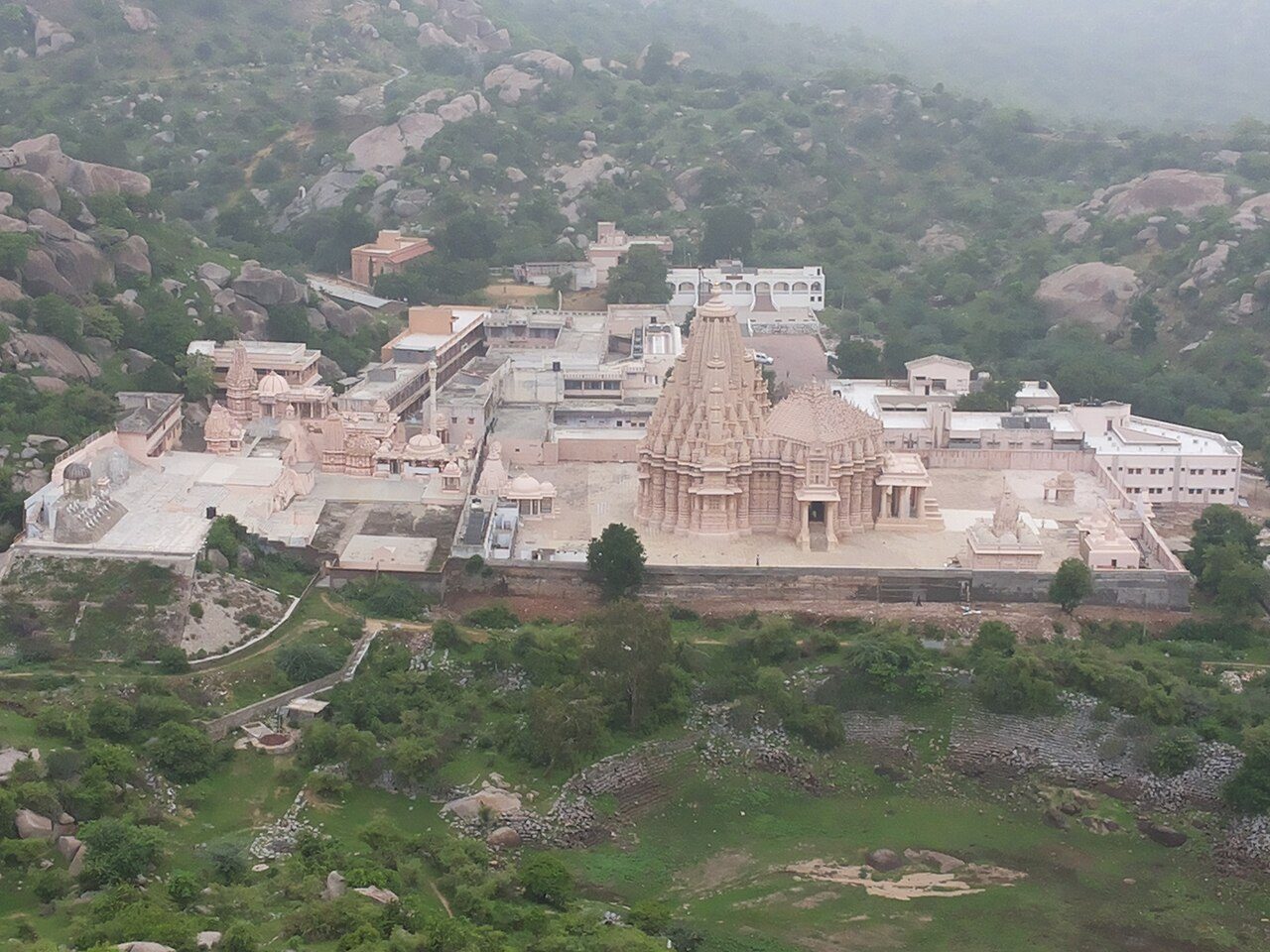
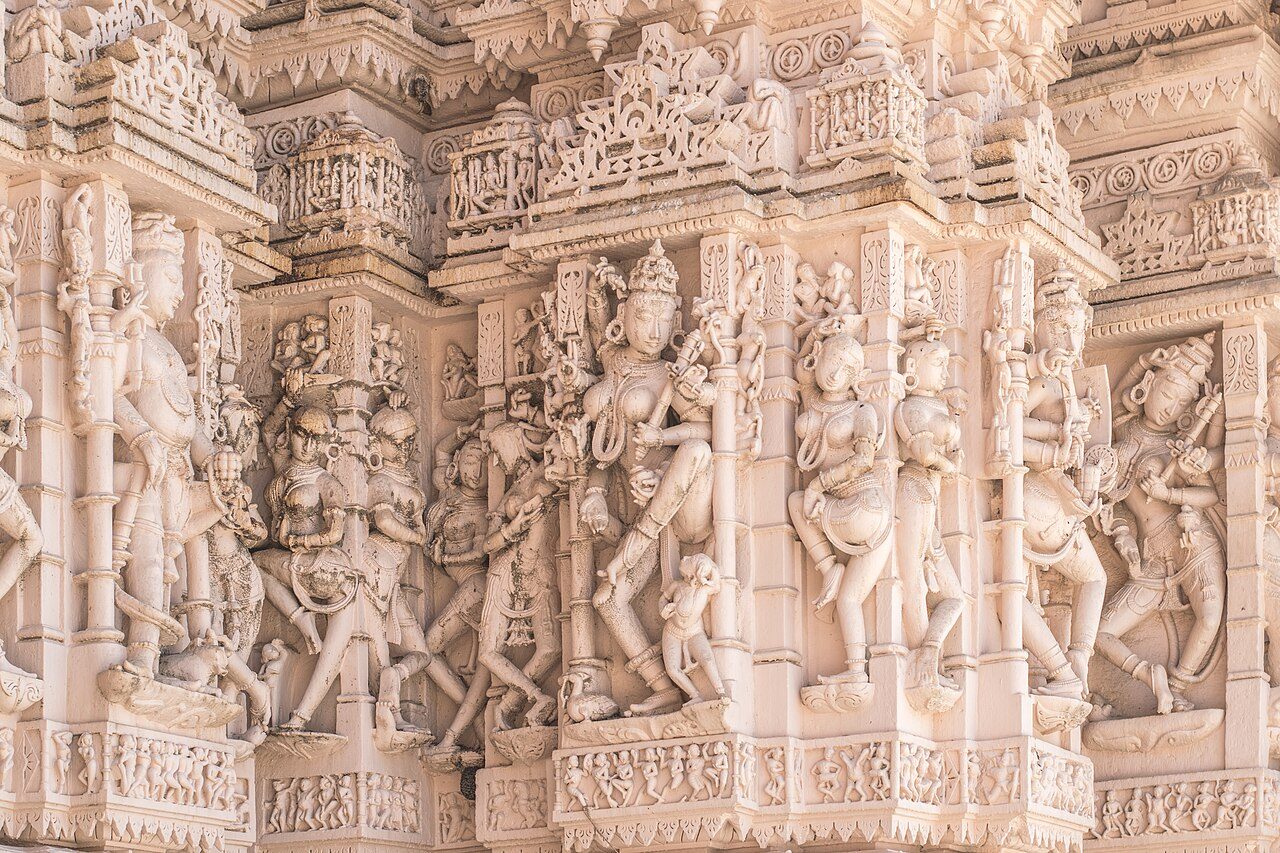
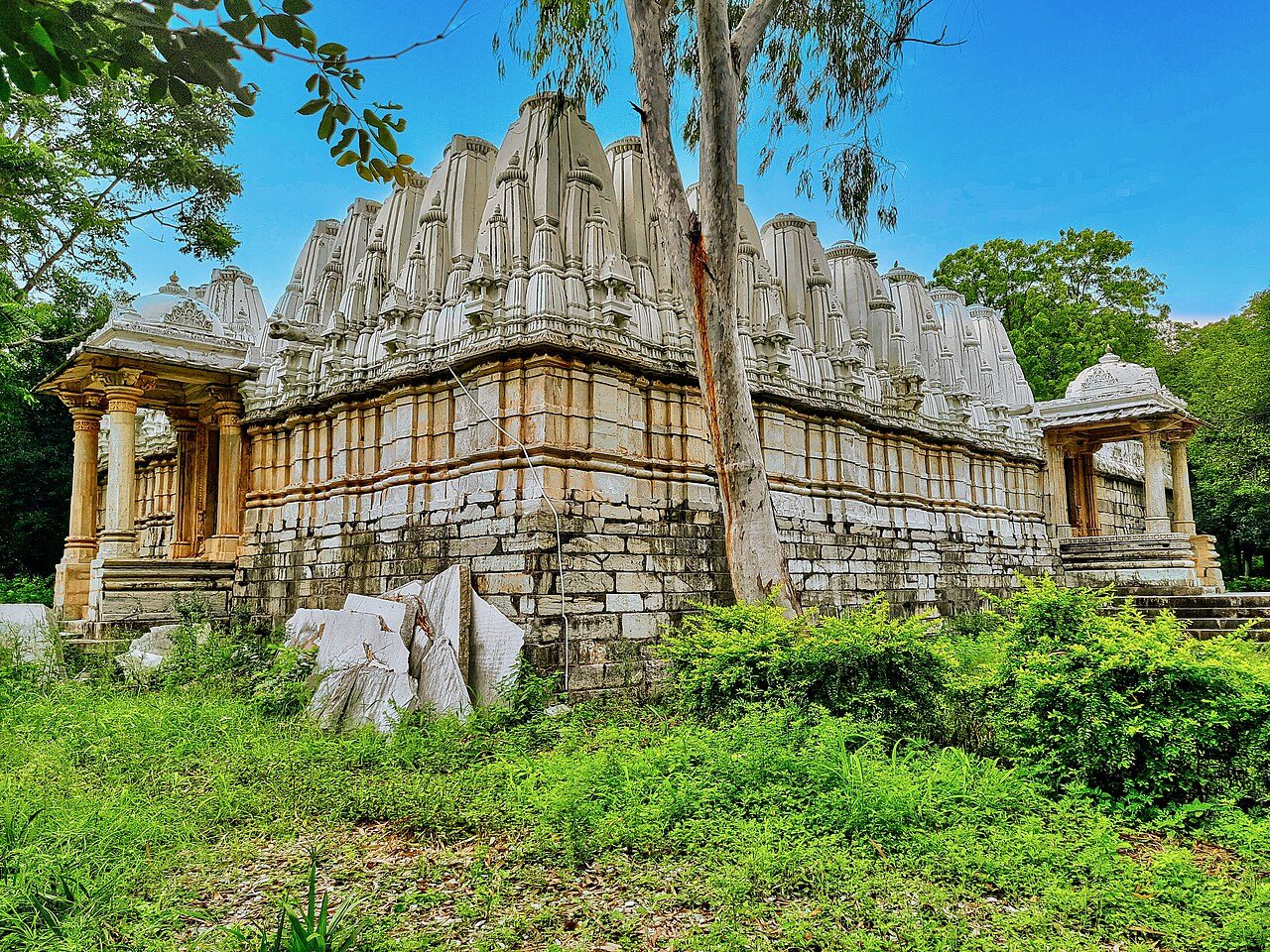
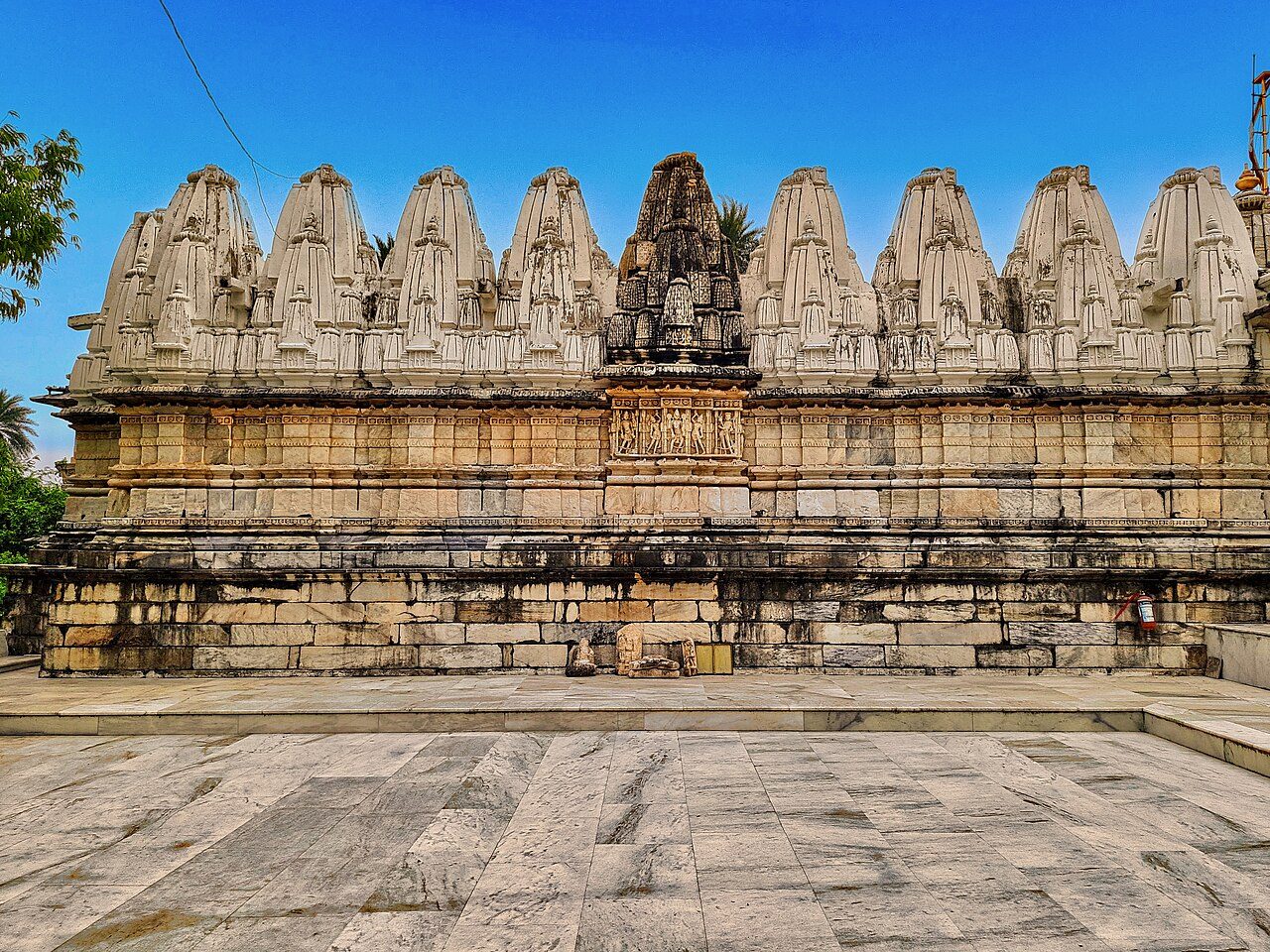
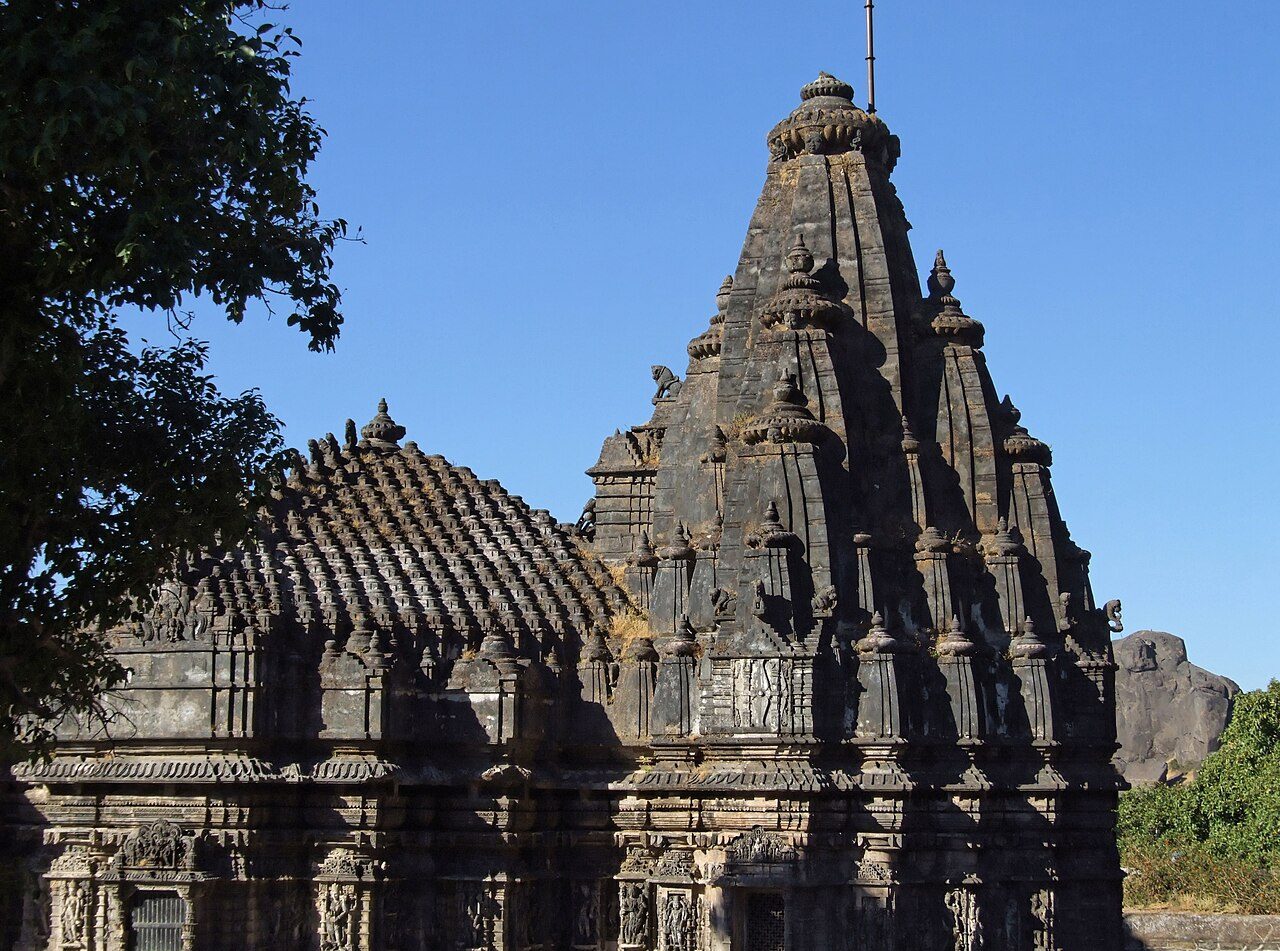
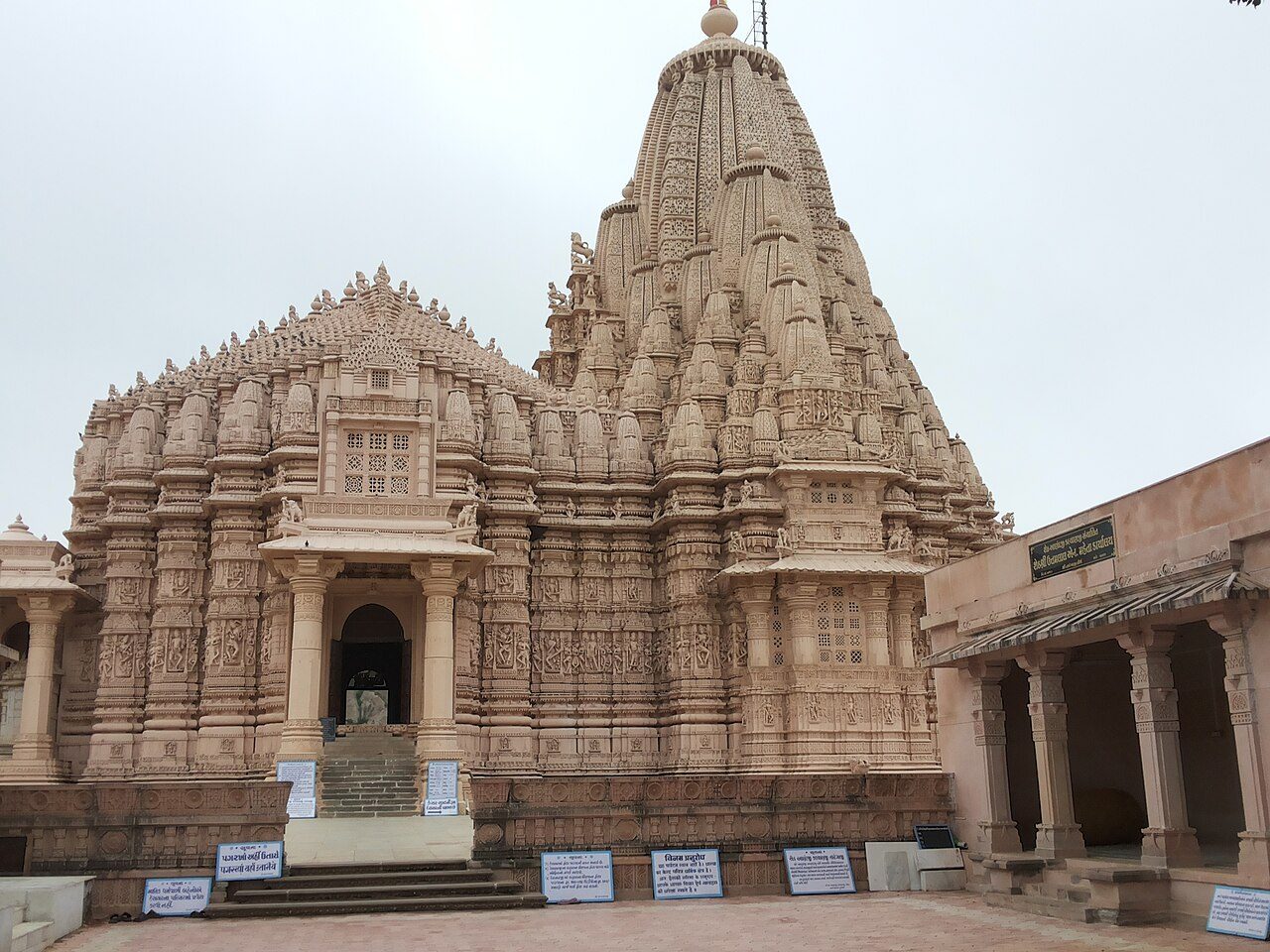
Taranga is a Jain pilgrimage hill in Mehsana district, best known for the Ajitnath temple commissioned by the Chaulukya king Kumarapala in the 12th century. The tall sandstone temple is one of the best preserved of its period, with a richly carved exterior and a large marble image of the second Tirthankara inside. Both Shvetambara and Digambara shrines stand on the hill, surrounded by boulder-strewn Aravalli slopes.

Best weather: Nov – Mar
03
STOP 3 OF 6

Kumbhariya Jain Temples

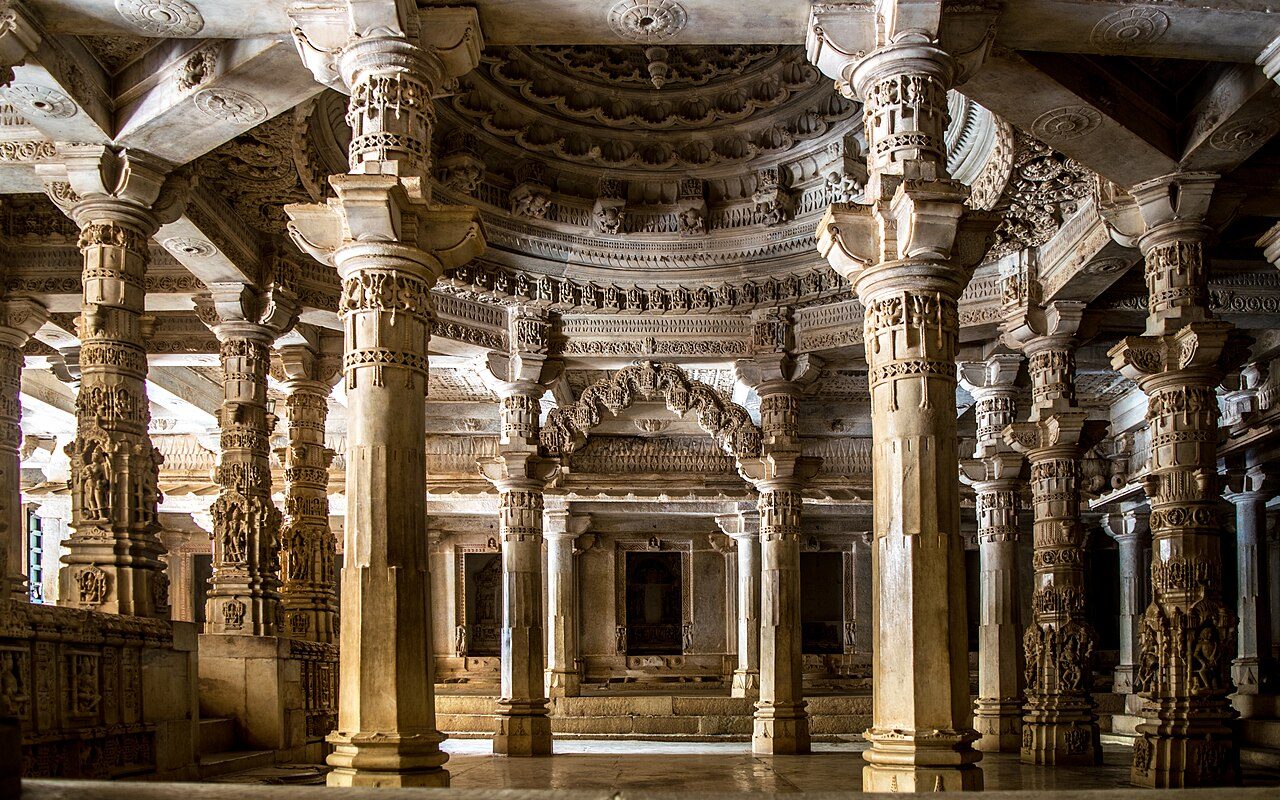
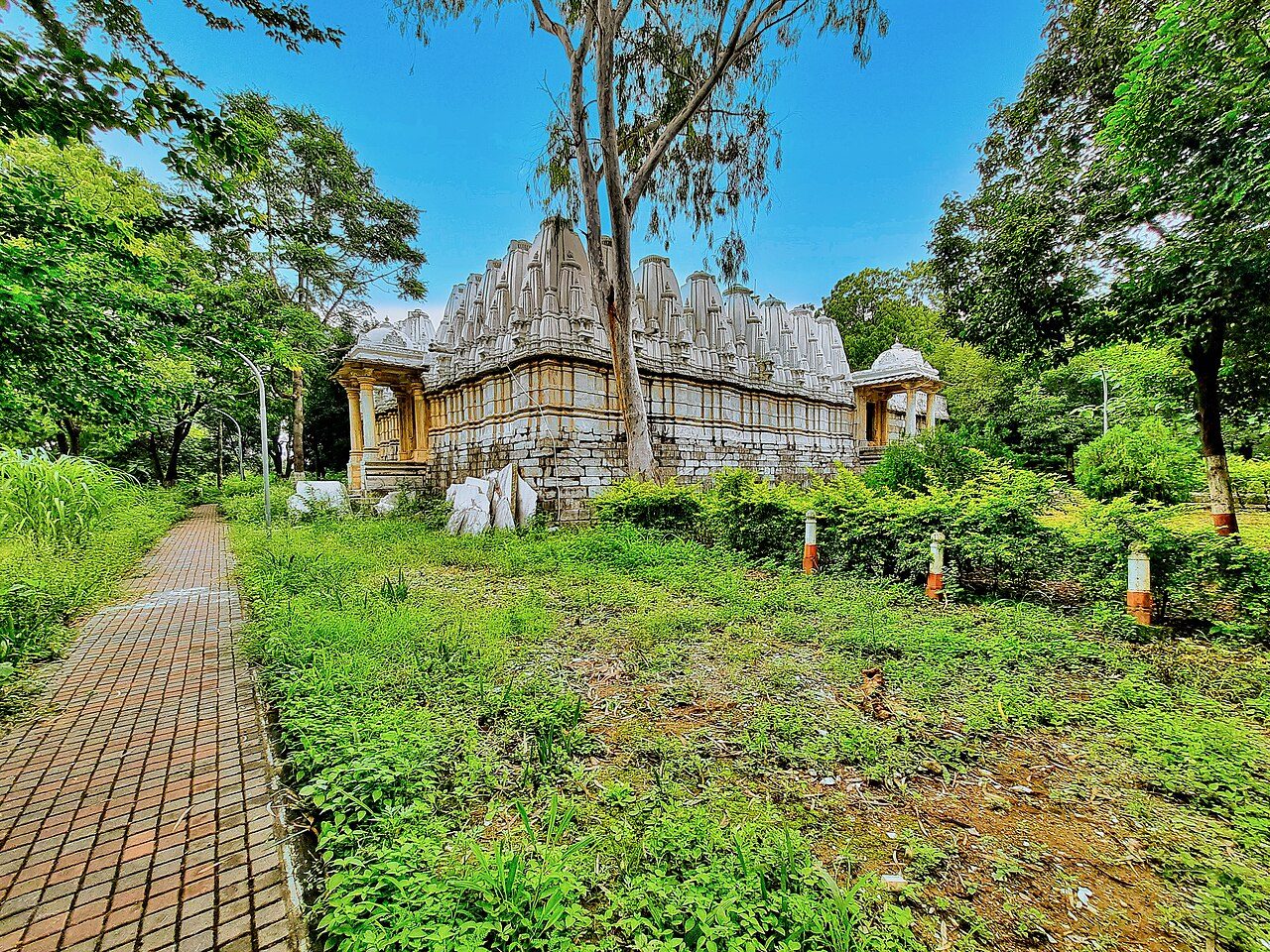
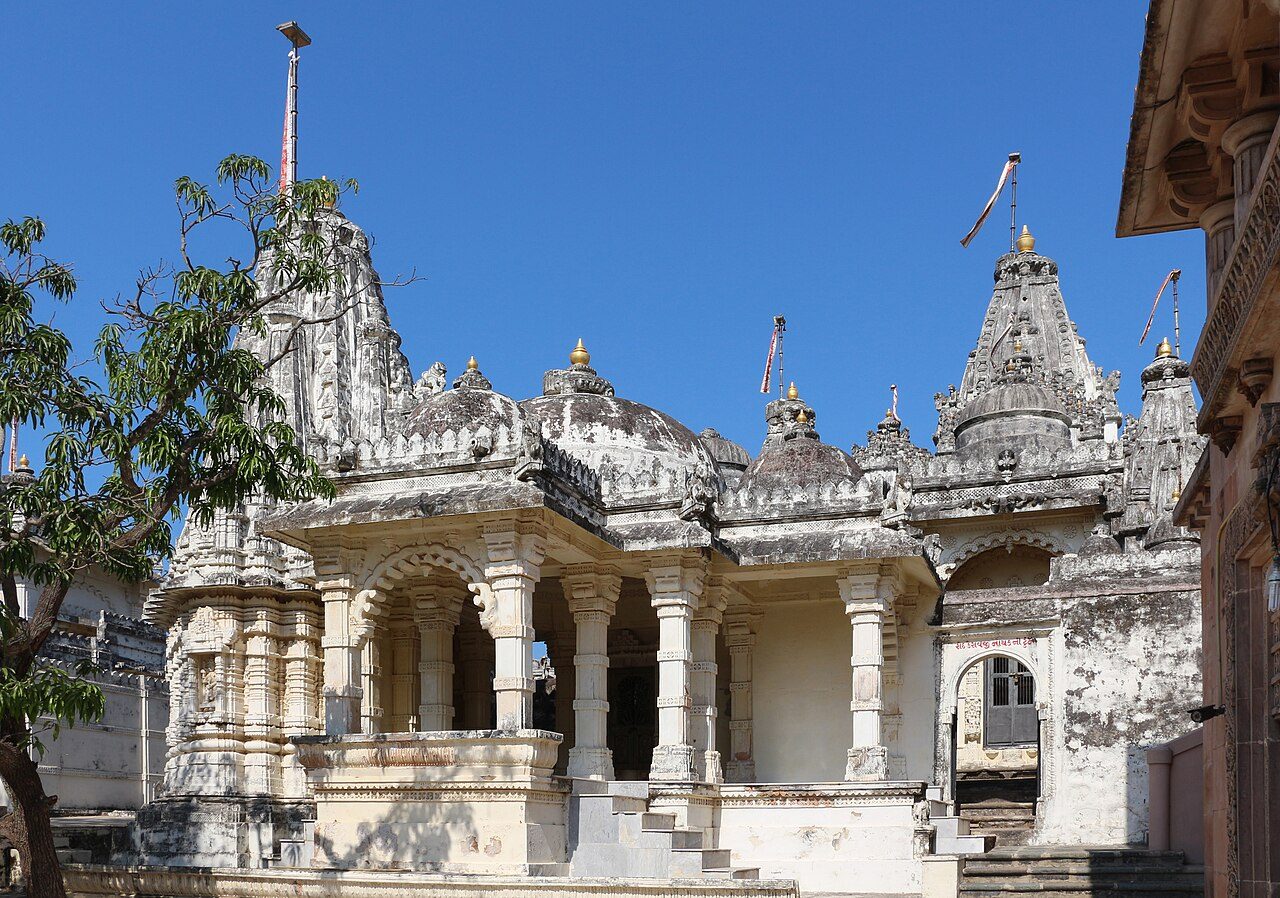
The Kumbhariya temples are a group of five Jain shrines near Ambaji, built between the 11th and 13th centuries under the Chaulukya dynasty. Carved in white marble, they are known for their ornate ceilings, pillars and doorframes, in a style closely related to the Dilwara temples of Mount Abu. The complex is quiet and well kept, and makes an easy stop for anyone visiting Ambaji, a couple of kilometres away.

Best weather: Nov – Mar
04
STOP 4 OF 6

Ambaji Temple

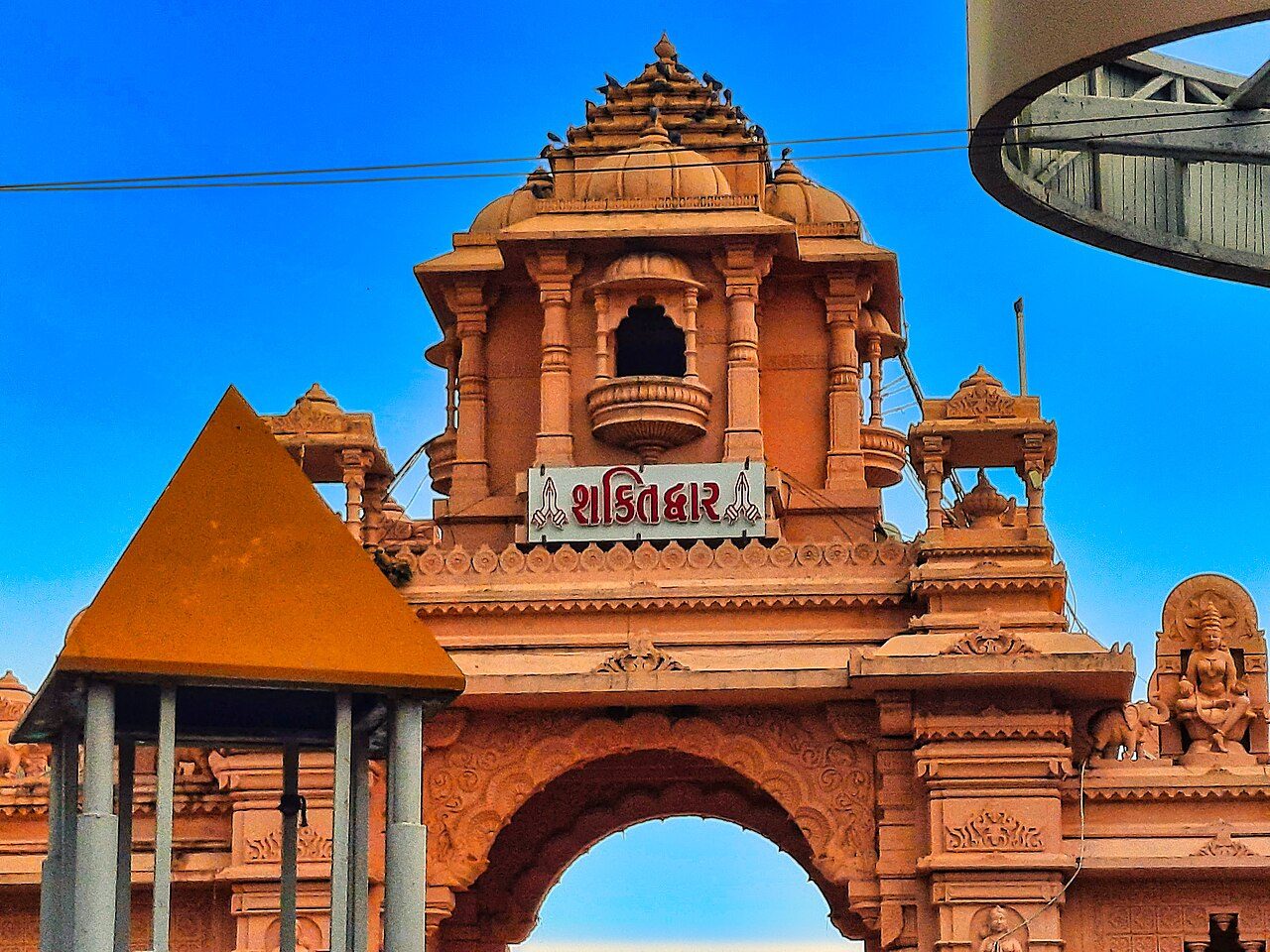
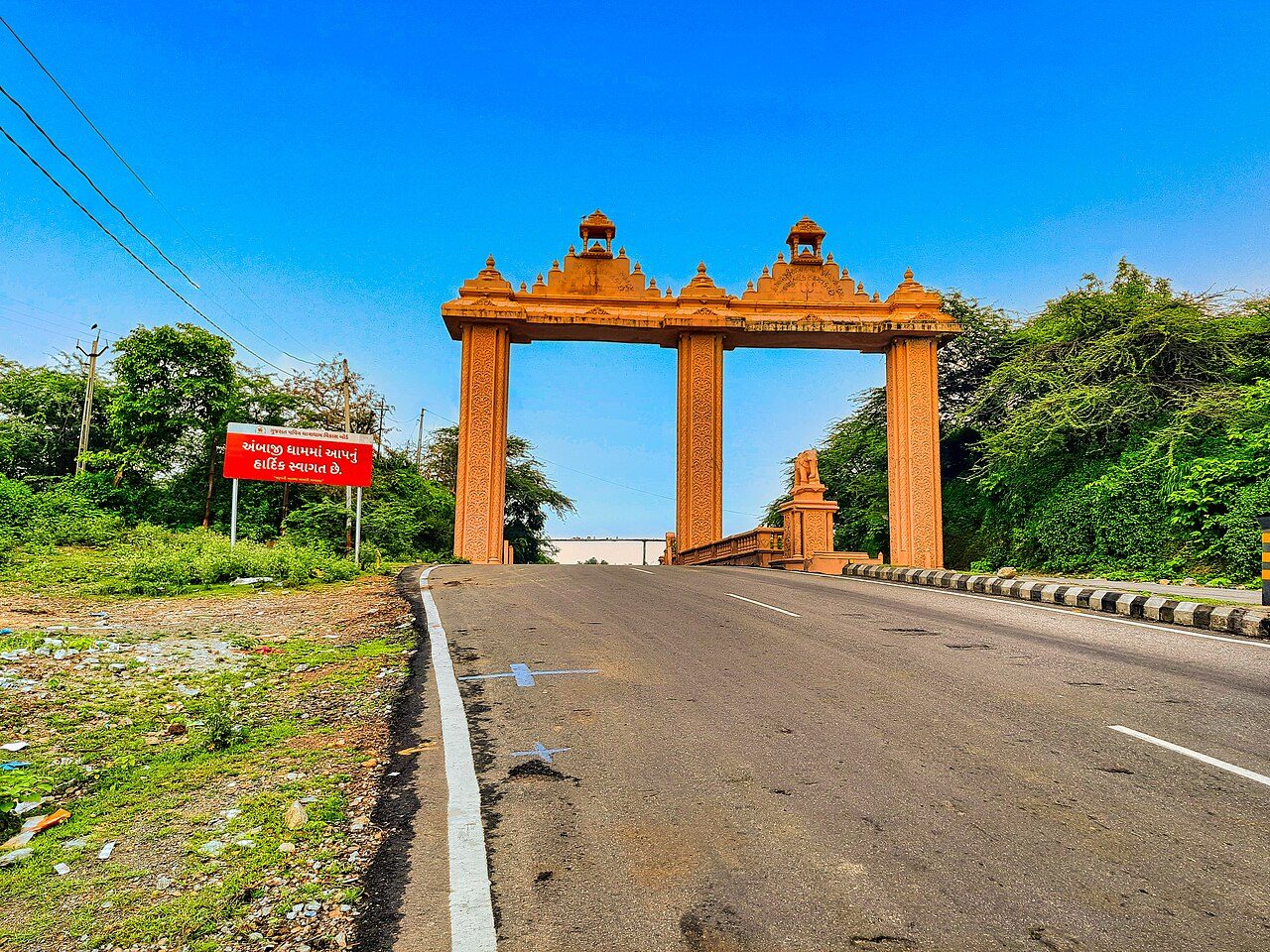
Ambaji is one of the most important Shakti Peetha shrines in India, set in the Aravalli hills near the Rajasthan border. The temple has no idol; devotees worship a sacred yantra in the inner sanctum. The white marble shrine with its gold-topped spire draws huge crowds, especially on full-moon days and during the Bhadarvi Poonam fair. Nearby Gabbar hill, reached by steps or ropeway, is regarded as the goddess's original seat.

Best weather: Nov – Mar
05
STOP 5 OF 6

Palitana Temples

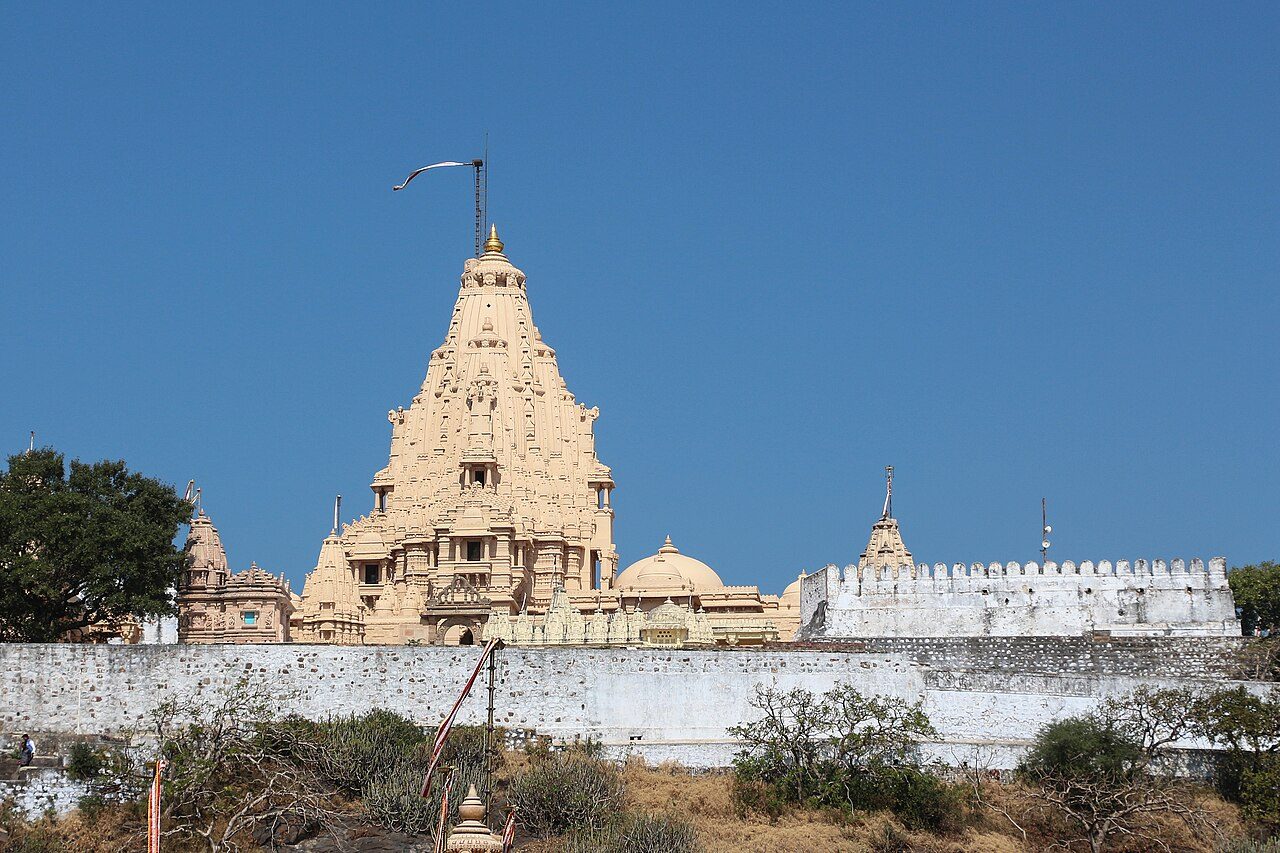
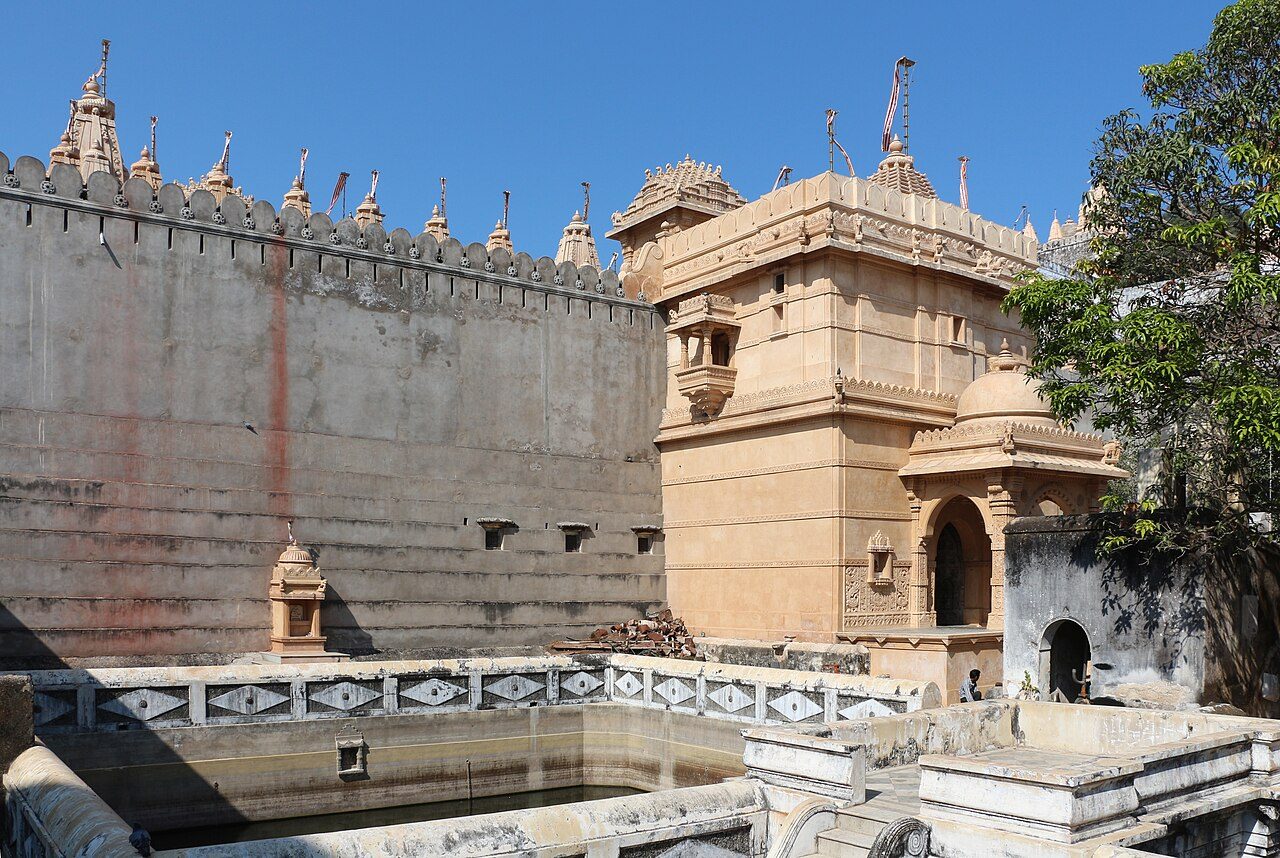
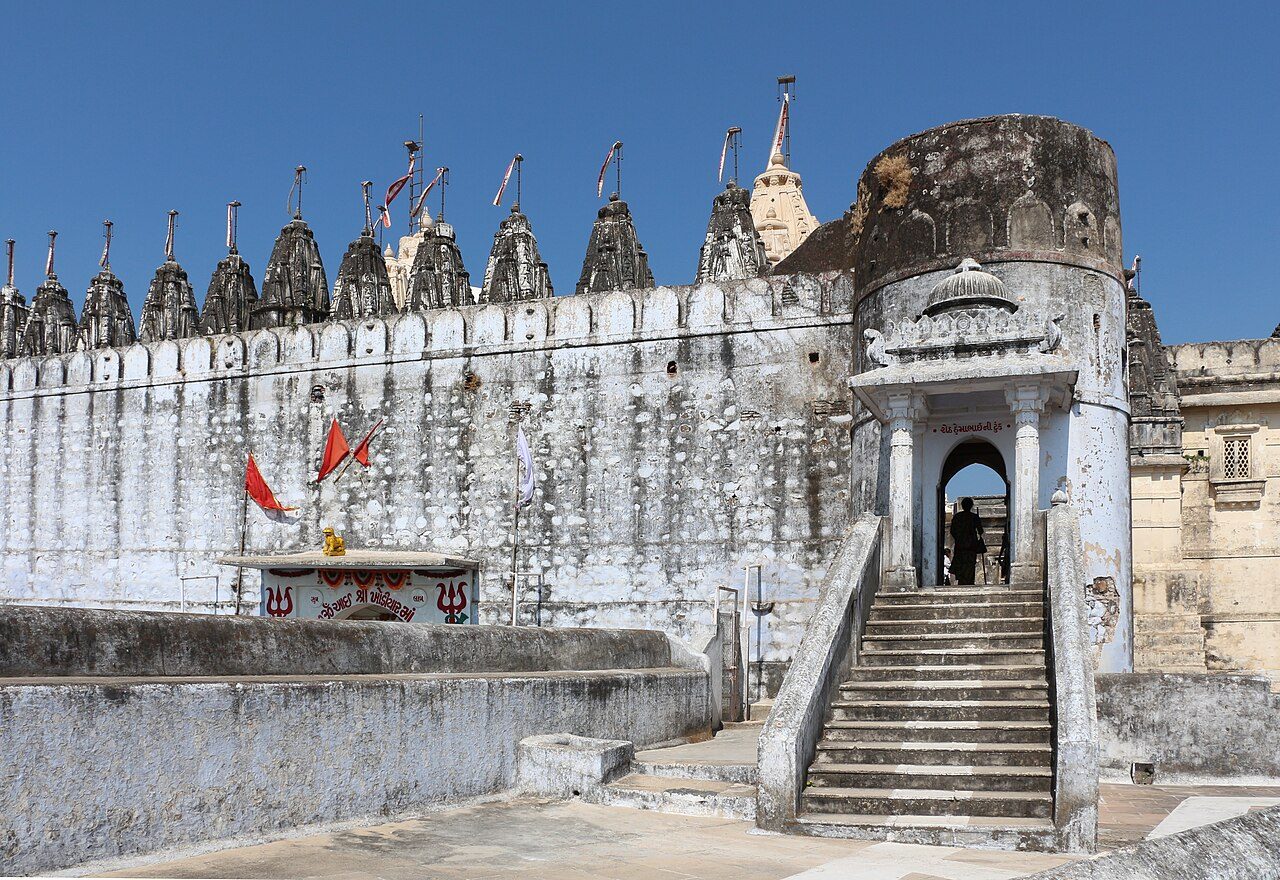
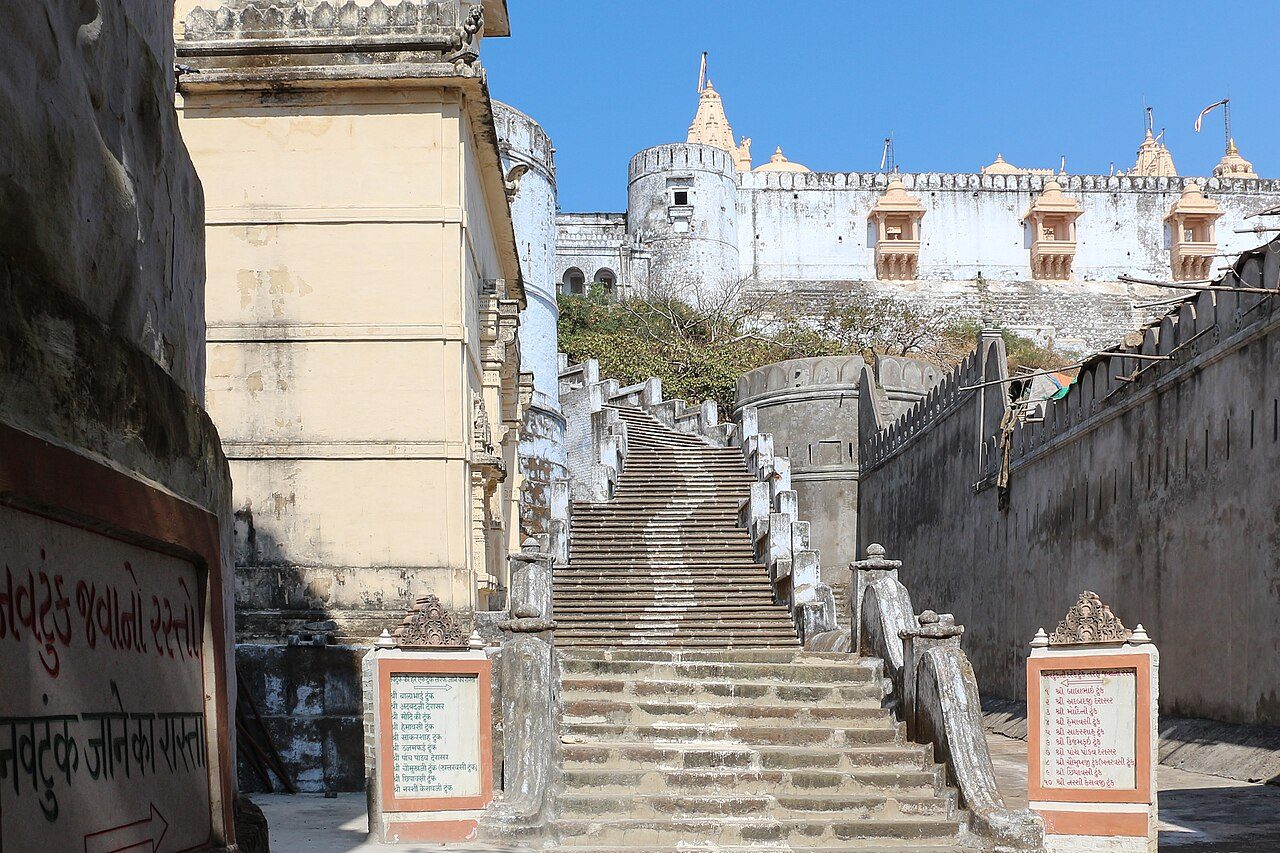
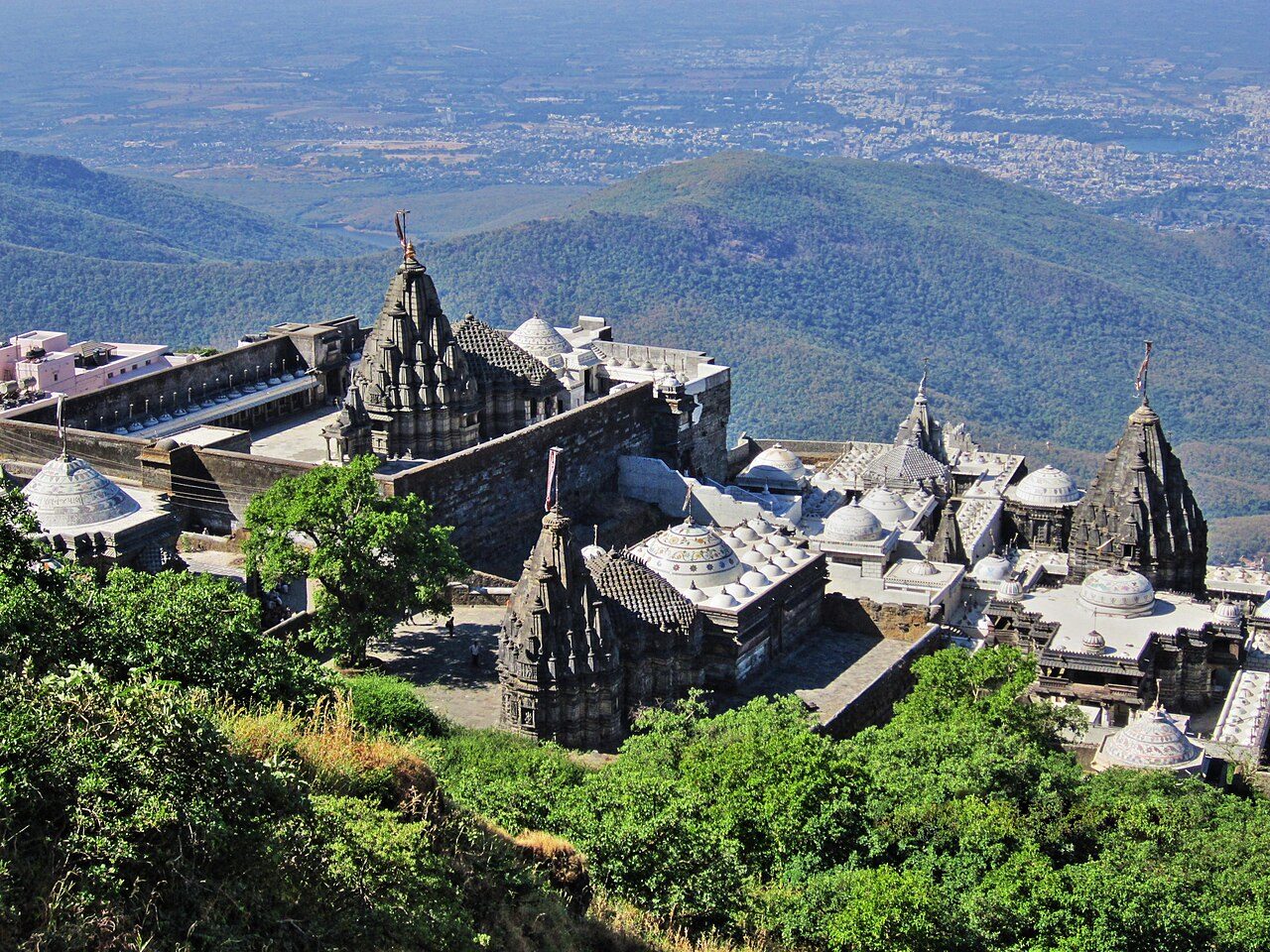
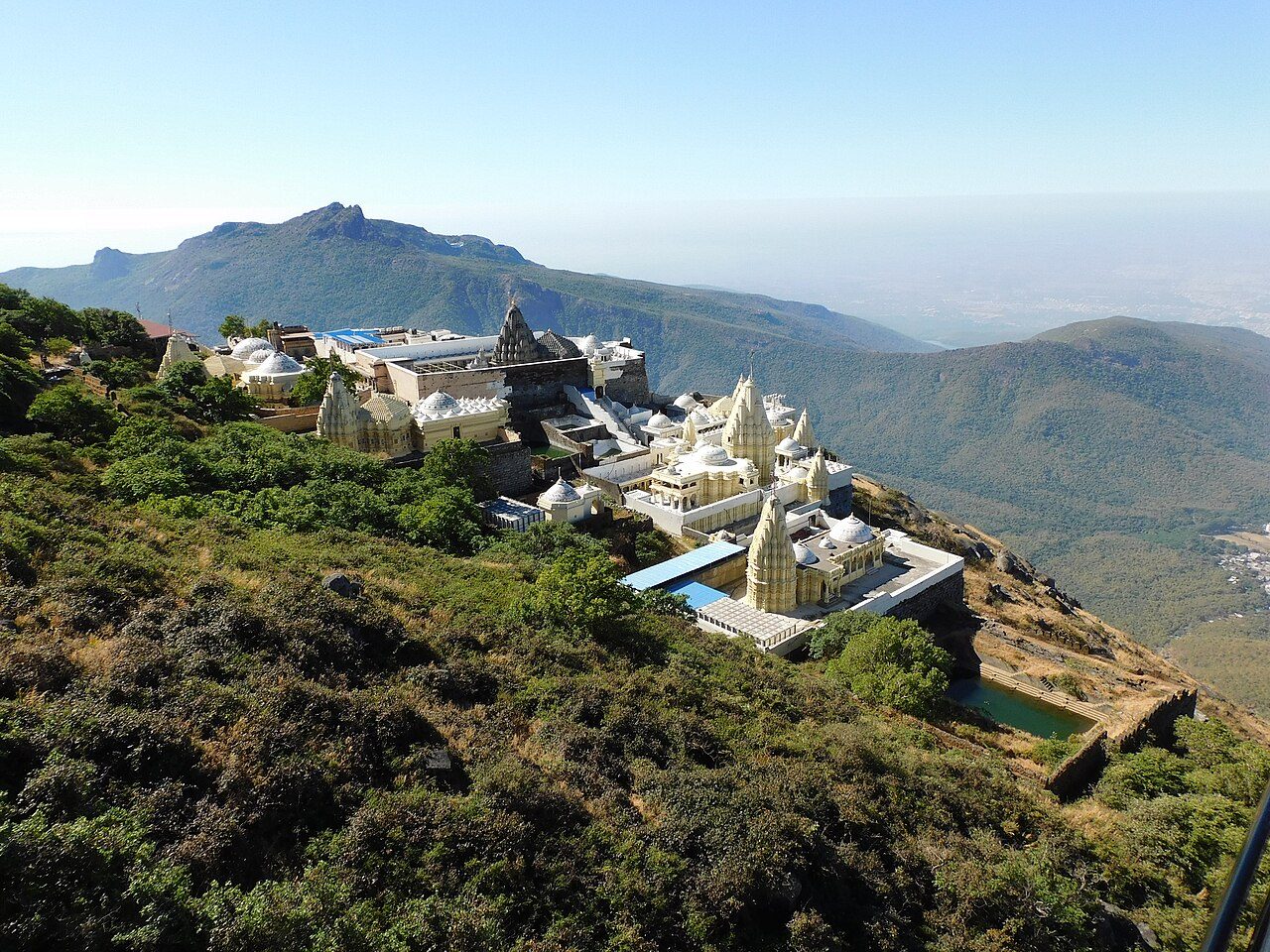
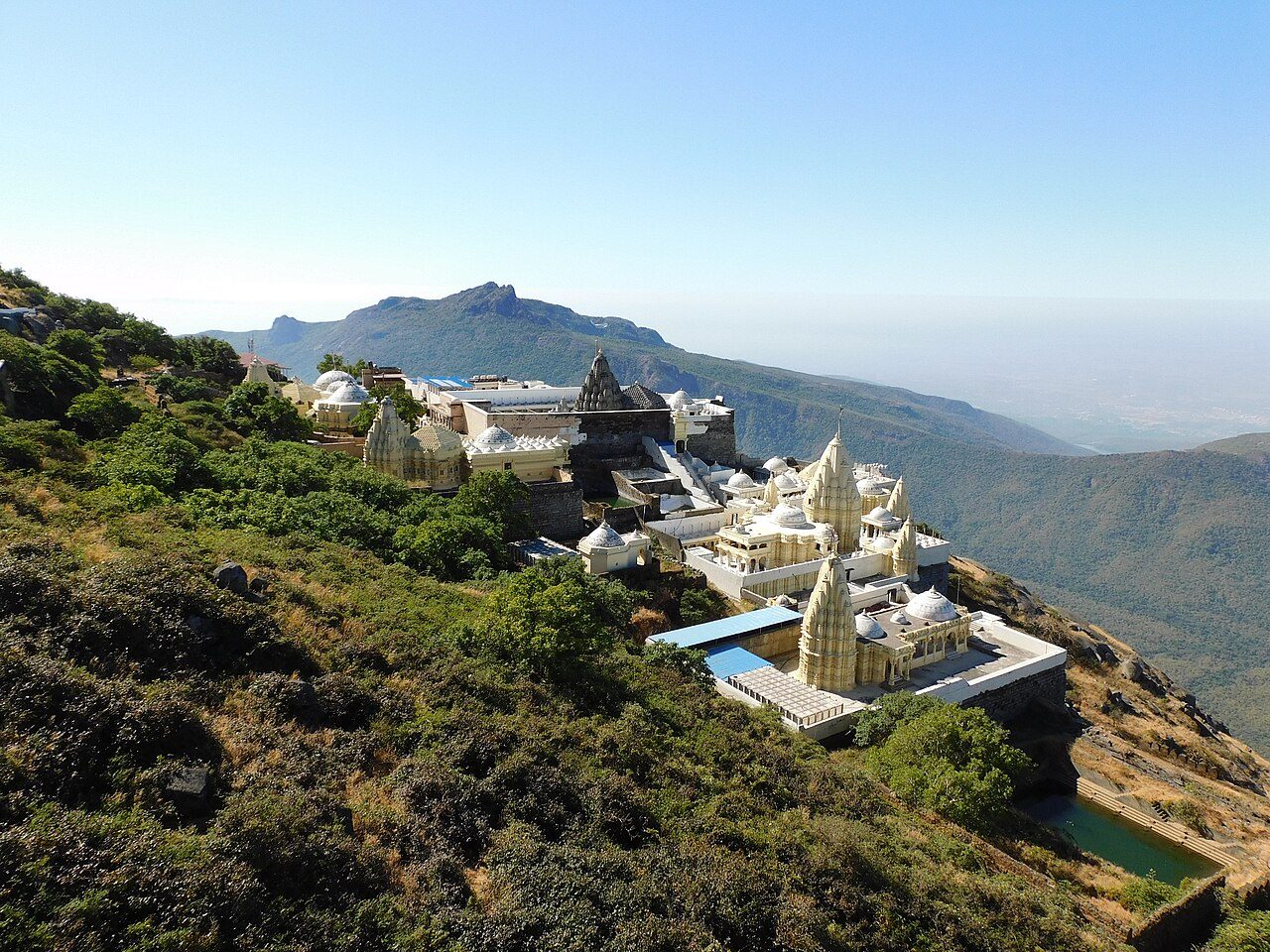
The Palitana temples cover the summit of Shatrunjaya hill and form one of the holiest pilgrimage sites of Jainism. Hundreds of marble shrines, built and rebuilt over many centuries, are grouped in walled enclosures called tuks, with the main temple dedicated to Adinath. Pilgrims climb more than 3,000 steps to reach them. No one stays on the hill overnight, and the climb is best started at dawn.

Best weather: Nov – Mar Heavy rain: Jul
06
STOP 6 OF 6 · LAST STOP

Girnar Jain Temples

The Girnar Jain temples stand on a plateau partway up Mount Girnar, the highest hill in Gujarat. The largest, built in the 12th century, is dedicated to Neminath, the 22nd Tirthankara, who is believed to have attained liberation here. The cluster of marble and stone shrines is reached by a climb of several thousand steps, or more easily by the ropeway to the Ambaji temple above. Start early to avoid the heat.

Best weather: Nov – Mar Heavy rain: Jul

Seasons from 20 years of NASA POWER climate data.

Was this trip blog helpful?

0
0

Ready to follow this route?

Copy all 6 stops into your trip plans in the app.

Open in WaTrips
More trip blogs