Madan Mahal and the Marble Rocks at Bhedaghat, a tiger safari in Bandhavgarh, Sohagpur, and the source of the Narmada.
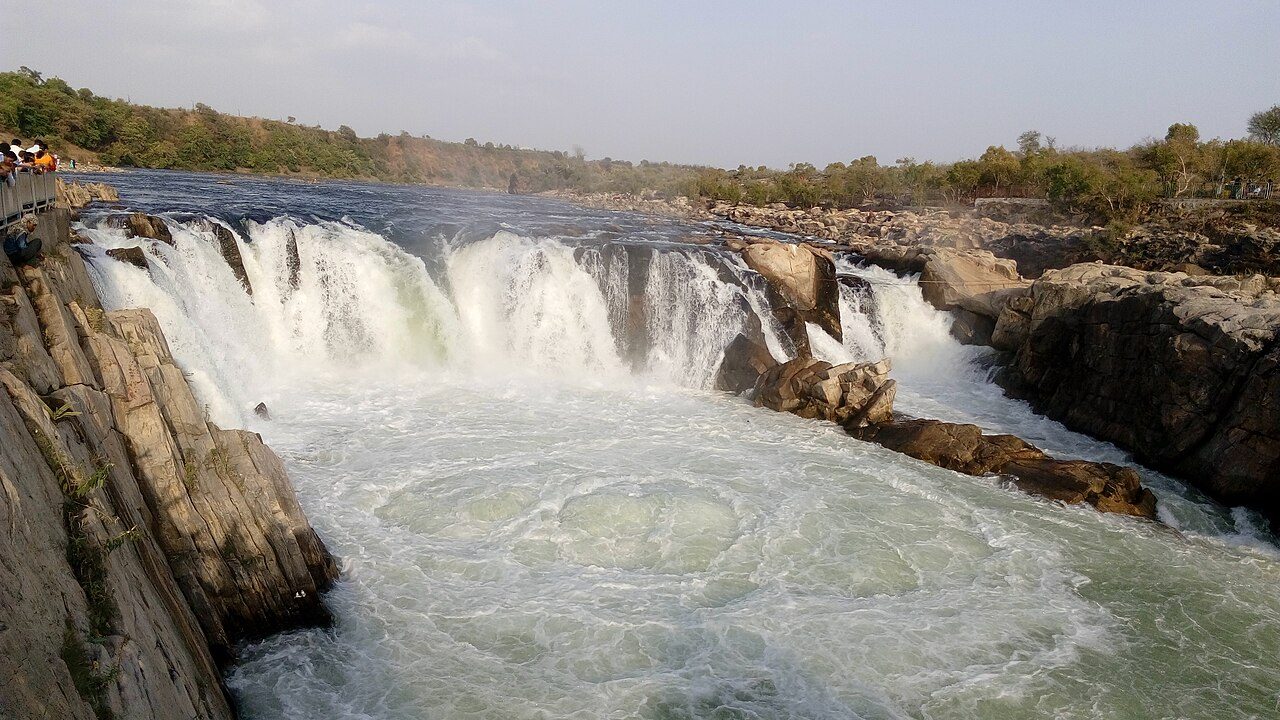
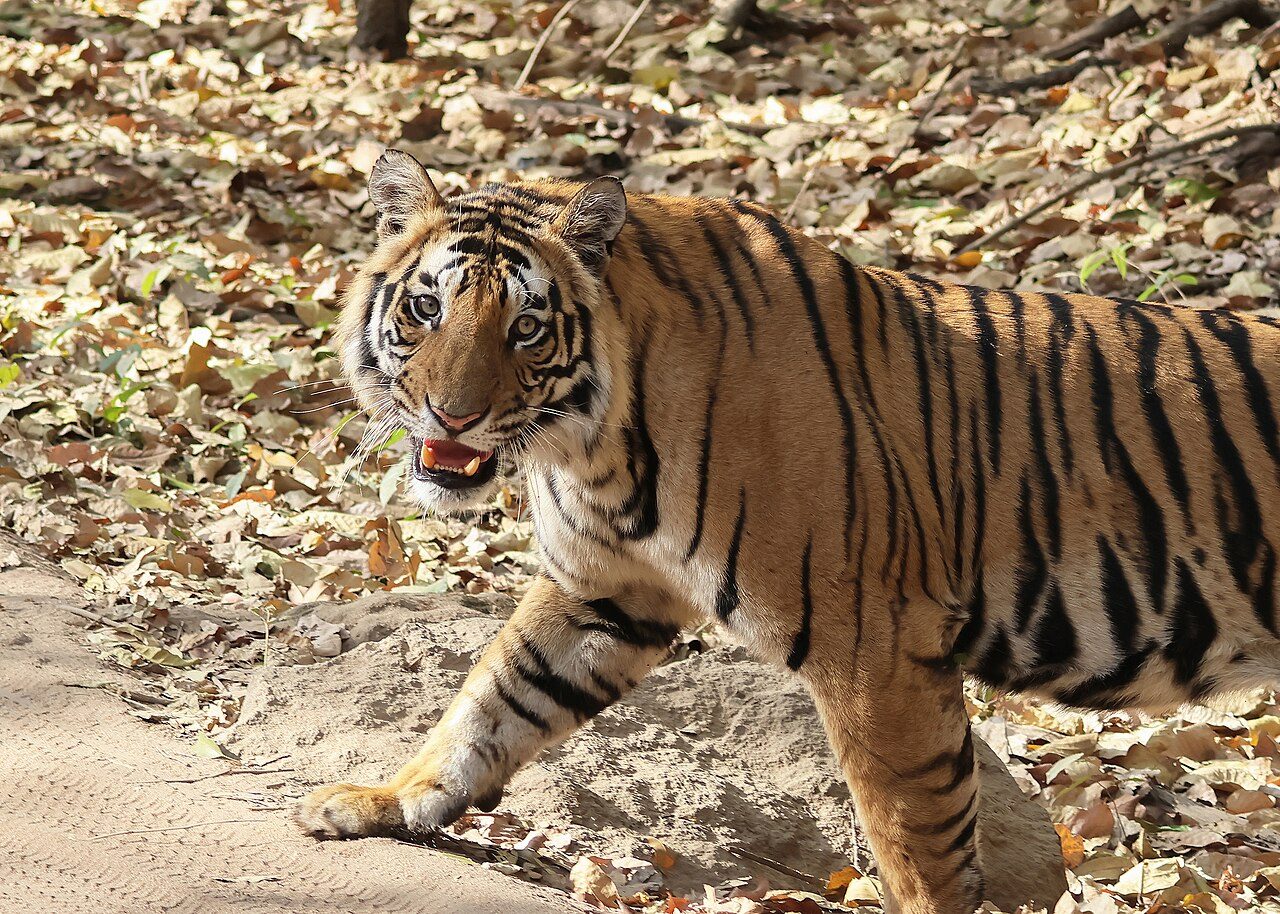
This eastern route starts in Jabalpur with Madan Mahal fort, a boat between the Marble Rocks at Bhedaghat, Dhuandhar Falls and the Chausath Yogini temple on the hill. Day two is Bandhavgarh, one of the best parks in India for tiger sightings, with an old fort on the central hill; book safaris well ahead. Day three stops at the Virateshwar temple in Shahdol and ends at Amarkantak, where the Narmada begins, with its Kalachuri-era temples. The parks are closed from July to mid-October; November to March is best.
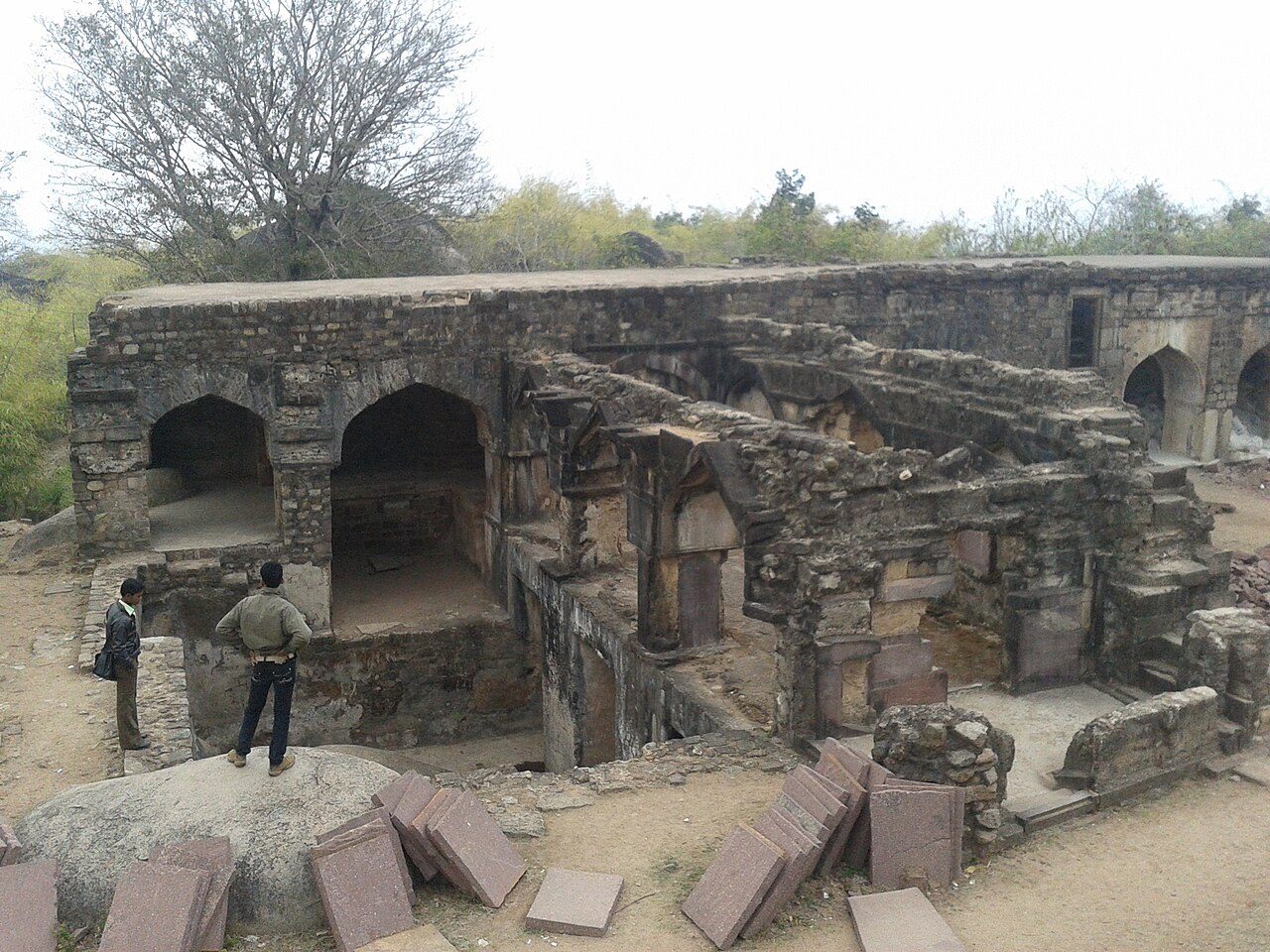
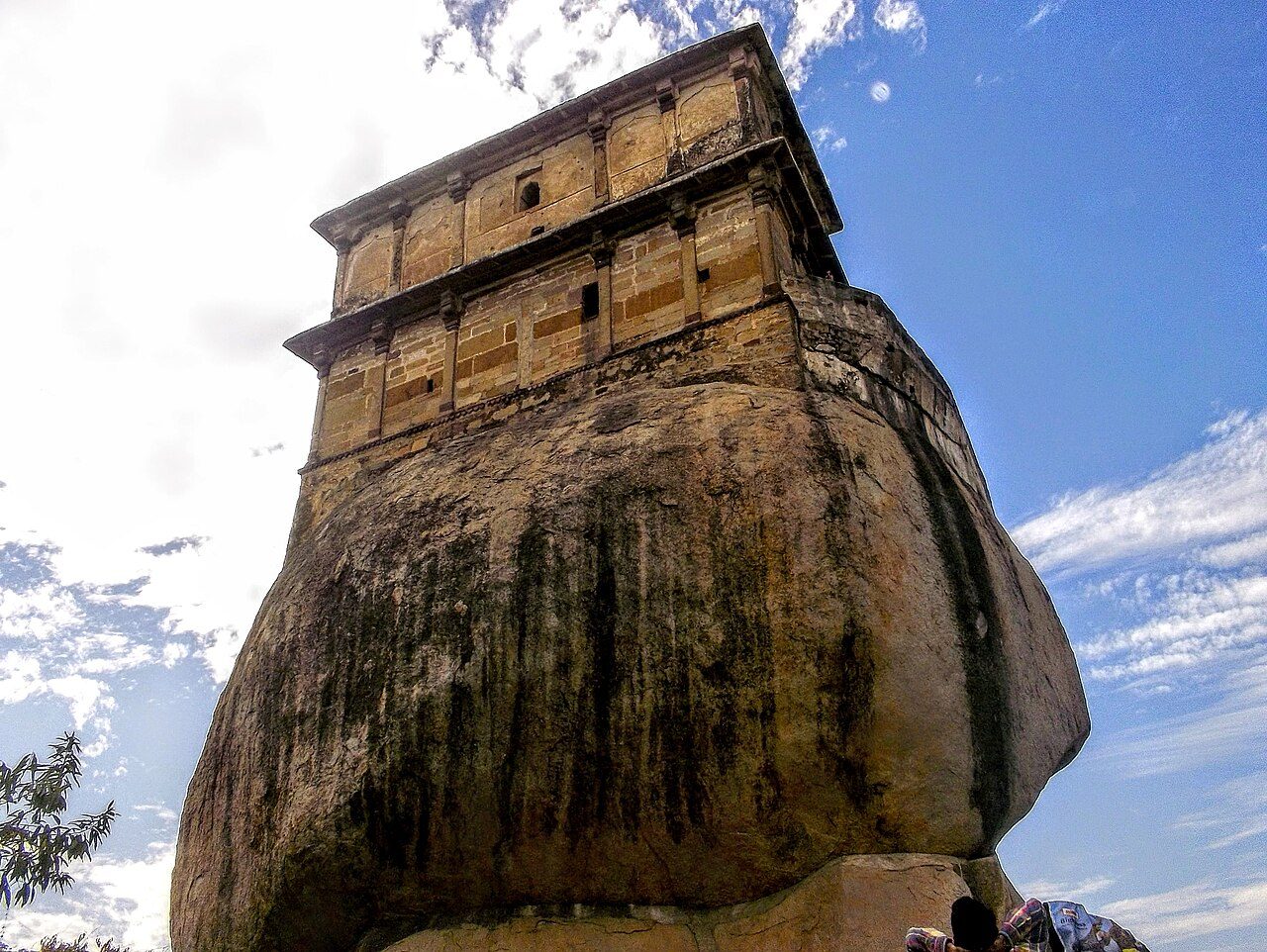
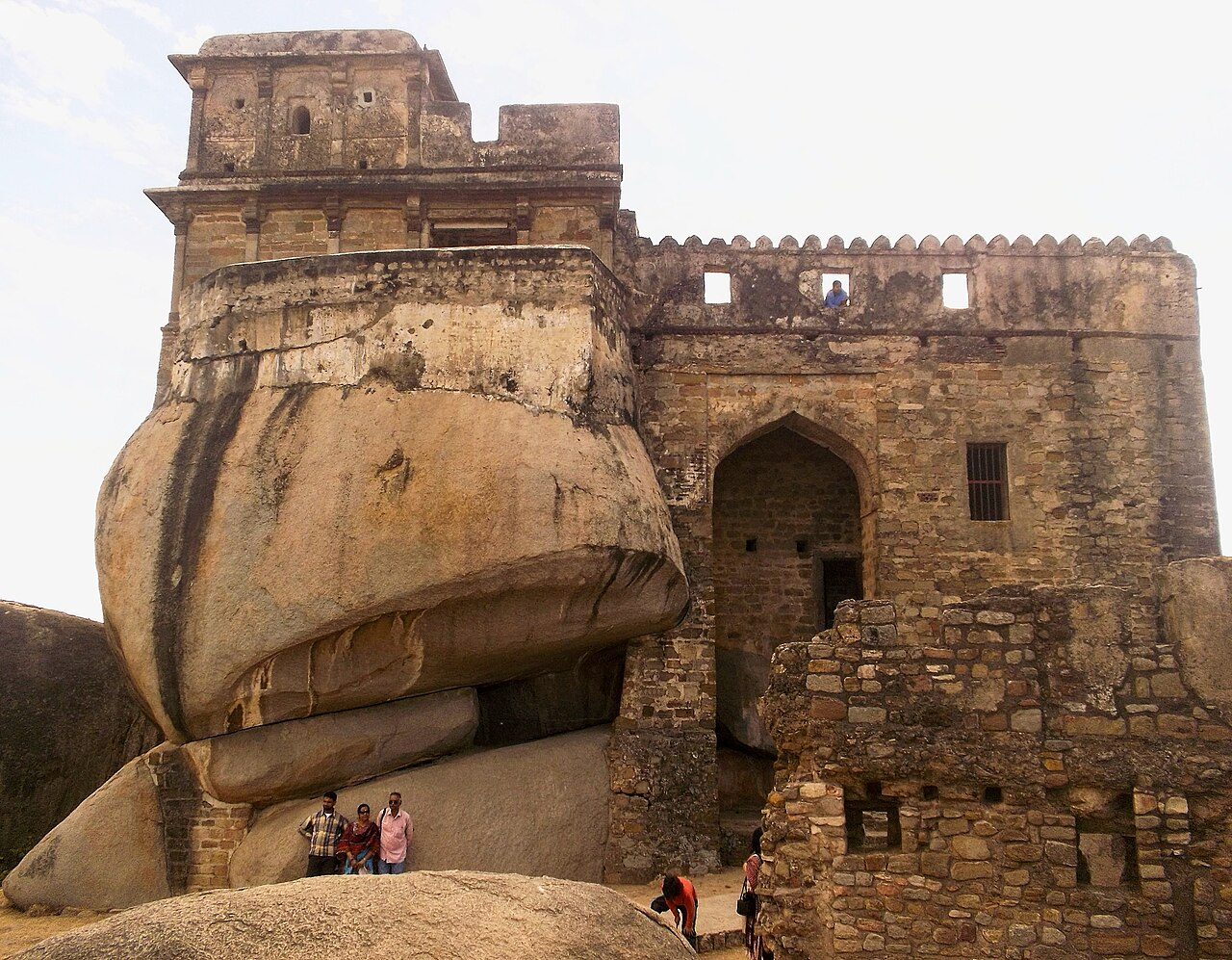
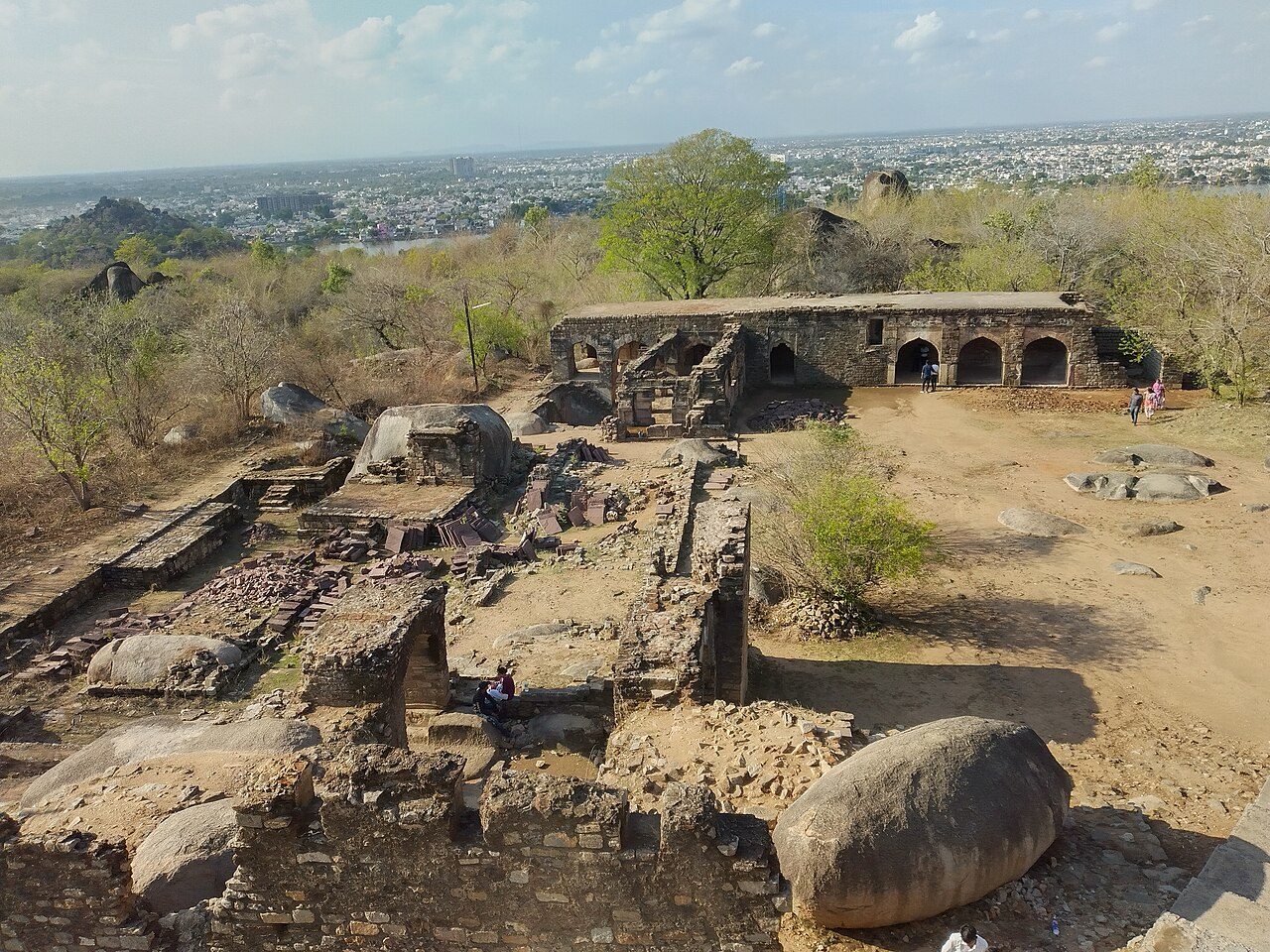
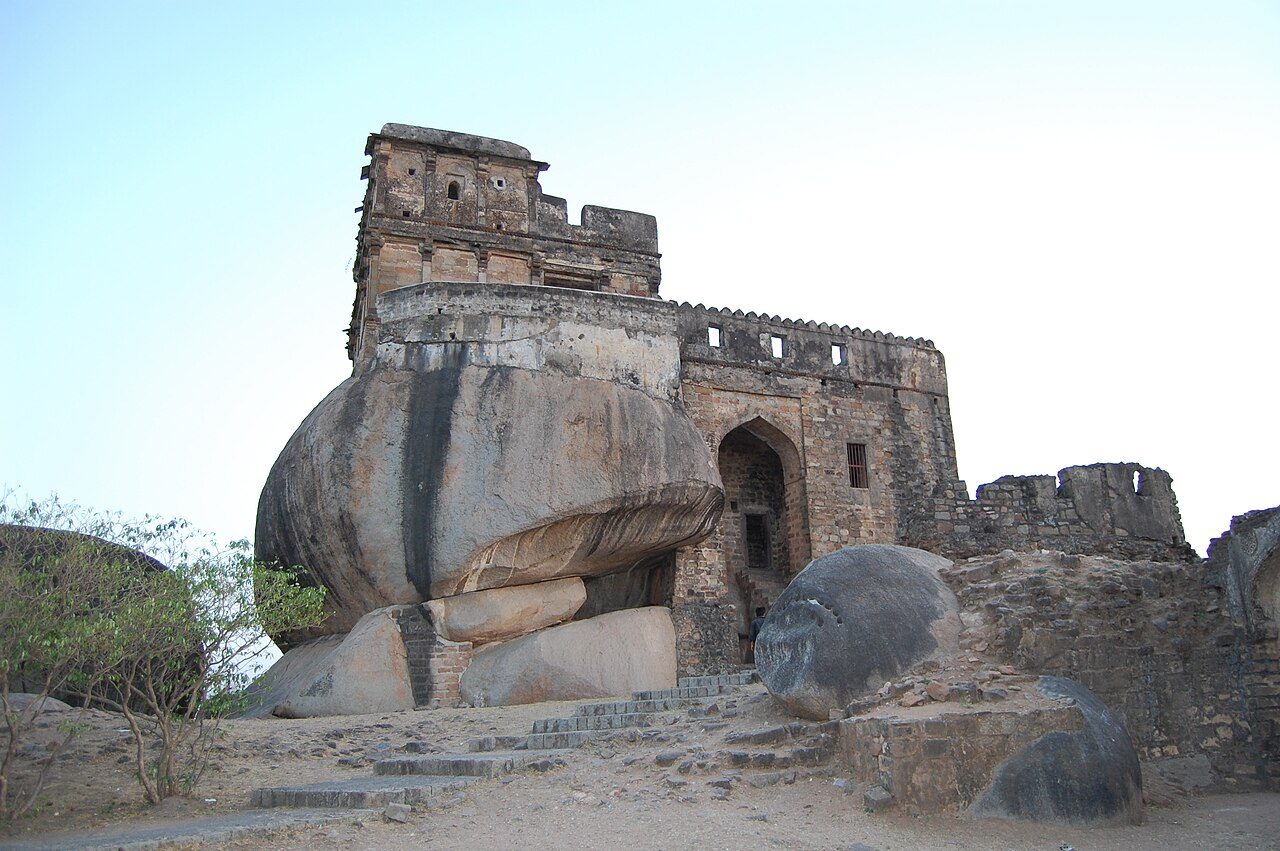
Madan Mahal Fort is a small hilltop lookout in Jabalpur, built around the 12th century by the Gond ruler Madan Shah and later associated with Rani Durgavati. The compact structure is perched on a single huge granite boulder and includes rooms, a stable and a small reservoir. A stepped path climbs through the rocky hills, with broad views of the city from the top. Go early or late to avoid the heat.
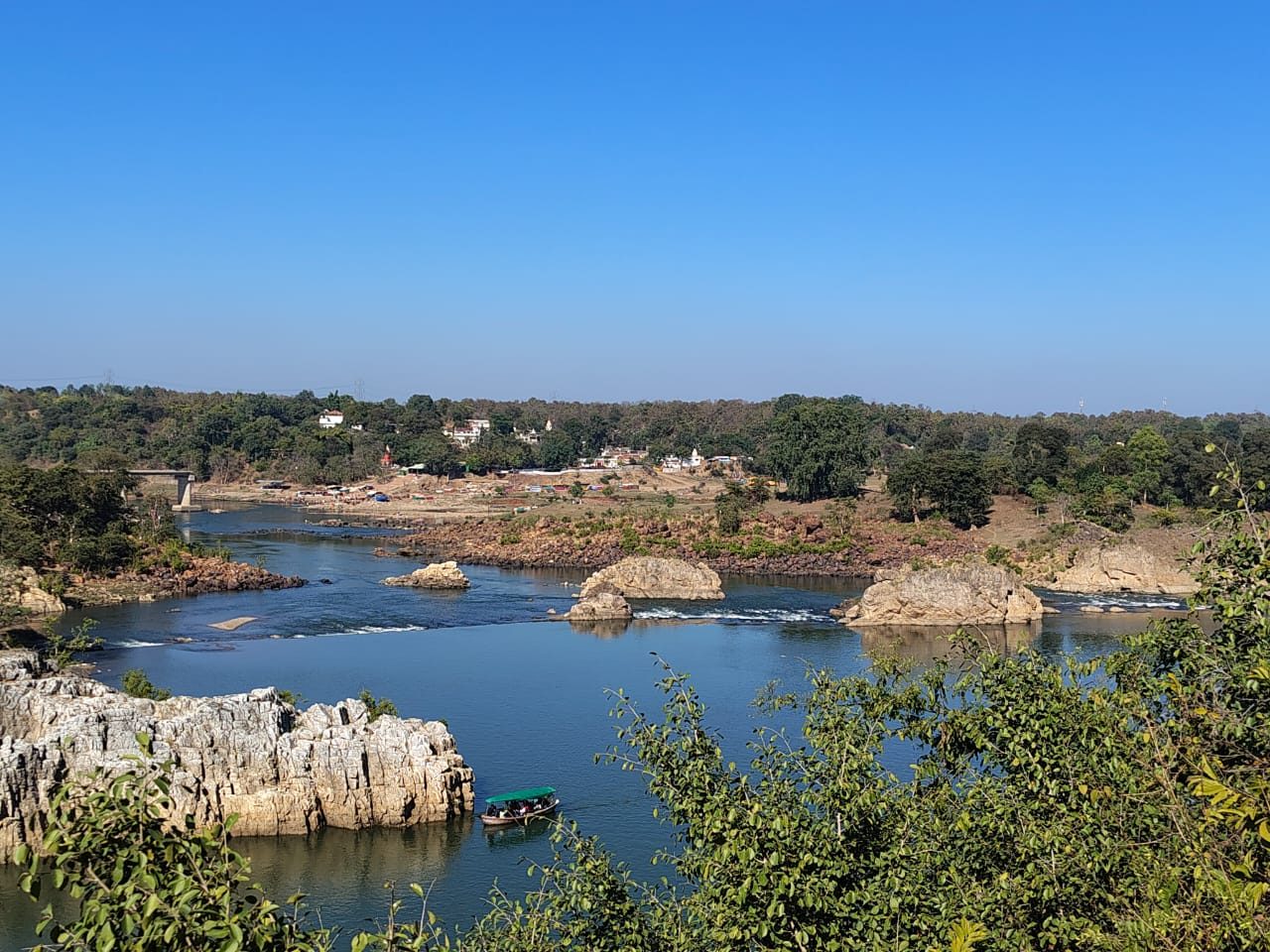
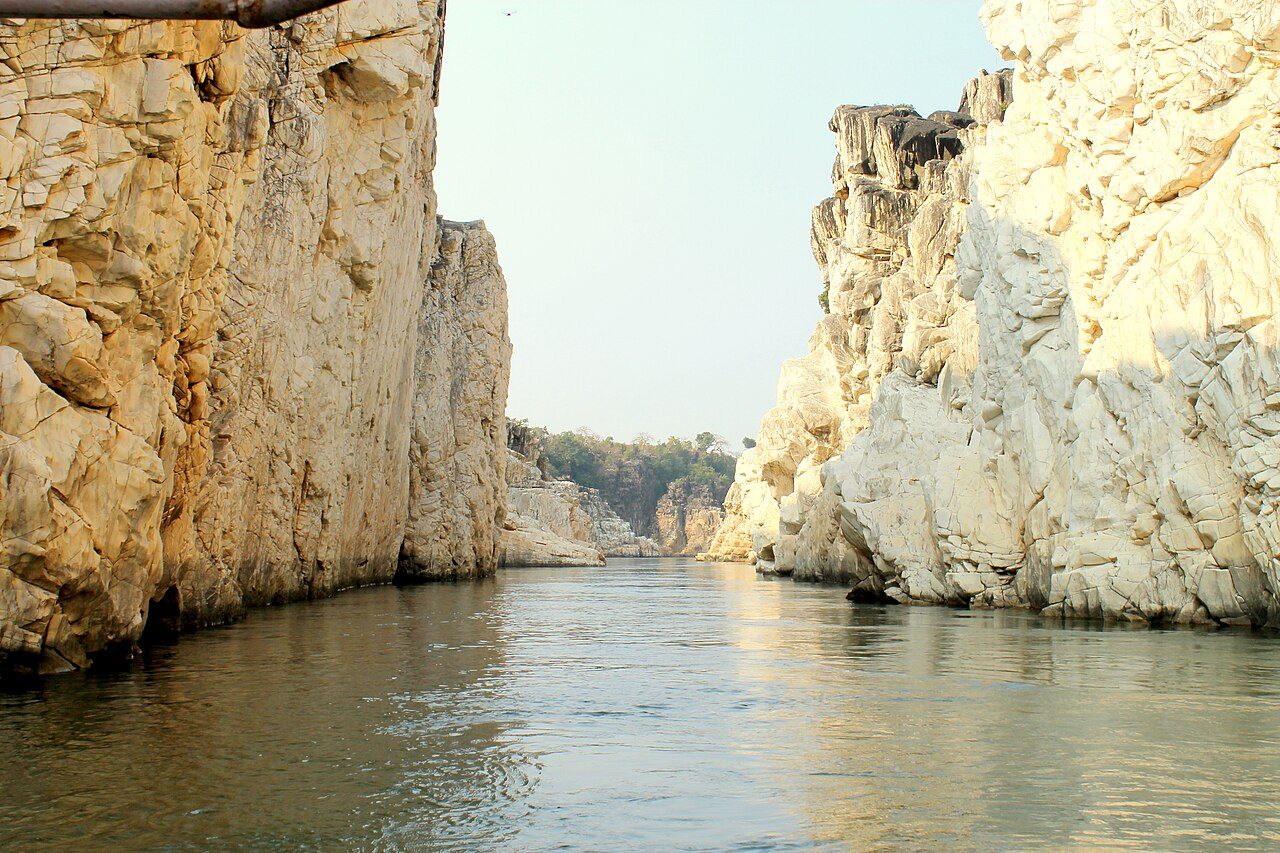
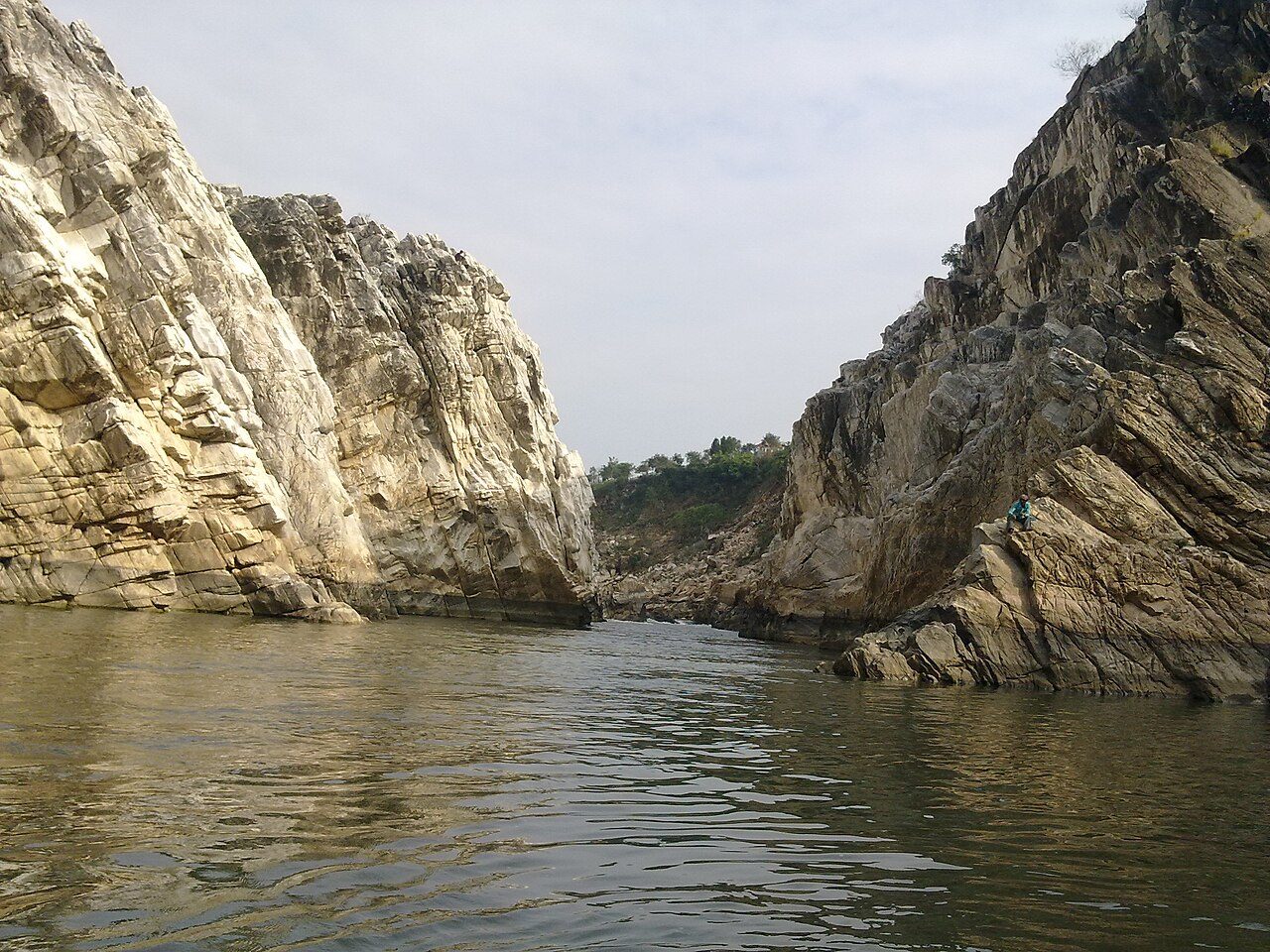
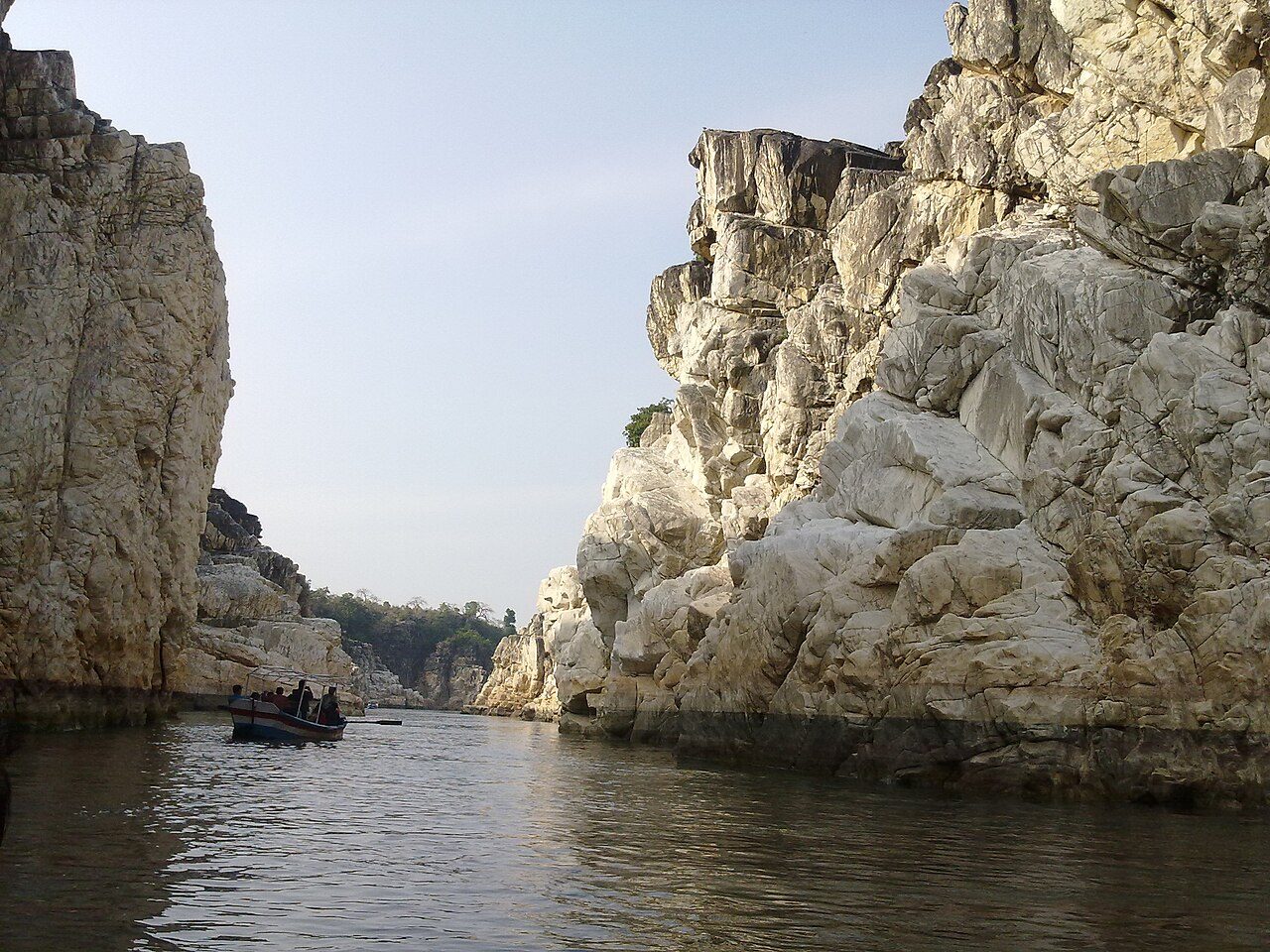
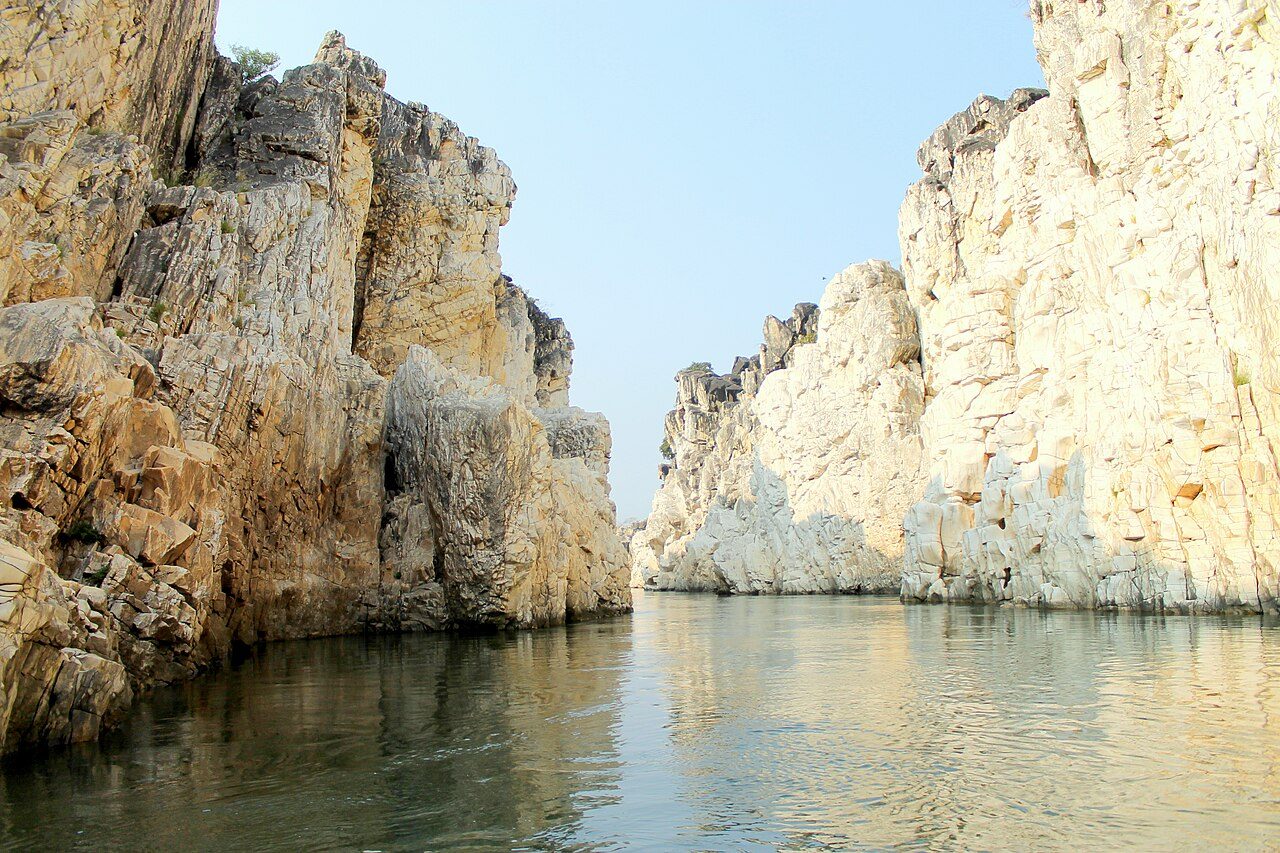
The Marble Rocks at Bhedaghat are a gorge where the Narmada flows for about three kilometres between cliffs of white, grey and pale-blue marble. Rowing boats leave from the Panchvati ghat, with boatmen pointing out shapes in the rock as they go. The trip is especially popular on full-moon nights. Boating stops during the monsoon, when the river runs high.
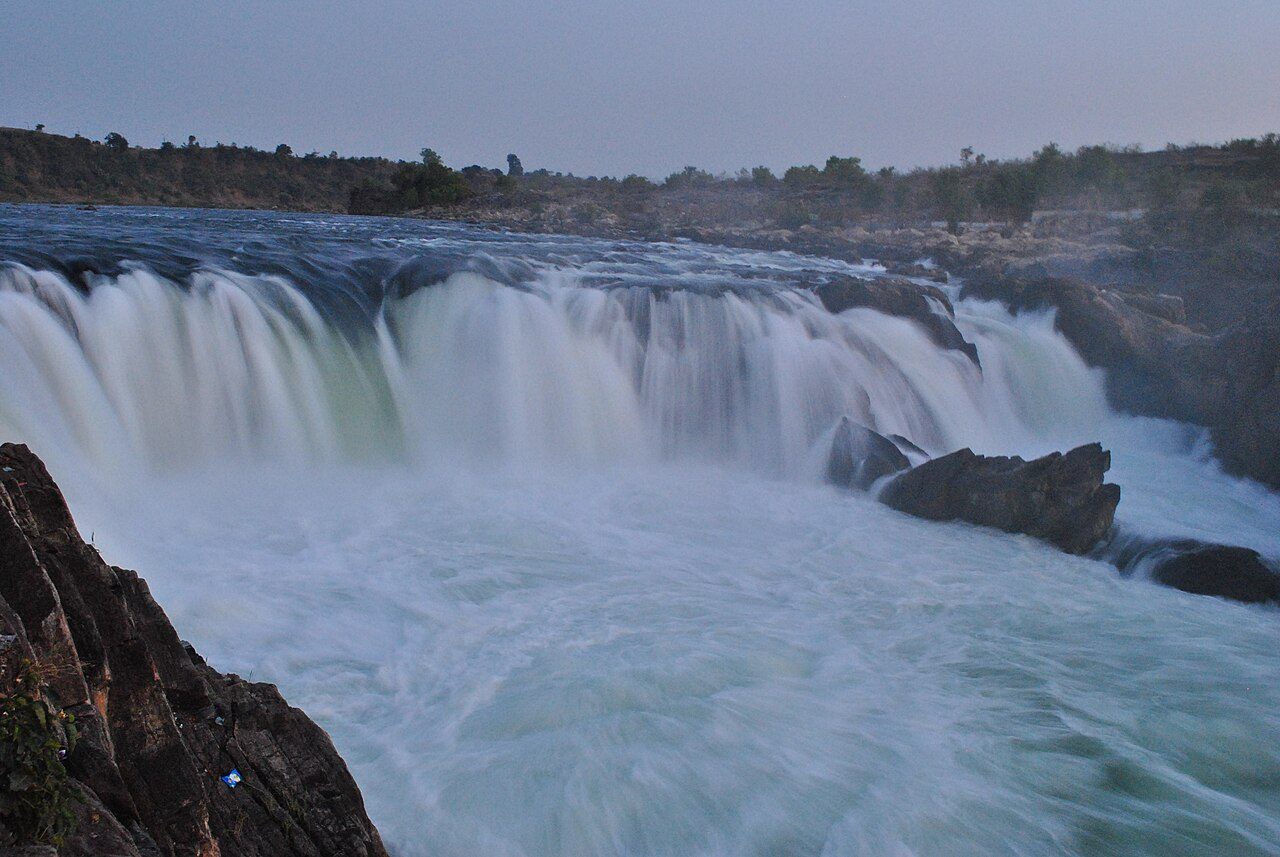
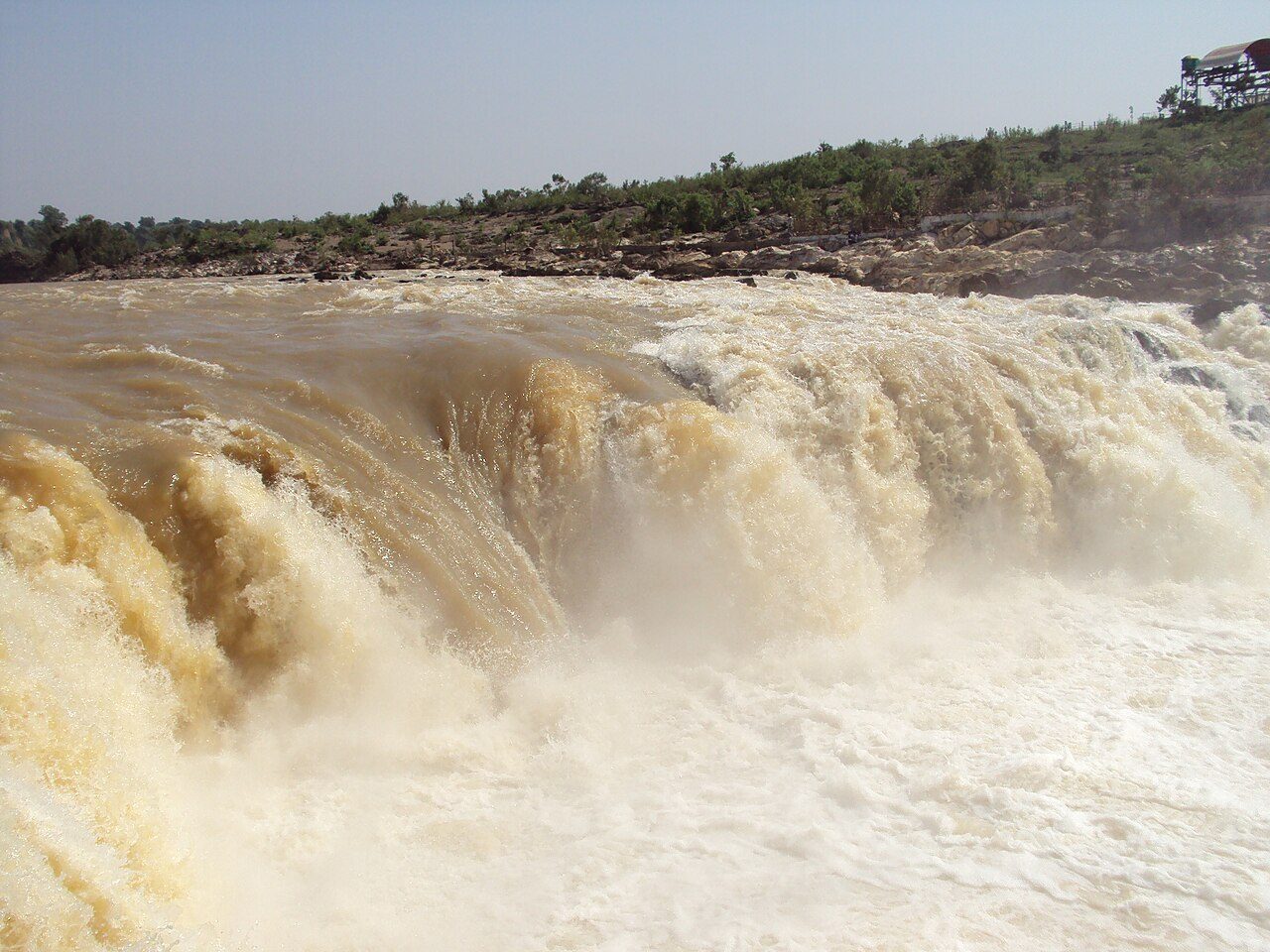
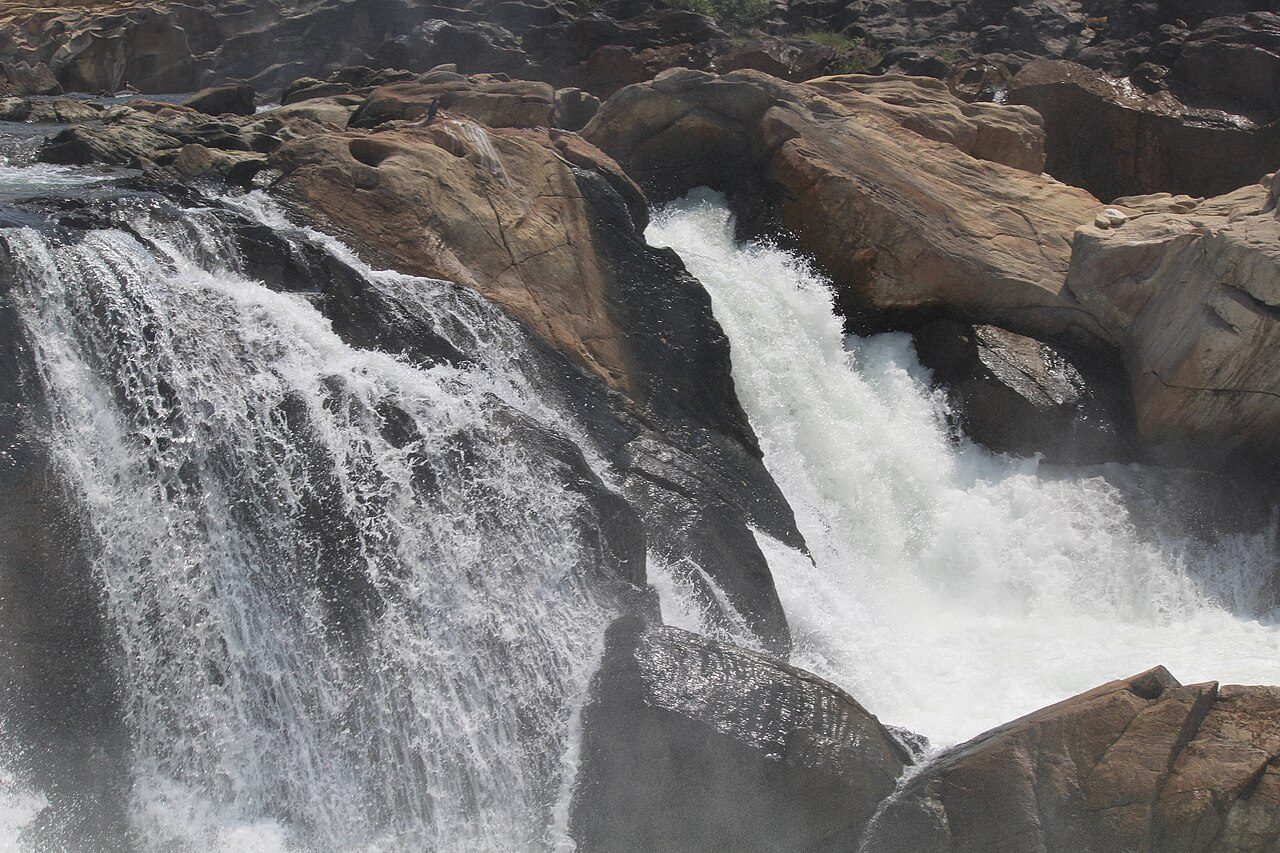
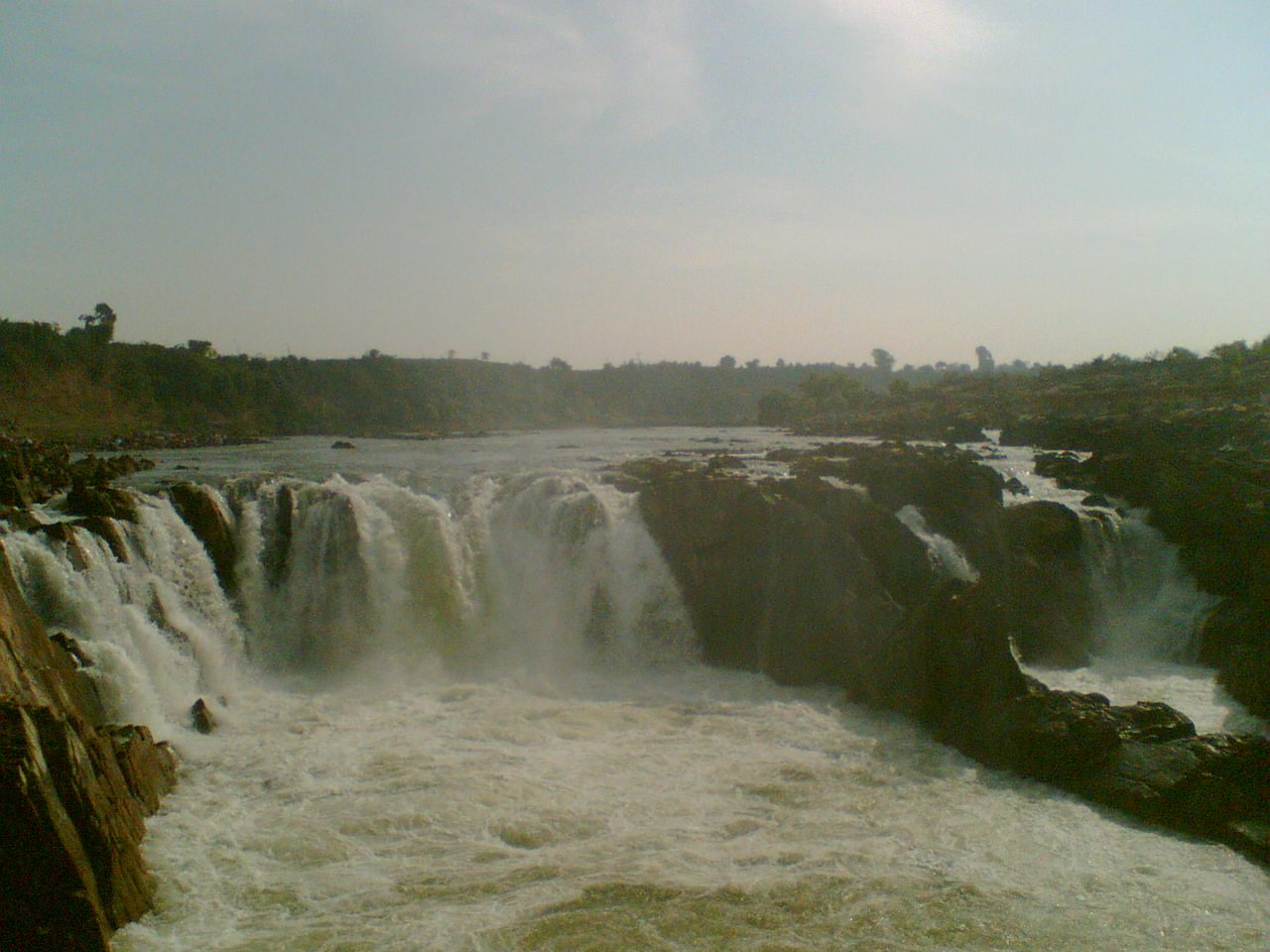
Dhuandhar Falls at Bhedaghat is where the Narmada narrows and plunges about 30 metres, throwing up the mist that gives the fall its name, 'smoke cascade'. Railed platforms let visitors stand close to the edge, and a cable car crosses the gorge. The falls are most powerful just after the monsoon. Stalls nearby sell carvings made from the local soft marble.
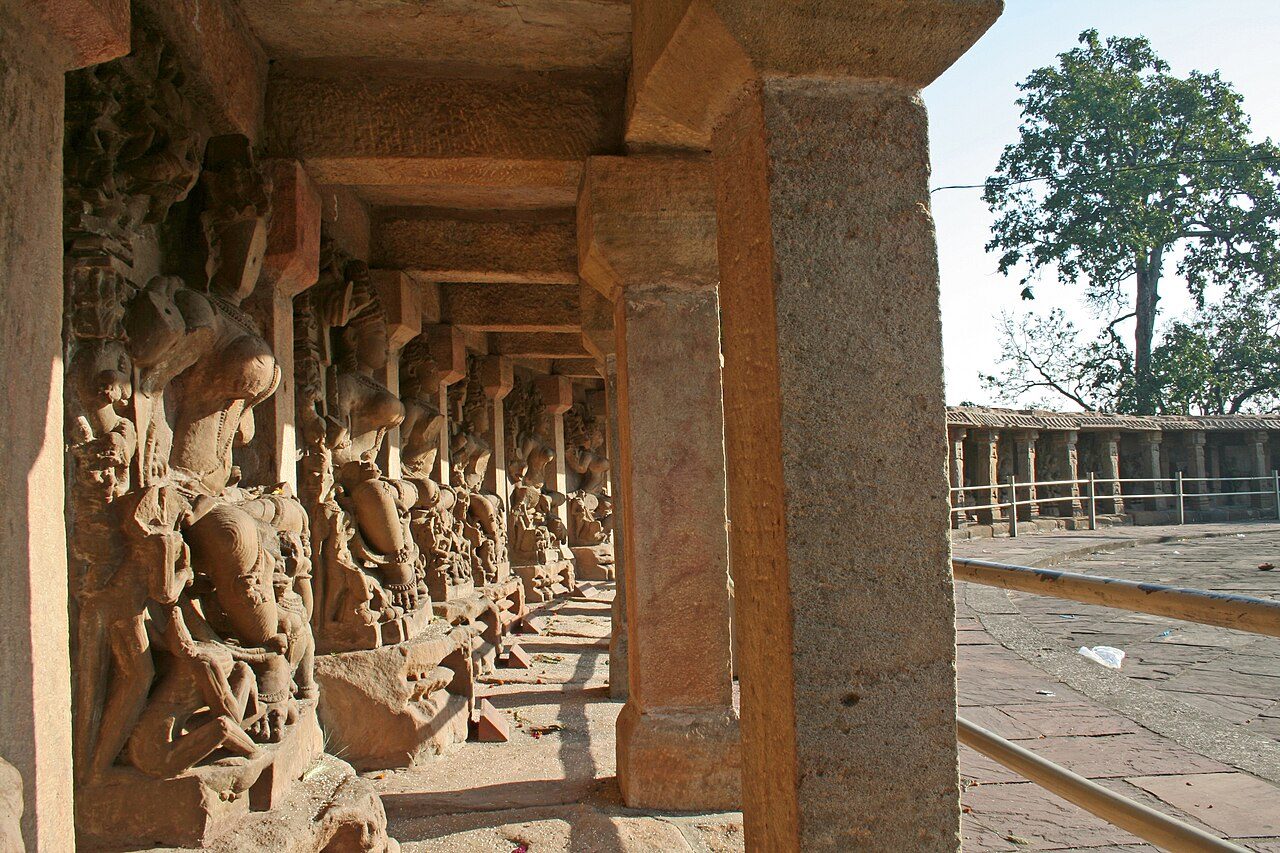
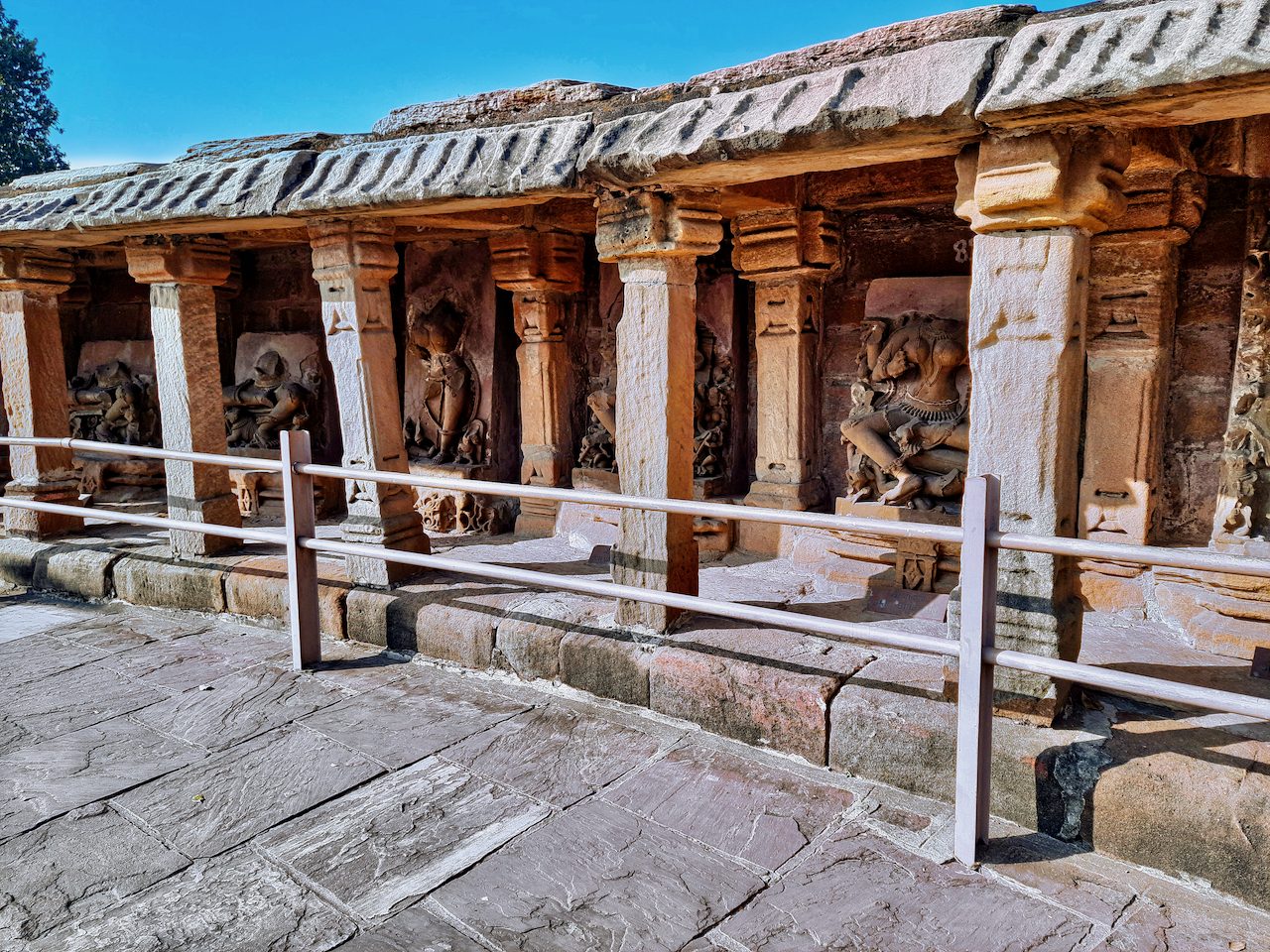
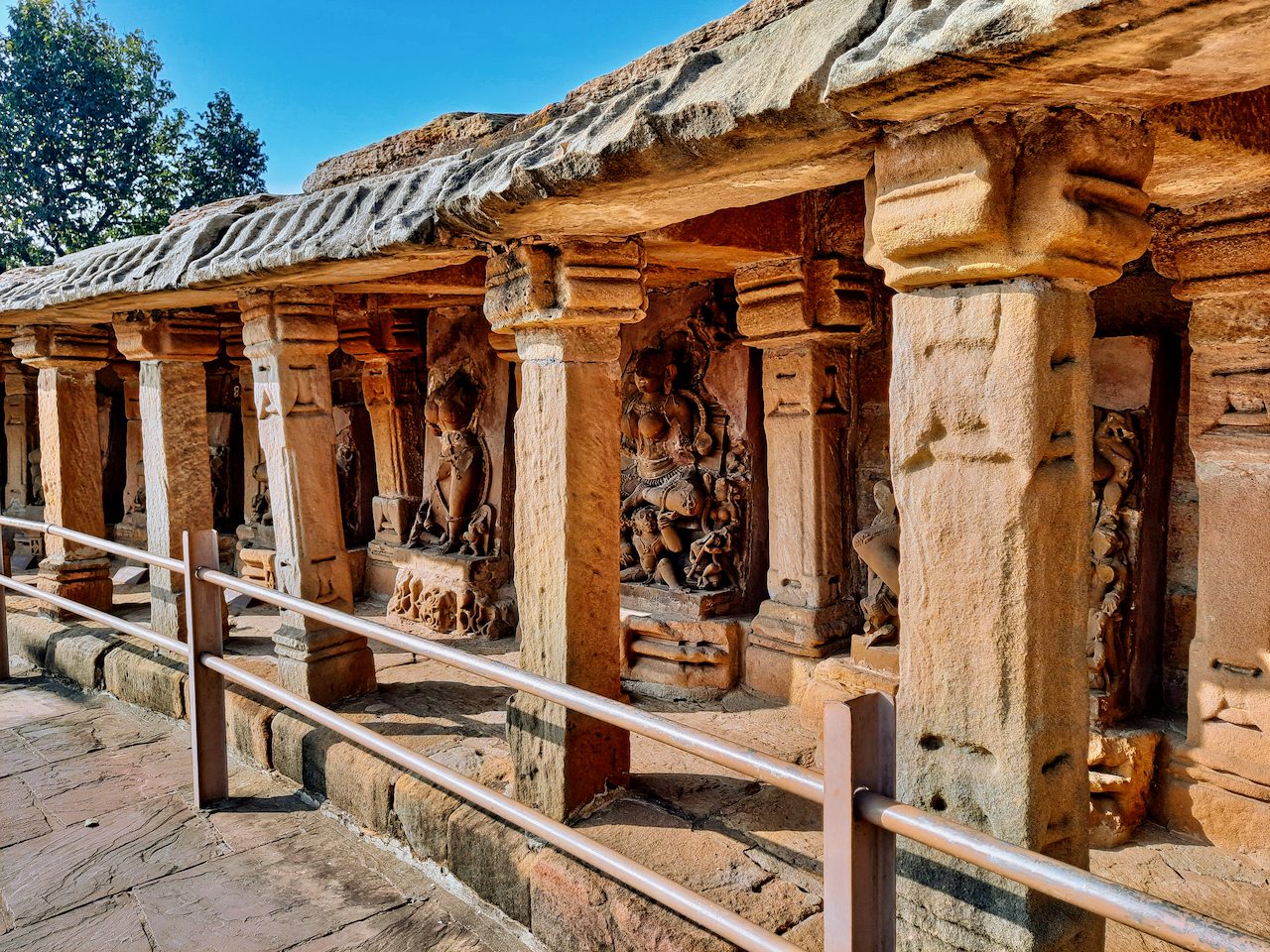
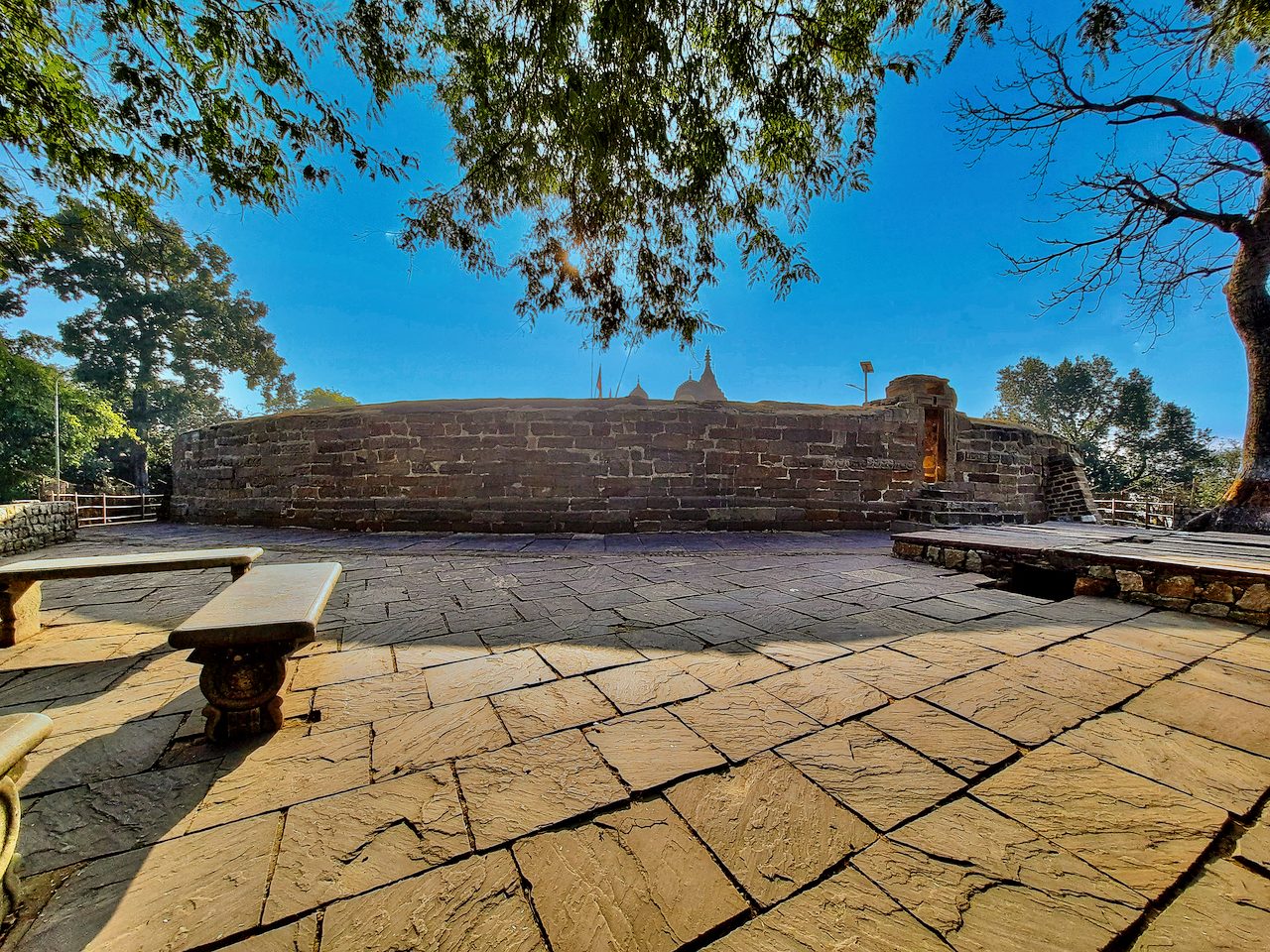
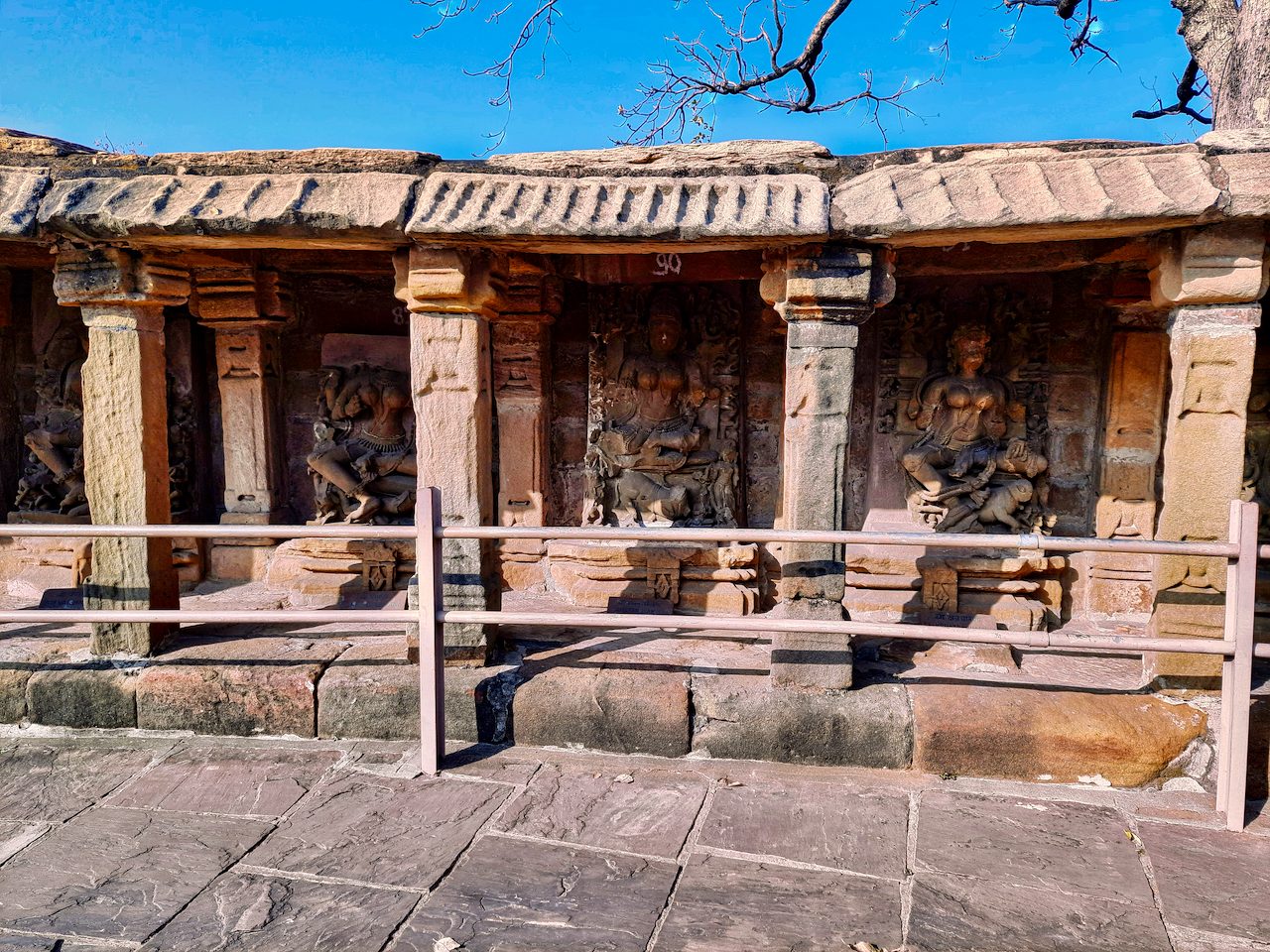
The Chausath Yogini Temple at Bhedaghat stands on a hilltop above the Narmada, reached by a long flight of steps. Built in the 10th century by the Kalachuri kings, it is a circular open cloister lined with stone images of yoginis, many damaged, surrounding a later shrine in which Shiva and Parvati ride the bull Nandi. The terrace looks out over the river and the Marble Rocks.
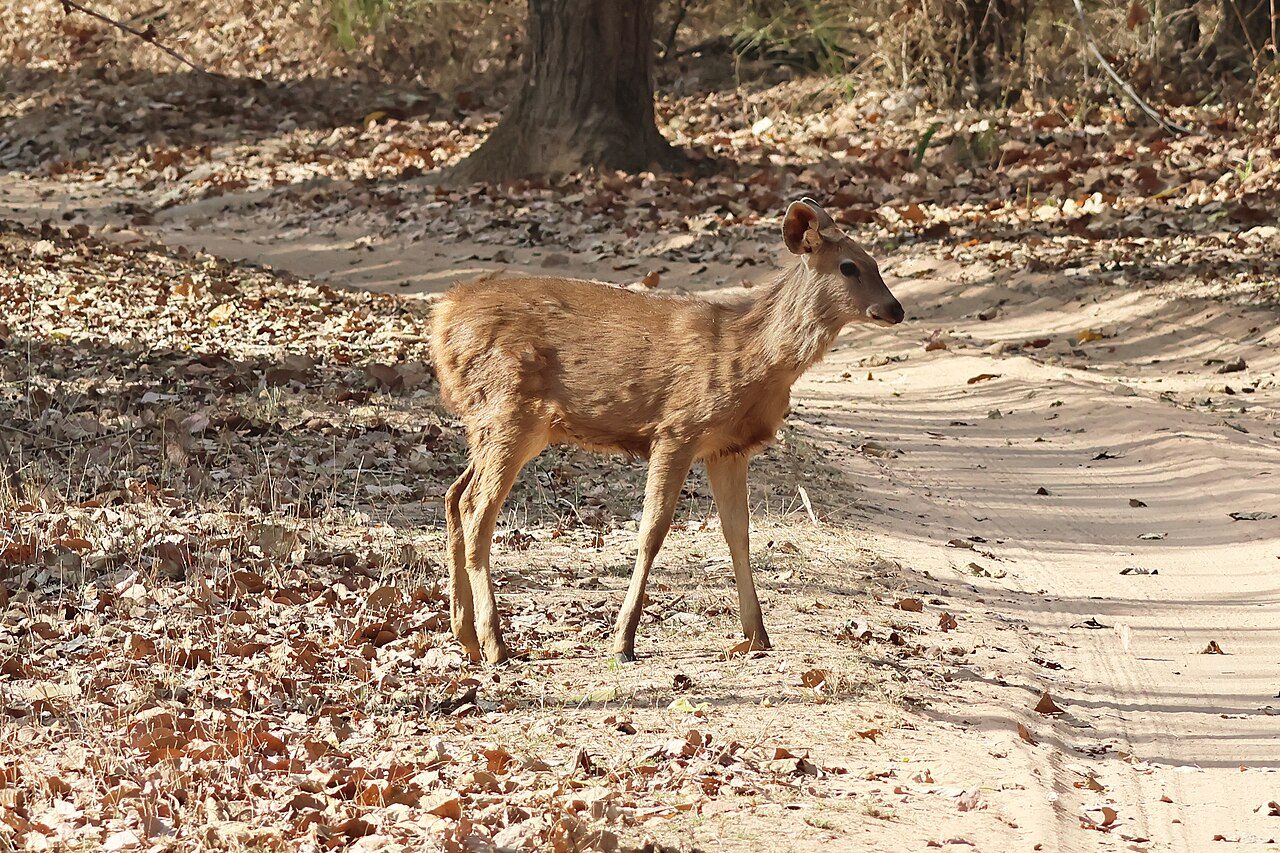
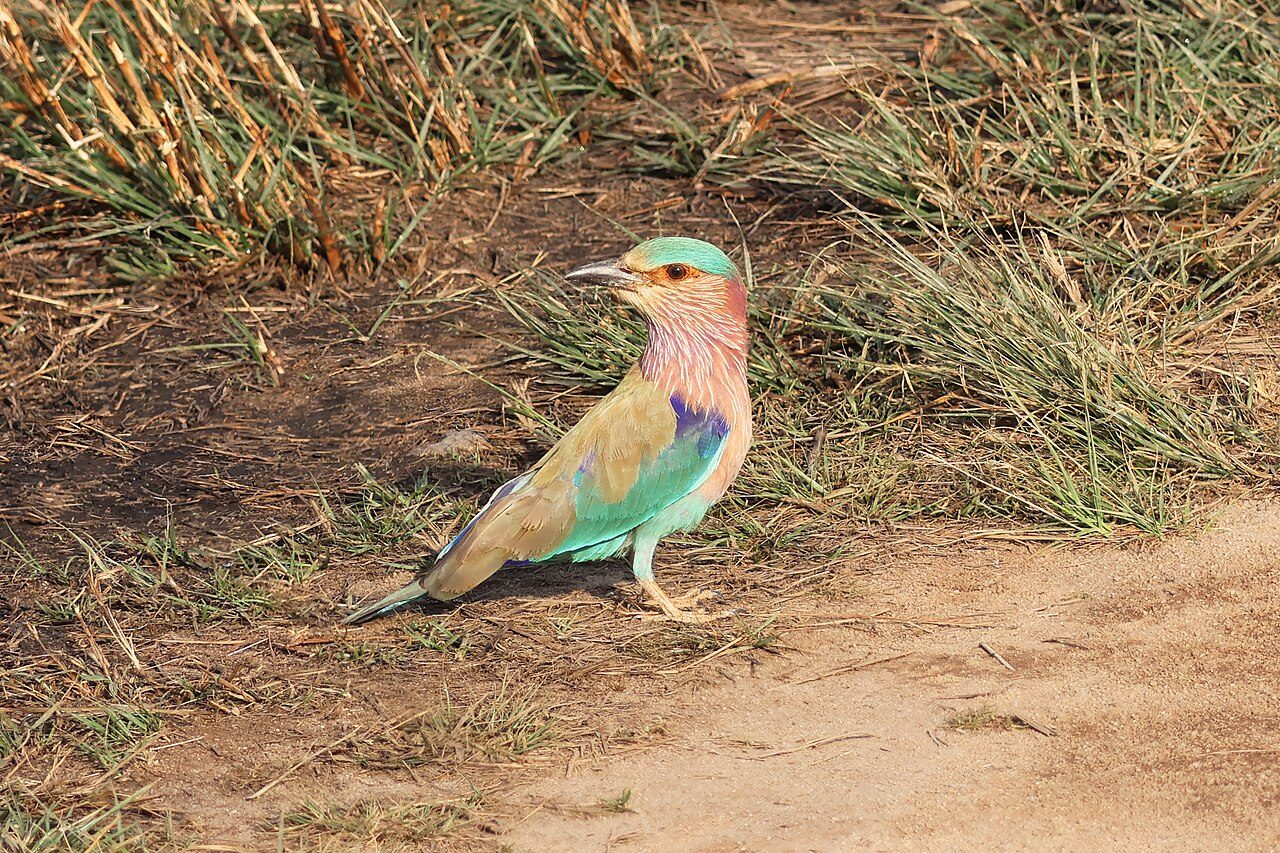
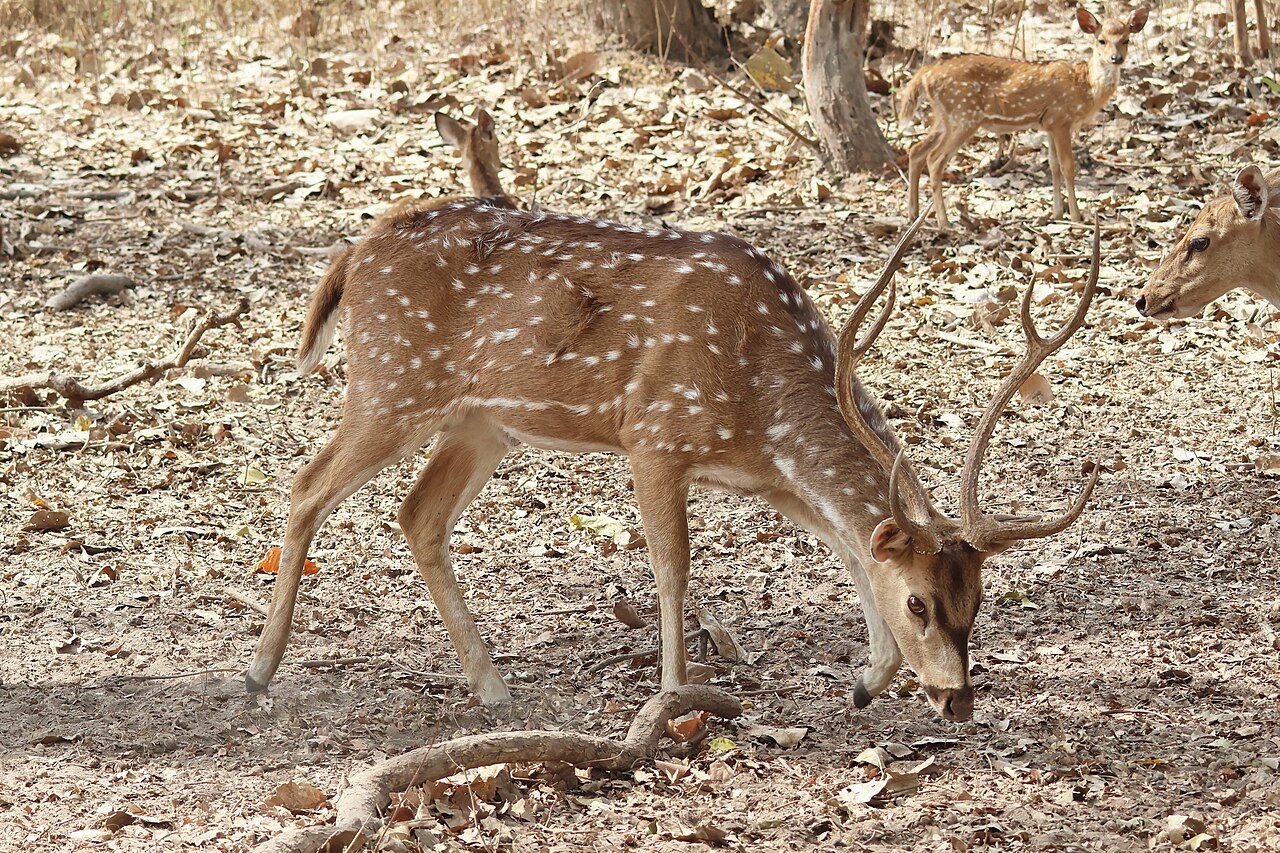
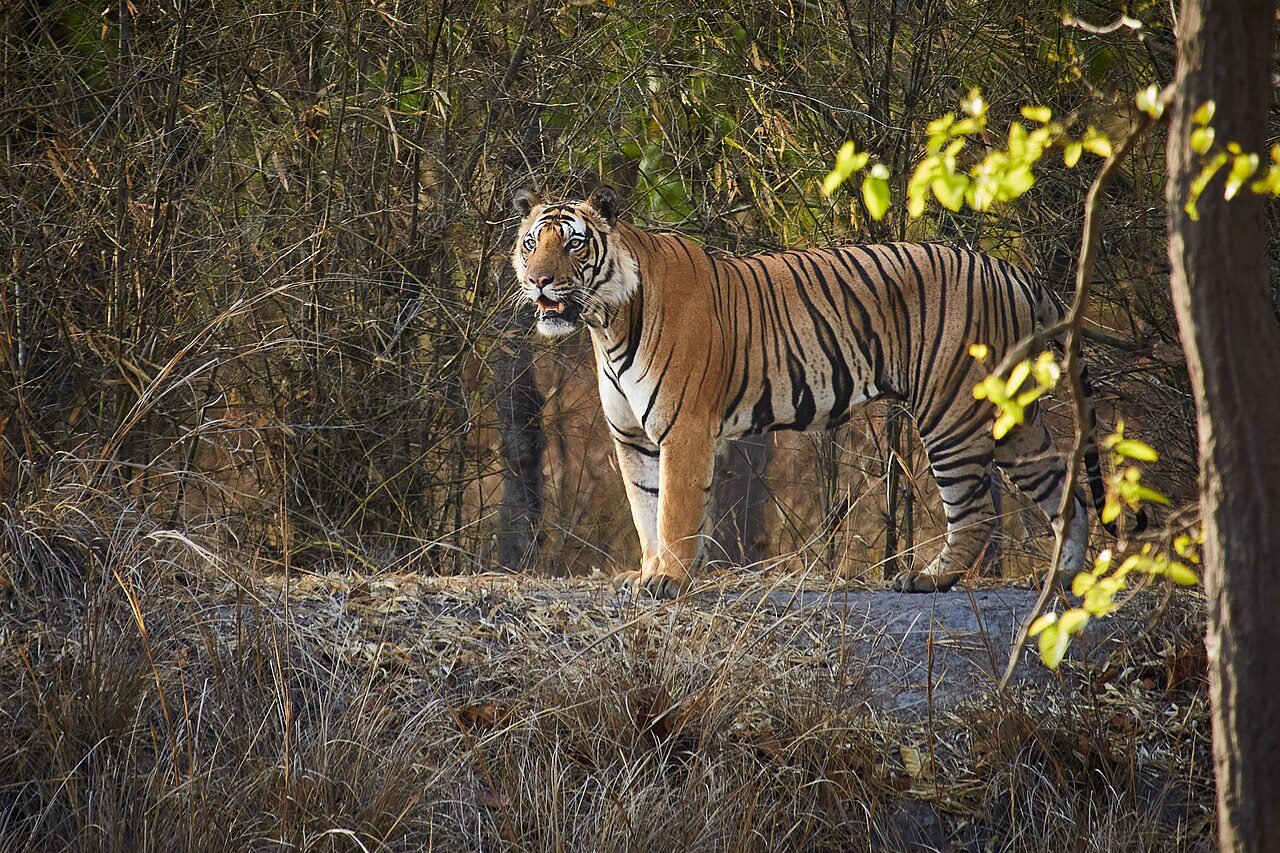
Bandhavgarh National Park in Umaria district is known for one of the highest densities of tigers in India. Sal forest, bamboo and grassy meadows surround a steep hill crowned by an ancient fort, and jeep safaris start from the village of Tala. Leopards, sloth bears, deer and many birds are also seen. The park is open from October to June, with sightings best in the hot months.
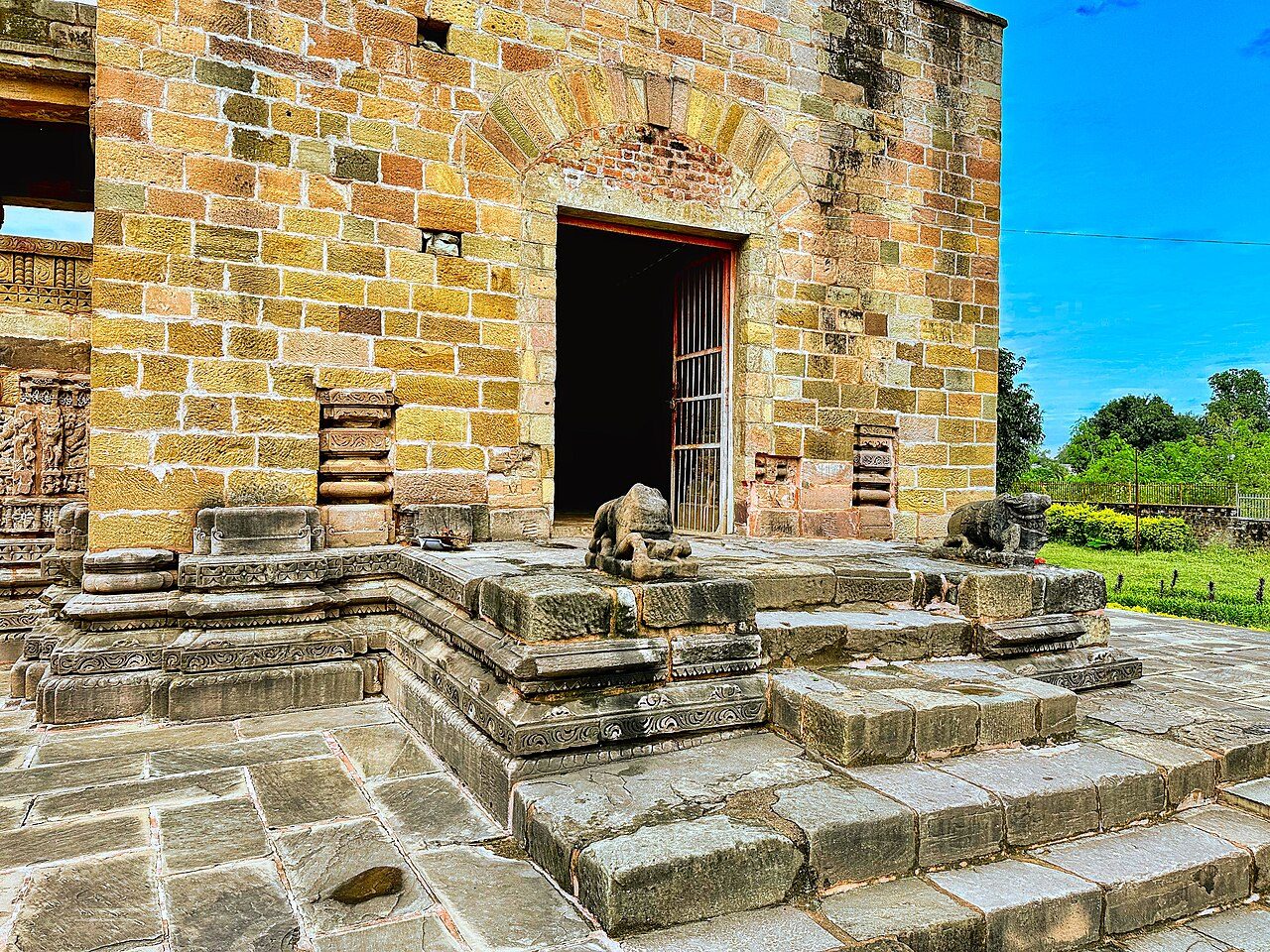
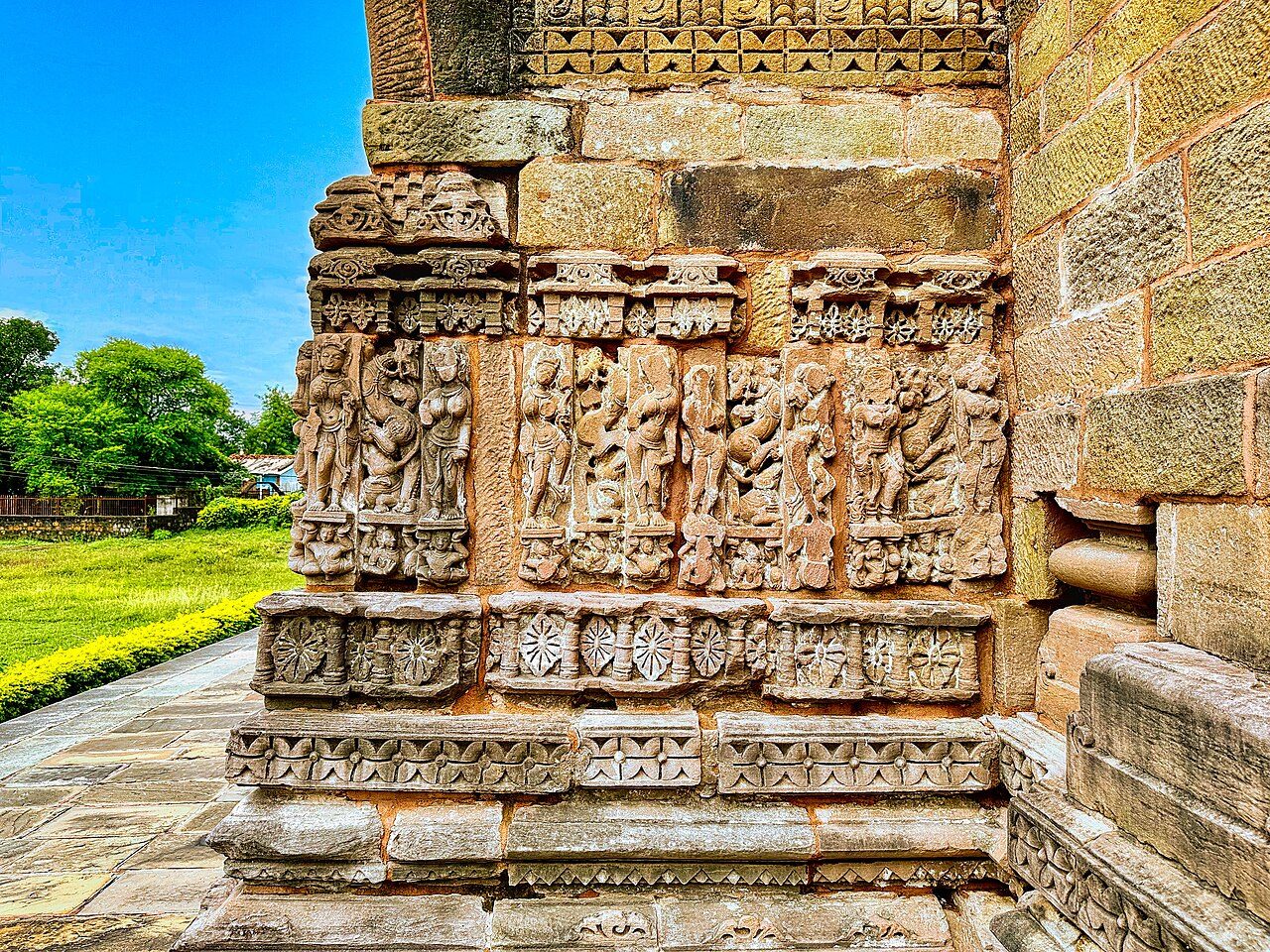
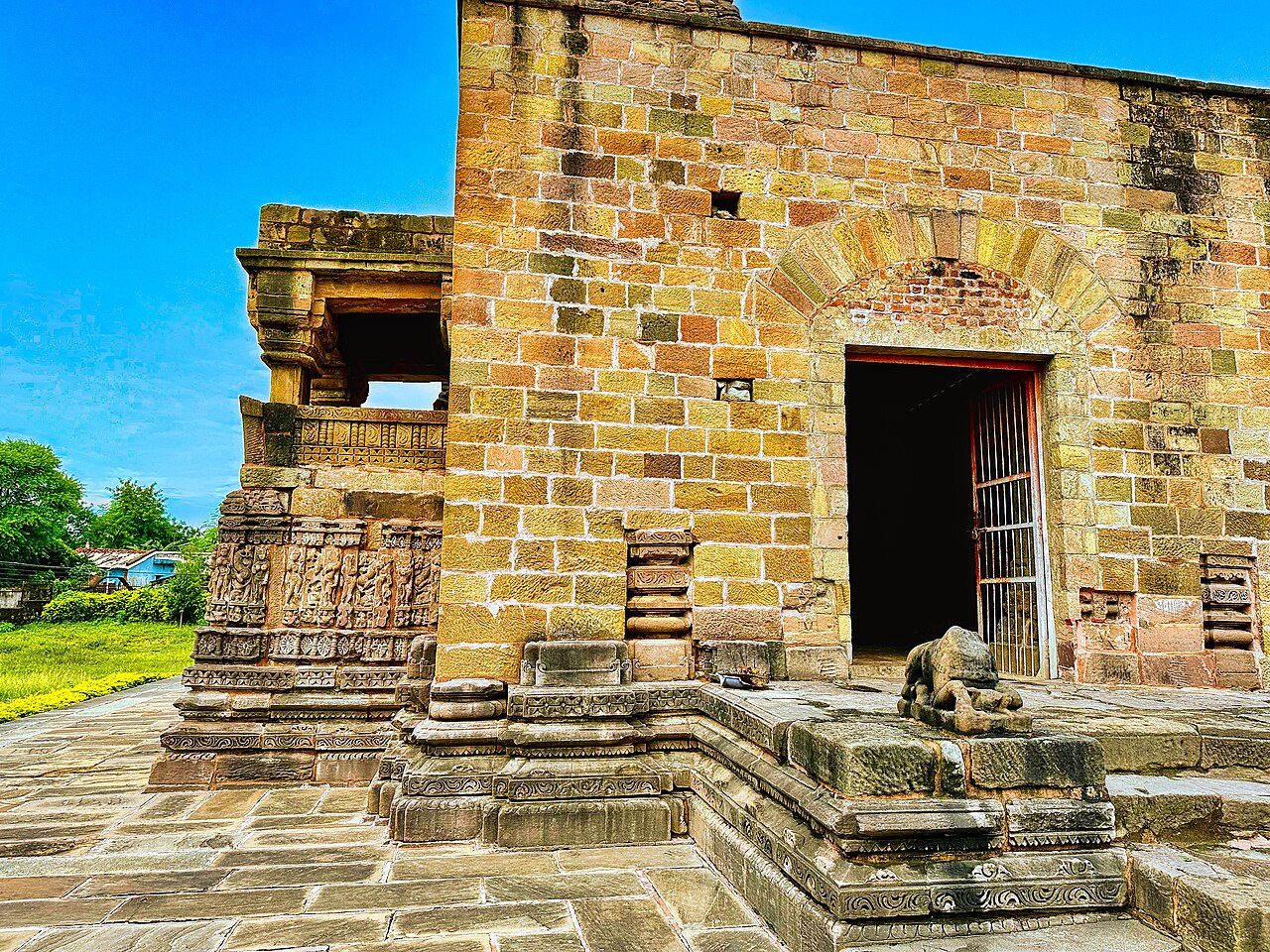
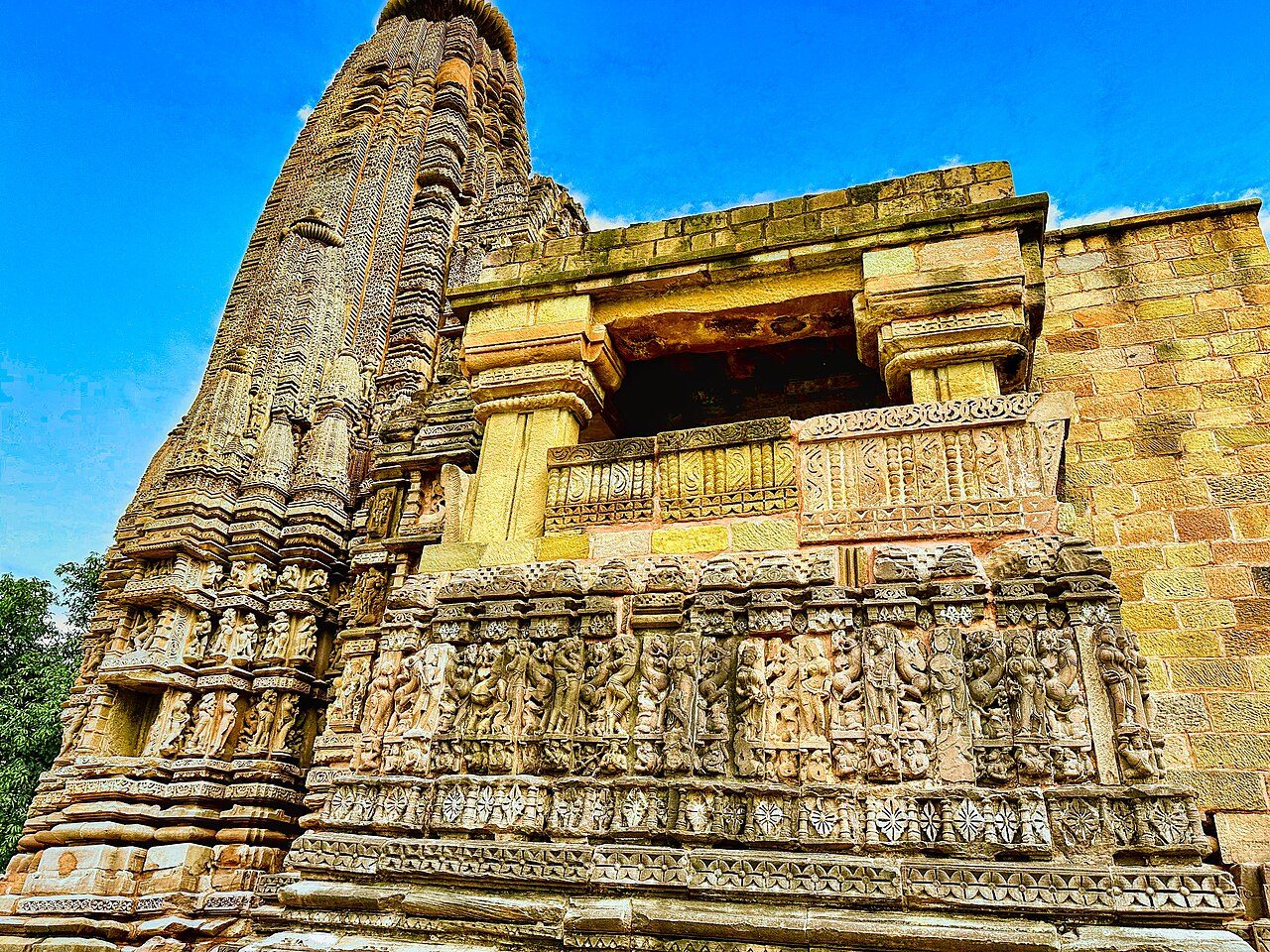
The Virateshwar Temple at Sohagpur, on the edge of Shahdol, is a Shiva temple built by the Kalachuri kings in the 10th or 11th century. Its tall curved tower leans visibly backwards, and the outer walls are covered with sculpture, including a notable dancing Shiva and scenes that recall the temples of Khajuraho. It is a protected monument set in a small garden.
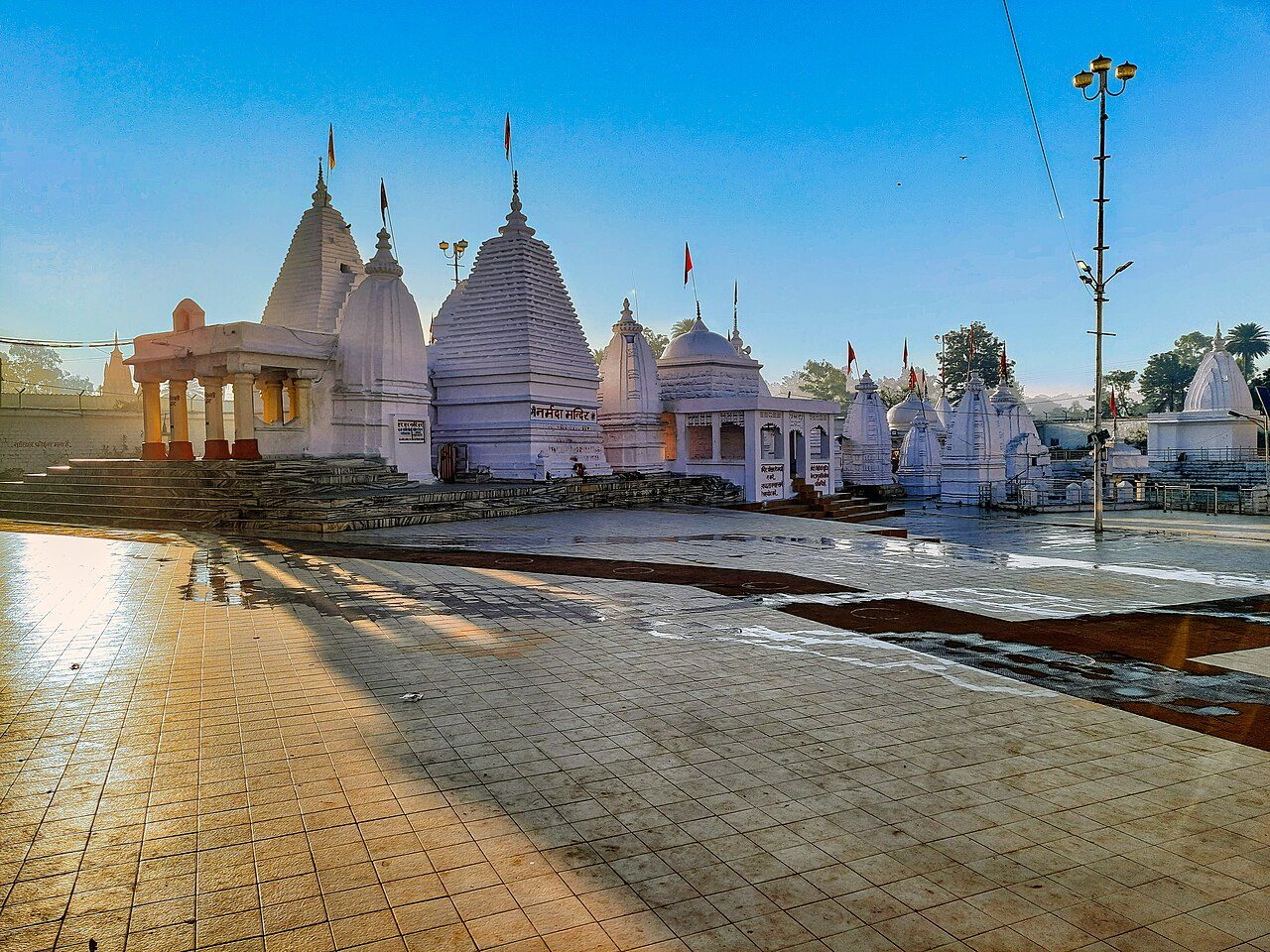
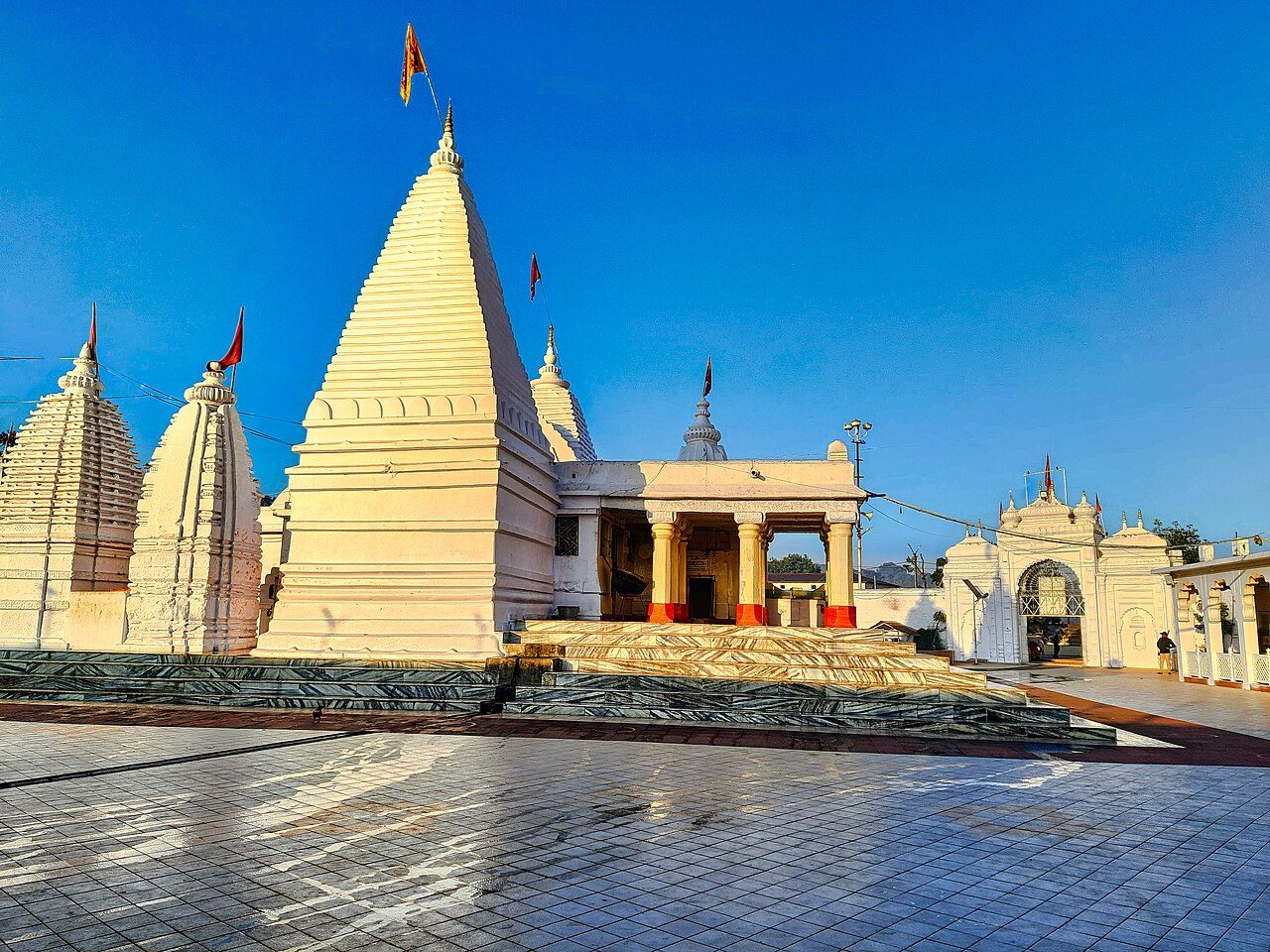
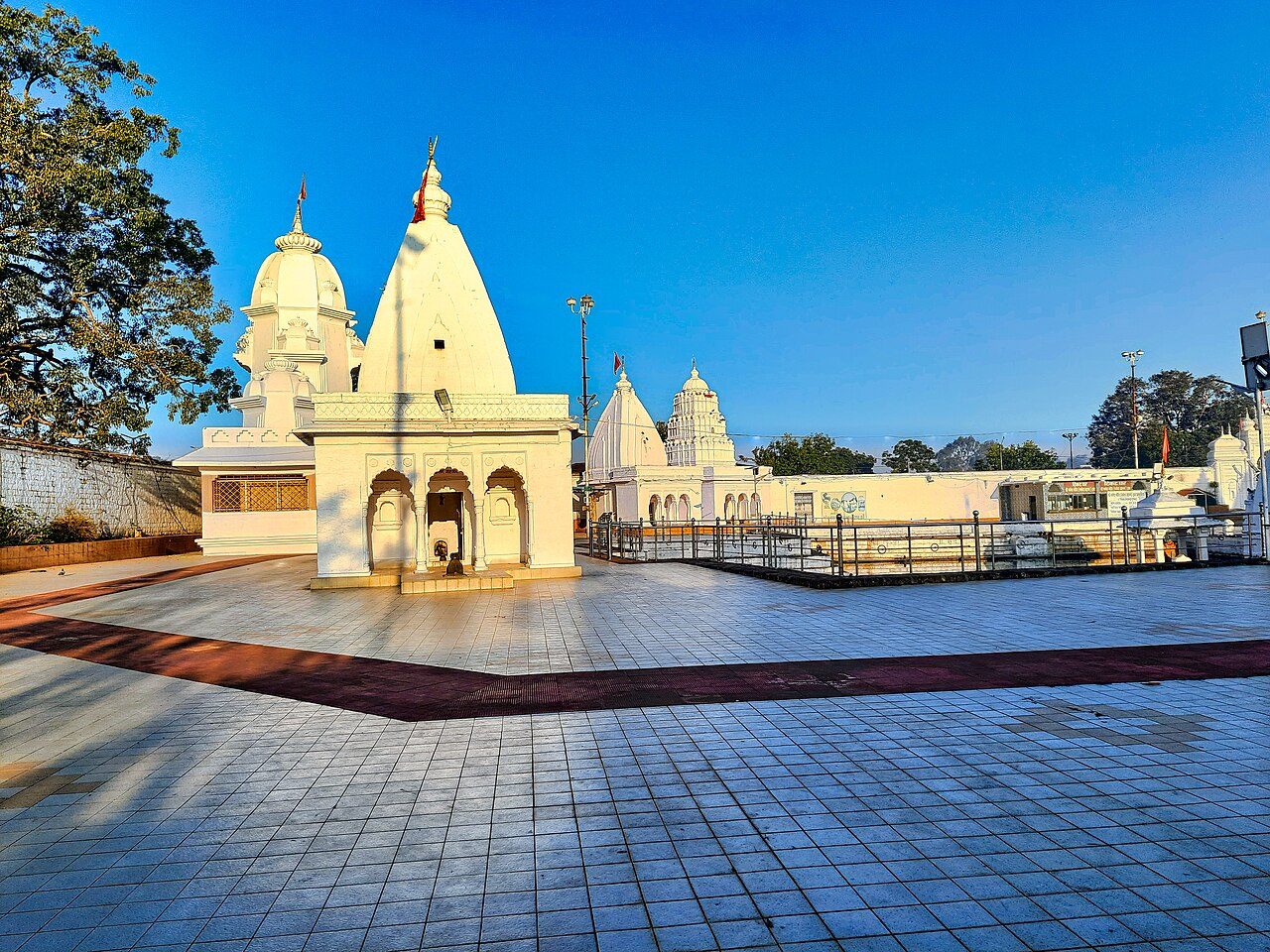
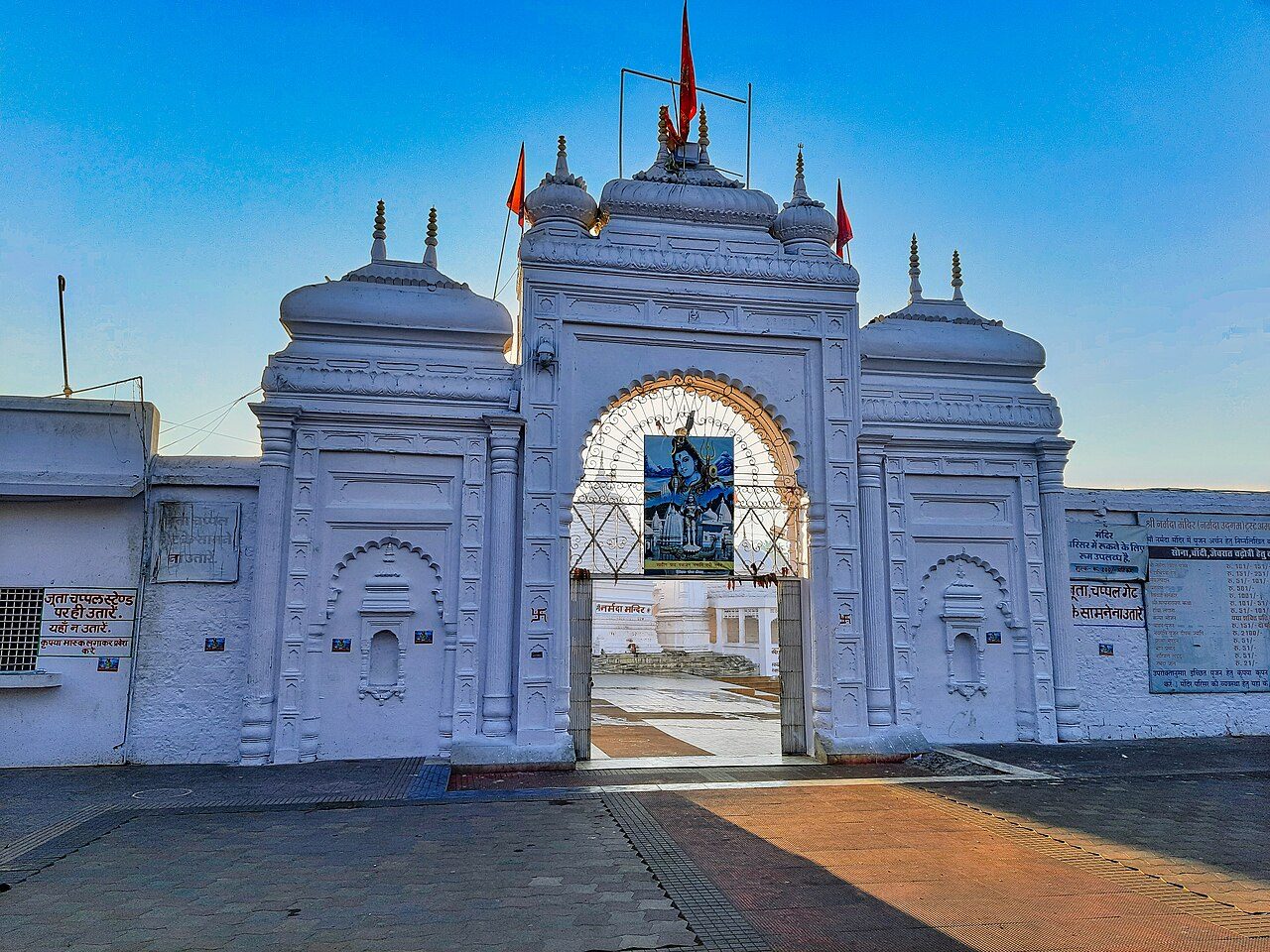
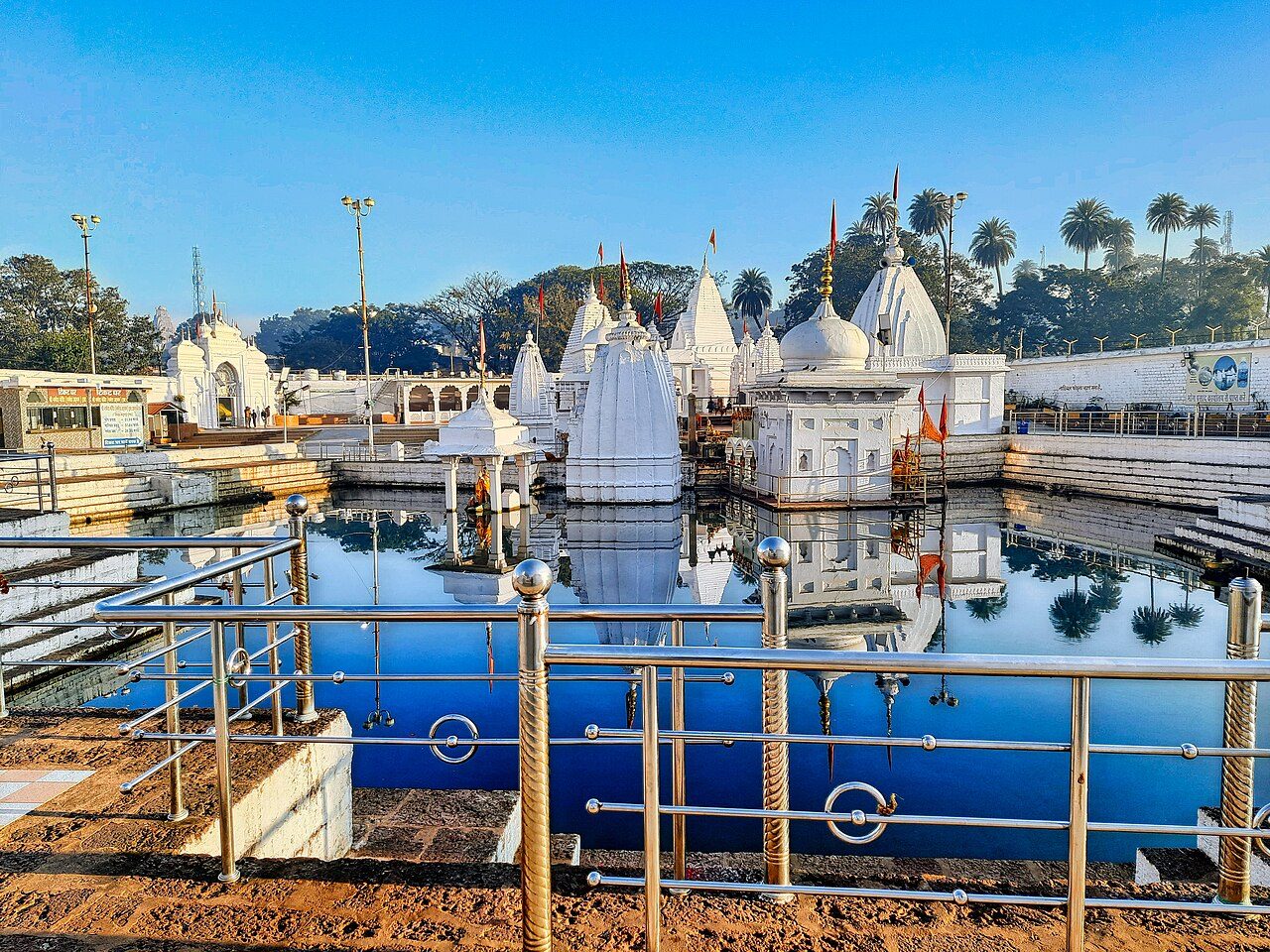
The Narmada Udgam Temple at Amarkantak marks the source of the Narmada, one of India's most sacred rivers. Inside a walled compound, a cluster of white temples surrounds the Narmada Kund, the tank from which the river is believed to rise. Pilgrims who walk the river's entire length begin and end here. The hill town is cool year-round and busiest on Narmada Jayanti and Mahashivratri.
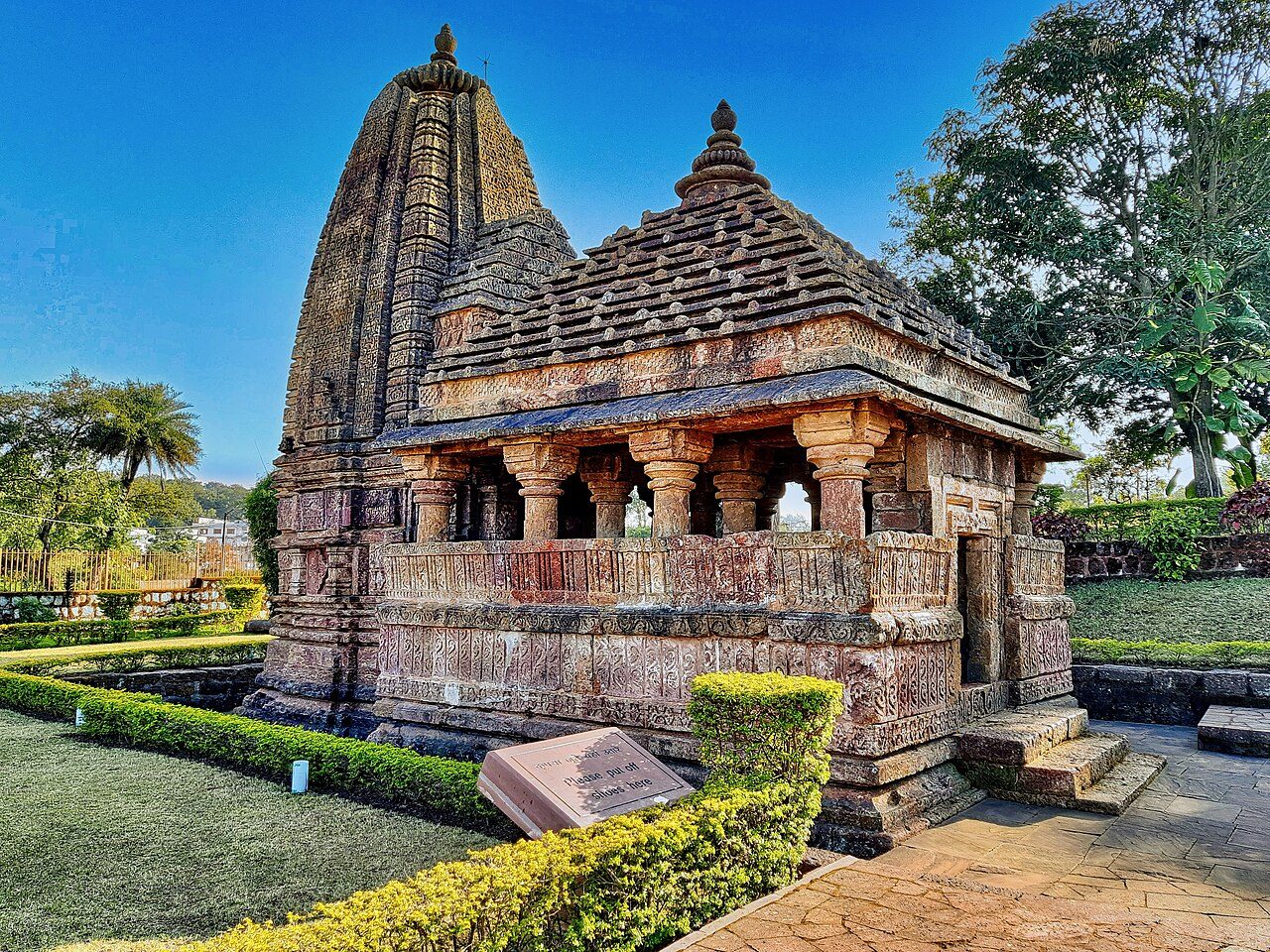
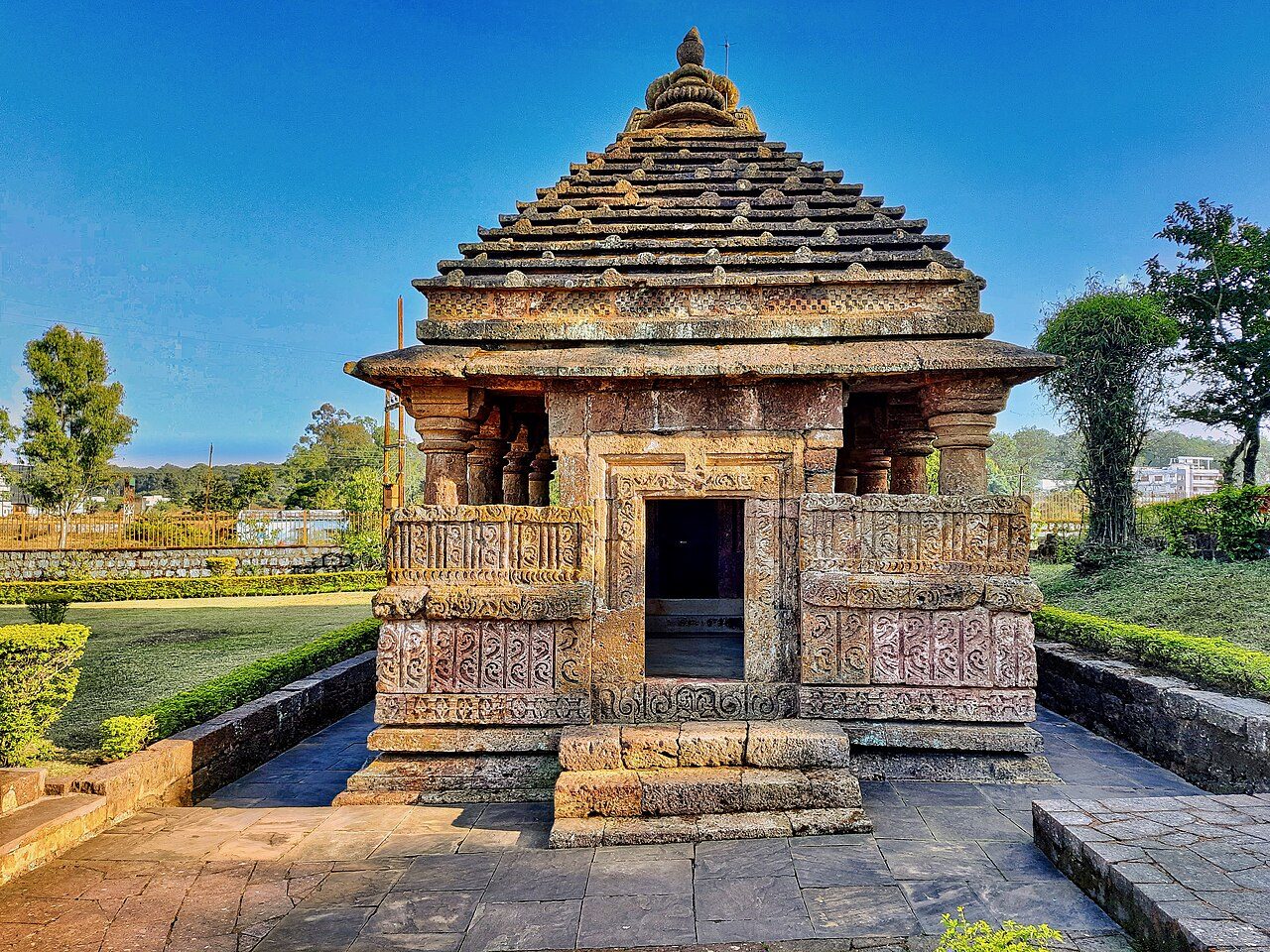
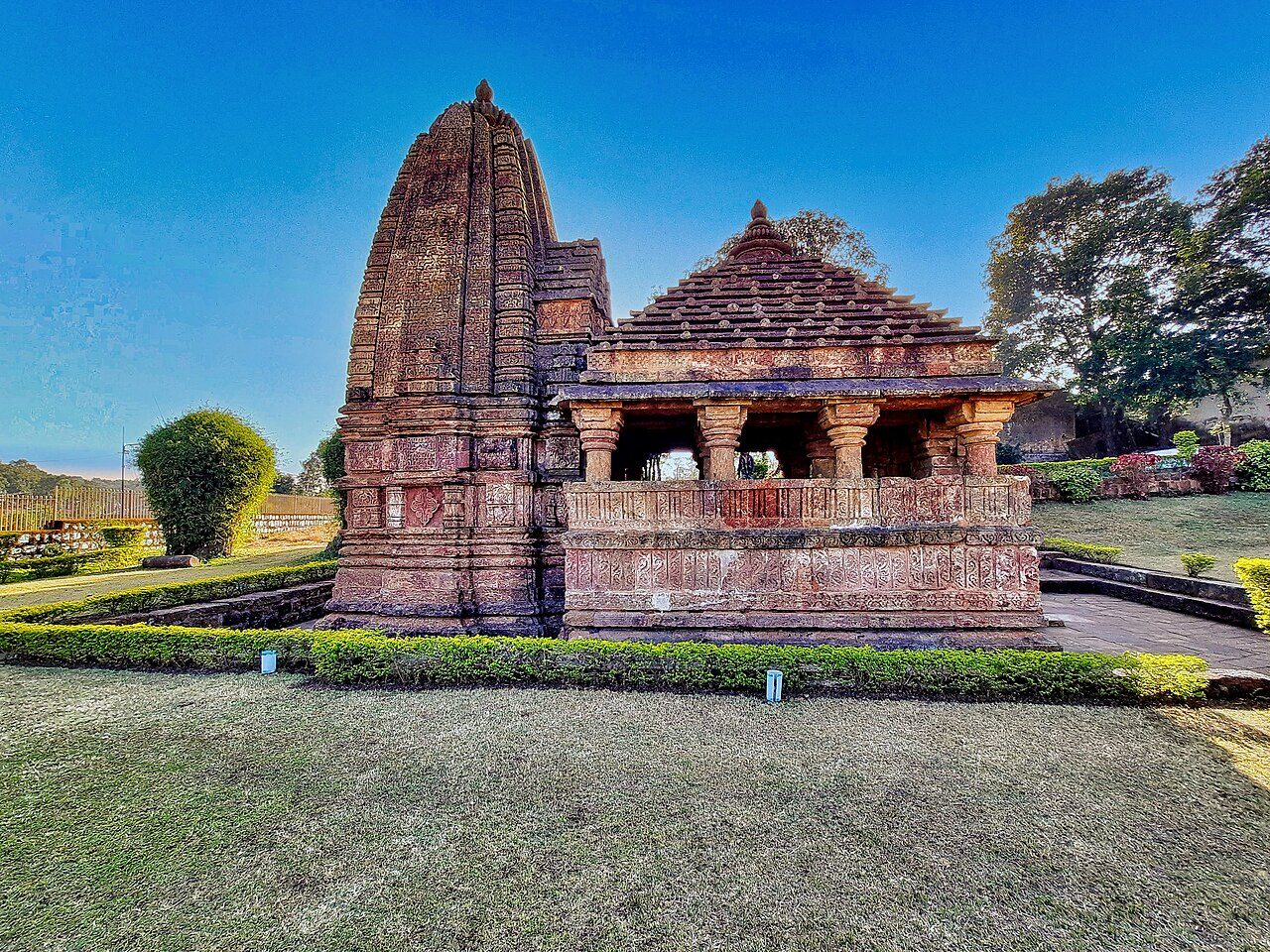
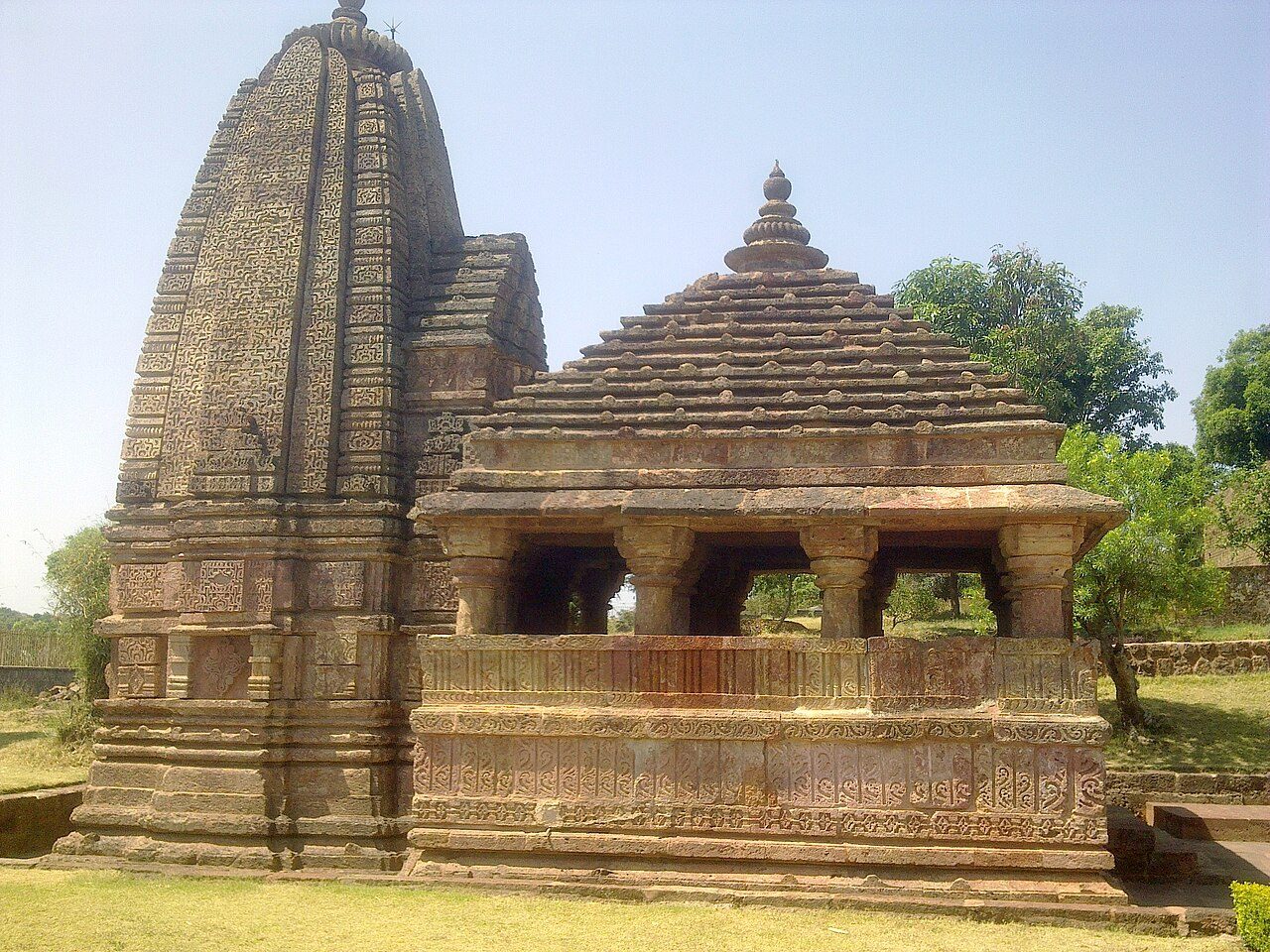
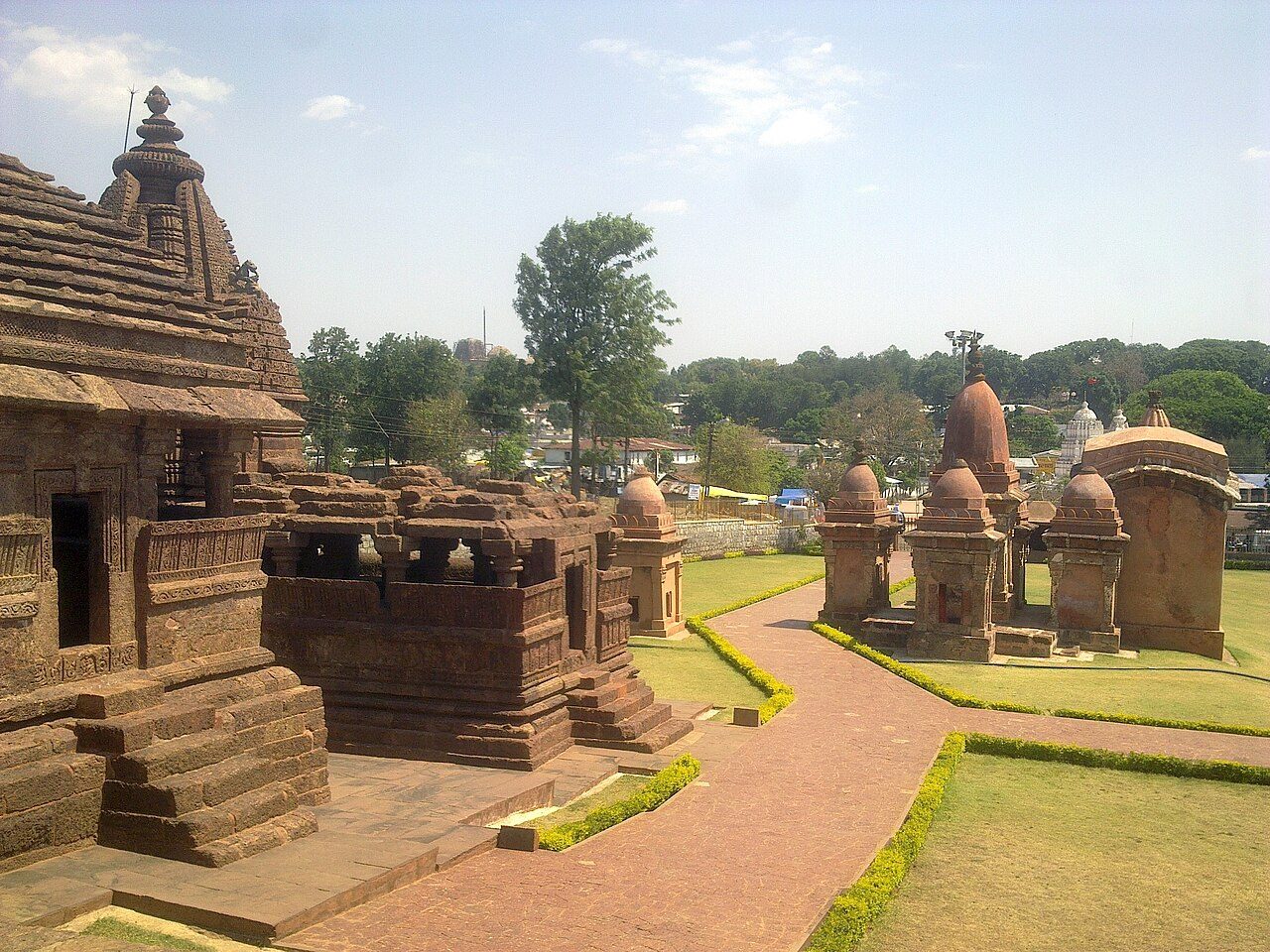
The ancient temples of Amarkantak stand in a fenced garden just south of the Narmada Kund. They were built in the 11th century by the Kalachuri kings, and include the Karna Temple with its three shrines, the Pataleshwar Temple, whose linga sits below ground level, and the Machhendranath Temple. The curved sandstone towers are finely proportioned, and the site is maintained by the Archaeological Survey of India.
 WaTrips