Hoysala Temples & Coffee Hills: Belur, Halebidu and Chikmagalur in 3 Days
3 DAYS6 placesby WaTrips
Shravanabelagola's giant statue and the carved Hoysala temples of Belur and Halebidu, then Chikmagalur's peaks, coffee hills and Hebbe Falls.
This route pairs stone carving with green hills. On day one, climb the rock at Shravanabelagola to the 57-foot statue of Gommateshwara, then see the Hoysala temples at Belur and Halebidu, whose walls are covered in some of the finest carving in India. Together they are a UNESCO World Heritage Site. Day two climbs into Chikmagalur, where coffee first grew in India, up to Mullayanagiri, Karnataka's highest peak, and the shrine at Baba Budangiri. On the last day take a jeep through the estates to Hebbe Falls. The roads to the peaks are narrow and busy at weekends, so go early, and stay in a coffee estate homestay if you can.
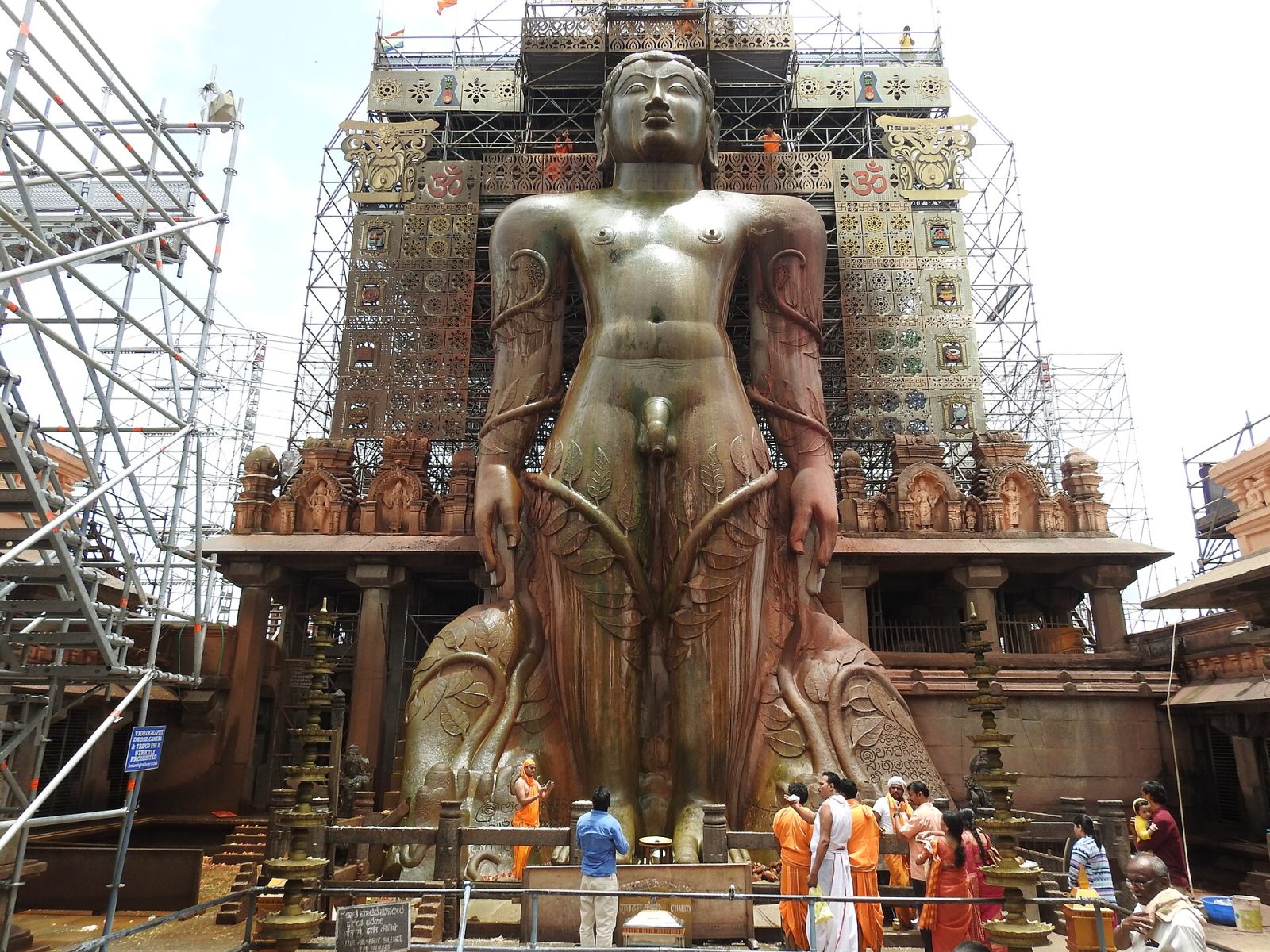
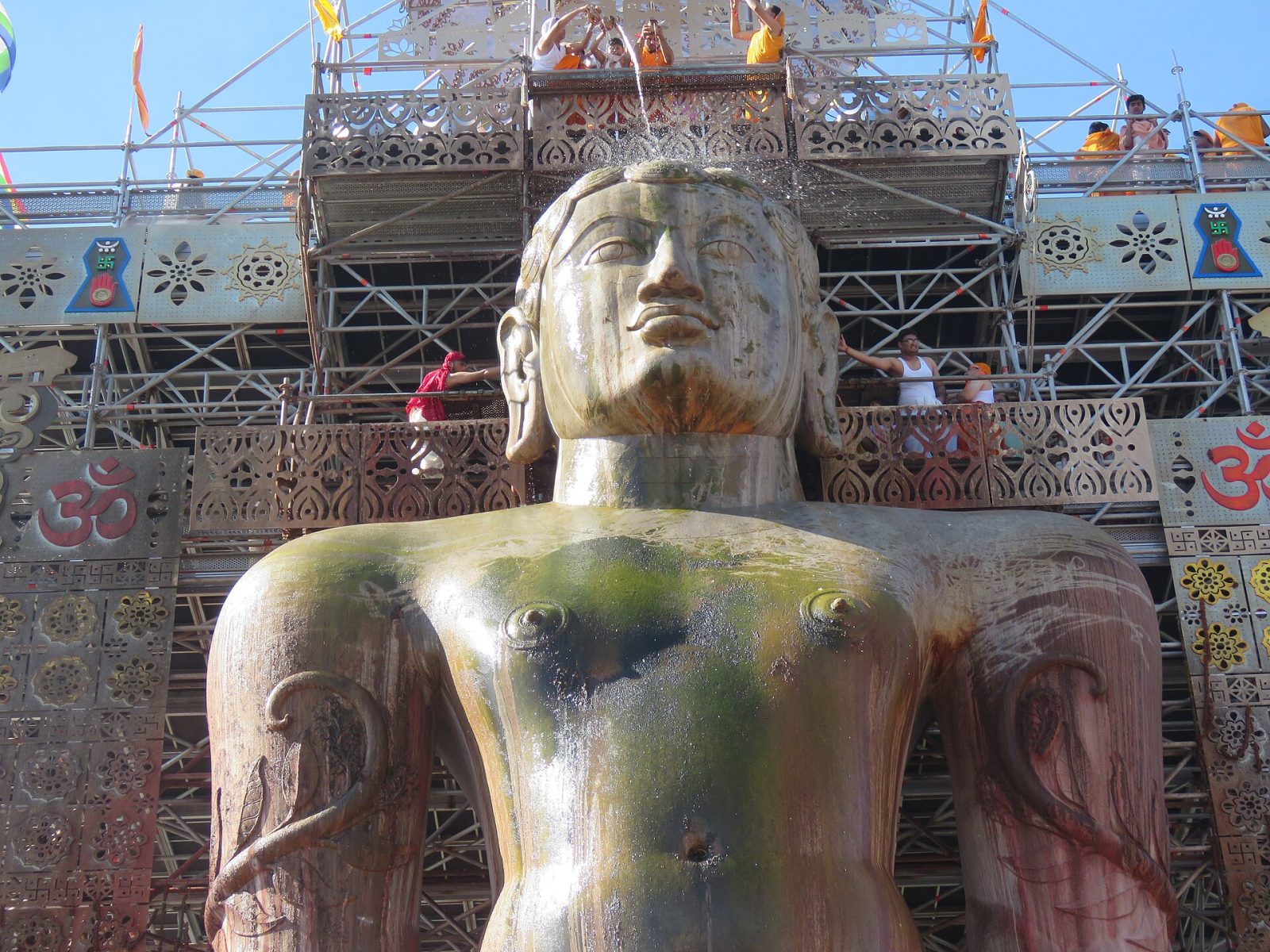
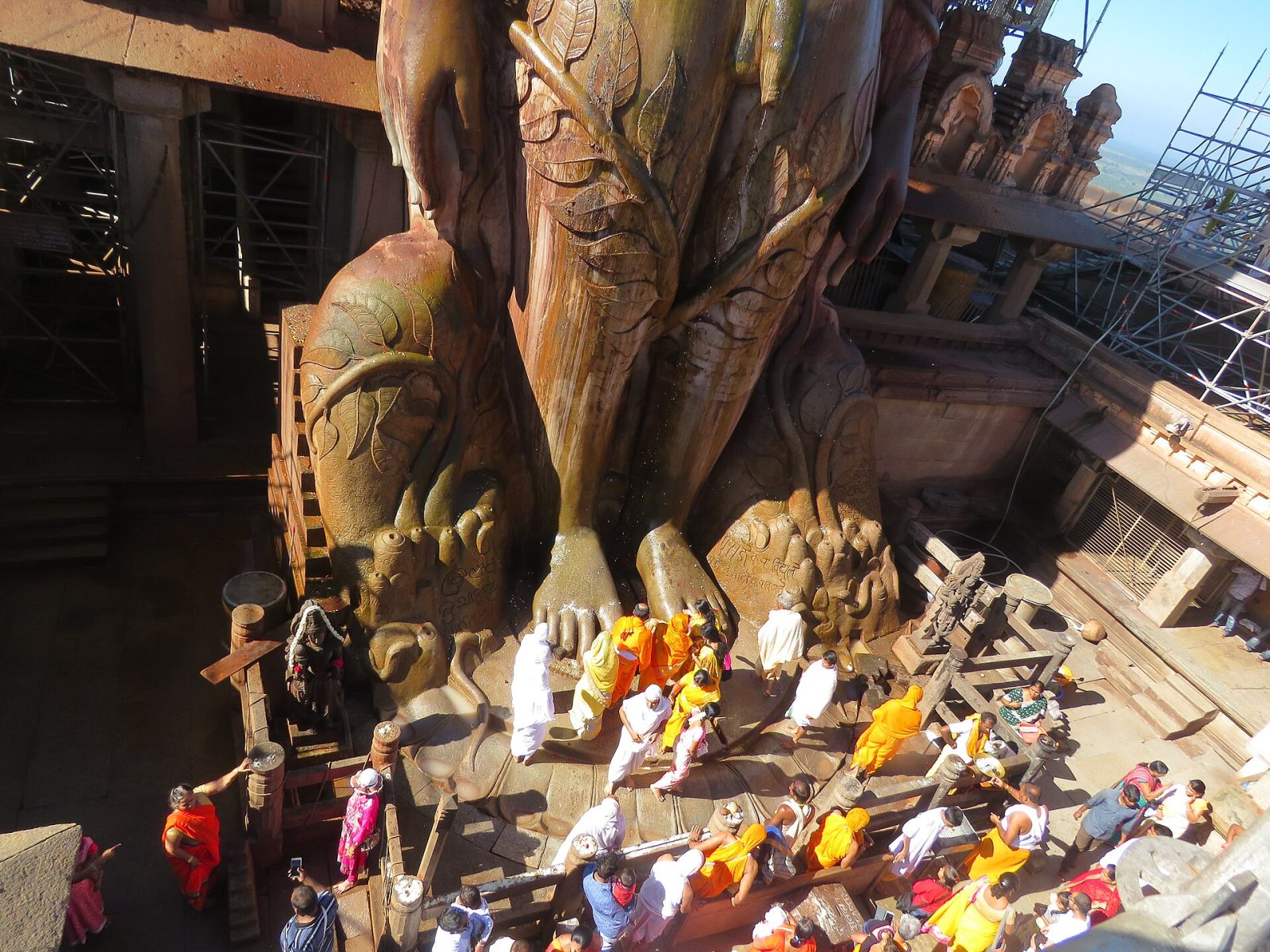
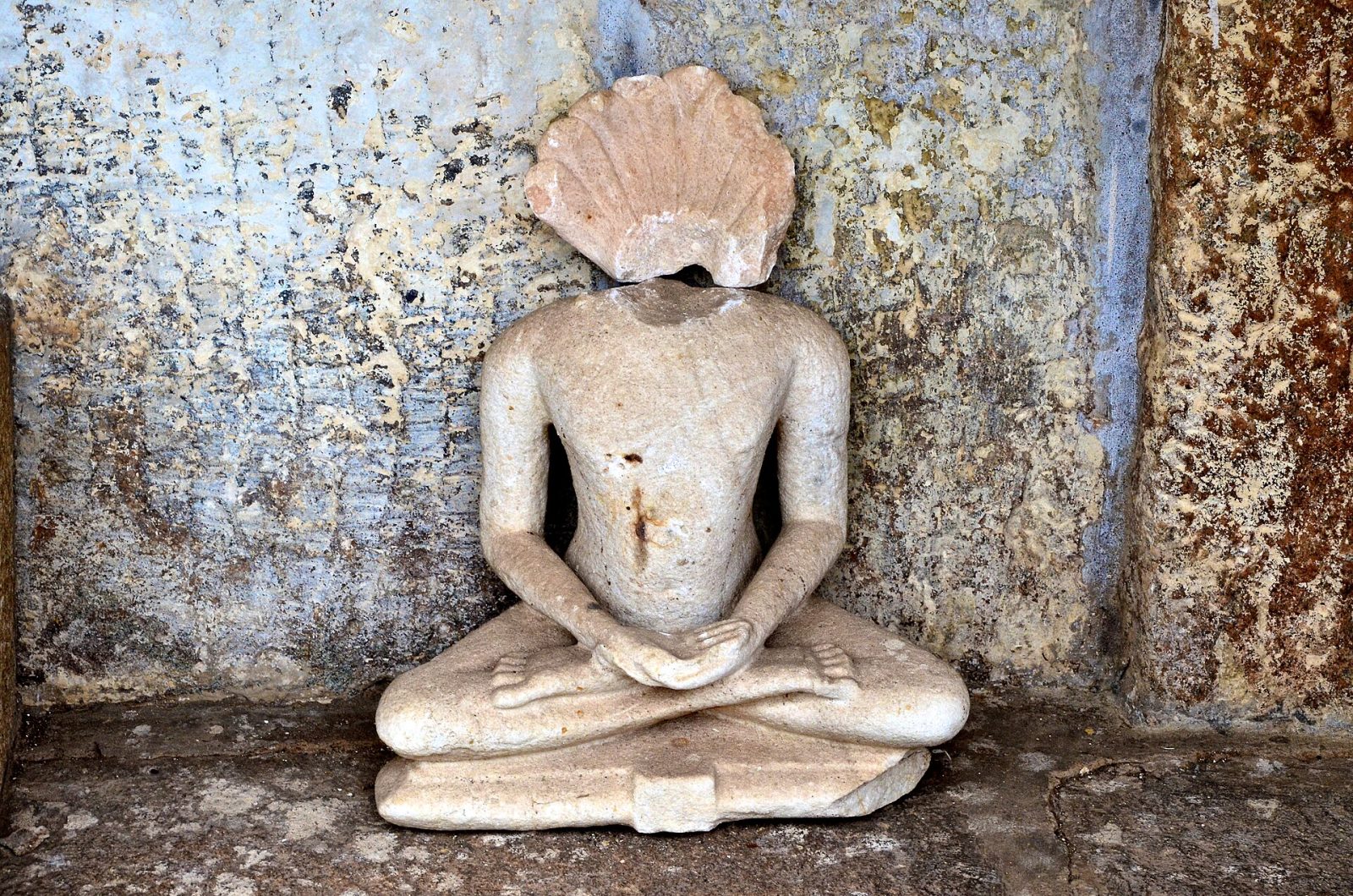
Shravanabelagola in Hassan district is the most important Jain pilgrimage centre in south India, set between two rocky hills with a temple tank between them. On Vindhyagiri stands the statue of Bahubali, known as Gommateshwara, carved from a single block of granite about 18 metres tall and completed around 981 CE by the minister Chavundaraya. Reaching it means climbing more than 600 steps cut into the rock, barefoot. Every twelve years the Mahamastakabhisheka festival draws huge crowds to anoint the statue with milk, saffron and sandal paste from scaffolding built around it. The smaller hill, Chandragiri, holds older temples and inscriptions connected with the emperor Chandragupta Maurya.
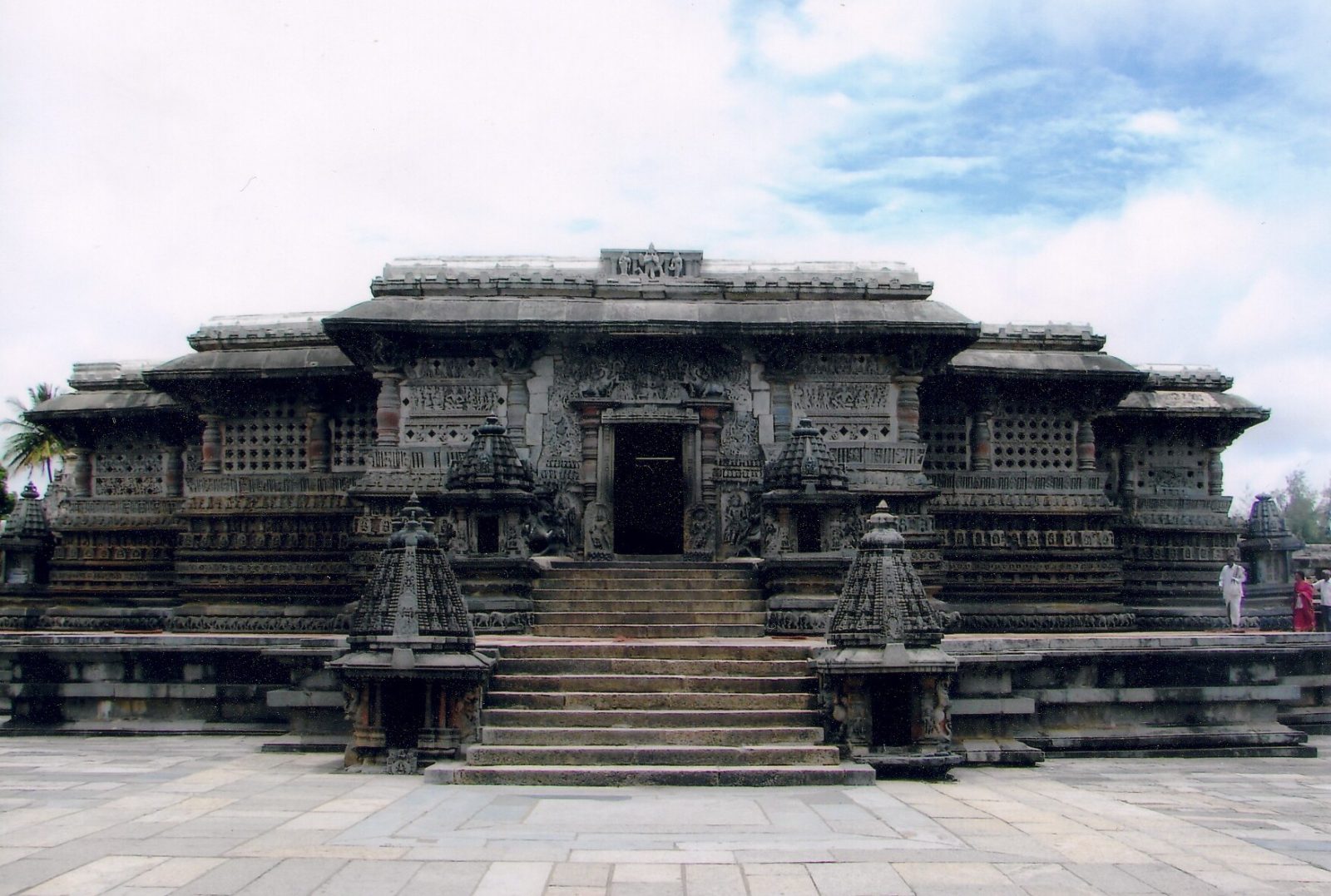
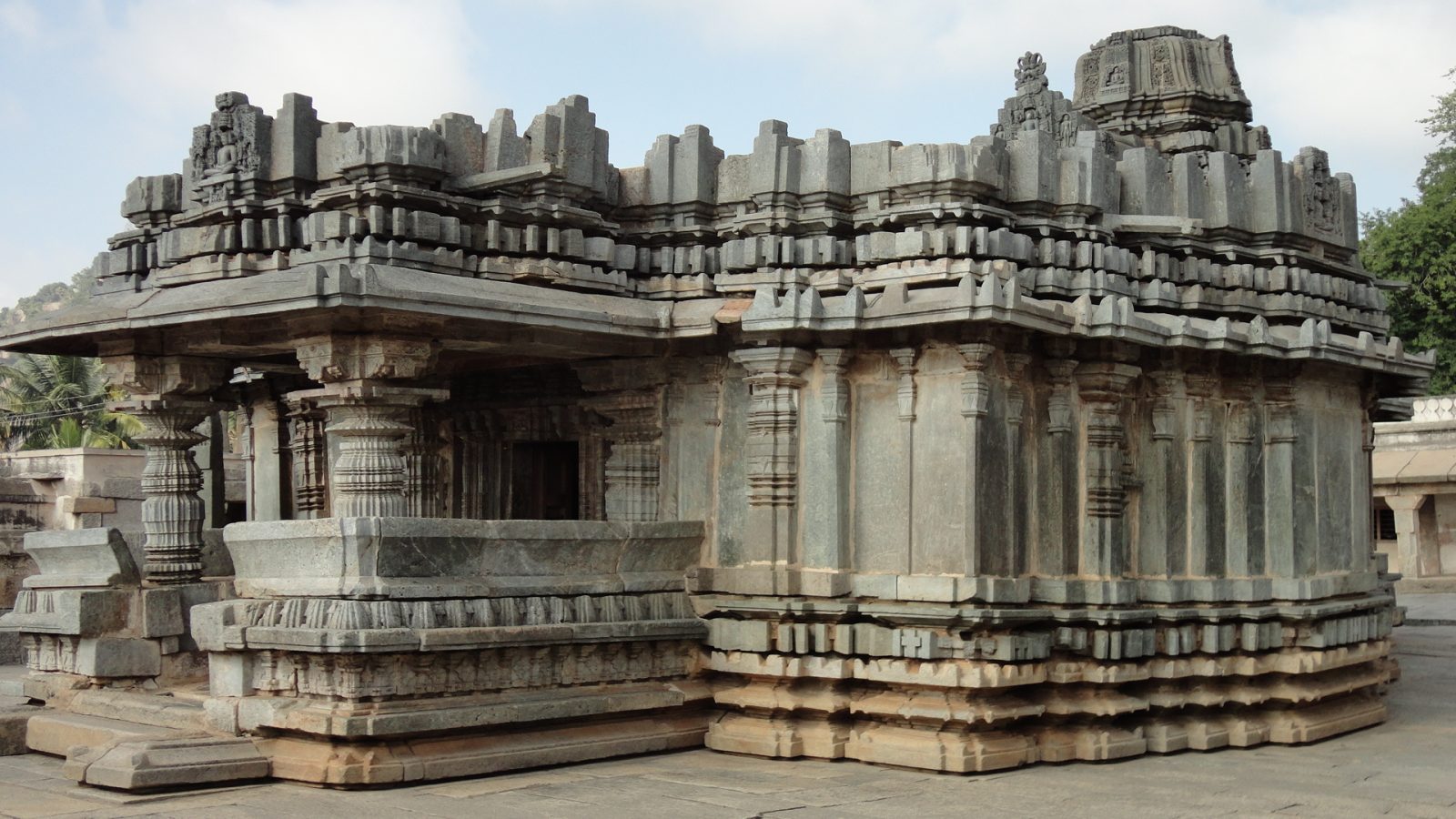
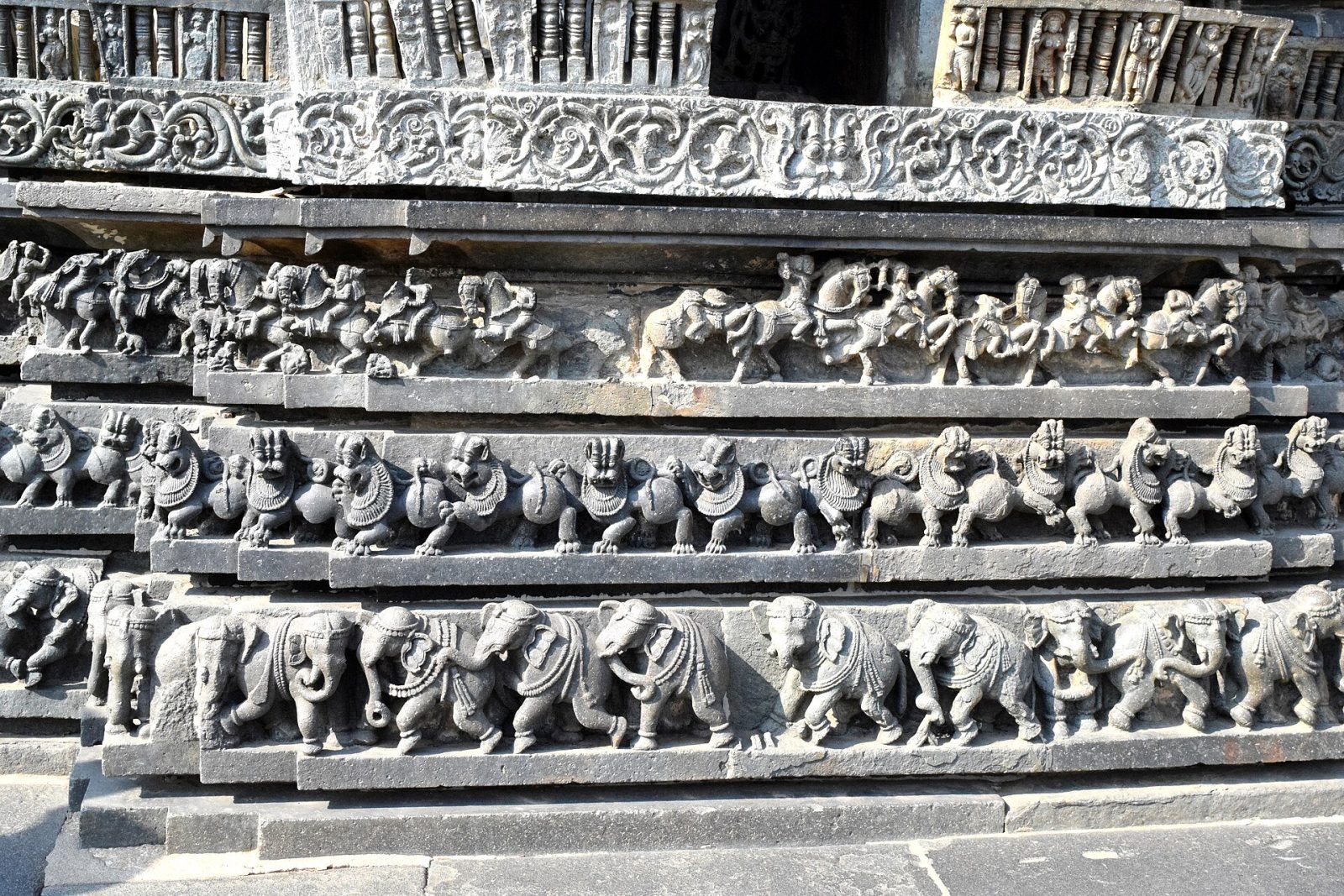
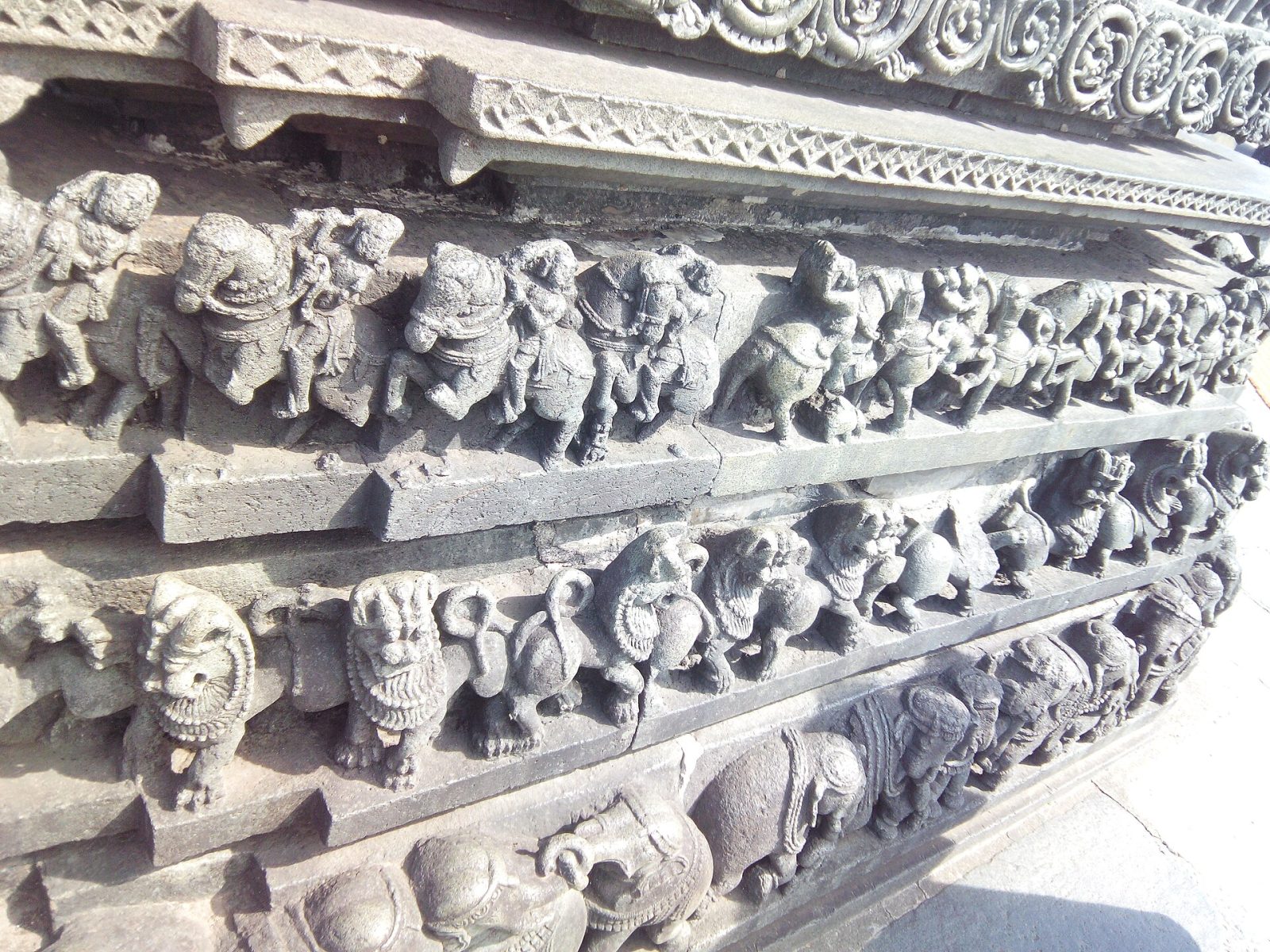
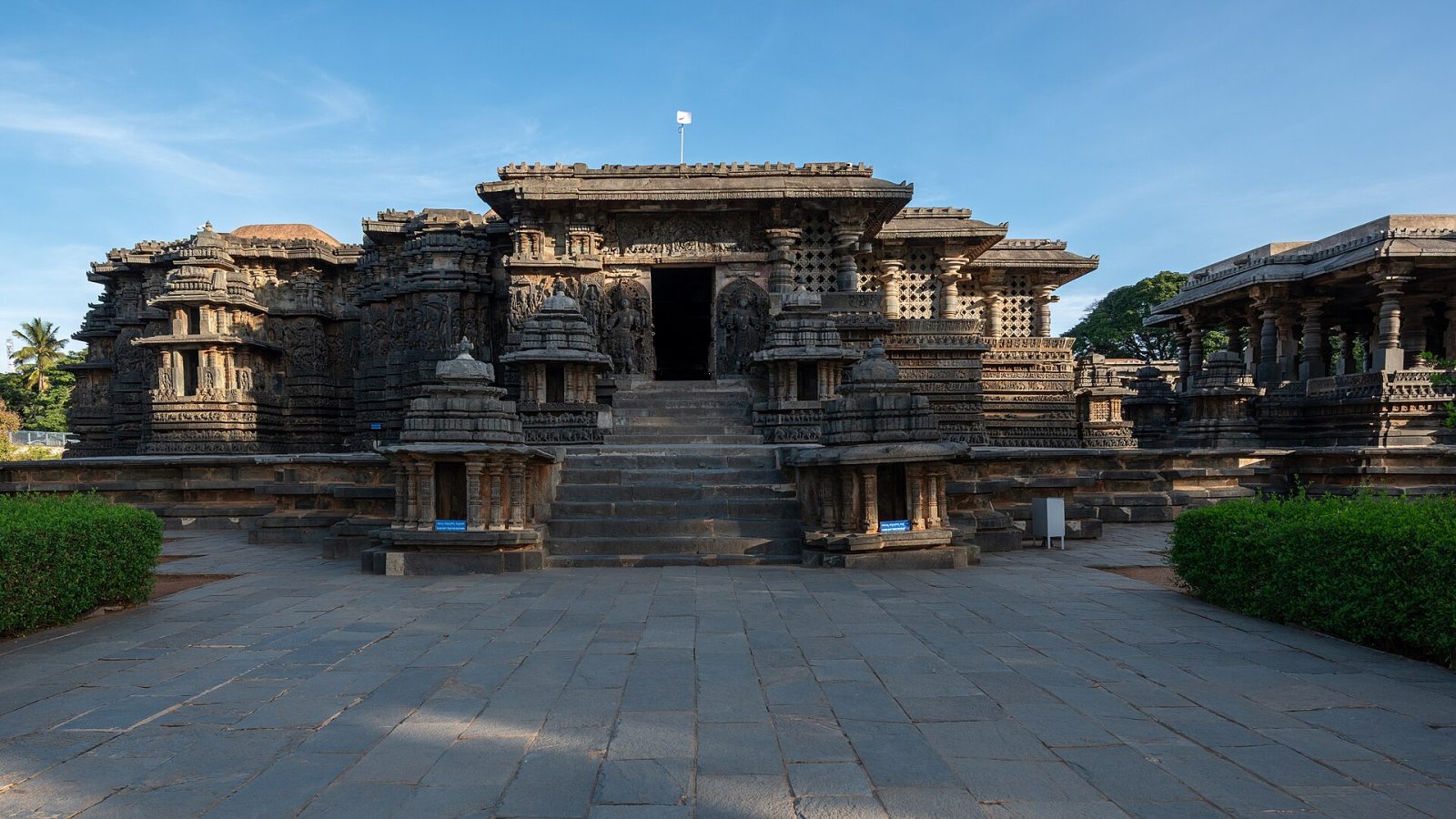
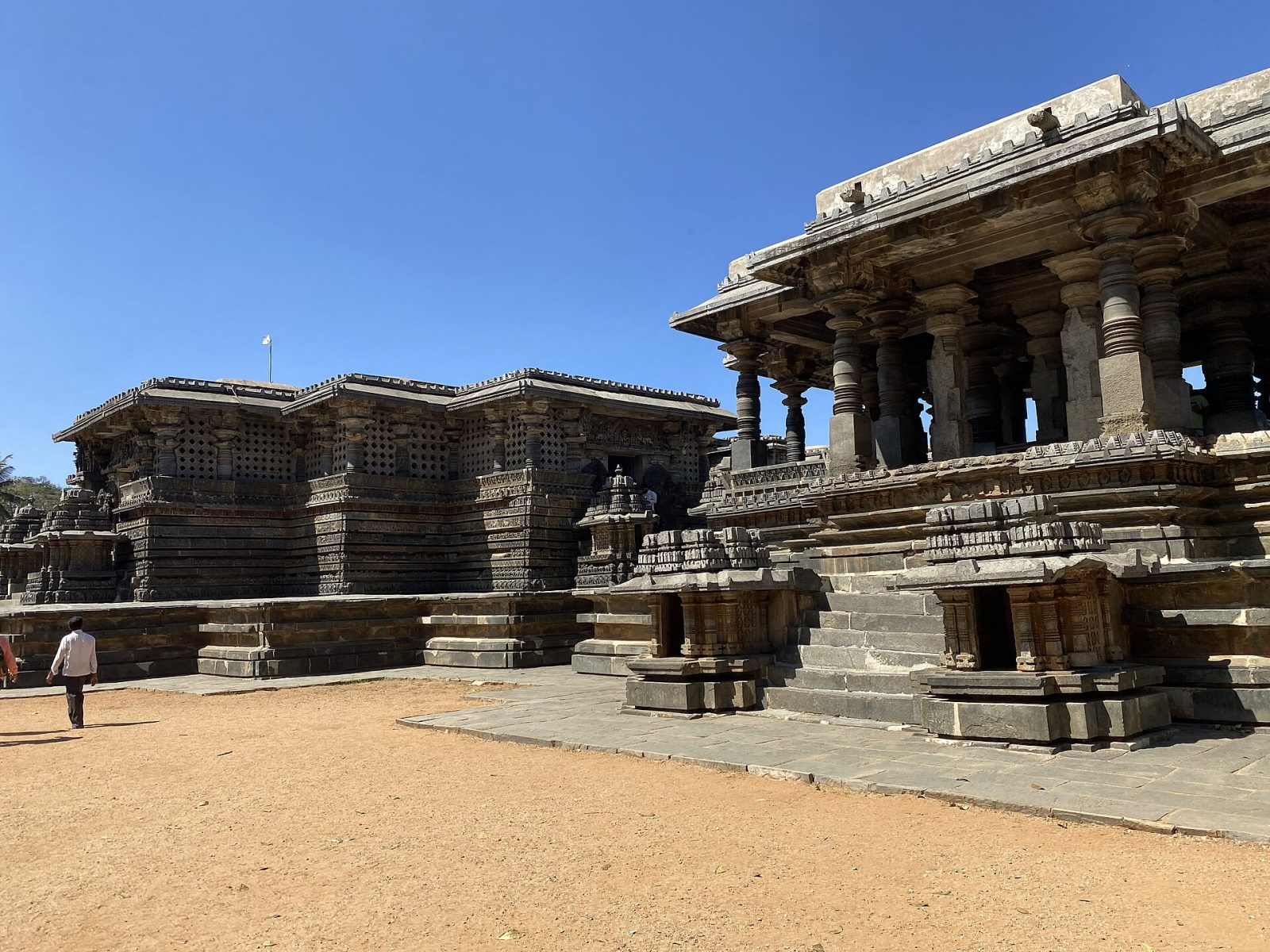
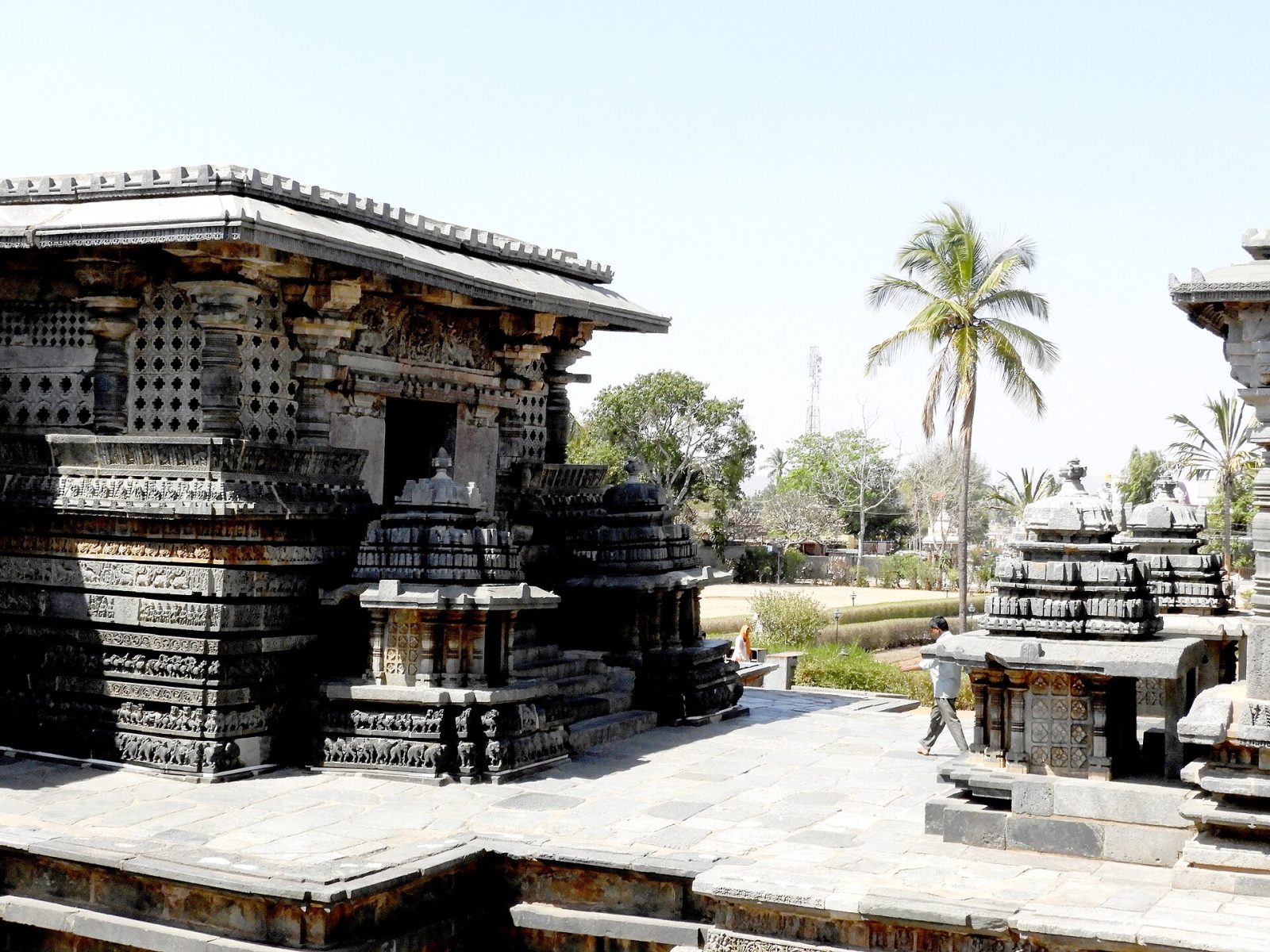
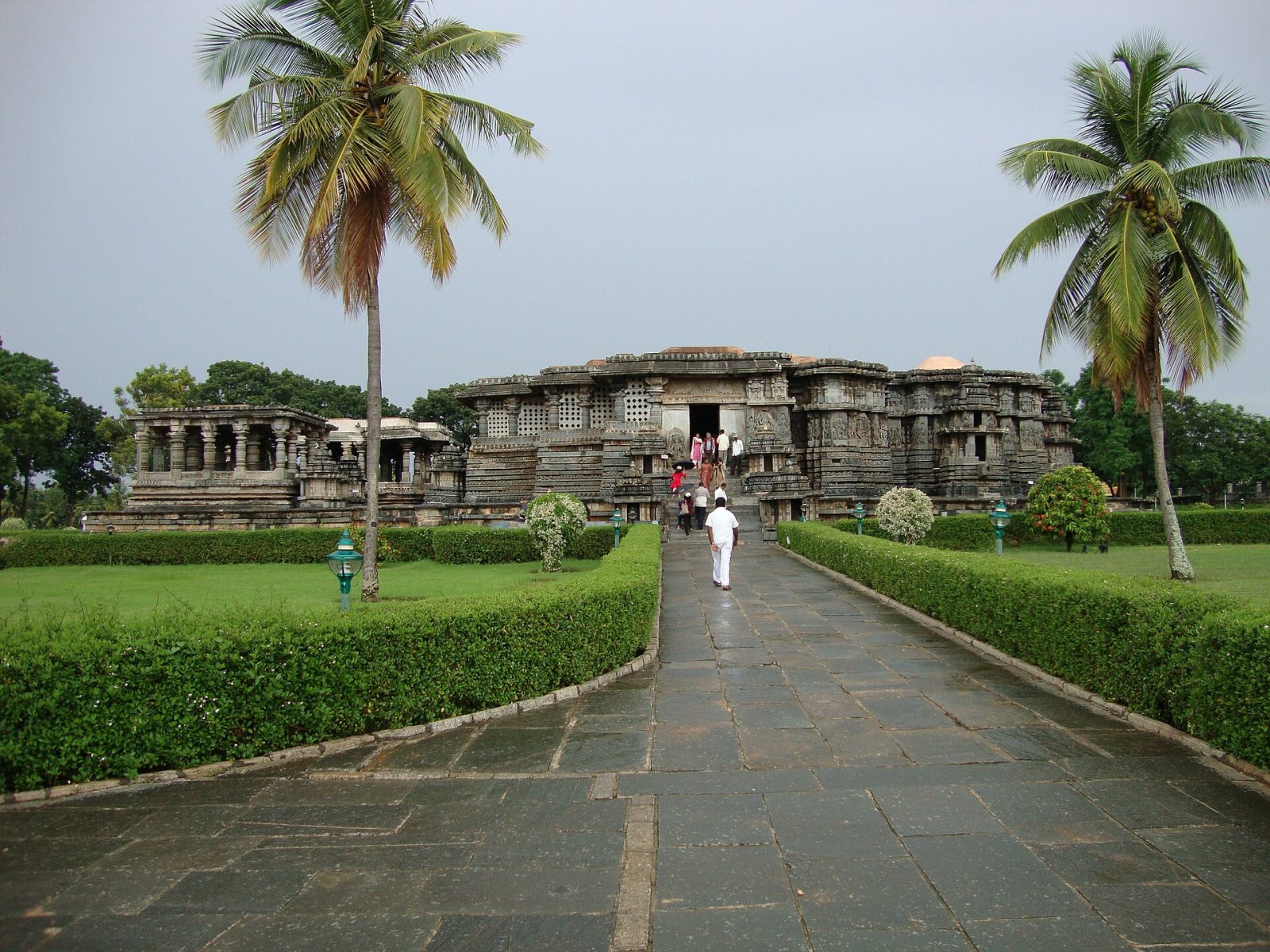
The Chennakeshava temple at Belur was built by the Hoysala king Vishnuvardhana in 1117 CE and took generations of craftsmen to finish. It is famous for the density of its carving: bands of elephants, horsemen, scrollwork and scenes from the epics run around the base, and the madanikai bracket figures of dancing women are among the finest sculptures in India. The temple stands on a star-shaped platform in a walled courtyard with a tall gopuram gate added later. Unlike many Hoysala temples it is still an active place of worship. Belur and nearby Halebidu were added to the UNESCO World Heritage list in 2023, and a guide is worth taking to read the carvings.
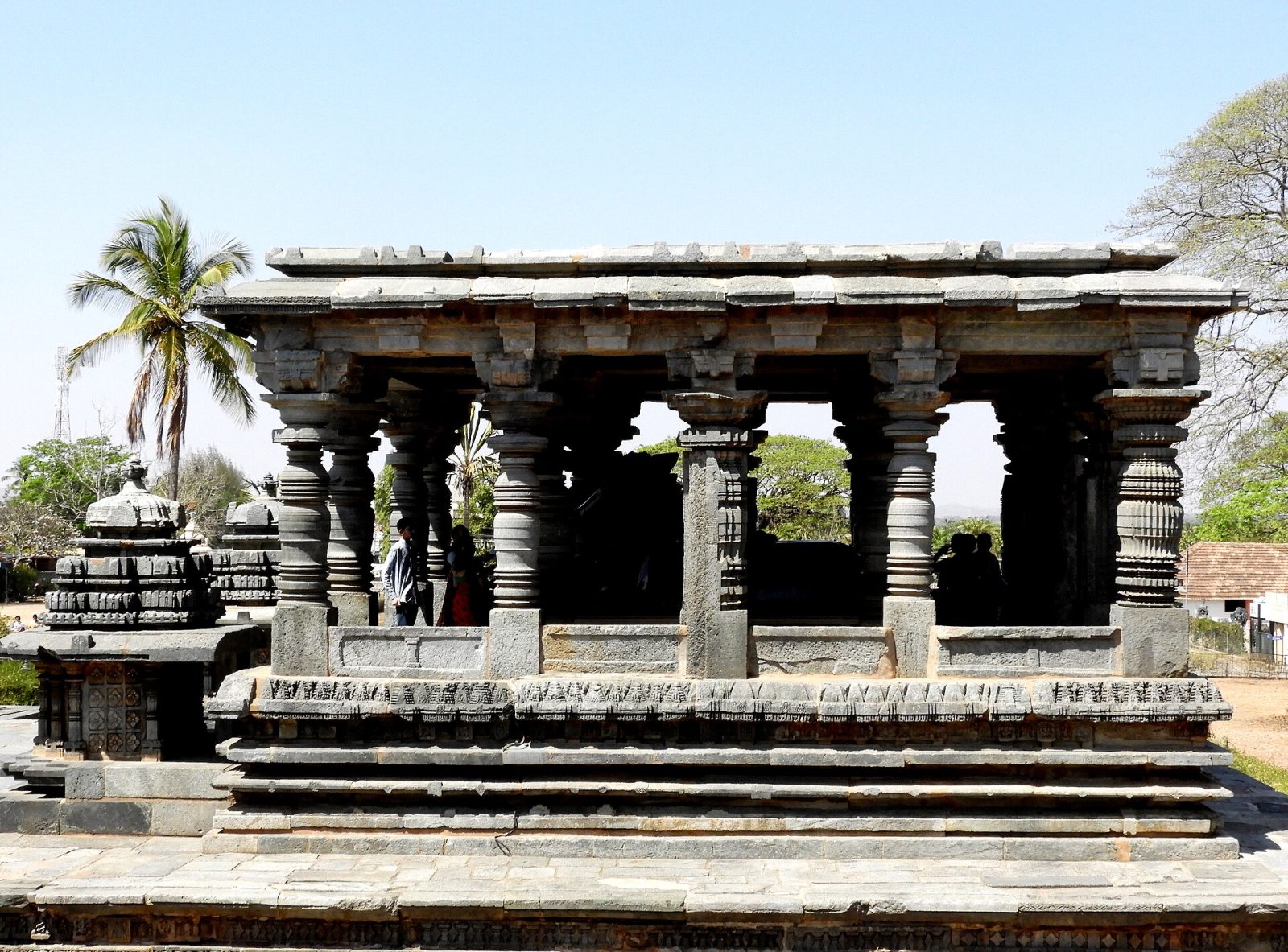
Halebidu was Dwarasamudra, the capital of the Hoysala empire, until it was sacked by the armies of the Delhi Sultanate in the 14th century; the name means old city. Its Hoysaleswara temple, begun around 1121 CE, is a twin shrine to Shiva built in soapstone on a star-shaped plan, with two Nandi pavilions facing the sanctums. The outer walls carry an unbroken sequence of carved friezes with thousands of figures of gods, dancers, animals and scenes from the Ramayana and Mahabharata, some of the most detailed stone work anywhere. The temple was never fully completed. It is part of the Hoysala UNESCO World Heritage listing, and Belur is 16 km away.
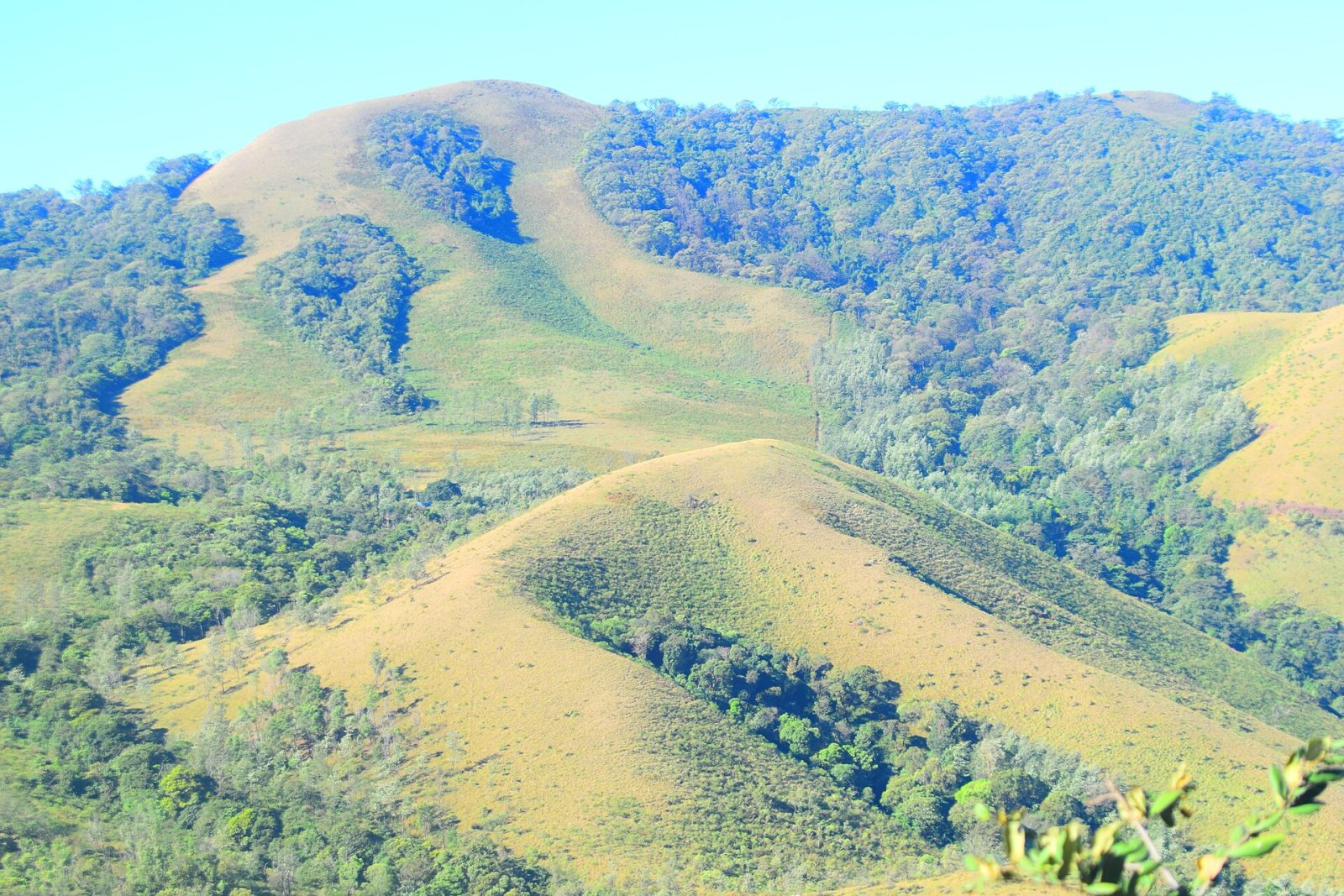
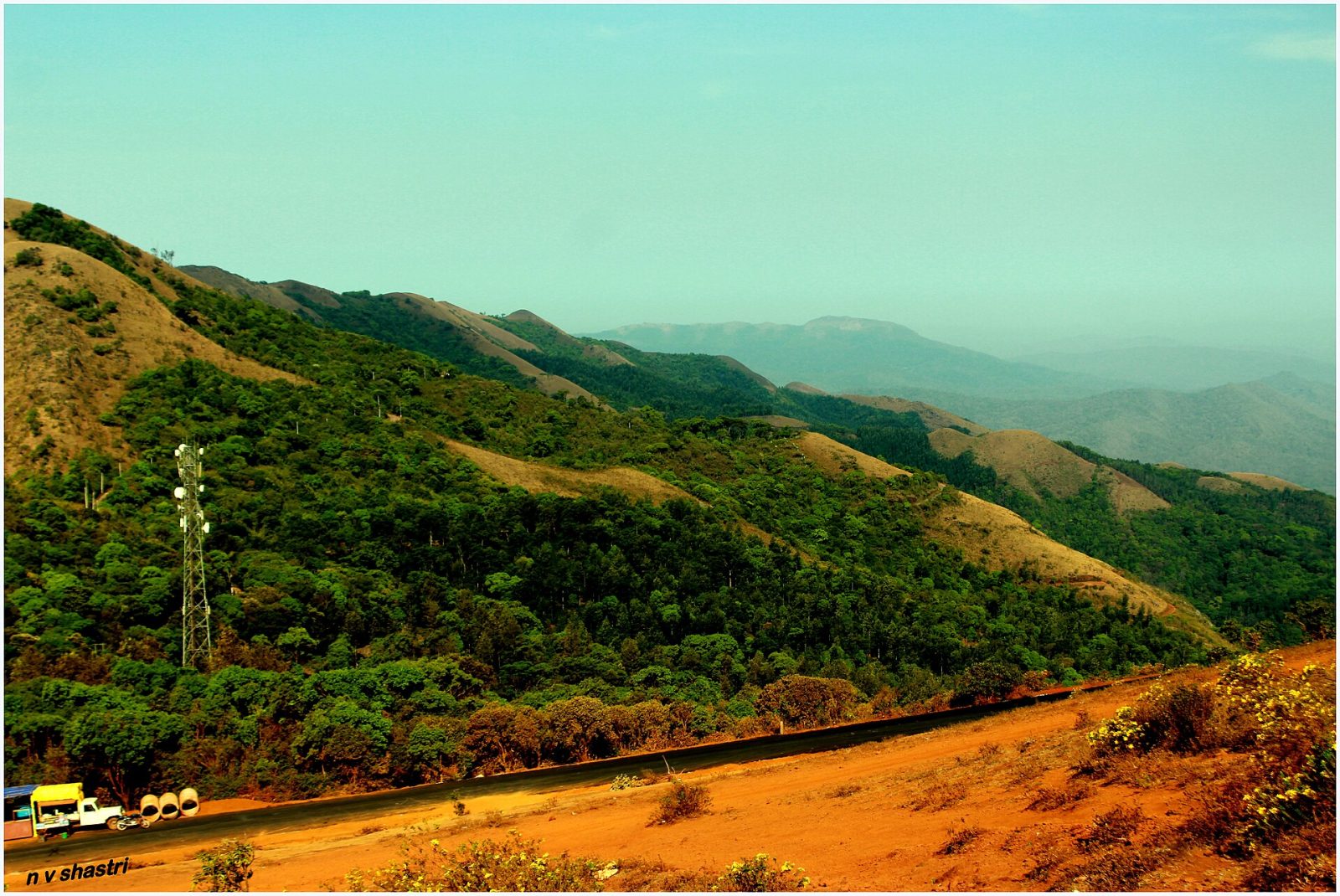
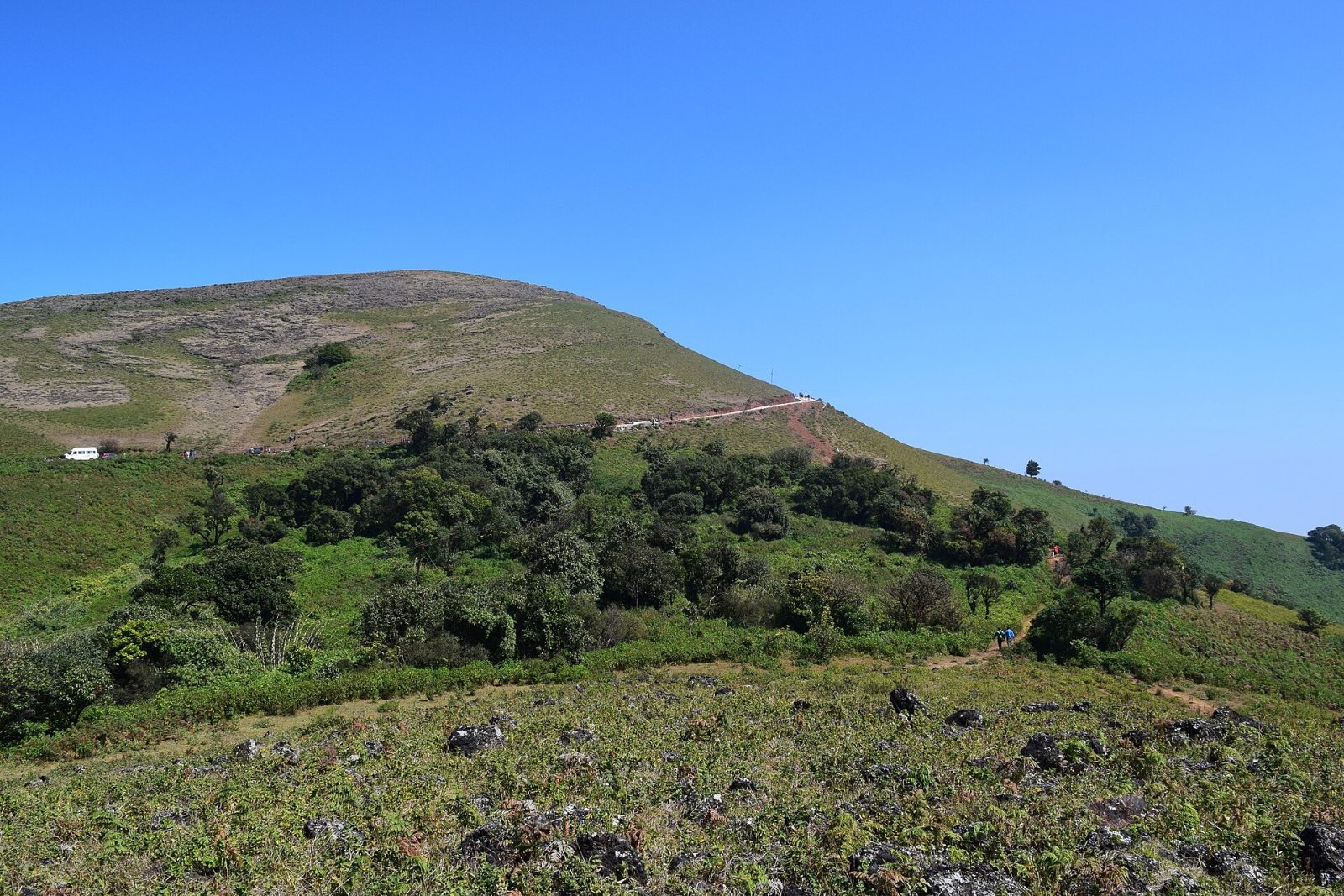
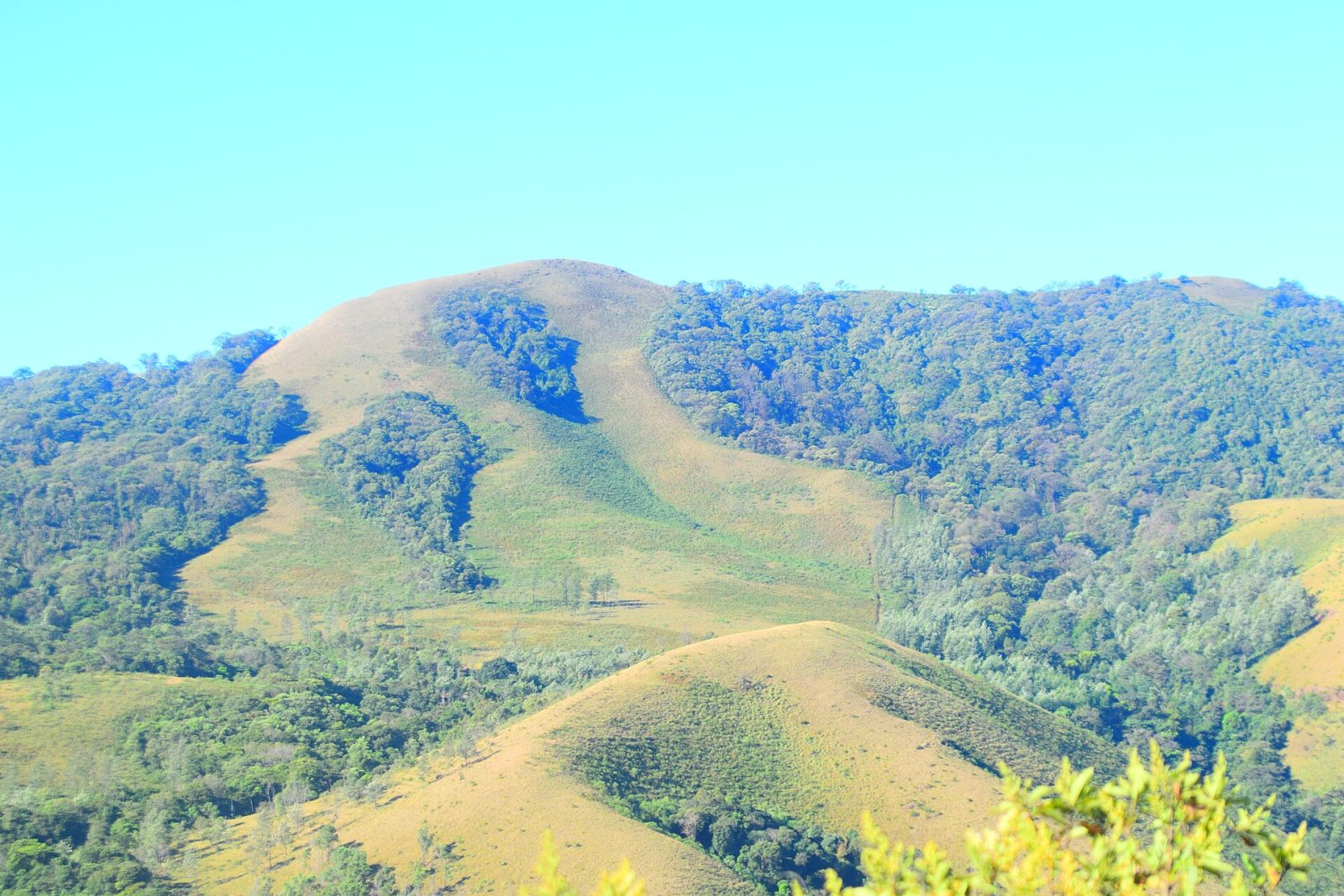
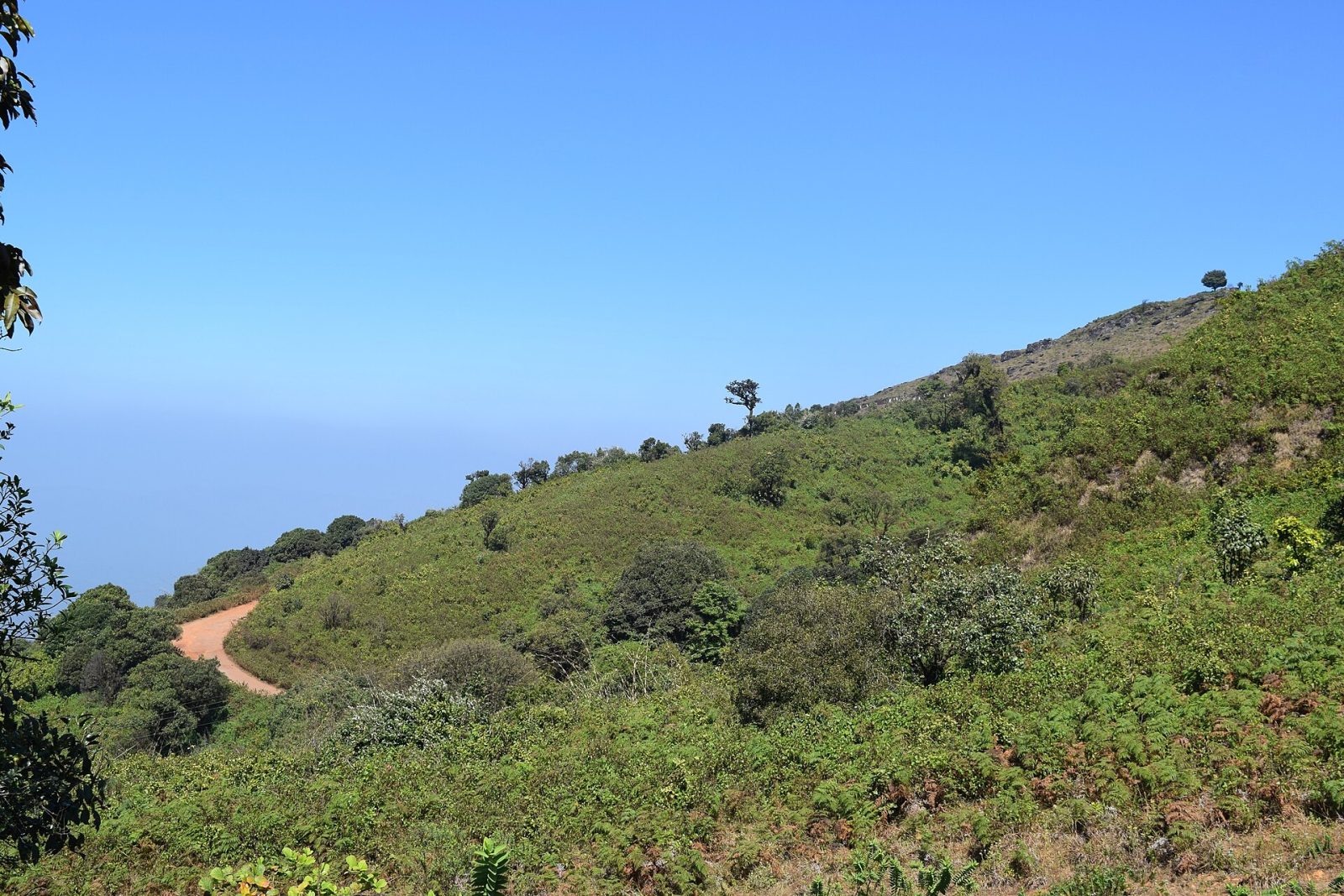
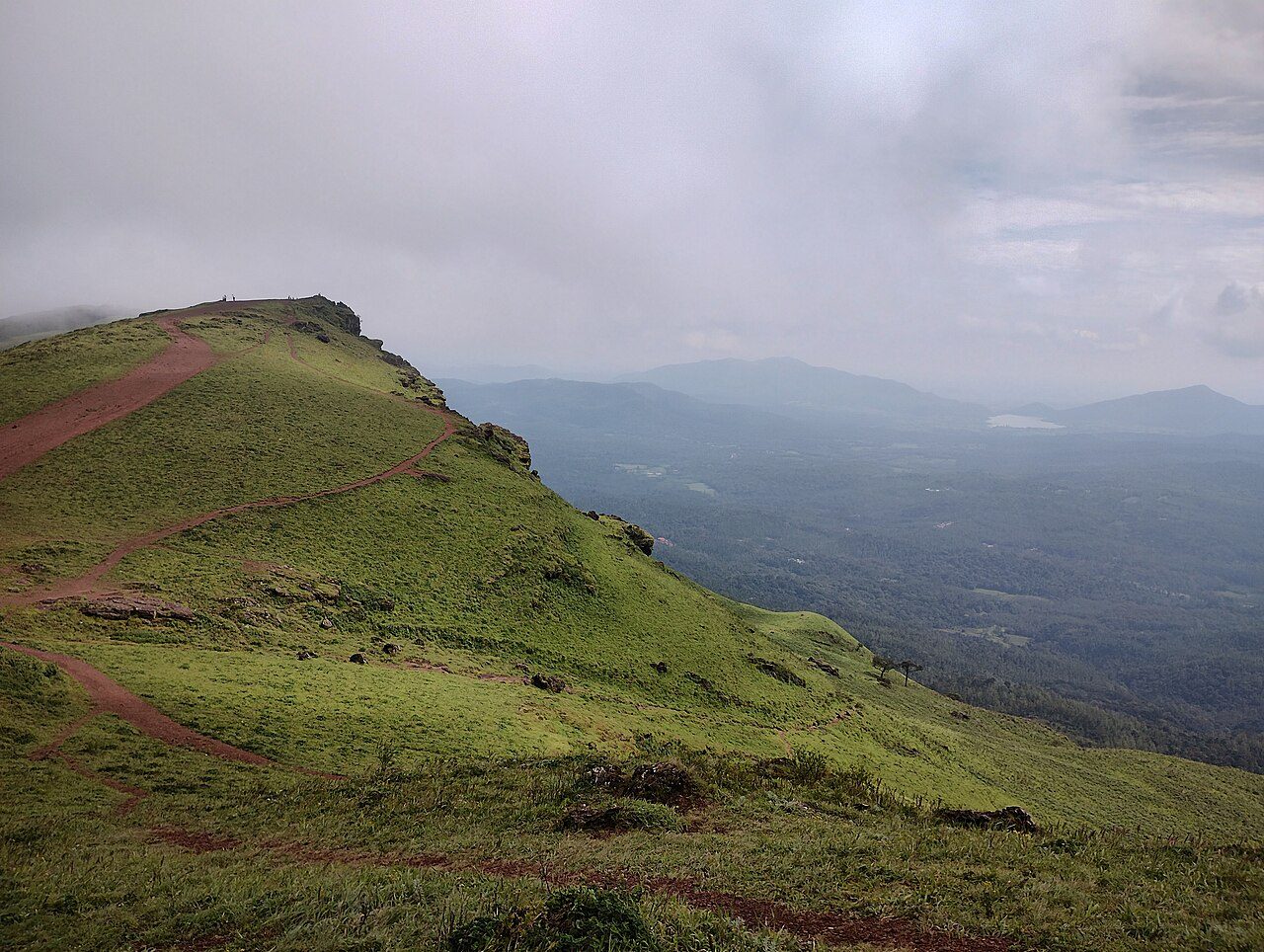
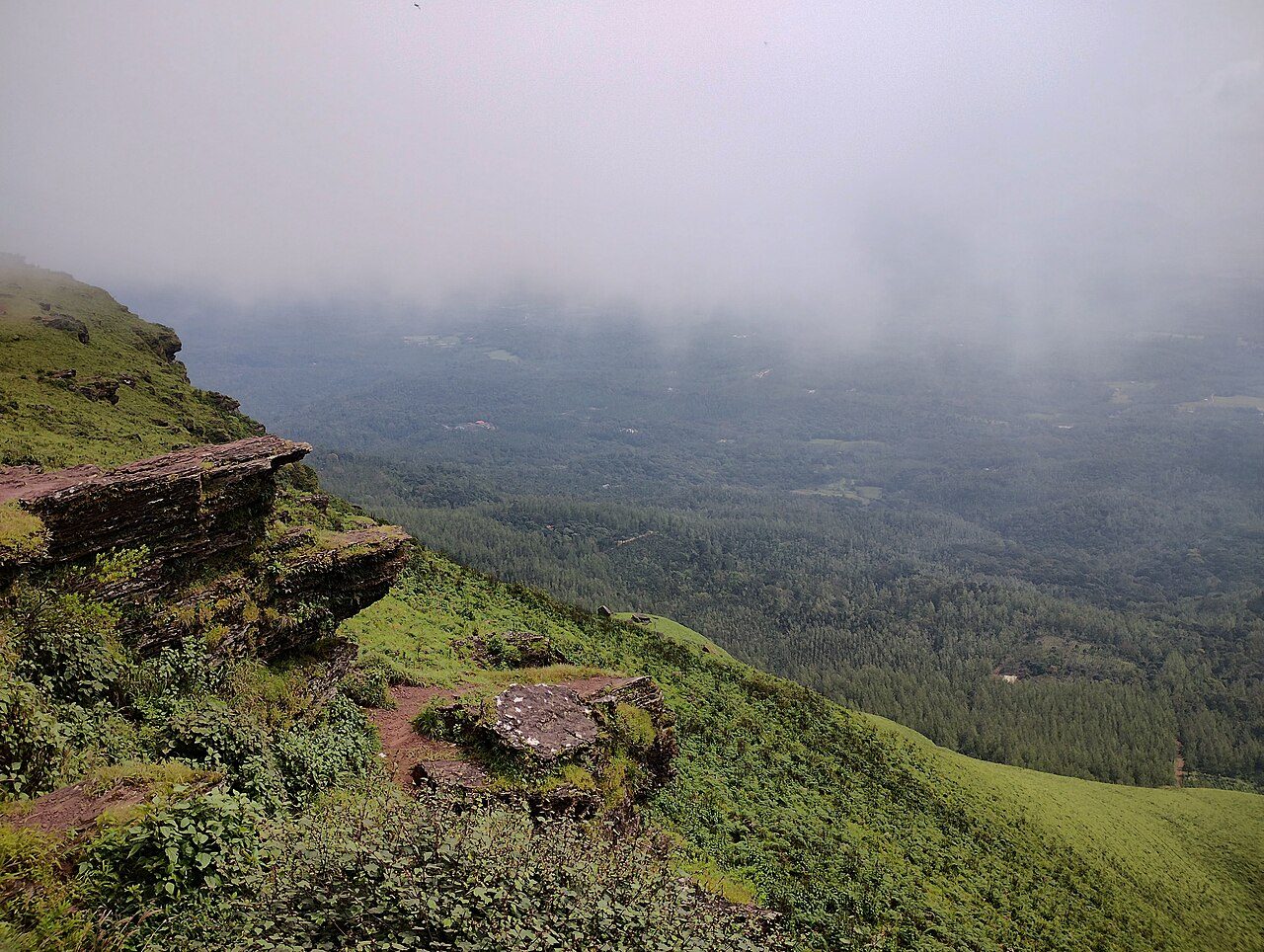
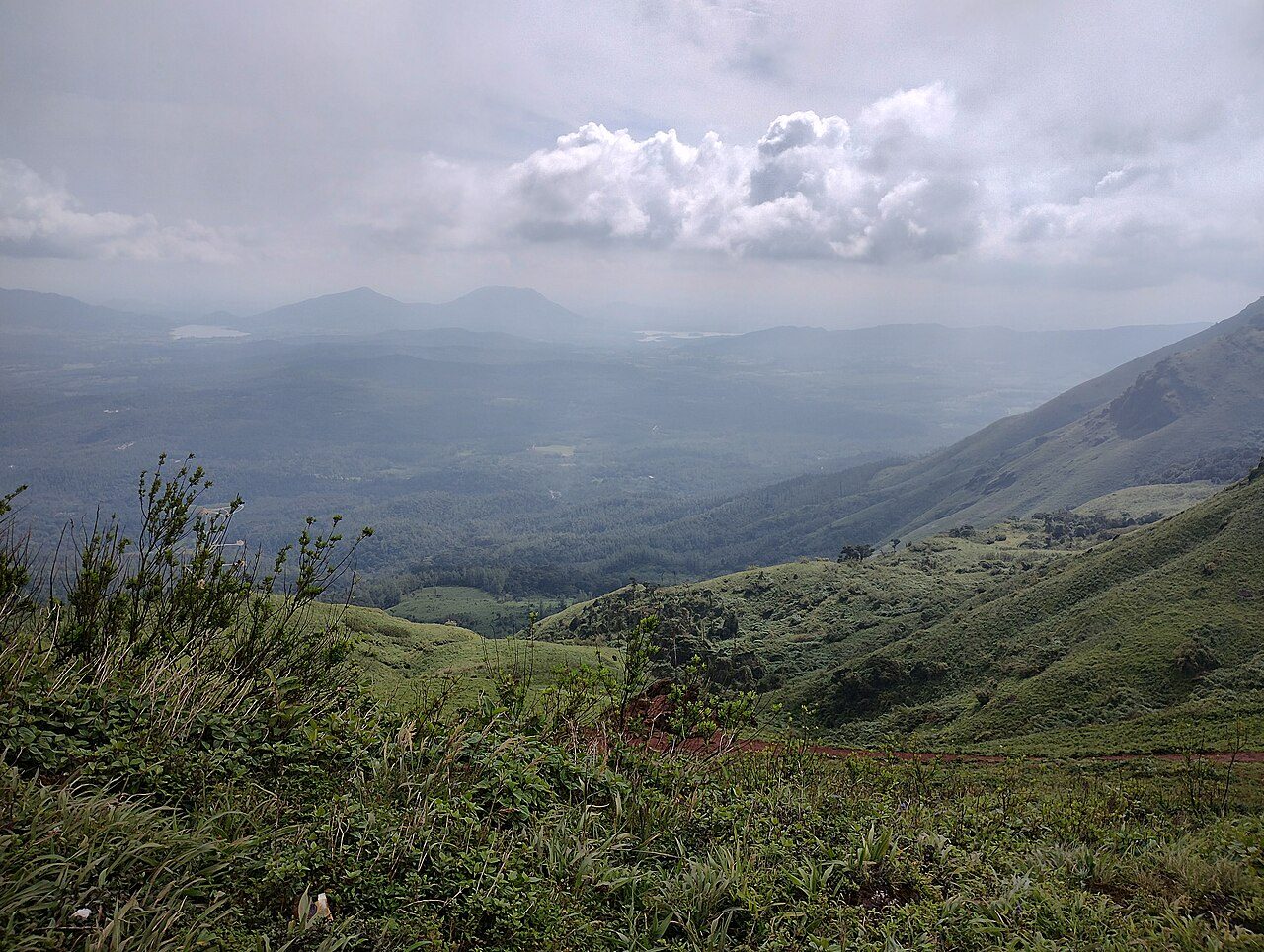
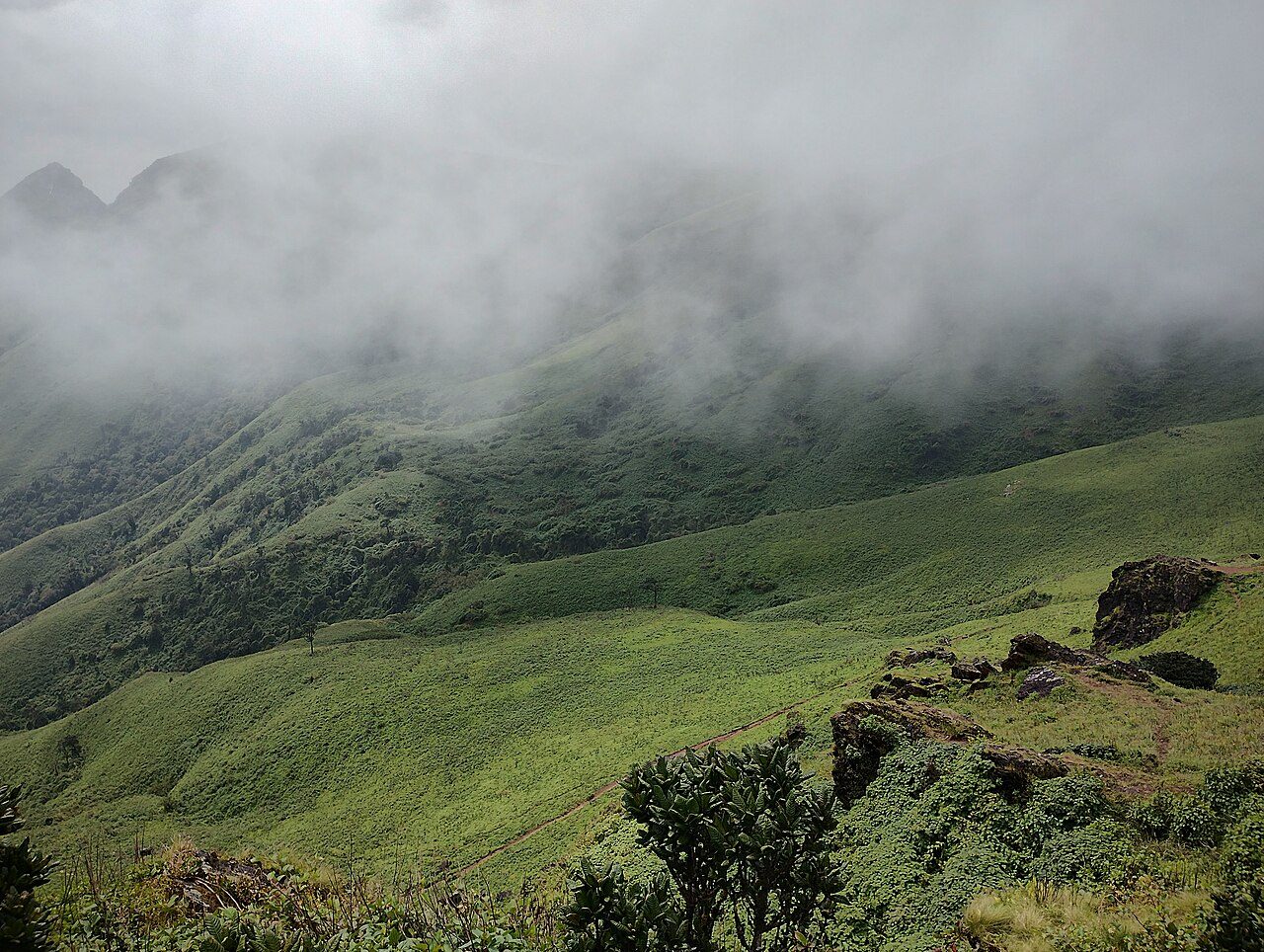
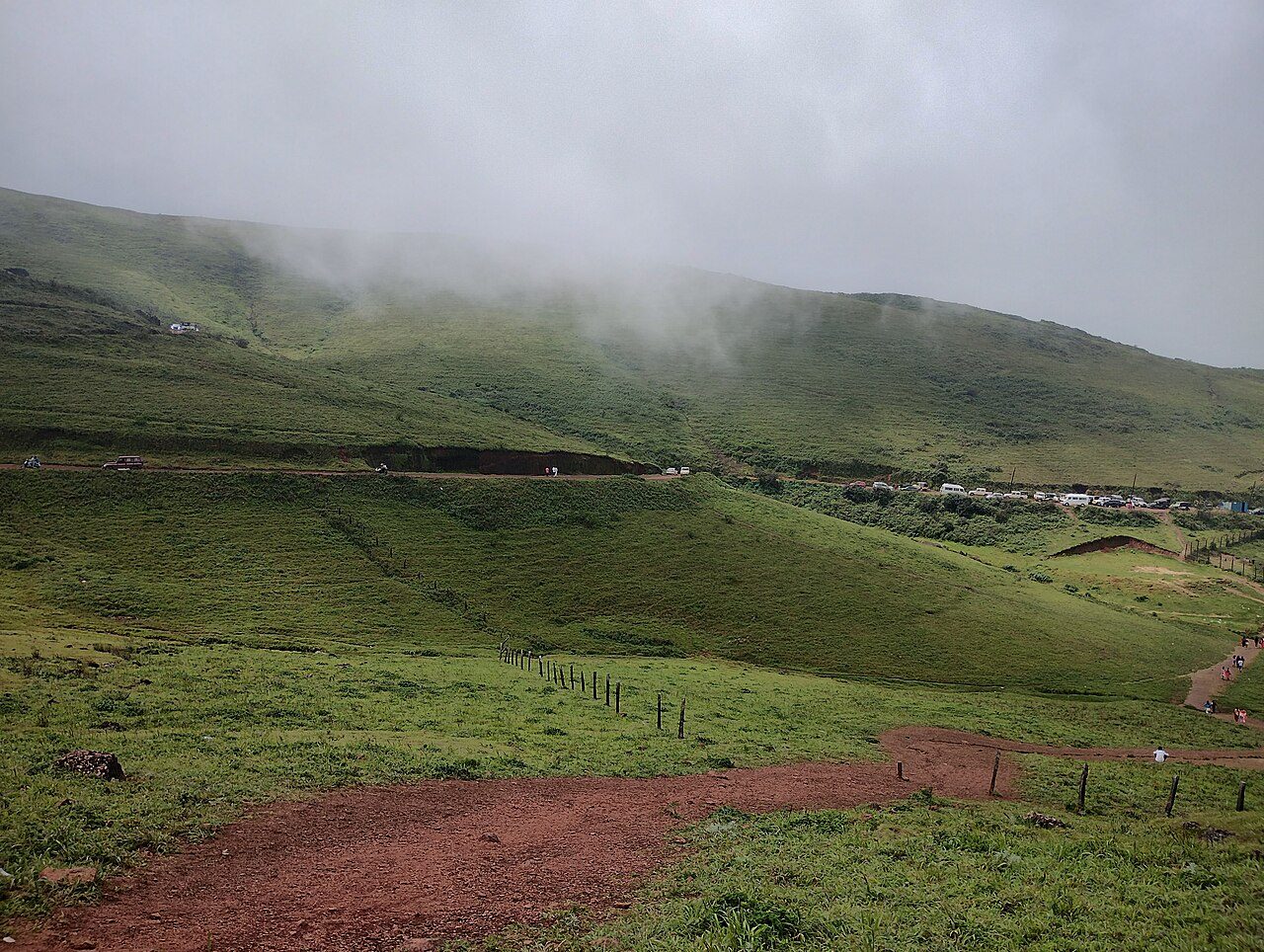
Mullayanagiri, near Chikkamagaluru, is the highest peak in Karnataka at about 1,930 metres, part of the Baba Budangiri range of the Western Ghats. A narrow road climbs most of the way, and a final flight of steps leads to a small Shiva temple and a cave shrine at the summit. The ridge walk from Sarpadhari to the peak passes open grassland with views over coffee estates and rolling hills, often above the clouds in the early morning. Coffee was first planted in India on these hills in the 17th century. The best months are September to February, and the road can be risky in heavy rain.
A mountain range in Chikkamagaluru named after the Sufi saint Baba Budan, who according to legend brought coffee beans to India from Yemen in the 17th century and planted them here. A cave shrine on the hill is sacred to both Muslims and Hindus. The road up gives sweeping views over the Western Ghats.
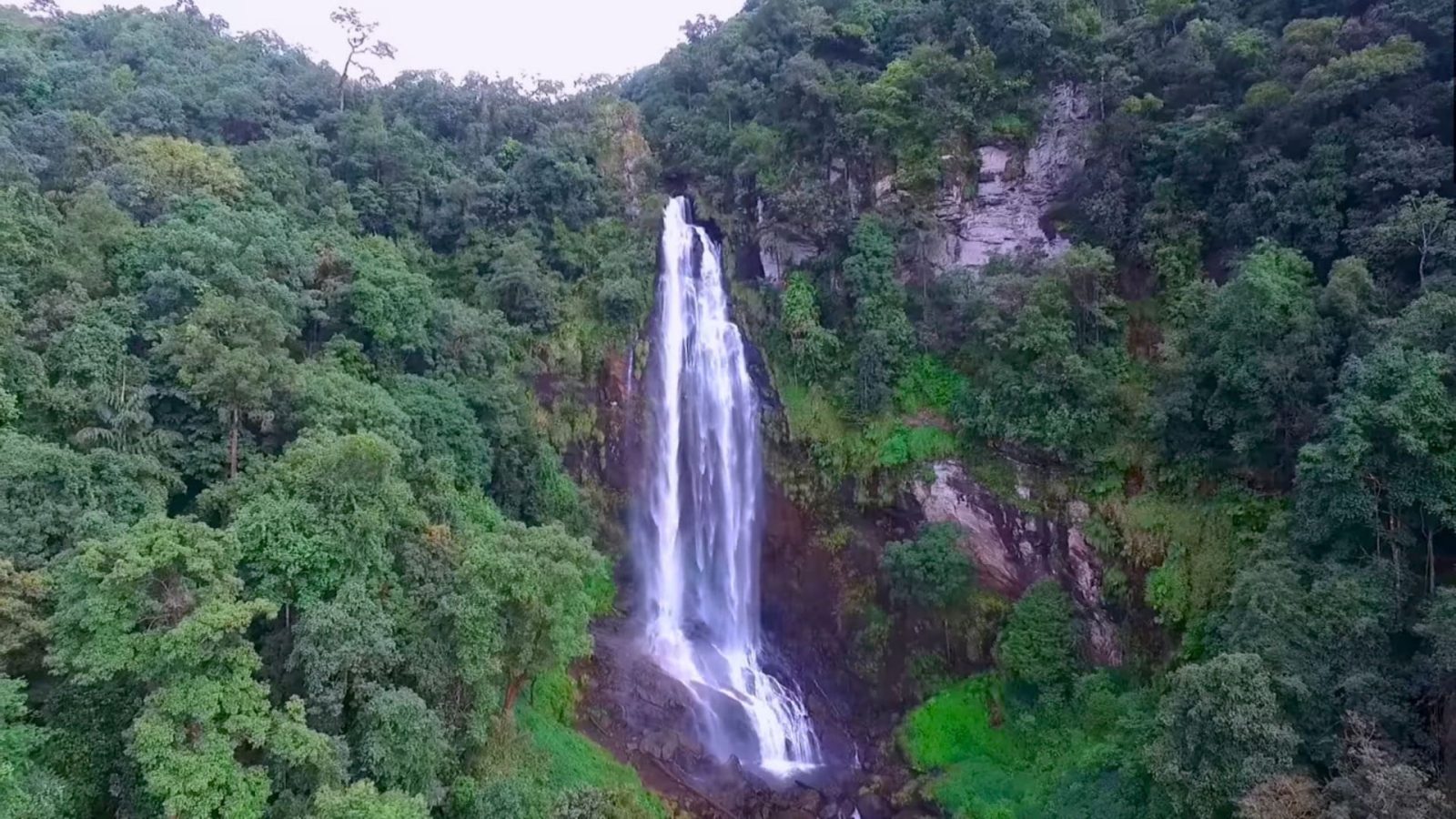
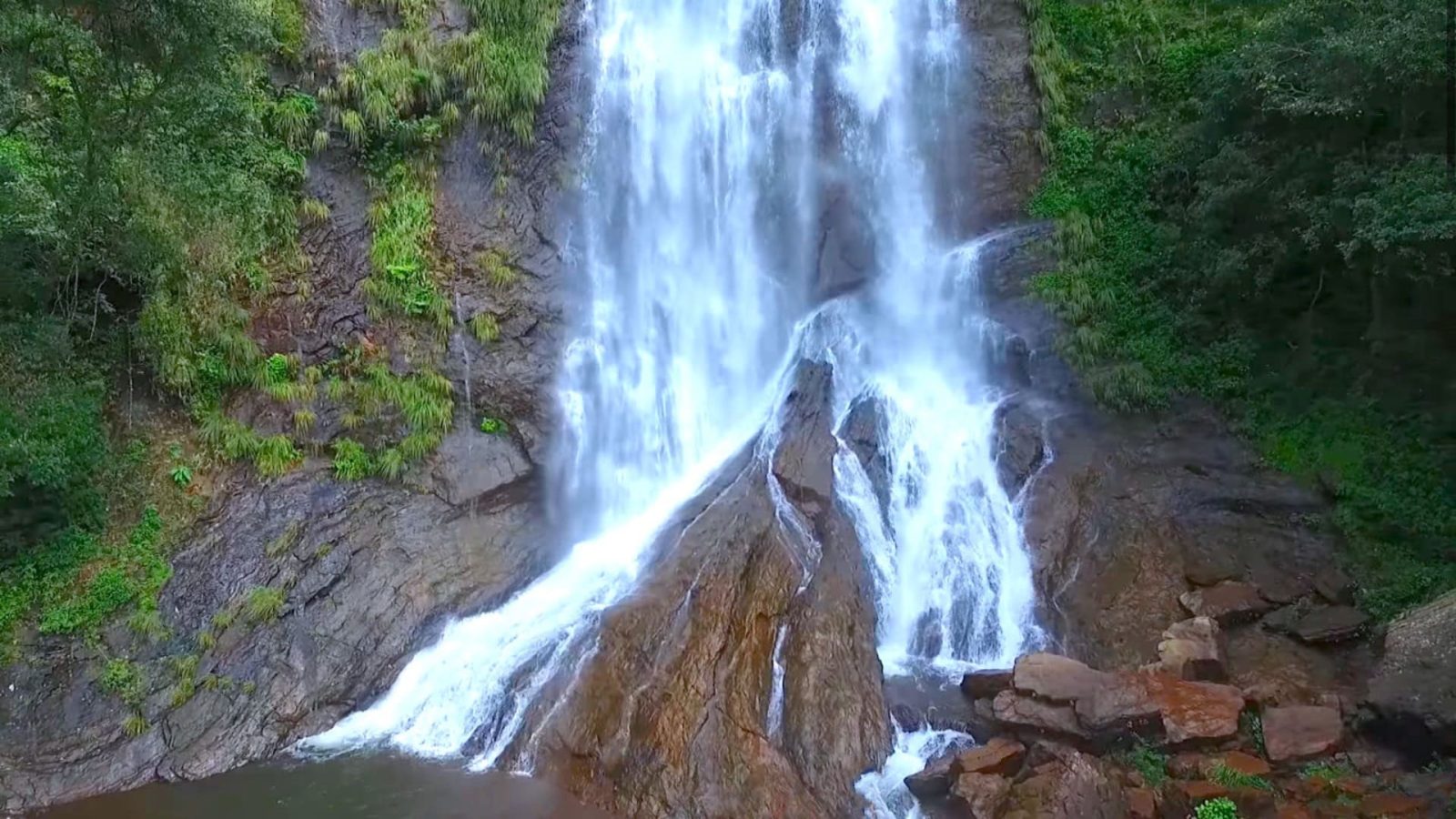
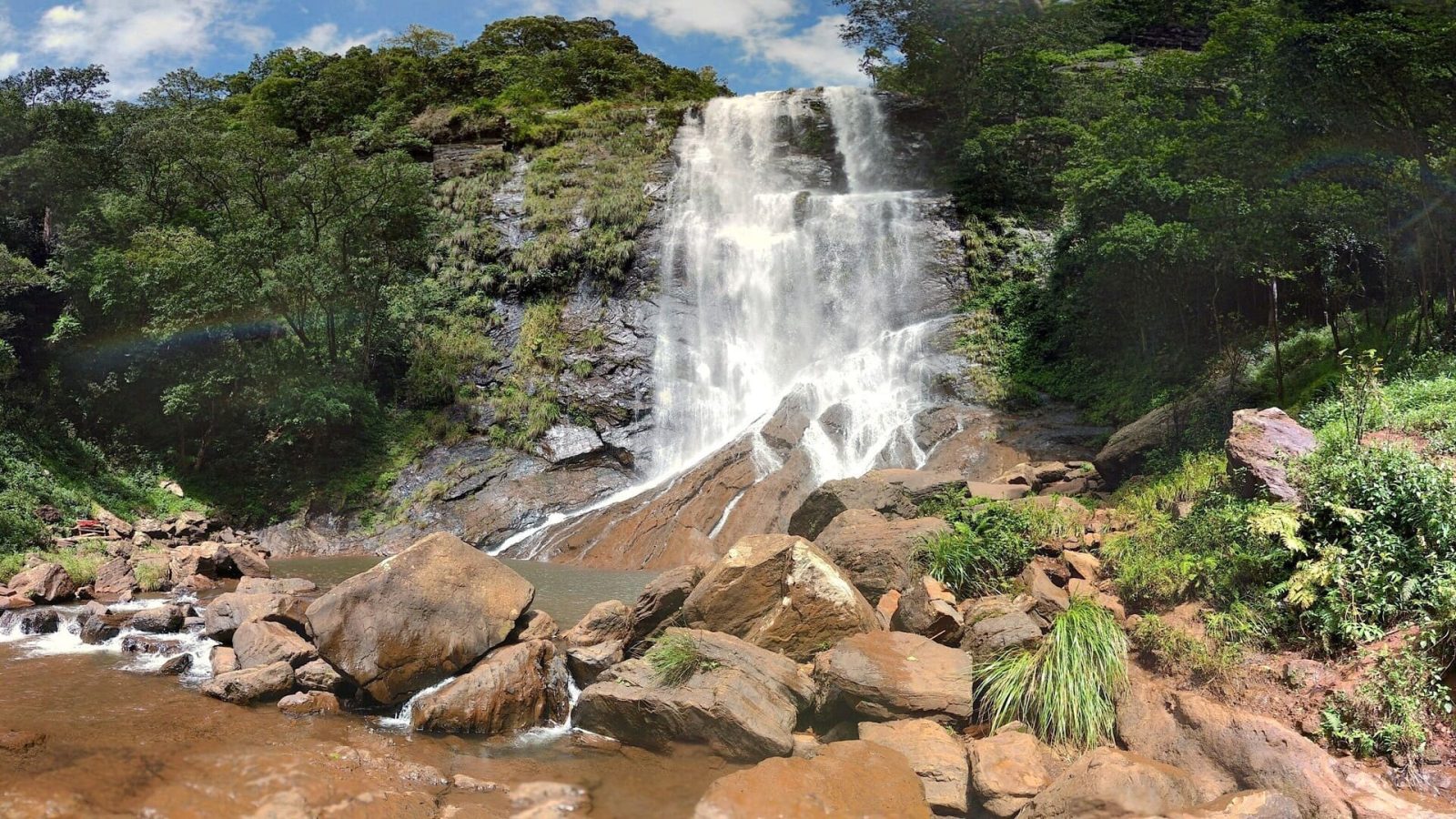
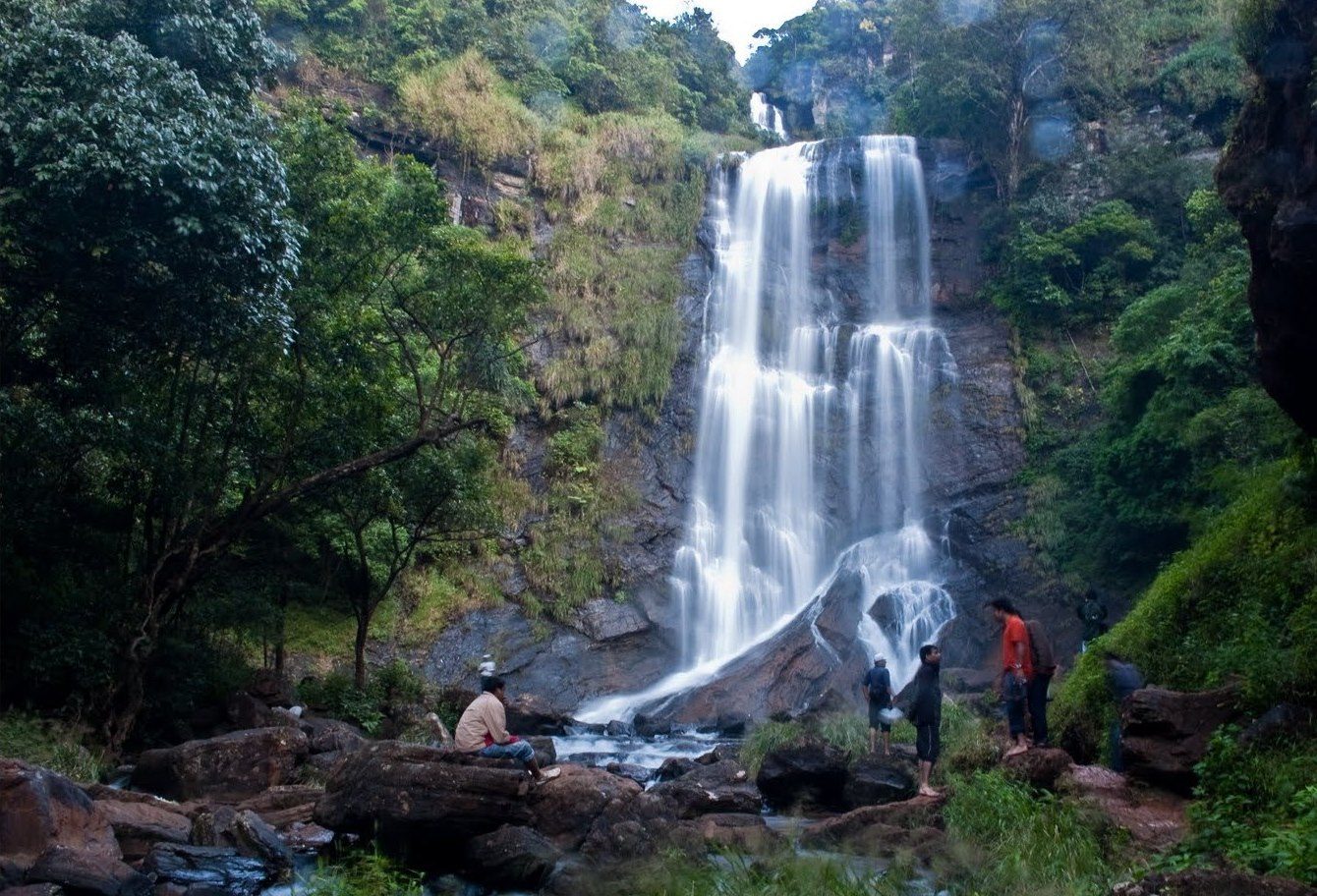
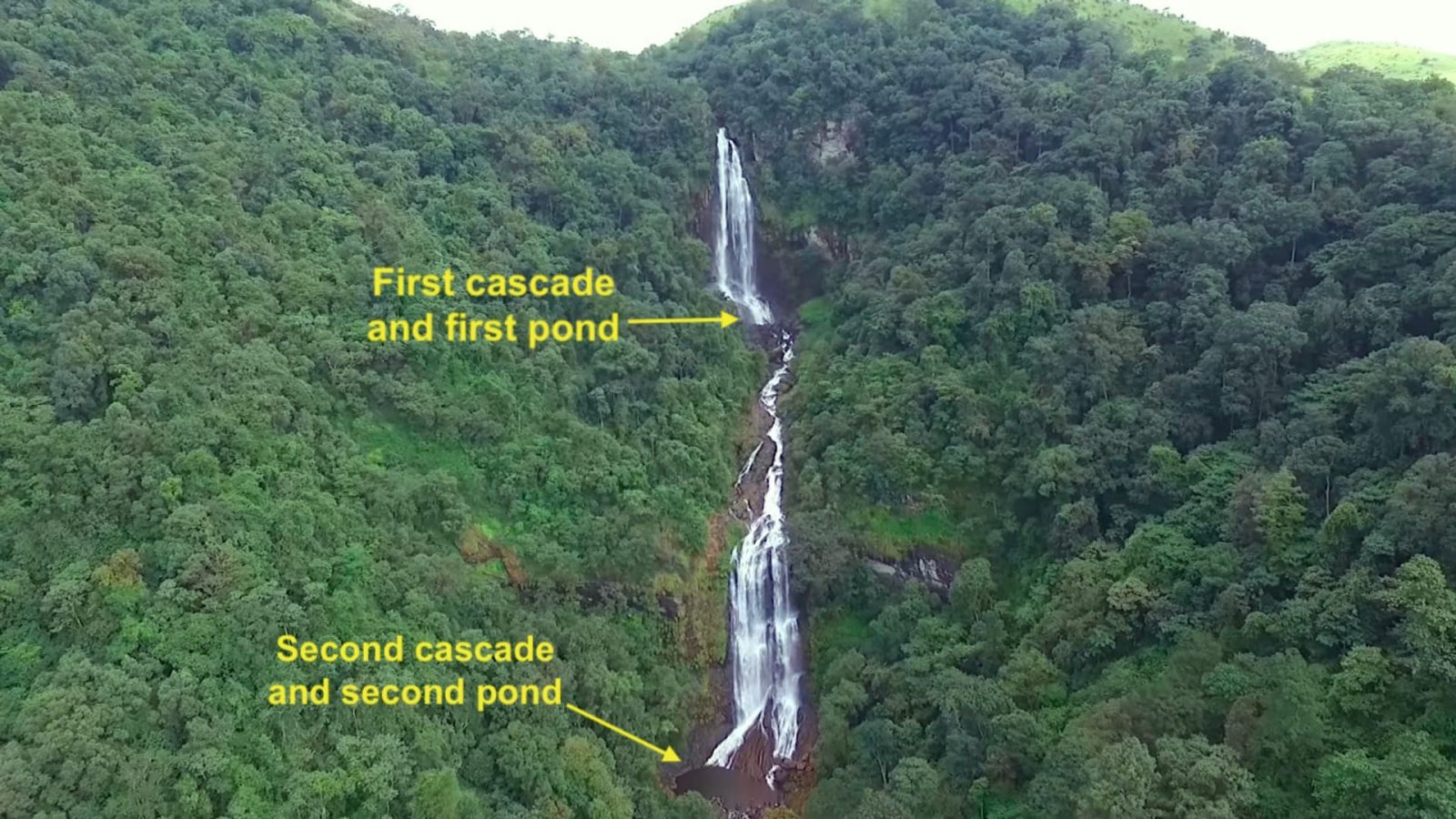
Deep in a coffee estate near Kemmangundi, Hebbe Falls drops about 168 metres in two stages, Dodda Hebbe and Chikka Hebbe. Visitors reach it by jeep and a short walk through the estate. The water is believed by some to have healing properties because it flows through medicinal plants.
 WaTrips