Haridwar and Rishikesh in 3 Days: Ganga Aarti, Jhulas and Rajaji
3 DAYS10 placesby WaTrips
Mansa Devi and Chandi Devi, the Har Ki Pauri aarti, Lakshman and Ram Jhula, the Beatles Ashram, Parmarth Niketan, Rajaji and Triveni Ghat.
Haridwar and Rishikesh sit where the Ganga leaves the mountains, and both revolve around the river. Day one is Haridwar: ropeways up to the Mansa Devi and Chandi Devi temples, the Daksheswara temple at Kankhal, and the evening Ganga aarti at Har Ki Pauri, one of the great sights of India. Day two moves to Rishikesh to walk across Lakshman Jhula and Ram Jhula, explore the Beatles Ashram in the forest, and join the aarti at Parmarth Niketan. Day three starts with a safari in Rajaji National Park and ends at Triveni Ghat. October to April is the best time; the monsoon brings high water and the park closes.
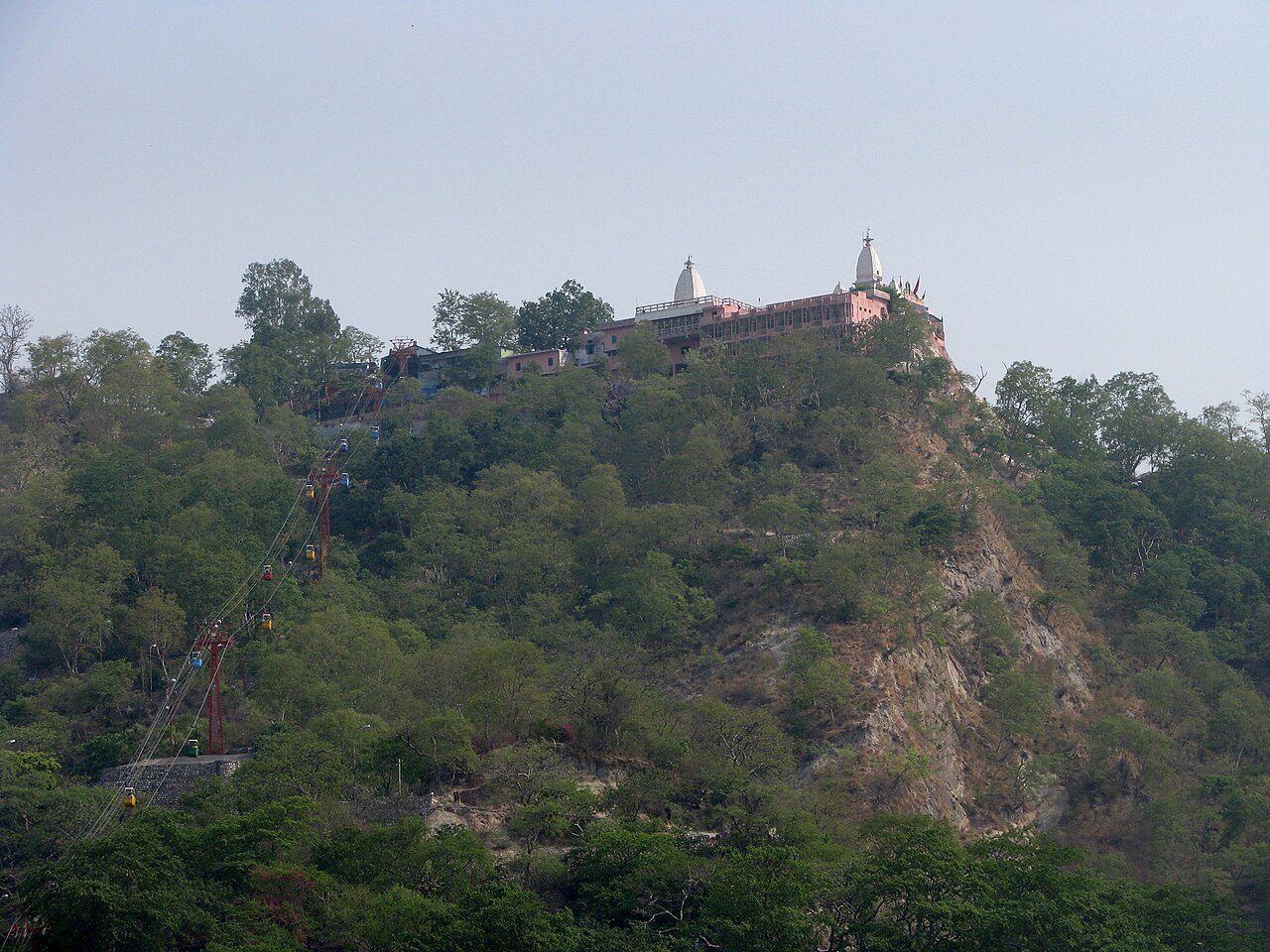
Mansa Devi Temple sits on Bilwa Parvat, a hill of the Shivalik range above Haridwar, and is dedicated to the goddess believed to fulfil wishes. Devotees tie threads to a tree in the courtyard and return to untie them when the wish is granted. It can be reached by a cable car or a steep footpath, and the terrace gives a broad view over the city and the Ganga canals.
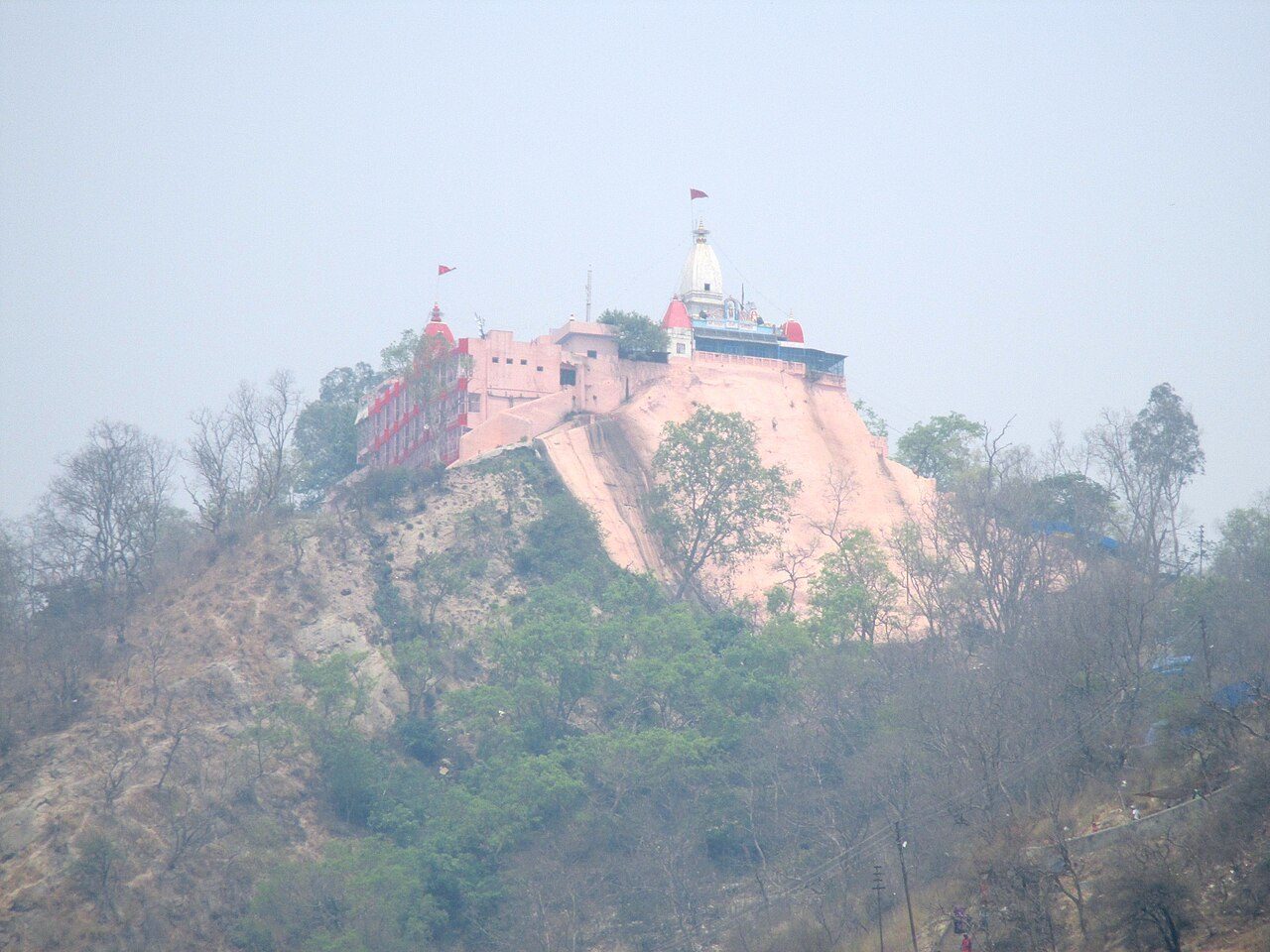
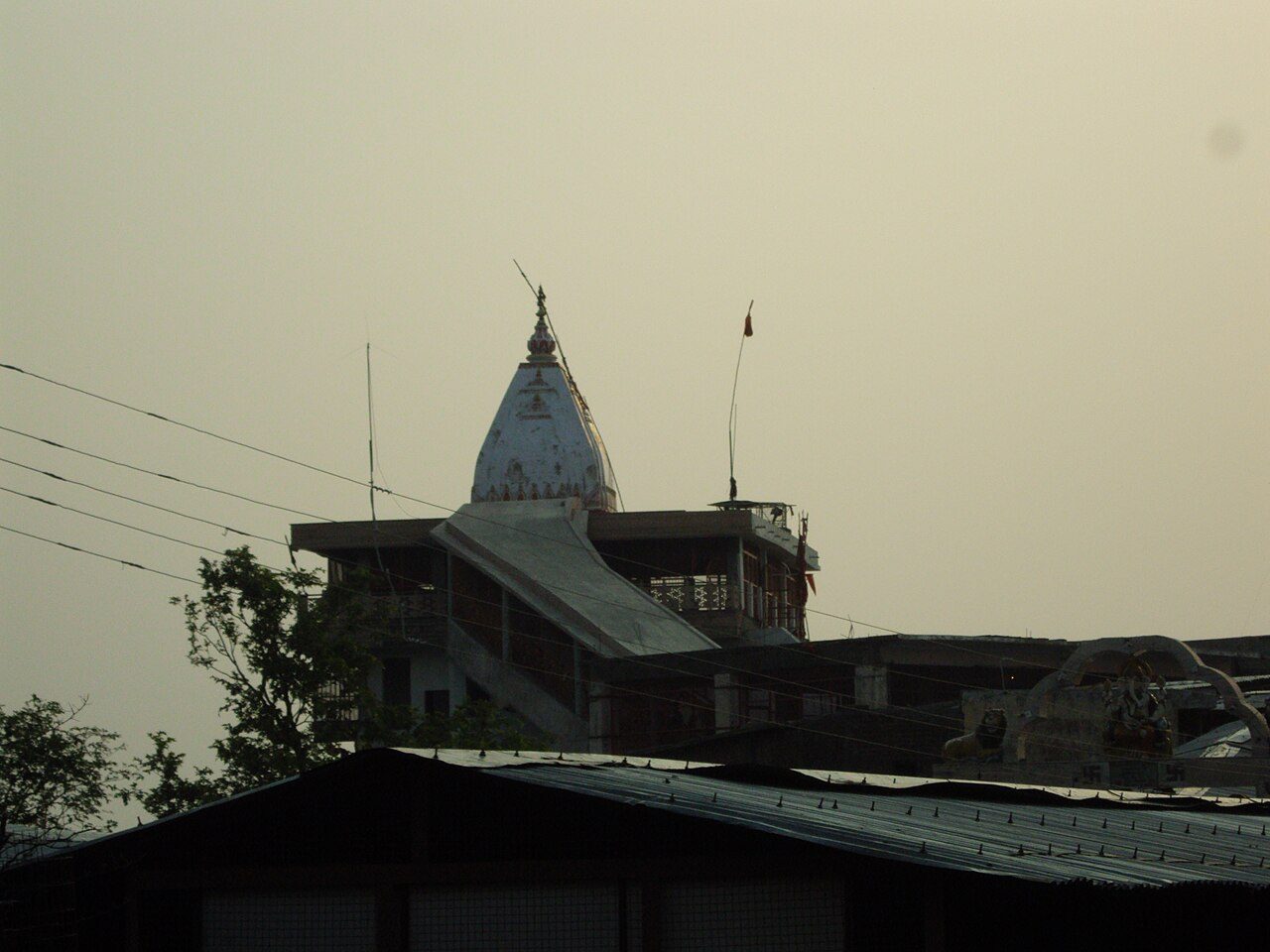
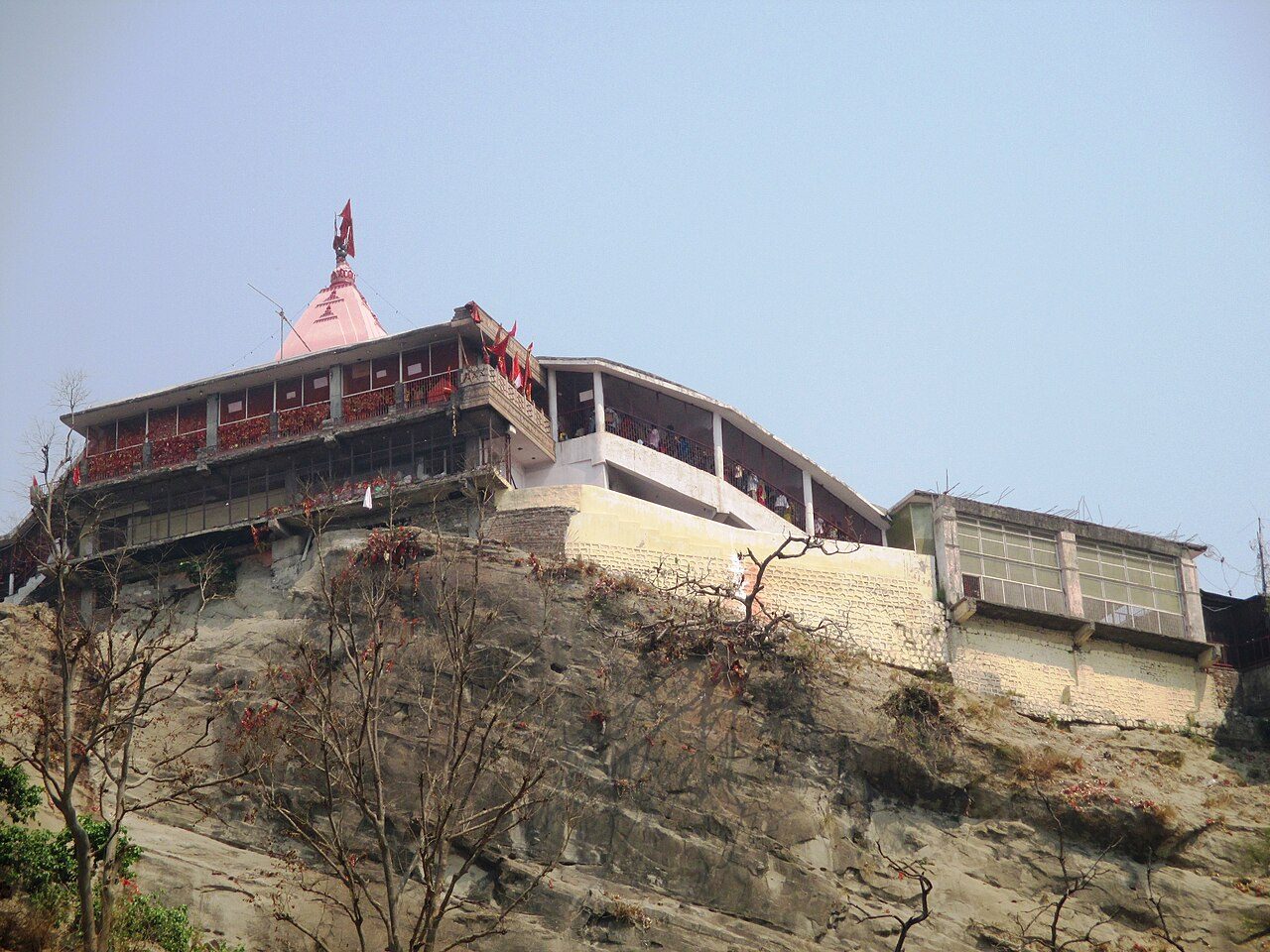
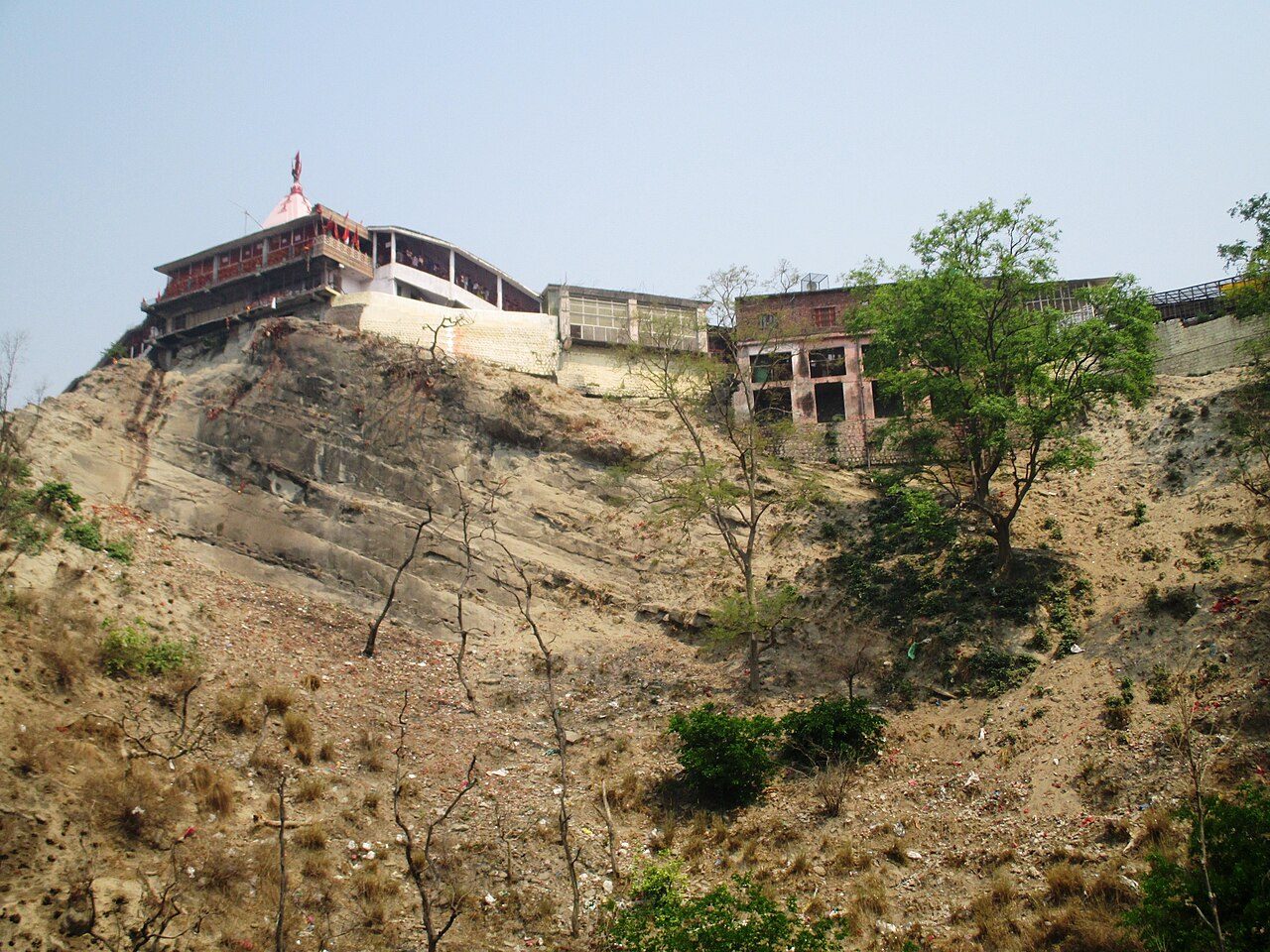
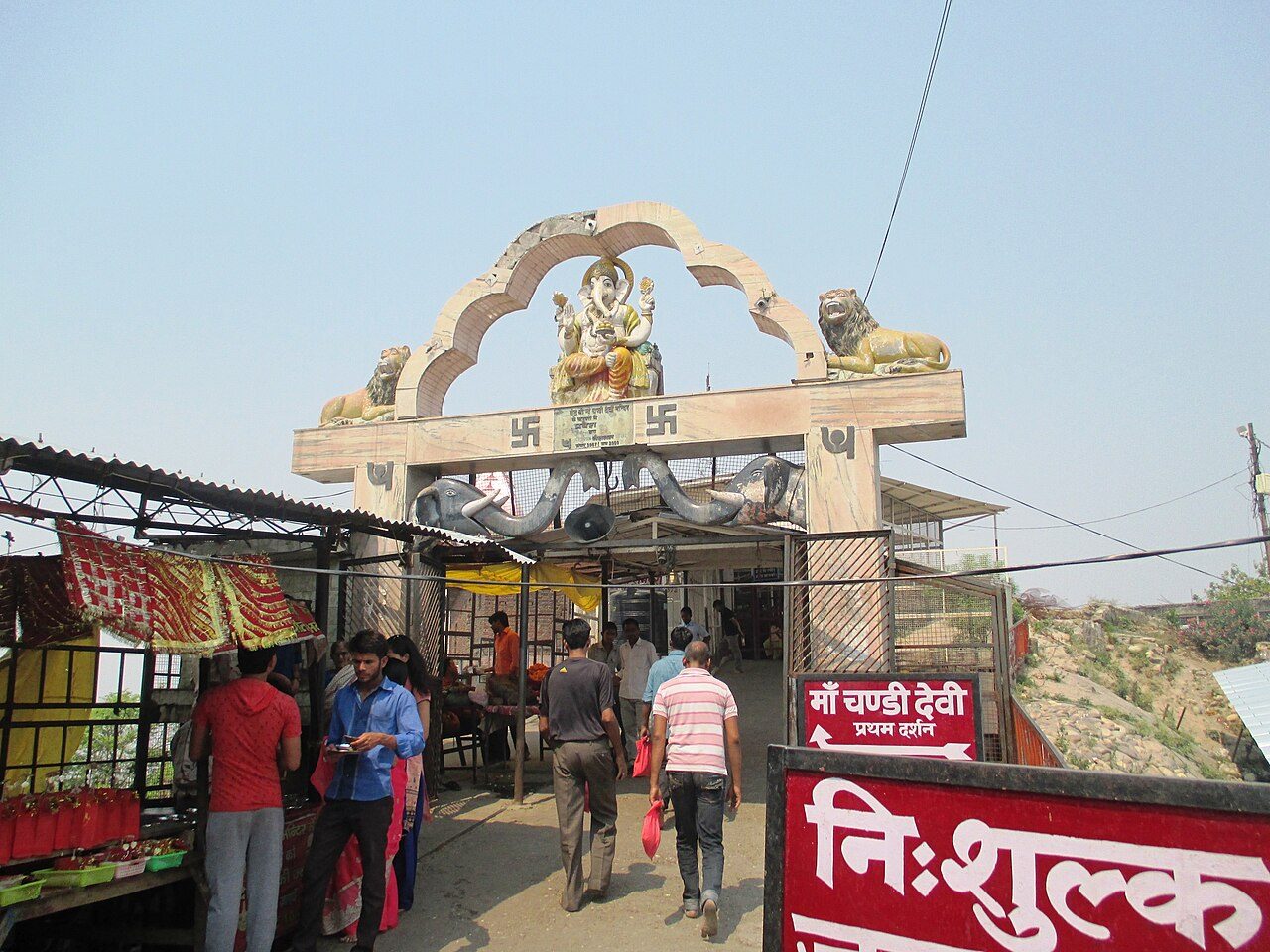
Chandi Devi Temple crowns Neel Parvat on the eastern bank of the Ganga at Haridwar. The present temple was built in 1929 by a king of Kashmir, though the main image is traditionally credited to Adi Shankaracharya. With Mansa Devi and Maya Devi it forms the trio of goddess shrines pilgrims visit in the city. A ropeway and a forest path of about three kilometres lead to the top.
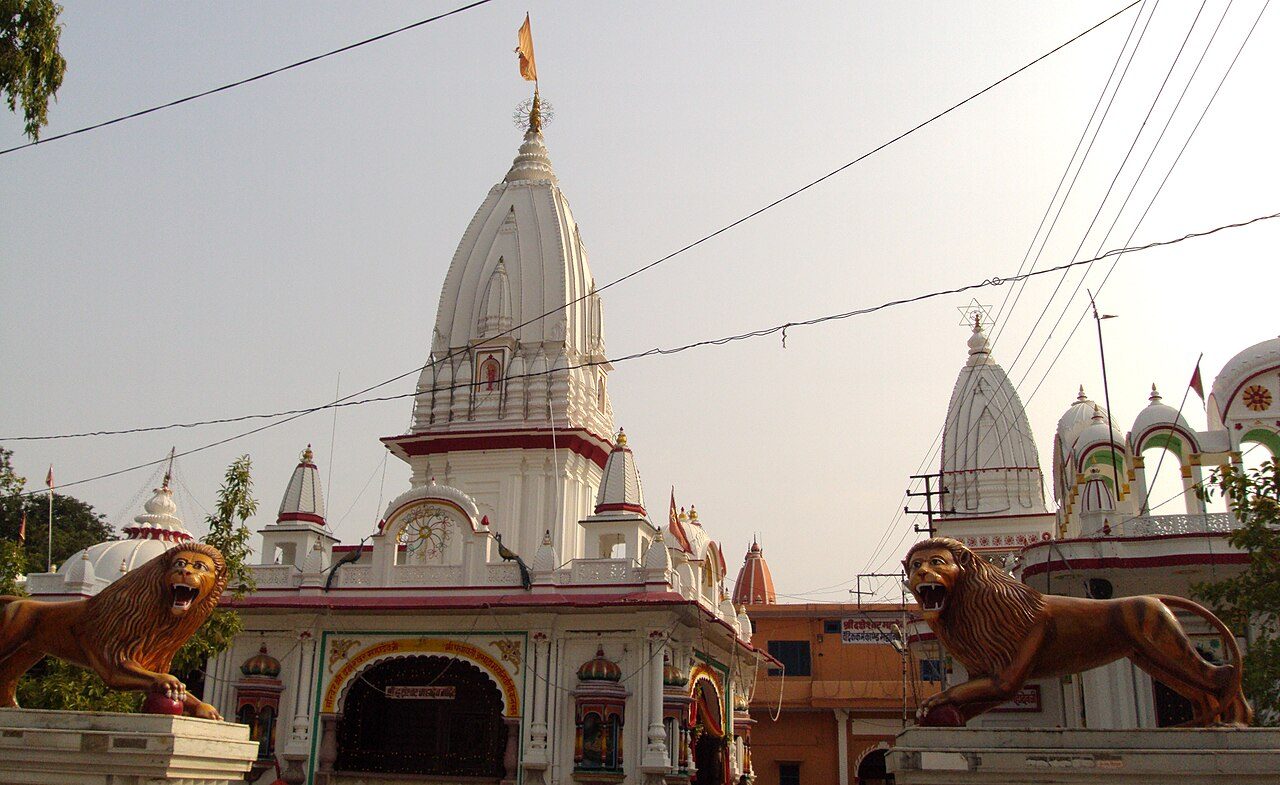
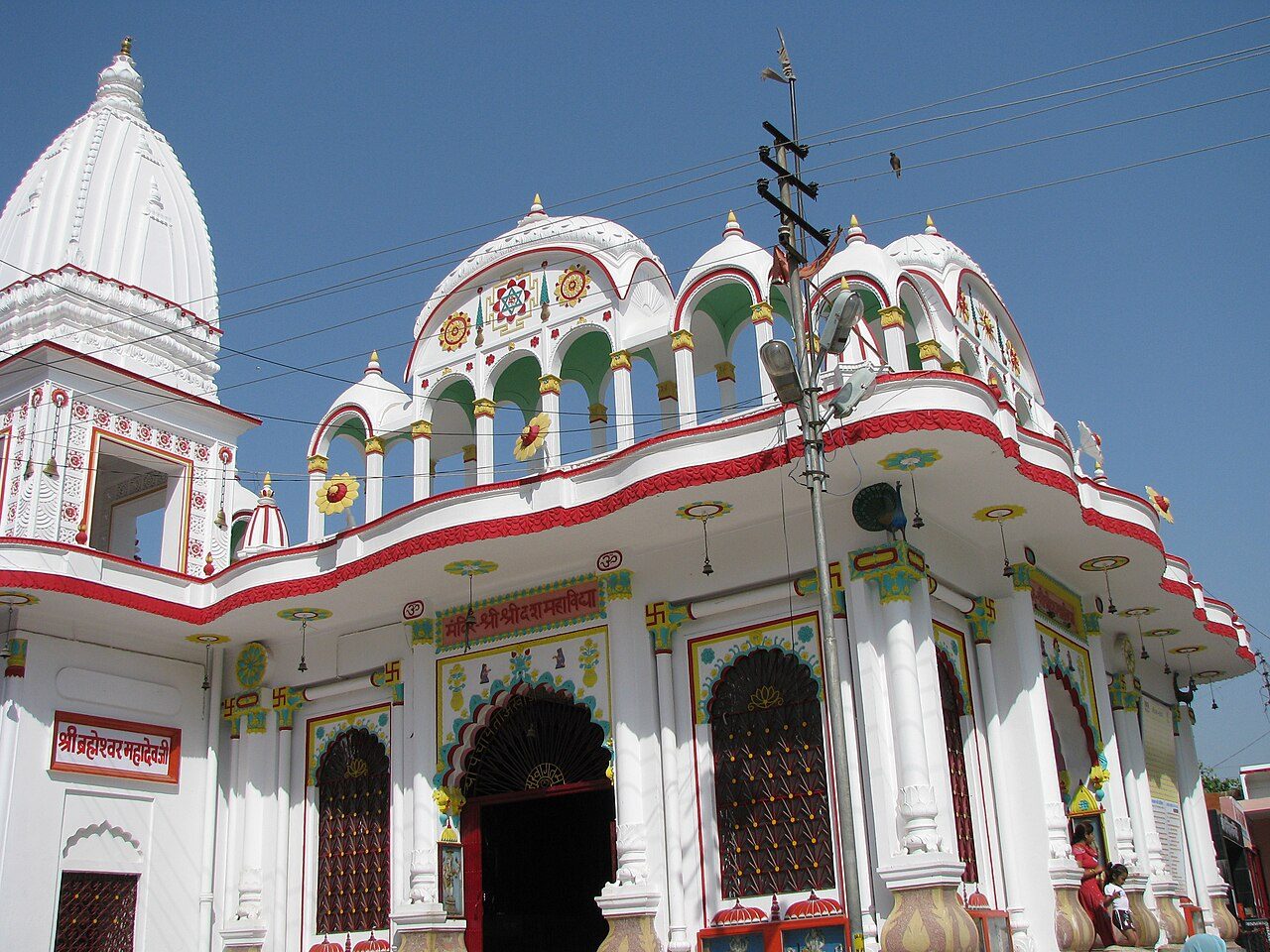
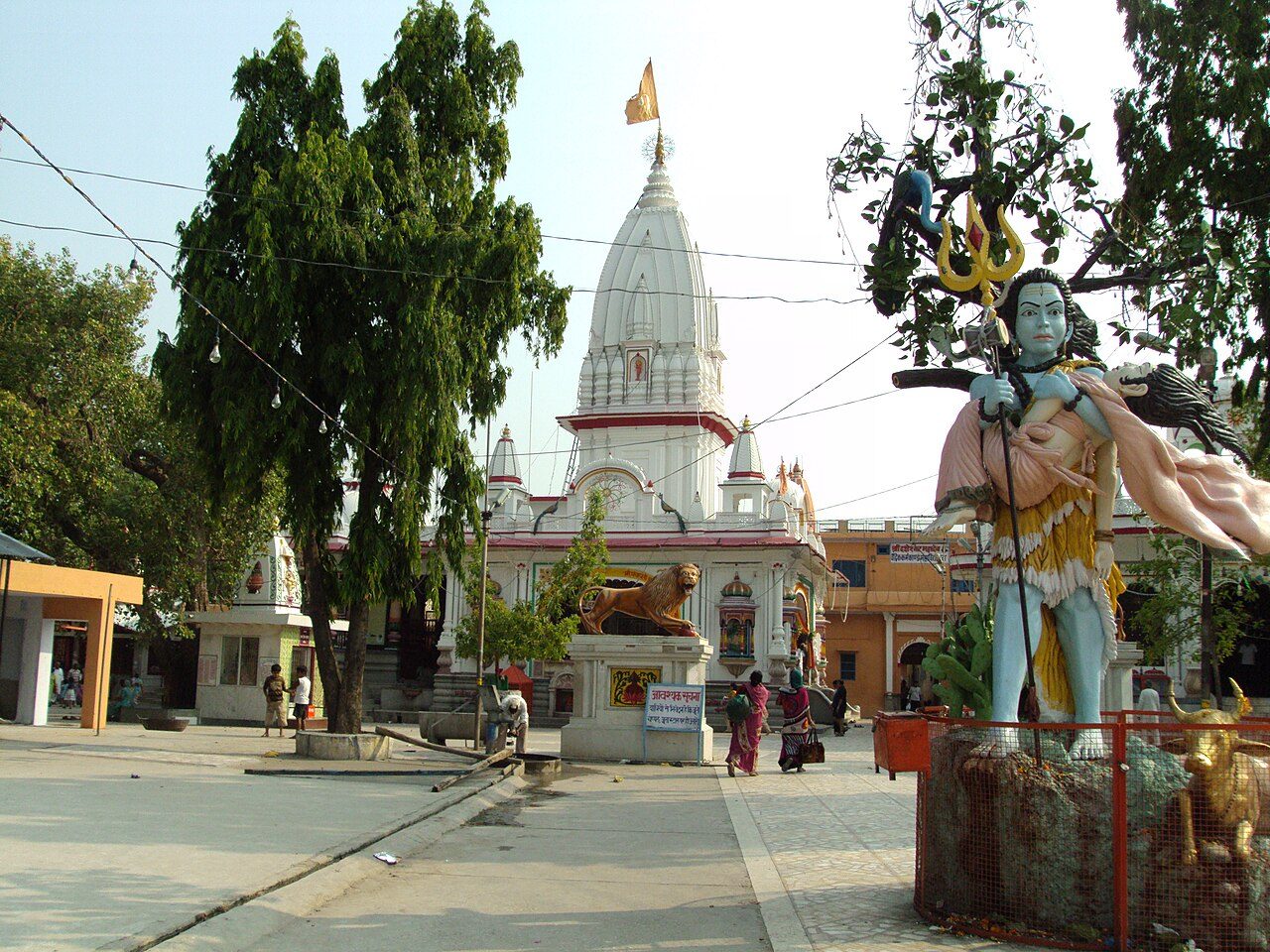
Daksheswara Mahadev Temple at Kankhal, the old quarter of Haridwar, stands on the legendary site of King Daksha's sacrifice, where his daughter Sati gave up her life after her husband Shiva was insulted. The present temple dates from the 19th century and was rebuilt in the 1960s. A pit marks the sacrificial fire, and the temple is busiest during the month of Shravan.
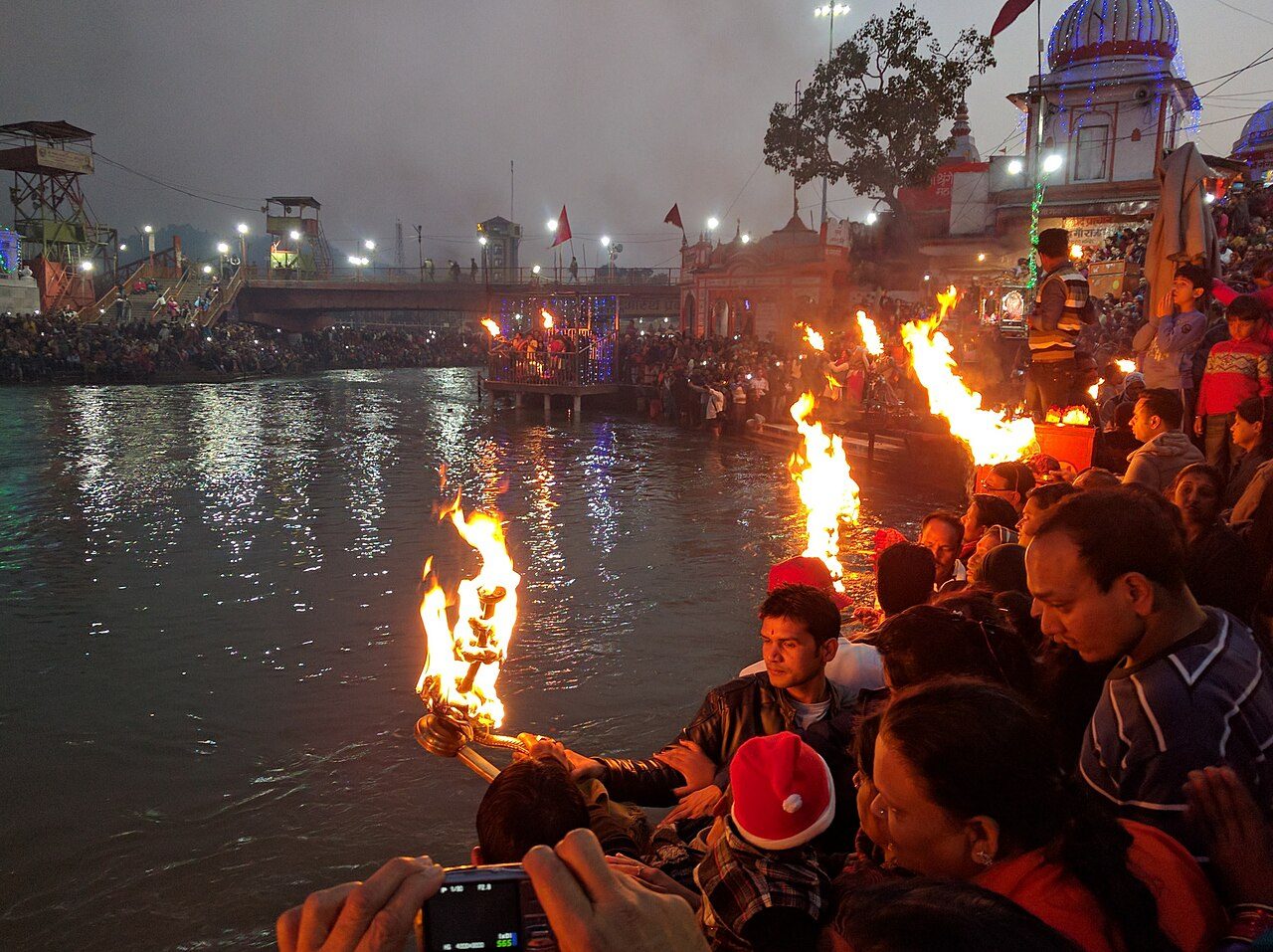
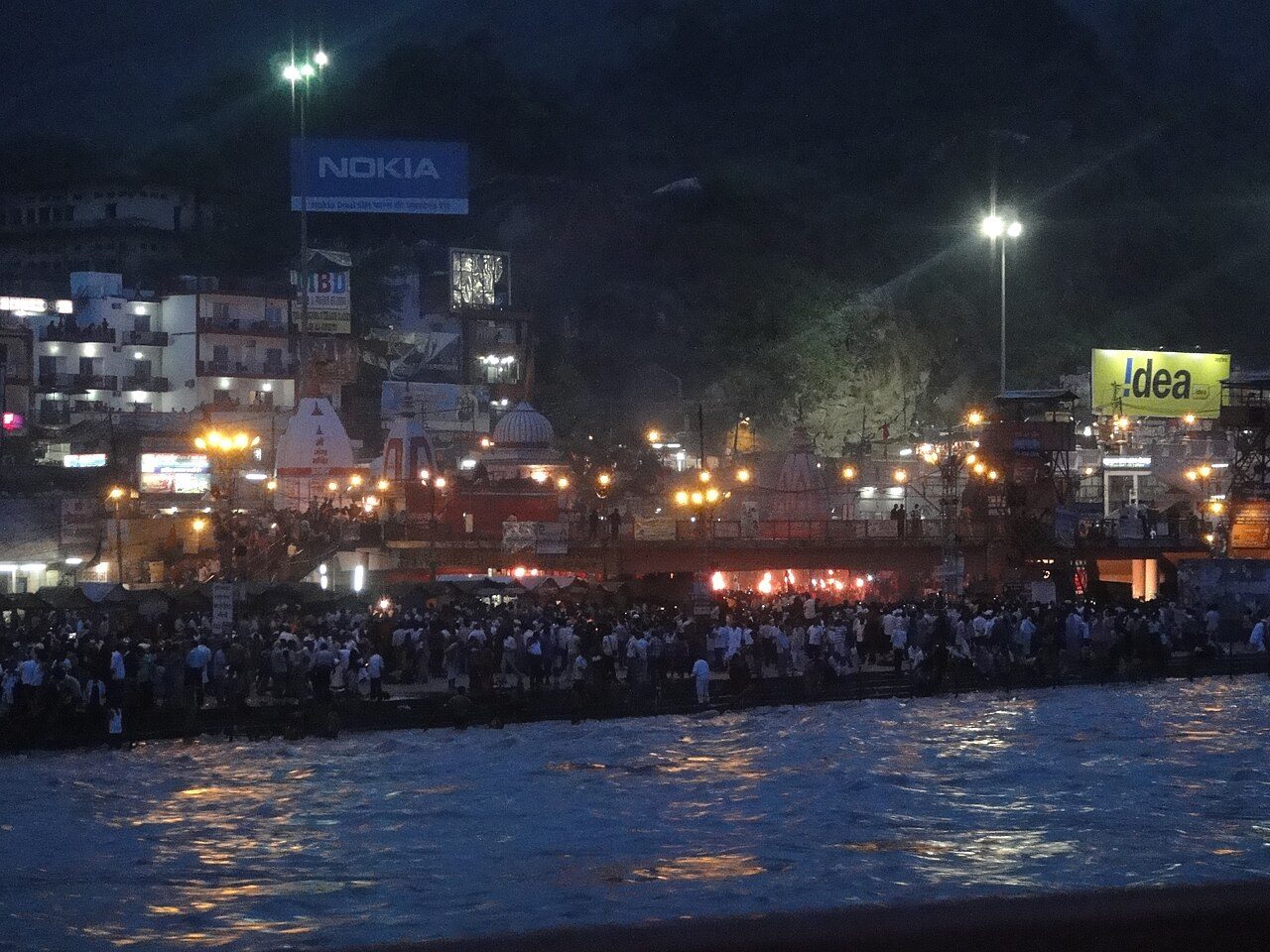
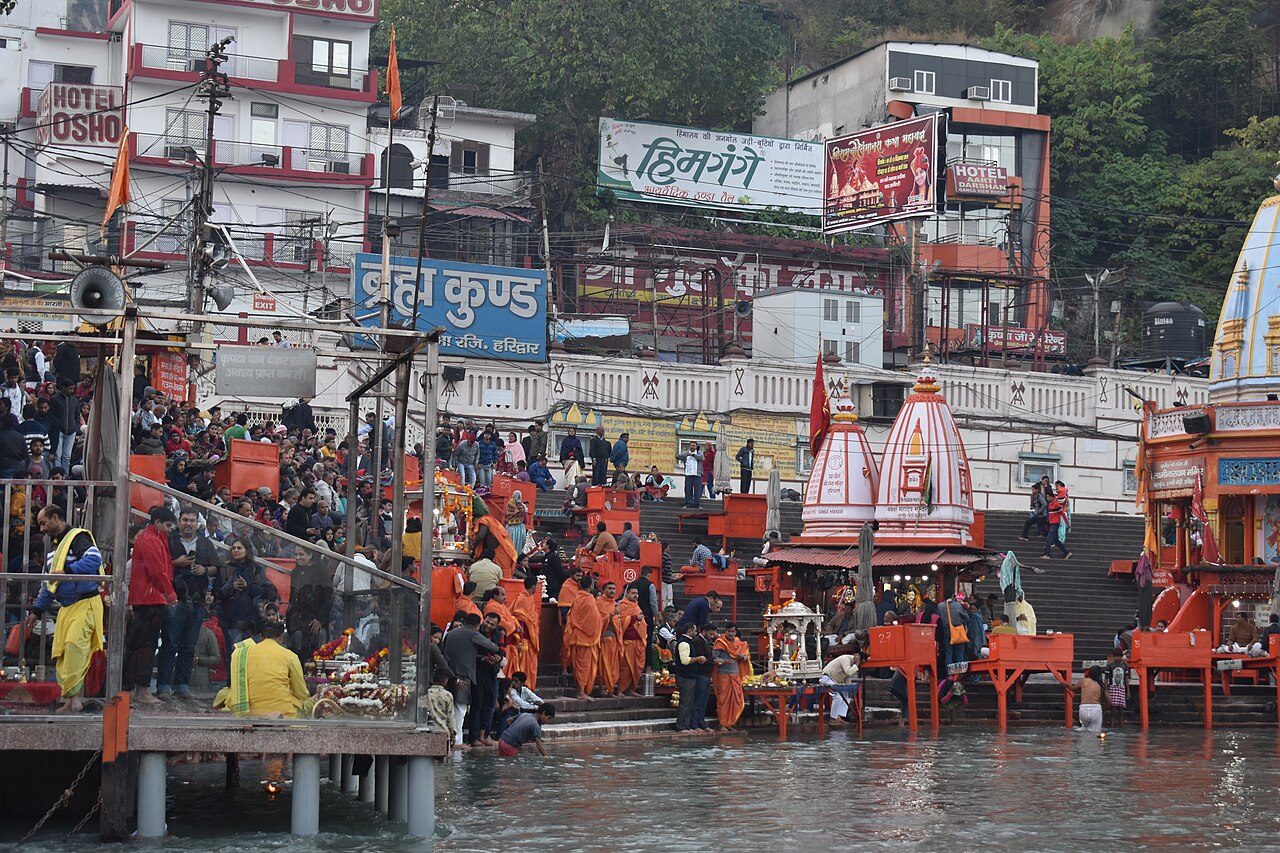
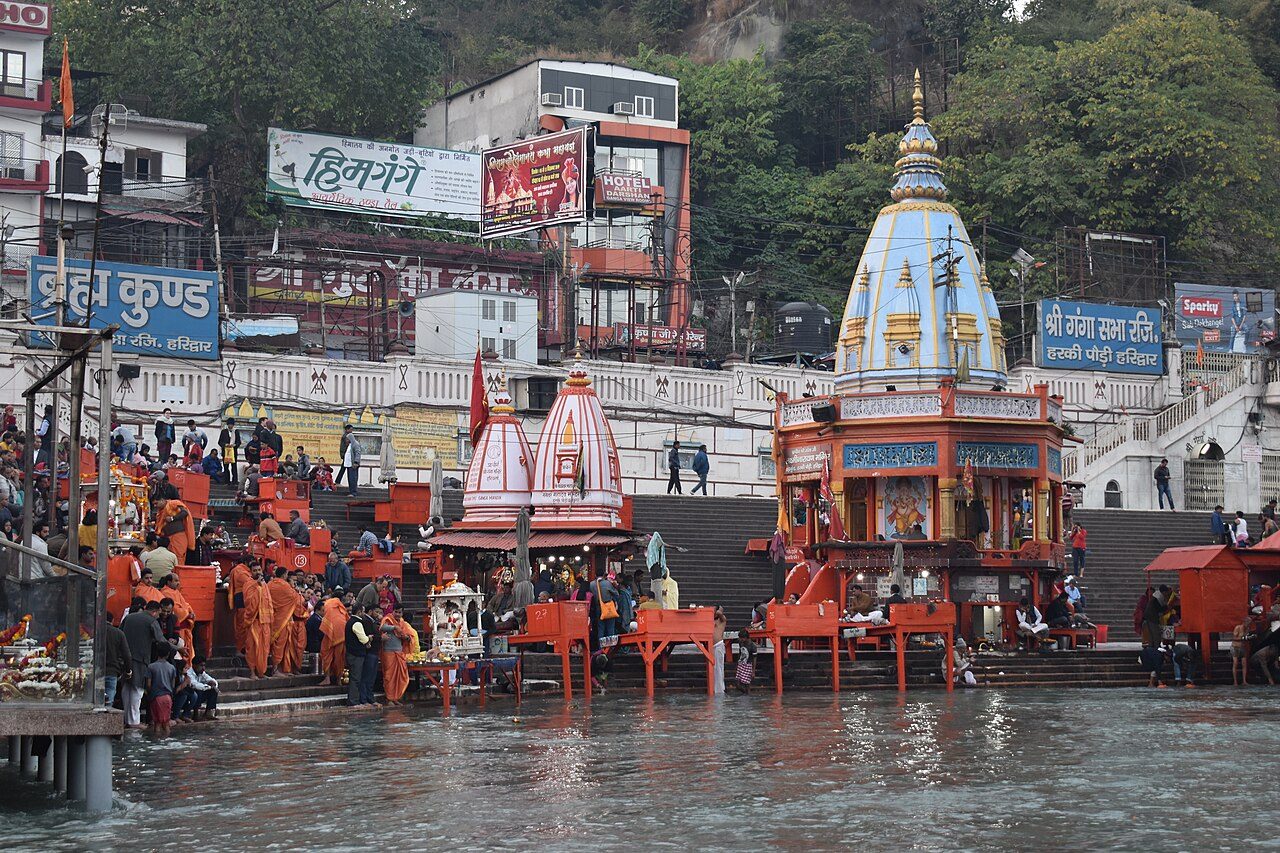
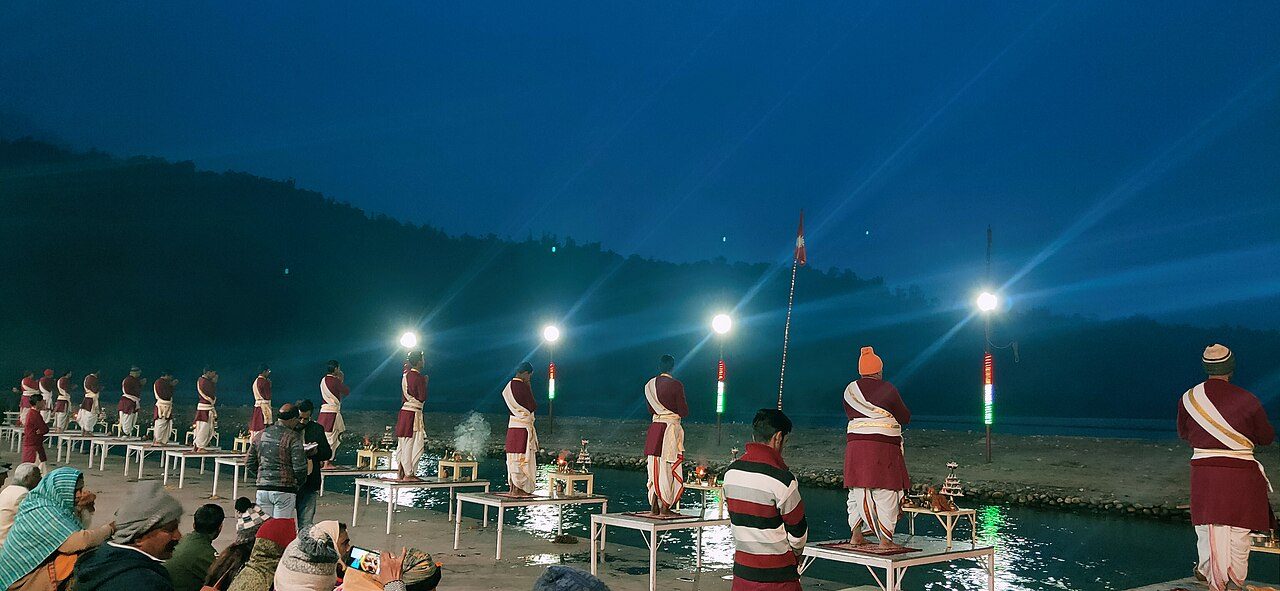
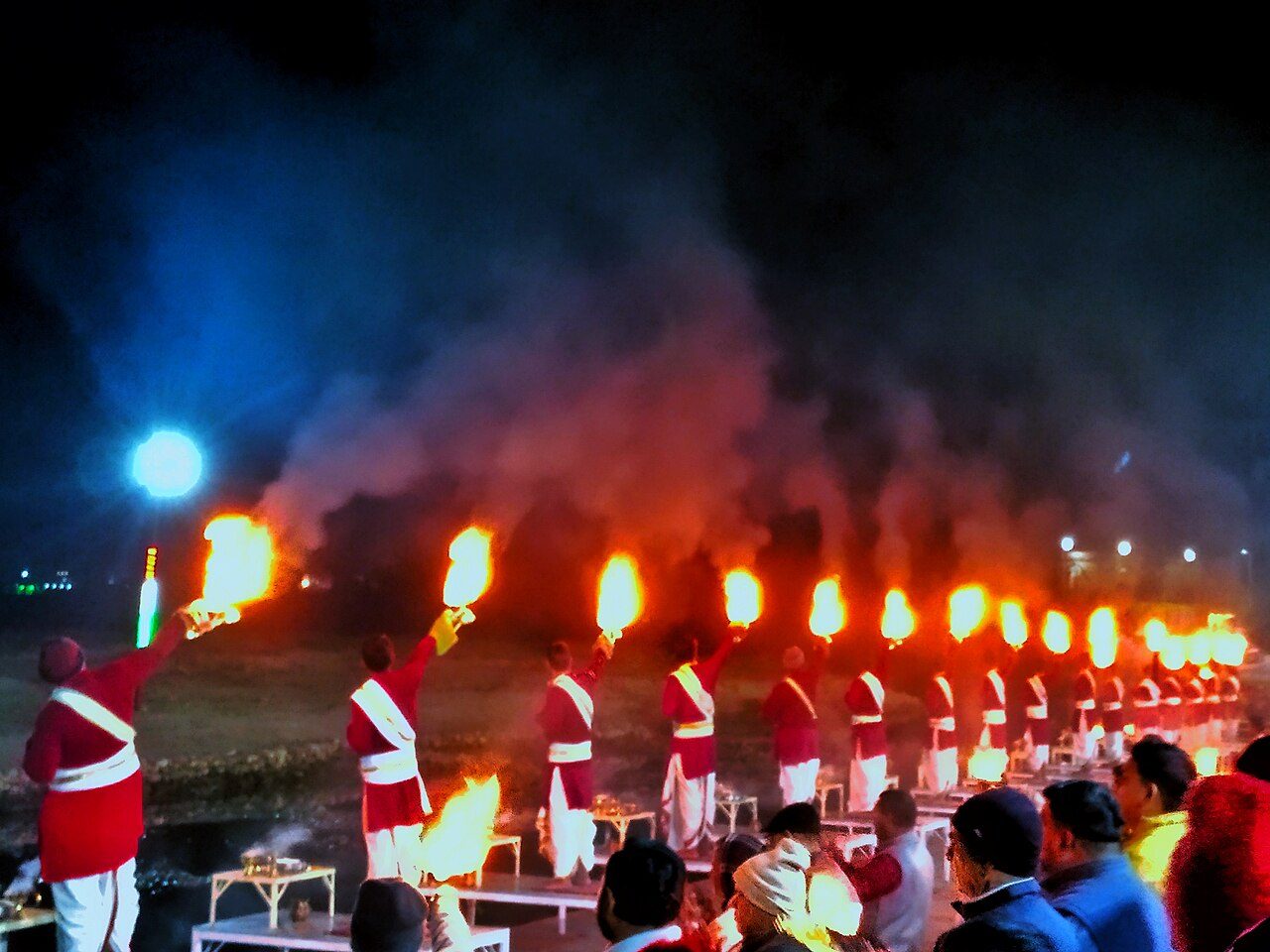
Har Ki Pauri, 'the steps of the Lord', is the most sacred ghat in Haridwar, at the point where the Ganga leaves the mountains for the plains. A footprint said to be Vishnu's is kept here. Pilgrims bathe at Brahmakund through the day, and at dusk the Ganga Aarti fills the banks with lamps, bells and chanting. It is the centre of the Kumbh Mela, held in Haridwar every twelve years.
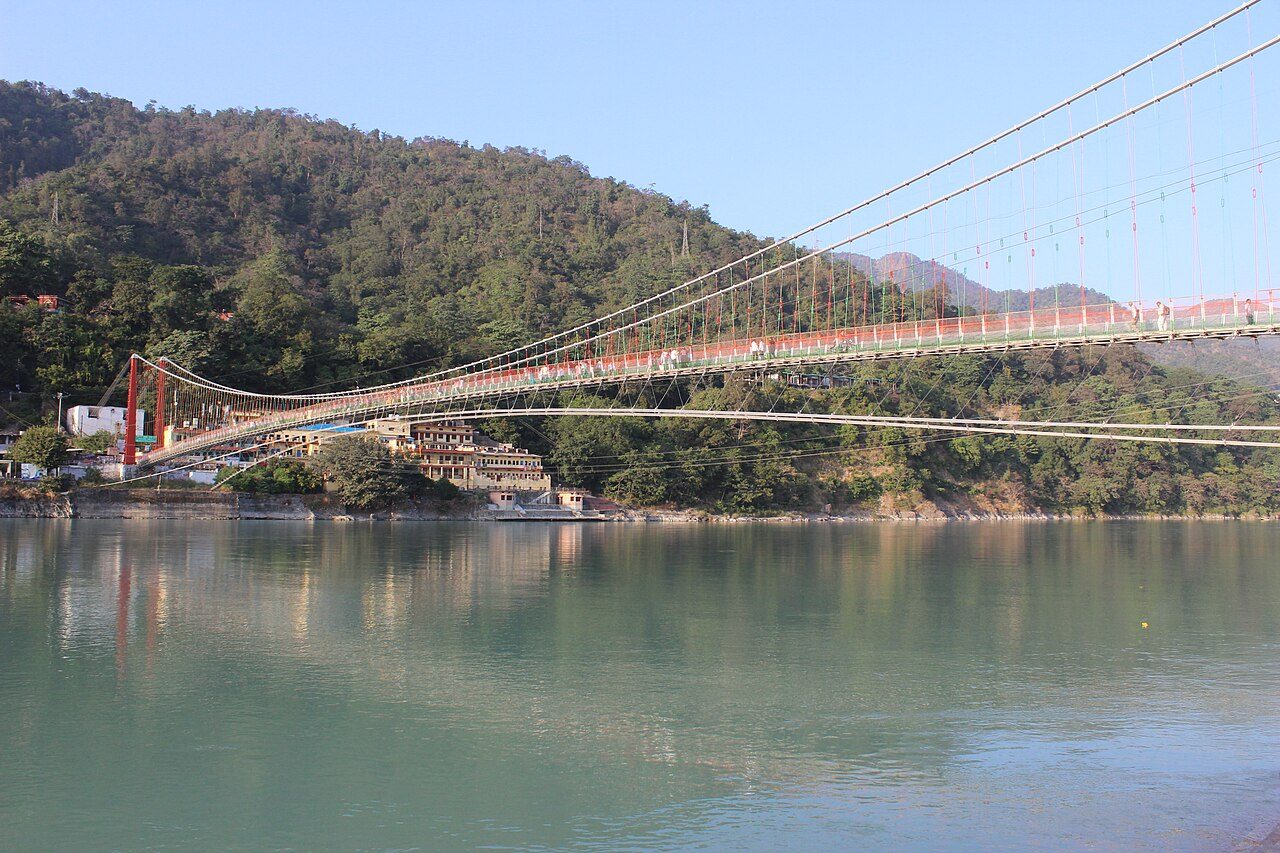
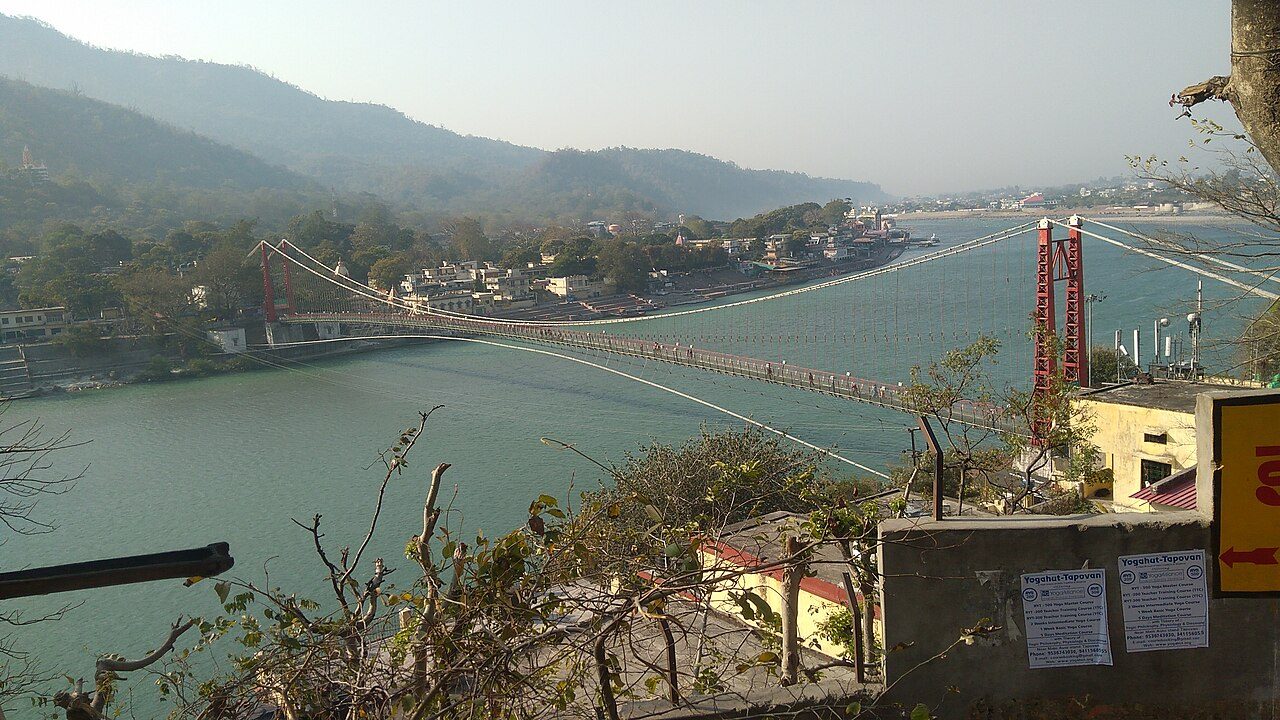
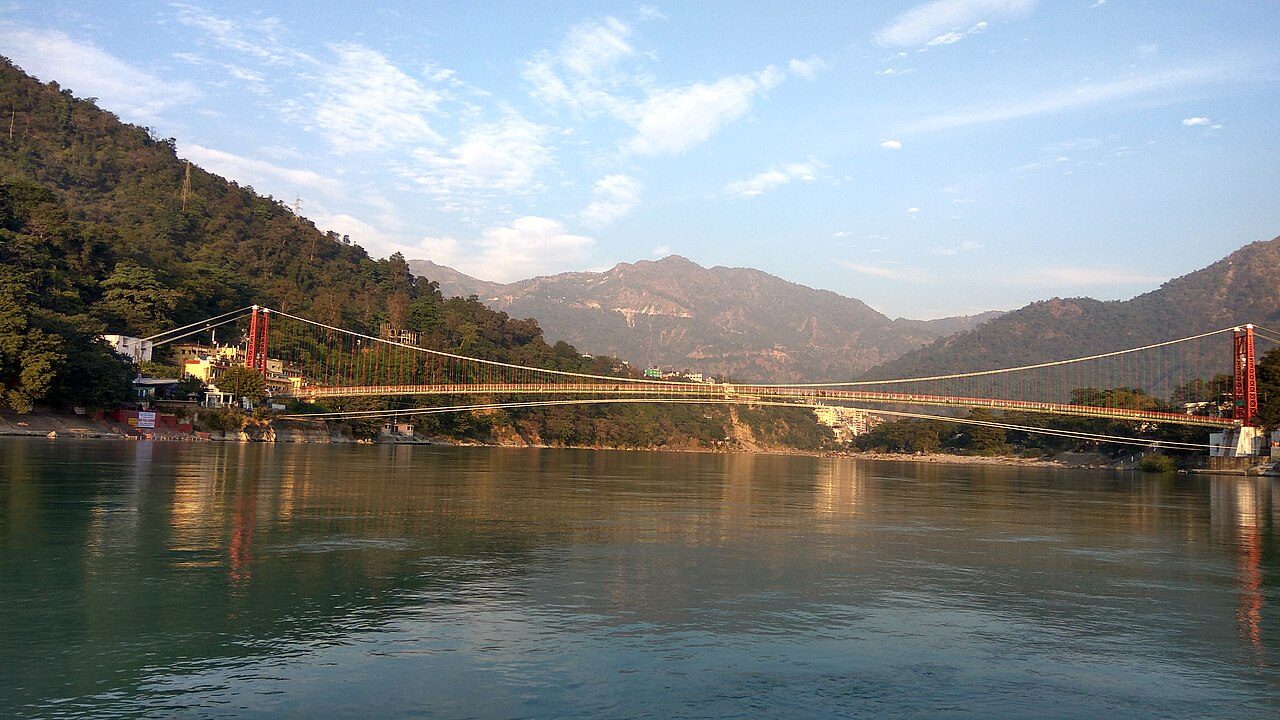
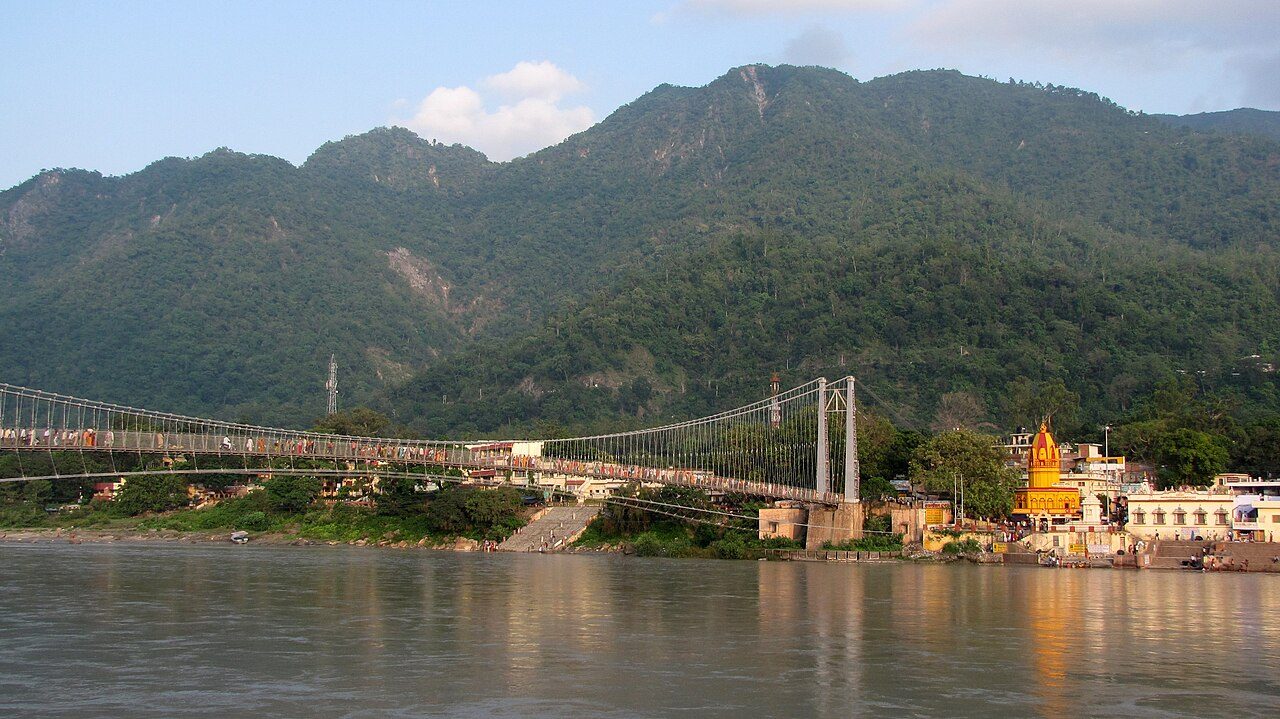
Lakshman Jhula is the iron suspension bridge across the Ganga that became the symbol of Rishikesh. Opened in 1929, it stands where, by legend, Lakshmana crossed the river on jute ropes. The 13-storey Tera Manzil temple rises at its eastern end. The old bridge has been closed to traffic for safety reasons while a replacement is built, but the ghats, cafes and temples around it remain busy.
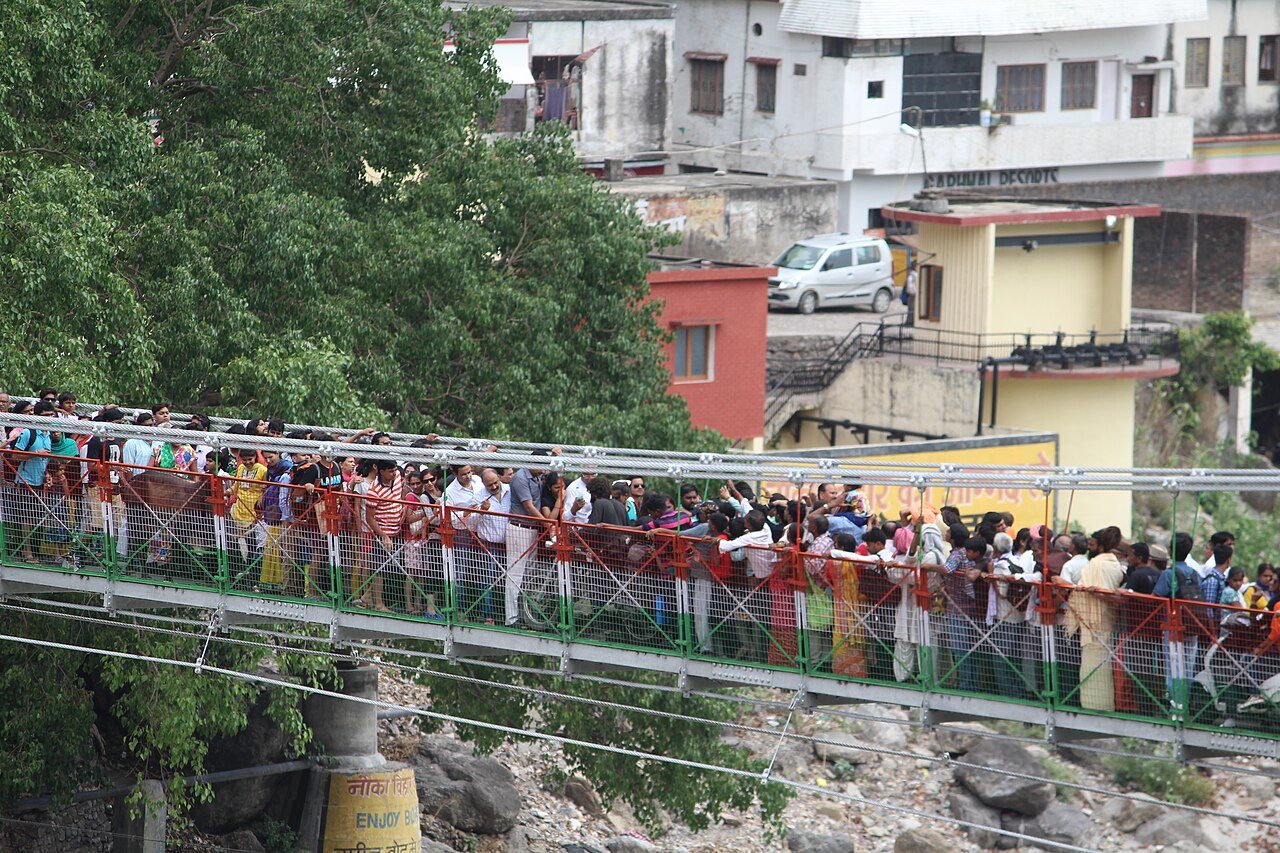
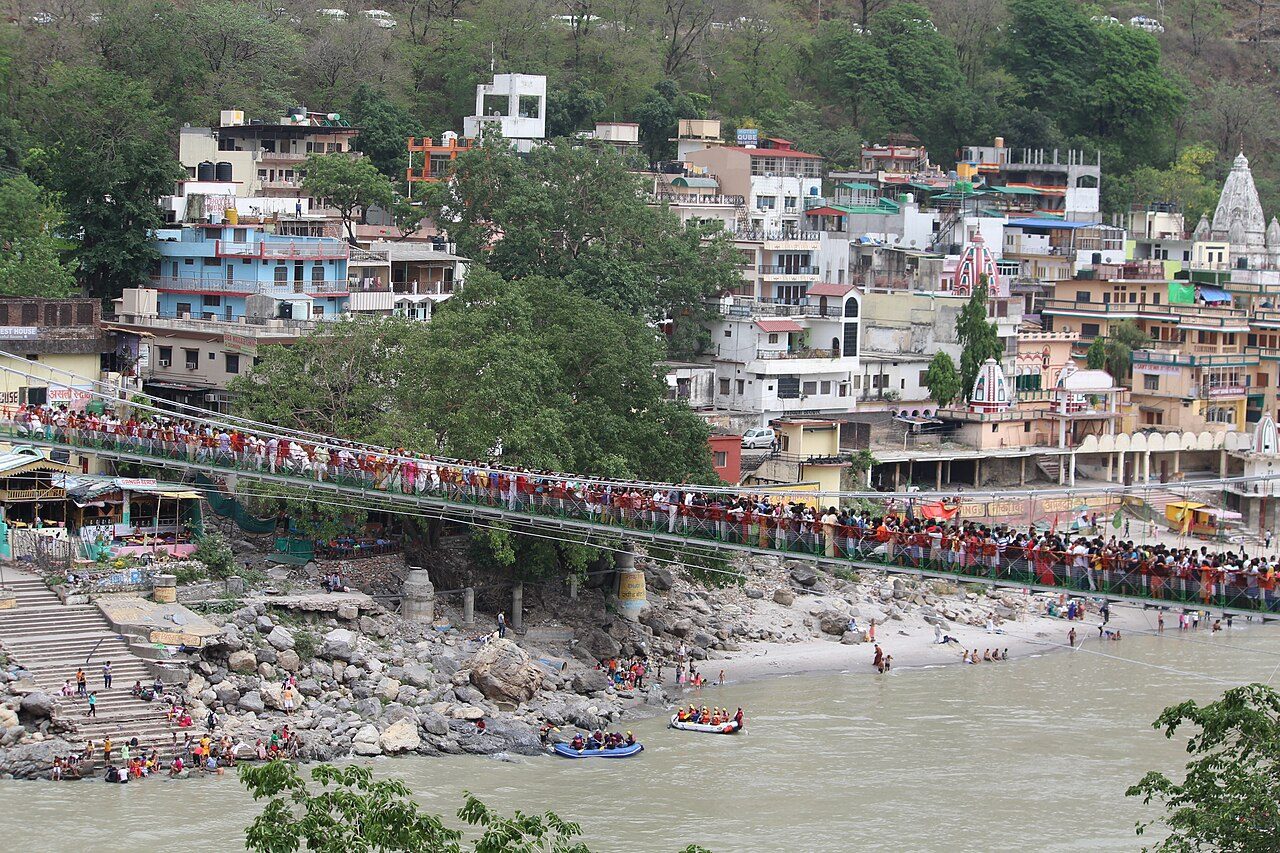
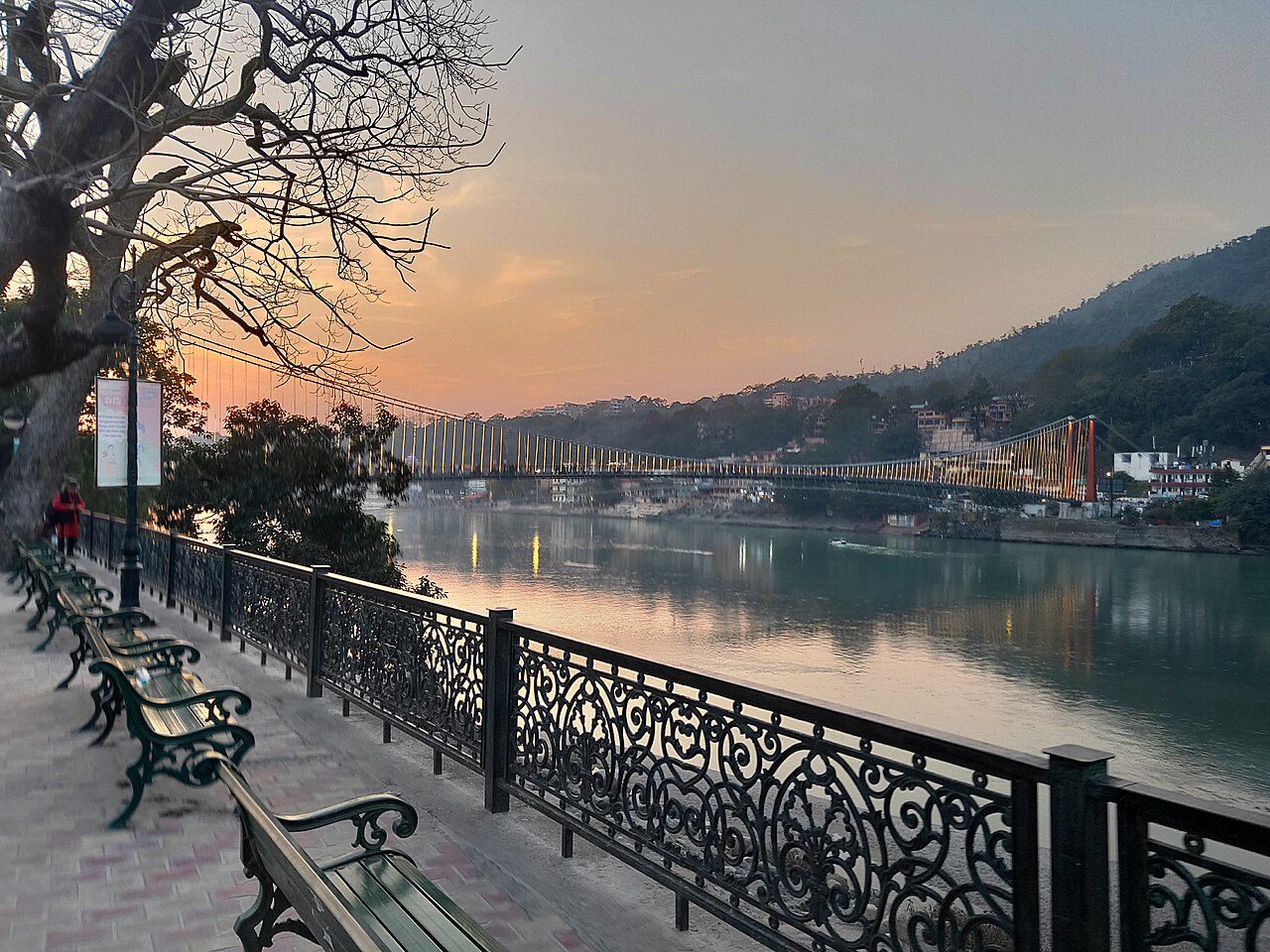
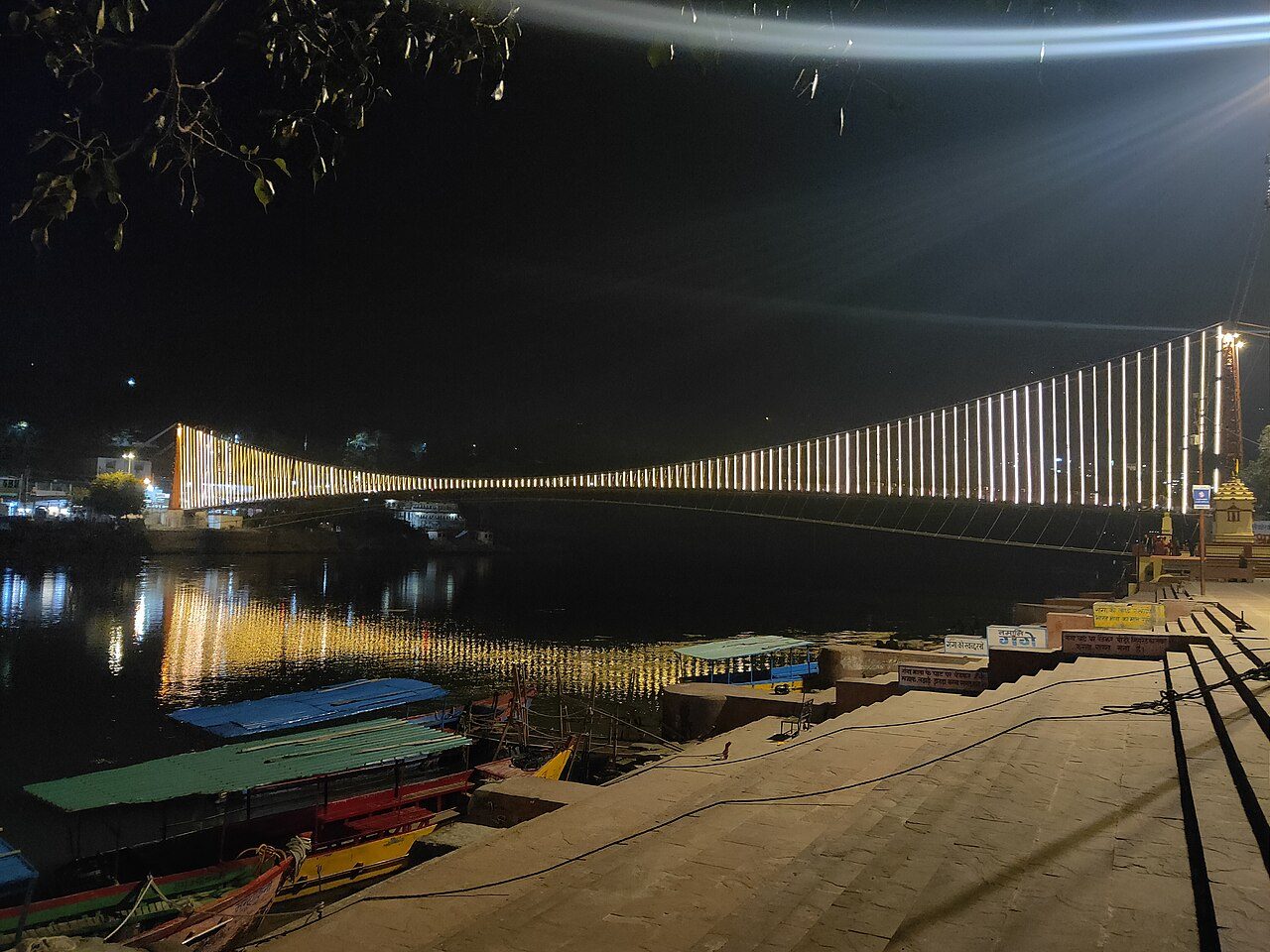
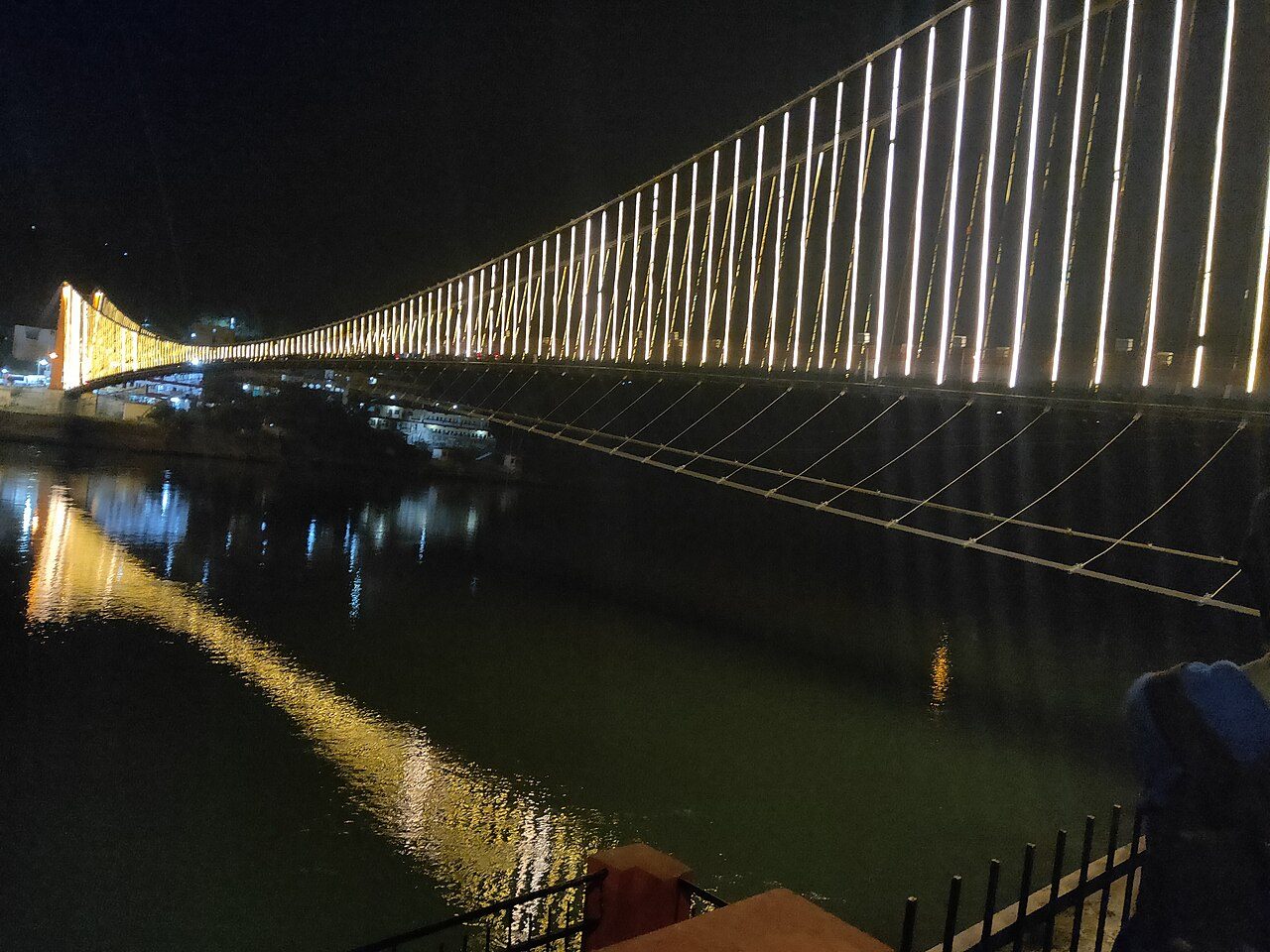
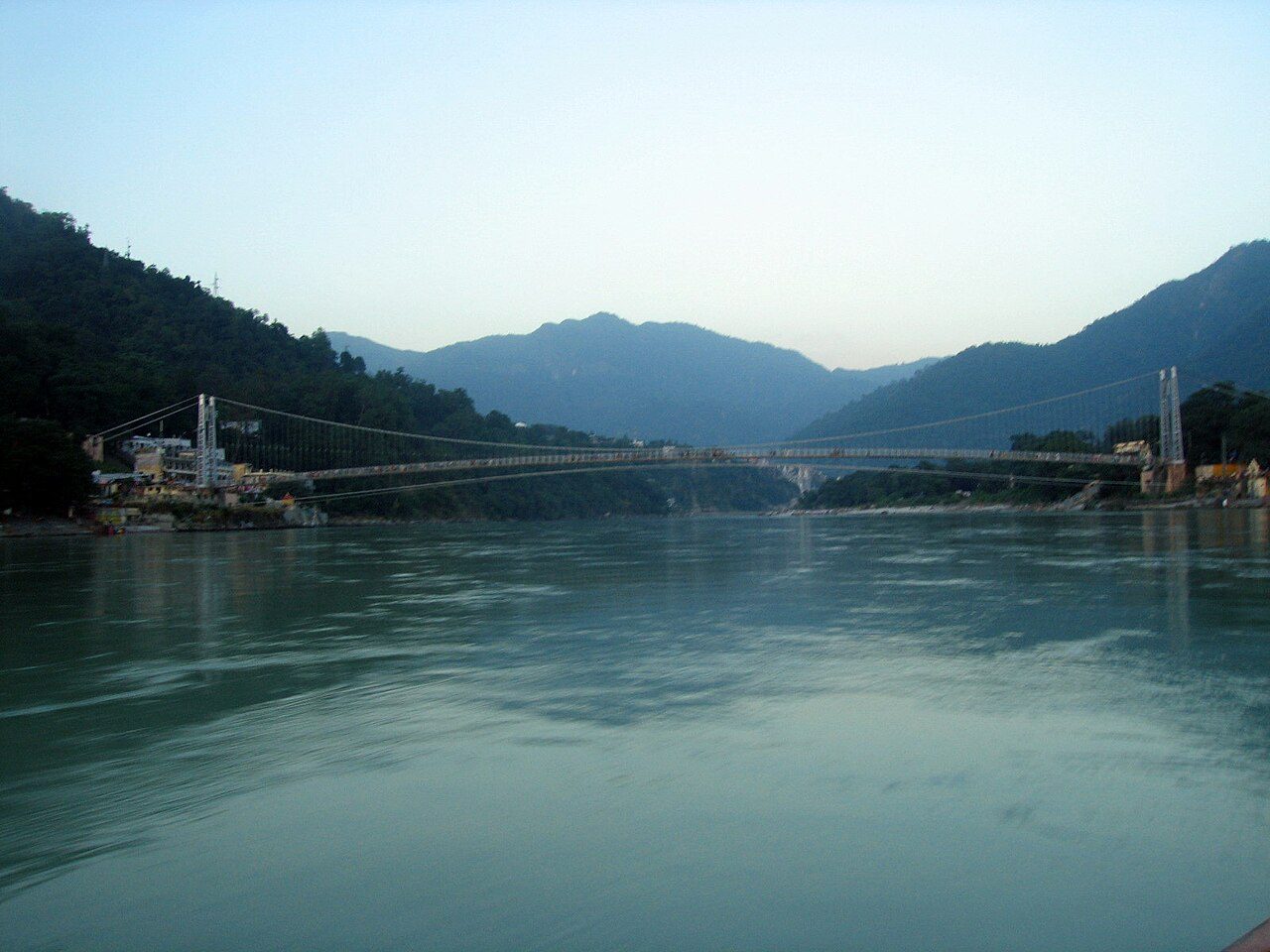
Ram Jhula is a suspension footbridge of about 230 metres across the Ganga in Rishikesh, built in the 1980s. It links the Sivananda Ashram side with Swarg Ashram, where Parmarth Niketan and Gita Bhawan stand. Pilgrims, cows and scooters share the swaying deck, and the views up and down the river are among the best in town. Boats also ferry passengers across below.
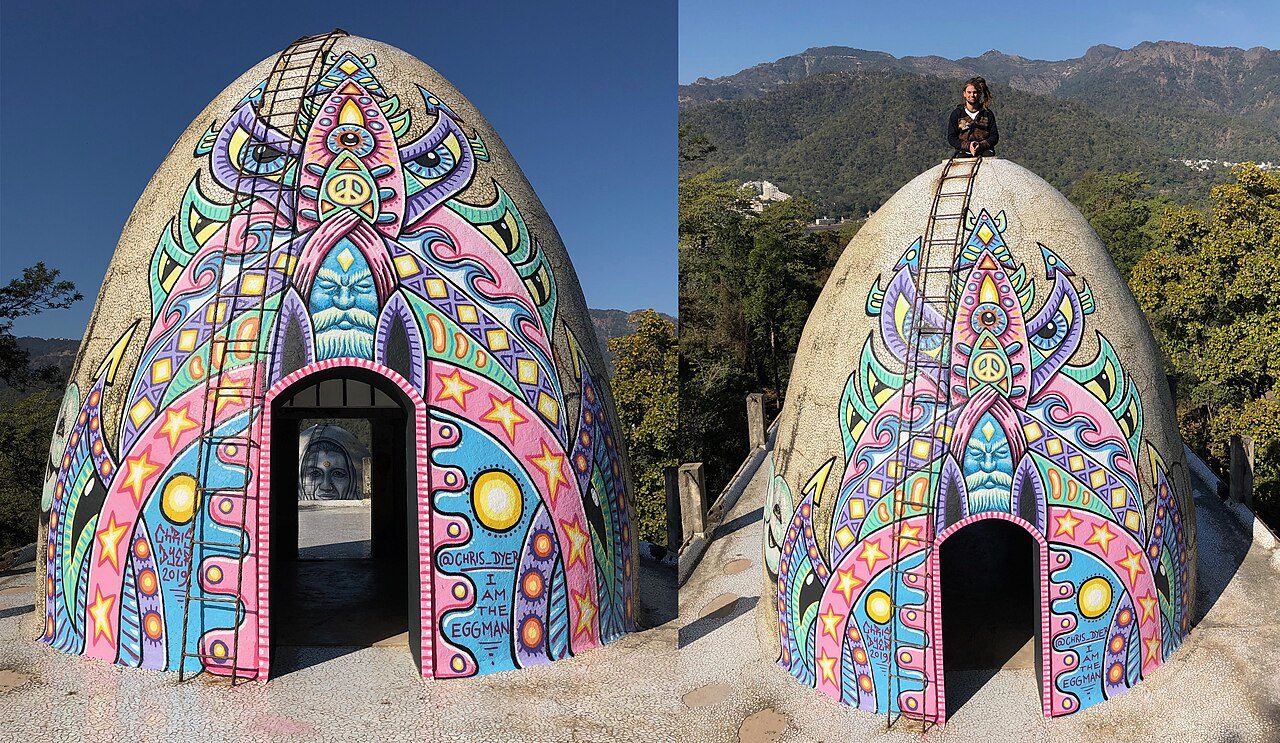
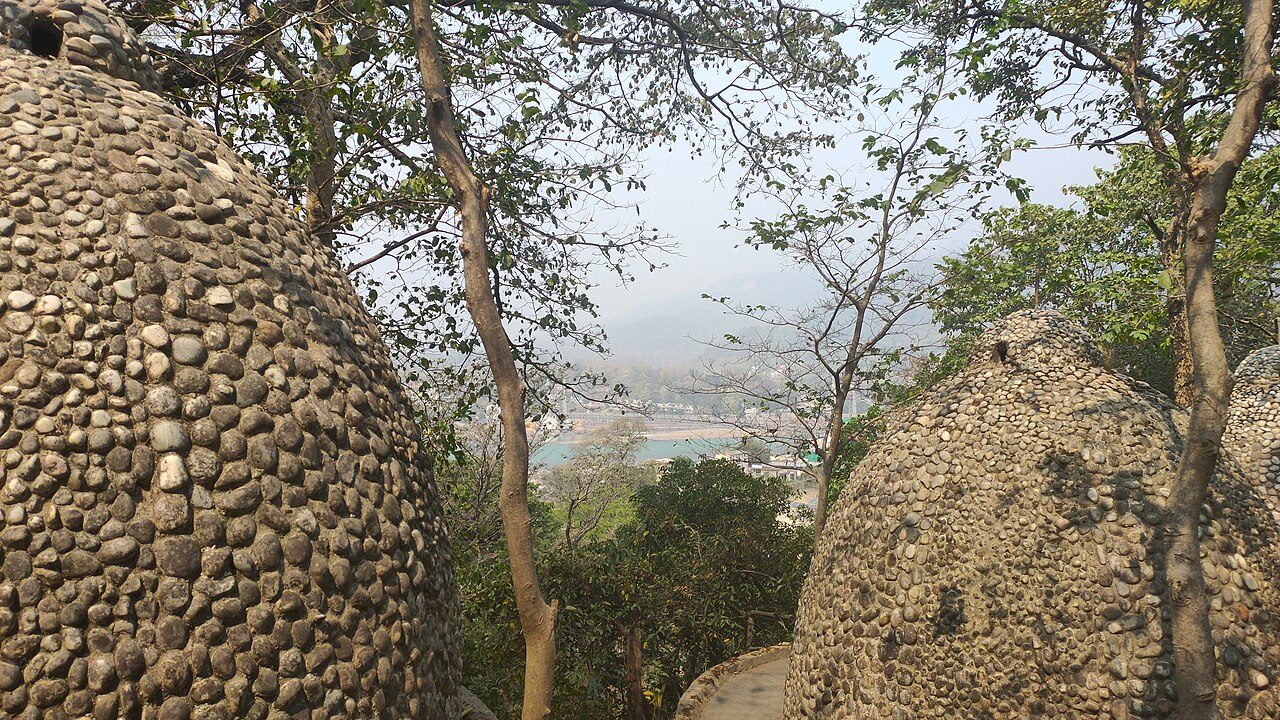
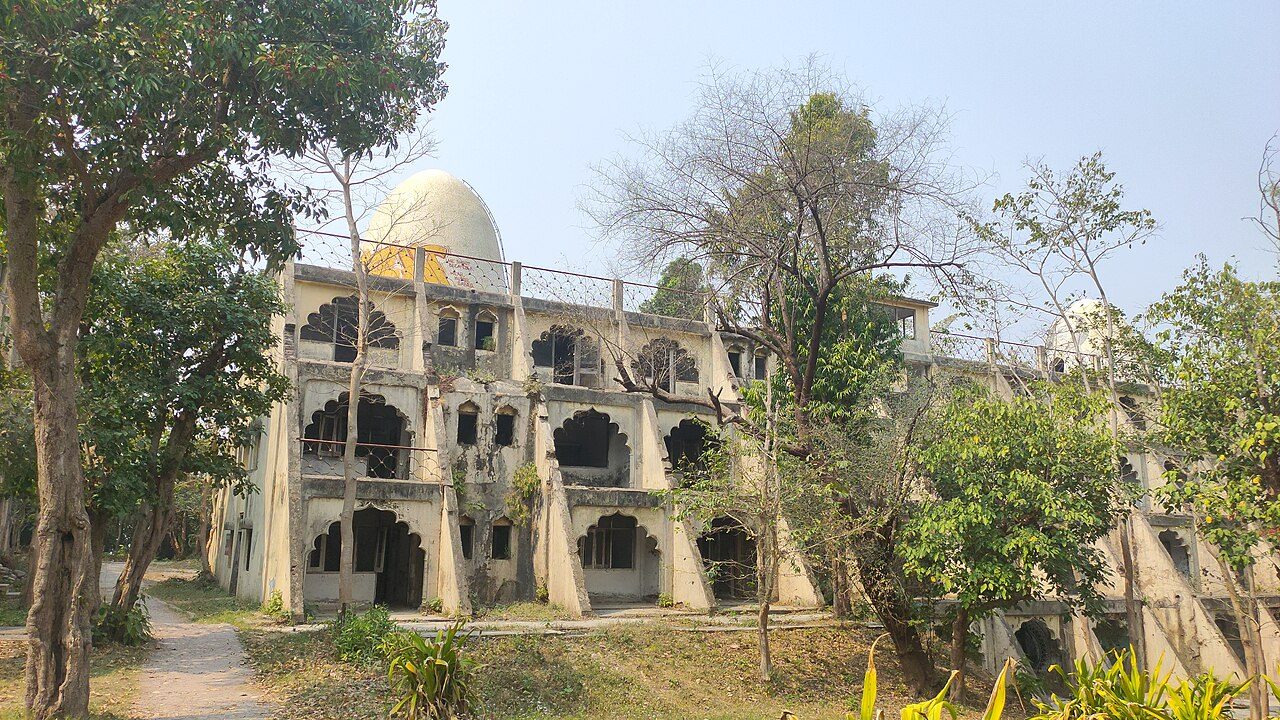
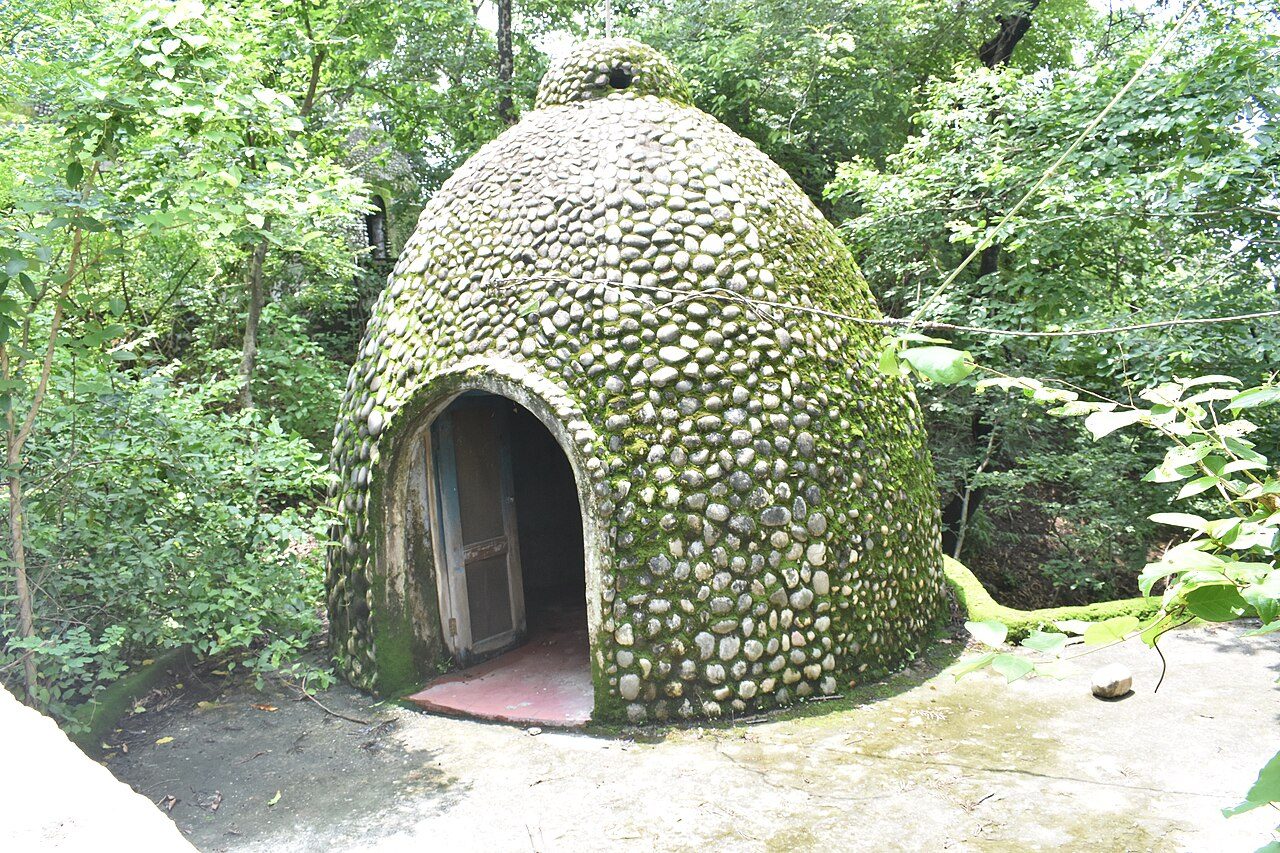
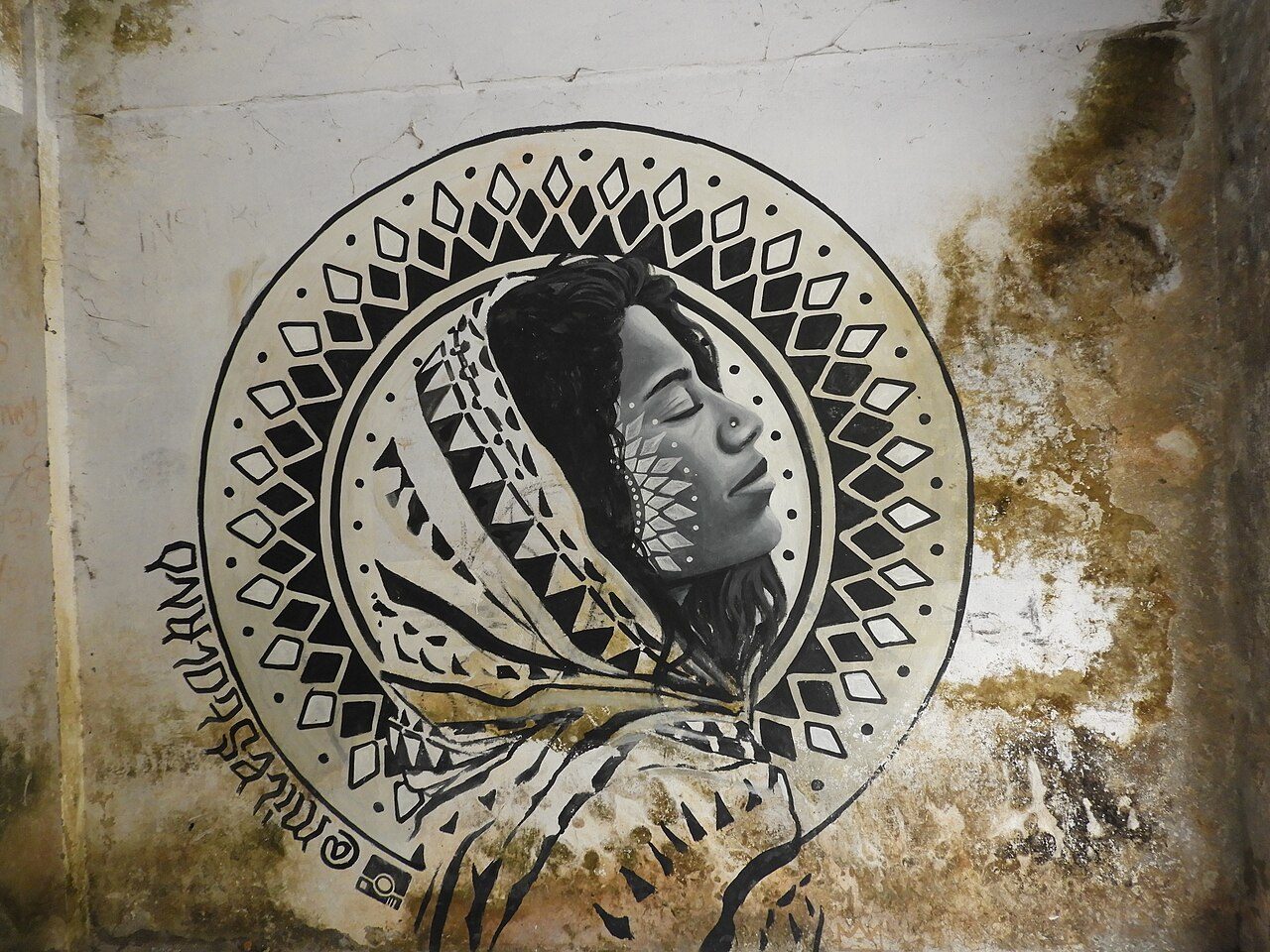
The Beatles Ashram, officially Chaurasi Kutia, is the former ashram of Maharishi Mahesh Yogi, where the Beatles stayed in 1968 and wrote many of the songs for the White Album. Abandoned in the 1990s, it was reclaimed by the forest and is now a ticketed site inside Rajaji Tiger Reserve. Visitors wander among meditation domes, ruined halls and colourful murals.
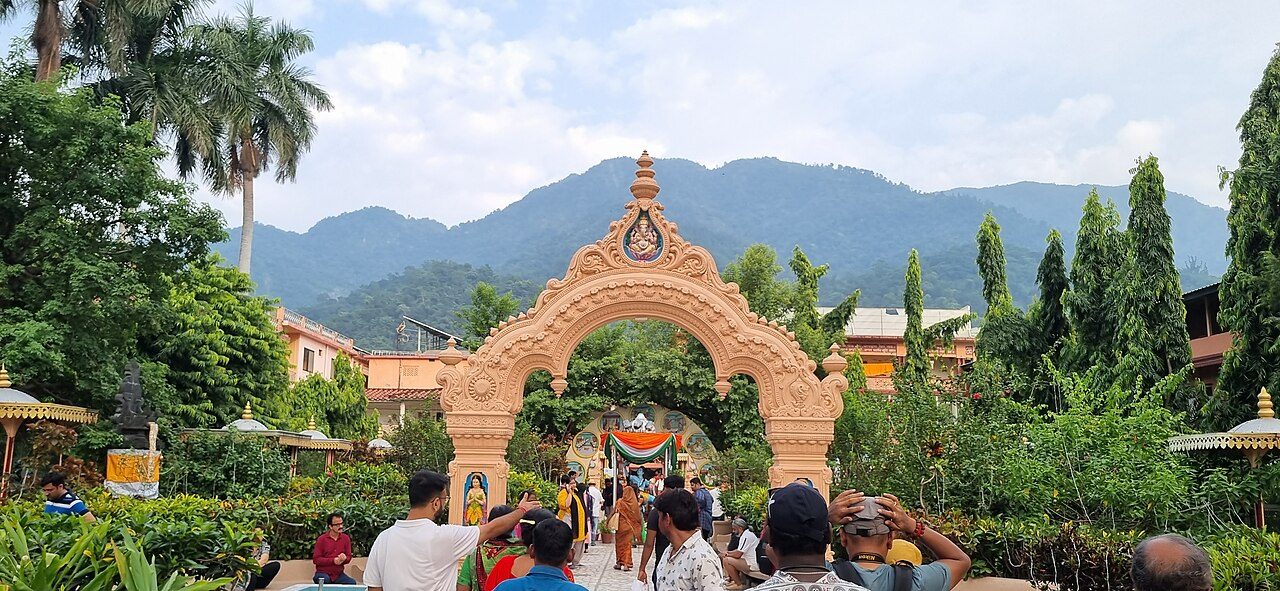
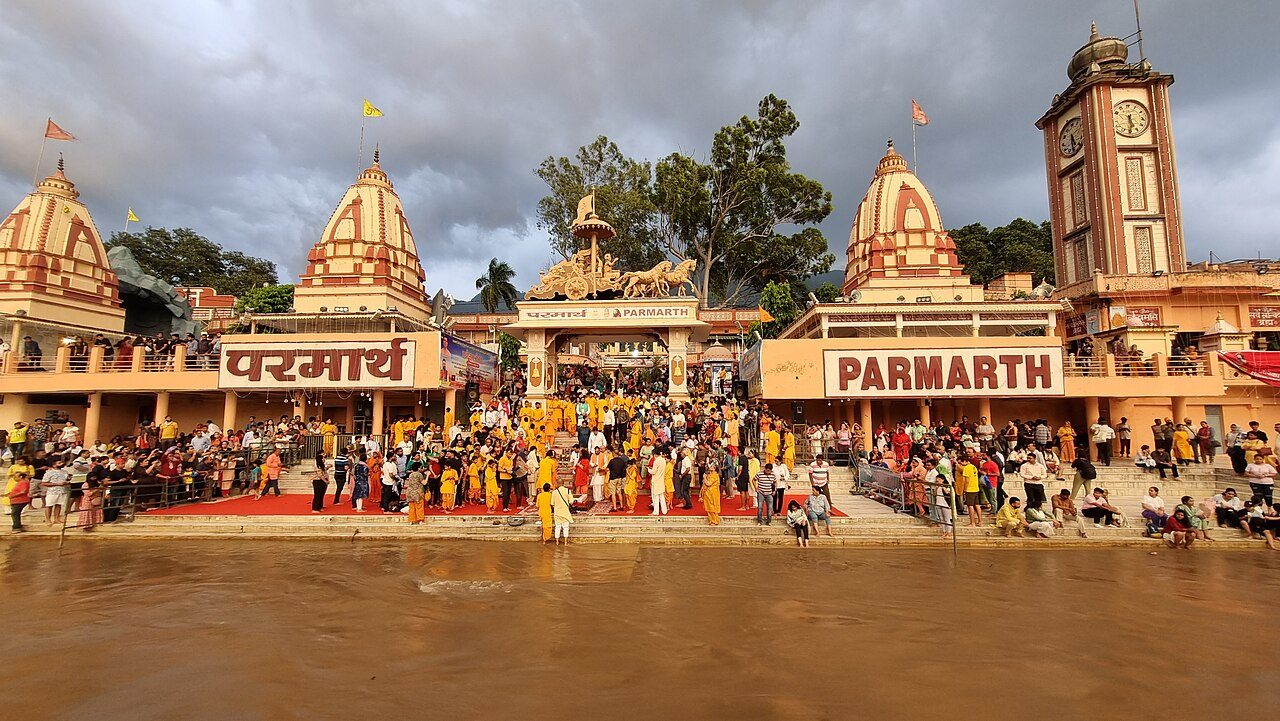
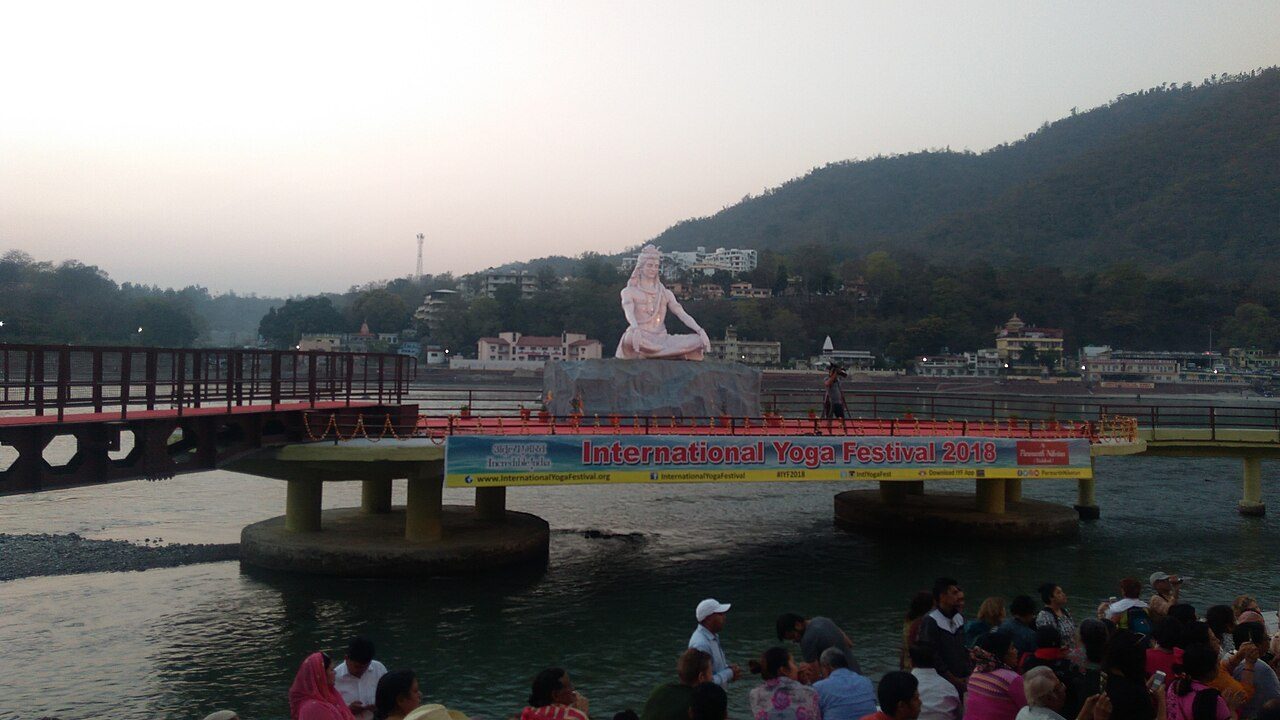
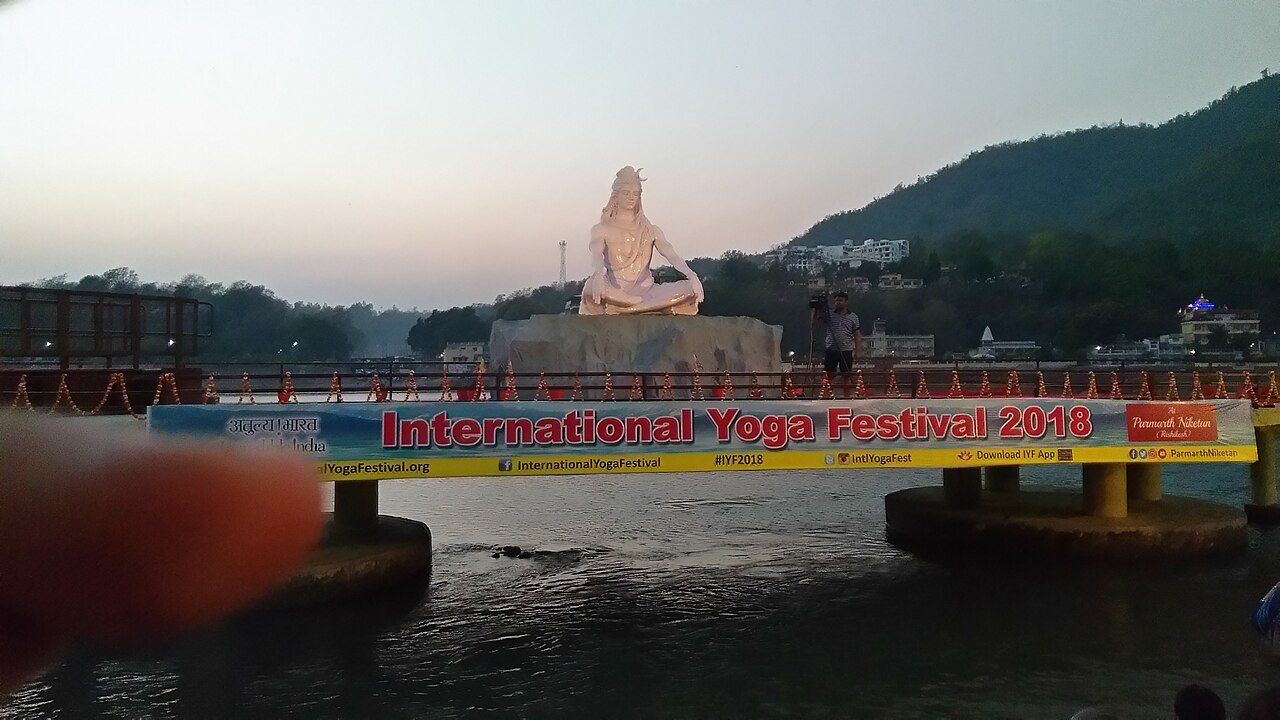
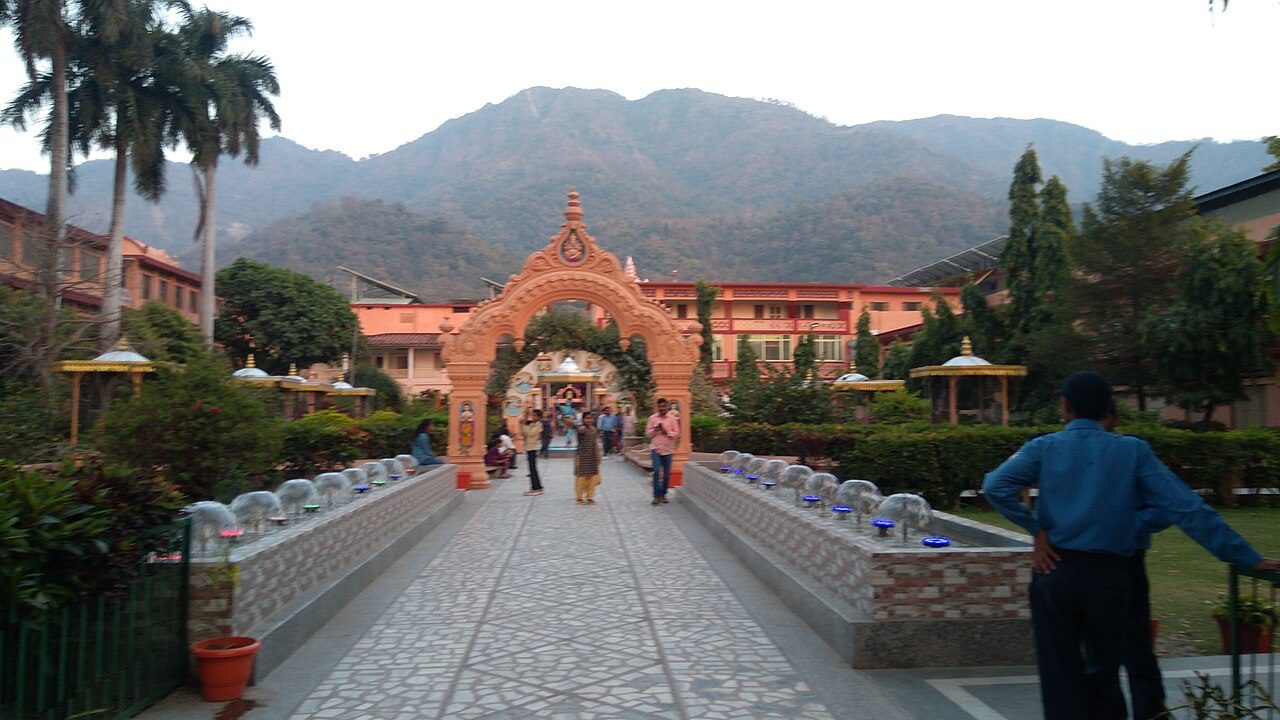
Parmarth Niketan is the largest ashram in Rishikesh, founded in 1942 on the bank of the Ganga at Swarg Ashram. It offers daily yoga, meditation and spiritual courses and hosts the International Yoga Festival each March. Its evening Ganga Aarti, held on the ghat in front of a large statue of Shiva, with singing by the ashram's students, is open to everyone.
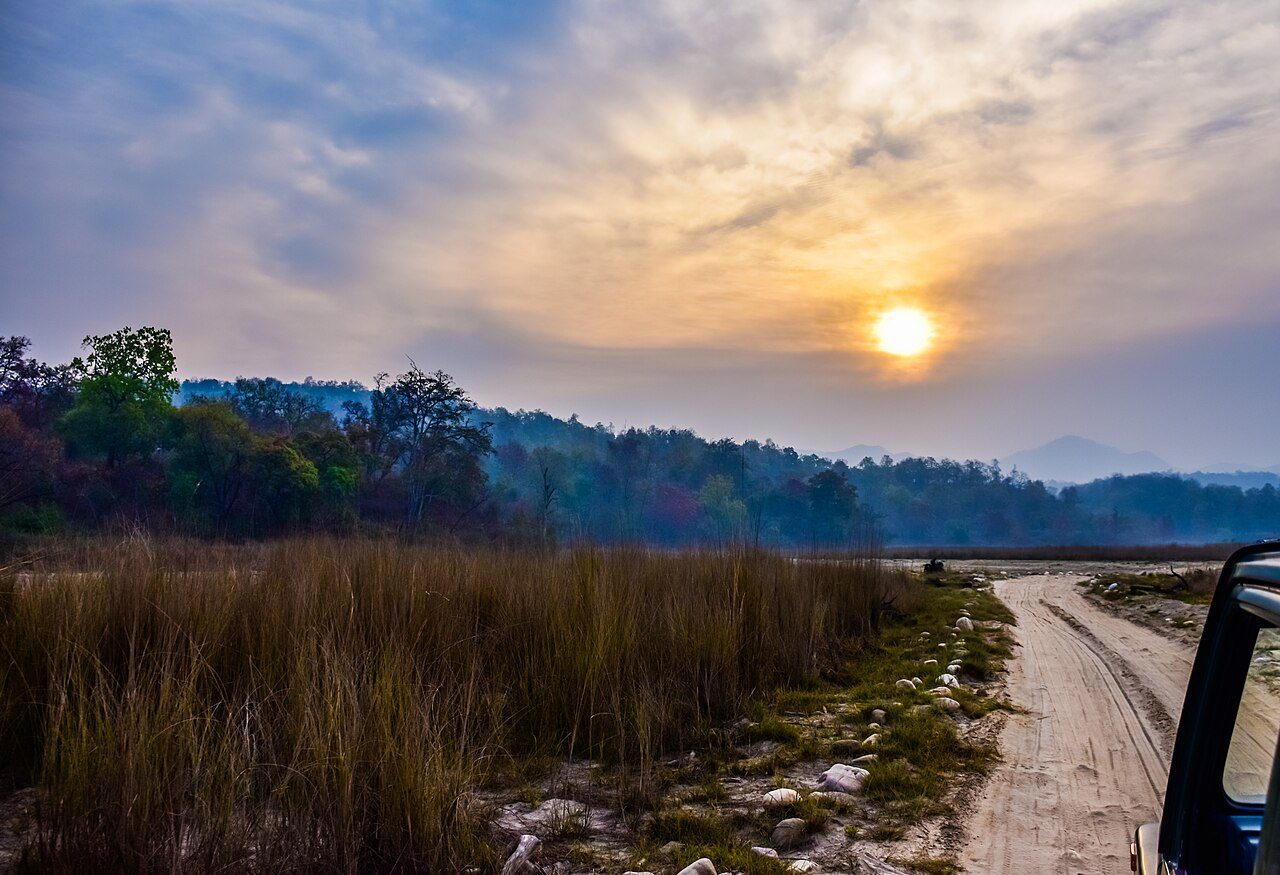
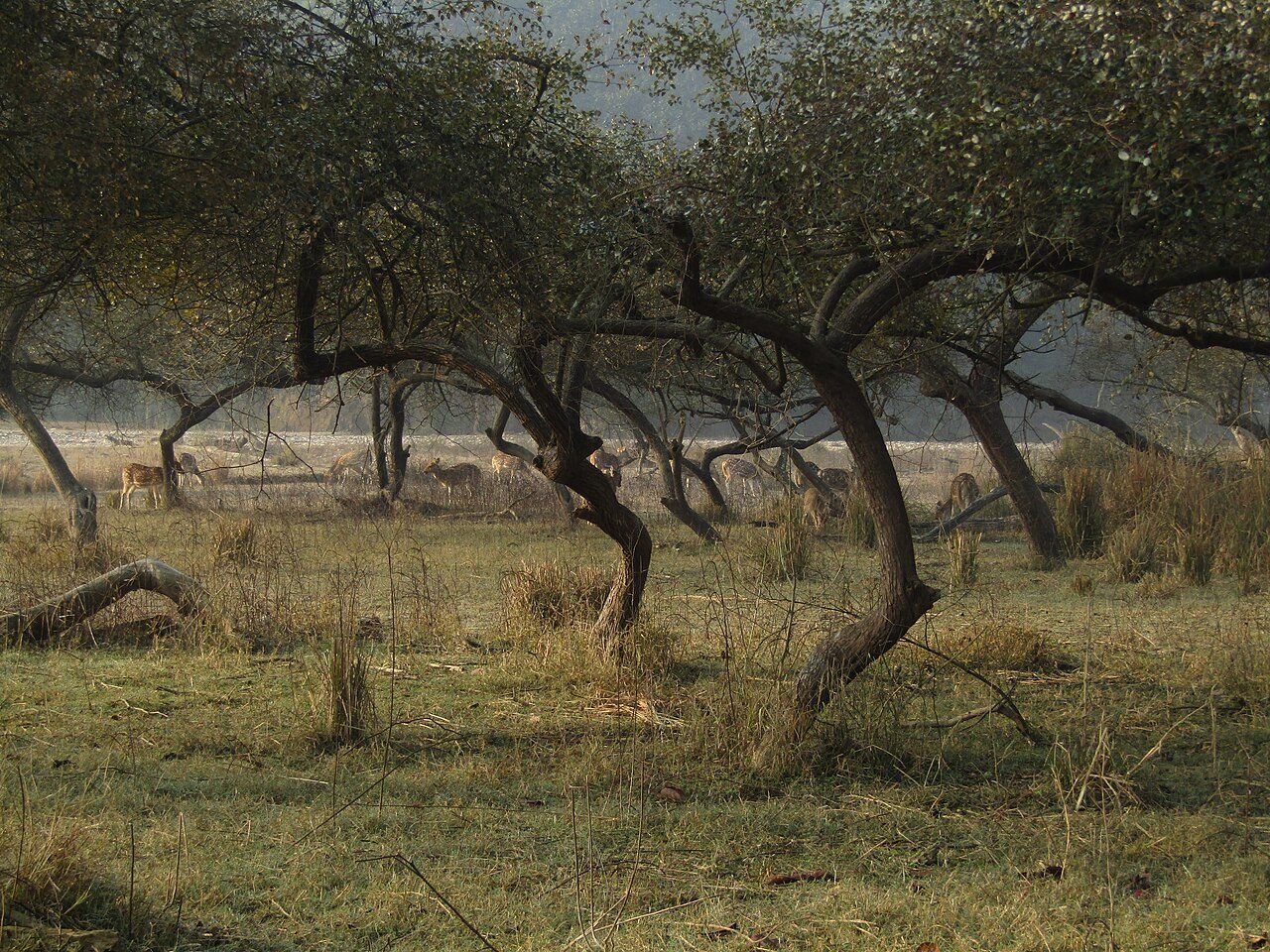
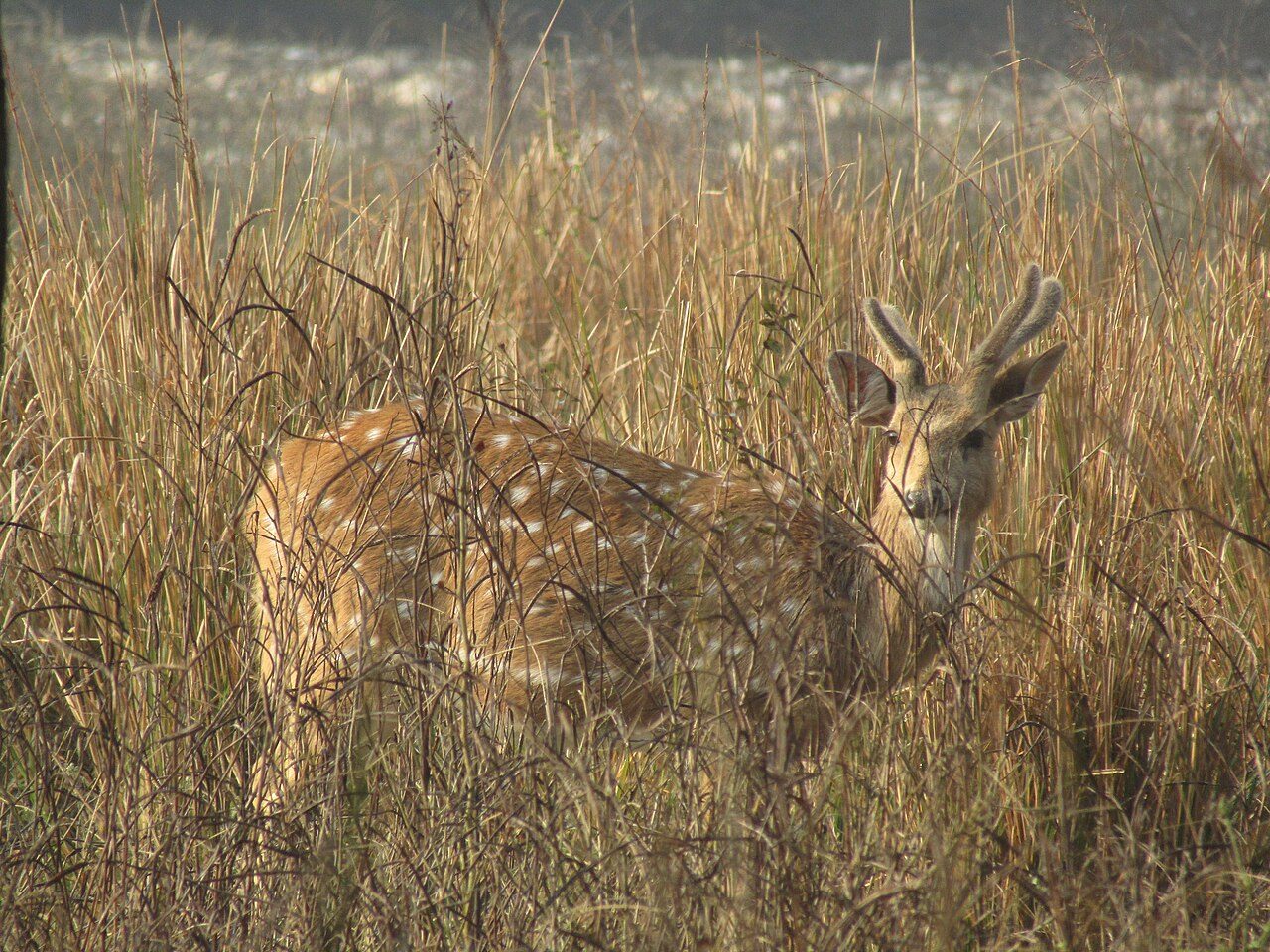
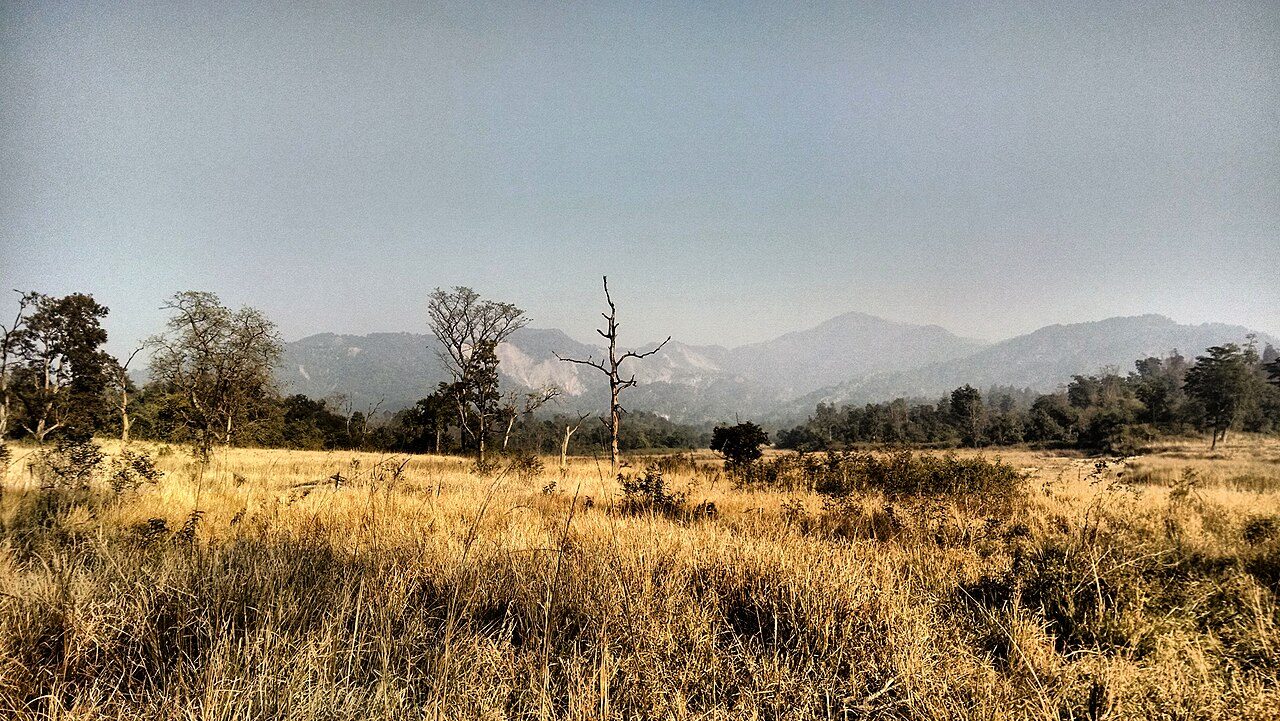
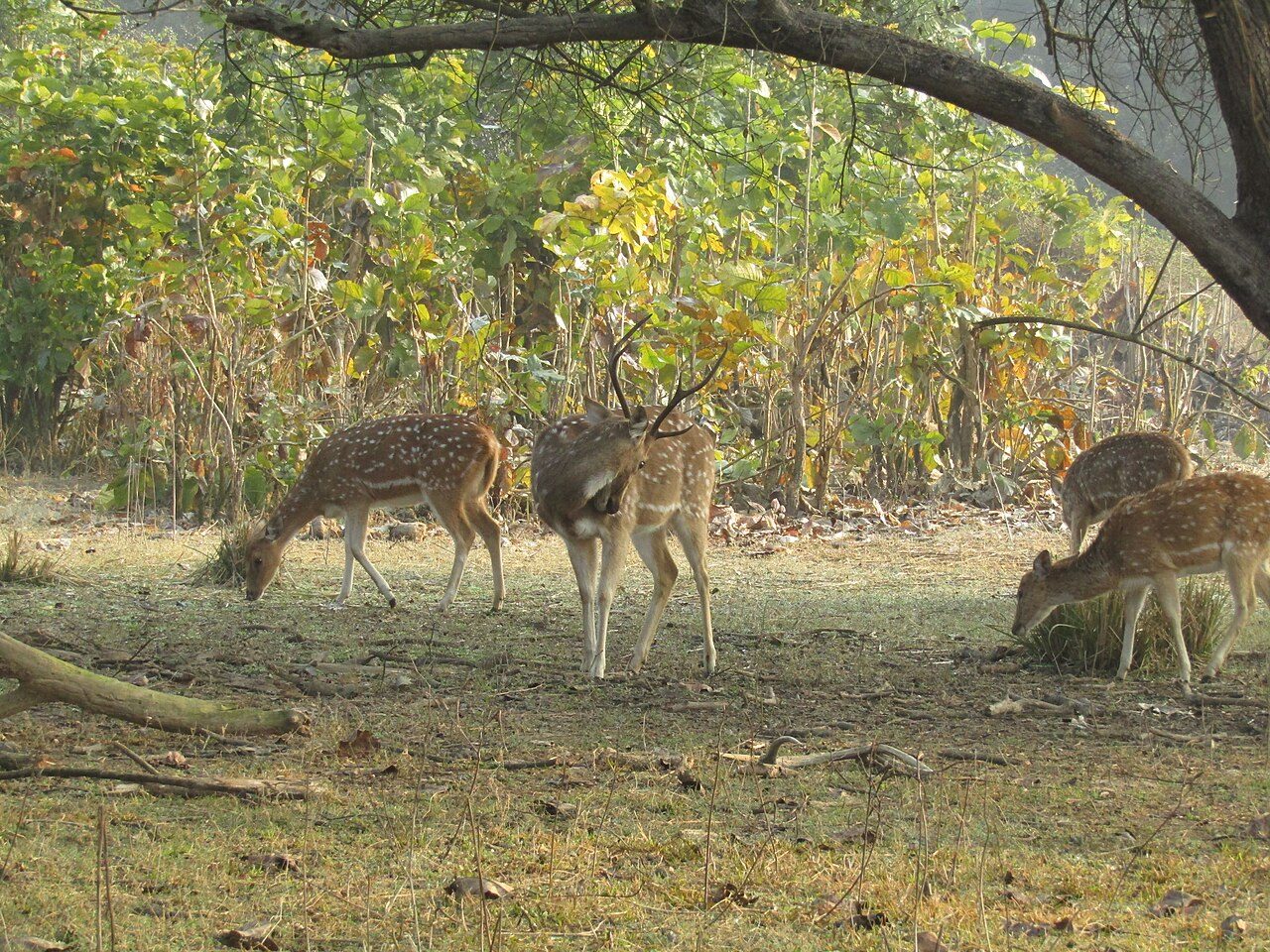
Rajaji National Park covers the forested Shivalik hills around Haridwar, Dehradun and Rishikesh and is a tiger reserve. It is best known for its Asian elephants, and jeep safaris from the Chilla range also find spotted deer, sambar, wild boar, leopards and several hundred bird species. The park is open from mid-November to mid-June, with morning and afternoon safaris.
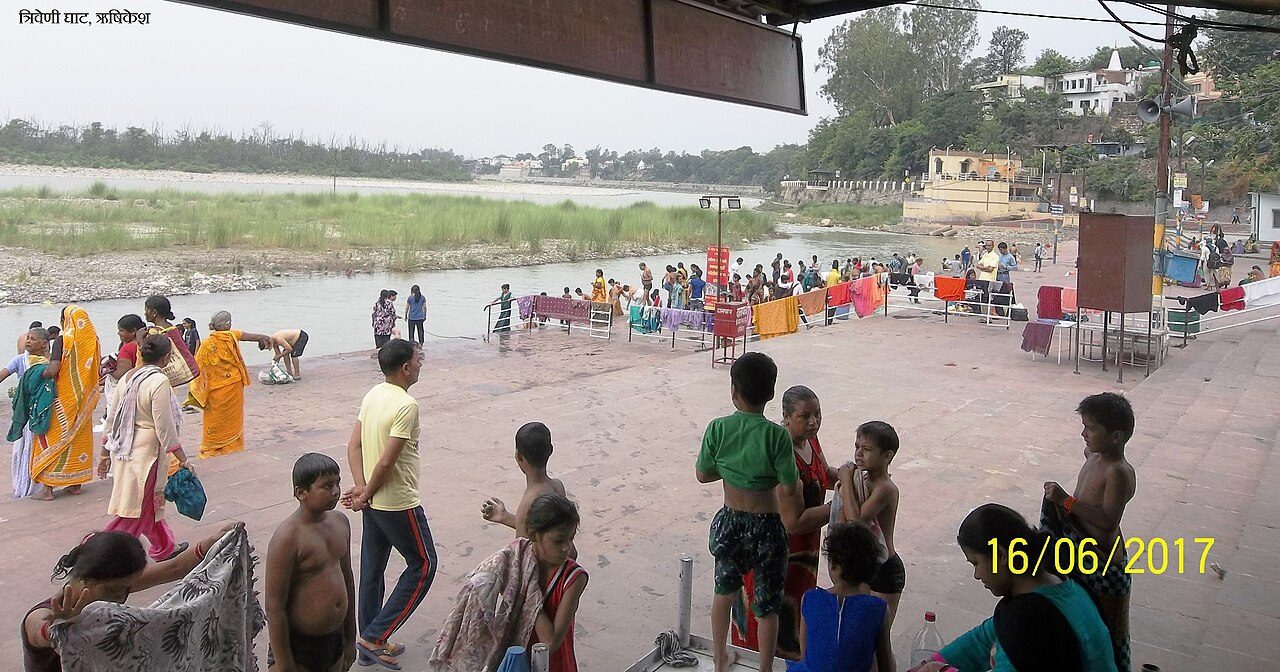
Triveni Ghat is the largest and most revered bathing ghat in Rishikesh, on the right bank of the Ganga. Pilgrims take a dip here before visiting the town's temples, and many families perform rites for their ancestors on the steps. Every evening the Maha Aarti is held with large fire lamps, chanting and floating leaf boats carrying flowers and small flames.
Best weather: Oct – FebHeavy rain: Jul – Aug
Seasons from 20 years of NASA POWER climate data.
Was this trip blog helpful?
0
0
Ready to follow this route?
Copy all 10 stops into your trip plans in the app.
 WaTrips