Two days in the boulder-strewn ruins of Hampi, then the cave temples of Badami, Pattadakal and Aihole, and Bijapur's Gol Gumbaz.
North Karnataka holds some of India's most important ruins. Give Hampi two full days: start at the Virupaksha Temple and the bazaar, then the Vittala Temple with its stone chariot and the Lotus Mahal in the royal centre. Sunrise or sunset from the boulders is unforgettable. Day three is the Chalukya circuit: the rock-cut cave temples of Badami, Banashankari, the UNESCO-listed temples at Pattadakal and the 'cradle of temple architecture' at Aihole. End in Vijayapura (Bijapur) at the Gol Gumbaz, with its whispering gallery, the graceful Ibrahim Rauza and the unfinished Bara Kaman. Summers are very hot here, so November to February is best. Carry water and start early.
01
STOP 1 OF 11
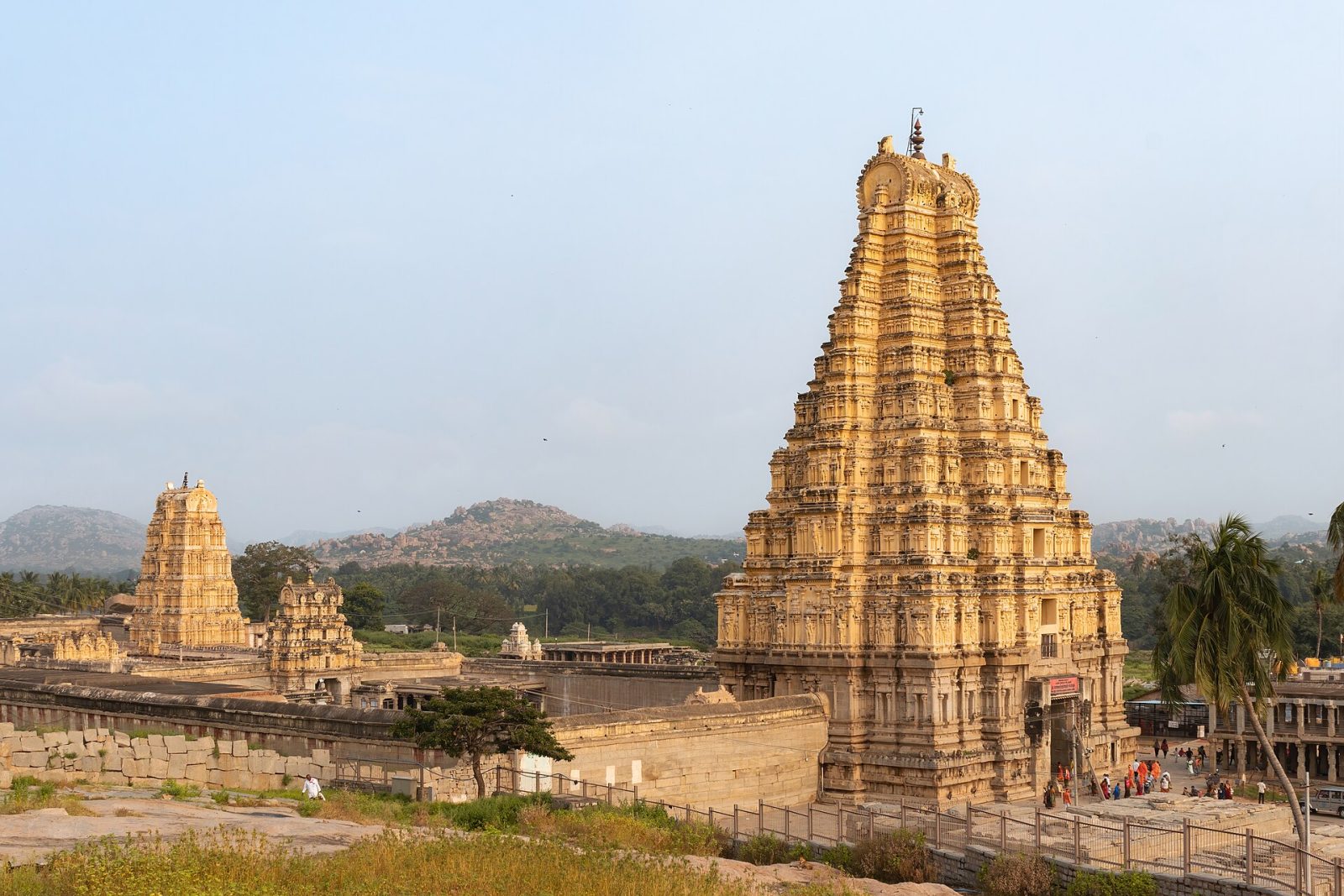
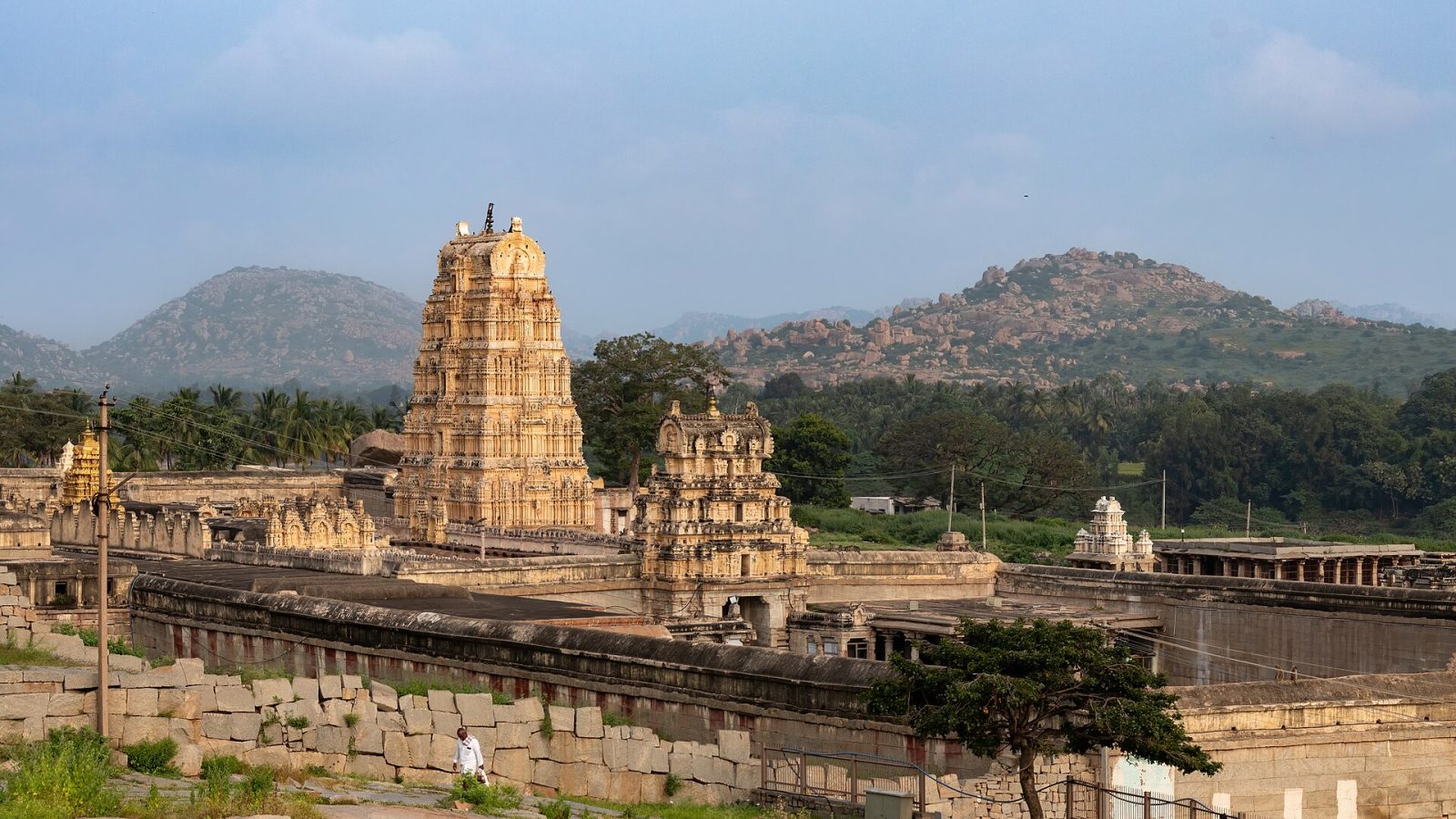
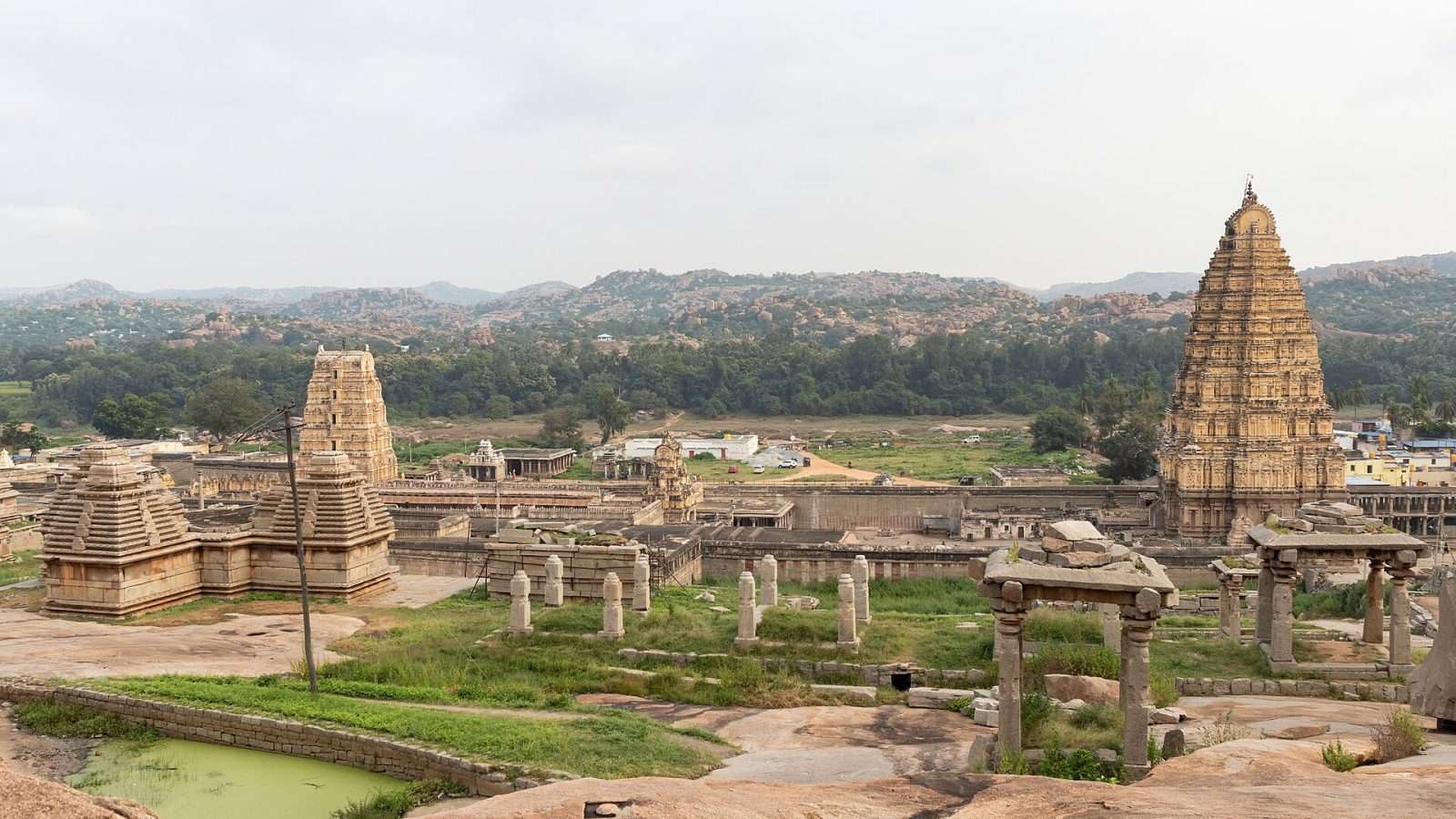
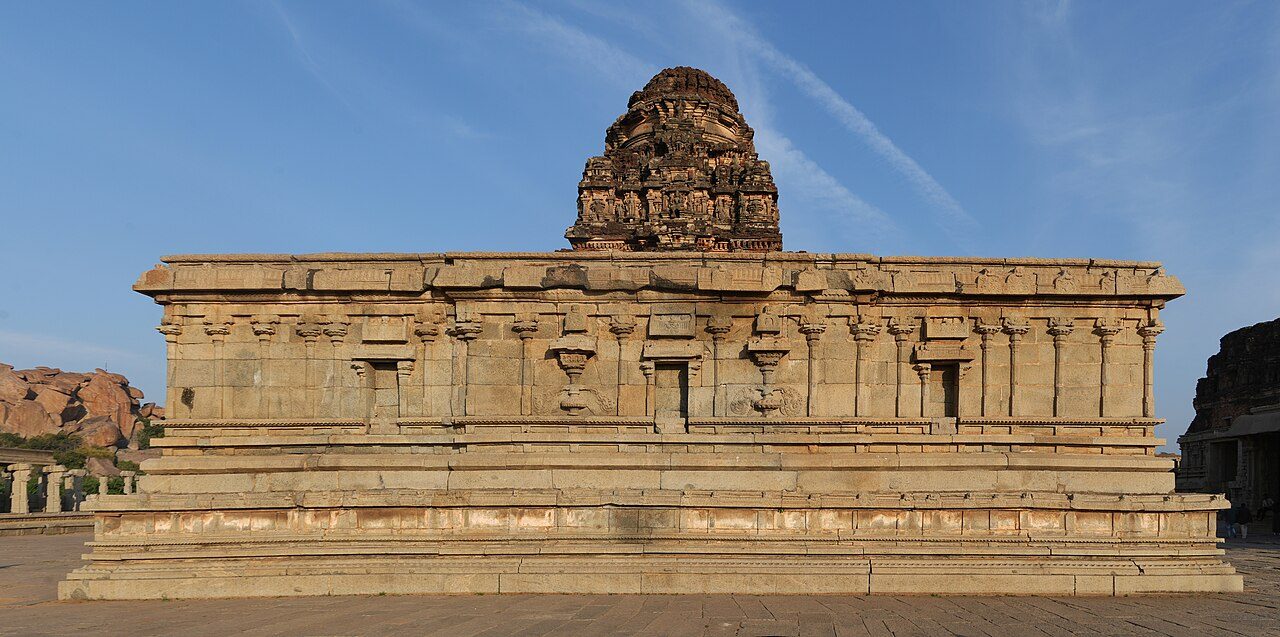
Virupaksha Temple, Hampi
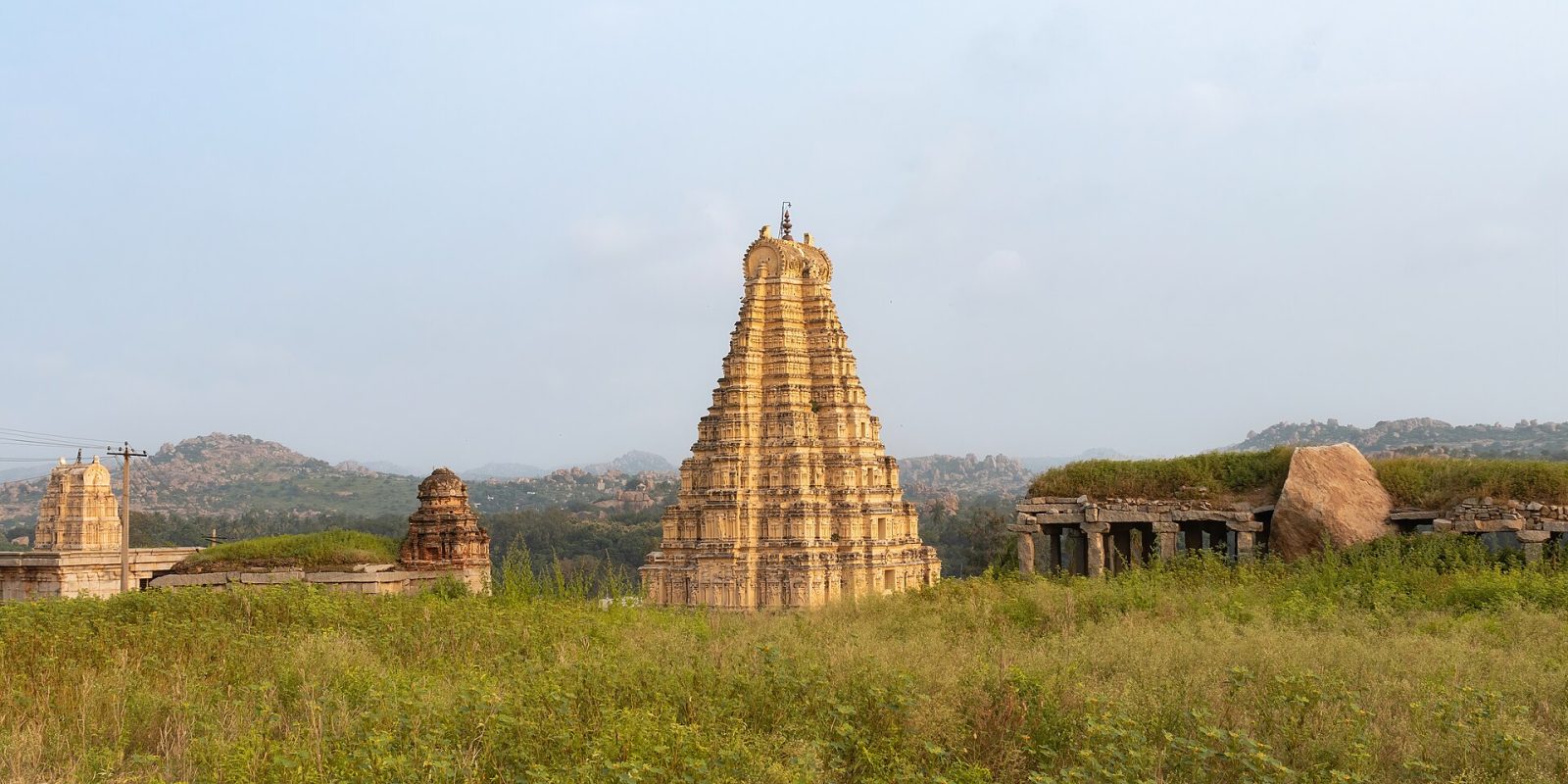
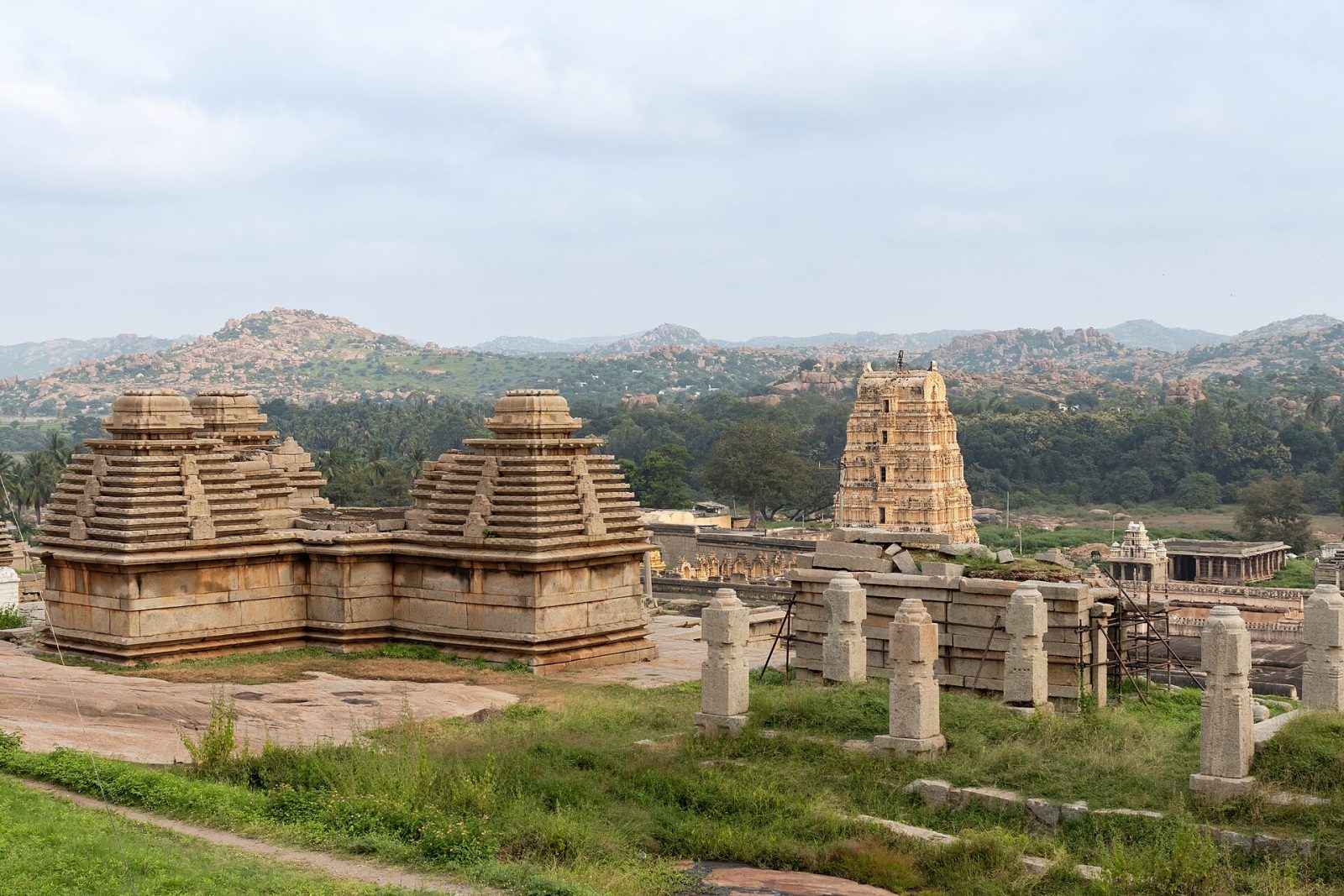
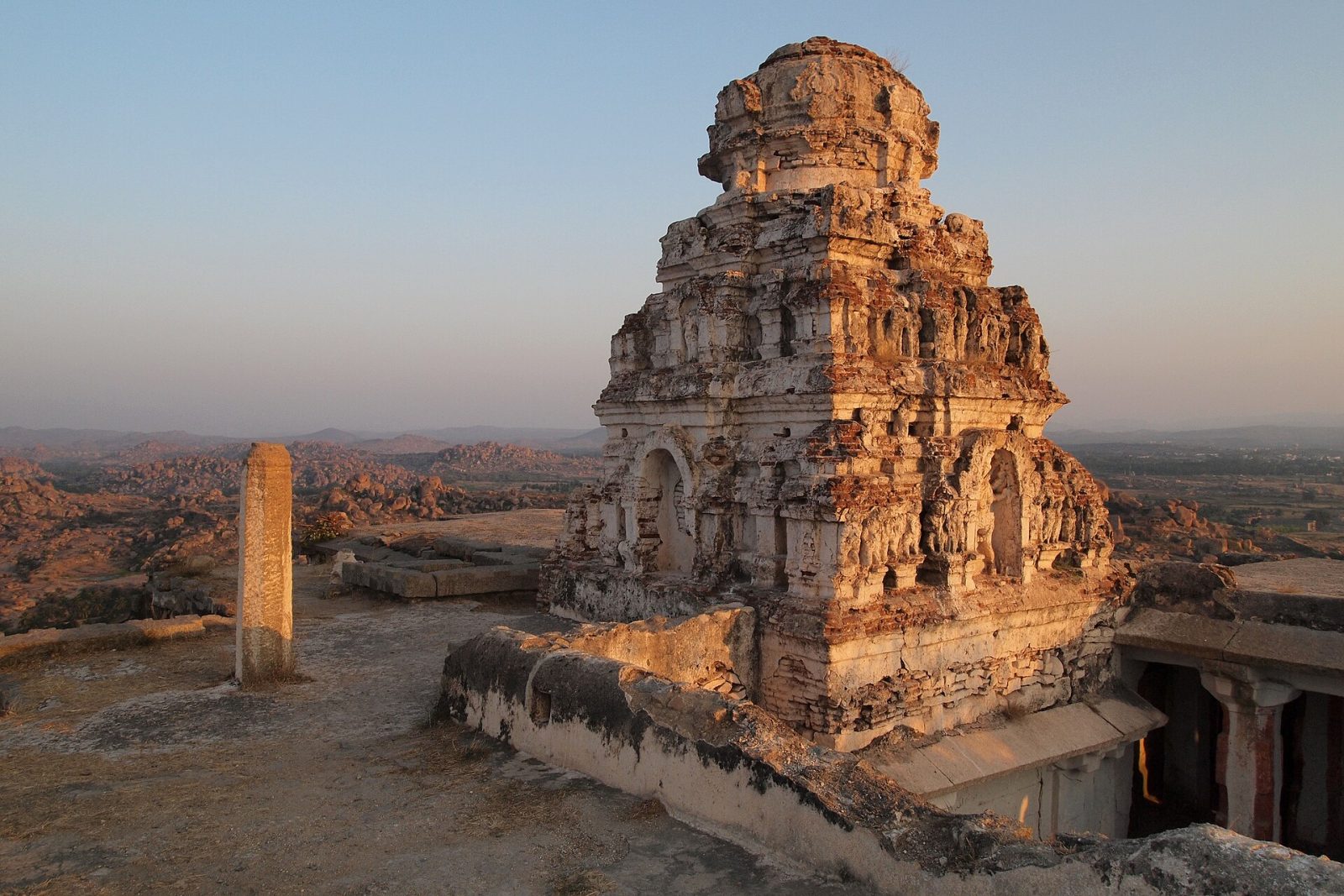
The Virupaksha temple at Hampi has been in continuous worship for more than 1,300 years, making it one of the oldest functioning temples in India. It began as a small shrine and grew under the Vijayanagara kings into a large complex with a nine-storey eastern gopuram about 50 metres high, pillared halls and a temple tank. A pinhole opening in one wall projects an inverted image of the main tower onto the inner wall, a detail guides enjoy showing visitors. The temple elephant, Lakshmi, is a fixture of the courtyard. It sits at the end of Hampi Bazaar with Matanga hill, the best sunrise viewpoint, close by.
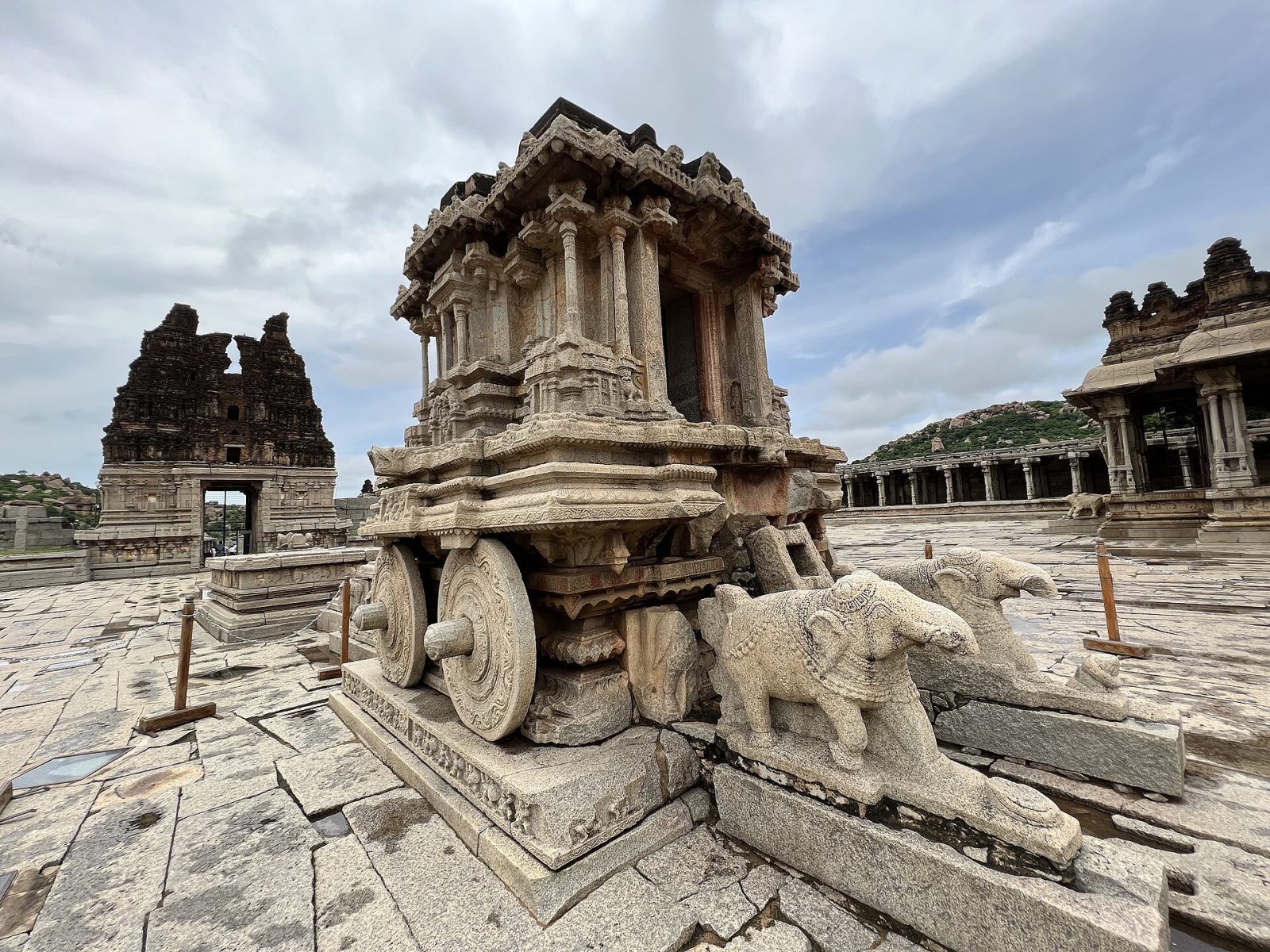
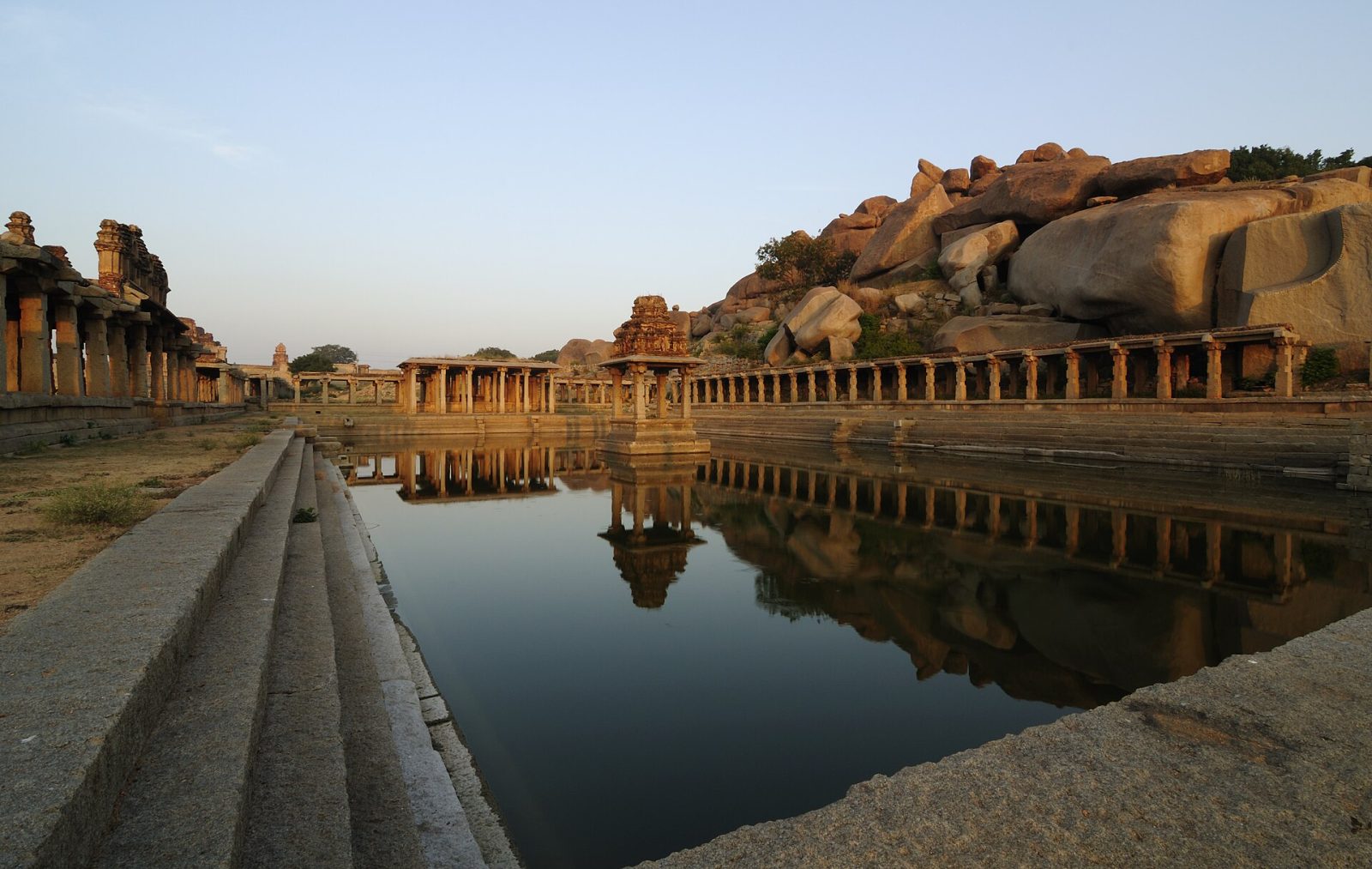
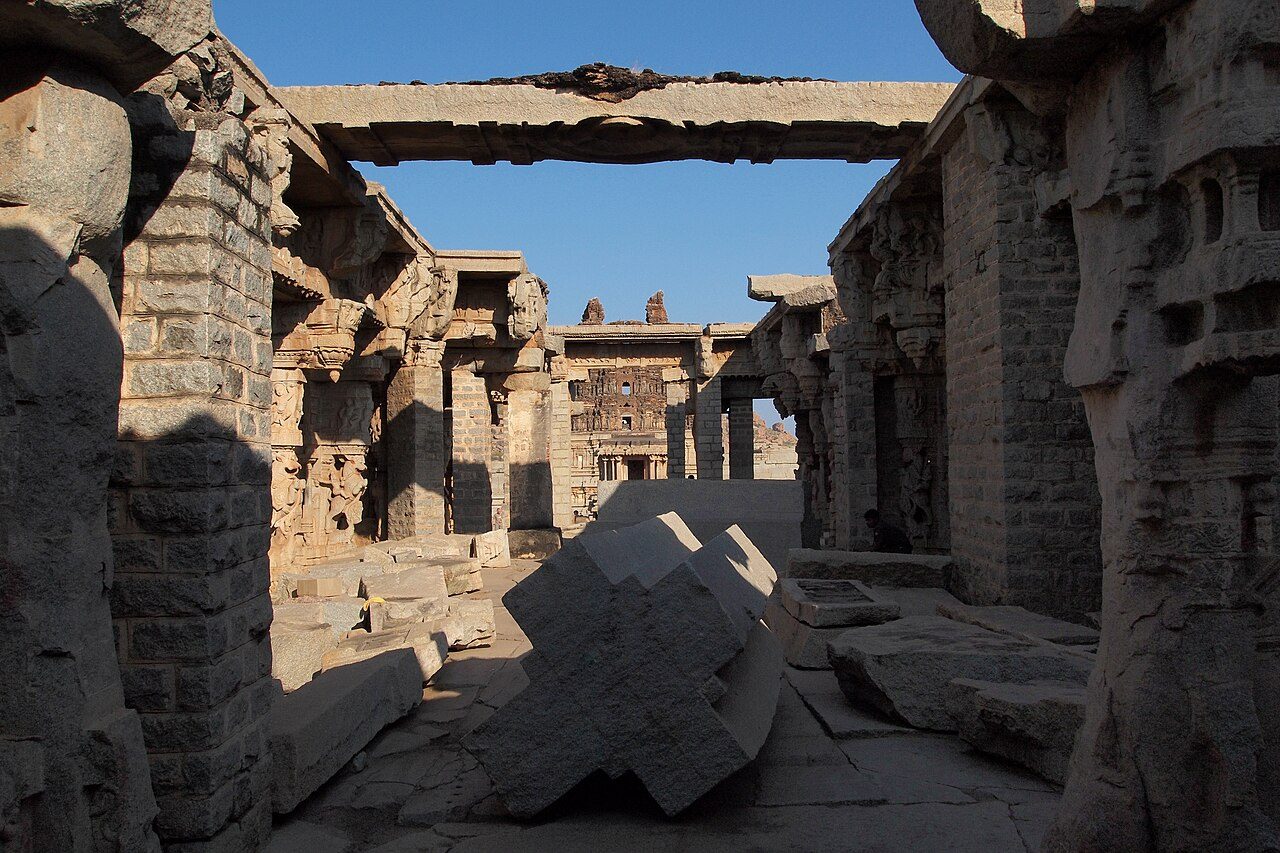
Hampi was the capital of the Vijayanagara empire, which ruled most of south India in the 14th to 16th centuries and grew into one of the largest cities in the world before it was sacked in 1565. Its ruins are spread over some 4,100 hectares of boulder-strewn landscape beside the Tungabhadra river: temples, bazaars, aqueducts, elephant stables, the royal enclosure and the Vittala temple with its stone chariot and musical pillars. Persian and Portuguese travellers who saw the city at its height wrote of markets selling diamonds by the street. The whole site is a UNESCO World Heritage Site. Allow at least two days, and go early or late in the day as shade is scarce.
03
STOP 3 OF 11
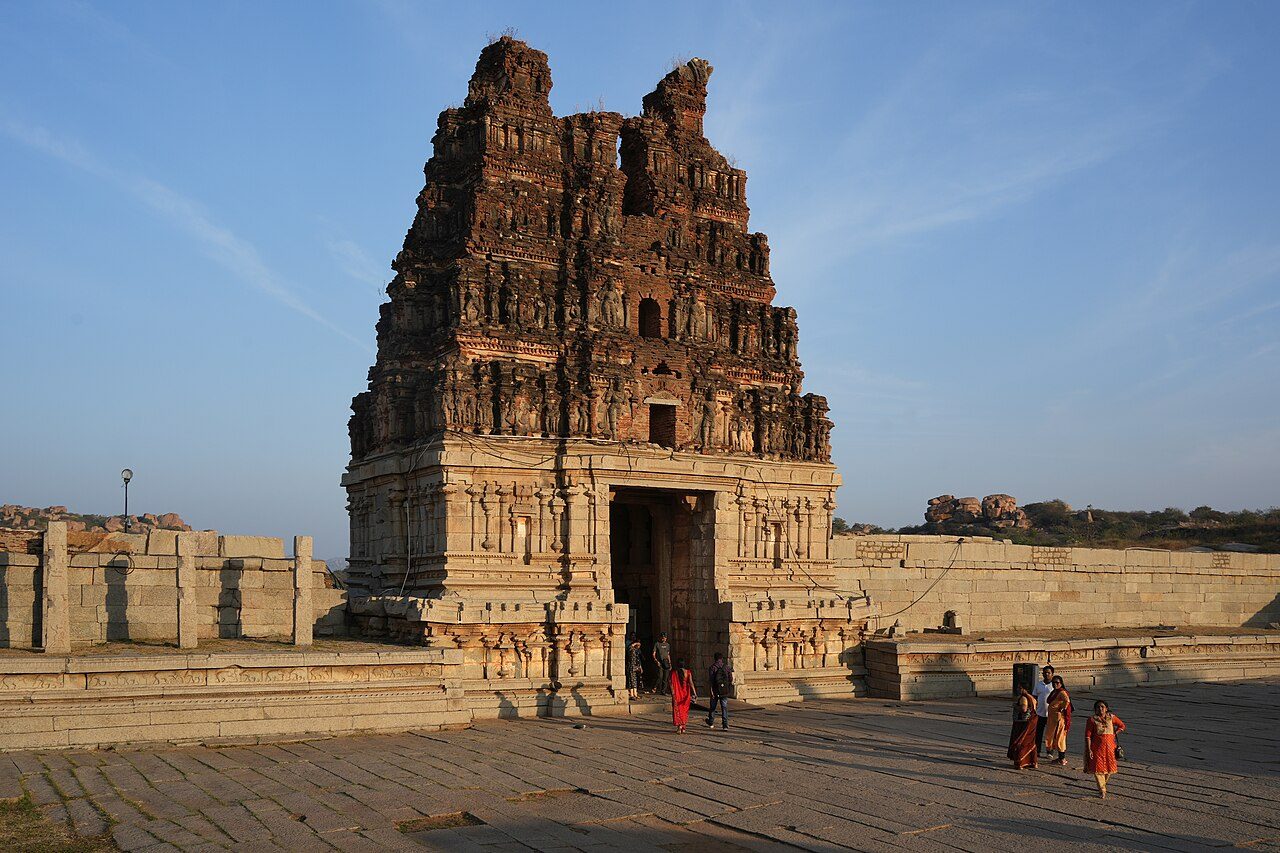
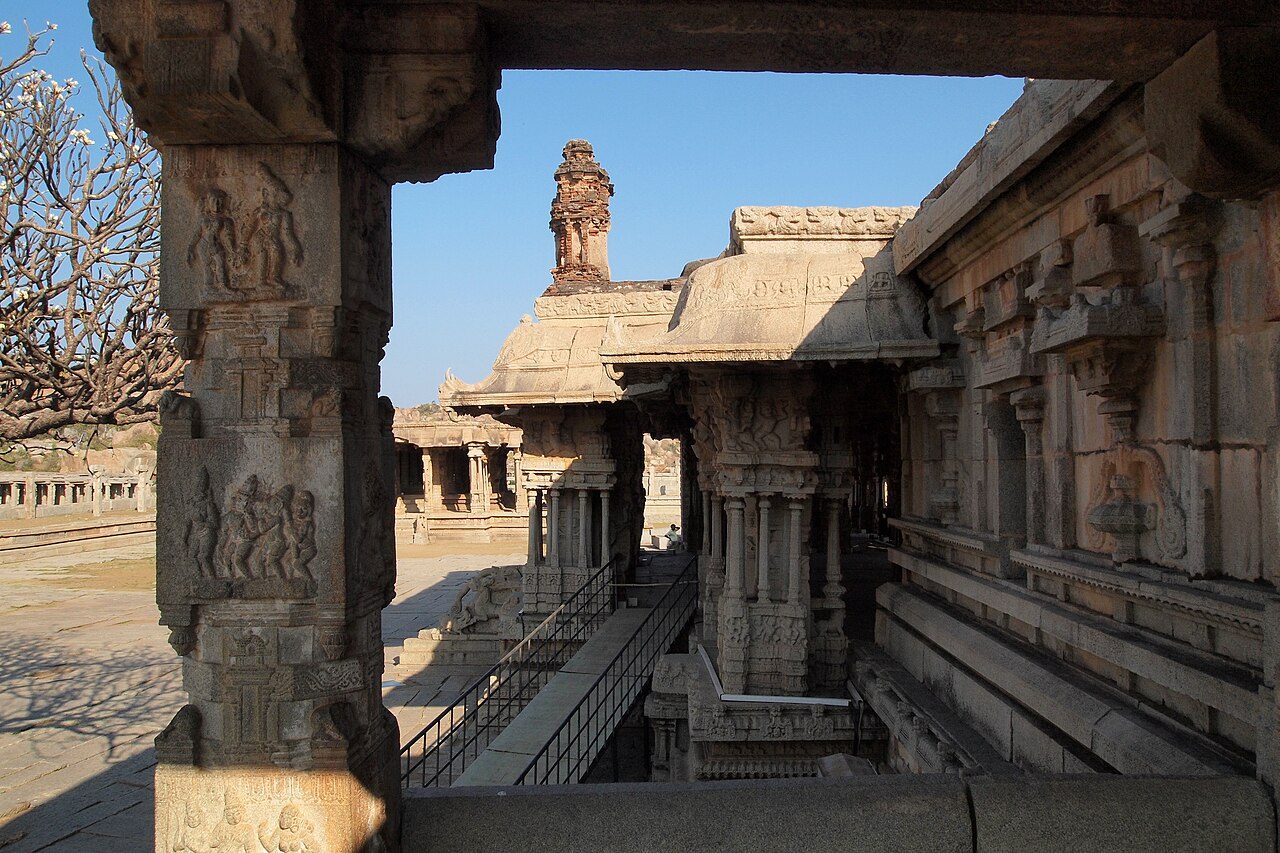
Vittala Temple Hampi
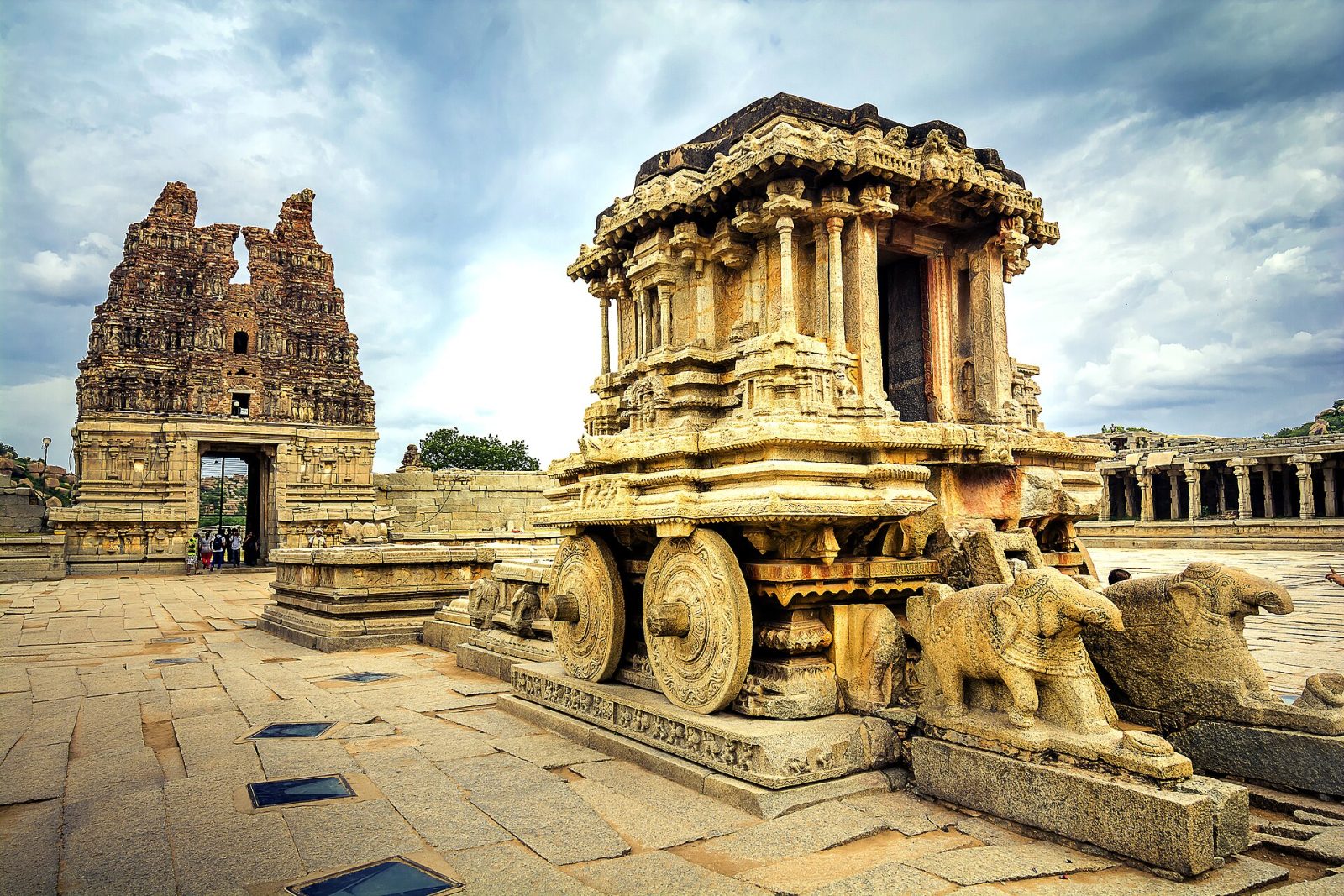
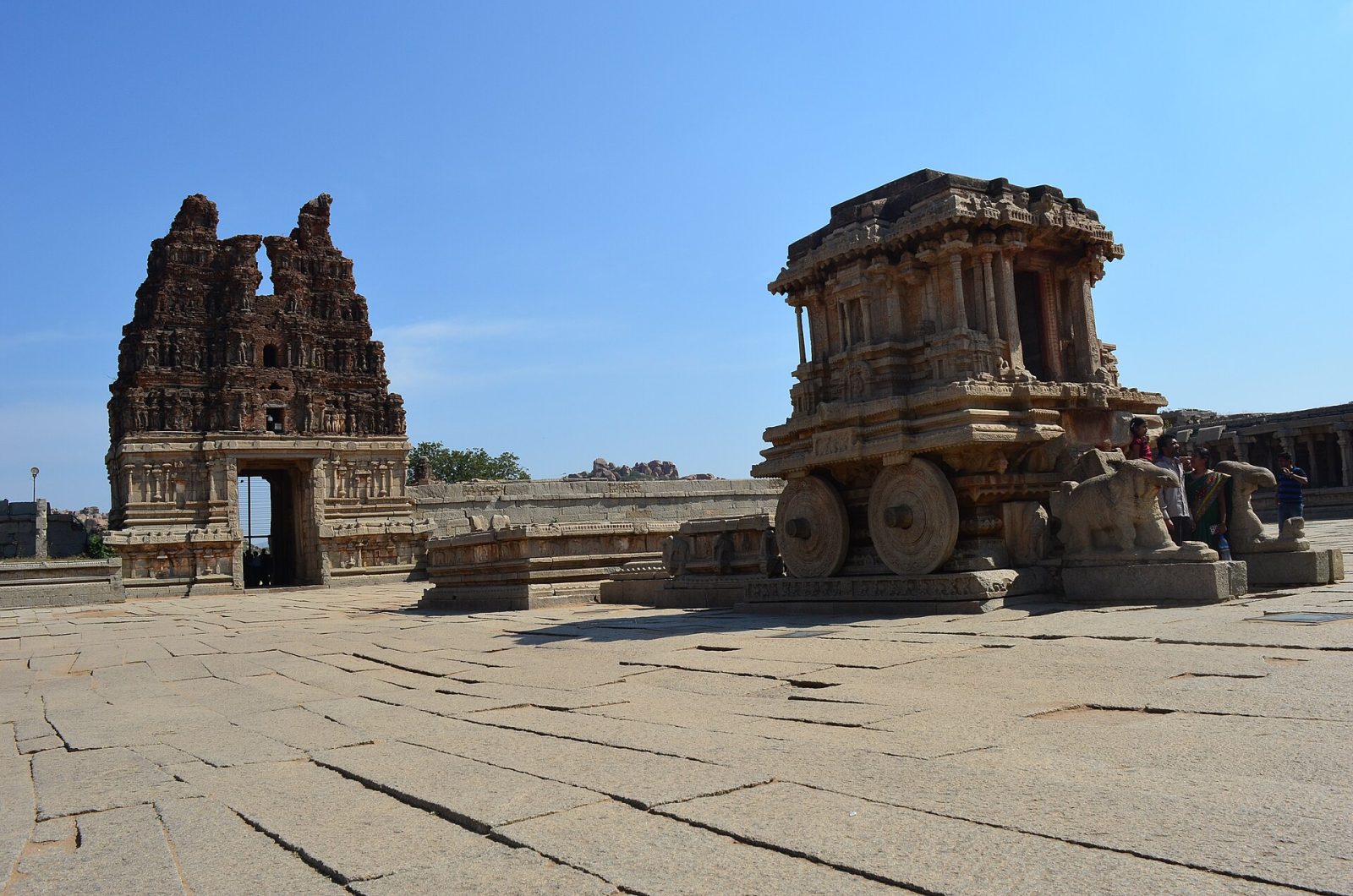
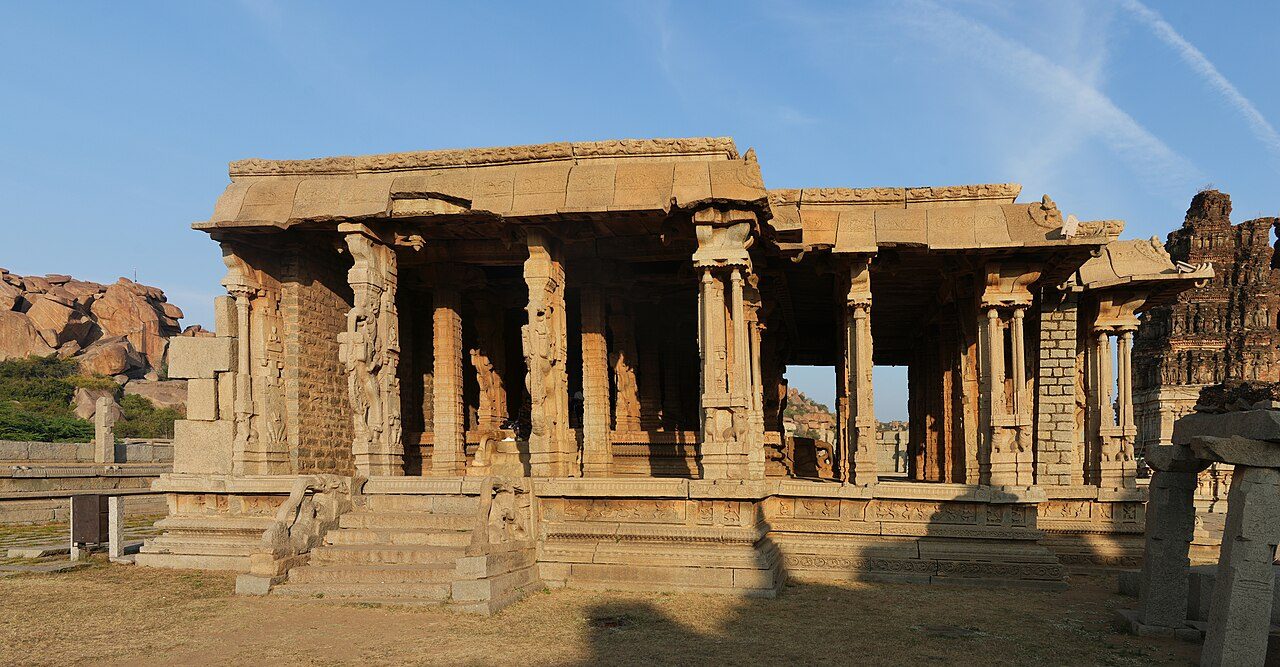
The most celebrated monument in Hampi, the 15th–16th-century Vittala Temple is famous for its stone chariot, now an emblem of Karnataka, and for the musical pillars of its great hall, which ring with different notes when tapped. Its carving is among the finest of the Vijayanagara period. It is part of the UNESCO World Heritage Site of Hampi.
04
STOP 4 OF 11
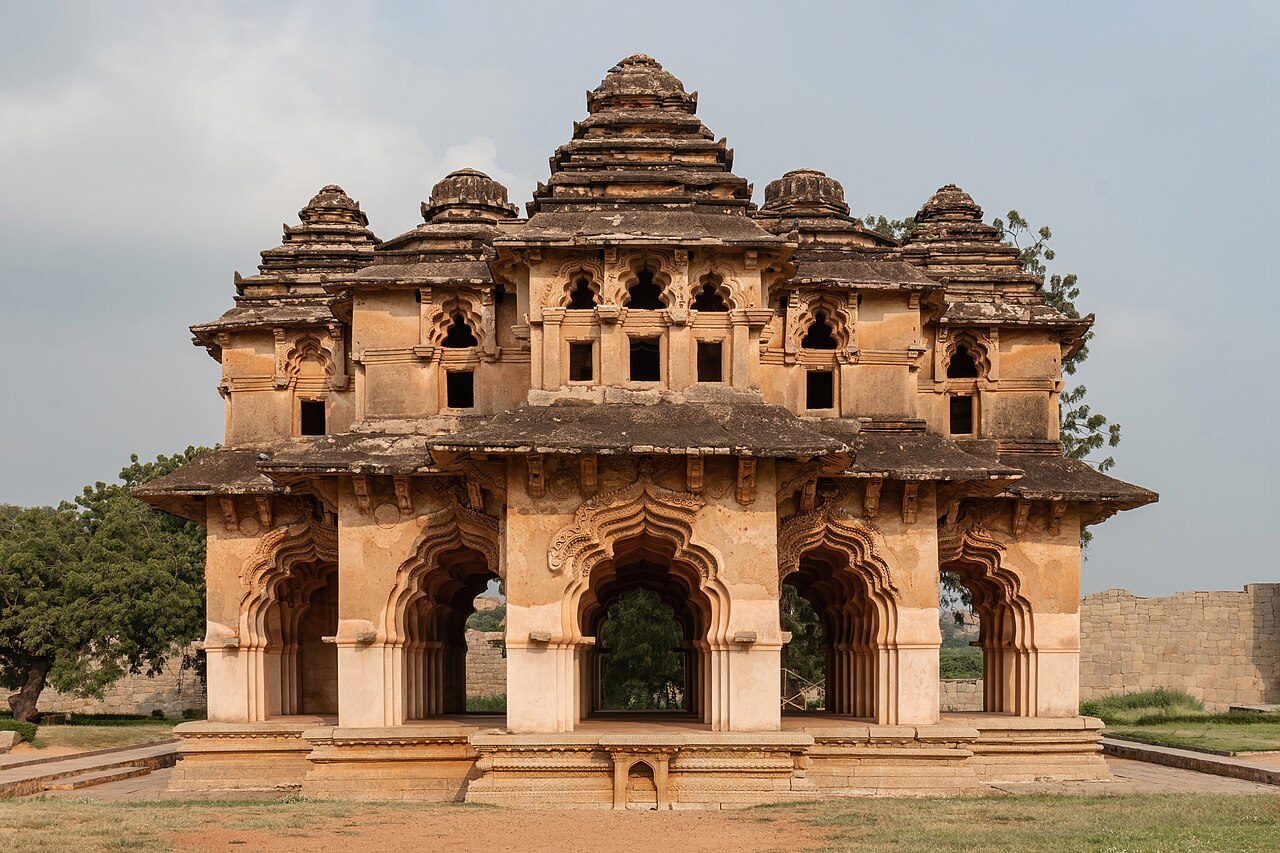
Lotus Mahal Hampi
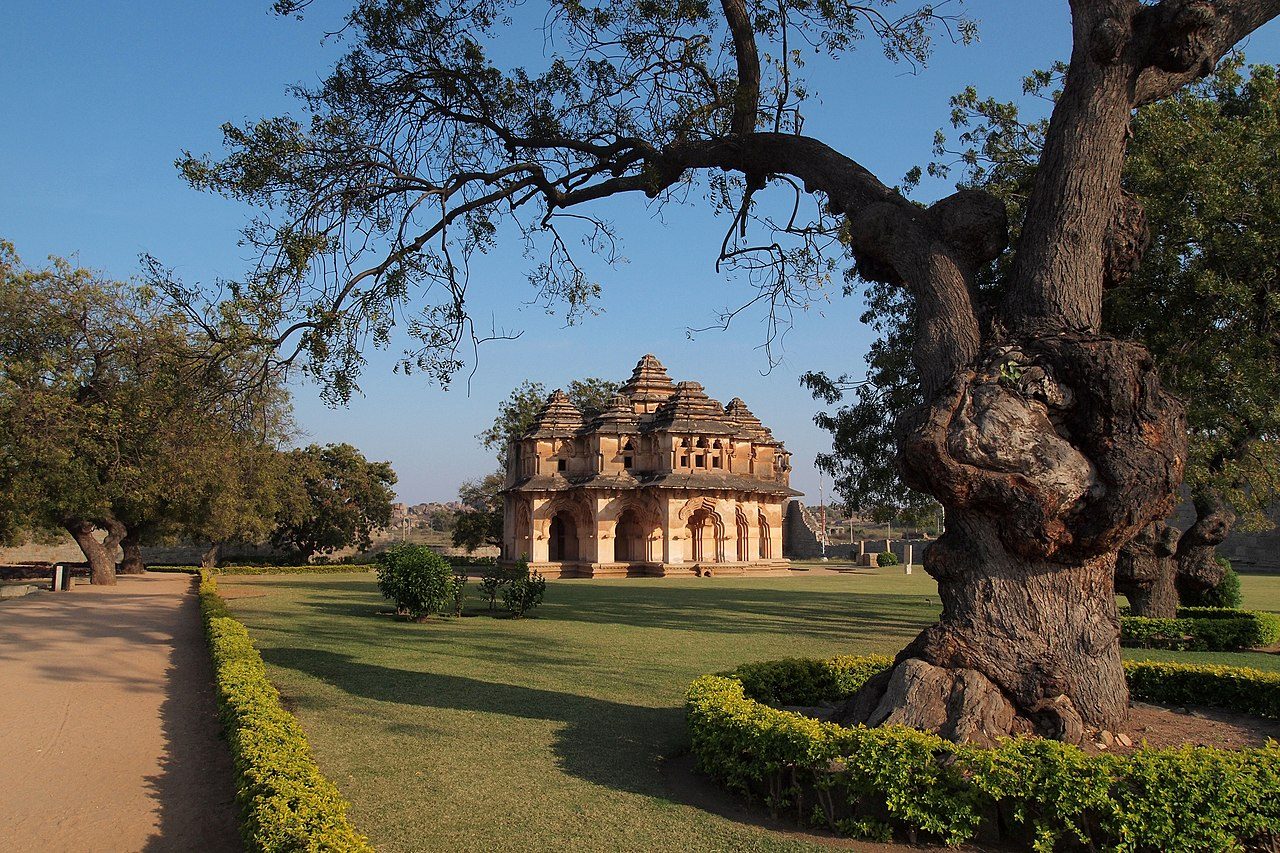
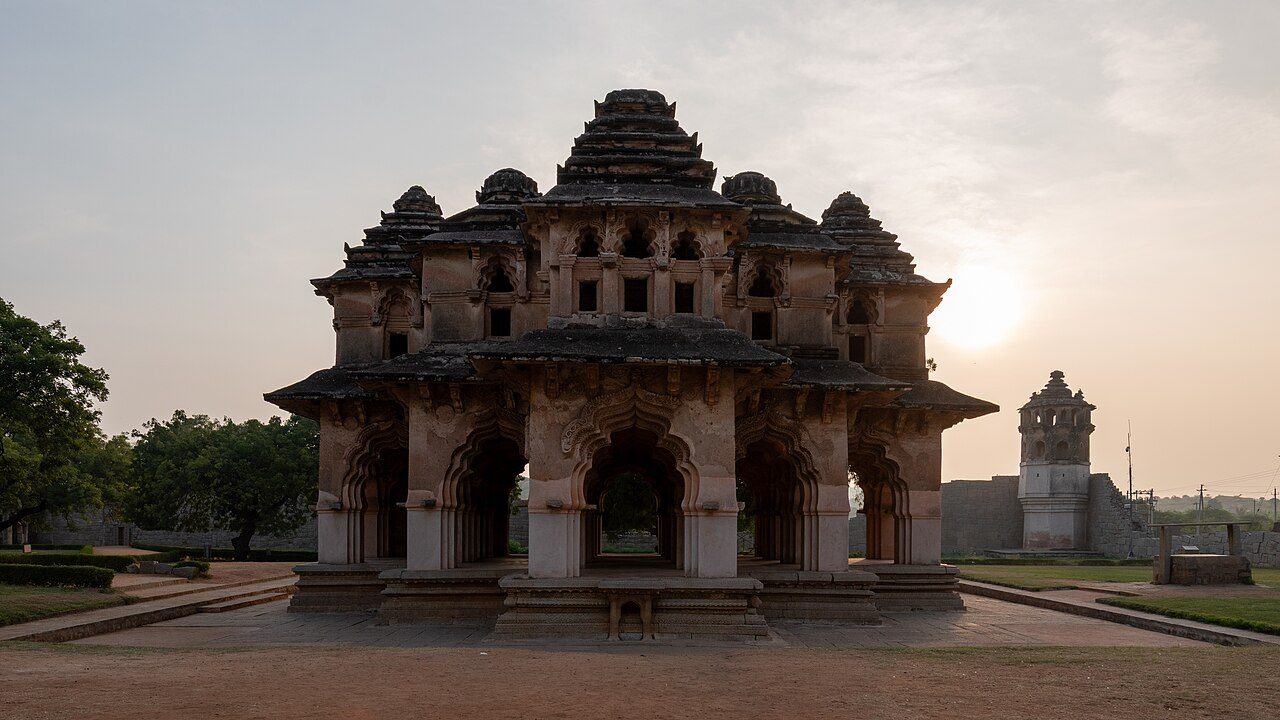
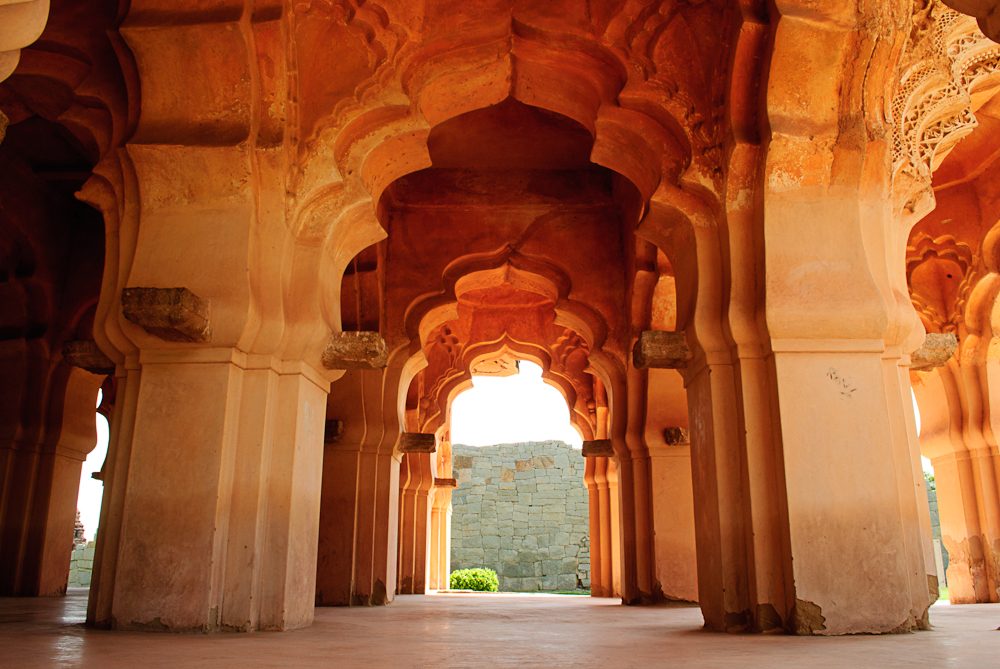
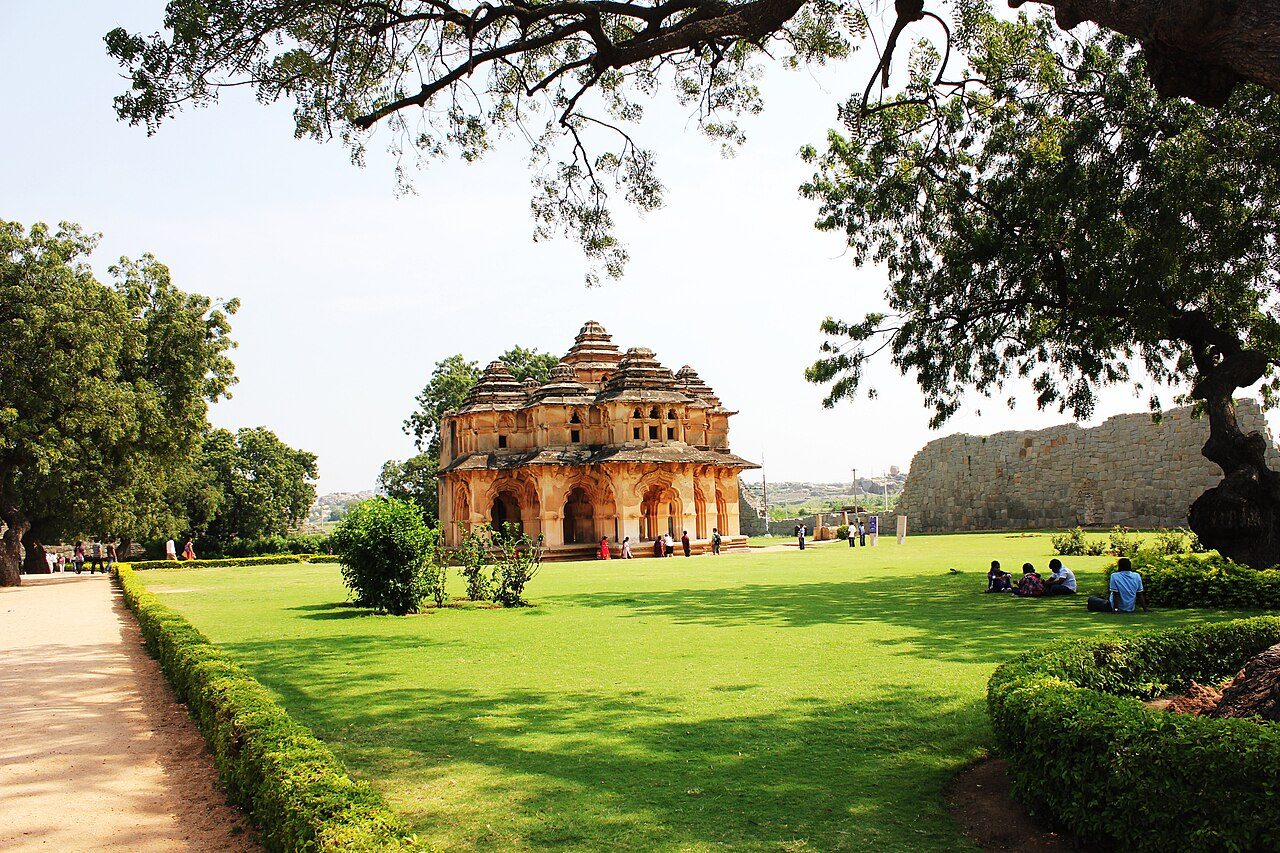
Within the Zenana Enclosure of Hampi's royal centre, the Lotus Mahal is a two-storey pavilion whose arches and domes resemble the opening petals of a lotus. Its design blends Hindu and Islamic styles, and it may have been a cool retreat for royal women. The elephant stables nearby are another highlight.
05
STOP 5 OF 11
Badami Cave Temples
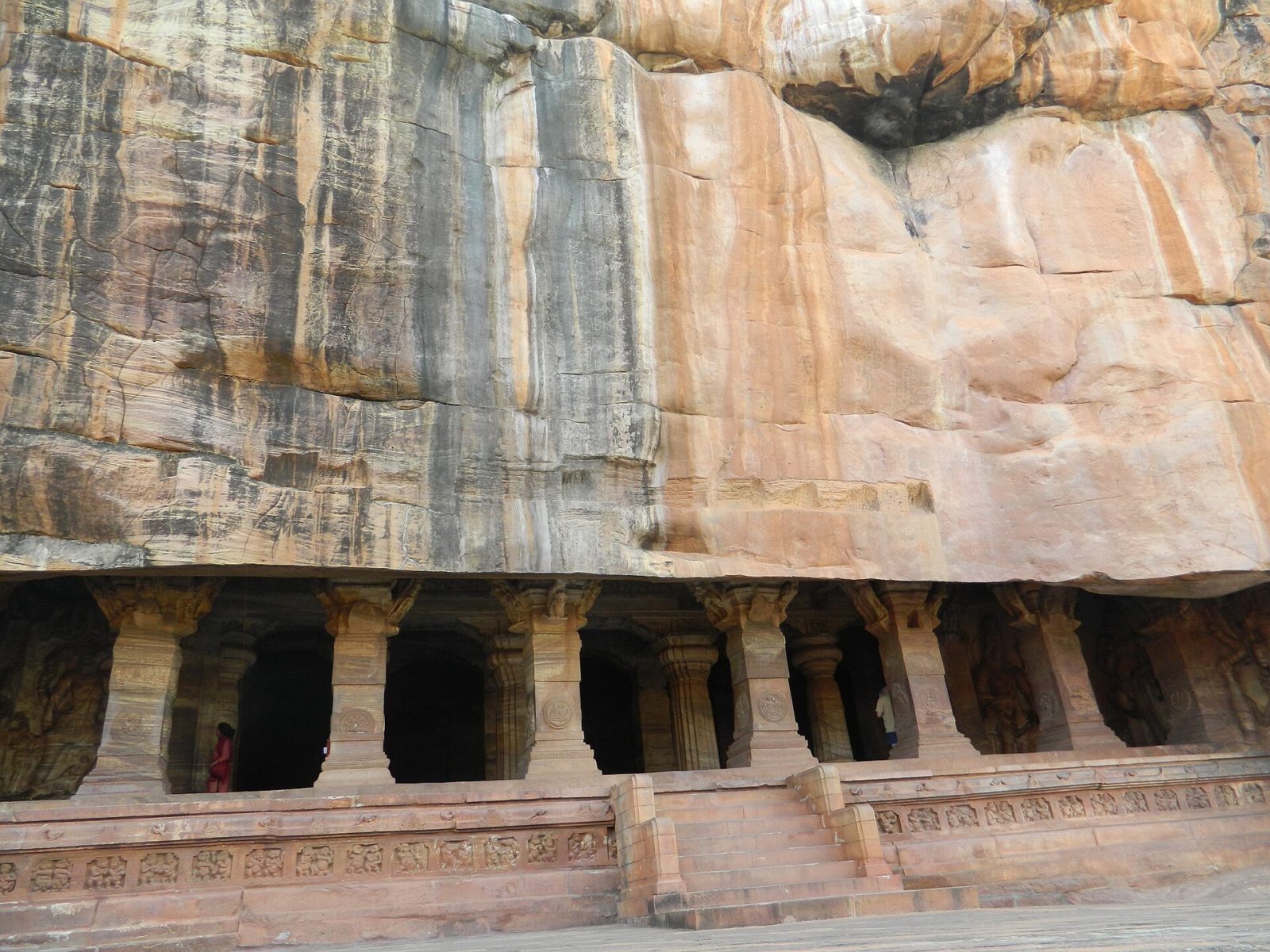
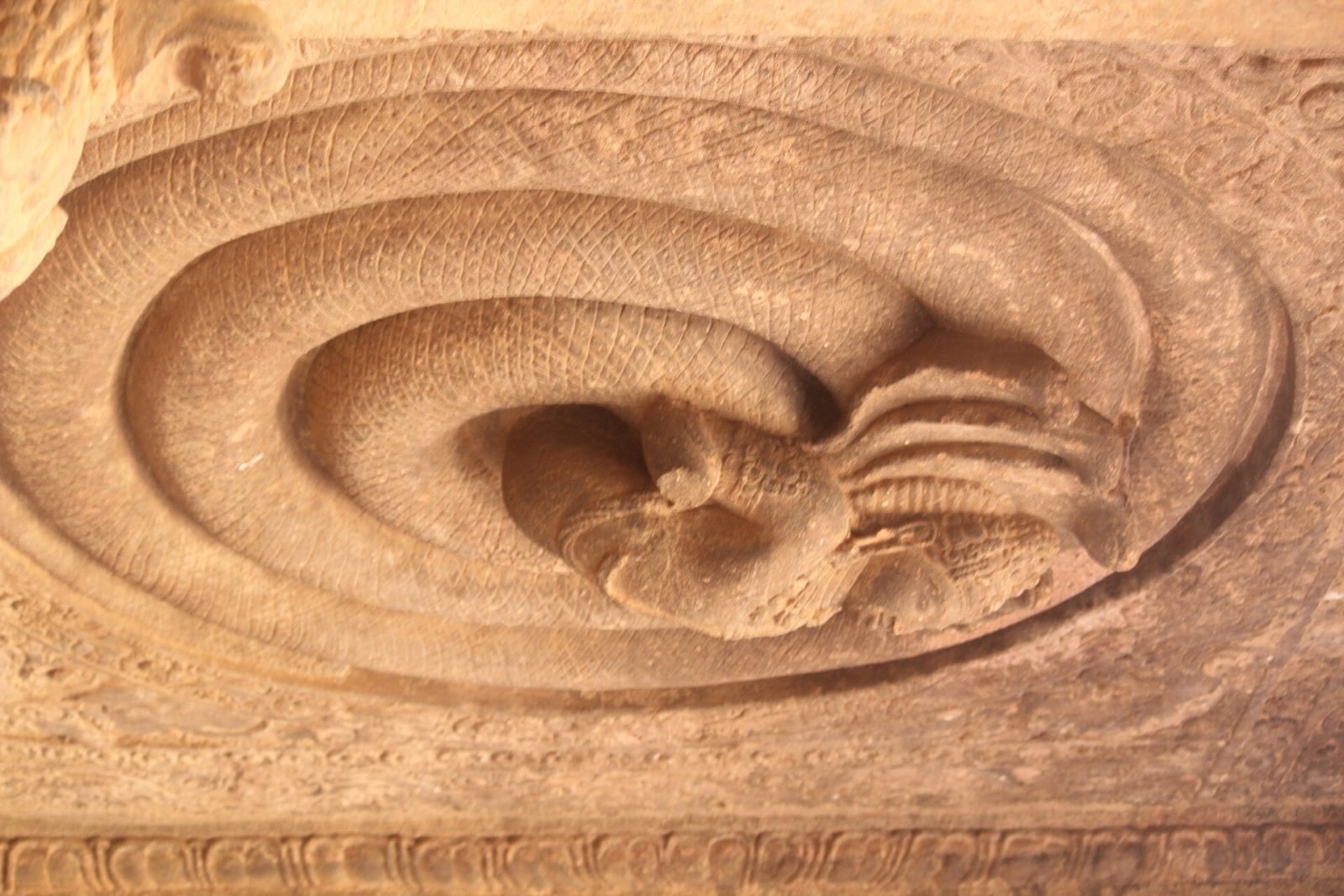
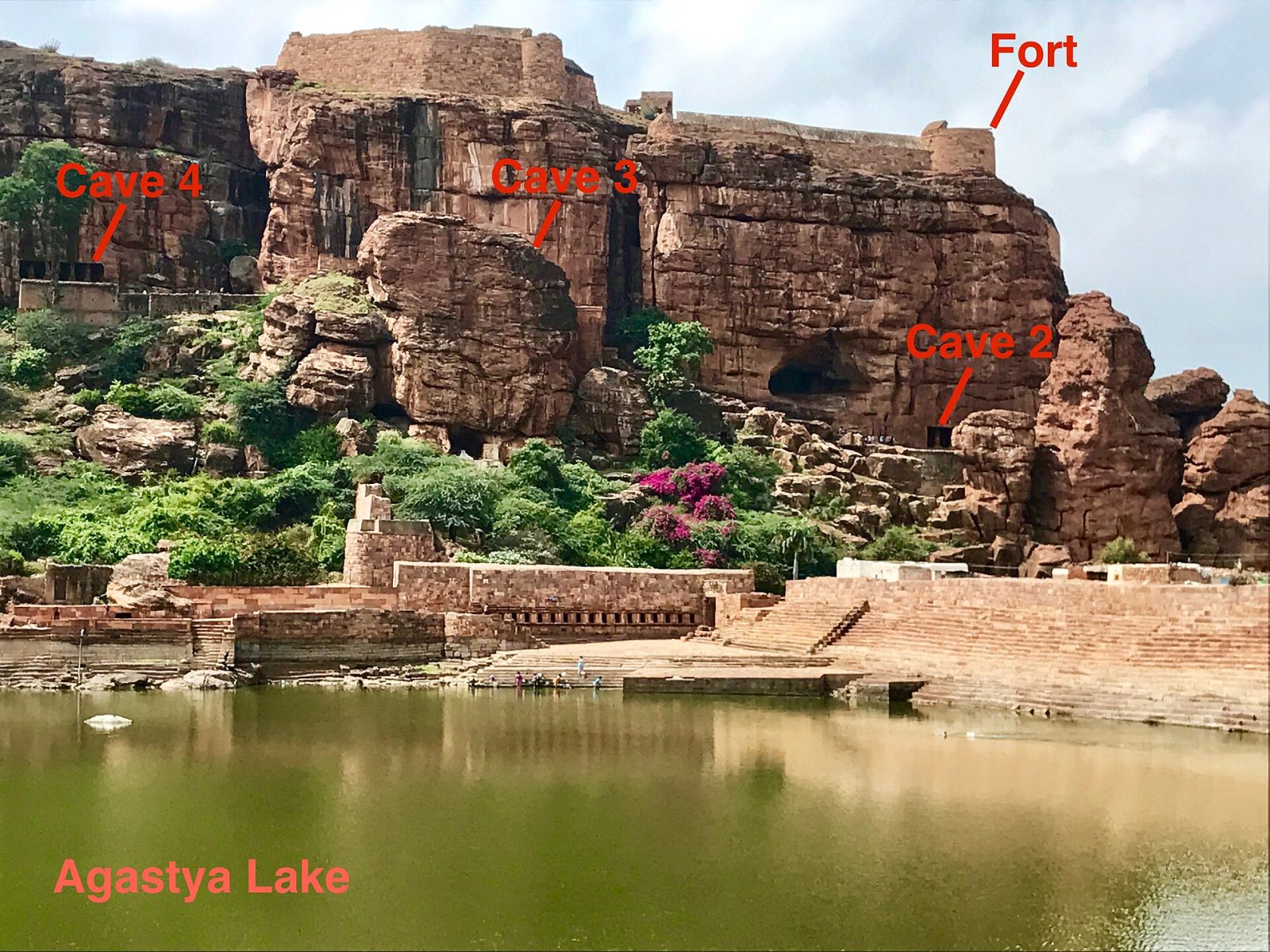
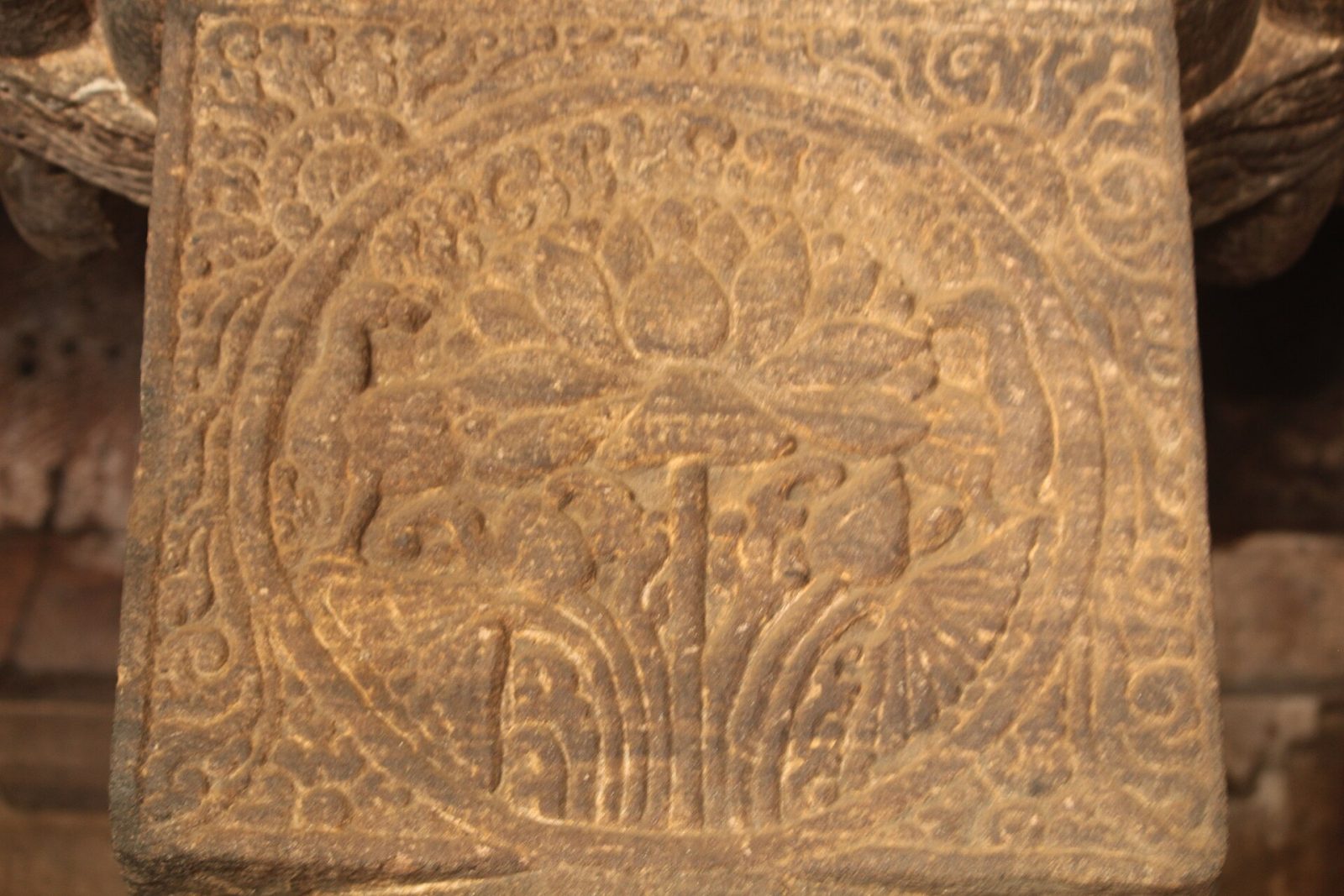
Badami, once Vatapi, was the capital of the Chalukya dynasty in the 6th and 7th centuries, and its four cave temples are cut into a red sandstone cliff above the Agastya lake. Three are Hindu, dedicated to Vishnu and Shiva, and one is Jain, and all are carved directly out of the rock with pillared halls, sculpted panels and painted ceilings. The famous eighteen-armed Nataraja panel at the entrance to Cave 1 shows 81 dance poses in a single figure. Across the lake stand the Bhutanatha temples and the fort on the opposite cliff. Badami forms a circuit with Pattadakal and Aihole, all easily seen in a day or two.
06
STOP 6 OF 11
Banashankari Temple Badami
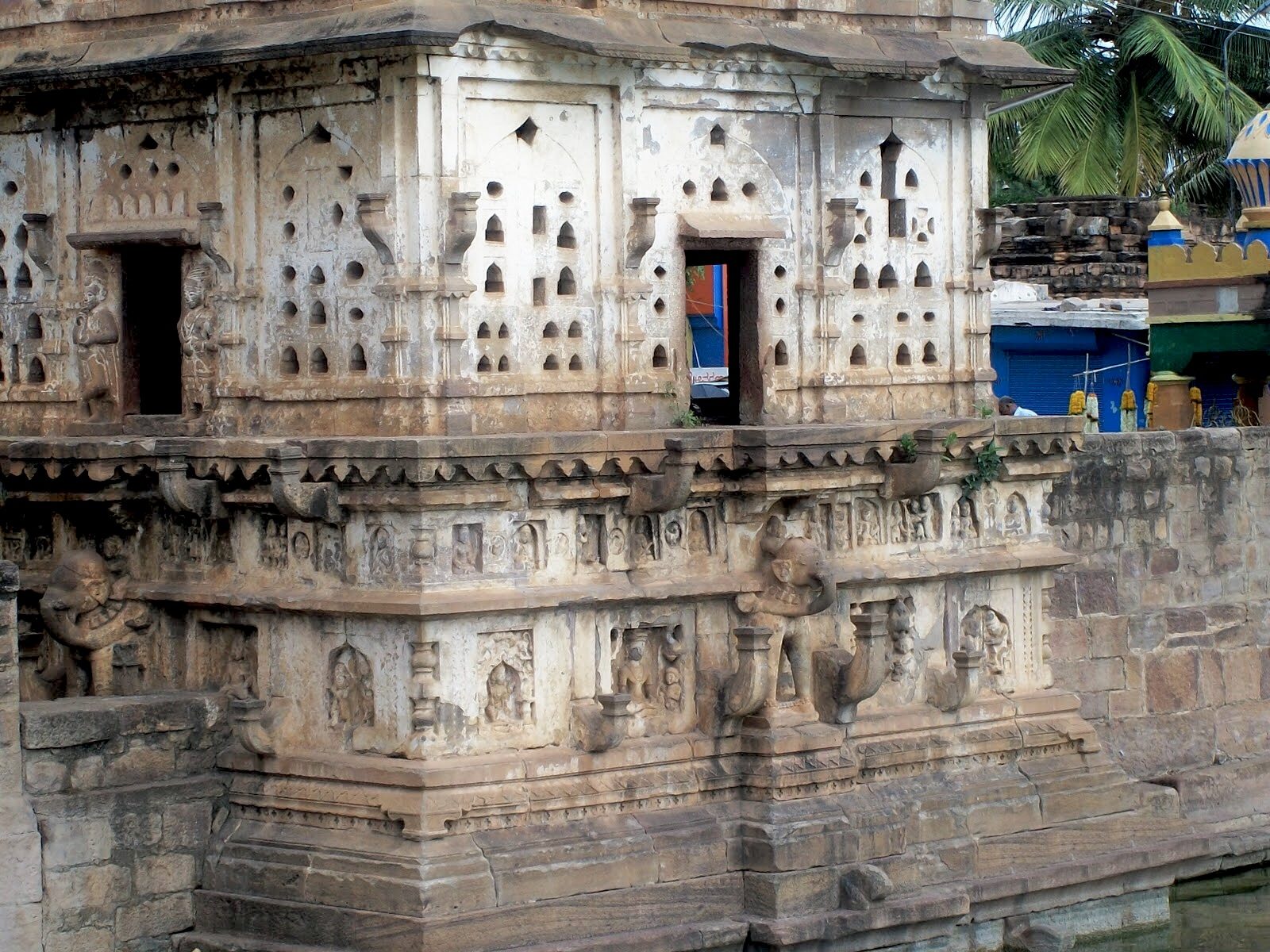
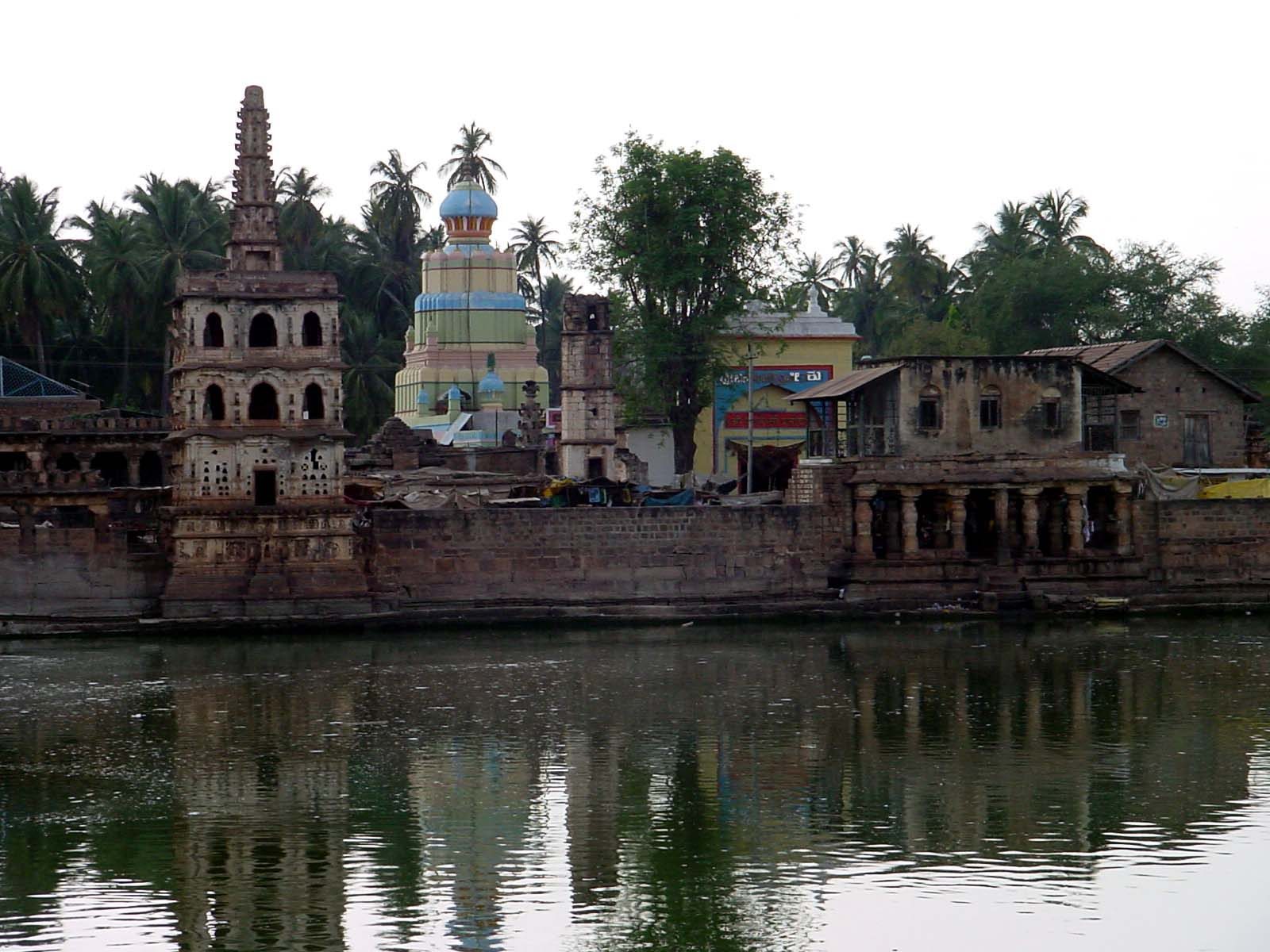
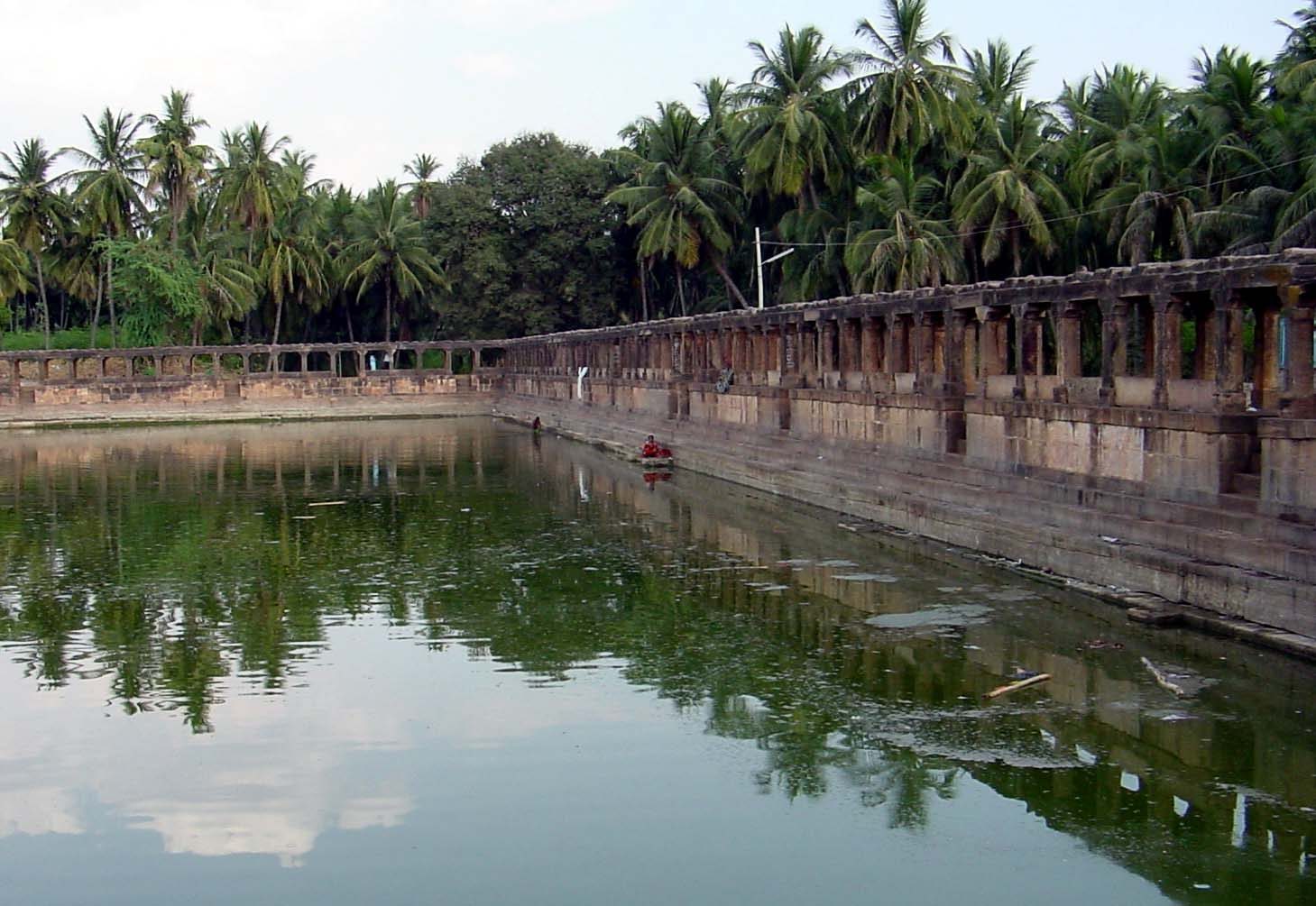
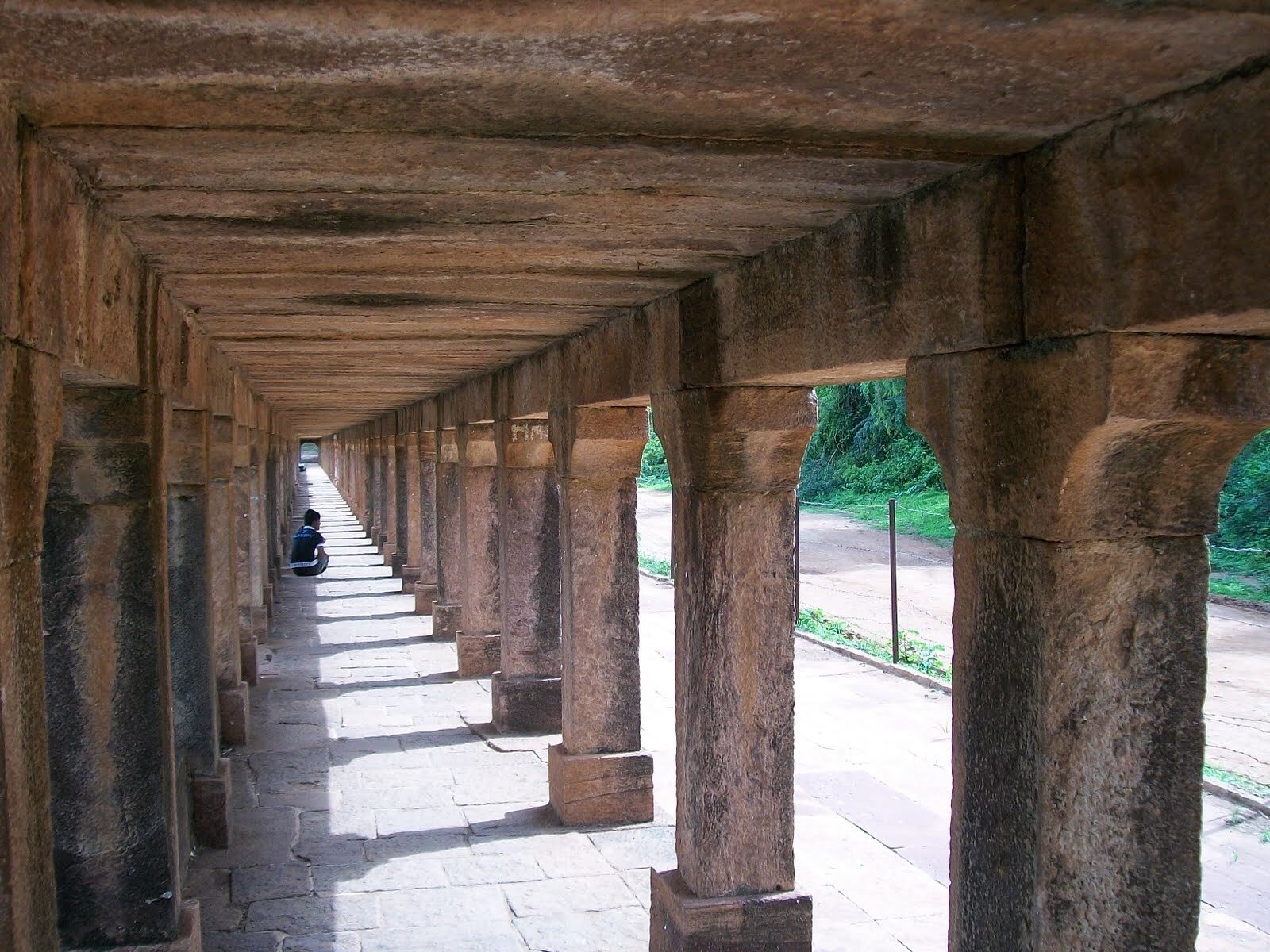
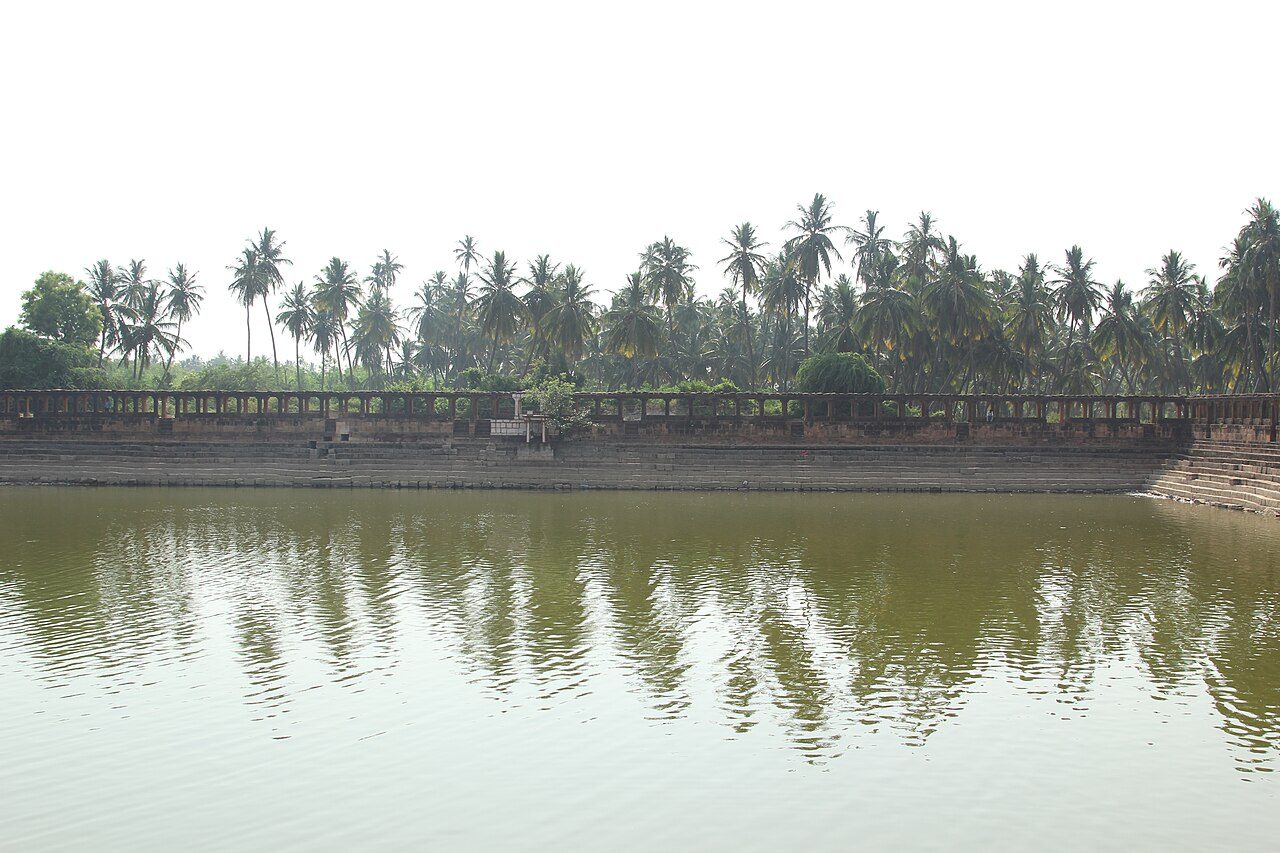
A temple to the goddess Banashankari near Badami, first built by the Chalukyas and rebuilt in the 17th century, it stands beside a large tank surrounded on three sides by stone halls. Its annual fair in January and February draws huge crowds from across Karnataka and Maharashtra.
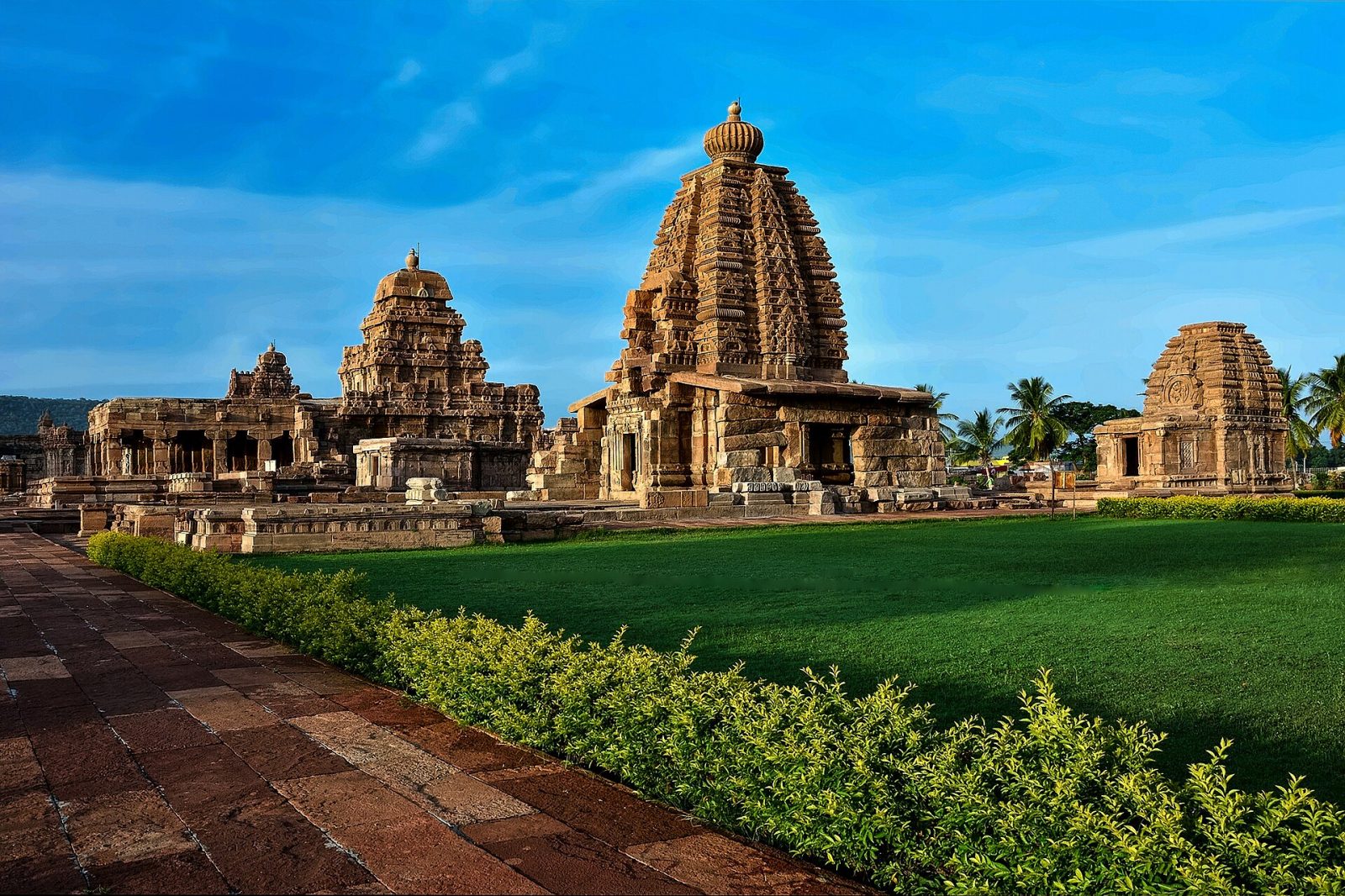
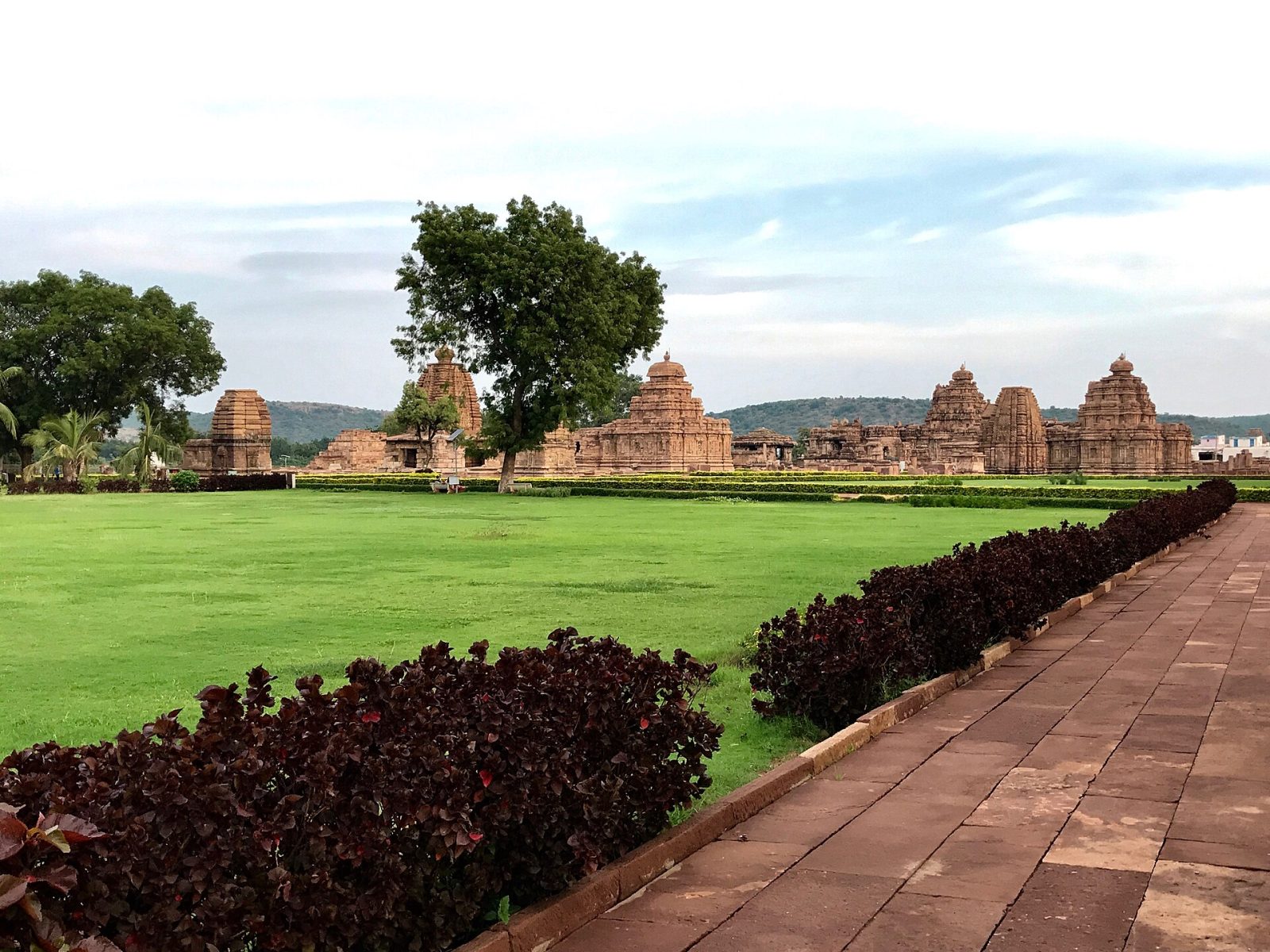
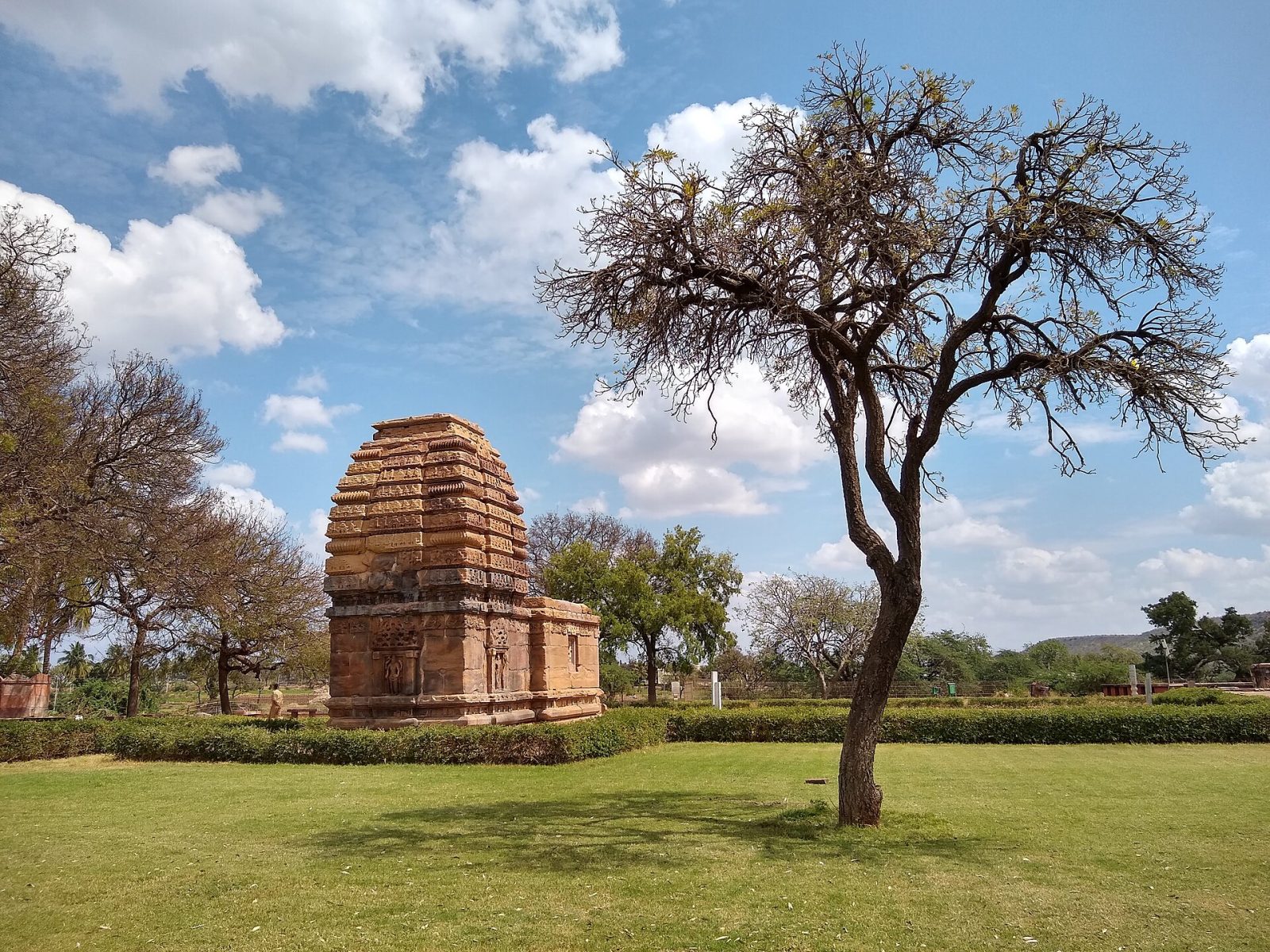
Pattadakal on the Malaprabha river was where the Chalukya kings were crowned, and its cluster of eighth-century temples is a UNESCO World Heritage Site. What makes it remarkable is the mix of styles standing side by side: northern Nagara towers and southern Dravida vimanas built within the same complex, showing architects experimenting across traditions. The largest, the Virupaksha temple, was built by Queen Lokamahadevi to mark a victory over the Pallavas and later served as a model for the Kailasa temple at Ellora. Carved panels tell stories from the Ramayana, Mahabharata and Puranas. It is about 22 km from Badami and 10 km from Aihole.
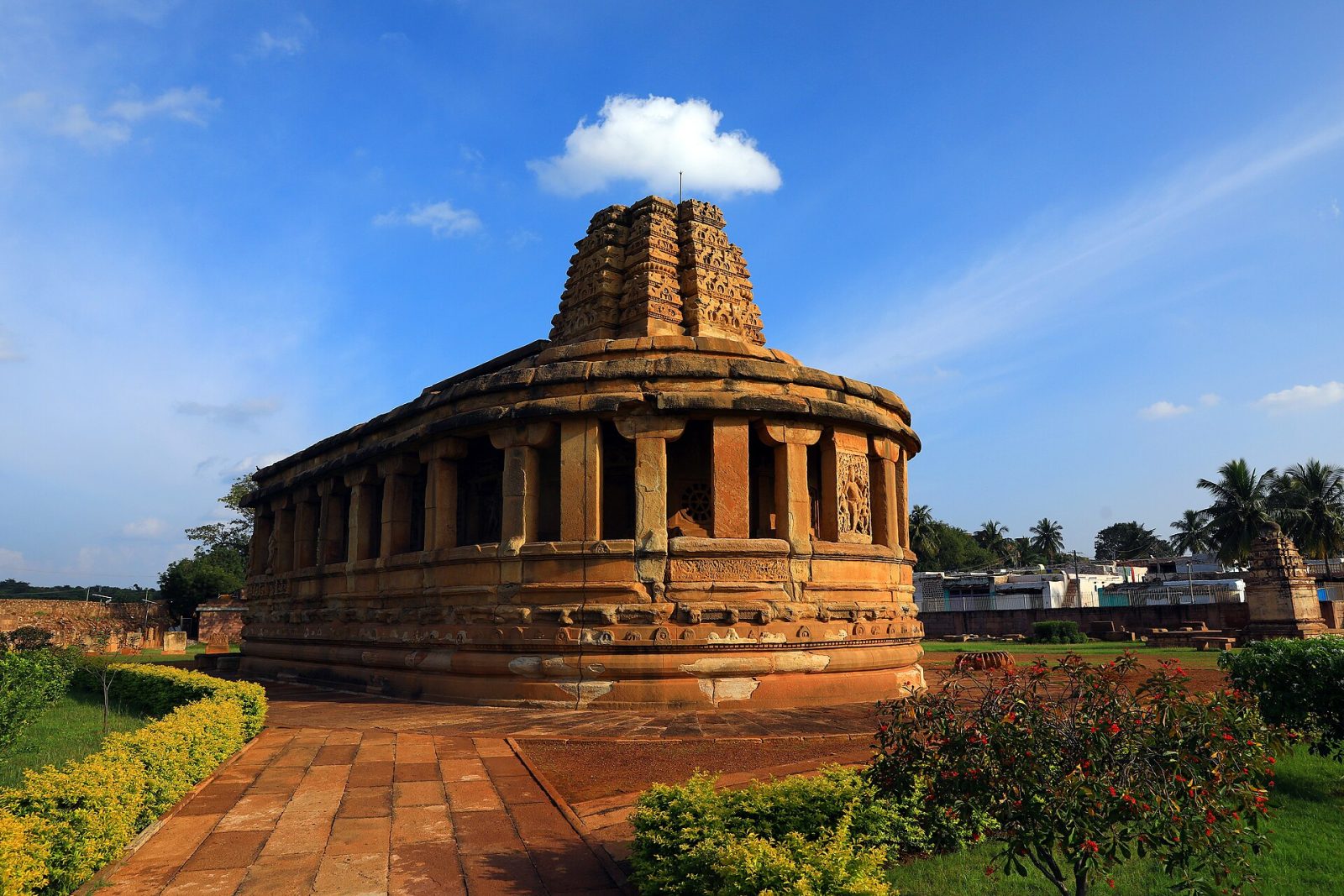
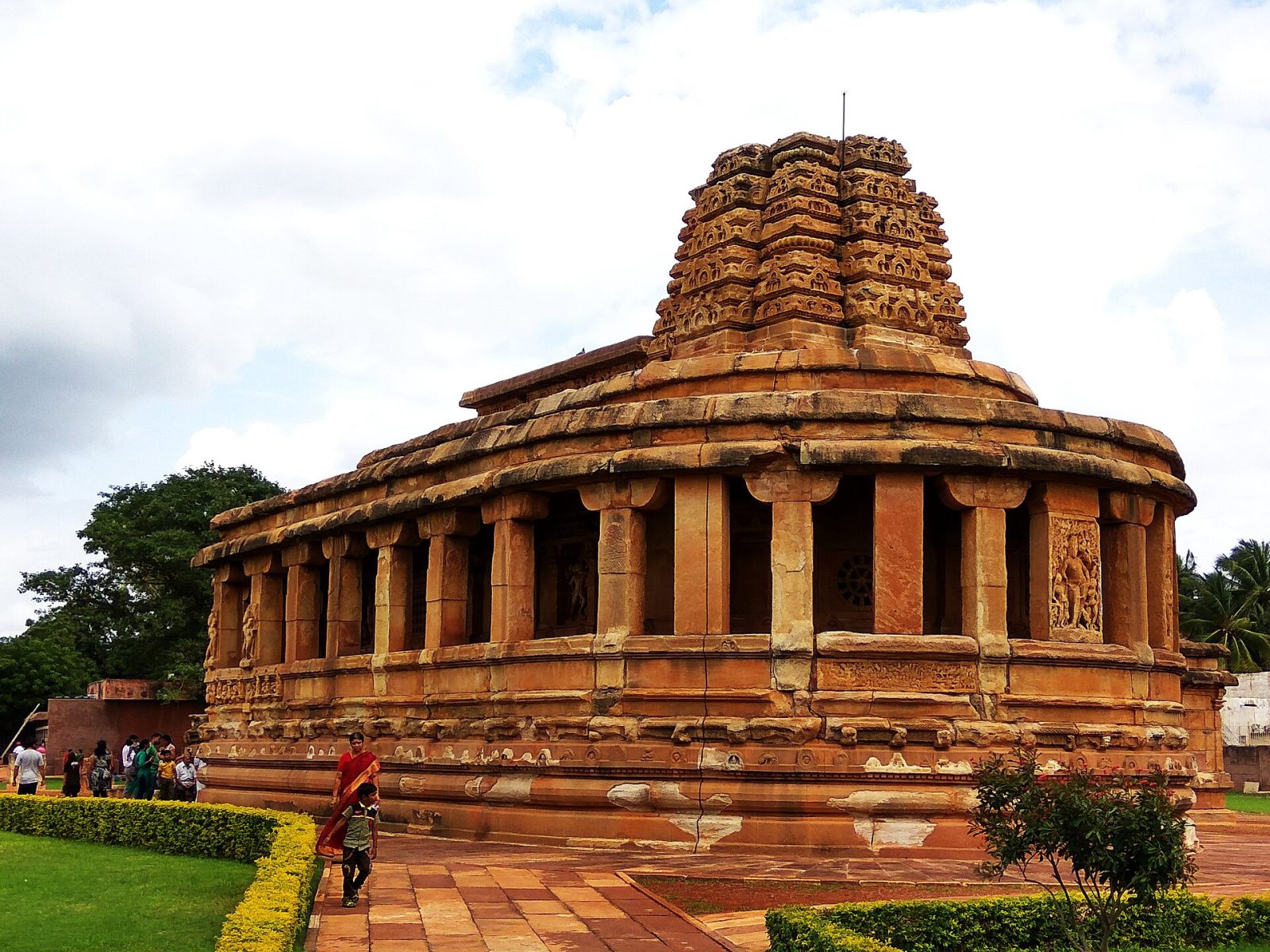
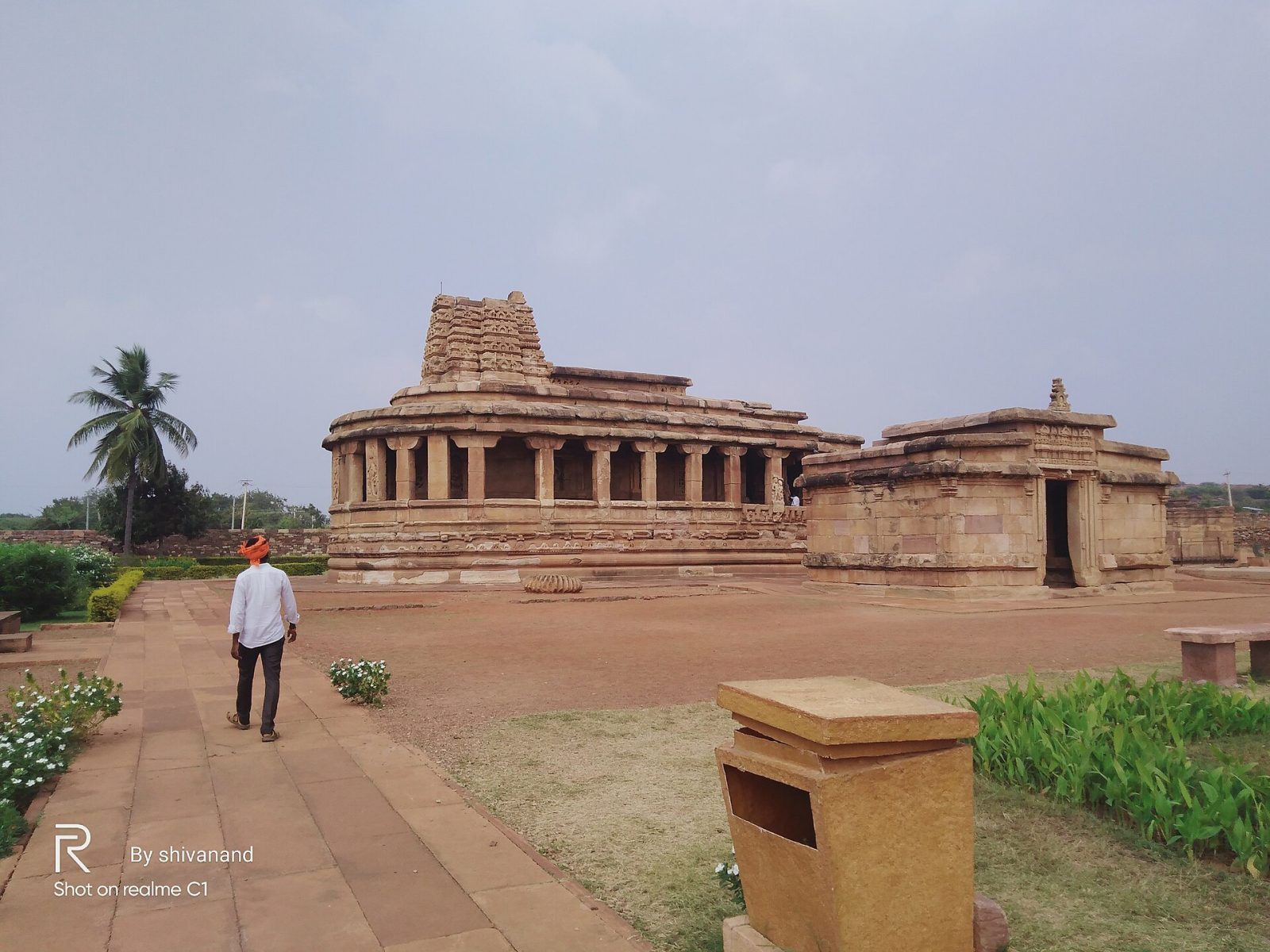
Aihole, on the Malaprabha in Bagalkot district, is often called the cradle of Indian temple architecture, with more than a hundred temples built by the early Chalukyas from the 6th century onward as they worked out new forms in stone. Its best-known building is the Durga temple, with an apsidal plan and a colonnade running around it, unlike anything built before. The Lad Khan temple, one of the earliest, looks almost like a stone house, and the Ravalphadi cave temple holds fine carved panels. An inscription here by the poet Ravikirti records the reign of Pulakeshin II and is an important historical source. The village is quiet, and the temples are scattered among houses and fields.
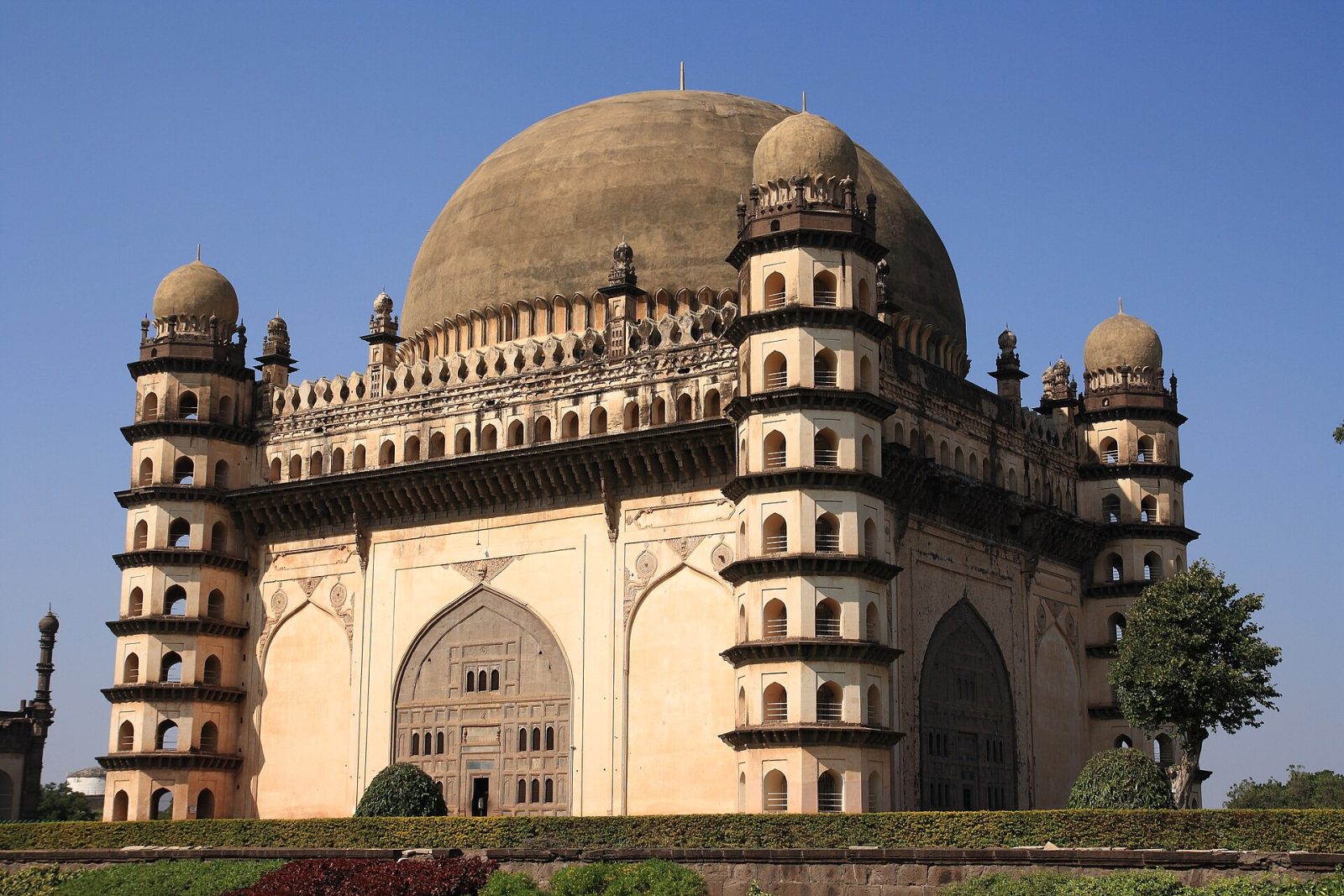
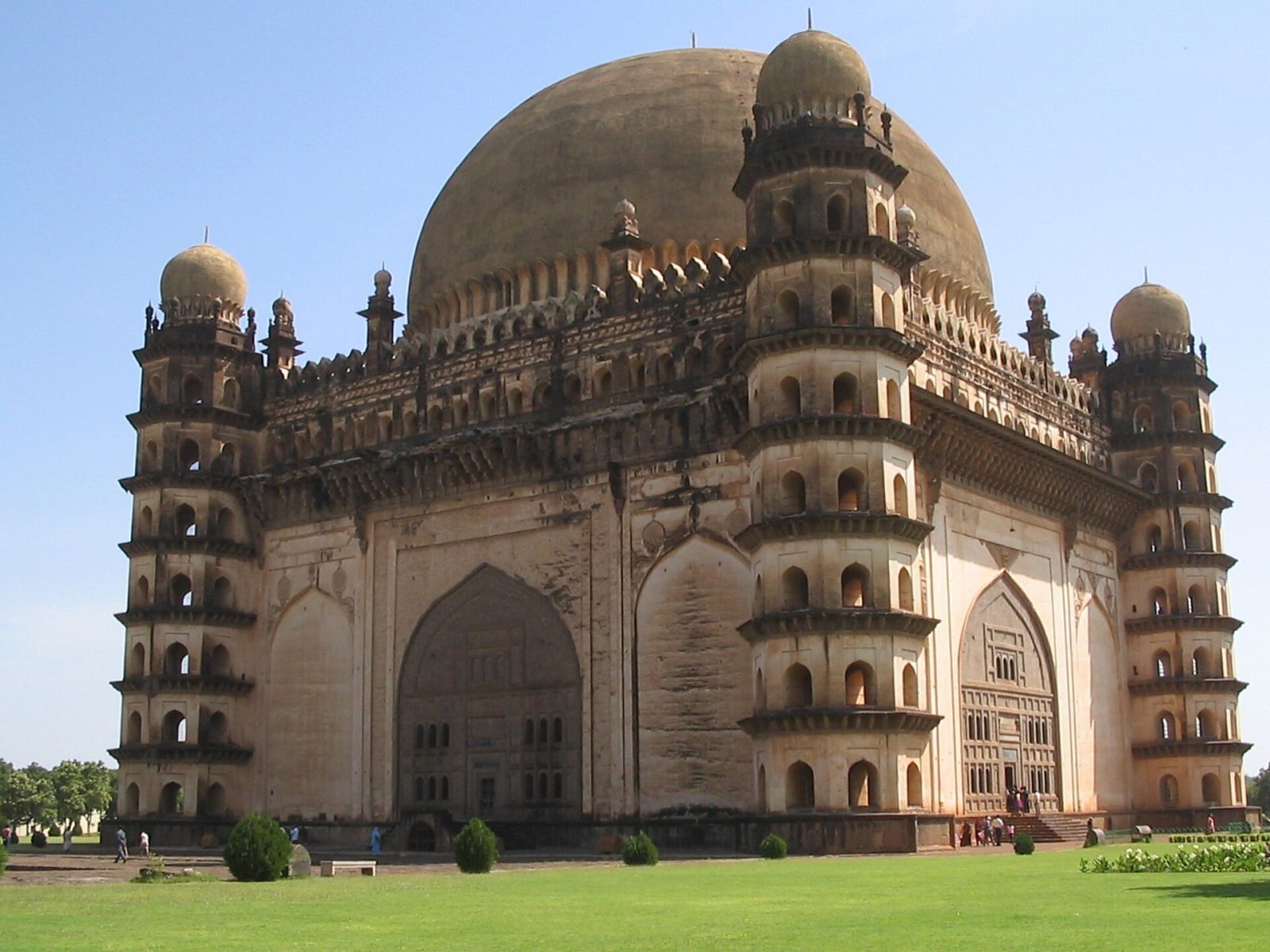
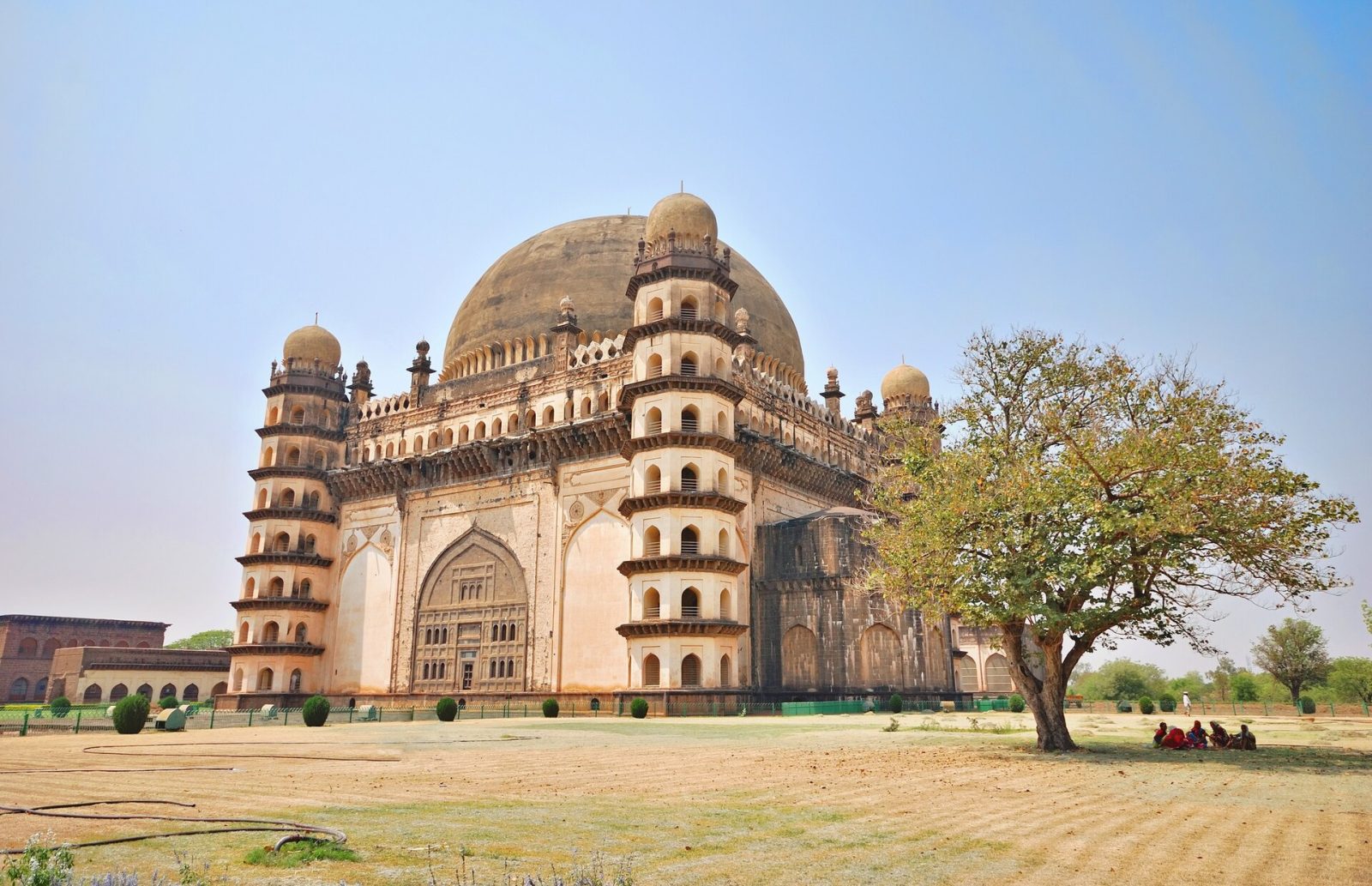
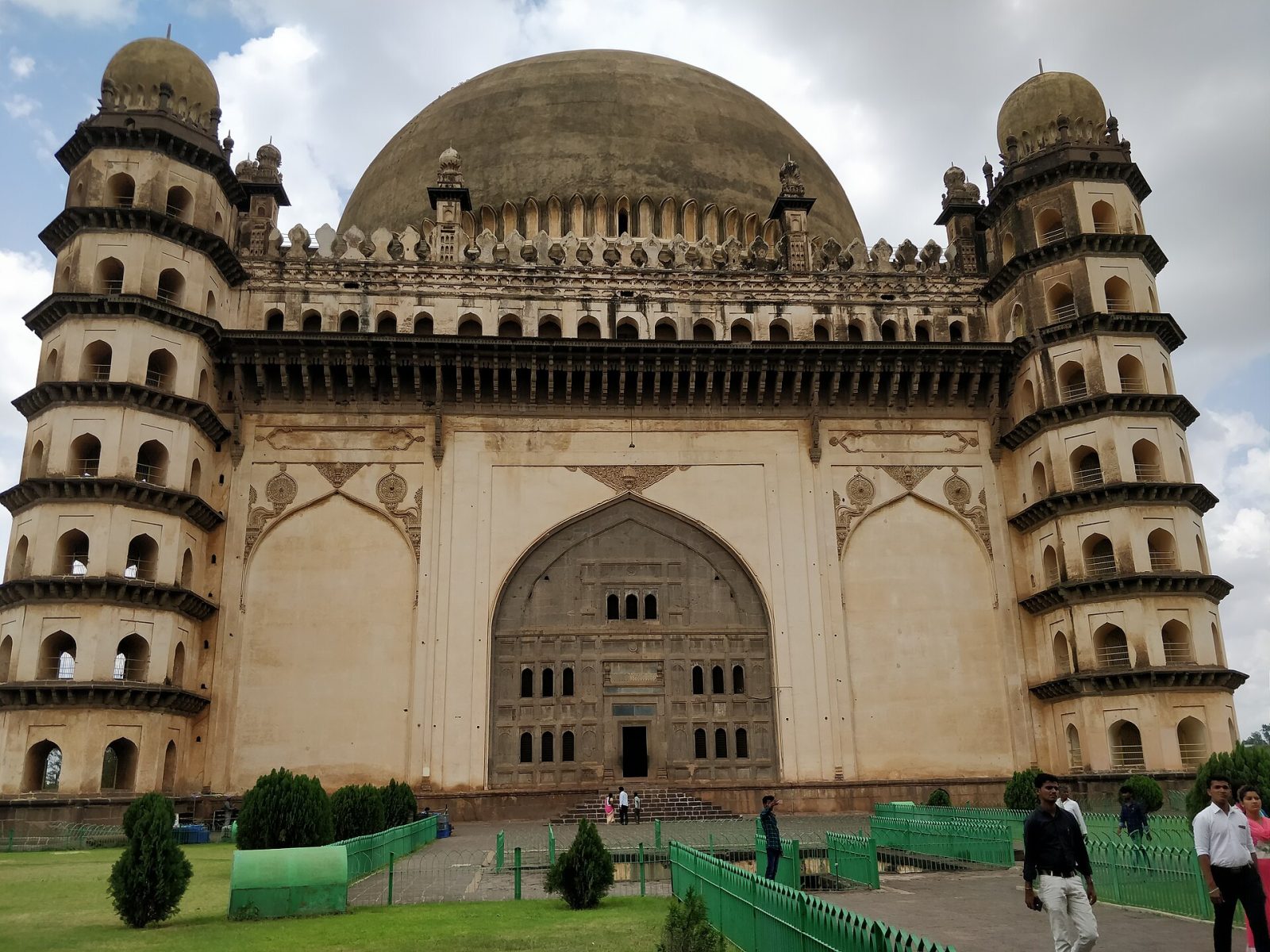
Gol Gumbaz in Vijayapura, formerly Bijapur, is the tomb of Mohammed Adil Shah, completed around 1656. Its dome is about 44 metres across, one of the largest masonry domes in the world, and it stands on a cube of dark grey basalt with seven-storey octagonal towers at the corners. Inside, a single unobstructed hall runs the full width of the building, and the Whispering Gallery that circles the base of the dome carries a whisper clear across the space and echoes many times over. Stairs in one tower climb to that gallery and to a view over the city. The complex includes a mosque, a gateway and a museum in the old assembly hall.
10
STOP 10 OF 11
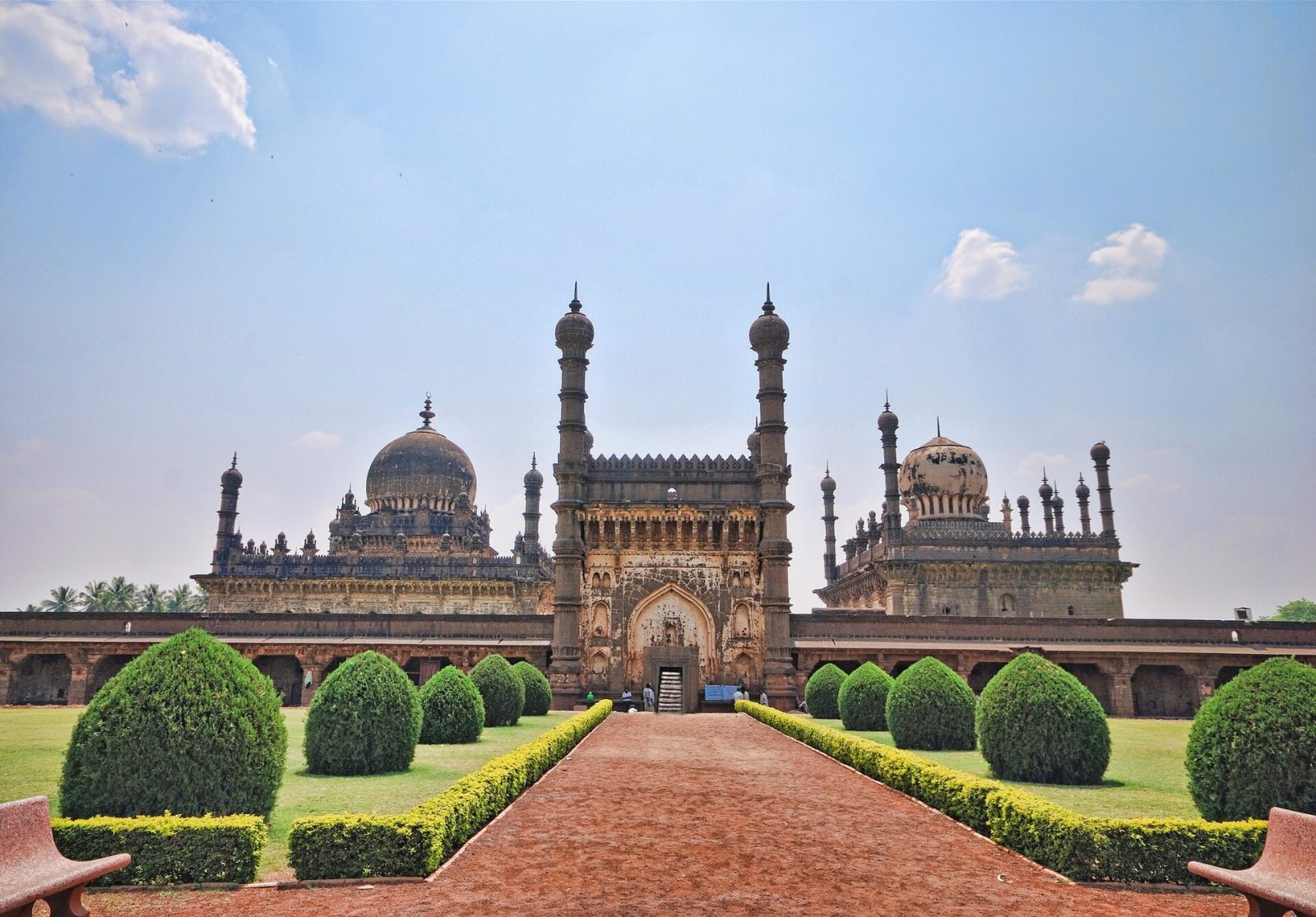
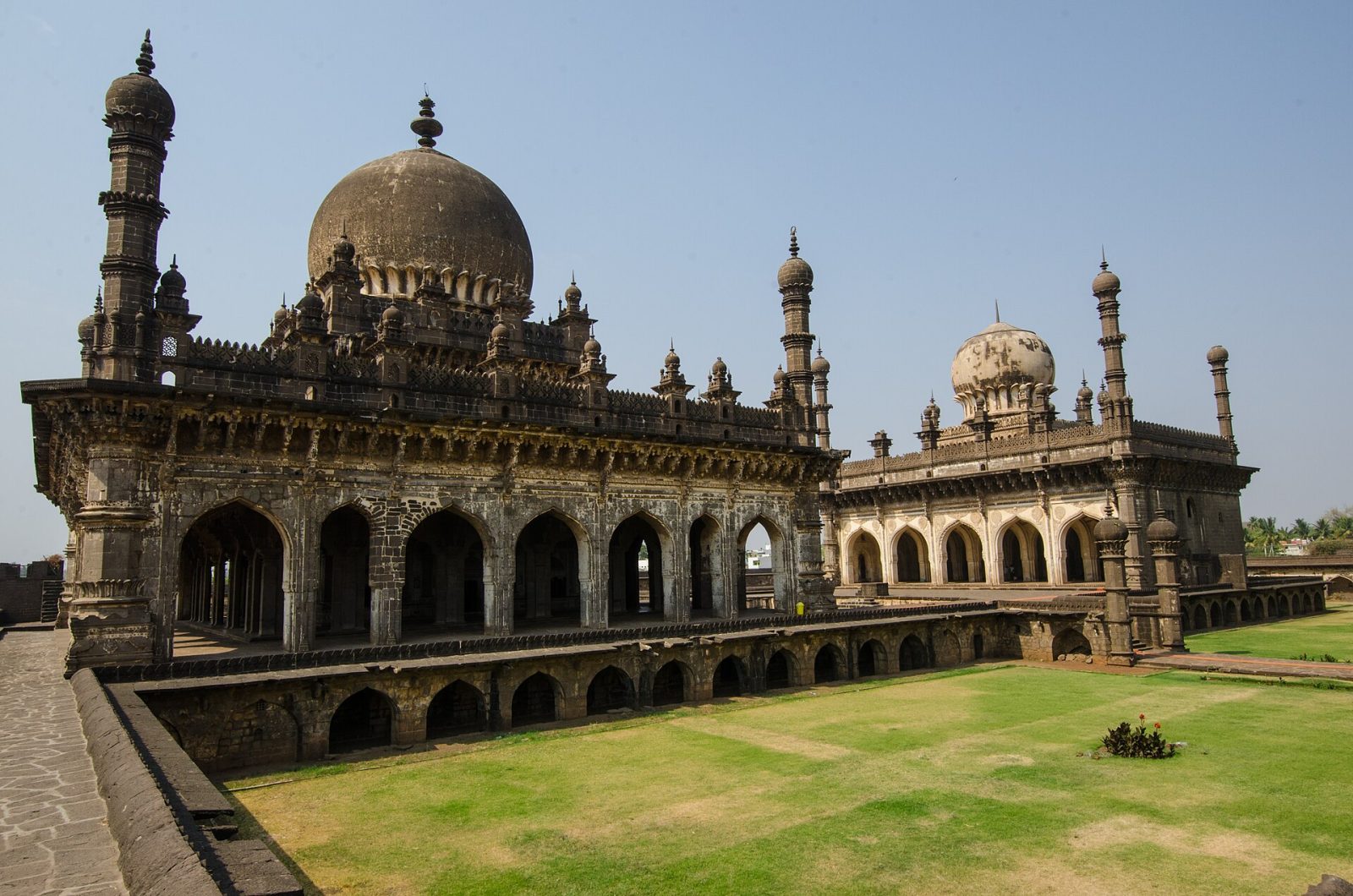
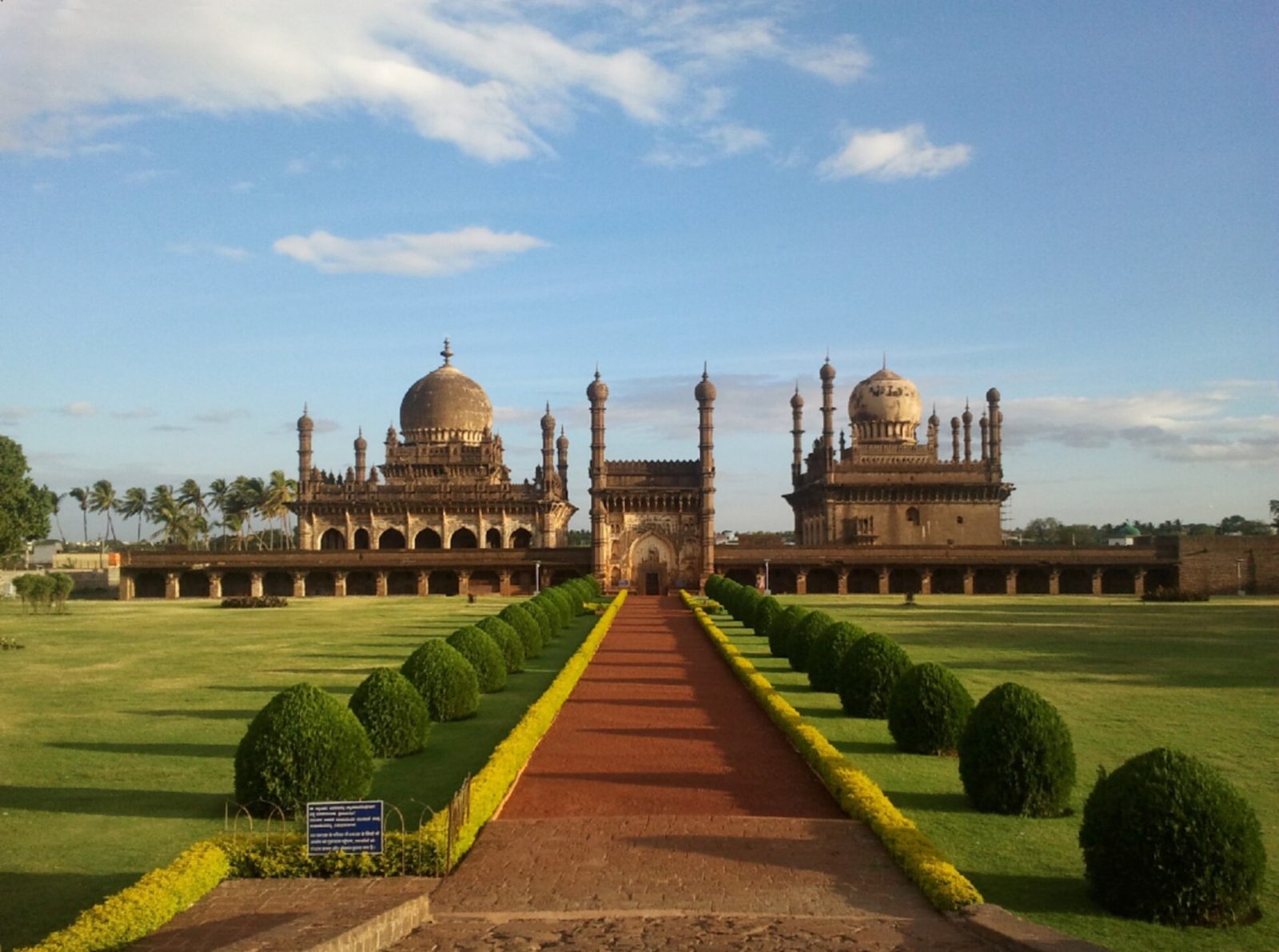
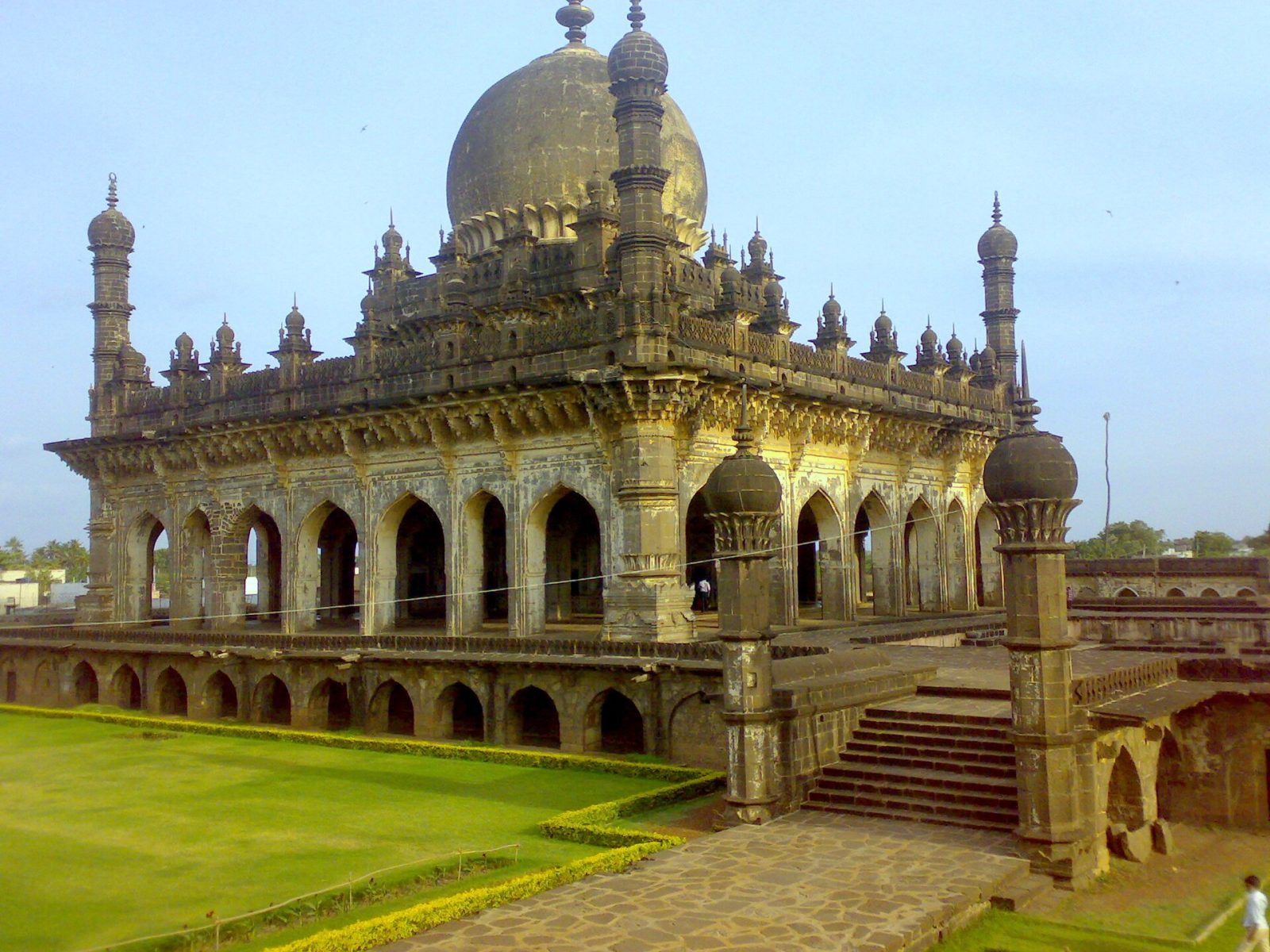
Ibrahim Rauza
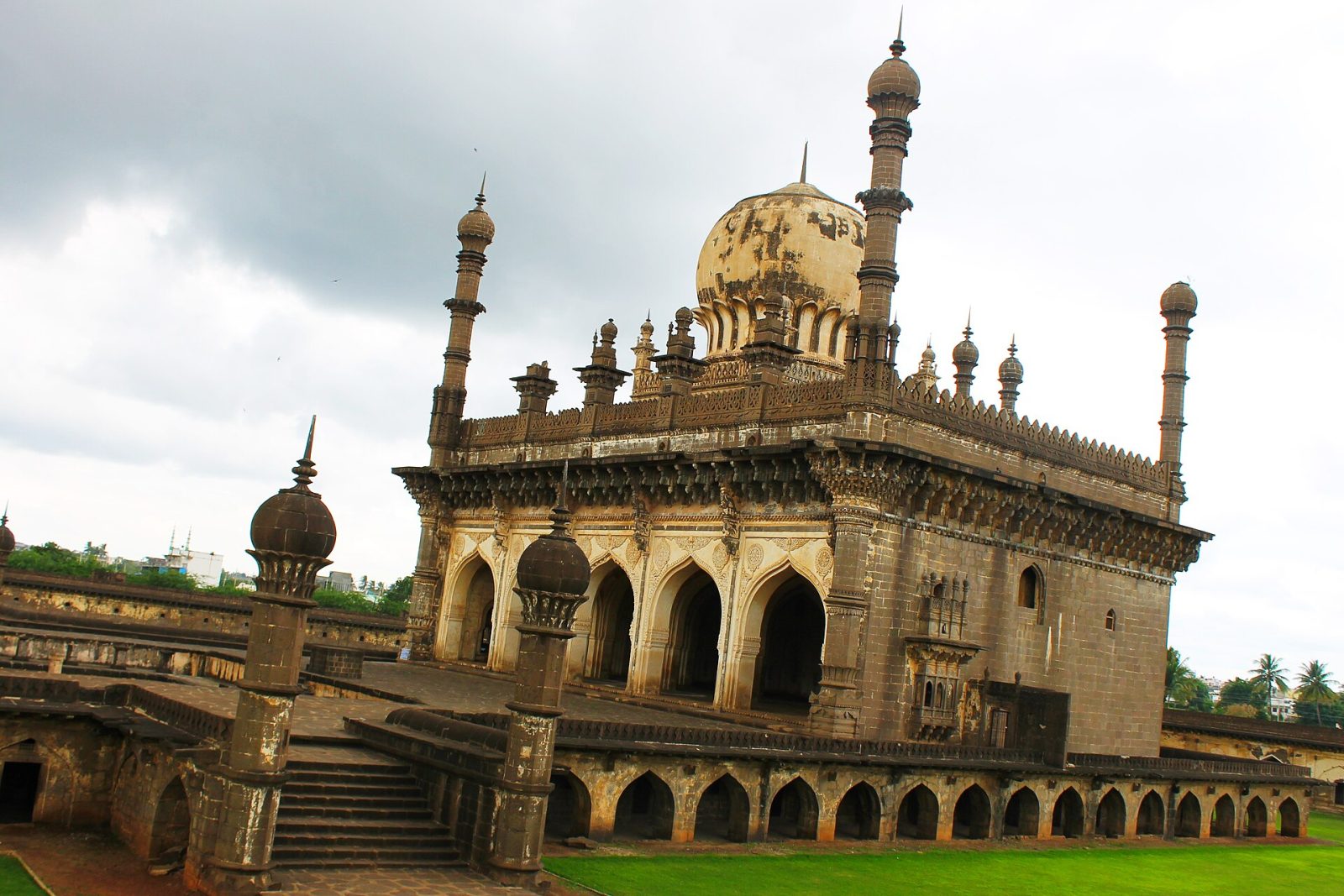
Ibrahim Rauza in Vijayapura holds the tombs of Ibrahim Adil Shah II and his queen Taj Sultana, built in the early 17th century and often called the Taj Mahal of the Deccan. Unusually, the tomb and its mosque face each other on a single raised platform with a garden and fountain between them, balanced so precisely that the two buildings mirror one another. The stonework is the finest in the city: pierced stone screens, carved calligraphy panels and minarets, all in dark basalt. Local tradition says the queen died first and the king was buried beside her later. It is quieter than Gol Gumbaz and best in the soft light of morning or late afternoon.
11
STOP 11 OF 11 · LAST STOP
Bara Kaman
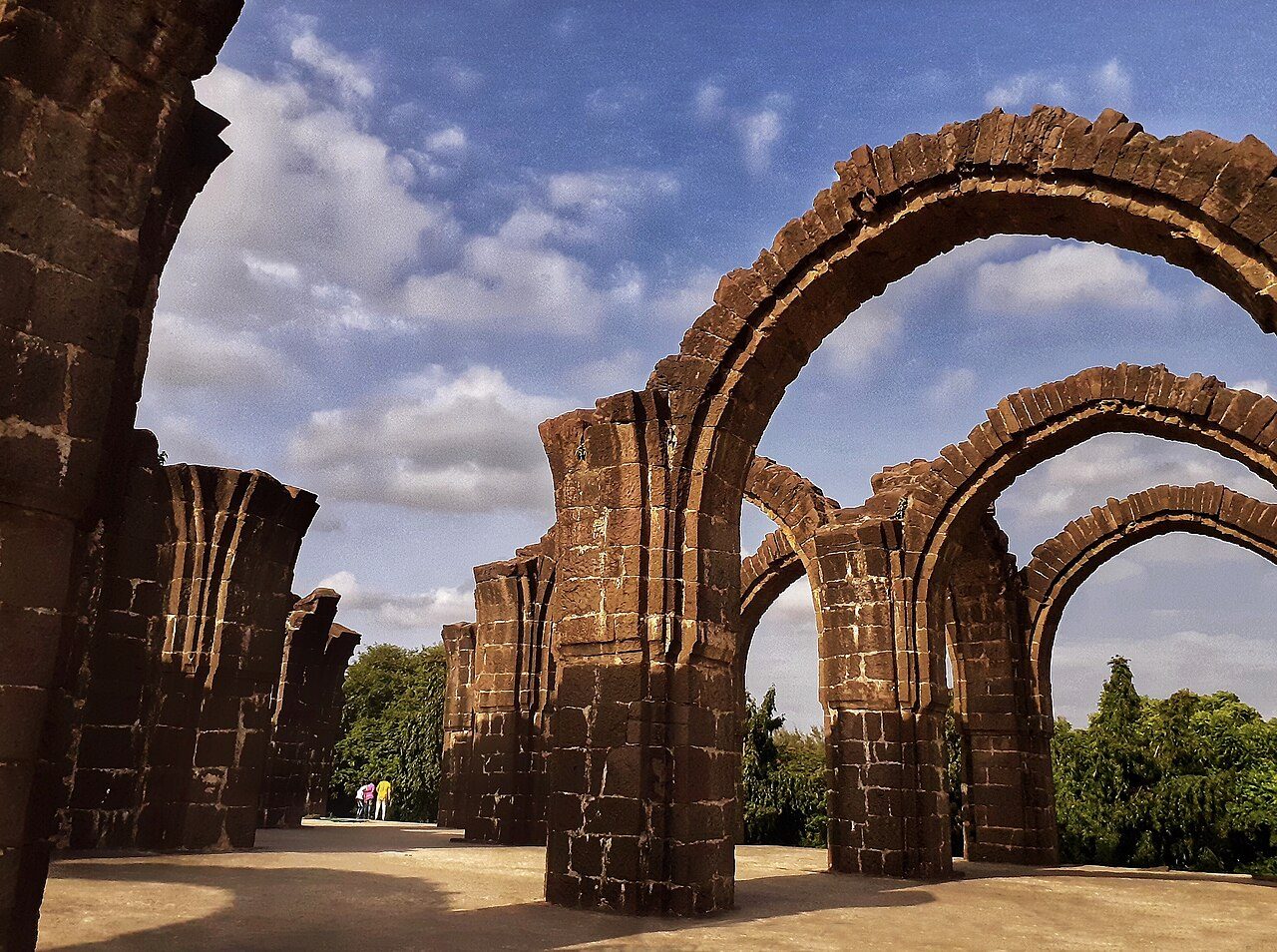
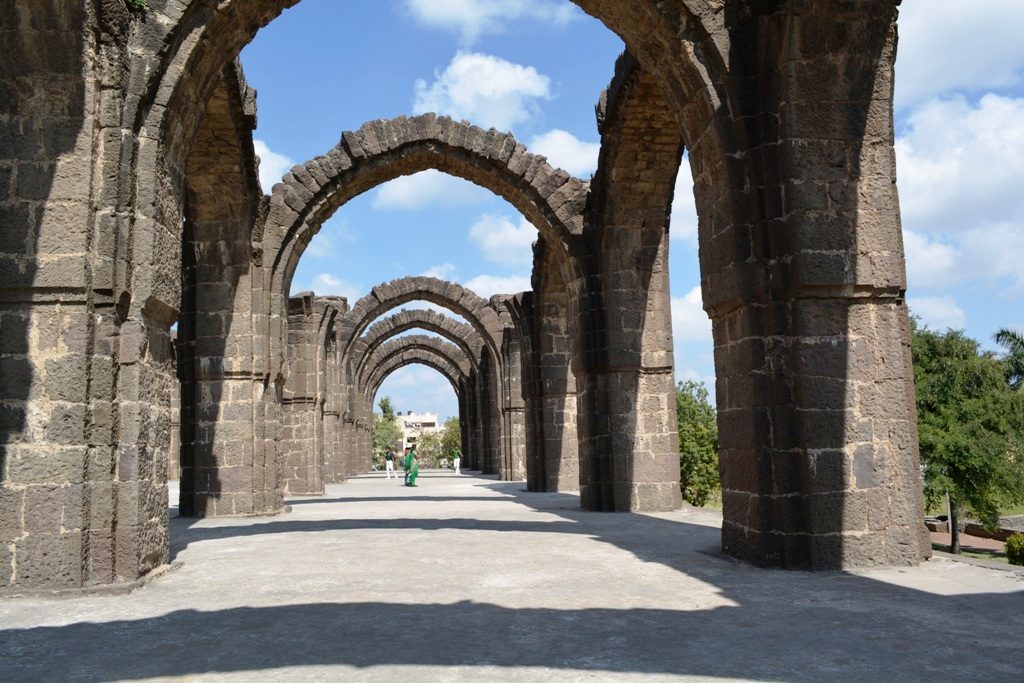
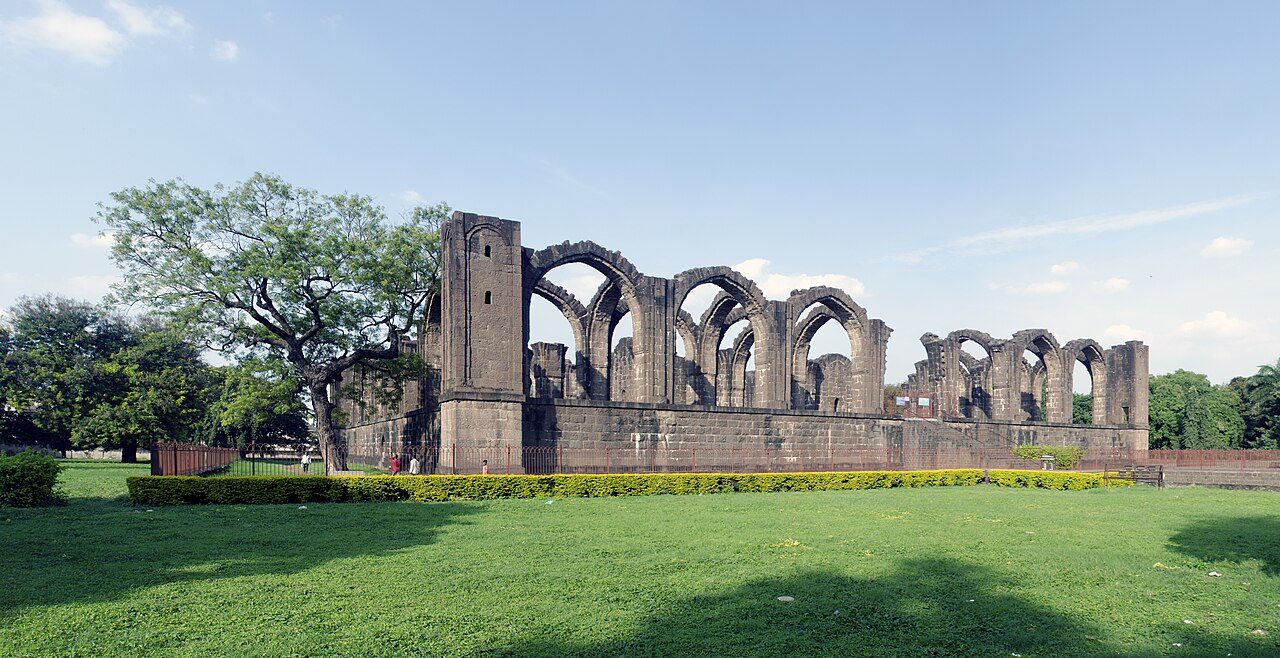
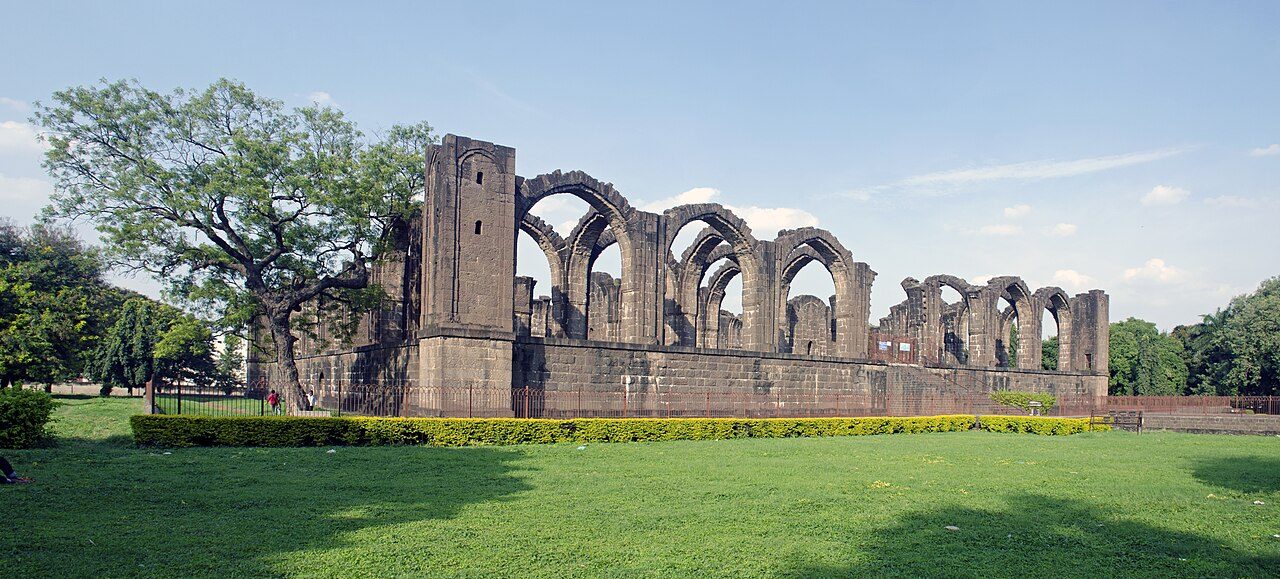
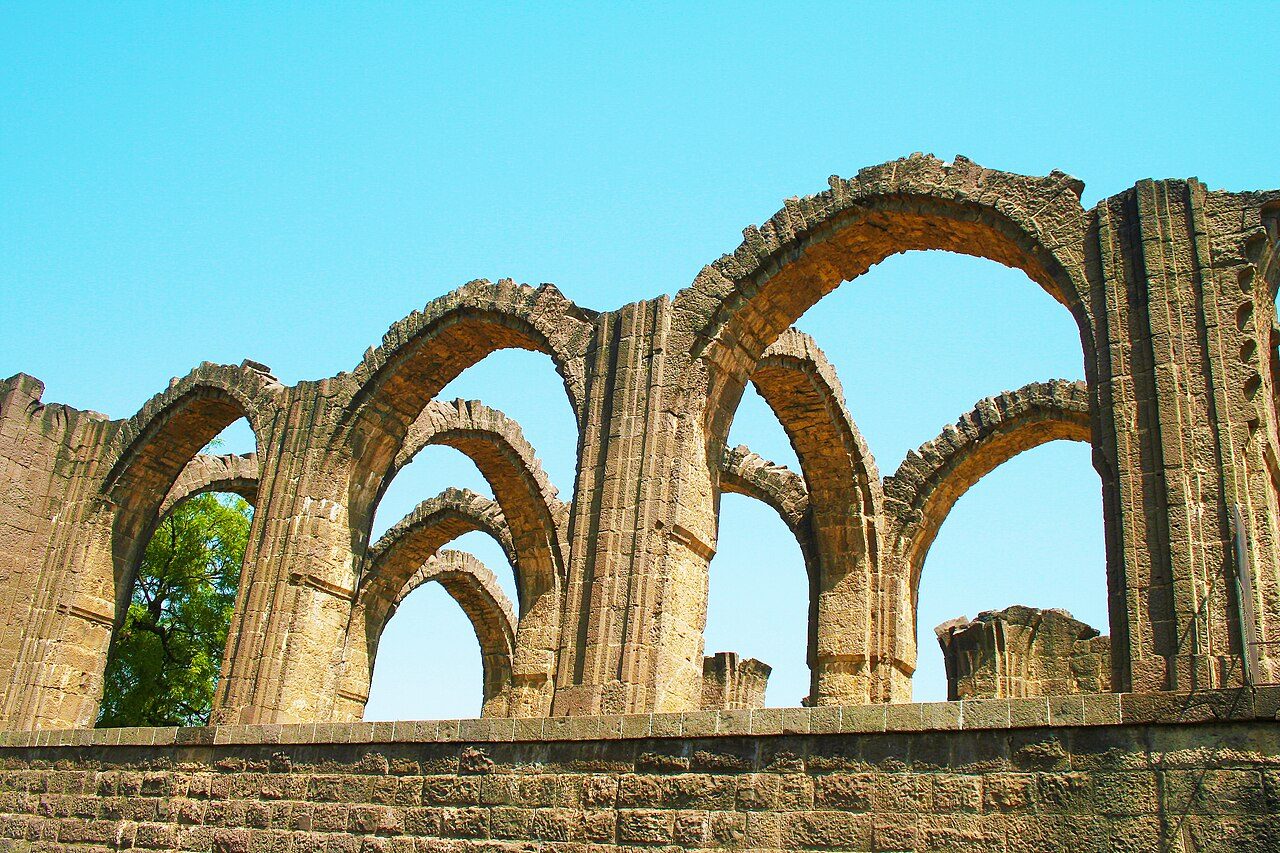
Bara Kaman is the unfinished mausoleum of Ali Adil Shah II, begun in 1672 in Vijayapura. Had it been completed, it would have rivalled the nearby Gol Gumbaz; today twelve tall arches, from which it takes its name, stand in a grid on a raised platform. The ruins are striking in the late afternoon light.
Seasons from 20 years of NASA POWER climate data.
 WaTrips