Hadoti in 3 Days: Bundi's Painted Palace, Kota and the Gagron Water Fort
3 DAYS10 placesby WaTrips
Bundi's painted palace, stepwells and Taragarh, Kota's Garh Palace and the Chambal gorge, the Baroli temples, Gagron water fort and Bhand Devra.
South-east Rajasthan, the Hadoti region, sees few tourists and rewards the ones who come. Bundi is a small blue town under a palace famous for its wall paintings, with Taragarh fort above and beautiful stepwells like Raniji Ki Baori in the lanes below. Day two is in Kota: its Garh Palace museum, the Seven Wonders Park and Garadia Mahadev, a viewpoint high above the Chambal gorge. The last day visits the 10th-century Baroli temples near Rawatbhata, Gagron, a water fort surrounded by rivers on three sides and a UNESCO World Heritage Site, and Bhand Devra, a carved temple often called a mini Khajuraho. Winter is the best time; the drives are short and roads are quiet.
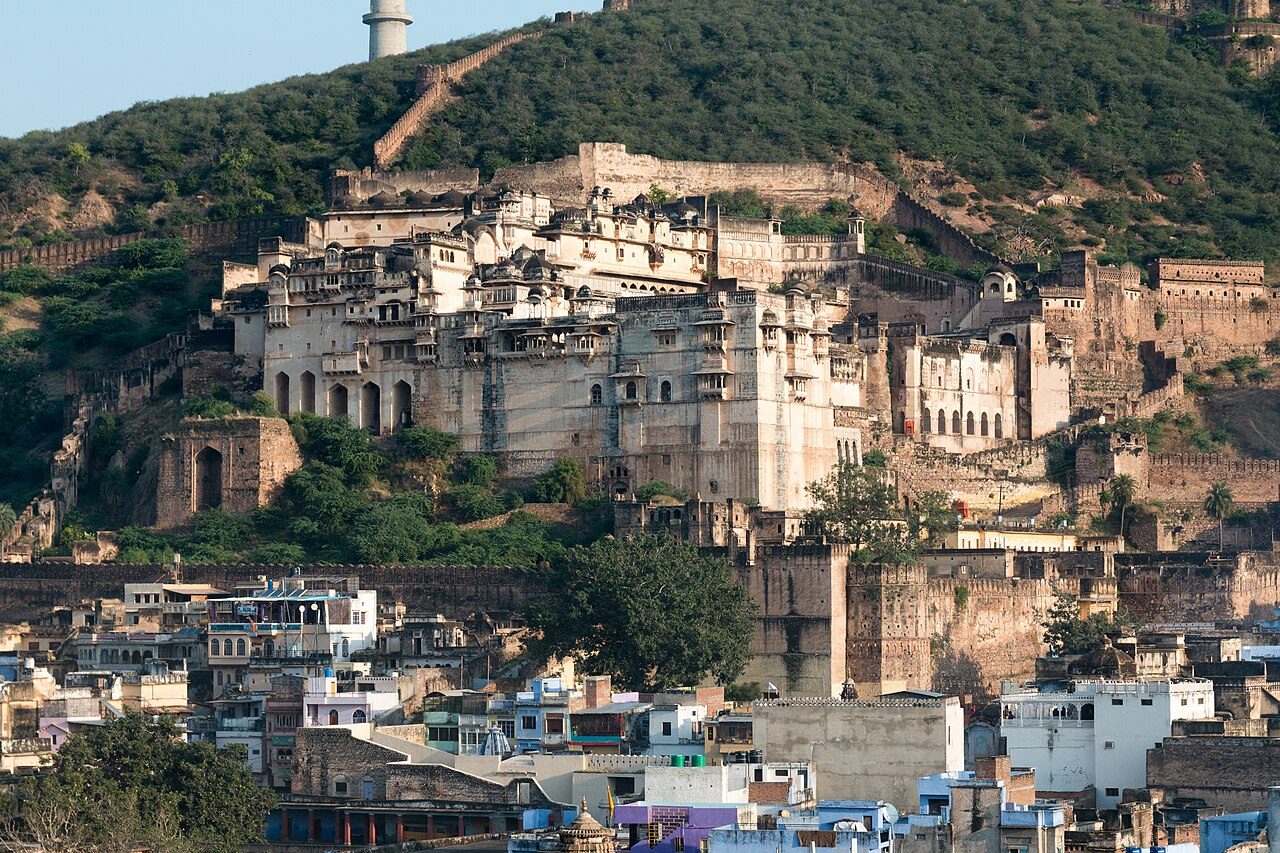
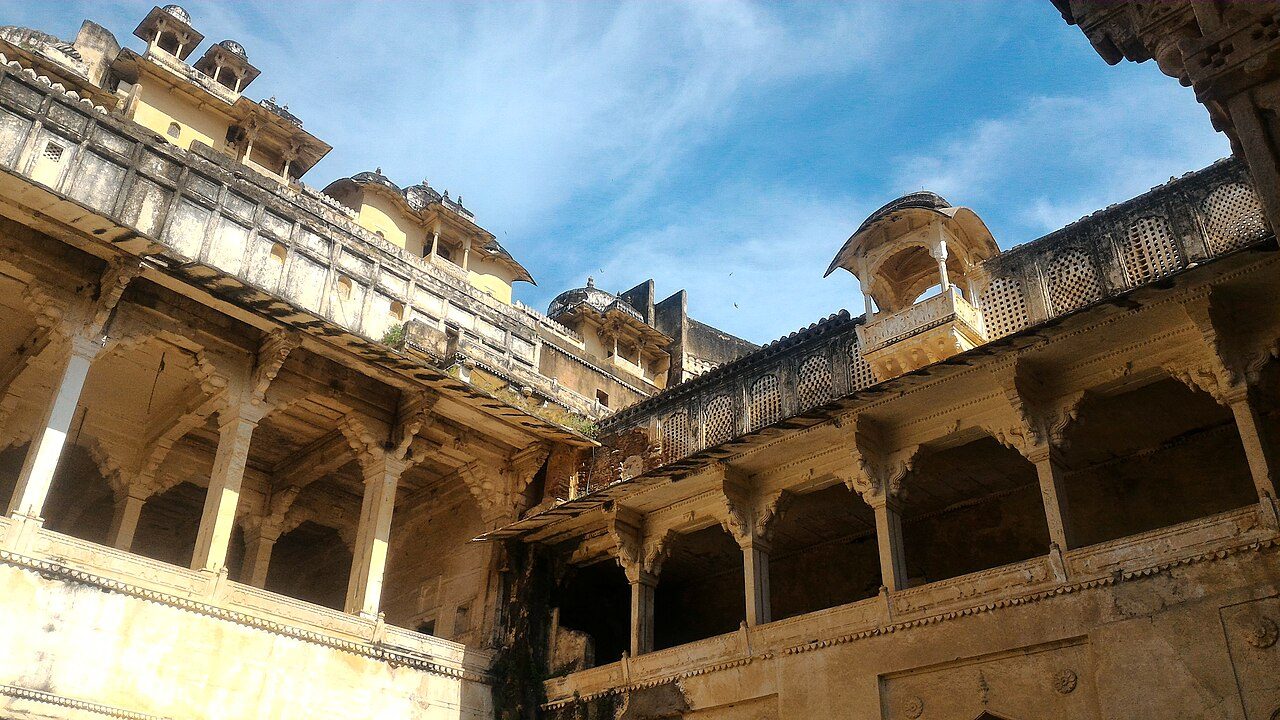
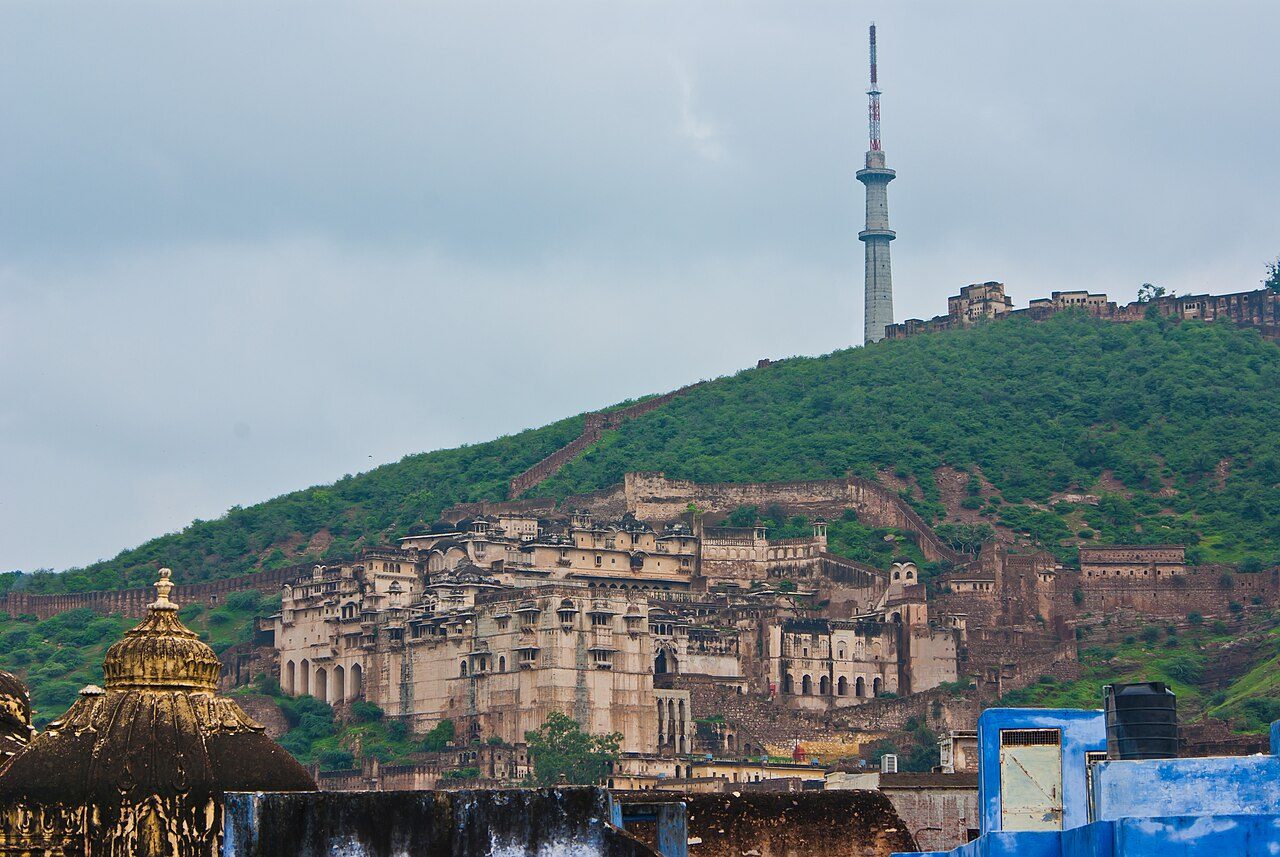
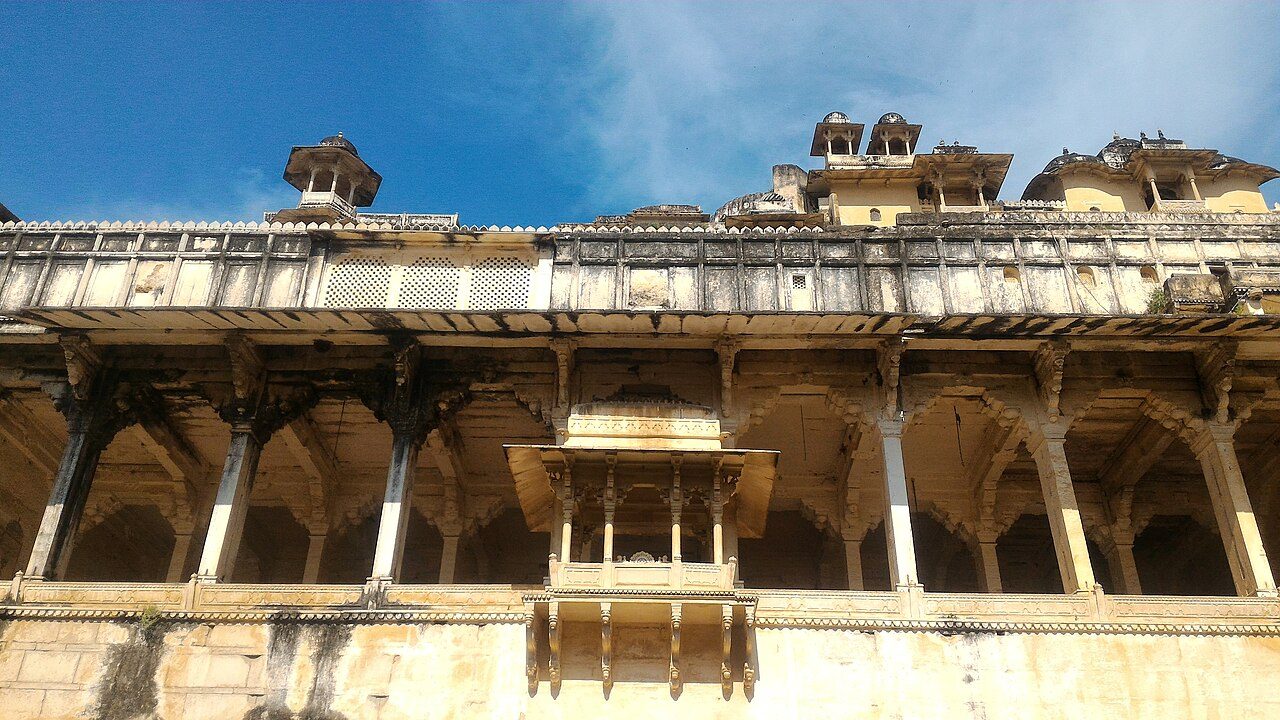
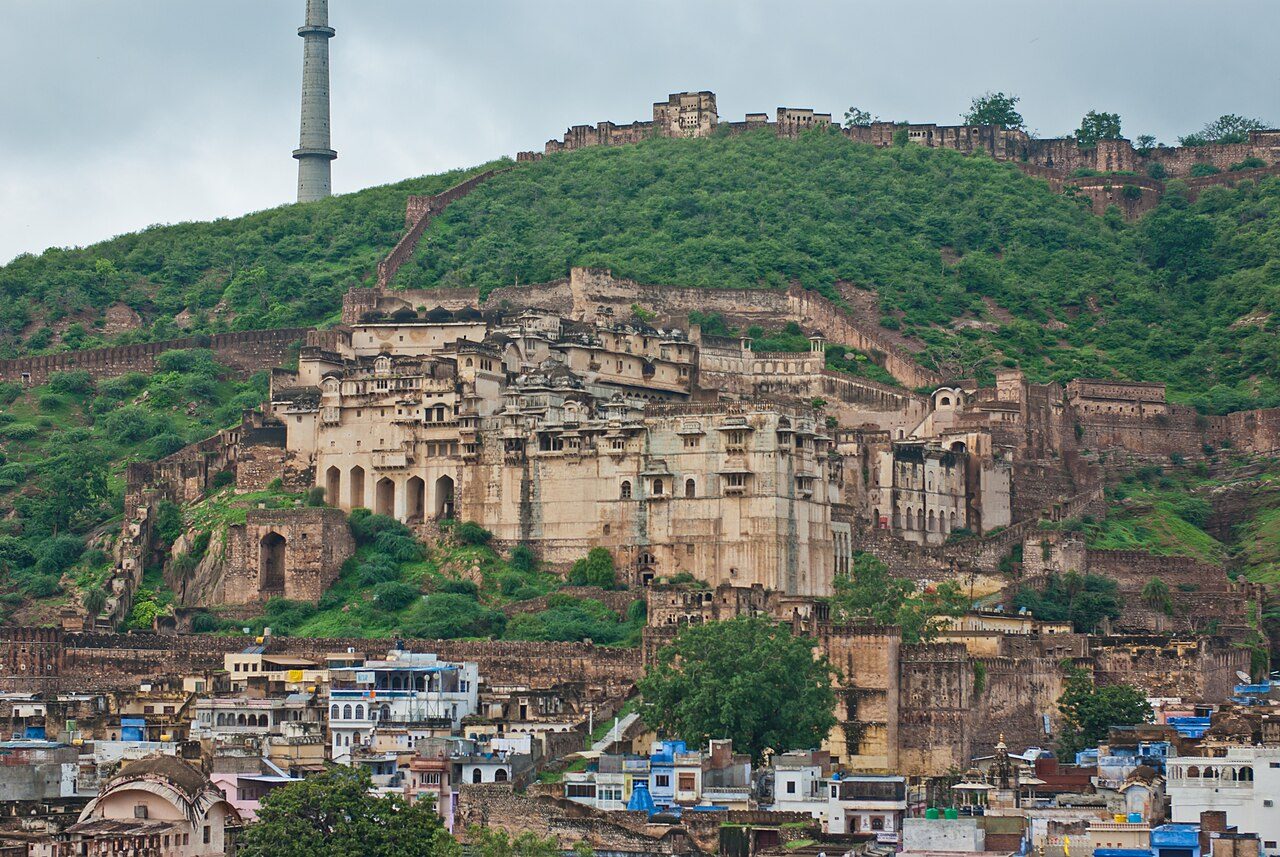
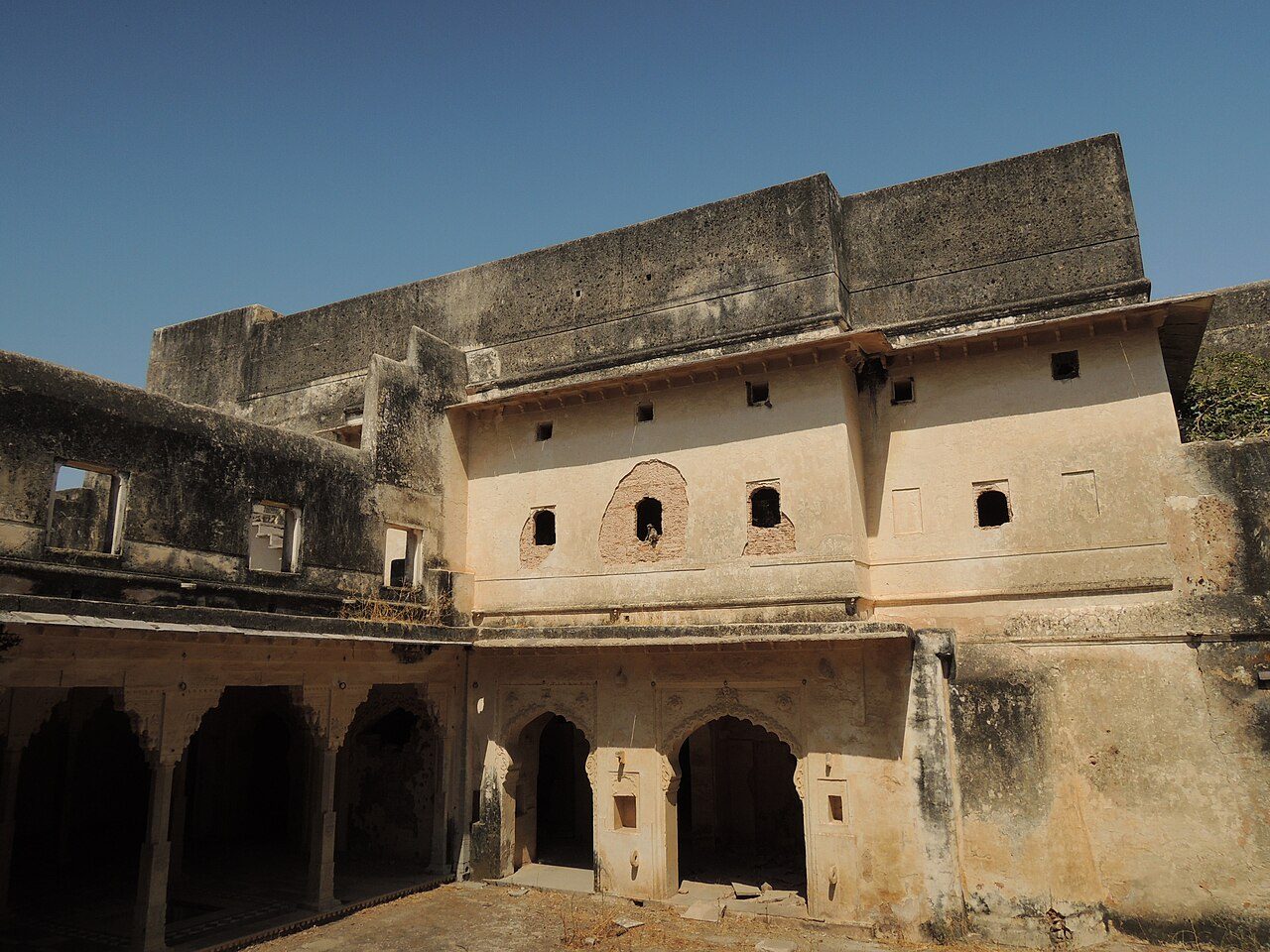
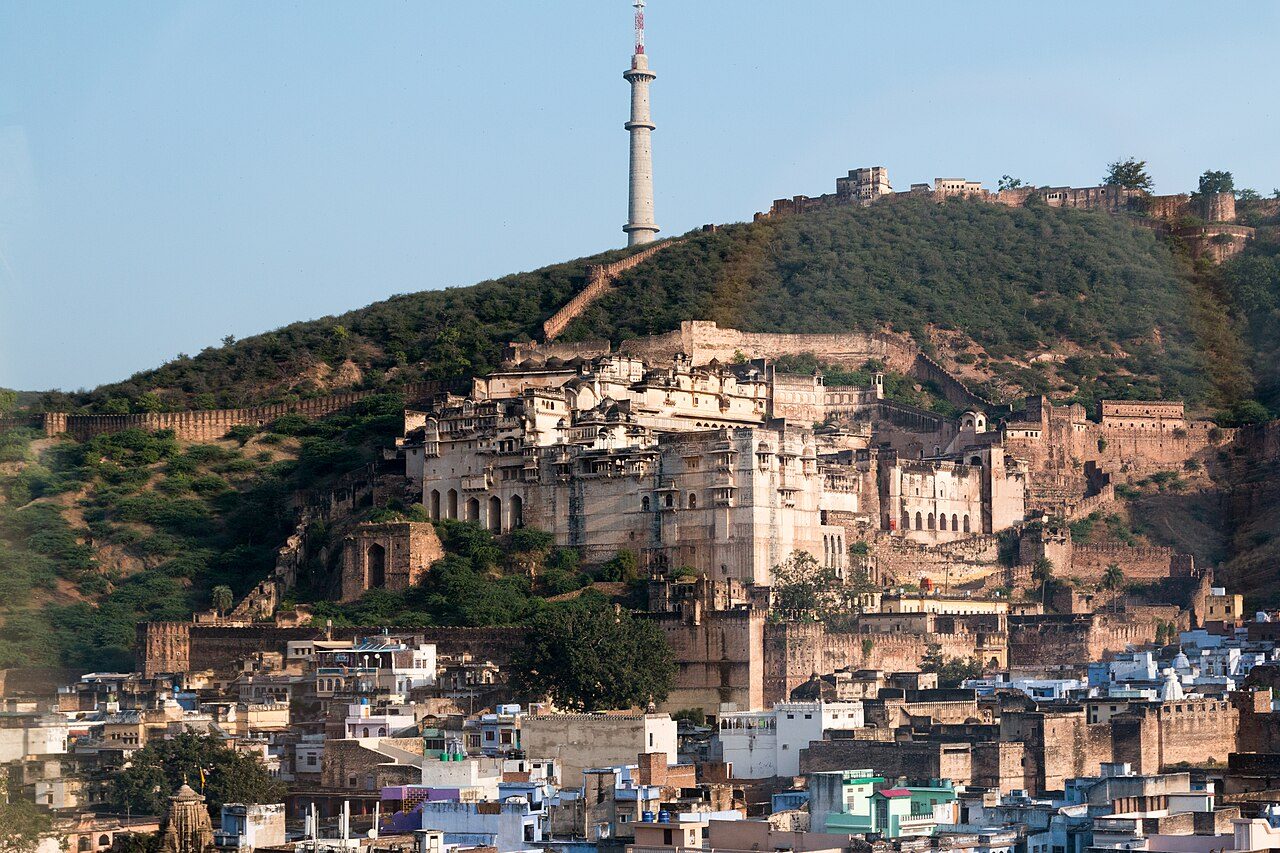
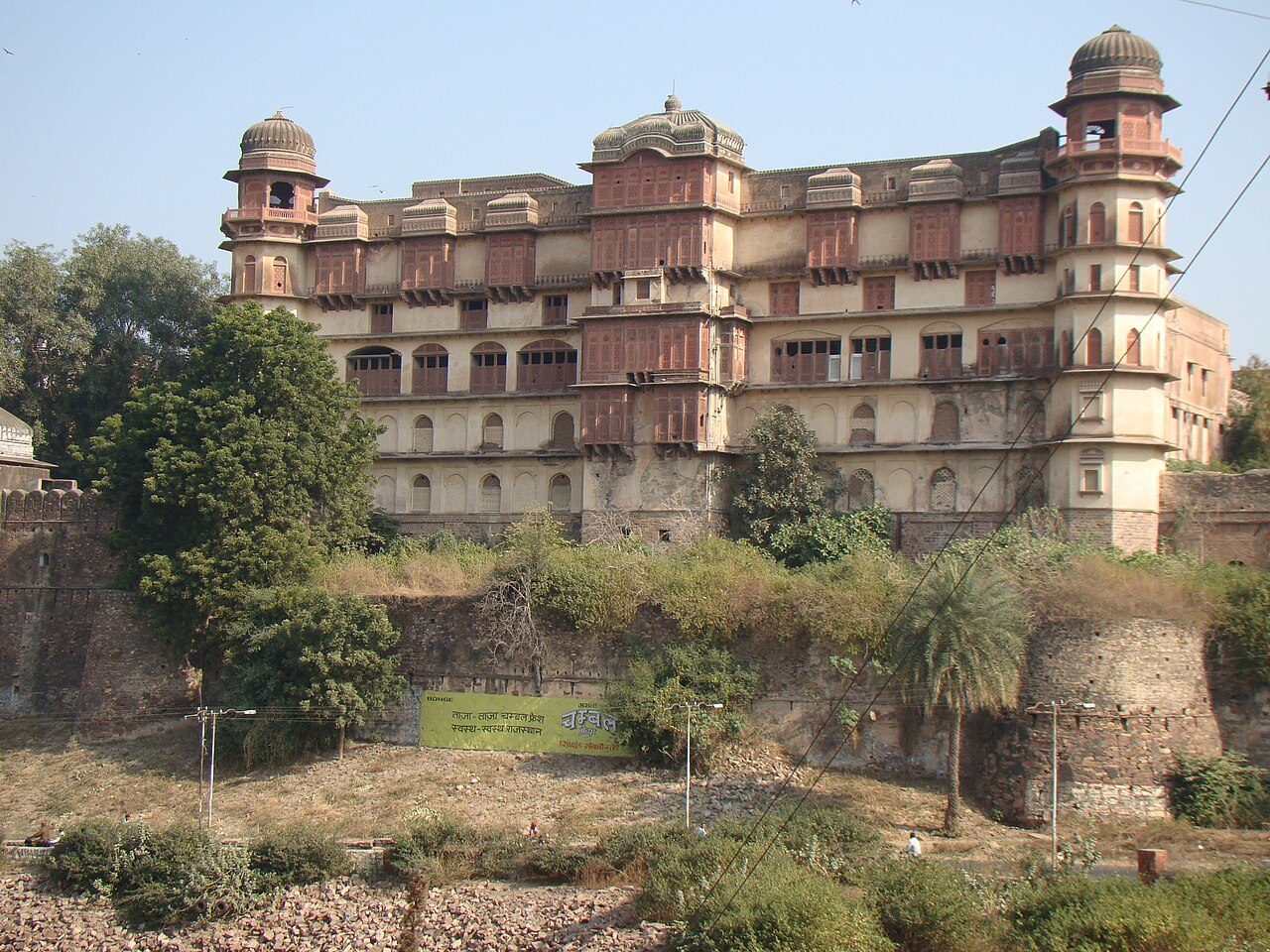
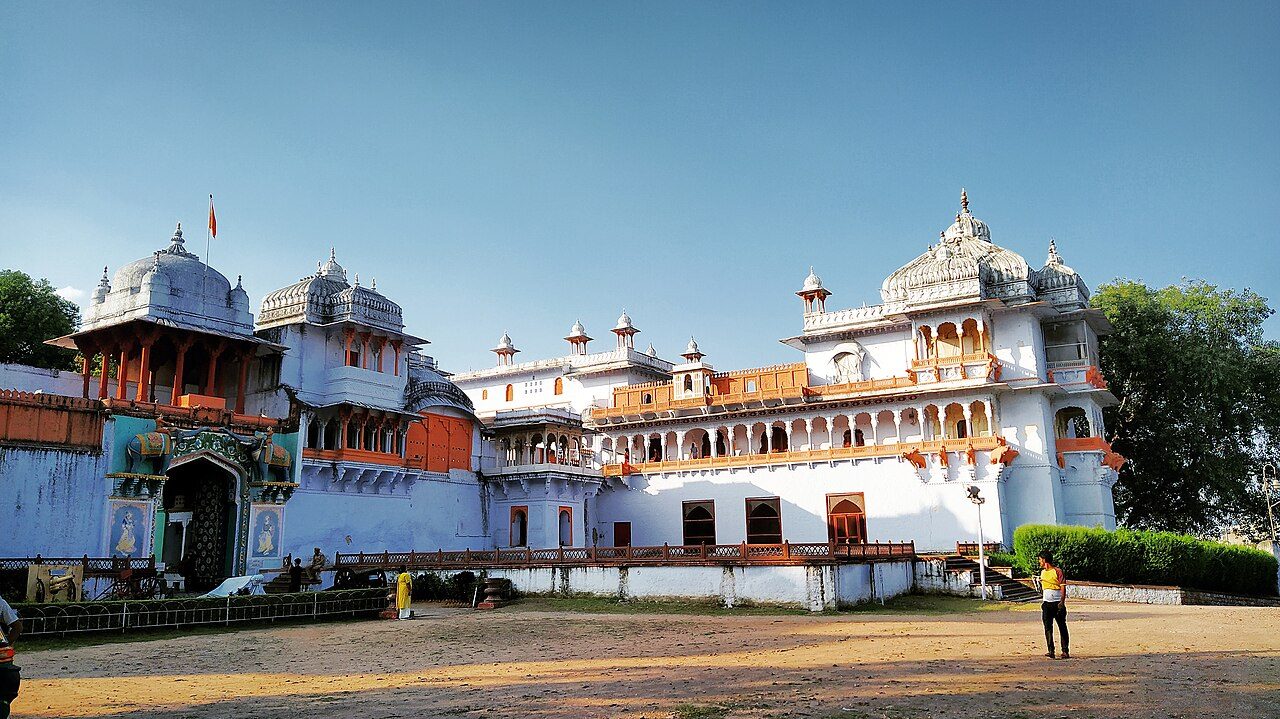
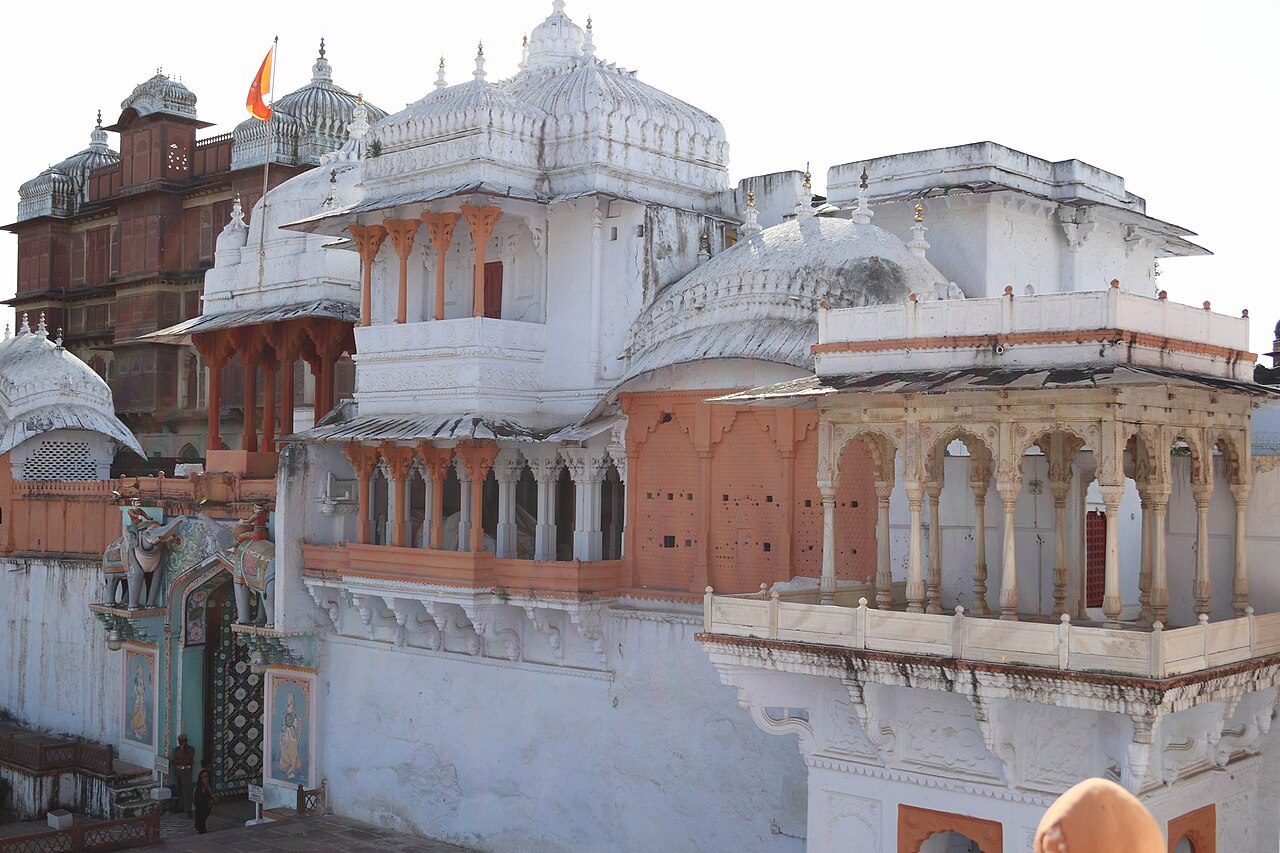
The Garh Palace of Bundi climbs the hillside below Taragarh Fort and was built by successive rulers from the 16th century onwards. It is entered through the Hathi Pol, flanked by elephants. Its greatest treasure is the Chitrashala, a gallery of 18th-century murals in the Bundi style, in turquoise, blue and green, showing scenes of court life and of Krishna. Rudyard Kipling admired the palace on his visit.
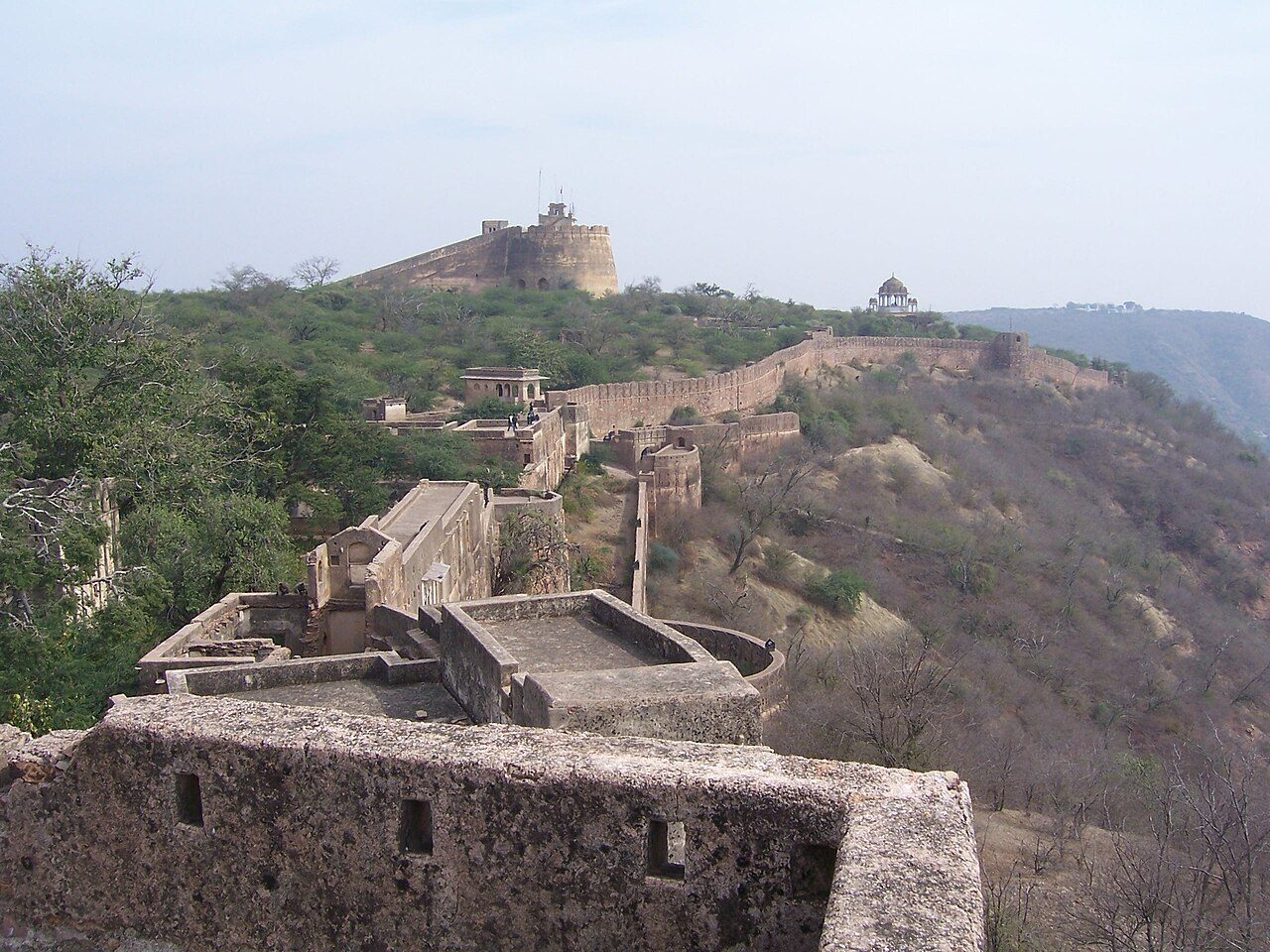
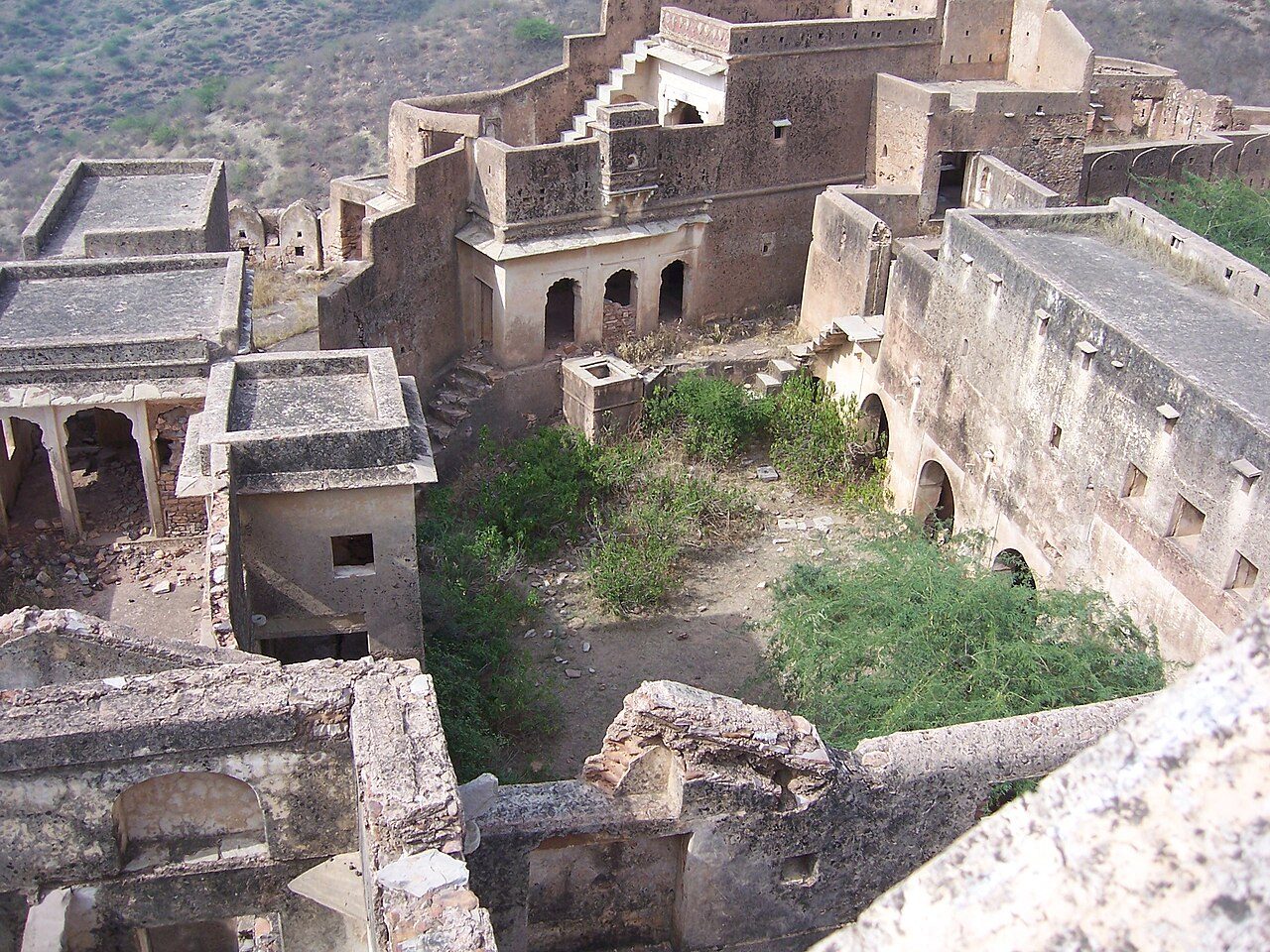
Taragarh, the Star Fort, was built in 1354 on a steep hill above Bundi. A stiff climb leads through large gateways to overgrown ramparts, reservoirs cut into the rock and the Bhim Burj, a bastion that once held a great cannon. Much of the fort is in romantic ruin and visited by monkeys more than people. The view down over the palace and the blue houses of Bundi is superb.
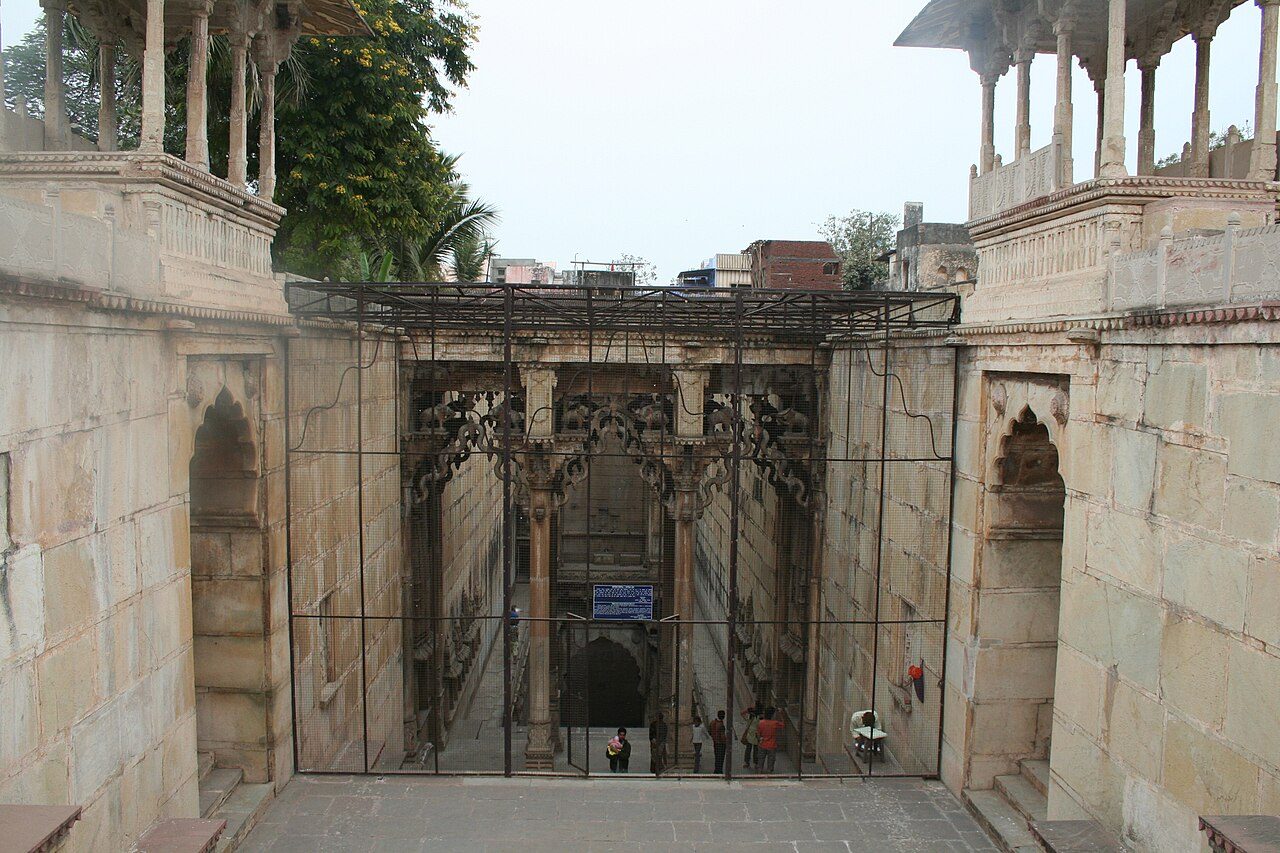
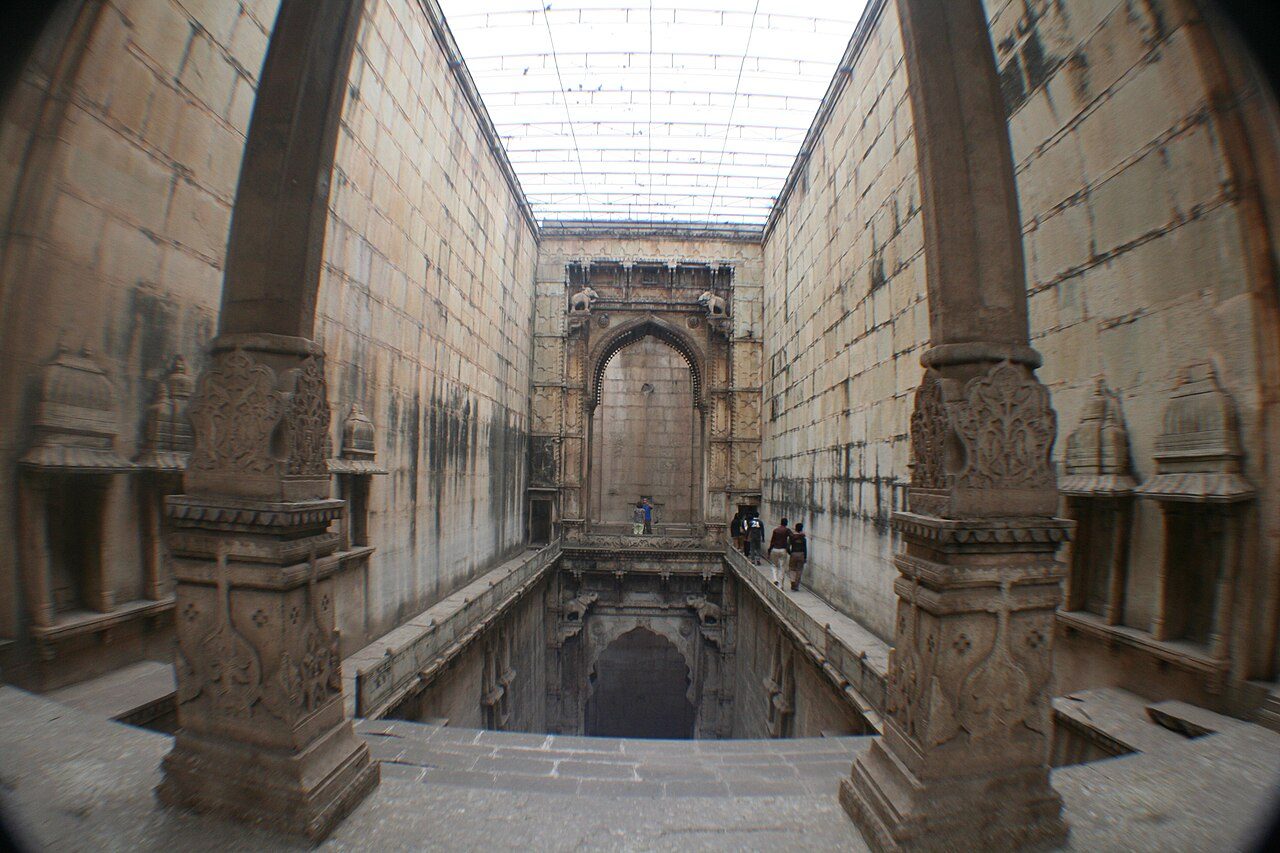
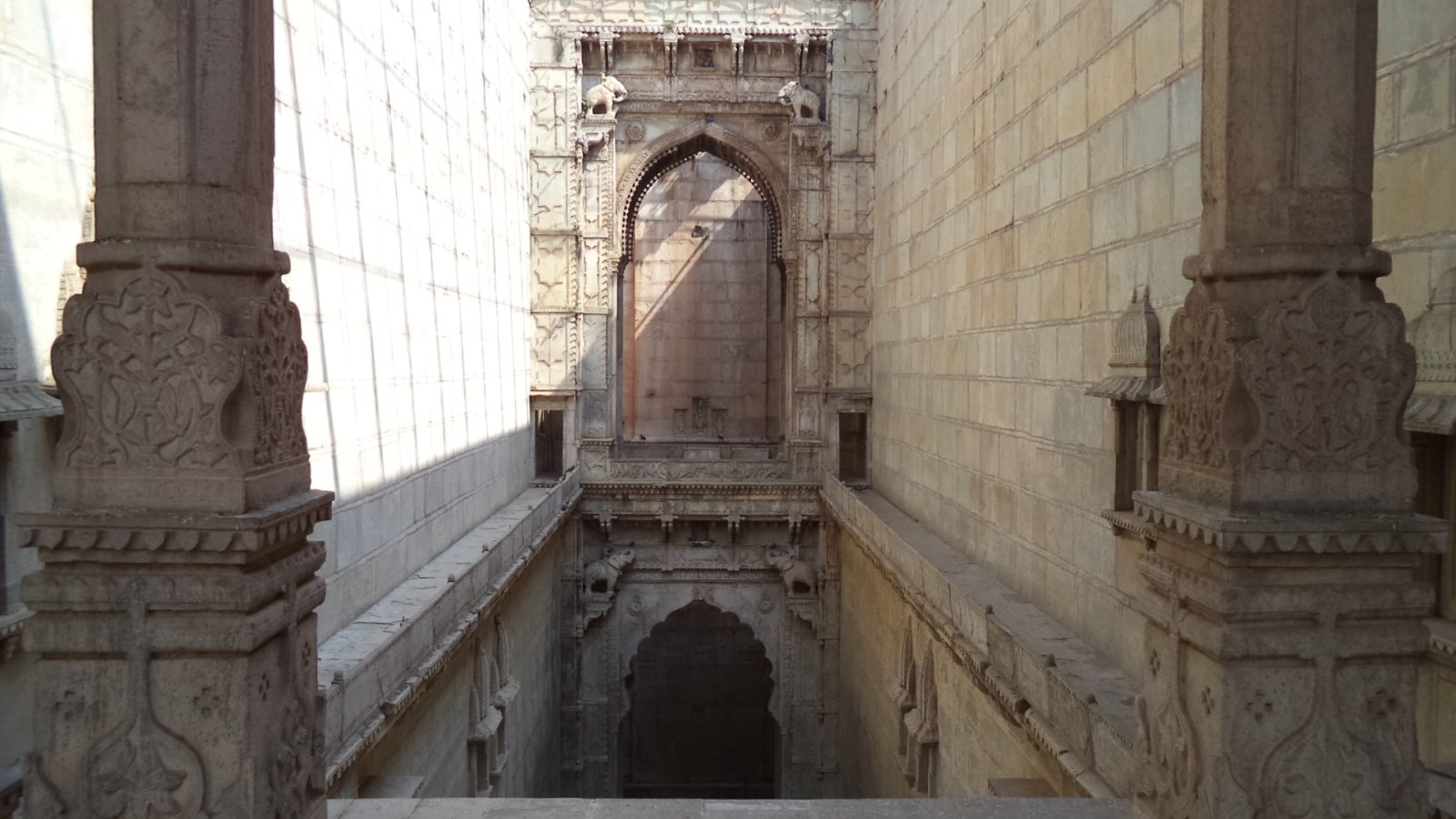
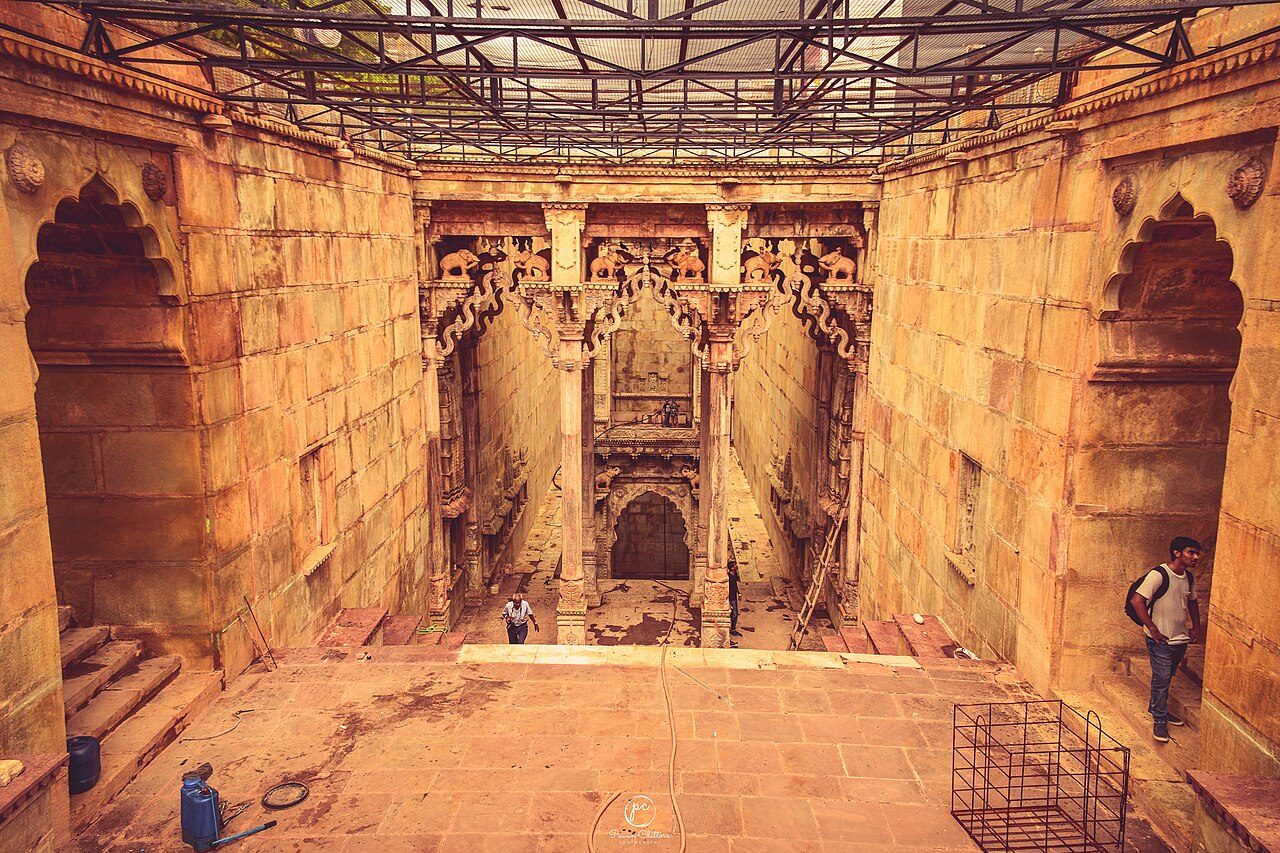
Raniji Ki Baori, the Queen's Stepwell, was built in 1699 by Rani Nathavati, the younger queen of Rao Raja Anirudh Singh of Bundi. About 46 metres deep, it is entered through a narrow gateway with carved pillars and a high arched torana, and its walls carry sculptures of the avatars of Vishnu. Bundi has dozens of stepwells, and this is the finest of them.
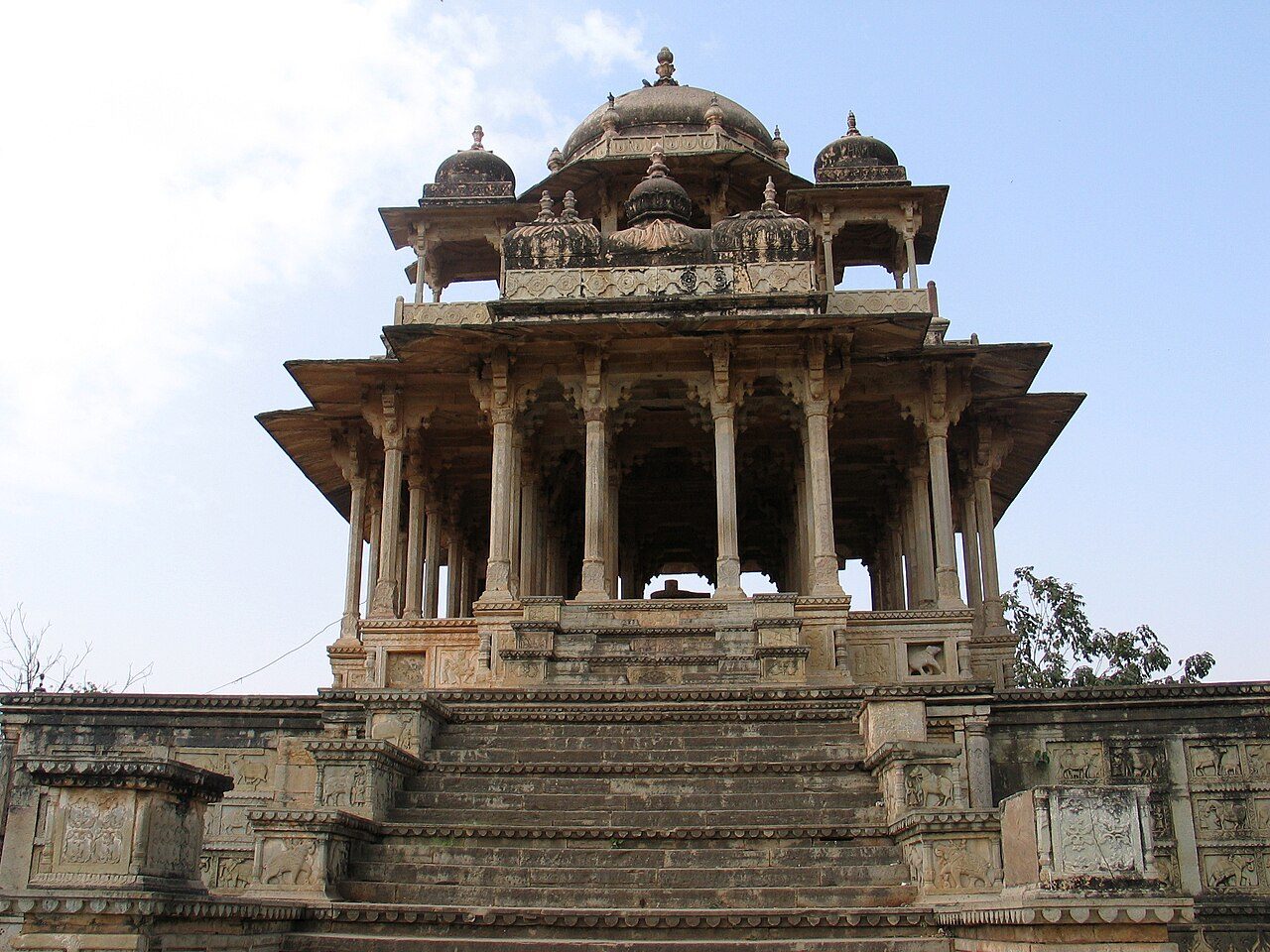
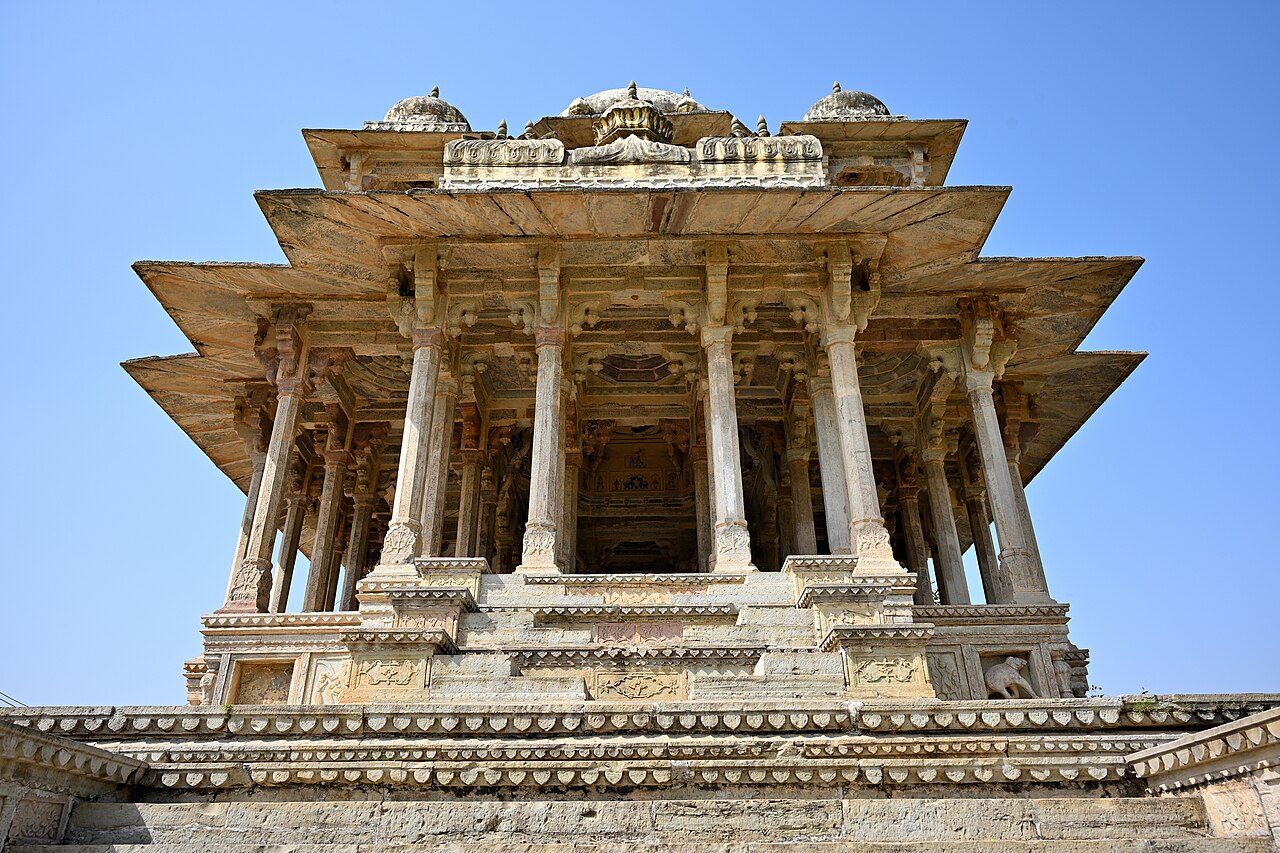
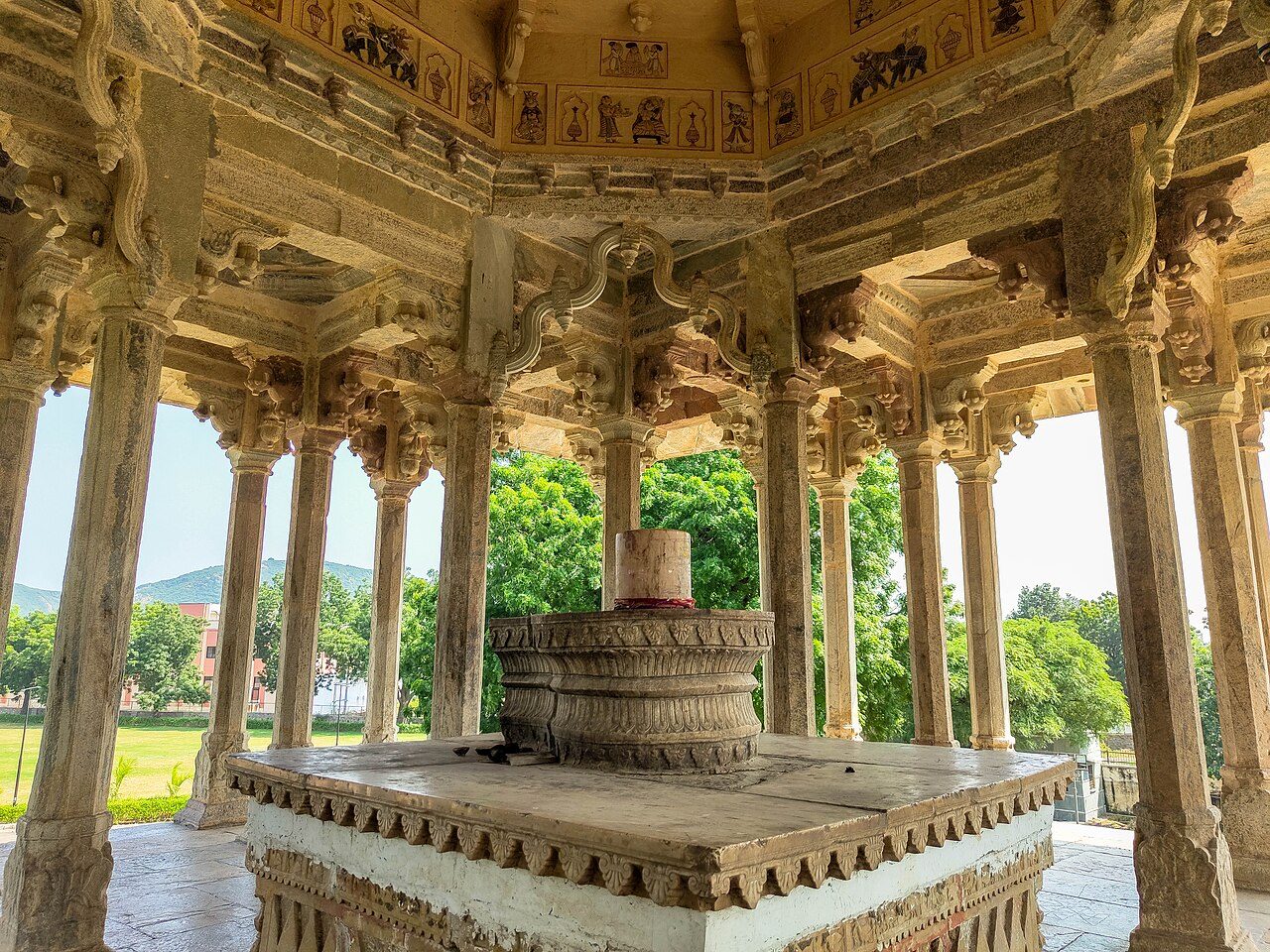
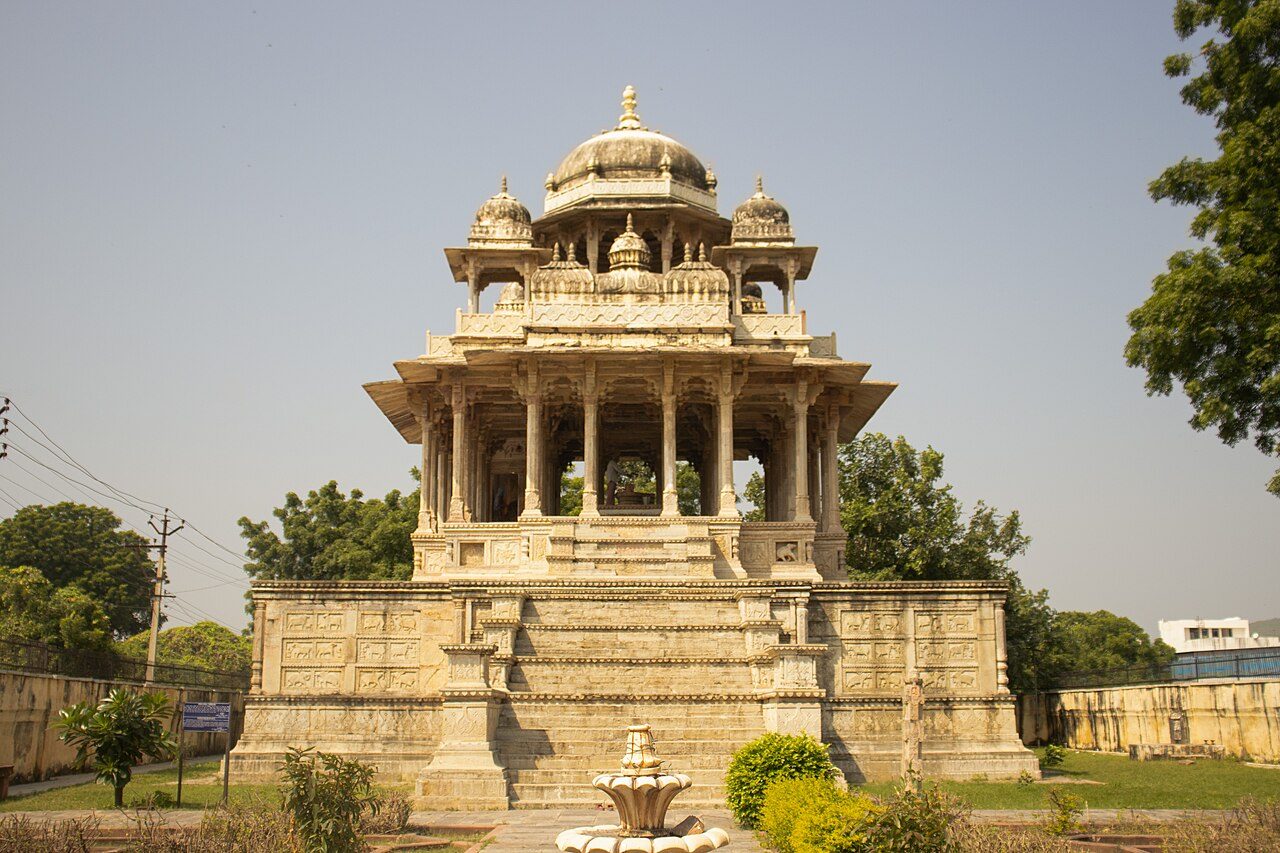
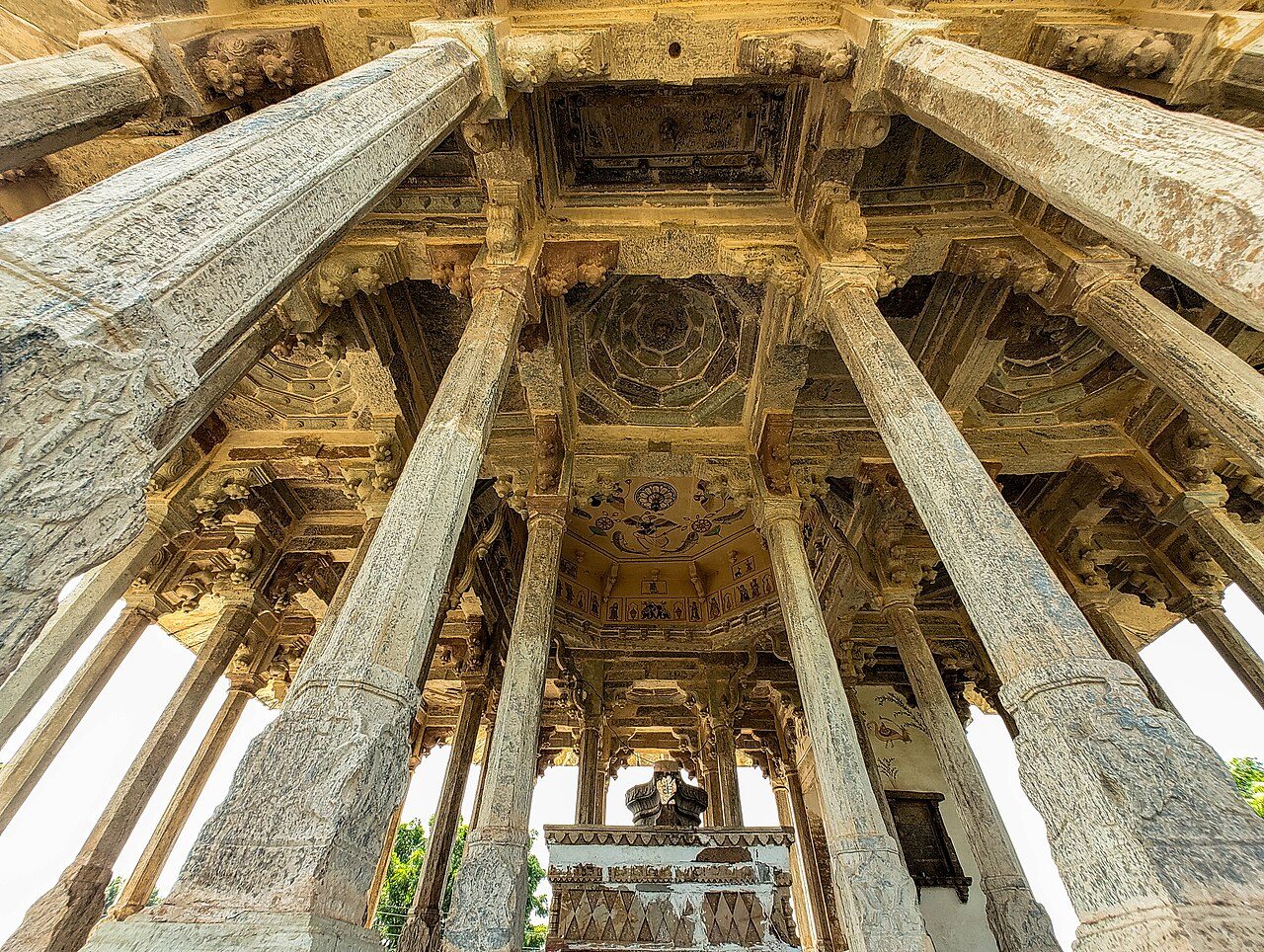
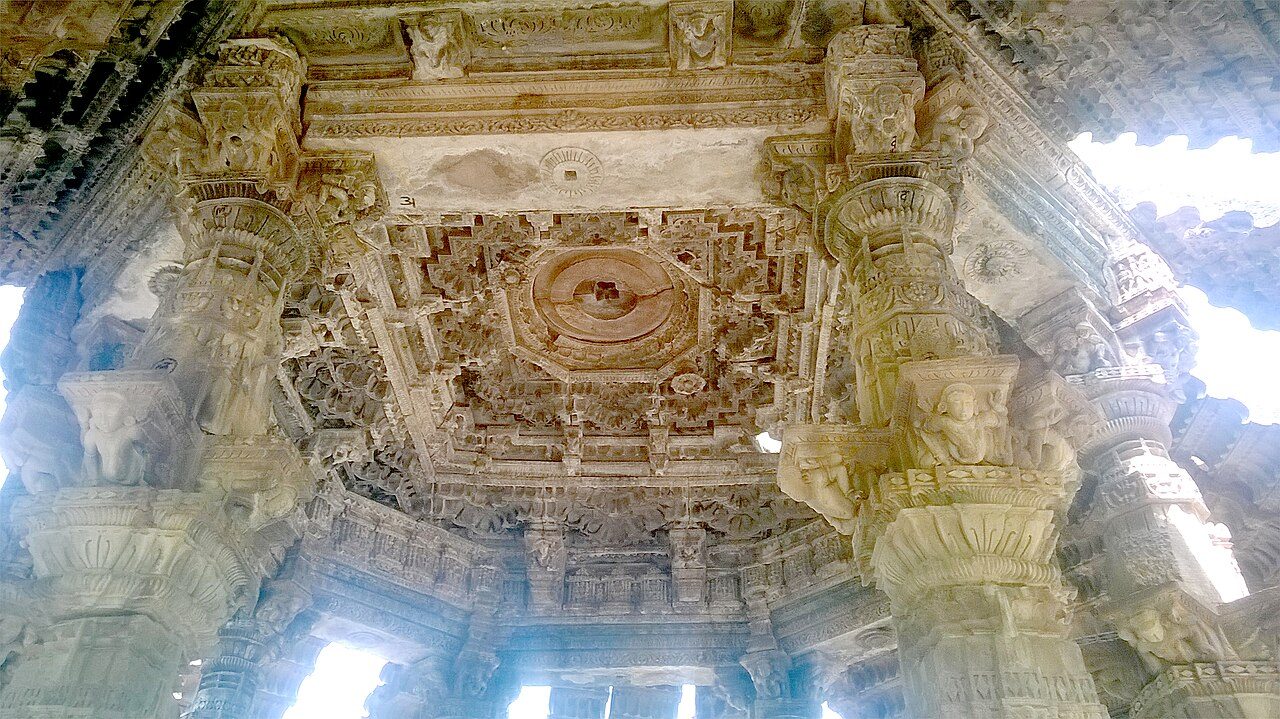
The Eighty-Four Pillared Cenotaph in Bundi was built in 1683 by Rao Raja Anirudh Singh in memory of his foster brother, Deva. The two-storey pavilion stands on a high platform carved with elephants, deer and dancers, and has a Shiva lingam at its centre. The ceiling is painted, and counting the pillars is said never to give the same number twice.
The Garh, or City Palace, of Kota stands beside the Chambal and grew from the 17th century as the seat of the Hada Rajput rulers. It houses the Rao Madho Singh Museum, with miniature paintings of the Kota school, arms, royal regalia and murals. The Raj Mahal and other apartments are decorated with mirror work, ivory inlay and wall paintings of hunting scenes.
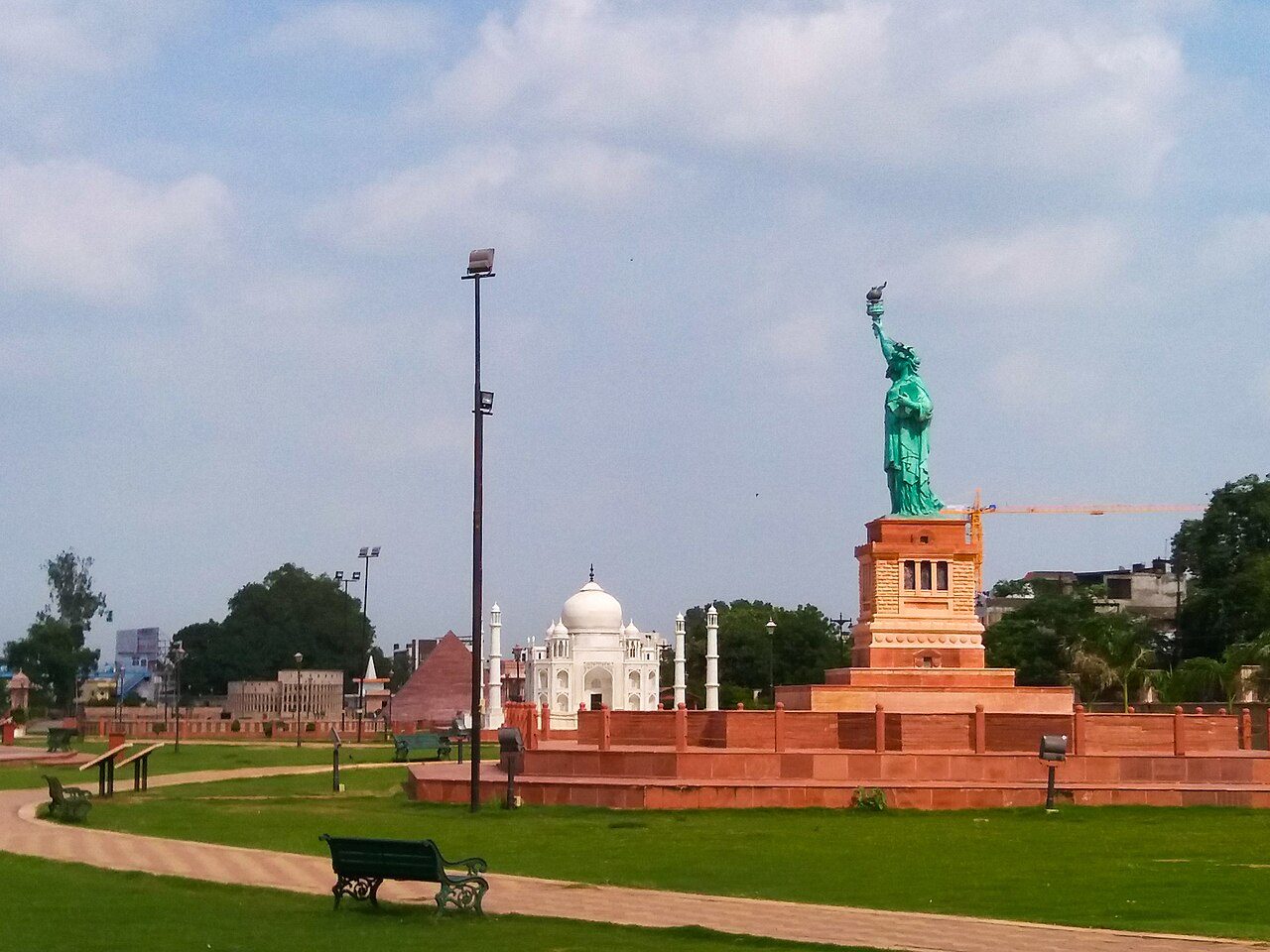
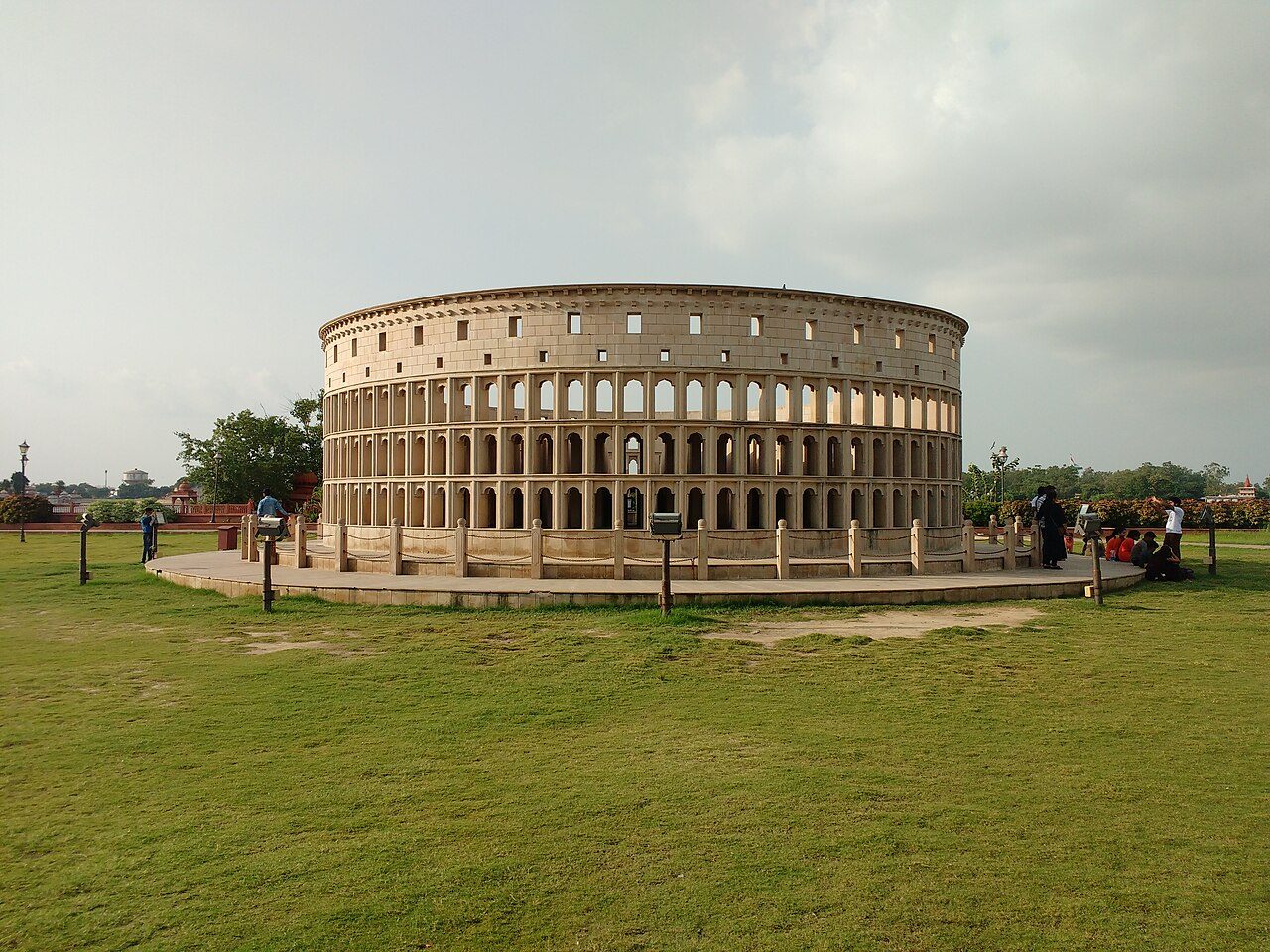
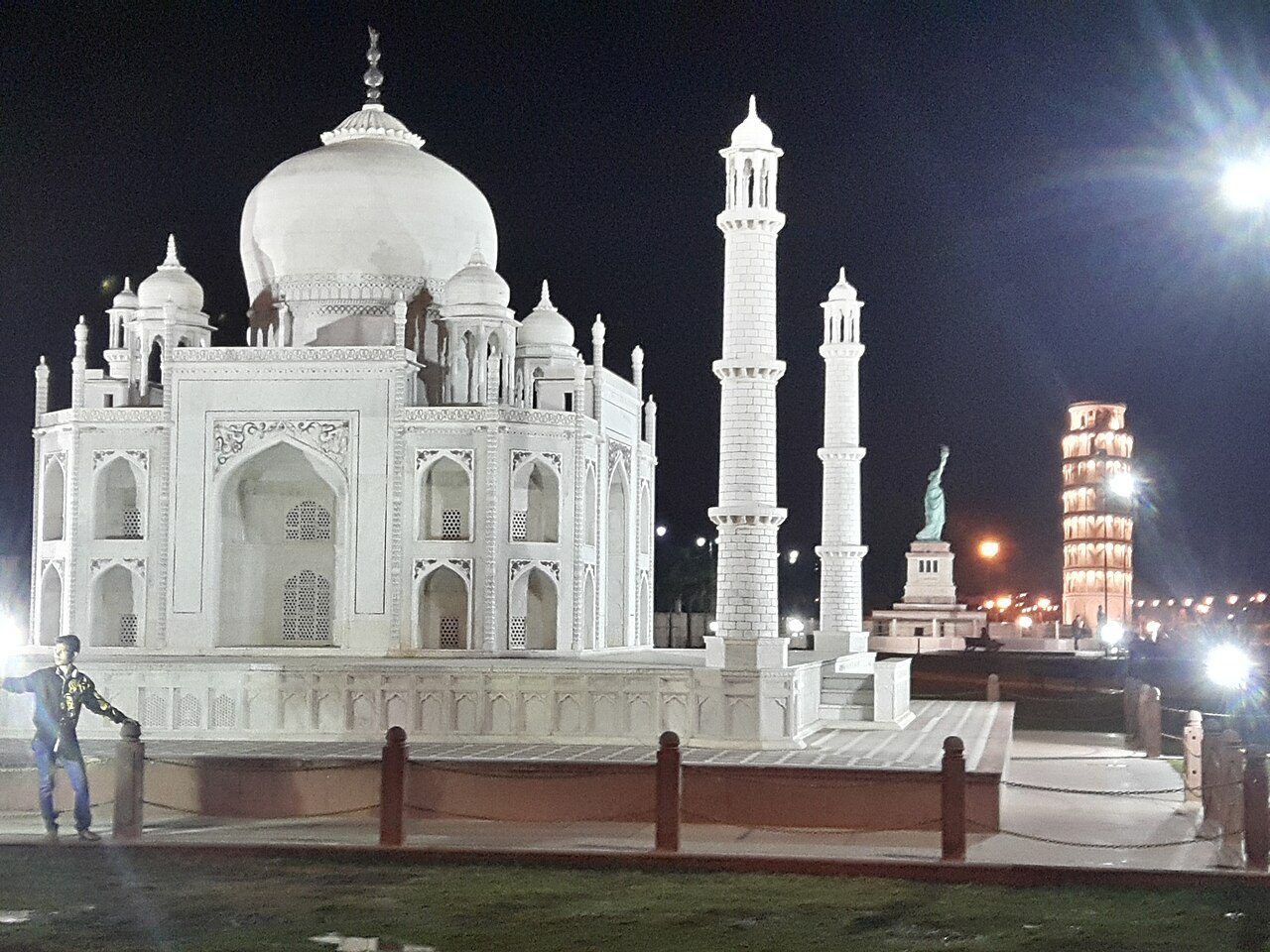
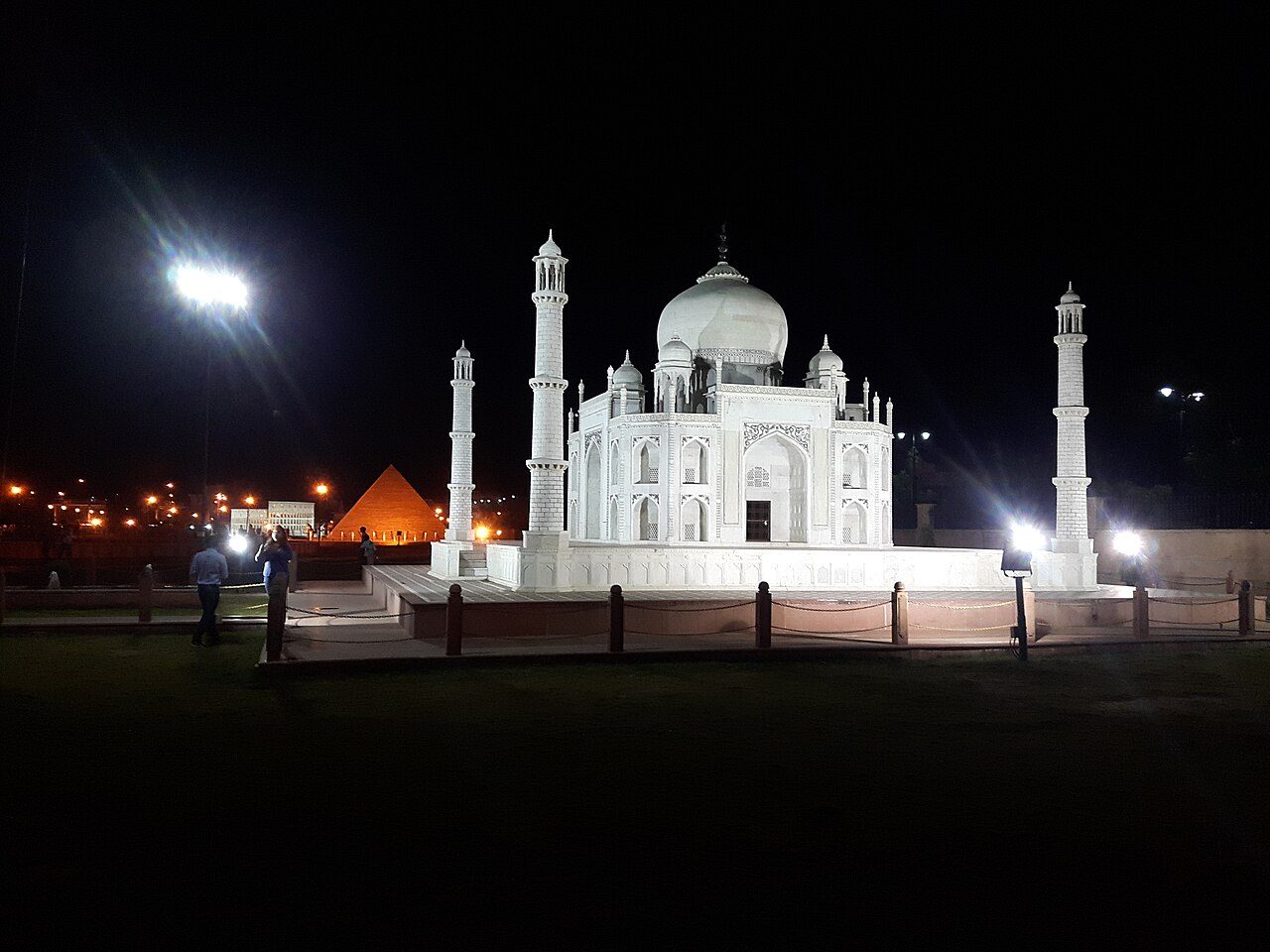
Seven Wonders Park, on the bank of Kishore Sagar lake in Kota, displays scaled-down replicas of seven famous monuments: the Taj Mahal, the Great Pyramid, the Eiffel Tower, the Leaning Tower of Pisa, the Colosseum, Christ the Redeemer and the Statue of Liberty. It is best visited in the evening, when the models are lit and reflected in the lake, with the Jagmandir palace on its island nearby.
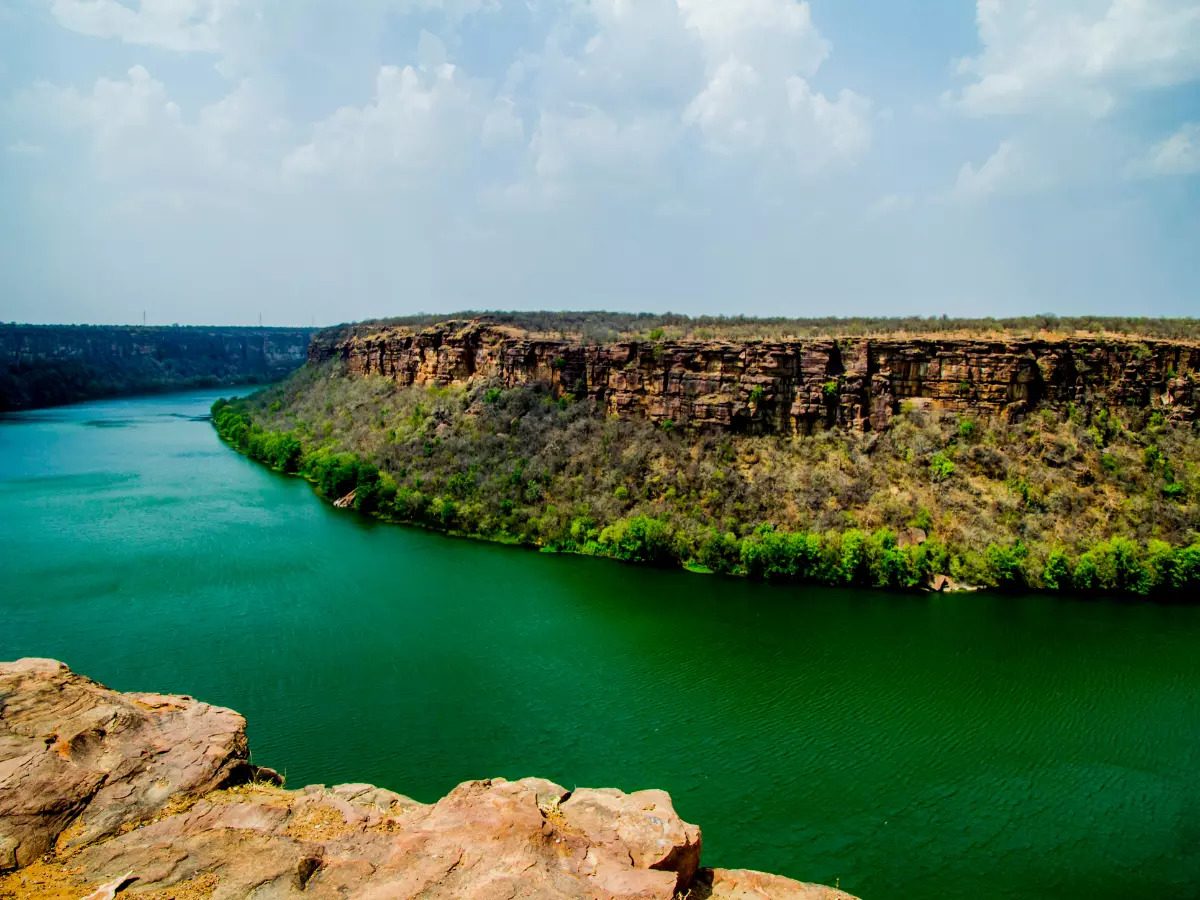
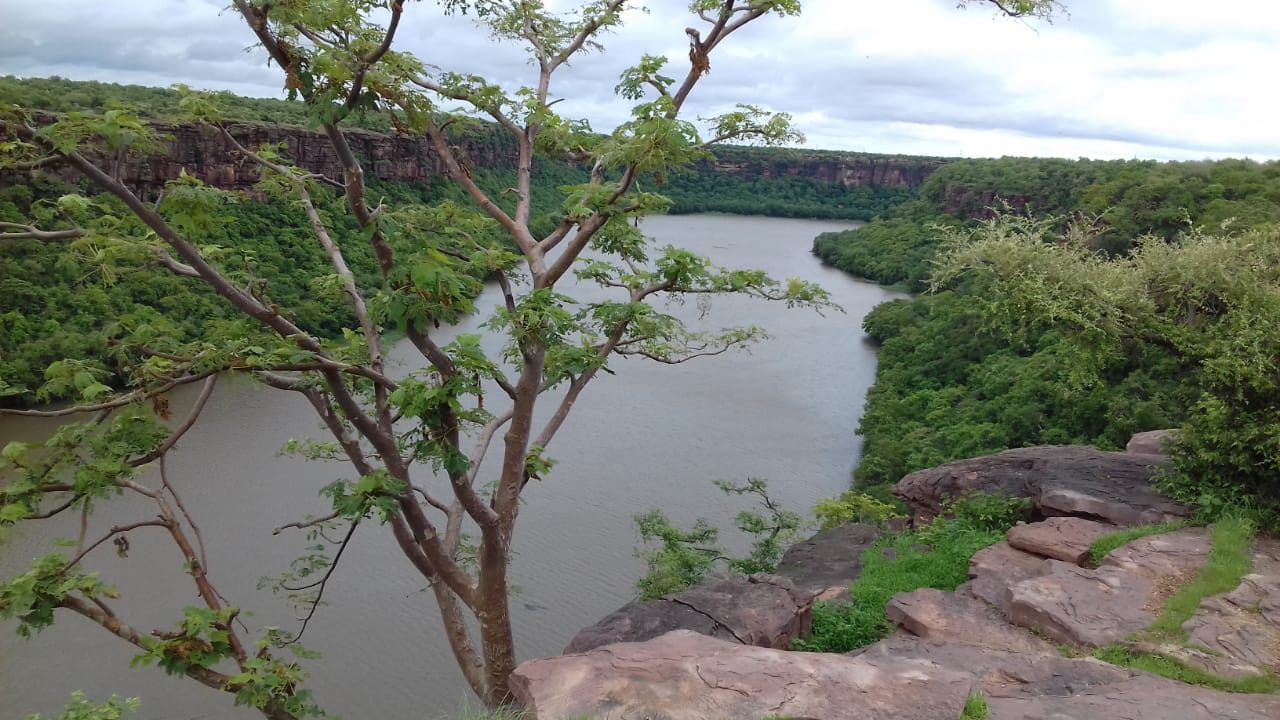
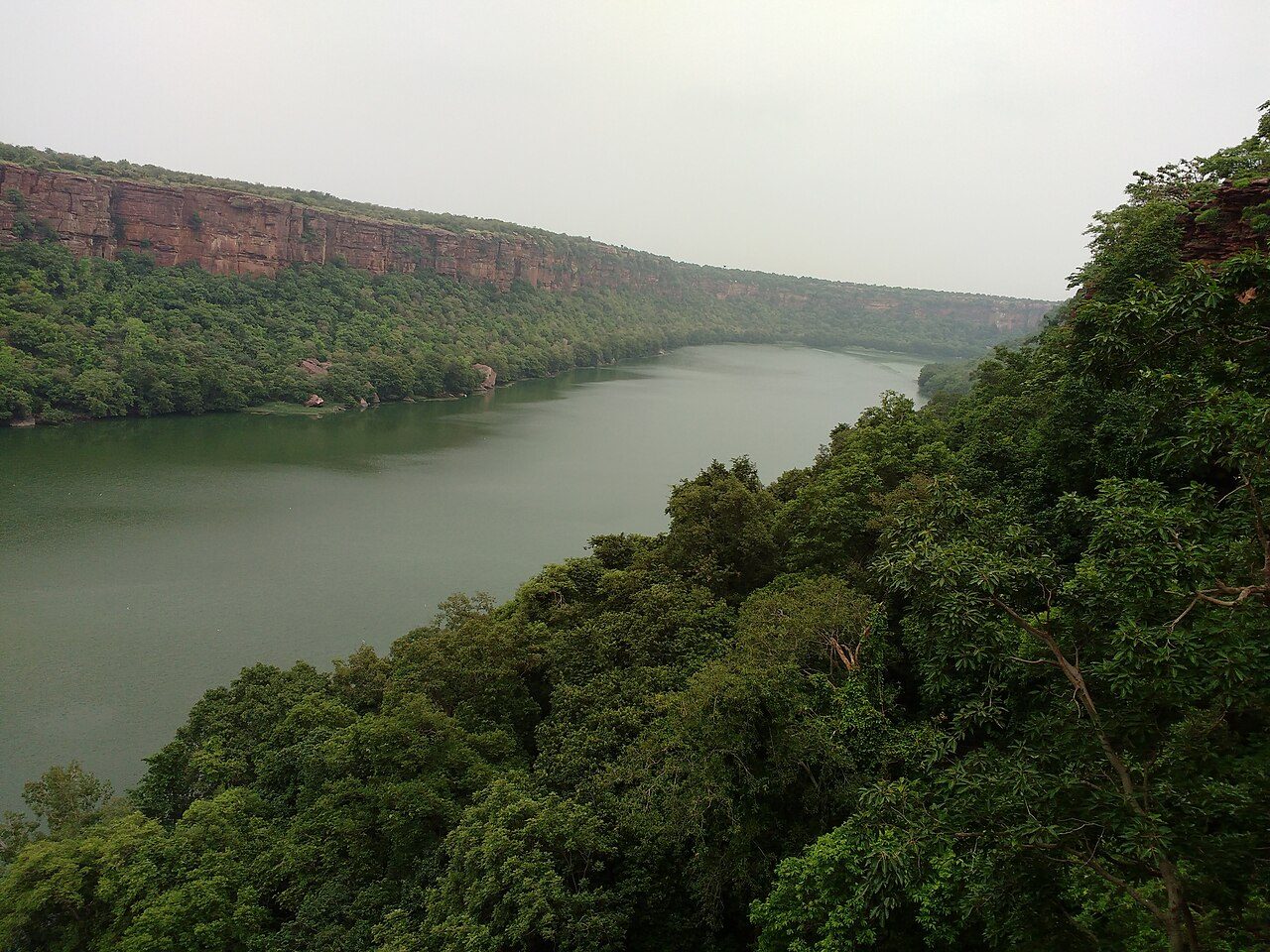
Garadia Mahadev is a small Shiva temple on the rim of the Chambal gorge near Kota. From the cliff edge beside it the river is seen far below, sweeping in a wide horseshoe bend between sheer rock walls. The viewpoint lies inside the Mukundra Hills reserve, and a ticket is required at the forest gate. It is most beautiful just after the monsoon, when the plateau is green.
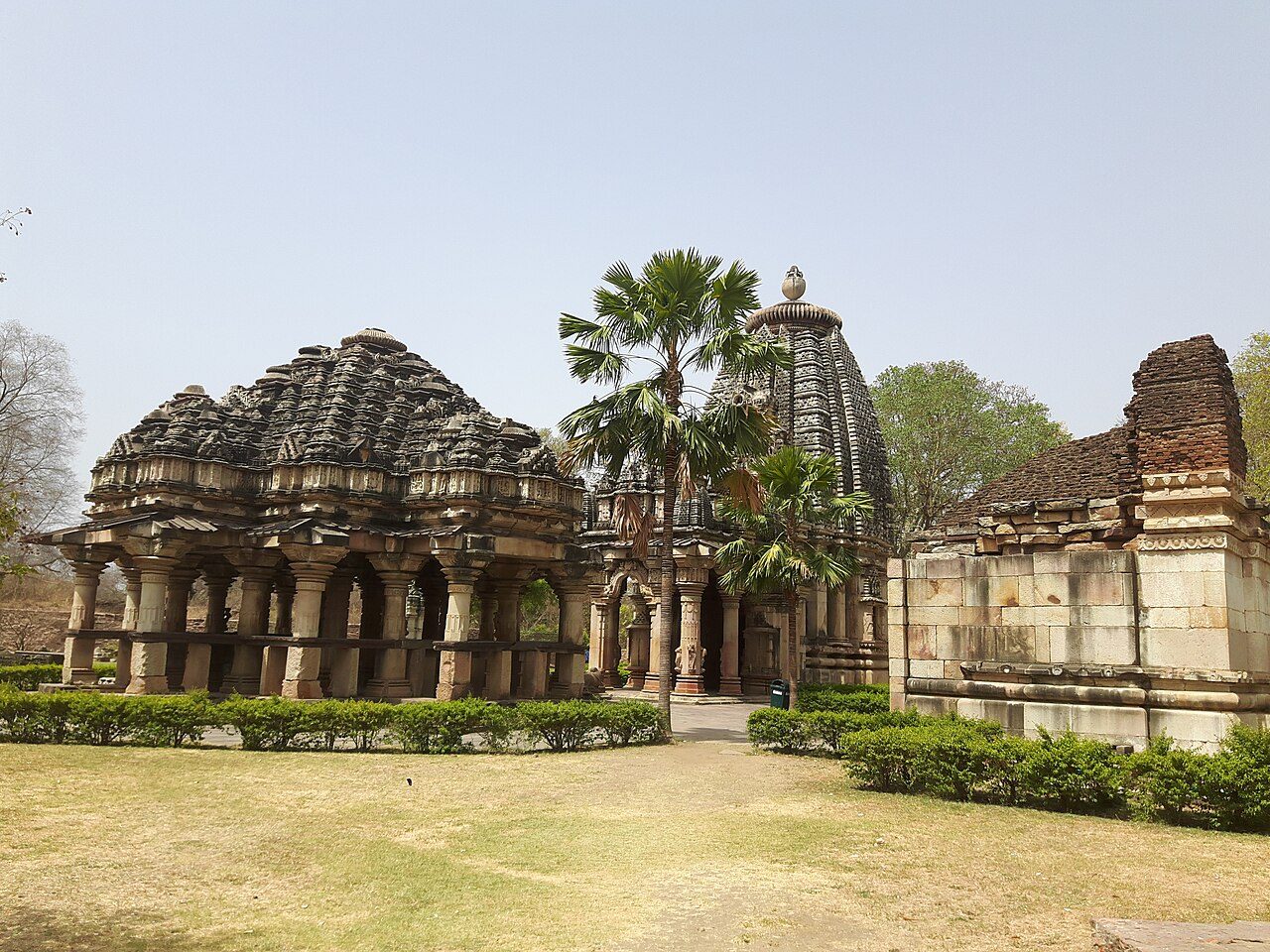
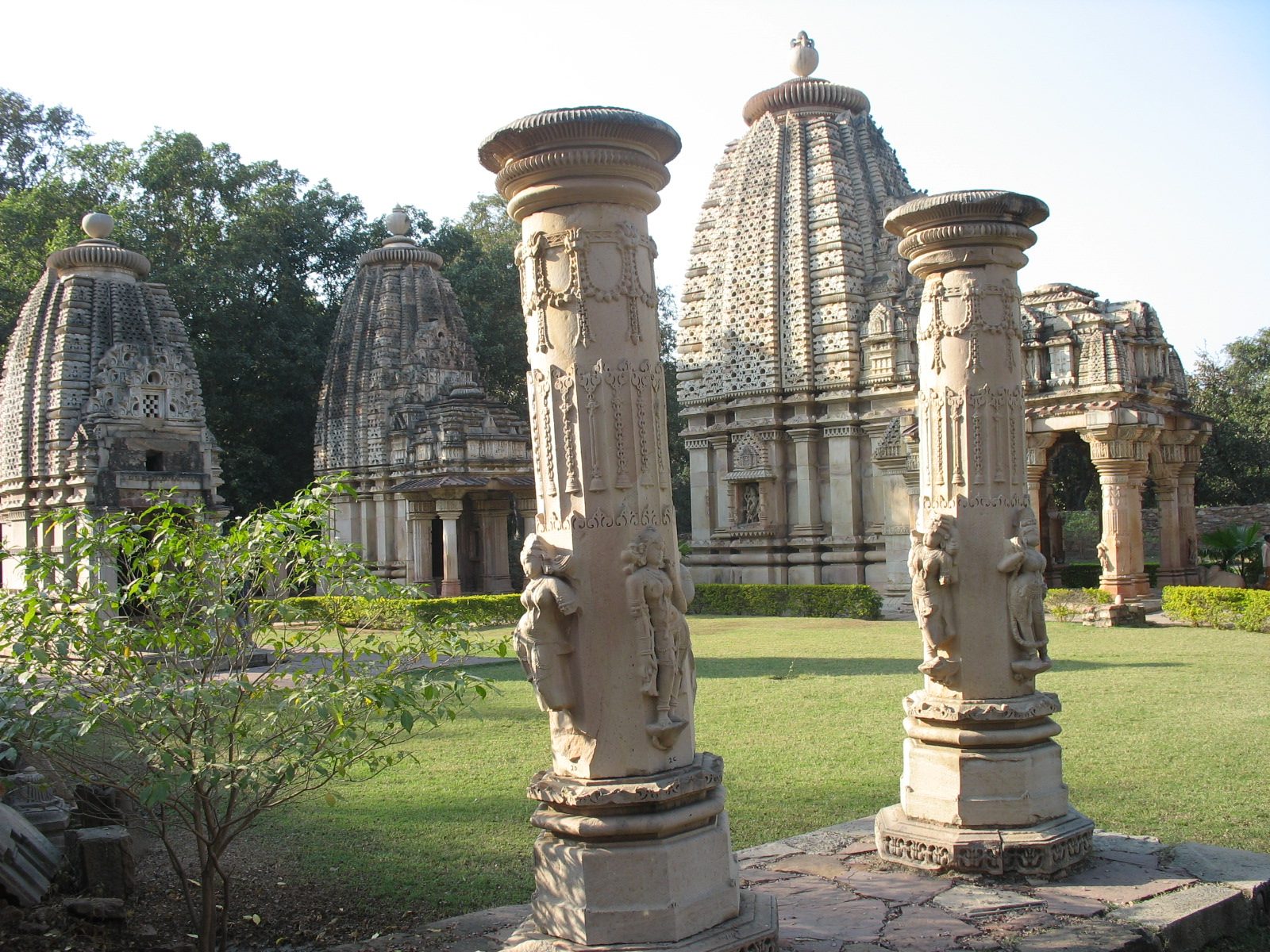
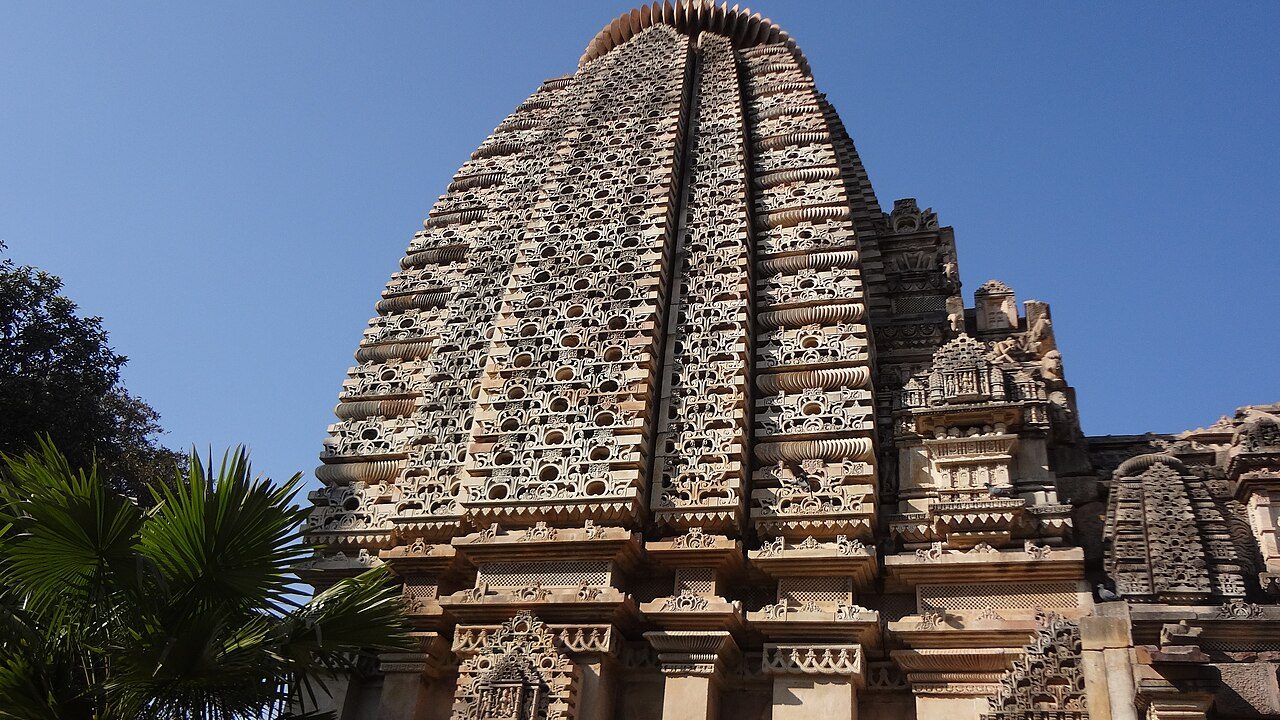
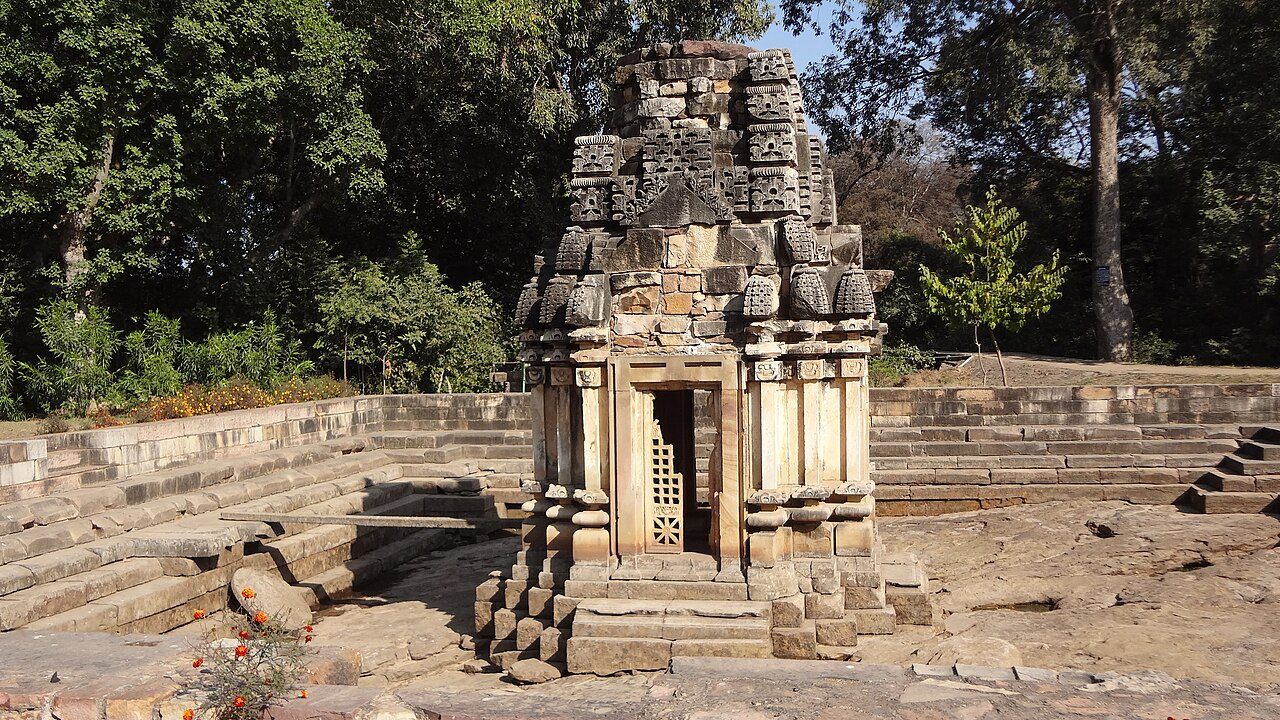
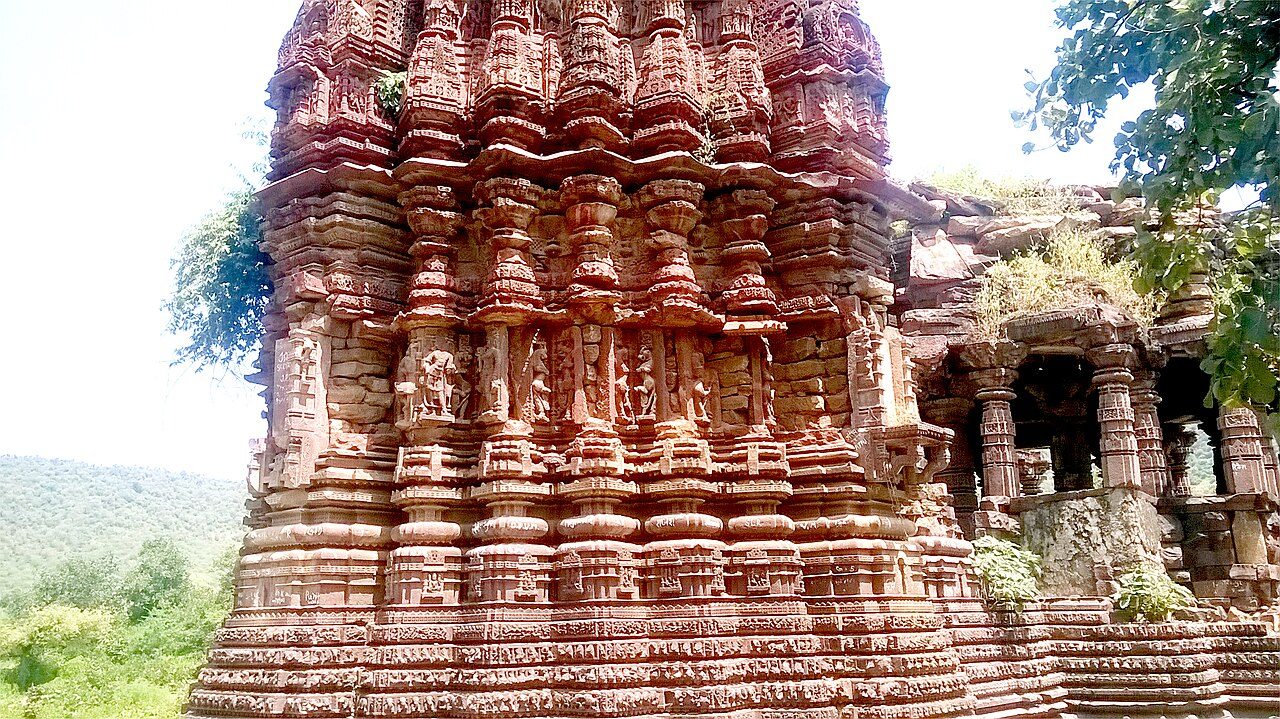
The Baroli temples, near Rawatbhata on the Chambal, are a group of nine temples built around the 10th century in the Gurjara-Pratihara style. The finest is the Ghateshwara Mahadeva temple, with a richly carved spire and a detached pillared hall. Set in a shady grove around a tank, the site is peaceful and little visited. It is usually combined with a trip from Kota.
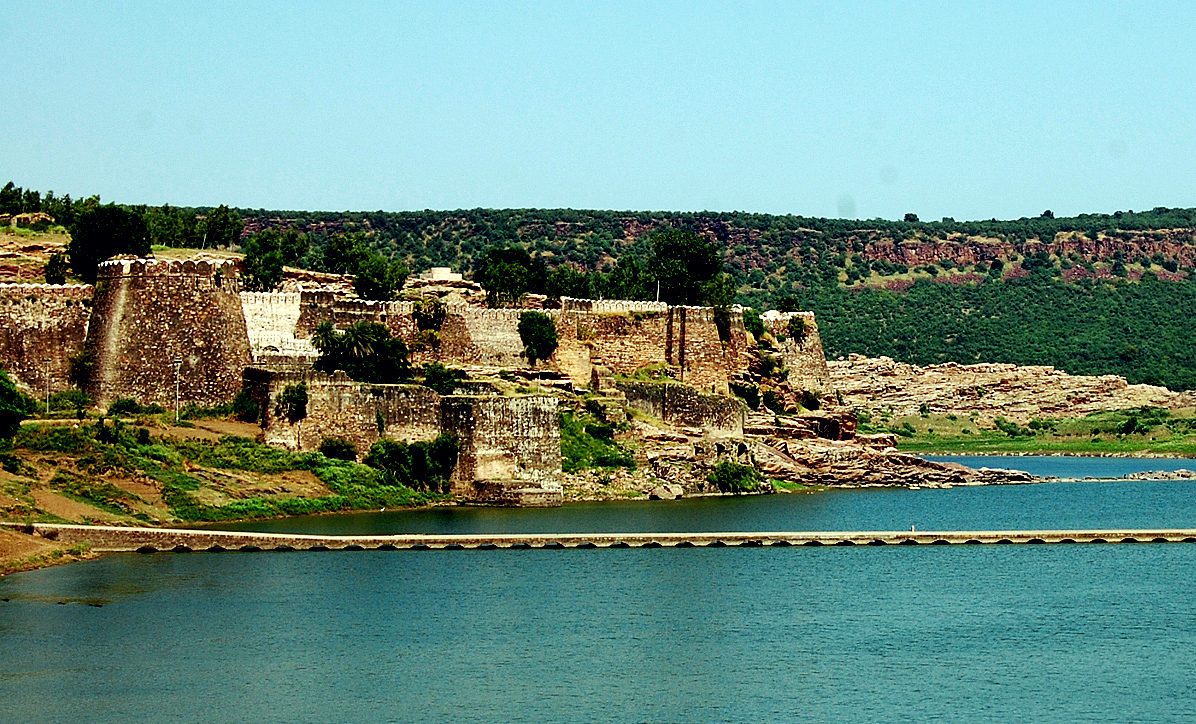
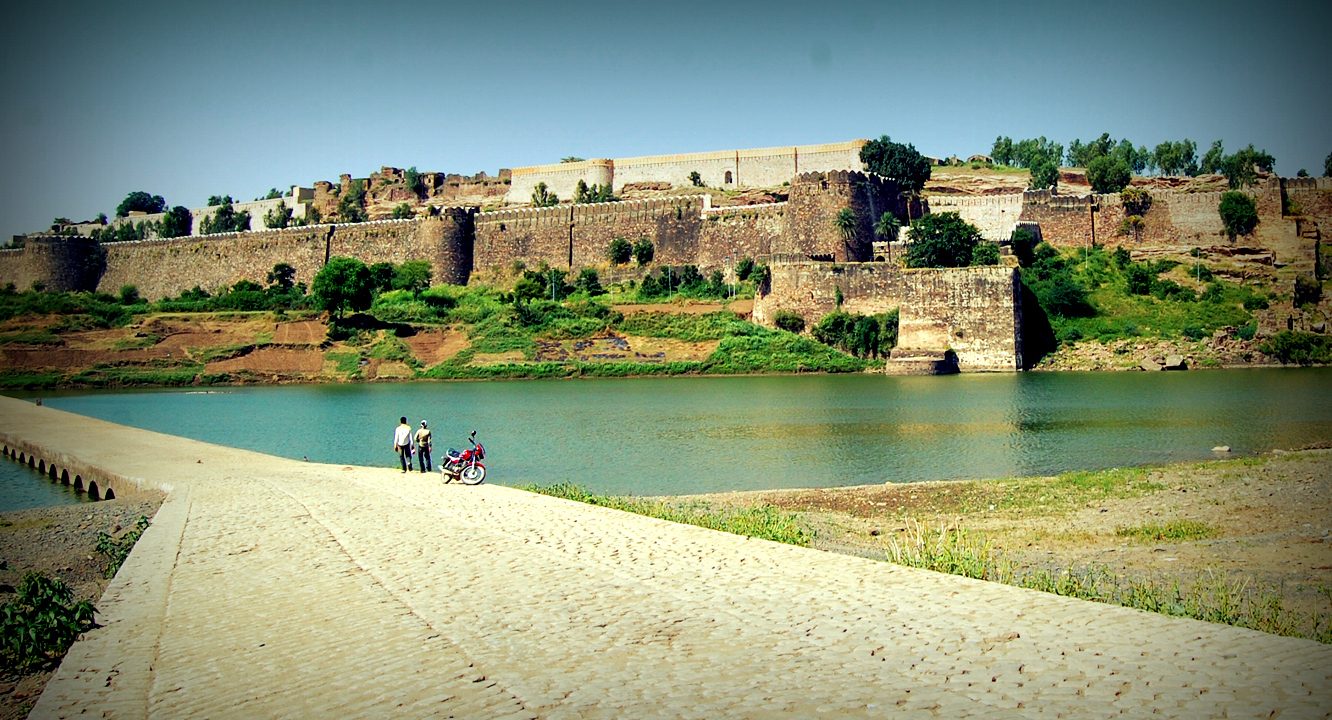
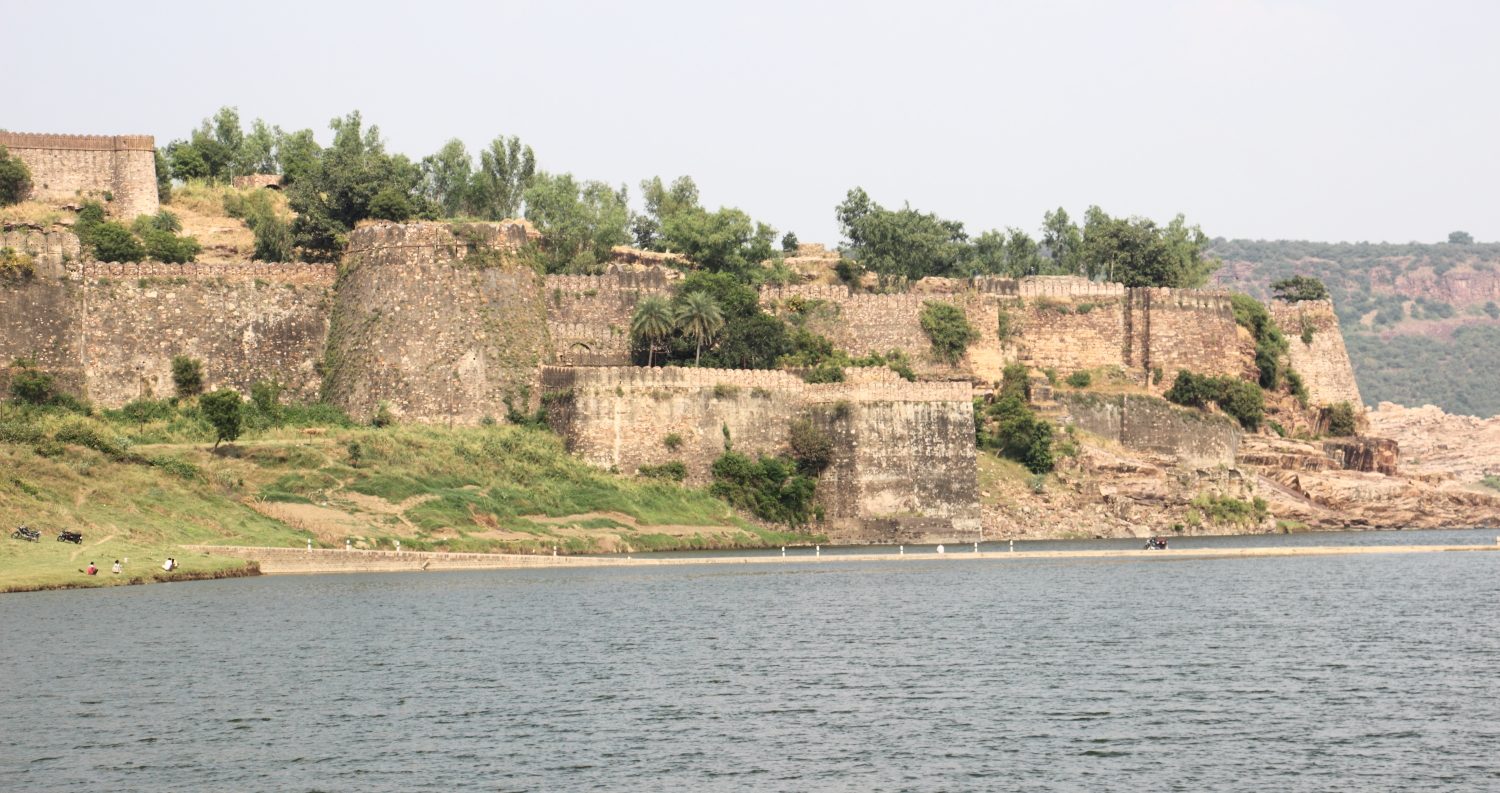
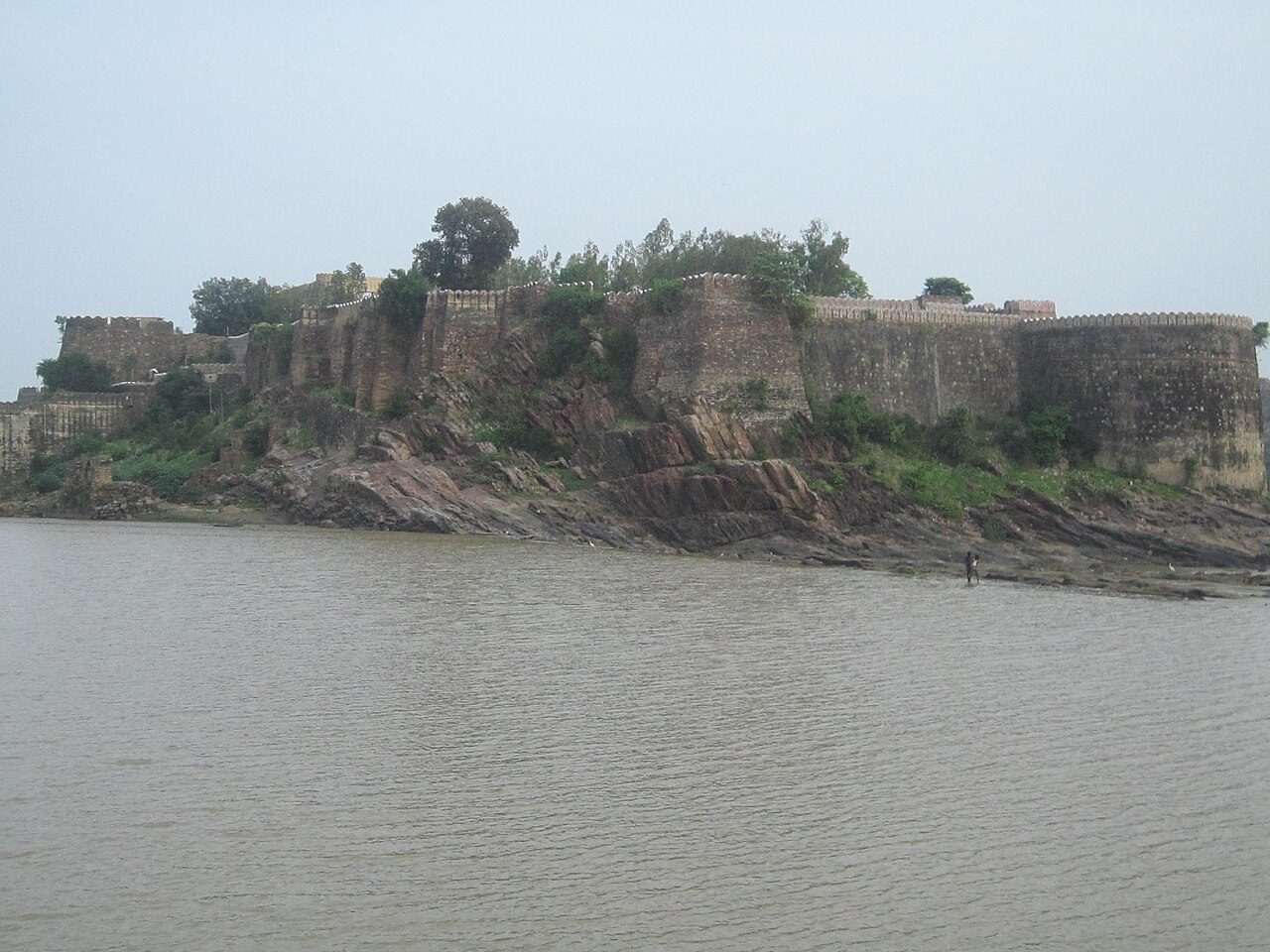
Gagron Fort stands at the meeting of the Ahu and Kali Sindh rivers near Jhalawar and is protected by water on three sides, with forested hills behind. Its origins go back to the 12th century, and it witnessed many sieges. The tomb of the Sufi saint Mitthe Shah lies just outside the gate. It is one of the six hill forts of Rajasthan inscribed on the UNESCO World Heritage list.
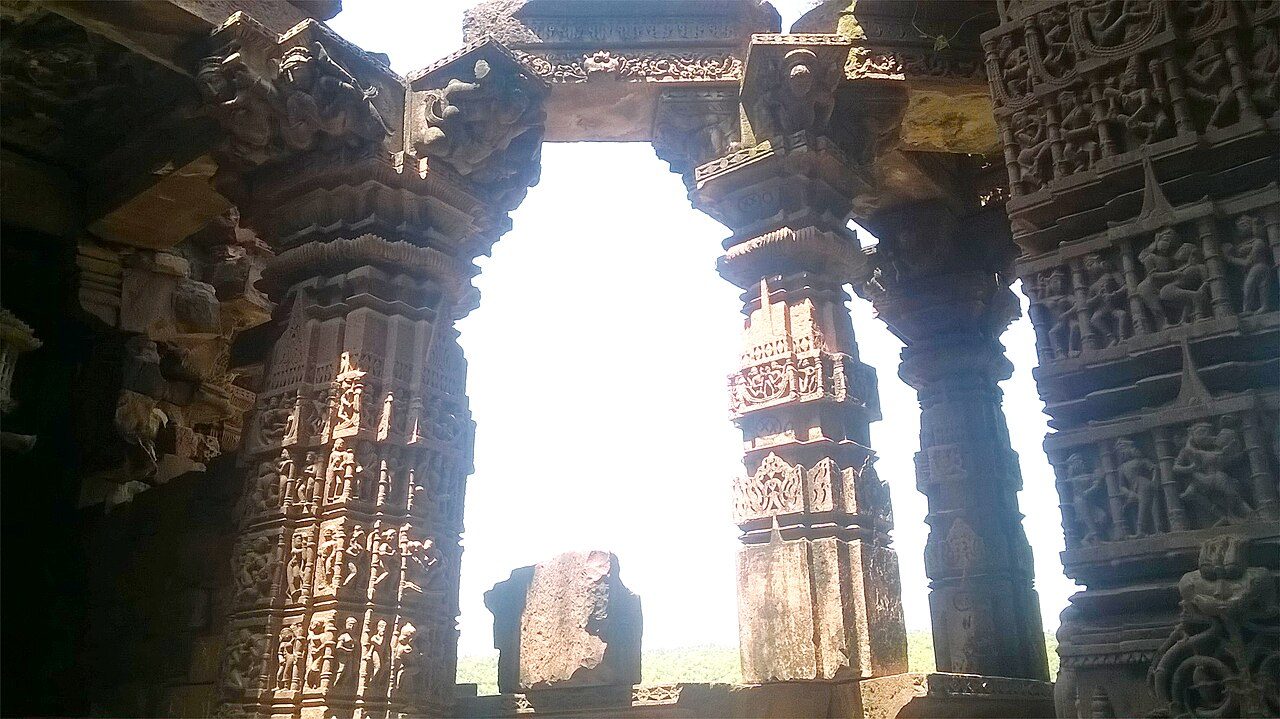
Bhand Devra is a 10th-century Shiva temple standing inside the Ramgarh crater, a ring of hills about three kilometres across thought to have been formed by a meteorite impact. Built in the Nagara style, it is sometimes called the little Khajuraho of Rajasthan for its sculpture. Though damaged, its carved pillars and ceilings are impressive. A lake and hilltop temples lie nearby.
Best weather: Nov – Mar
Seasons from 20 years of NASA POWER climate data.
Was this trip blog helpful?
0
0
Ready to follow this route?
Copy all 10 stops into your trip plans in the app.
 WaTrips