Gwalior, Orchha and Khajuraho in 5 Days: Forts, Temples and Panna
5 DAYS21 placesby WaTrips
Gwalior Fort, the Bateshwar and Mitaoli temples, Datia, Orchha on the Betwa, Khajuraho, Raneh Falls and Panna.
This route links the great sights of northern Madhya Pradesh. Day one is Gwalior: its fort with the Sas Bahu and Teli ka Mandir temples, the Gujari Mahal museum, the Tomb of Muhammad Ghaus and Jai Vilas Palace. Day two visits the restored Bateshwar temple group and the circular Chausath Yogini temple at Mitaoli, then Datia's seven-storey palace. Day three is Orchha, with Jahangir Mahal, the Ram Raja temple and the royal chhatris on the Betwa at sunset. Day four is Khajuraho's temples, a UNESCO World Heritage Site, and day five ends at Raneh Falls, Pandav Falls and a safari in Panna. October to March is best; Panna is closed in the monsoon.
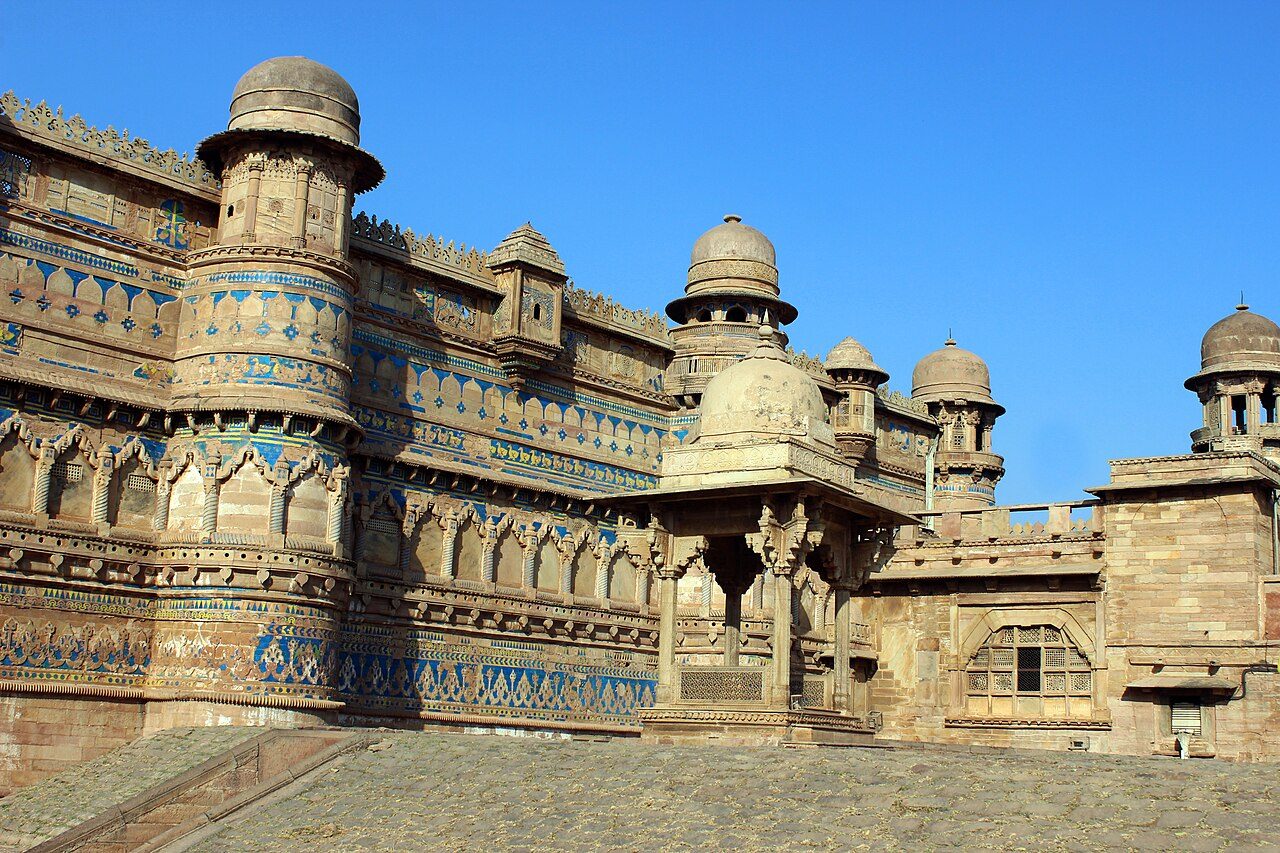
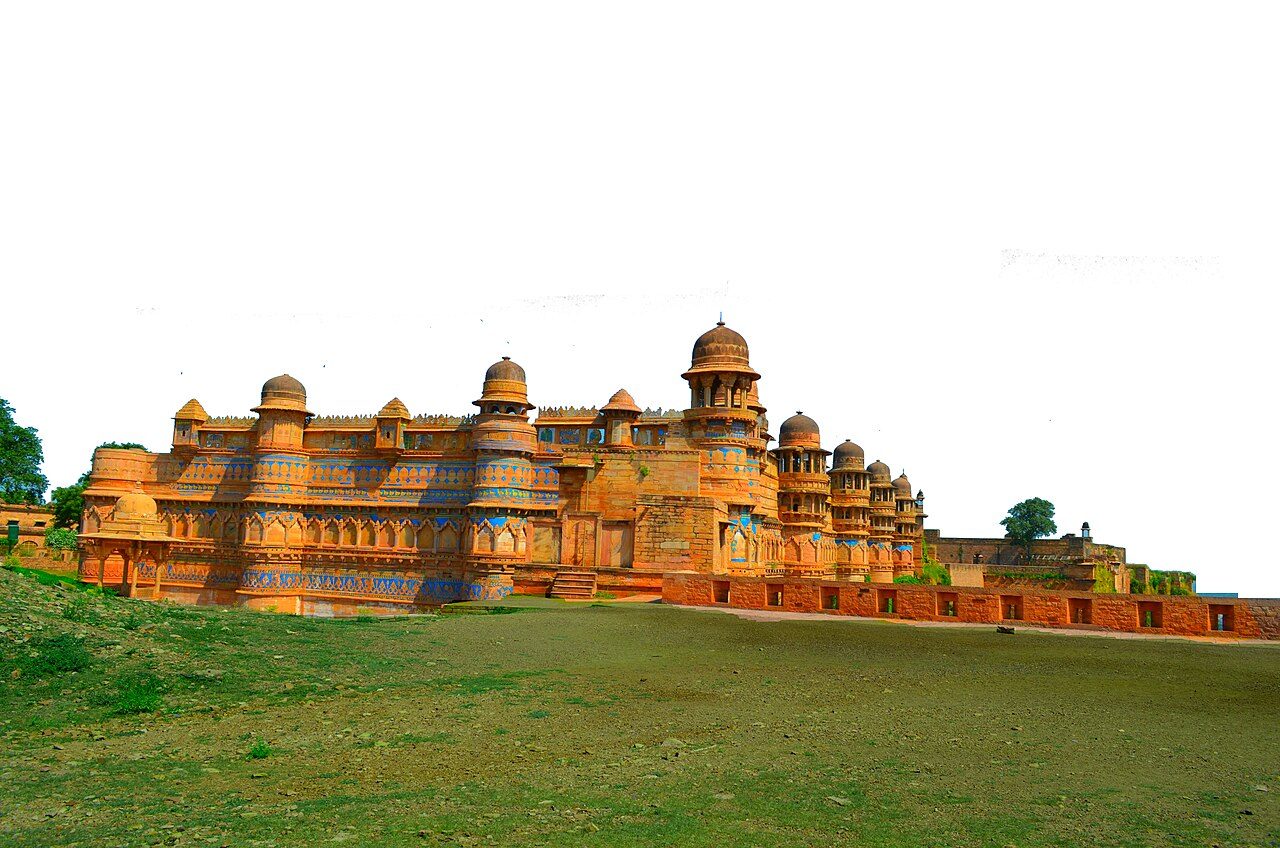
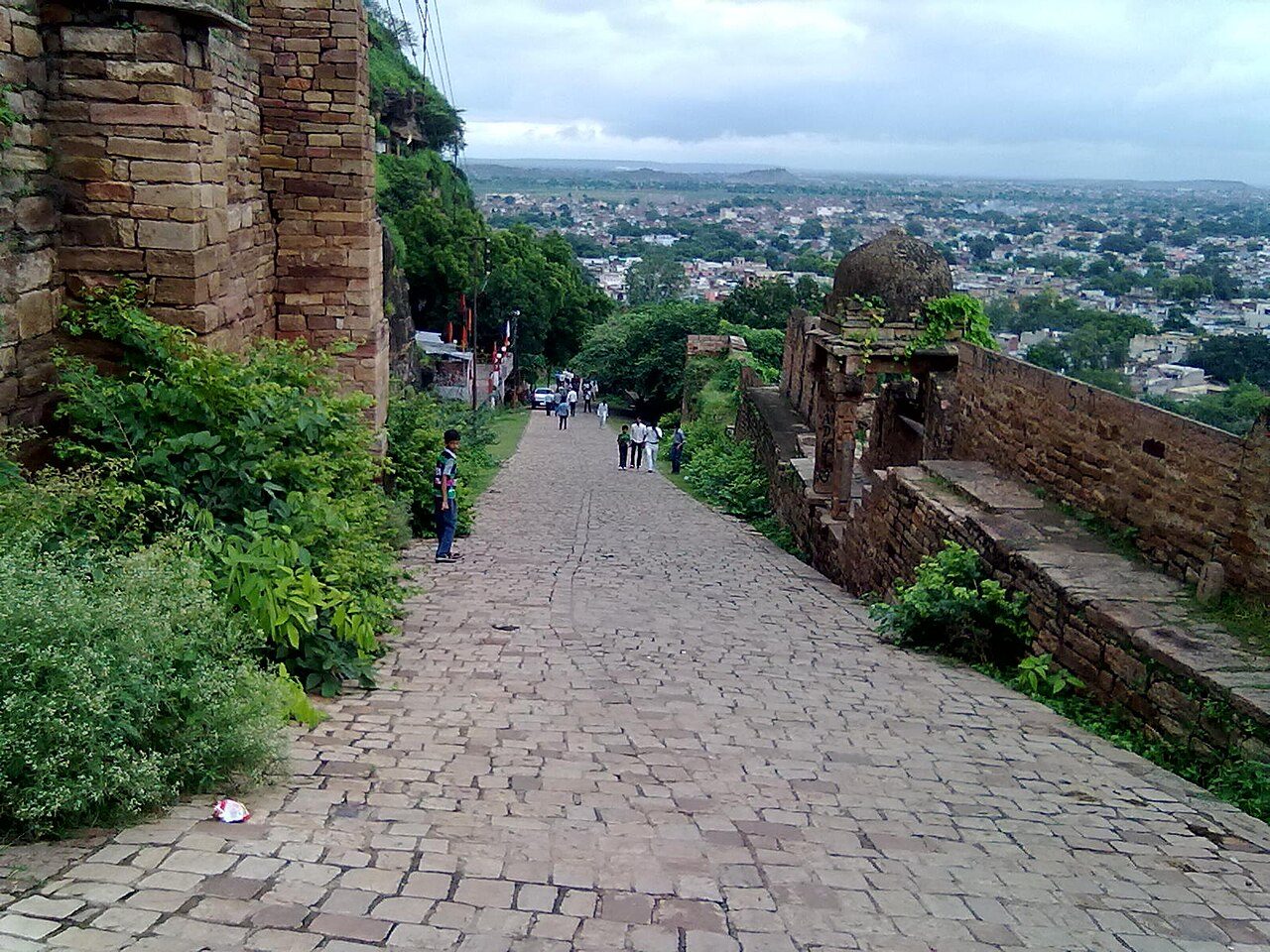
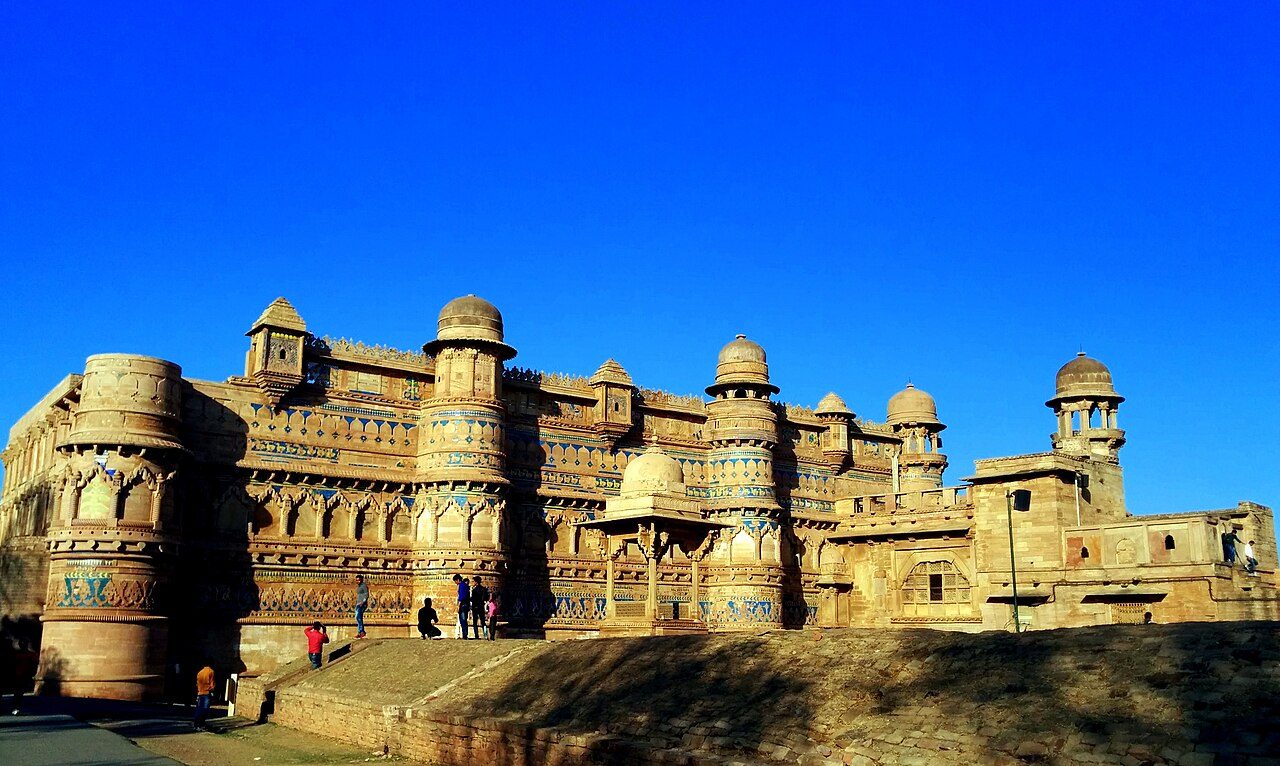
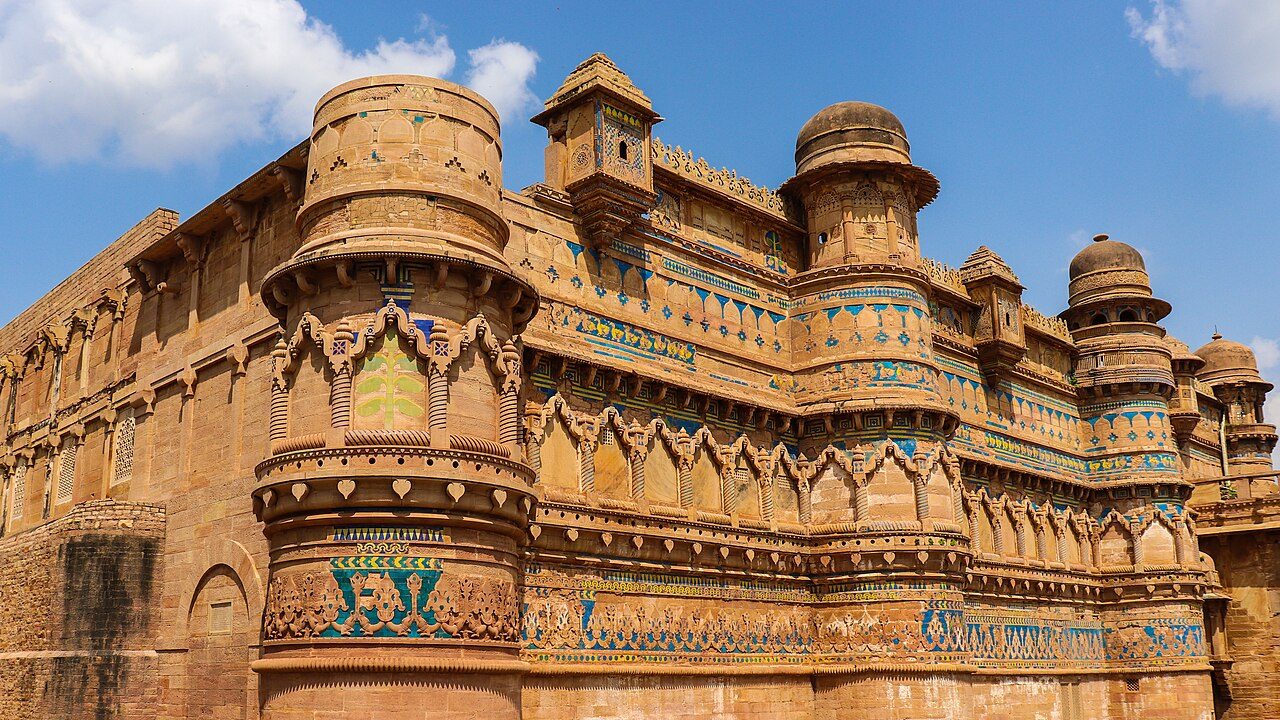
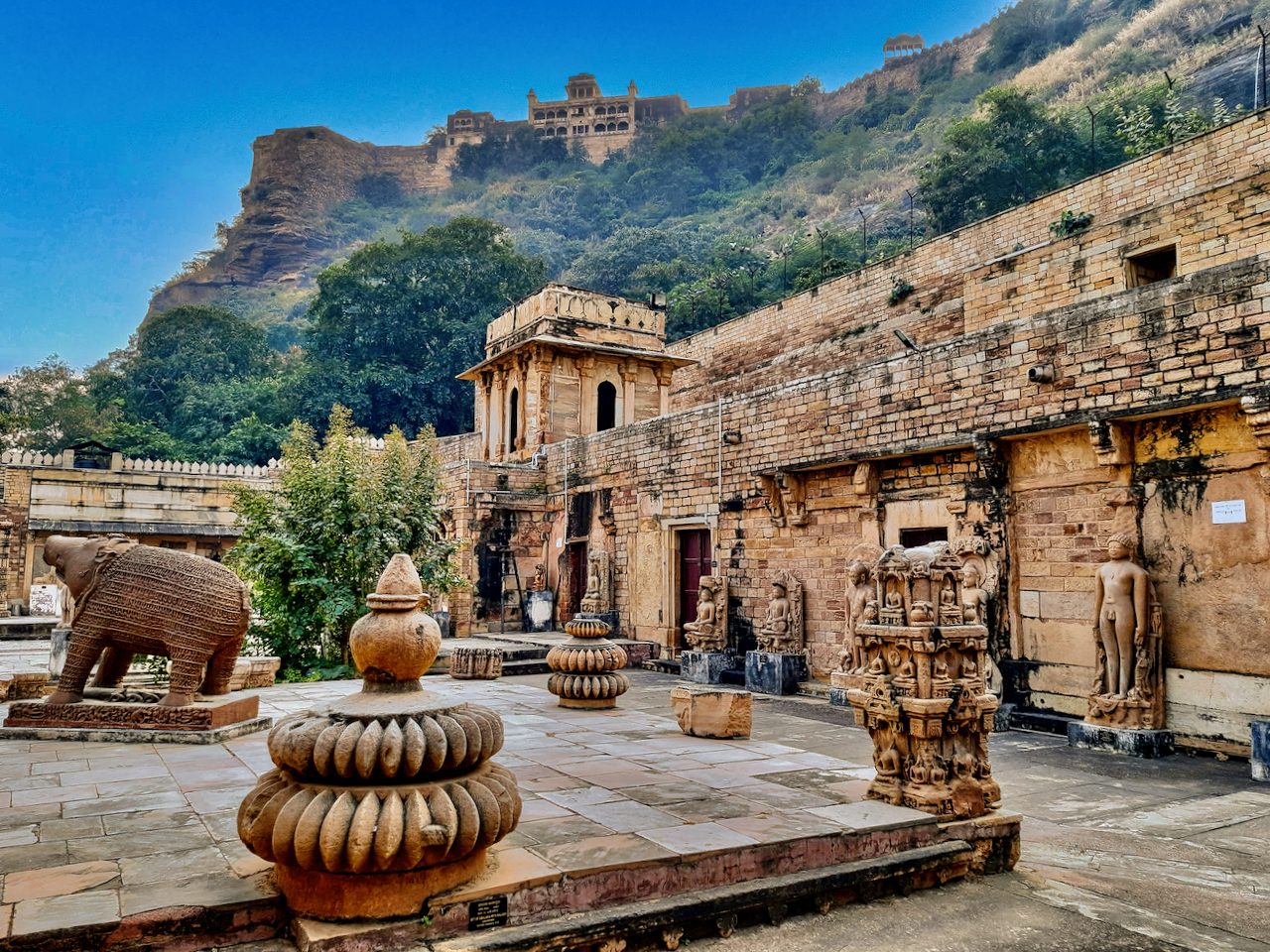
Gwalior Fort spreads along a sandstone plateau high above the city and has been fought over for more than a thousand years. Its showpiece is the Man Mandir Palace, built by Raja Man Singh Tomar around 1500, whose walls are banded with blue, yellow and green tiles. The fort also holds temples, water tanks, a gurdwara and museums. Allow half a day, and stay for the evening sound-and-light show.
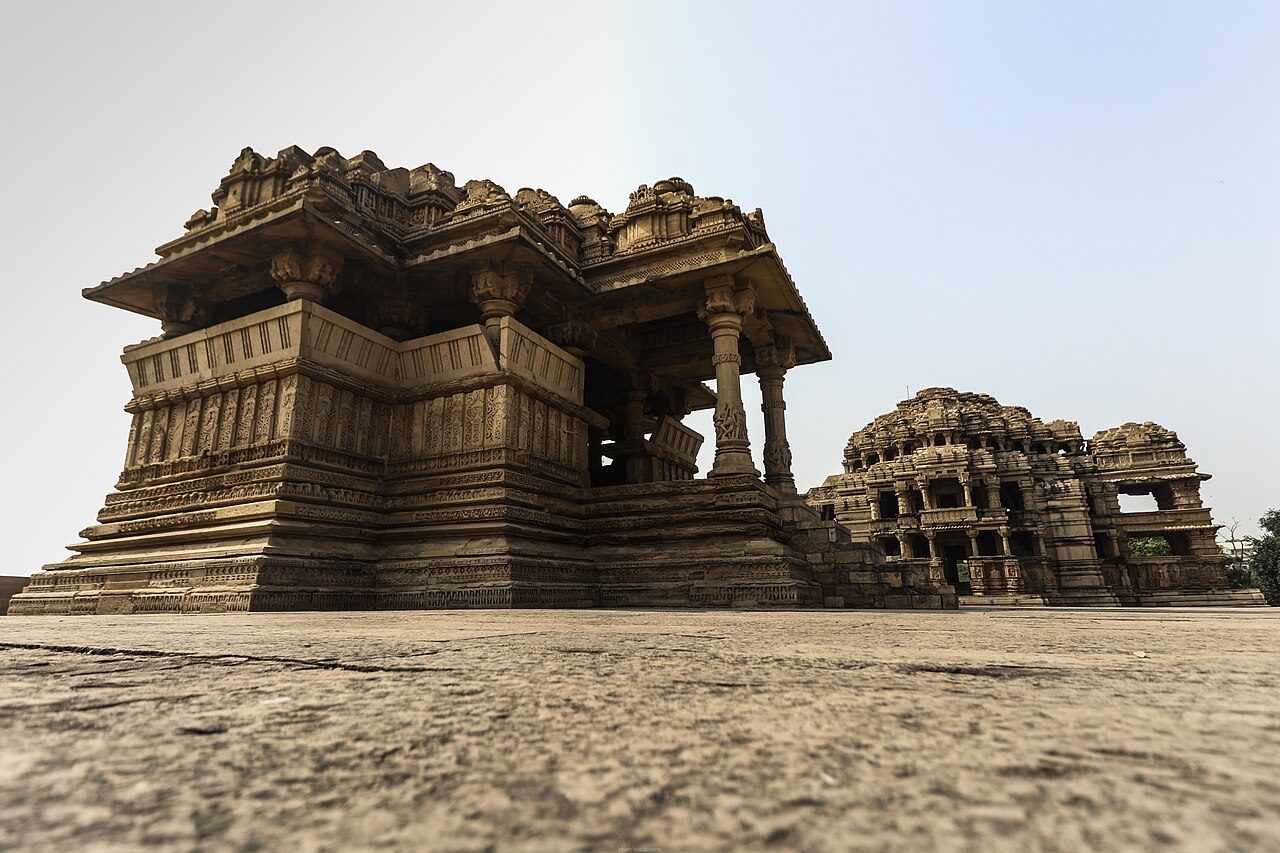
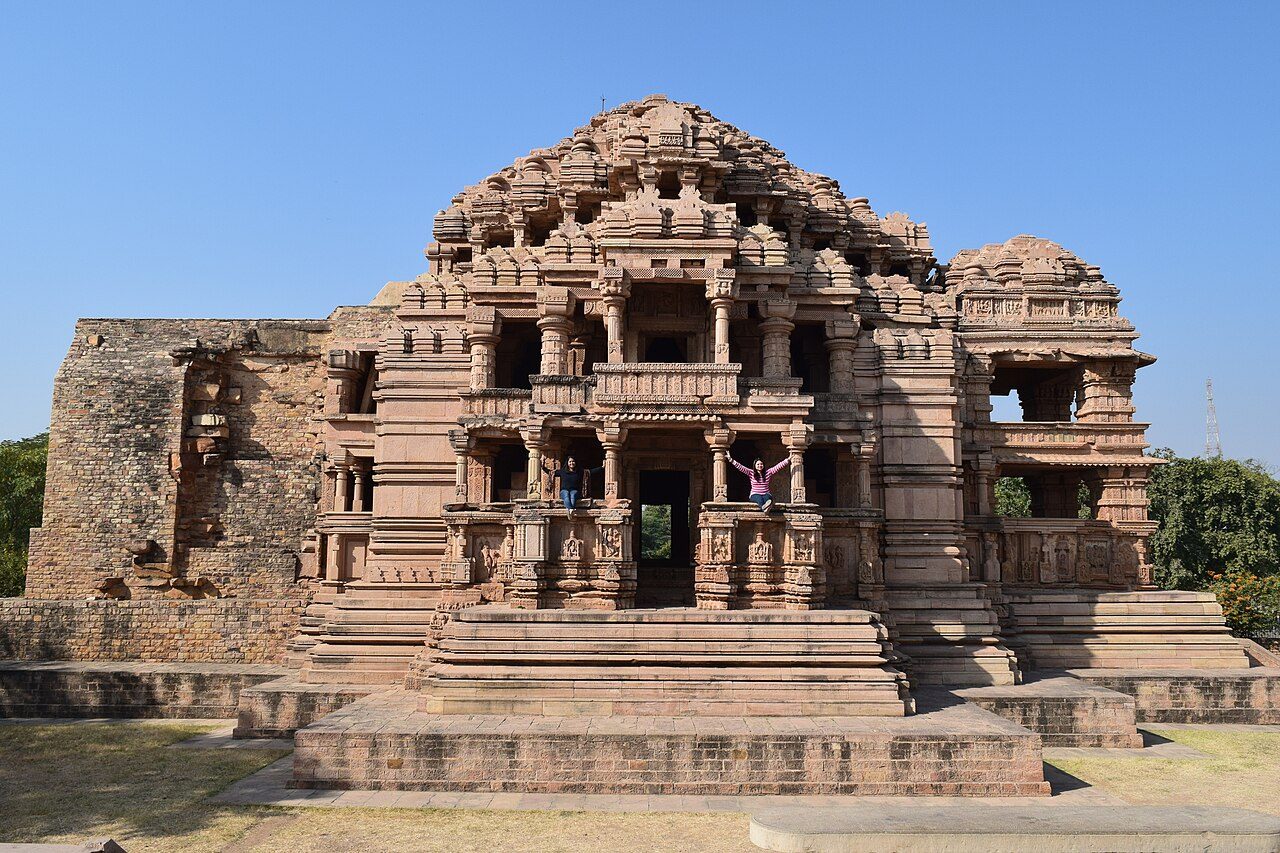
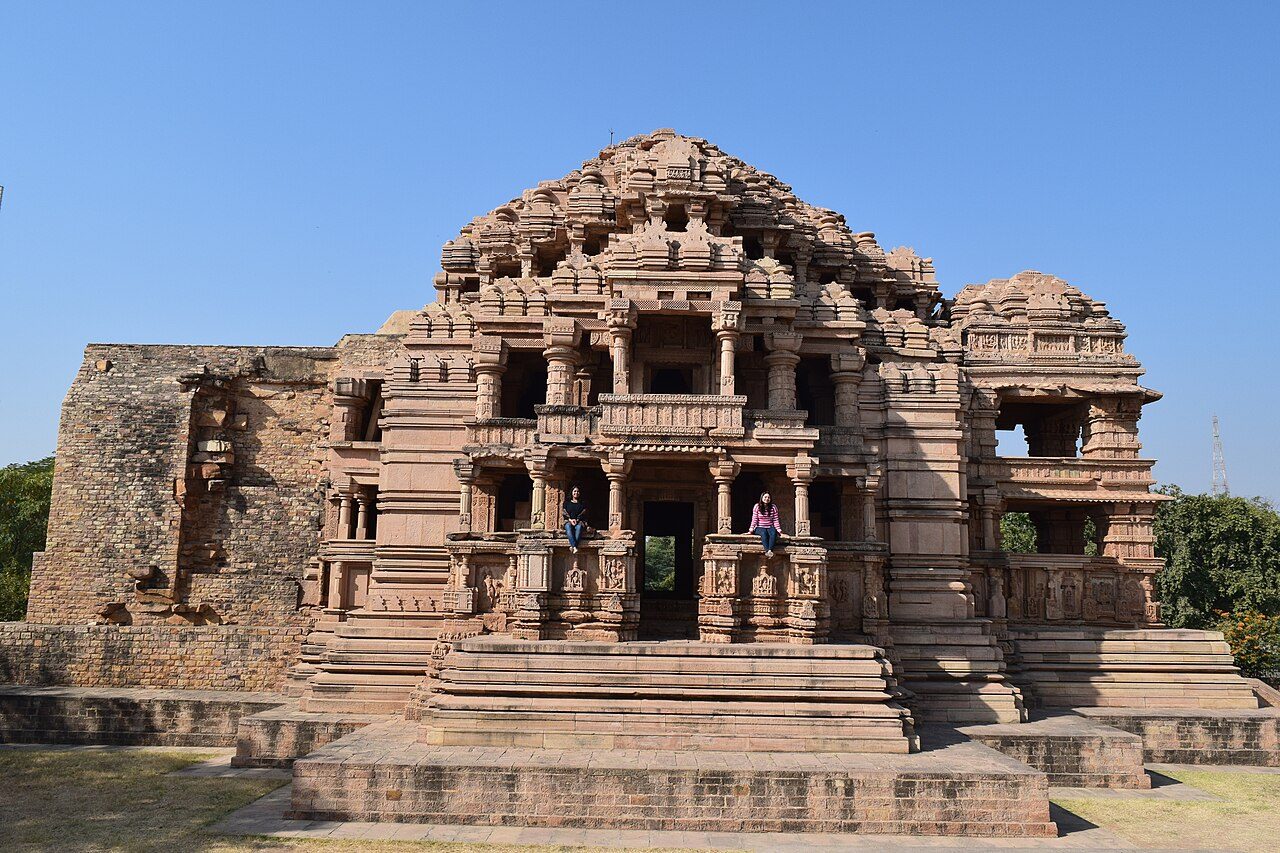
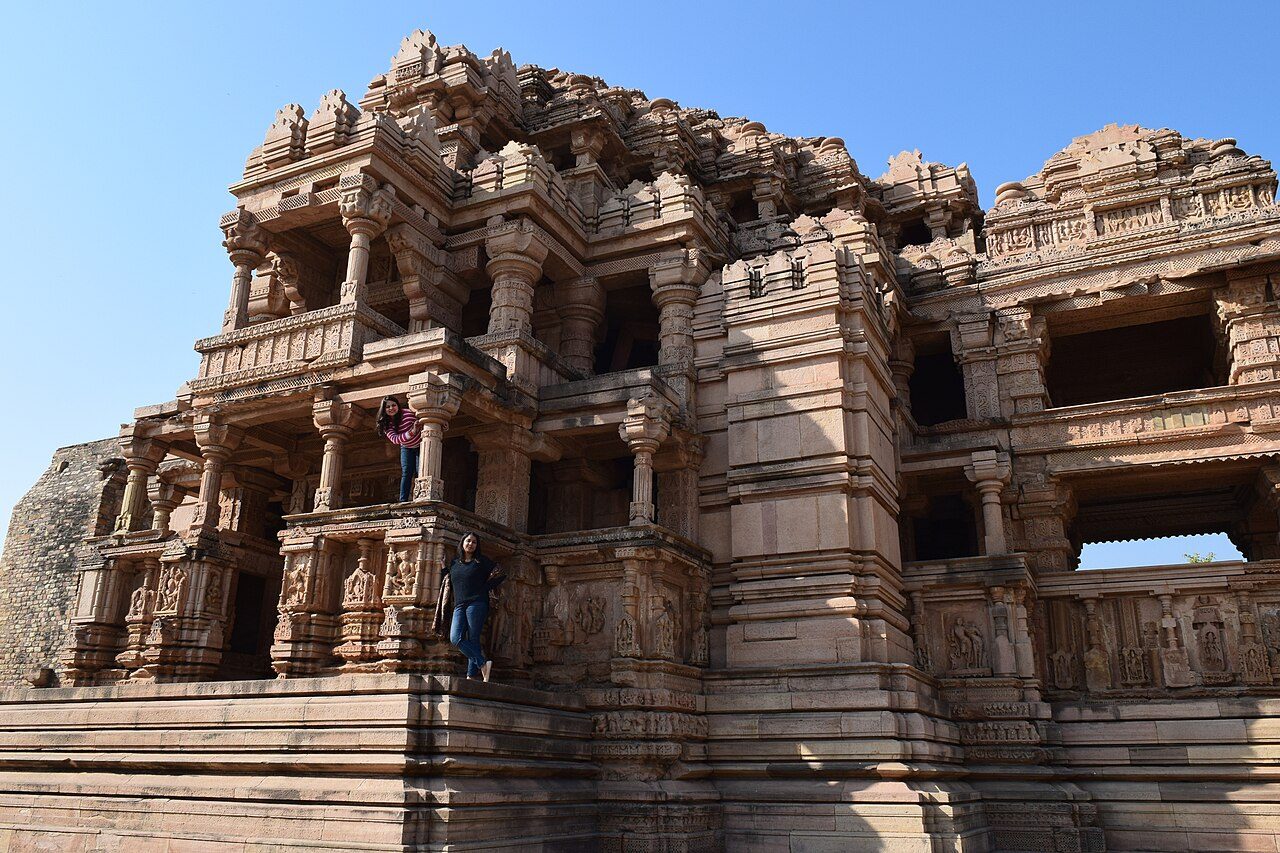
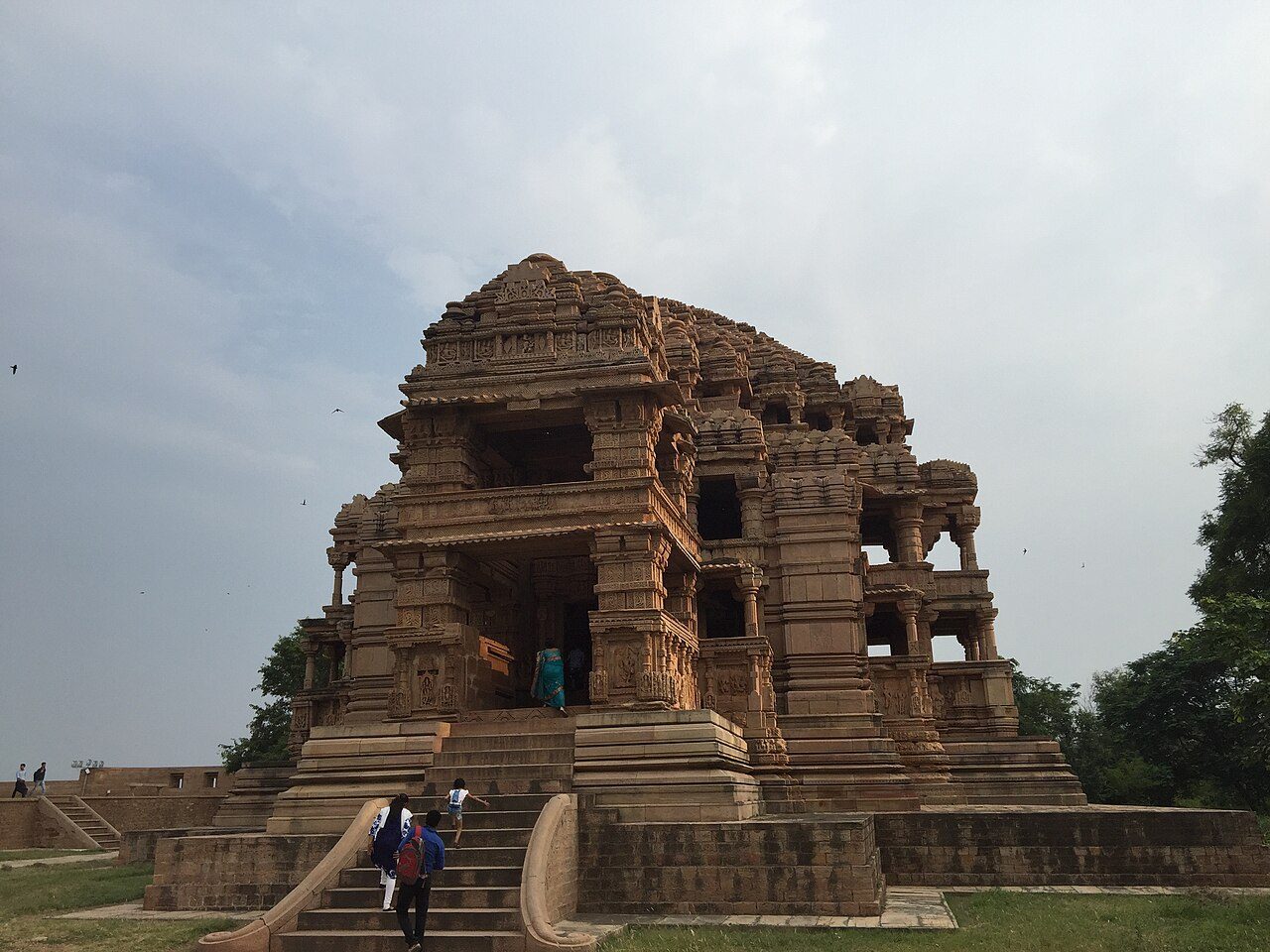
The Sas Bahu temples are a pair of 11th-century temples on the eastern edge of Gwalior Fort, completed in 1093 under the Kachchhapaghata king Mahipala. The larger is dedicated to Vishnu and rises in three storeys of pillars, every surface carved with figures and patterns; the smaller one stands close by. The terrace gives a wide view over the old city below.
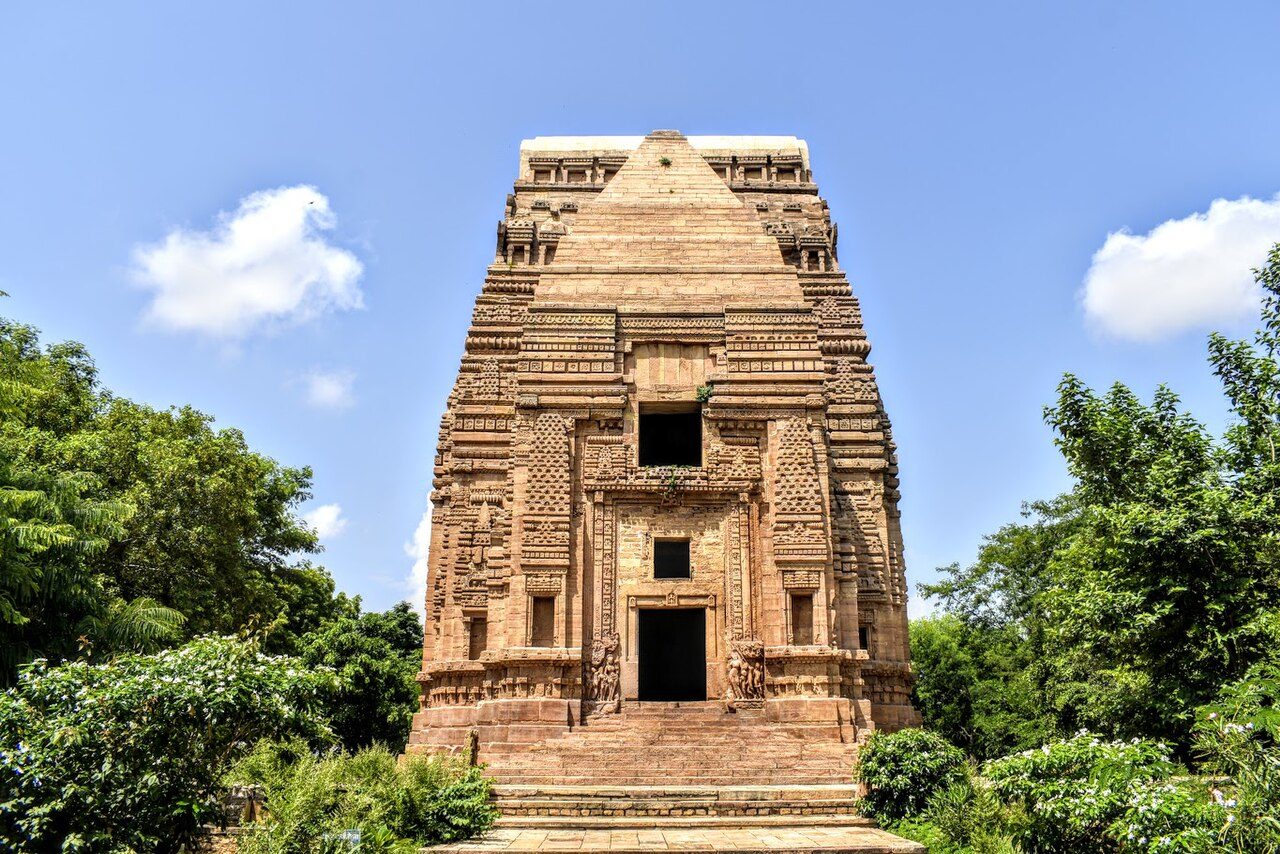
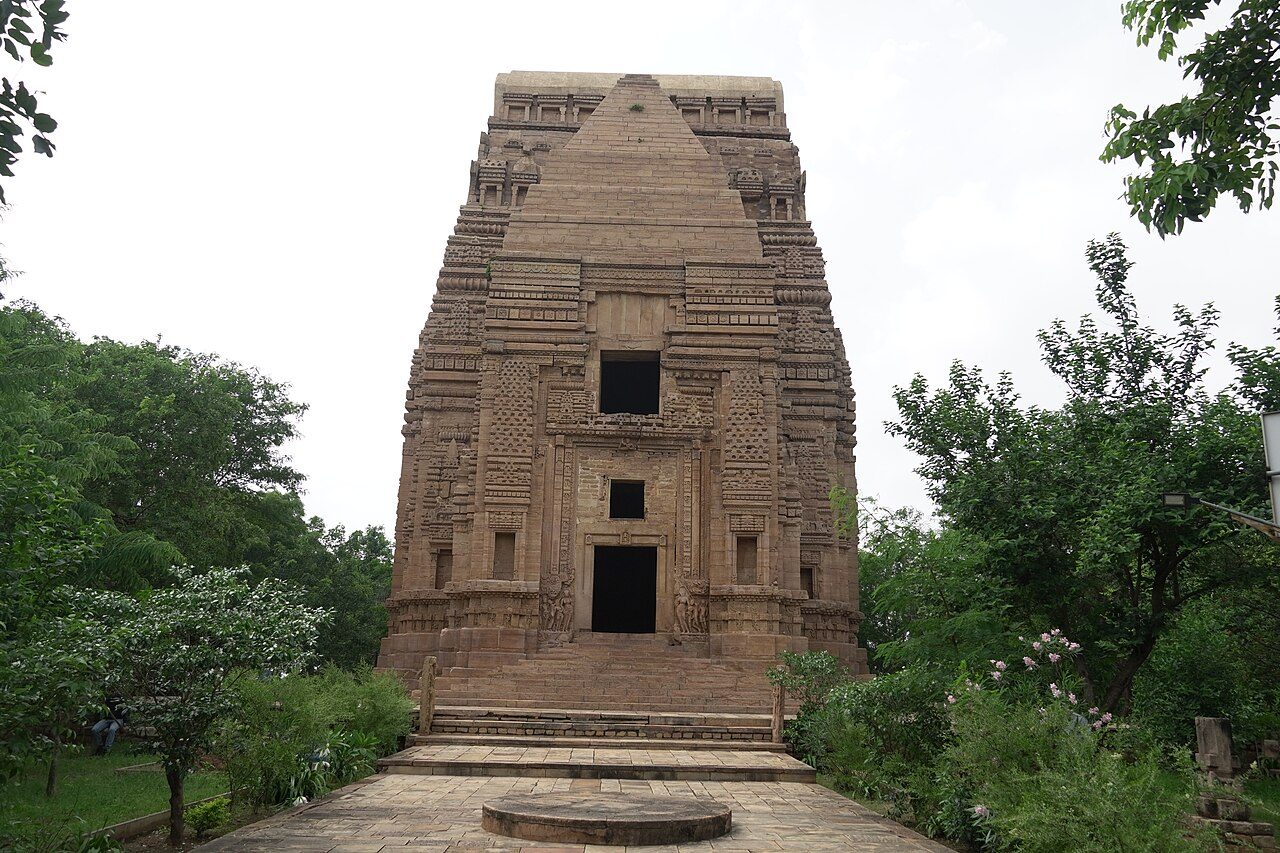
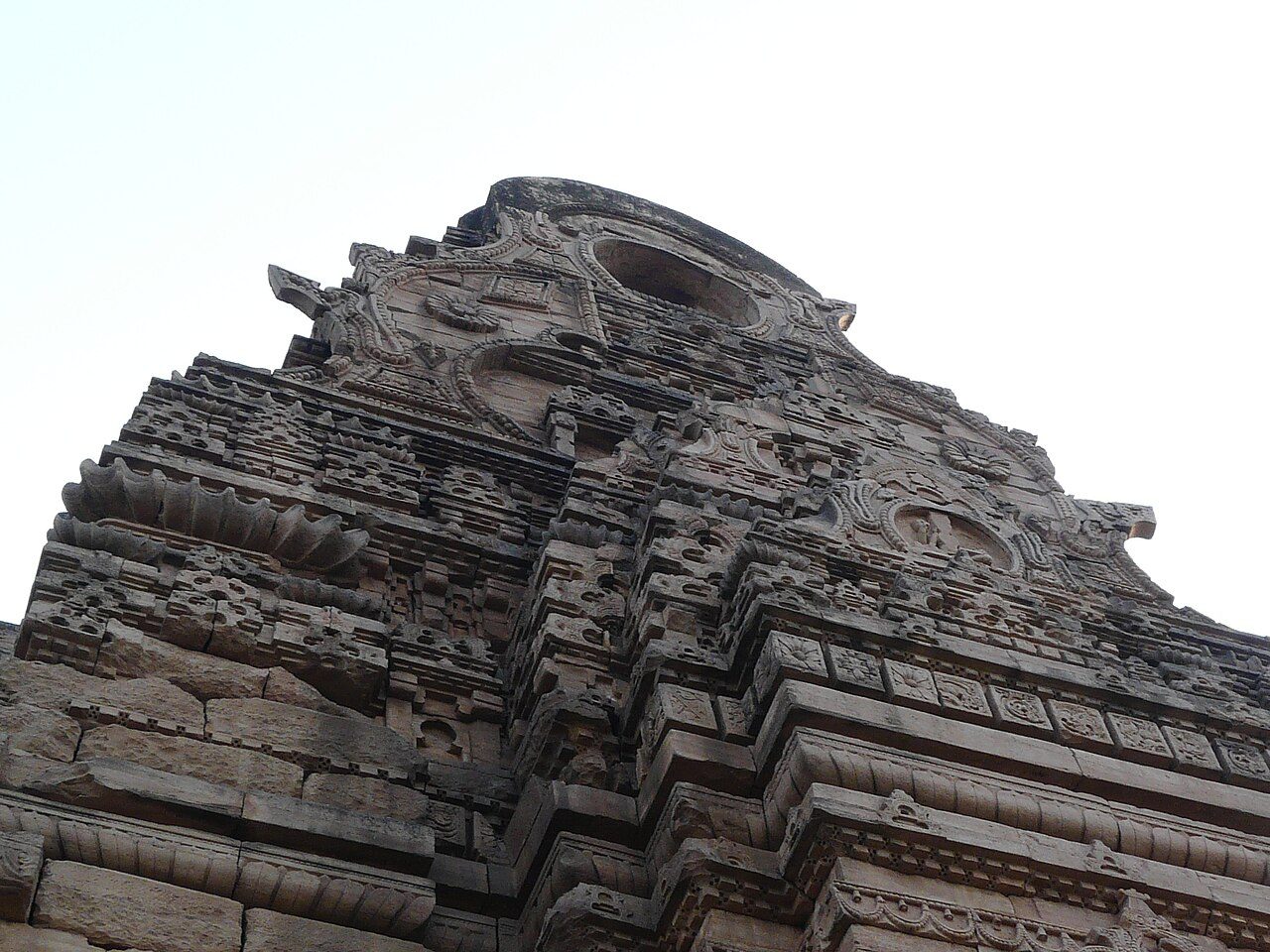
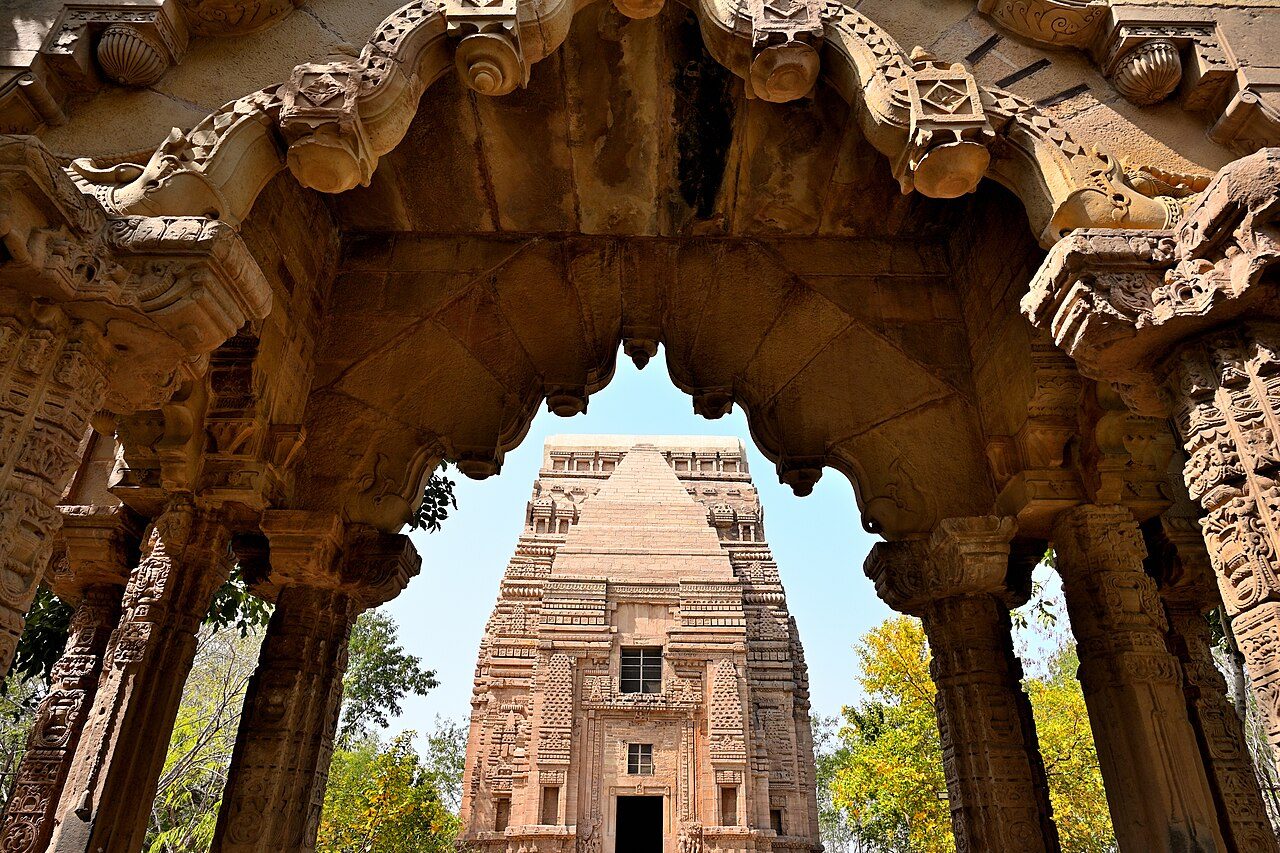
Teli ka Mandir is the tallest and one of the oldest buildings in Gwalior Fort, generally dated to the 8th or 9th century. Its unusual design combines a northern Indian carved body with a barrel-vaulted roof of a kind more common in the south. The doorway is flanked by river goddesses and the outer walls carry worn but fine sculpture. It lies near the gurdwara at the fort's southern end.
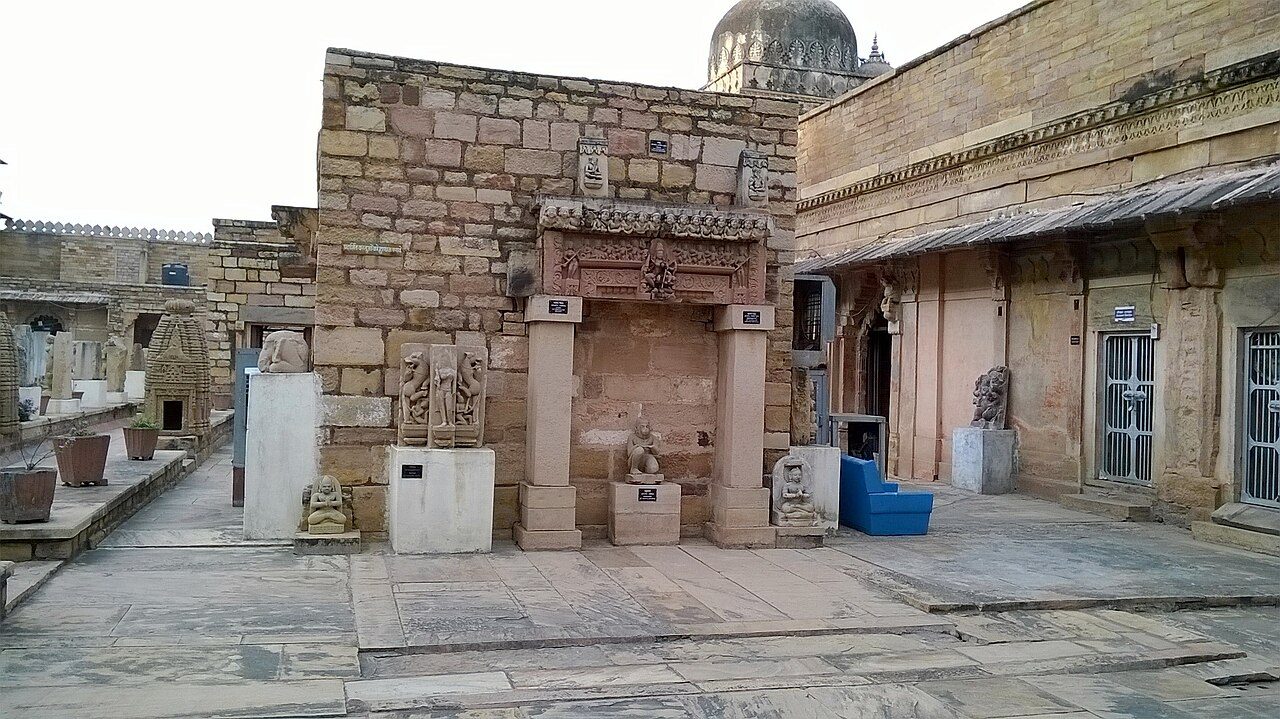
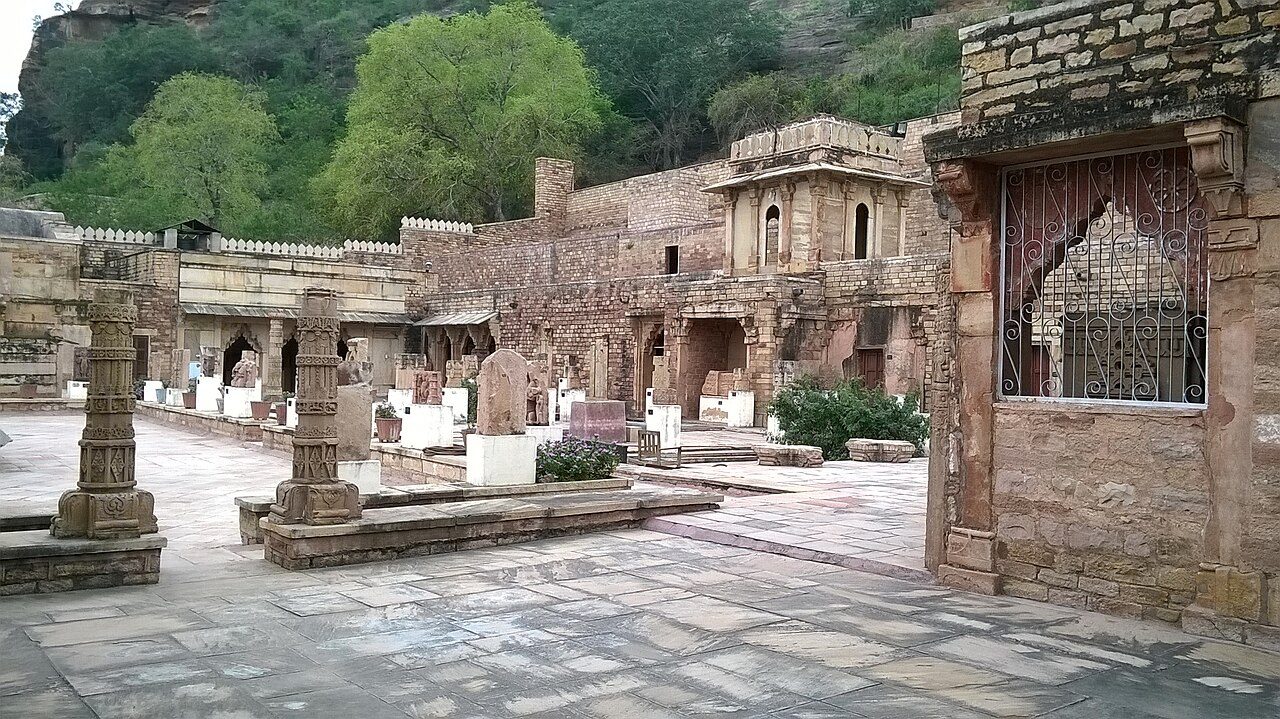
Gujari Mahal, at the foot of Gwalior Fort, was built in the 15th century by Raja Man Singh Tomar for his queen Mrignayani. The palace now houses an archaeological museum with one of the best sculpture collections in central India, including Hindu and Jain images, terracottas and copies of the Bagh cave paintings. It is closed on Mondays.
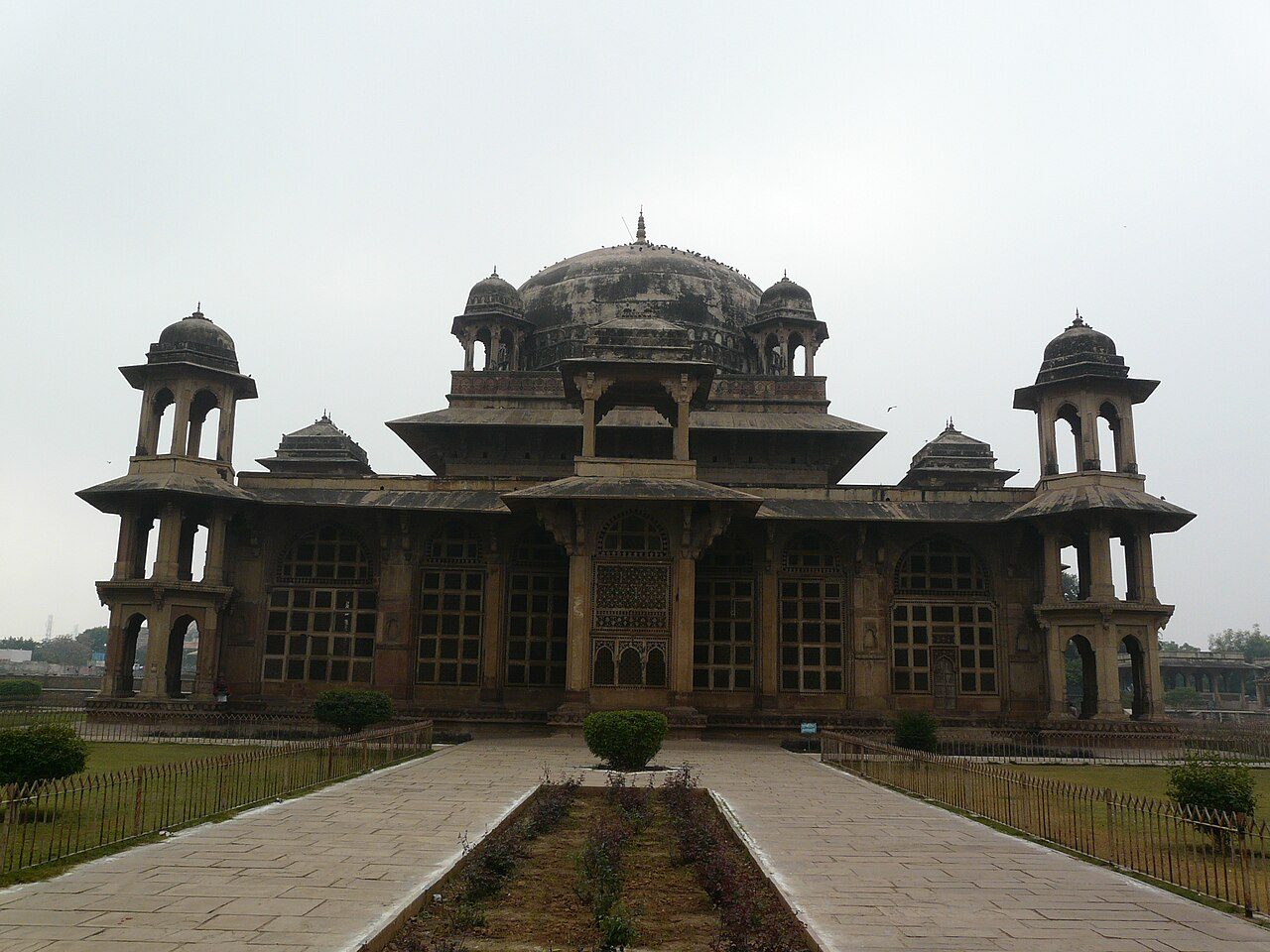
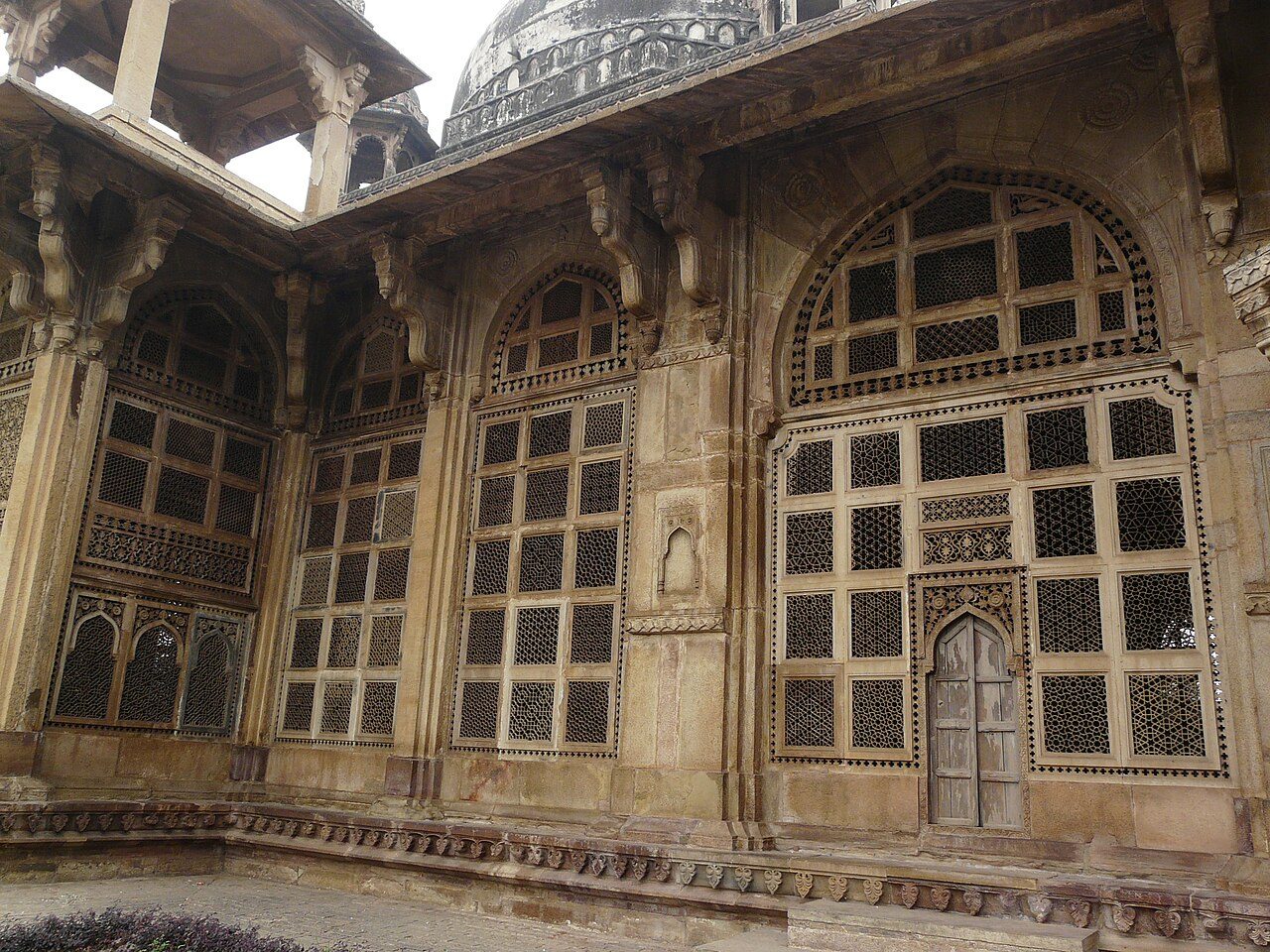
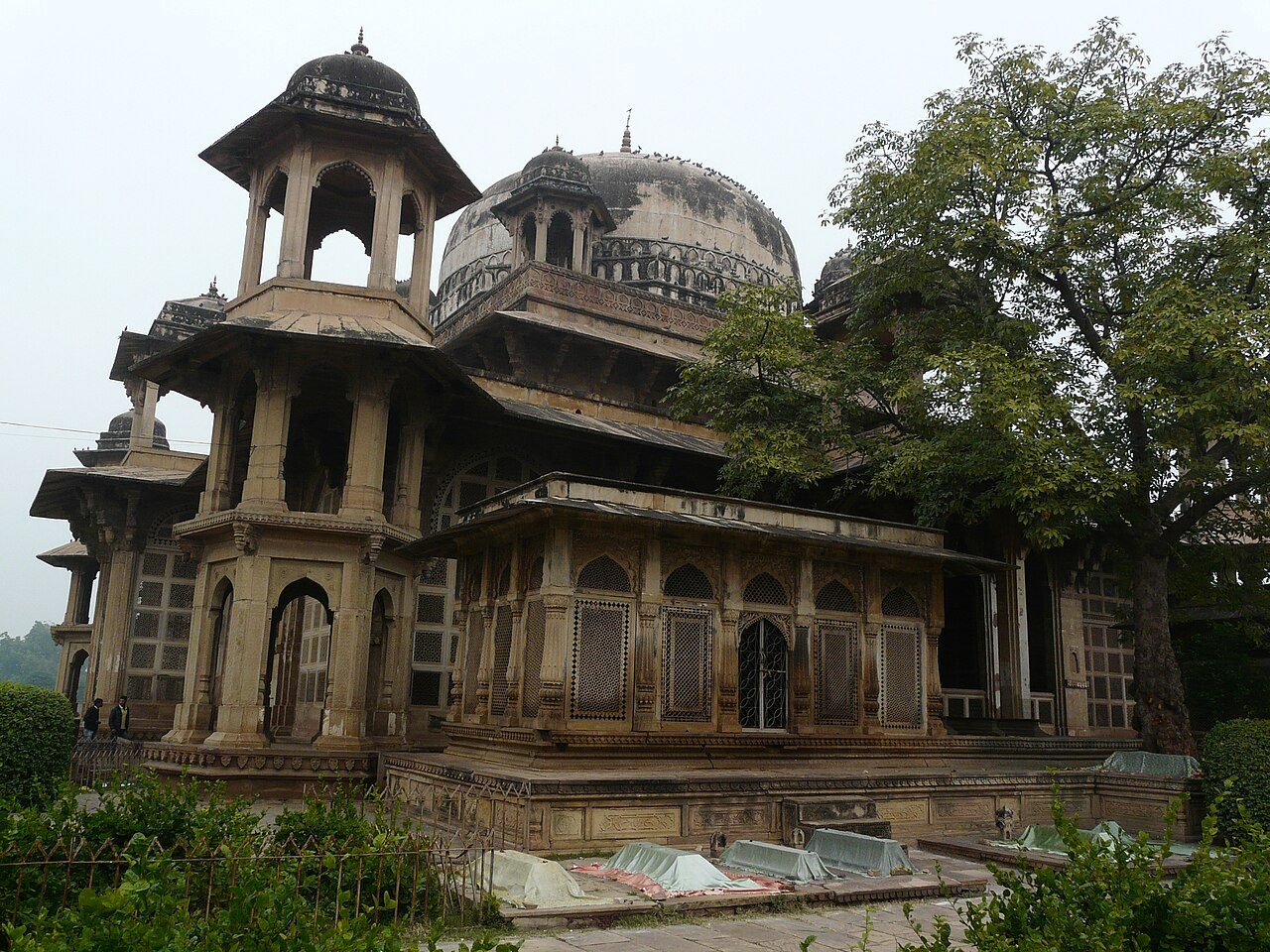
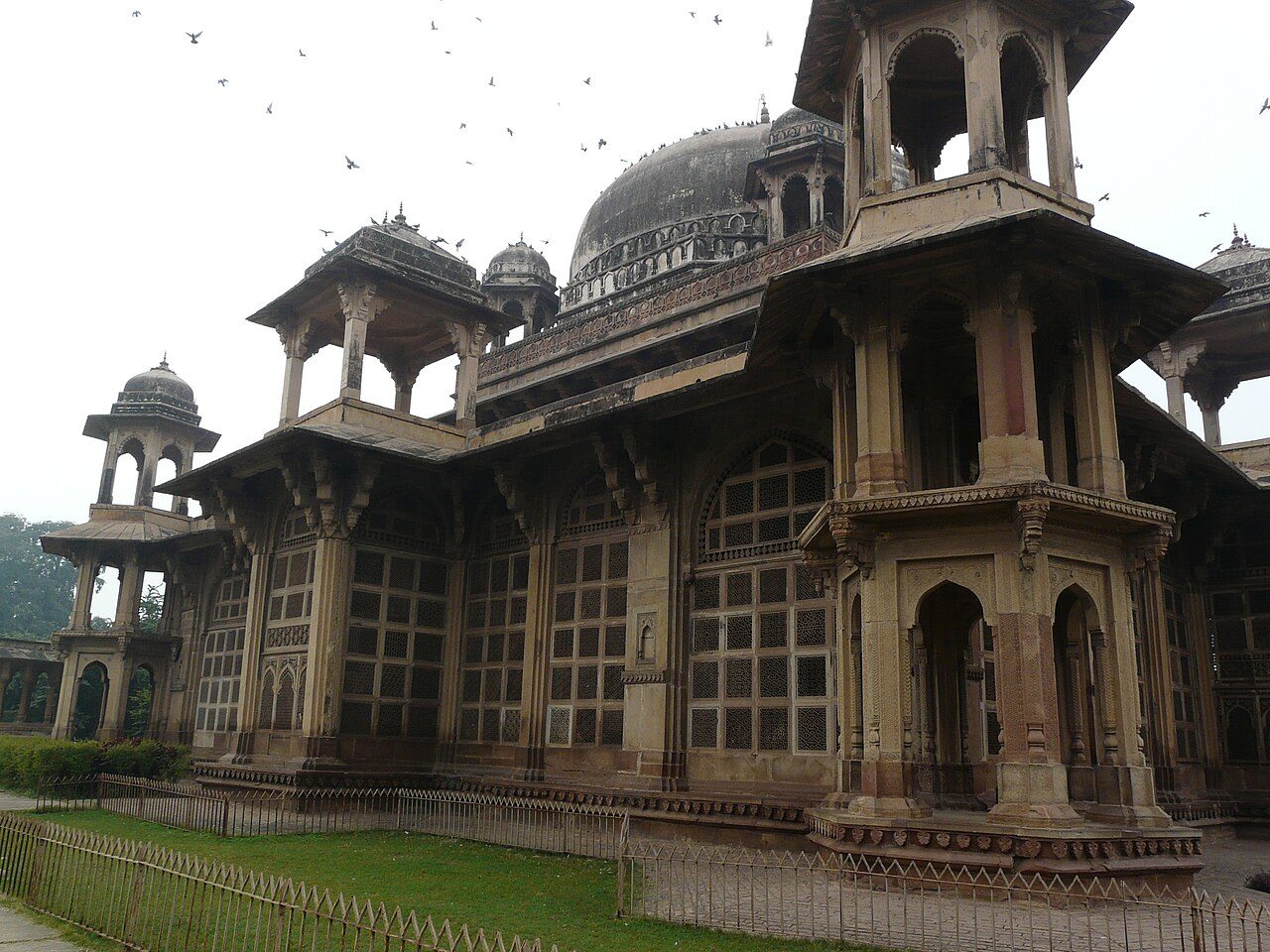
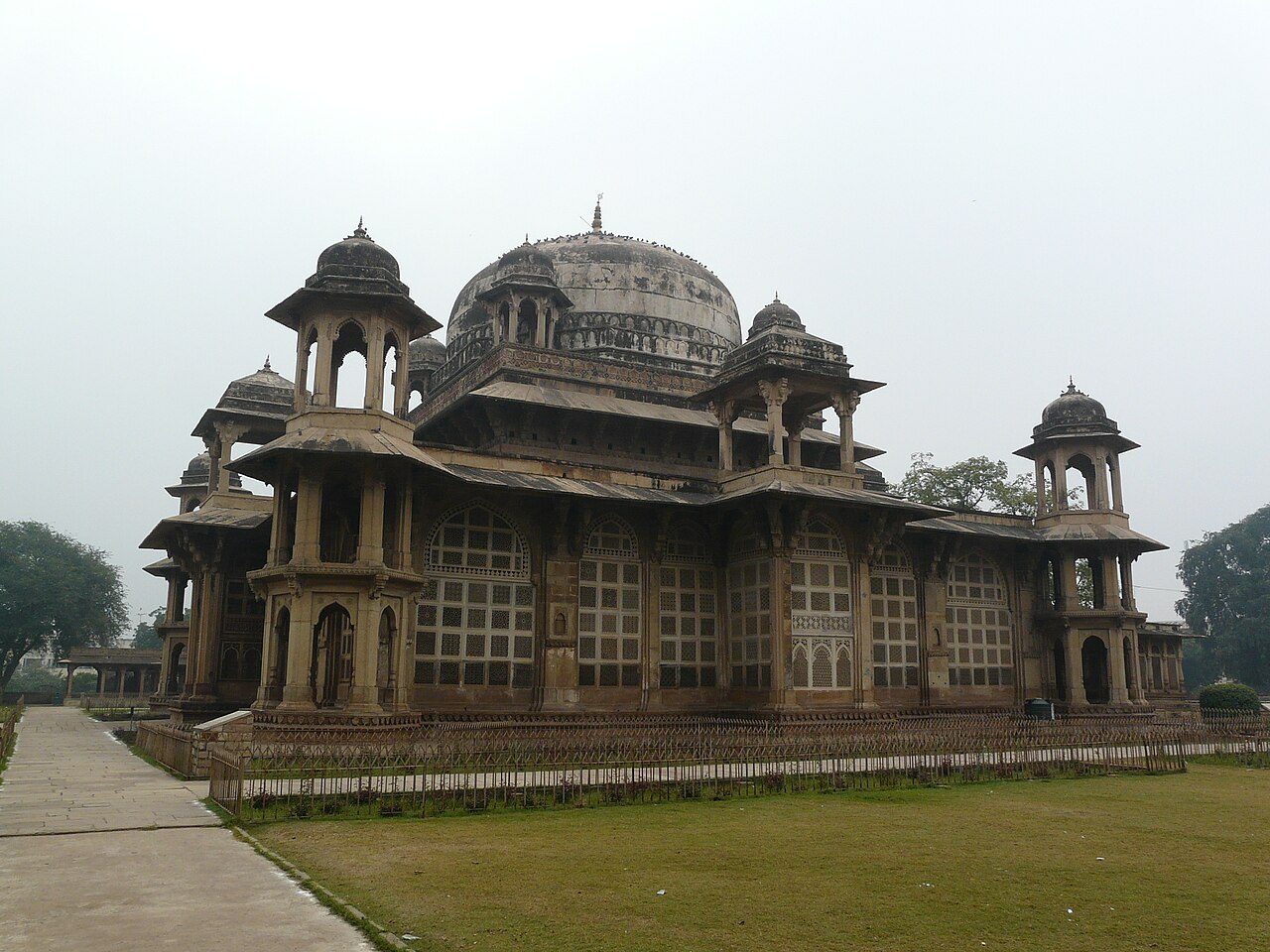
The tomb of Muhammad Ghaus, a 16th-century Sufi saint who advised the first Mughal emperors, is one of the finest early Mughal buildings in Gwalior. Its square hall is wrapped in stone screens pierced with intricate geometric patterns and topped by a large dome and corner kiosks. In the same garden lies the simple grave of Tansen, the great musician of Akbar's court; a music festival is held here each winter.
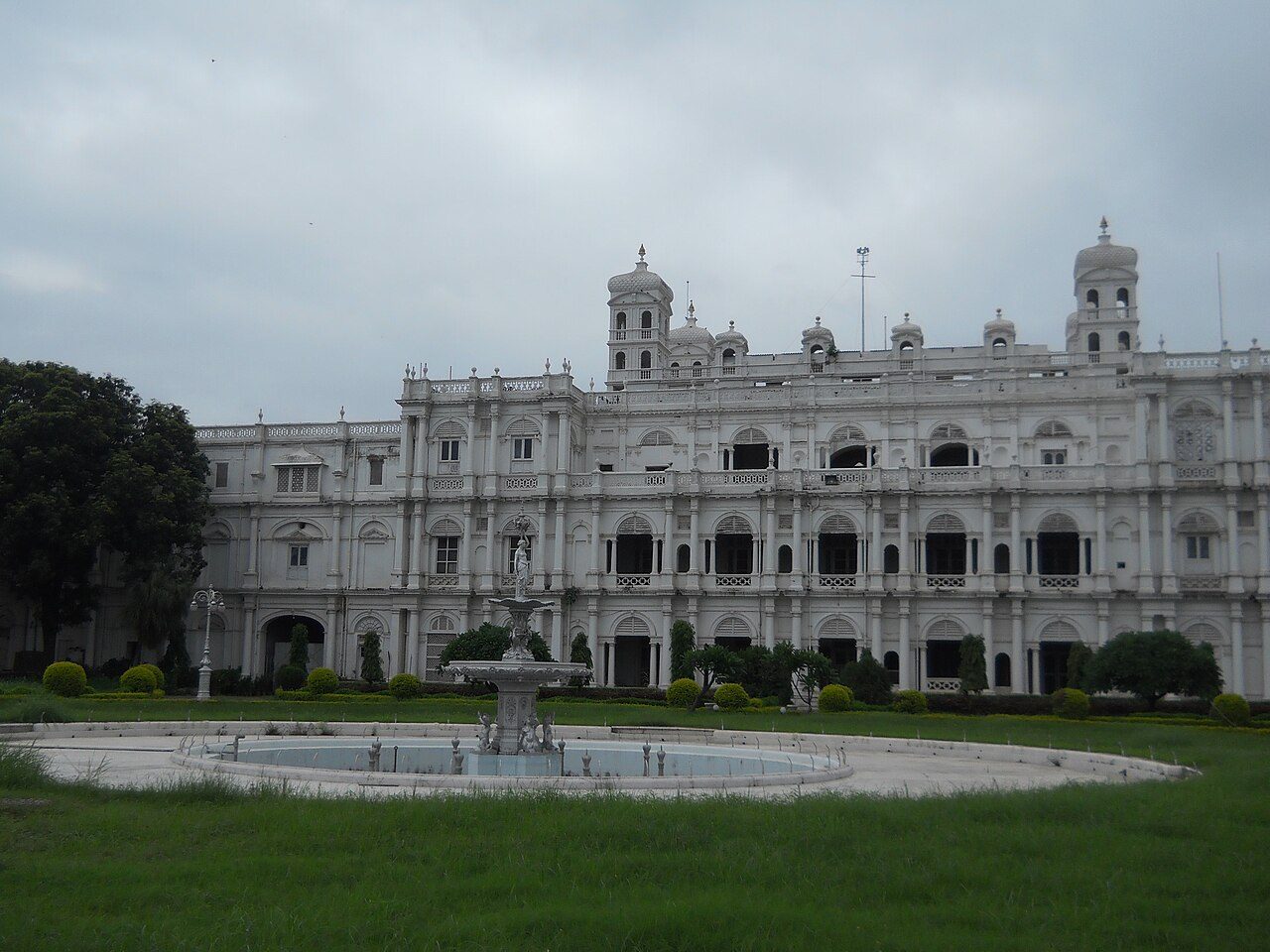
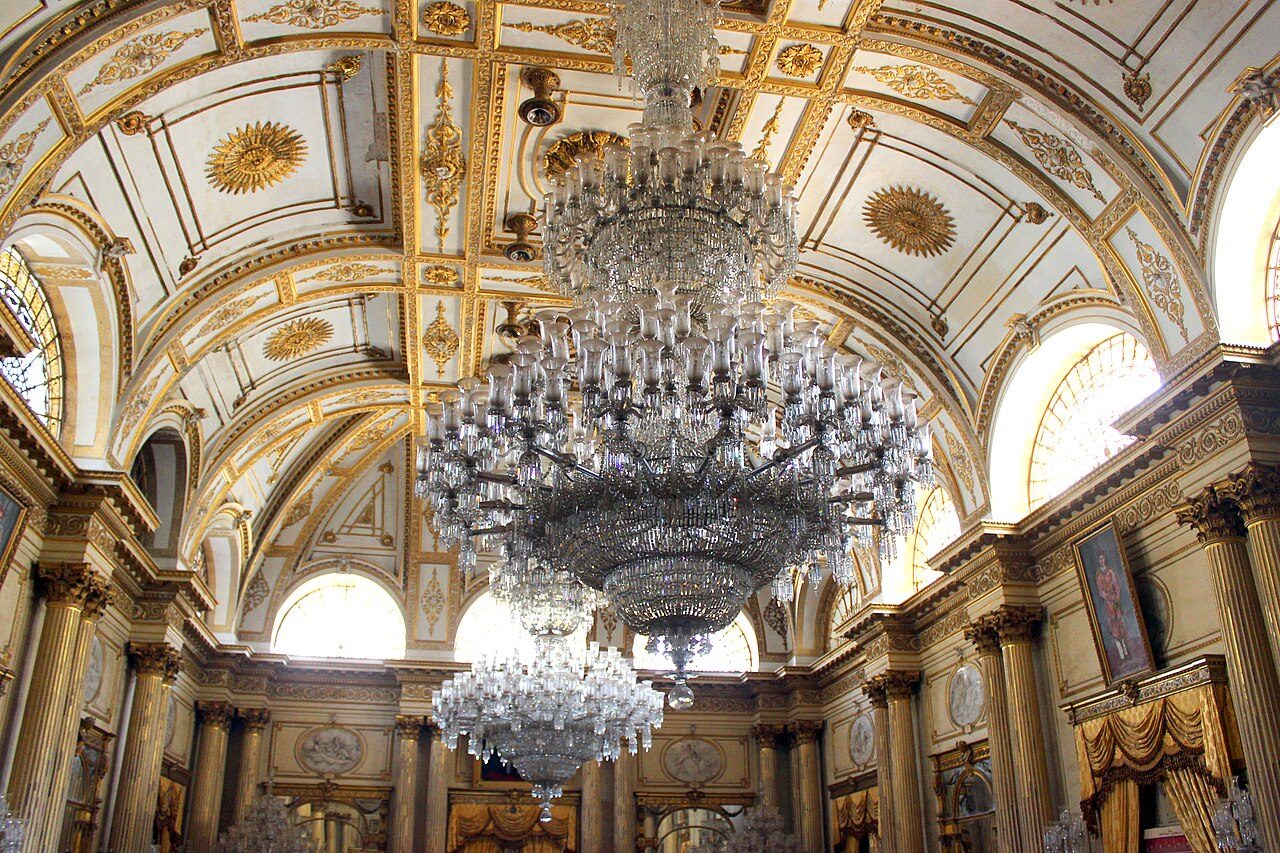
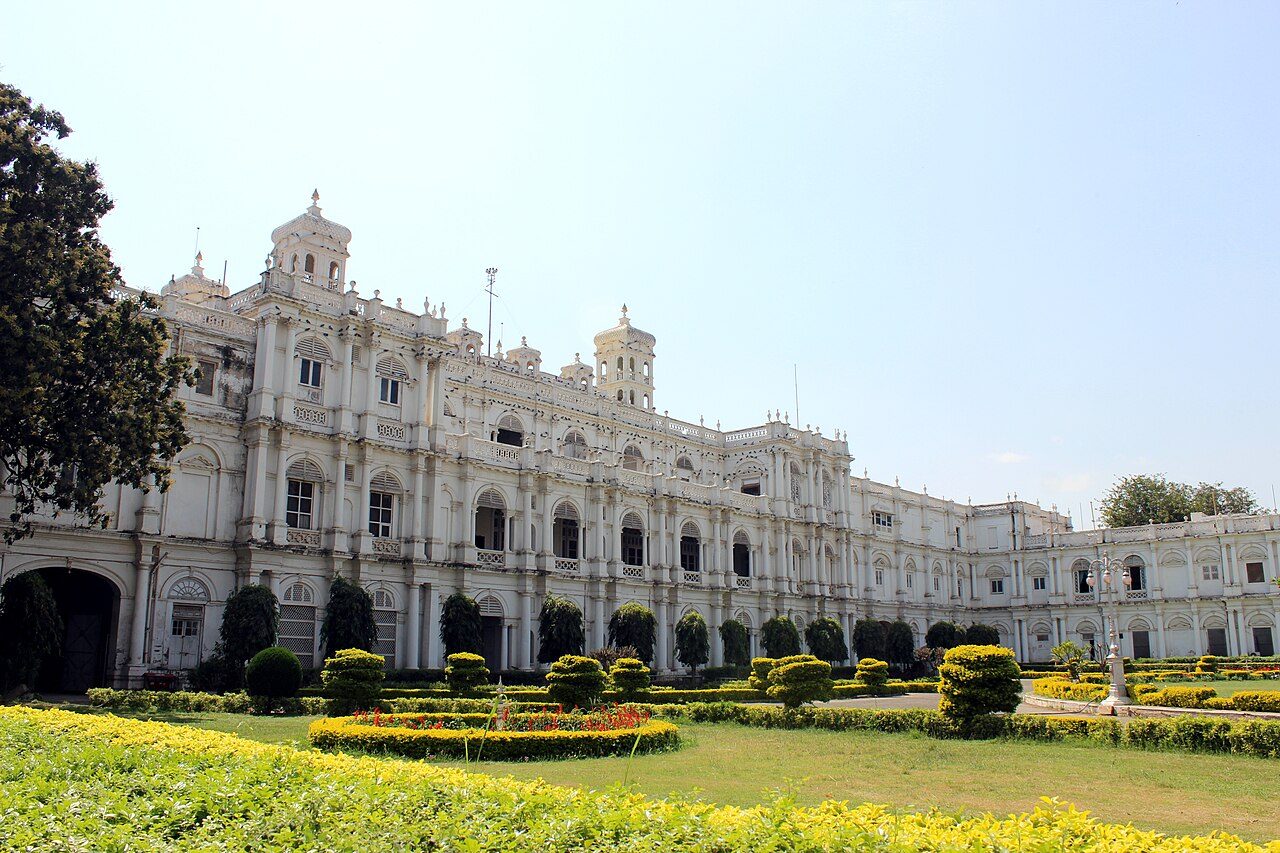
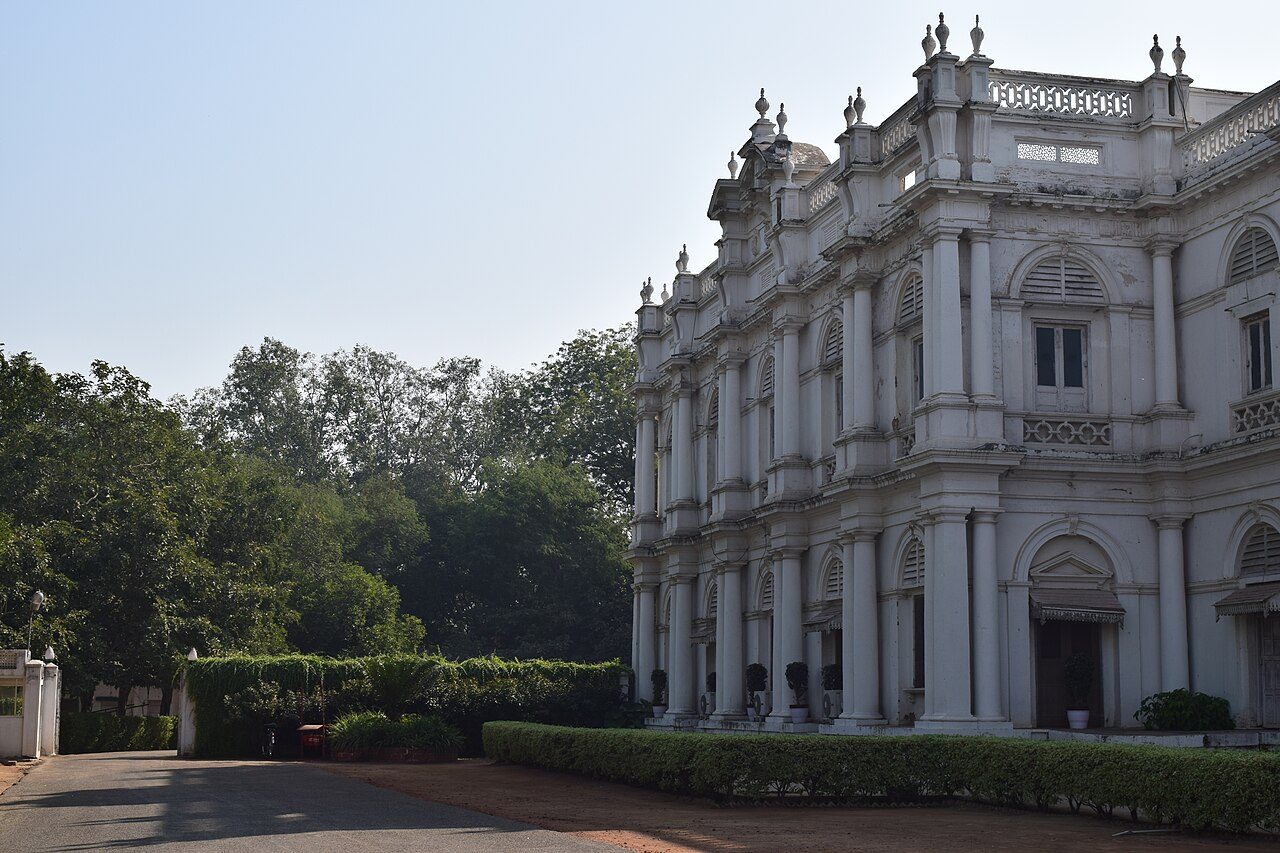
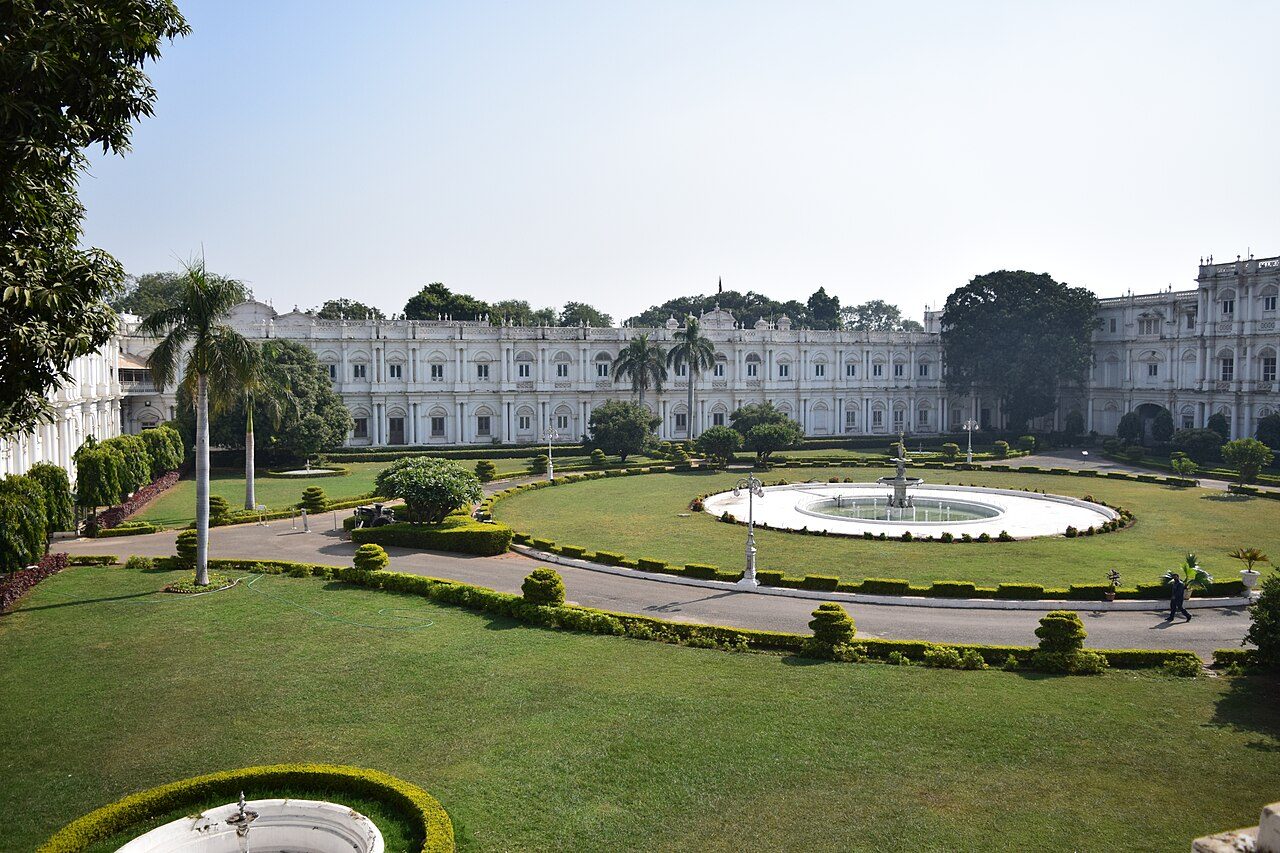
Jai Vilas Palace was built in 1874 by Maharaja Jayajirao Scindia in a blend of Tuscan, Italian and Corinthian styles. Part of it remains the Scindia family home; the rest is a museum of royal life. The Durbar Hall holds two enormous chandeliers and a vast carpet, and the banquet hall has a silver model train that once carried drinks around the table. It is closed on Mondays.
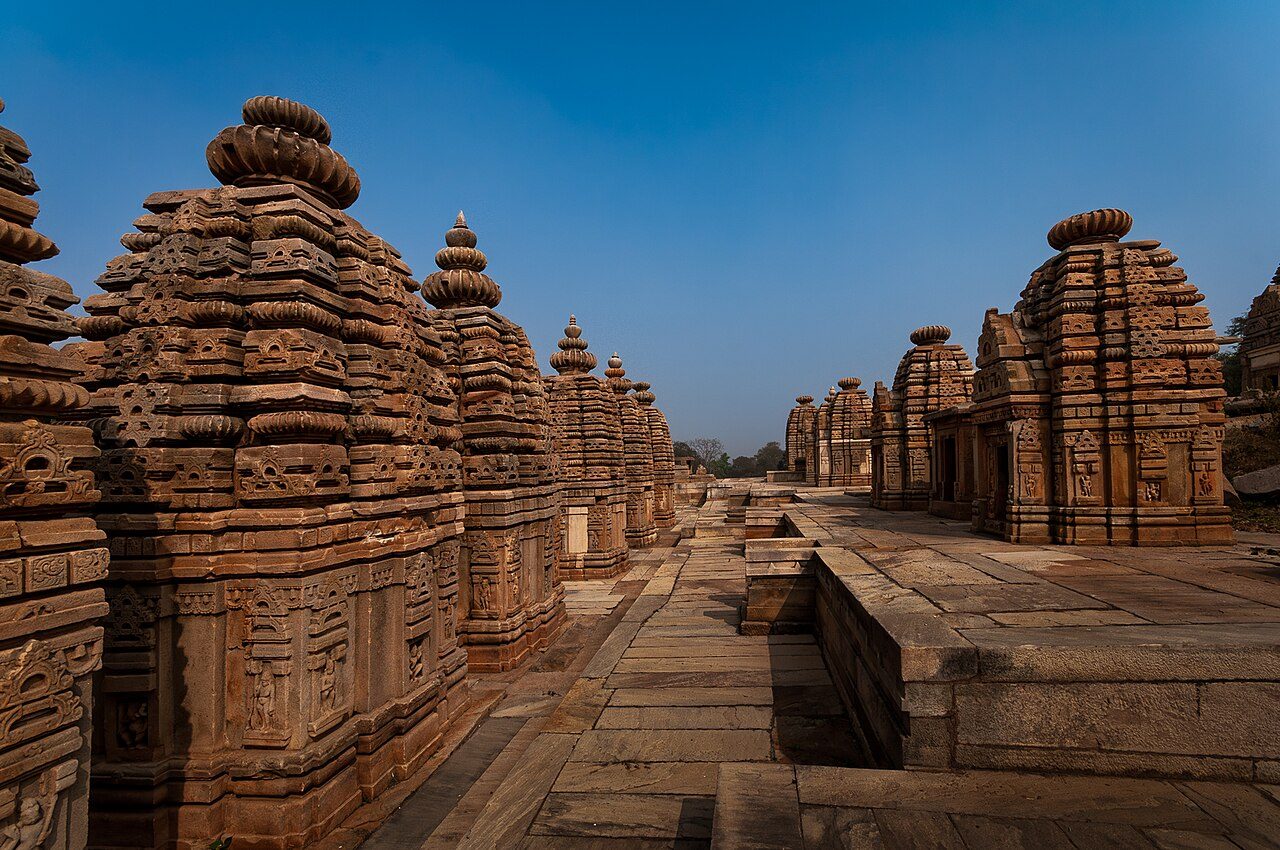
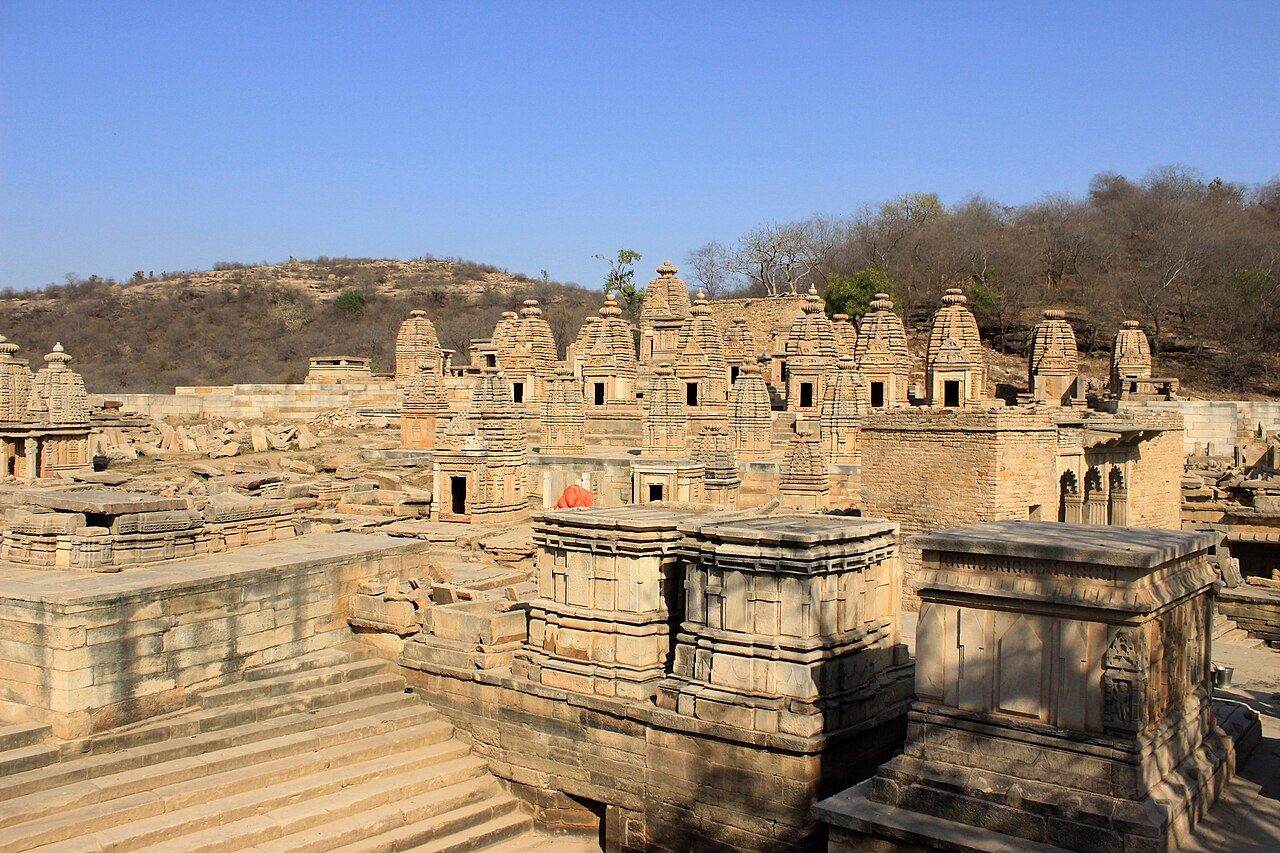
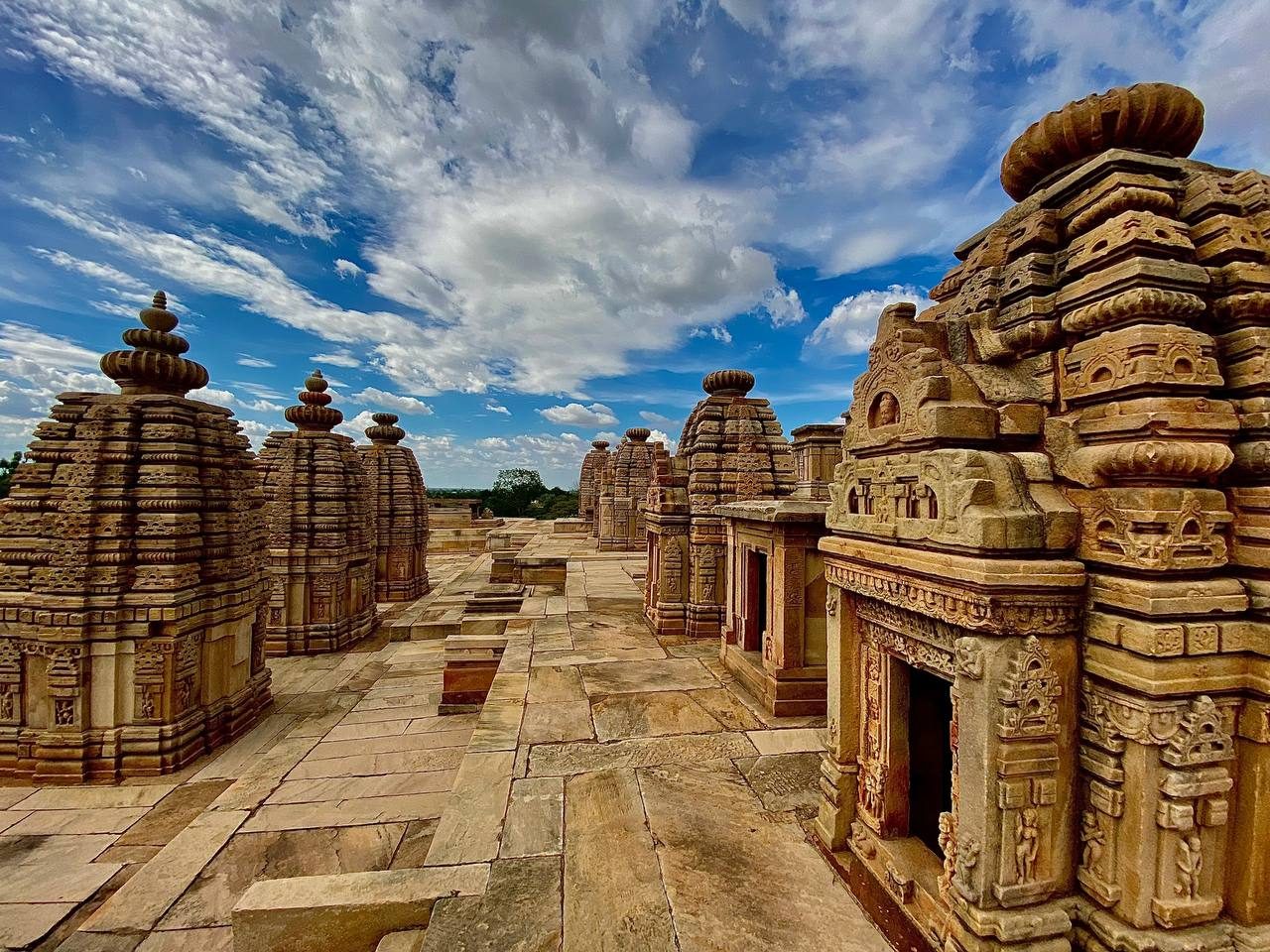
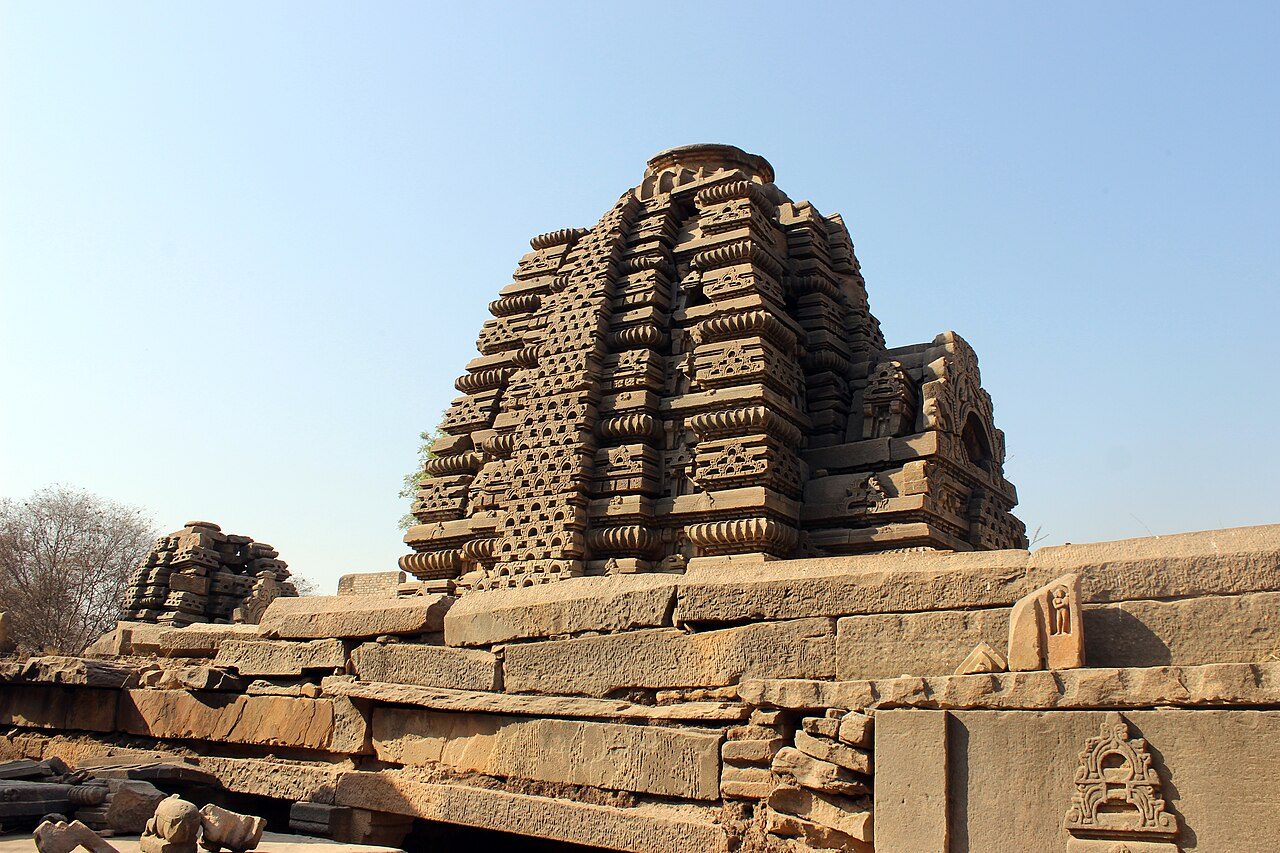
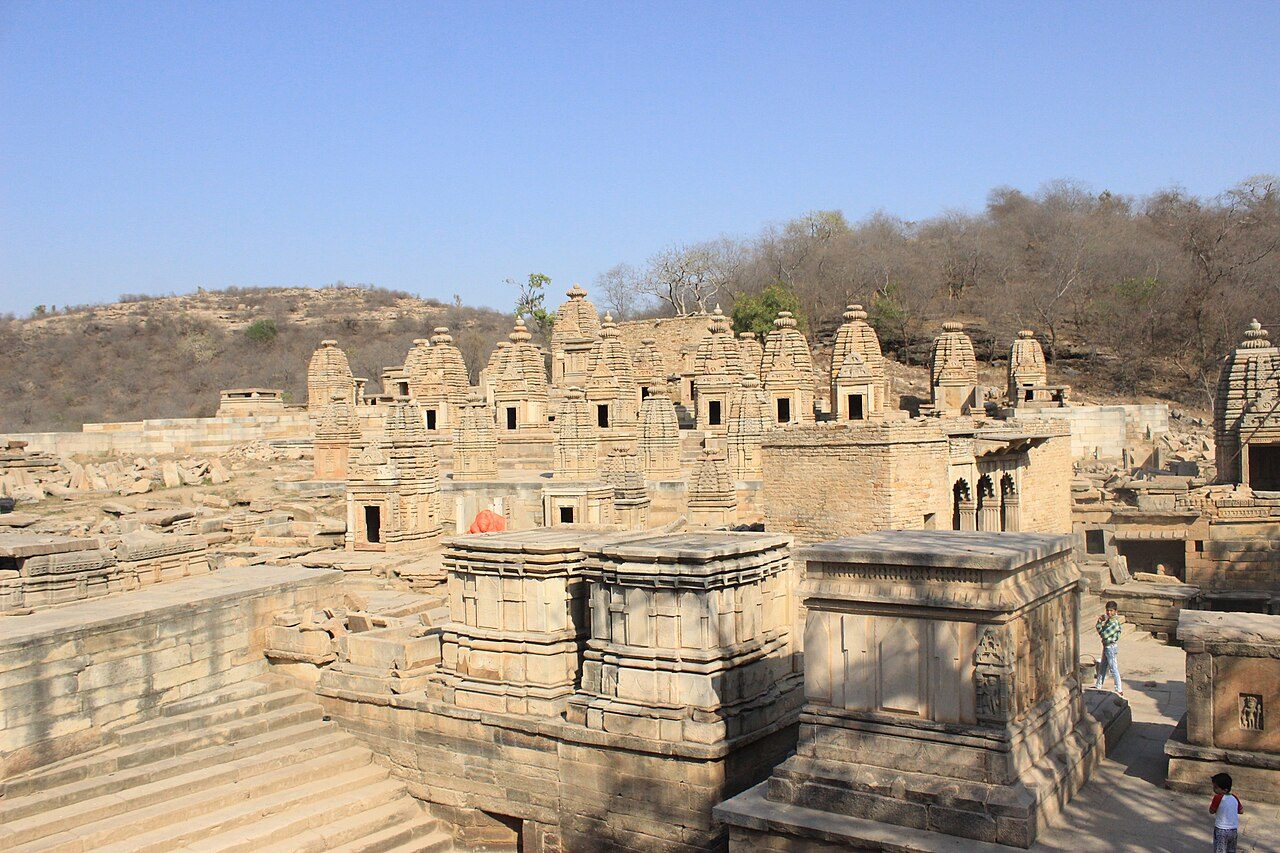
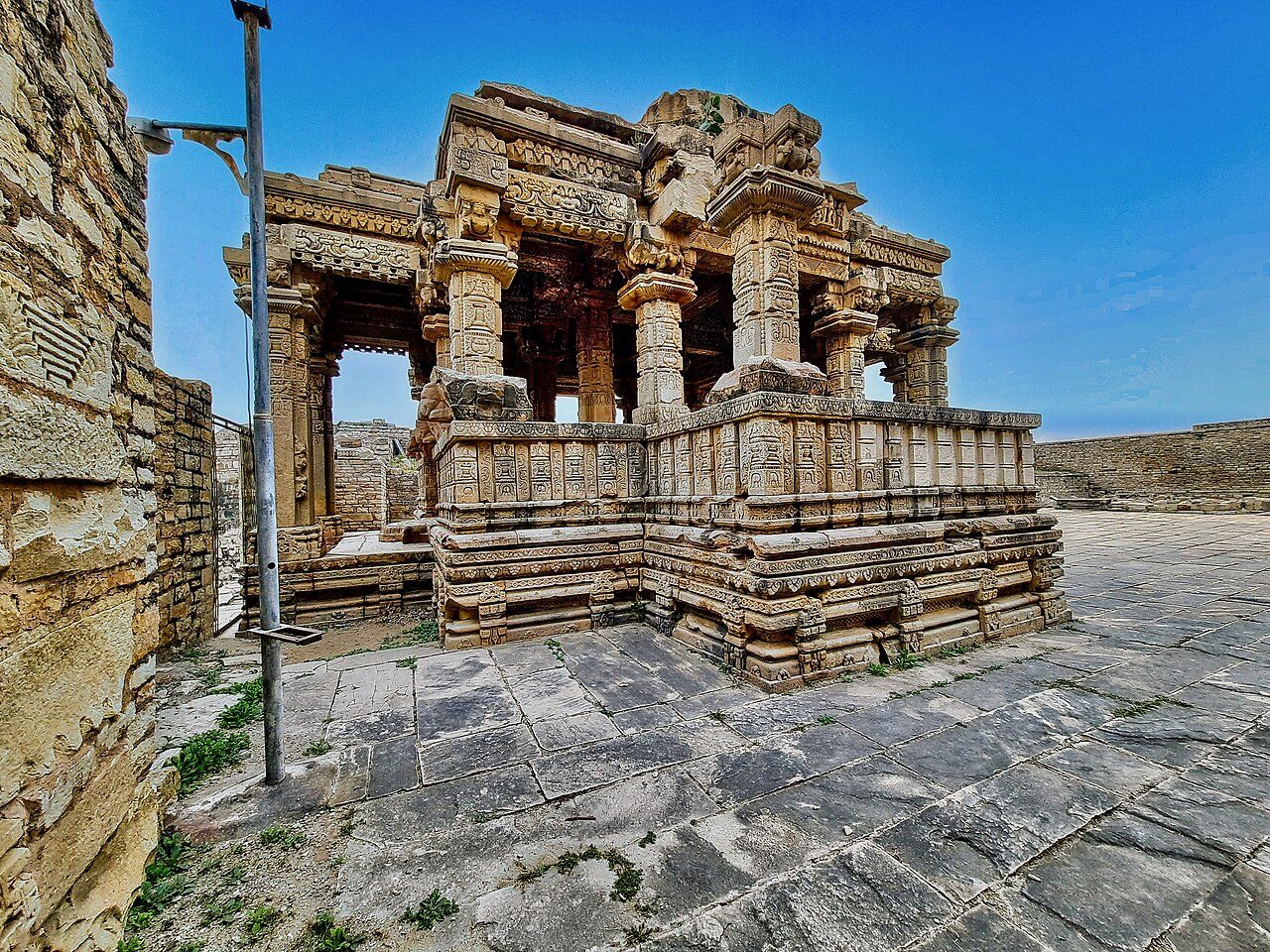
The Bateshwar temples are a cluster of about two hundred small sandstone shrines in a wooded valley near Morena, built between the 8th and 10th centuries under the Gurjara-Pratihara dynasty and dedicated mainly to Shiva and Vishnu. Earthquakes had reduced them to rubble; from 2005 the Archaeological Survey of India rebuilt many stone by stone. The site is usually quiet and is close to Padavali and Mitaoli.
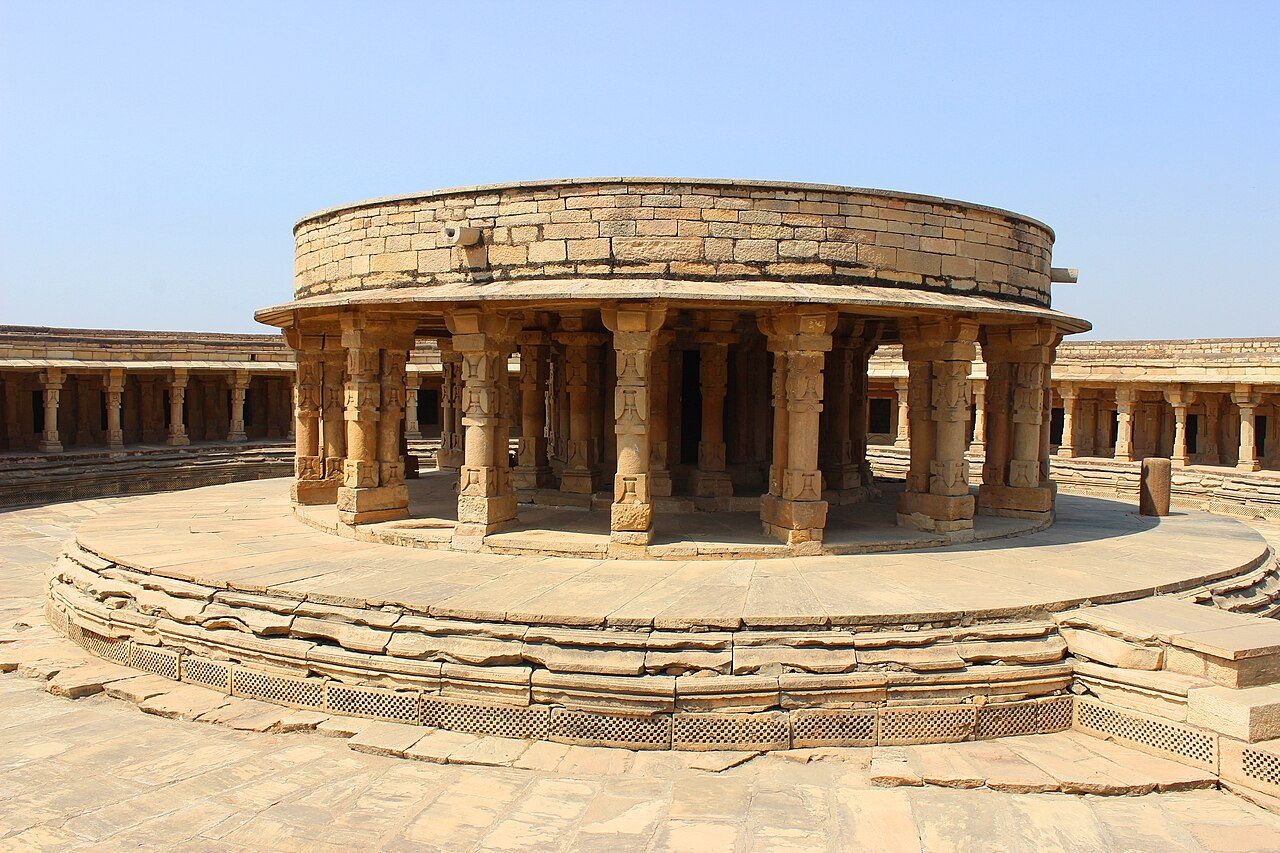
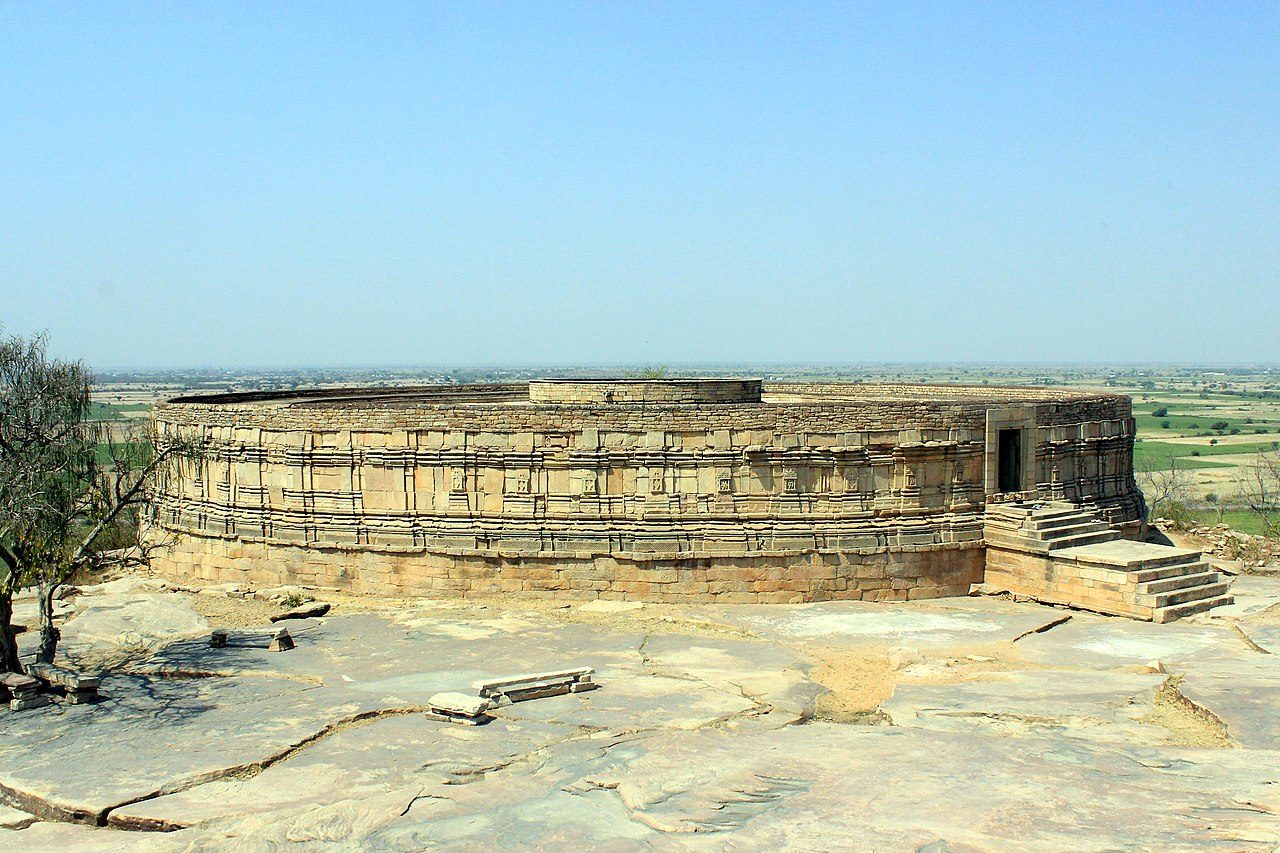
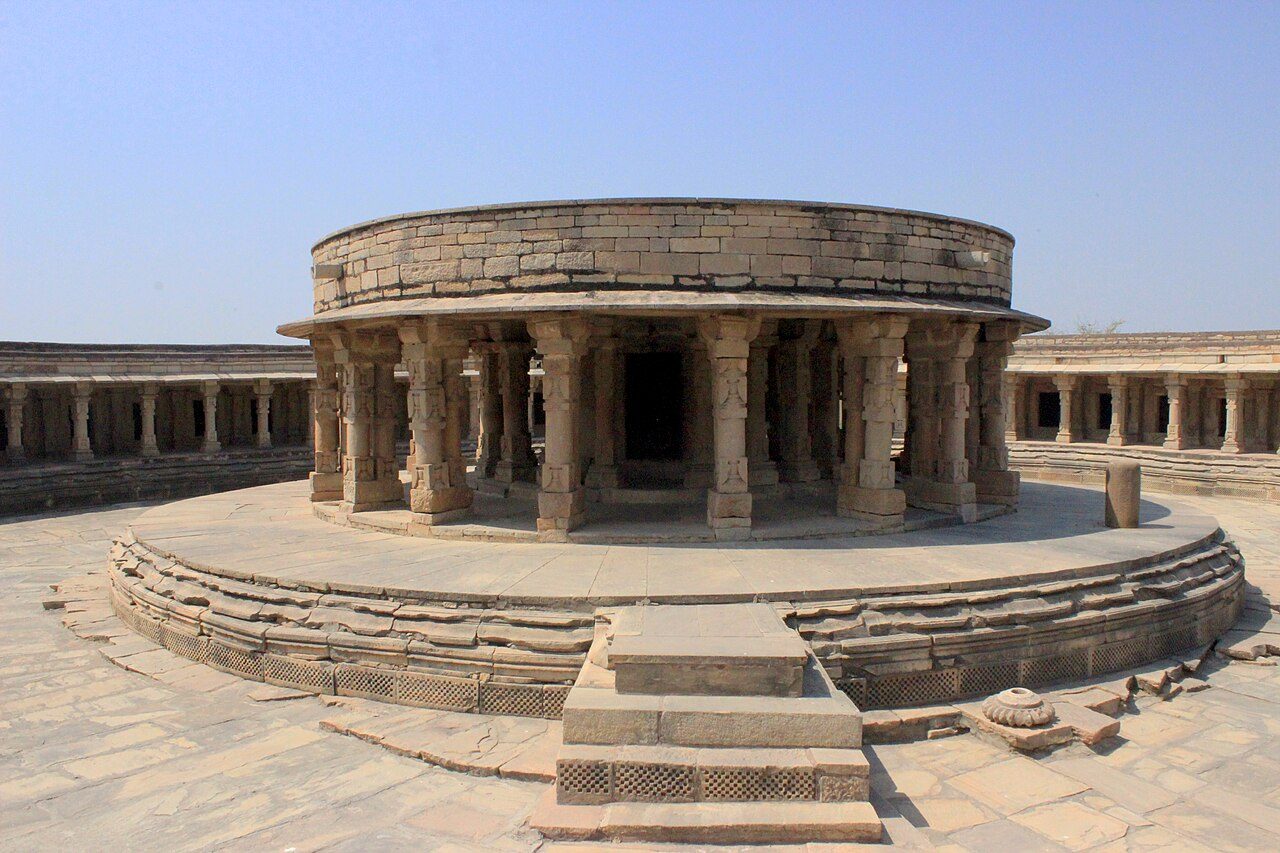
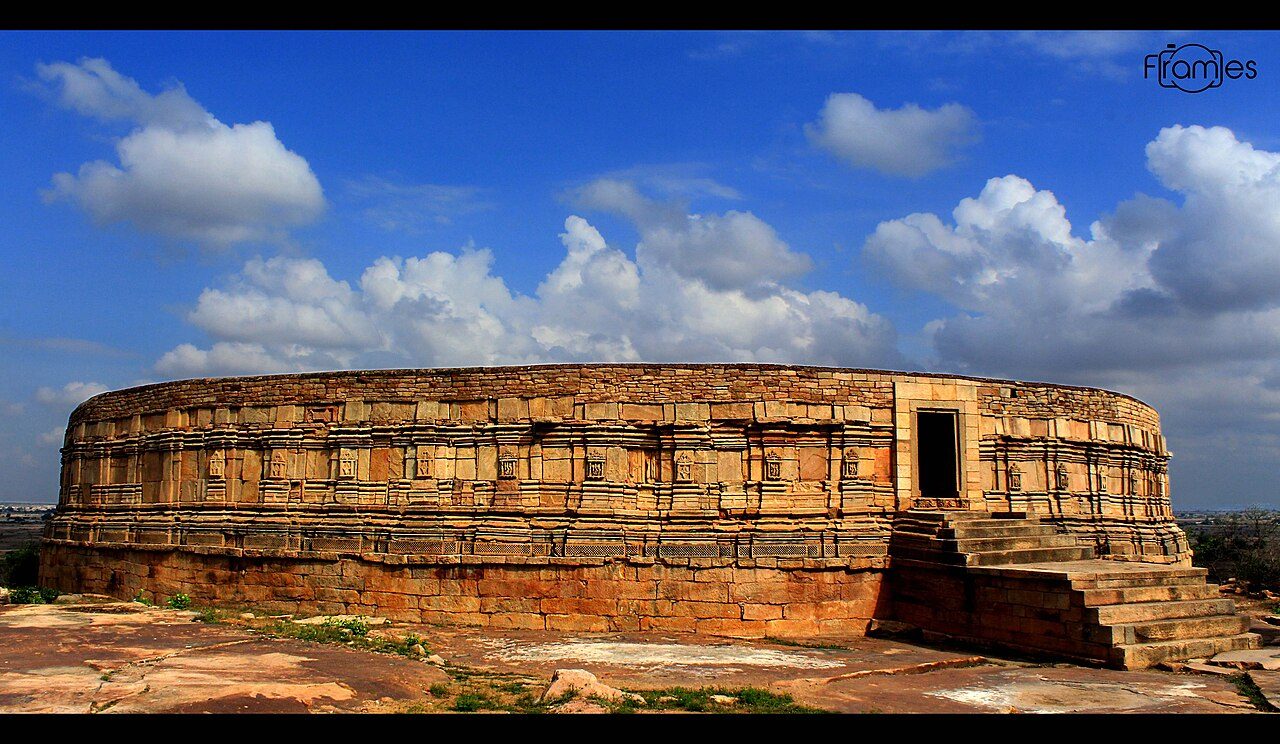
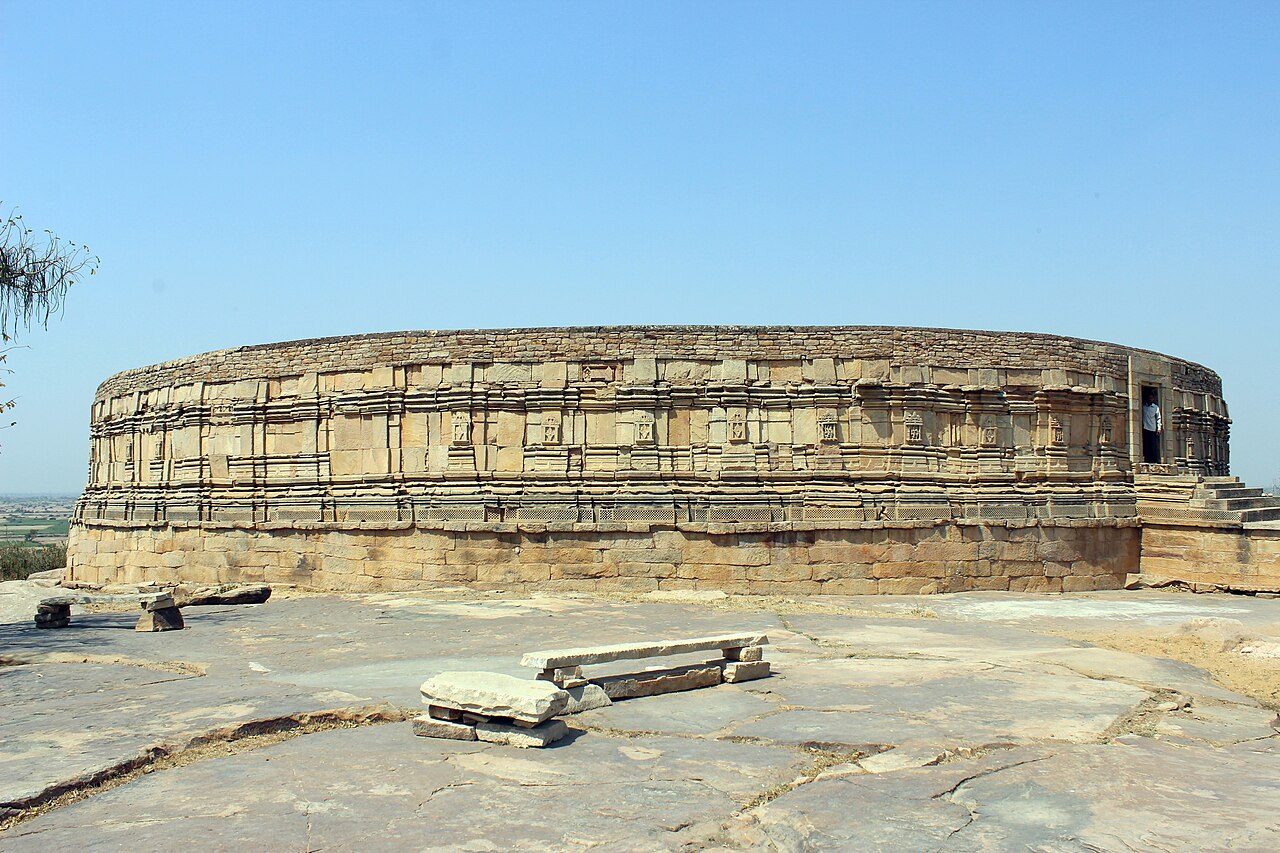
The Chausath Yogini Temple at Mitaoli is a circular hilltop temple built in the 11th century. Its ring wall contains 64 small cells, each once holding an image of a yogini, around an open courtyard with a round central shrine to Shiva. The design is often compared with the old Parliament building in Delhi. A flight of about a hundred steps leads up, with wide views over the countryside.
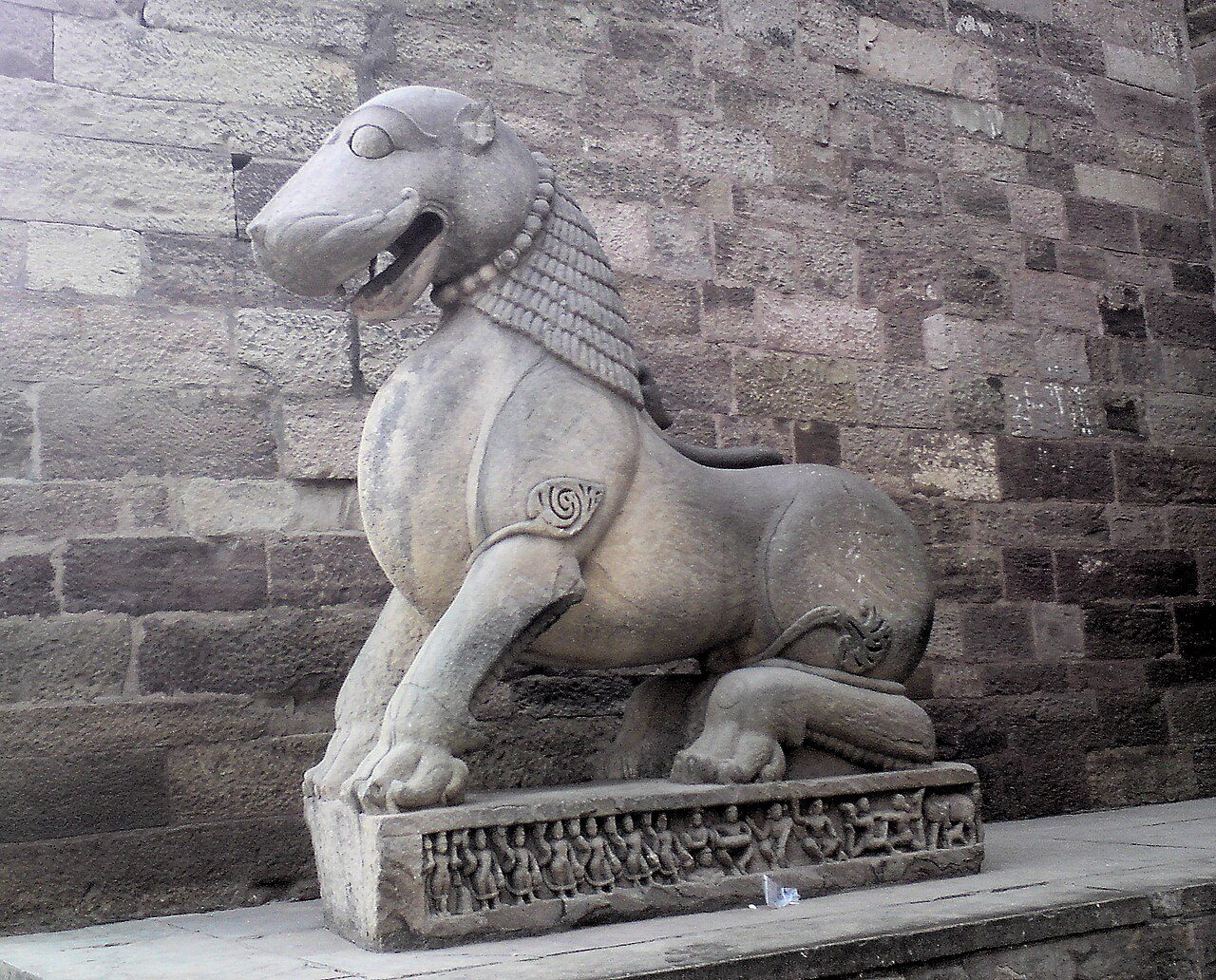
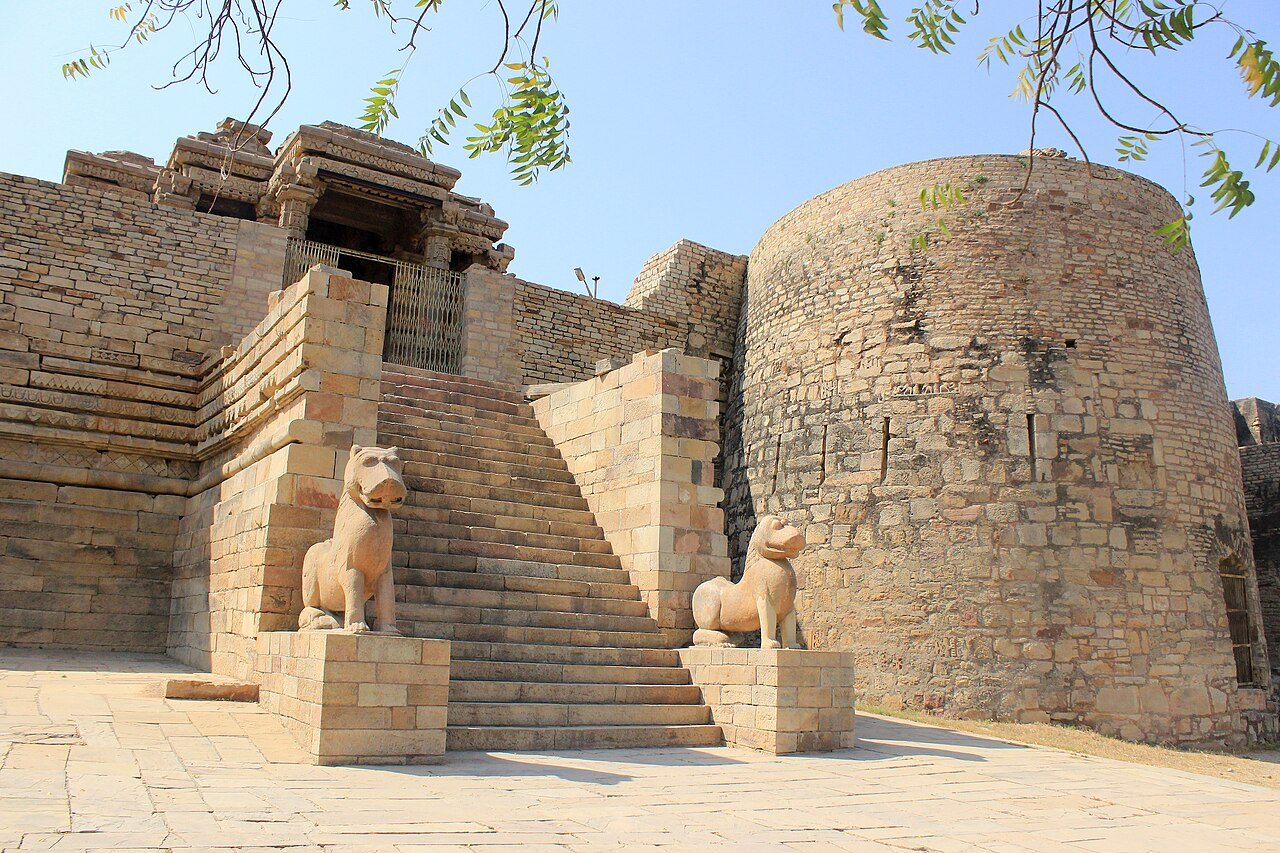
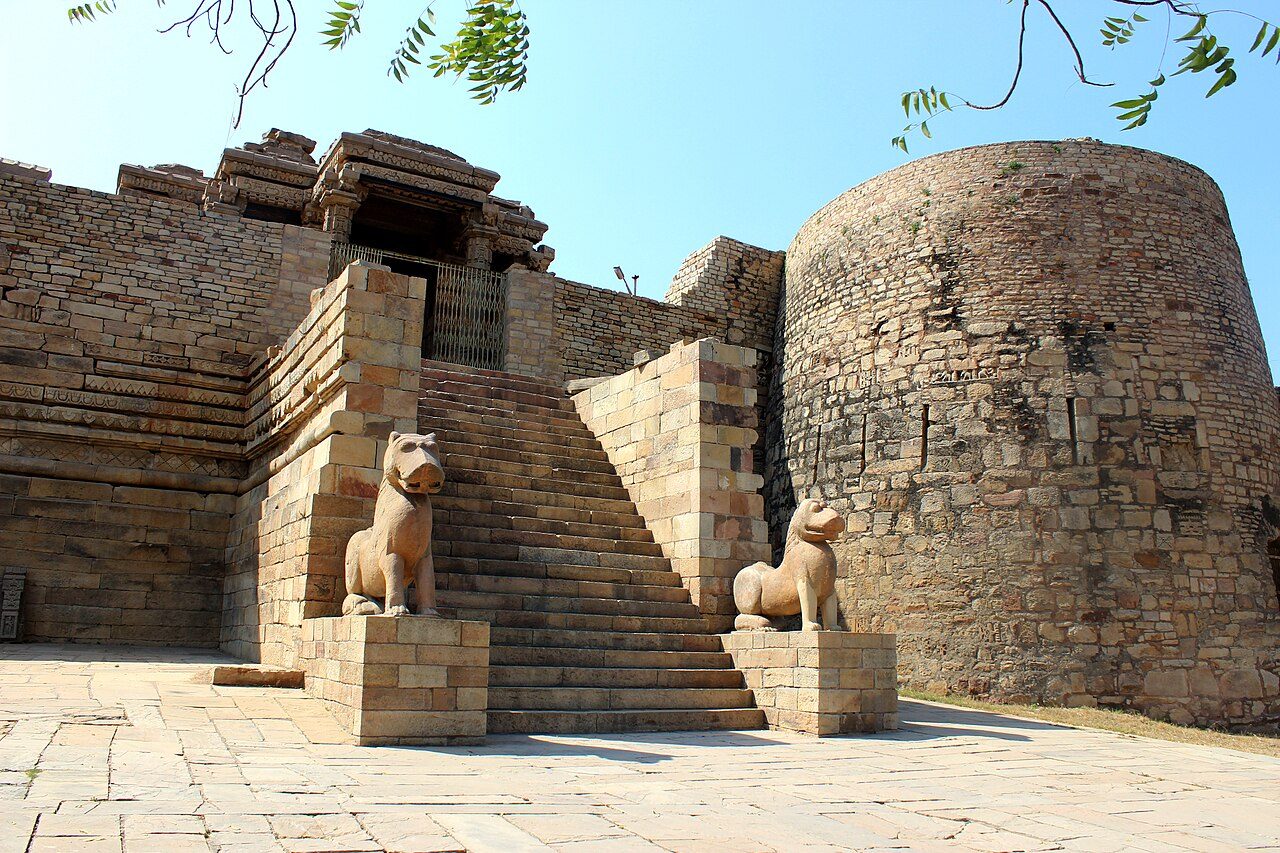
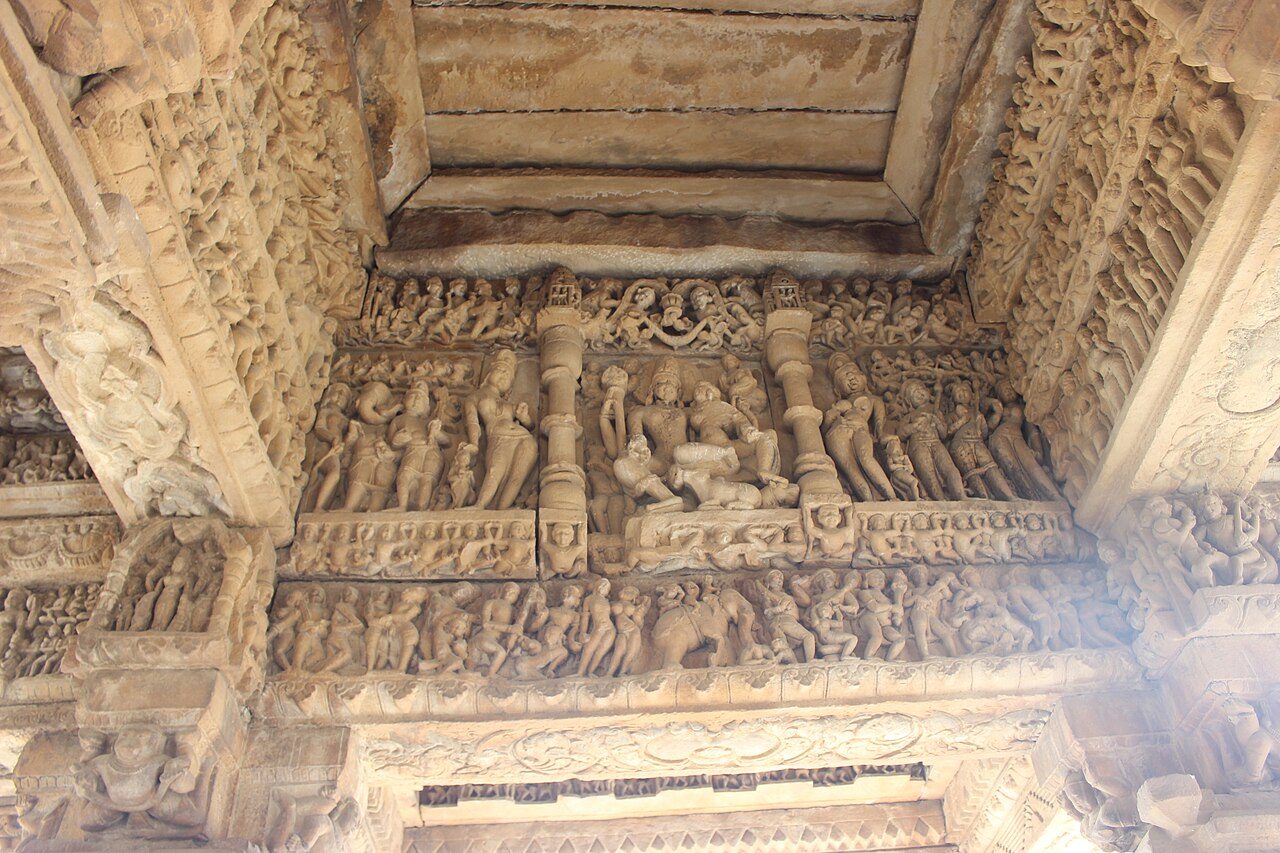
Garhi Padavali is a 10th-century temple near Morena that was later enclosed in a small fort by the Jat rulers of Gohad, which explains the bastions and the stone lions at the top of the entrance steps. Only the pillared hall of the temple survives, but its ceiling and lintels are covered with exceptionally fine carvings of gods, epics and everyday life. Bateshwar is a short drive away.
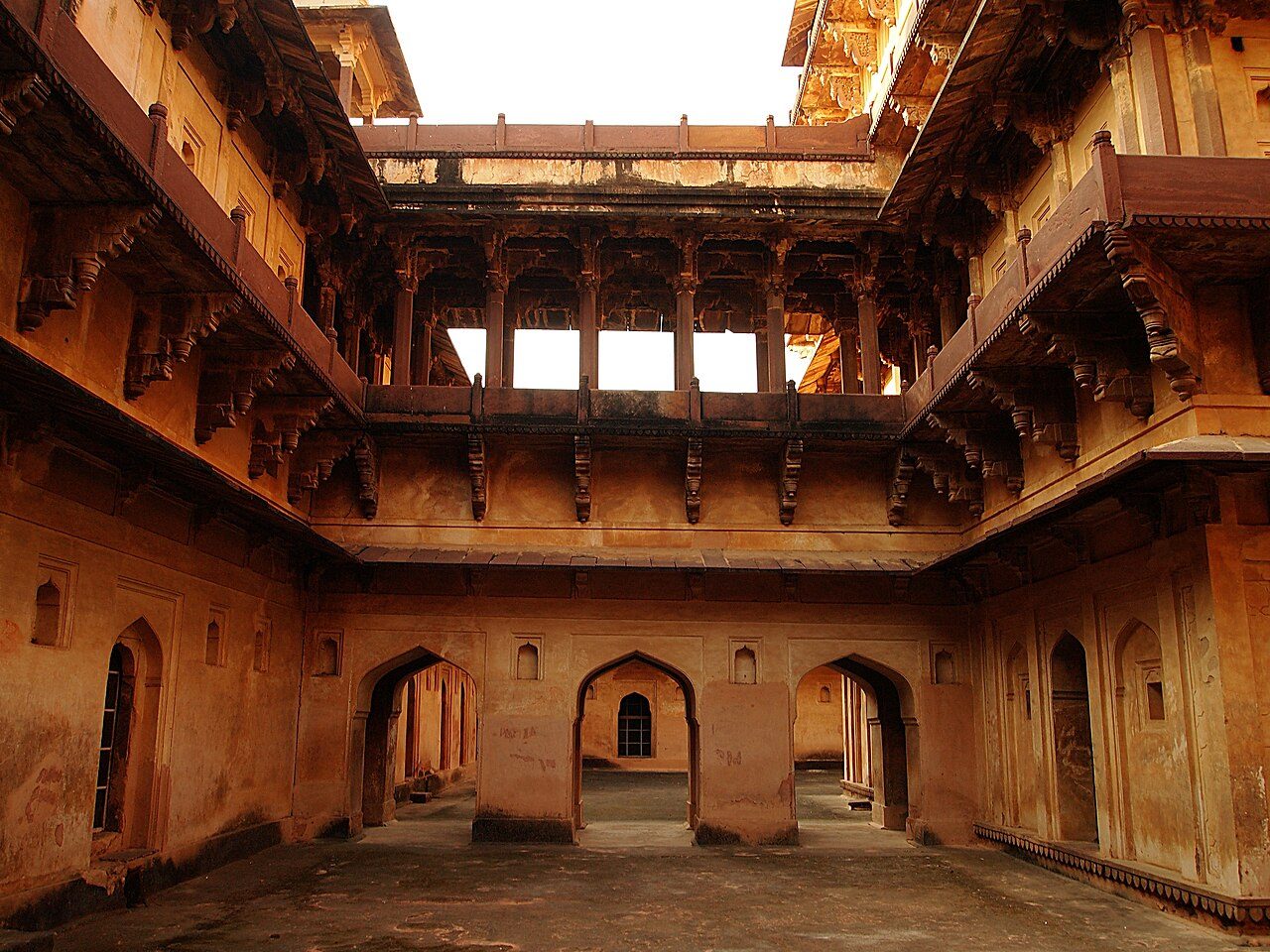
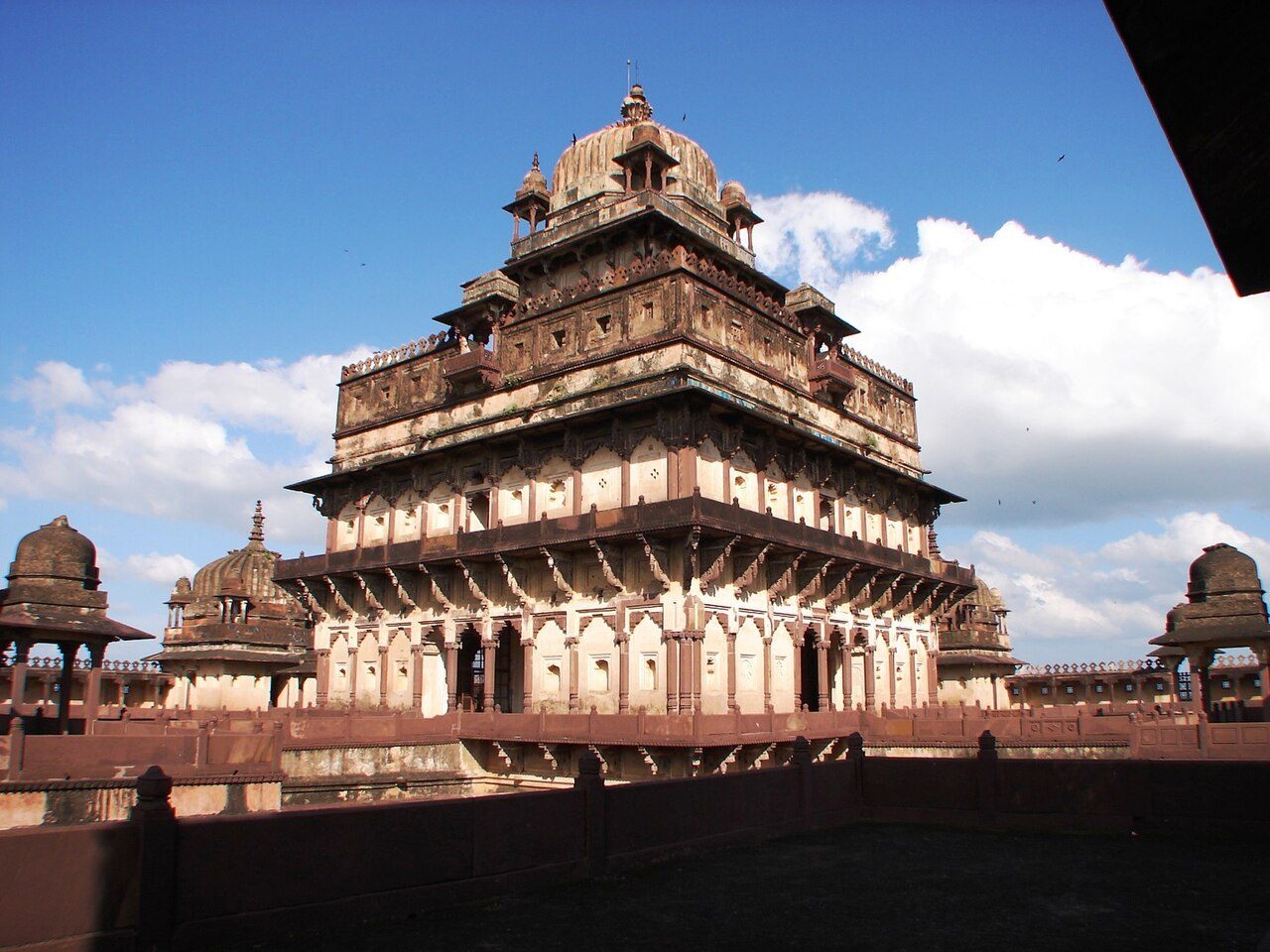
Datia Palace, also called Bir Singh Deo Palace, was built in the early 17th century by the Bundela ruler Bir Singh Deo. The seven-storey building of stone and brick, raised without wood or iron, is admired as one of the finest examples of Bundela architecture, with bridges linking a central tower to the surrounding wings. Traces of wall painting survive. The rooftop looks over the town and its lake.
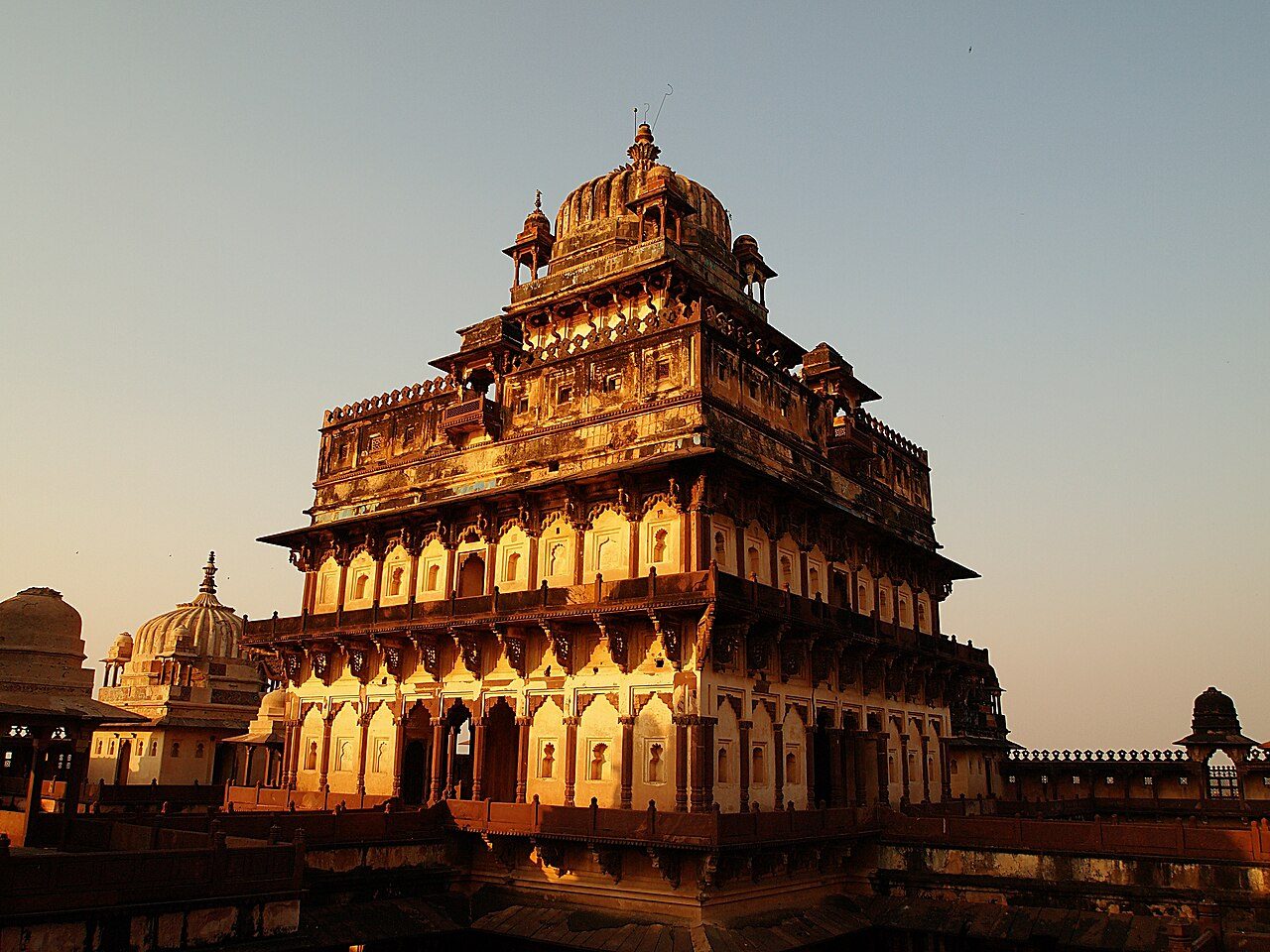
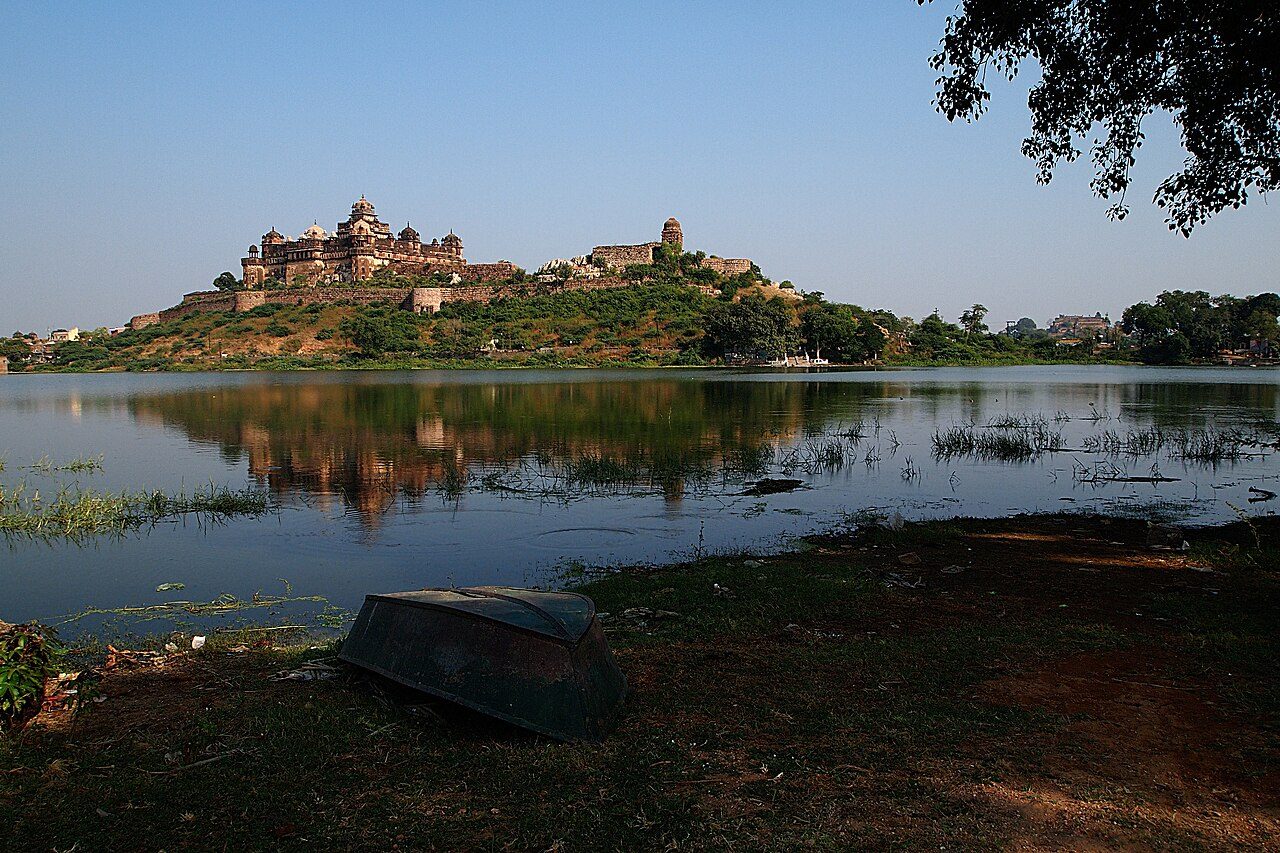
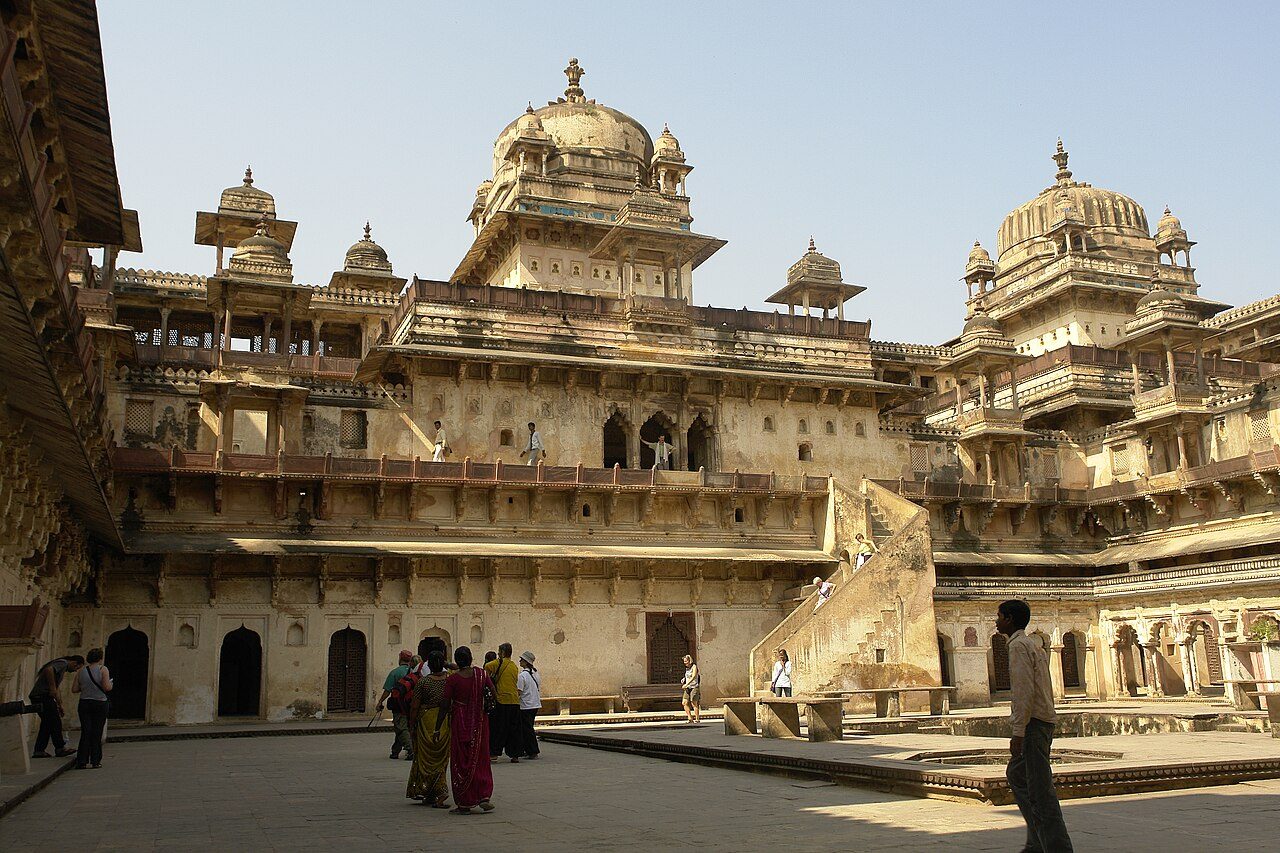
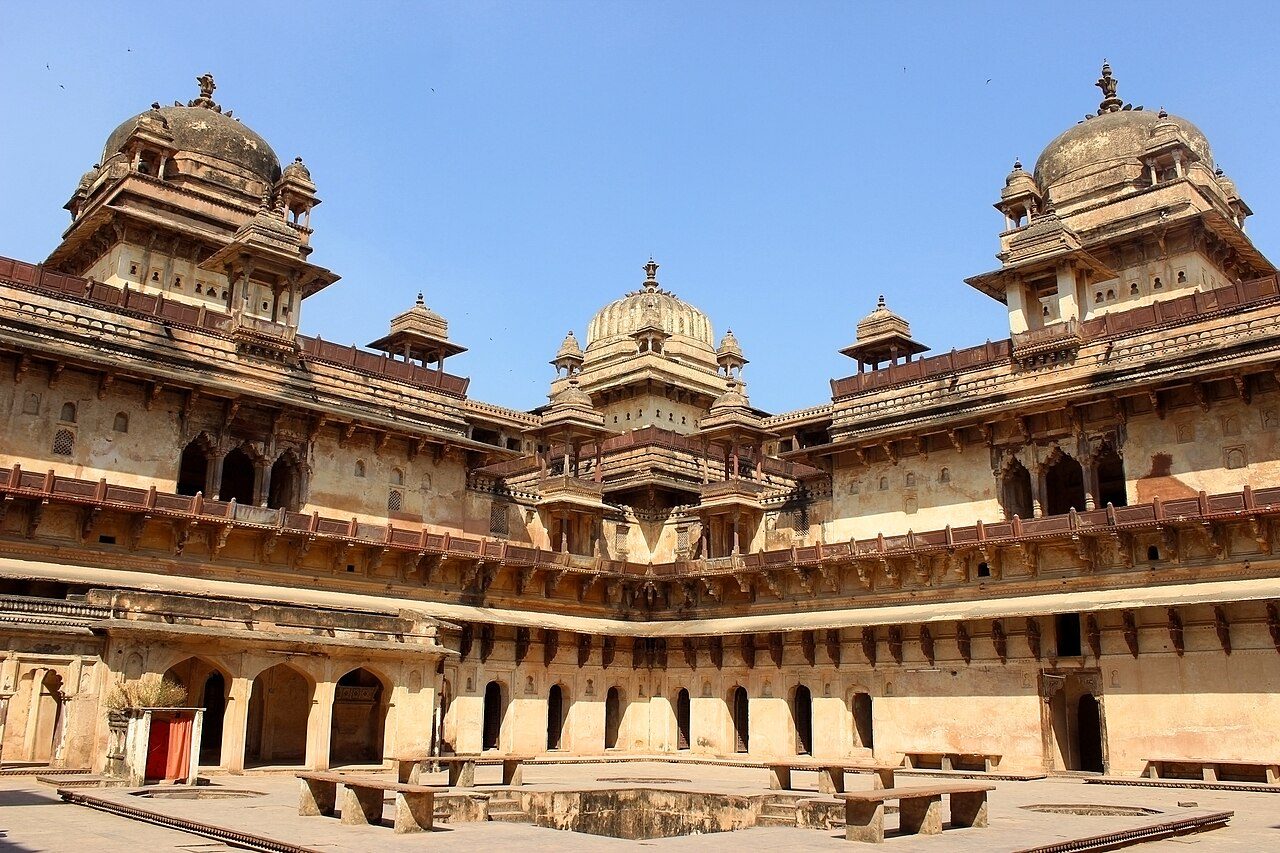
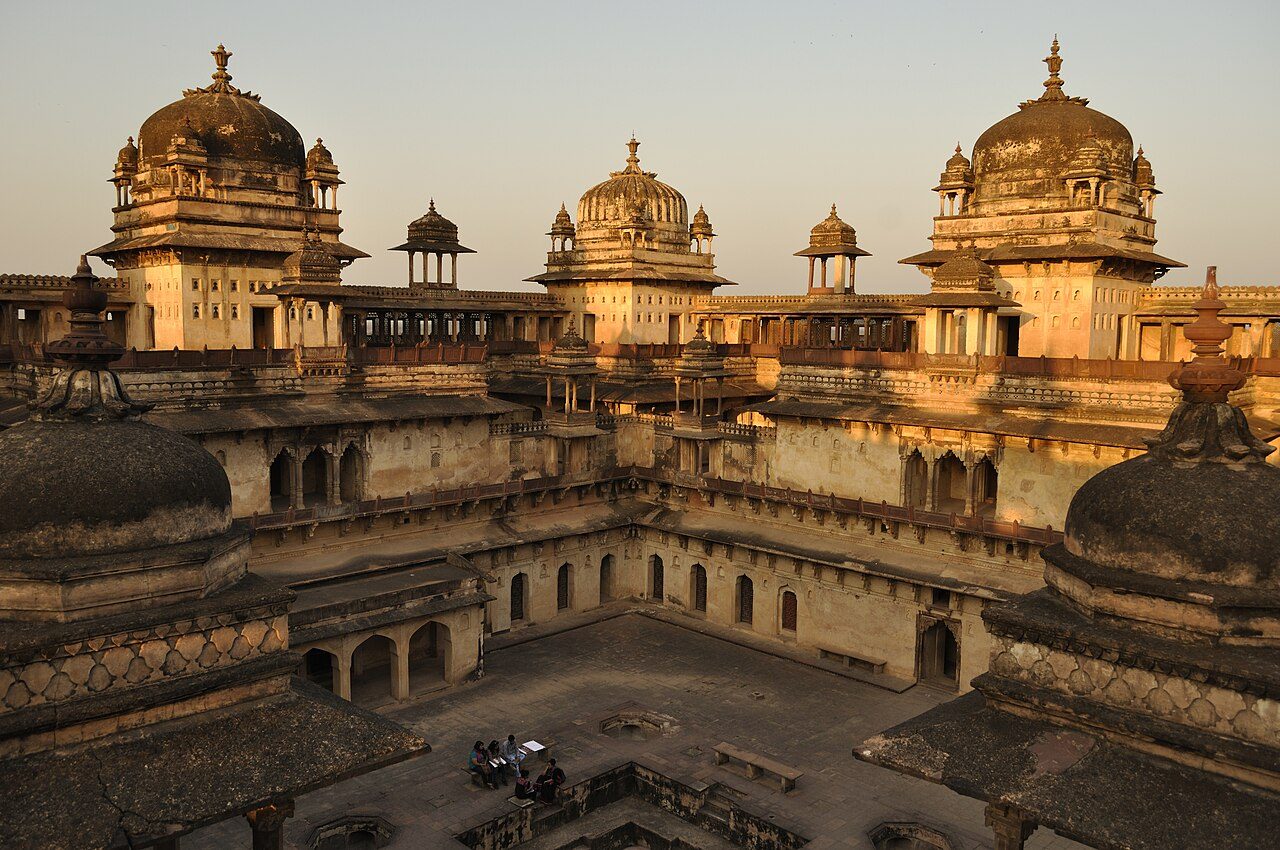
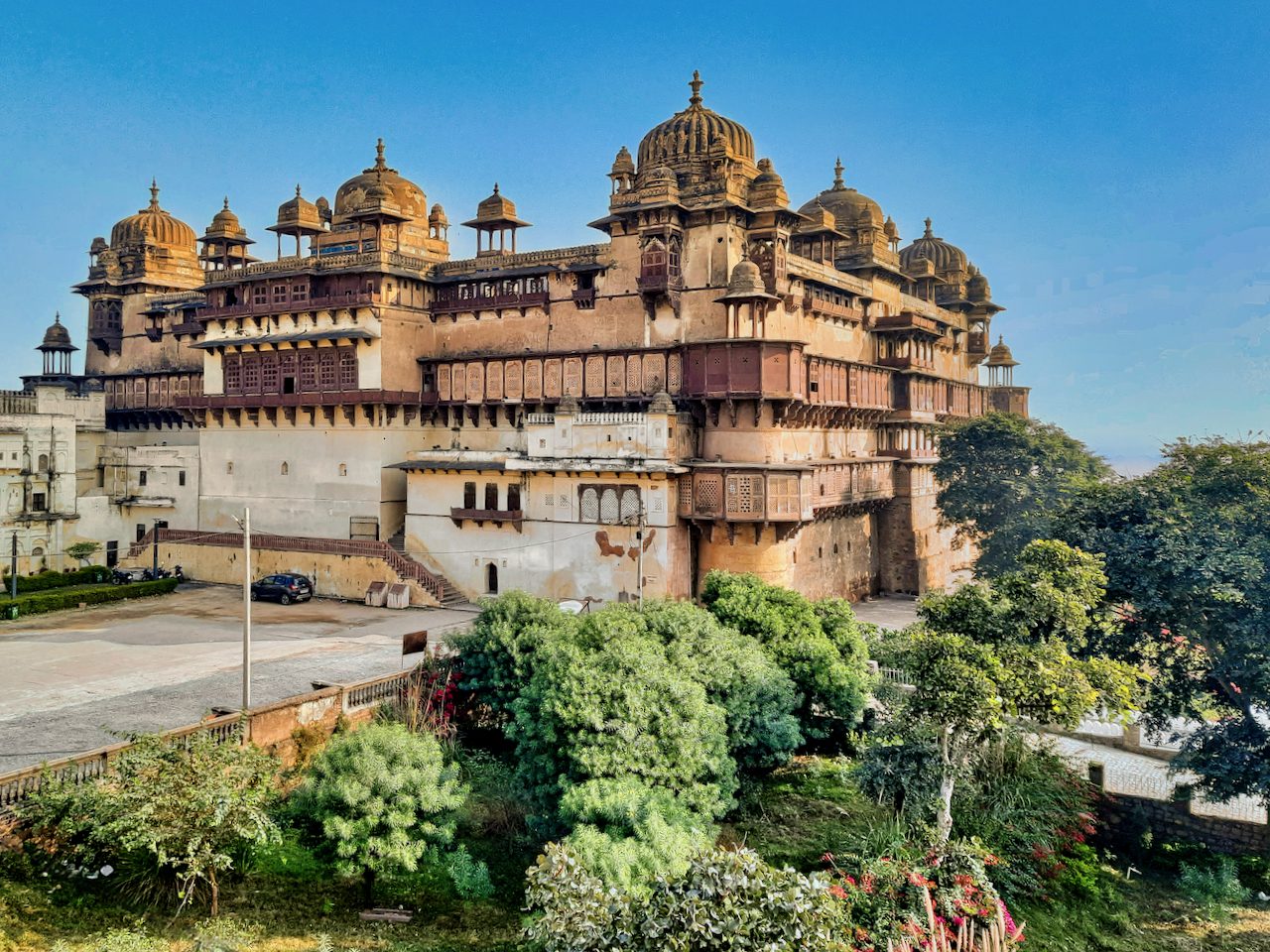
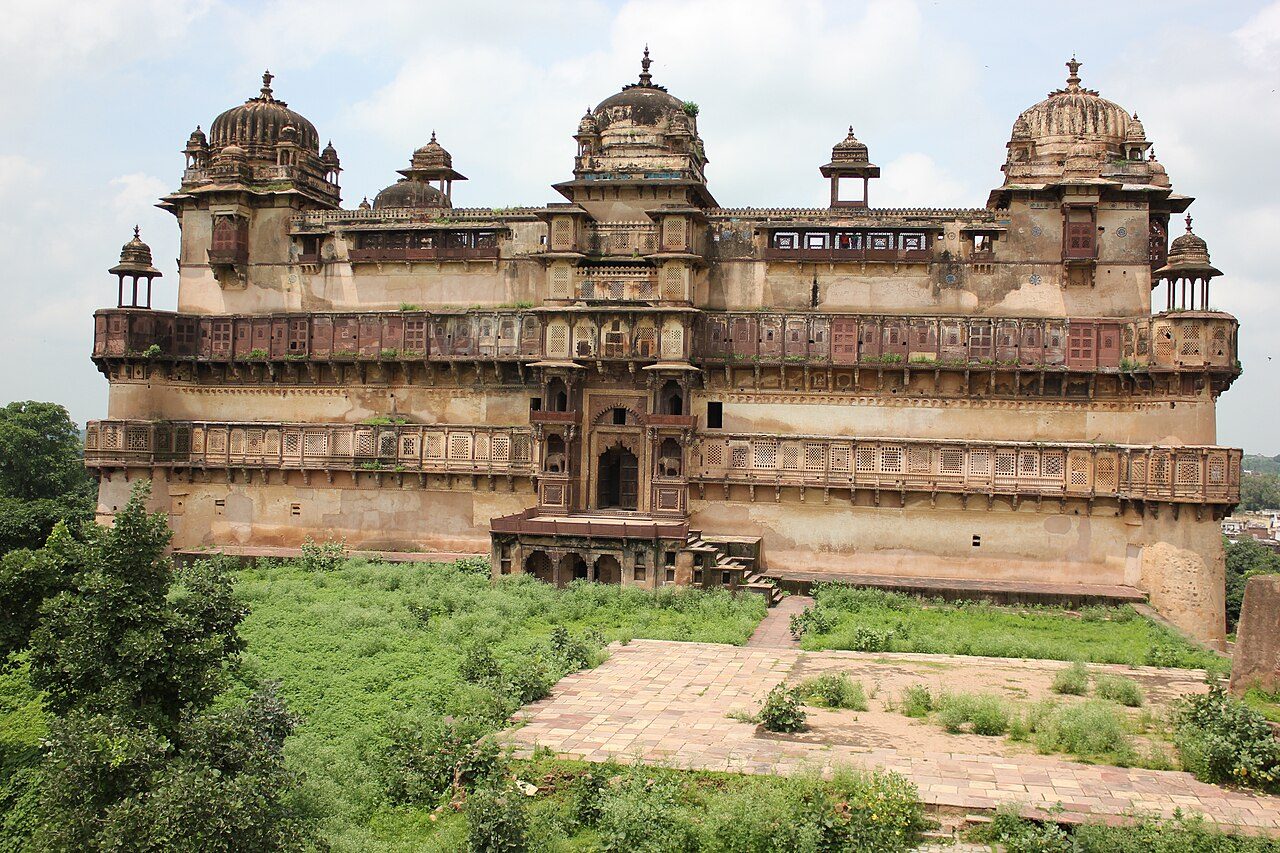
Jahangir Mahal is the grandest palace in the fort complex of Orchha, built in the early 17th century by the Bundela king Bir Singh Deo to honour a visit by the Mughal emperor Jahangir. Its square plan rises through several storeys to a skyline of domes and pavilions, with hanging balconies and traces of turquoise tilework. The upper terraces look out over the Betwa River and the temple spires.
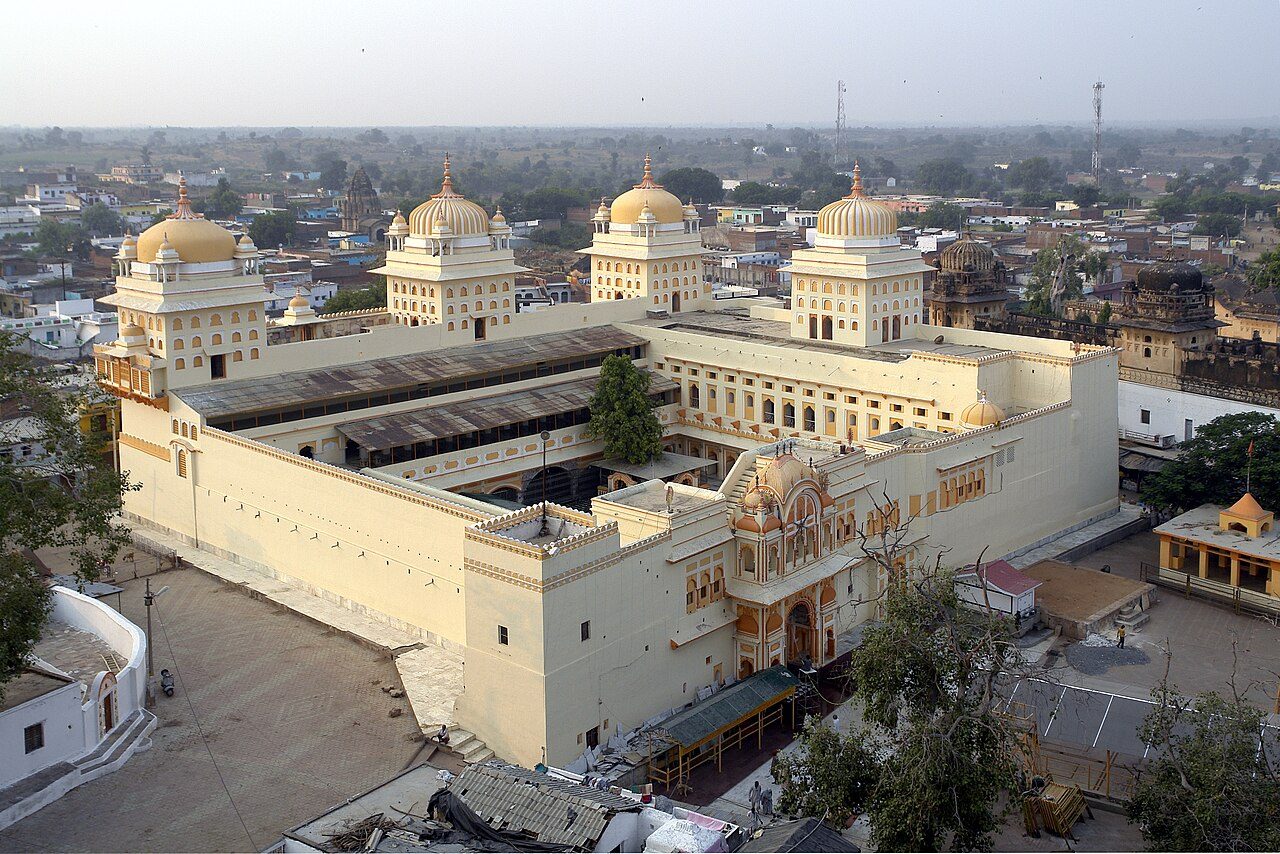
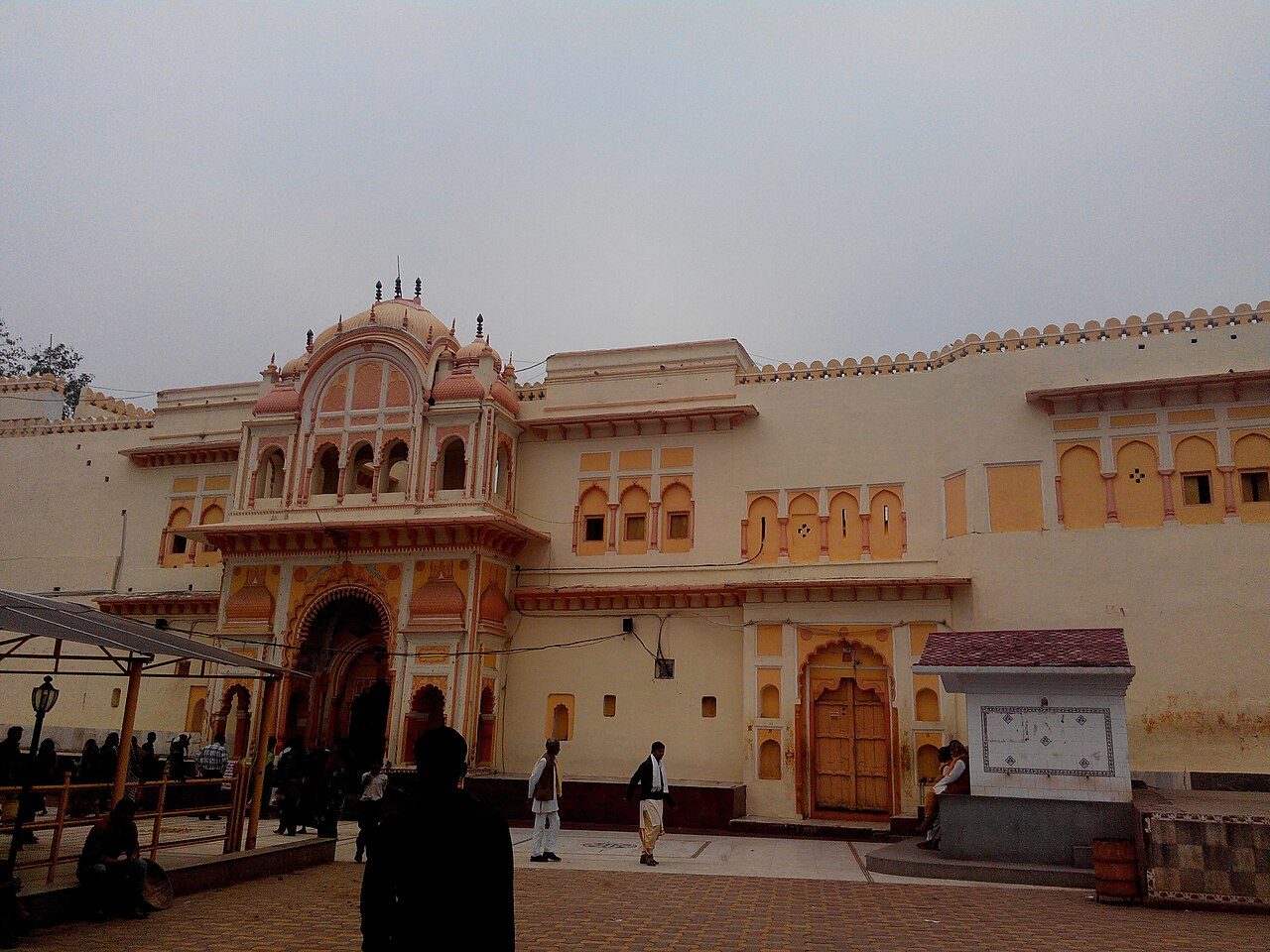
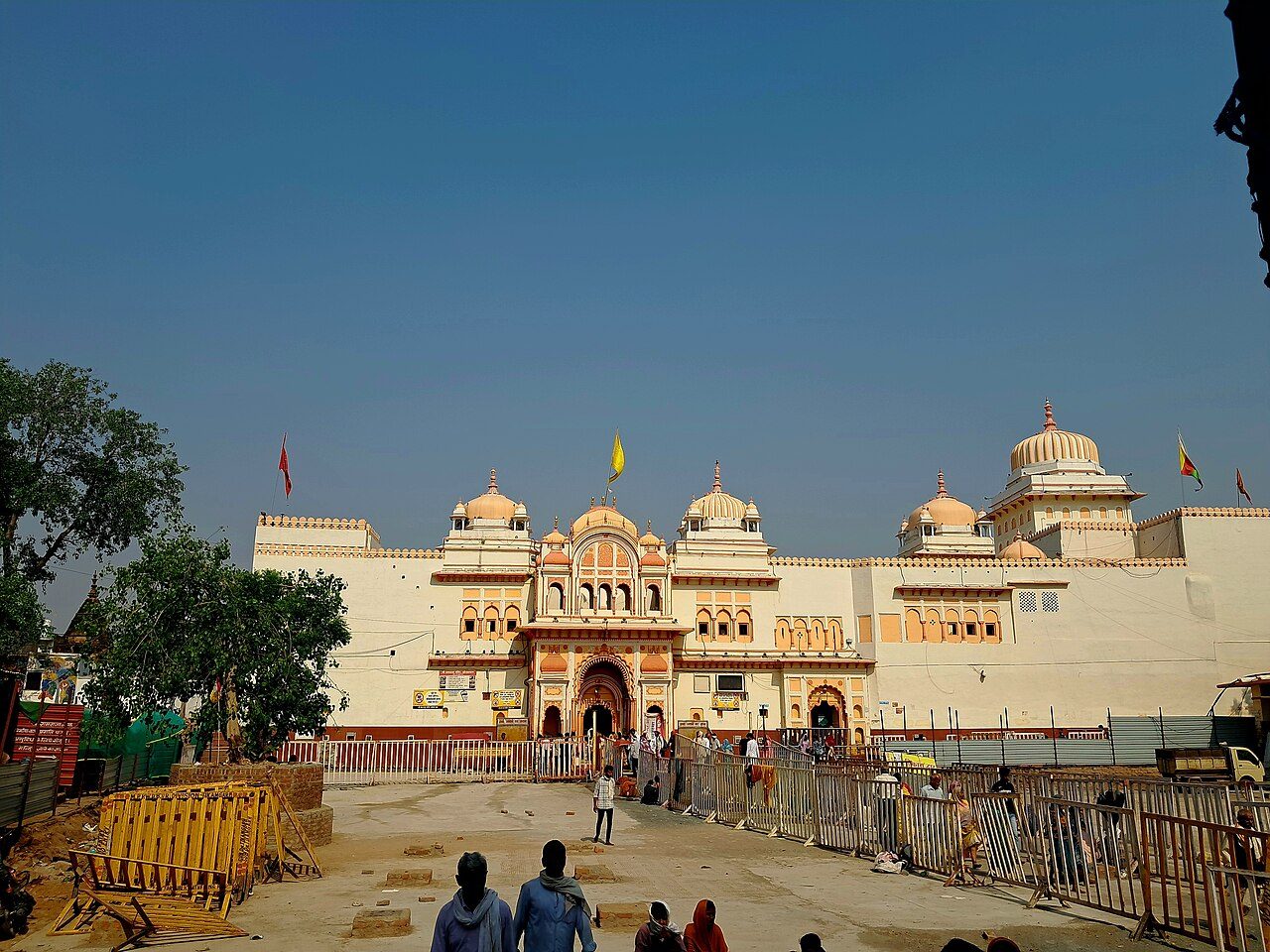
Ram Raja Temple in Orchha is the only temple in India where Rama is worshipped as a king, complete with a daily guard of honour by police. According to legend, Queen Ganesh Kunwari brought the idol from Ayodhya and set it down in her palace, where it refused to be moved; the palace became the temple. The pink and yellow building faces a lively square and fills with pilgrims at aarti.
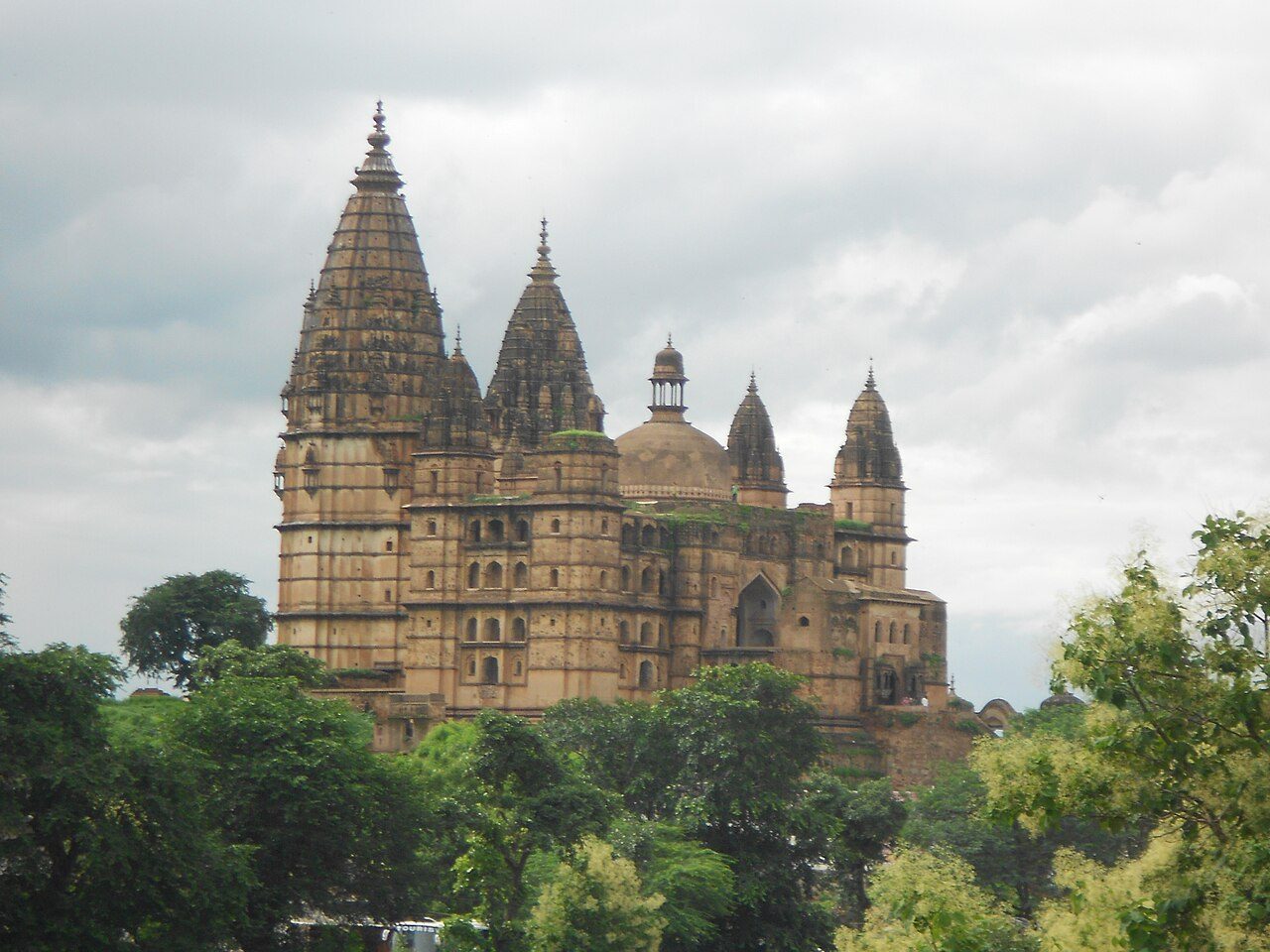
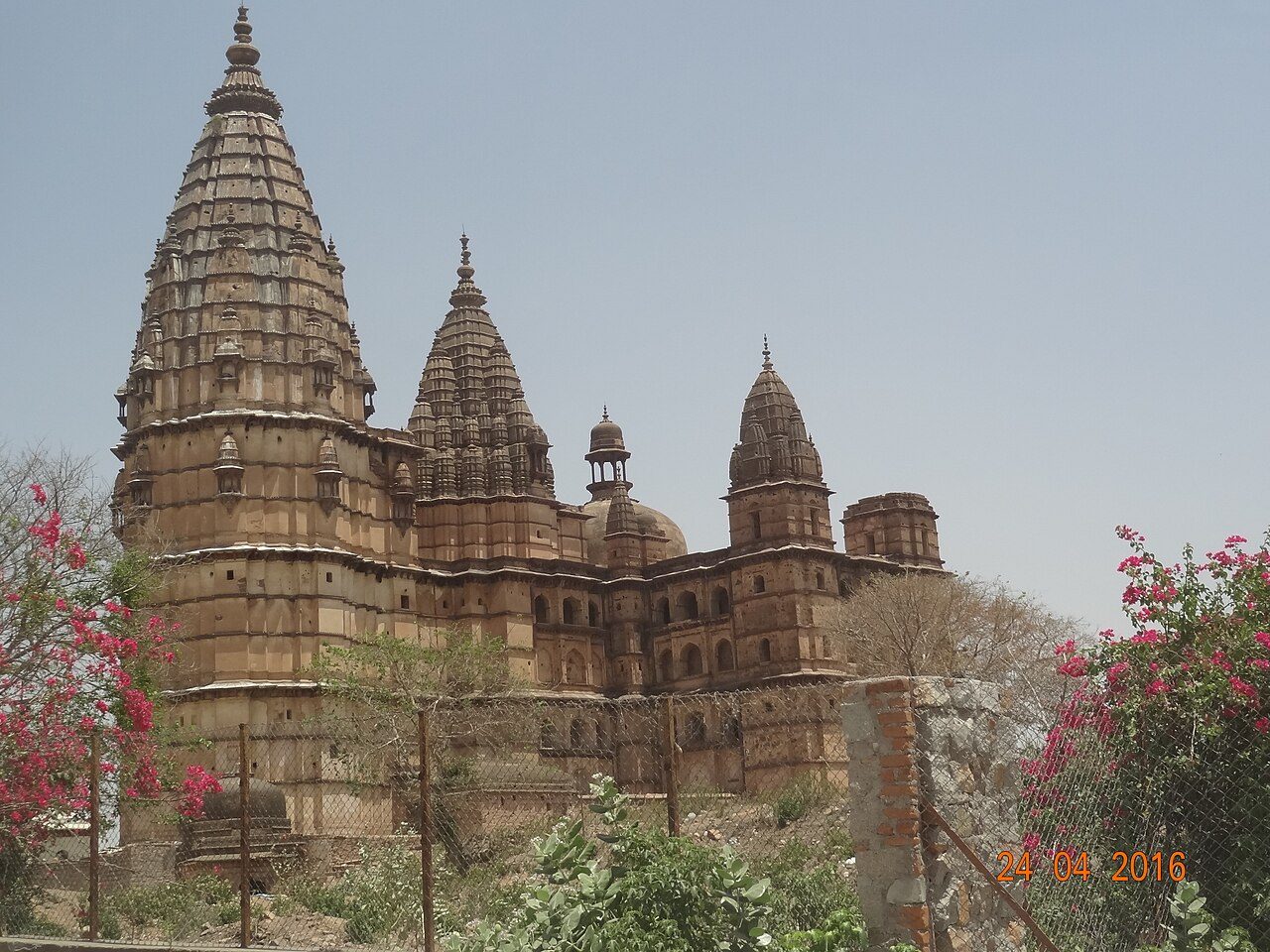
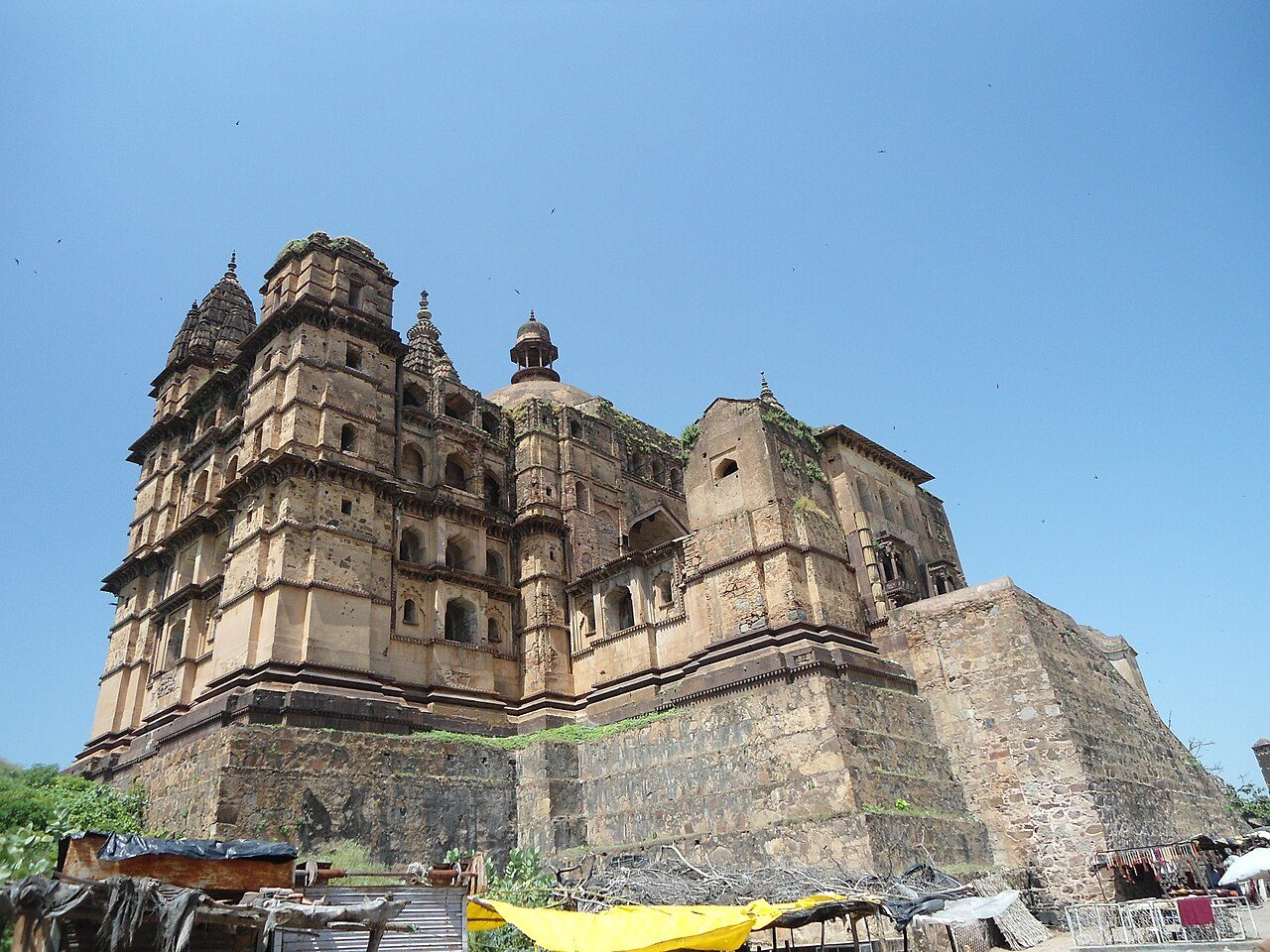
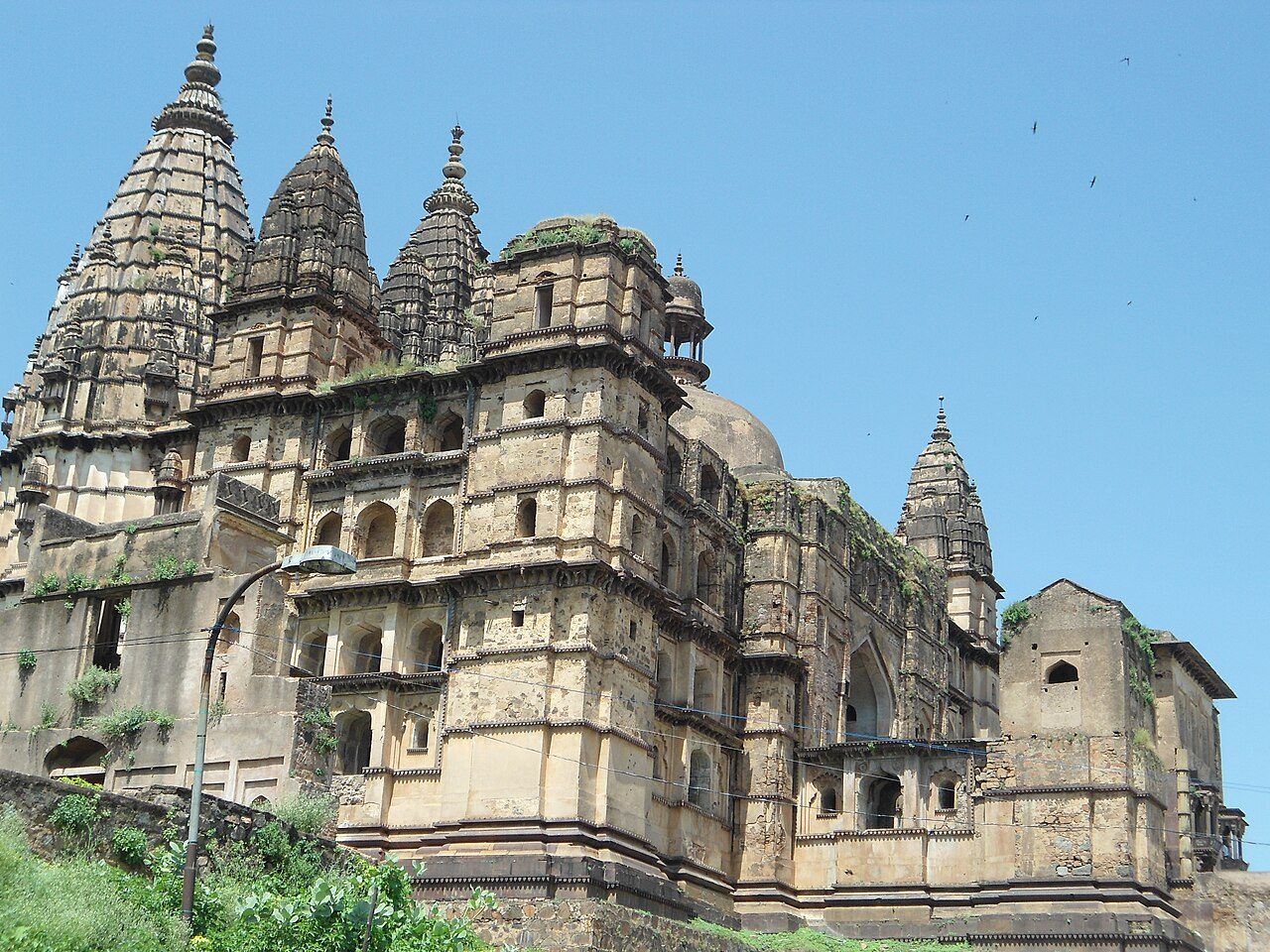
The Chaturbhuj Temple towers over Orchha on a massive stone platform, its tall spires visible from across the town. It was built in the 16th century to house the image of Rama that, by legend, stayed in the queen's palace instead, now the Ram Raja Temple next door. The lofty, cross-shaped interior is plain and church-like. Narrow stairs climb to the roof for wide views.
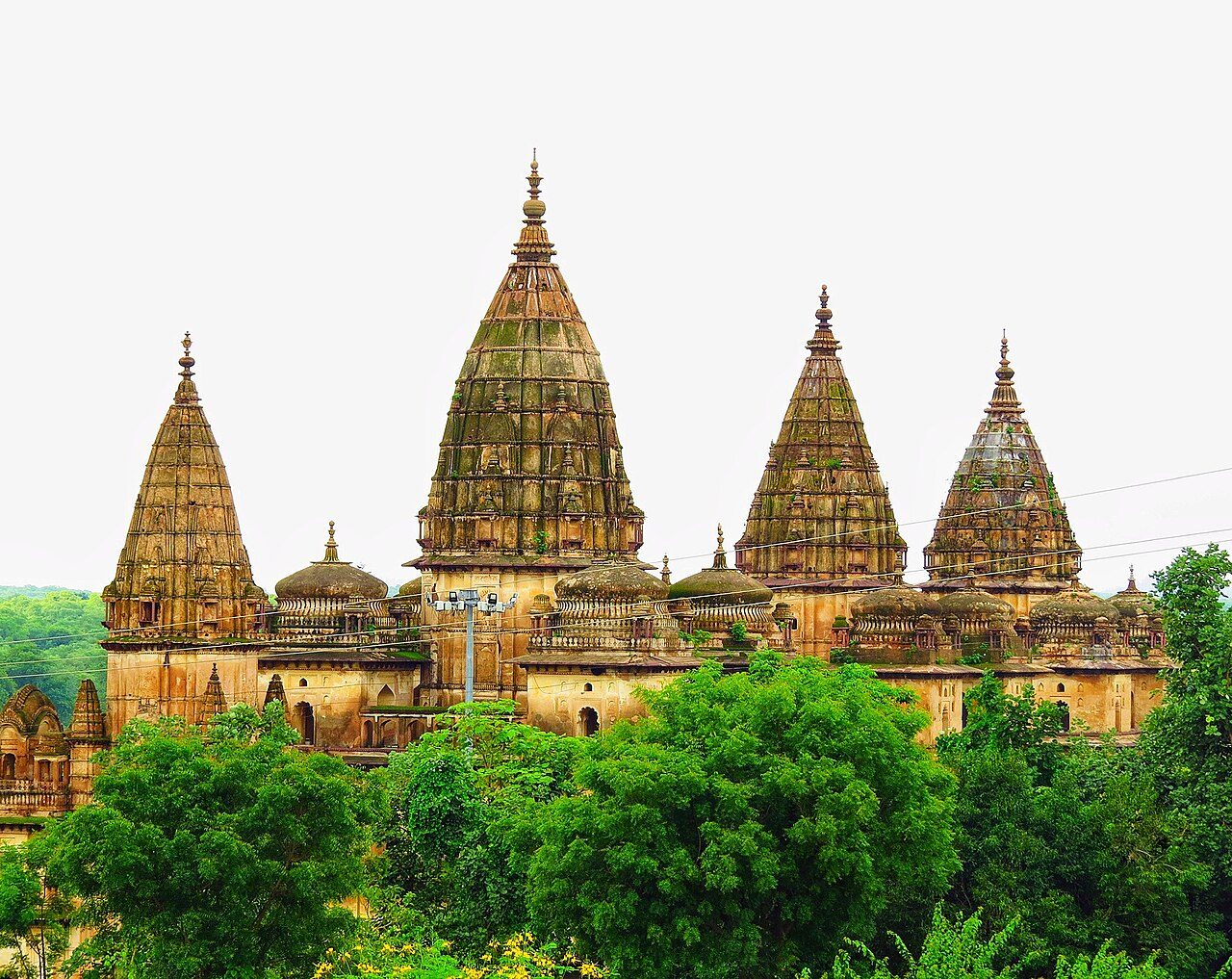
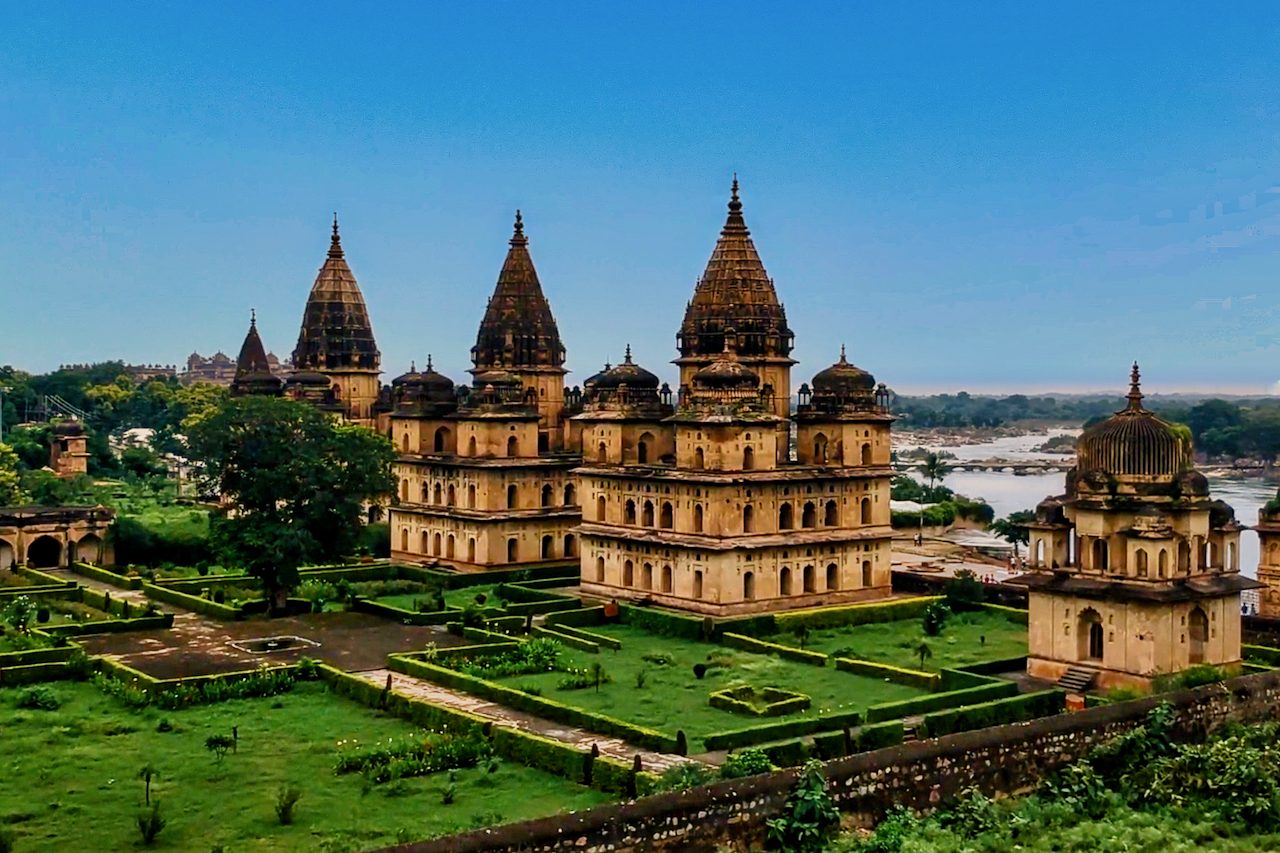
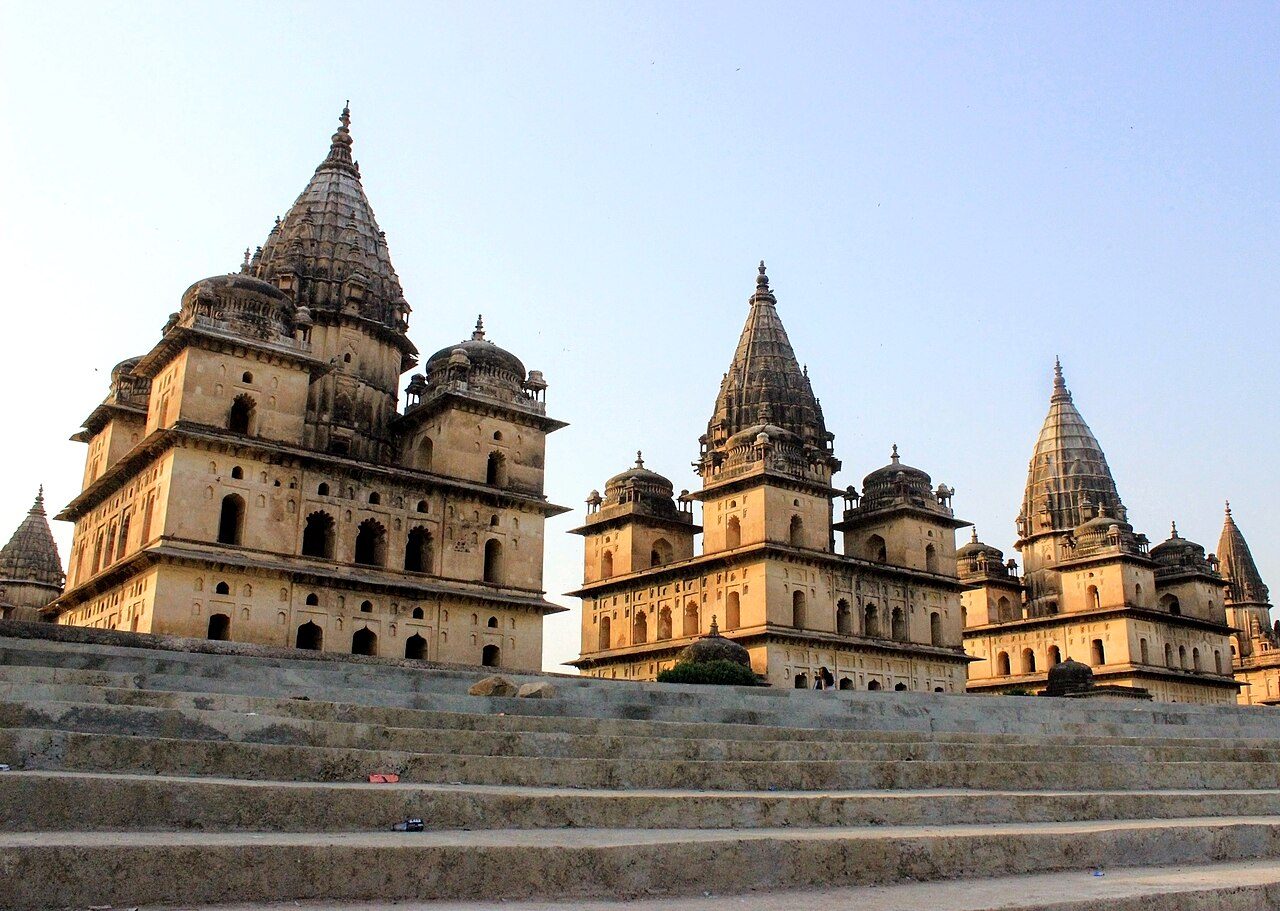
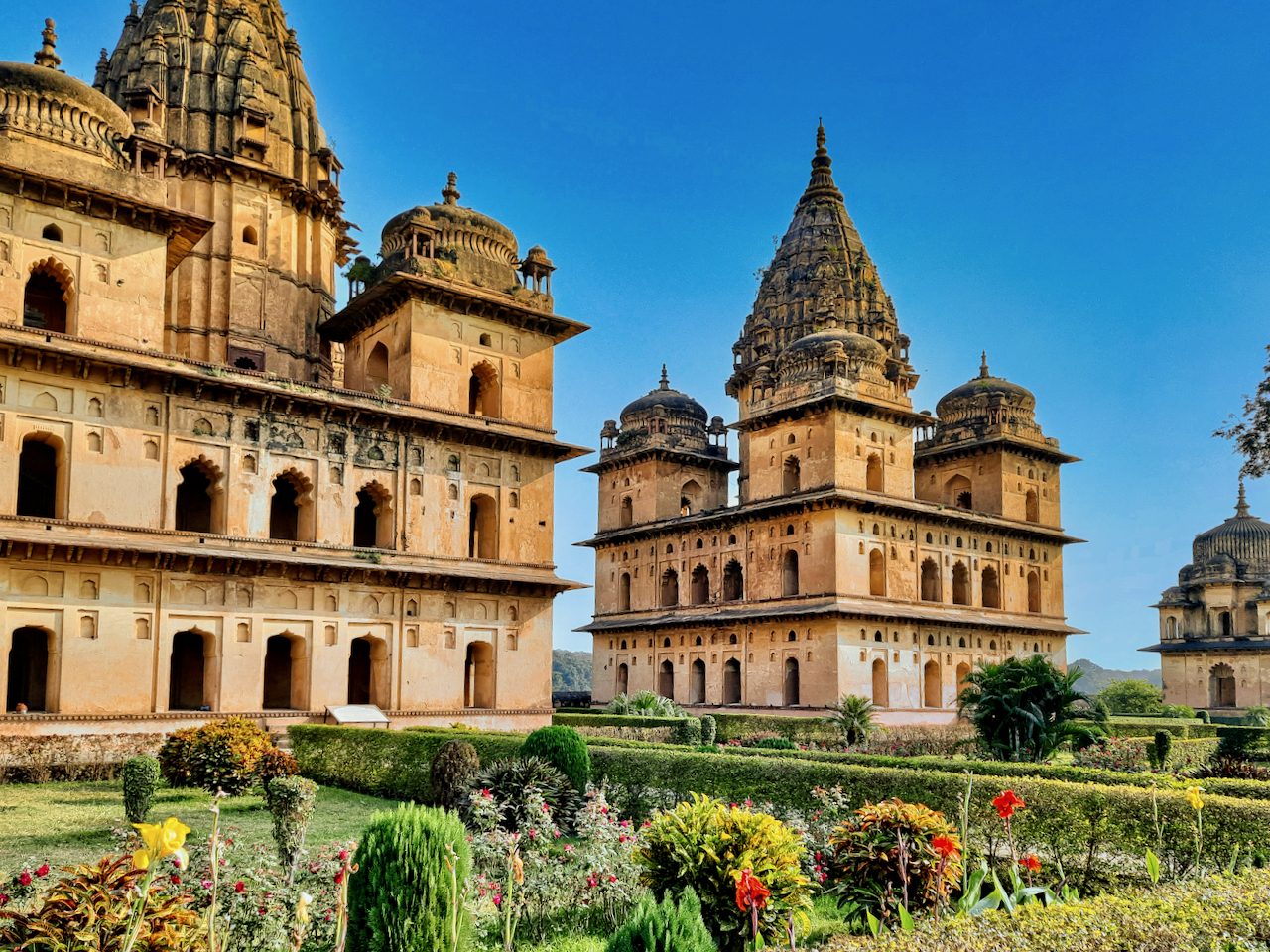
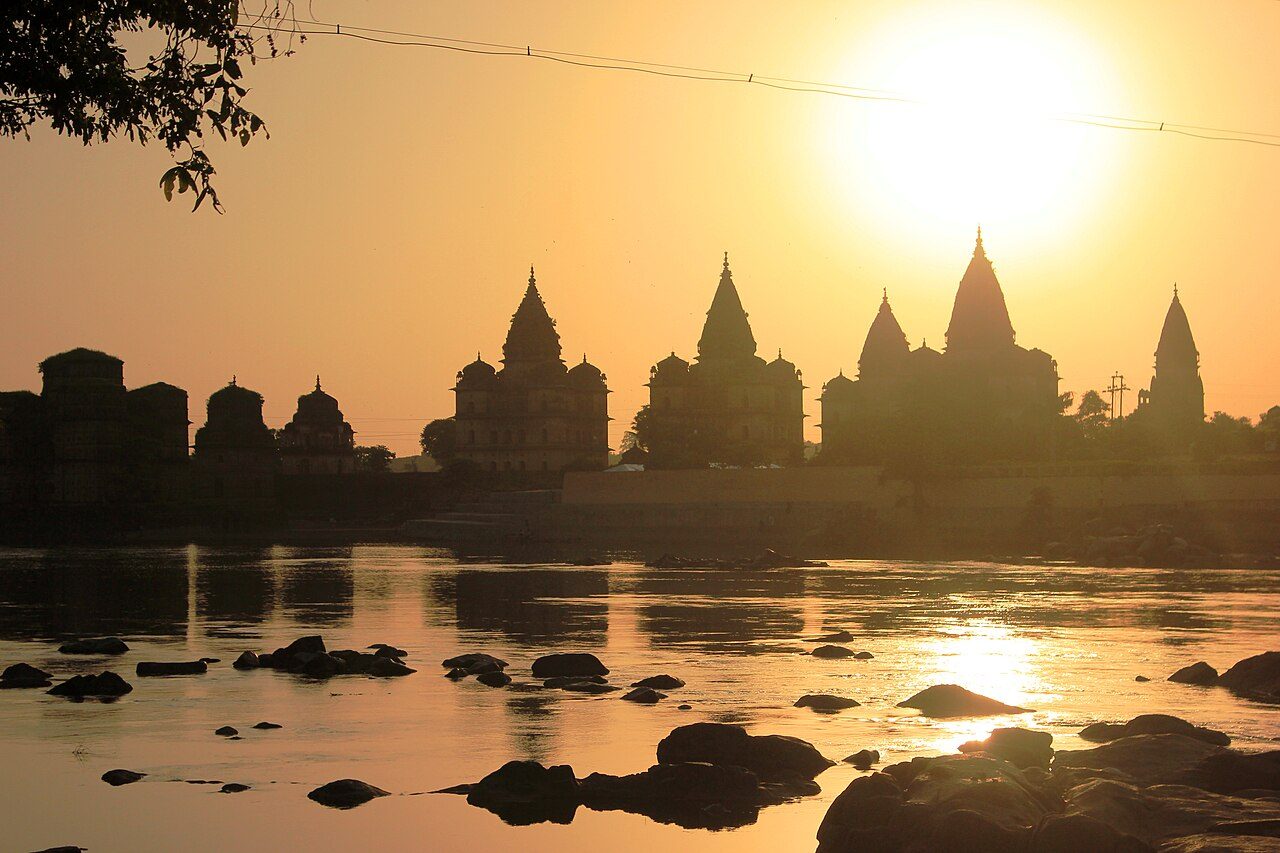
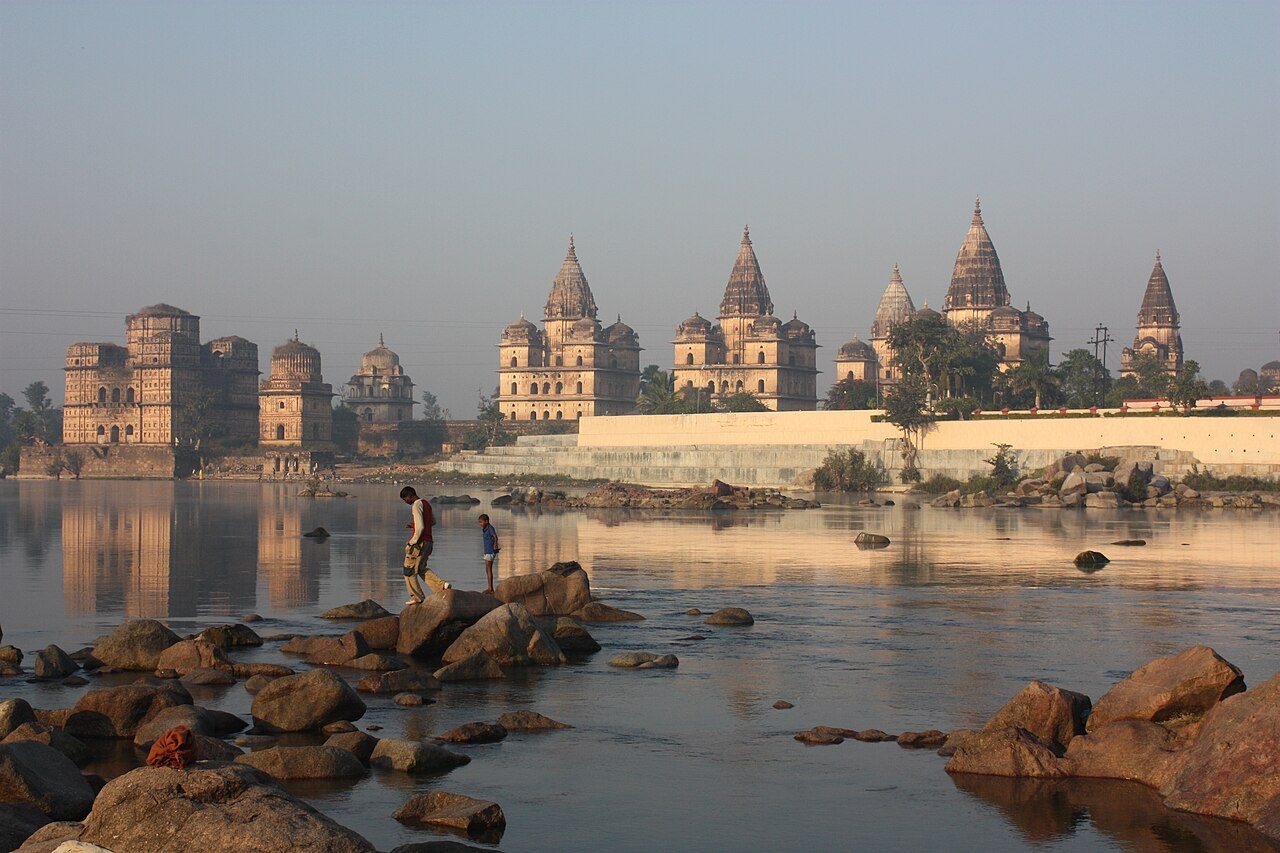
The Chhatris of Orchha are the royal cenotaphs of the Bundela kings, built in a row along the Betwa River from the 16th to 18th centuries. Fourteen memorials rise like small palaces, each on a square platform with a tall spire and domed corner pavilions. They are best seen from the opposite bank or the bridge at sunset, when they reflect in the river.
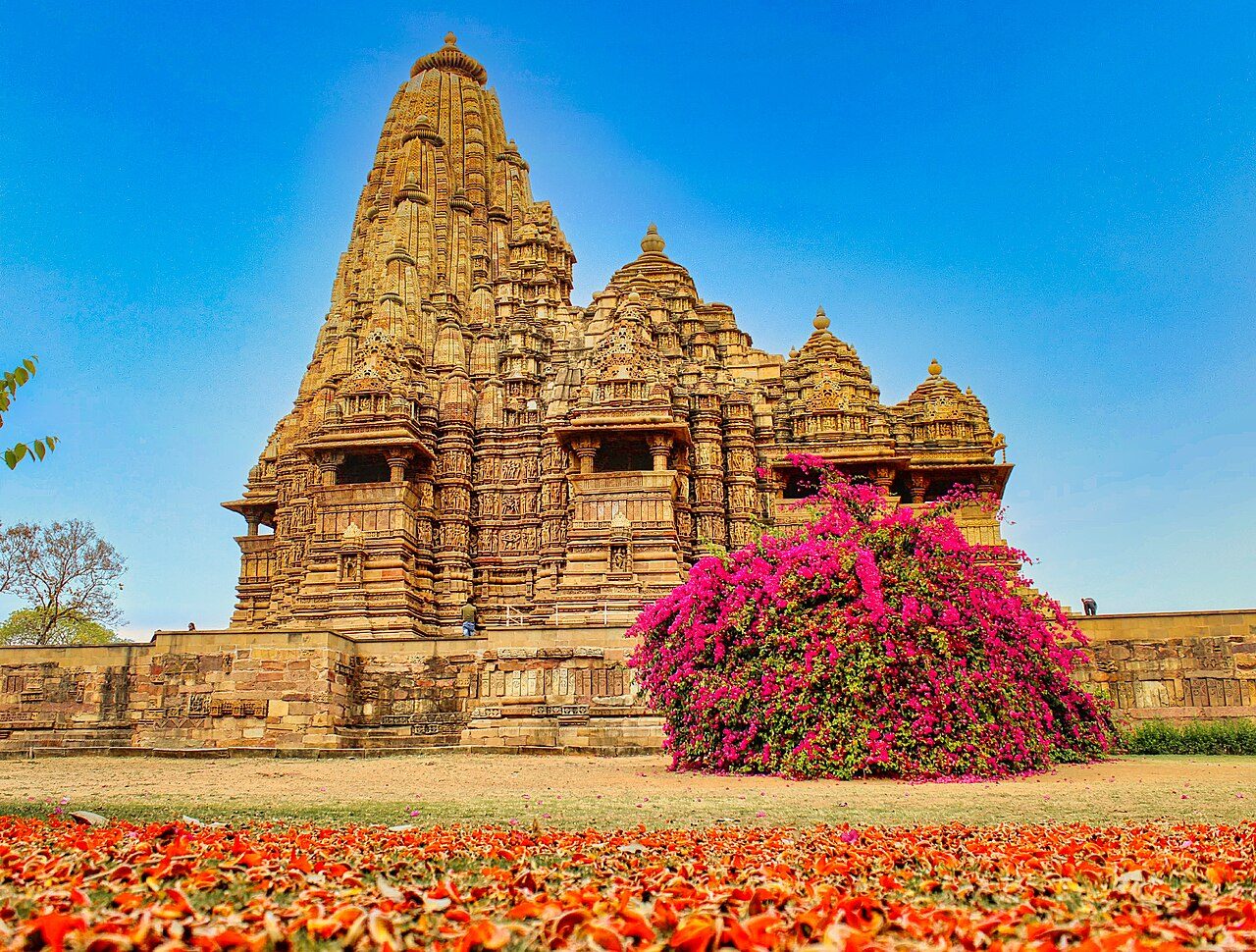
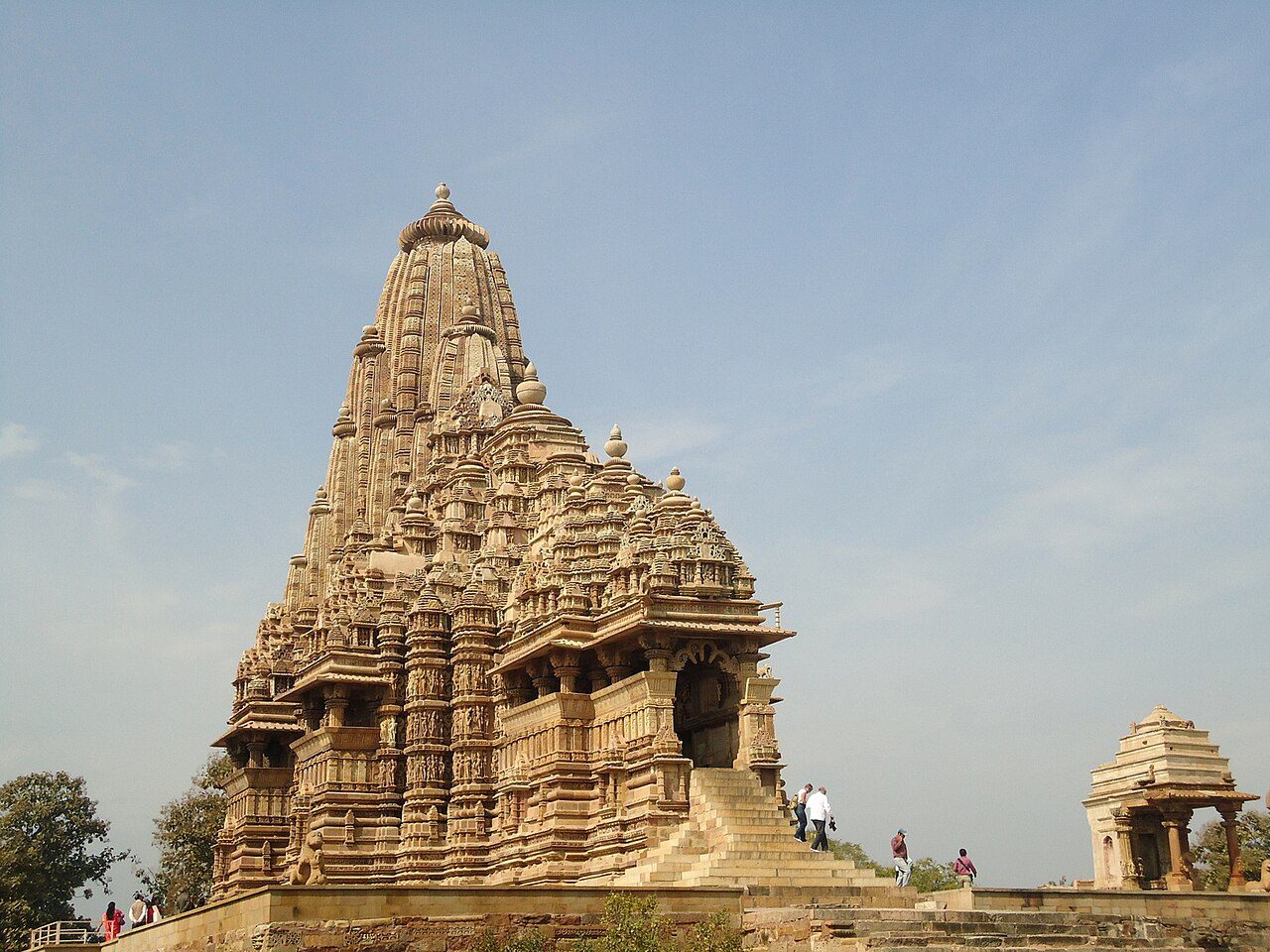
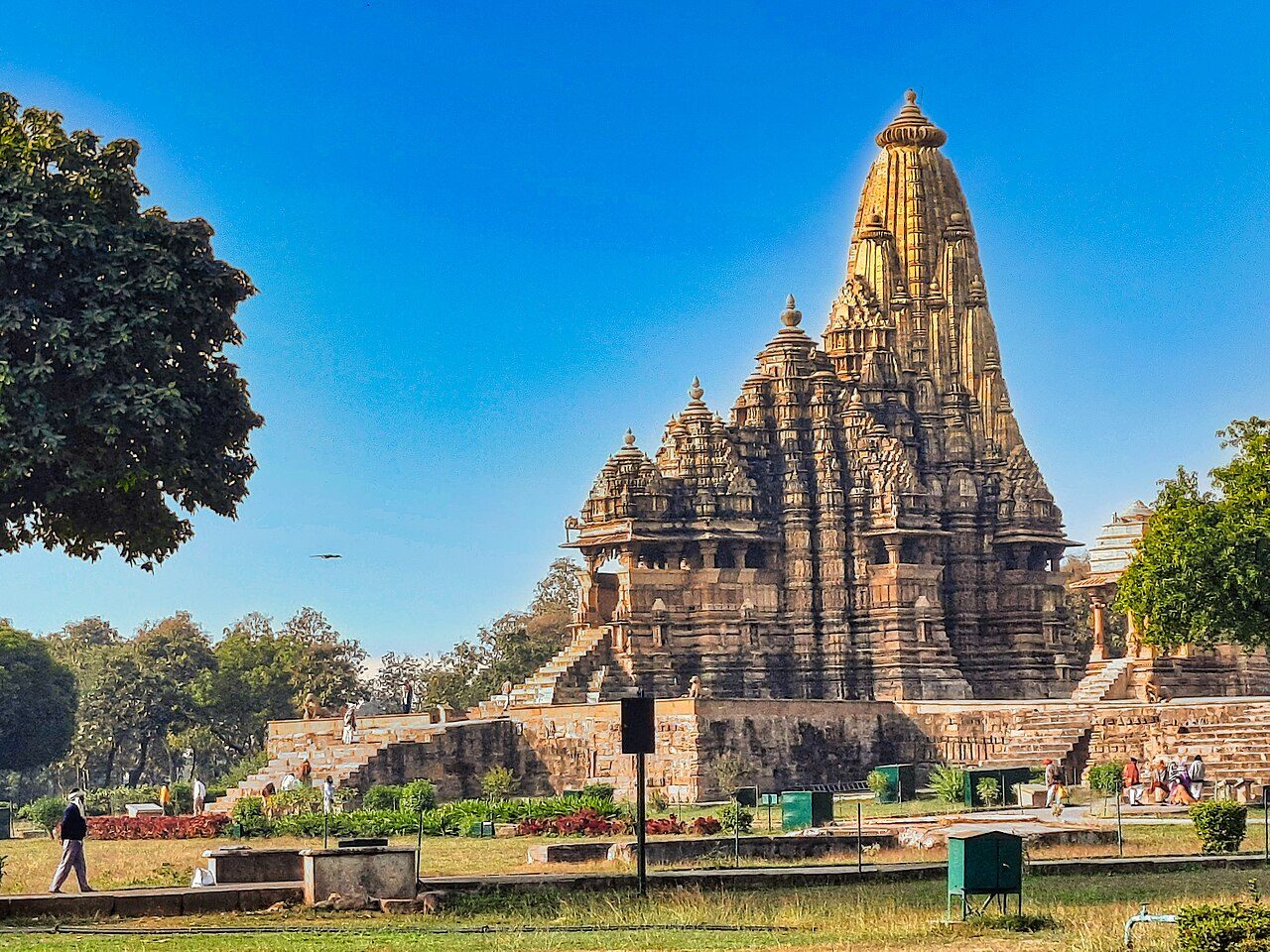
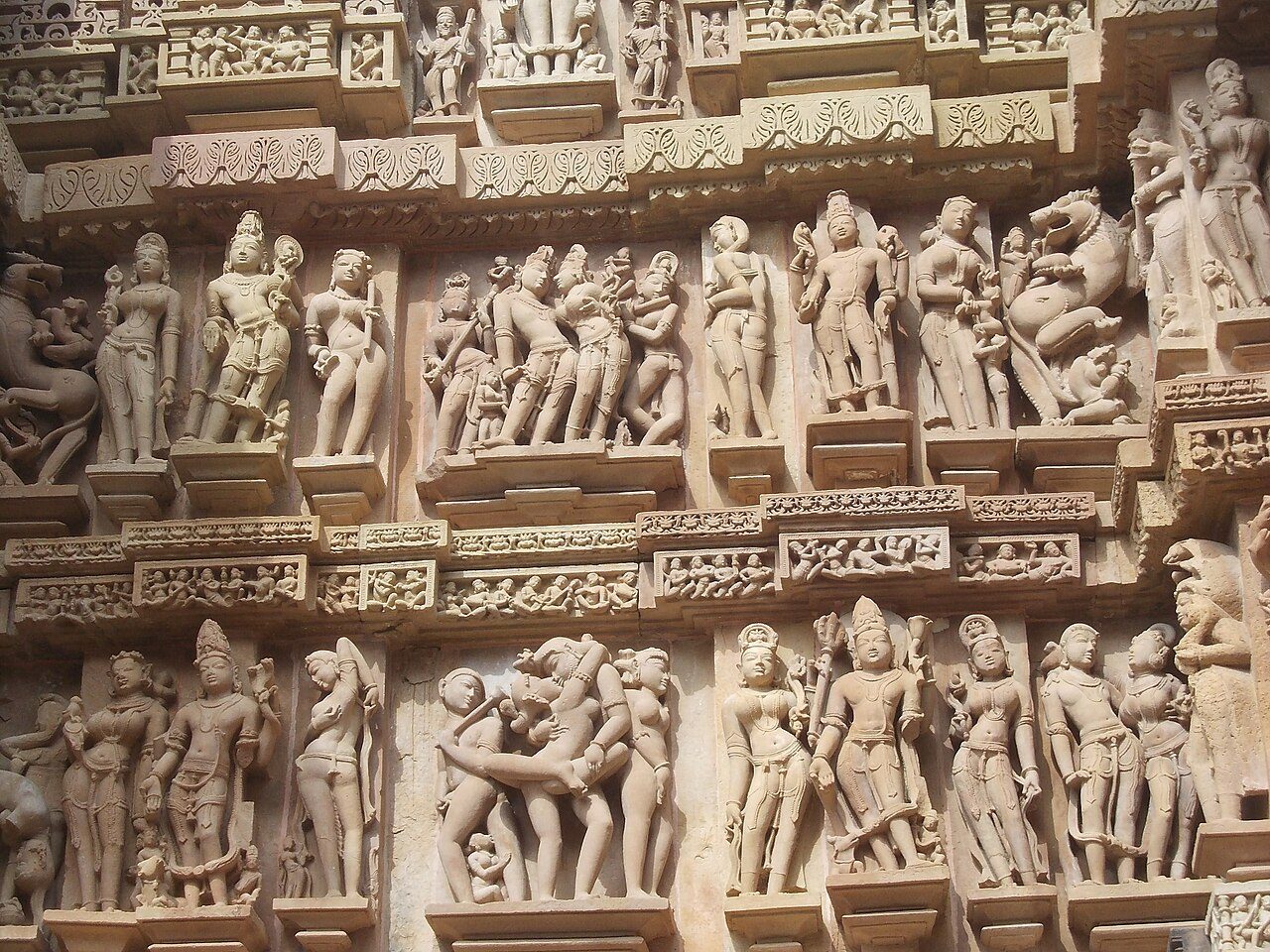
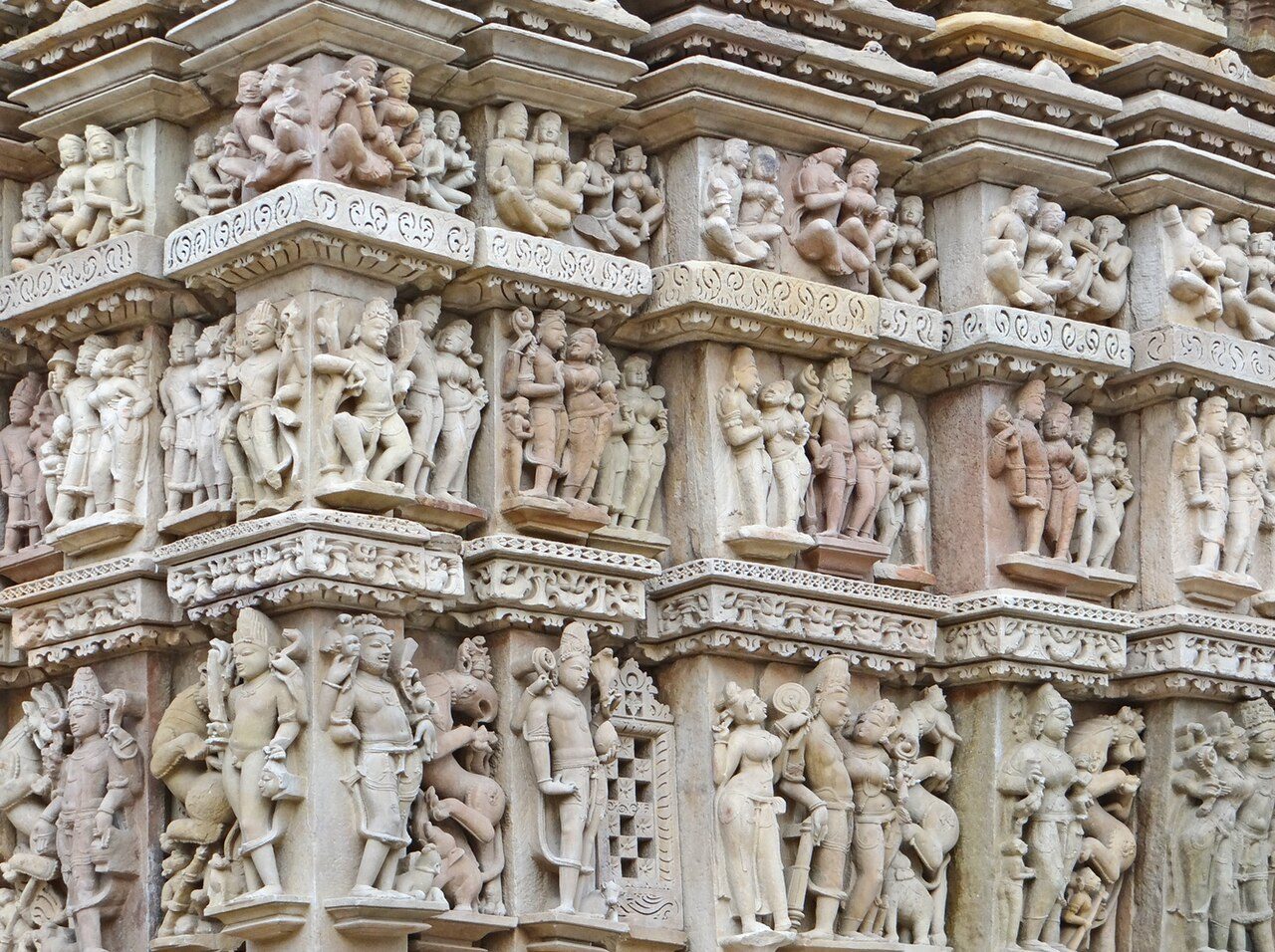
Kandariya Mahadeva is the largest and most ornate temple at Khajuraho, built in the 11th century by the Chandela king Vidyadhara. Its main spire rises about 31 metres, ringed by dozens of smaller spires that suggest a mountain peak. The walls carry hundreds of finely carved figures of gods, dancers and couples. It stands in the Western Group, a UNESCO World Heritage Site.
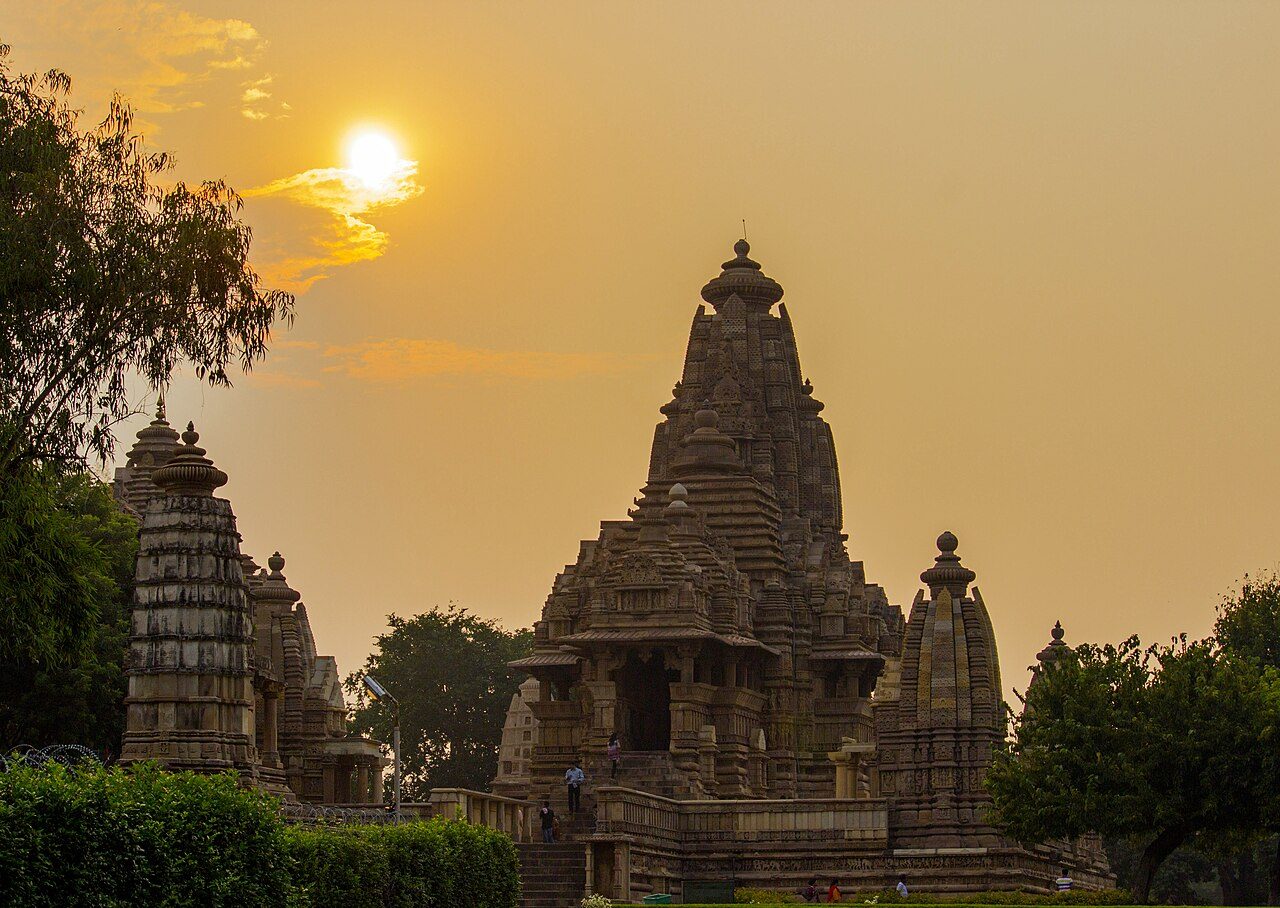
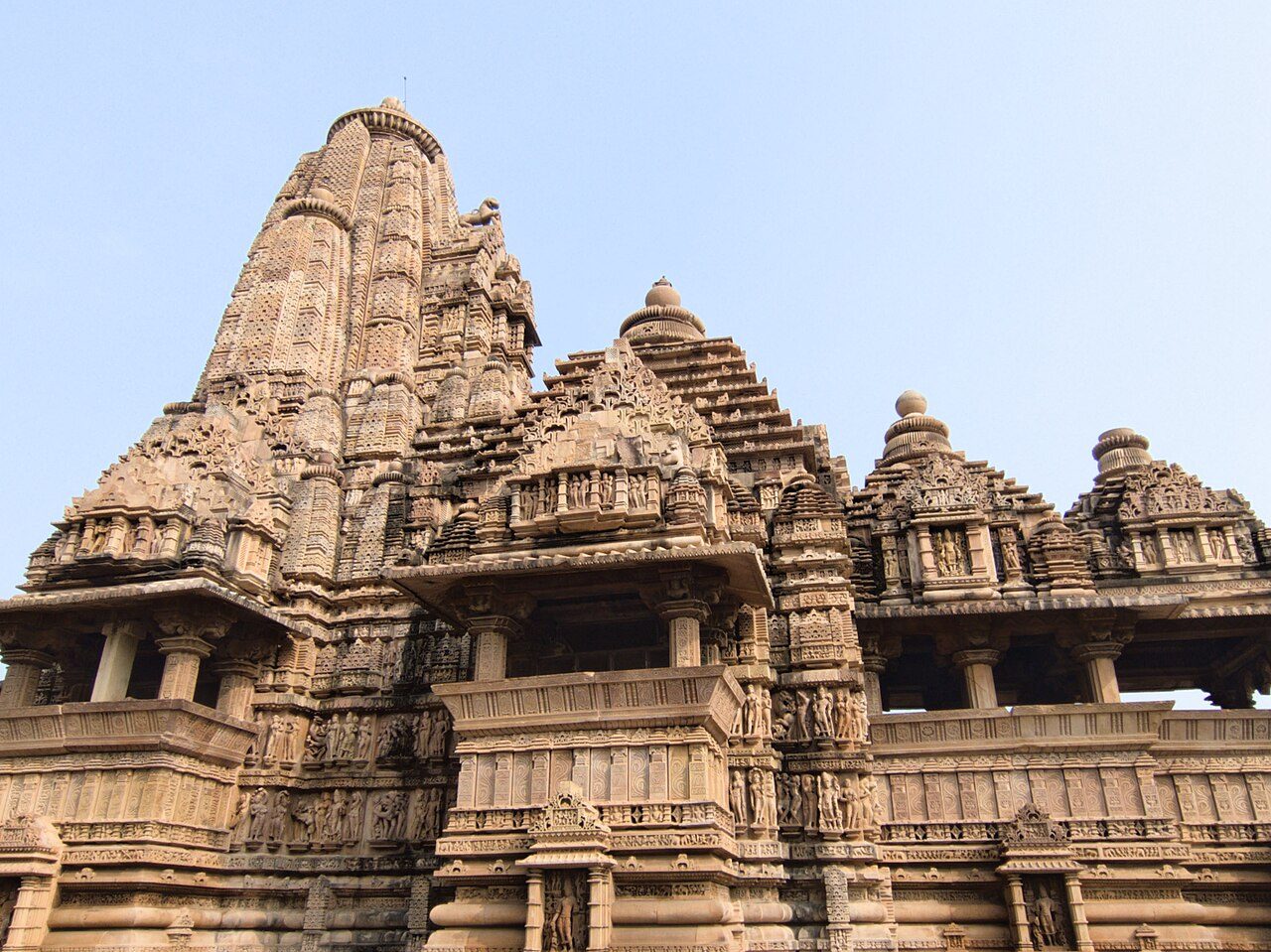
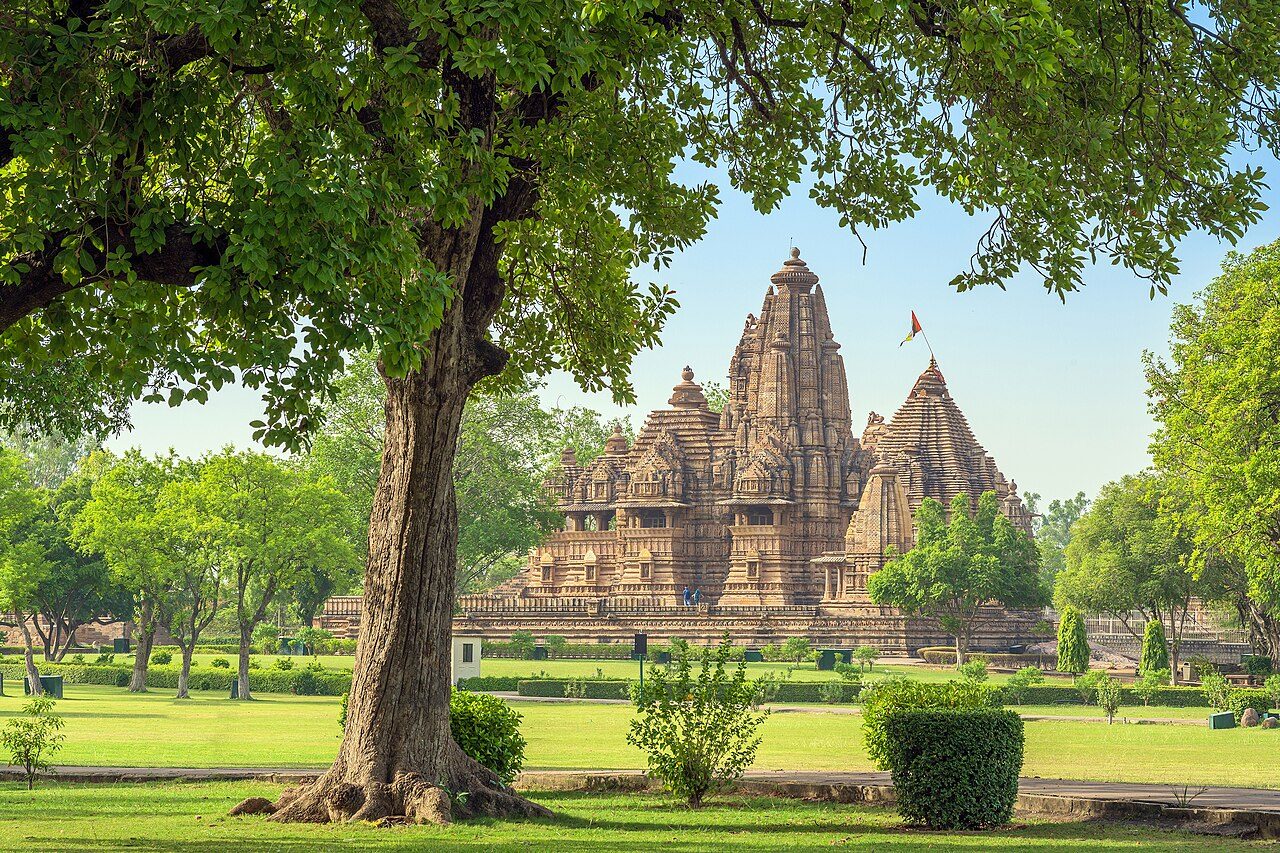
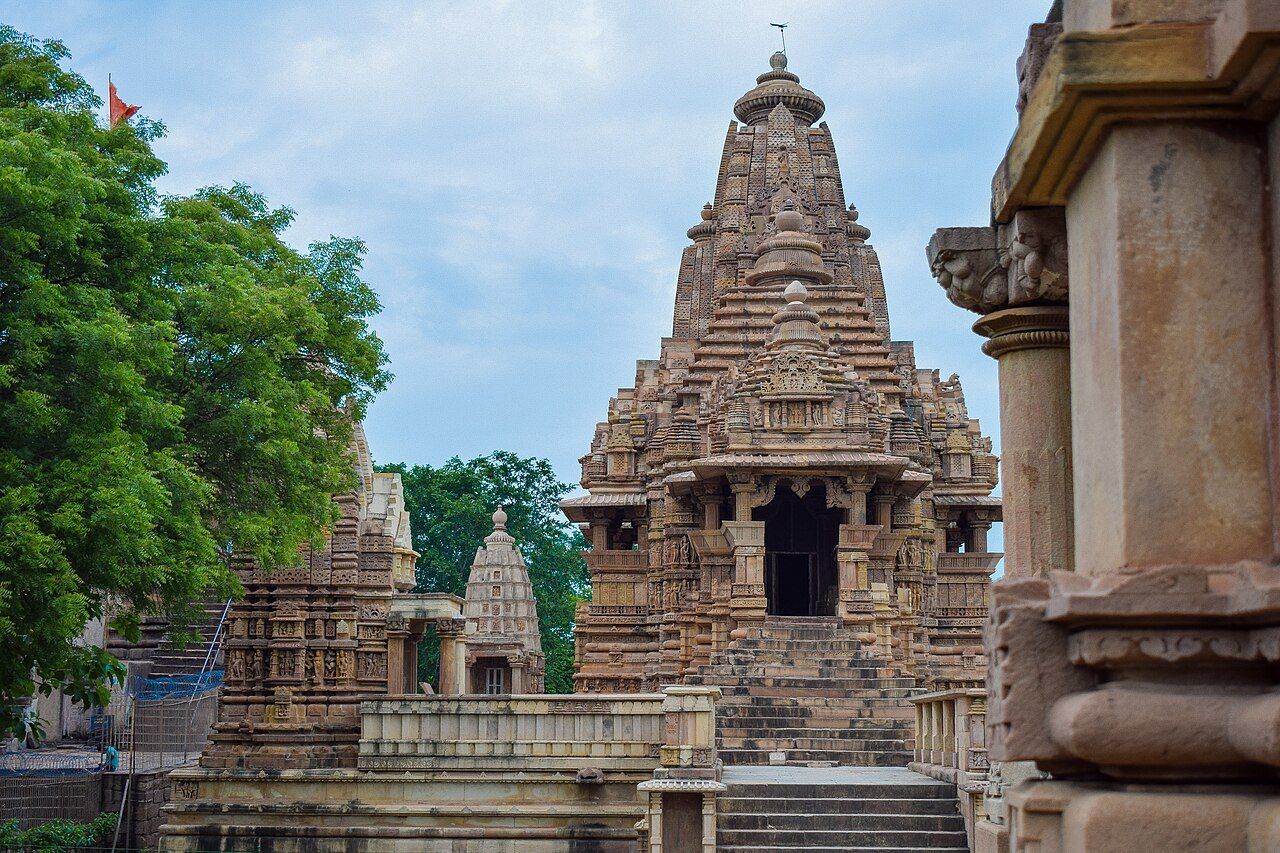
The Lakshmana Temple, completed around 954 by the Chandela king Yashovarman, is the oldest of the large temples at Khajuraho and among the best preserved. Dedicated to Vishnu, it stands on a high platform with four small shrines at the corners. The platform's frieze shows processions, battles and daily life, and the walls above are covered in sculpture. It lies near the entrance to the Western Group.
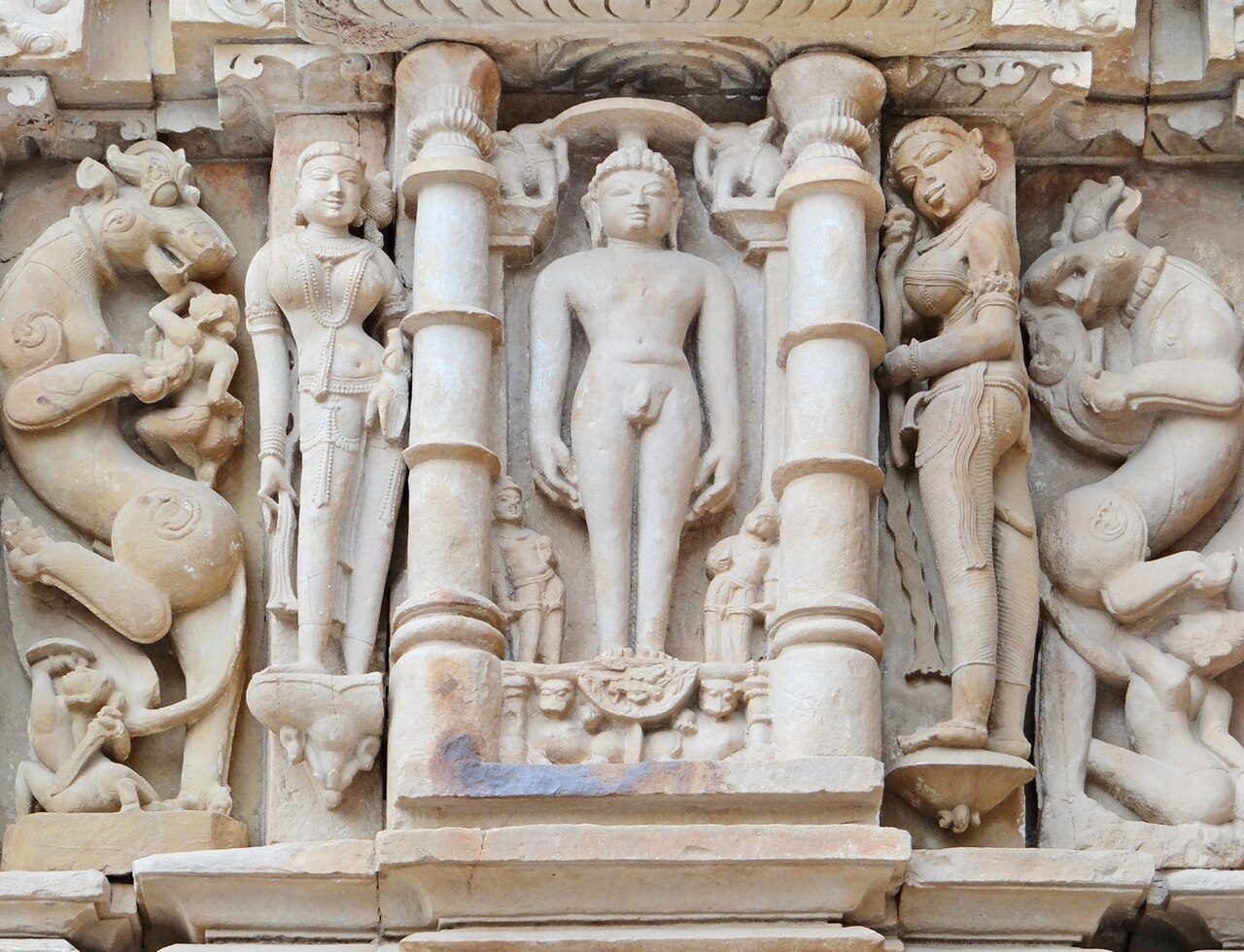
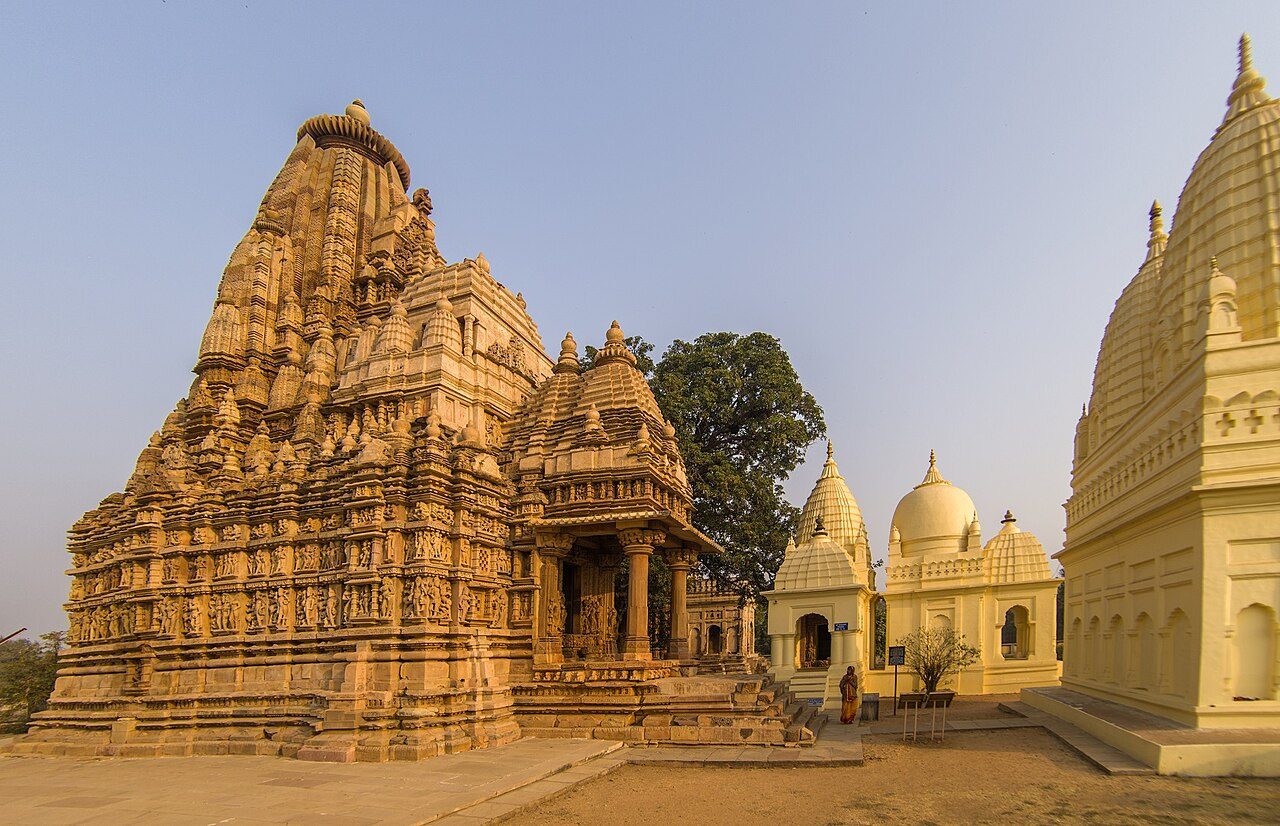
The Parsvanatha Temple is the largest of the Jain temples in Khajuraho's Eastern Group, built in the mid-10th century under the Chandela king Dhanga. Its outer walls carry some of the most graceful sculpture at Khajuraho, including a woman applying kohl and another removing a thorn from her foot. The temple remains in worship, inside a walled compound with a small museum nearby.
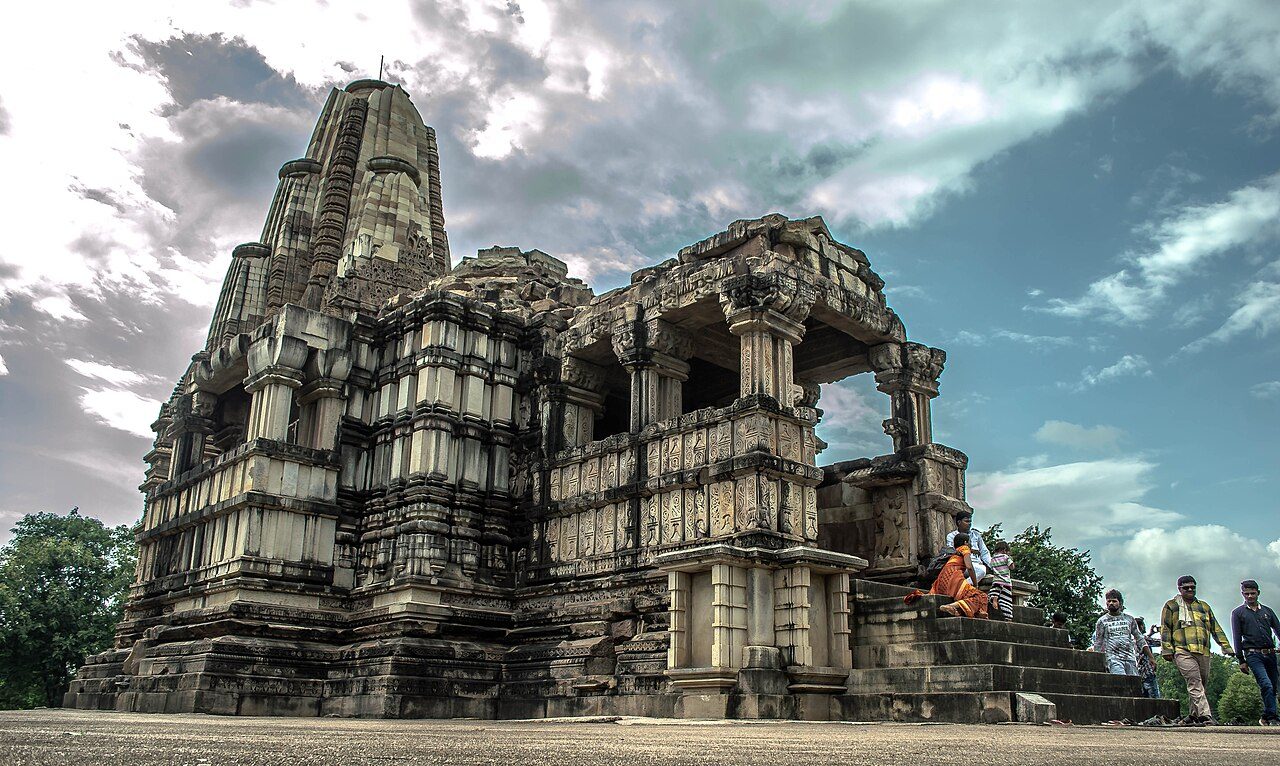
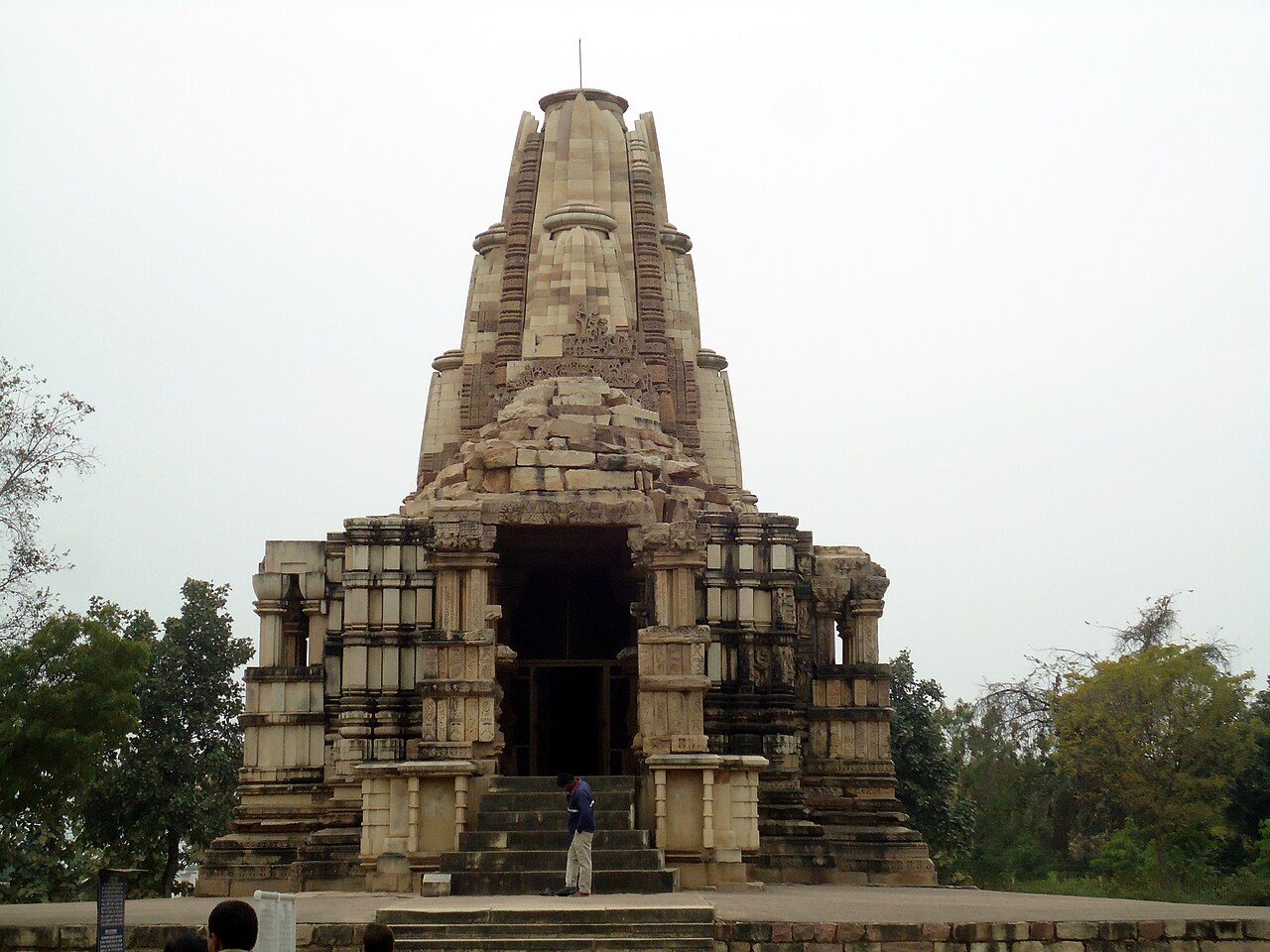
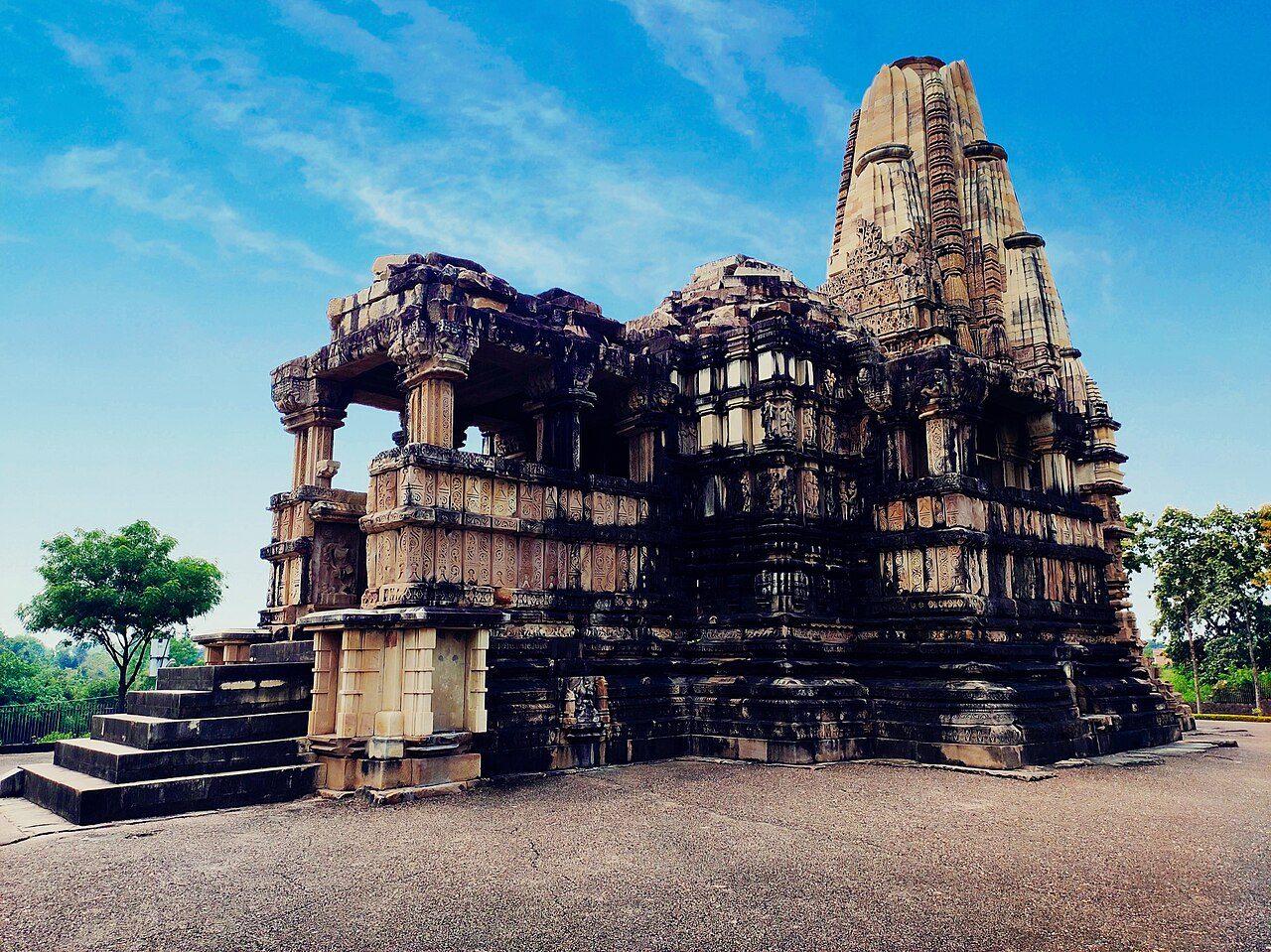
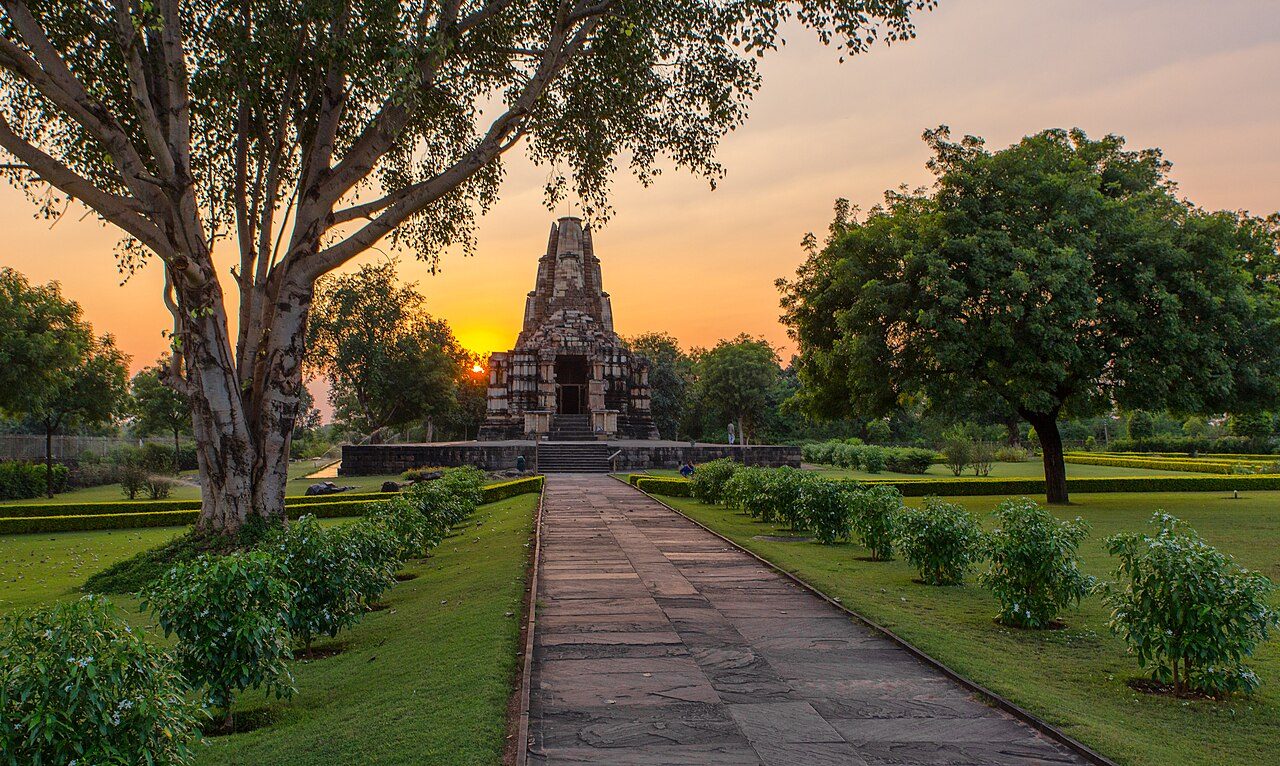
Duladeo is a Shiva temple in the Southern Group at Khajuraho and one of the last built by the Chandelas, dated to the early 12th century. It stands beside a stream away from the main cluster and is usually quiet. The hall has a finely carved ceiling, and the walls carry flying celestial figures and dancers, executed in a later, more stylised manner than the earlier temples.
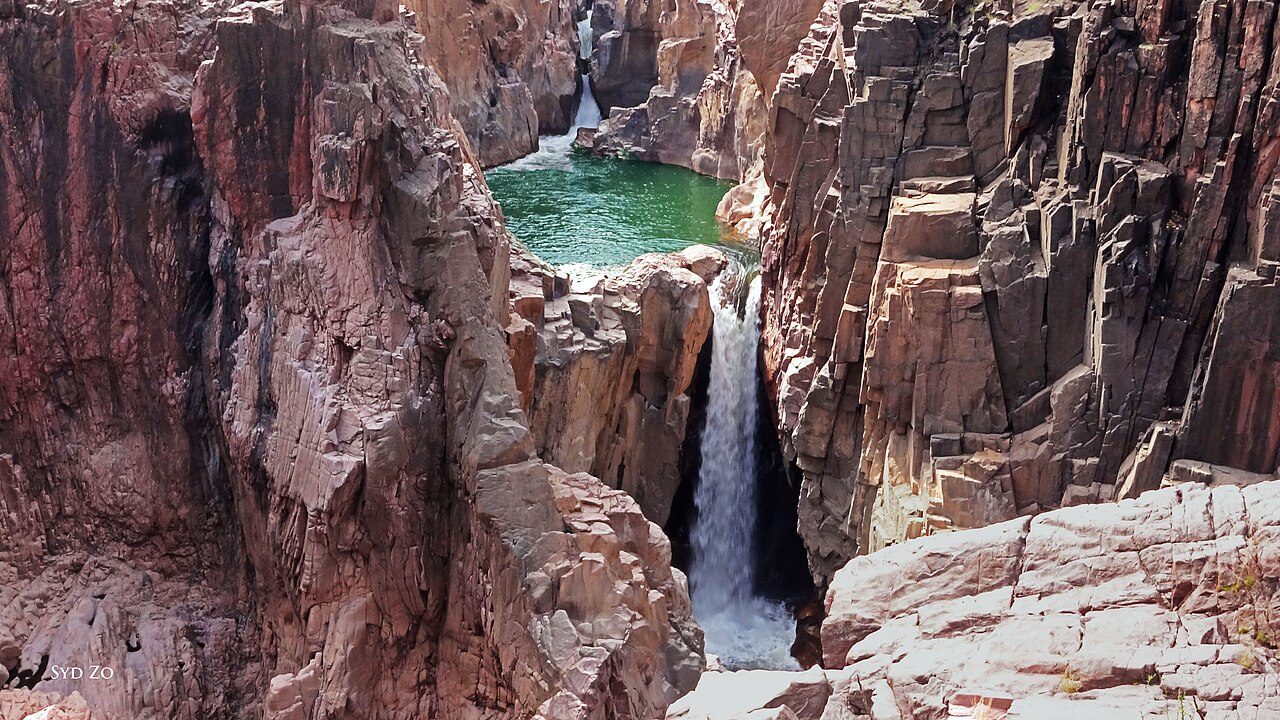
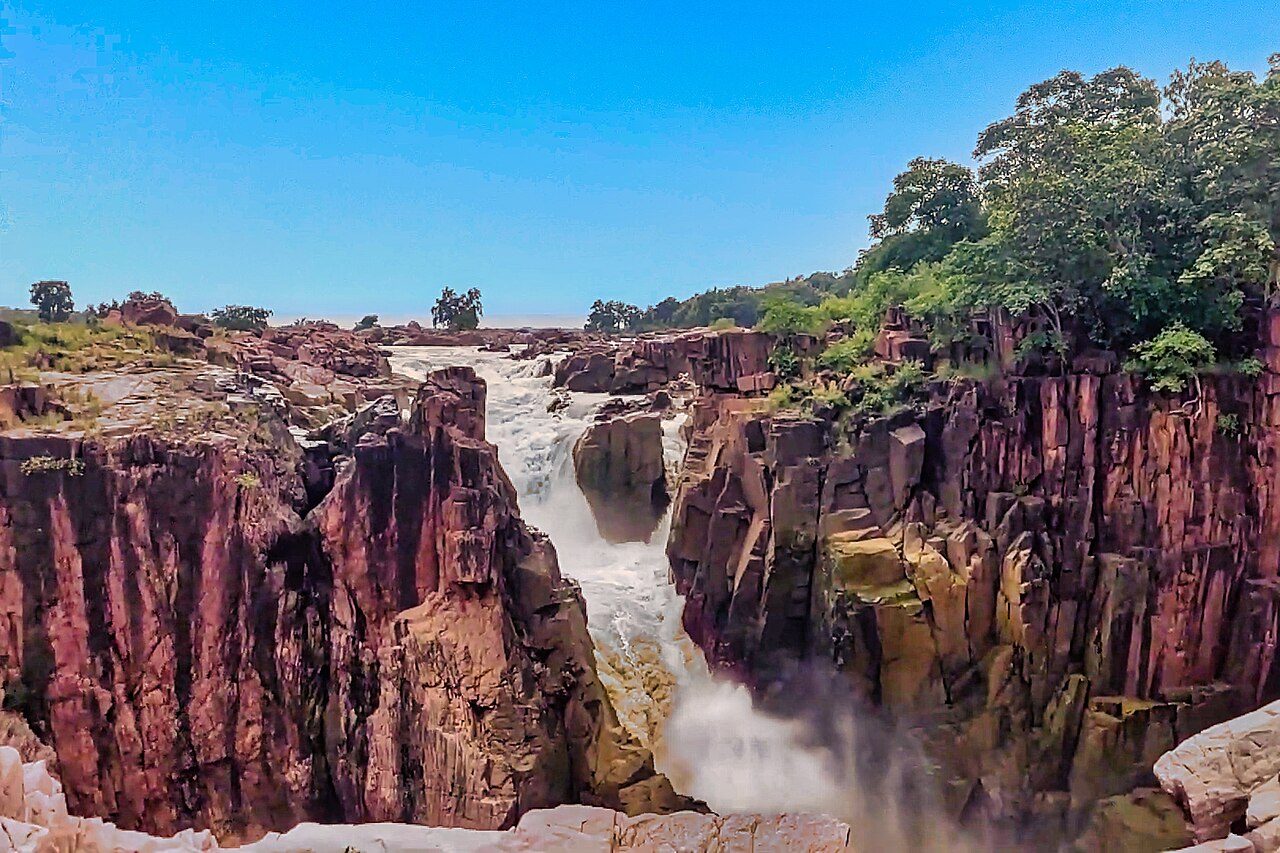
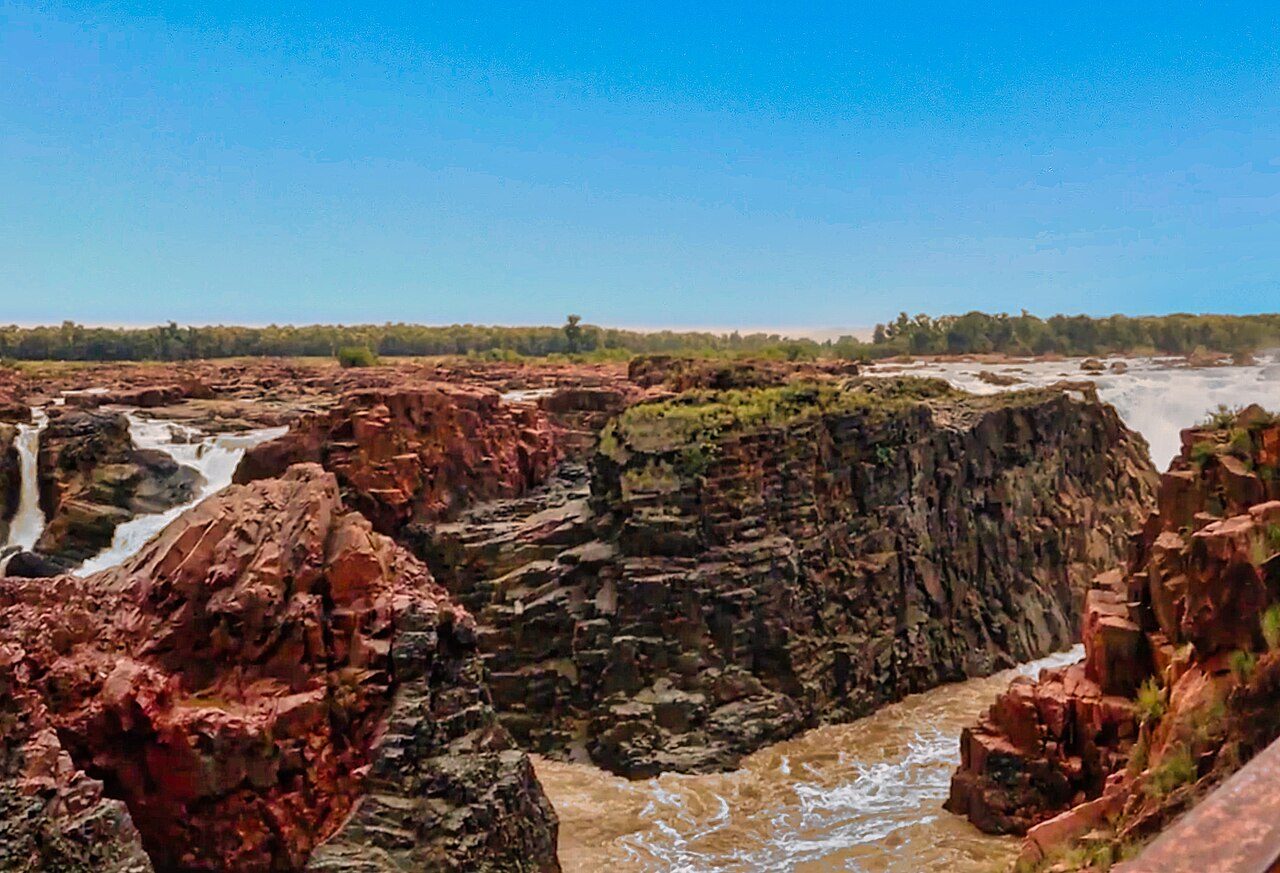
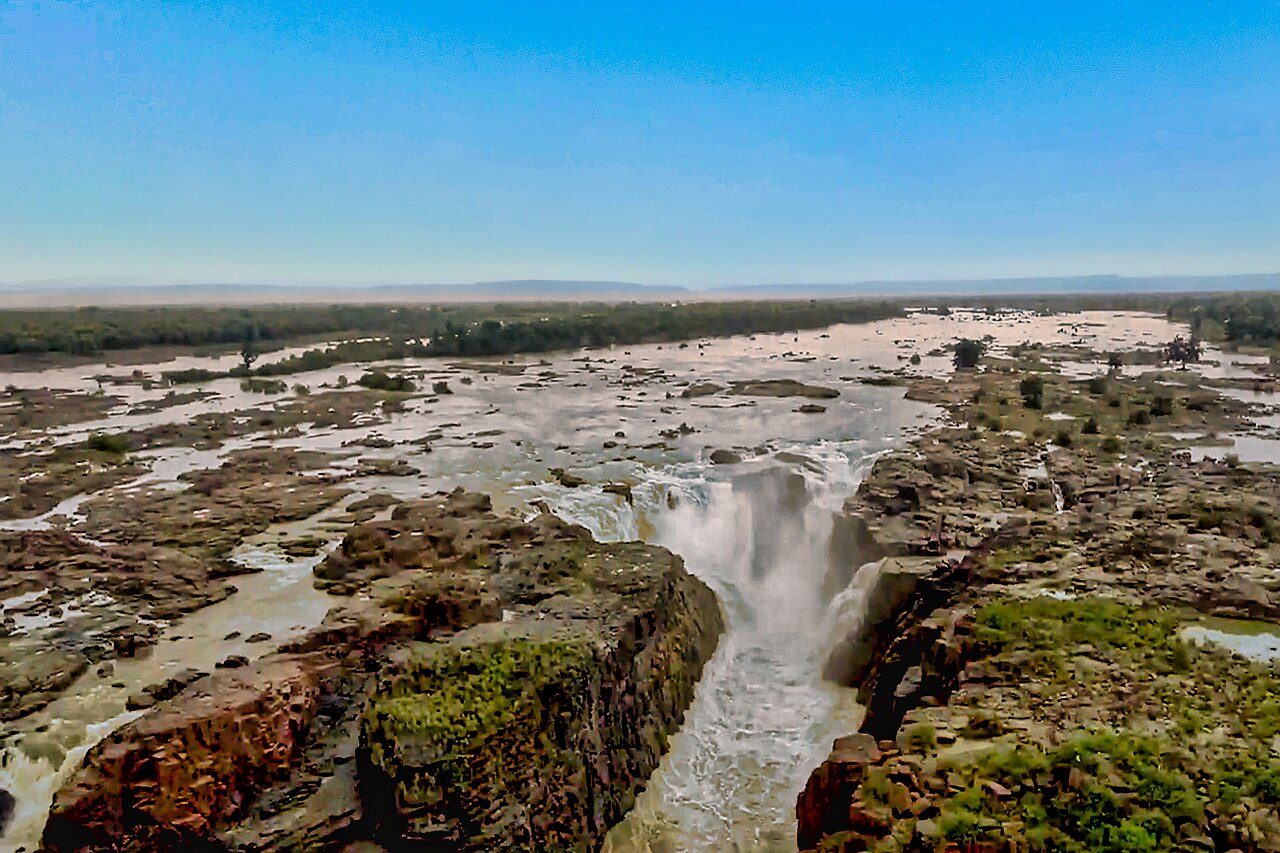
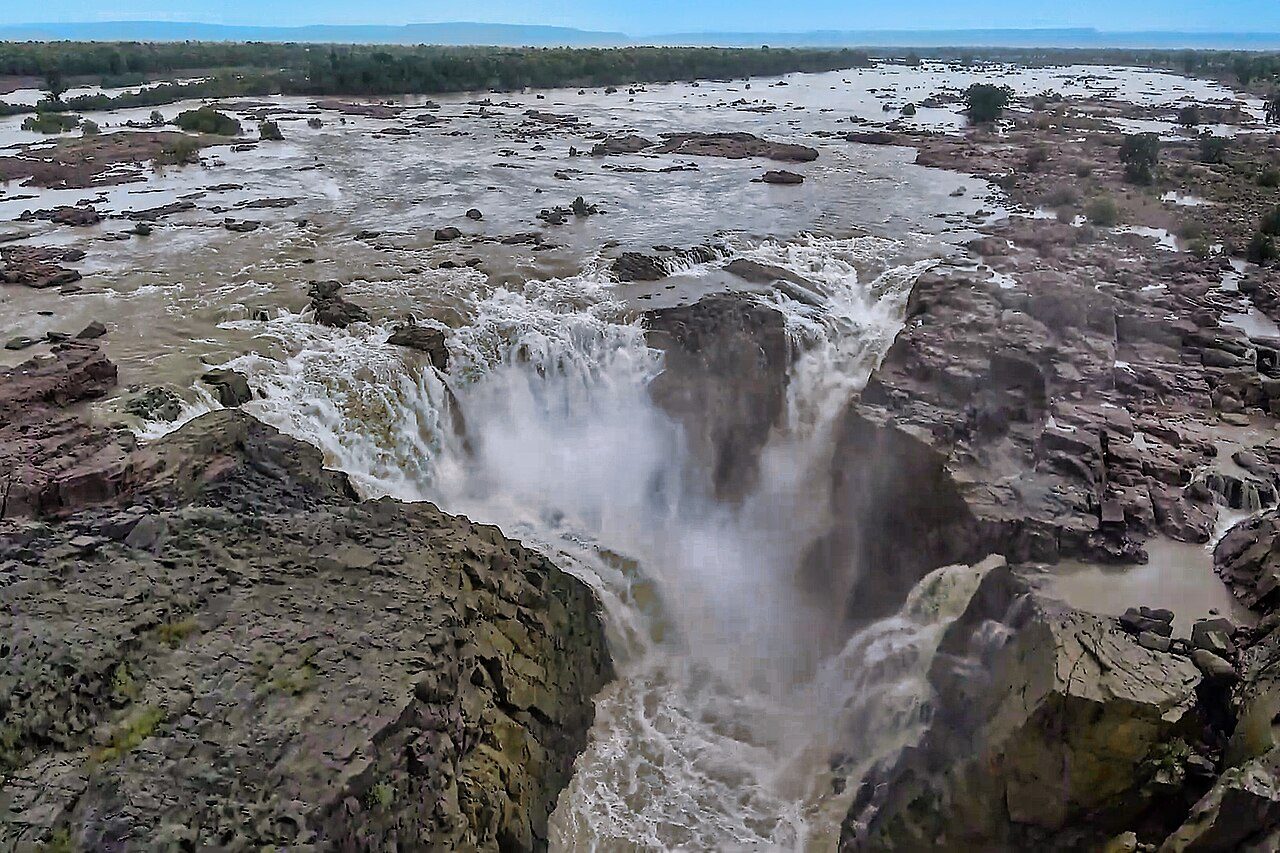
Raneh Falls lies on the Ken River about 20 km from Khajuraho, where the water has cut a deep canyon through crystalline rock in shades of pink, red, grey and green. In the monsoon a series of falls pours over the canyon walls; in the dry season the coloured rock itself is the attraction. Viewing platforms line the rim, and the nearby Ken Gharial Sanctuary can be visited on the same trip.
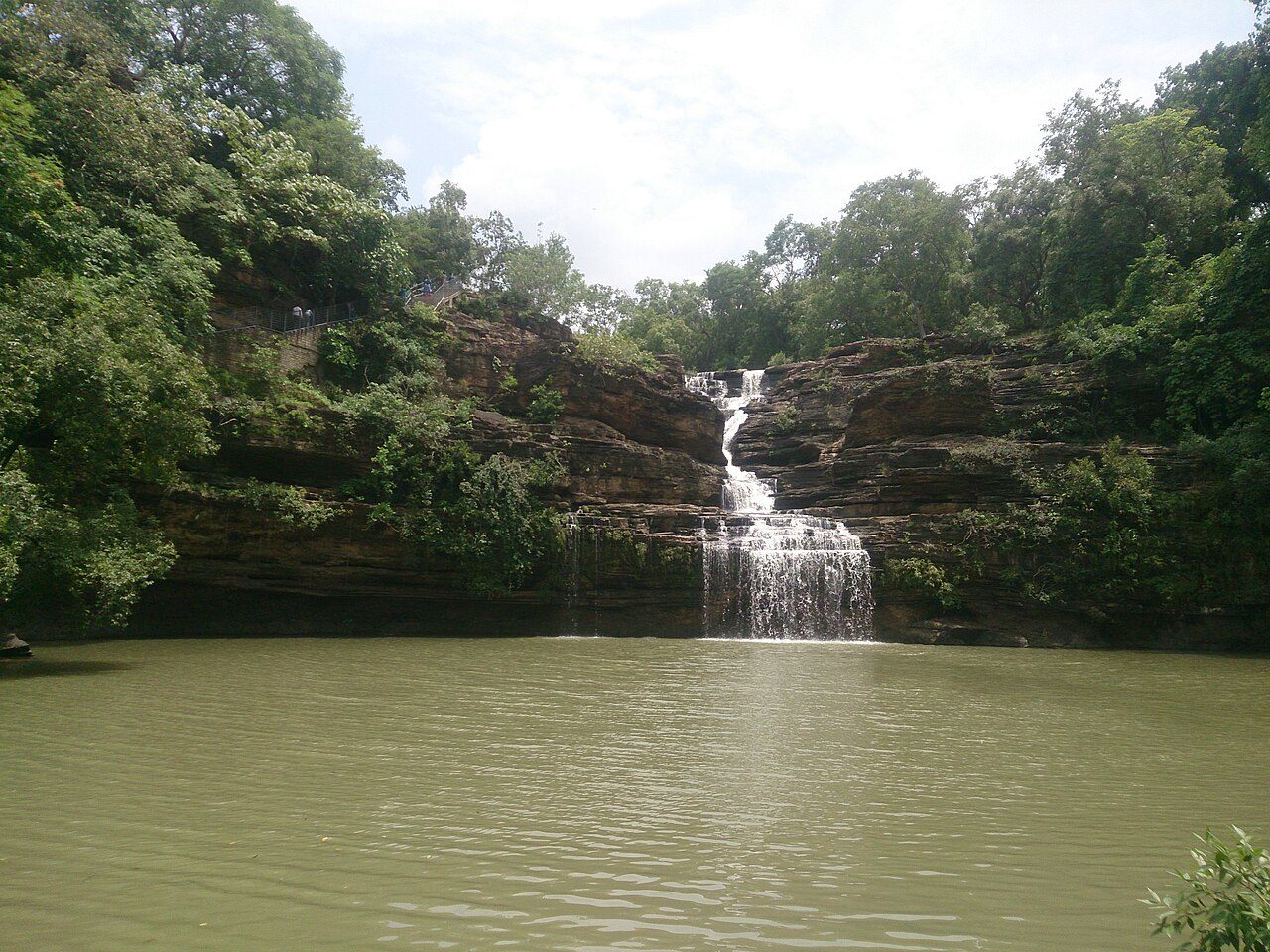
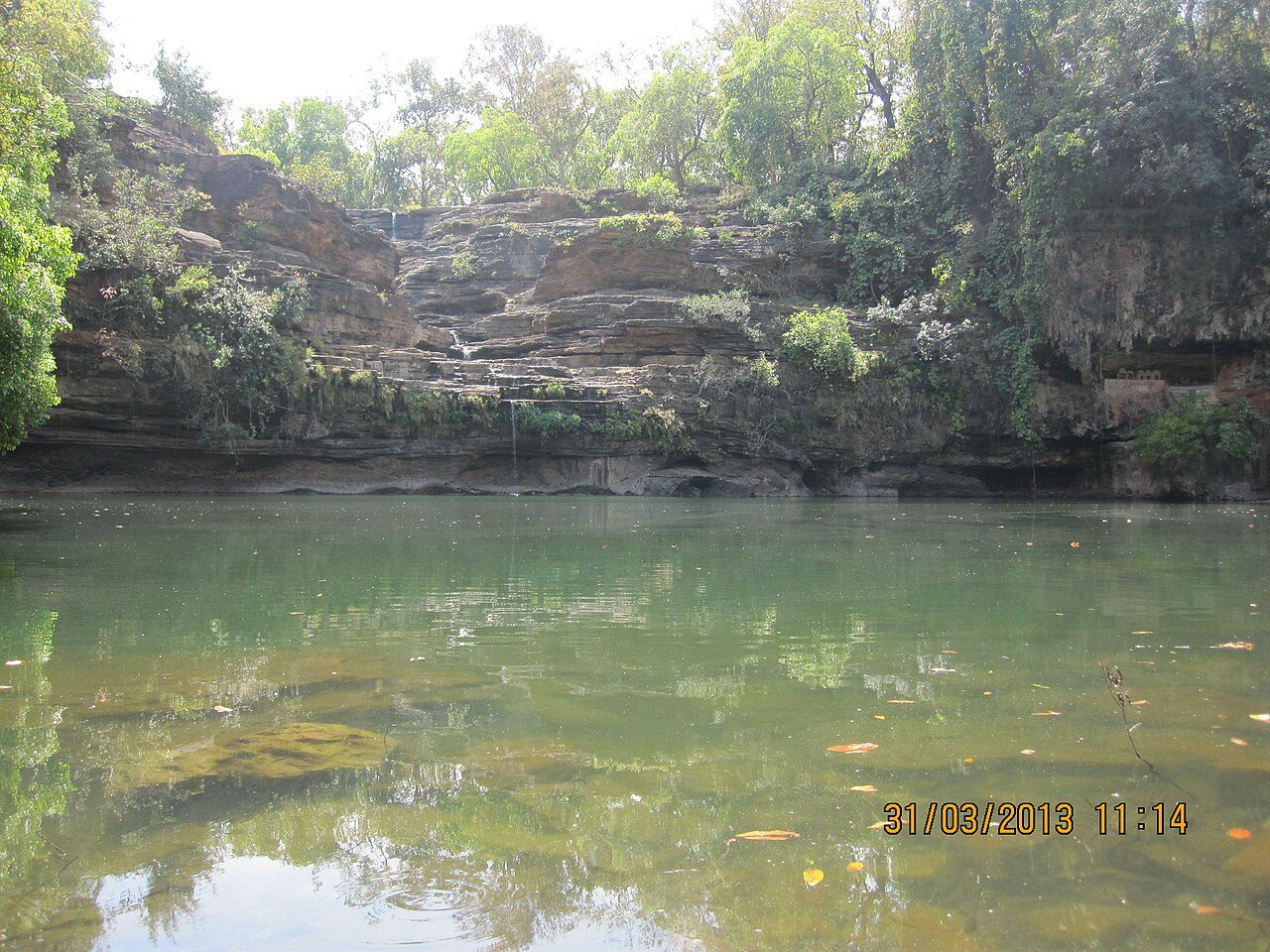
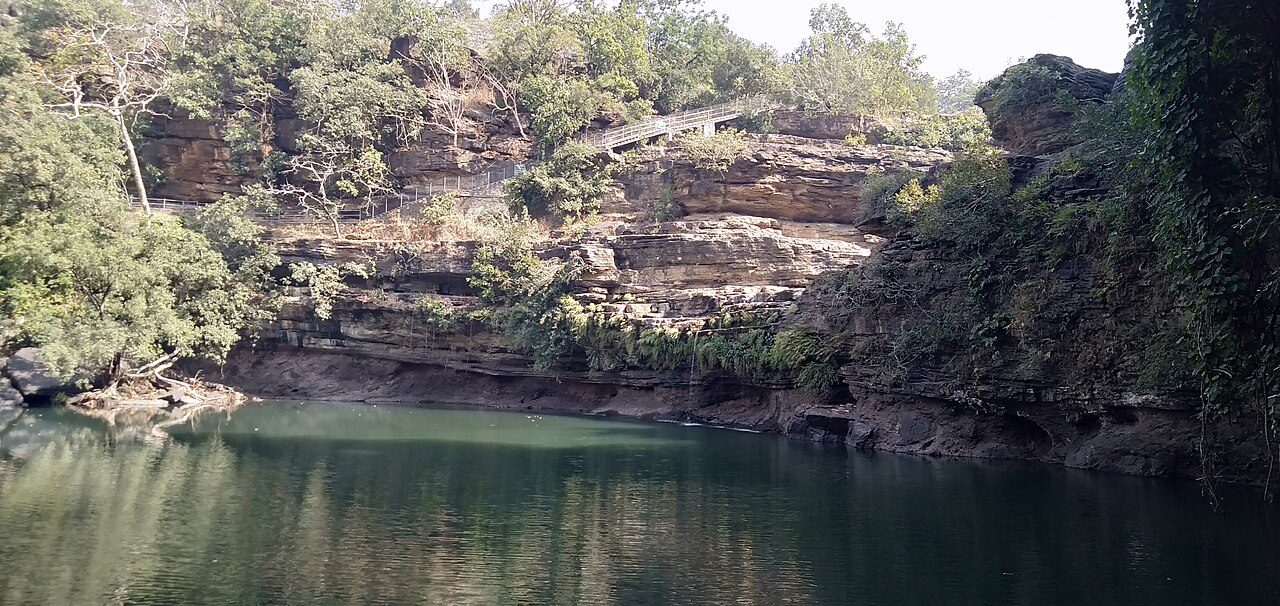
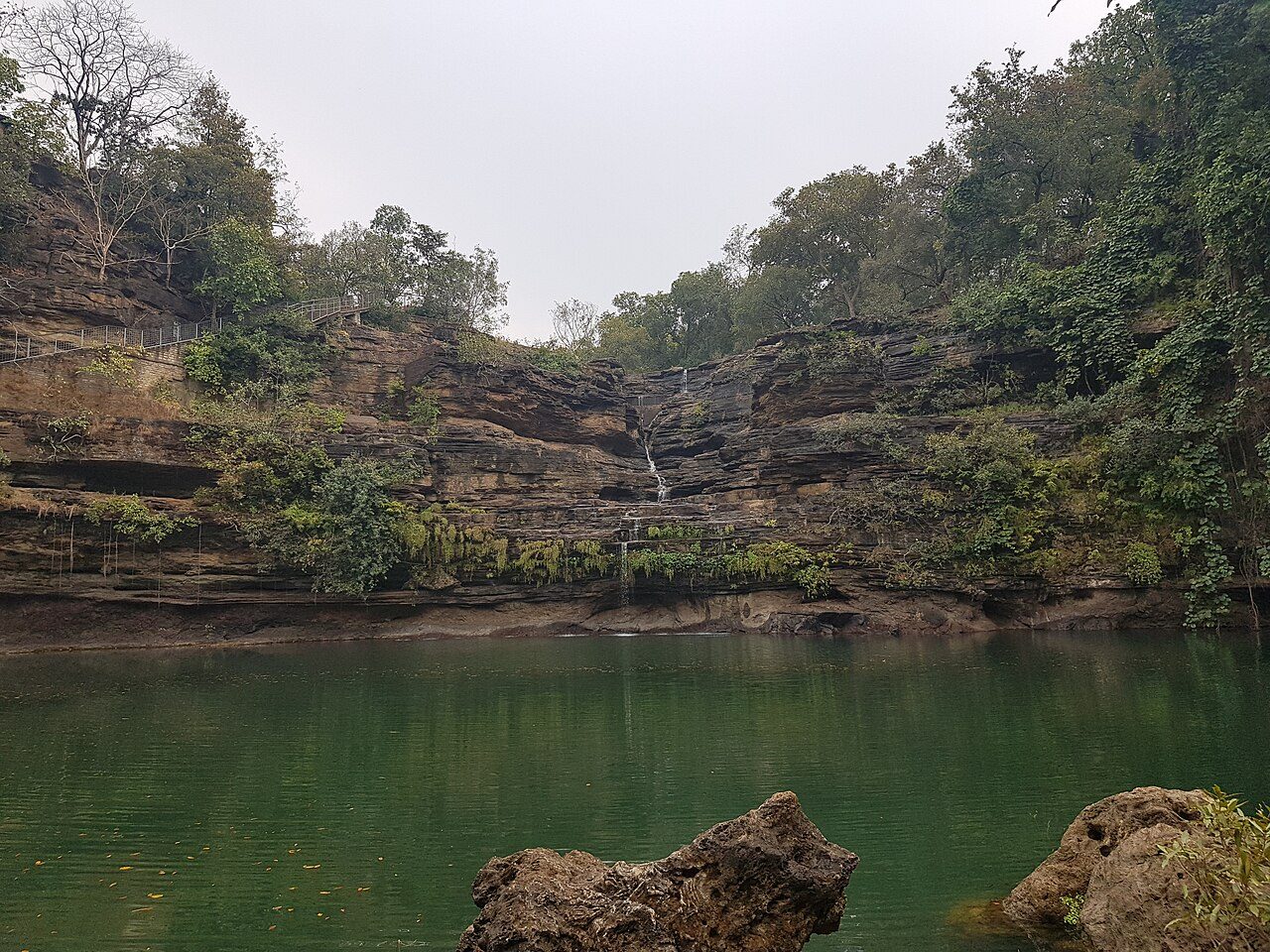
Pandav Falls is a waterfall of about 30 metres inside Panna National Park, where a stream drops into a deep pool ringed by cliffs and forest. Shallow caves at the base are linked by legend to the Pandava brothers' exile. Steps lead down from the car park to the pool. It lies just off the Khajuraho-Panna road and is at its fullest after the monsoon.
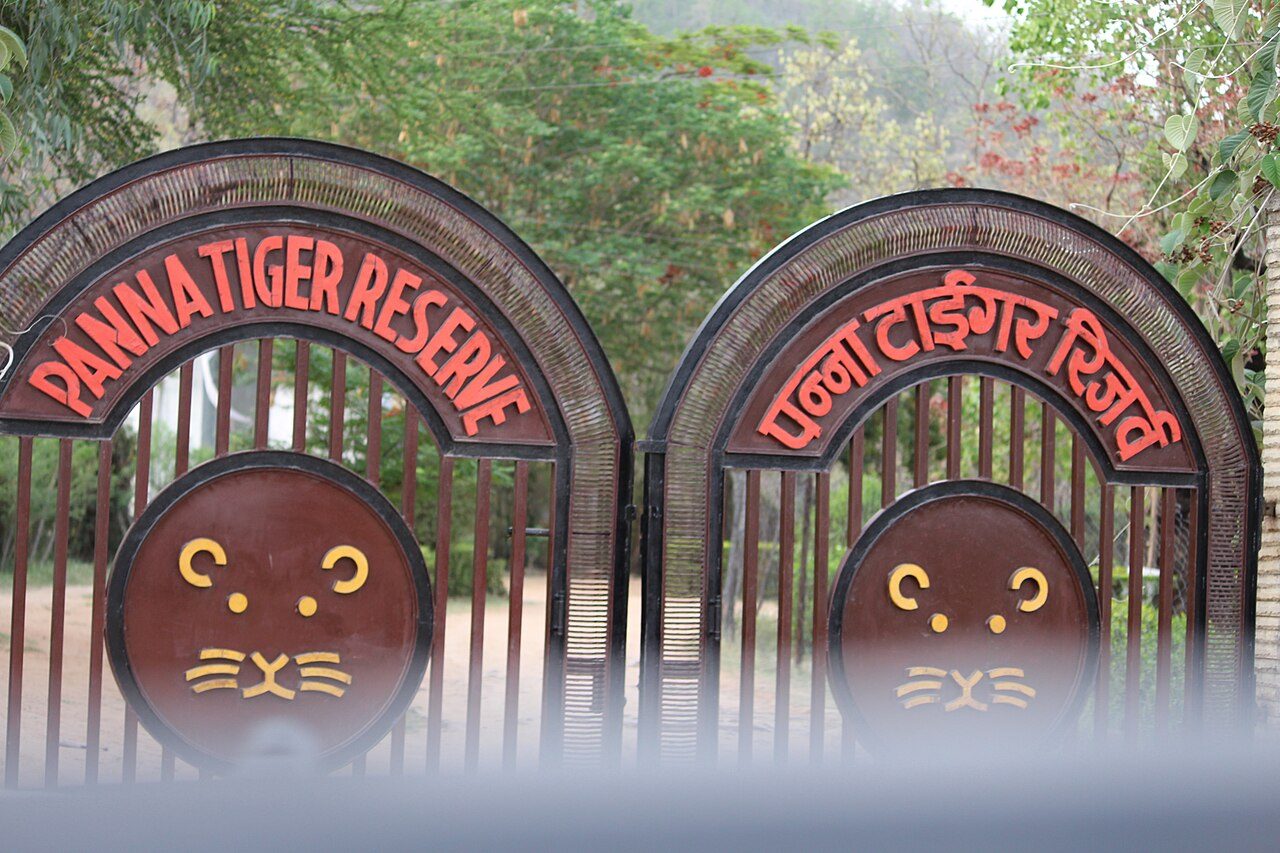
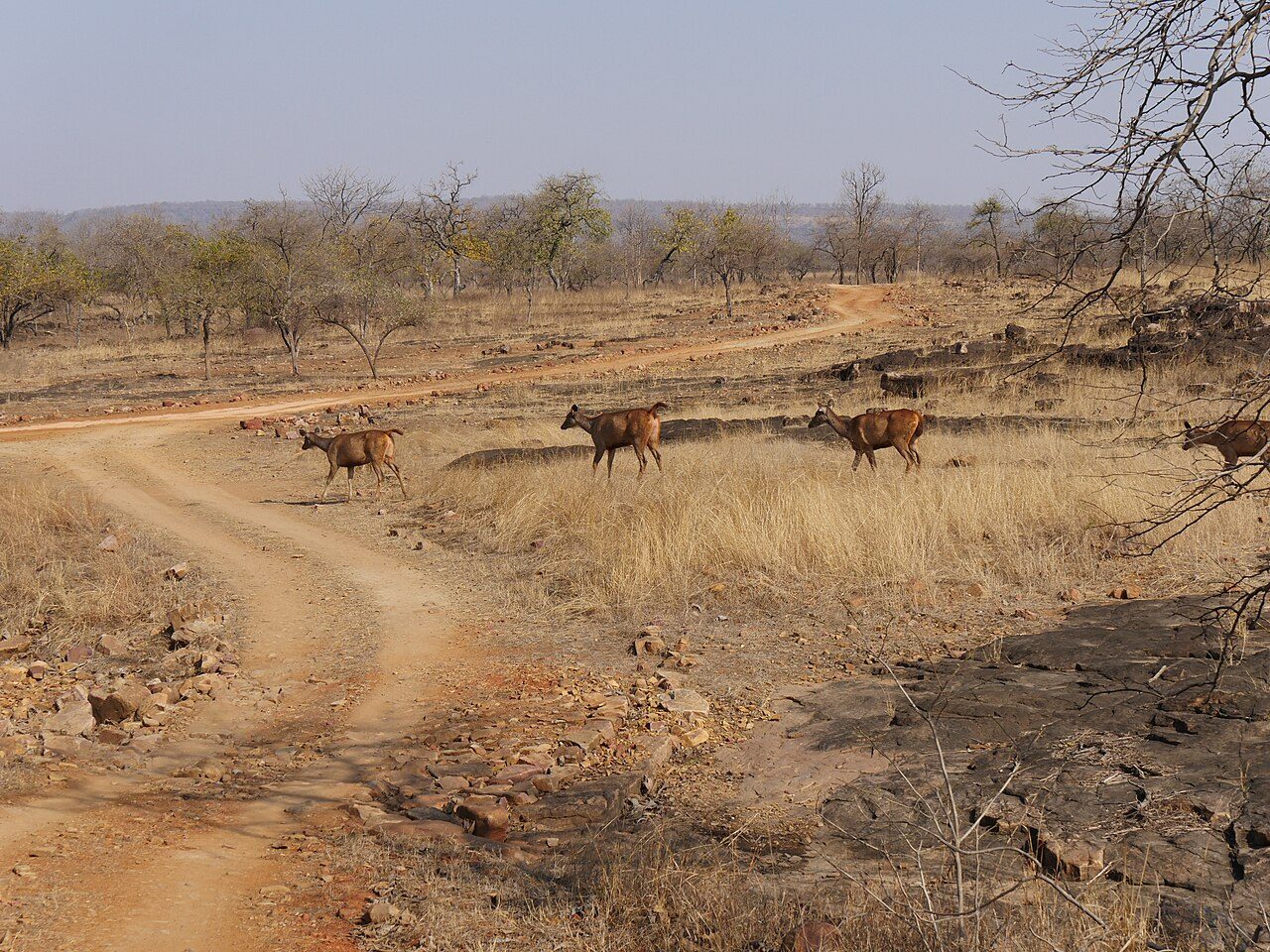
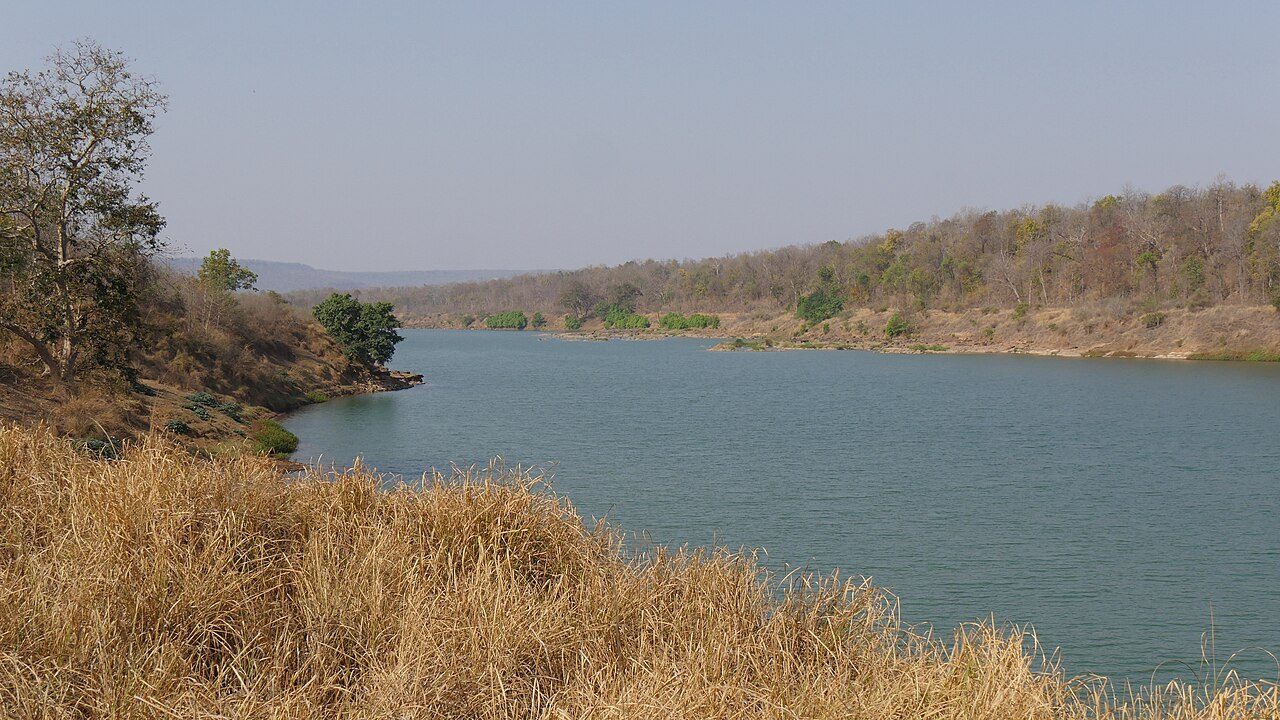
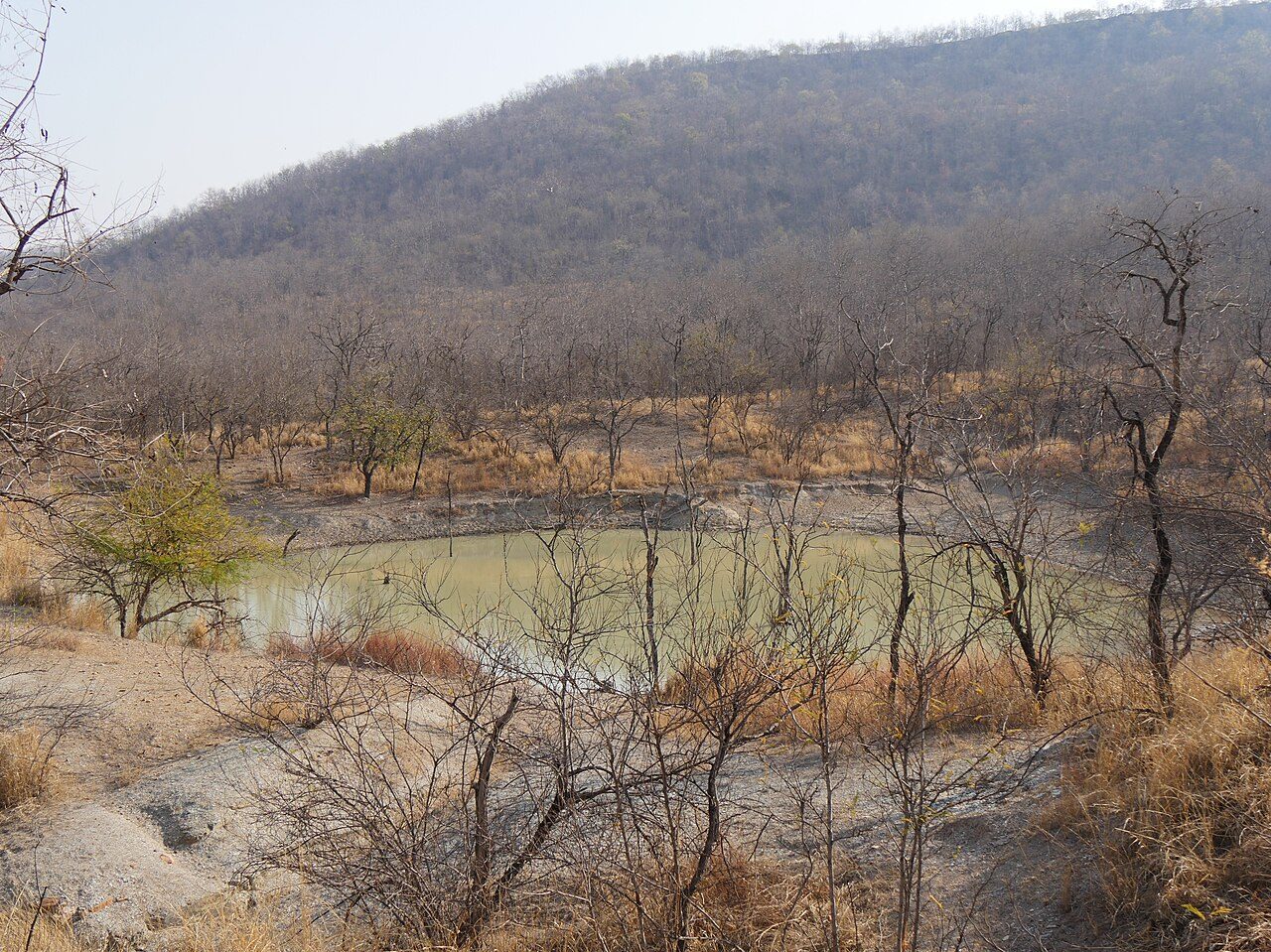
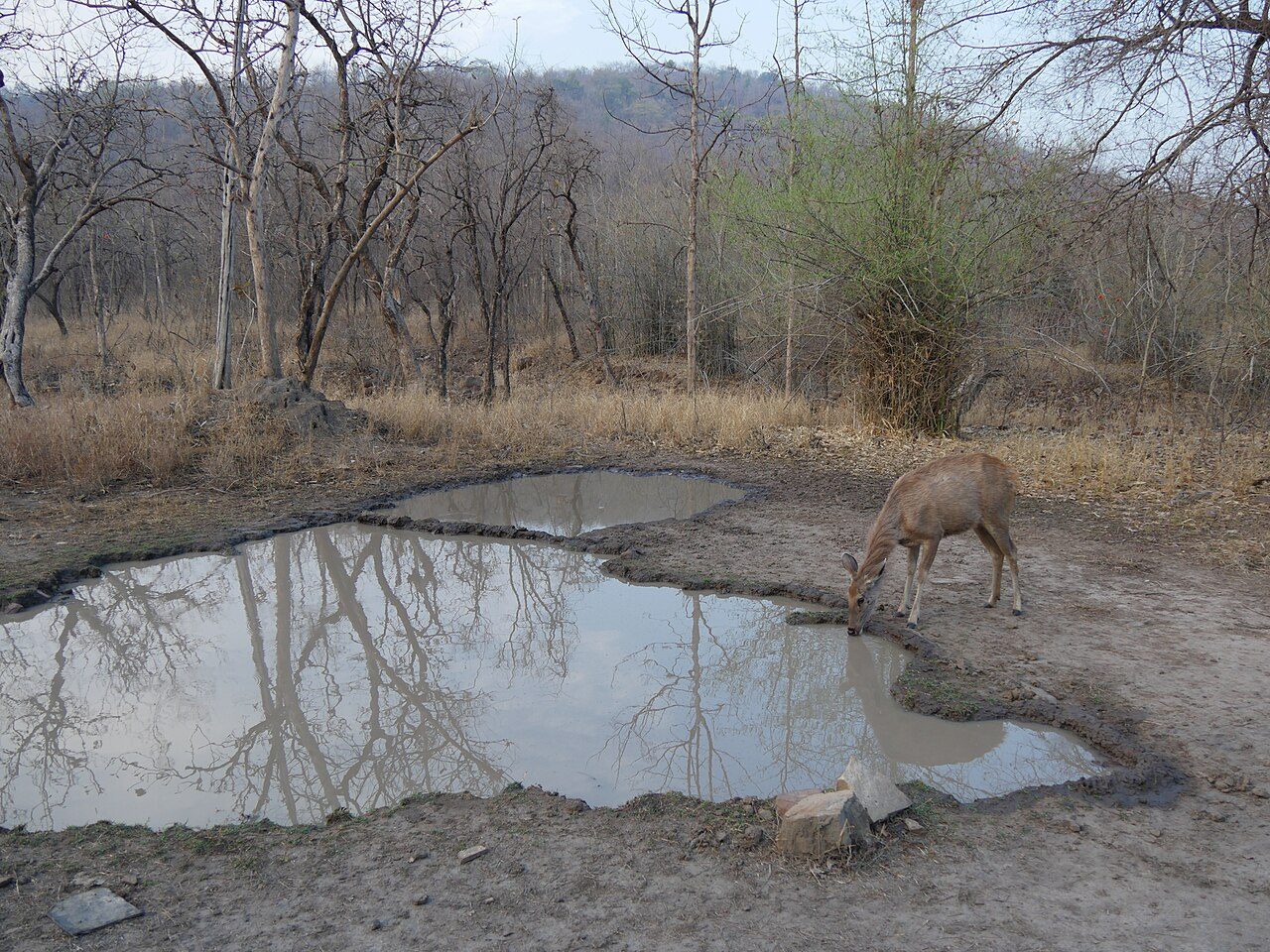
Panna National Park lies along the Ken River, a short drive from Khajuraho, and protects dry forest, grassland and dramatic gorges. Its tigers were lost to poaching by 2009 and then successfully reintroduced, a recovery now studied worldwide. Jeep safaris from the Madla gate also offer leopard, sloth bear, deer and vultures, and boat rides on the Ken. The park closes during the monsoon.
Best weather: Oct – FebHeavy rain: Jul – Aug
Seasons from 20 years of NASA POWER climate data.
Was this trip blog helpful?
0
0
Ready to follow this route?
Copy all 21 stops into your trip plans in the app.
 WaTrips