Goa's Churches and Temples in 2 Days: Old Goa, Ponda and Tambdi Surla
2 DAYS8 placesby WaTrips
Bom Jesus, Se Cathedral and St Cajetan in Old Goa, Panaji's church, the Mangueshi and Shantadurga temples, Tambdi Surla and Margao.
Goa's faith is a mix of Portuguese churches and old Hindu temples. Day one is Old Goa, a UNESCO World Heritage Site: the Basilica of Bom Jesus with the relics of St Francis Xavier, the vast Se Cathedral and St Cajetan, then the white Immaculate Conception church above Panaji. Day two goes inland to the Mangueshi and Shantadurga temples around Ponda, with their lamp towers, then the 12th-century Tambdi Surla temple hidden in the forest, and ends at the Holy Spirit Church in Margao. Dress modestly in churches and temples. November to February is best.
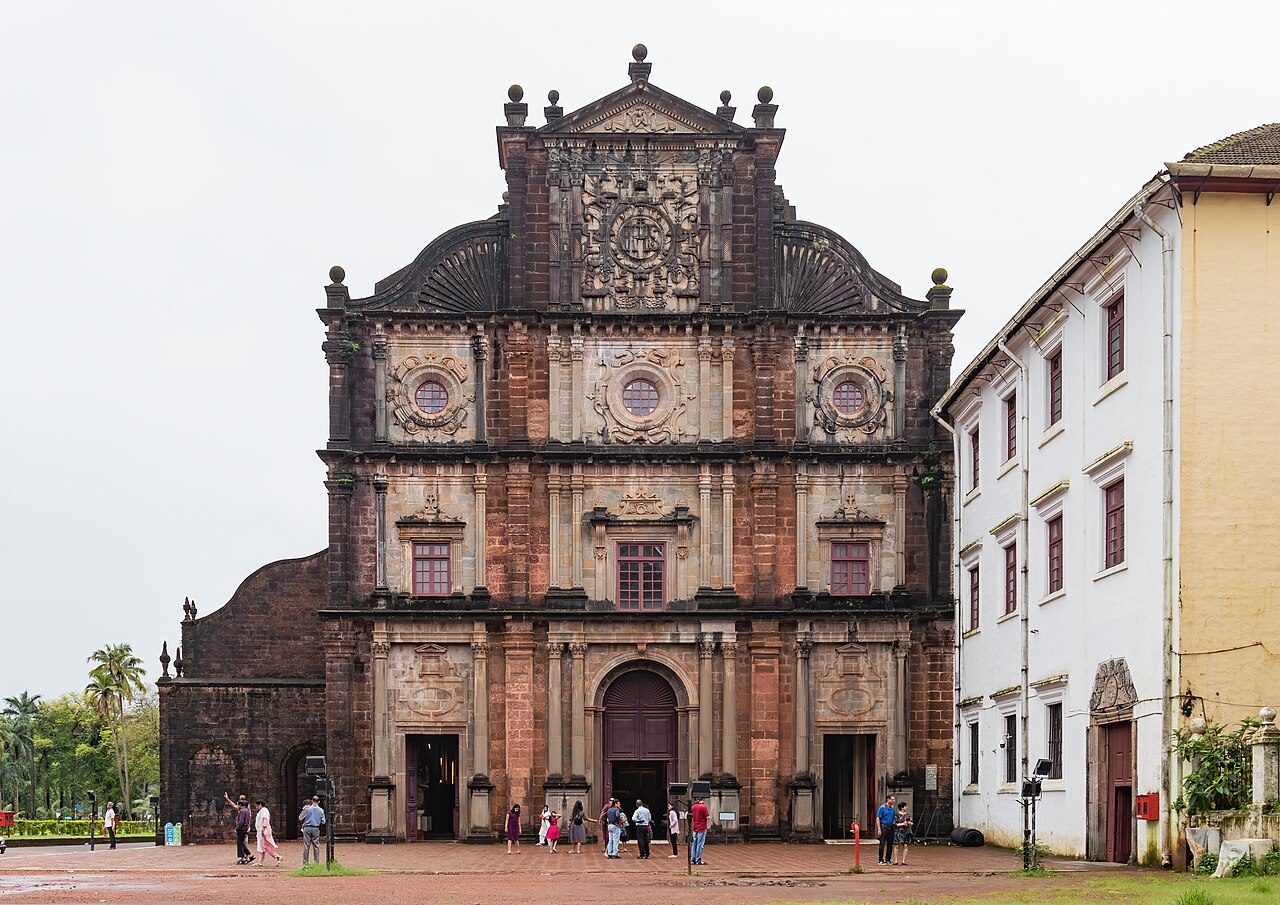
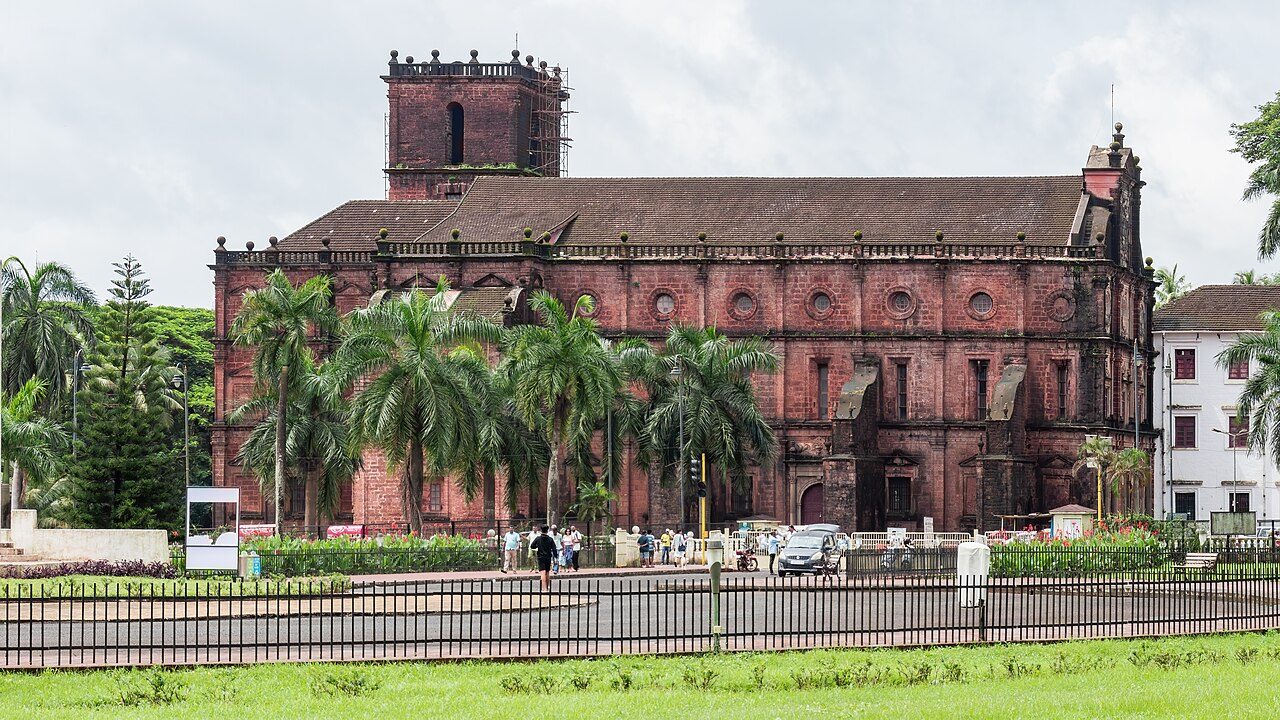
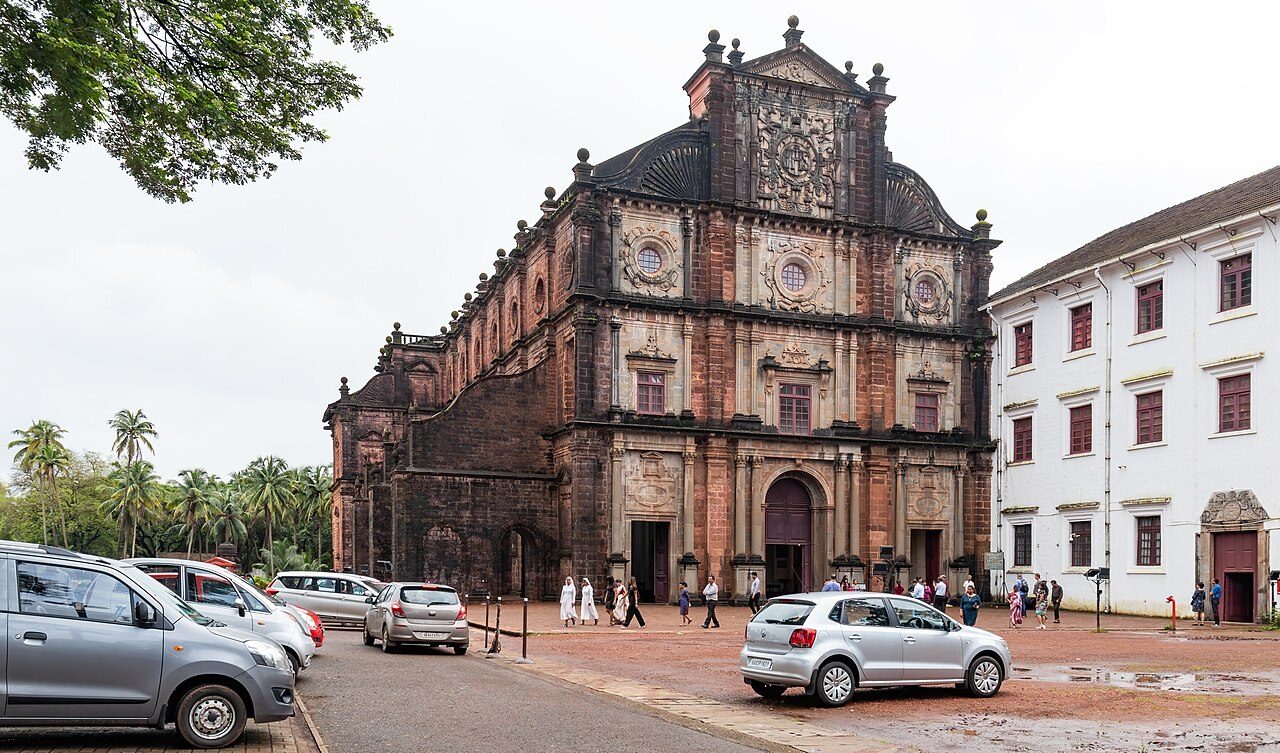
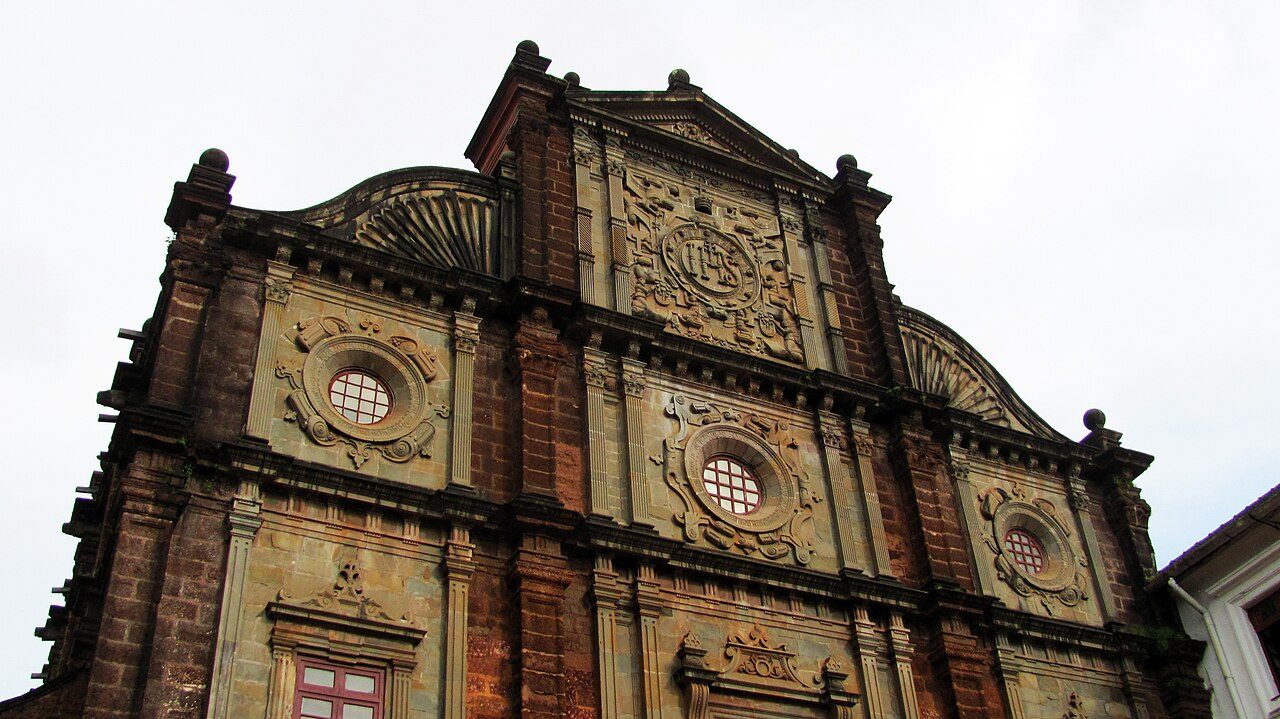
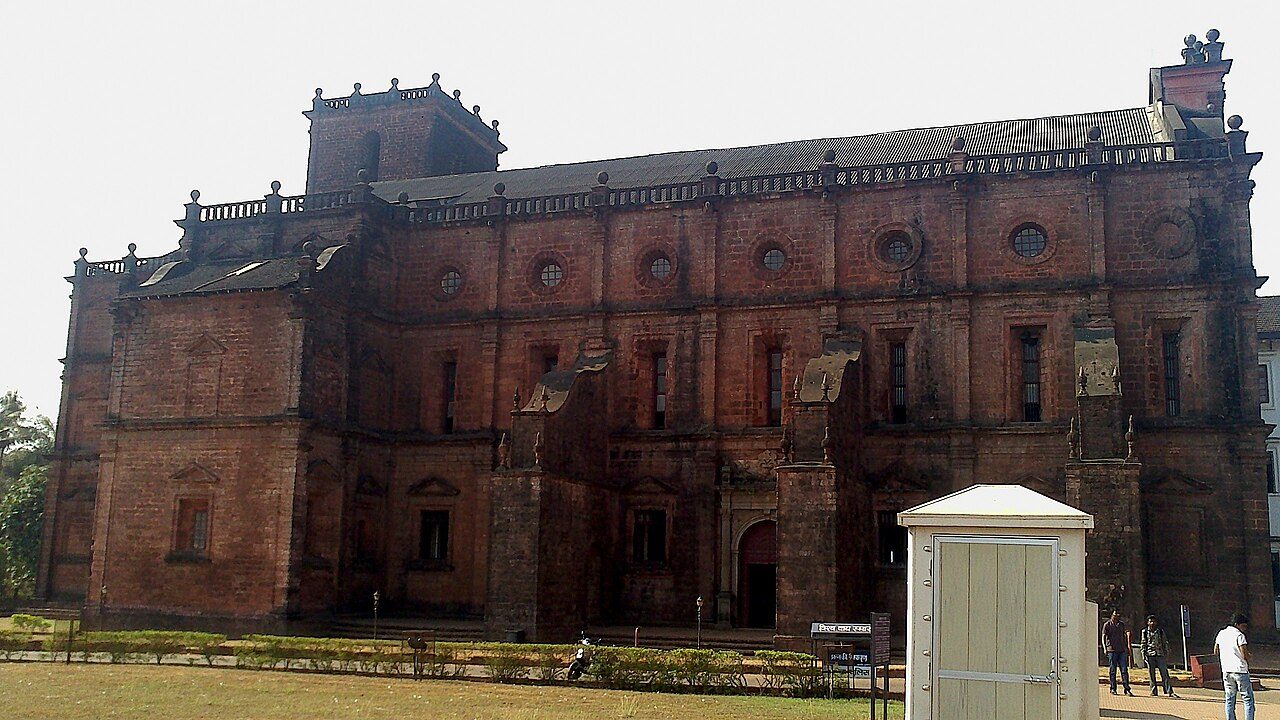
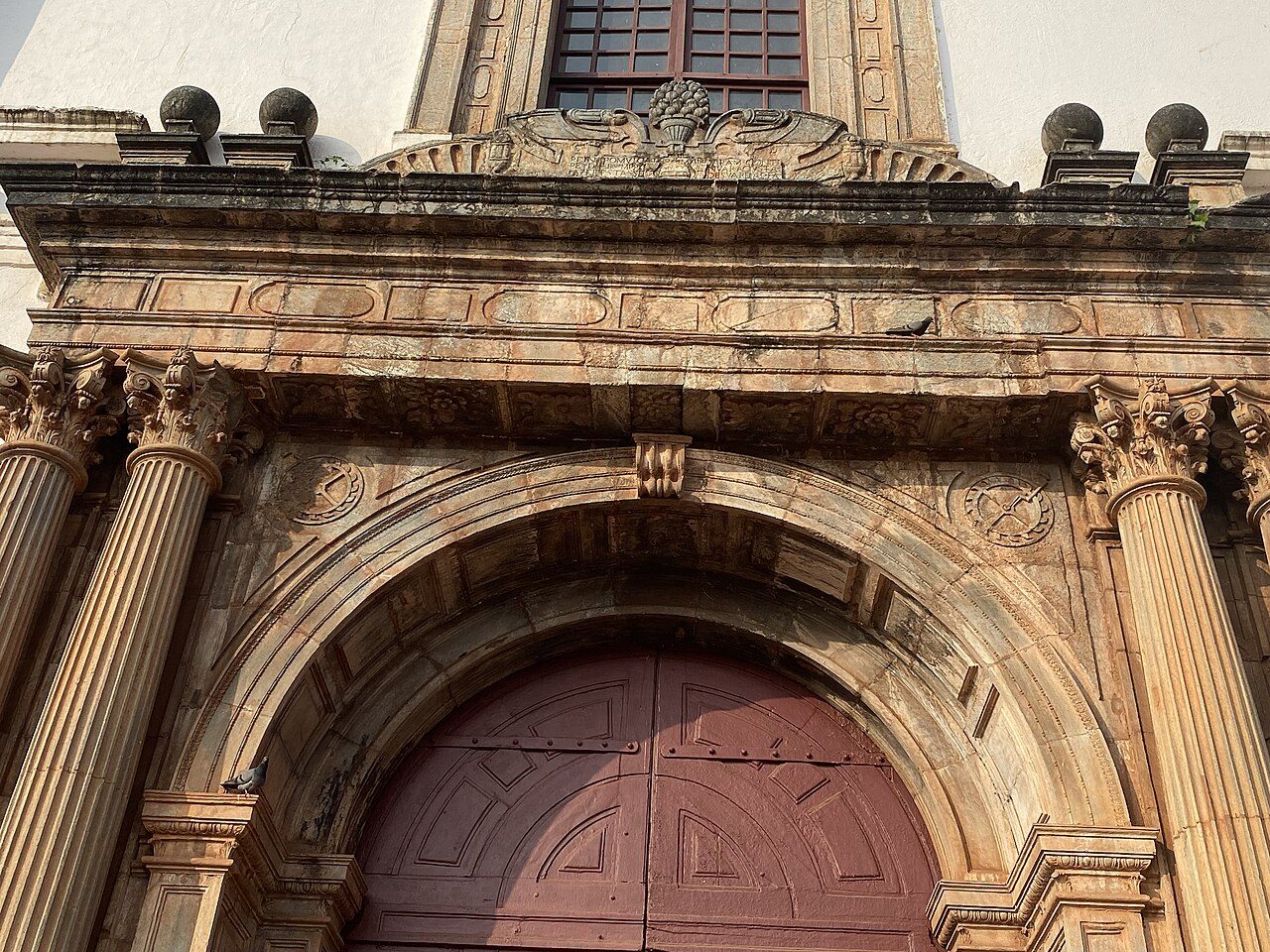
Completed in 1605, the Basilica of Bom Jesus holds the body of St Francis Xavier, the Jesuit missionary who died in 1552, in a silver casket on a marble tomb given by the Grand Duke of Tuscany. Its laterite façade was left unplastered, giving it a warm red-brown colour. Part of the UNESCO World Heritage Site of the Churches and Convents of Goa, it draws pilgrims all year, and vast crowds for the feast on 3 December and the periodic exposition of the saint's relics.
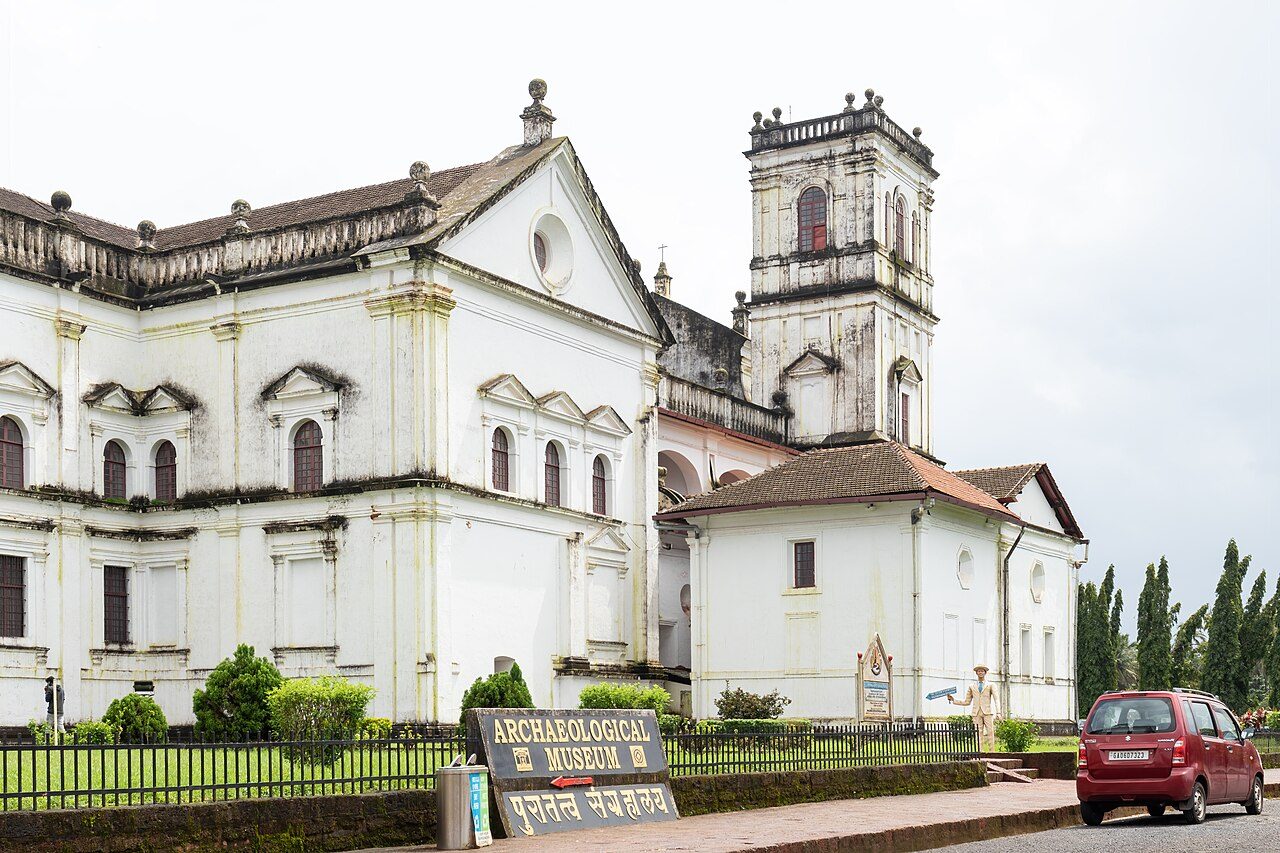
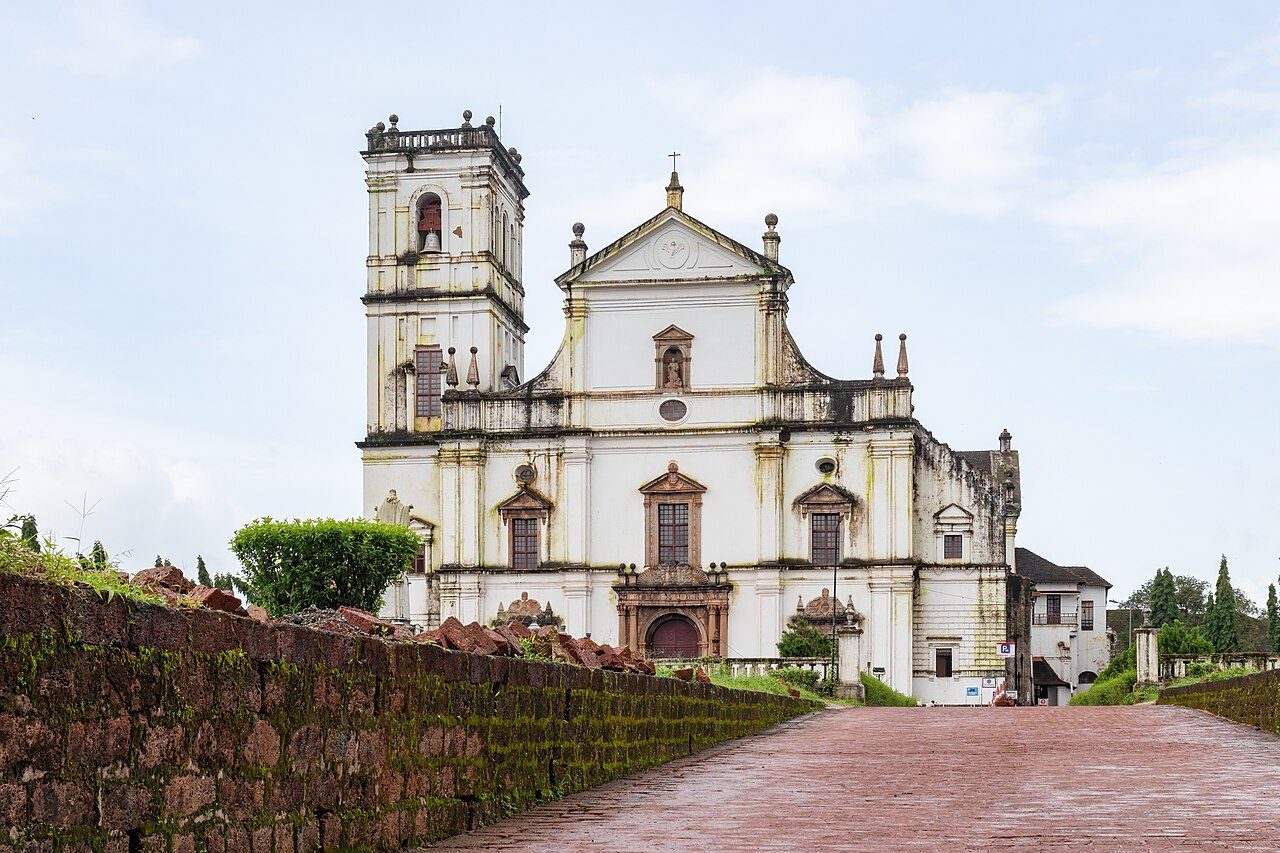
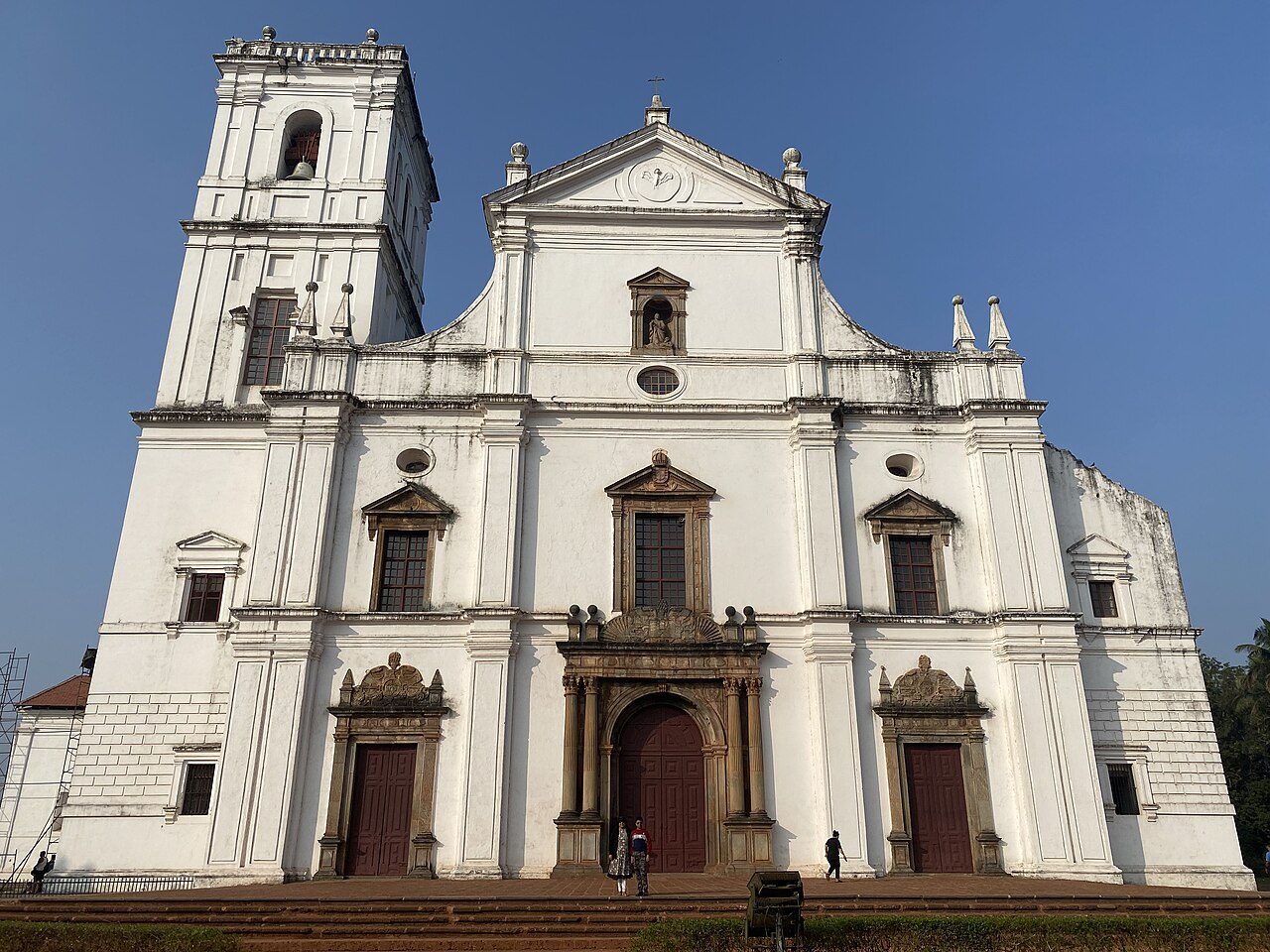
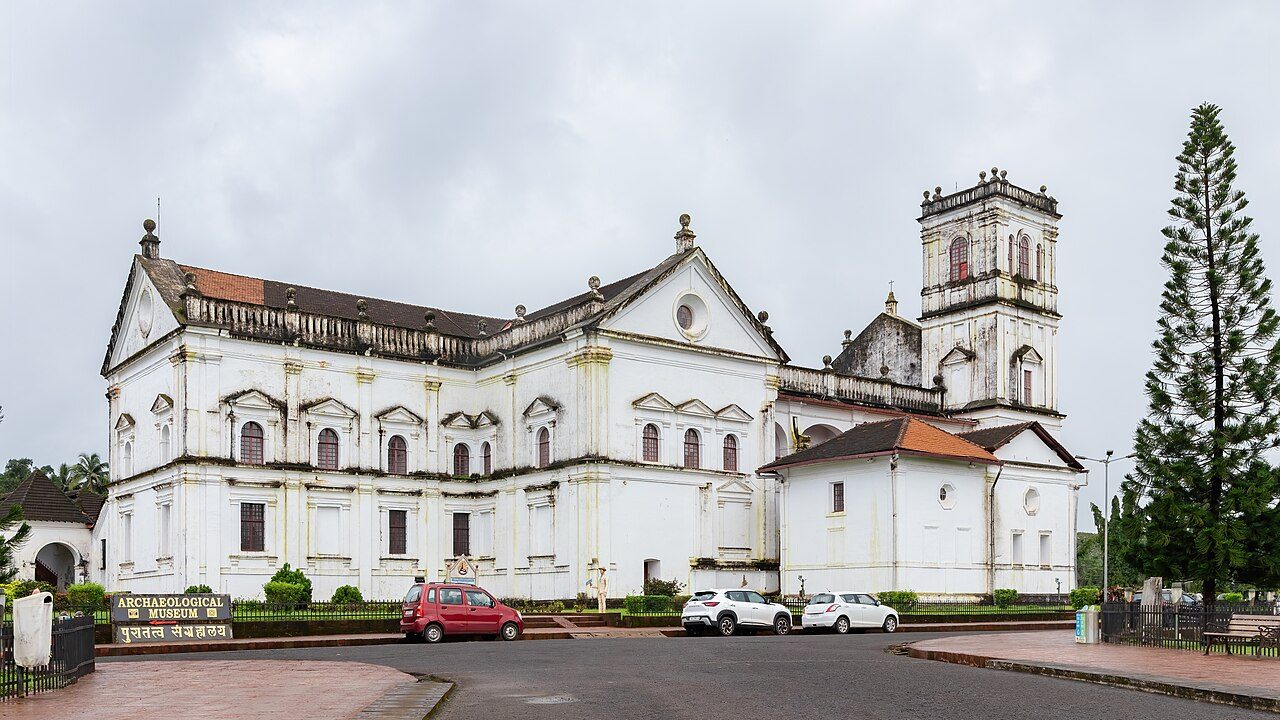
One of the largest churches in Asia, the Sé Cathedral of Old Goa was built by the Portuguese between 1562 and 1619 and dedicated to St Catherine of Alexandria, on whose feast day in 1510 Afonso de Albuquerque captured Goa. Its Golden Bell is among the largest in Goa and still rings out over the old city. The façade once had two towers, but one collapsed in 1776. It is part of the UNESCO World Heritage Site.
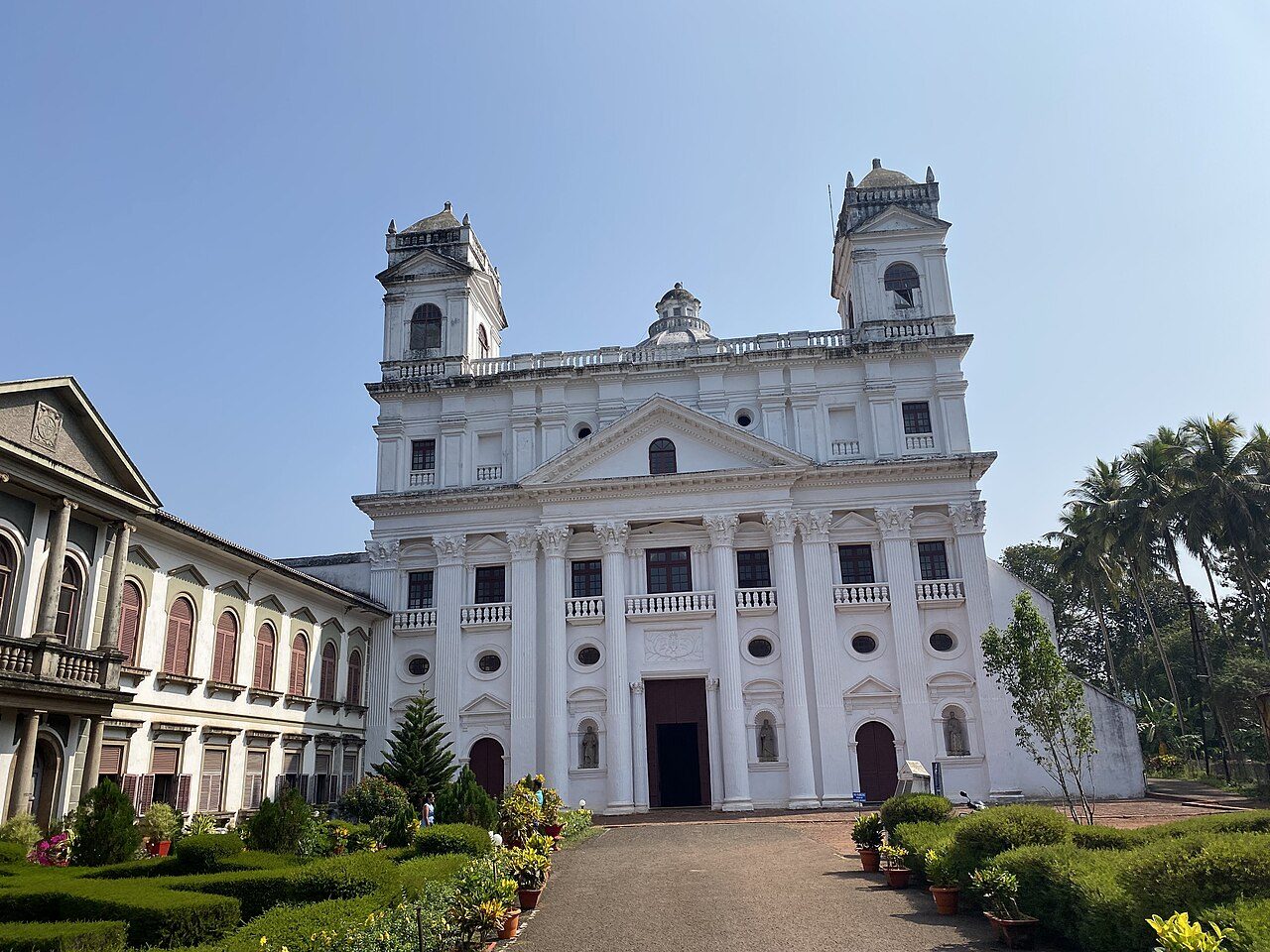
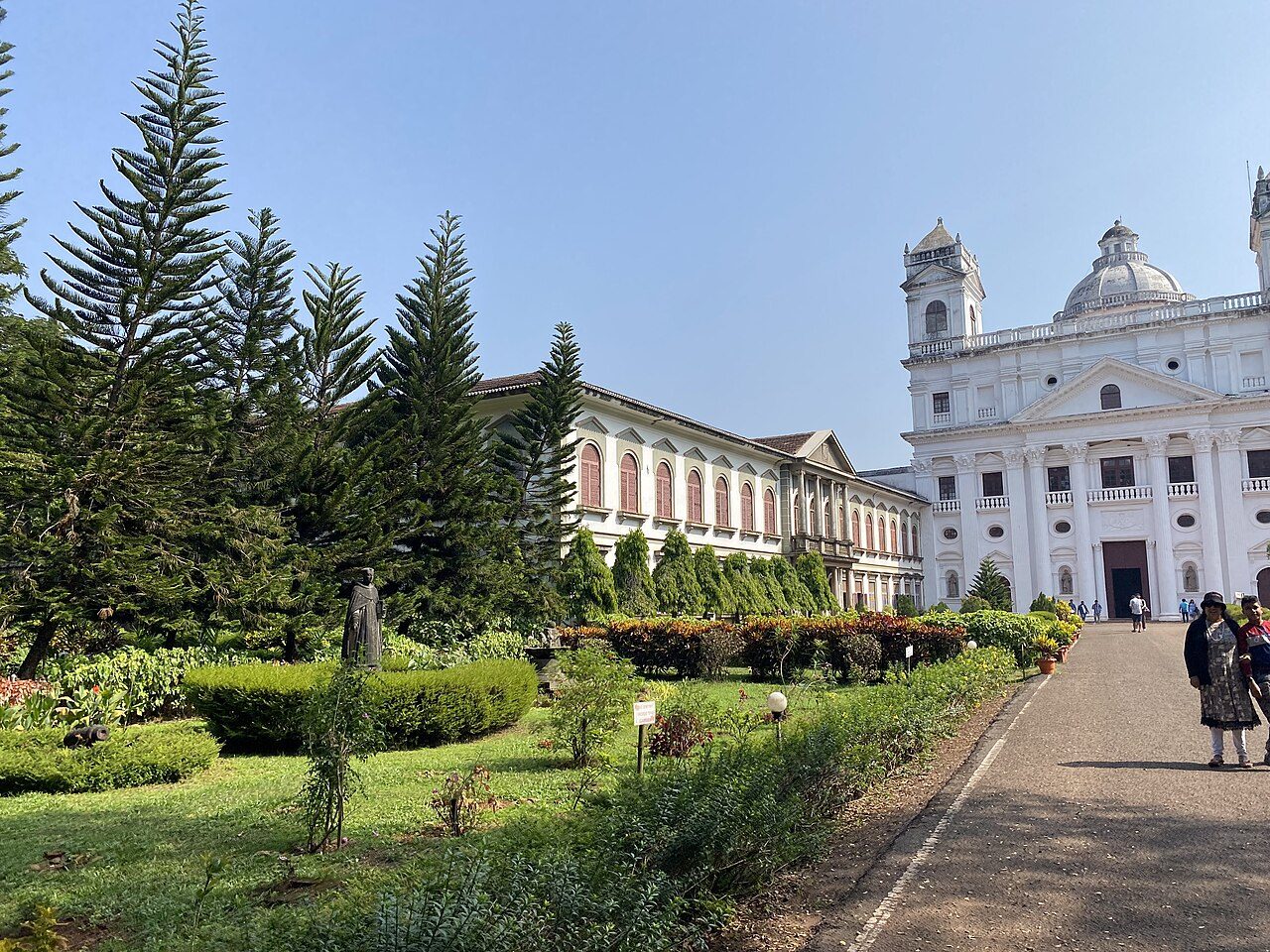
Built by Italian Theatine friars in the 17th century, the Church of St Cajetan was modelled on St Peter's Basilica in Rome, with a dome and Corinthian columns that set it apart from the other churches of Old Goa. Inside are richly gilded altars. It is part of the UNESCO-listed Churches and Convents of Goa, and quieter than the bigger churches nearby.
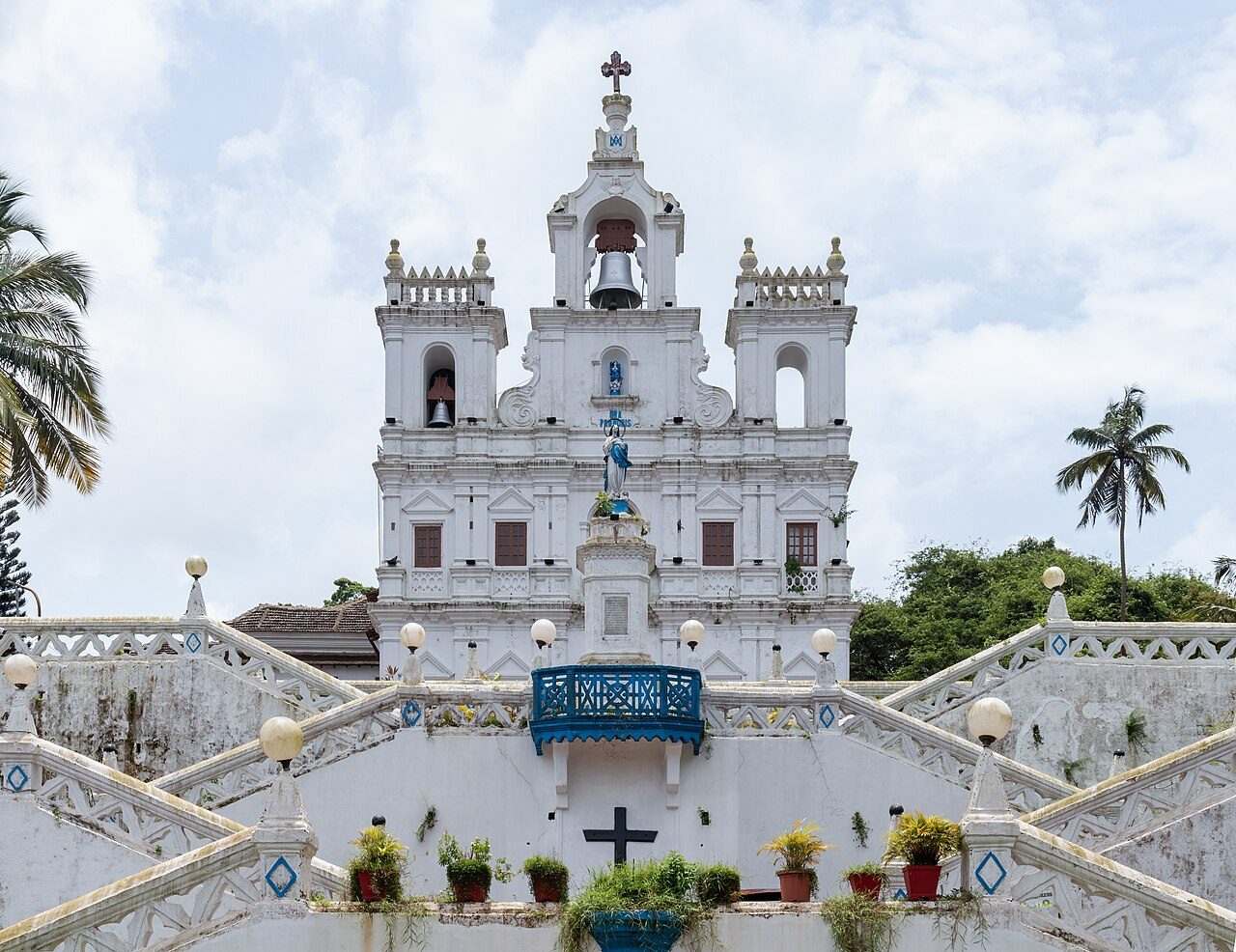
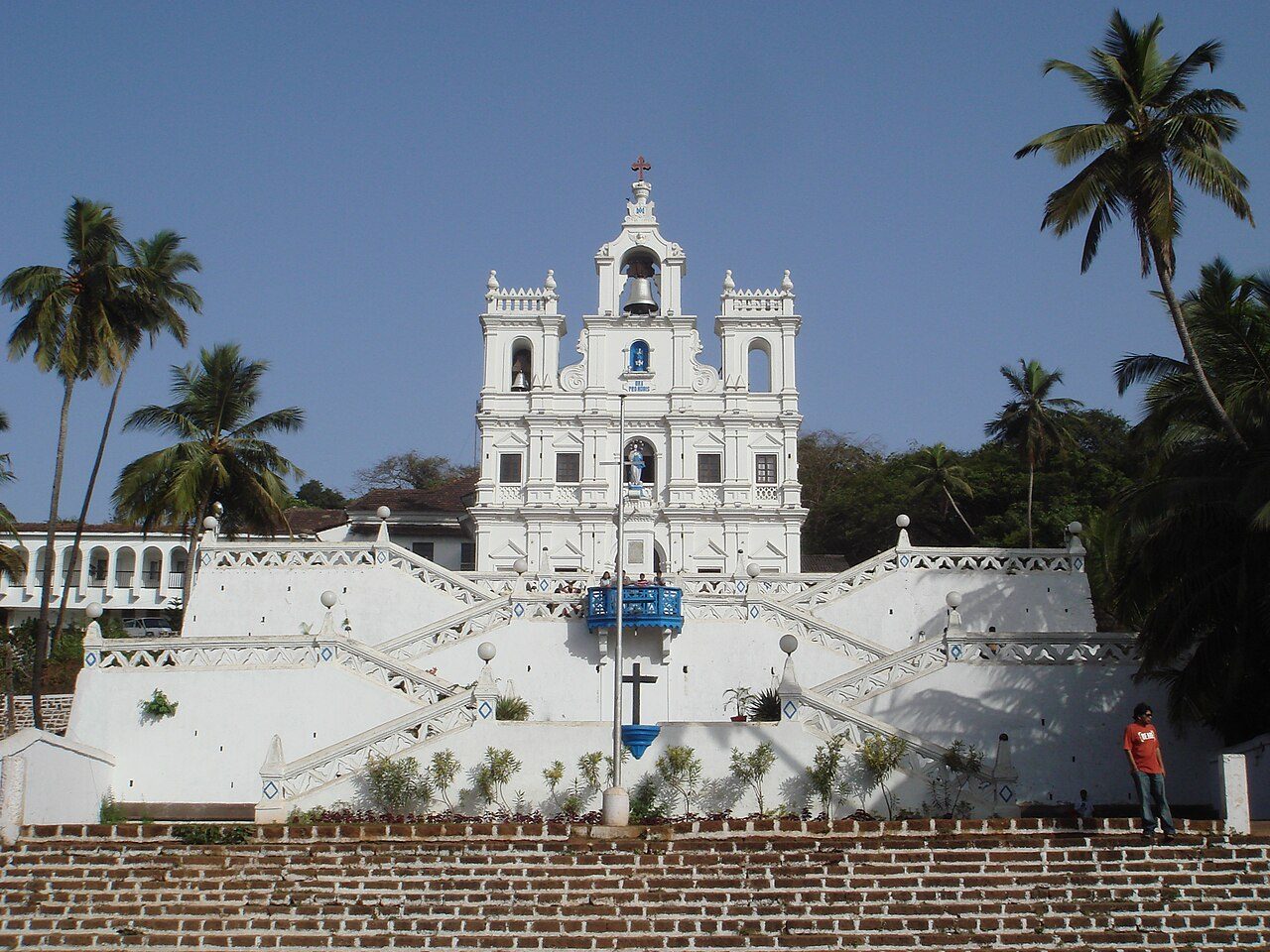
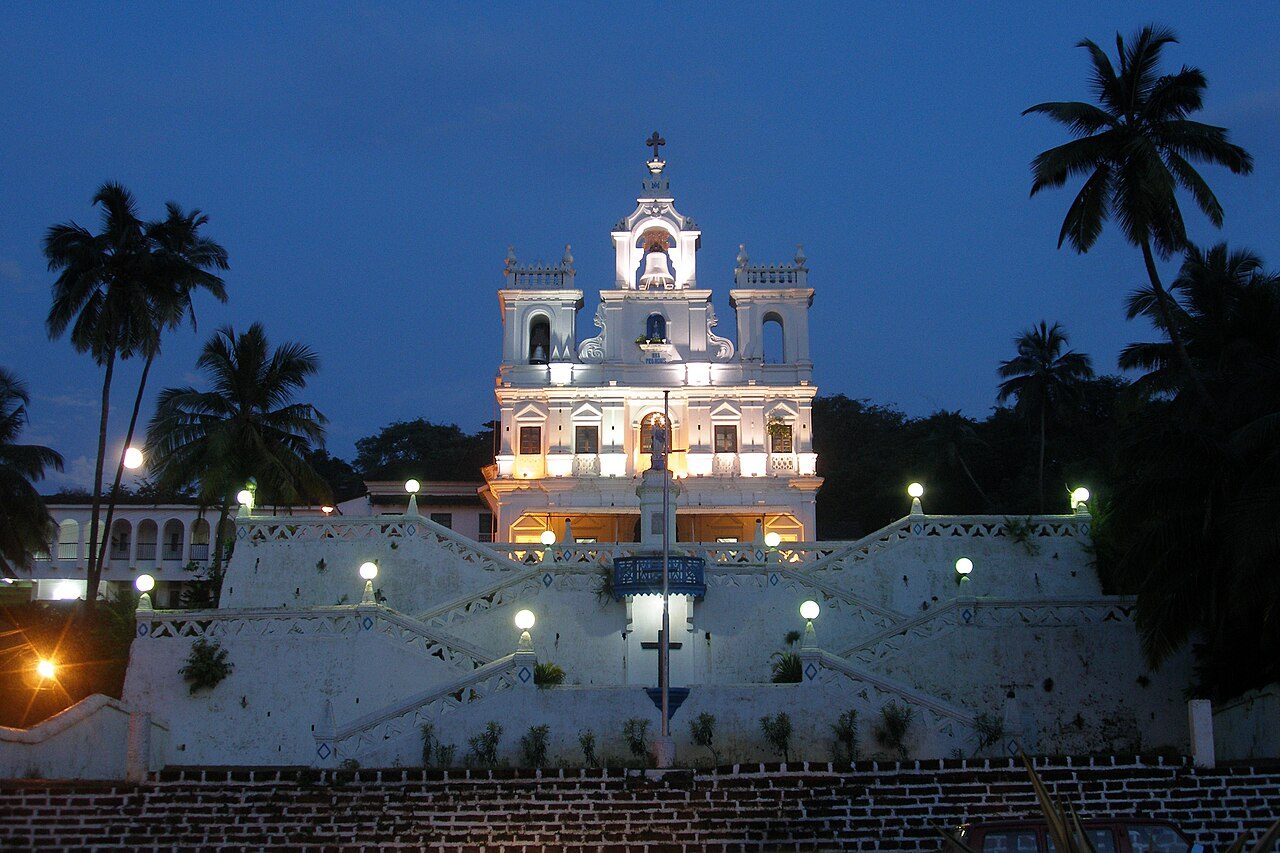
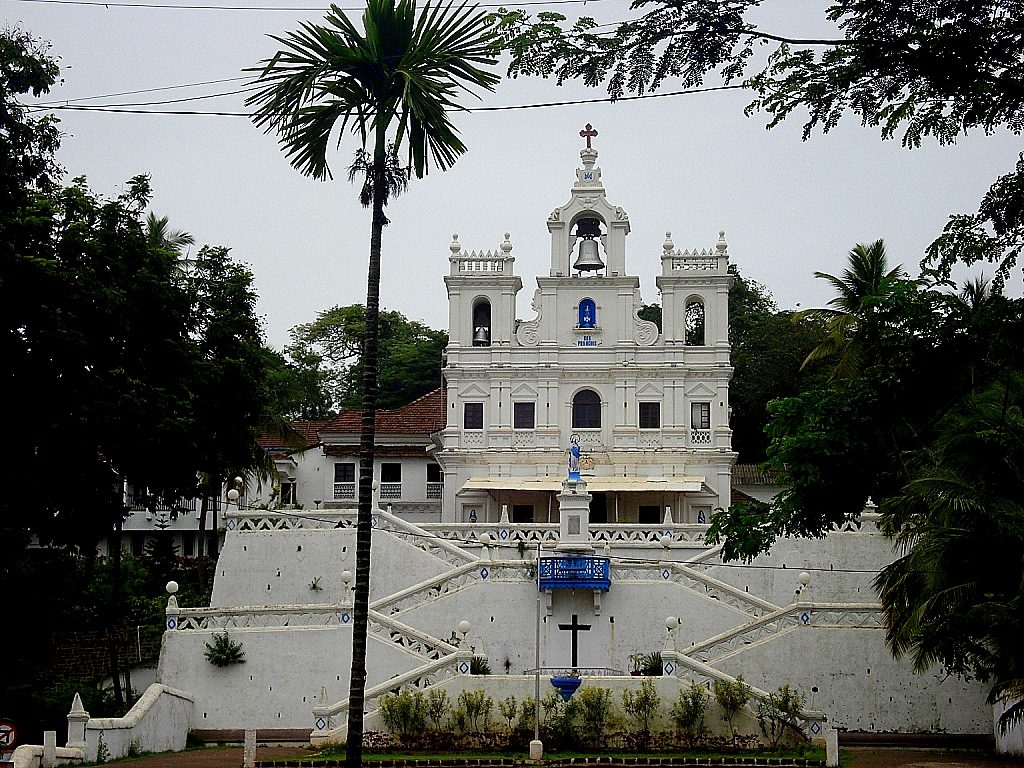
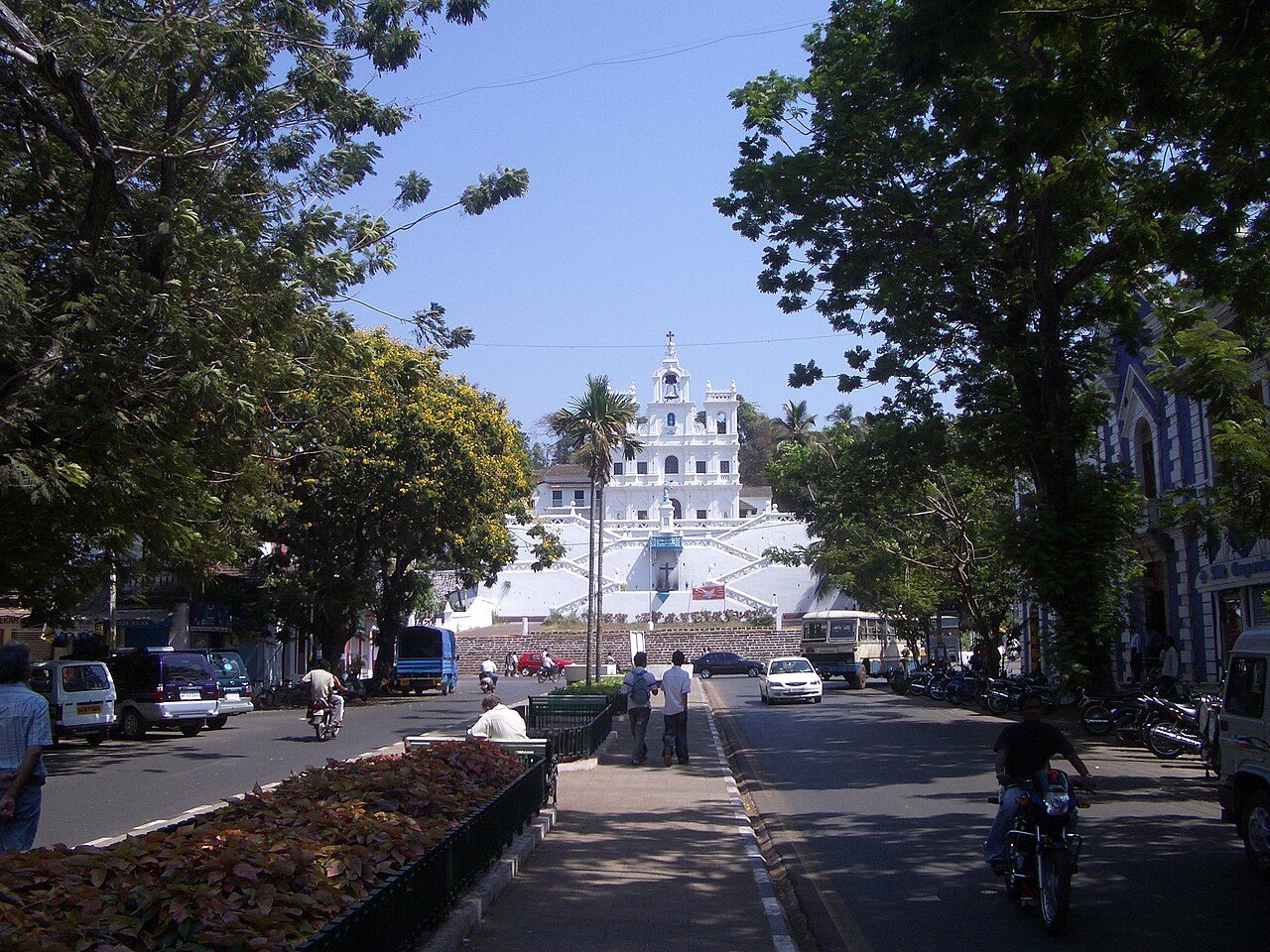
The bright white Church of Our Lady of the Immaculate Conception rises above Panaji's main square, reached by a zigzag of stairs. First built in 1541 as a chapel for sailors arriving from Lisbon, it was rebuilt in its present form in 1619, and its great bell, the second largest in Goa, came from the ruined church of St Augustine in Old Goa. Its feast in December is celebrated with a fair.
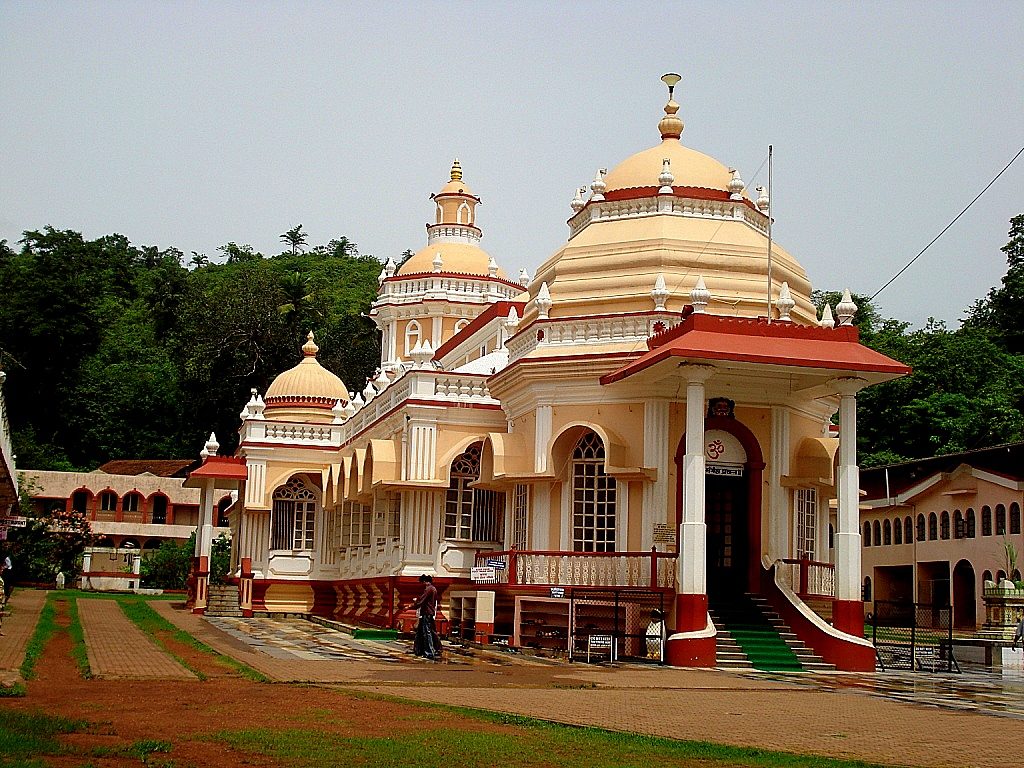
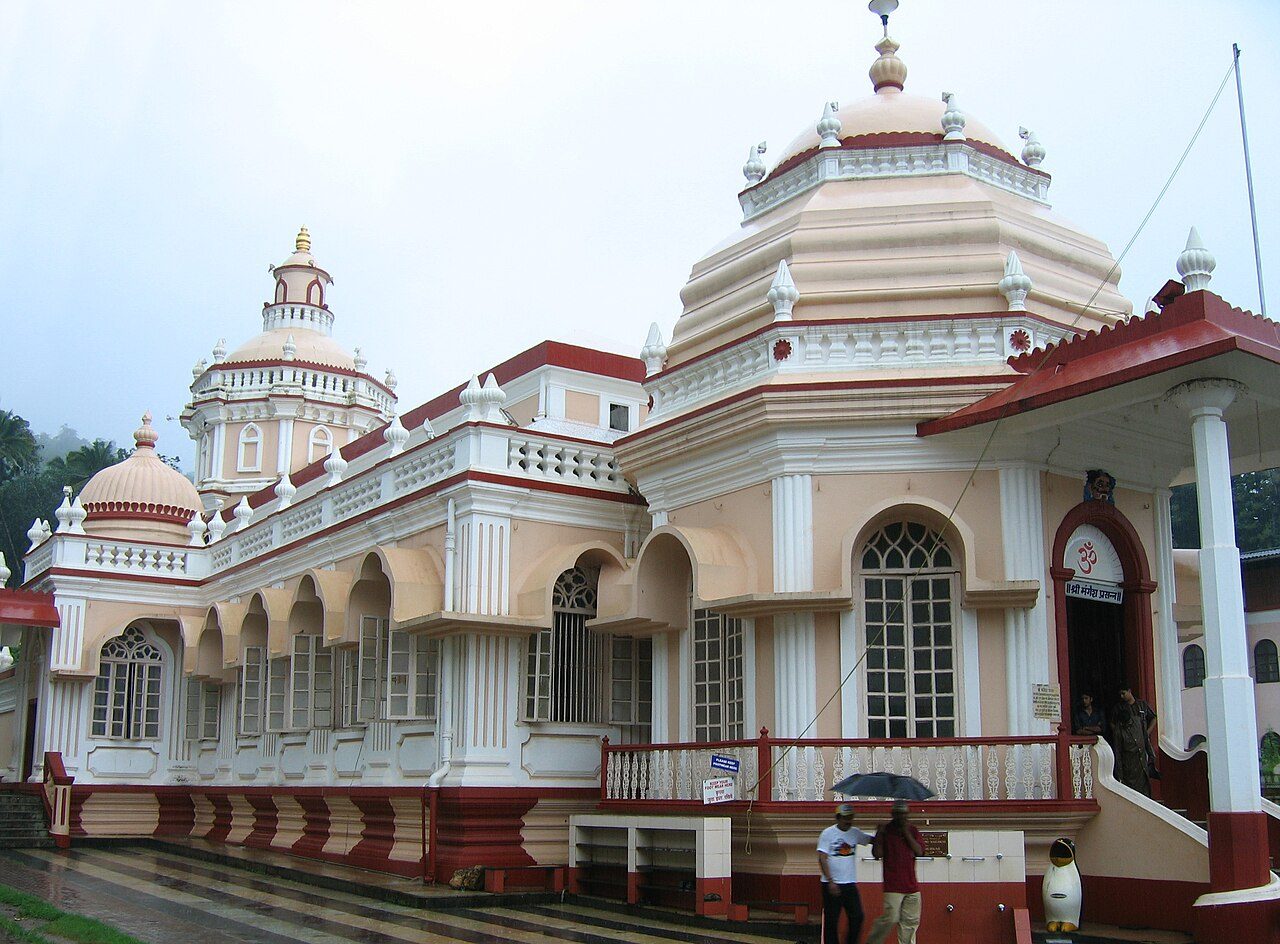
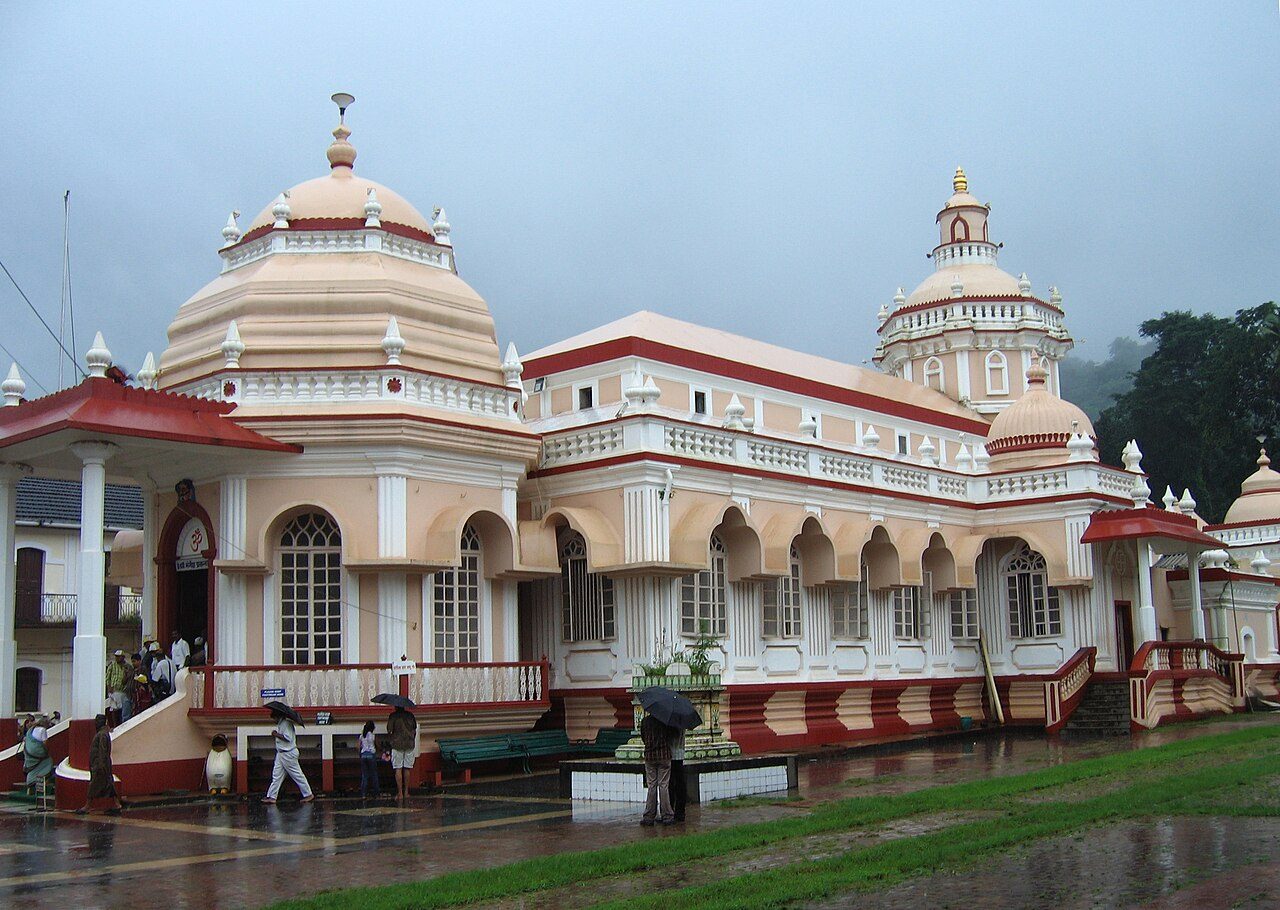
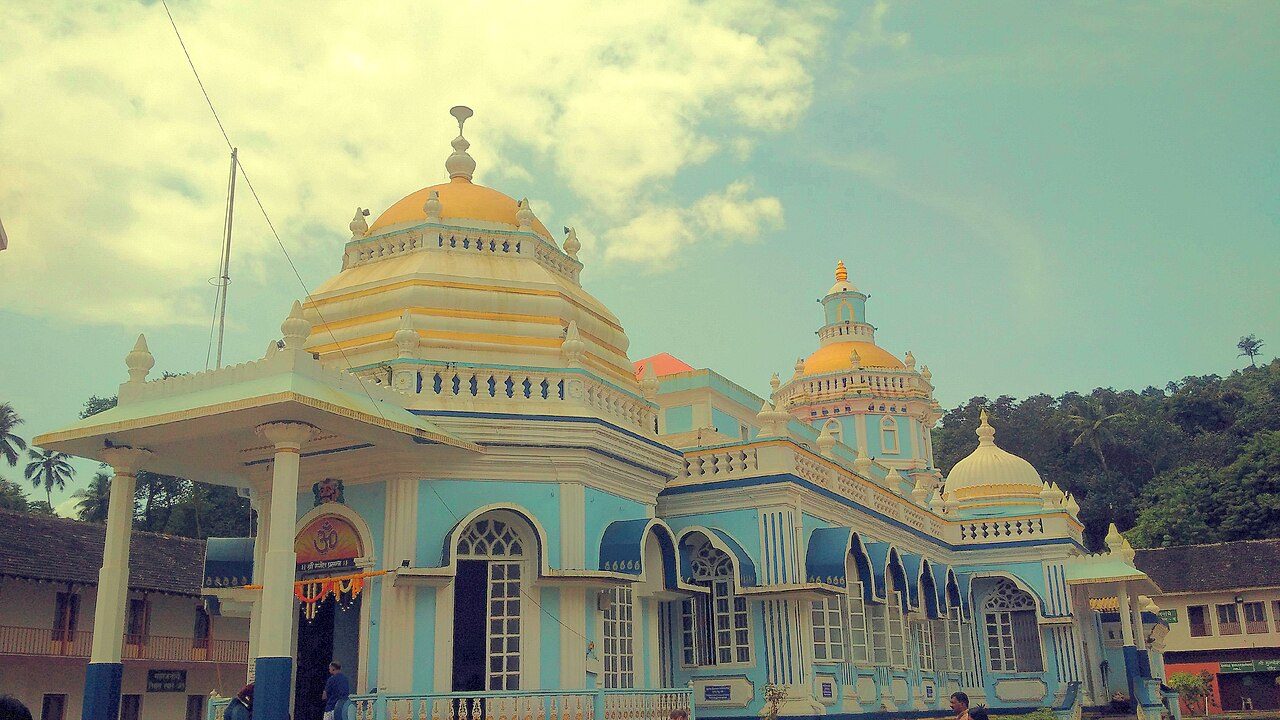
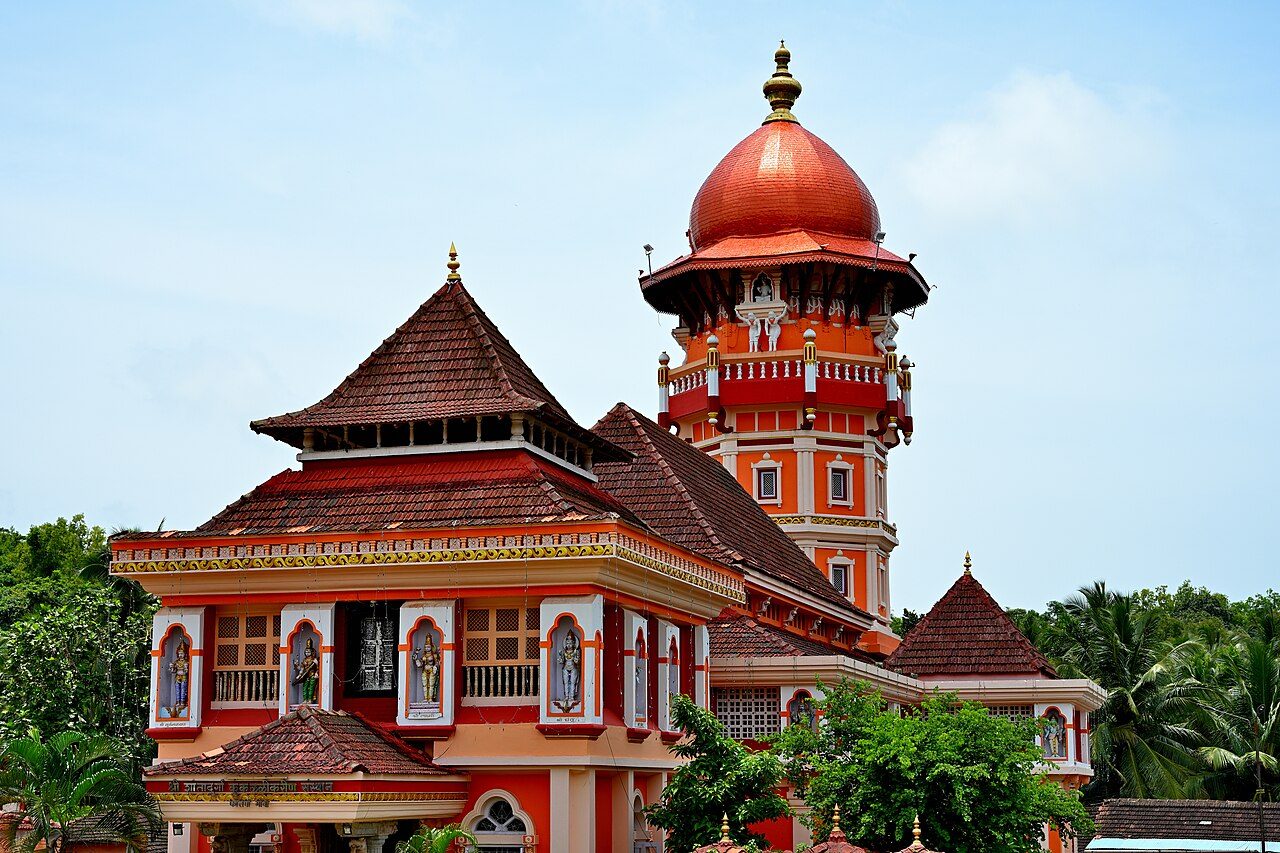
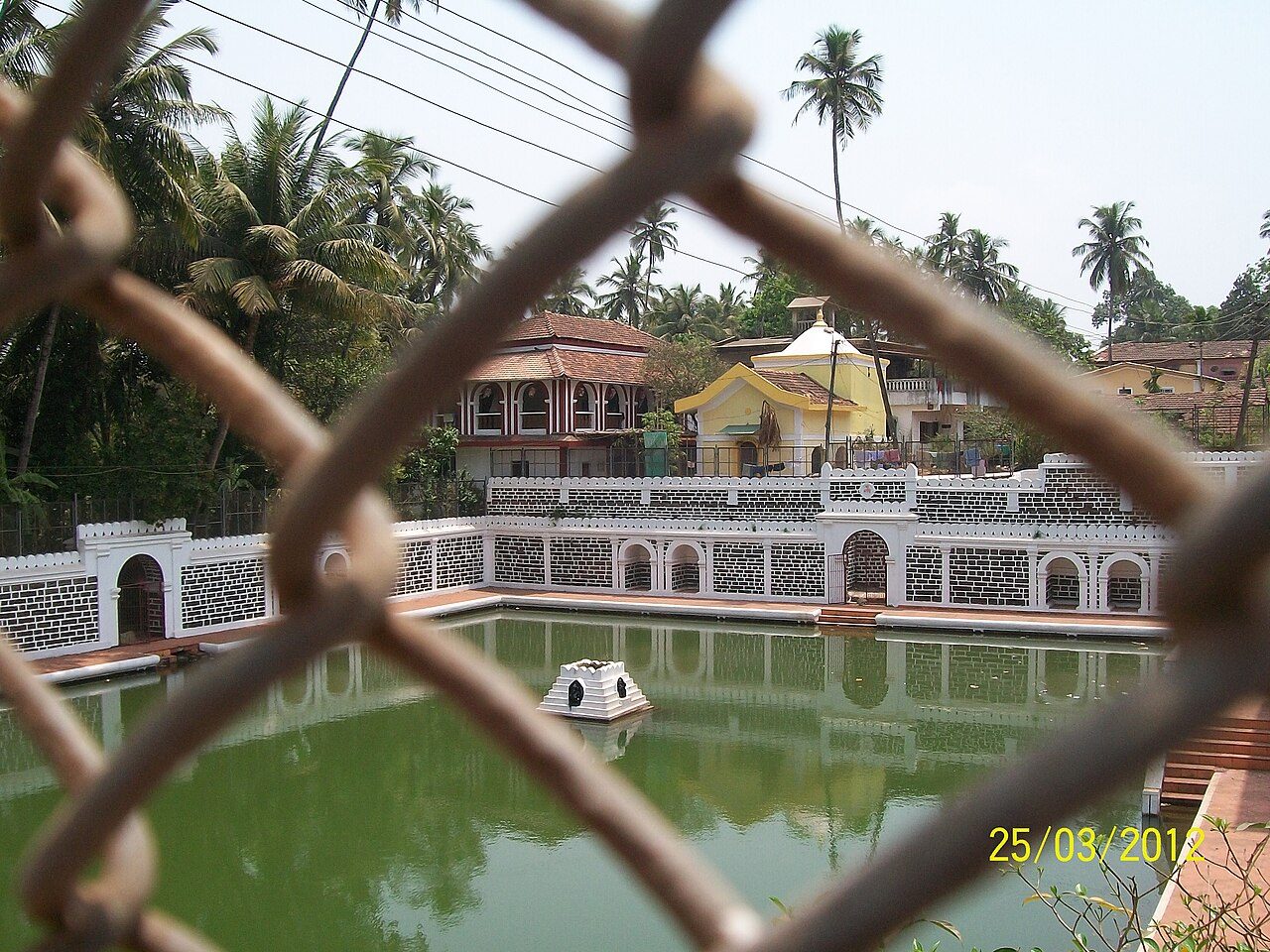
One of the largest and most visited temples in Goa, Shri Mangueshi is dedicated to Shiva as Manguesh. The deity was brought here from Cortalim in the 16th century to escape Portuguese religious persecution. Its seven-storey lamp tower, white façade and temple tank make it a fine example of Goan temple architecture.
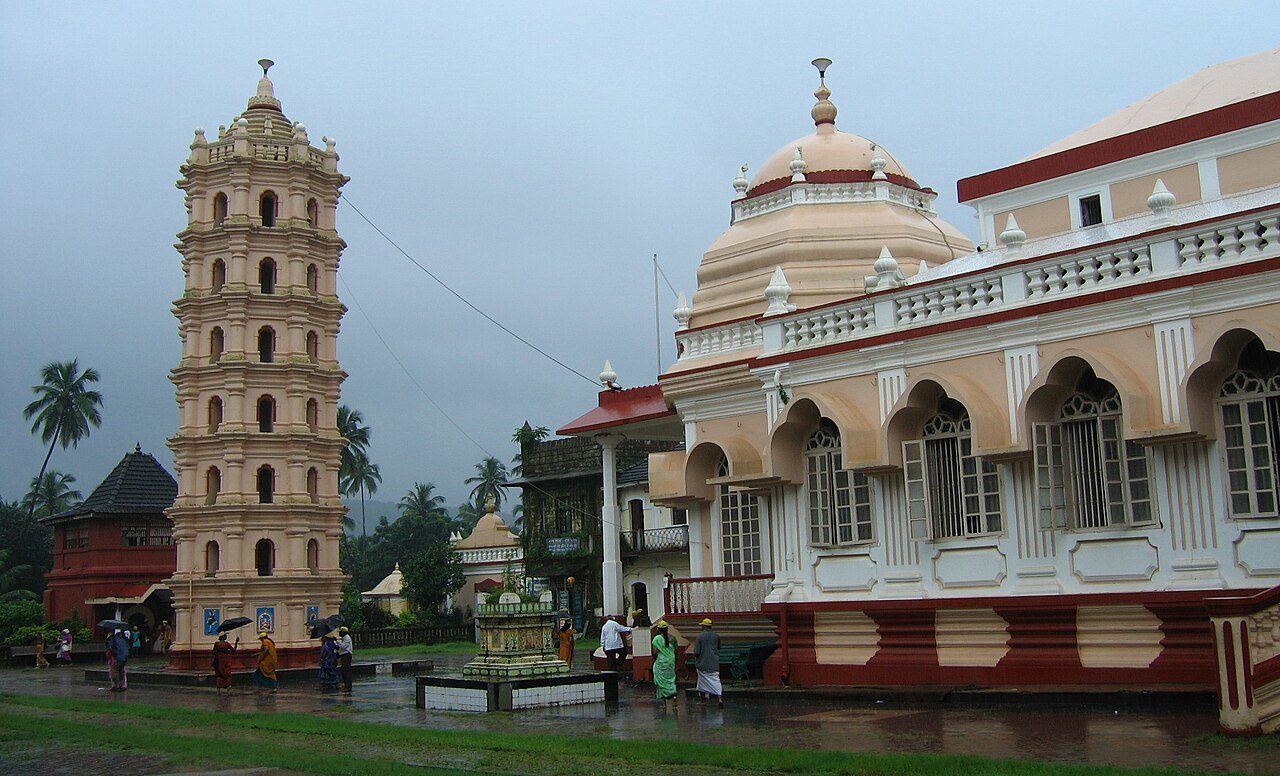
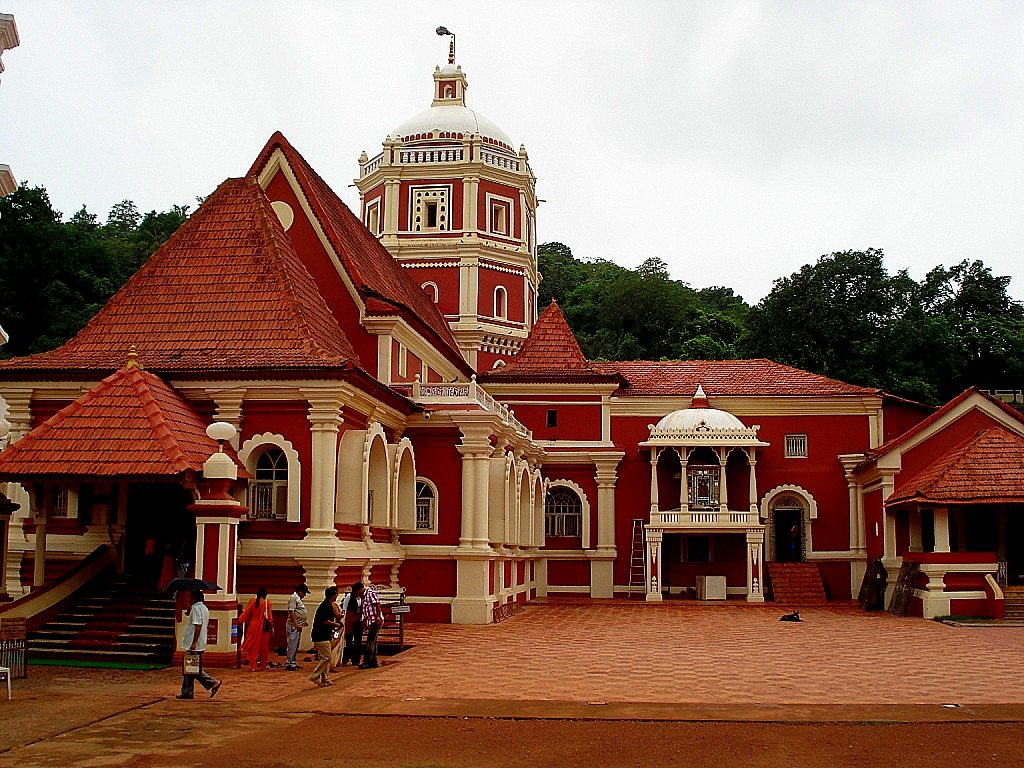
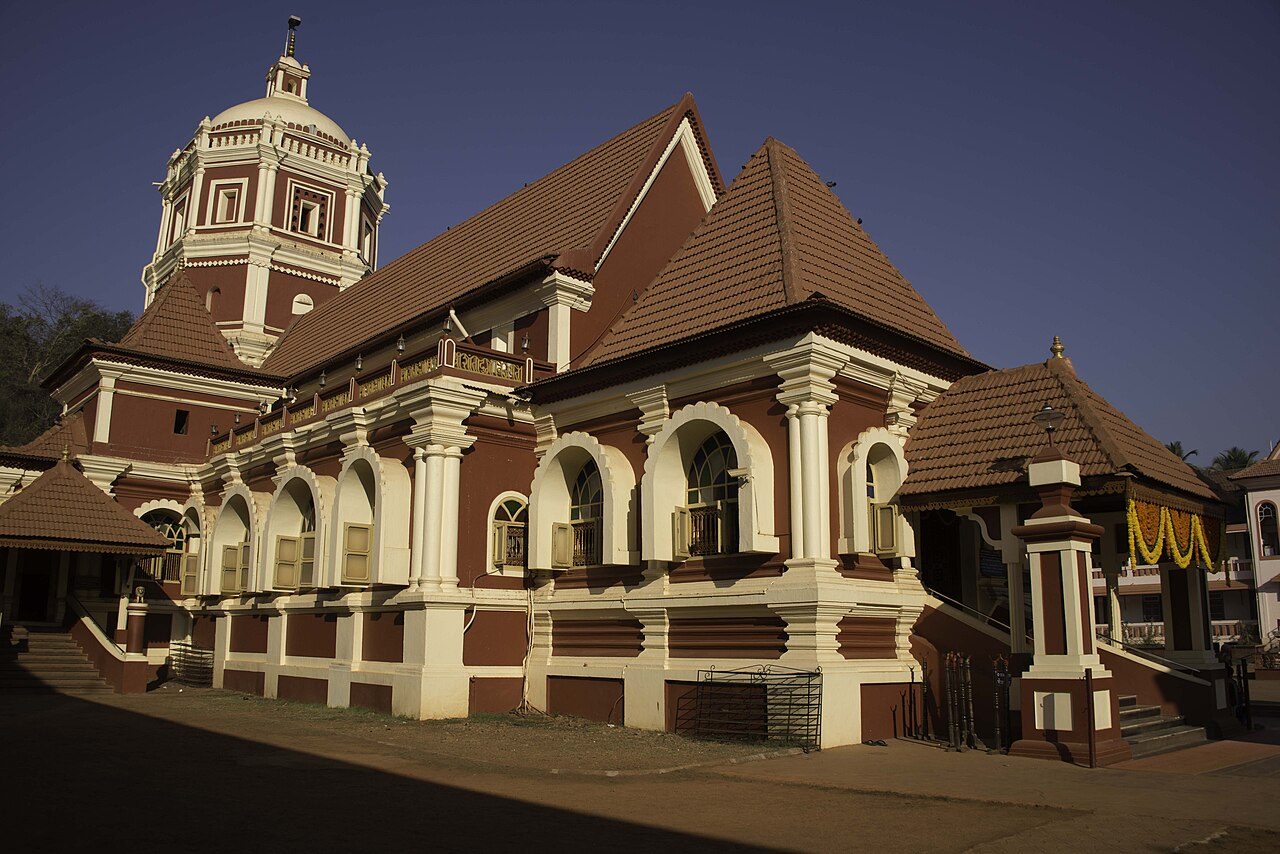
Dedicated to the goddess Shantadurga, who is said to have made peace between Vishnu and Shiva, the temple at Kavlem was built in the 18th century under the Maratha ruler Shahu, after the deity was moved here from Quelossim during the Portuguese era. Its pyramid-shaped roof, tall lamp tower and large tank make it one of the grandest temples in Goa.
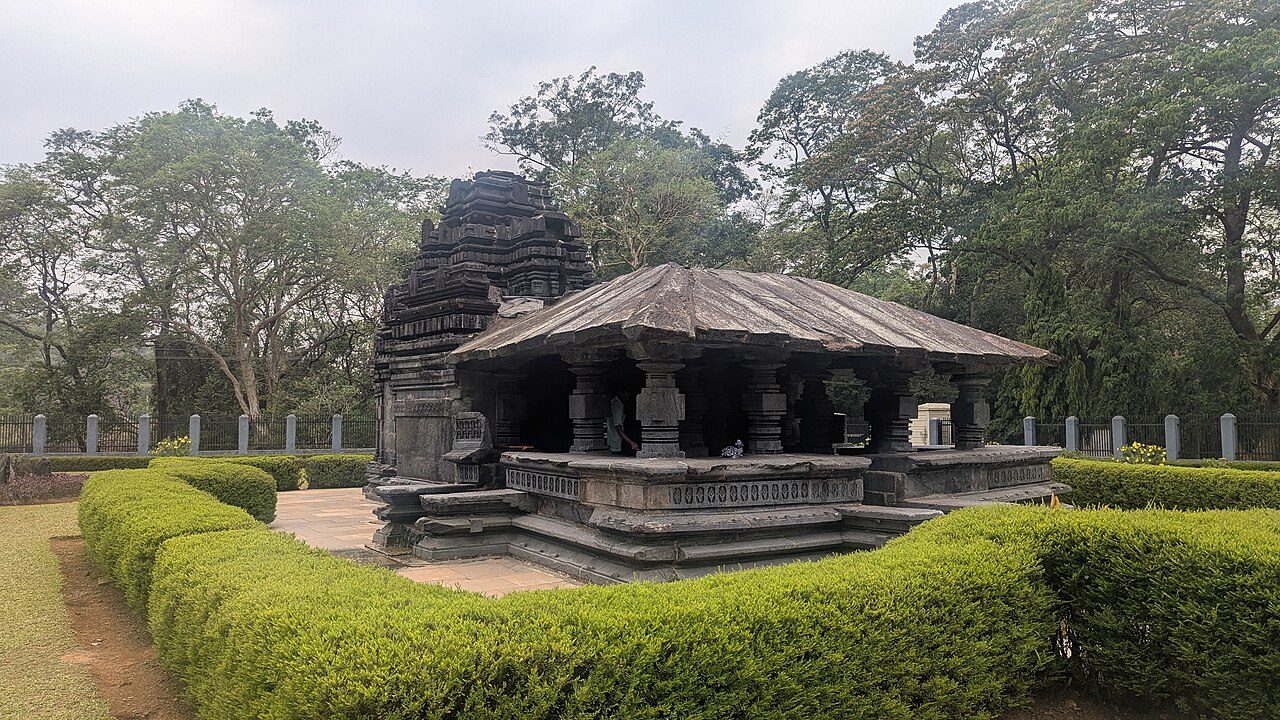
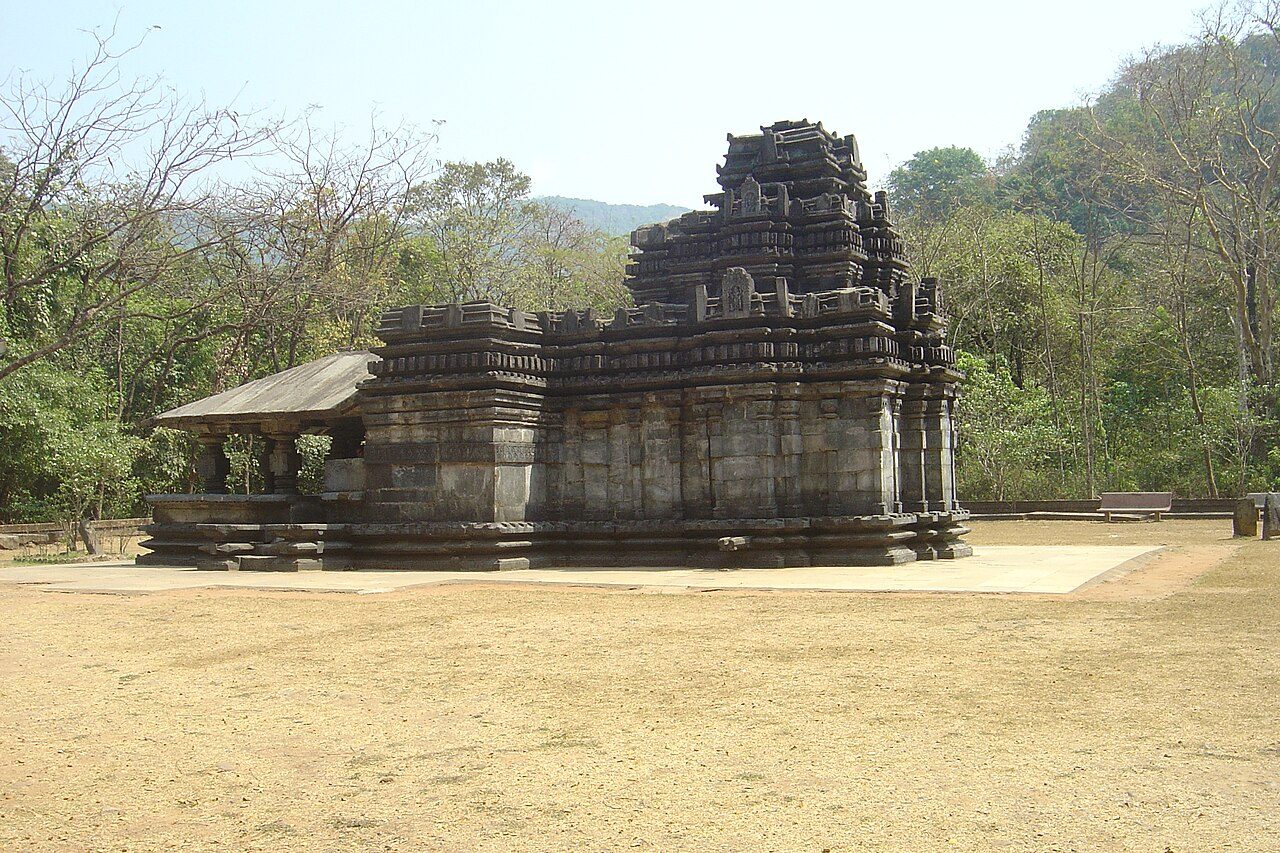
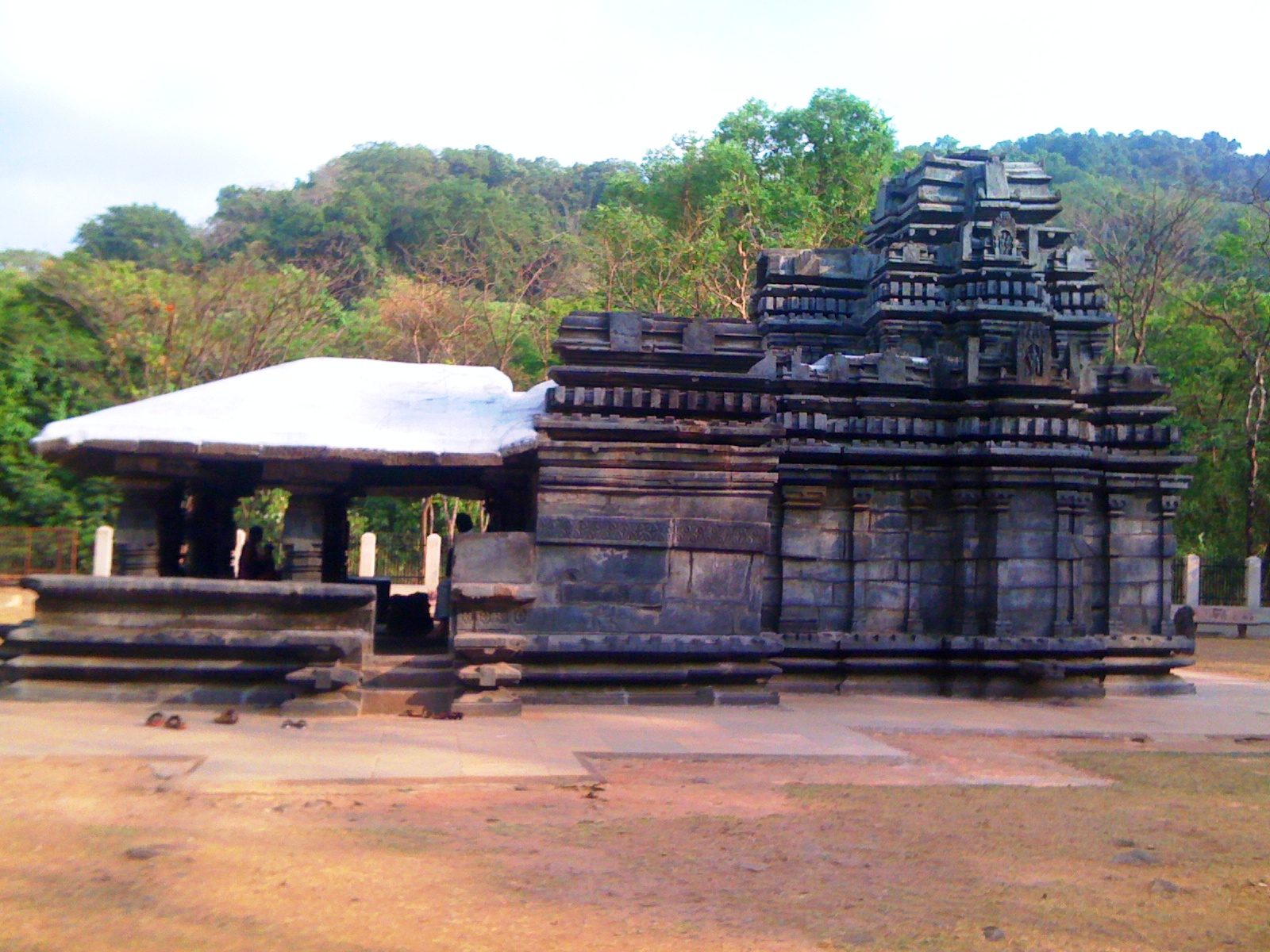
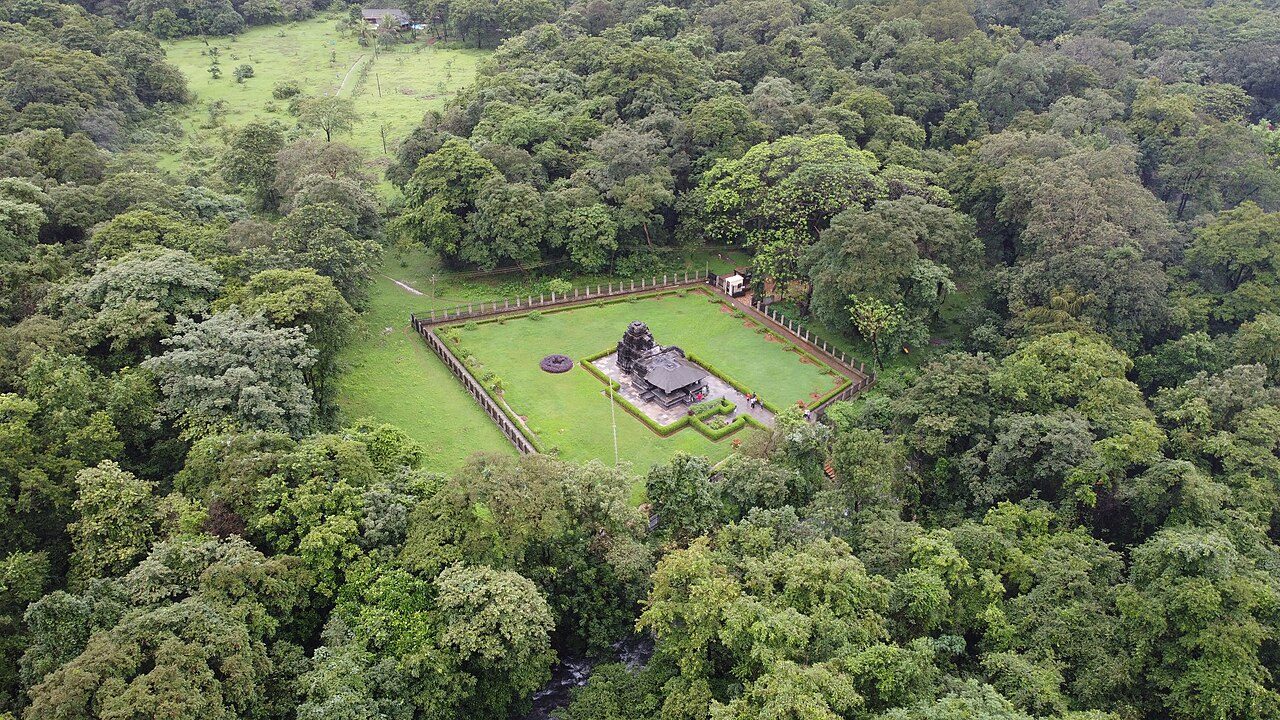
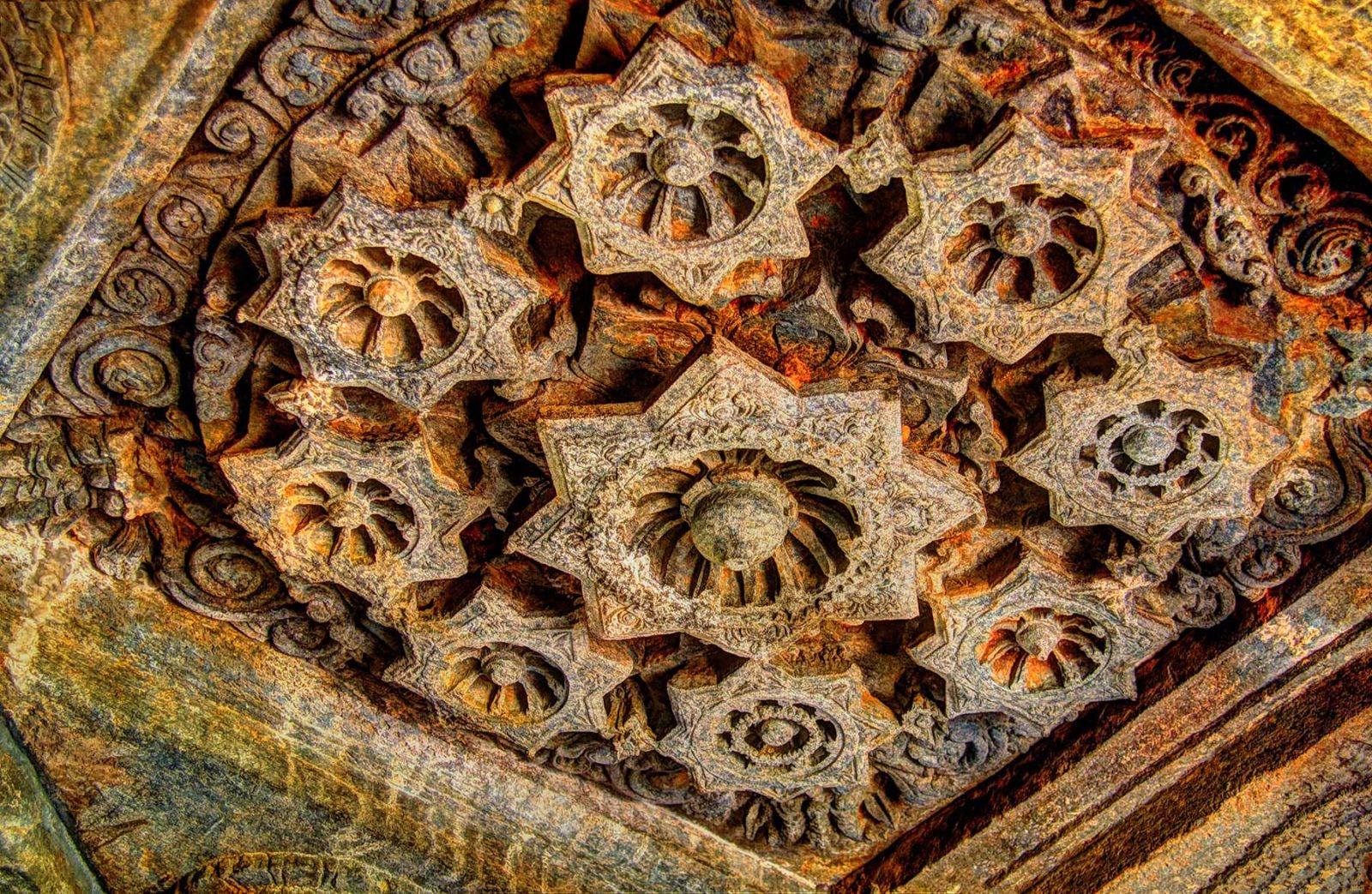
Hidden in the forest at the foot of the Western Ghats, the Mahadev Temple at Tambdi Surla is the oldest surviving temple in Goa, built in the 12th or 13th century under the Kadamba dynasty from black basalt. Its remote setting helped it survive the destruction of temples in later centuries. A stream runs beside it, and its carved pillars and ceiling are finely detailed.
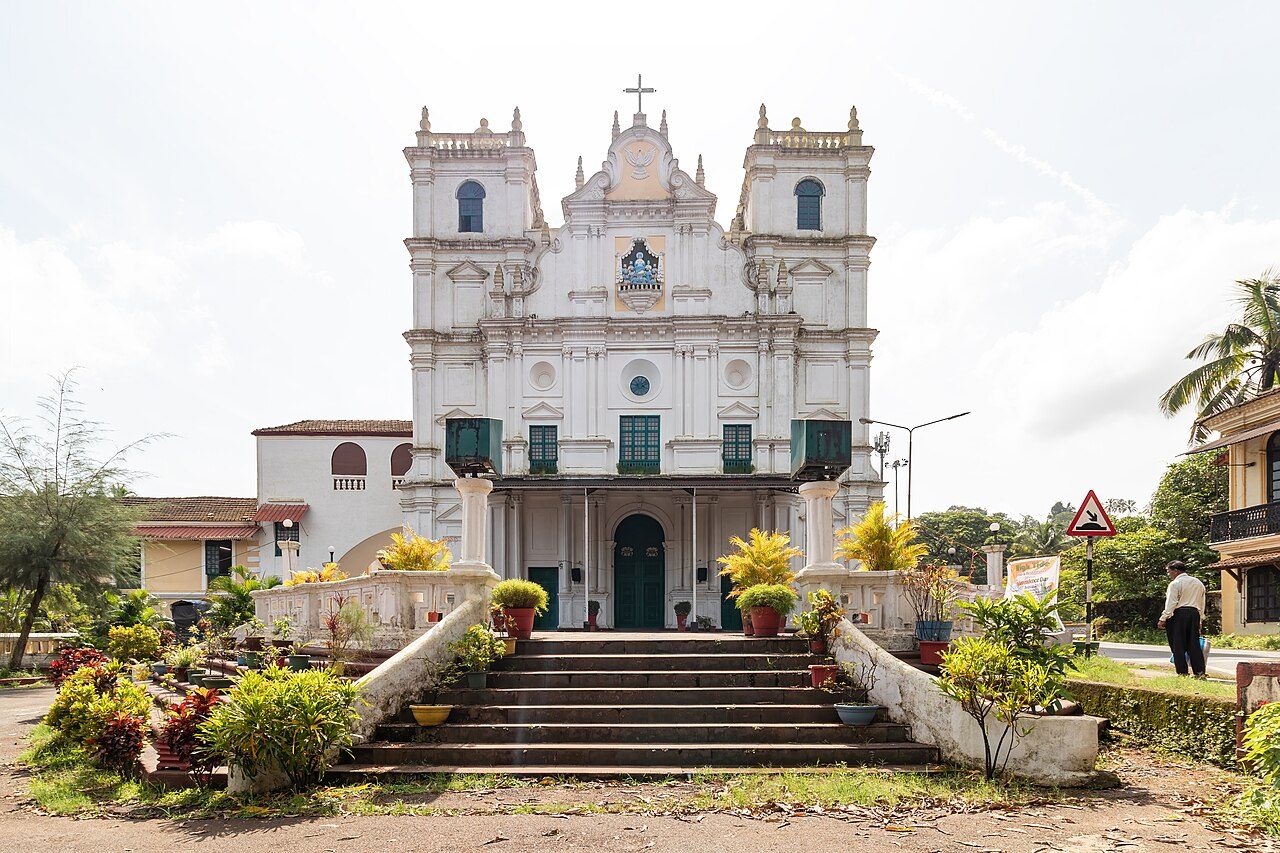
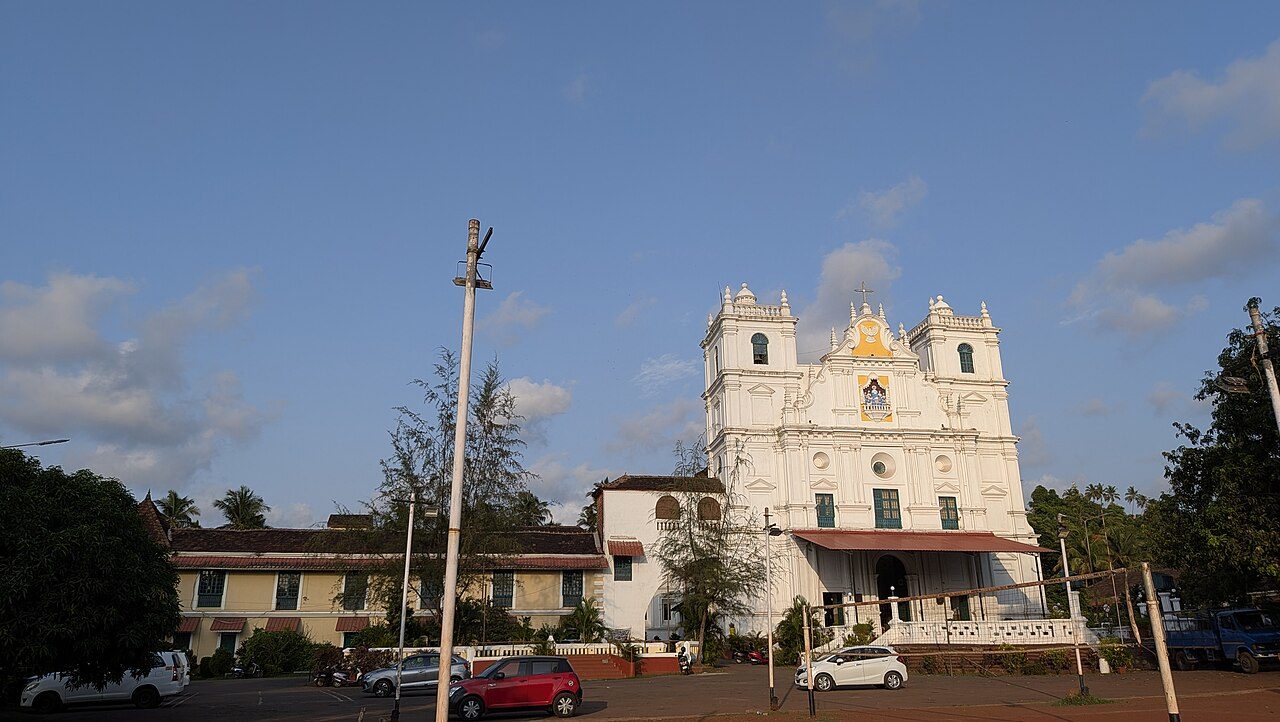
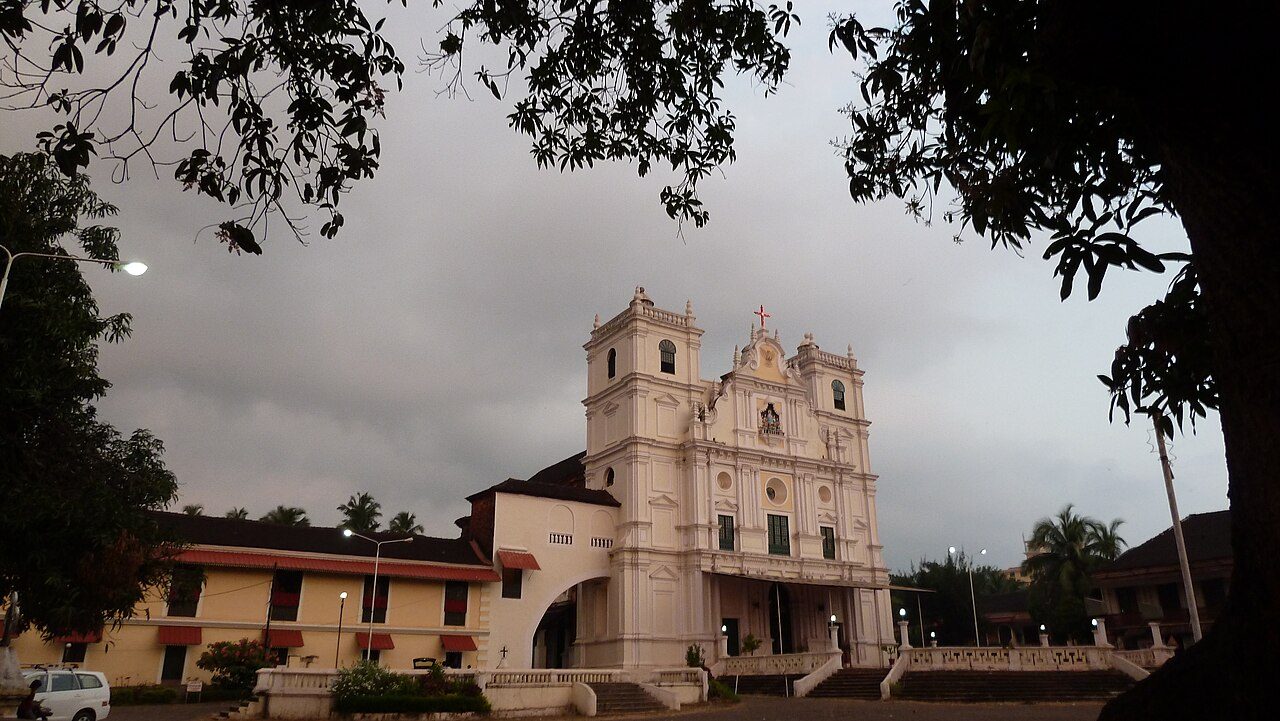
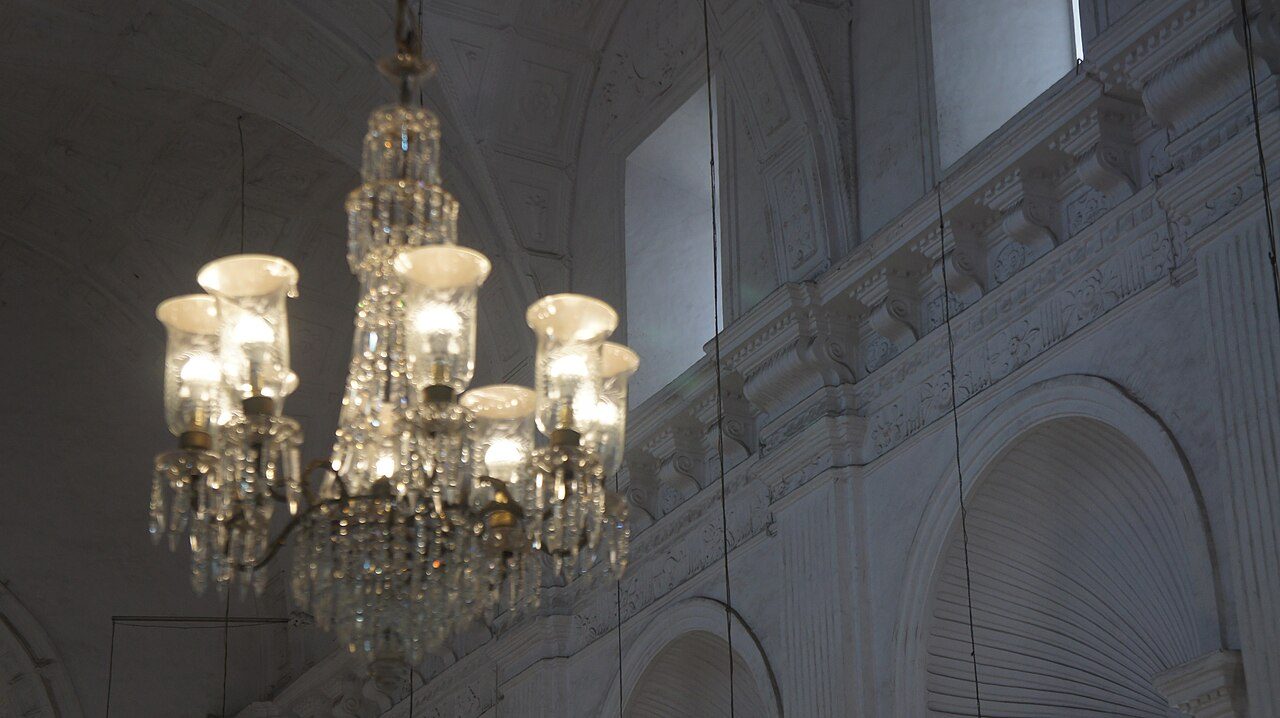
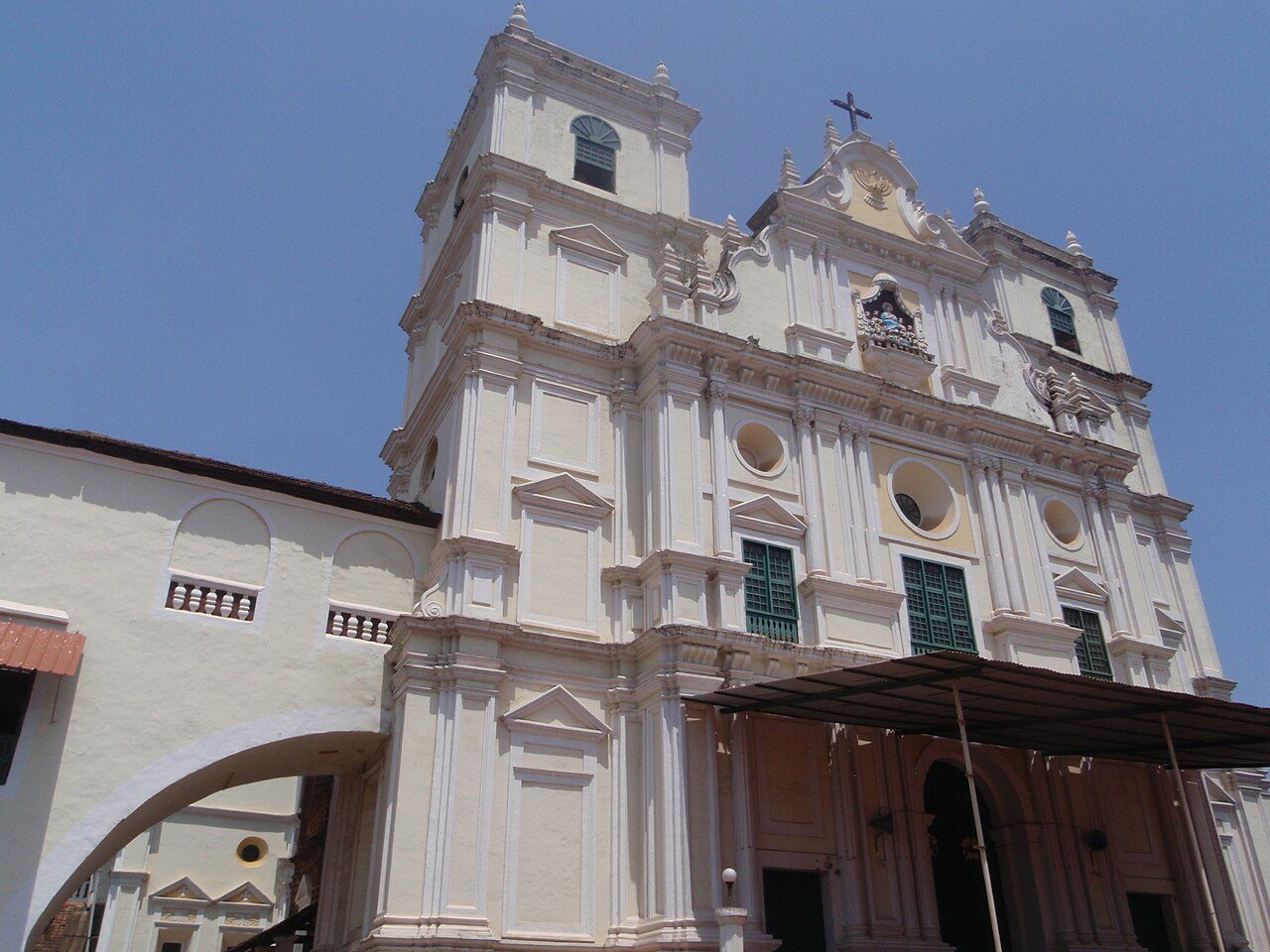
Built in 1675 in the heart of Margao, the Church of the Holy Spirit is one of the finest examples of Indian Baroque in Goa, with a broad white façade and gilded altars inside. The square in front, ringed by old colonial houses, is the historic heart of the town.
 WaTrips