Goa in 4 Days: Old Goa Churches, Portuguese Forts and the North Goa Beaches
4 DAYS18 placesby WaTrips
Old Goa's churches and Panaji's Latin Quarter, two Mandovi forts, the beach belt from Calangute to Arambol, and a last day in Chandor and Colva.
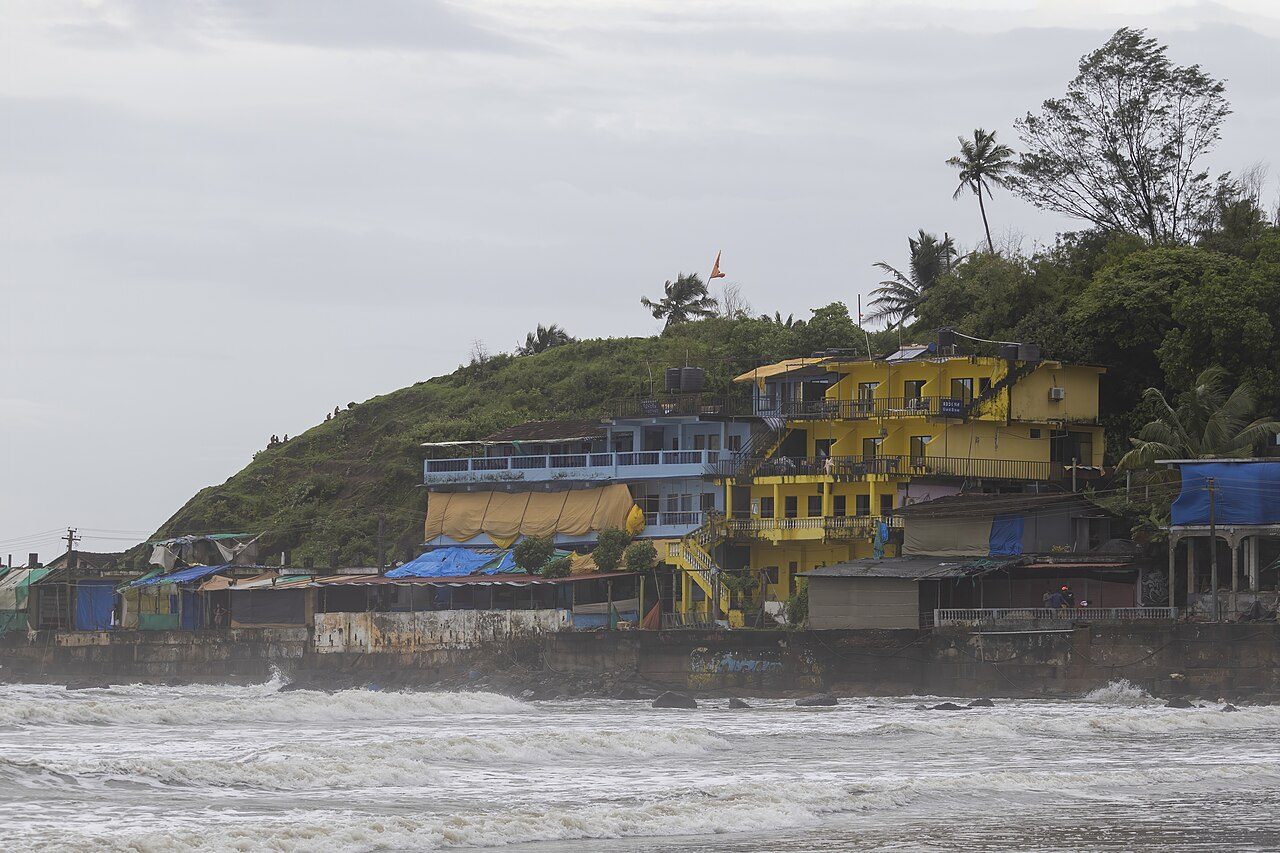
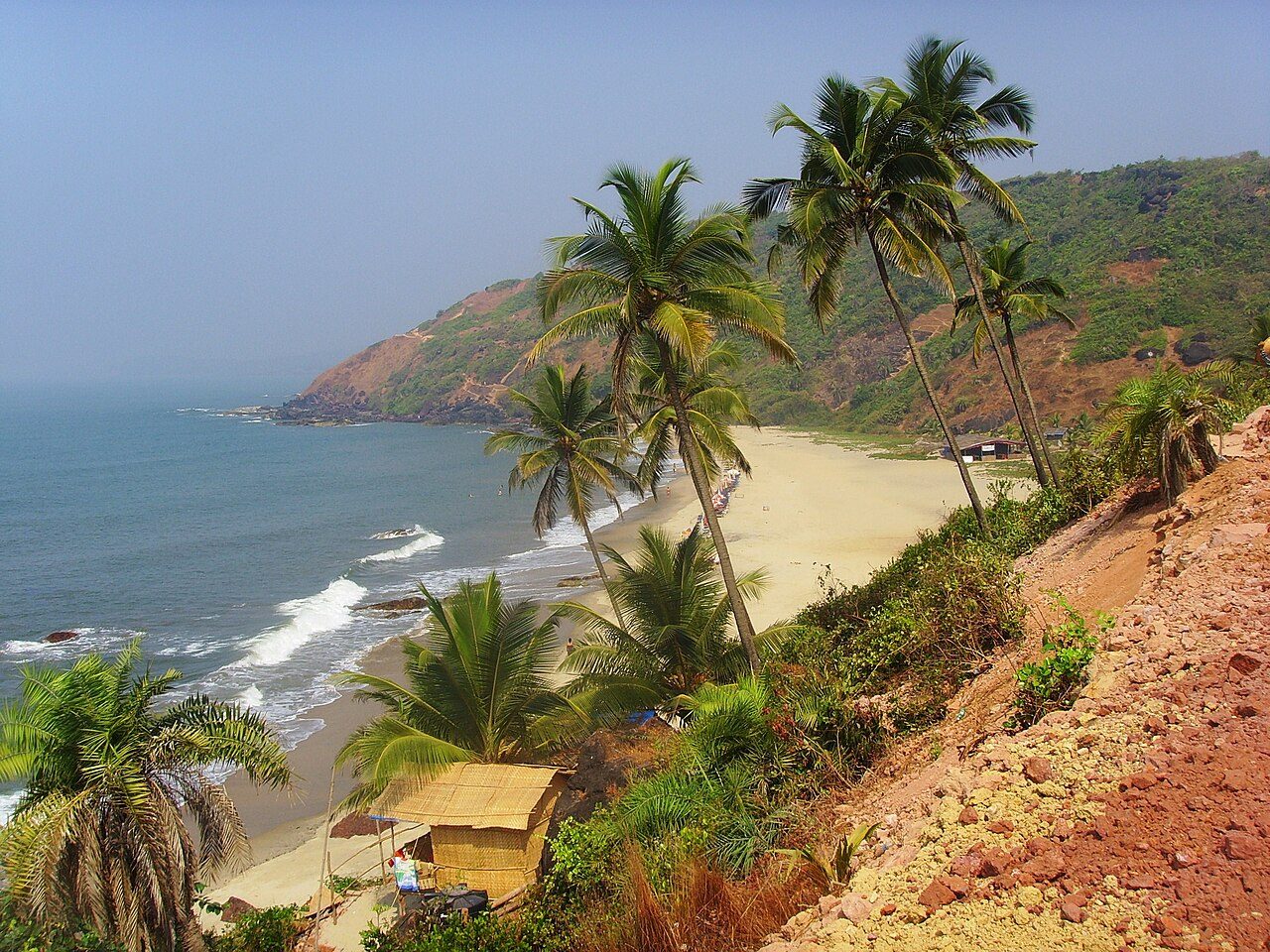
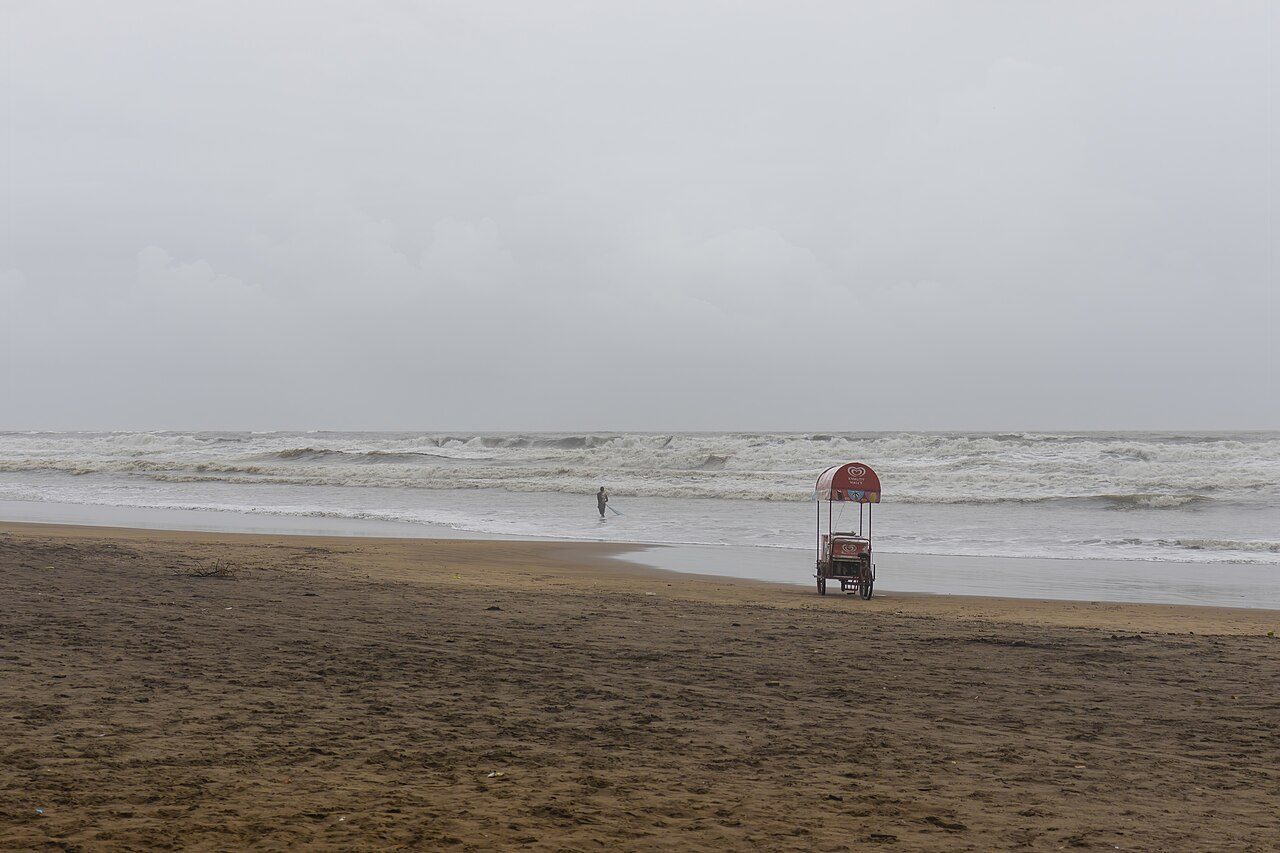
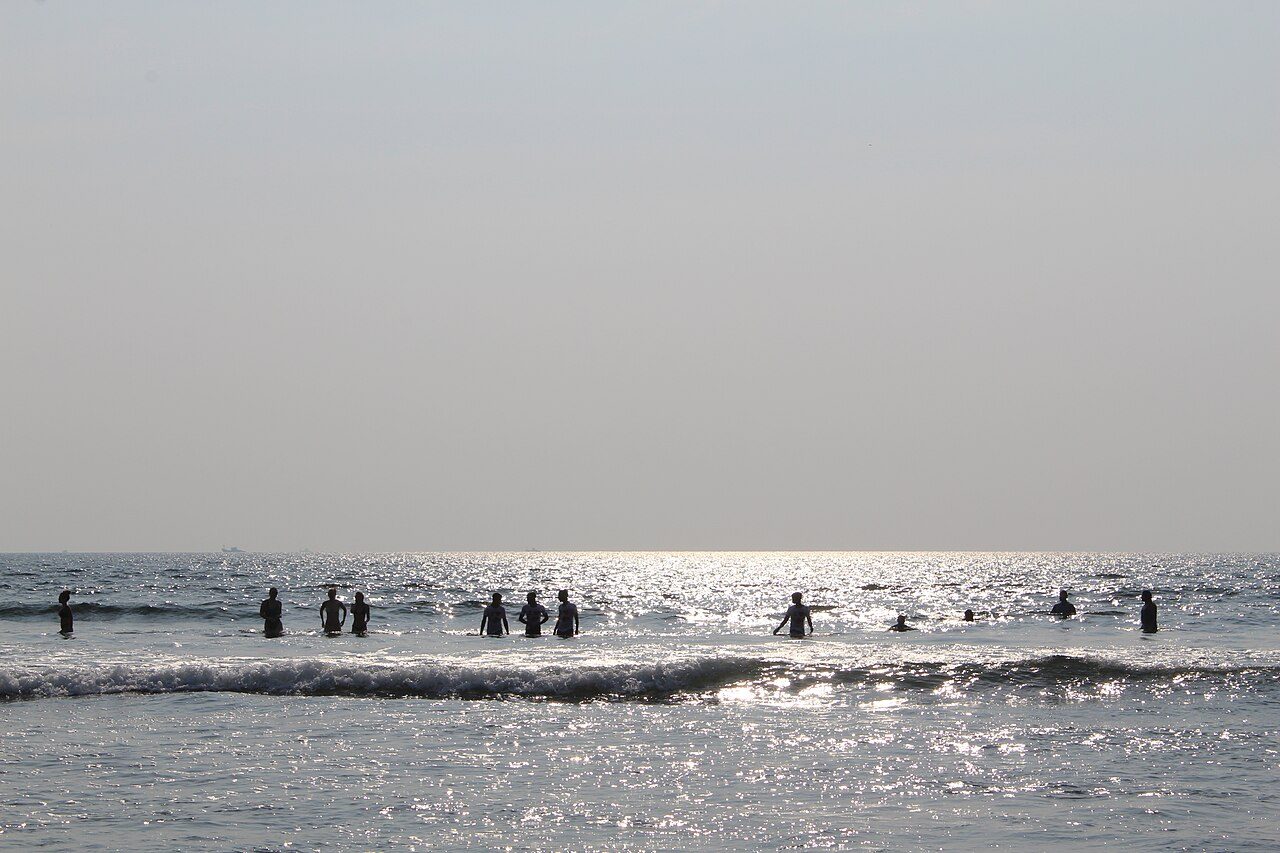
This is the Goa most people picture, done at an easy pace. Start in Old Goa, where the Basilica of Bom Jesus and Se Cathedral stand a short walk apart, then cross to Panaji for the colourful lanes of Fontainhas and the evening on Miramar. Day two takes in two Portuguese forts on the Mandovi, Reis Magos and Aguada, before the busy beaches of Calangute and Baga. Day three heads north to the quieter side: Anjuna, Vagator under Chapora Fort, Morjim, and sunset at Arambol. The trip ends in the south with the grand Braganza House in Chandor, Margao's old church and a slow afternoon at Colva. November to February is the most comfortable time; the monsoon turns everything green but closes many beach shacks.
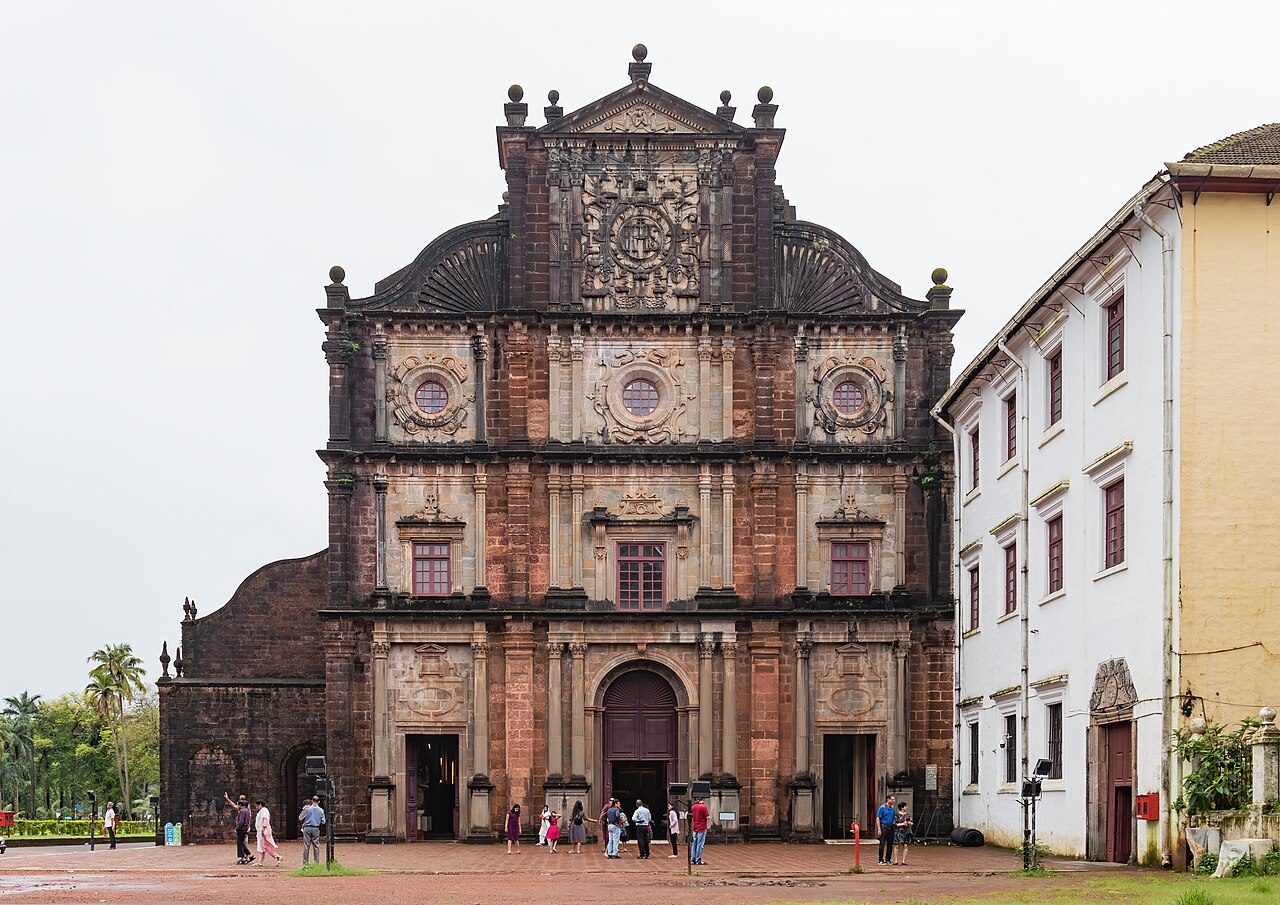
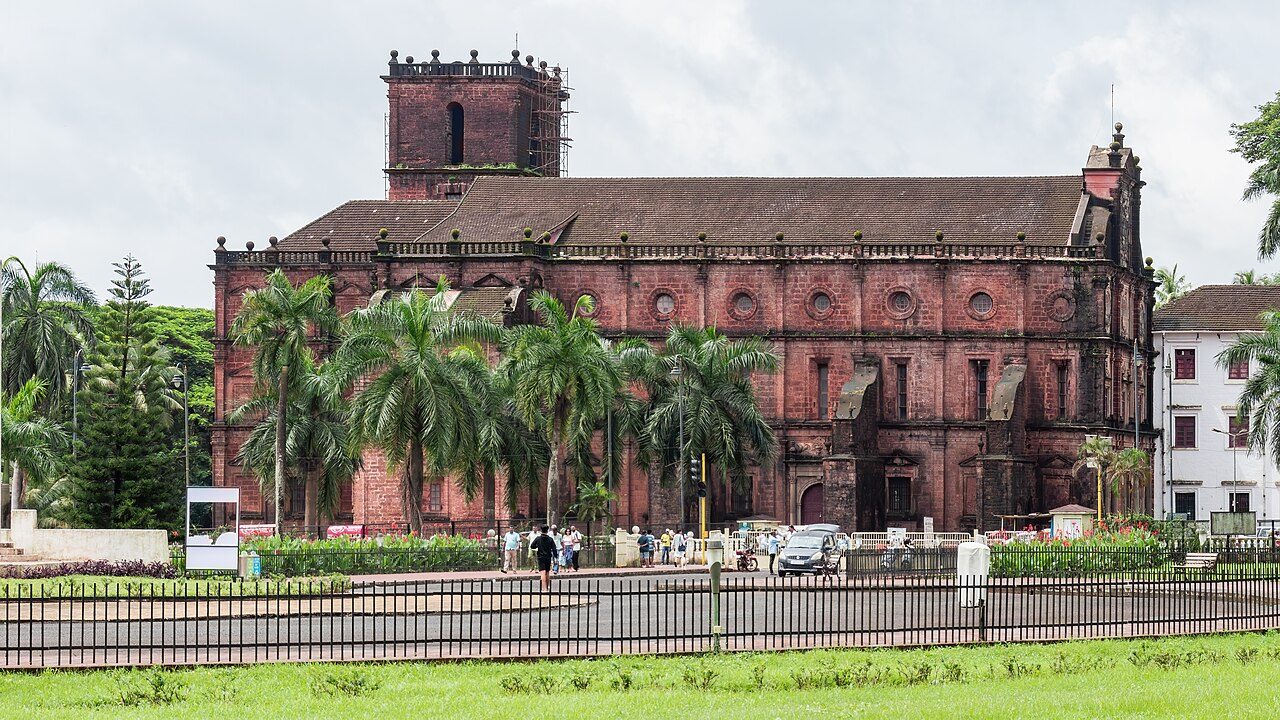
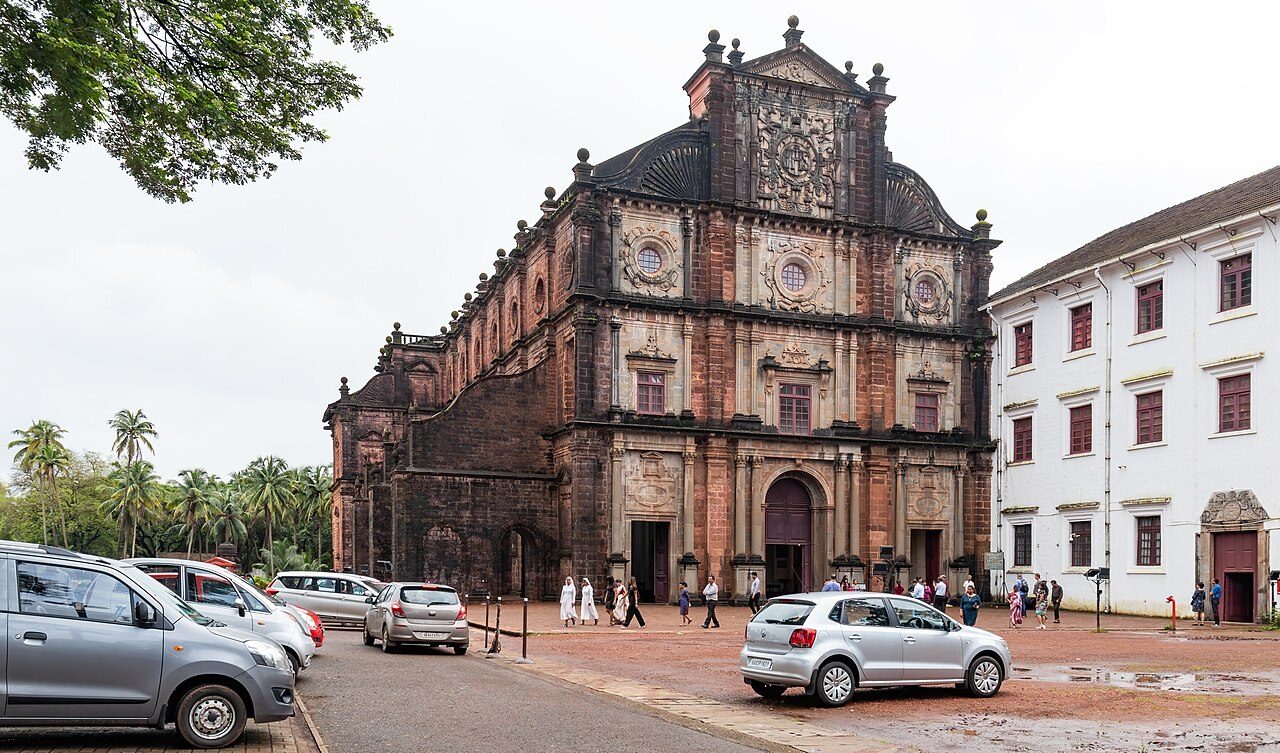
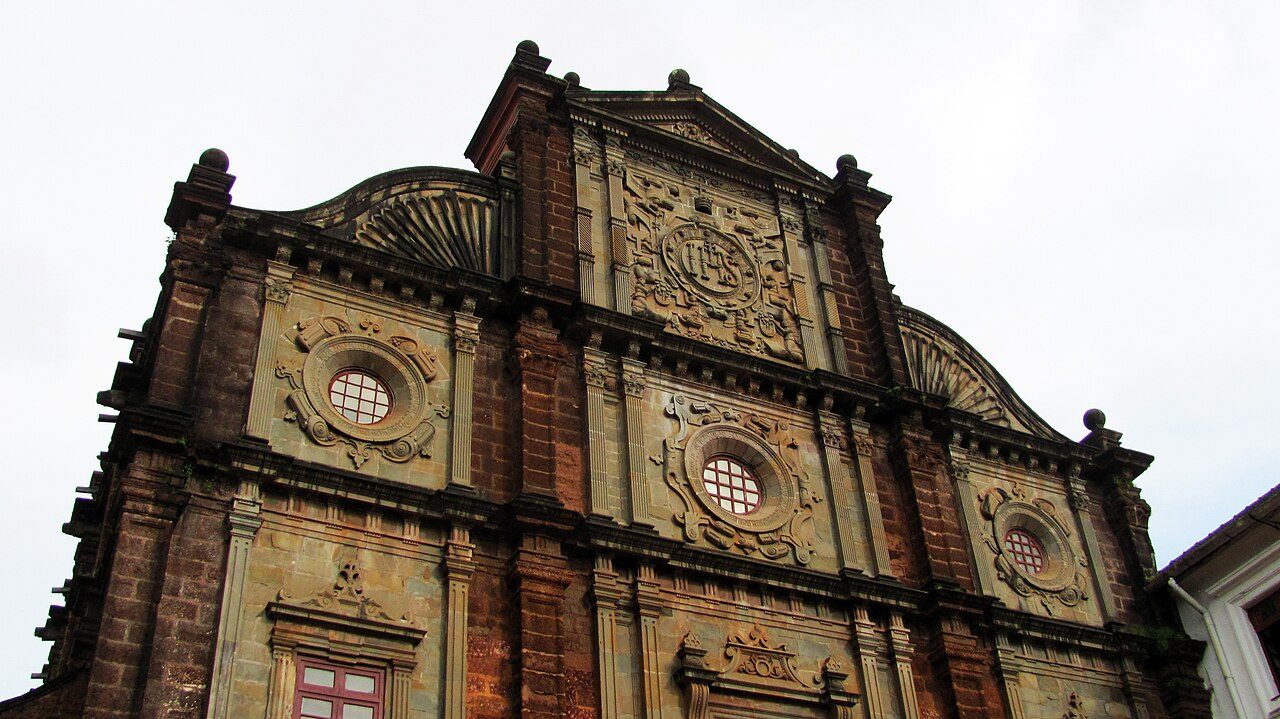
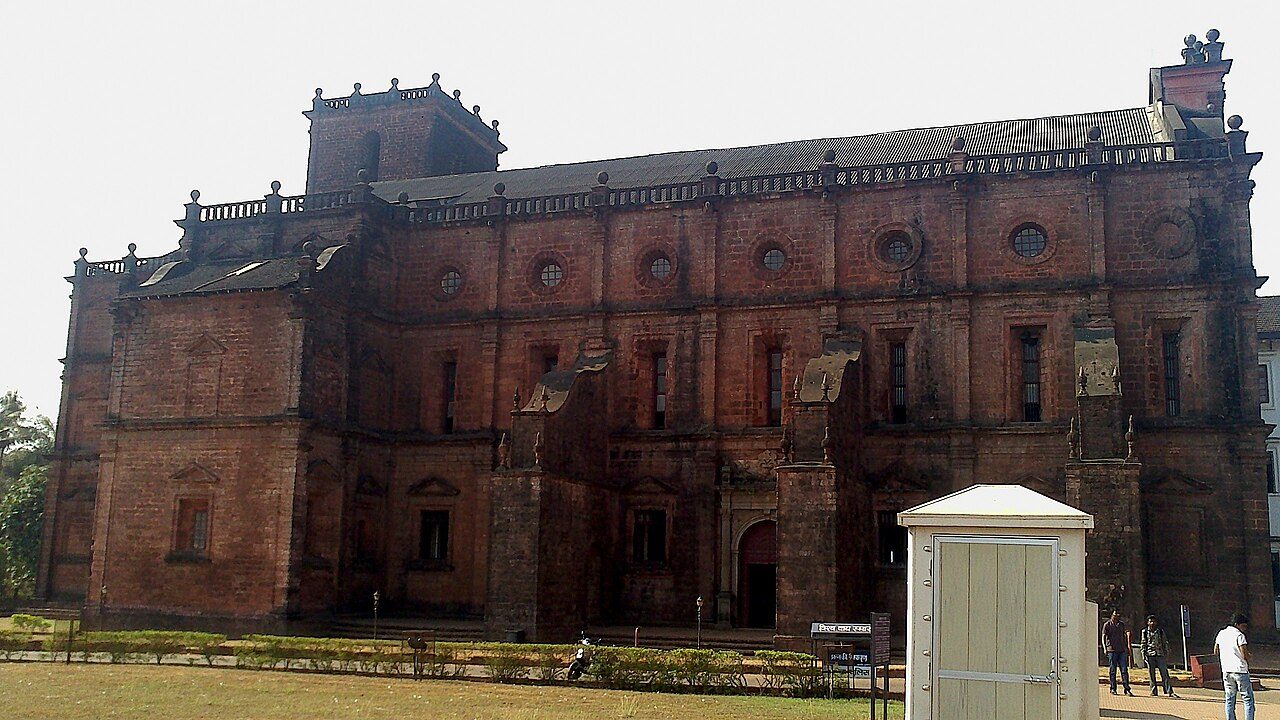
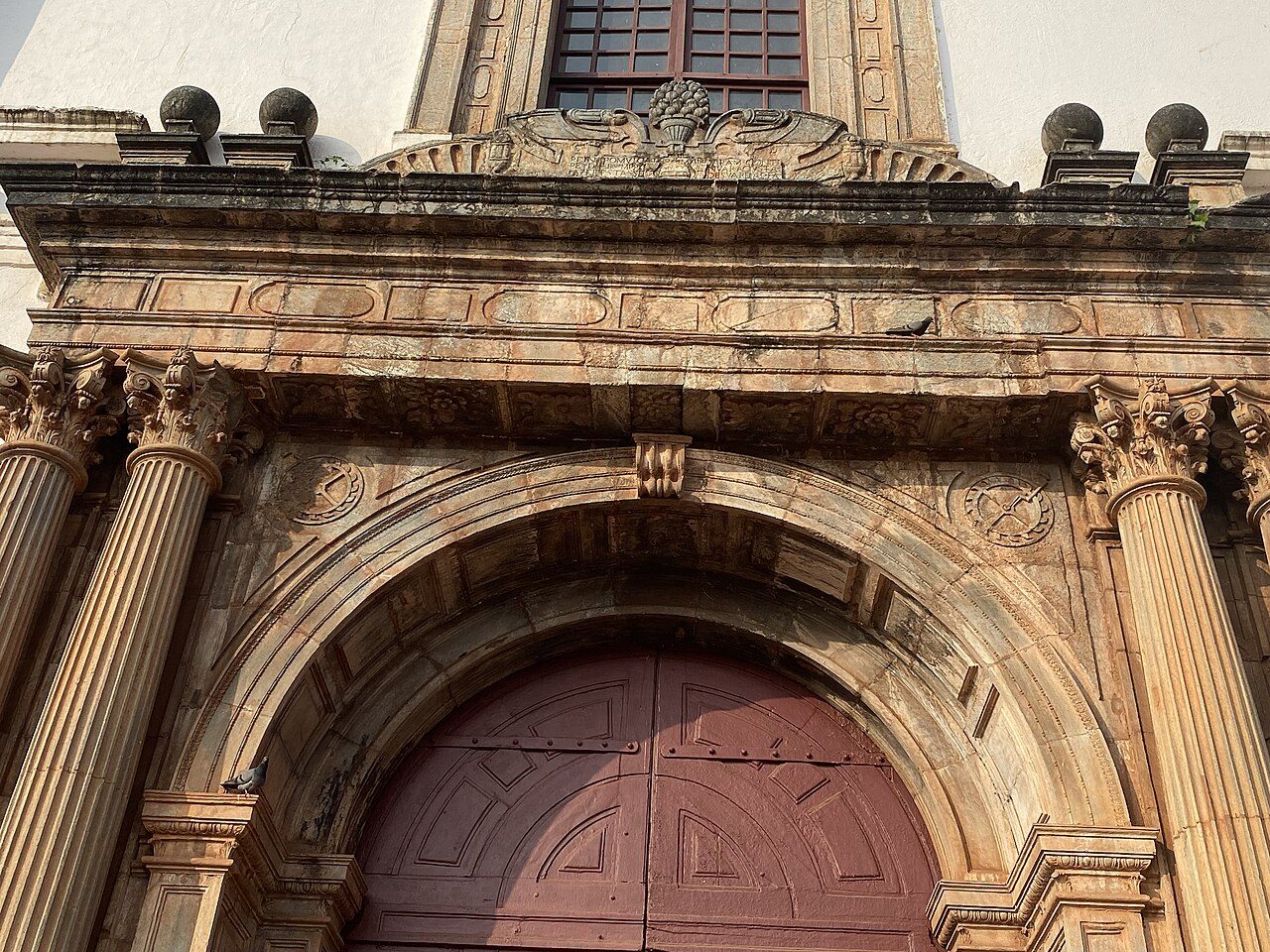
Completed in 1605, the Basilica of Bom Jesus holds the body of St Francis Xavier, the Jesuit missionary who died in 1552, in a silver casket on a marble tomb given by the Grand Duke of Tuscany. Its laterite façade was left unplastered, giving it a warm red-brown colour. Part of the UNESCO World Heritage Site of the Churches and Convents of Goa, it draws pilgrims all year, and vast crowds for the feast on 3 December and the periodic exposition of the saint's relics.
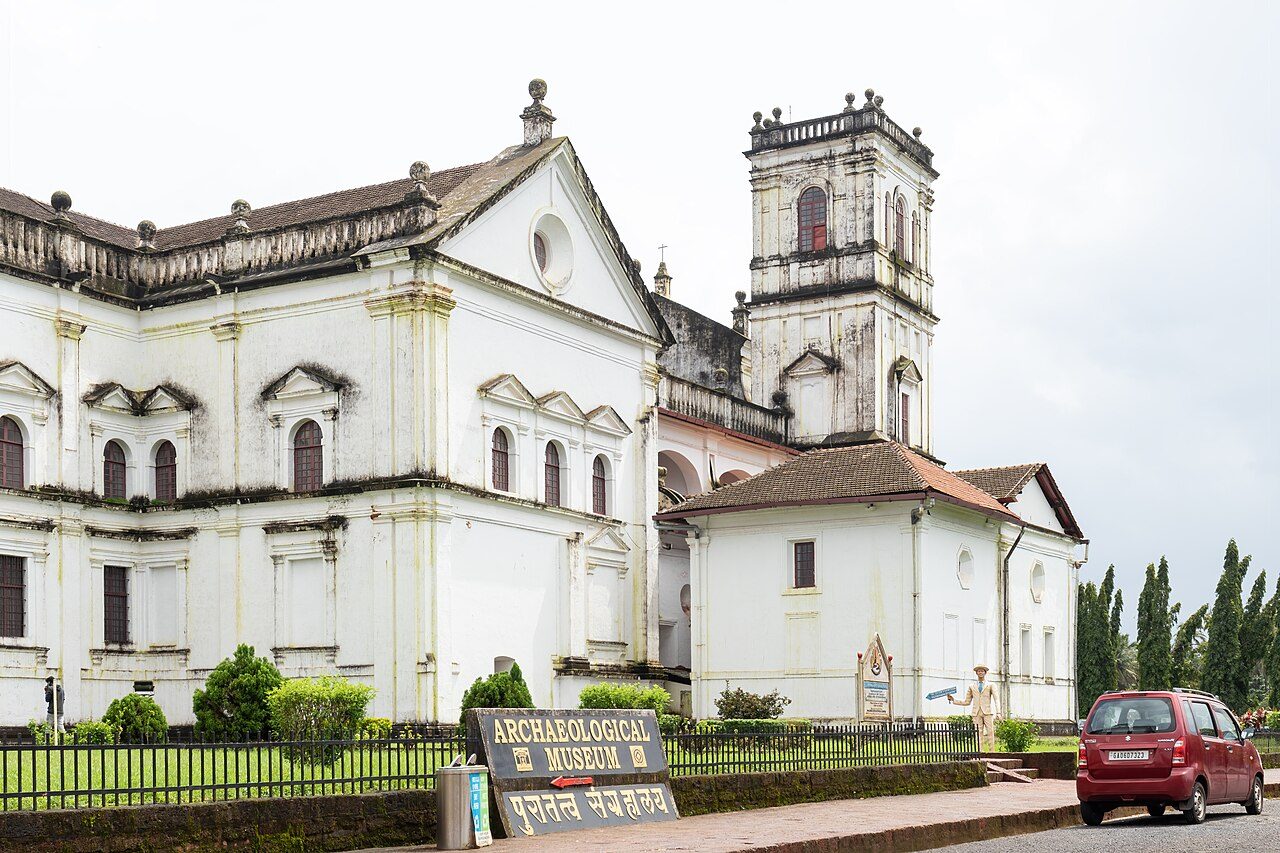
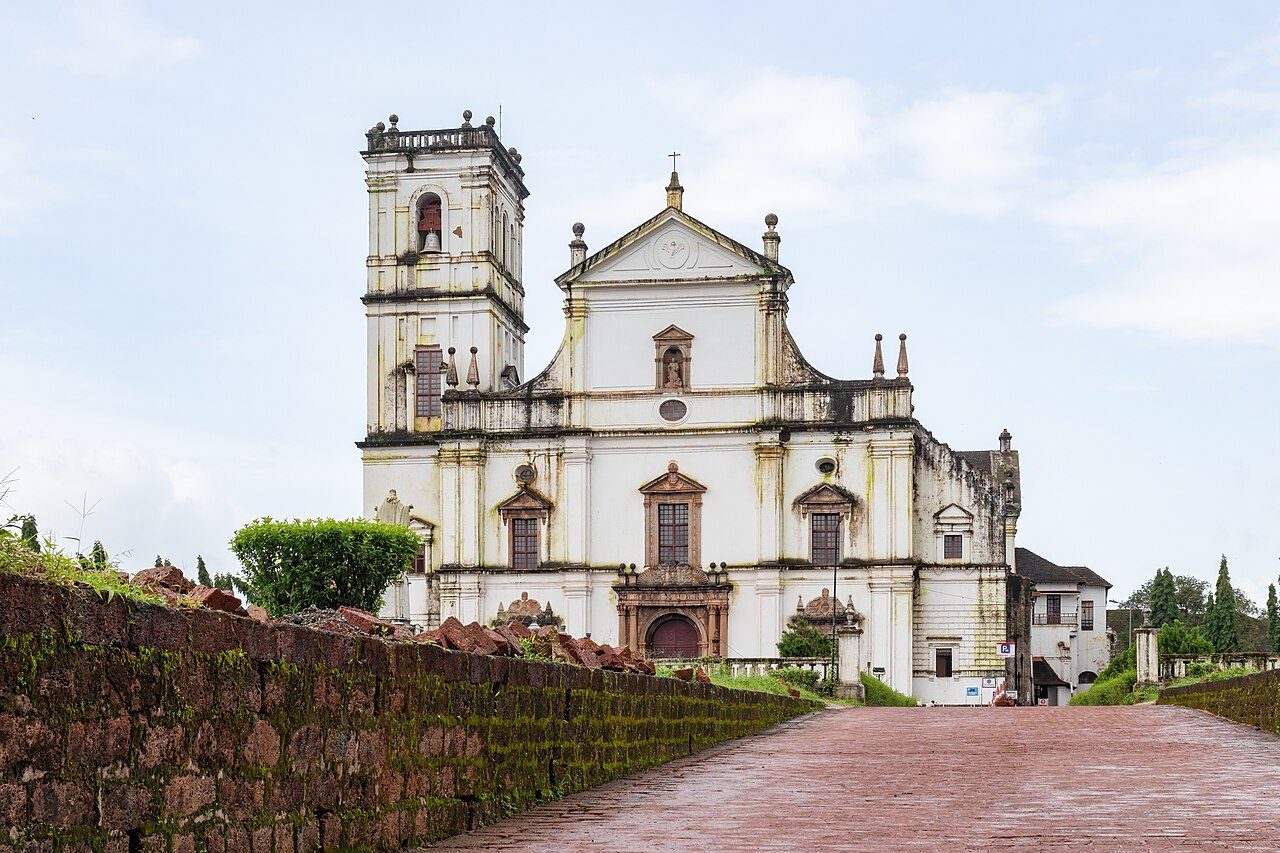
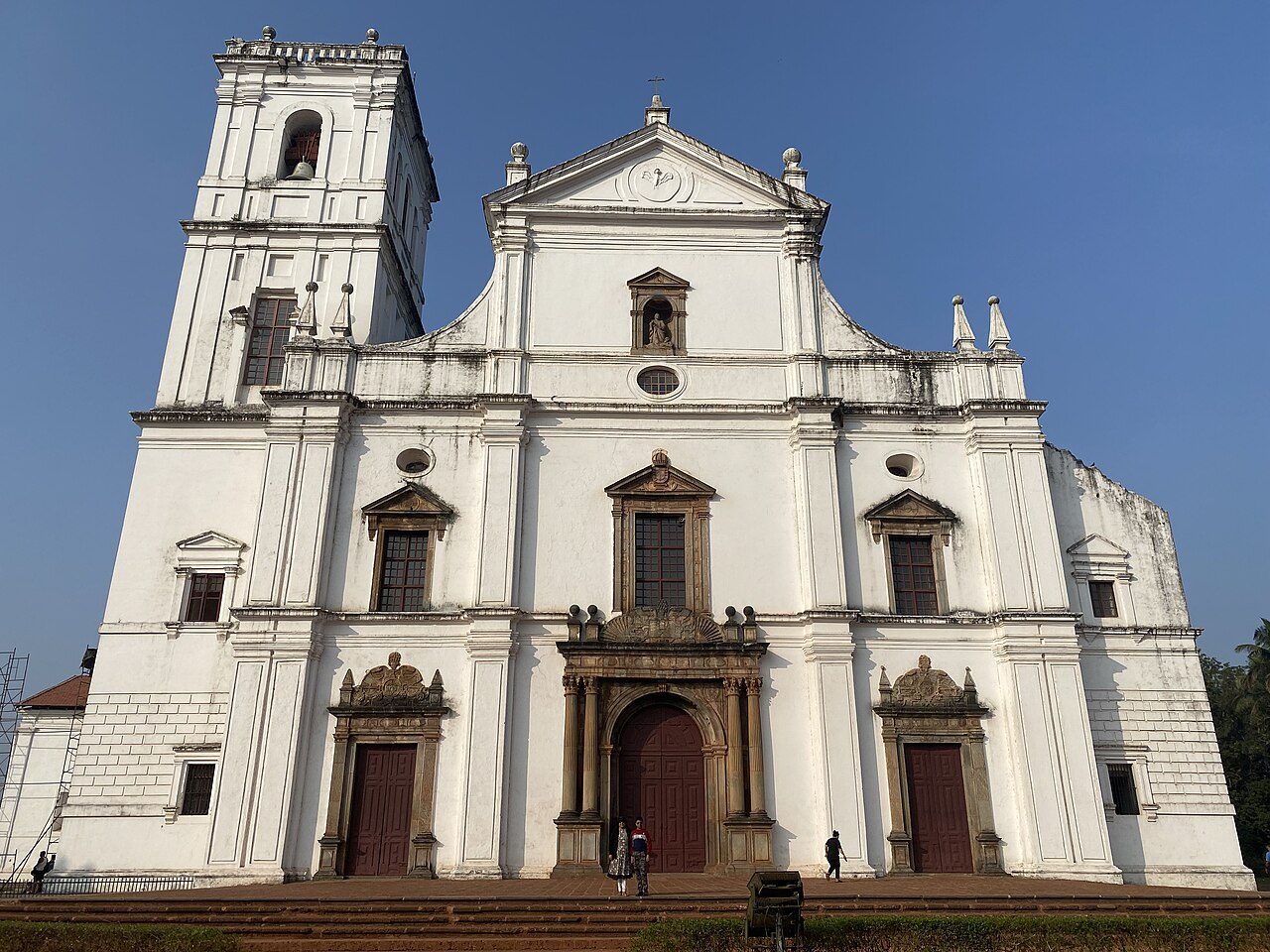
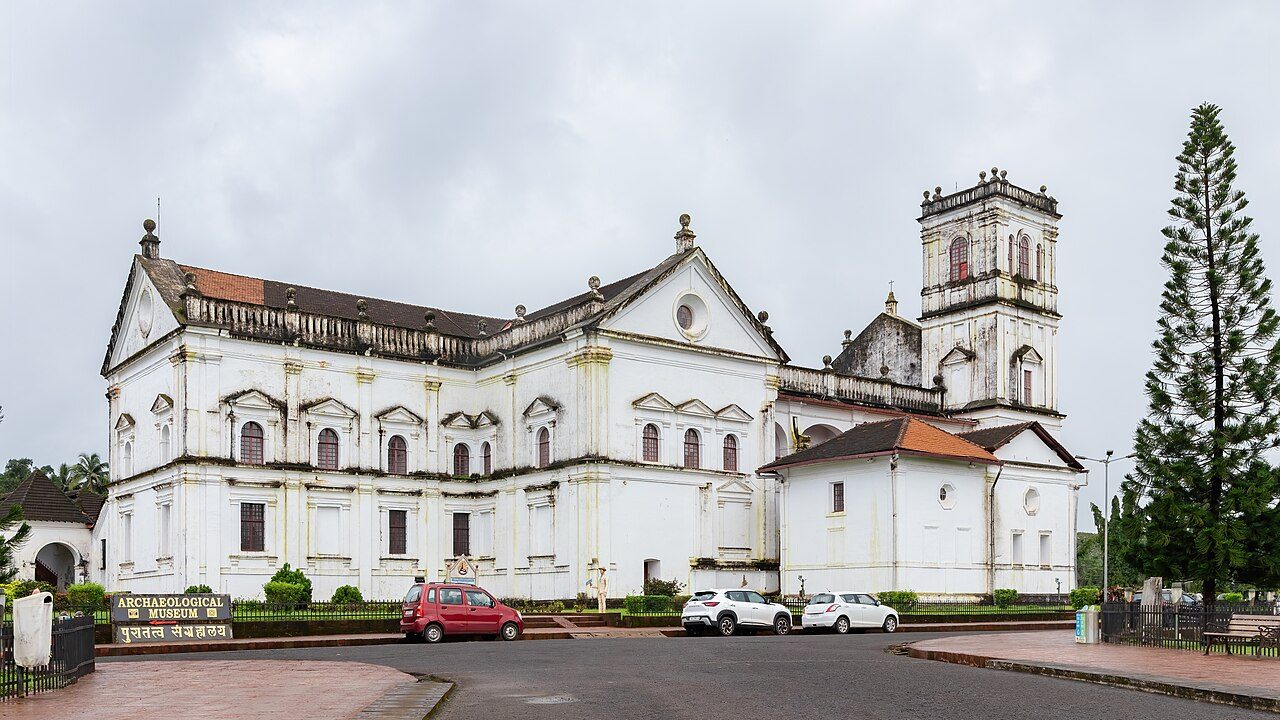
One of the largest churches in Asia, the Sé Cathedral of Old Goa was built by the Portuguese between 1562 and 1619 and dedicated to St Catherine of Alexandria, on whose feast day in 1510 Afonso de Albuquerque captured Goa. Its Golden Bell is among the largest in Goa and still rings out over the old city. The façade once had two towers, but one collapsed in 1776. It is part of the UNESCO World Heritage Site.
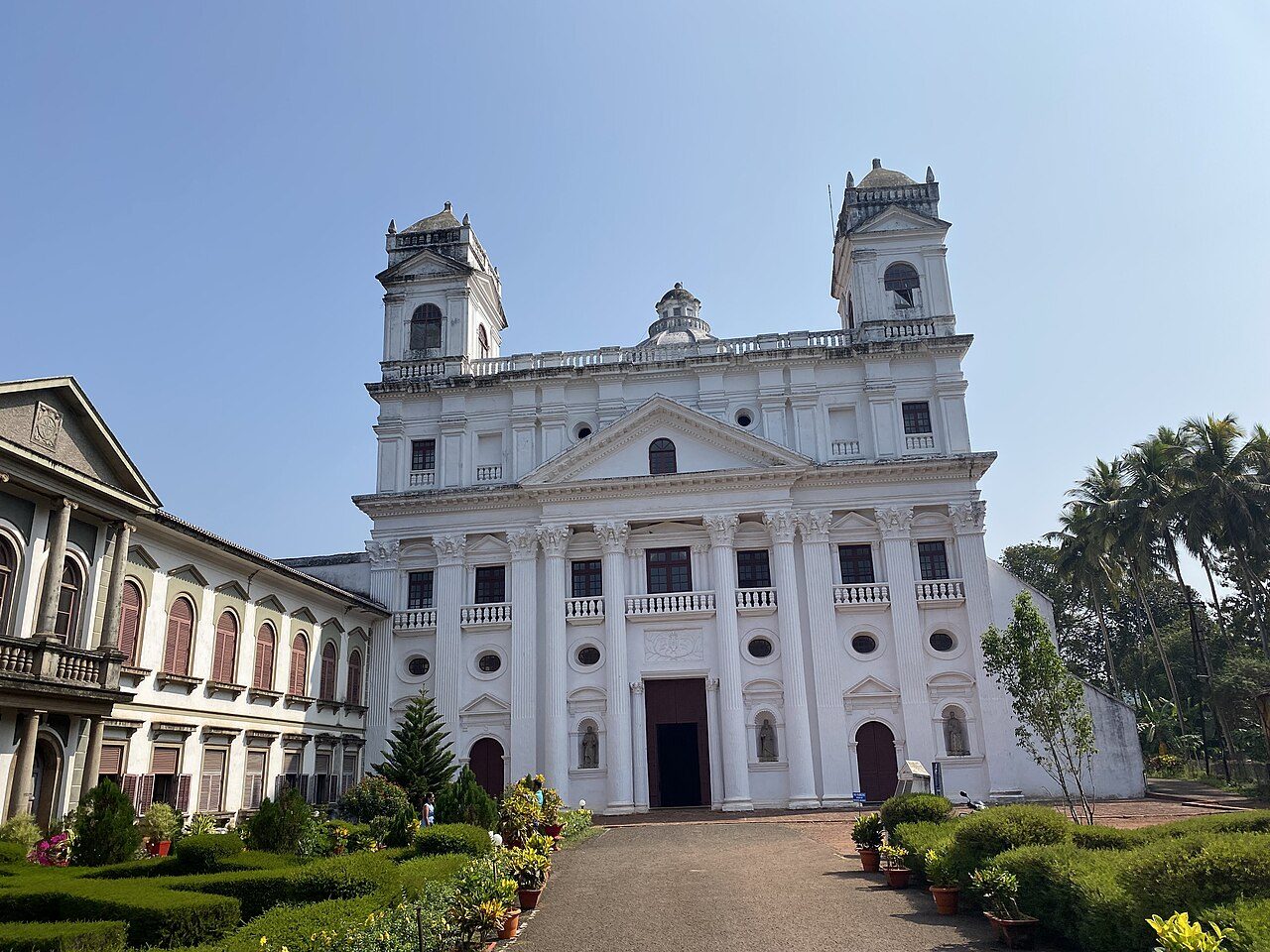
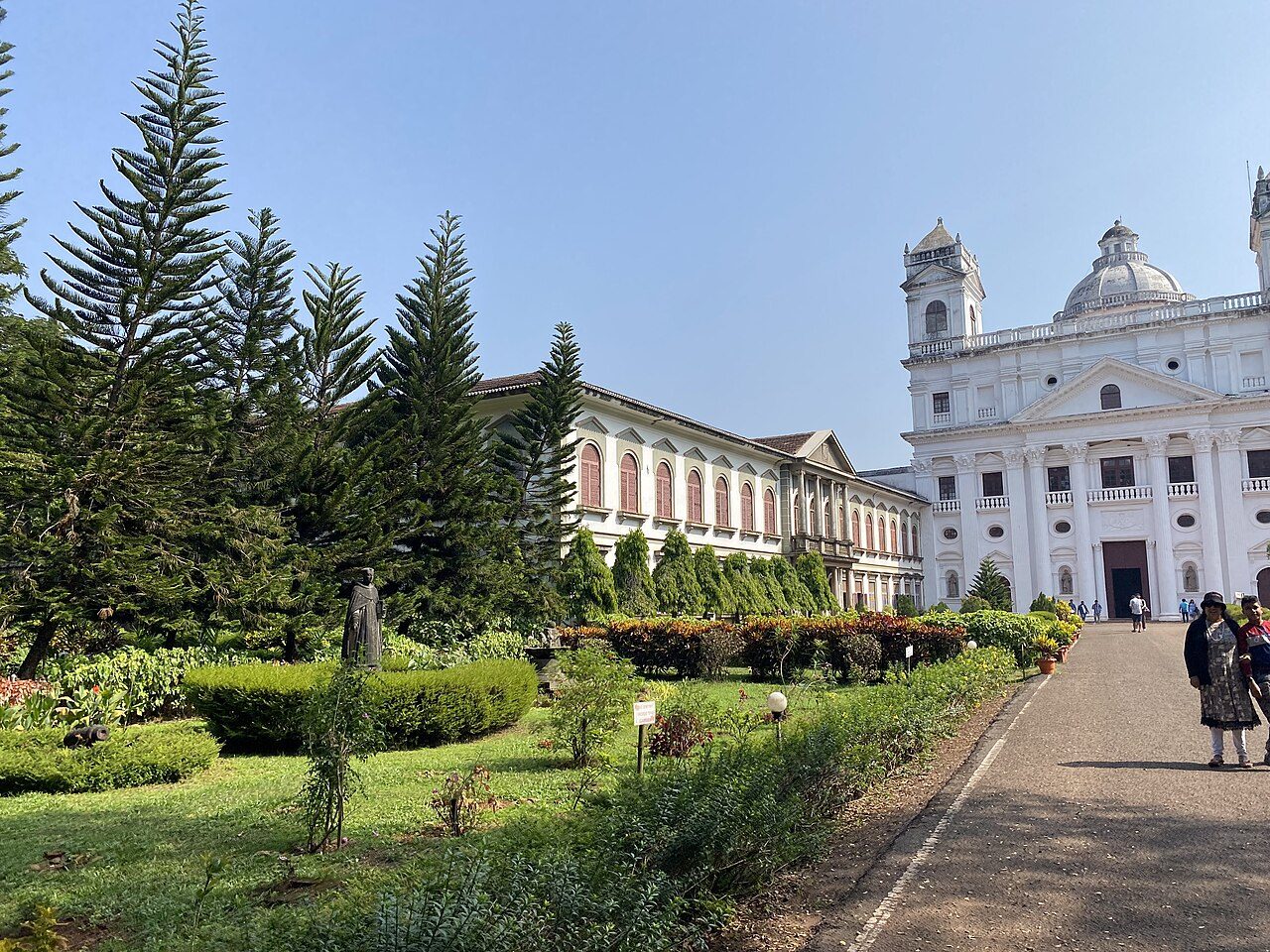
Built by Italian Theatine friars in the 17th century, the Church of St Cajetan was modelled on St Peter's Basilica in Rome, with a dome and Corinthian columns that set it apart from the other churches of Old Goa. Inside are richly gilded altars. It is part of the UNESCO-listed Churches and Convents of Goa, and quieter than the bigger churches nearby.
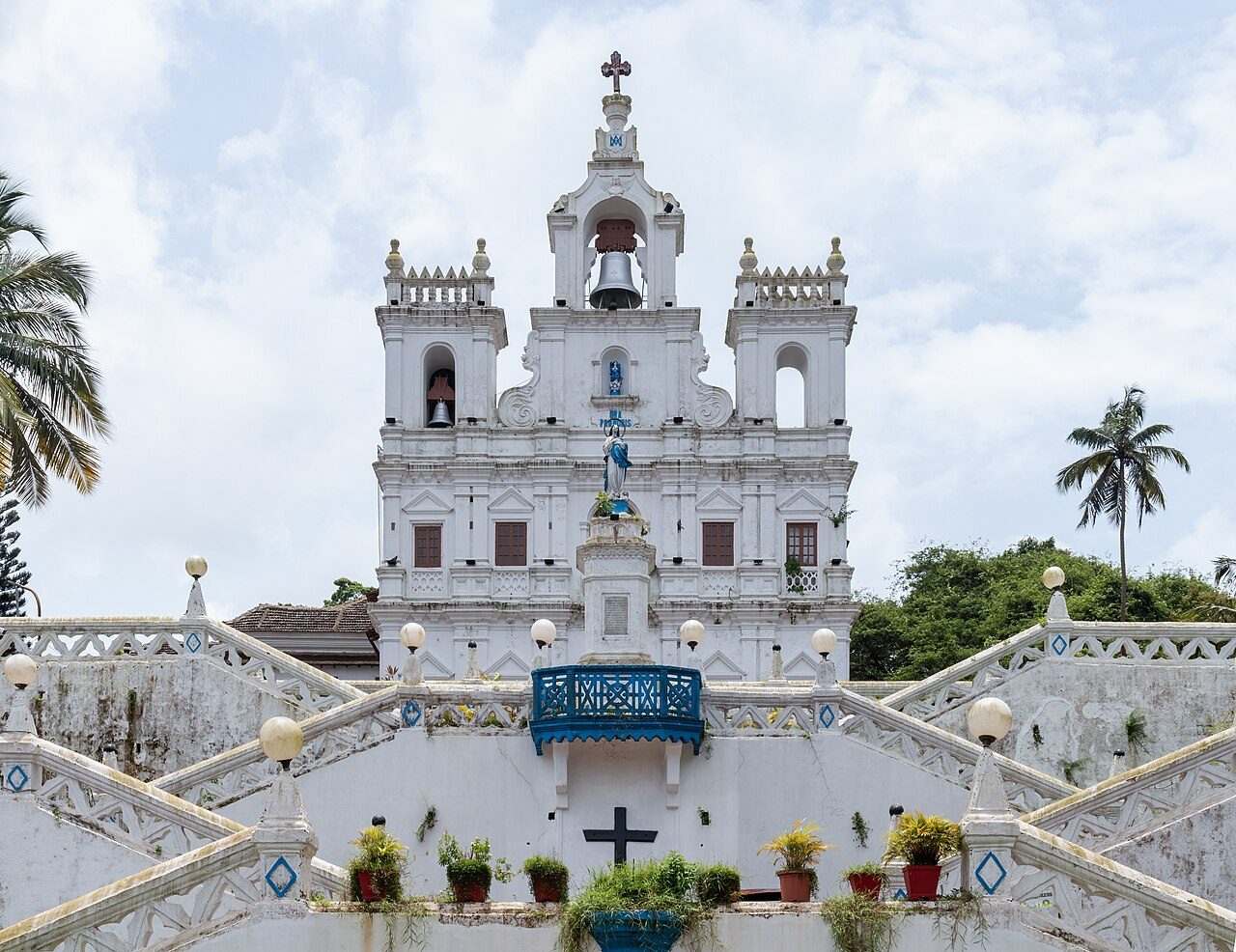
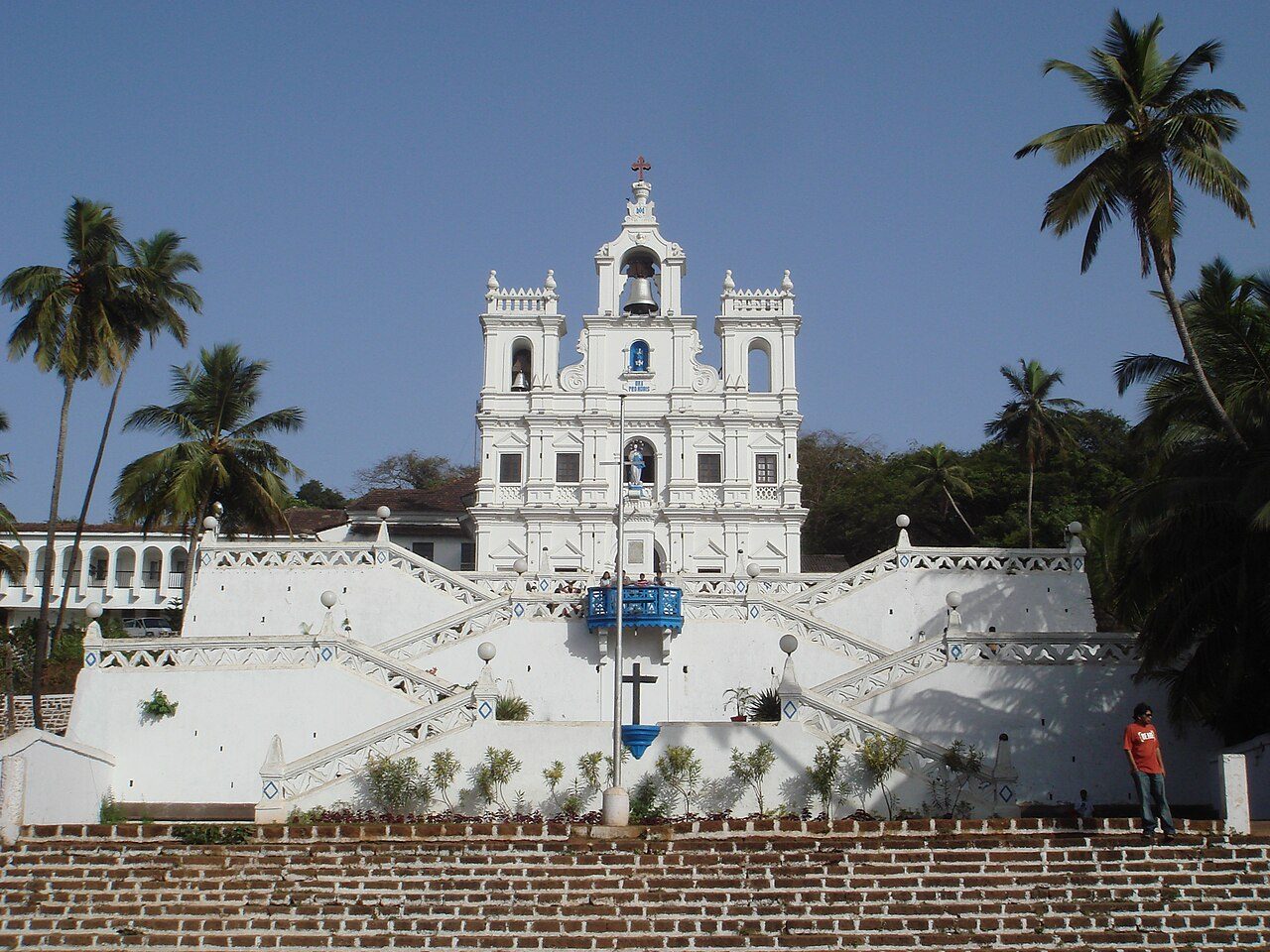
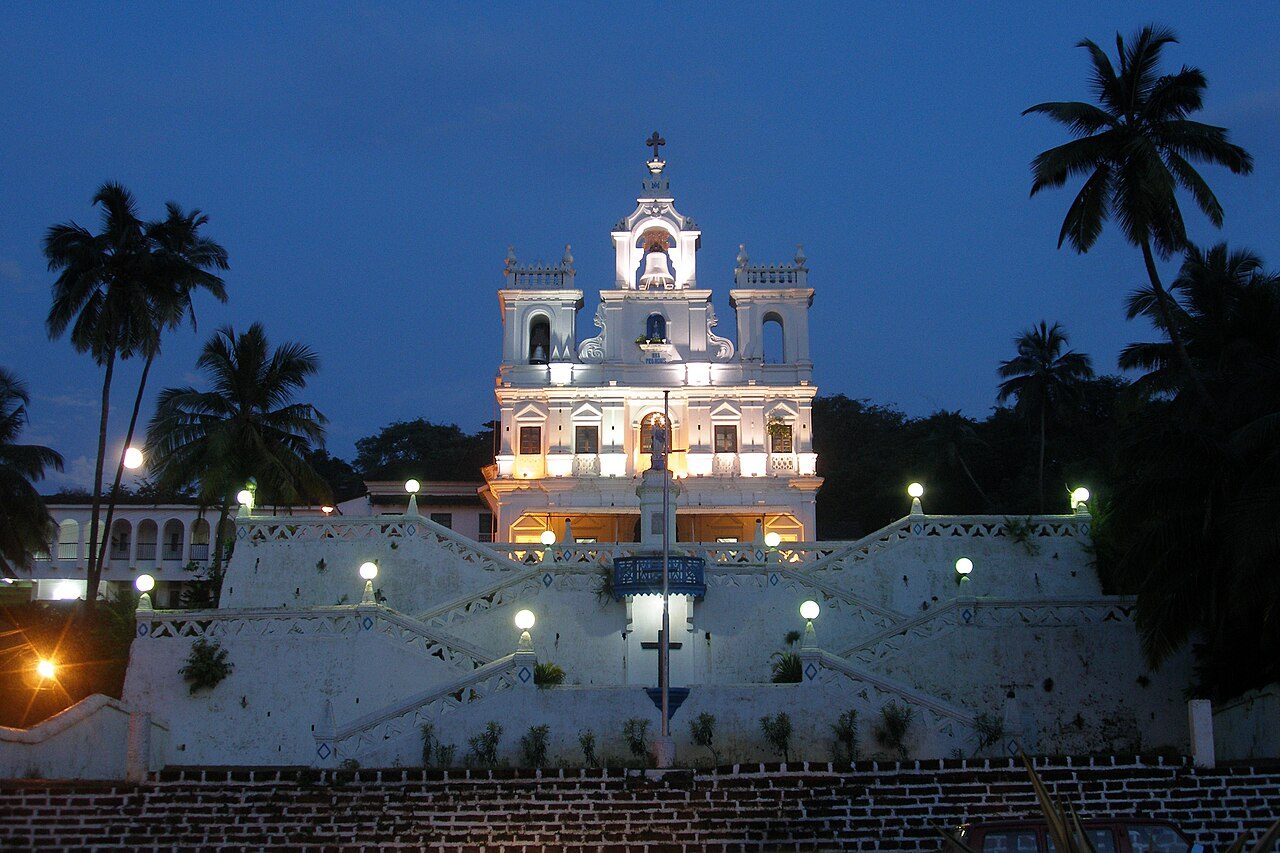
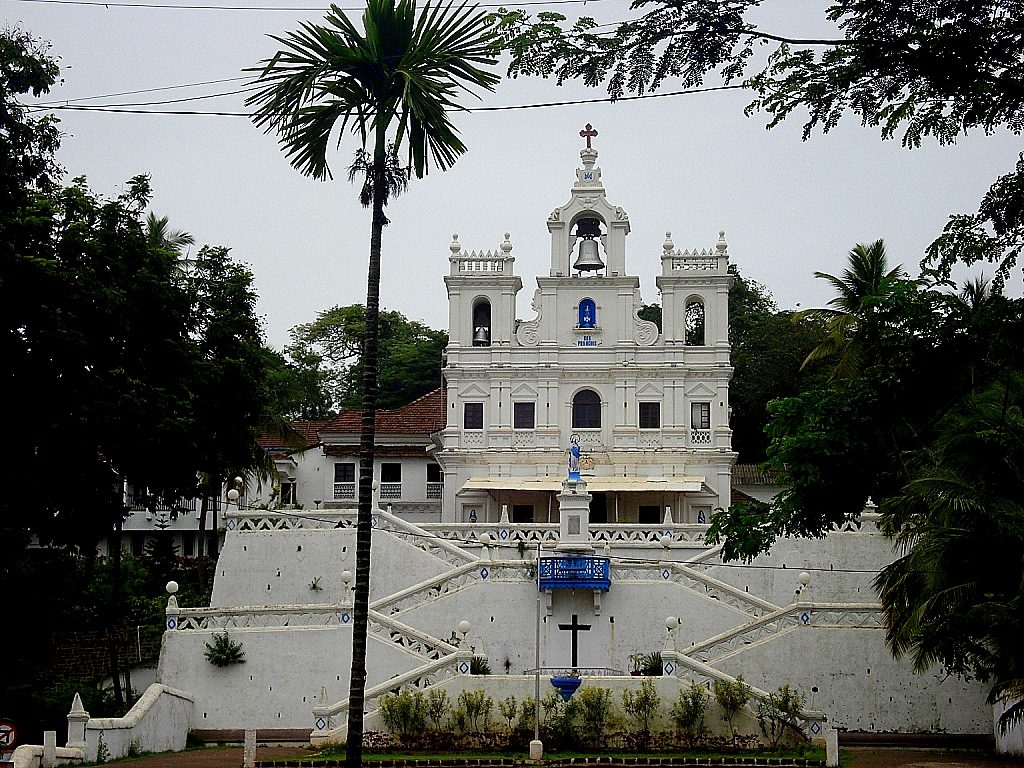
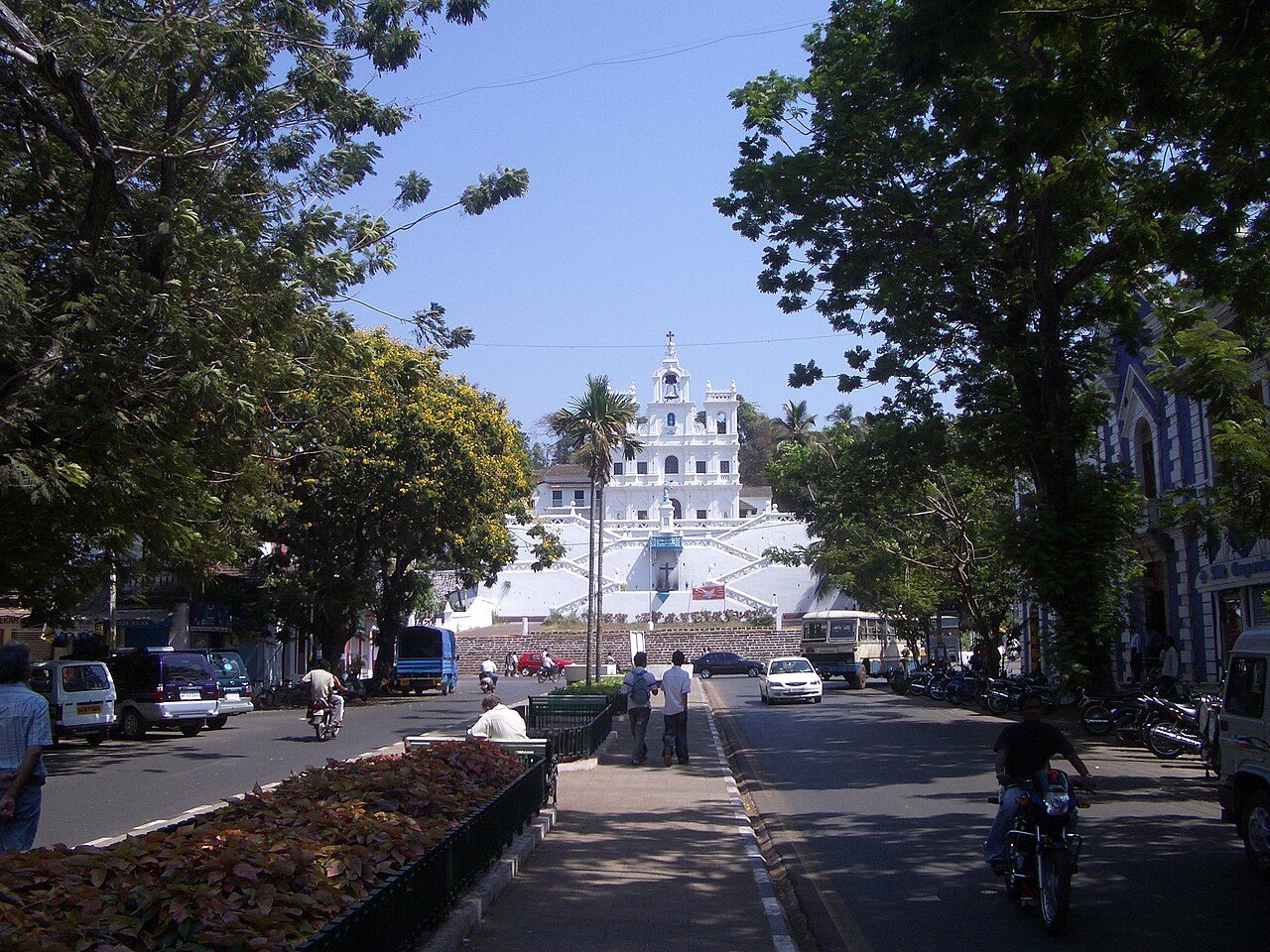
The bright white Church of Our Lady of the Immaculate Conception rises above Panaji's main square, reached by a zigzag of stairs. First built in 1541 as a chapel for sailors arriving from Lisbon, it was rebuilt in its present form in 1619, and its great bell, the second largest in Goa, came from the ruined church of St Augustine in Old Goa. Its feast in December is celebrated with a fair.
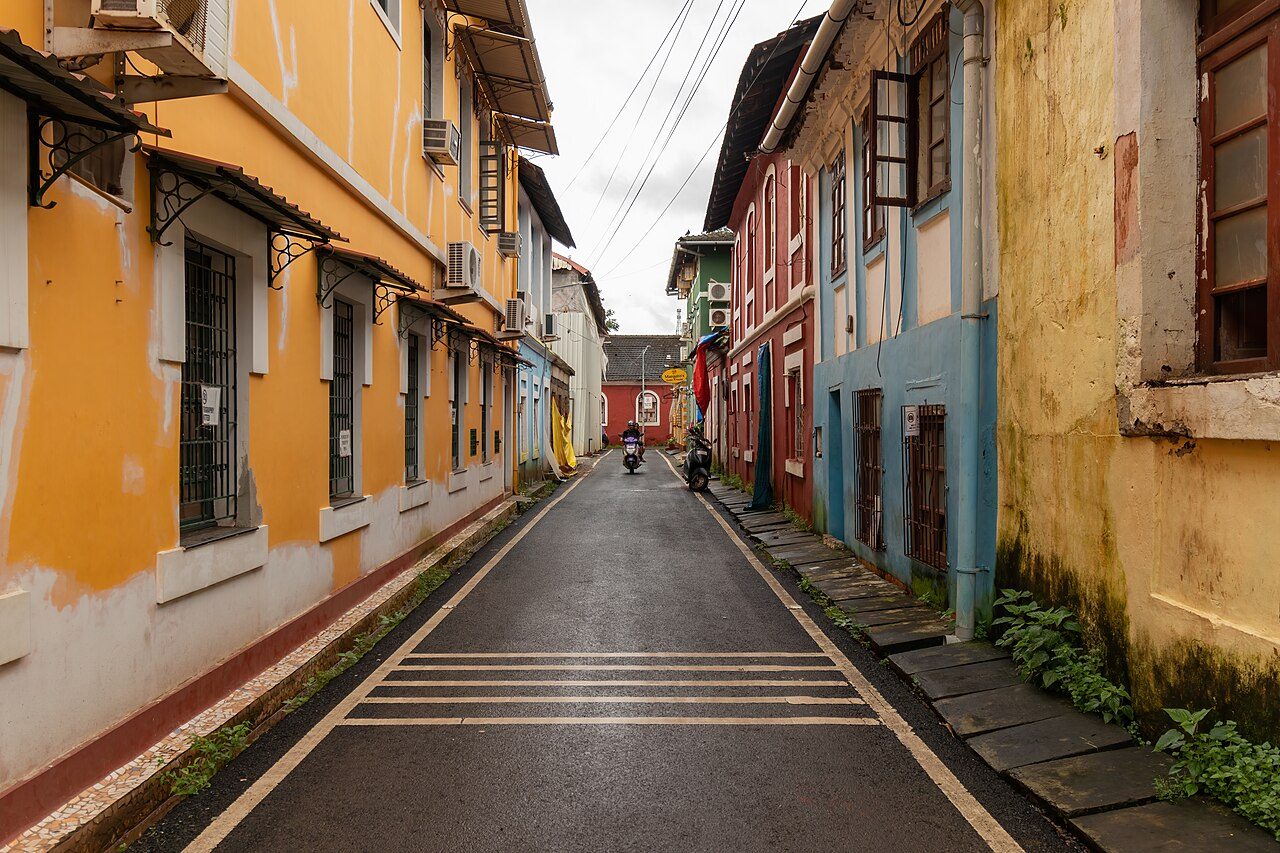
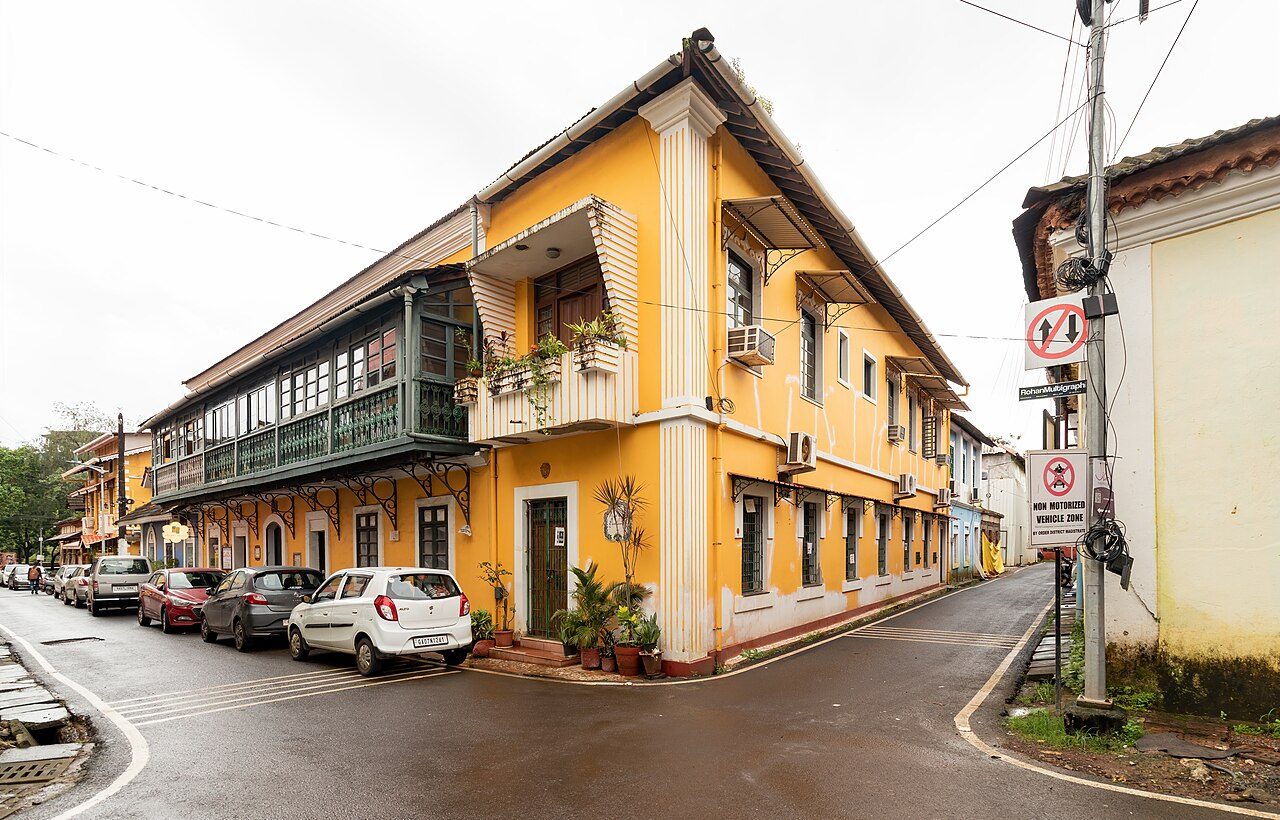
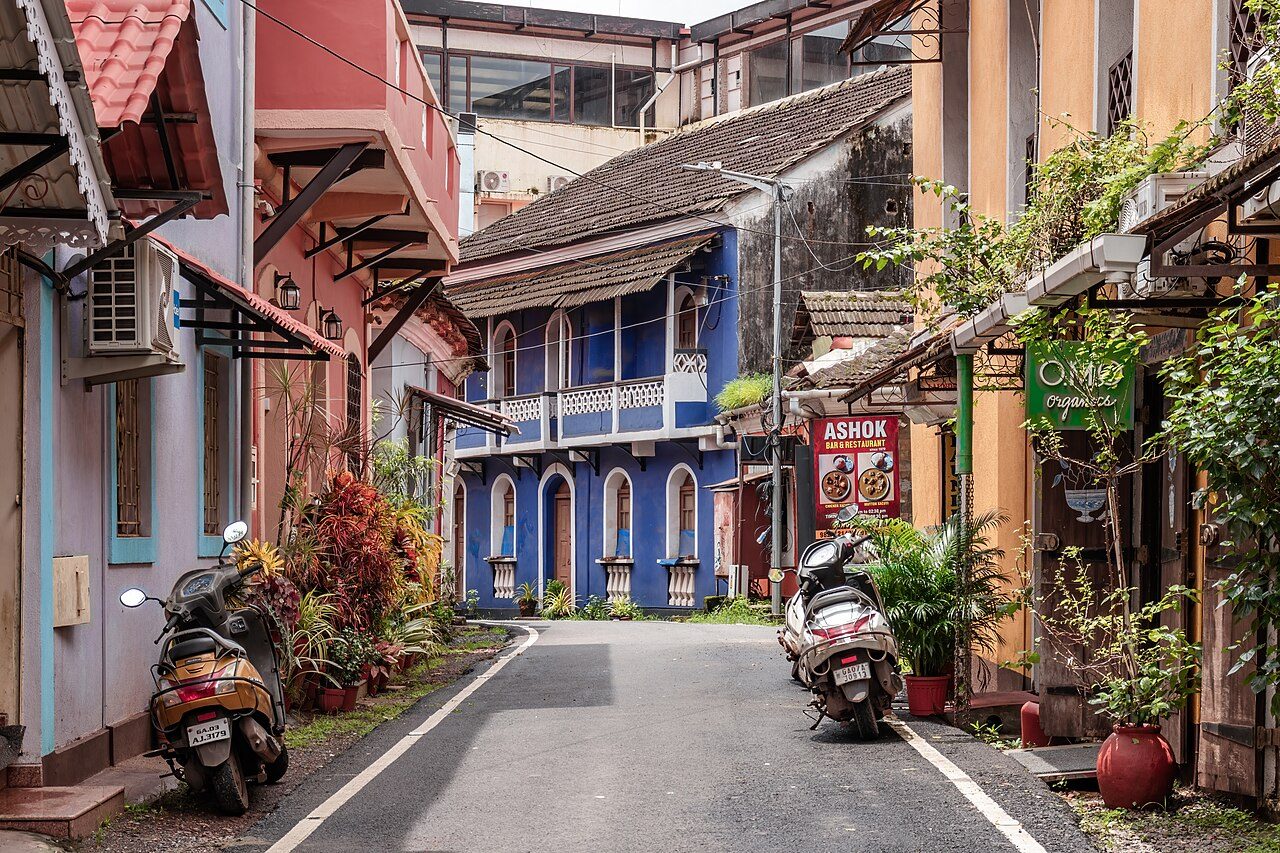
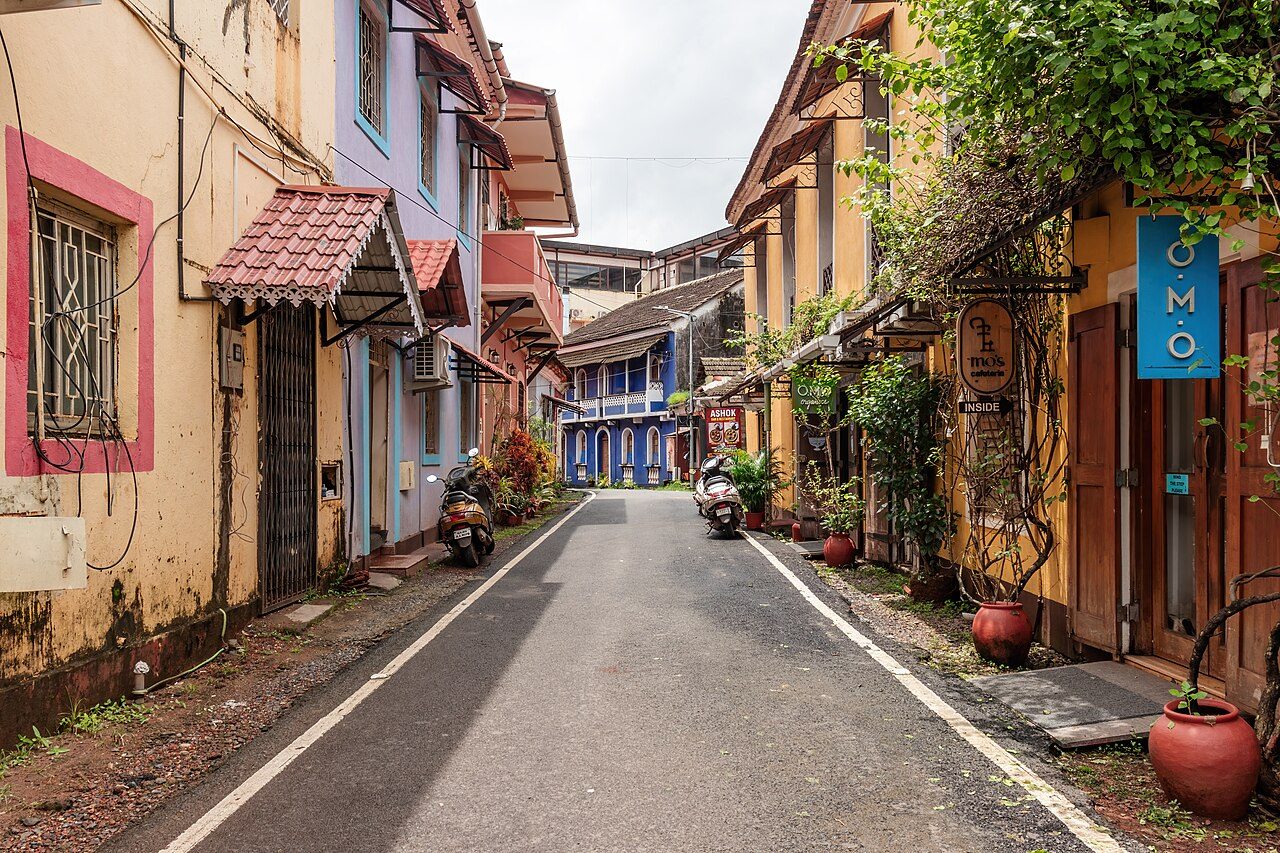
Panaji's Latin Quarter, Fontainhas is a maze of narrow lanes lined with old Portuguese-style houses painted yellow, blue, green and ochre, with tiled roofs, balconies and hand-painted name tiles. Built up from the late 18th century, it holds the Chapel of St Sebastian, art galleries, cafés and small guesthouses, and is best explored on foot.
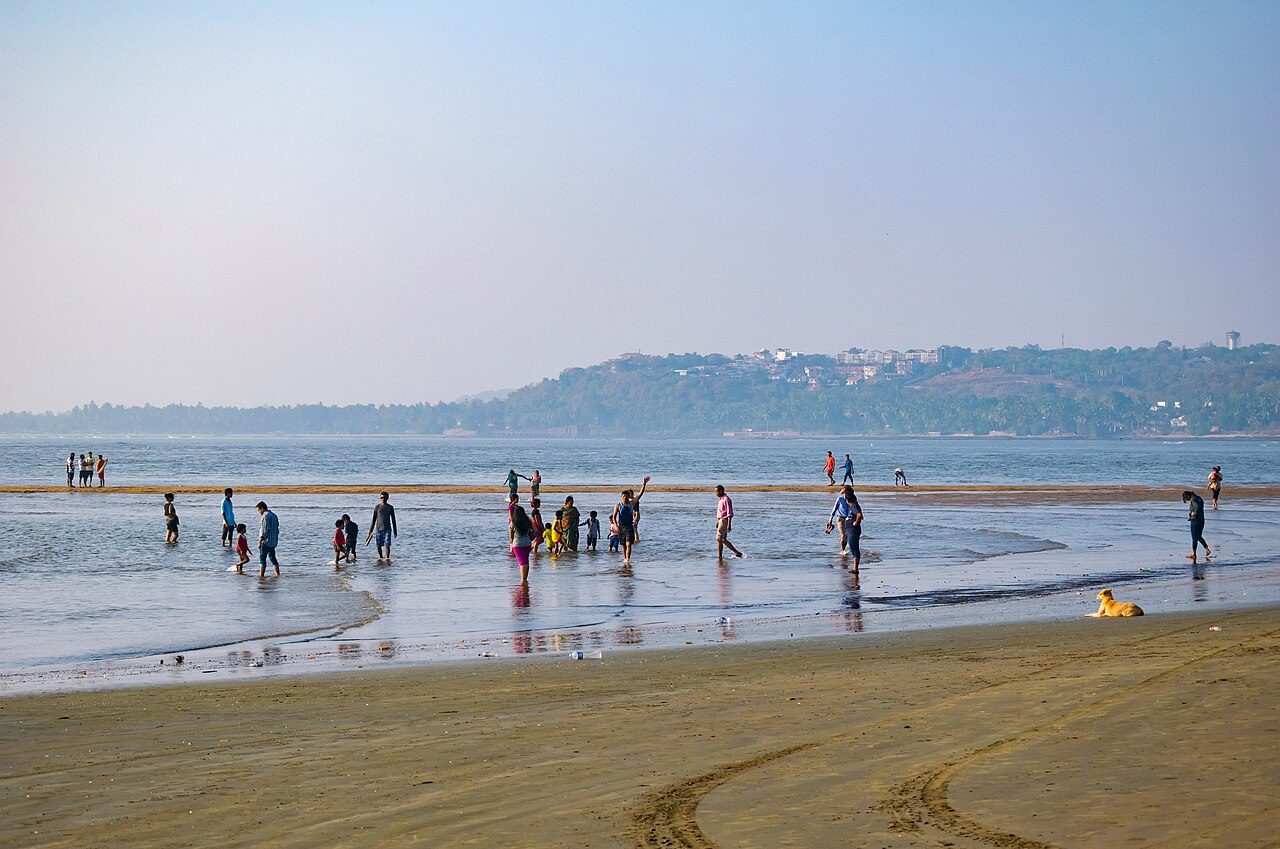
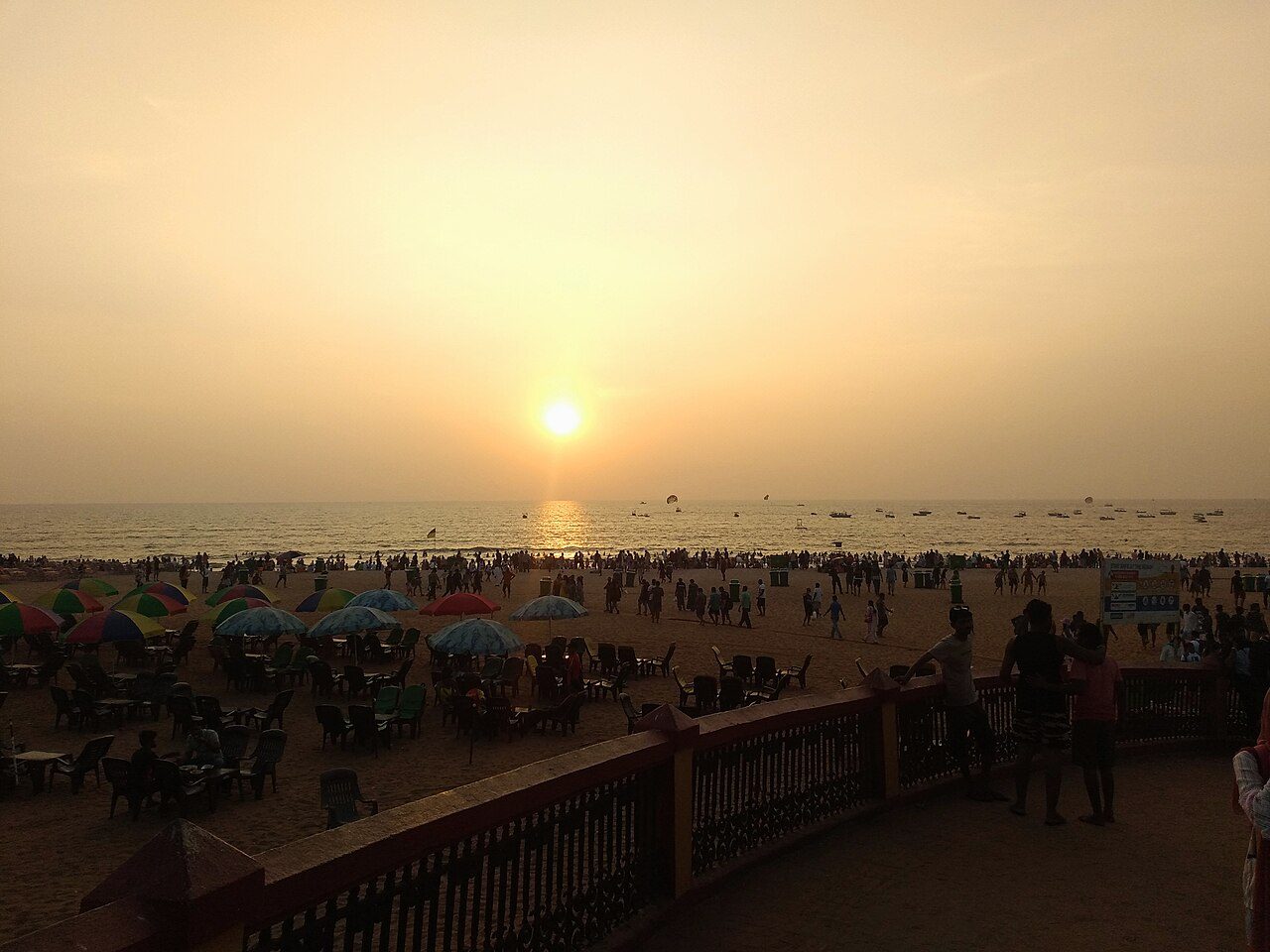
Panaji's city beach, Miramar is a long stretch of golden sand at the mouth of the Mandovi, lined with casuarina trees. It is a favourite with locals for evening walks and sunsets, though swimming is not advised because of strong currents.
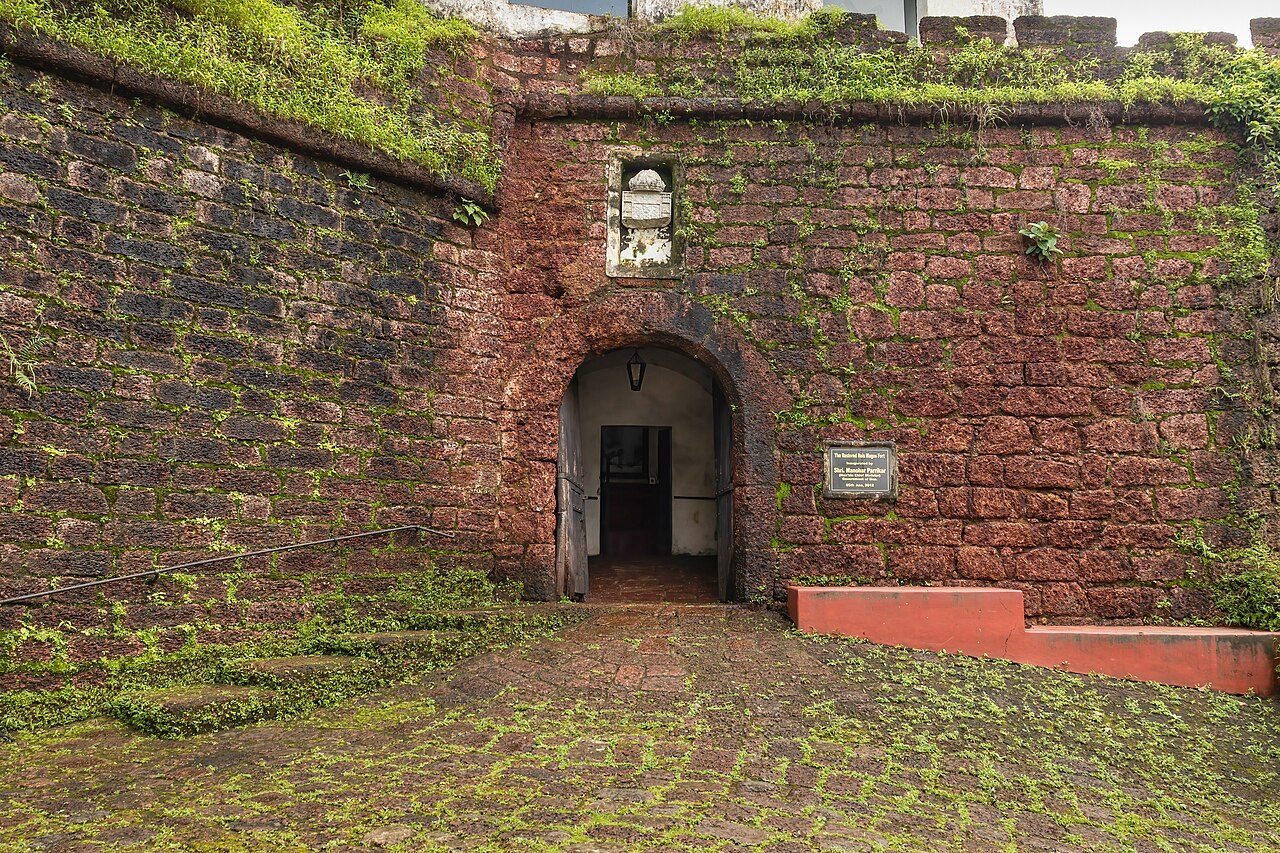
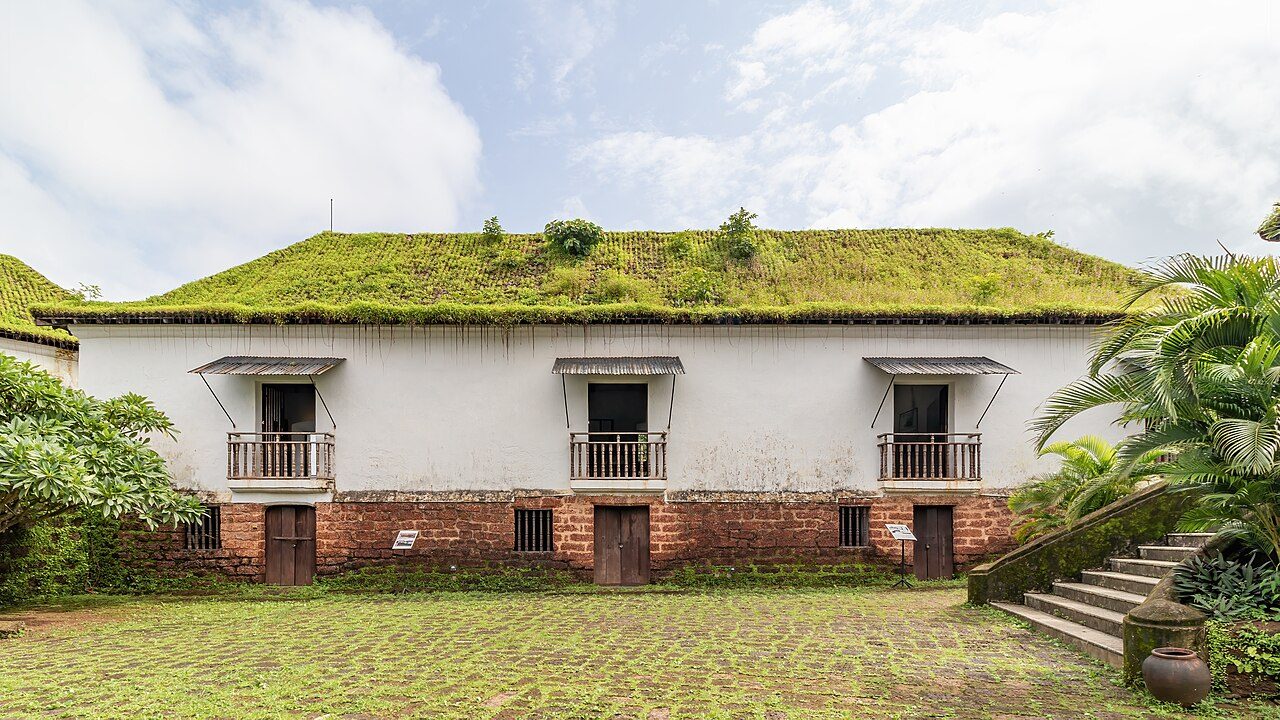
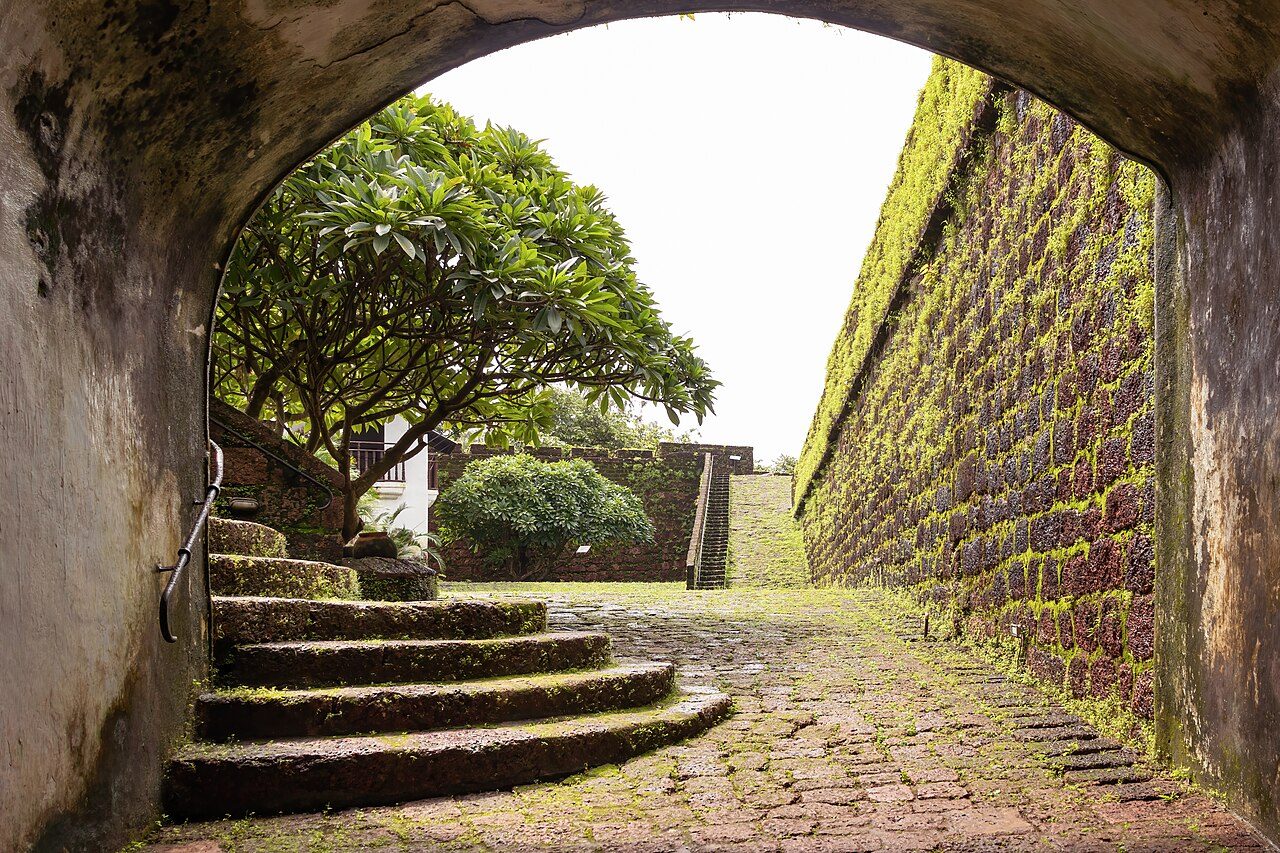
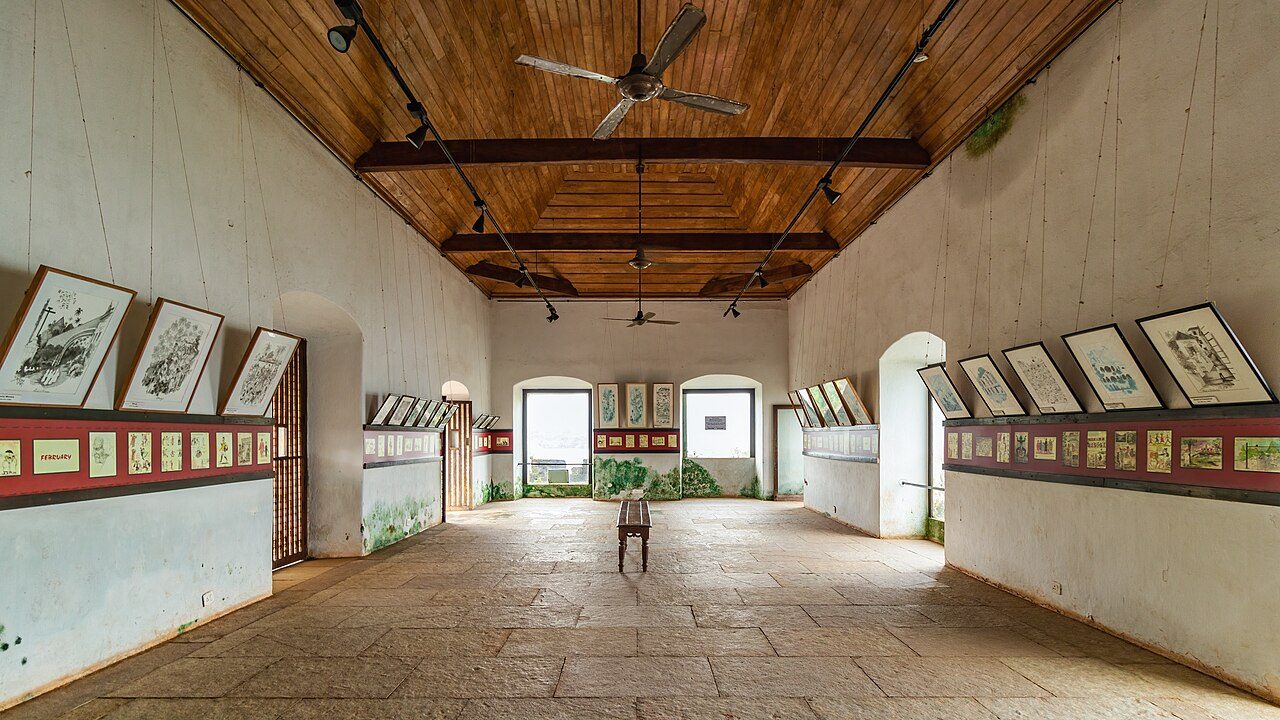
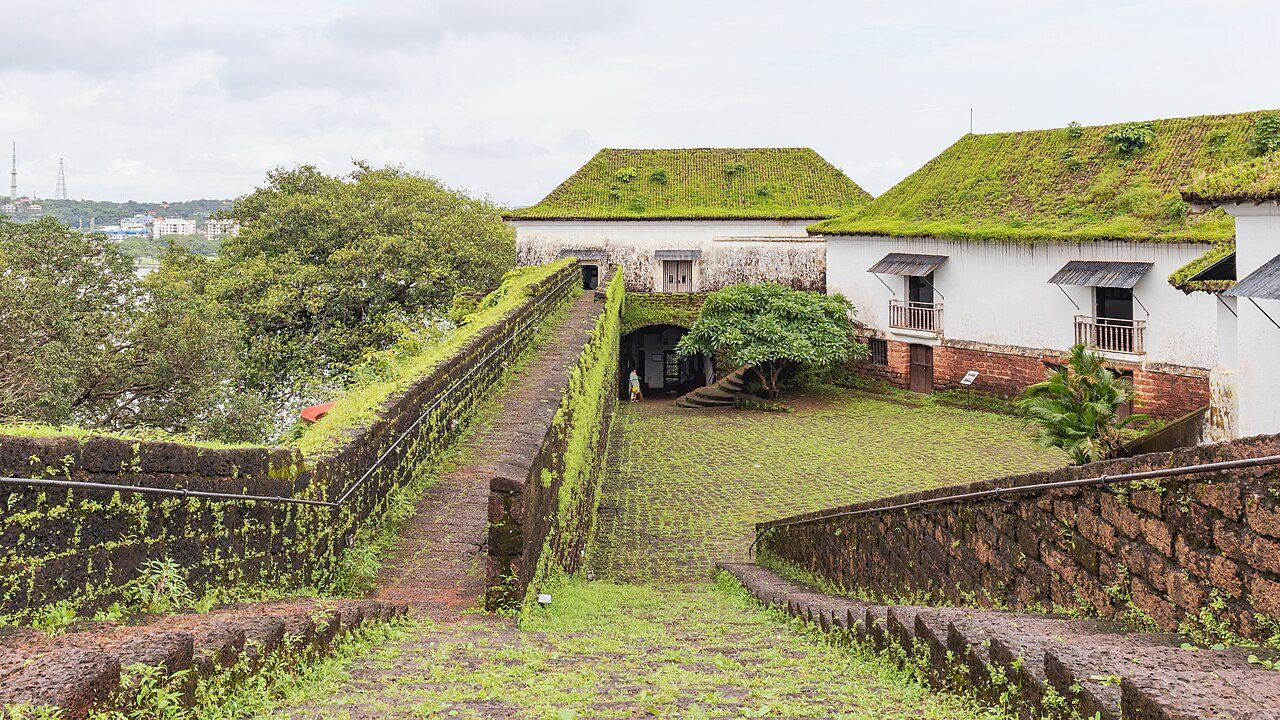
Built in 1551 on the north bank of the Mandovi opposite Panaji, Reis Magos Fort guarded the river entrance and later served as a jail until 1993. Restored in the 2010s, it now holds a gallery and exhibitions, with views across the river to the capital. The Reis Magos Church at its foot, dedicated to the Three Kings, is known for its feast in January.
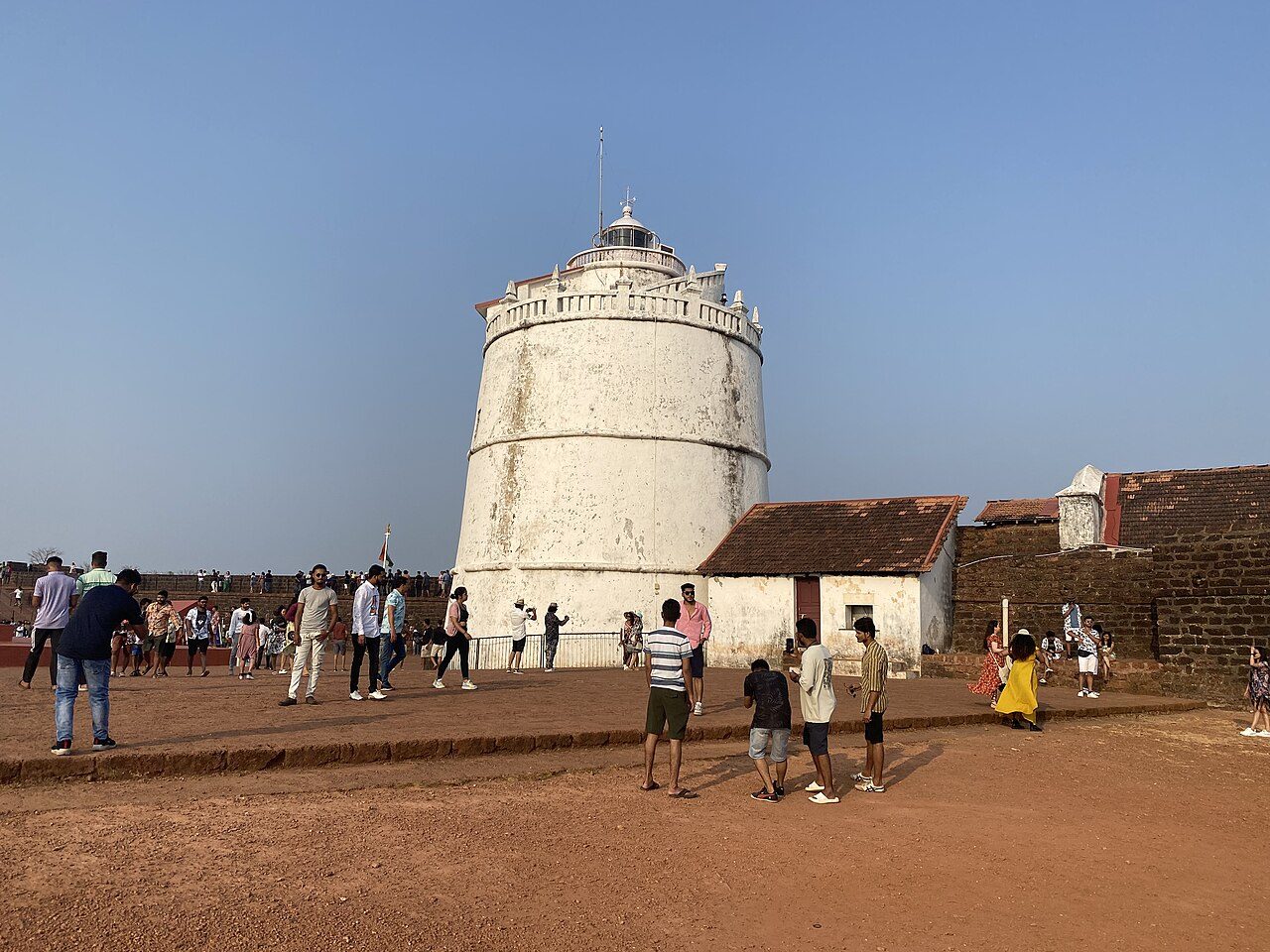
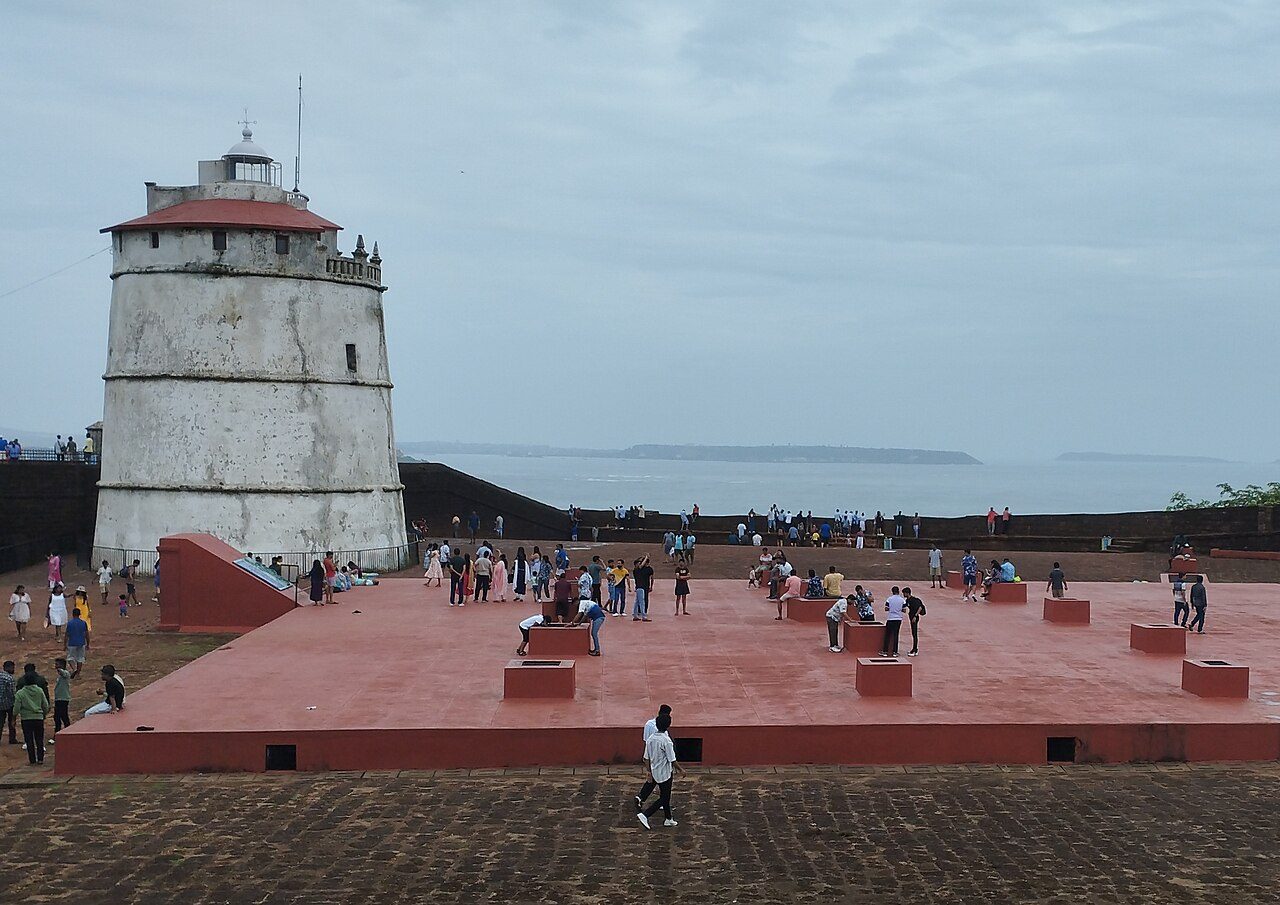
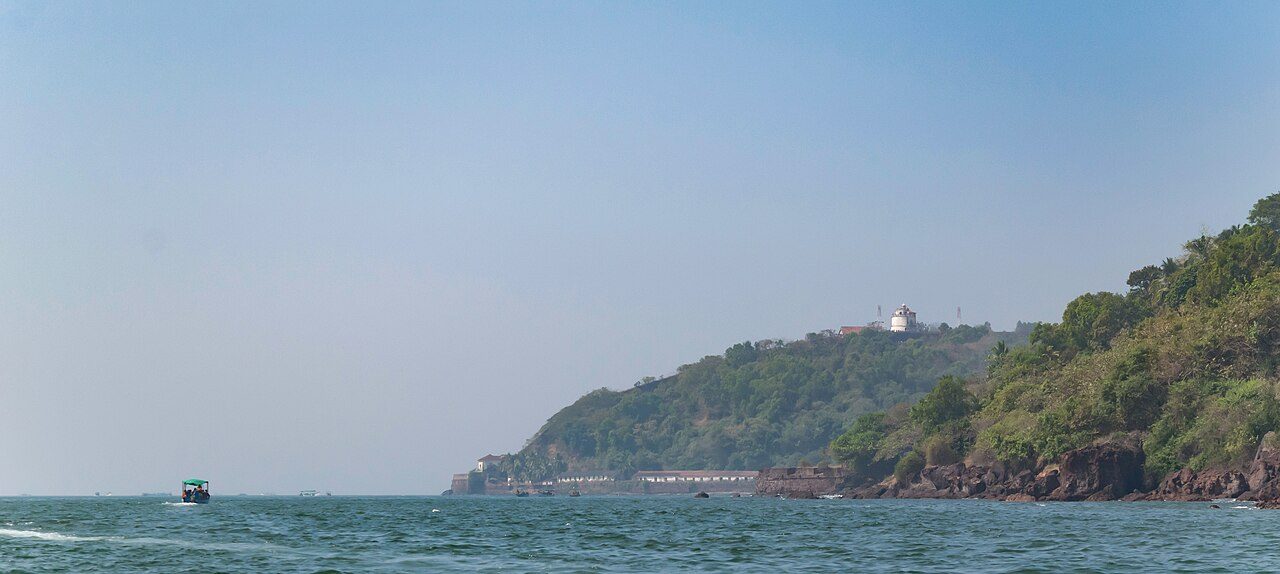
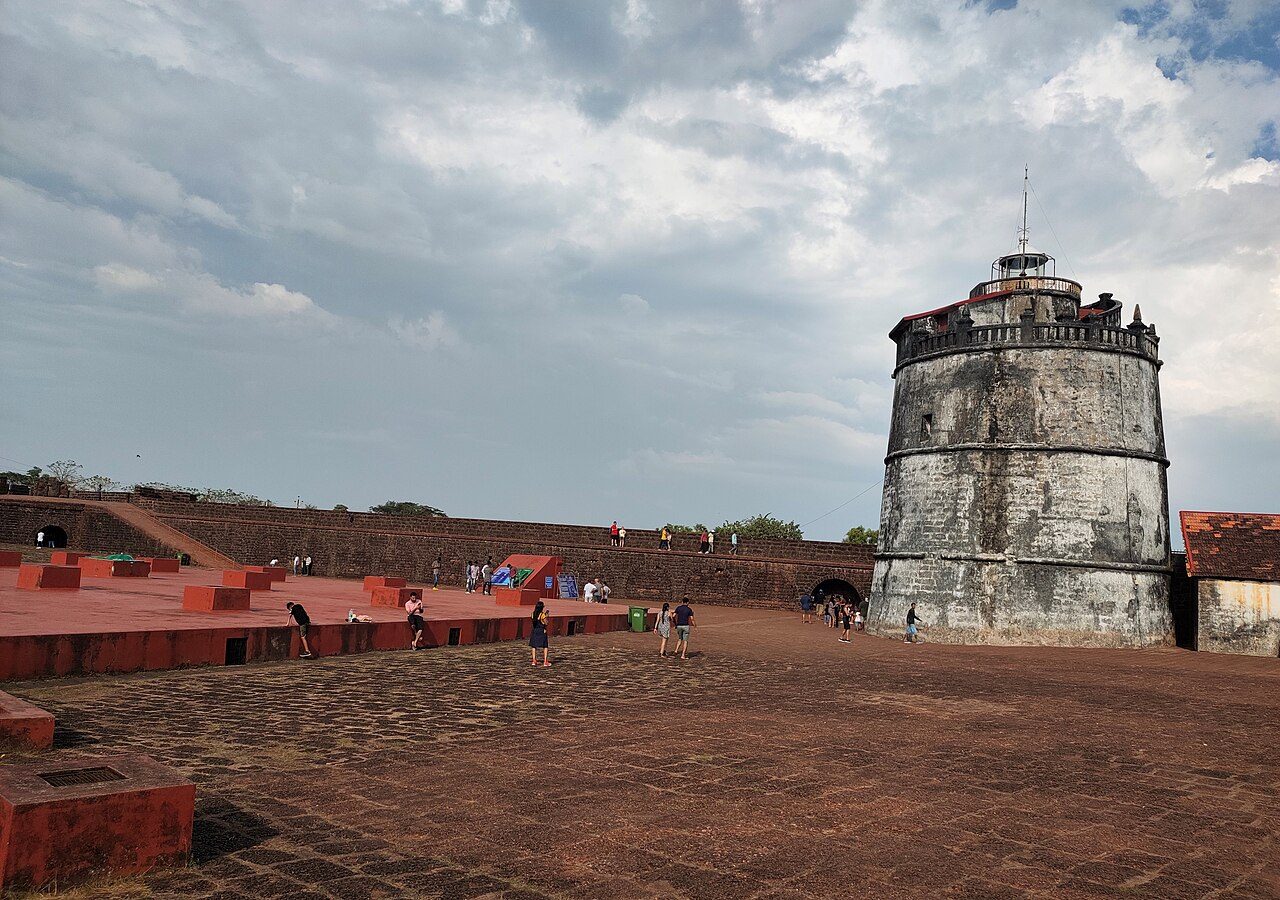
Built by the Portuguese in 1612 on the headland at the mouth of the Mandovi, Fort Aguada guarded against Dutch and Maratha attack and supplied passing ships with fresh water from a spring inside, which gave the fort its name. Its lighthouse, from 1864, is among the oldest in Asia. From the ramparts there are sweeping views over Sinquerim and Candolim beaches and the Arabian Sea.
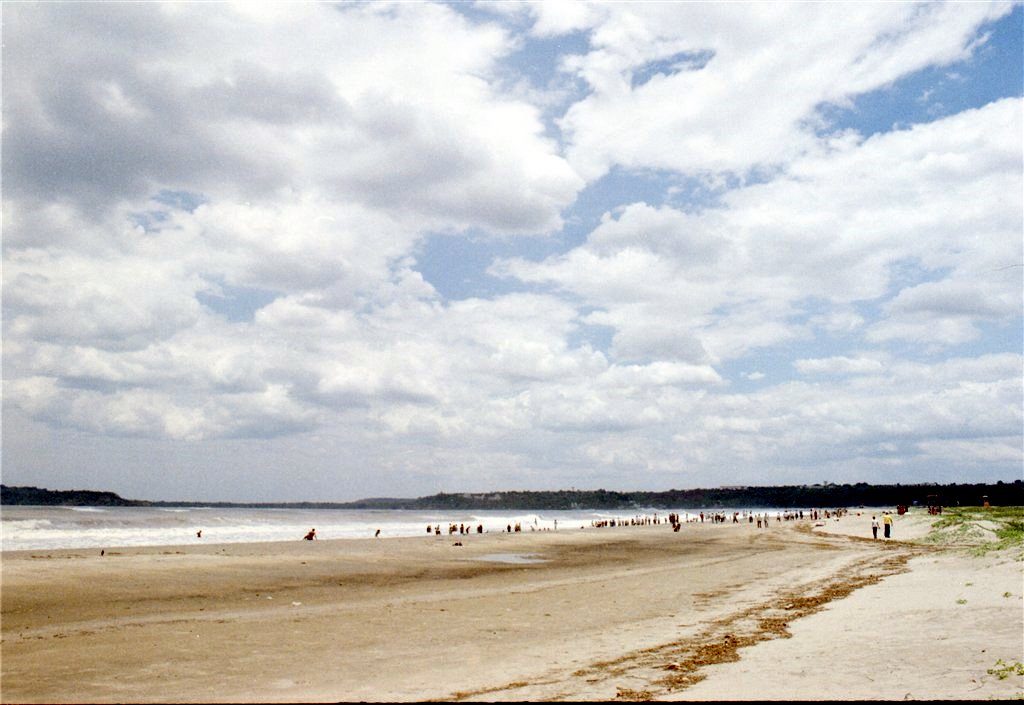
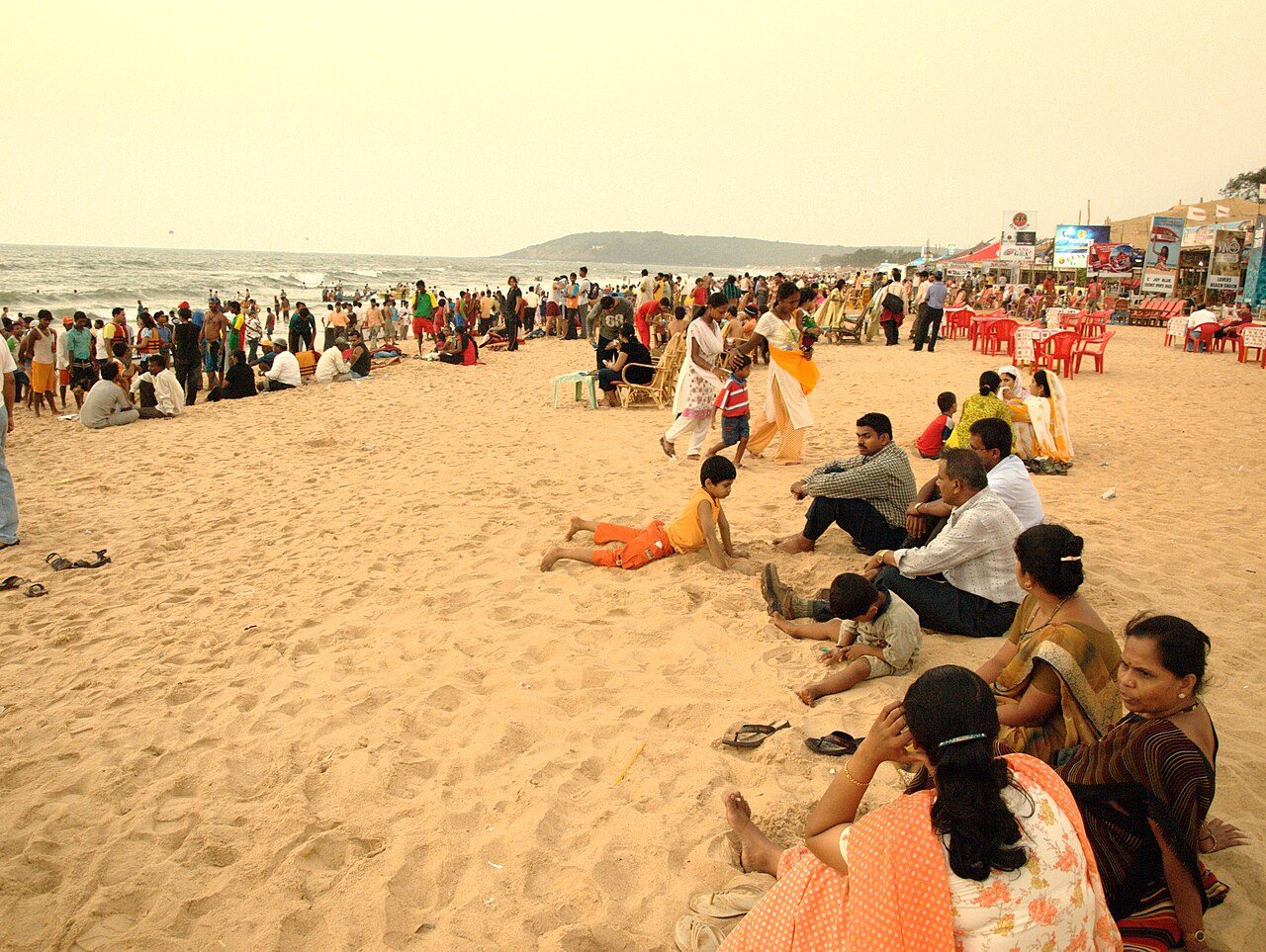
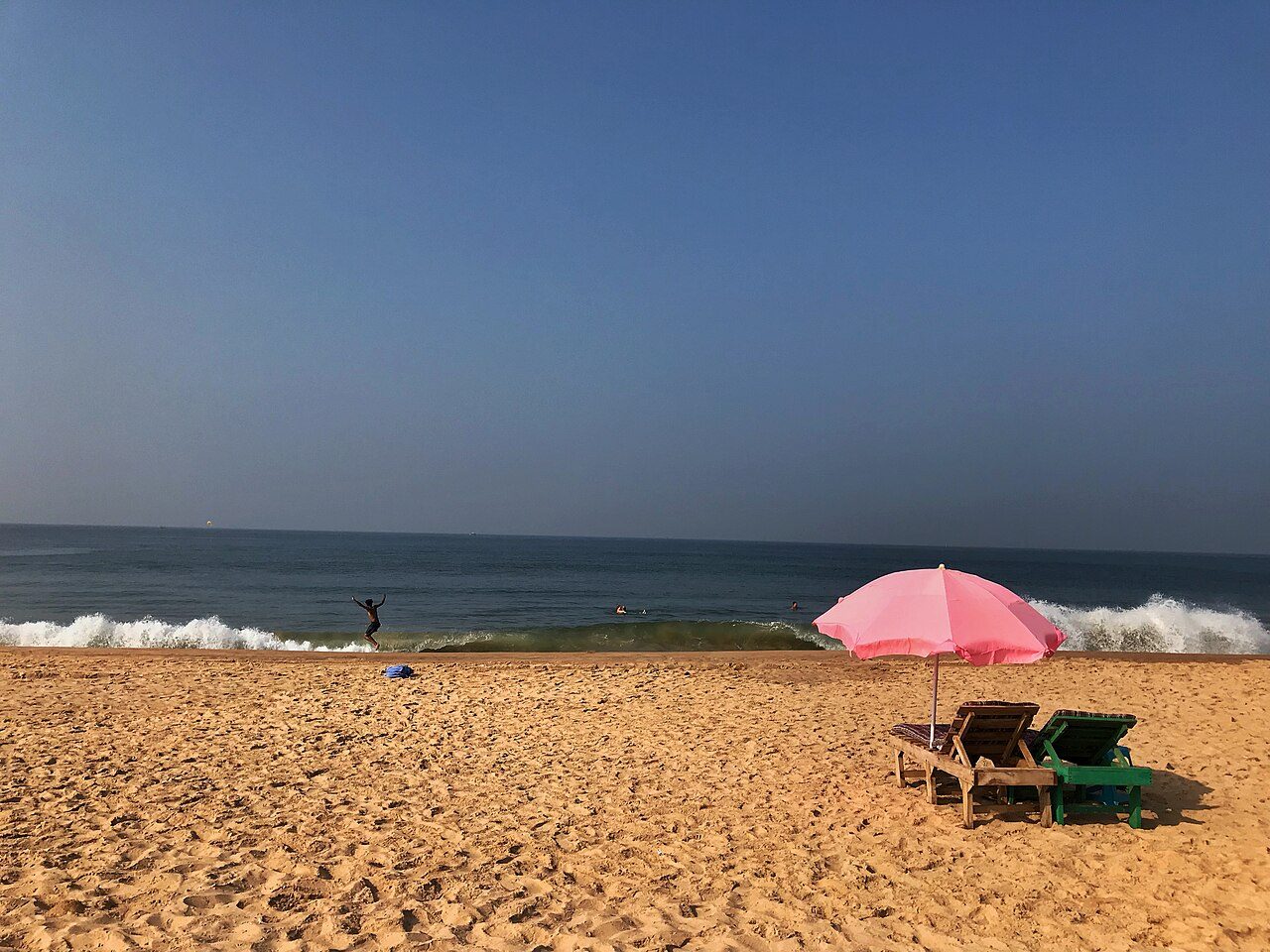
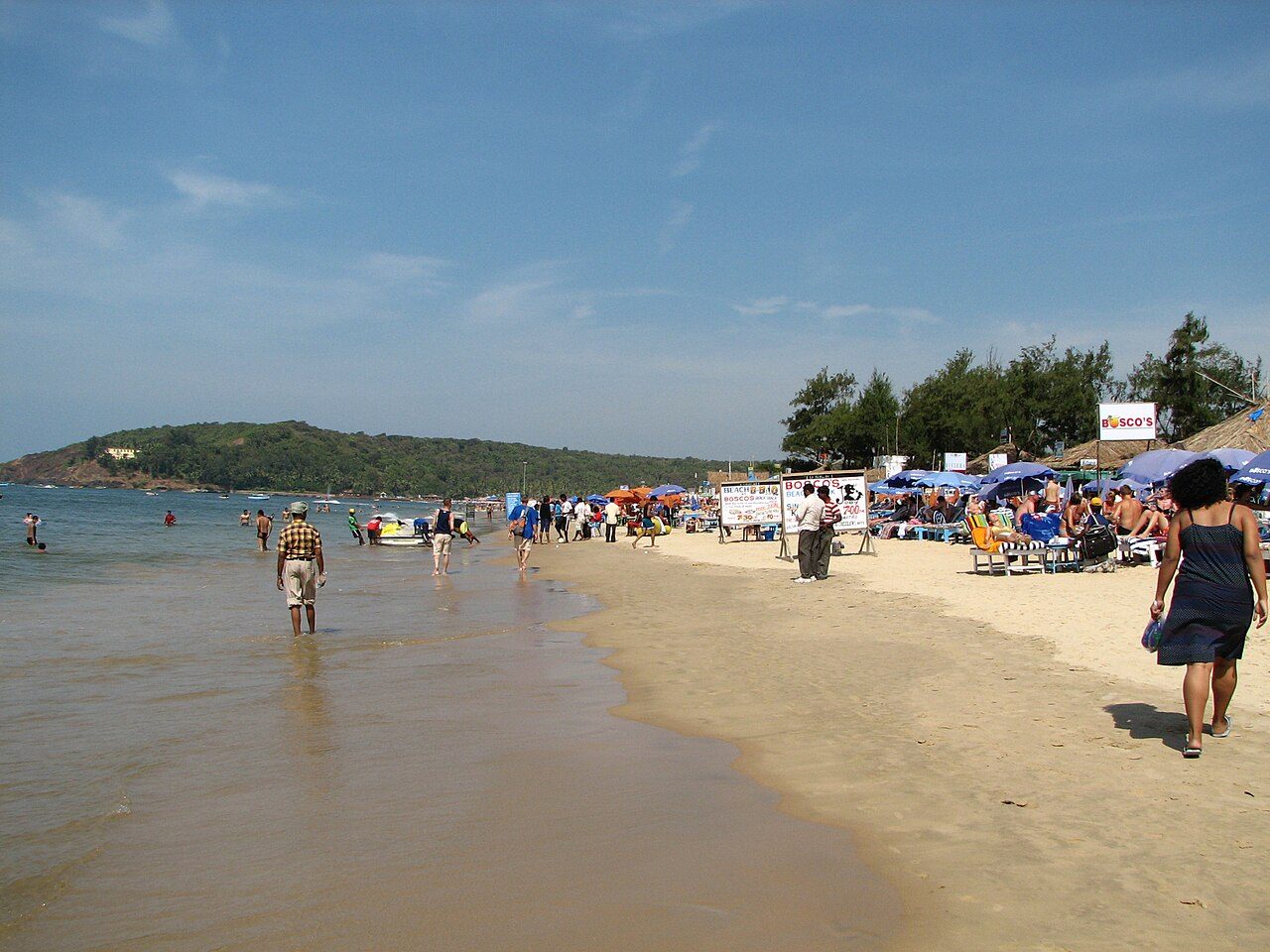
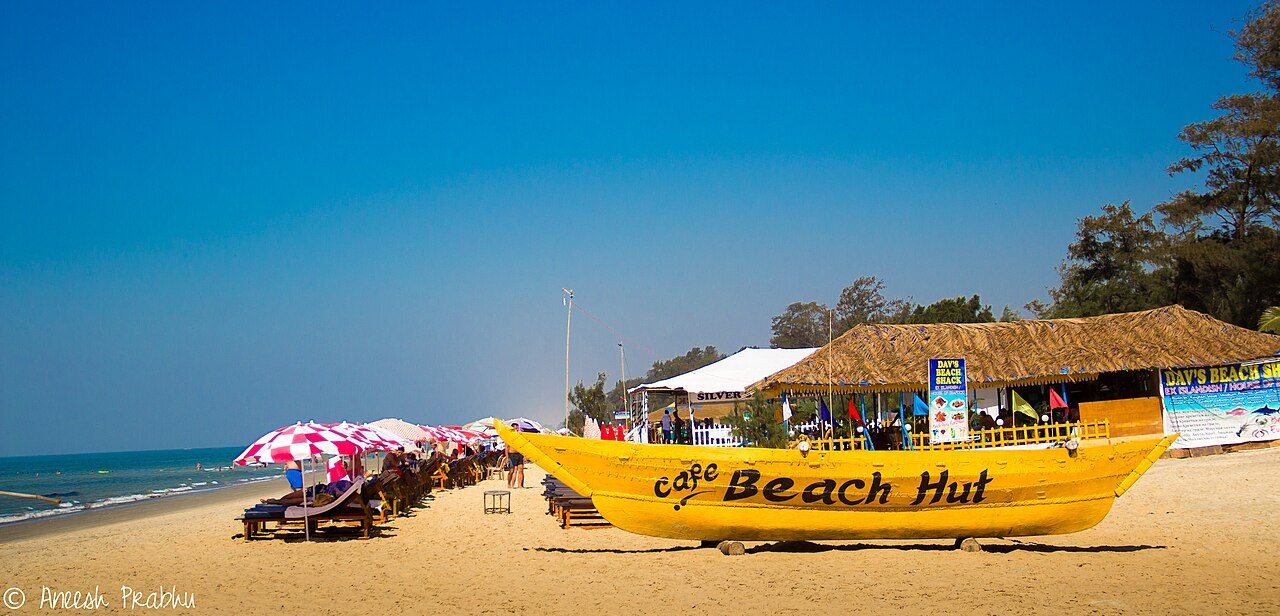
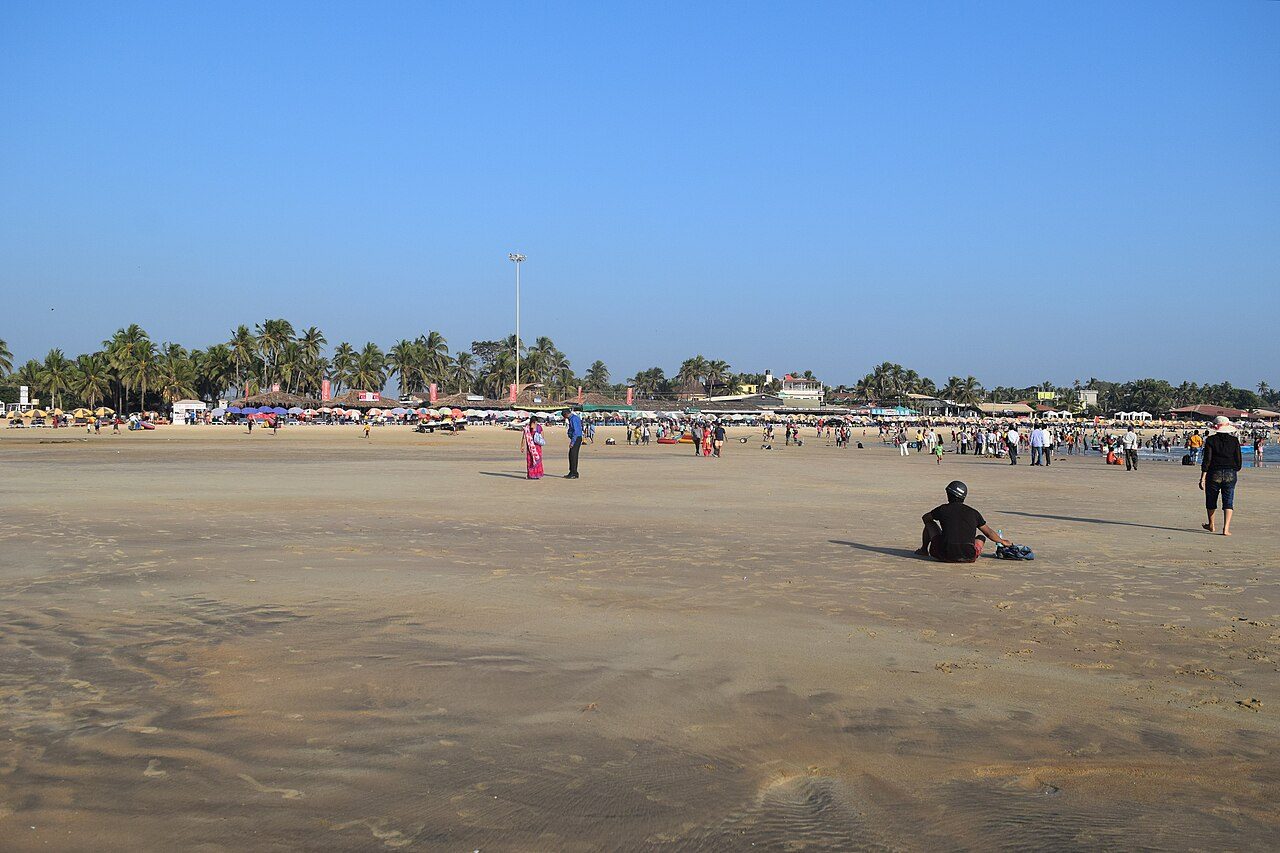
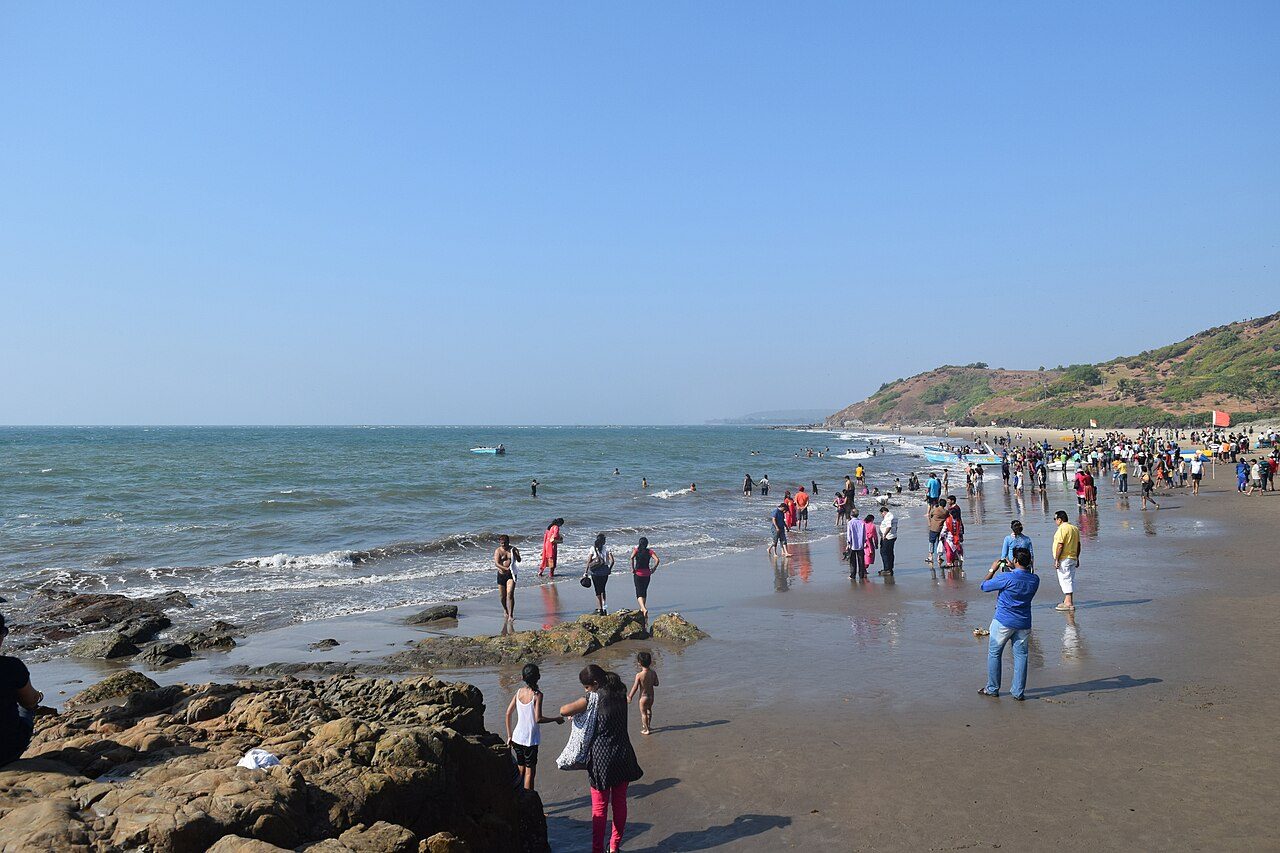
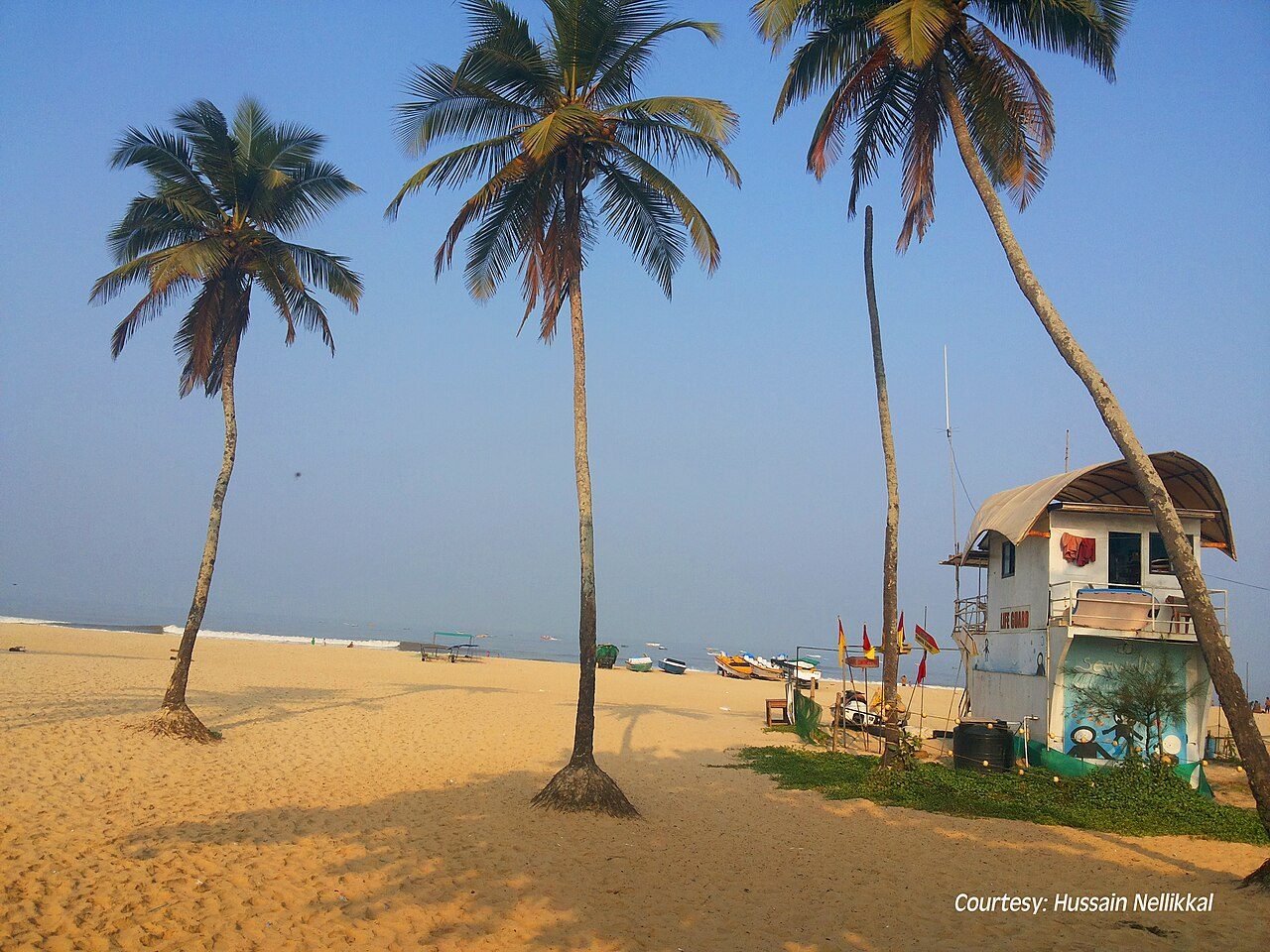
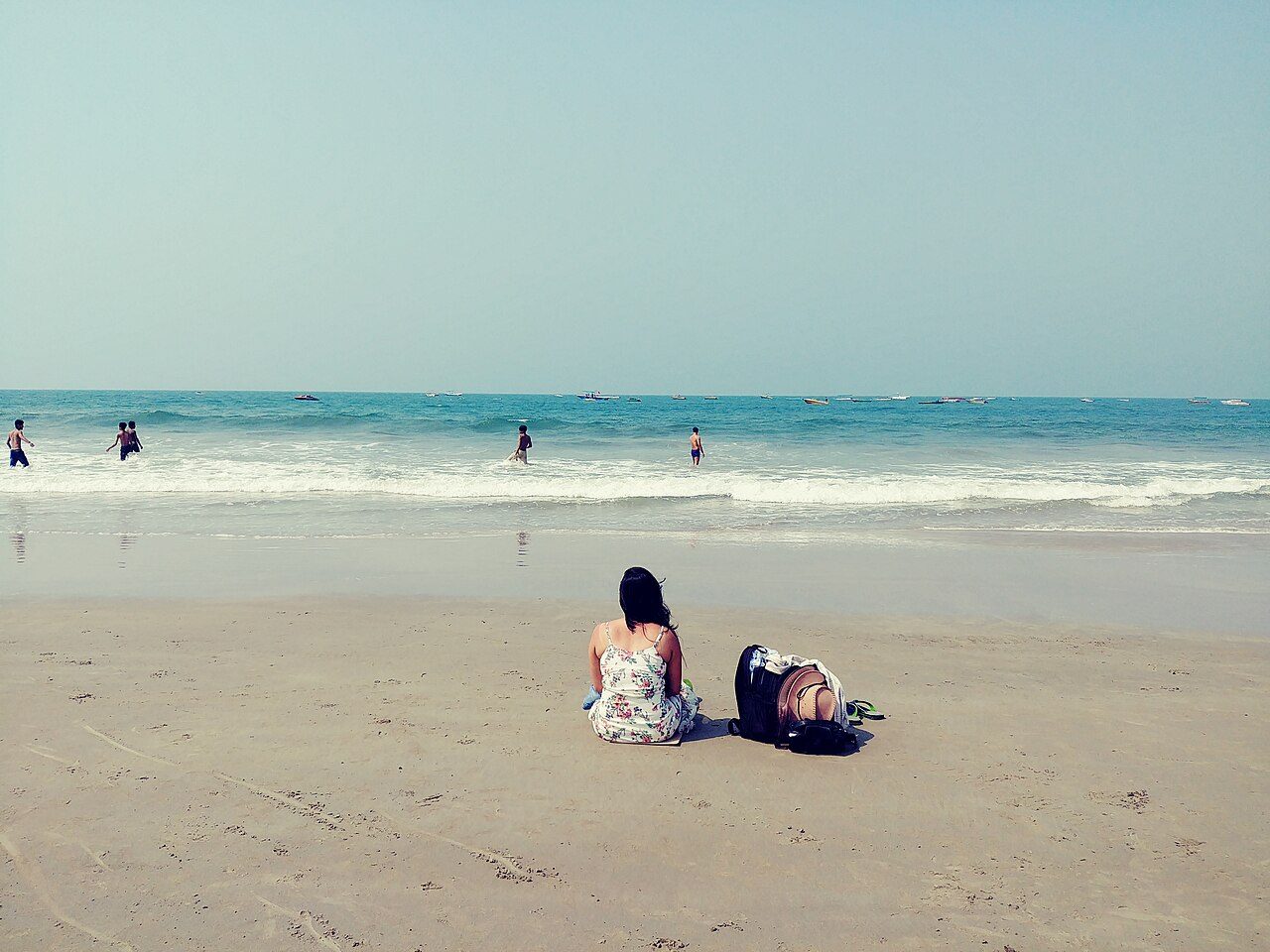
The largest and busiest beach in North Goa, Calangute stretches for several kilometres, lined with shacks, water sports and markets. Called the queen of beaches, it was one of the first stops on the hippie trail in the 1960s and is now the heart of Goa's tourism, lively from morning to late evening.
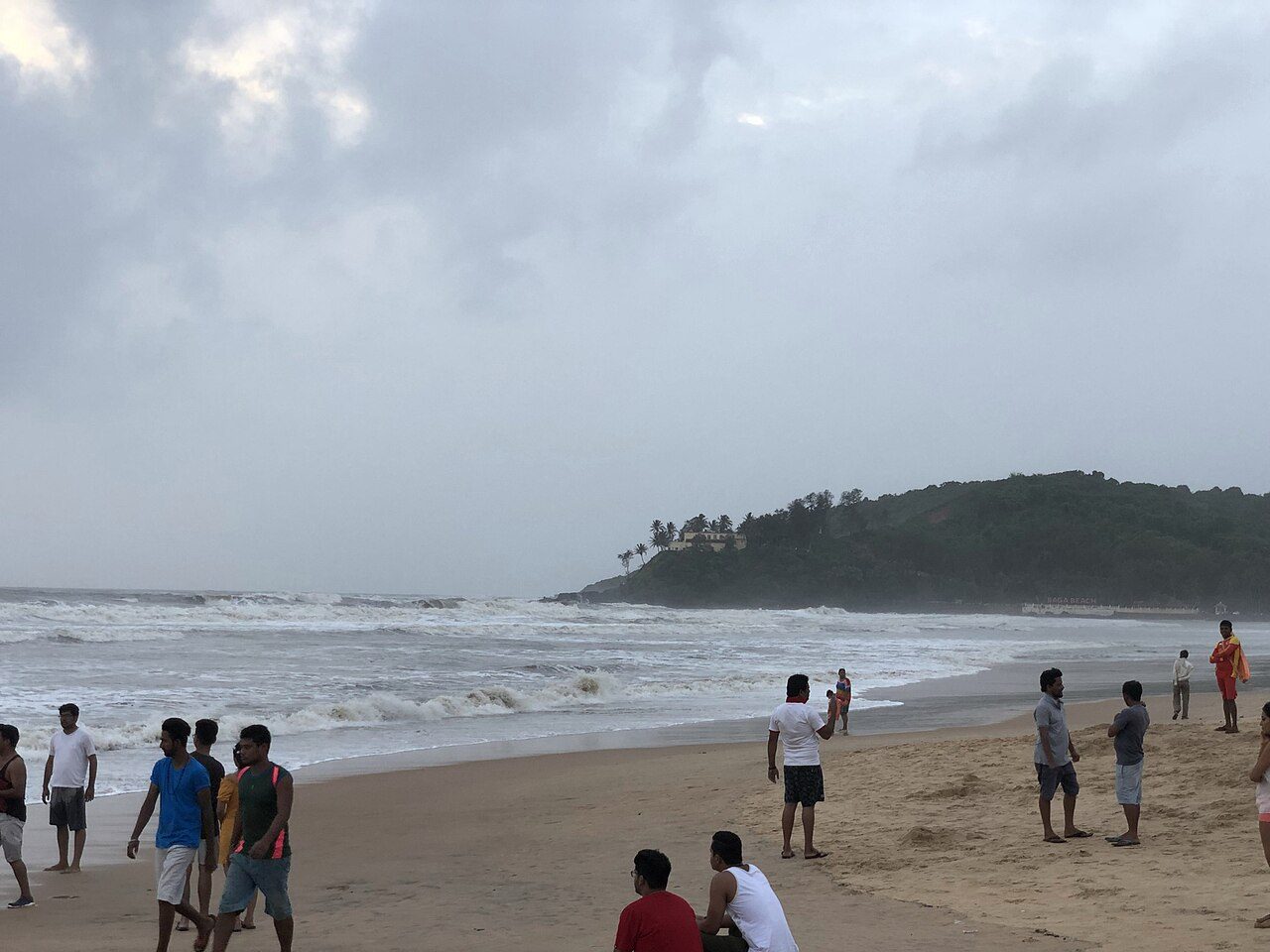
Just north of Calangute, Baga is known for its nightlife, beach shacks and water sports, with the Baga creek at its northern end. Tito's Lane, just behind the beach, is lined with clubs and bars that stay busy late into the night, while the sand itself is crowded with sun loungers by day.
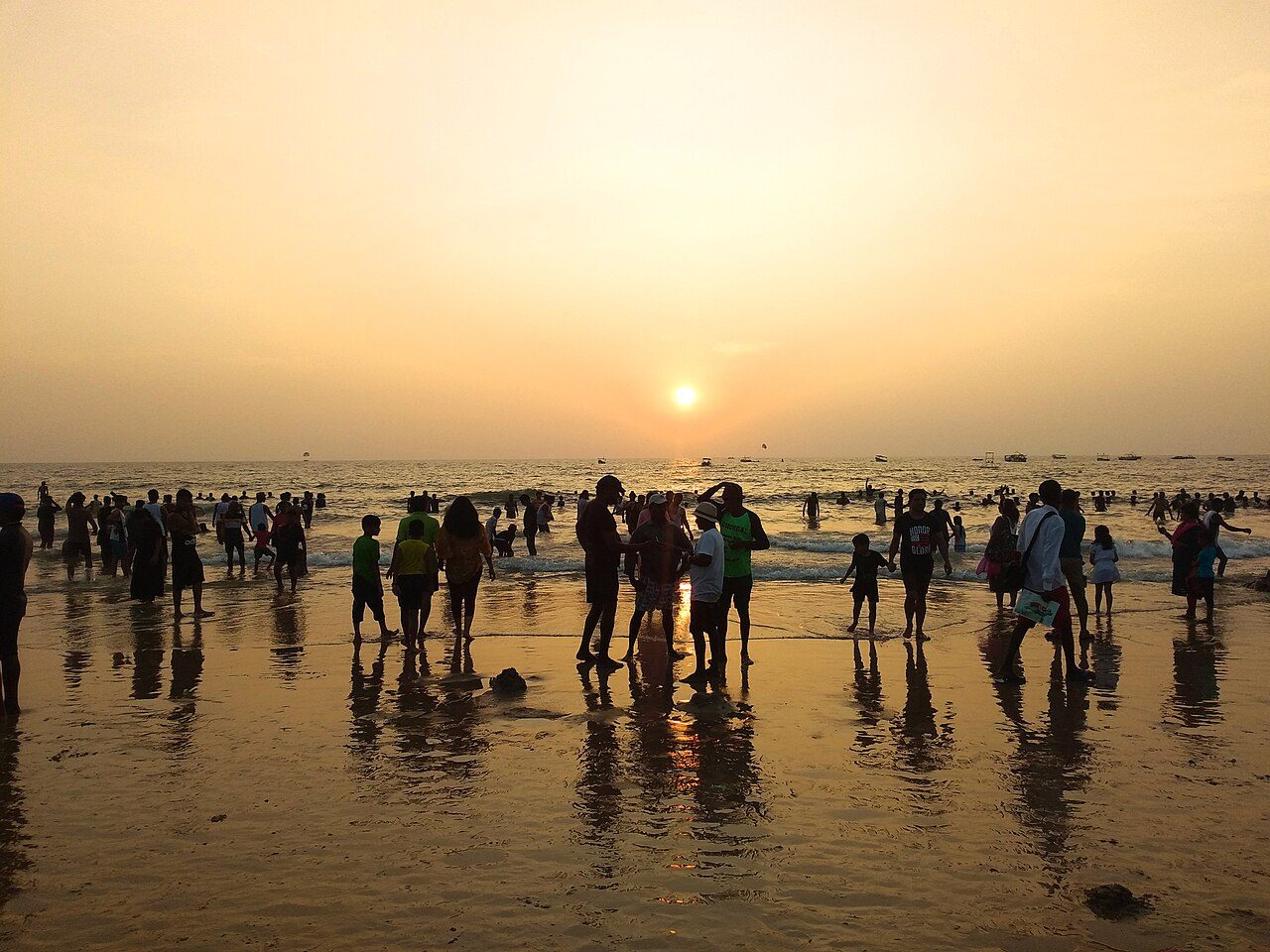
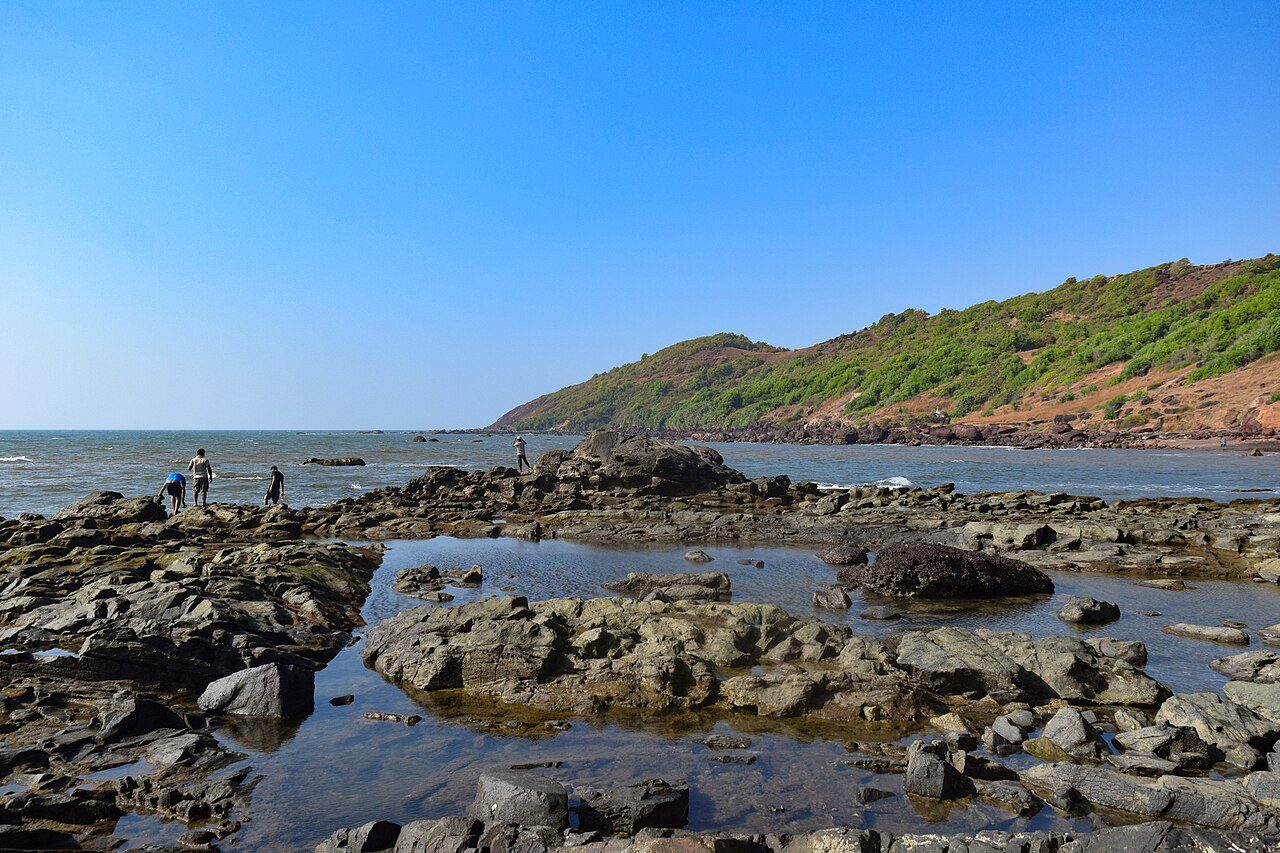
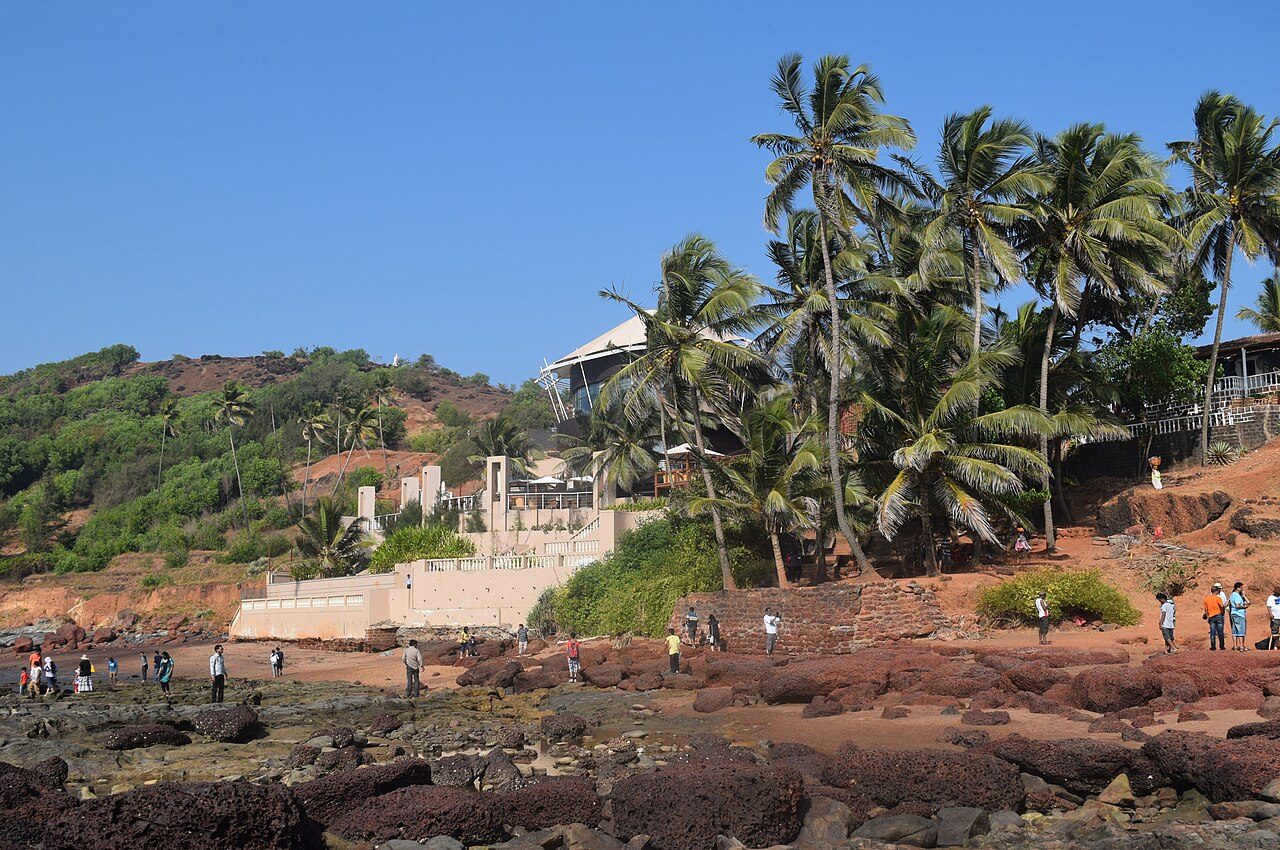
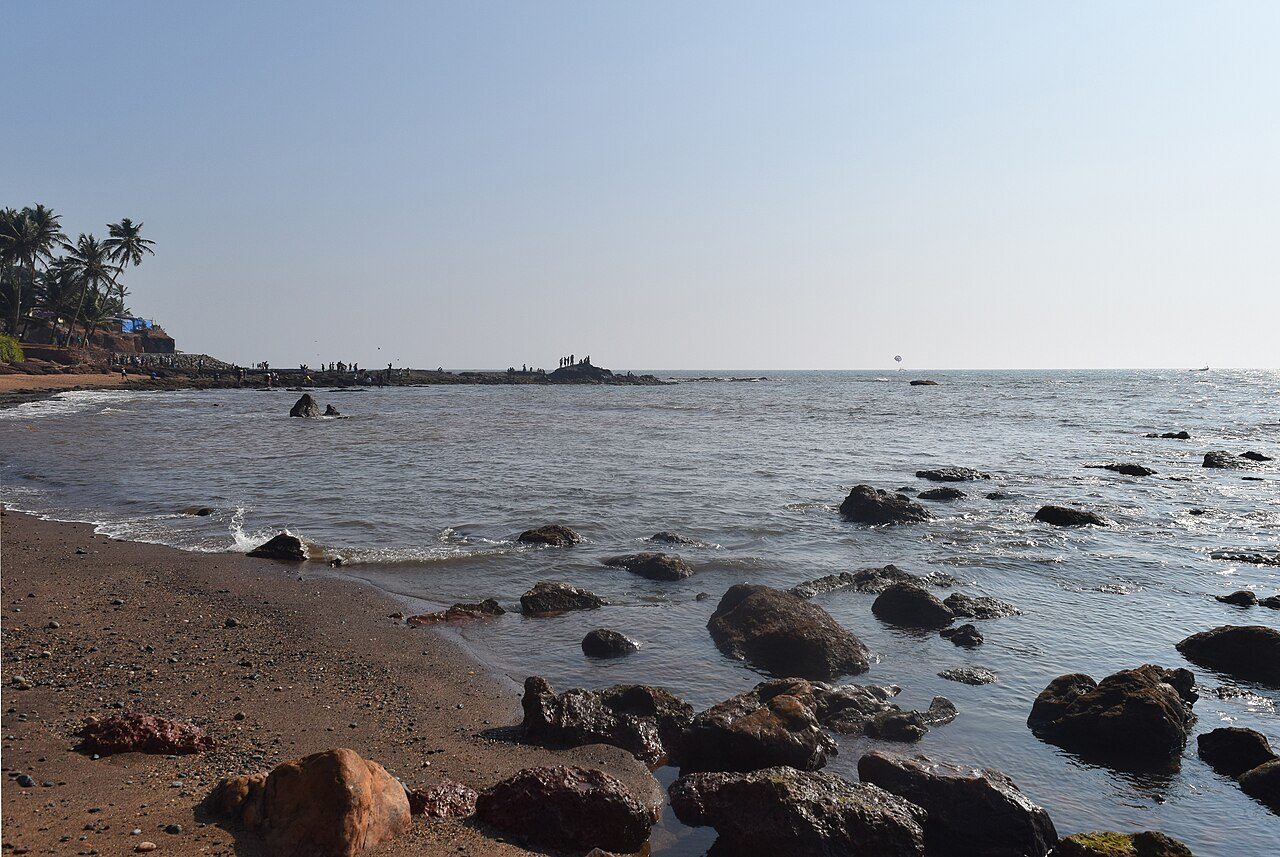
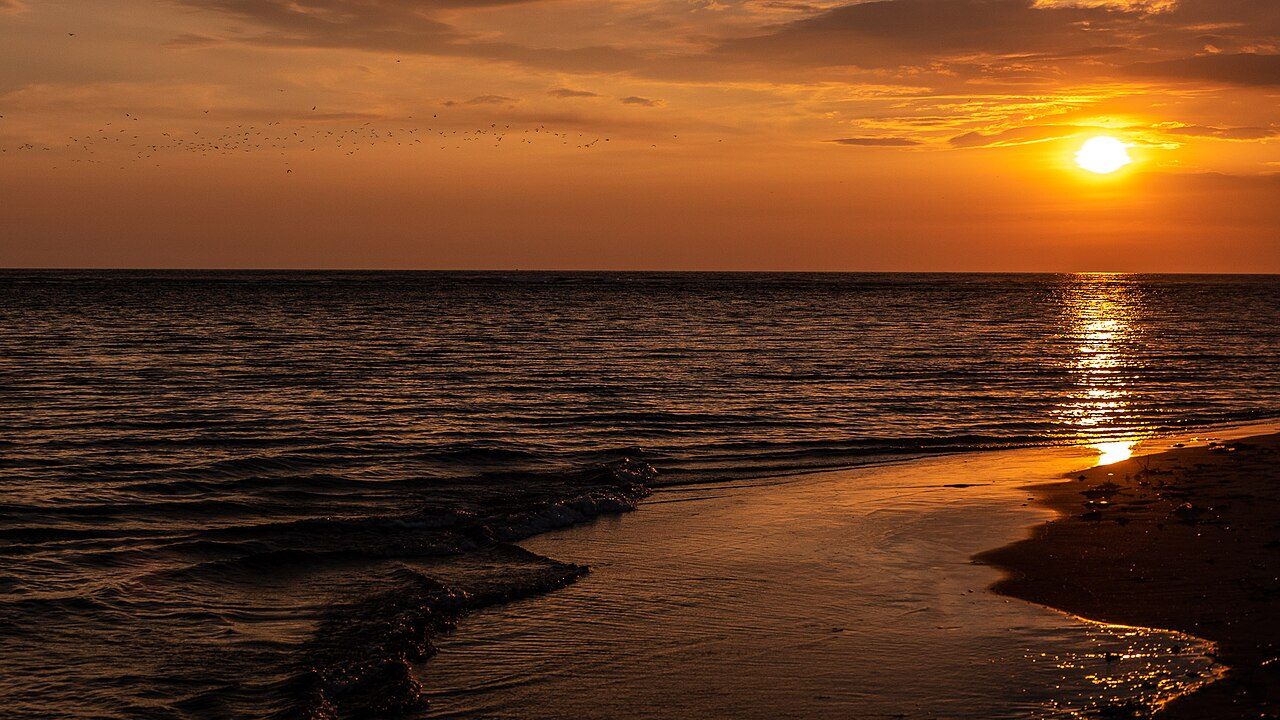
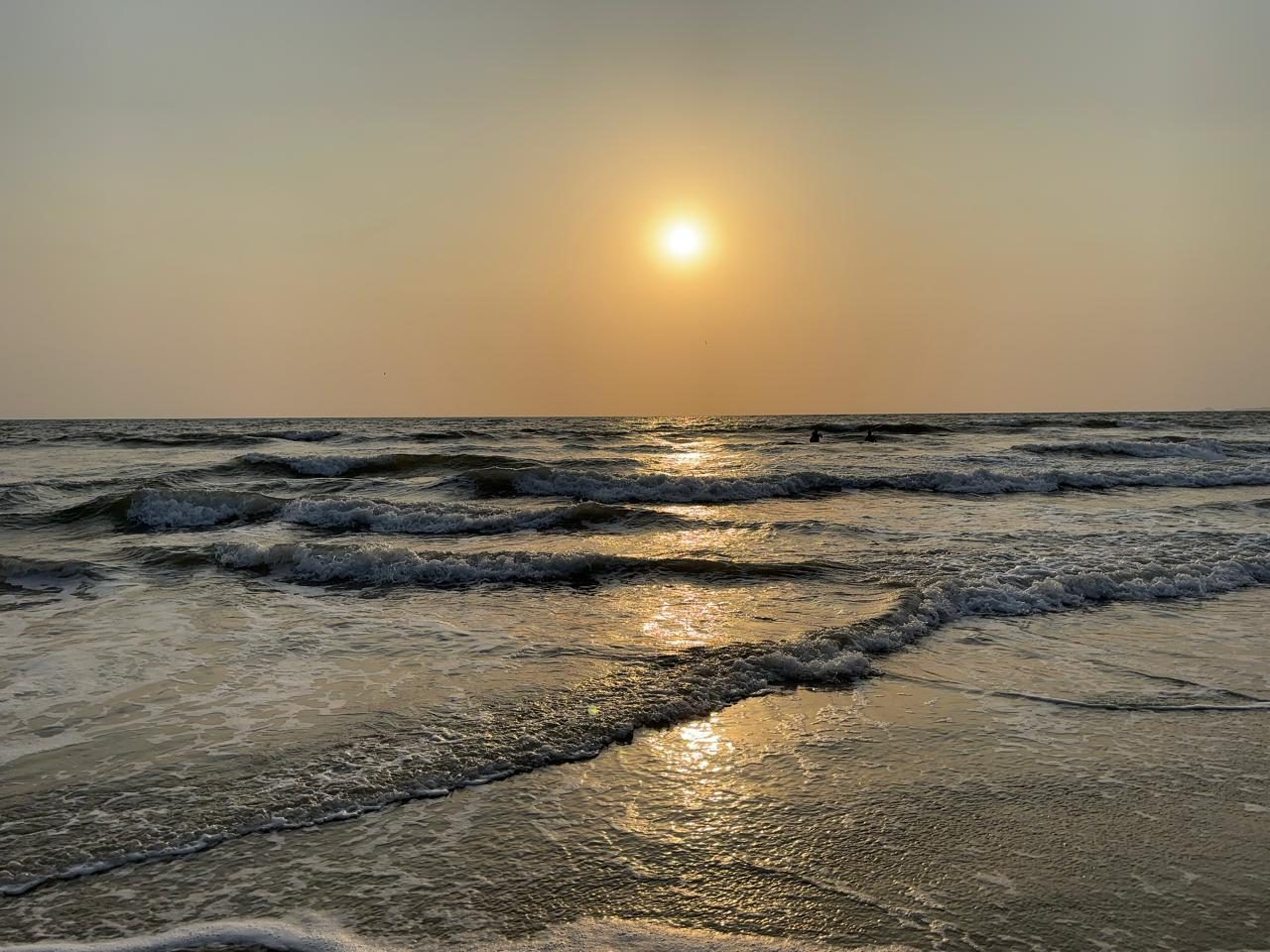
Anjuna's rocky beach became famous as a gathering place for hippies in the 1960s and later for its trance parties. Its Wednesday flea market, started by those early travellers, sells clothes, jewellery, spices and souvenirs, and the cafés on the cliffs are favourite places to watch the sun go down.
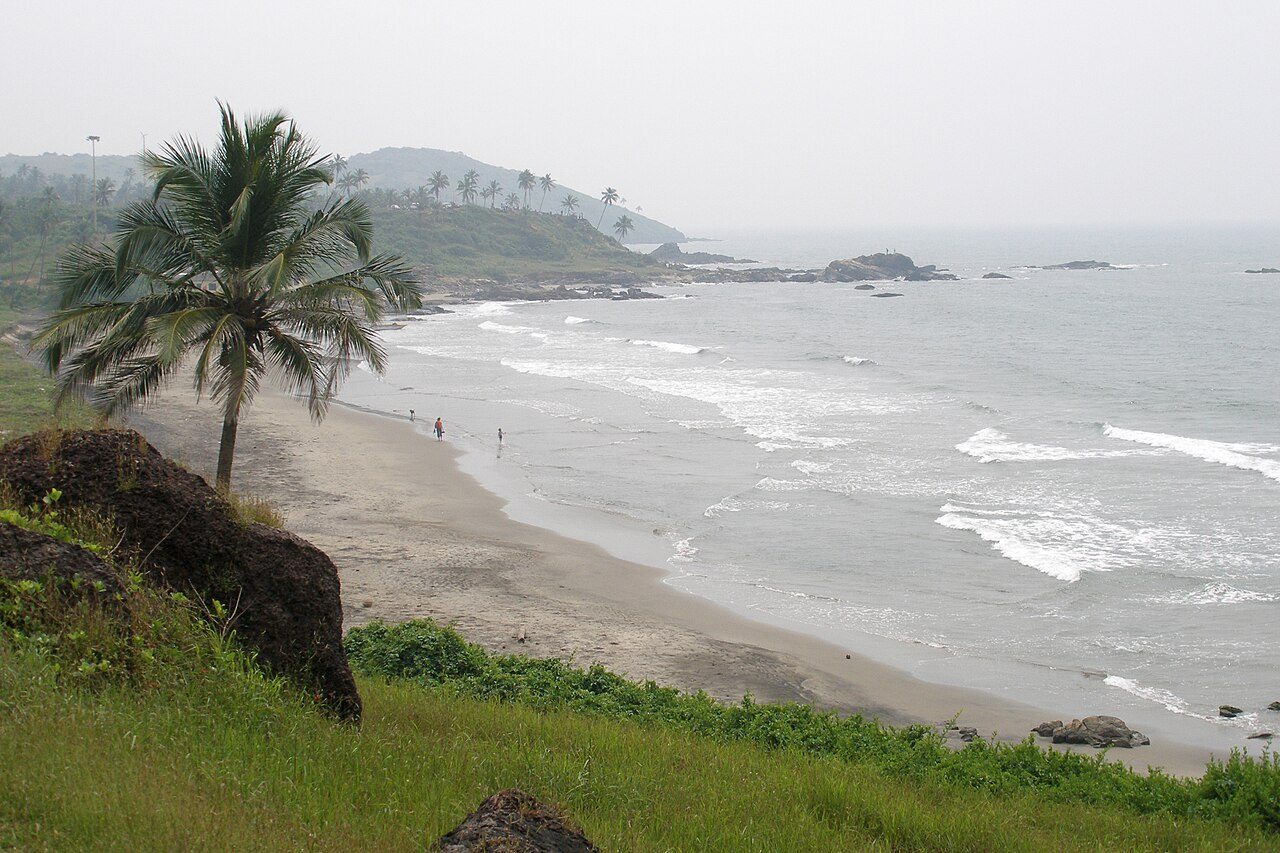
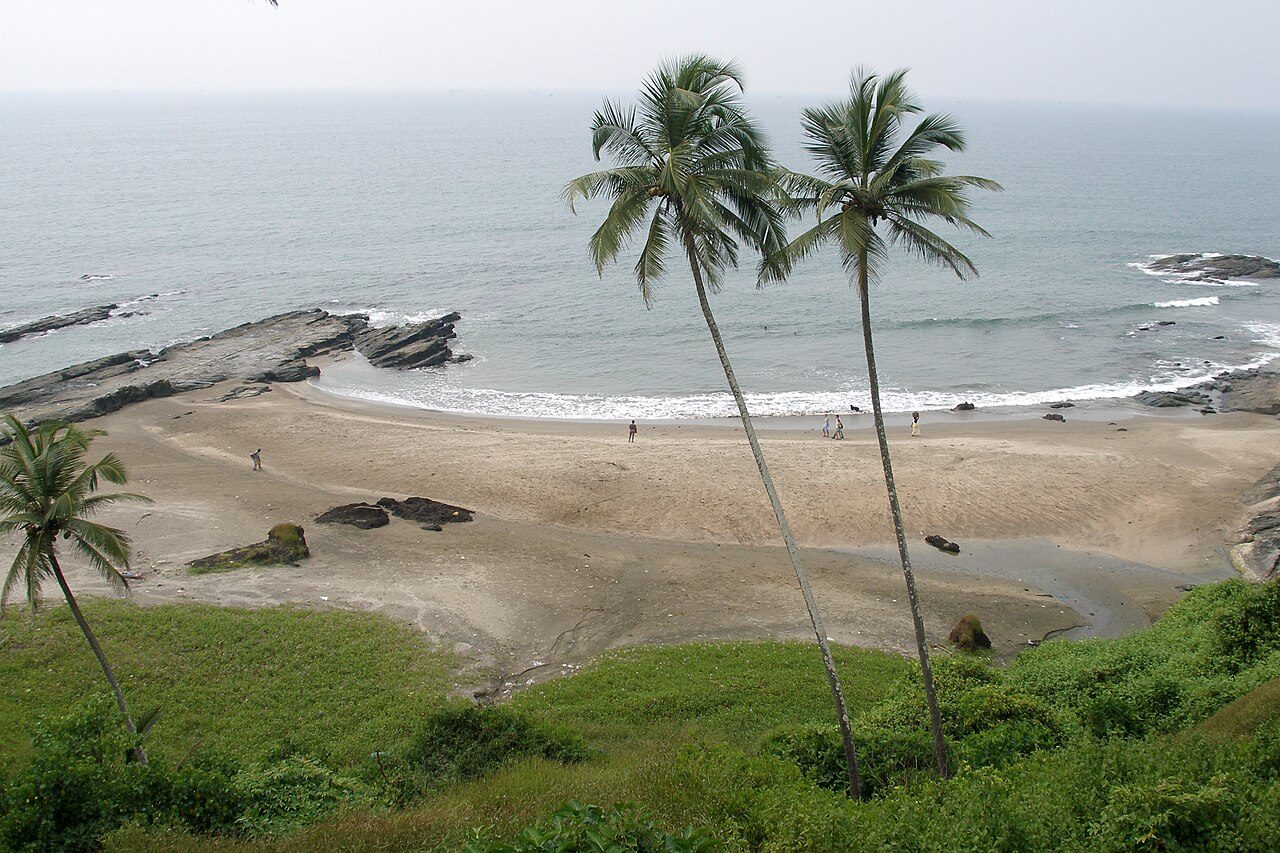
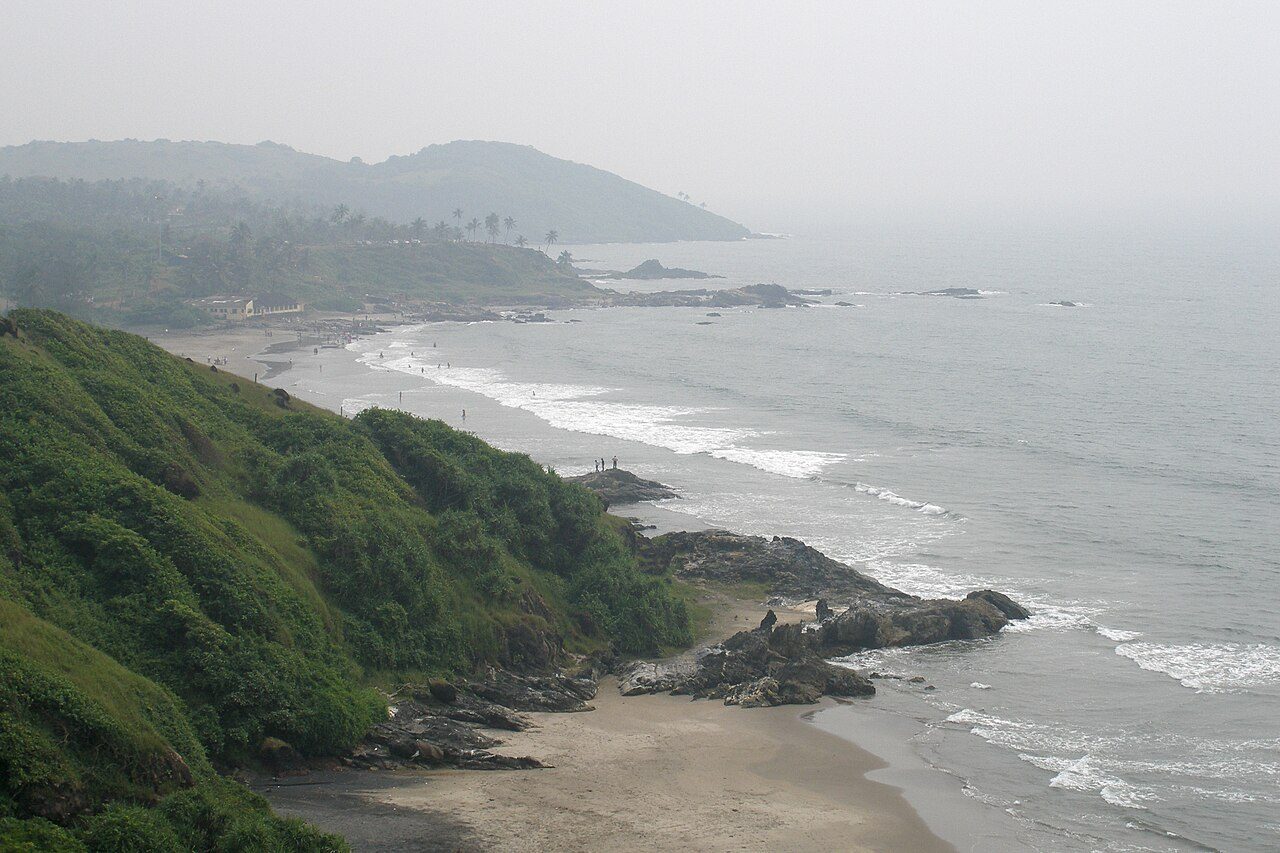
Below the walls of Chapora Fort, Vagator's beaches are split by a rocky headland into Big Vagator and Little Vagator, with red cliffs and palms behind the sand. A face carved into the rocks at Little Vagator is a well-known landmark, and the clifftop cafés draw crowds at sunset.
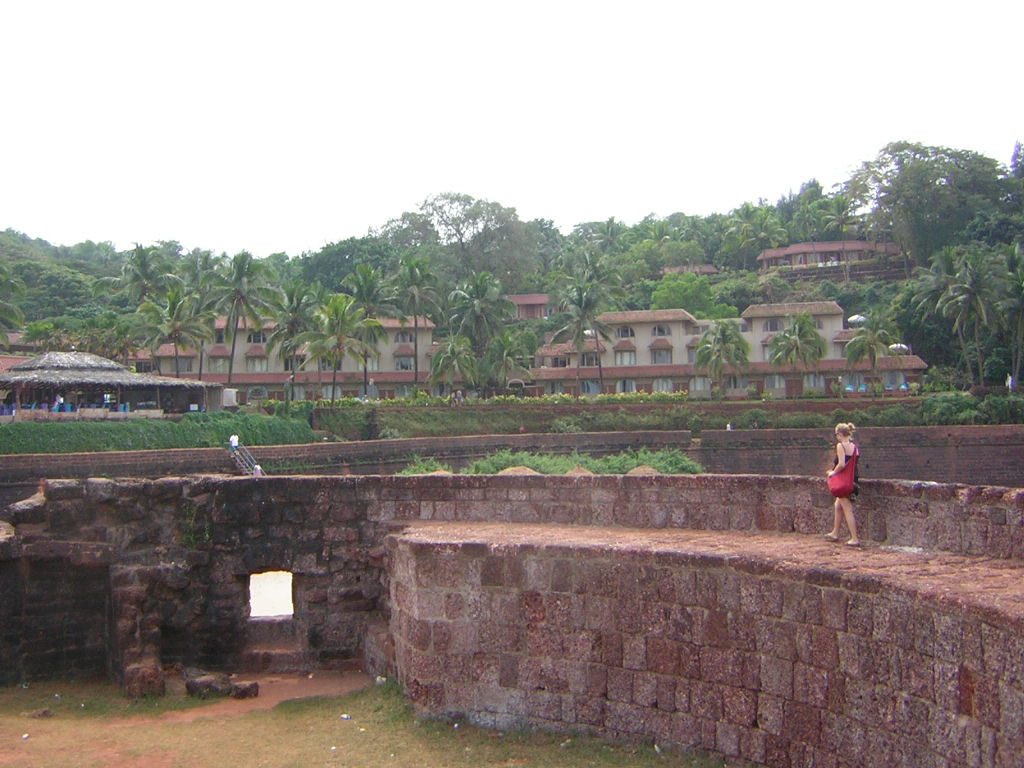
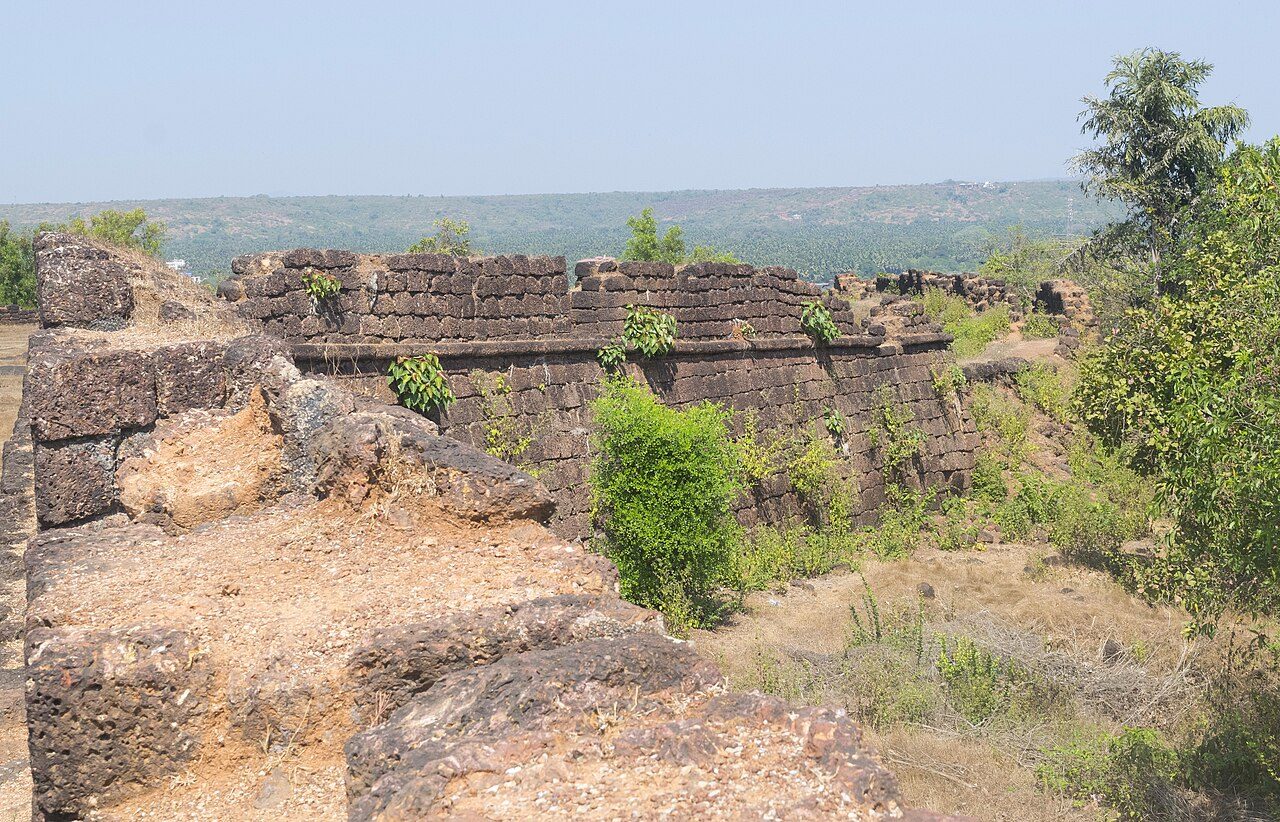
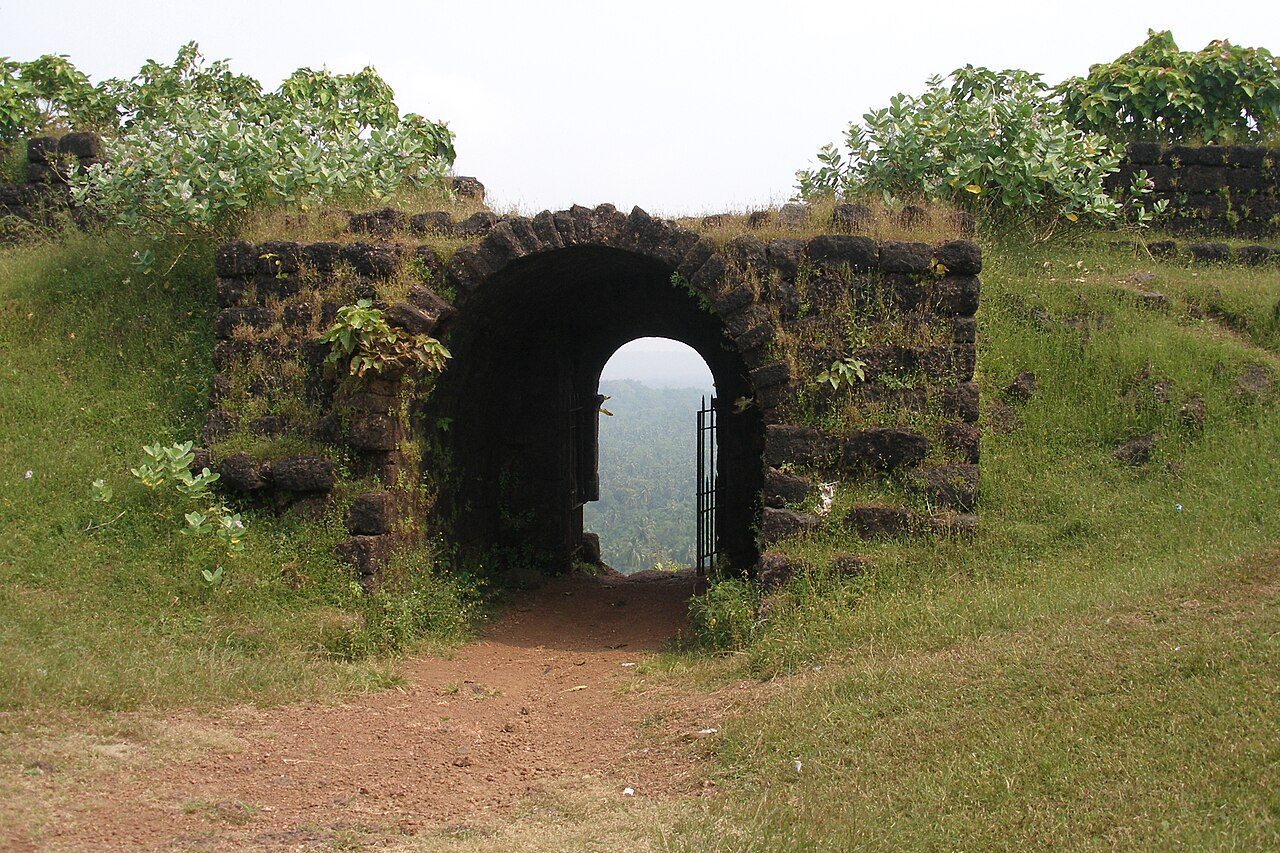
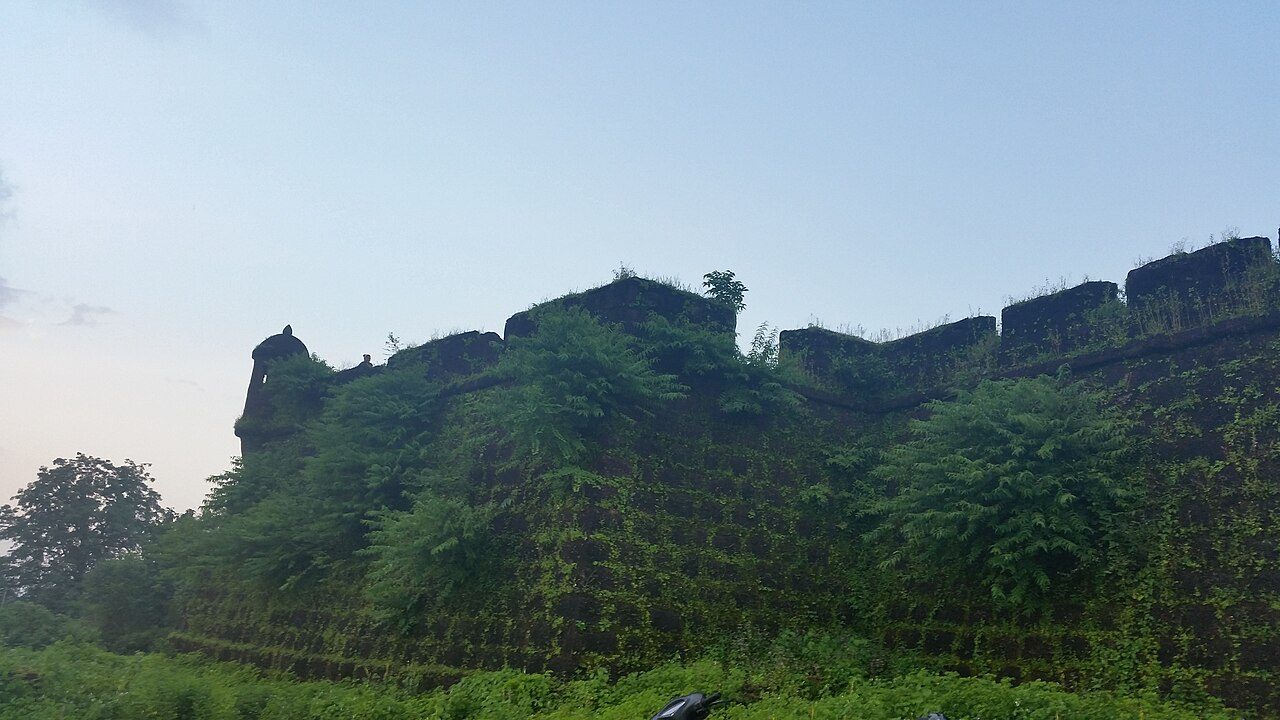
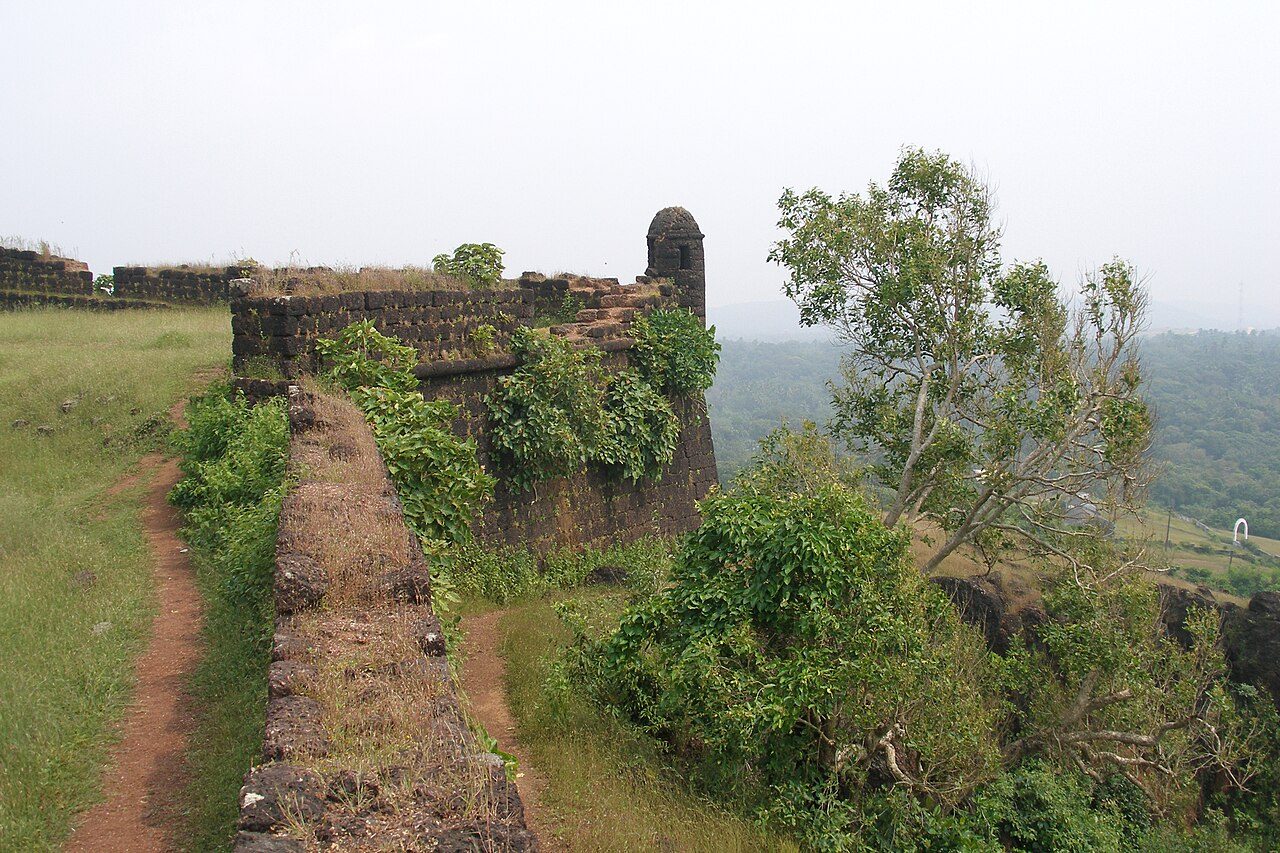
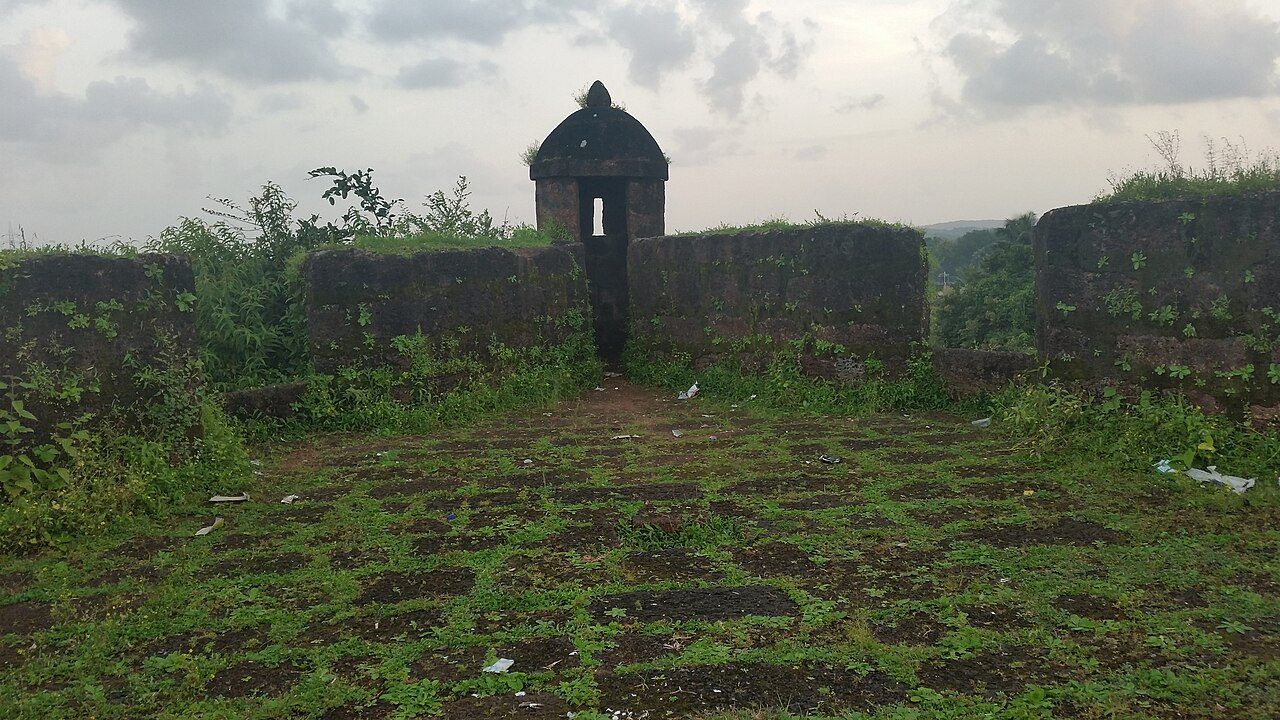
Rebuilt by the Portuguese in 1617 on a hill above the Chapora river, the fort's red laterite walls command wide views over Vagator beach and the river mouth. Little remains inside the walls, but the climb at sunset is a favourite, and the fort became famous across India after it appeared in the film Dil Chahta Hai.
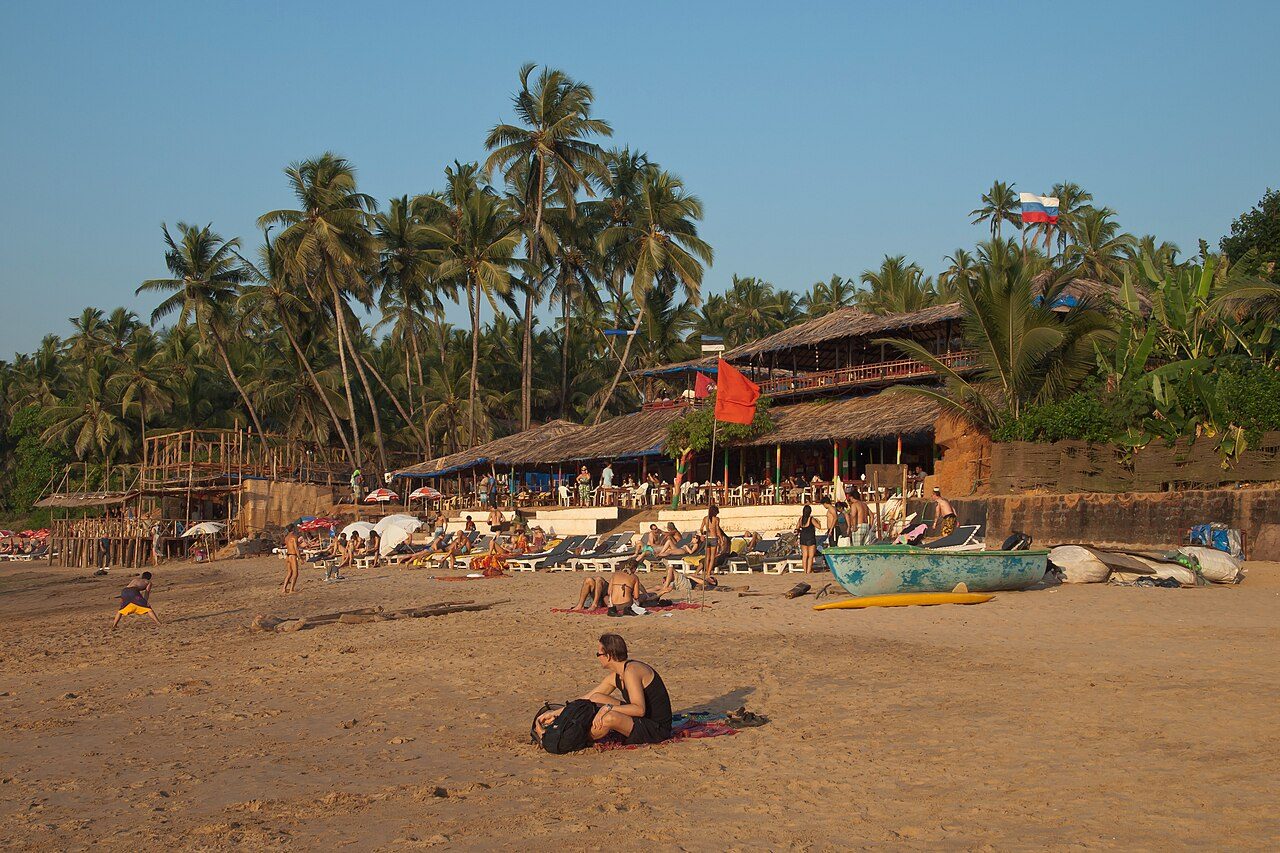
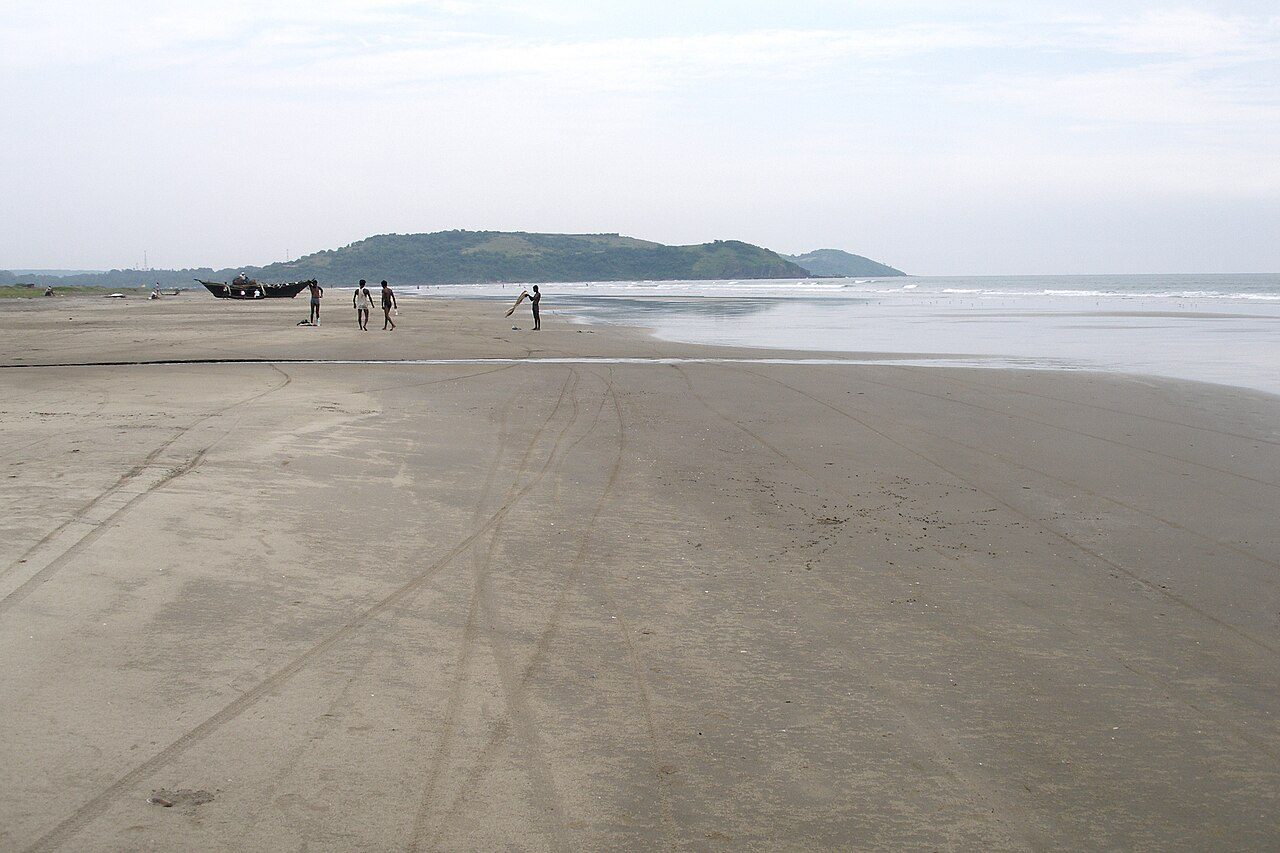
Where the Chapora river meets the sea, Morjim's long, quiet beach is a nesting site for the endangered olive ridley turtle, and parts of it are protected in the nesting season. It is popular with Russian visitors, earning it the nickname Little Russia, and with kitesurfers in season.
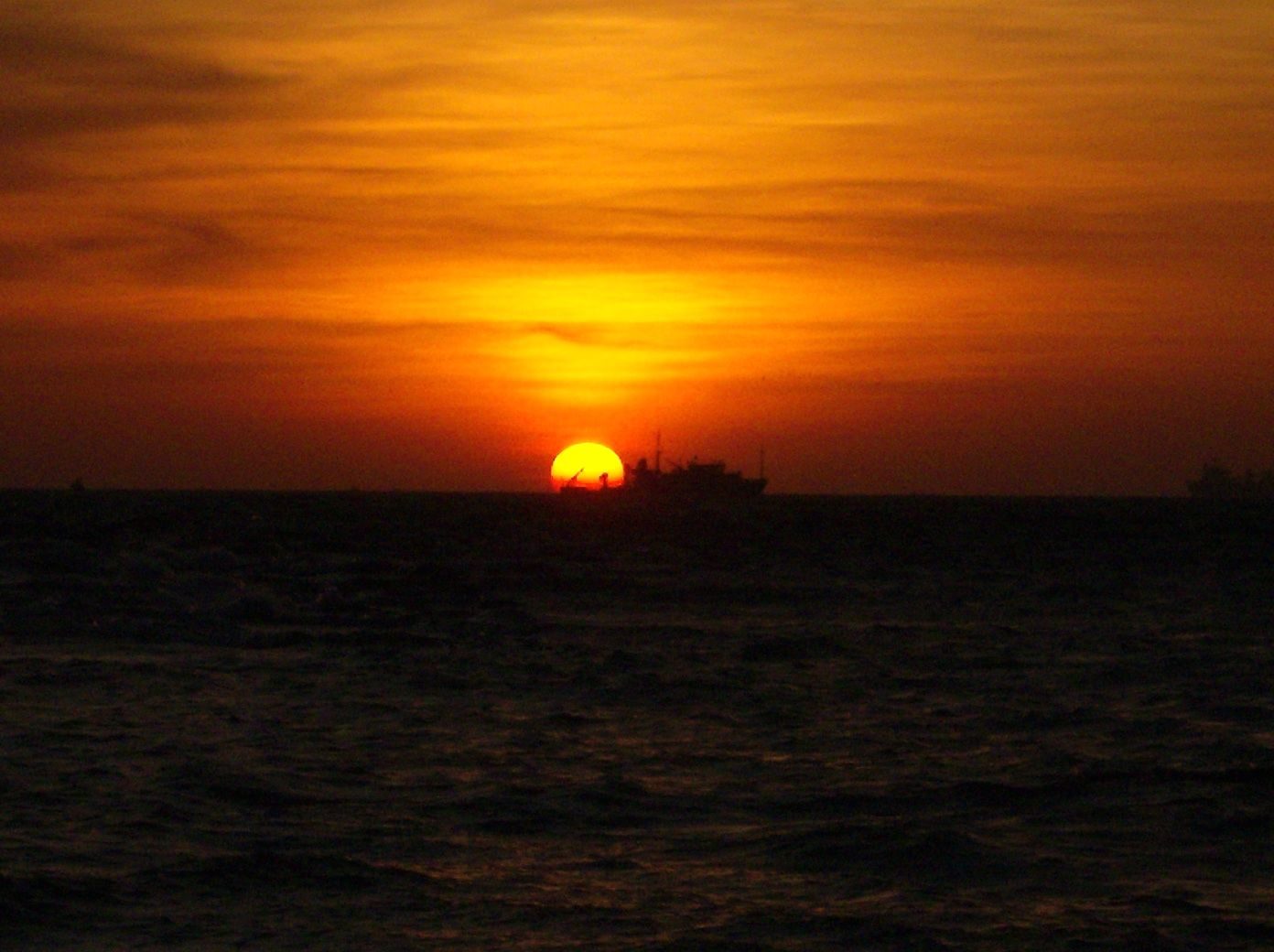
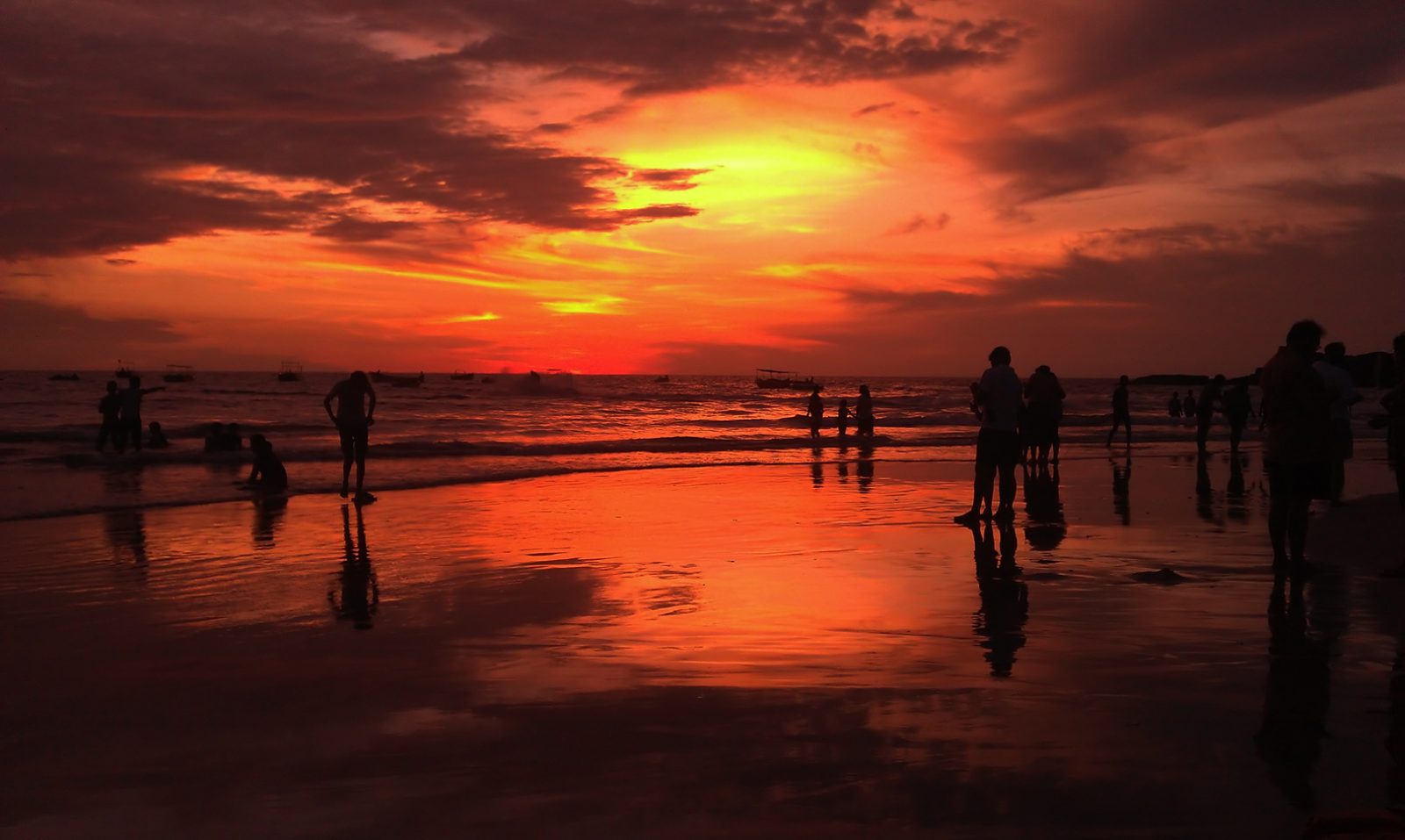
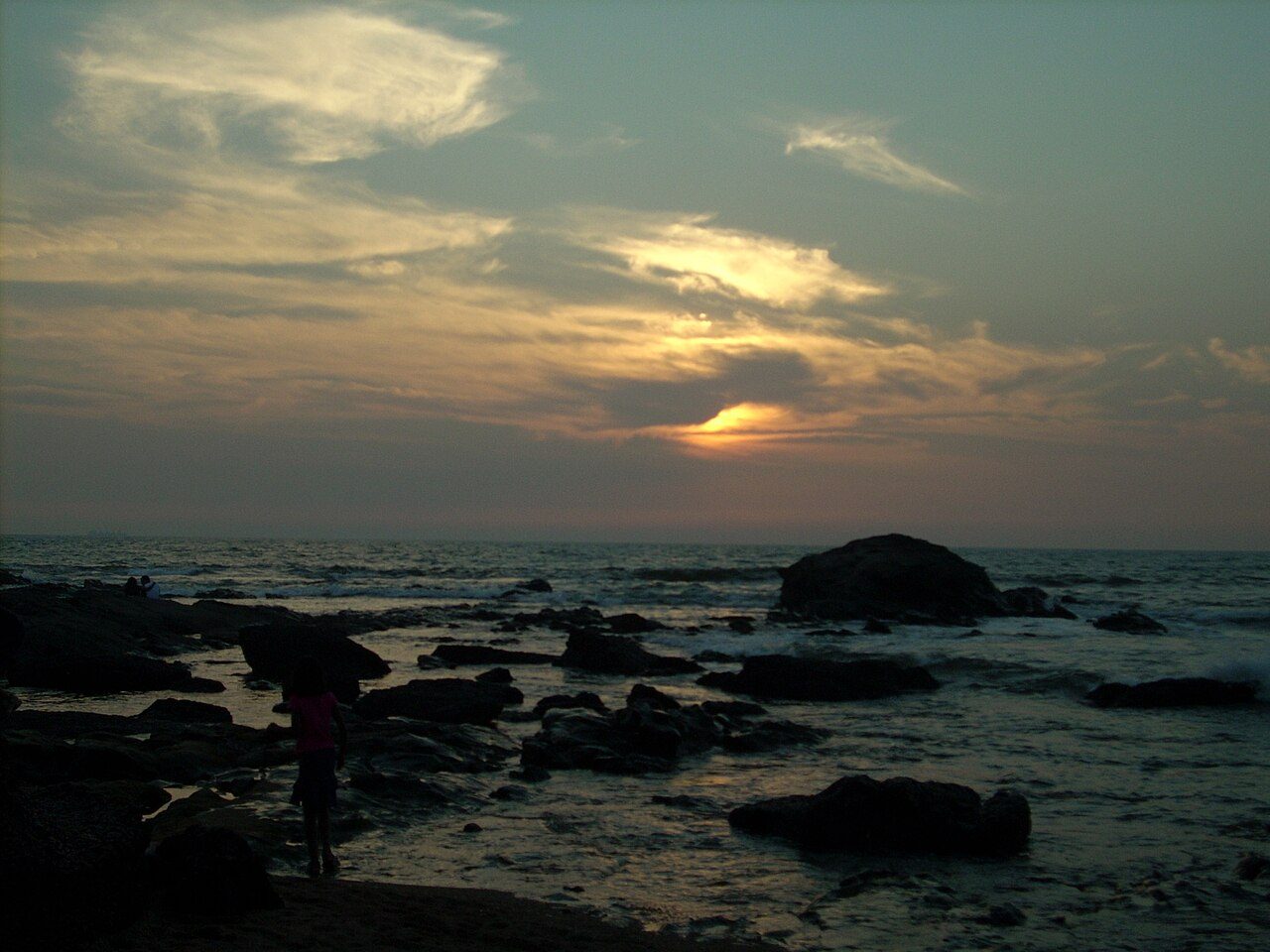
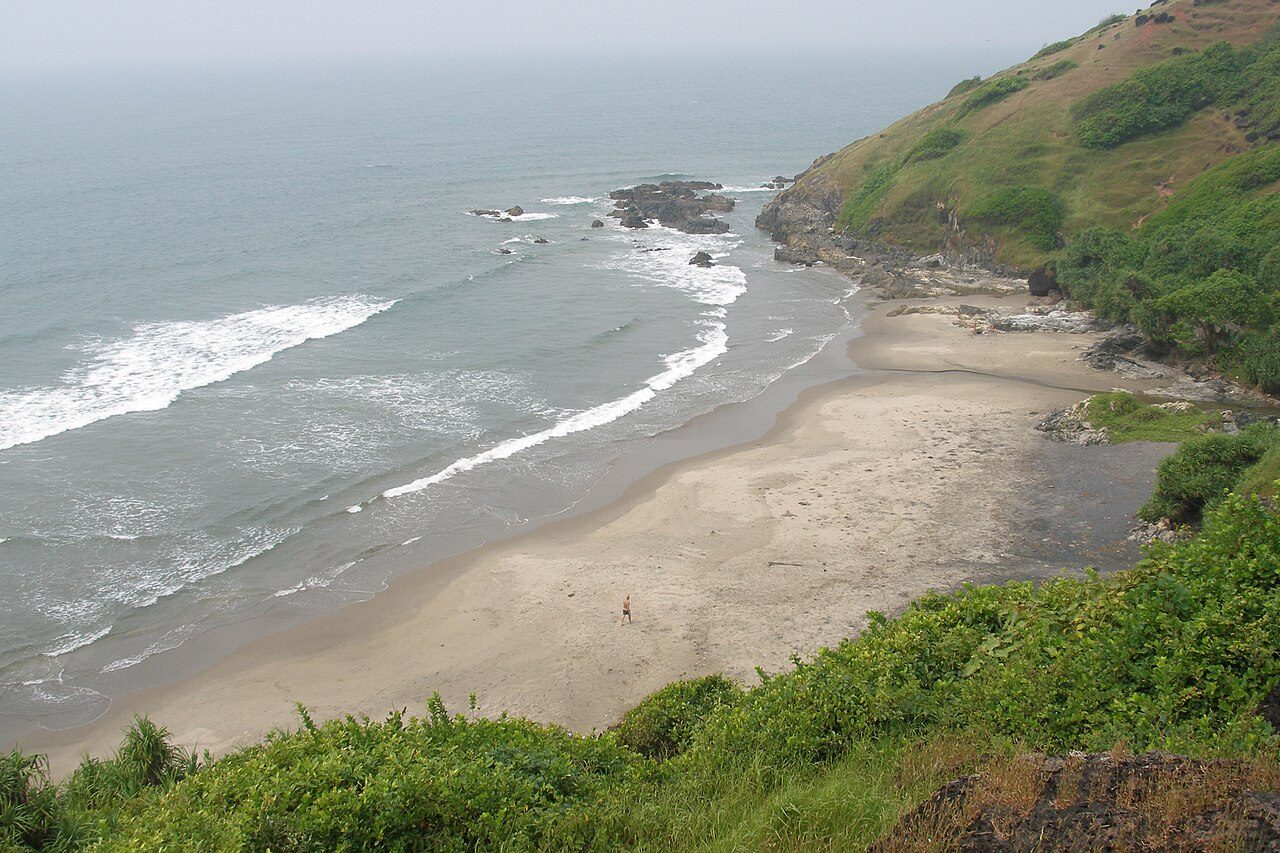
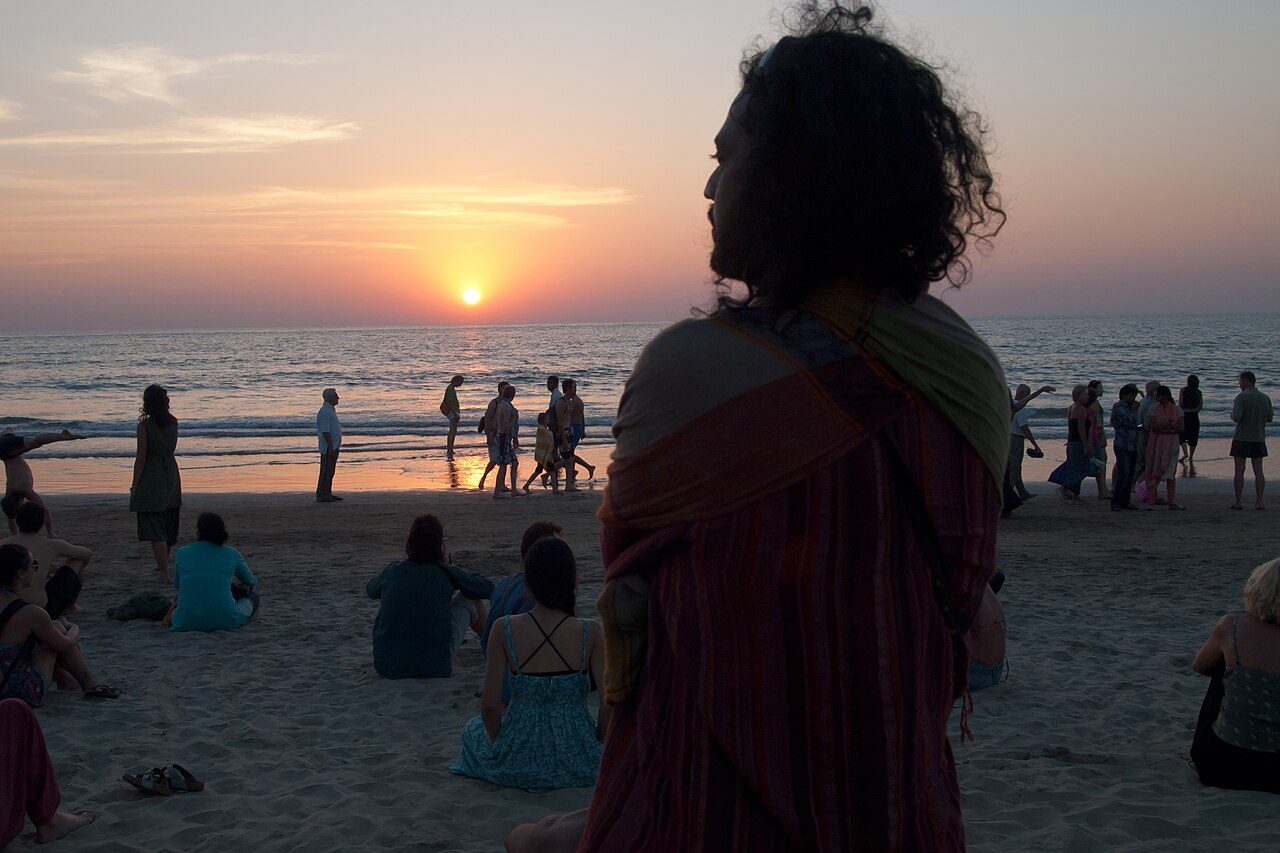
Near Goa's northern tip, Arambol keeps a relaxed, bohemian feel, with drum circles at sunset, yoga schools and paragliding from the cliffs. A short walk north over the rocks leads to a freshwater lake fed by springs, just a few steps from the sea.
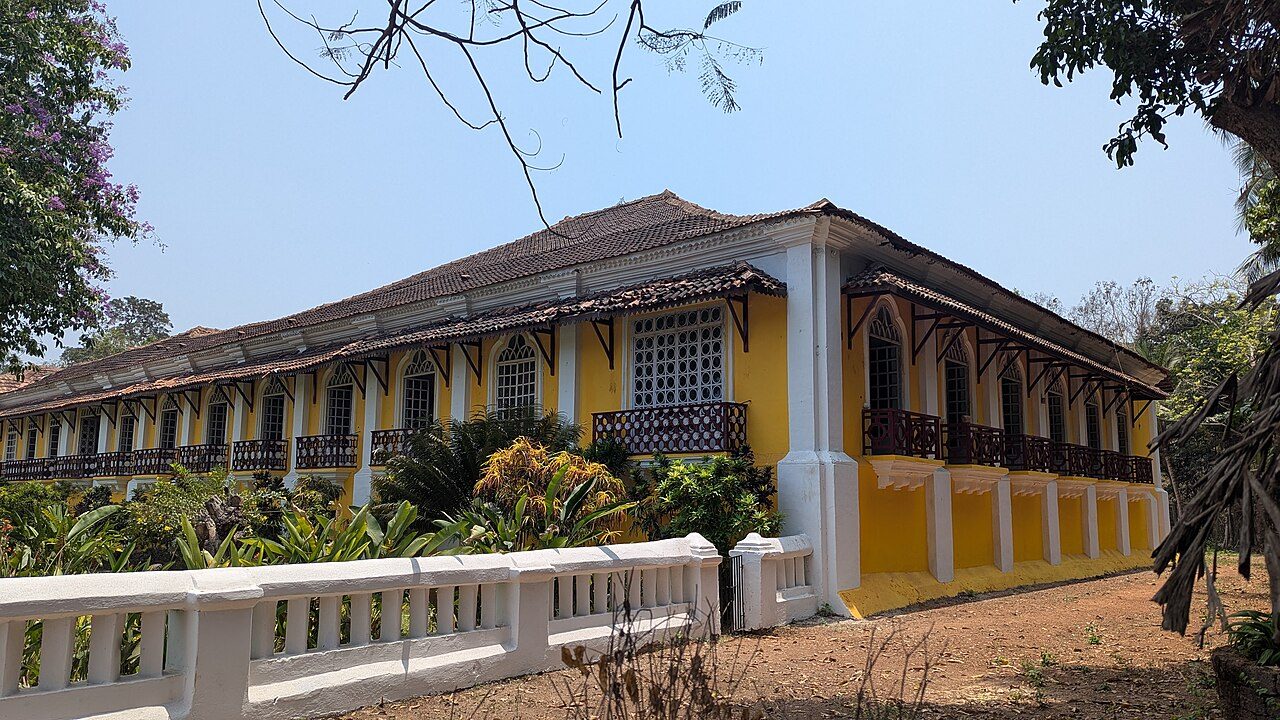
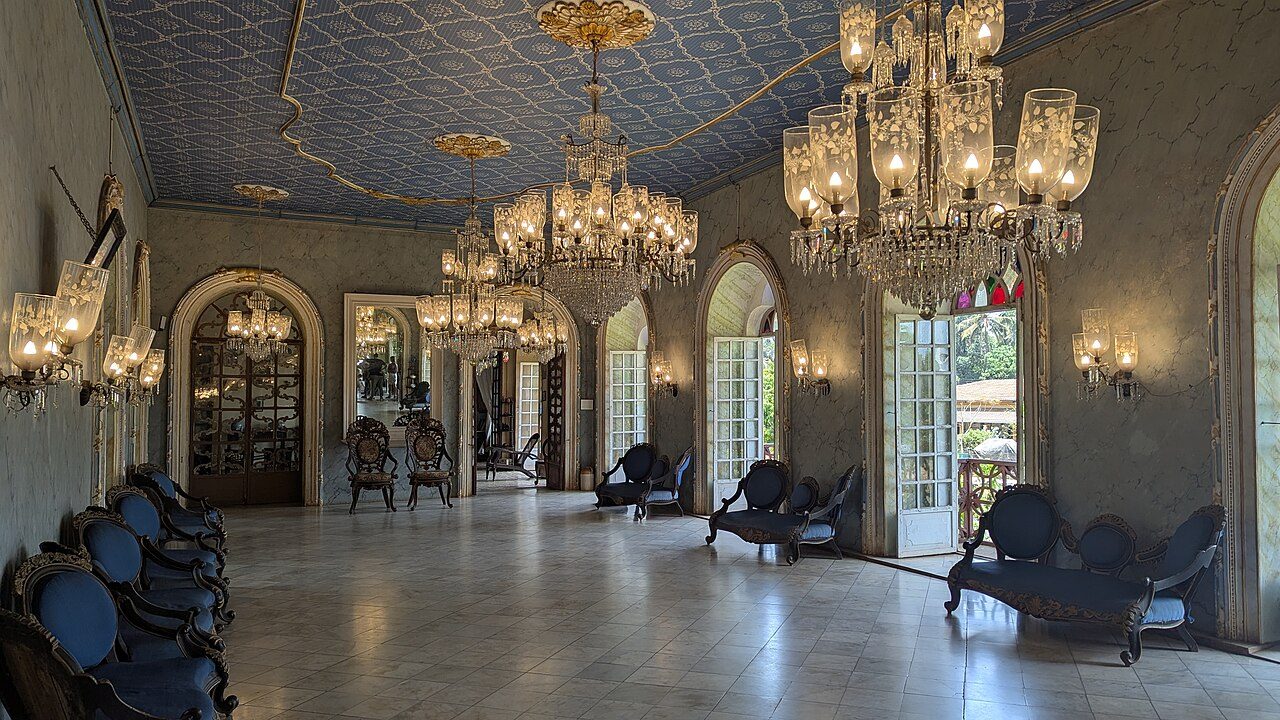
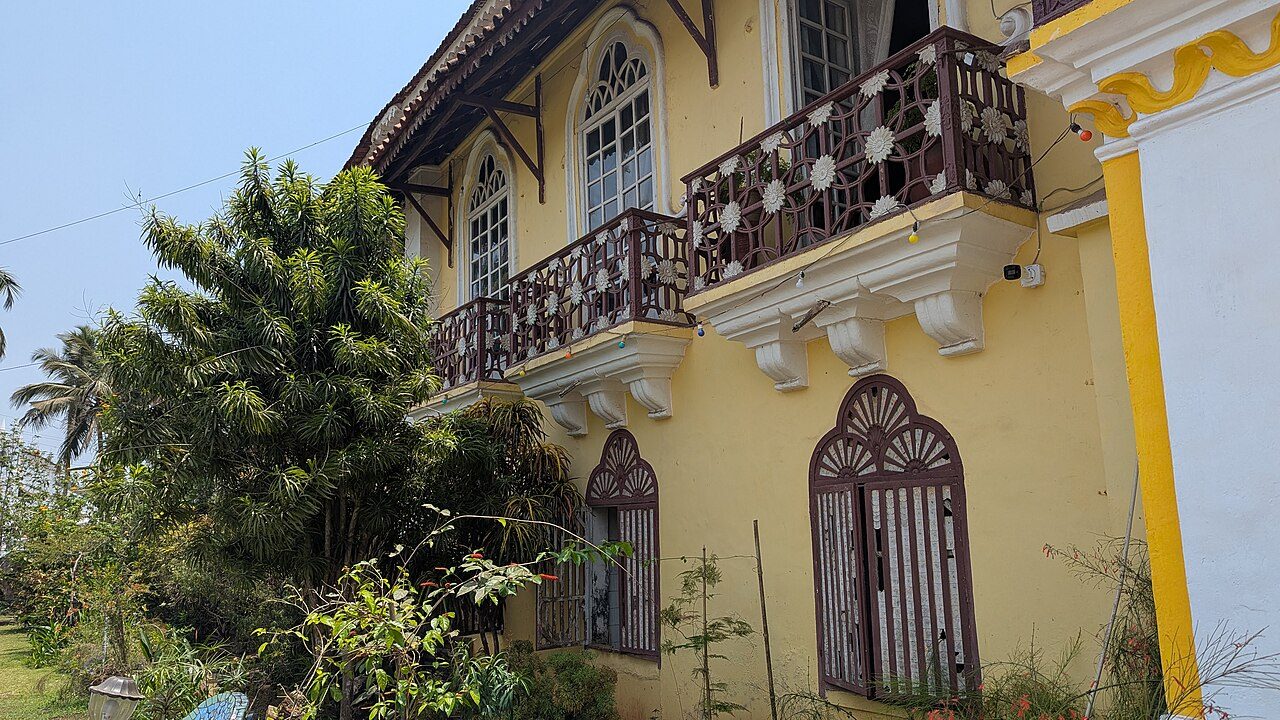
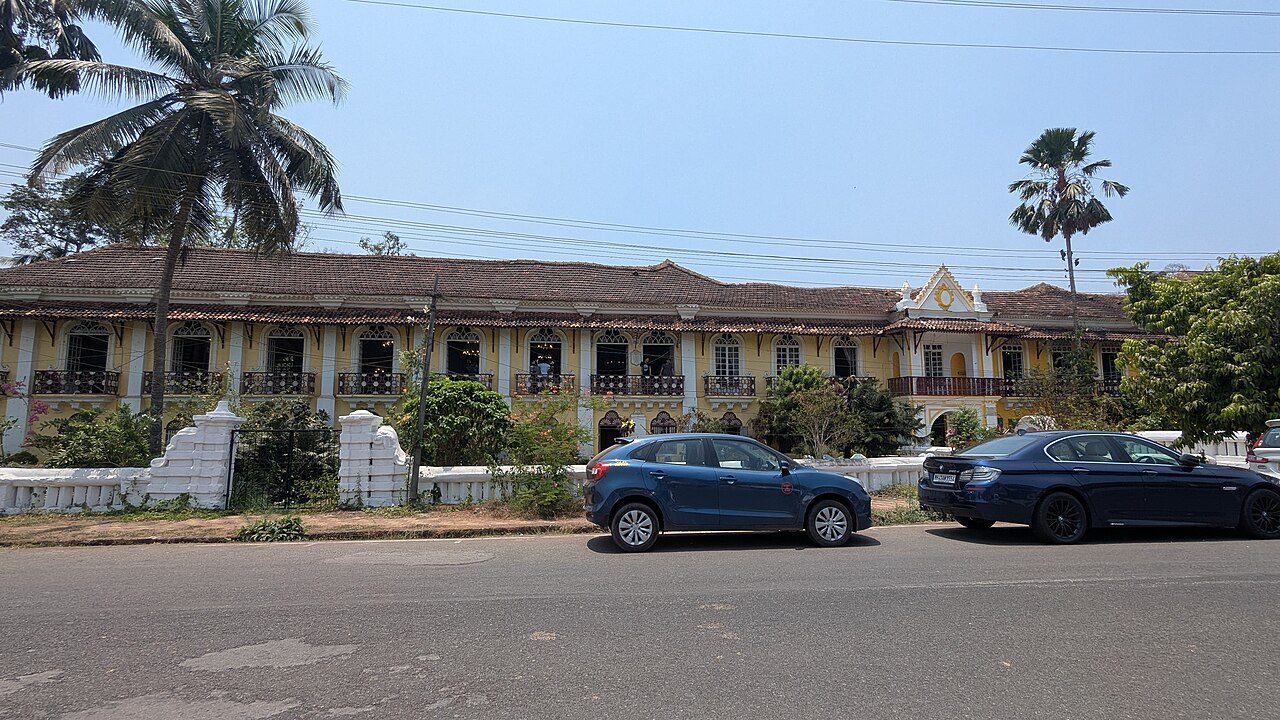
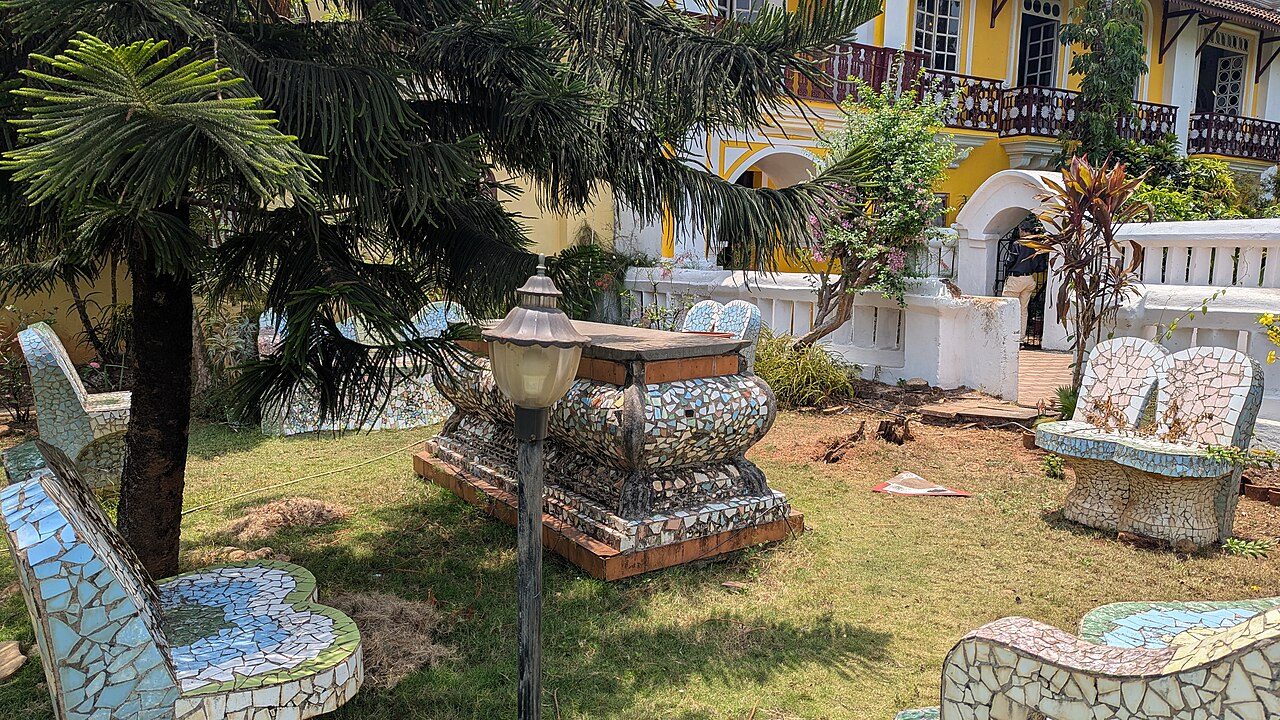
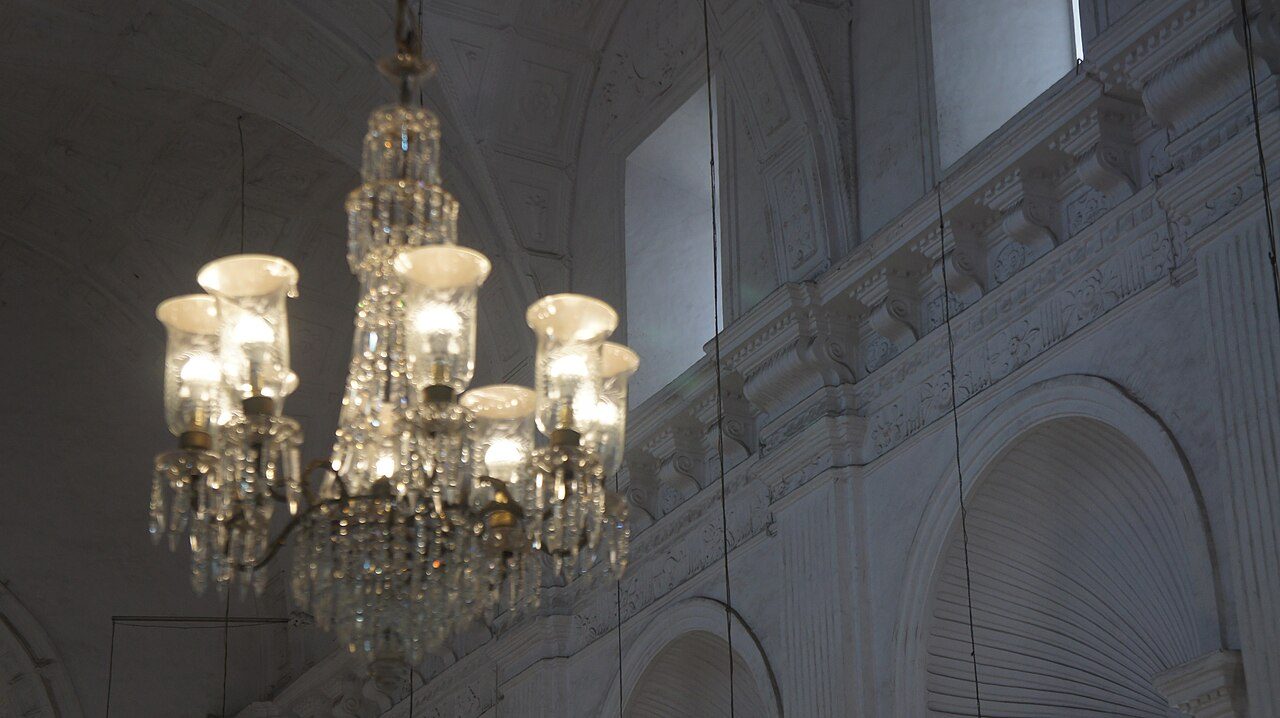
One of the grandest Portuguese-era mansions in Goa, the Braganza House at Chandor dates from the 17th century and stretches along one side of the village square. Divided between two branches of the family, its ballroom, chandeliers, Chinese porcelain and rosewood furniture are shown to visitors by descendants who still live there.
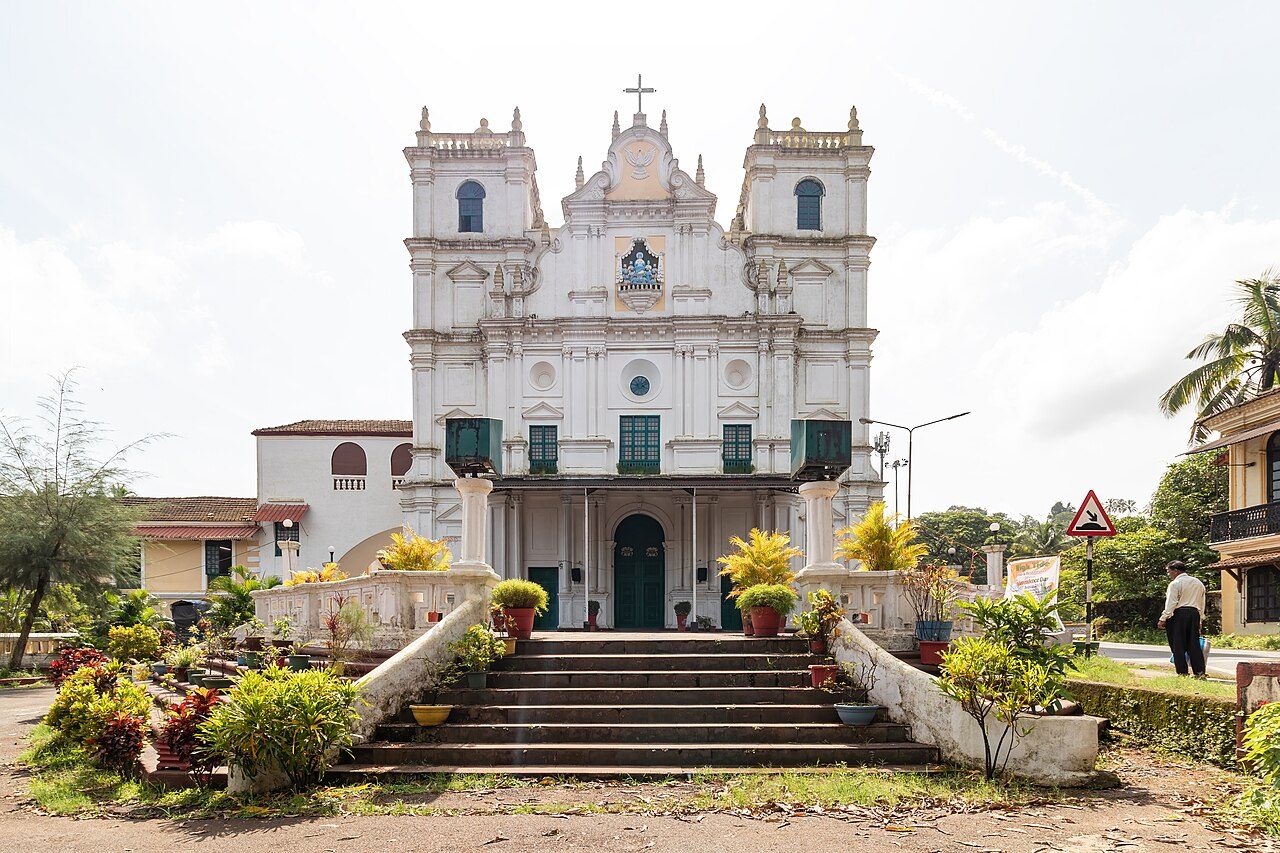
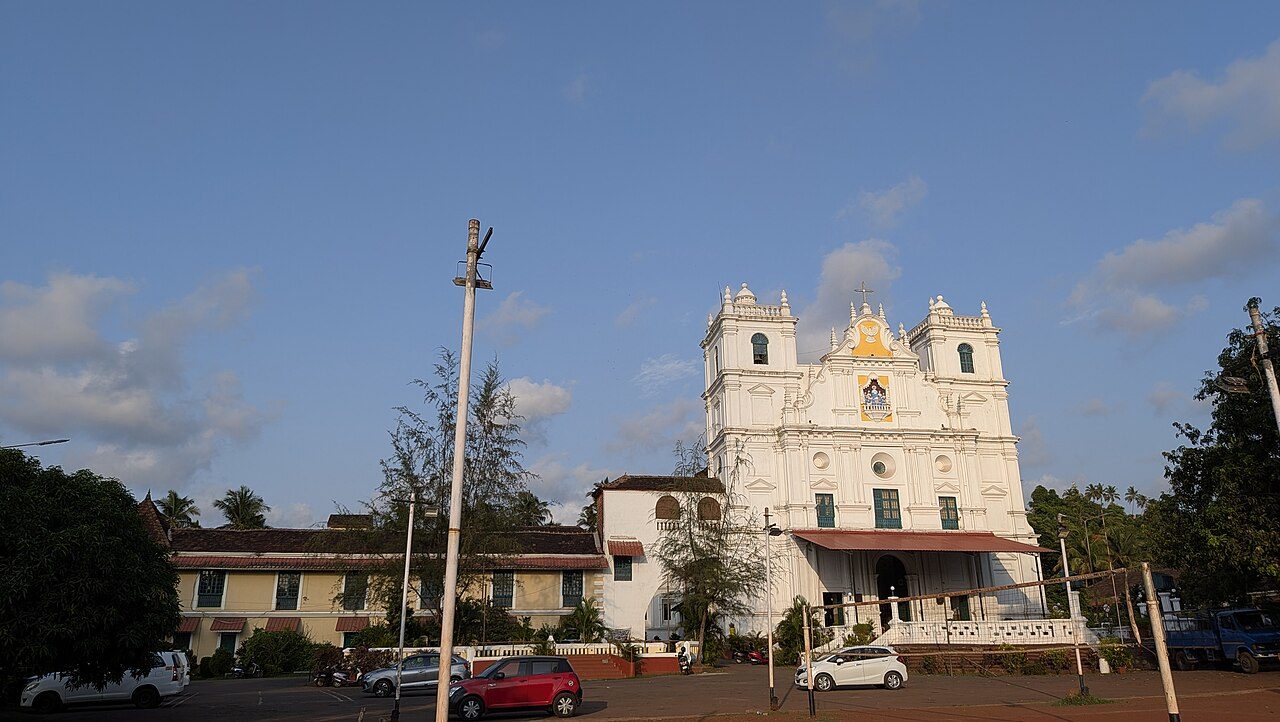
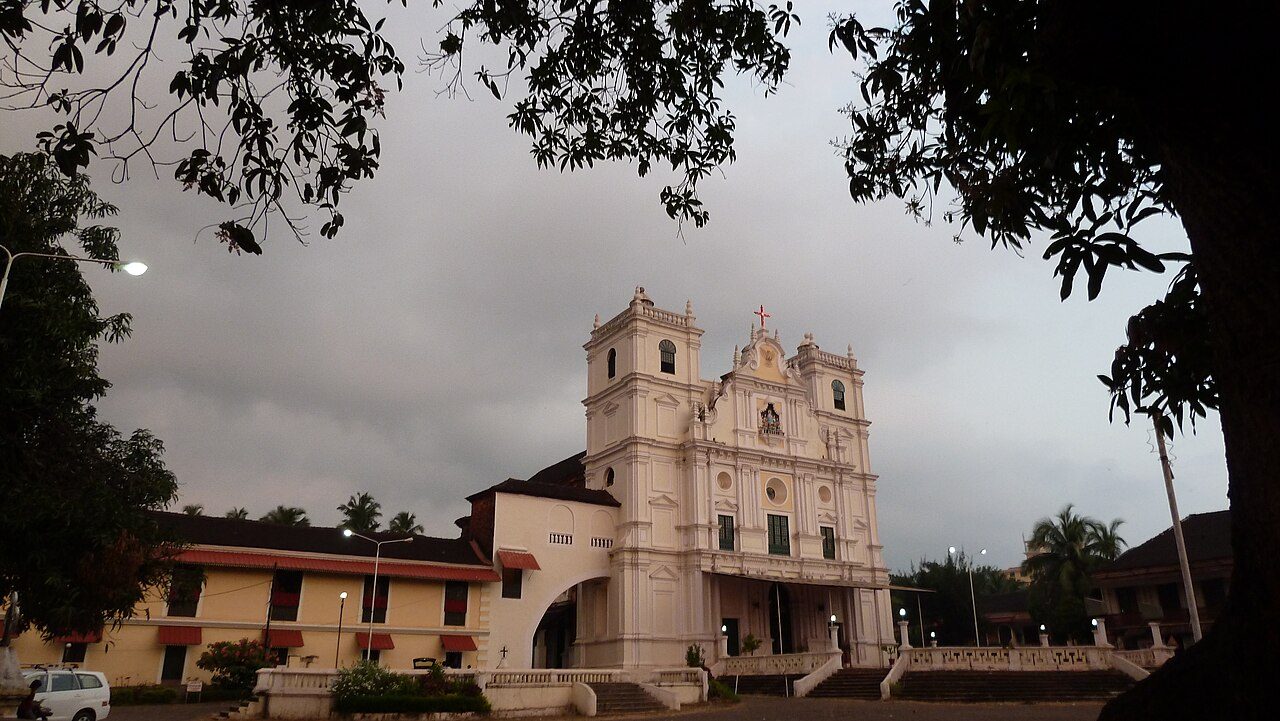
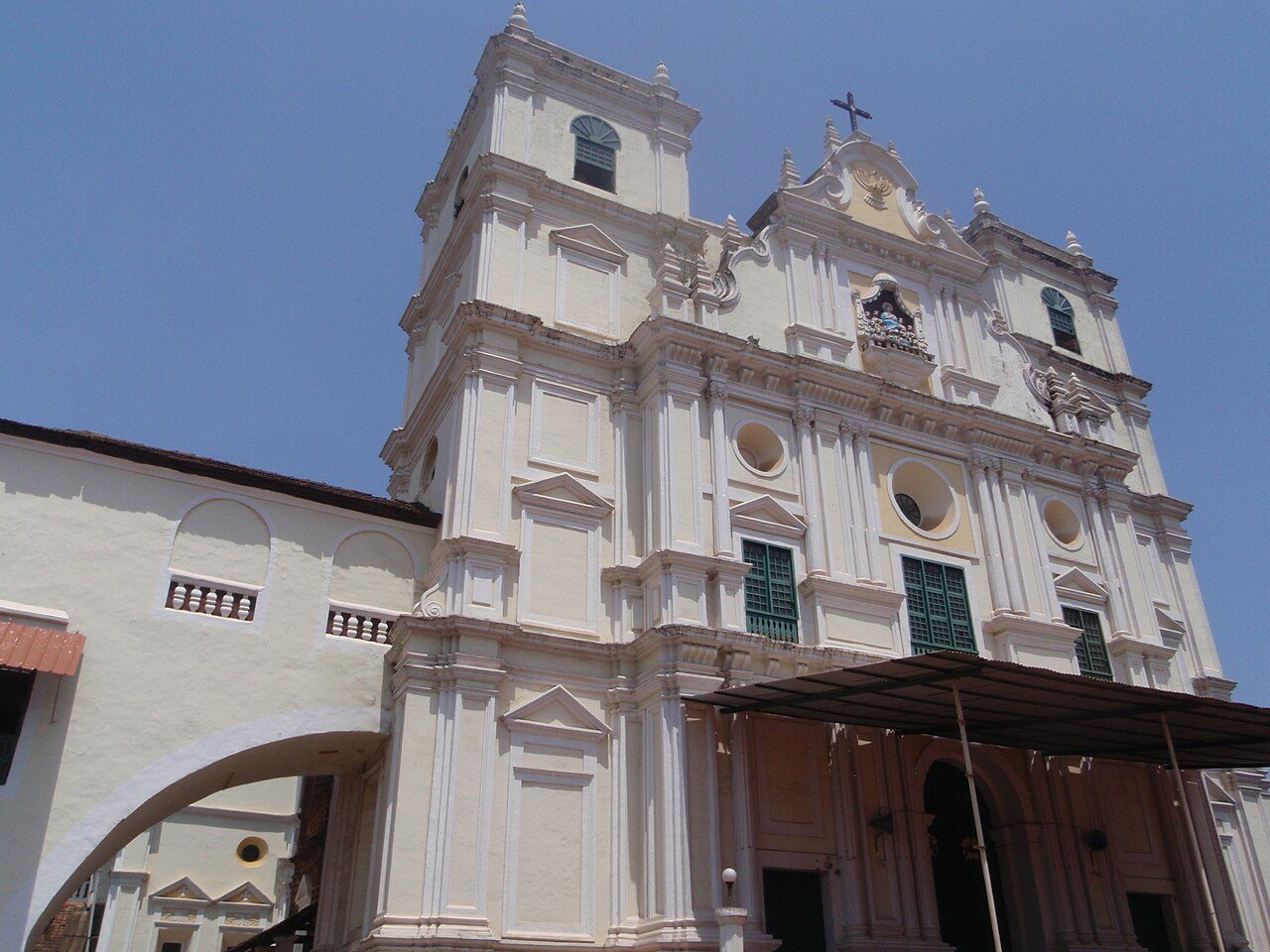
Built in 1675 in the heart of Margao, the Church of the Holy Spirit is one of the finest examples of Indian Baroque in Goa, with a broad white façade and gilded altars inside. The square in front, ringed by old colonial houses, is the historic heart of the town.
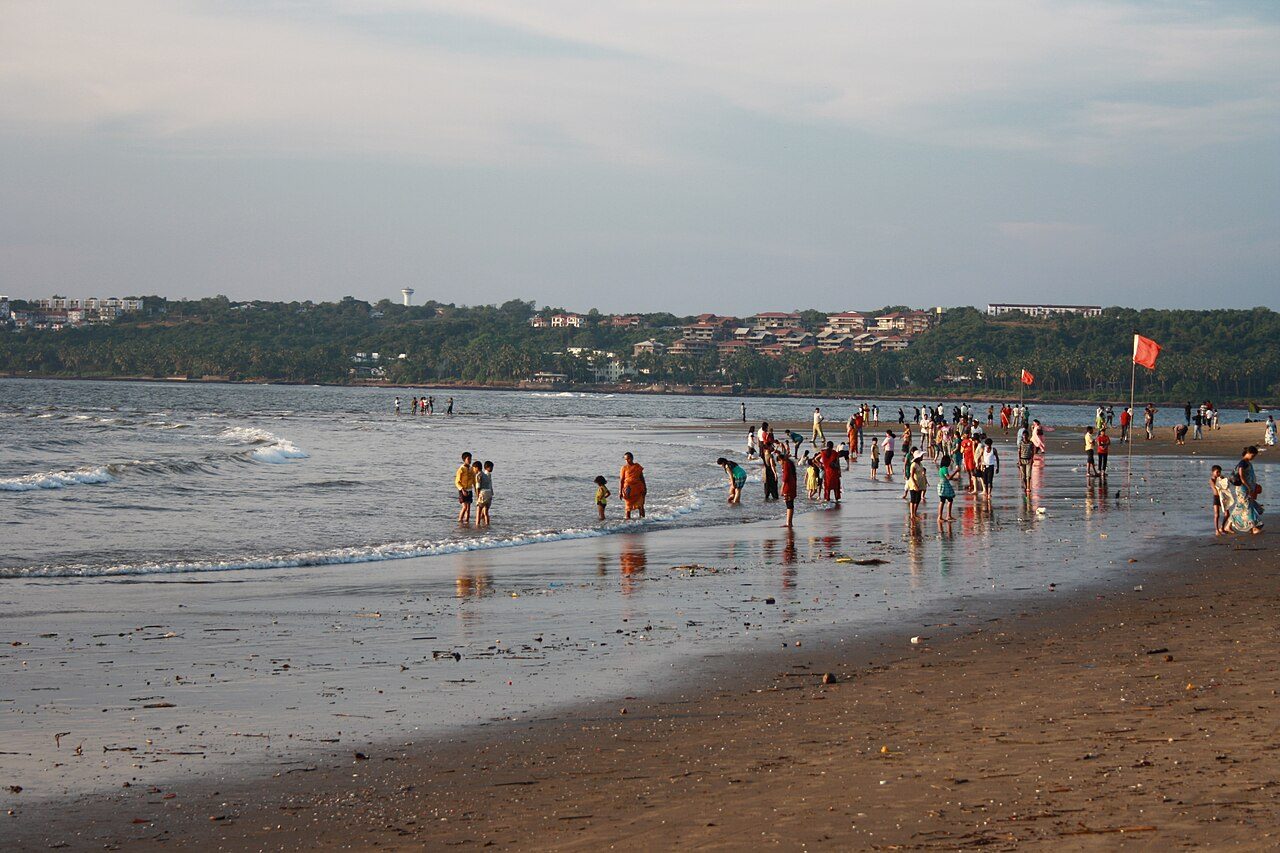
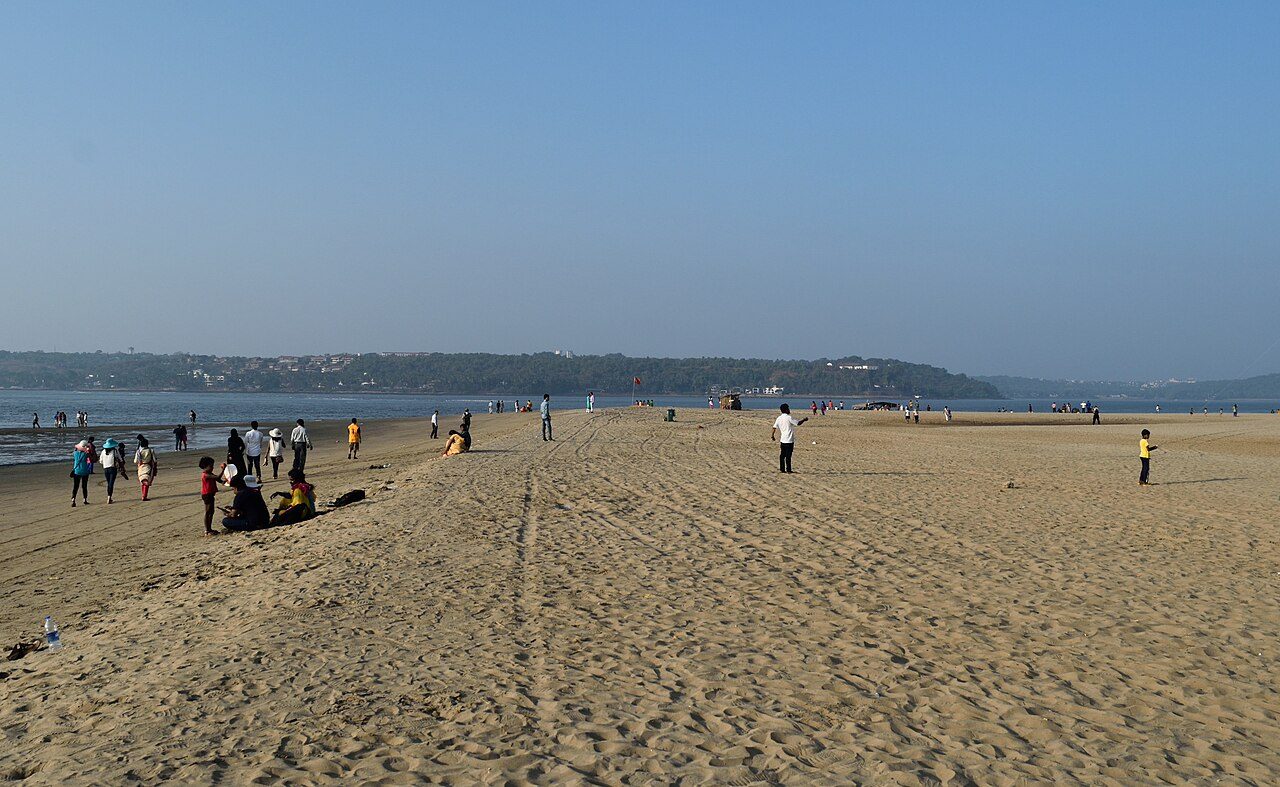
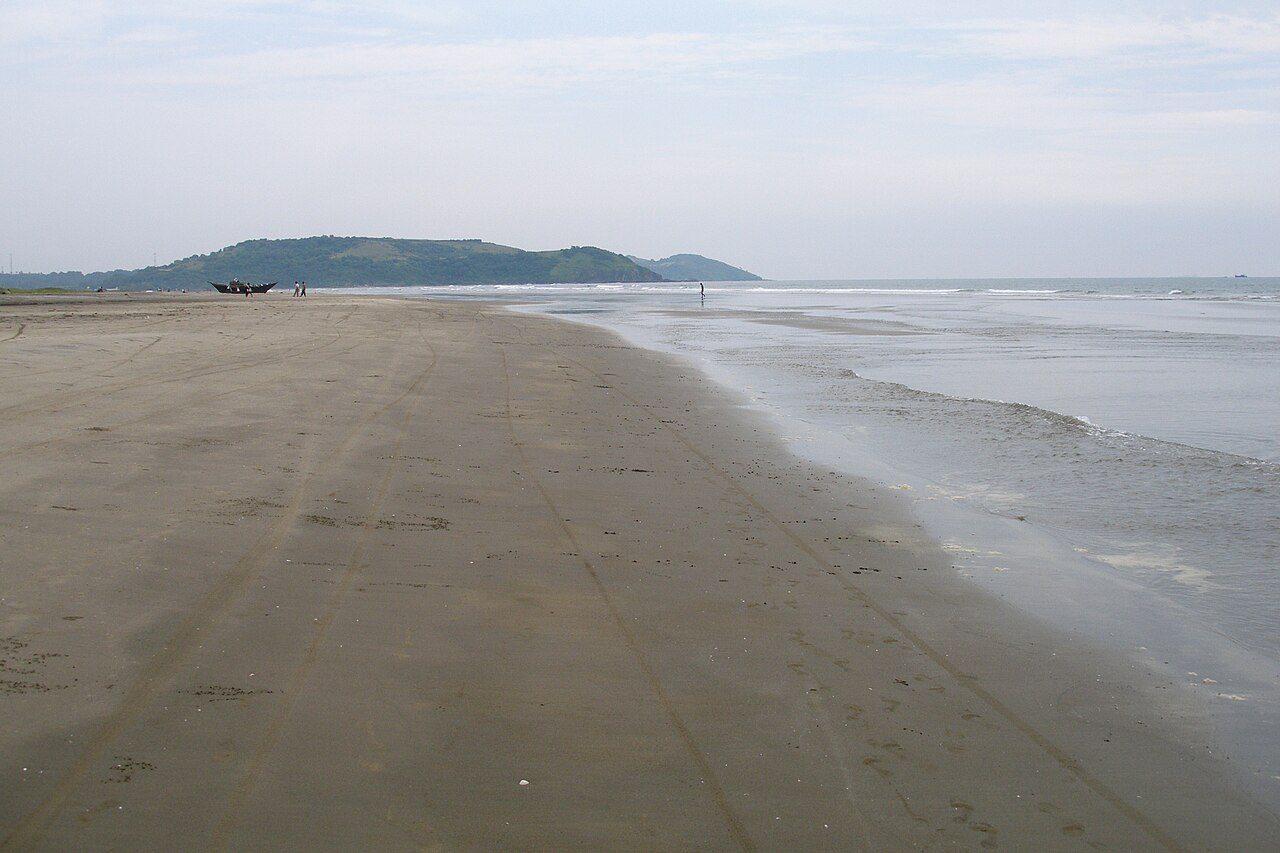
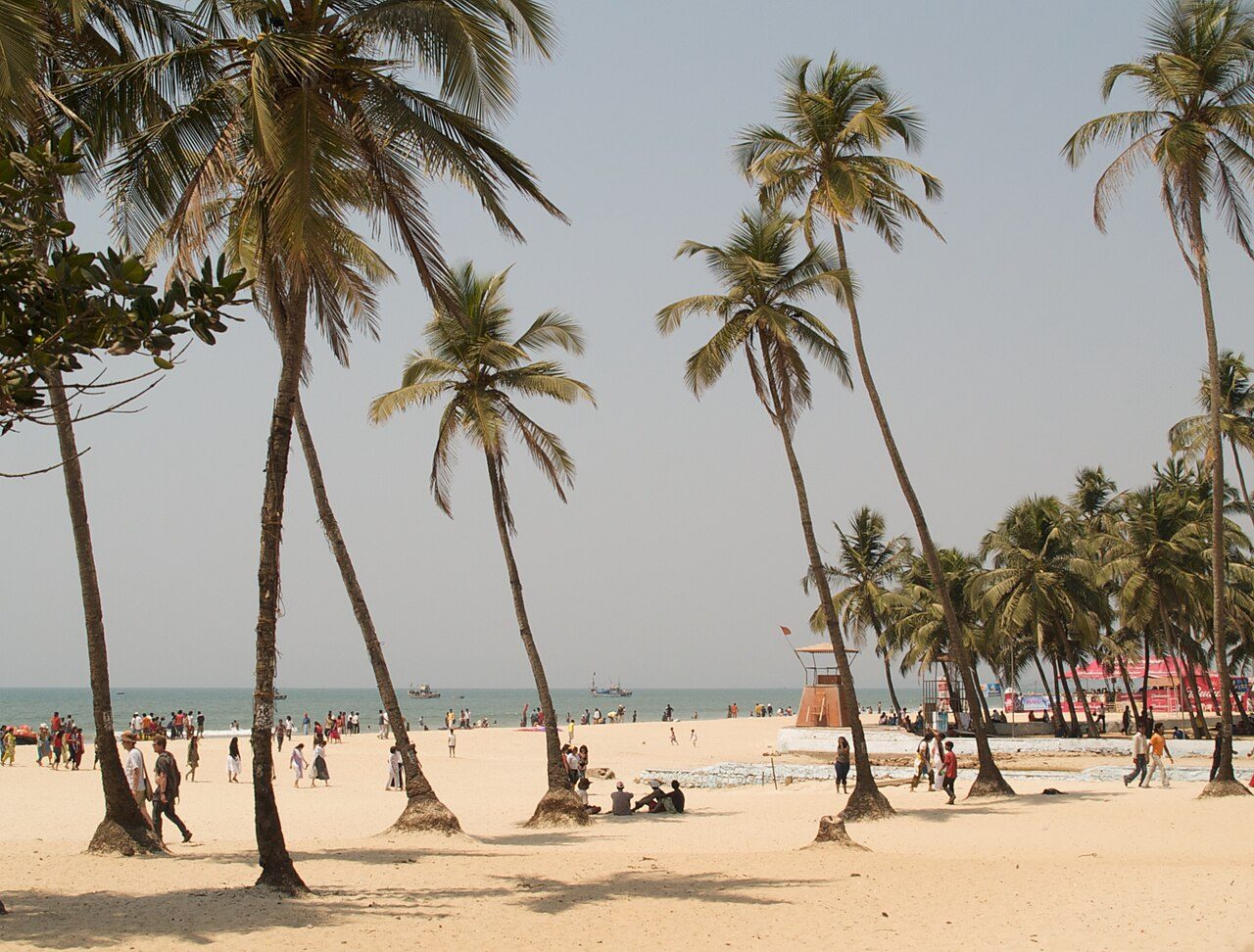
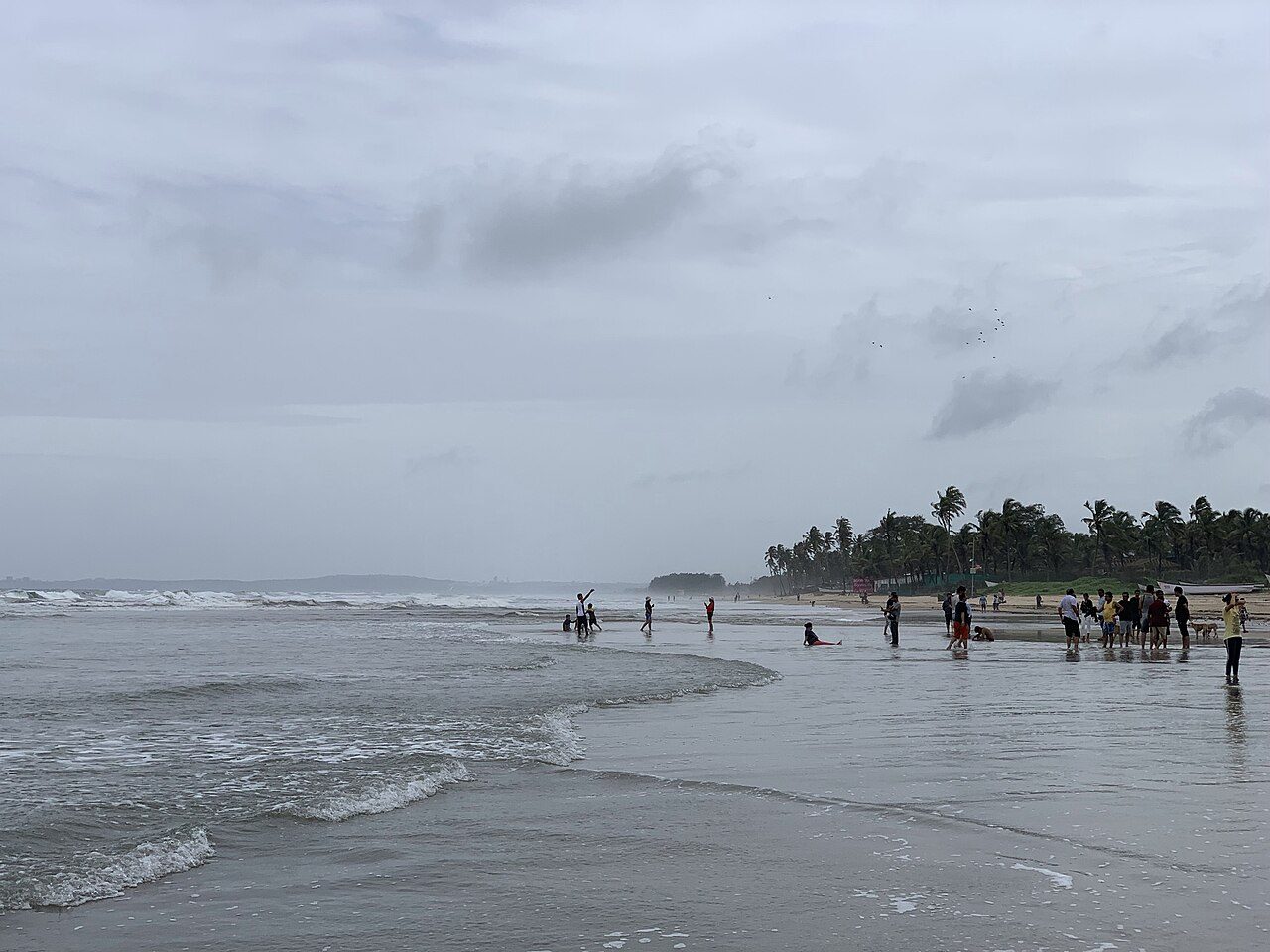
One of the longest beaches in South Goa, Colva's white sand stretches for kilometres, with fishing boats and shacks along the shore. In Colva village, the Church of Our Lady of Mercy holds the revered Menino Jesus statue, whose Fama feast in October draws pilgrims from all over Goa.
Best weather: Nov – MarHeavy rain: Jun – Sep
Seasons from 20 years of NASA POWER climate data.
Was this trip blog helpful?
0
0
Ready to follow this route?
Copy all 18 stops into your trip plans in the app.
 WaTrips