Lepakshi's hanging pillar and Puttaparthi, Gooty Fort, the Belum Caves, sunrise over Gandikota's canyon, Yaganti, Orvakal and Mantralayam.
An easy road trip from Bengaluru into Andhra's rocky Rayalaseema. Day one starts at Lepakshi, famous for its hanging pillar, painted ceilings and the giant stone Nandi, then Puttaparthi's Prasanthi Nilayam. Day two climbs Gooty Fort early and goes underground at the Belum Caves, among the longest caves open to visitors in India. Day three is for Gandikota, a fort on the edge of a red sandstone gorge on the Penna river, often called the Grand Canyon of India; stay nearby to see it at sunrise. The last day visits the Yaganti temple among the Erramala hills, the rock formations of Orvakal and Mantralayam on the Tungabhadra. Winter is the time to go; summers are very hot.
01
STOP 1 OF 8
Lepakshi Temple
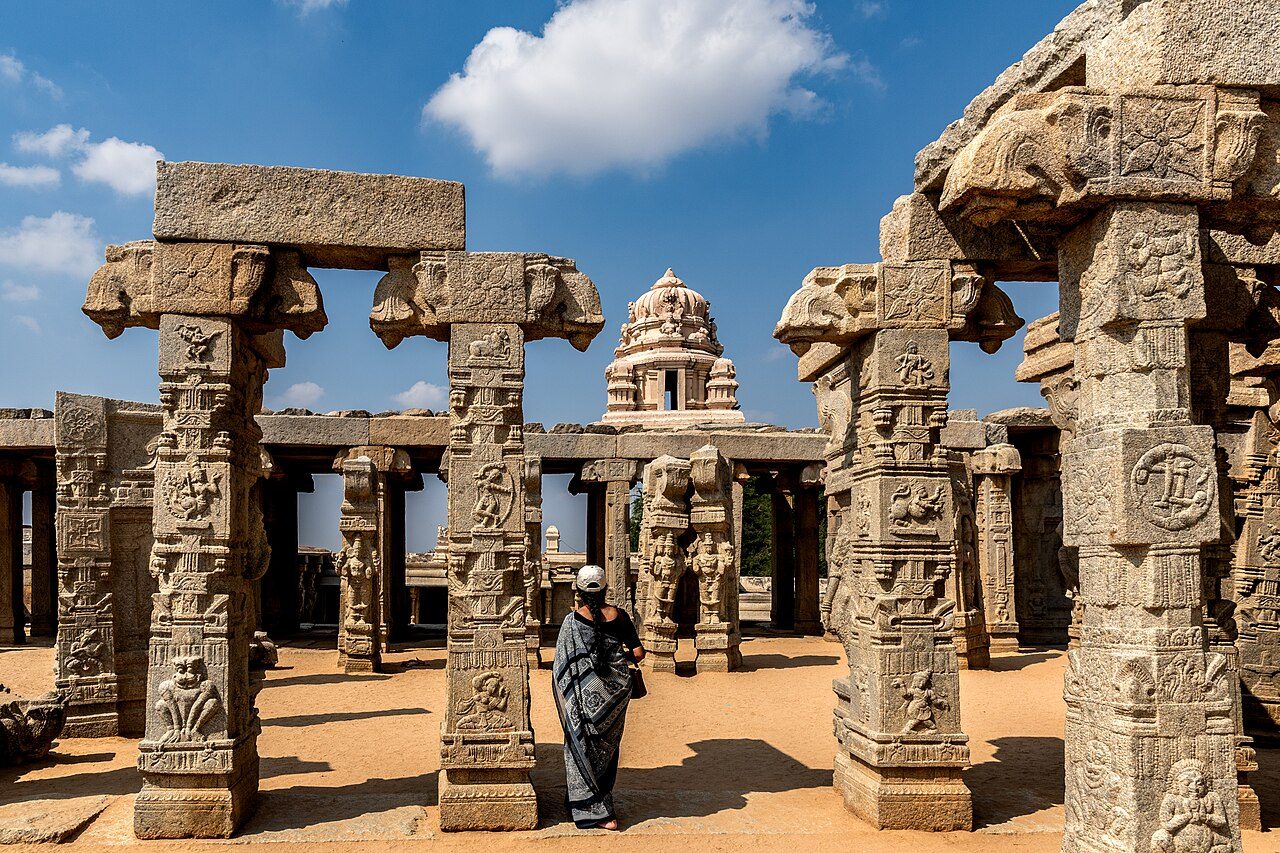
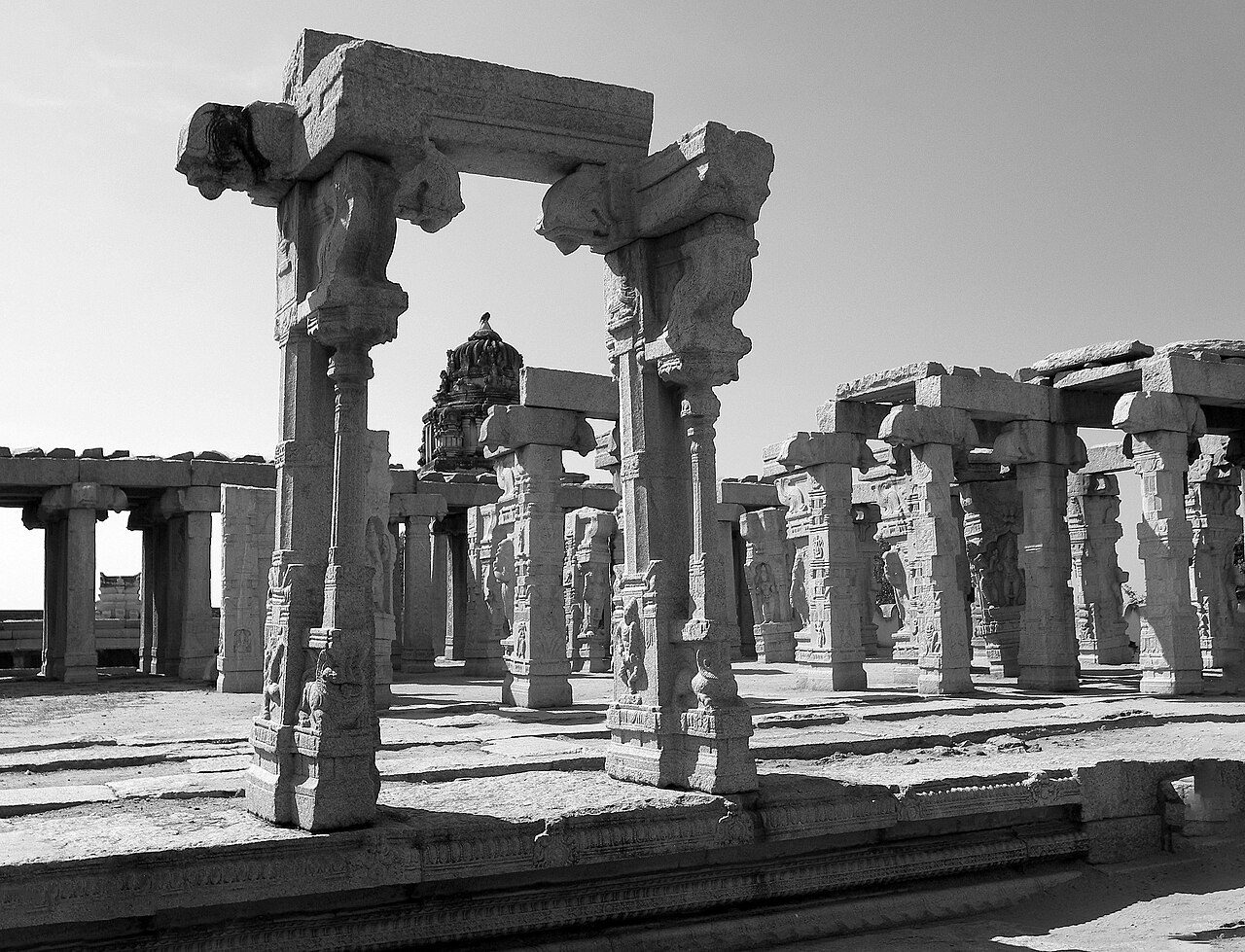
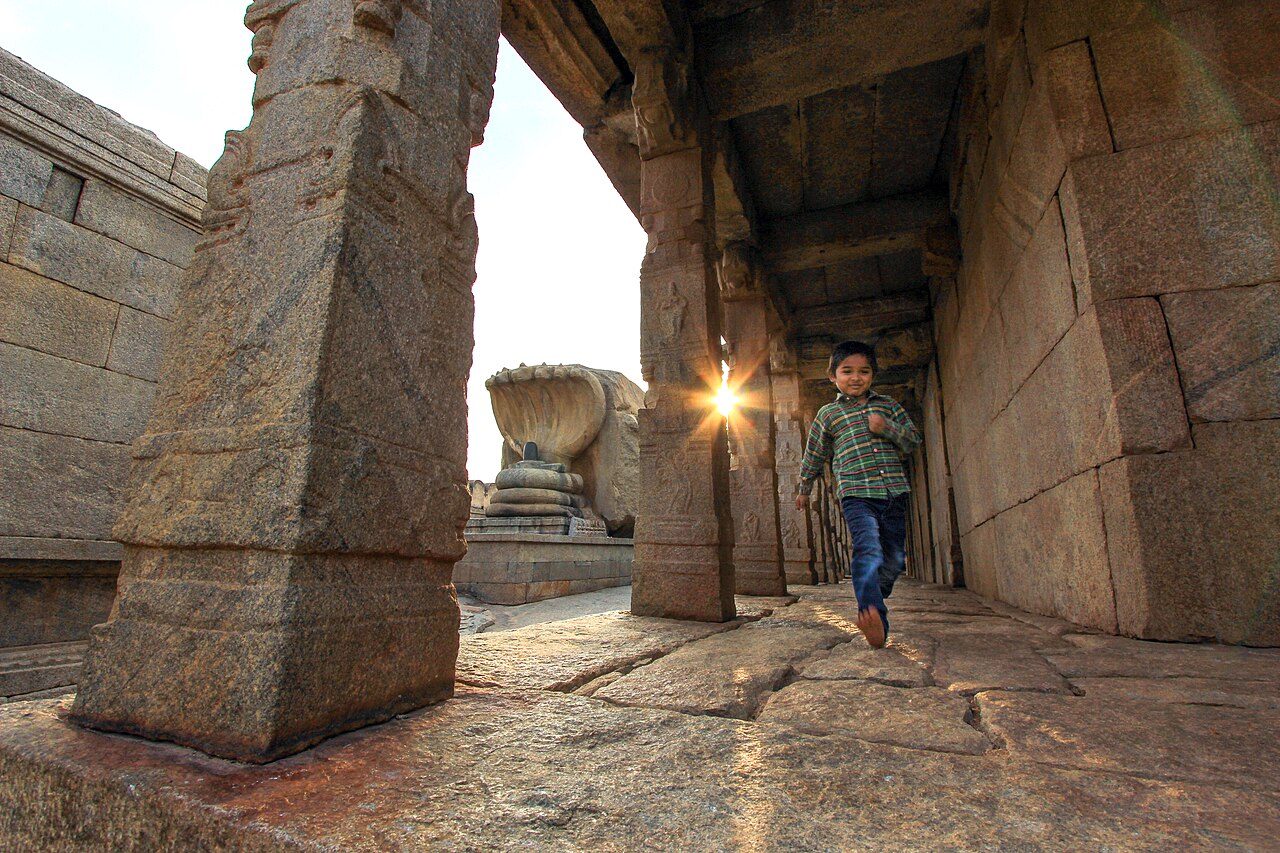
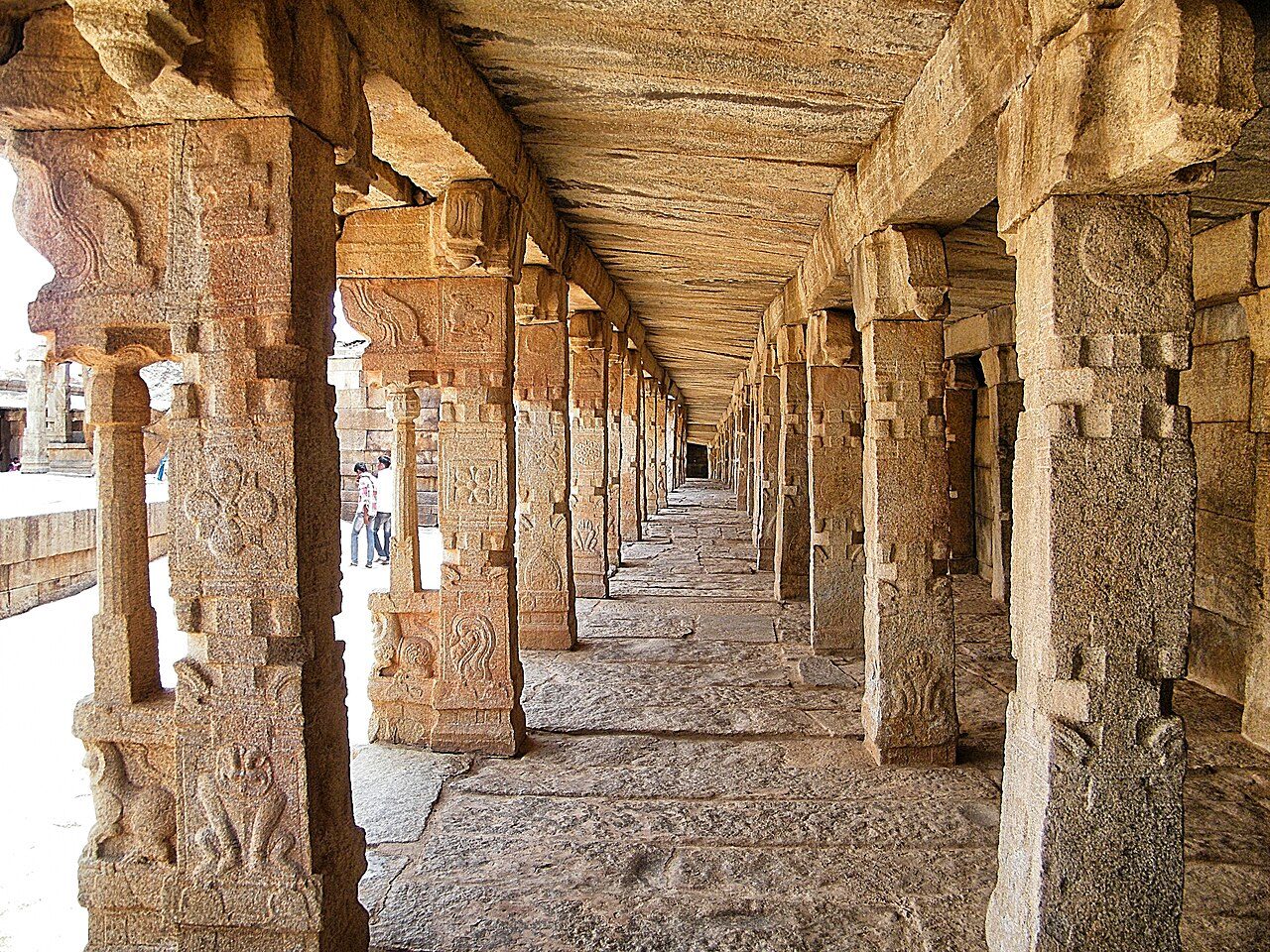
The Veerabhadra Temple at Lepakshi, built in the 16th century under the Vijayanagara kings, is known for its hanging pillar, which does not fully touch the ground, its ceiling murals and its giant monolithic Nandi, one of the largest in India. A huge serpent-hooded linga carved from a boulder stands in the courtyard.
02
STOP 2 OF 8
Prasanthi Nilayam
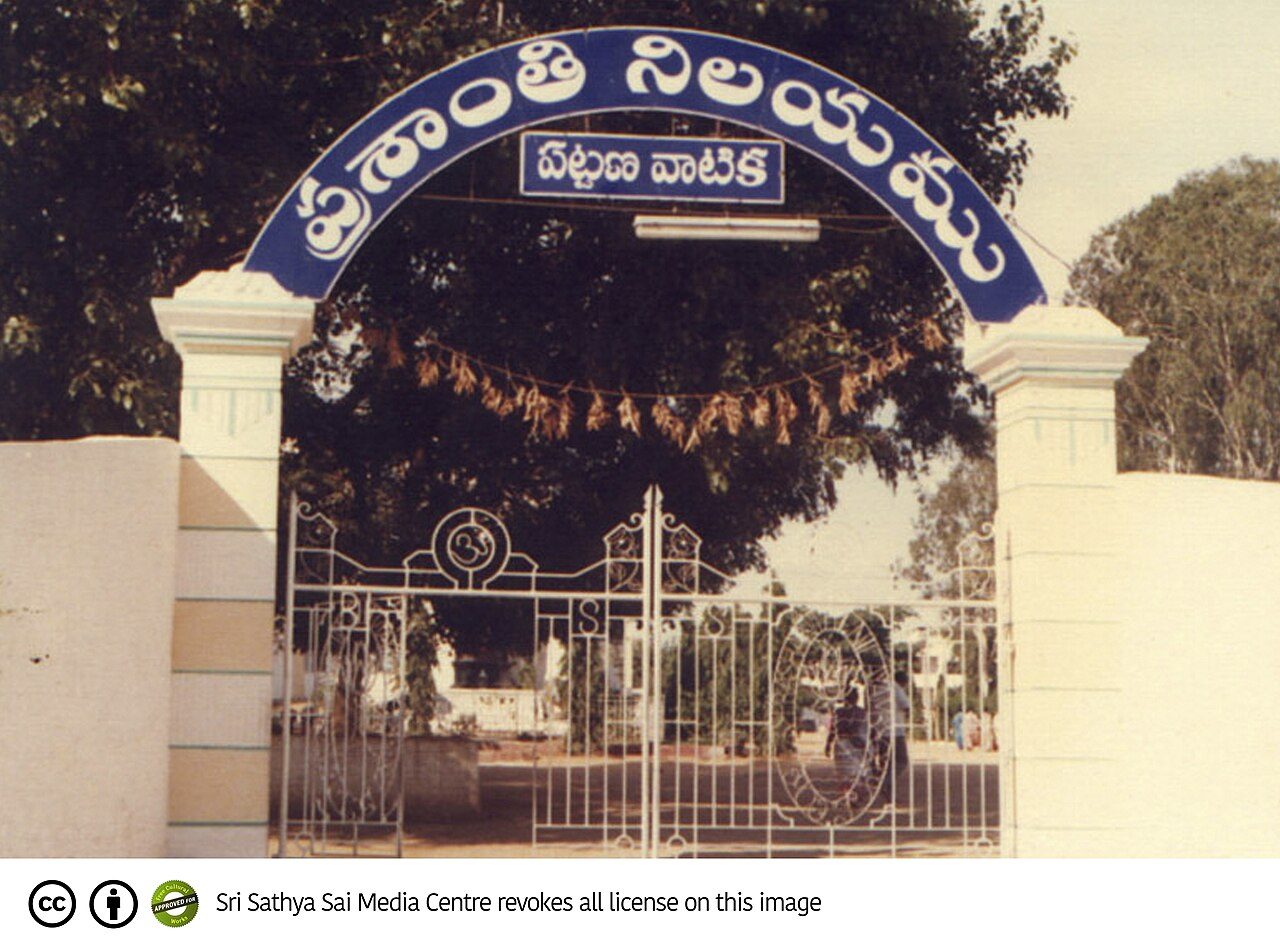
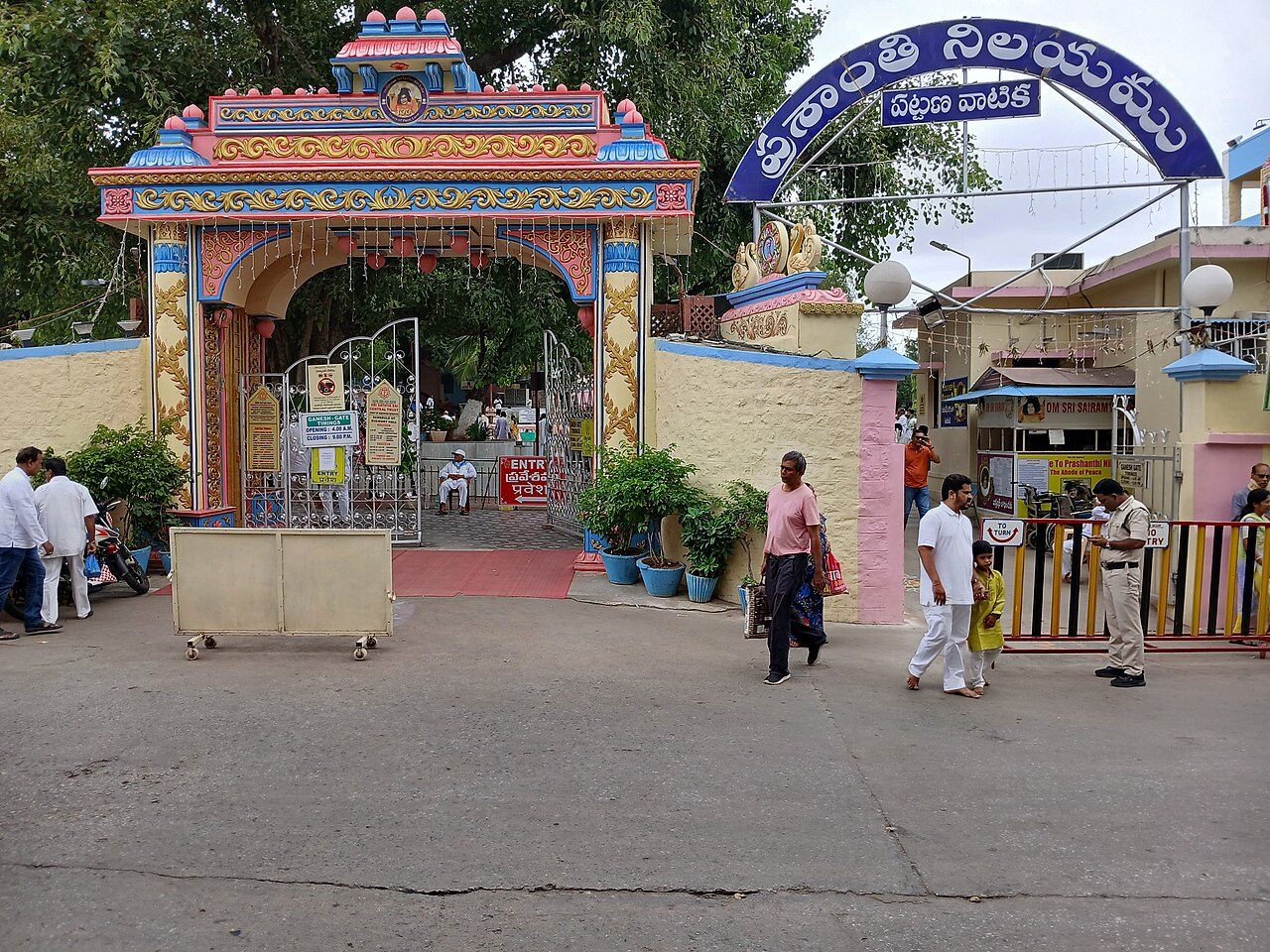
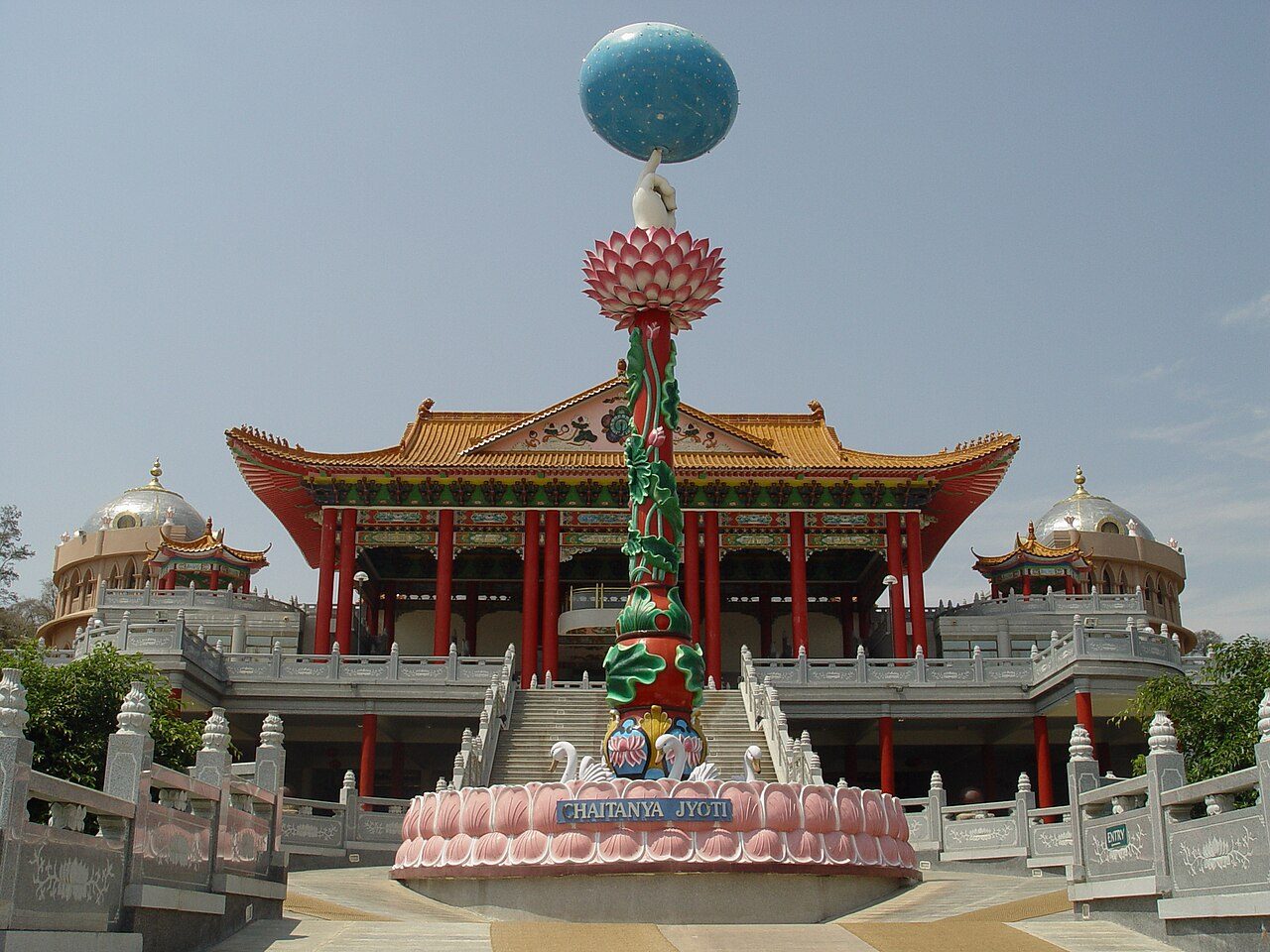
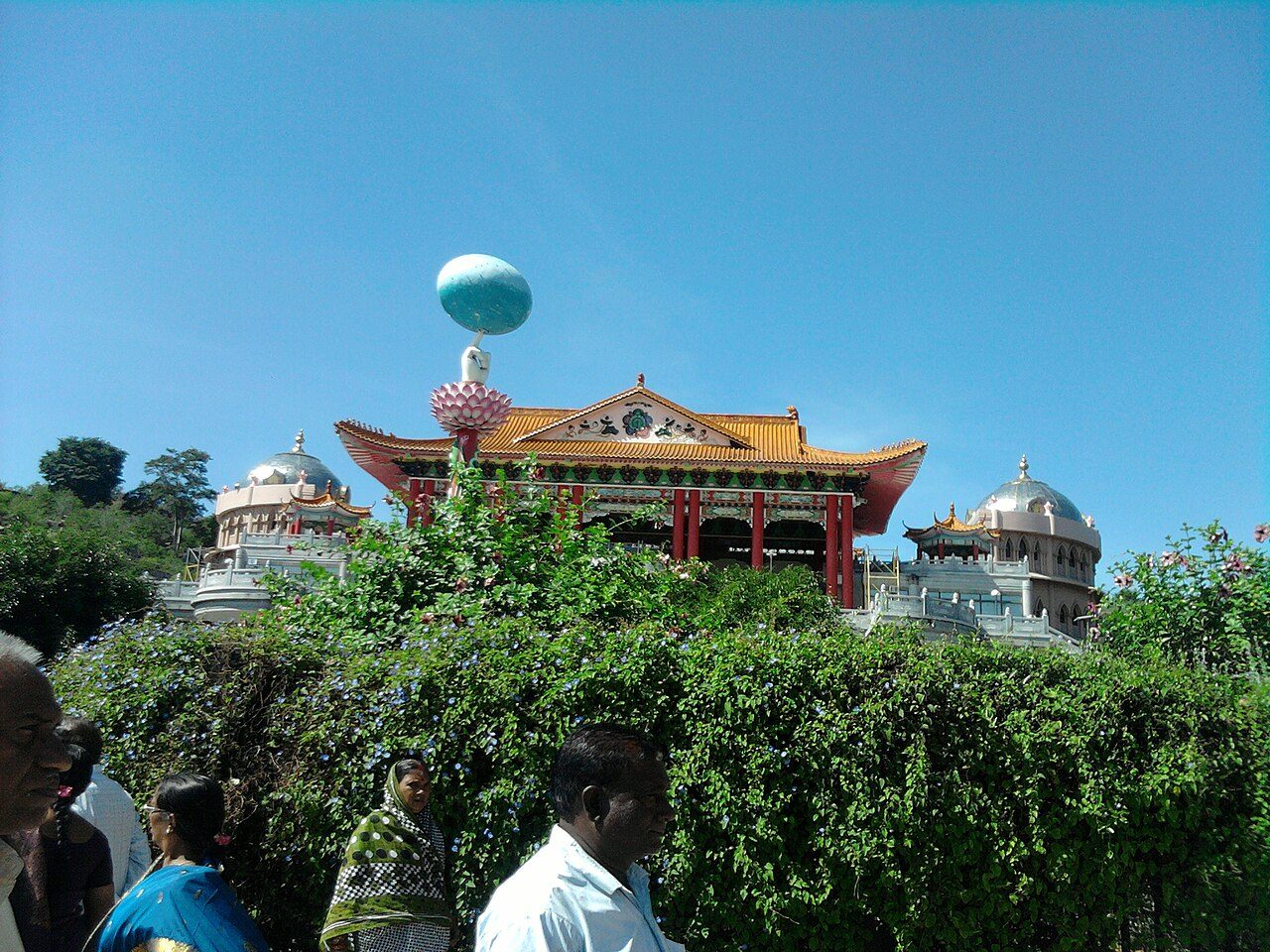
The ashram of Sri Sathya Sai Baba at Puttaparthi, Prasanthi Nilayam draws devotees from all over the world. His mahasamadhi is in the Sai Kulwant Hall, and the town around the ashram has grown up with a hospital, university, museum and planetarium. Bhajans are held daily in the hall.
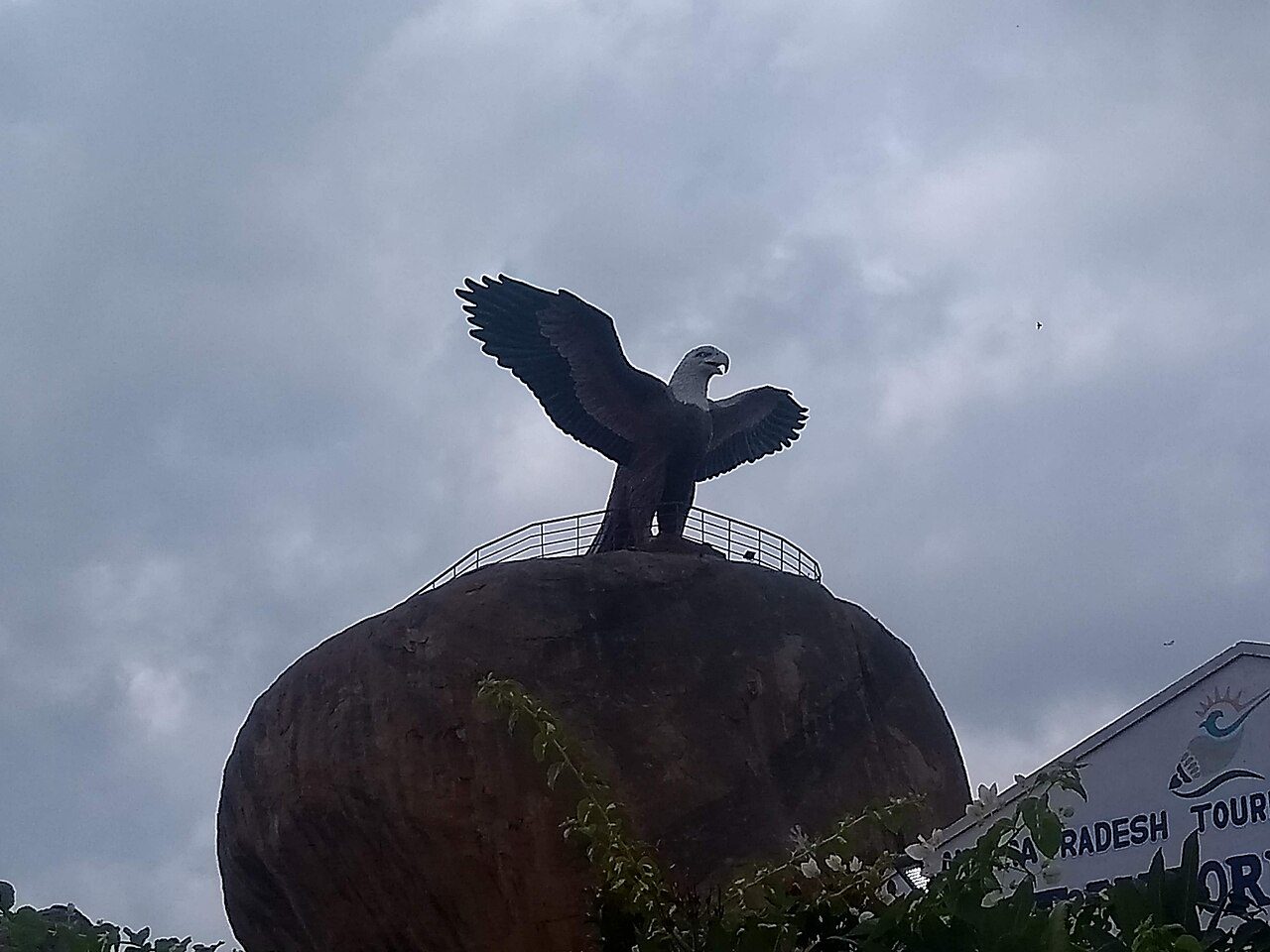
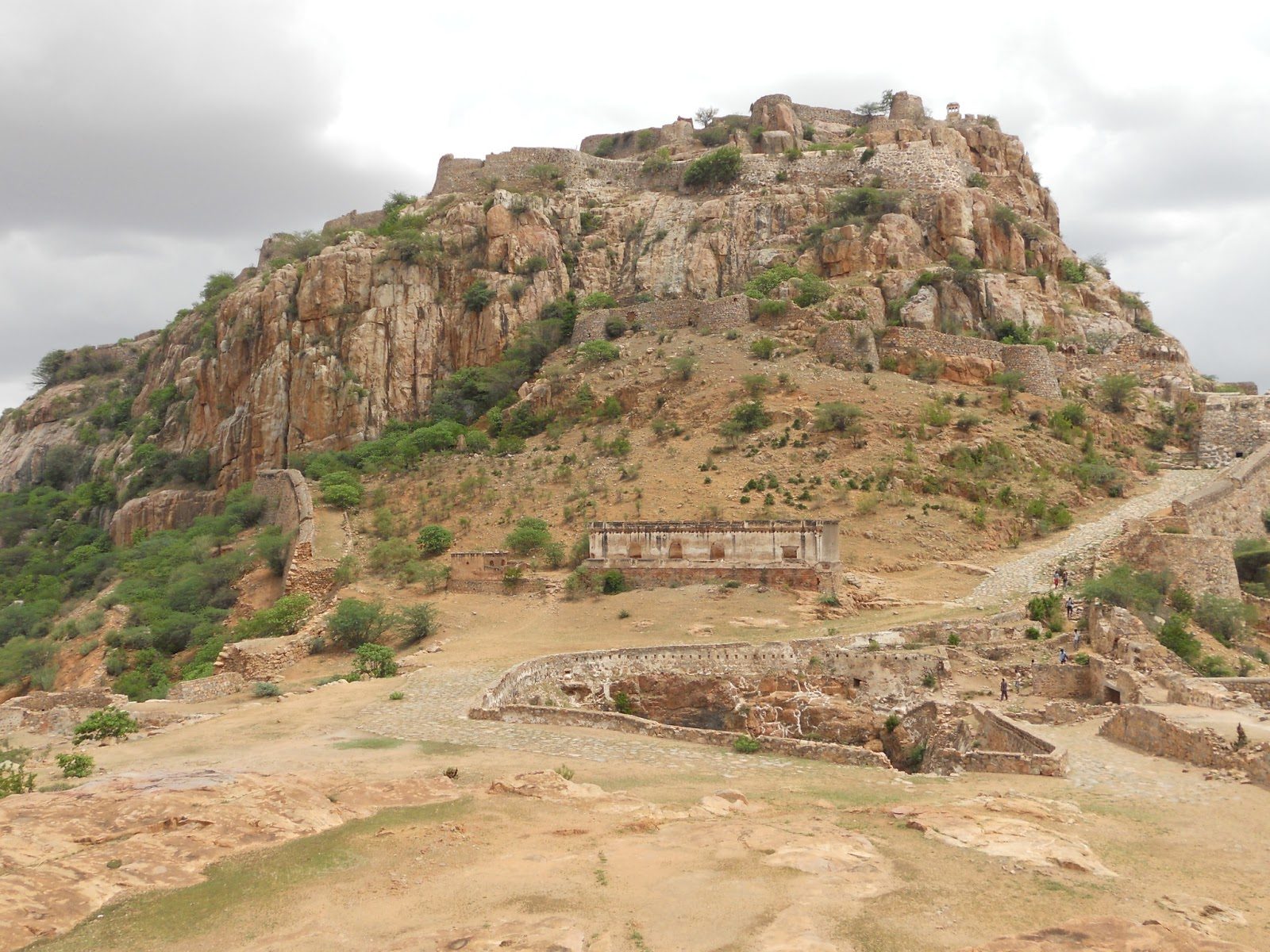
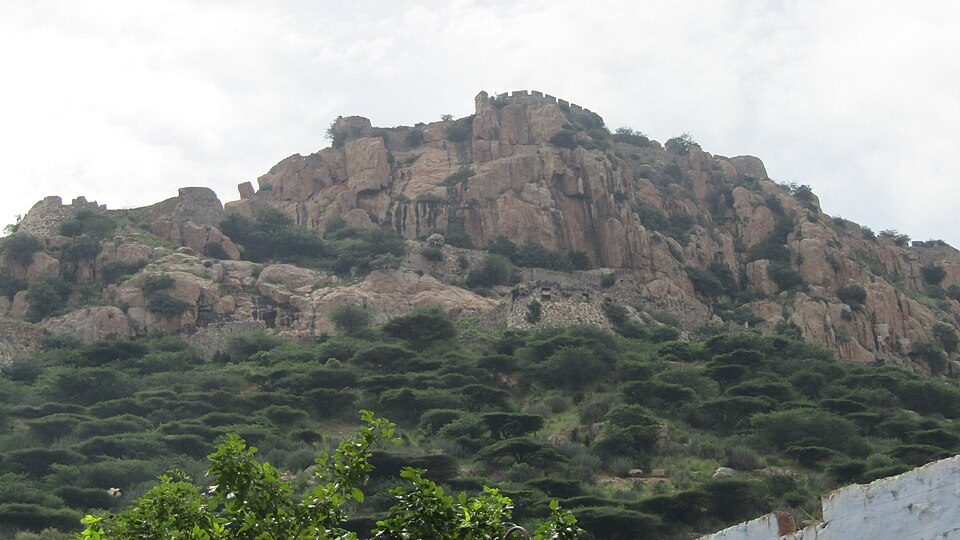
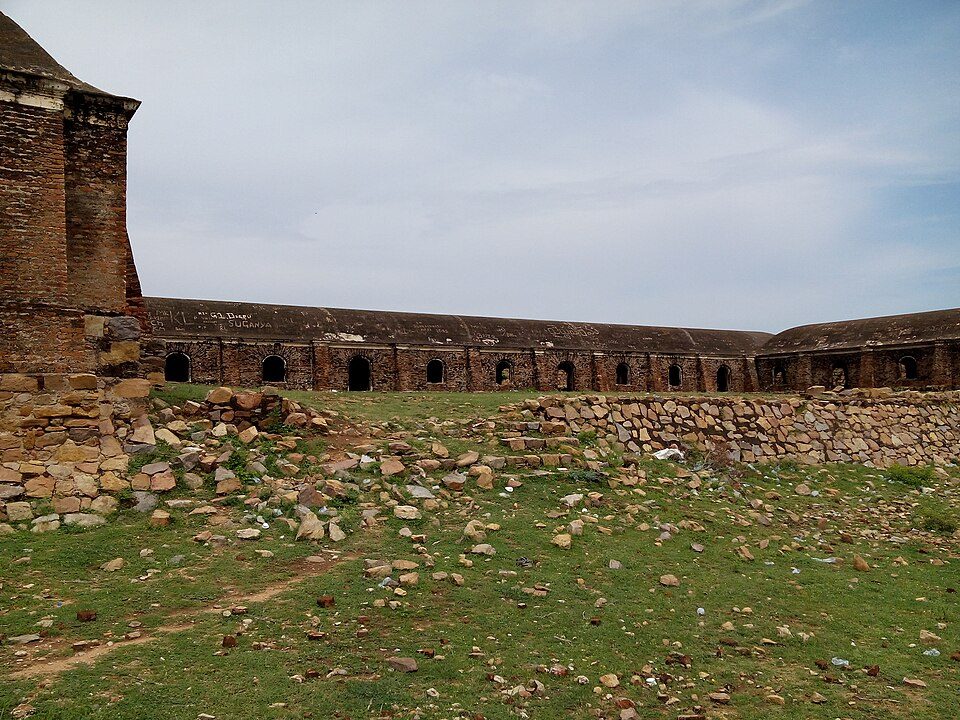
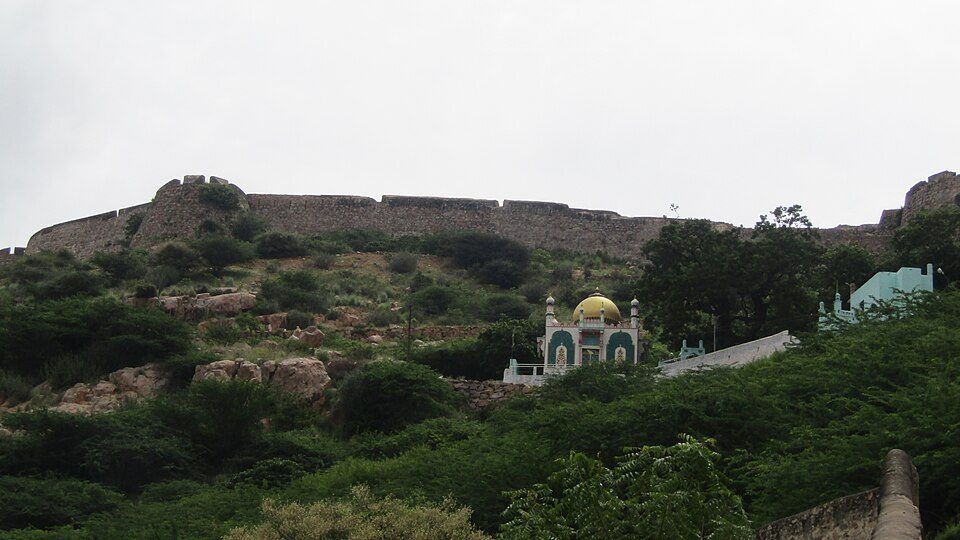
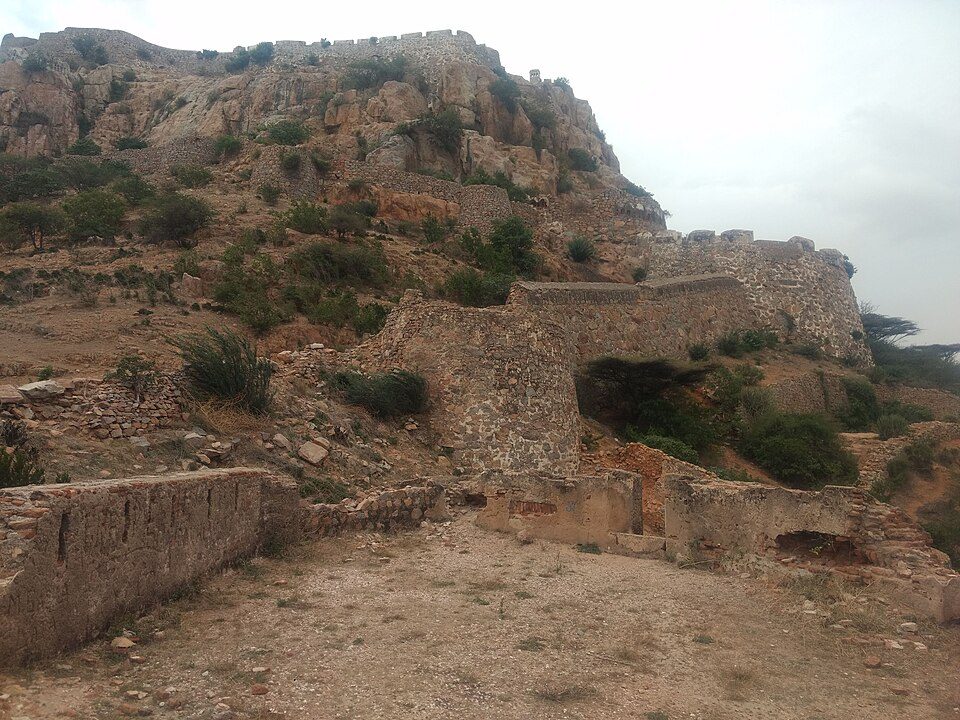
Perched on a rocky hill about 300 metres above the town, Gooty Fort is one of the oldest hill forts in Andhra Pradesh, held by the Vijayanagara kings, Hyder Ali and the Marathas. A climb through a series of gateways leads to the summit, where the Maratha leader Murari Rao's seat overlooks the plains.
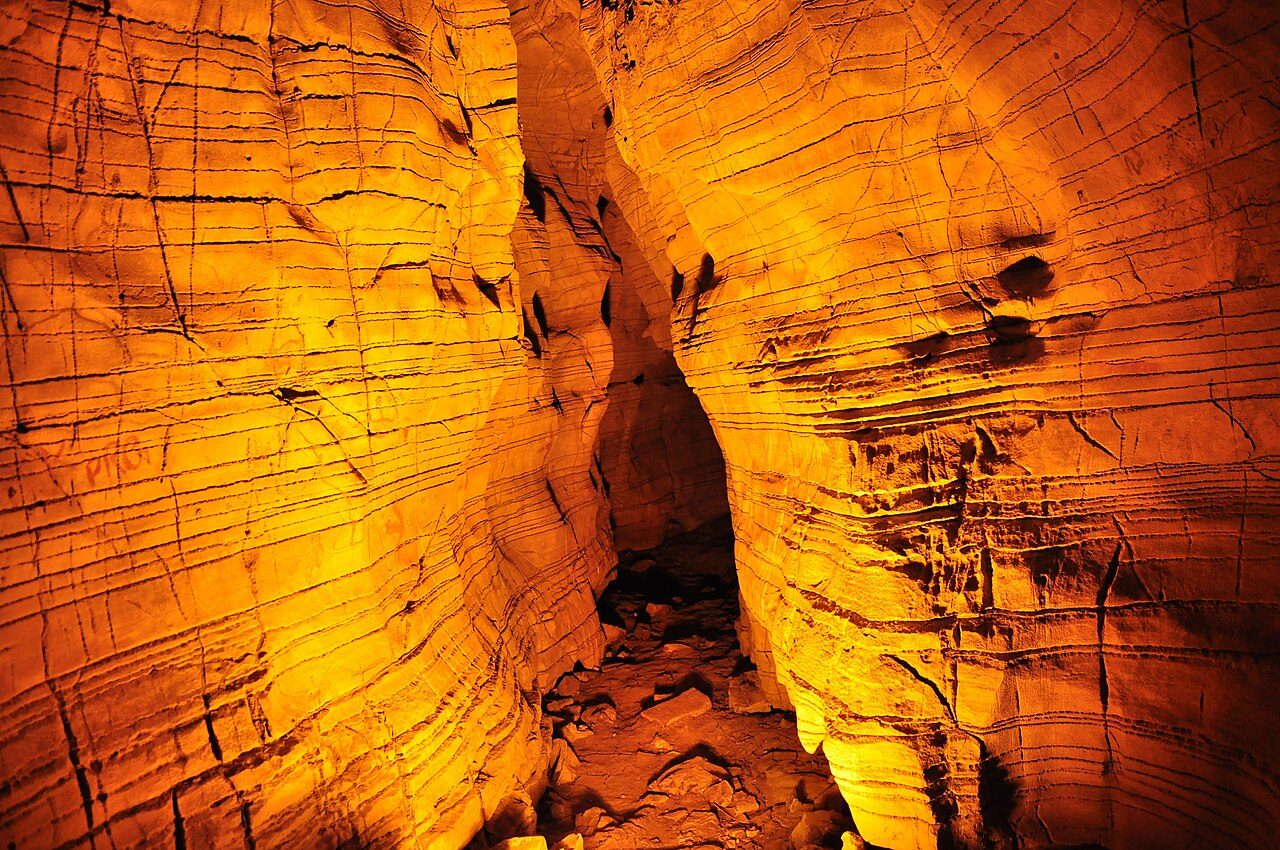
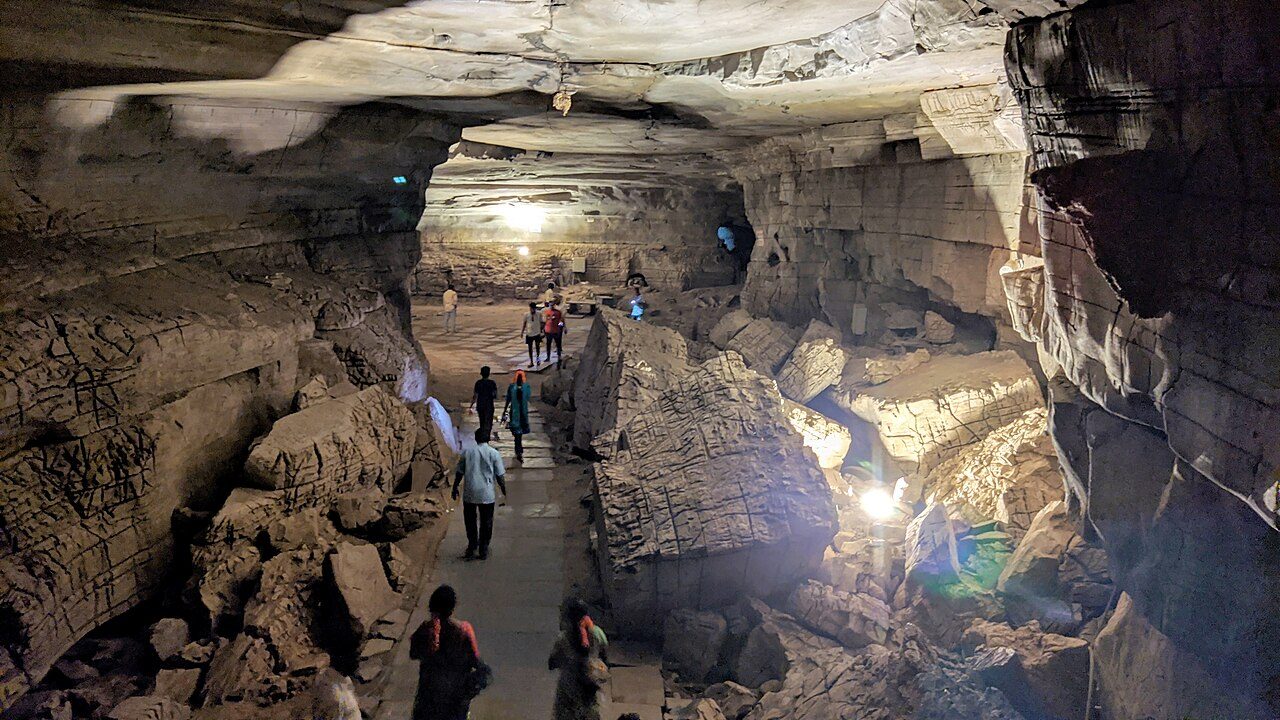
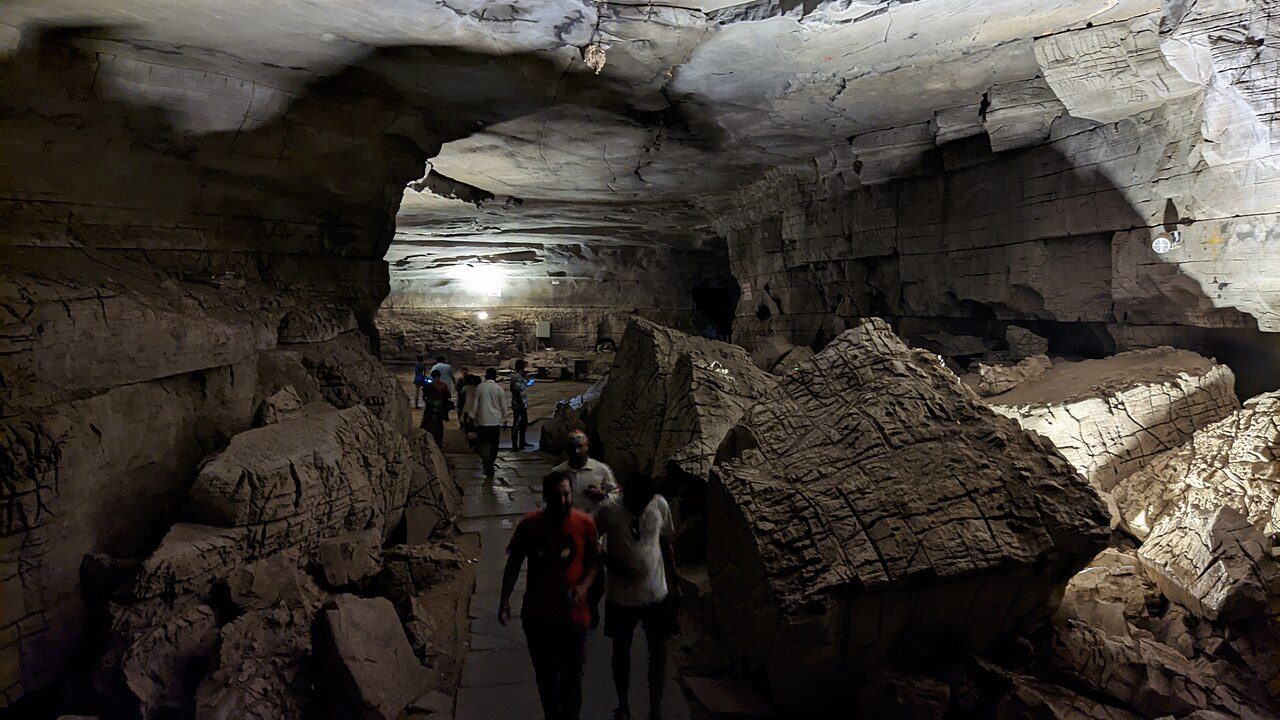
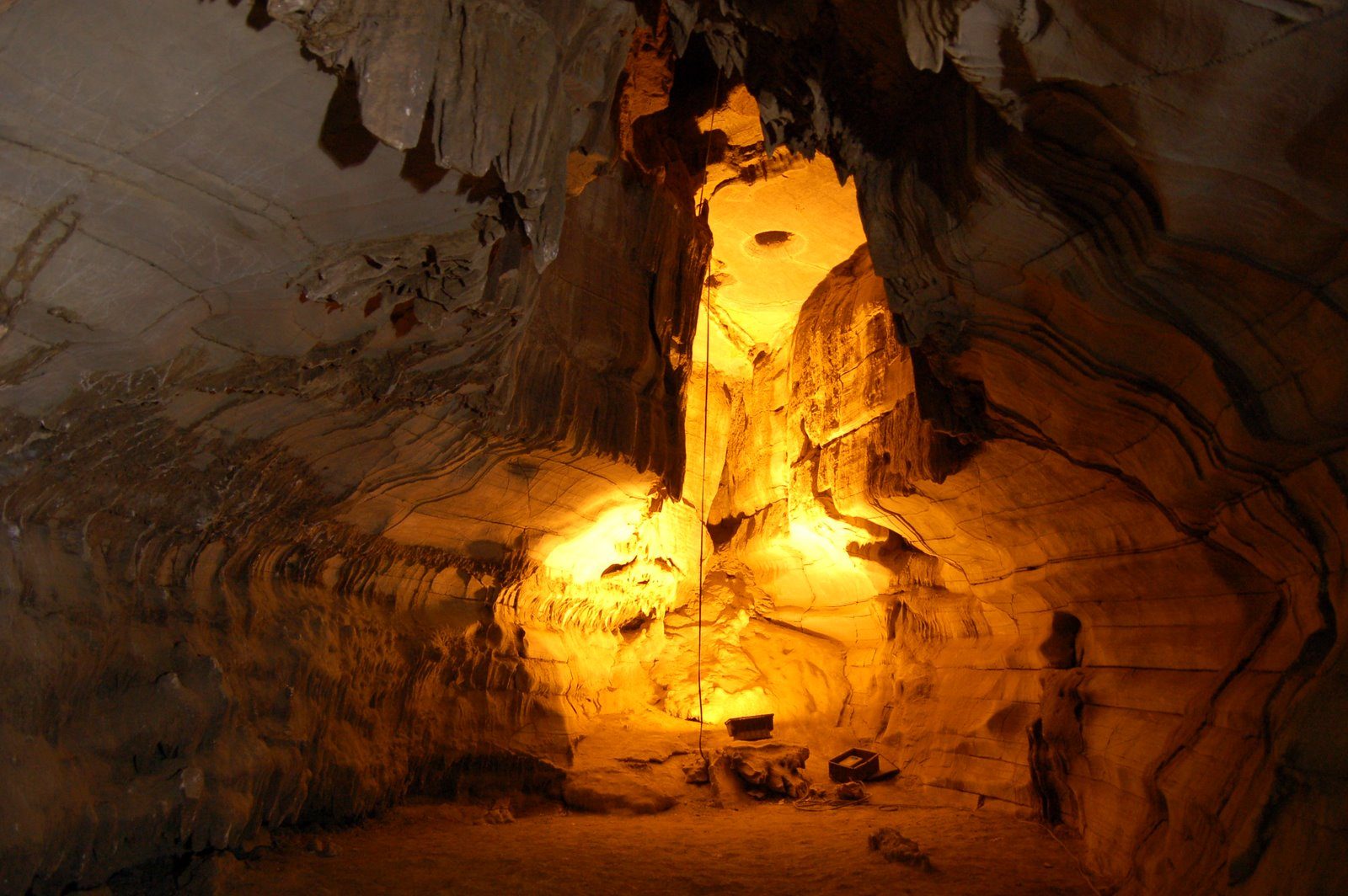
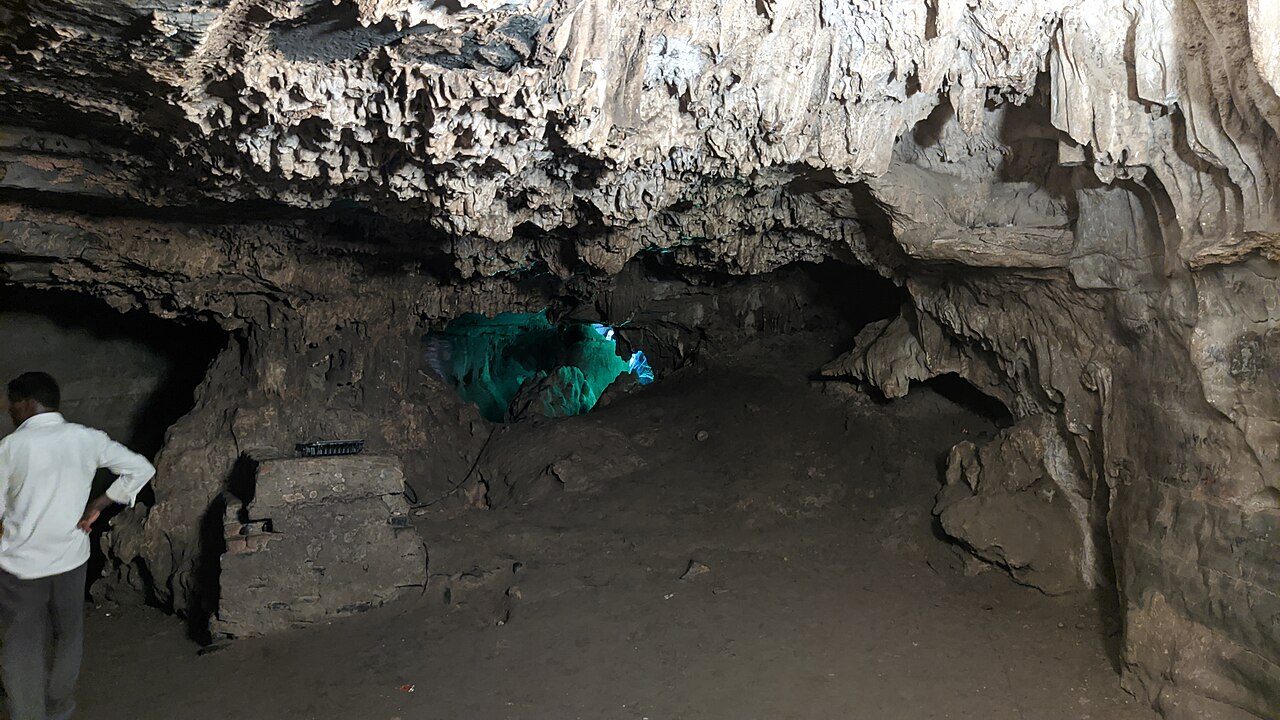
The second-longest cave system open to the public in India, Belum Caves stretch more than three kilometres underground, with about 1.5 kilometres open to visitors. Lit walkways lead past stalactites, stalagmites, chambers and the Patalaganga, a small underground stream. Buddhist monks are believed to have used the caves in ancient times.
05
STOP 5 OF 8
Gandikota Fort
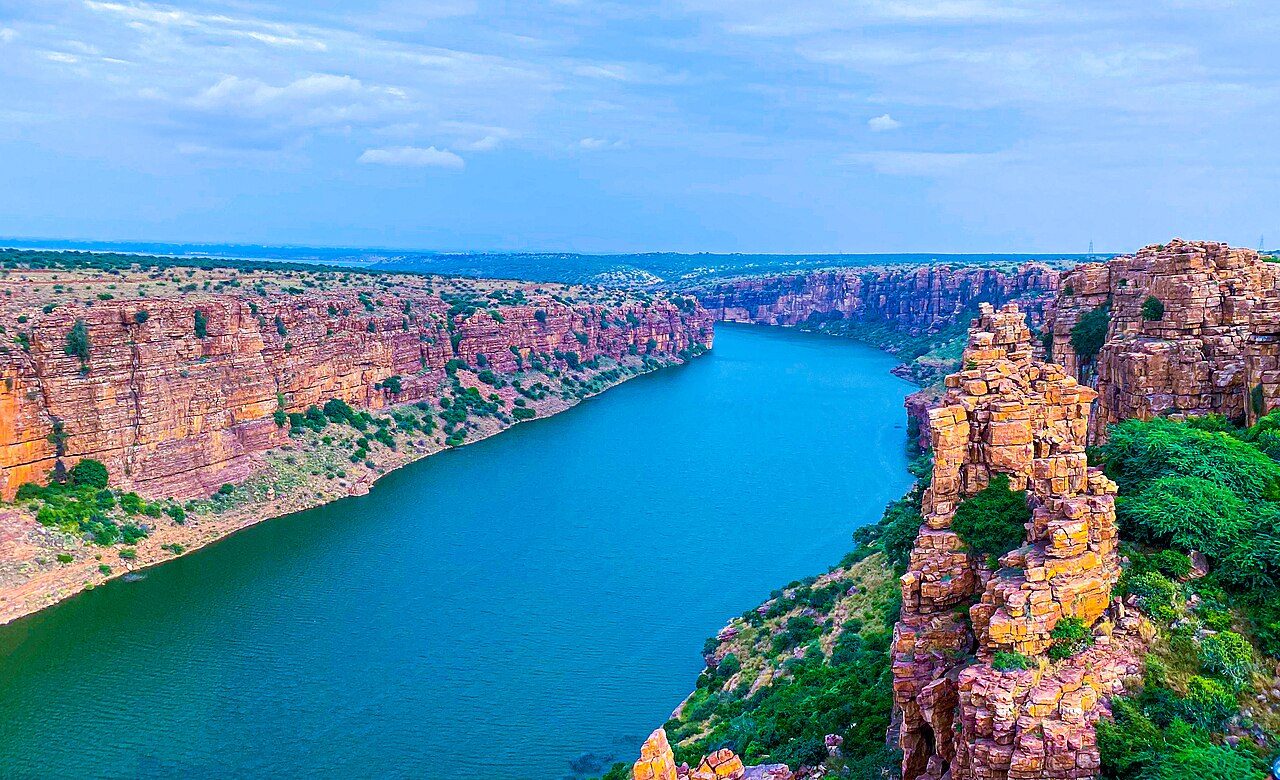
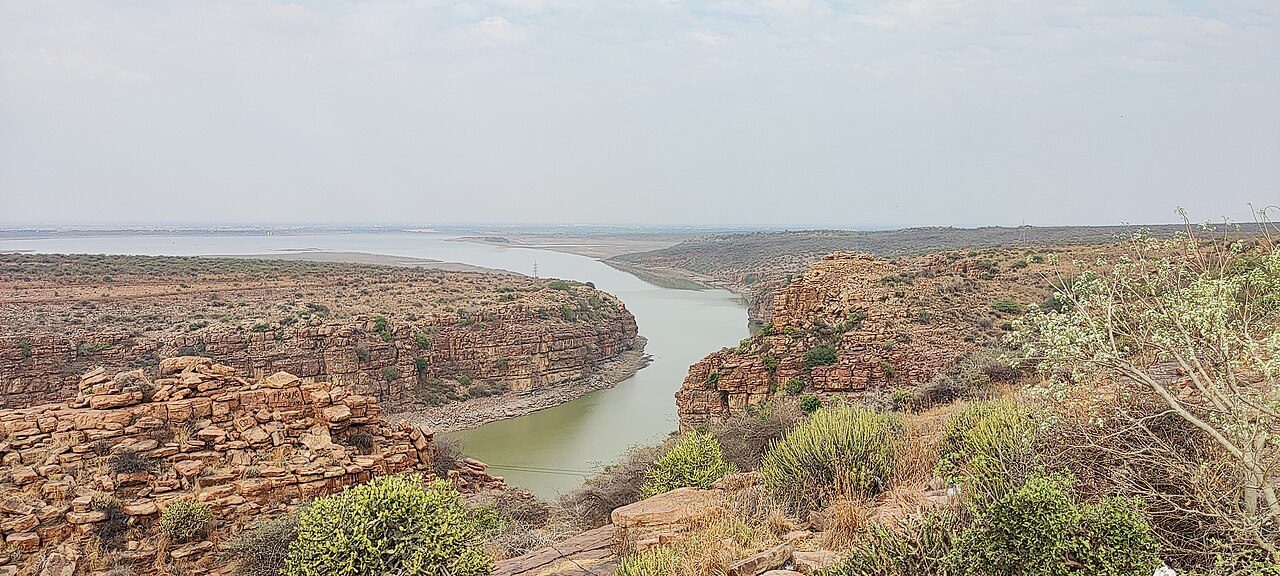
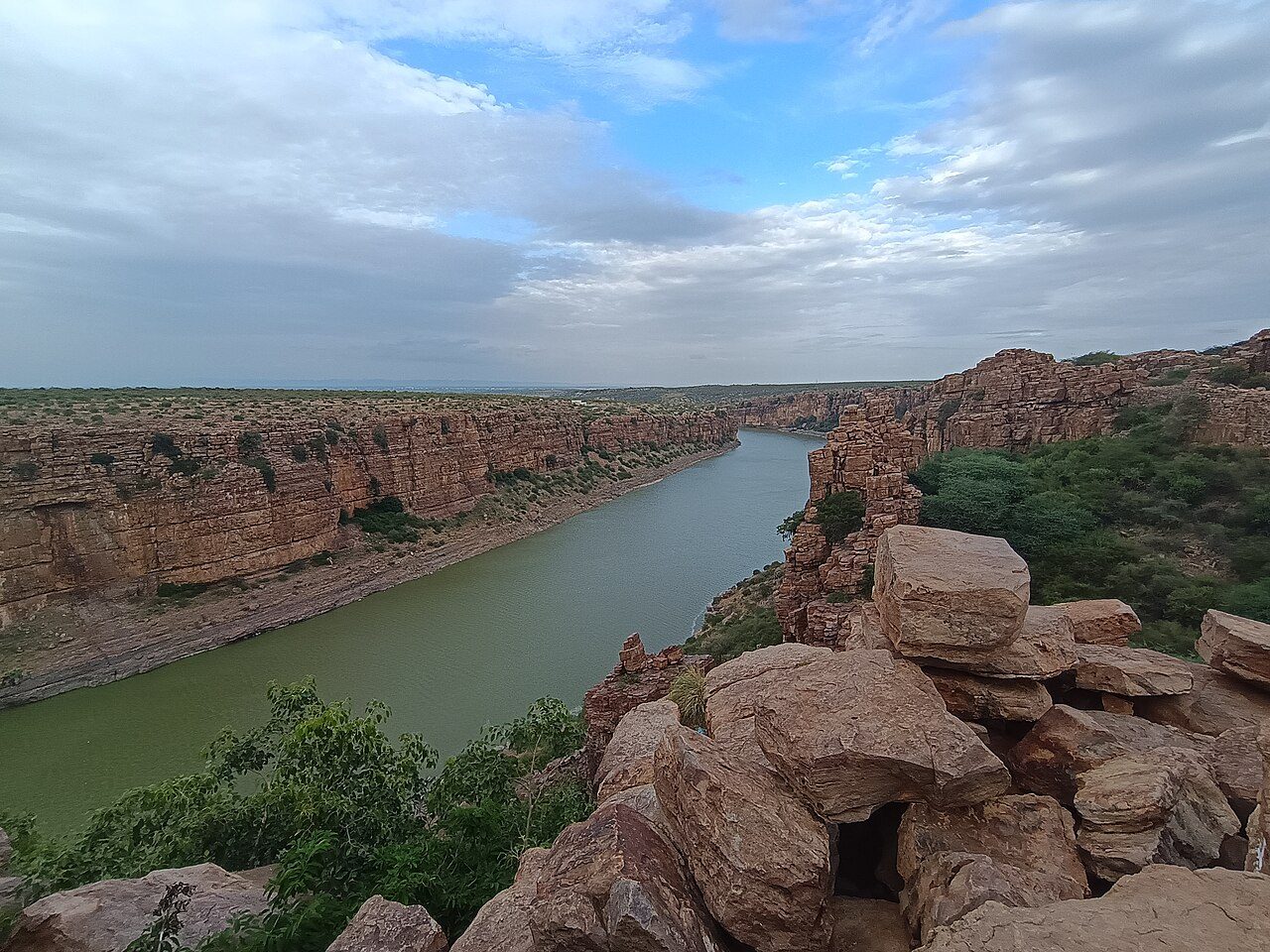
Often called the Grand Canyon of India, Gandikota is a 13th-century fort on a plateau above a deep gorge cut by the Penna river through red sandstone. Within its walls are a mosque, a Madhavaraya temple, granaries and a large tank. The view over the gorge is spectacular at sunrise and sunset, and many visitors camp on the cliff edge.
06
STOP 6 OF 8
Yaganti Temple
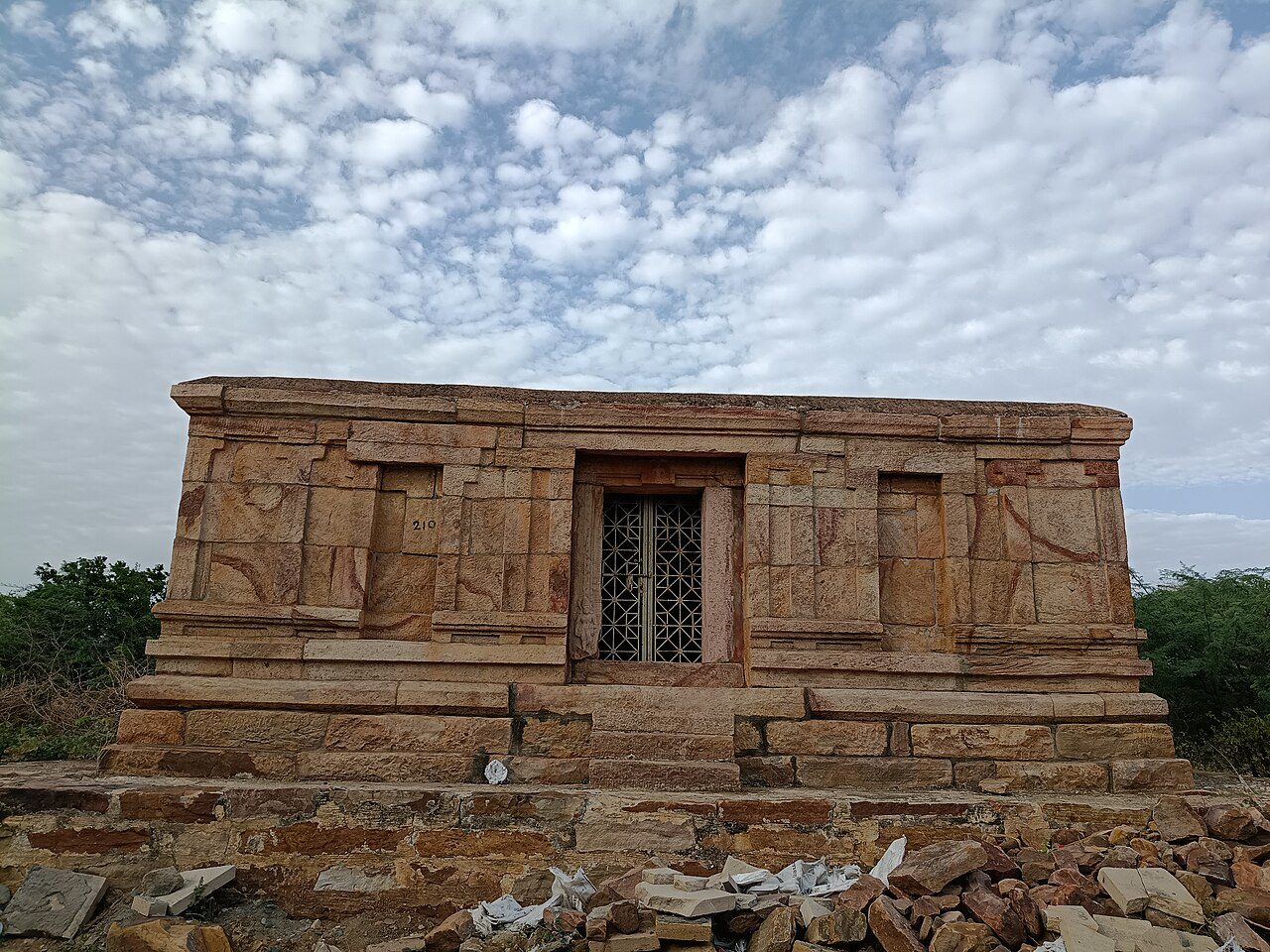
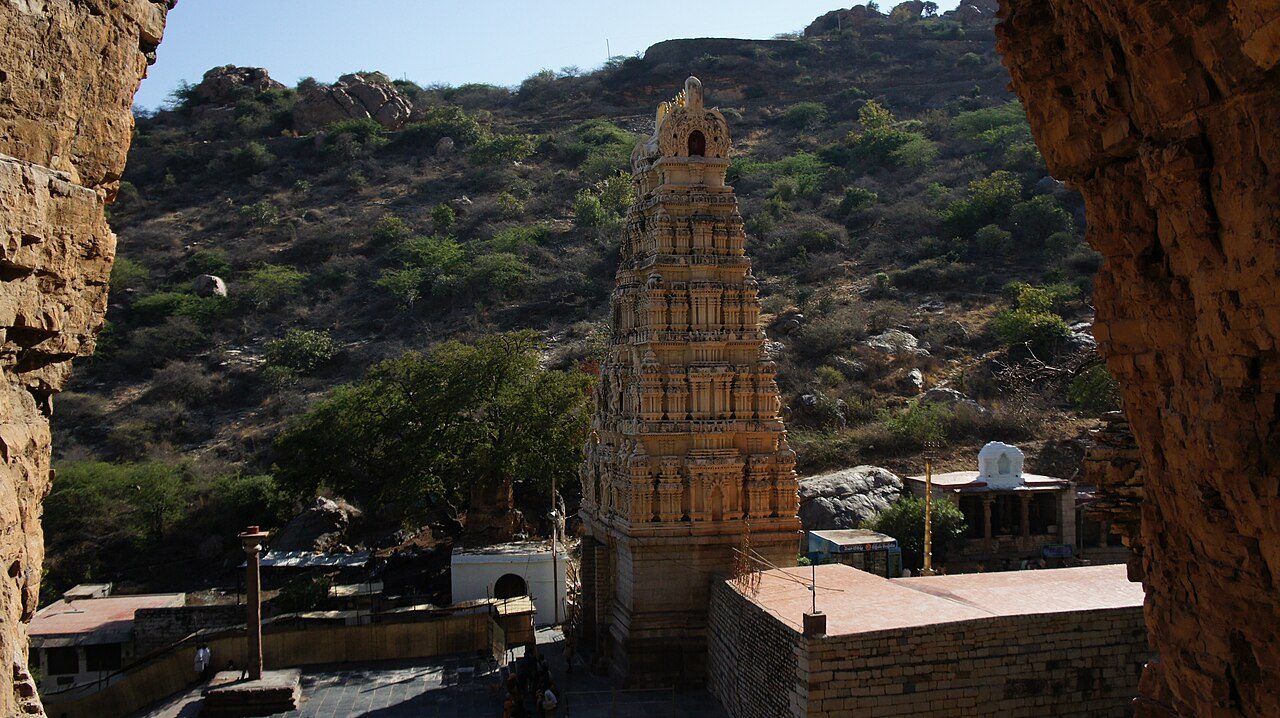
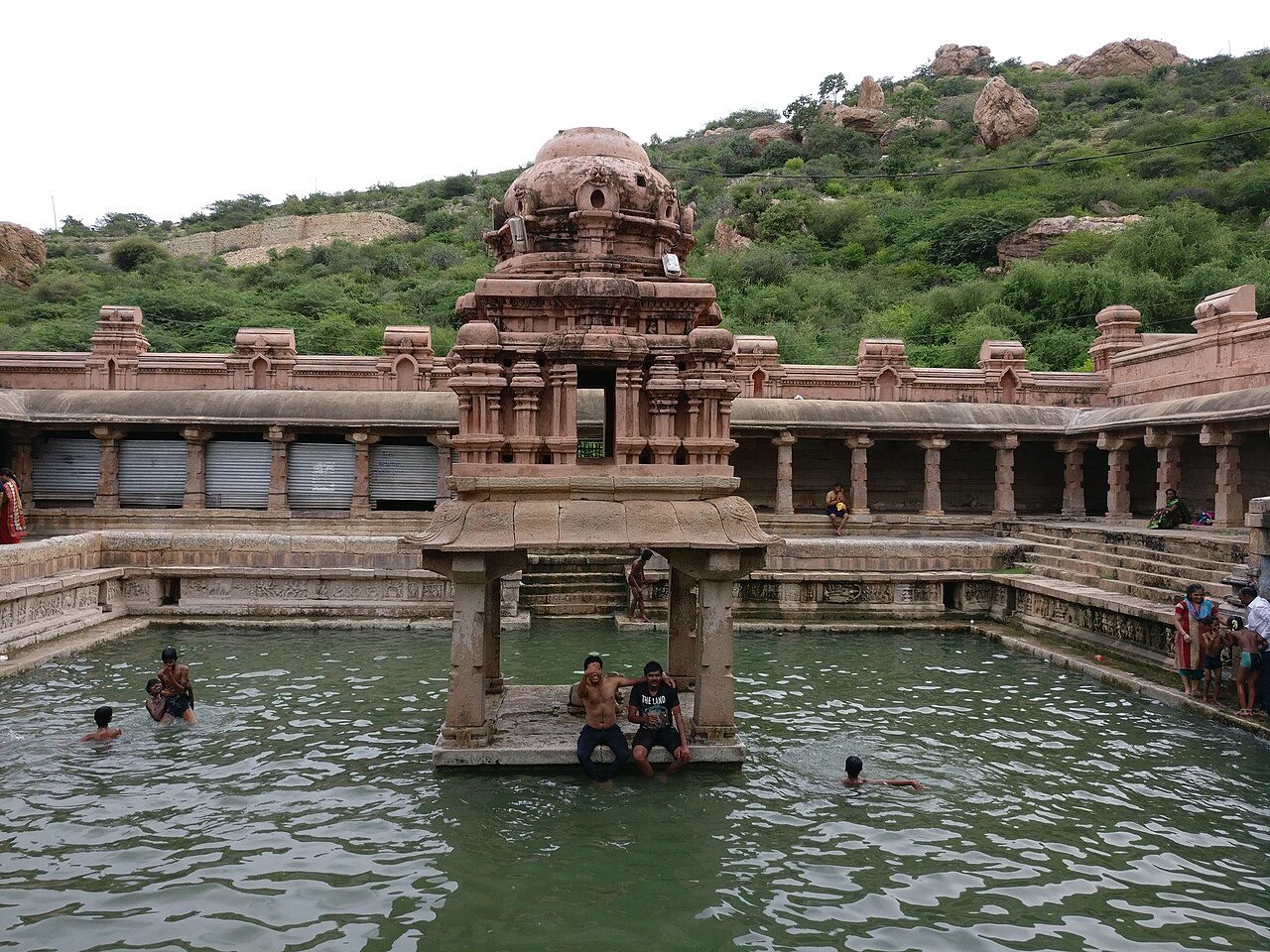
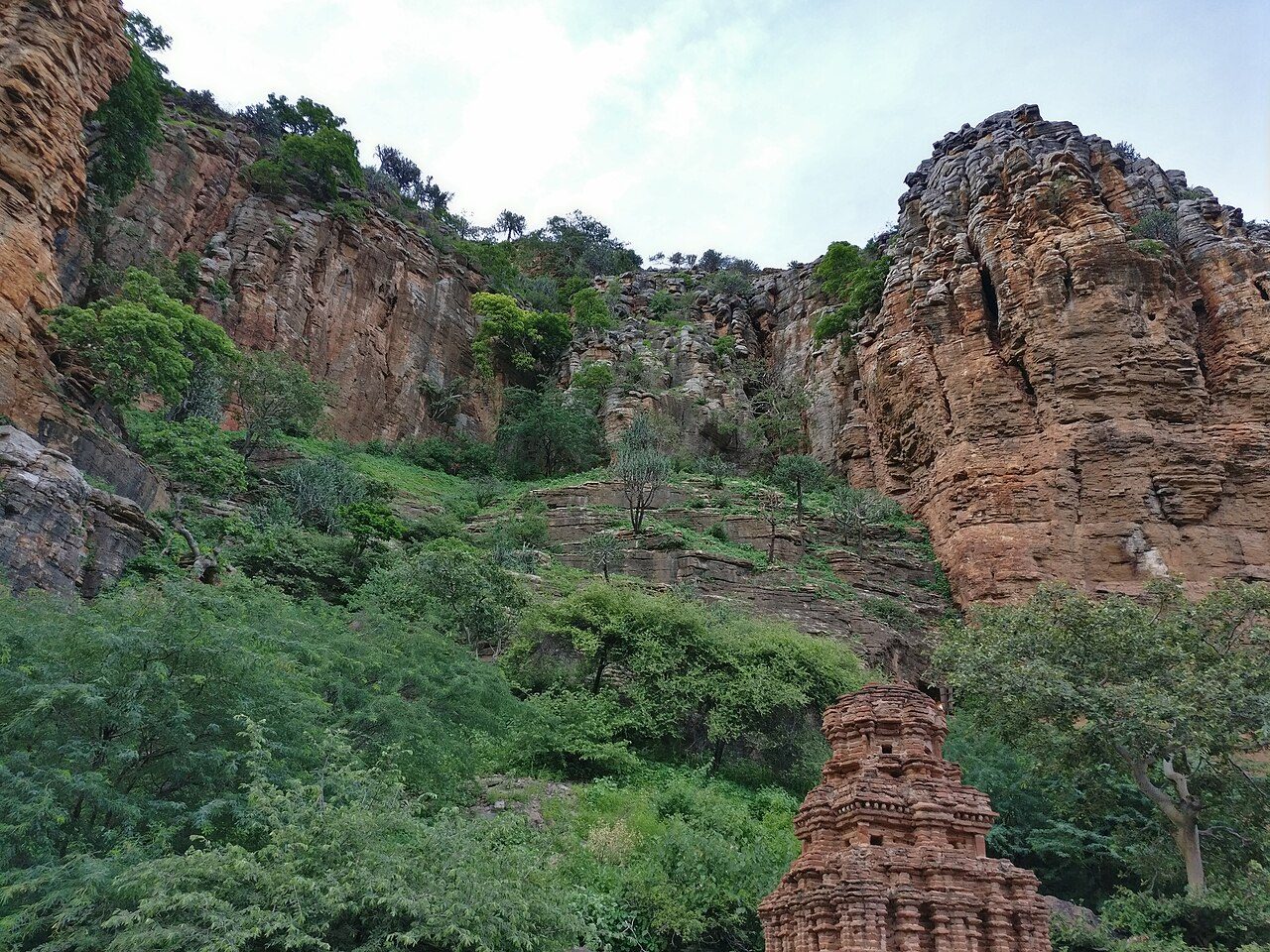
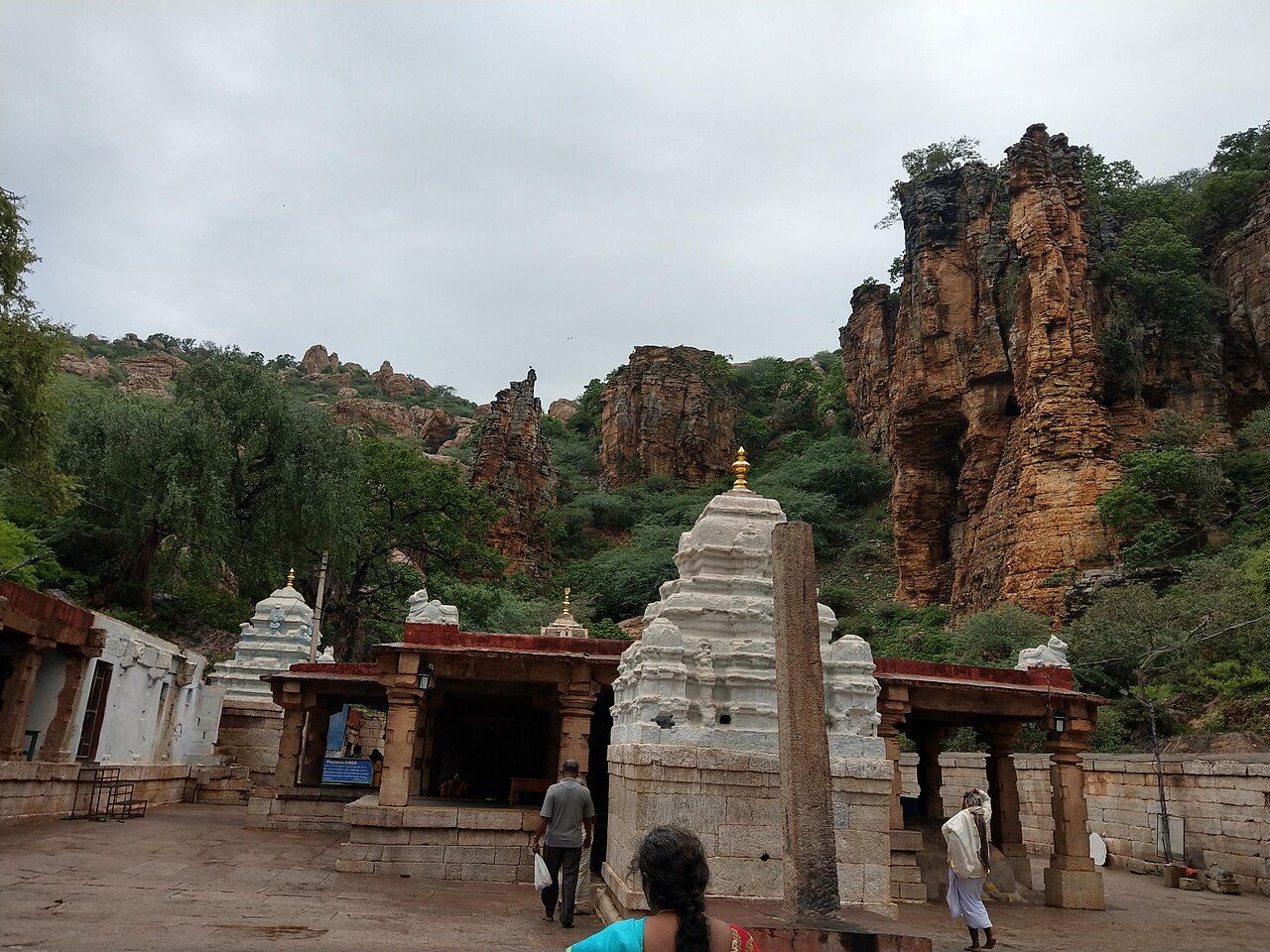
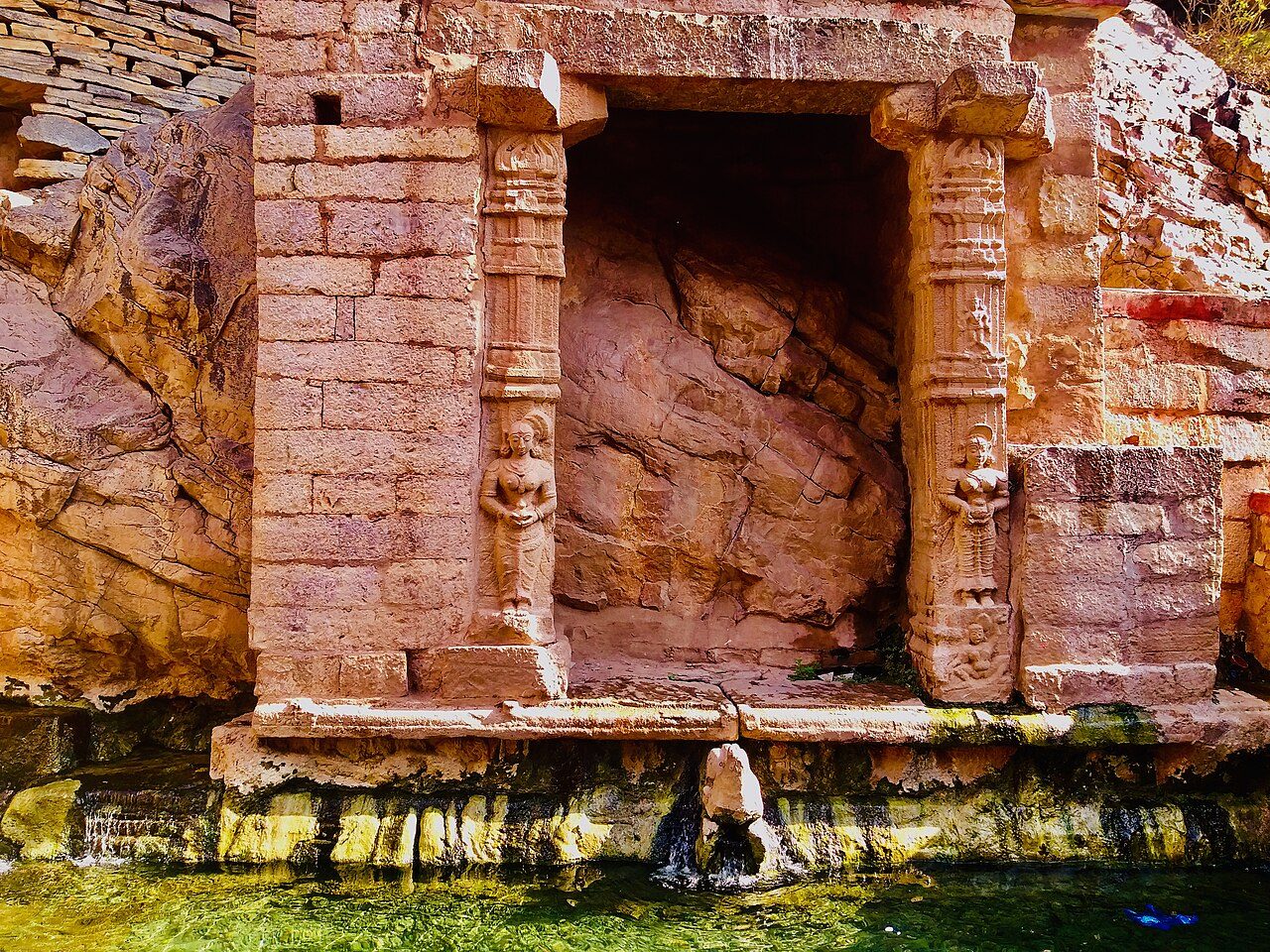
The Uma Maheswara temple at Yaganti, built in the 15th century by the Vijayanagara kings, is set against red rock cliffs with natural caves. A stone Nandi in front is believed to be growing slowly, and a natural spring feeds the Pushkarini tank. The caves above hold shrines associated with the sage Agastya.
07
STOP 7 OF 8
Orvakal Rock Garden
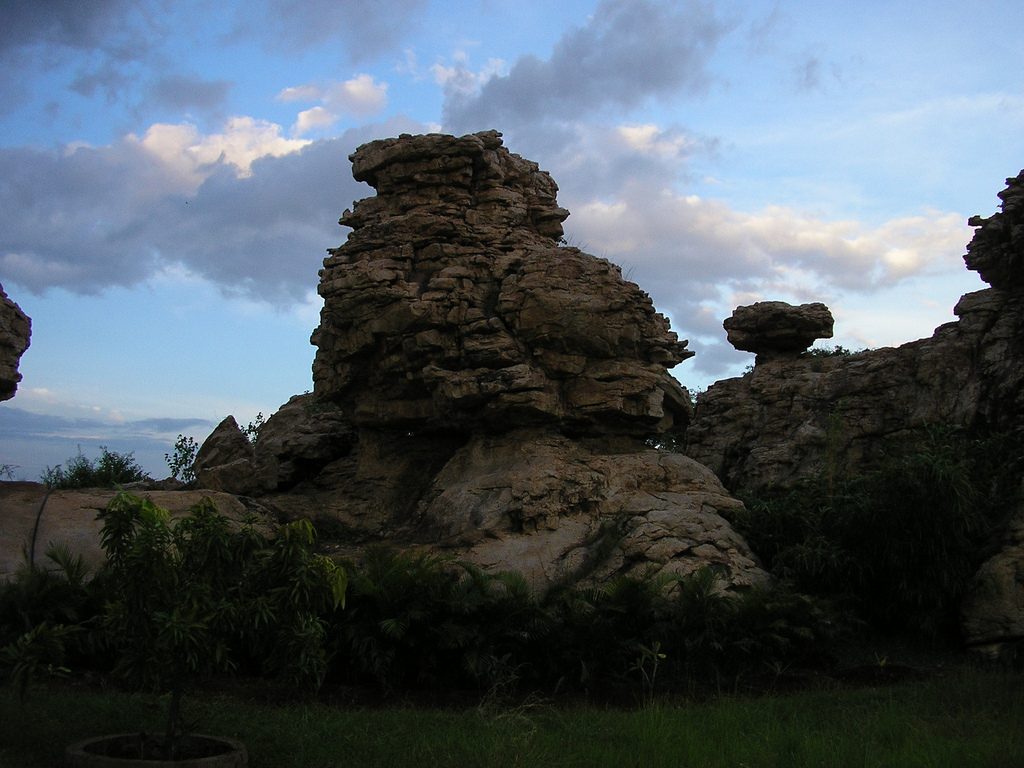
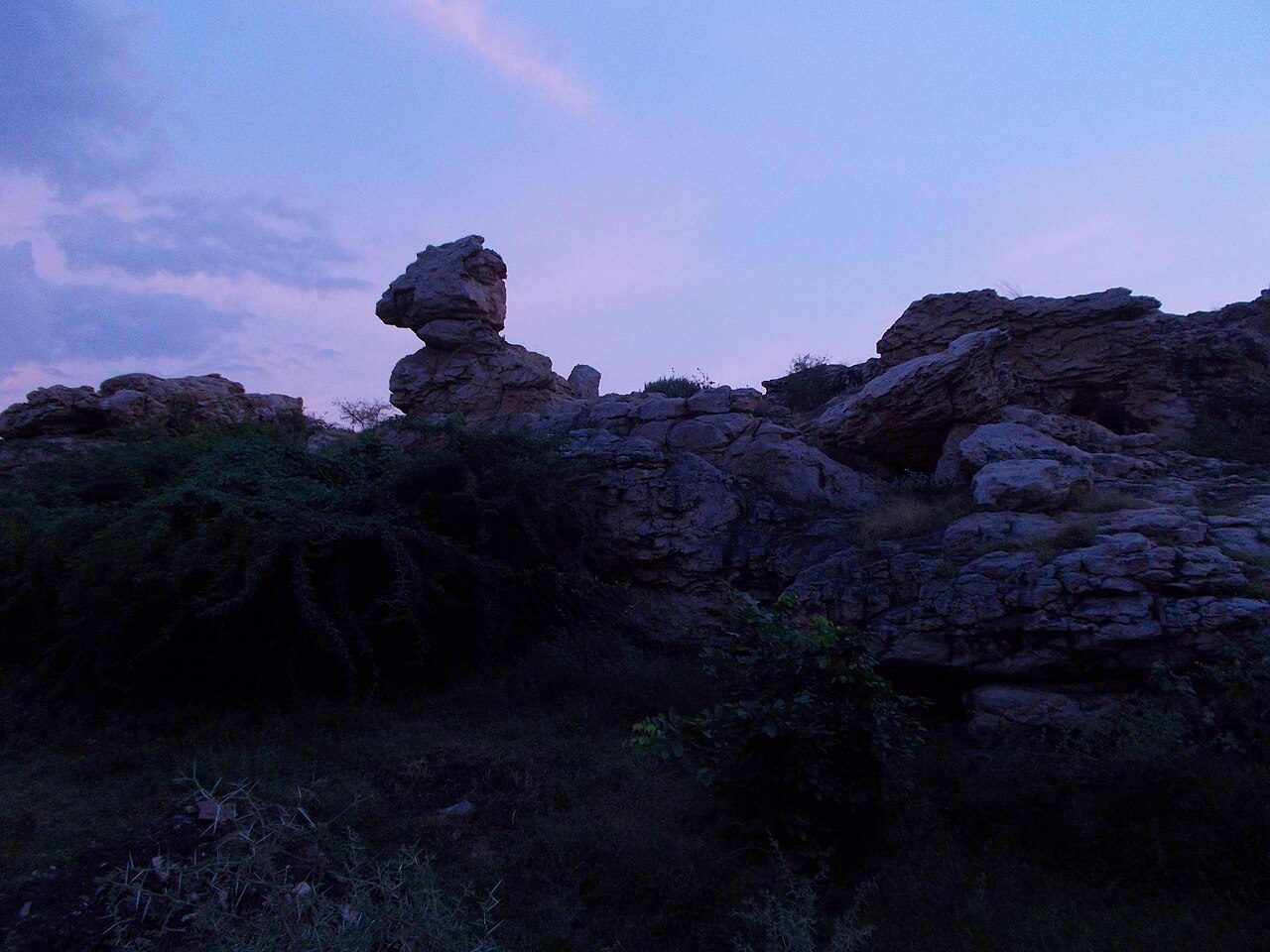
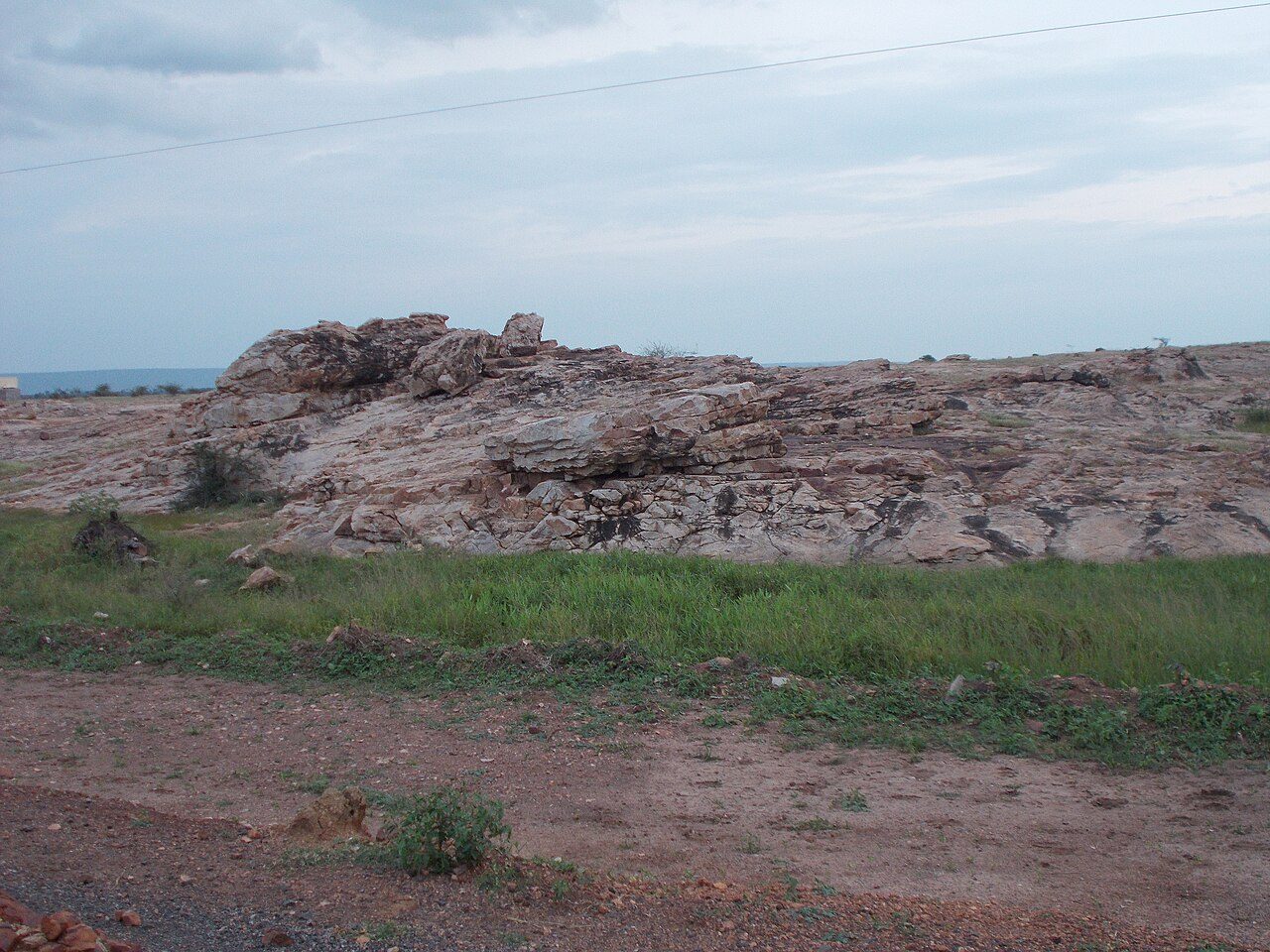
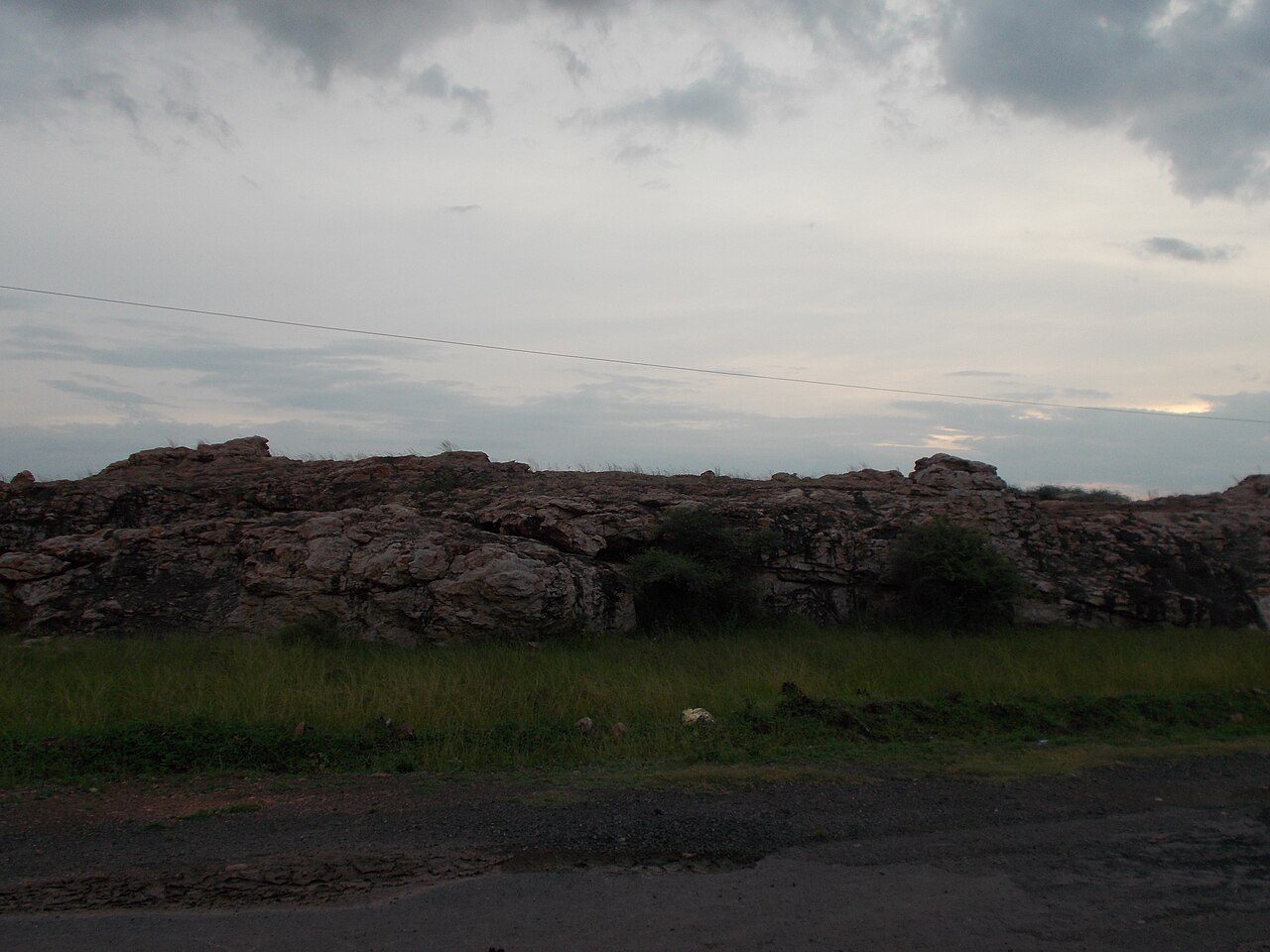
Near Kurnool, the Orvakal Rock Garden is a landscape of huge, oddly shaped granite boulders formed over millions of years, set around small lakes and caves. Boating, viewpoints and walking paths make it a pleasant stop, and the rocks are especially beautiful in the soft light of evening.
08
STOP 8 OF 8 · LAST STOP
Mantralayam
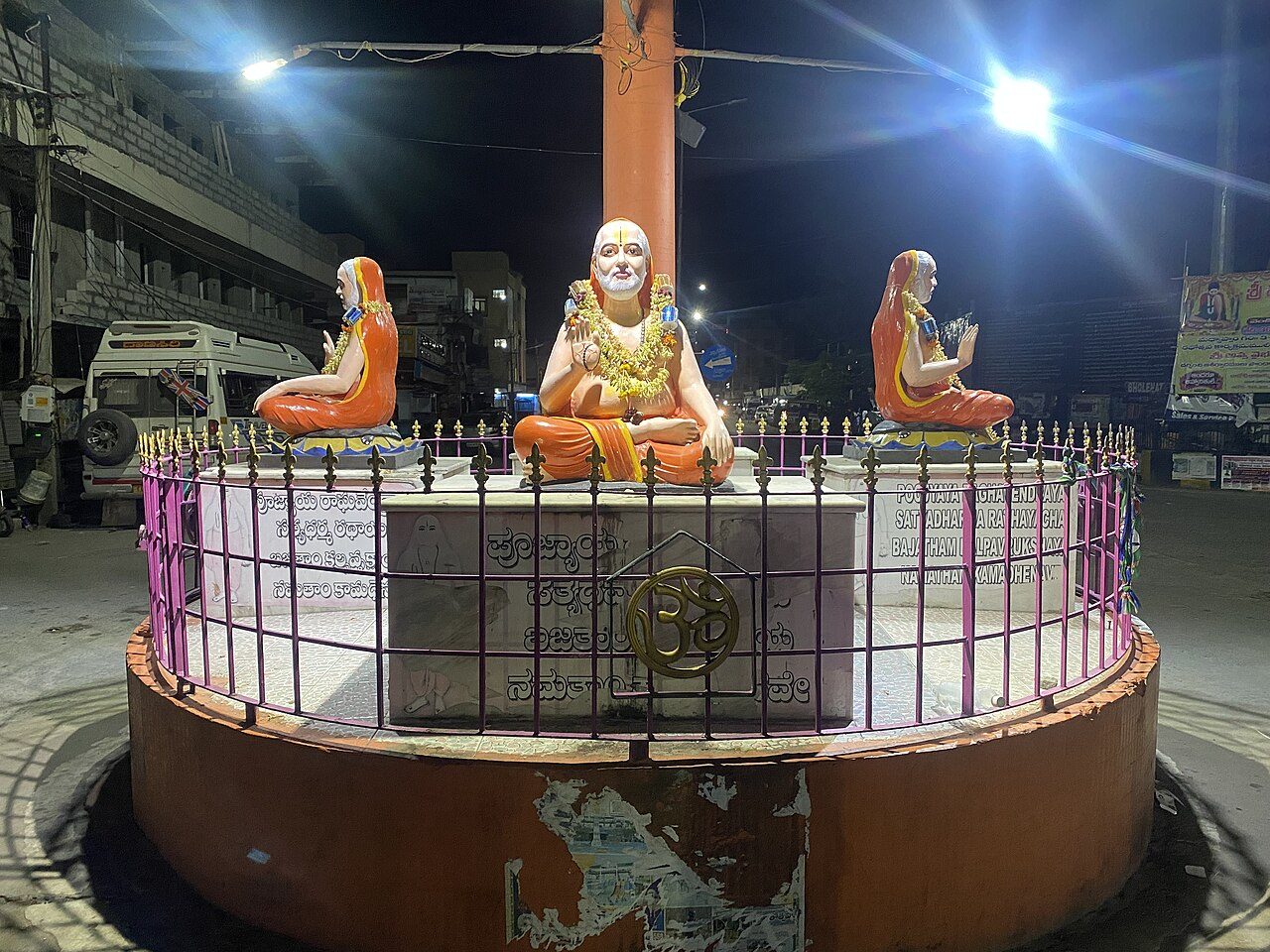
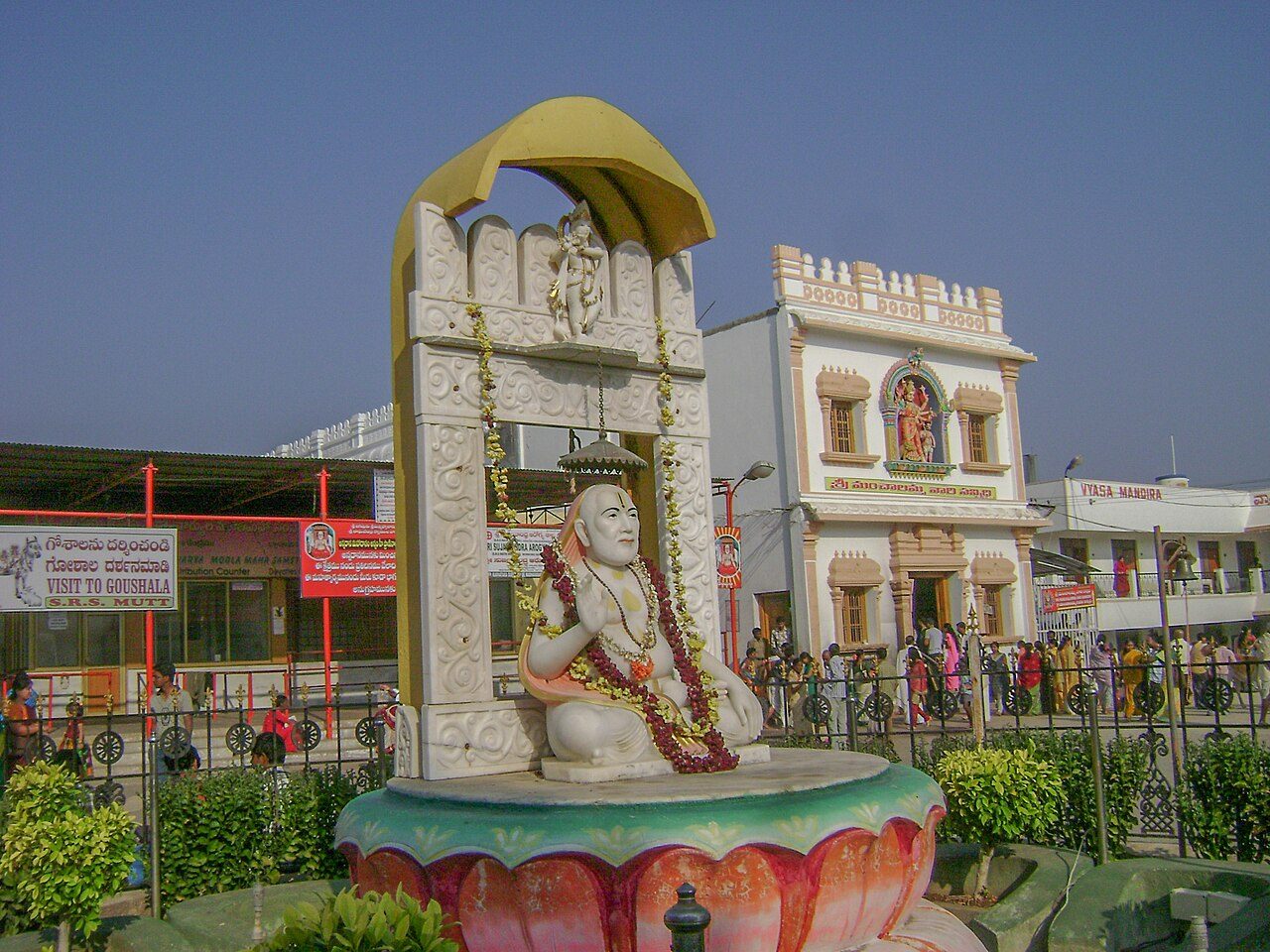
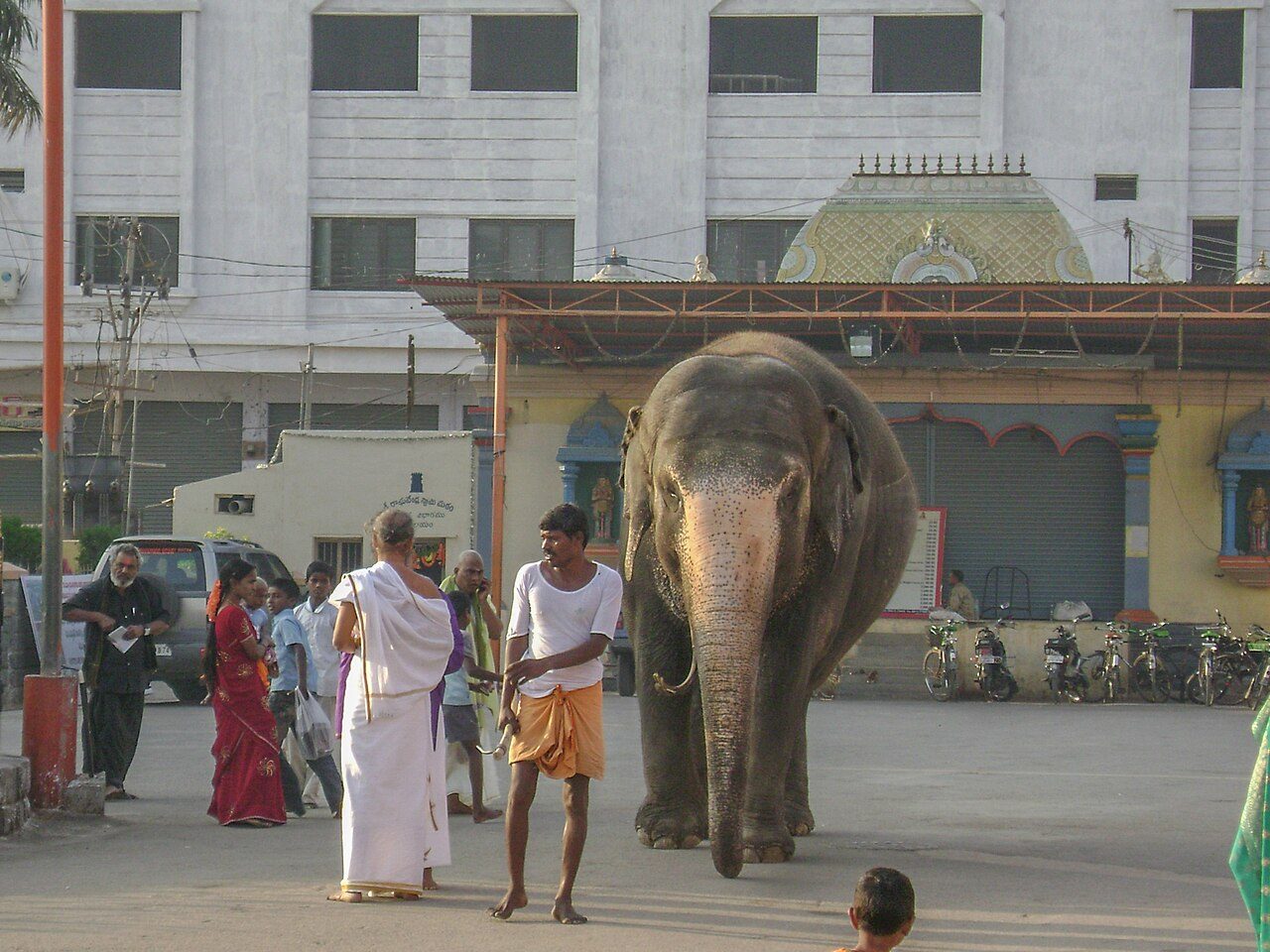
On the banks of the Tungabhadra, Mantralayam is home to the Brindavana of Sri Raghavendra Swamy, a 17th-century saint of the Madhva tradition who entered samadhi here in 1671. Pilgrims from across South India come to the Matha, and the annual Aradhana festival in August draws vast crowds.
Seasons from 20 years of NASA POWER climate data.
 WaTrips