Dal Lake, St. John in the Wilderness, Bhagsu and the stadium, the Triund hike, Norbulingka, Chamunda, Kangra Fort, Masroor, Gyuto, Baijnath and Bir Billing.
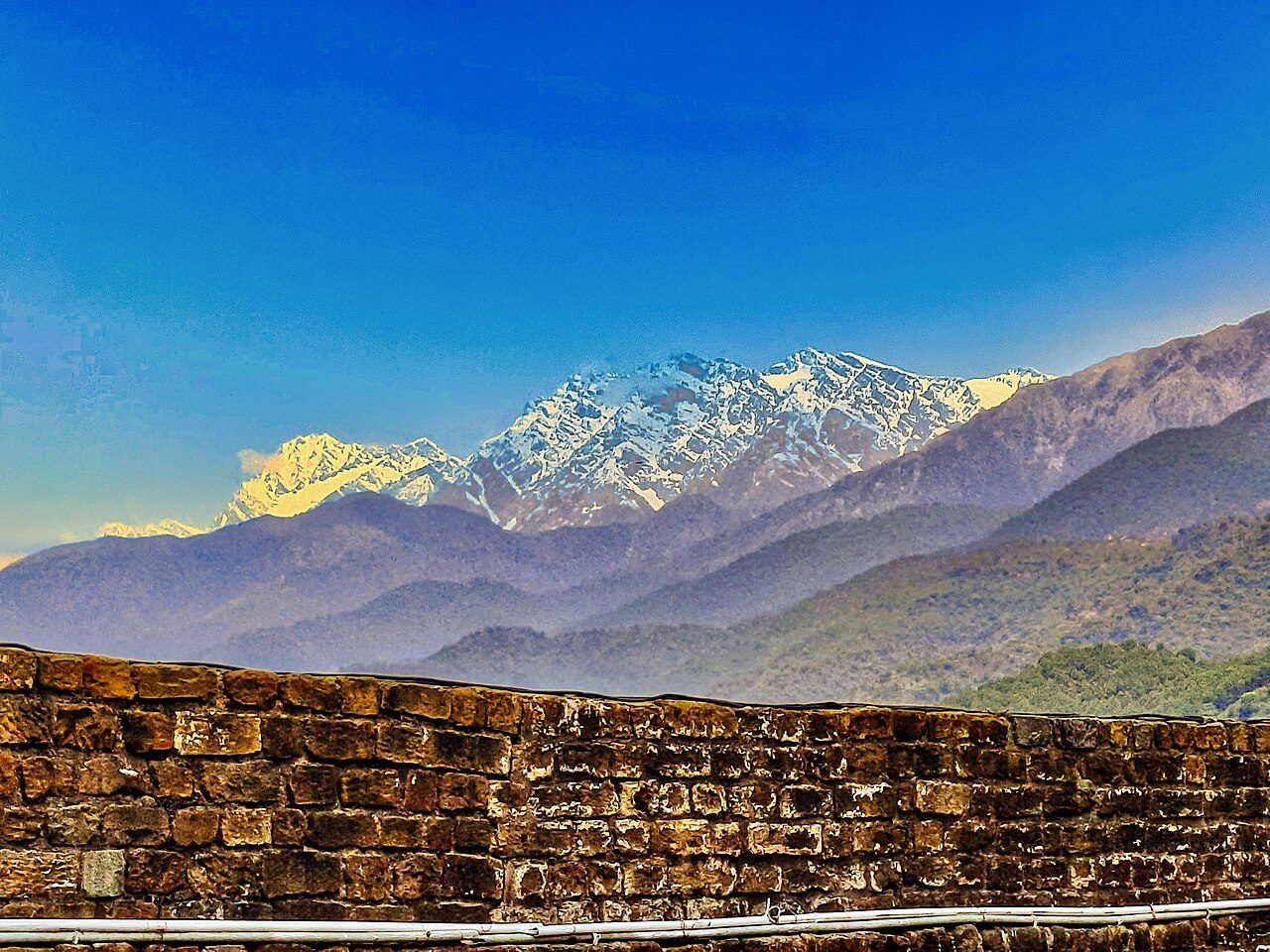
The Kangra valley mixes Tibetan culture, old forts and big Dhauladhar views. Day one explores McLeod Ganj: Dal Lake, St. John in the Wilderness church, Bhagsu waterfall and the cricket stadium with snow peaks behind it. Day two is the day hike to Triund ridge. Day three visits the Norbulingka Institute, the Chamunda Devi temple, Kangra Fort and the rock-cut temples of Masroor. Day four goes to Gyuto Monastery, the Baijnath temple and Bir Billing, one of the world's best paragliding sites. March to June and September to November are best.
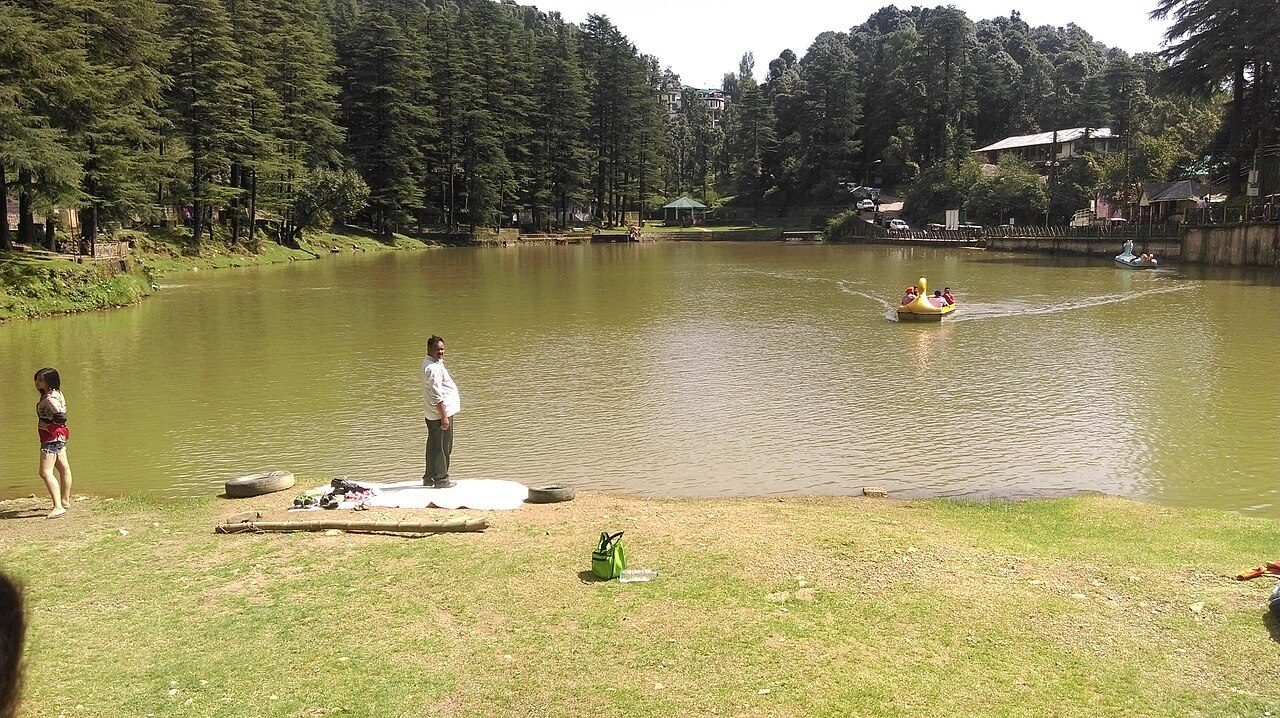
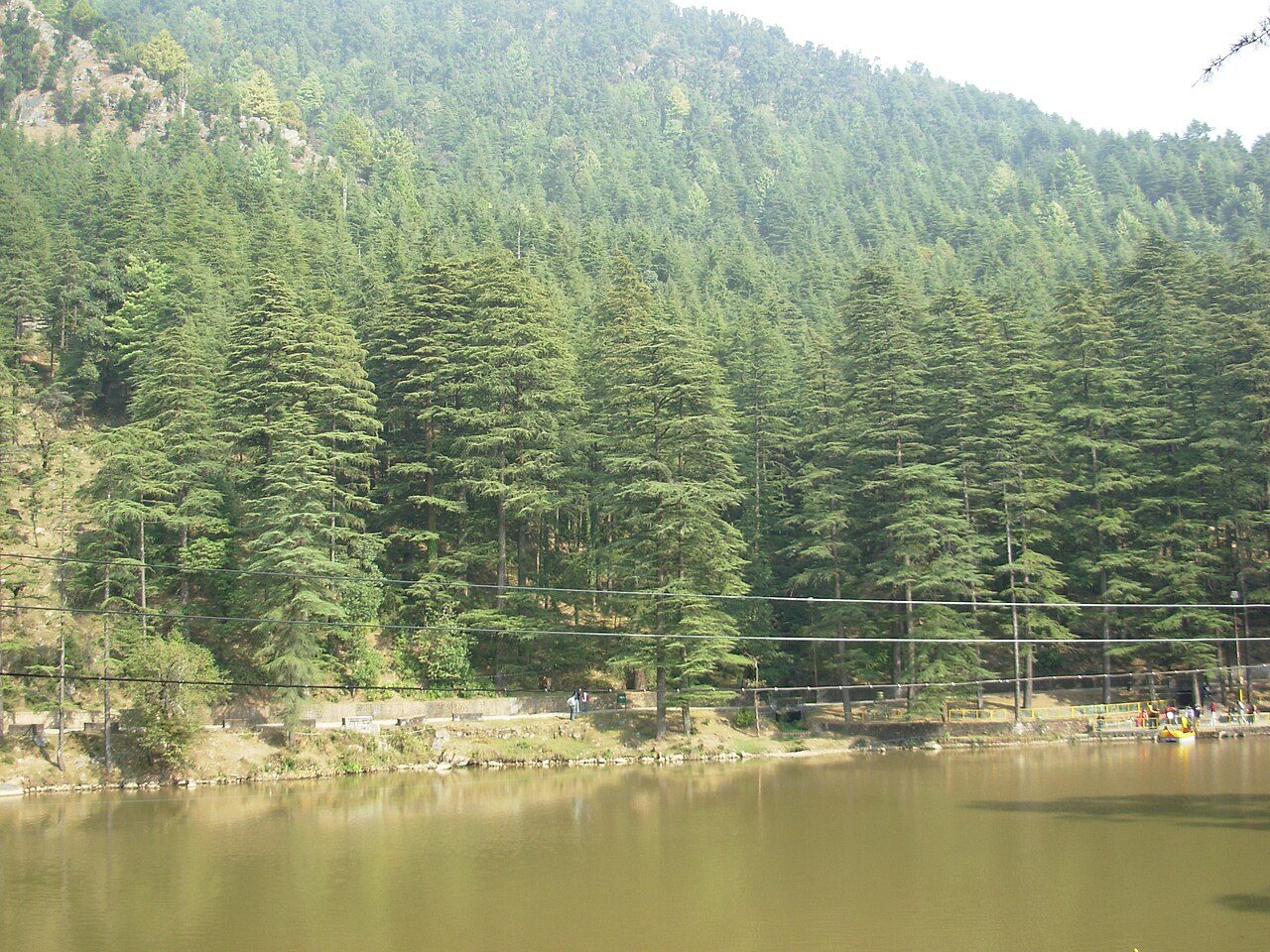
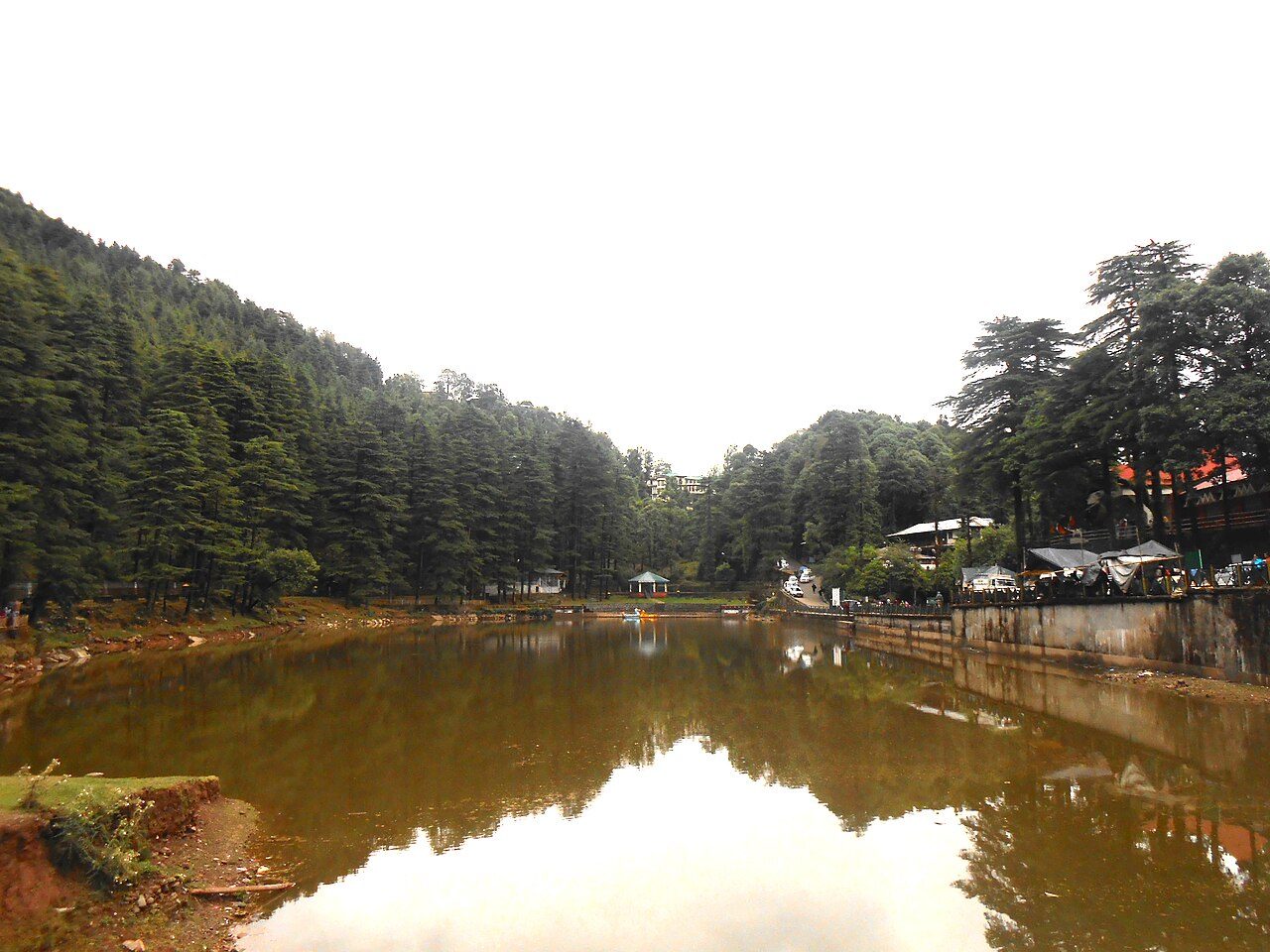
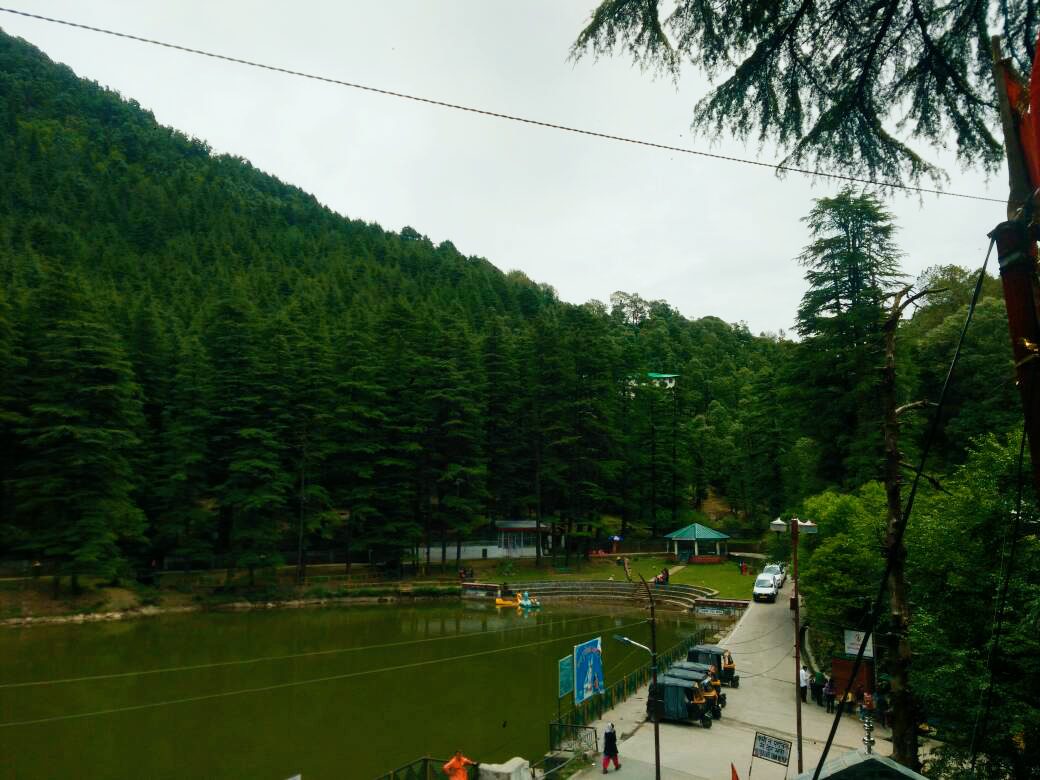
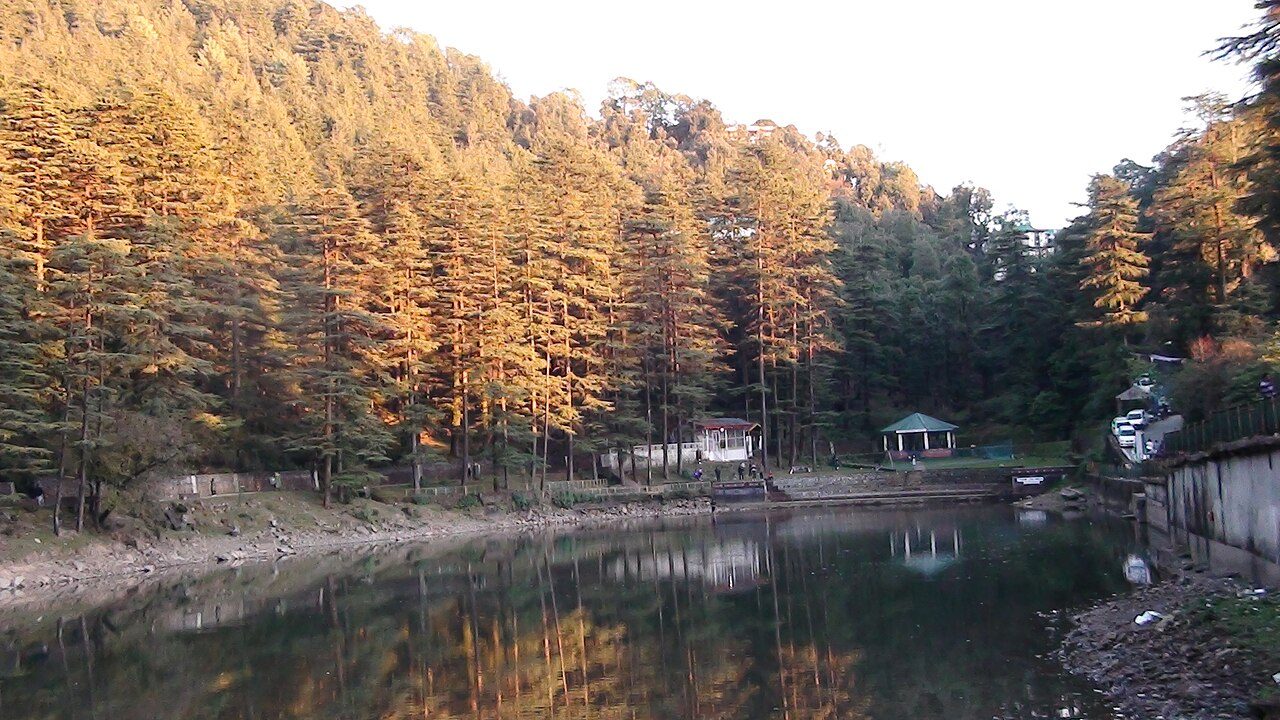
Dal Lake is a small lake ringed by deodar forest, about three kilometres from McLeod Ganj on the road to Naddi. A Shiva temple stands on its bank and a fair is held here each September. The water level varies and the lake is modest in size, but the walk around it is peaceful. The Tibetan Children's Village school is next door, and Naddi viewpoint is a short walk on.
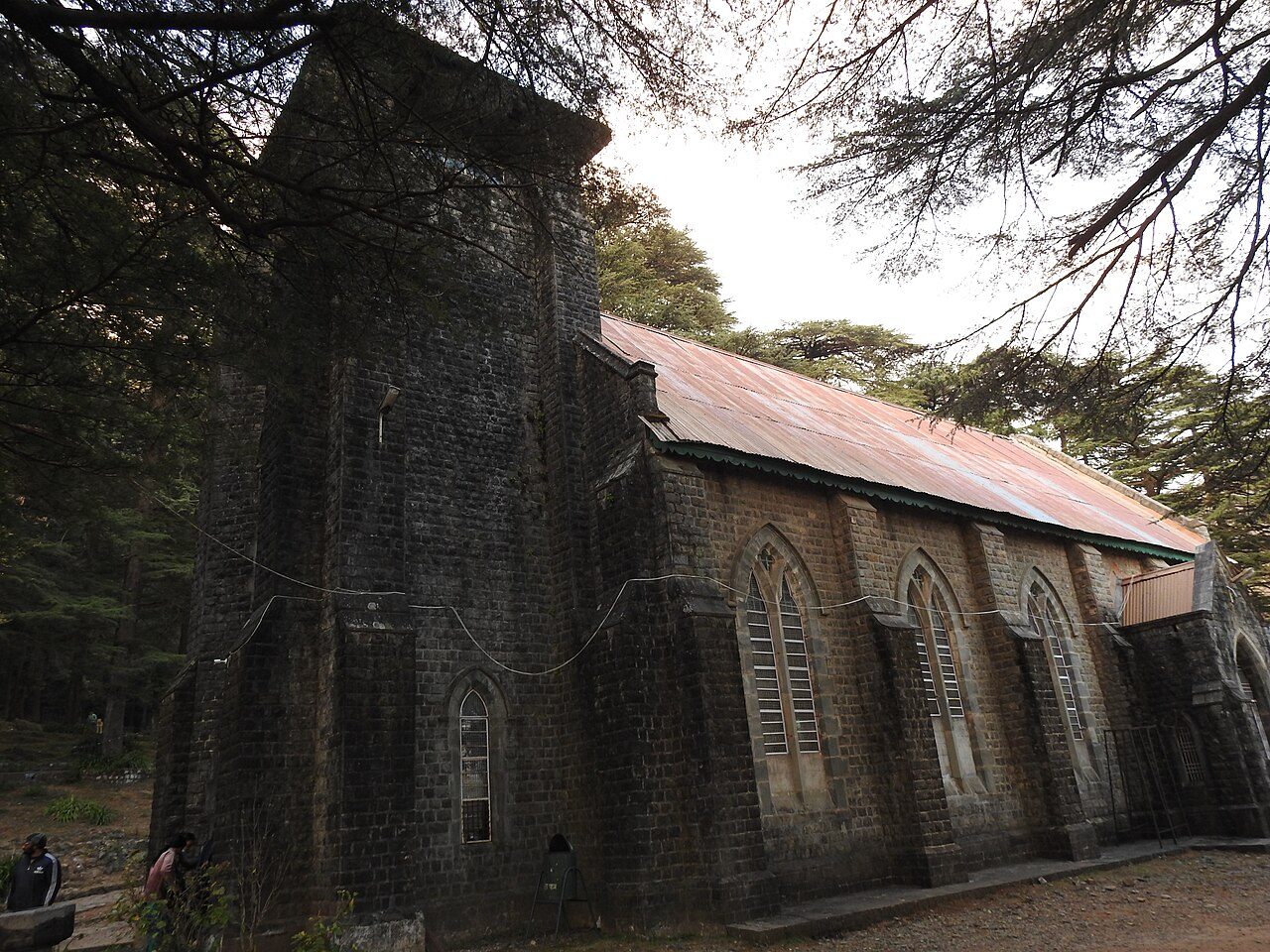
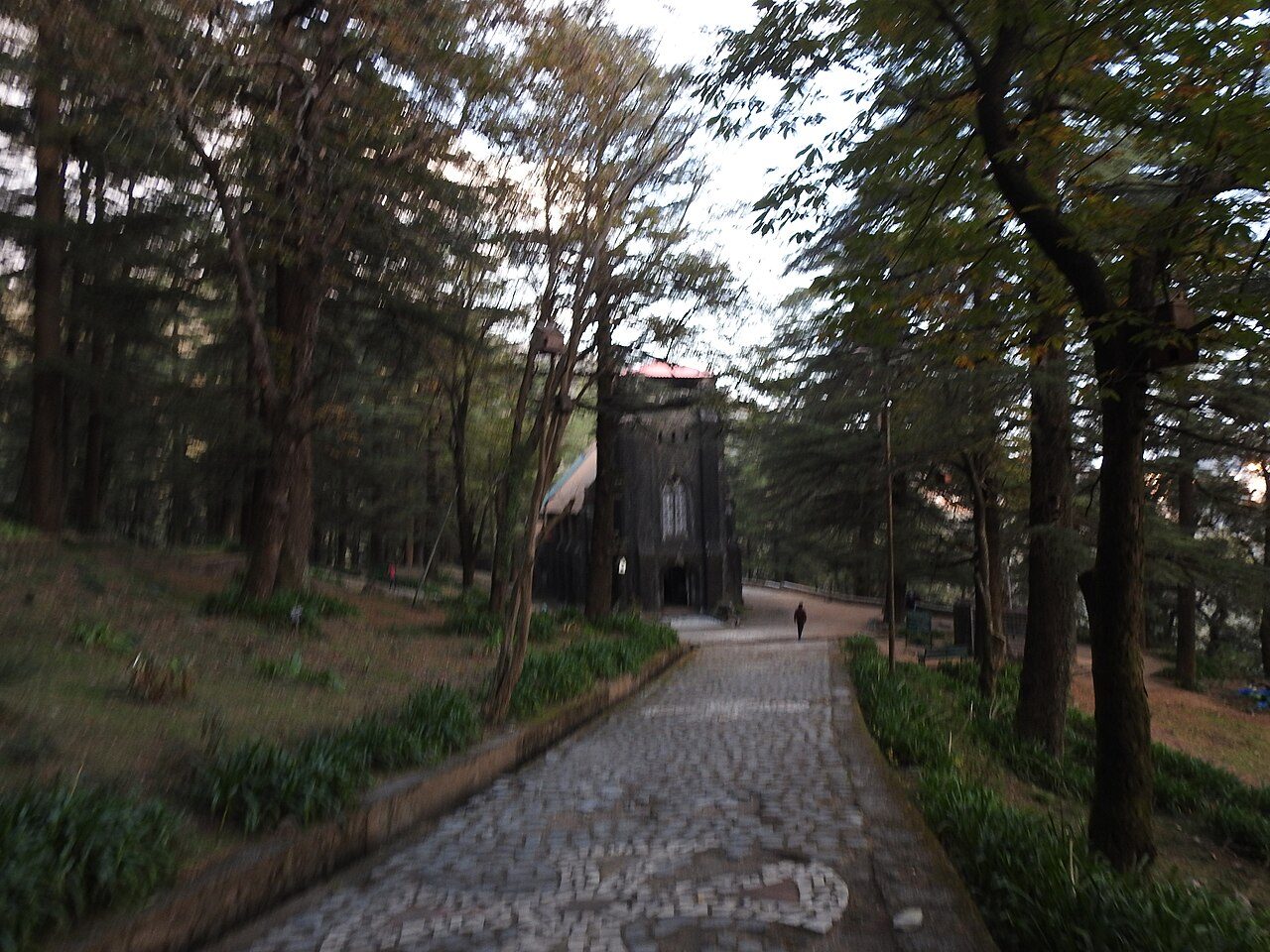
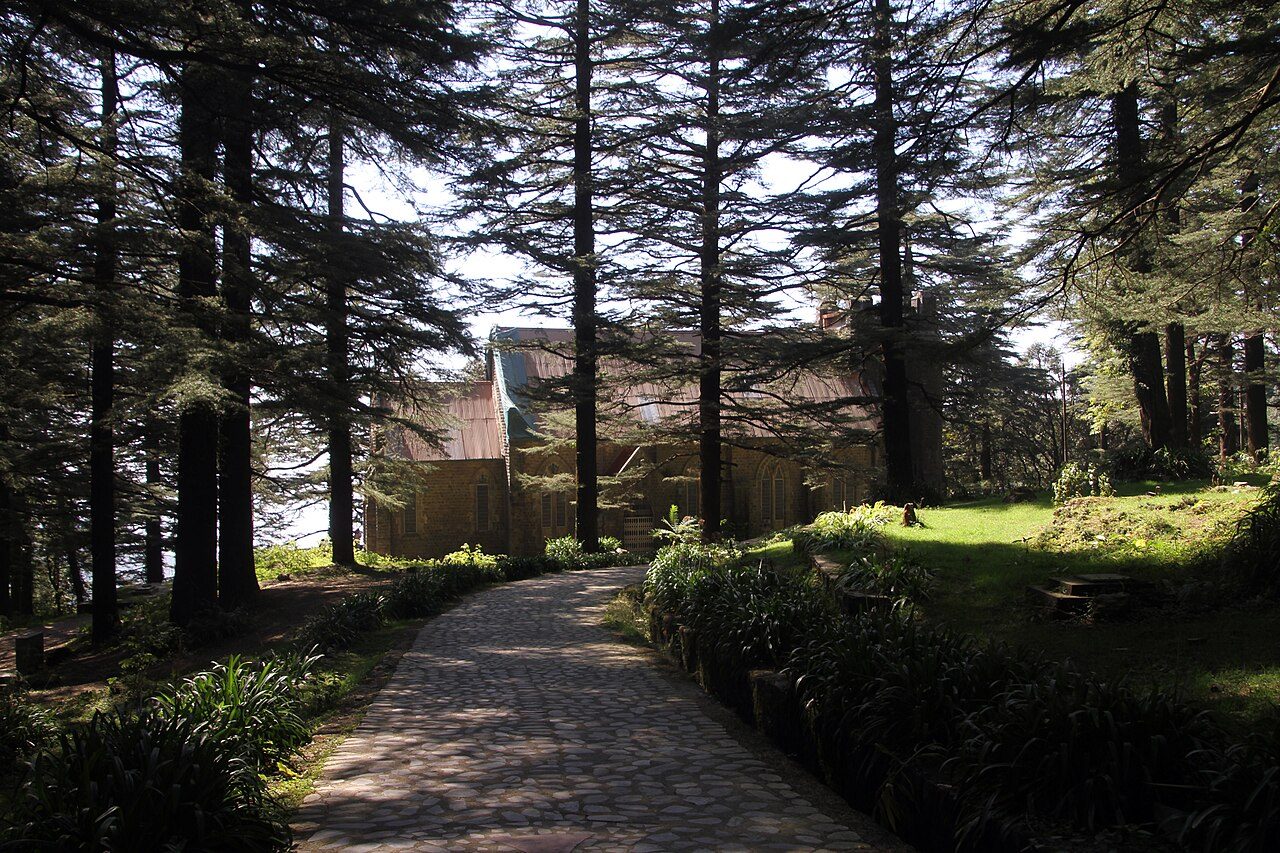
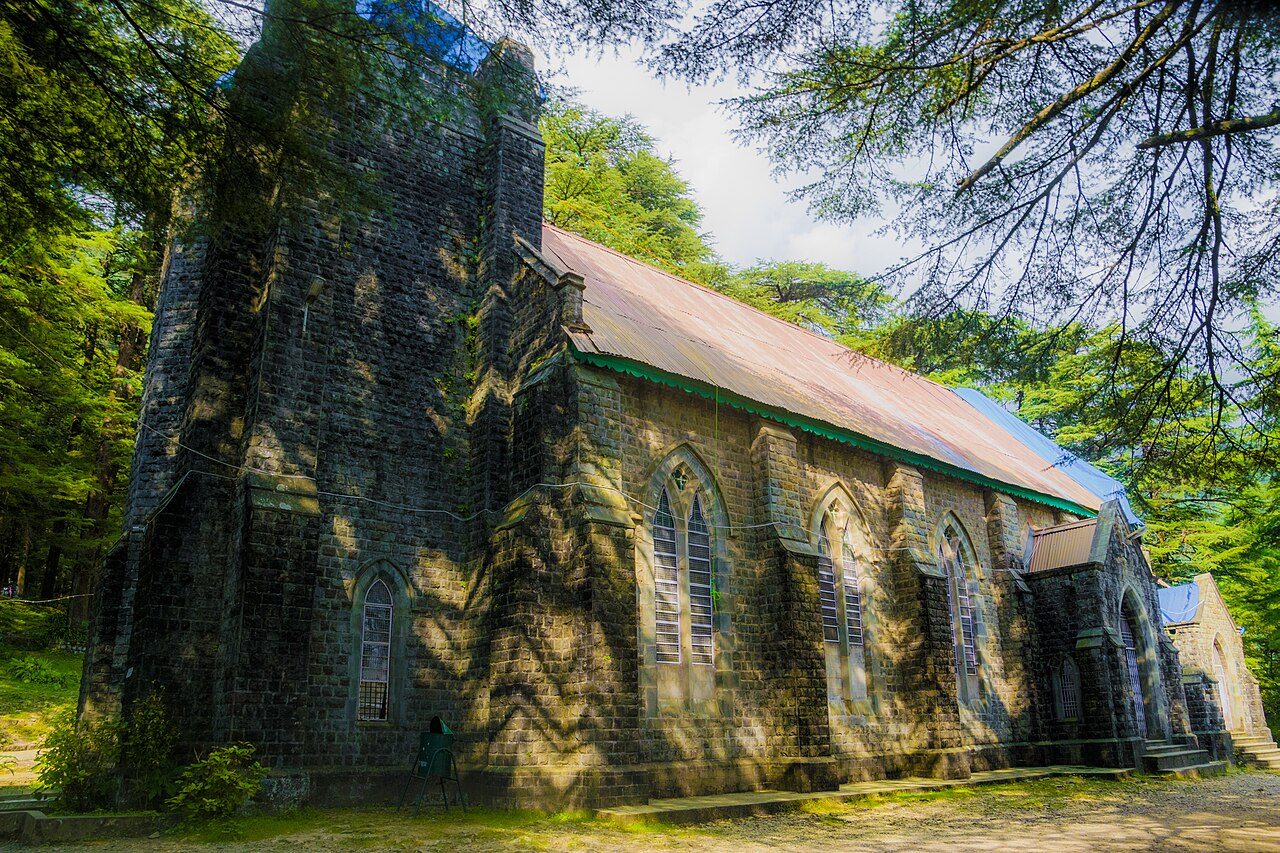
St. John in the Wilderness is an Anglican church built in 1852 in a deodar forest between Dharamshala and McLeod Ganj. The neo-Gothic stone building survived the great Kangra earthquake of 1905 and is known for its Belgian stained-glass windows. Lord Elgin, a Viceroy of India who died in Dharamshala in 1863, is buried in the churchyard among other old graves.
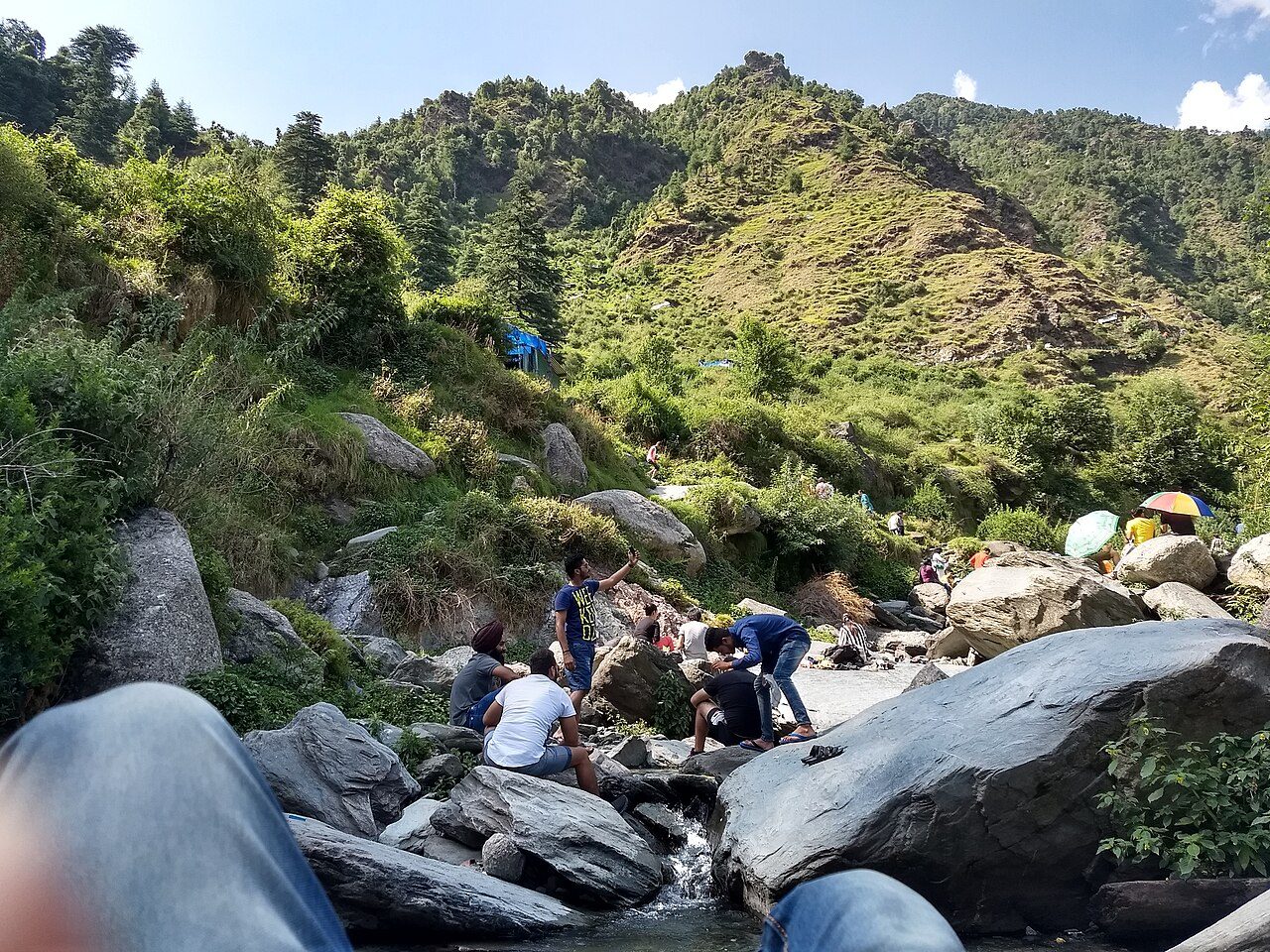
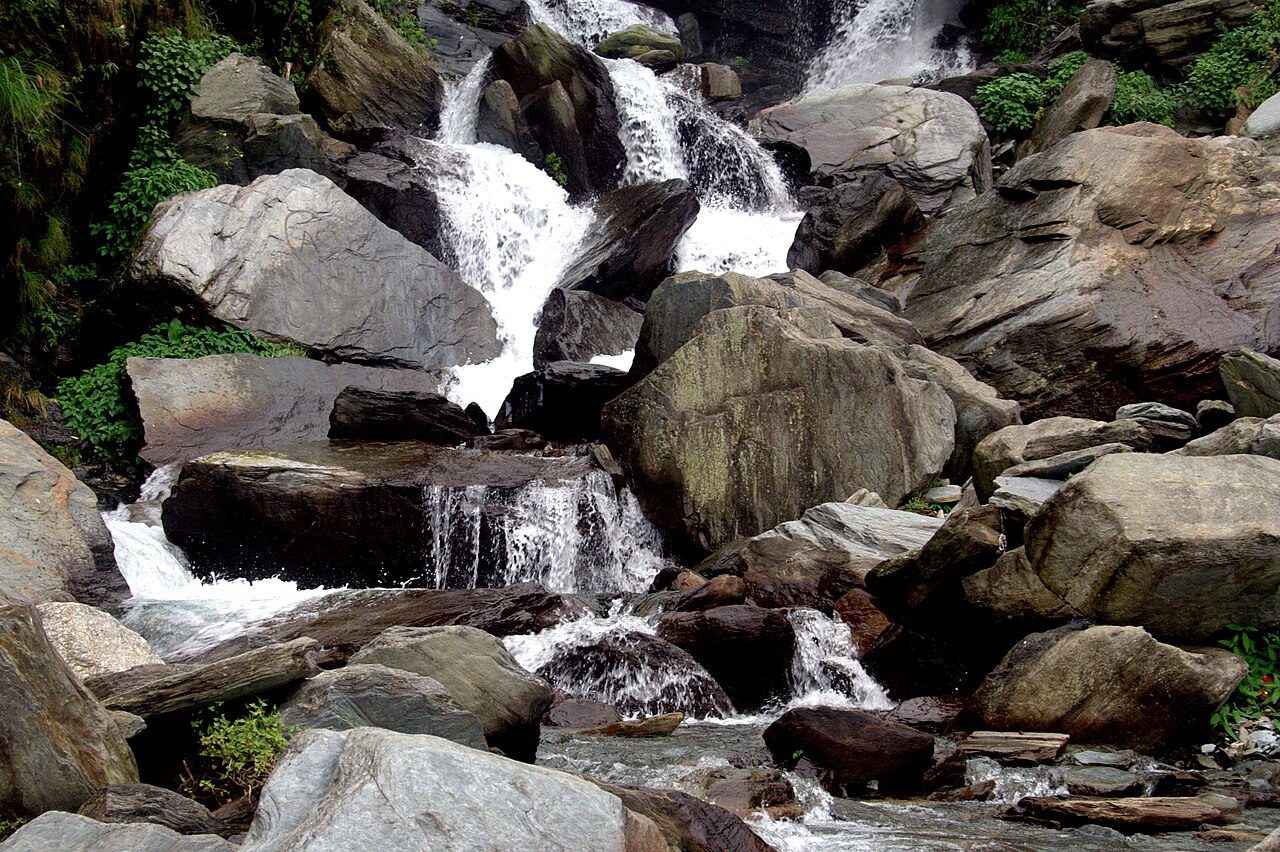
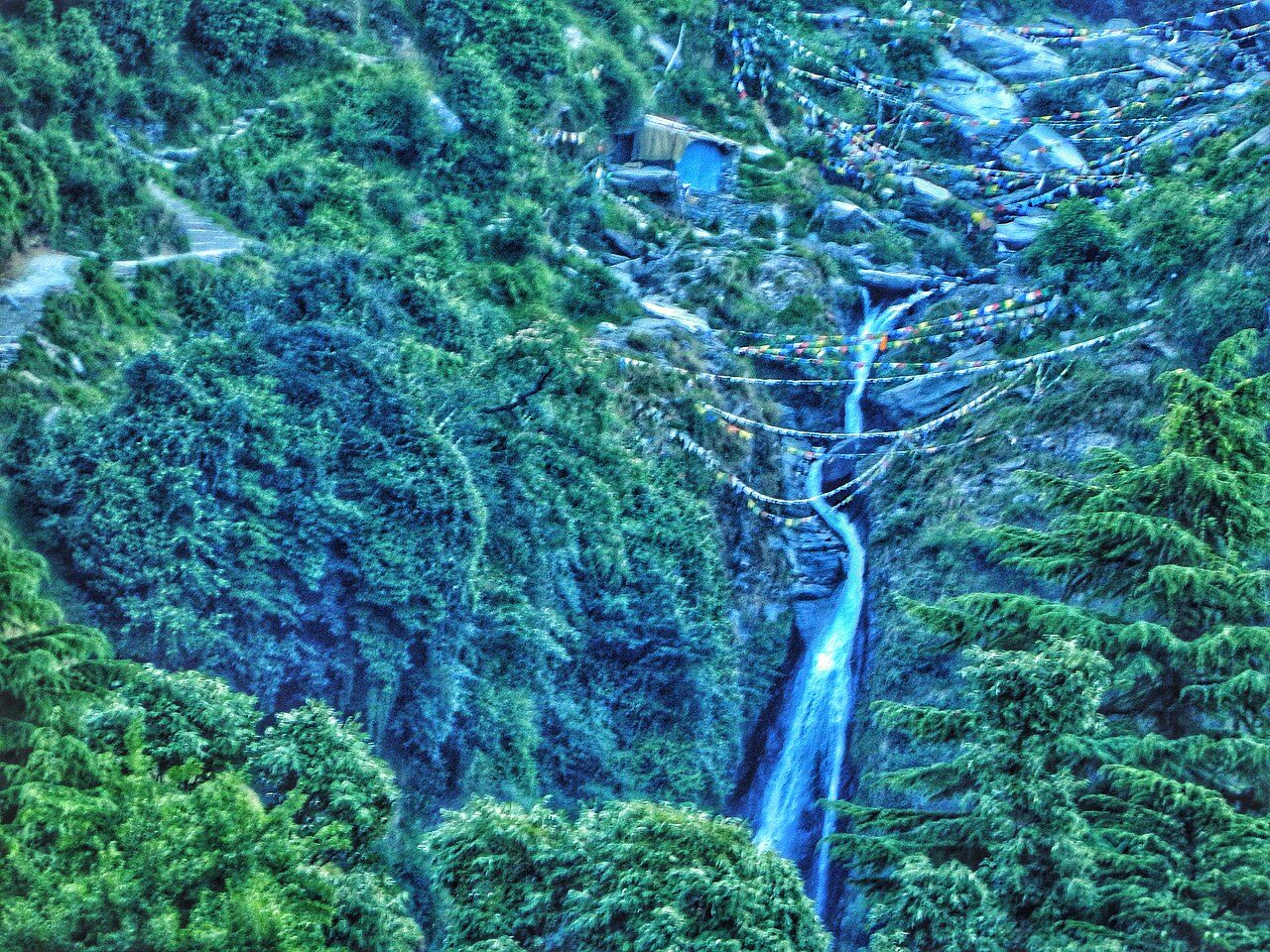
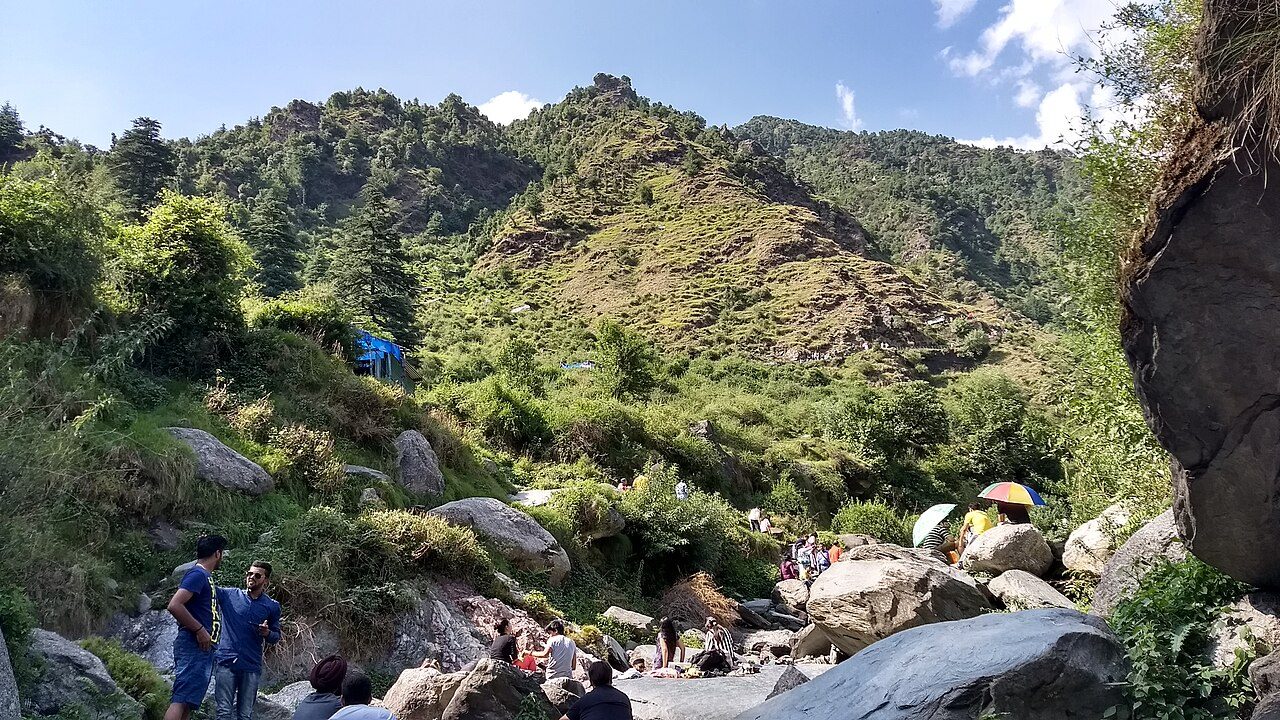
Bhagsu Waterfall drops about 20 metres down a rocky gully above the village of Bhagsunag, two kilometres from McLeod Ganj. A paved path leads from the old Bhagsunag Shiva temple and its spring-fed pool to the base of the fall, with cafes along the way. It is at its fullest during and after the monsoon and can slow to a thin stream in early summer.
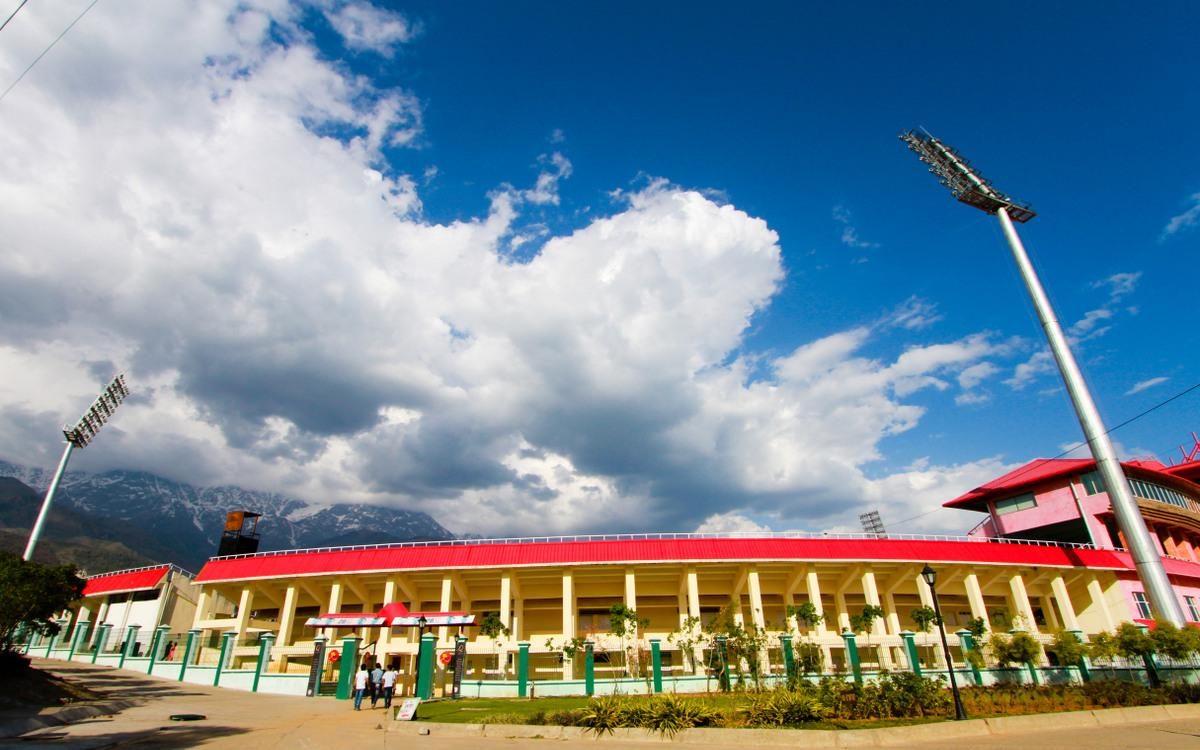
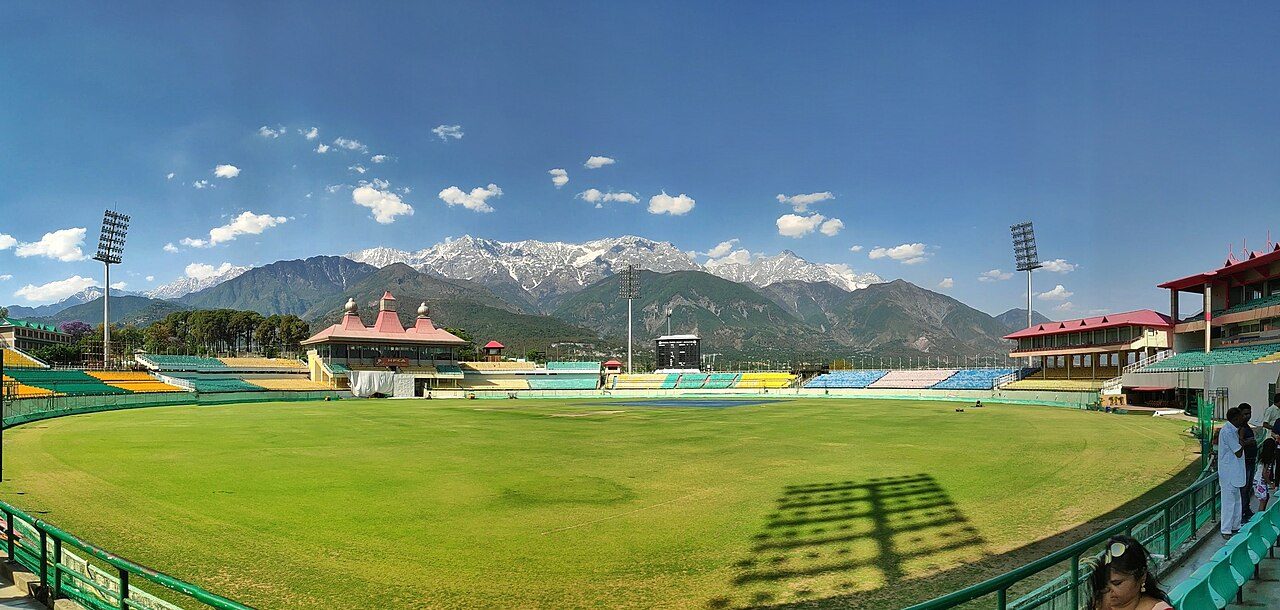
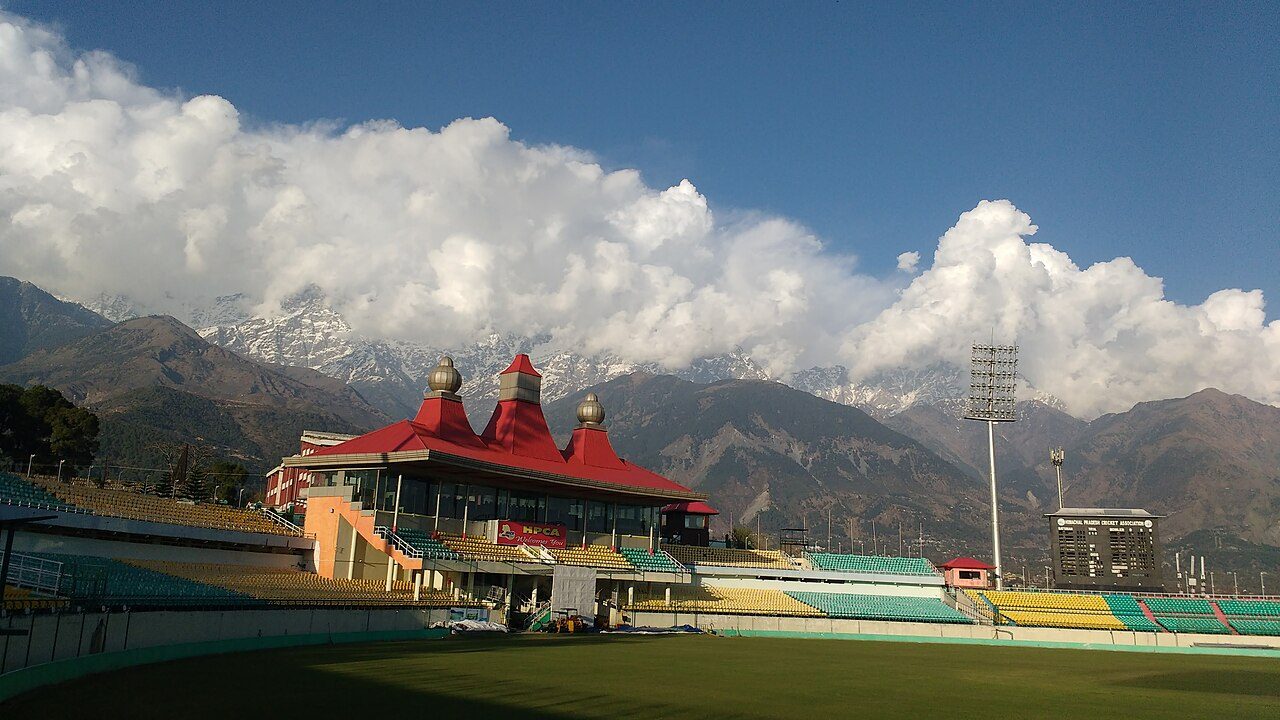
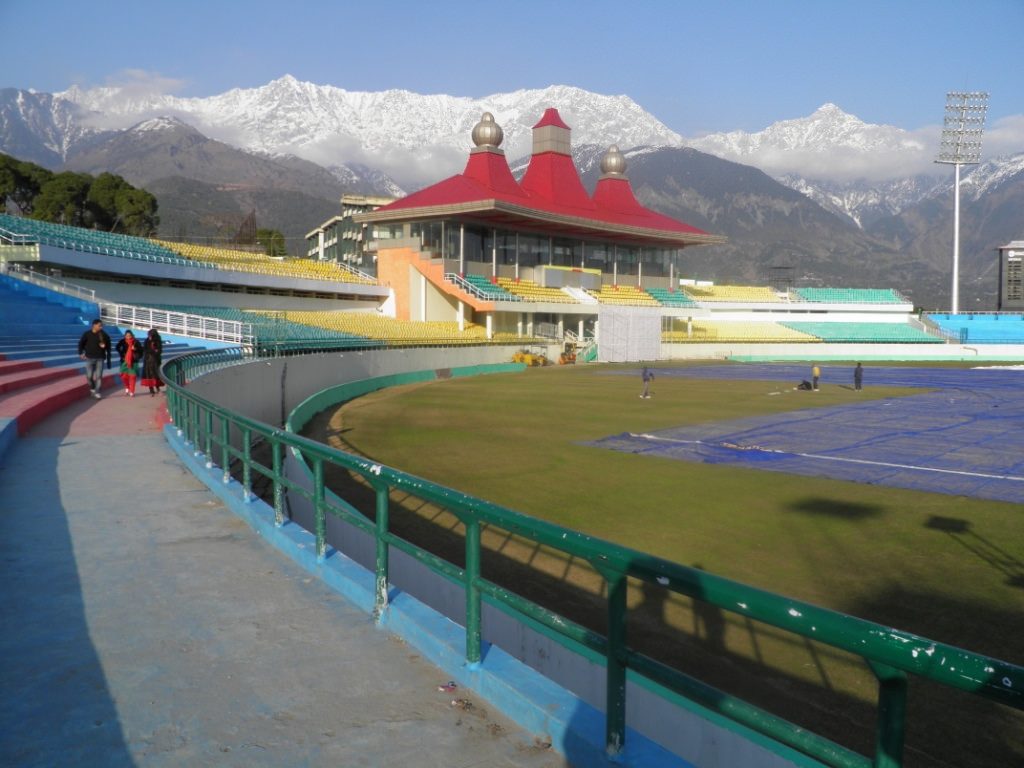
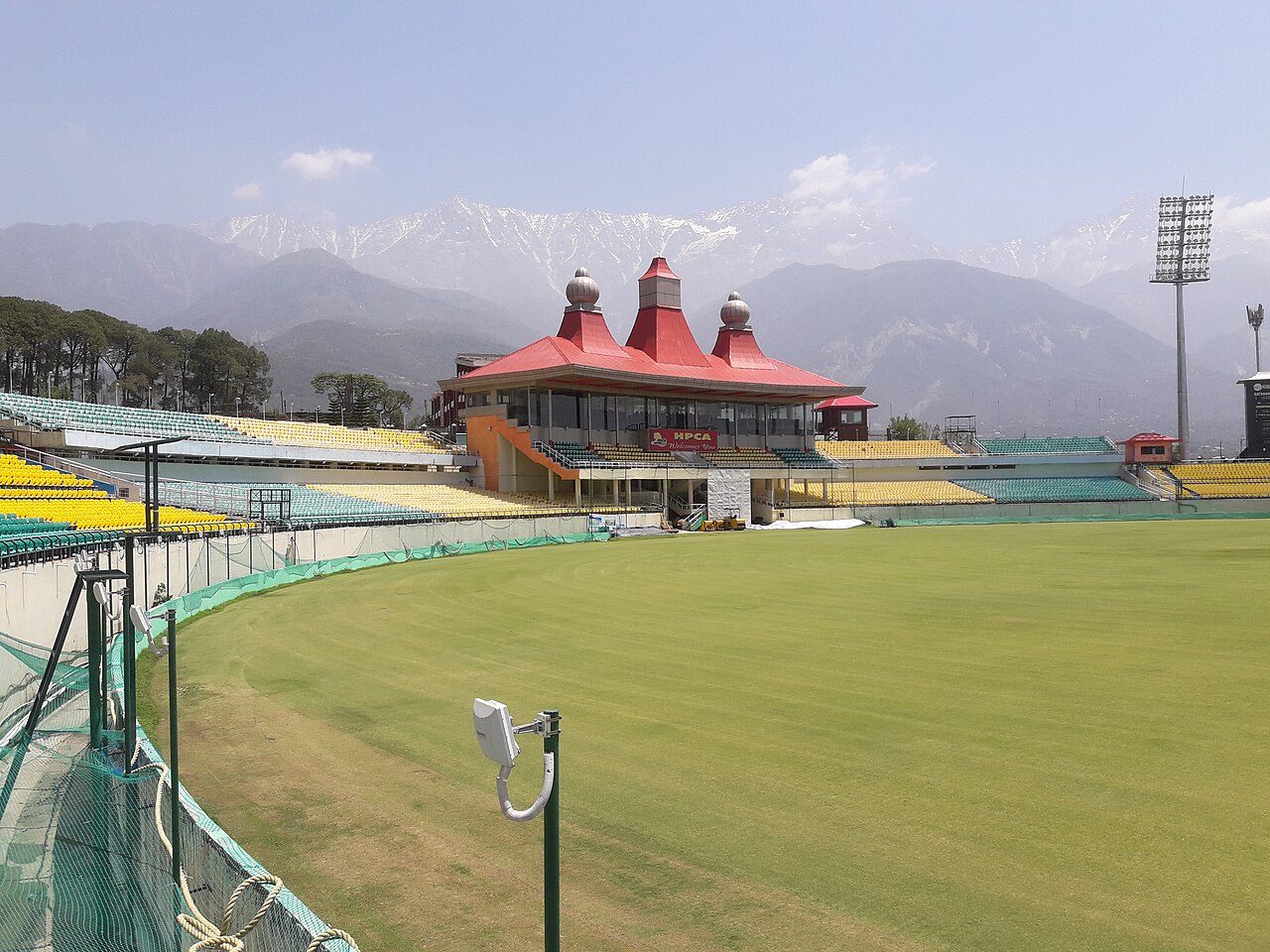
The Himachal Pradesh Cricket Association Stadium in Dharamshala, at about 1,450 metres, is one of the most scenic cricket grounds in the world, with the snow-capped Dhauladhar range rising behind its red-roofed pavilion. It has hosted Test, one-day and IPL matches. Visitors can usually enter for a small fee on non-match days to see the ground and stands.
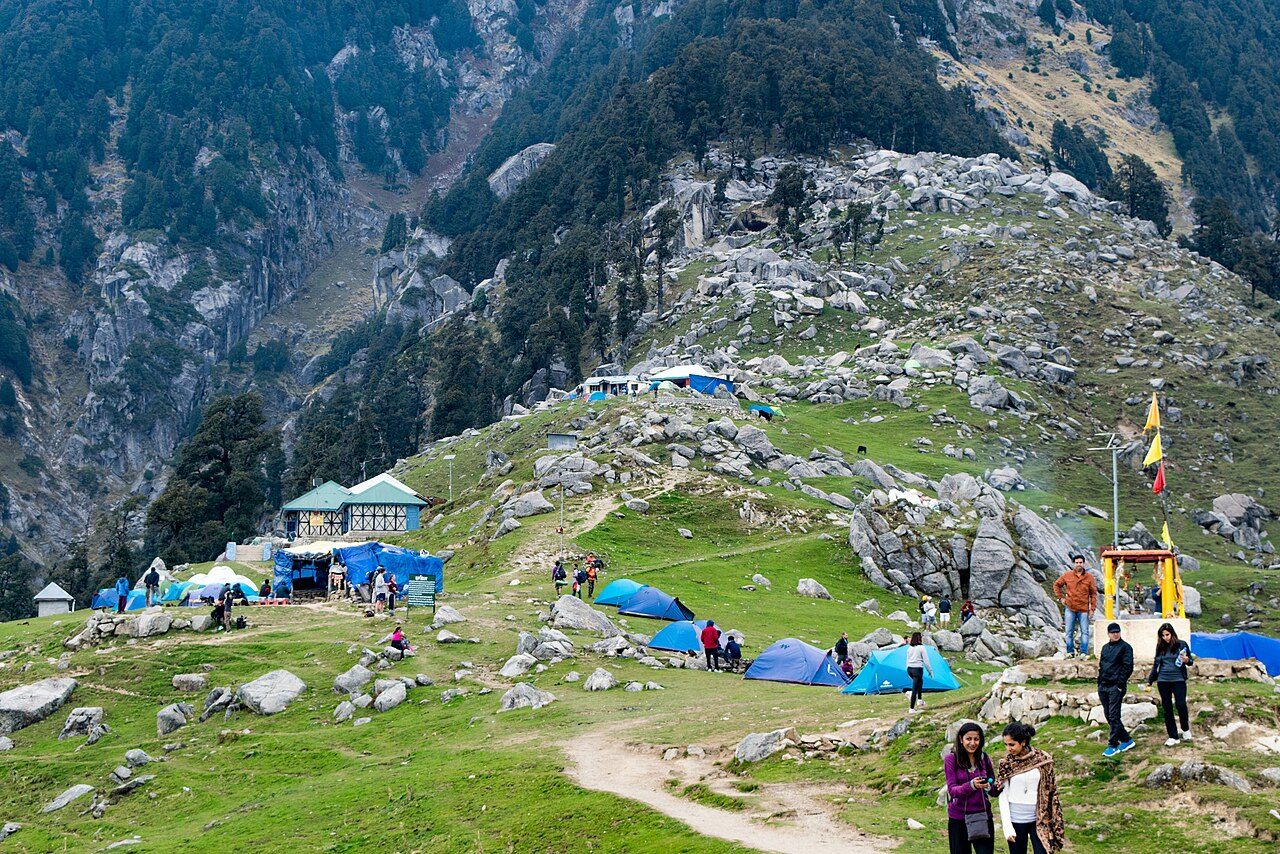
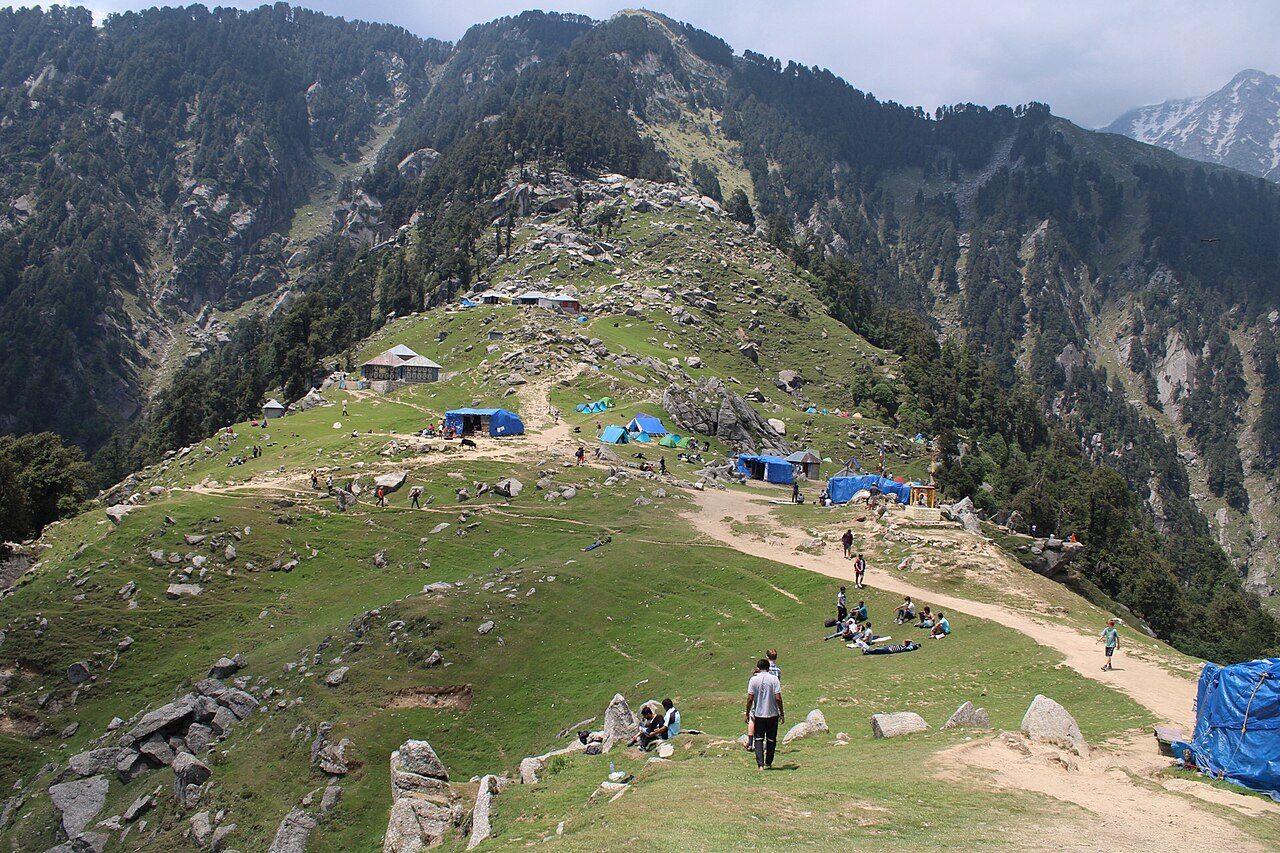
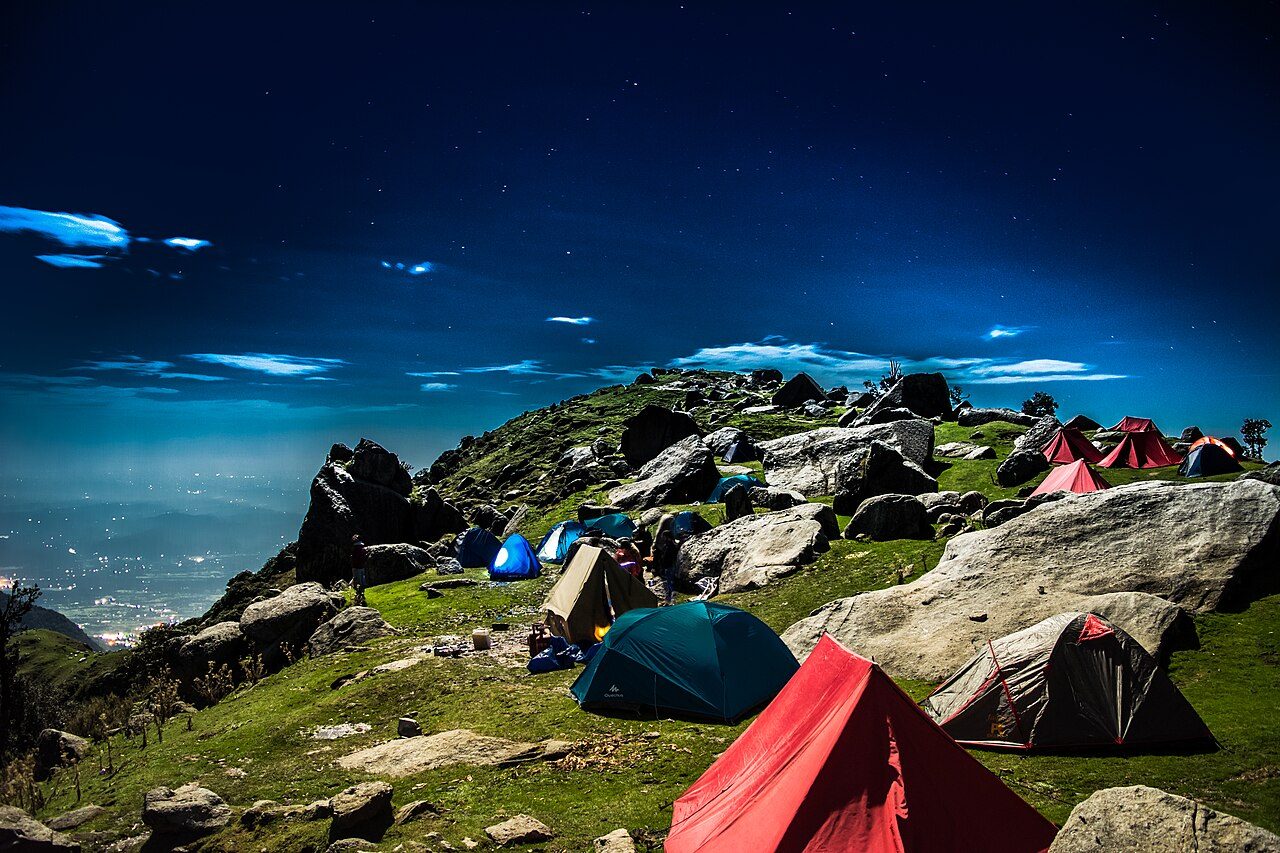
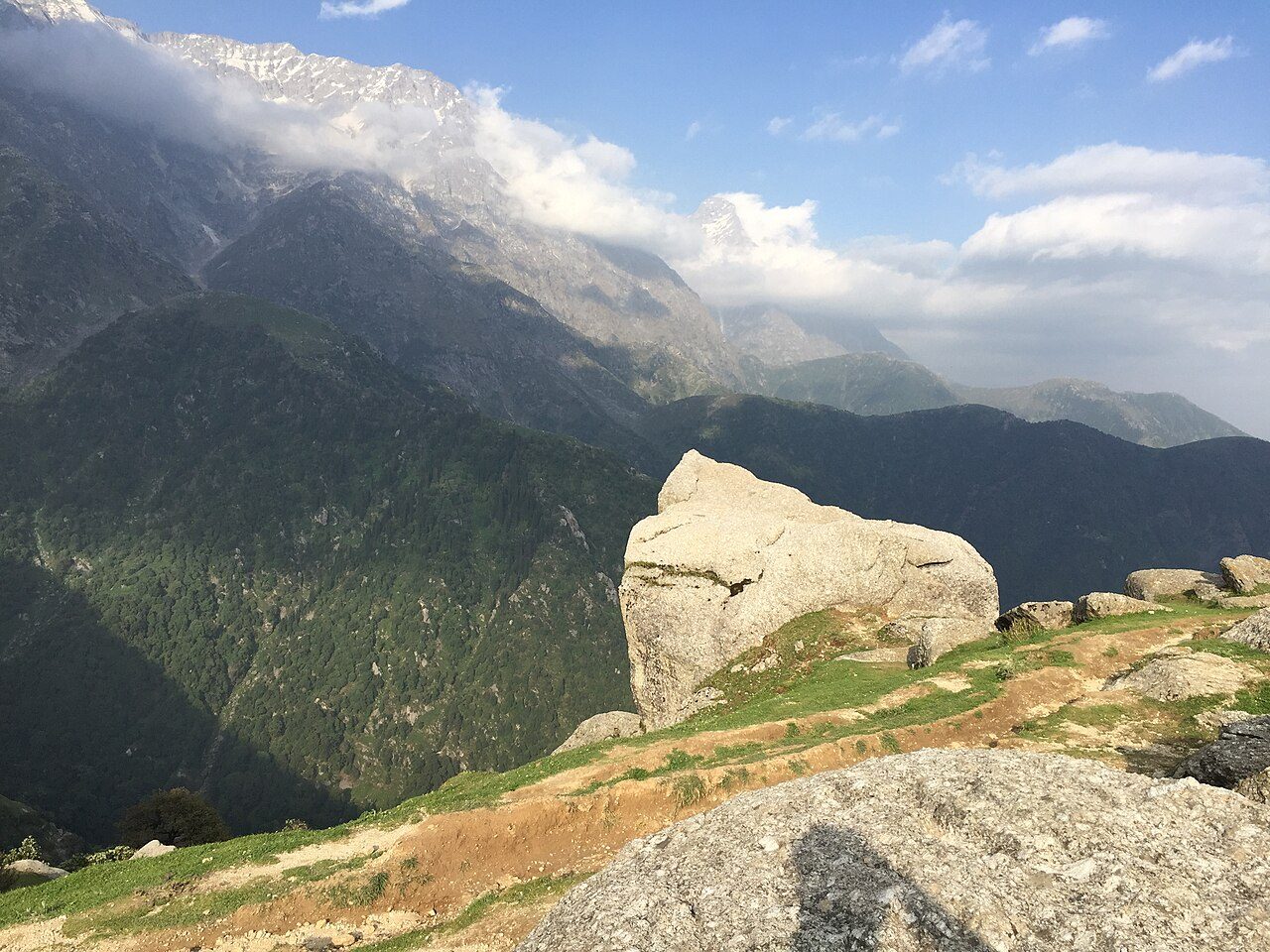
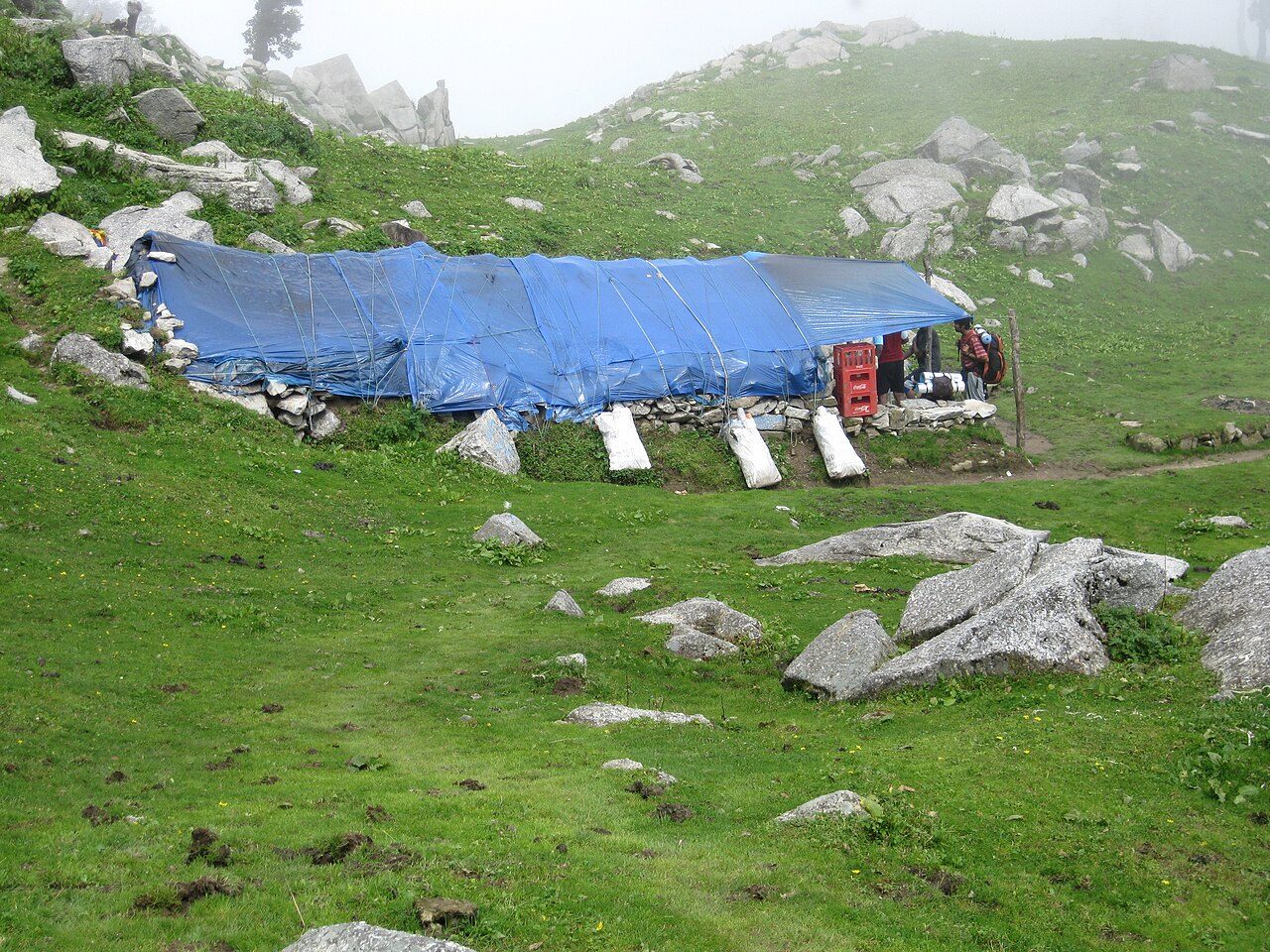
Triund is a grassy ridge at about 2,850 metres above McLeod Ganj, facing the rock wall of the Dhauladhar range on one side and the Kangra valley on the other. The trail of about nine kilometres from McLeod Ganj, or shorter from Gallu Devi temple, is one of the most popular day hikes in Himachal. Tea stalls dot the route, and many walkers camp overnight at the top.
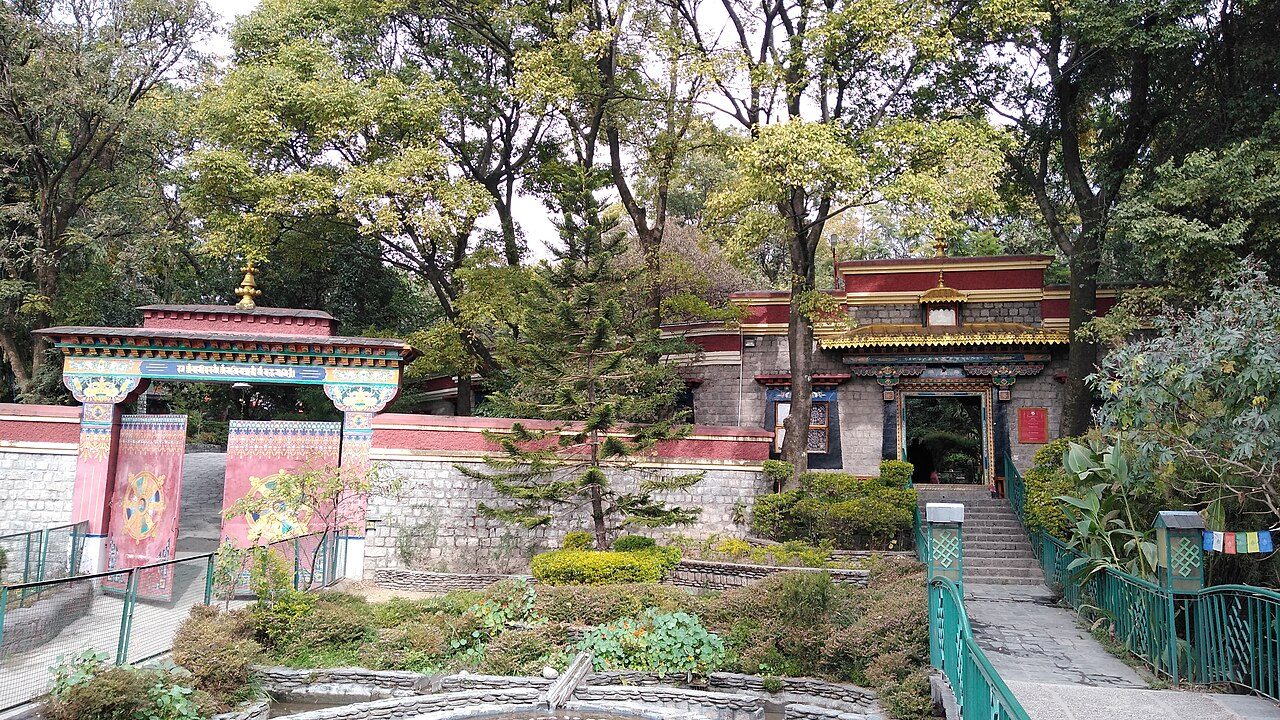
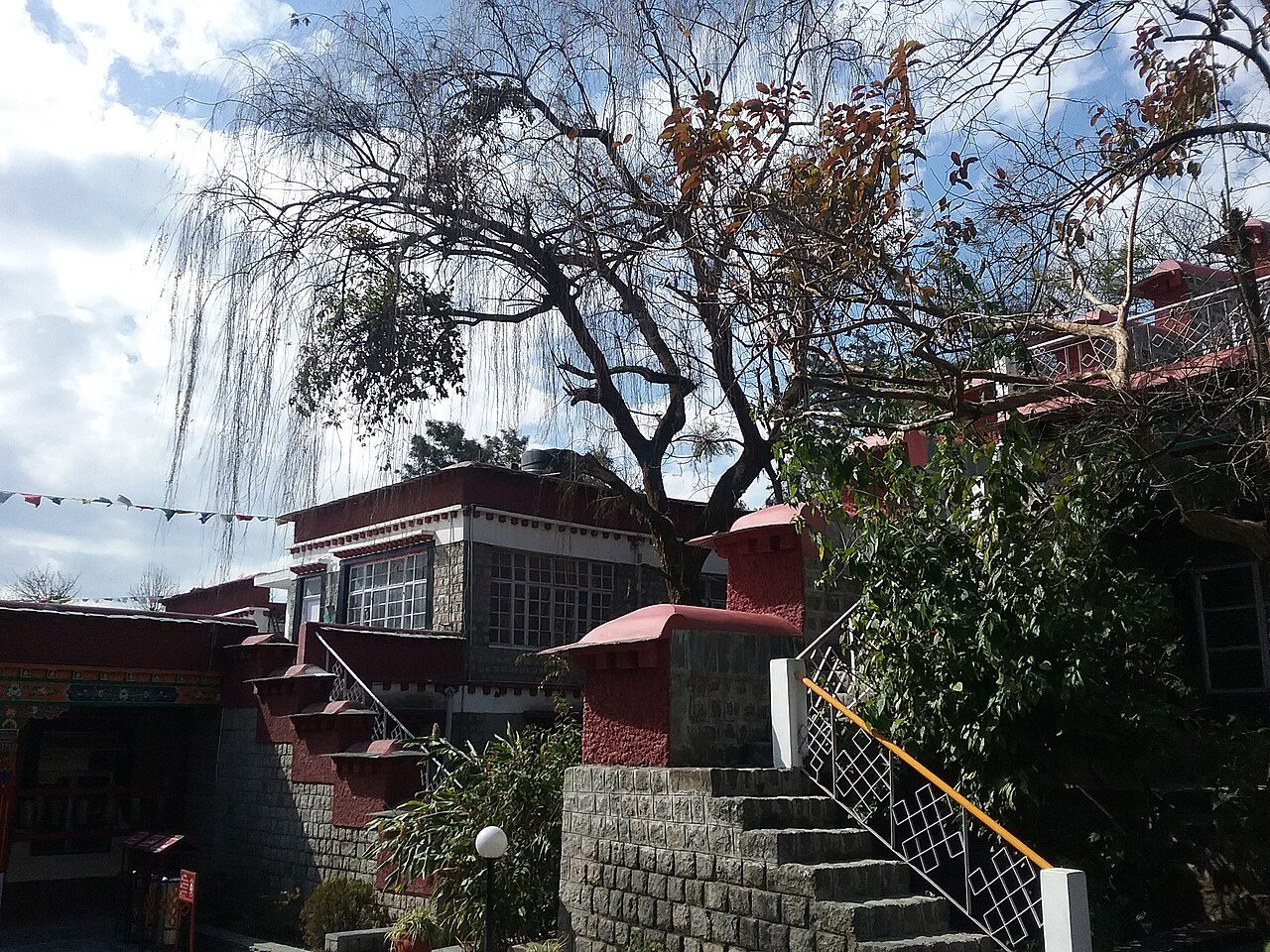
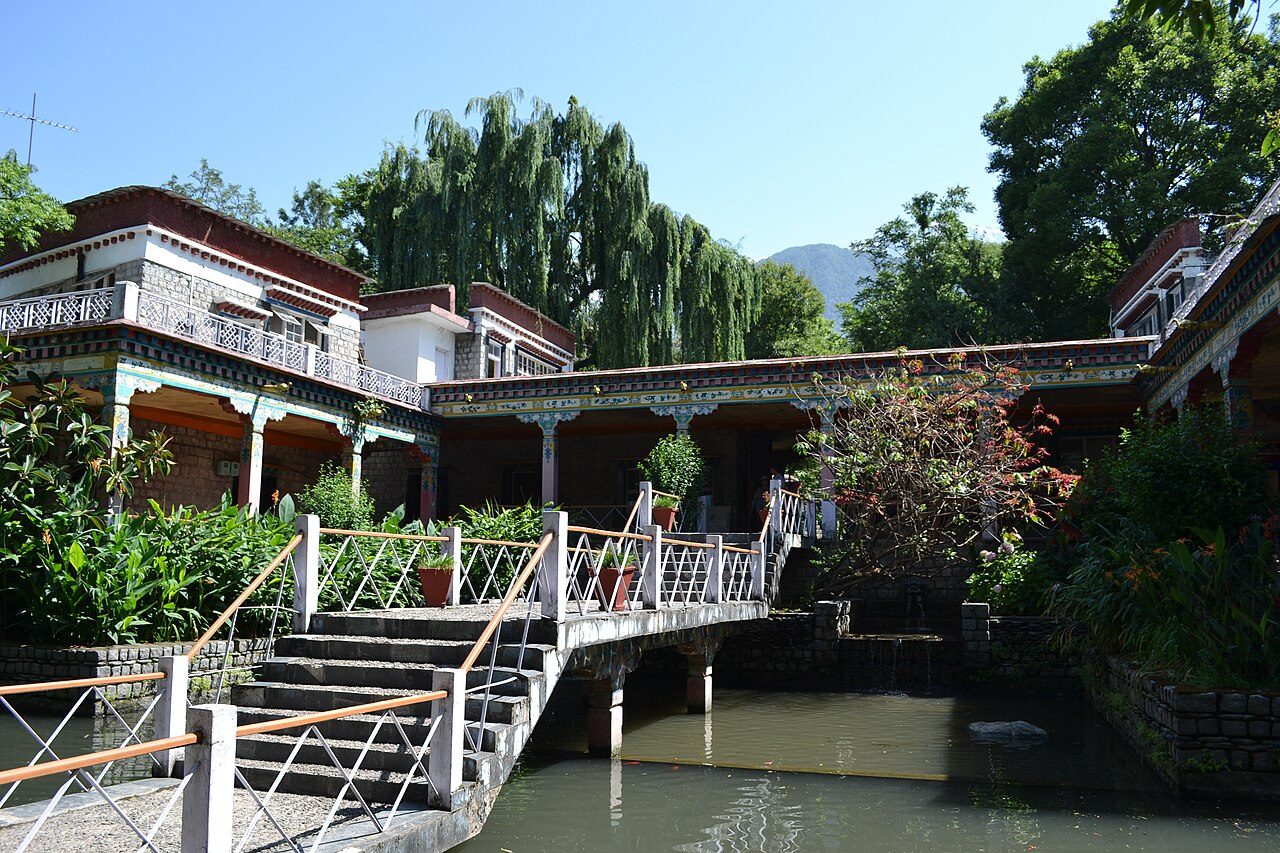
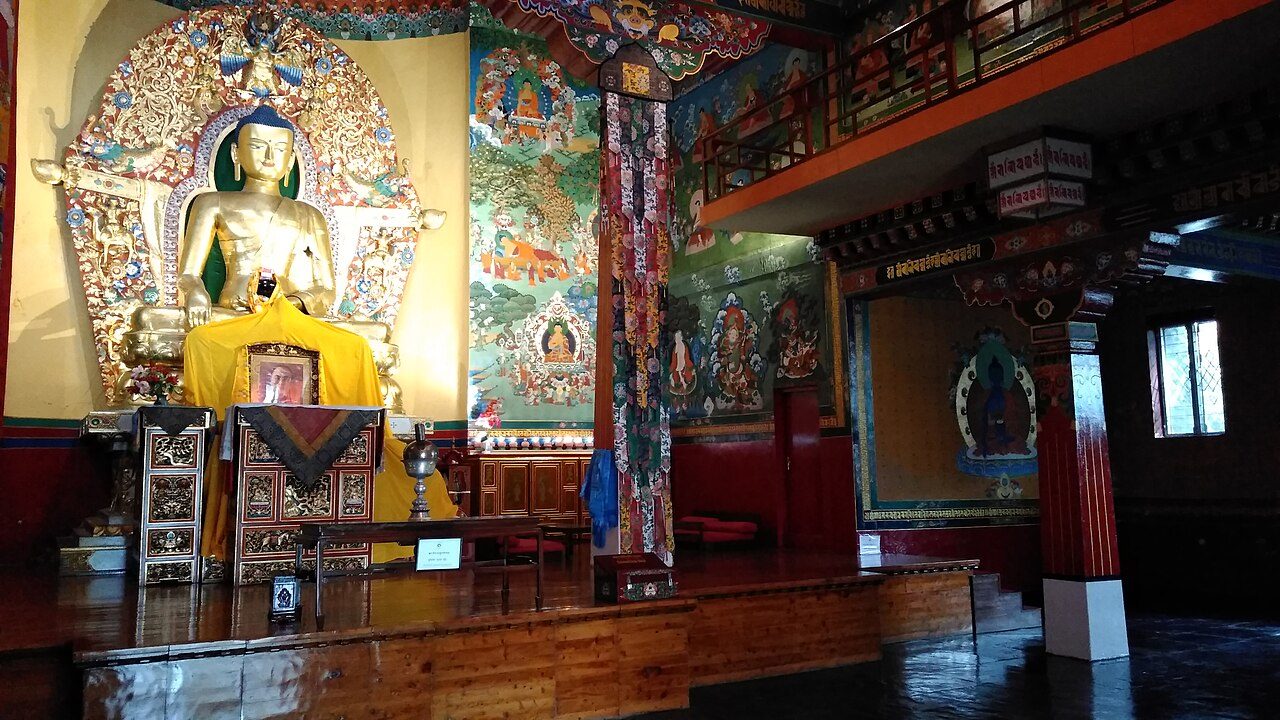
The Norbulingka Institute at Sidhpur, below Dharamshala, was founded in 1988 to preserve Tibetan arts and crafts. Visitors can watch artists at work on thangka painting, statue making, wood carving and applique. The complex is laid out in Japanese-inspired gardens with streams and ponds and includes a temple with a large gilded Buddha, a doll museum, a shop and a cafe.
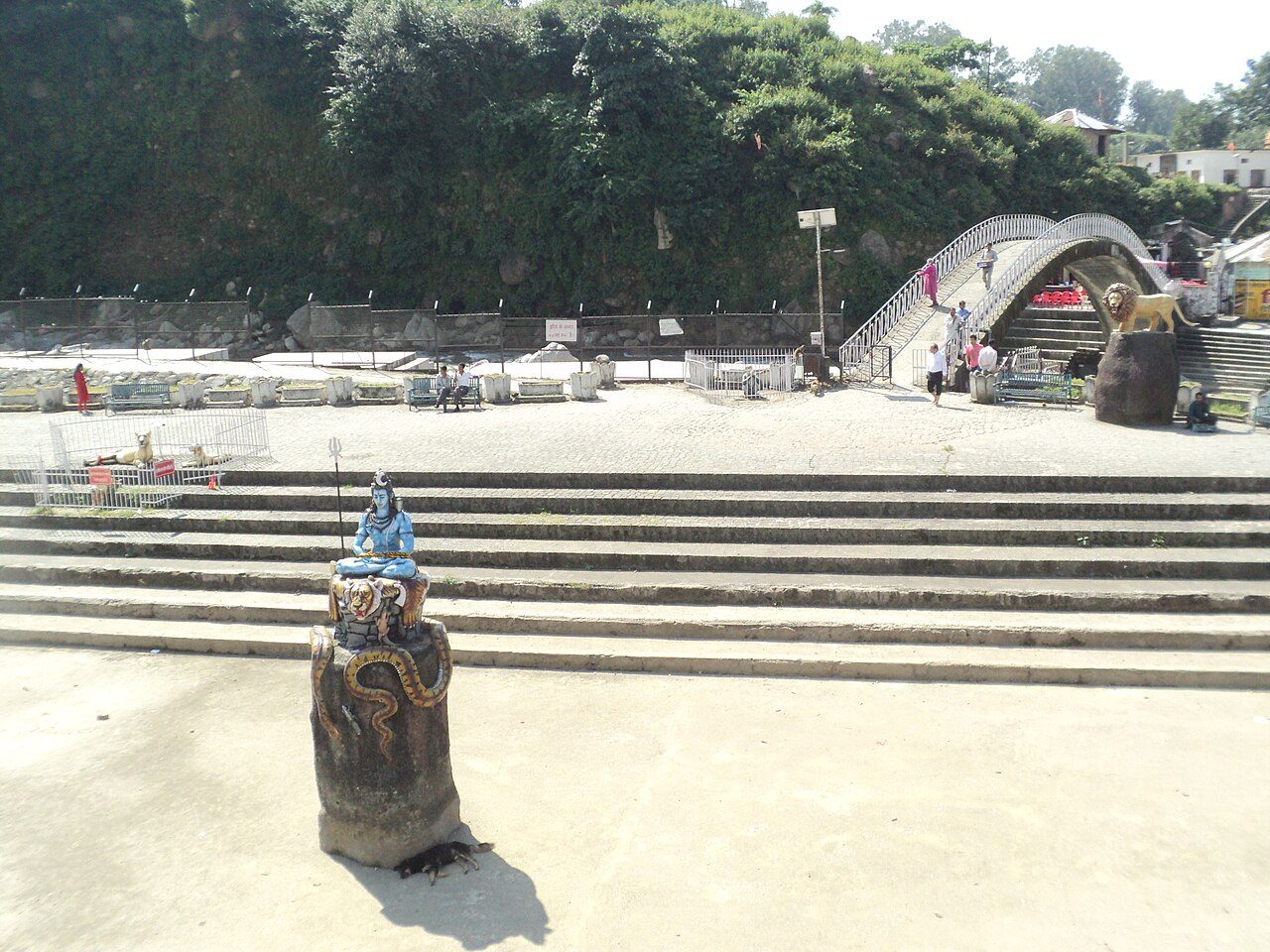
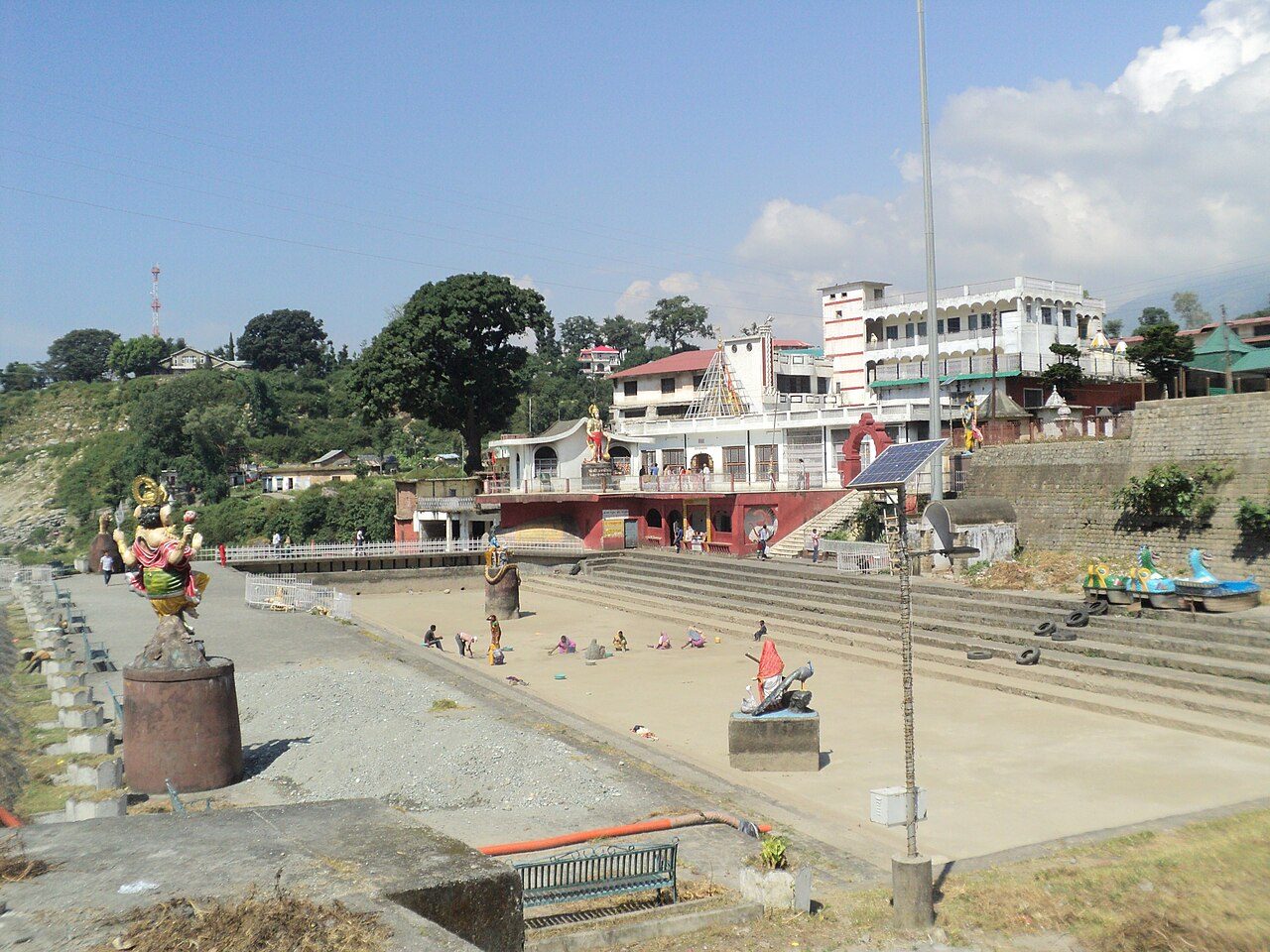
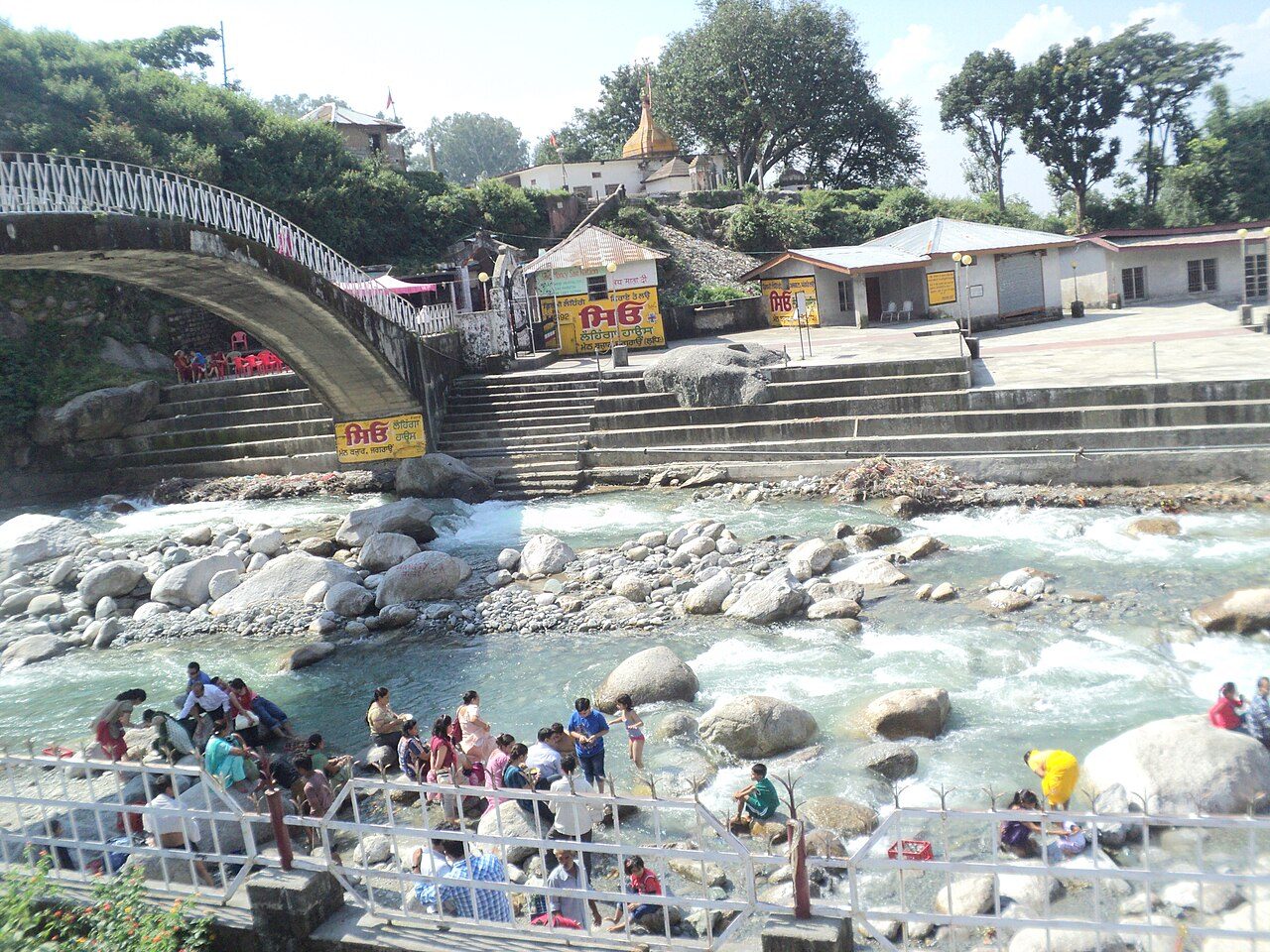
Chamunda Devi Temple stands on the bank of the Baner stream about 15 km from Dharamshala, with the Dhauladhar range behind. It is dedicated to a fierce form of Durga and is counted among the important goddess shrines of Kangra. The image is kept covered in red cloth. A cave shrine to Shiva lies below the main temple, and bathing ghats line the stream.
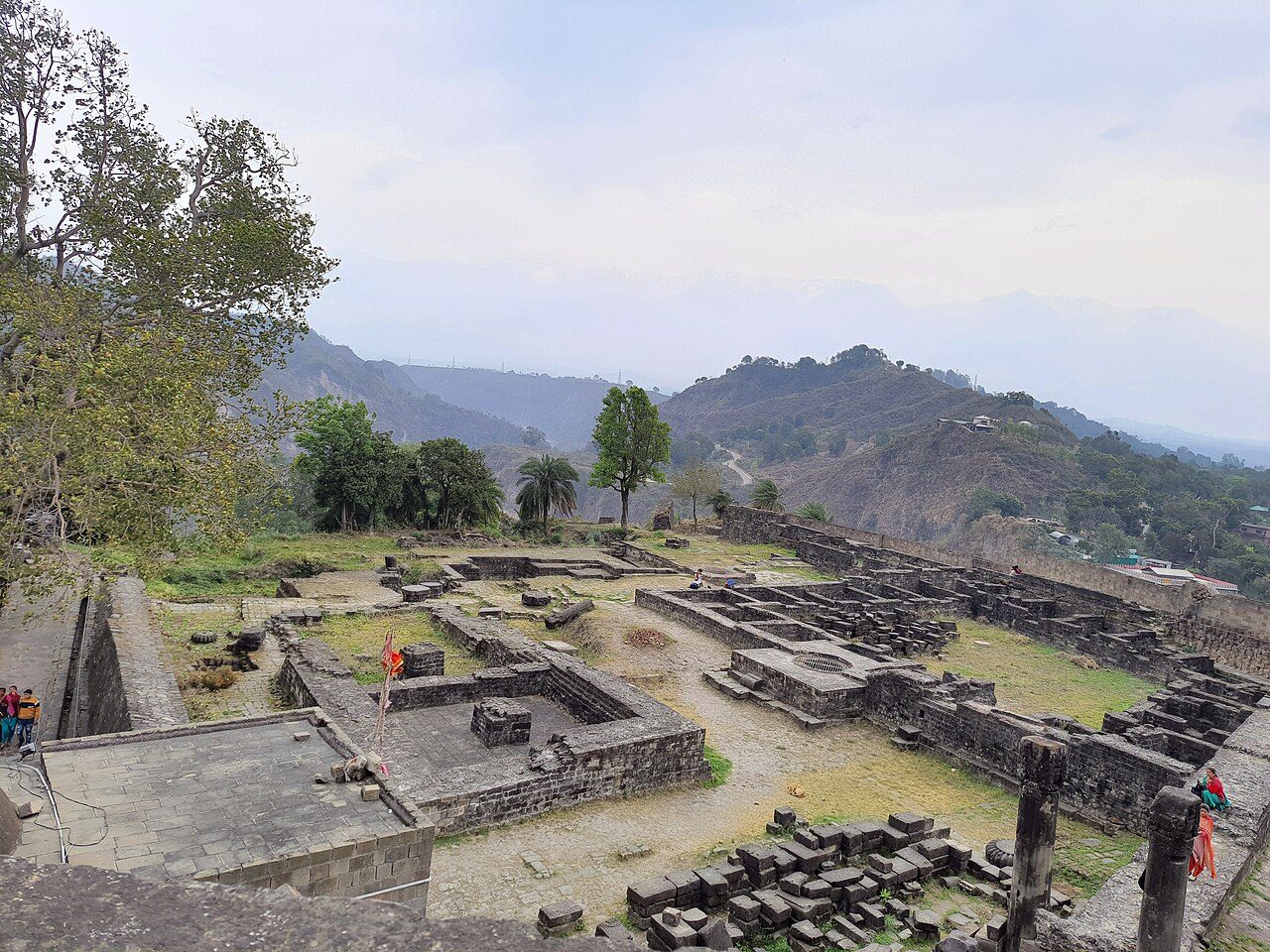
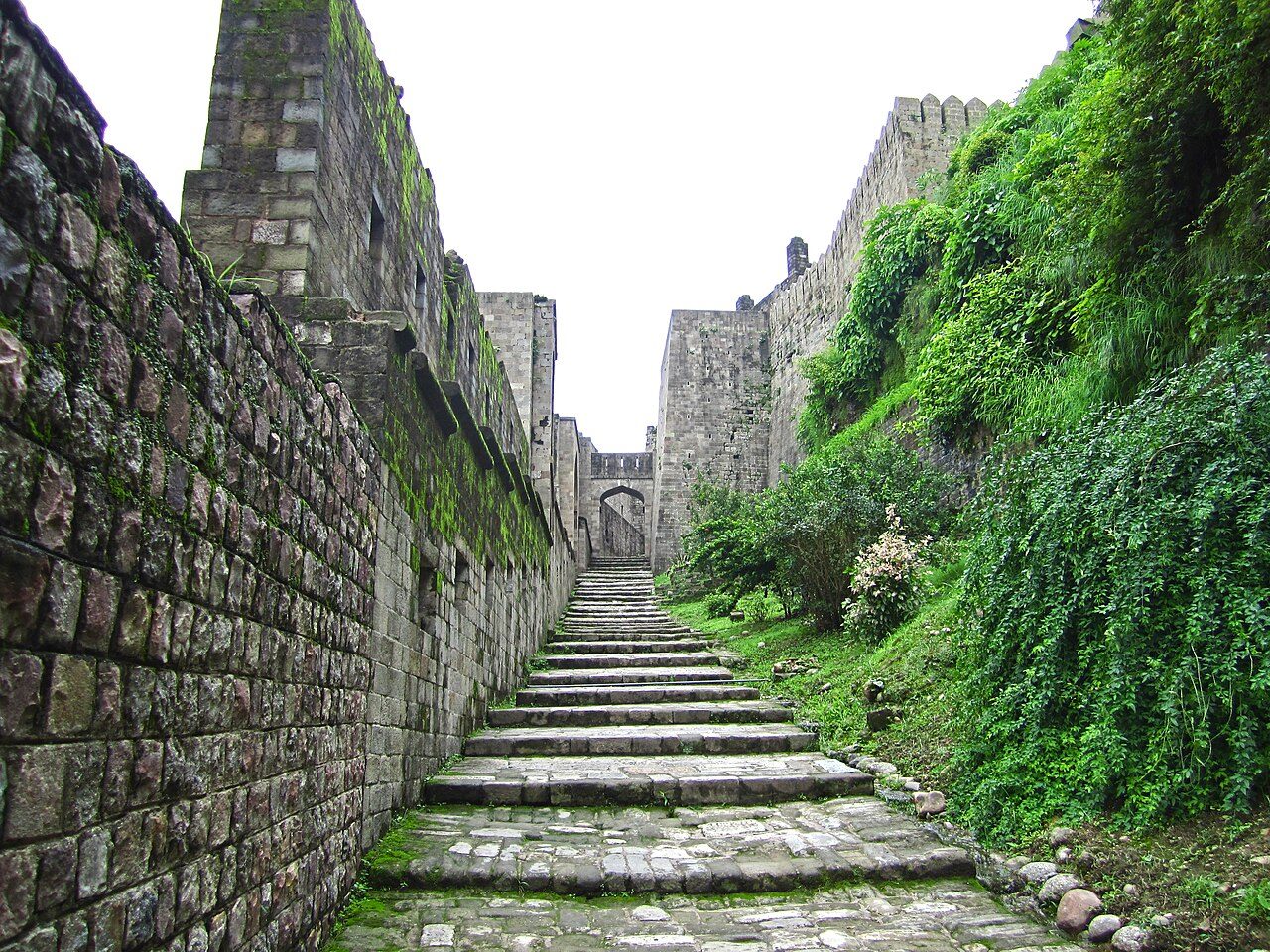
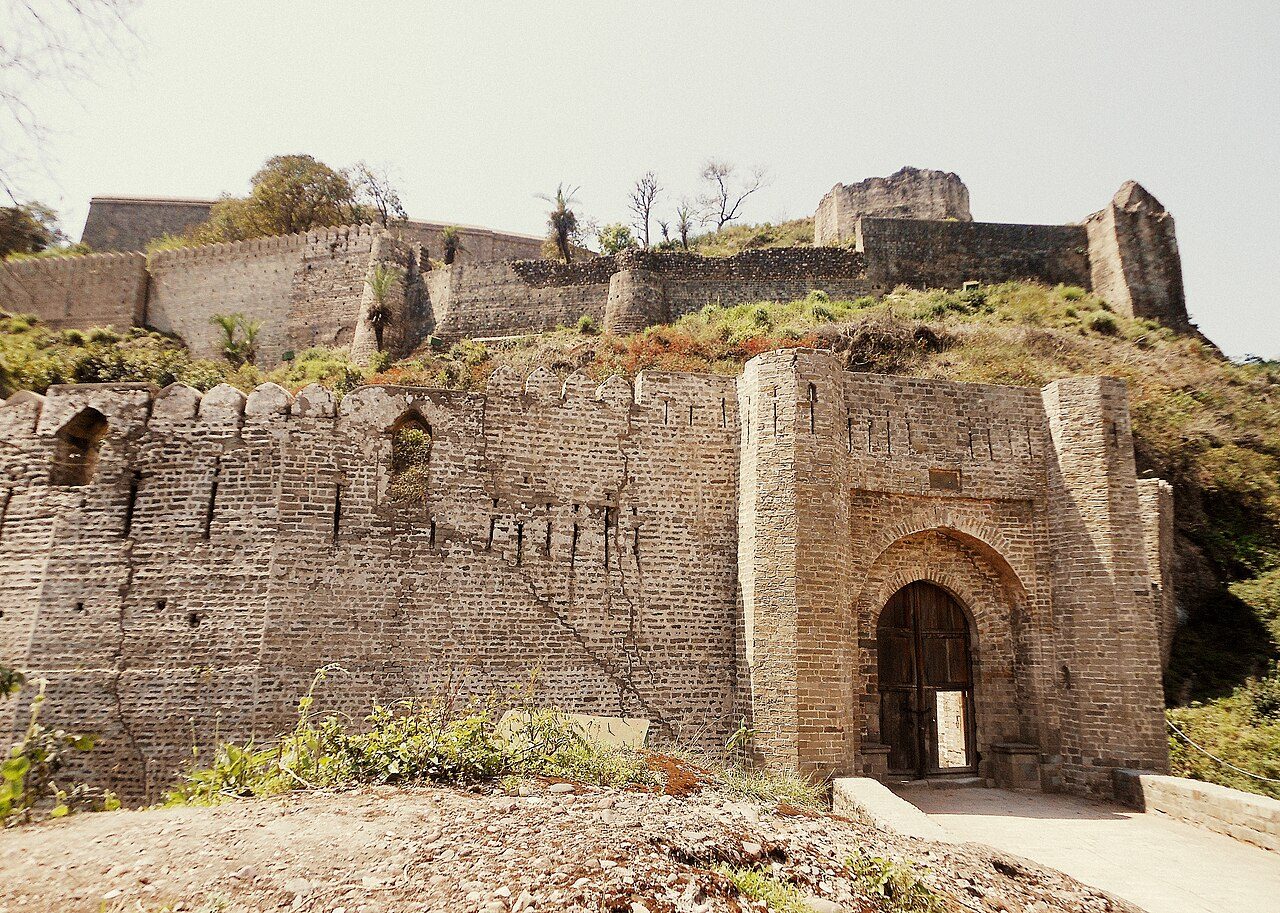
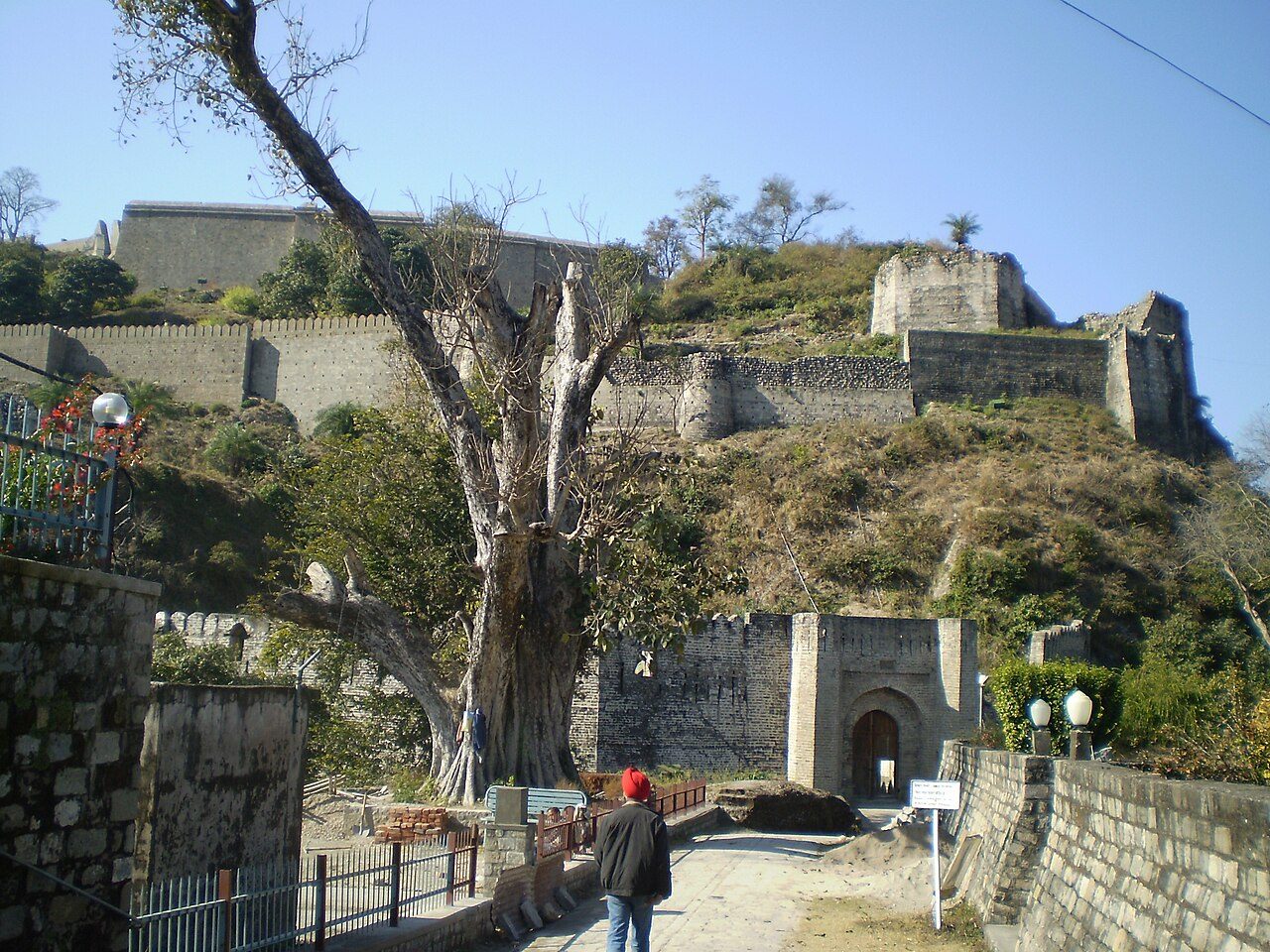
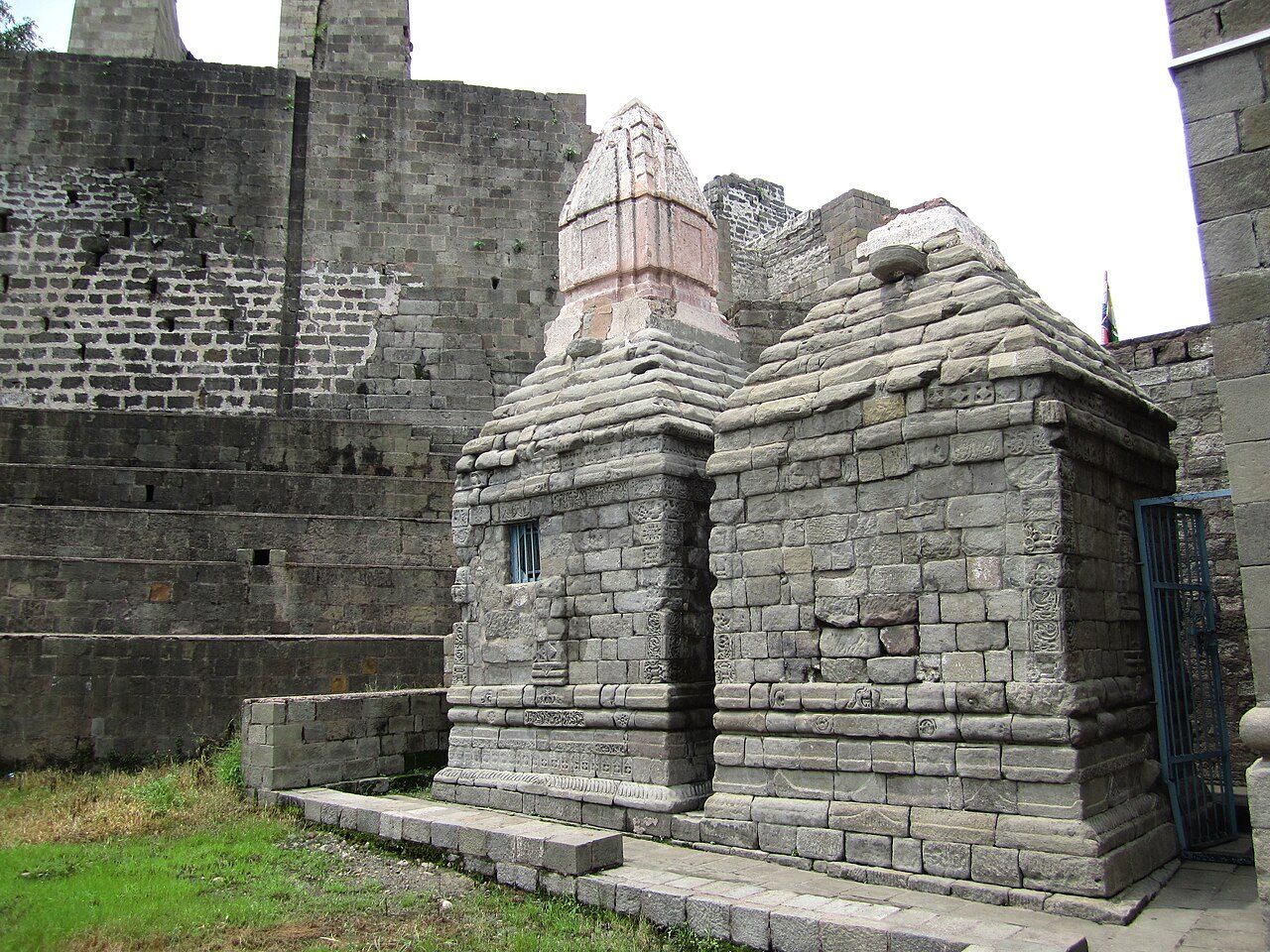
Kangra Fort, at the meeting of the Banganga and Manjhi rivers, is among the oldest and largest forts in the Himalaya, the stronghold of the Katoch dynasty. Mahmud of Ghazni, the Mughals and the Sikhs all took it in turn, and it was badly damaged by the 1905 earthquake. A series of gates leads up to temples and a ruined palace with views of the Dhauladhar. An audio guide is available.
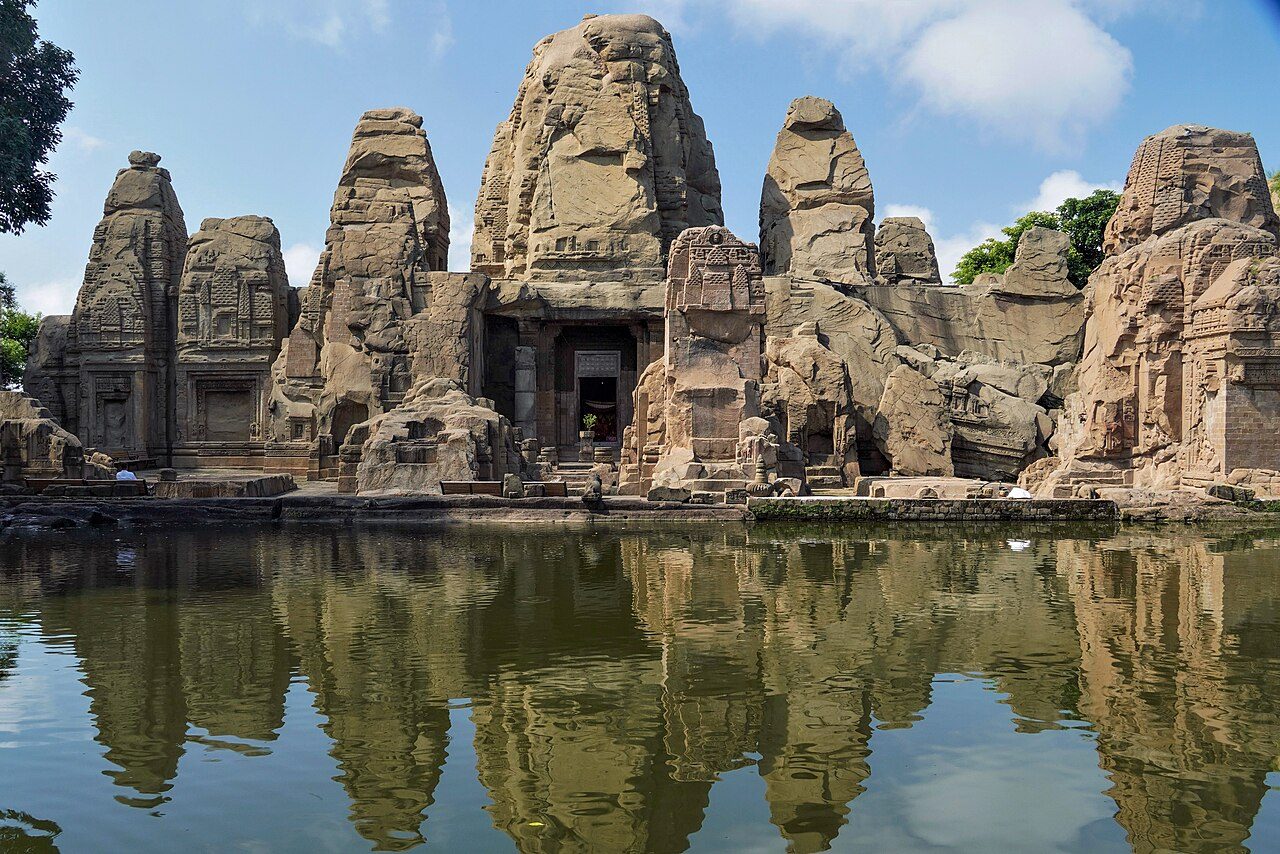
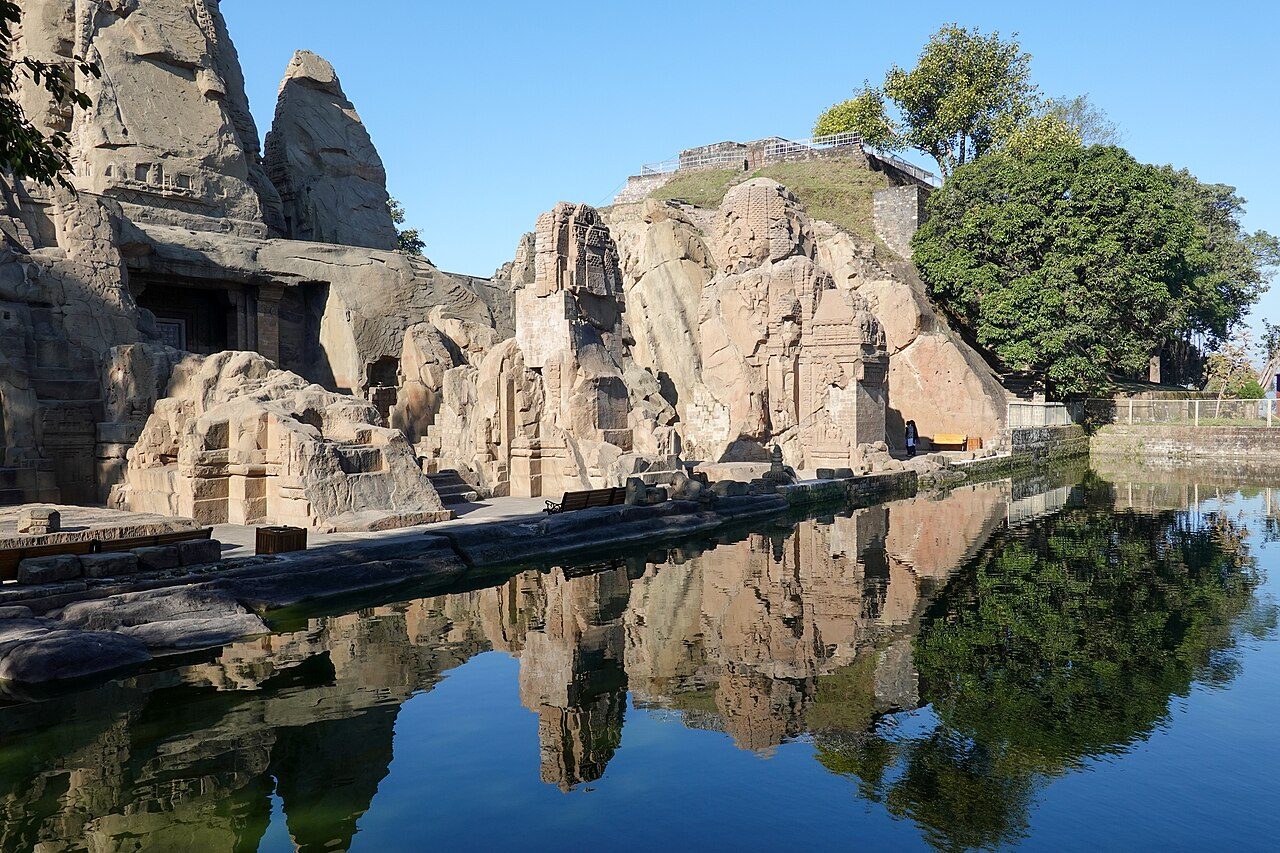
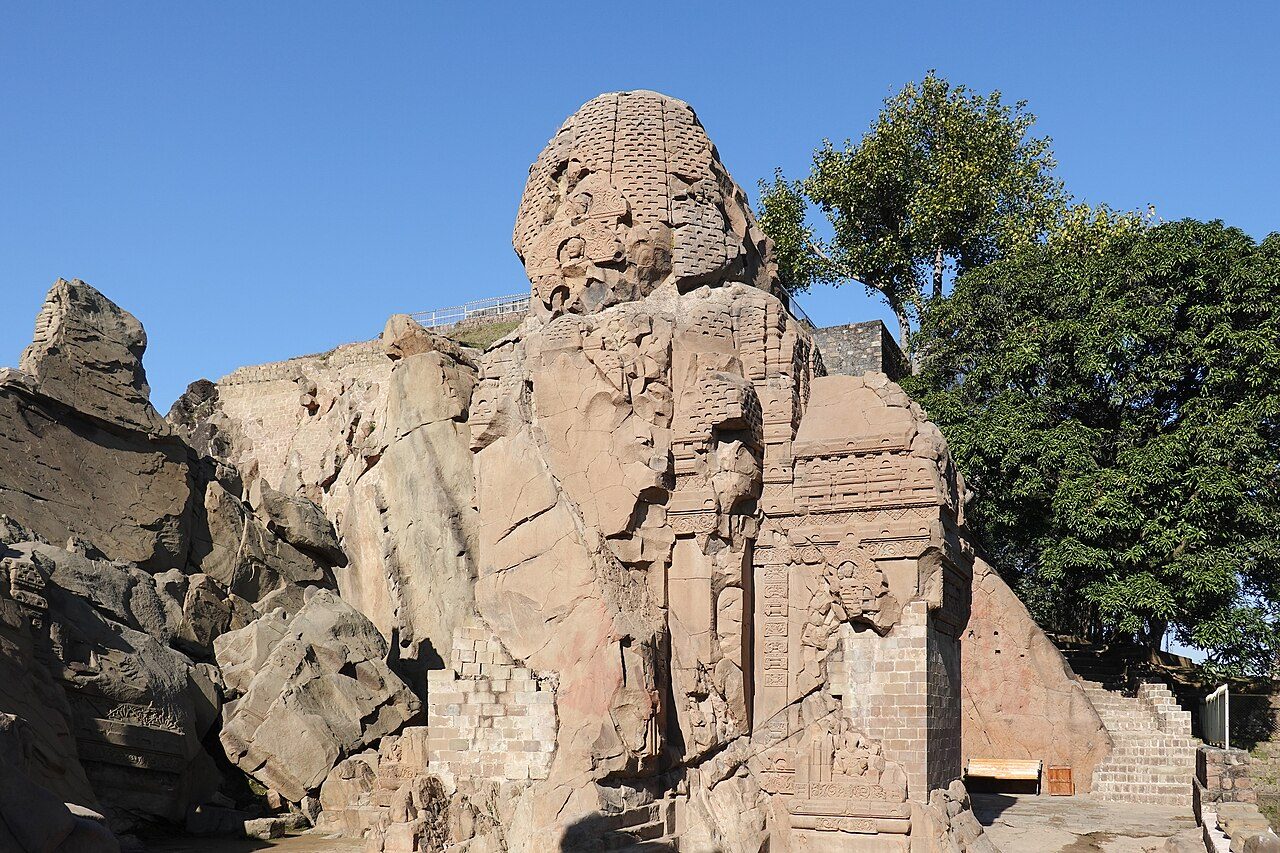
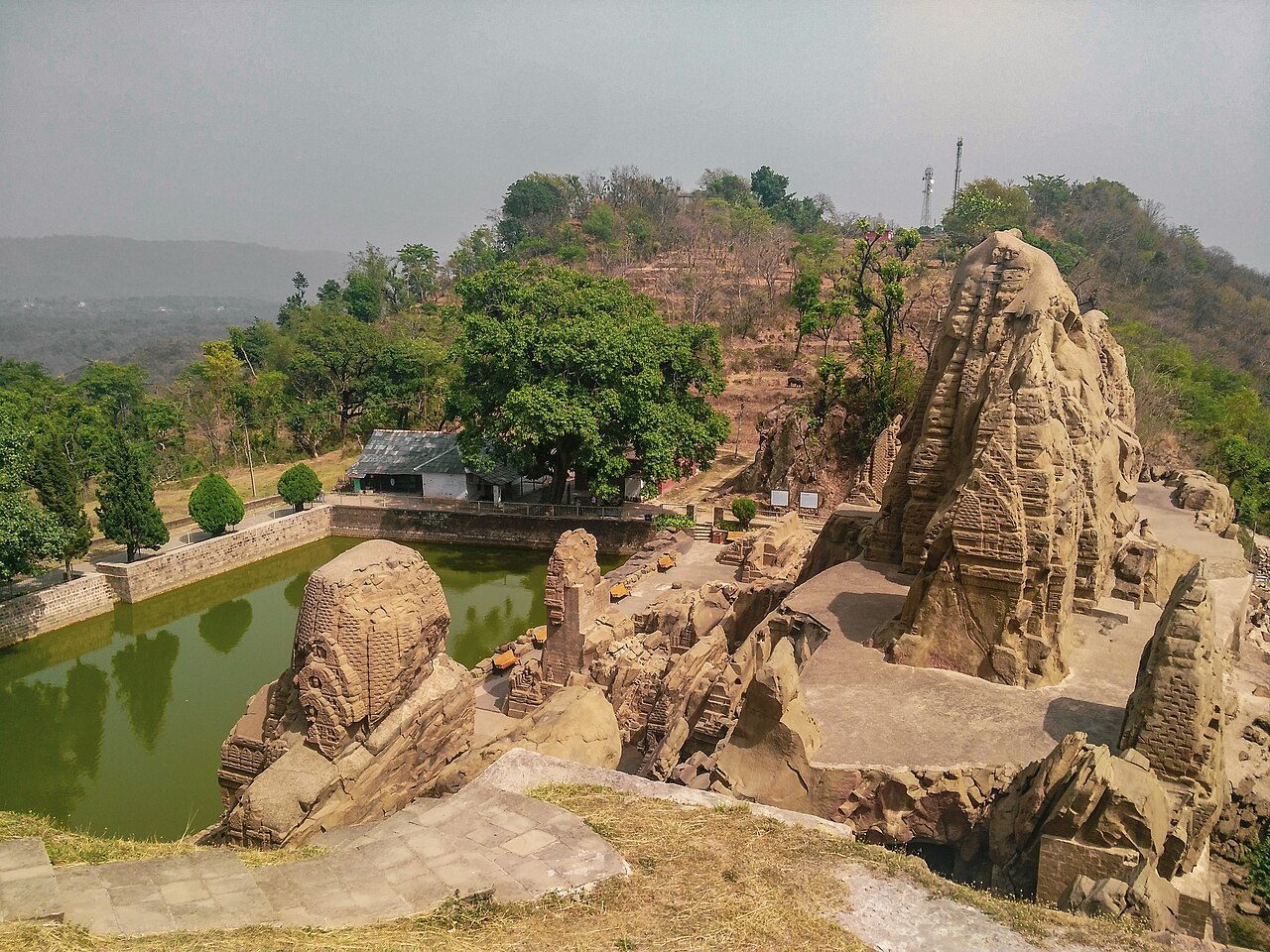
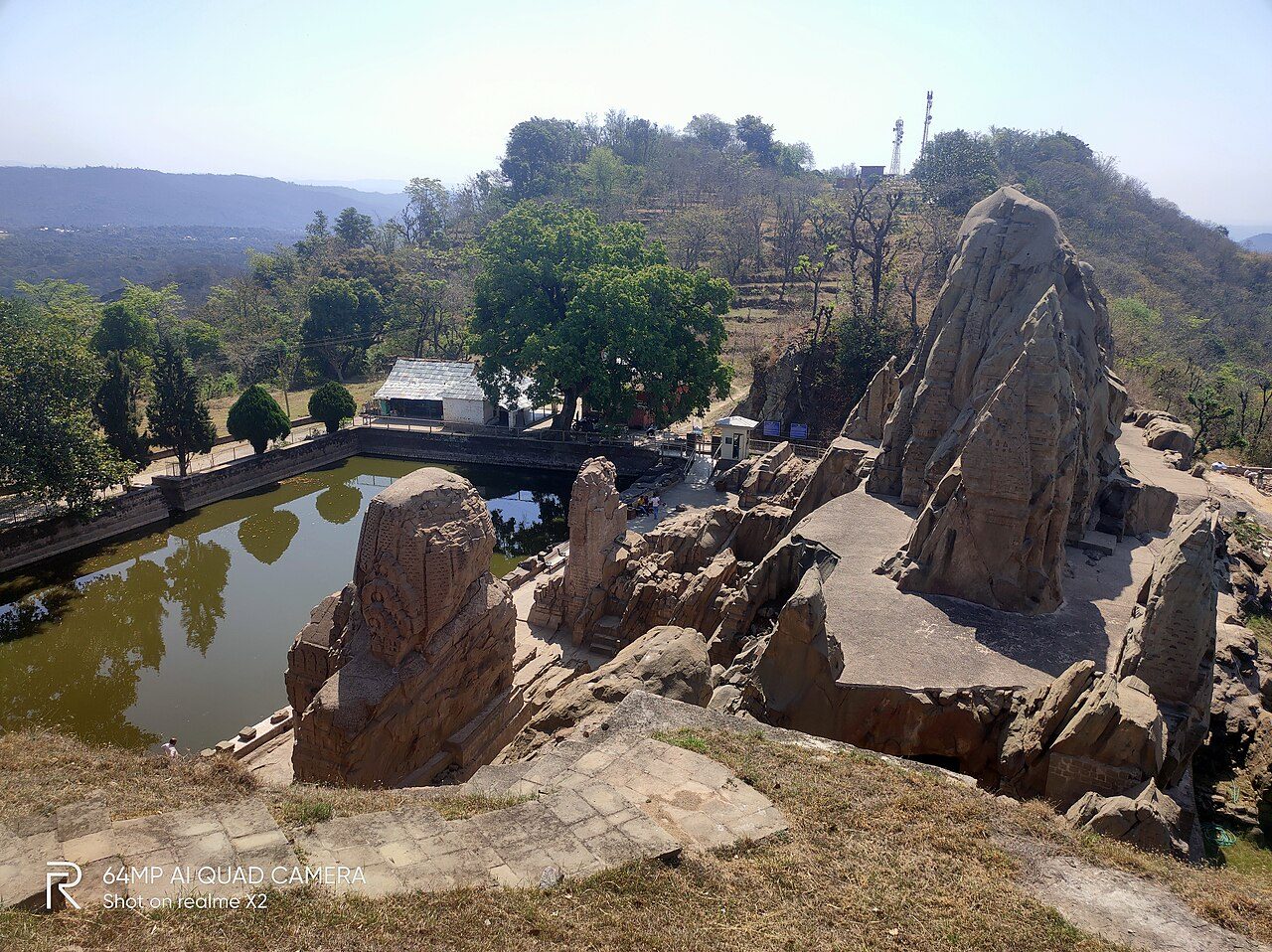
The Masroor temples are a group of 8th-century shrines carved out of a single sandstone ridge in the Kangra valley, the only rock-cut temples of their kind in the northern Himalaya. The central shrine faces a rectangular pool that reflects the weathered towers, with the Dhauladhar range beyond. Earthquake damage has left much unfinished or broken, but the carving is still fine.
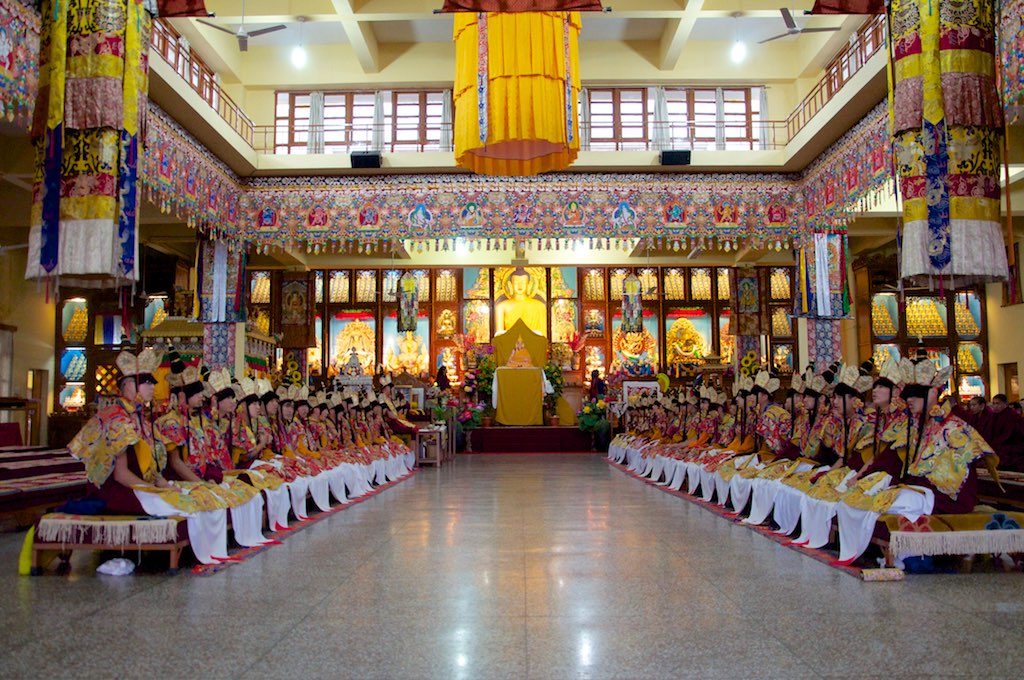
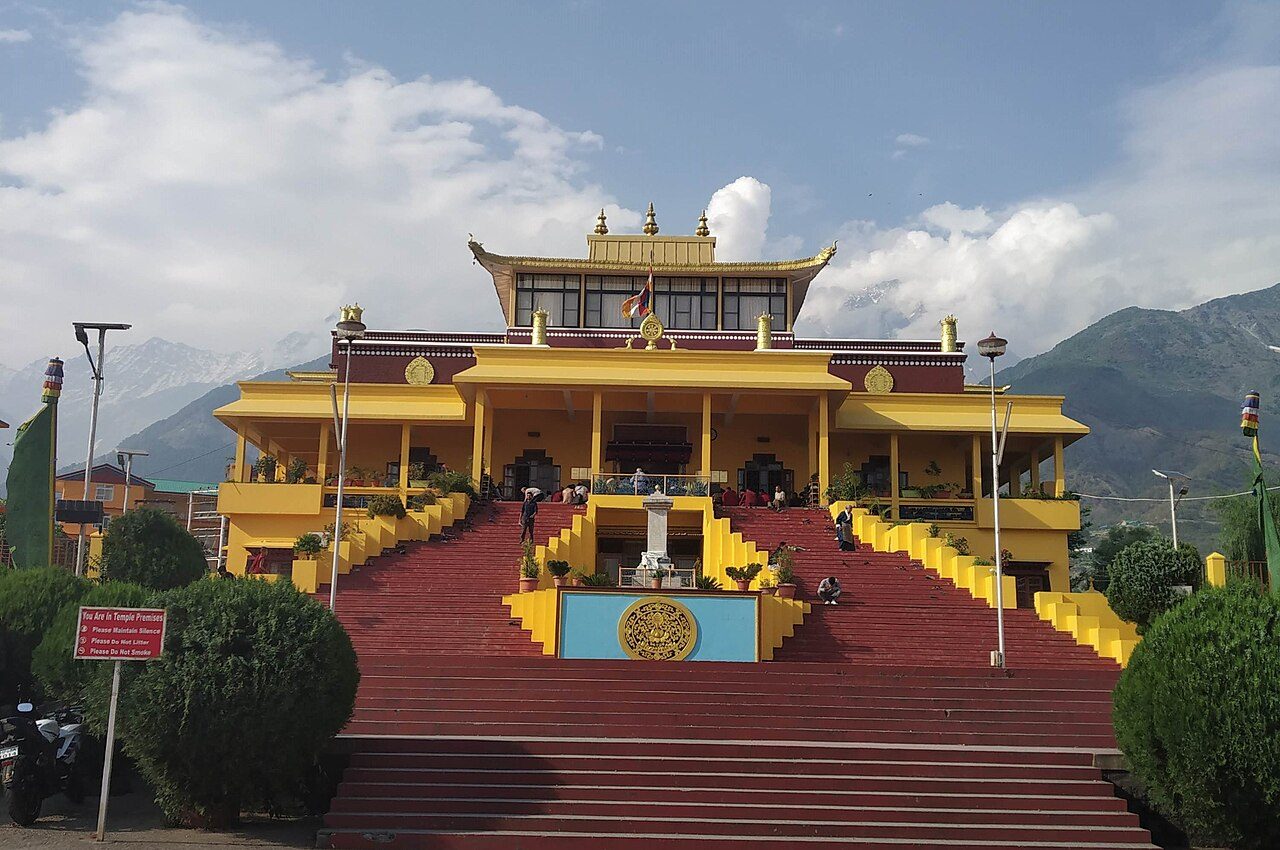
Gyuto Monastery at Sidhbari, near Dharamshala, is the home in exile of the Gyuto Tantric University, founded in Tibet in the 15th century and famous for its monks' deep overtone chanting. The bright yellow main temple stands at the top of a long flight of steps with the Dhauladhar range behind. It has served as the residence of the Karmapa, head of the Karma Kagyu school.
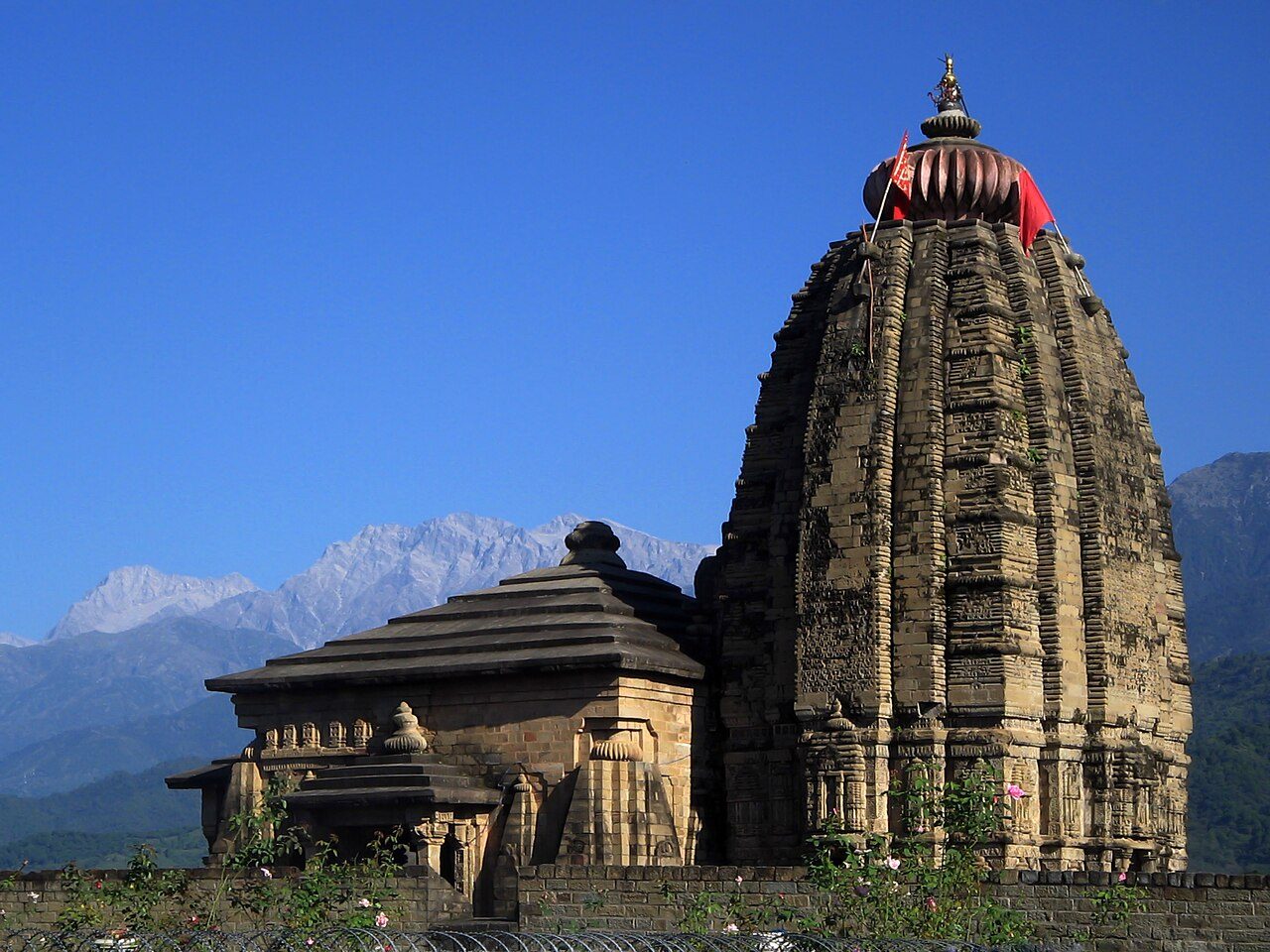
The Baijnath Temple, on the Binwa stream between Palampur and Mandi, is a Shiva temple built in 1204, according to its inscriptions, by two local merchants. Dedicated to Shiva as Vaidyanath, lord of physicians, it is one of the best examples of the Nagara style in Himachal, with carved doorways and sculptures on the outer walls. The Dhauladhar range forms the backdrop.
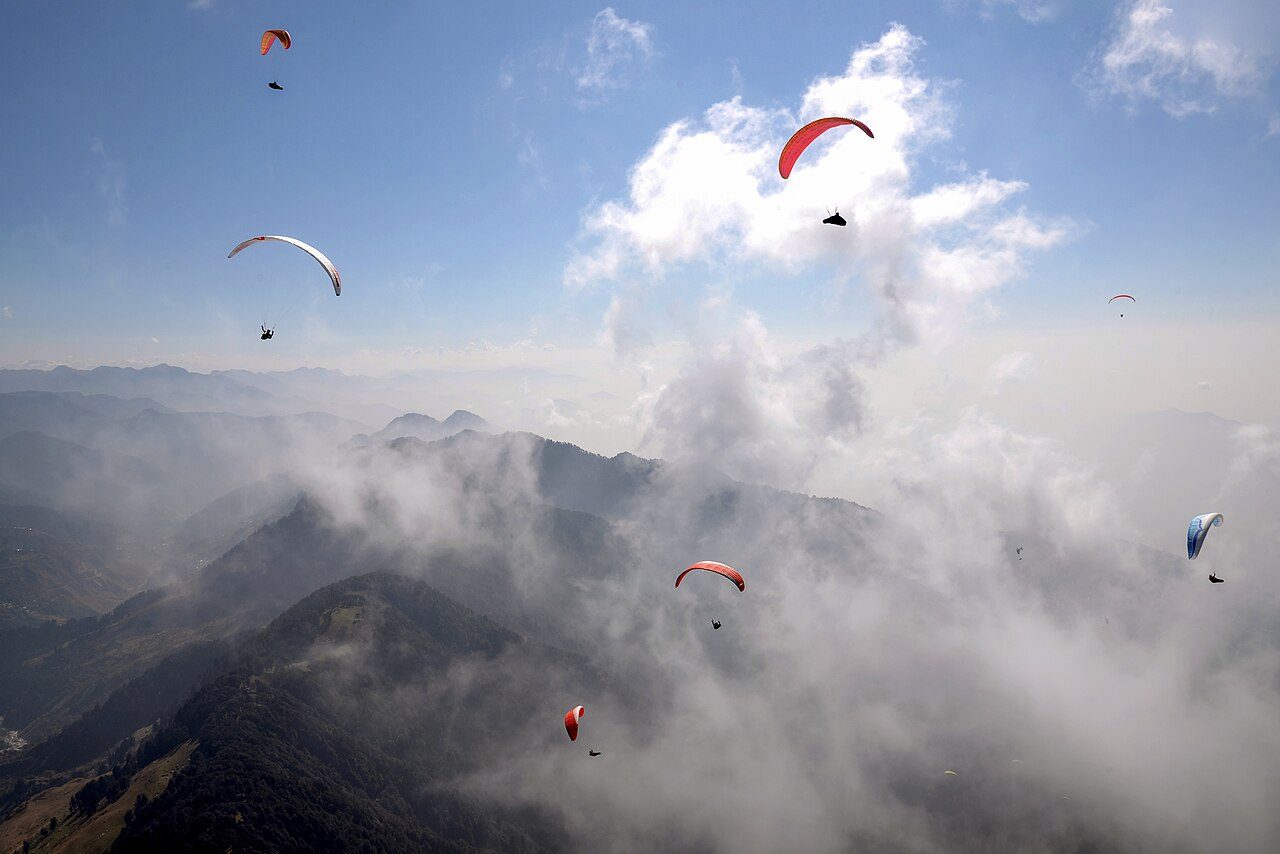
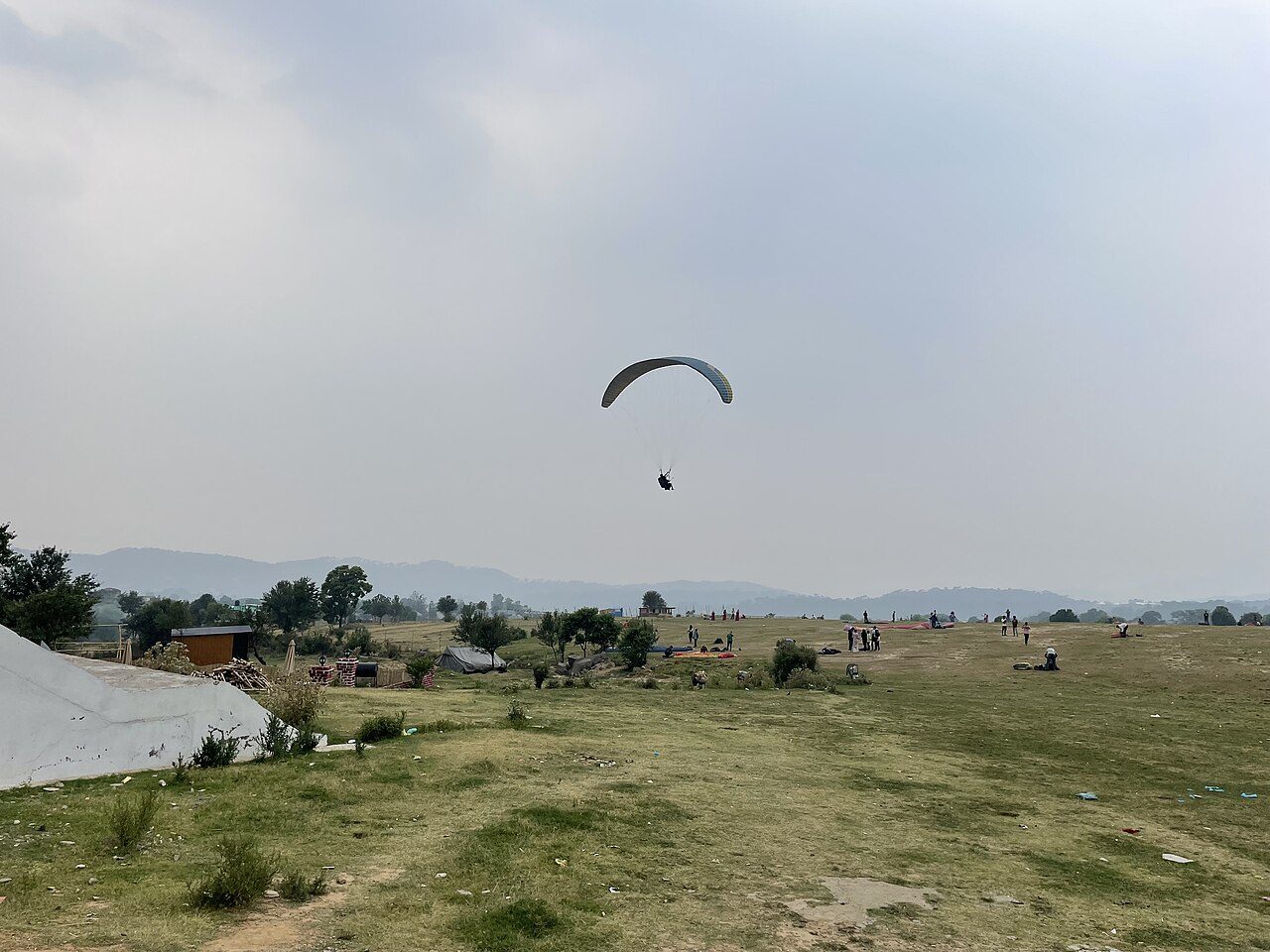
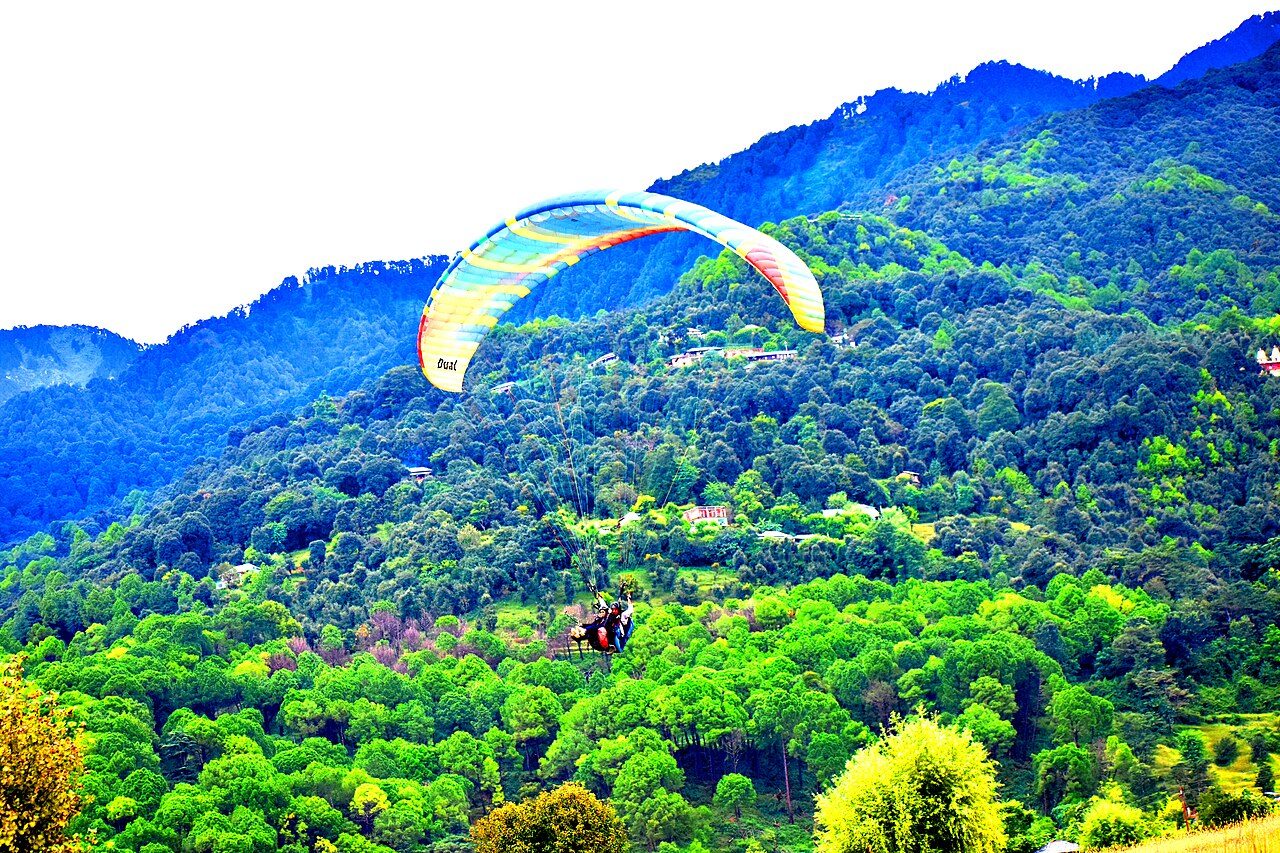
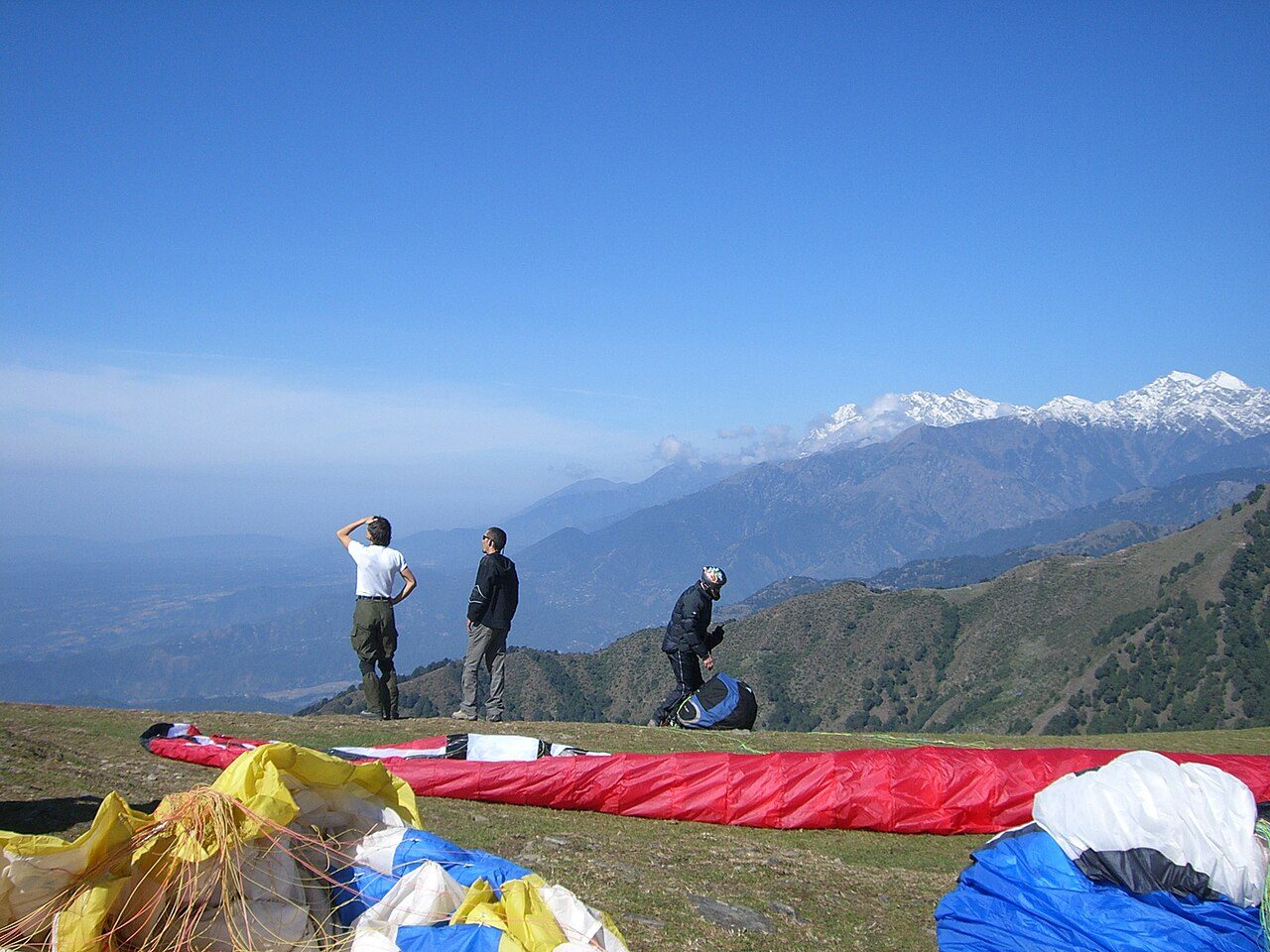
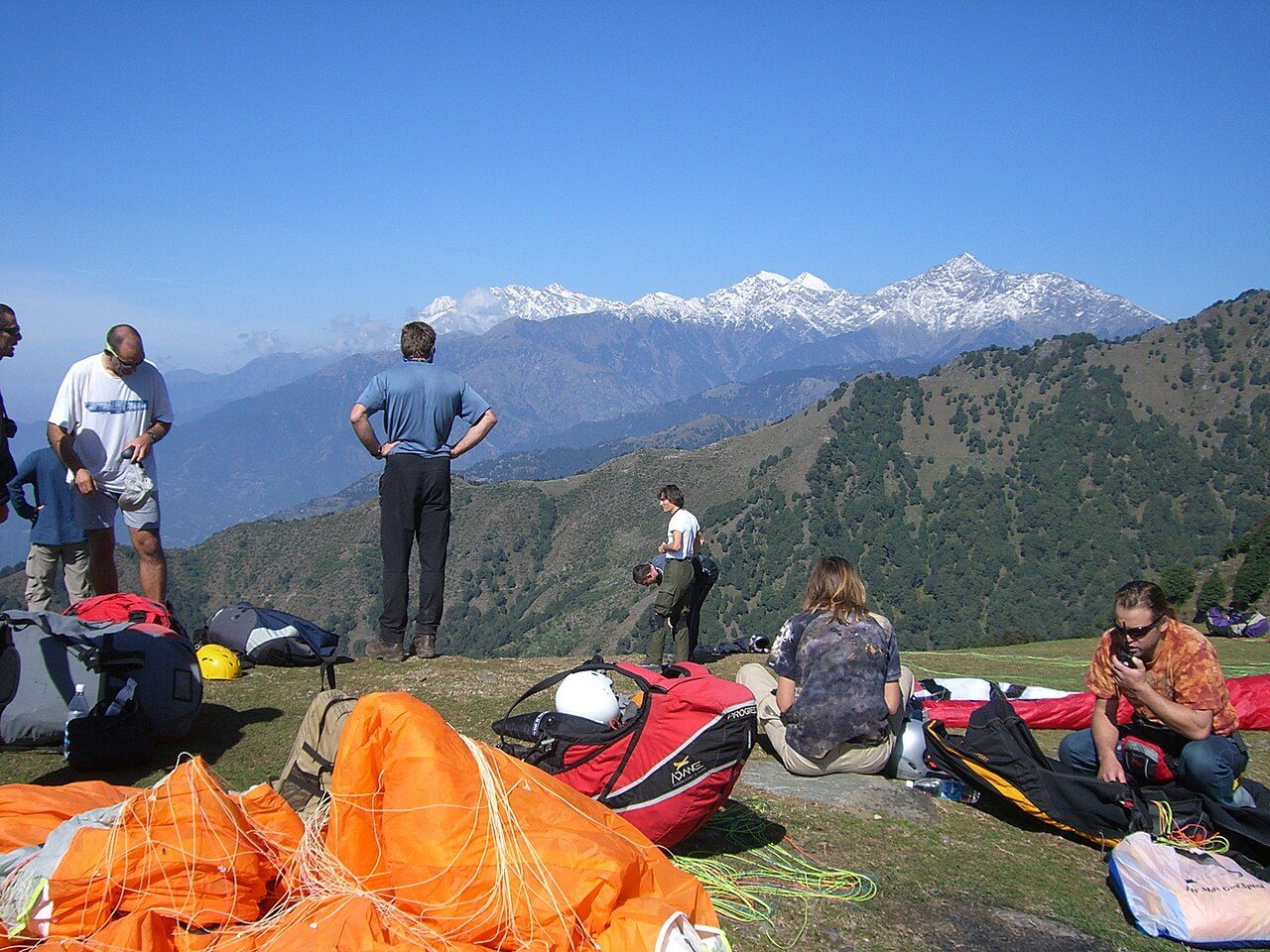
Bir Billing is the leading paragliding site in India and hosted the Paragliding World Cup in 2015. Pilots take off from the meadow at Billing, at about 2,400 metres, and land some 14 km away by road at Bir, a village with Tibetan monasteries and cafes. Tandem flights run from about October to June outside the monsoon. The drive up to Billing also gives broad views of the Kangra valley.
Best weather: Apr – JunHeavy rain: Jul – Aug
Seasons from 20 years of NASA POWER climate data.
Was this trip blog helpful?
0
0
Ready to follow this route?
Copy all 12 stops into your trip plans in the app.
 WaTrips