Siri, Tughlaqabad and Purana Qila, quiet Sultanate mosques, Ghalib's haveli and the Ridge, ending in Lodhi Garden.
Delhi has been rebuilt again and again, and the older cities are still there if you know where to look. This route follows them. Day one starts in the south with the walls of Siri and two fortress-like mosques, Khirki and Begumpur, then Jamali Kamali in Mehrauli. In the afternoon it reaches the vast ruin of Tughlaqabad and the sloping tomb of Ghiyasuddin Tughlaq, then Purana Qila. Day two begins on the northern Ridge at Coronation Park and the Flagstaff Tower, goes through Kashmere Gate and St. James' Church to Ghalib's house in Ballimaran, Feroz Shah Kotla and Raj Ghat, and ends among the Lodi tombs and Safdarjung's Tomb. Most of these sites are quiet, even on weekends.
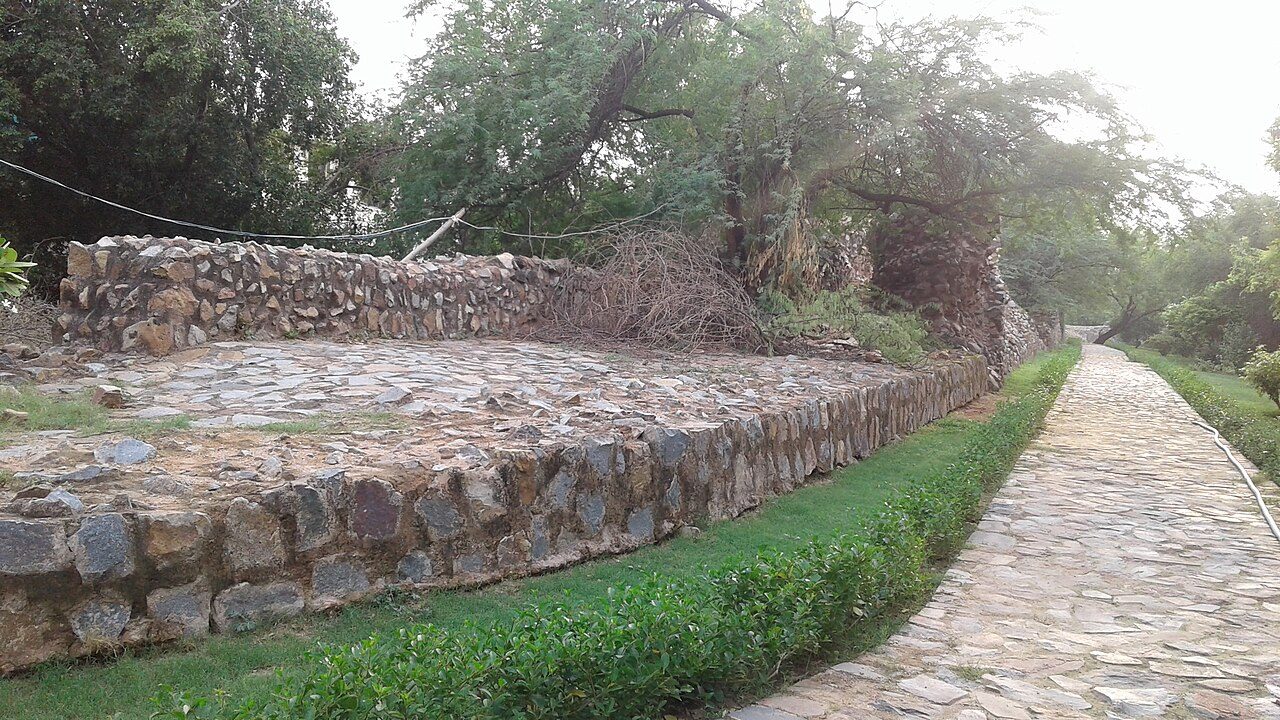
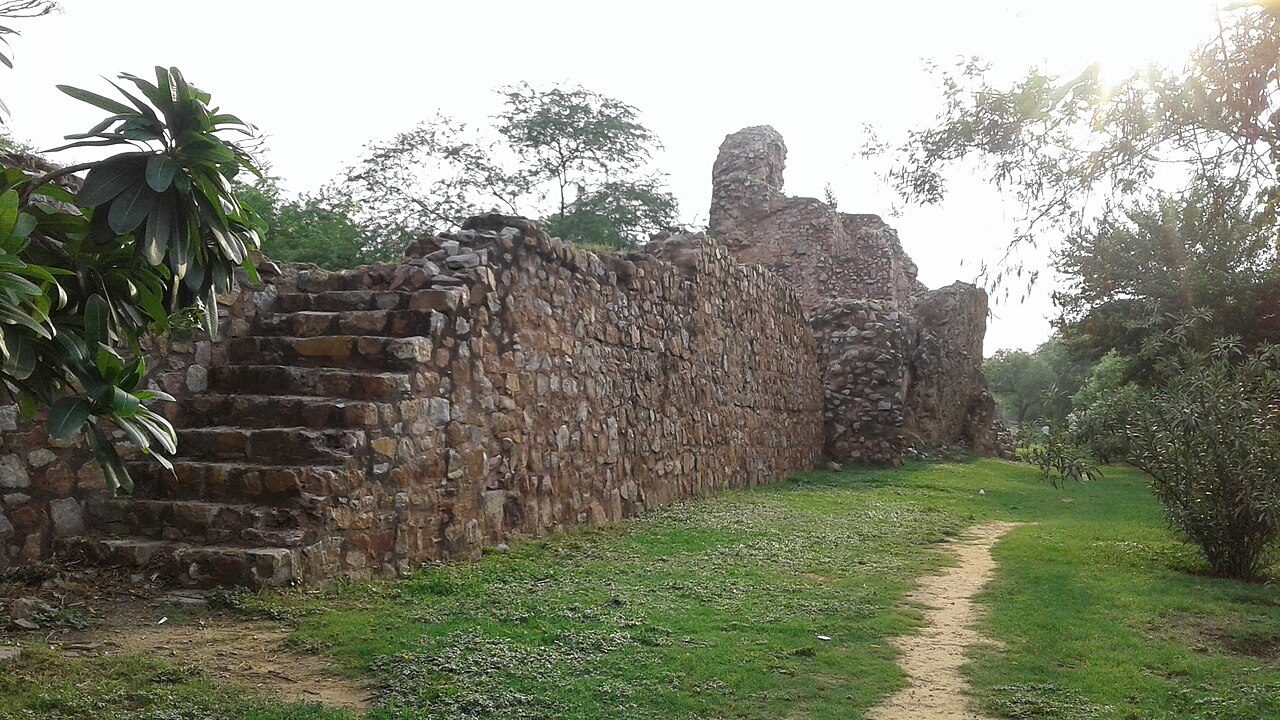
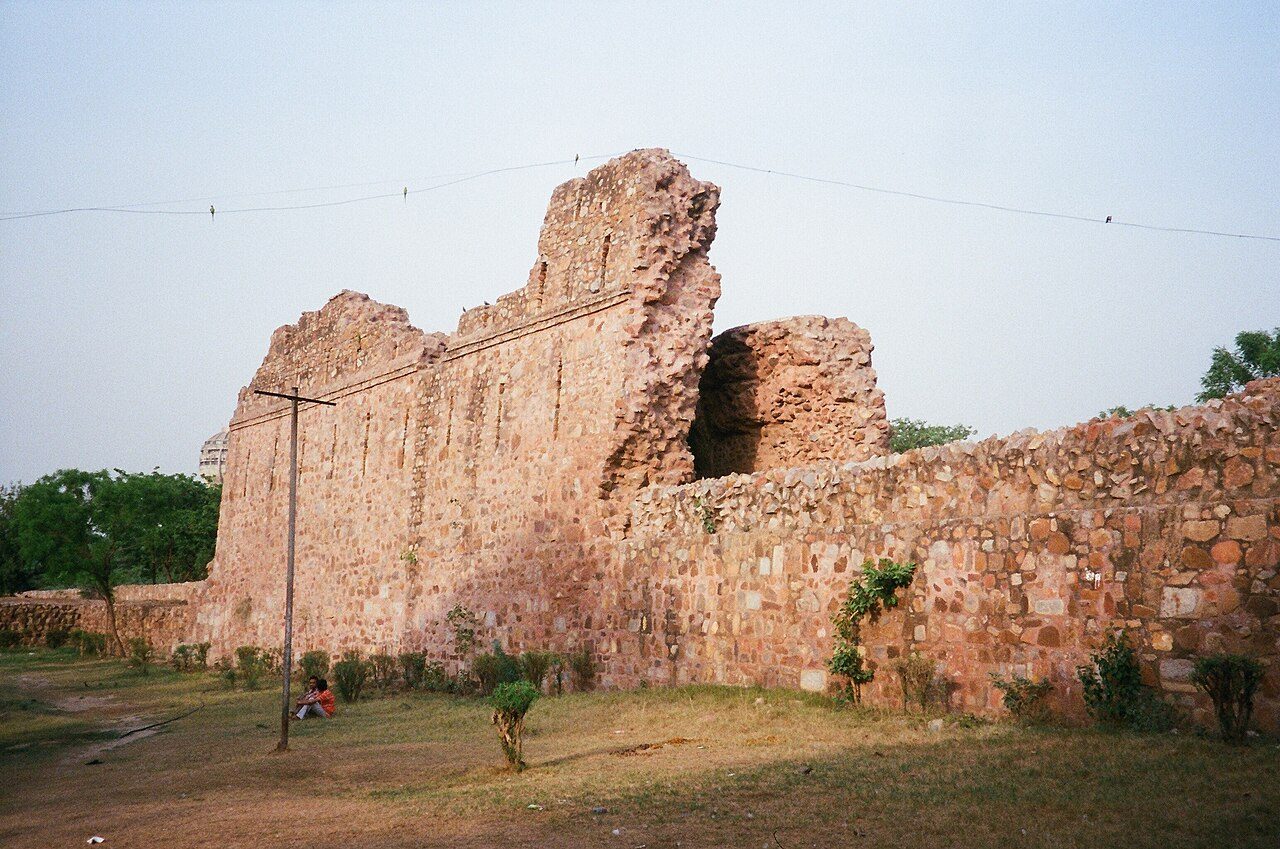
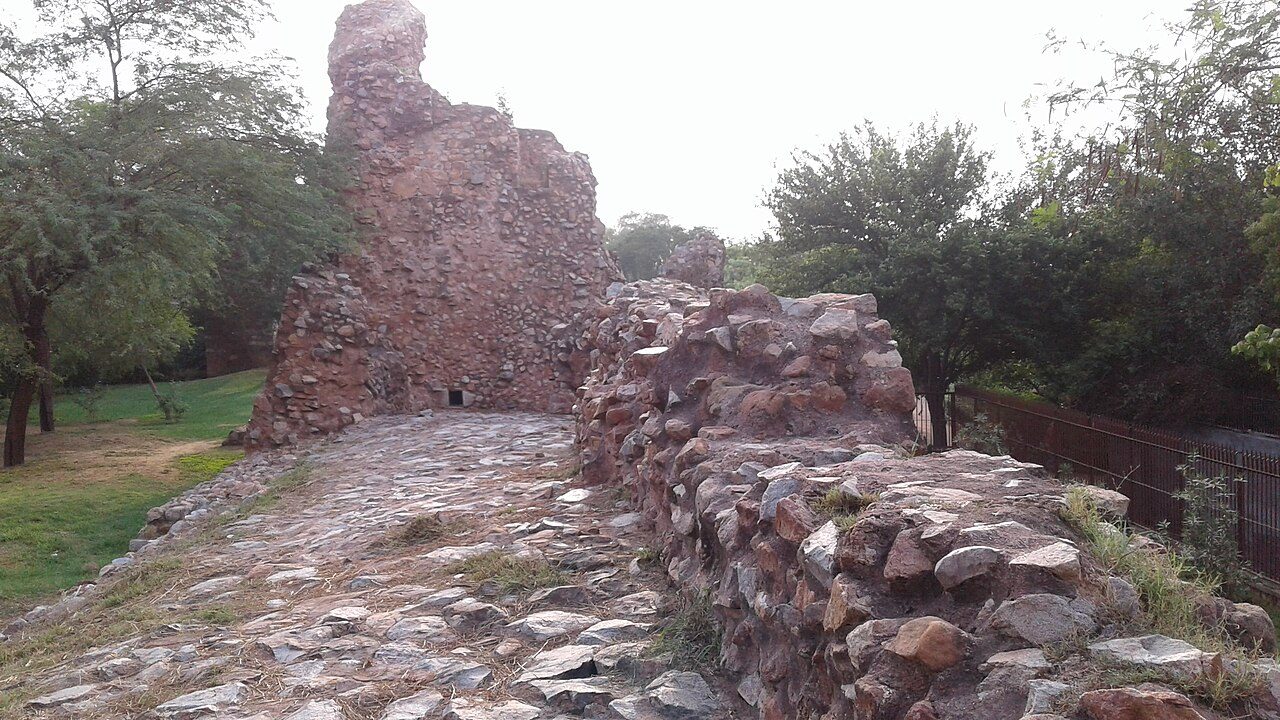
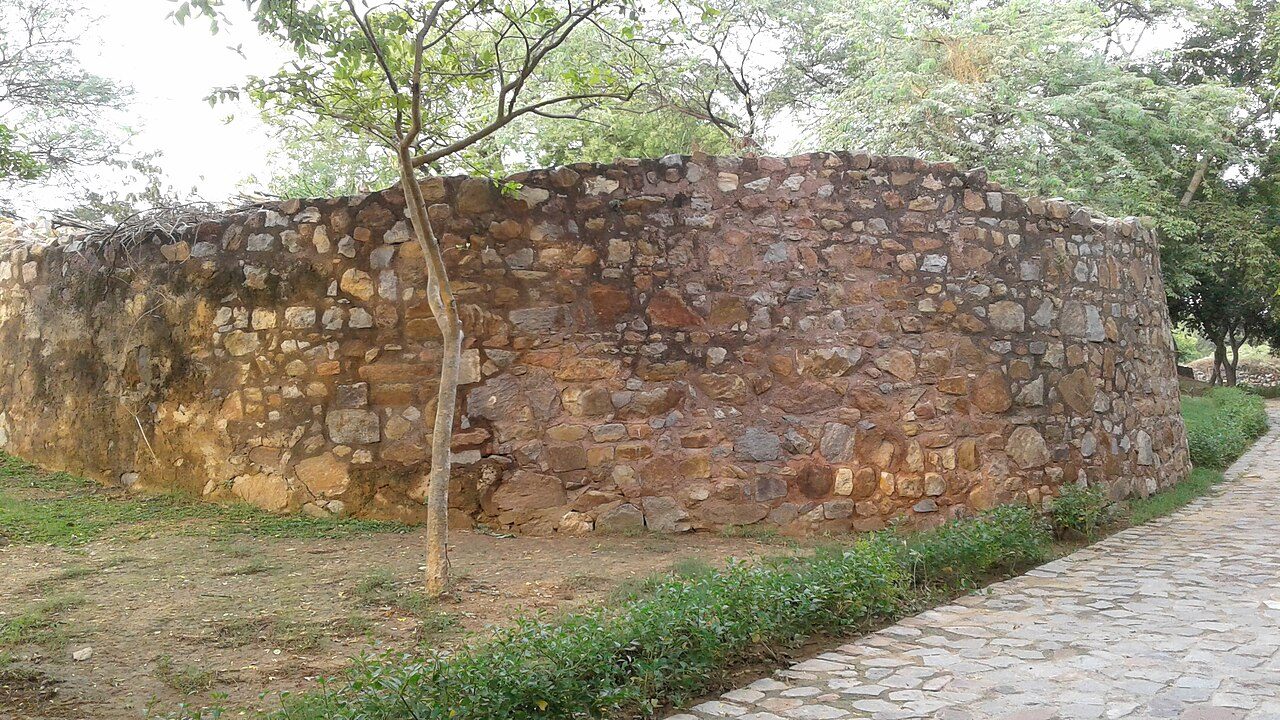
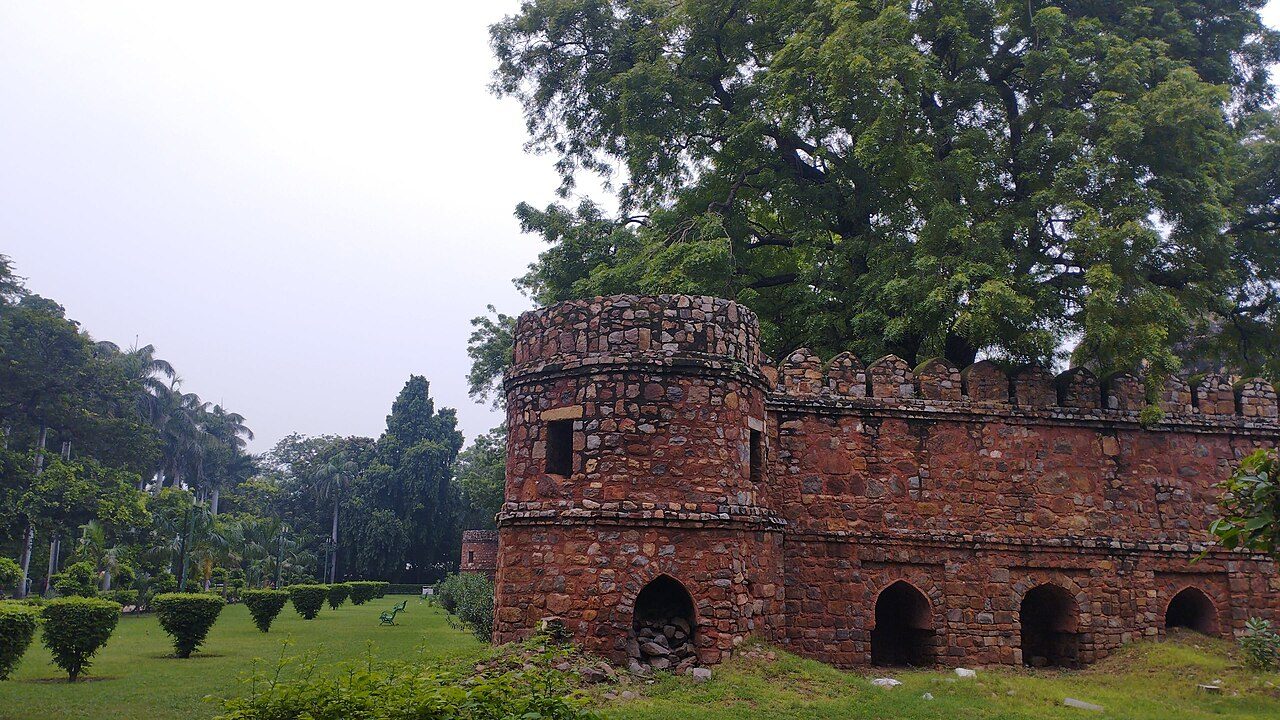
Siri was the second city of Delhi, built around 1303 by Alauddin Khalji to defend his capital against Mongol raids. Little more than stretches of its thick rubble walls and bastions survive, scattered among parks and housing near Shahpur Jat and the Siri Fort auditorium and sports complex. The ruins are free to visit and make an easy walk combined with nearby Hauz Khas.
02
STOP 2 OF 16
Khirki Masjid
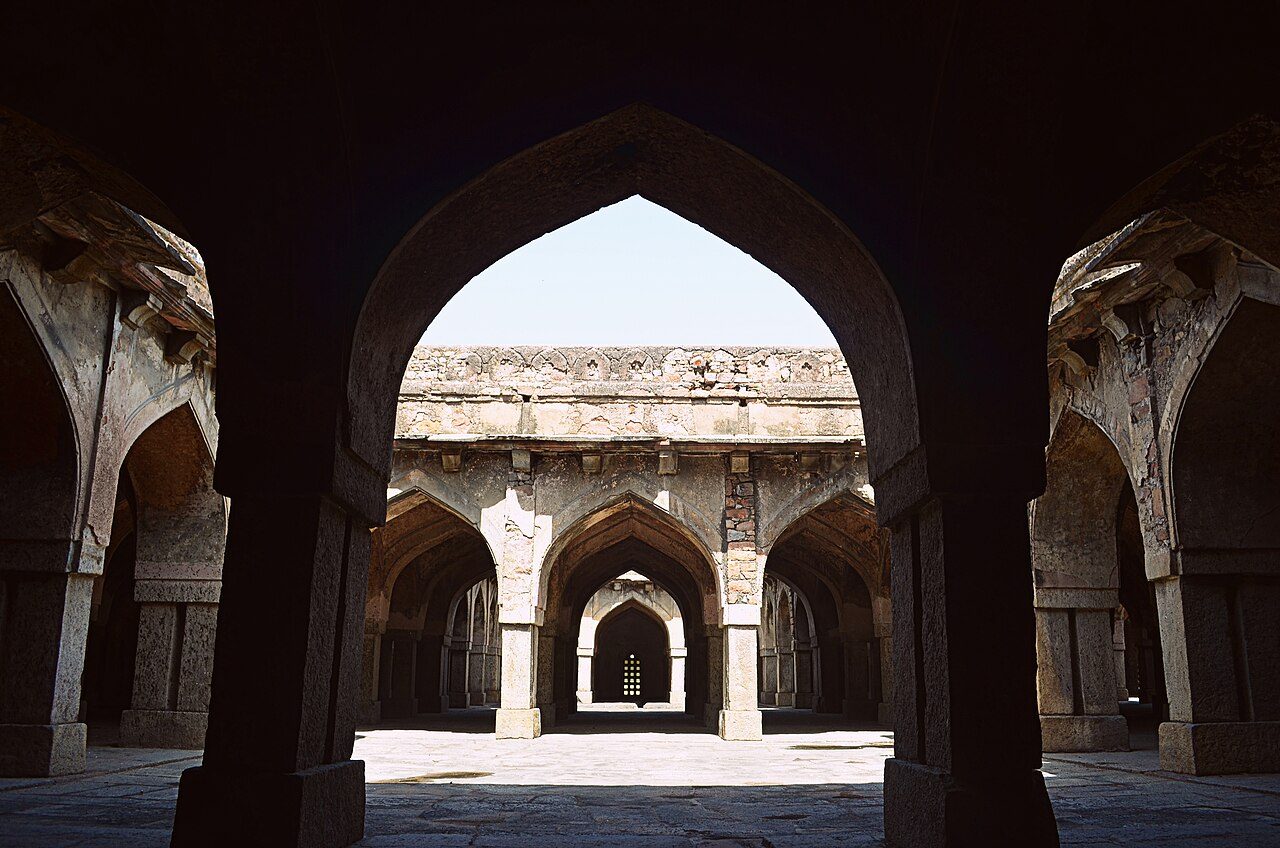
Khirki Masjid is a 14th-century mosque built by Khan-i-Jahan Junan Shah, prime minister to Firoz Shah Tughlaq. Unusually for India it is largely roofed, with four small open courts lighting a forest of pillars, and its fortress-like walls carry the latticed stone windows, or khirkis, that give it its name. It stands quietly in Khirki village, opposite the malls of Saket.
03
STOP 3 OF 16
Begumpur Mosque
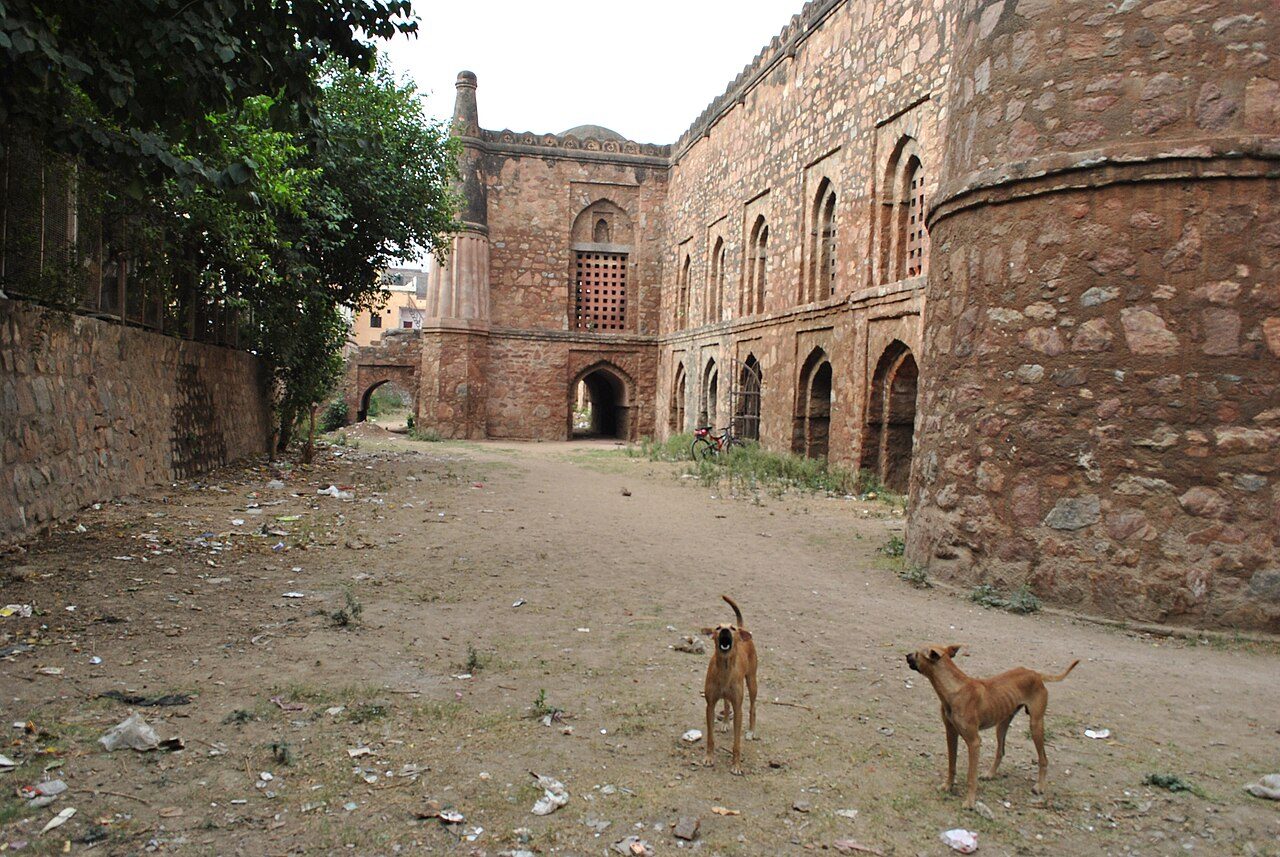
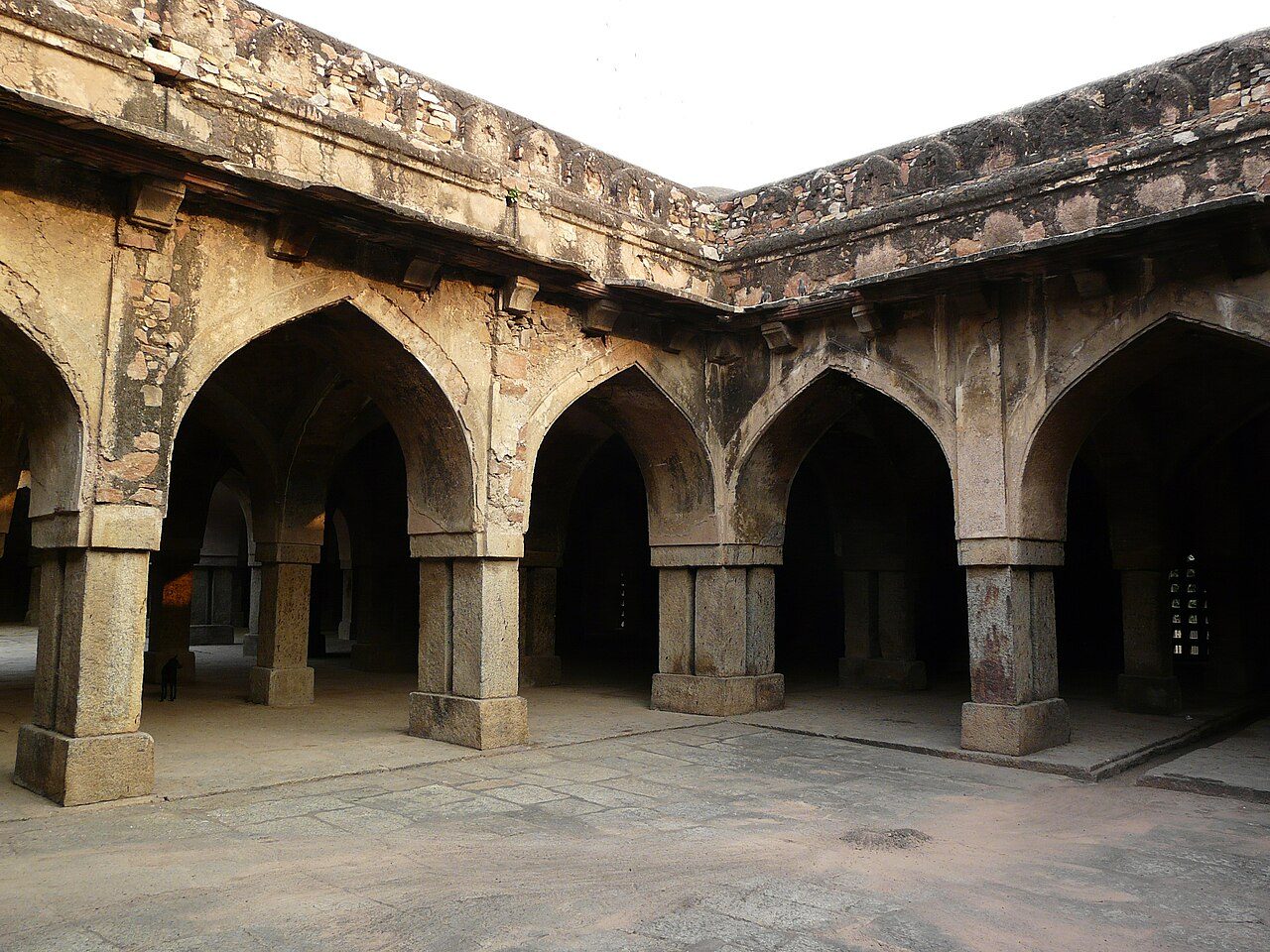
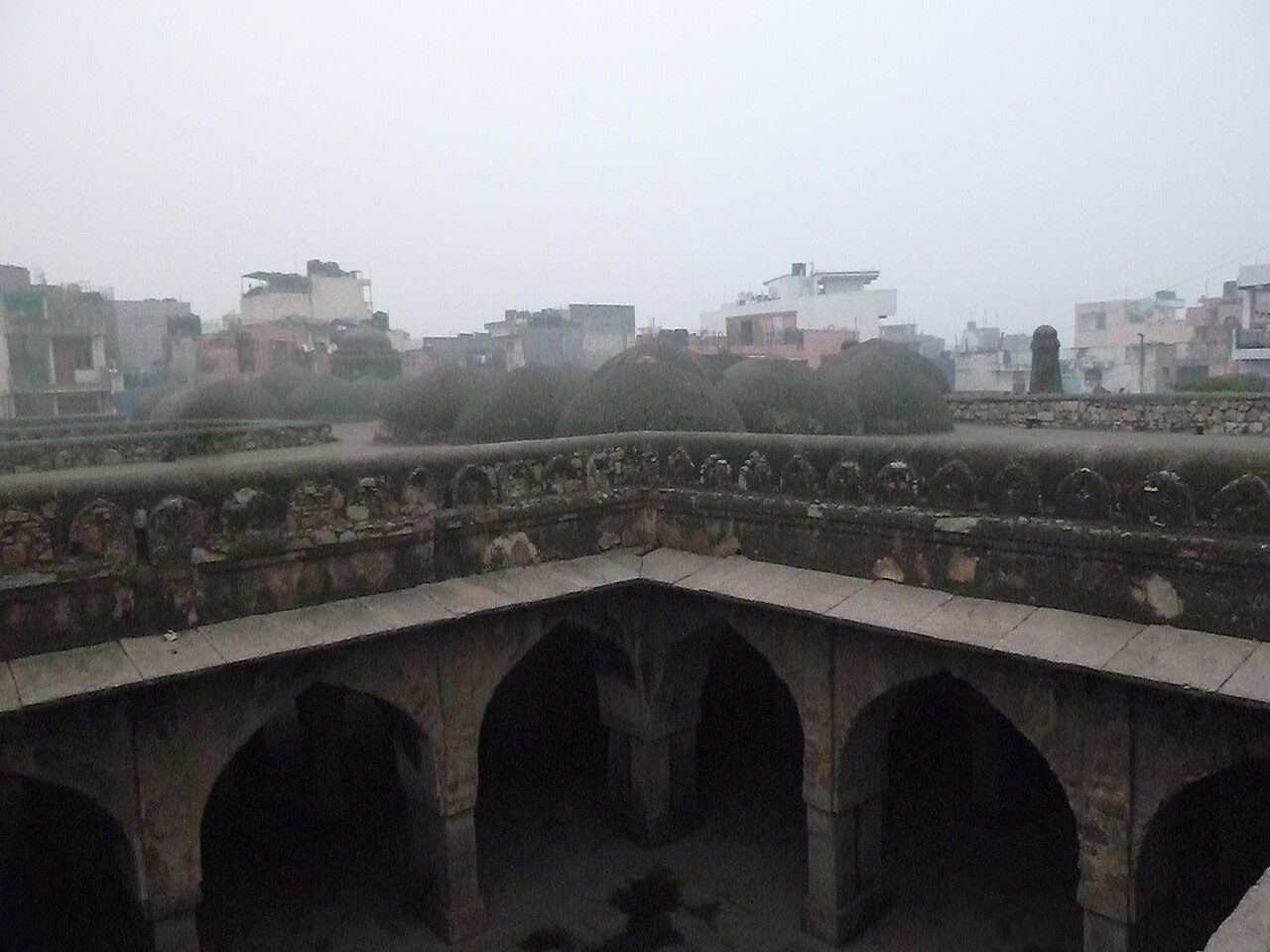
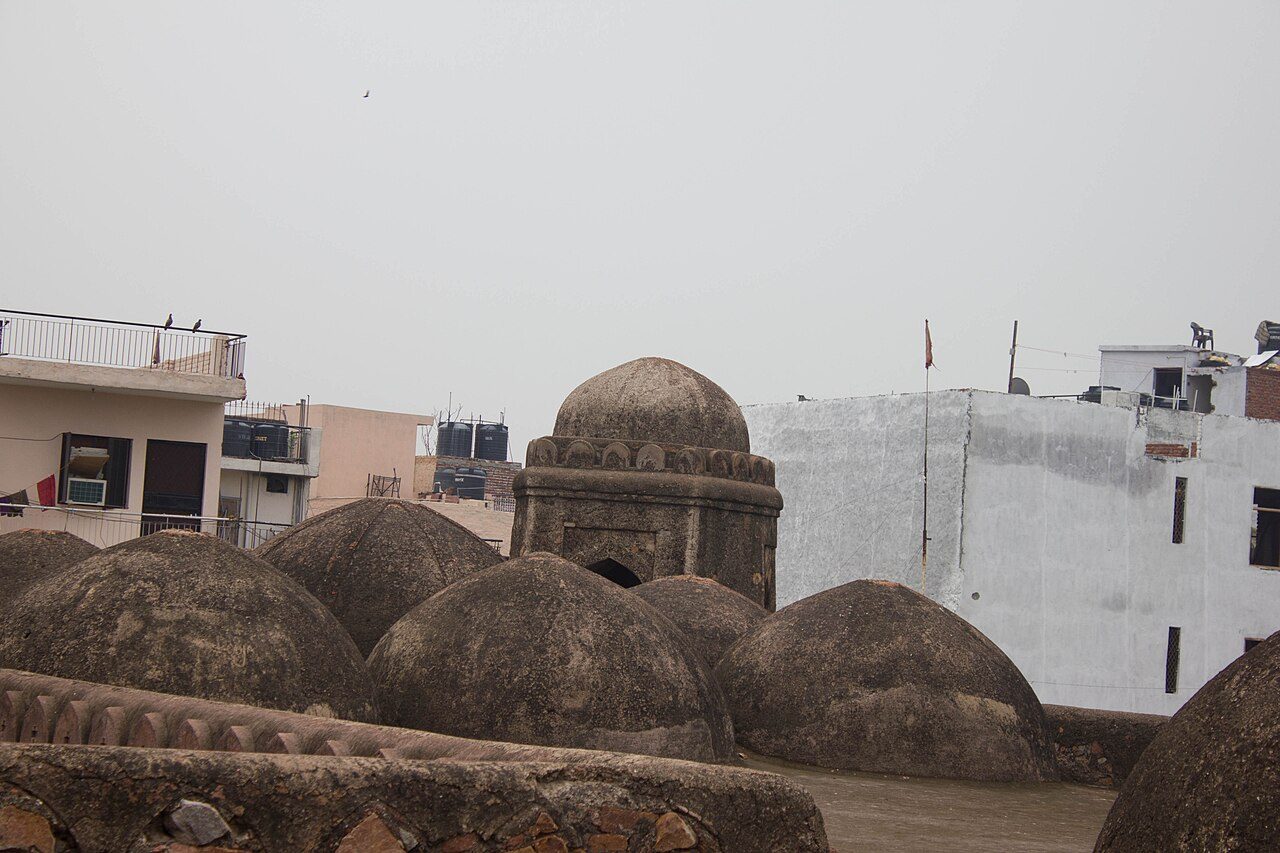
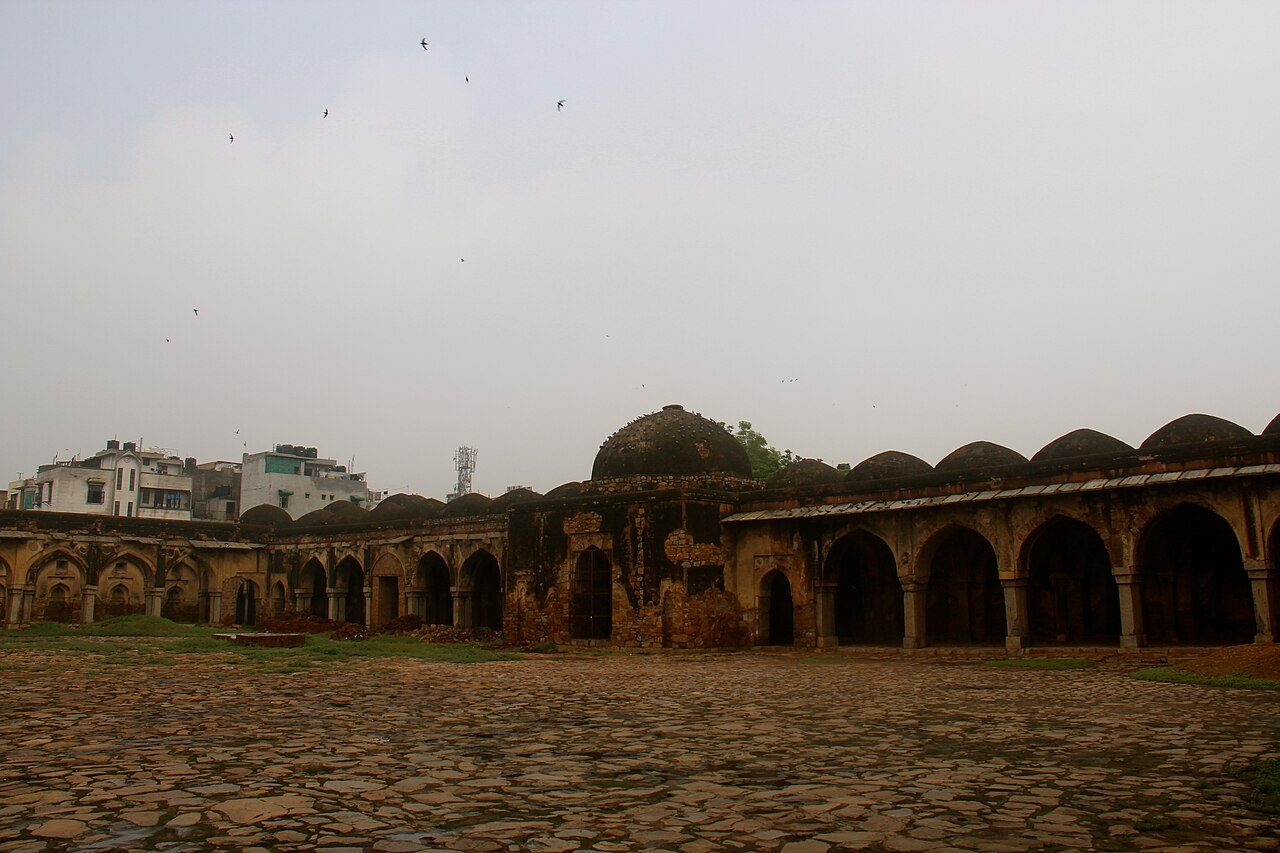
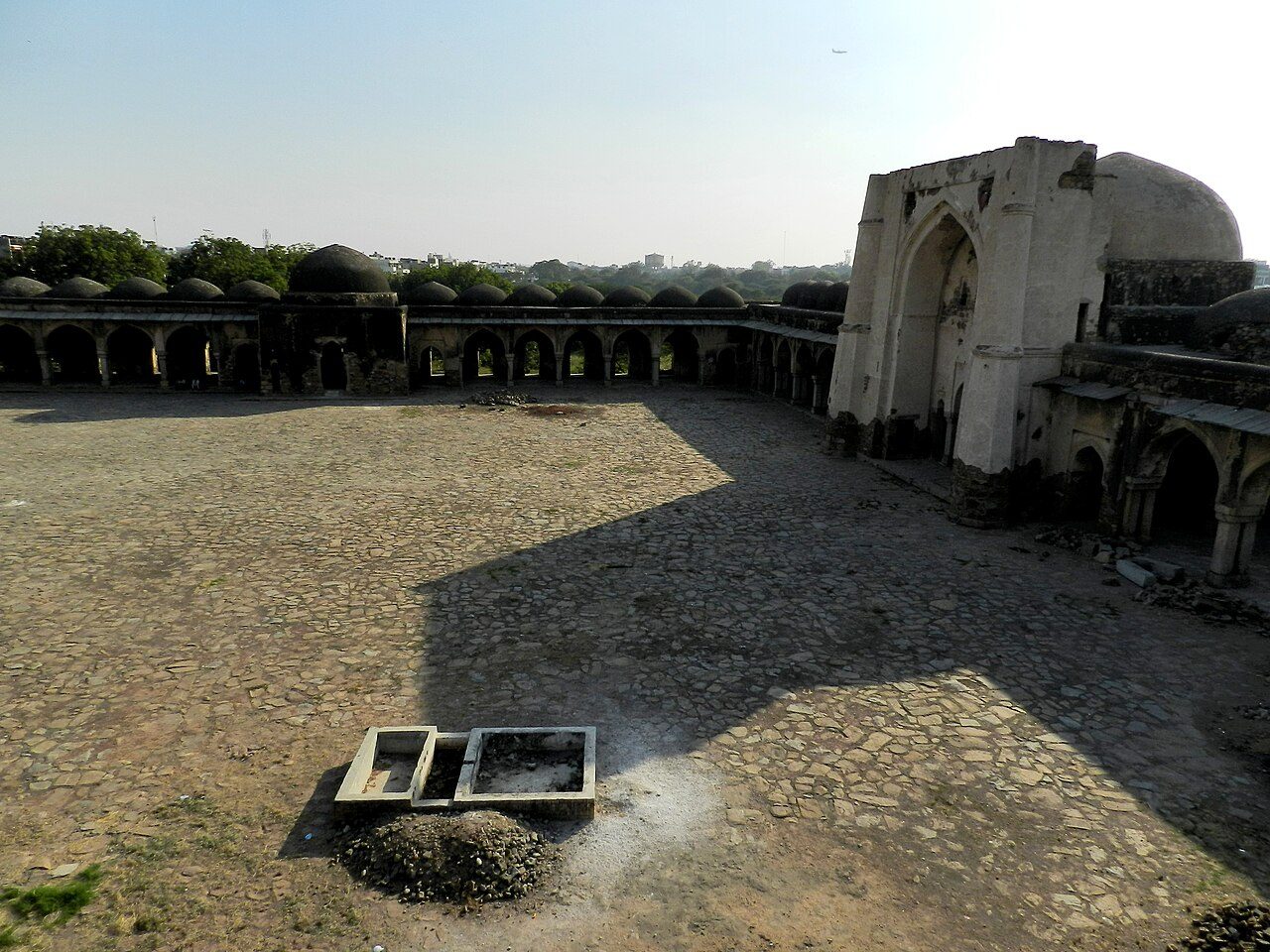
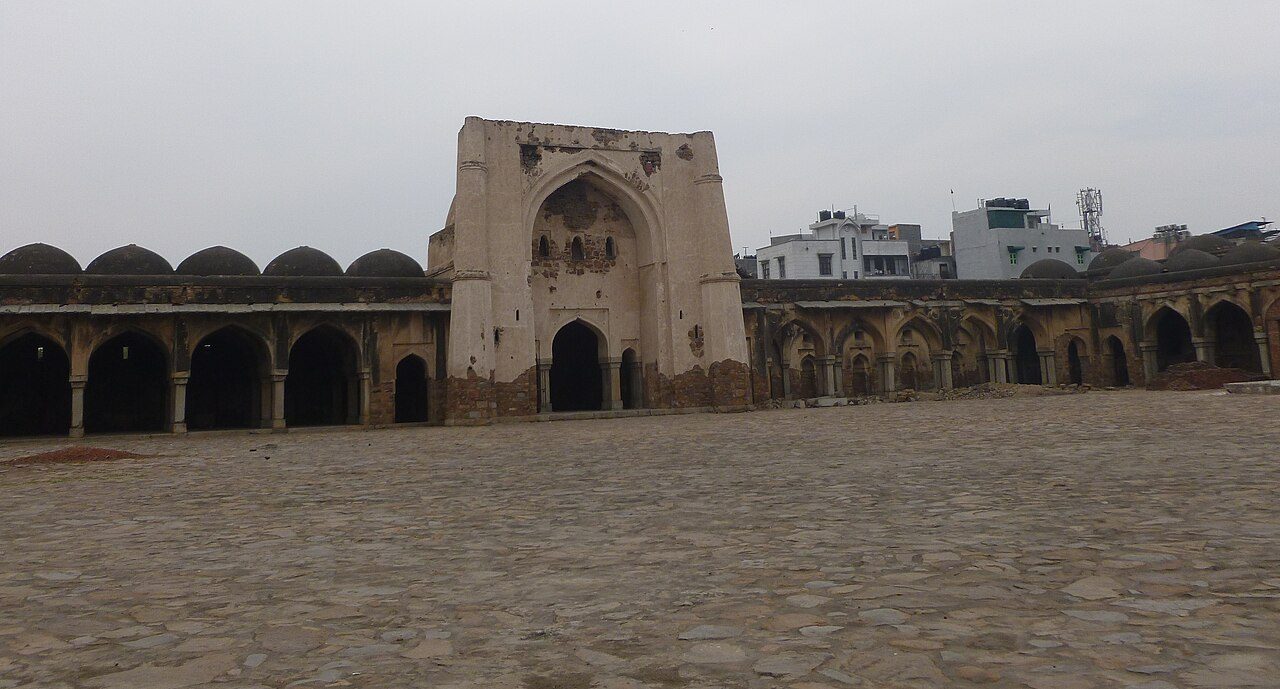
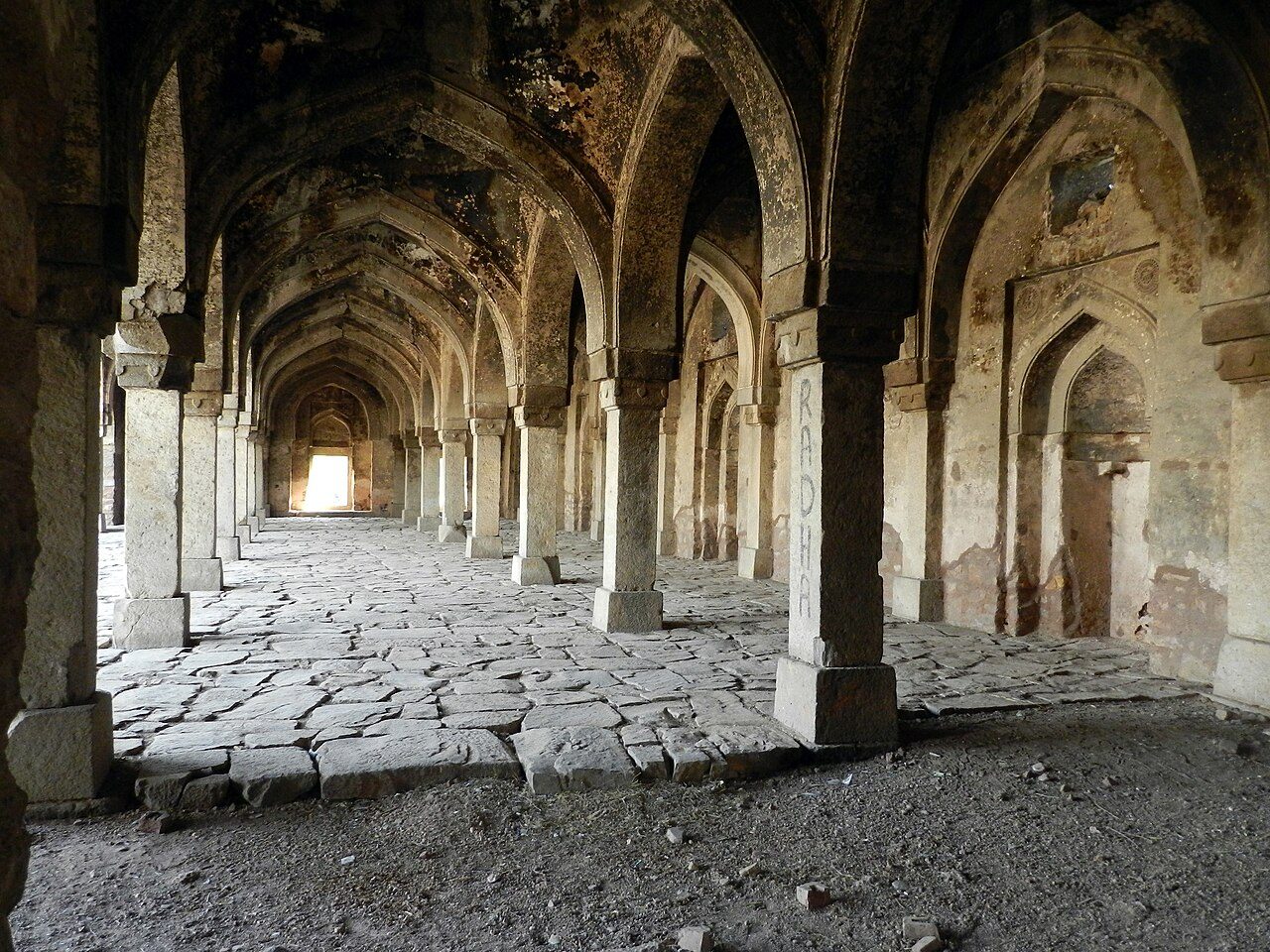
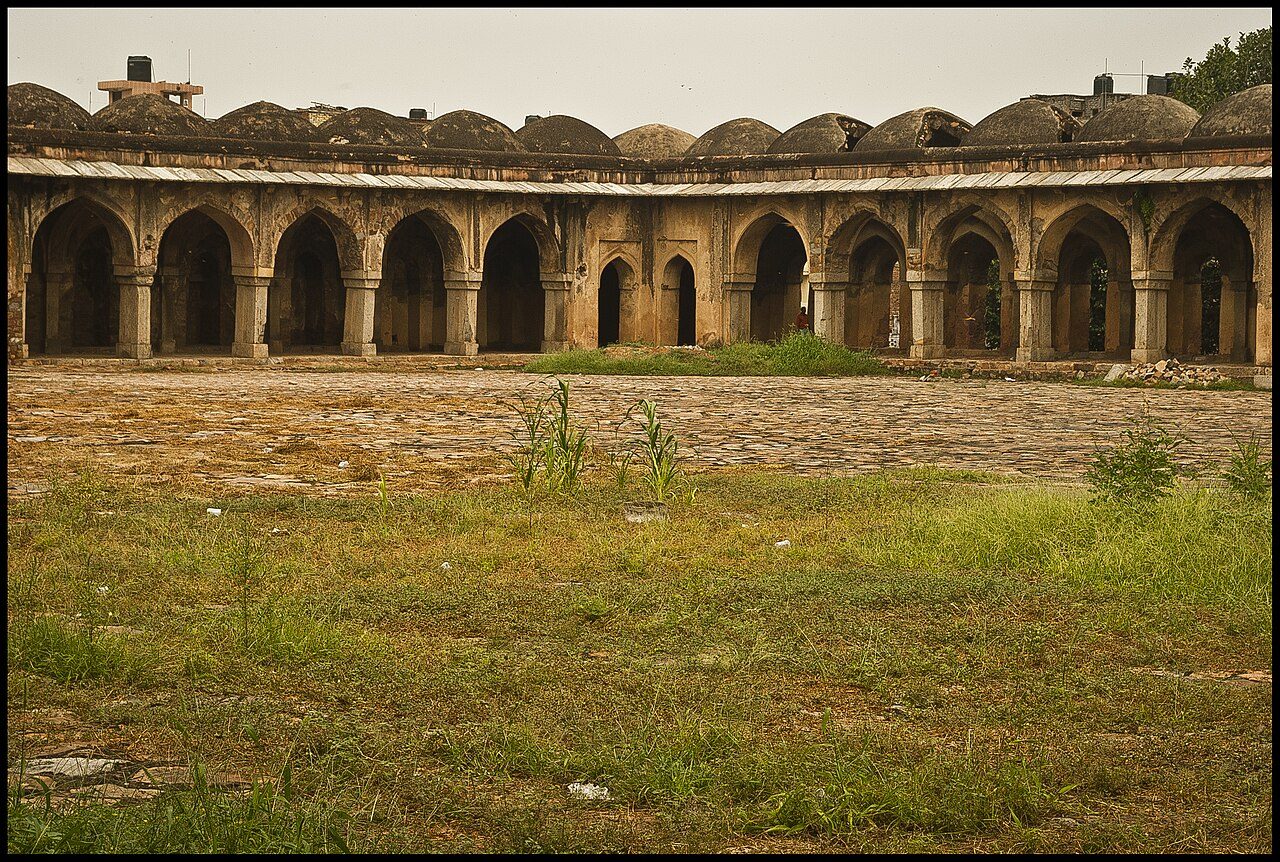
Begumpur Mosque was built in the 14th century, during the Tughlaq period, as the congregational mosque of Jahanpanah, the fourth city of Delhi. It is one of the largest old mosques in the city, with a vast courtyard surrounded by arcades roofed with dozens of small domes and a tall central gateway to the prayer hall. Now hemmed in by Begumpur village, it is usually almost empty.
04
STOP 4 OF 16
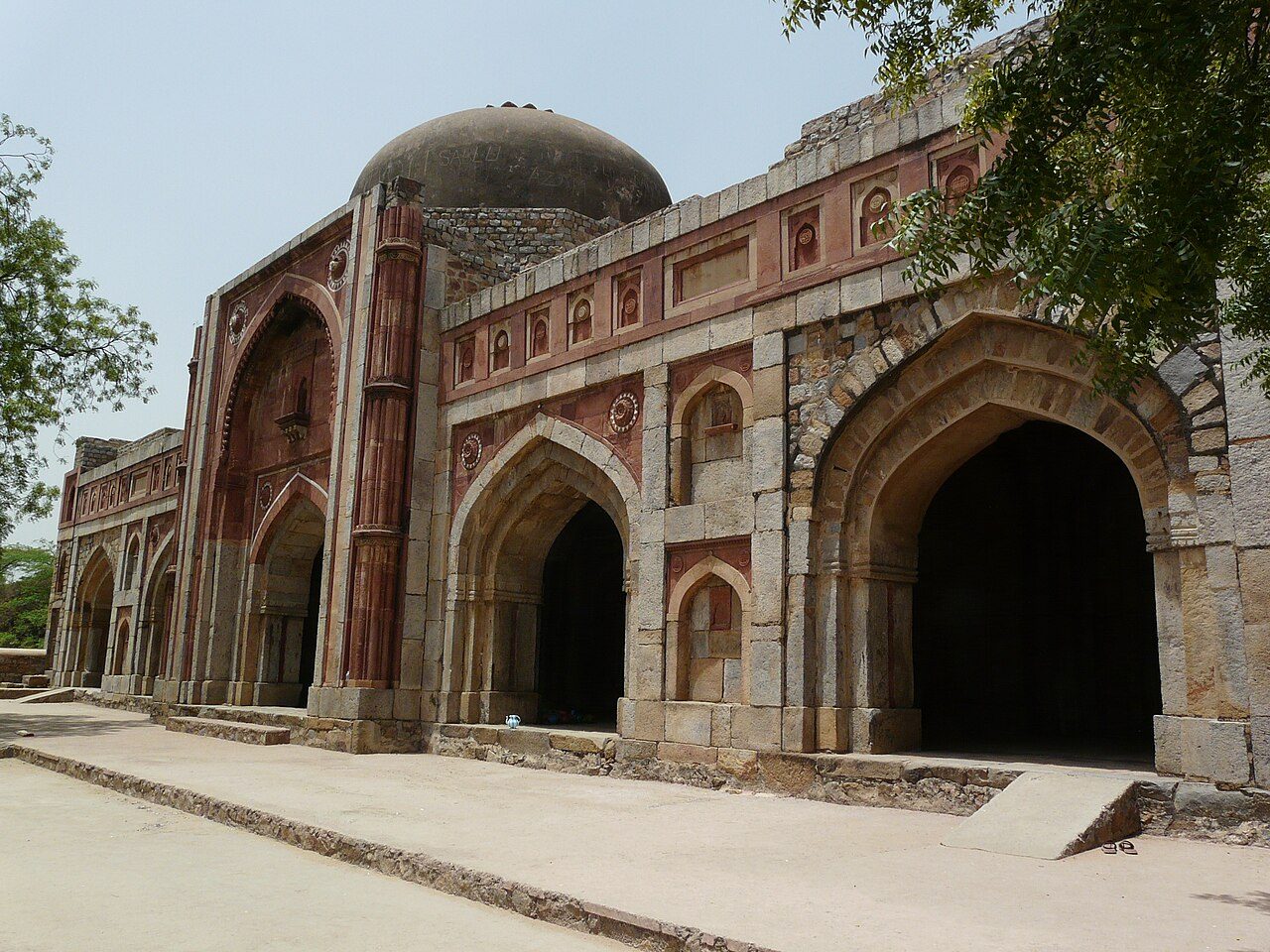
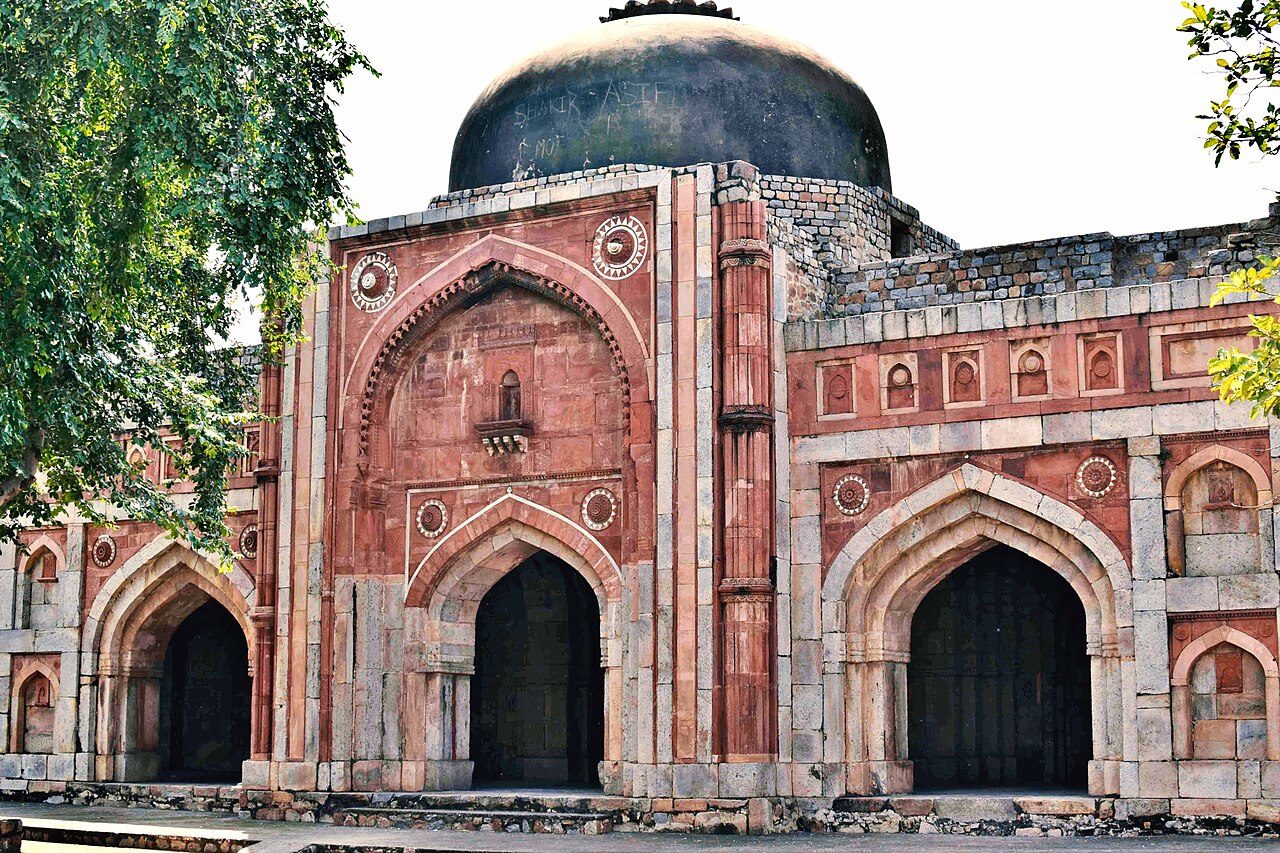
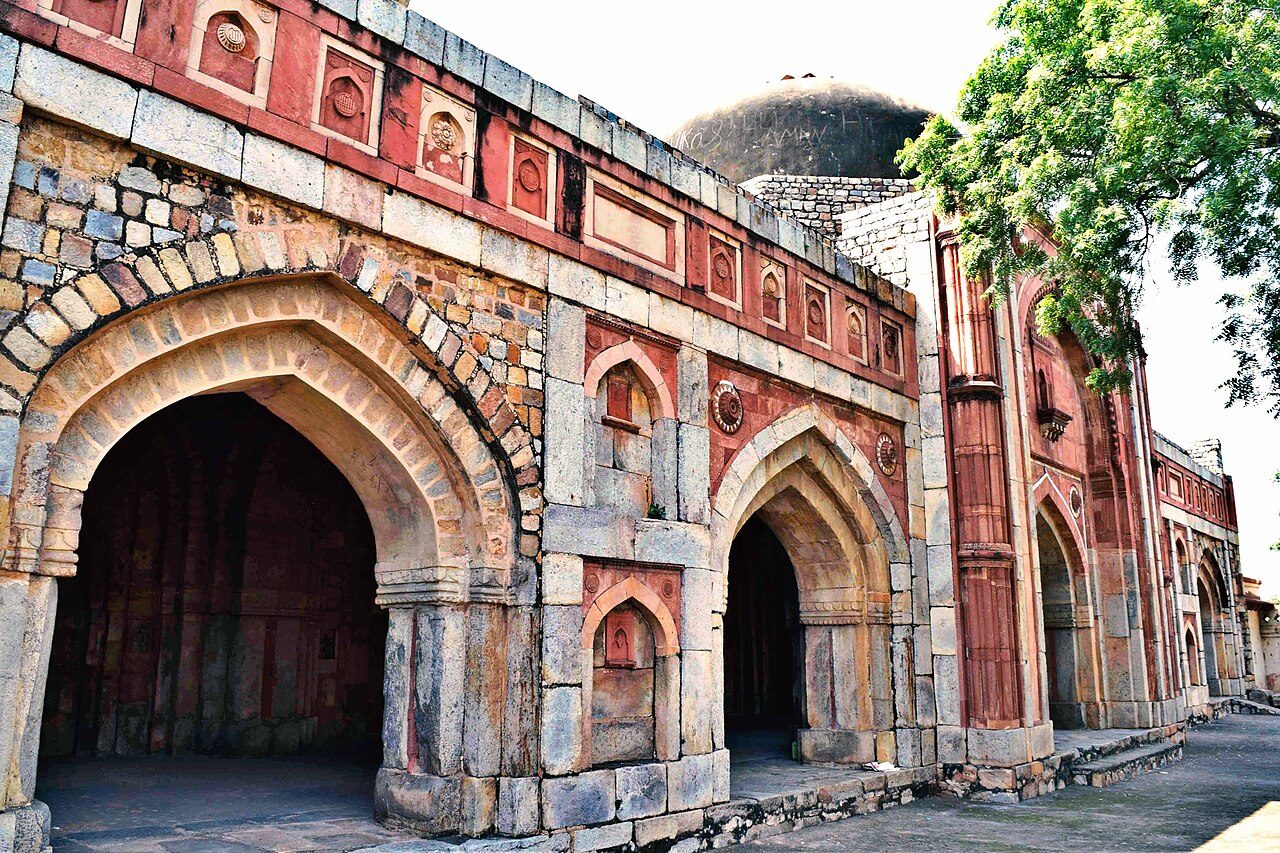
Jamali Kamali Mosque
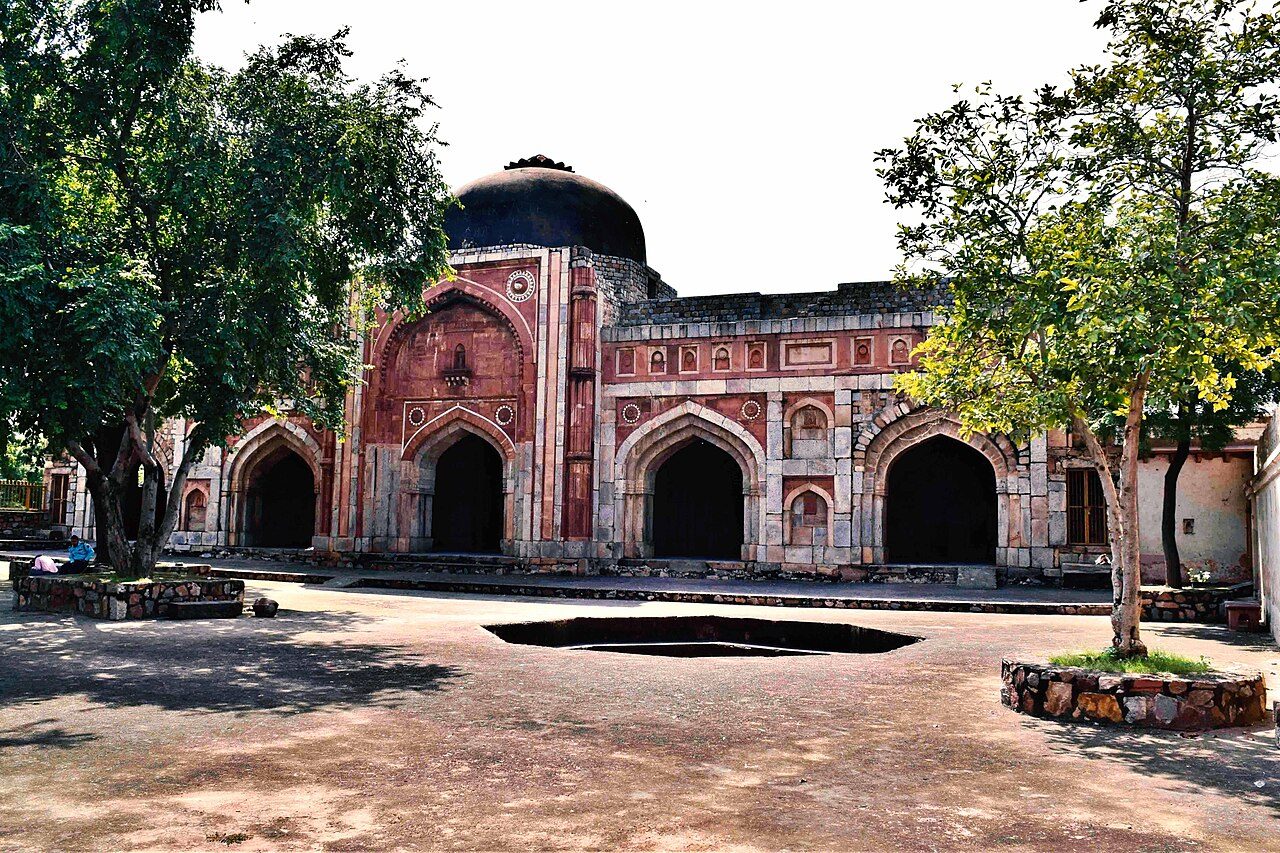
The Jamali Kamali mosque and tomb, inside Mehrauli Archaeological Park, date from the early 16th century. Jamali was a Sufi poet honoured at the courts of the Lodis and the first Mughals; the identity of Kamali, buried beside him, is unknown. The mosque is an elegant red sandstone forerunner of Mughal design, and the small tomb chamber has a richly painted and tiled ceiling.
05
STOP 5 OF 16
Tughlaqabad Fort
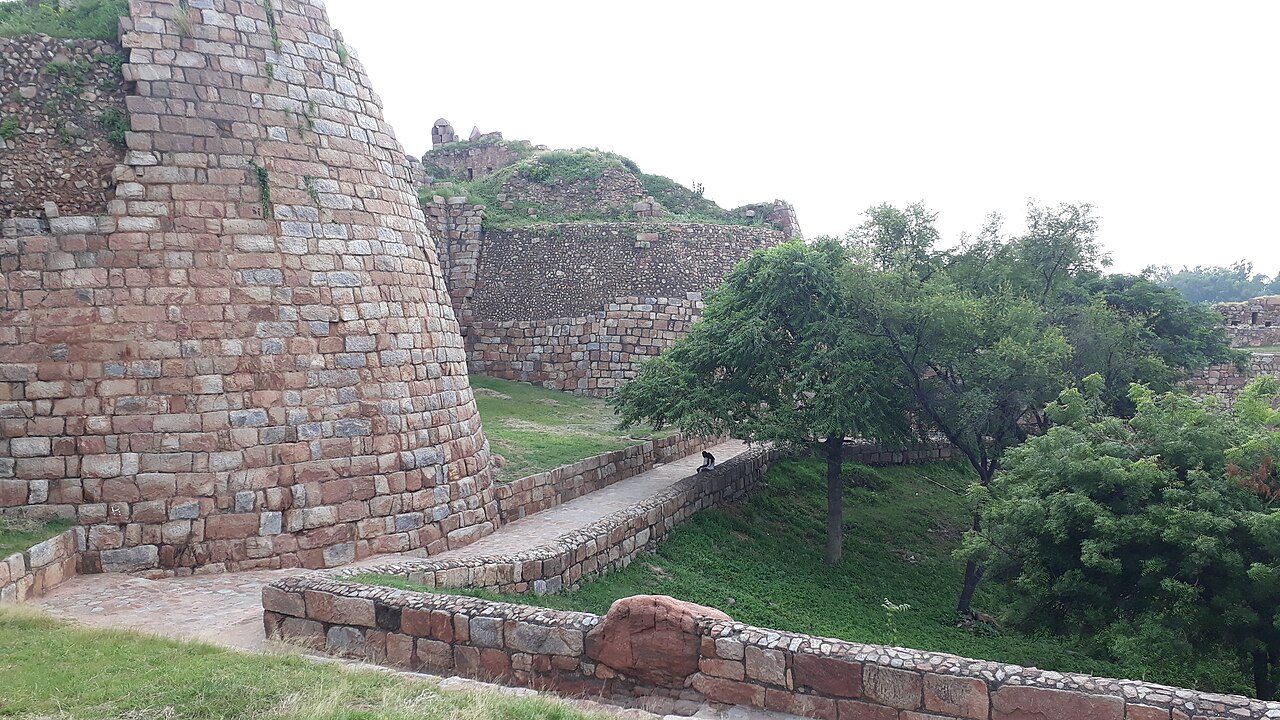
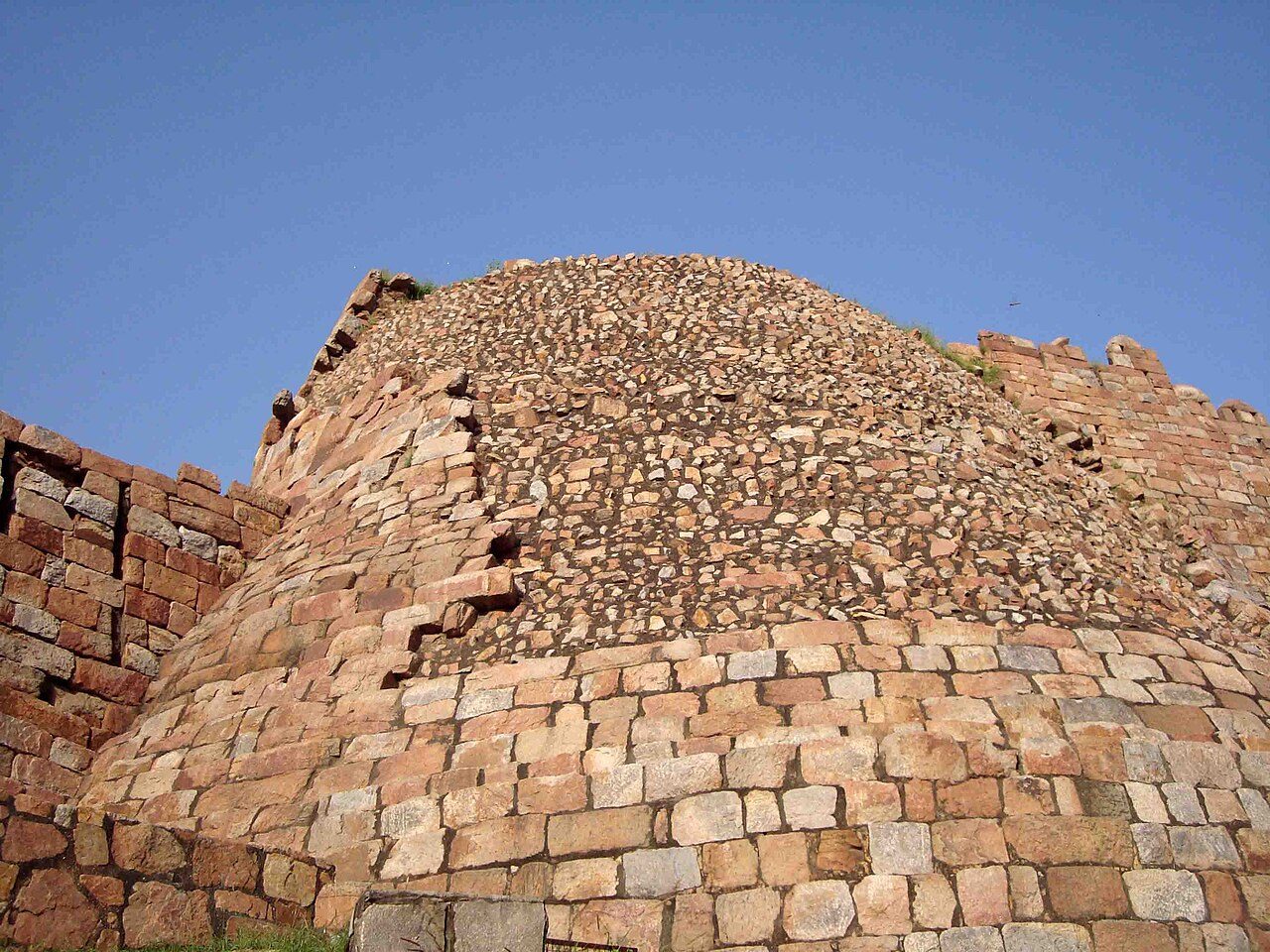
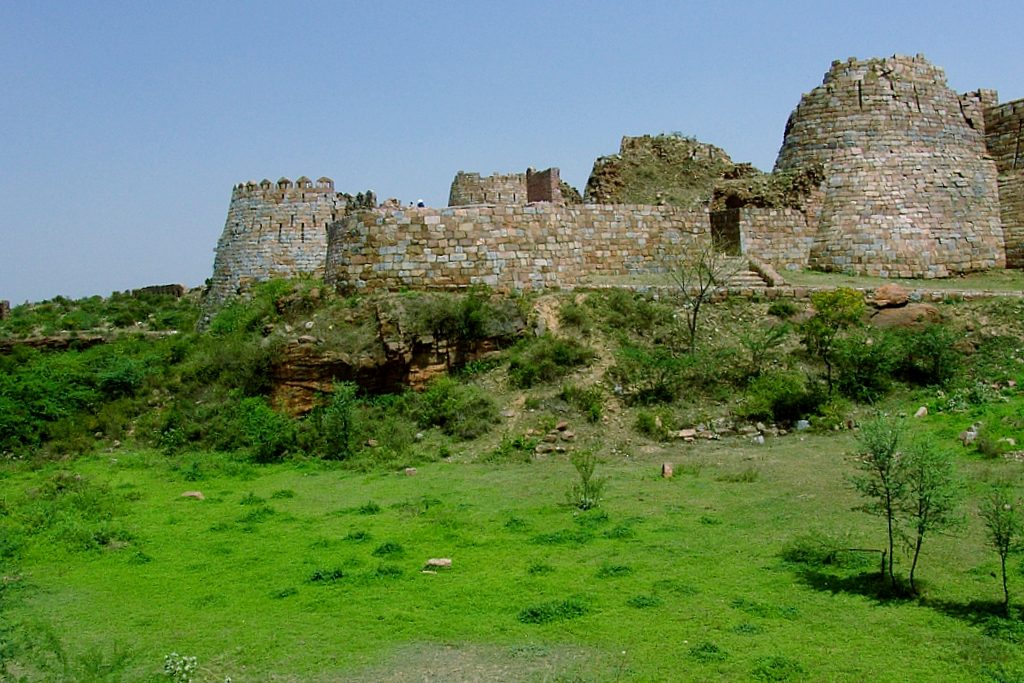
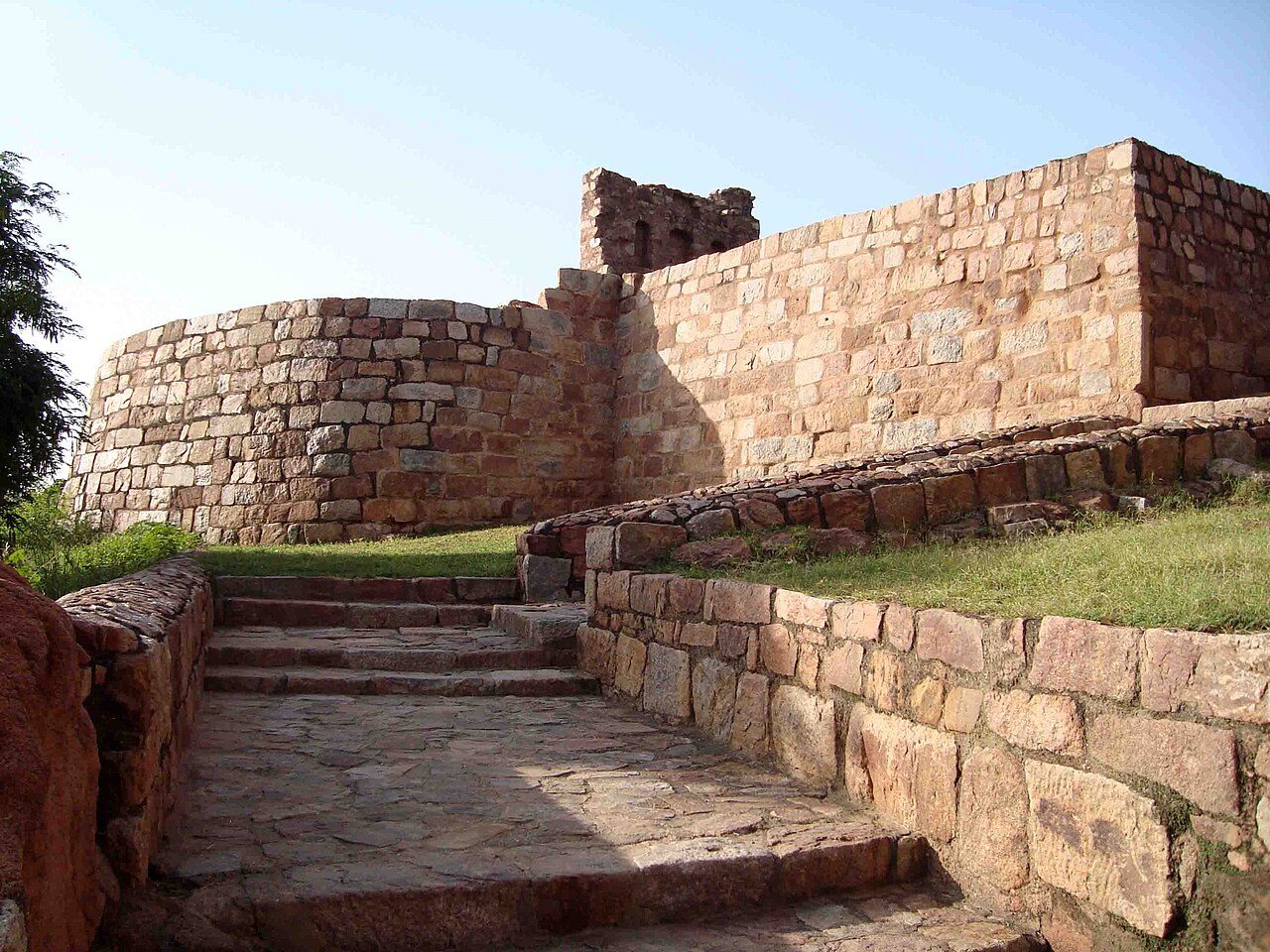
Tughlaqabad Fort was built by Ghiyas-ud-din Tughlaq, founder of the Tughlaq dynasty, in the 1320s, as the third of the historic cities of Delhi. Its massive sloping stone walls run for about six kilometres. The city was abandoned within a few years, and legend attributes this to a curse by the Sufi saint Nizamuddin Auliya. The sultan's tomb stands opposite, reached by a causeway.
06
STOP 6 OF 16
Tomb of Ghiyasuddin Tughlaq
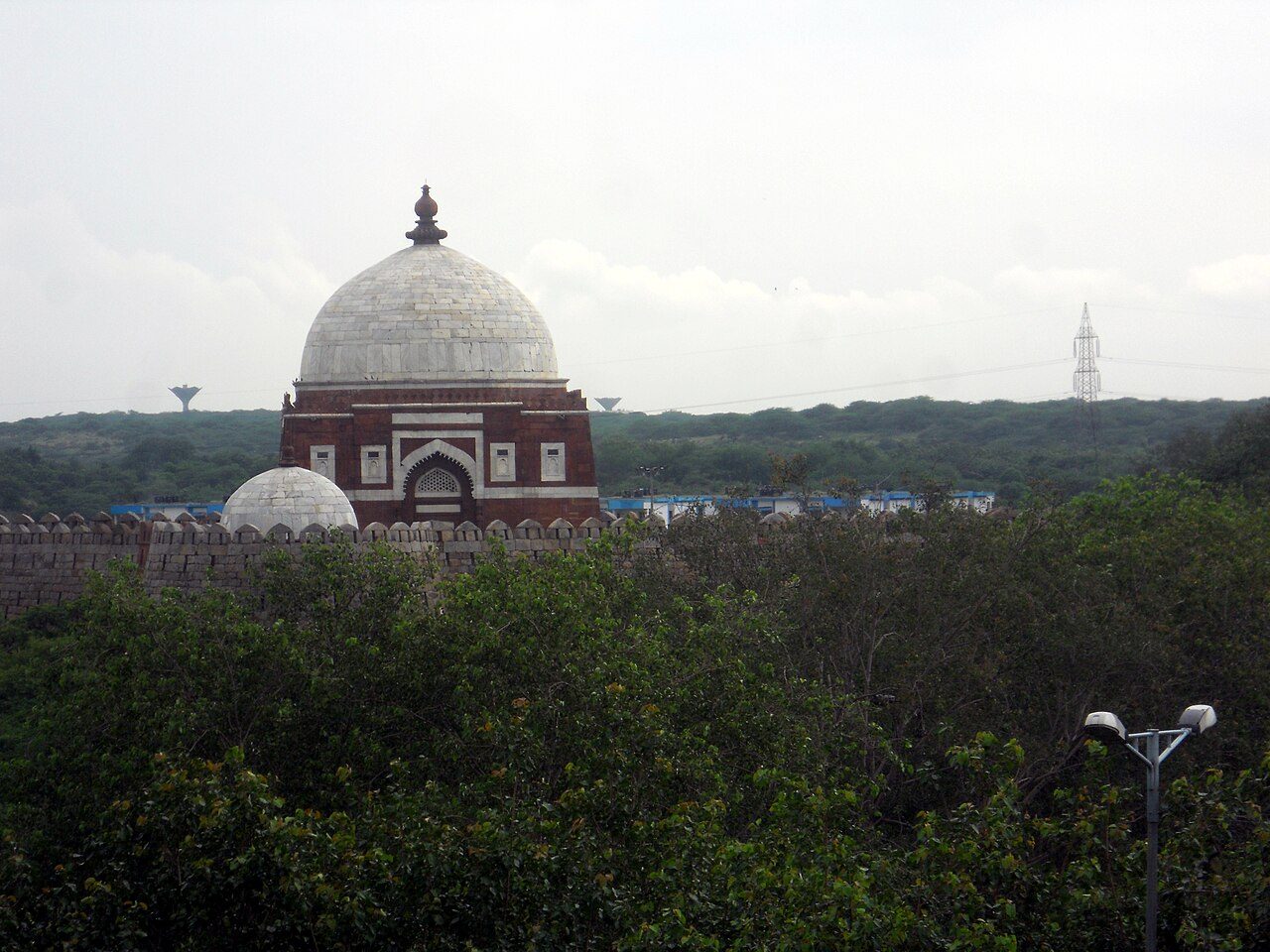
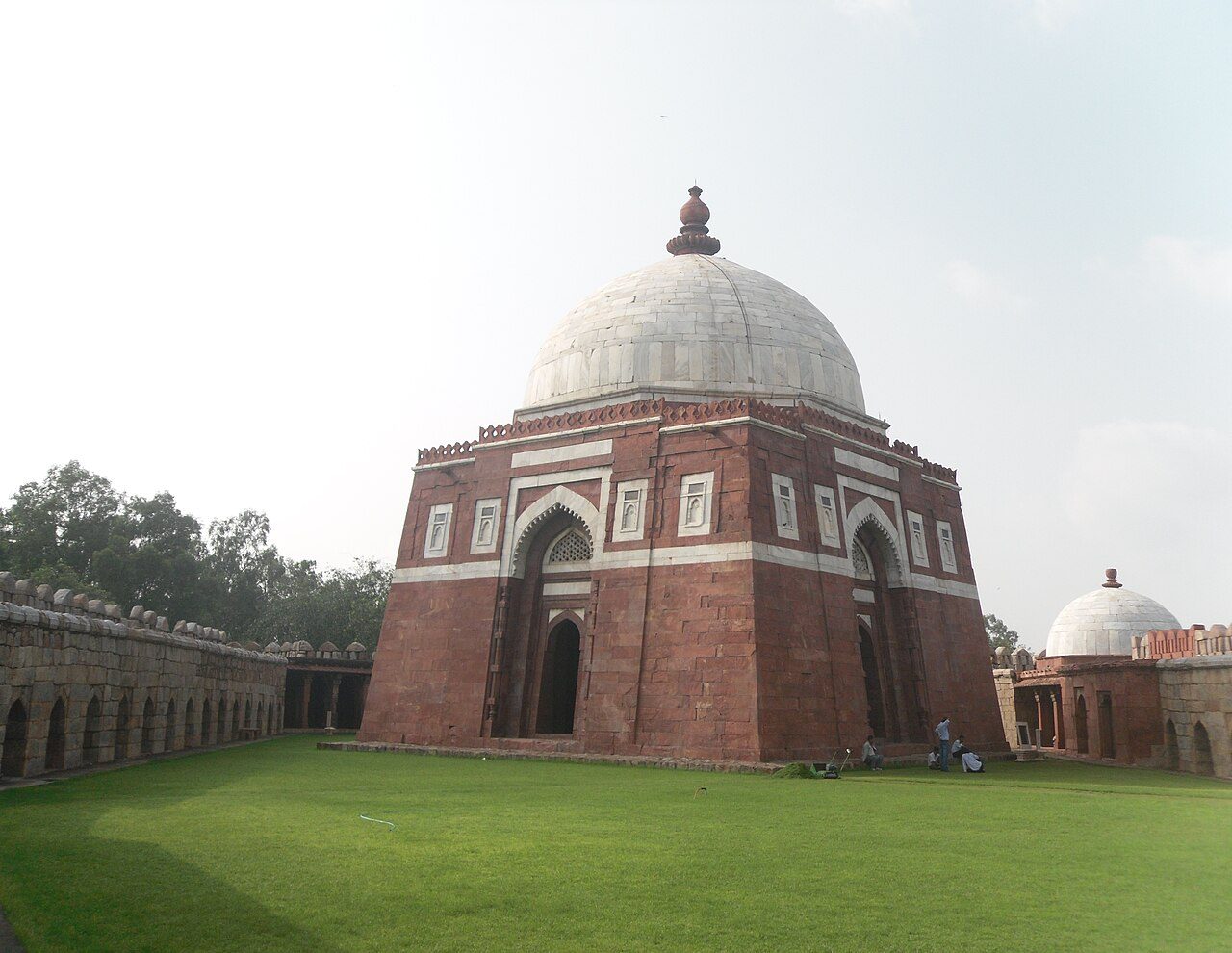
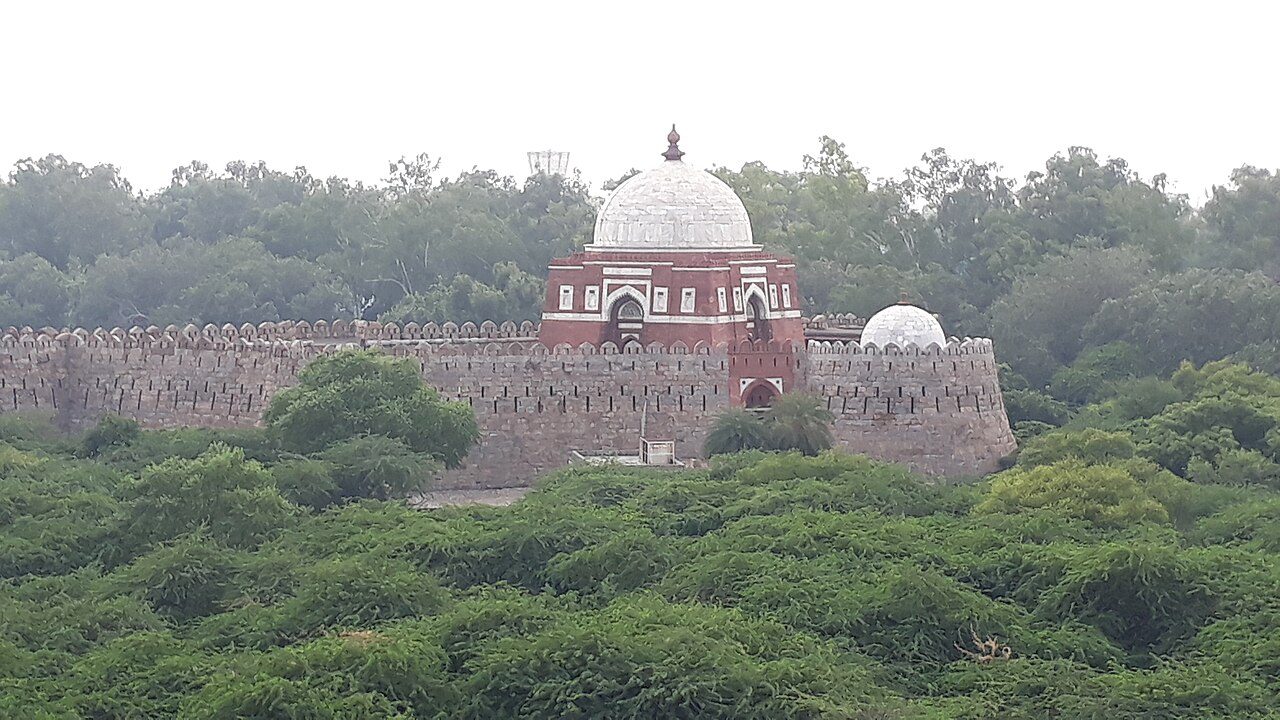
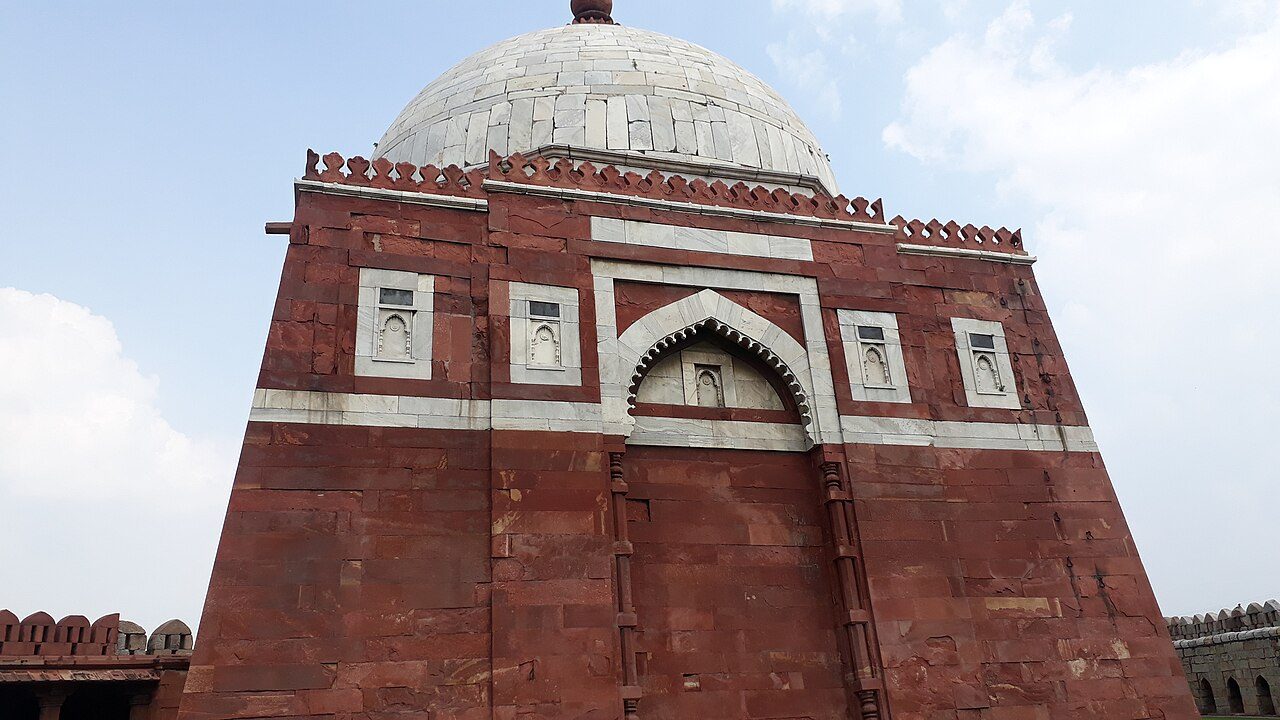
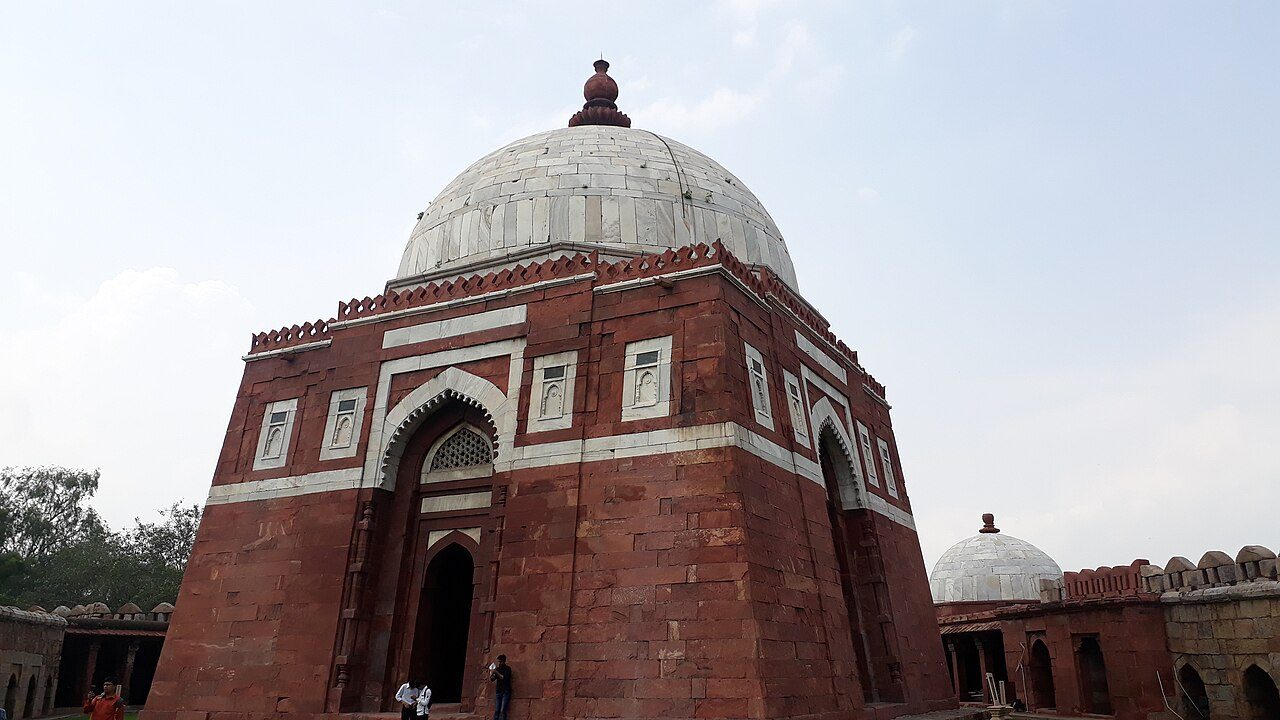
The tomb of Ghiyasuddin Tughlaq, founder of the Tughlaq dynasty, was built around 1325 opposite his fortress of Tughlaqabad. Its sloping red sandstone walls, white marble dome and bands of marble inlay set the pattern for later Tughlaq buildings. The tomb sits inside its own small fortified enclosure, once an island in a lake and reached by a causeway.
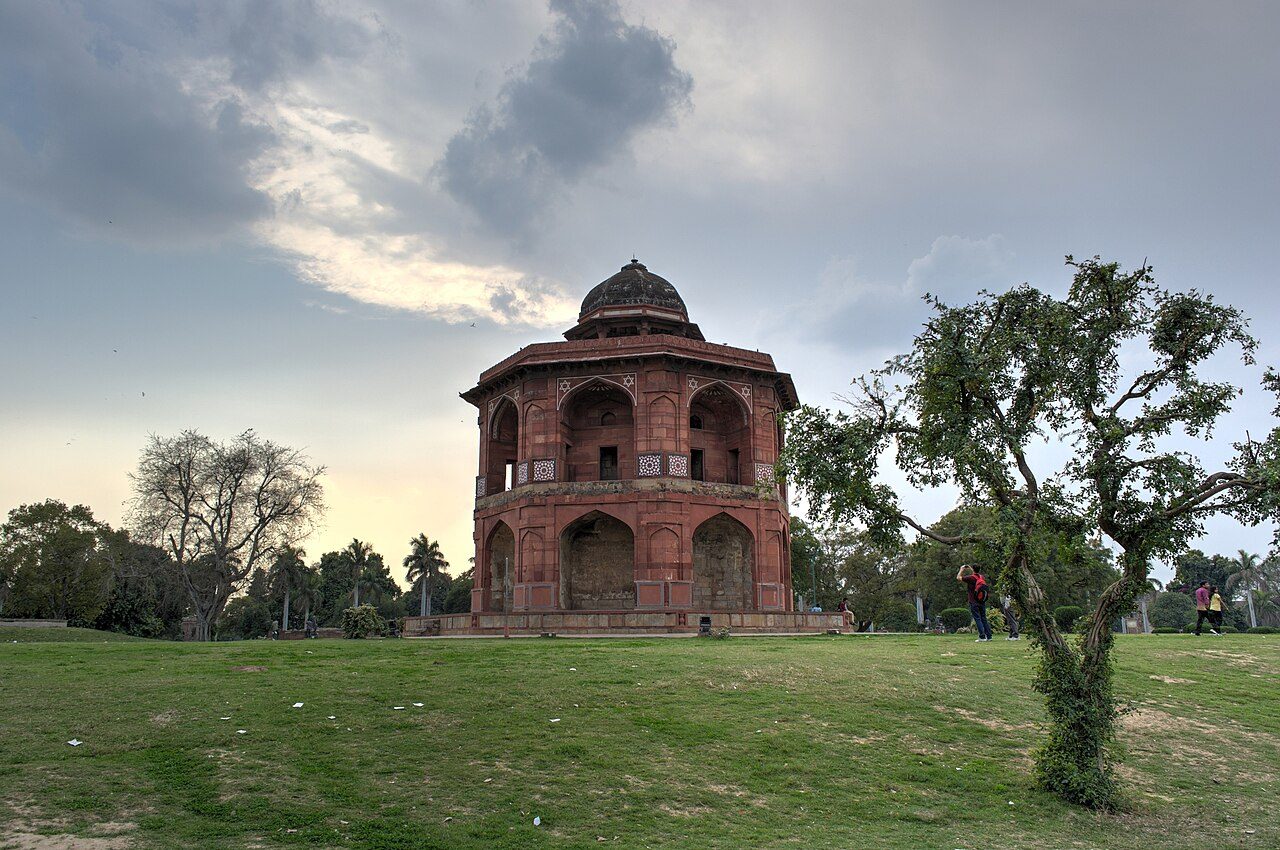
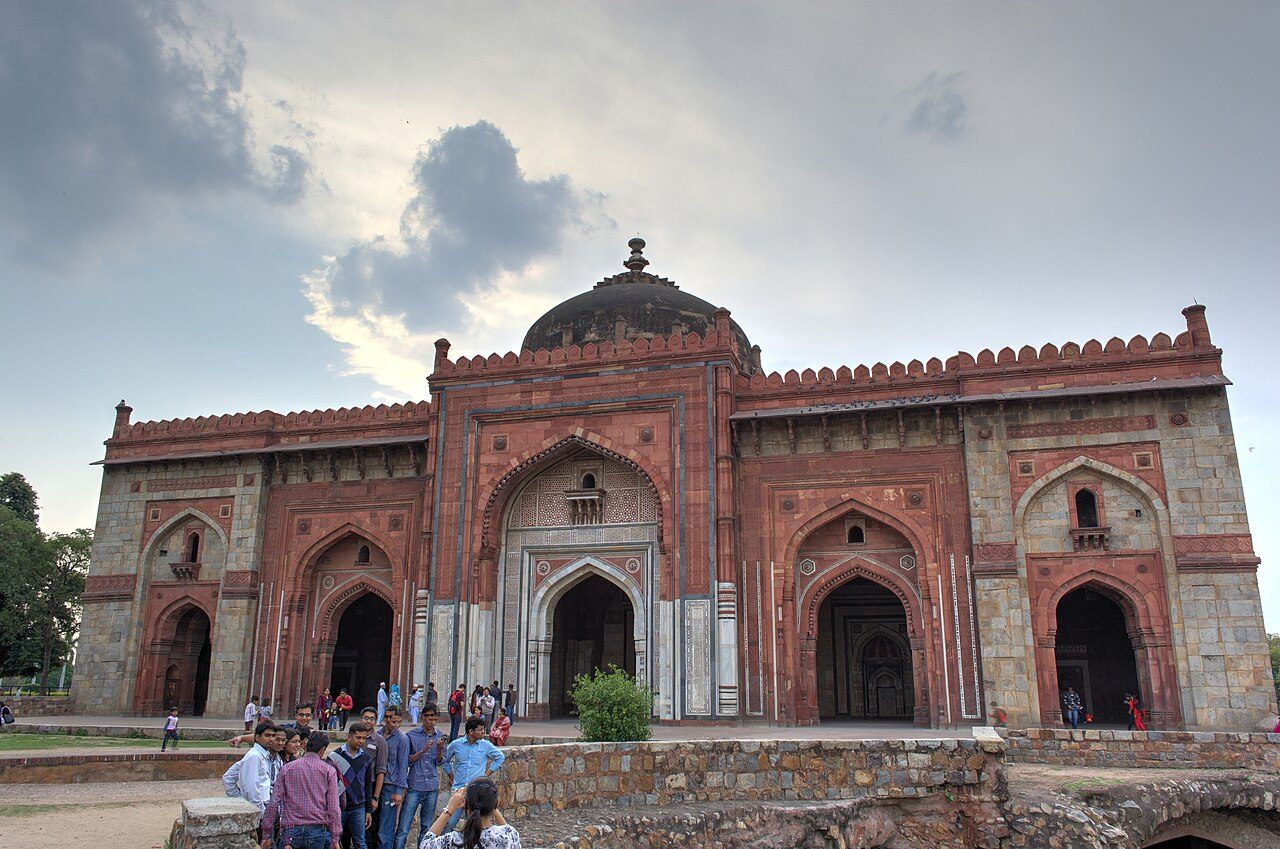
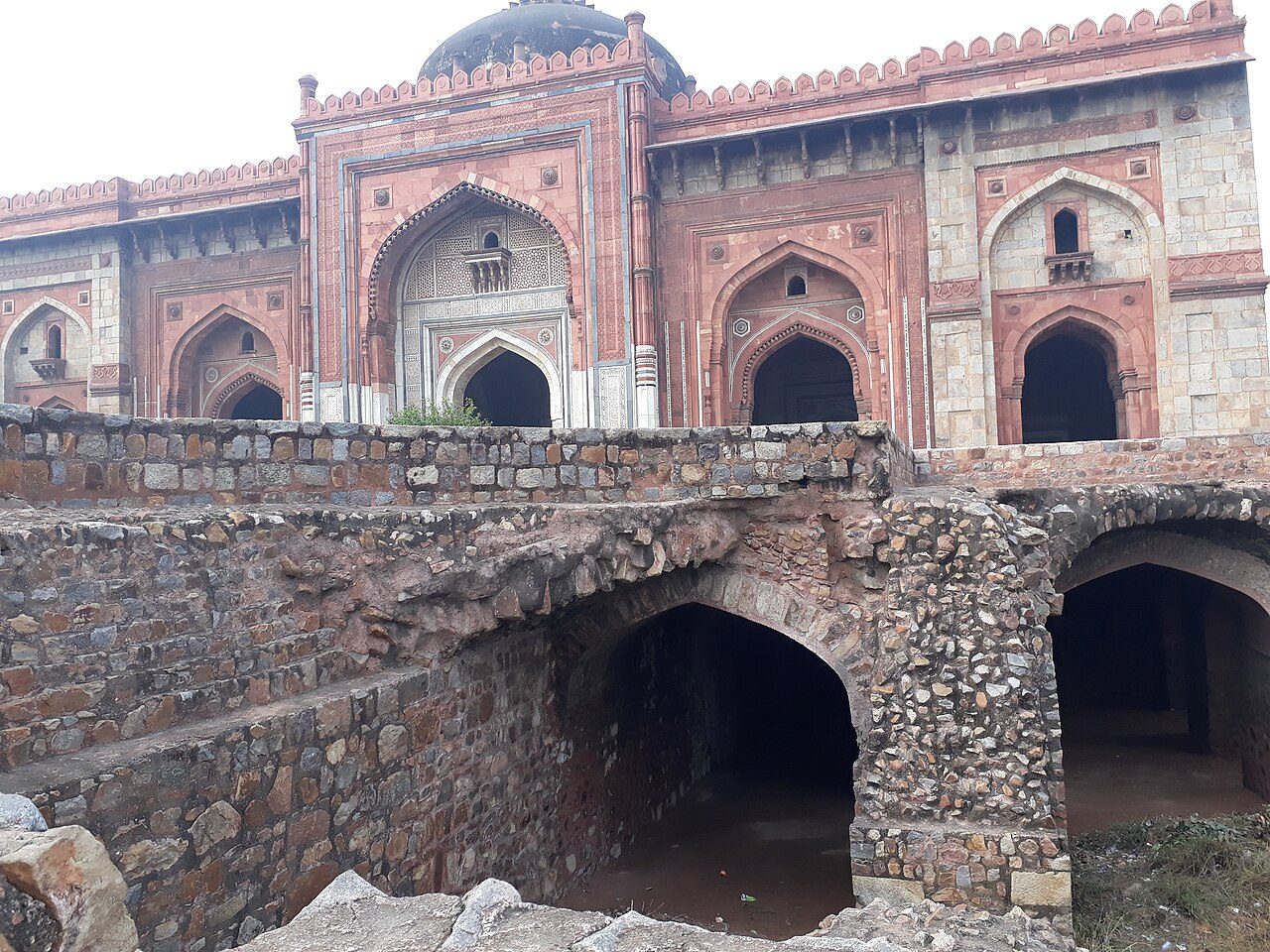
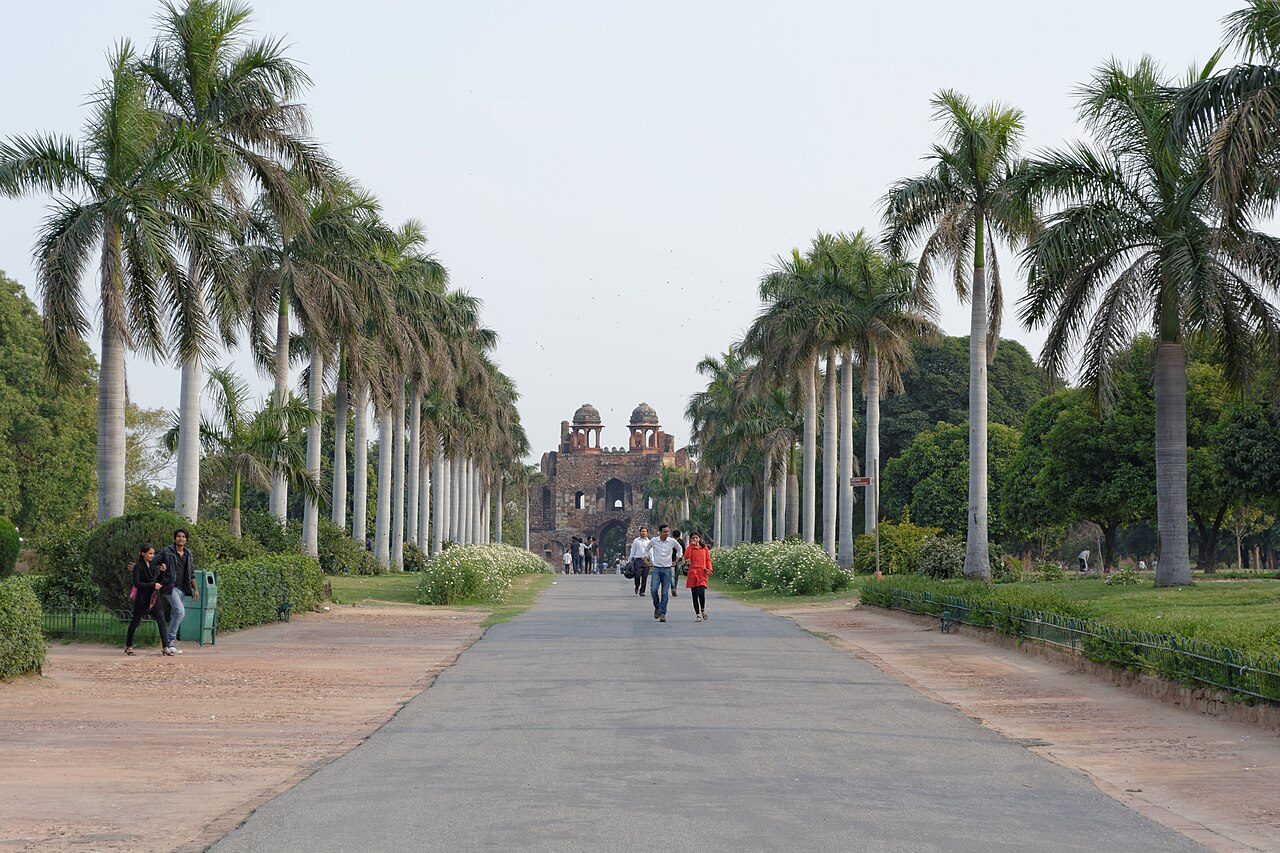
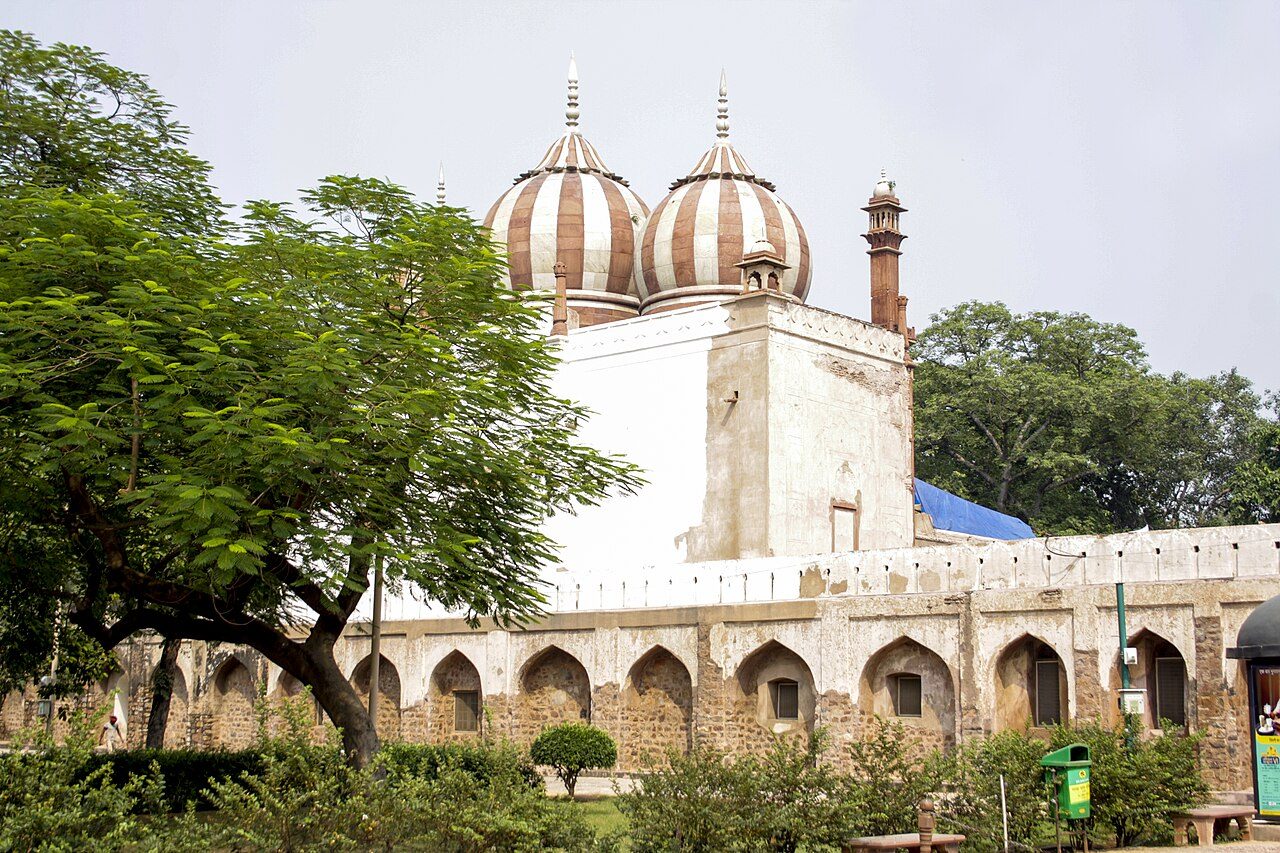
Purana Qila, the Old Fort, was begun by the Mughal emperor Humayun in the 1530s and completed by Sher Shah Suri, who had driven him from the throne. Massive walls with three gateways enclose the Qila-i-Kuhna mosque and the Sher Mandal, the octagonal tower where Humayun later fell to his death. Excavations suggest the site has been occupied for some 2,500 years. Boating is available on the adjoining lake.
08
STOP 8 OF 16
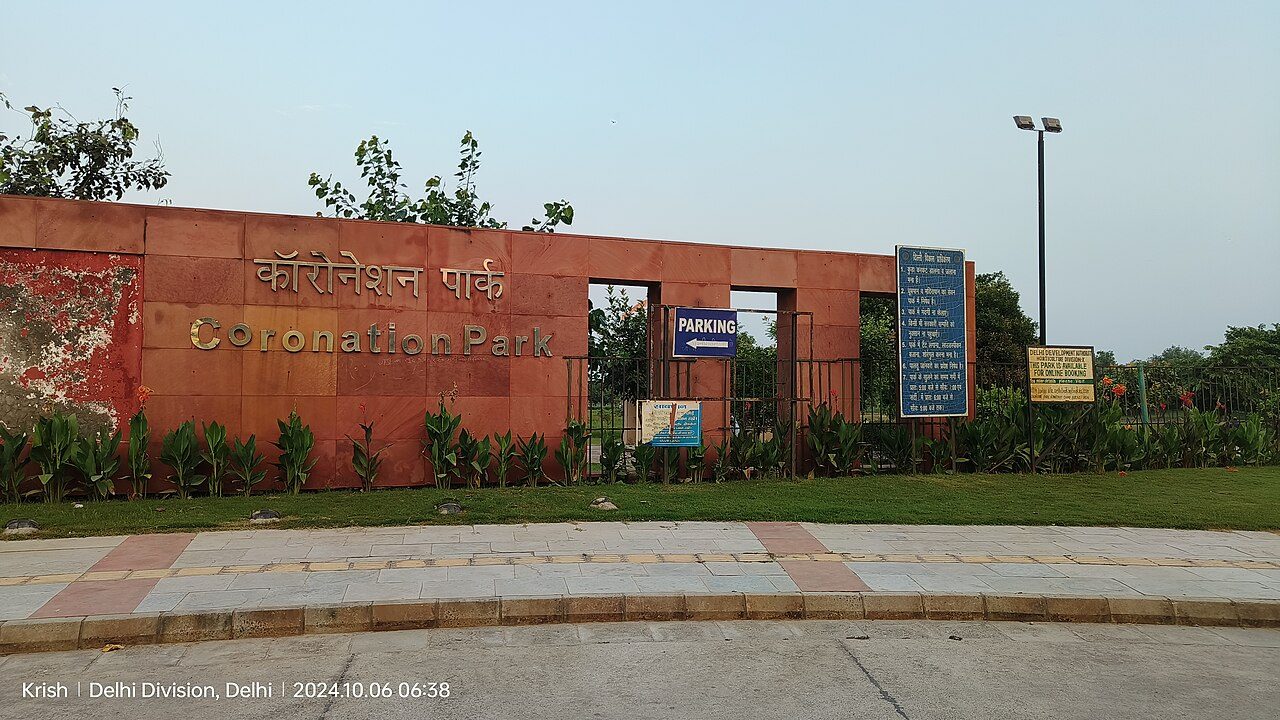
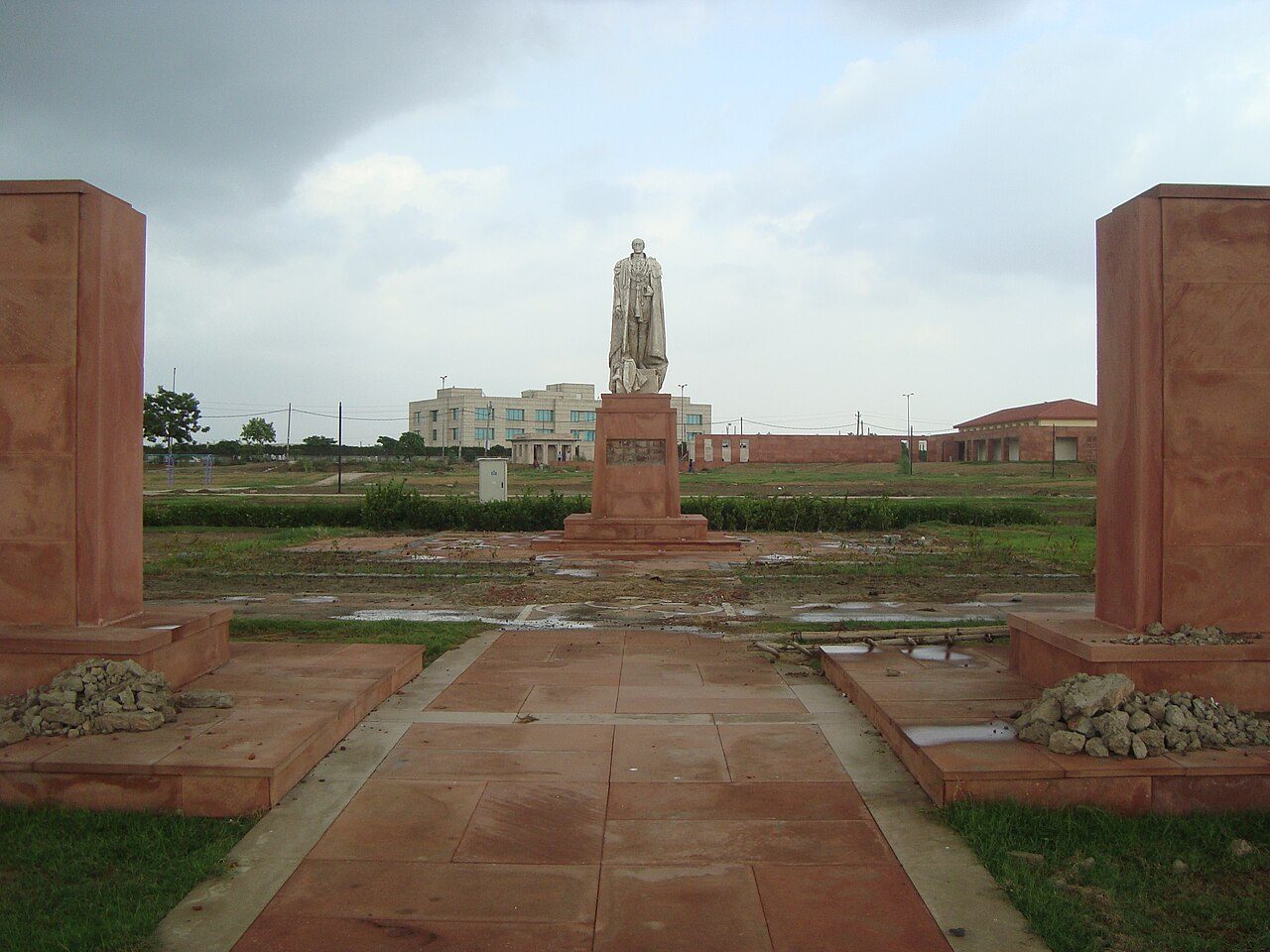
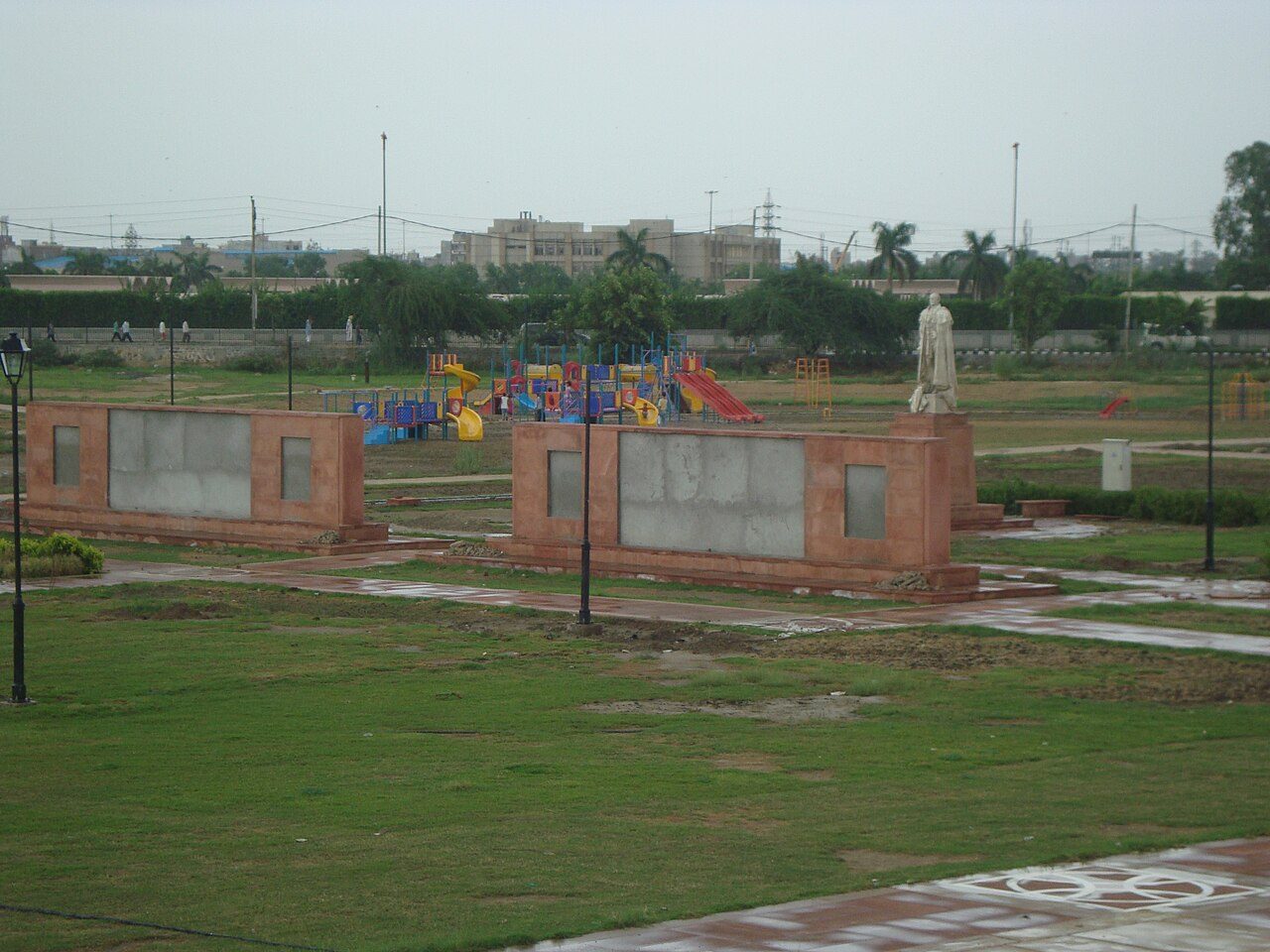
Coronation Park
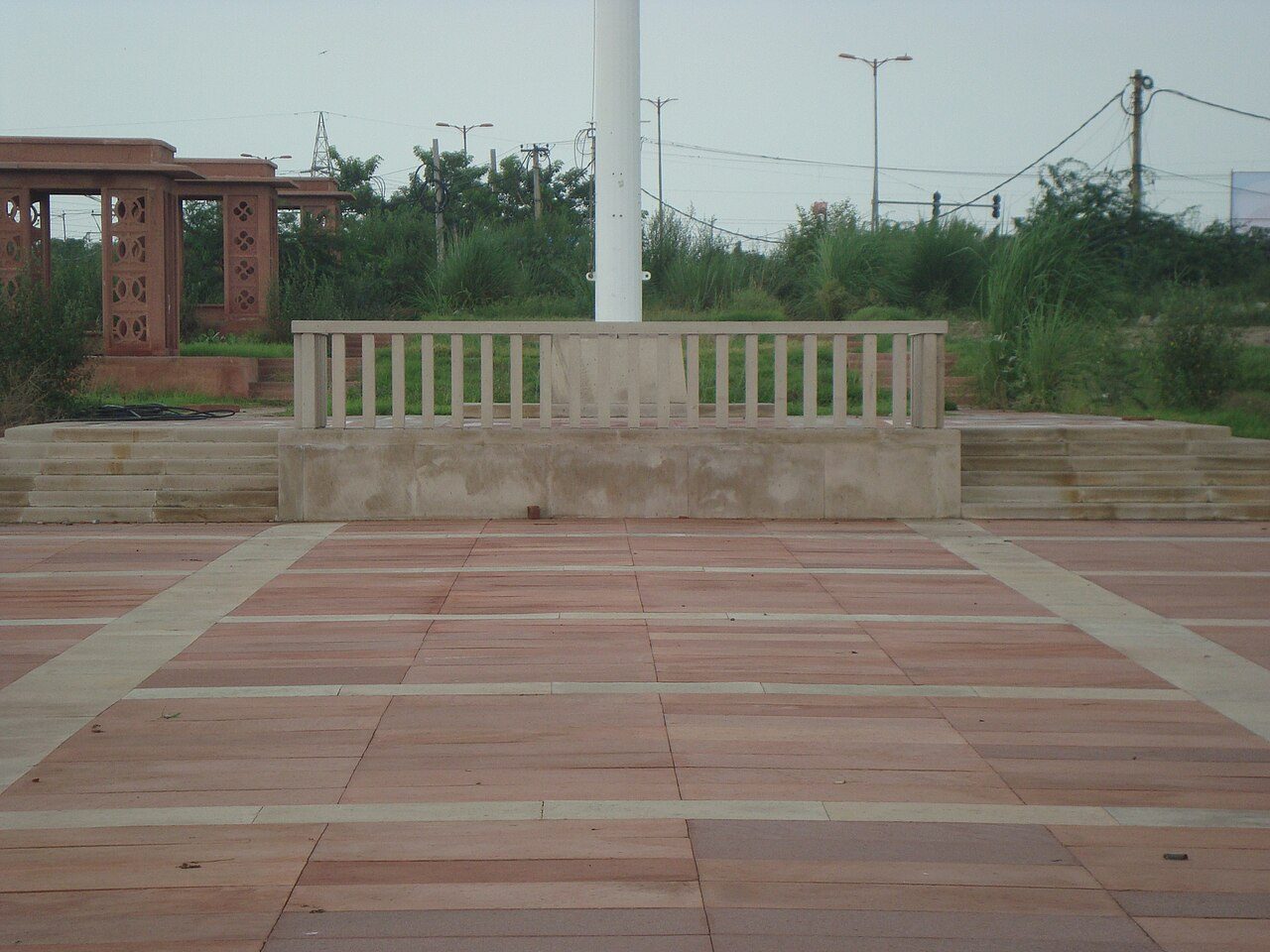
Coronation Park marks the ground where three imperial durbars were held, including the 1911 gathering at which King George V announced that India's capital would move from Calcutta to Delhi. A tall obelisk commemorates the event, and statues of the king and of former viceroys, removed from central Delhi after independence, stand on plinths around the landscaped lawns.
09
STOP 9 OF 16
Flagstaff Tower
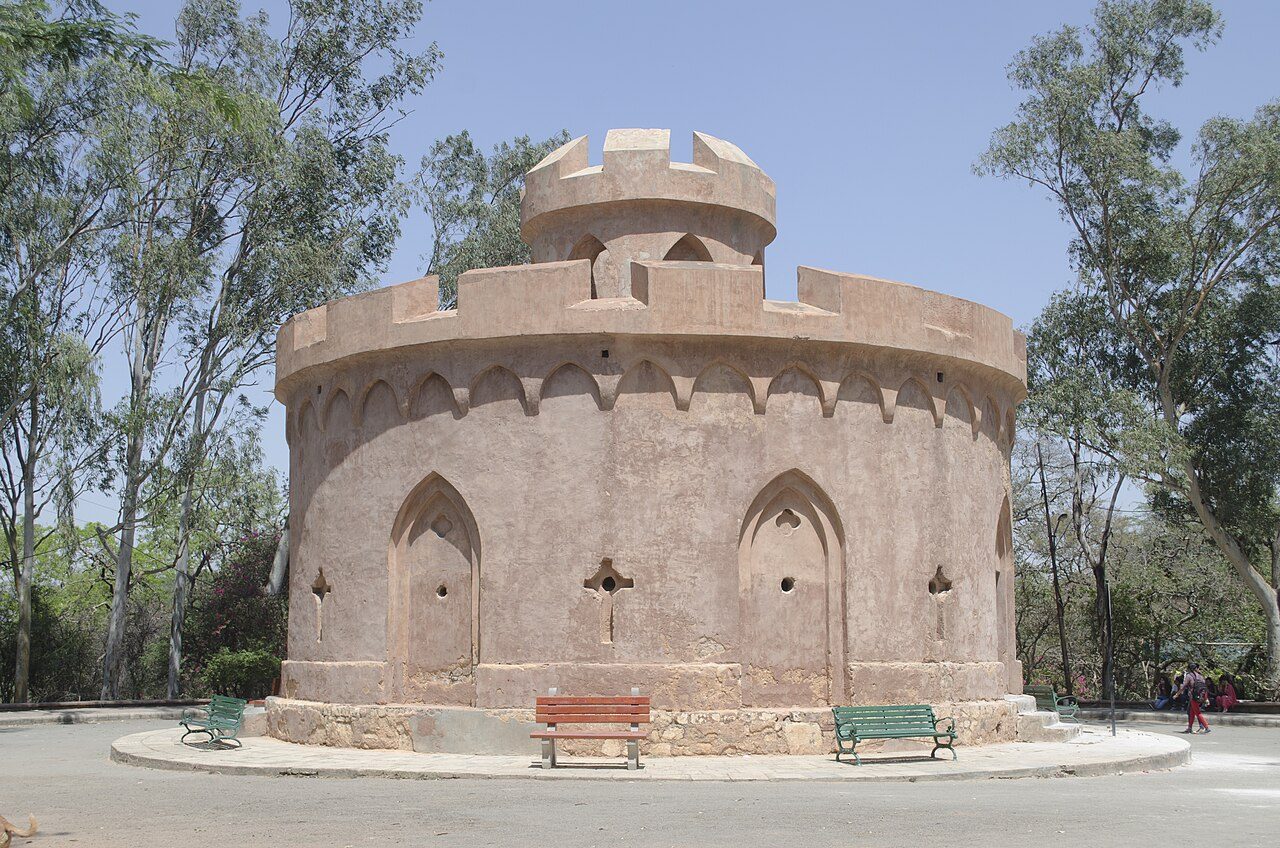
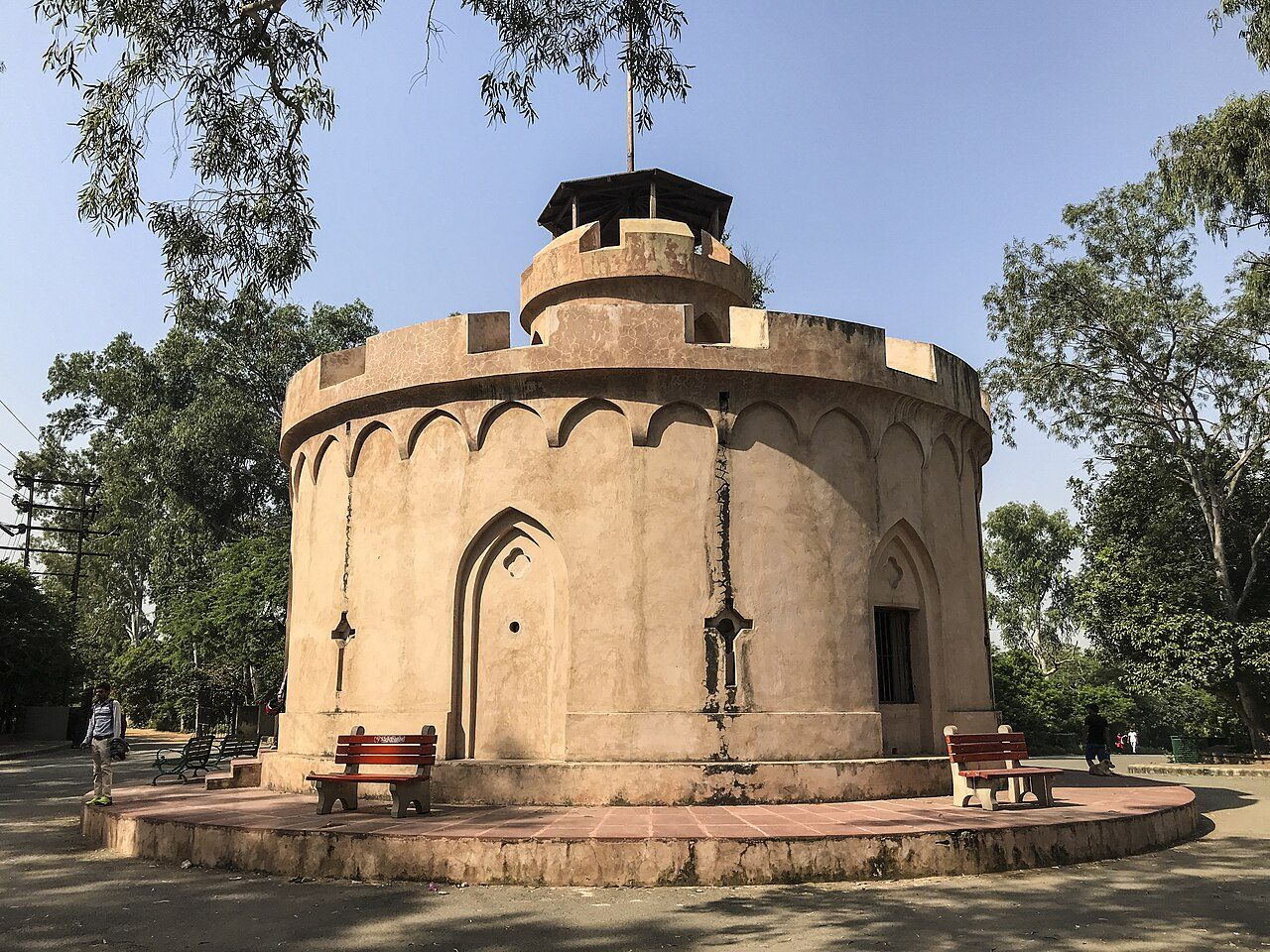
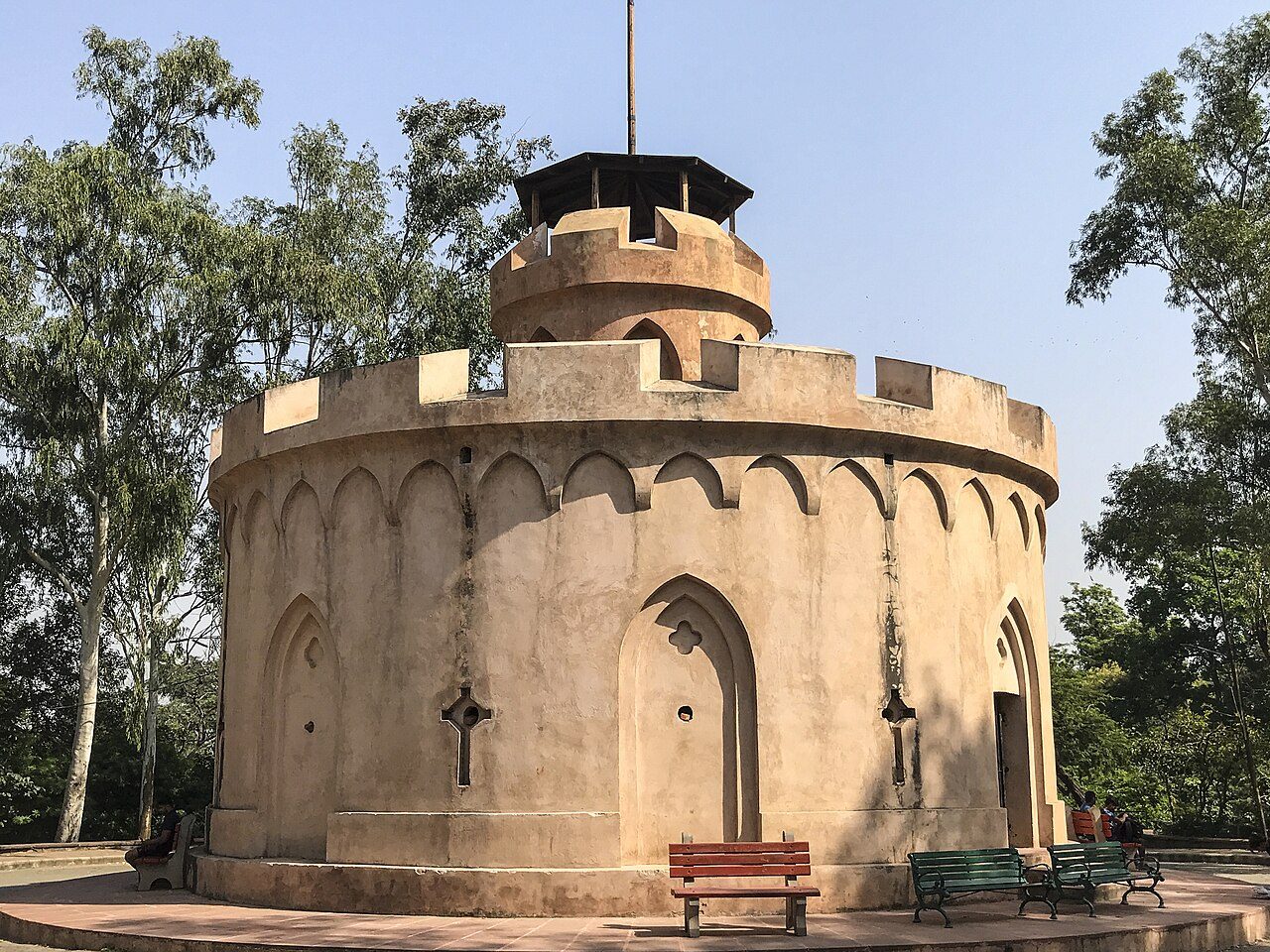
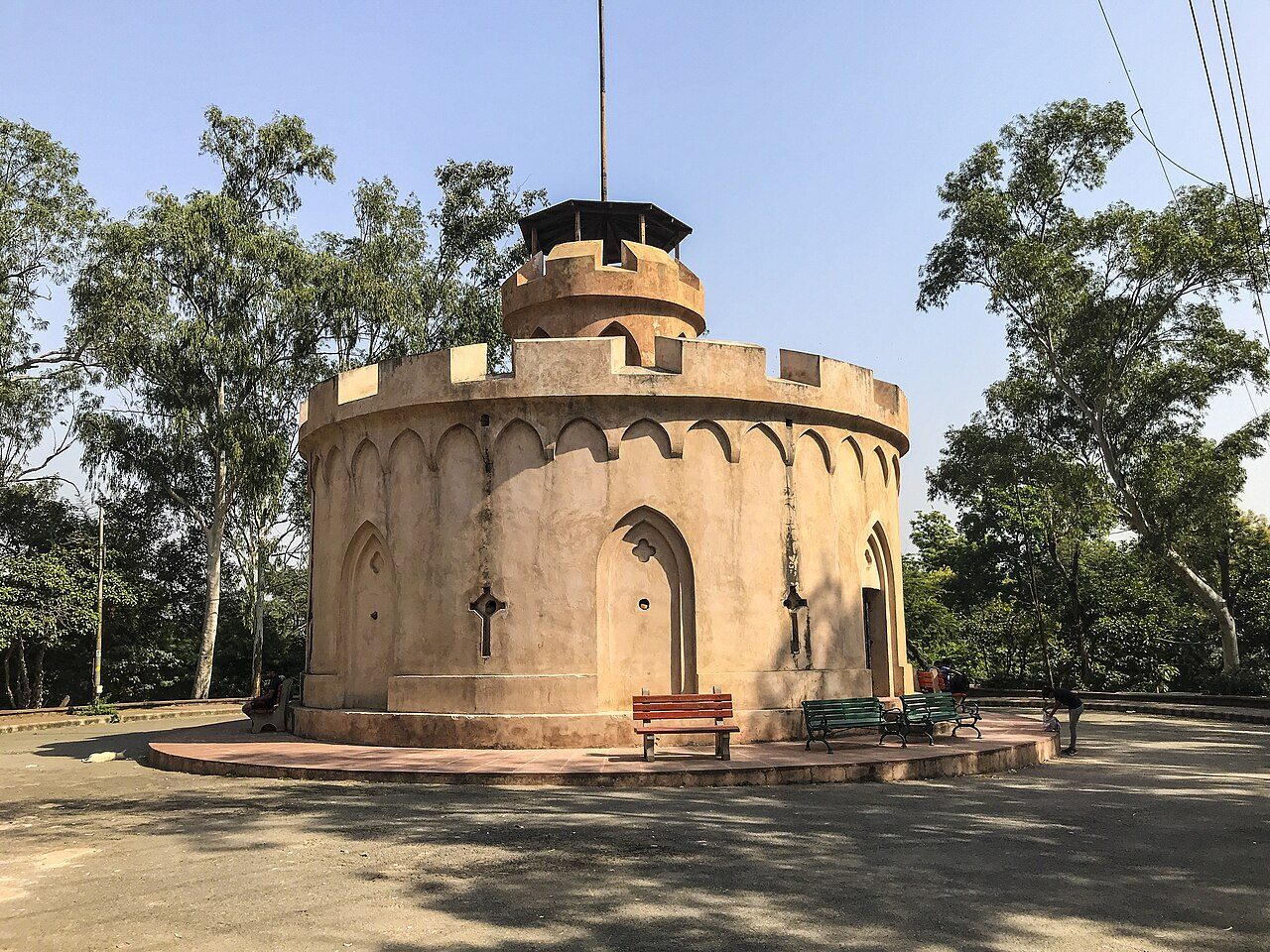
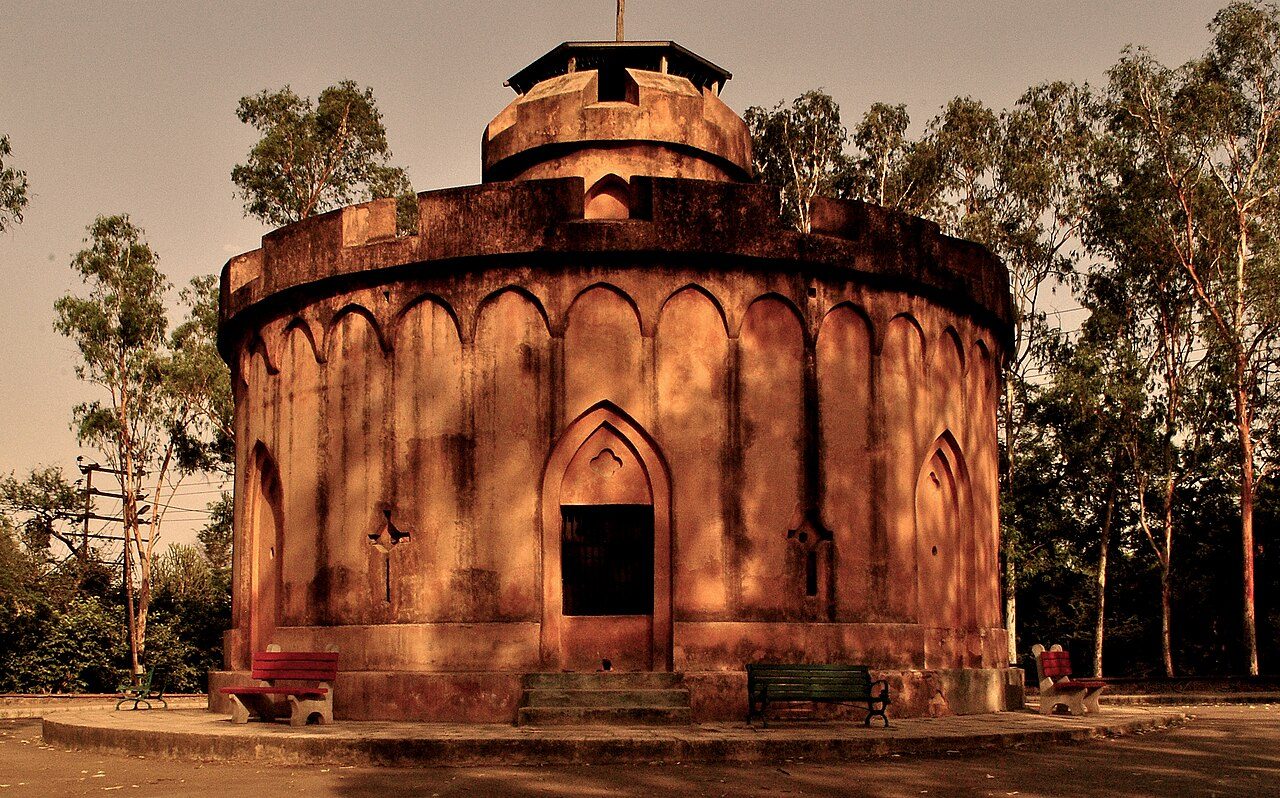
Flagstaff Tower is a round, castle-like signal tower built by the British in 1828 on the highest point of Delhi's northern Ridge. In May 1857 European families sheltered here while waiting for help during the uprising. Today it stands in the wooded Kamla Nehru Ridge, a favourite spot for morning walkers, with other monuments of that period a short stroll away.
10
STOP 10 OF 16
Kashmere Gate
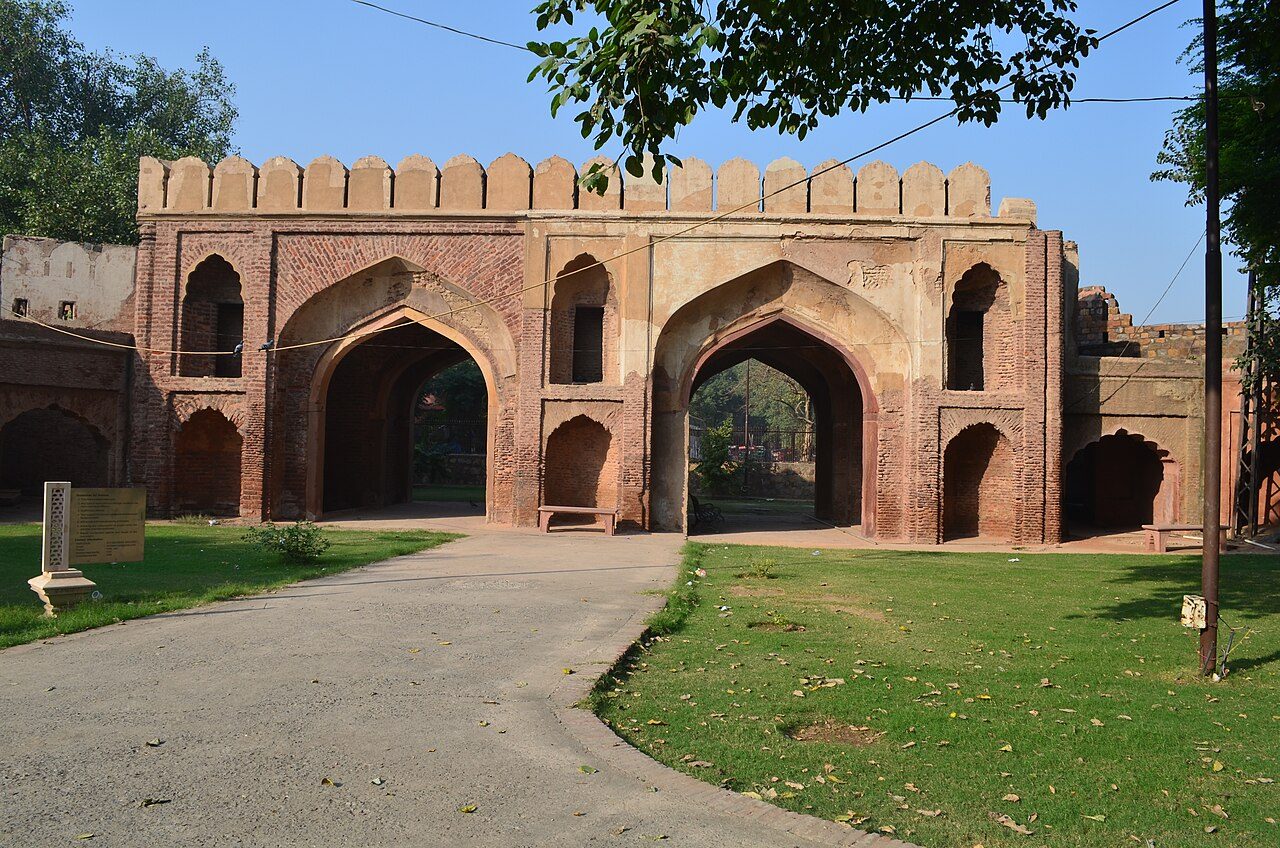
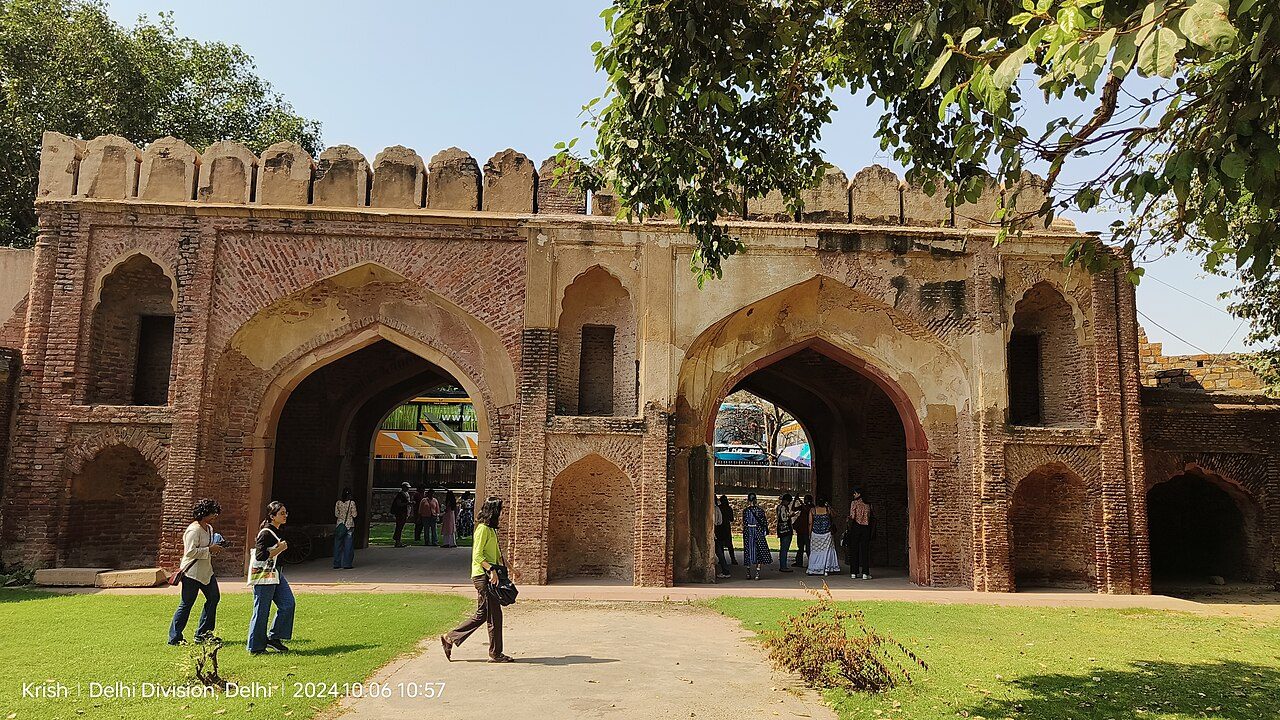
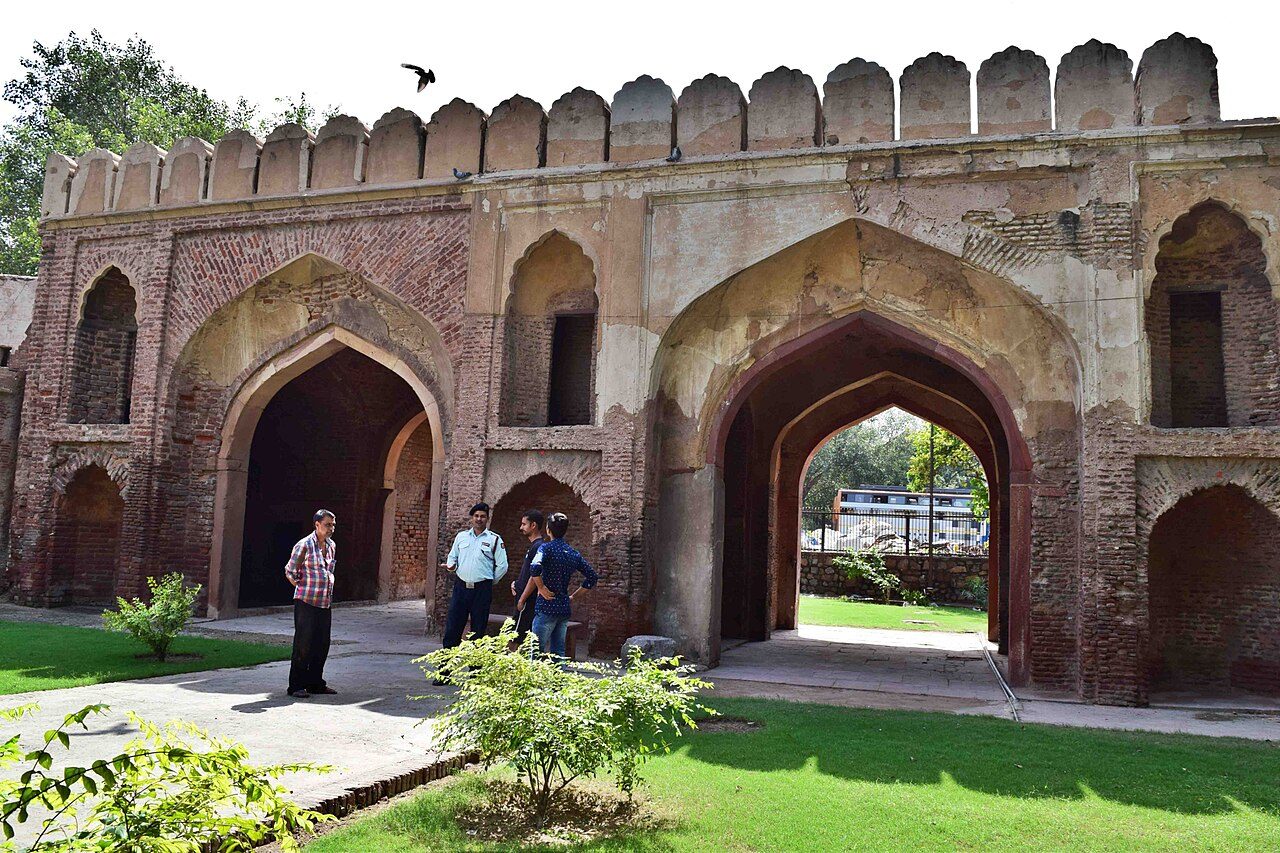
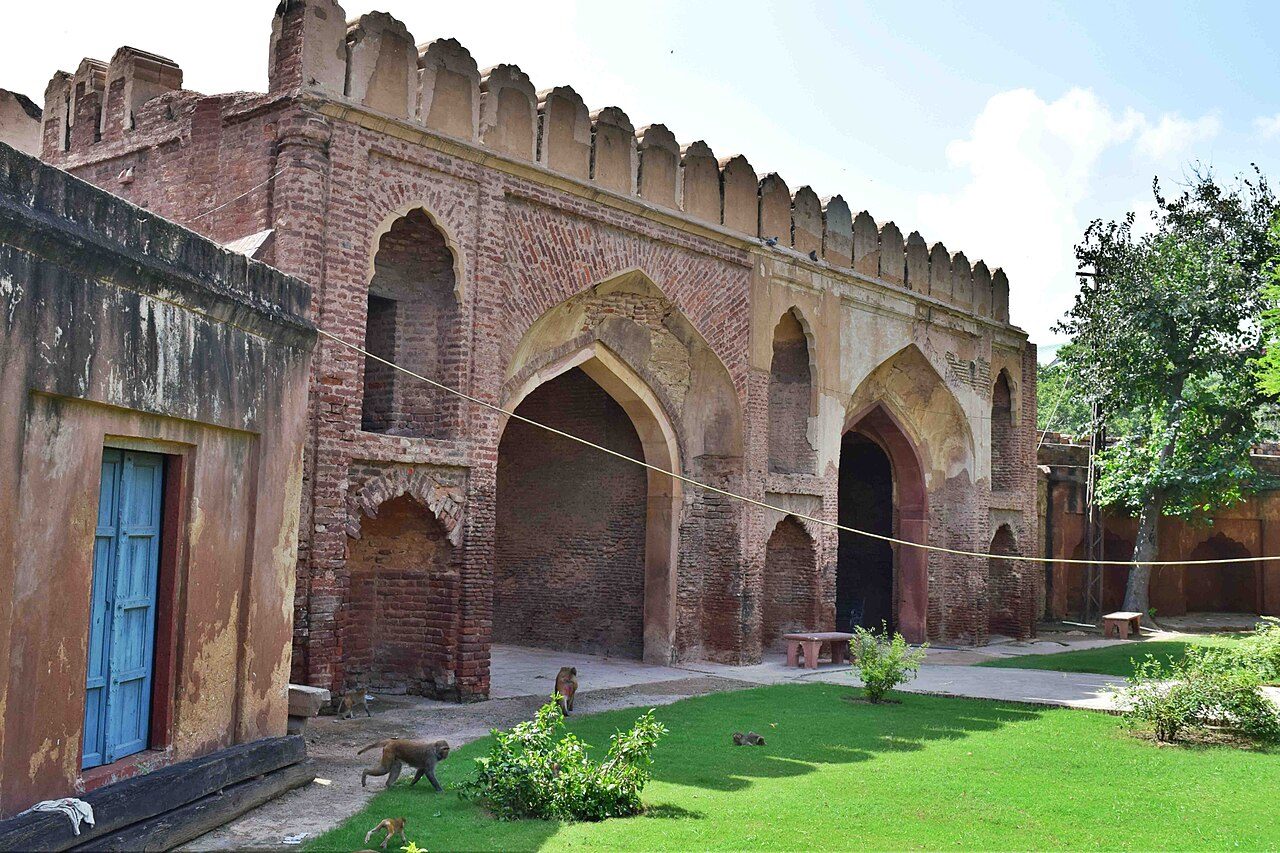
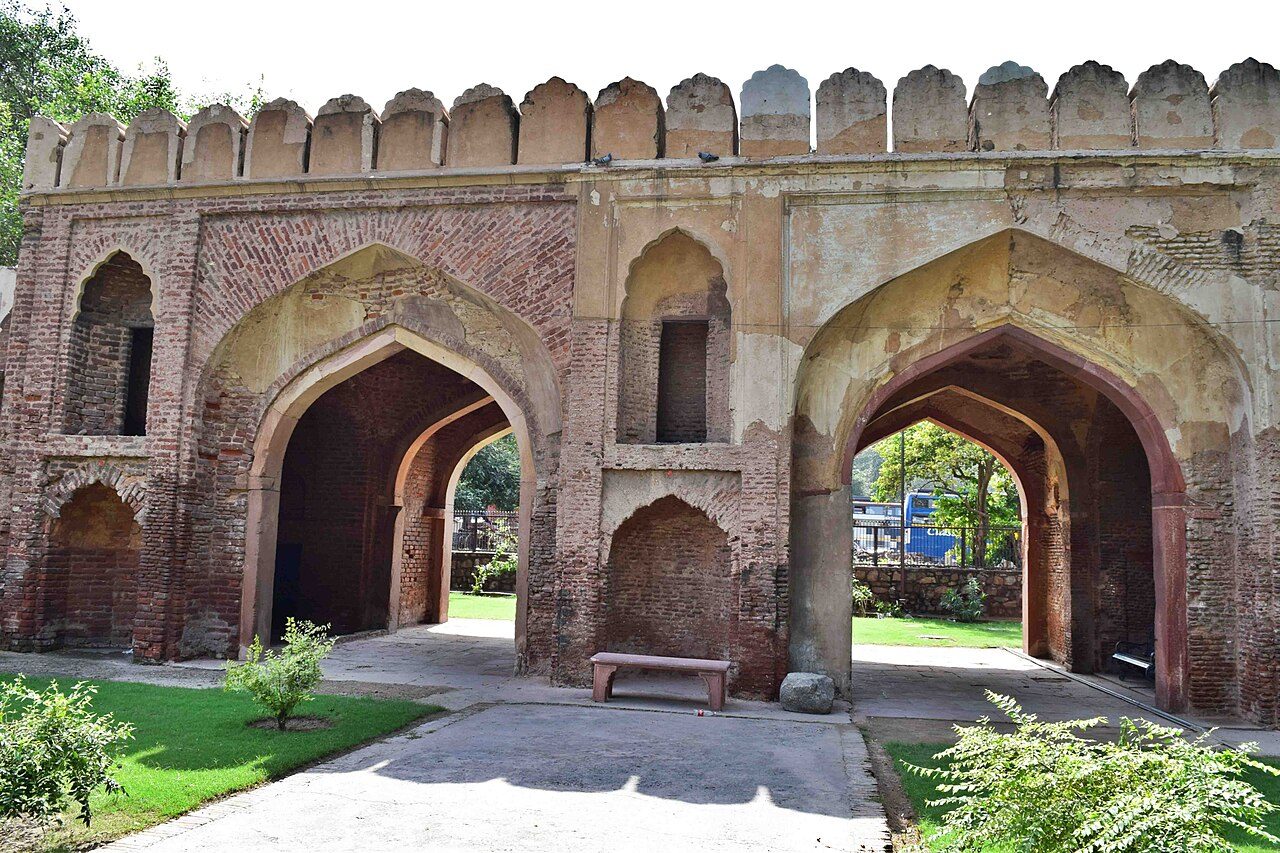
Kashmere Gate was the northern gate of Shahjahanabad, the walled city built by Shah Jahan, and the road to Kashmir began here. It was the scene of fierce fighting in 1857, when British forces blew open the gate to retake Delhi, and the damage is still visible in its twin arches. The monument stands in a small garden beside the busy bus terminus and metro station that share its name.
11
STOP 11 OF 16
St. James' Church Delhi
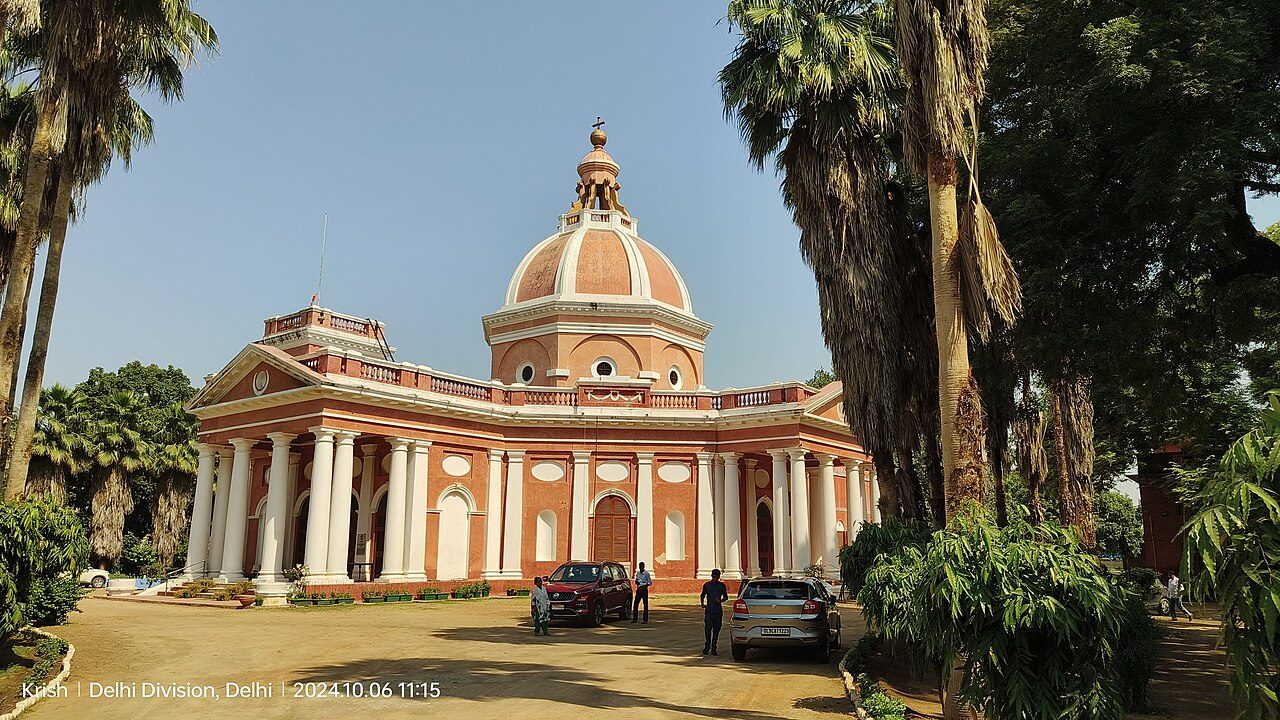
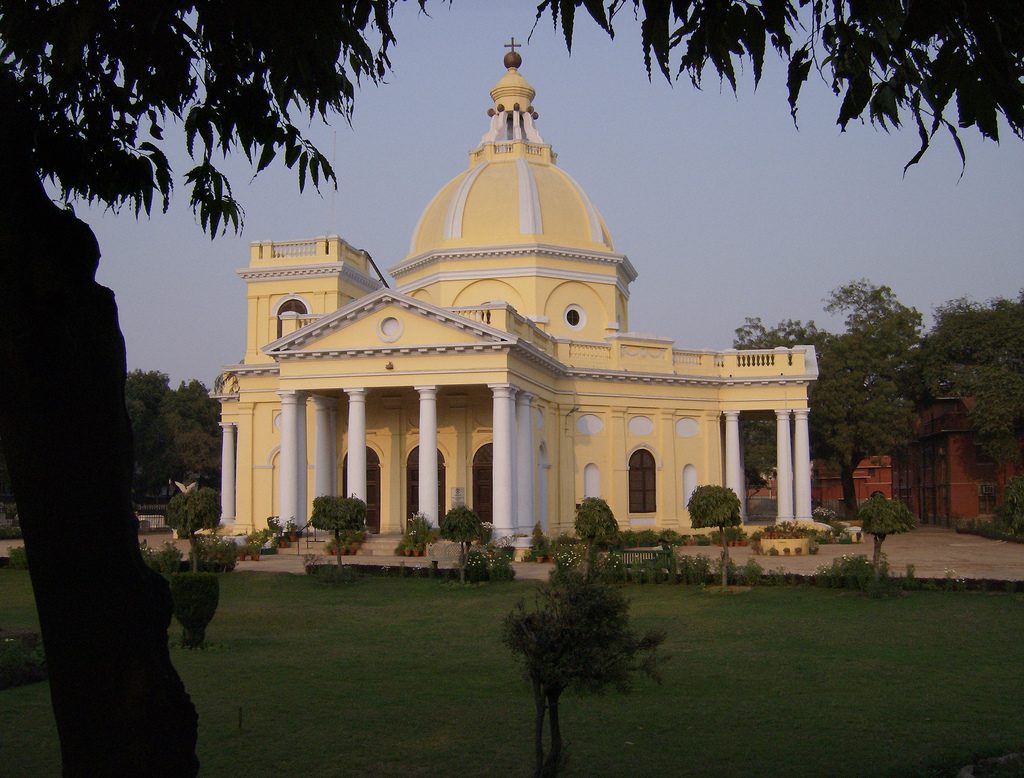
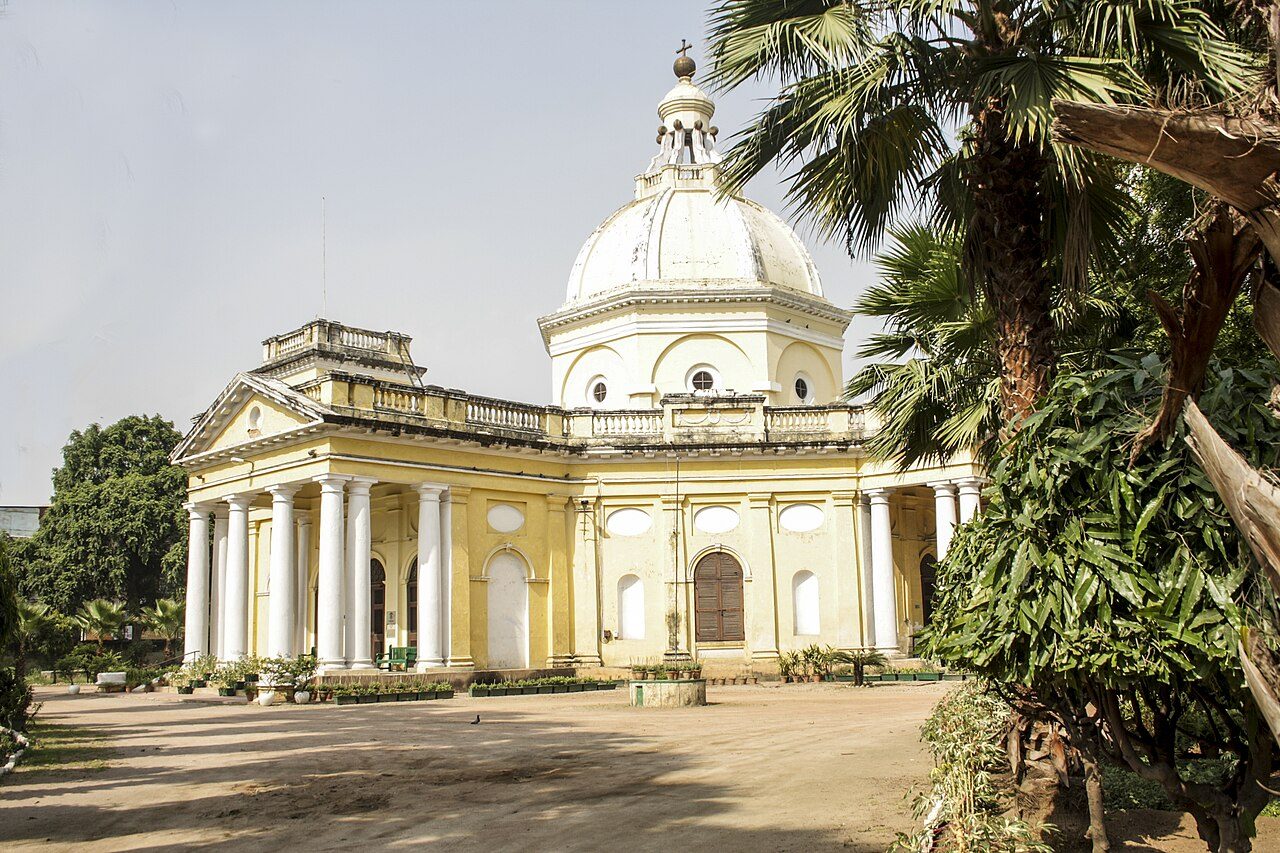
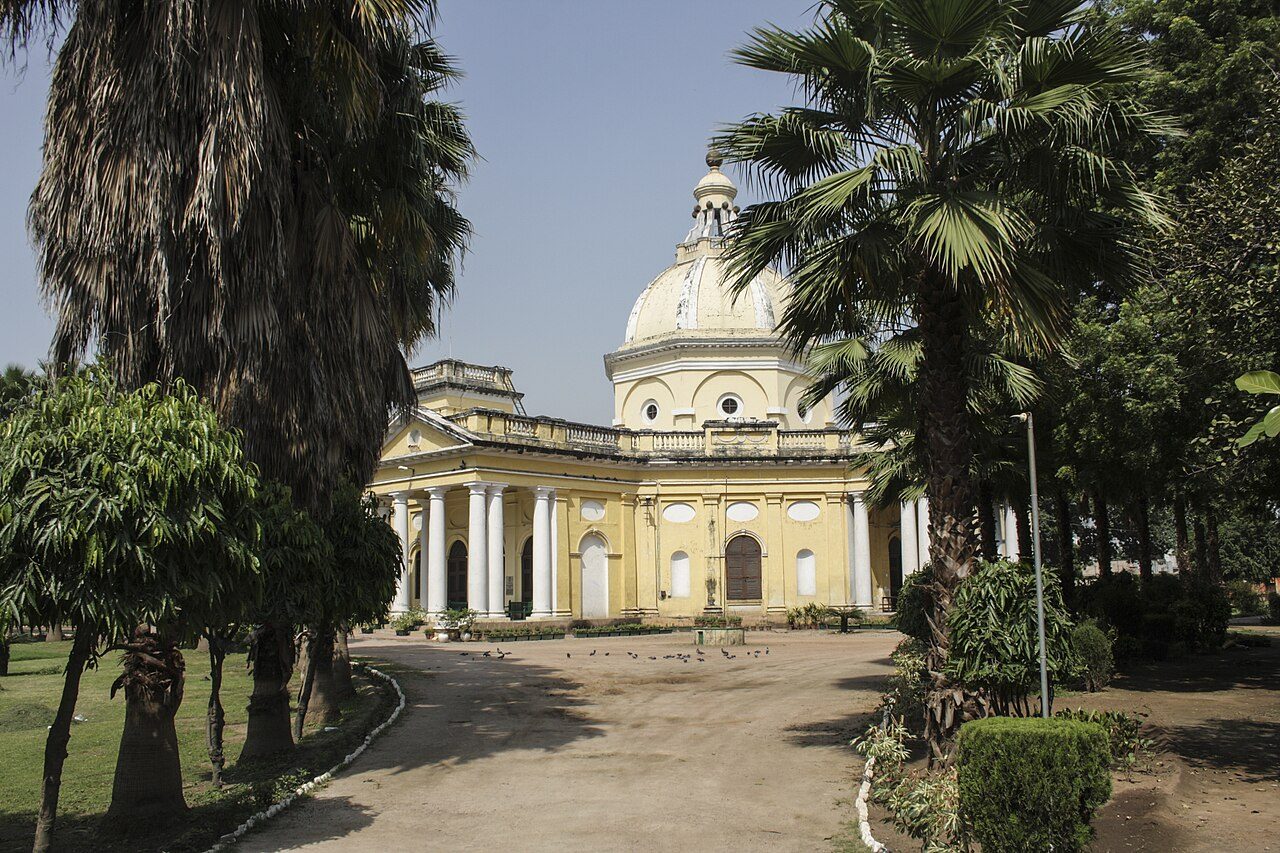
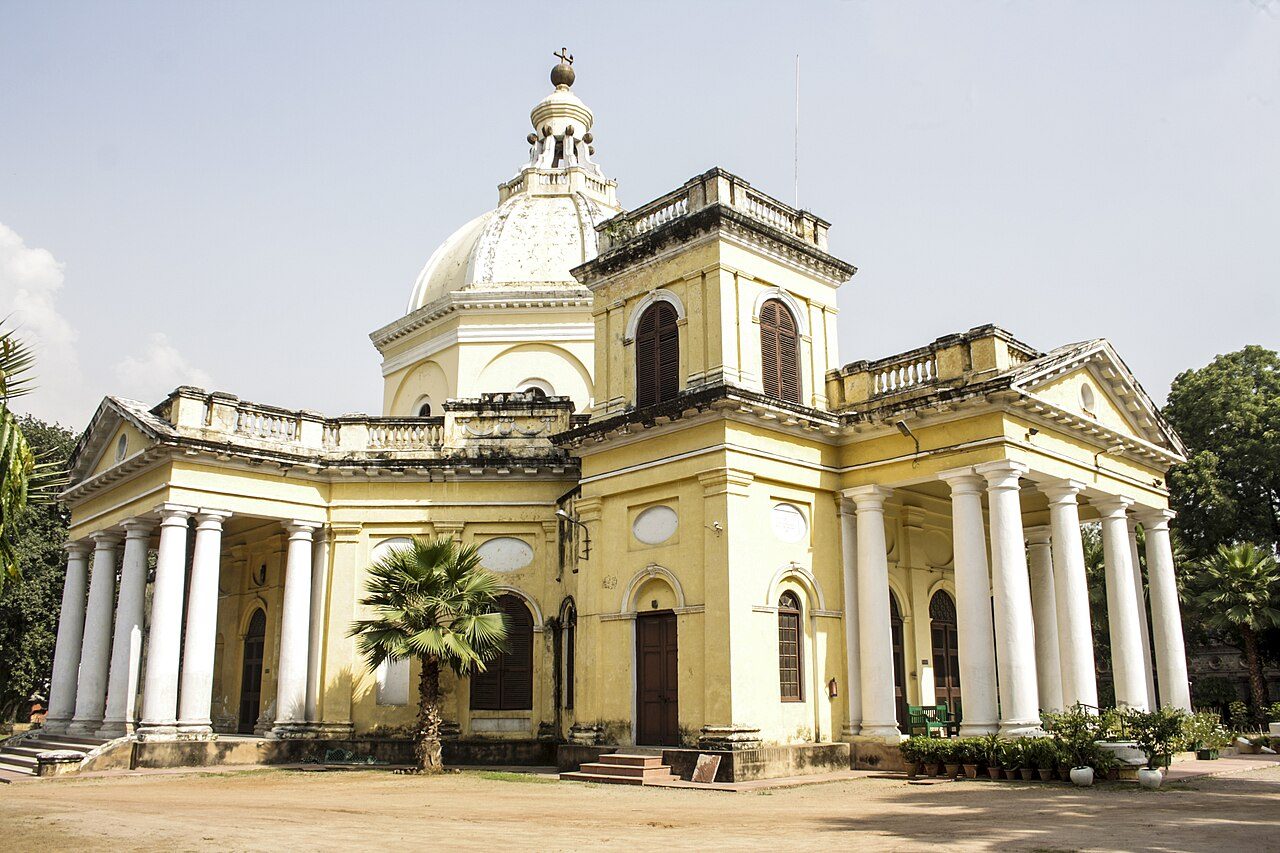
St. James' Church, near Kashmere Gate, is one of the oldest churches in Delhi. It was built in 1836 by Colonel James Skinner, founder of the cavalry regiment Skinner's Horse, to a cross-shaped plan with a central dome and columned porches. Skinner's own grave lies inside, and the leafy churchyard holds the tombs of his family and other early British residents.
12
STOP 12 OF 16
Ghalib ki Haveli
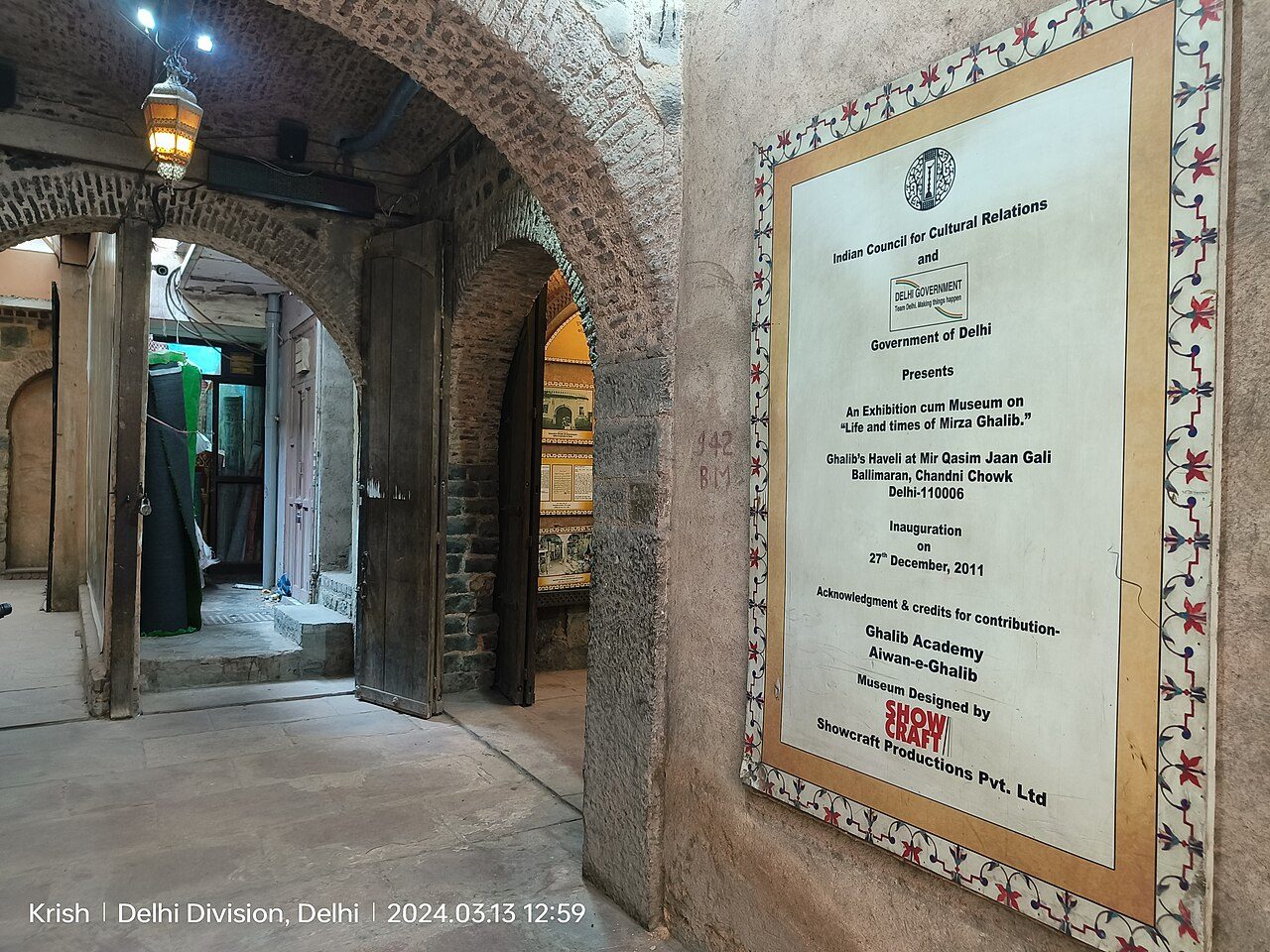
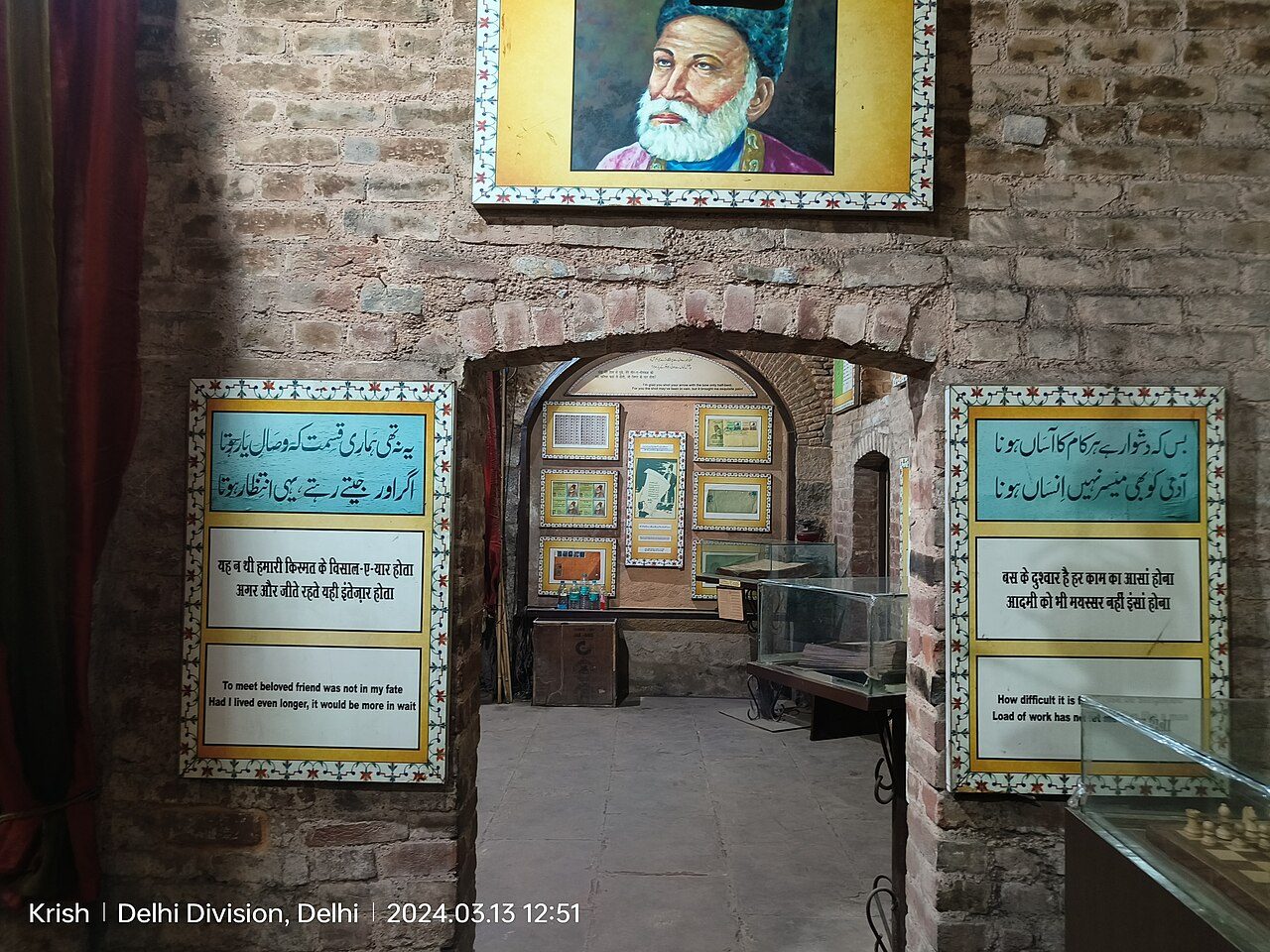
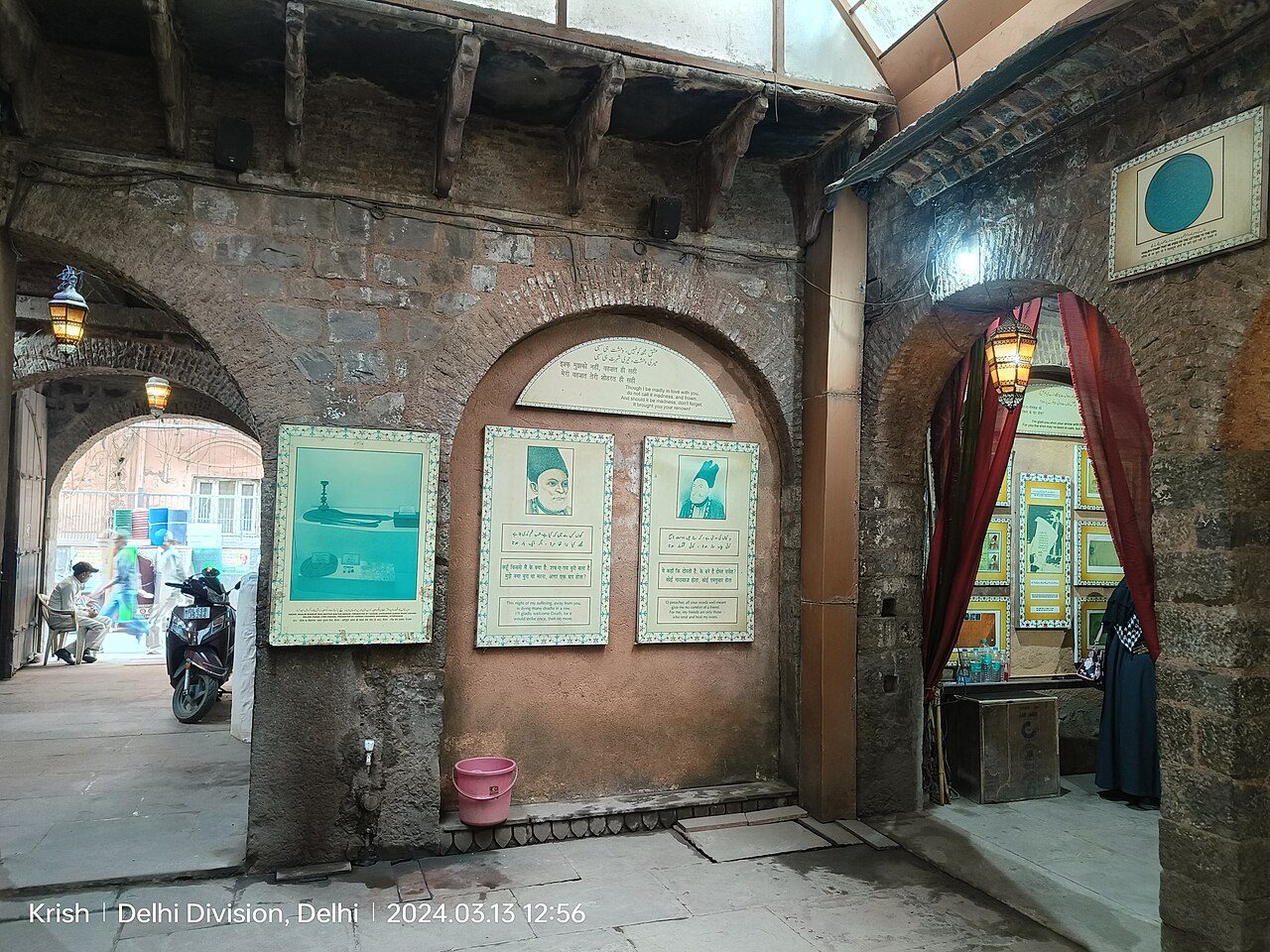
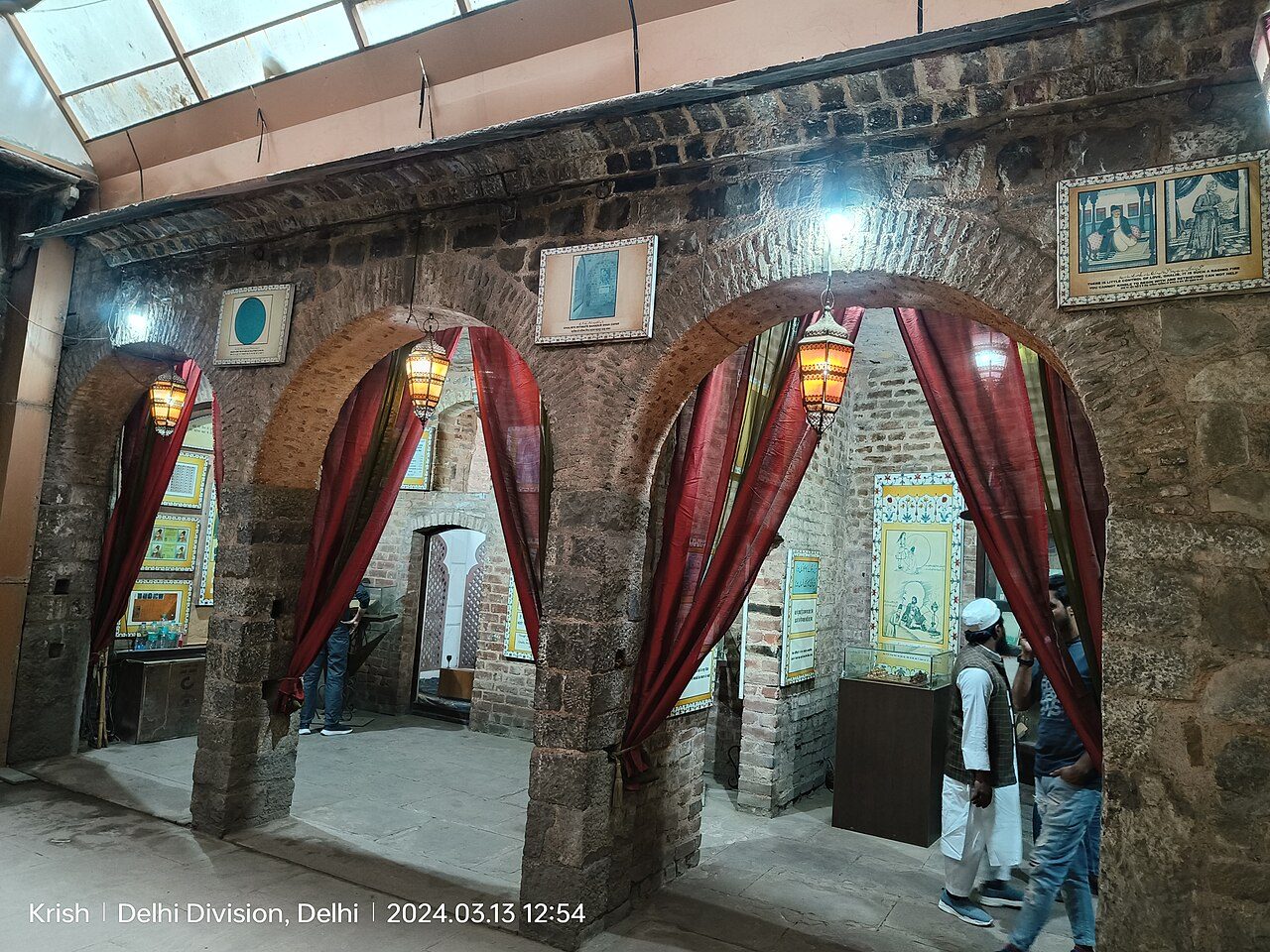
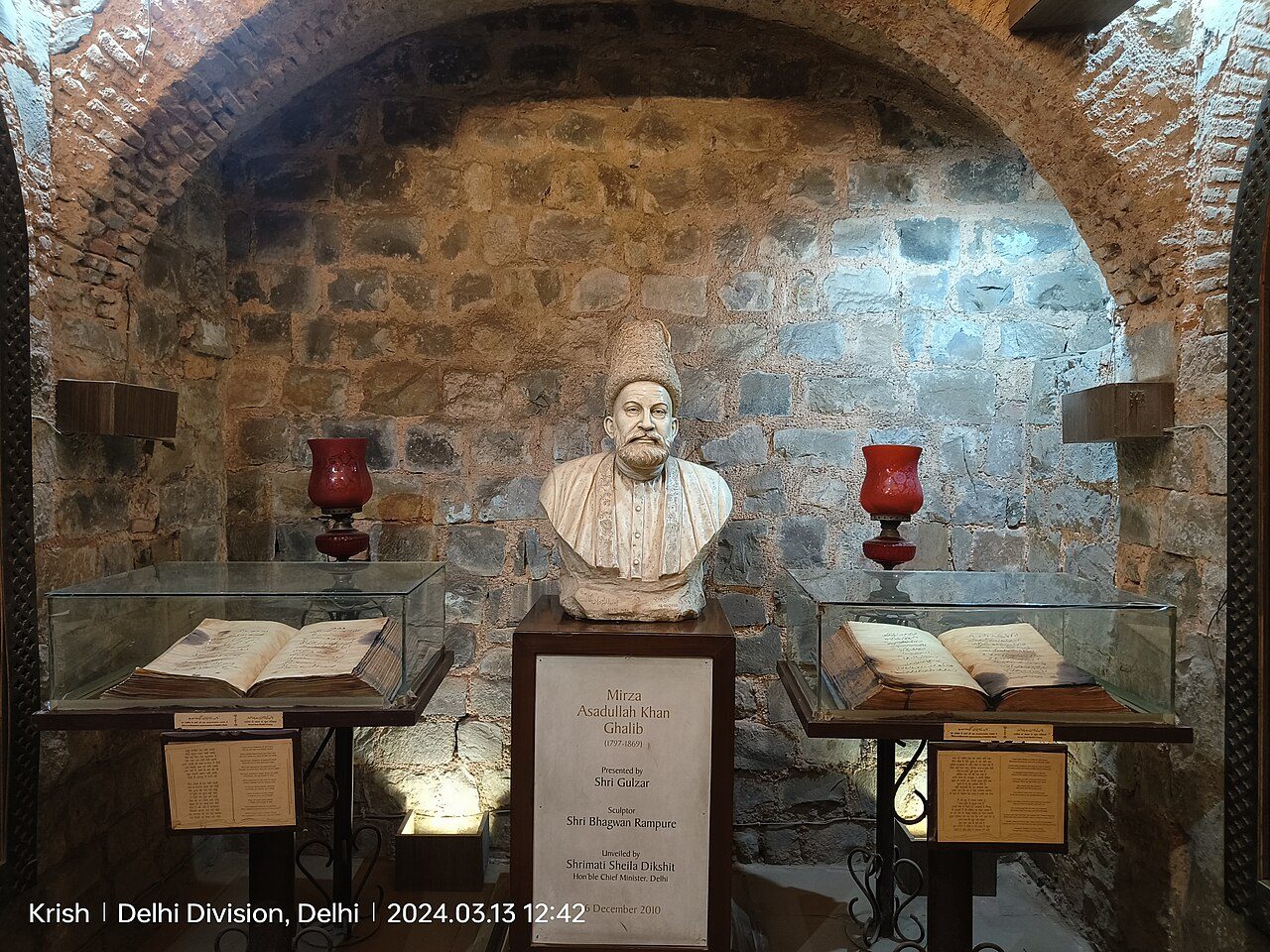
Ghalib ki Haveli, in the Ballimaran lane of Old Delhi, is where the Urdu and Persian poet Mirza Ghalib spent the last years of his life, until his death in 1869. Part of the house has been restored as a small memorial museum, with his verses on the walls, portraits, books and a life-size figure of the poet. Entry is free; it is closed on Mondays.
13
STOP 13 OF 16
Feroz Shah Kotla Fort
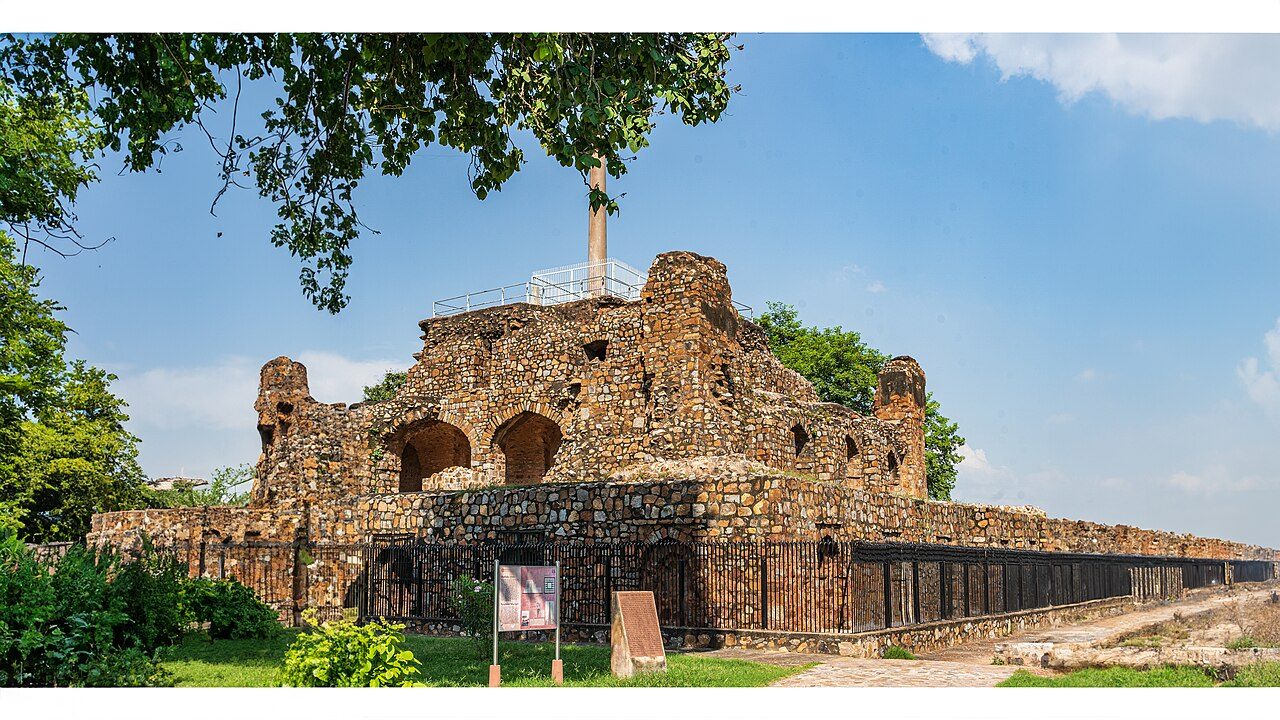
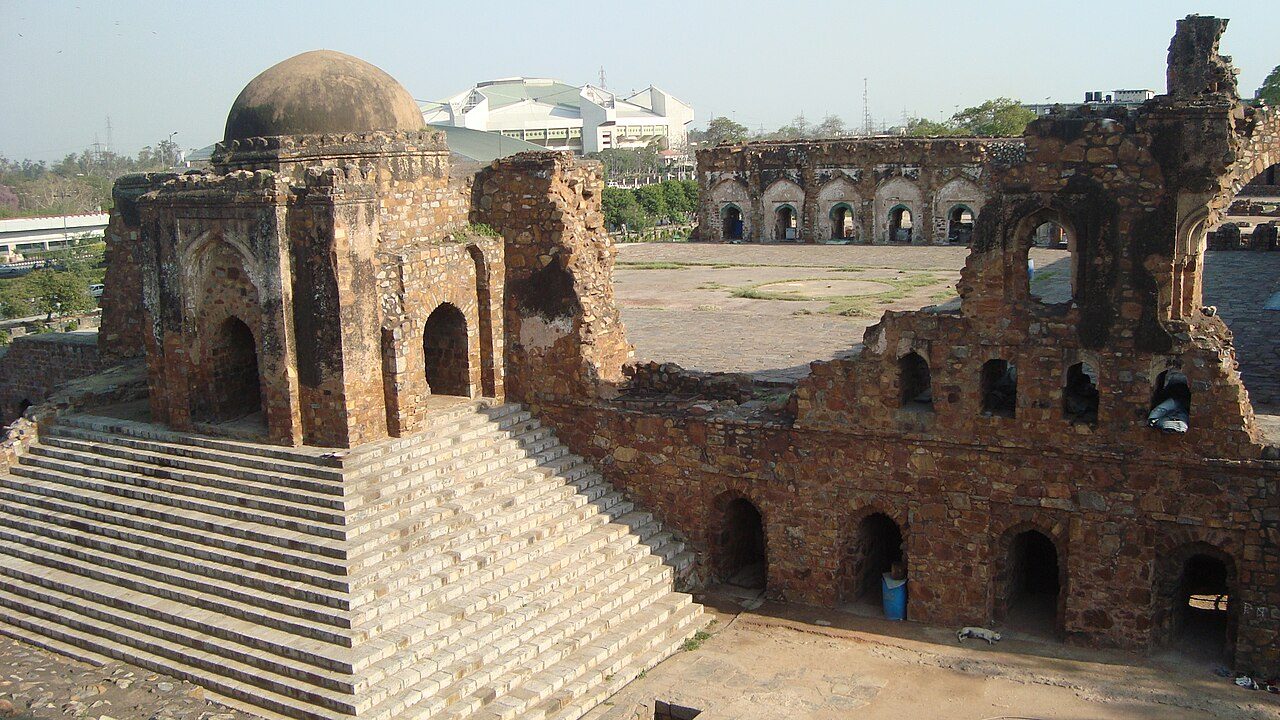
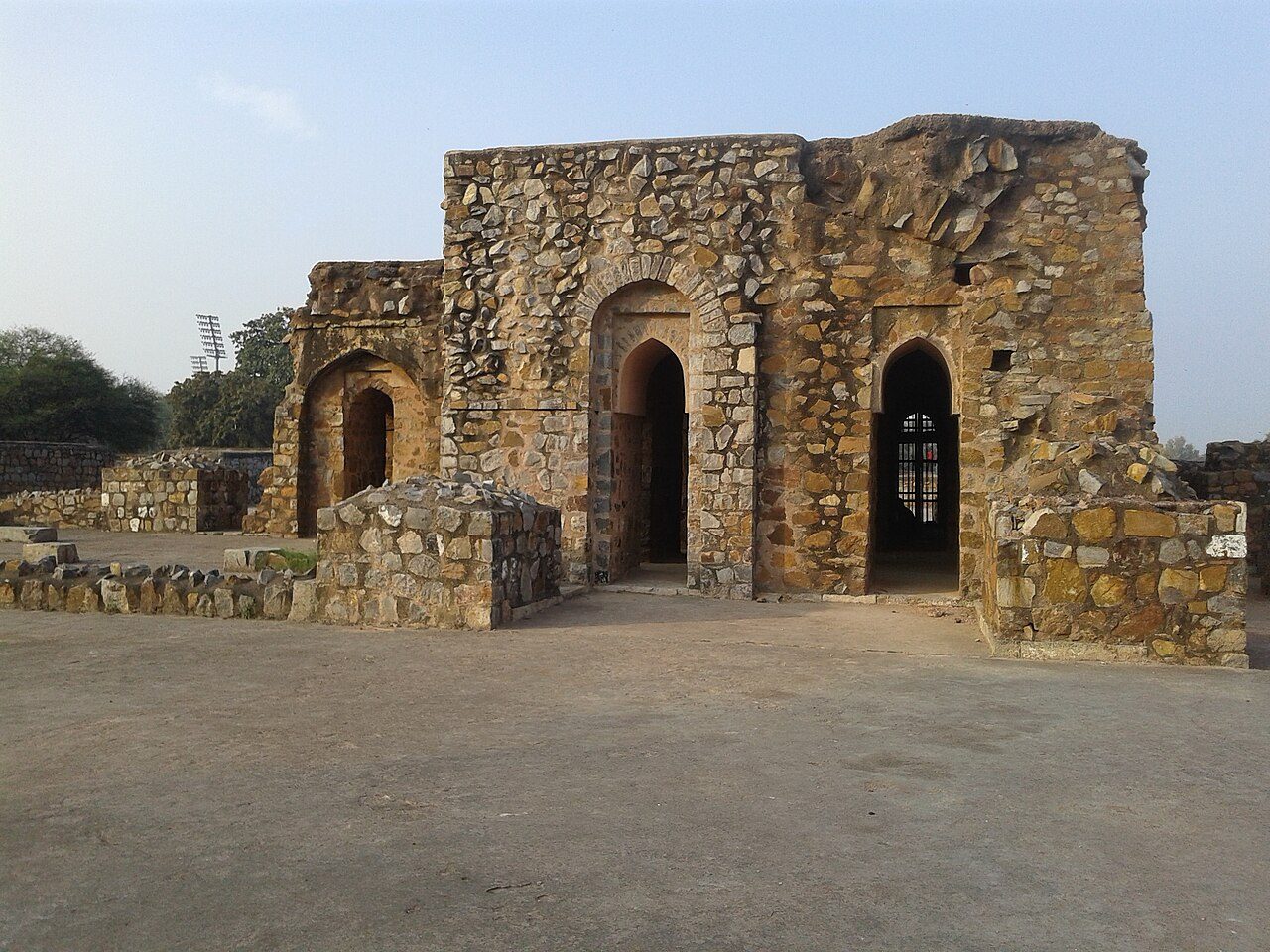
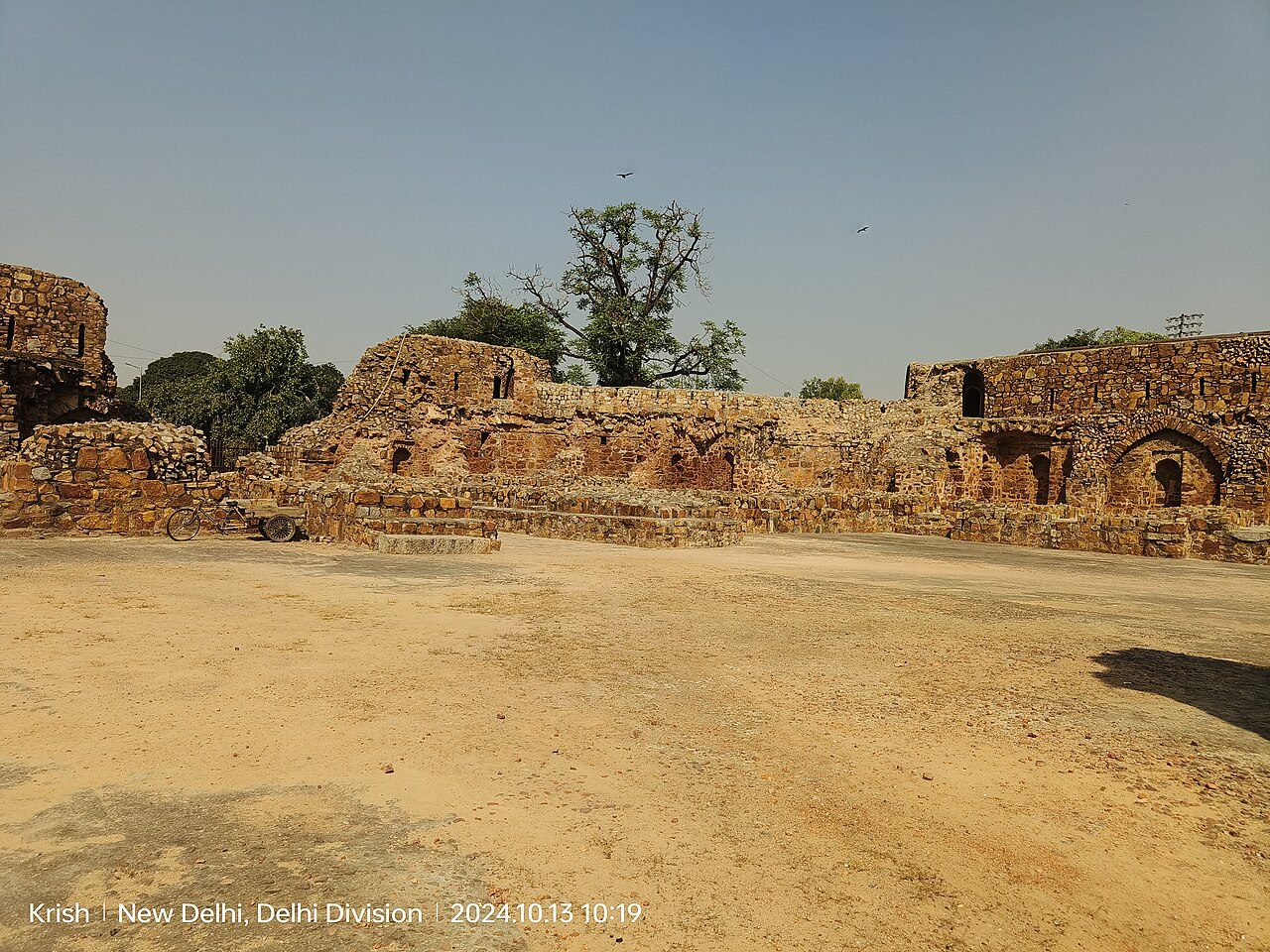
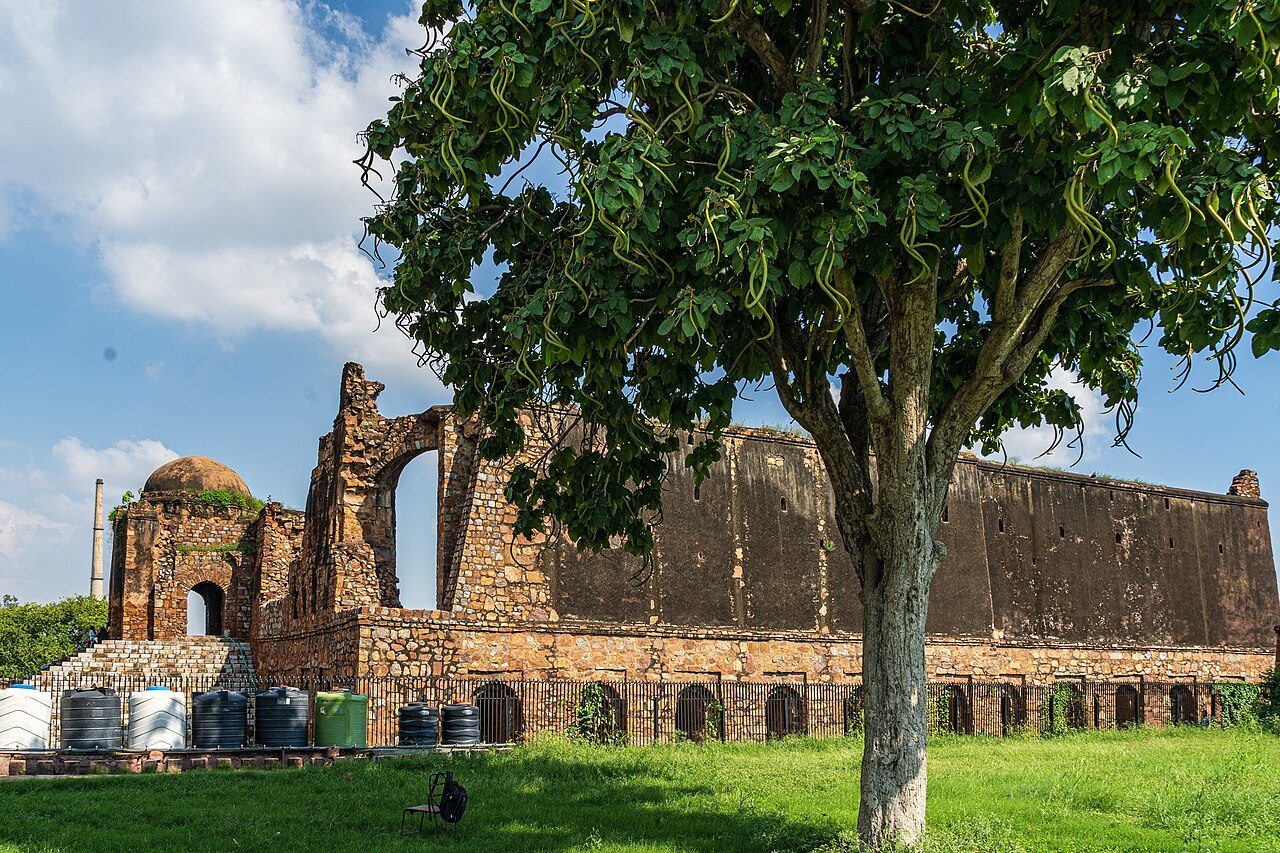
Feroz Shah Kotla is the ruined citadel of Firozabad, the city founded by Sultan Firoz Shah Tughlaq in 1354. Its most striking feature is a three-tiered pyramid crowned by a polished sandstone pillar of the emperor Ashoka, brought here from near Ambala. The Jami Masjid and a circular stepwell survive beside it. On Thursdays people come to leave petitions for the djinns said to live here.
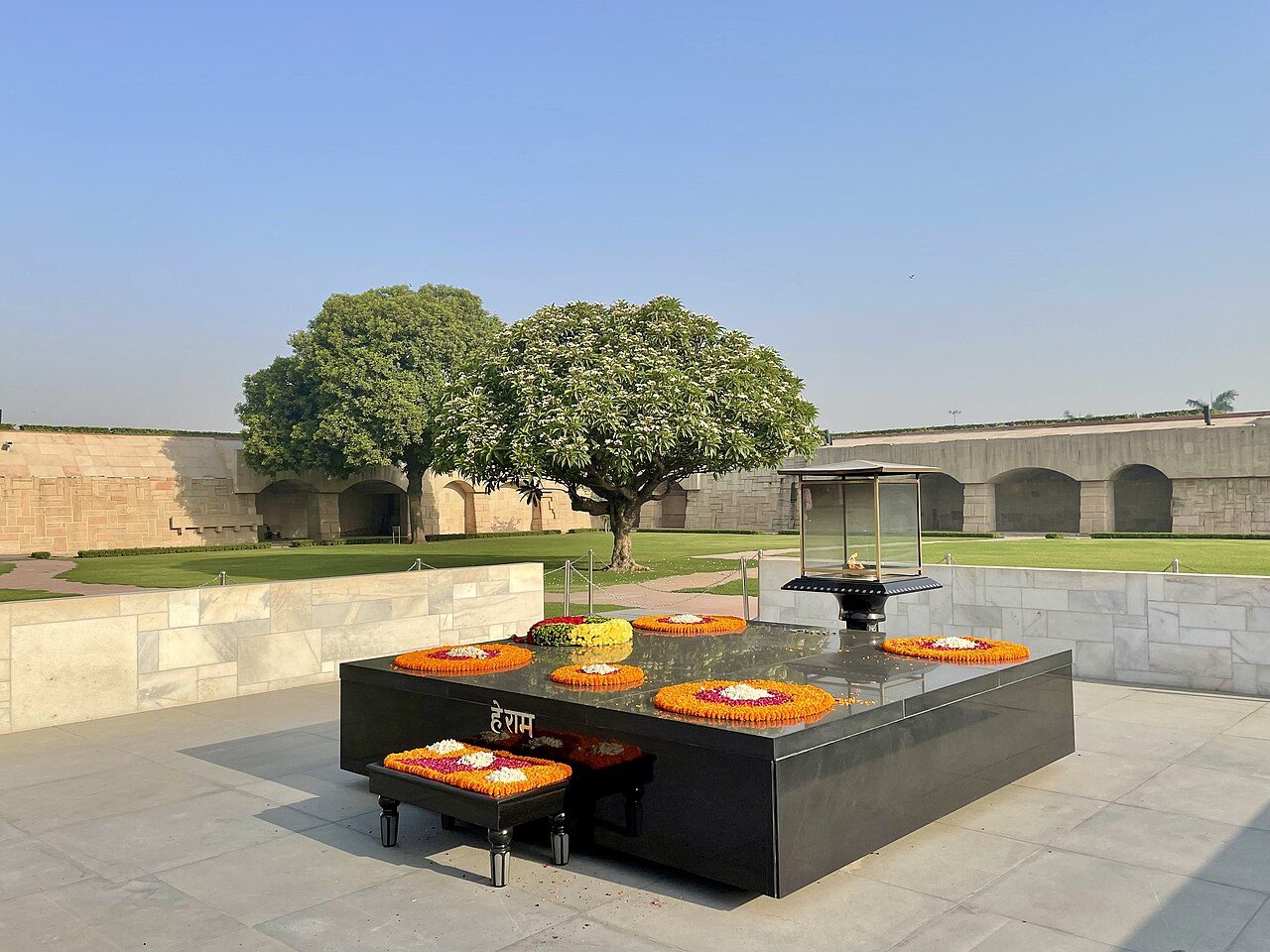
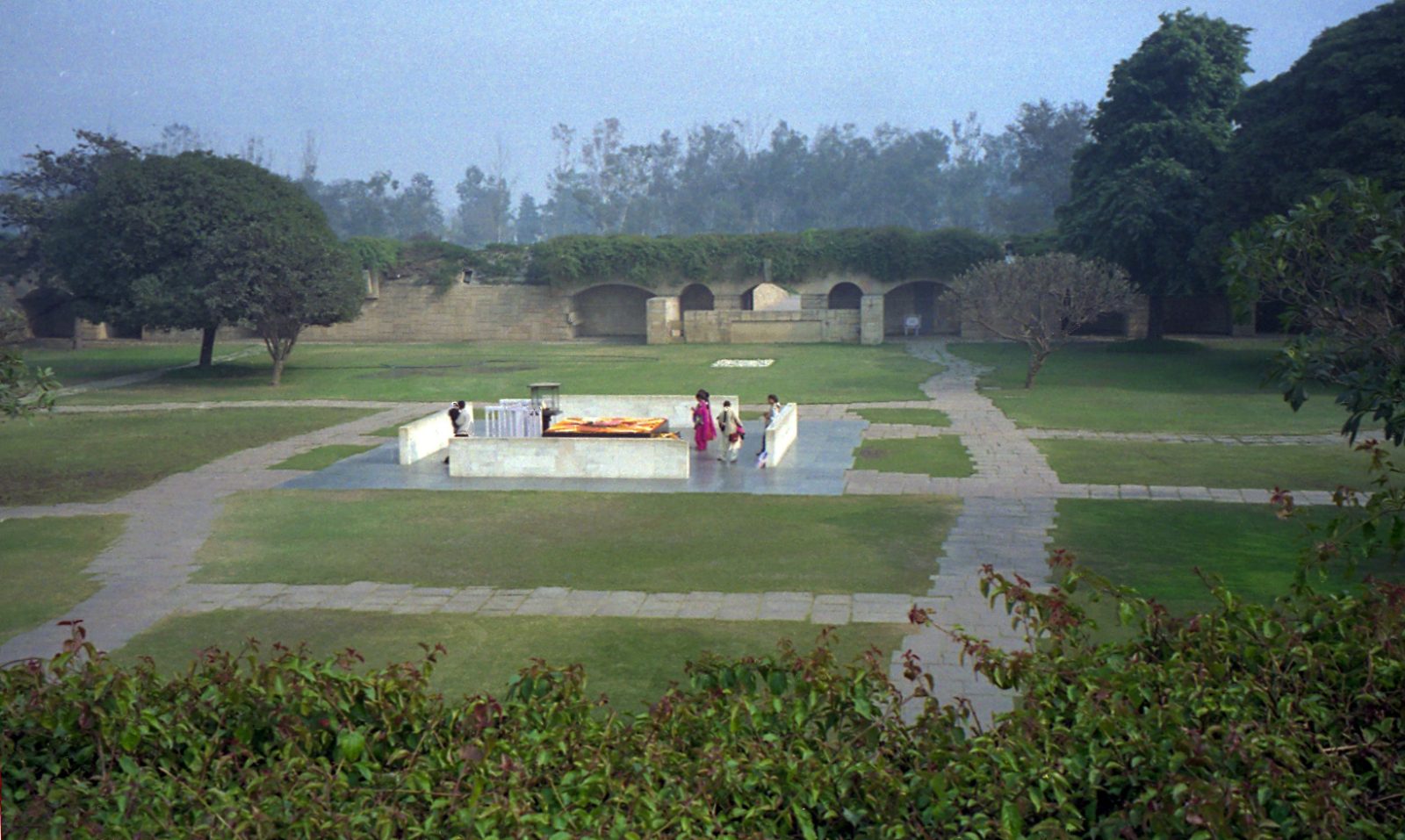
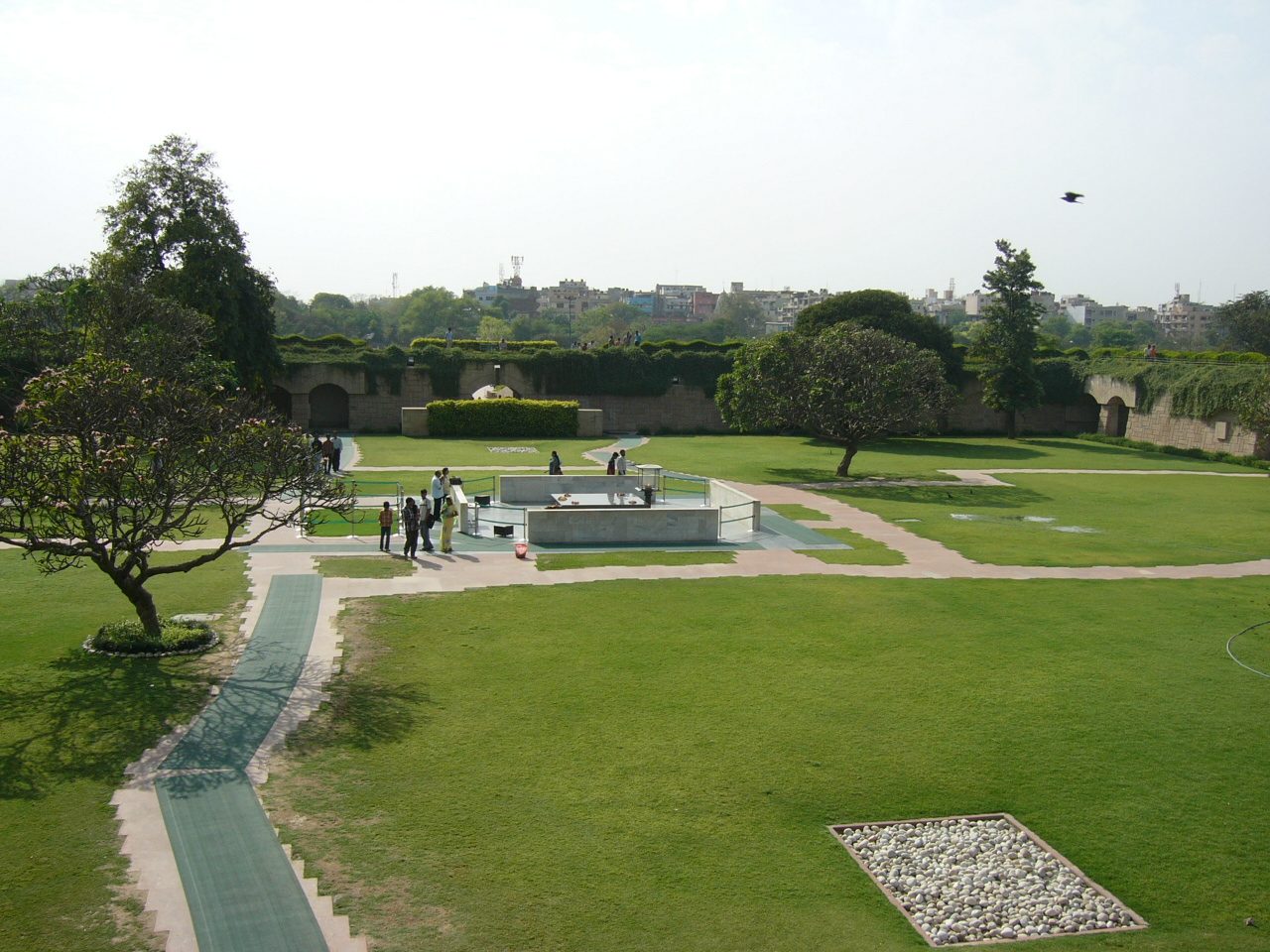
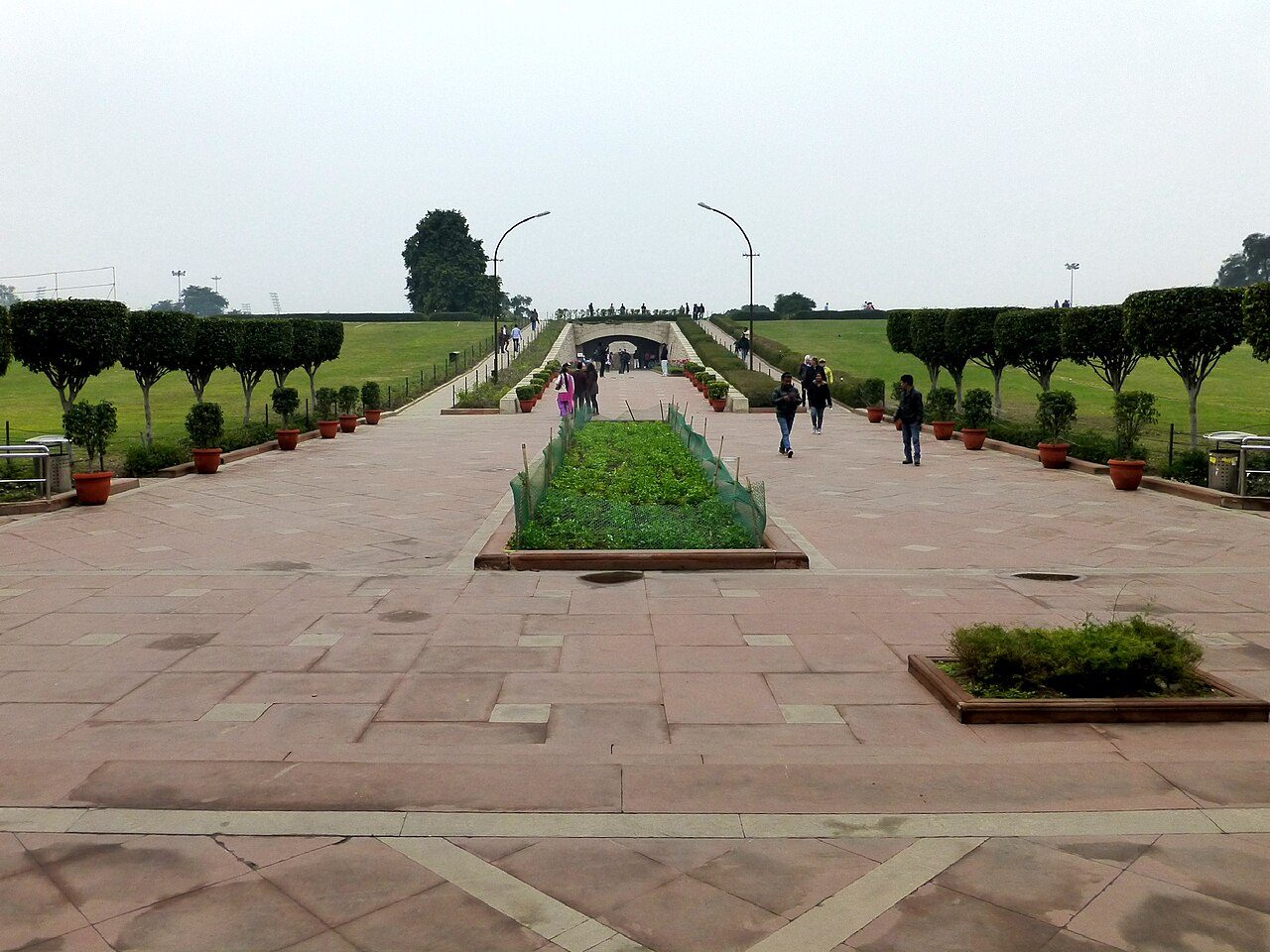
Raj Ghat is the memorial to Mahatma Gandhi, marking the spot on the bank of the Yamuna where he was cremated on 31 January 1948. A simple platform of black marble stands in an open-air enclosure, with an eternal flame burning at one end. Visitors remove their shoes before approaching. The surrounding gardens hold memorials to other national leaders, and a prayer ceremony is held each Friday.
15
STOP 15 OF 16
Safdarjung Tomb
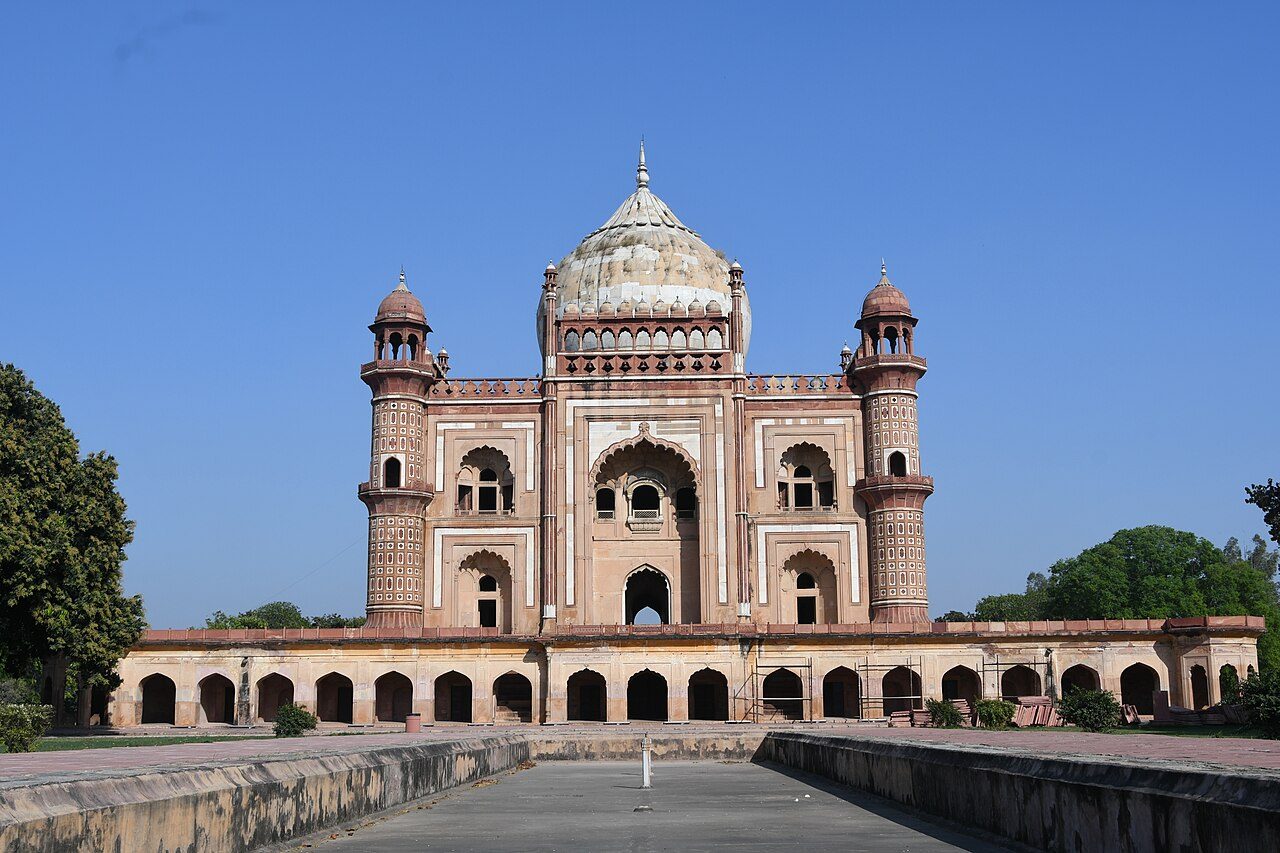
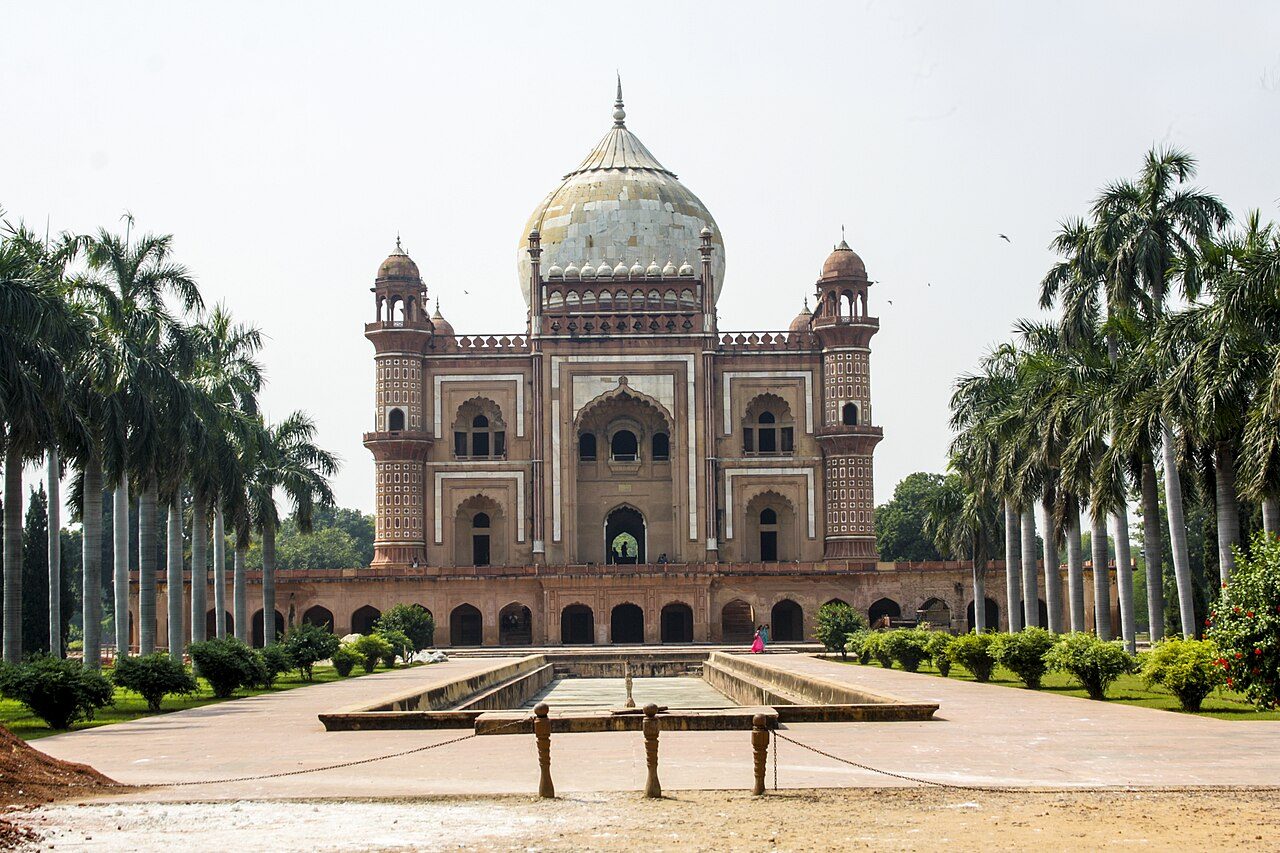
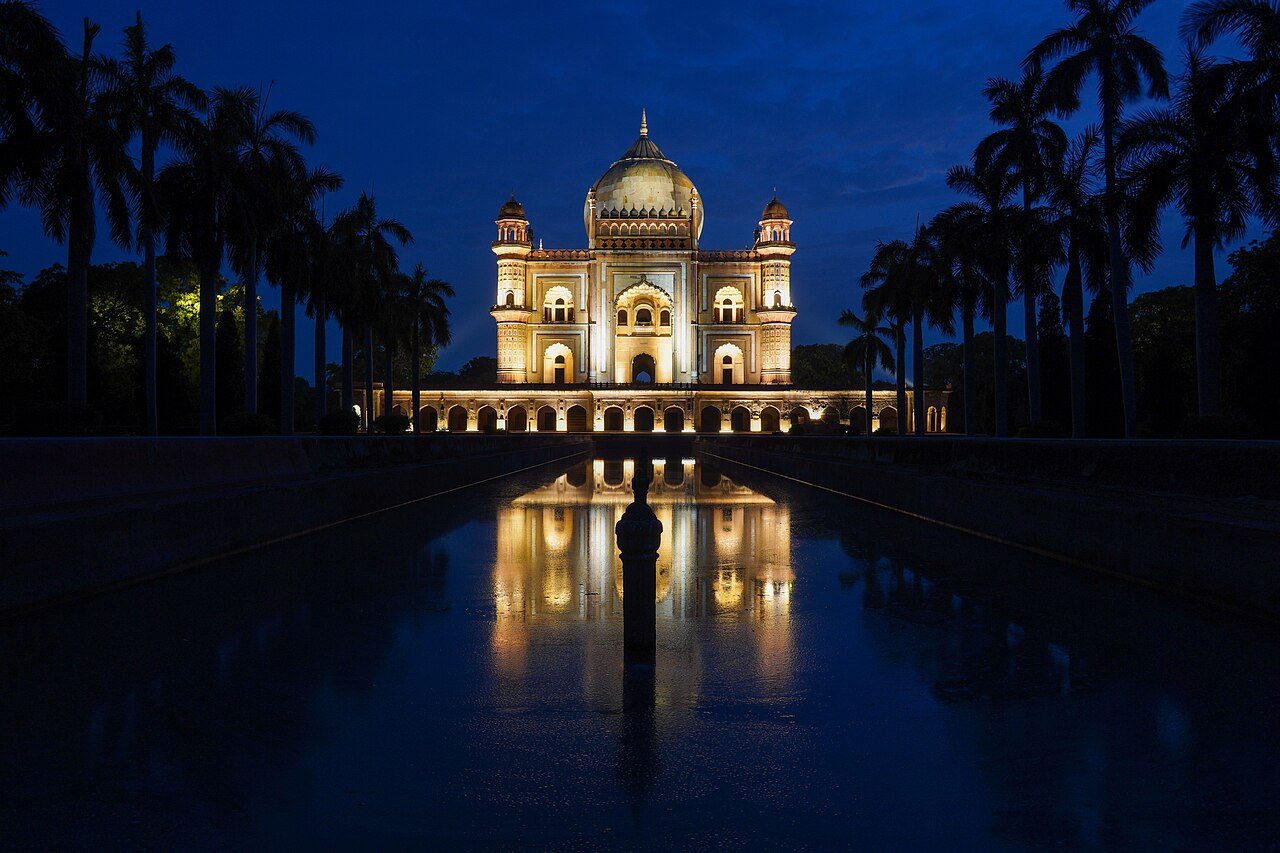
Safdarjung's Tomb was built in 1754 for the prime minister of the Mughal emperor Muhammad Shah, and is often called the last great garden-tomb of the Mughals. The sandstone and marble mausoleum, with a bulbous dome, stands in a charbagh garden enclosed by high walls. Less crowded than Humayun's Tomb, it is especially attractive in the late afternoon light.
16
STOP 16 OF 16 · LAST STOP
Lodhi Garden
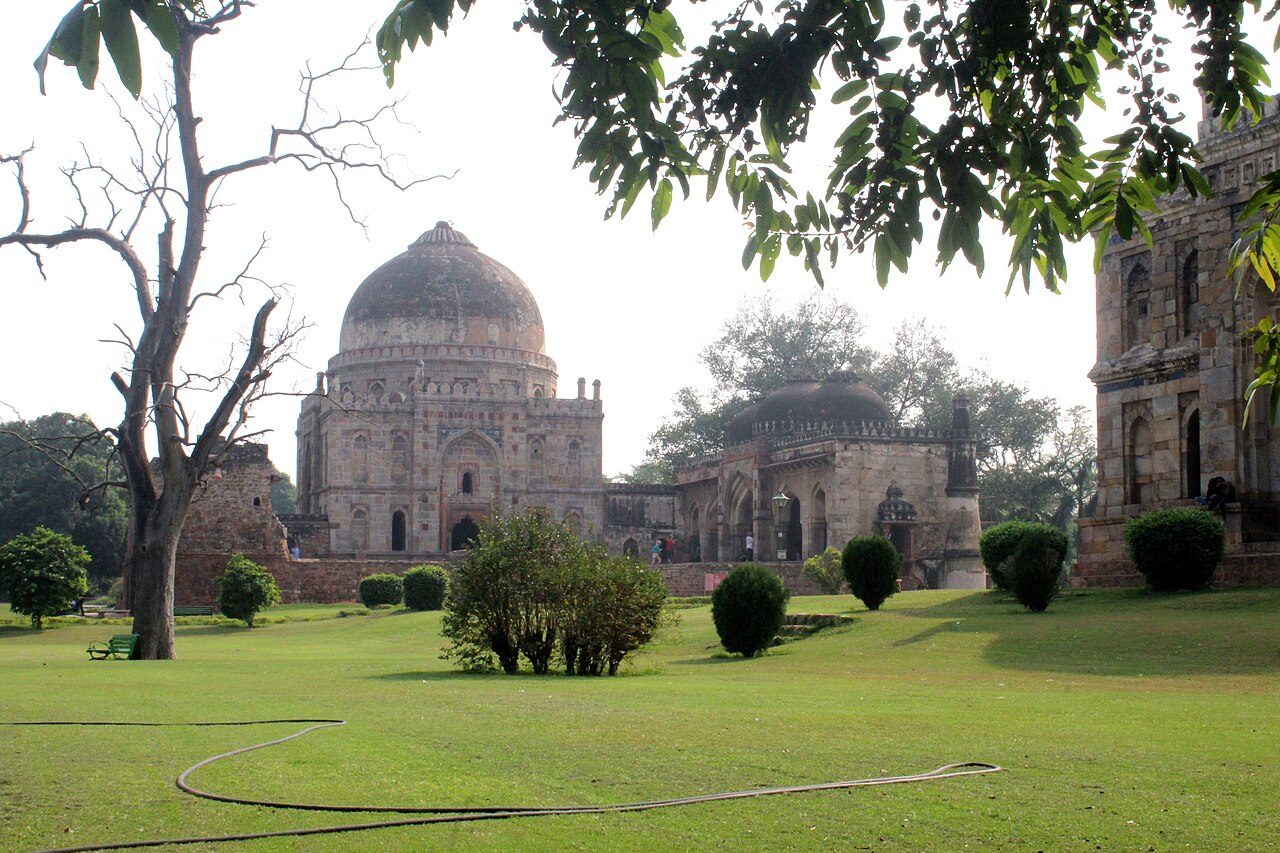
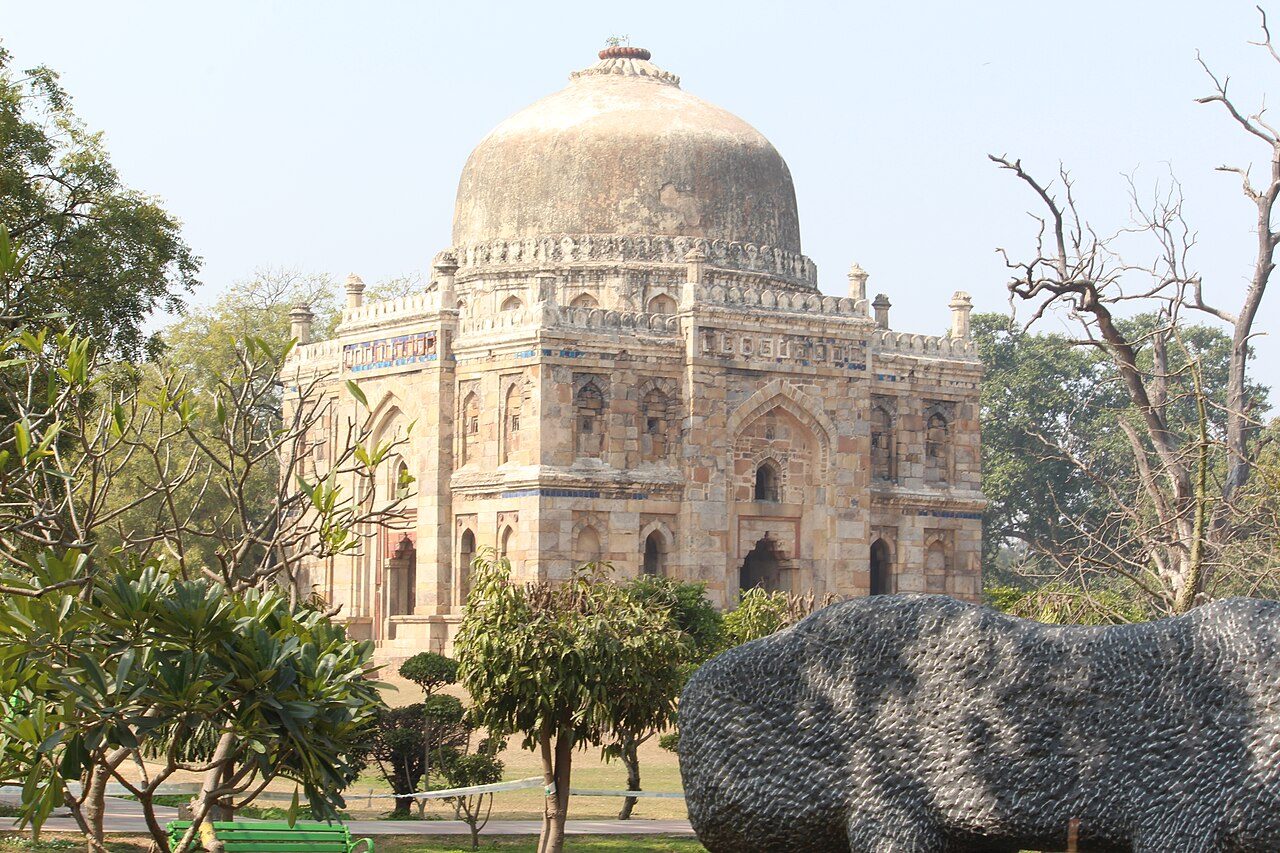
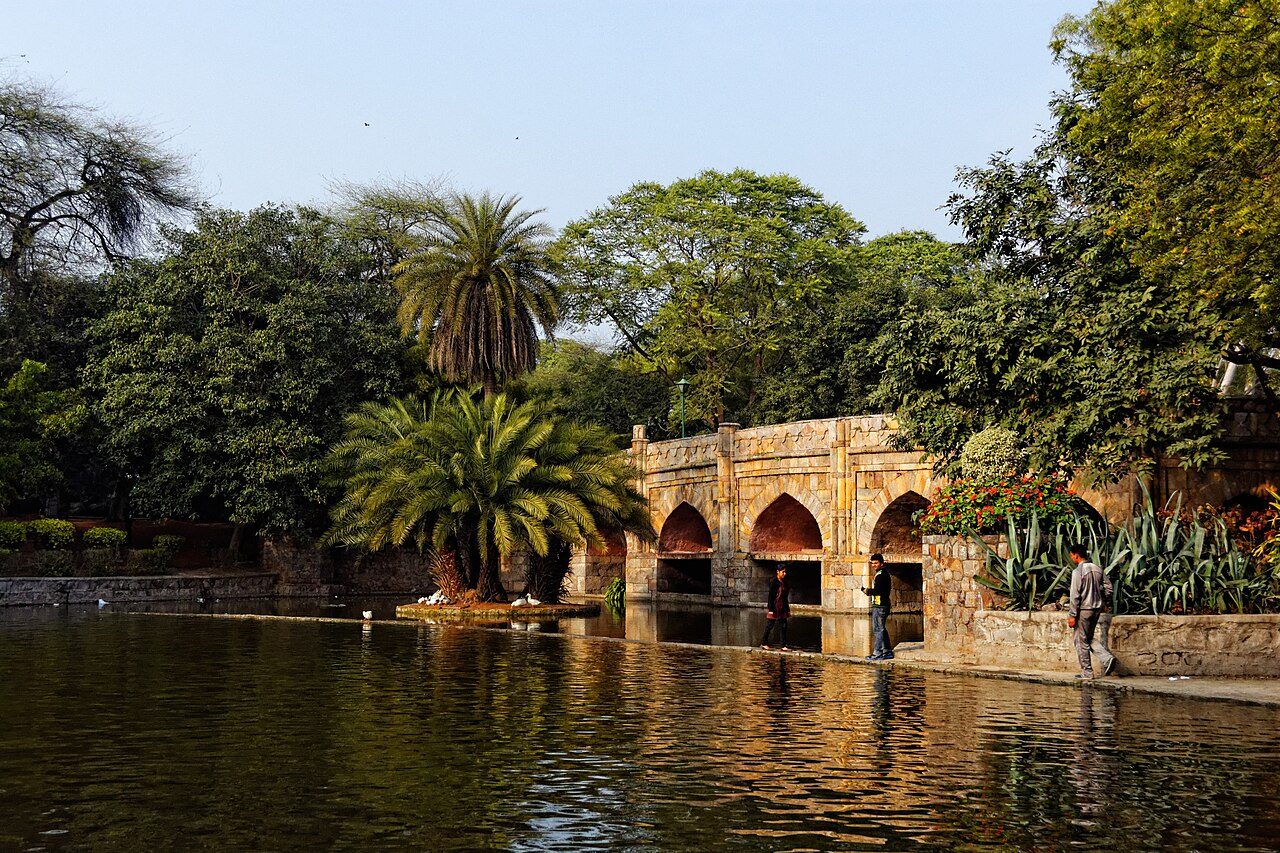
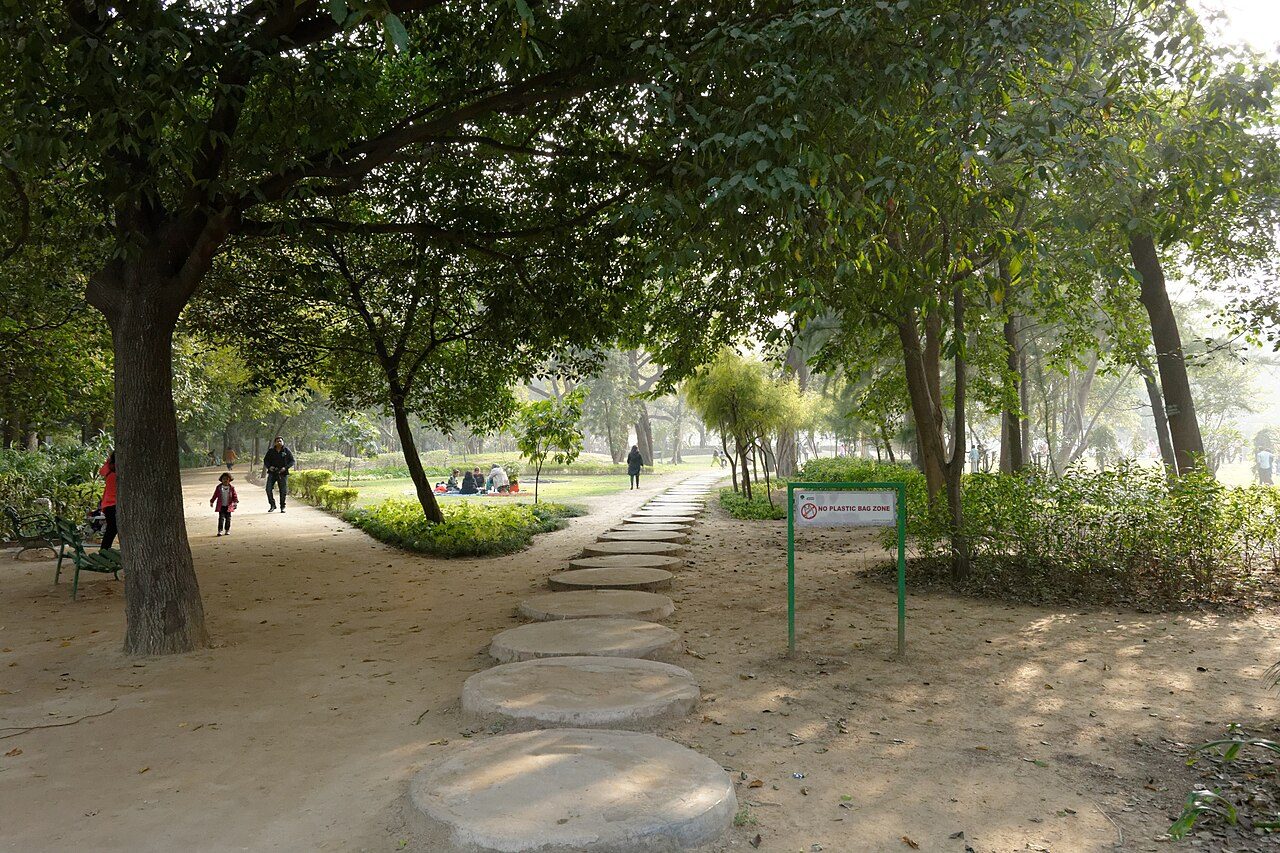
Lodhi Garden is a large park in New Delhi containing tombs and mosques of the Sayyid and Lodi dynasties, who ruled Delhi in the 15th and early 16th centuries. Among them are the tomb of Muhammad Shah, the Bara Gumbad and Shish Gumbad, and the tomb of Sikandar Lodi. Landscaped in 1936, it is a favourite spot for morning walks, picnics and birdwatching.
Seasons from 20 years of NASA POWER climate data.
 WaTrips