Jama Masjid and Fatehpuri Masjid, Nizamuddin Dargah, the Tughlaq mosques of Khirki and Begumpur, Jamali Kamali, and Fatehpur Sikri.
This route traces seven centuries of Islamic architecture from Delhi to Agra. Day one visits Shah Jahan's Jama Masjid and Fatehpuri Masjid in Old Delhi, then Nizamuddin Dargah, where qawwali is sung after sunset, especially on Thursdays. Day two goes to the fortress-like Tughlaq mosques of Khirki and Begumpur and the Jamali Kamali mosque and tomb in Mehrauli. Day three rides to Fatehpur Sikri, where Akbar's Jama Masjid holds the white marble tomb of Sufi saint Salim Chishti, entered through the Buland Darwaza. Dress modestly and carry a head covering.
01
STOP 1 OF 8
Jama Masjid Delhi
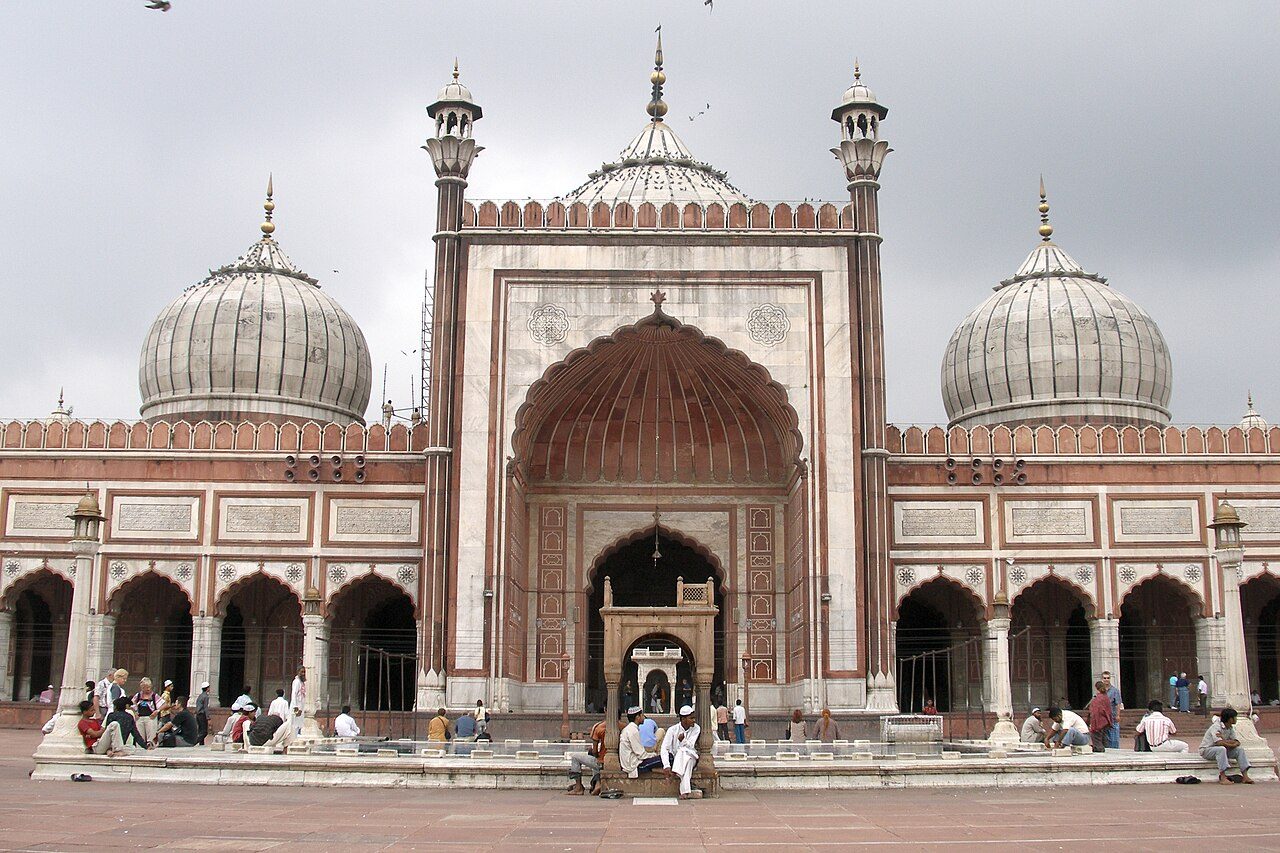
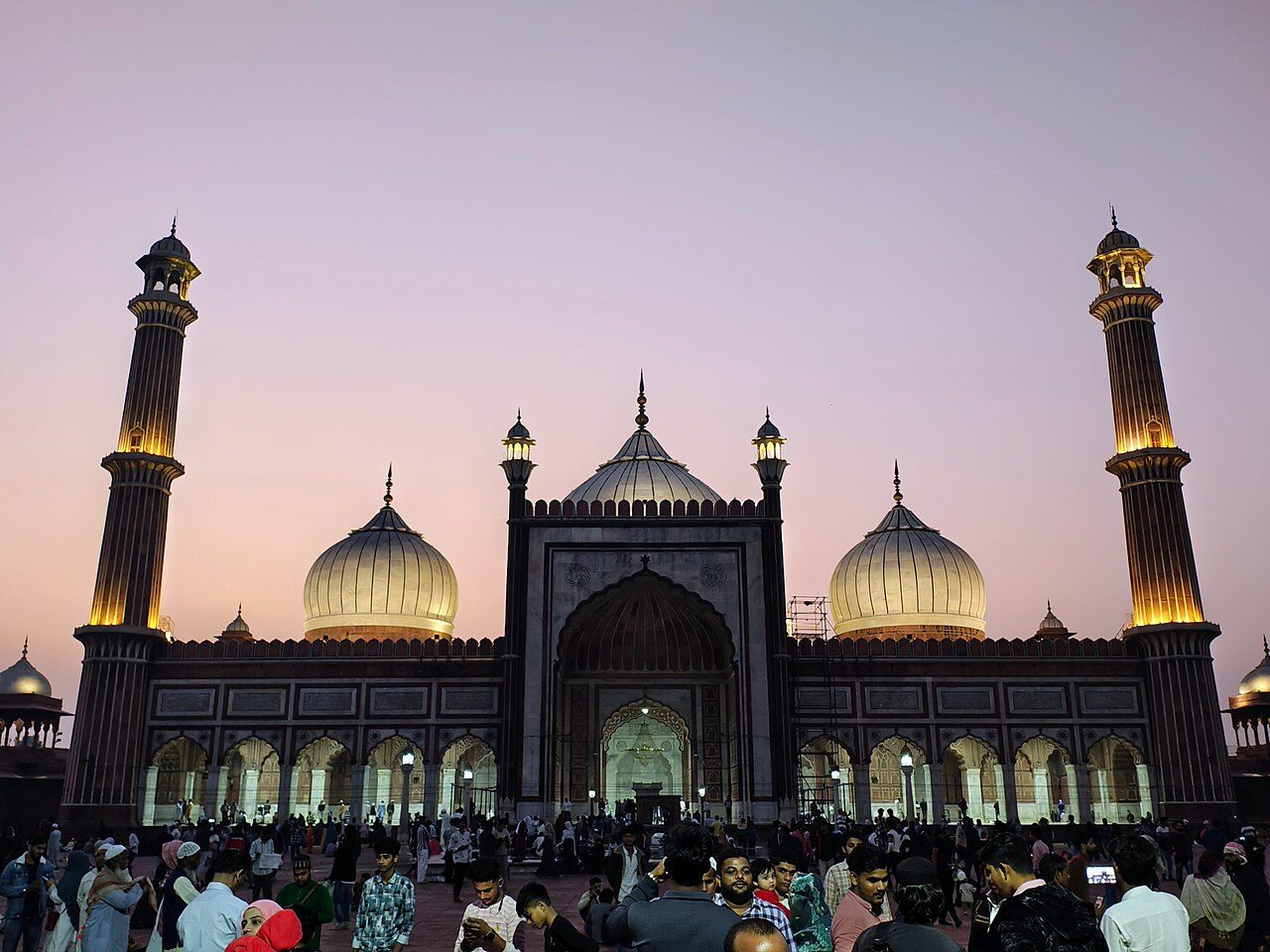
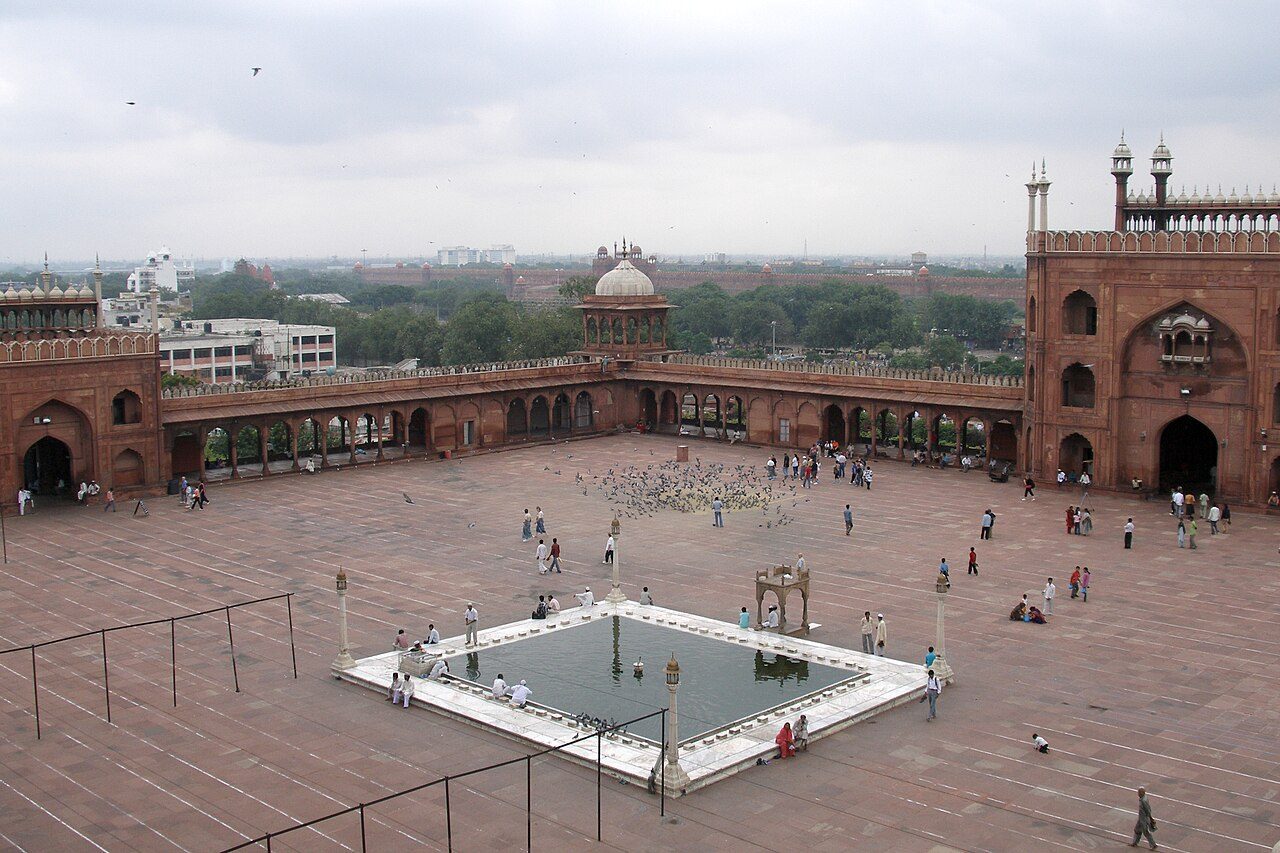
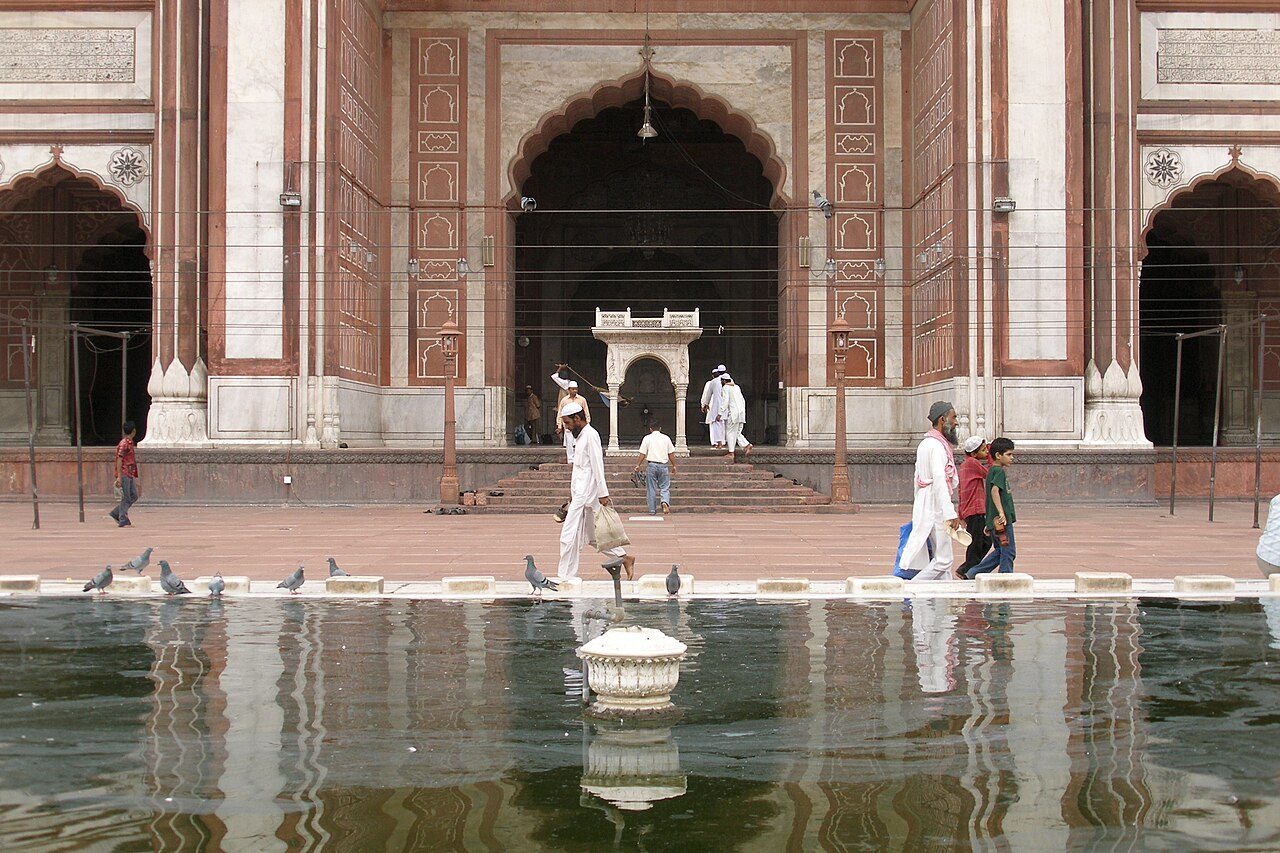
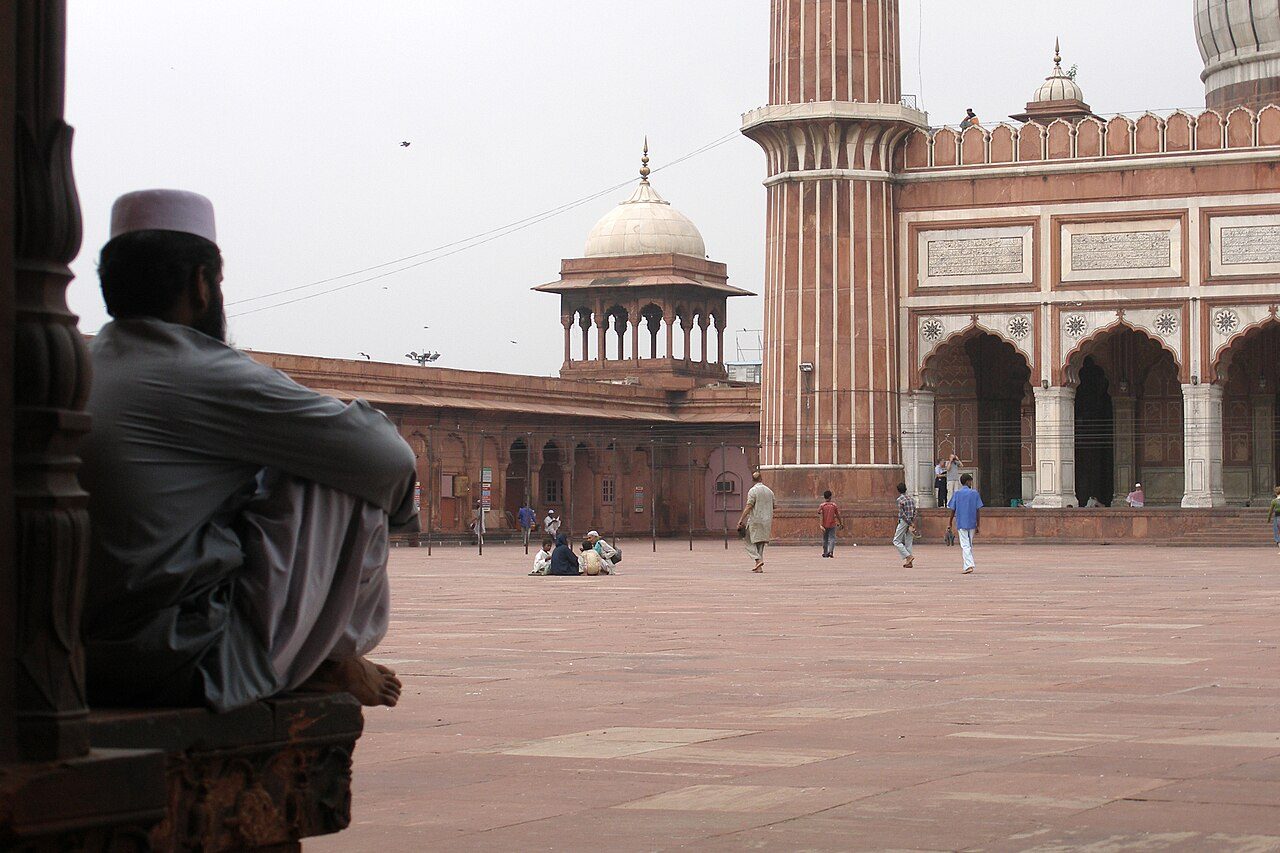
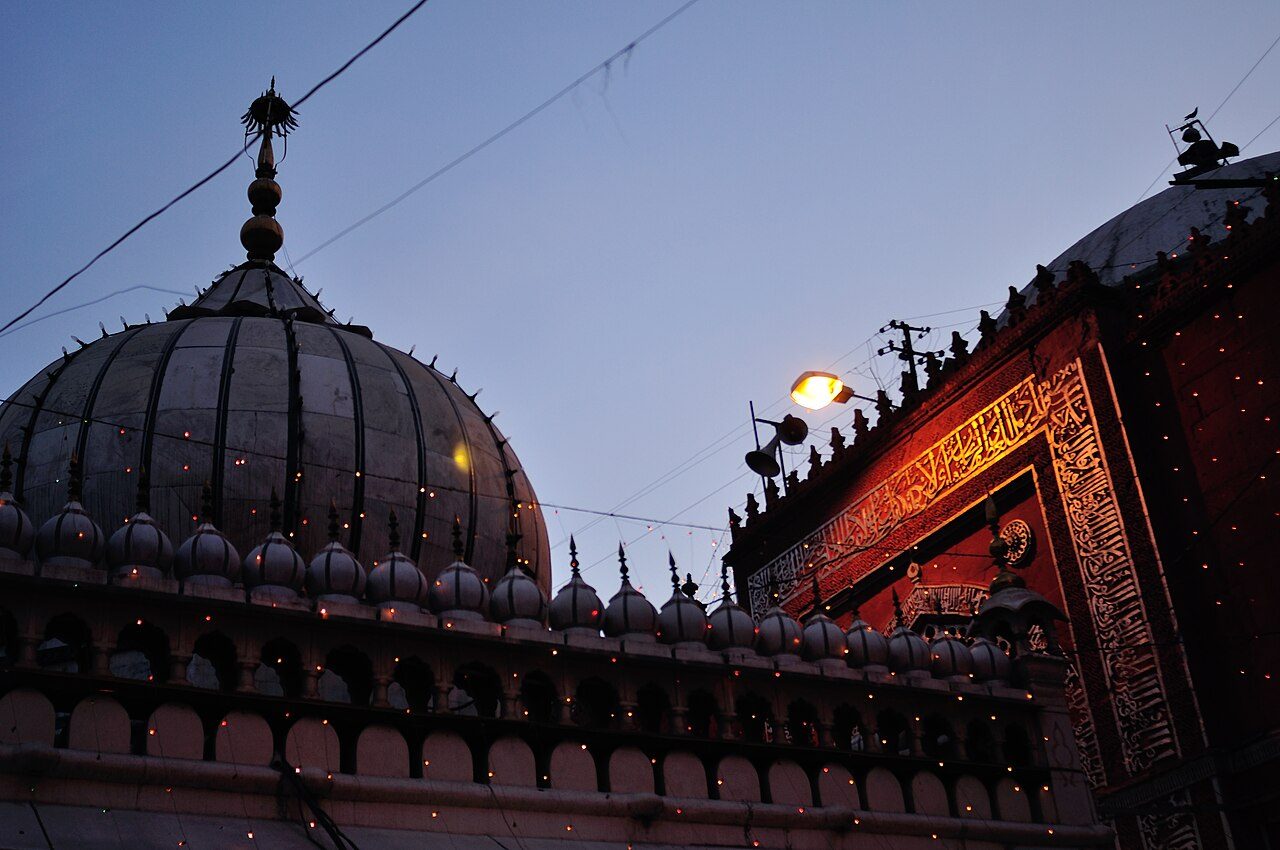
The Jama Masjid of Delhi was commissioned by Shah Jahan and completed in 1656, and is one of the largest mosques in India. Built of red sandstone and white marble, it has three domes, two tall minarets and a courtyard that can hold some 25,000 worshippers. Visitors may climb a minaret for a view over Old Delhi. It stands opposite the Red Fort, at the head of the lanes of Chandni Chowk.
02
STOP 2 OF 8
Fatehpuri Masjid
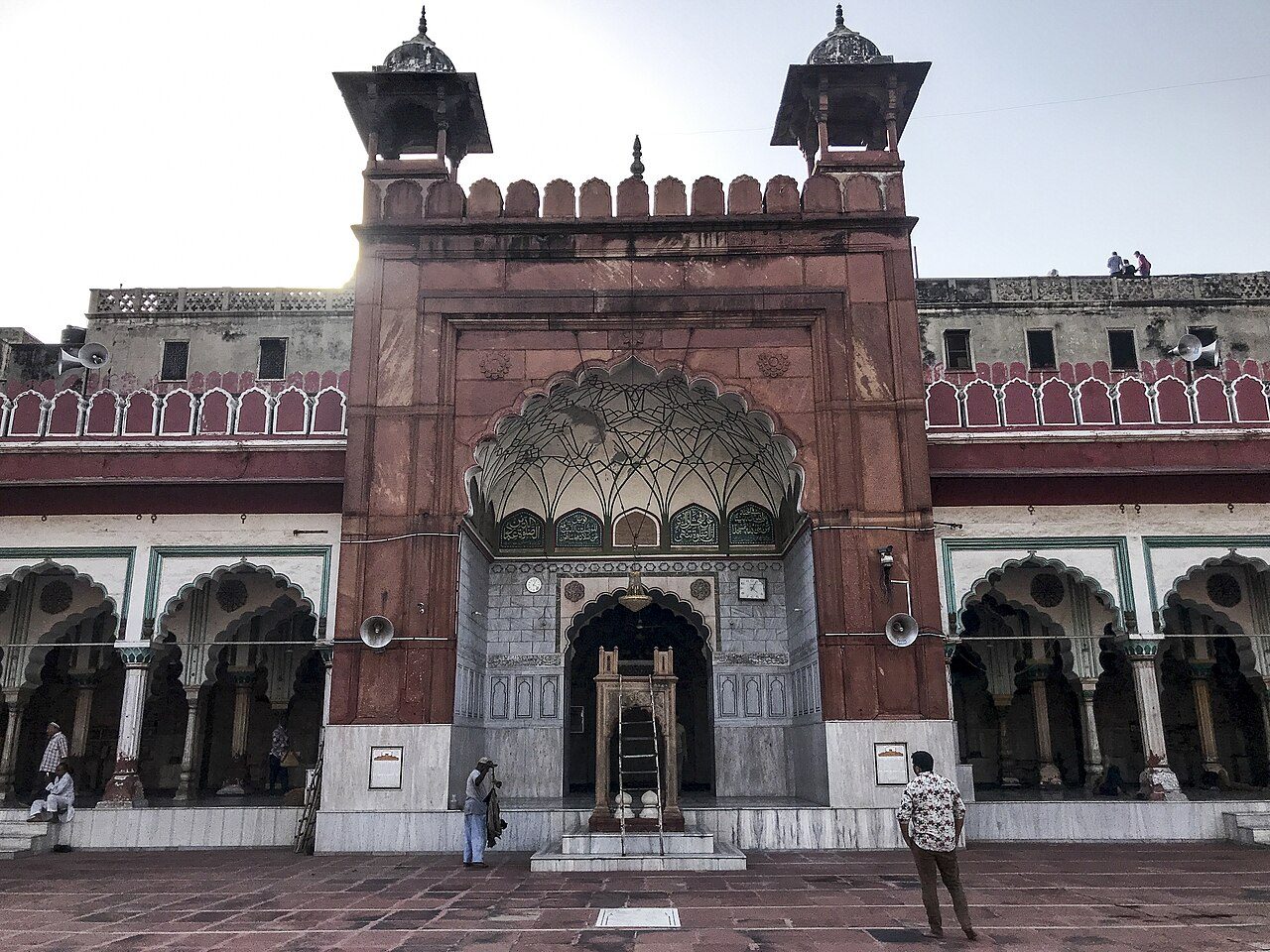
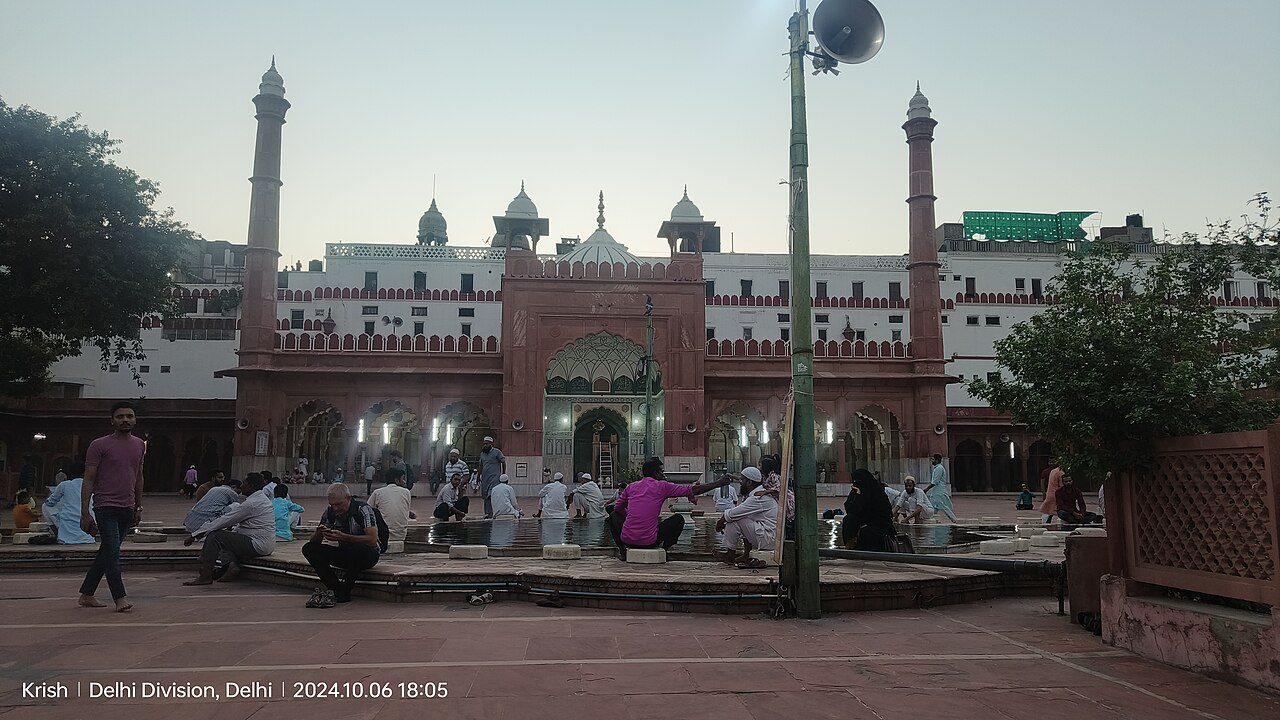
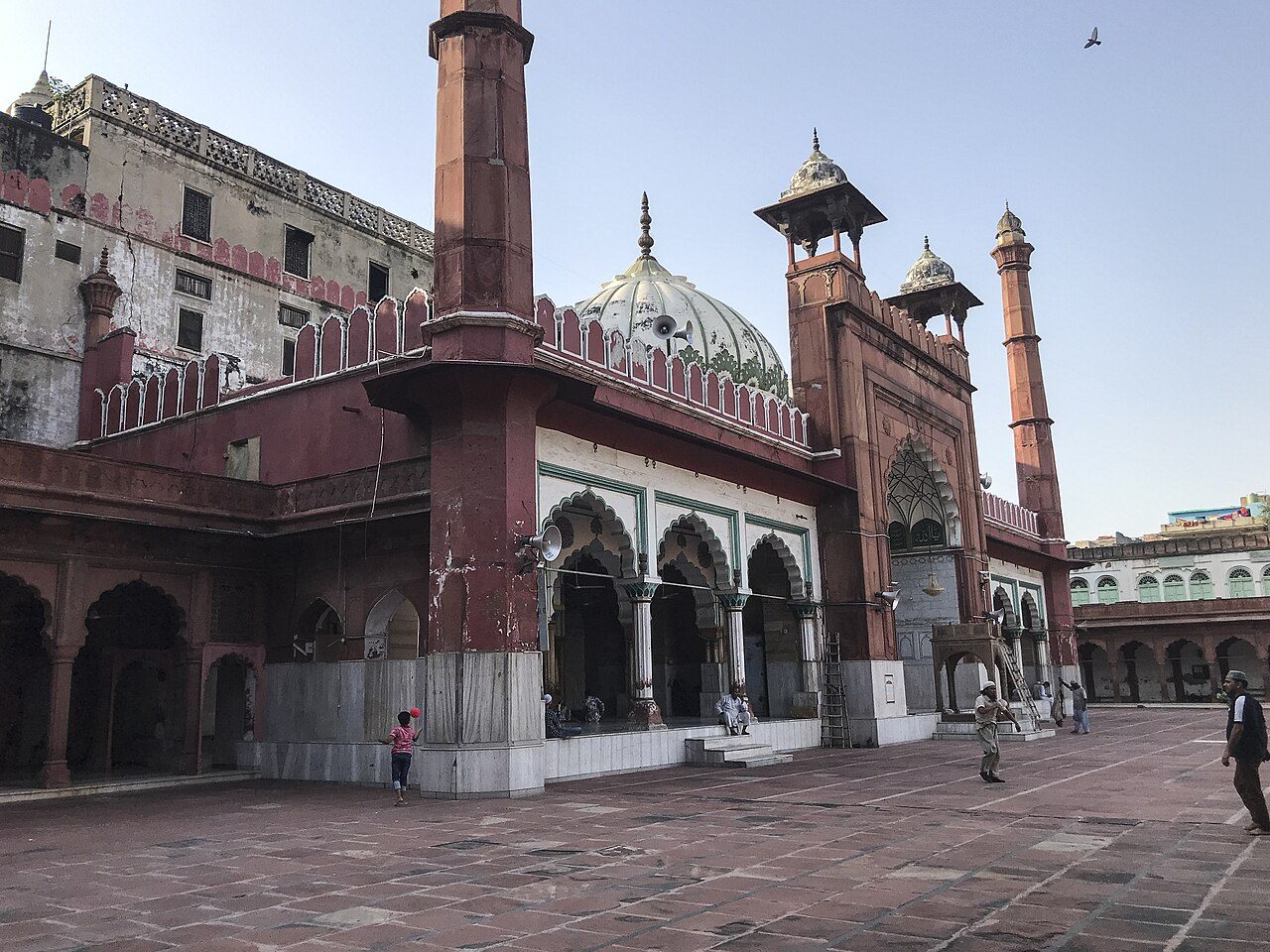
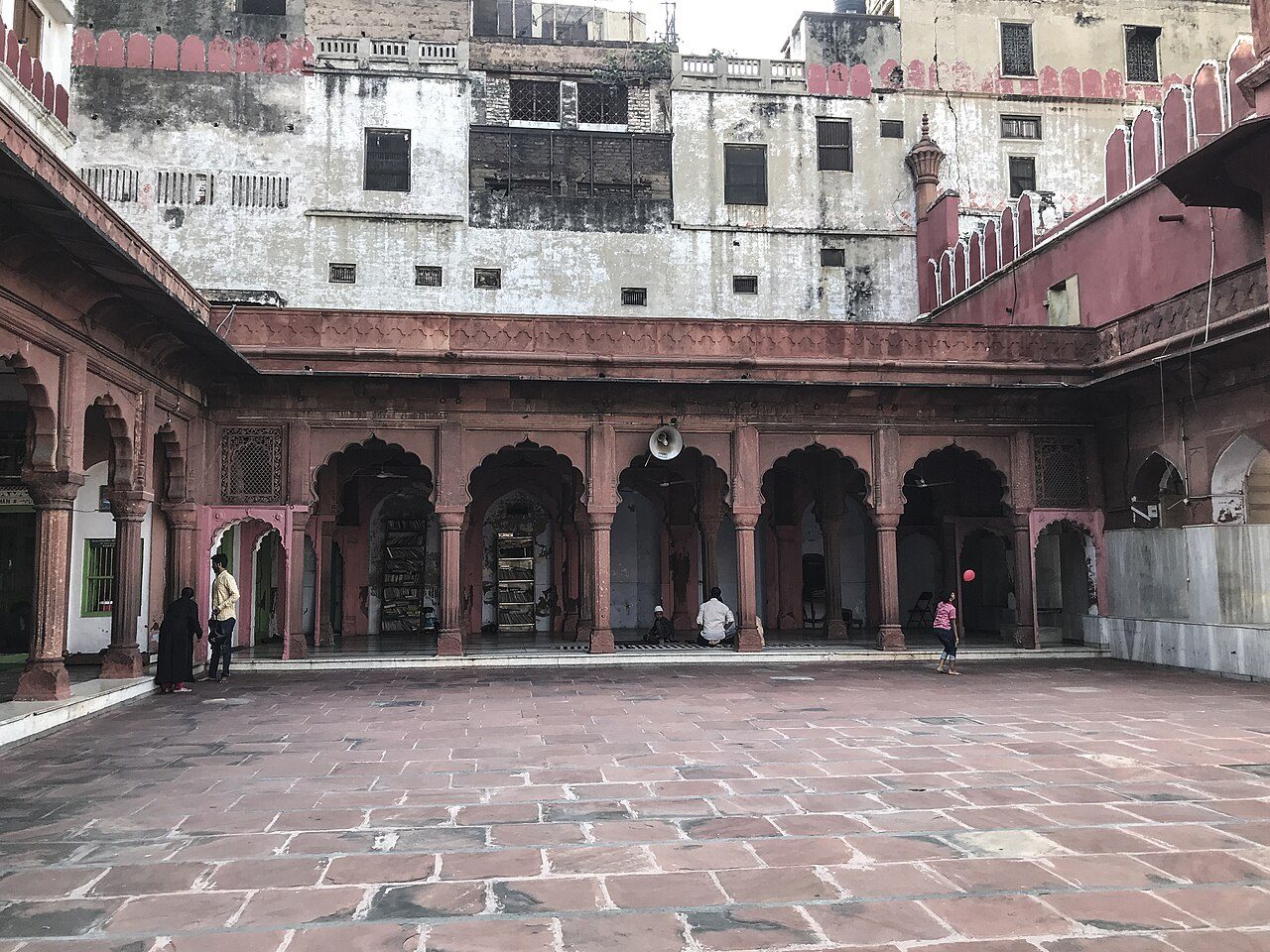
Fatehpuri Masjid stands at the western end of Chandni Chowk, facing the Red Fort down the length of the street. It was built in 1650 by Fatehpuri Begum, one of Shah Jahan's wives, in red sandstone with a single fluted dome and flanking minarets. The large courtyard has a central ablution tank and is ringed by old shops. Visit outside prayer times, and combine it with the spice market next door.
03
STOP 3 OF 8
Nizamuddin Dargah
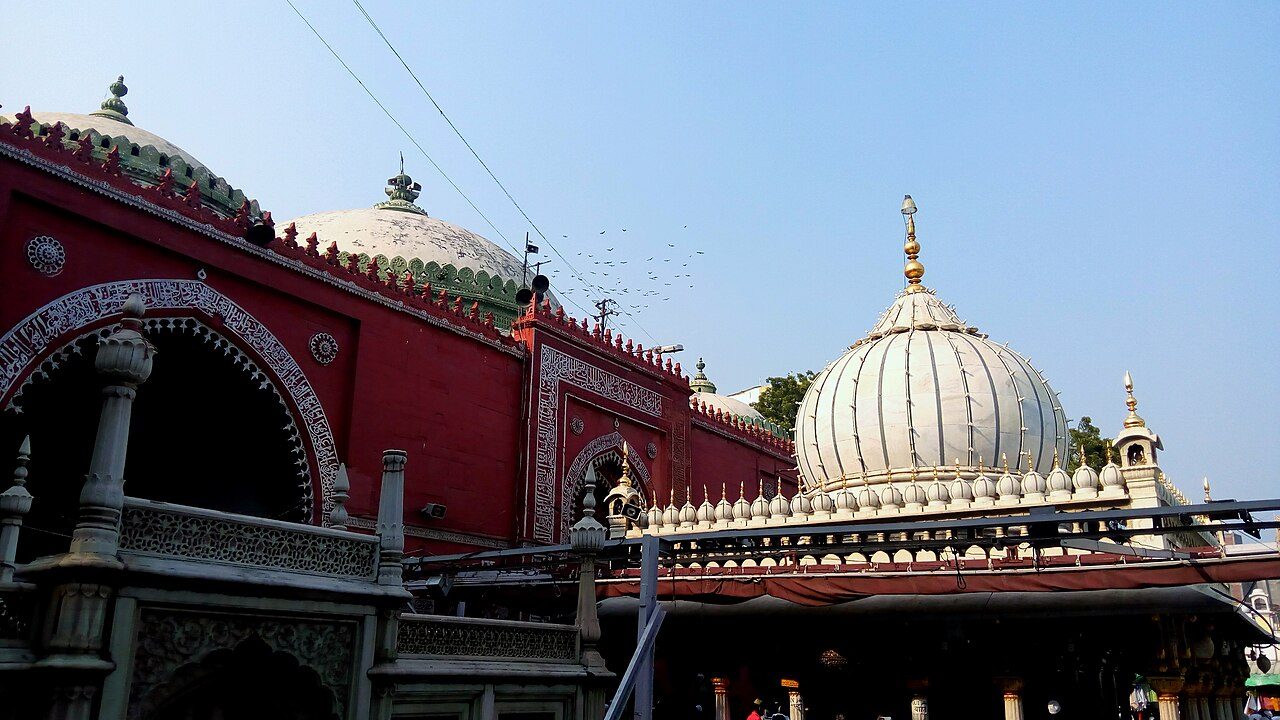
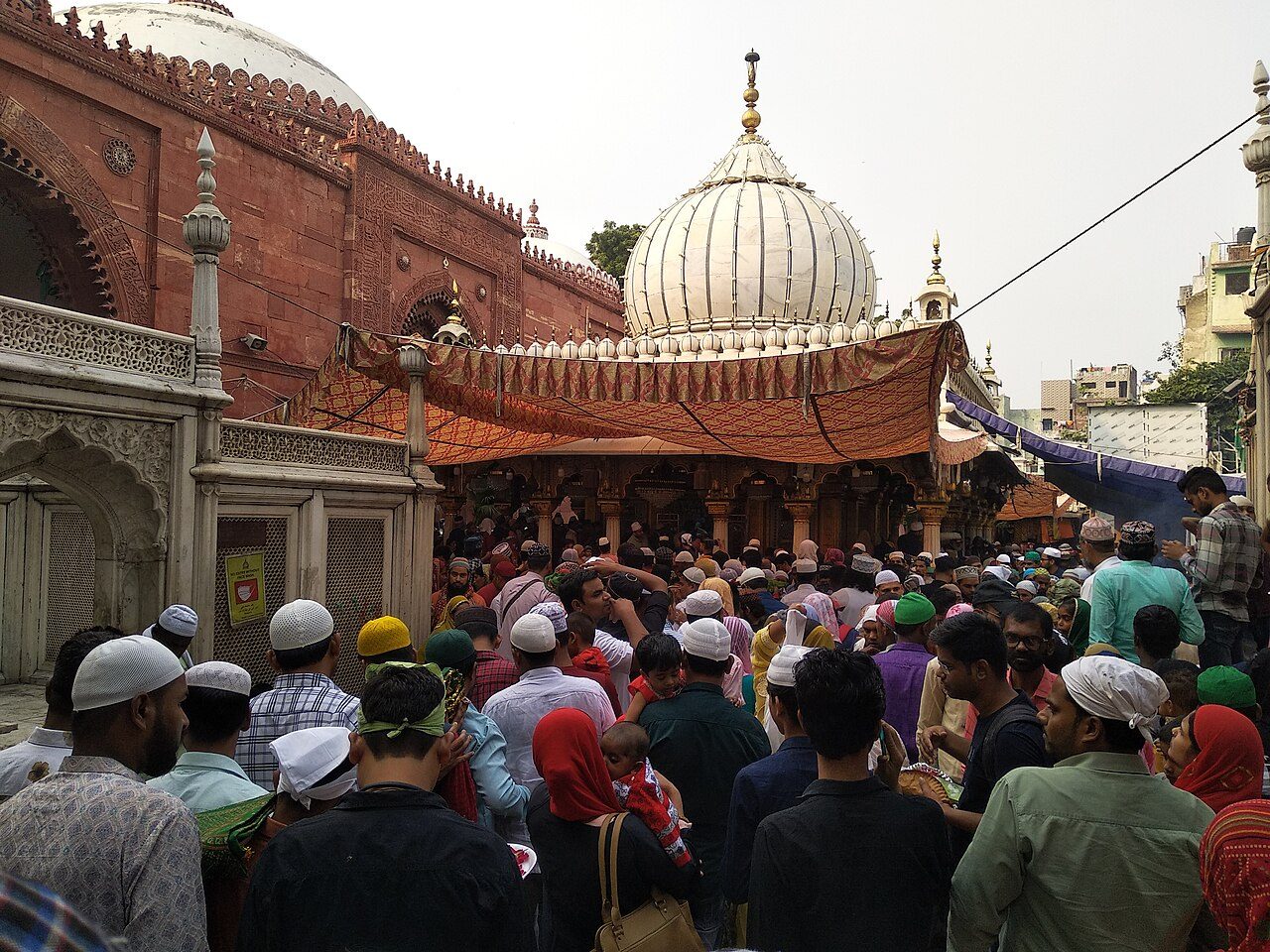
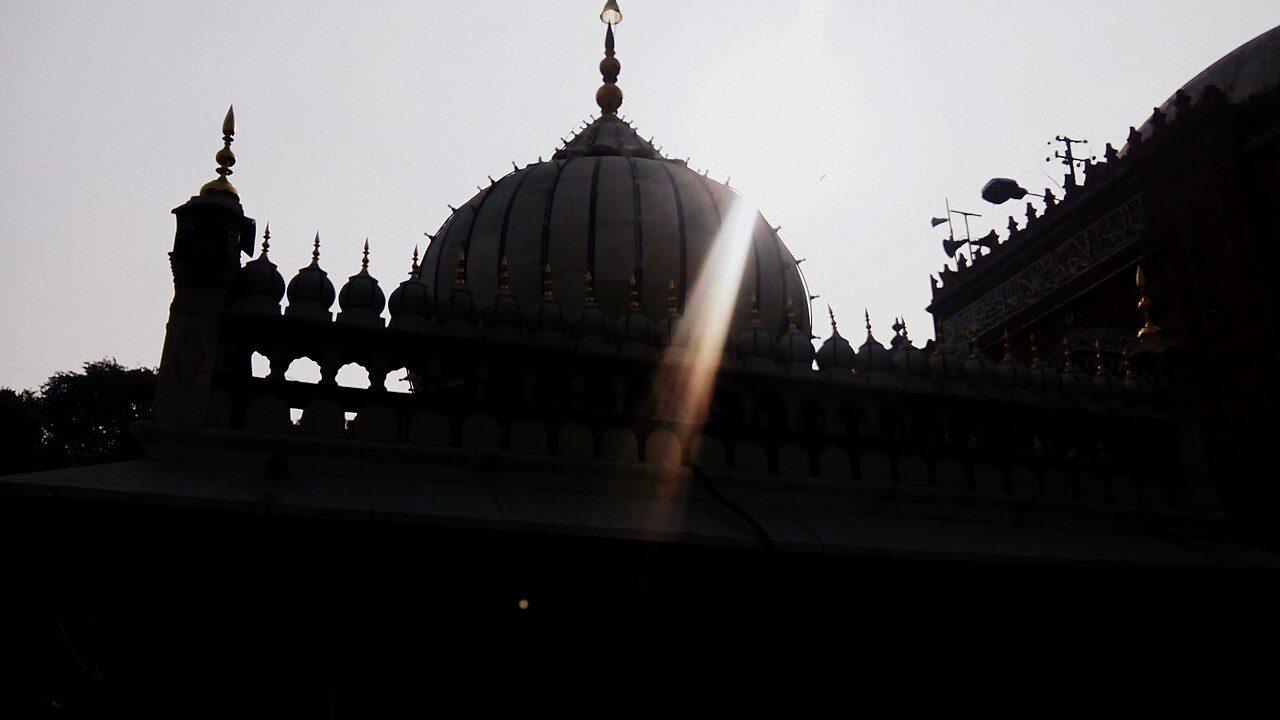
The dargah of Hazrat Nizamuddin Auliya, the 14th-century Chishti Sufi saint, is one of the most revered shrines in Delhi. The marble tomb stands in a courtyard reached through narrow lanes lined with stalls selling flowers and chadars. The poet Amir Khusrau, his disciple, is buried nearby. Qawwali is sung in the courtyard on Thursday evenings. Dress modestly and cover your head.
04
STOP 4 OF 8
Khirki Masjid
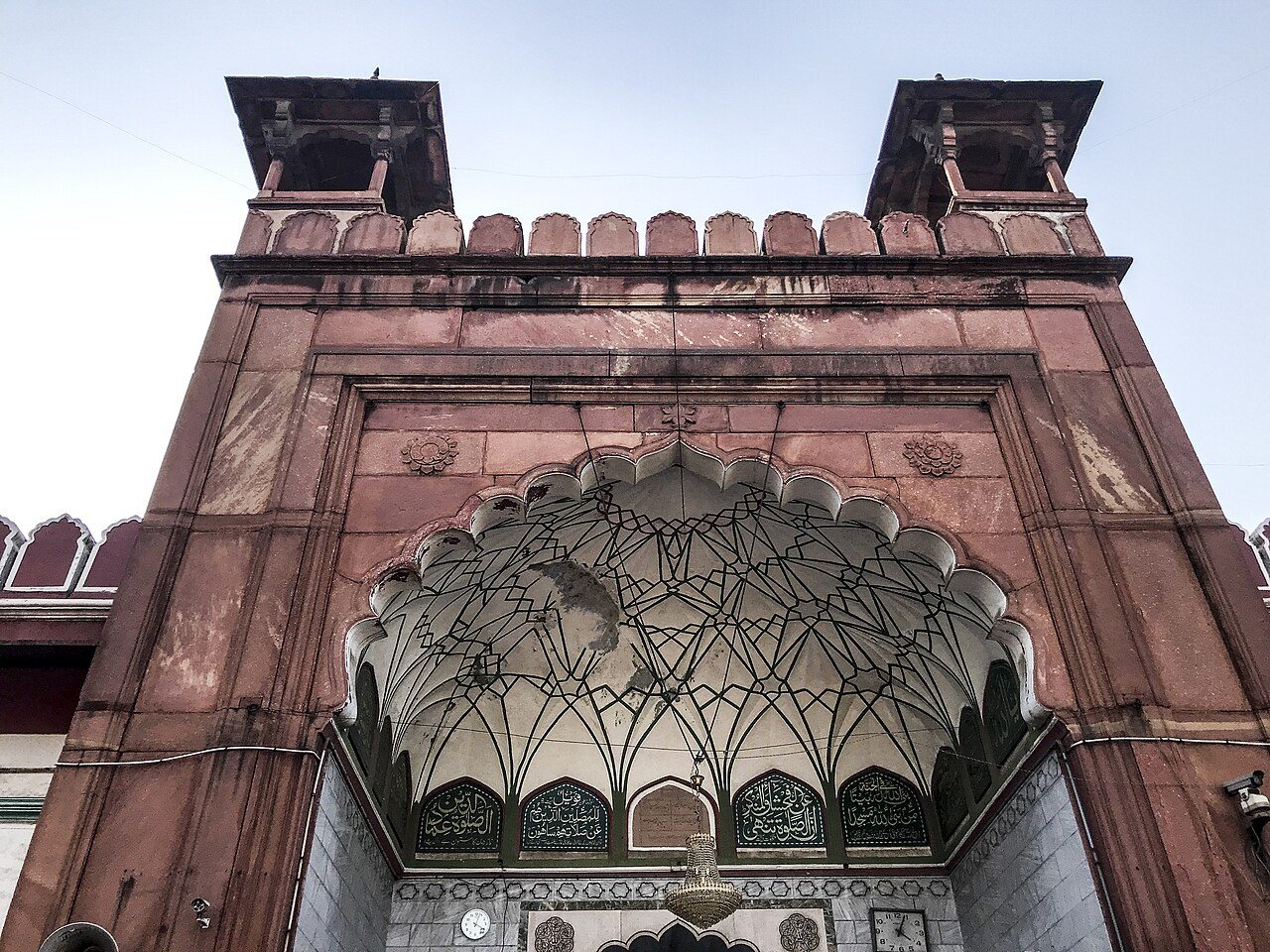
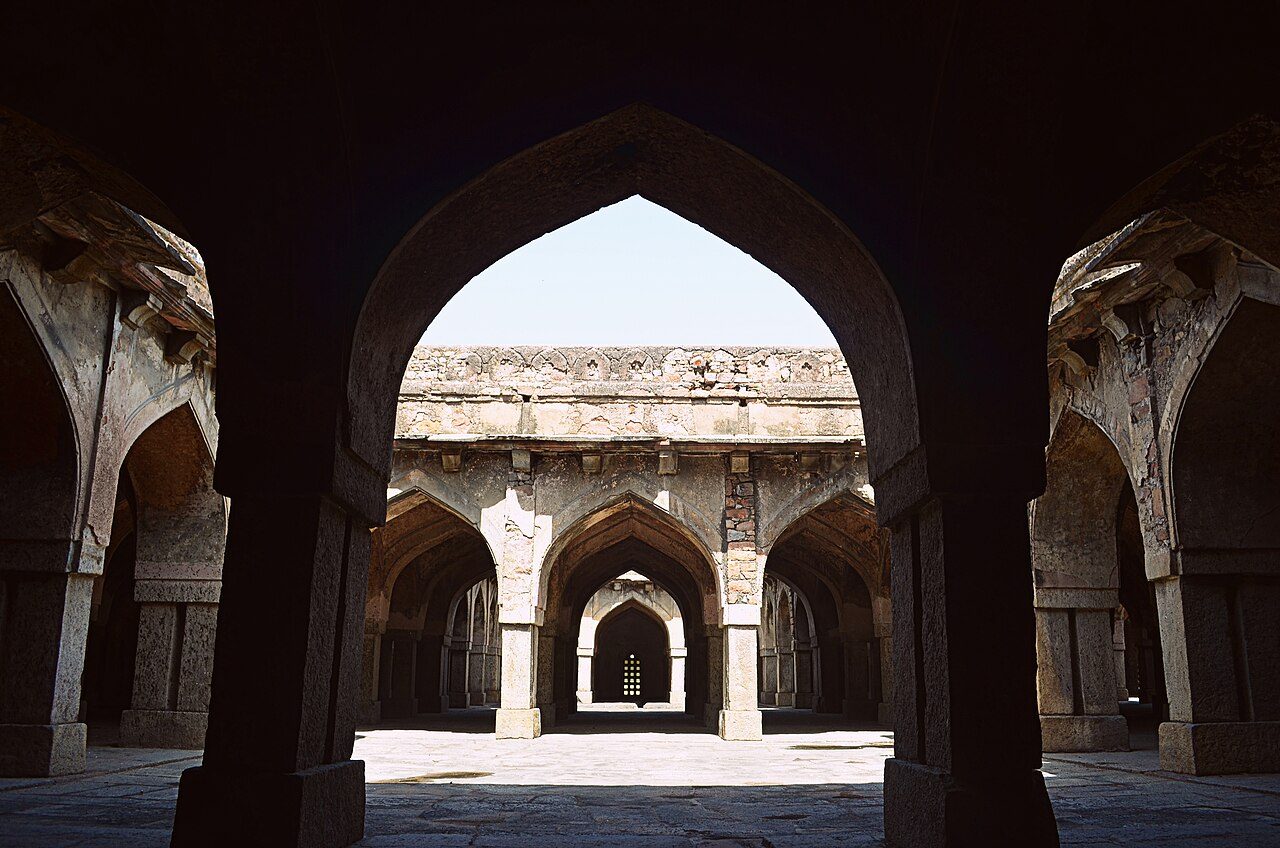
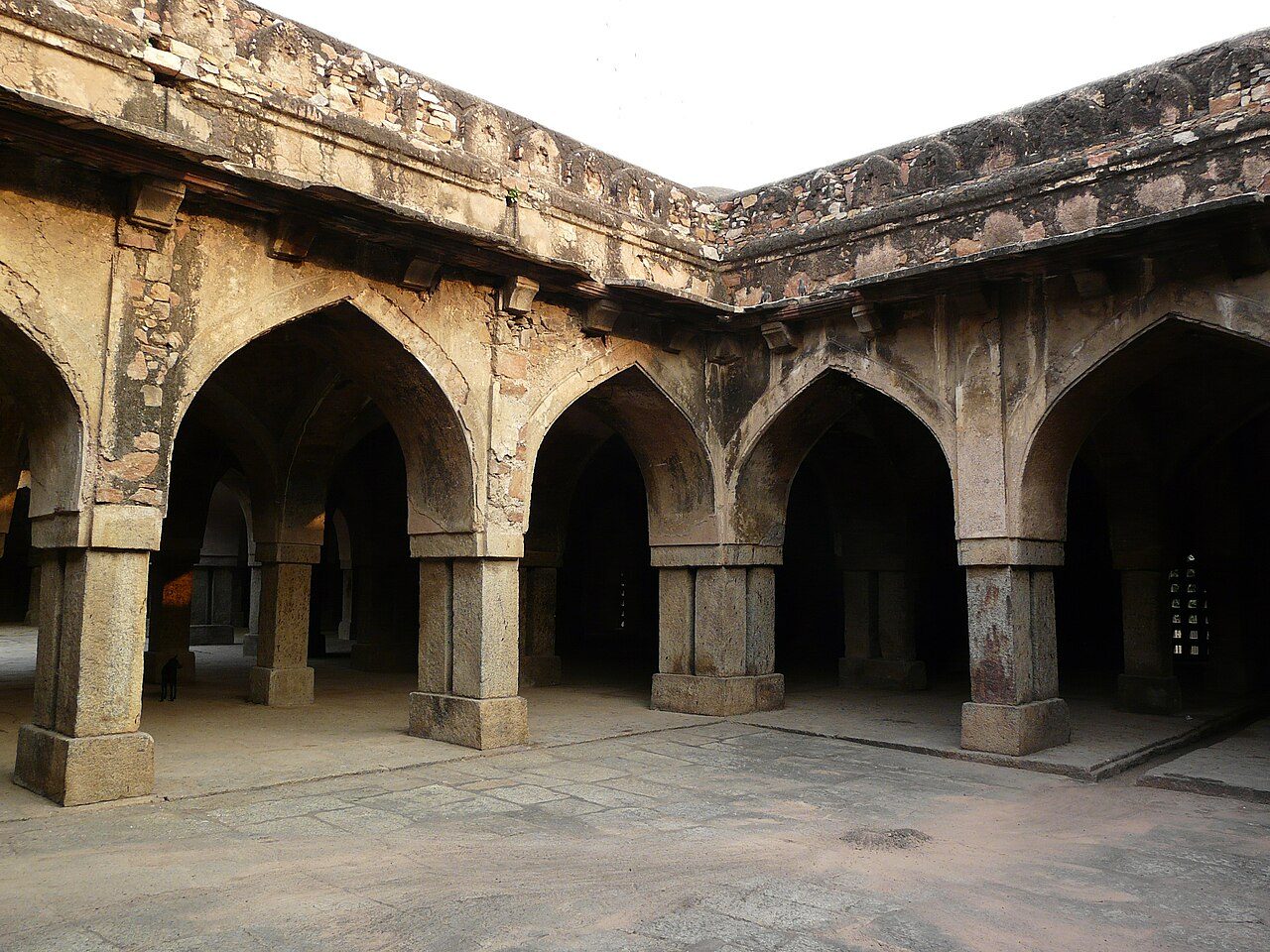
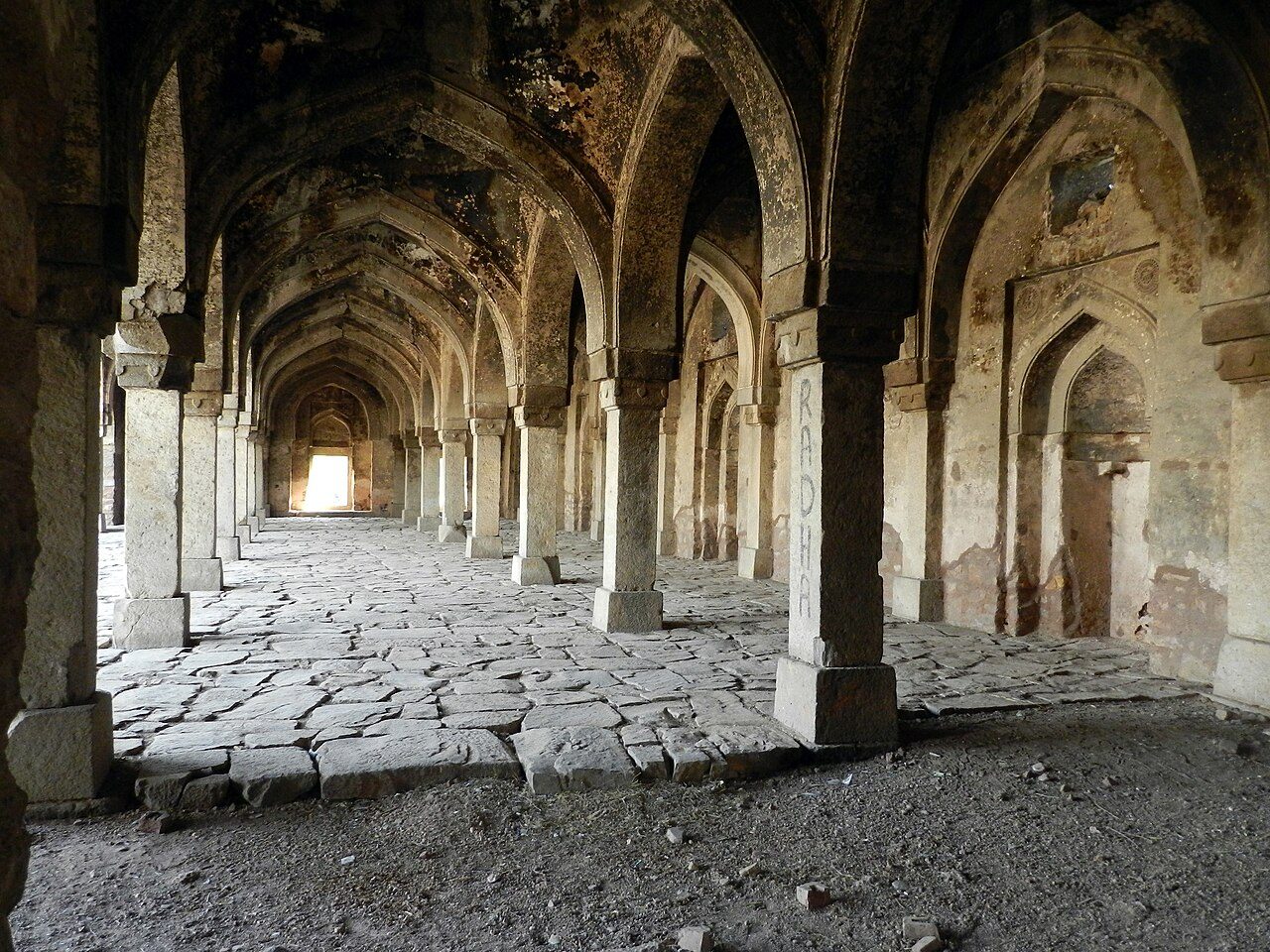
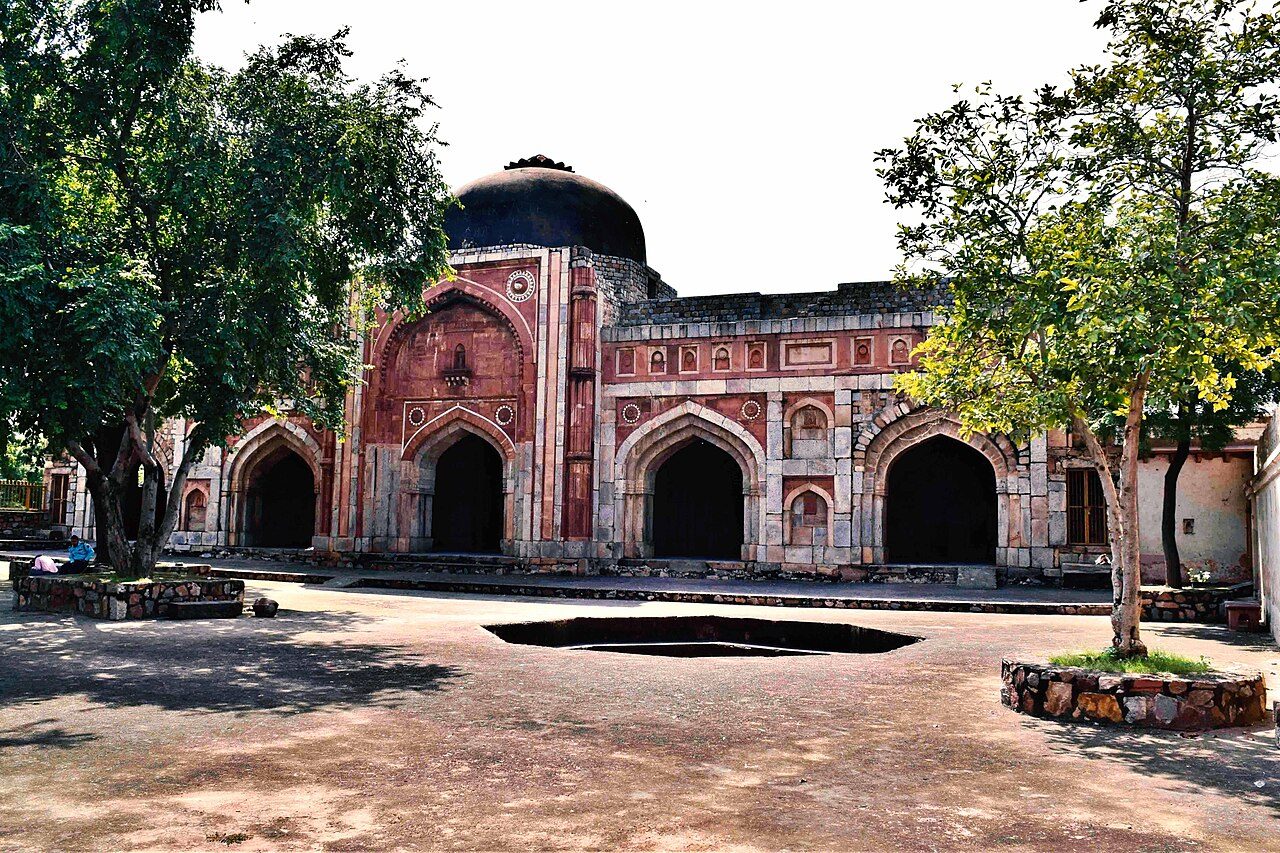
Khirki Masjid is a 14th-century mosque built by Khan-i-Jahan Junan Shah, prime minister to Firoz Shah Tughlaq. Unusually for India it is largely roofed, with four small open courts lighting a forest of pillars, and its fortress-like walls carry the latticed stone windows, or khirkis, that give it its name. It stands quietly in Khirki village, opposite the malls of Saket.
05
STOP 5 OF 8
Begumpur Mosque
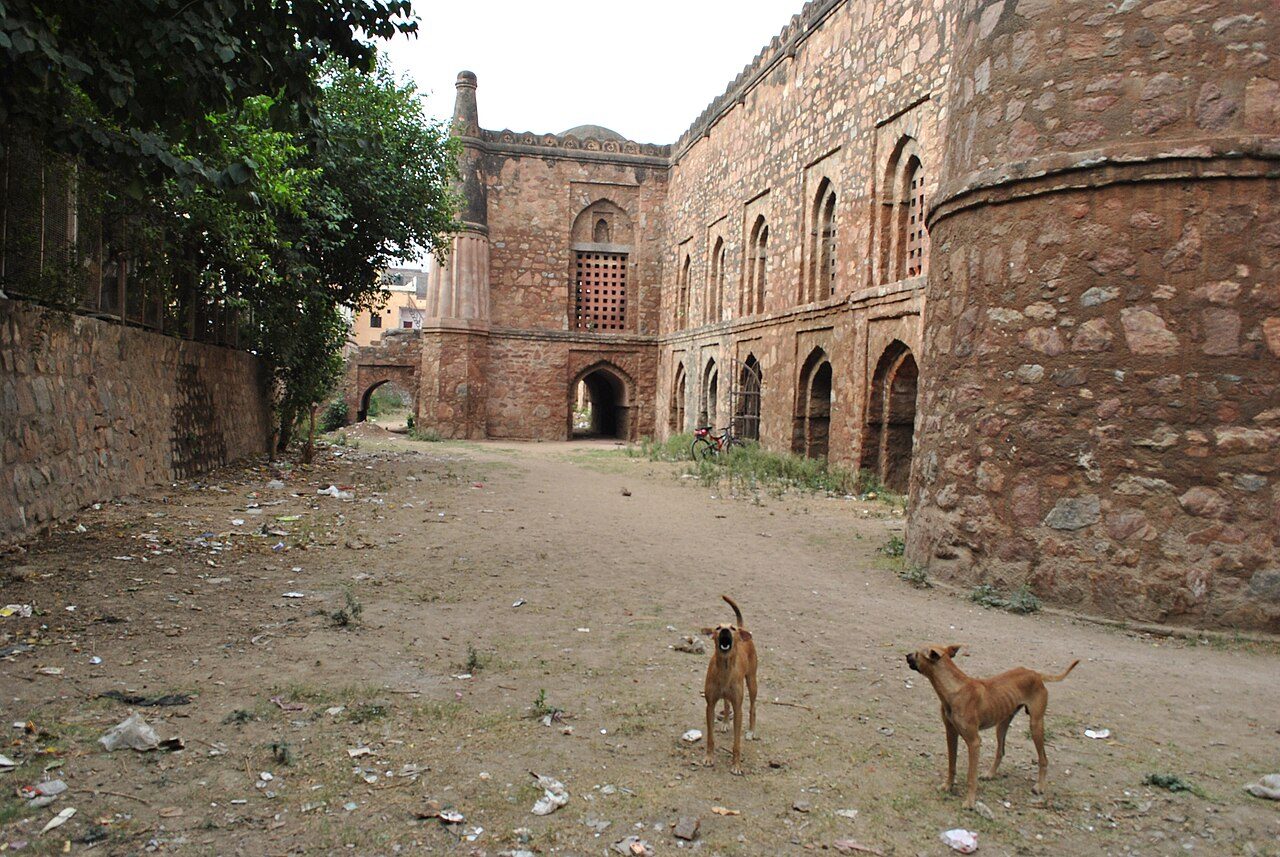
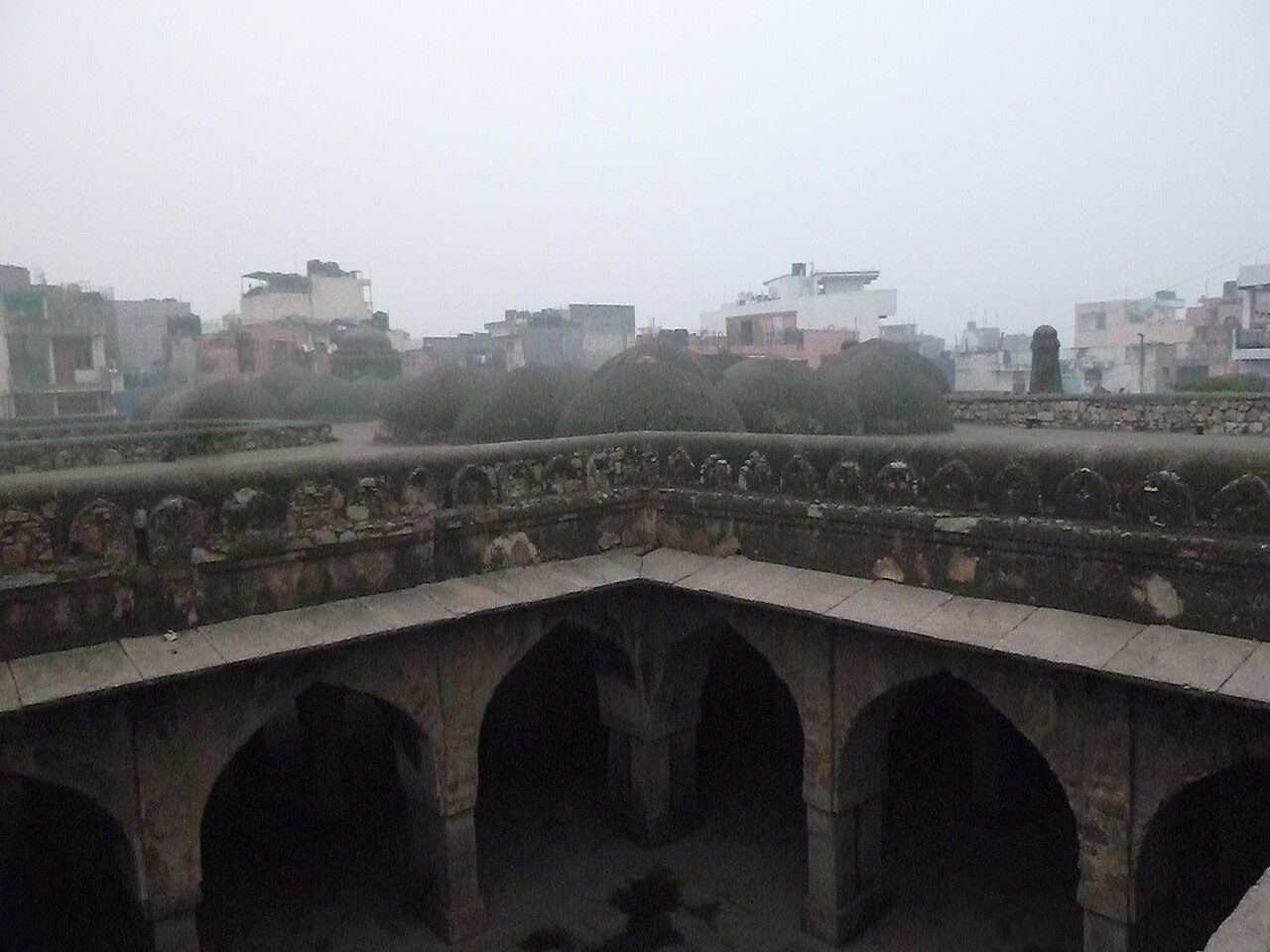
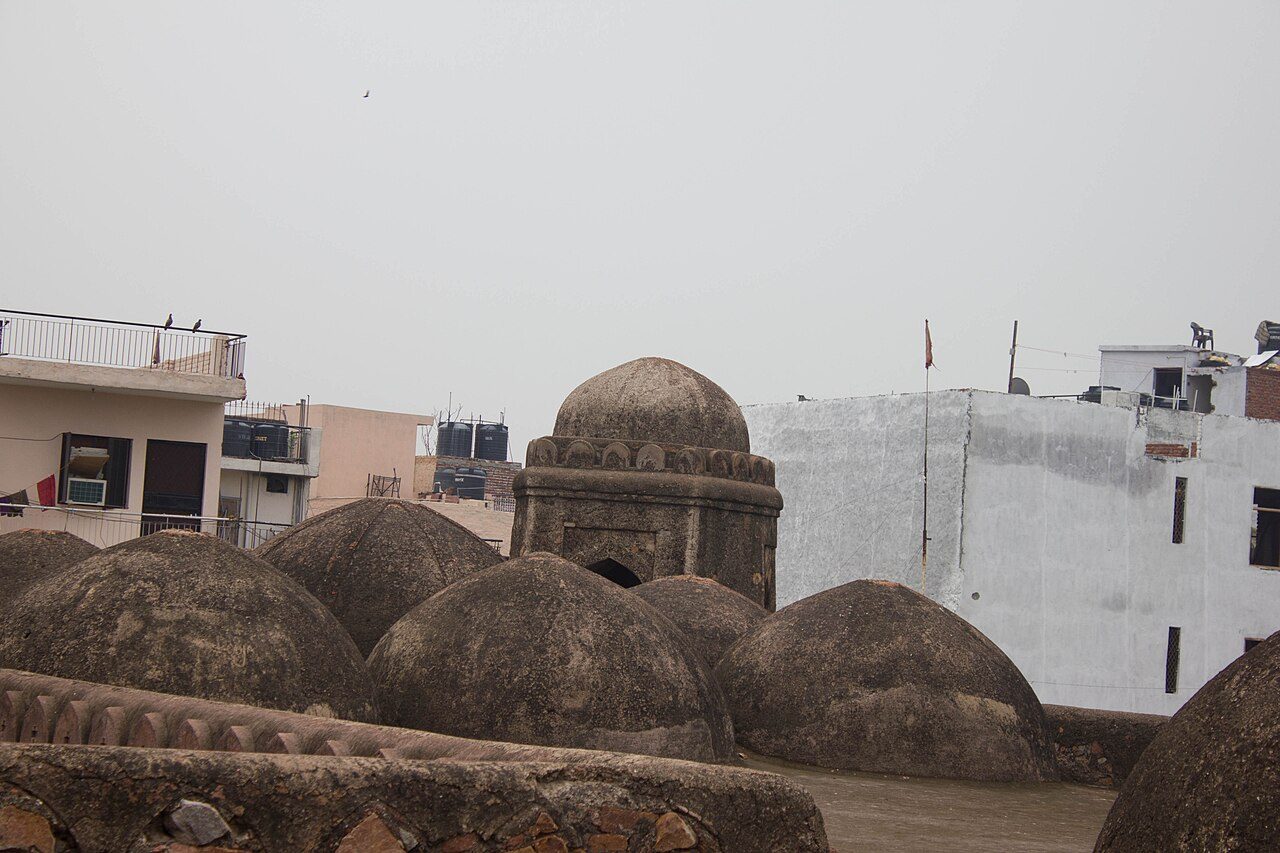
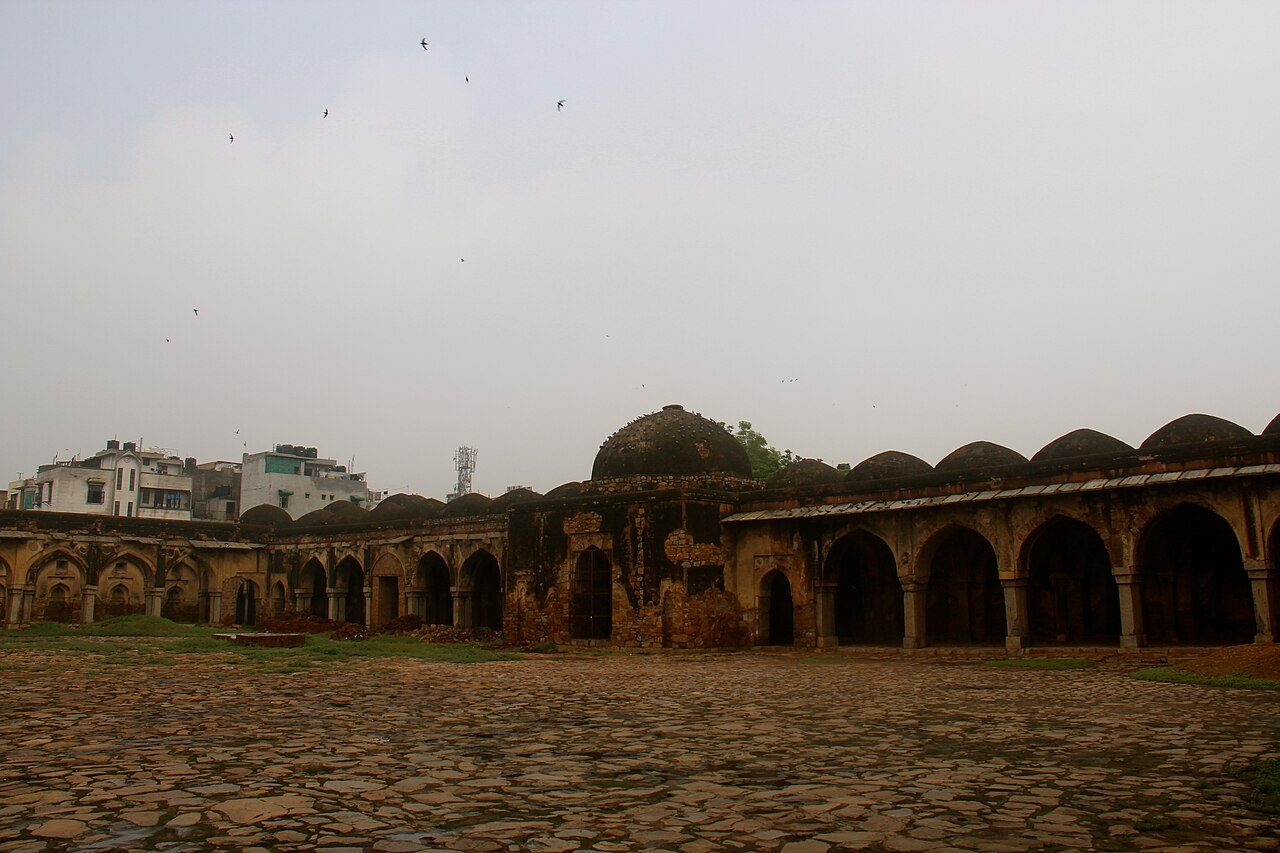
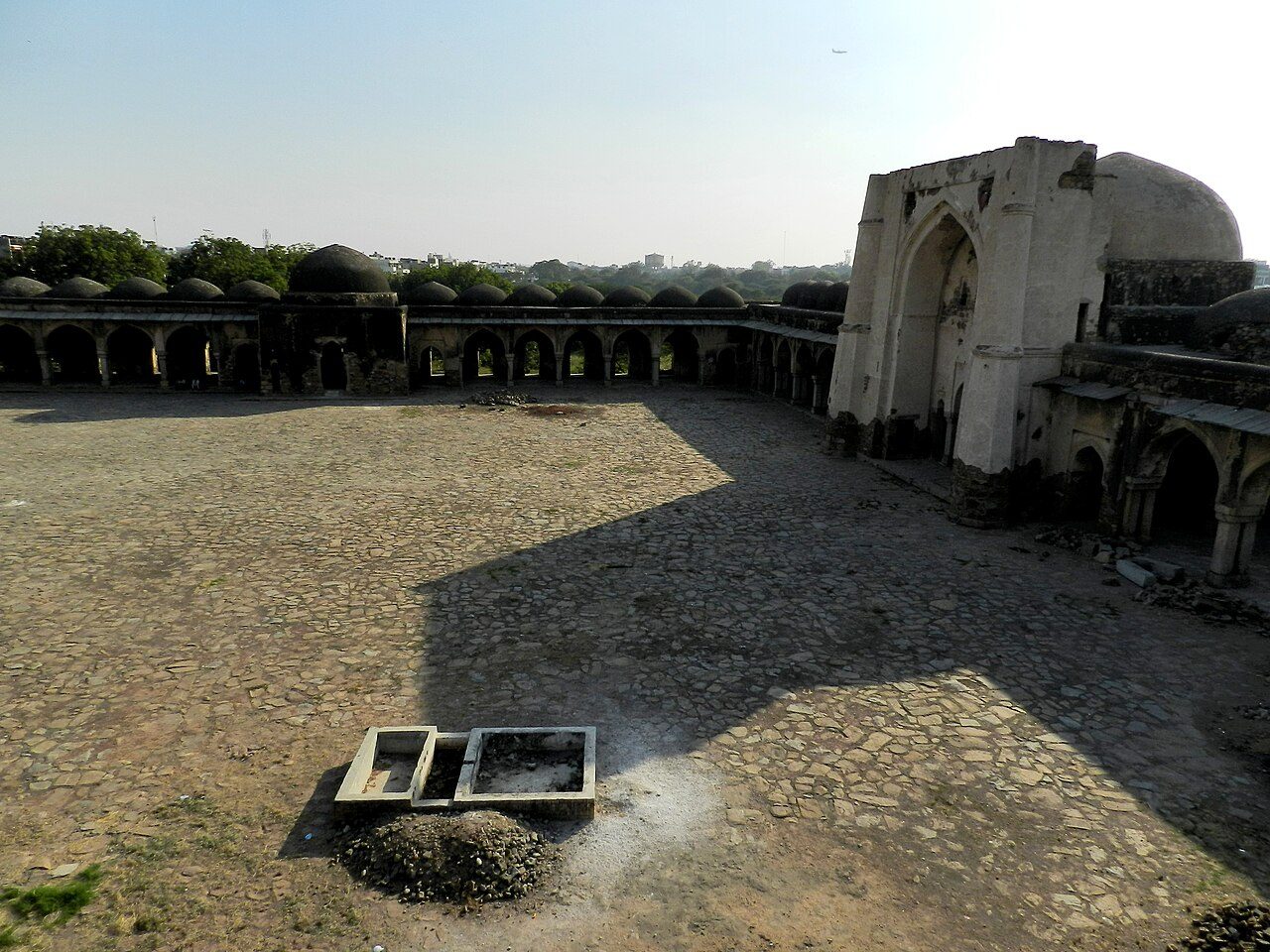
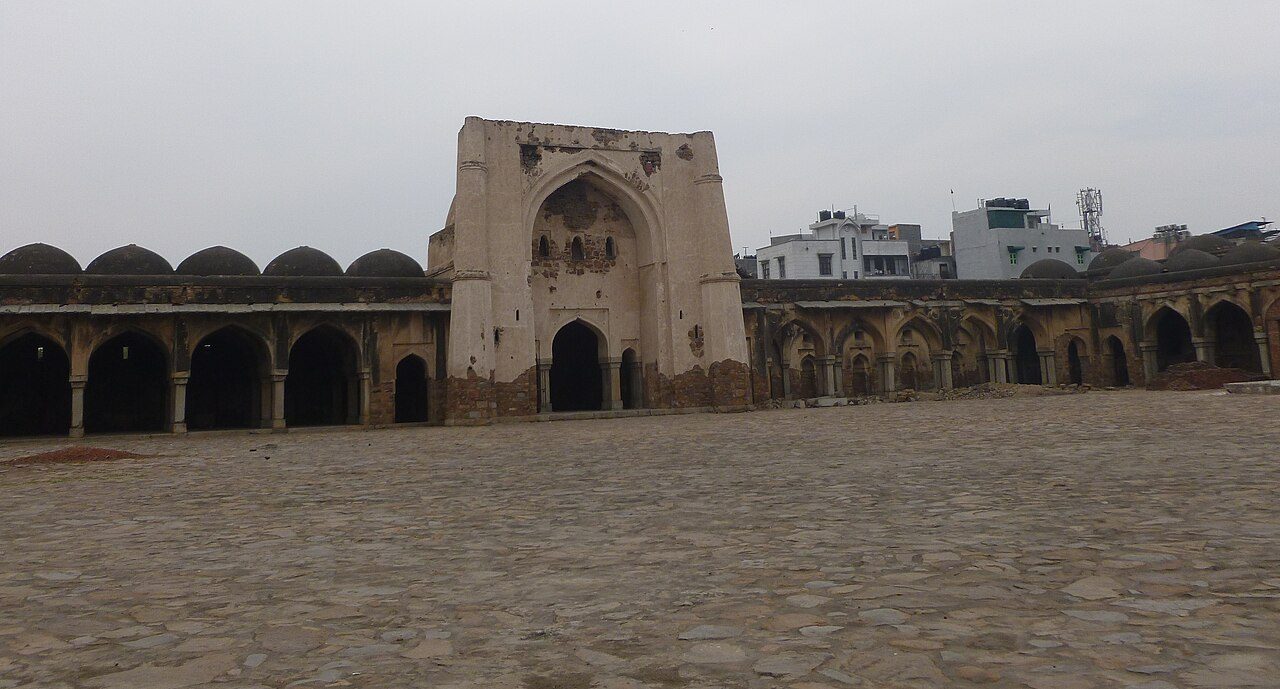
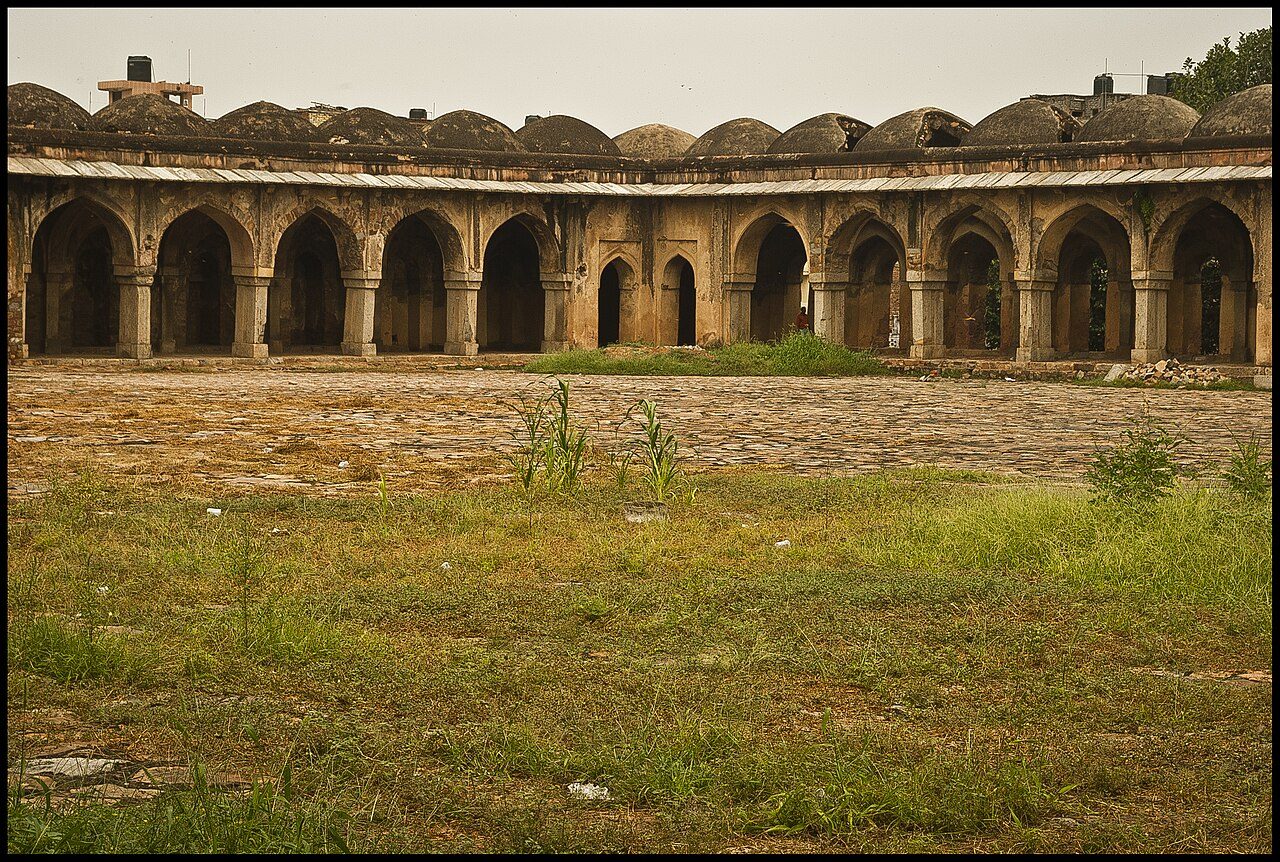
Begumpur Mosque was built in the 14th century, during the Tughlaq period, as the congregational mosque of Jahanpanah, the fourth city of Delhi. It is one of the largest old mosques in the city, with a vast courtyard surrounded by arcades roofed with dozens of small domes and a tall central gateway to the prayer hall. Now hemmed in by Begumpur village, it is usually almost empty.
06
STOP 6 OF 8
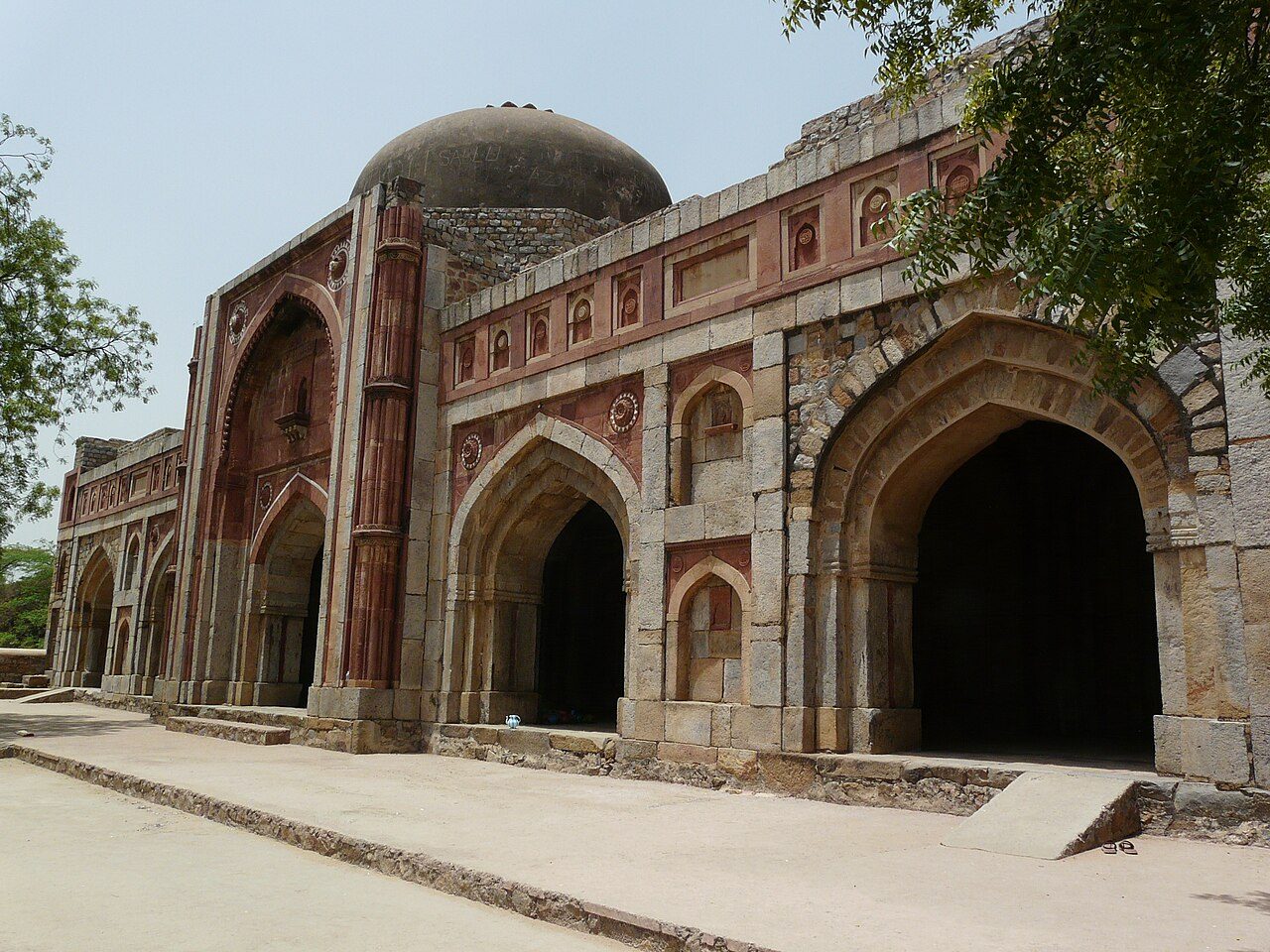
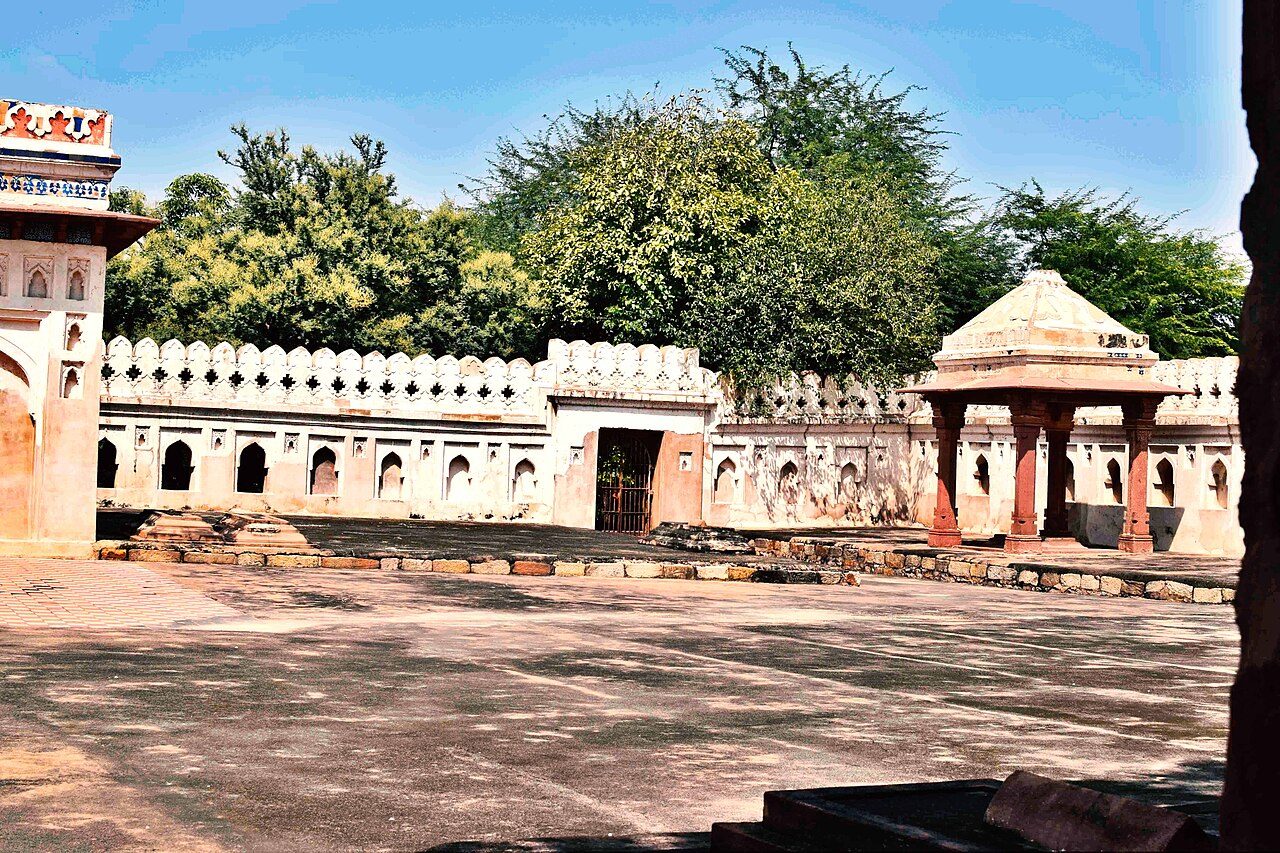
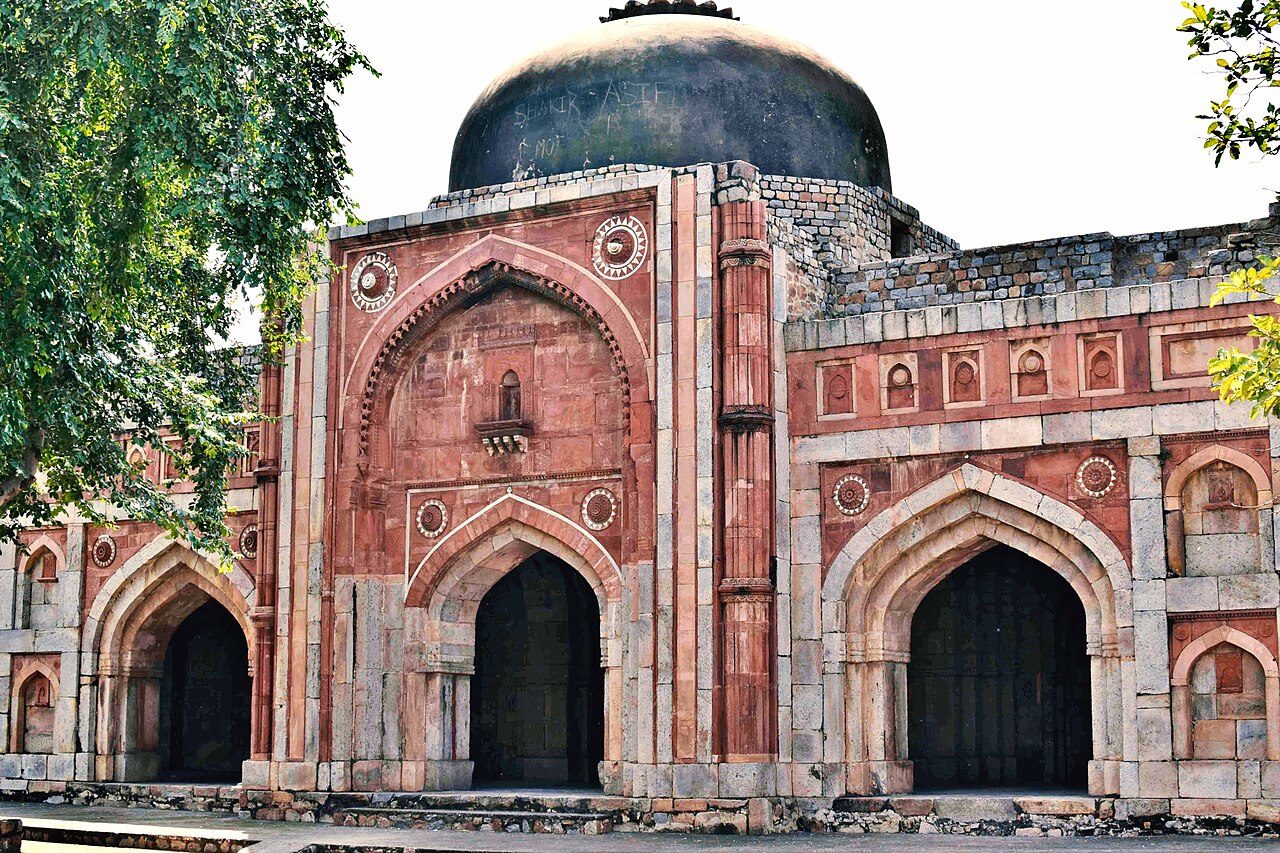
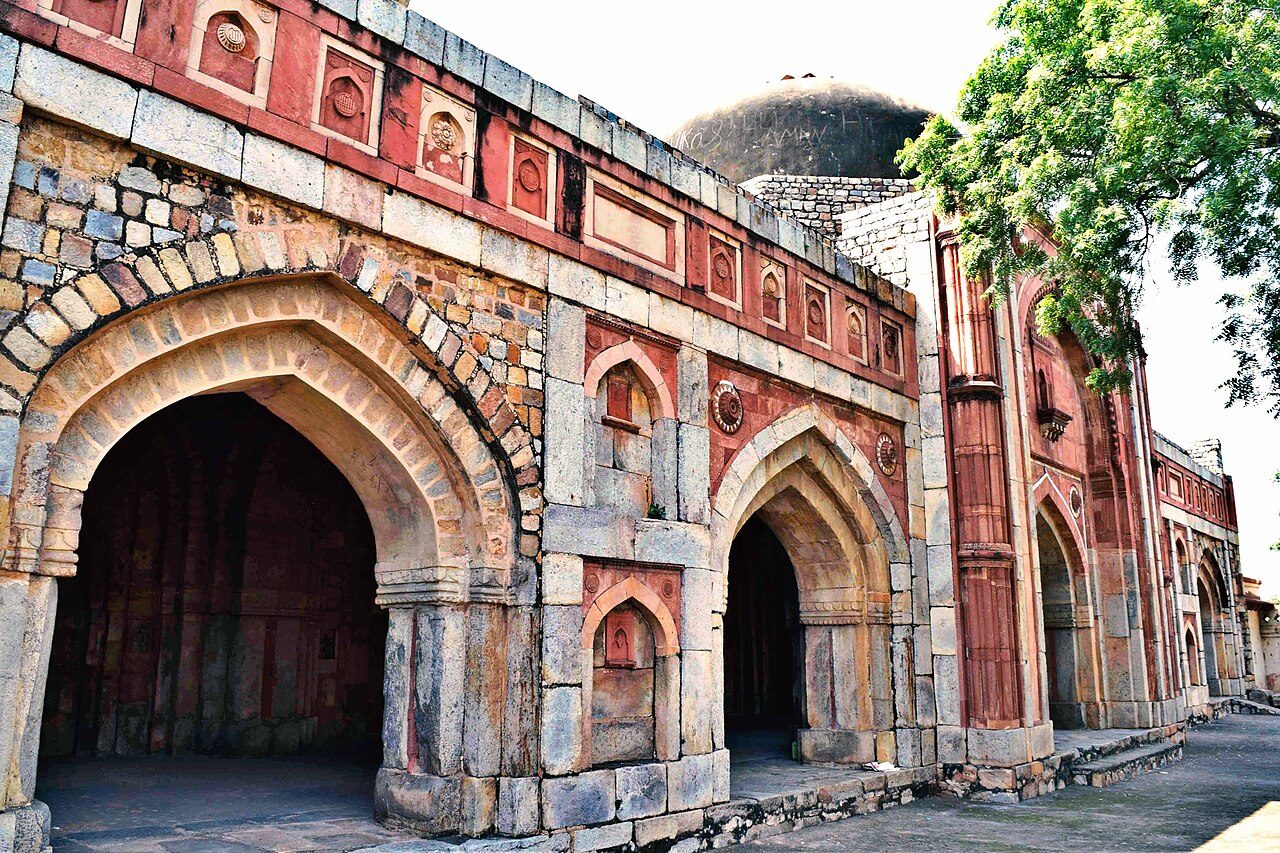
Jamali Kamali Mosque
The Jamali Kamali mosque and tomb, inside Mehrauli Archaeological Park, date from the early 16th century. Jamali was a Sufi poet honoured at the courts of the Lodis and the first Mughals; the identity of Kamali, buried beside him, is unknown. The mosque is an elegant red sandstone forerunner of Mughal design, and the small tomb chamber has a richly painted and tiled ceiling.
07
STOP 7 OF 8
Fatehpur Sikri
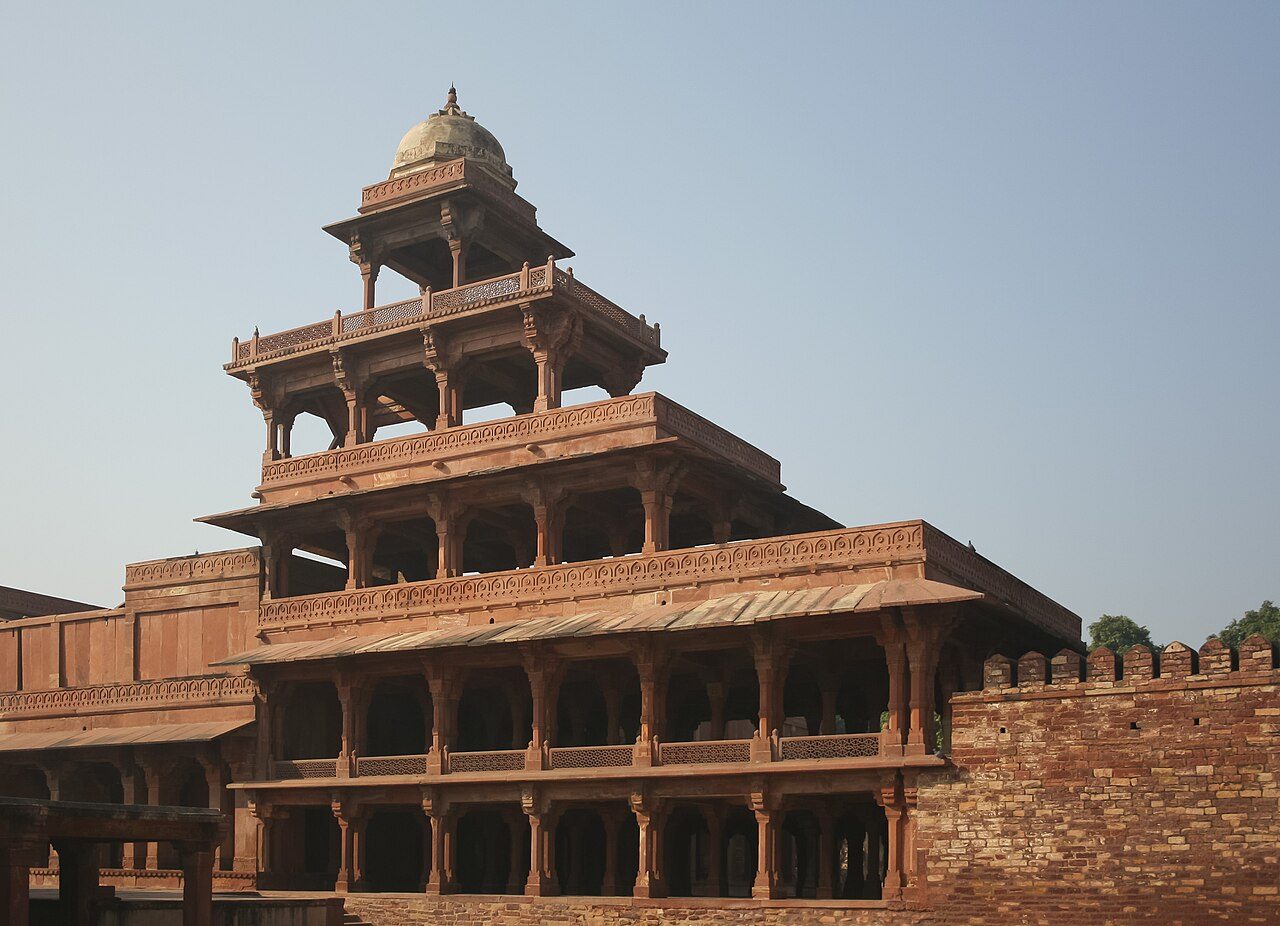
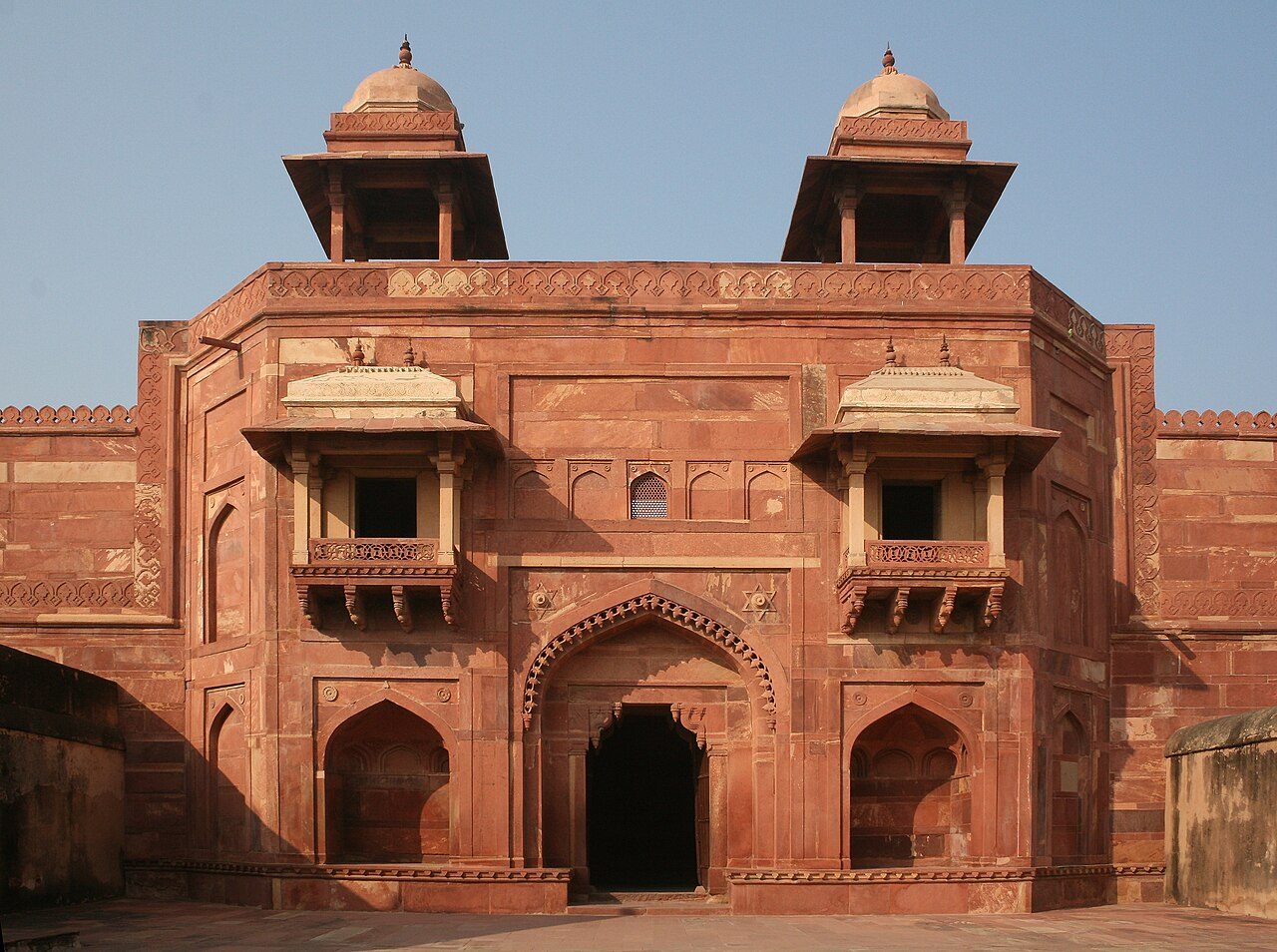
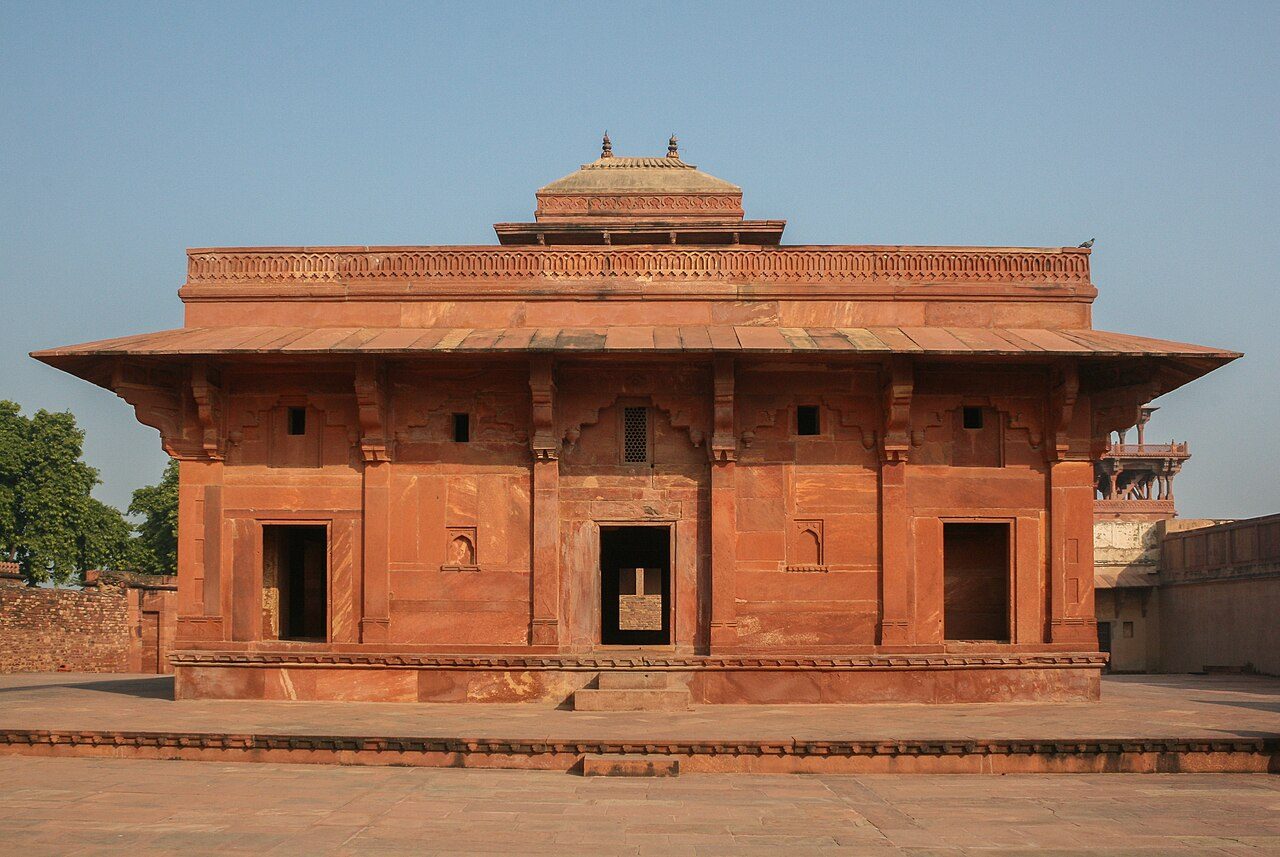
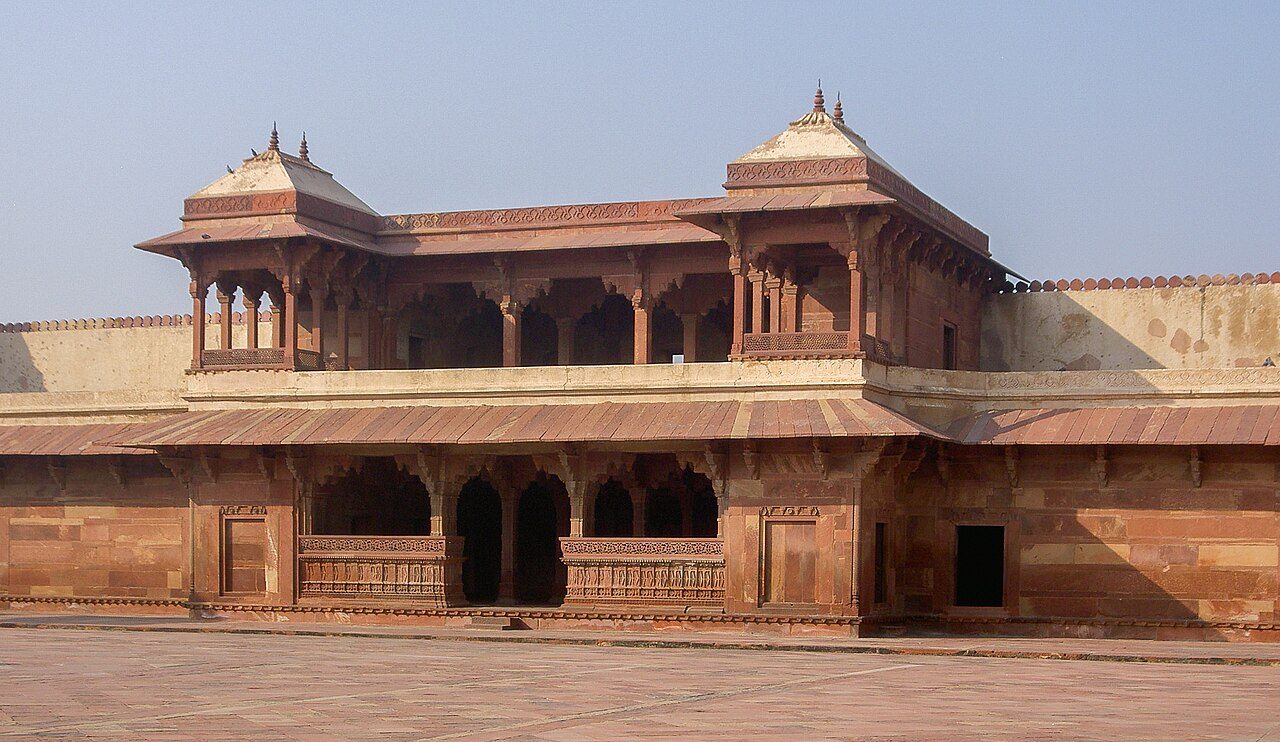
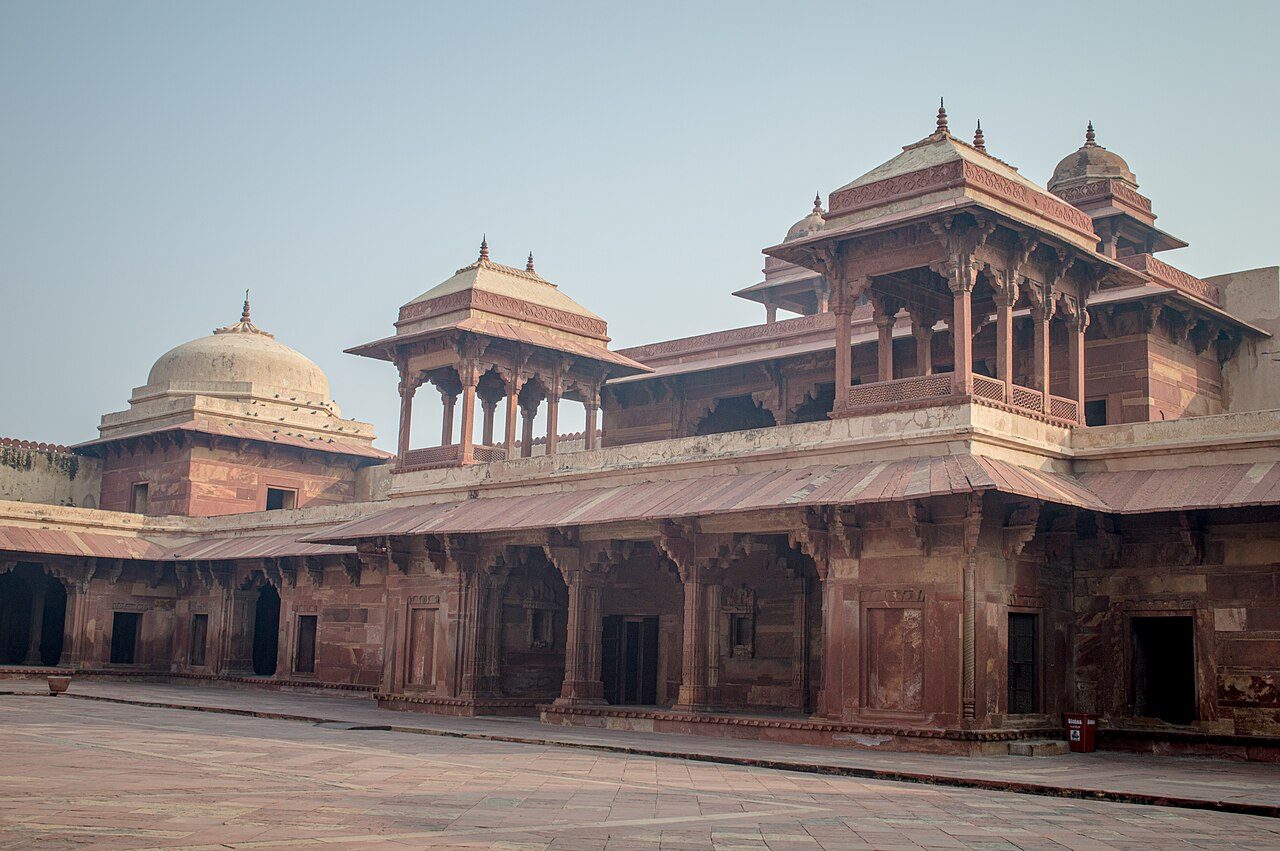
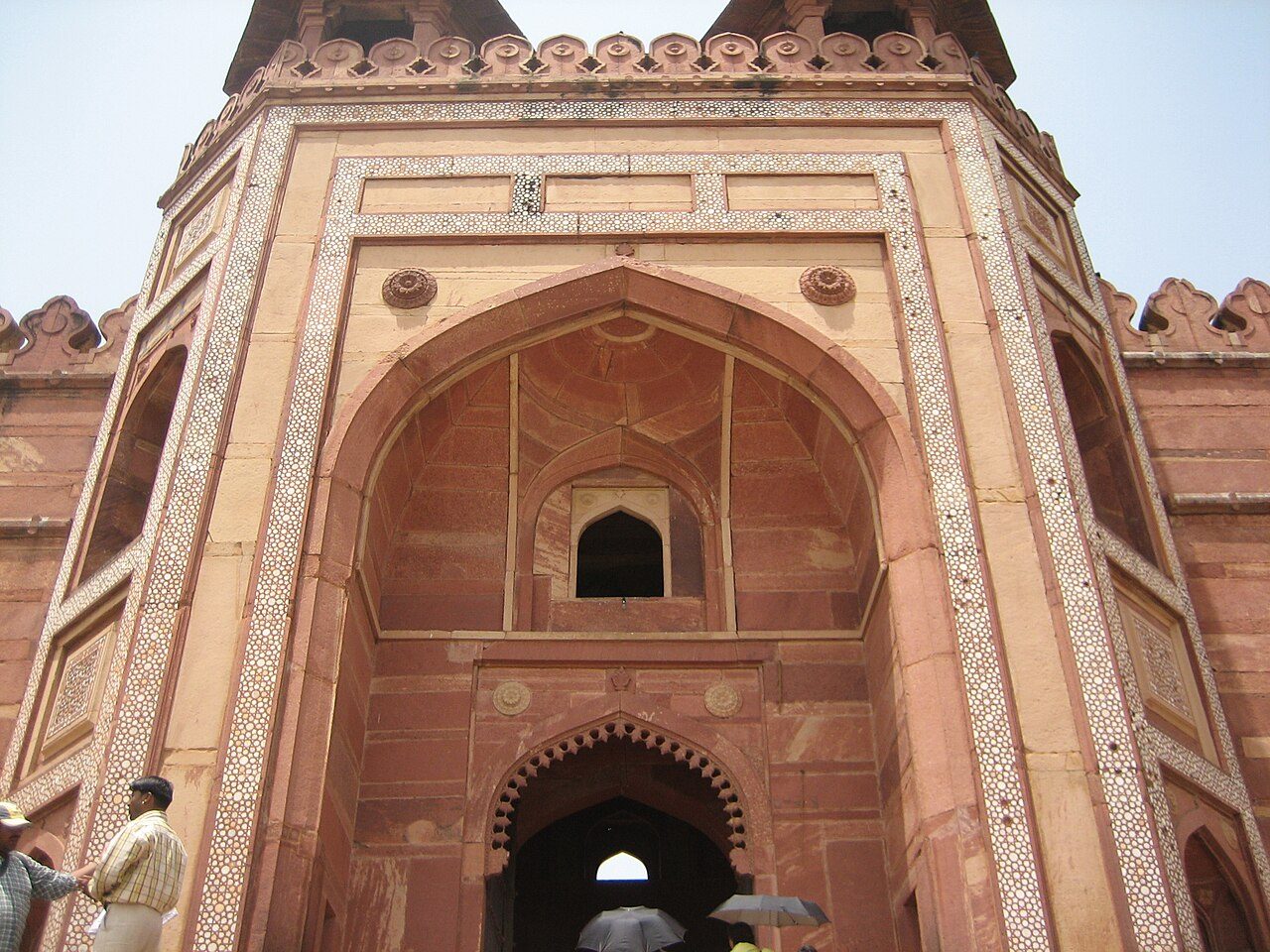
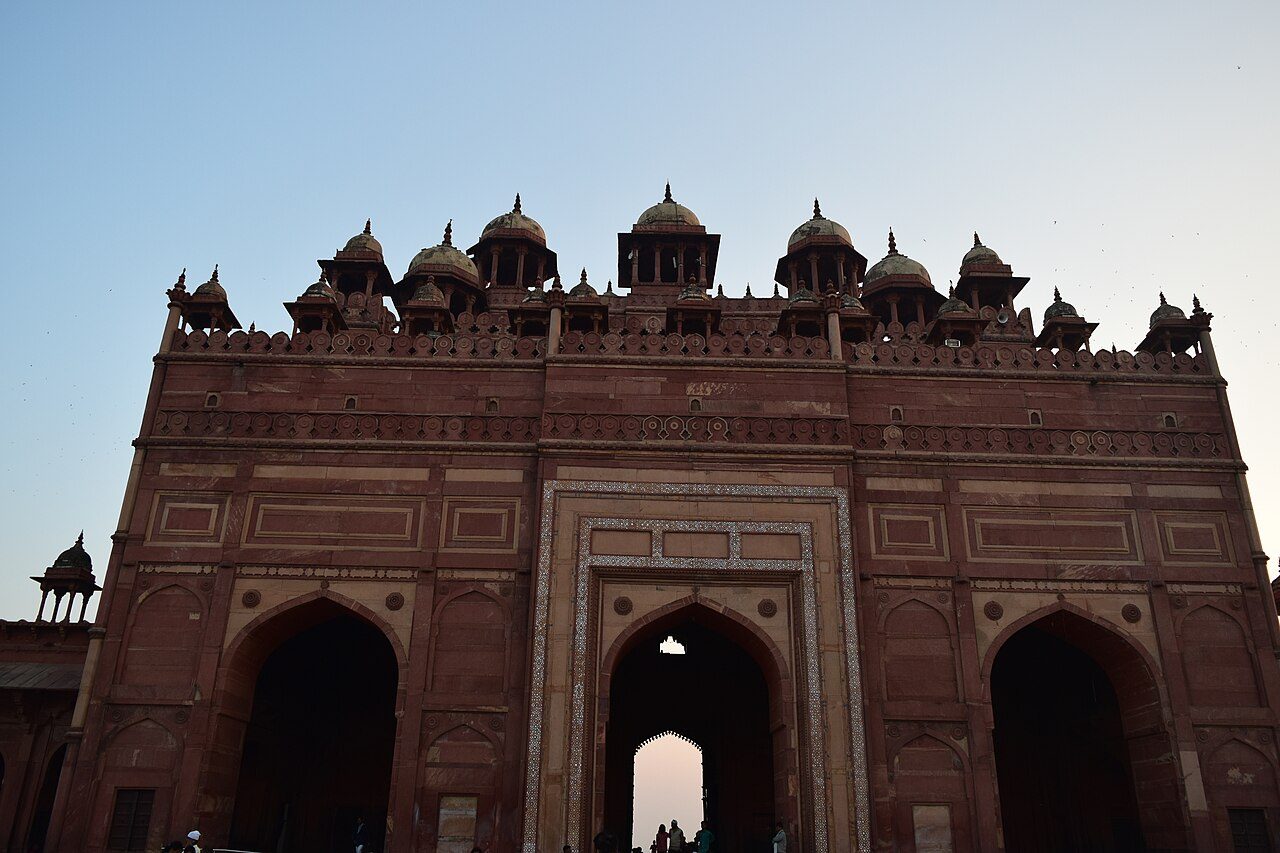
Fatehpur Sikri was built by the emperor Akbar from 1571 as his new capital, in honour of the Sufi saint Salim Chishti, and abandoned only about fourteen years later. The red sandstone palaces survive almost intact: the Diwan-i-Khas with its carved central pillar, the five-storey Panch Mahal, Jodha Bai's palace and Birbal's house. It is a UNESCO World Heritage Site, about an hour from Agra.
08
STOP 8 OF 8 · LAST STOP
Buland Darwaza
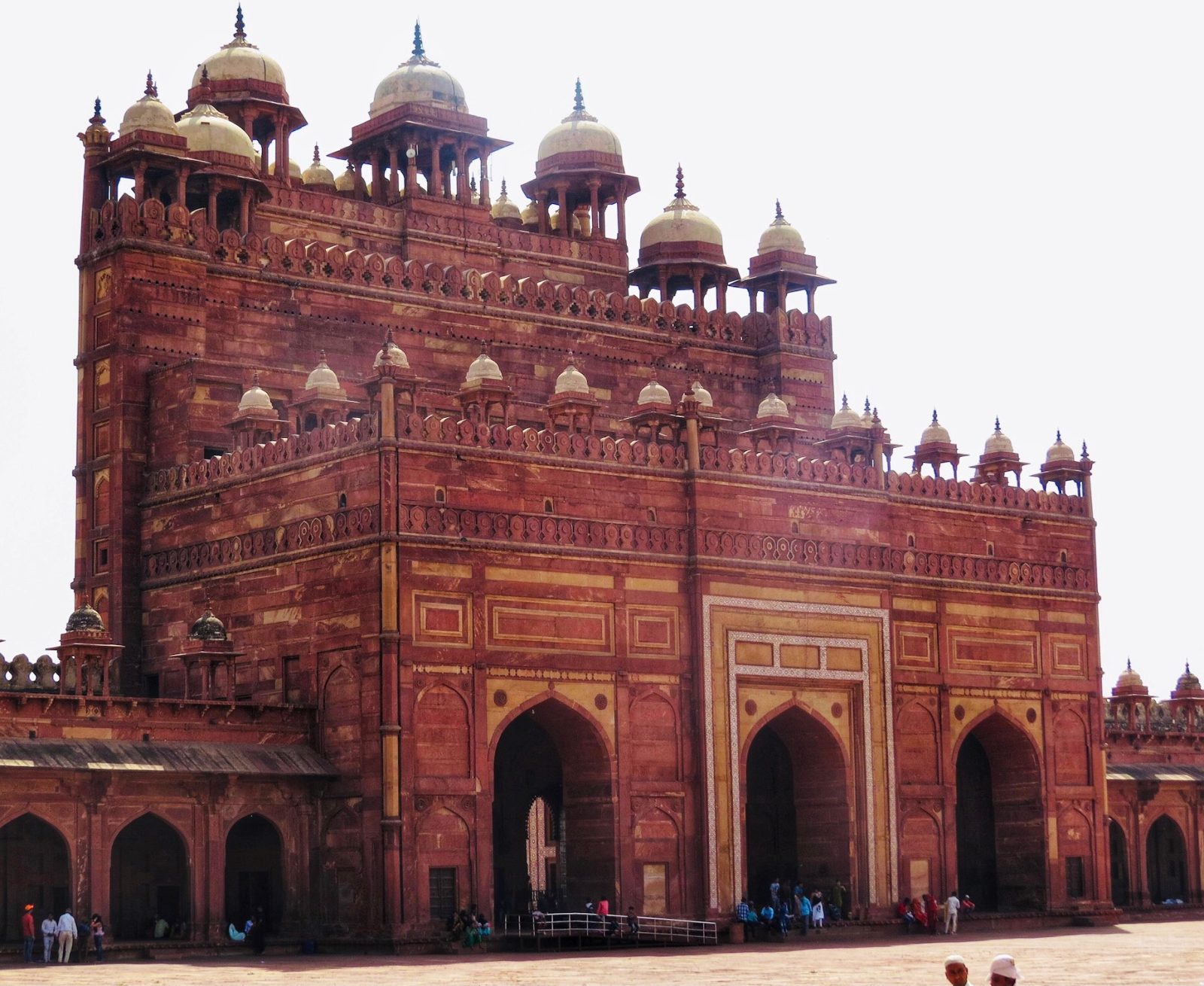
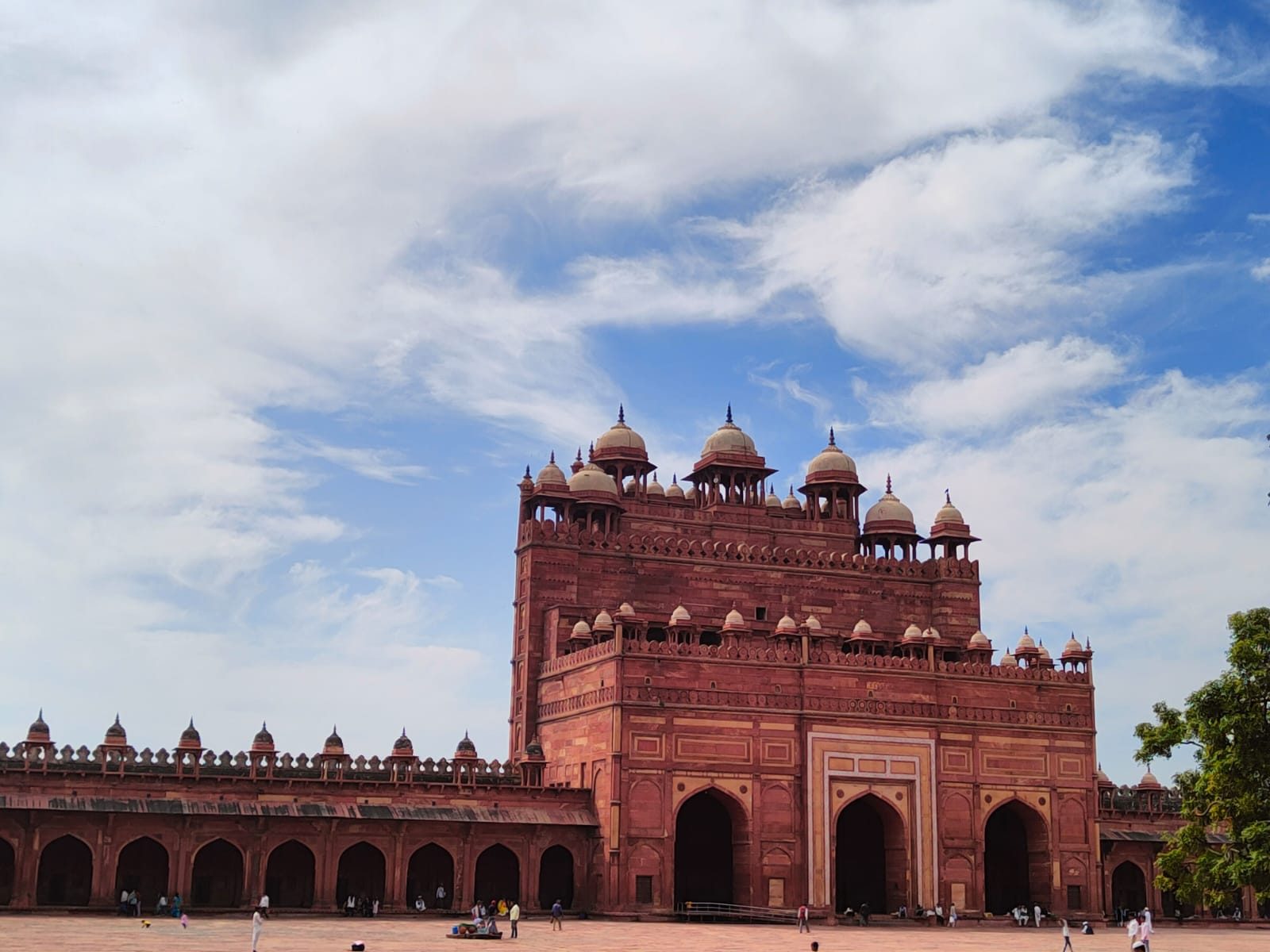
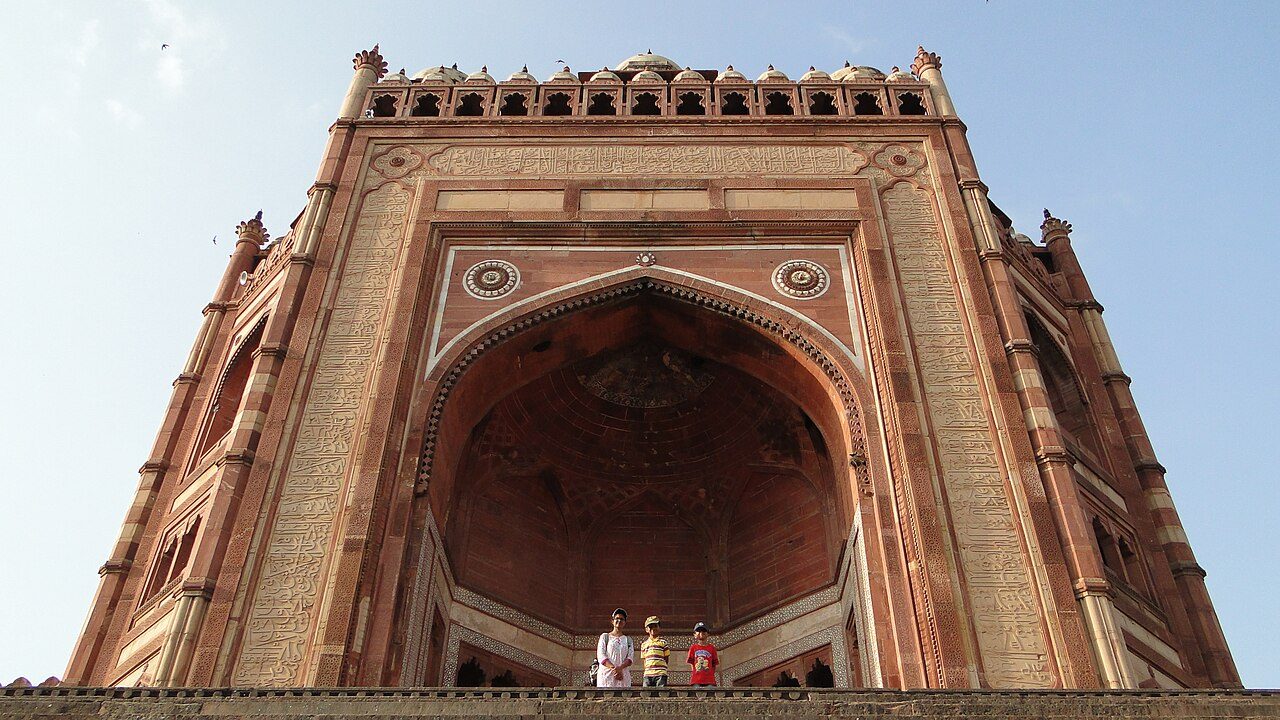
The Buland Darwaza, or Gate of Victory, is the monumental southern entrance to the Jama Masjid at Fatehpur Sikri. Akbar built it in 1575 to commemorate his conquest of Gujarat. Rising about 54 metres from the ground, it is among the tallest gateways in the world, approached by a steep flight of steps. Inside the courtyard is the white marble tomb of Salim Chishti.
Seasons from 20 years of NASA POWER climate data.
 WaTrips