Red Fort and Chandni Chowk, India Gate and Humayun's Tomb, then Qutub Minar, Mehrauli and Akshardham.
Three days is enough to see the Delhi most visitors come for, without rushing. Day one is Old Delhi: the Red Fort, the great Jama Masjid, and the crowded lanes of Chandni Chowk running down to Gurudwara Sis Ganj and Fatehpuri Masjid. Day two moves to the wide avenues of New Delhi: India Gate and the National War Memorial, Gurudwara Bangla Sahib, the hidden stepwell of Agrasen Ki Baoli and Connaught Place, before Humayun's Tomb and Sunder Nursery in the afternoon and the qawwali at Nizamuddin Dargah. Day three goes south to the Qutub Minar and the ruins of Mehrauli, Hauz Khas, the Lotus Temple, and Akshardham across the river. October to March is the best time; summers are very hot.
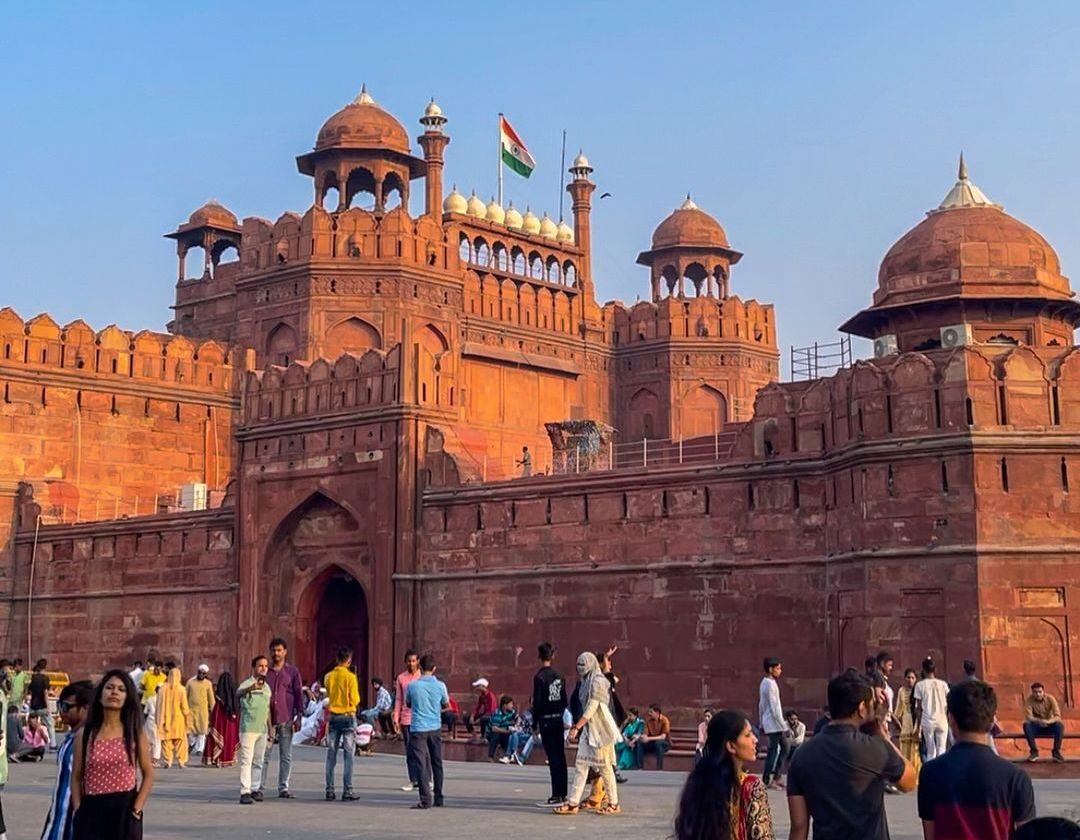
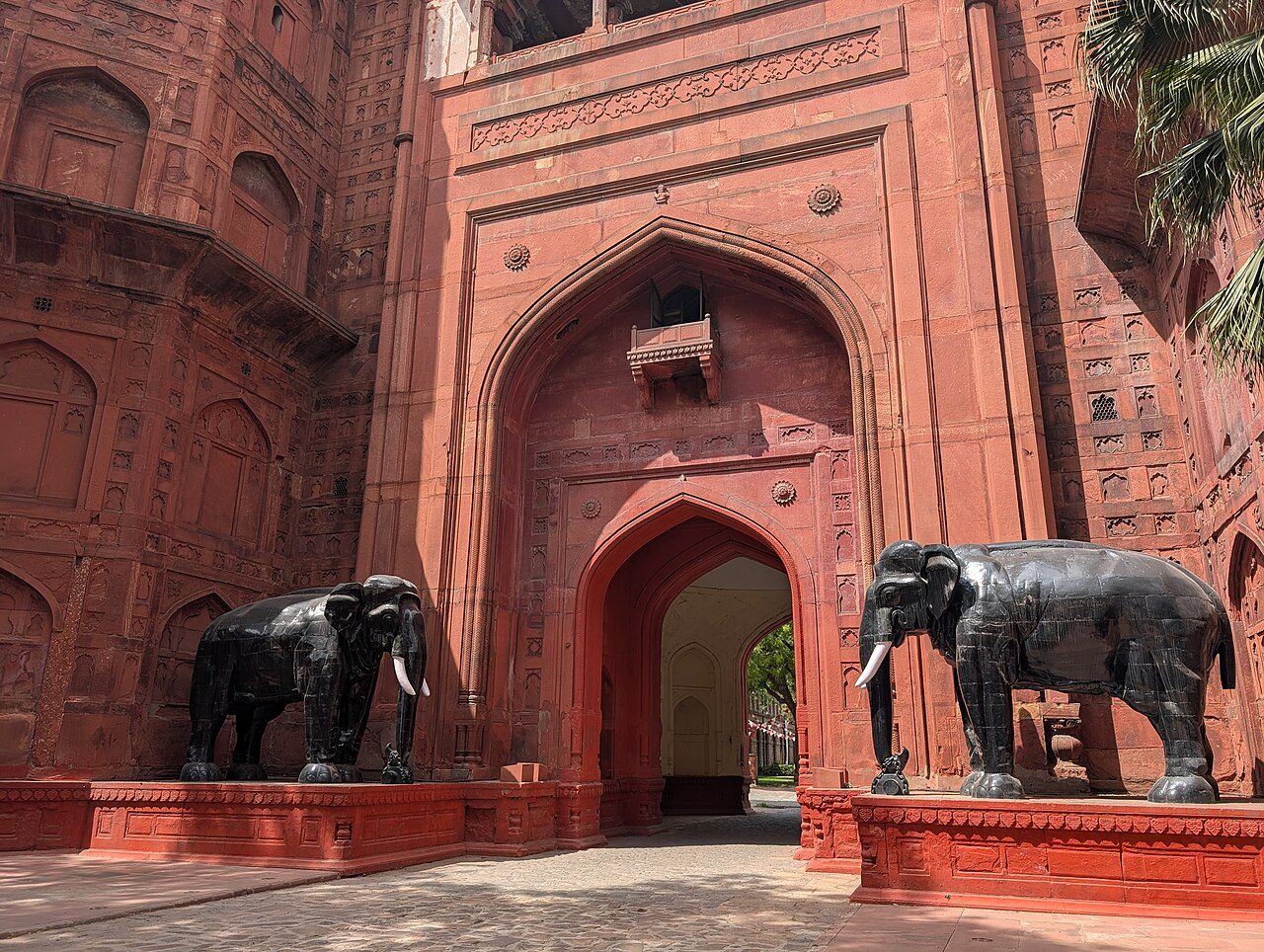
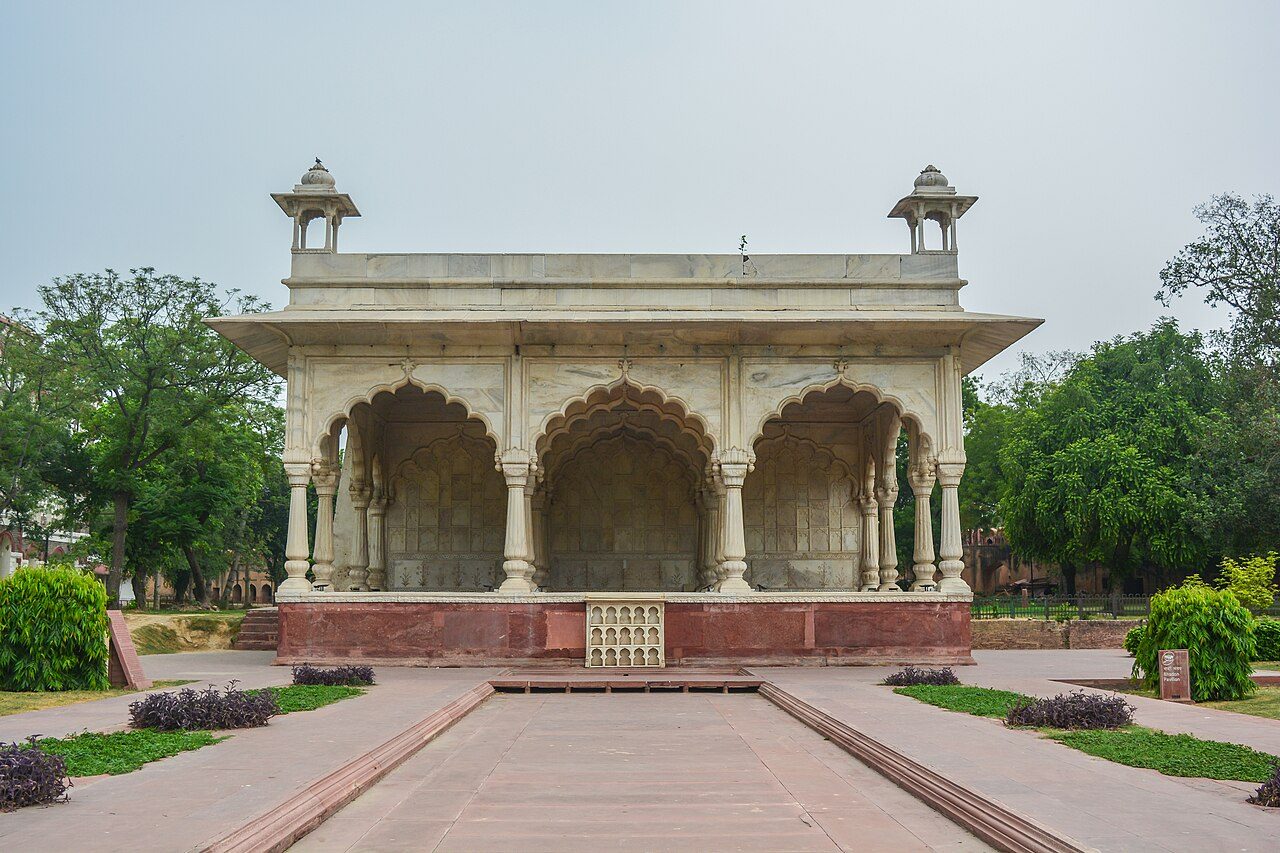
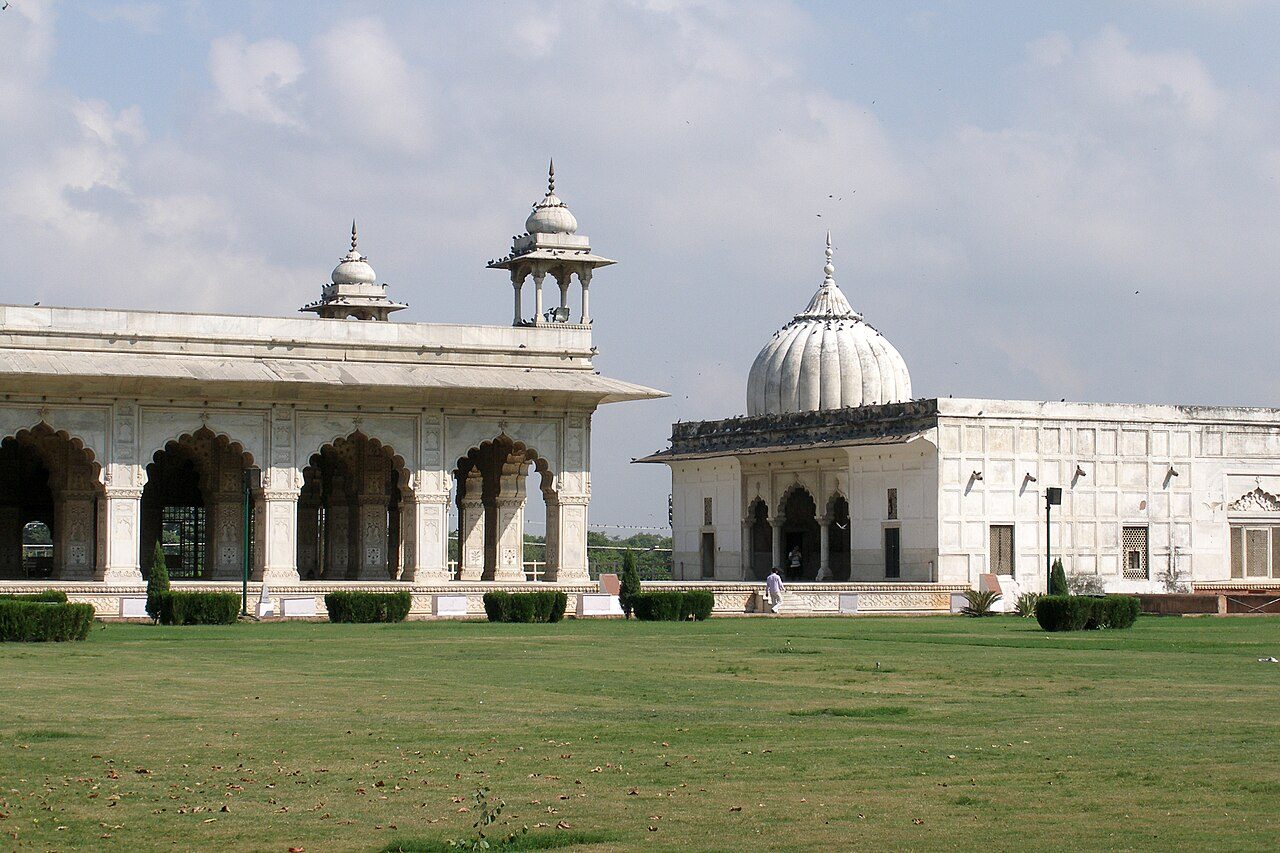
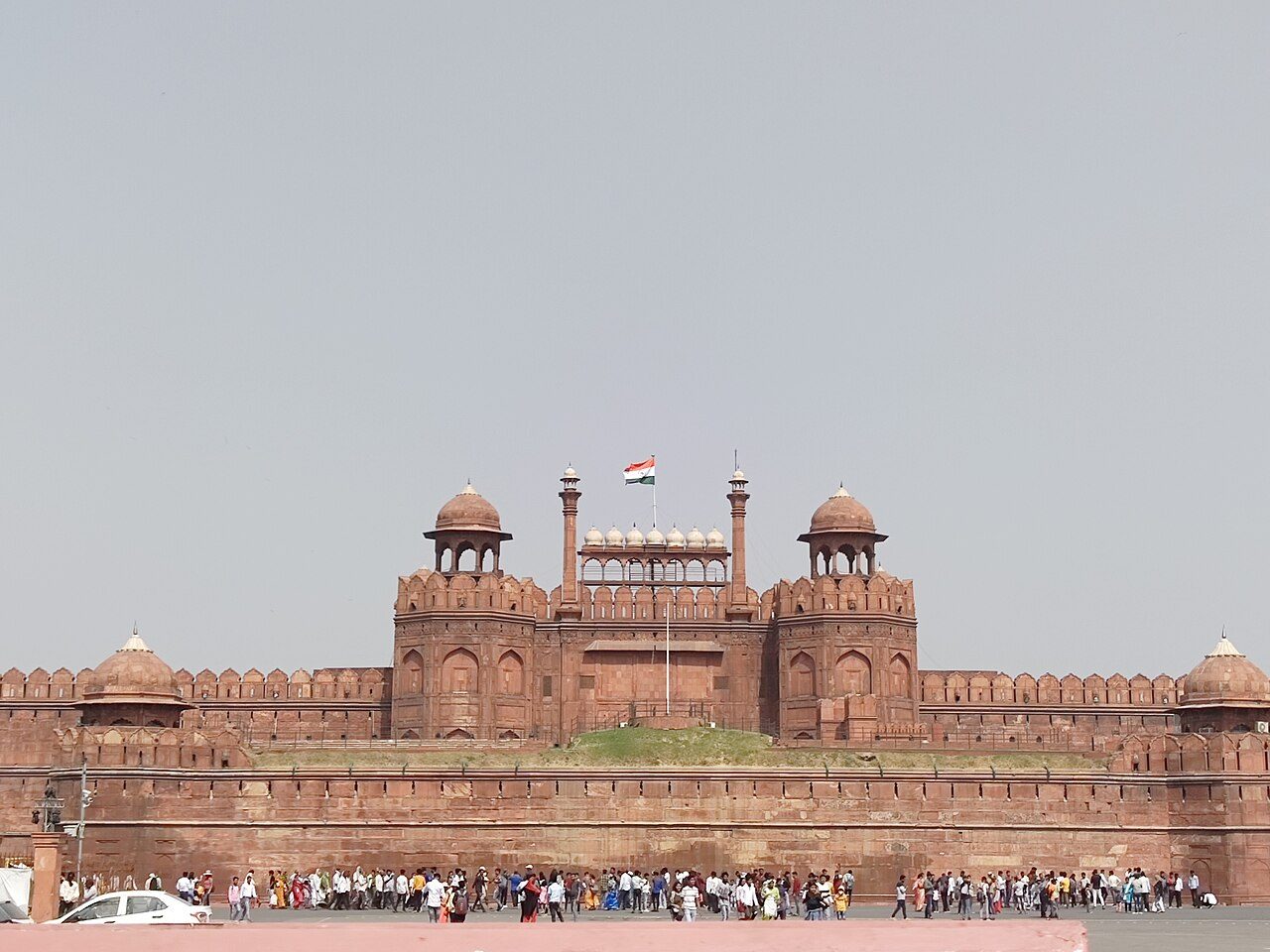
The Red Fort was built by the Mughal emperor Shah Jahan as the palace-fortress of his new capital, Shahjahanabad, and completed in 1648. Behind its red sandstone walls lie audience halls, marble pavilions, the Pearl Mosque and gardens. It remained the seat of Mughal power until 1857. Each Independence Day the Prime Minister raises the national flag here. It is a UNESCO World Heritage Site; a sound and light show runs in the evening.
02
STOP 2 OF 19
Jama Masjid Delhi
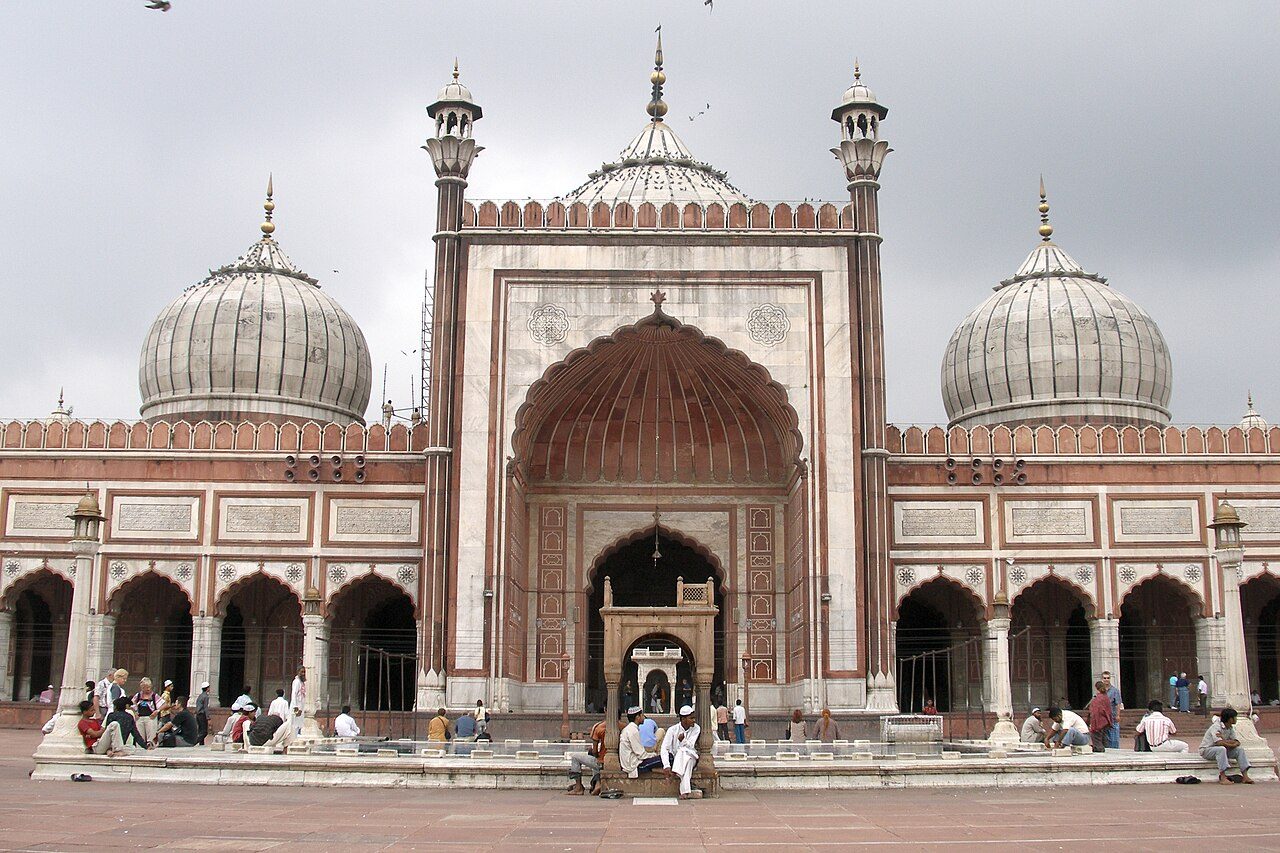
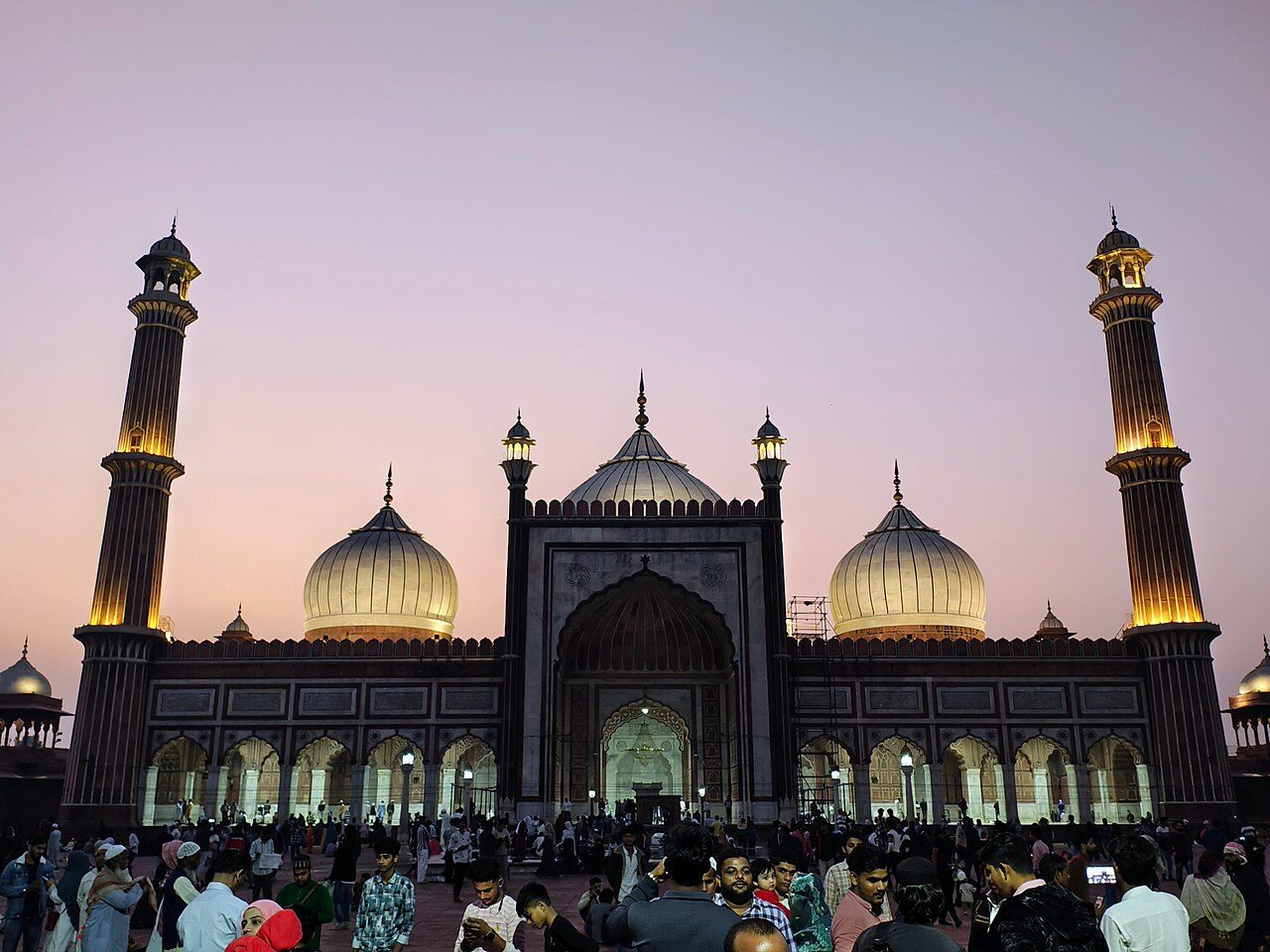
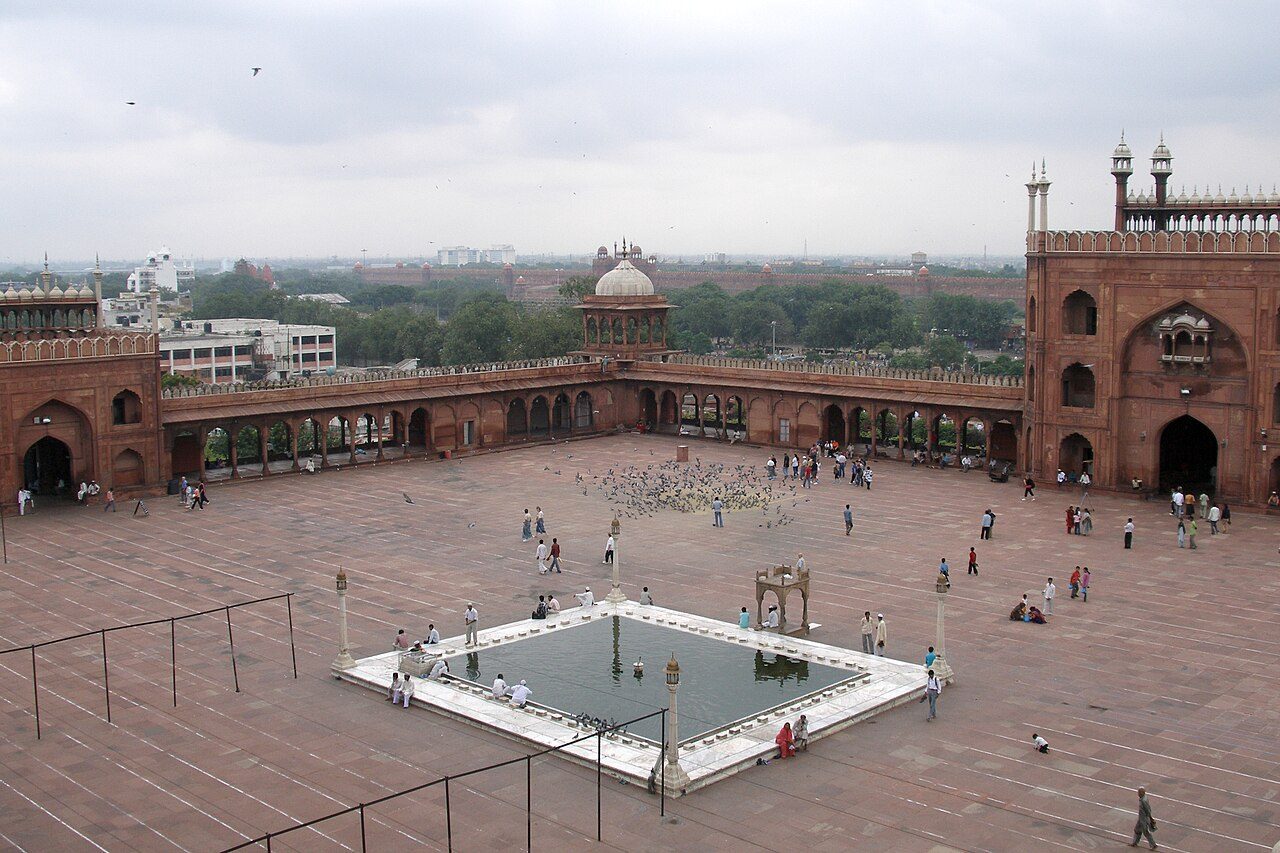
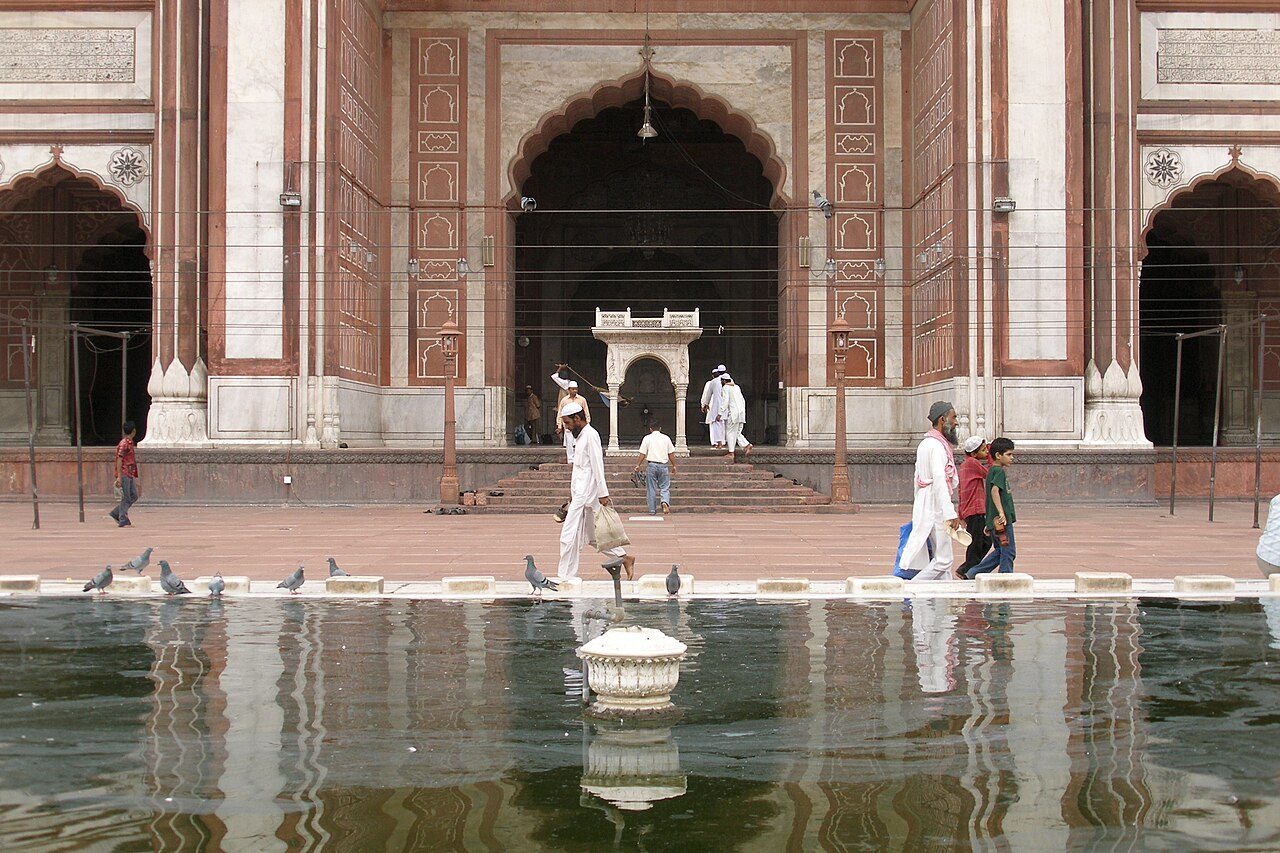
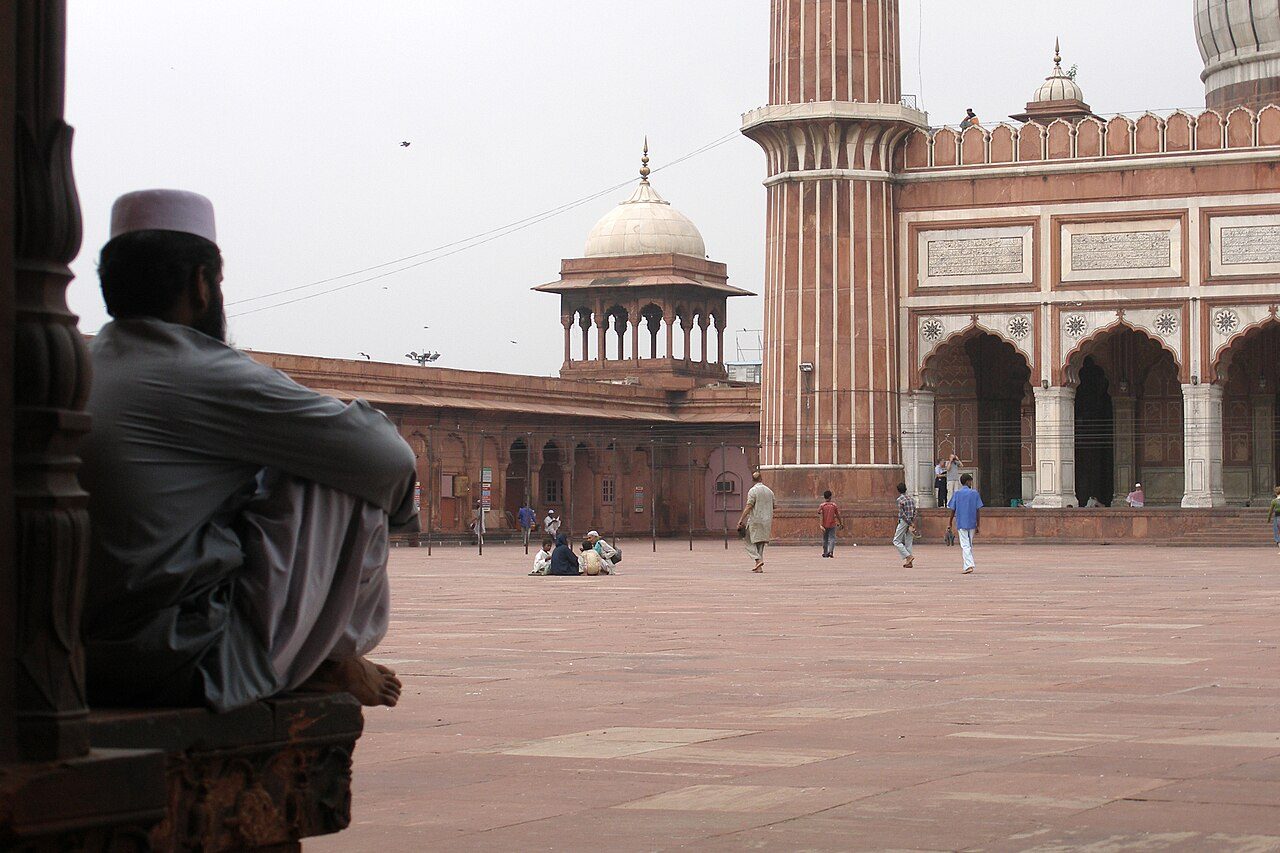
The Jama Masjid of Delhi was commissioned by Shah Jahan and completed in 1656, and is one of the largest mosques in India. Built of red sandstone and white marble, it has three domes, two tall minarets and a courtyard that can hold some 25,000 worshippers. Visitors may climb a minaret for a view over Old Delhi. It stands opposite the Red Fort, at the head of the lanes of Chandni Chowk.
03
STOP 3 OF 19
Chandni Chowk
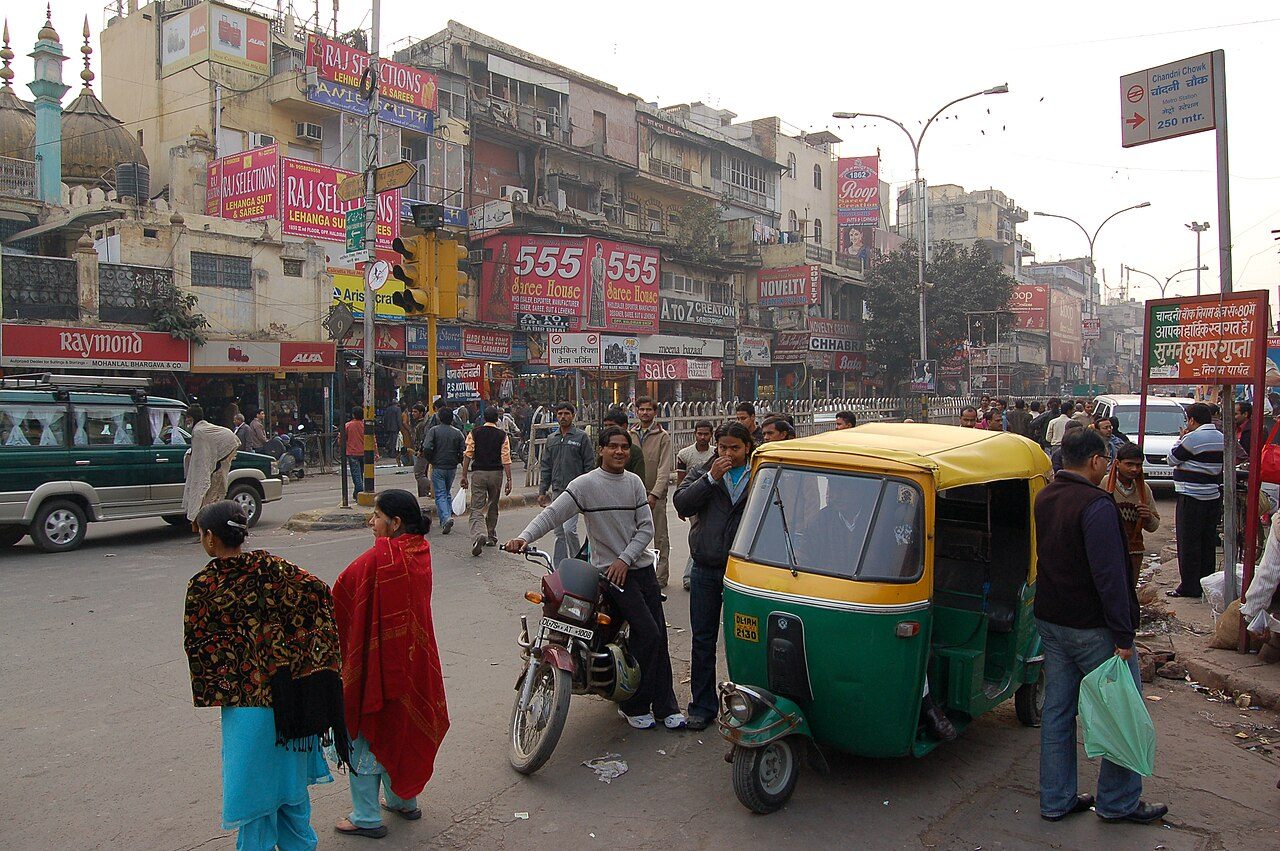
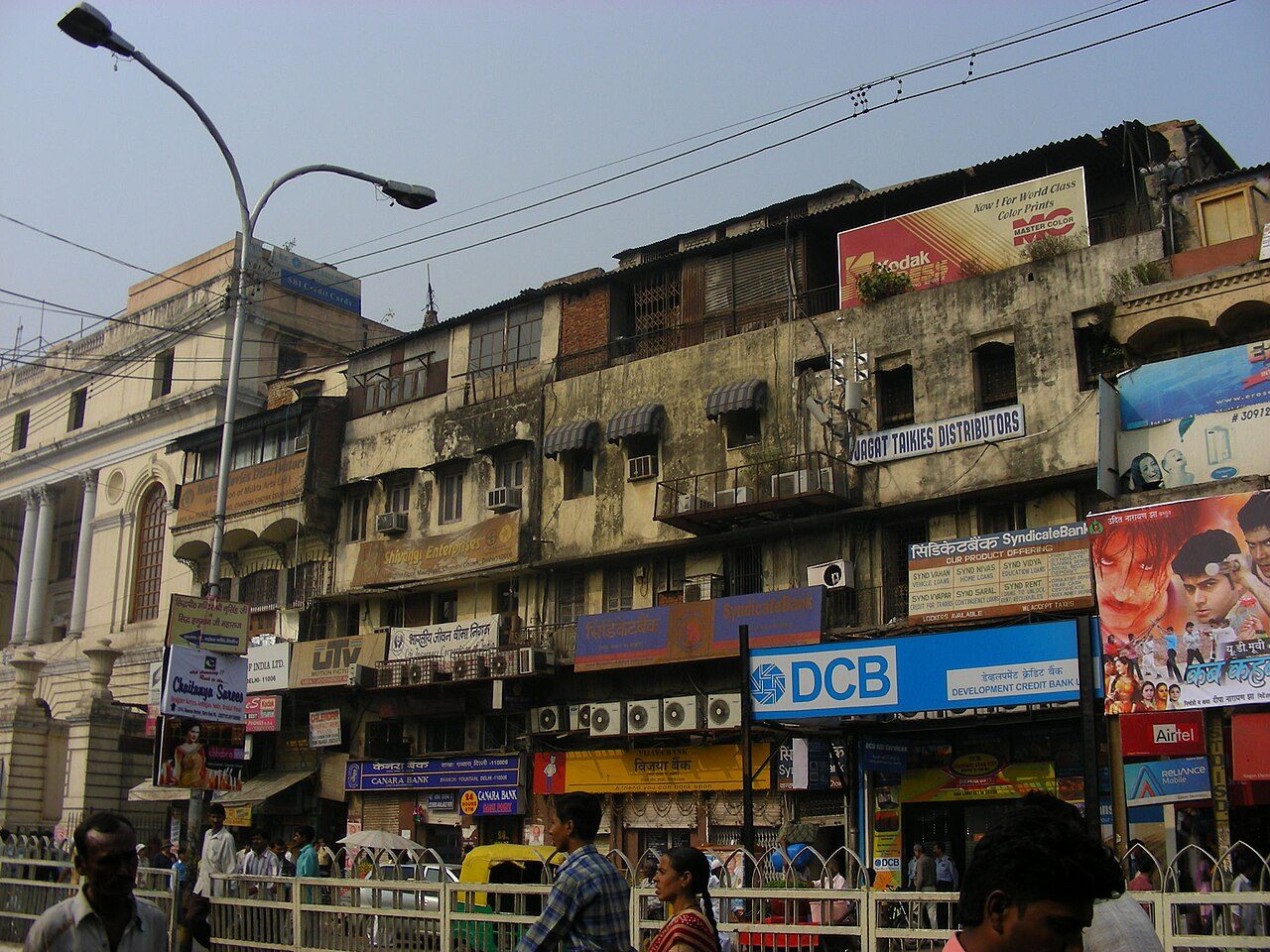
Chandni Chowk is the main street of Old Delhi, laid out in the 17th century when Shah Jahan built his capital Shahjahanabad. It runs west from the Red Fort to Fatehpuri Masjid and is lined with wholesale bazaars, old havelis, temples, a gurdwara and a church. Come for the street food and the spice, jewellery and wedding markets; mornings are less crowded.
04
STOP 4 OF 19
Gurudwara Sis Ganj Sahib
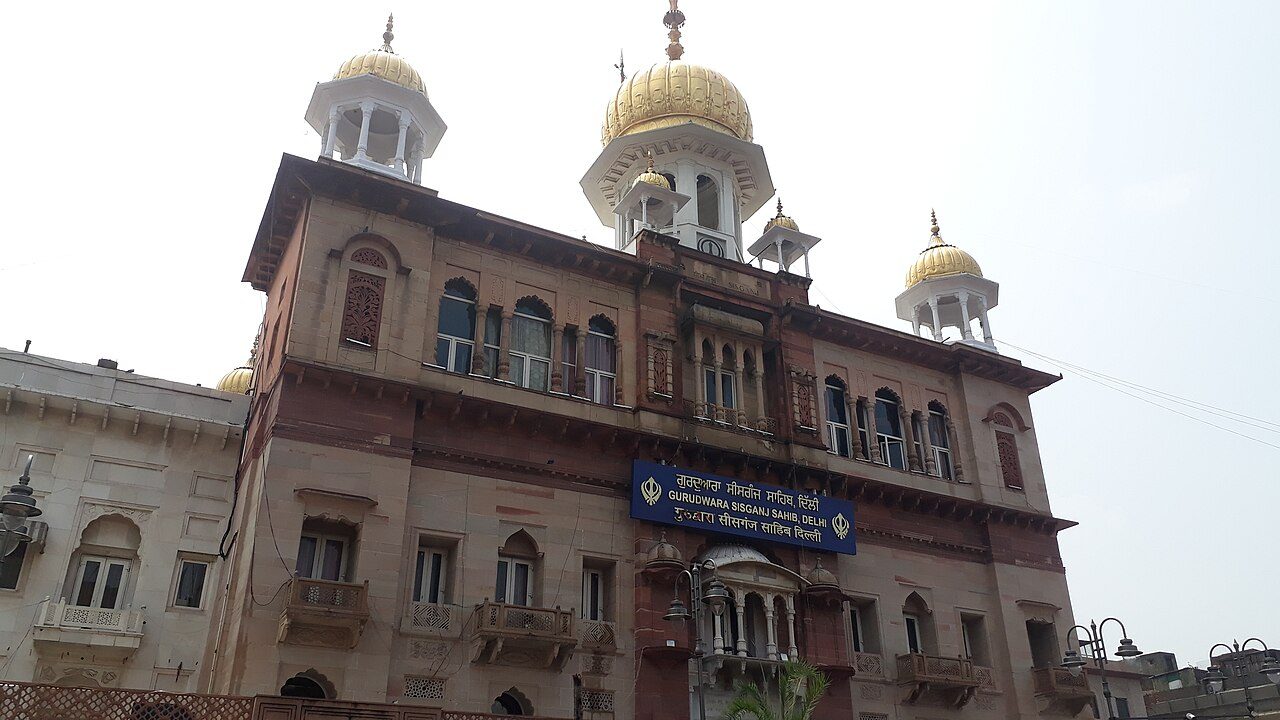
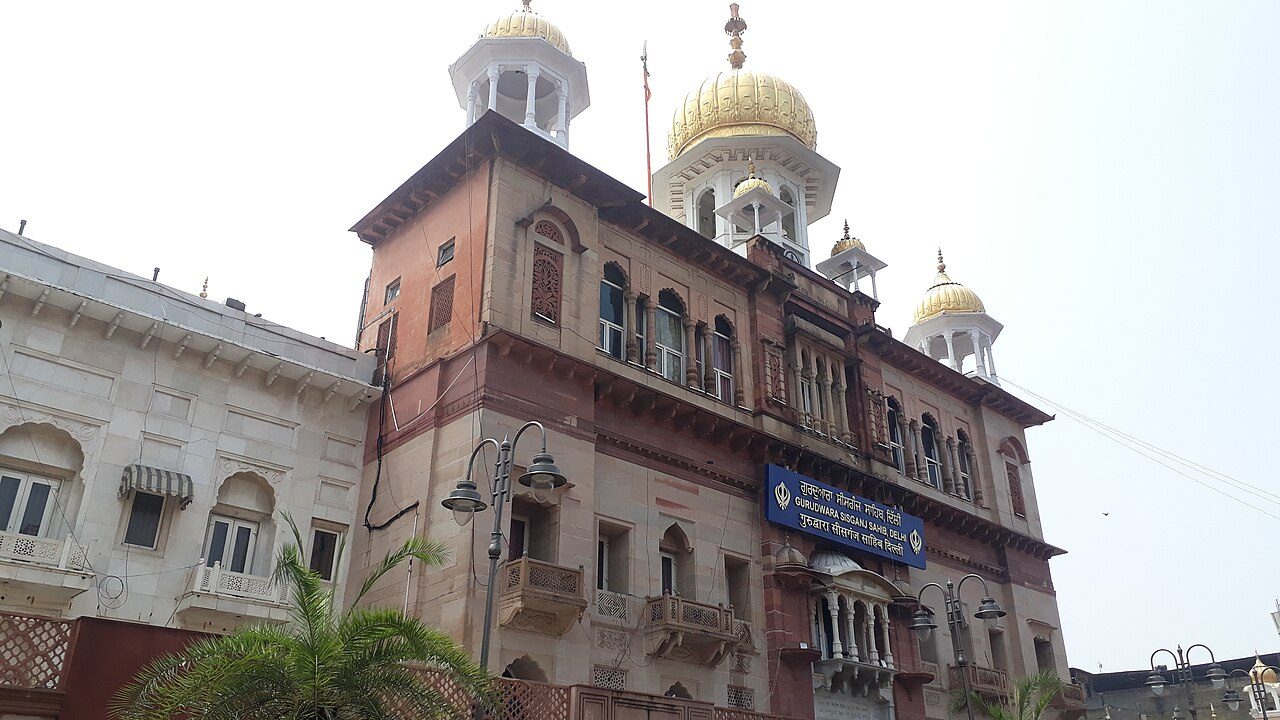
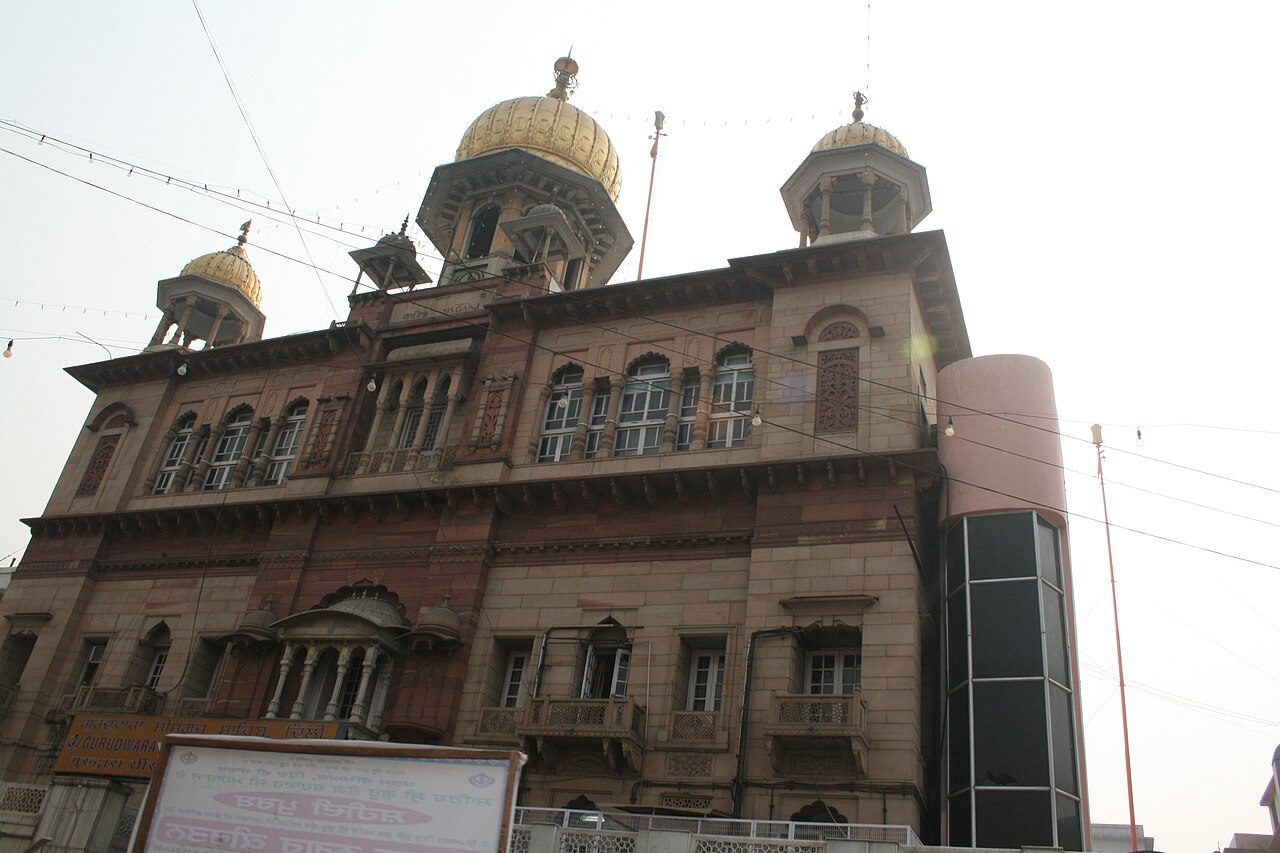
Gurudwara Sis Ganj Sahib in Chandni Chowk marks the place where the ninth Sikh Guru, Tegh Bahadur, was beheaded in 1675 on the orders of the emperor Aurangzeb for refusing to convert to Islam. The trunk of the tree under which he was executed is preserved inside. The present building dates from 1930. It is one of the holiest Sikh sites in Delhi.
05
STOP 5 OF 19
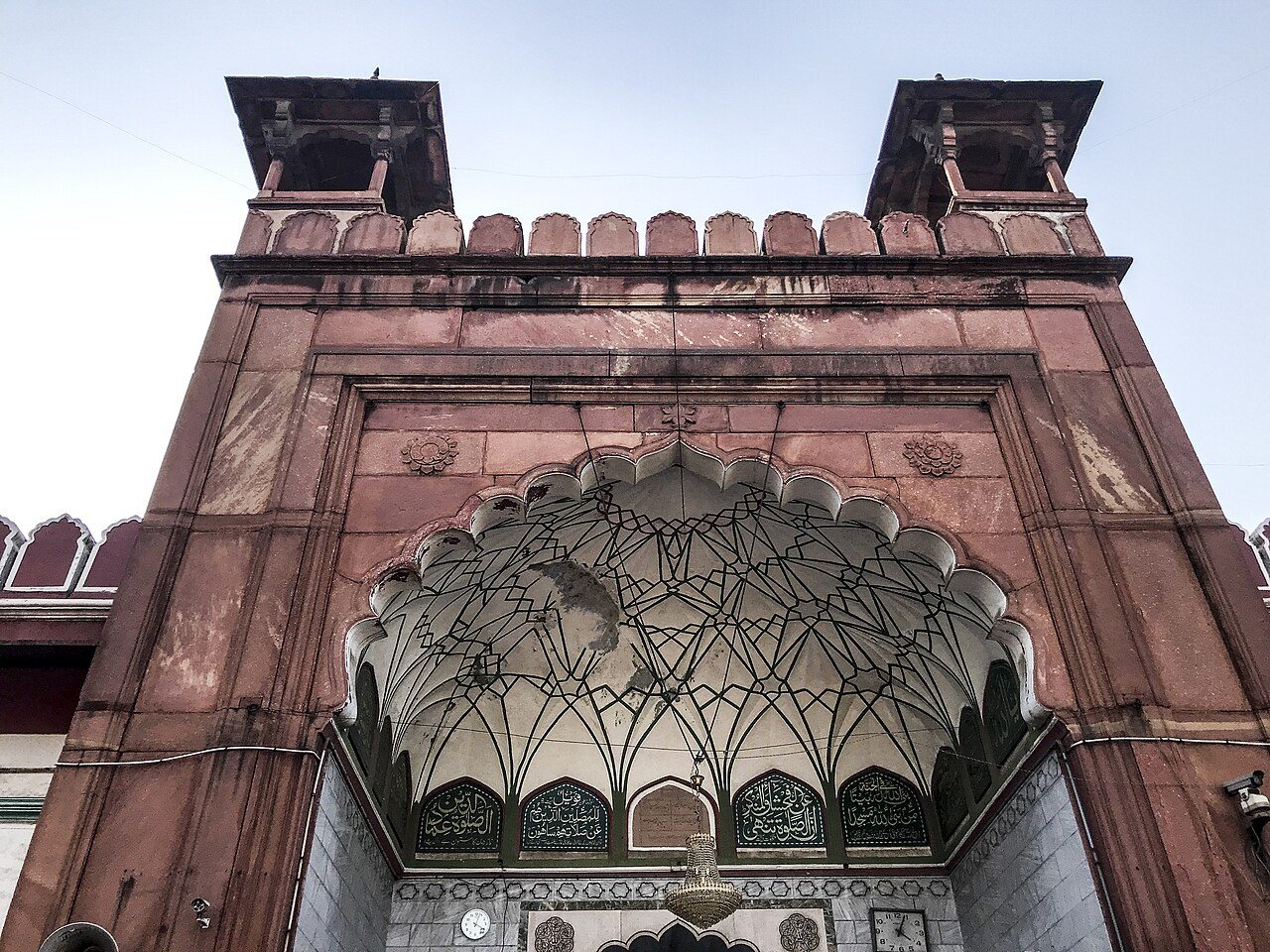
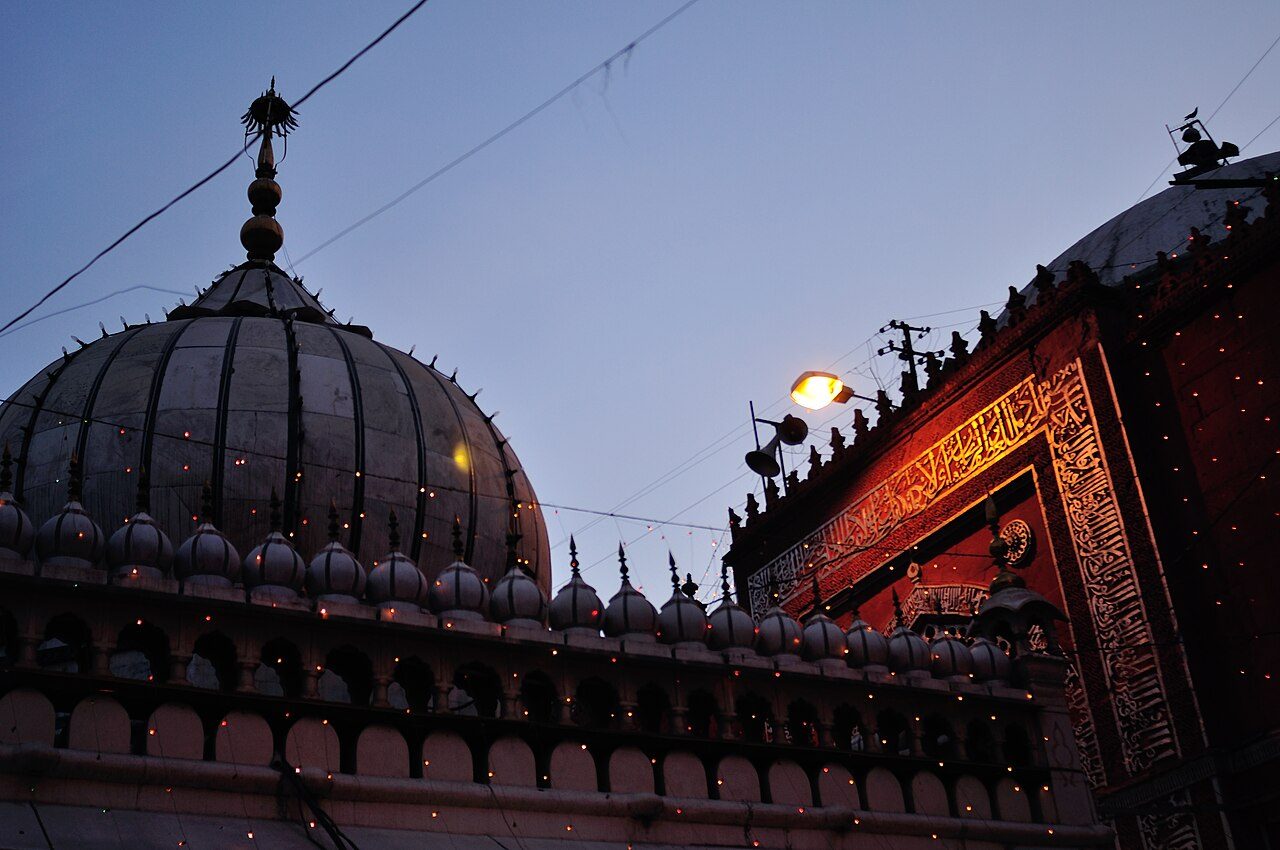
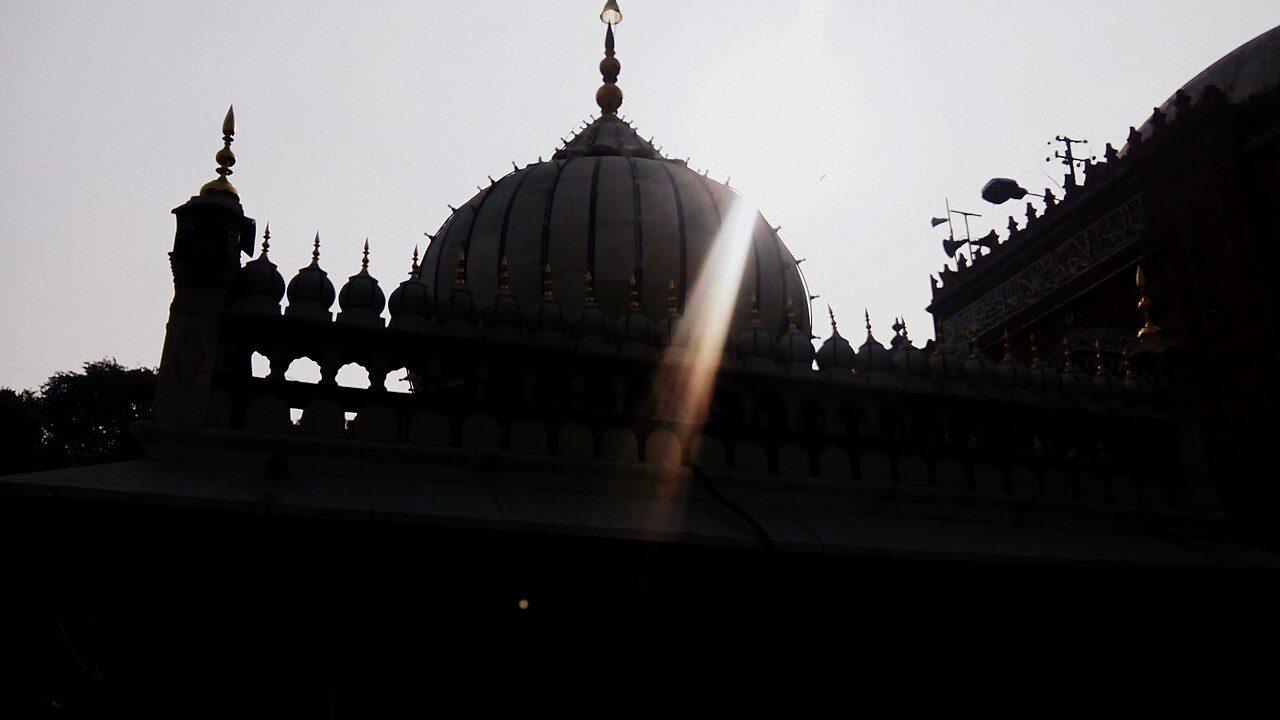
Fatehpuri Masjid
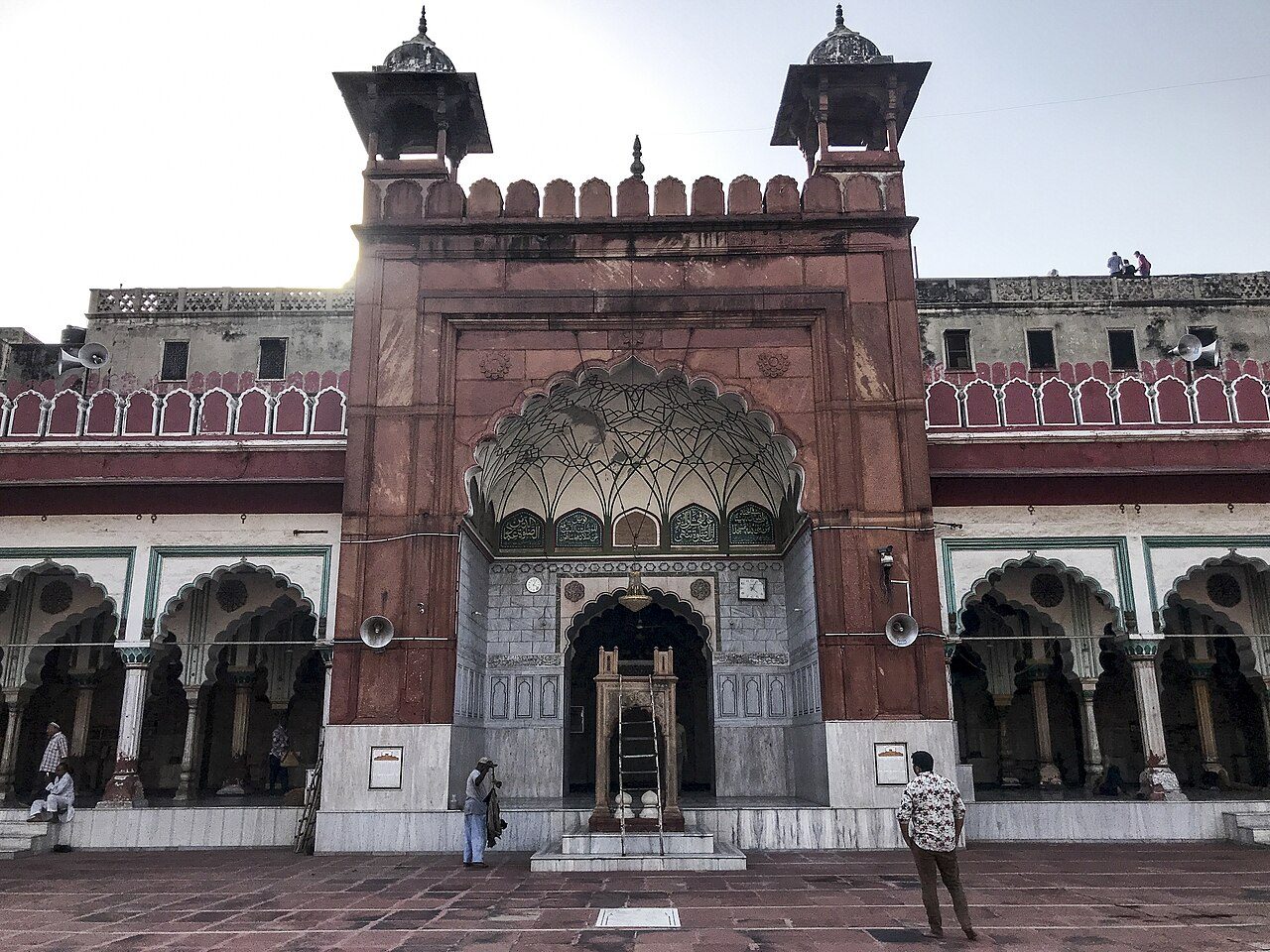
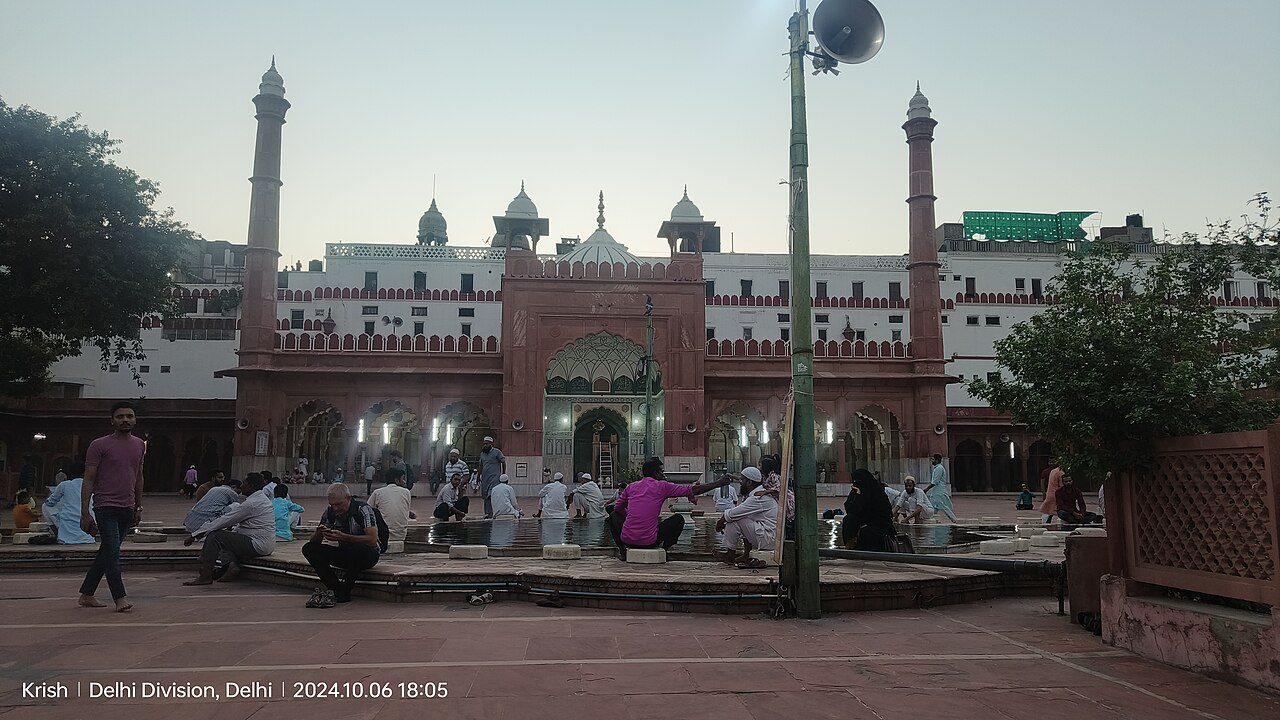
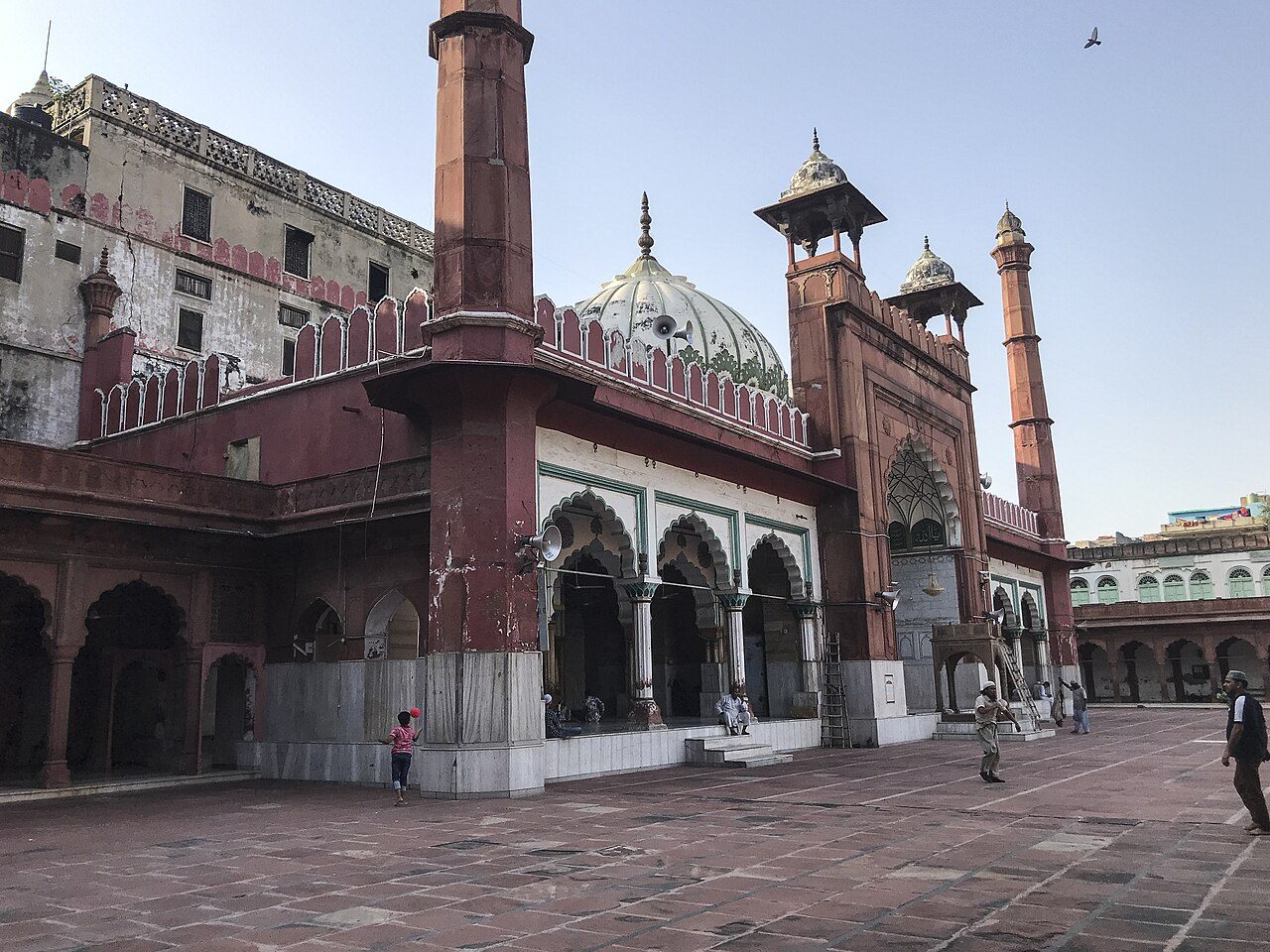
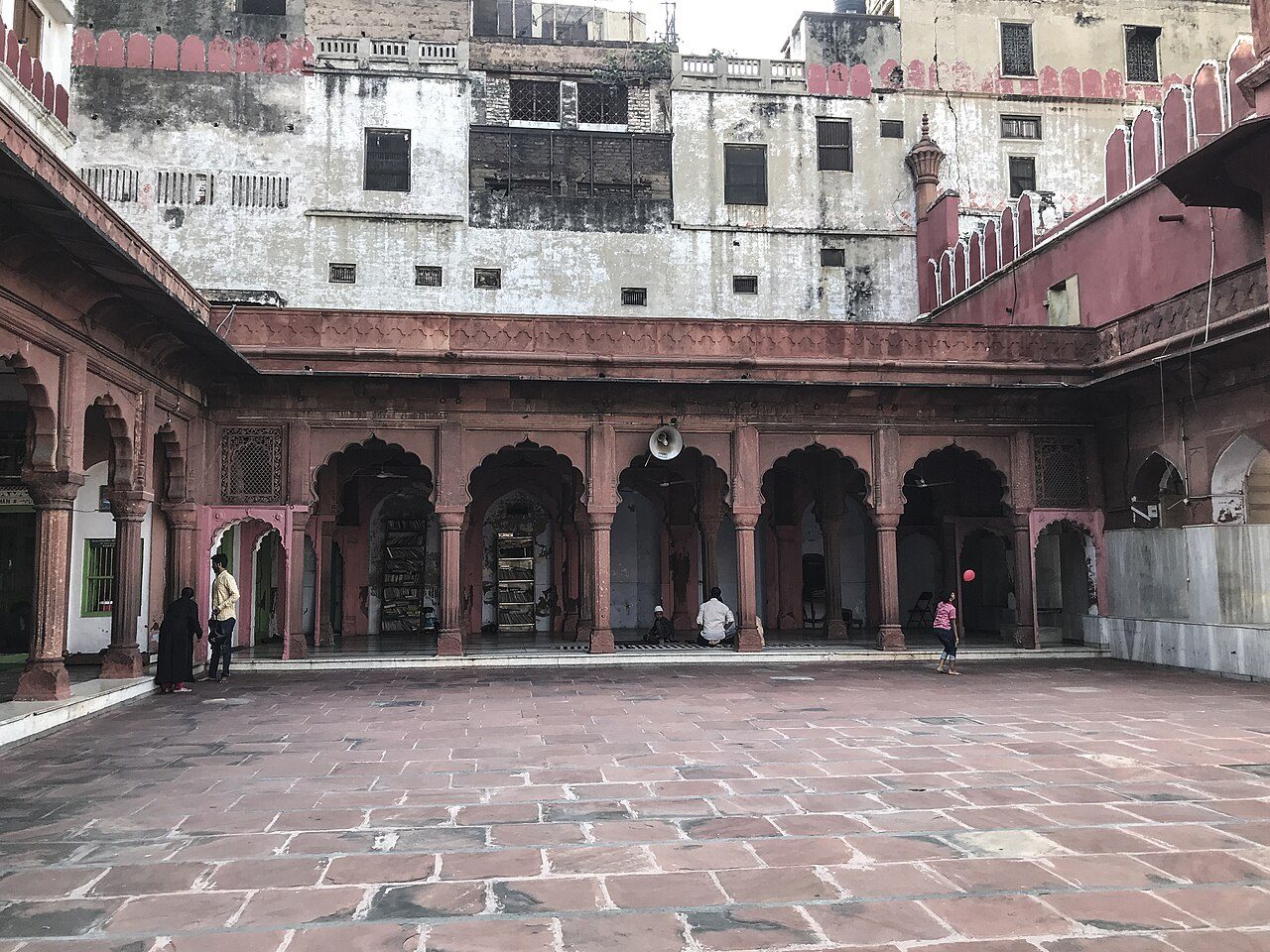
Fatehpuri Masjid stands at the western end of Chandni Chowk, facing the Red Fort down the length of the street. It was built in 1650 by Fatehpuri Begum, one of Shah Jahan's wives, in red sandstone with a single fluted dome and flanking minarets. The large courtyard has a central ablution tank and is ringed by old shops. Visit outside prayer times, and combine it with the spice market next door.
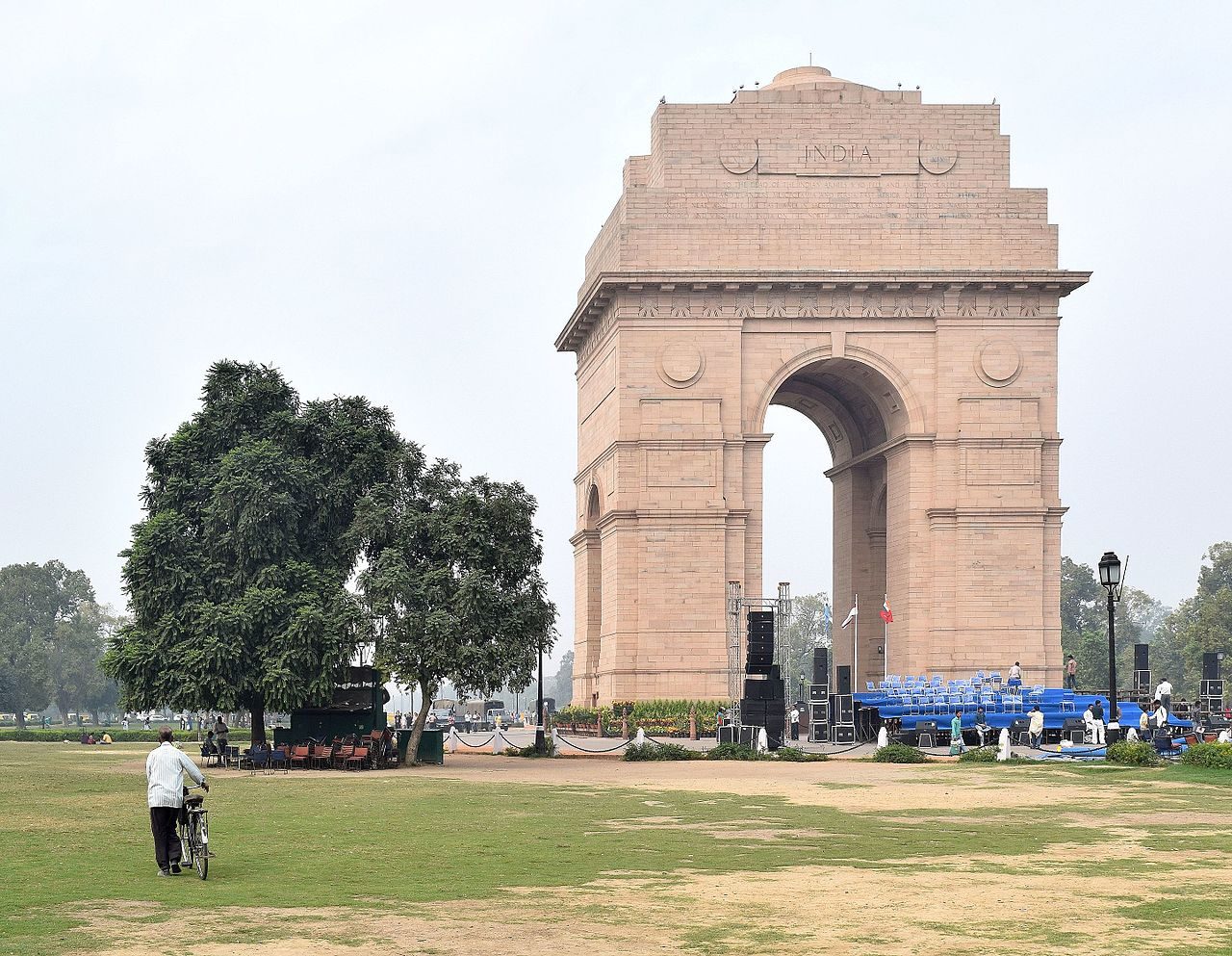
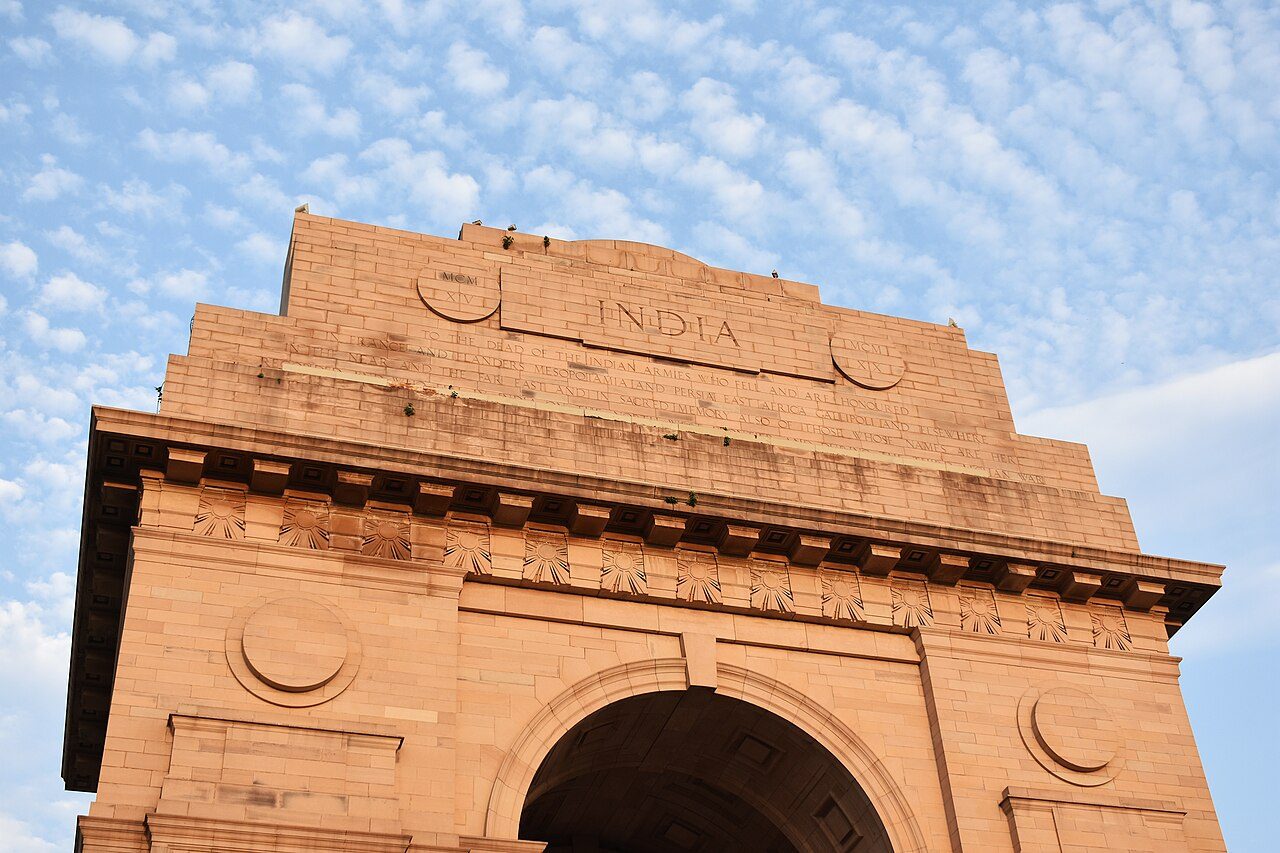
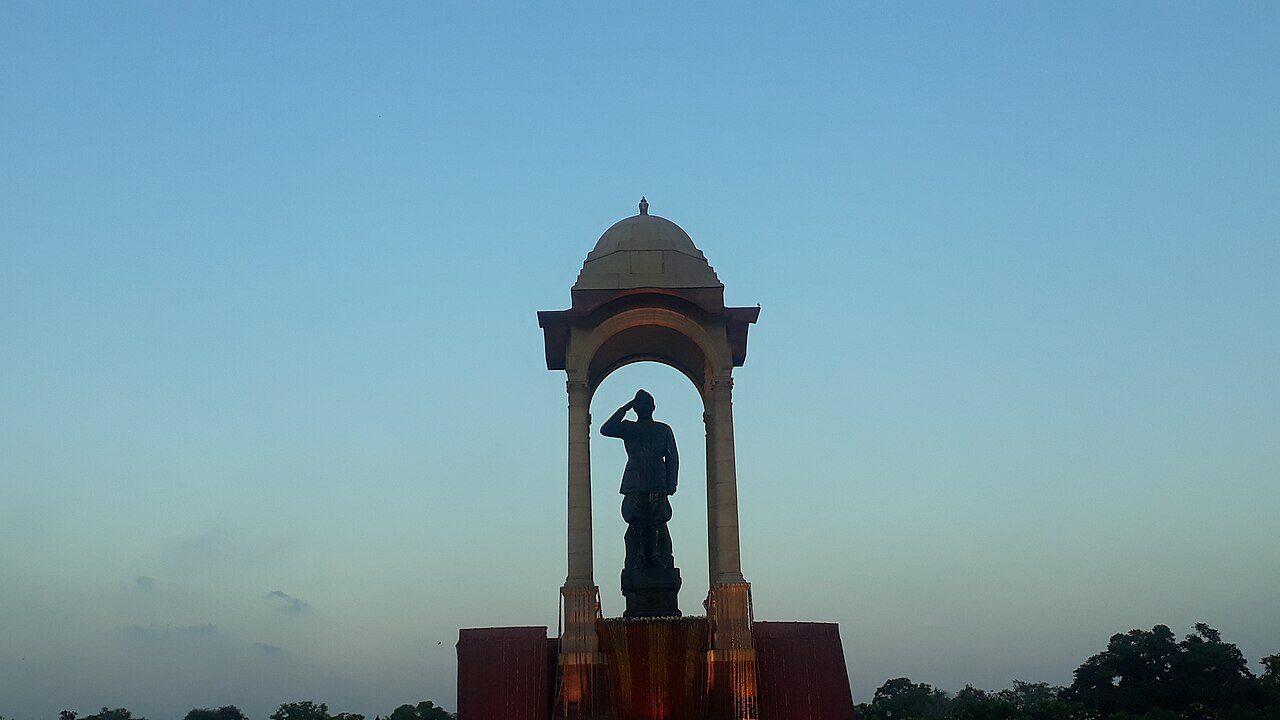
India Gate is a 42-metre war memorial arch on the ceremonial avenue of New Delhi, designed by Edwin Lutyens and completed in 1931. It commemorates the soldiers of British India who died in the First World War and the Third Anglo-Afghan War; their names are inscribed on its walls. The lawns around it are a favourite evening gathering place, and the arch is floodlit after dark.
07
STOP 7 OF 19
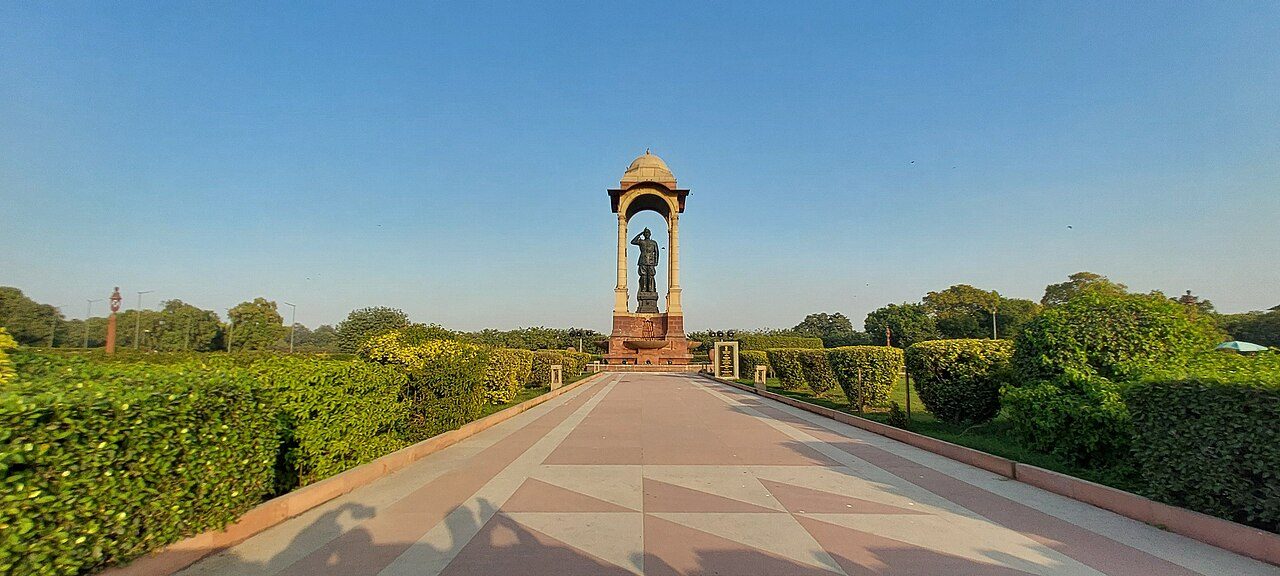
National War Memorial
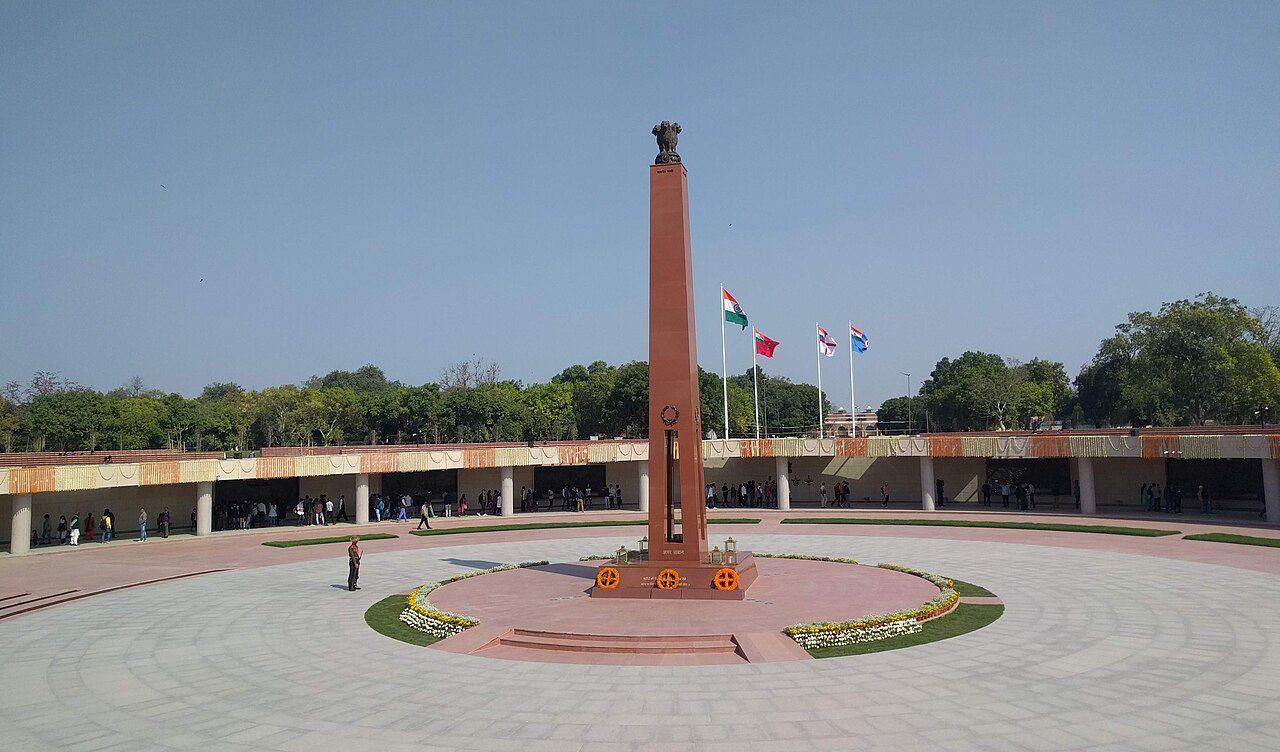
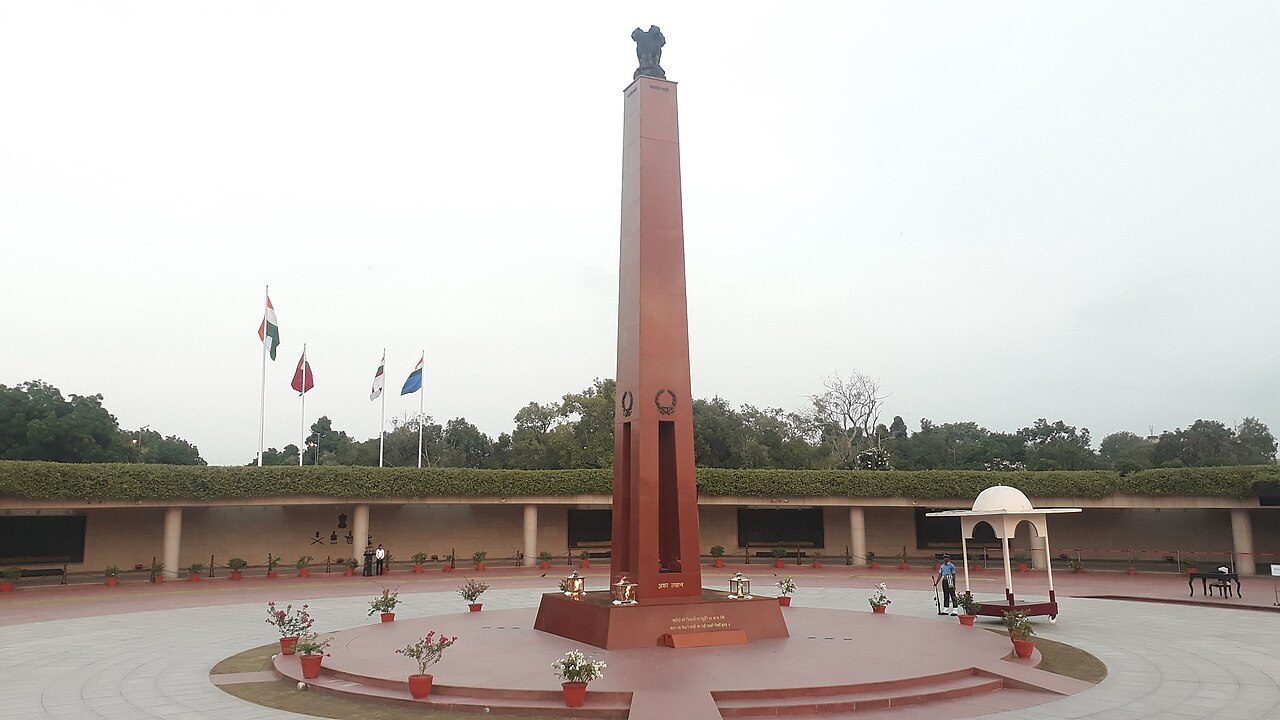
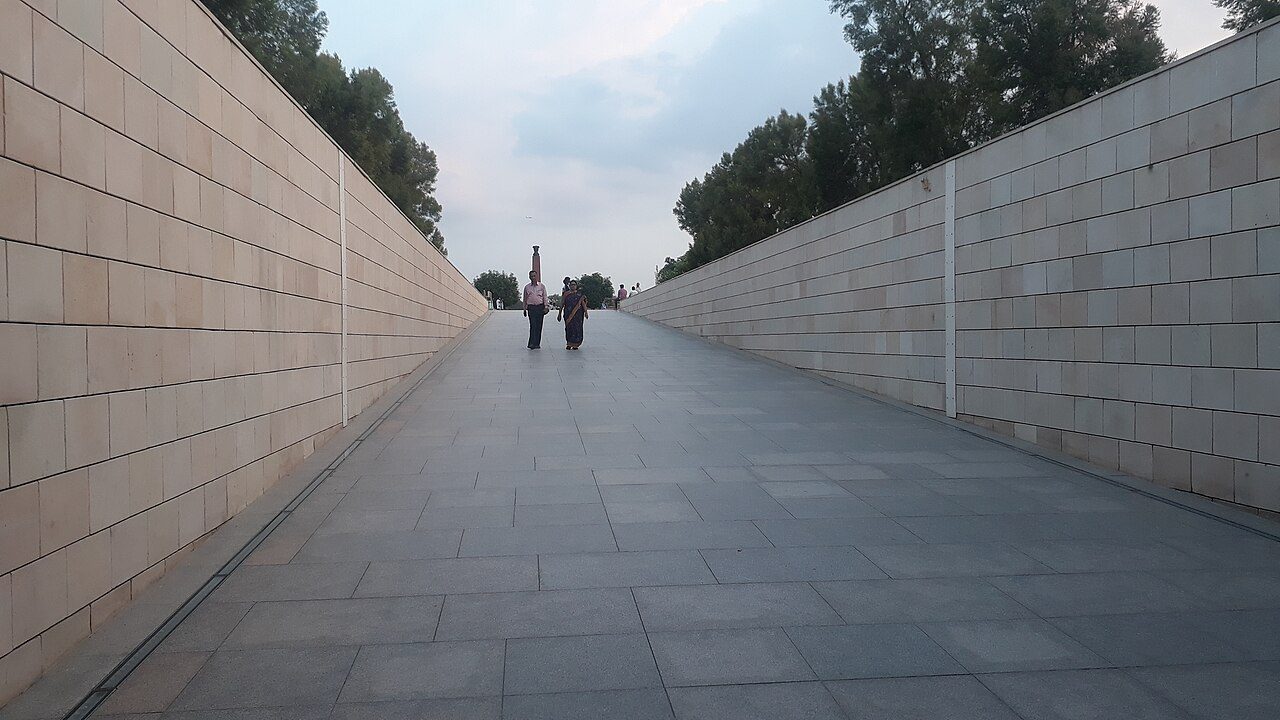
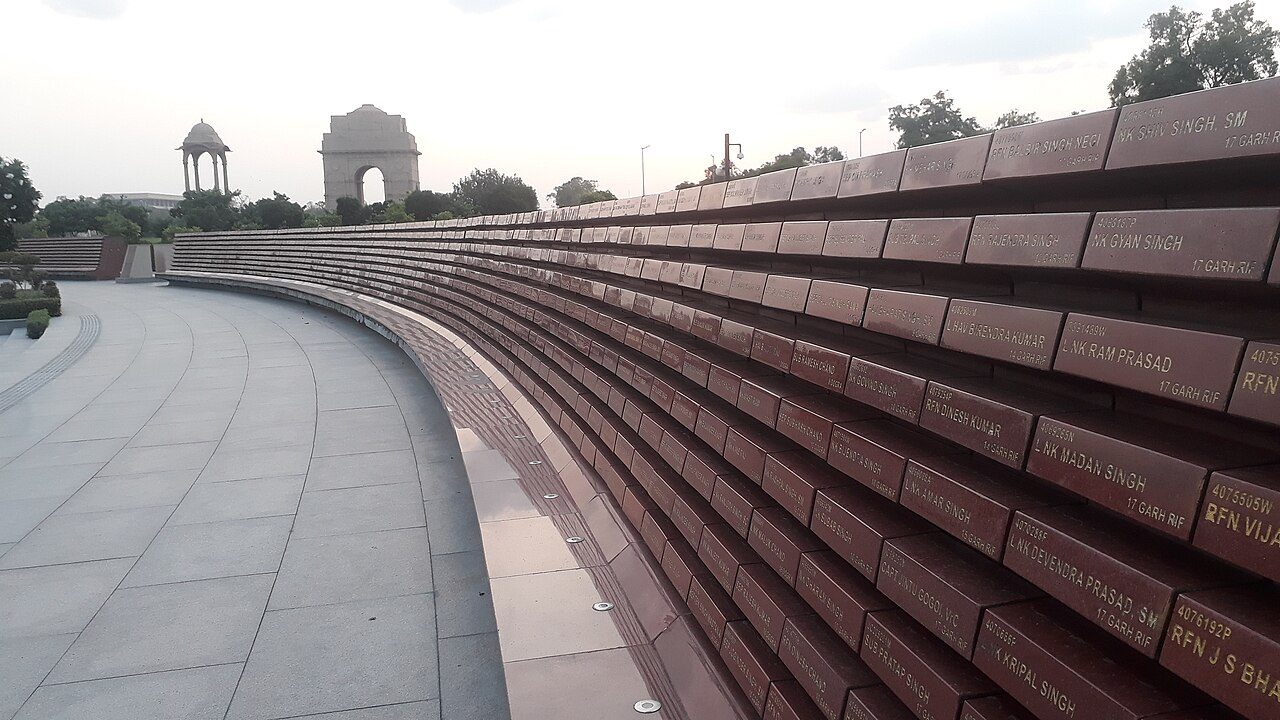
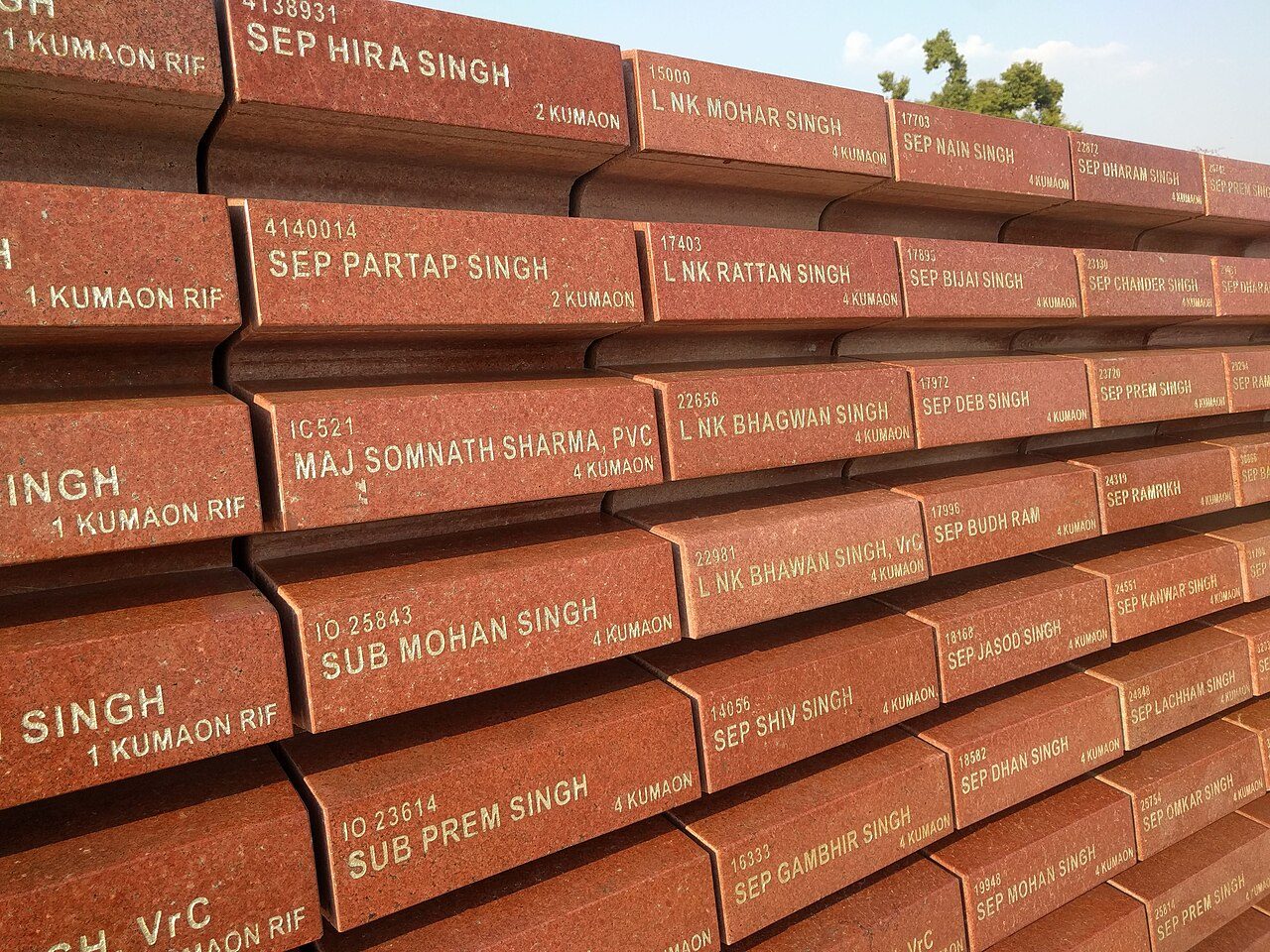
The National War Memorial, opened in 2019 near India Gate, honours the soldiers of independent India who have died in wars and operations since 1947. Concentric circles surround a central obelisk with an eternal flame; one wall carries the names of more than 25,000 fallen soldiers on granite tablets. Busts of Param Vir Chakra recipients stand in an adjoining park. A retreat ceremony is held each evening.
08
STOP 8 OF 19
Gurudwara Bangla Sahib
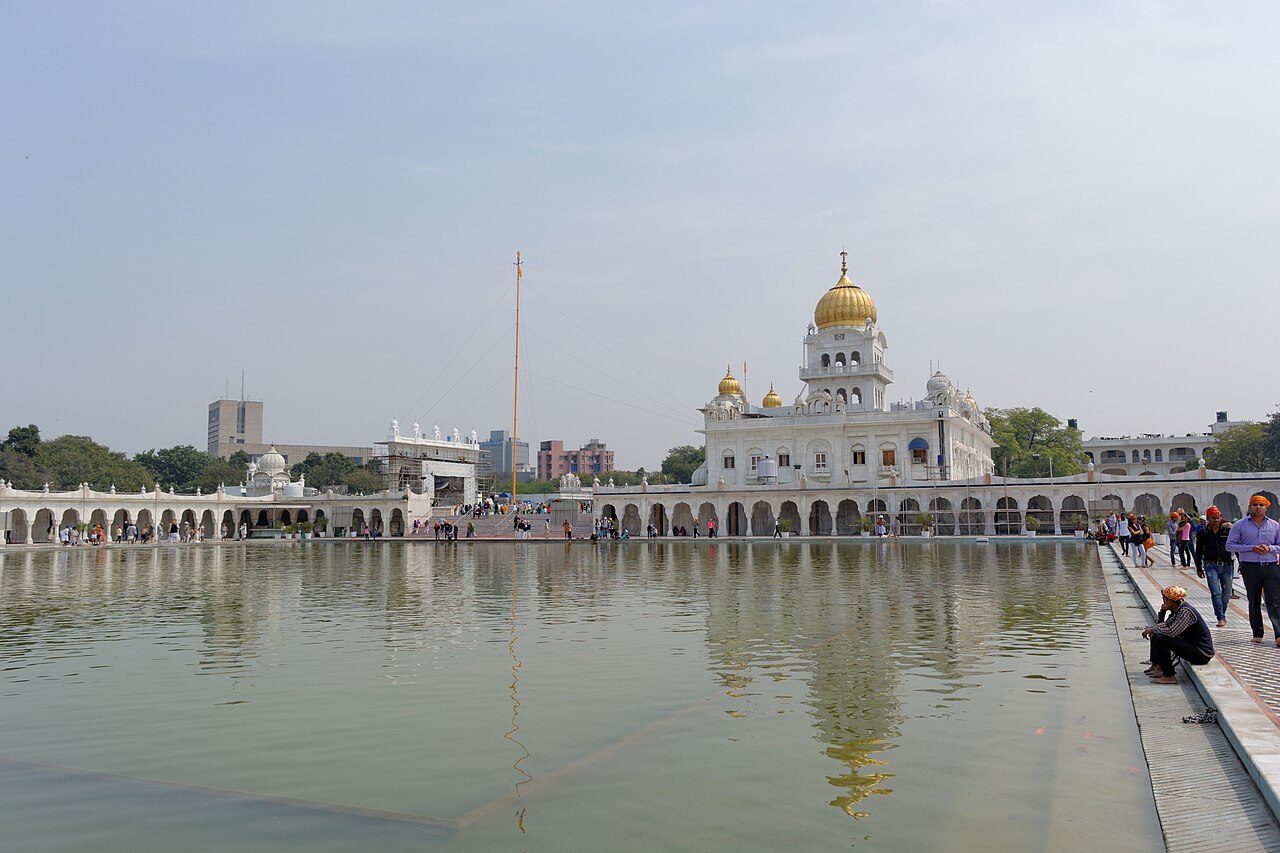
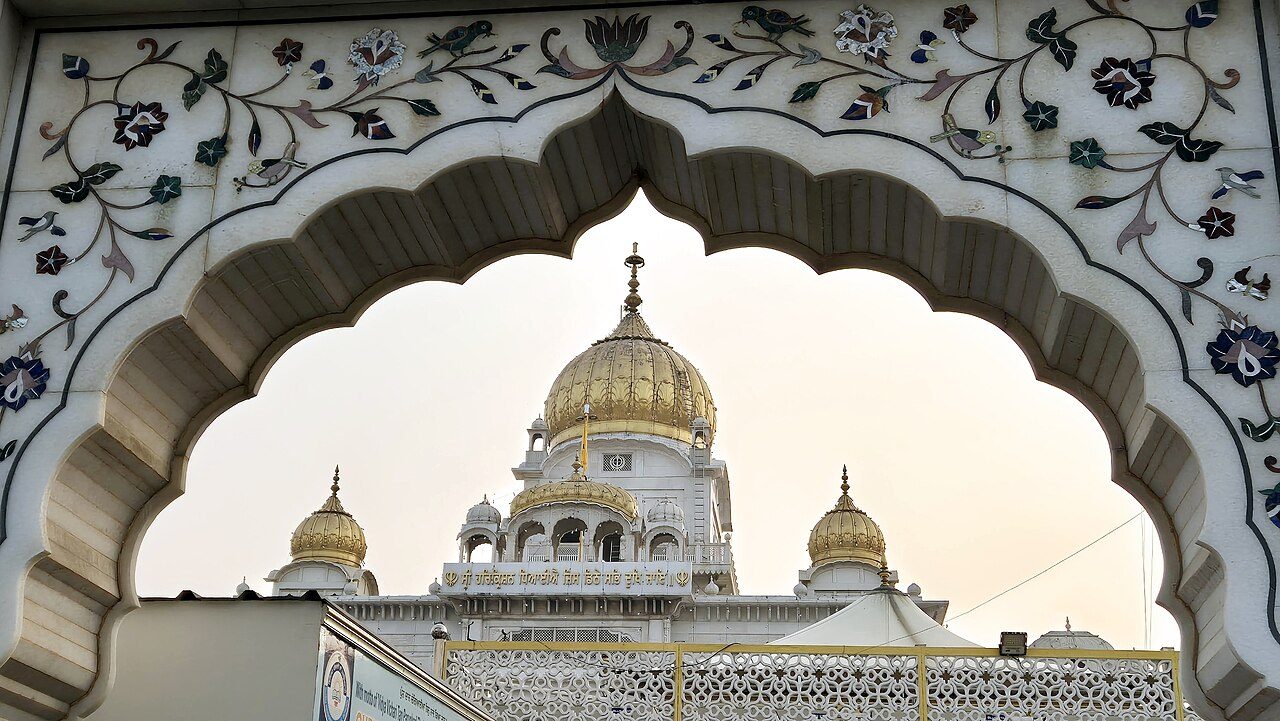
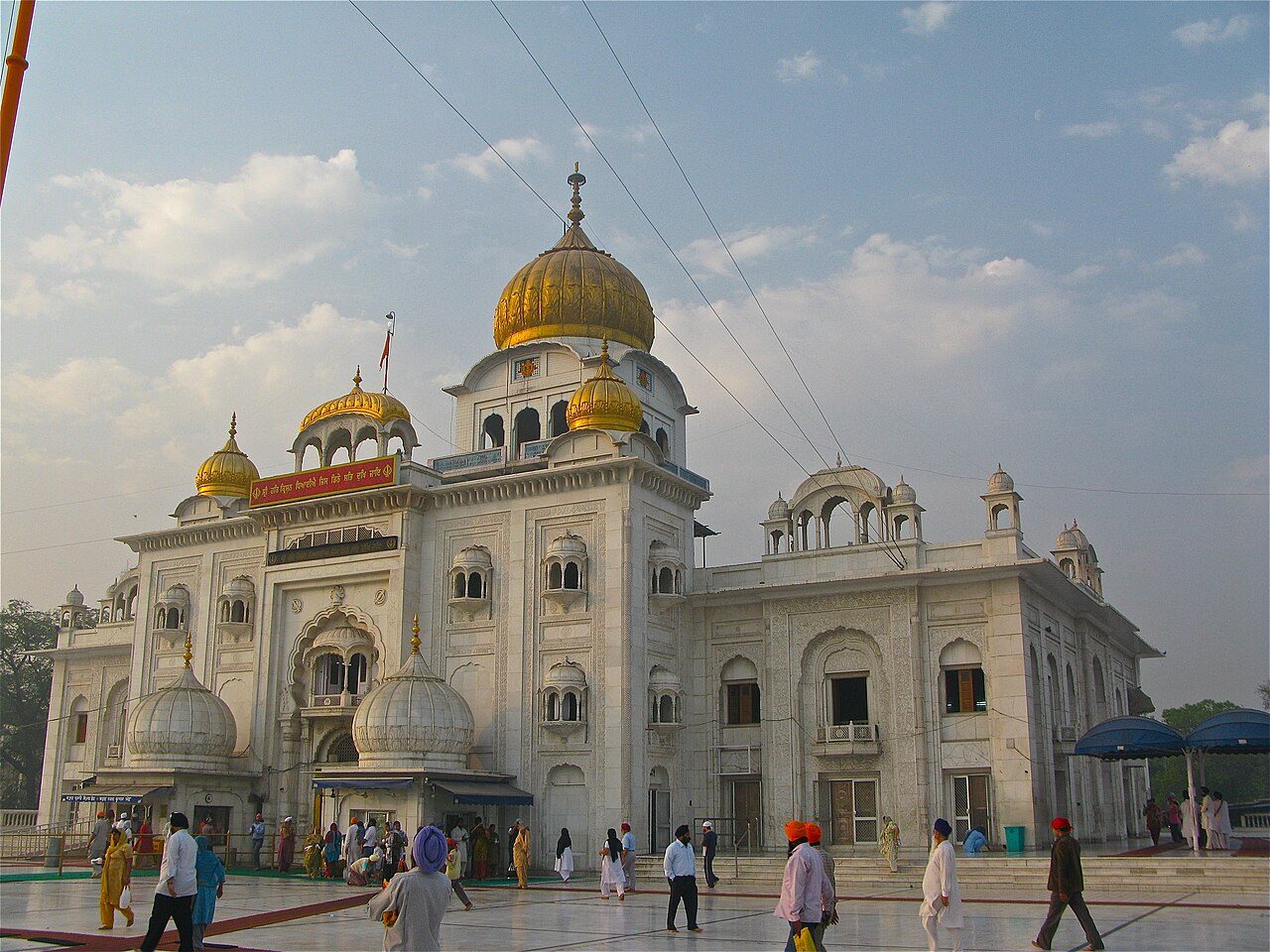
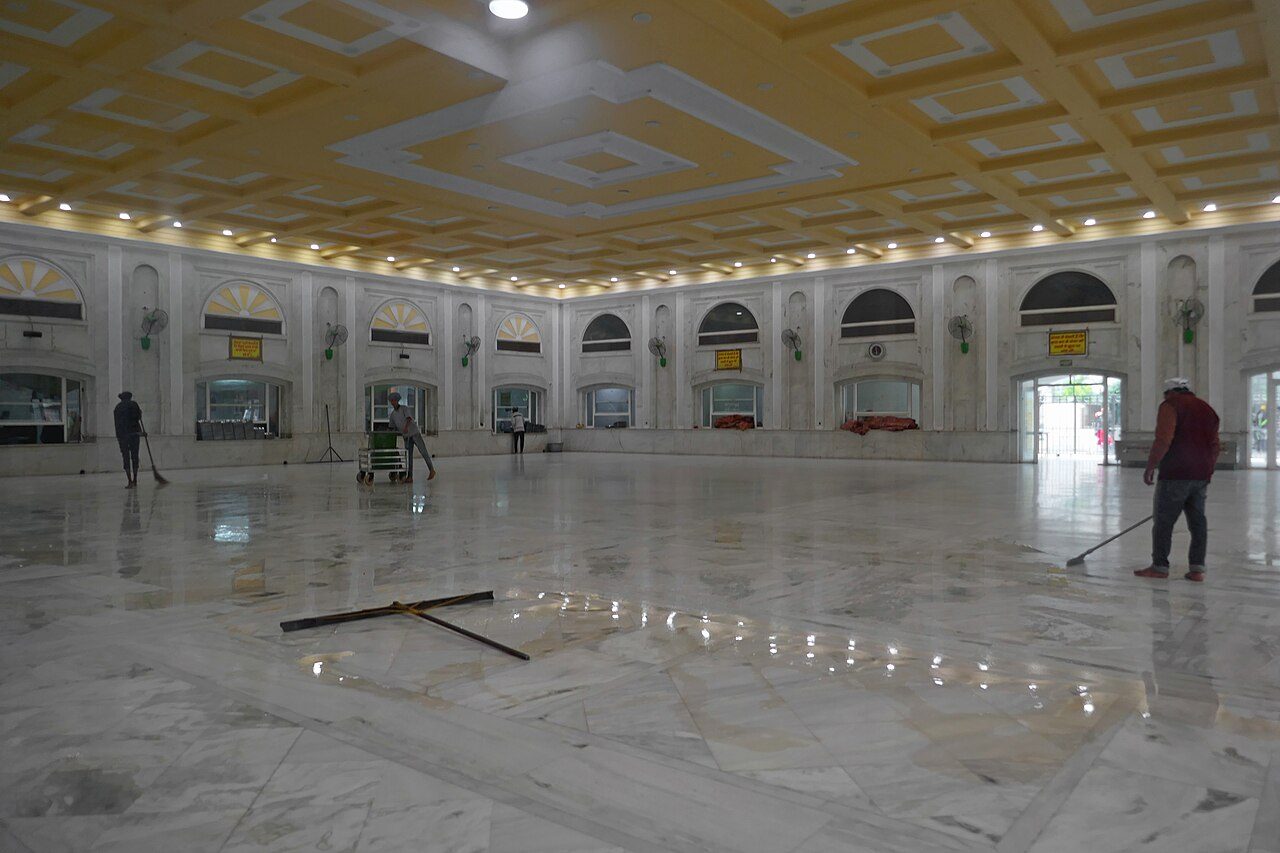
Gurudwara Bangla Sahib is the most prominent Sikh shrine in Delhi, recognisable by its golden dome. It stands on the site of a bungalow where the eighth Sikh Guru, Har Krishan, stayed in 1664 and tended to victims of an epidemic. The water of its sarovar is considered healing. The community kitchen serves free meals to thousands of visitors of all faiths every day. Heads must be covered inside.
09
STOP 9 OF 19
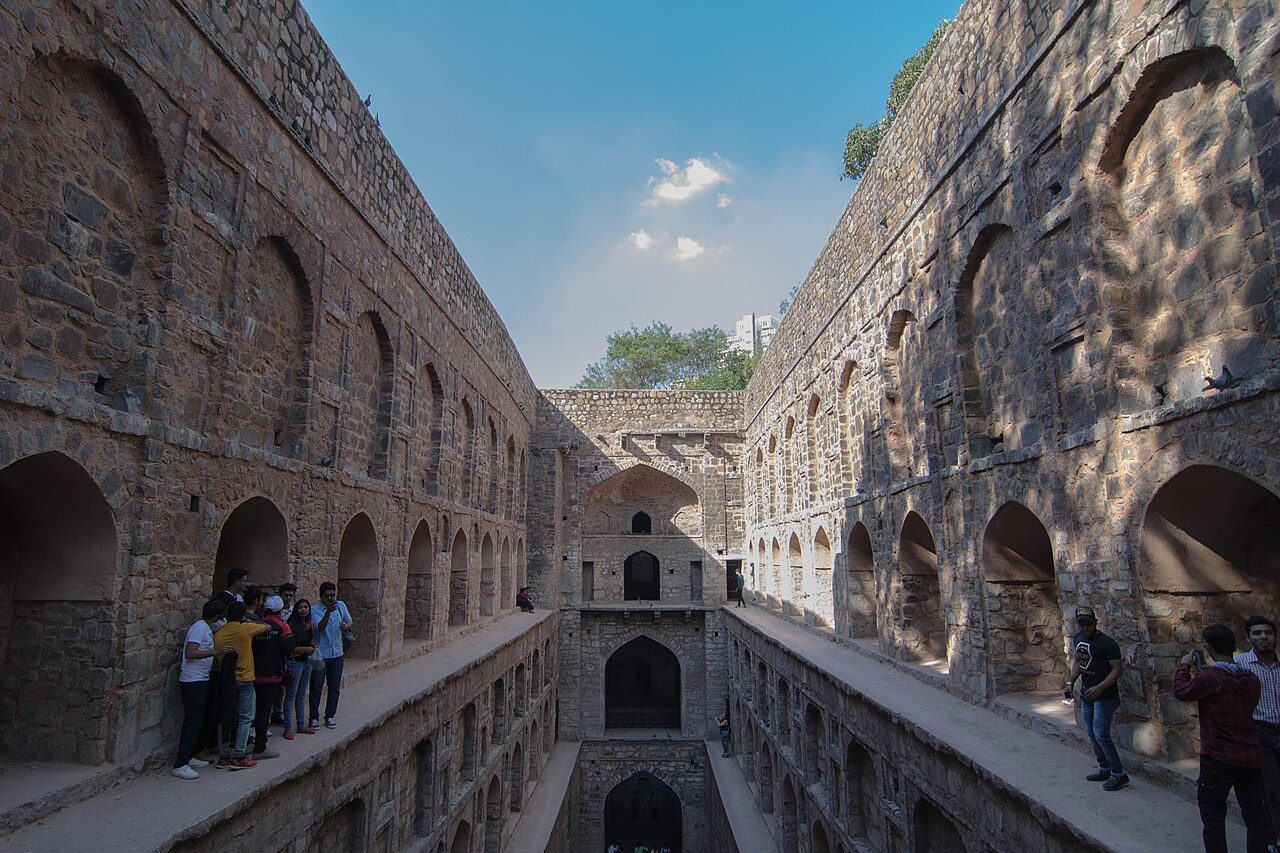
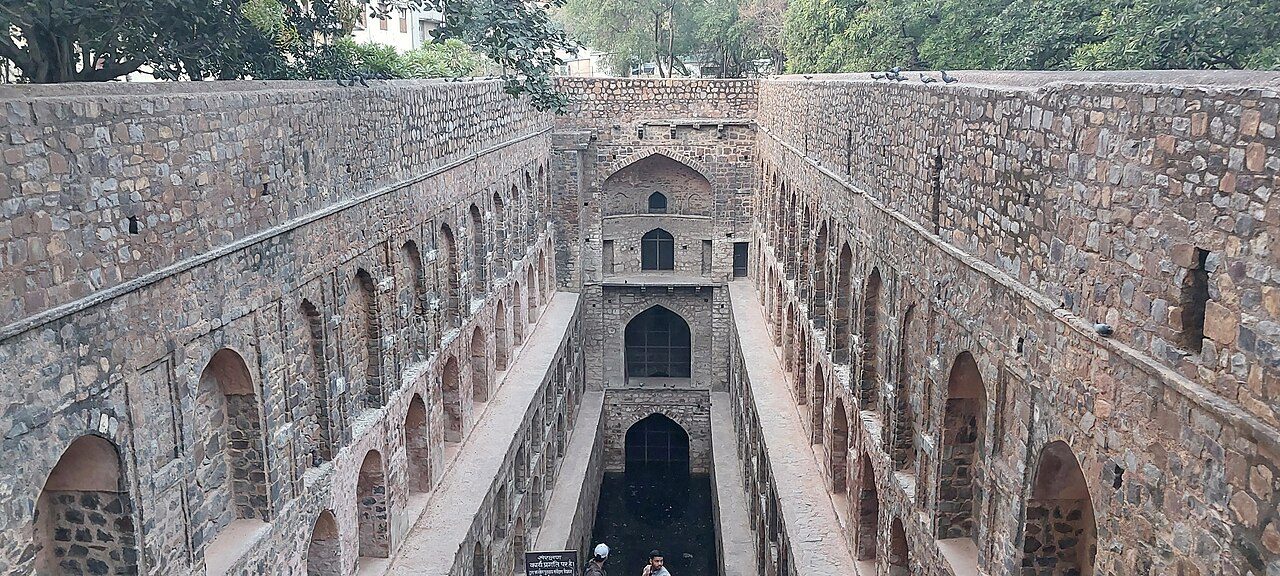
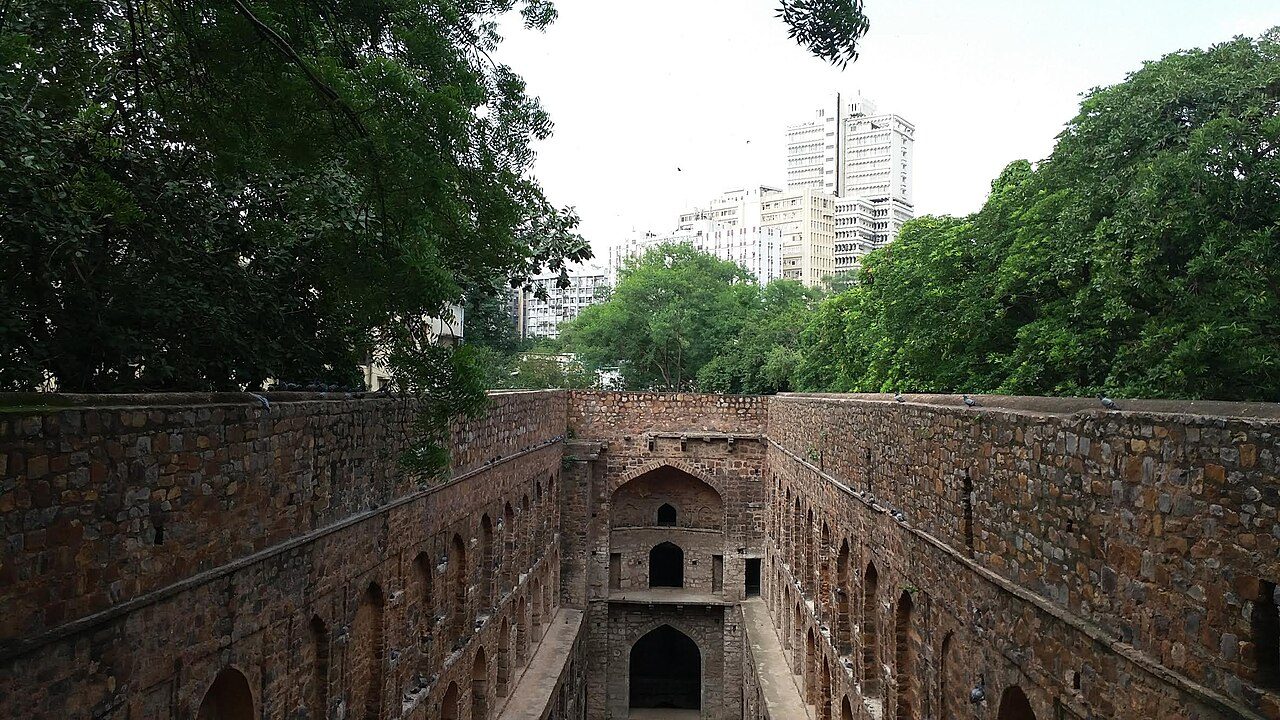
Agrasen Ki Baoli
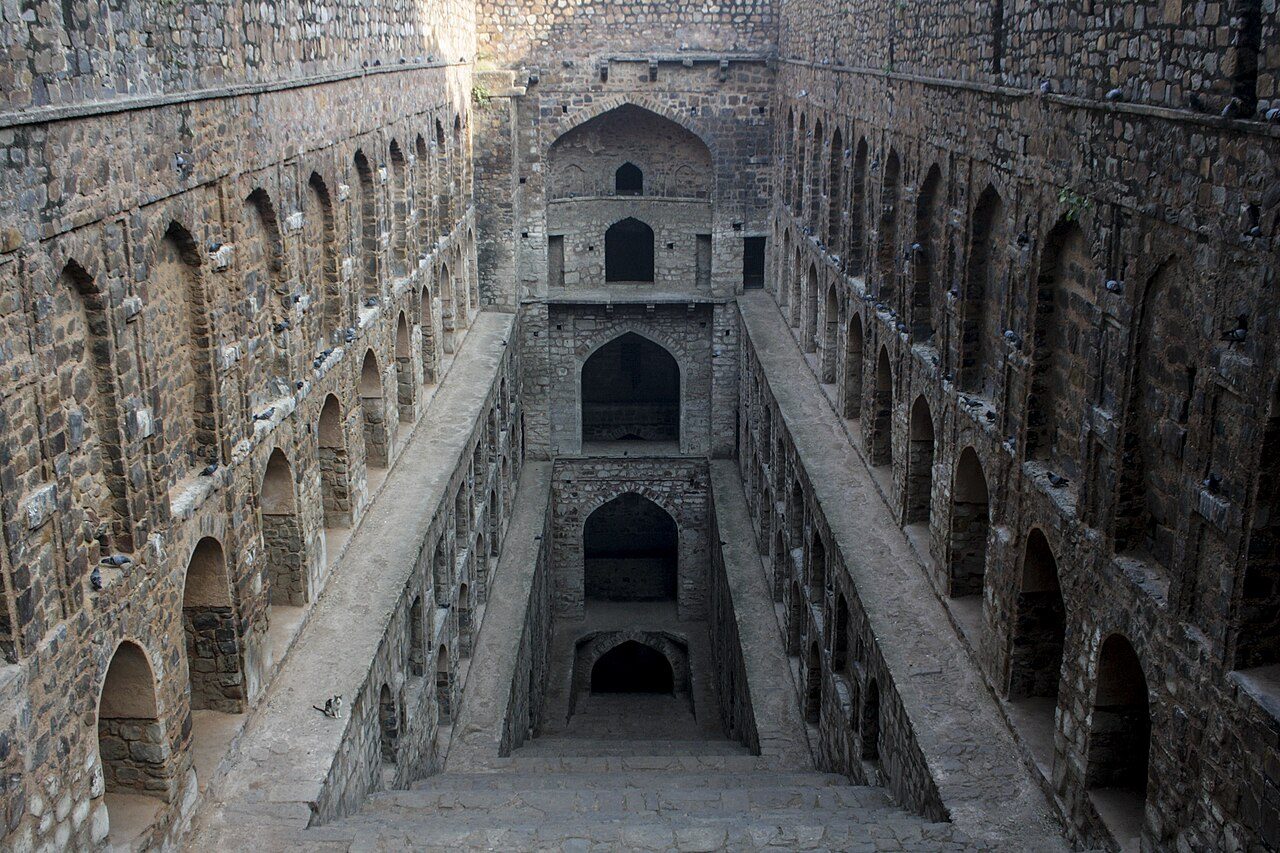
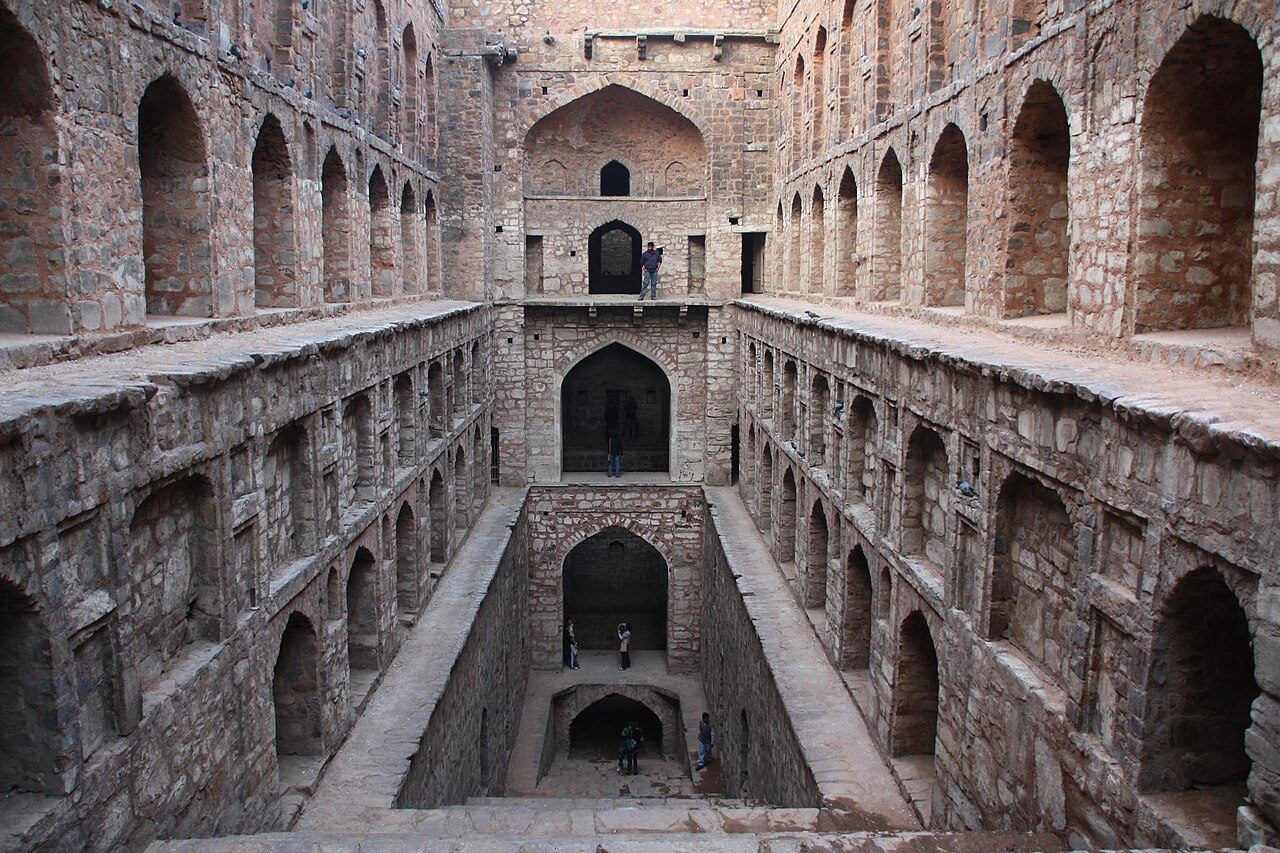
Agrasen Ki Baoli is a 60-metre-long stepwell hidden among the buildings of central New Delhi. Its 108 steps descend past three levels of arched niches. Legend credits it to the ancient king Agrasen, but the present structure is thought to have been rebuilt in the 14th century. It is a protected monument and a popular spot for photographers and film crews.
10
STOP 10 OF 19
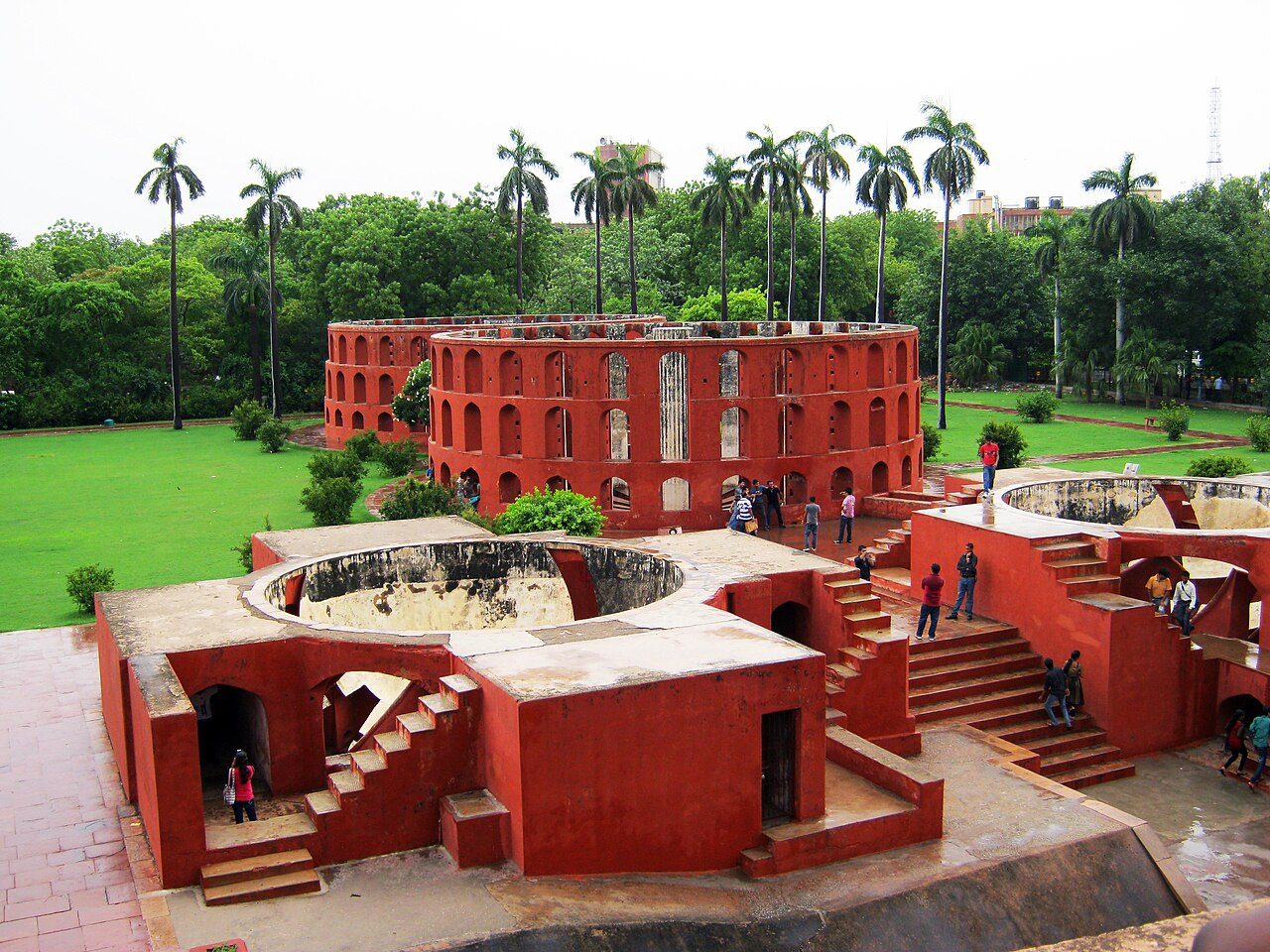
Jantar Mantar Delhi
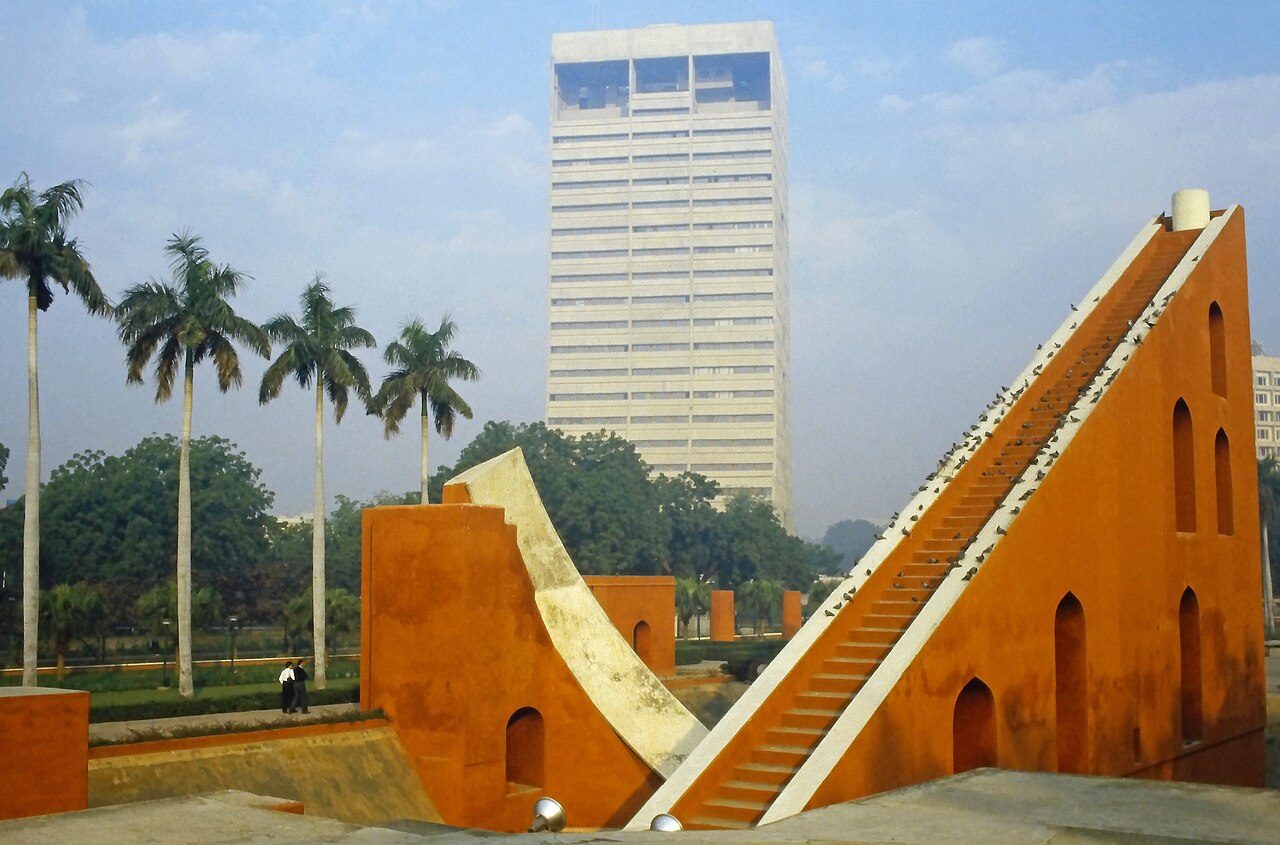
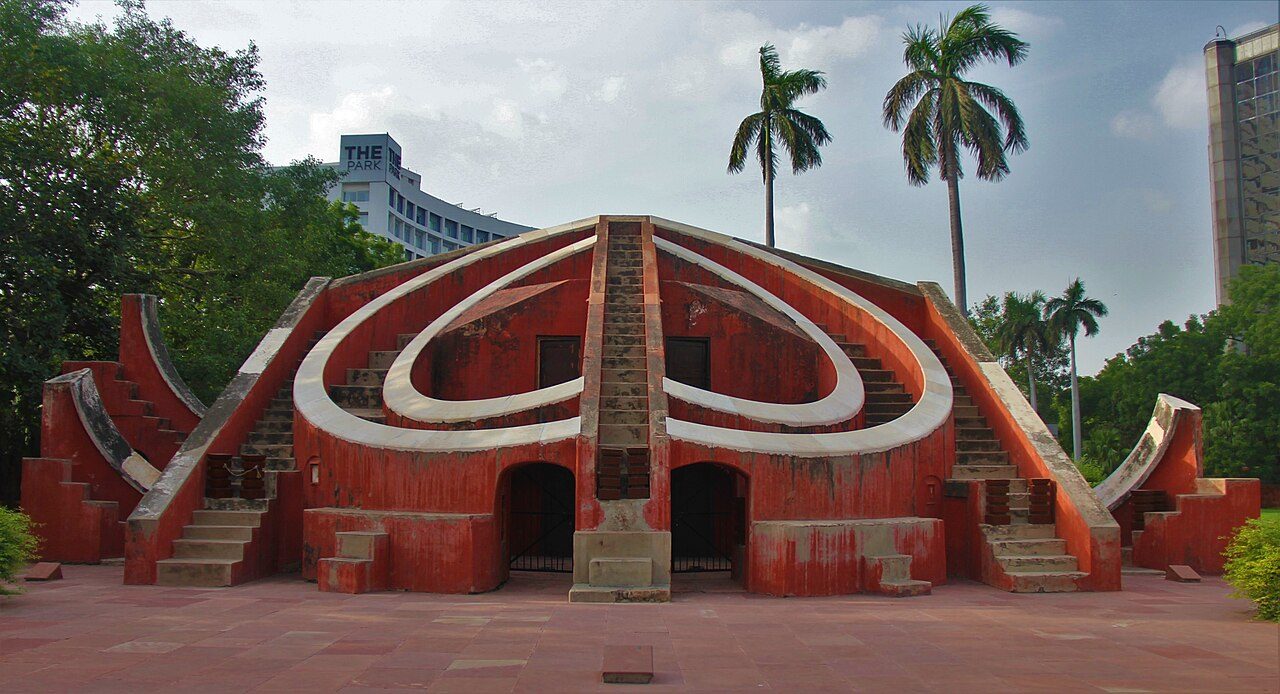
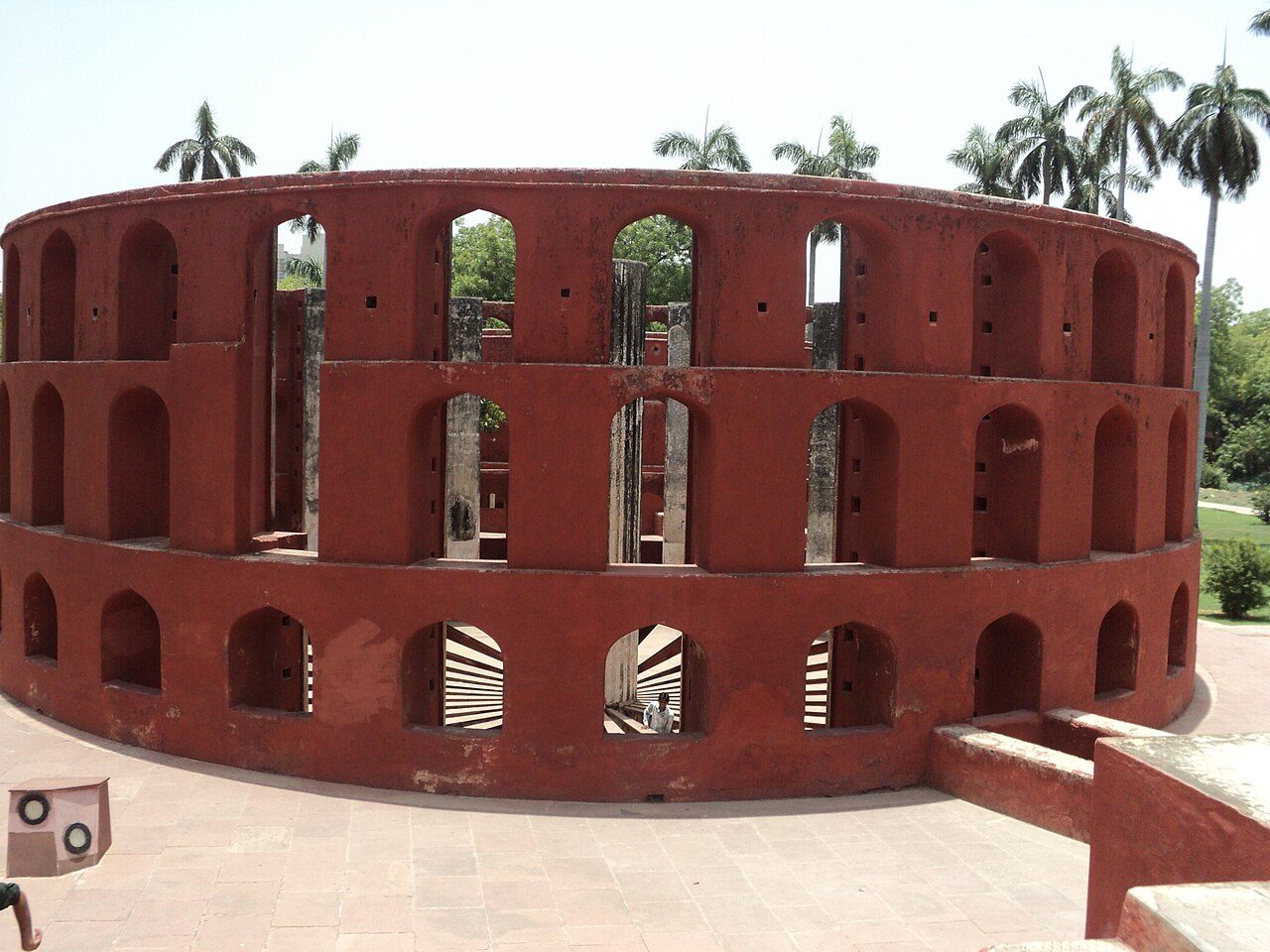
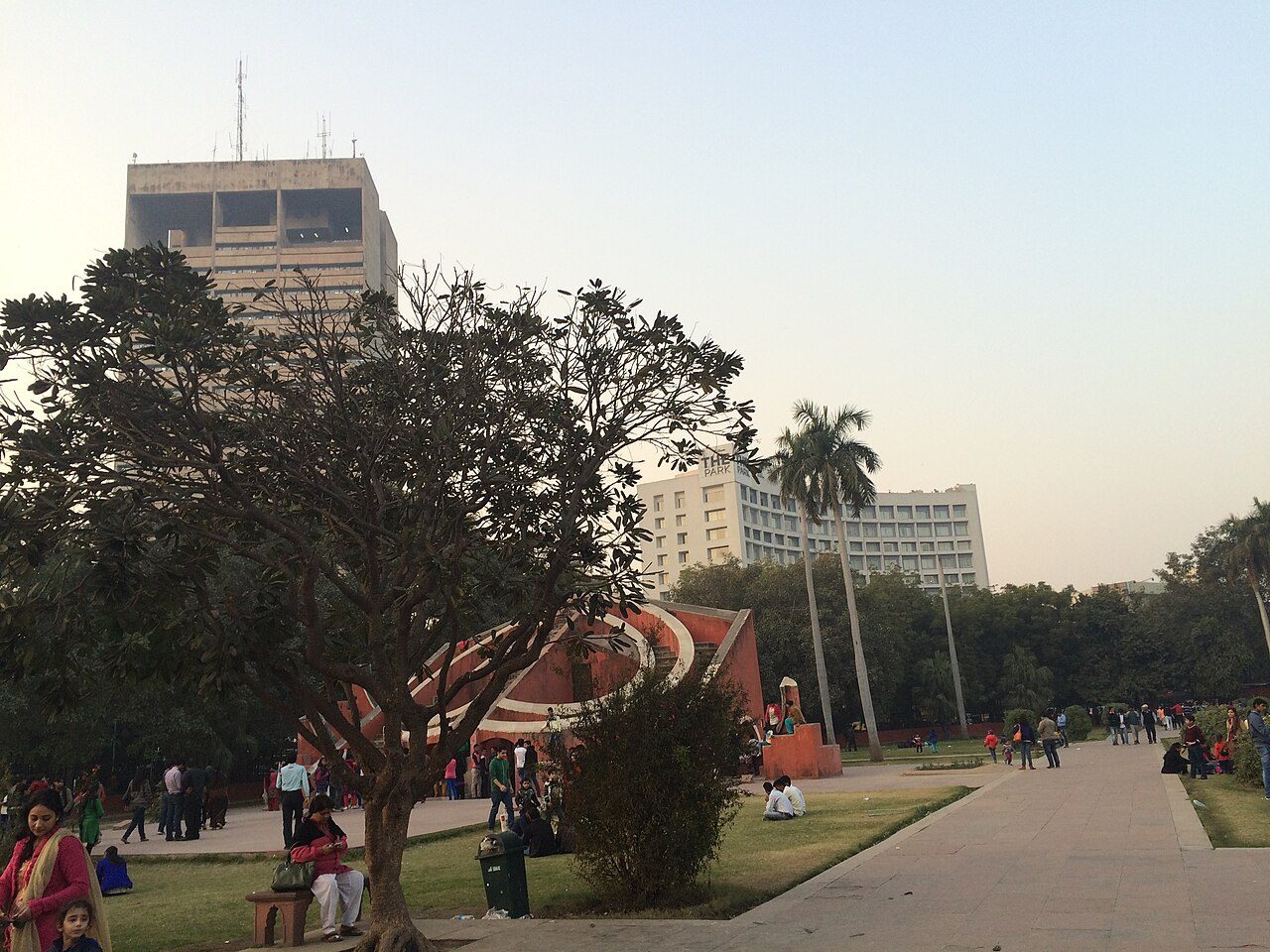
Jantar Mantar in New Delhi is an astronomical observatory built in 1724 by Maharaja Jai Singh II of Jaipur, the first of the five he constructed in northern India. Its large masonry instruments, including the Samrat Yantra sundial, the Misra Yantra and the Ram Yantra, were designed to track the sun, moon and planets with the naked eye. It stands among office towers near Connaught Place.
11
STOP 11 OF 19
Connaught Place
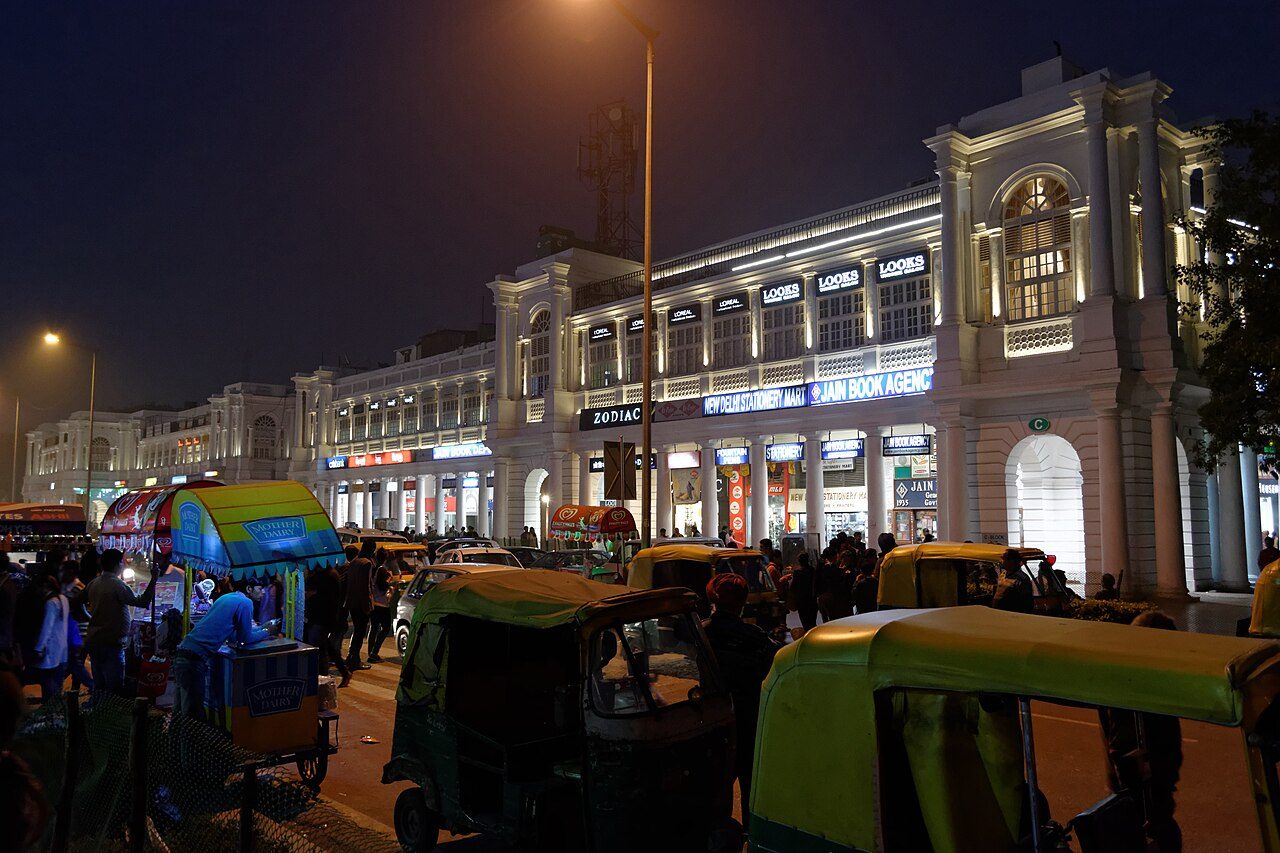
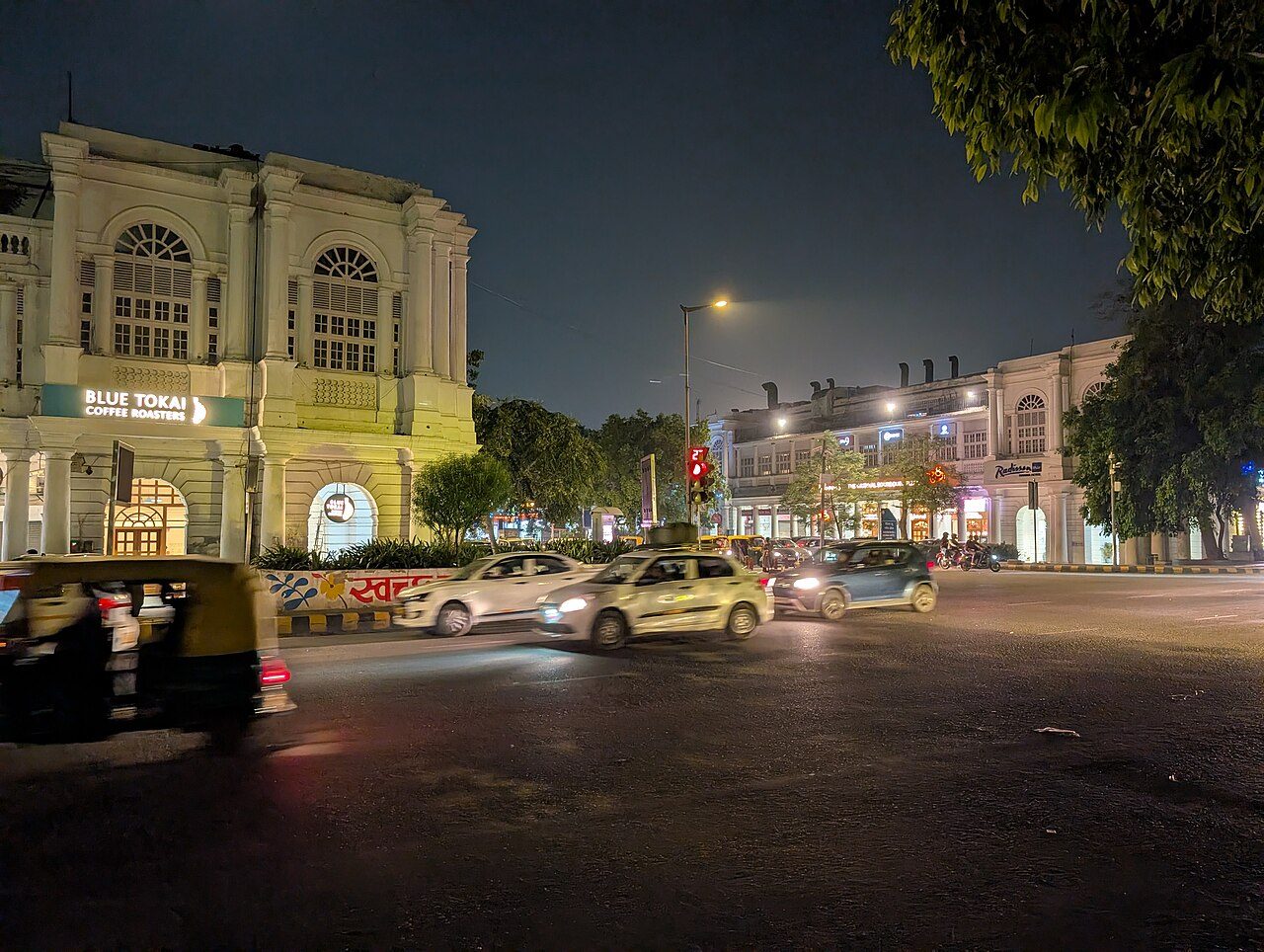
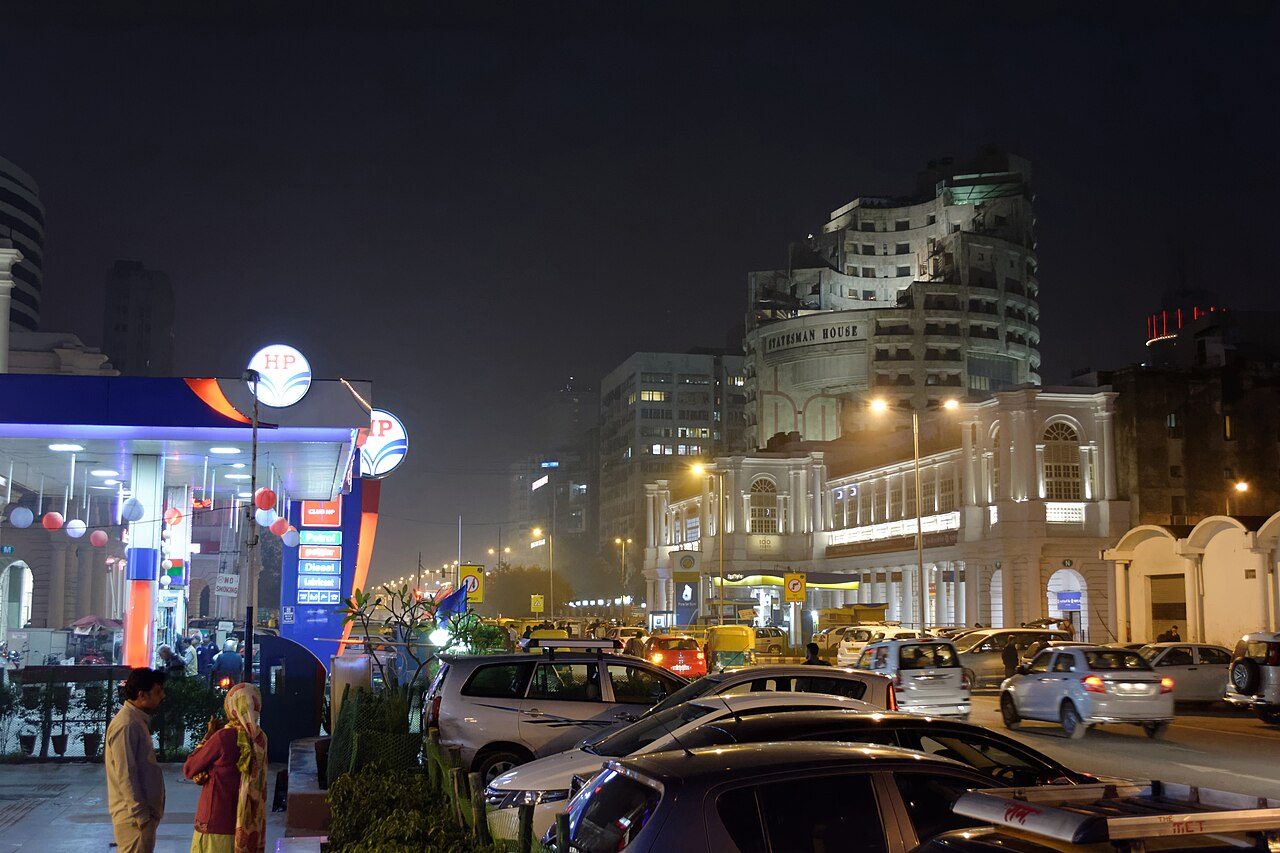
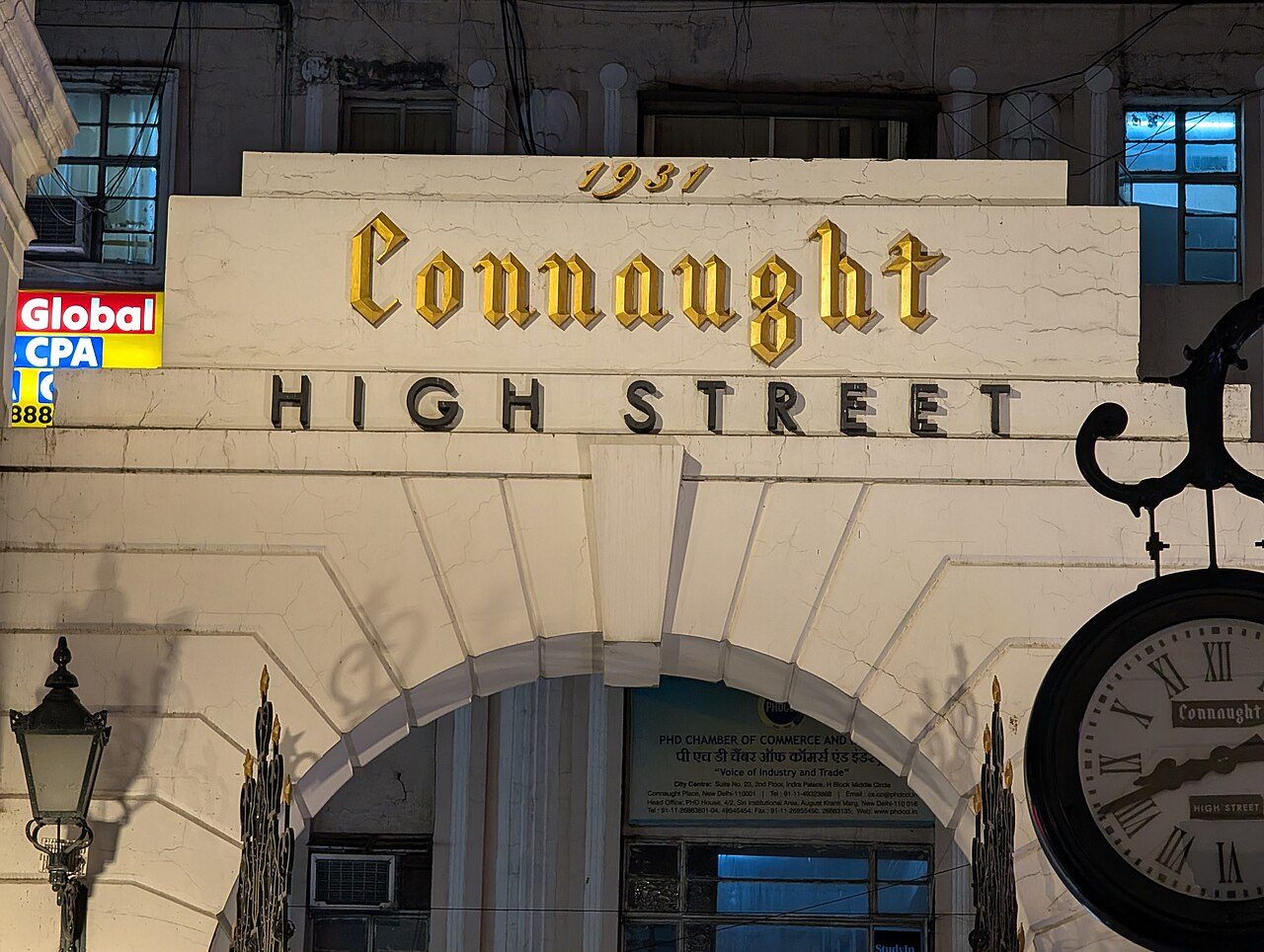
Connaught Place is the commercial heart of New Delhi, built between 1929 and 1933 and named after the Duke of Connaught. Its white Georgian-style colonnaded blocks form two concentric circles around a central park, with roads radiating outwards. It is full of shops, restaurants, cinemas and bookstalls, with the underground Palika Bazaar and Janpath market close by.
12
STOP 12 OF 19
Humayun's Tomb
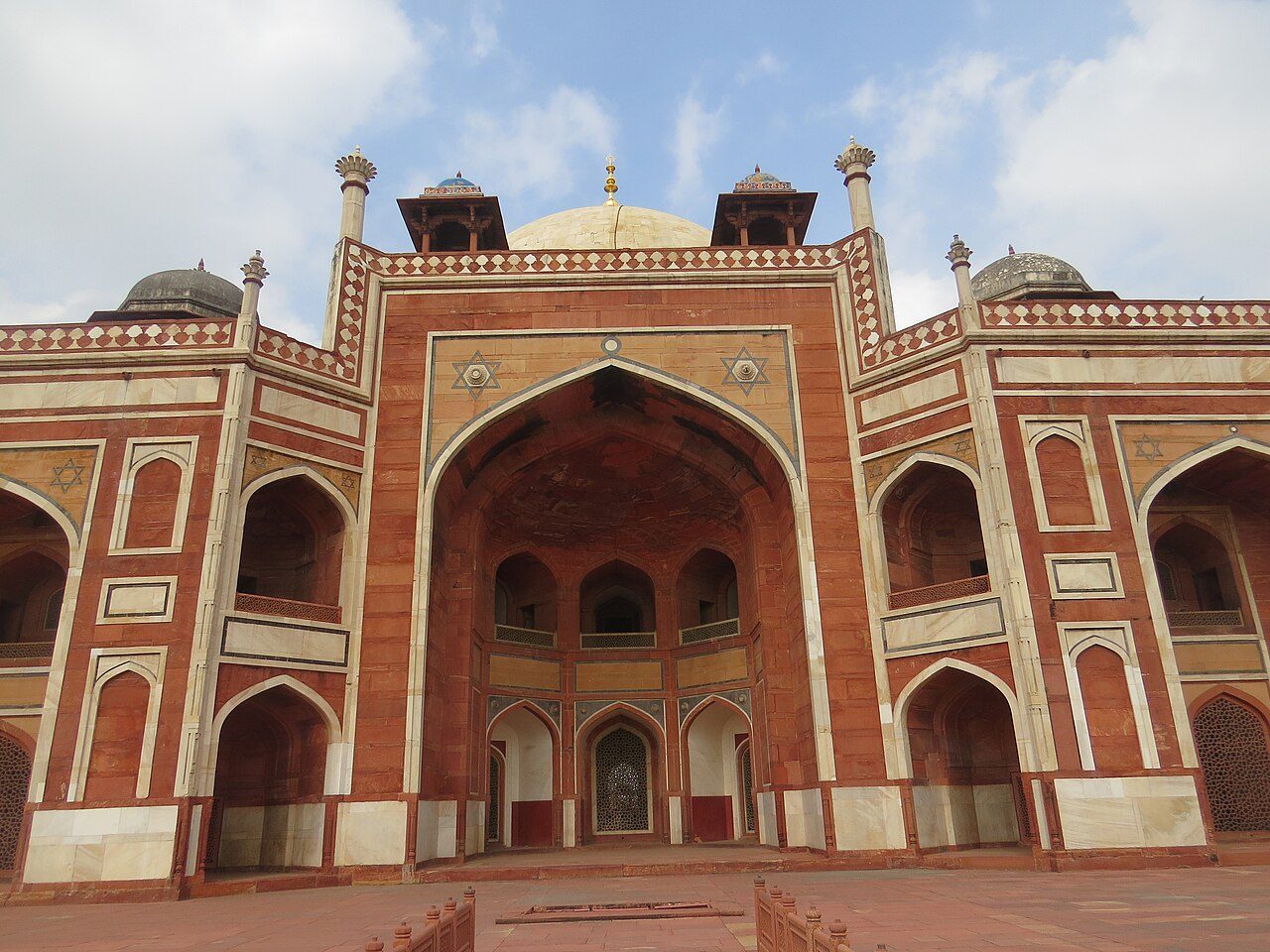
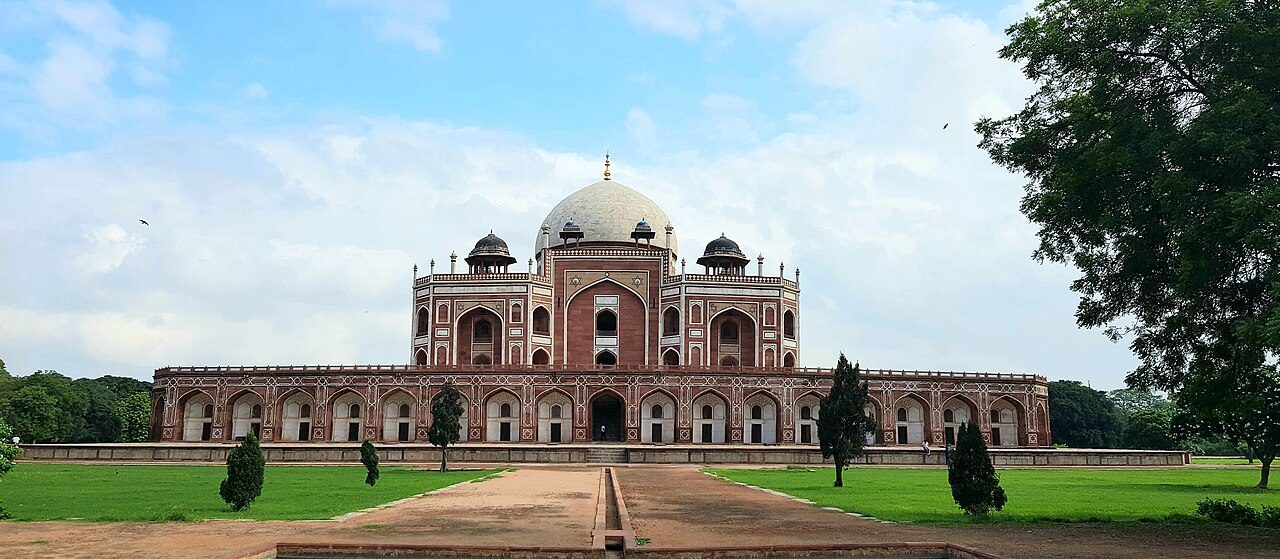
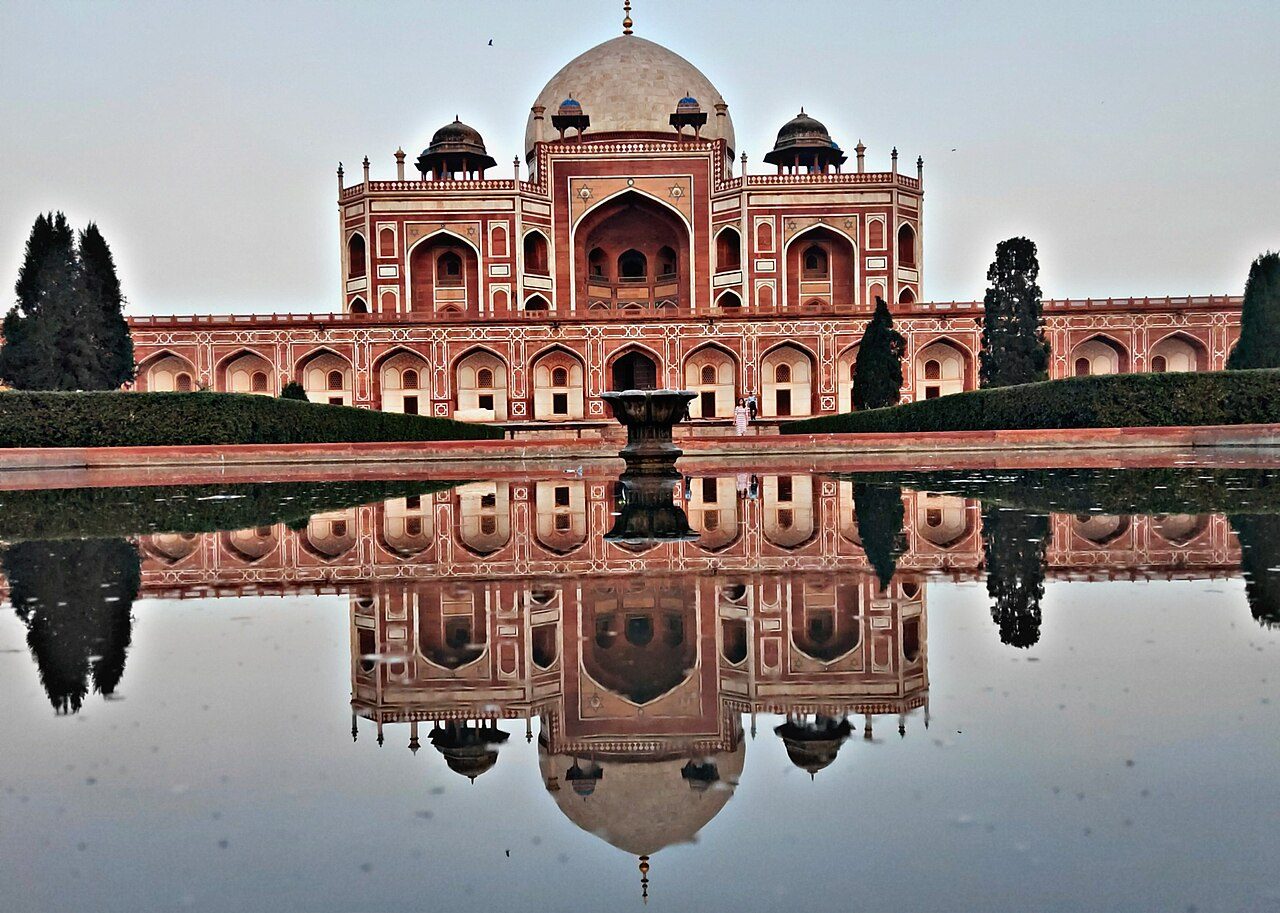
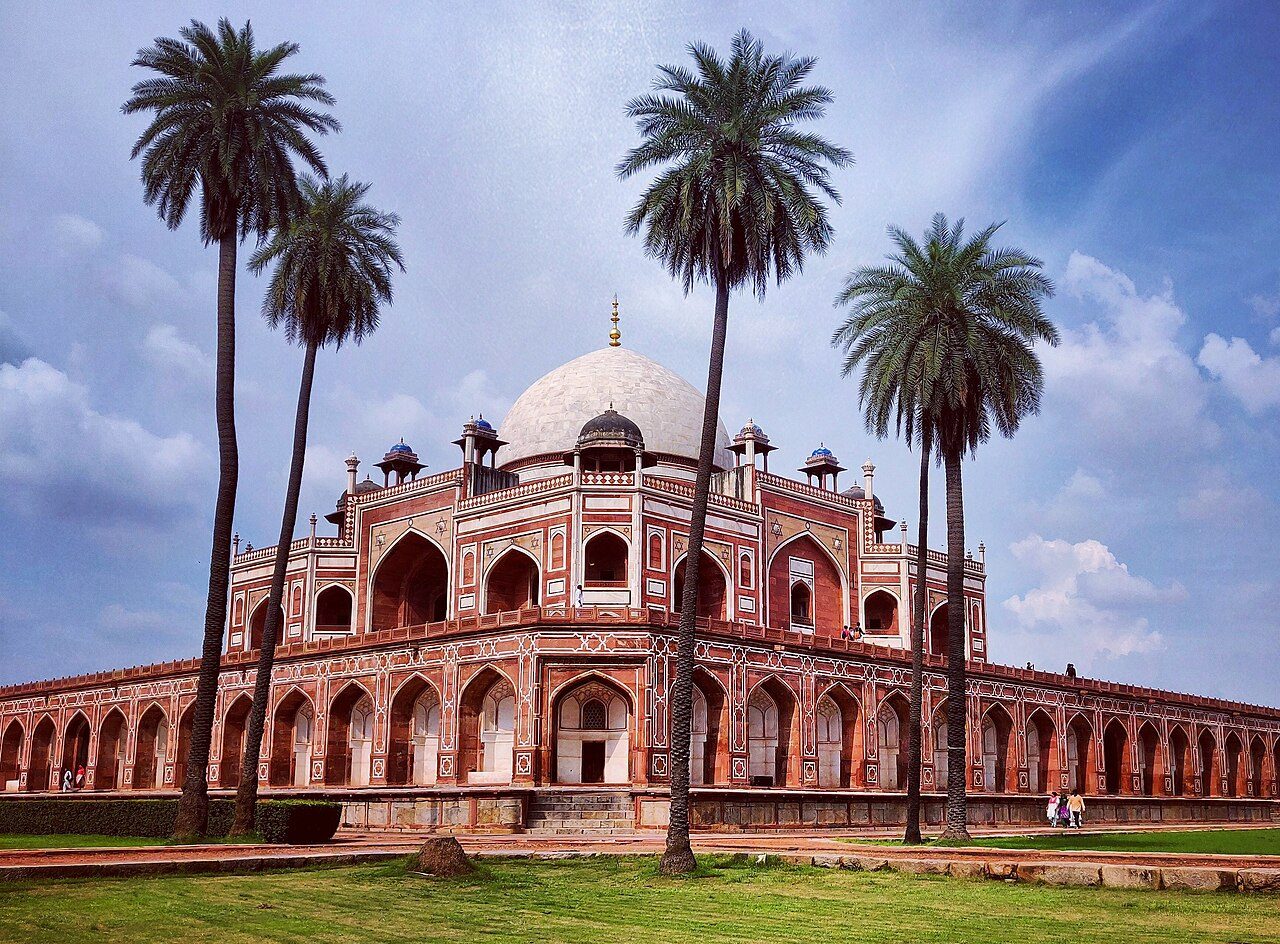
Humayun's Tomb was commissioned by the emperor's widow, Bega Begum, and completed in 1572. It was the first garden-tomb on the Indian subcontinent and a model for the Taj Mahal, with a double dome of marble over red sandstone set in a formal charbagh. Many other Mughals are buried within the complex. It is a UNESCO World Heritage Site and has been carefully restored.
13
STOP 13 OF 19
Sunder Nursery
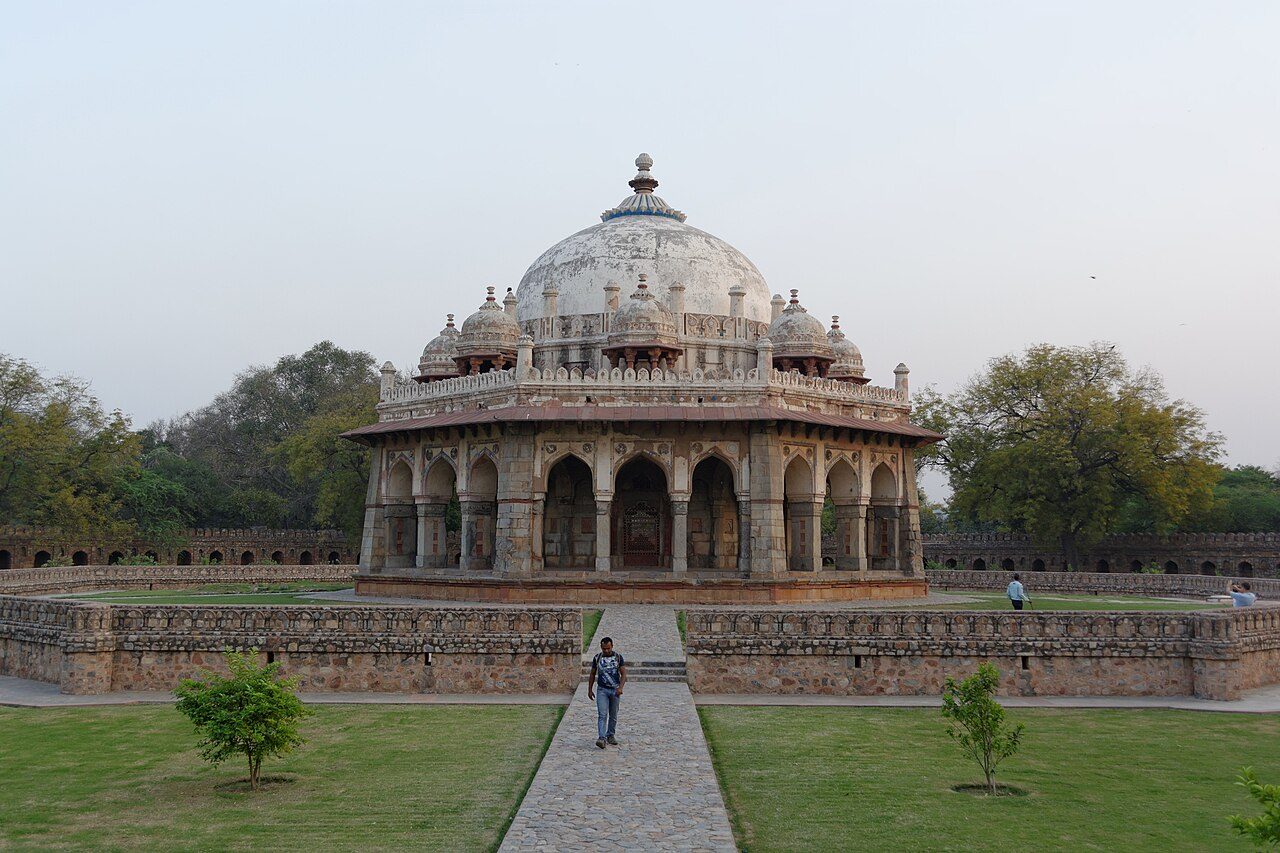
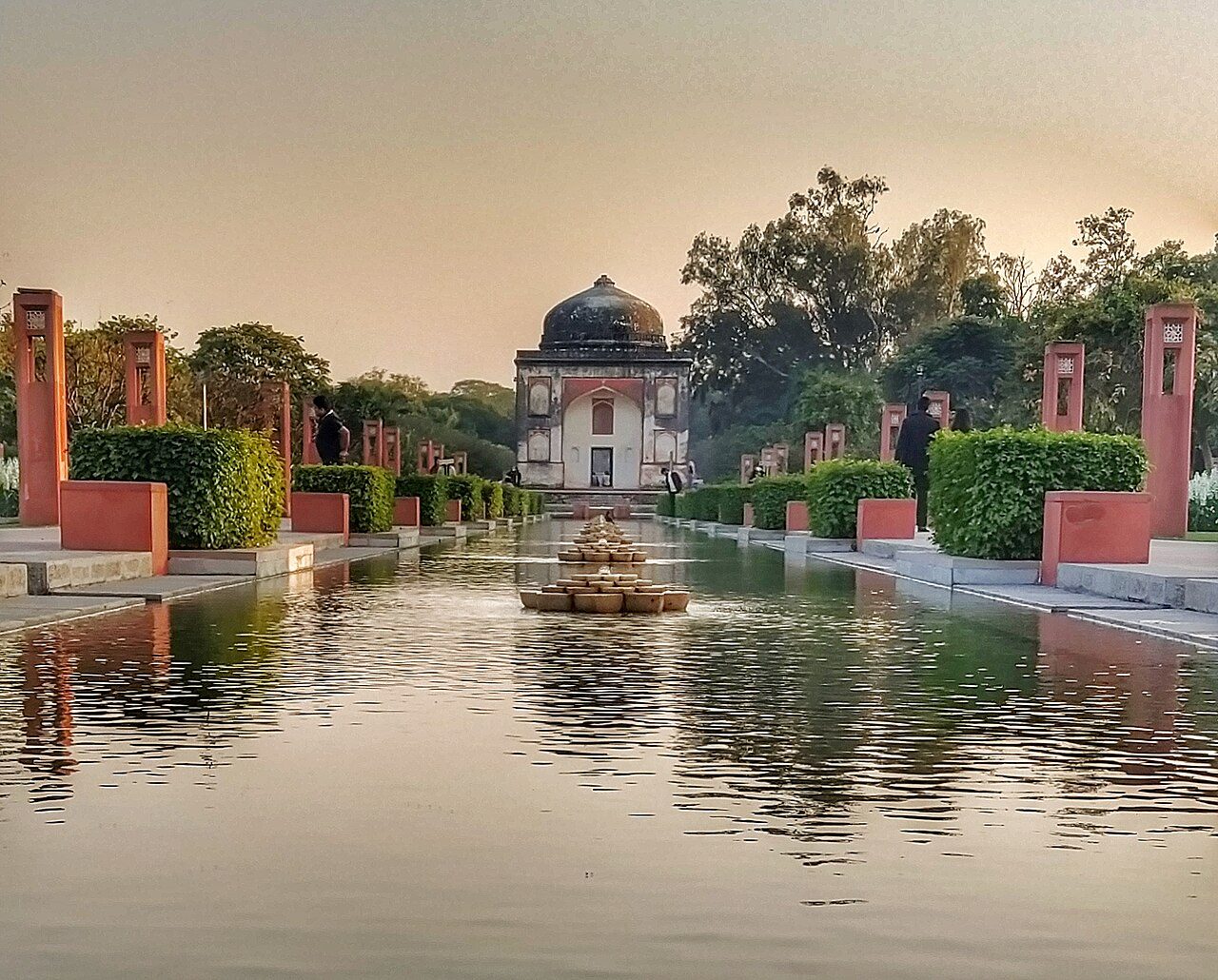
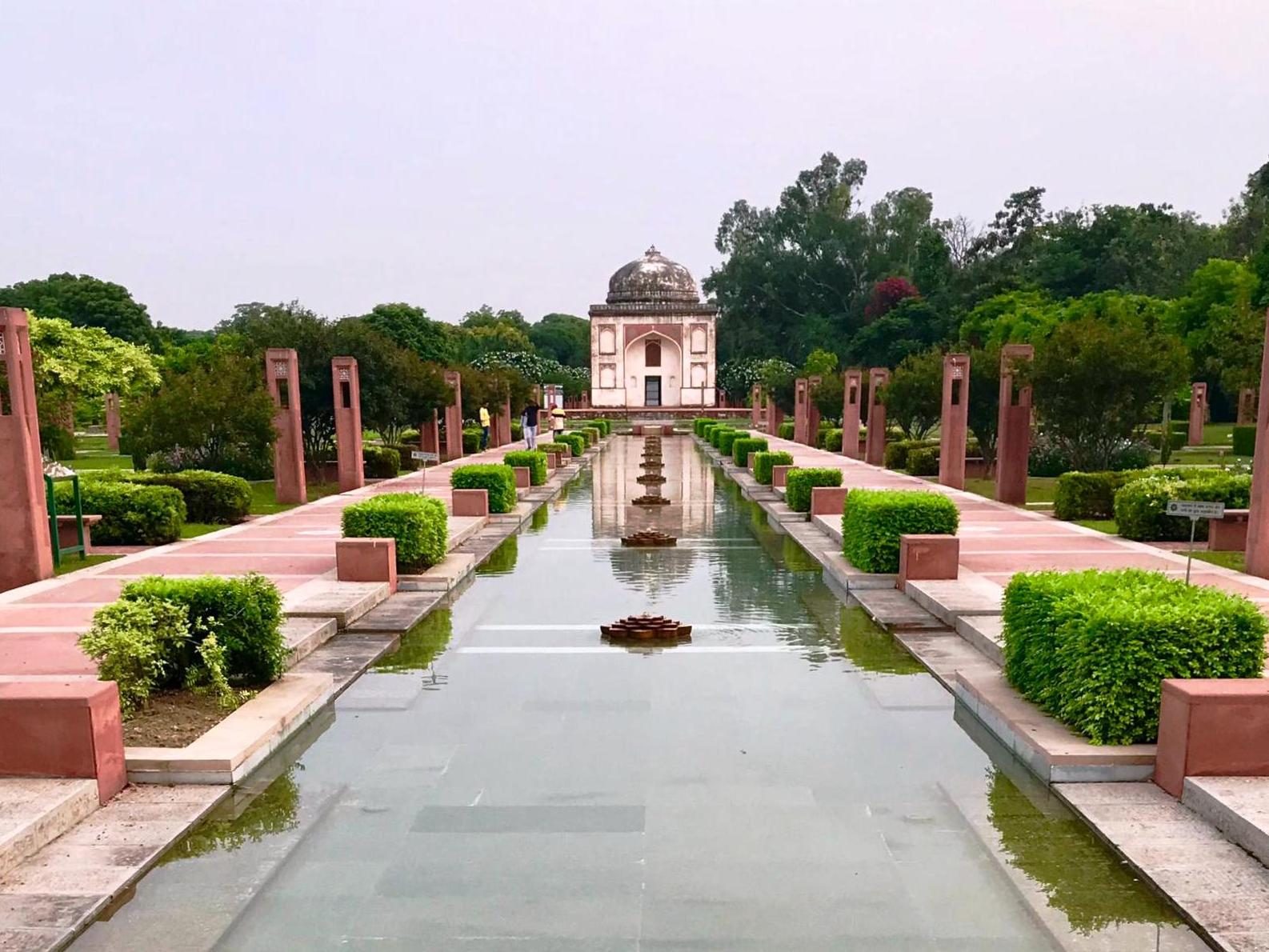
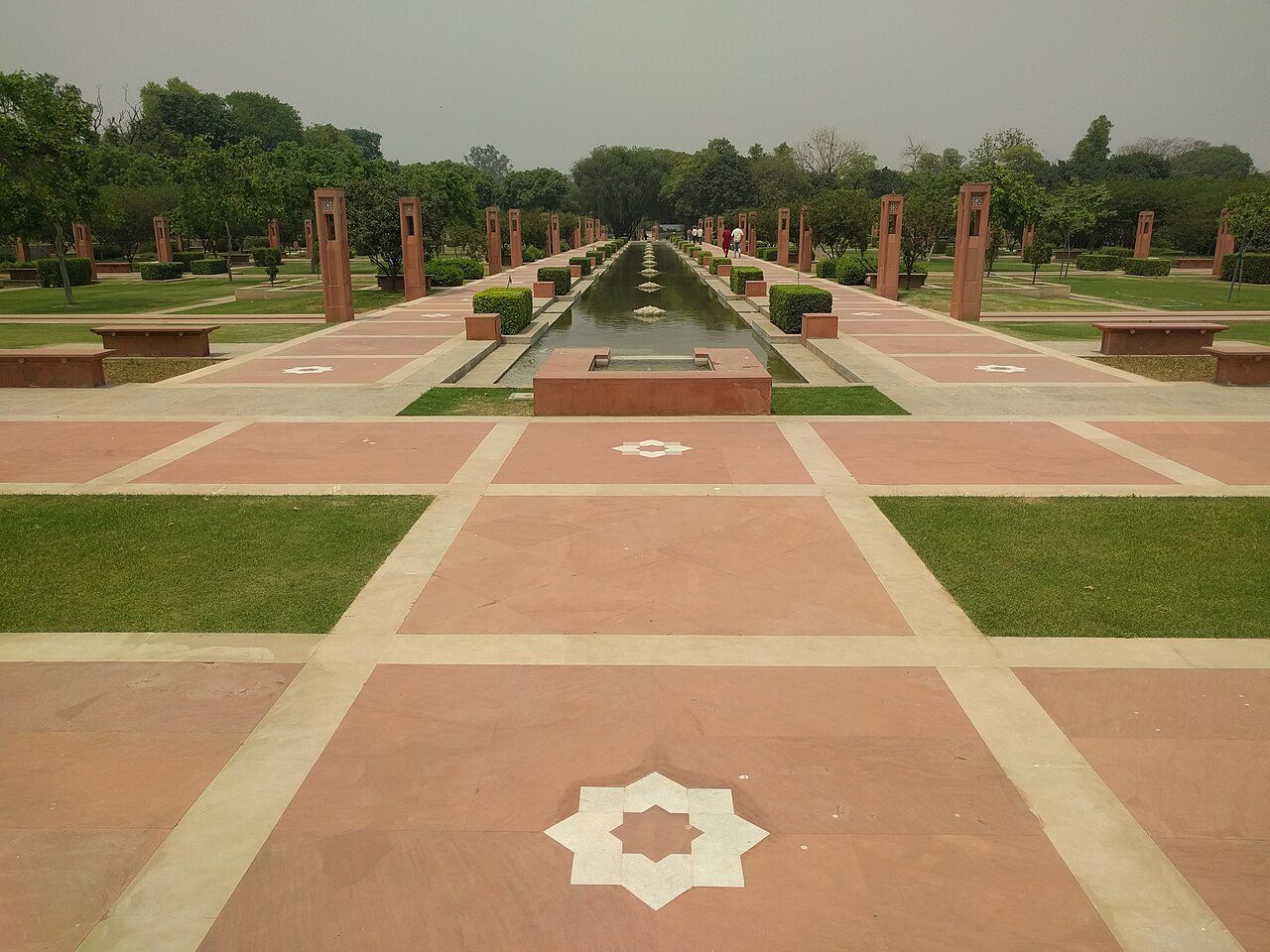
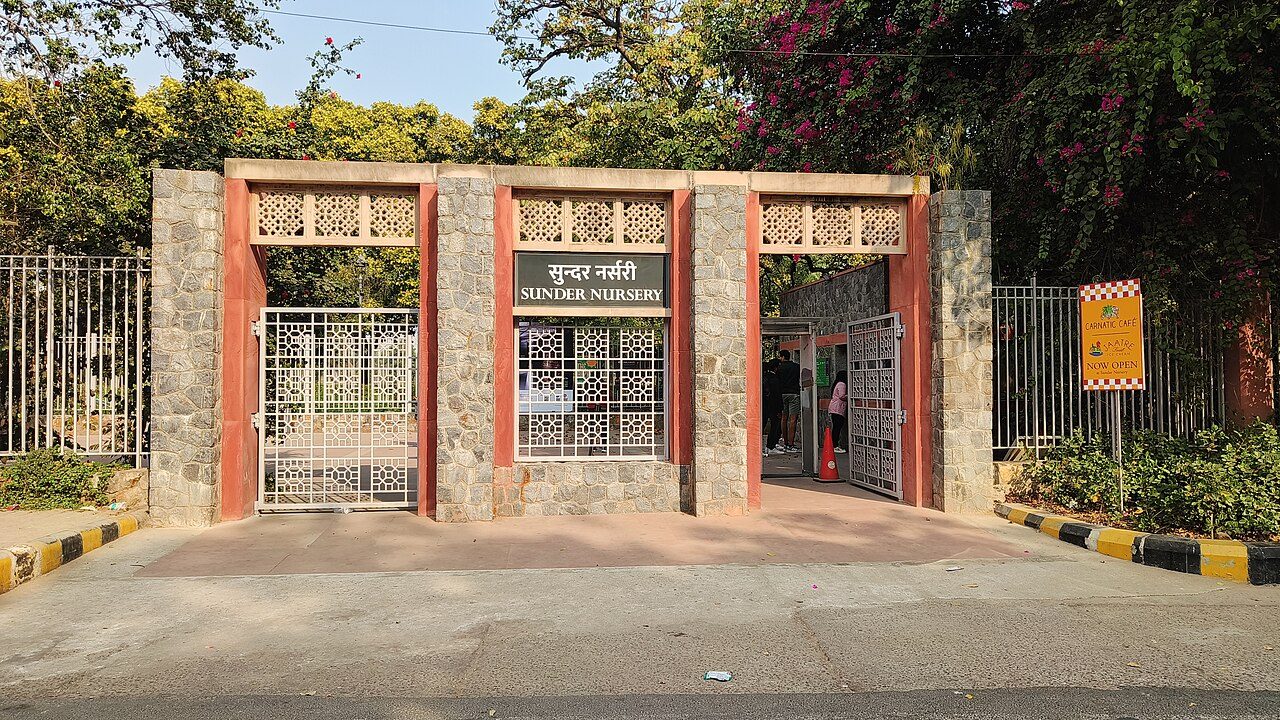
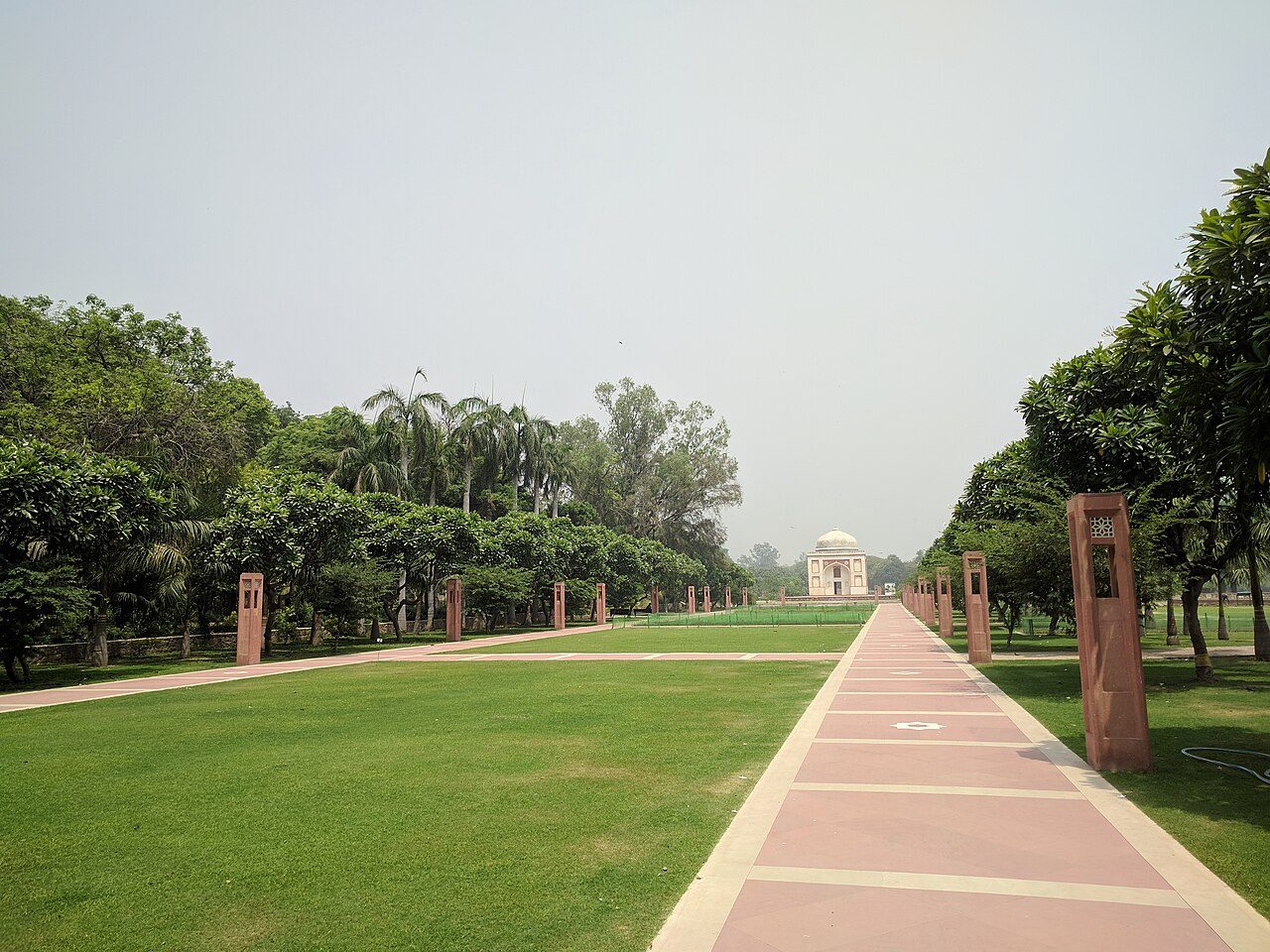
Sunder Nursery is a 90-acre heritage park beside Humayun's Tomb, opened in 2018 after a long restoration by the Aga Khan Trust for Culture. Formal Mughal-style gardens with water channels are laid out around 16th-century monuments such as Sunder Burj and Lakkarwala Burj. It also has a lake, a bonsai house and hundreds of tree species, and hosts weekend markets.
14
STOP 14 OF 19
Nizamuddin Dargah
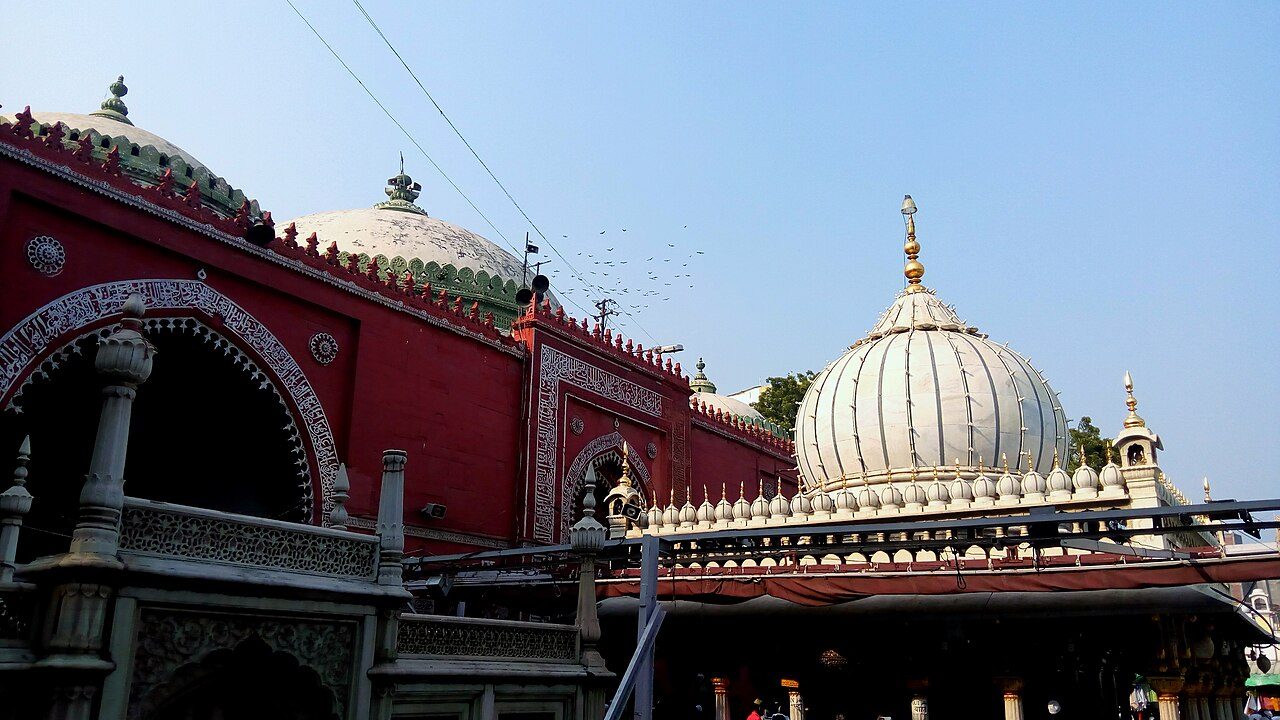
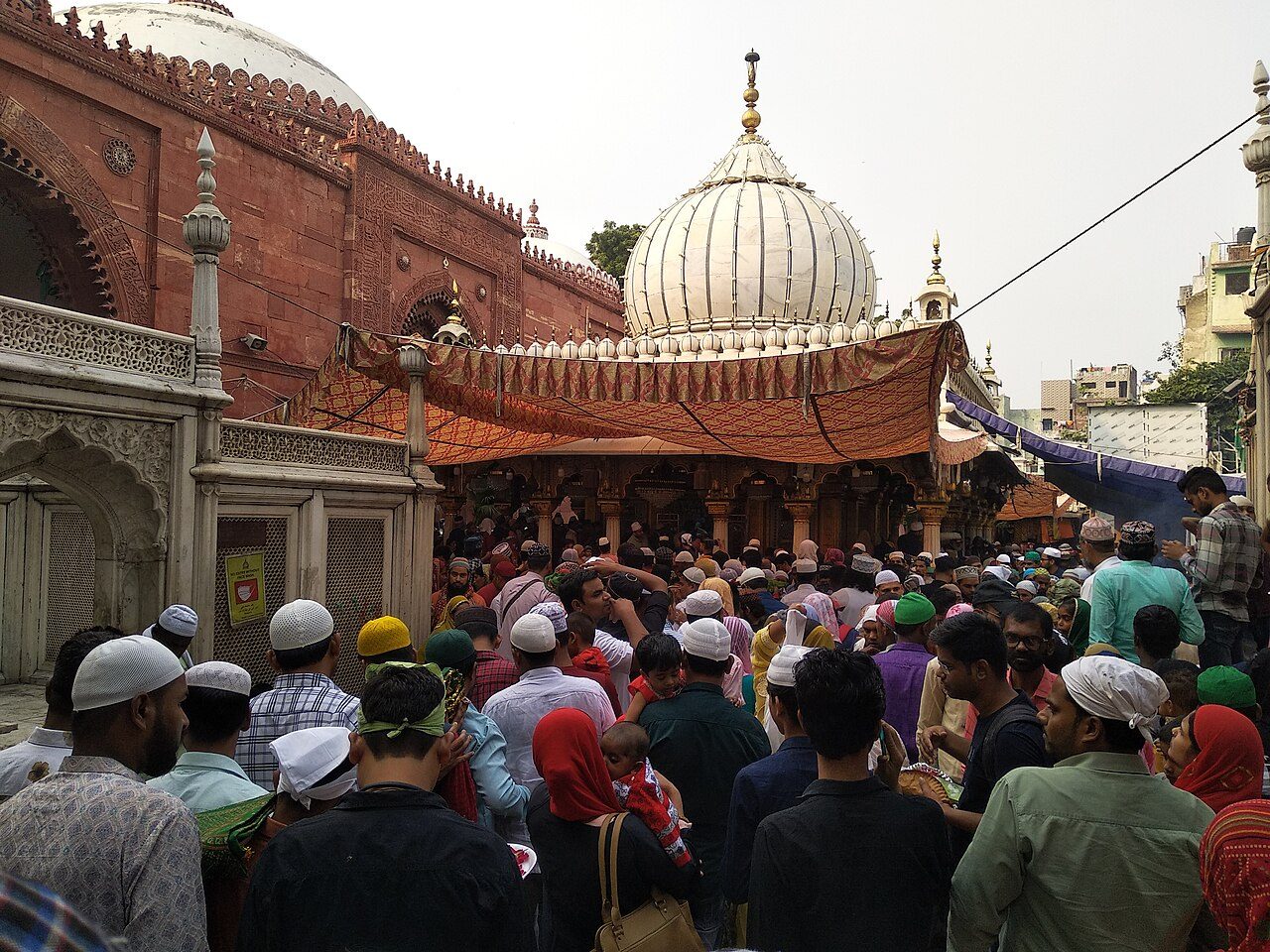
The dargah of Hazrat Nizamuddin Auliya, the 14th-century Chishti Sufi saint, is one of the most revered shrines in Delhi. The marble tomb stands in a courtyard reached through narrow lanes lined with stalls selling flowers and chadars. The poet Amir Khusrau, his disciple, is buried nearby. Qawwali is sung in the courtyard on Thursday evenings. Dress modestly and cover your head.
15
STOP 15 OF 19
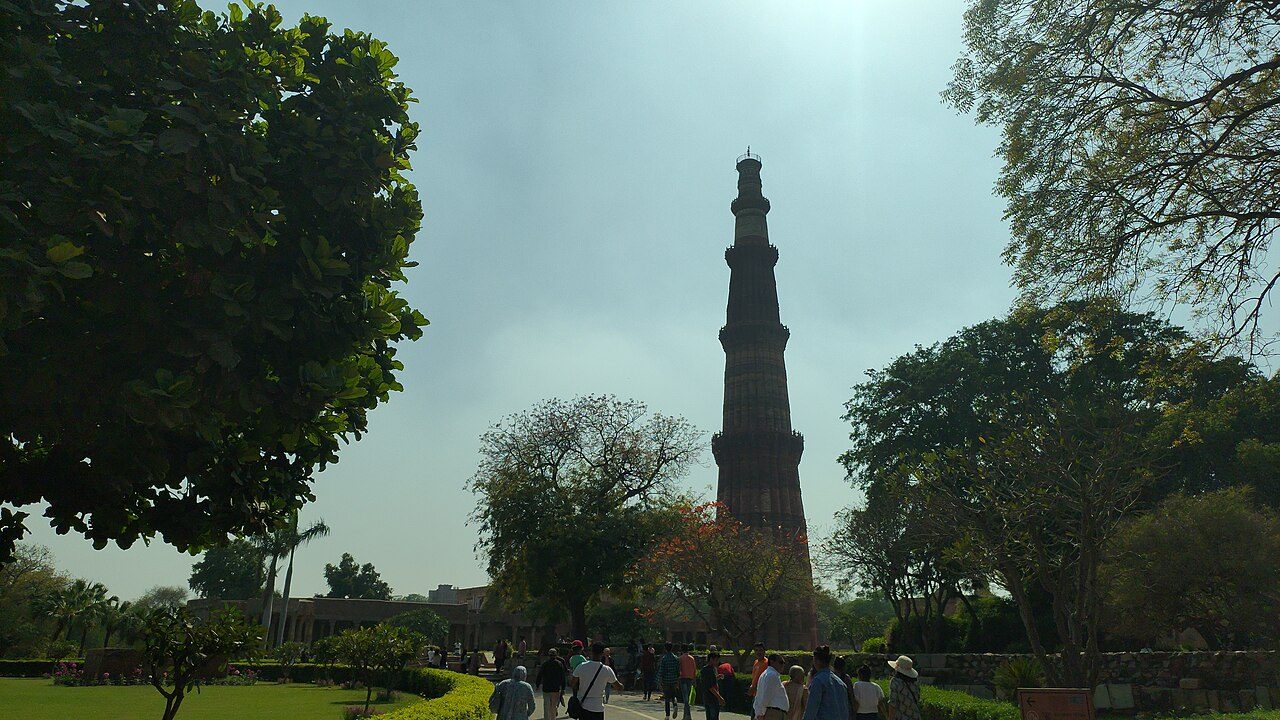
Qutub Minar
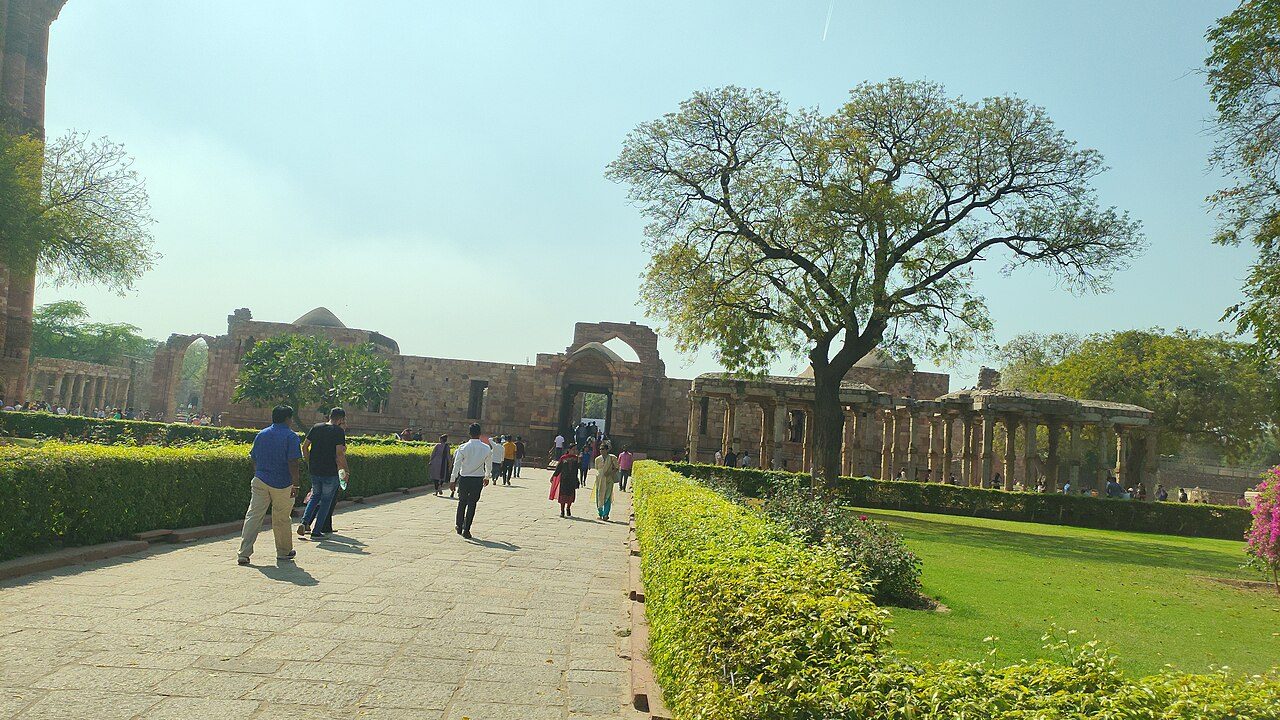
The Qutub Minar is a 73-metre tower of red sandstone and marble, begun by Qutb-ud-din Aibak around 1199 and completed by his successors. It is the tallest brick minaret in the world. Around it stand the Quwwat-ul-Islam mosque, the Alai Darwaza gateway and the famous Iron Pillar, which has resisted rust for some 1,600 years. The complex is a UNESCO World Heritage Site.
16
STOP 16 OF 19
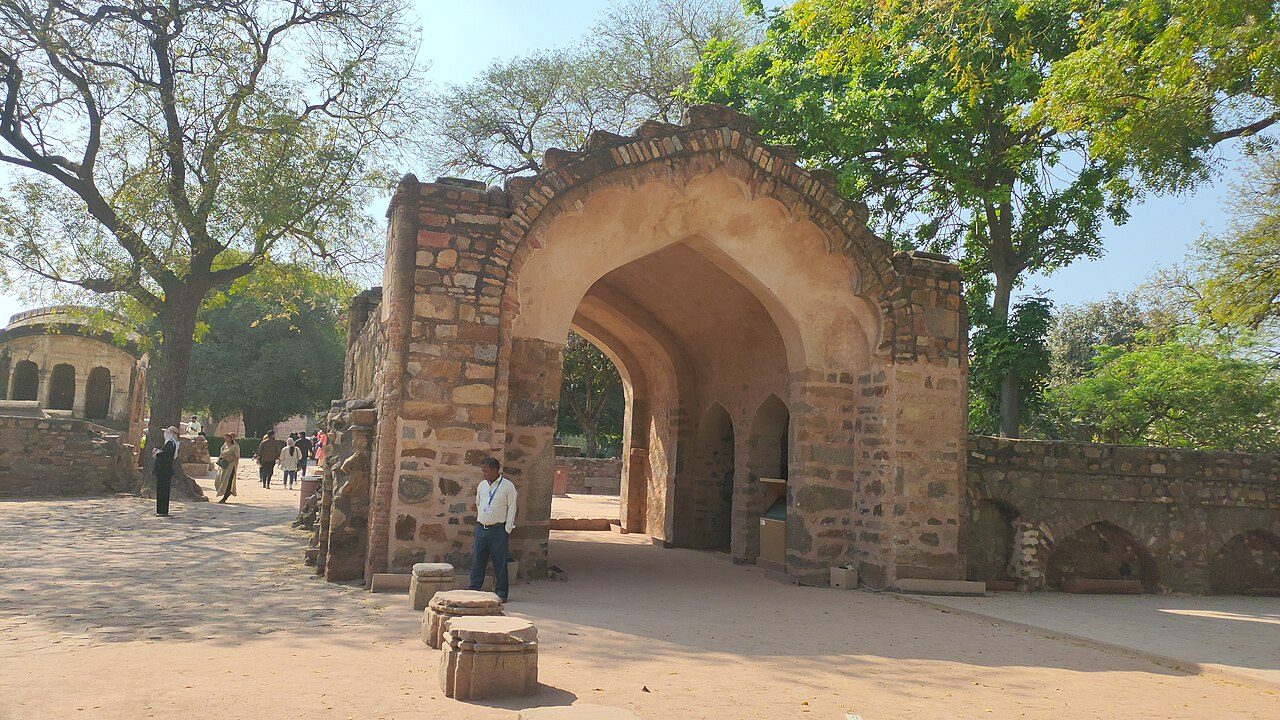
Mehrauli Archaeological Park
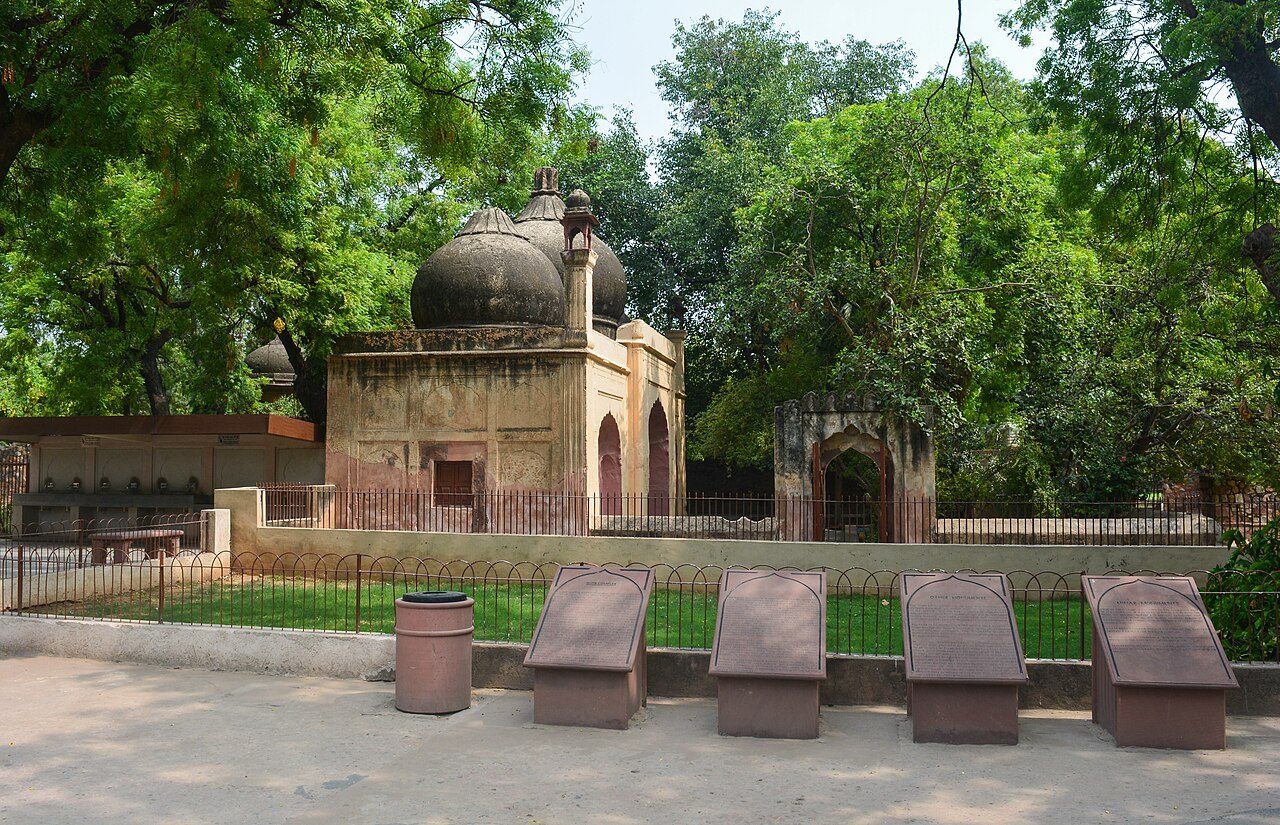
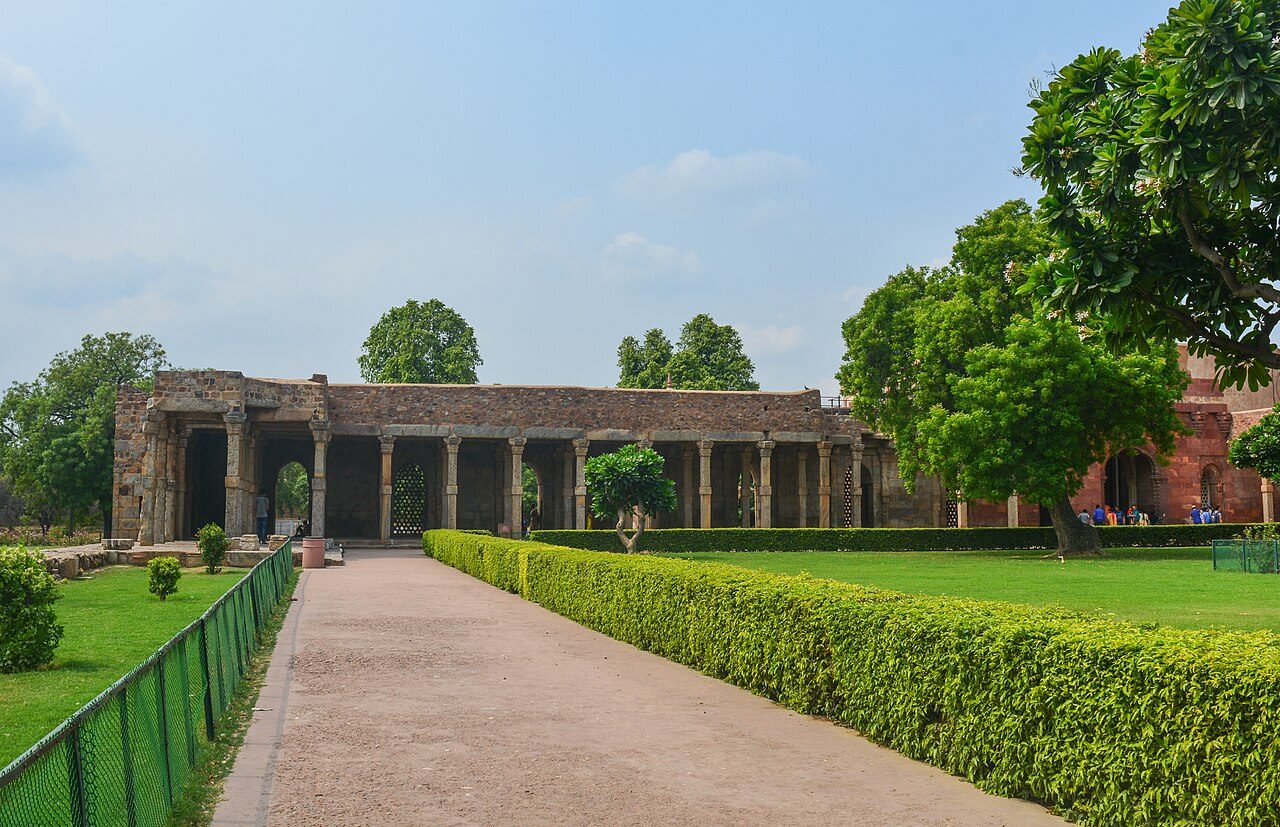
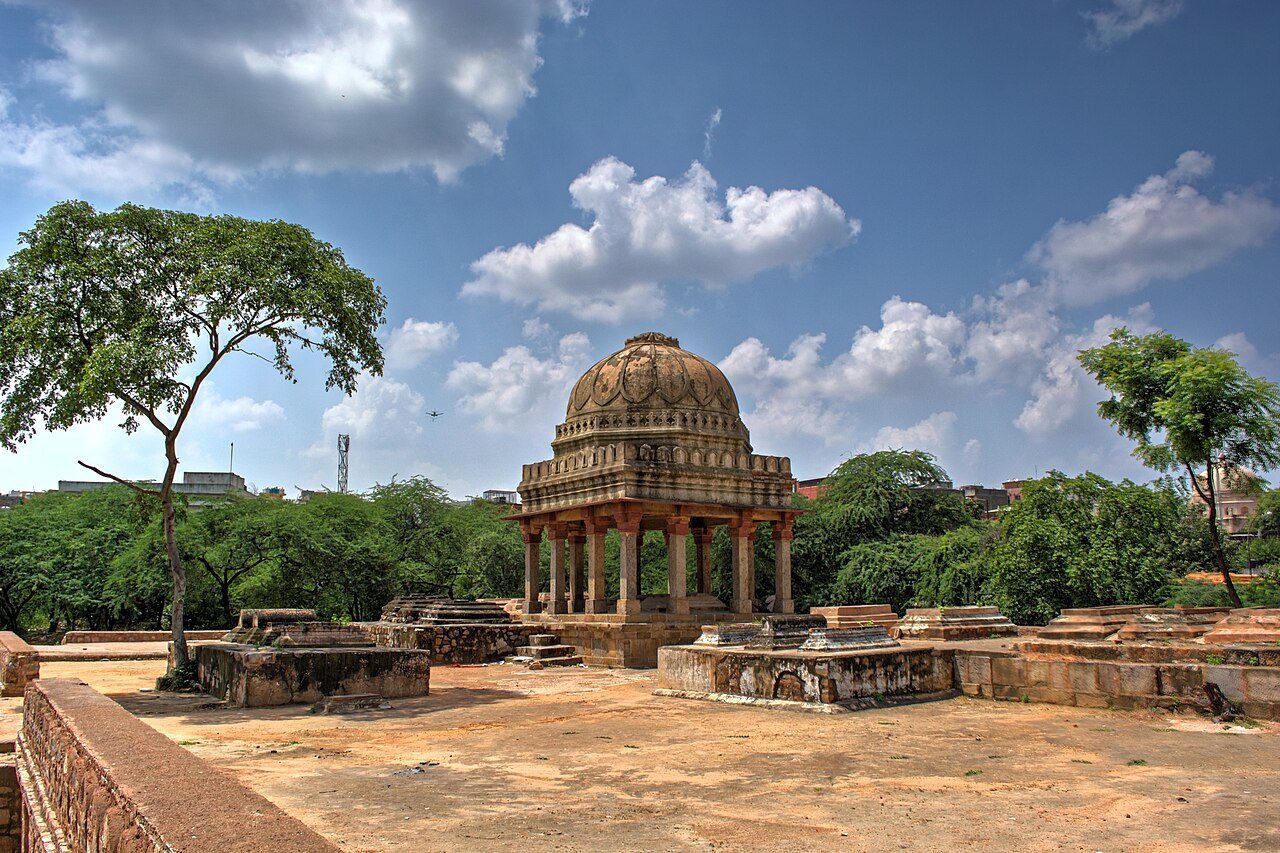
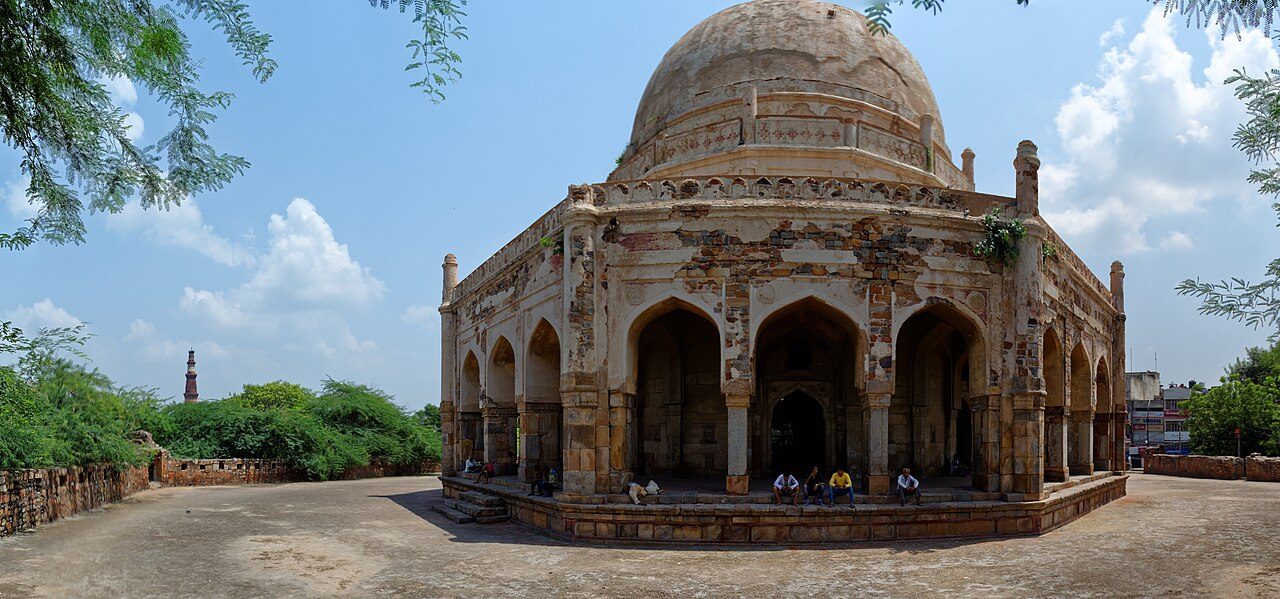
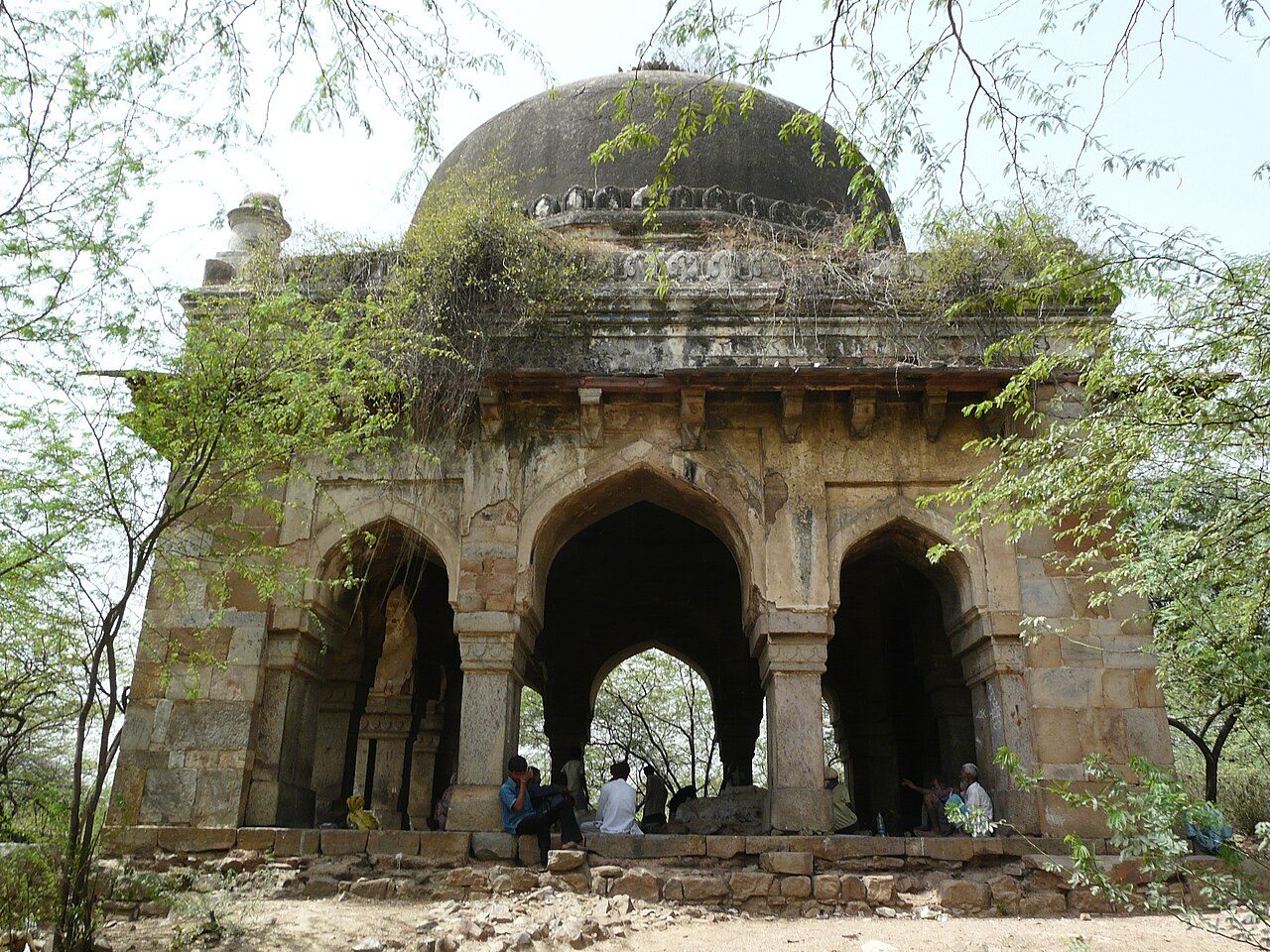
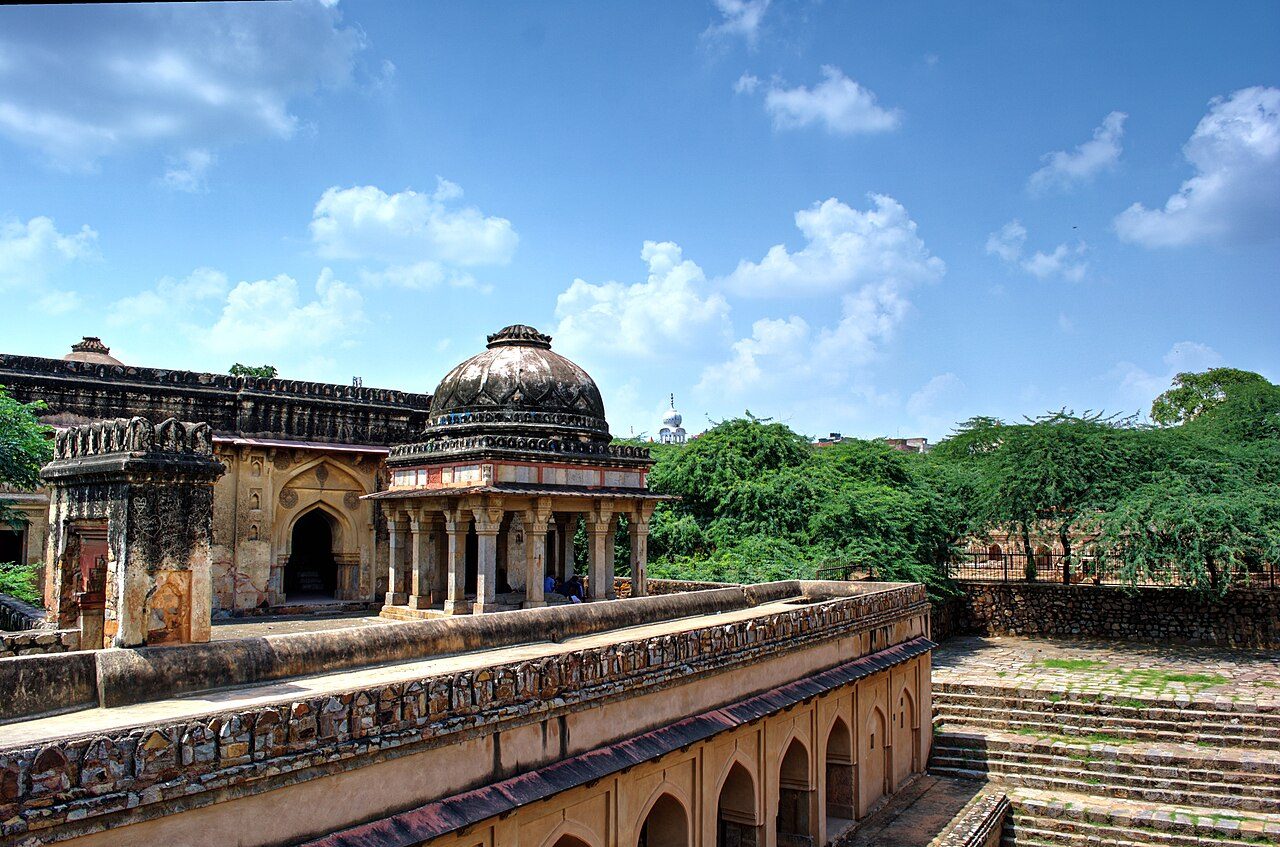
Mehrauli Archaeological Park spreads over a large wooded area beside the Qutub Minar and contains more than a hundred monuments from a thousand years of Delhi's history. Among them are the tomb of Balban, the Jamali Kamali mosque and tomb with its painted ceiling, the Rajon ki Baoli stepwell and Metcalfe's Dilkusha. It is quiet, free to enter and best explored on foot.
17
STOP 17 OF 19
Hauz Khas Complex
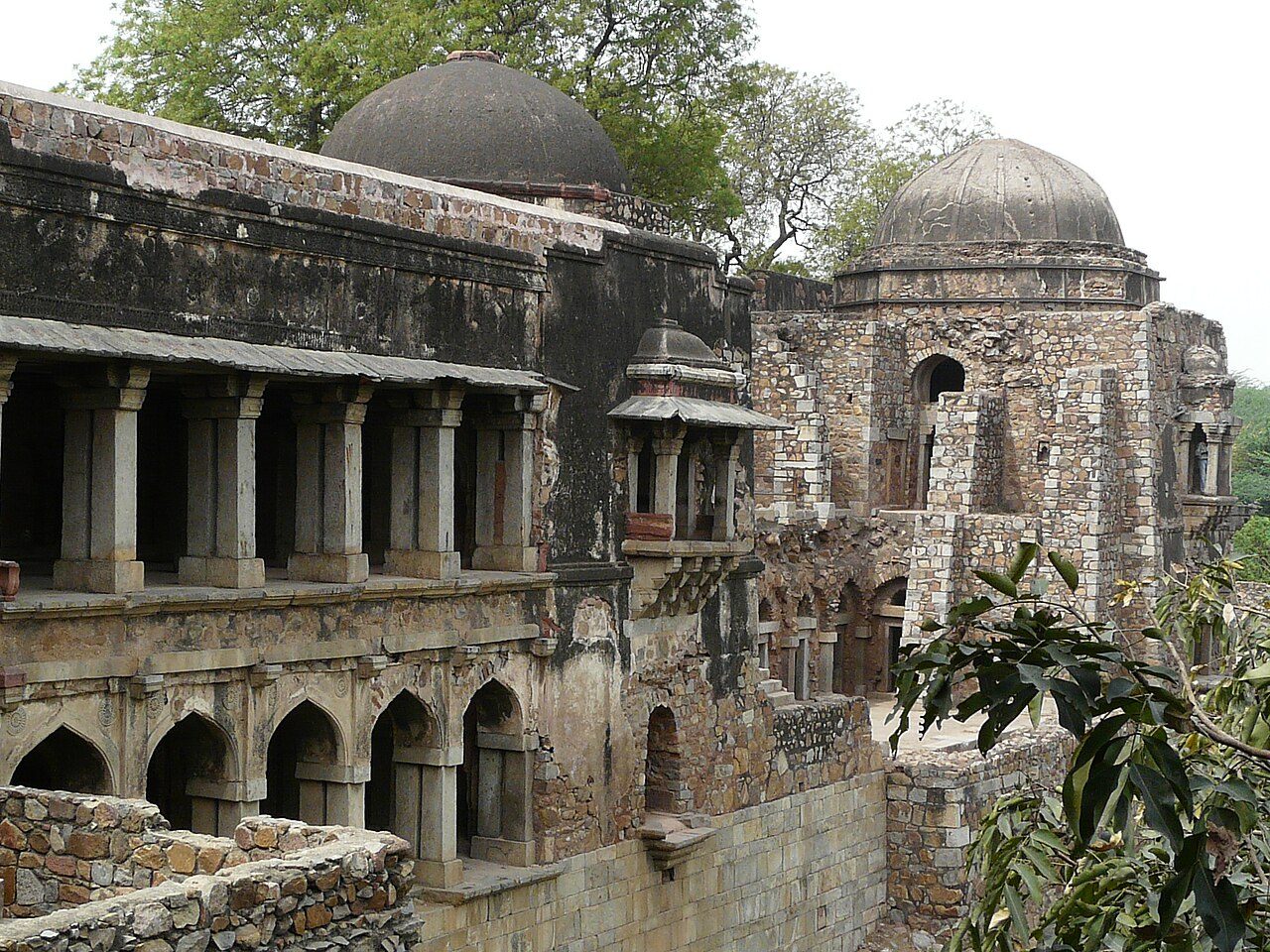
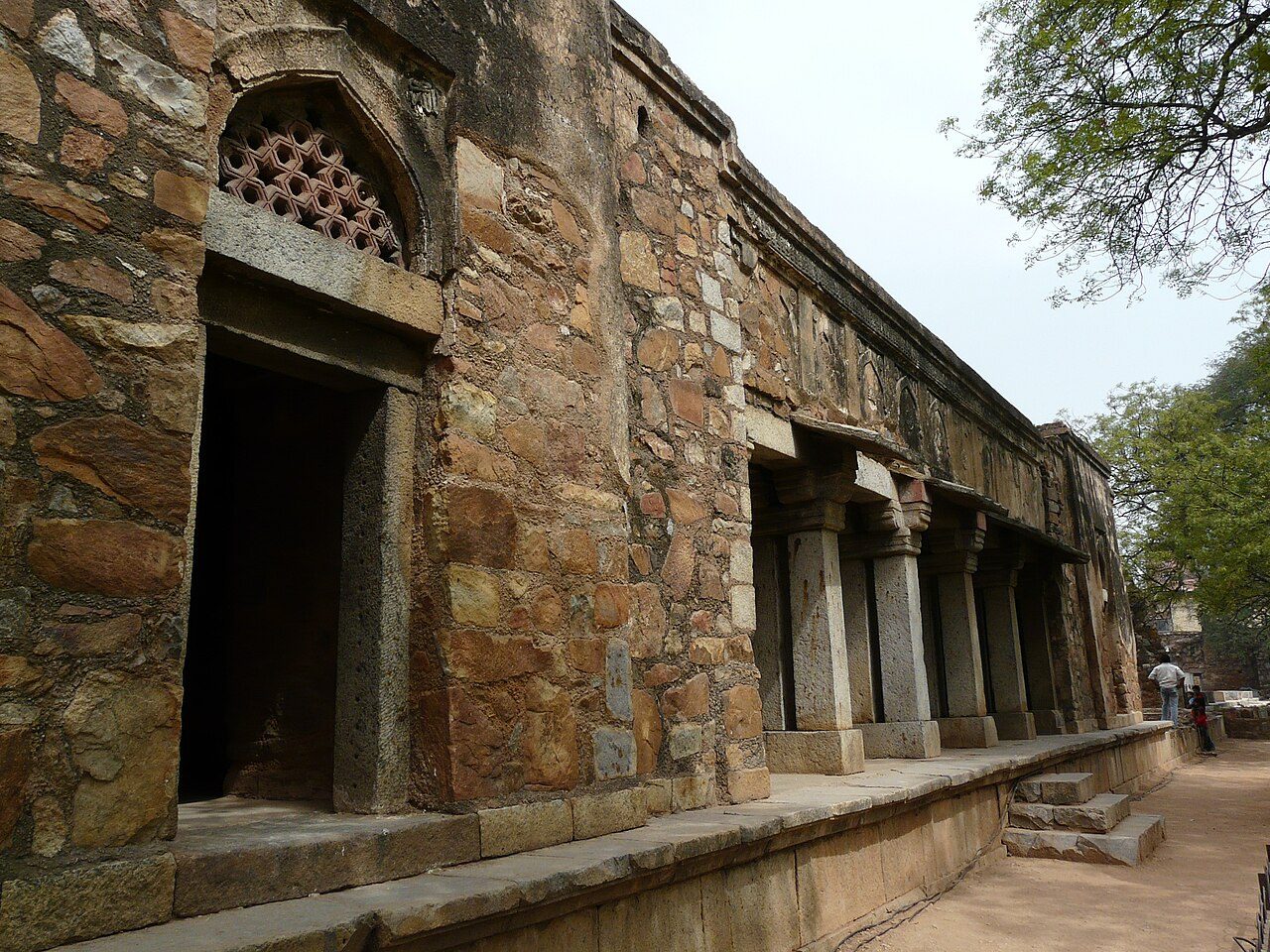
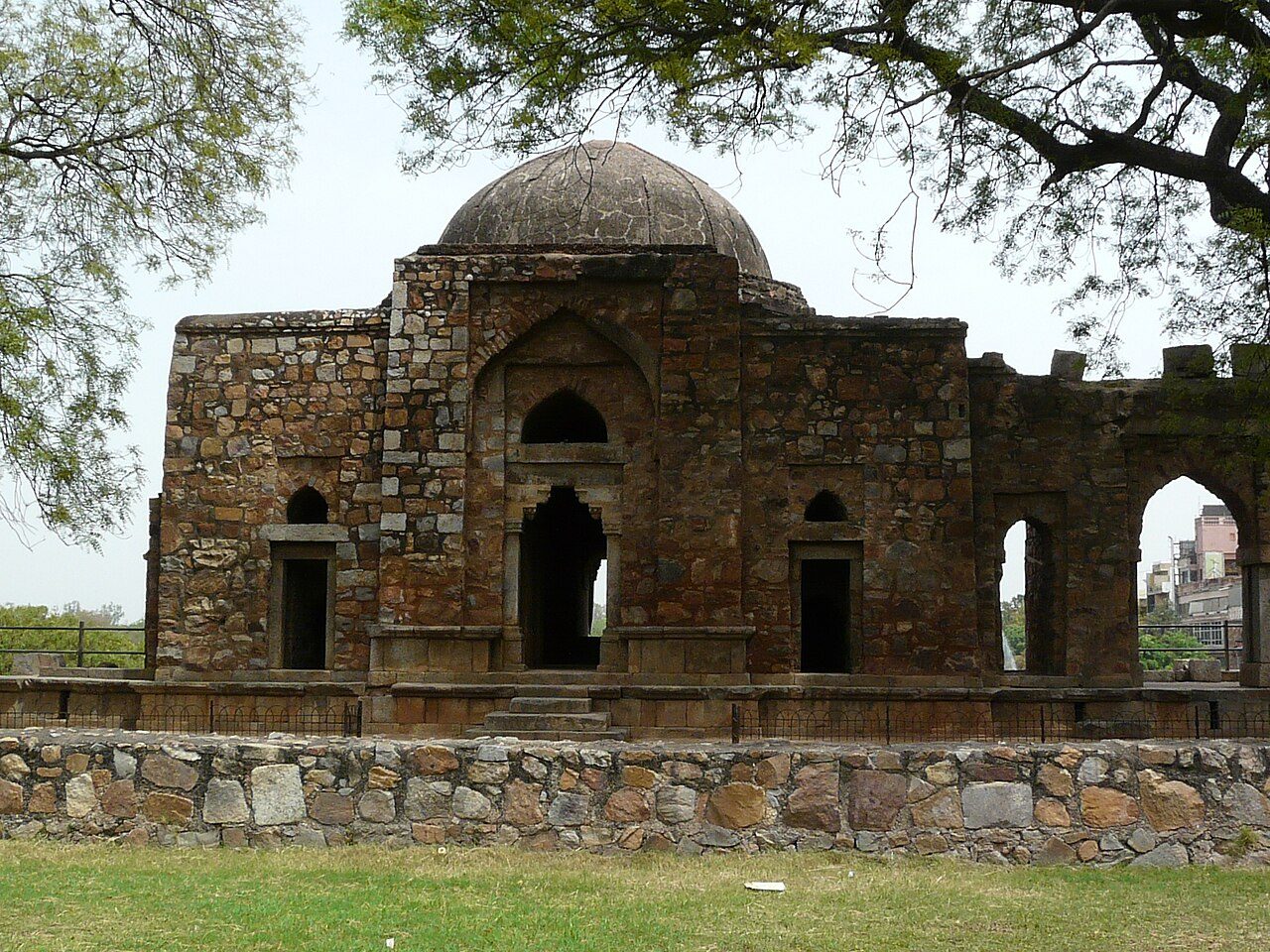
The Hauz Khas complex surrounds a reservoir dug by Alauddin Khalji in the 13th century to supply his city of Siri. In the 14th century Firoz Shah Tughlaq built a madrasa along its banks and his own domed tomb at the corner. The ruins overlook the lake and a deer park, and adjoin Hauz Khas Village, known for its cafes and boutiques.
18
STOP 18 OF 19
Lotus Temple
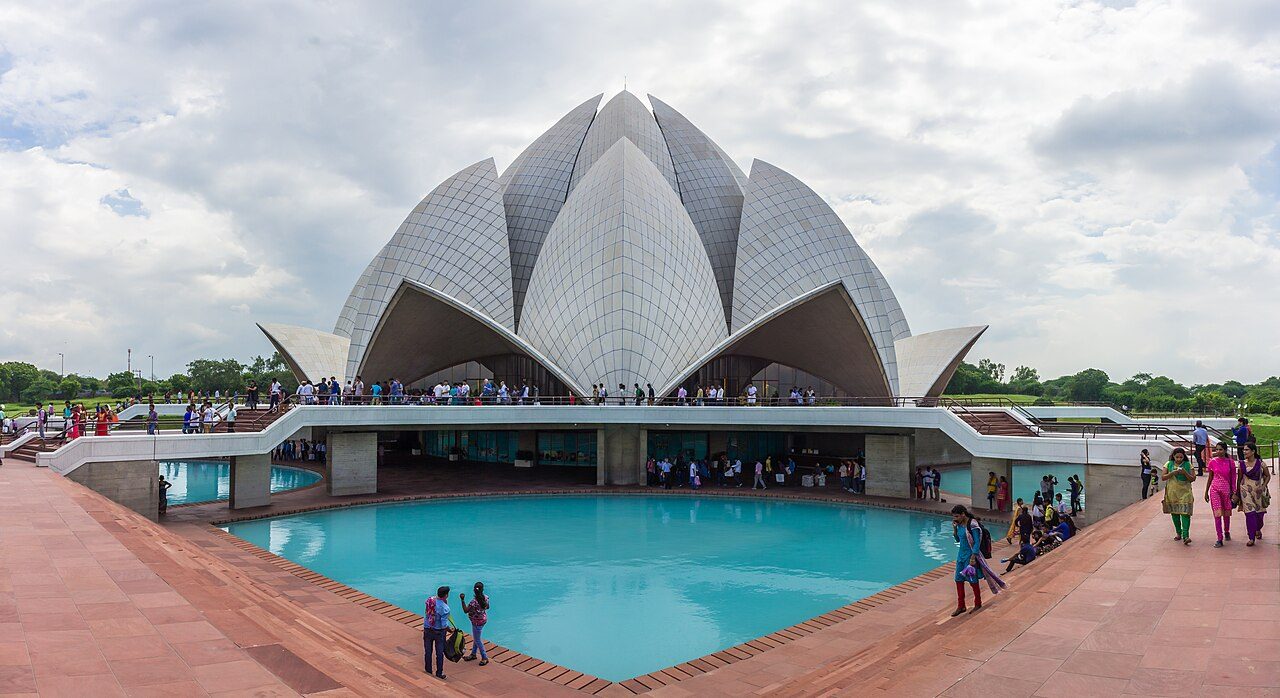
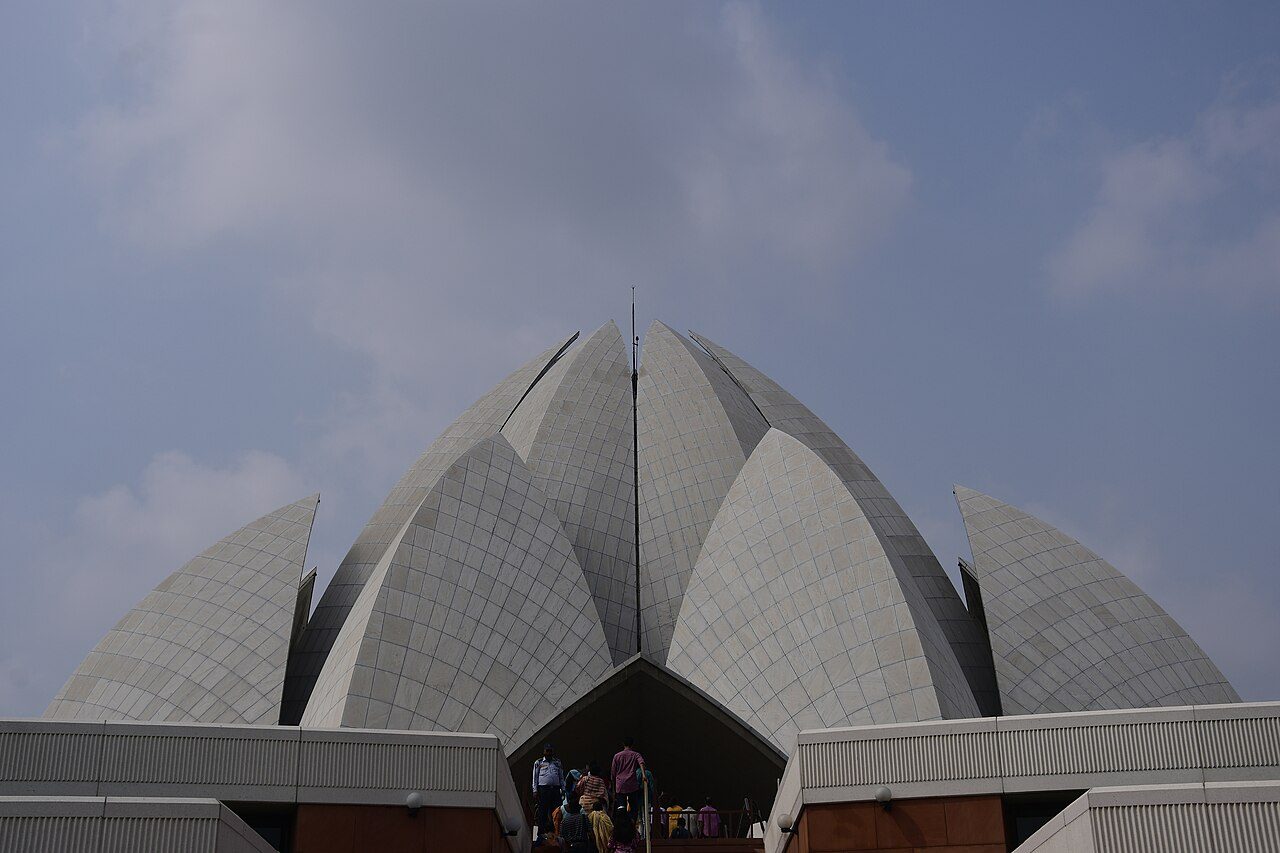
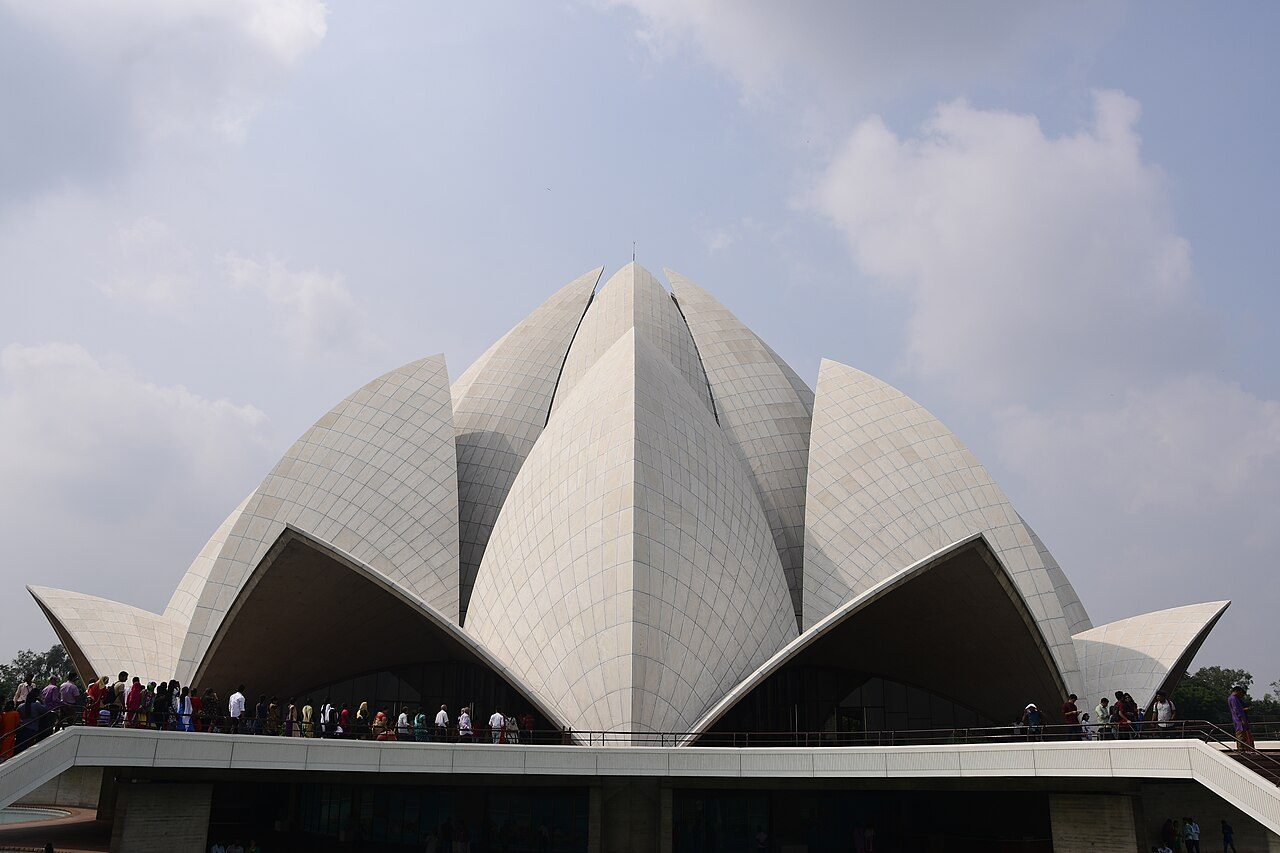
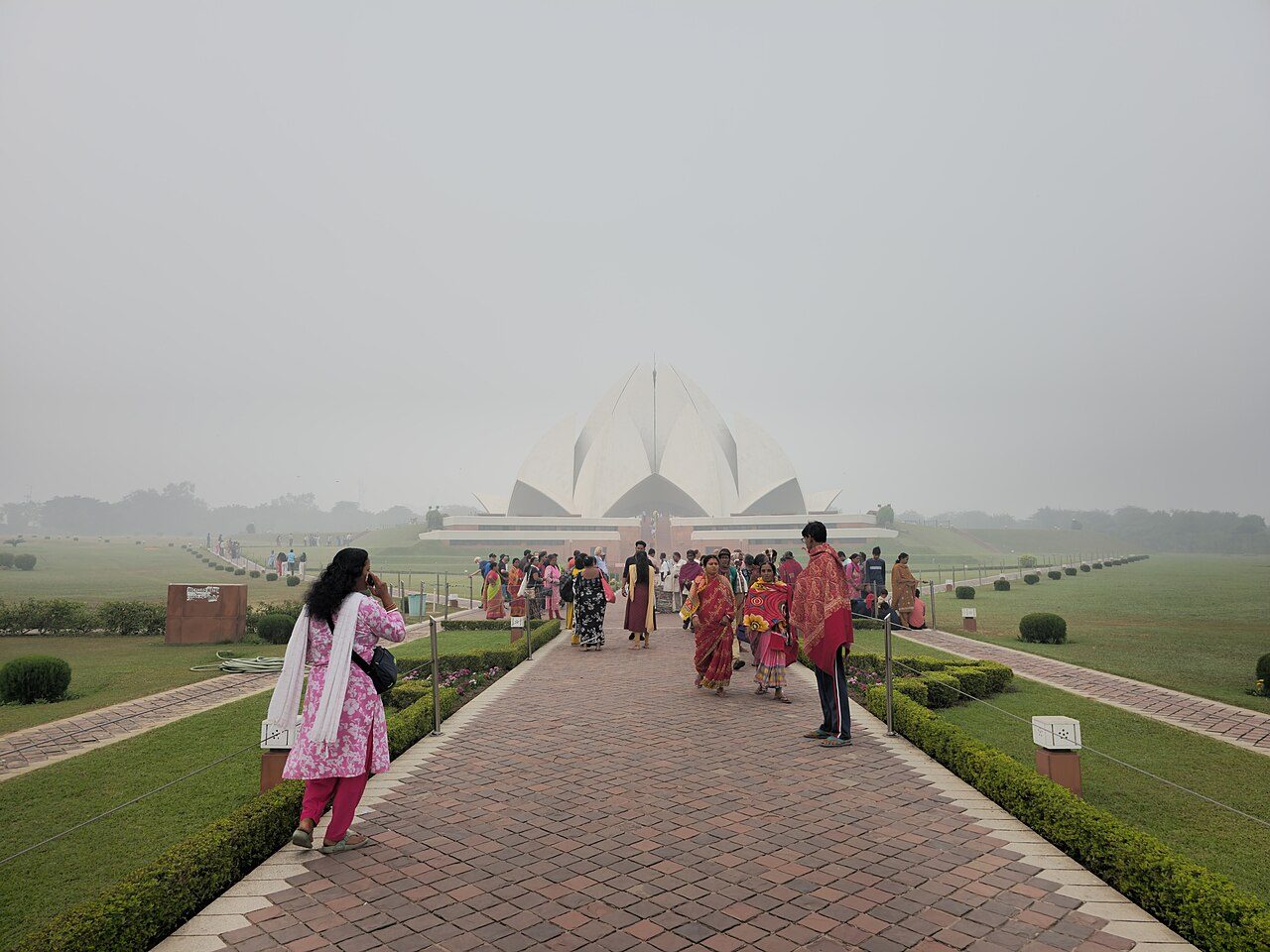
The Lotus Temple is the Baha'i House of Worship in Delhi, completed in 1986 to a design by the Iranian architect Fariborz Sahba. Its 27 marble-clad petals form the shape of a half-open lotus surrounded by nine pools. People of every faith are welcome to sit in silence in the prayer hall, which has no images or altar. It is among the most visited buildings in the world.
19
STOP 19 OF 19 · LAST STOP
Akshardham Delhi
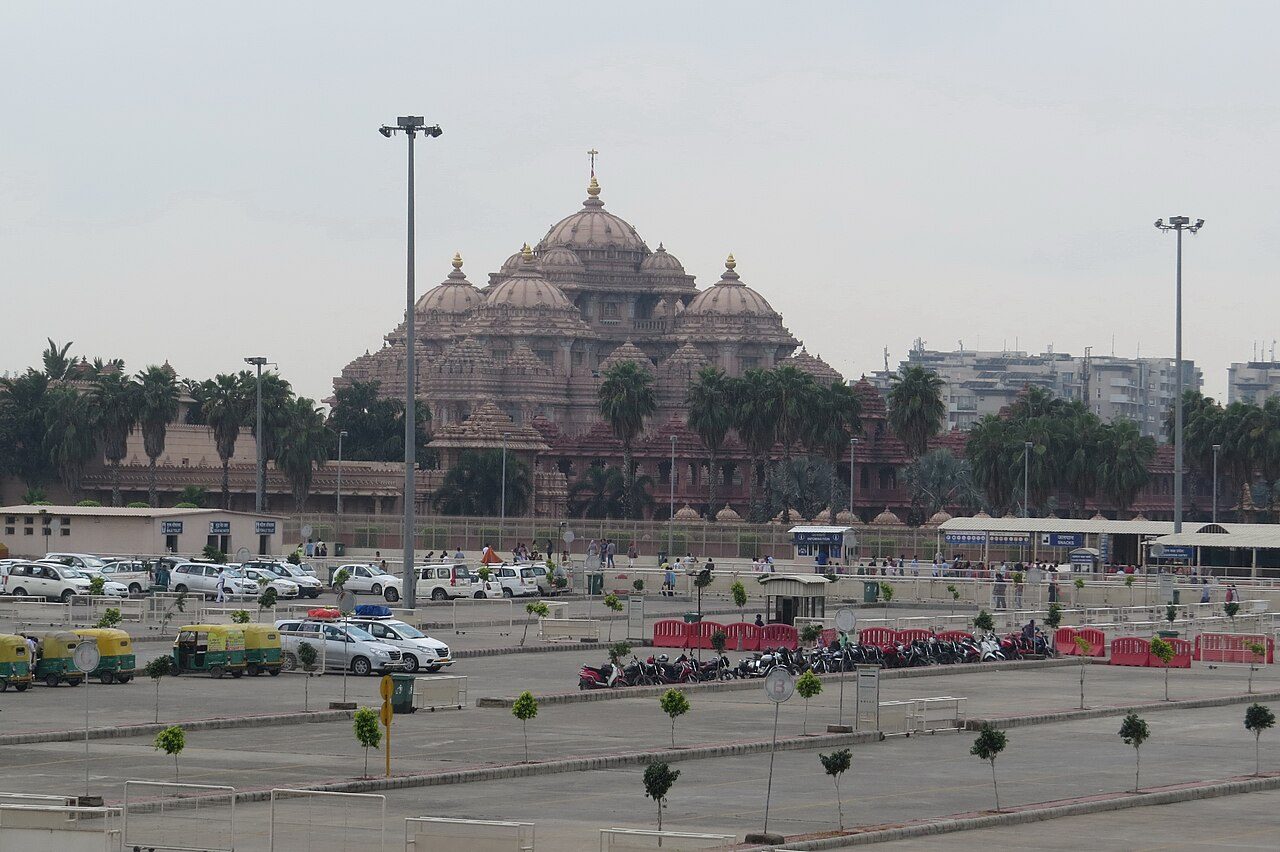
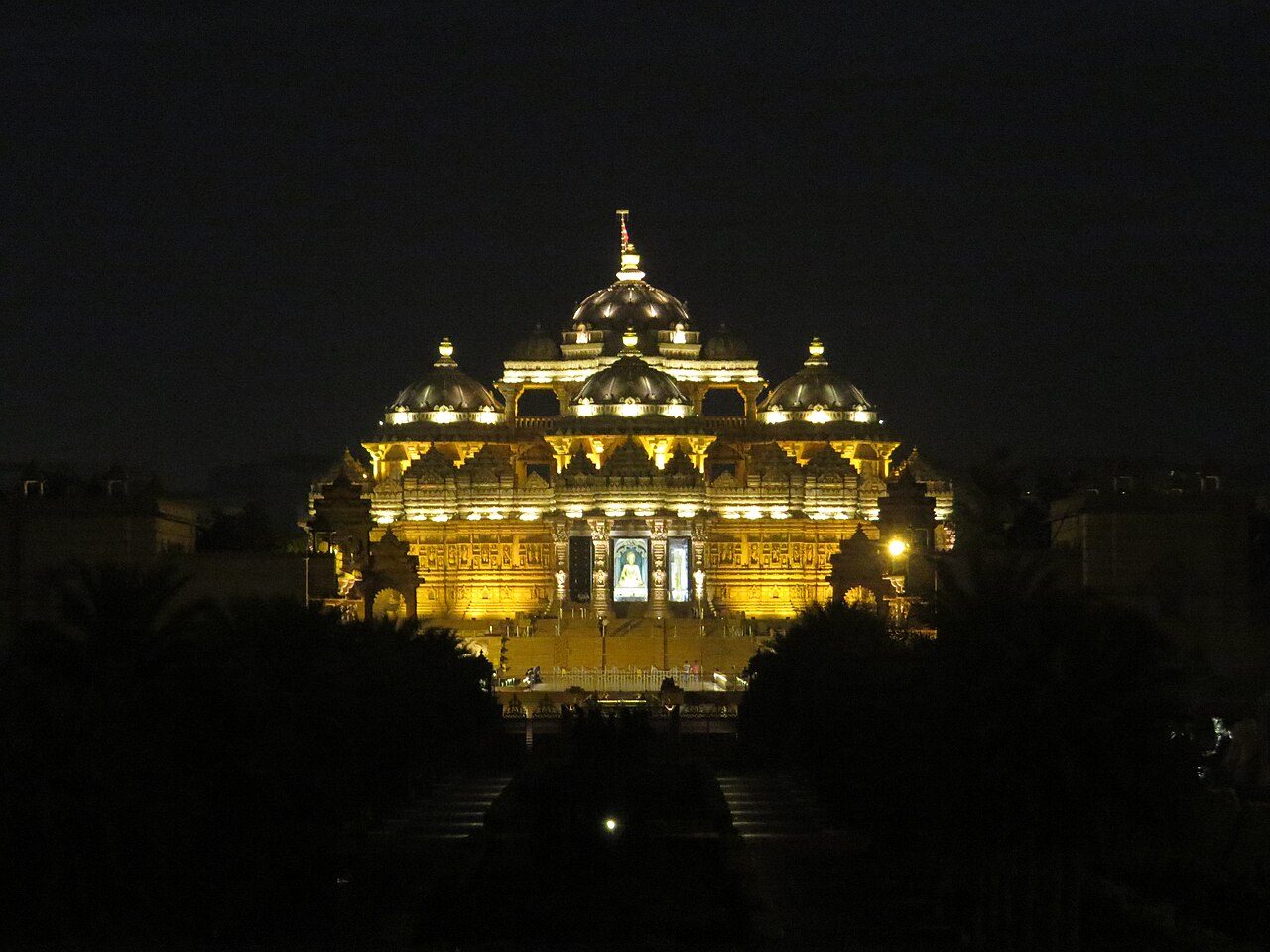
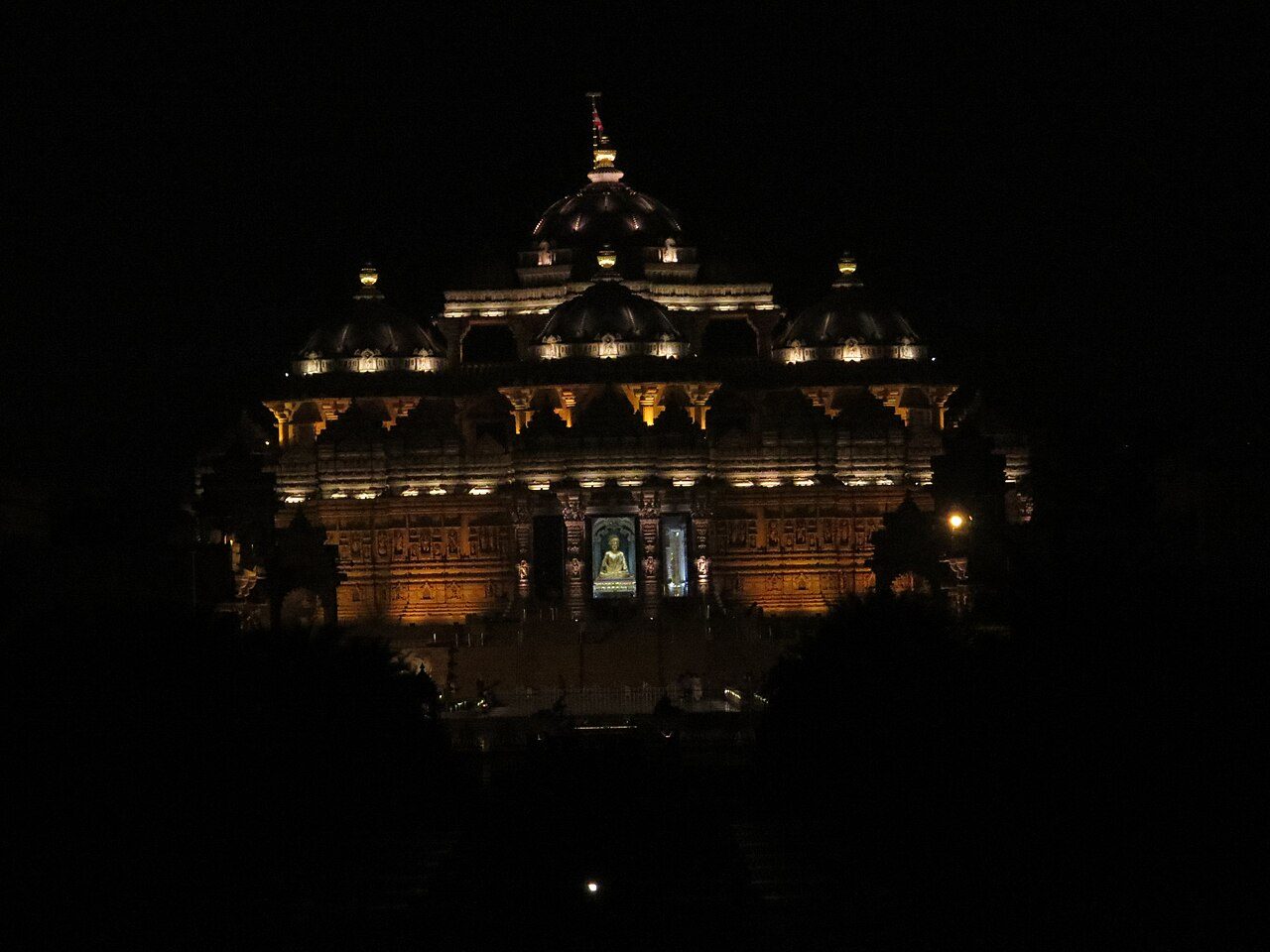
Swaminarayan Akshardham, opened in 2005 on the bank of the Yamuna, is a vast temple complex built by the BAPS organisation. The central monument of pink sandstone and white marble is carved with thousands of figures of deities, dancers, animals and plants, and built without structural steel. Exhibitions, a boat ride through Indian history and a musical fountain show are part of a visit. Phones and cameras are not allowed inside.
Seasons from 20 years of NASA POWER climate data.
 WaTrips