Birla Mandir, Bangla Sahib and Sacred Heart, St. James' Church, Sis Ganj and Jama Masjid, then Chhatarpur, ISKCON, the Lotus Temple, Nizamuddin and Akshardham.
Few cities hold so many faiths so close together. Day one starts in New Delhi at the Laxminarayan (Birla) Mandir, eats at the free langar of Gurudwara Bangla Sahib, and visits the Sacred Heart Cathedral. In the afternoon it moves to Old Delhi: St. James' Church, the city's oldest, Gurudwara Sis Ganj where Guru Tegh Bahadur was martyred, the Jama Masjid and Fatehpuri Masjid. Day two goes south to the Chhatarpur temples, ISKCON and the Bahá'í Lotus Temple, then the Sufi shrine of Nizamuddin, where qawwali is sung after sunset, and ends at Akshardham. Dress modestly and carry a scarf to cover your head where needed.
01
STOP 1 OF 12
Laxminarayan Temple Delhi
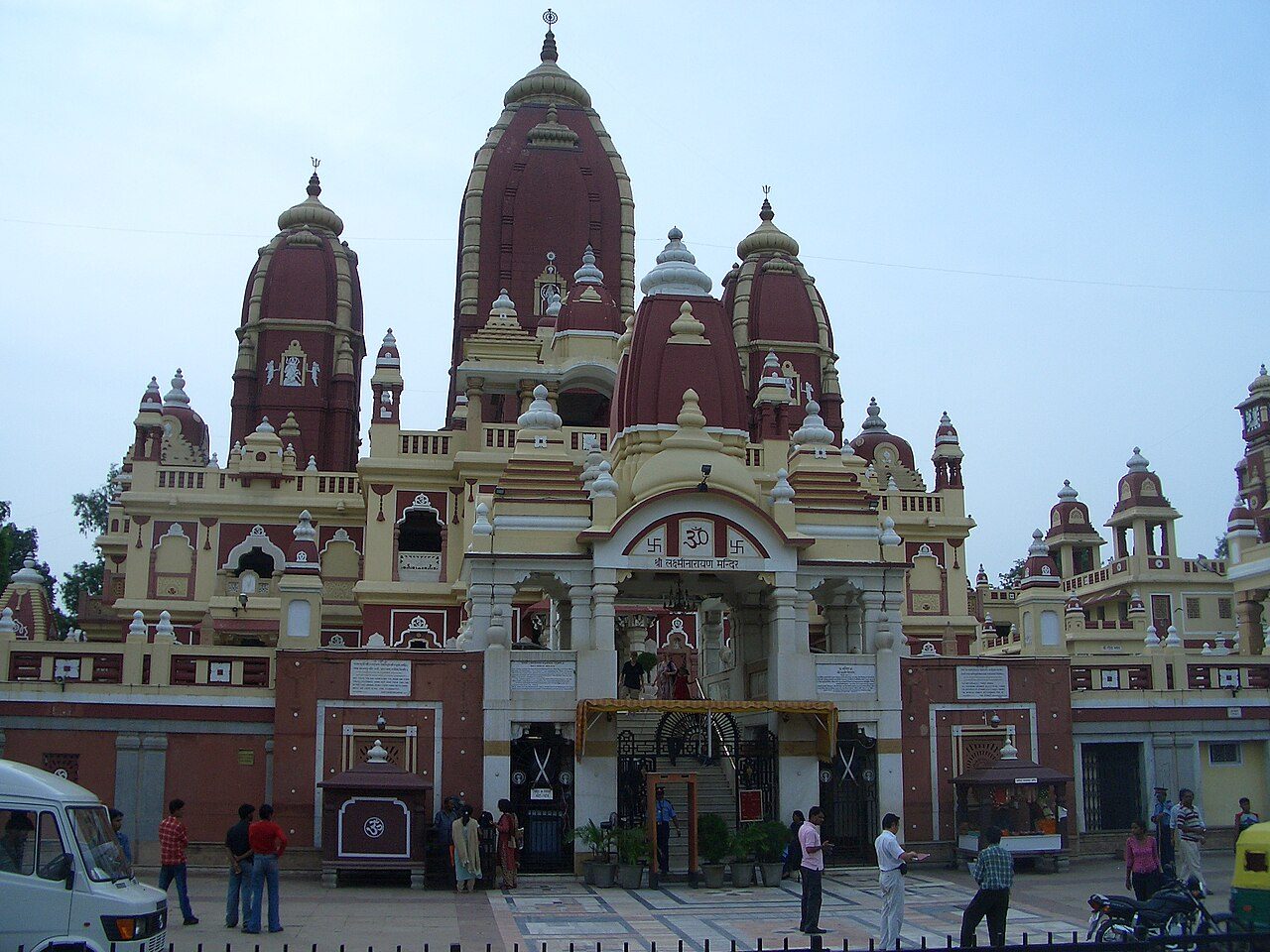
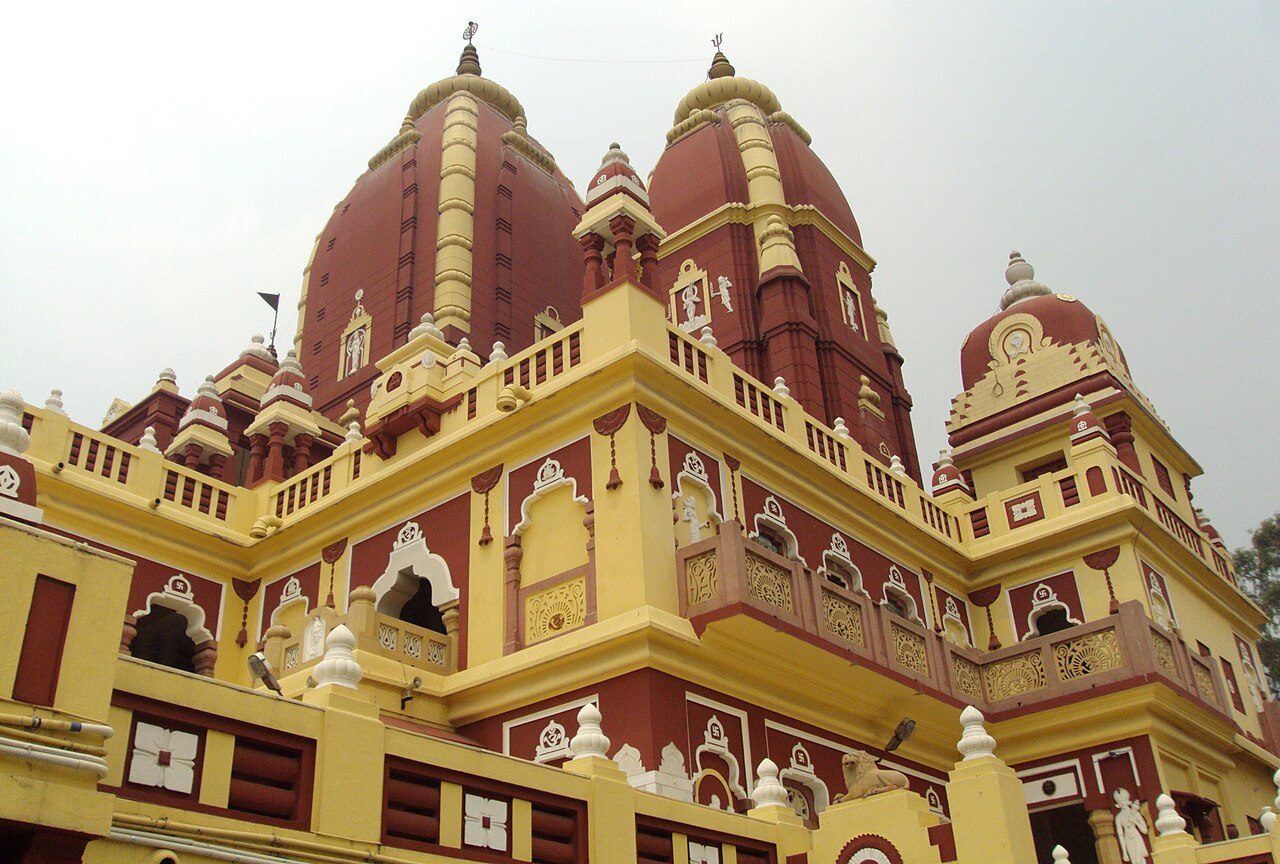
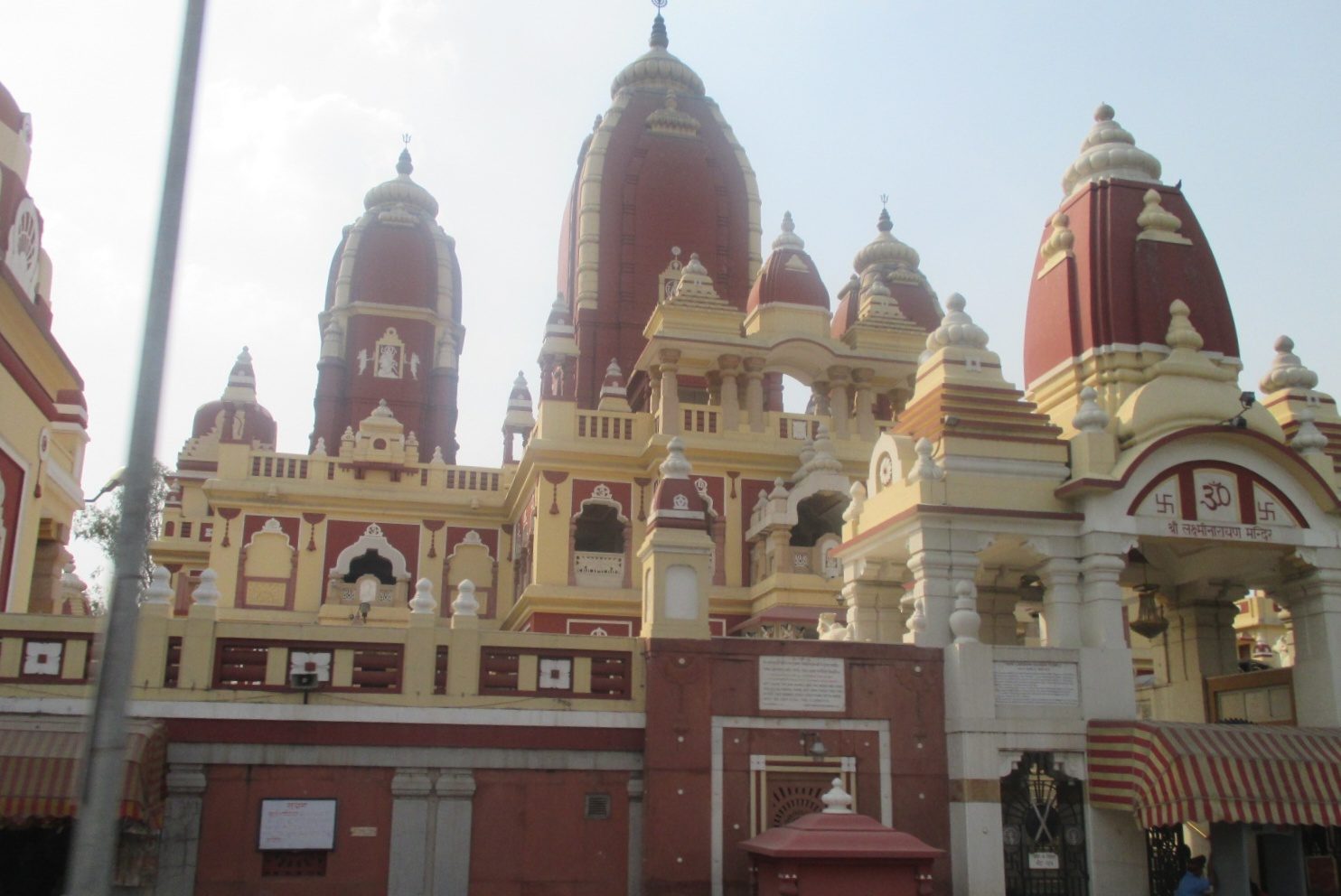
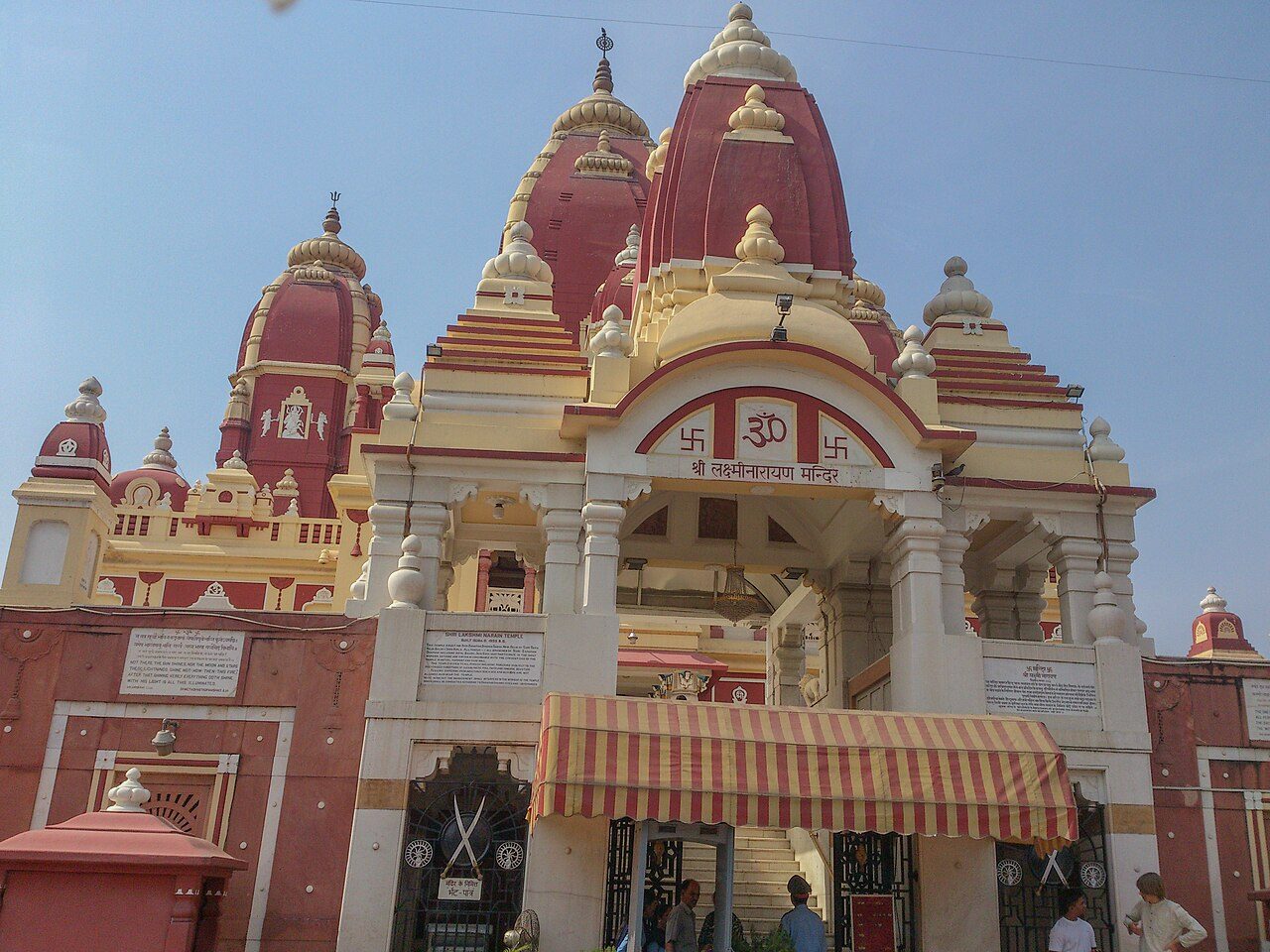
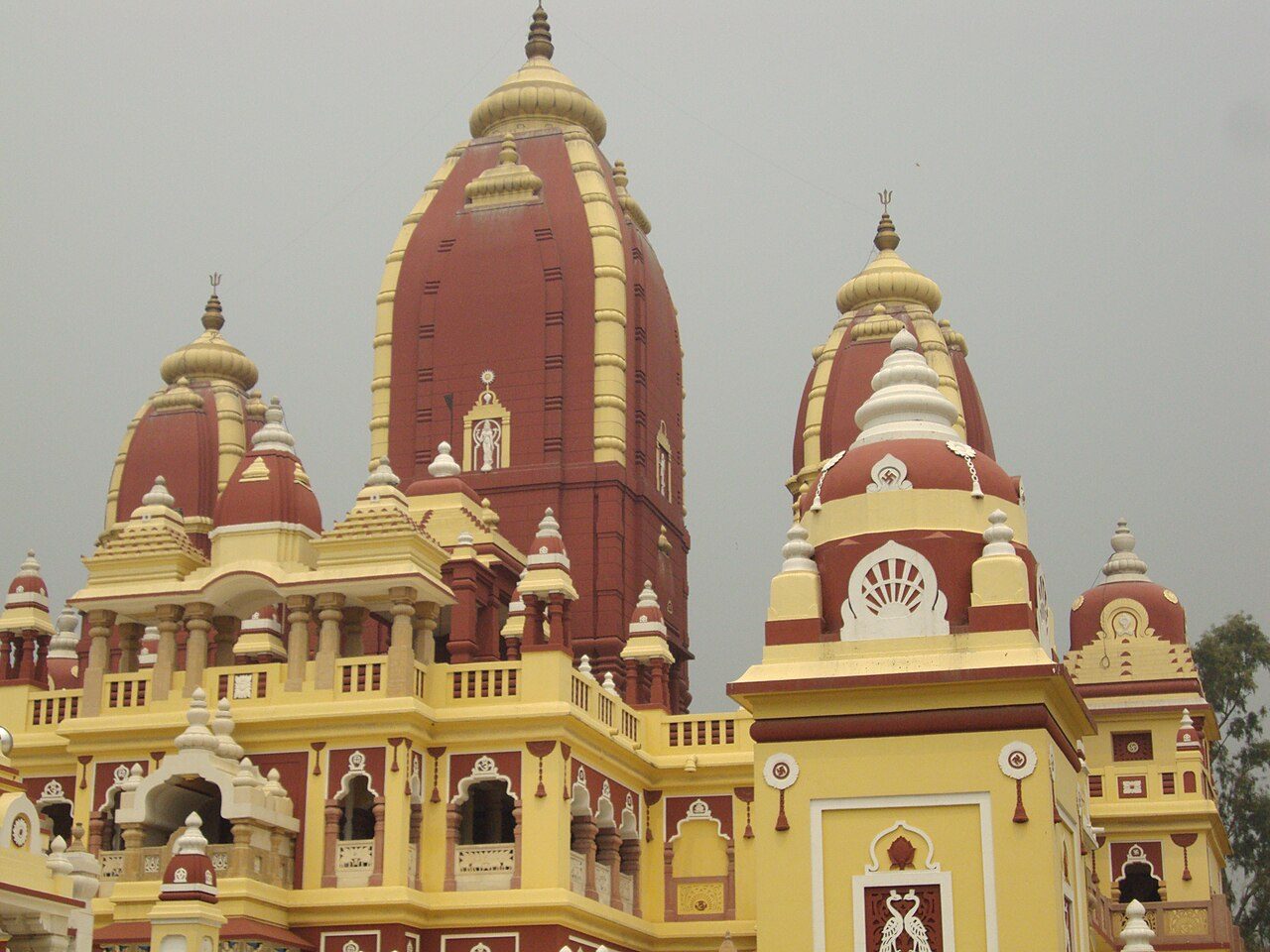
The Laxminarayan Temple, popularly known as Birla Mandir, was built by the industrialist Baldeo Das Birla and his sons and inaugurated by Mahatma Gandhi in 1939, on the condition that people of all castes be allowed to enter. Dedicated to Vishnu and Lakshmi, it is built in red and yellow stone in the Nagara style with tall shikharas. It is especially busy on Janmashtami.
02
STOP 2 OF 12
Gurudwara Bangla Sahib
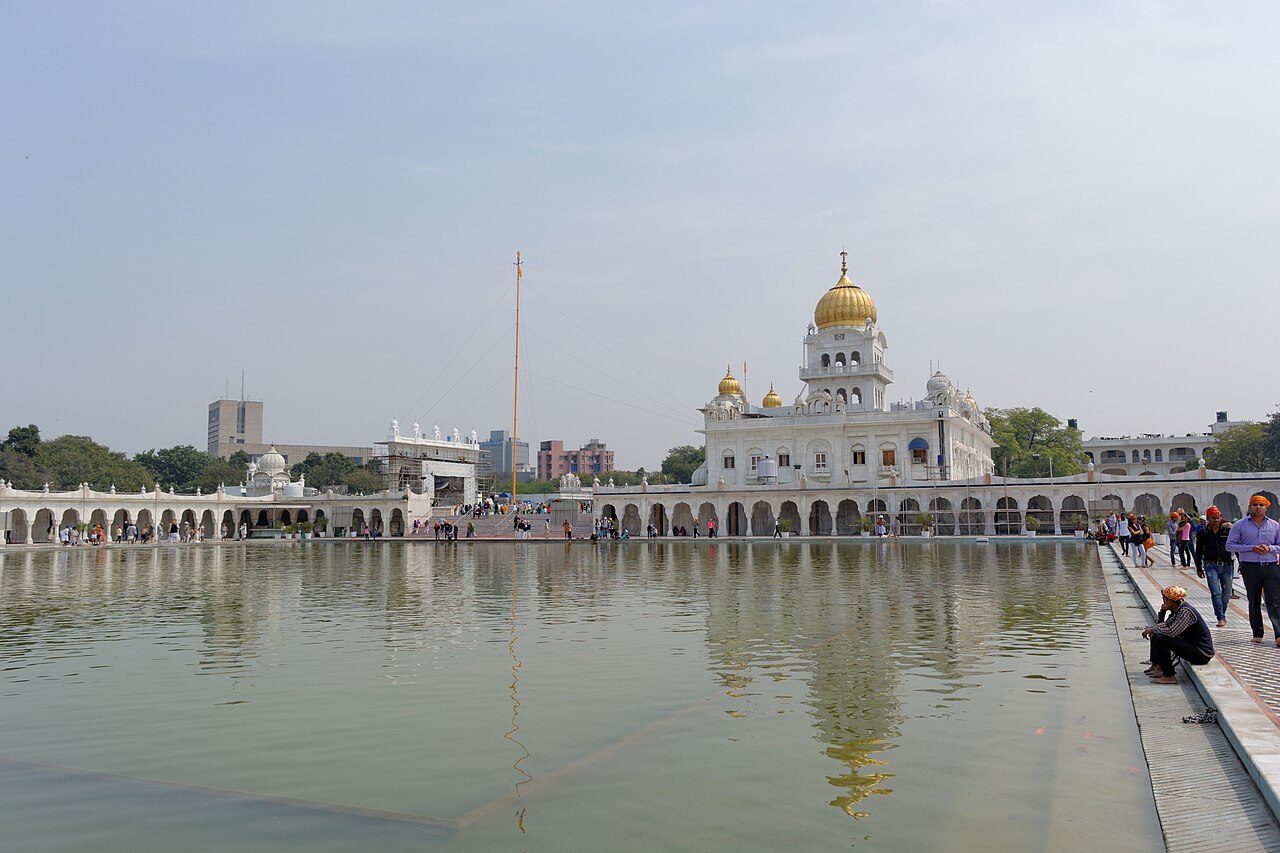
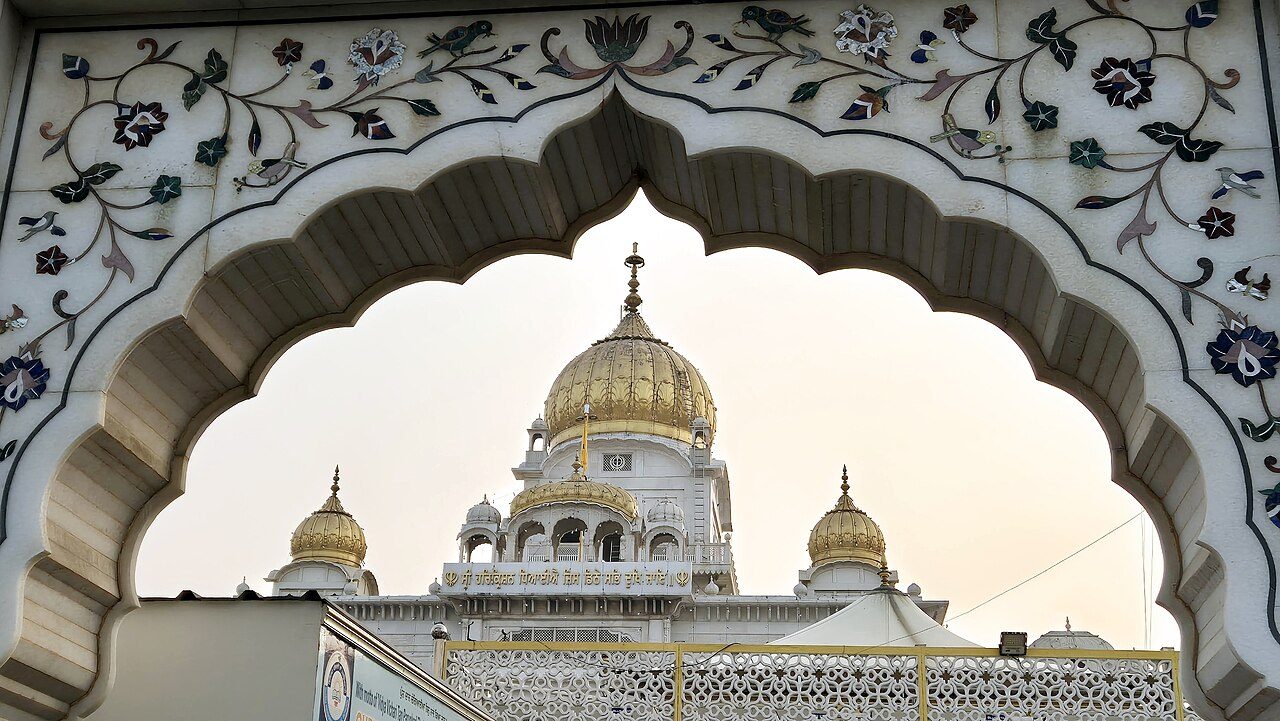
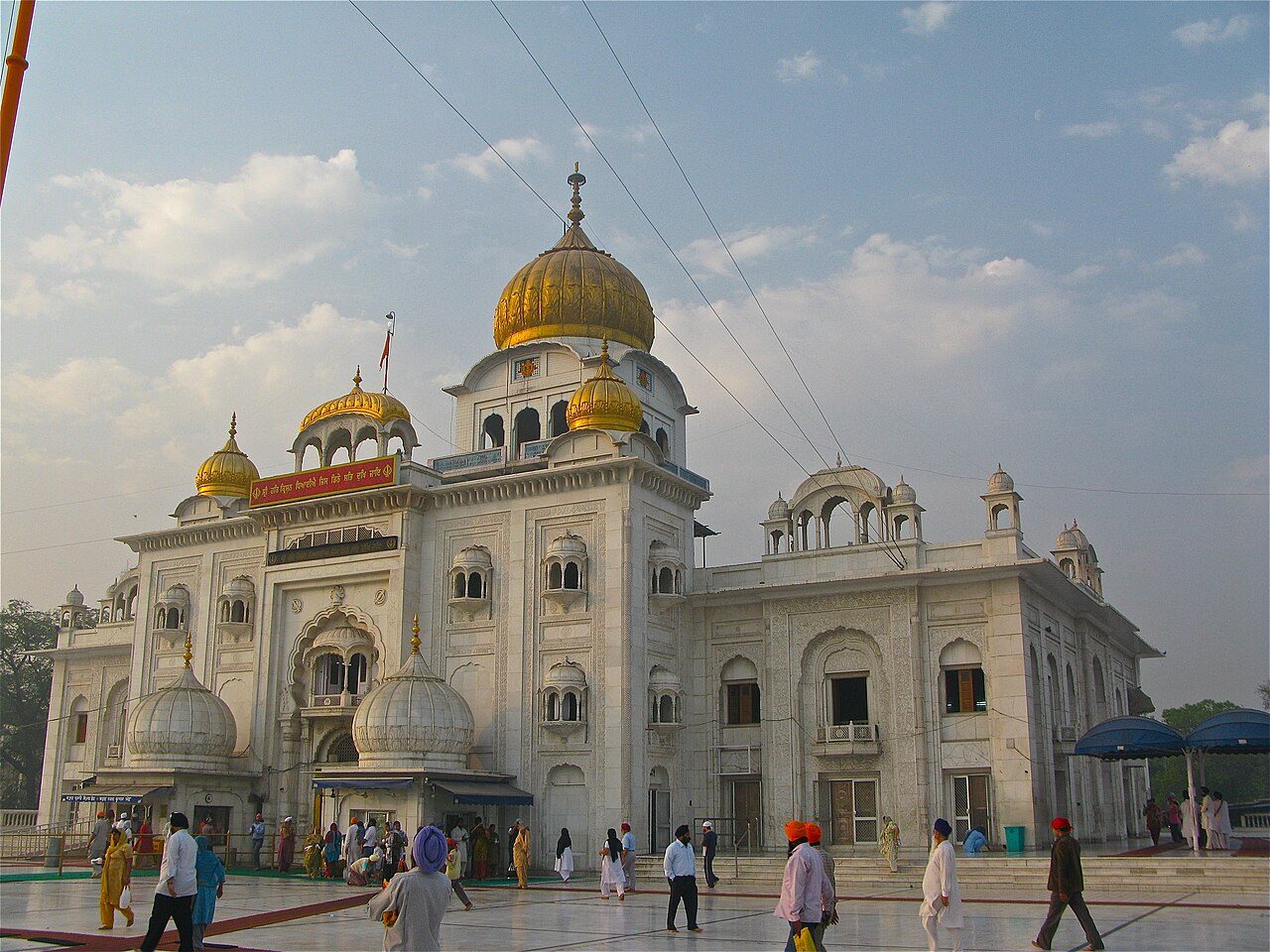
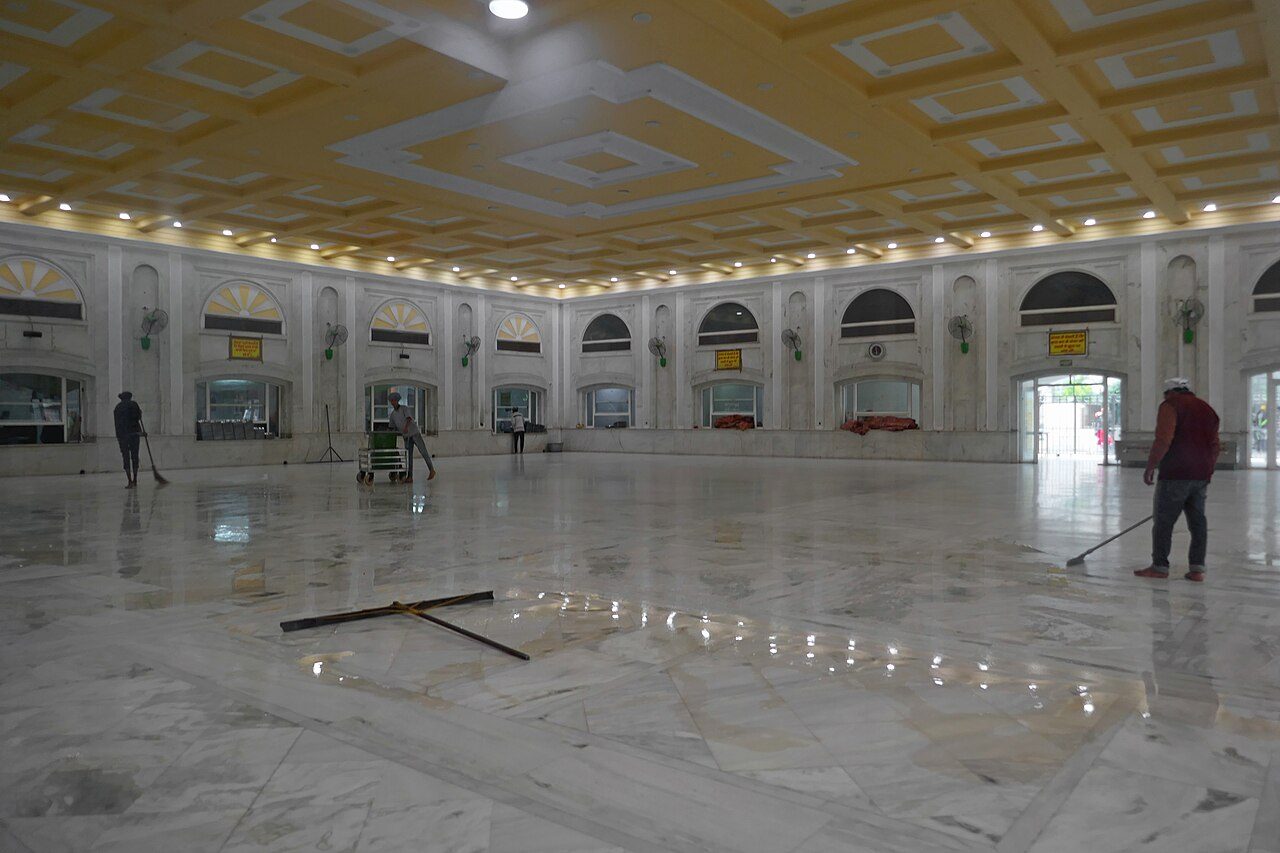
Gurudwara Bangla Sahib is the most prominent Sikh shrine in Delhi, recognisable by its golden dome. It stands on the site of a bungalow where the eighth Sikh Guru, Har Krishan, stayed in 1664 and tended to victims of an epidemic. The water of its sarovar is considered healing. The community kitchen serves free meals to thousands of visitors of all faiths every day. Heads must be covered inside.
03
STOP 3 OF 12
Sacred Heart Cathedral Delhi
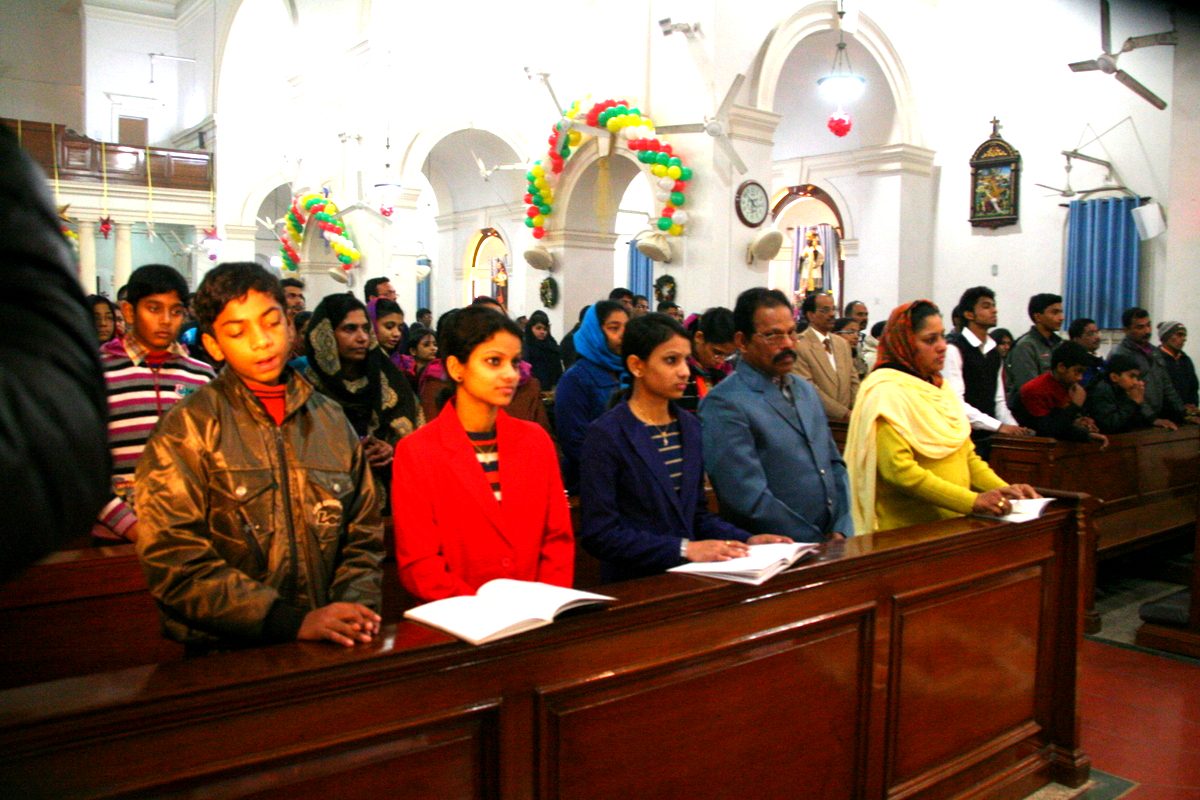
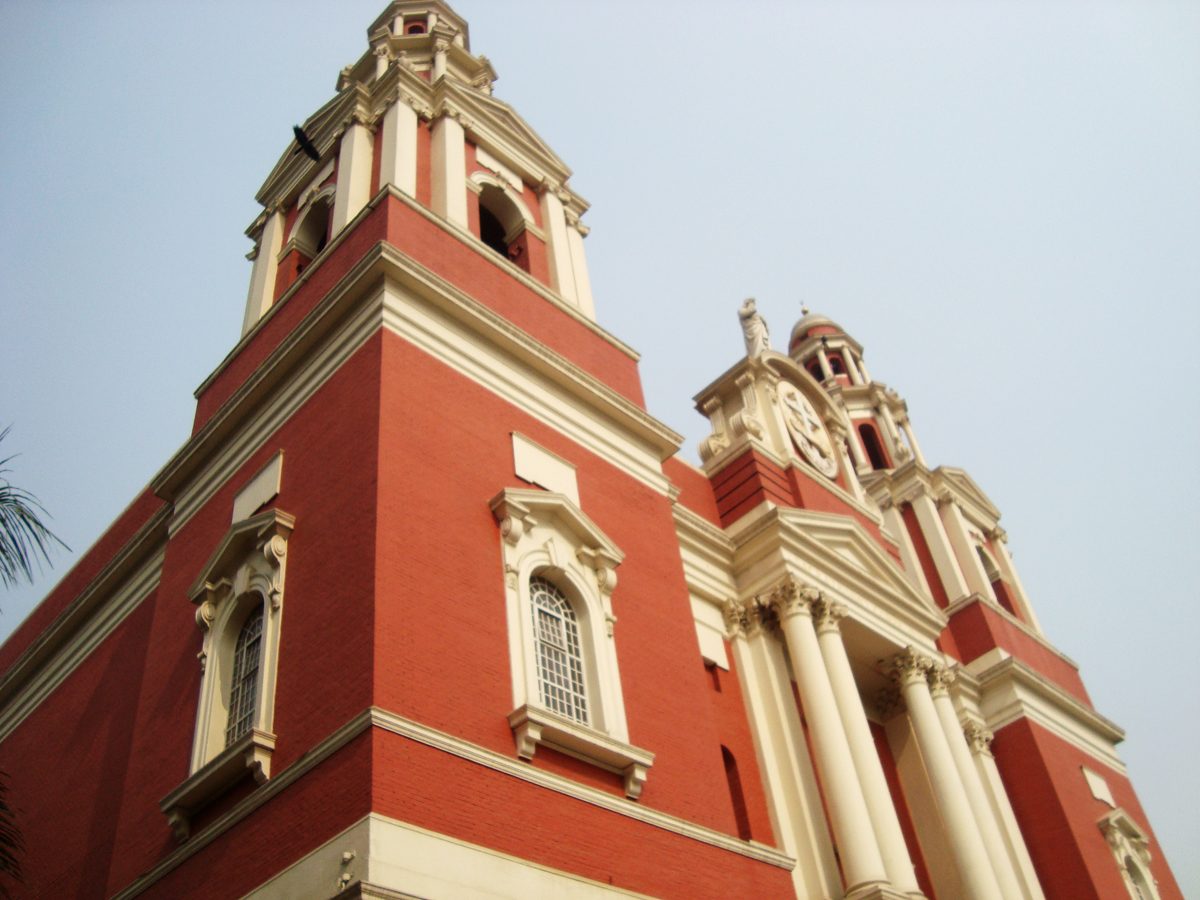
Sacred Heart Cathedral is the main Roman Catholic church of Delhi, close to Connaught Place. Designed by the British architect Henry Medd and completed in the 1930s, it has a red-brick and white-columned facade with twin towers and a tall, vaulted interior. The cathedral is beautifully lit and very crowded at Christmas and Easter; at other times it is a calm stop in the city centre.
04
STOP 4 OF 12
St. James' Church Delhi
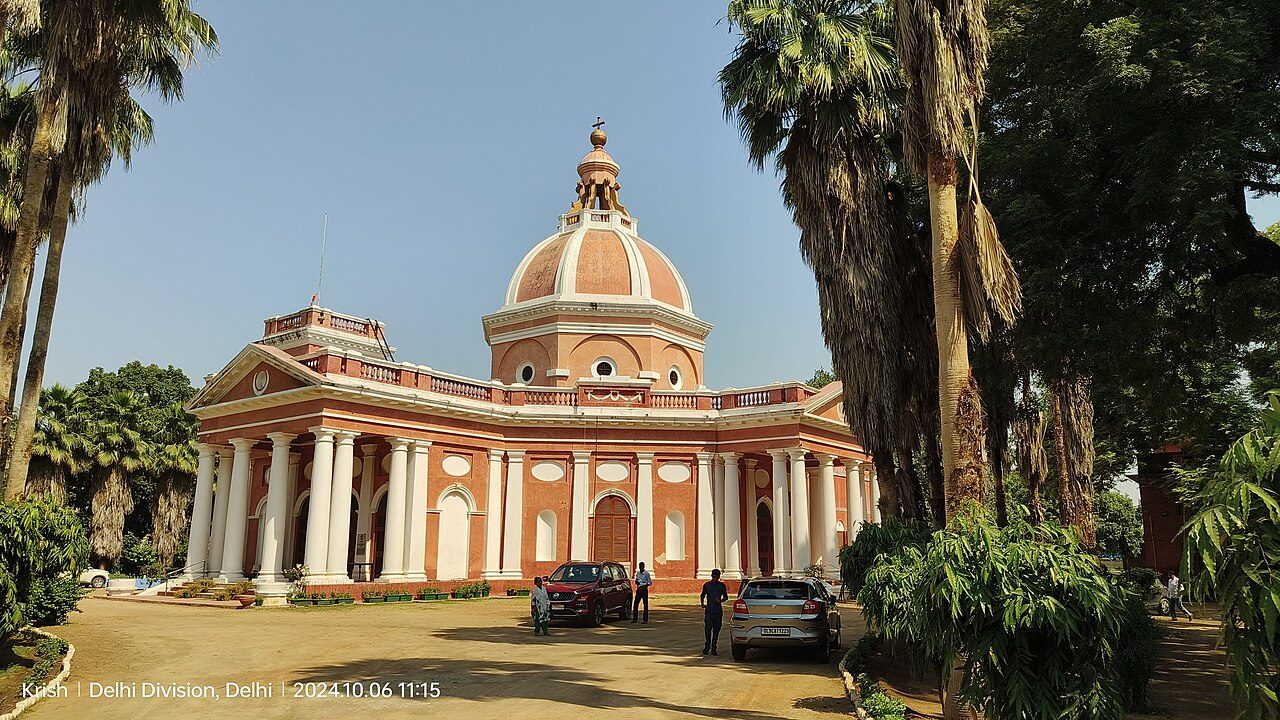
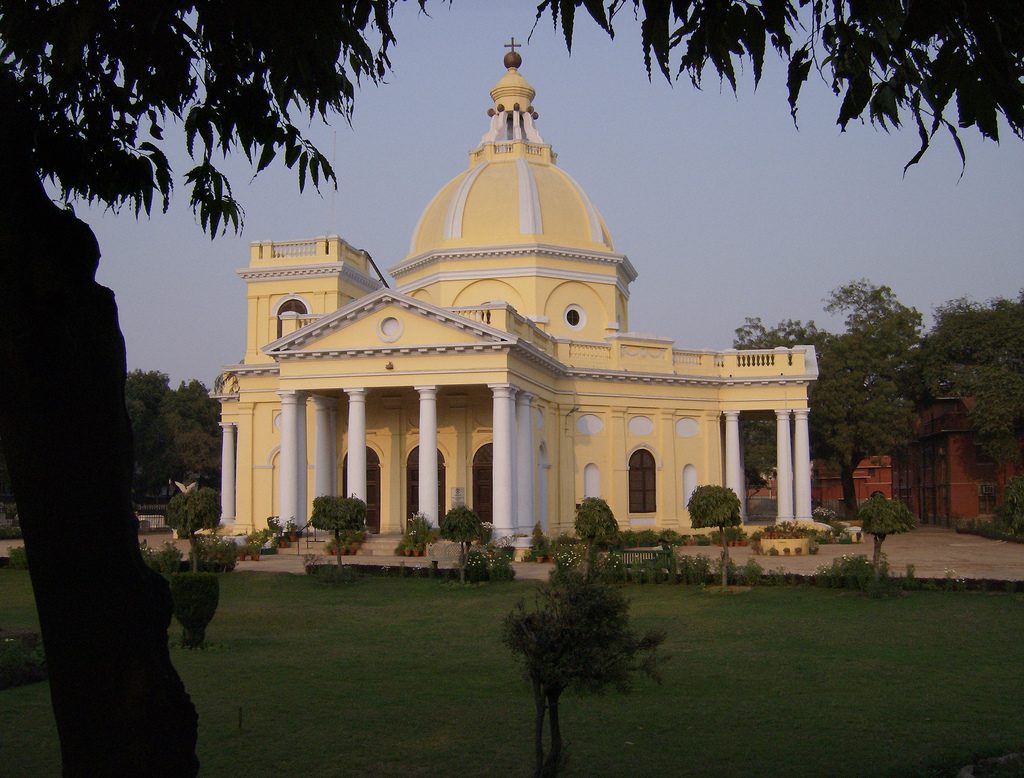
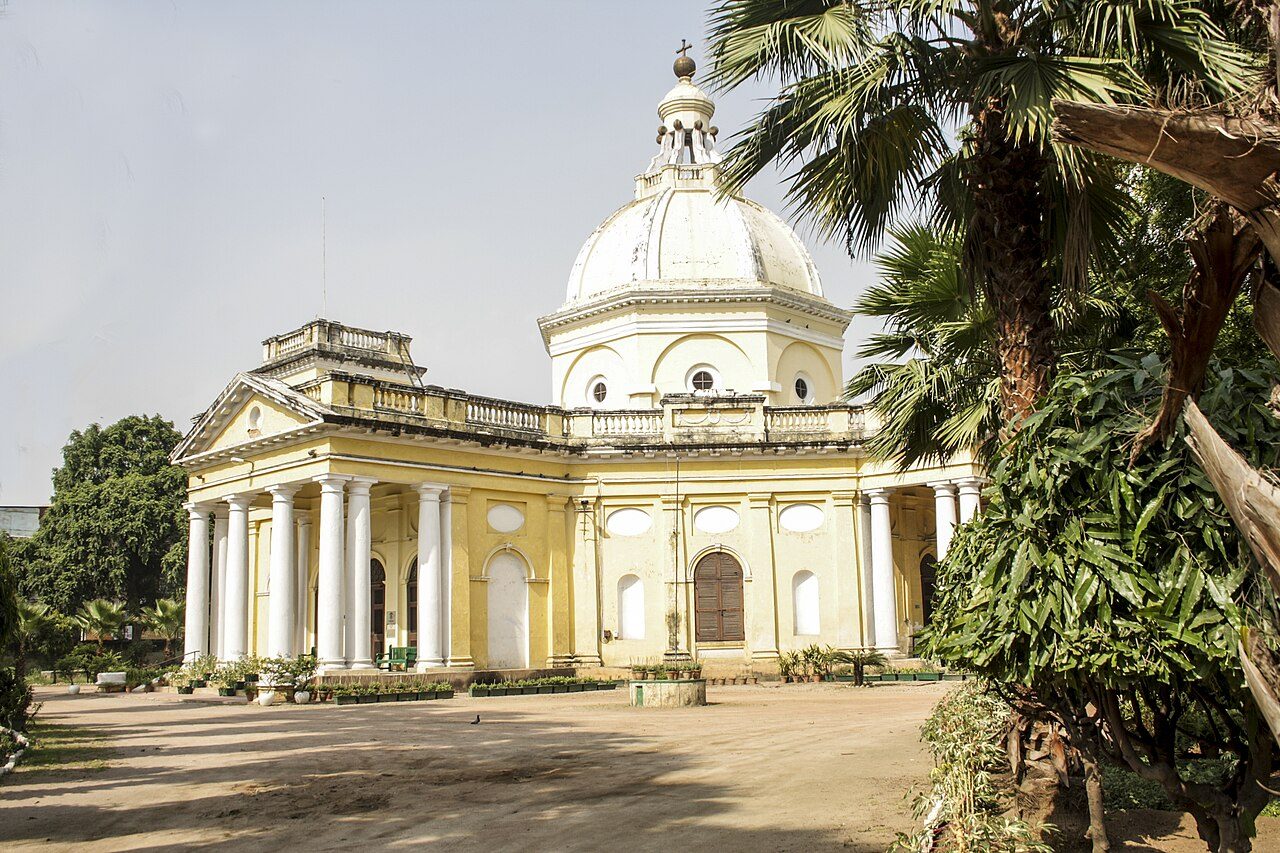
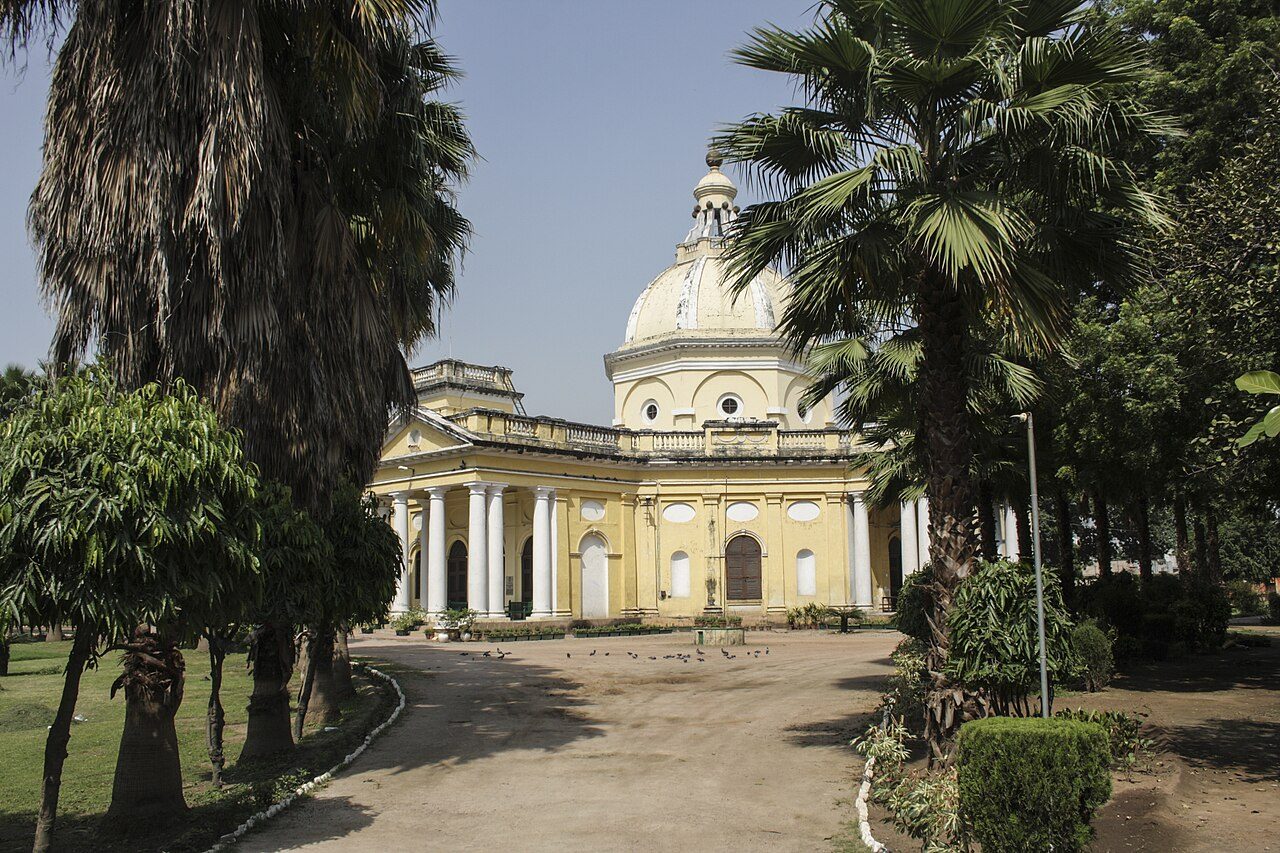
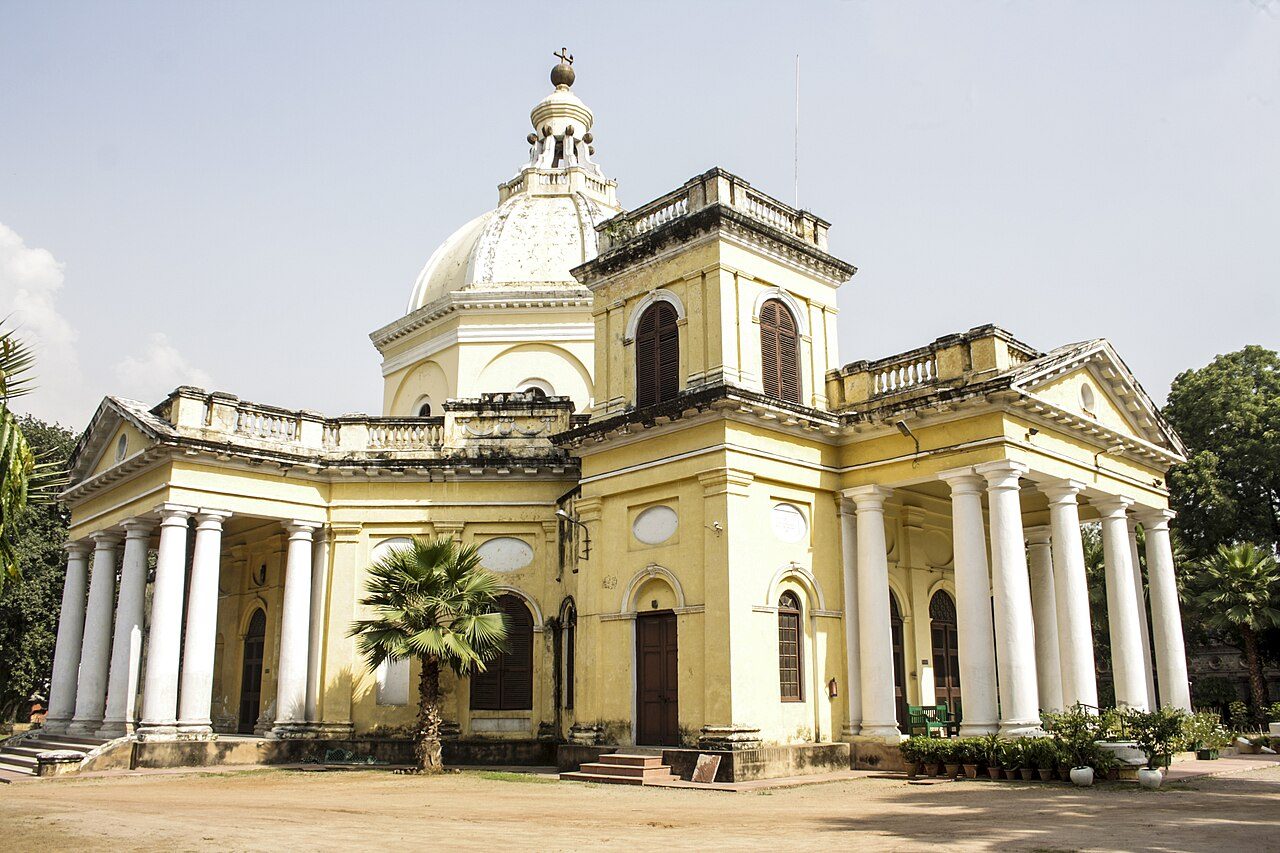
St. James' Church, near Kashmere Gate, is one of the oldest churches in Delhi. It was built in 1836 by Colonel James Skinner, founder of the cavalry regiment Skinner's Horse, to a cross-shaped plan with a central dome and columned porches. Skinner's own grave lies inside, and the leafy churchyard holds the tombs of his family and other early British residents.
05
STOP 5 OF 12
Gurudwara Sis Ganj Sahib
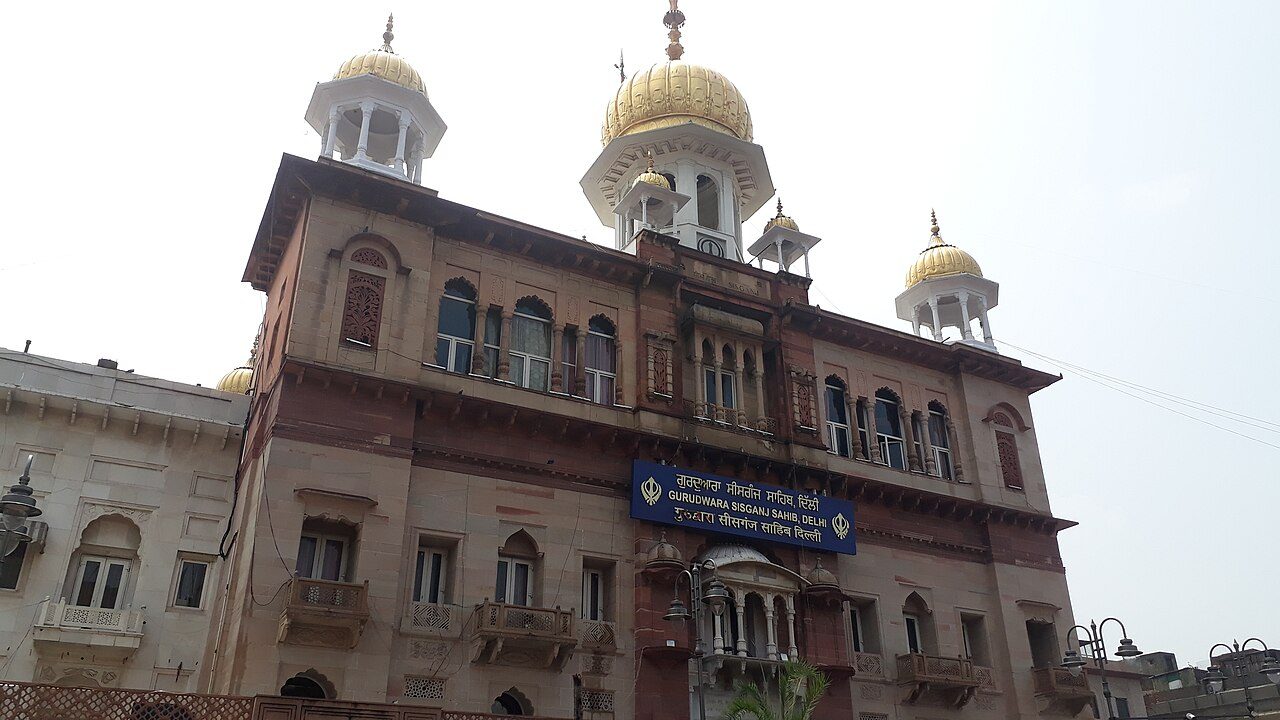
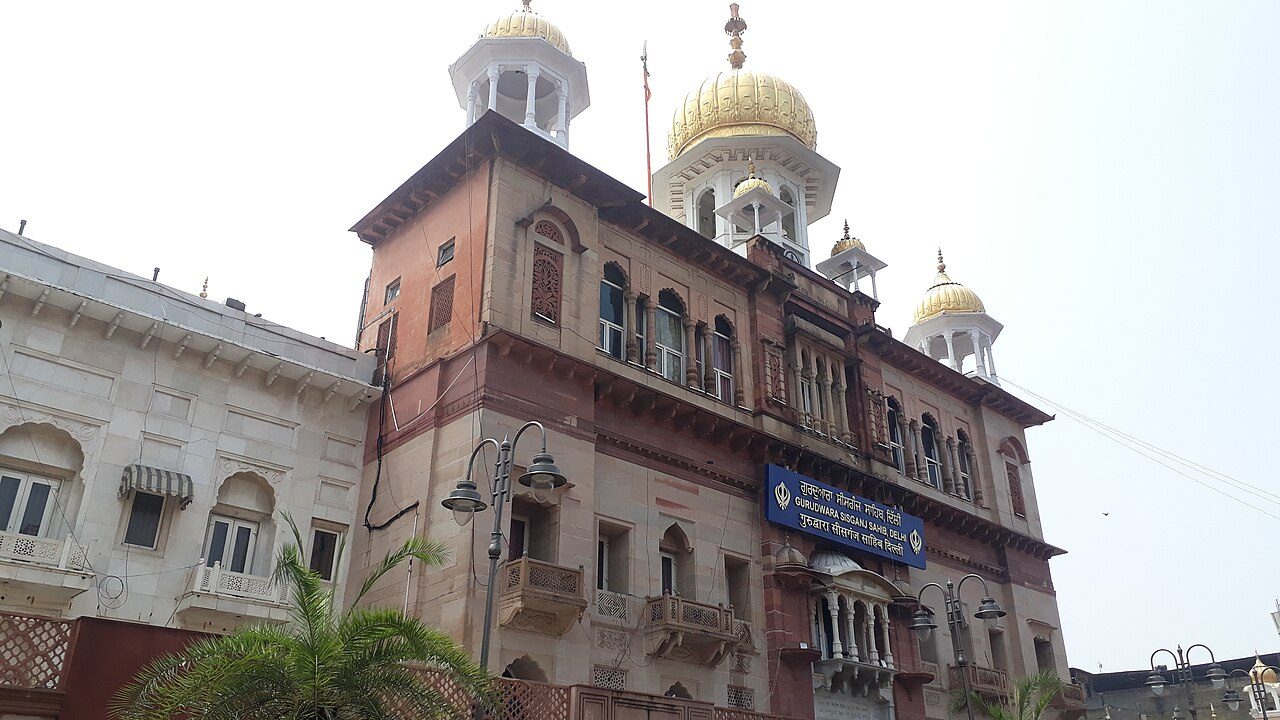
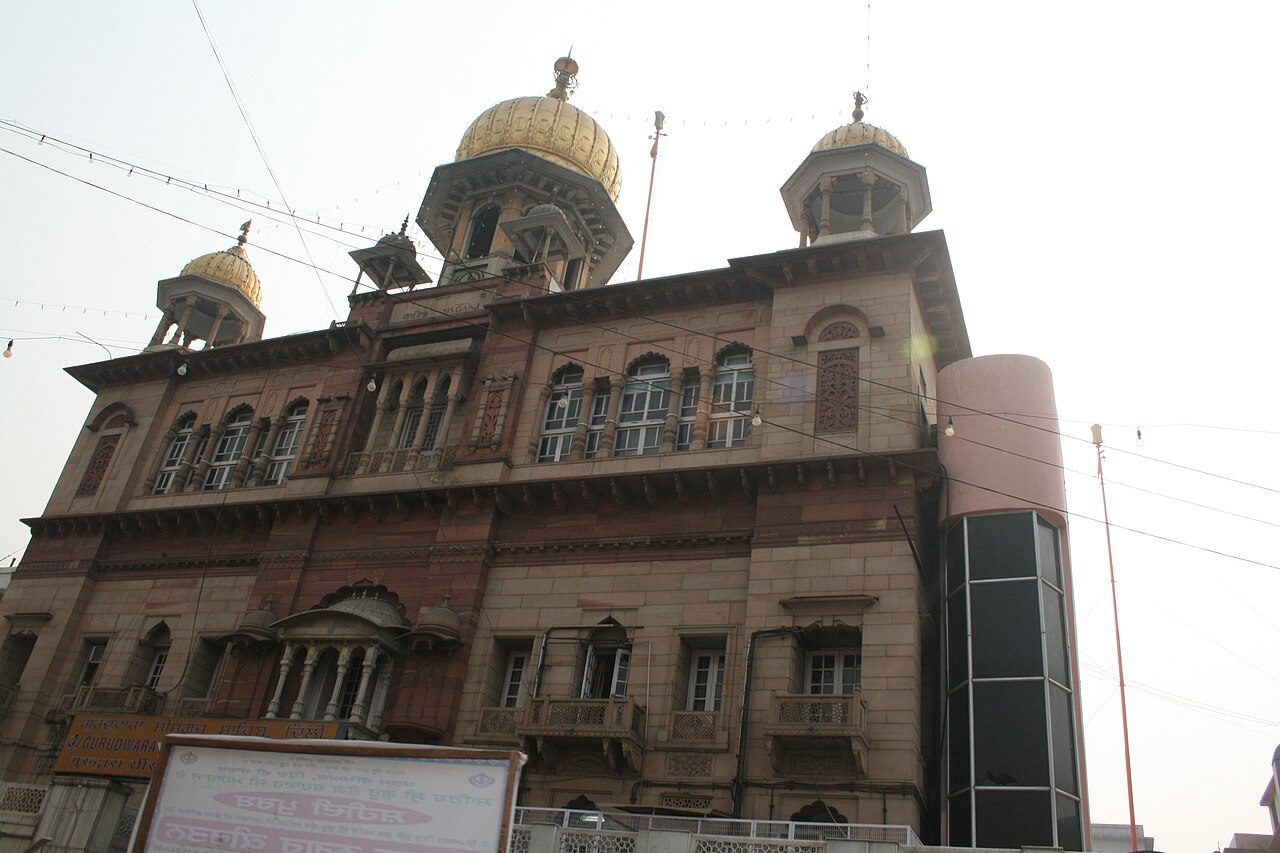
Gurudwara Sis Ganj Sahib in Chandni Chowk marks the place where the ninth Sikh Guru, Tegh Bahadur, was beheaded in 1675 on the orders of the emperor Aurangzeb for refusing to convert to Islam. The trunk of the tree under which he was executed is preserved inside. The present building dates from 1930. It is one of the holiest Sikh sites in Delhi.
06
STOP 6 OF 12
Jama Masjid Delhi
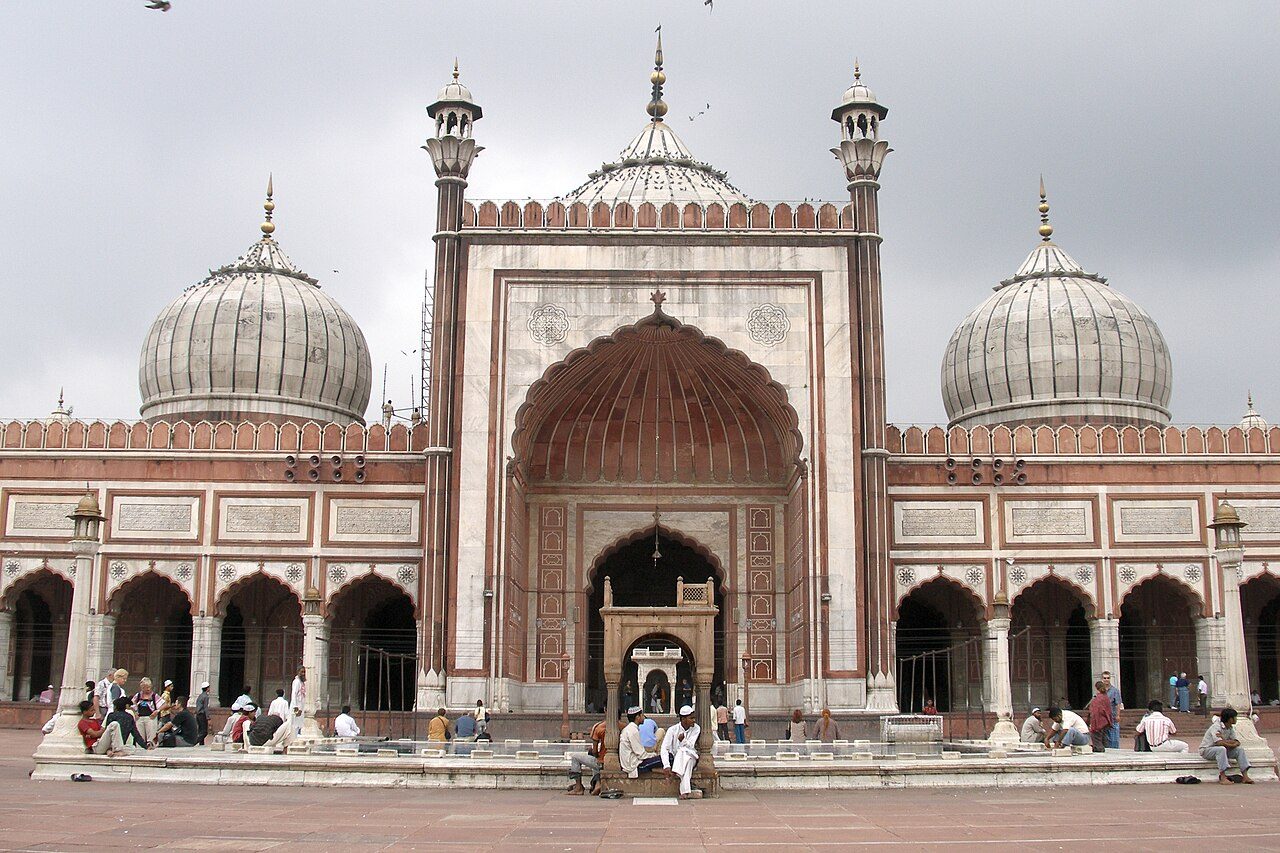
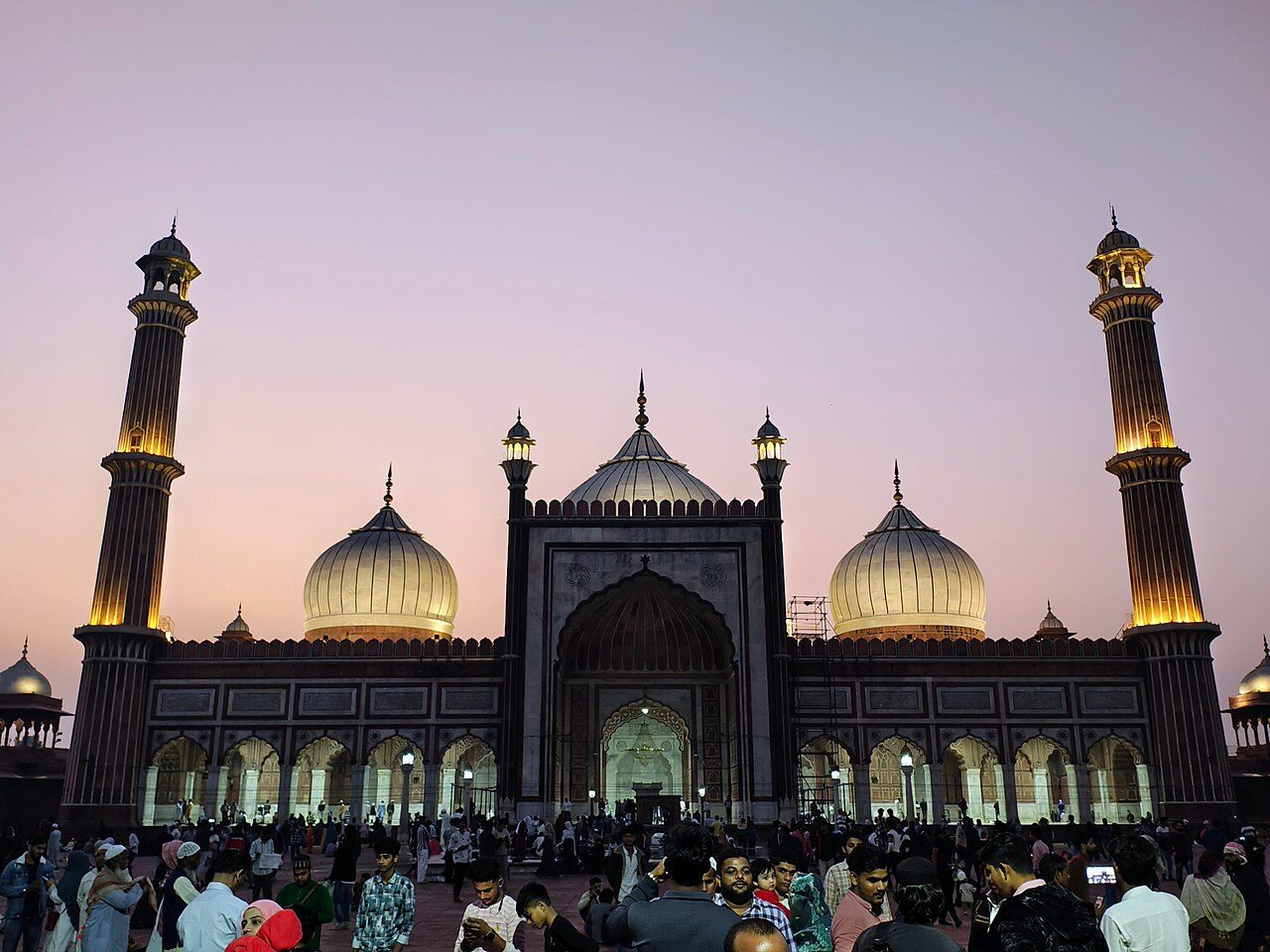
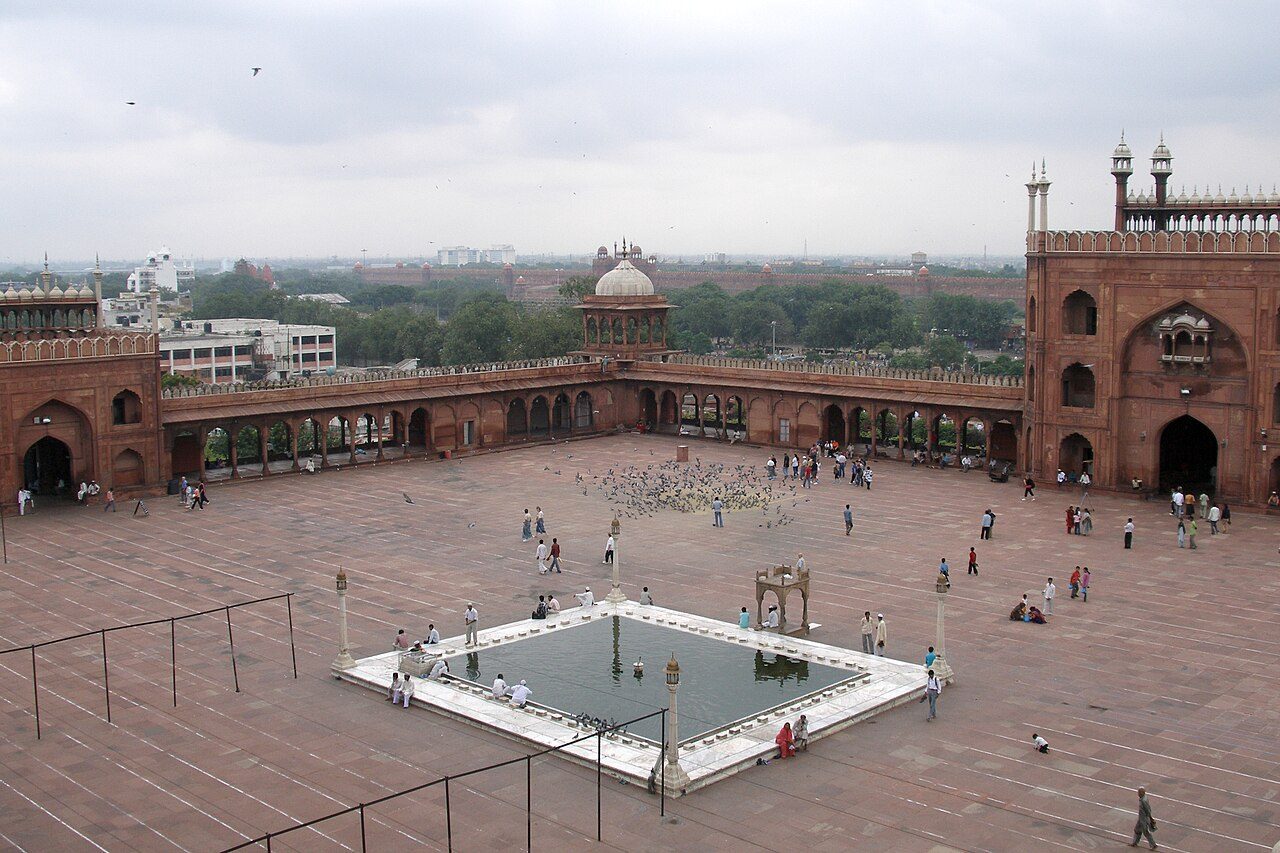
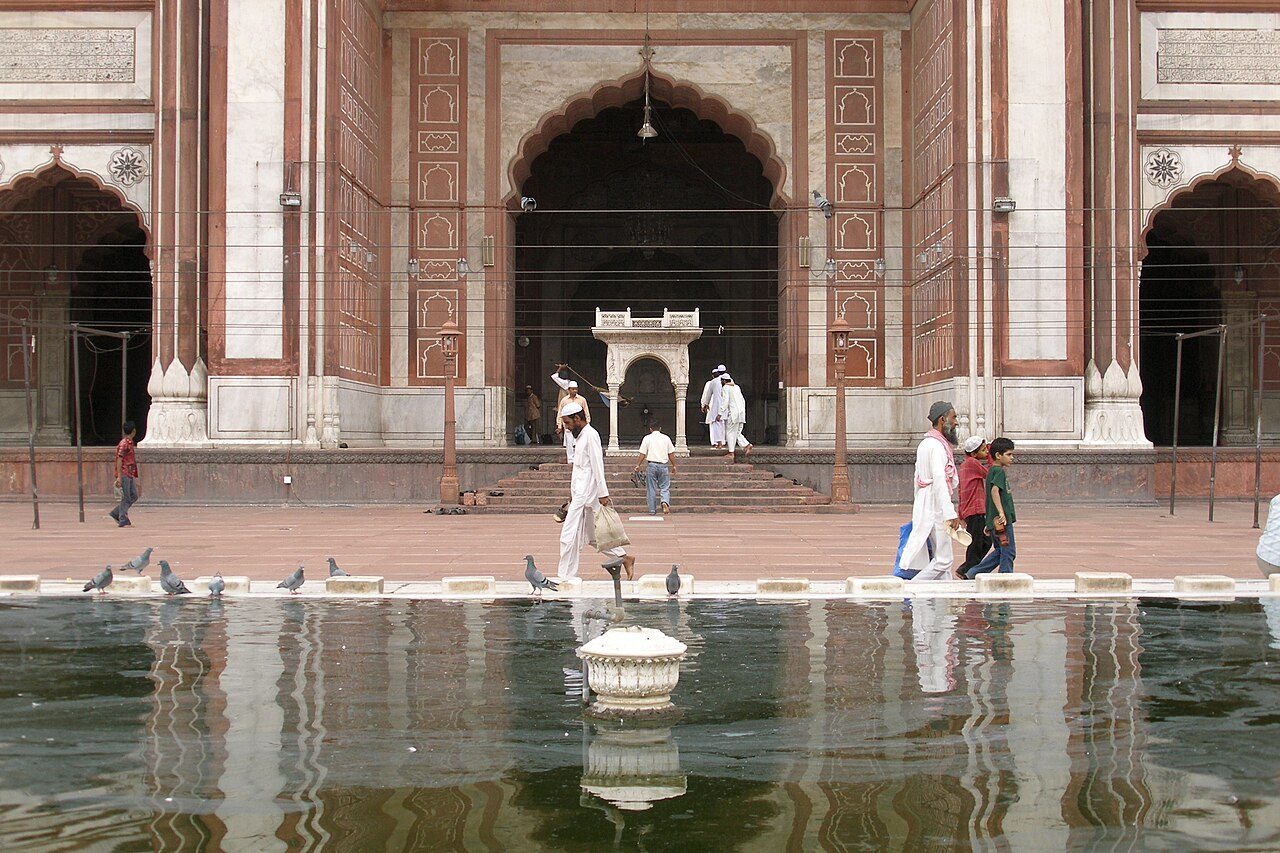
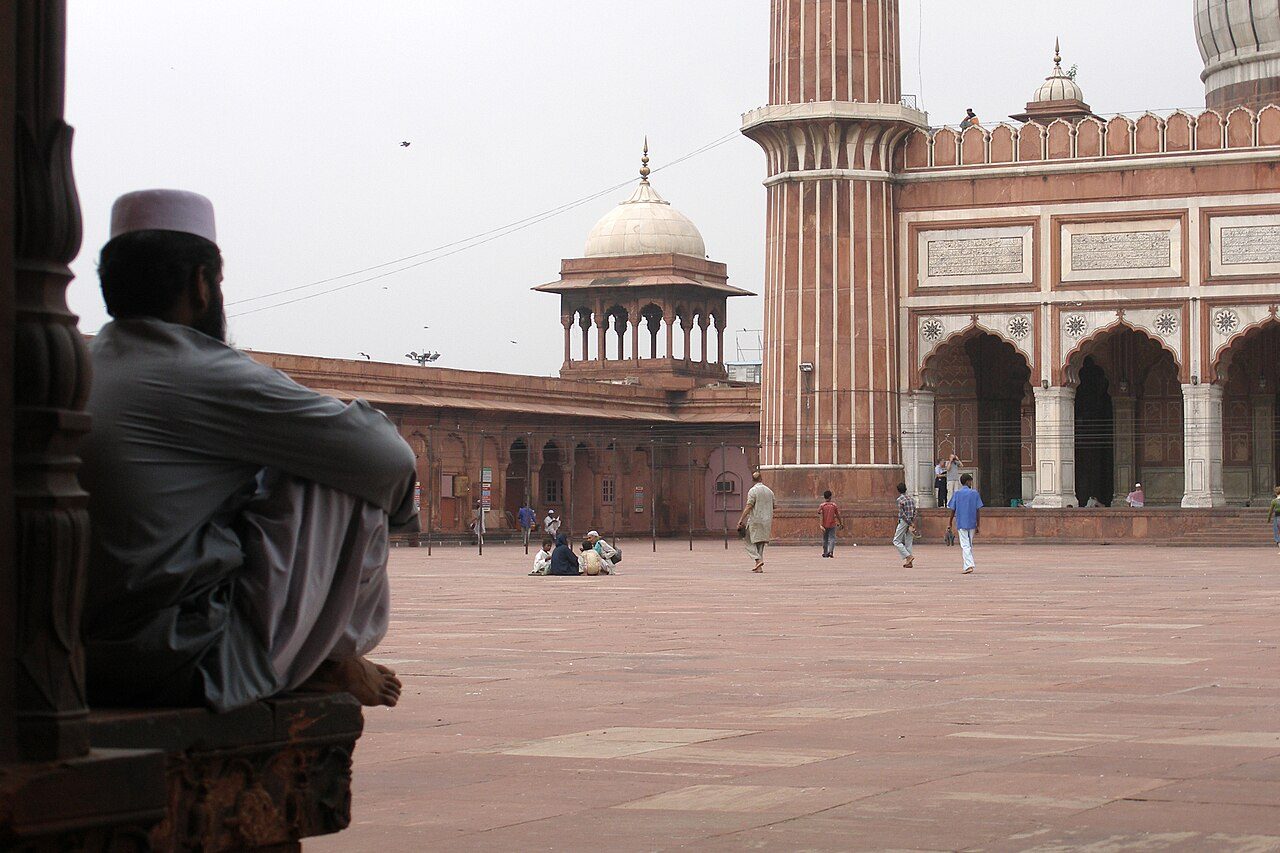
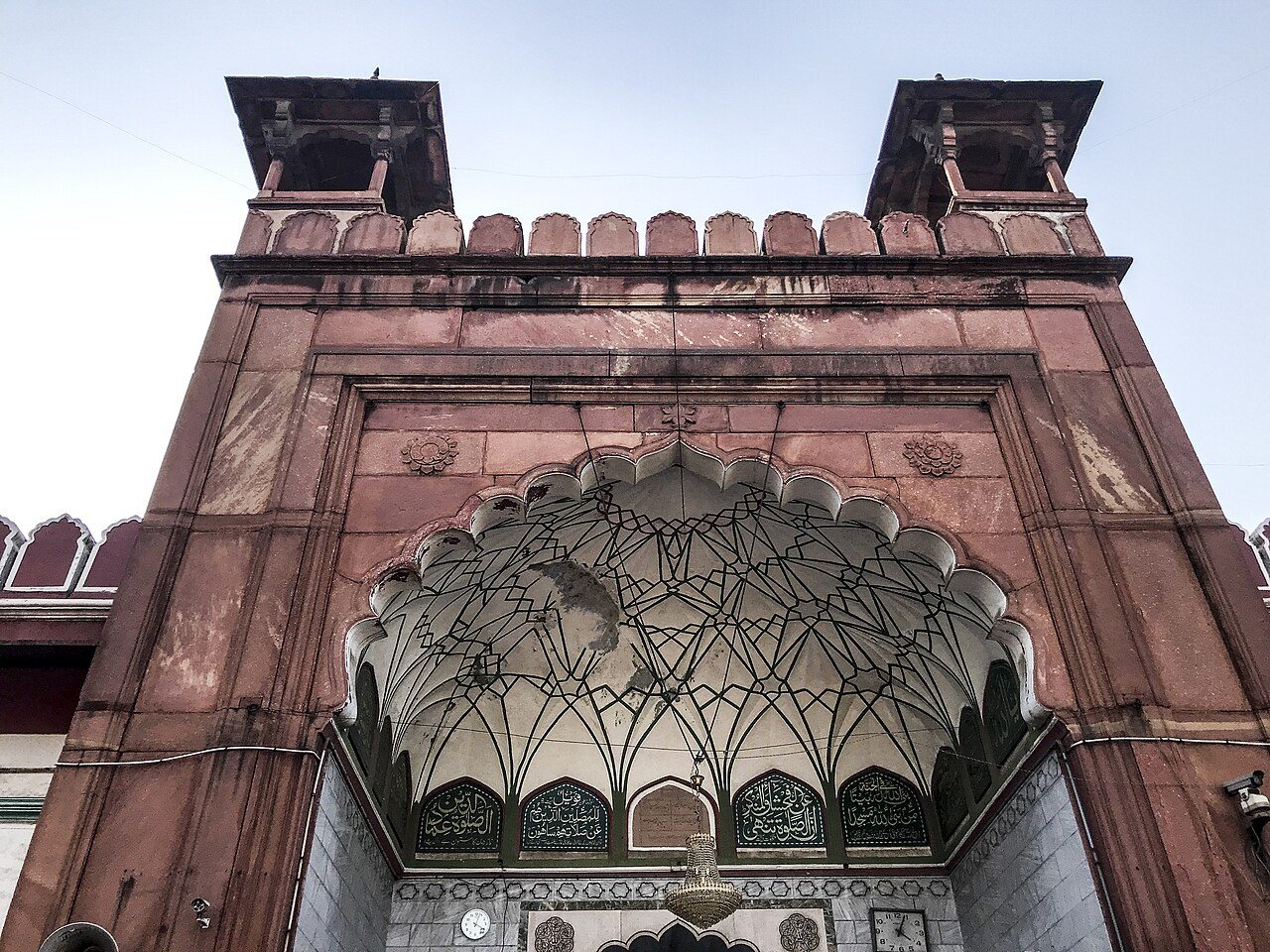
The Jama Masjid of Delhi was commissioned by Shah Jahan and completed in 1656, and is one of the largest mosques in India. Built of red sandstone and white marble, it has three domes, two tall minarets and a courtyard that can hold some 25,000 worshippers. Visitors may climb a minaret for a view over Old Delhi. It stands opposite the Red Fort, at the head of the lanes of Chandni Chowk.
07
STOP 7 OF 12
Fatehpuri Masjid
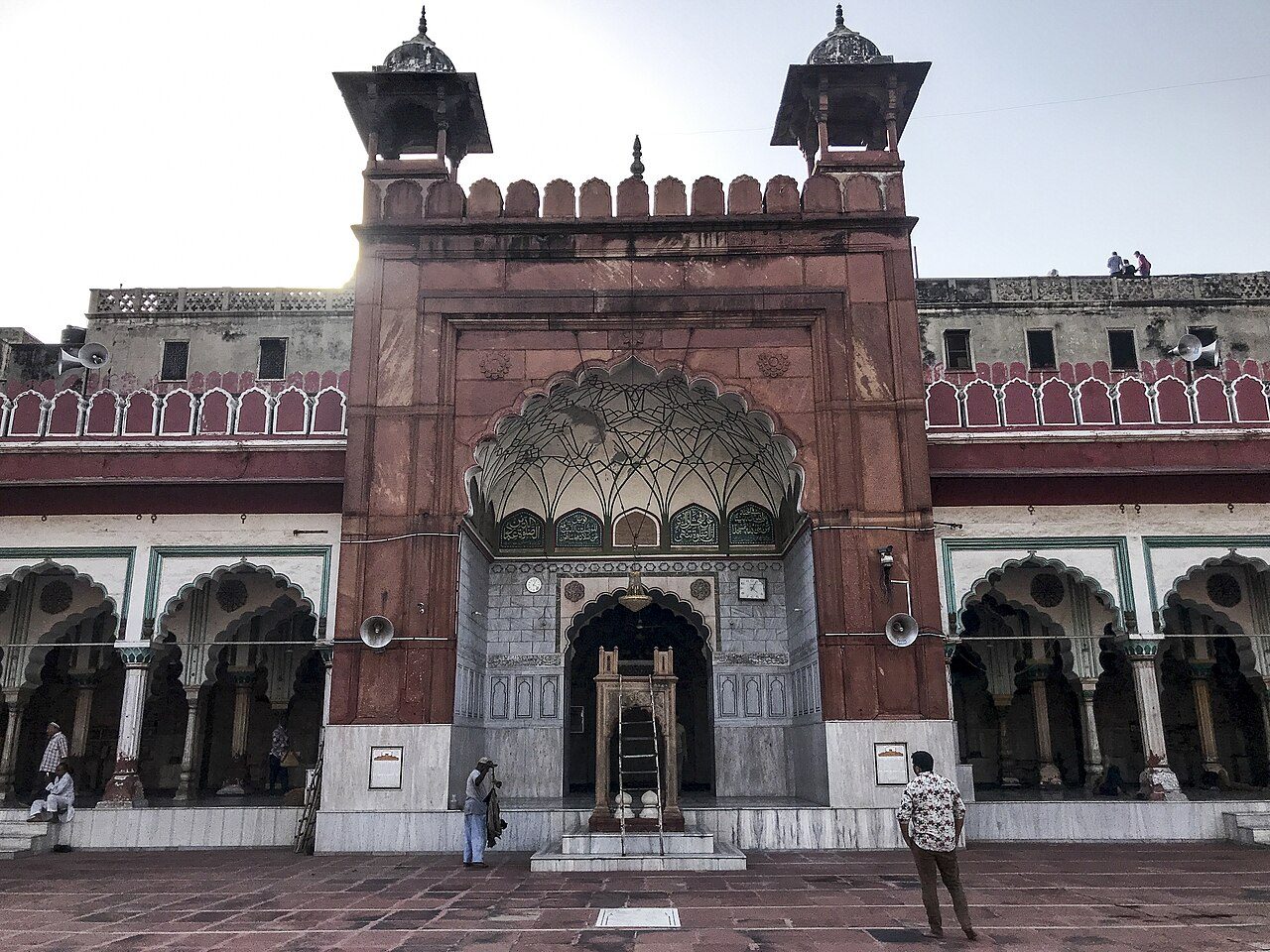
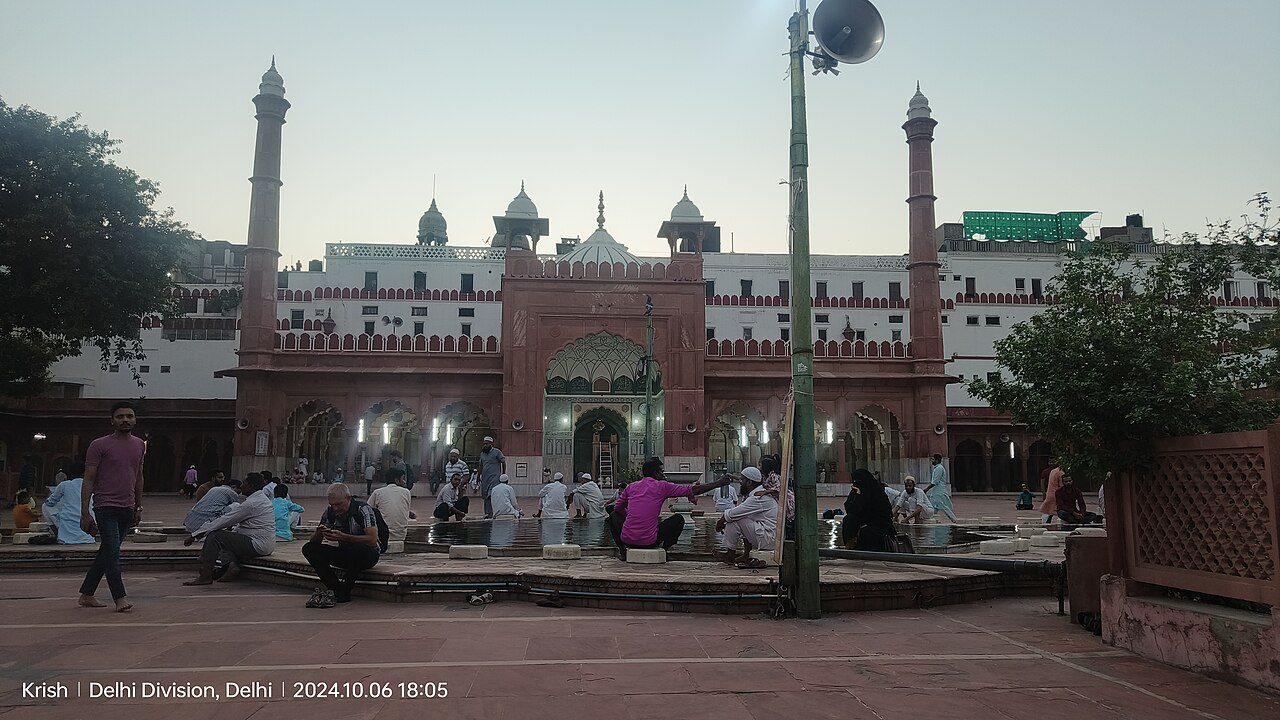
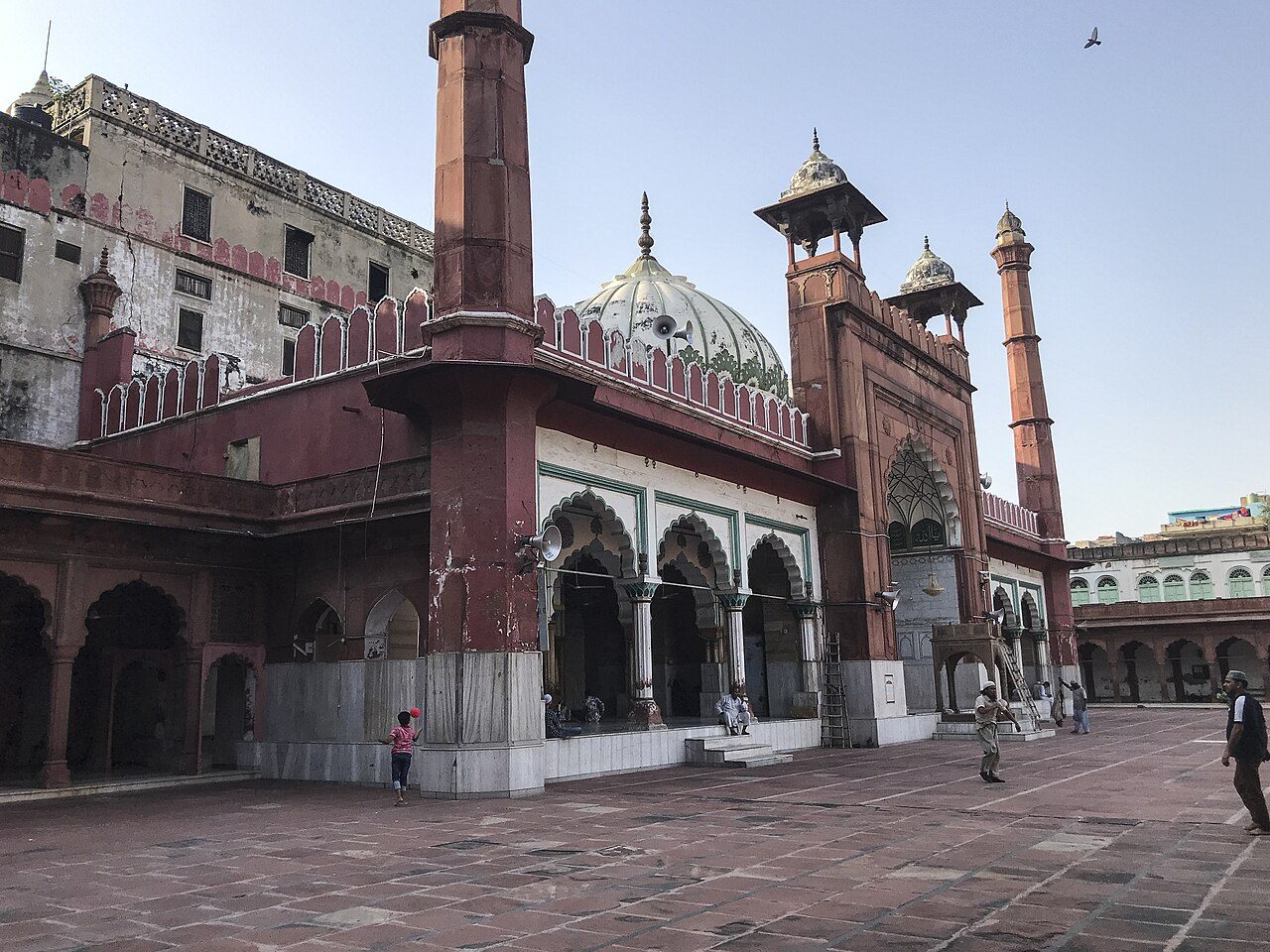
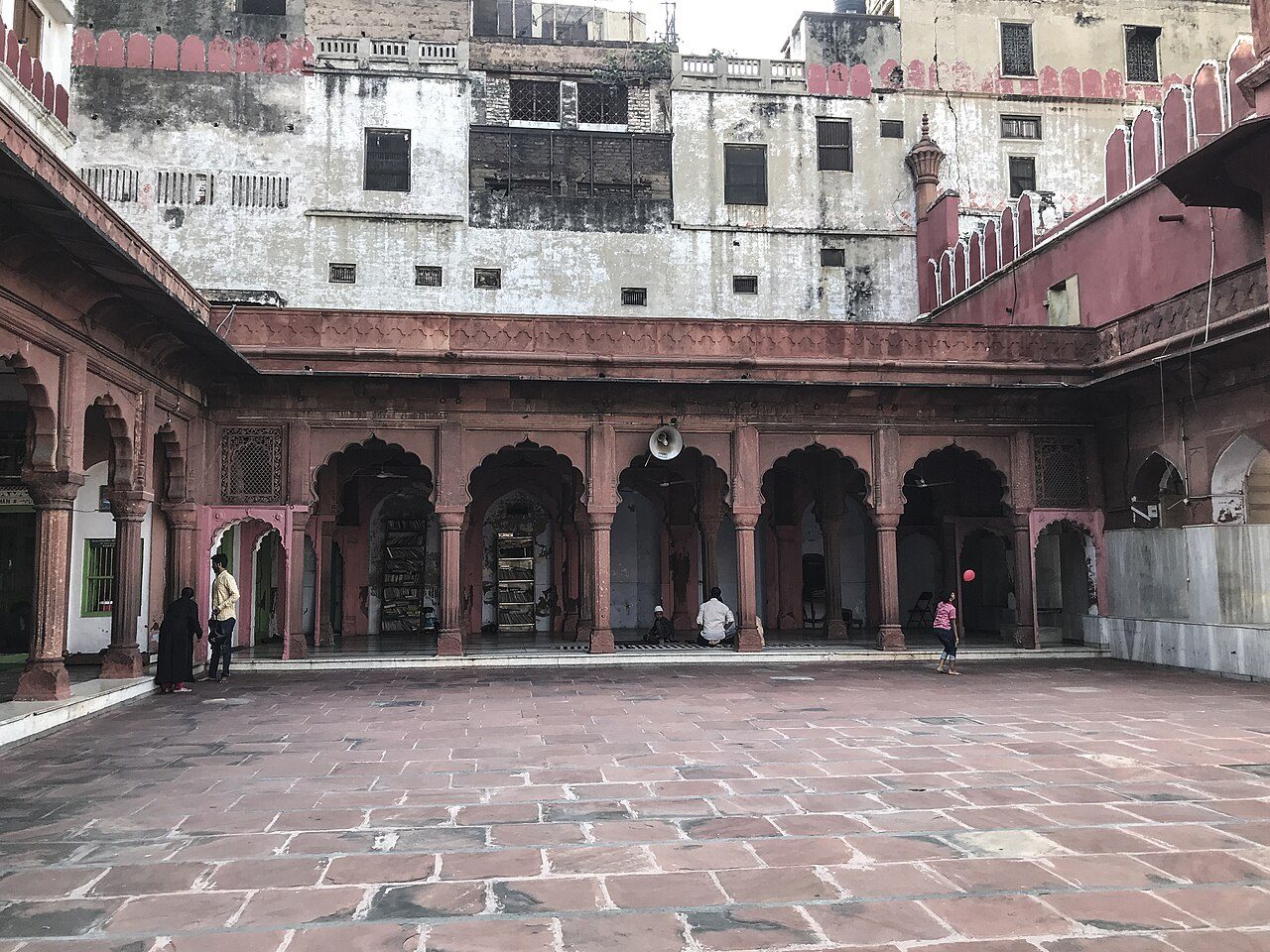
Fatehpuri Masjid stands at the western end of Chandni Chowk, facing the Red Fort down the length of the street. It was built in 1650 by Fatehpuri Begum, one of Shah Jahan's wives, in red sandstone with a single fluted dome and flanking minarets. The large courtyard has a central ablution tank and is ringed by old shops. Visit outside prayer times, and combine it with the spice market next door.
08
STOP 8 OF 12
Chhatarpur Temple
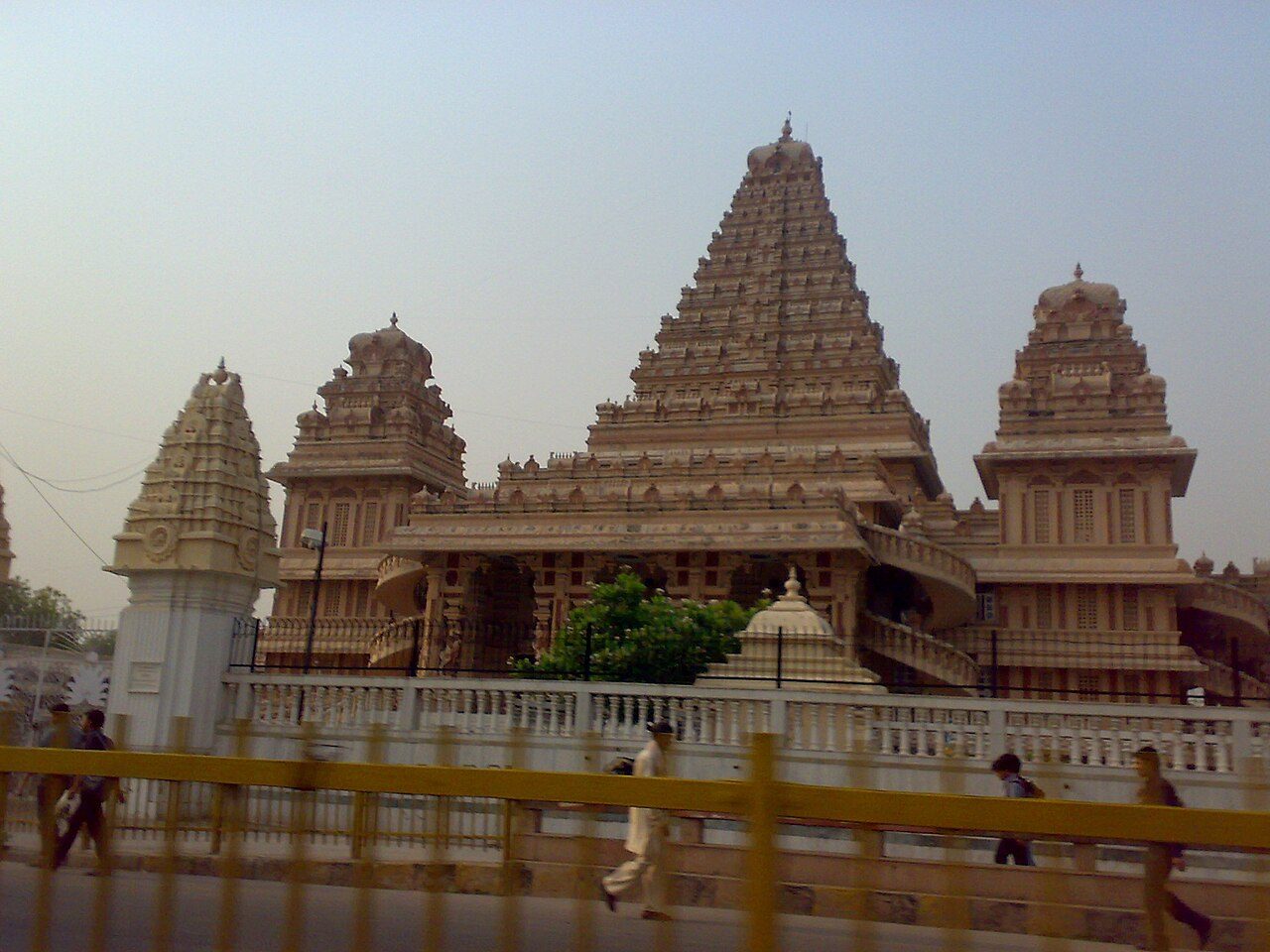
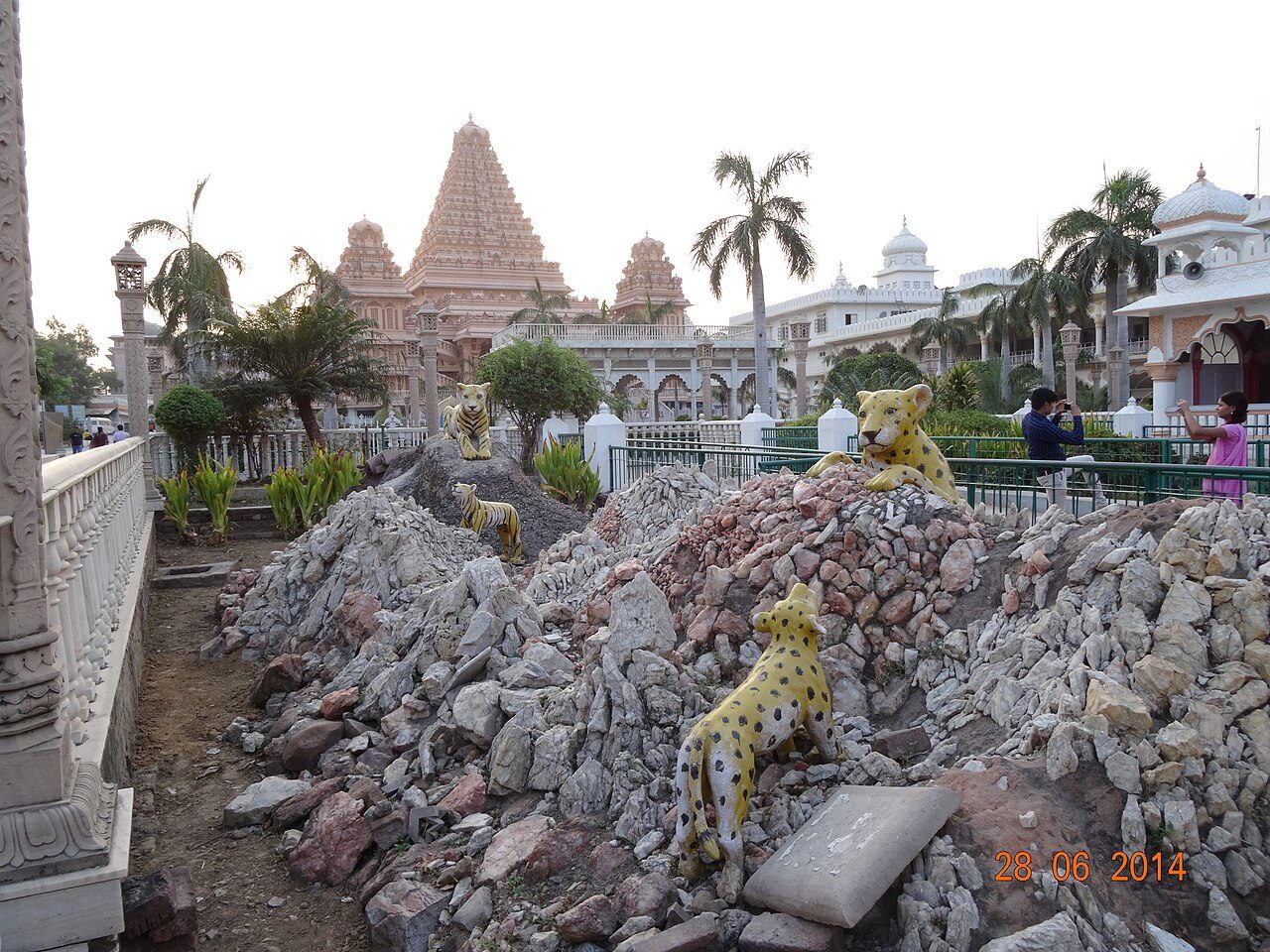
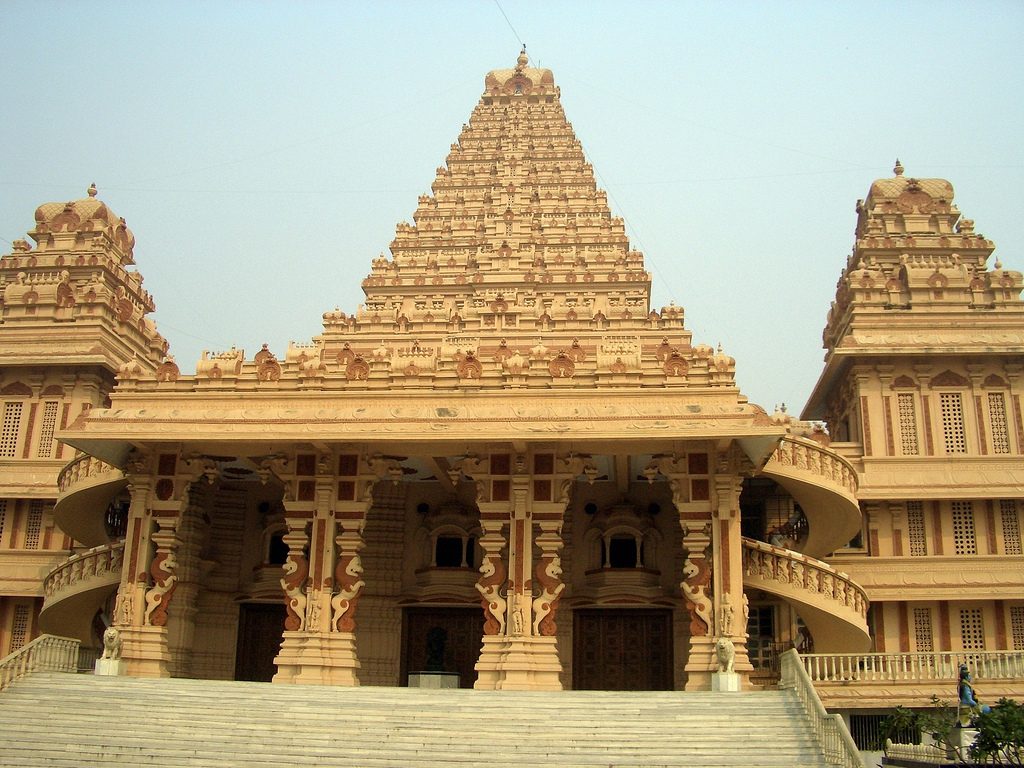
The Chhatarpur temple complex in south Delhi was founded in 1974 by Baba Sant Nagpal Ji and is dedicated to the goddess Katyayani. Spread over a large area, it has many shrines built in white marble with intricate lattice screens, combining northern and southern temple styles. A room with a silver bed and table is kept for the goddess. It is most crowded during Navratri.
09
STOP 9 OF 12
ISKCON Temple Delhi
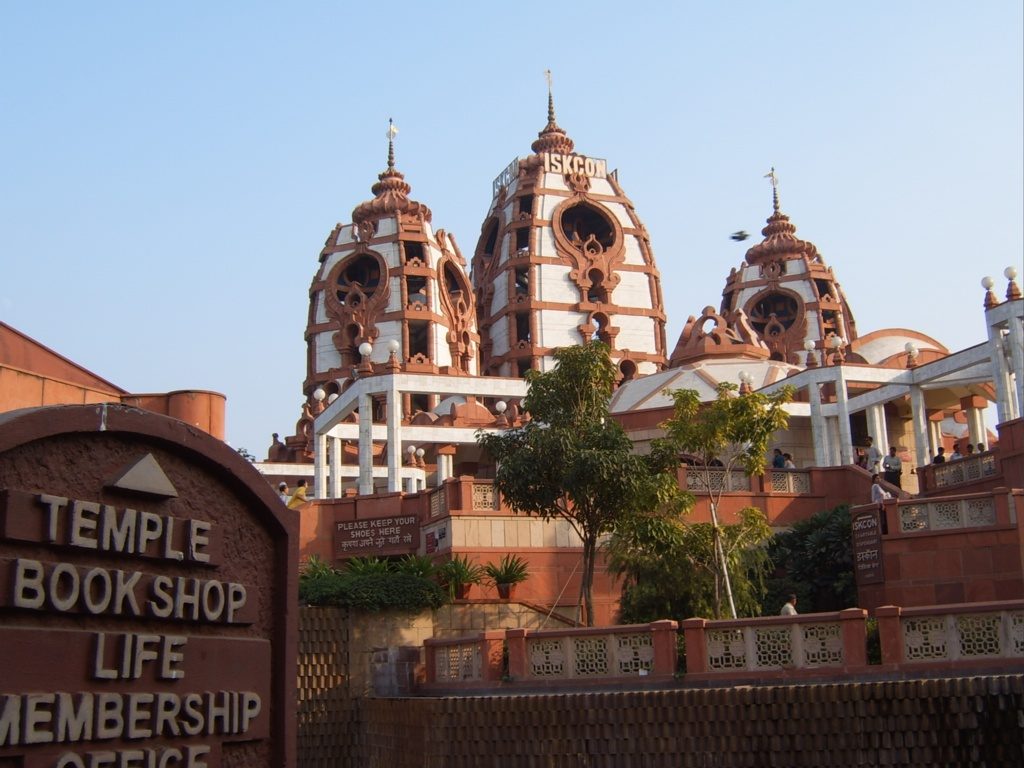
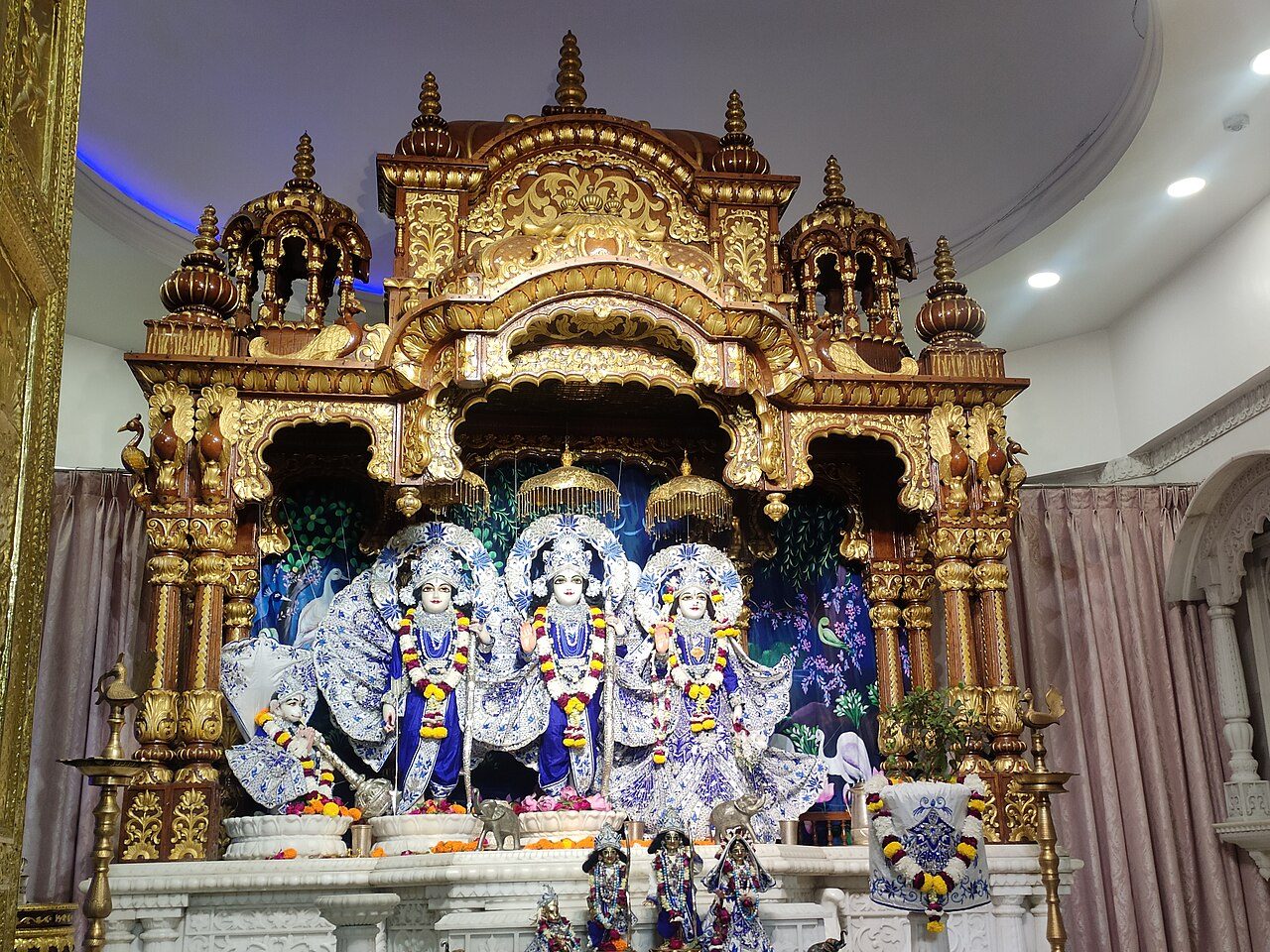
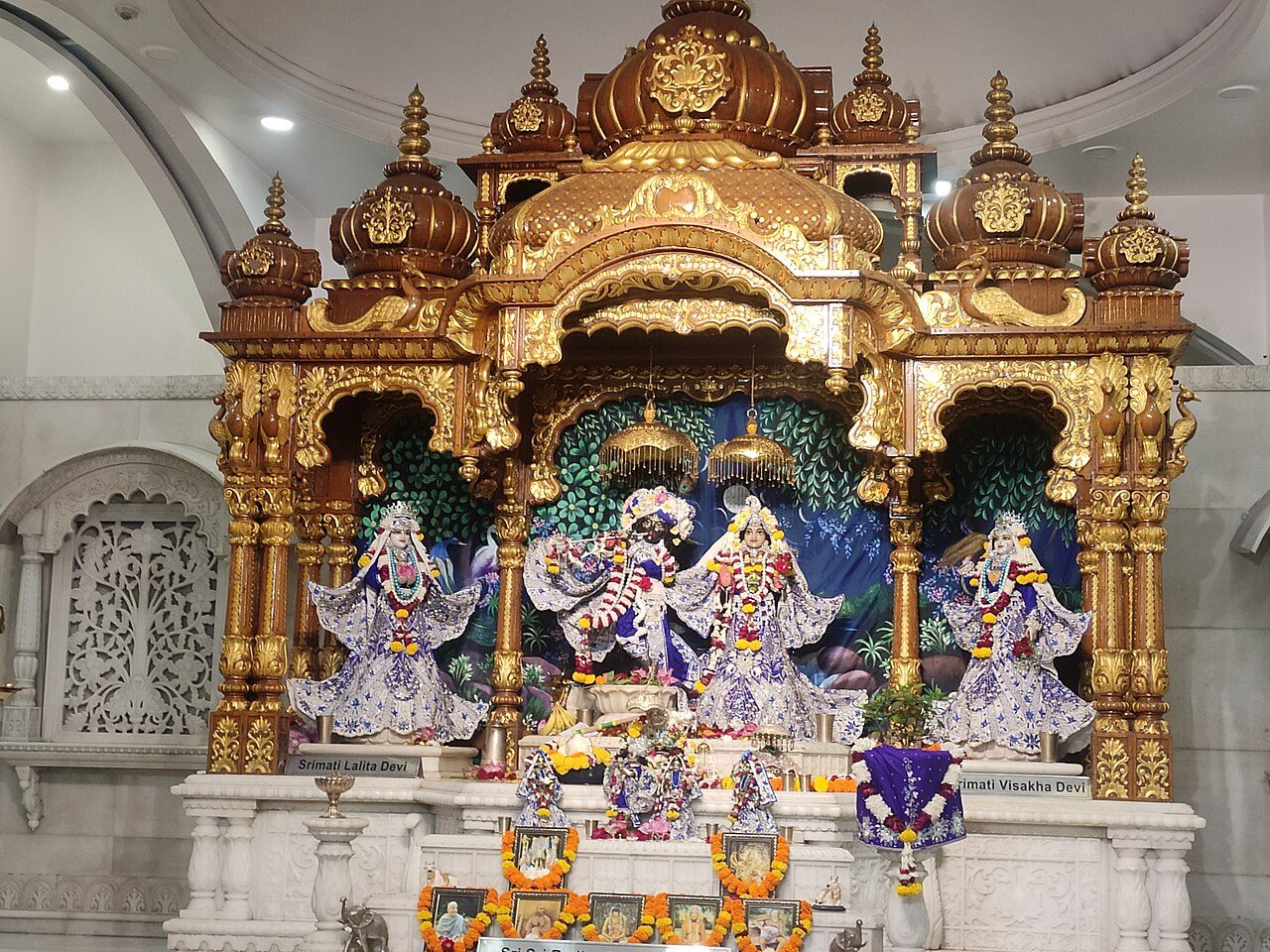
The ISKCON temple in East of Kailash, formally the Sri Sri Radha Parthasarathi Mandir, was opened in 1998. Designed by Achyut Kanvinde, it has tall shikharas over halls housing images of Radha-Krishna, Sita-Rama and Gaura-Nitai. The complex includes a Vedic exhibition with multimedia shows and a vegetarian restaurant. Evening aarti with kirtan is the liveliest time to visit.
10
STOP 10 OF 12
Lotus Temple
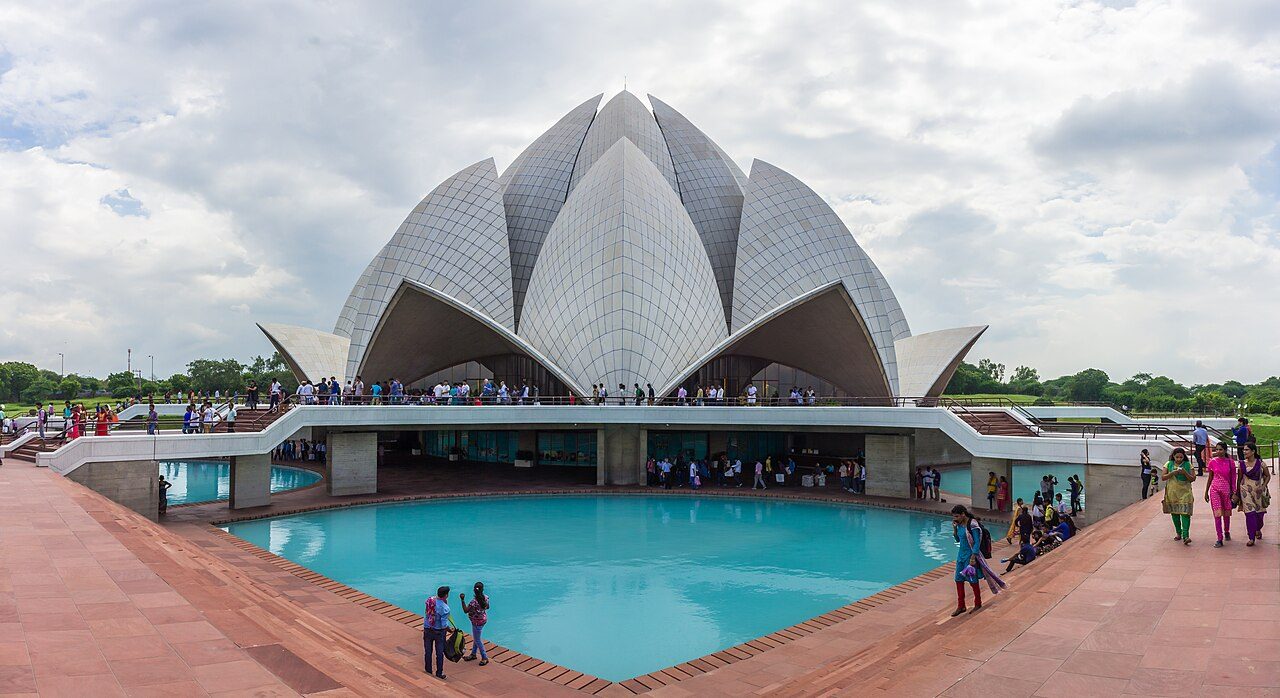
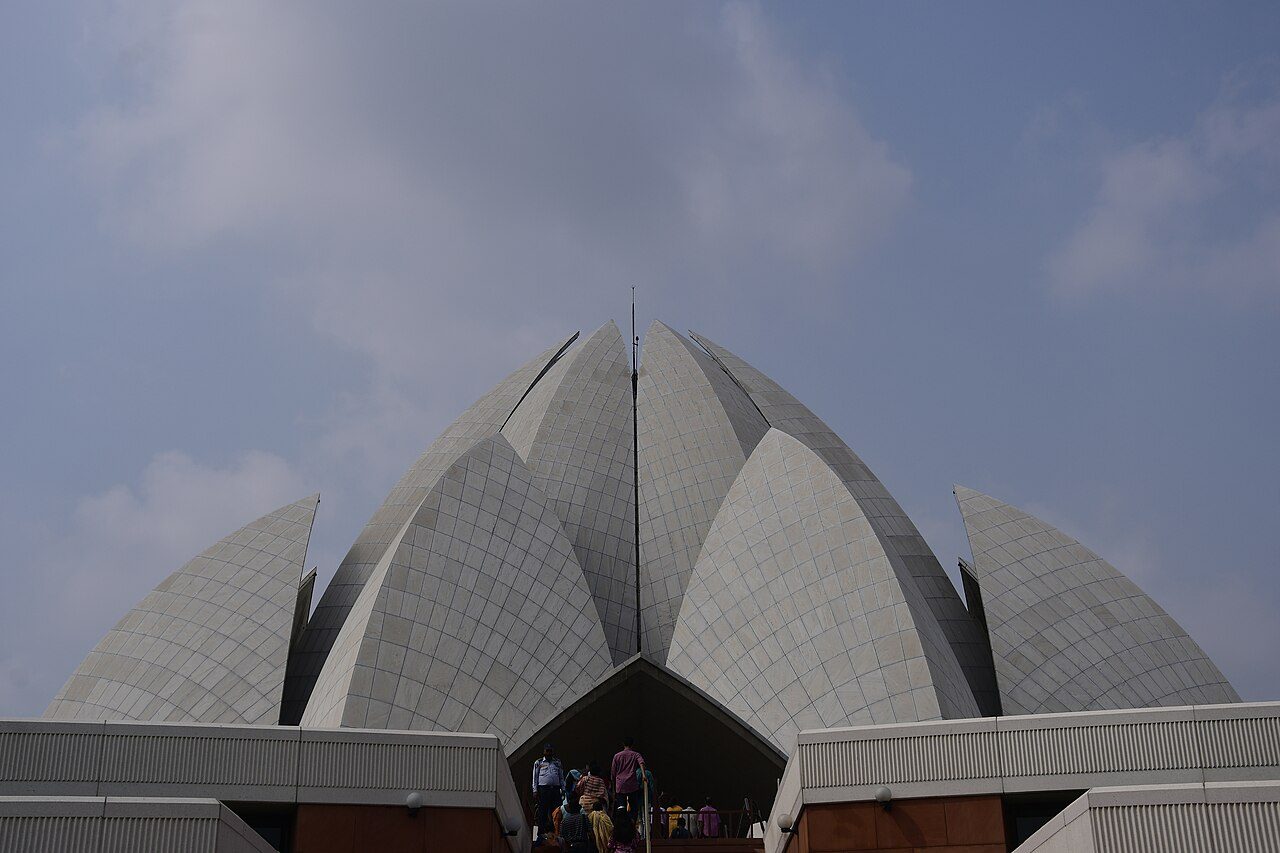
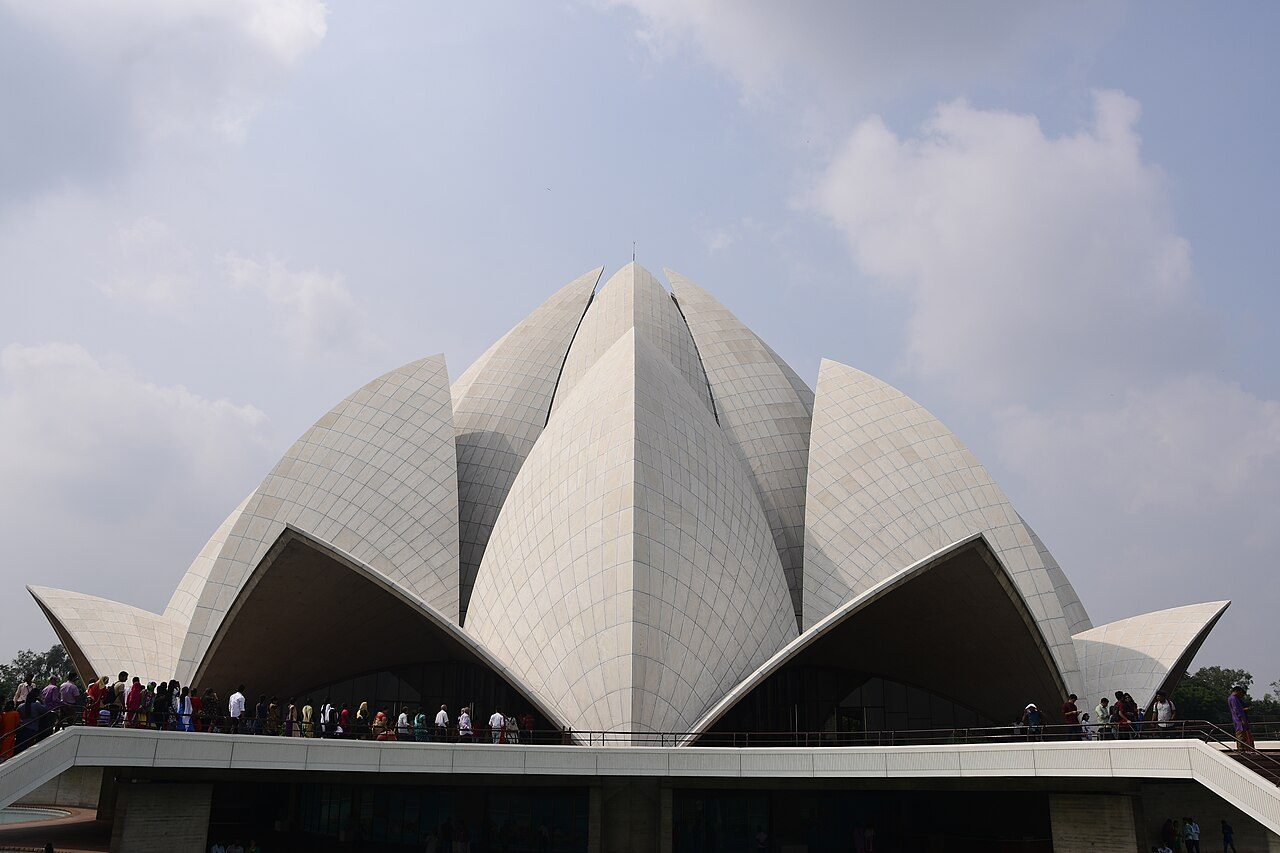
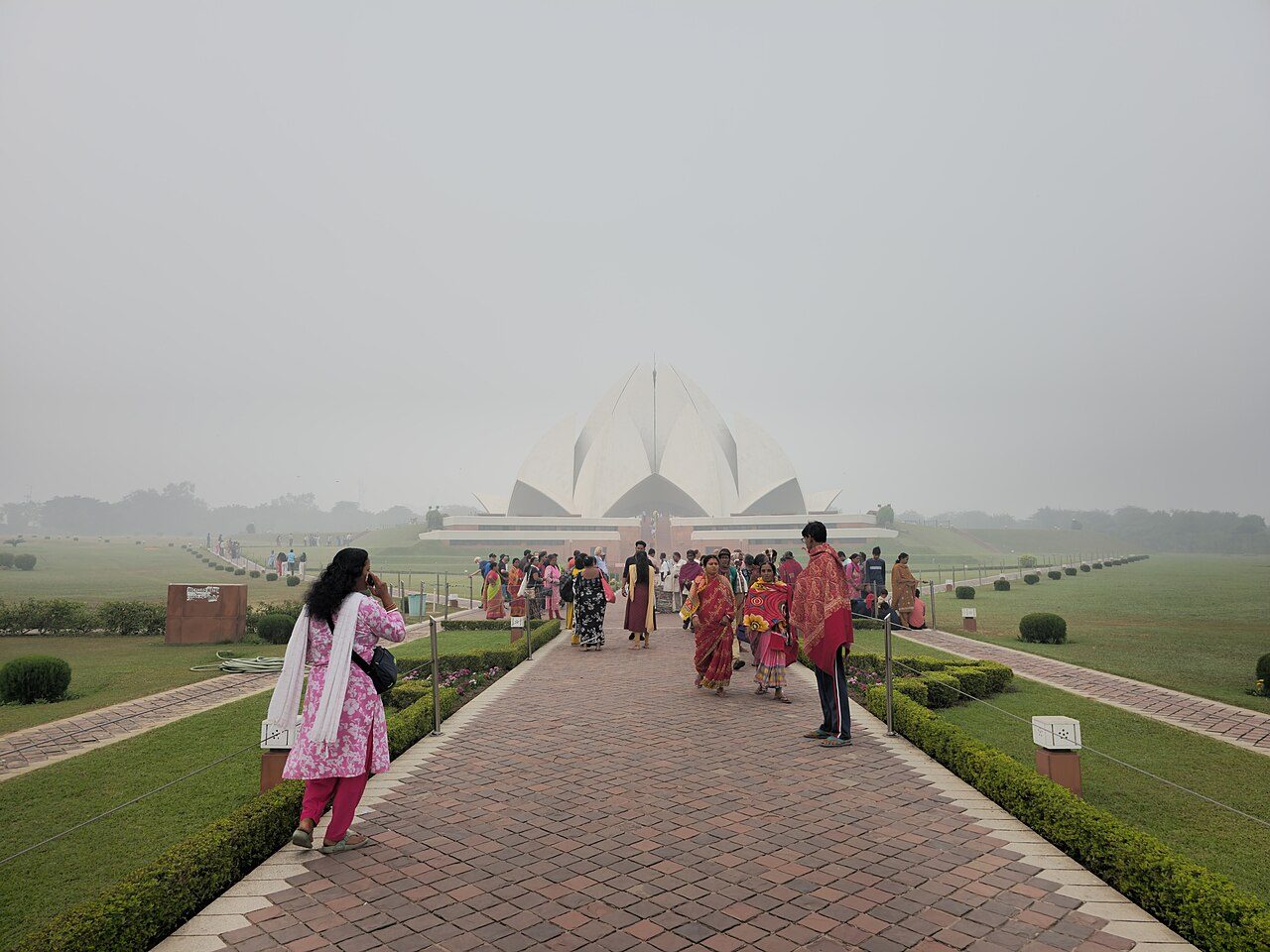
The Lotus Temple is the Baha'i House of Worship in Delhi, completed in 1986 to a design by the Iranian architect Fariborz Sahba. Its 27 marble-clad petals form the shape of a half-open lotus surrounded by nine pools. People of every faith are welcome to sit in silence in the prayer hall, which has no images or altar. It is among the most visited buildings in the world.
11
STOP 11 OF 12
Nizamuddin Dargah
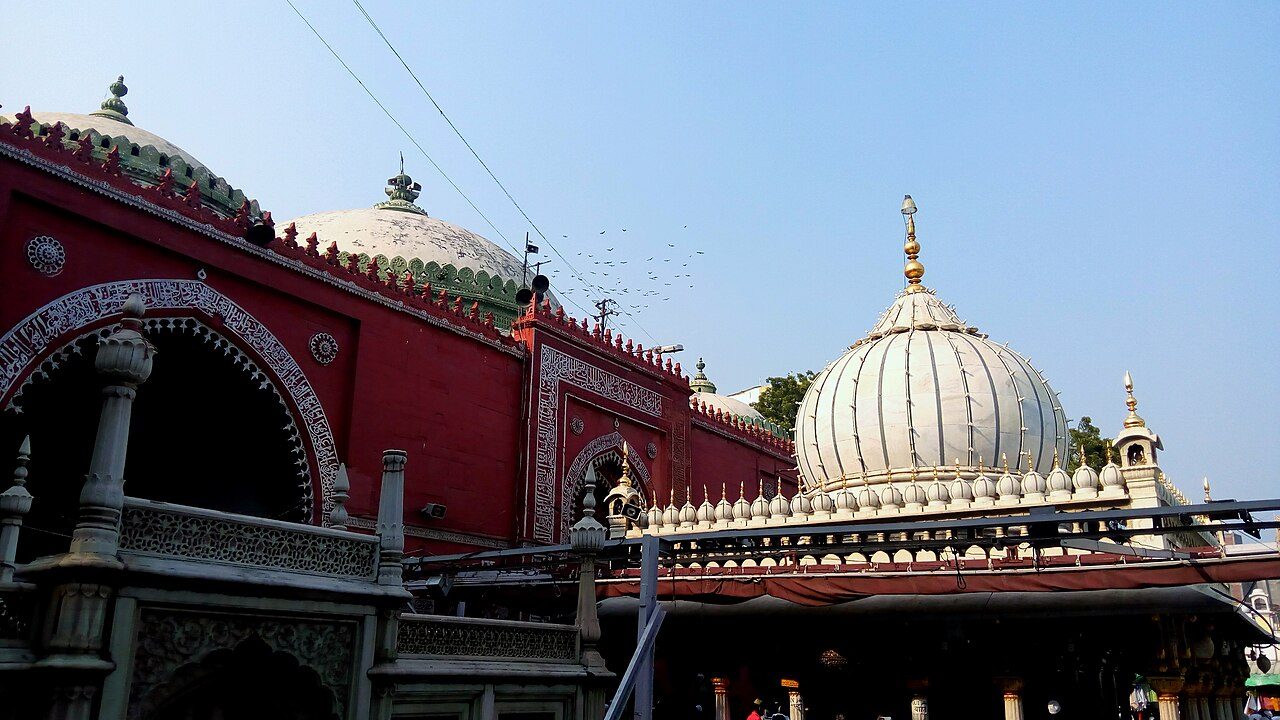
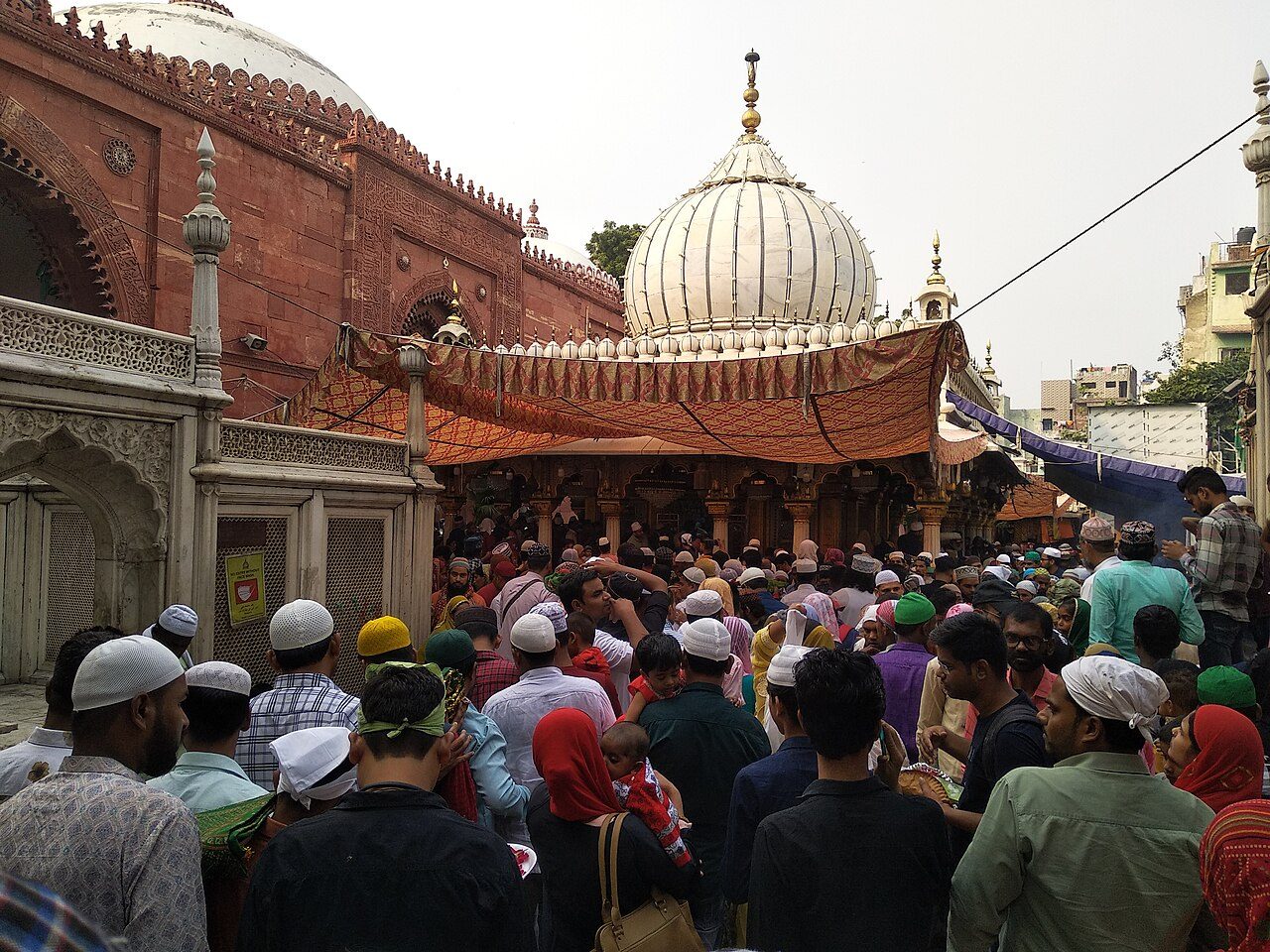
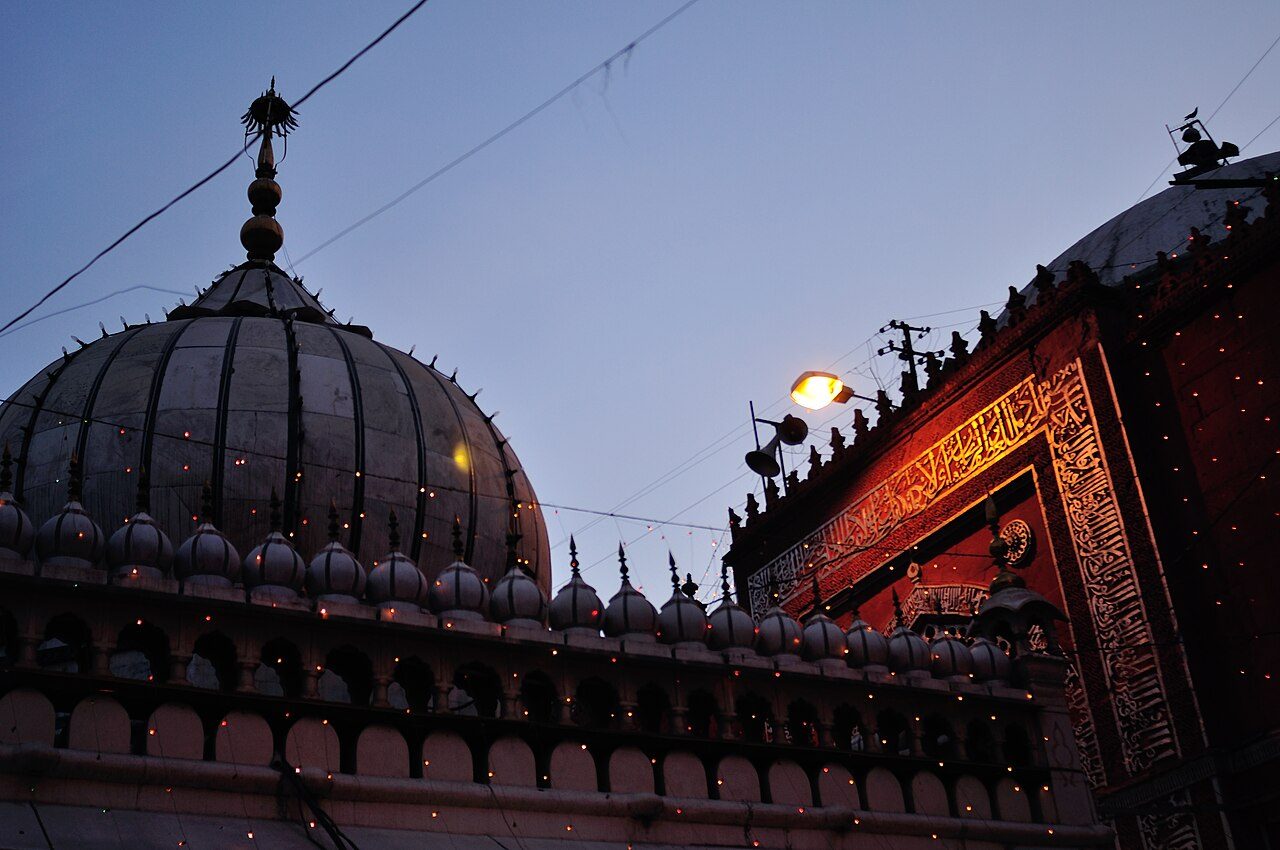
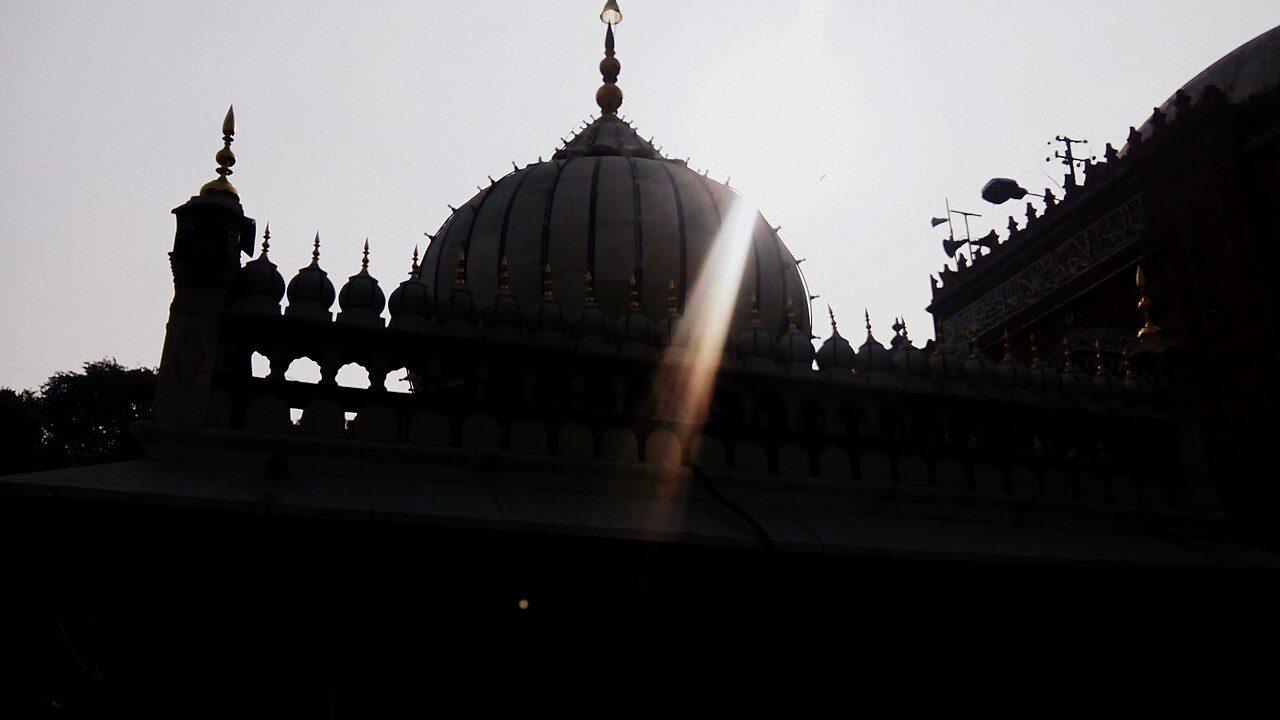
The dargah of Hazrat Nizamuddin Auliya, the 14th-century Chishti Sufi saint, is one of the most revered shrines in Delhi. The marble tomb stands in a courtyard reached through narrow lanes lined with stalls selling flowers and chadars. The poet Amir Khusrau, his disciple, is buried nearby. Qawwali is sung in the courtyard on Thursday evenings. Dress modestly and cover your head.
12
STOP 12 OF 12 · LAST STOP
Akshardham Delhi
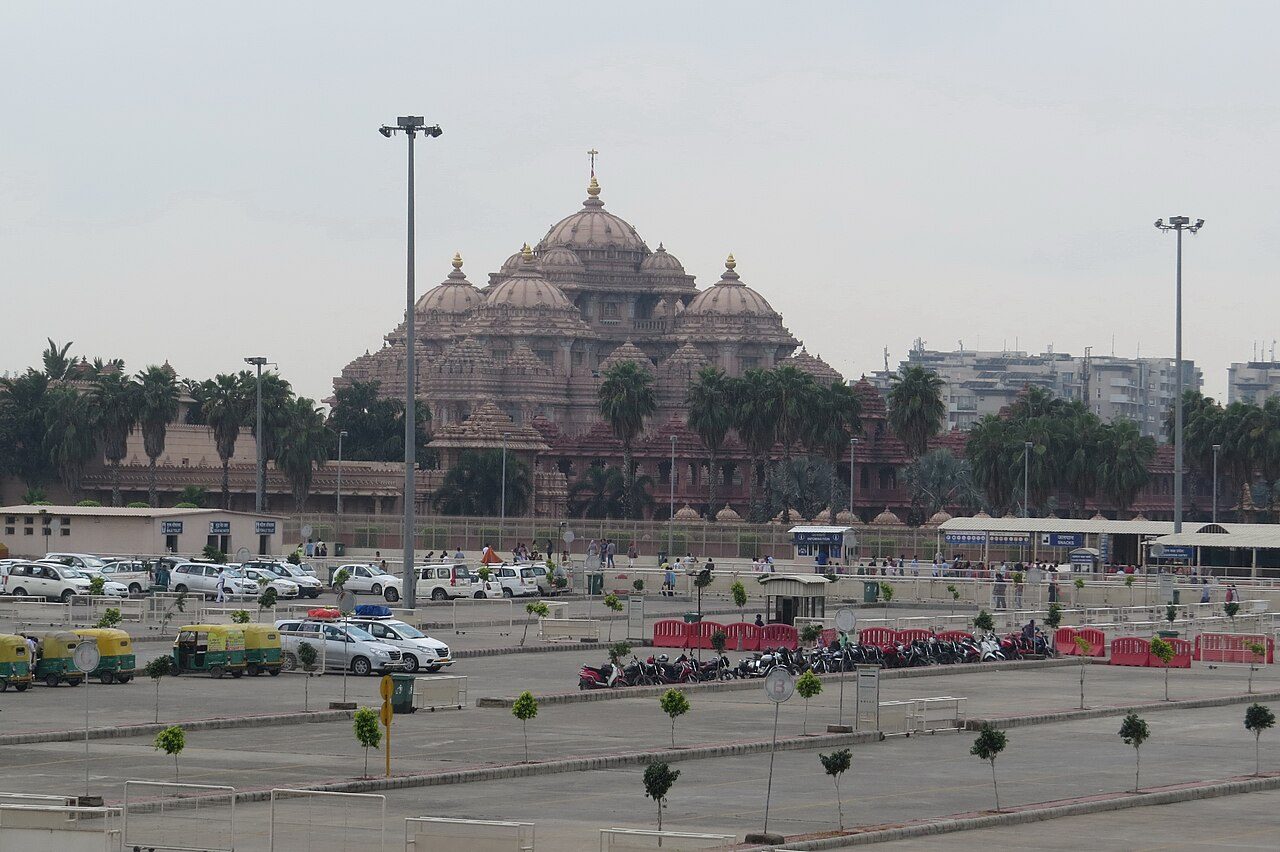
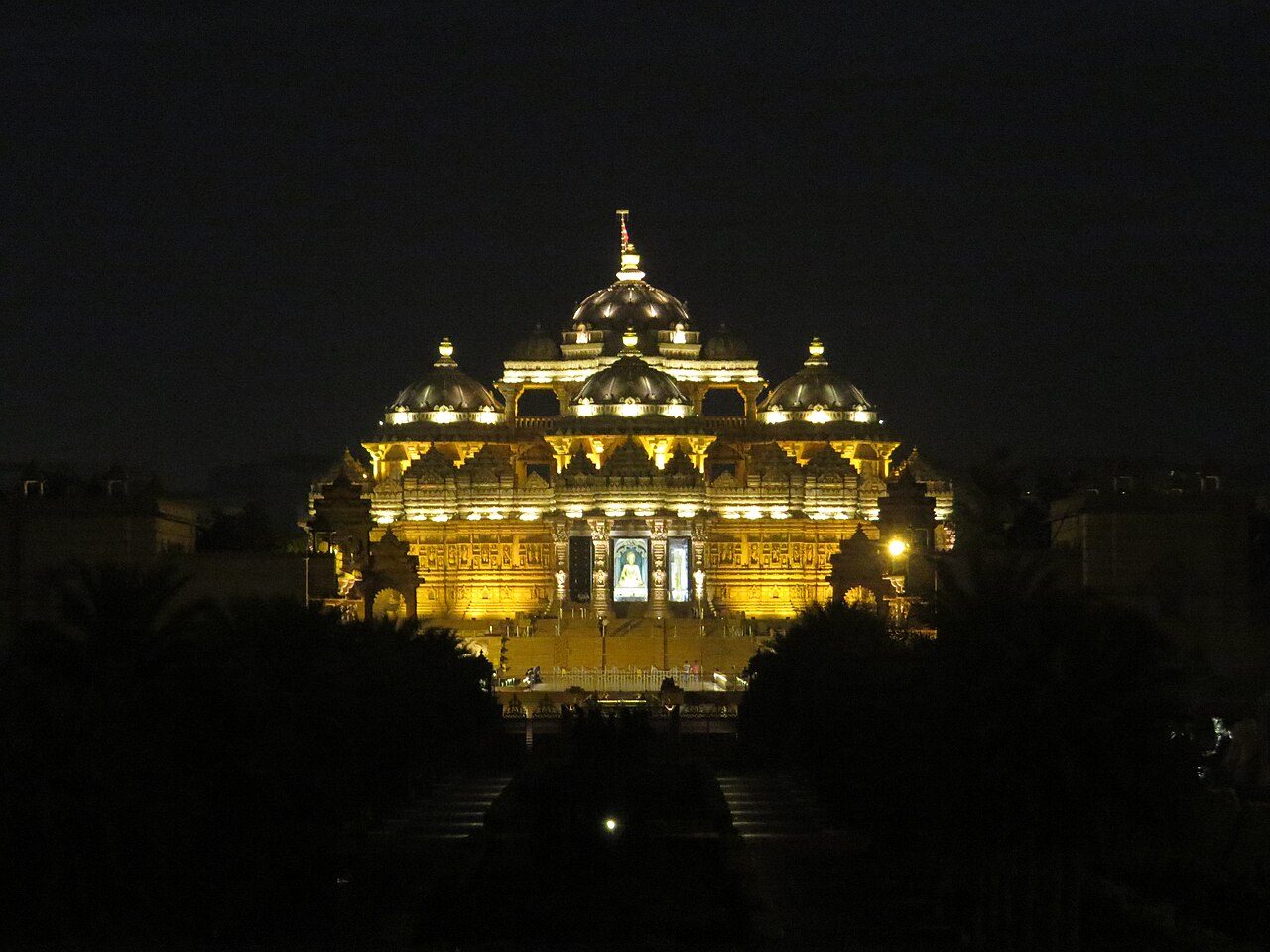
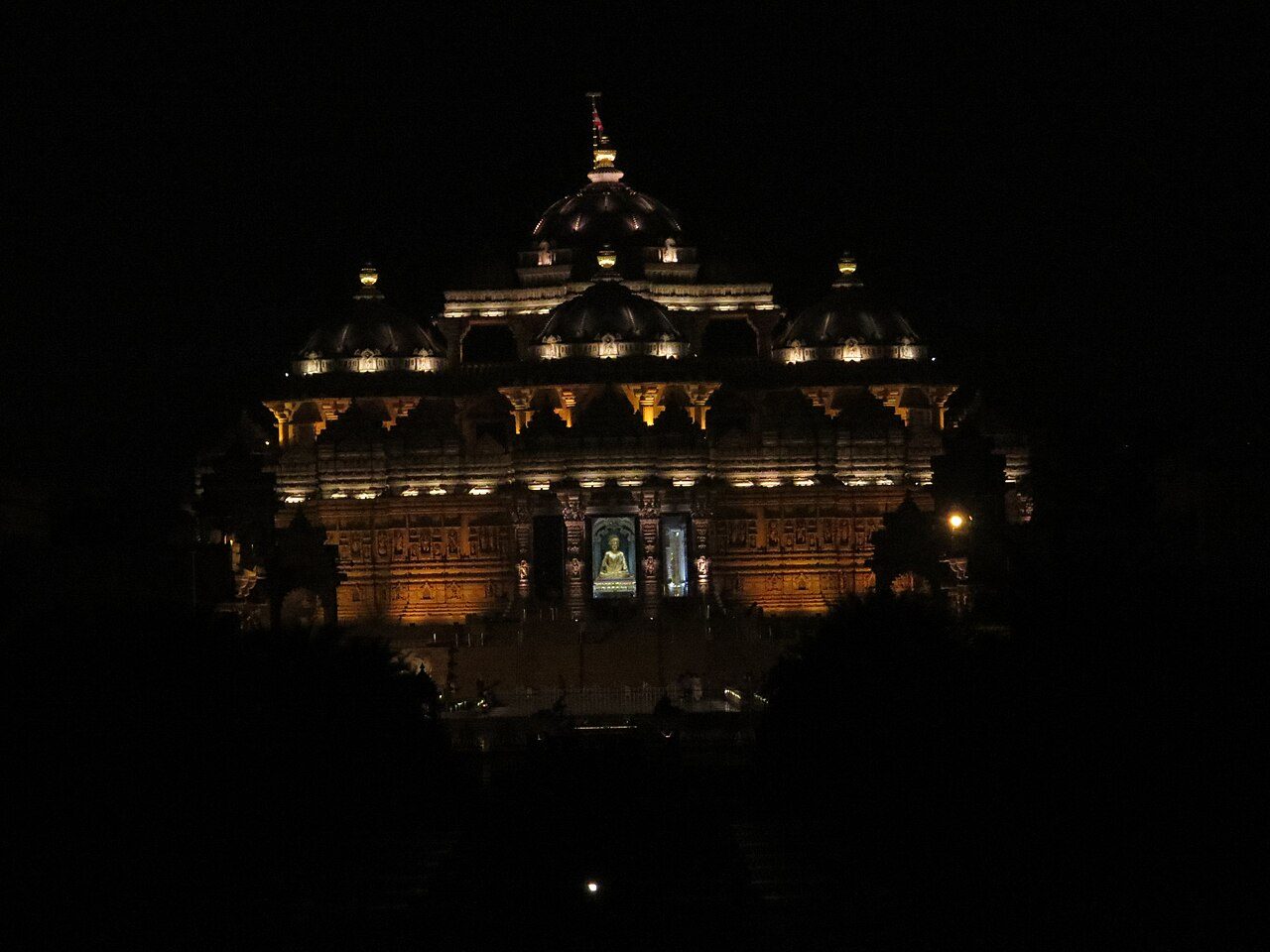
Swaminarayan Akshardham, opened in 2005 on the bank of the Yamuna, is a vast temple complex built by the BAPS organisation. The central monument of pink sandstone and white marble is carved with thousands of figures of deities, dancers, animals and plants, and built without structural steel. Exhibitions, a boat ride through Indian history and a musical fountain show are part of a visit. Phones and cameras are not allowed inside.
Seasons from 20 years of NASA POWER climate data.
 WaTrips