The Forest Research Institute, Robber's Cave and Sahastradhara, Mussoorie's Gun Hill, Mall Road and Kempty Falls, George Everest's house, Dhanaulti and Surkanda Devi.
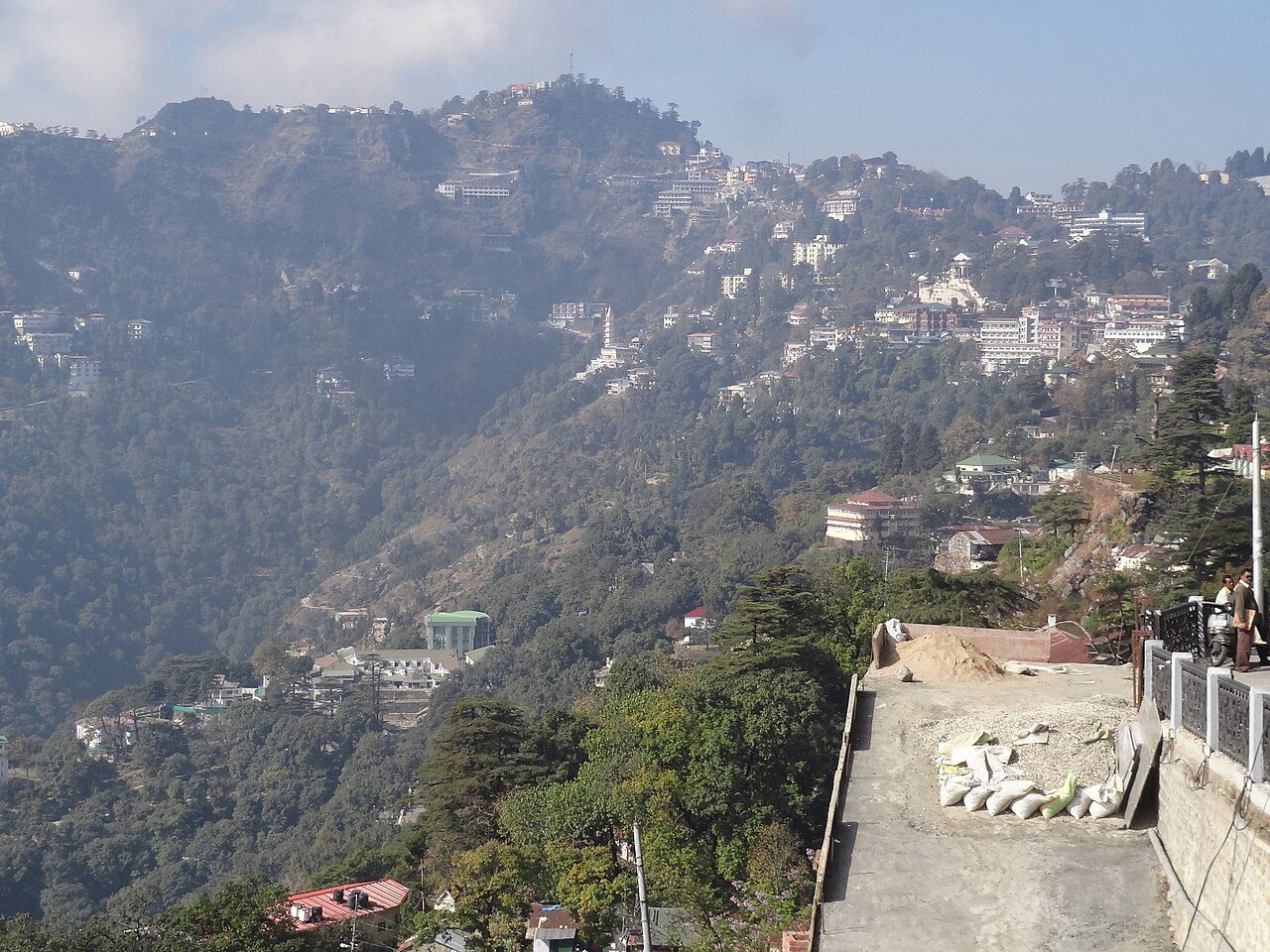
Dehradun in the valley and Mussoorie on the ridge above it make an easy three days. Day one stays in Dehradun: the grand Forest Research Institute, the stream through Robber's Cave, the sulphur springs at Sahastradhara and the Mindrolling Monastery. Day two climbs to Mussoorie for the ropeway to Gun Hill, Mall Road, Lal Tibba, Company Garden and Kempty Falls. Day three visits George Everest's old house on its ridge, then rides on to the eco park at Dhanaulti and the climb to Surkanda Devi temple. March to June and September to November are the best months; winter can bring snow on the ridge.
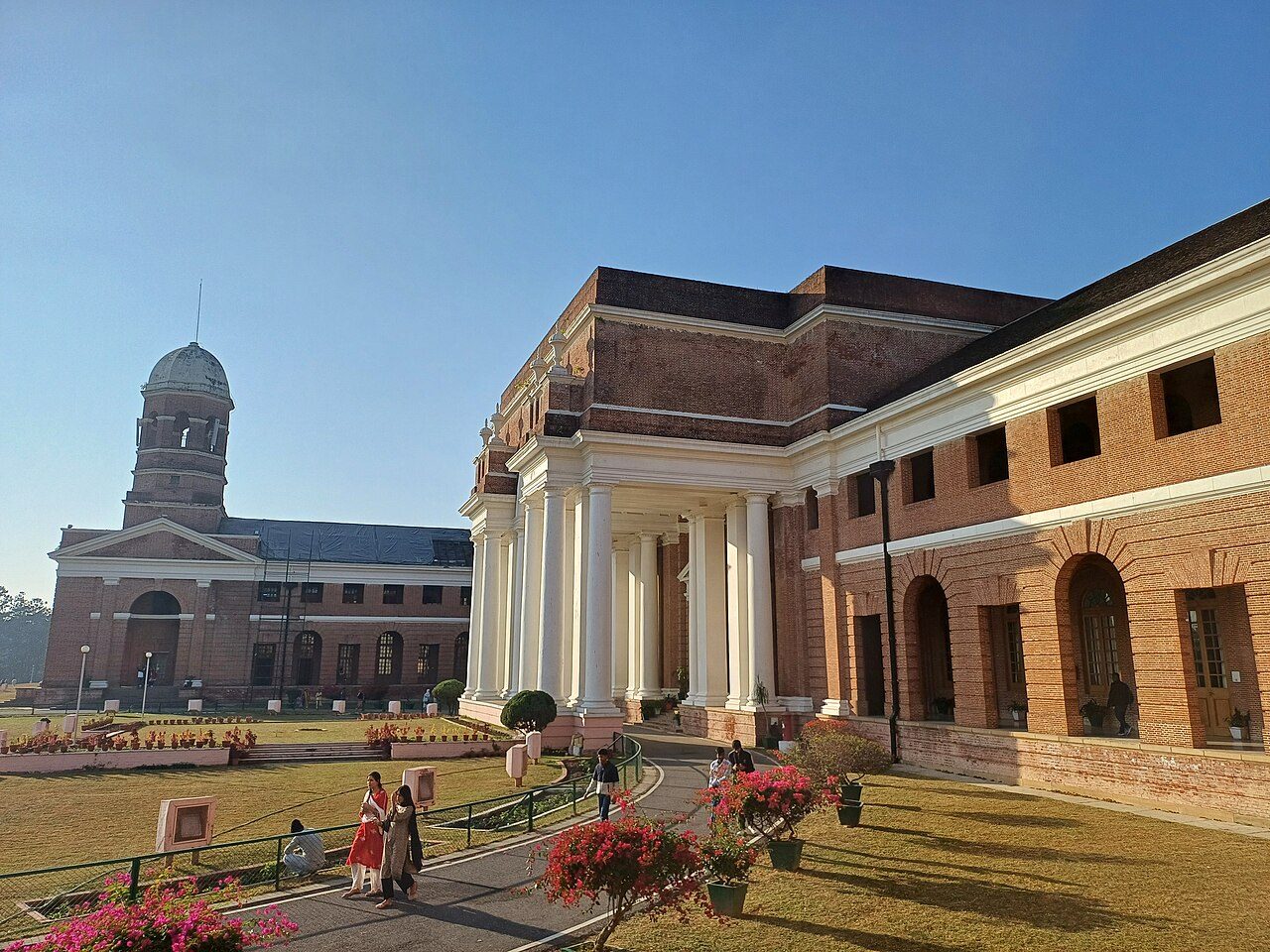
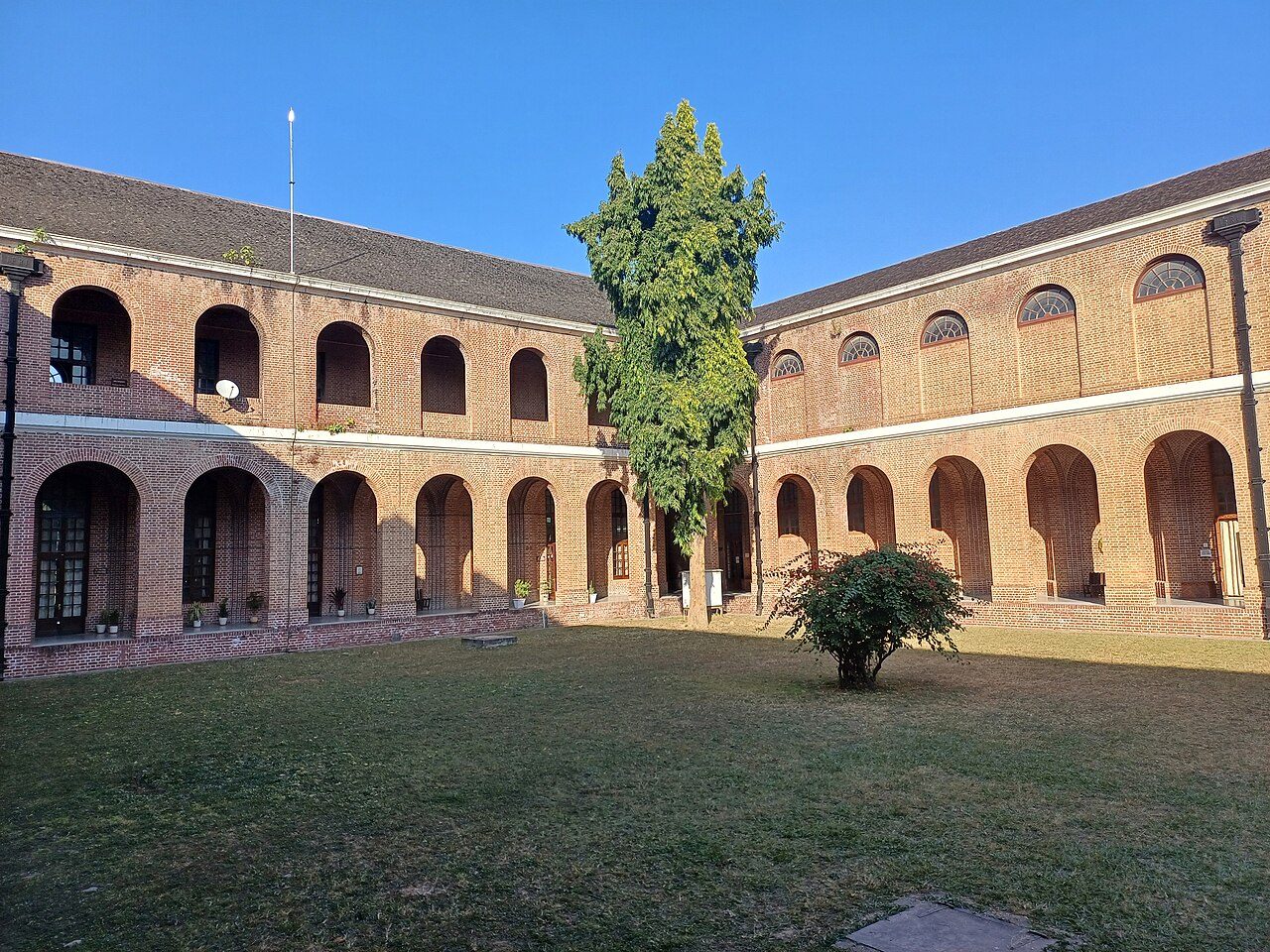
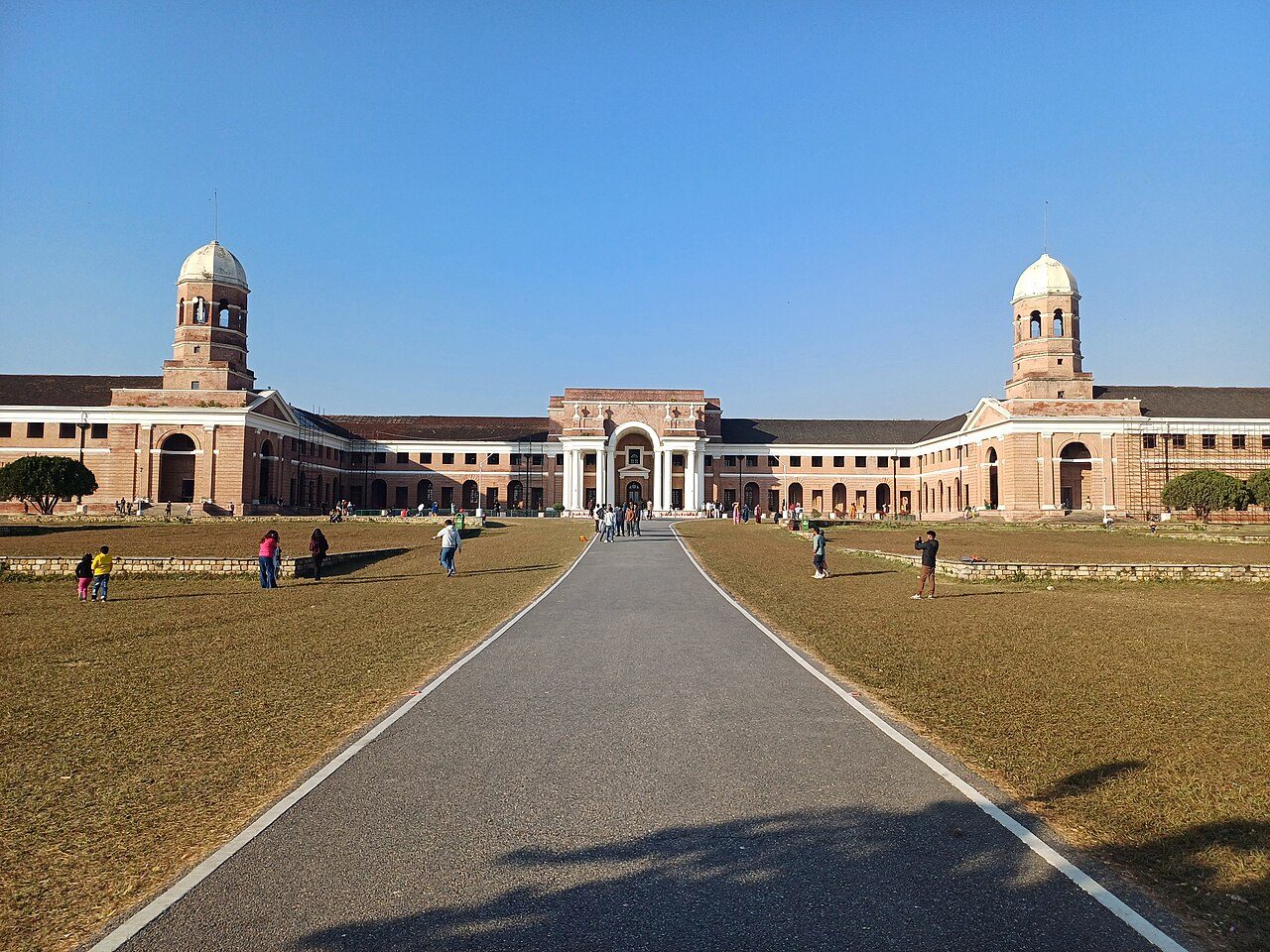
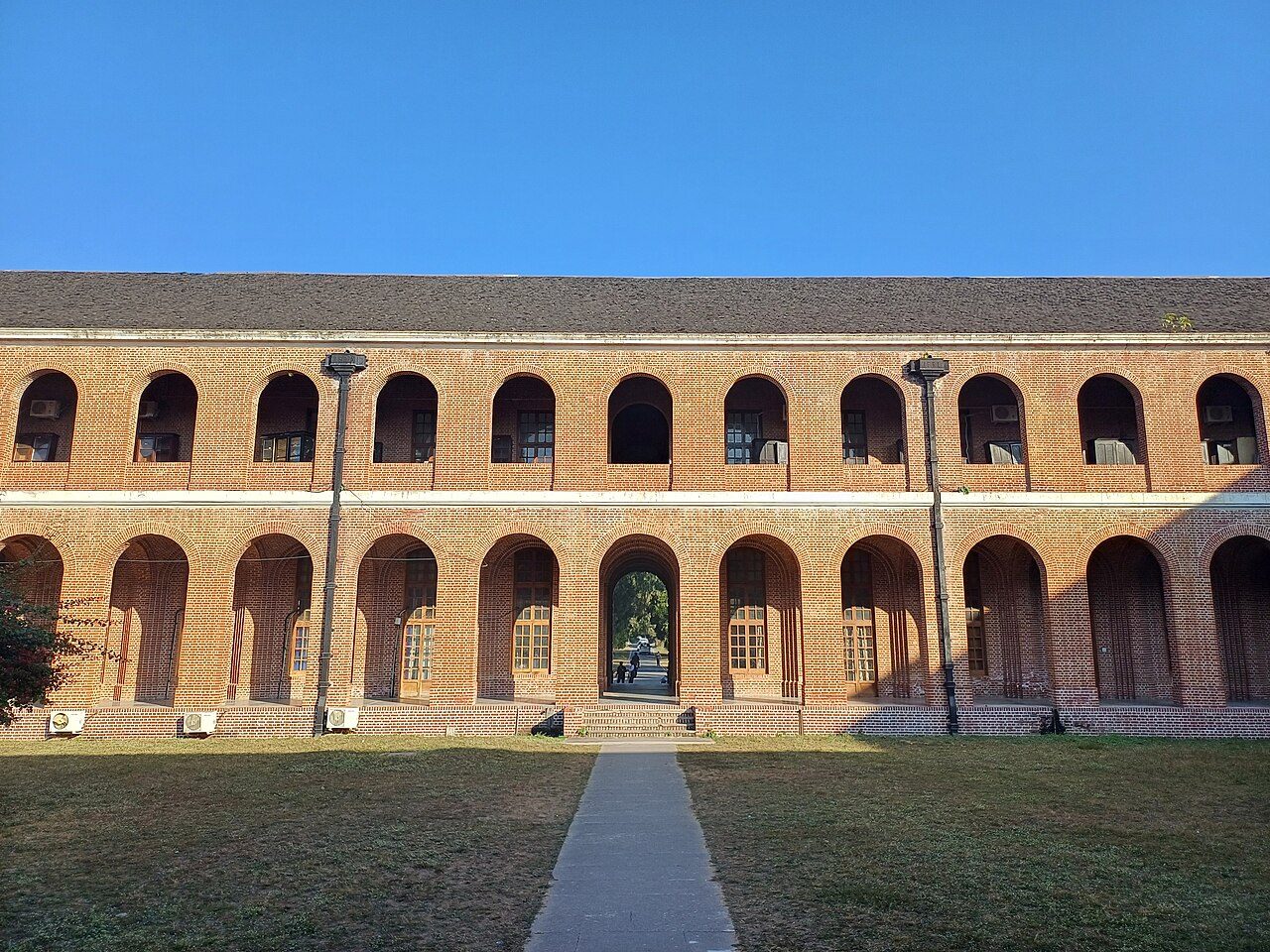
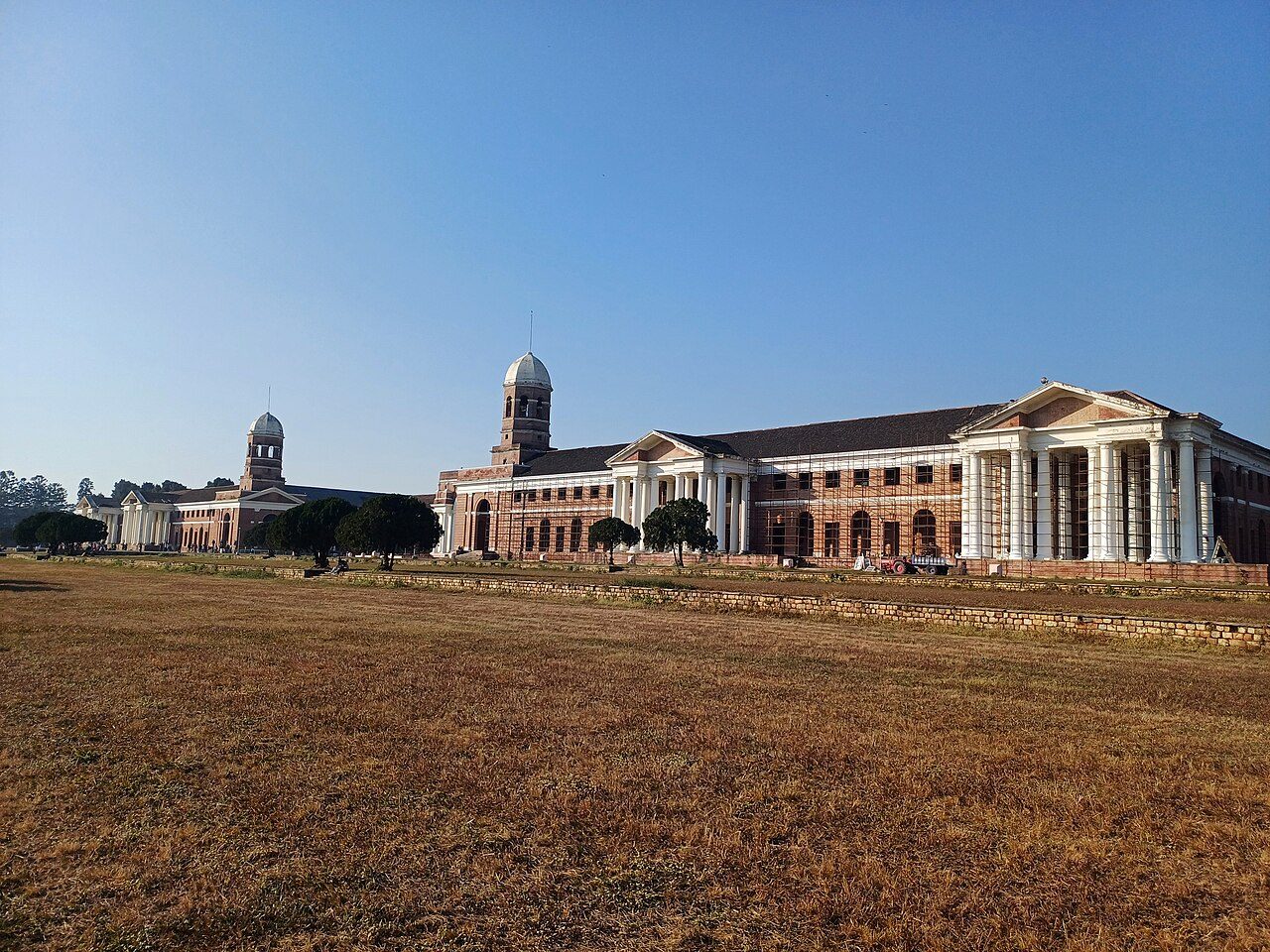
The Forest Research Institute in Dehradun, founded in 1906, is India's leading centre for forestry science. Its main building, completed in 1929, is a vast Greco-Roman and colonial-style brick structure with long arcaded corridors set on a lawn against the Himalayan foothills. Six museums inside cover timber, forest products, insects and silviculture. The campus is a favourite for walkers and film crews.
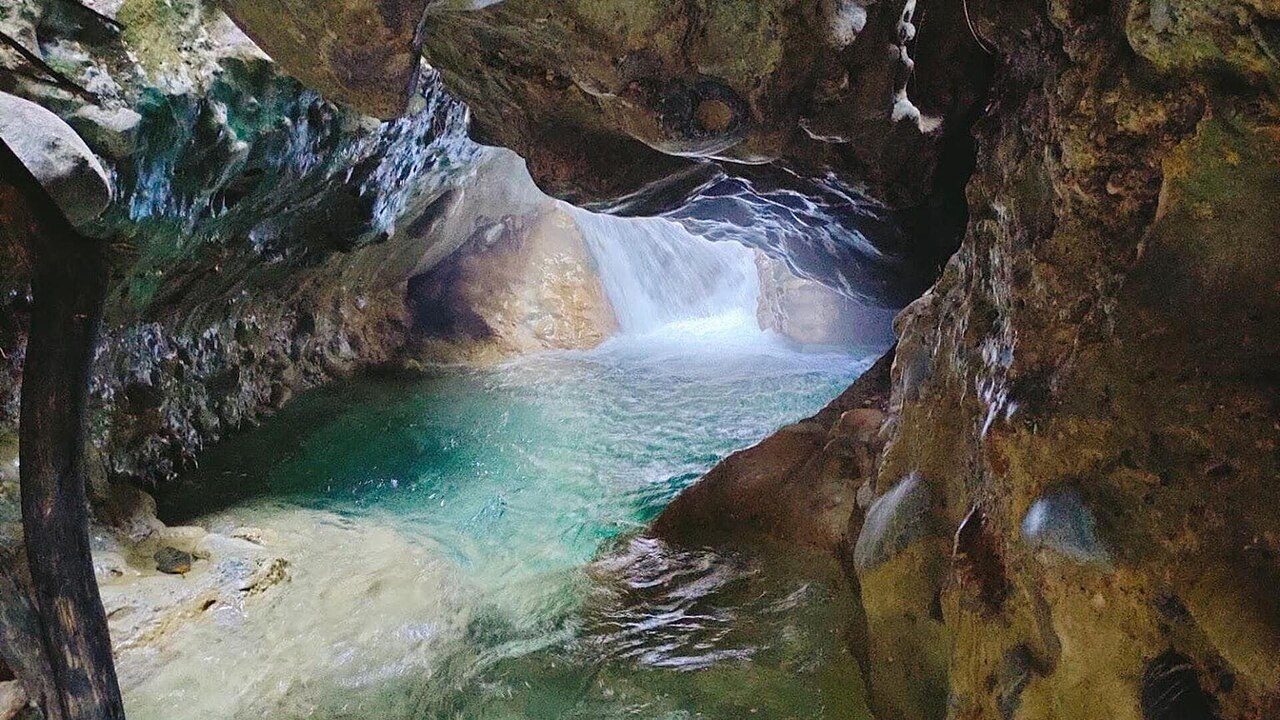
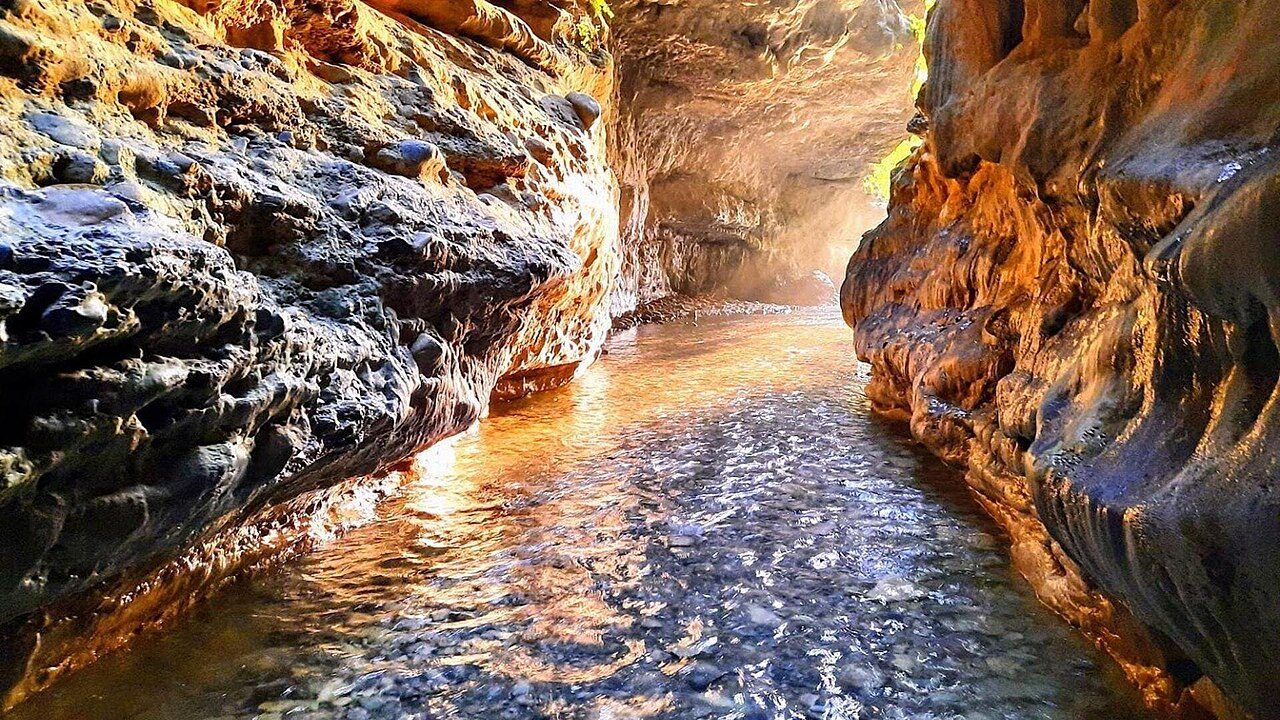
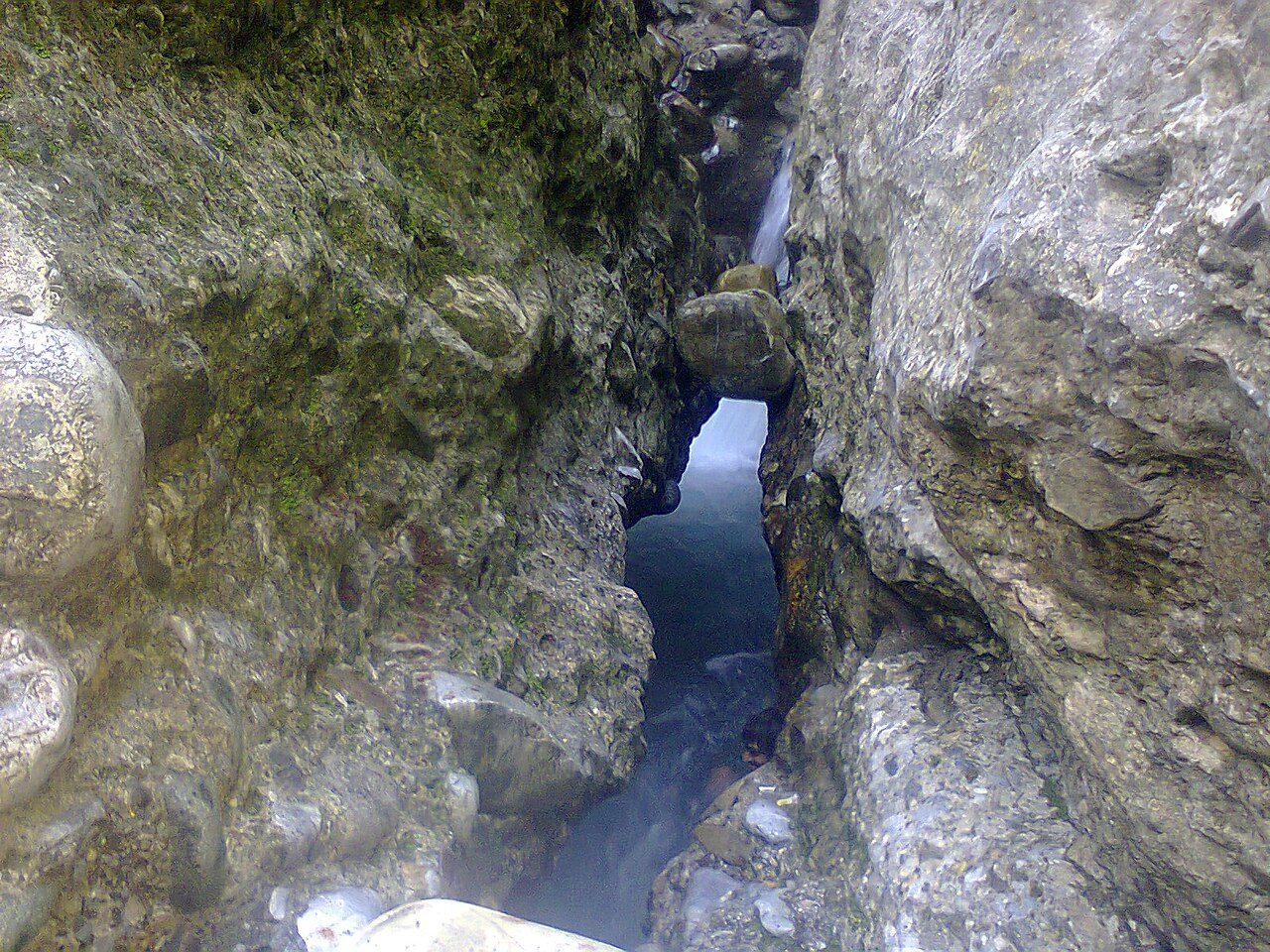
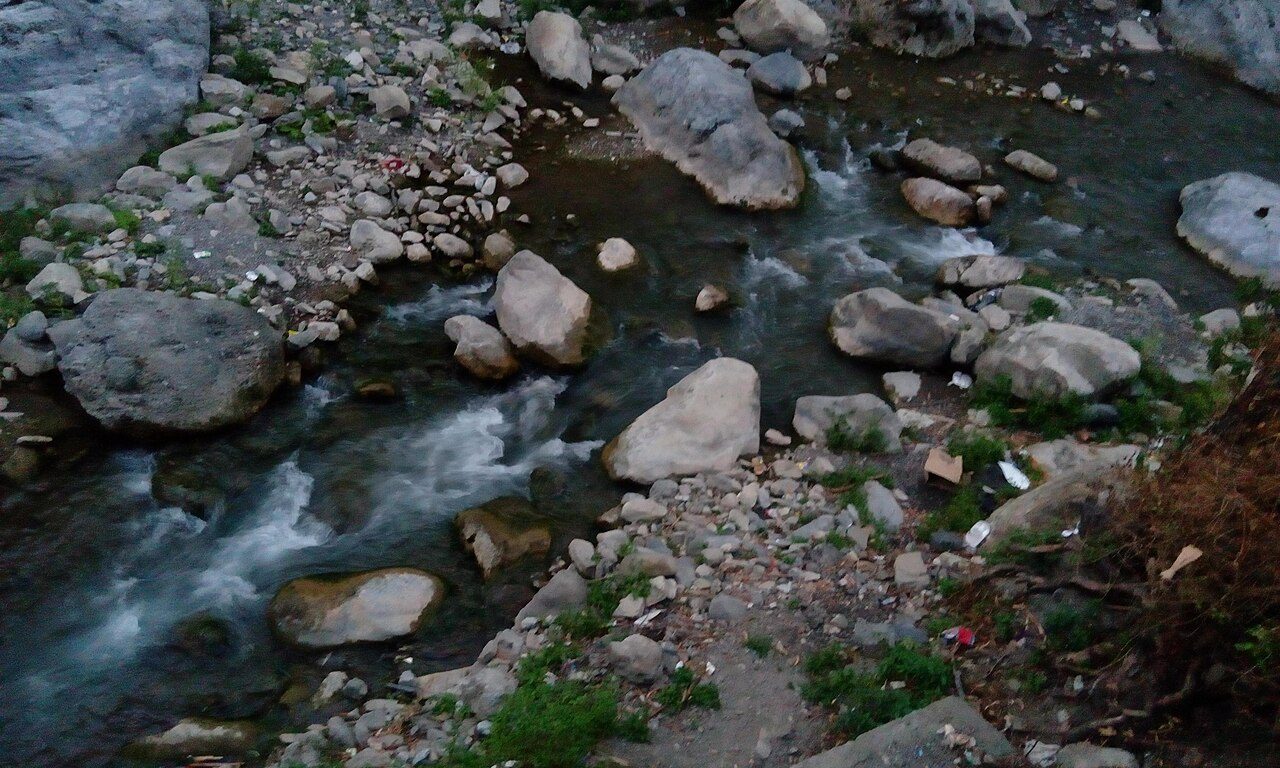
Robber's Cave, known locally as Guchhupani, is a narrow river gorge on the edge of Dehradun. Visitors wade through ankle- to knee-deep cold water between high limestone walls for several hundred metres to reach a small waterfall. Legend says robbers once hid here. Rubber sandals can be hired at the entrance; avoid the monsoon, when the water rises quickly.
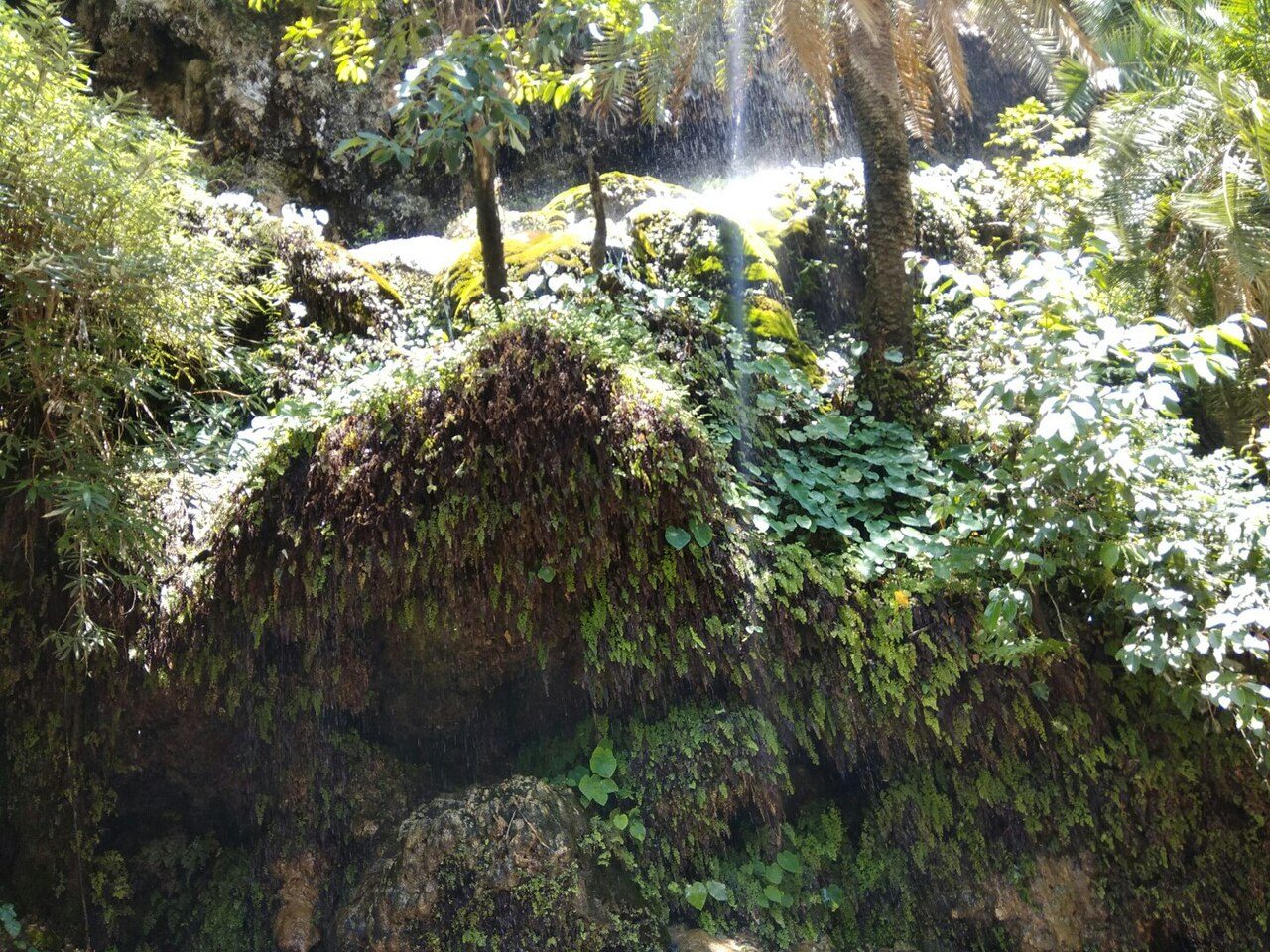
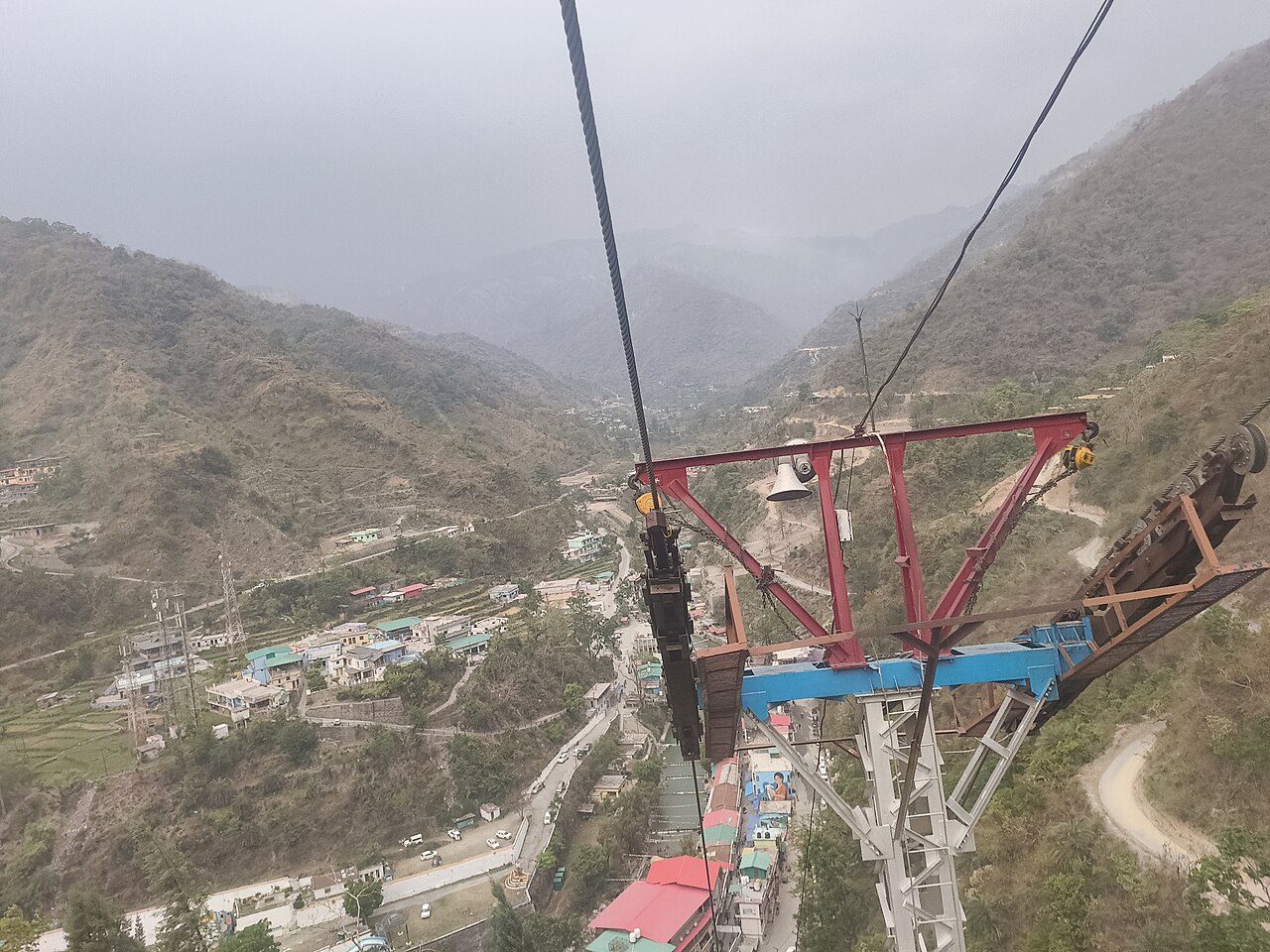
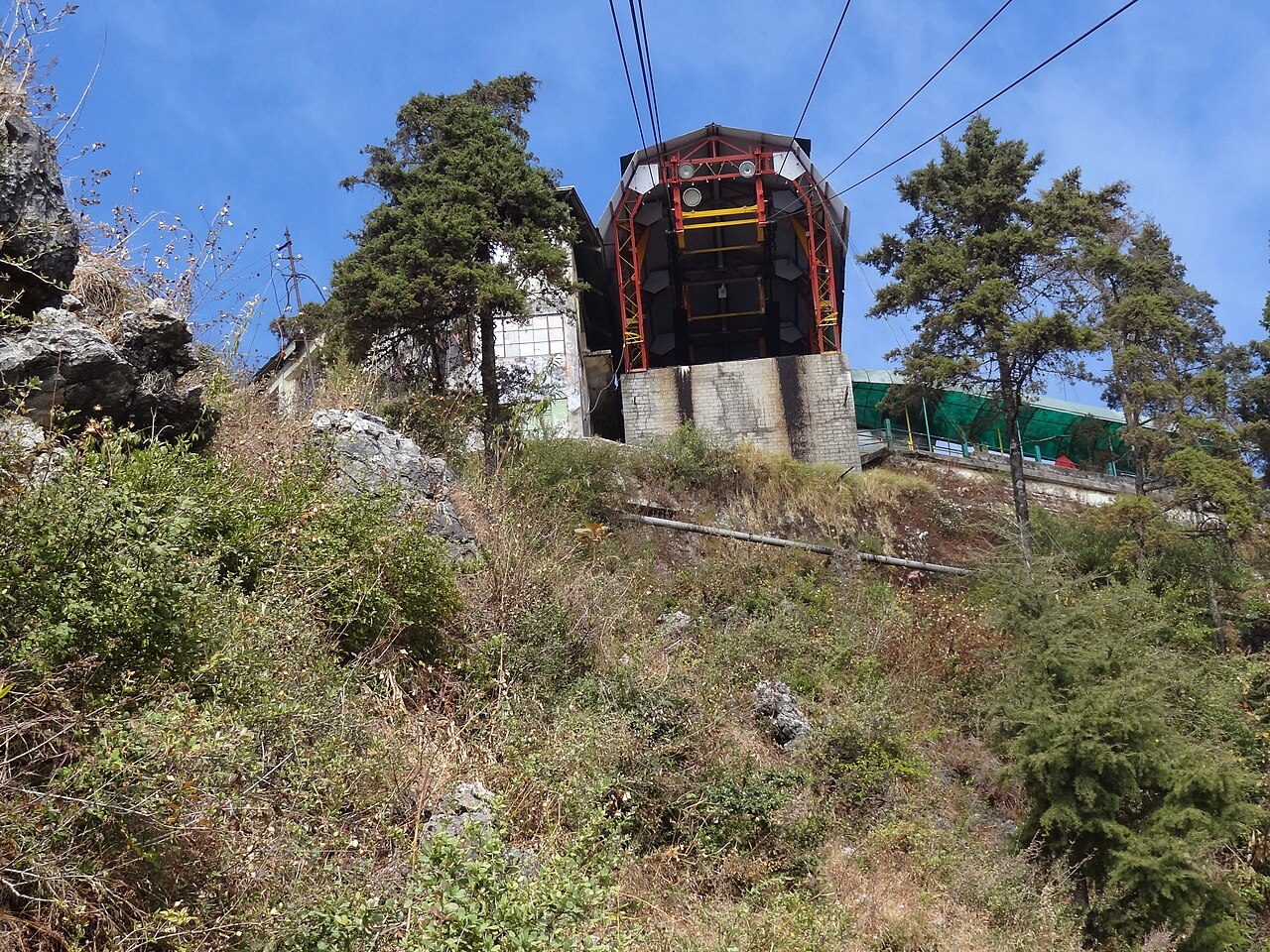
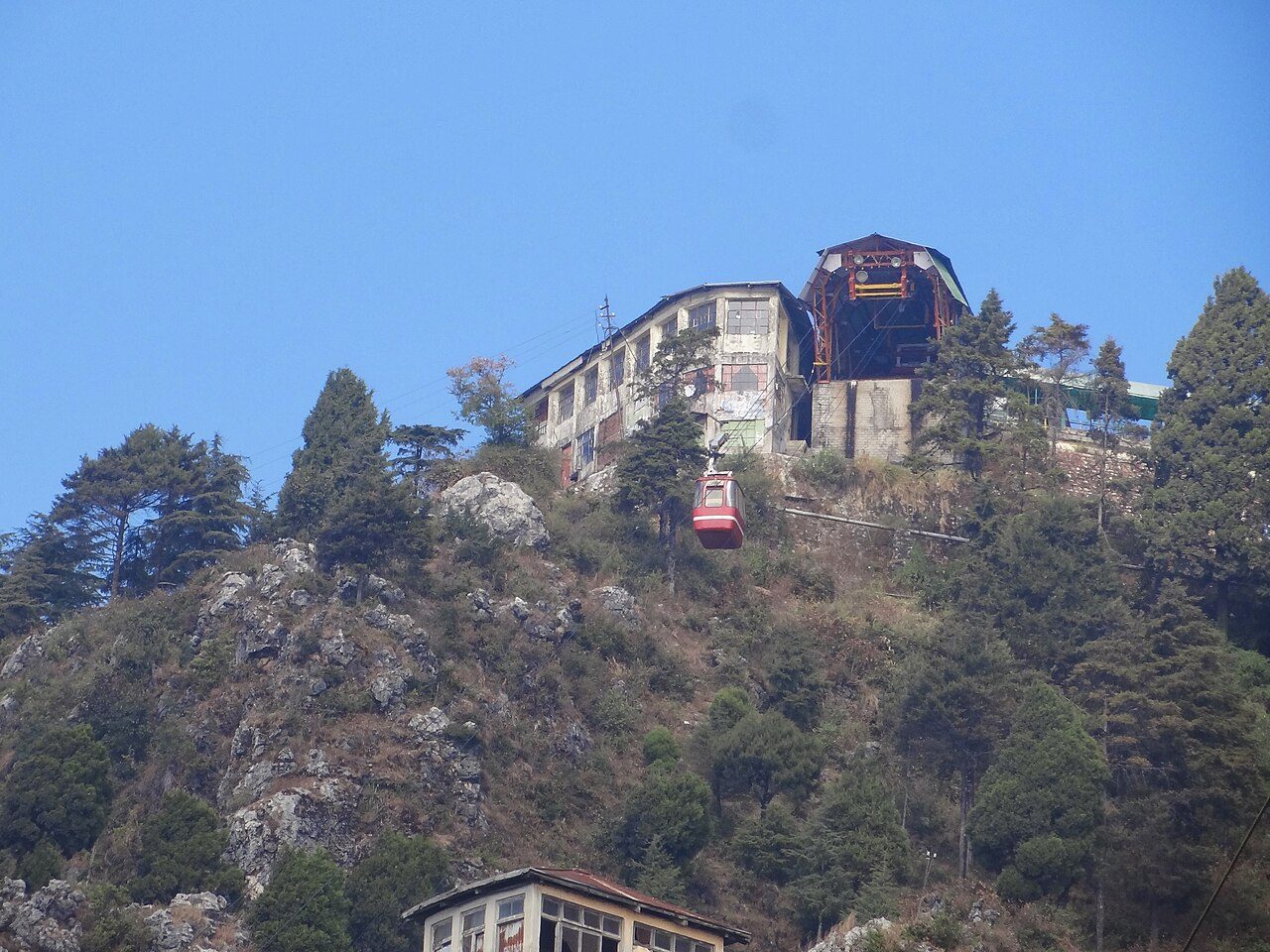
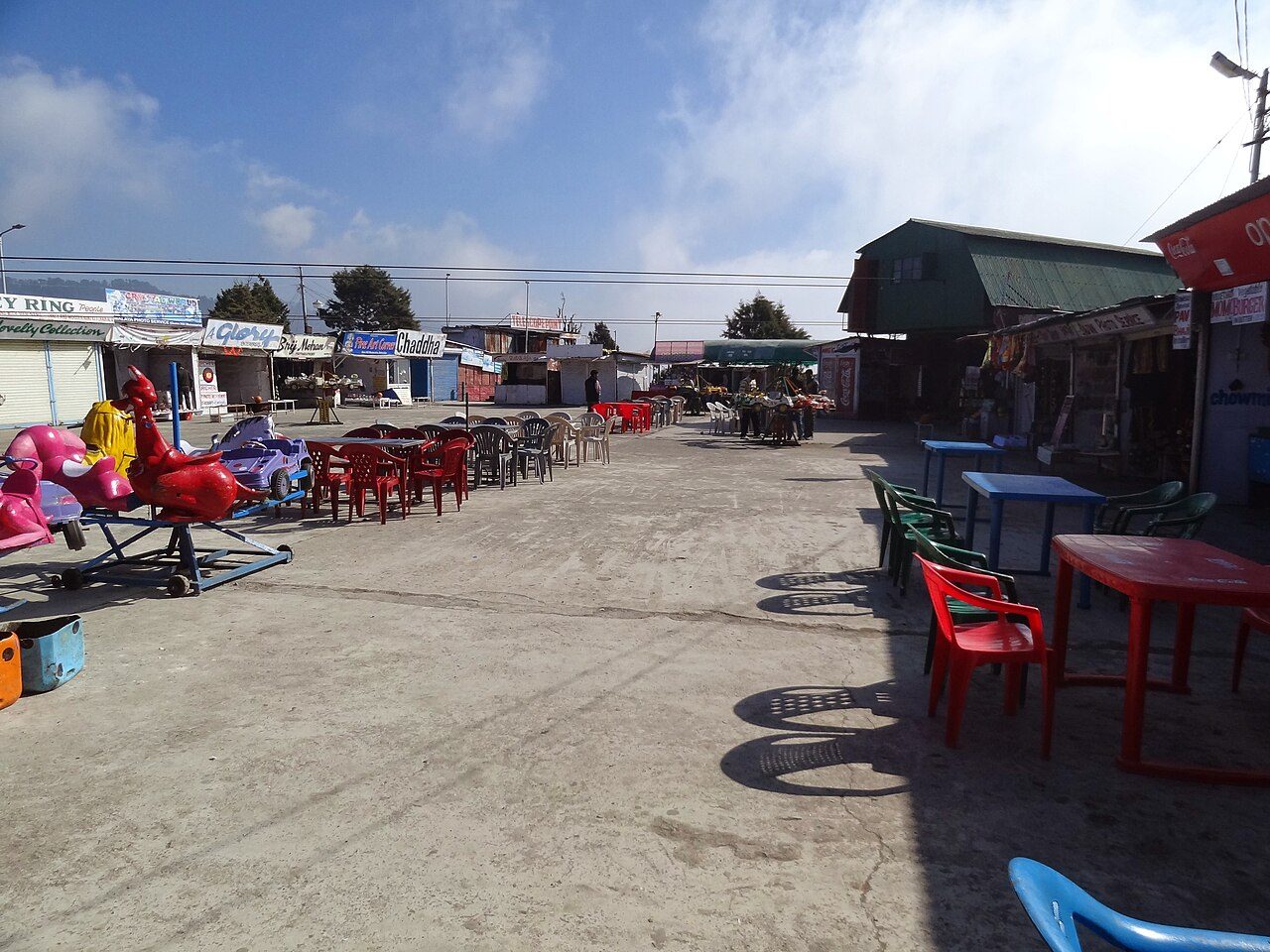
Sahastradhara, the 'thousandfold spring', is a picnic spot on the Baldi River outside Dehradun where water drips from limestone ledges and collects in stepped pools. Its sulphur springs are believed to help skin ailments. A ropeway climbs to a hilltop amusement park with wide views, and small caves and a Shiva temple line the bank. It is busiest on summer weekends.
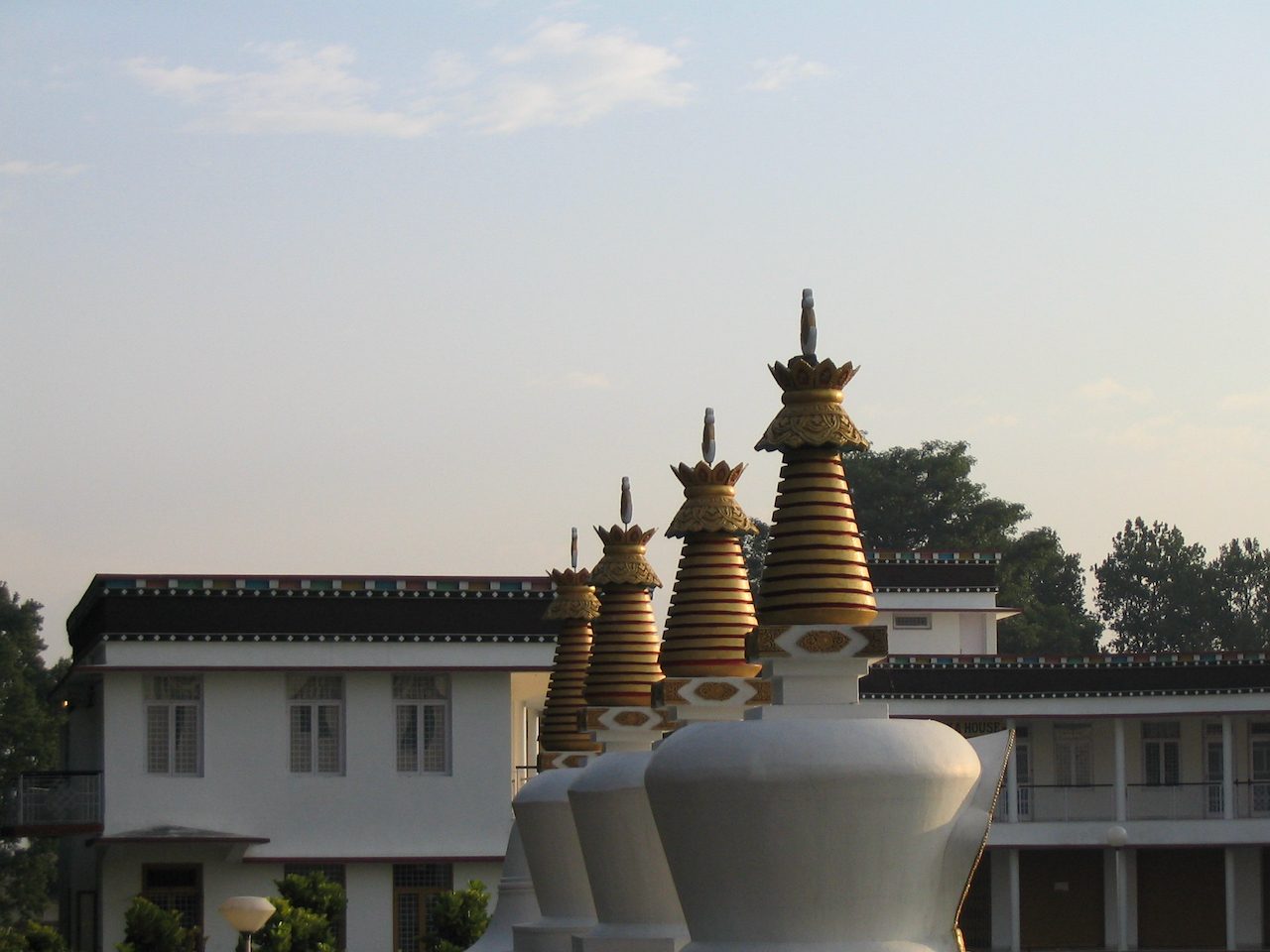
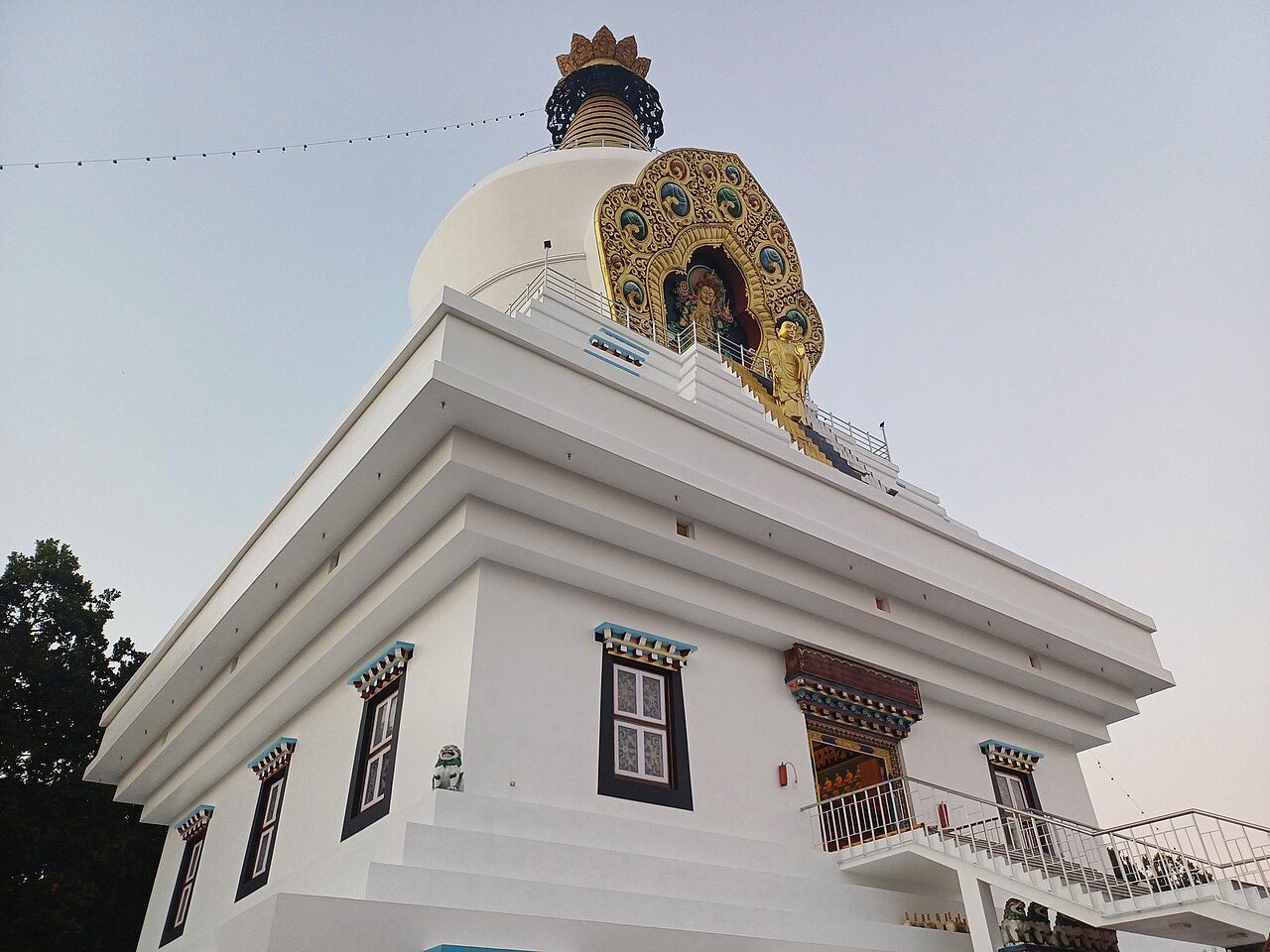
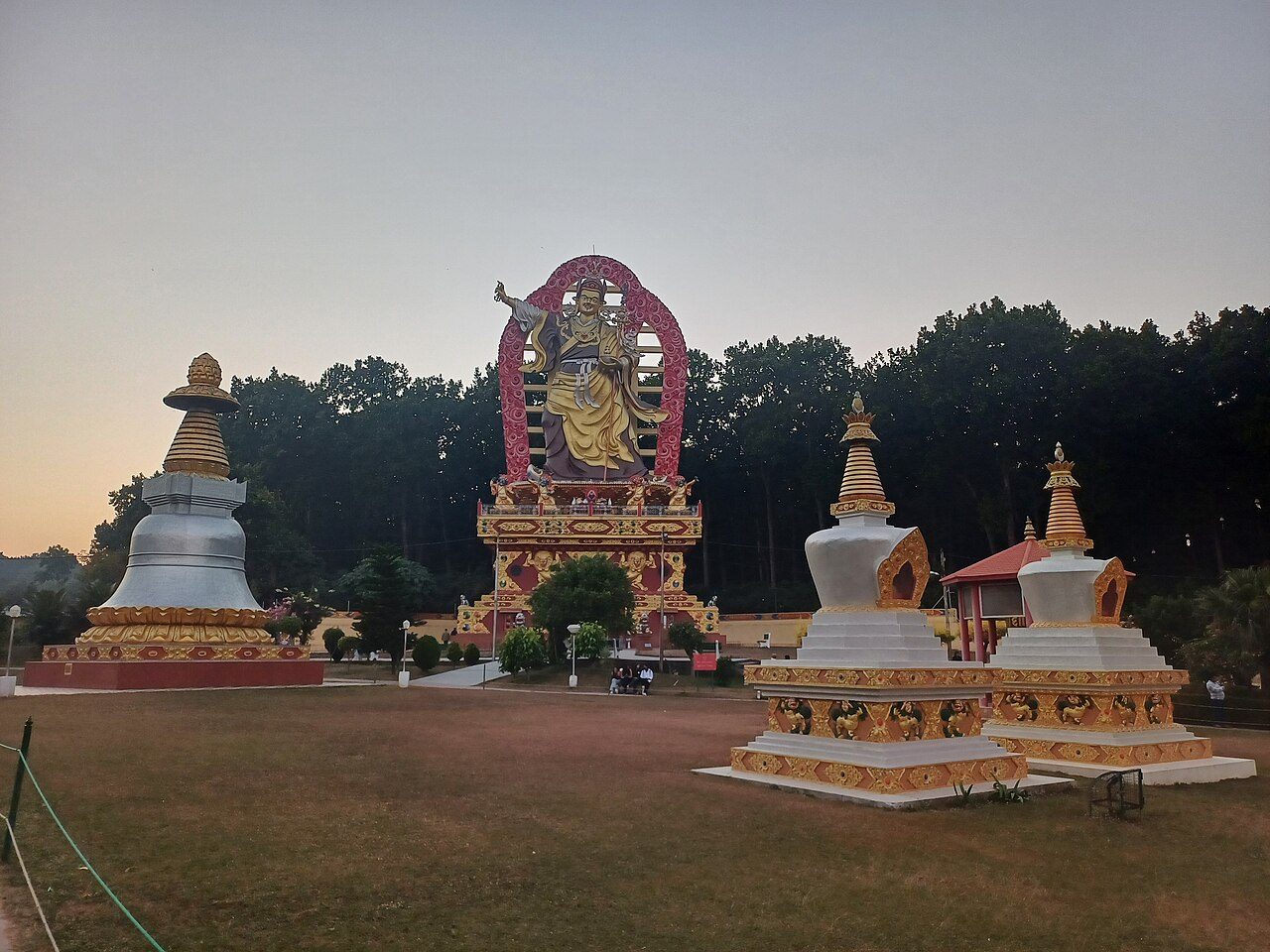
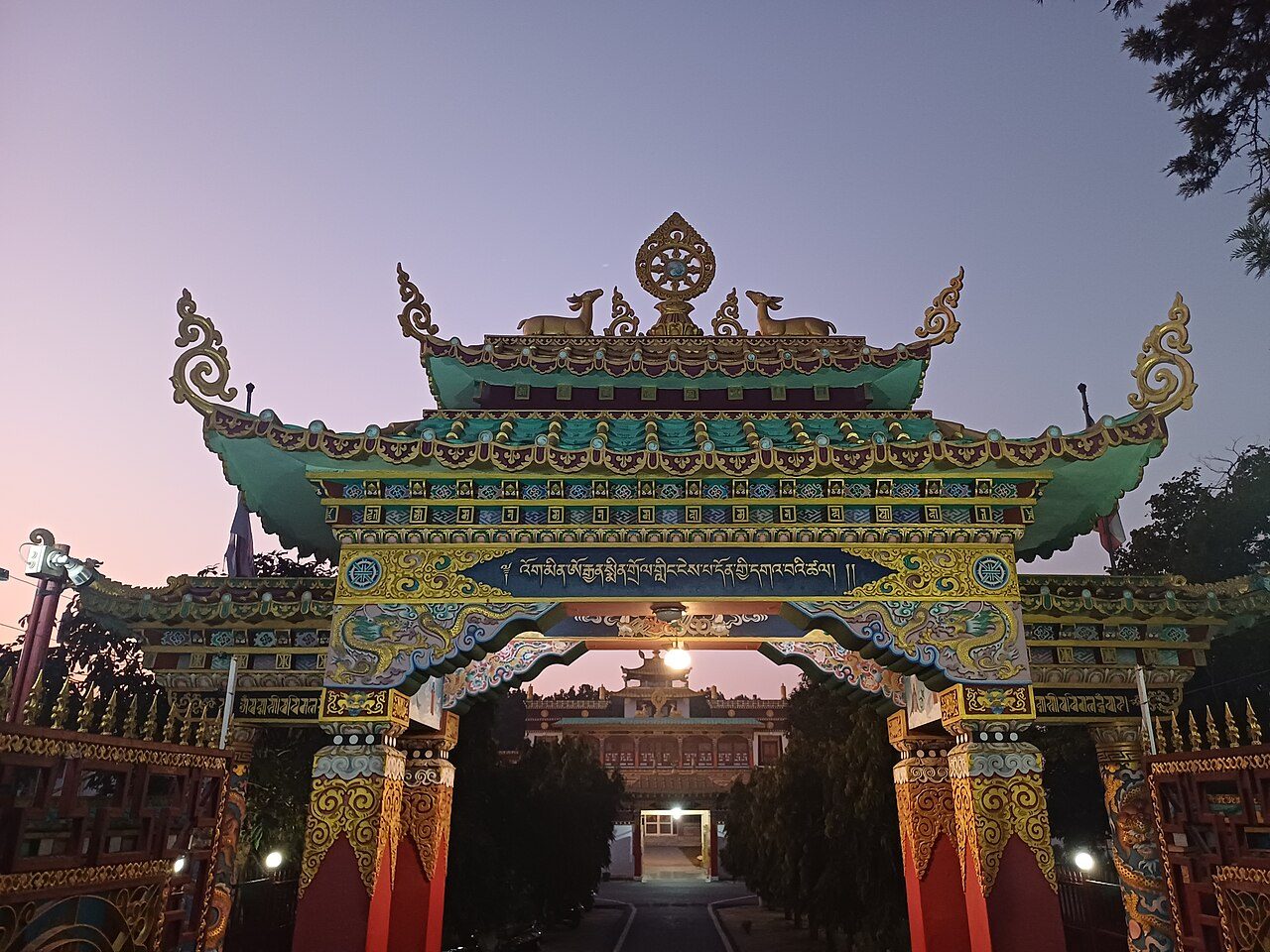
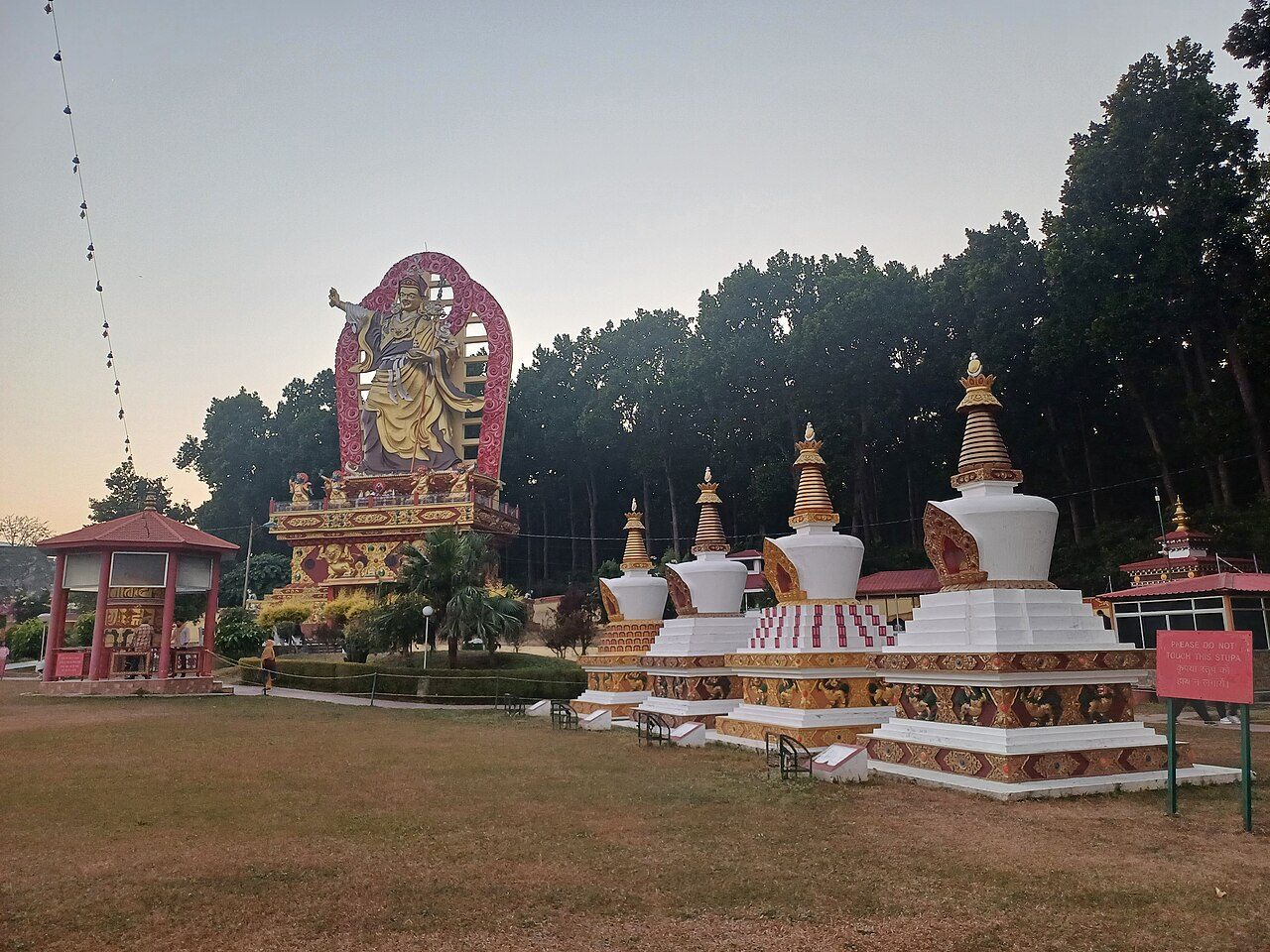
Mindrolling Monastery in Clement Town, Dehradun, was re-established in 1965 by Tibetan refugees and is one of the main centres of the Nyingma school of Tibetan Buddhism. Its Great Stupa, opened in 2002, rises about 56 metres and contains shrine rooms with elaborate murals. A tall statue of the Buddha and landscaped gardens surround it, and Tibetan cafes and shops fill the lanes nearby.
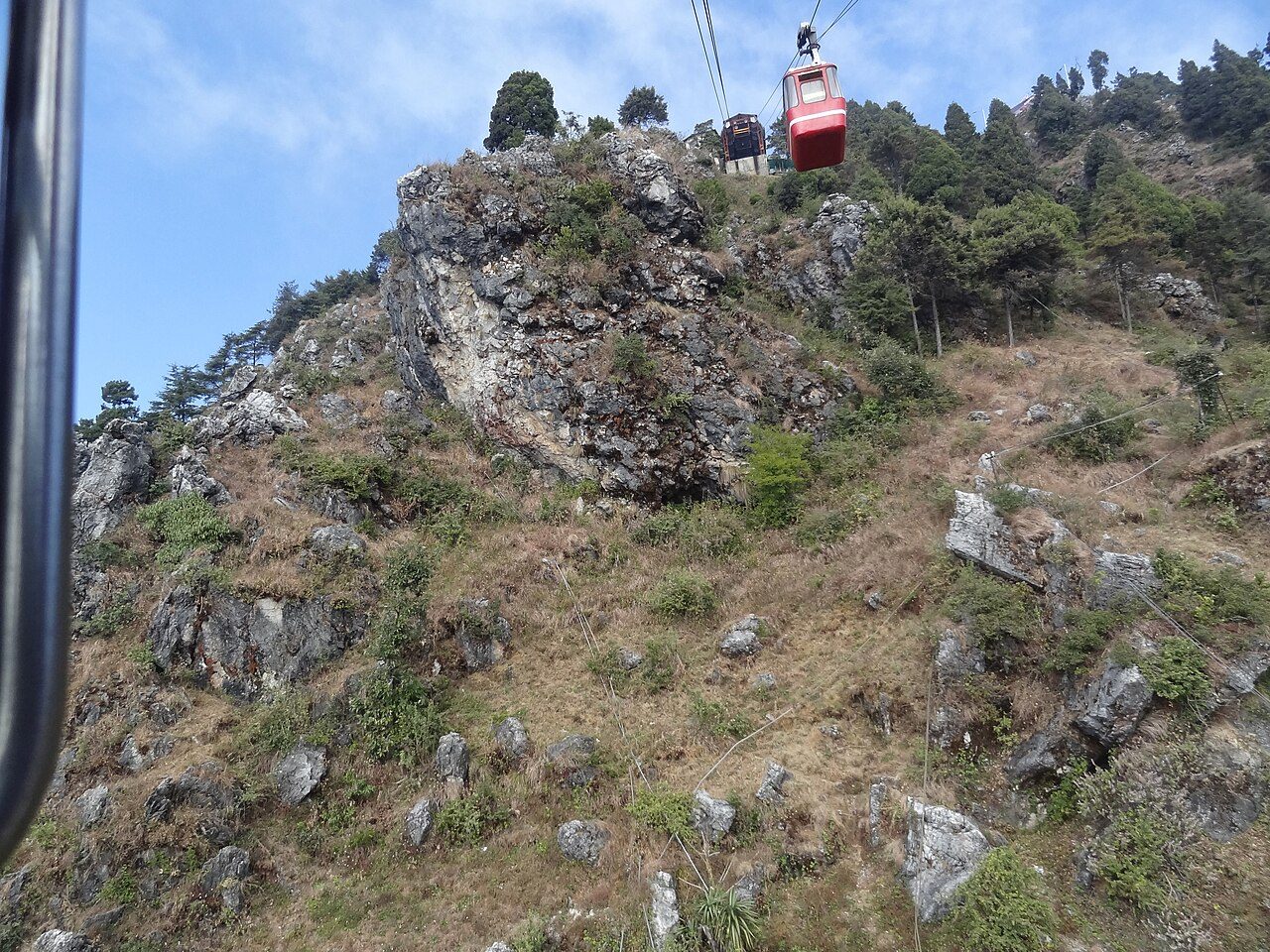
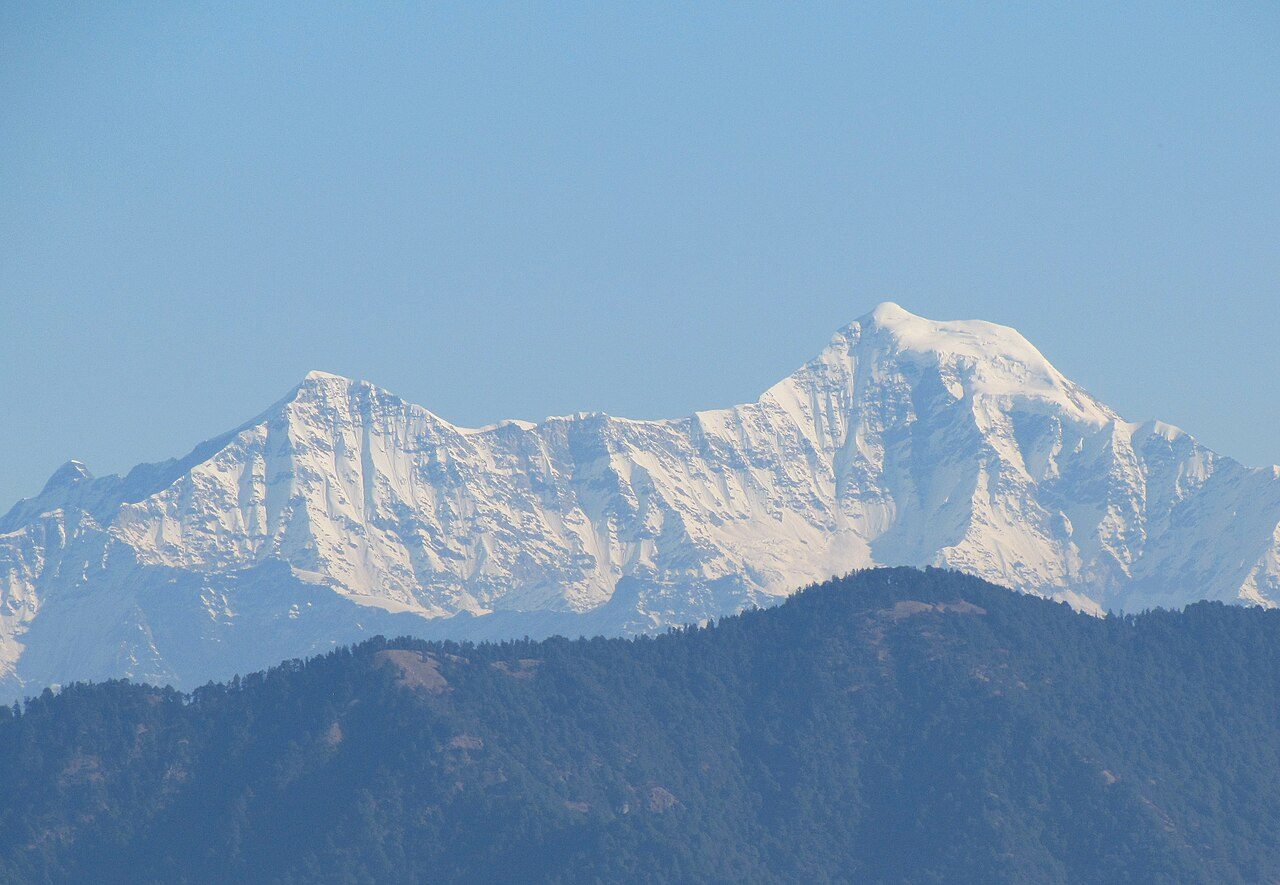
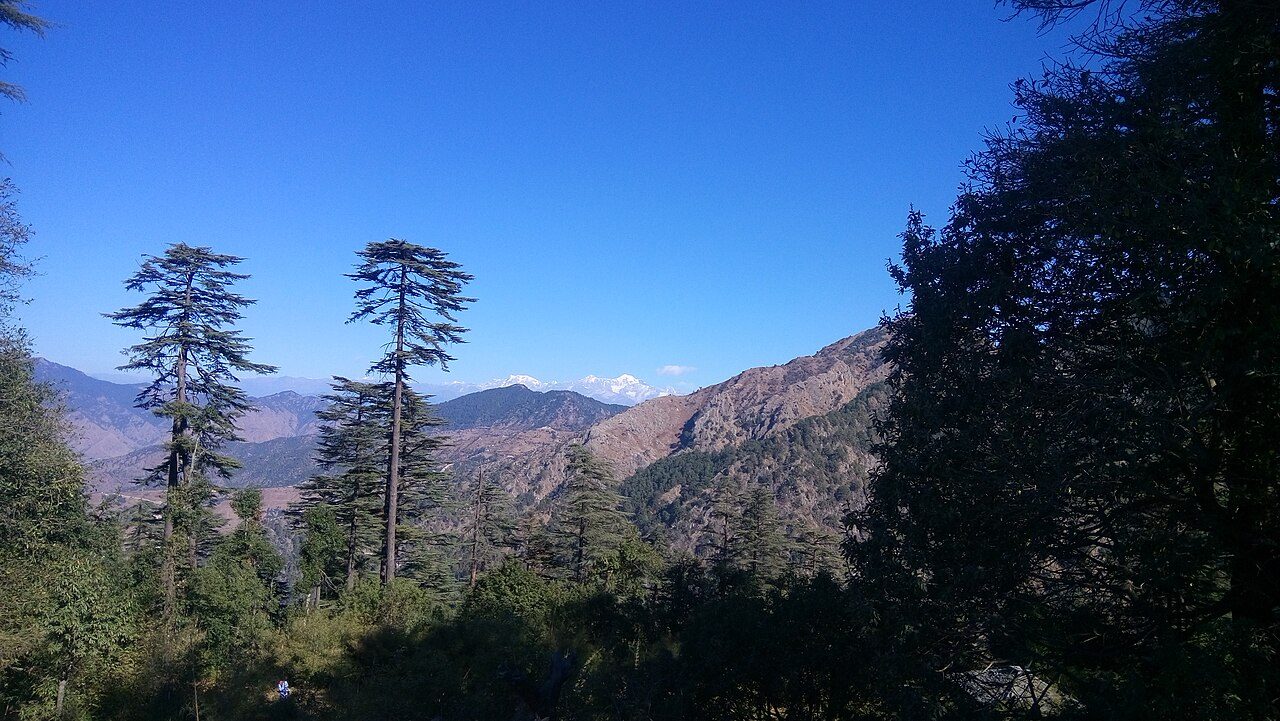
Gun Hill is the second-highest point in Mussoorie, reached by a short ropeway ride or a steep walk from Mall Road. A cannon here once fired at noon so residents could set their watches. On clear days the top gives a wide view of snow peaks such as Bandarpunch and of the Doon valley. There are telescopes, snack stalls and photographers offering hill-costume portraits.
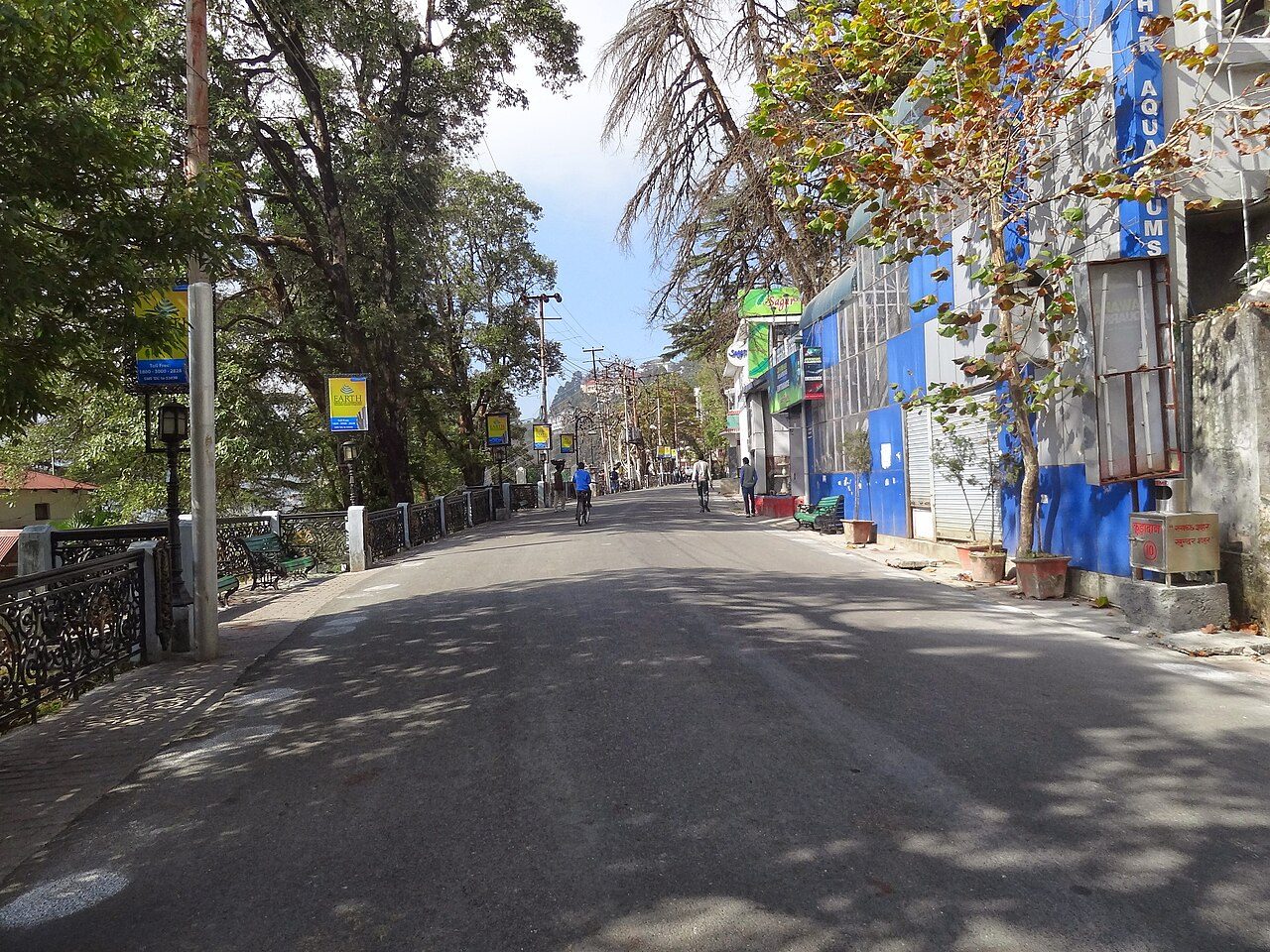
Mall Road is the main promenade of Mussoorie, running about two kilometres along the ridge from Library Bazaar to Picture Palace. Colonial-era benches and lamp posts line the way, along with shops, cafes, bakeries and old hotels, and there are open views over the Doon valley. Most of it is closed to cars in the evening, when the whole town comes out to stroll.
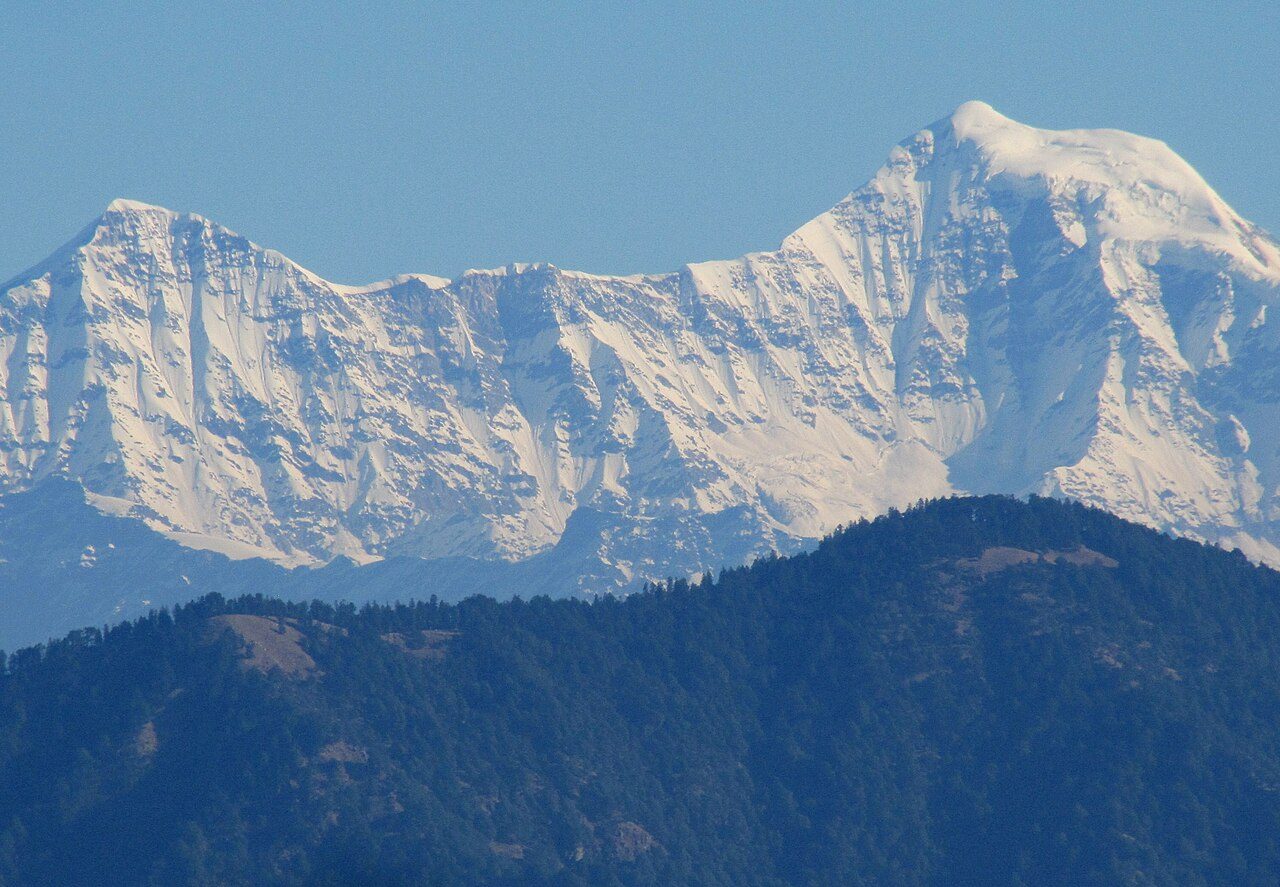
Lal Tibba, the 'red hill', is the highest point in the Mussoorie area, in the quiet cantonment of Landour. A viewpoint with a telescope looks north to the Himalayan snow line, including Bandarpunch, Kedarnath and Badrinath peaks on a clear day. The walk up passes old churches, deodar forest and the bakeries of Char Dukan. Sunrise and early morning give the clearest views.
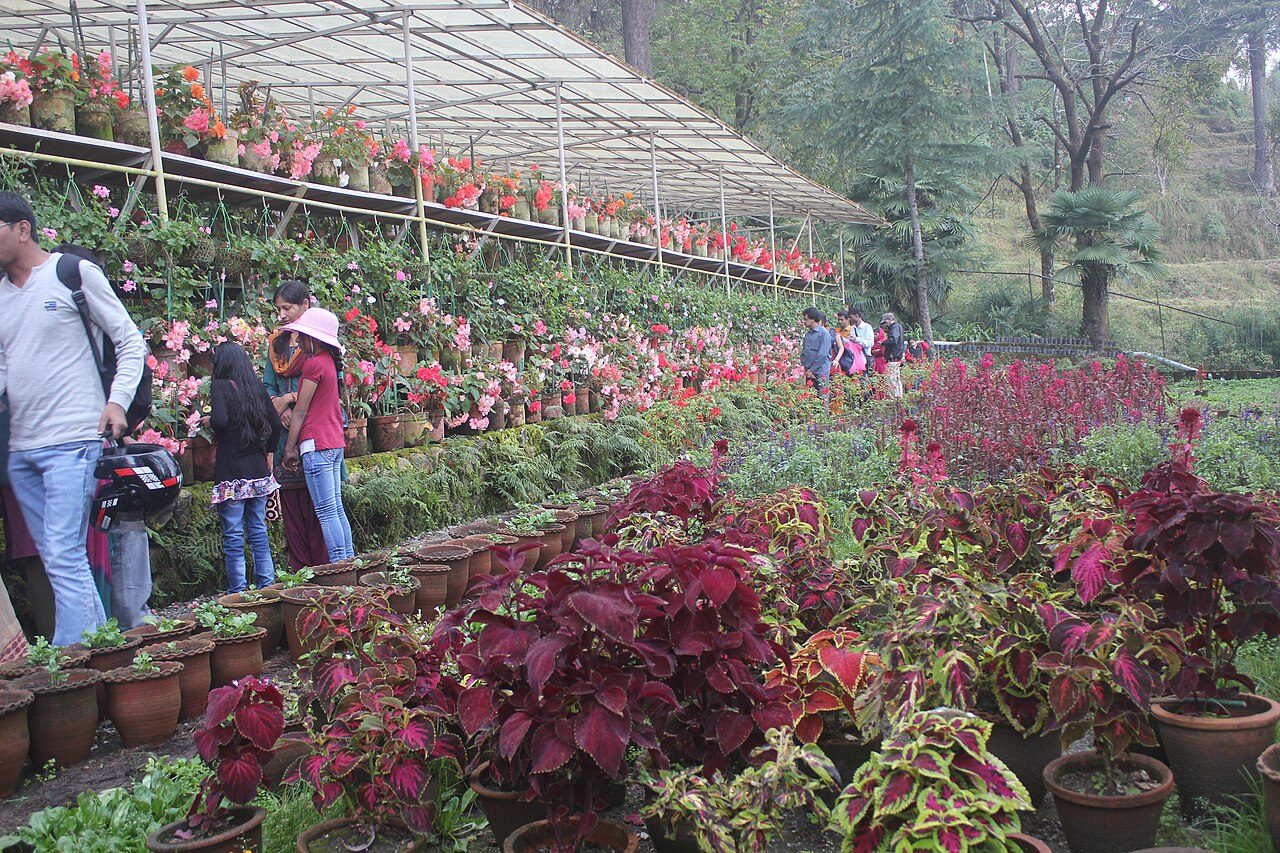
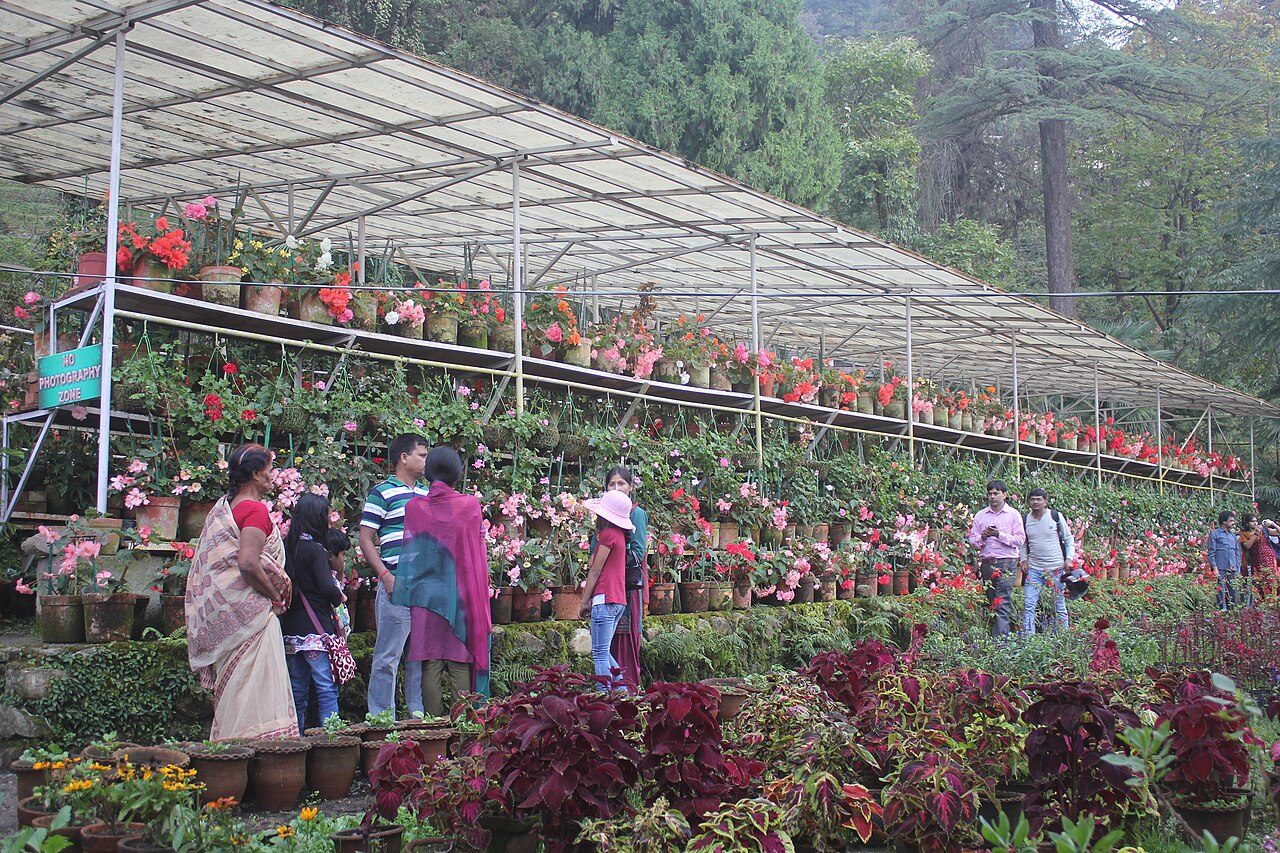
Company Garden is a terraced flower garden on the western side of Mussoorie, laid out in the British period and now run by the municipality. It has seasonal flower beds, a nursery, fountains, a small artificial lake with paddle boats, an amusement corner and food stalls. It is at its most colourful from March to June and makes an easy outing for families.
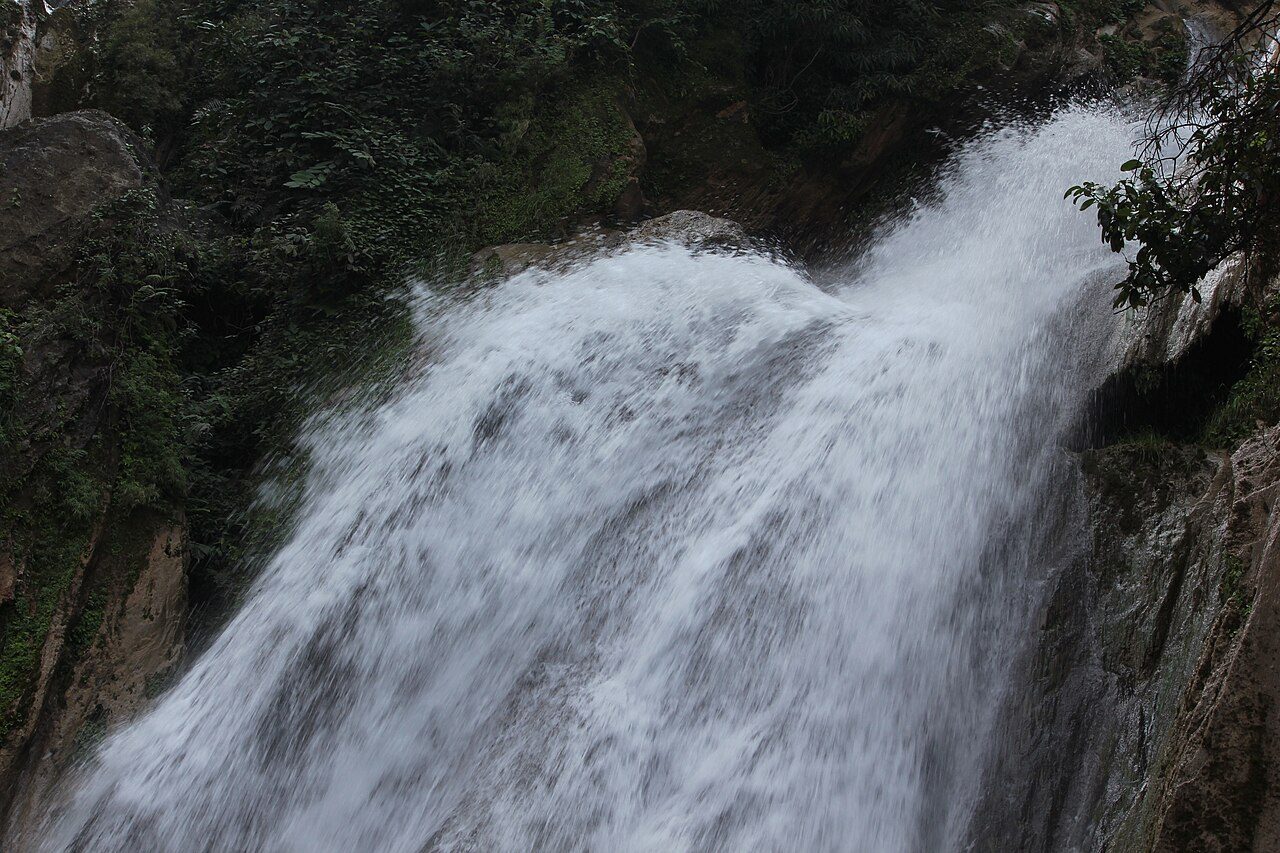
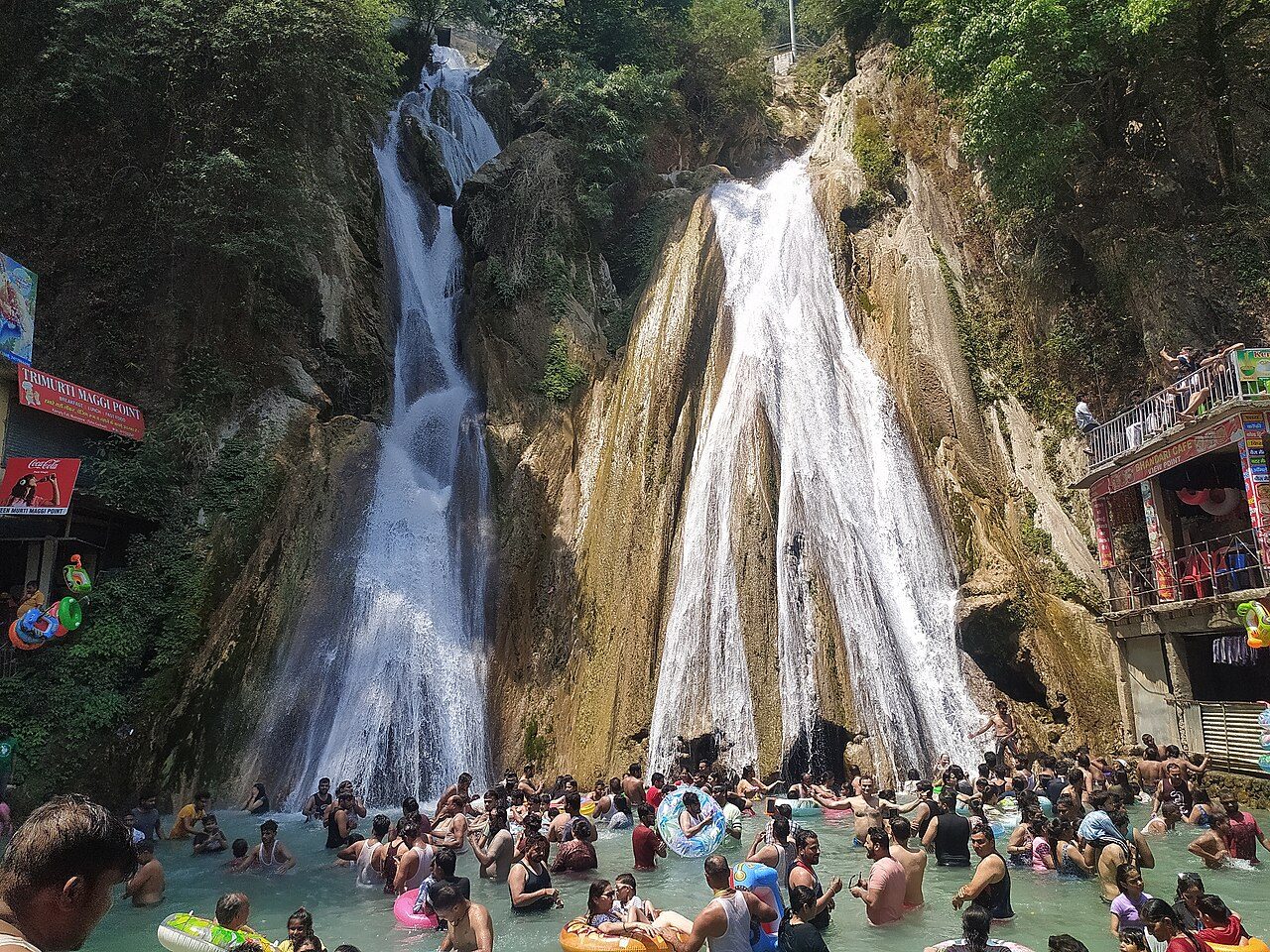
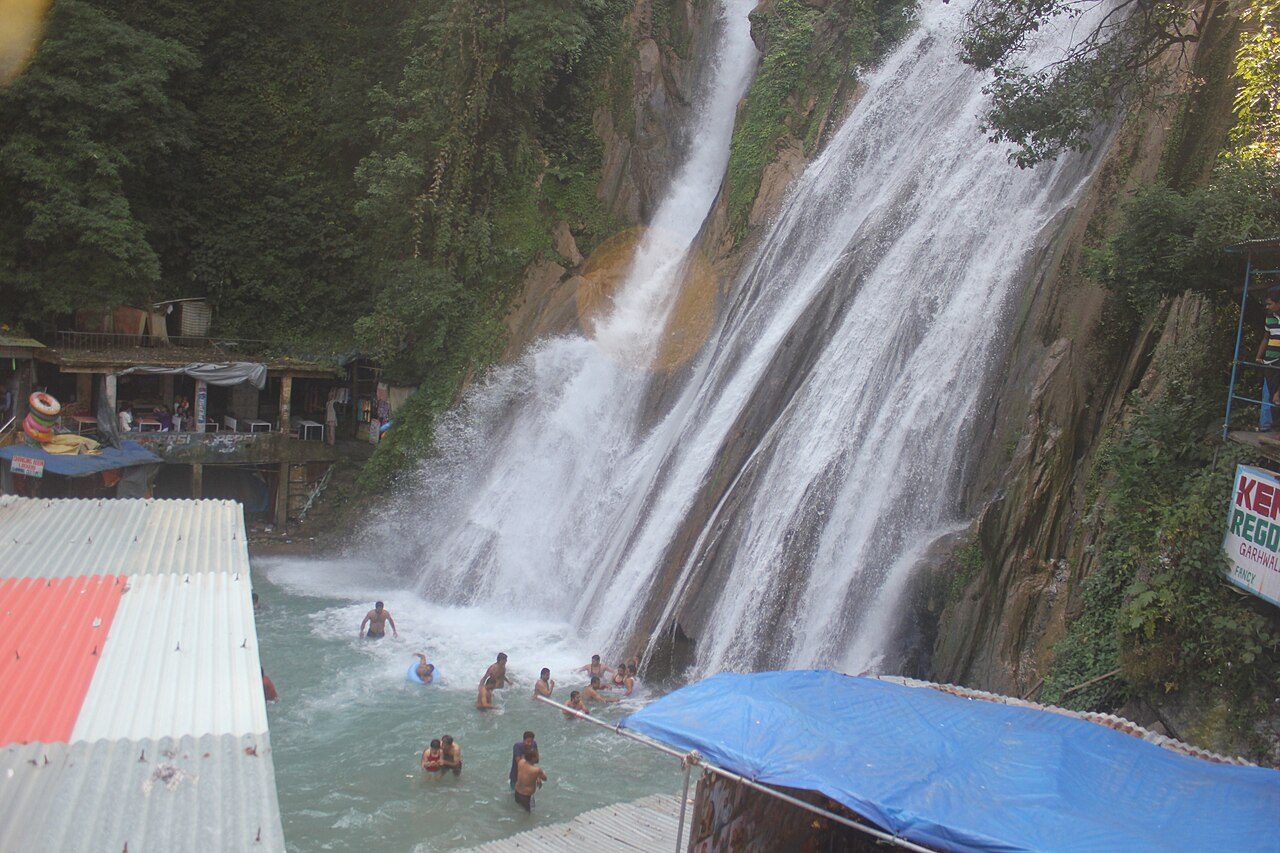
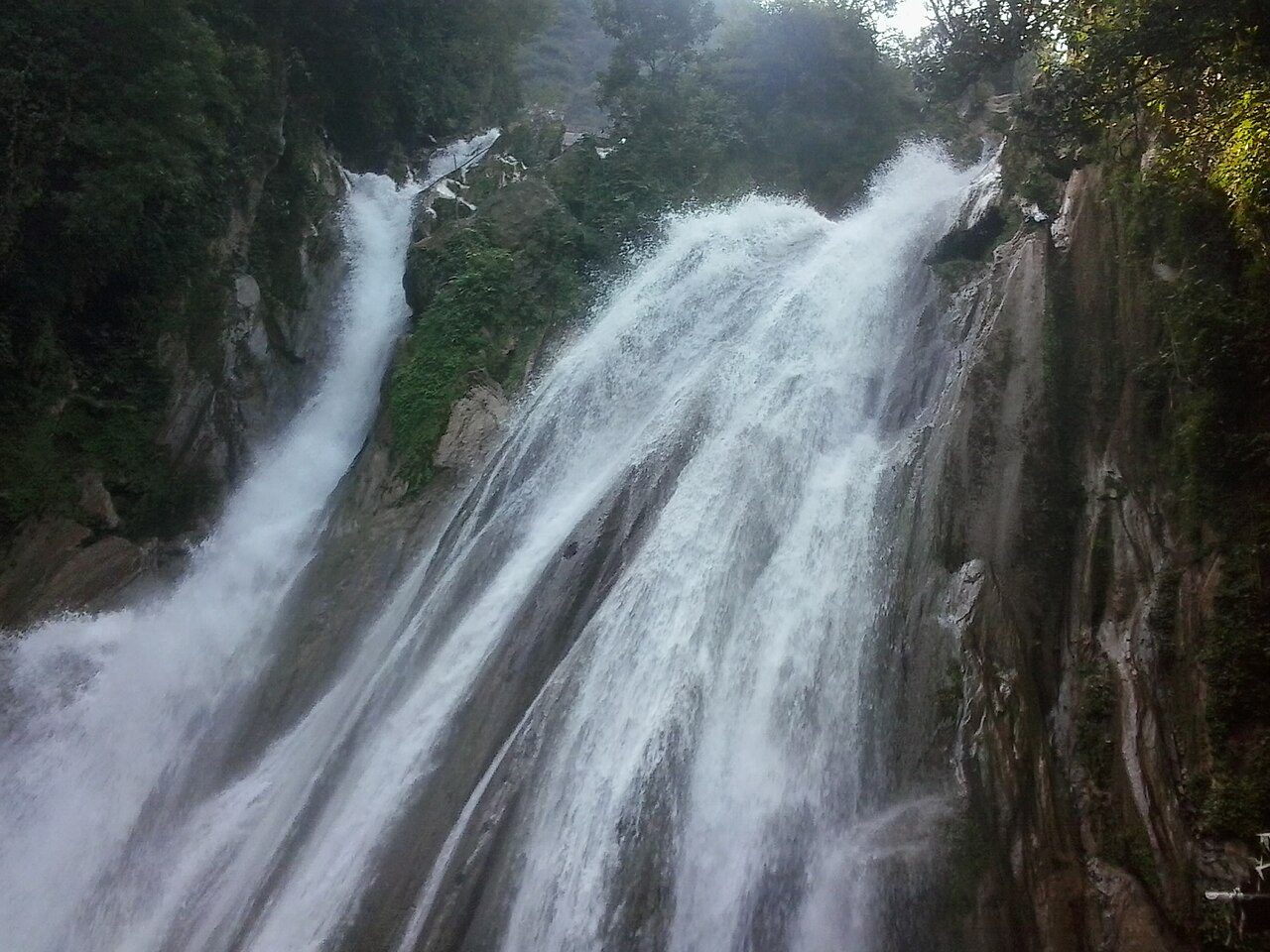
Kempty Falls is the most popular stop on any Mussoorie trip, about 13 km from town on the road to Yamunotri. The stream tumbles down a hillside in several stages into pools where people bathe. It was developed as a picnic site in the 1830s, and the path down is now lined with stalls; a ropeway also descends. Go early in the morning to avoid the crowds, and skip it in heavy rain.
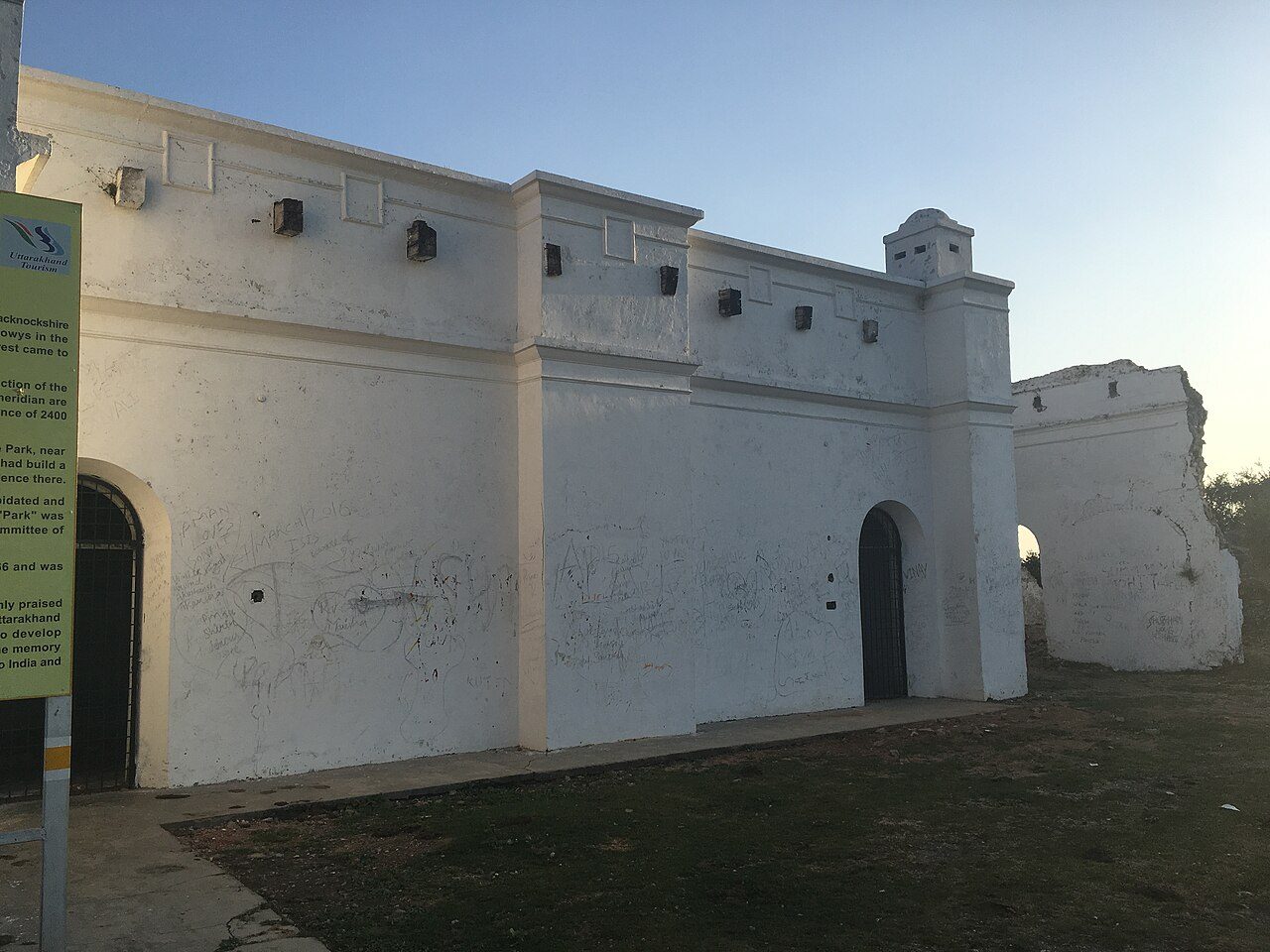
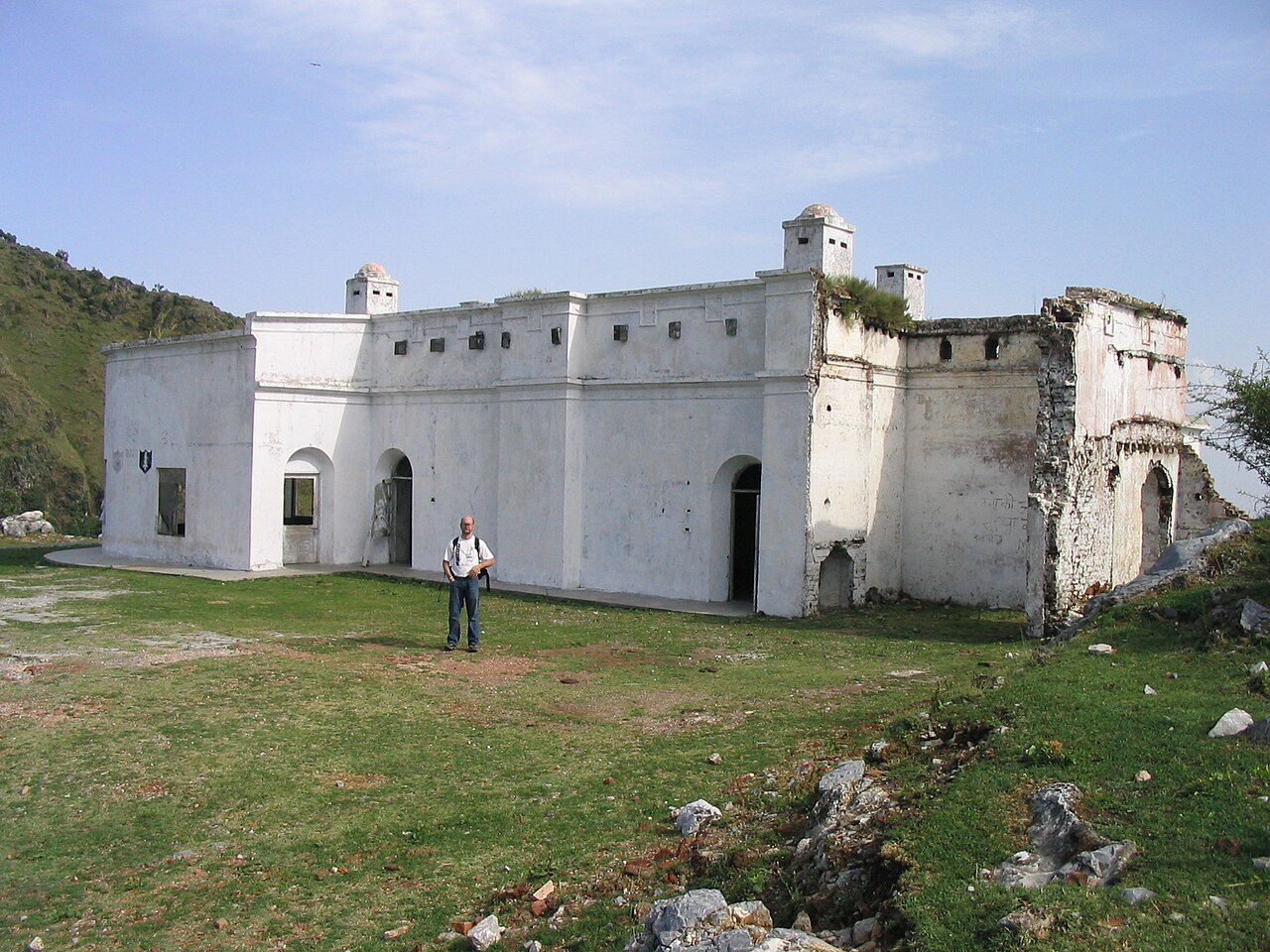
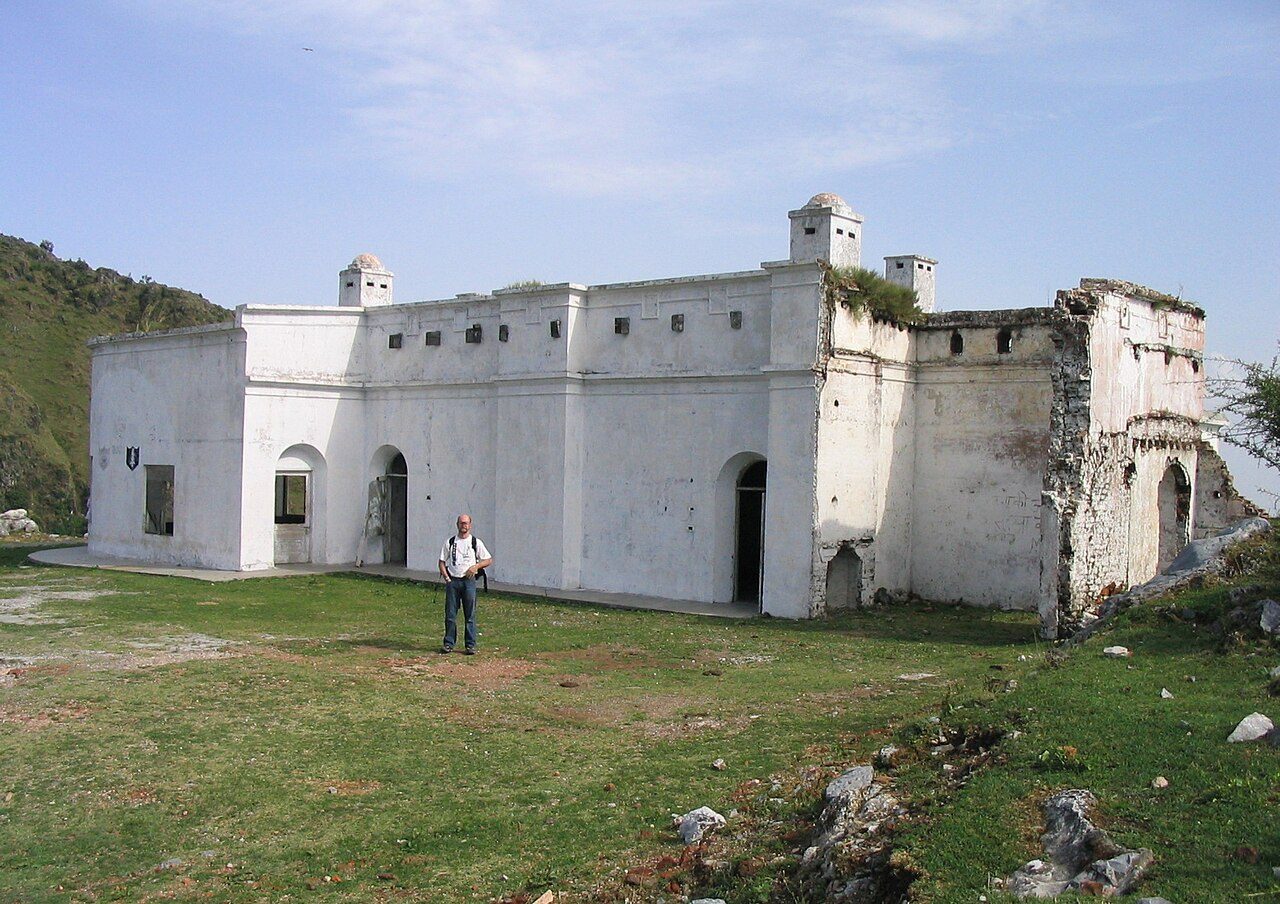
George Everest's House stands on a windswept ridge west of Mussoorie. It was built in 1832 as the home and laboratory of Sir George Everest, Surveyor General of India, who led much of the Great Trigonometrical Survey; the world's highest mountain was later named after him. The restored bungalow overlooks the Doon valley on one side and the Himalaya on the other. A short hill walk leads to the peak behind it.
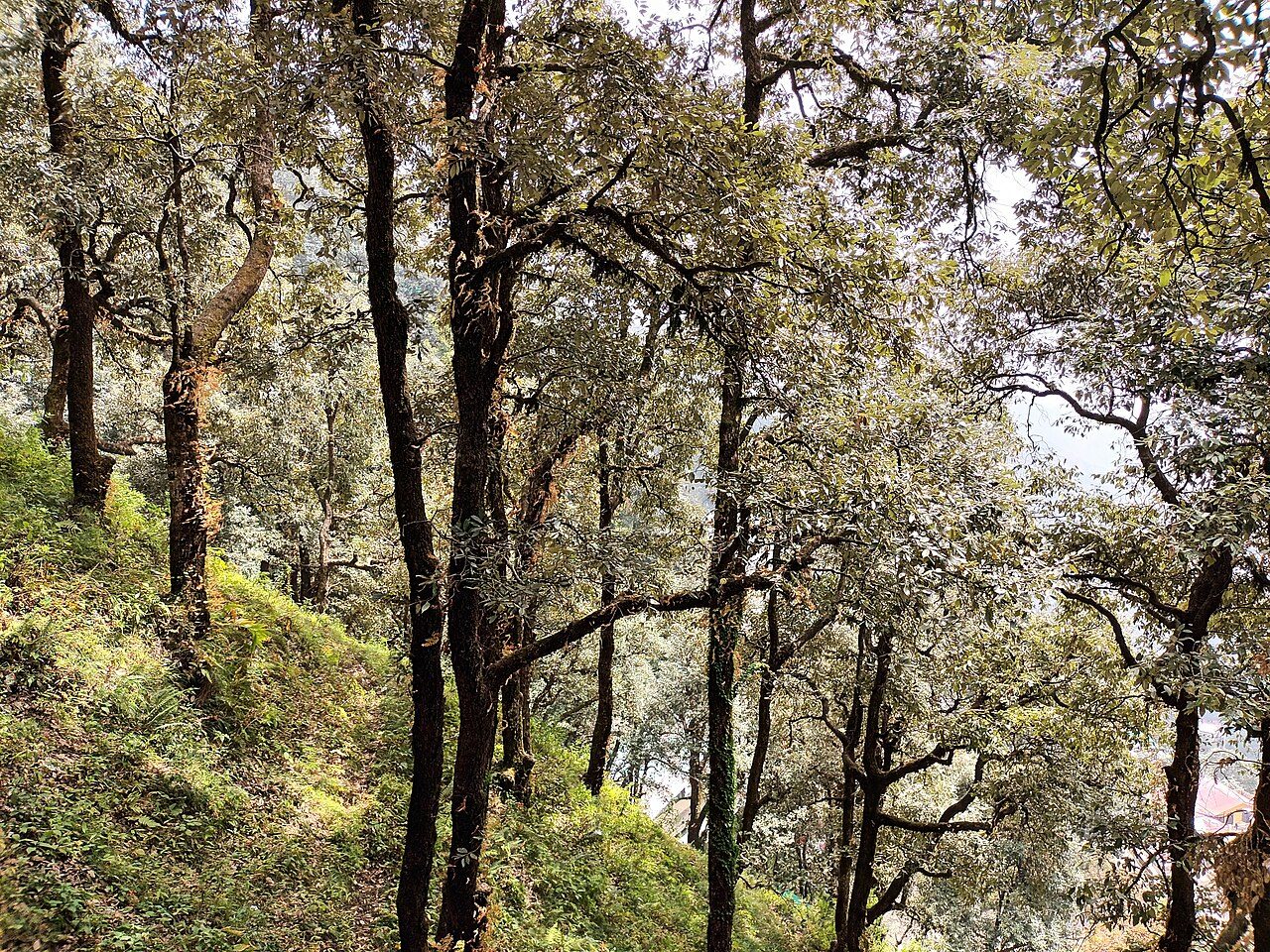
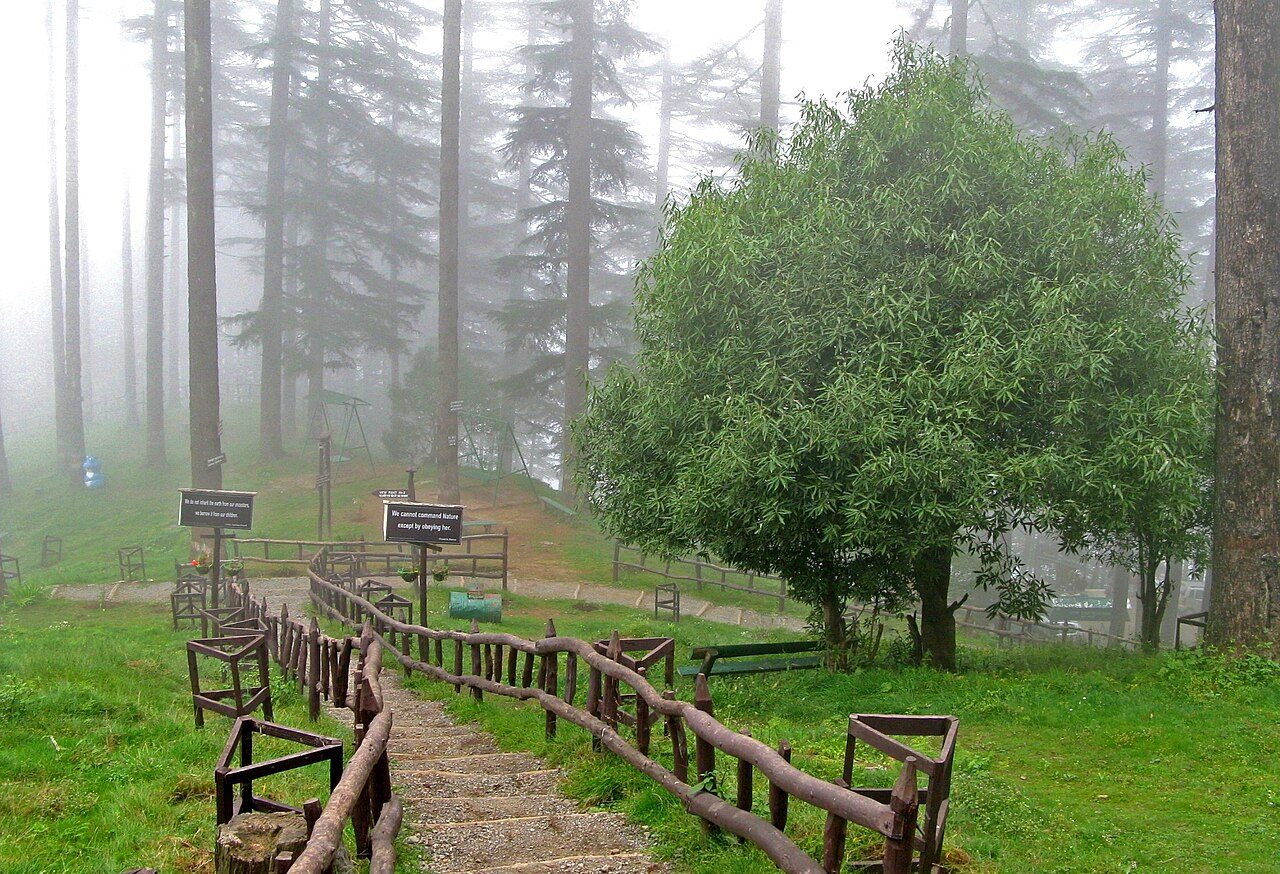
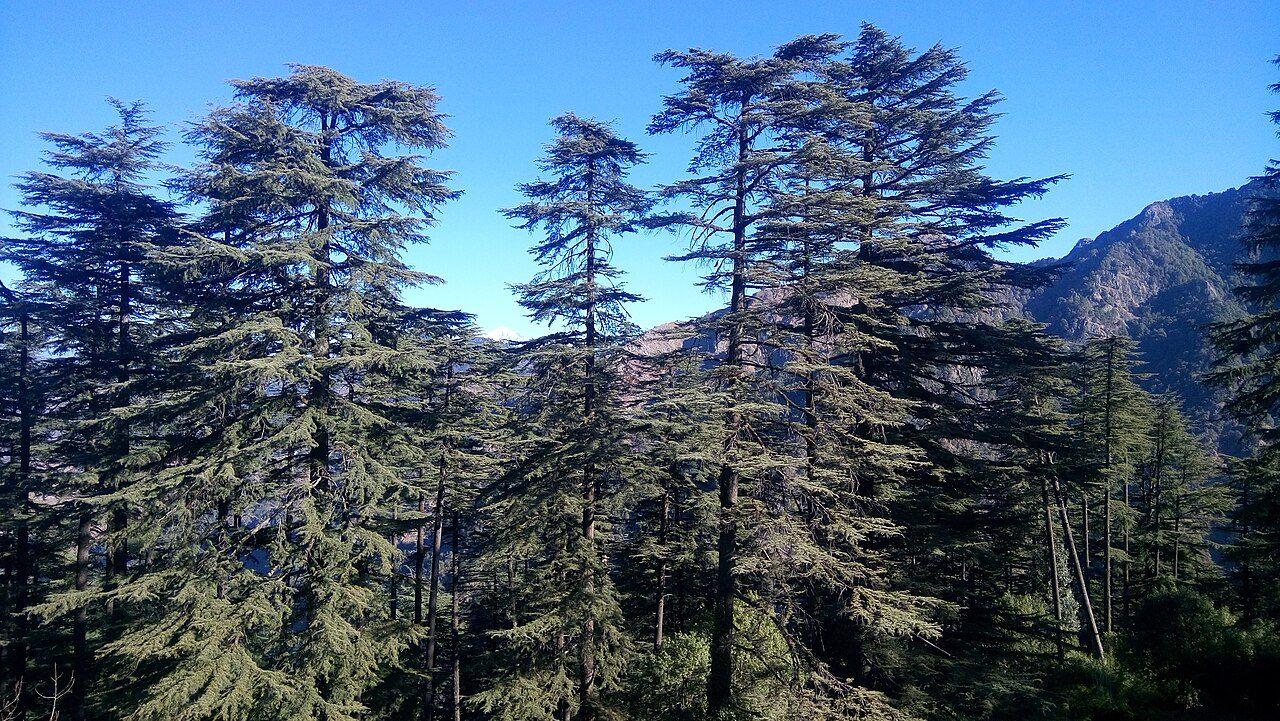
The Eco Park at Dhanaulti is a protected stand of deodar, oak and rhododendron forest developed by the forest department with local villagers. Its two sections, Amber and Dhara, have walking paths, viewpoints, a small adventure area and spots where visitors can plant a sapling. At about 2,250 metres it stays cool in summer and is often under snow in January.
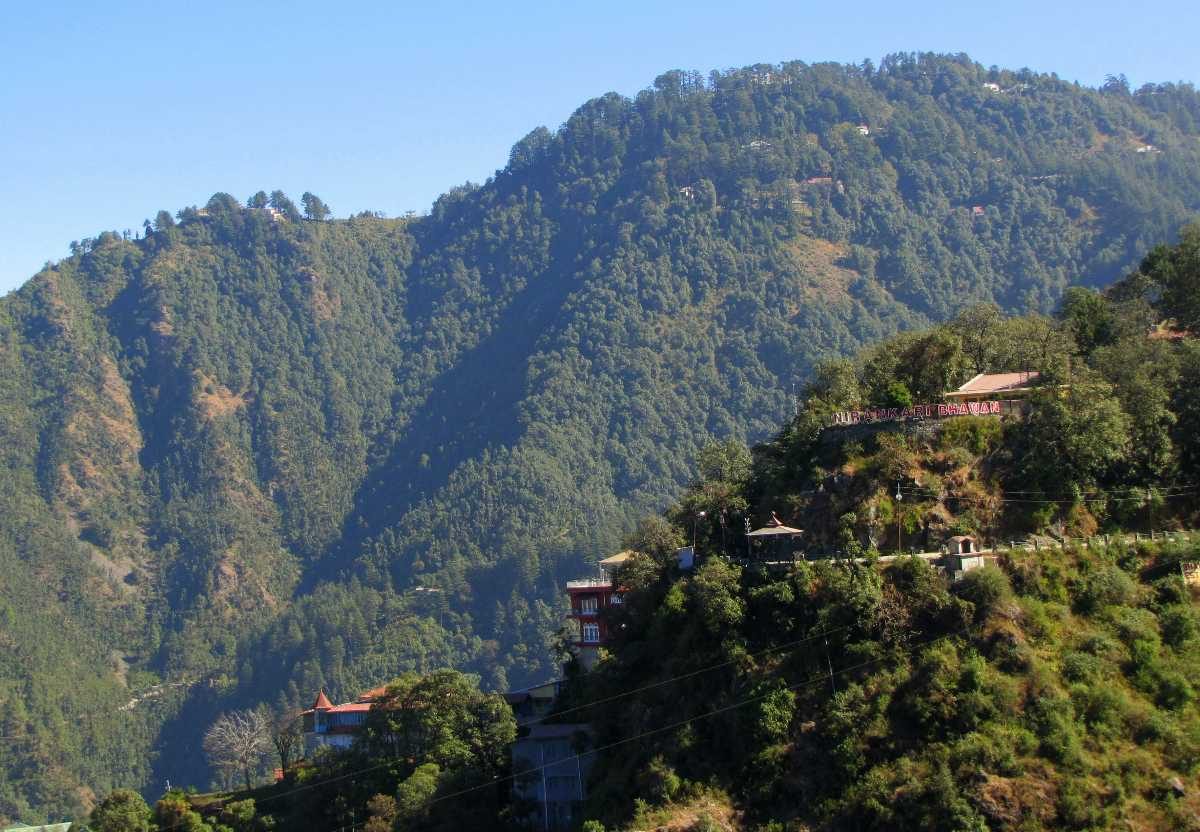
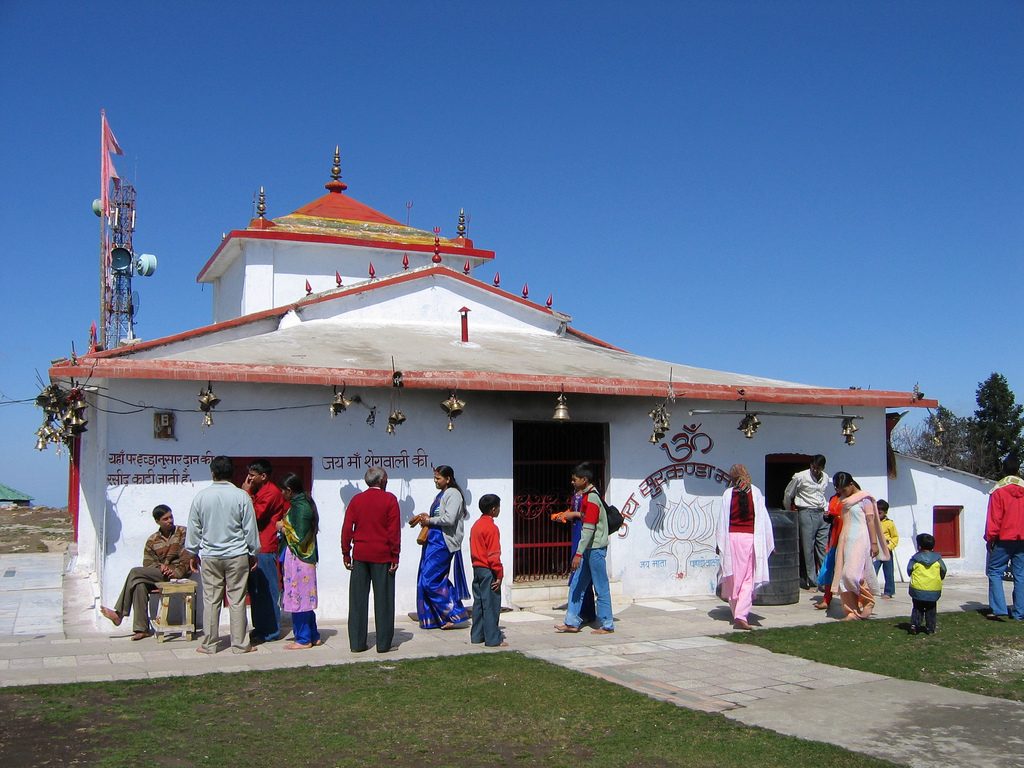
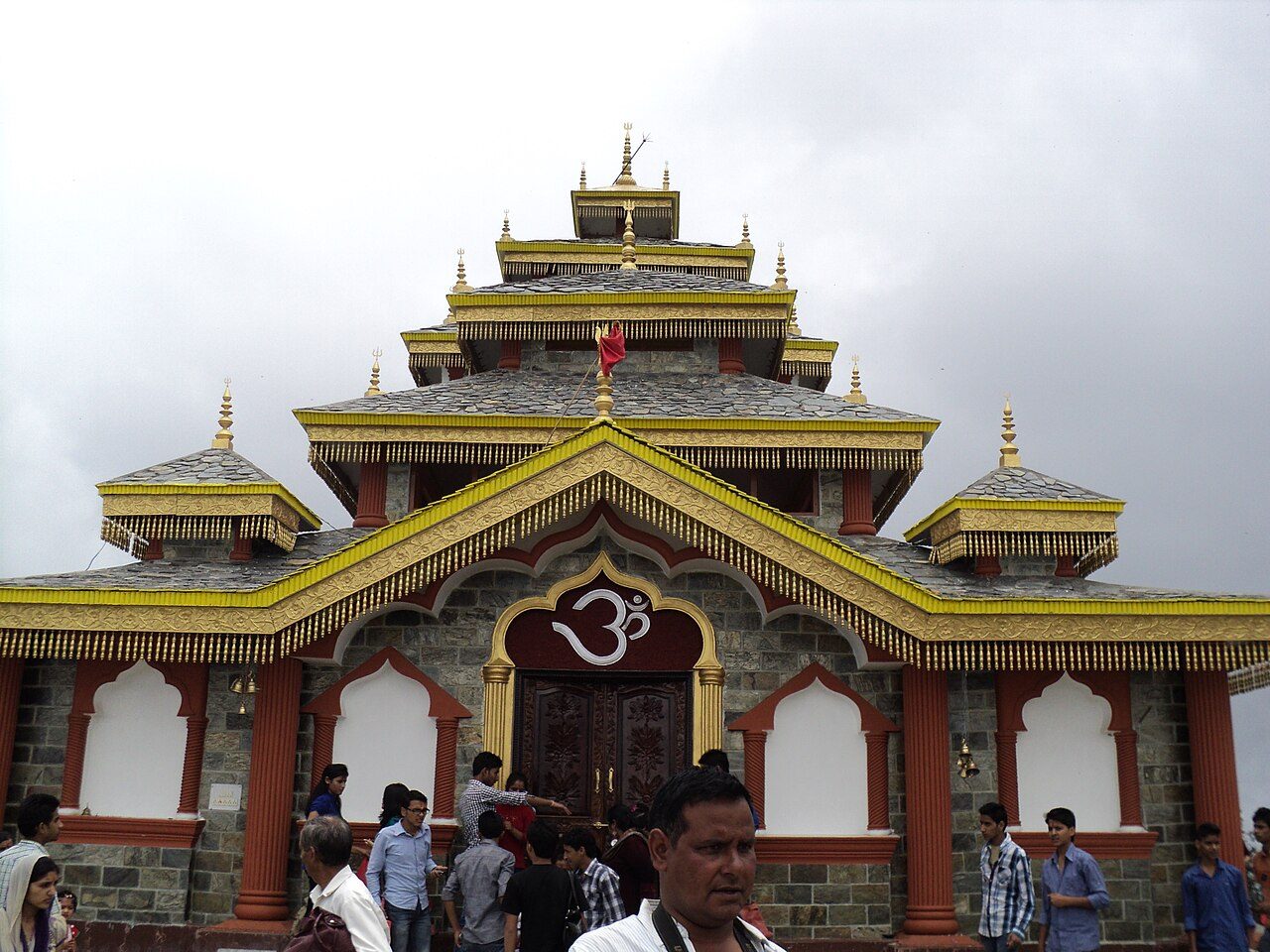
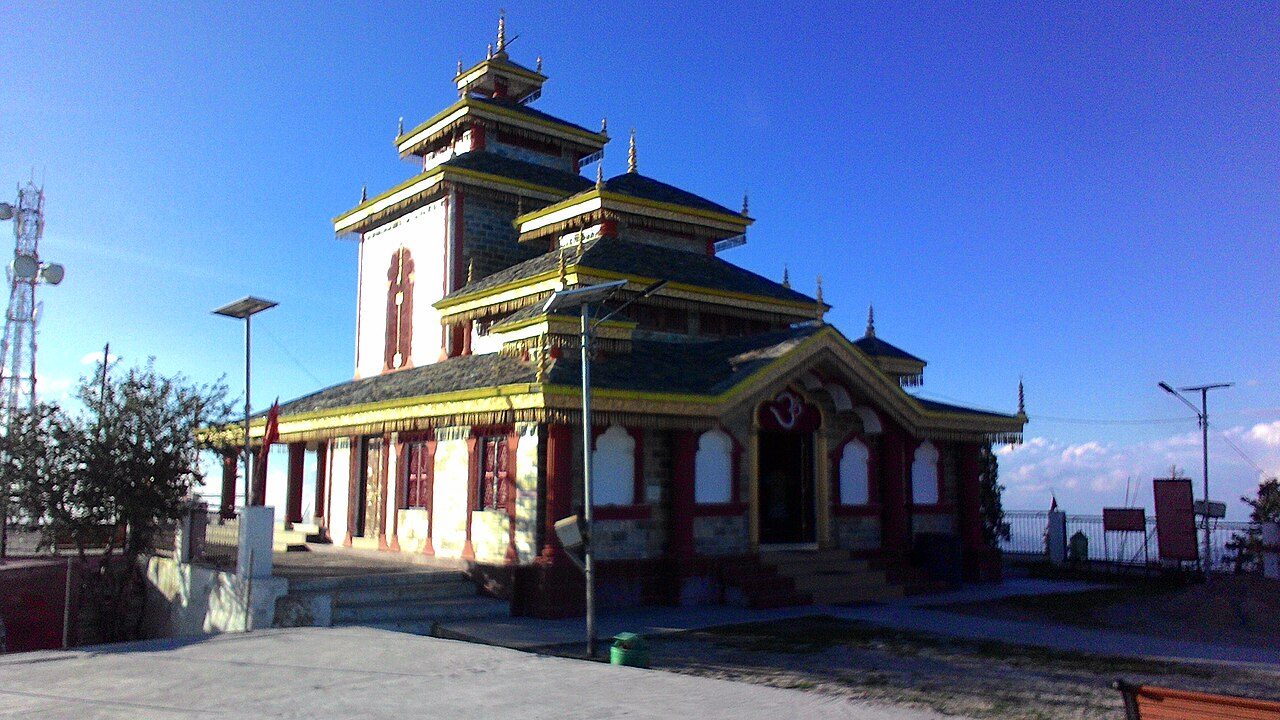
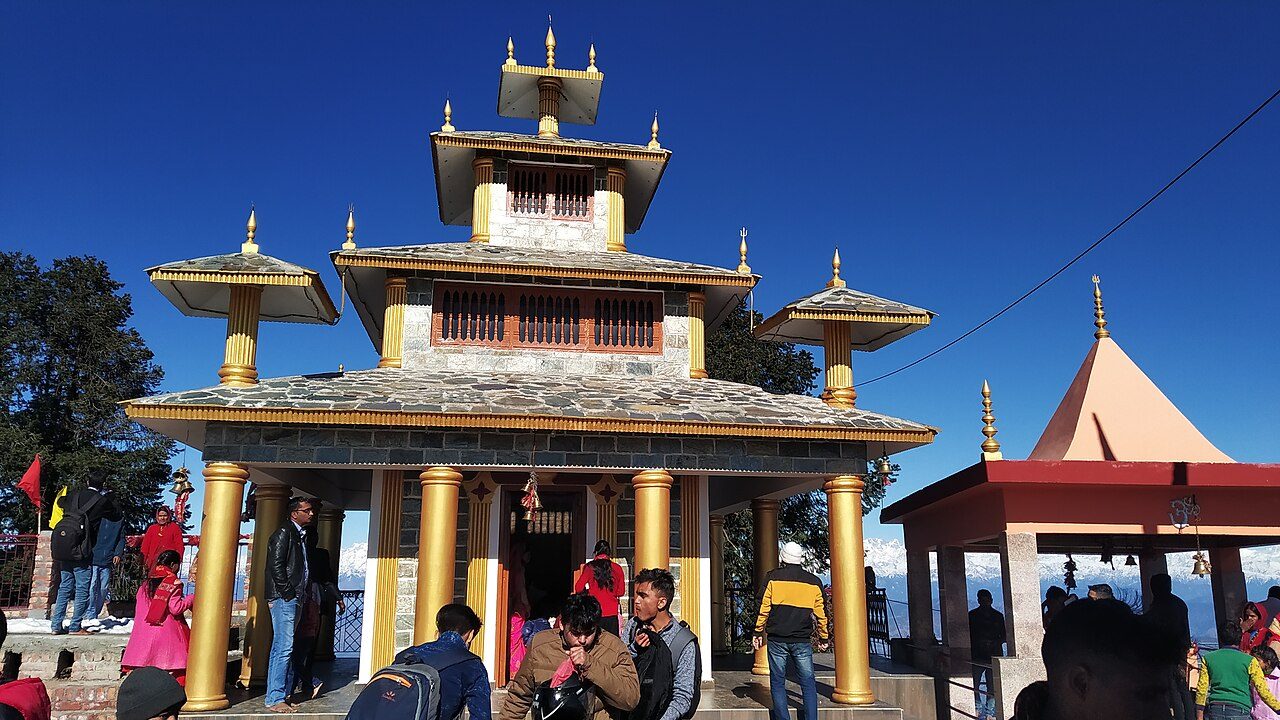
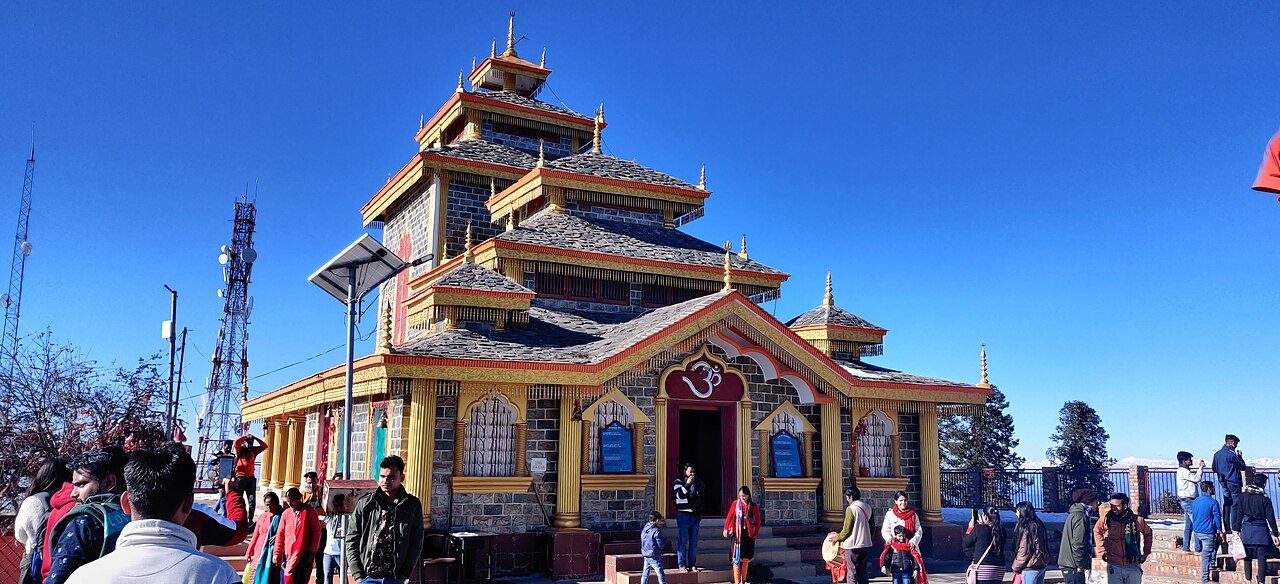
Surkanda Devi Temple stands on a peak of about 2,750 metres near Dhanaulti and is one of the Shakti Peethas, said to mark where Sati's head fell. A steep paved path of roughly two kilometres climbs from the roadside village of Kaddukhal; a ropeway now also runs to the top. The summit gives a full circle of views, from the Himalayan snows to the Doon valley.
Best weather: Apr – MayHeavy rain: Jul – Aug
Seasons from 20 years of NASA POWER climate data.
Was this trip blog helpful?
0
0
Ready to follow this route?
Copy all 12 stops into your trip plans in the app.
 WaTrips