North Karnataka's Deccan sultanate trail: the hill forts of Raichur and Yadgir, Gulbarga, Bidar's fort, madrasa and Bahmani tombs.
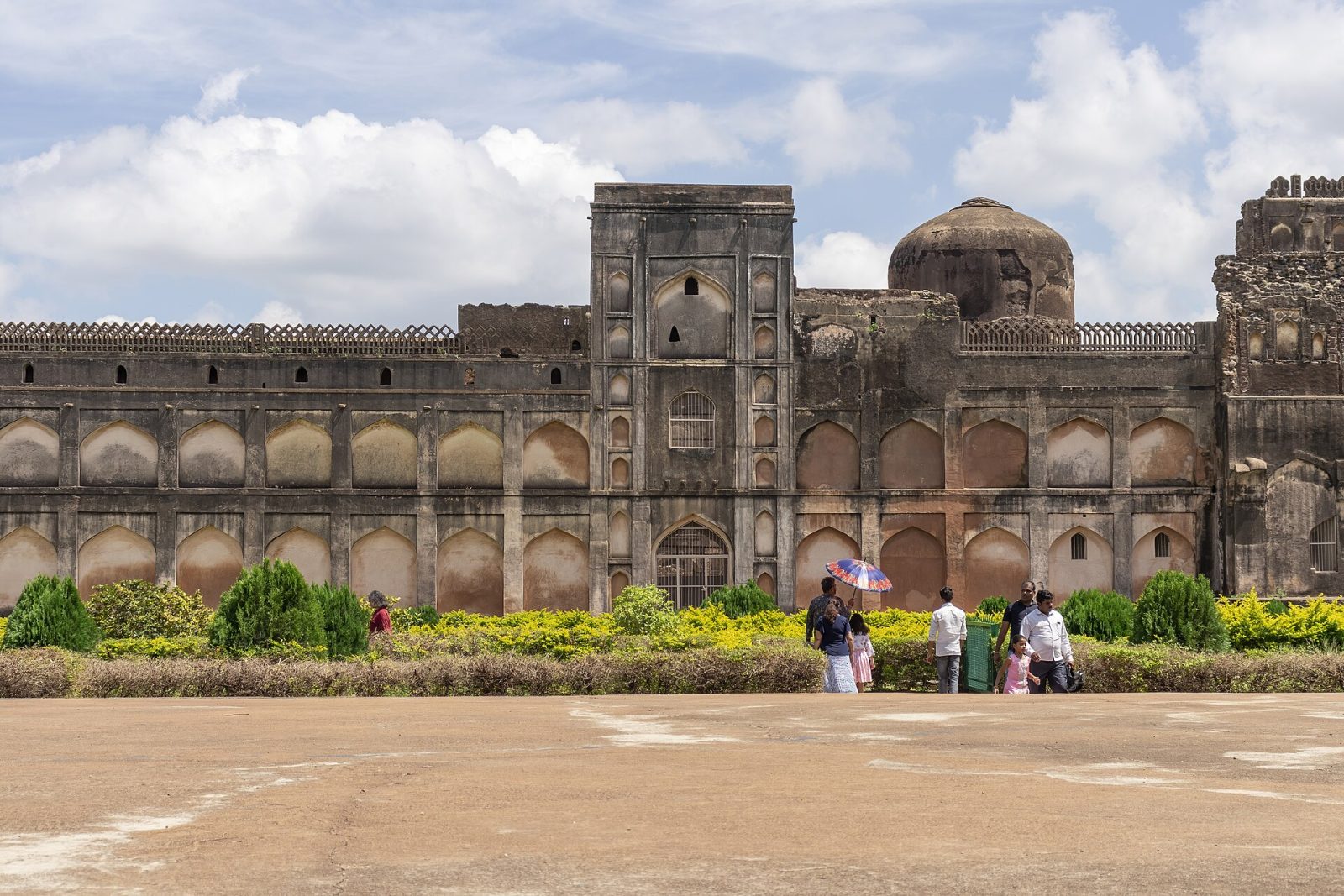
Far from the usual tourist routes, Karnataka's north-east is full of forts and tombs from the Deccan sultanates. Day one covers Raichur Fort and the hilltop fort at Yadgir. Day two is Kalaburagi (Gulbarga), the first Bahmani capital, with its fort, its unusual roofed mosque and the Khwaja Bande Nawaz Dargah. On day three, explore Bidar Fort, the ruins of the Mahmud Gawan Madrasa with its coloured tiles, and the domed Bahmani tombs at Ashtur. On the last morning visit the Gurudwara Nanak Jhira Sahib, linked to Guru Nanak's visit. It is hot and dry for most of the year, so go between November and February and carry plenty of water.
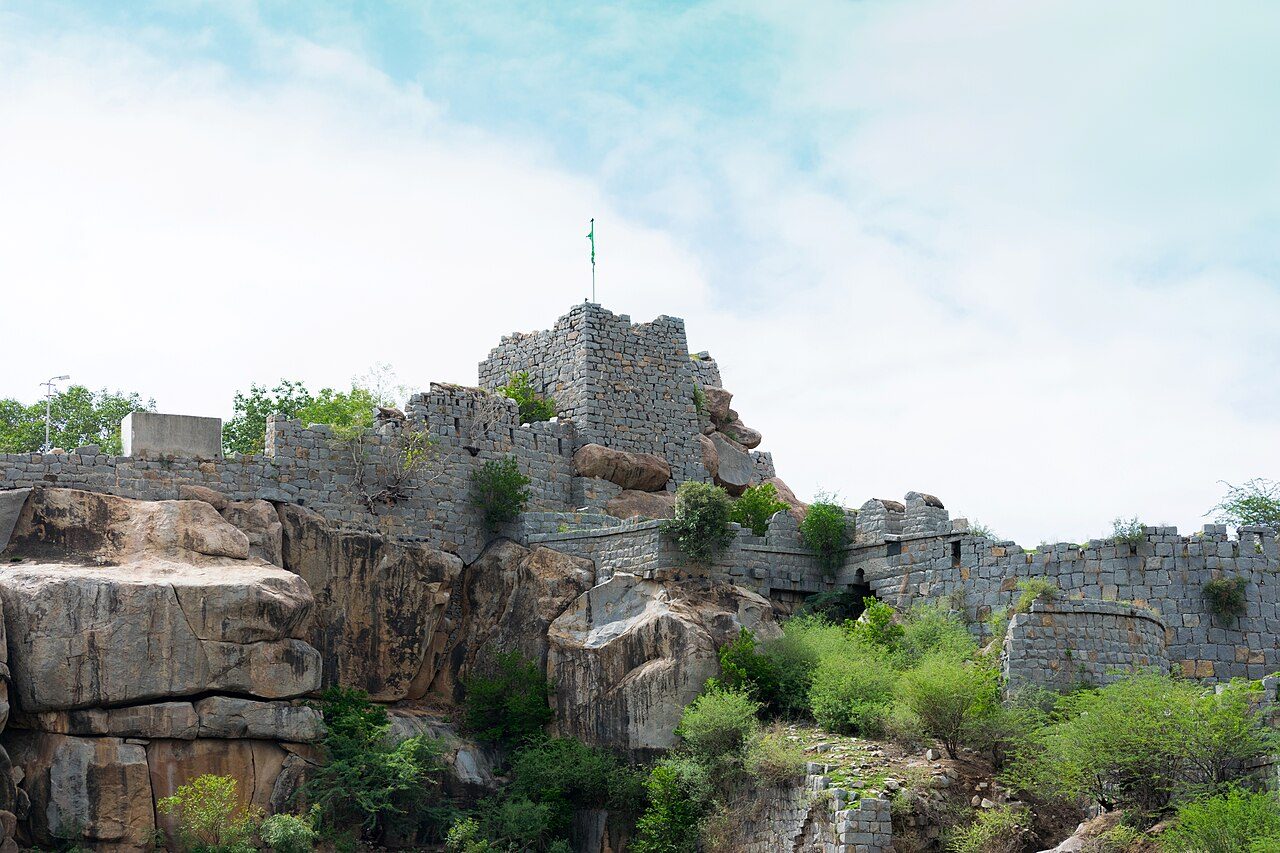
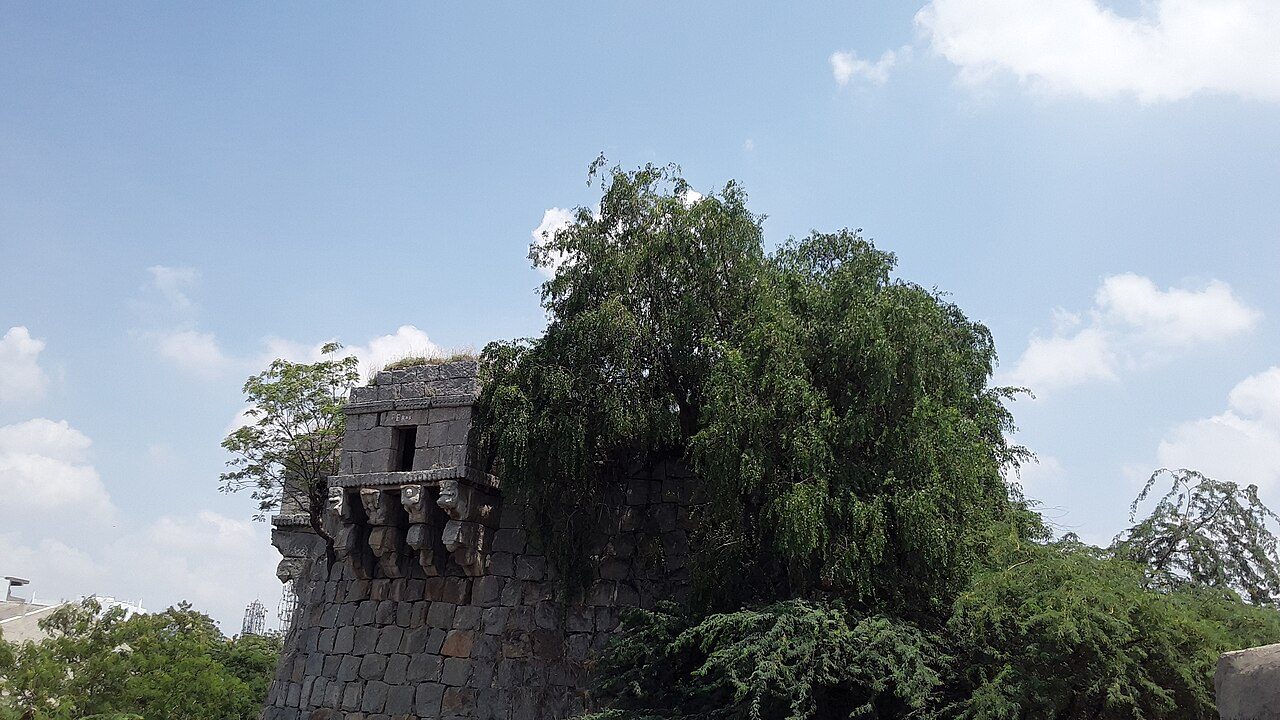
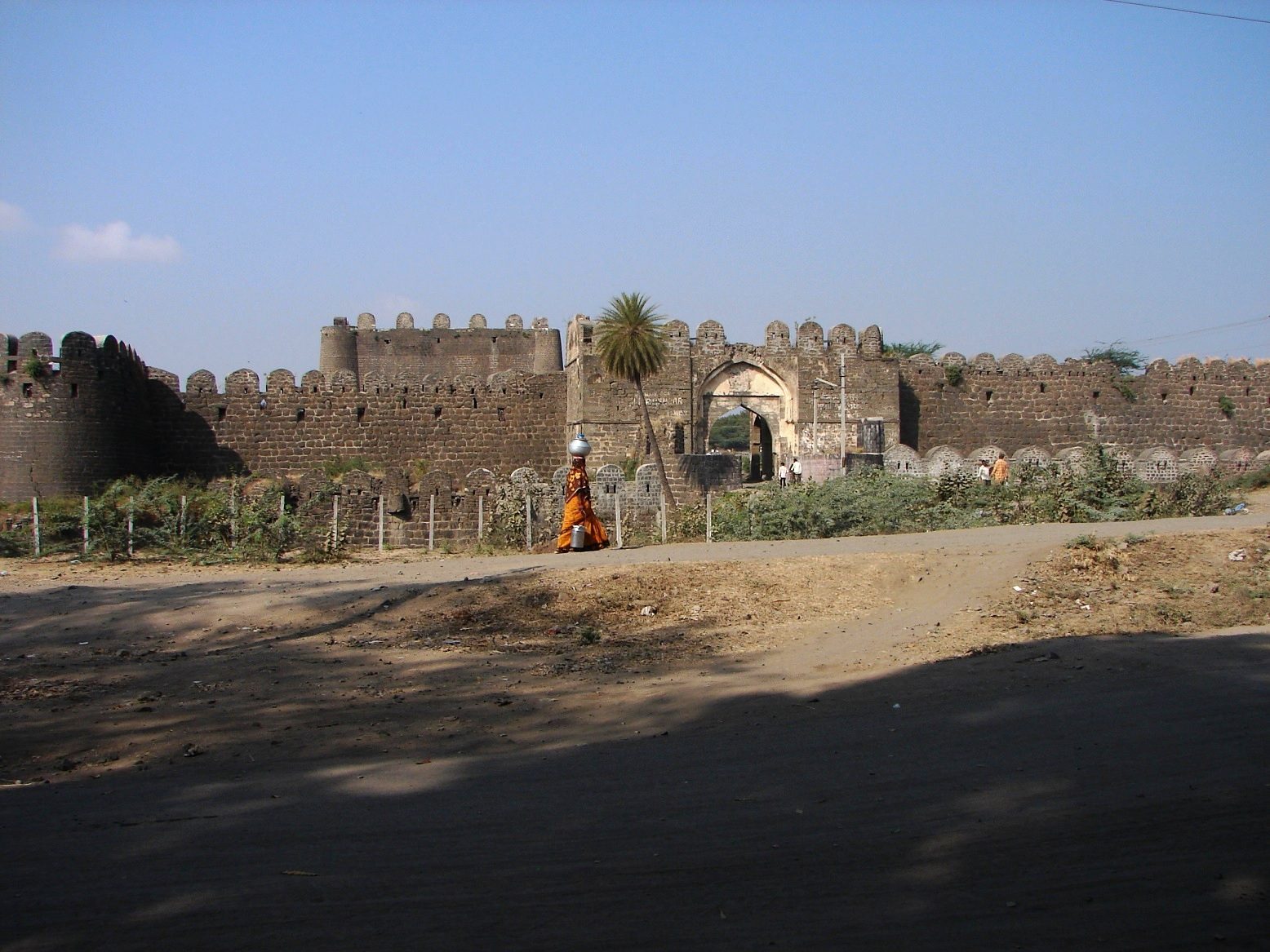
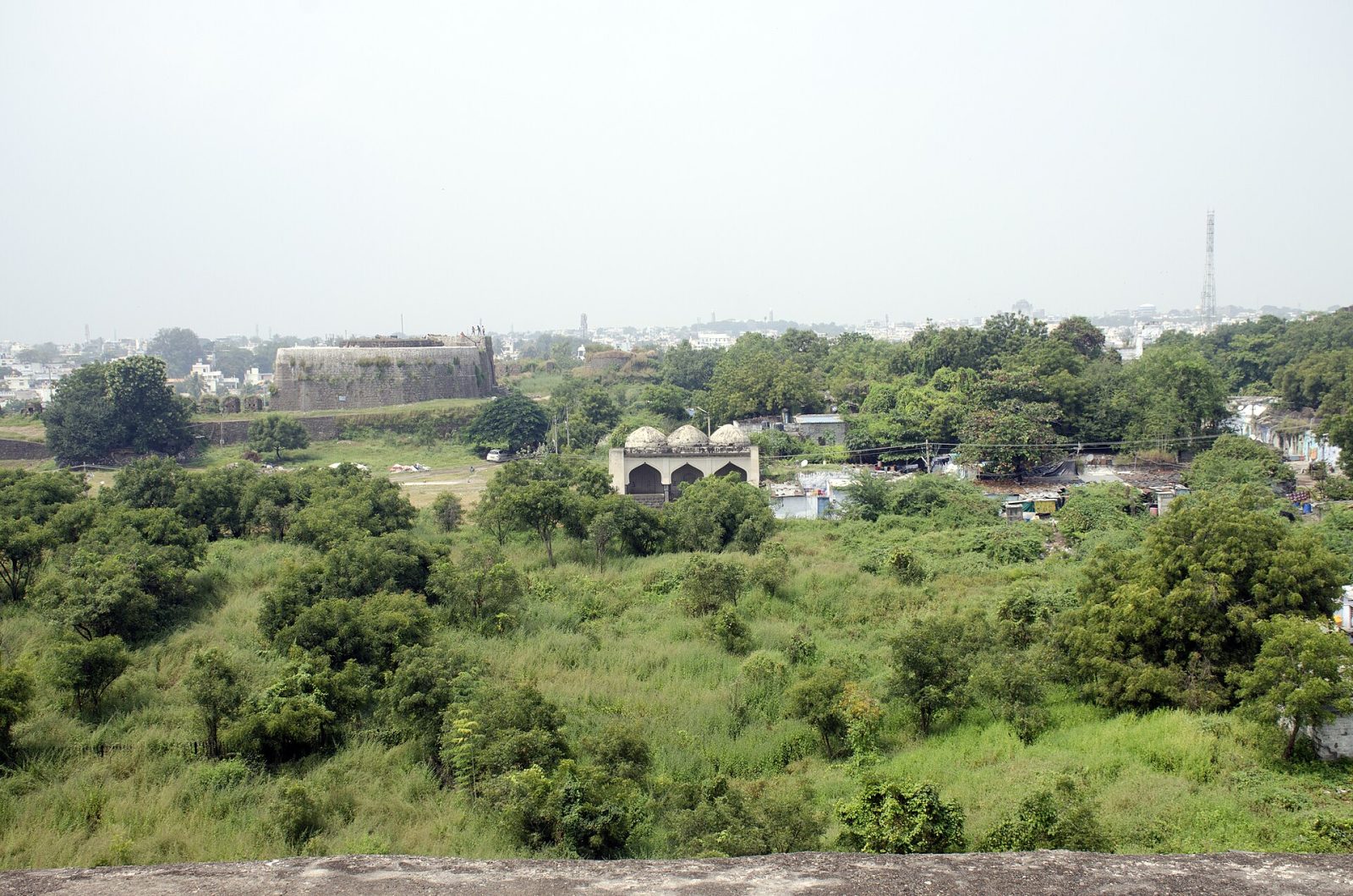
Built in the 13th century by the Kakatiya rulers, Raichur Fort stands on a hill above the city, with double walls, gateways and an inscription on a slab more than 12 metres long recording its construction. It was fought over for centuries by the Vijayanagara kings and the Bahmani and Bijapur Sultans. The climb gives wide views over Raichur.
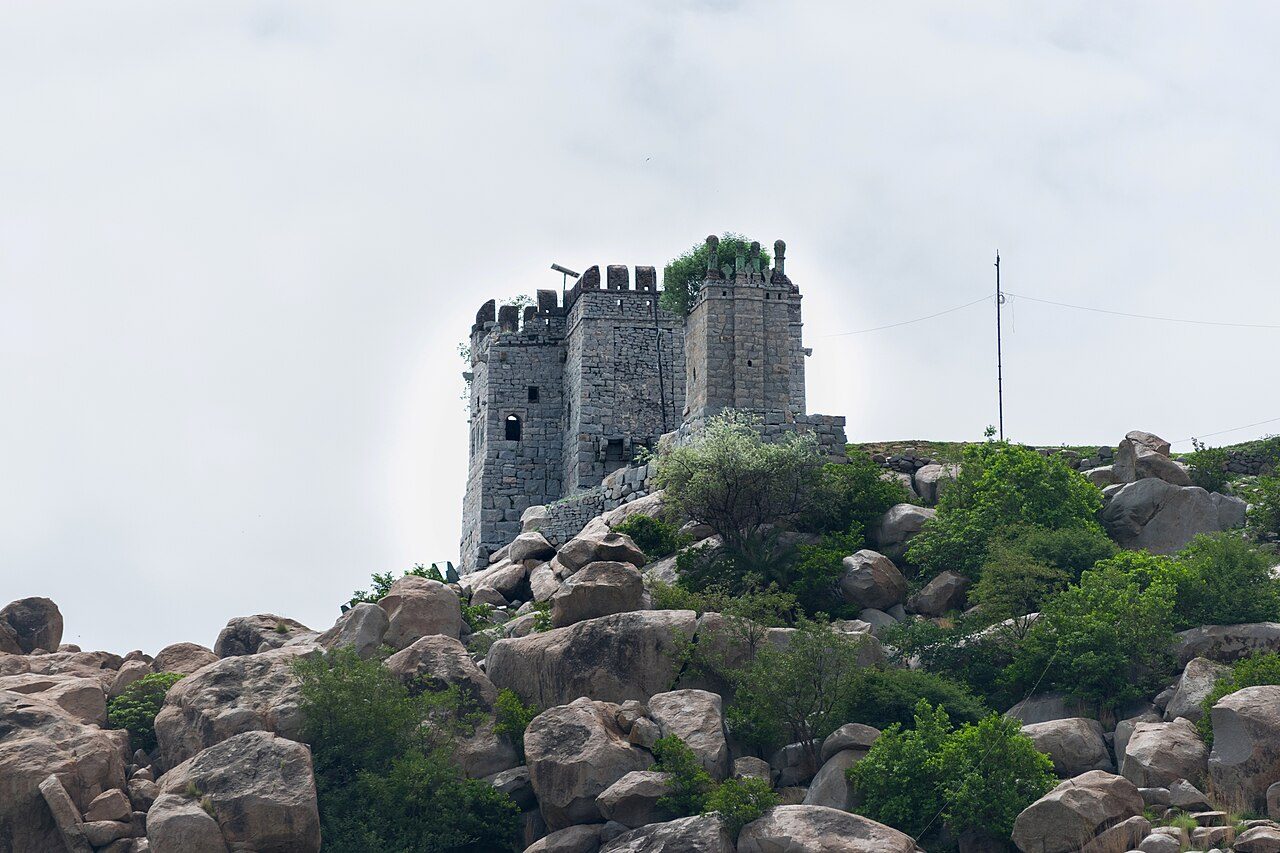
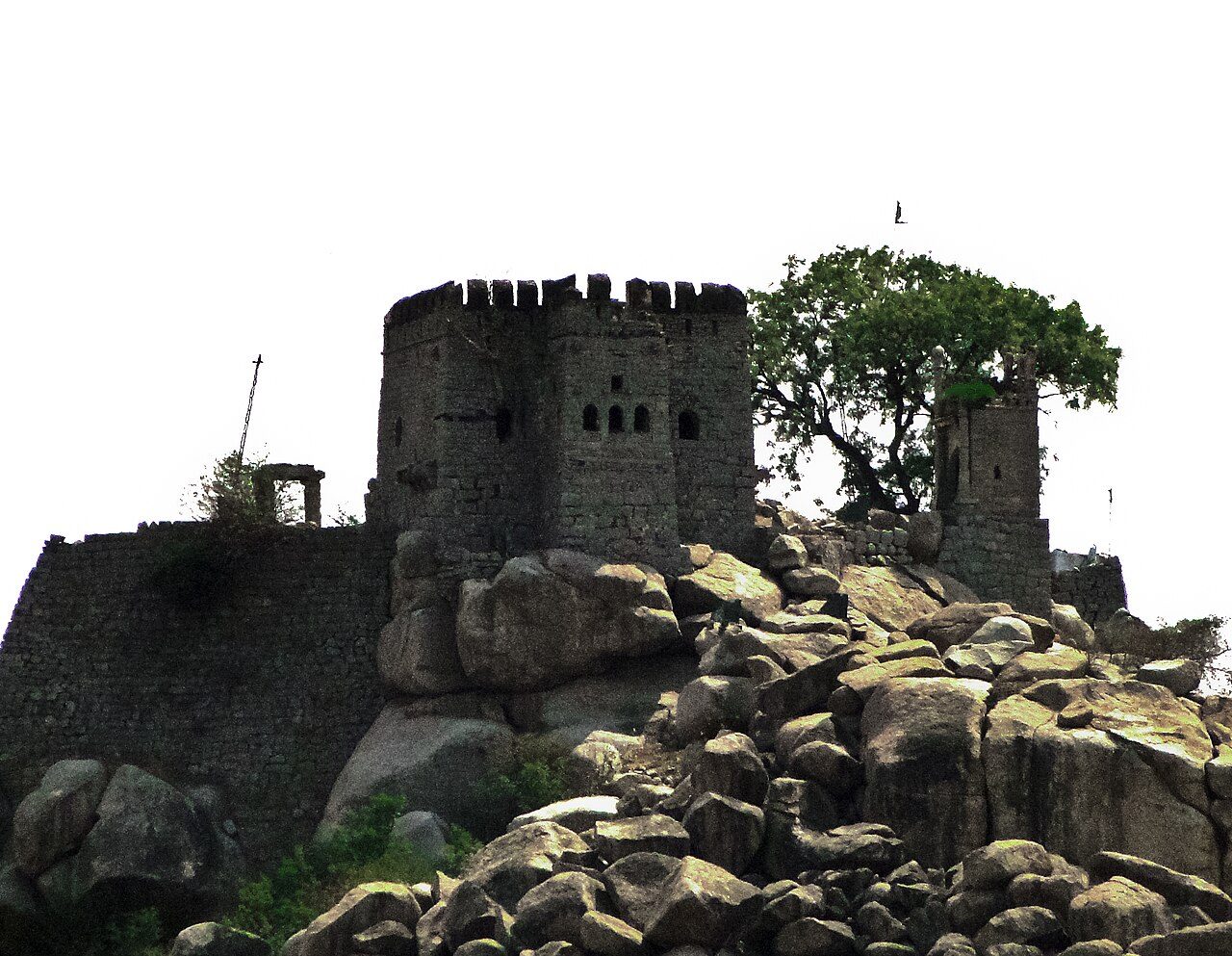
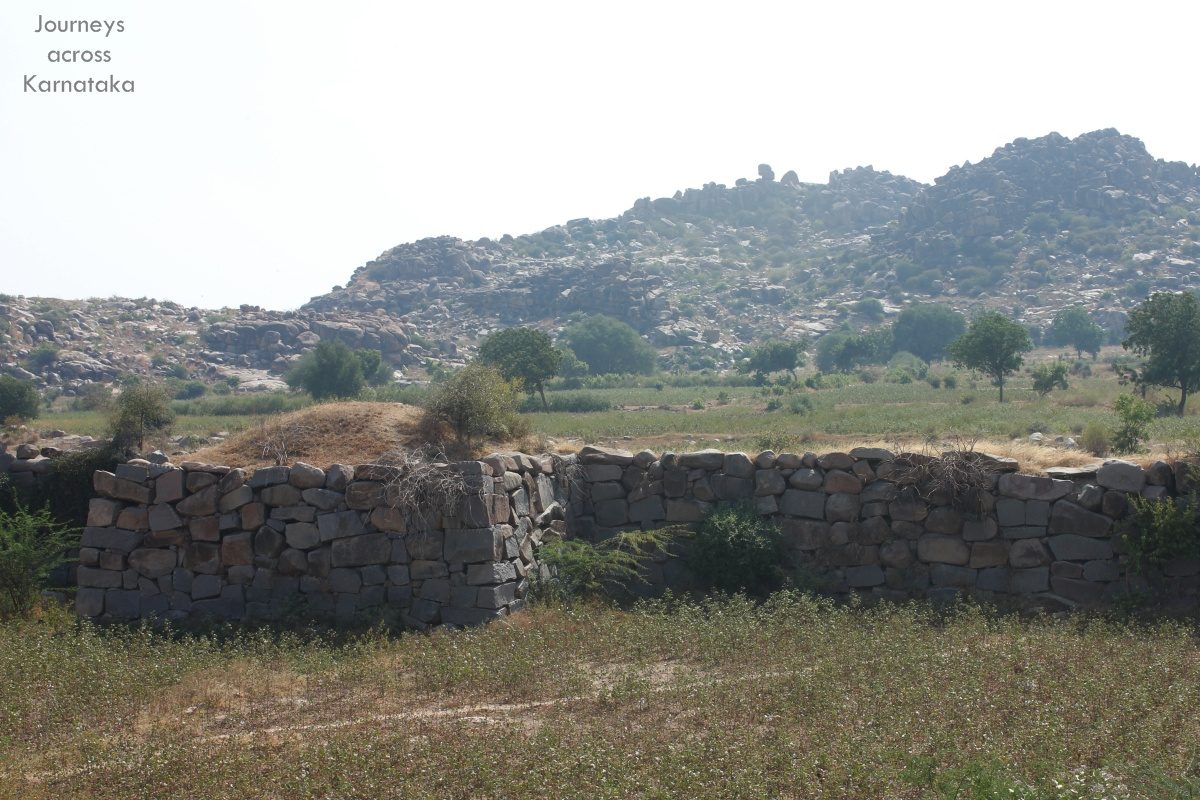
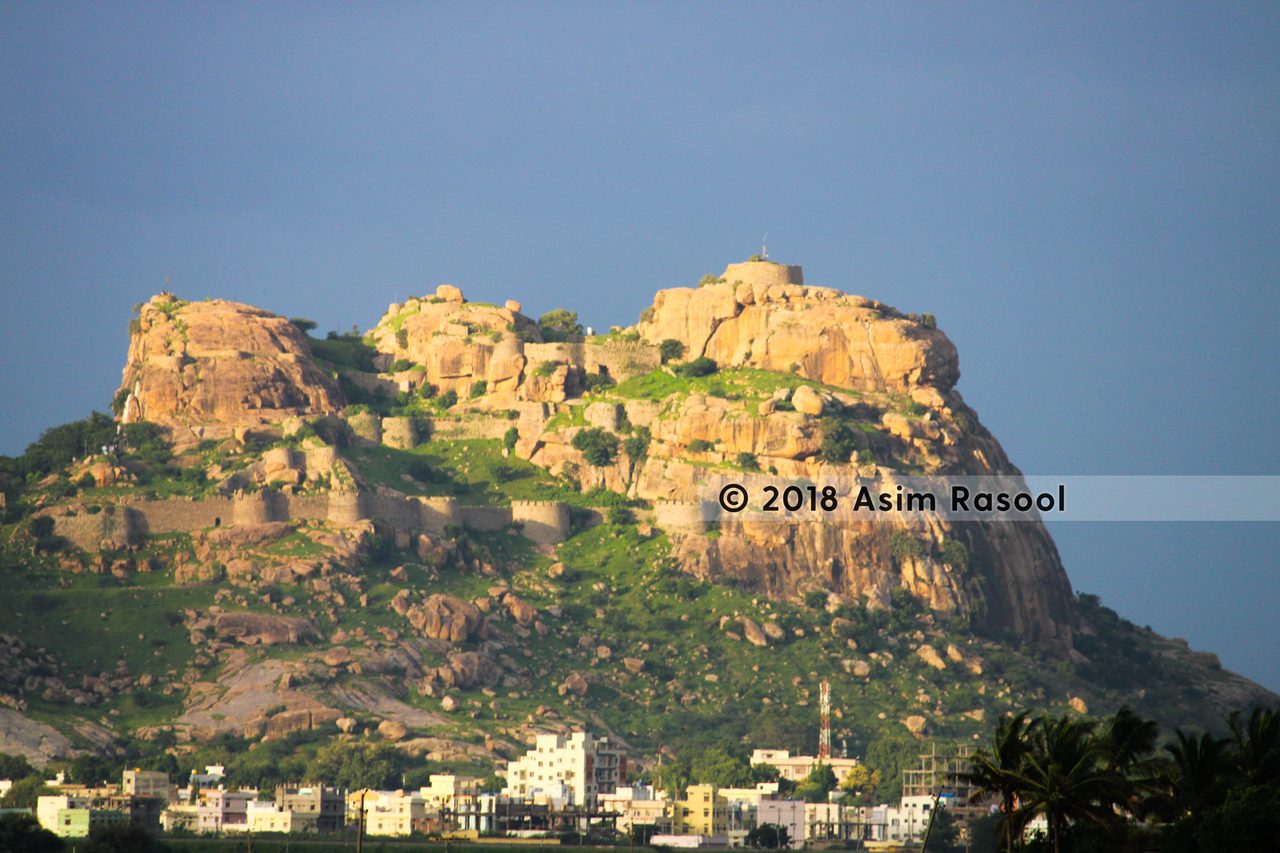
Built on a granite hill above Yadgir, the fort dates back to the Kalyani Chalukyas and was later strengthened by the Bahmani and Bijapur Sultans. Remains of walls, gateways, cannon and water tanks survive on the hill, with views over the town and the Bhima river.
03
STOP 3 OF 8
Gulbarga Fort
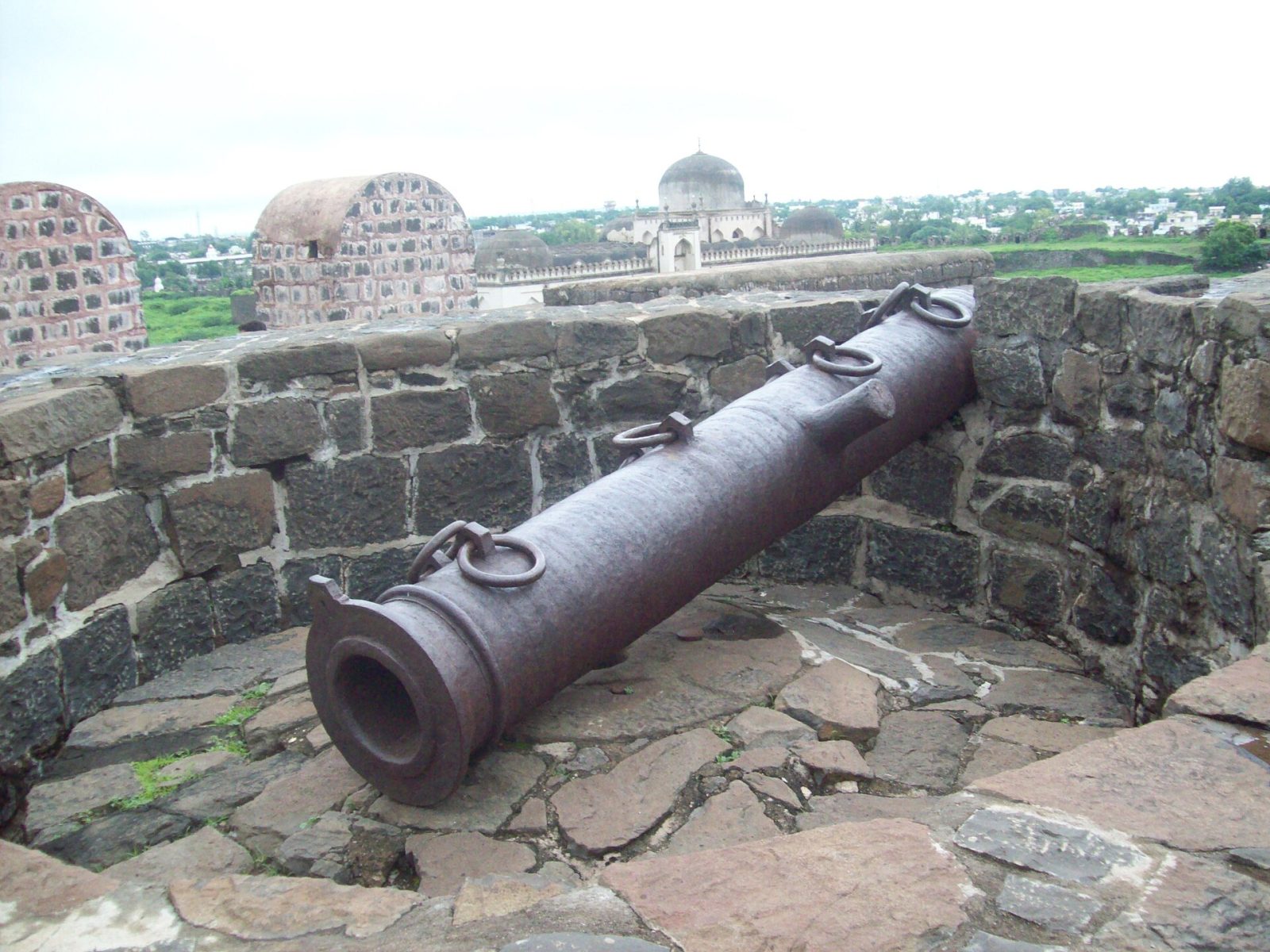
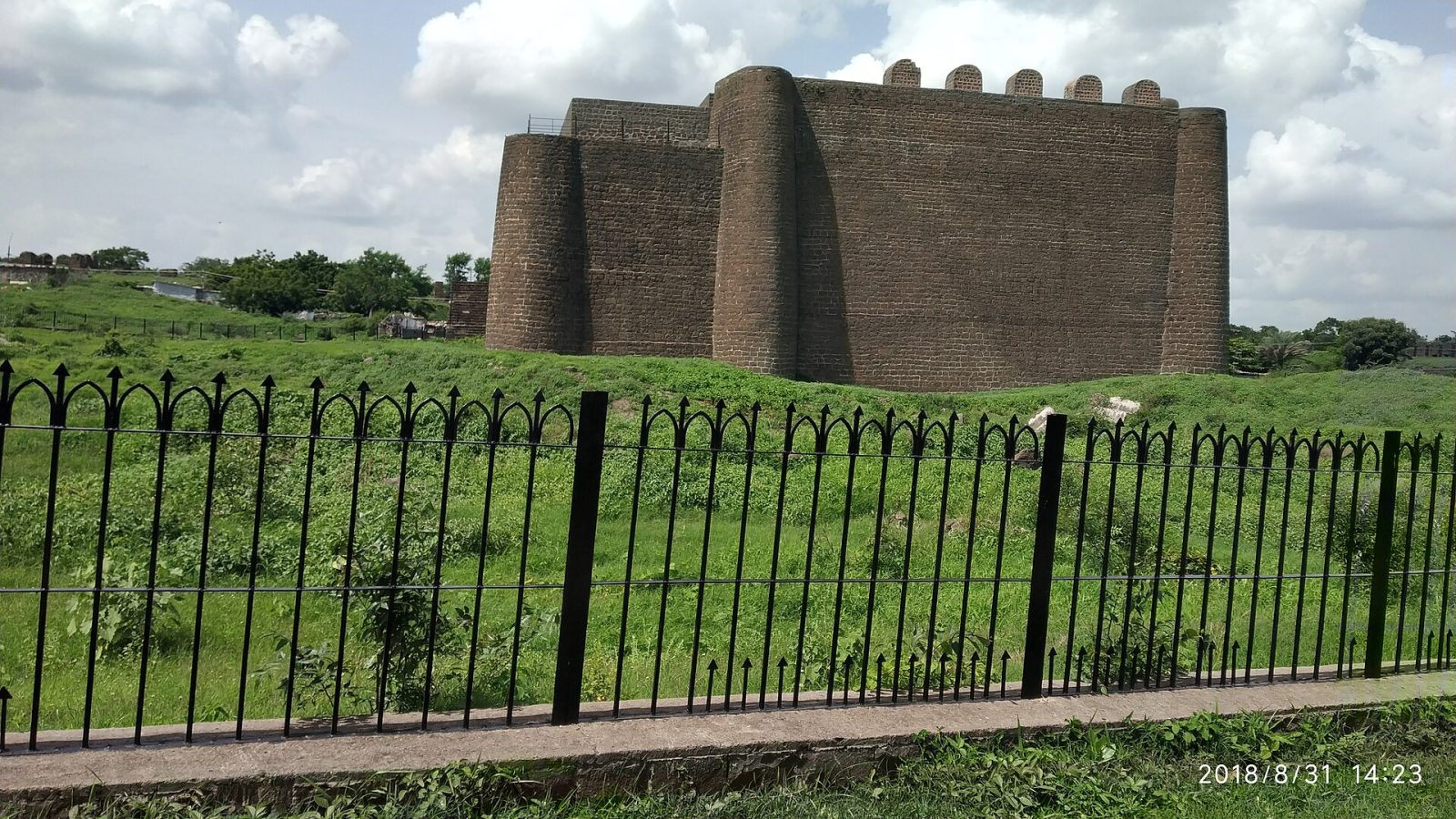
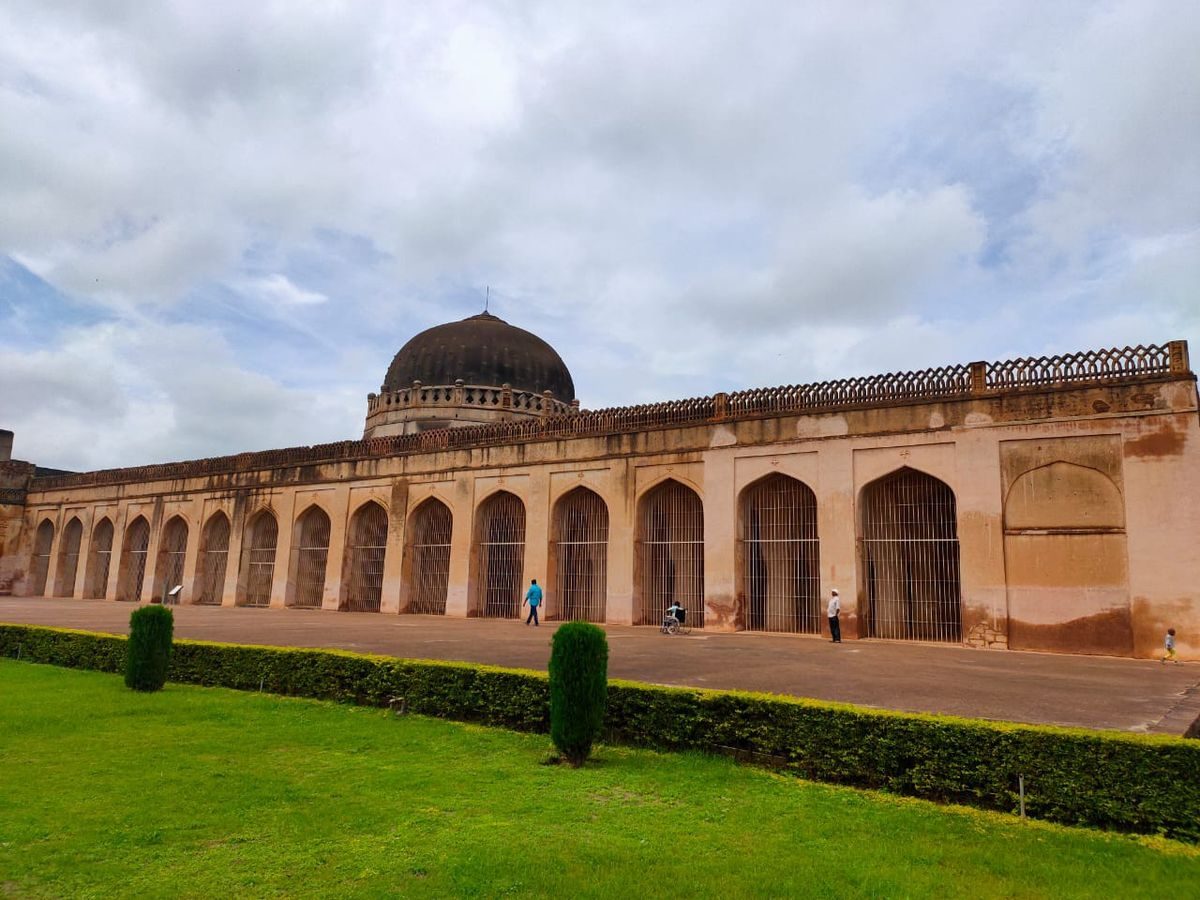
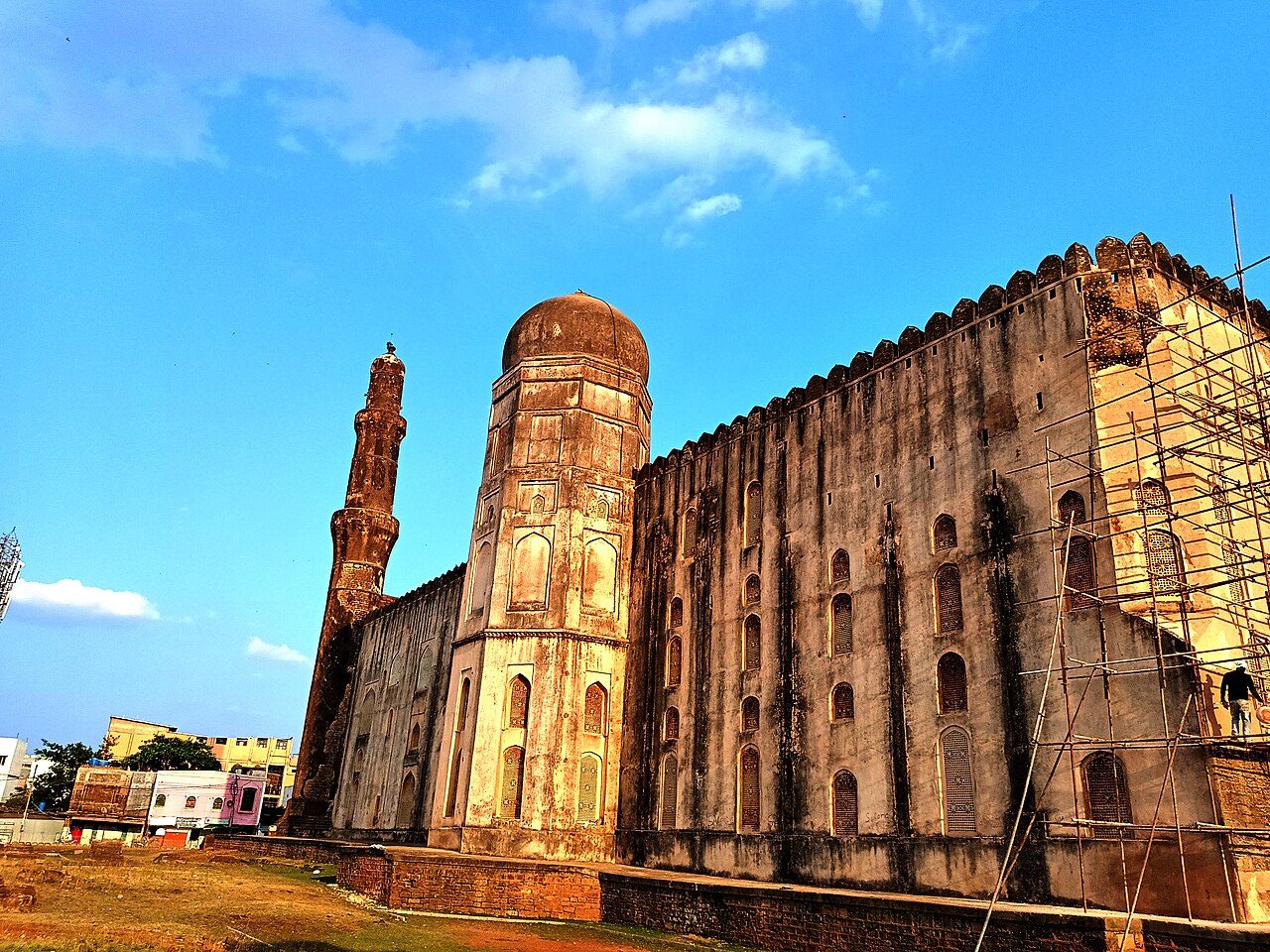
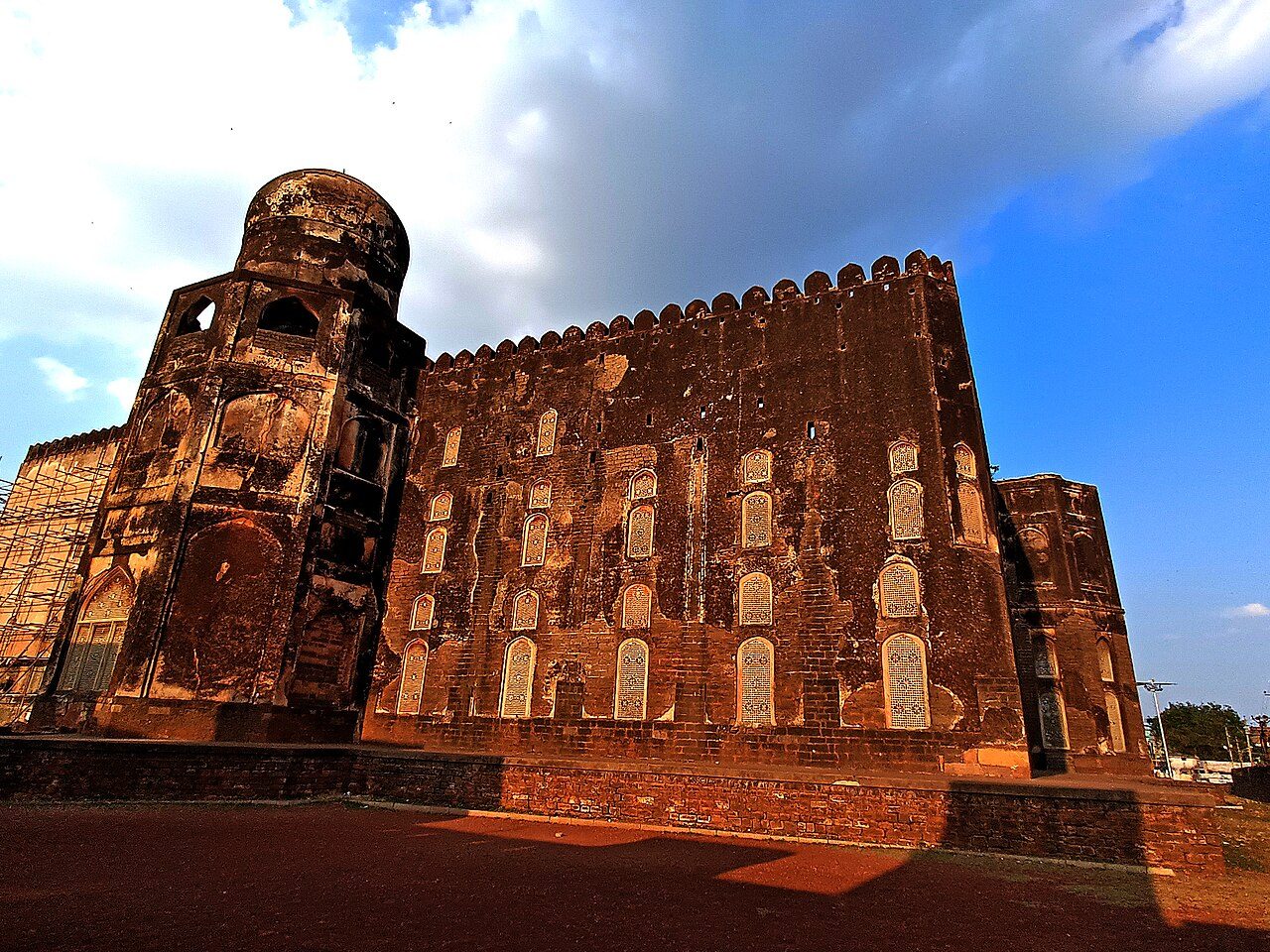
Gulbarga Fort in Kalaburagi was built in the 14th century when Alauddin Hasan Bahman Shah made the city the first capital of the Bahmani Sultanate. Its walls, double moat and bastions enclose a large area, and one of the cannons on the ramparts is among the biggest medieval guns in India. Inside stands the Jama Masjid of 1367, unusual in India because its entire courtyard is roofed with domes rather than left open, a design said to follow the great mosque of Cordoba. Much of the fort is ruined but the mosque is intact and still striking. The dargah of Khwaja Bande Nawaz, a major Sufi shrine, is a short distance away in the city.
04
STOP 4 OF 8
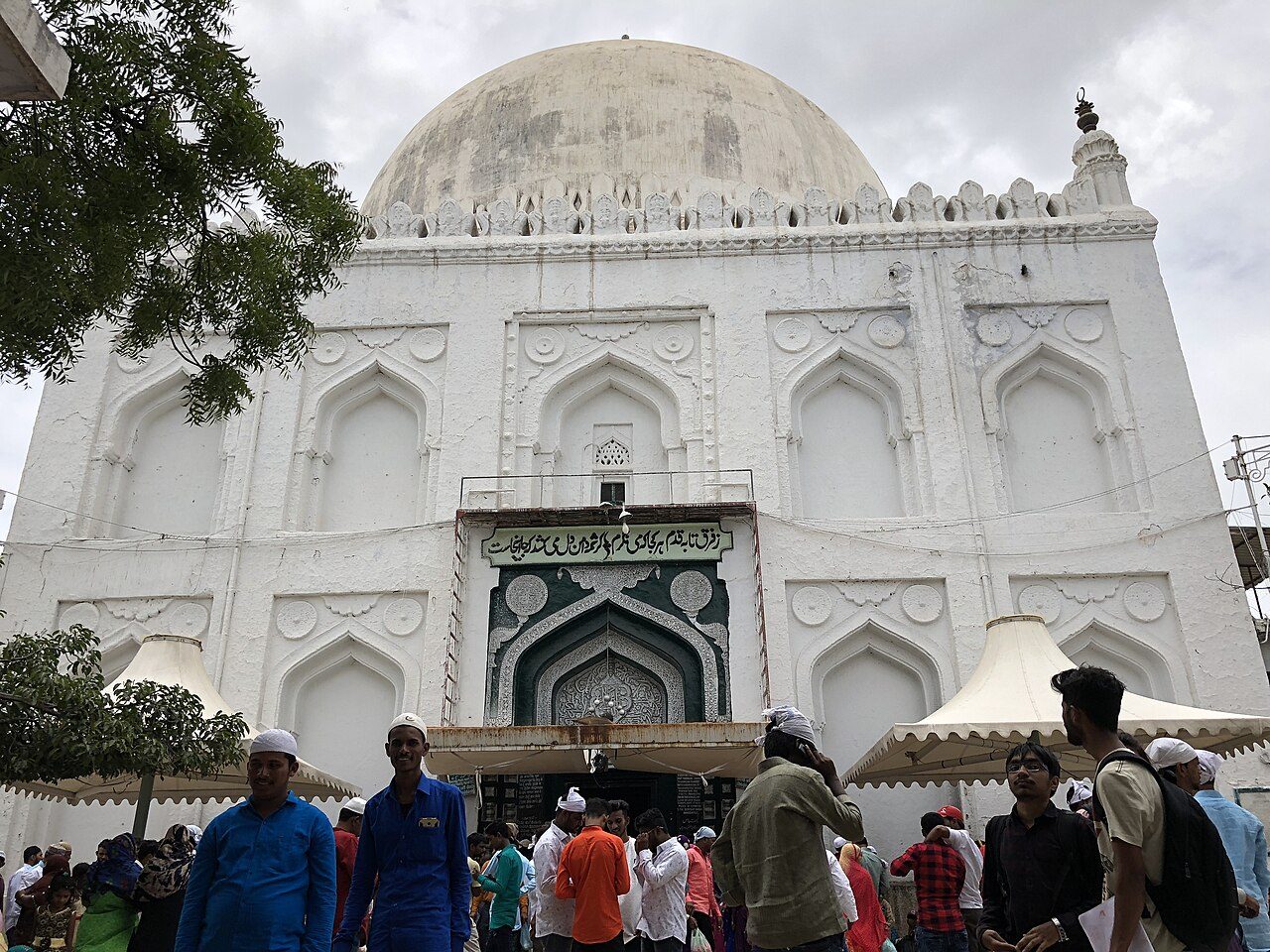
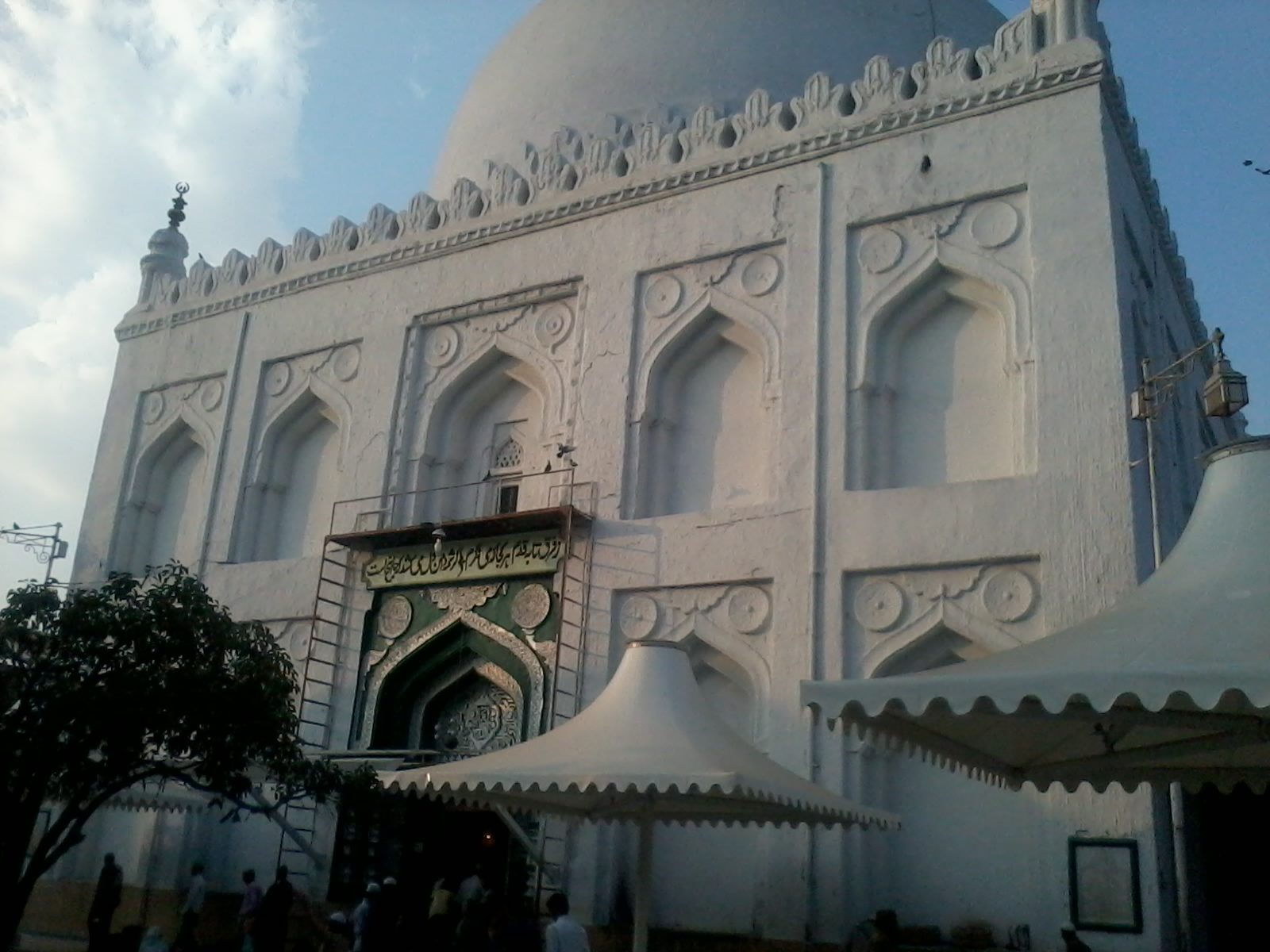
Khwaja Bande Nawaz Dargah
The tomb of the Sufi saint Khwaja Bande Nawaz Gesu Daraz, who came to Kalaburagi in the early 15th century at the invitation of the Bahmani sultan. The dargah complex combines Bahmani architecture with painted domes, and its annual urs draws devotees of all faiths. A library holds old manuscripts in Persian, Arabic and Urdu.
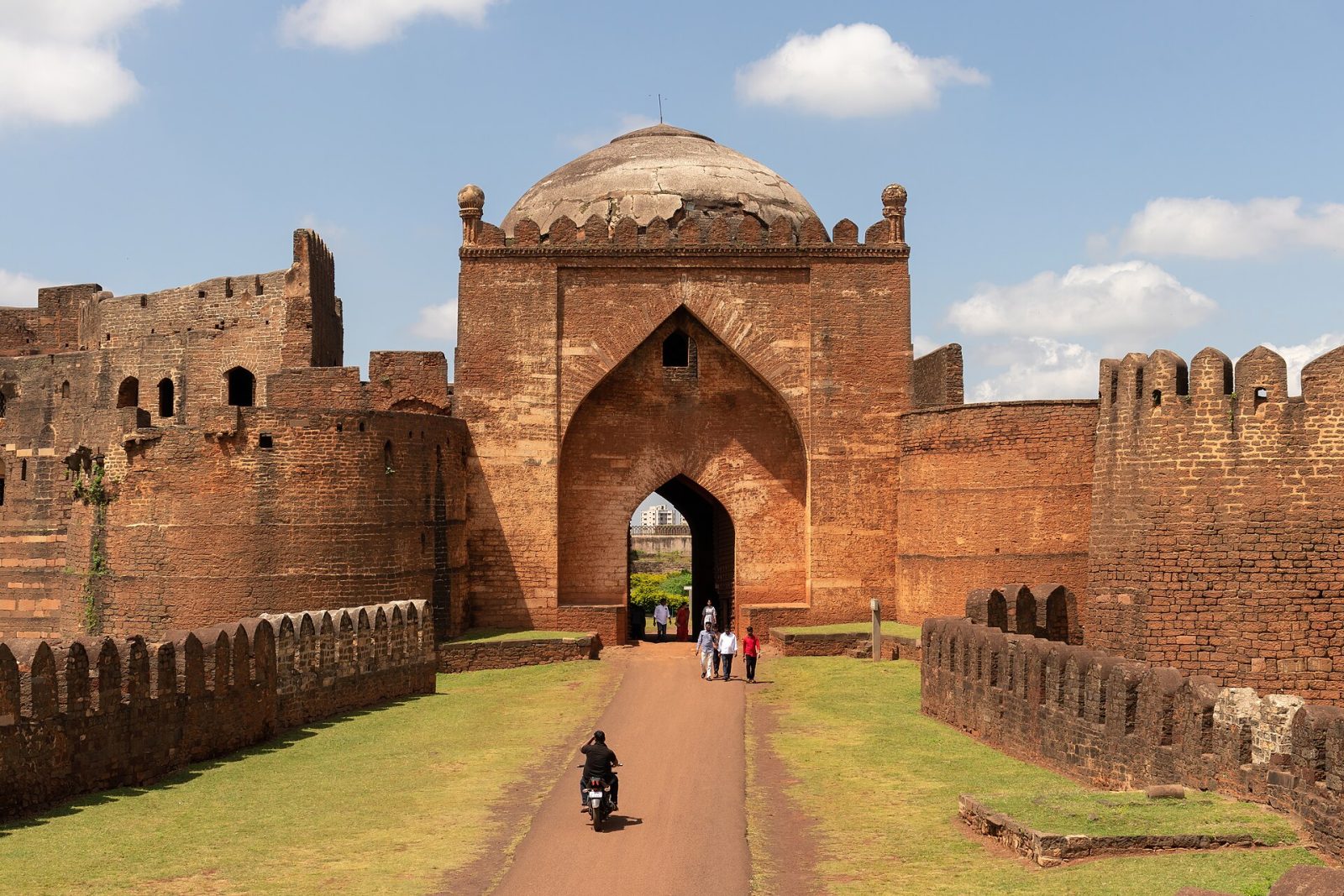
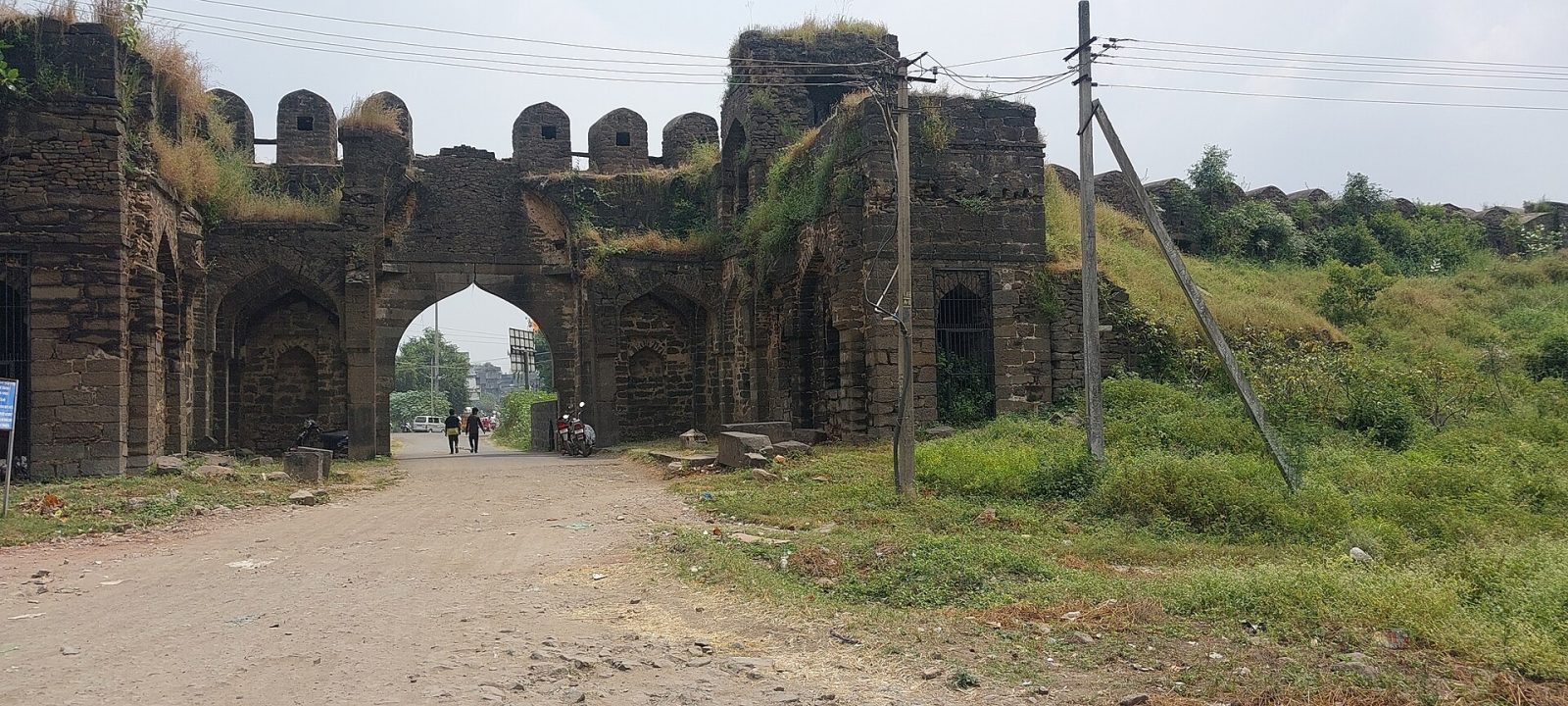
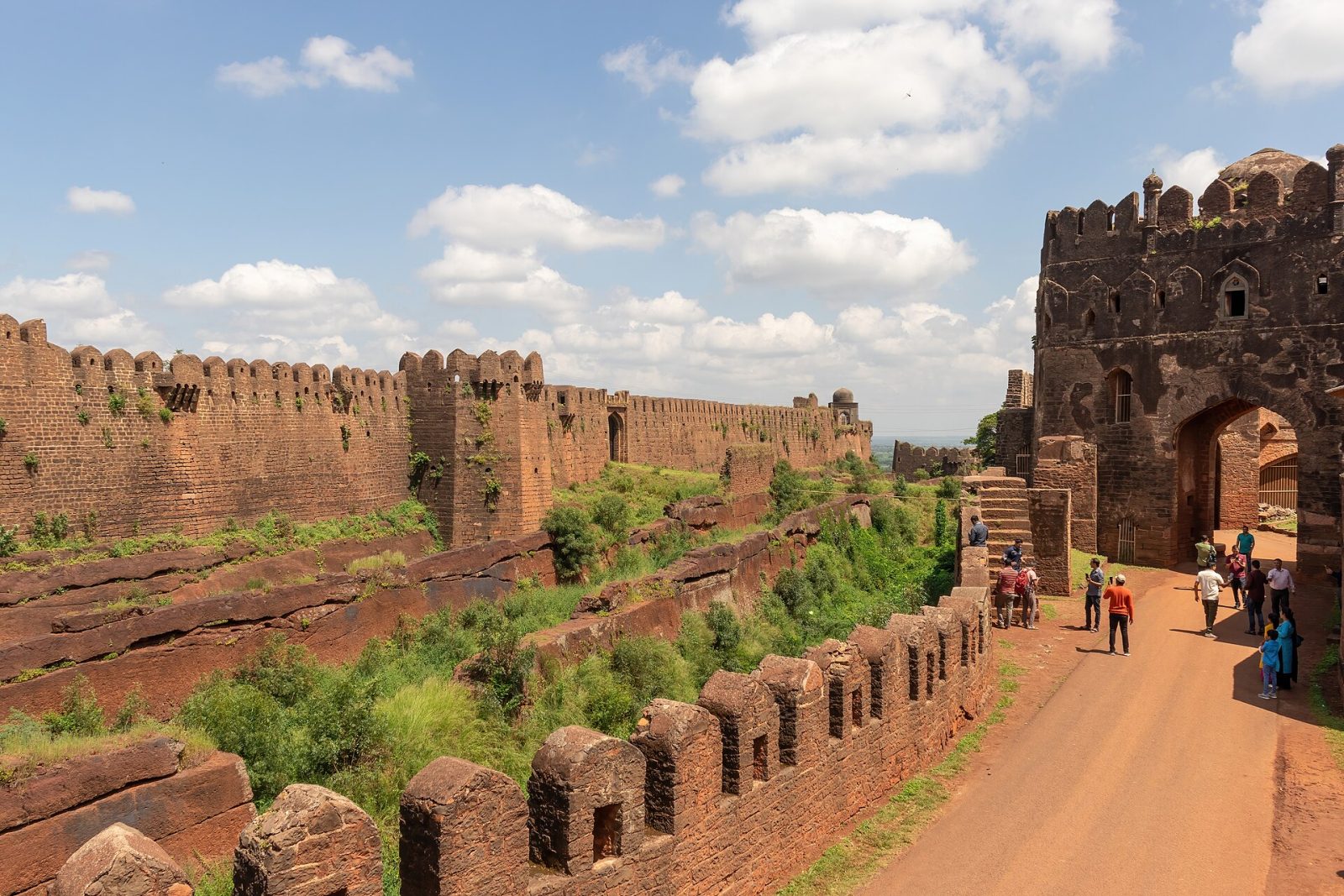
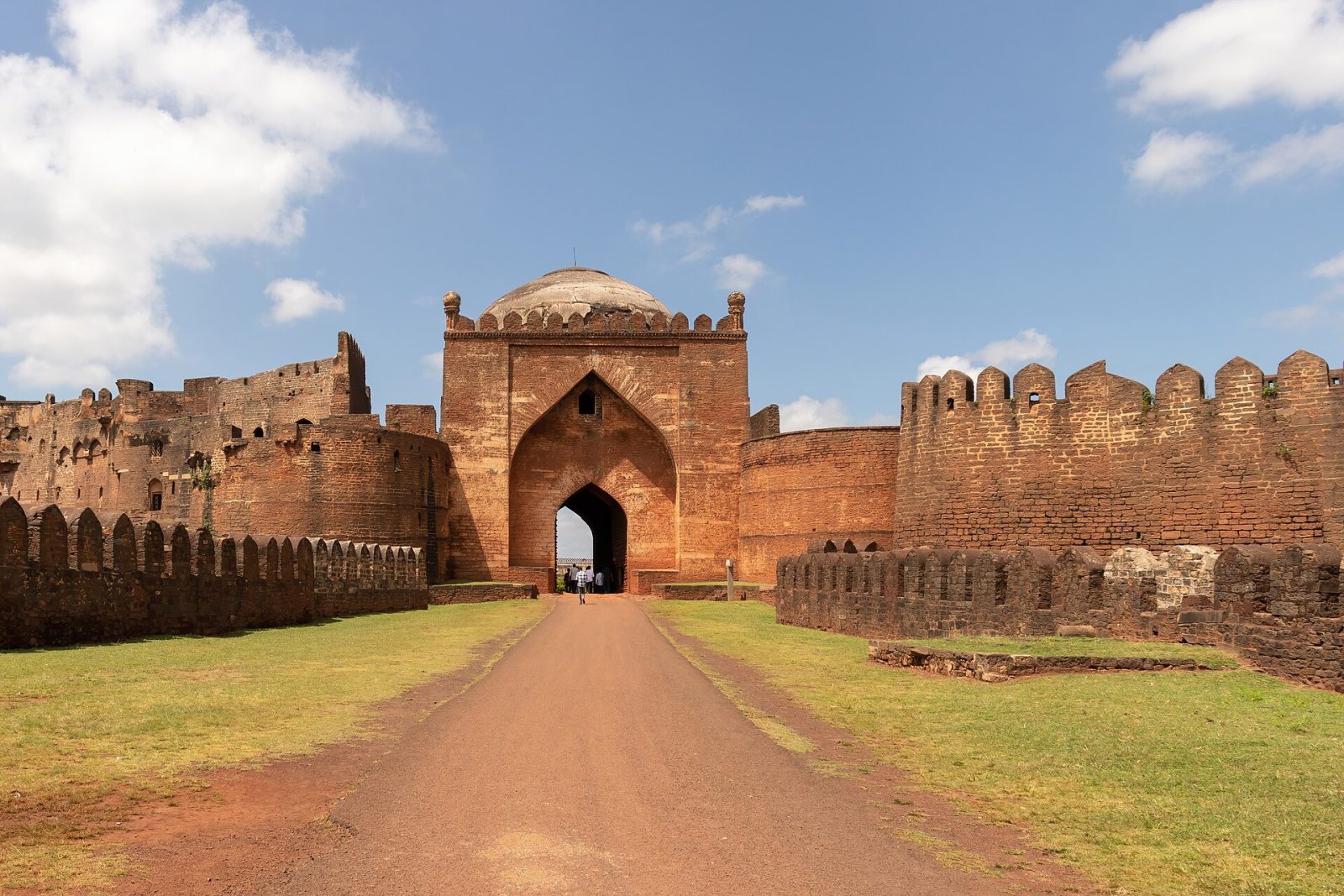
Bidar Fort stands on a red laterite plateau in north Karnataka, rebuilt by Sultan Ahmad Shah Bahmani in 1428 when he moved his capital here from Gulbarga. It is one of the largest forts in the Deccan, with a triple moat cut into rock, seven gates and more than thirty monuments inside, including the Rangin Mahal with its mother-of-pearl inlay and the sixteen-pillared Solah Khamba mosque. The Bahmani and later Barid Shahi rulers filled the city with madrasas, tombs and water systems, including the underground karez channels that still run beneath Bidar. The town is also the home of Bidriware, the black metal inlay craft named after it. Entry is free and the ramparts give long views over the plateau.
06
STOP 6 OF 8
Mahmud Gawan Madrasa
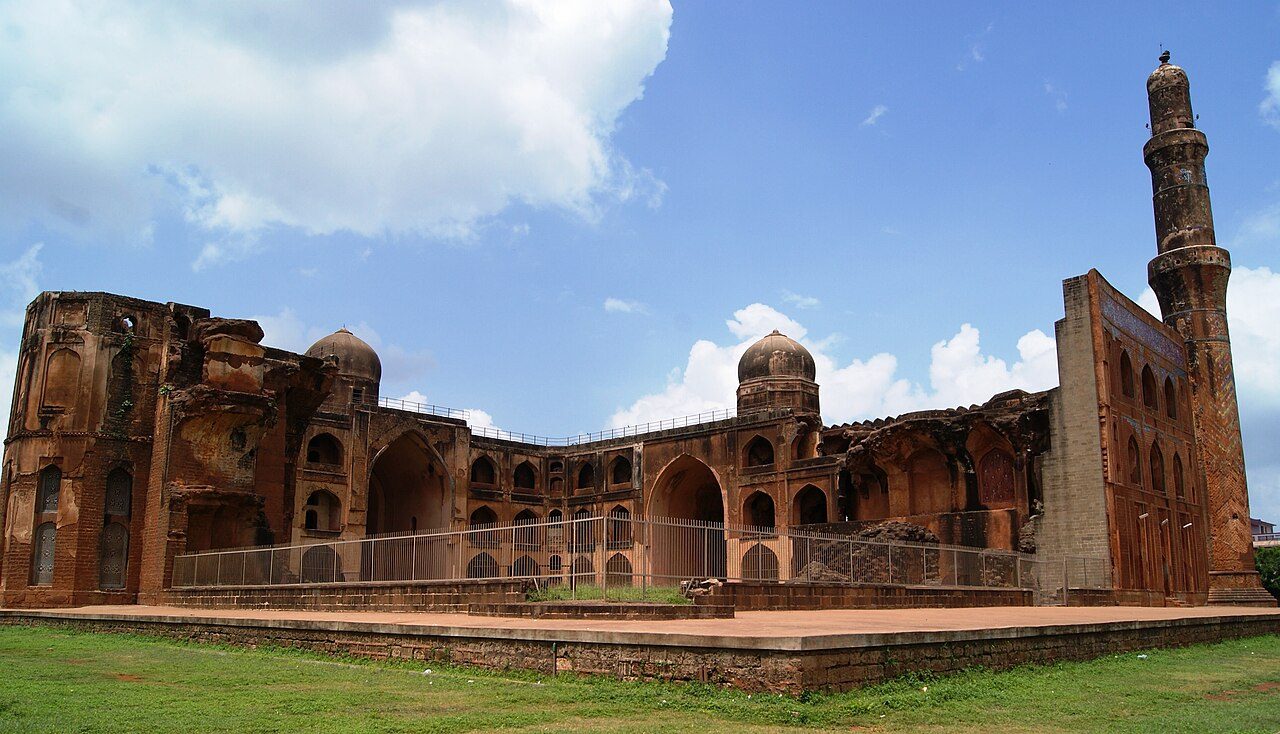
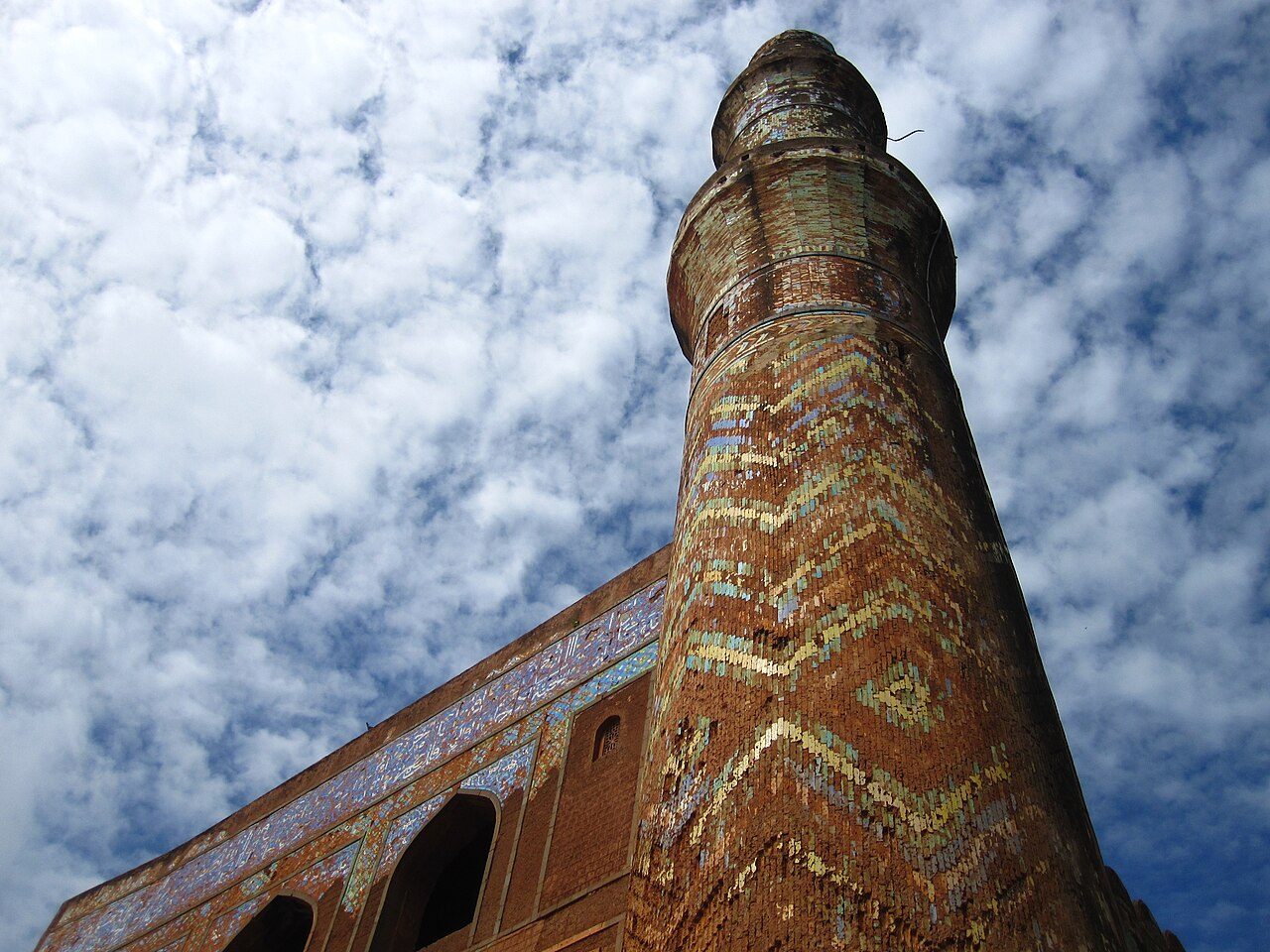
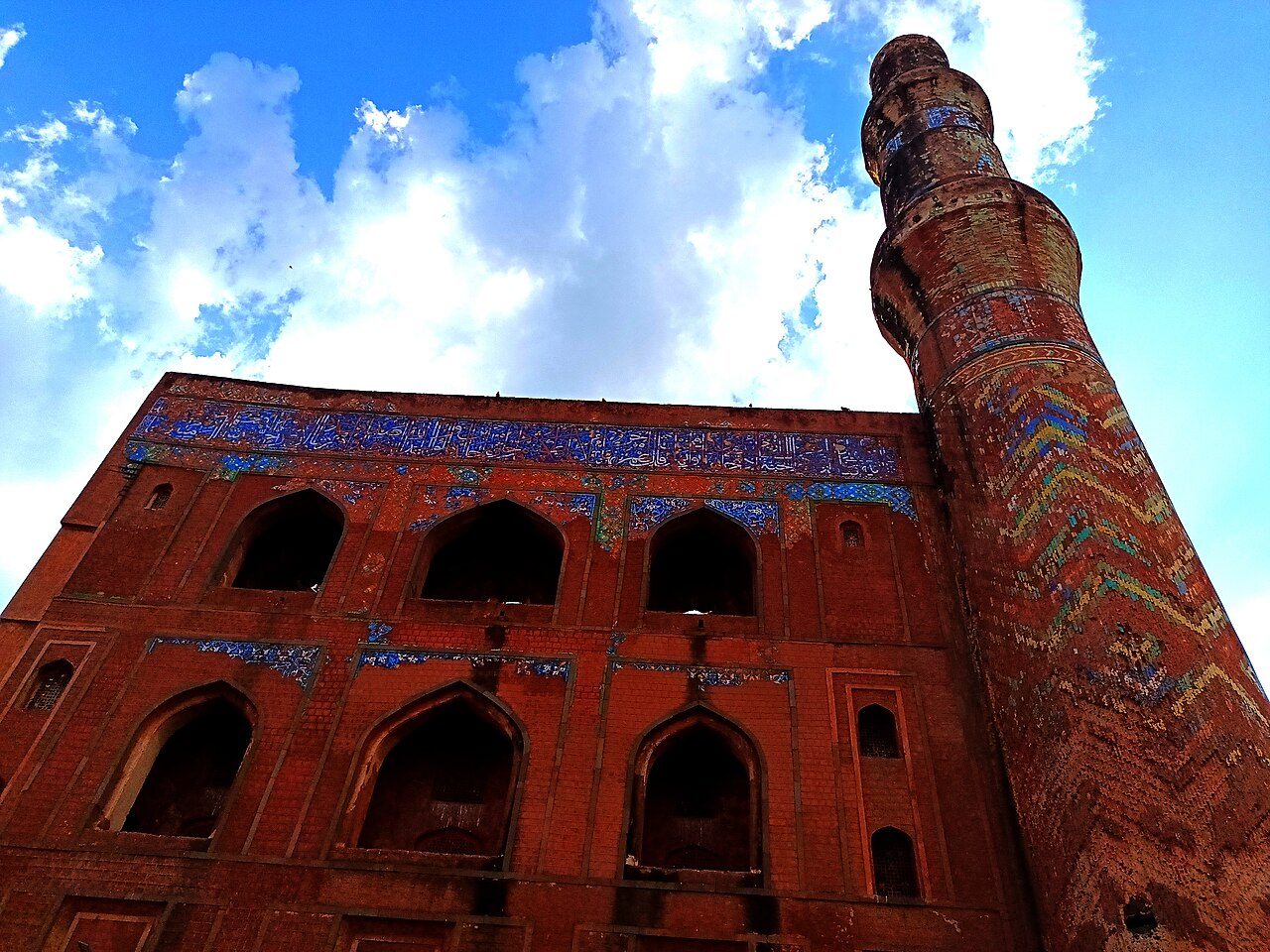
Built in 1472 by Mahmud Gawan, the chief minister of the Bahmani Sultanate, this madrasa in Bidar was one of the great centres of learning in the Islamic world, with lecture halls, a library and student rooms. Even in ruins, its tall minaret and the surviving glazed tiles on its façade show its former splendour.
07
STOP 7 OF 8
Bahmani Tombs Ashtur
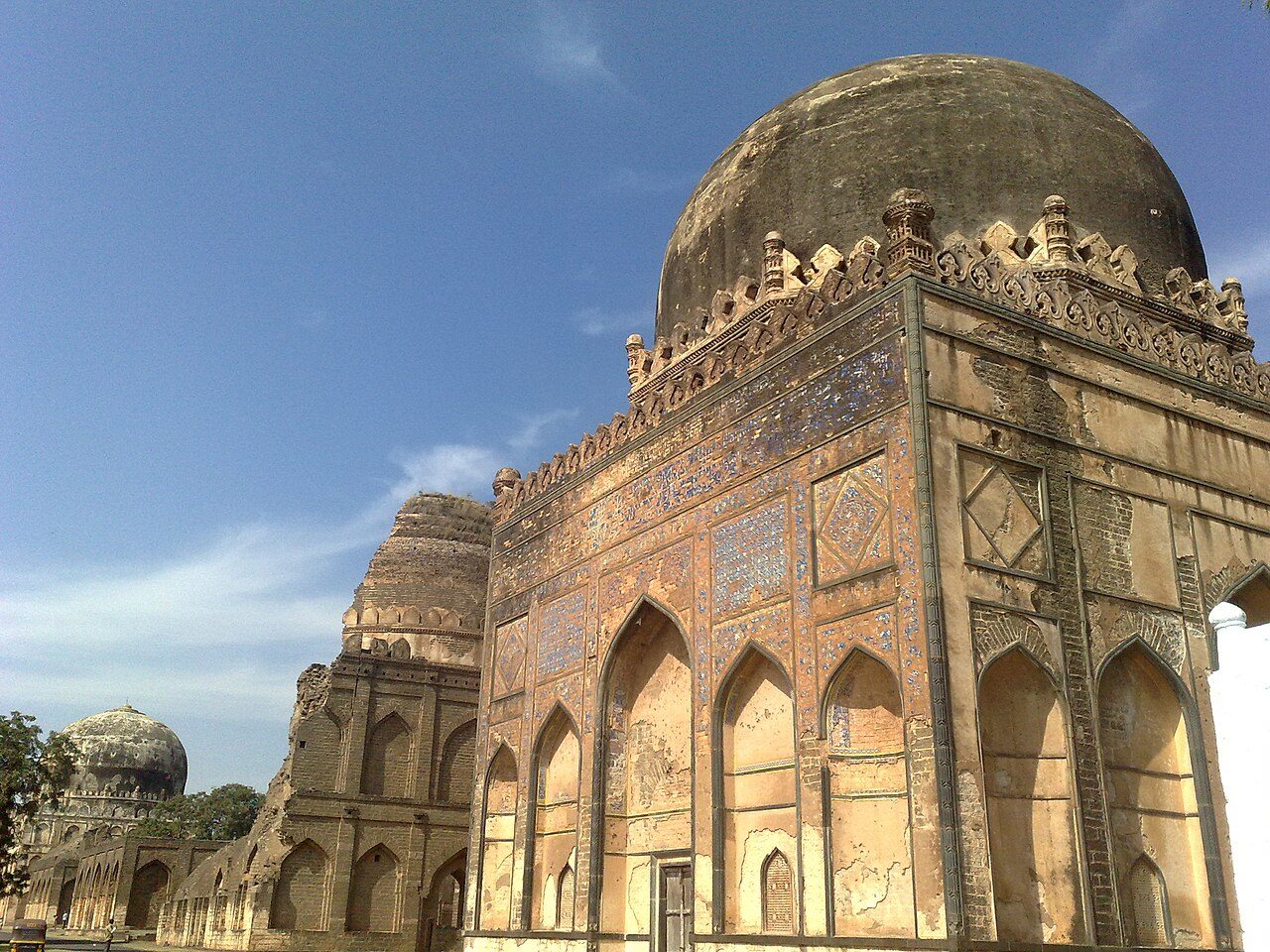
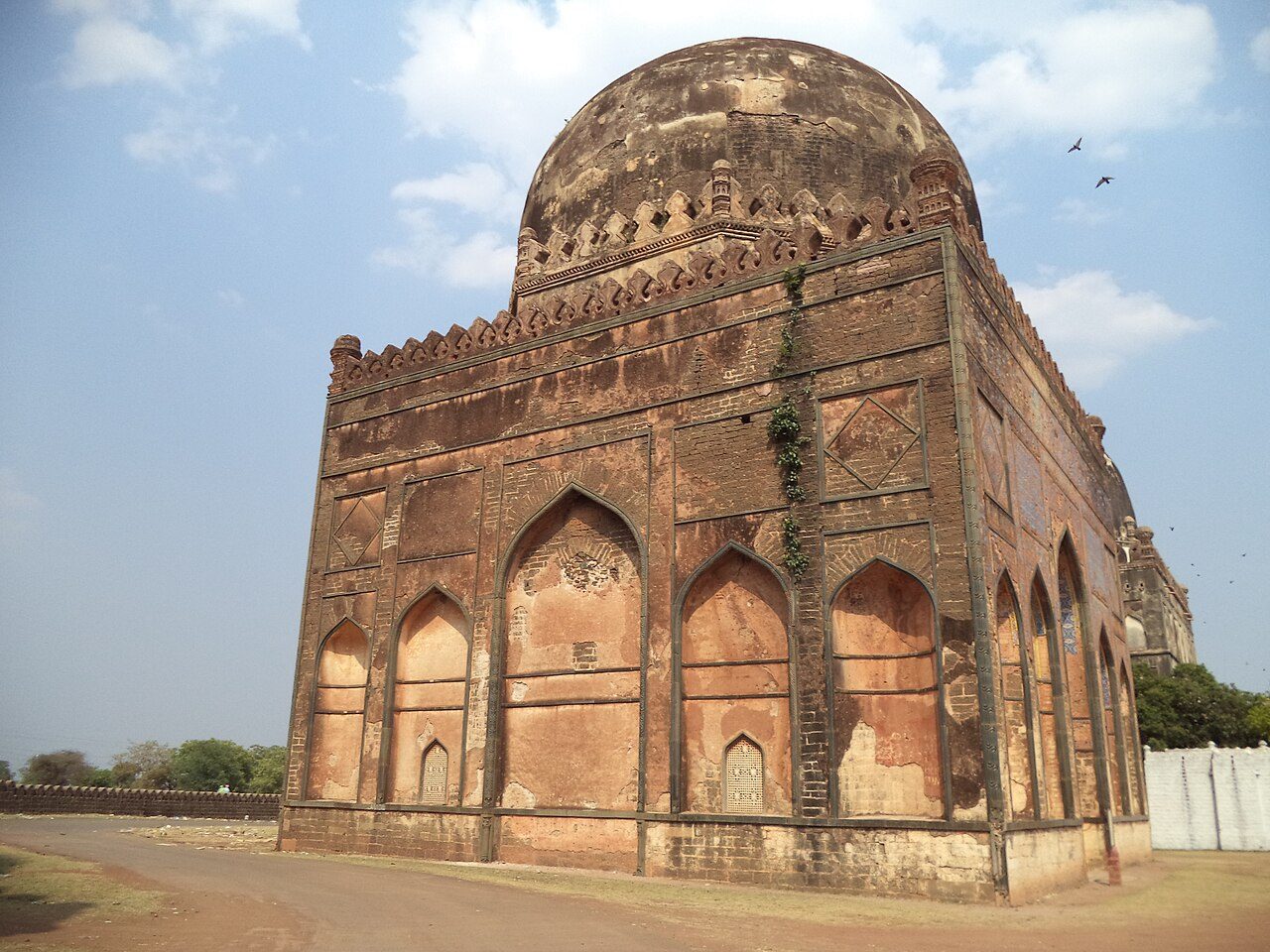
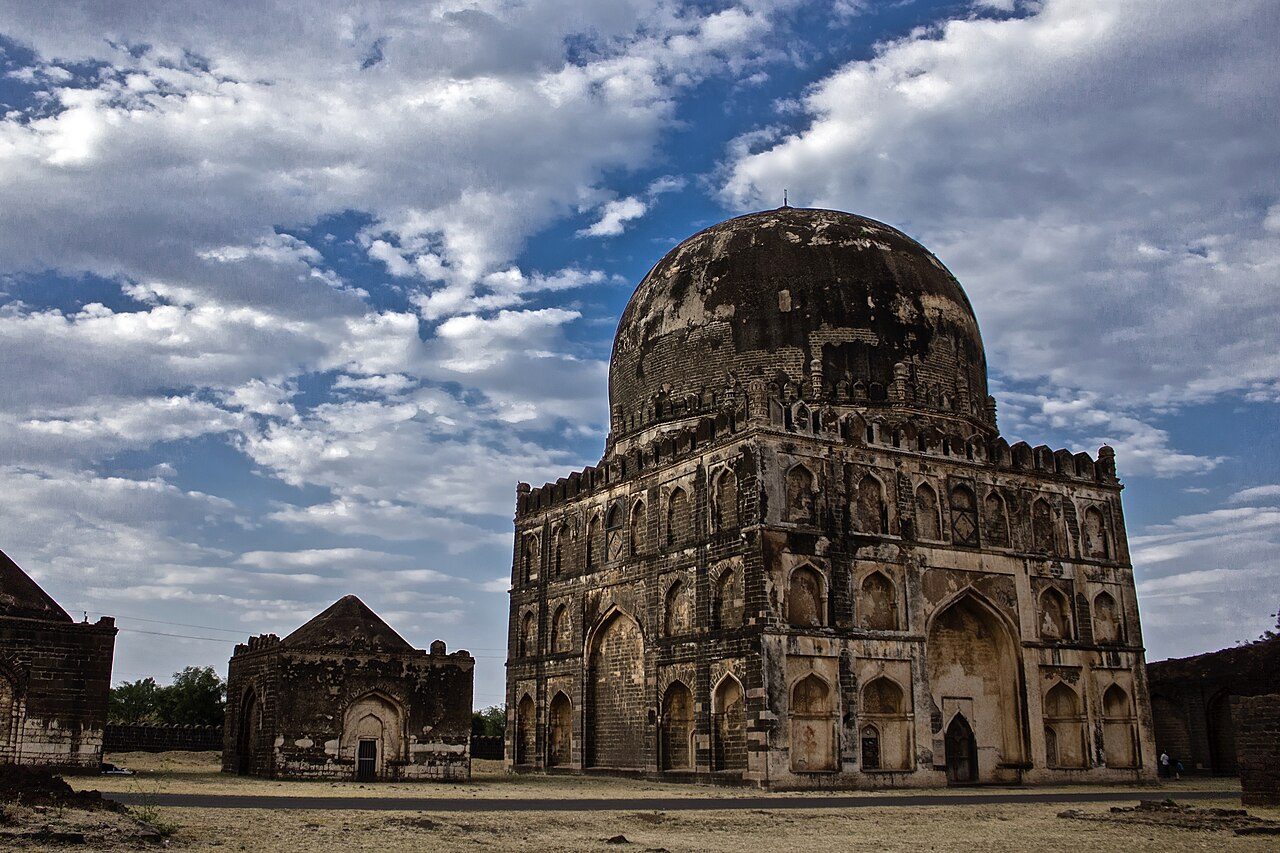
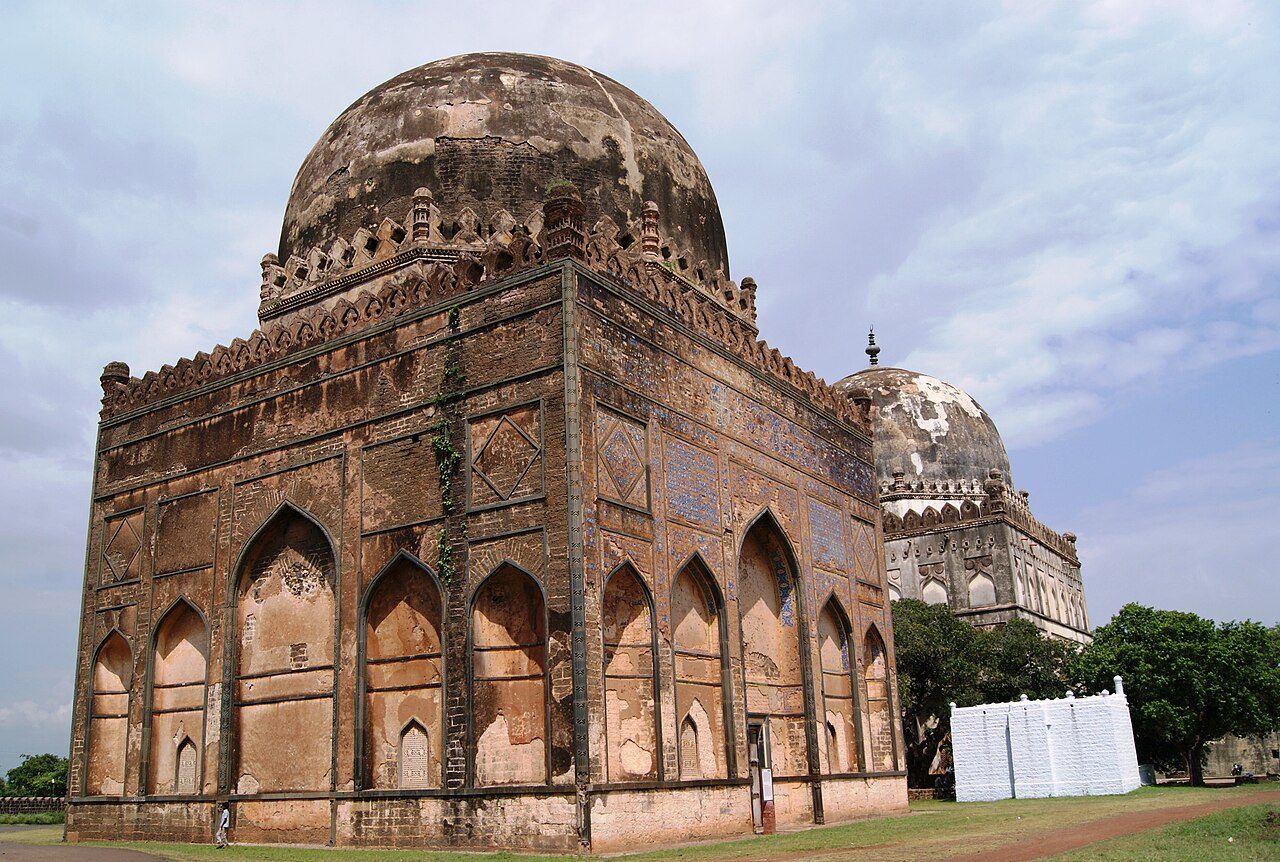
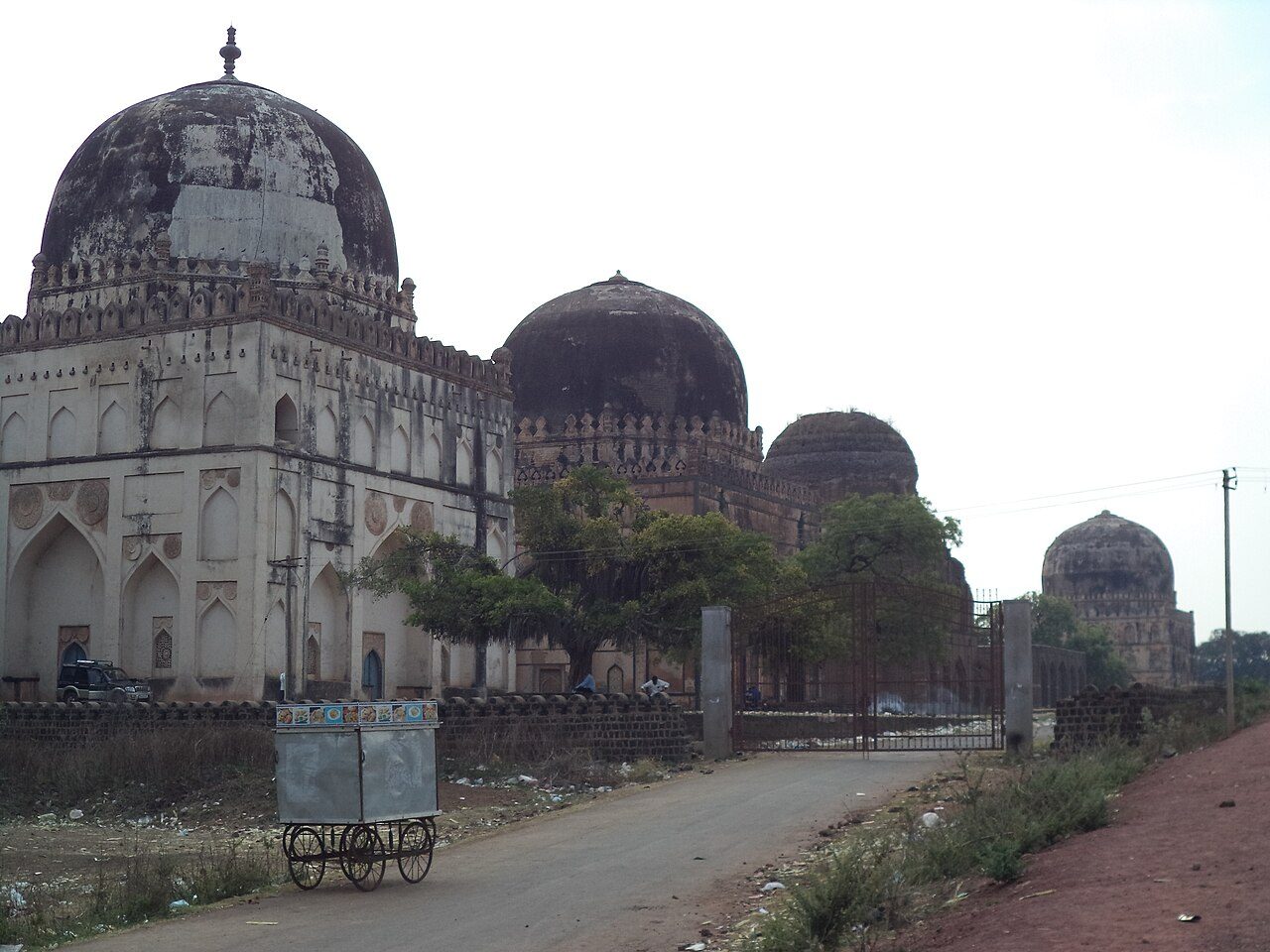
At Ashtur, outside Bidar, stand the domed tombs of the Bahmani sultans, built in the 15th century. The tomb of Ahmad Shah Al-Wali is the most remarkable, its interior covered in painted calligraphy and designs in gold, red and blue. The great domes are seen best in the soft light of evening.
08
STOP 8 OF 8 · LAST STOP
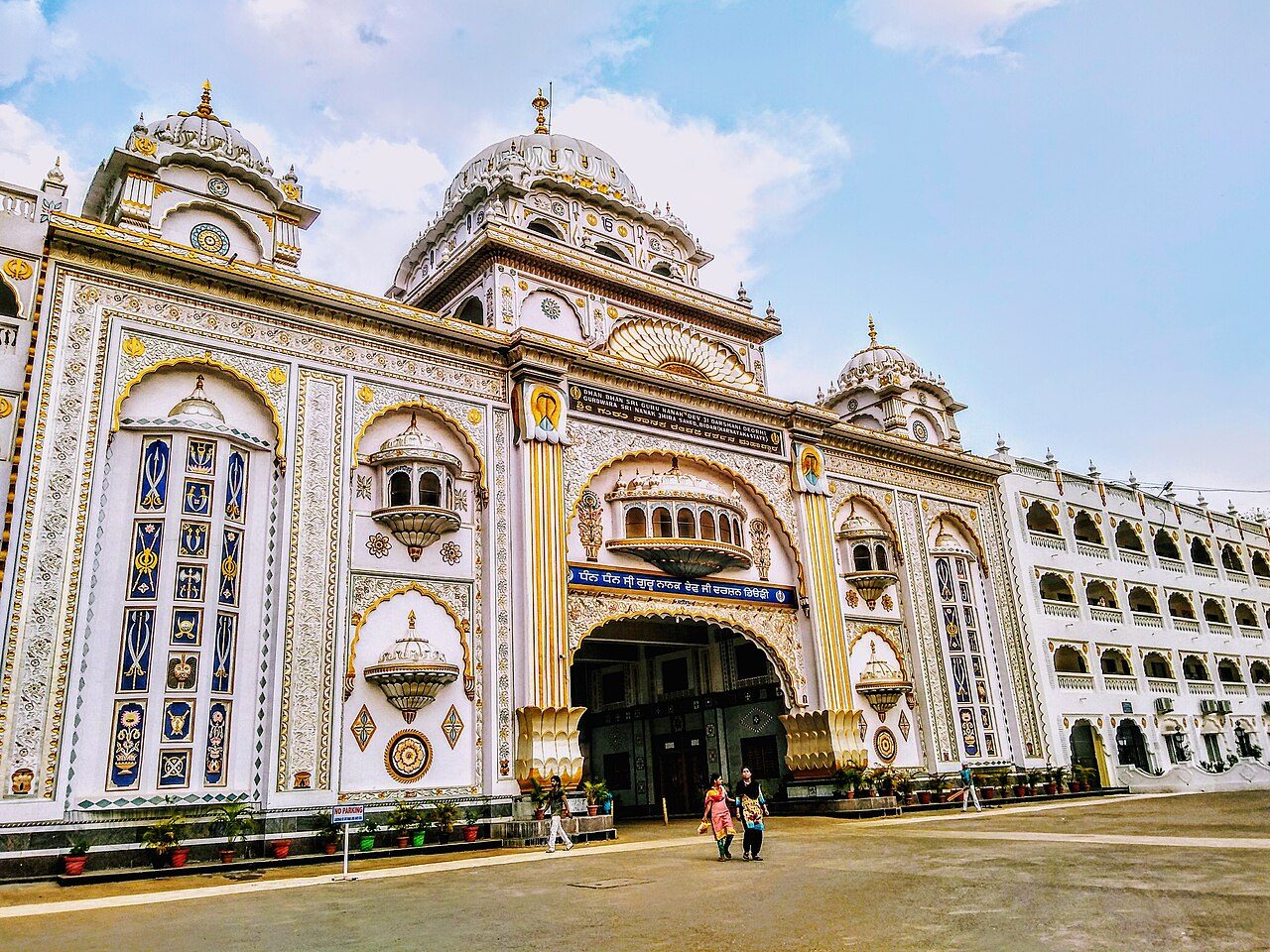
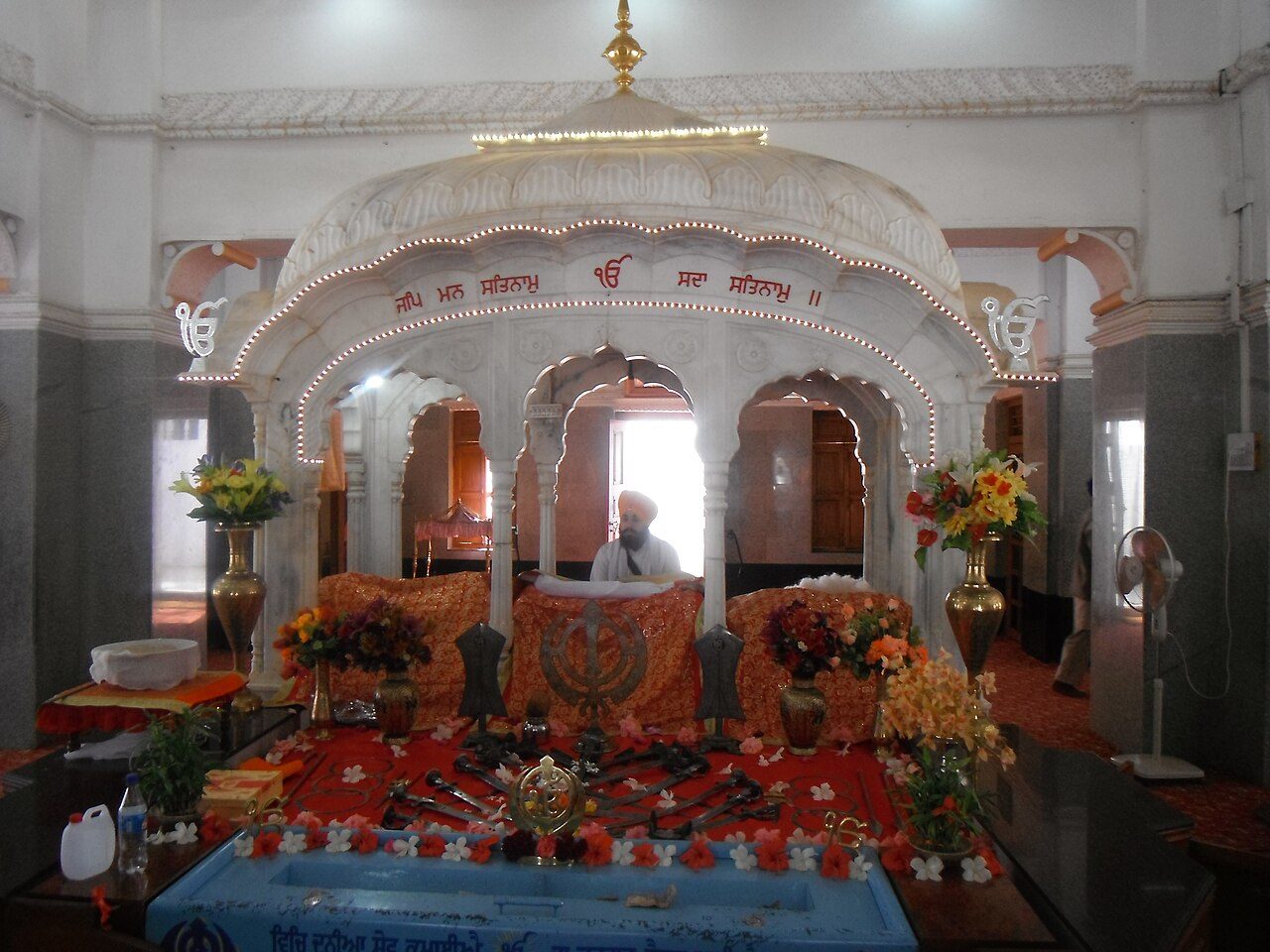
Gurudwara Nanak Jhira Sahib
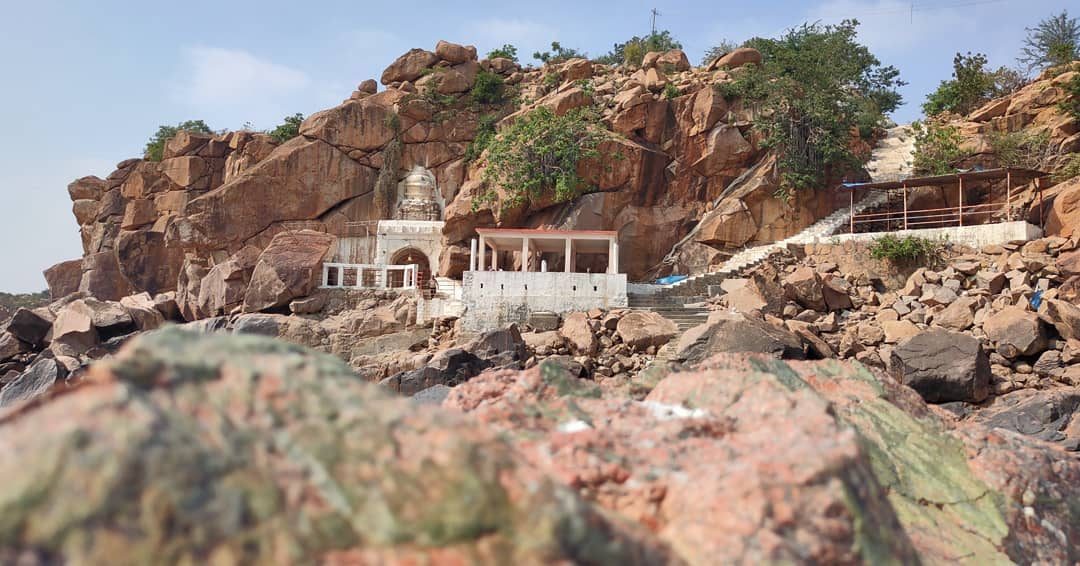
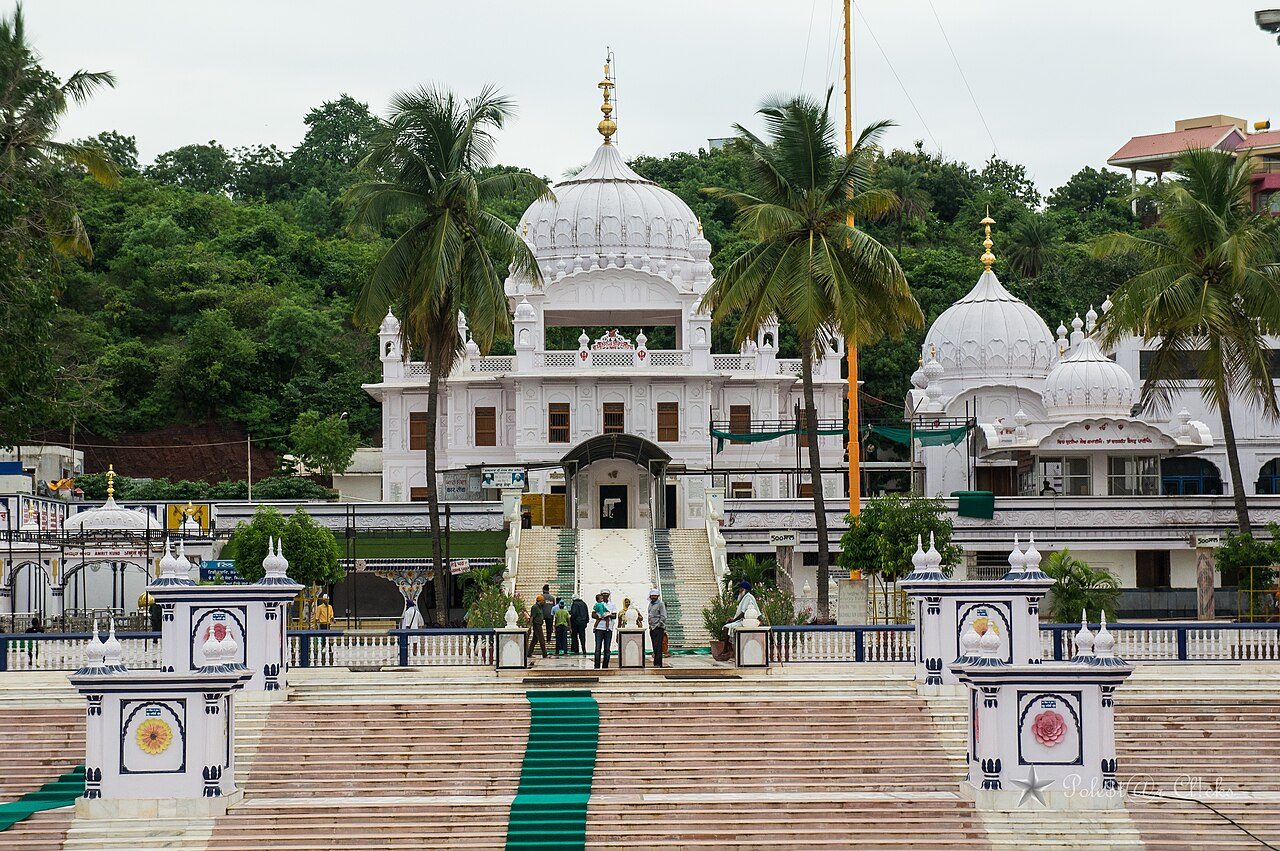
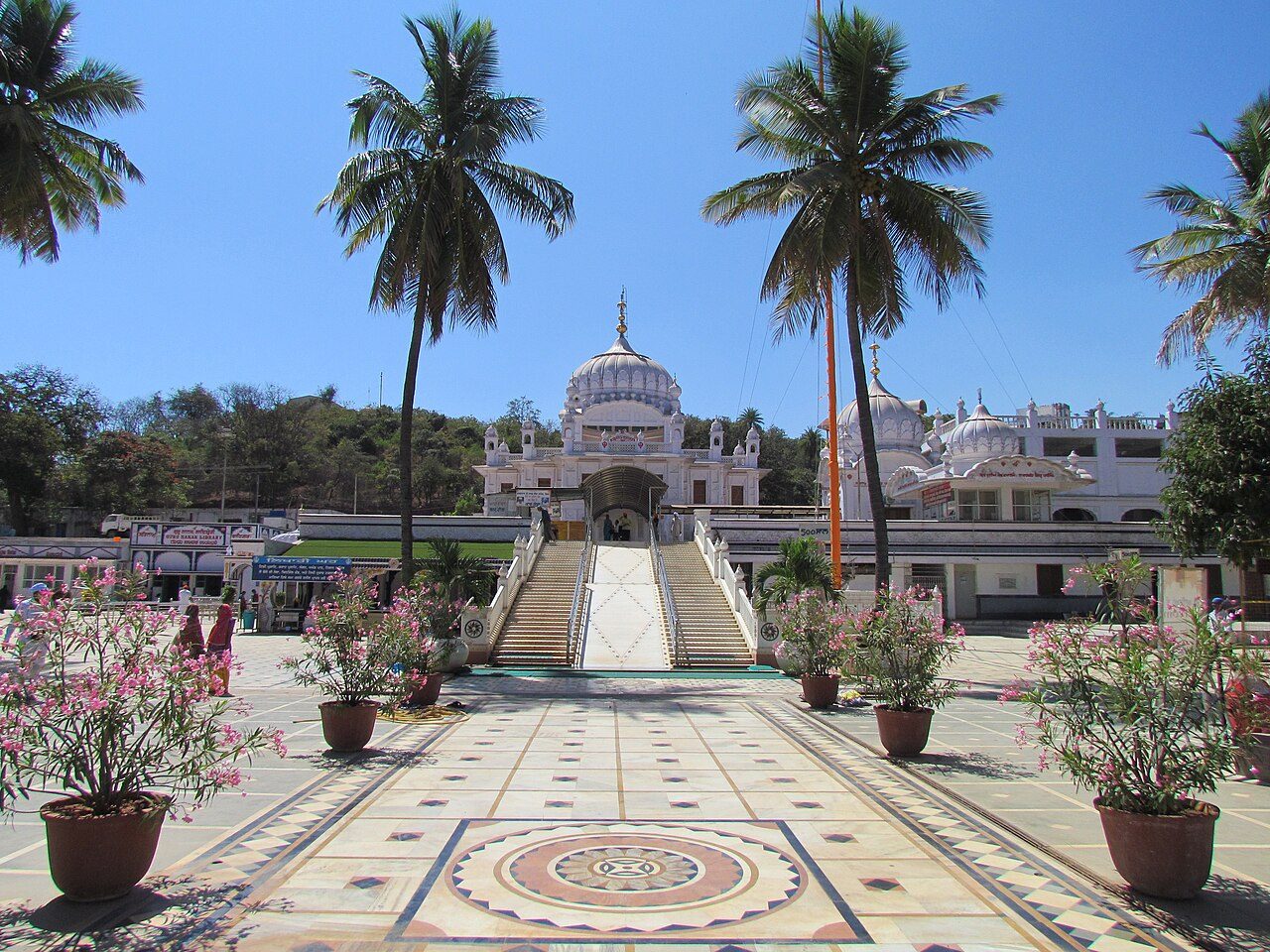
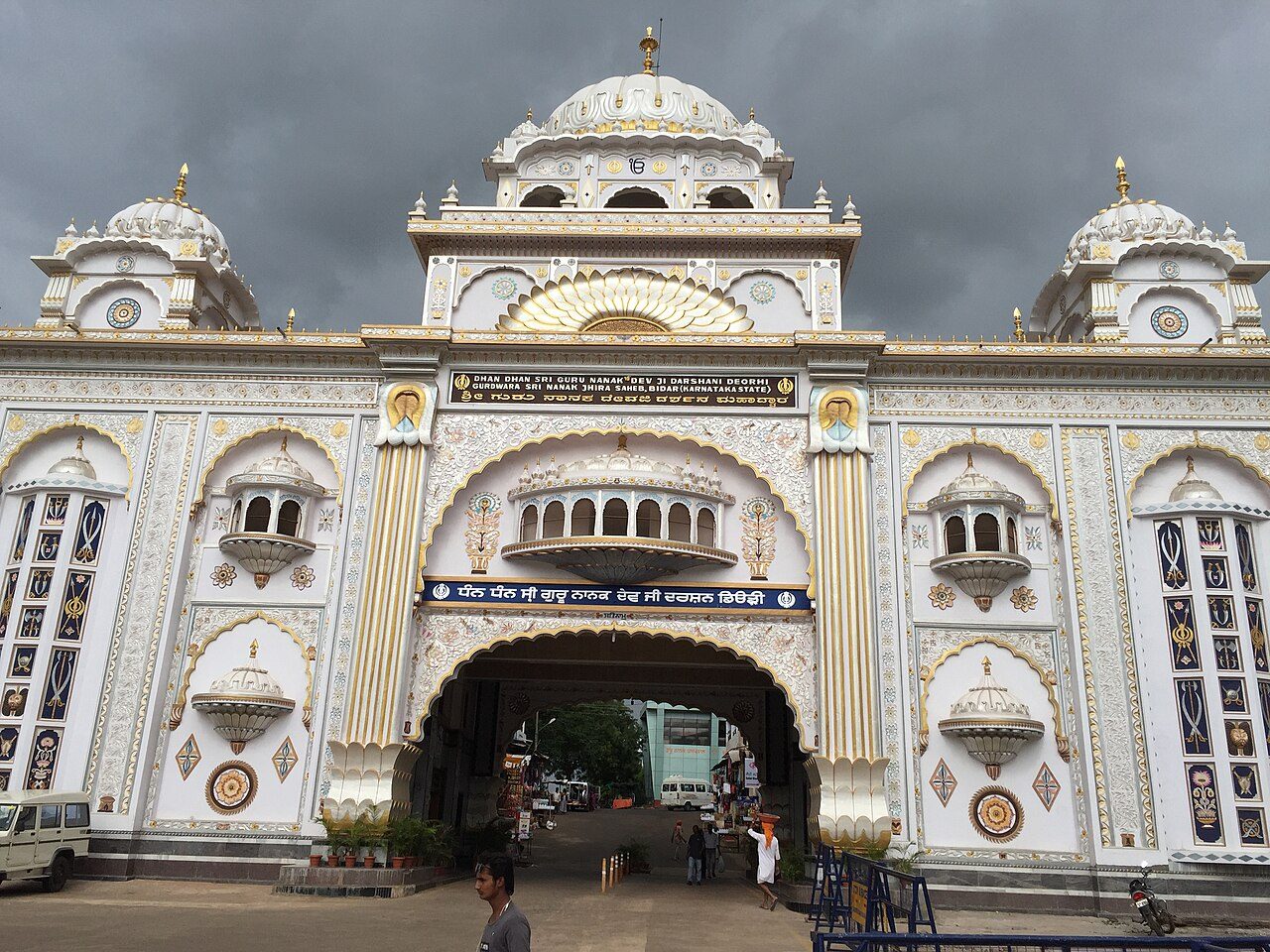
Built at the site where, according to tradition, Guru Nanak struck the hillside and brought forth a spring for the people of Bidar in the early 16th century. The spring still flows into a tank, and the gurudwara, rebuilt in white marble, is an important Sikh pilgrimage site with a langar open to all.
Seasons from 20 years of NASA POWER climate data.
 WaTrips