Chidambaram & Chola Temples: Nataraja, Pichavaram and Gangaikonda Cholapuram in 3 Days
3 DAYS7 placesby WaTrips
The Nataraja temple at Chidambaram, a boat through the Pichavaram mangroves, the great Chola temple at Gangaikonda Cholapuram, and Tiruvarur.
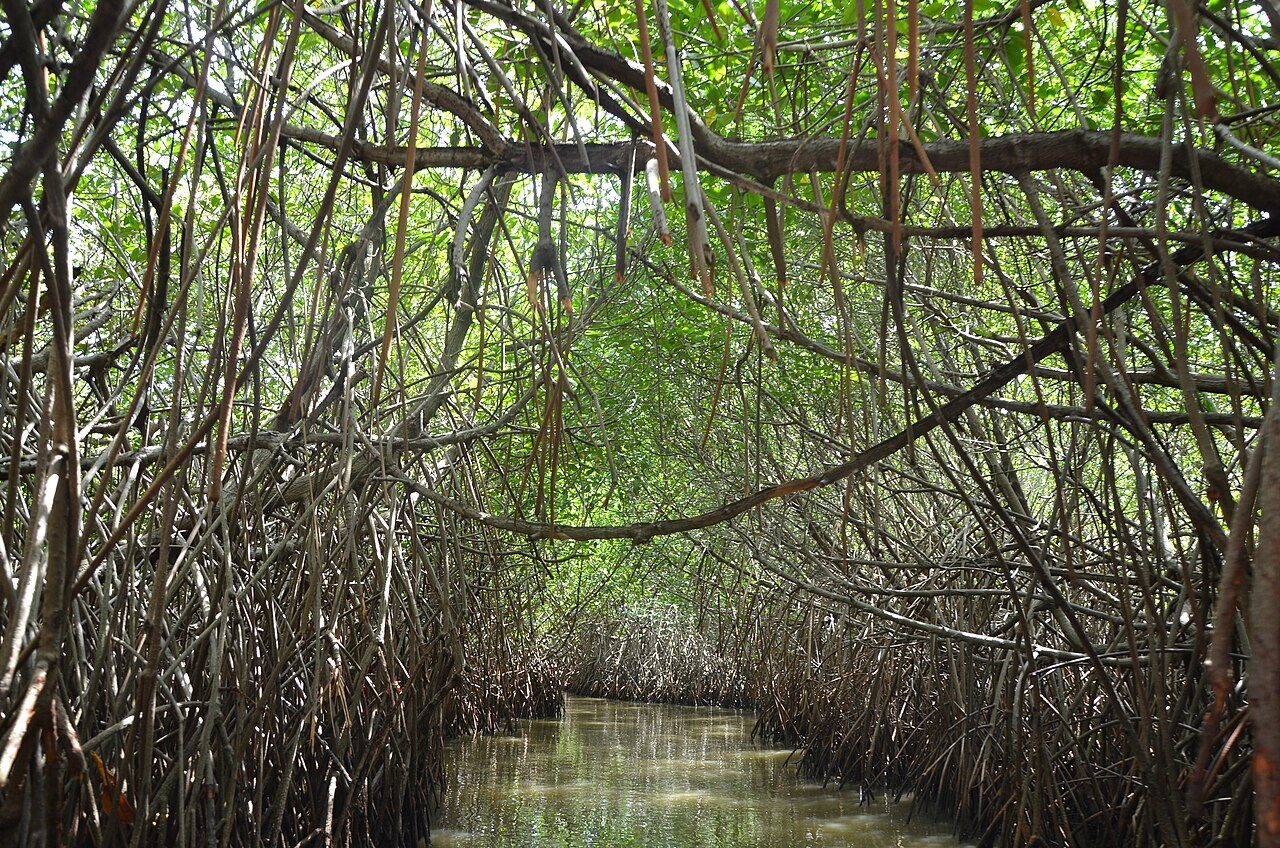
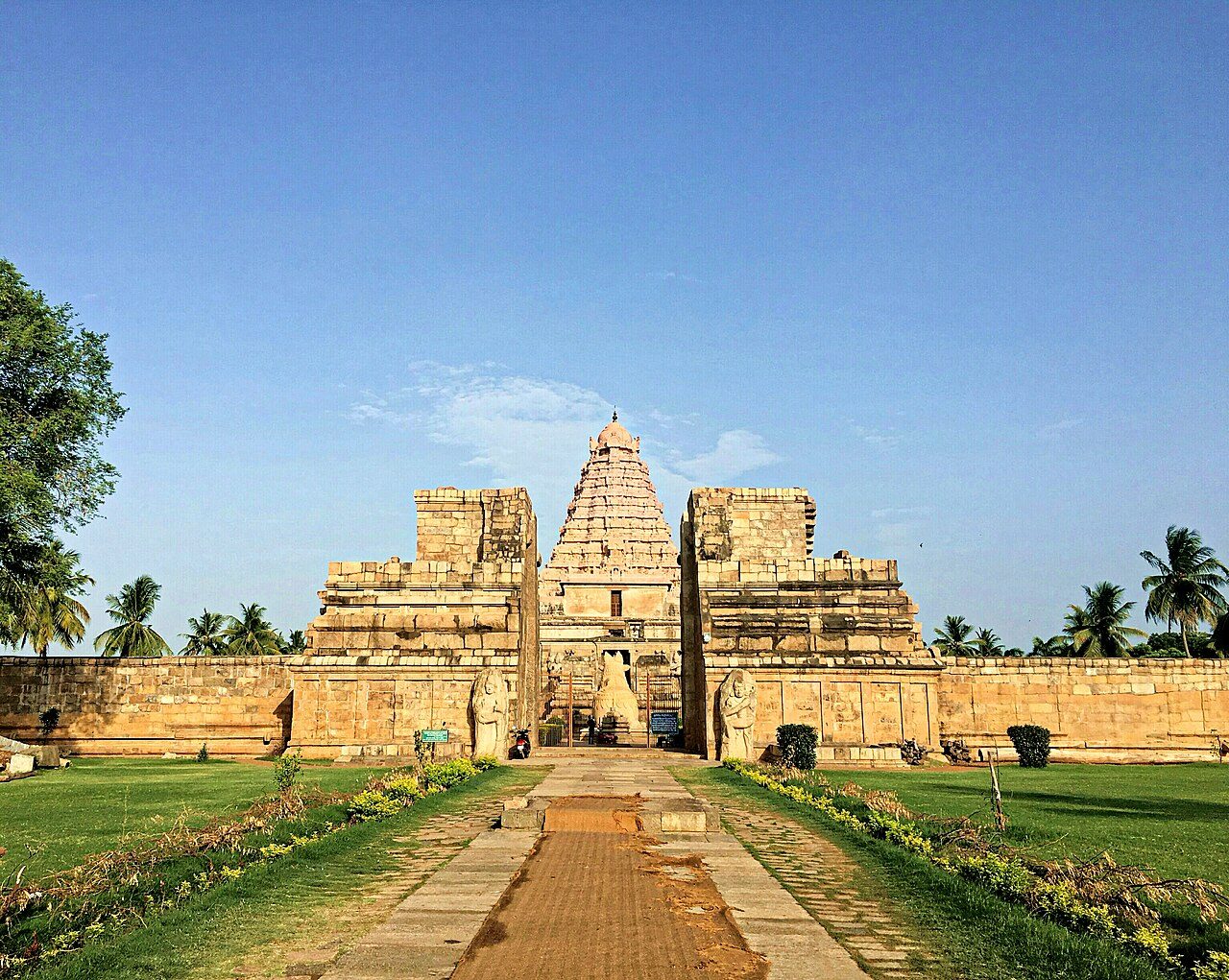
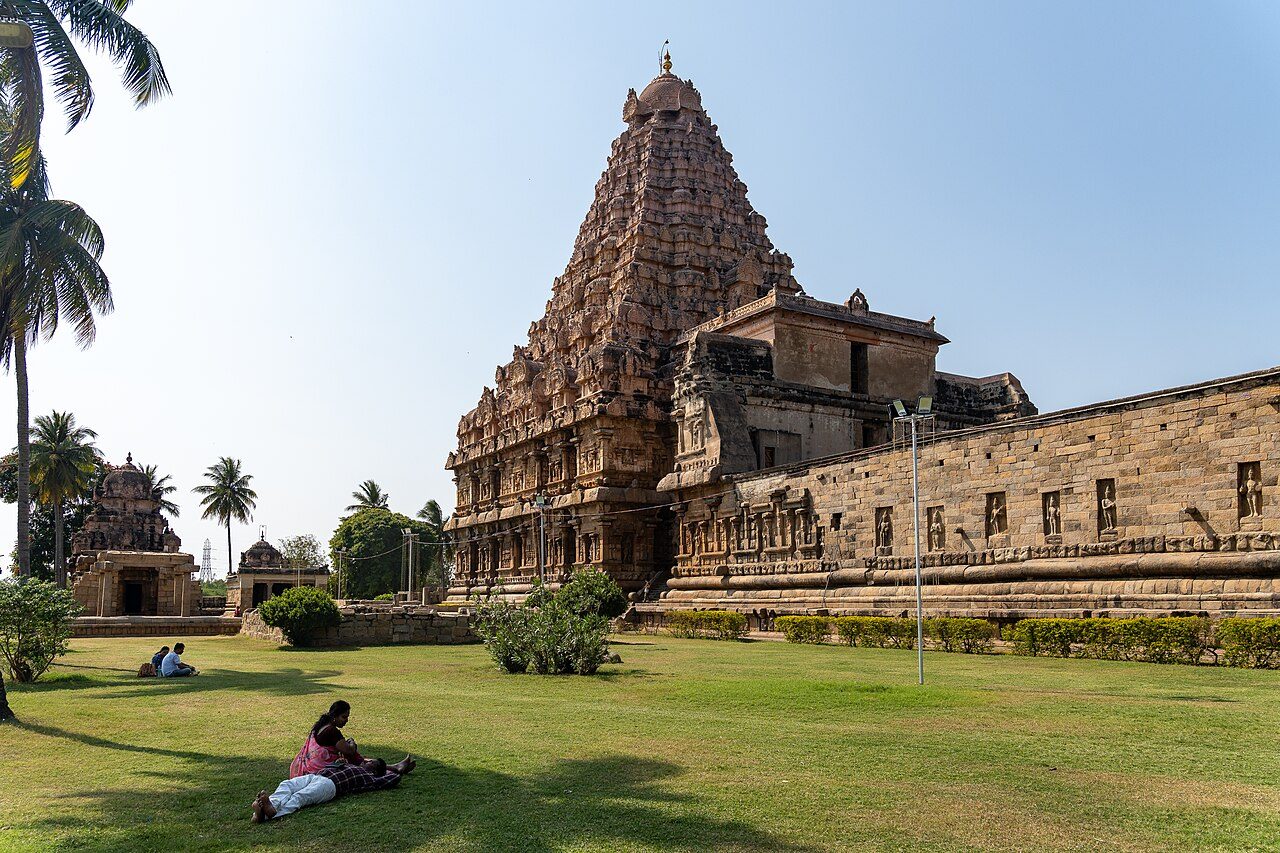
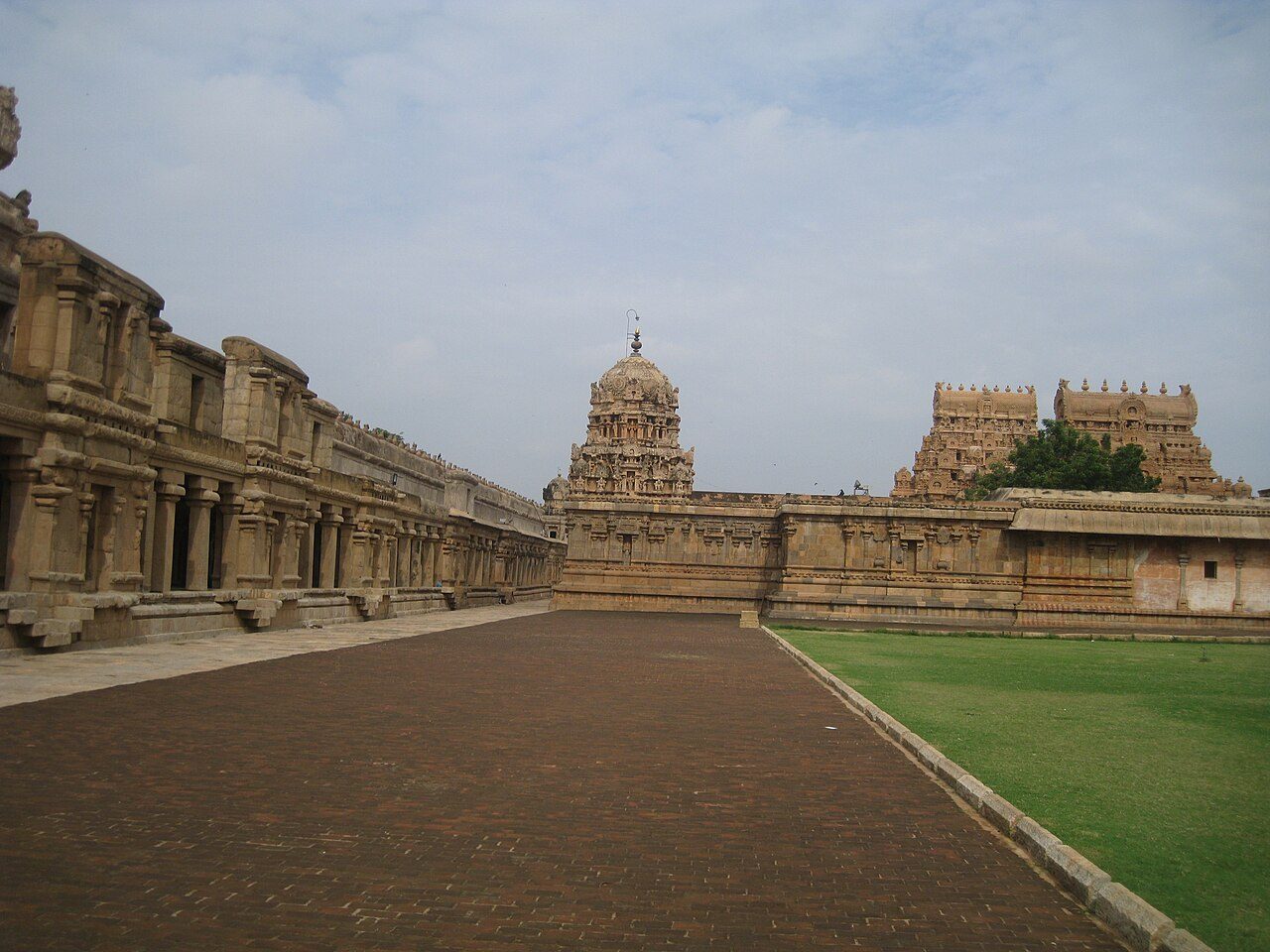
The heartland of the Chola kings, in three days. On day one, visit the Thillai Nataraja Temple in Chidambaram, where Shiva is worshipped as the cosmic dancer, then take a rowing boat through the narrow channels of the Pichavaram mangrove forest, one of the largest in the world. Day two goes to Gangaikonda Cholapuram, the huge temple Rajendra Chola built to celebrate his victories (a UNESCO World Heritage Site), Thirumazhapadi and the old Ranjankudi Fort. On the last day, see the Thyagaraja Temple at Tiruvarur, with one of the largest temple chariots in India, and the Rajagopalaswamy Temple at Mannargudi. Pichavaram boats run during the day only, so go in the morning.
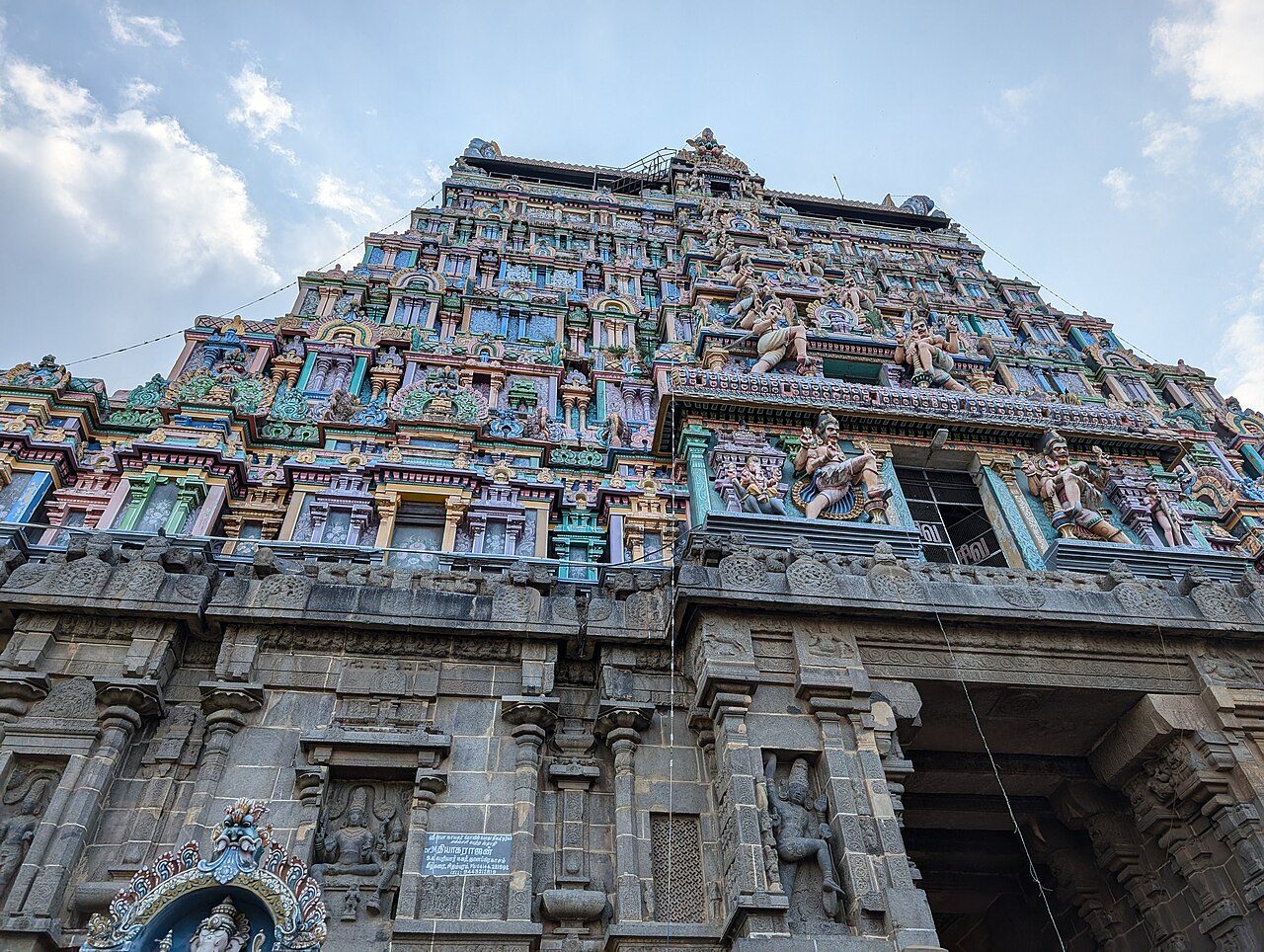
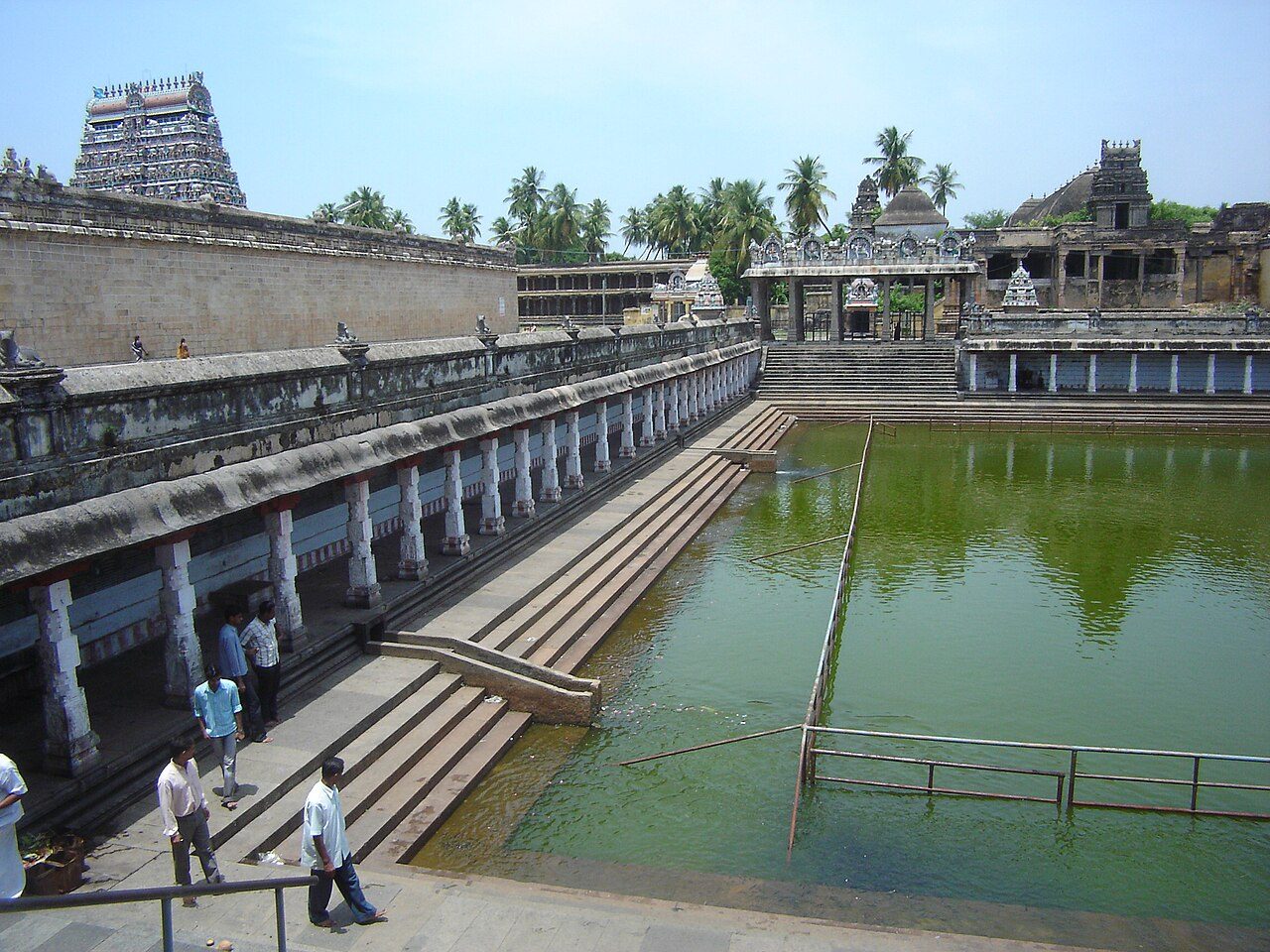
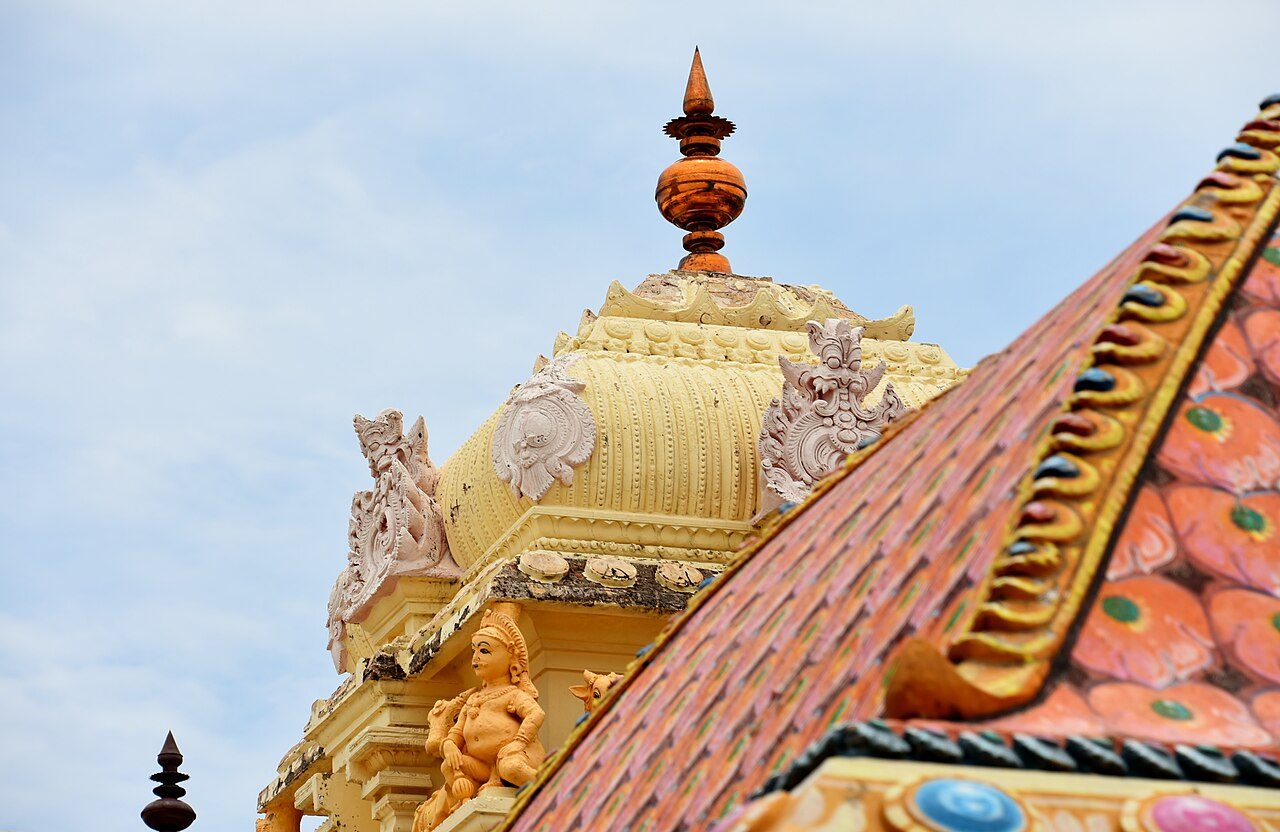
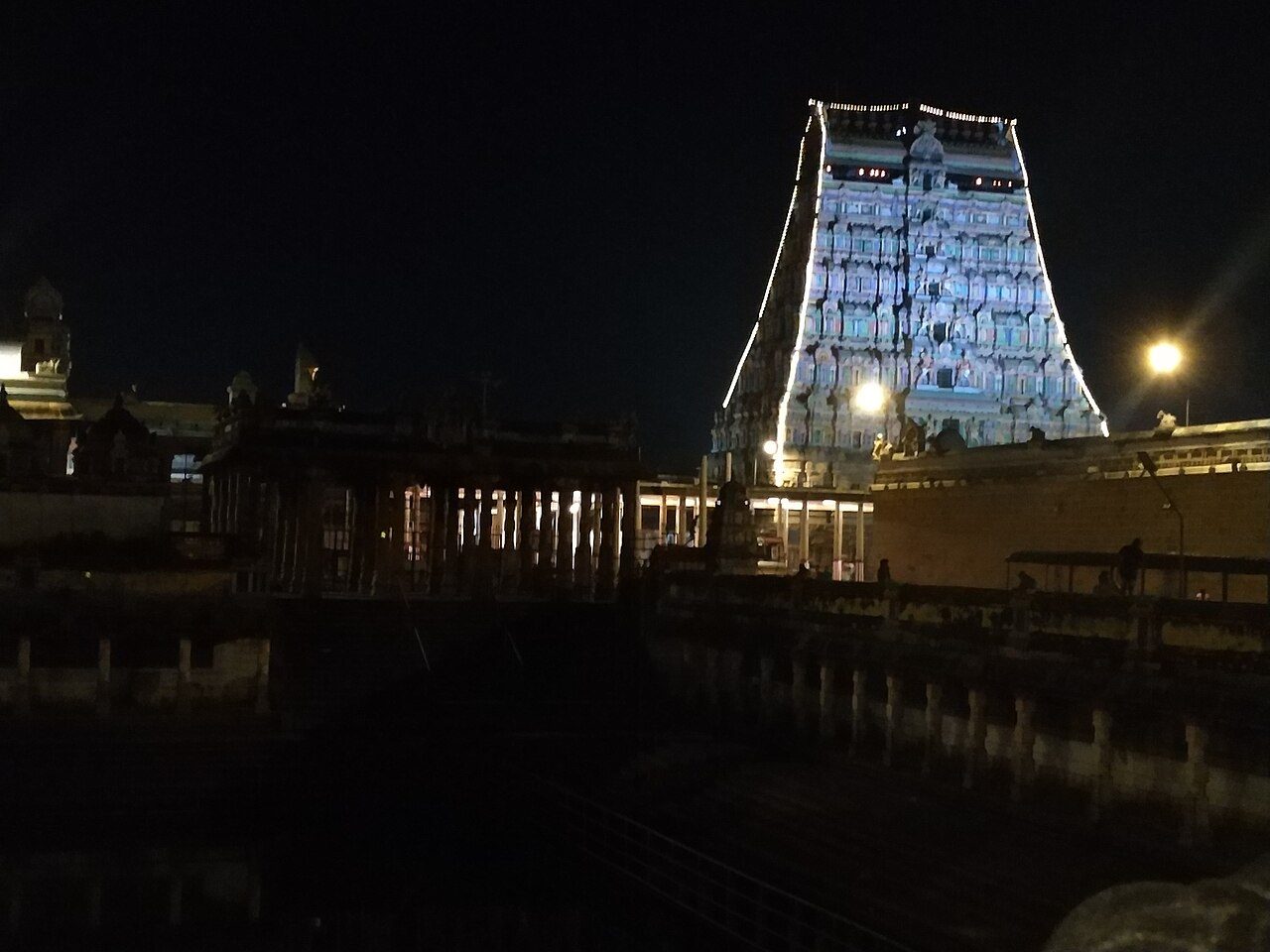
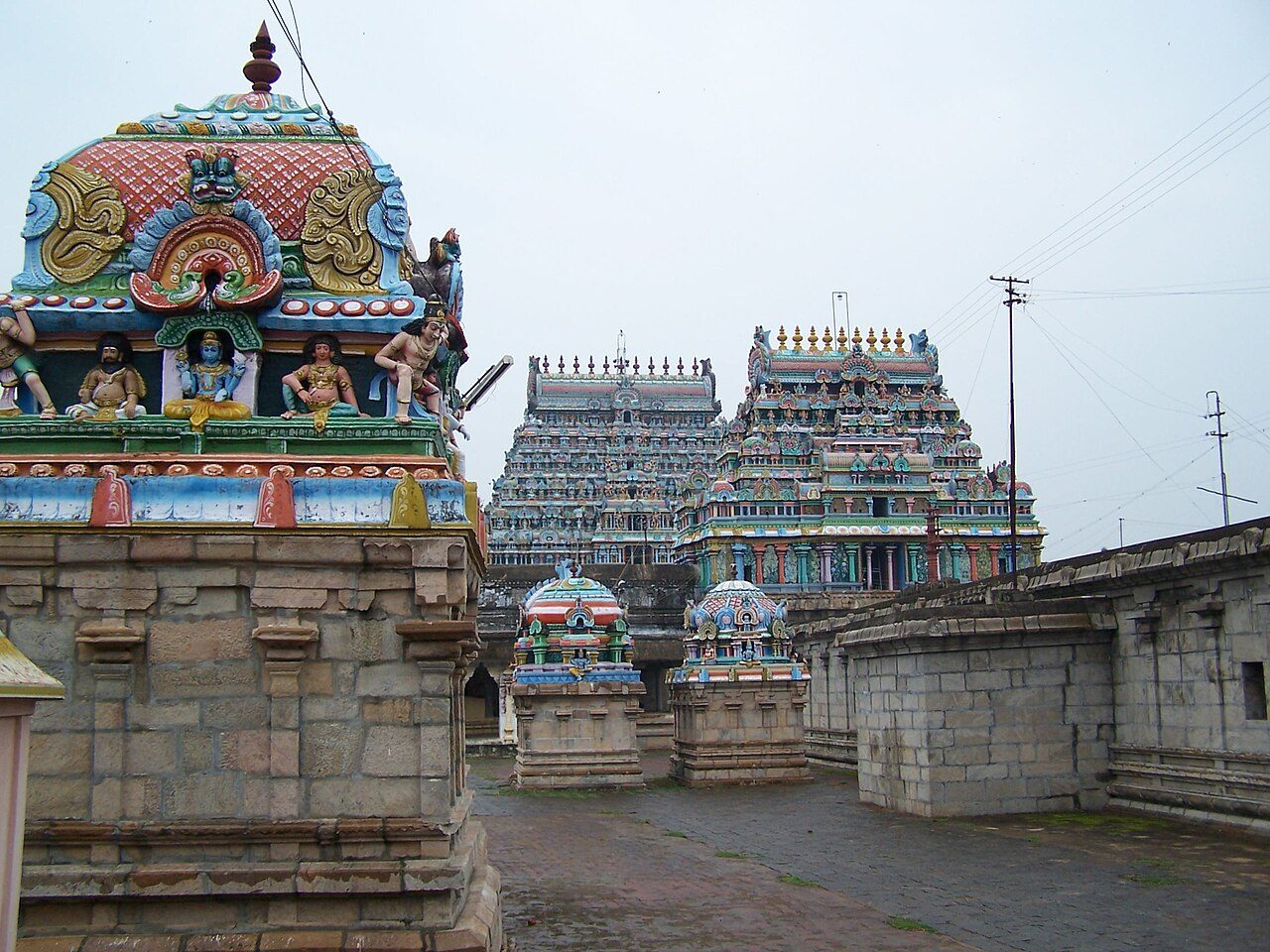
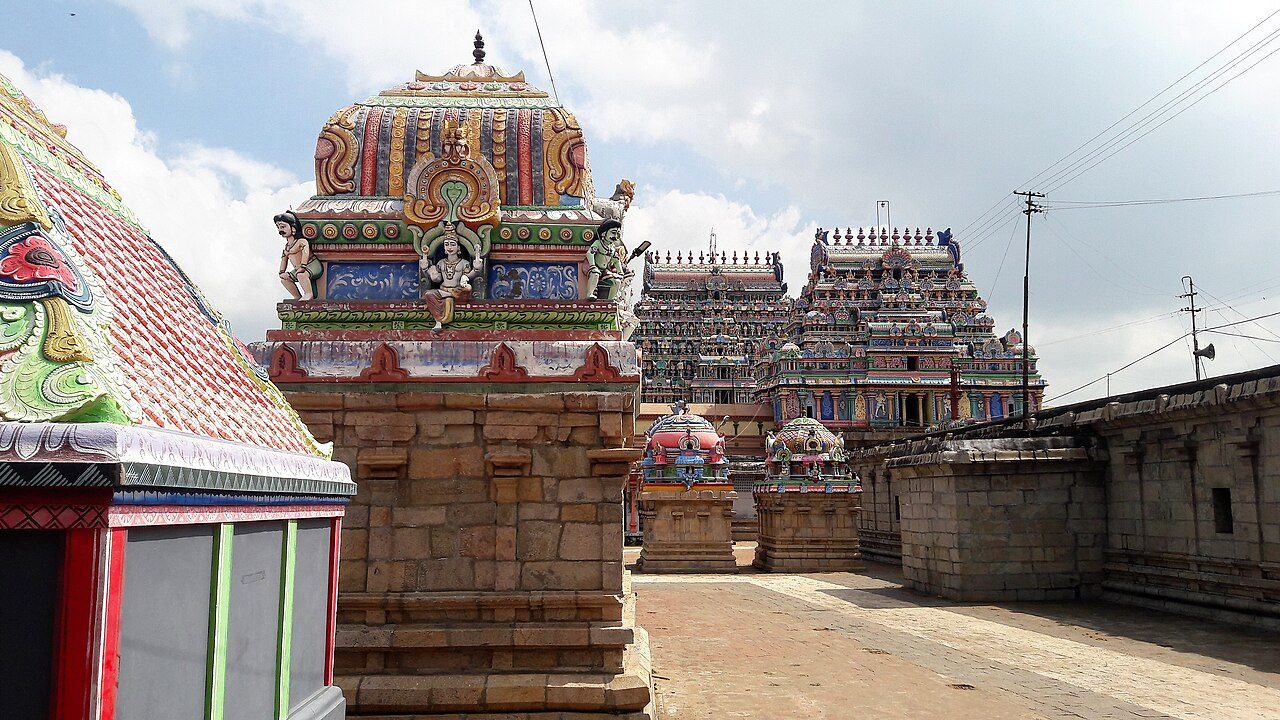
The temple of Shiva as Nataraja, lord of the dance, and the only major Shiva temple where the presiding form is the dancing bronze rather than a linga. The present structure is largely Chola work from the tenth century, and the gold roof over the Chit Sabha was laid by Parantaka I. Behind a curtain in the sanctum is the Chidambara Rahasyam, an empty space standing for Shiva as formless ether.
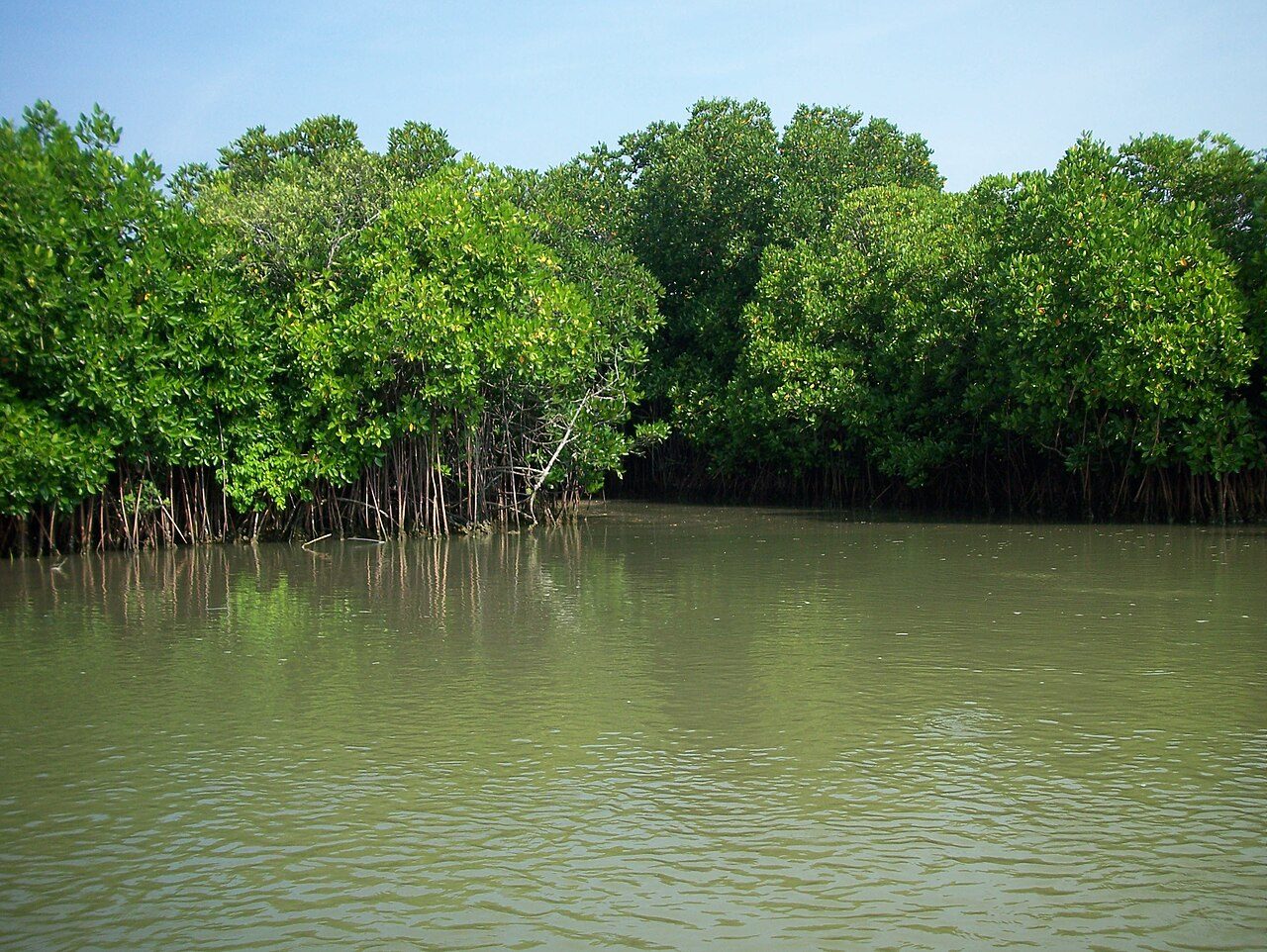
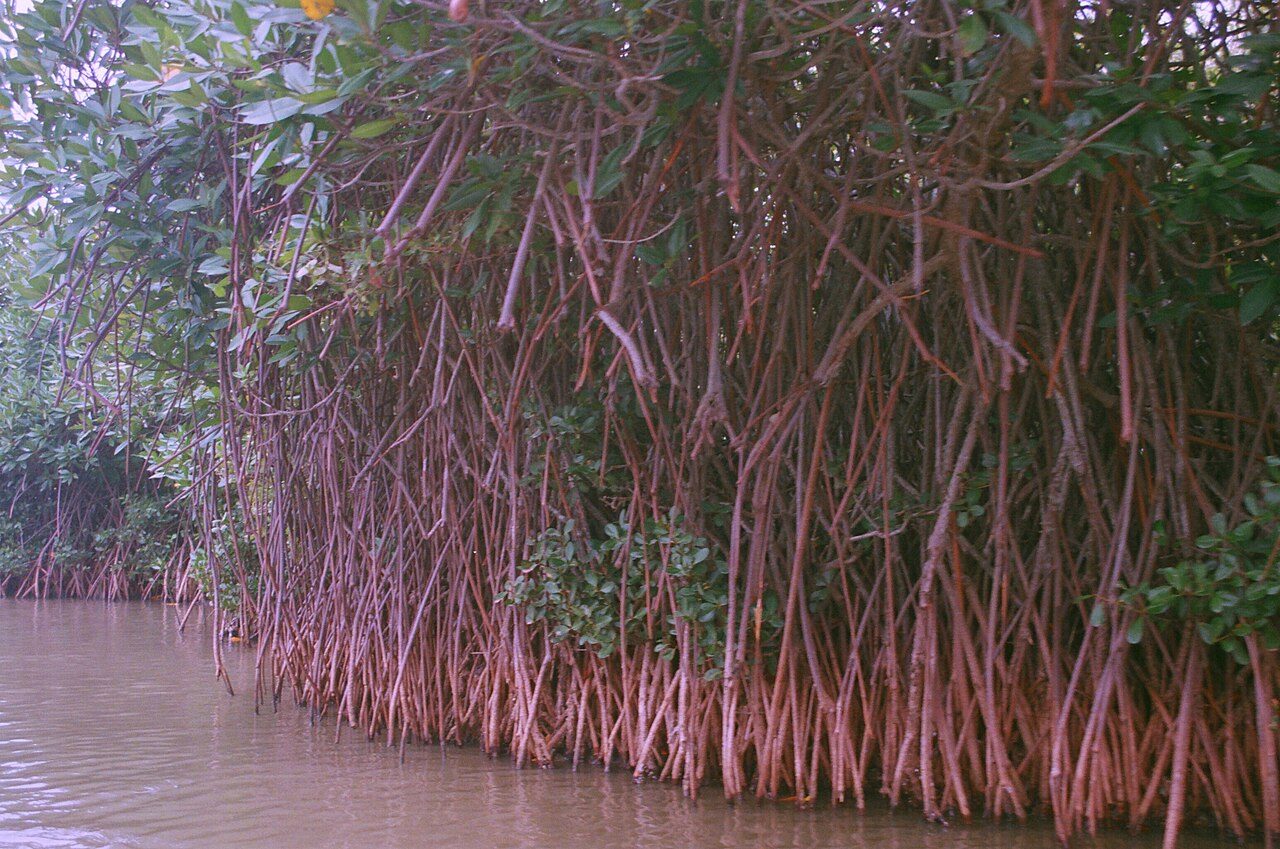
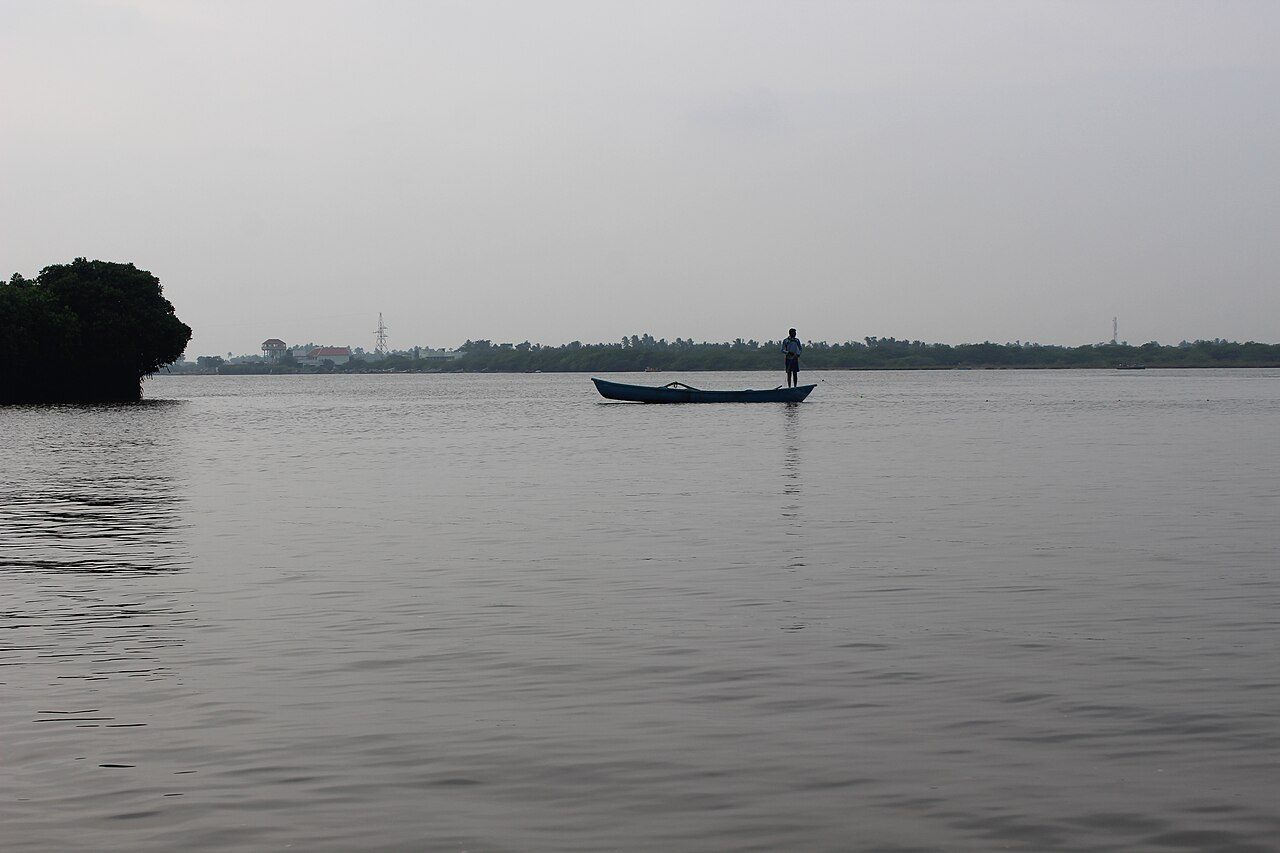
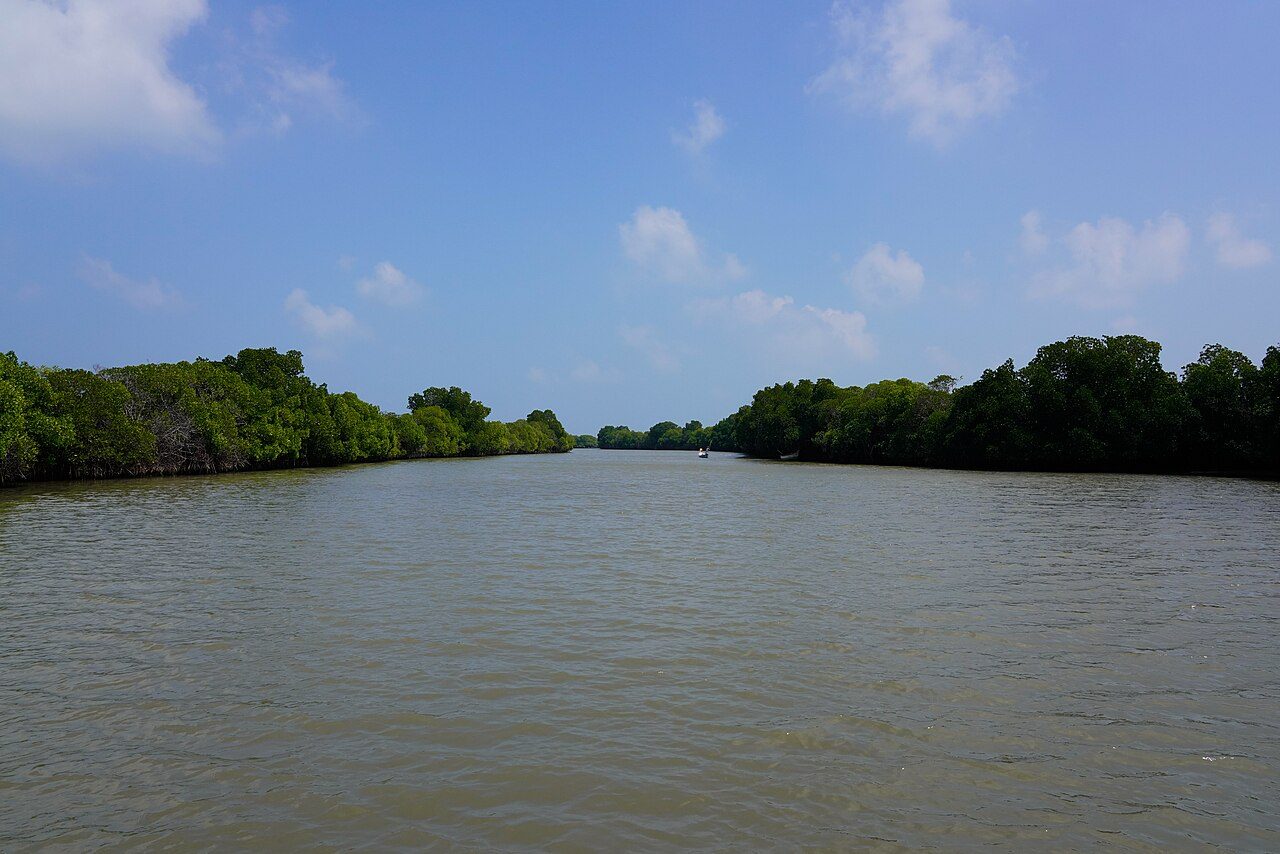
One of the largest mangrove forests in India, about 1,100 hectares of Avicennia and Rhizophora where the Vellar and Coleroon rivers meet the sea. Boats work a maze of narrow channels under a closed canopy, and the forest is credited with blunting the 2004 tsunami for the villages behind it.
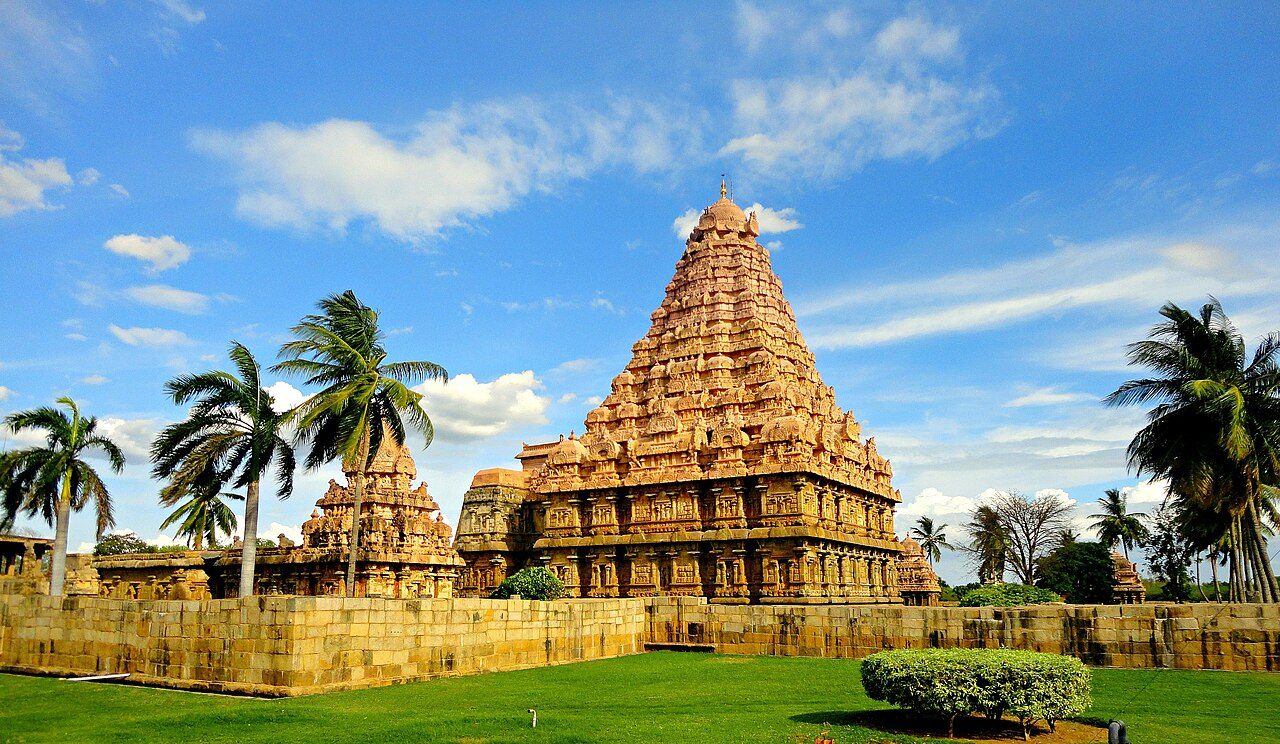
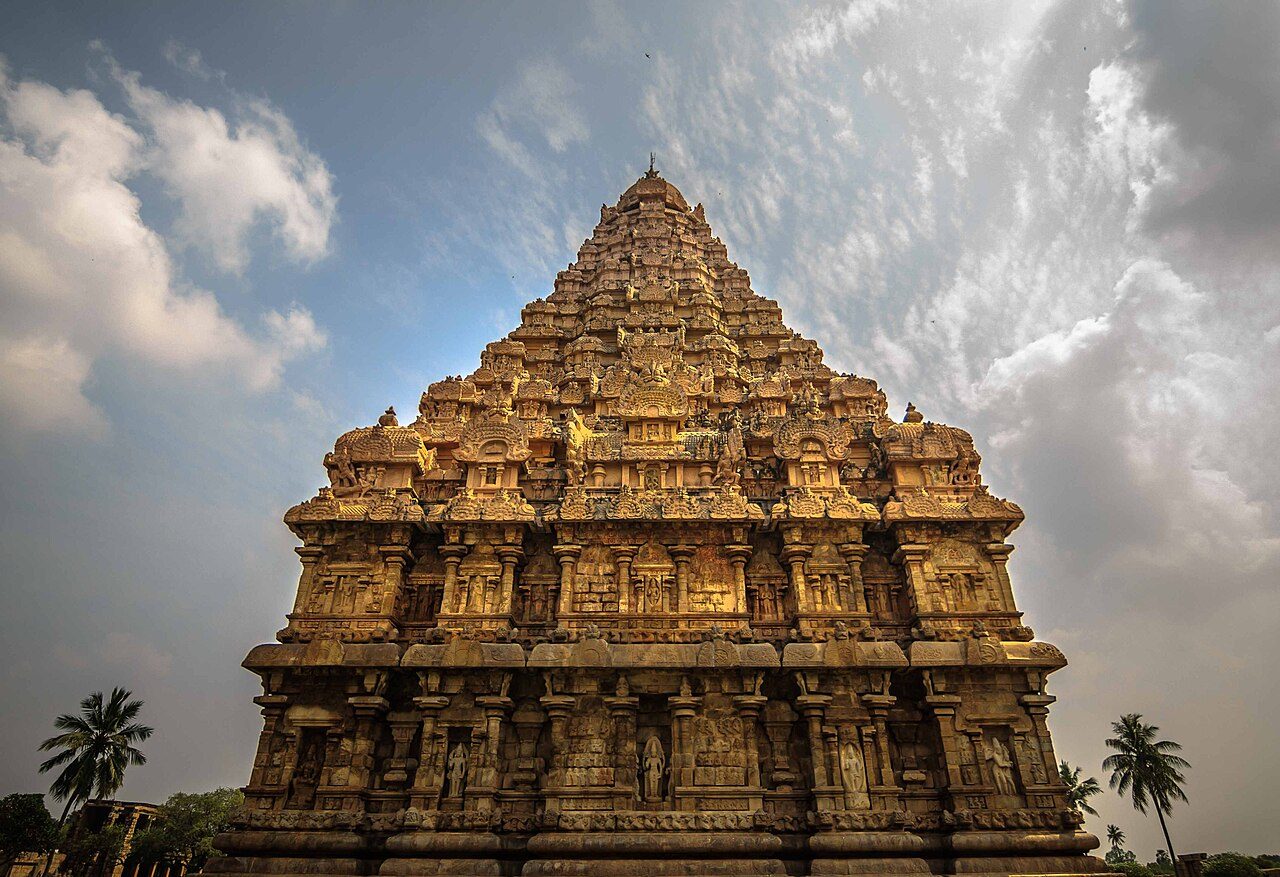
Rajendra Chola I founded this capital around 1025 CE after marching an army north to the Ganges, and named it for the Chola who took the Ganga. The vimana rises about 55 metres and curves gently where his father's tower at Thanjavur rises straight, a softer profile the Cholas never repeated. The city itself is gone; the temple, its enormous Nandi and a stepped well are what survive, now a UNESCO World Heritage Site.
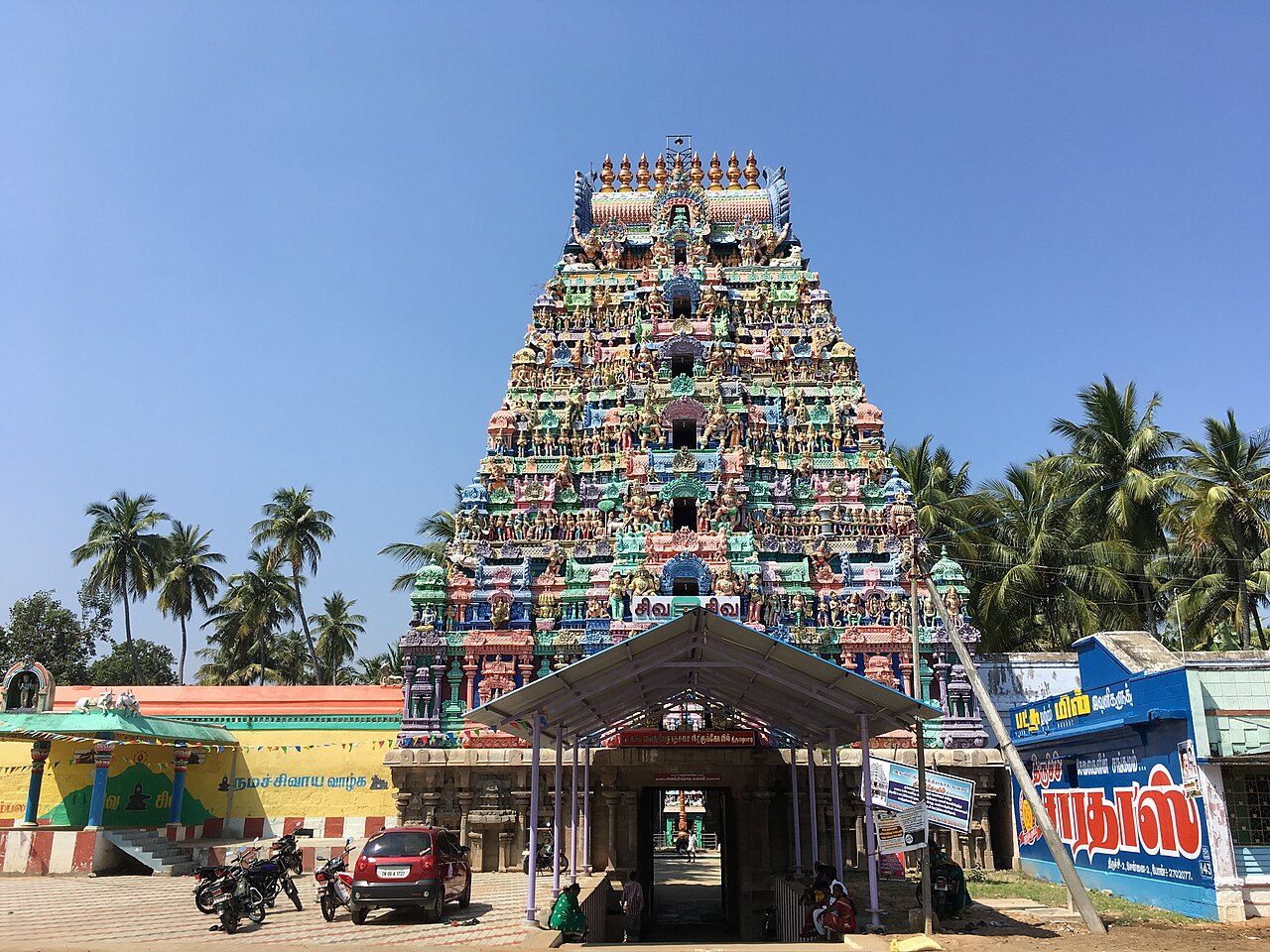
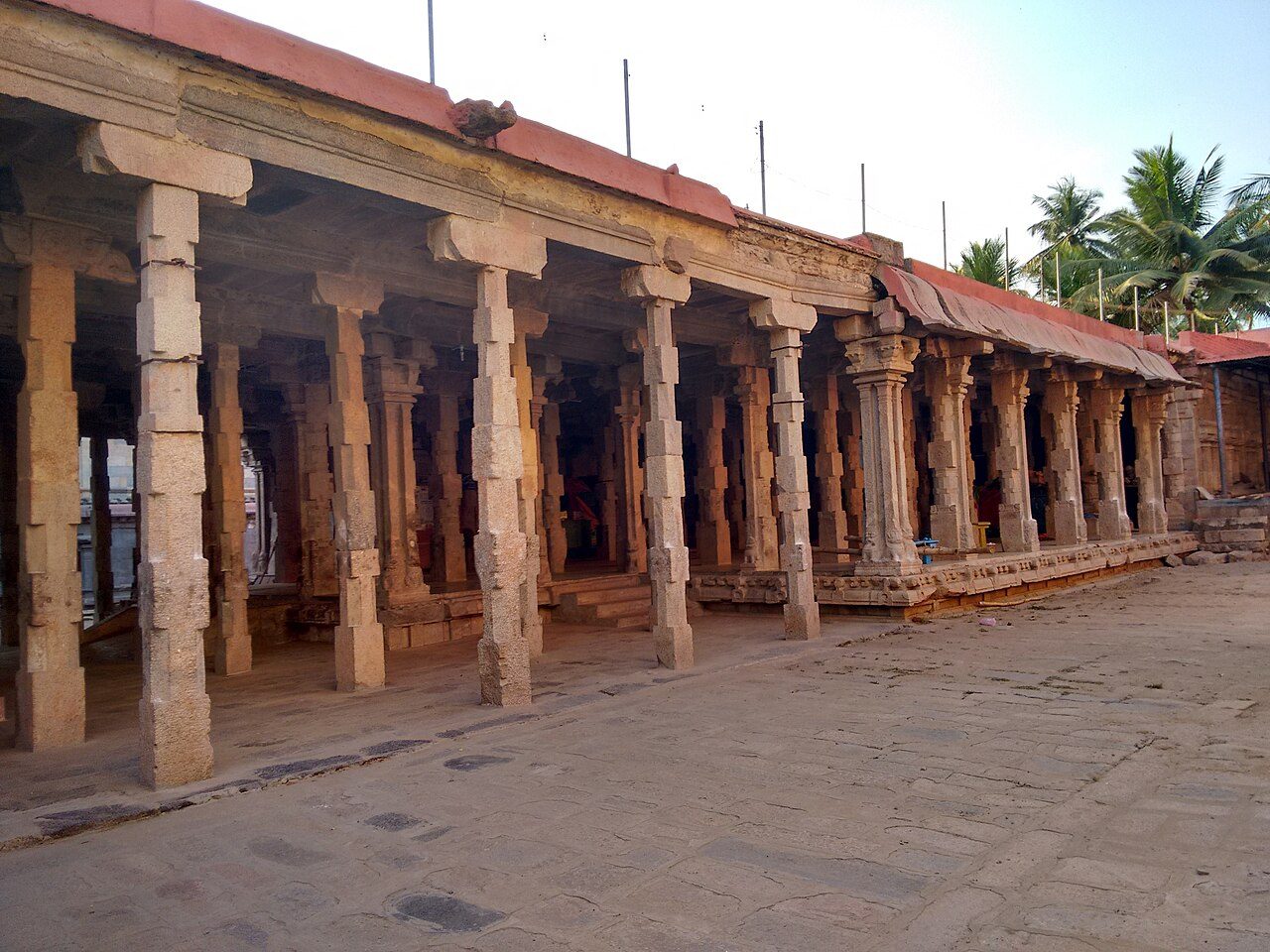
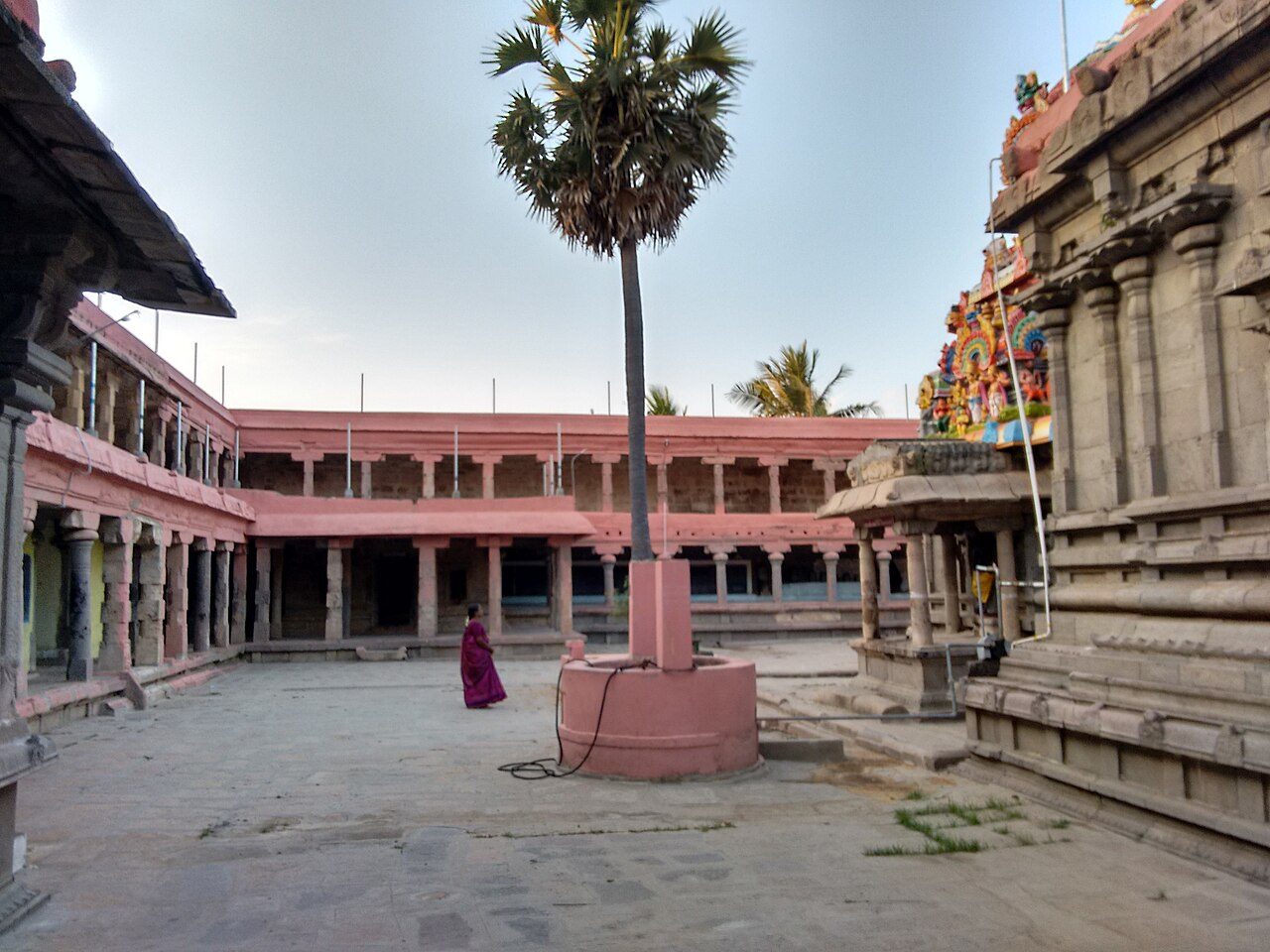
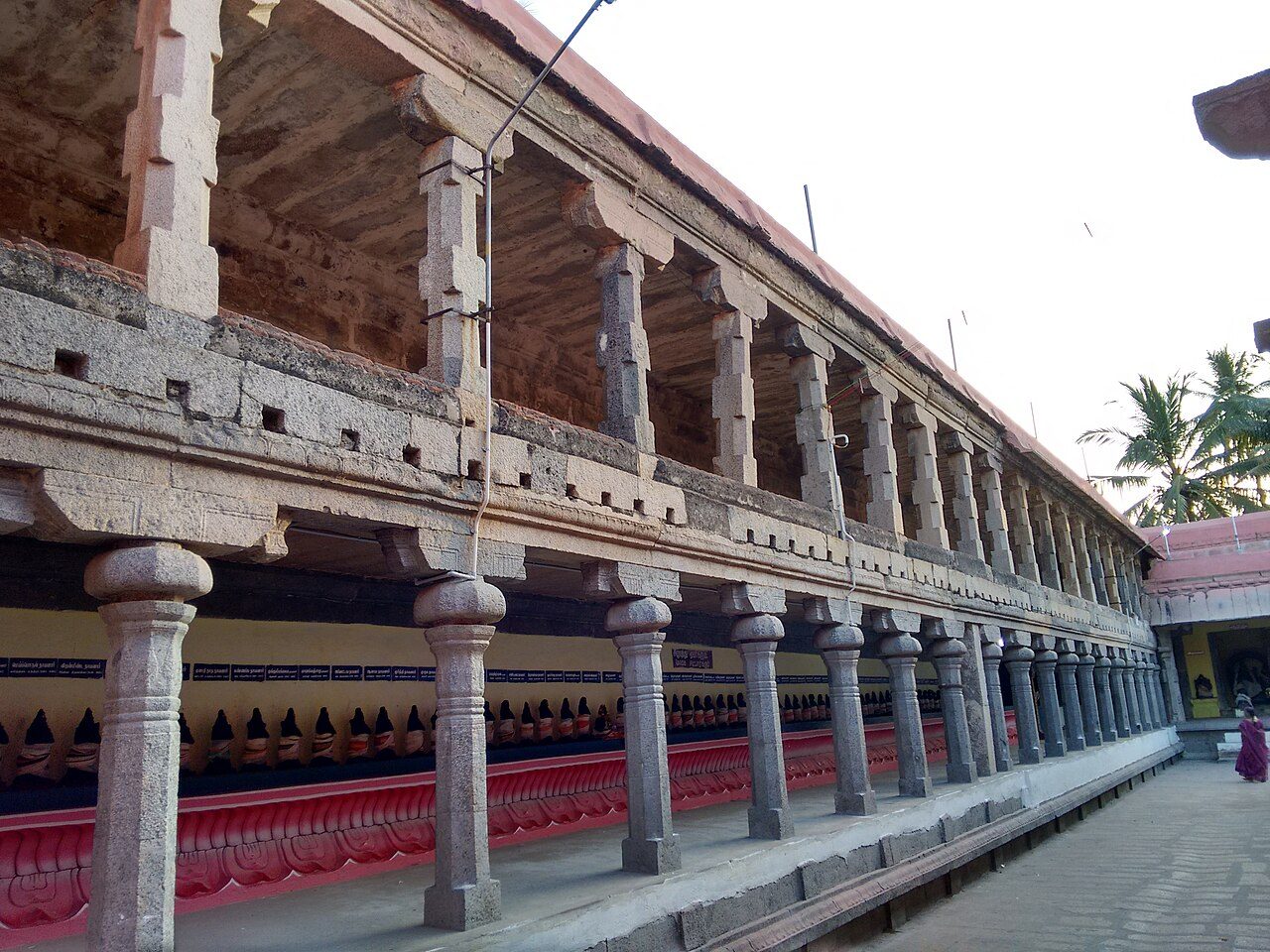
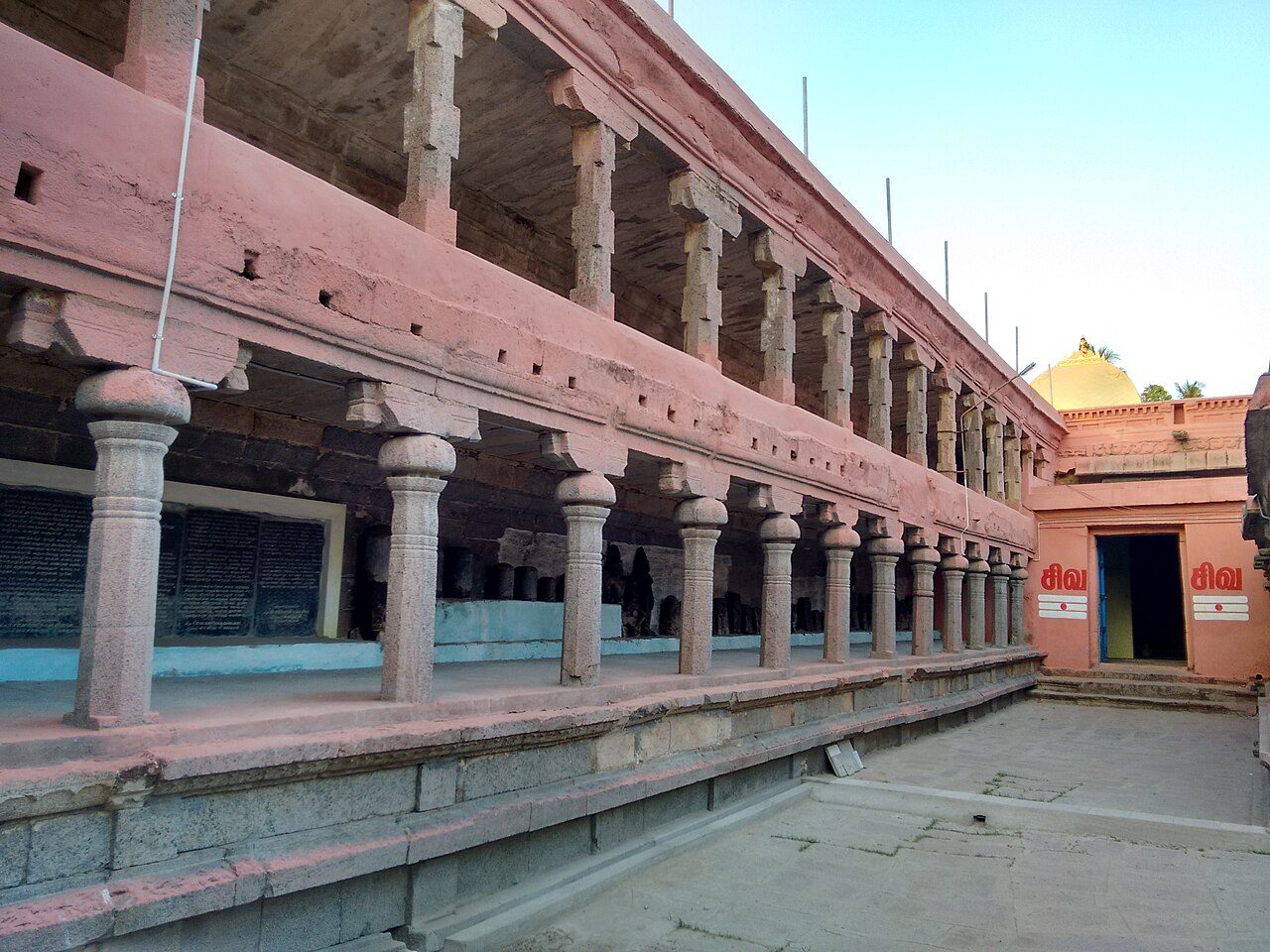
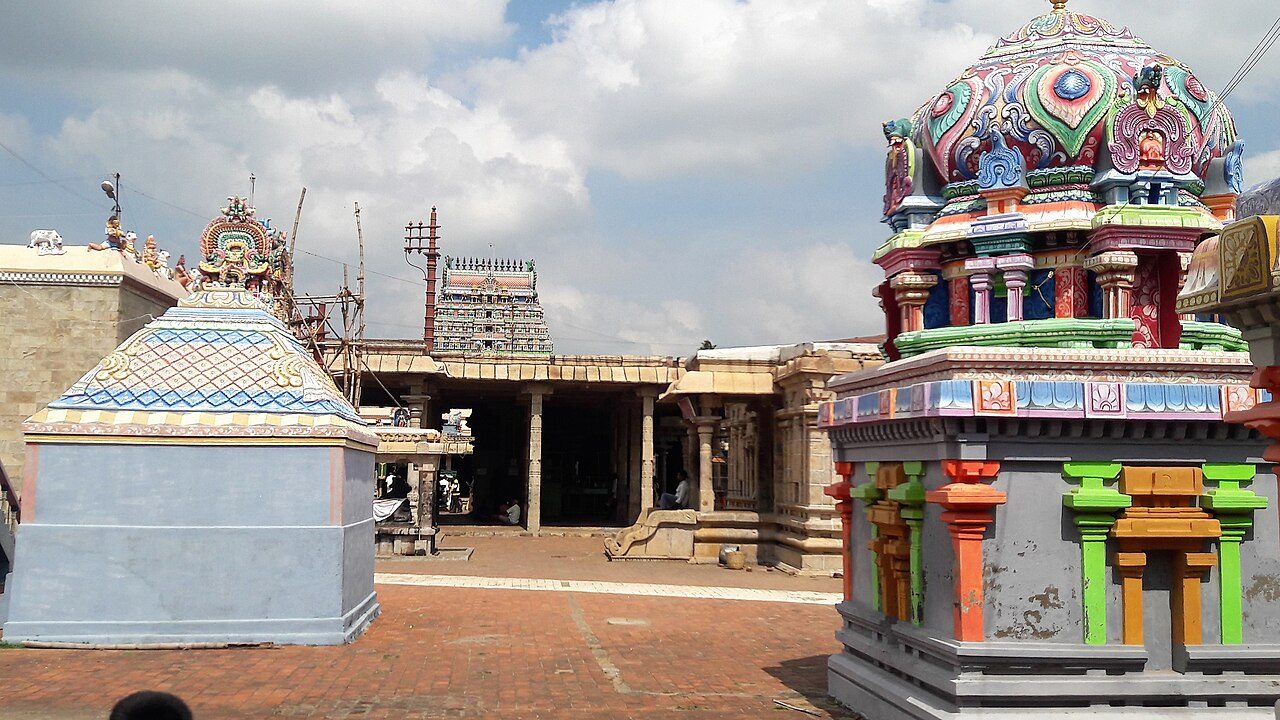
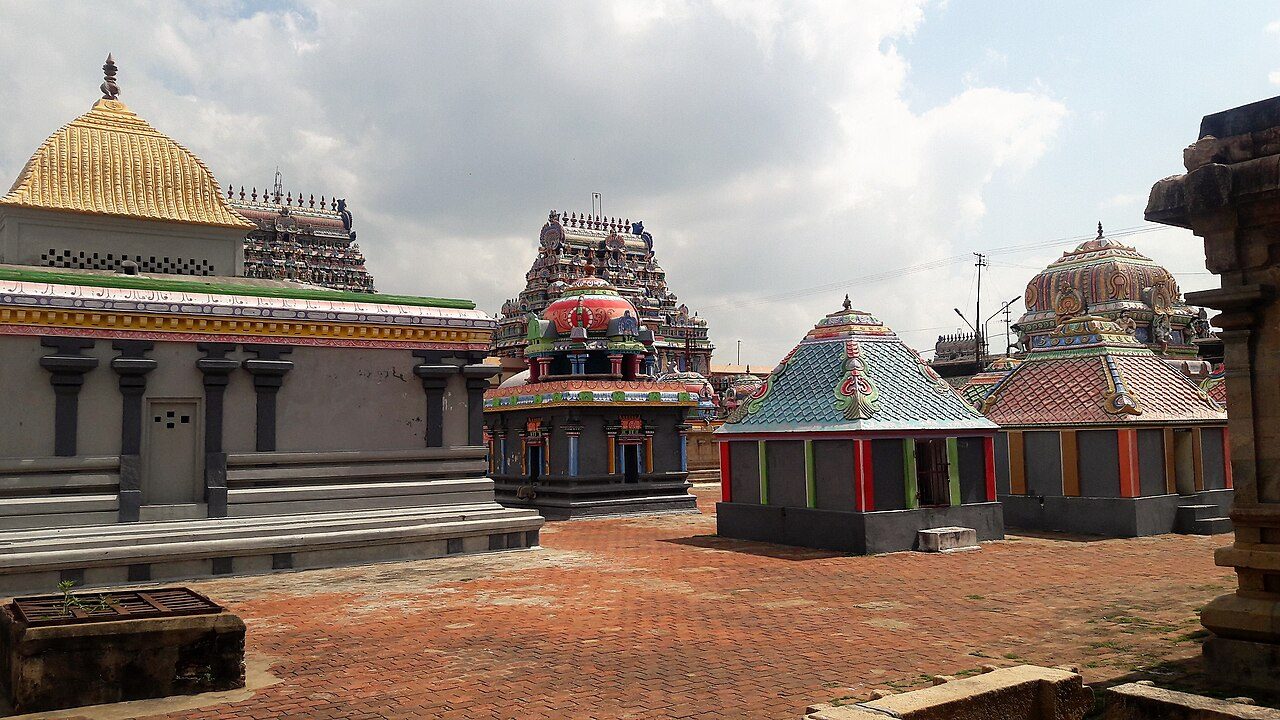
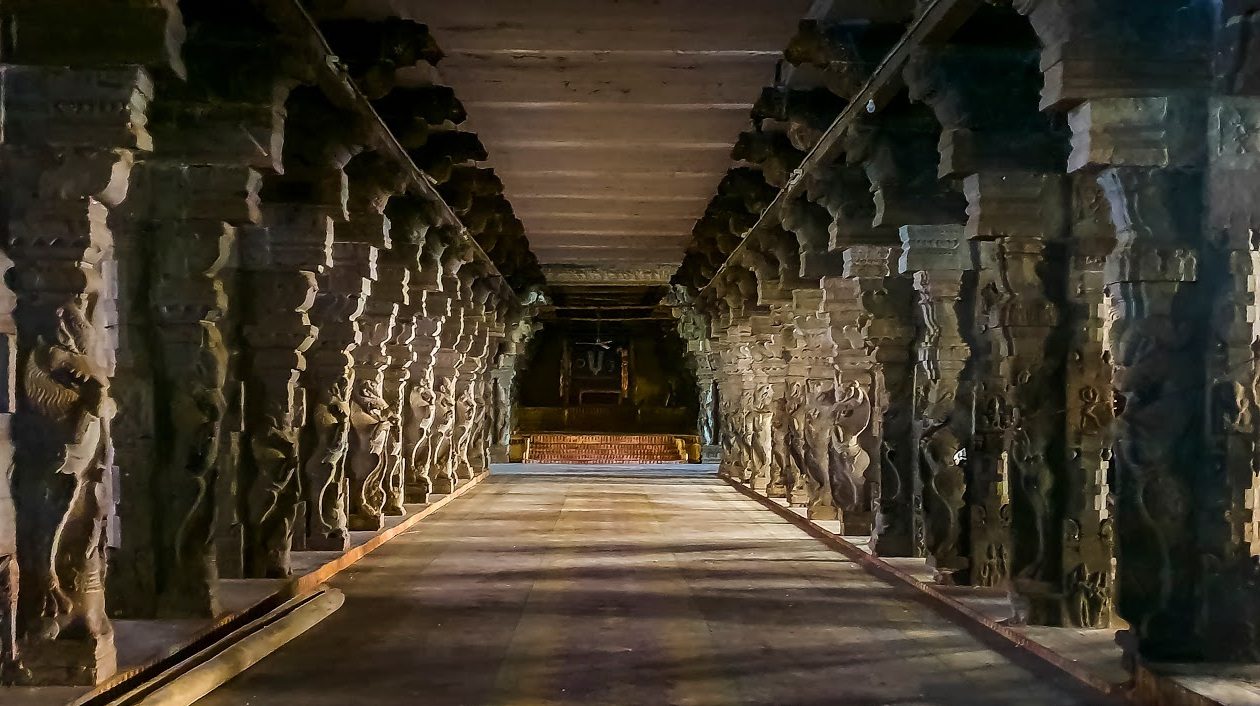
This Shiva temple on the bank of the Kollidam is one of the Paadal Petra Sthalams, praised in the seventh-century Tevaram hymns, and carries Chola inscriptions recording grants from the tenth century onward. The deity is worshipped as Vaidyanatha, the healer, and the long pillared corridors were added by later rulers.
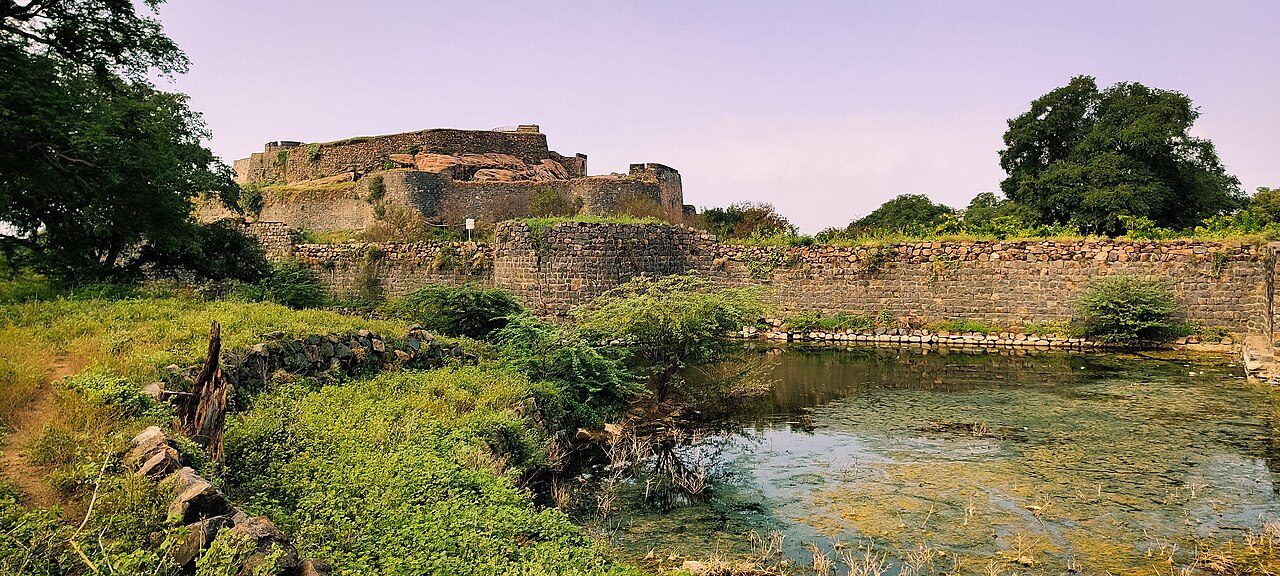
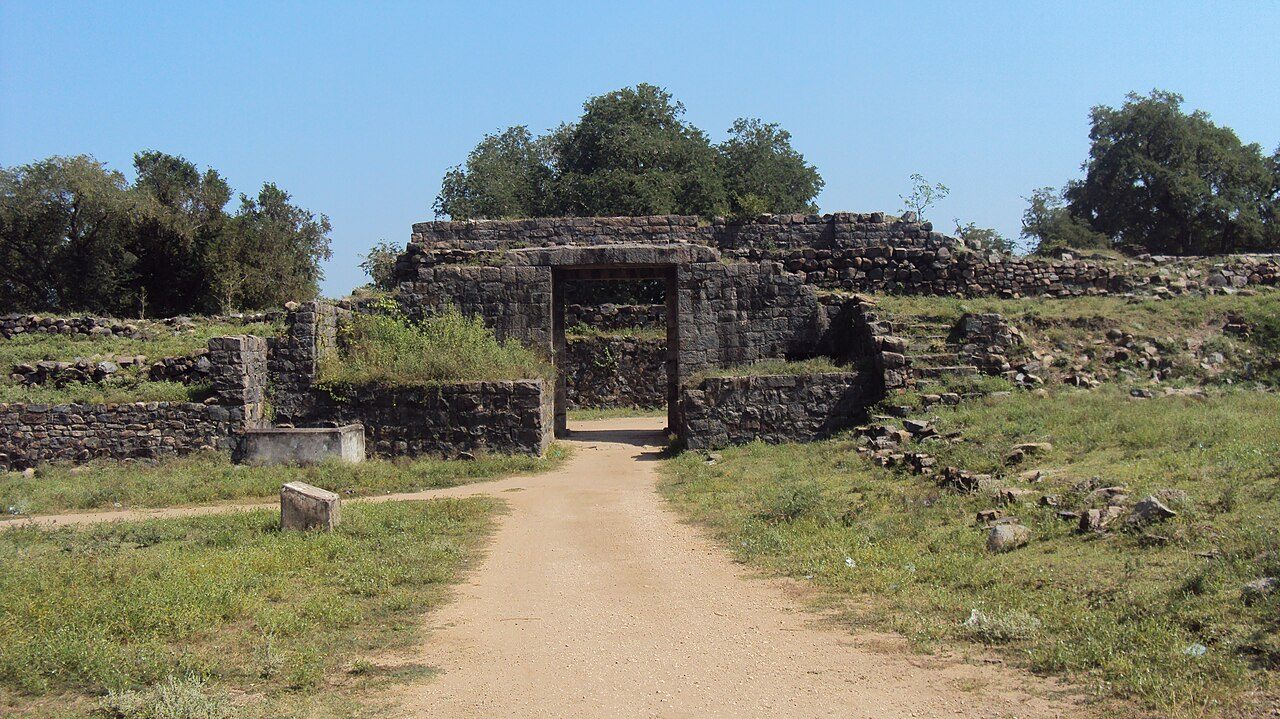
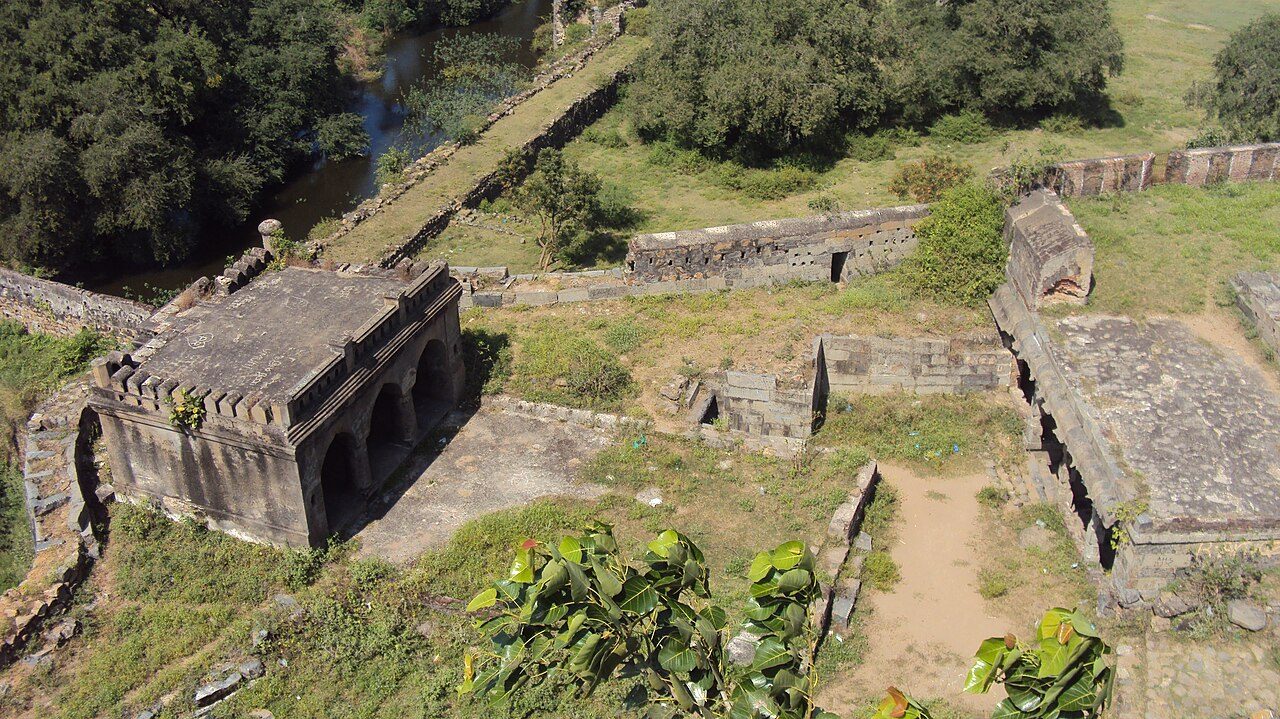
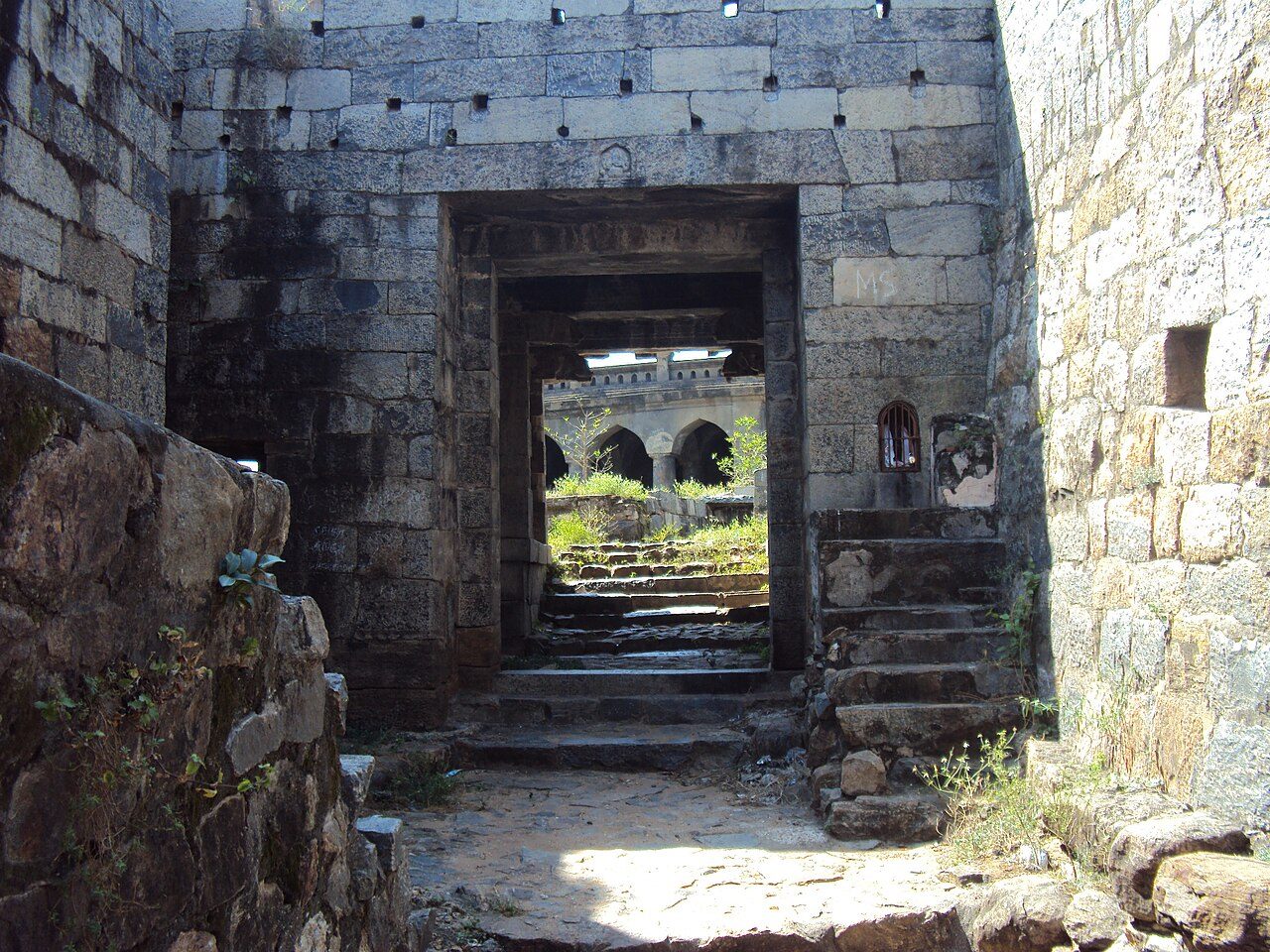
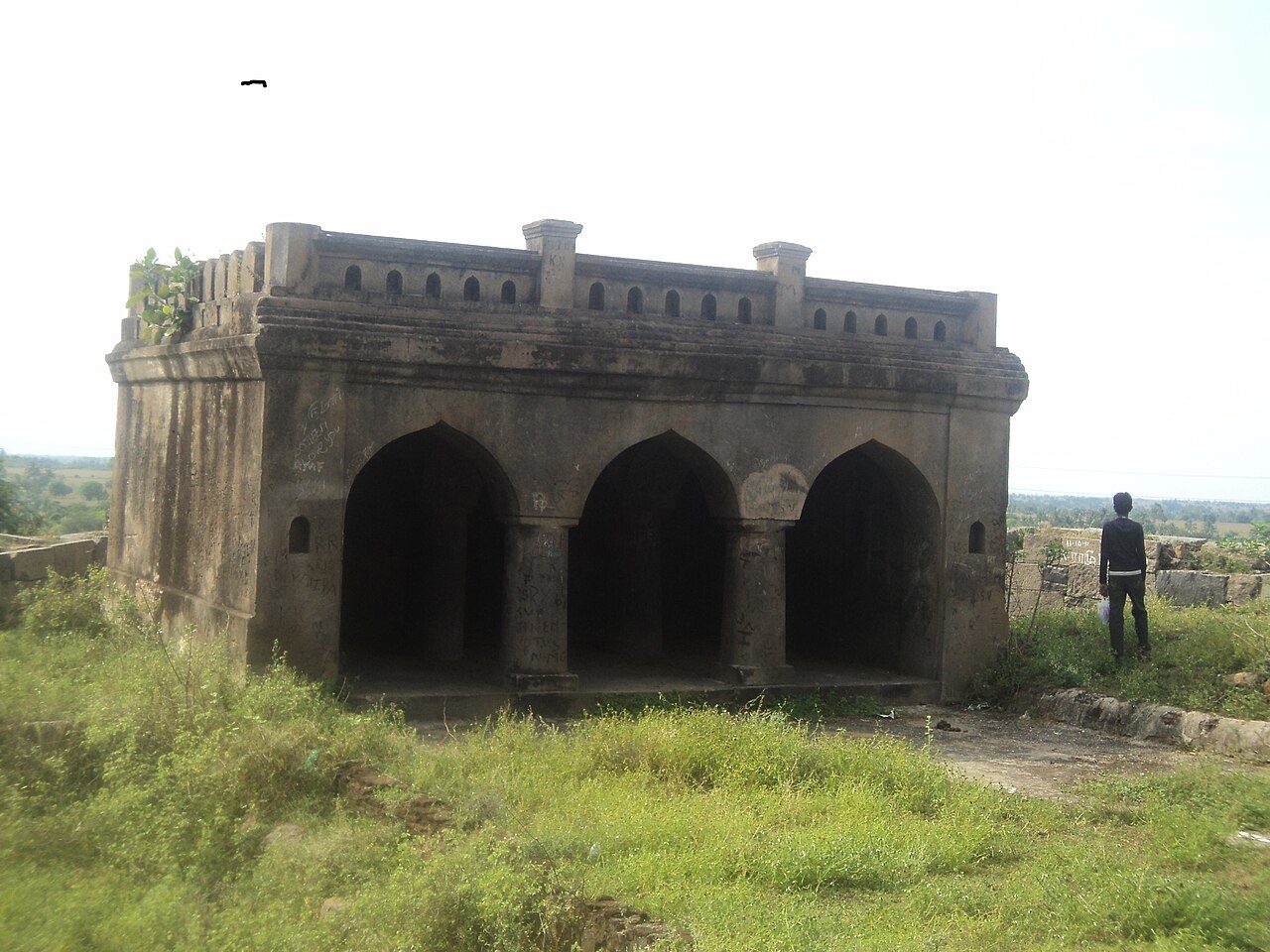
A 17th-century fort beside the old Grand Southern Trunk Road, built under the Nawabs of Arcot and fought over during the Carnatic Wars when Anglo-French rivalry ran through this country. Its ramparts enclose a moat, a magazine and living quarters, with three levels of defence still traceable. The Archaeological Survey of India maintains it, and the plan is clearest from the top of the mound.
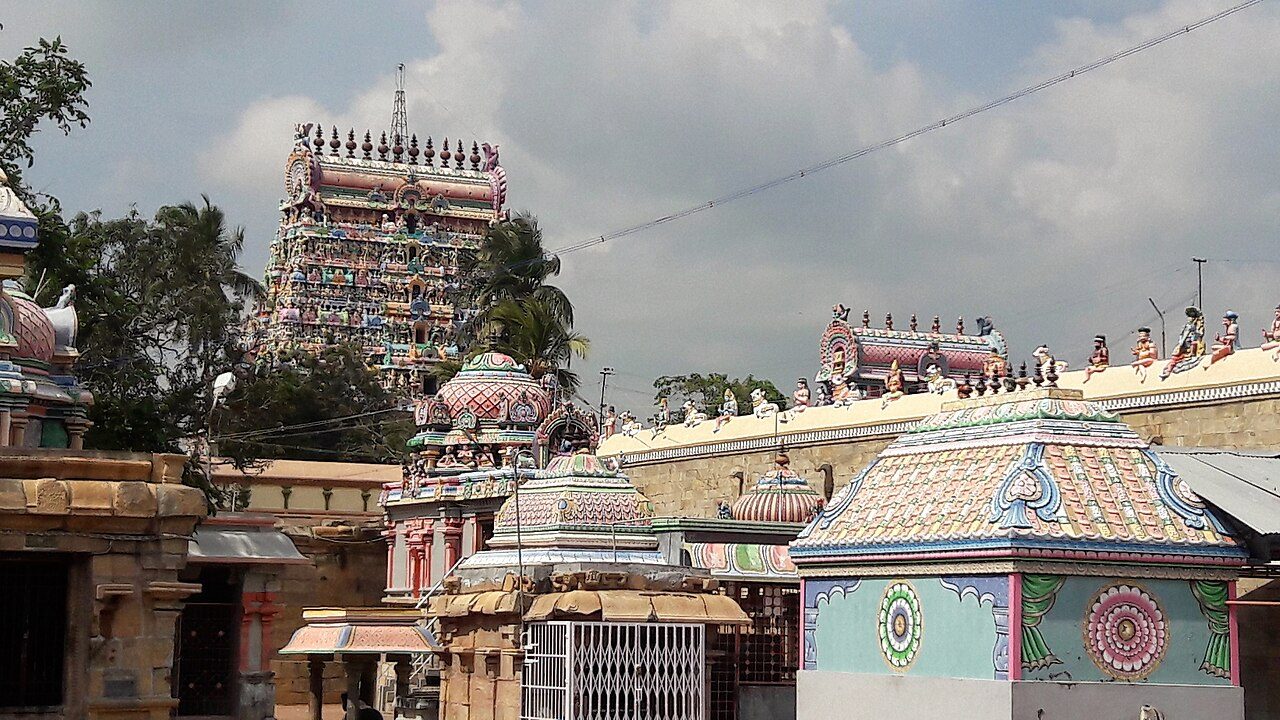
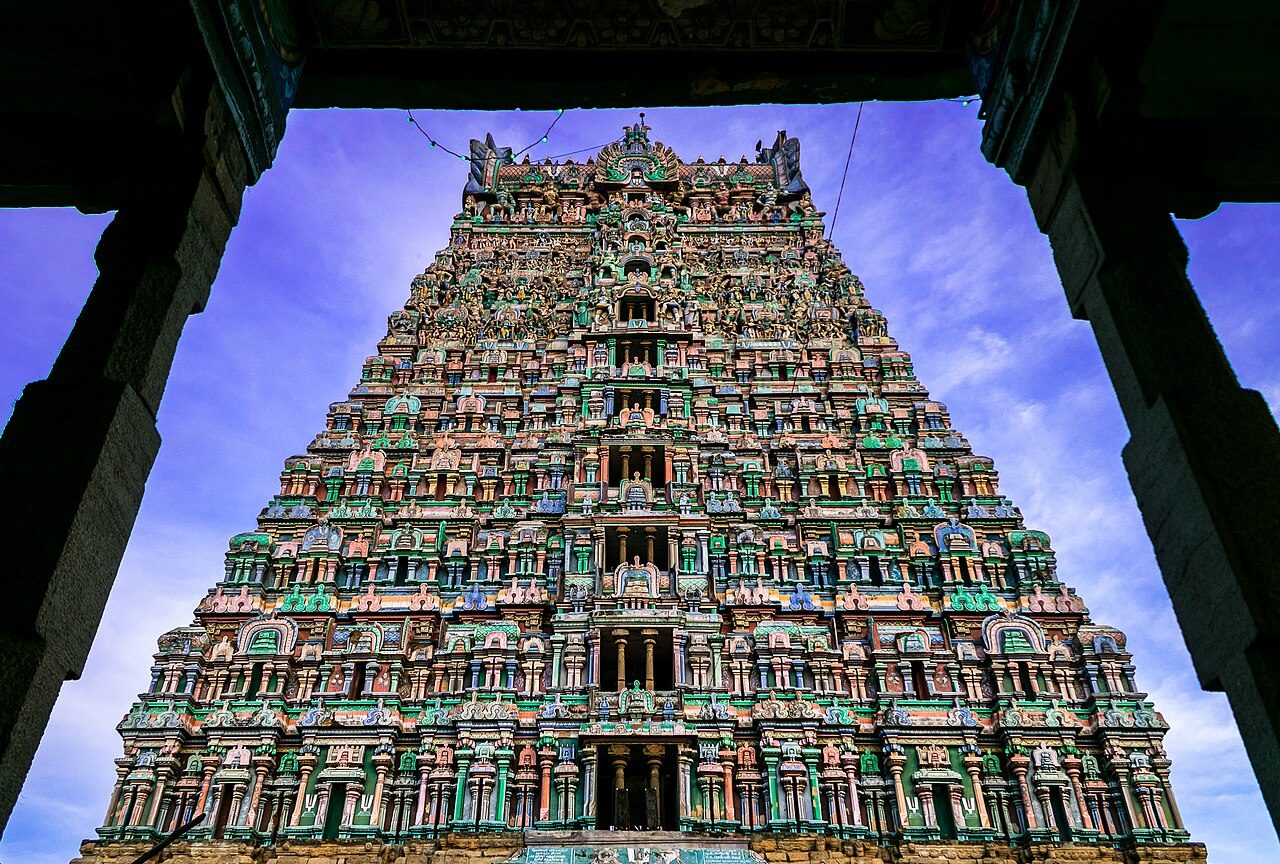
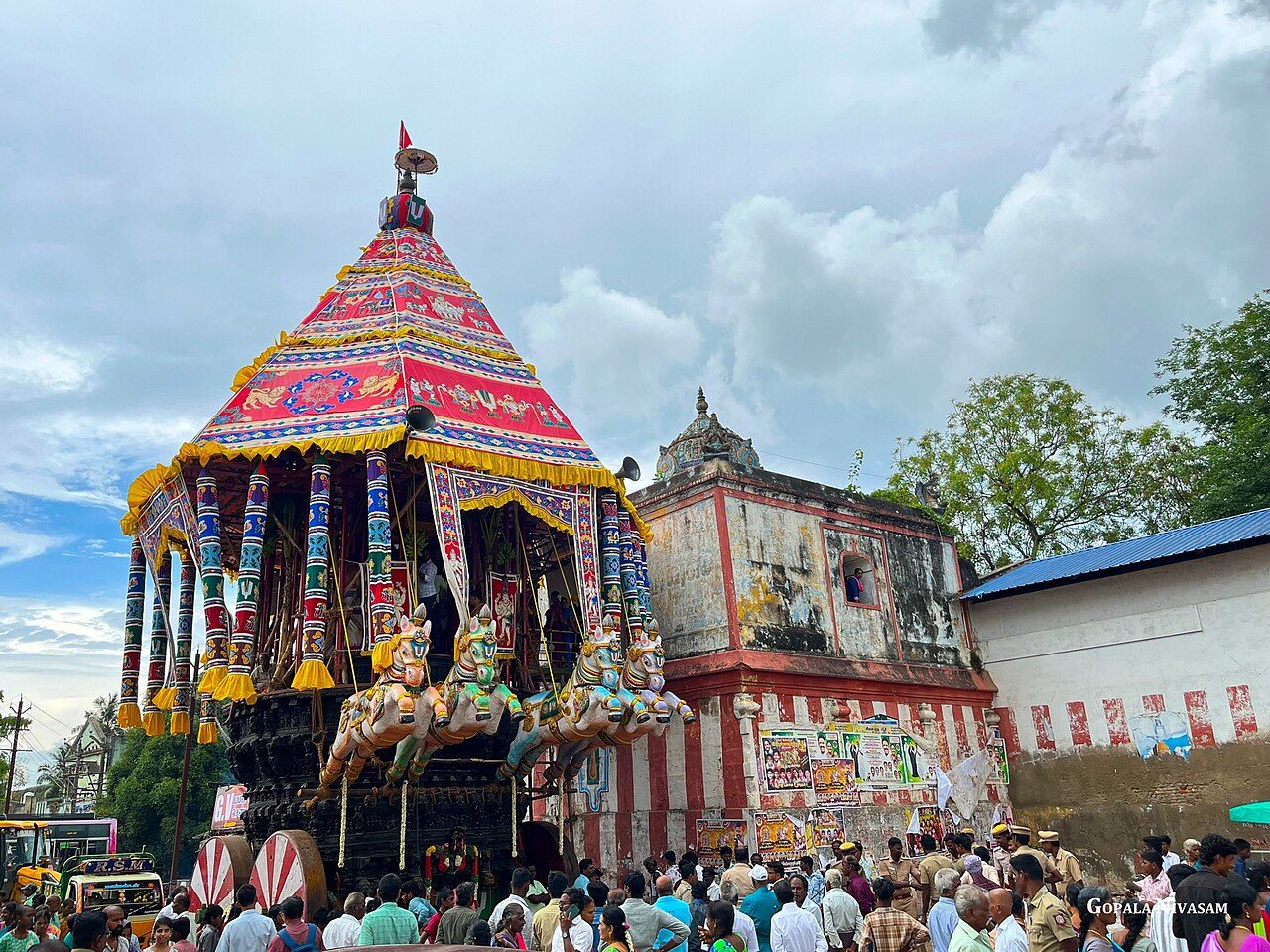
One of the largest temple complexes in Tamil Nadu, spread over about 30 acres, Tiruvarur's temple is dedicated to Shiva as Thyagaraja and Vanmikanathar, and is linked to the legendary Chola king Manu Needhi Cholan. Its temple car is the largest in Tamil Nadu, and the Aazhi Ther festival when it is pulled draws vast crowds. The town is also the birthplace of the three great Carnatic composers, Thyagaraja, Muthuswami Dikshitar and Syama Sastri.
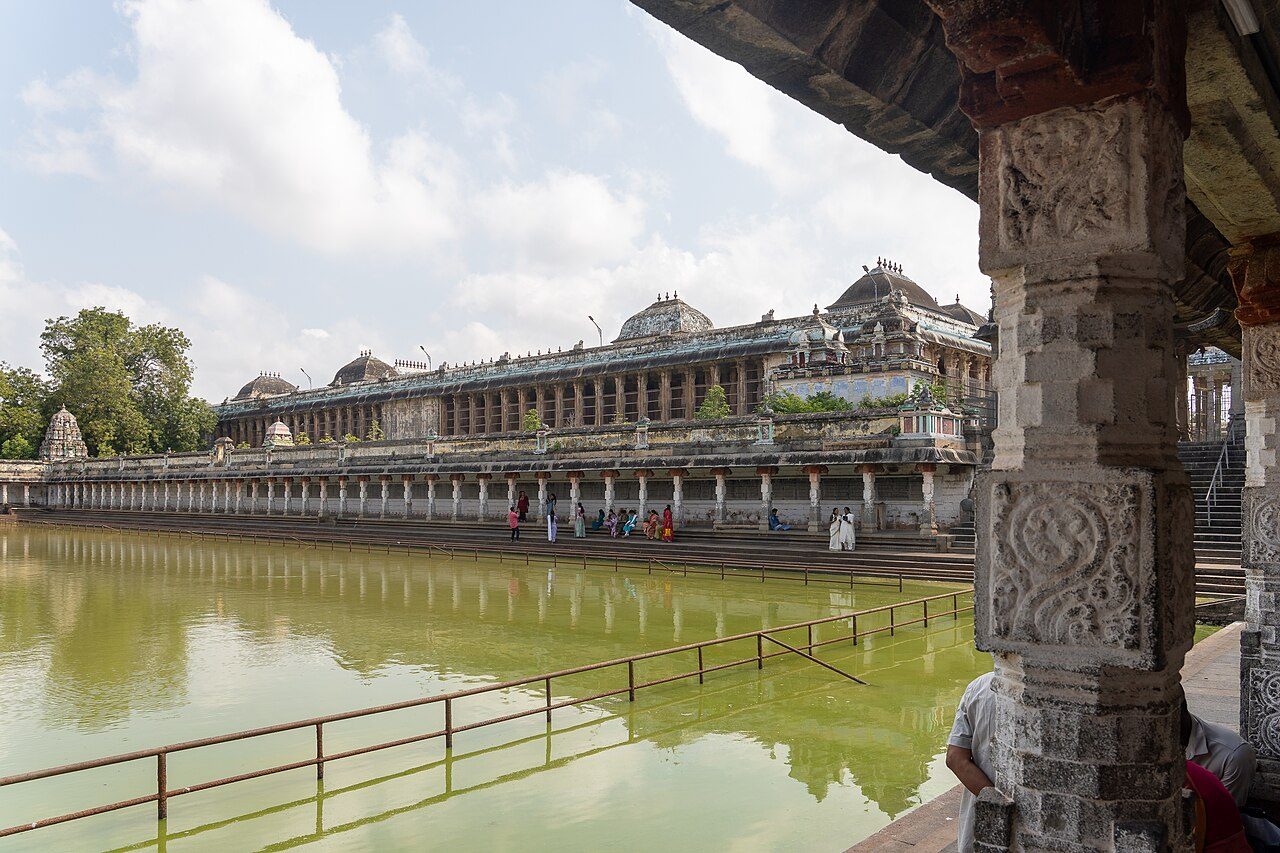
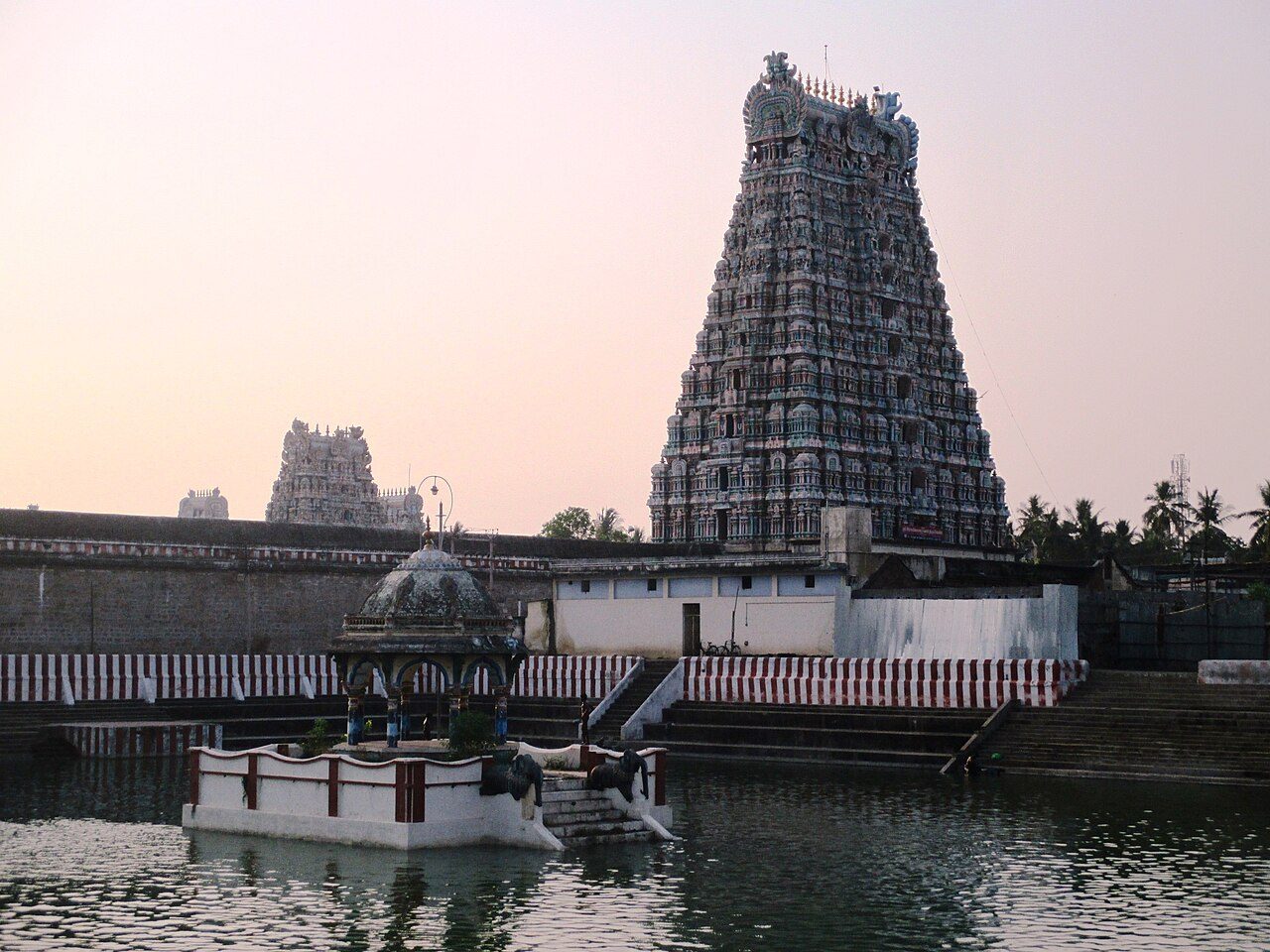
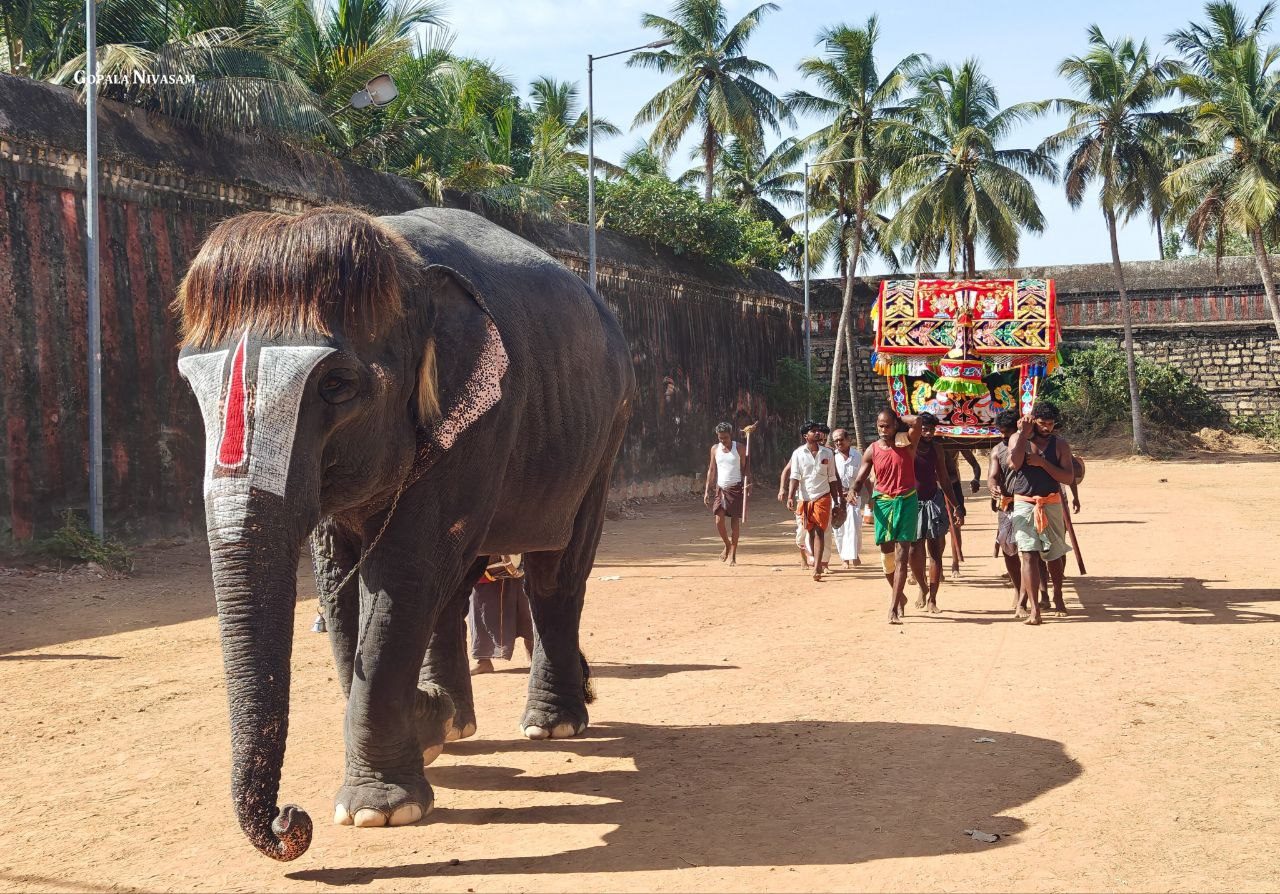
Known as Dakshina Dwaraka, the Dwaraka of the south, this temple worships Krishna as Rajagopalaswamy. It covers about 23 acres, with 16 gopurams, many halls and shrines, and the Haridra Nadhi, one of the largest temple tanks in India. Built up over centuries by the Chola kings and later the Thanjavur Nayaks, it is among the great temples of the Kaveri delta.
 WaTrips