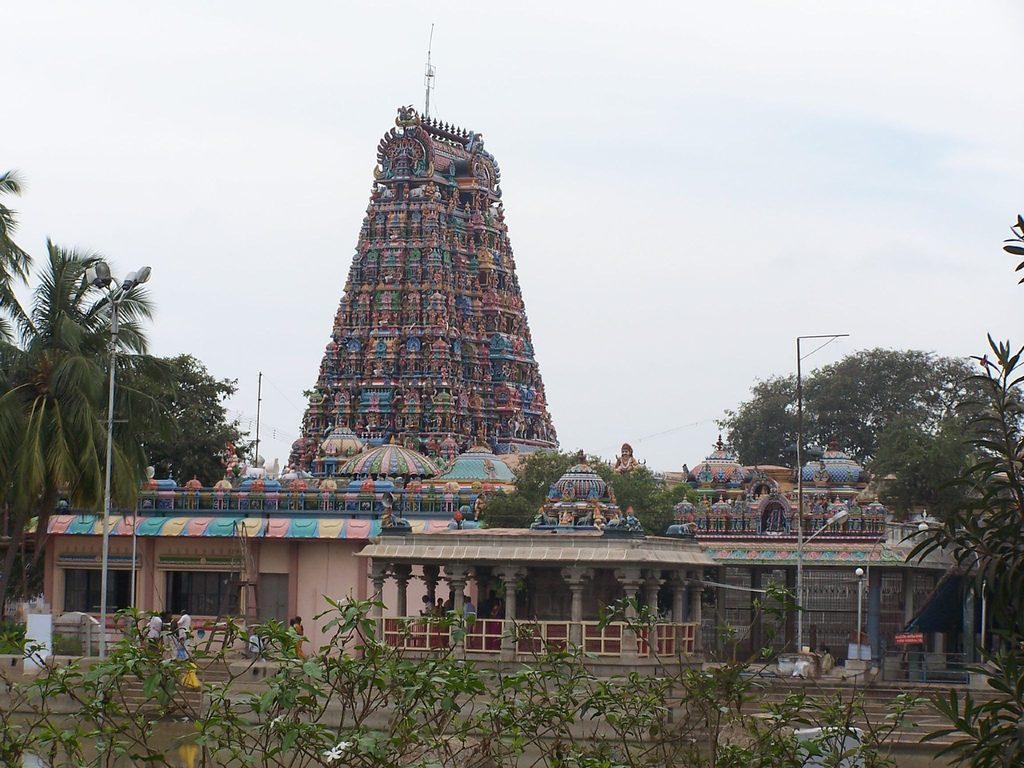
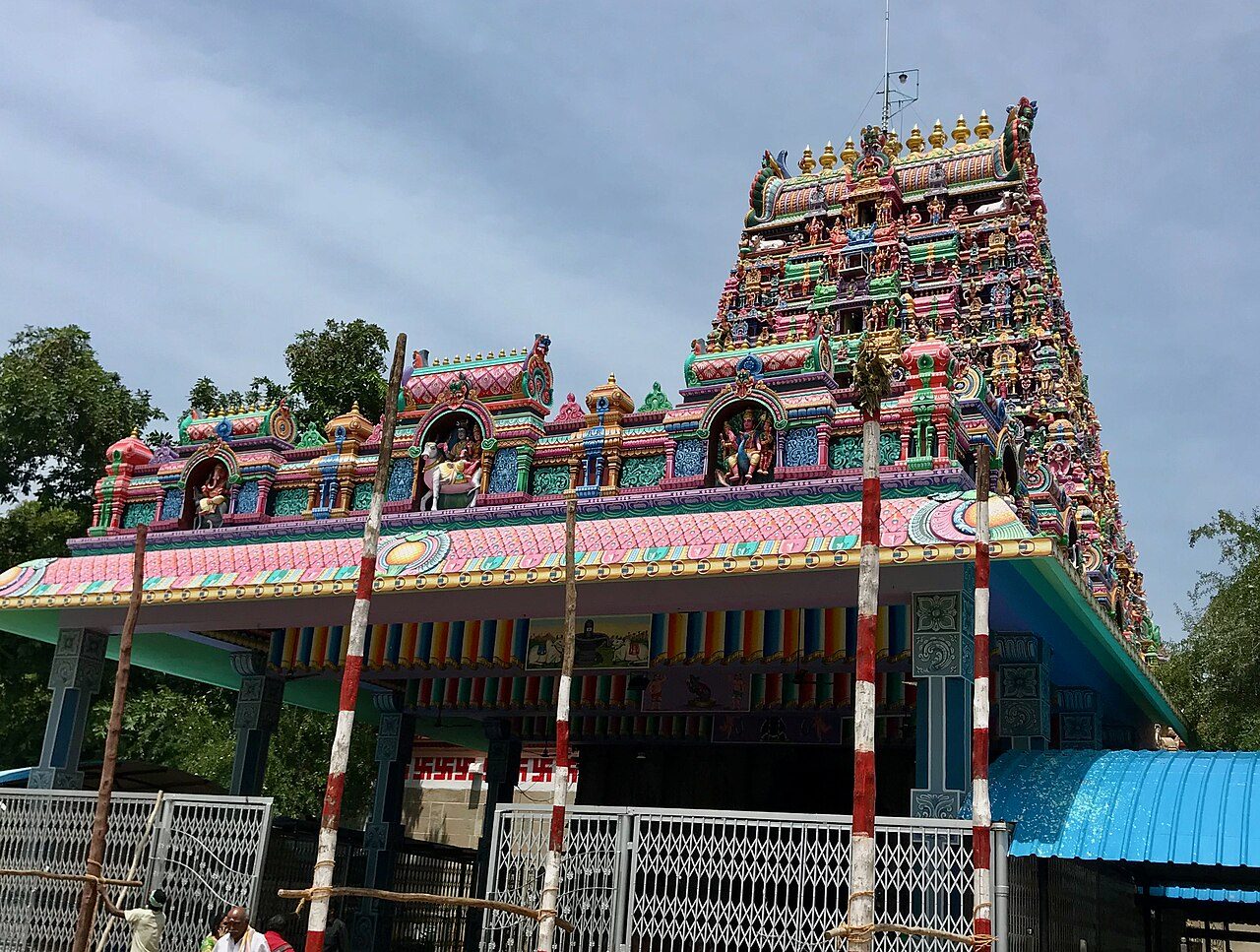
Jain cave paintings at Sittanavasal, early Chola temples, Thirumayam Fort, Chettinad's grand mansions and the Keeladi excavations.
A trip for slow travellers who like history and good food. Day one is in Pudukkottai: the painted Jain cave at Sittanavasal, the early Chola temple on the rocks at Narthamalai, and Thirumayam Fort. Day two is Chettinad, where merchant families built huge mansions with Burma teak, Italian marble and Athangudi tiles. See the Chettinad Palace at Kanadukathan and the Athangudi Palace, and visit the rock-cut Karpaga Vinayagar temple at Pillaiyarpatti. On the last day go to the tall towers of Kalaiyarkoil and the Keeladi museum, which shows a 2,500-year-old Tamil town found by archaeologists. Try a Chettinad meal on a banana leaf, and note that some mansions are private homes with set visiting hours.
01
STOP 1 OF 8
Sittanavasal Cave
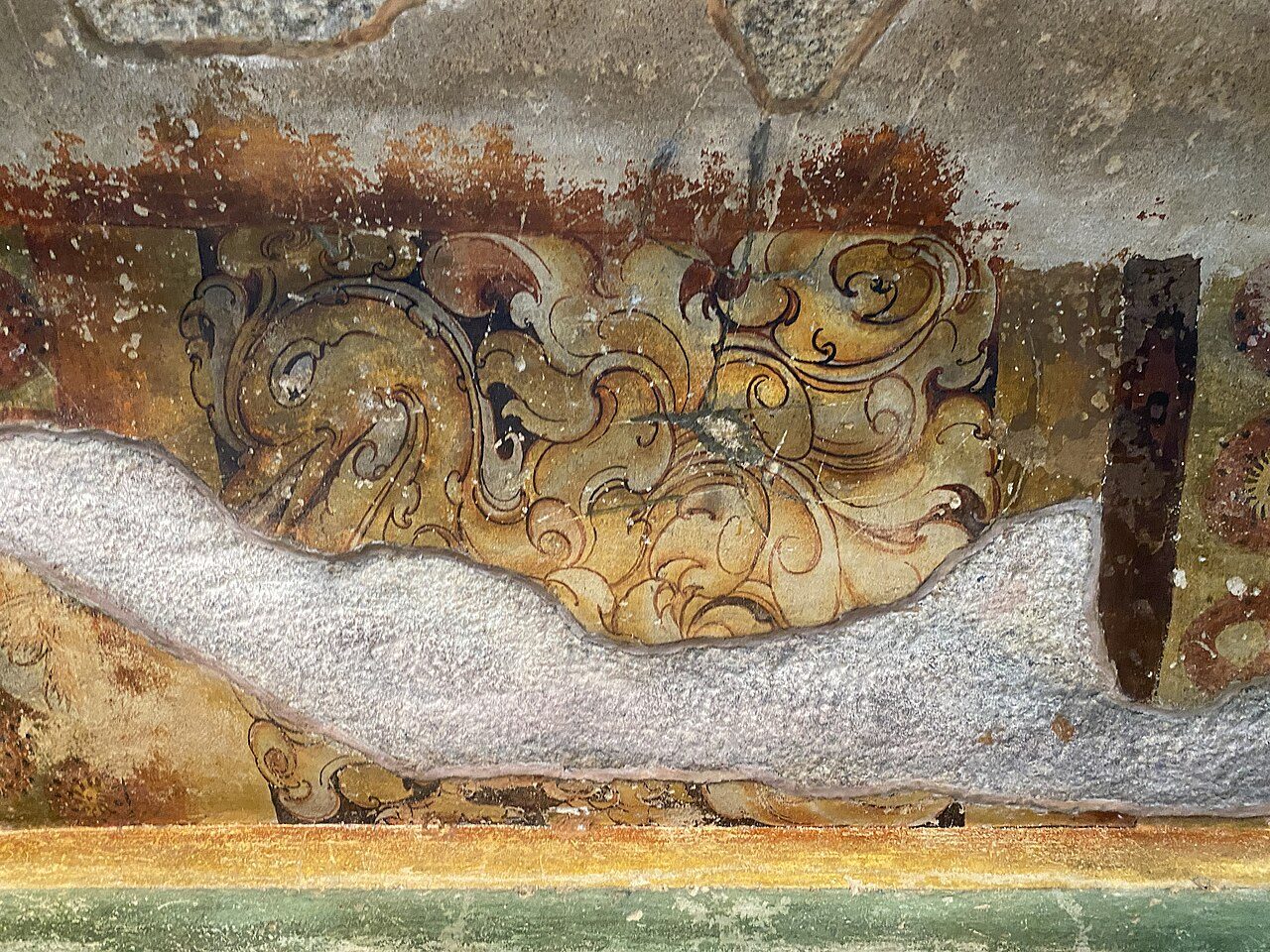
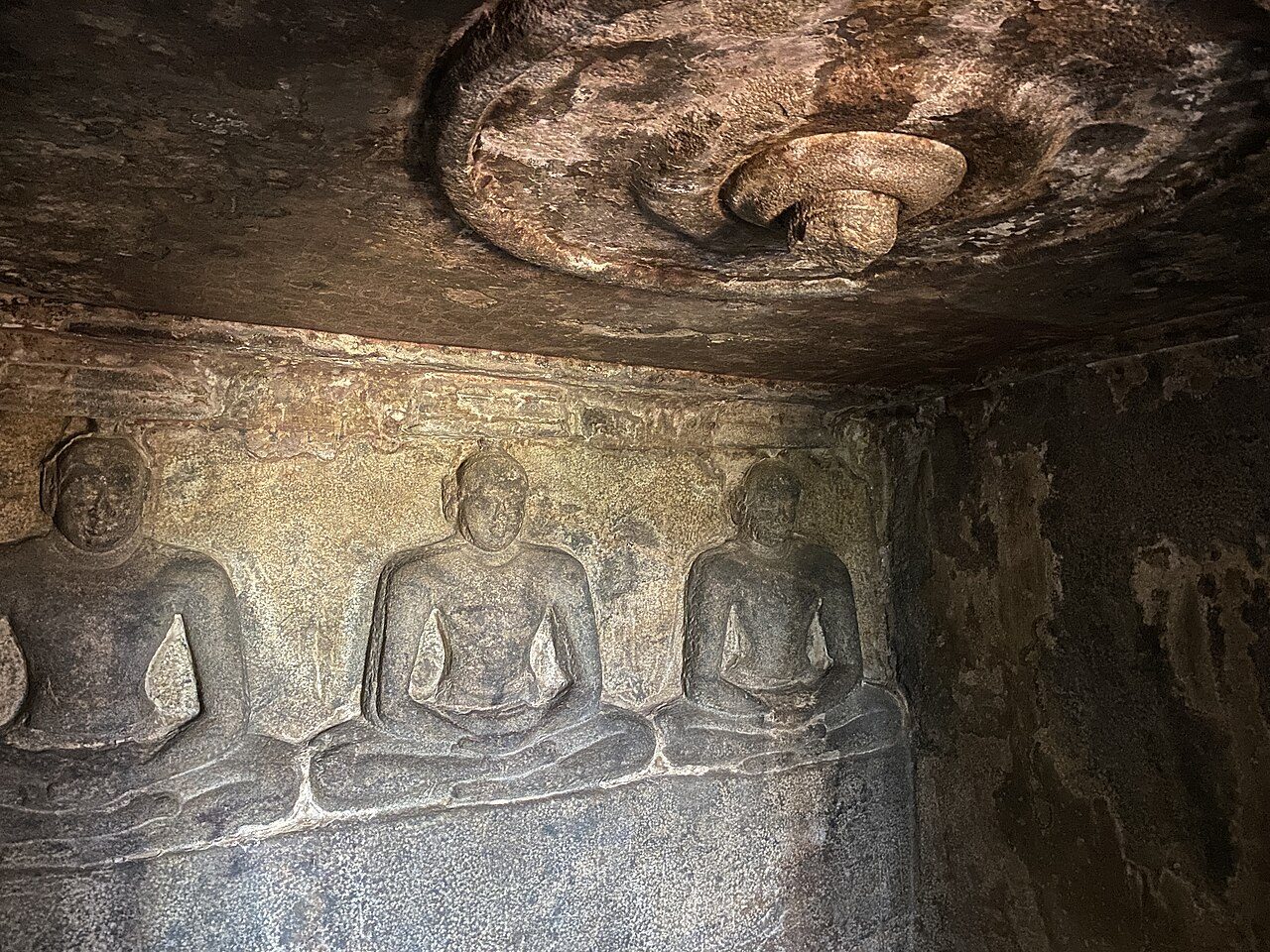
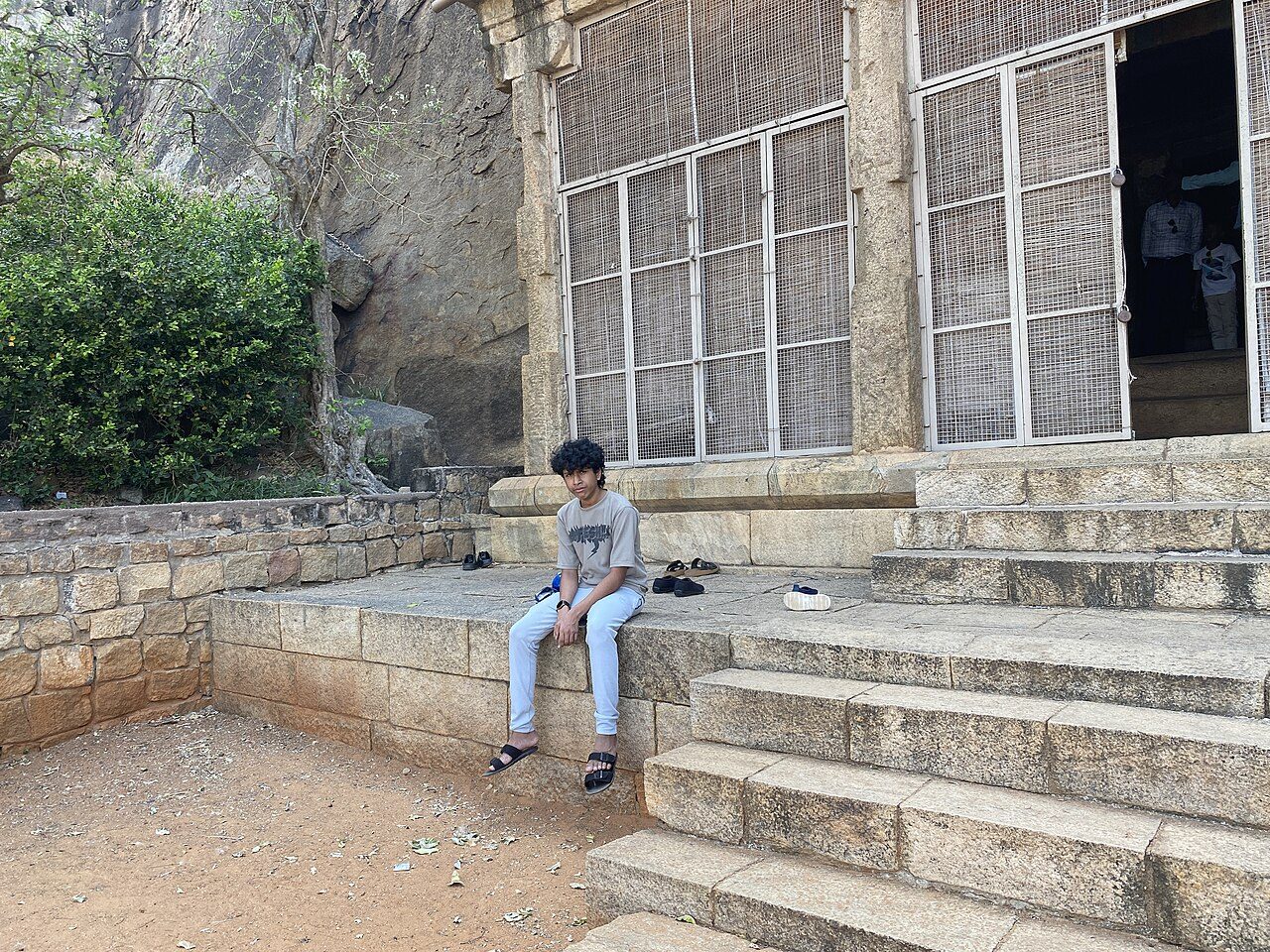
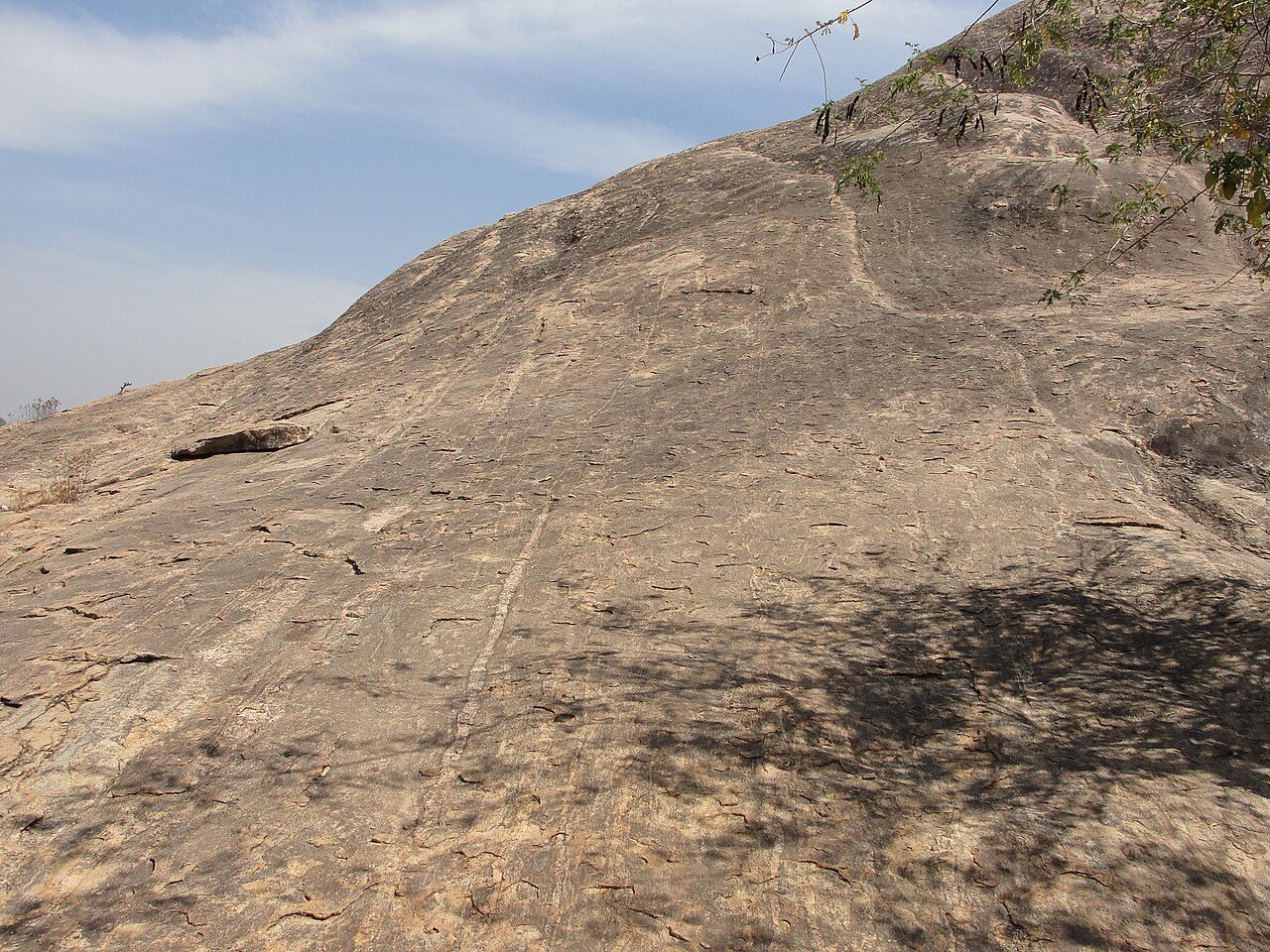
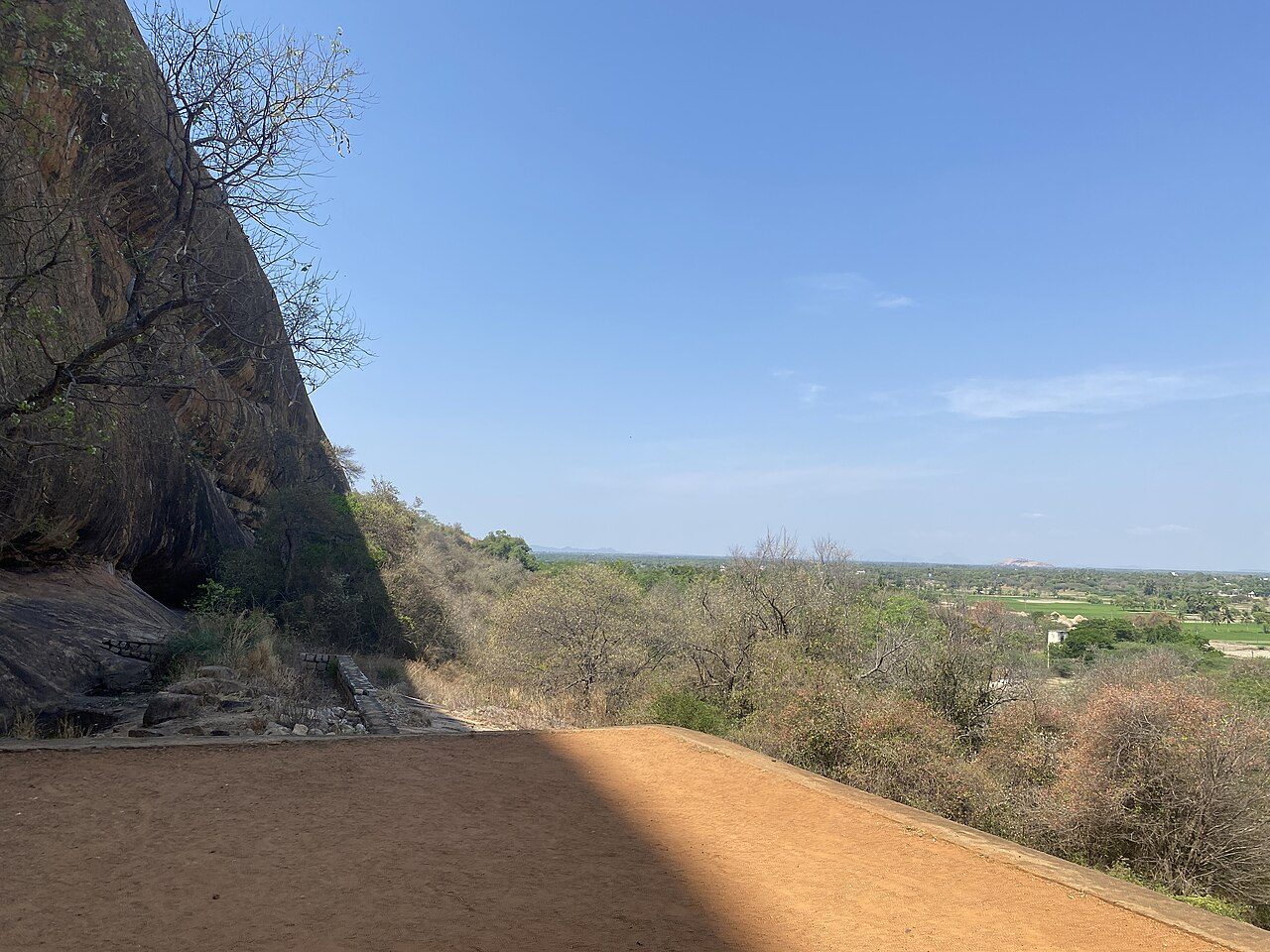
Sittanavasal is a 7th-century Jain rock-cut cave temple, the Arivar Koil, cut into a low hill for monks who had earlier lived in the adjoining Eladipattam shelter, where polished stone beds and Tamil-Brahmi inscriptions go back to about the 2nd century BCE. Its ceiling and pillar paintings of a lotus pond with elephants, fish and dancing figures are among the very few surviving examples of ancient Indian mural art outside Ajanta, generally dated to the Pandya period under Srimara Srivallabha in the 9th century. The sanctum carries relief carvings of Tirthankaras and Jain teachers. The site is protected by the Archaeological Survey of India.
02
STOP 2 OF 8
Vijayalaya Choleeswaram Narthamalai
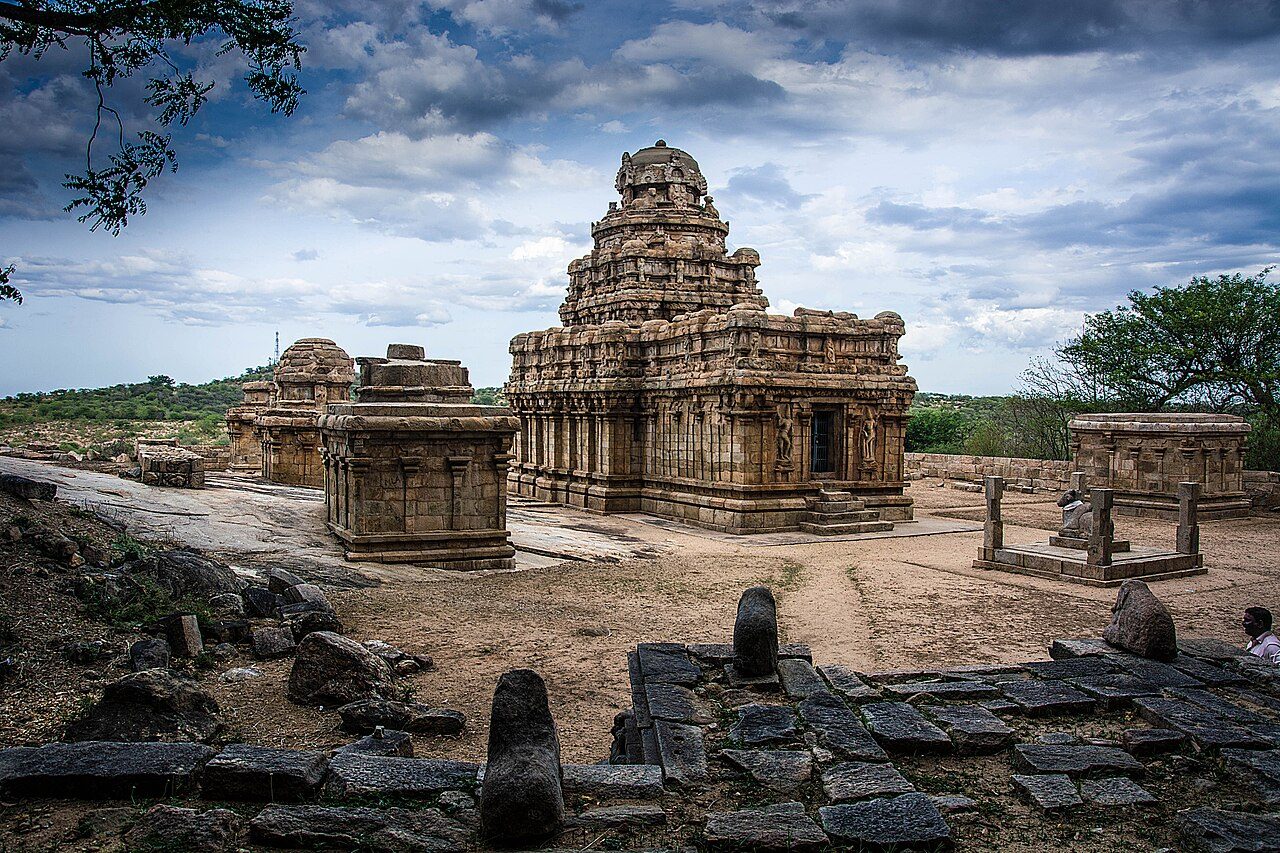
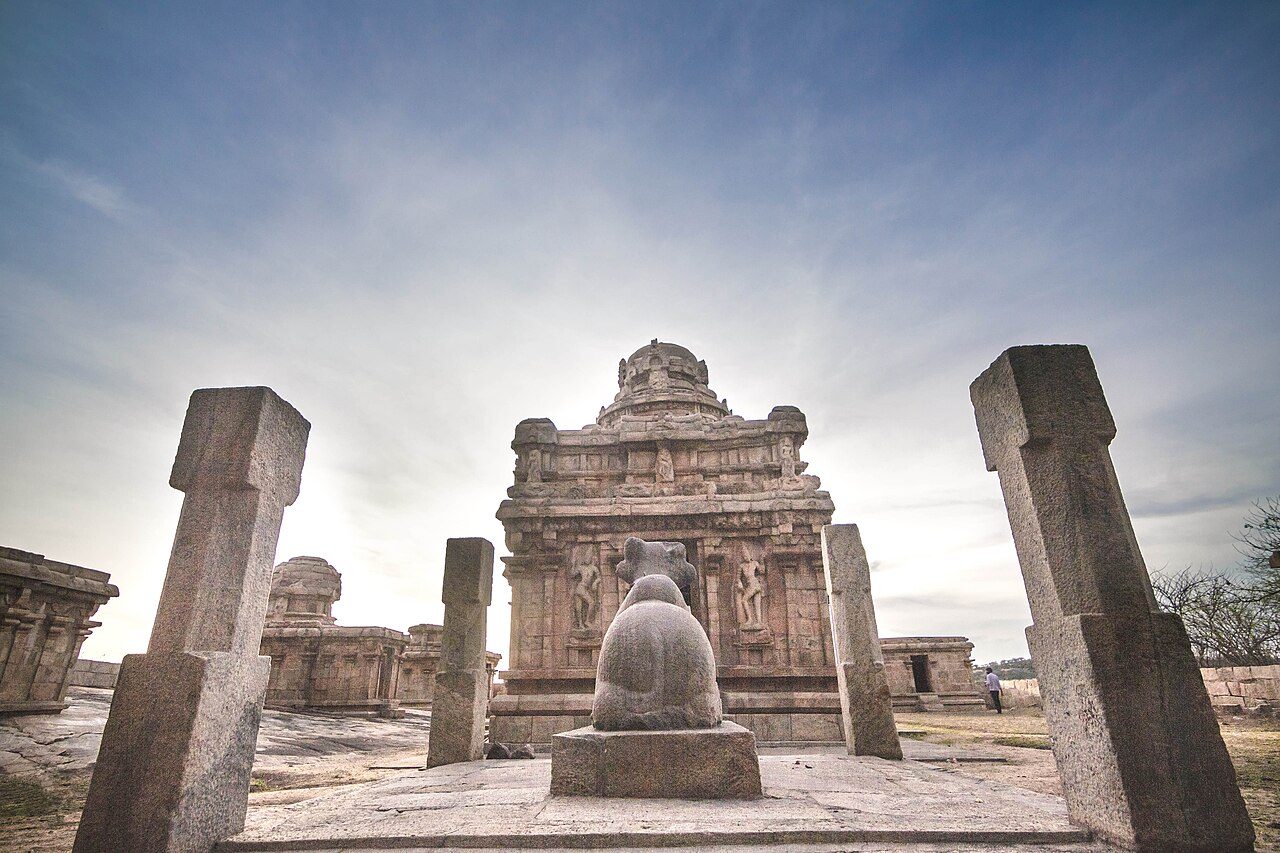
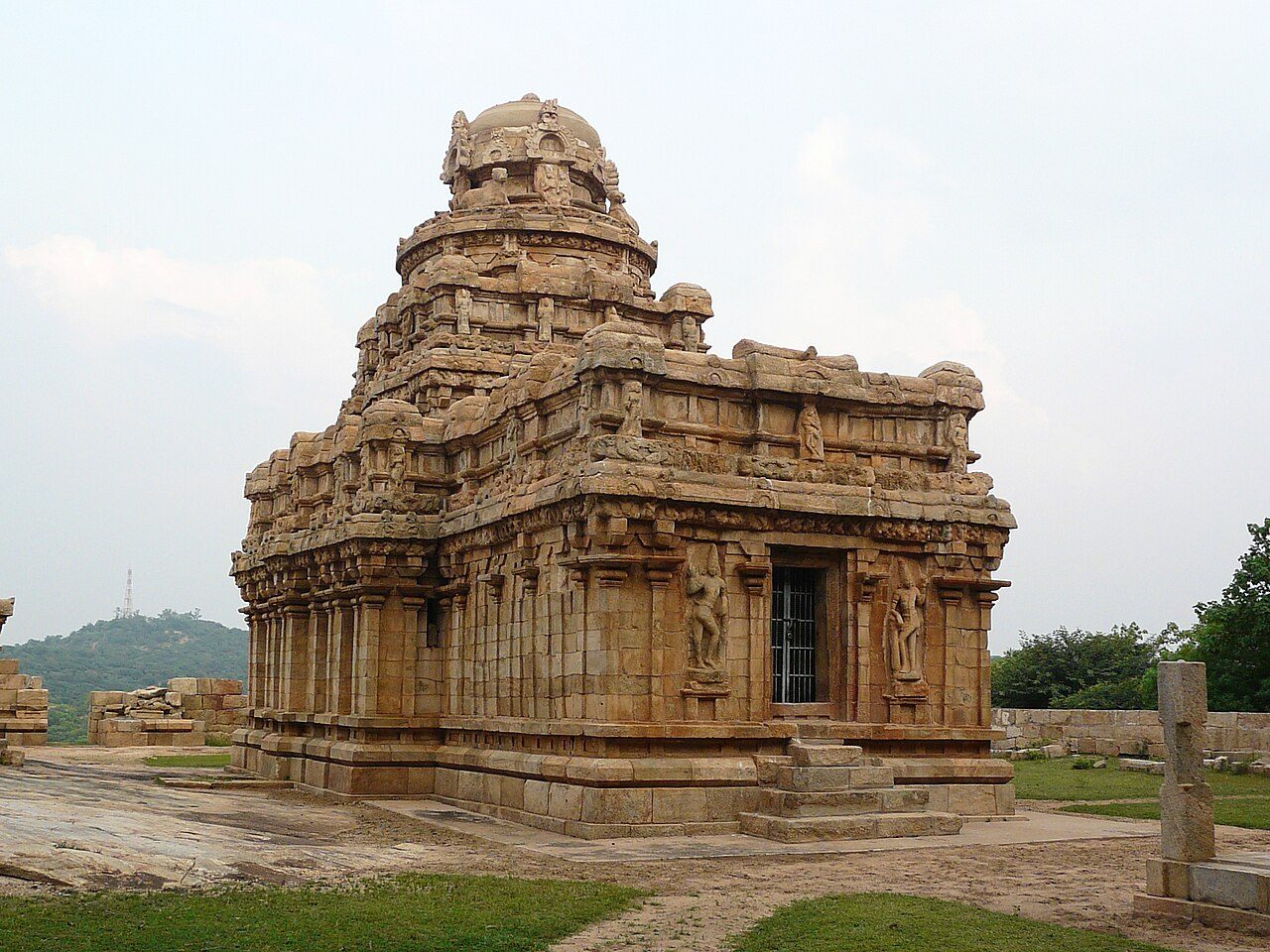
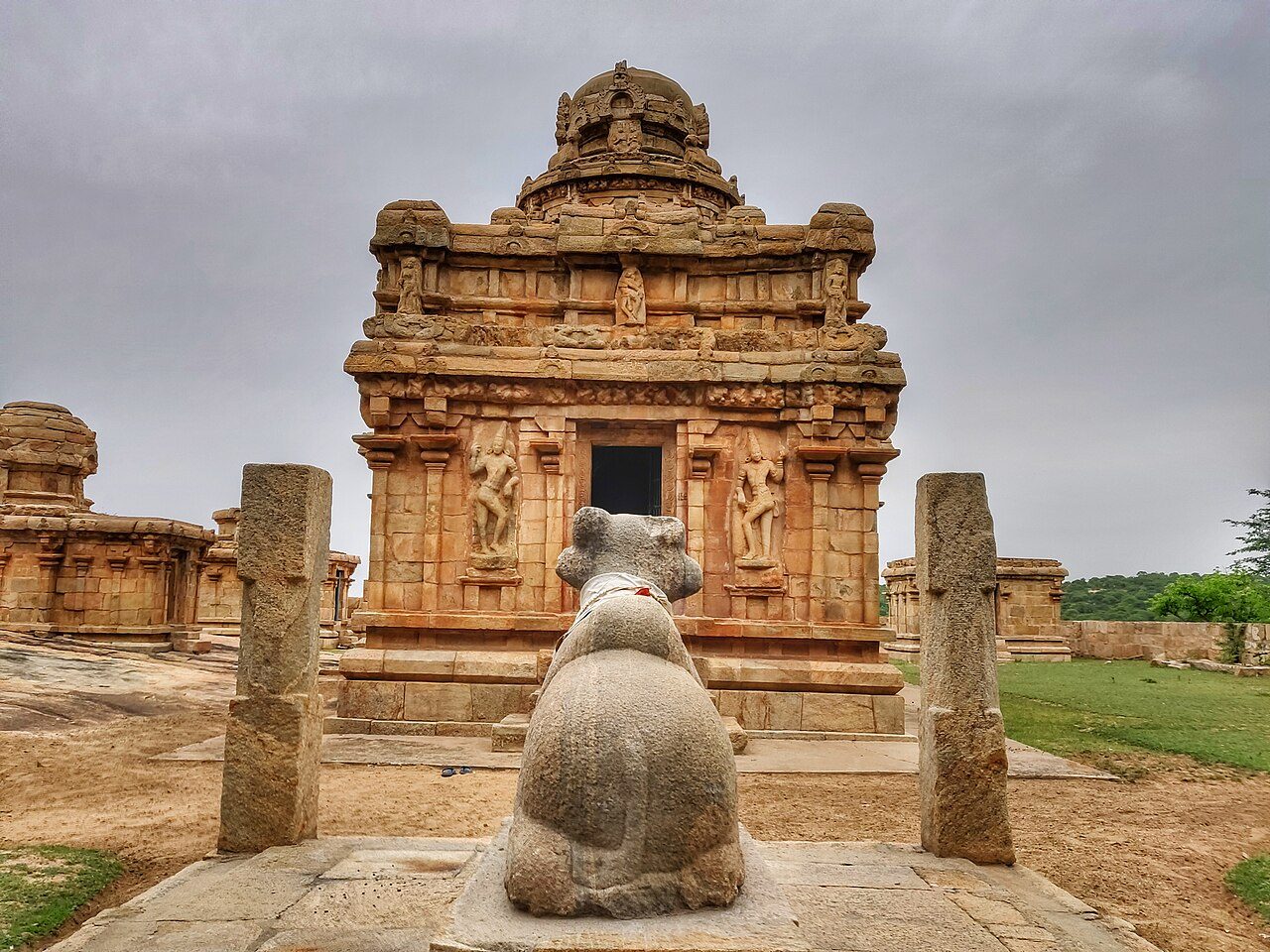
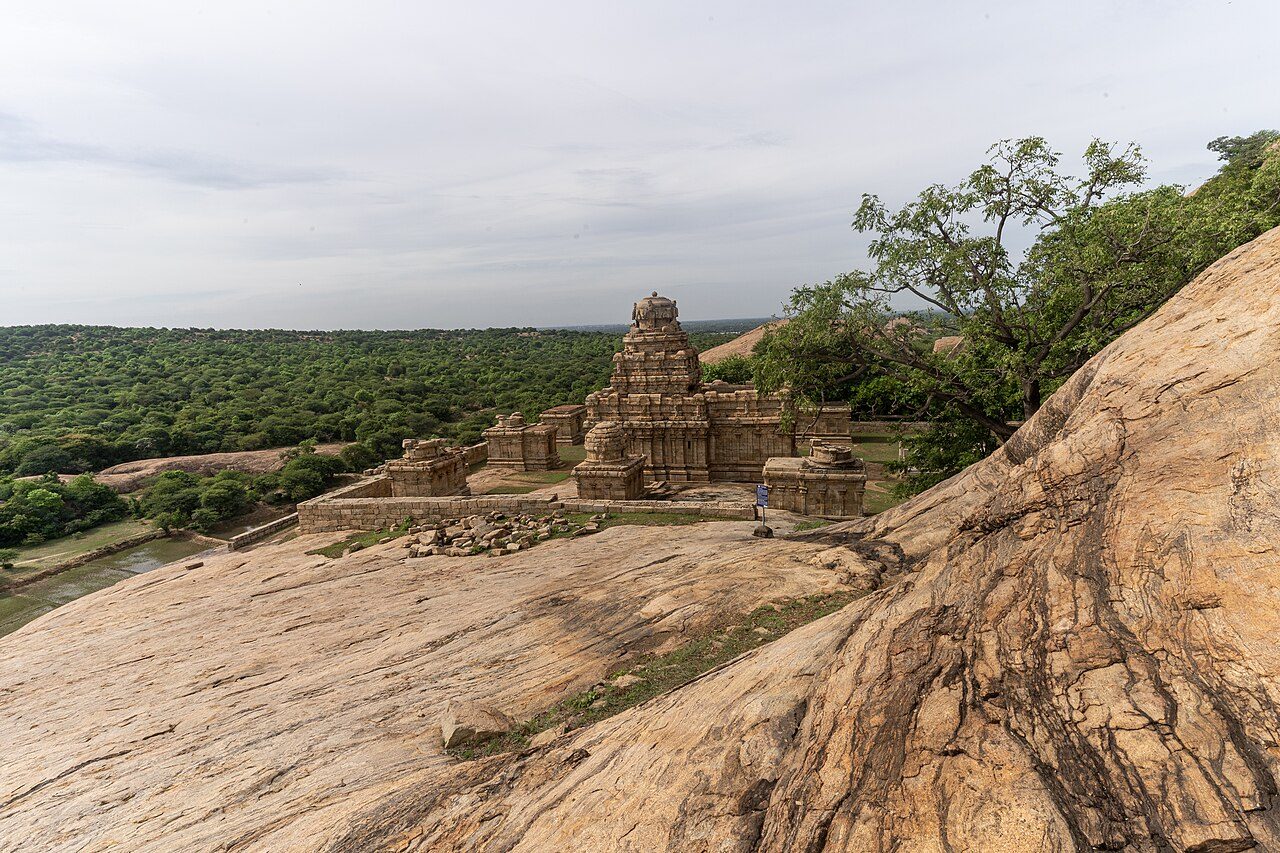
This small stone temple on the Narthamalai hills is one of the oldest surviving structural temples of the Chola country, usually dated to the 9th century and linked either to Vijayalaya Chola or to the Muttaraiyar chiefs who held the area before him. Its round-topped vimana and plain mouldings mark the moment when Tamil builders moved from rock-cut to structural temples. On the same hill are cave shrines with rows of standing Vishnu figures and a Jain cave carrying early inscriptions.
03
STOP 3 OF 8
Thirumayam Fort
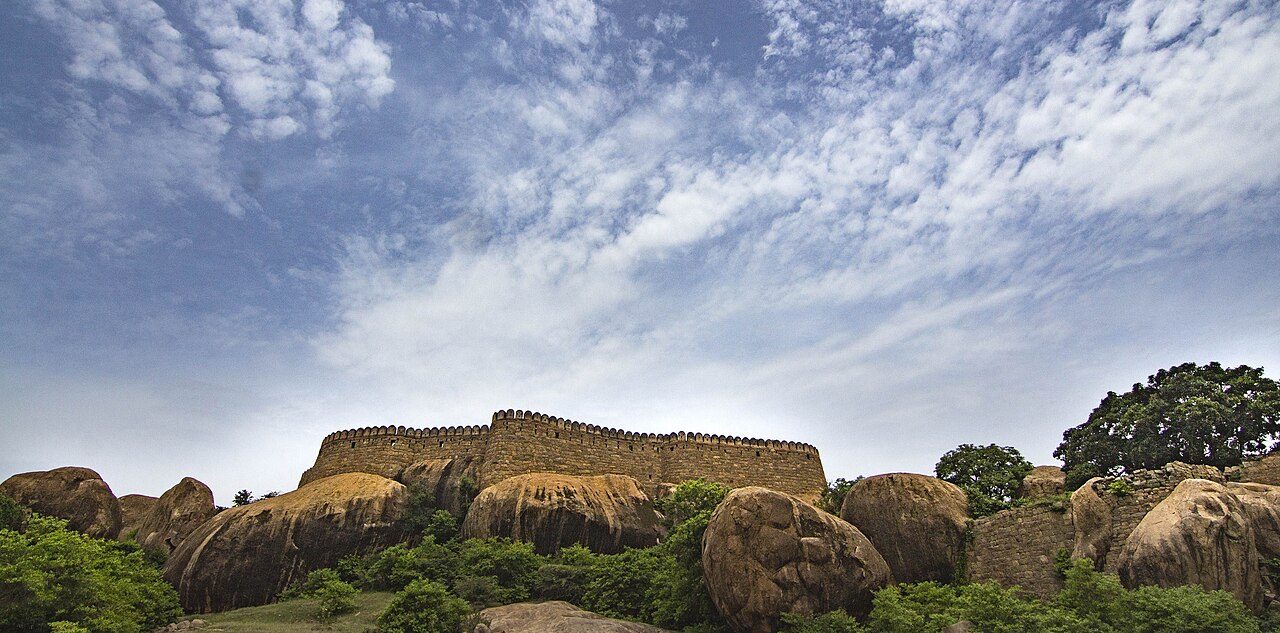
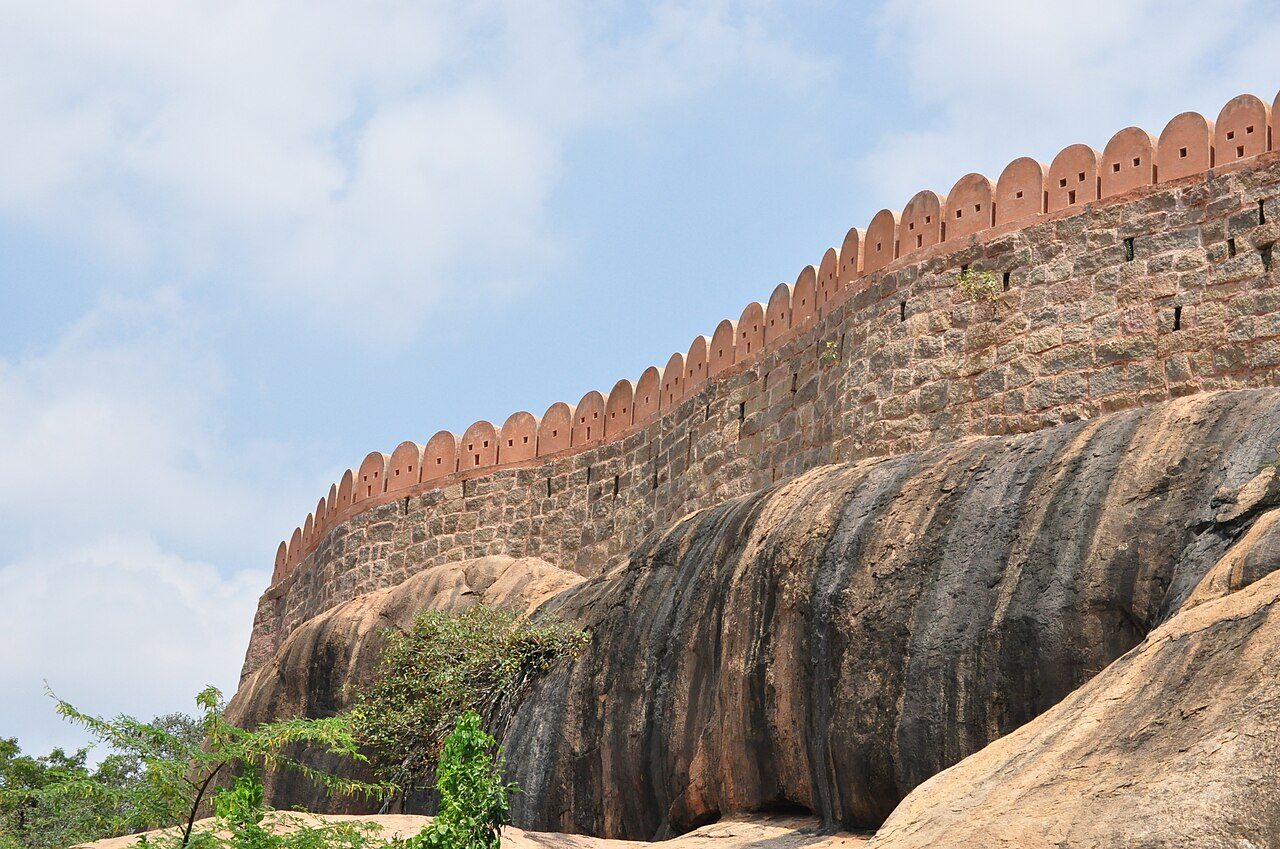
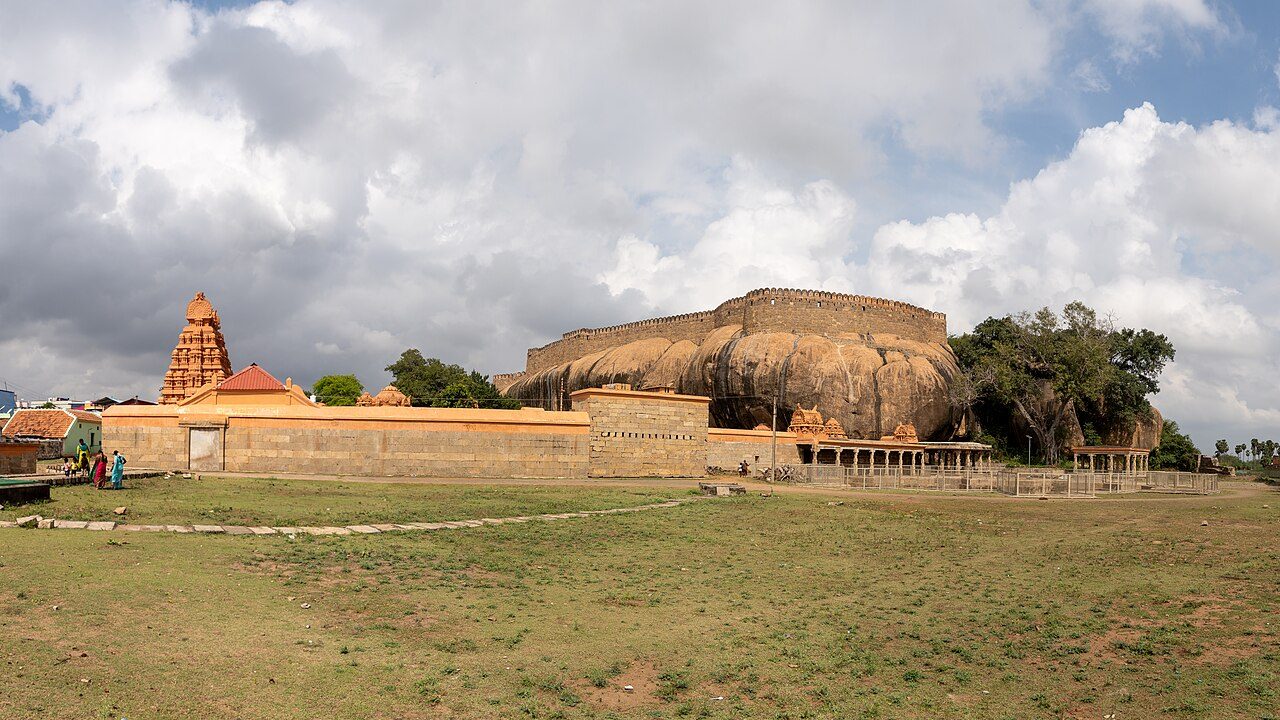
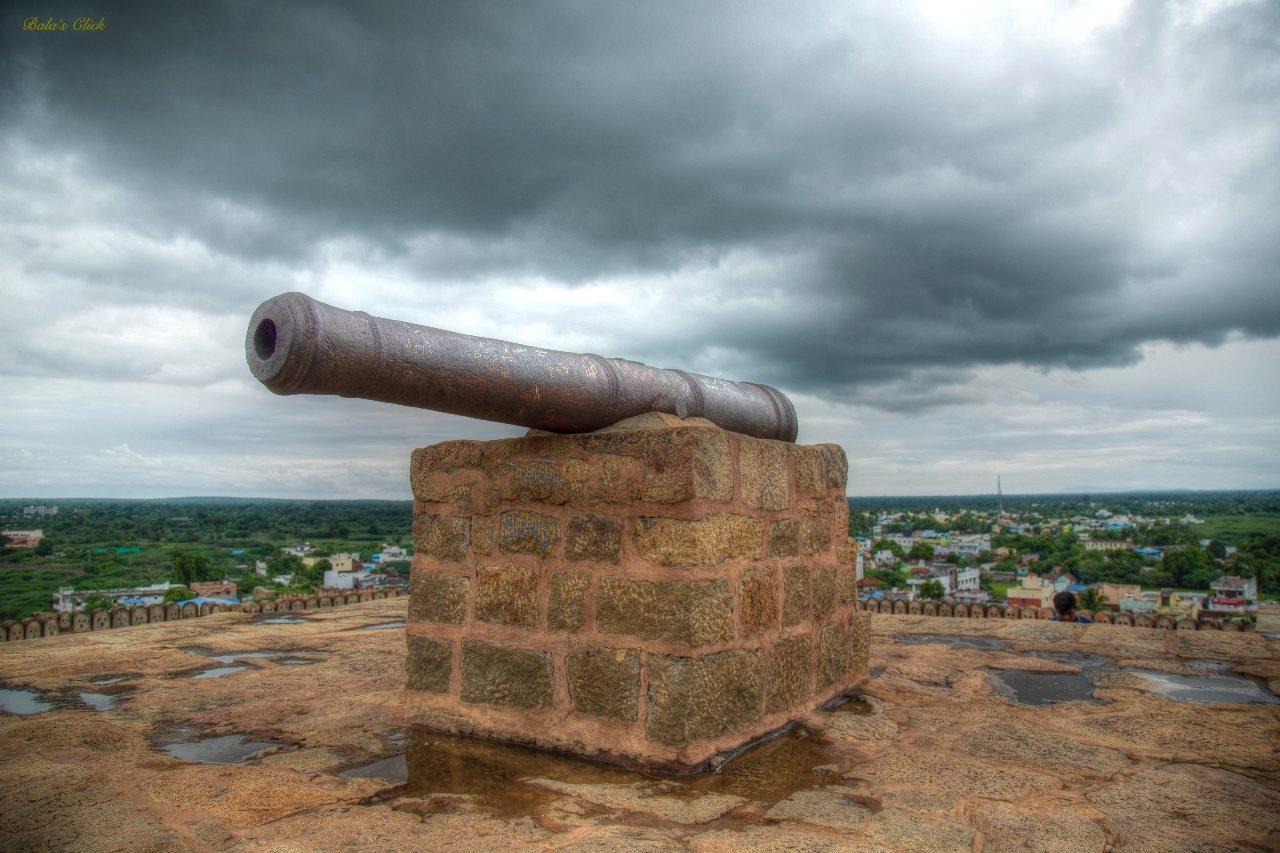
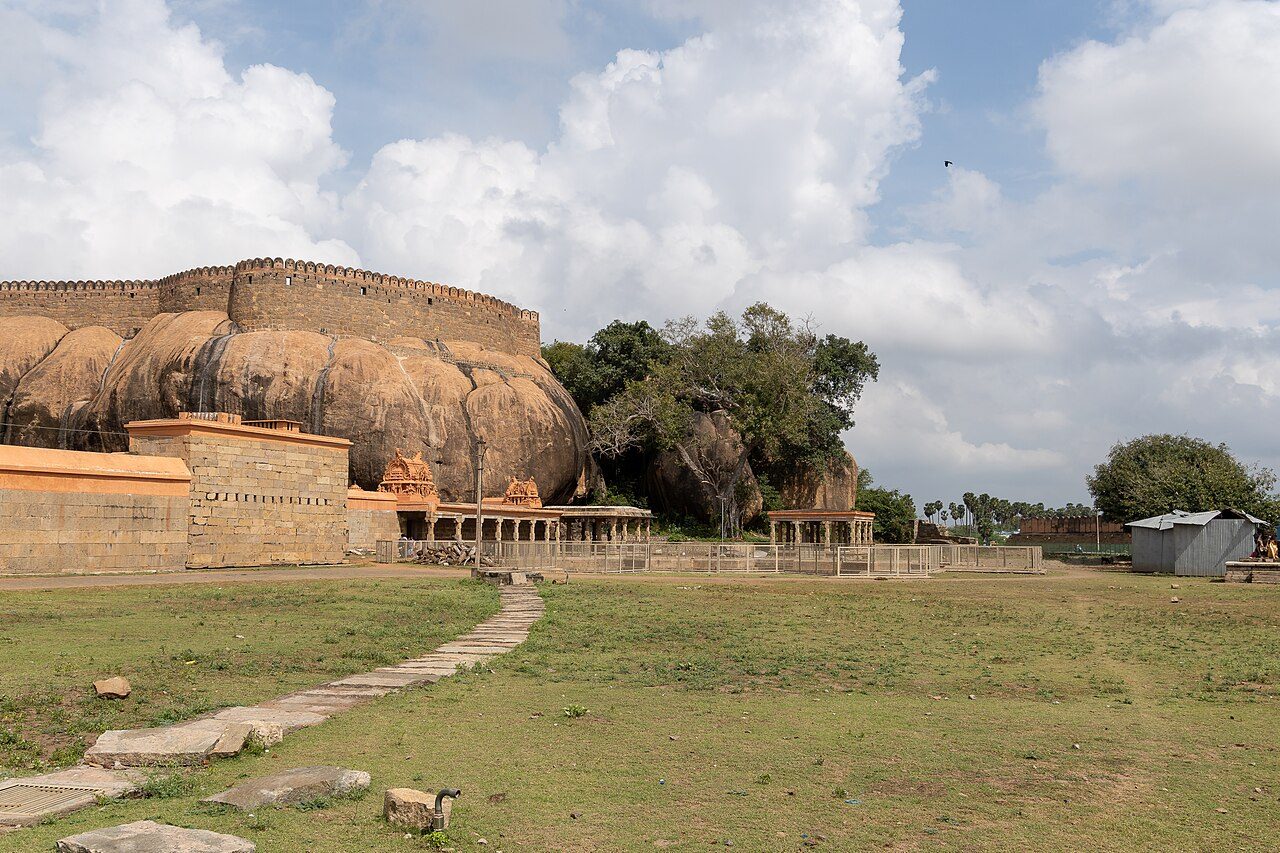
Thirumayam Fort was built in 1687 by Vijaya Raghunatha Sethupathi, the Raja of Ramnad, and once spread over some forty acres of a granite outcrop before the British reduced it in the early 19th century. It passed between the Sethupathis, the Tondaiman rulers of Pudukkottai and the British, and was a stronghold in the campaigns against the Polygars. A circular citadel, long ramparts and old cannon still stand on the rock, restored in recent decades by the Archaeological Survey of India.
04
STOP 4 OF 8
Chettinad Palace Kanadukathan
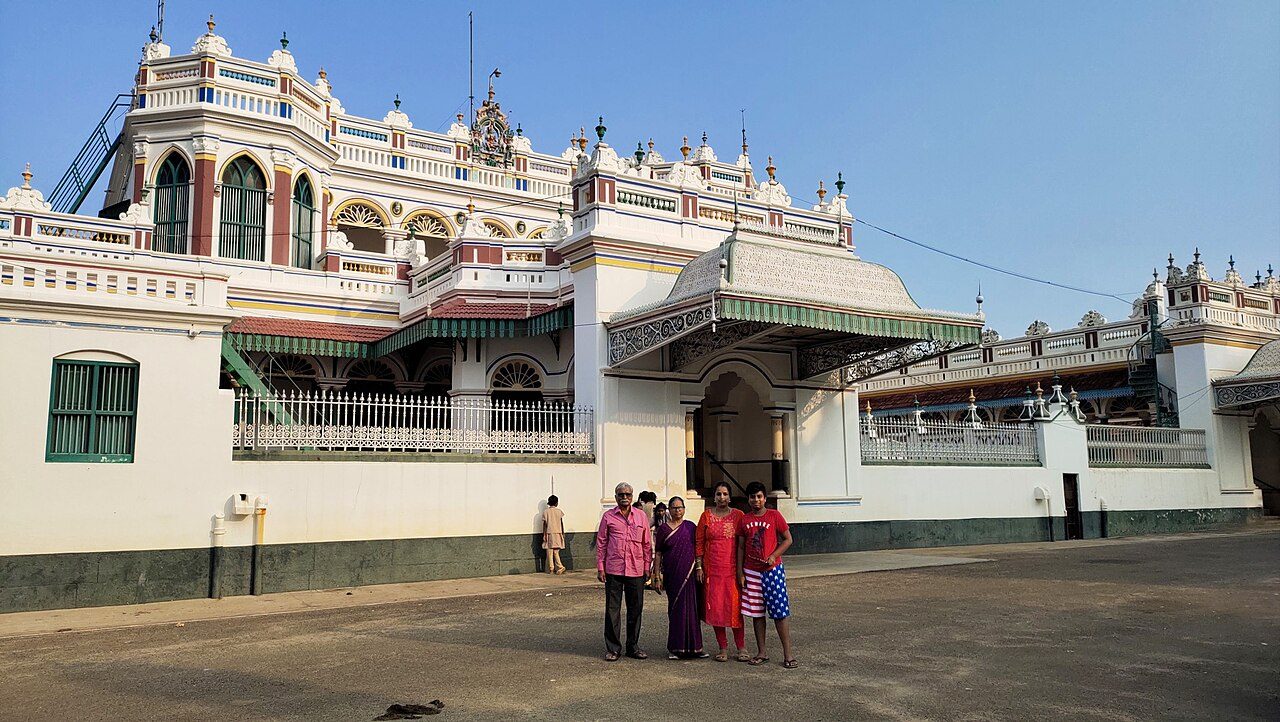
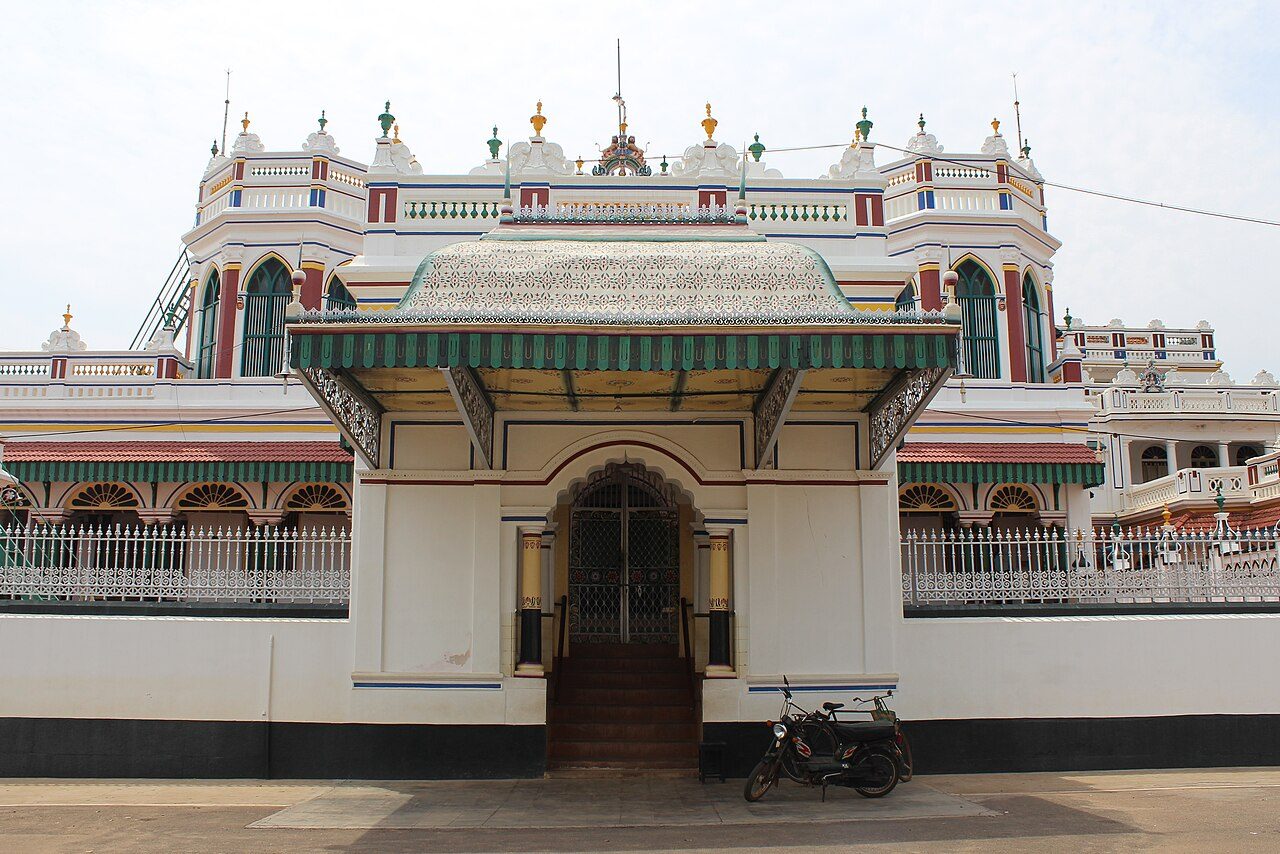
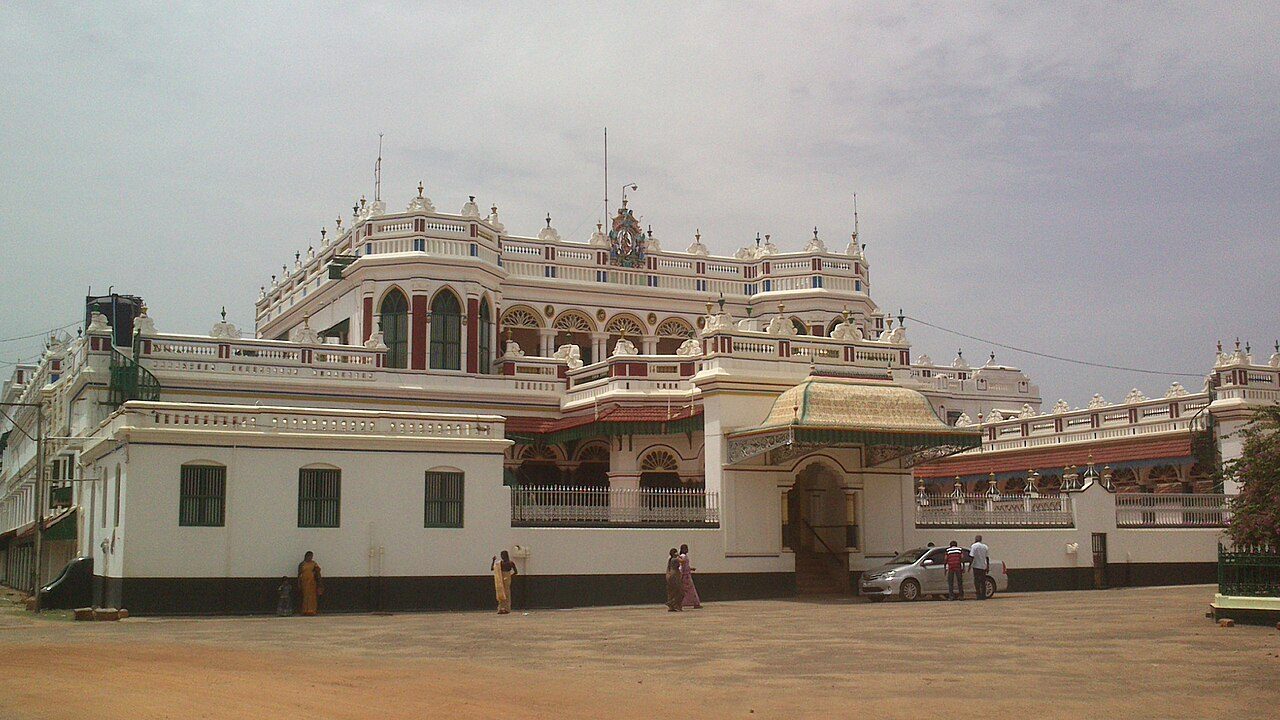
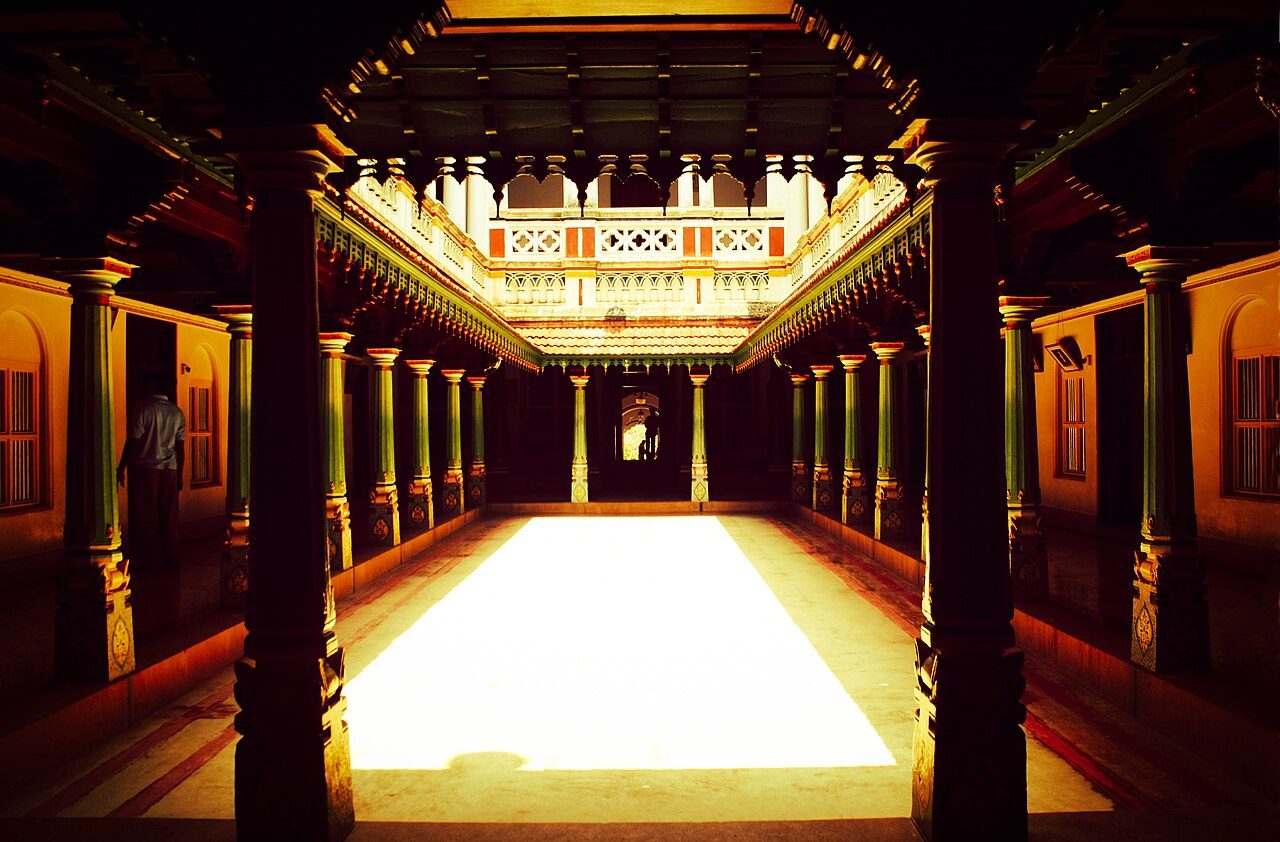
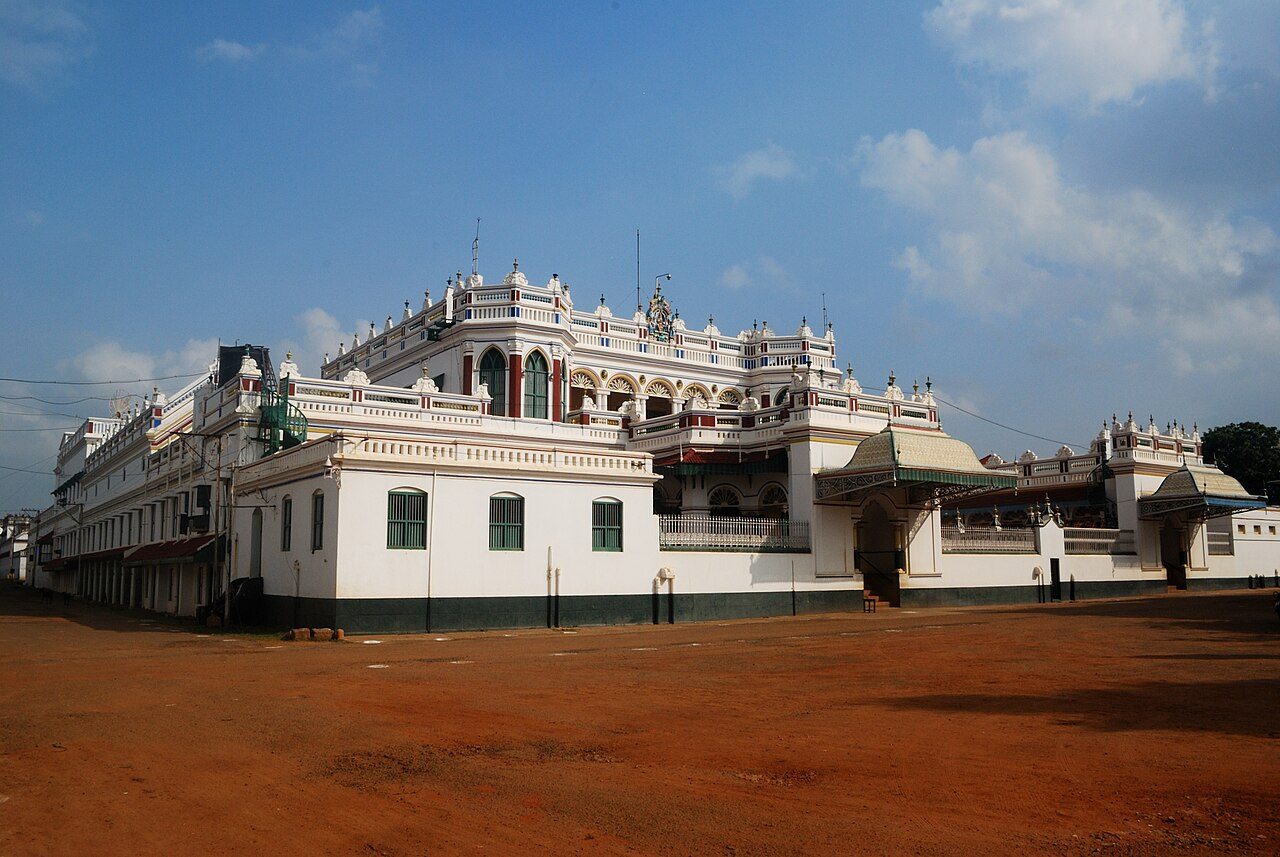
Built in 1912 for Annamalai Chettiar, the Raja of Chettinad, this is the grandest of the Nagarathar mansions, raised on the fortunes the community made from banking and trade across Burma, Ceylon and south-east Asia. Its materials were gathered from around the world: Burma teak, Italian marble, Belgian glass, English steel and Athangudi tiles made a few miles away. The village around it holds dozens of similar houses along wide streets, nearly all built in the same short burst of prosperity.
05
STOP 5 OF 8
Athangudi Palace
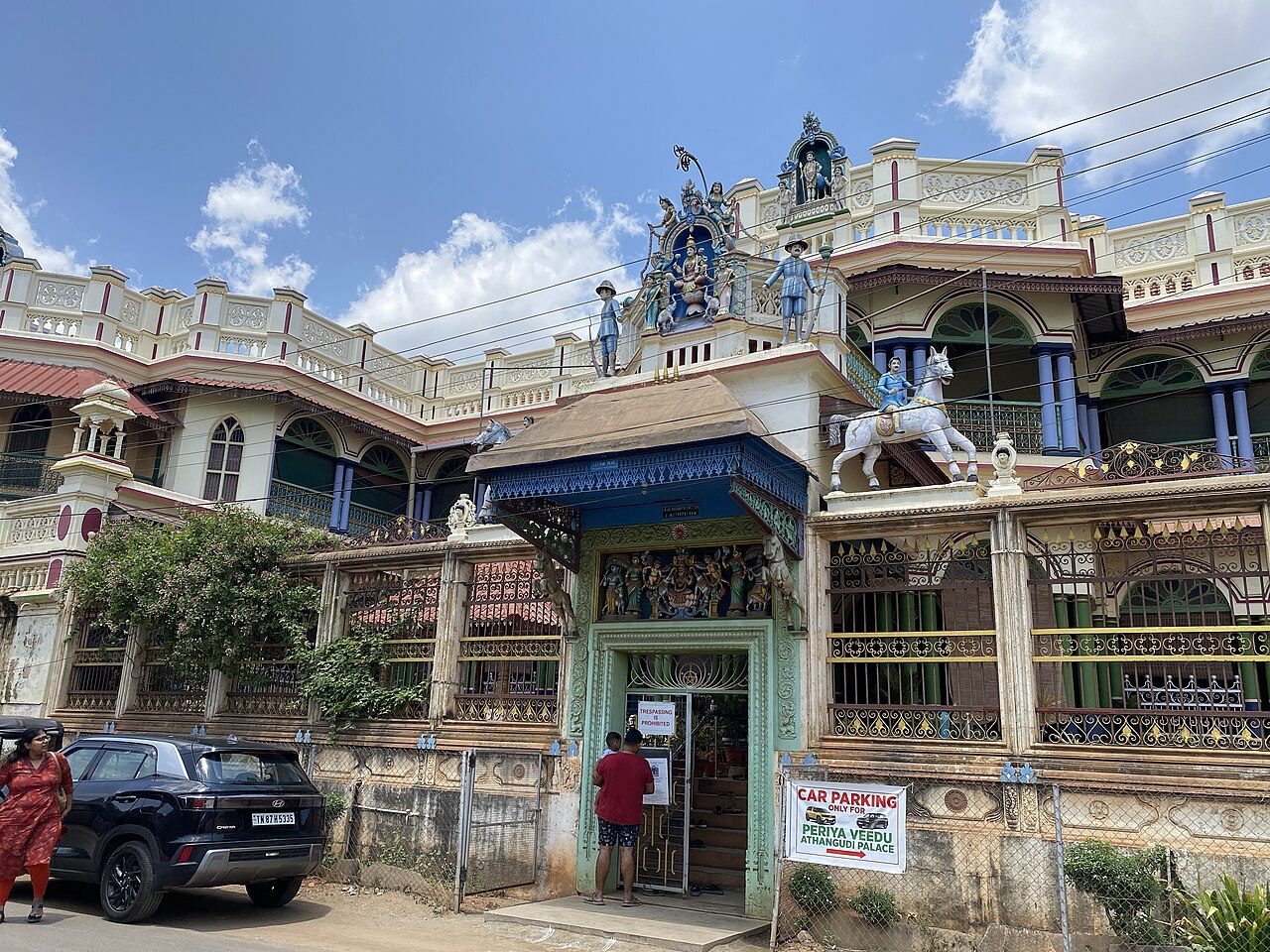
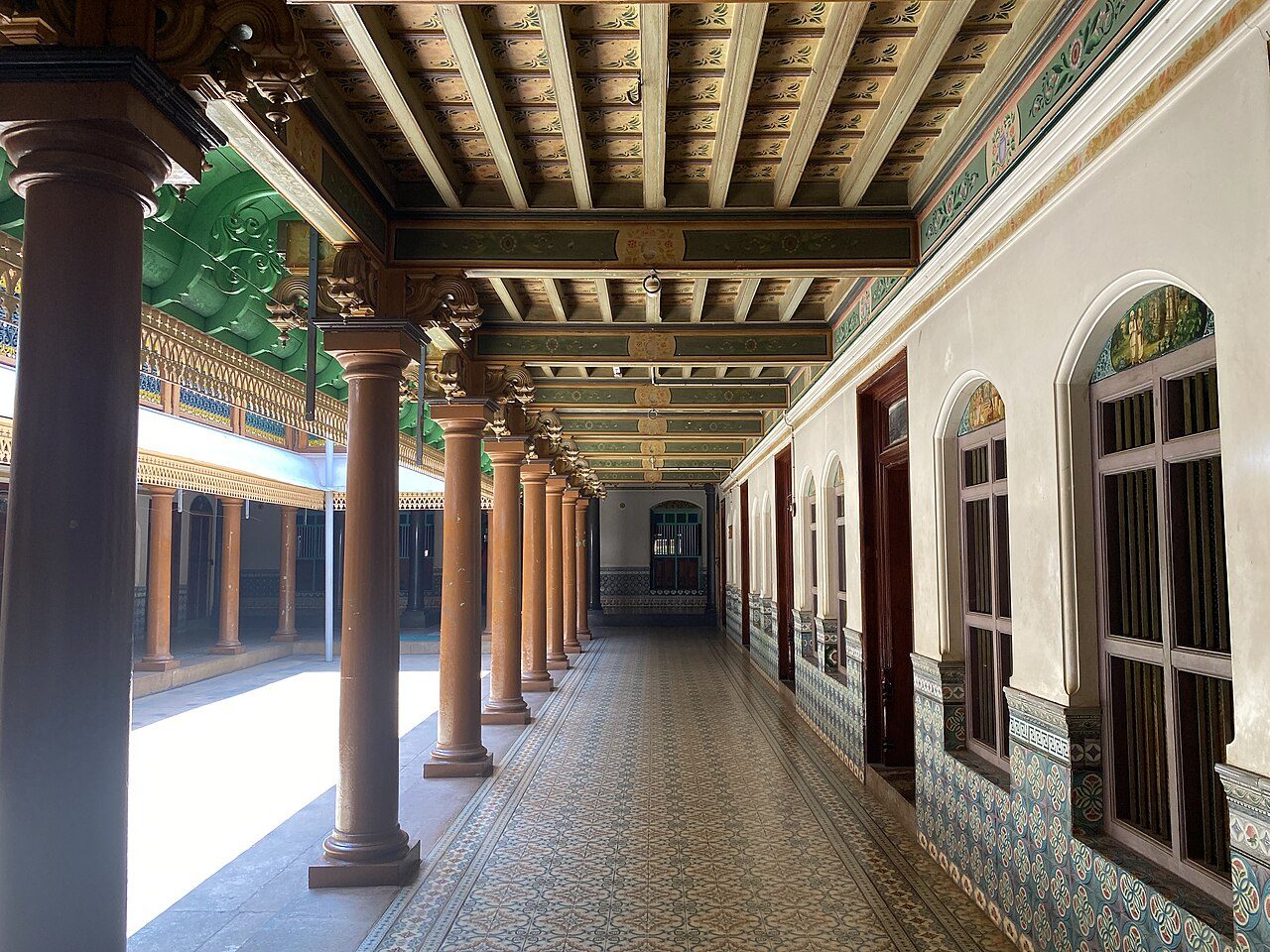
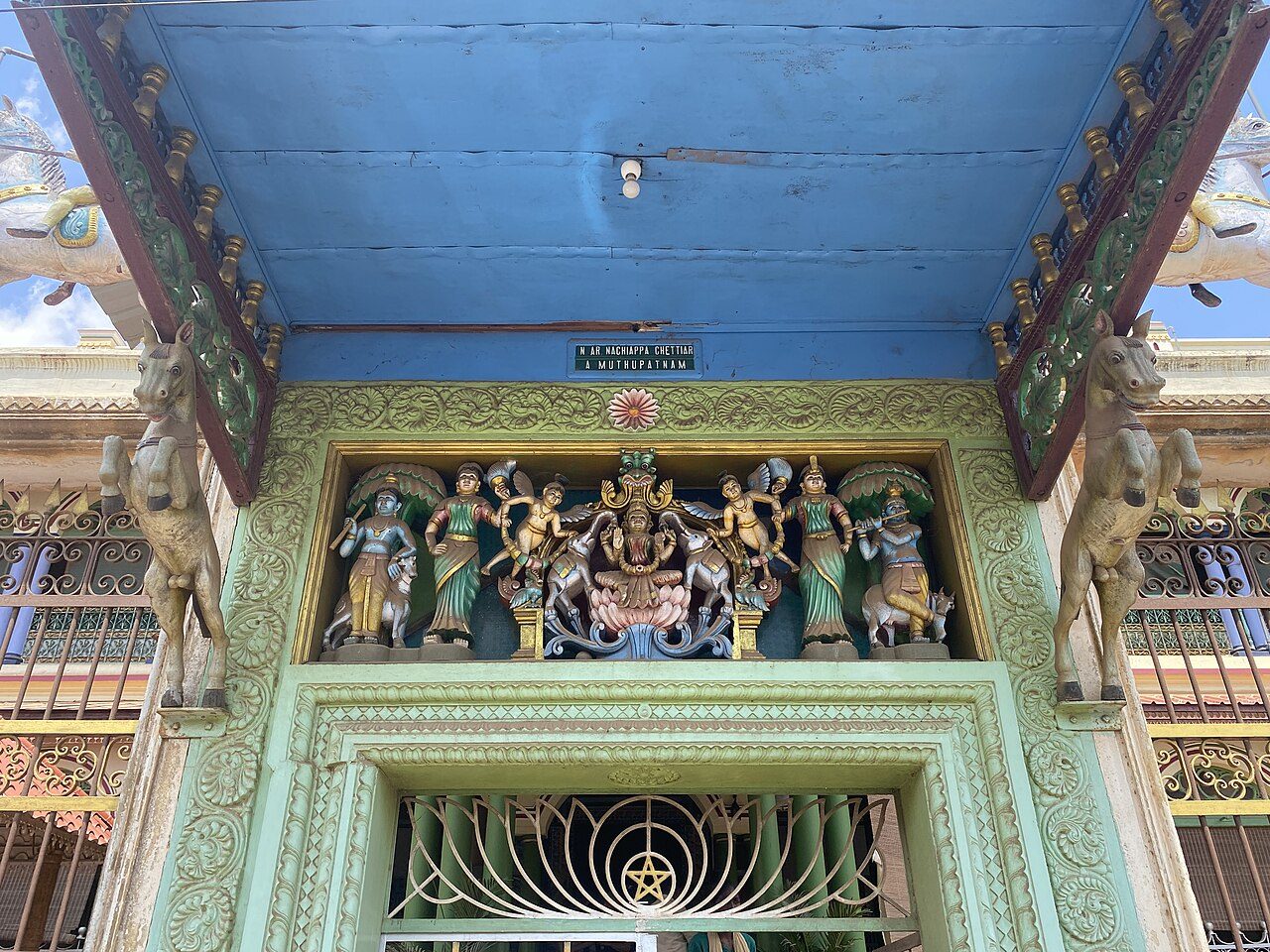
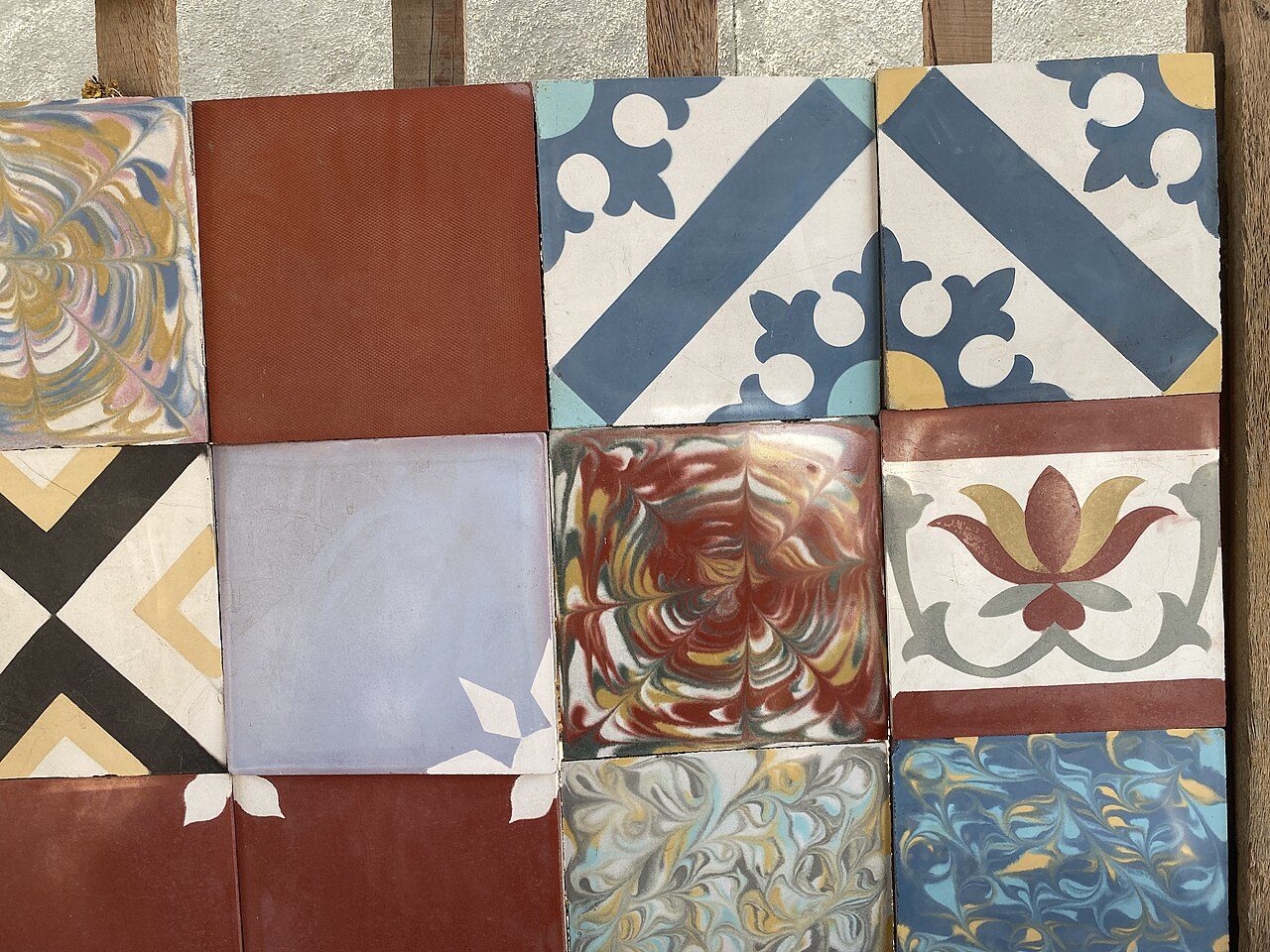
Athangudi Palace, also called Periya Veedu, is a Chettiar mansion known for its painted ceilings, carved Burma teak pillars and above all for the handmade tiles that take their name from this village. Athangudi tiles are still made here by hand, coloured cement poured onto patterned glass plates and cured in the sun, and floors laid with them are found in Chettinad houses everywhere. The house is open to visitors and has been used as a location by film makers.
06
STOP 6 OF 8
Pillaiyarpatti Karpaga Vinayagar Temple
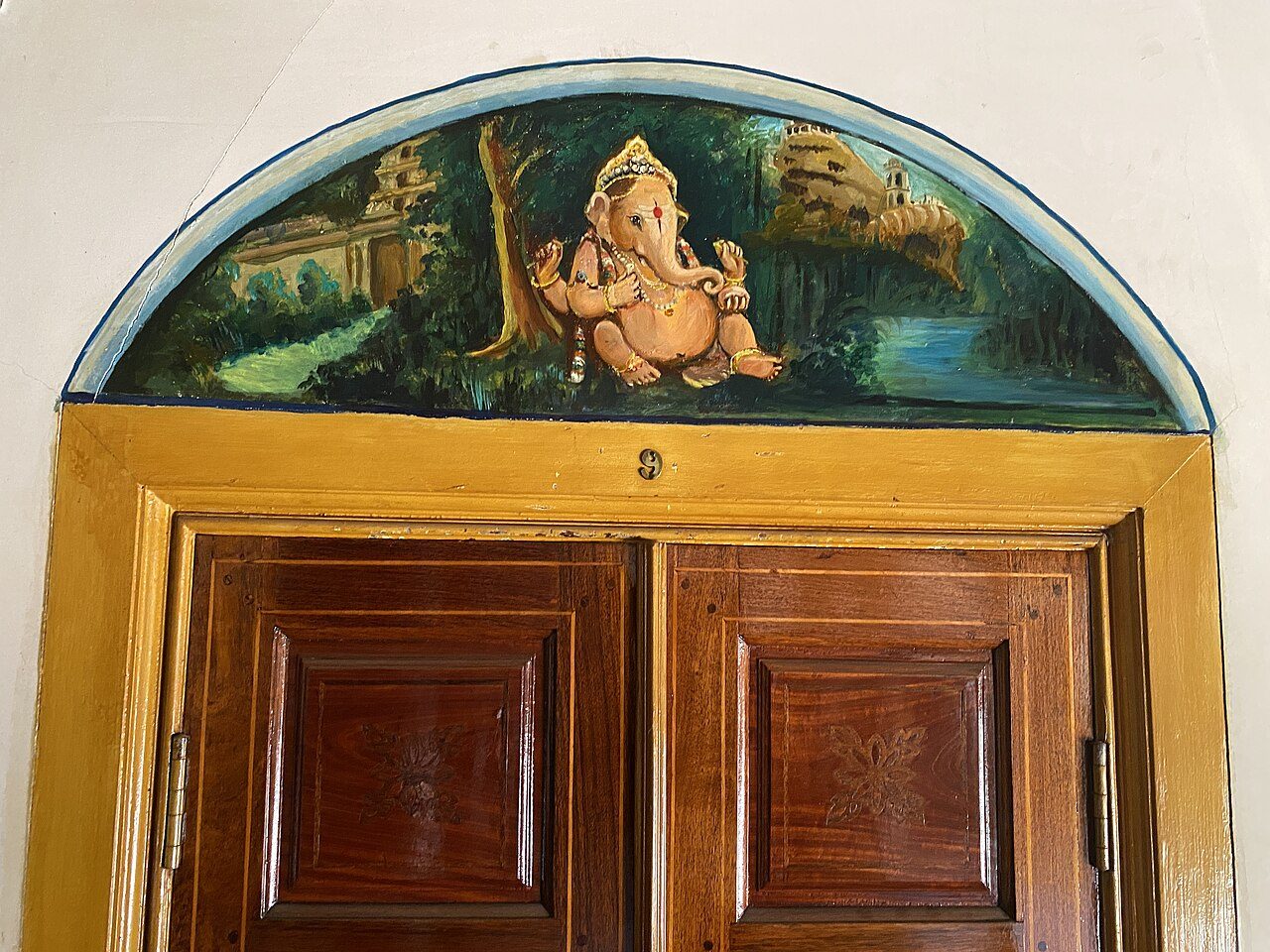
The shrine at Pillaiyarpatti holds a Ganesha cut straight out of the living rock, with only two arms and a trunk turning to the right, features that mark it as very early; the inscriptions in the cave are among the oldest in this part of the country. The temple grew outward from that rock-cut cell over many centuries, and its upkeep has long been in the hands of the Nagarathar merchant community of Chettinad. Vinayagar Chaturthi here draws enormous crowds from across the region.
07
STOP 7 OF 8
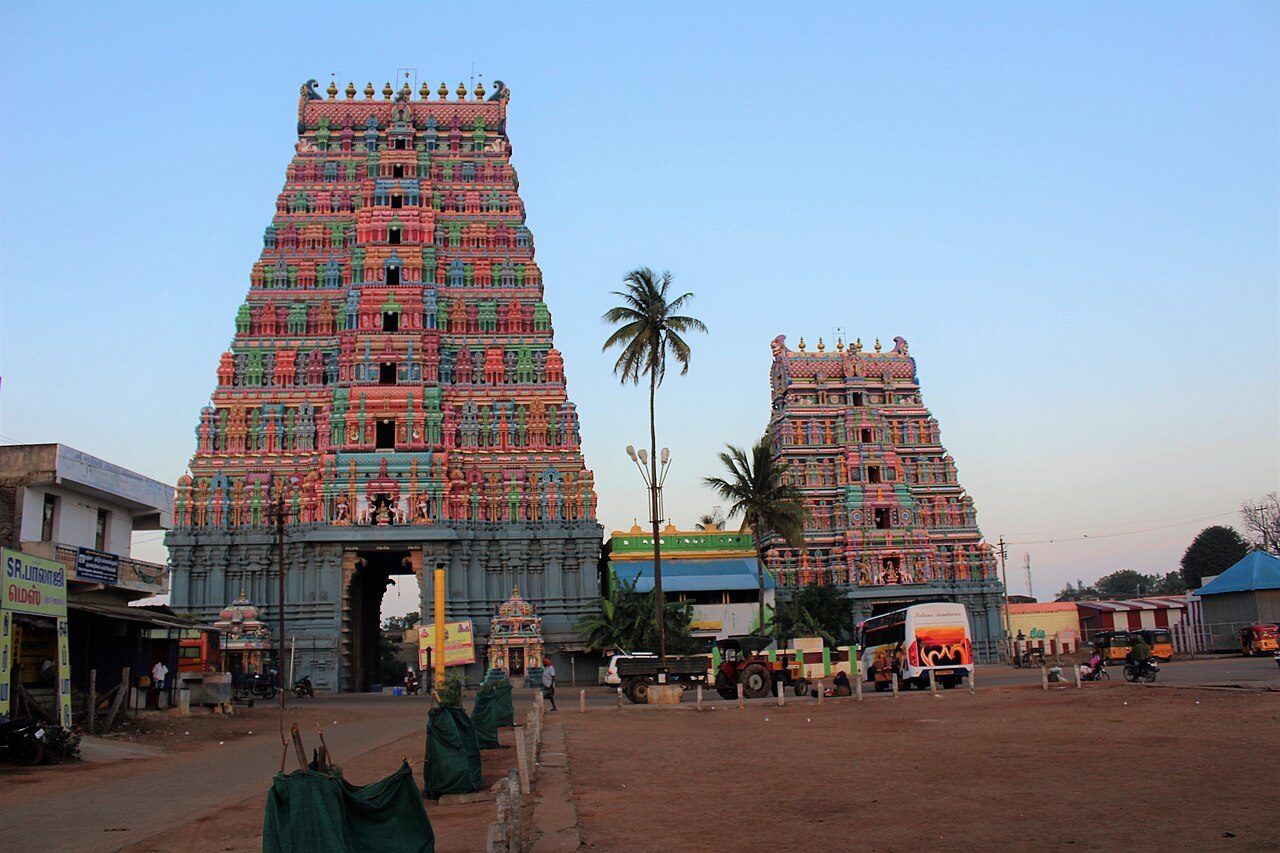
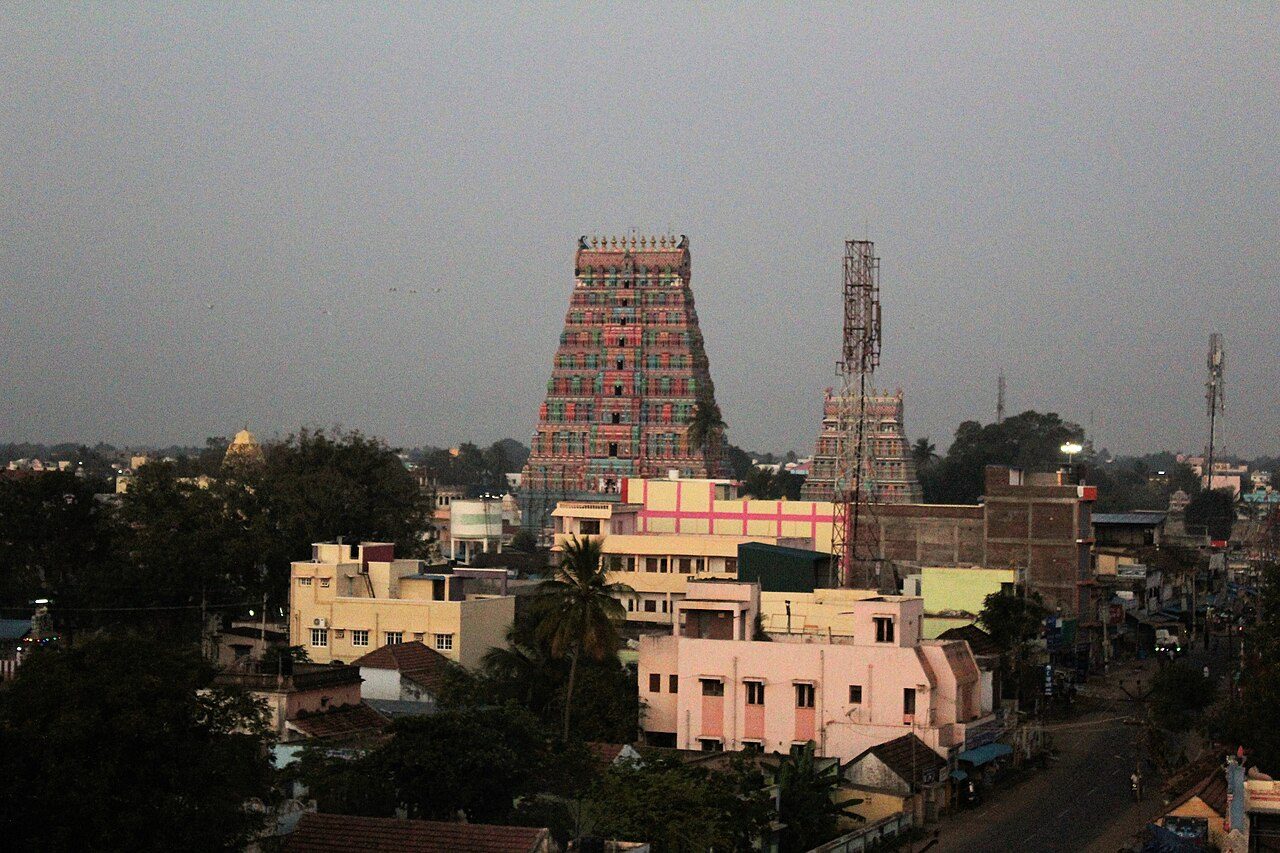
Kalaiyarkoil Kaleeswarar Temple
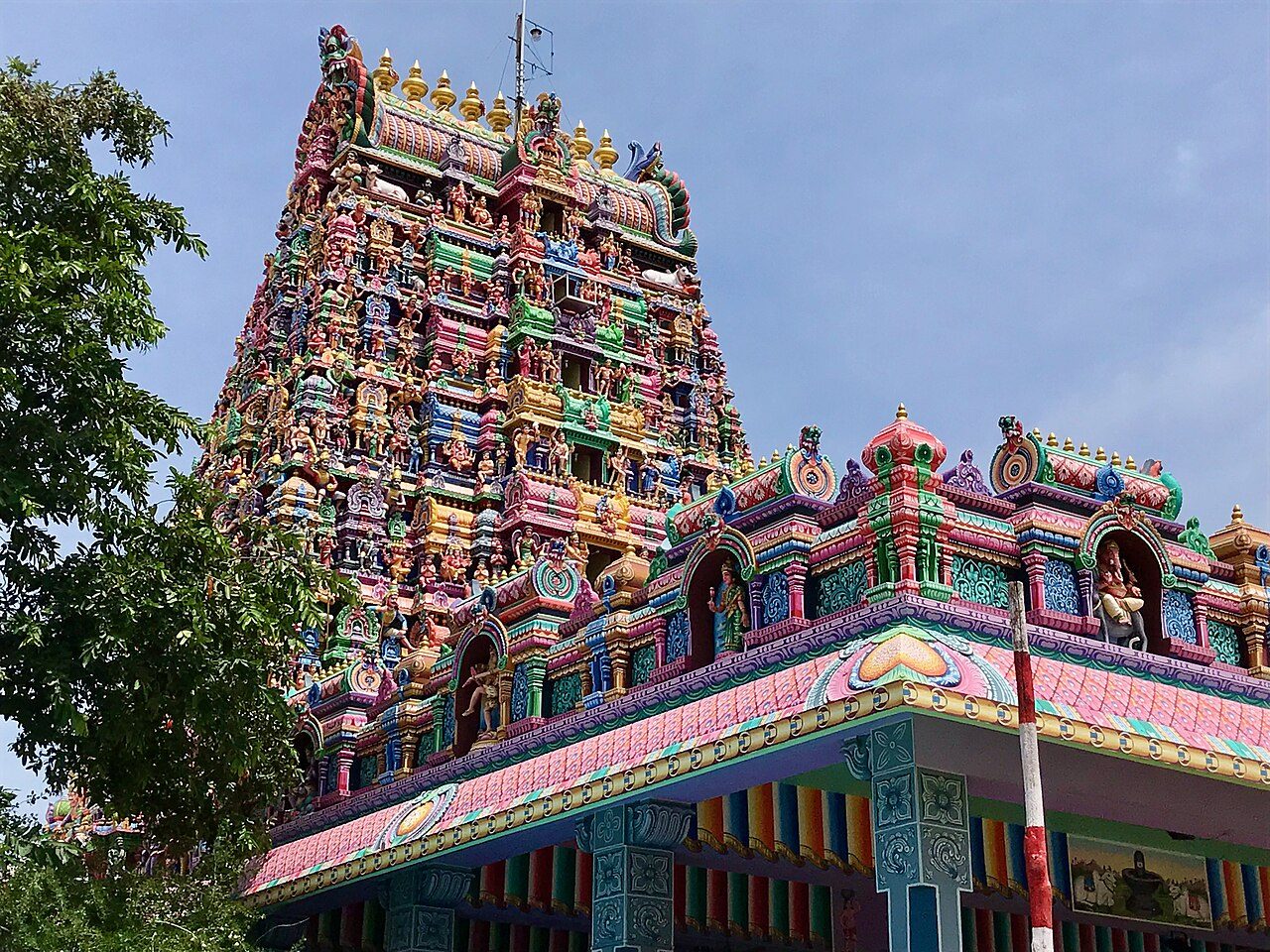
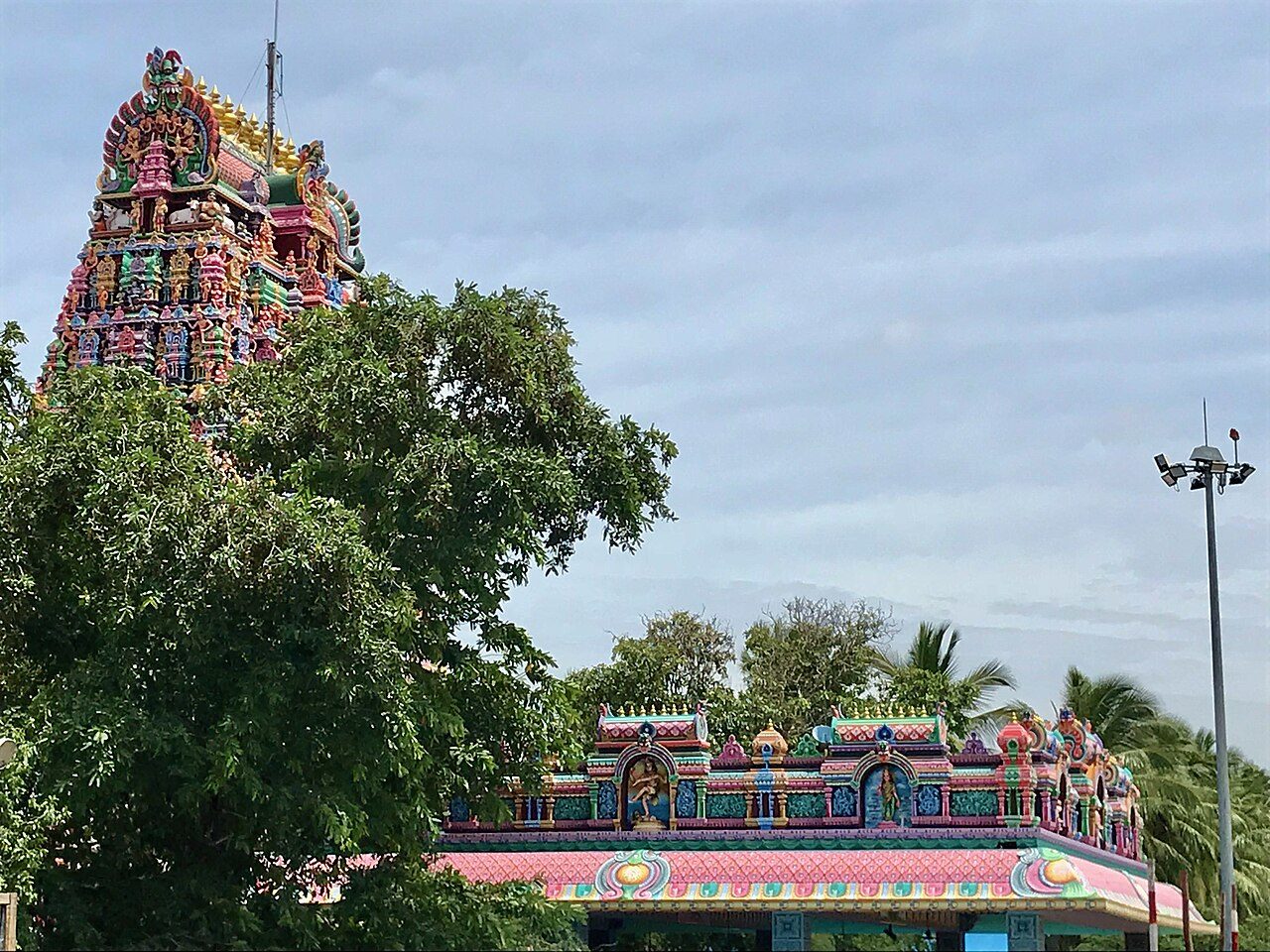
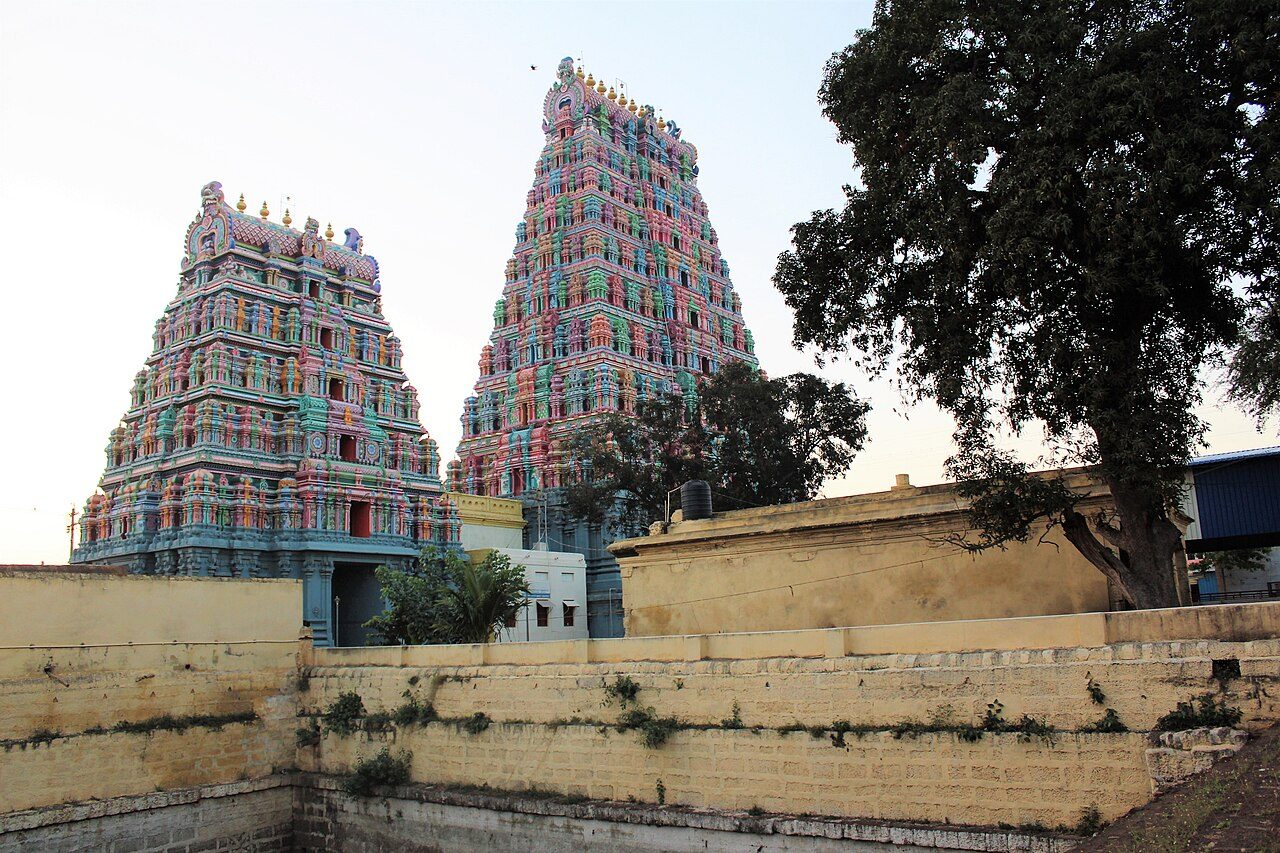
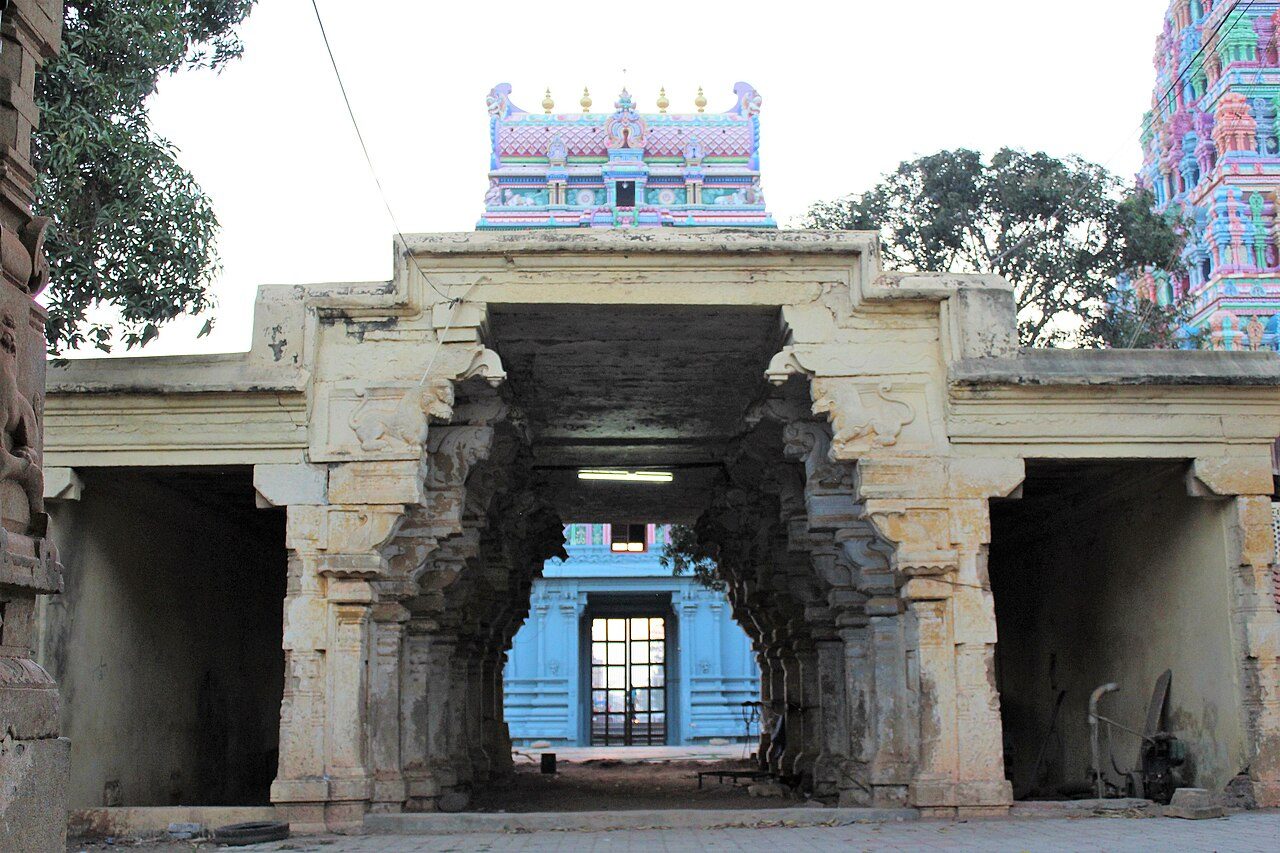
Kalaiyarkoil's two tall gopurams rise above flat, open country and can be seen from miles away. The temple holds three Shiva shrines and is praised in the hymns of the Tevaram saints. It is bound up with the Marudhu brothers, the Sivaganga chieftains who built the larger tower and fought the British from the forests around it; the story goes that when the British threatened to pull the gopuram down, the brothers gave themselves up, and they were hanged in 1801.
08
STOP 8 OF 8 · LAST STOP
Keeladi Heritage Museum
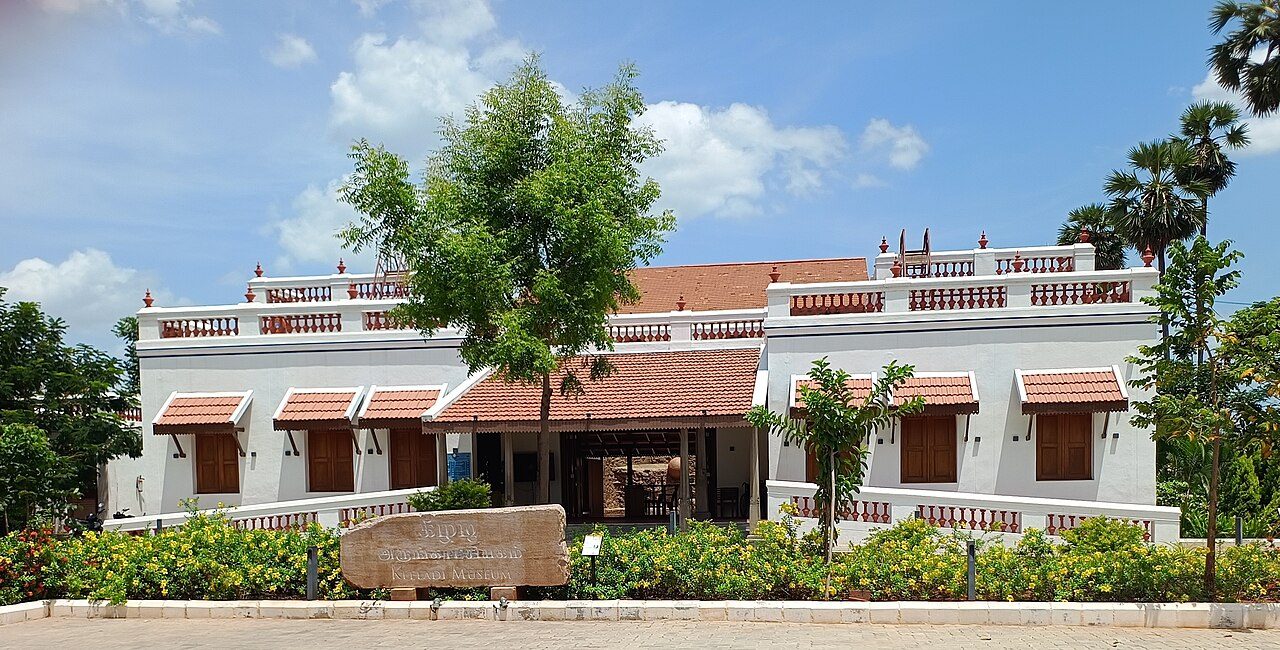
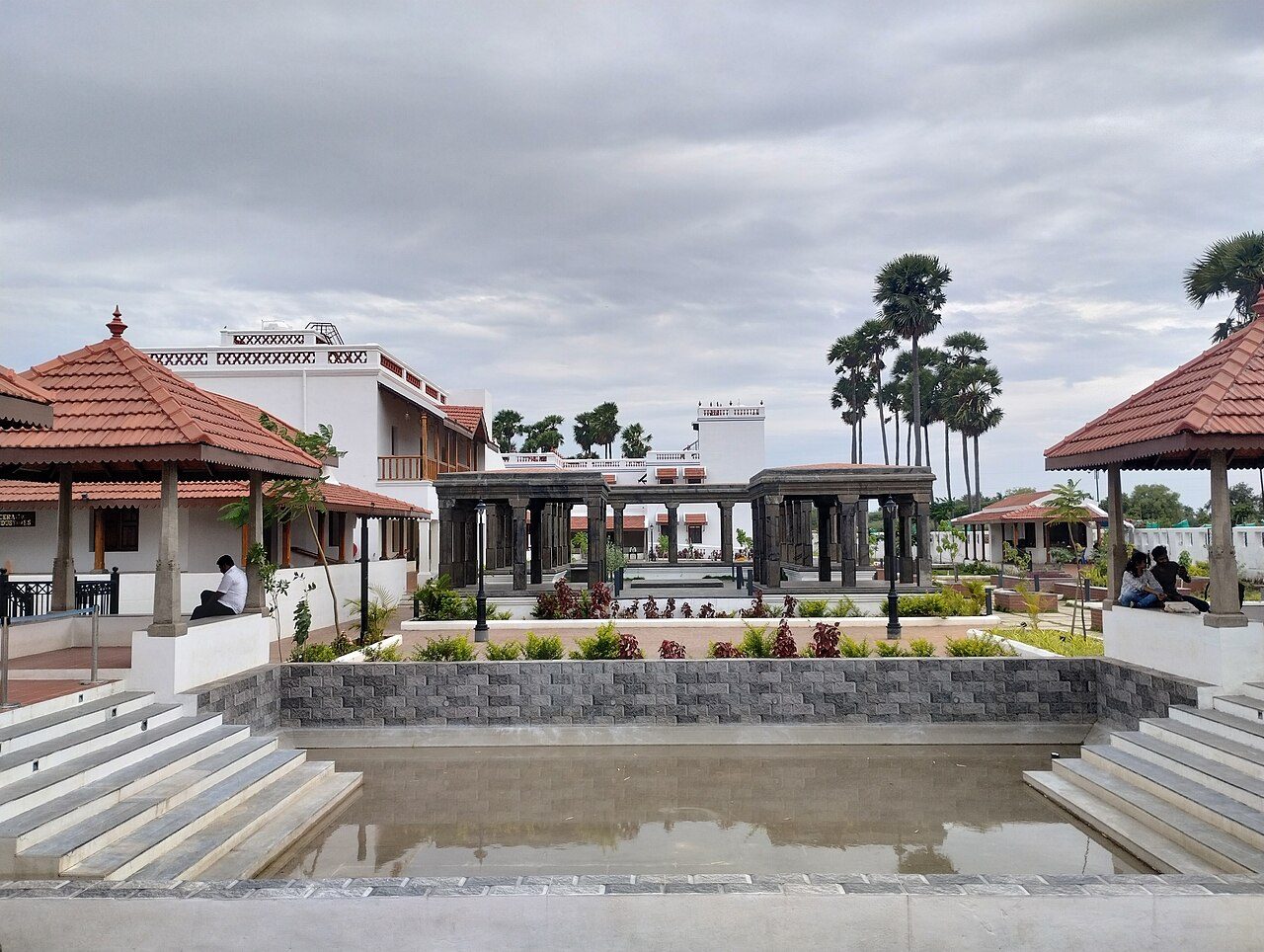
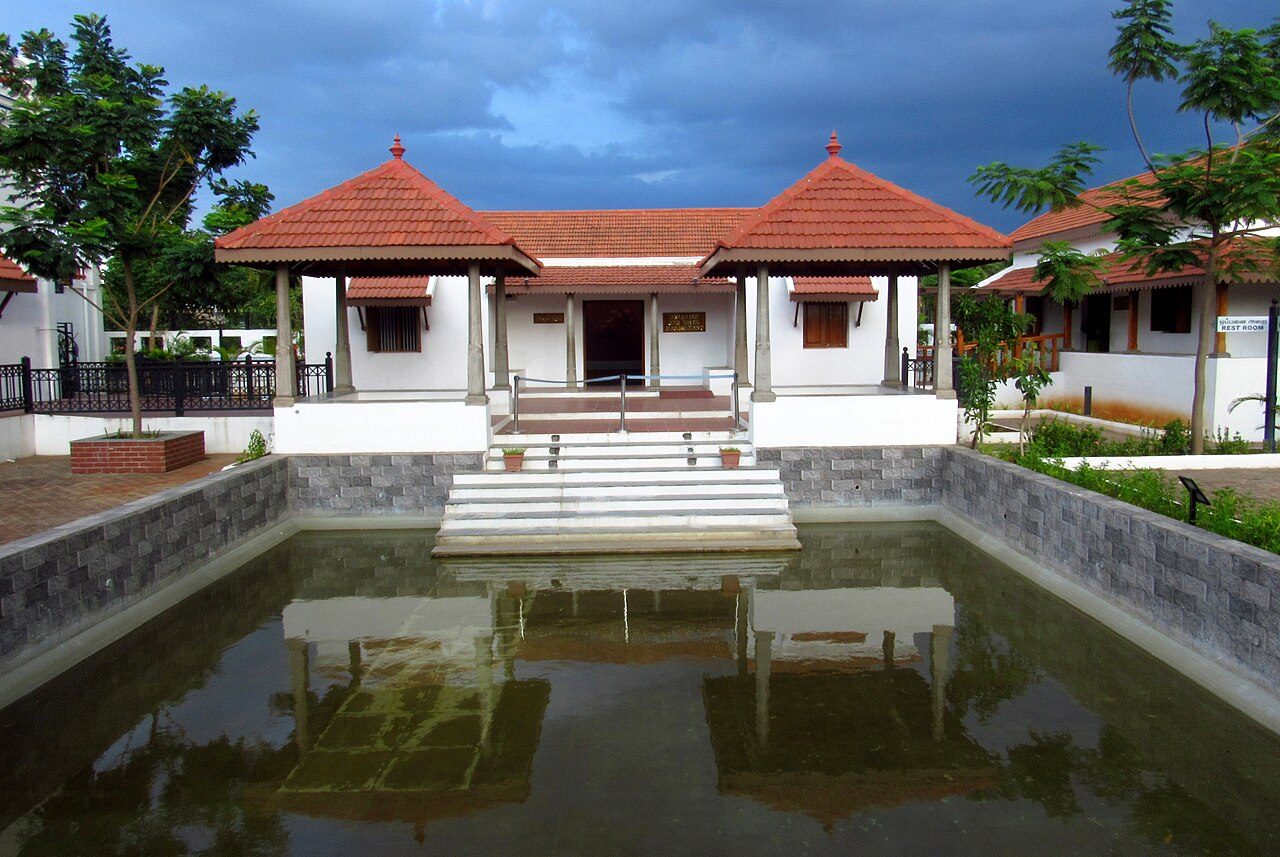
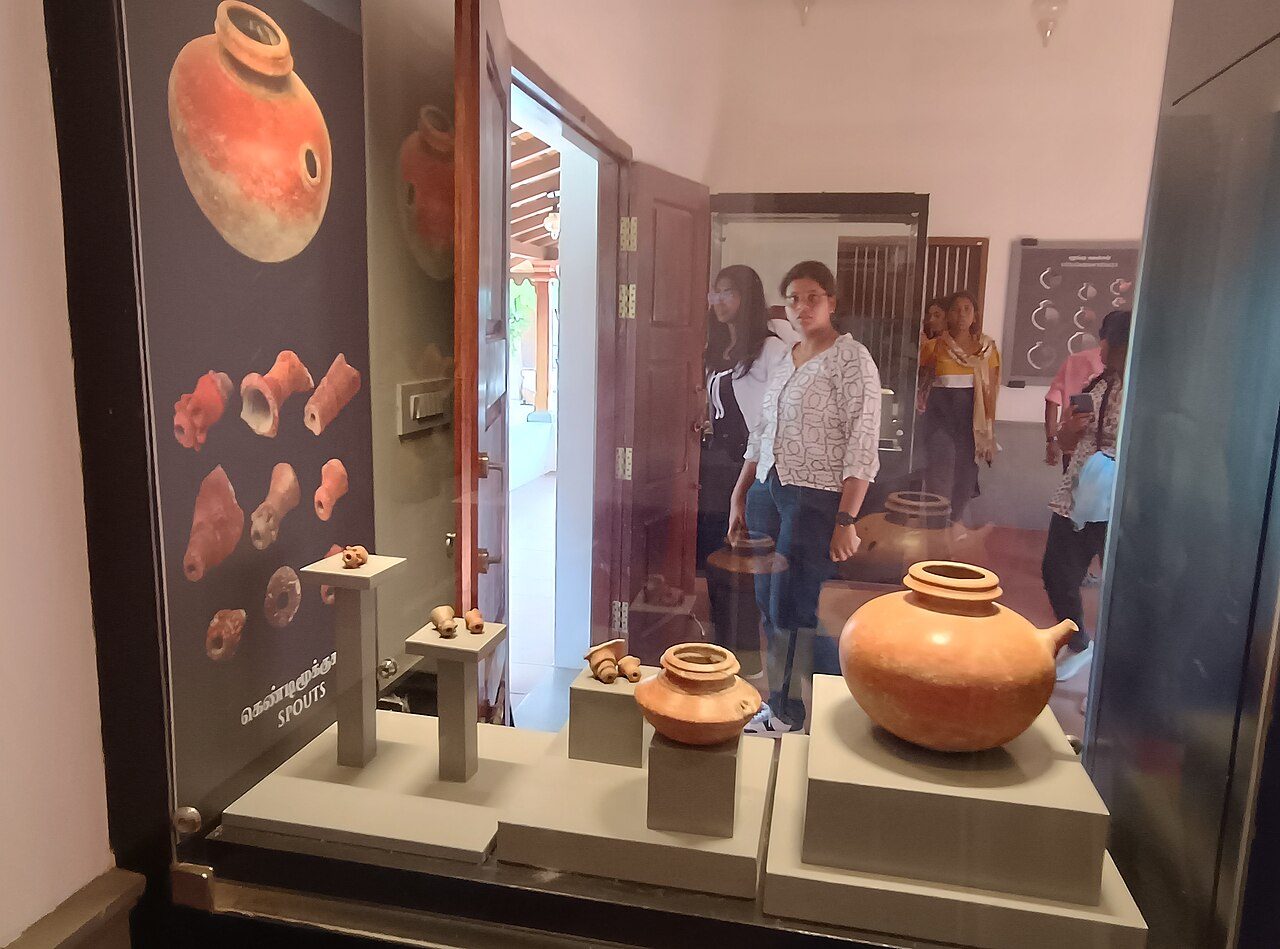
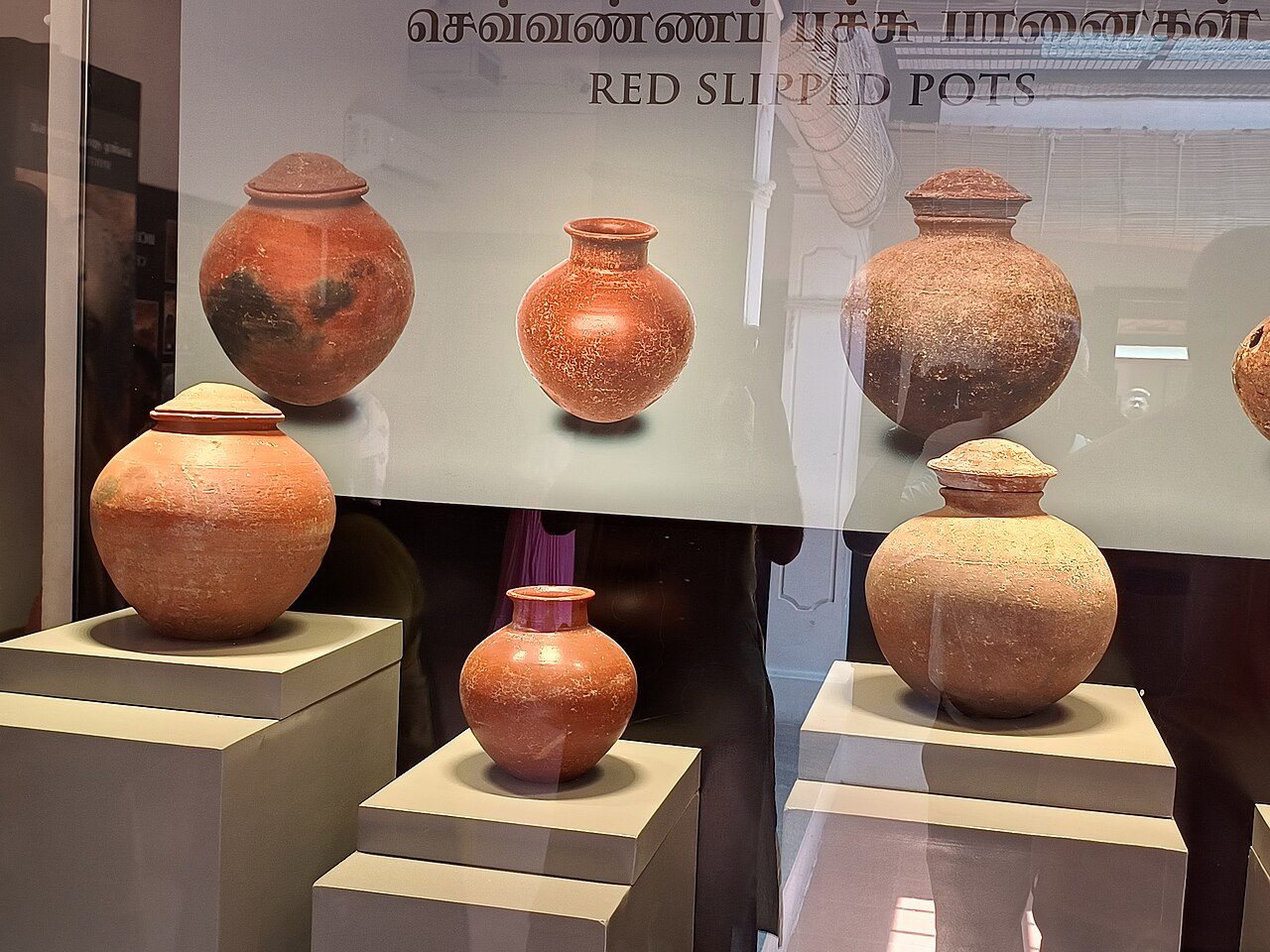
Opened in 2023 beside the excavation fields at Keeladi, this museum displays finds from an ancient urban settlement on the banks of the Vaigai, dated by the excavators to around the 6th century BCE. Pottery scratched with Tamil-Brahmi letters, brick buildings, terracotta ring wells, dice, spindle whorls and gold ornaments point to a literate town of craftsmen and traders. The museum's Chettinad-style blocks are set around courtyards and a pool, and the trenches of the dig lie a short walk away.
Seasons from 20 years of NASA POWER climate data.
 WaTrips