Char Dham Yatra in 10 Days: Yamunotri, Gangotri, Kedarnath and Badrinath
10 DAYS15 placesby WaTrips
Har Ki Pauri, the Yamunotri trek, Uttarkashi, Harsil and Gangotri, Kedarnath, Triyuginarayan and Ukhimath, Badrinath and Mana, the prayags and Rishikesh.
The Char Dham Yatra visits Uttarakhand's four great shrines in the high Himalaya. It begins with the evening aarti at Har Ki Pauri in Haridwar, then rides to Janki Chatti for the trek to Yamunotri. Next come Uttarkashi, Harsil and the Gangotri temple on the Bhagirathi. From there the route crosses to the Mandakini valley for the trek to Kedarnath, then Triyuginarayan and Ukhimath. The final shrine is Badrinath, with the village of Mana beyond it, and the ride back passes the sangams at Karnaprayag, Rudraprayag and Devprayag before ending in Rishikesh. The shrines open around late April or May and close around November; online registration is required, and the roads need patience.
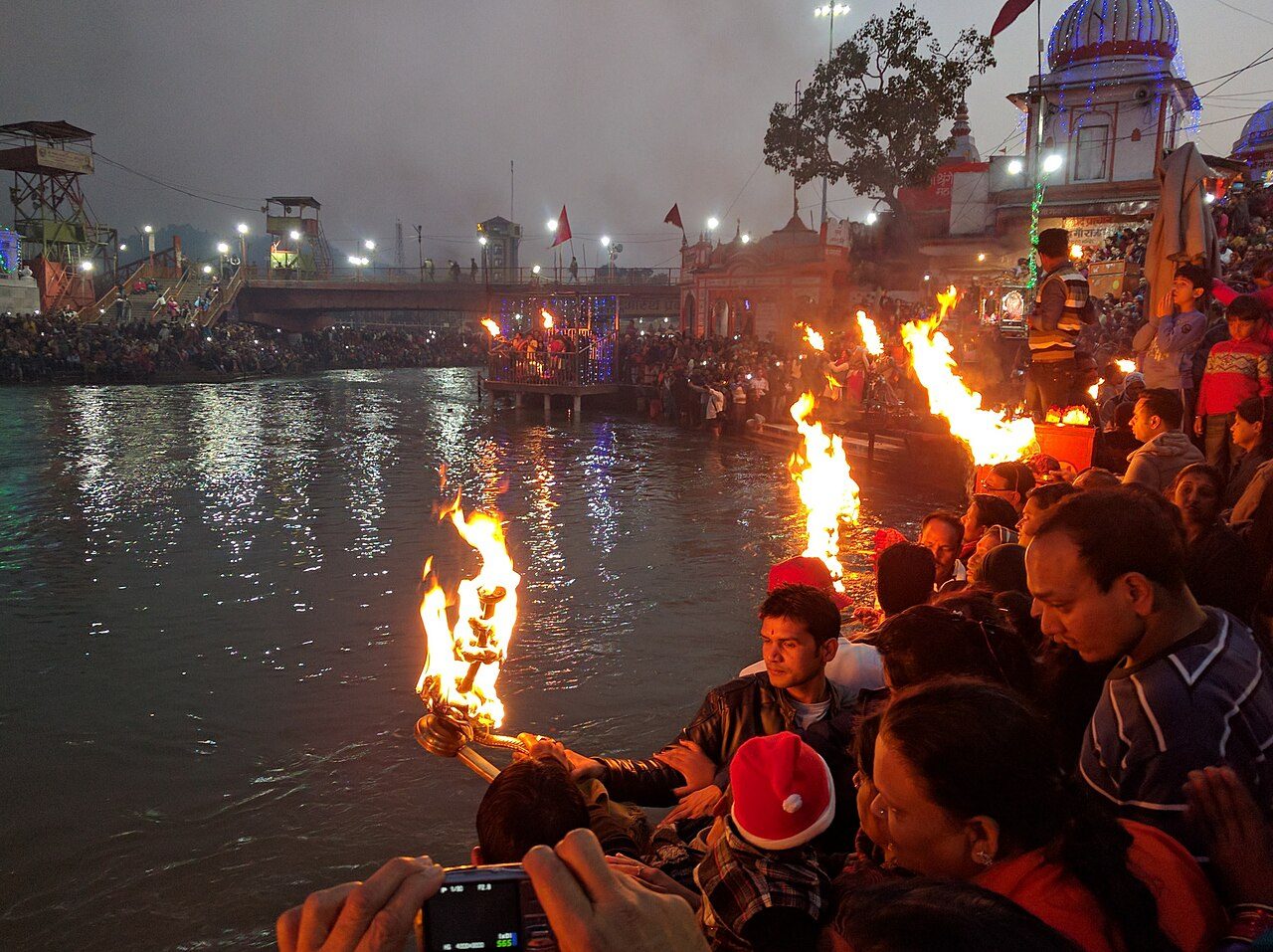
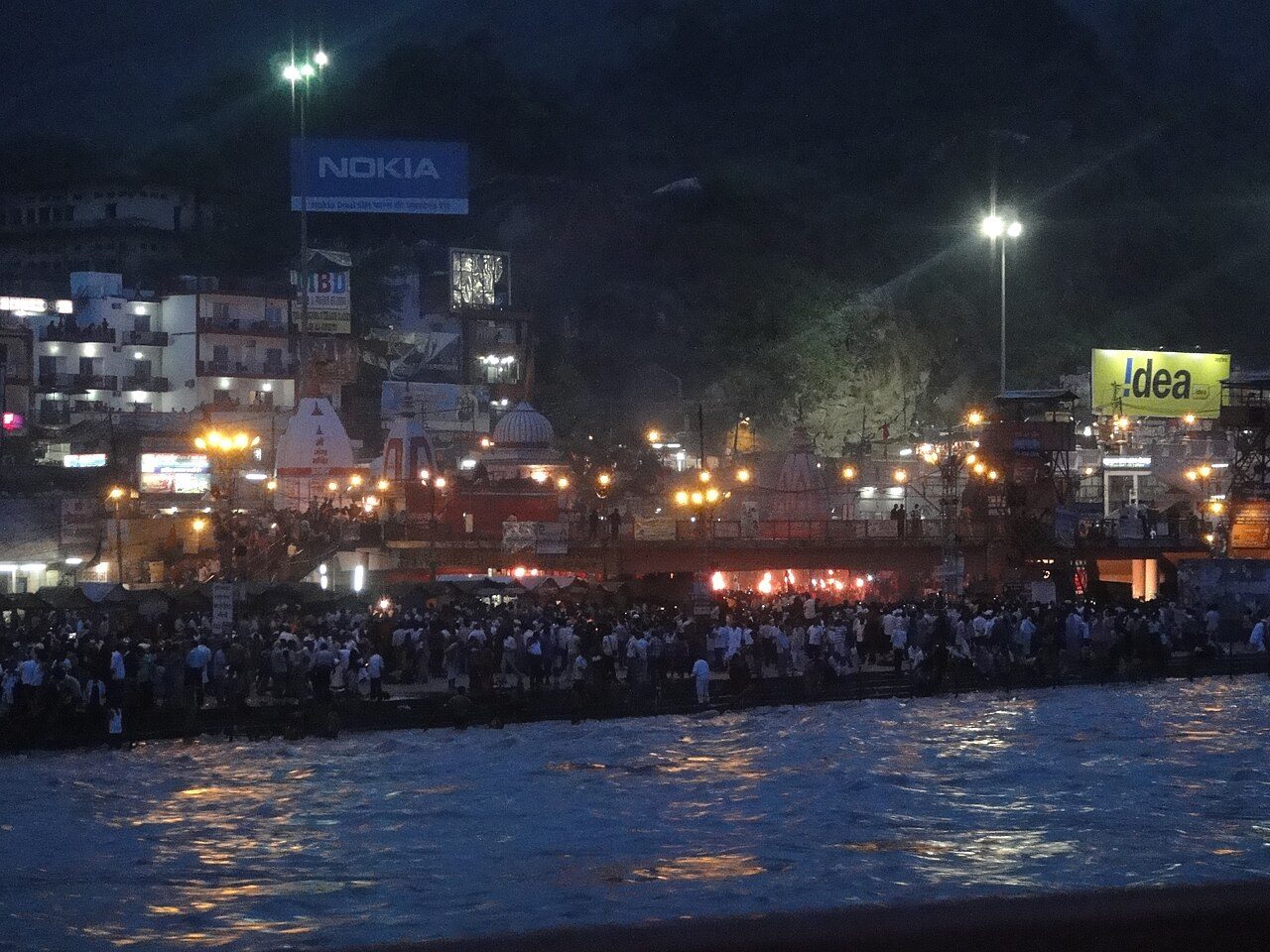
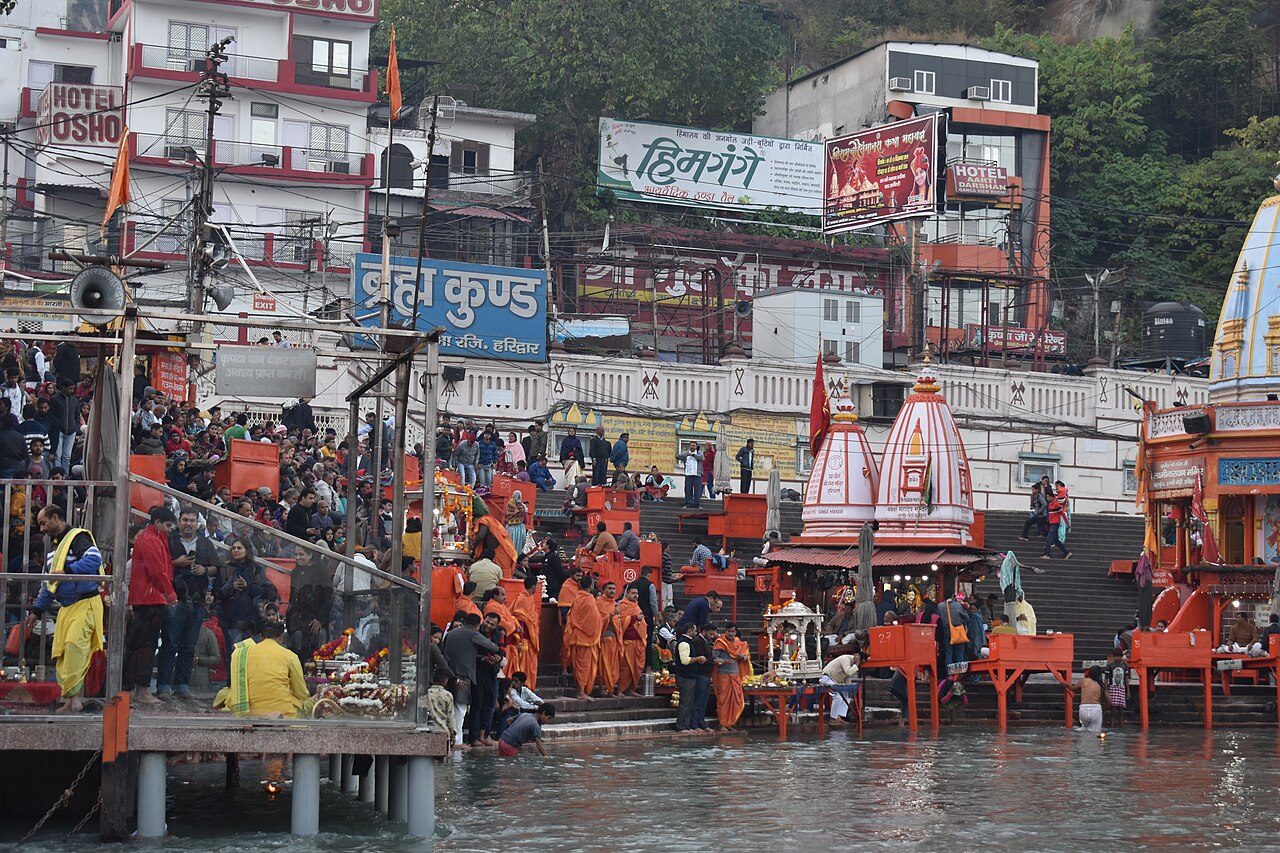
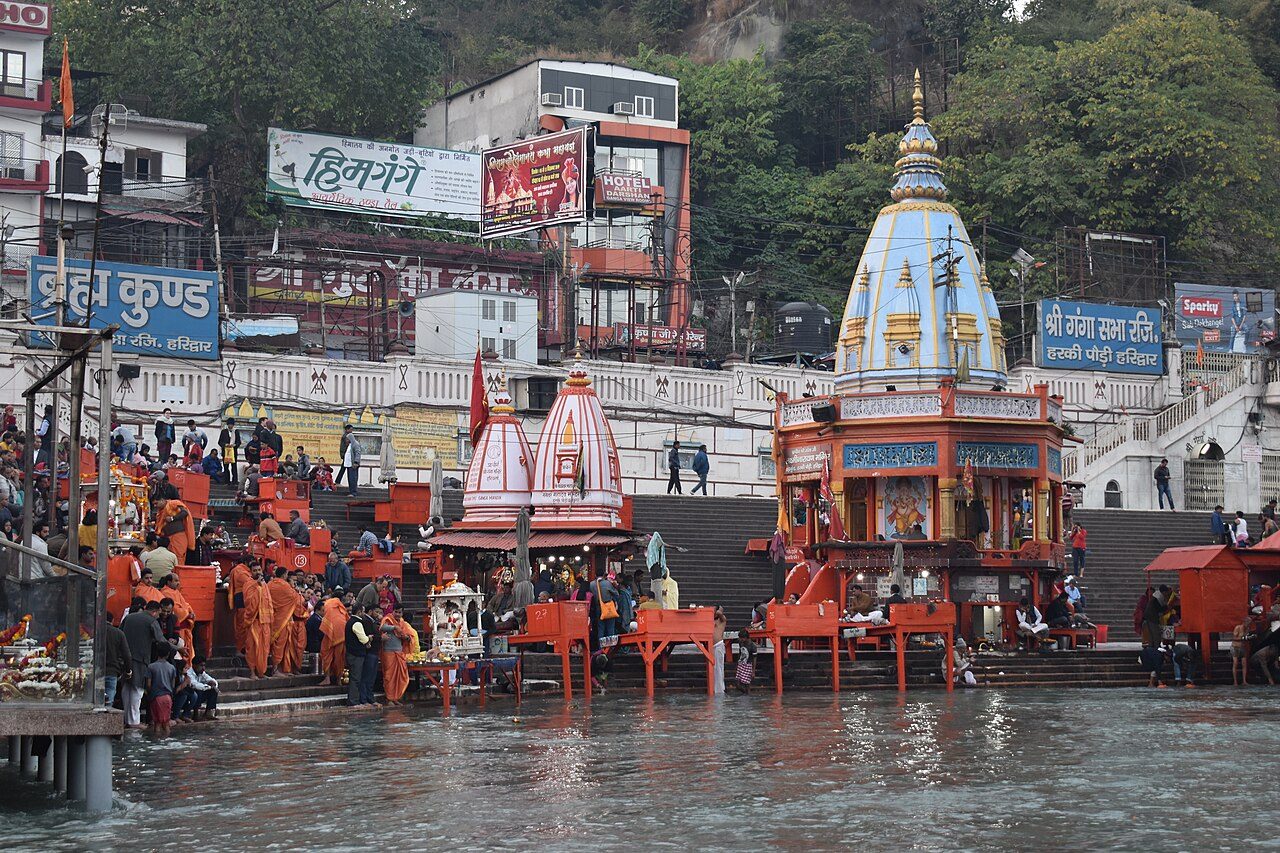
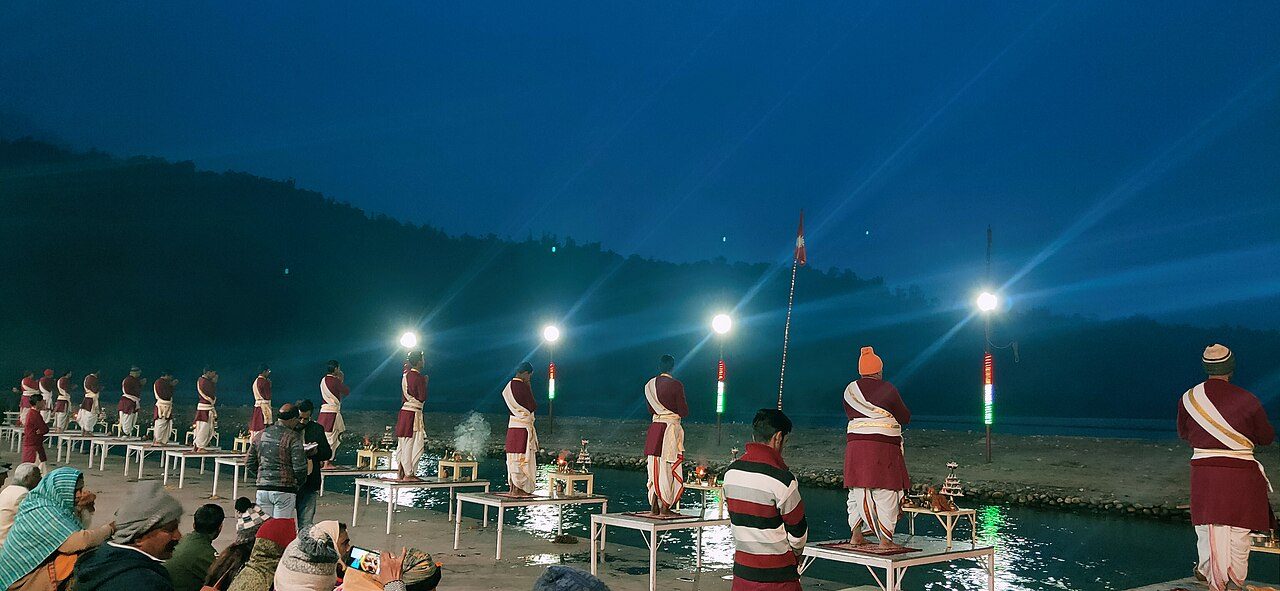
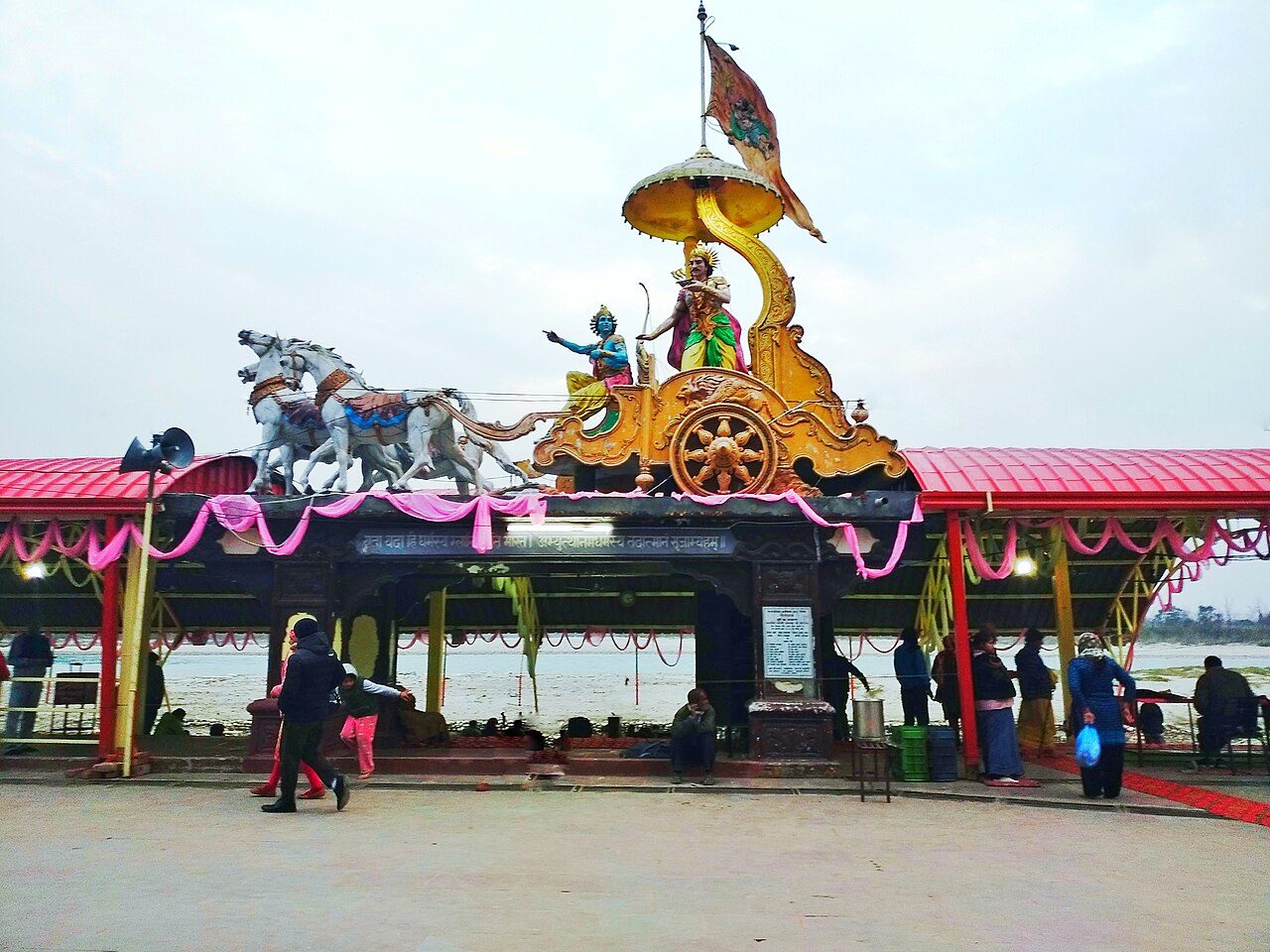
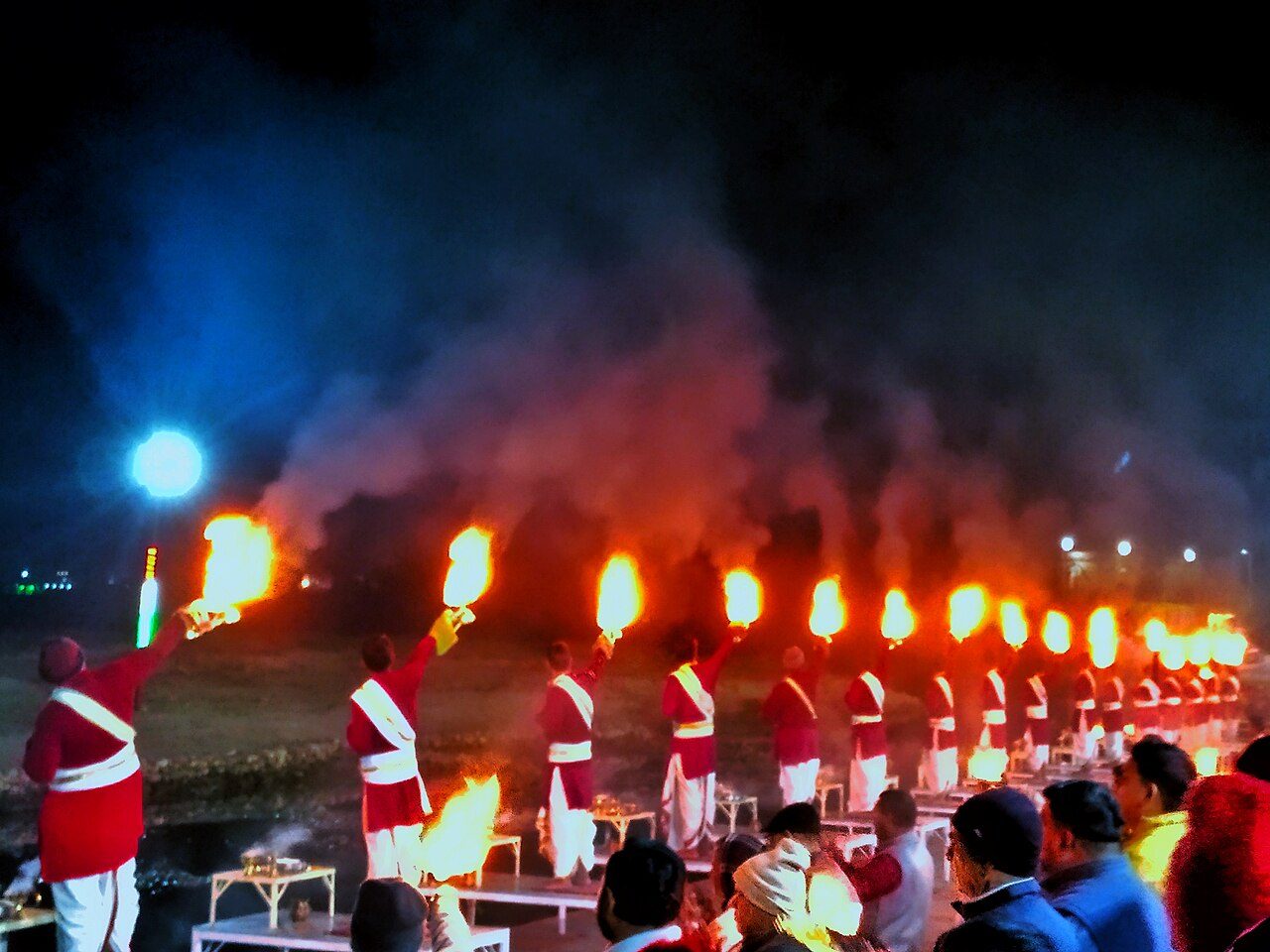
Har Ki Pauri, 'the steps of the Lord', is the most sacred ghat in Haridwar, at the point where the Ganga leaves the mountains for the plains. A footprint said to be Vishnu's is kept here. Pilgrims bathe at Brahmakund through the day, and at dusk the Ganga Aarti fills the banks with lamps, bells and chanting. It is the centre of the Kumbh Mela, held in Haridwar every twelve years.
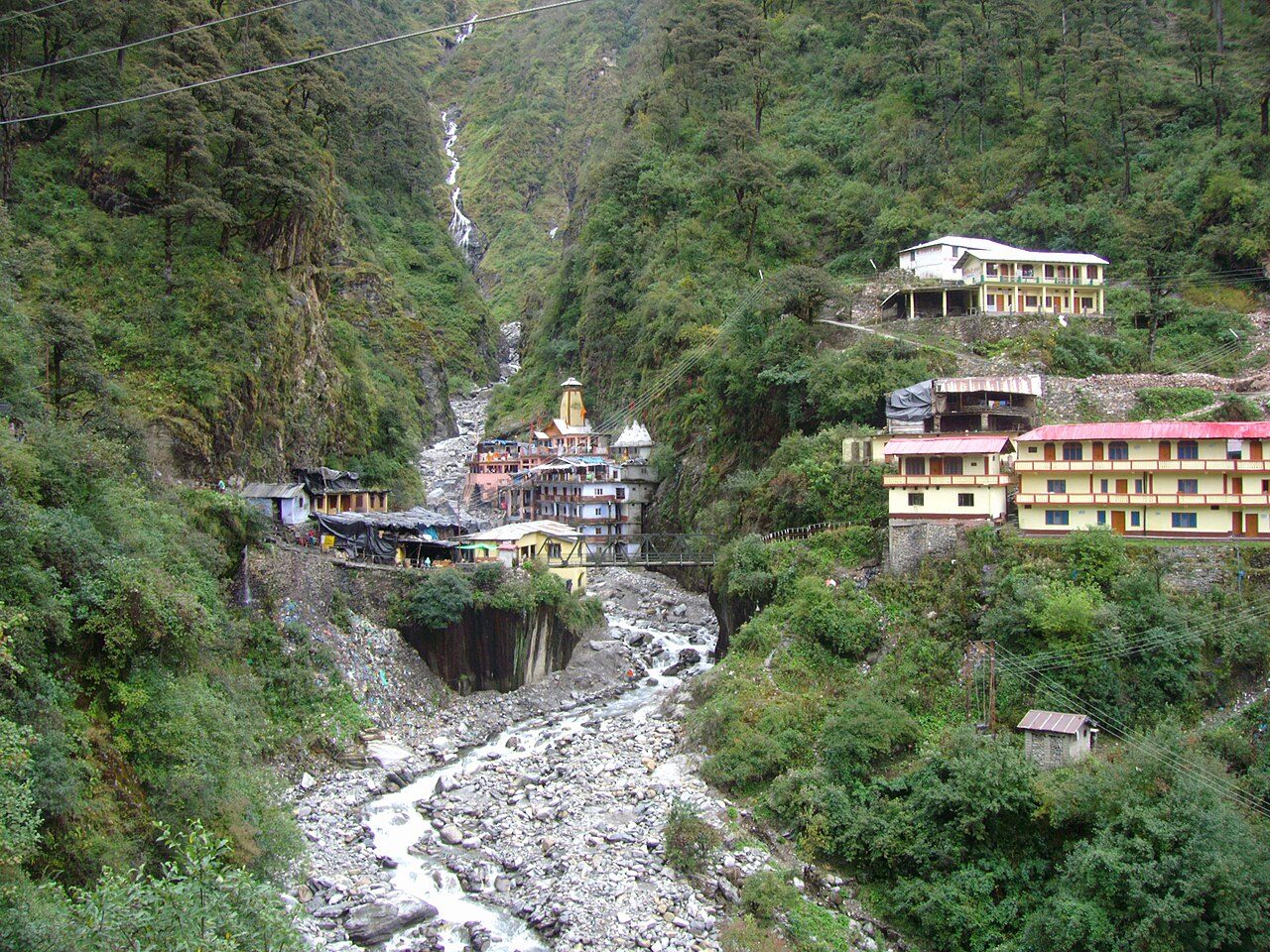
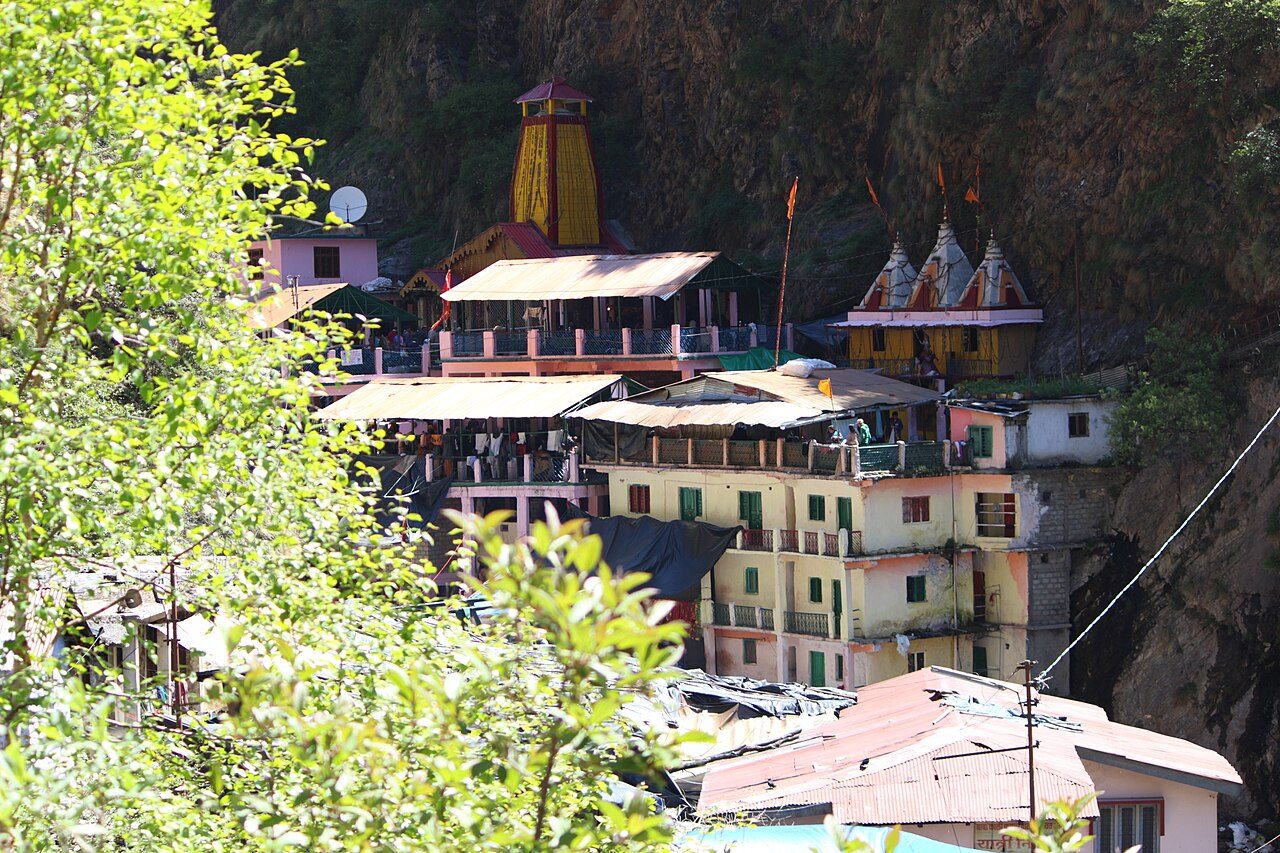
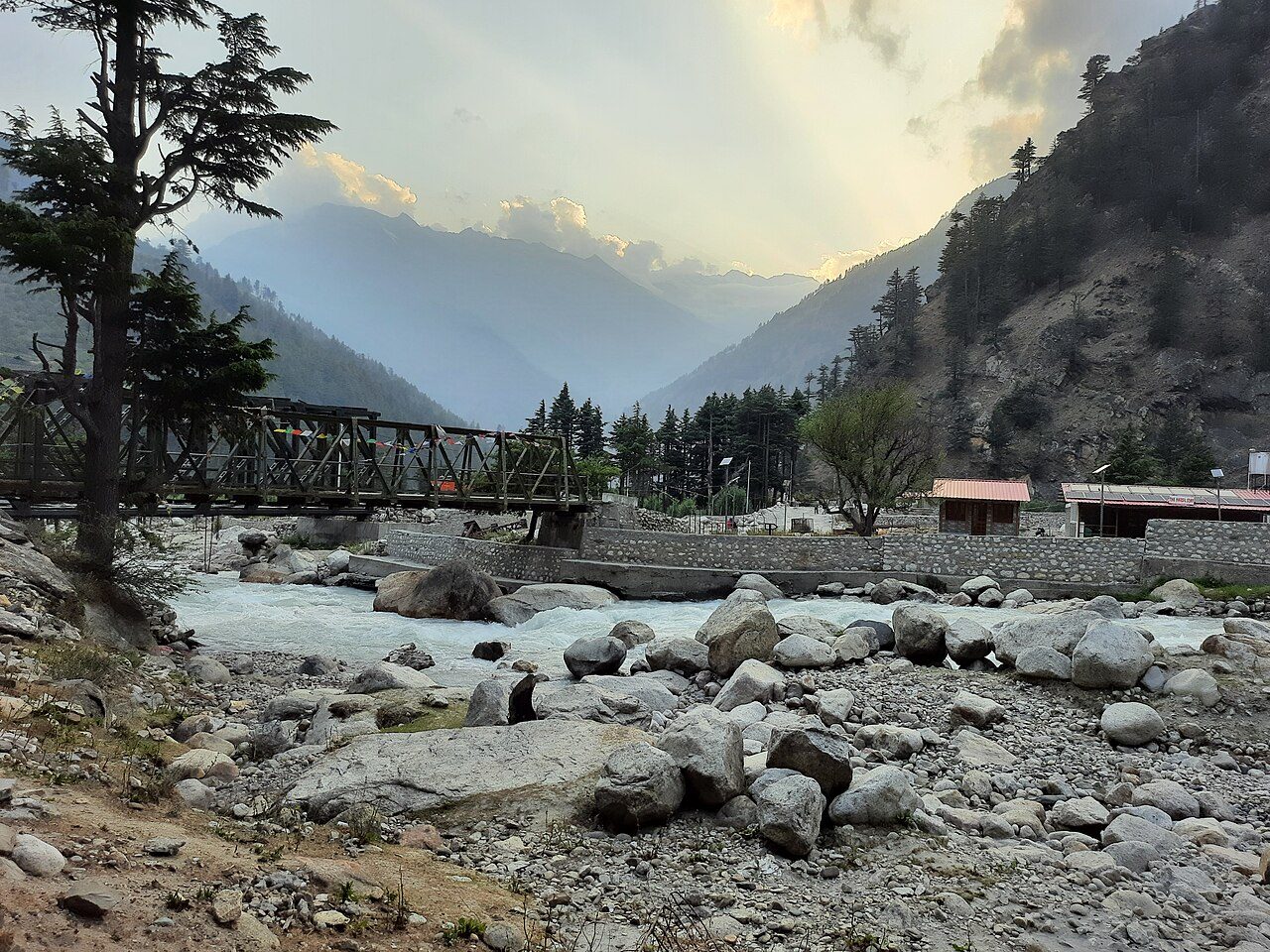
Yamunotri Temple, at about 3,290 metres, is dedicated to the goddess Yamuna and is the western-most of the Char Dham shrines of Uttarakhand. It is reached by a trek of about six kilometres from Janki Chatti. Pilgrims cook rice and potatoes in the boiling Surya Kund hot spring to take home as an offering. The temple opens on Akshaya Tritiya in spring and closes after Diwali.
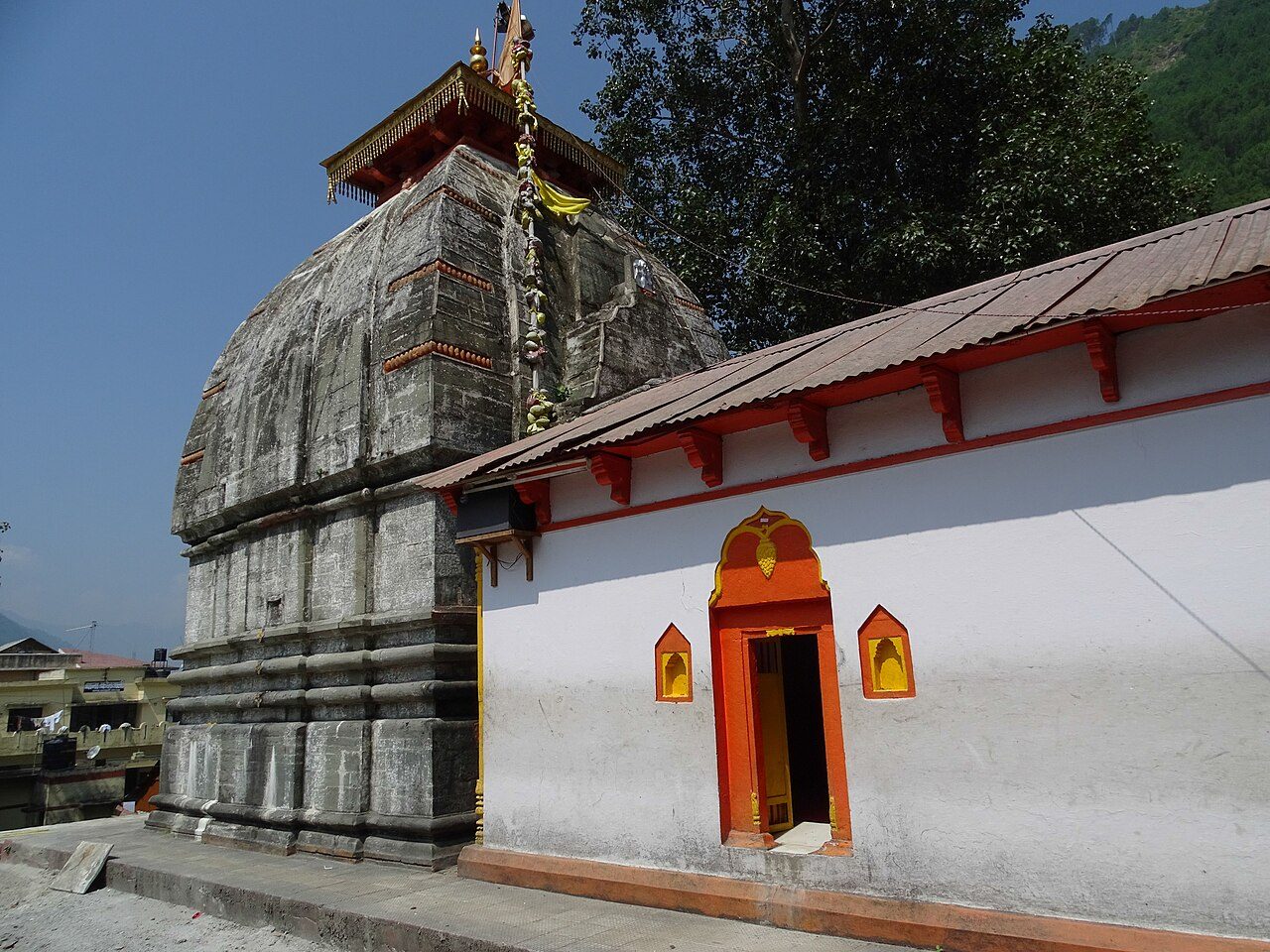
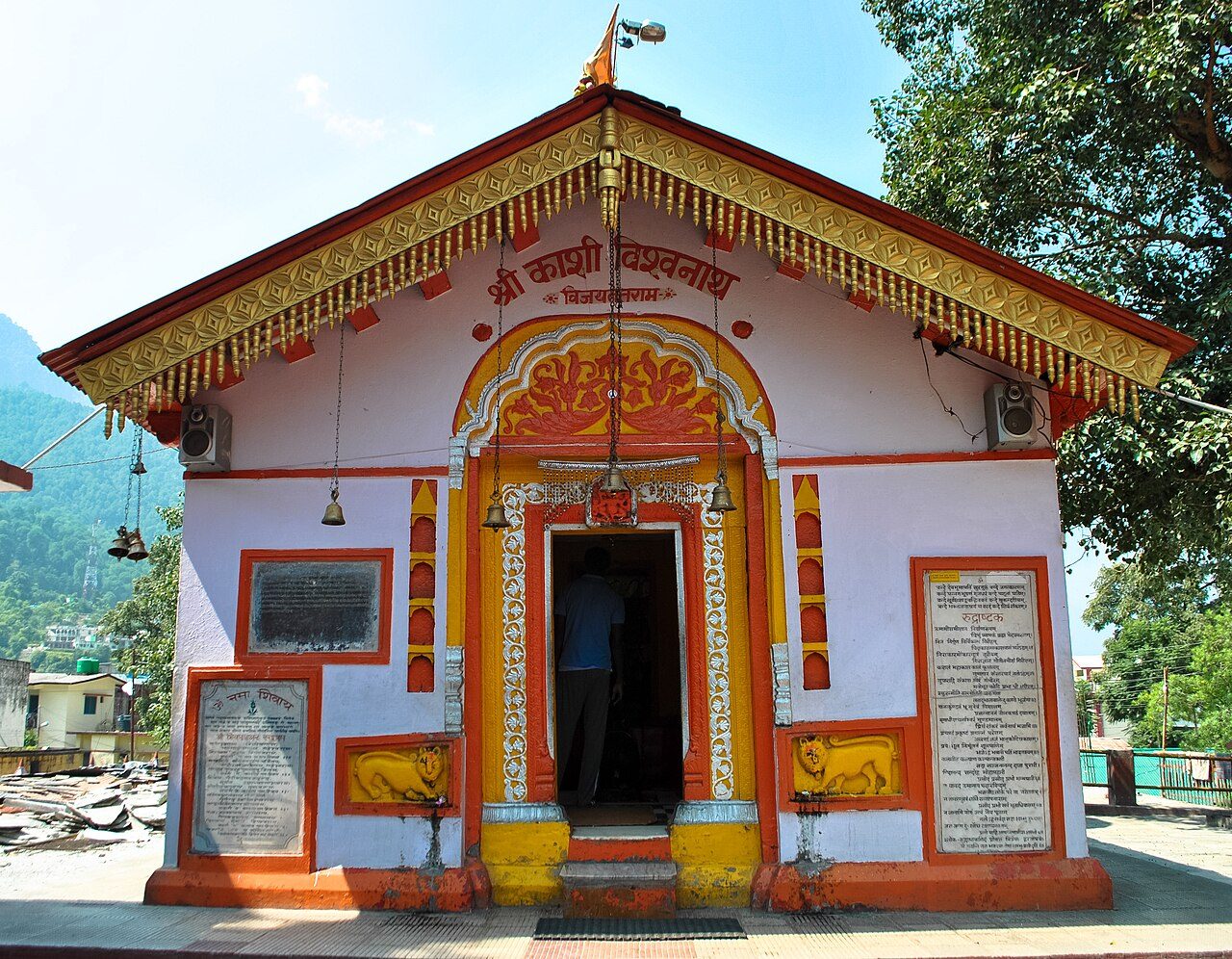
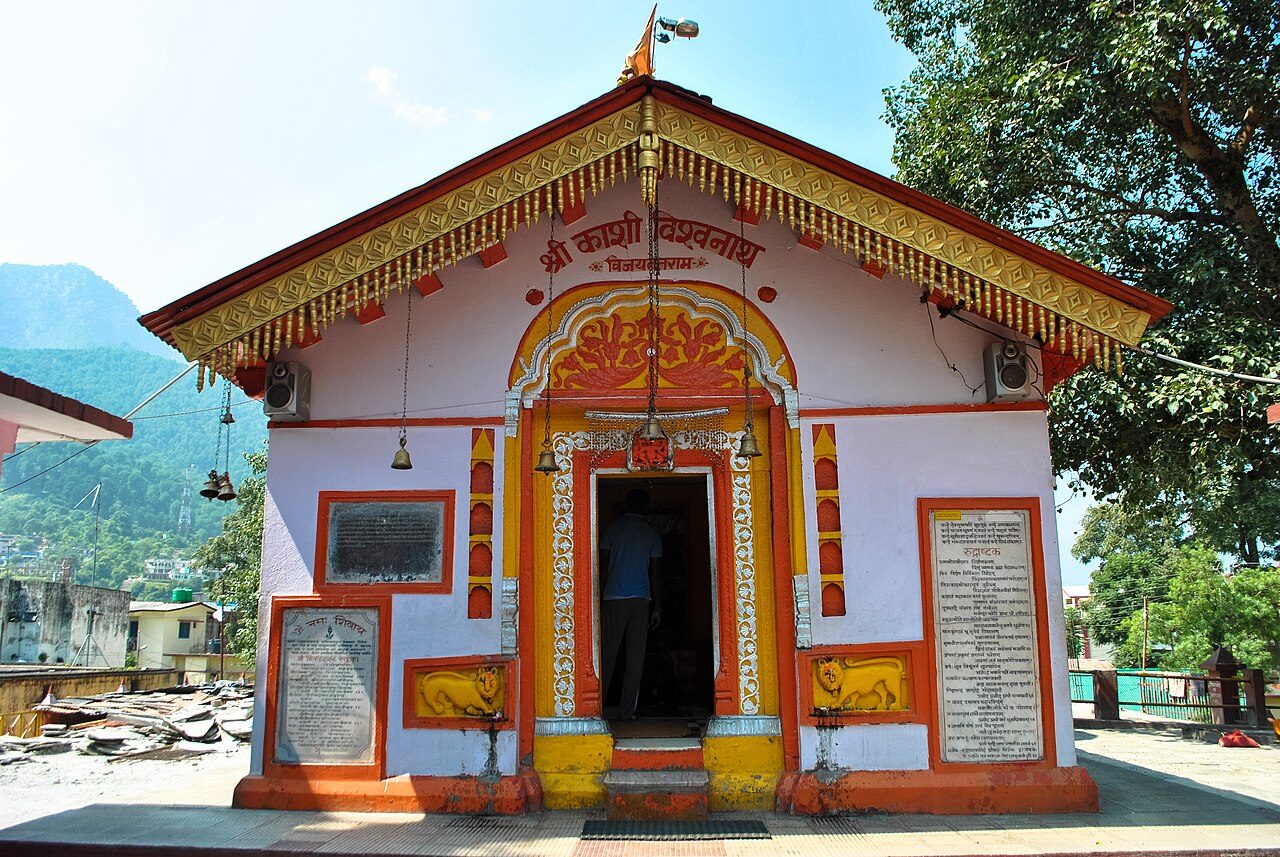
The Kashi Vishwanath Temple in Uttarkashi stands near the bank of the Bhagirathi and is the town's principal shrine, giving it its name, 'Kashi of the north'. The stone temple houses an old Shiva linga, and in the Shakti temple opposite stands a massive iron and copper trident about six metres high. Most pilgrims to Gangotri stop here.
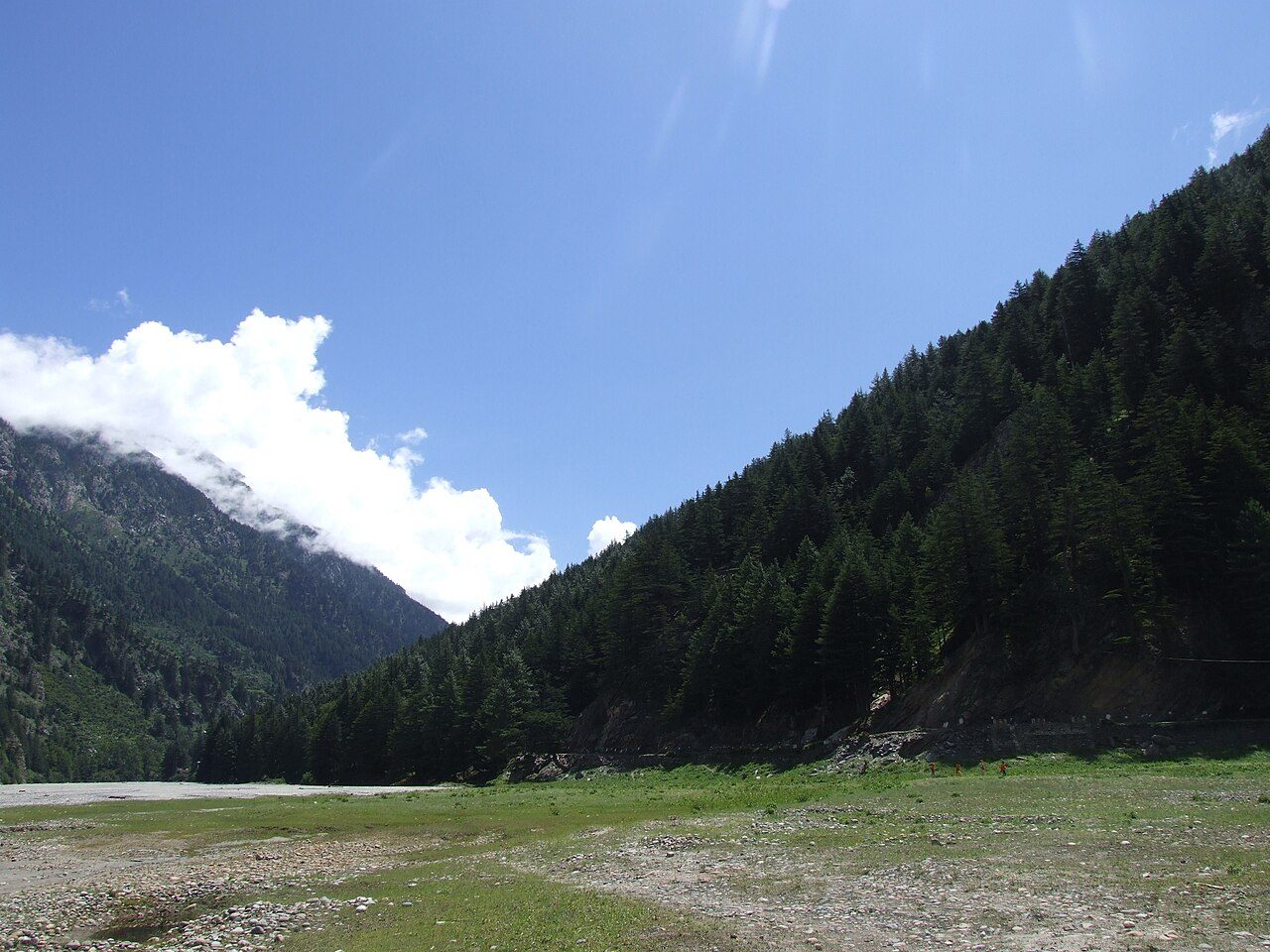
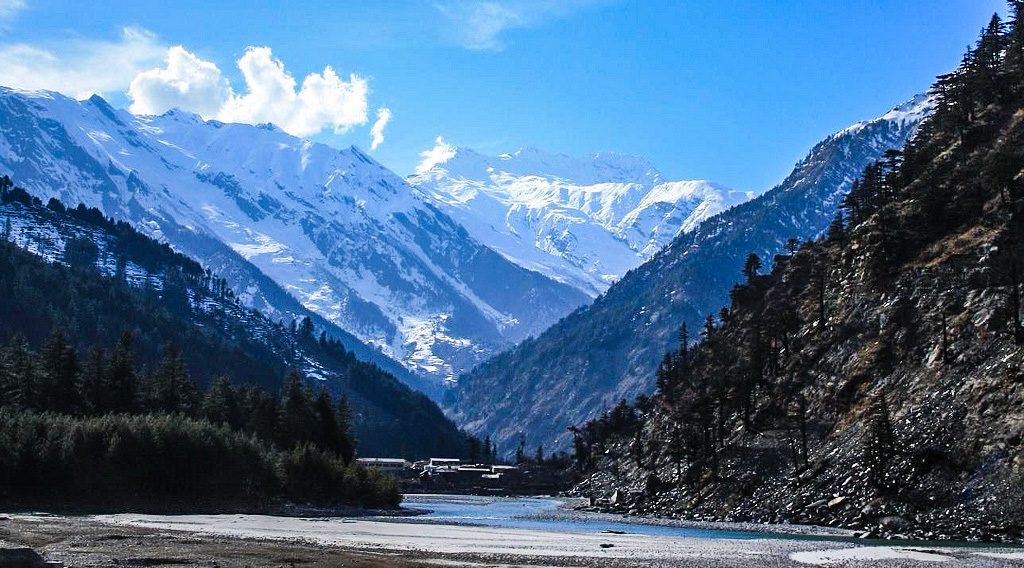
Harsil is a quiet village in the Bhagirathi valley at about 2,600 metres, on the road to Gangotri. It is known for apple orchards, deodar forest and a wide, braided river beneath snow peaks. Frederick Wilson, an Englishman who settled here in the 19th century, introduced the apples. It makes a peaceful overnight stop on the Gangotri route.
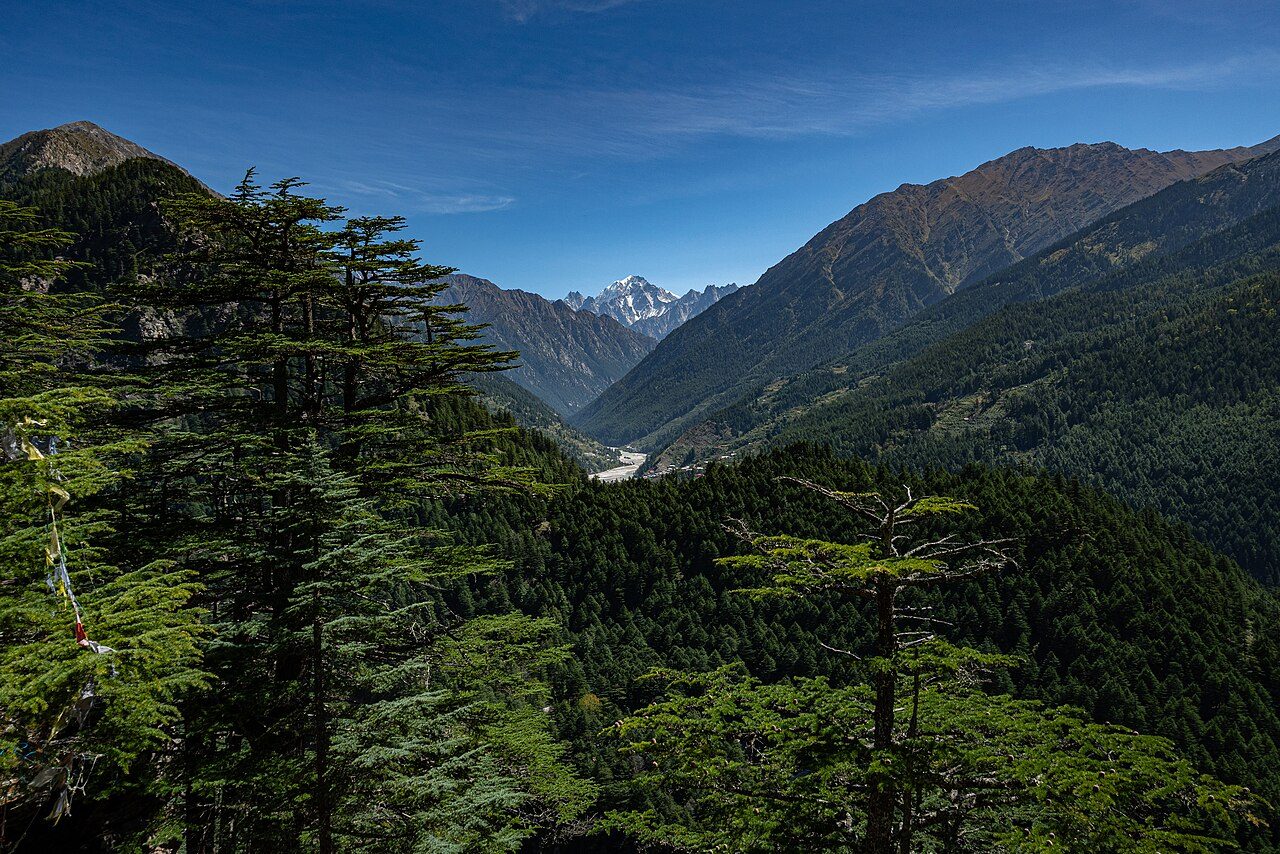
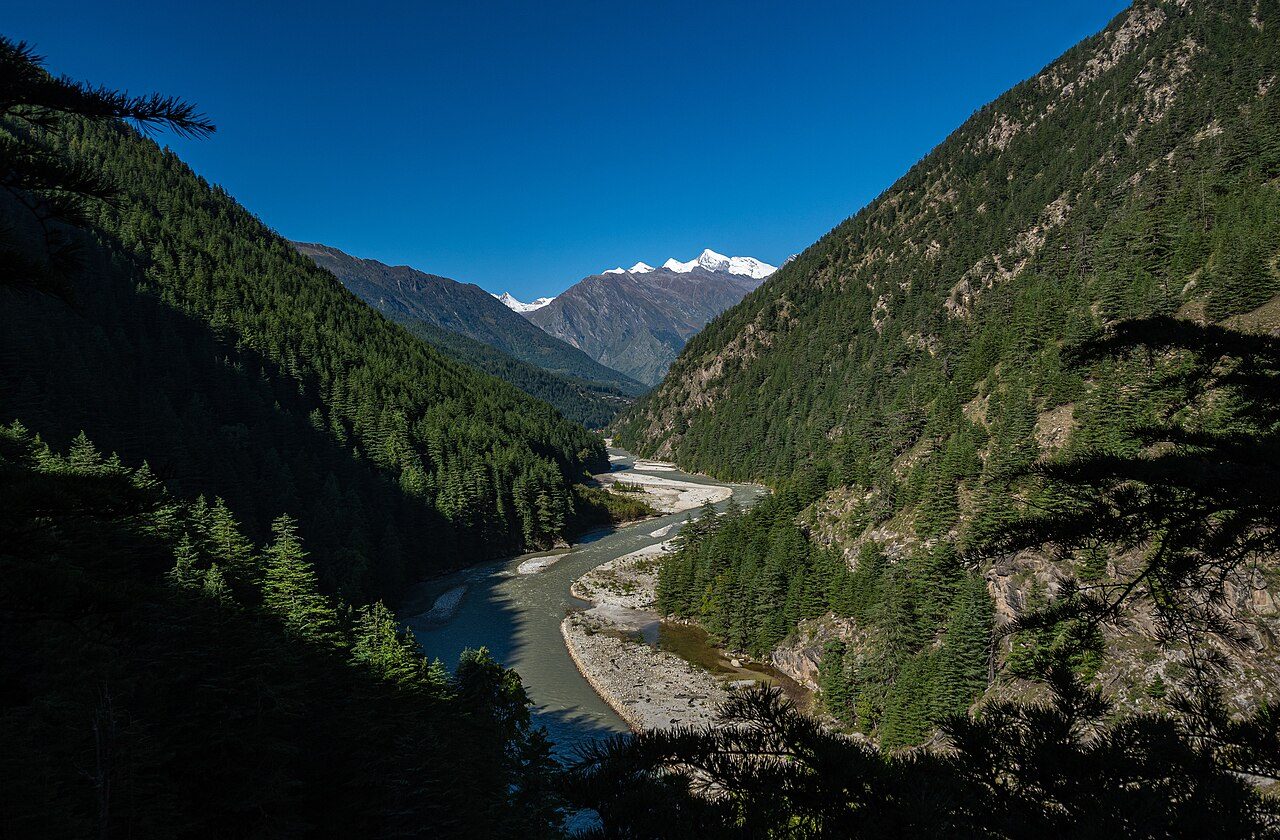
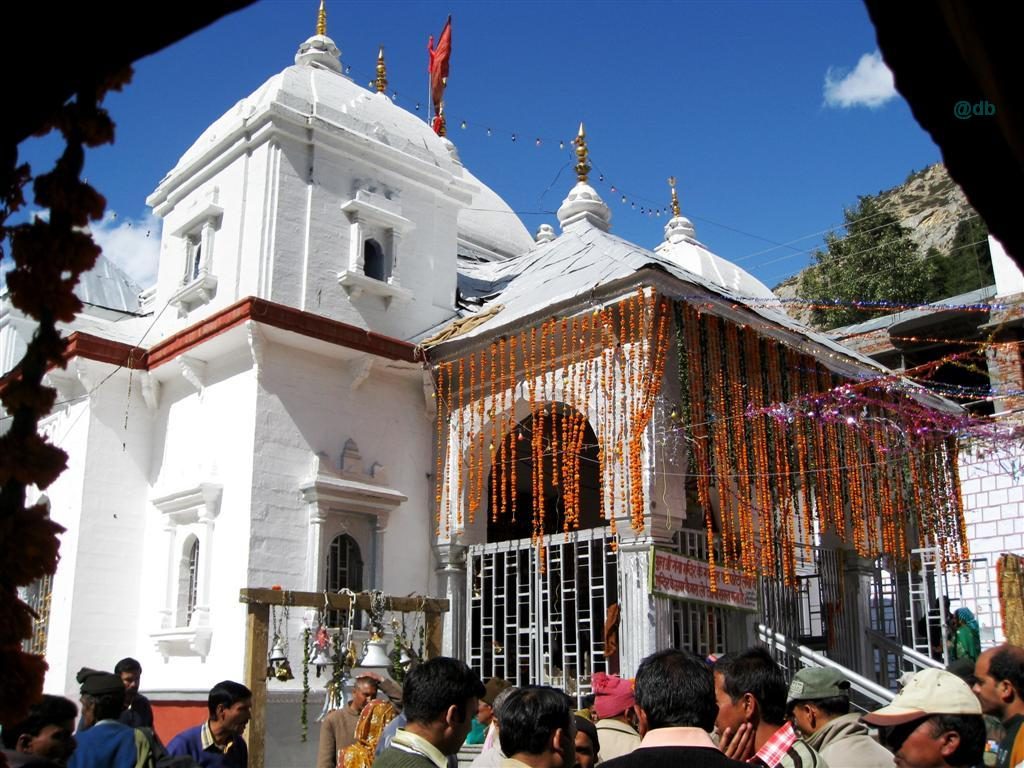
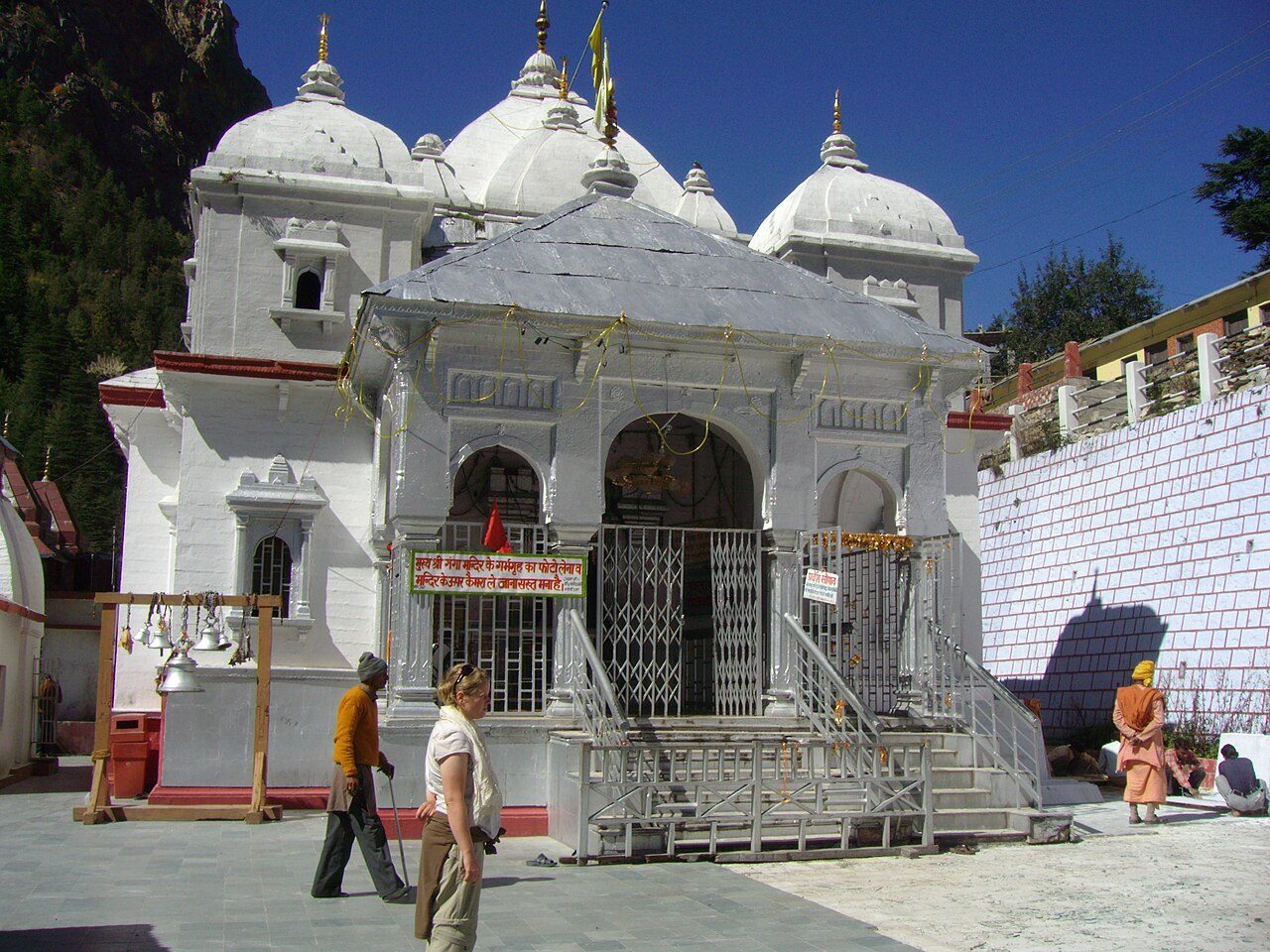
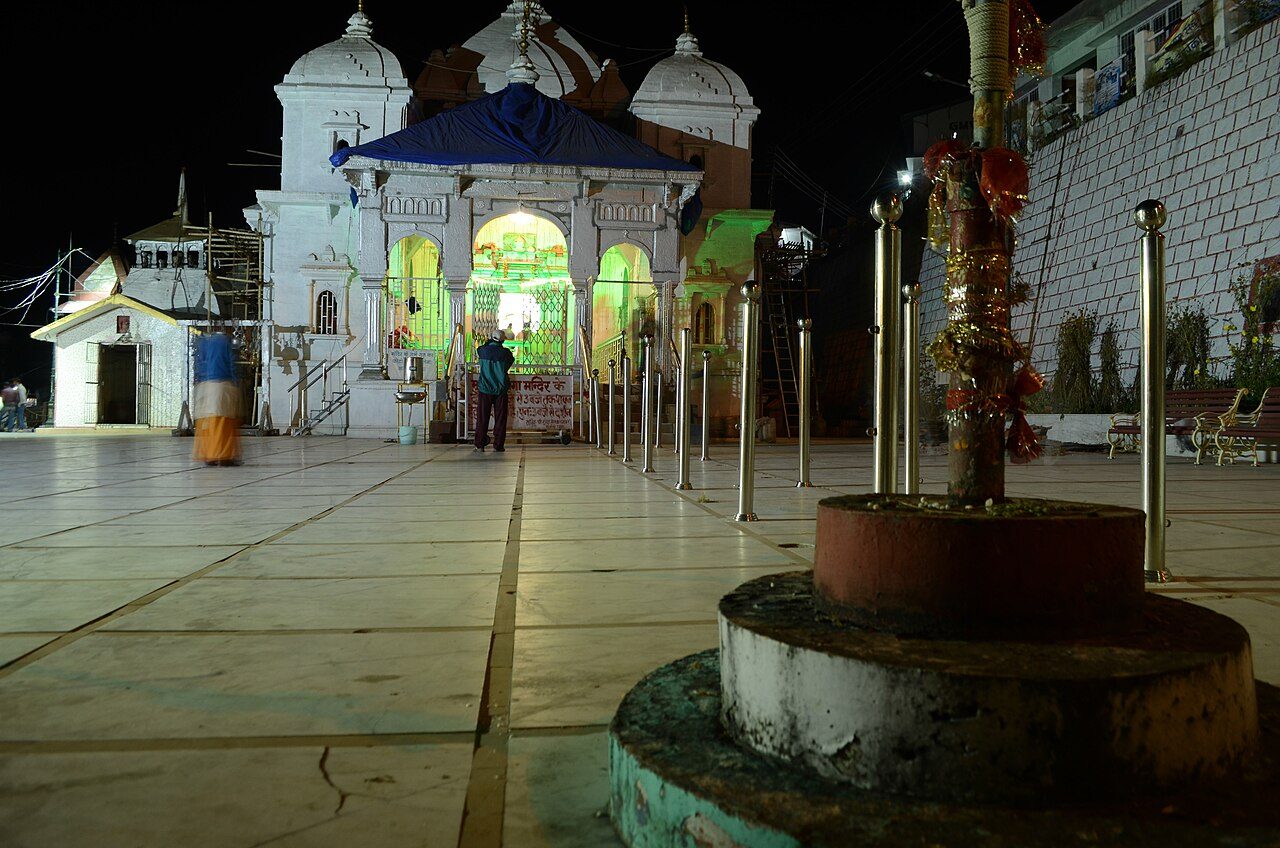
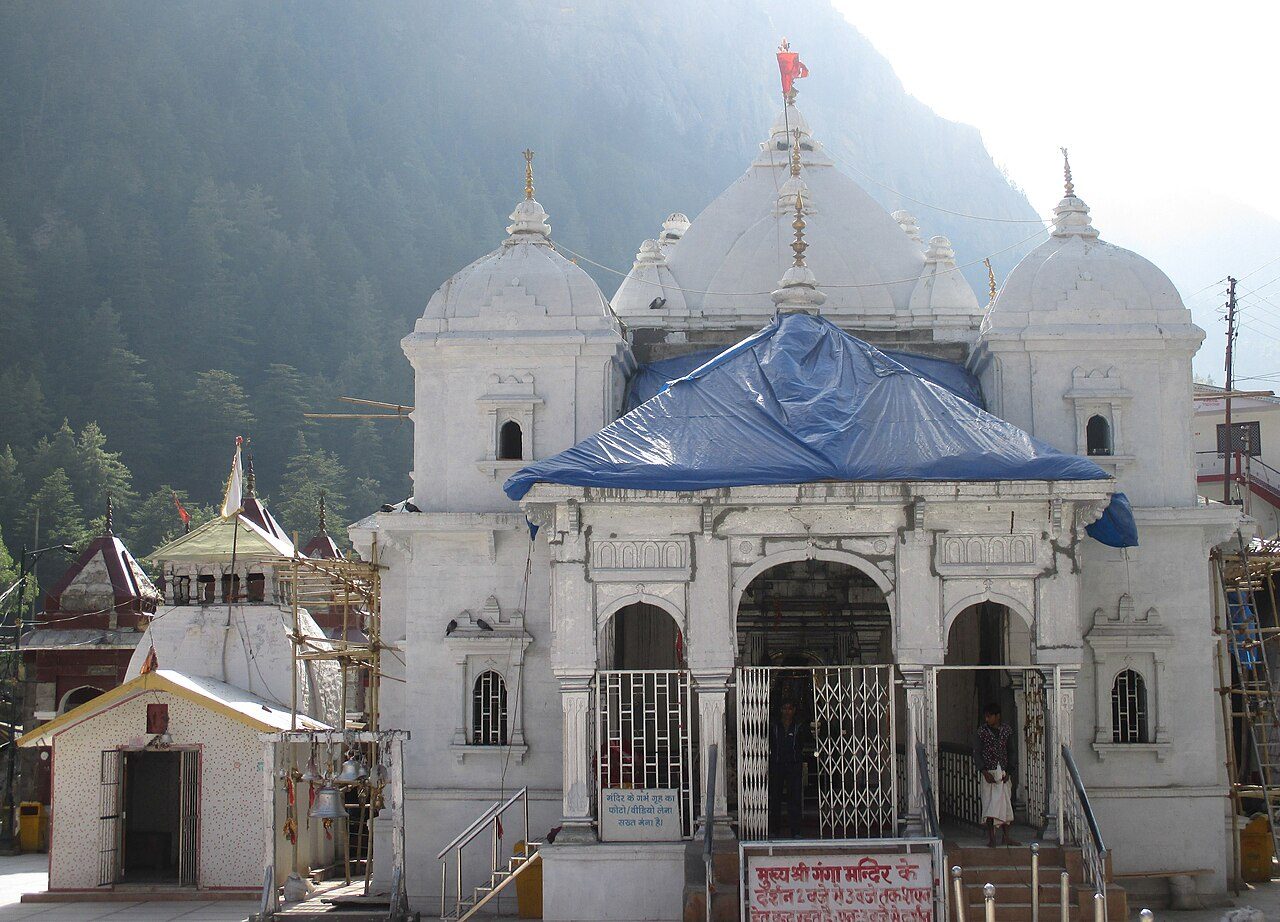
Gangotri Temple, at about 3,100 metres, is one of the Char Dham of Uttarakhand and honours the goddess Ganga. The white granite temple was built in the early 19th century by the Gurkha general Amar Singh Thapa. Legend says King Bhagirath meditated on a rock here to bring the river to earth. The shrine opens around May and closes at Diwali; the glacier source at Gaumukh is 18 km on foot.
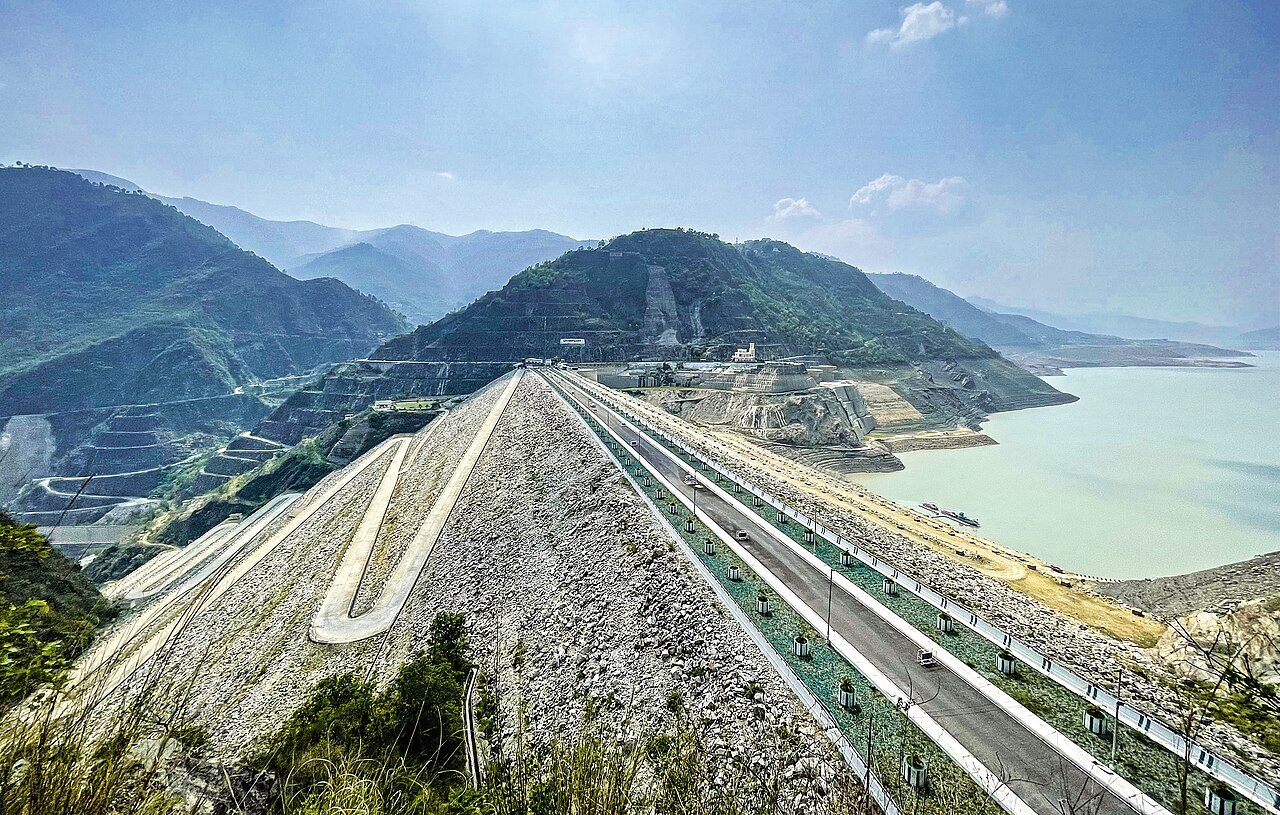
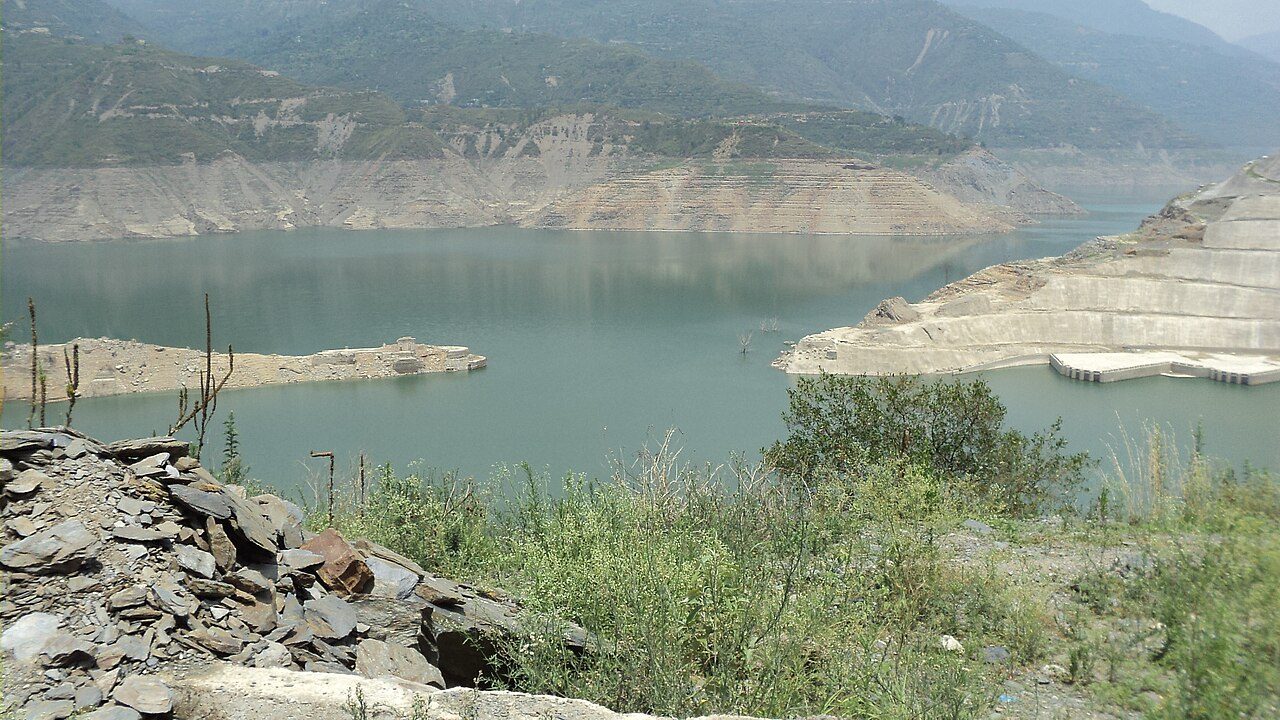
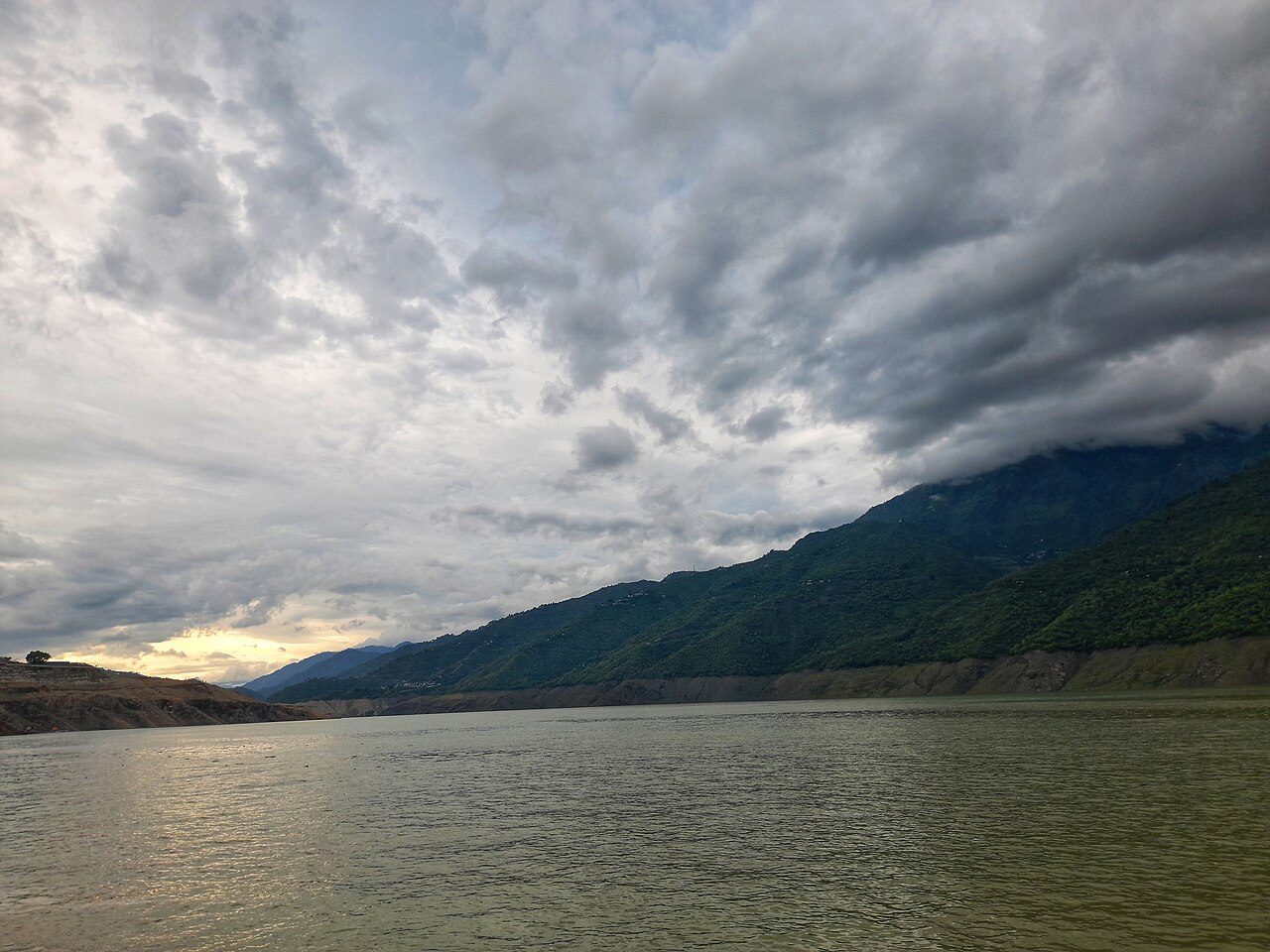
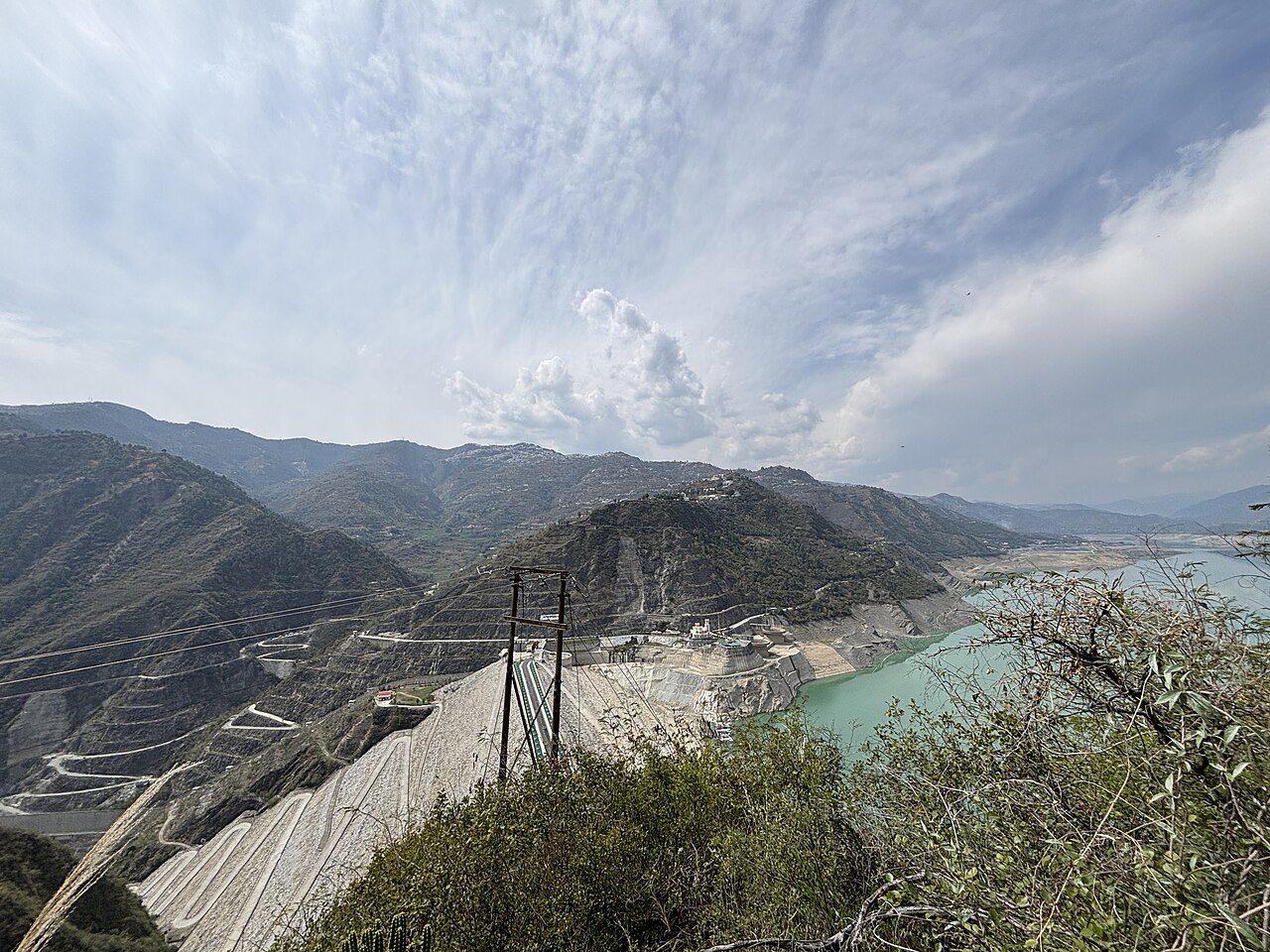
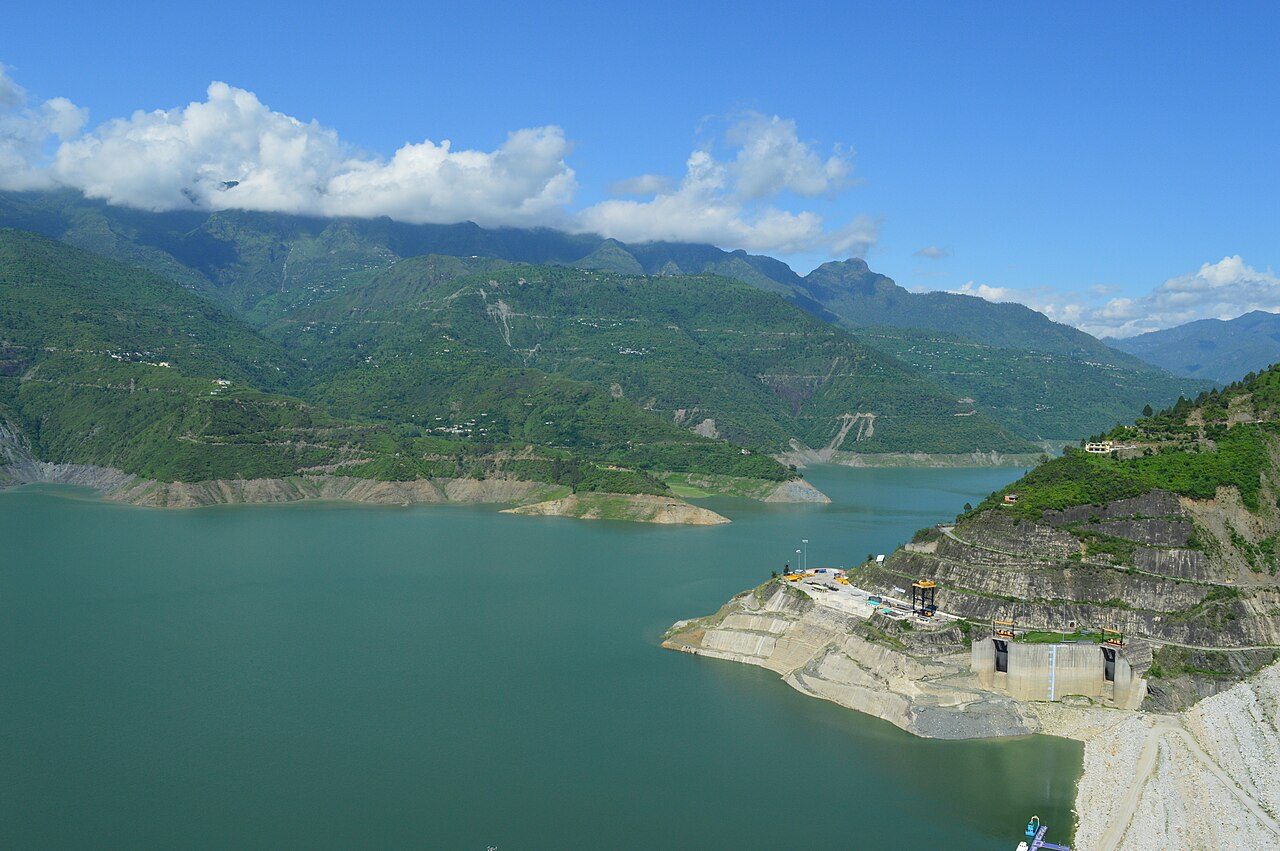
Tehri Dam on the Bhagirathi River is the tallest dam in India, at about 260 metres, and one of the tallest in the world. Its construction submerged the old town of Tehri, whose residents were resettled in New Tehri on the hill above. The vast reservoir, Tehri Lake, is now promoted for boating, jet skiing and floating huts. Viewpoints on the road look down on the dam wall.
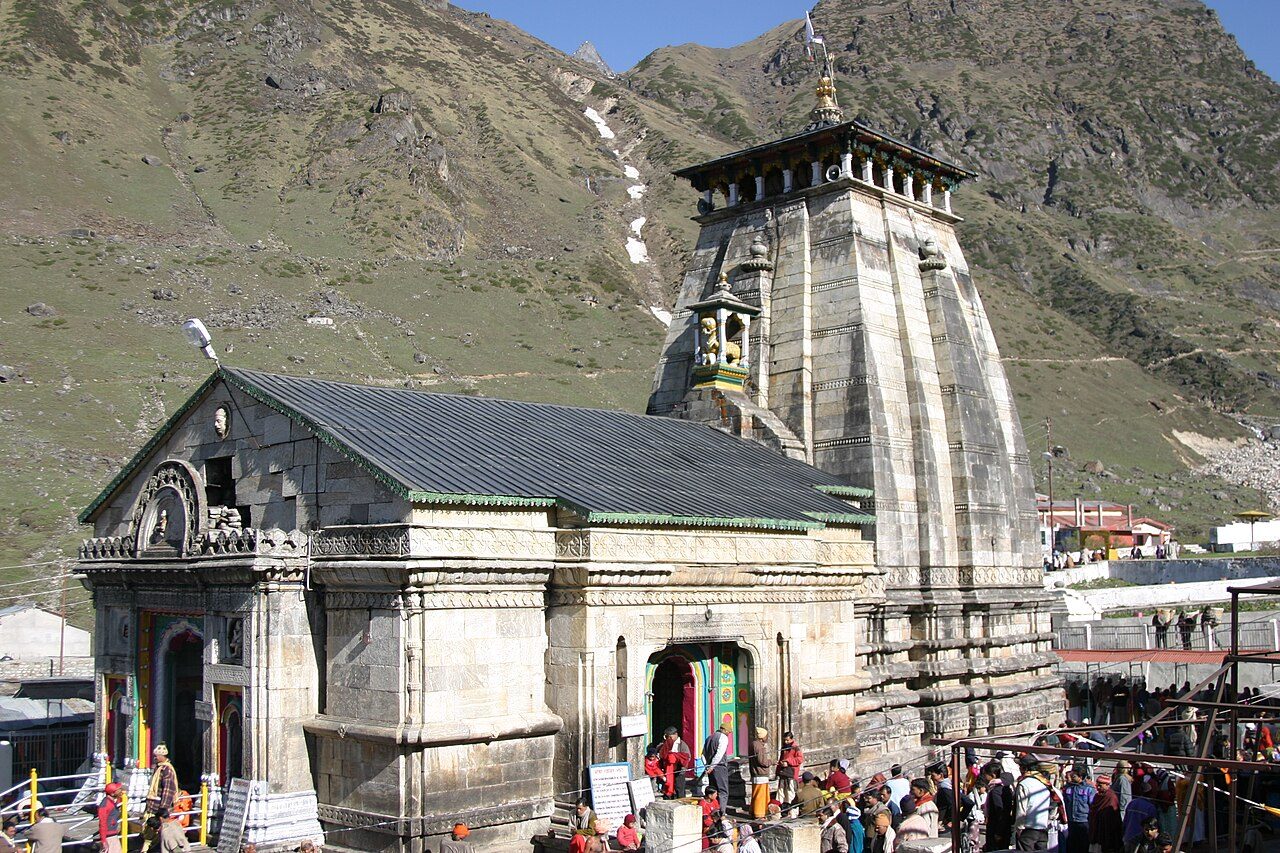
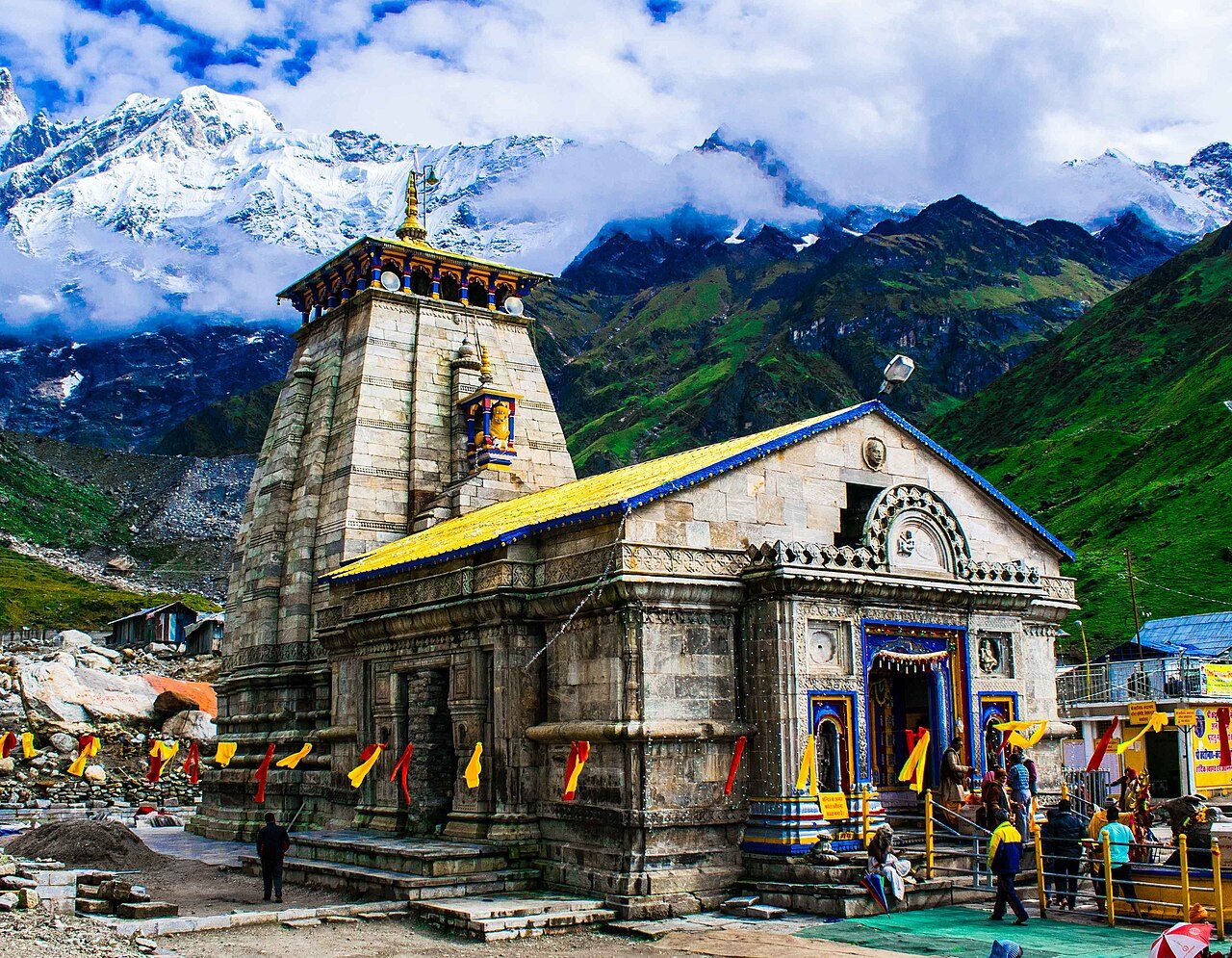
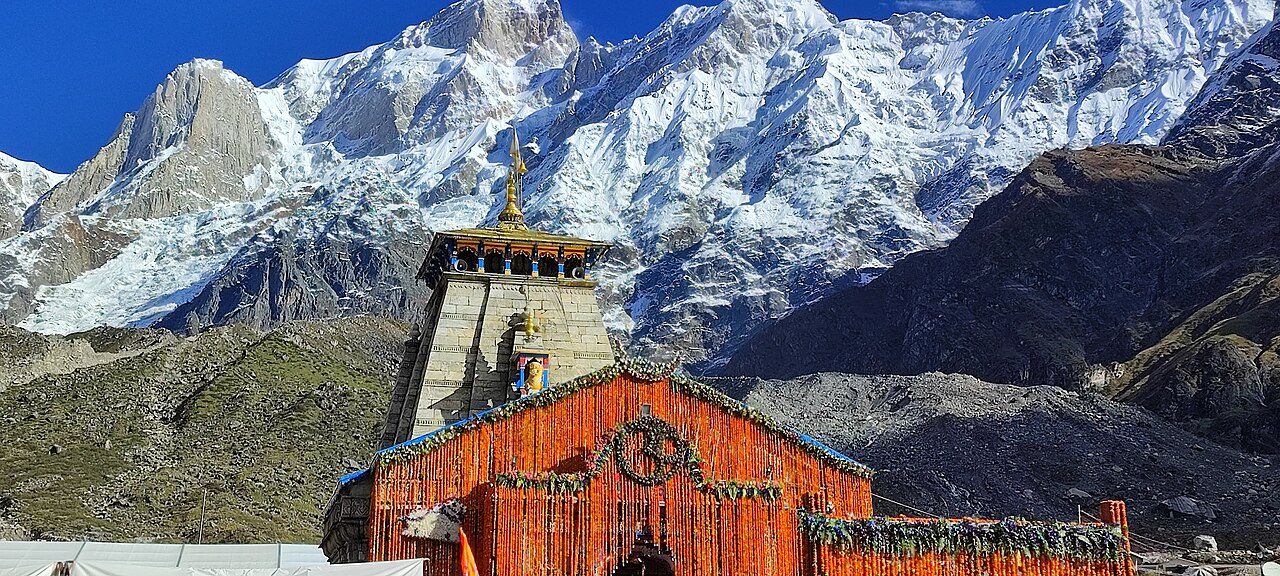
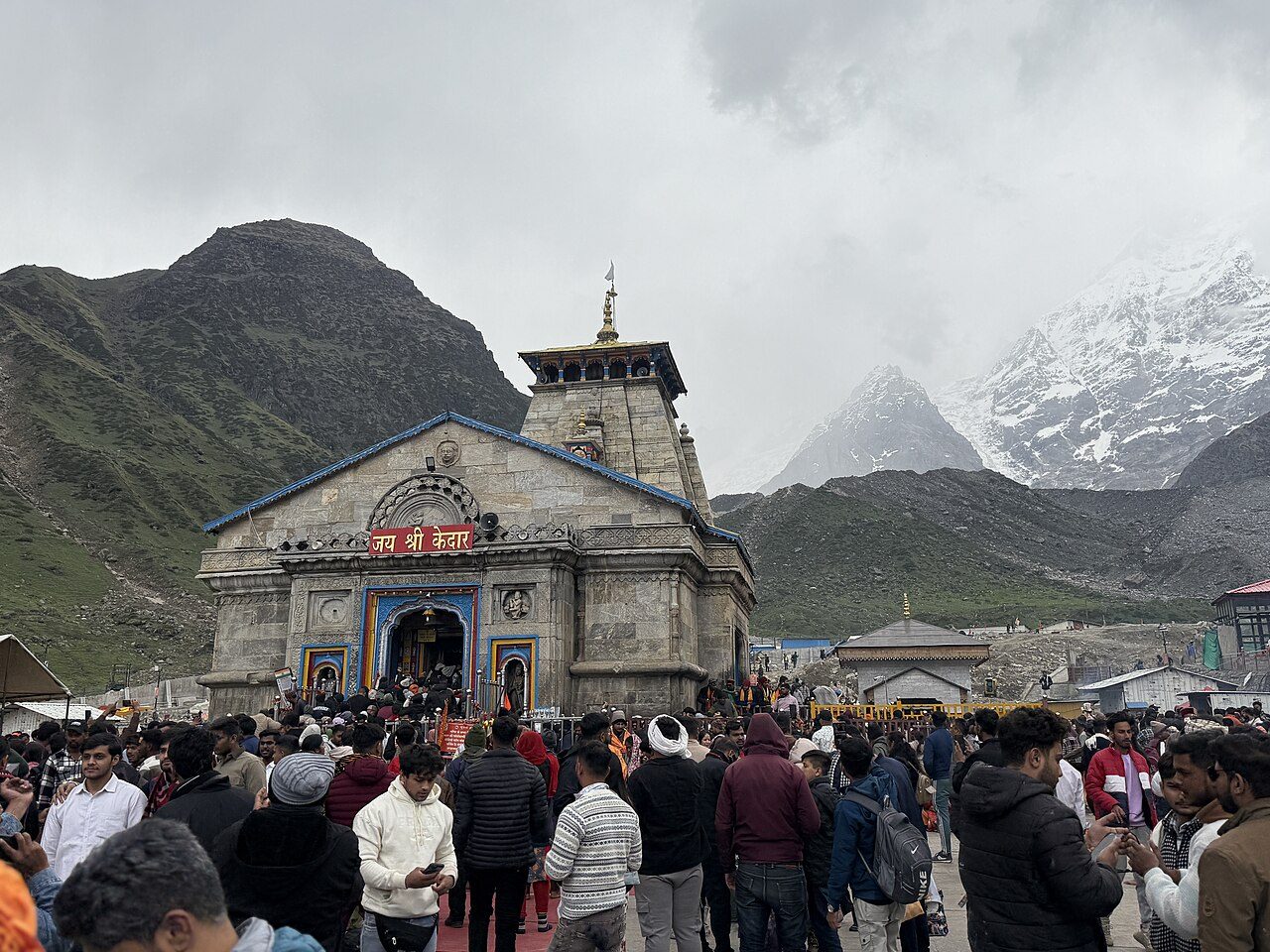
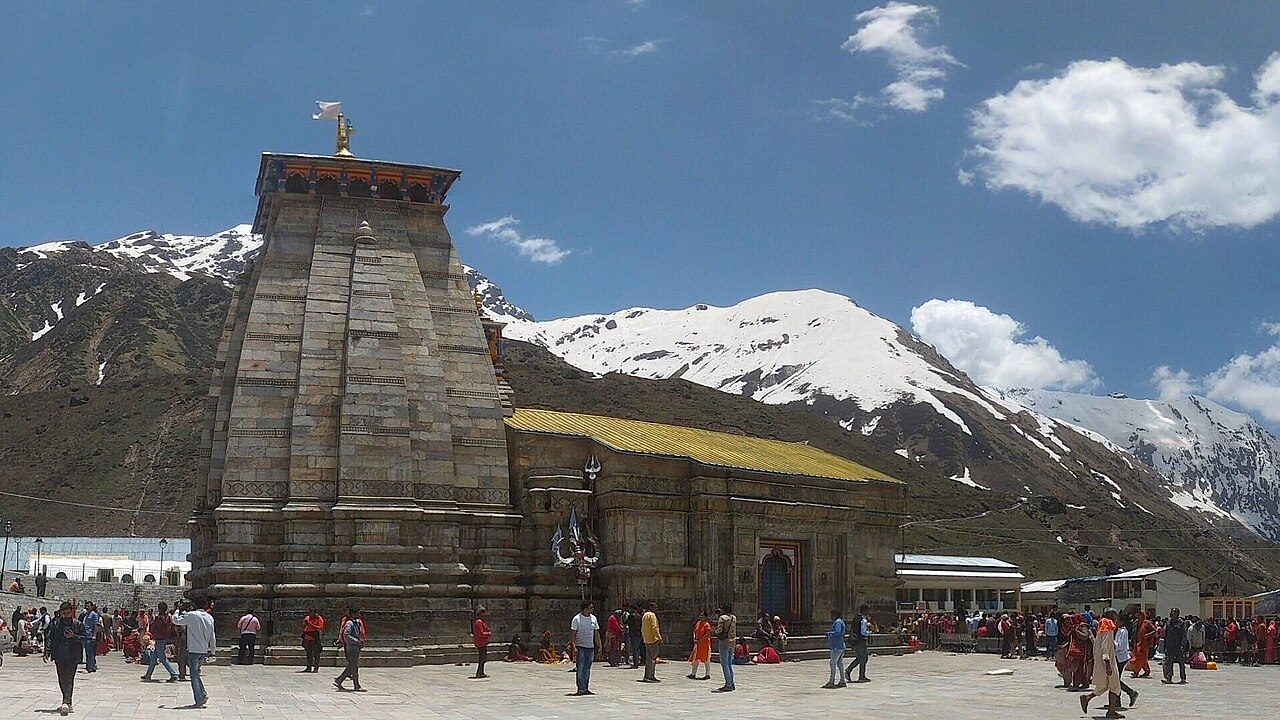
Kedarnath is one of the twelve jyotirlingas of Shiva and the most remote of the Char Dham shrines, at about 3,580 metres below the Kedarnath peak. The grey stone temple is traditionally said to have been built by the Pandavas and revived by Adi Shankaracharya. It is reached by a trek of roughly 16 km from Gaurikund, or by helicopter, and opens only from about May to November.
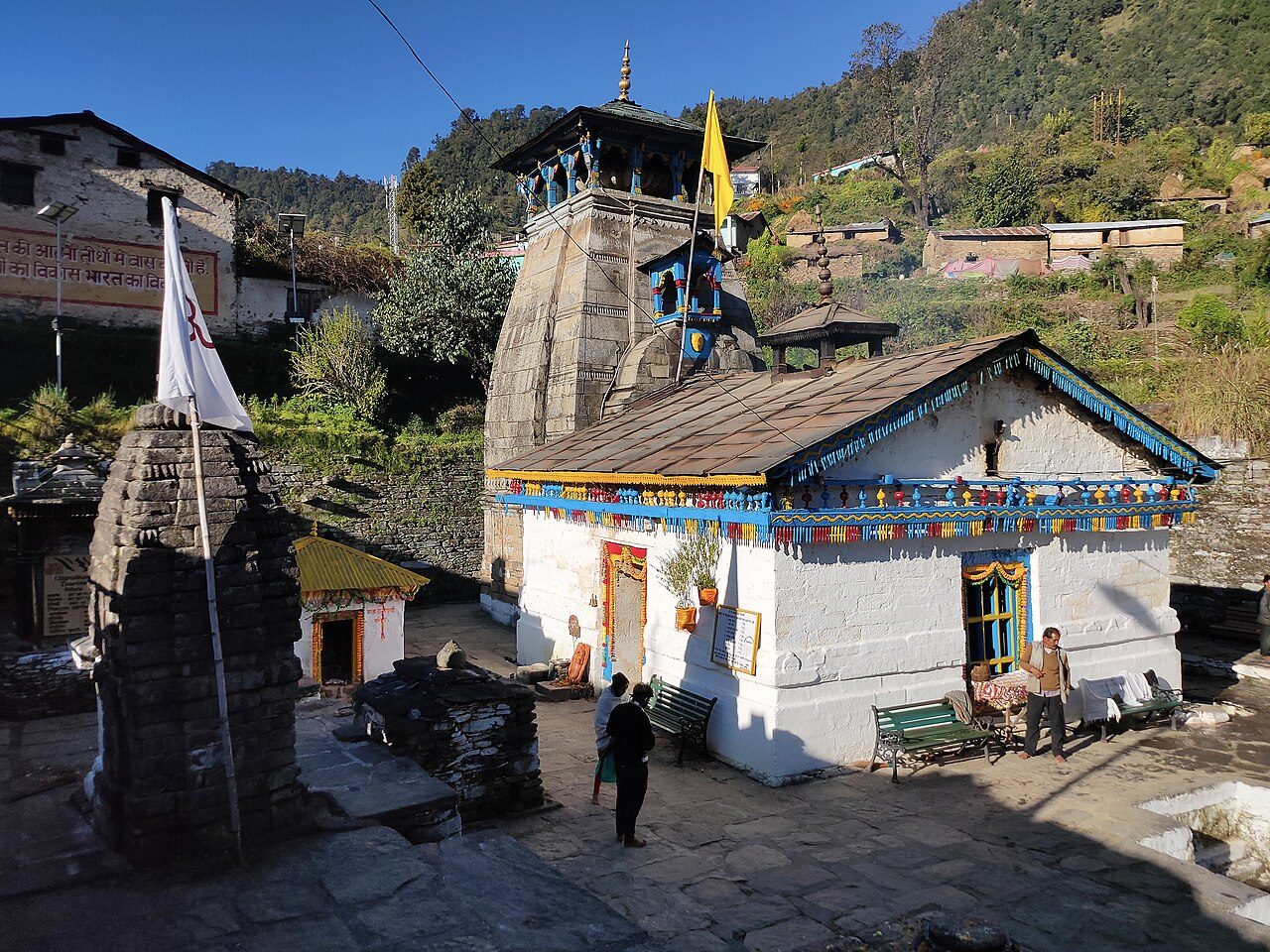
Triyuginarayan Temple, in a village above Sonprayag, is believed to be the place where Shiva and Parvati were married, with Vishnu as witness. A fire in front of the temple is said to have burned continuously since that wedding, and pilgrims add wood to it and carry away the ash. The stone temple resembles Kedarnath in style. It has become a popular wedding venue.
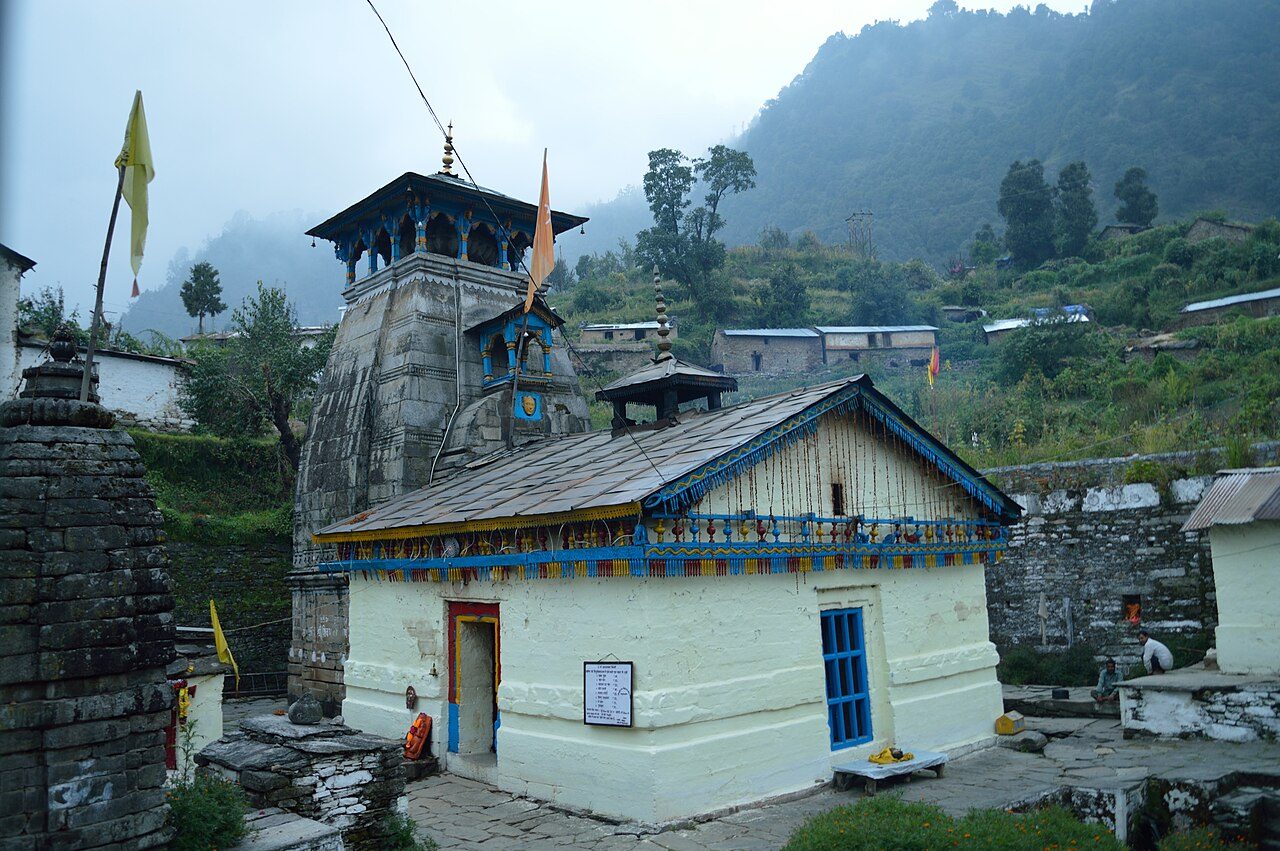
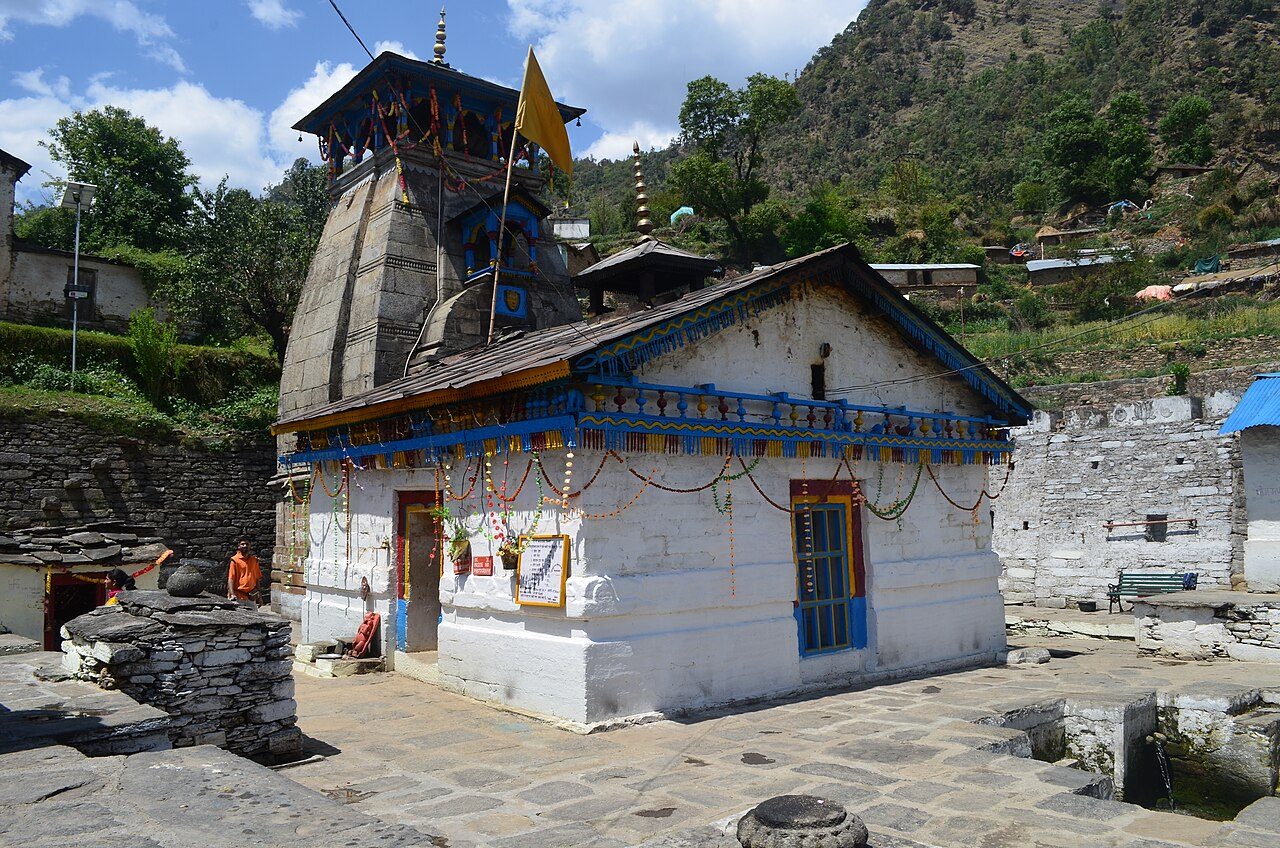
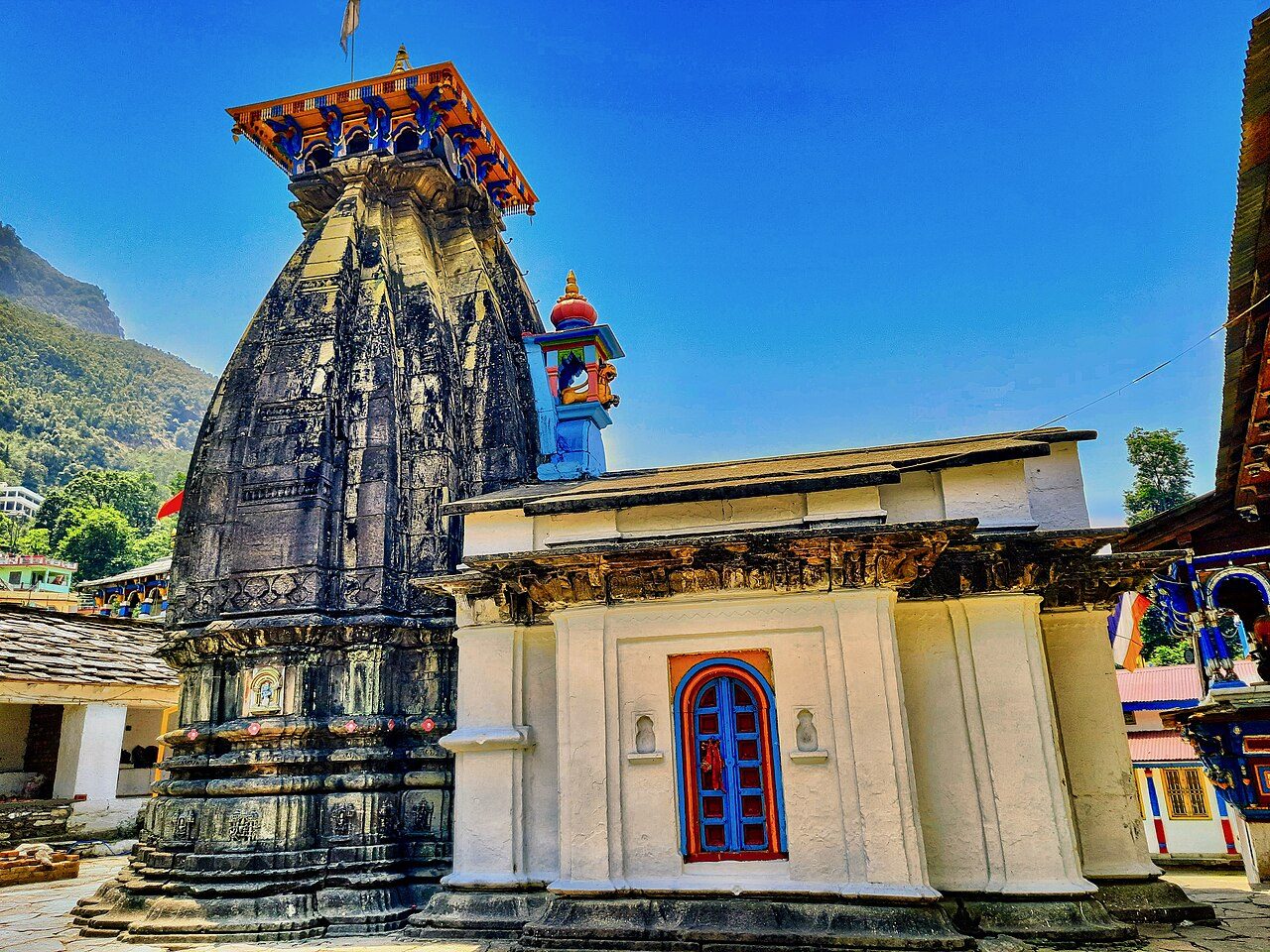
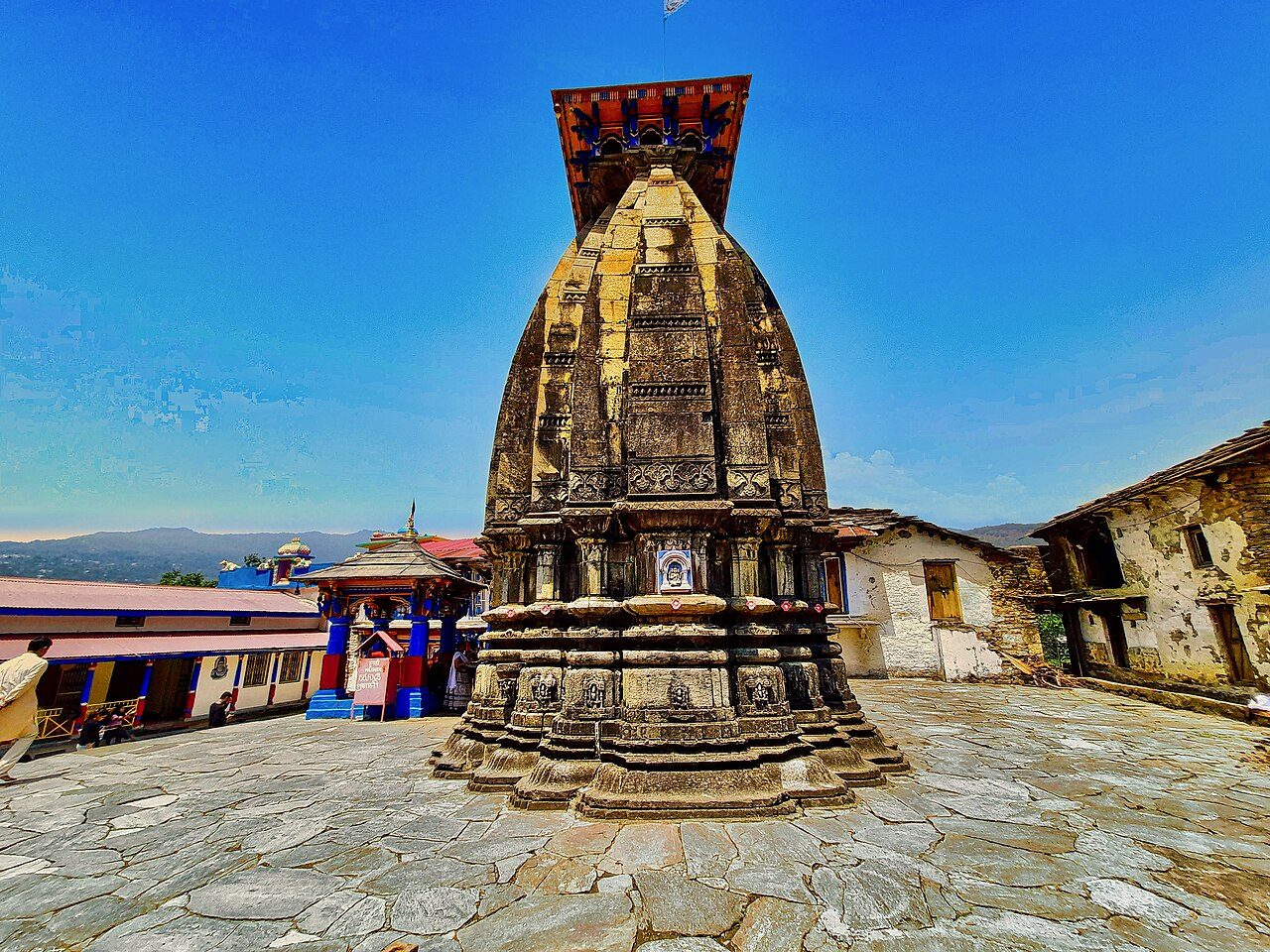
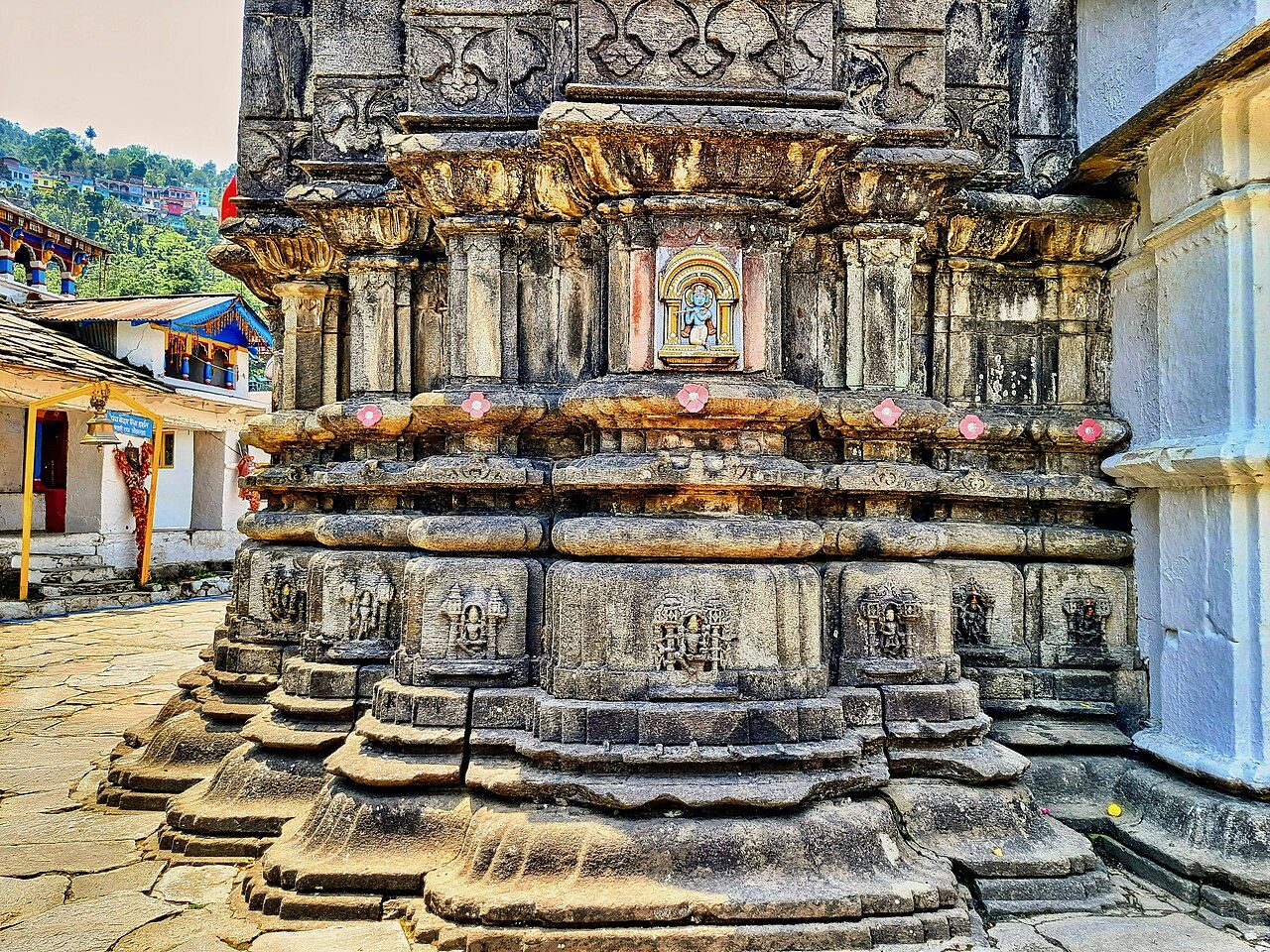
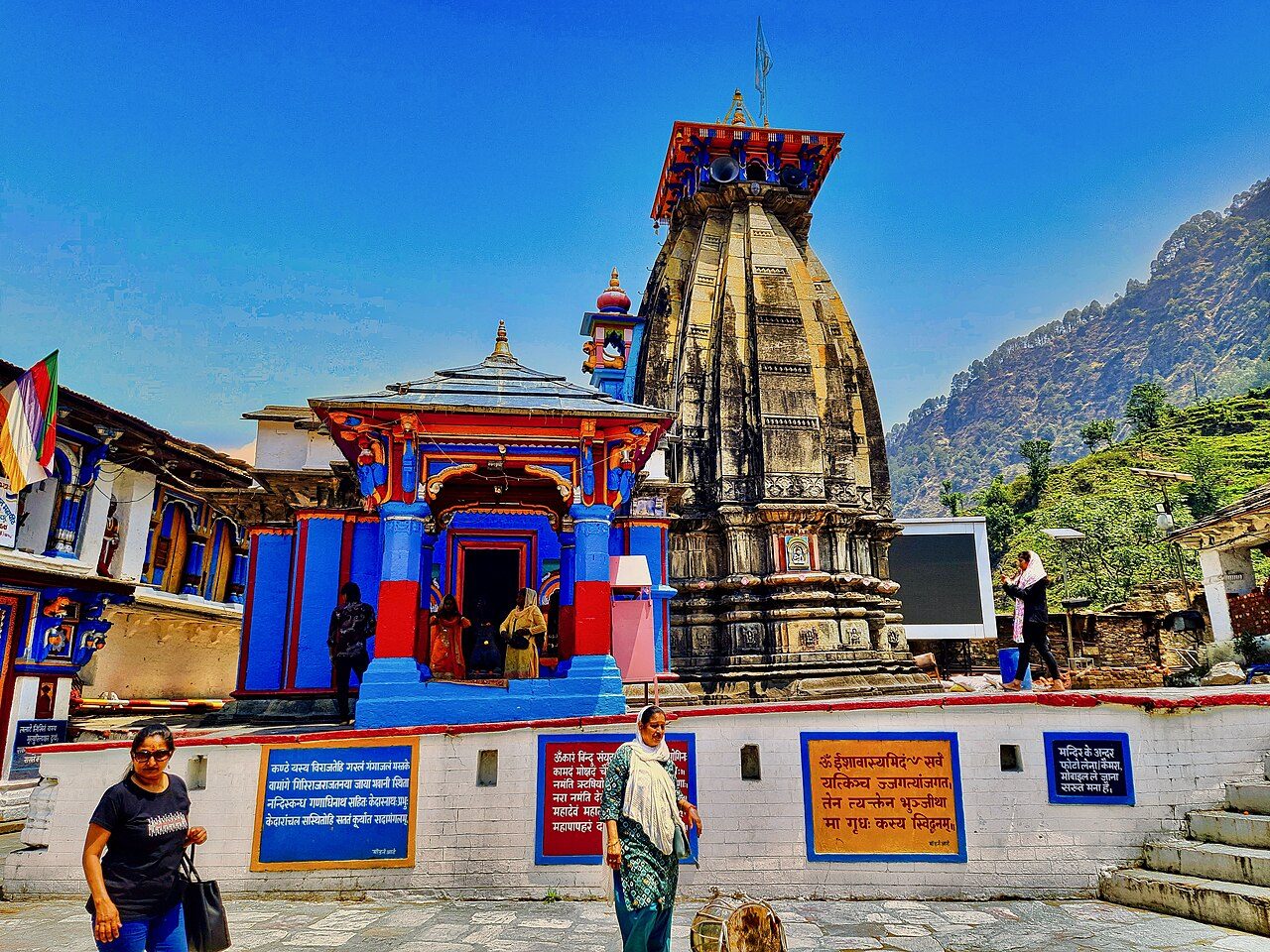
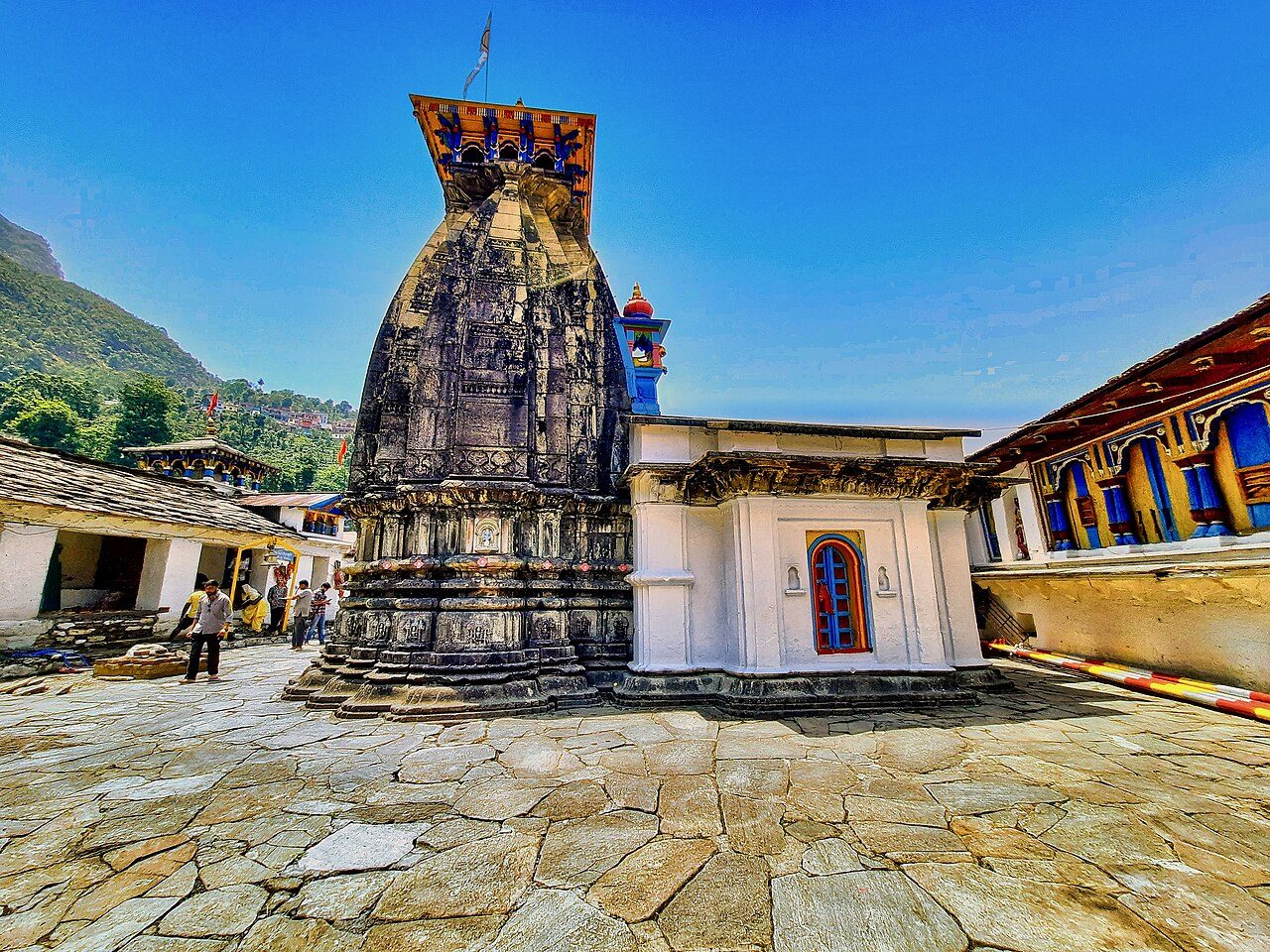
The Omkareshwar Temple at Ukhimath is the winter seat of Kedarnath and Madhyamaheshwar: when snow closes those shrines, their deities are brought here in procession and worshipped until spring. The stone temple, with a painted wooden facade, is also linked with the wedding of Usha and Aniruddha. Ukhimath faces Kedarnath peak across the Mandakini valley.
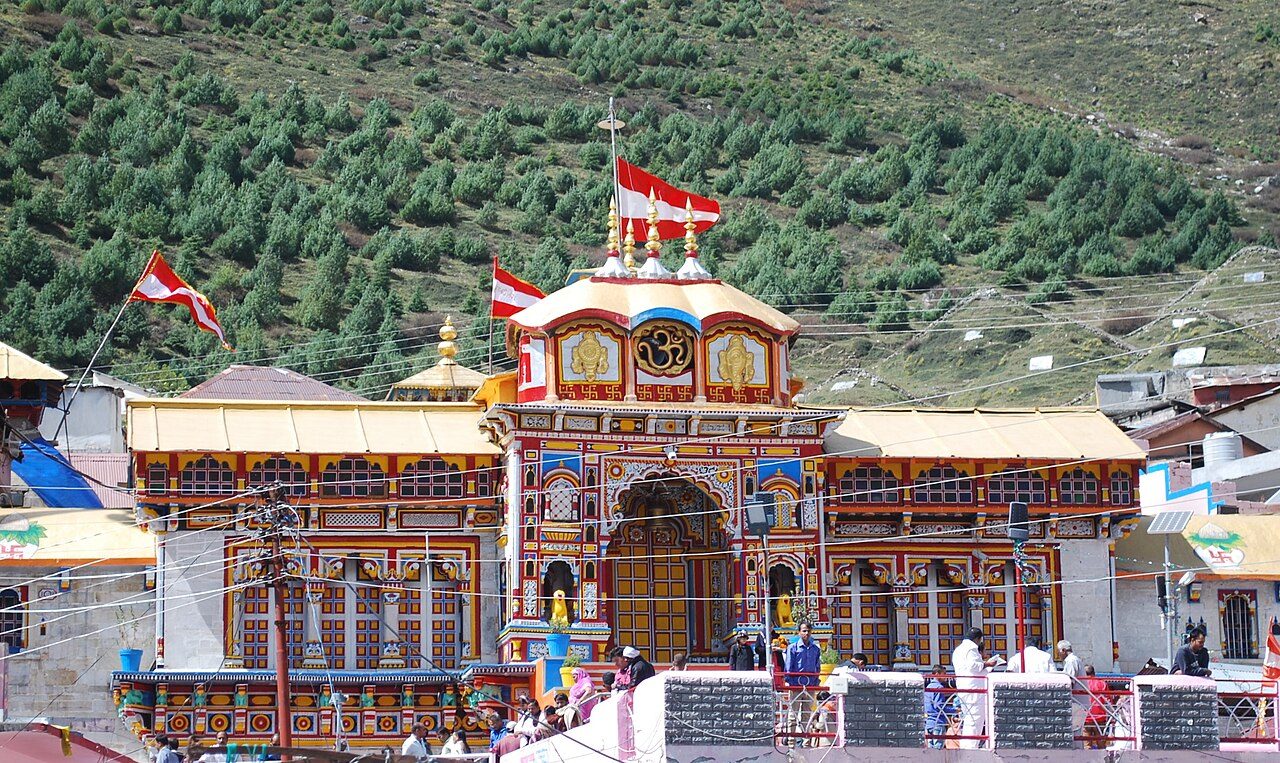
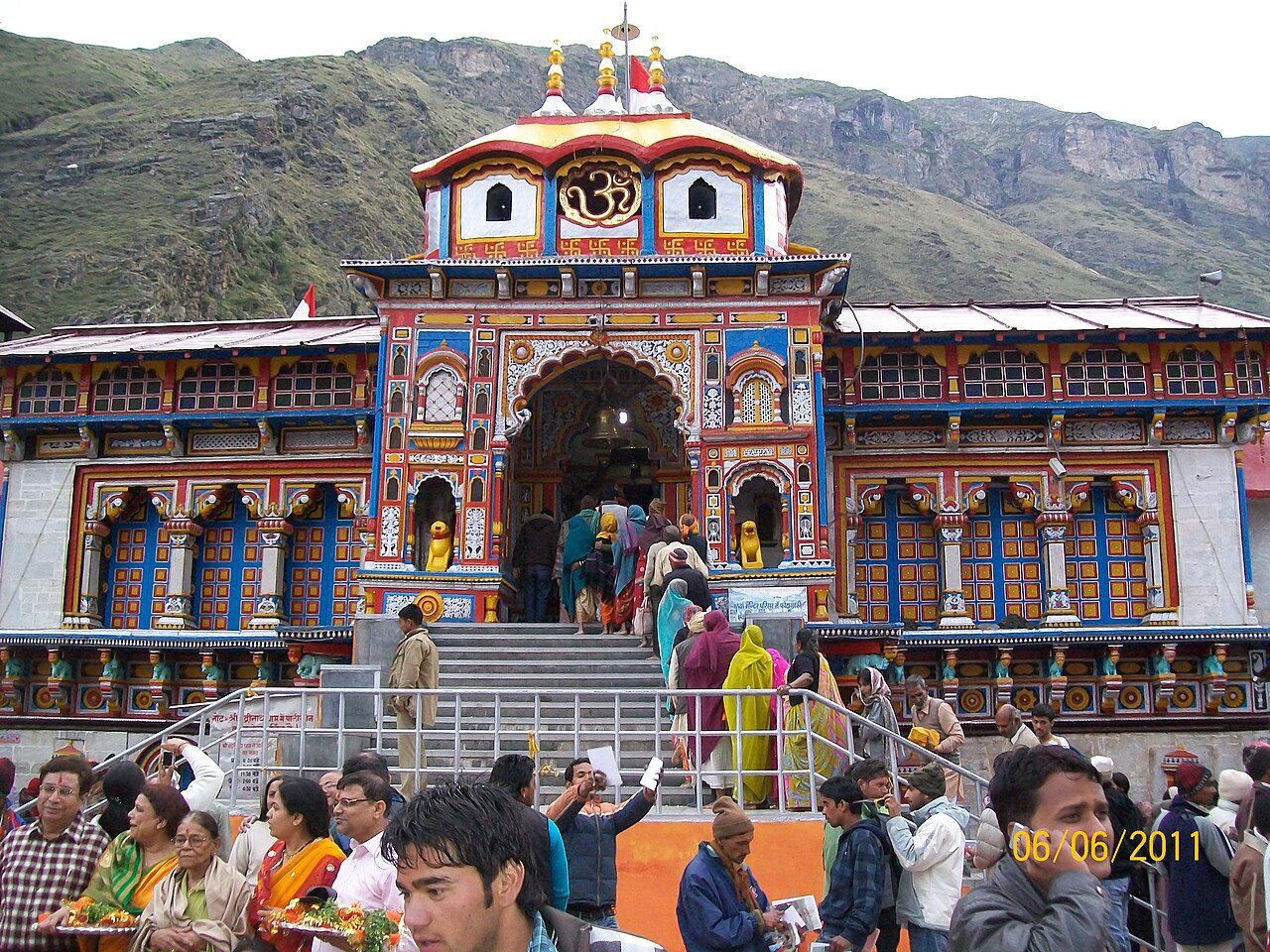
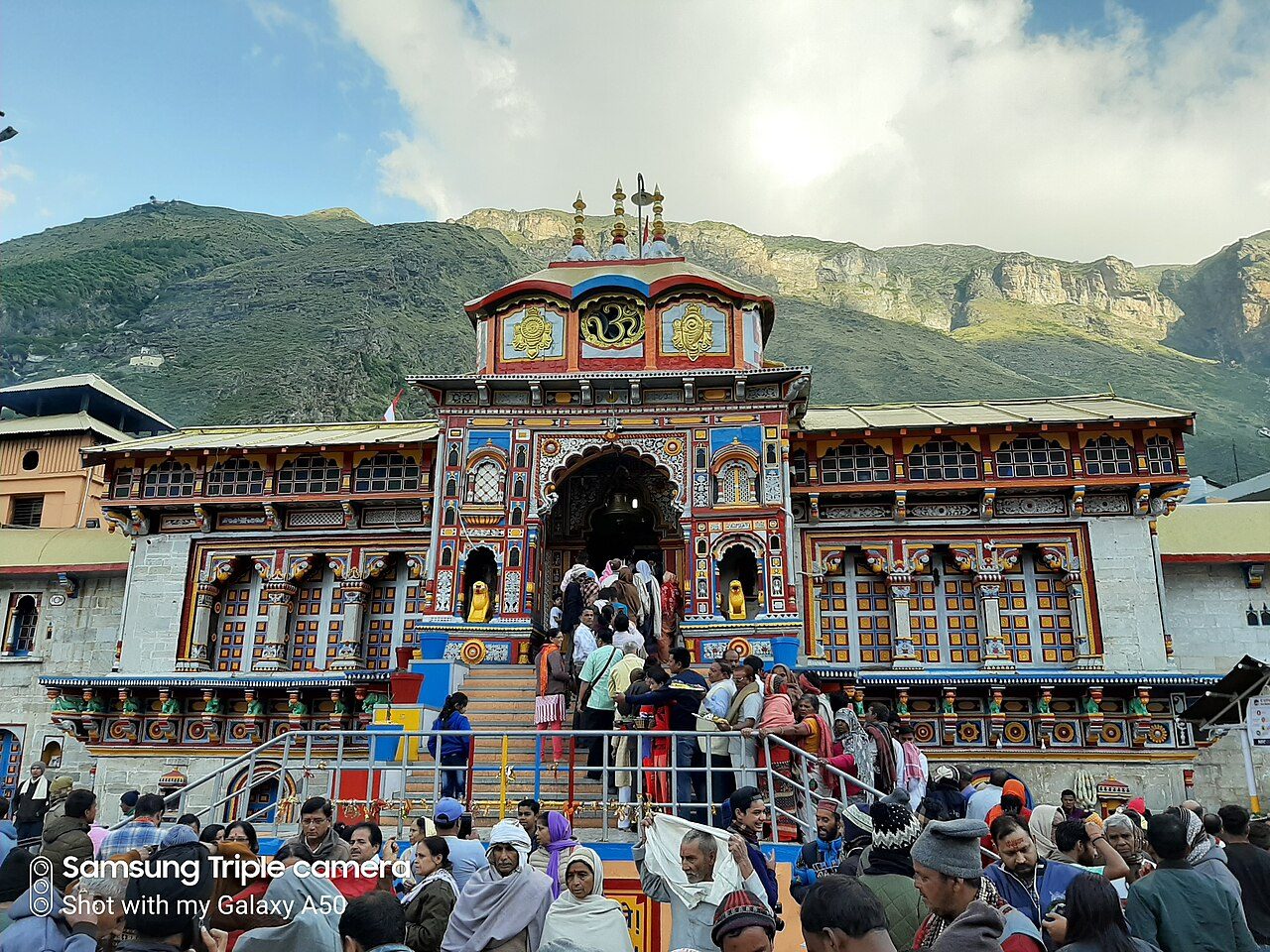
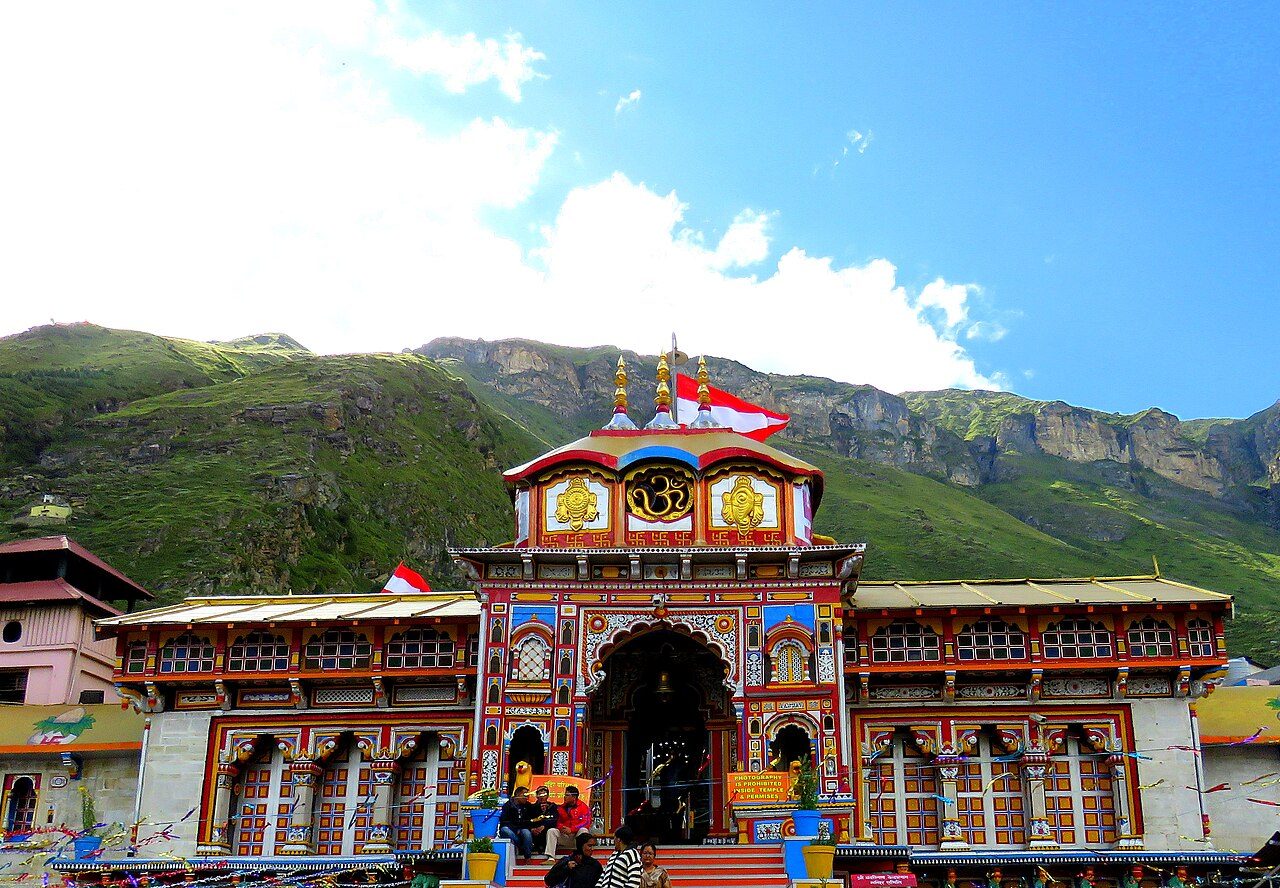
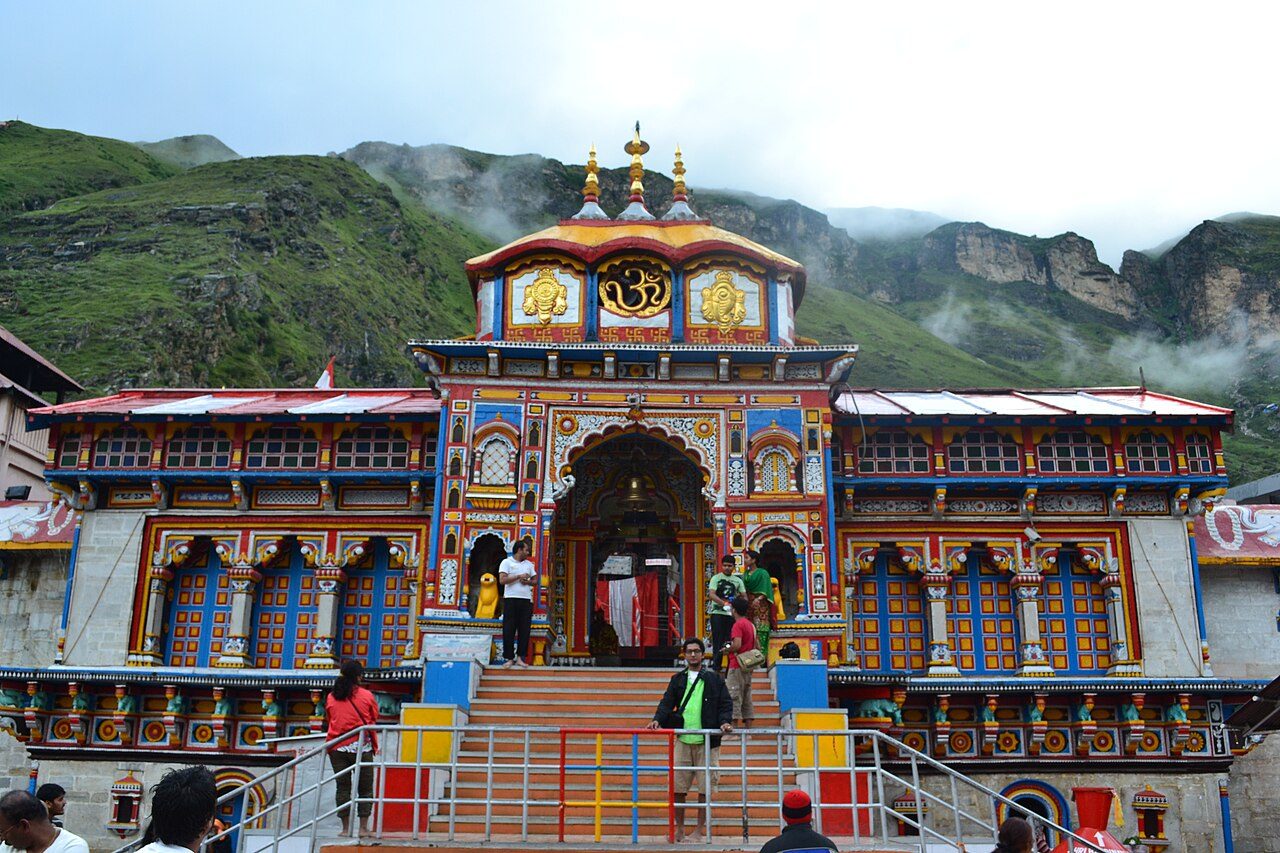
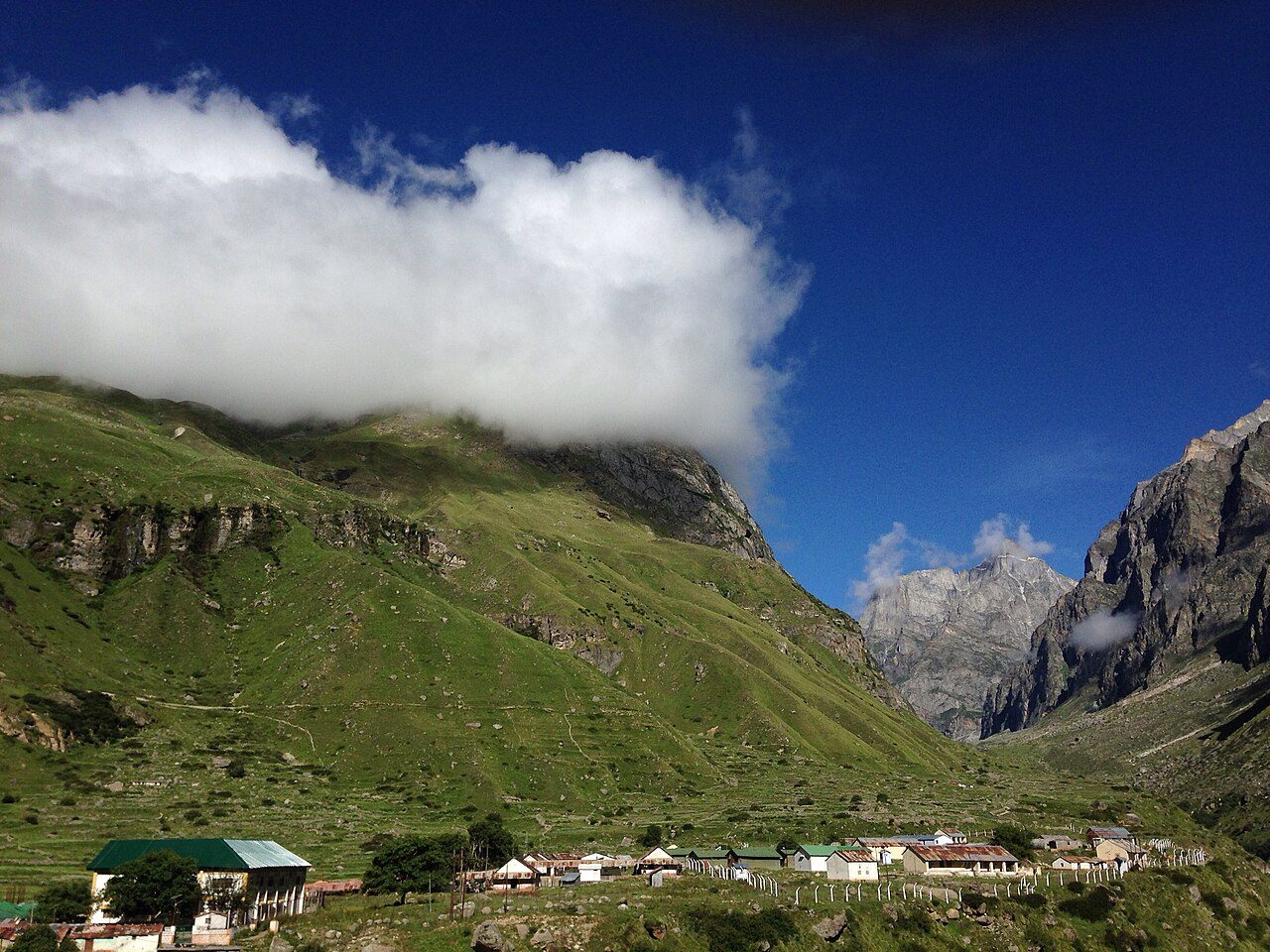
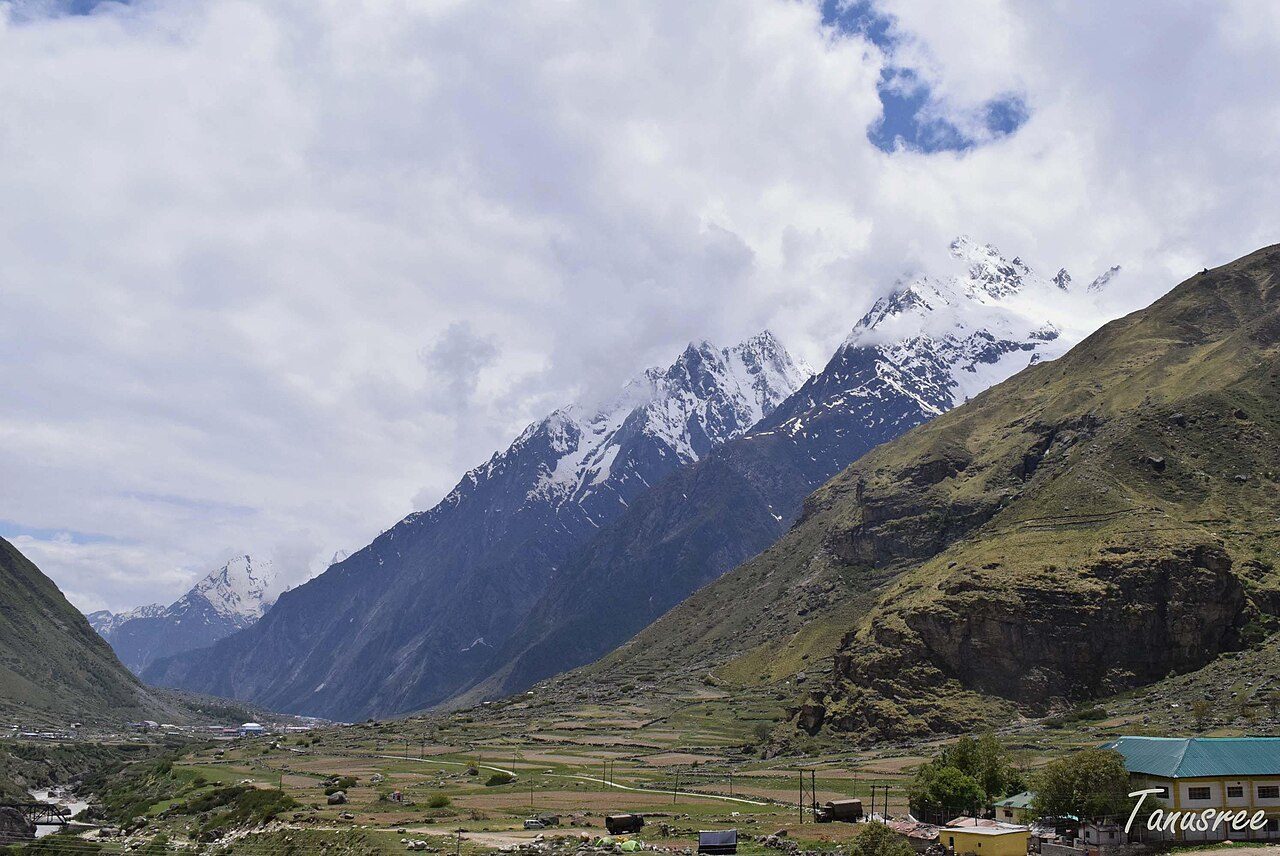
Badrinath Temple, on the bank of the Alaknanda at about 3,100 metres, is dedicated to Vishnu and is one of the Char Dham, the four great pilgrimage sites of India. Its brightly painted facade stands between the Nar and Narayan ranges with Neelkanth peak behind. Pilgrims bathe in the Tapt Kund hot spring before entering. The temple is open from about late April to November.
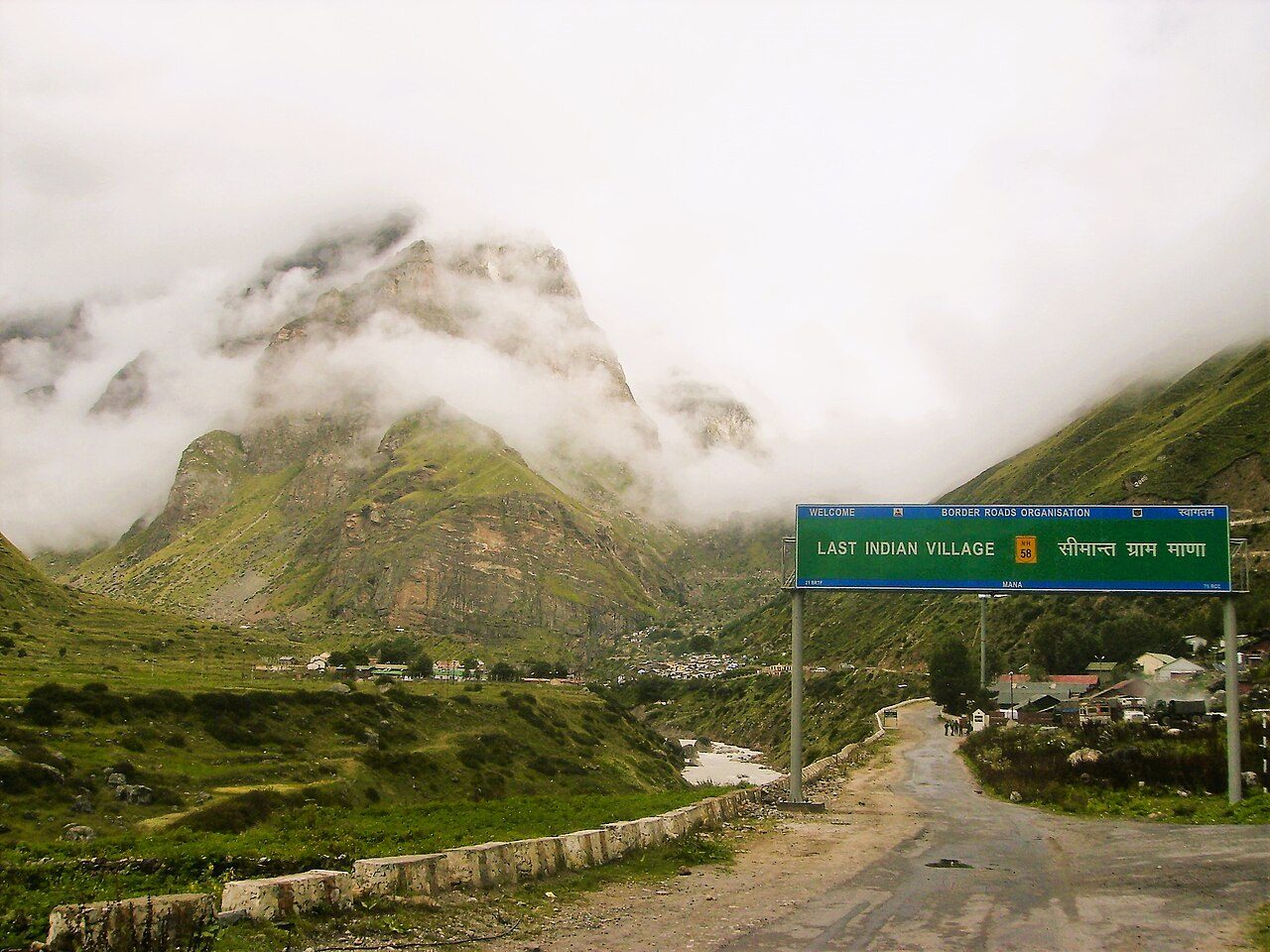
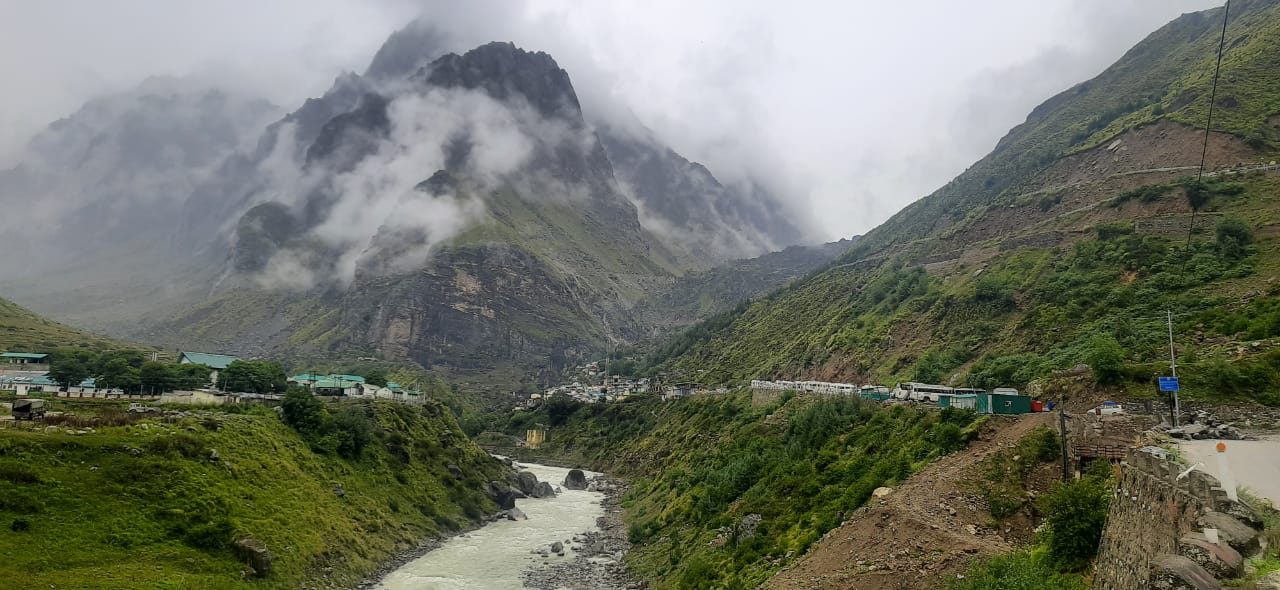
Mana, three kilometres beyond Badrinath, is the last Indian village on the old trade route to Tibet, home to the Bhotia community. Stone lanes lead to Vyas Gufa, the cave where the sage Vyasa is said to have composed the Mahabharata, and to Bhim Pul, a natural rock bridge over the Saraswati River. Villagers sell woollens they weave themselves. It is inhabited only in summer.
Karnaprayag is one of the five sacred confluences of the Alaknanda, where the Pindar River from the Pindari Glacier joins it. It is named after Karna of the Mahabharata, who is said to have worshipped the sun here. Steps lead down to the meeting of the two rivers, and the Uma Devi temple stands above. The roads to Badrinath and to Kumaon divide in the town.
Rudraprayag is one of the five sacred confluences of the Alaknanda, where the Mandakini flowing down from Kedarnath joins it. A long flight of steps leads from the town to the meeting point, with a small temple to Rudranath and Chamunda Devi above the water. The roads to Kedarnath and Badrinath divide here, so most Char Dham pilgrims pass through.
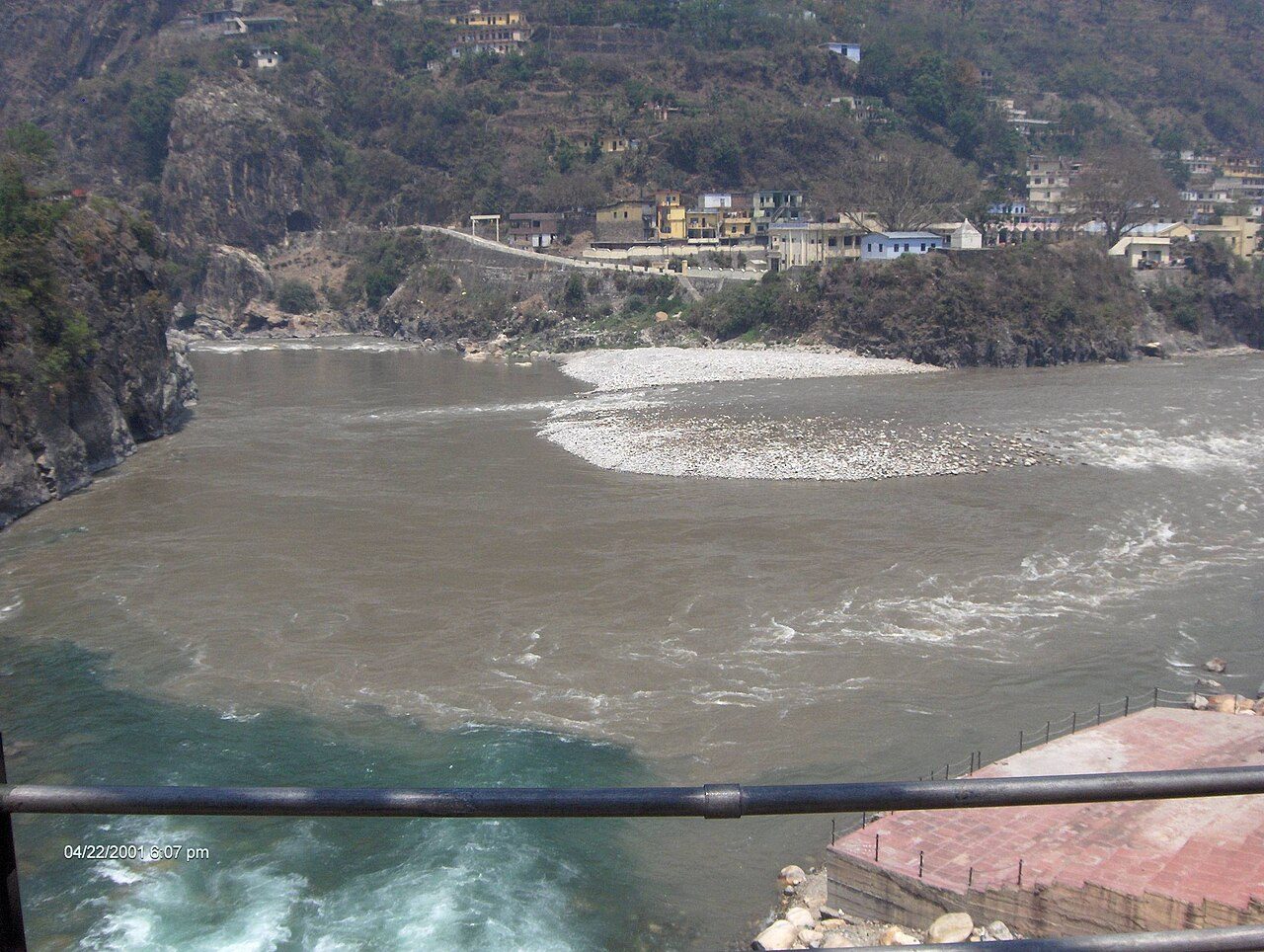
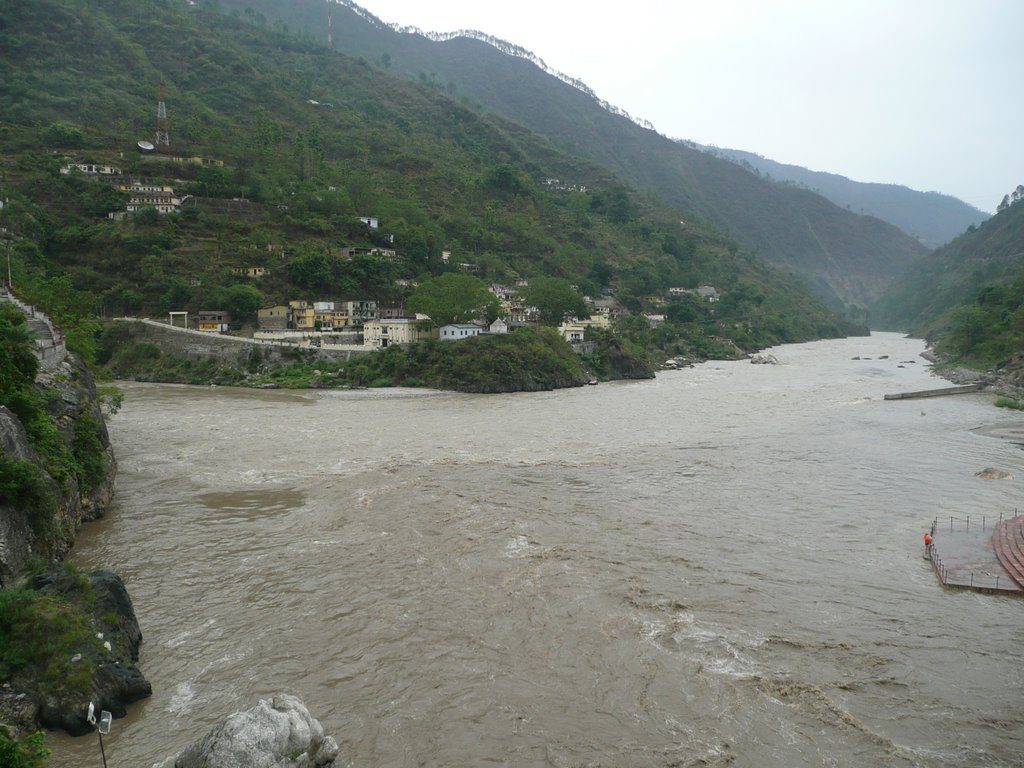
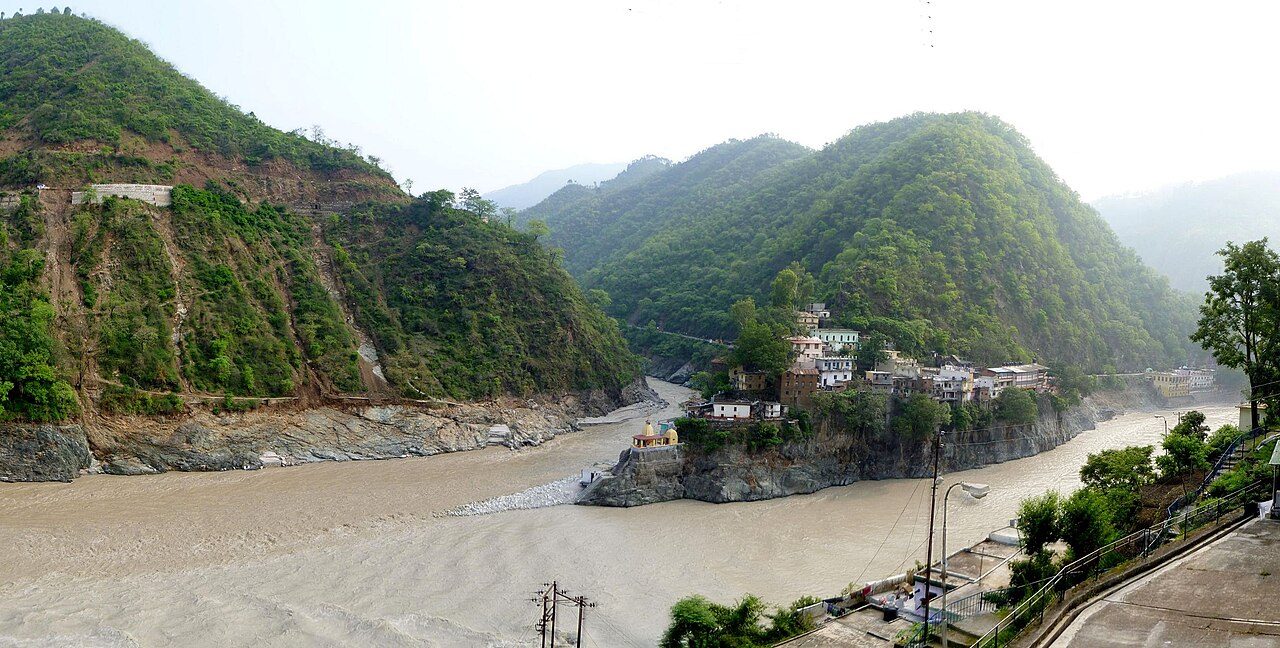
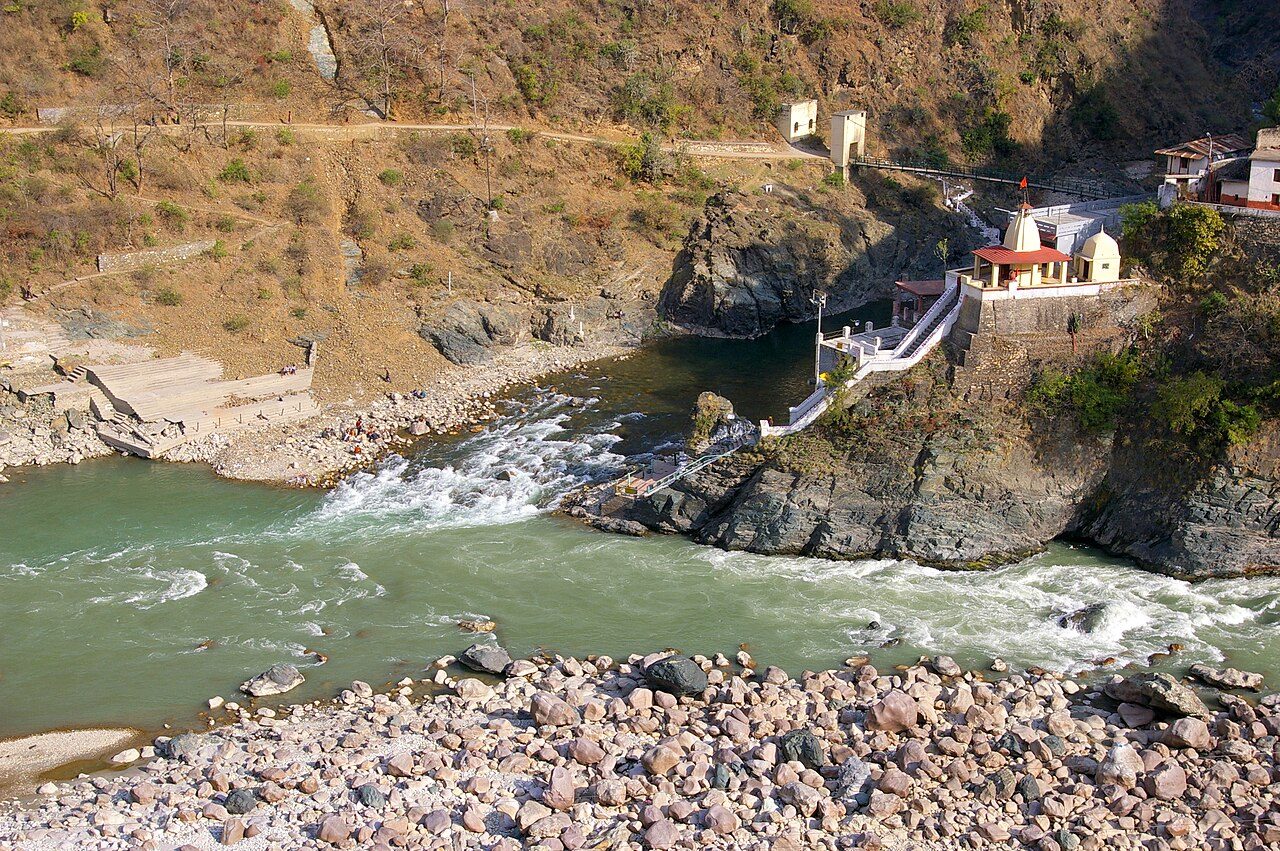
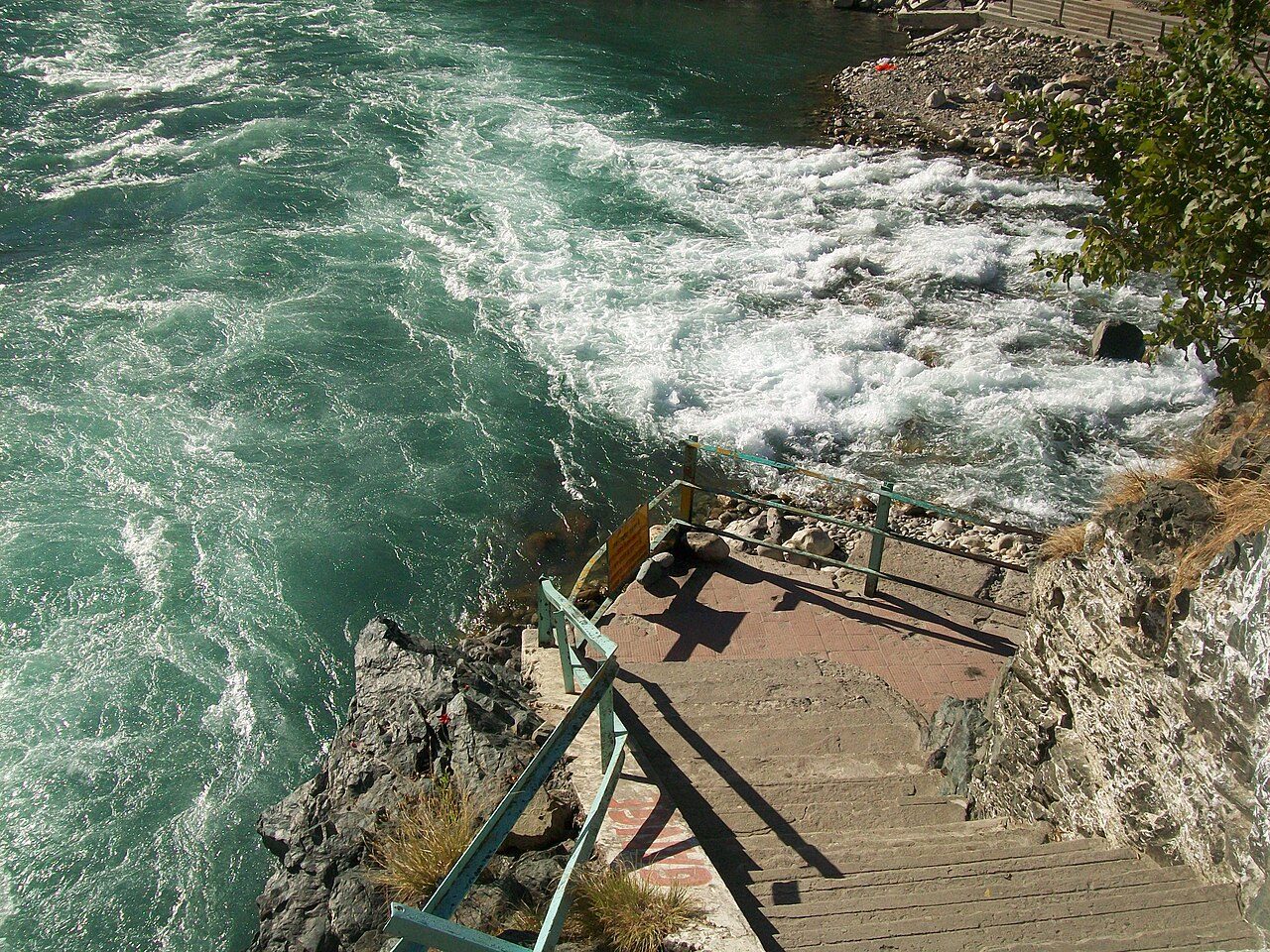
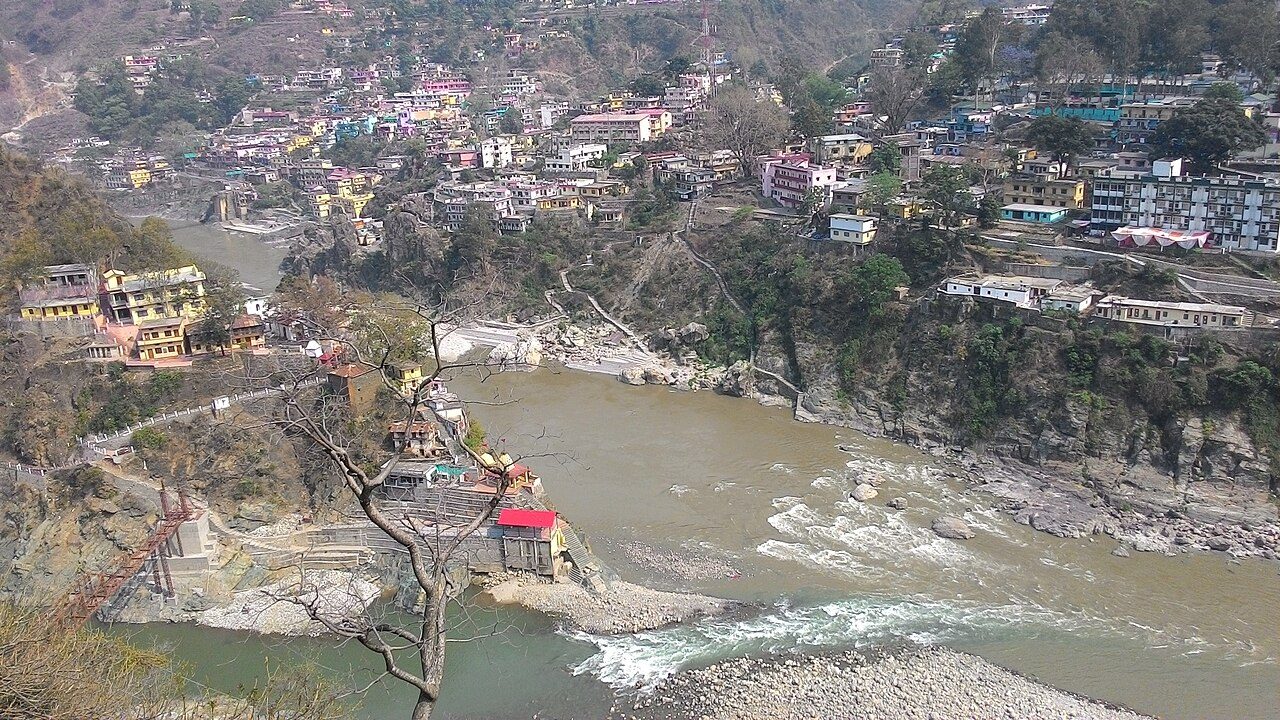
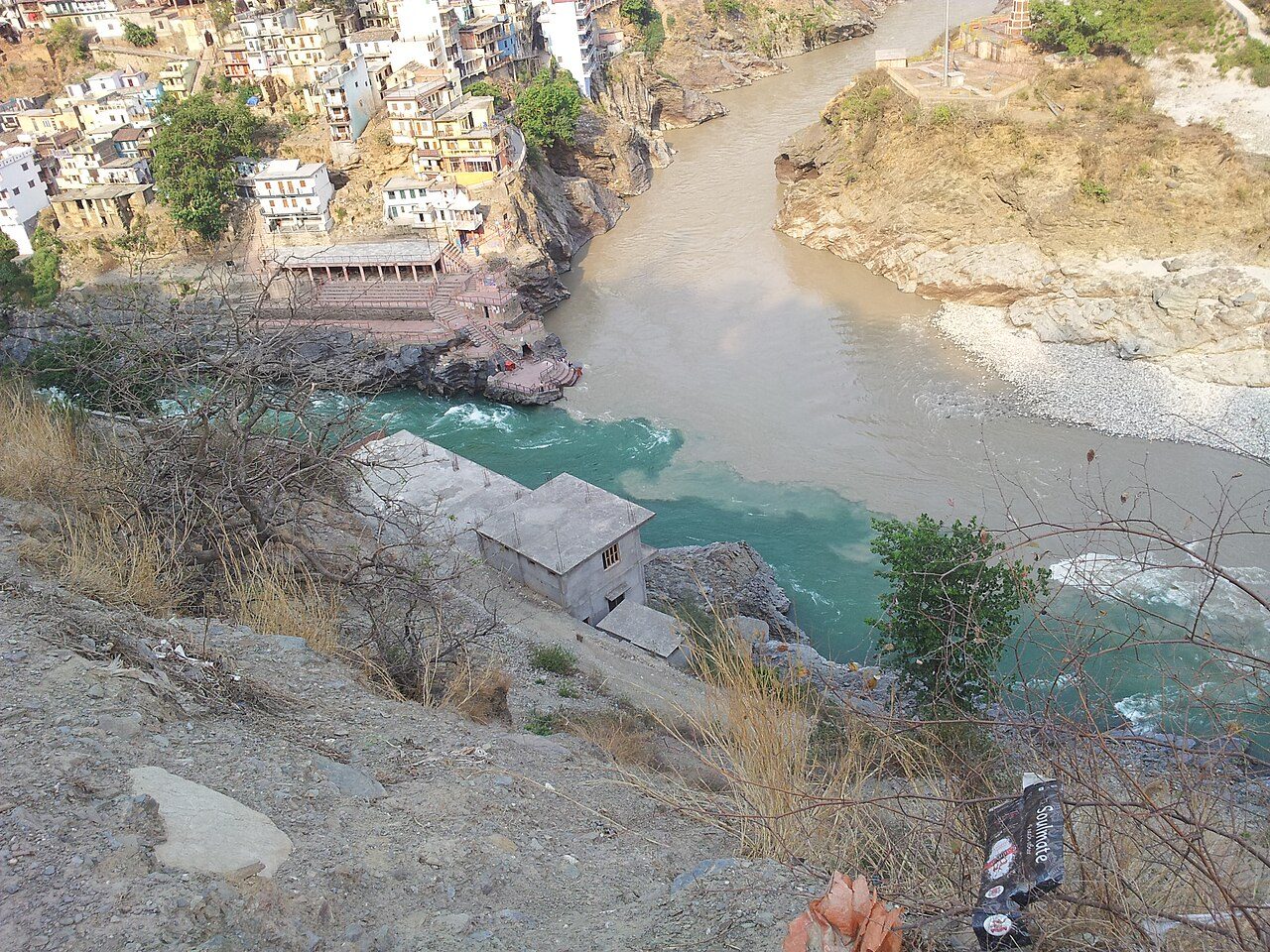
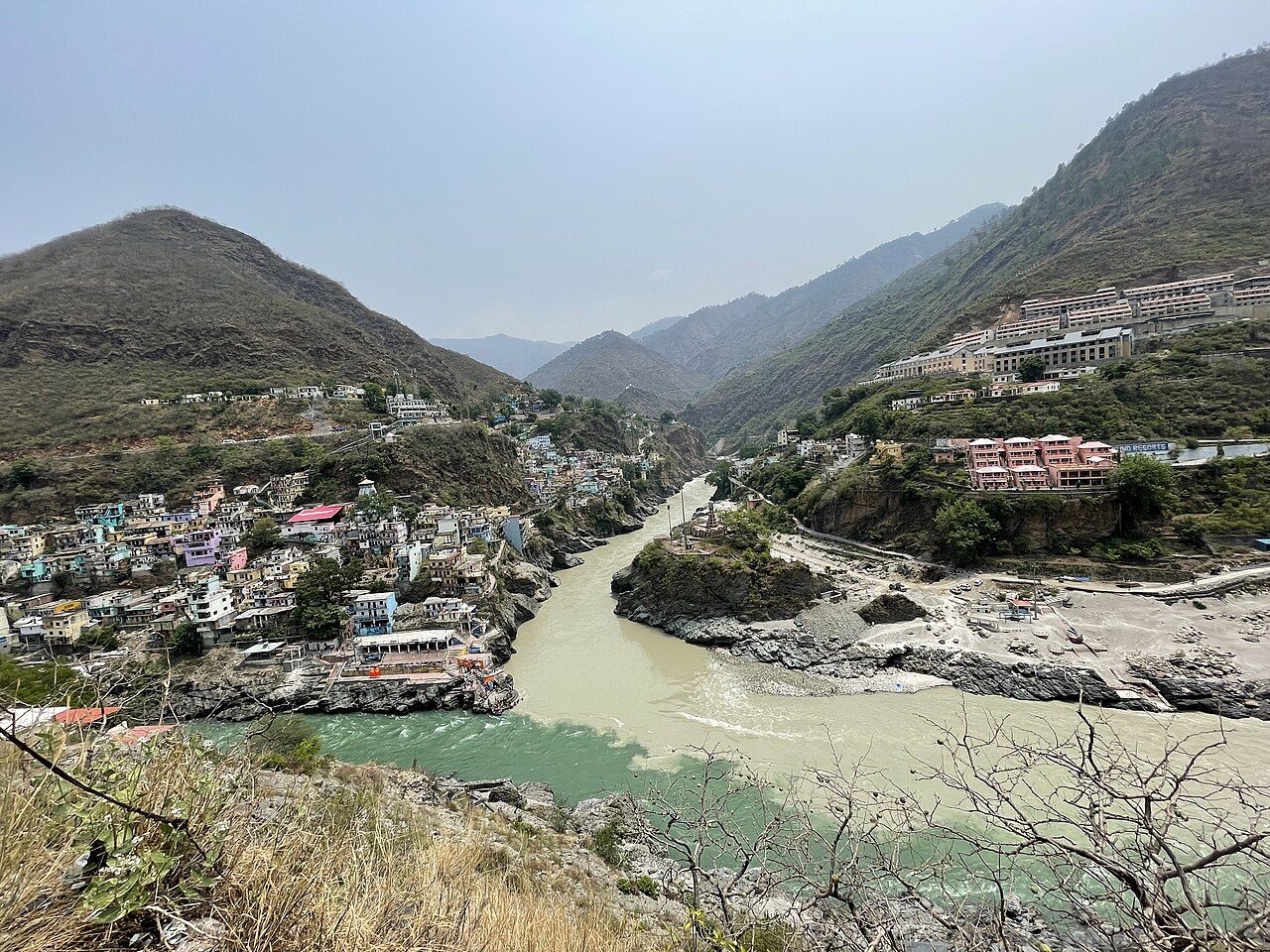
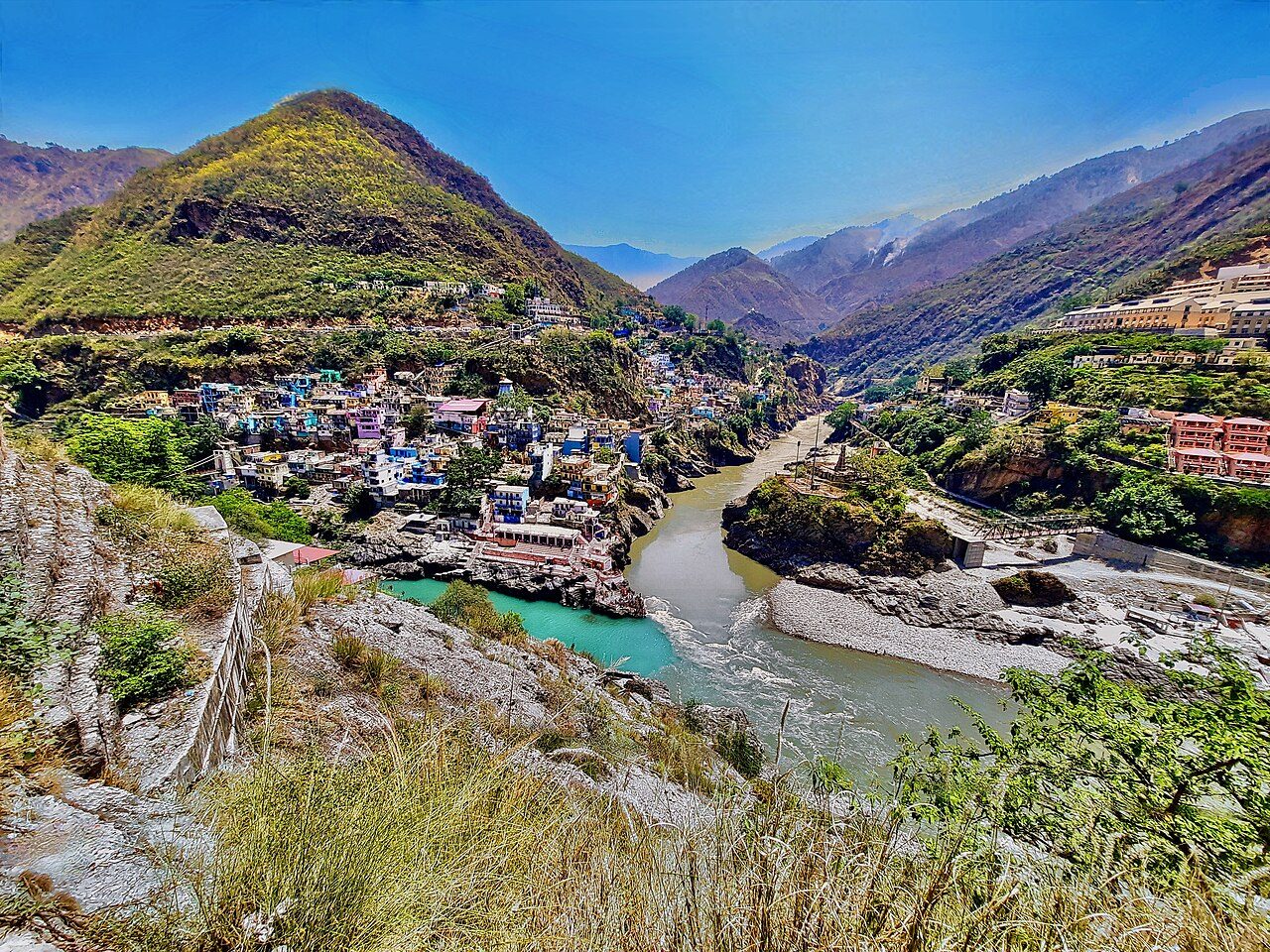
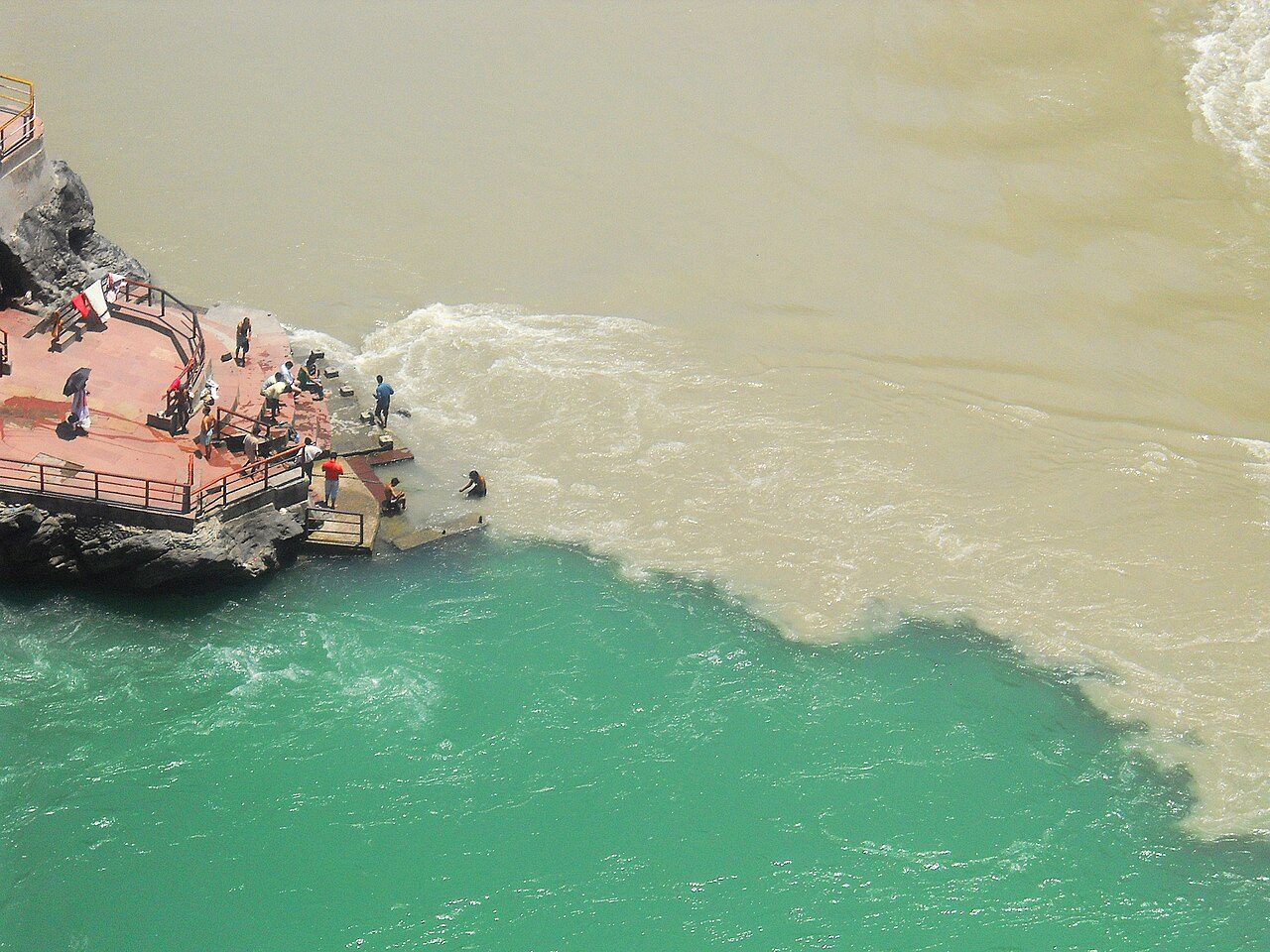
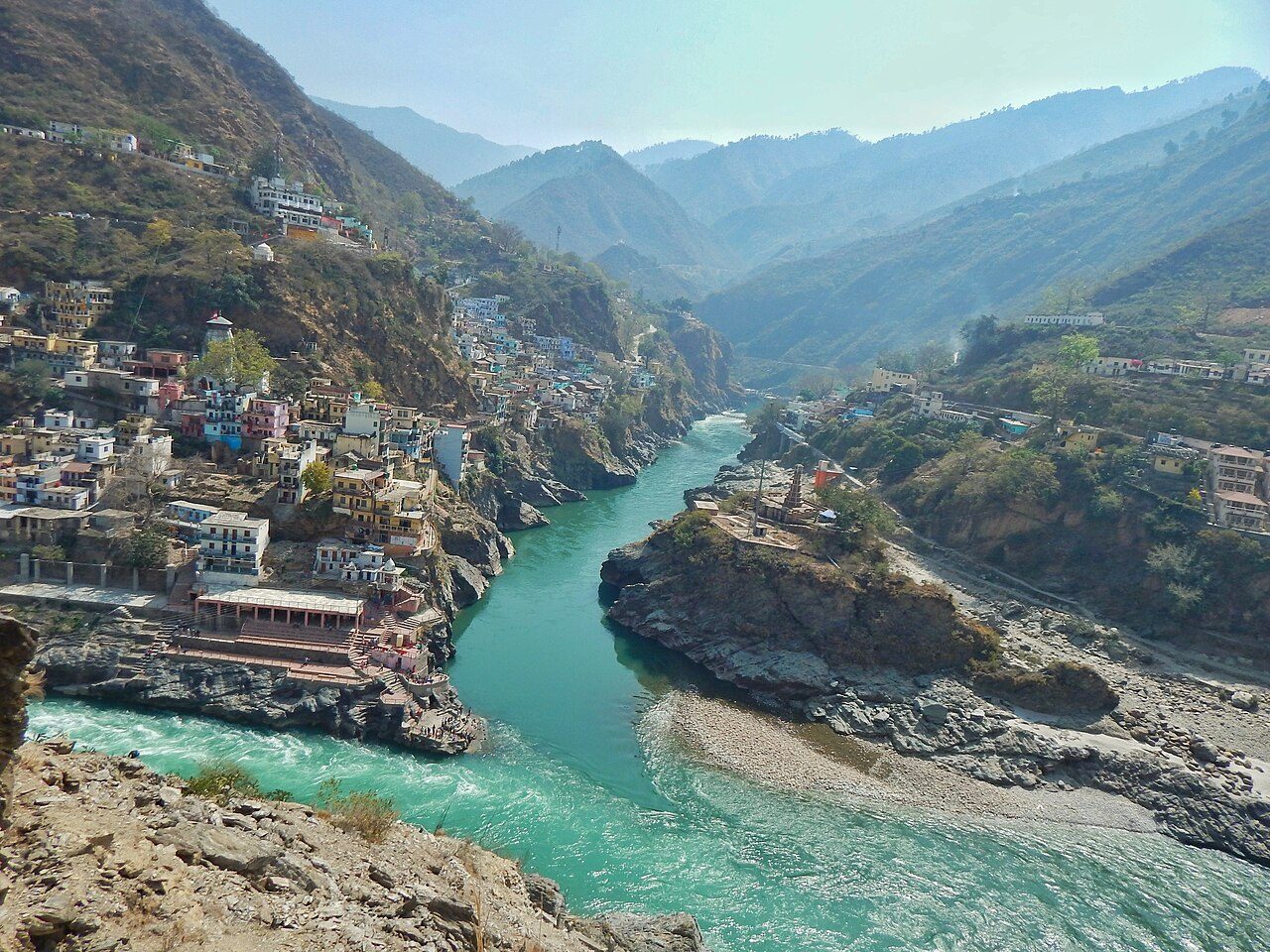
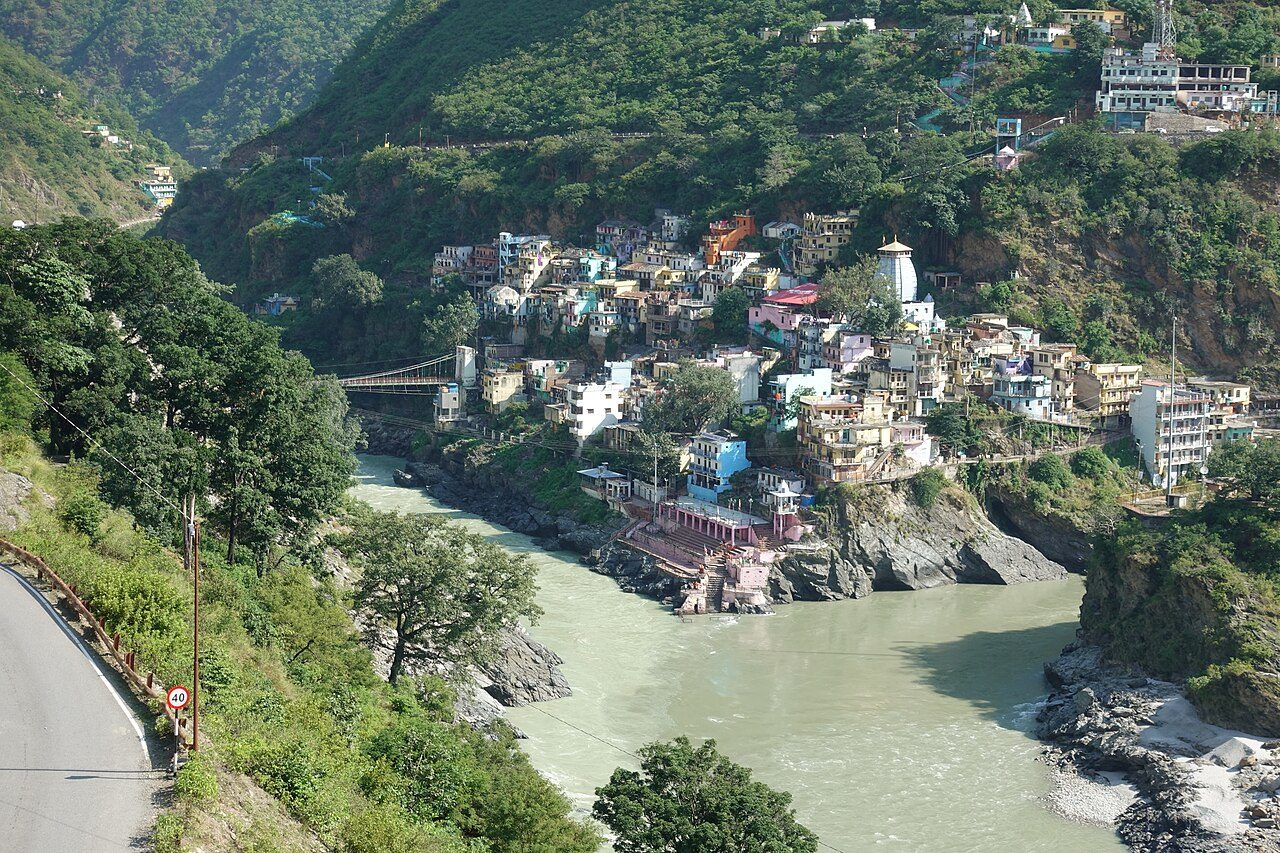
Devprayag is where the Bhagirathi and the Alaknanda meet to form the Ganga, the last and most sacred of the five confluences of Garhwal. The clear green and silty waters run side by side before merging below the town. Steps lead down to the bathing ghat at the point, pilgrims hold on to chains against the current, and the ancient Raghunath temple stands above.
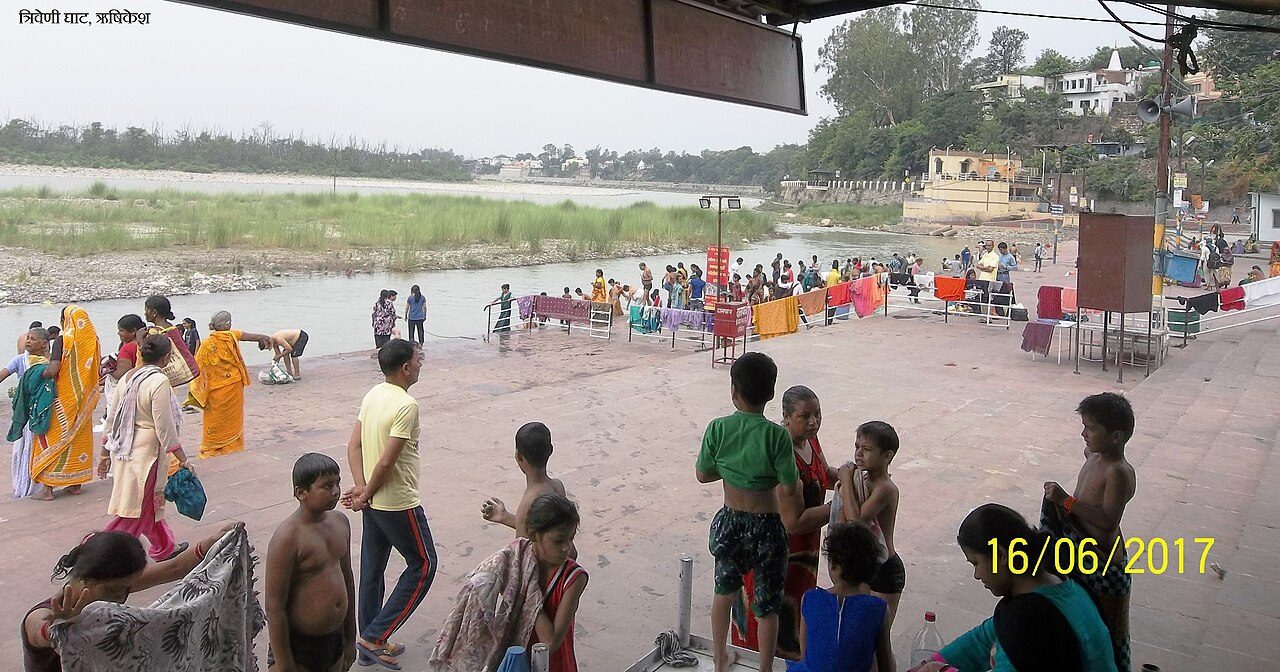
Triveni Ghat is the largest and most revered bathing ghat in Rishikesh, on the right bank of the Ganga. Pilgrims take a dip here before visiting the town's temples, and many families perform rites for their ancestors on the steps. Every evening the Maha Aarti is held with large fire lamps, chanting and floating leaf boats carrying flowers and small flames.
Best weather: Oct – FebHeavy rain: Jul – Aug
Seasons from 20 years of NASA POWER climate data.
Was this trip blog helpful?
0
0
Ready to follow this route?
Copy all 15 stops into your trip plans in the app.
 WaTrips