Central Kerala: Thrissur Temples, Athirappilly Falls and Palakkad in 3 Days
3 DAYS10 placesby WaTrips
Thrissur's great temples, a day of waterfalls from Athirappilly to Charpa, and Palakkad's fort and old heritage village.
Thrissur is Kerala's cultural capital, and this route starts in its middle at the Vadakkumnathan Temple and the Shakthan Thampuran Palace. In the afternoon, go to Guruvayur for the famous Krishna temple and the temple elephants at Punnathur Kotta. Day two is all water: Athirappilly, the widest waterfall in Kerala, with Vazhachal and Charpa falls a little further up the same forest road. On the last day cross into Palakkad for Tipu Sultan's fort, the old Brahmin streets of Kalpathy and the gardens at Malampuzha Dam. The falls are fullest from July to October; the Guruvayur temple has a dress code and only Hindus may enter.
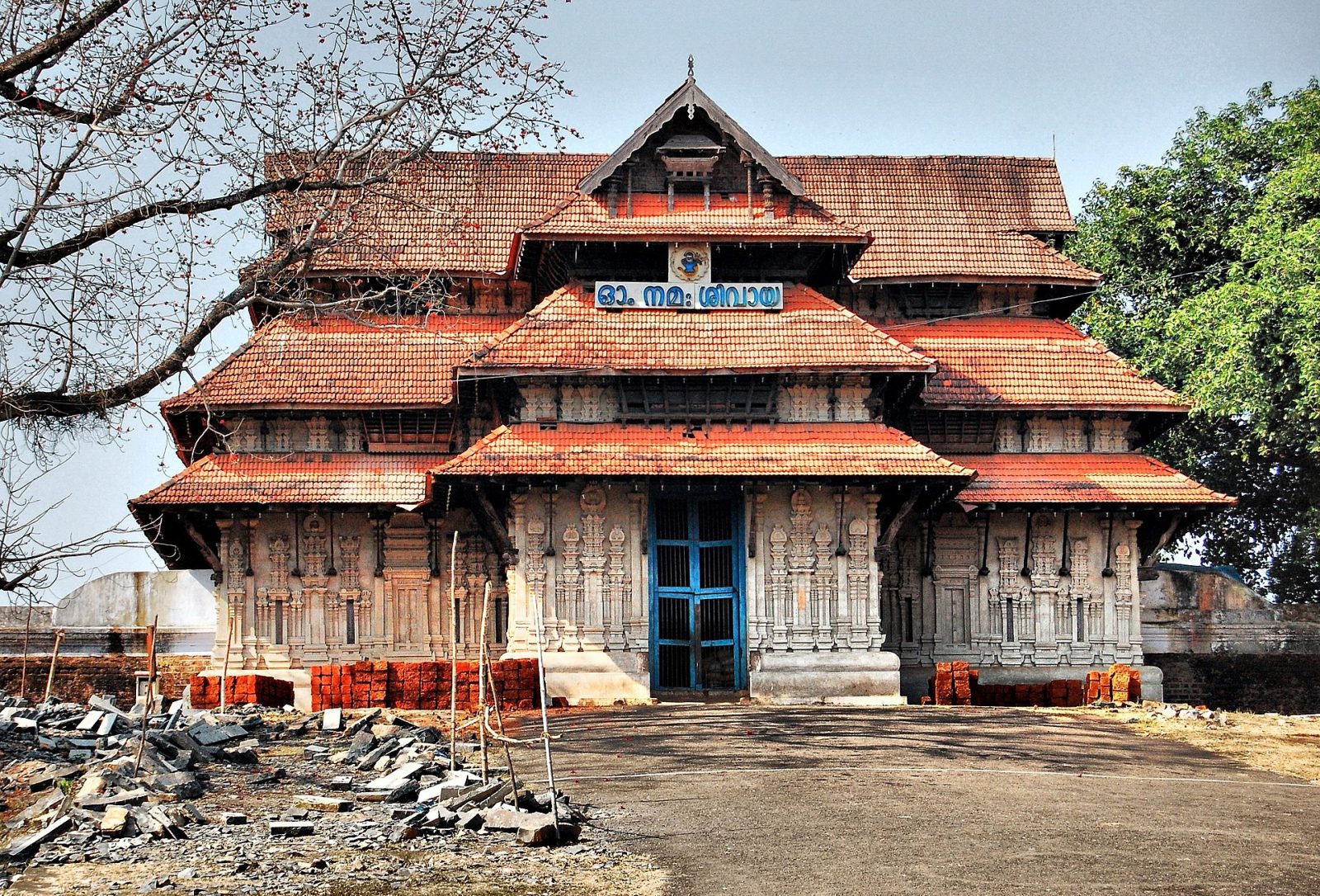
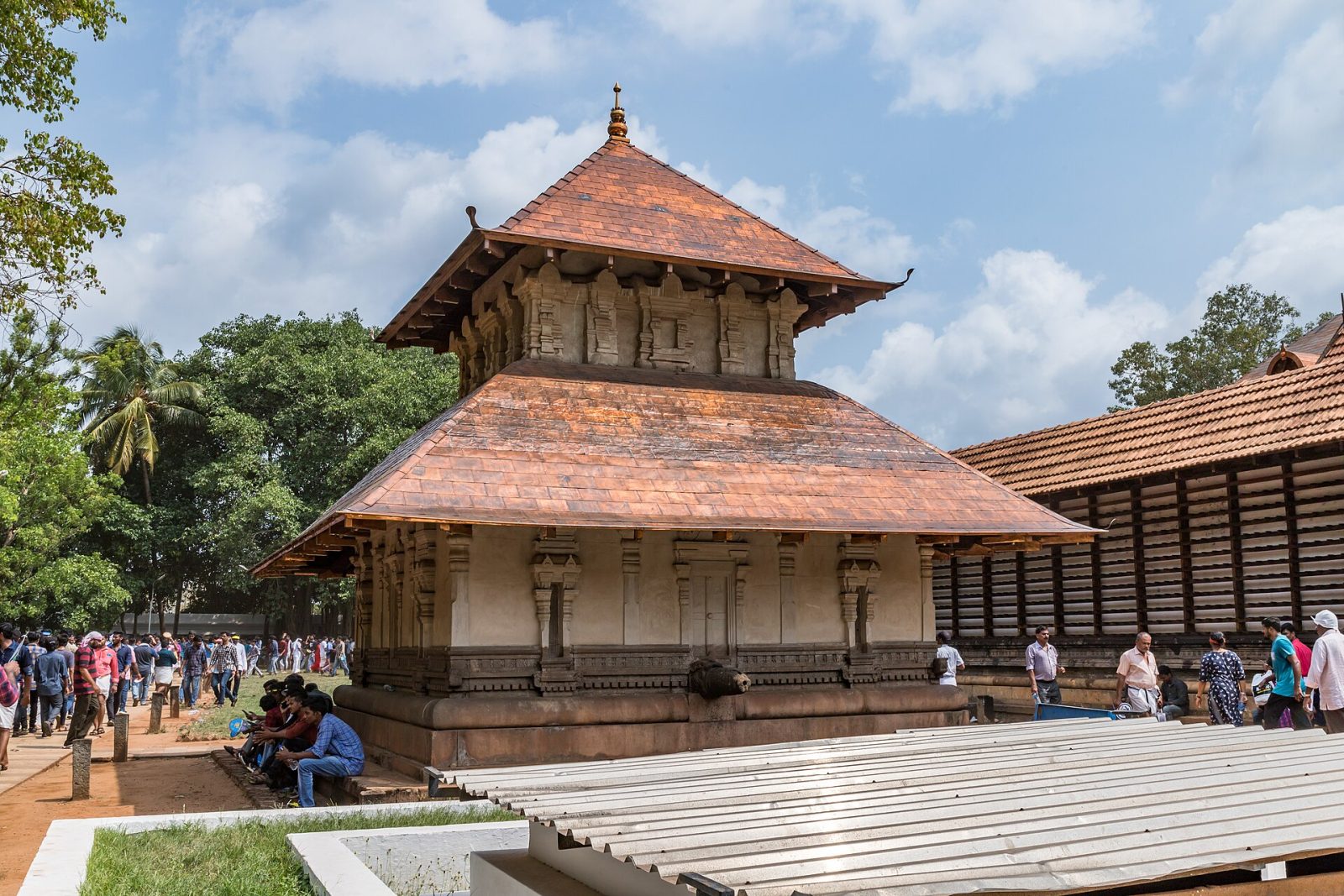
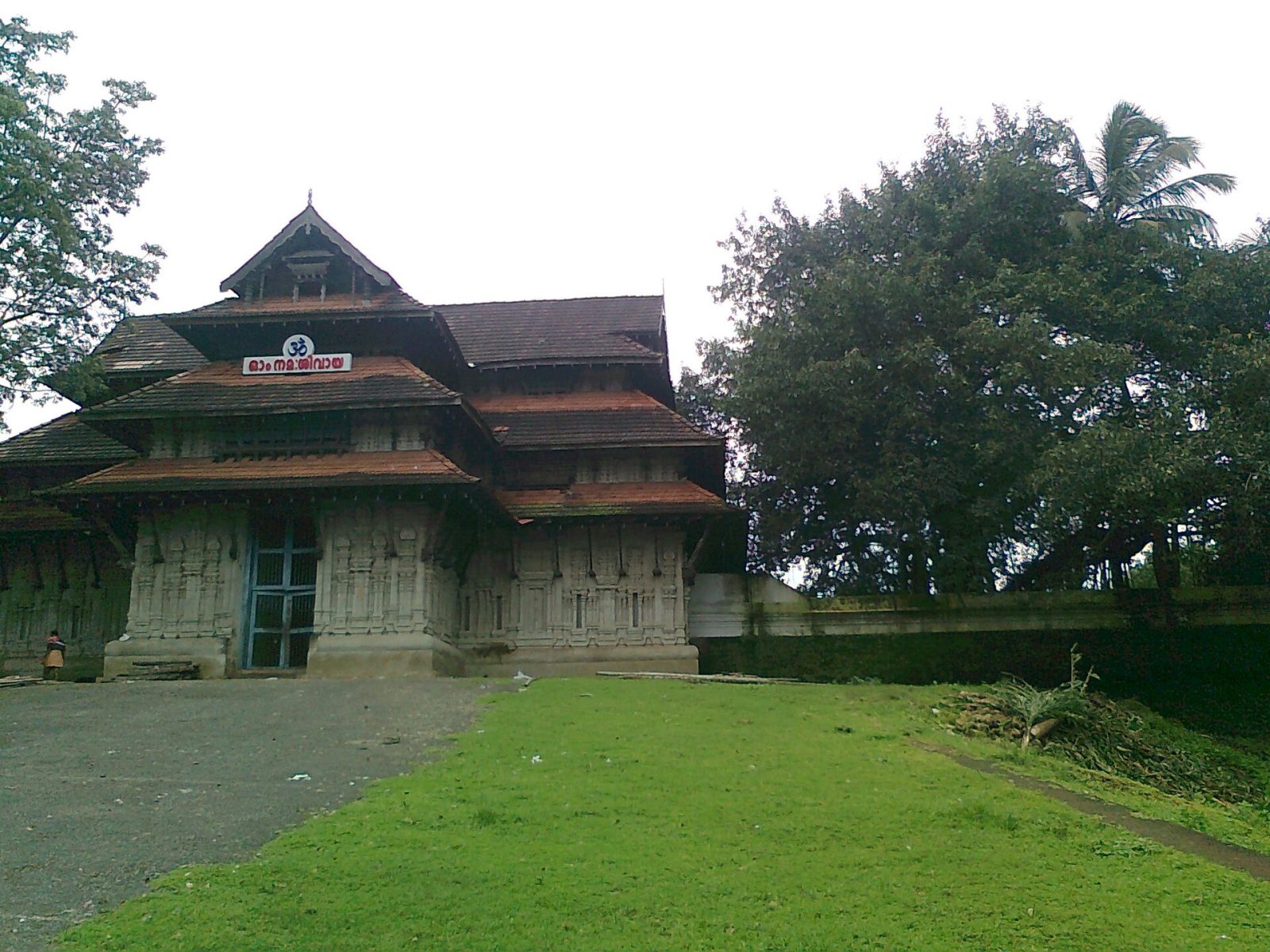
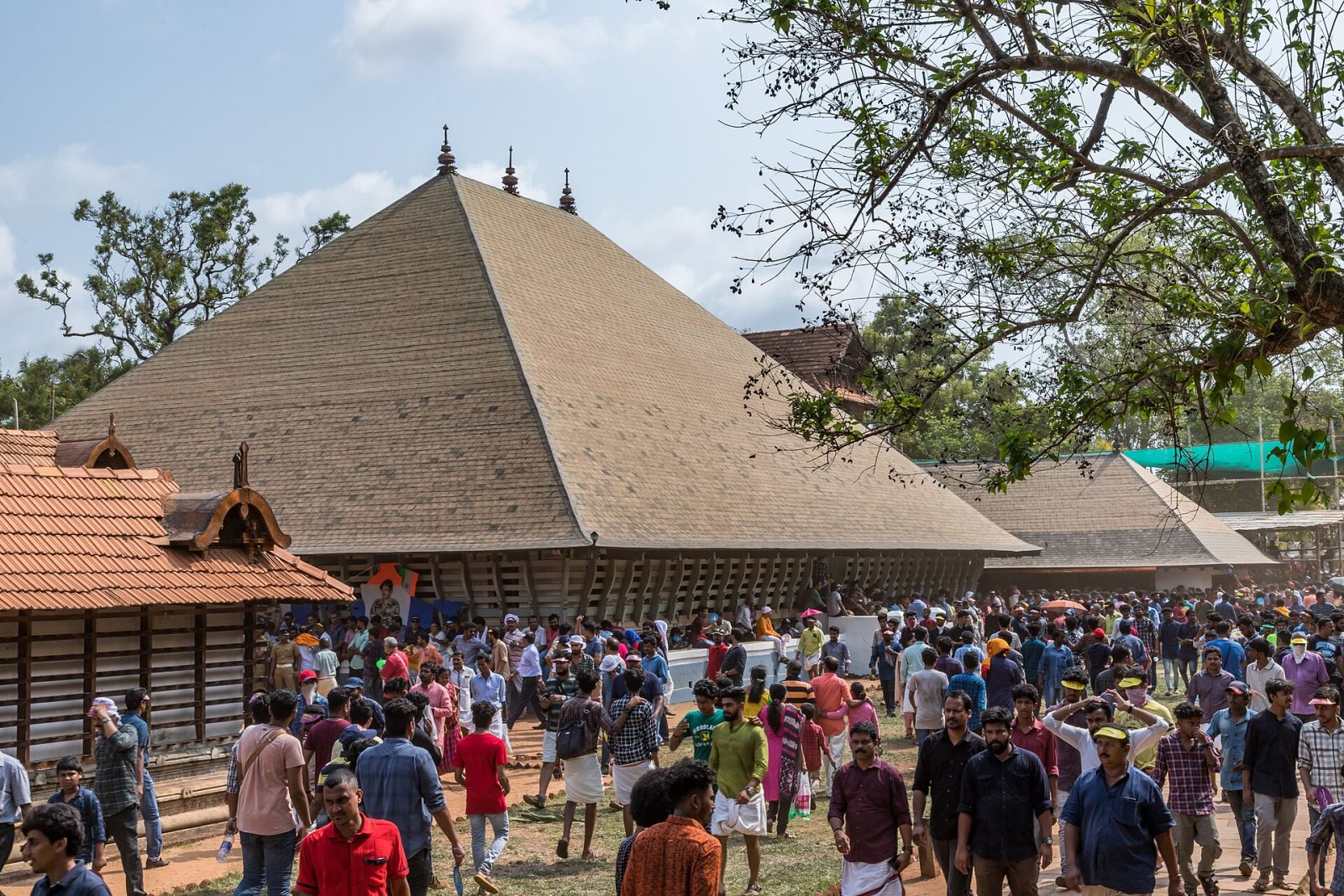
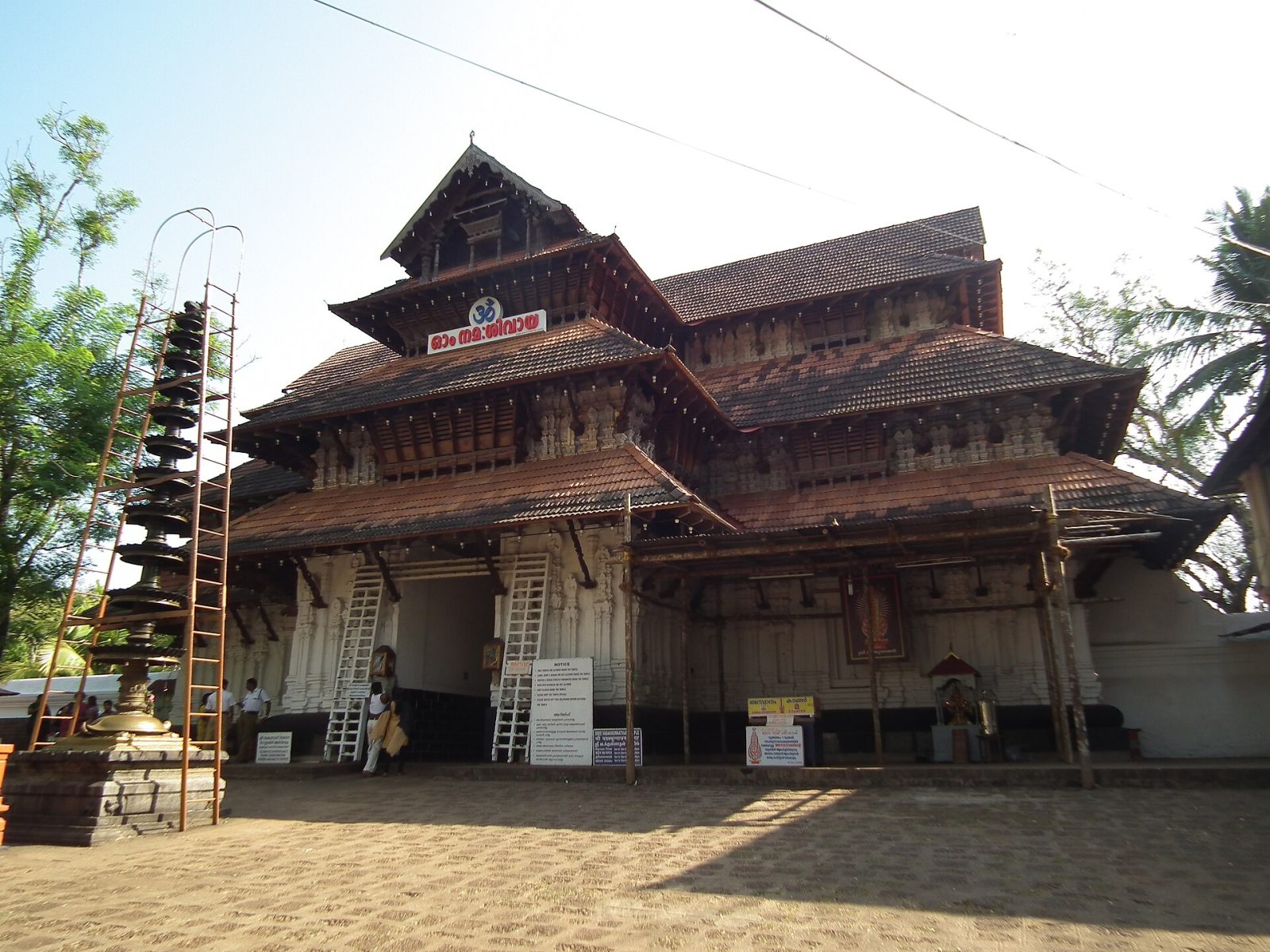
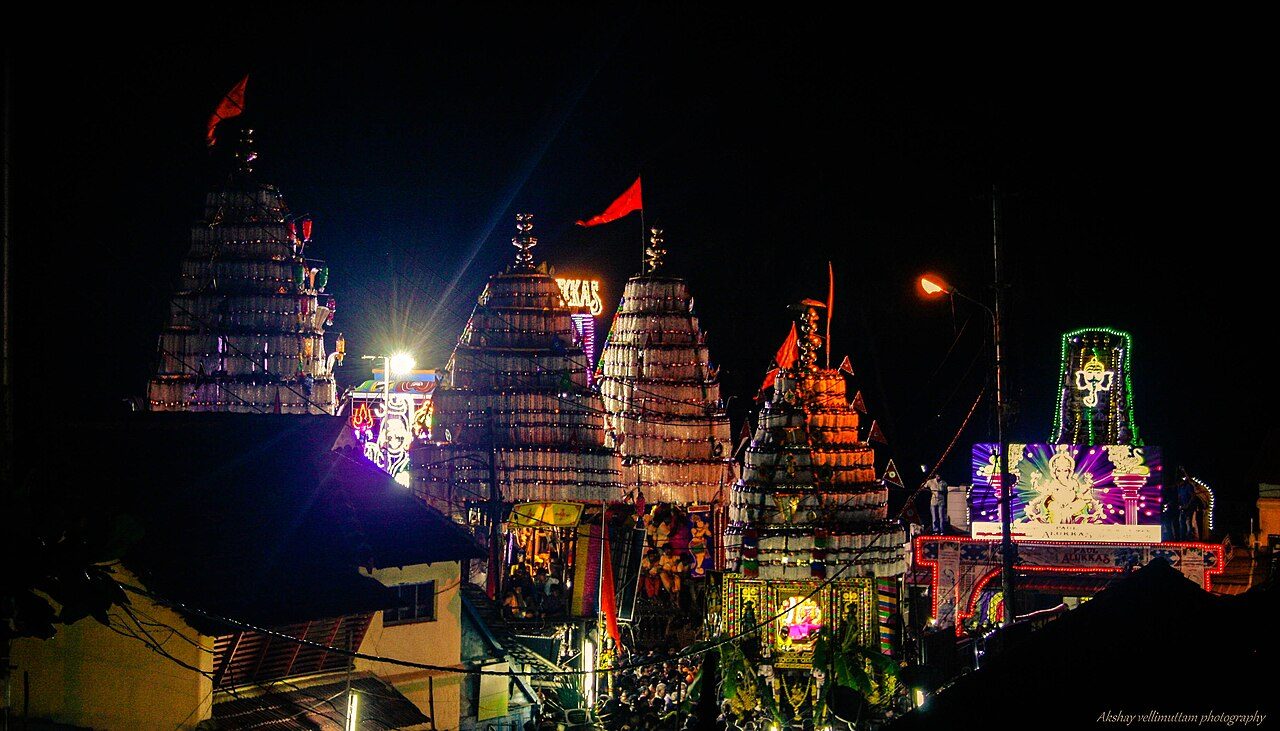
Vadakkumnathan is an ancient Shiva temple standing on a raised mound in the centre of Thrissur, surrounded by the great open ground known as the Thekkinkadu Maidan. Its classical Kerala architecture, with multi-tiered roofs, koothambalam theatre hall and some of the oldest mural paintings in the state, earned it a UNESCO award for cultural conservation. The temple is the focal point of Thrissur Pooram, the biggest temple festival in Kerala, when caparisoned elephants, percussion ensembles and fireworks fill the surrounding ground each April or May. Legend credits its founding to Parasurama, the sage said to have created Kerala itself. Only Hindus may enter the inner temple, but the grounds are open to everyone.
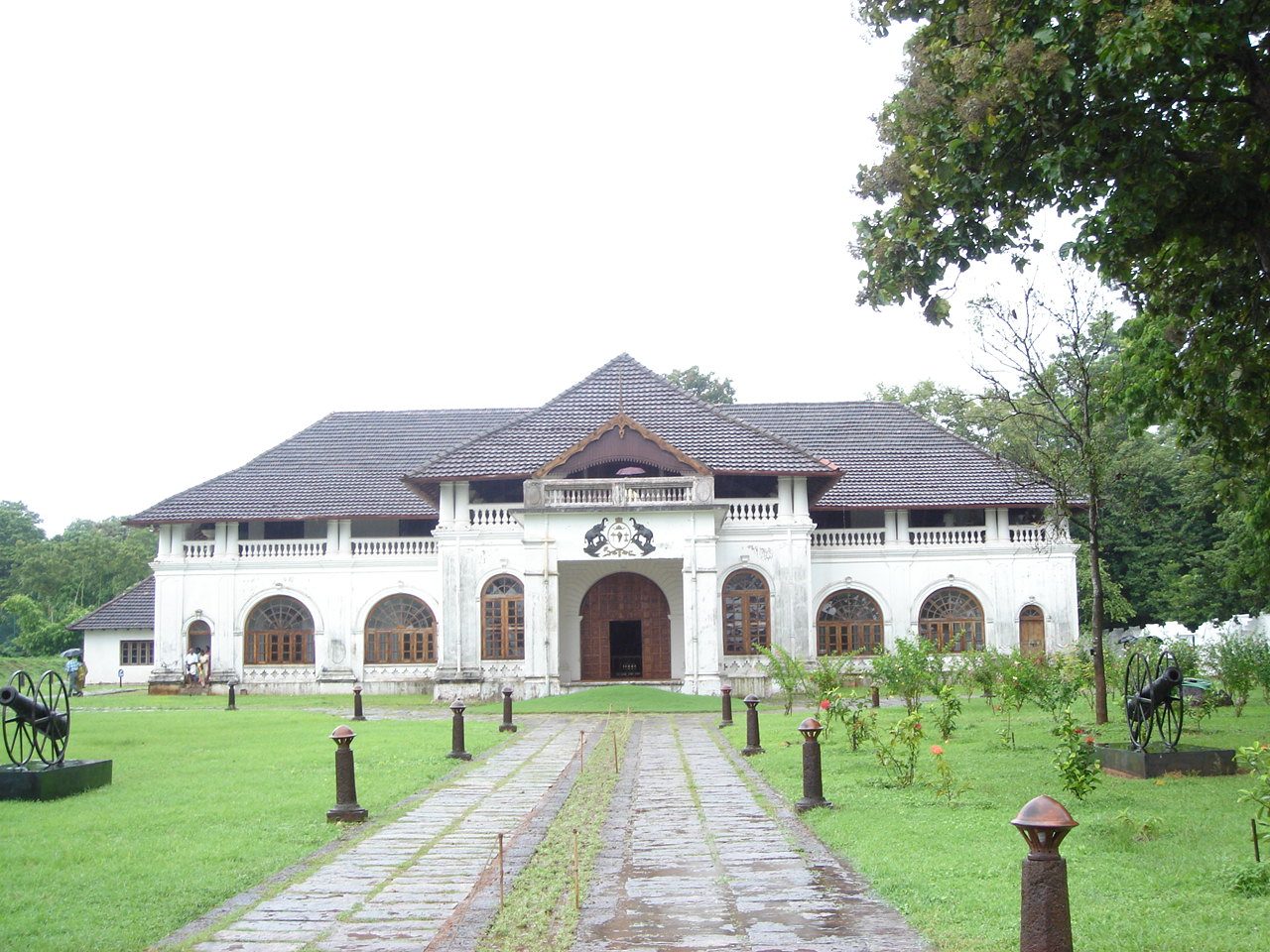
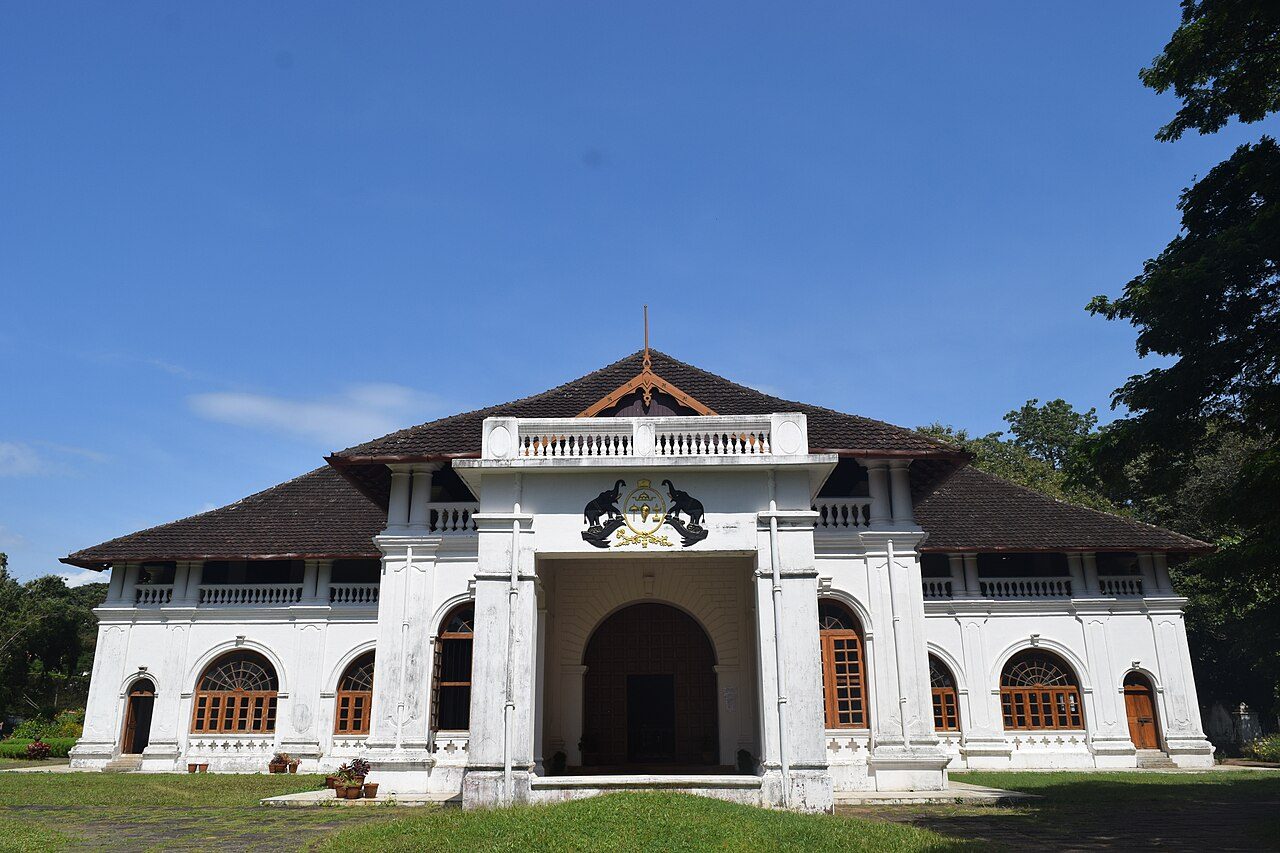
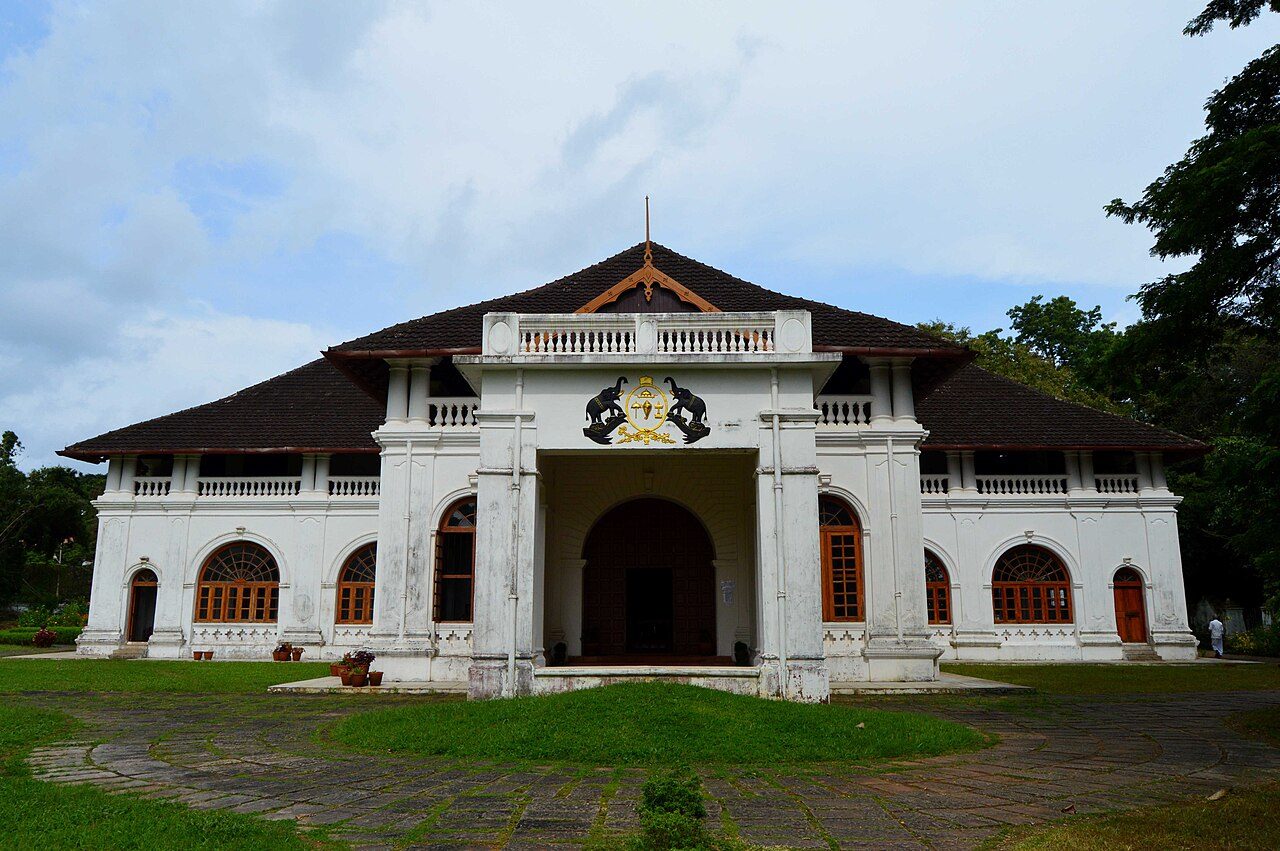
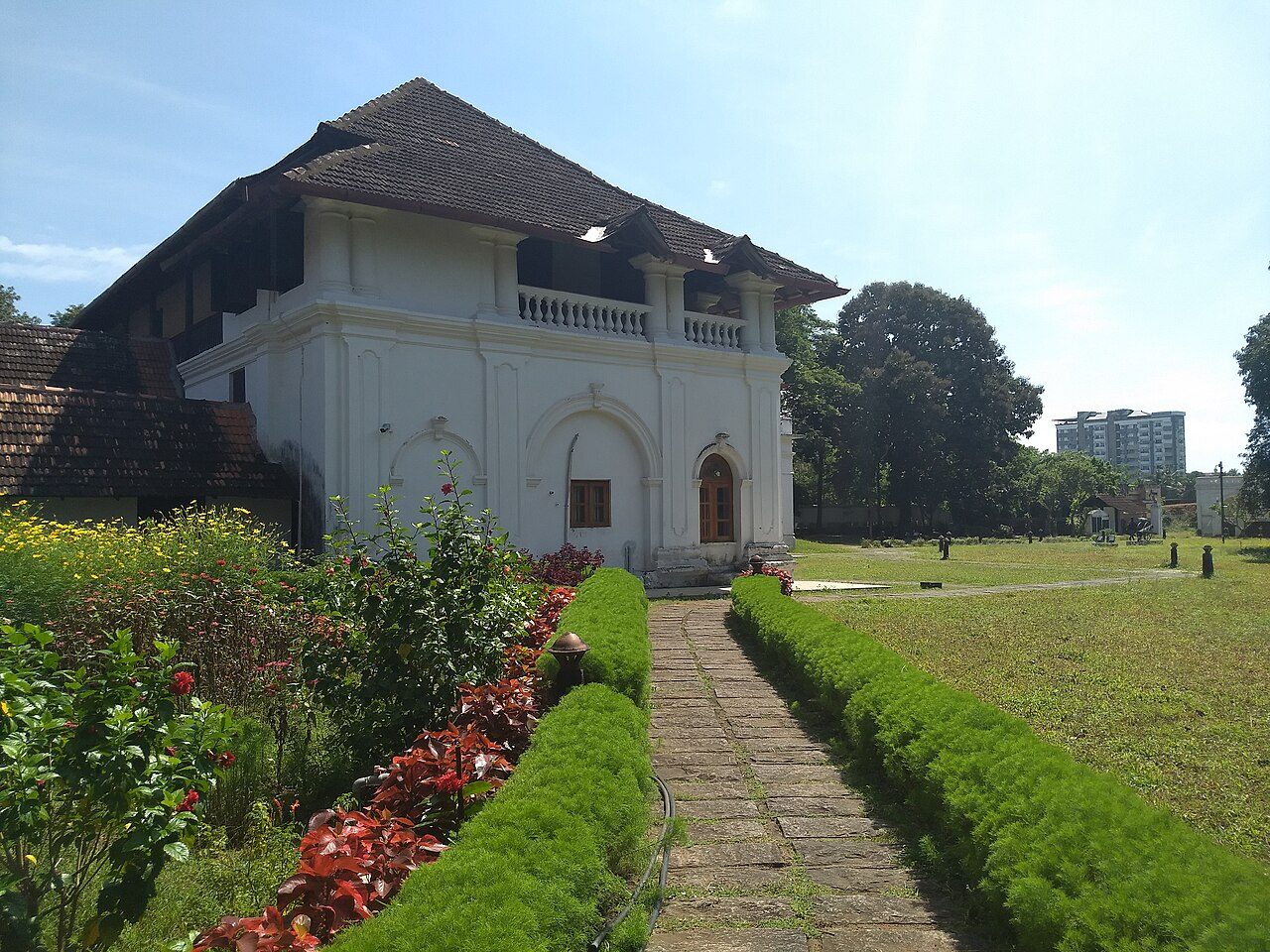
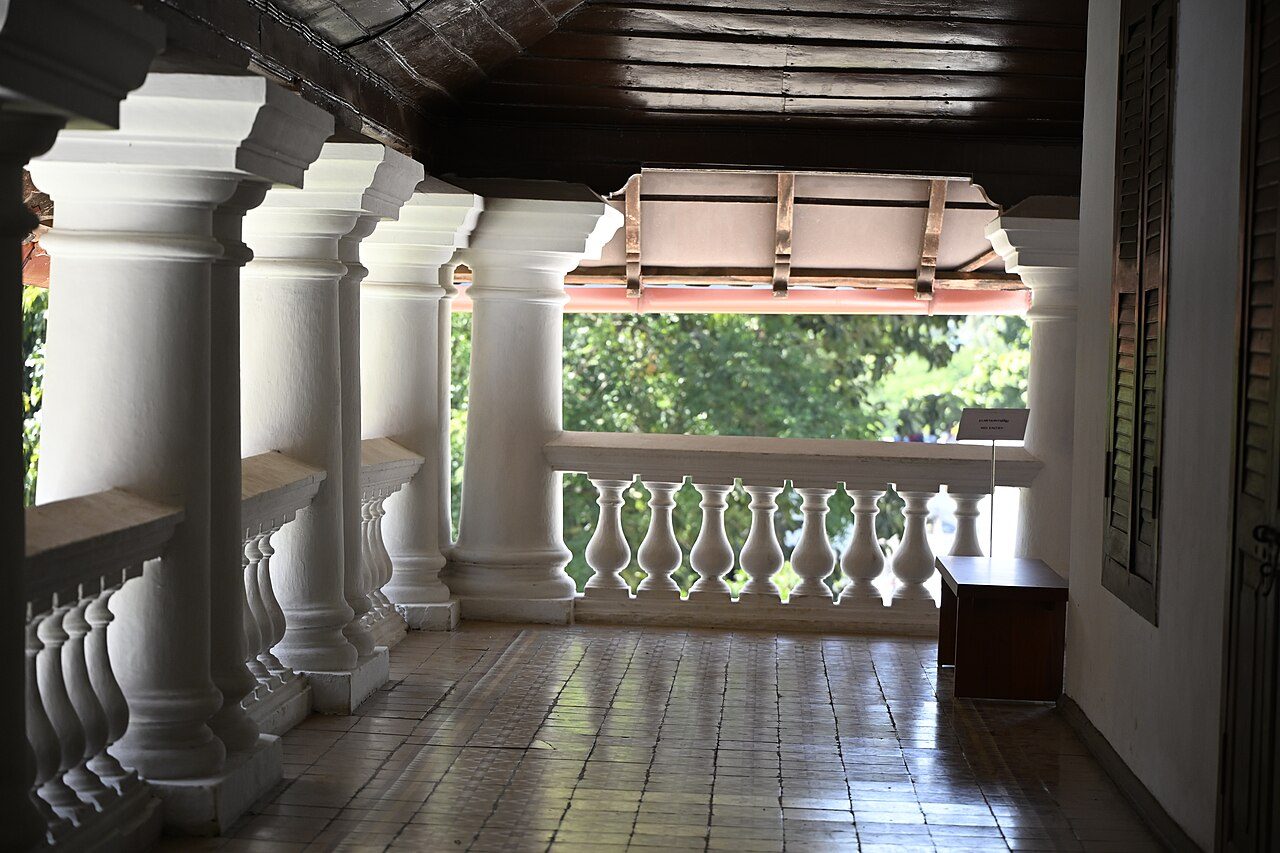
Built in 1795 for Raja Rama Varma, known as Shakthan Thampuran, this palace in the centre of Thrissur combines Kerala and Dutch building styles. It is now a museum with a bronze gallery, a coin collection and the raja's tomb in the garden.
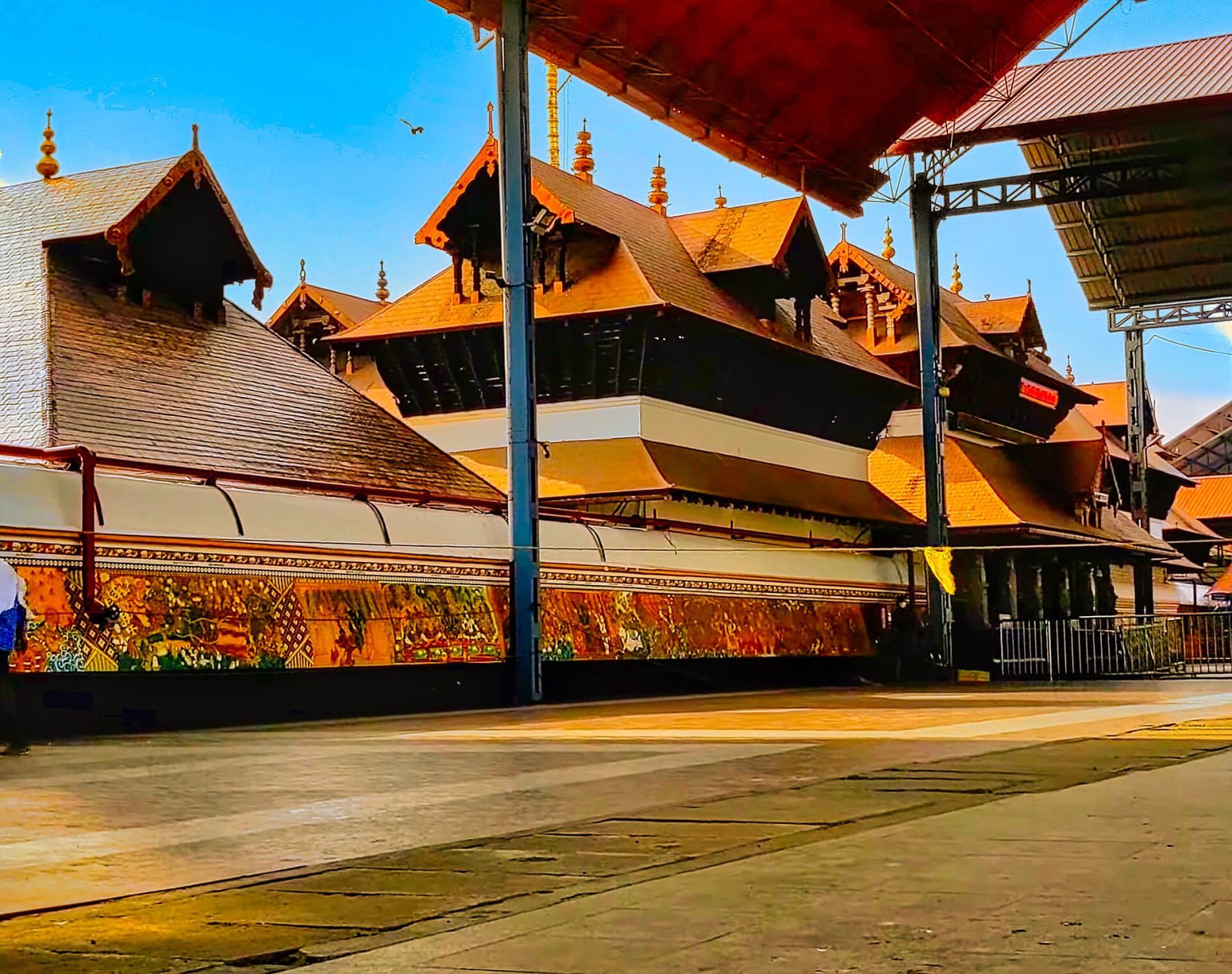
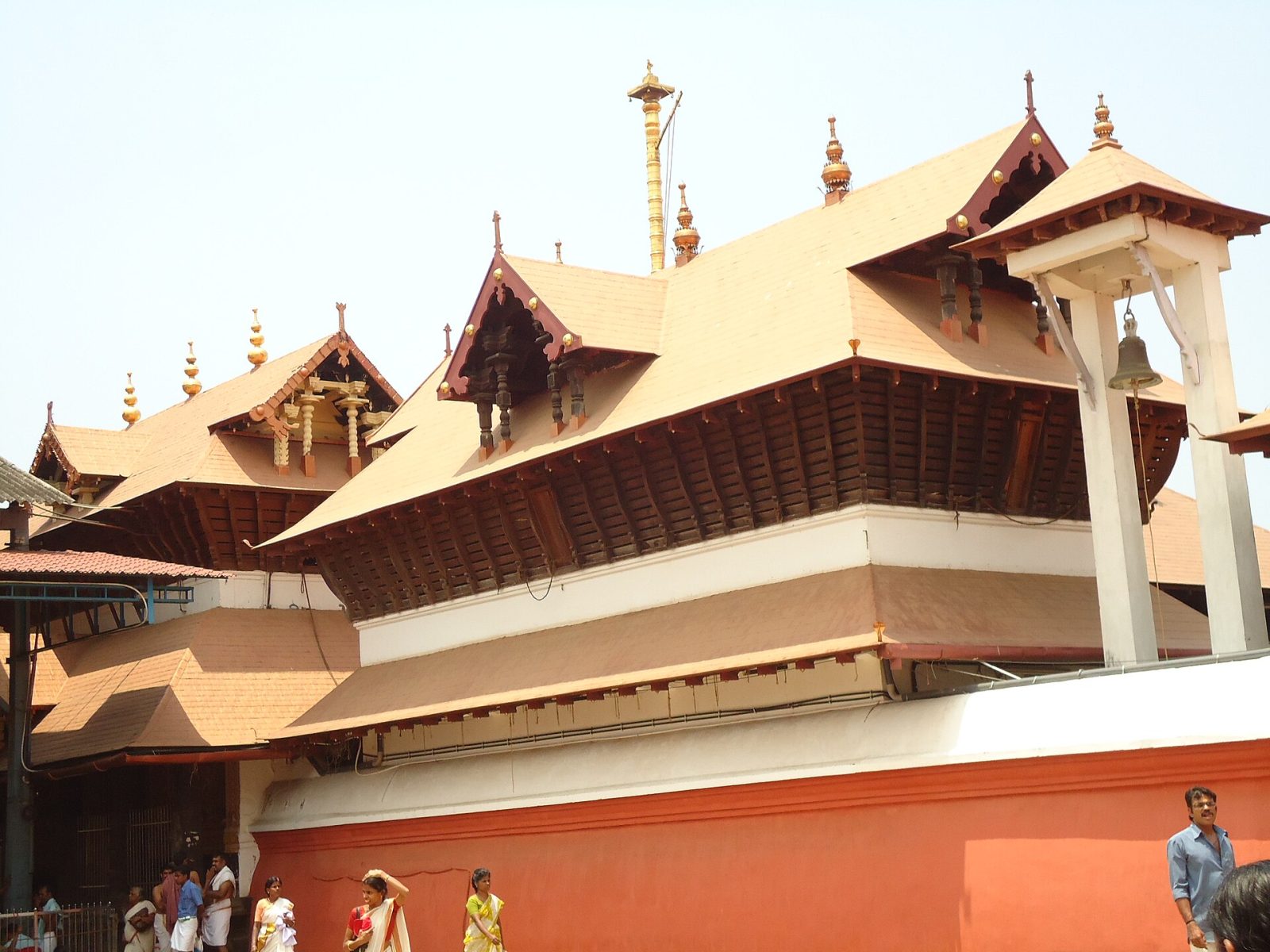
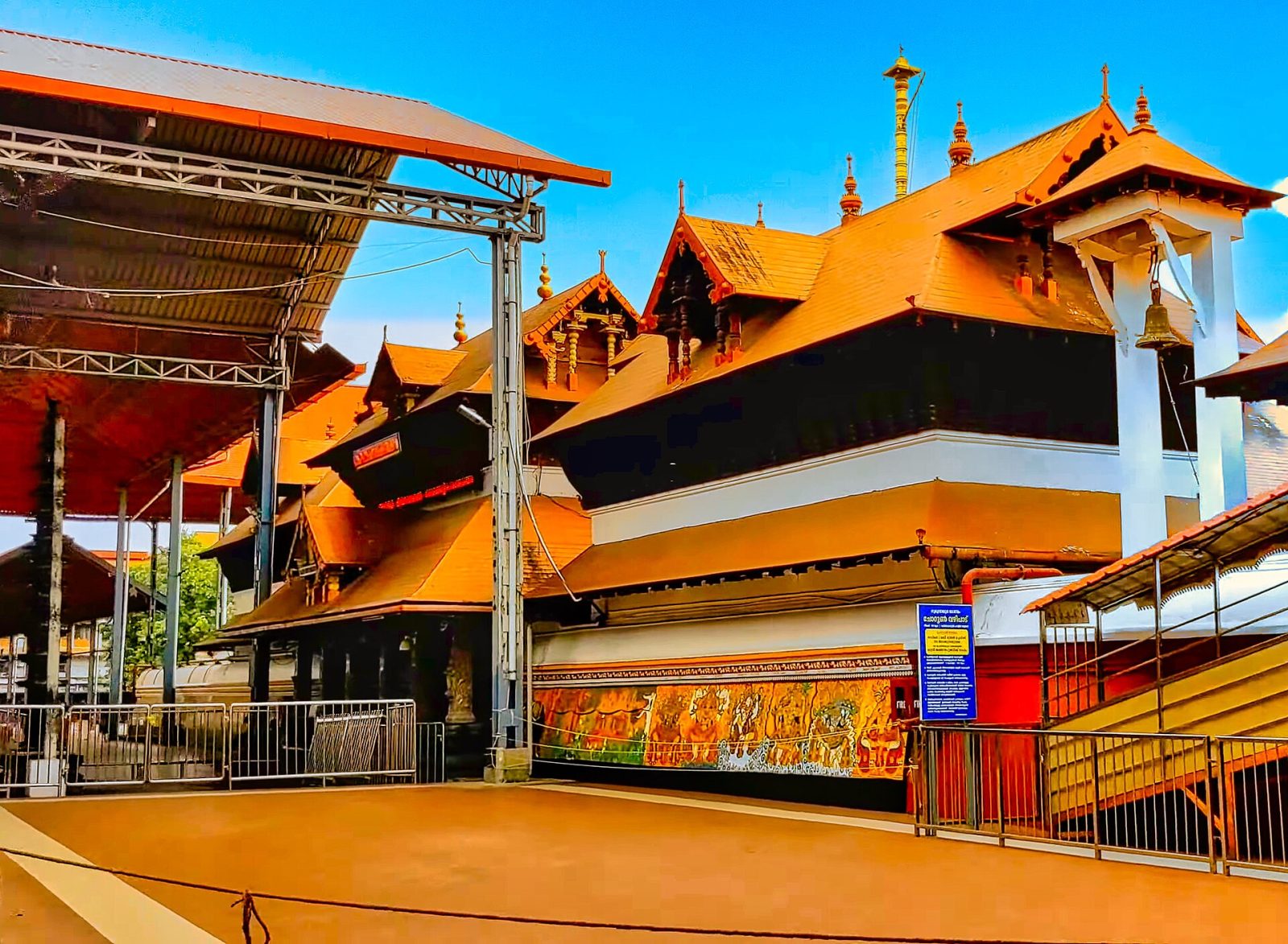
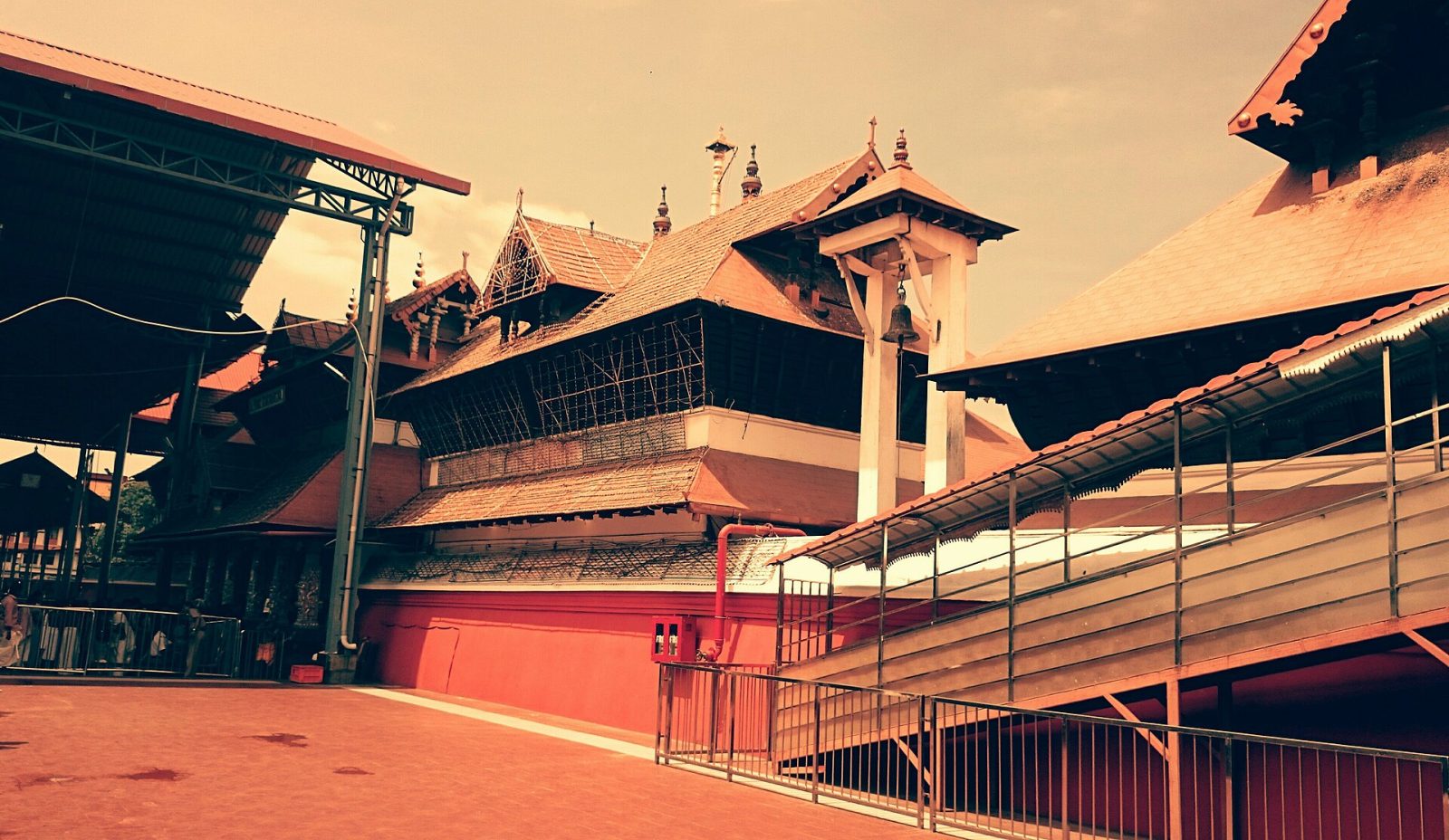
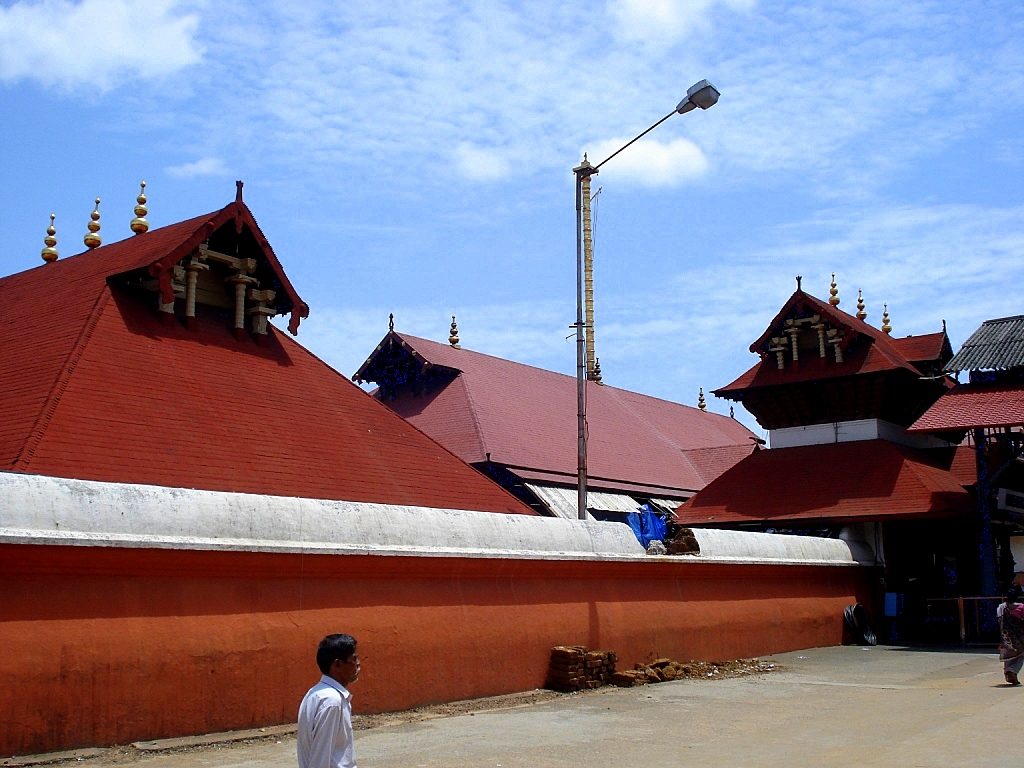
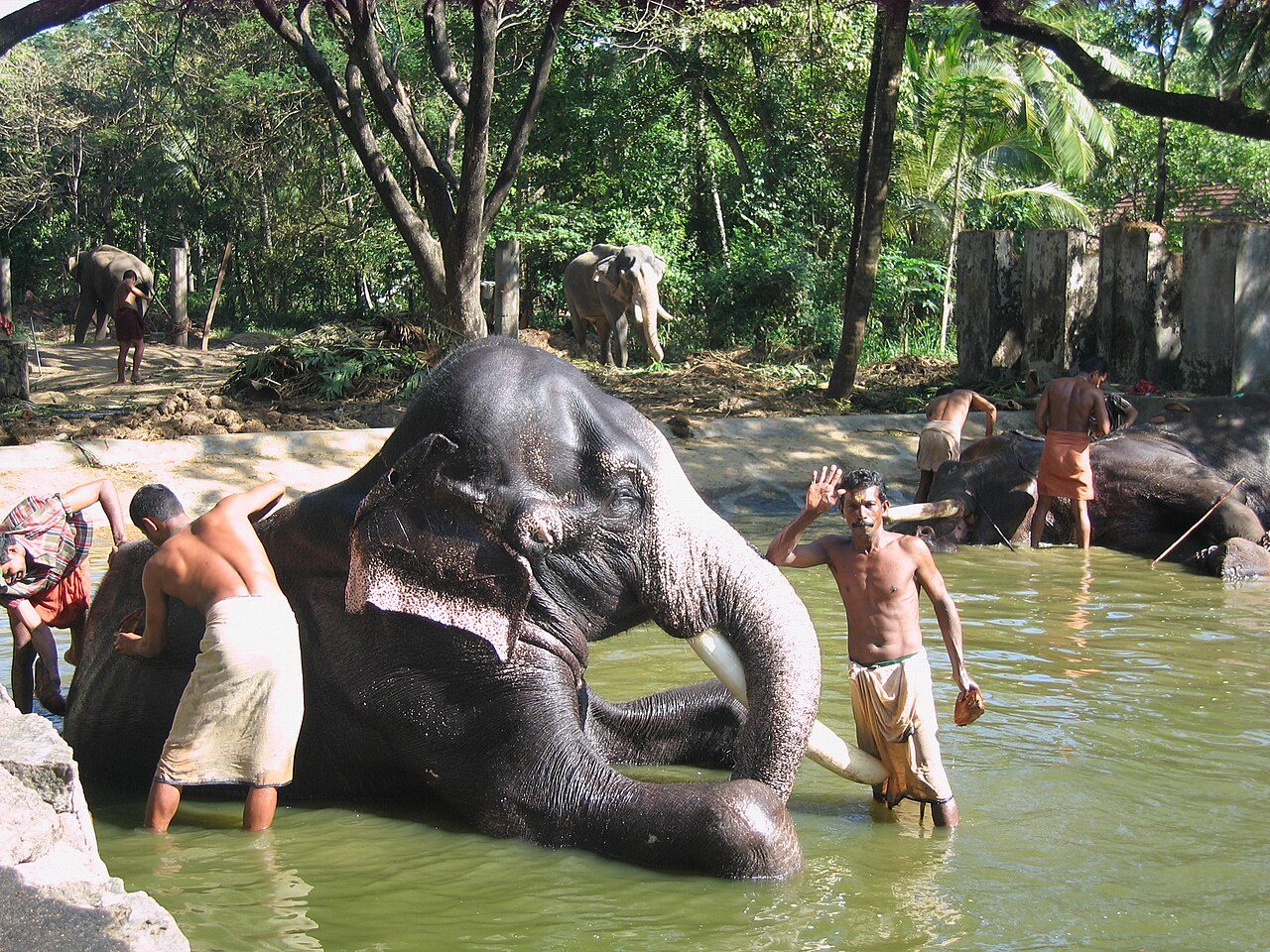
Guruvayur, in Thrissur district, is one of the most visited Krishna temples in India and is often called the Dwarka of the South. The deity is worshipped as Guruvayurappan, and the idol is said to have been installed by Guru, the teacher of the gods, and Vayu, the wind god, which is how the town got its name. Weddings and the first rice-feeding ceremony for babies are performed here in huge numbers every day, and the temple elephants are kept at the Punnathurkotta sanctuary nearby. The day begins with the Nirmalya Darshanam before dawn and ends late at night, with long queues in between. Only Hindus may enter, and there is a strict dress code.
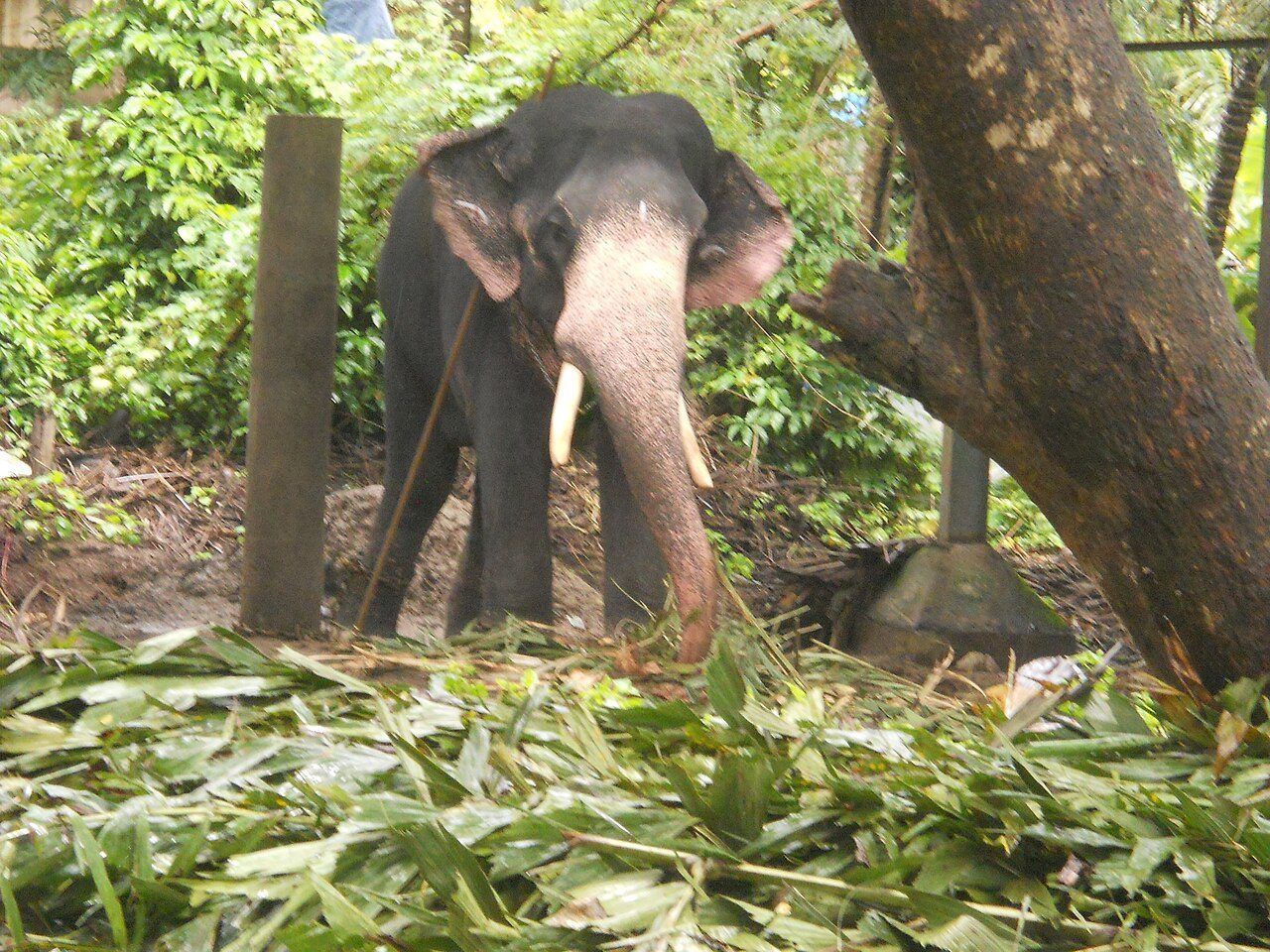
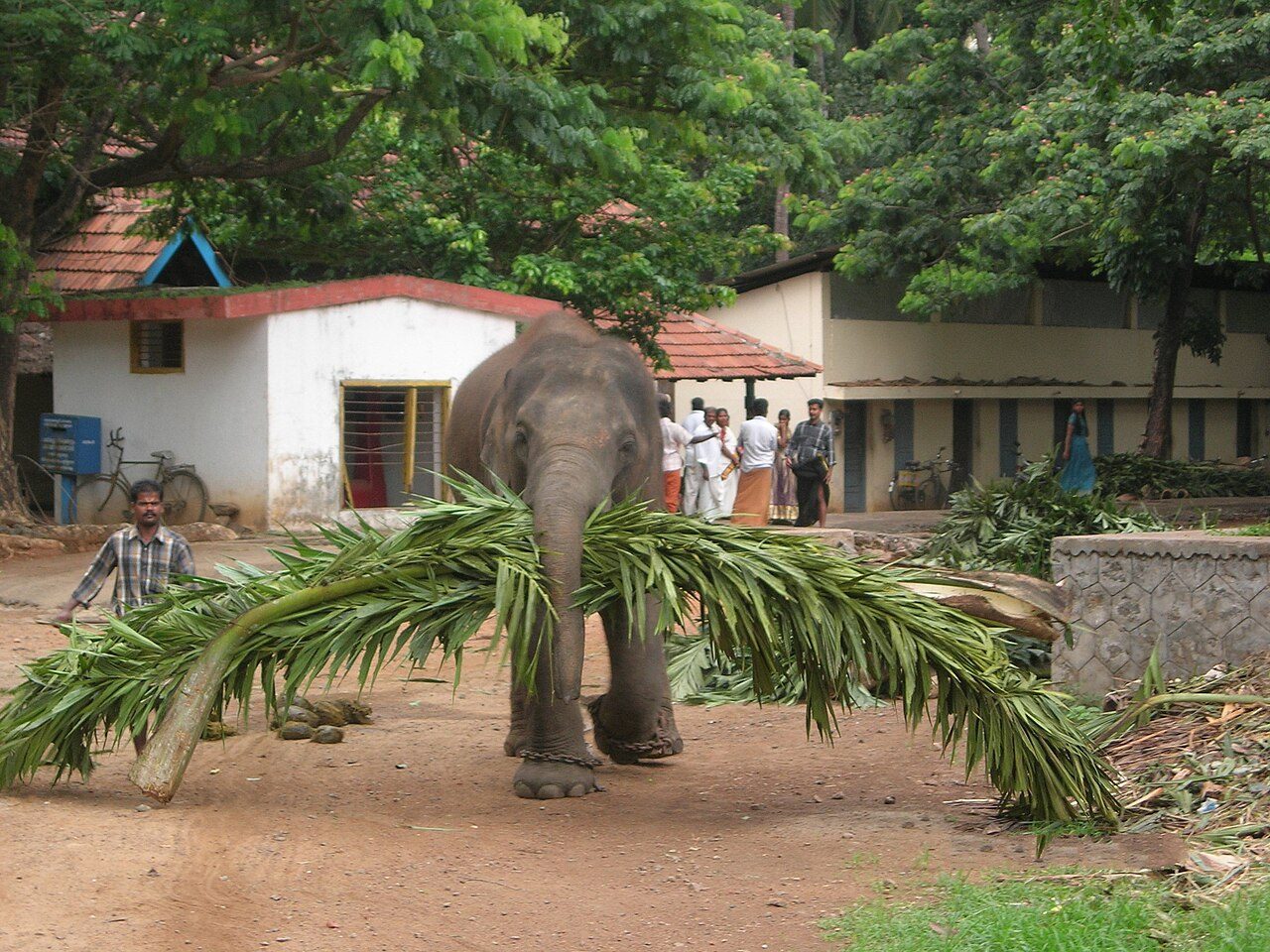
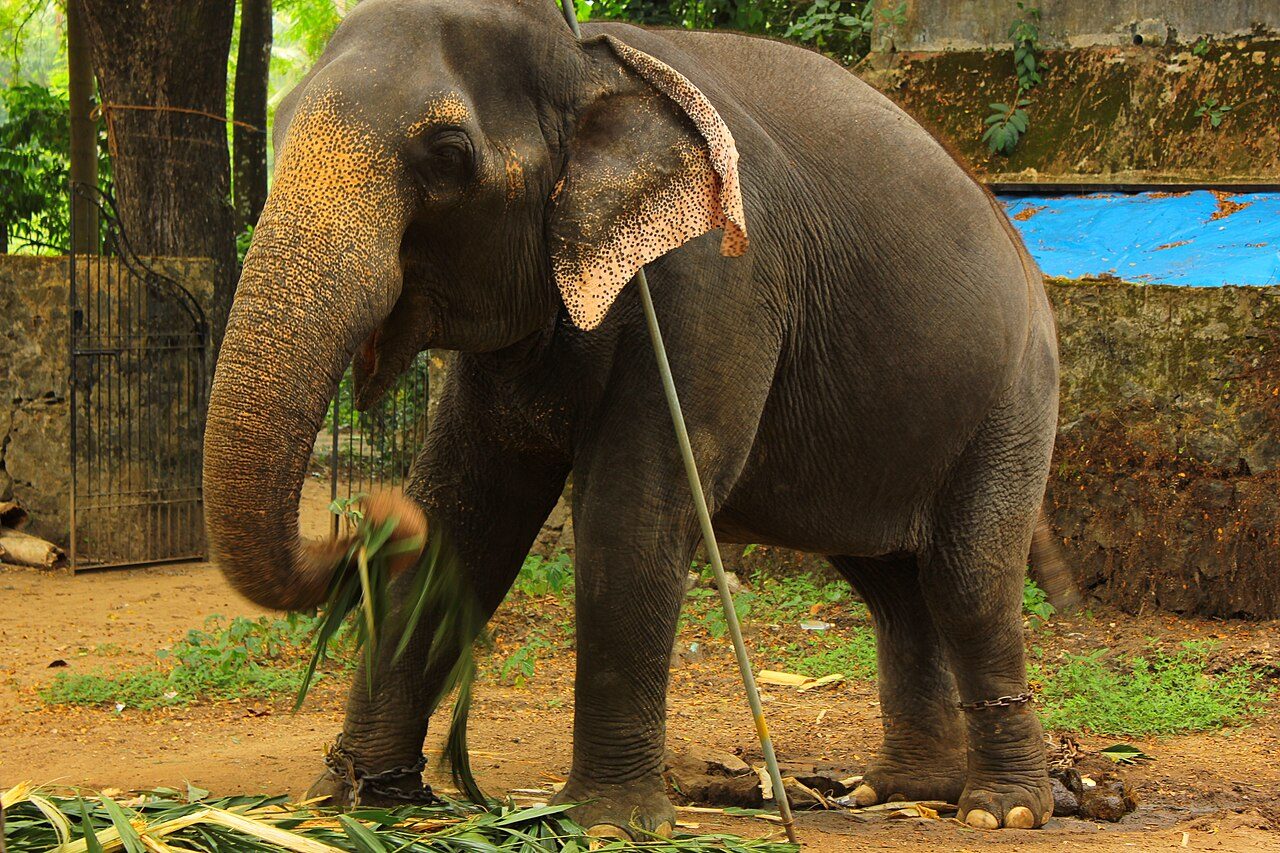
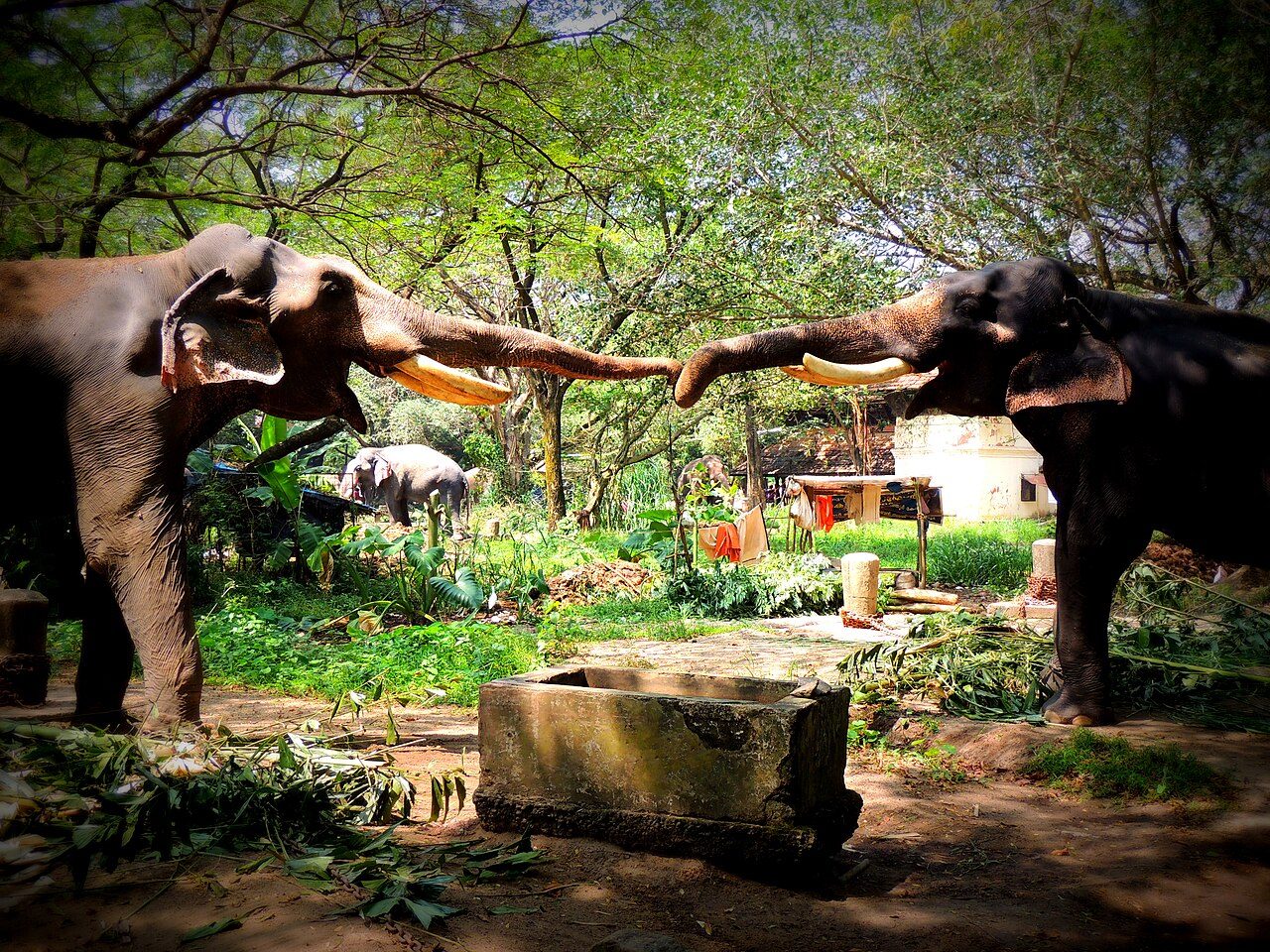
Punnathur Kotta, about three kilometres from the Guruvayur temple, is the compound where the temple elephants are kept. The grounds belong to a former palace of the Punnathur rajas, and the elephants here were given to the temple as offerings.
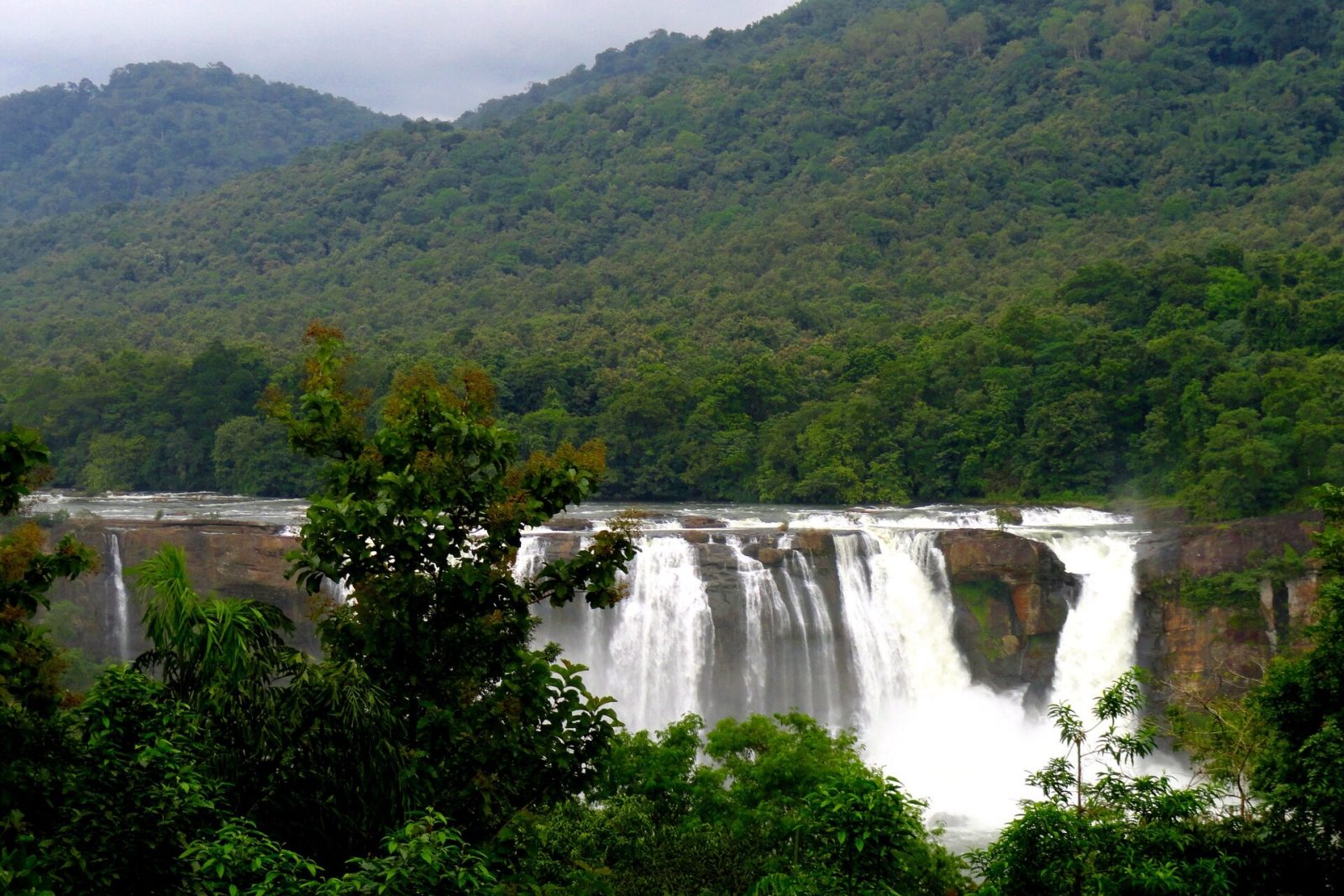
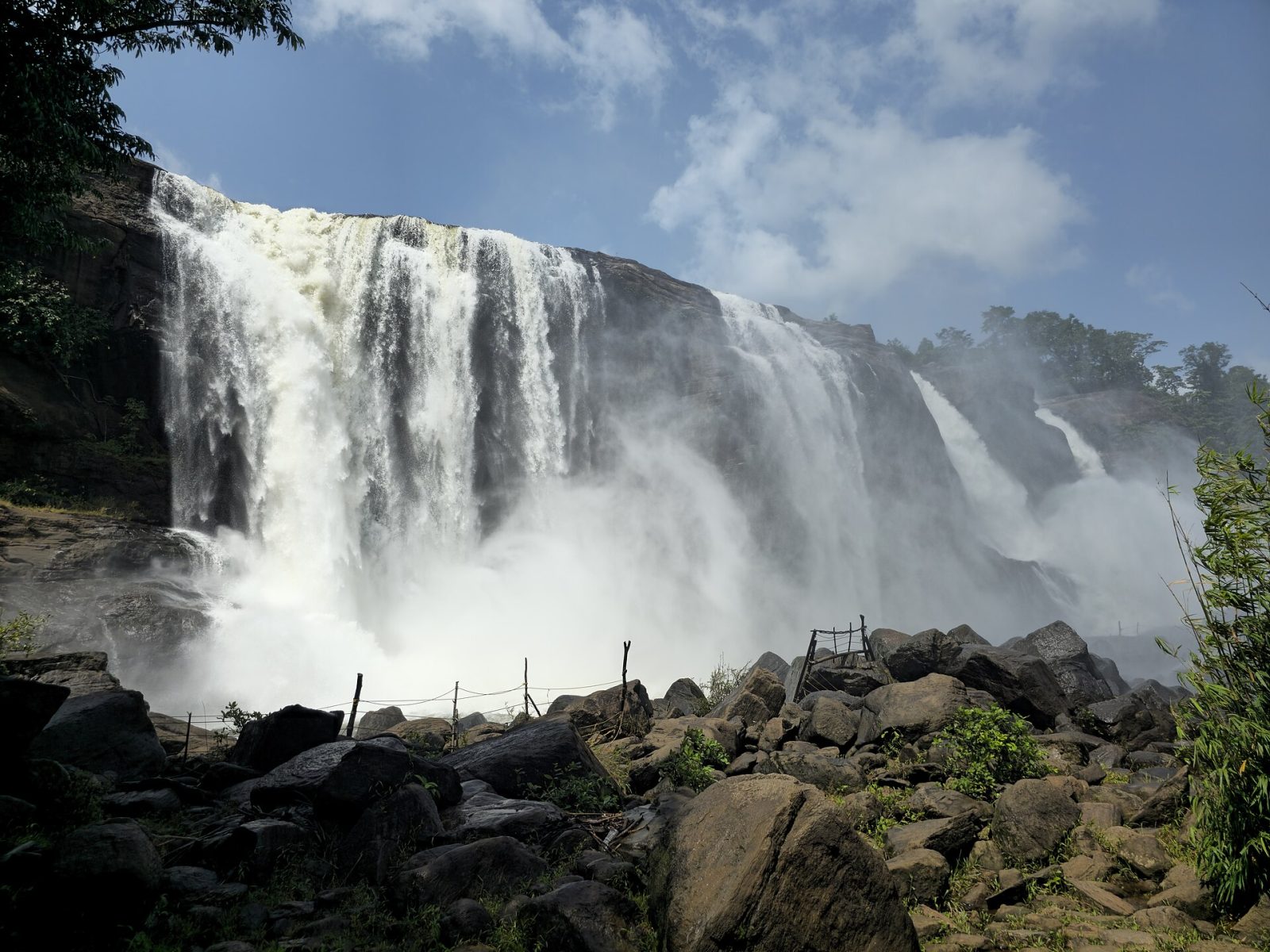
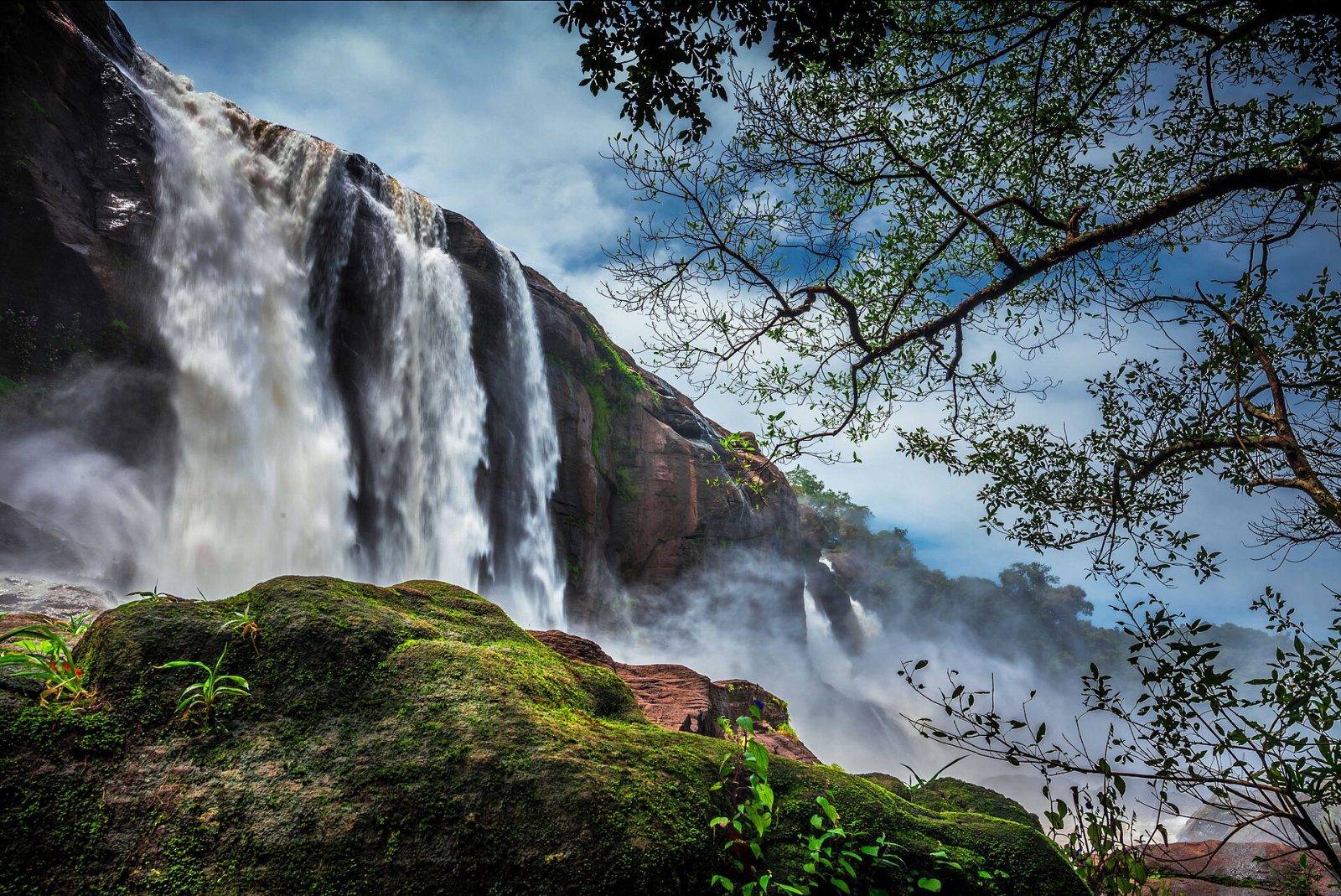
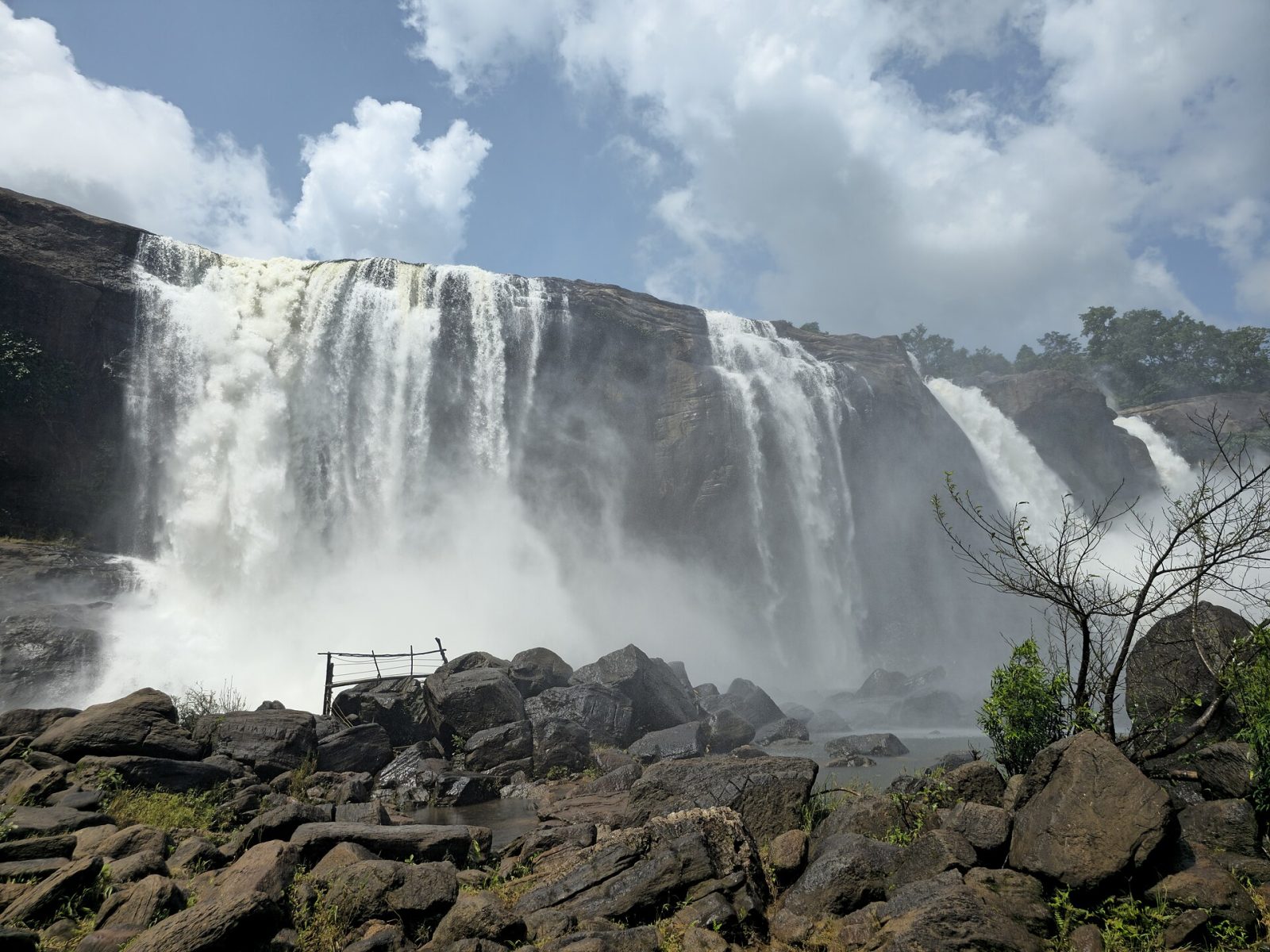
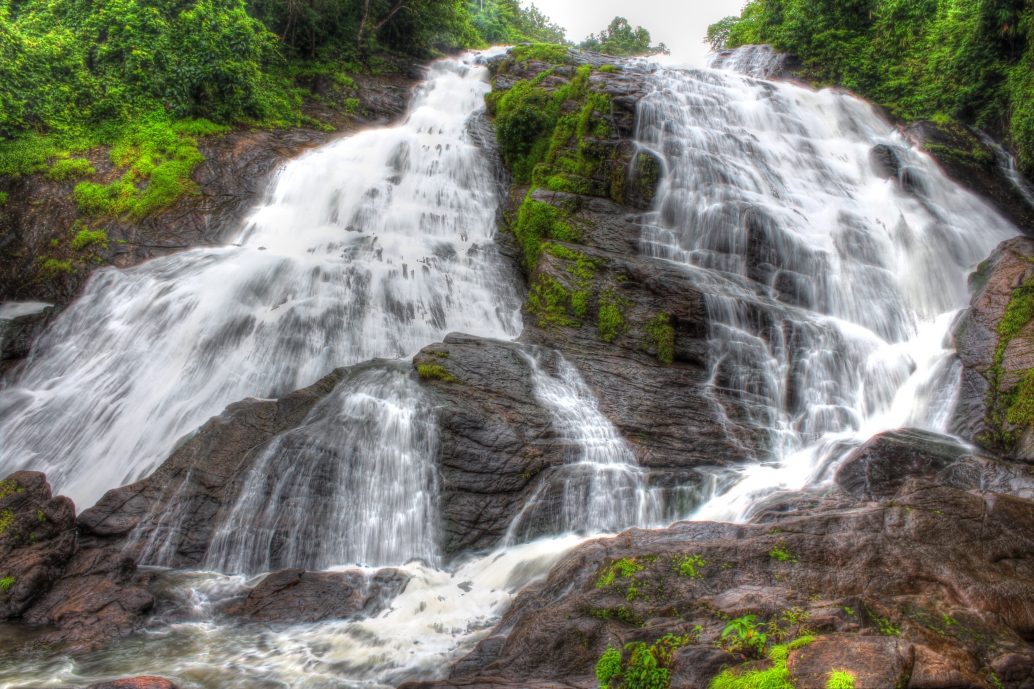
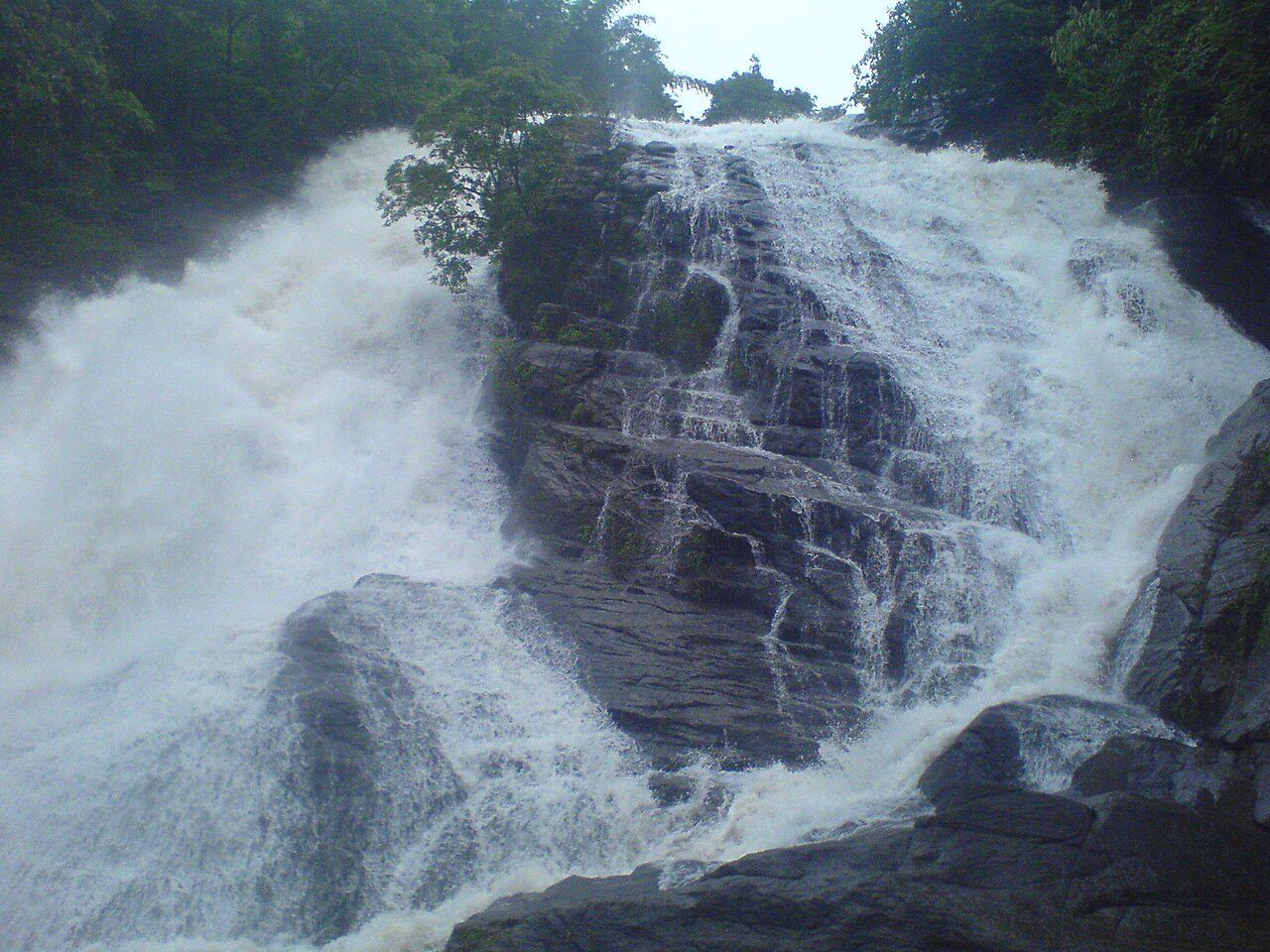
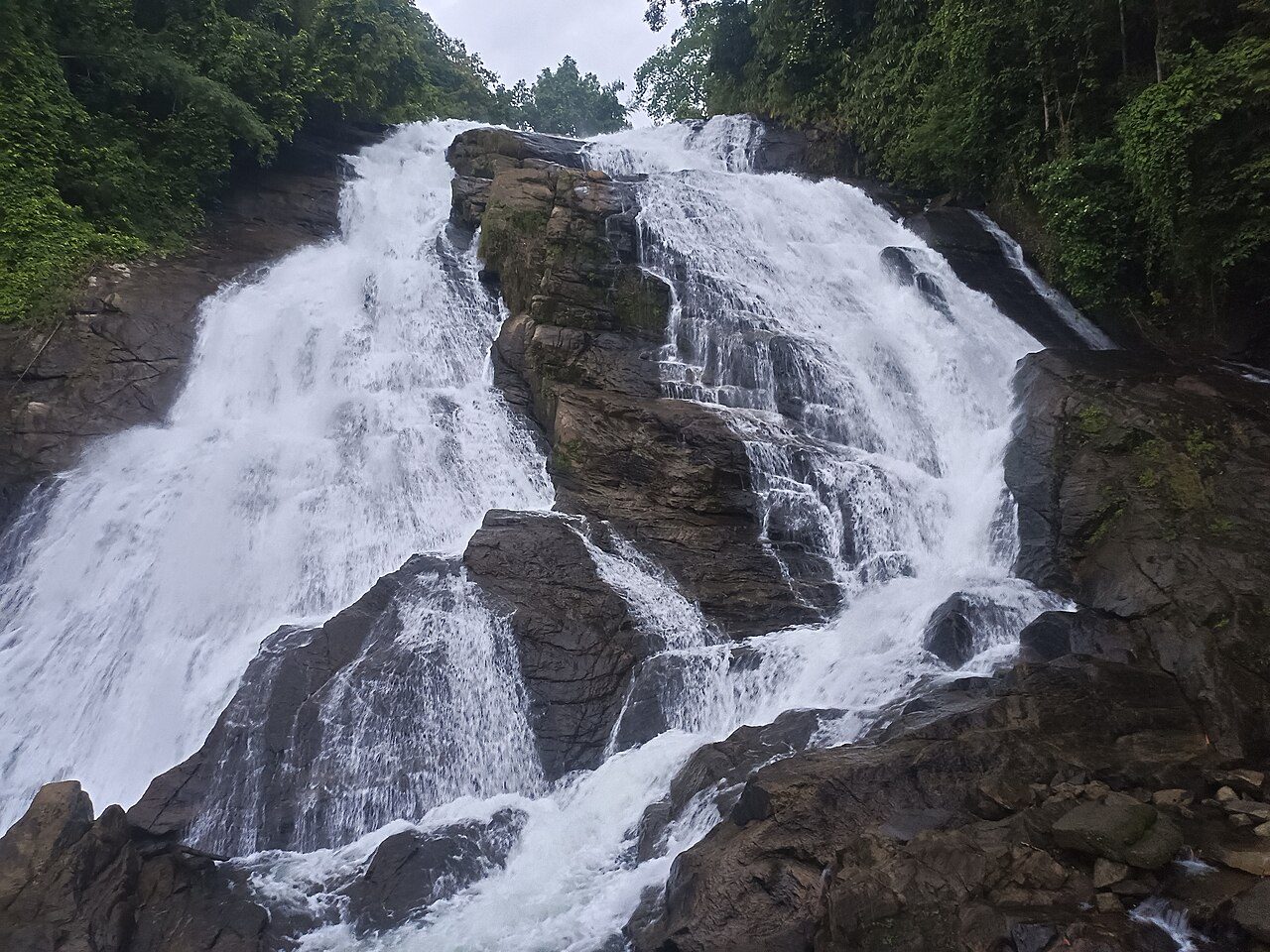
Athirappilly is the widest waterfall in Kerala, where the Chalakudy river drops about 25 metres in a broad curtain of white water at the edge of the Sholayar forests. It is often called the Niagara of India, and the rainforest around it is one of the few places where all four south Indian hornbill species live. A path leads from the car park to a viewpoint at the top and then down a steep trail to the base, where the spray reaches you across the rocks. Vazhachal falls and several smaller cascades lie a short drive upstream. The falls are at their most powerful from June to September, and swimming is not allowed.
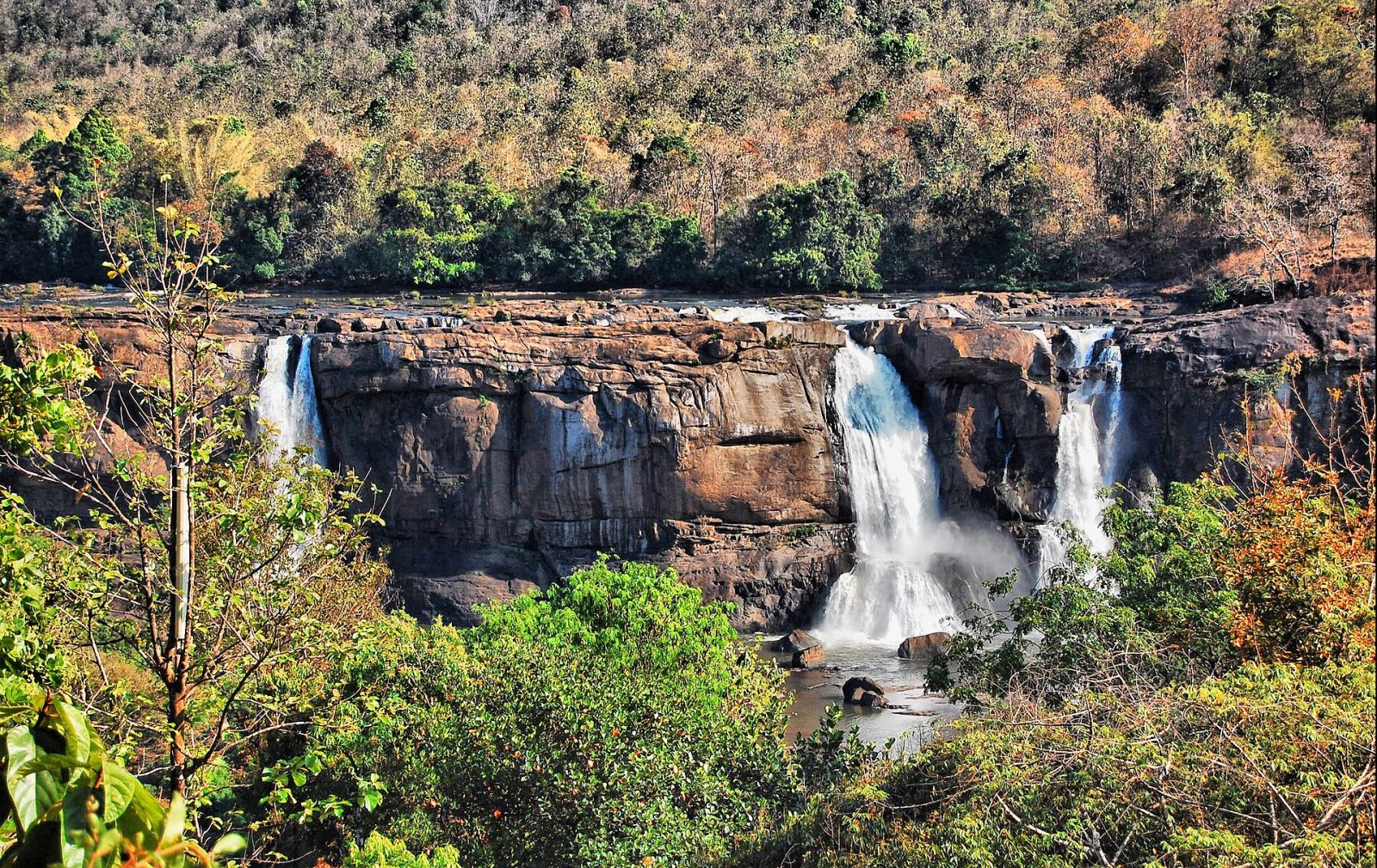
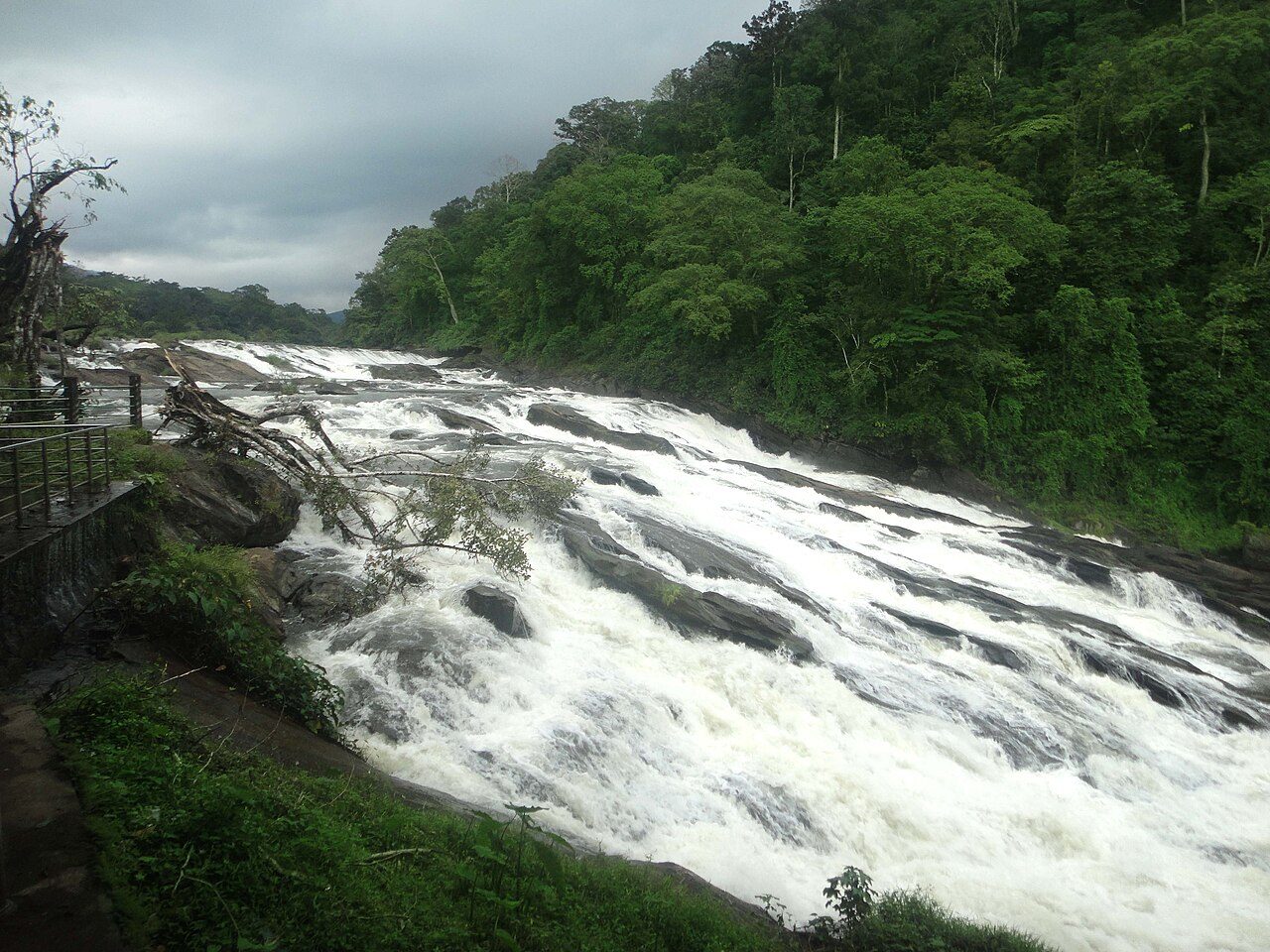
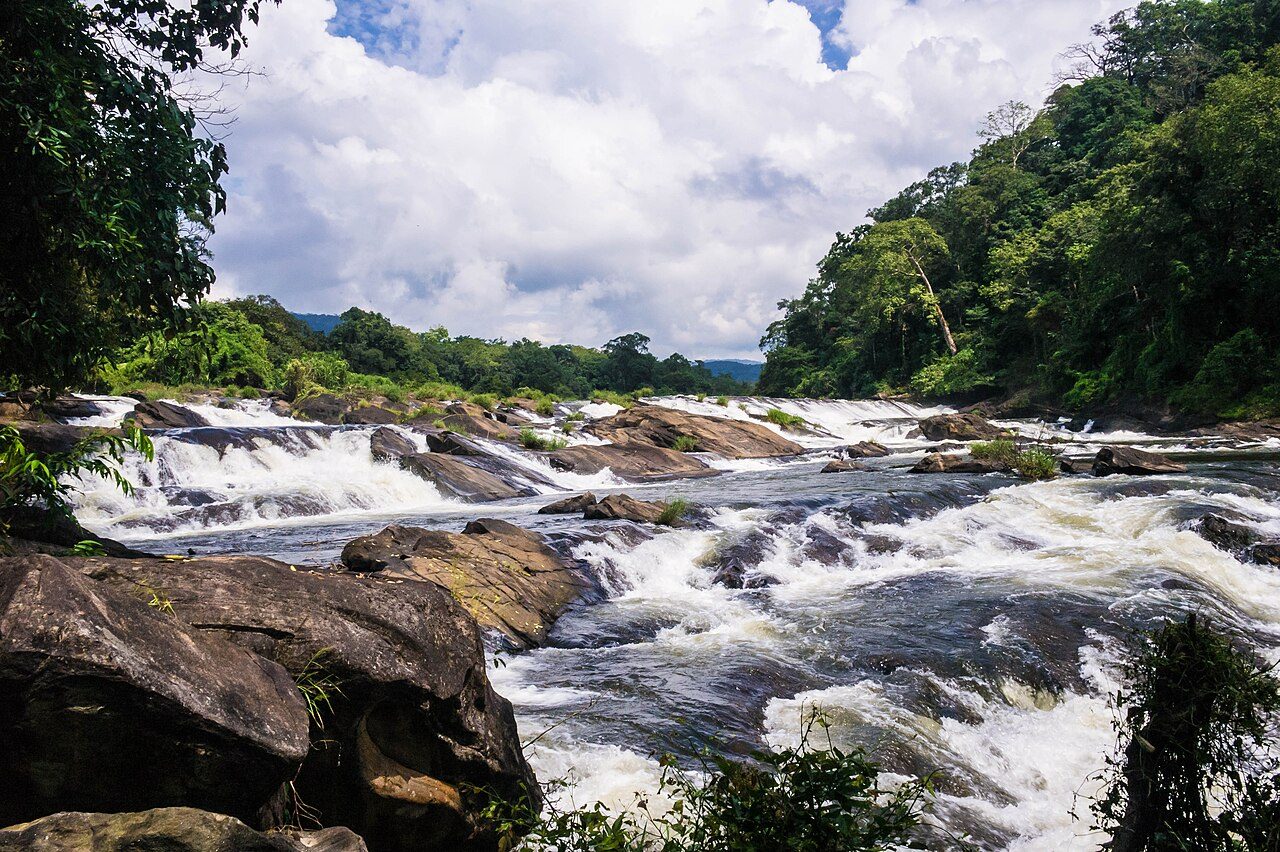
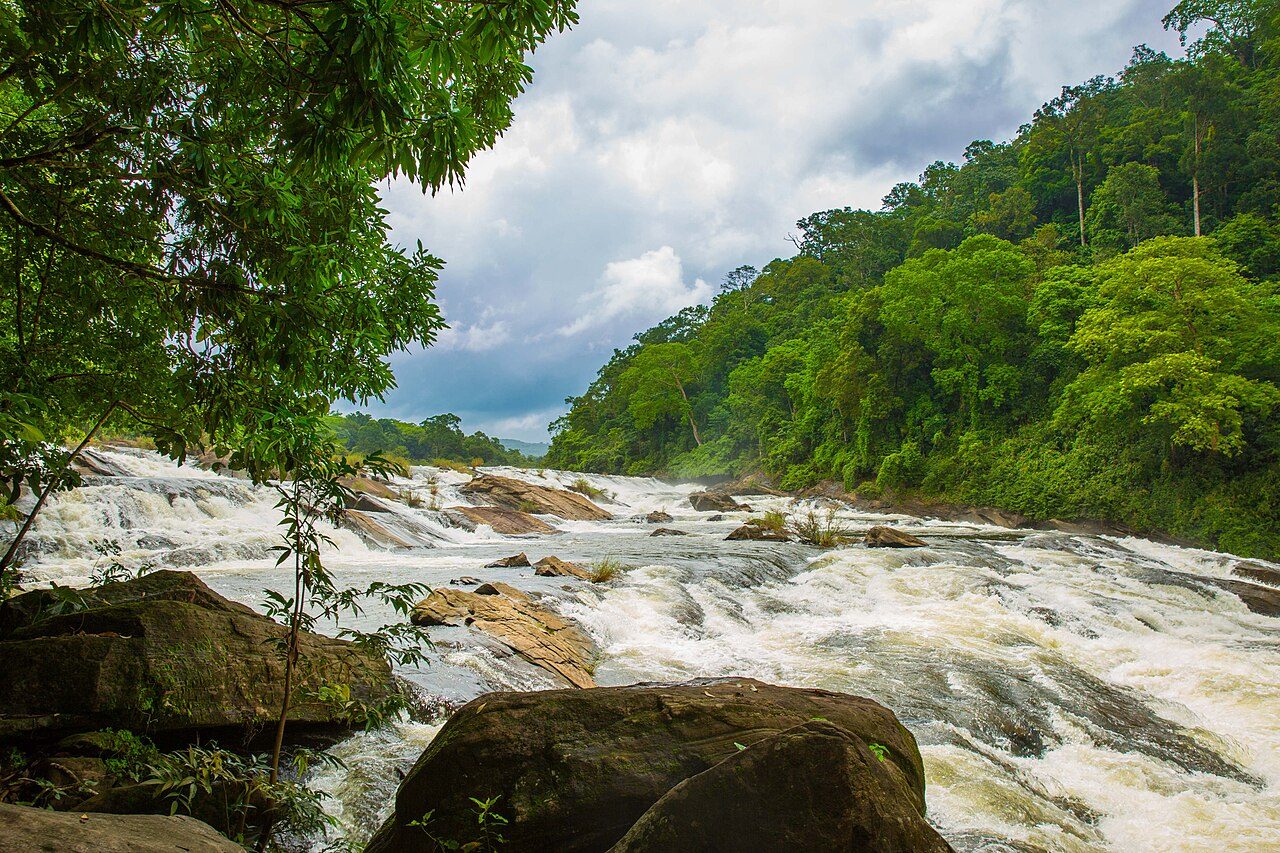
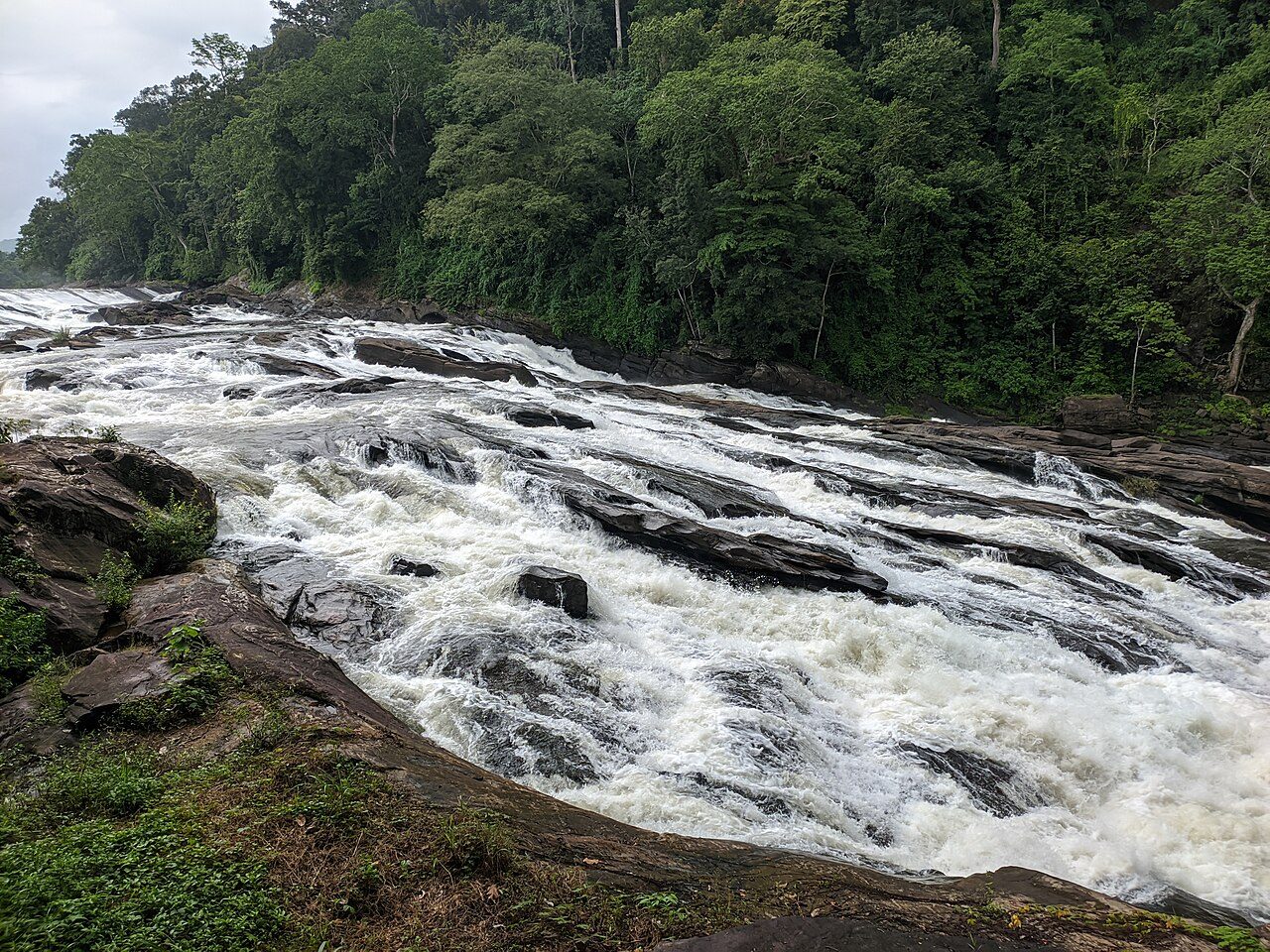
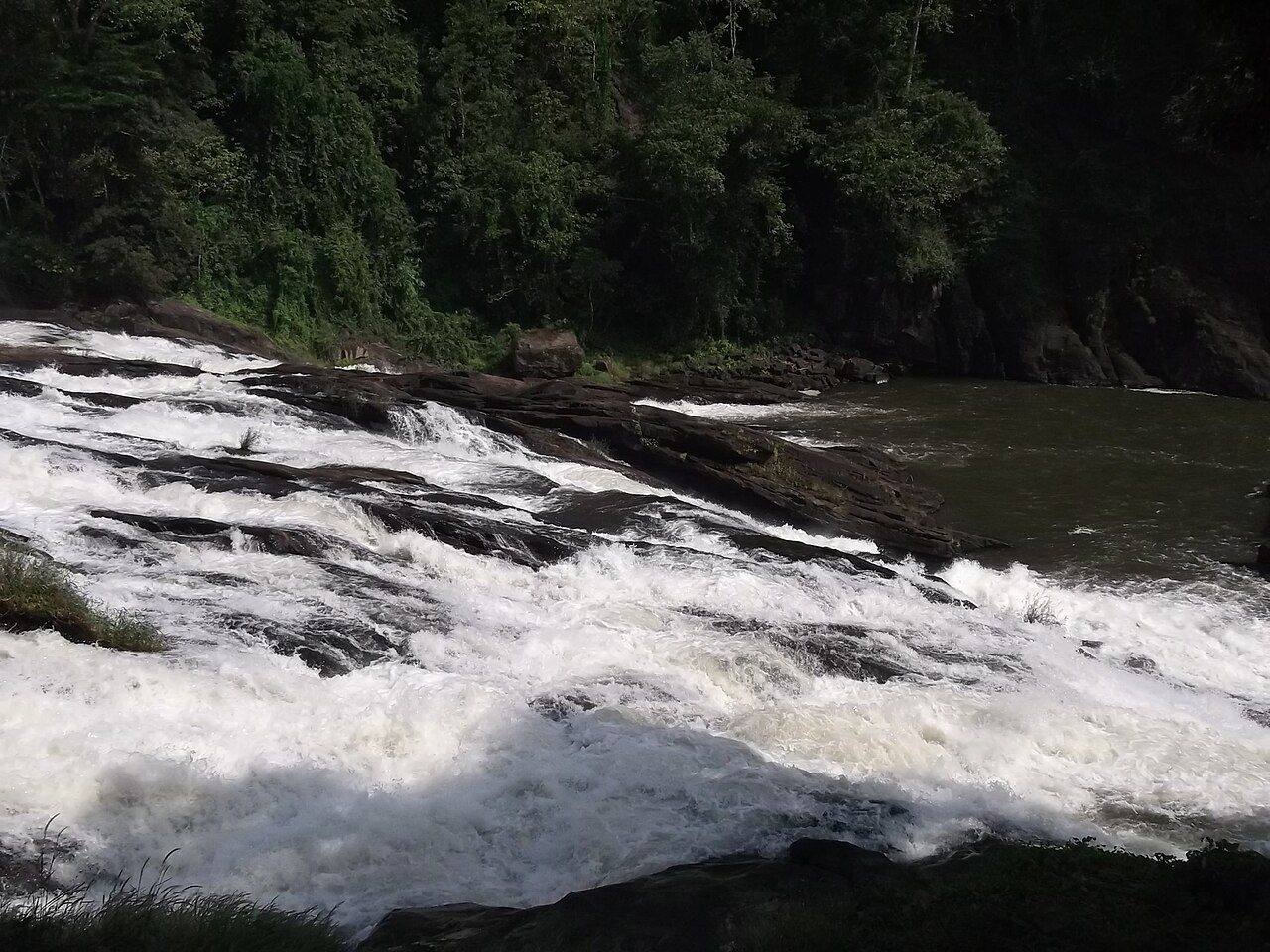
Vazhachal Falls lies on the Chalakudy River about five kilometres downstream of Athirappilly, at the edge of the Sholayar forest. The water spreads across a wide rock shelf rather than dropping in one fall, and the forest around it is one of the few places in the Western Ghats where all four South Indian hornbill species are found.
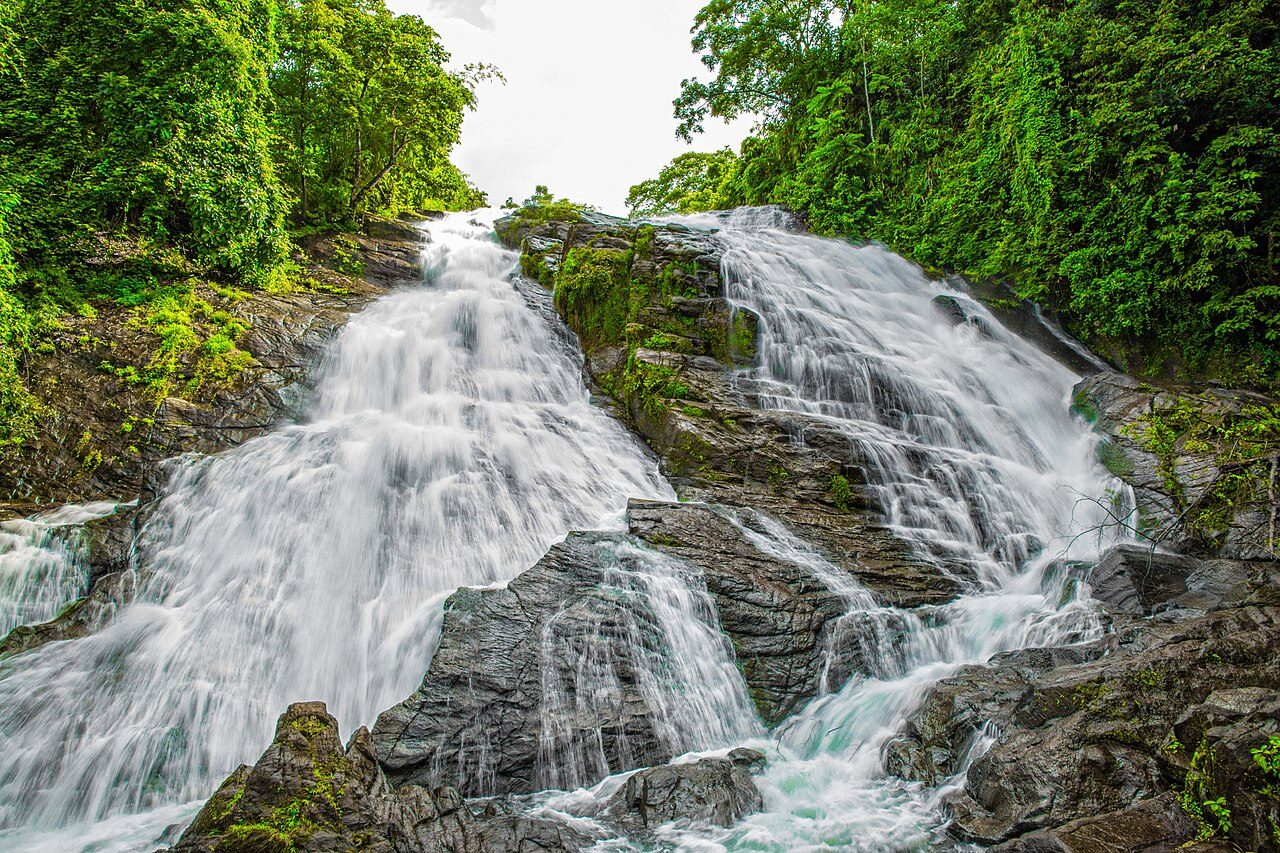
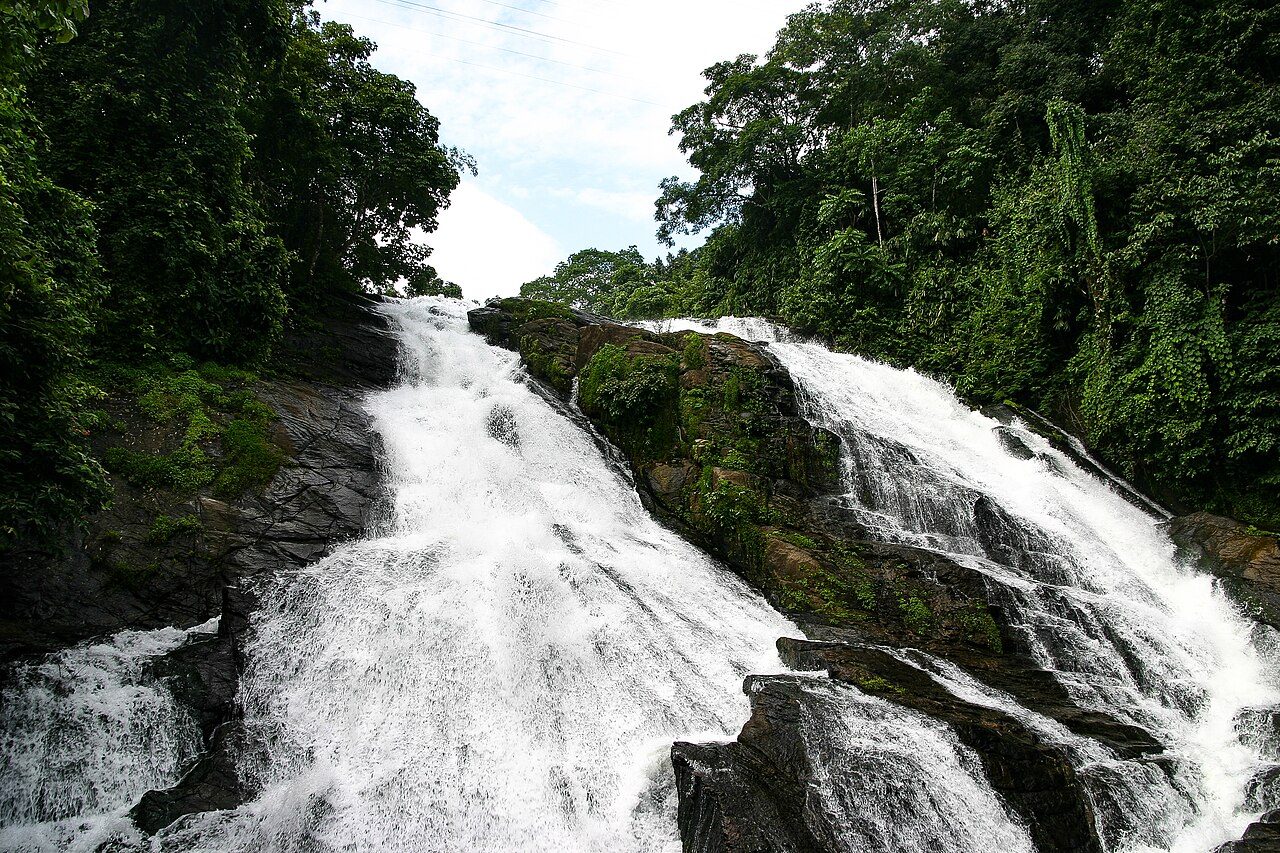
Charpa Falls sits beside the road between Athirappilly and Vazhachal, where a stream drops onto the rock face next to the carriageway. It runs strongly through the monsoon from June to September and thins to a trickle in the dry months.
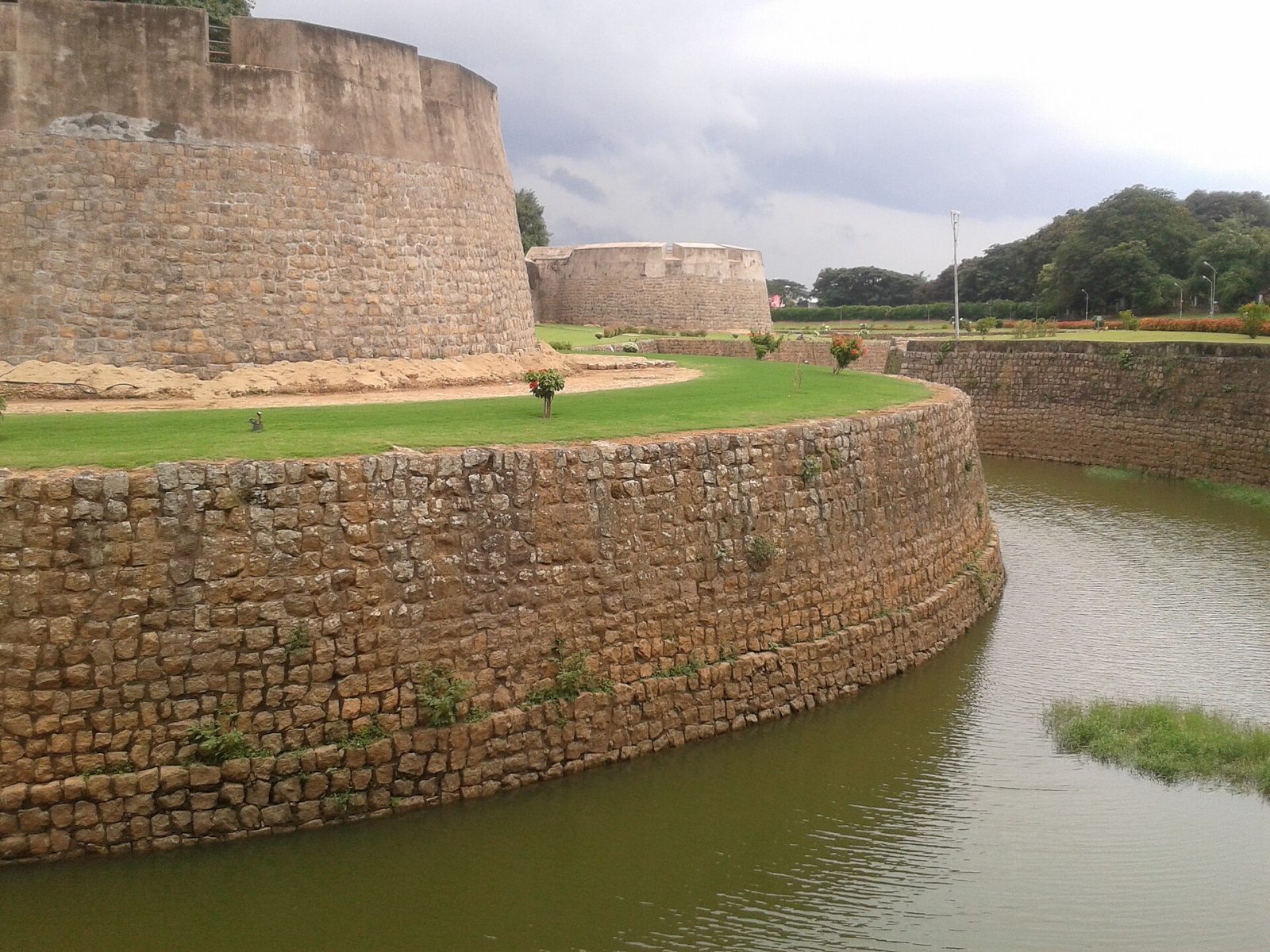
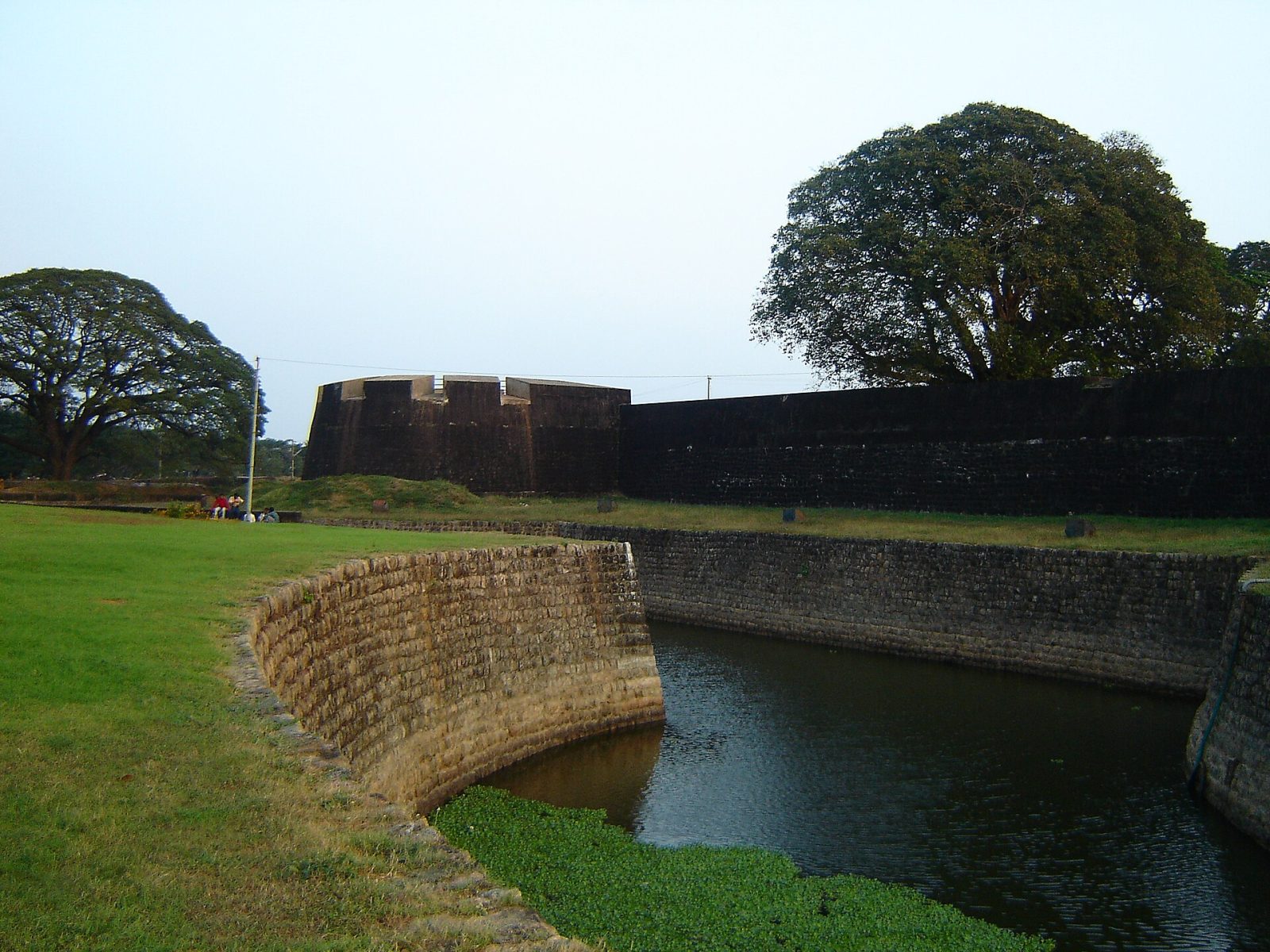
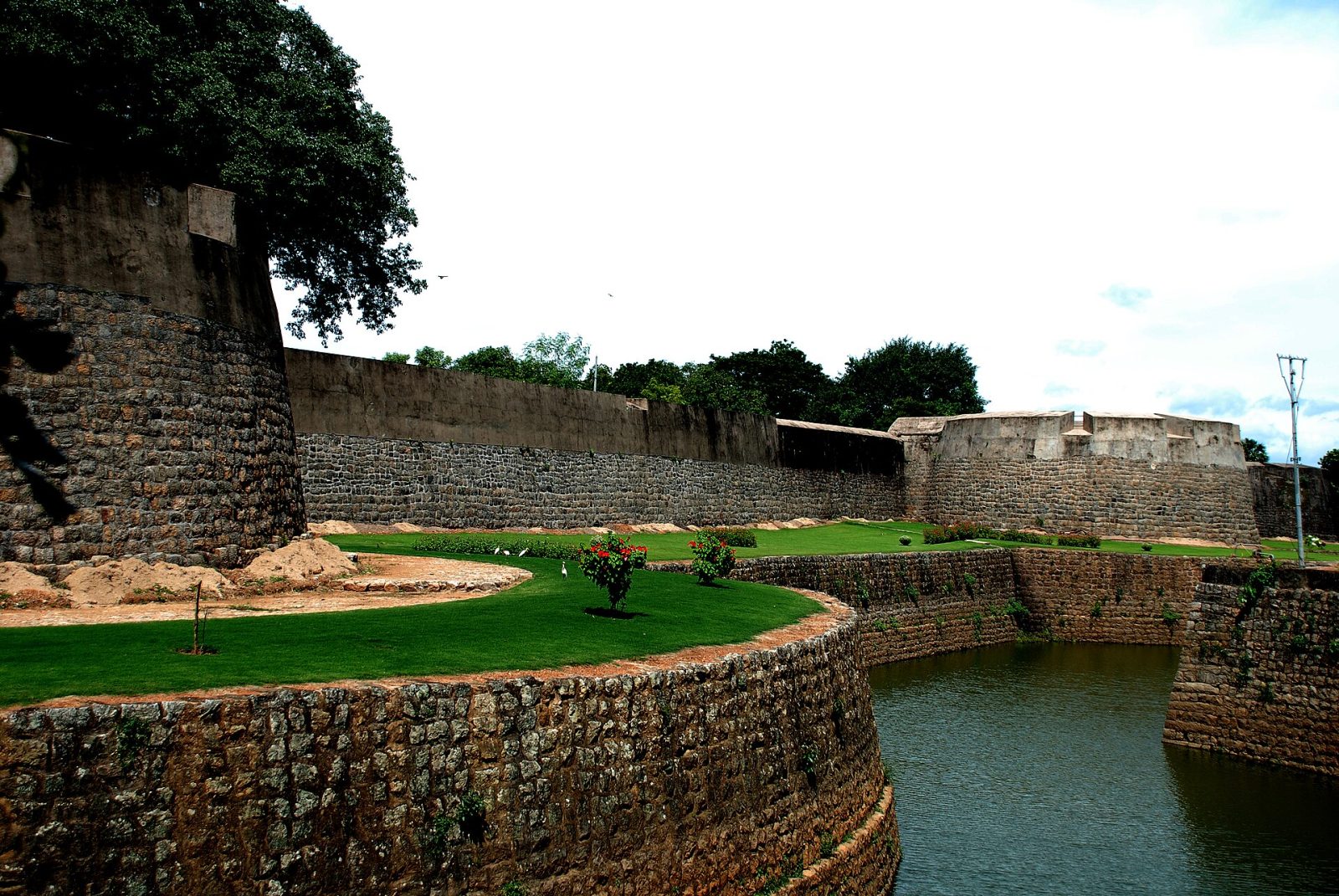
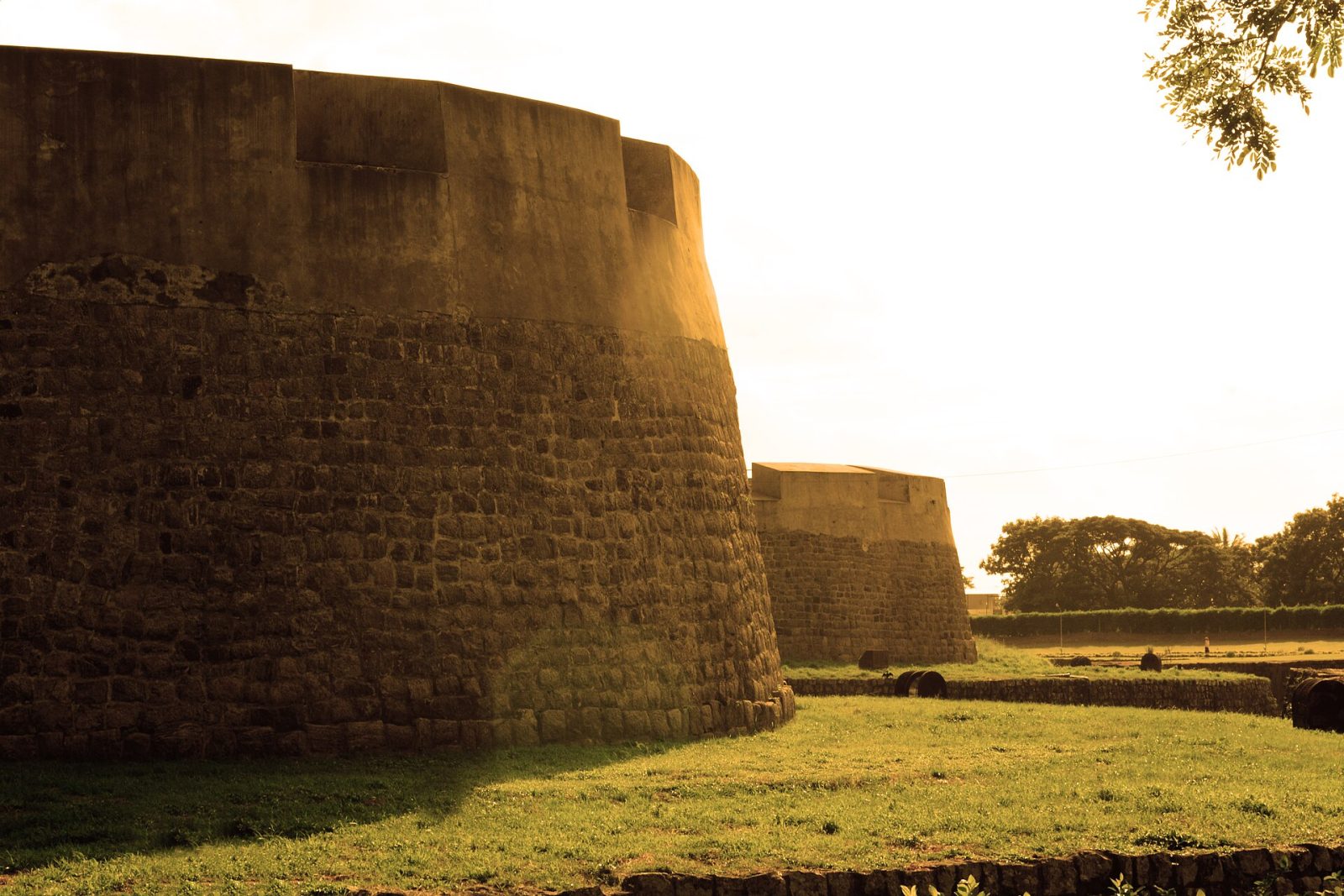
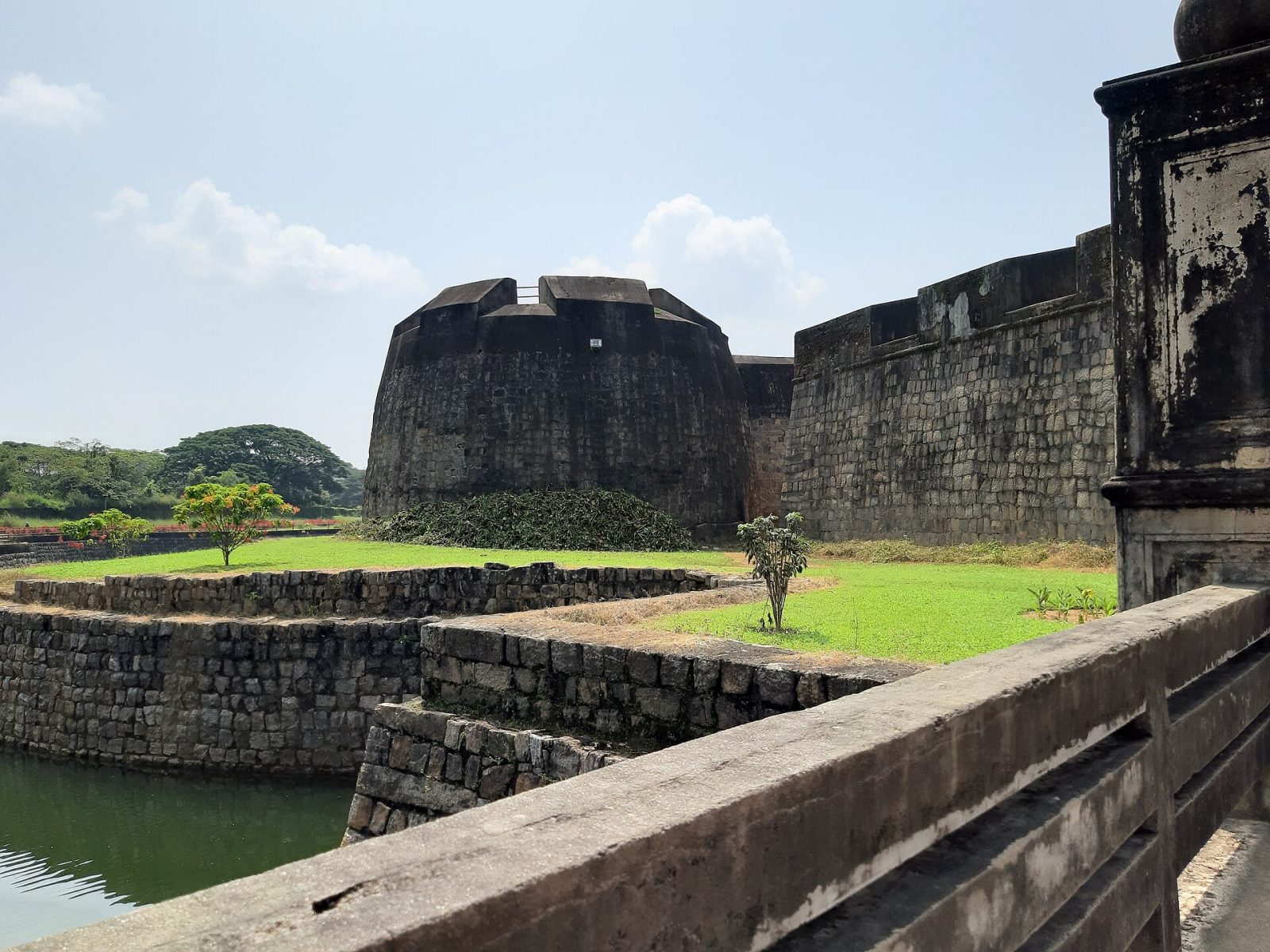
Palakkad Fort, also called Tipu's Fort, stands in the middle of Palakkad town beside the Palakkad Gap, the wide break in the Western Ghats that has always been the main route between Kerala and Tamil Nadu. Hyder Ali of Mysore built it in laterite and granite in 1766 to control that route, and it changed hands between Mysore forces and the British before being taken for good in 1790. The thick walls, bastions and moat are remarkably intact, and the Archaeological Survey of India now looks after it. Inside are a Hanuman temple, an open-air auditorium and a children's park, and the ramparts are a favourite evening walk for local families. Entry is free and it is open through the day.
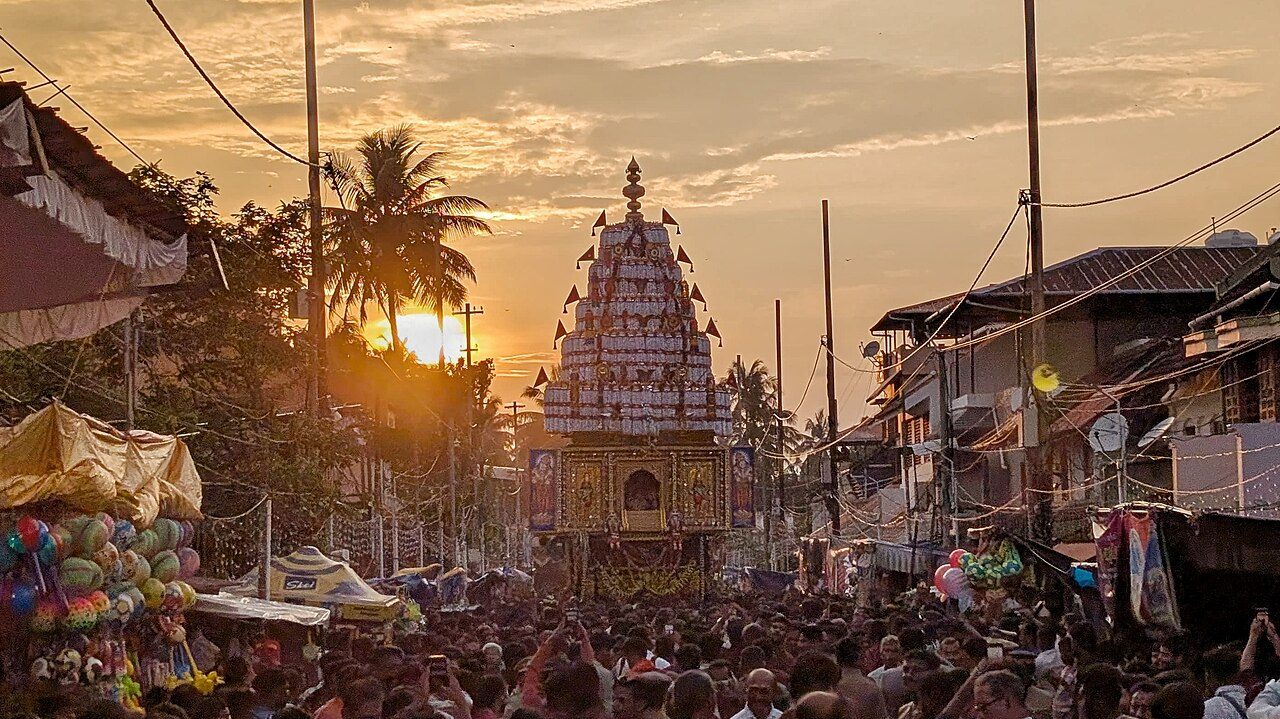
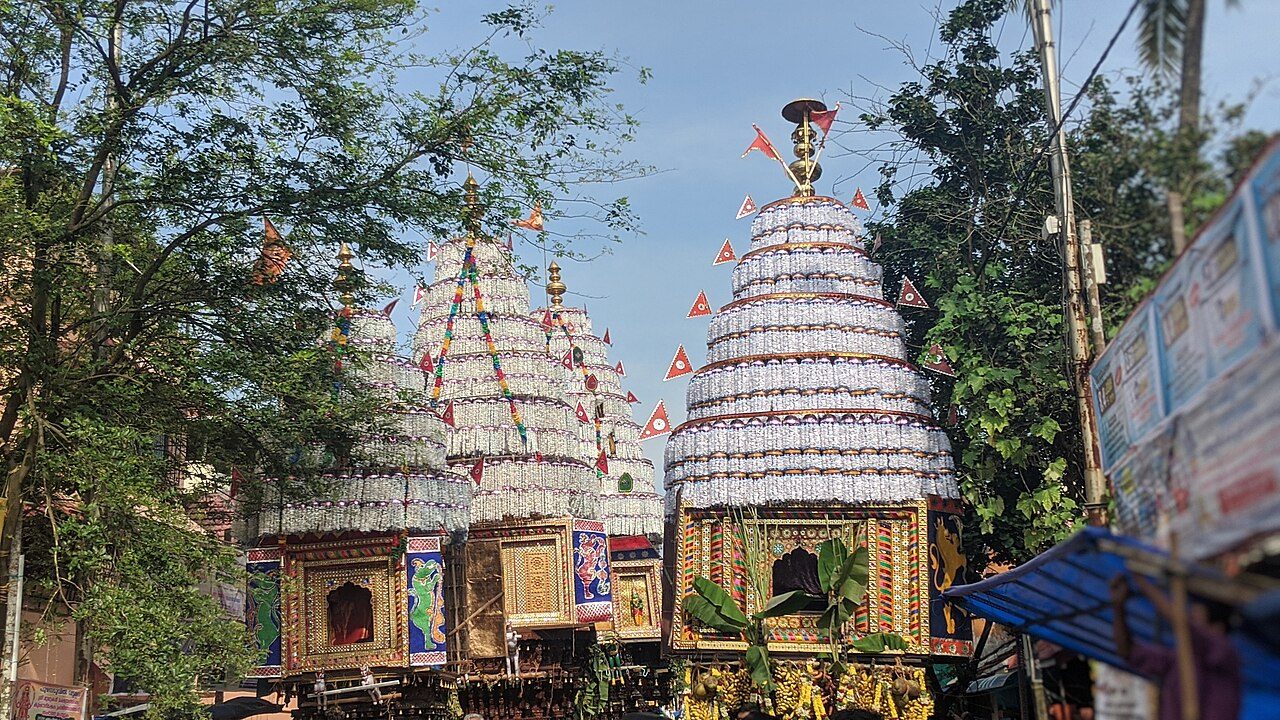
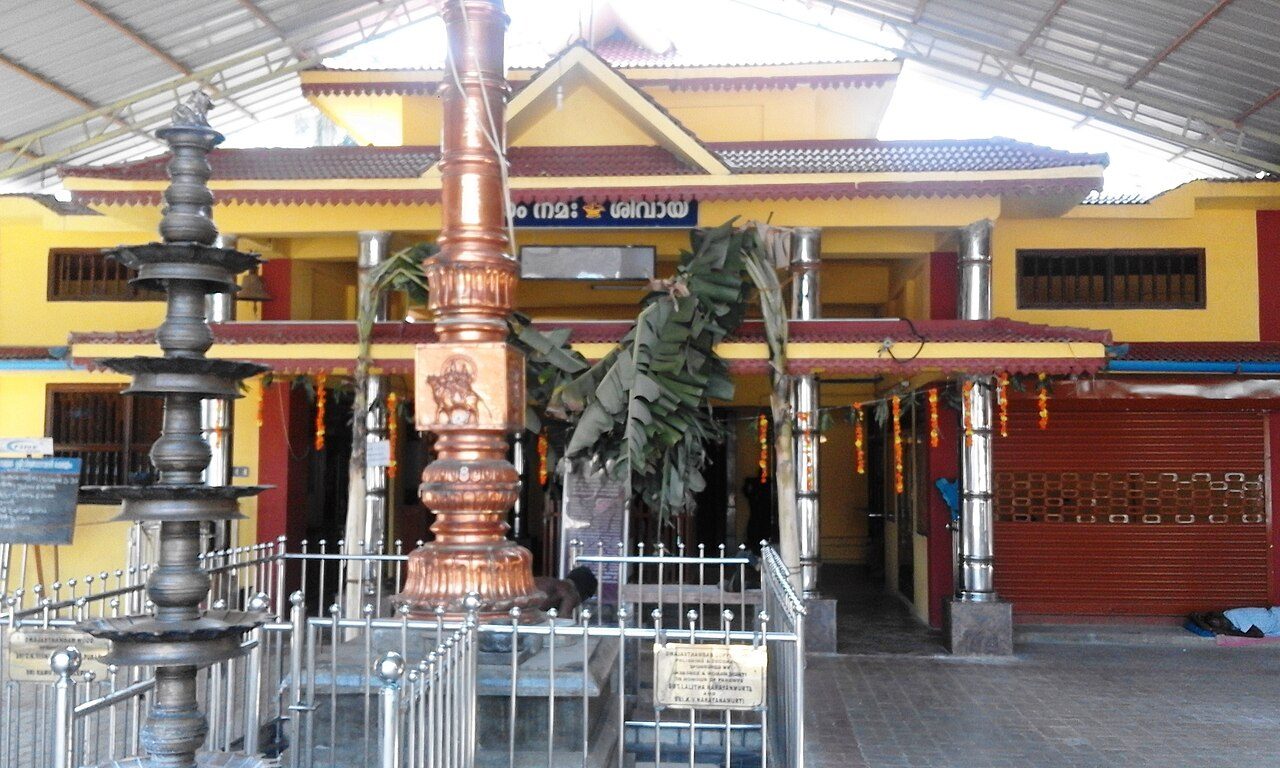
Kalpathy is a Tamil Brahmin agraharam on the bank of the Kalpathy River, with rows of tiled houses along narrow streets around the Viswanatha Swamy Temple. It was the first heritage village declared in Kerala, and the Ratholsavam chariot festival in November draws large crowds.
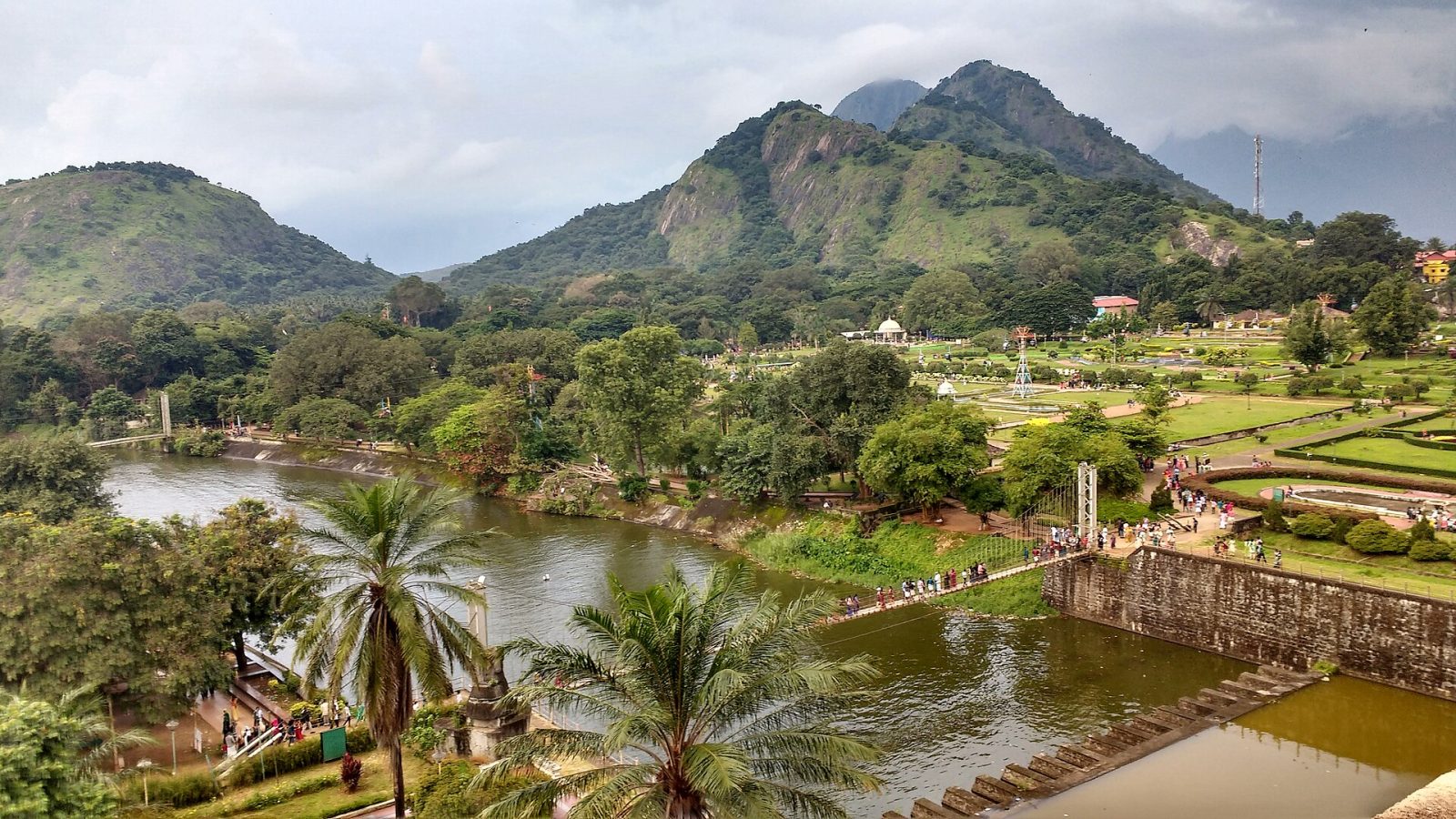
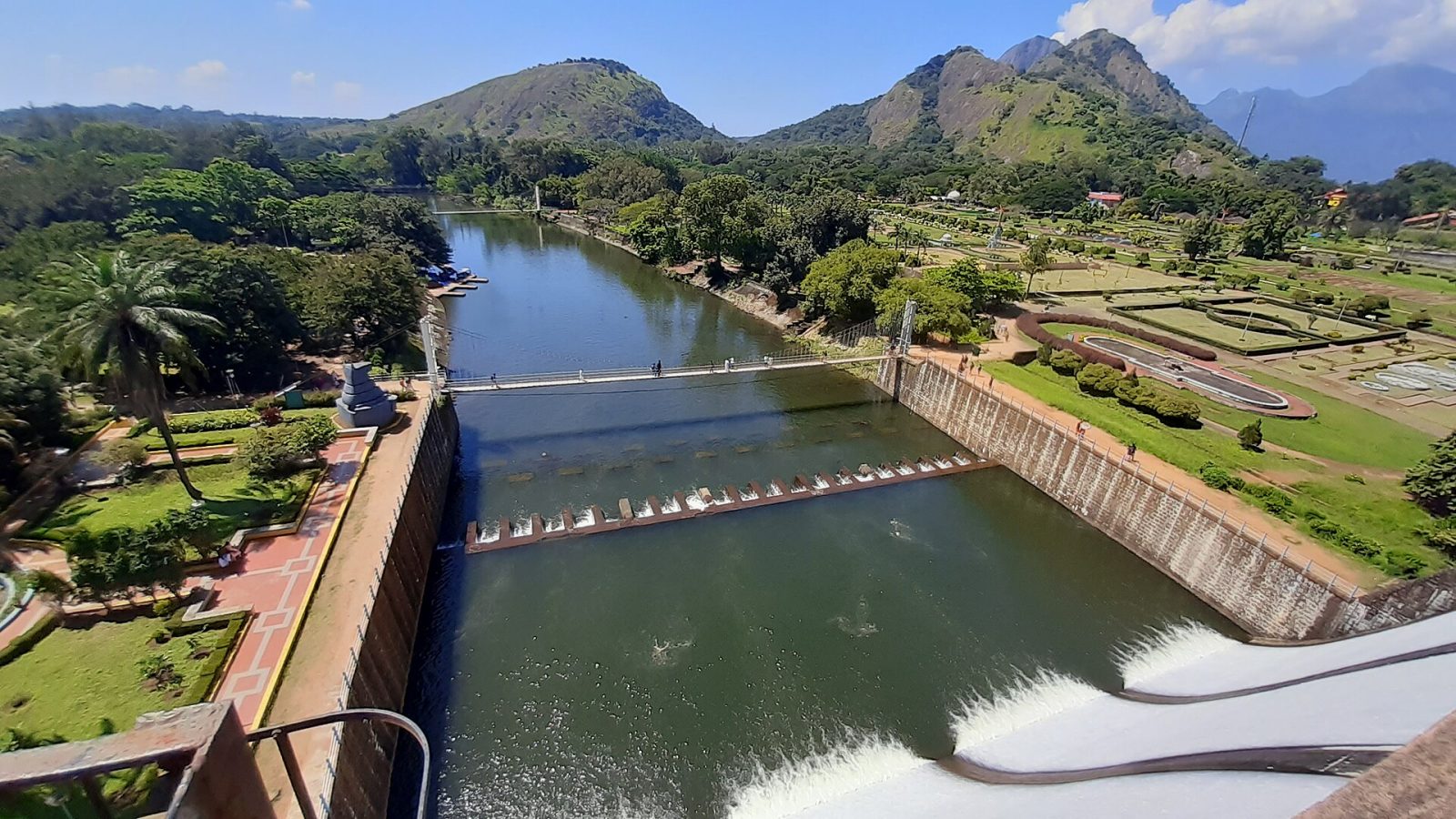
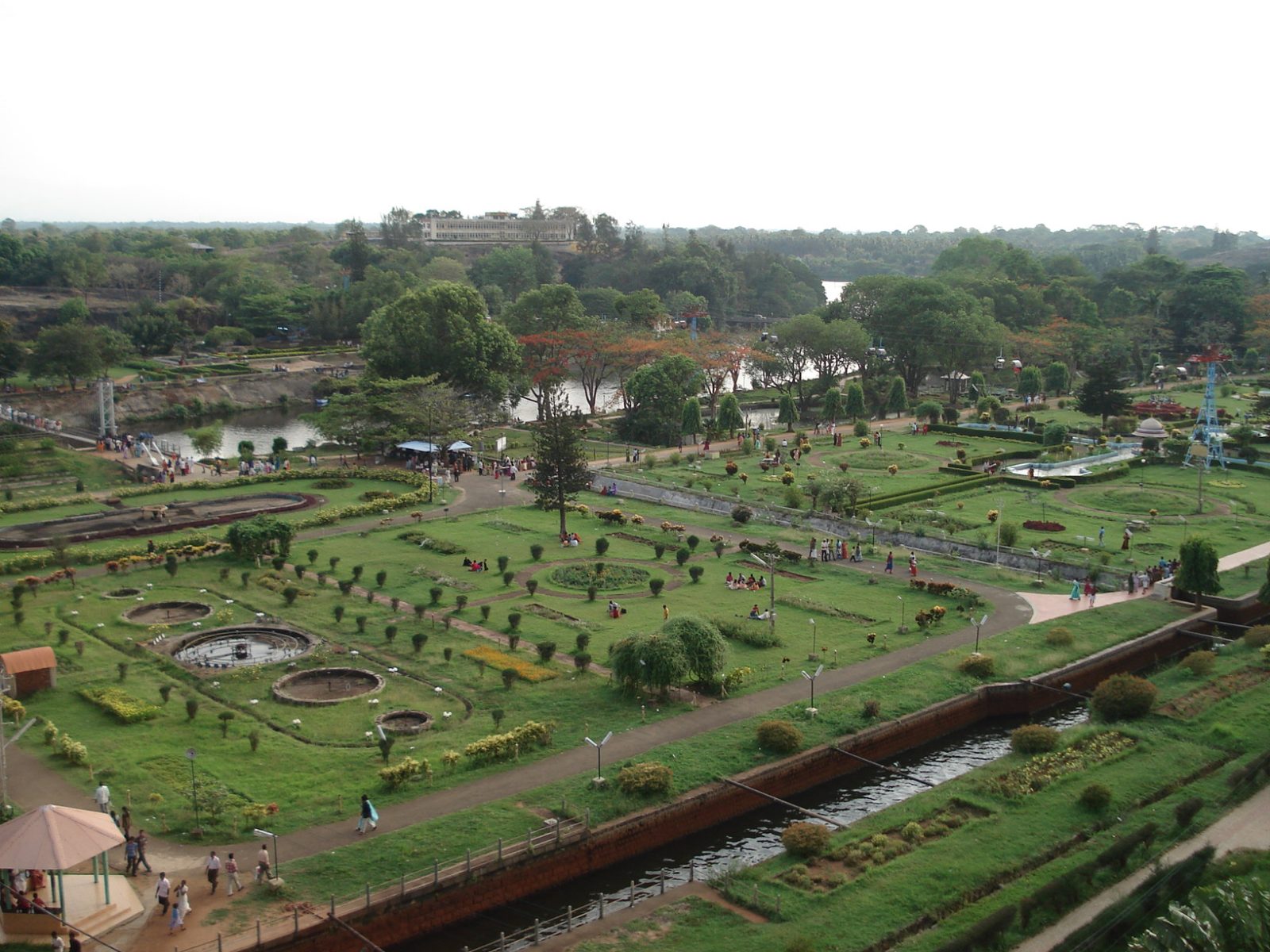
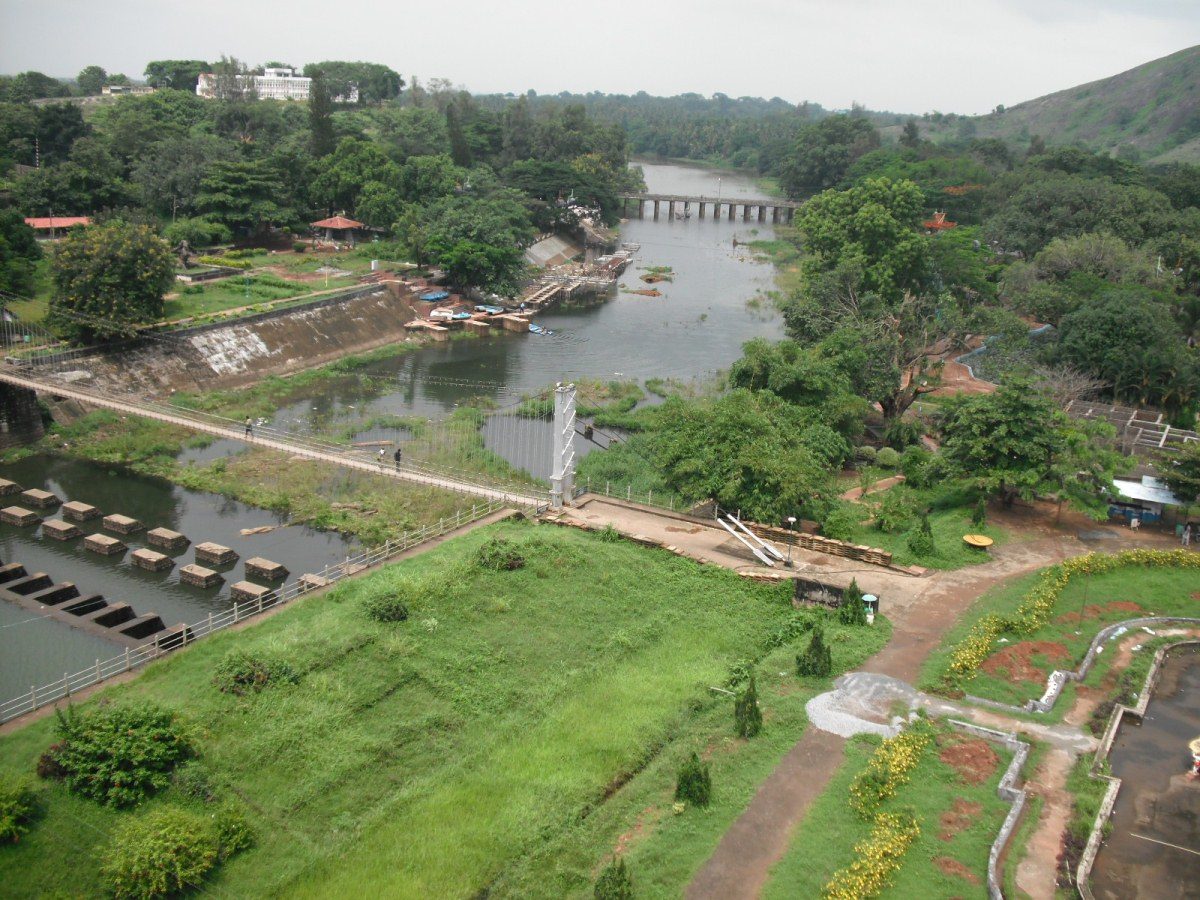
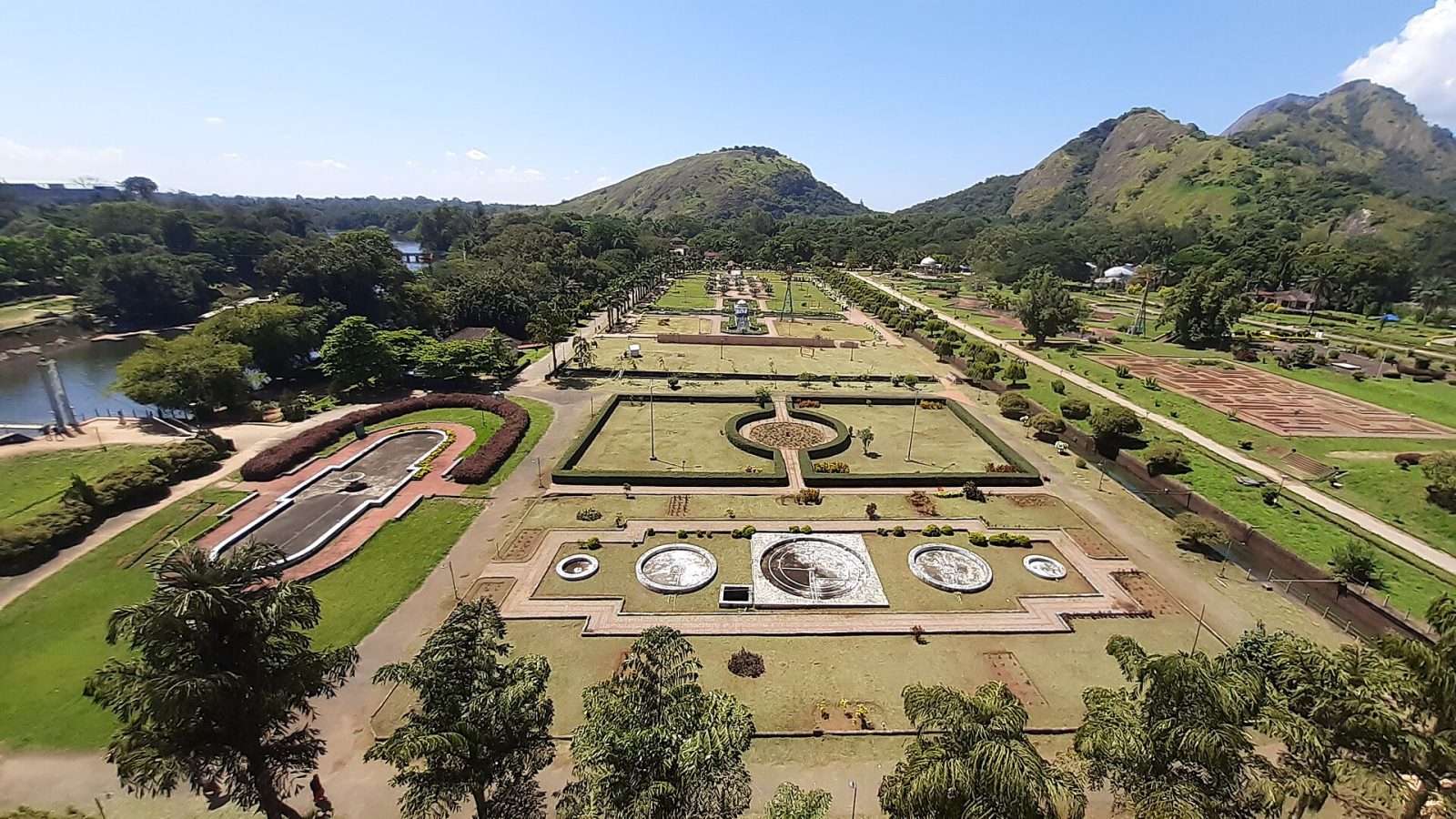
Malampuzha, about 10 km from Palakkad town, is the largest reservoir in Kerala, built in the 1950s across a tributary of the Bharathapuzha to irrigate the paddy fields of the district. Below the dam is a large landscaped garden with fountains, a rock garden made from broken bangles, tiles and used cans by the artist Nek Chand, and the well-known Yakshi sculpture by Kanayi Kunhiraman. A ropeway carries visitors over the gardens, and there is boating on the reservoir with the Western Ghats rising behind. It is a family destination rather than a wilderness one, busiest at weekends and holidays. Evenings are cooler and best for the fountain and the views.
Best weather: Nov – Feb
Seasons from 20 years of NASA POWER climate data.
Was this trip blog helpful?
0
0
Ready to follow this route?
Copy all 10 stops into your trip plans in the app.
 WaTrips