Central Karnataka Forts & Temples: Chitradurga to Anjanadri in 4 Days
4 DAYS8 placesby WaTrips
Chitradurga's seven-walled stone fort, Harihar and Hangal temples, Ballari's hill fort and sloth bears at Daroji, then Anjanadri and Itagi.
This route crosses the middle of Karnataka, where granite hills rise from flat farmland. Day one is the Vani Vilasa Sagara dam and Chitradurga Fort, a huge fort built across a boulder hill with seven rings of walls. On day two, see the Harihareshwara Temple at Harihar and the Kadamba-style Tarakeshwara Temple at Hangal. Day three climbs Ballari Fort and goes to the Daroji sanctuary at dusk to watch sloth bears come out on the rocks. On the last day climb the 575 steps of Anjanadri Hill near Hampi, believed to be Hanuman's birthplace, for a famous sunset, and see the Itagi Mahadeva Temple, once called the 'emperor among temples'. Start the hill climbs early to avoid the heat.
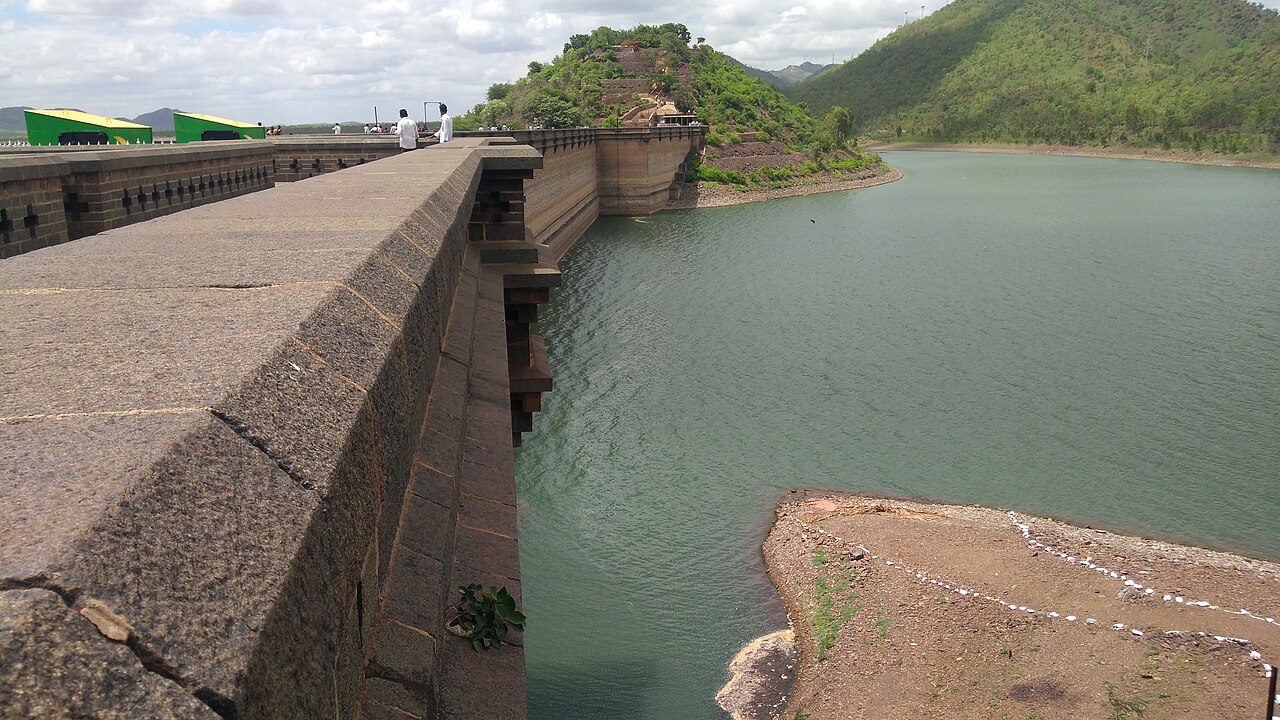
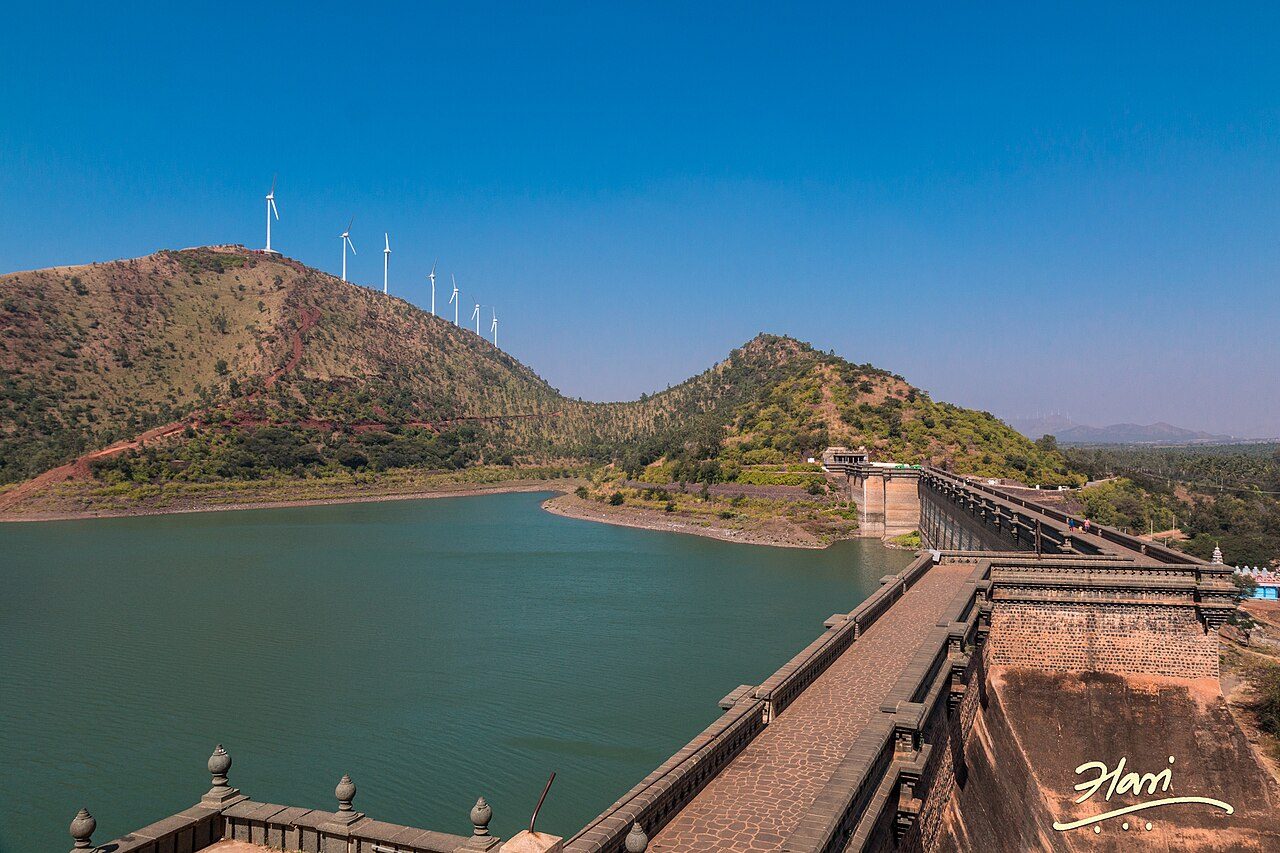
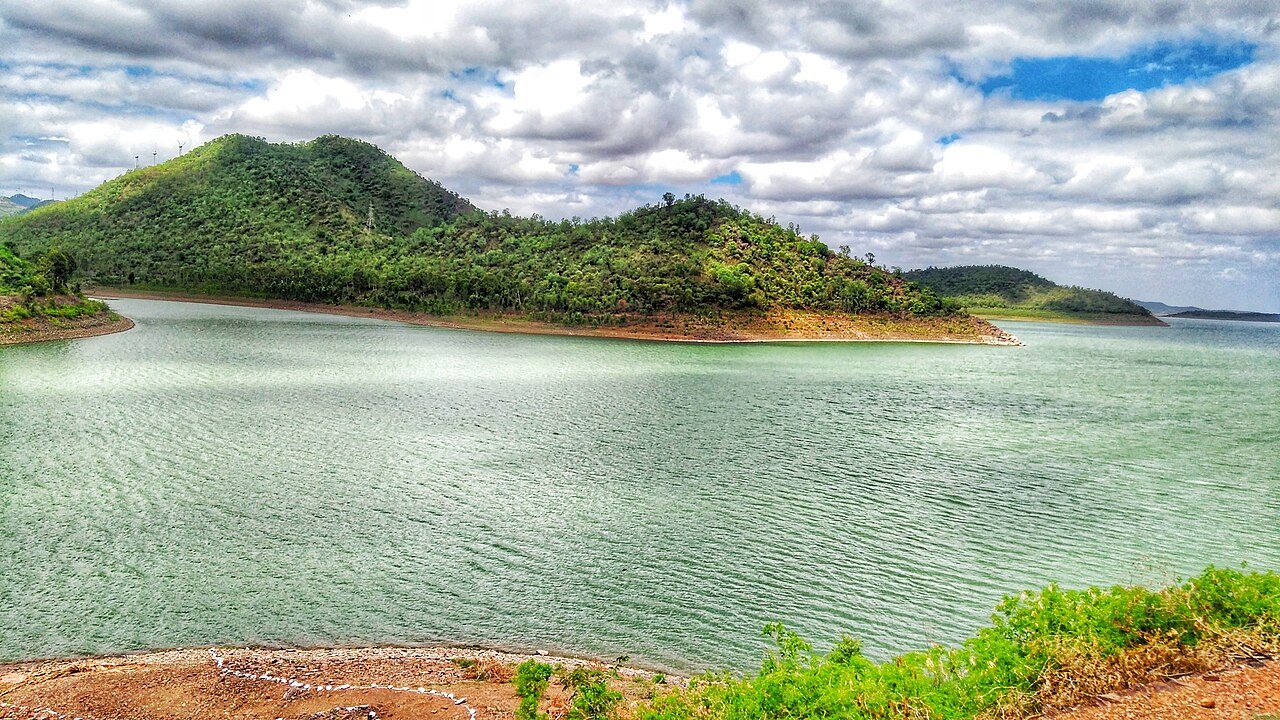
Built in 1907 across the Vedavathi river near Hiriyur, Vani Vilasa Sagara, also called Mari Kanive, is the oldest dam in Karnataka, constructed by the Mysore kingdom. Hills surround the reservoir, and a garden and viewpoint near the dam make it a peaceful stop.
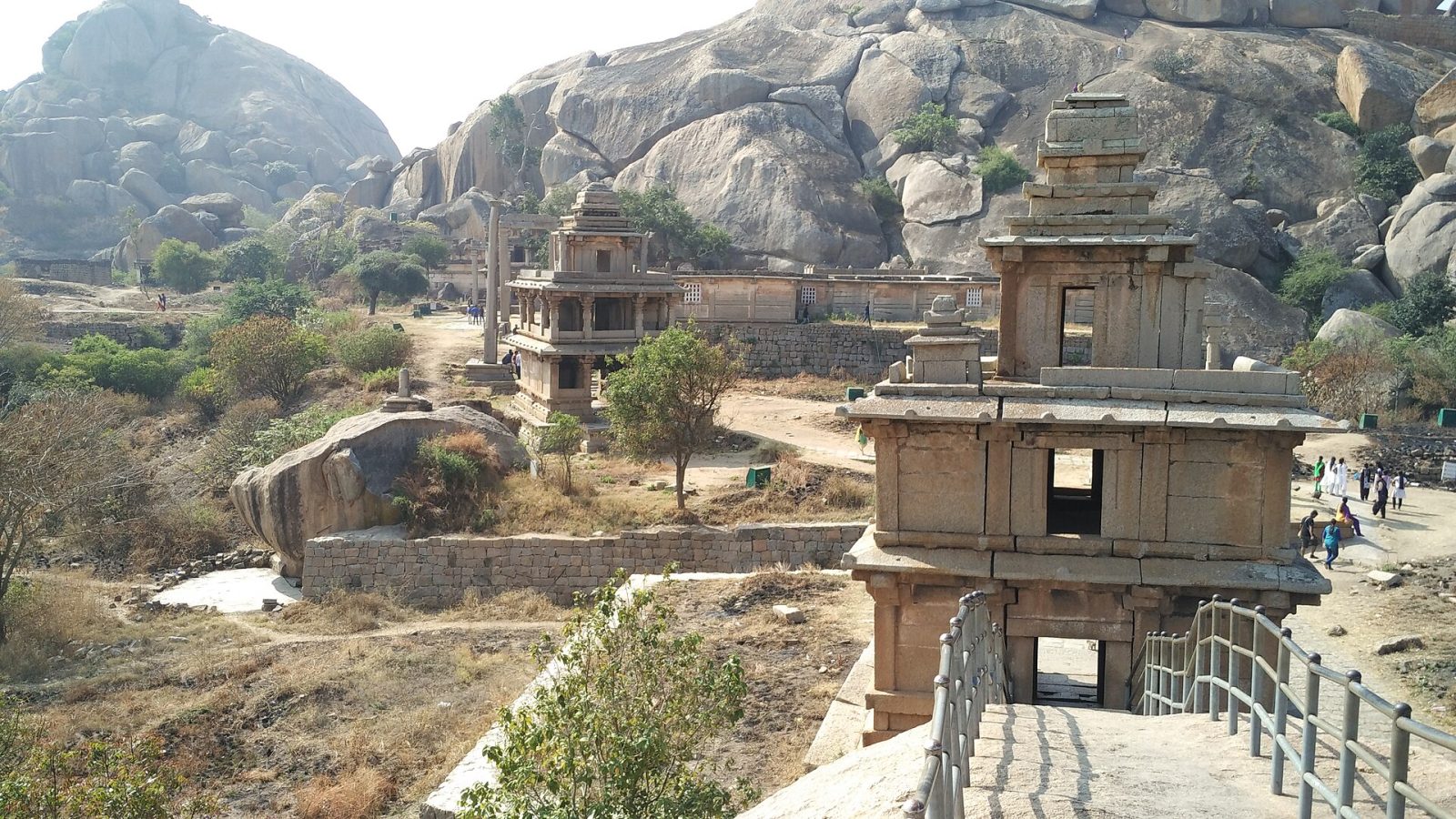
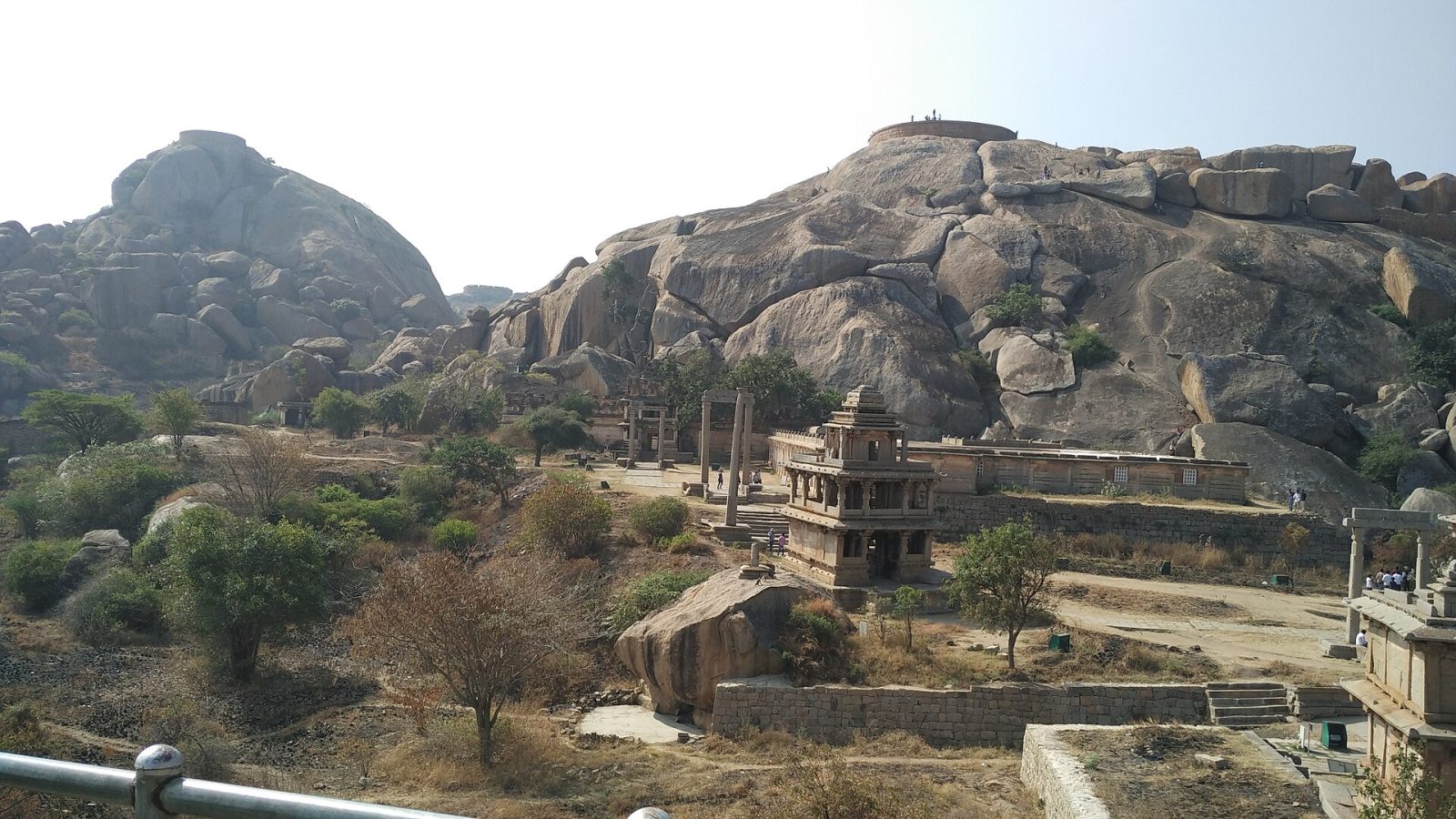
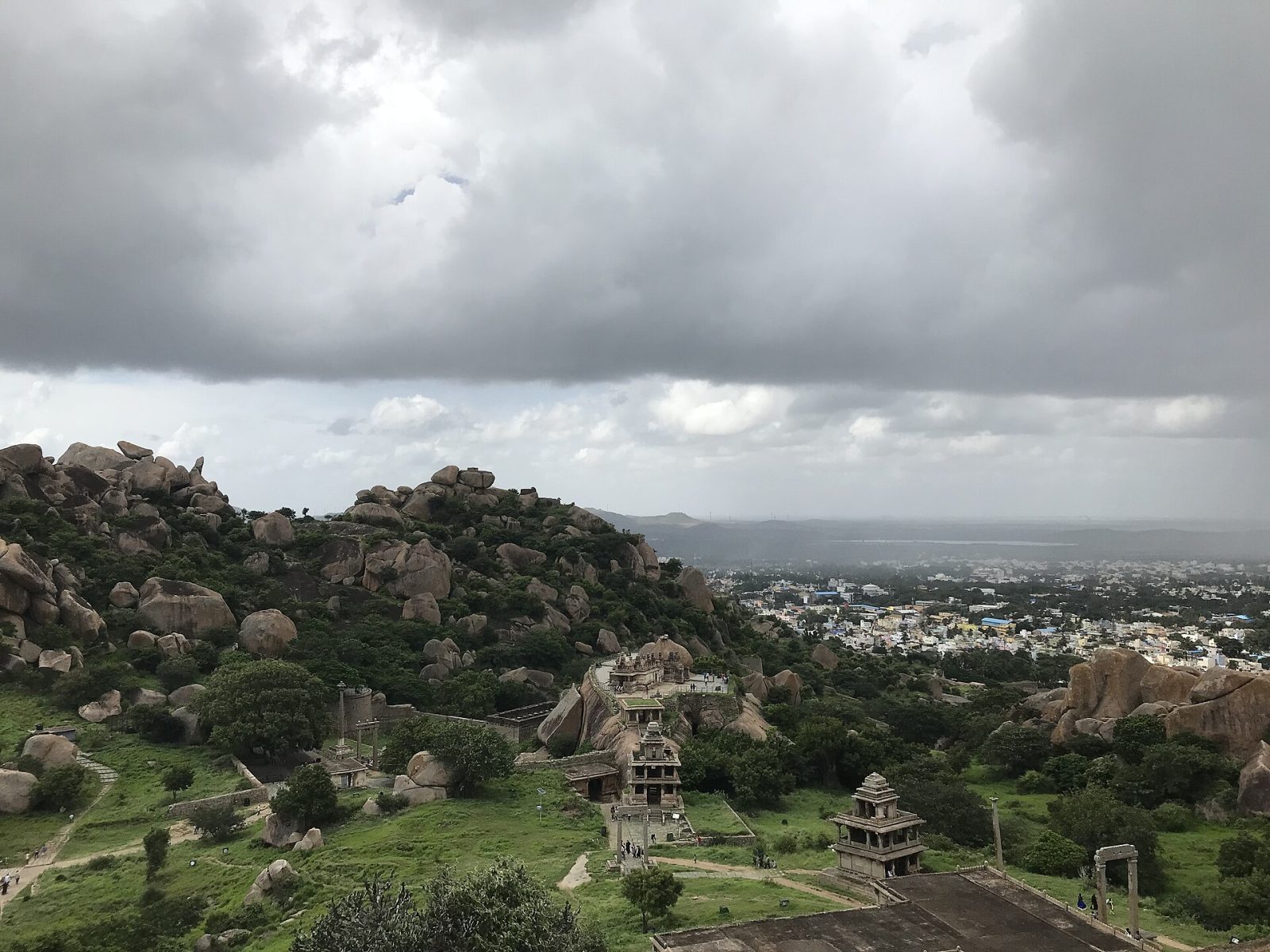
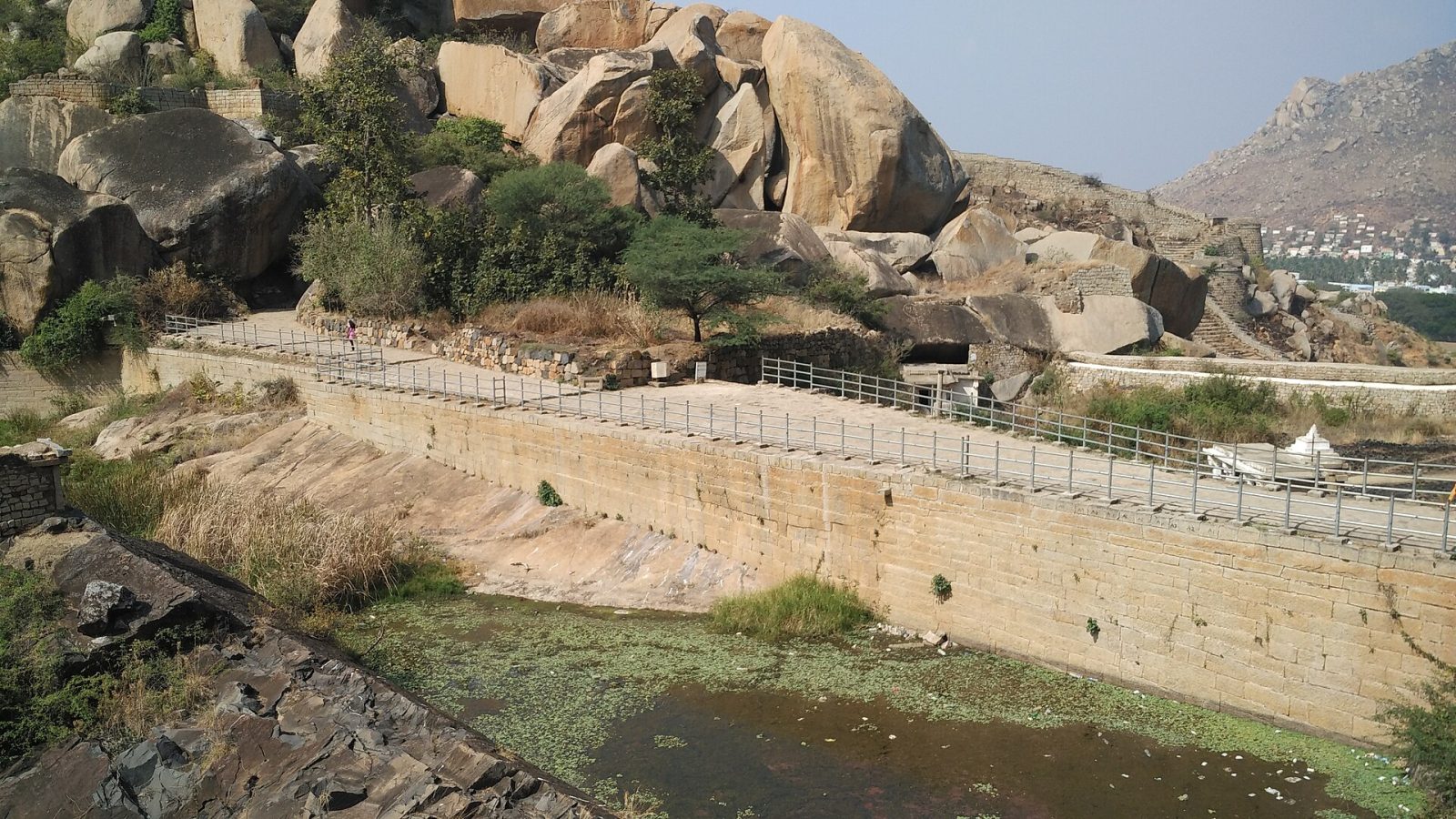
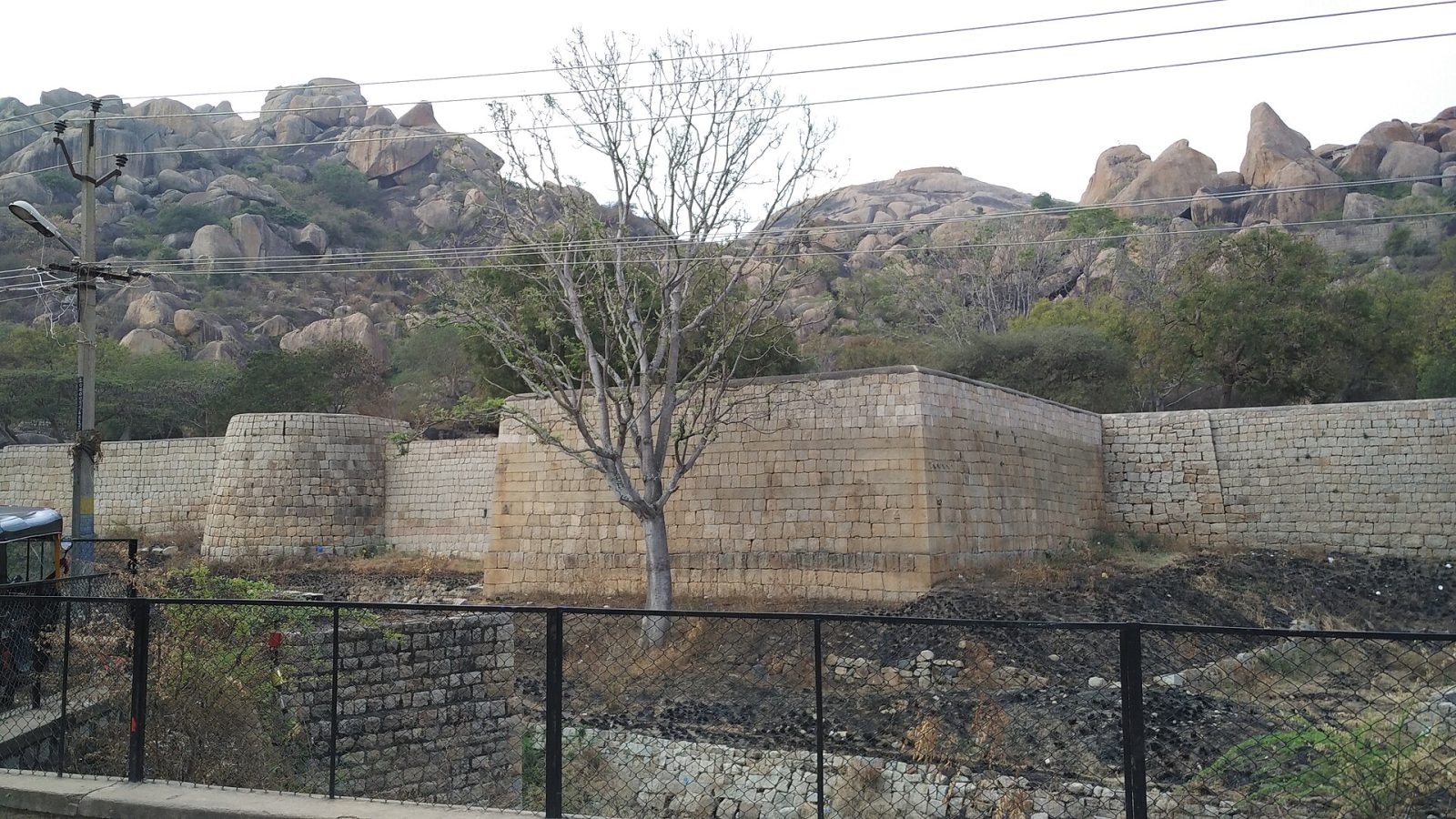
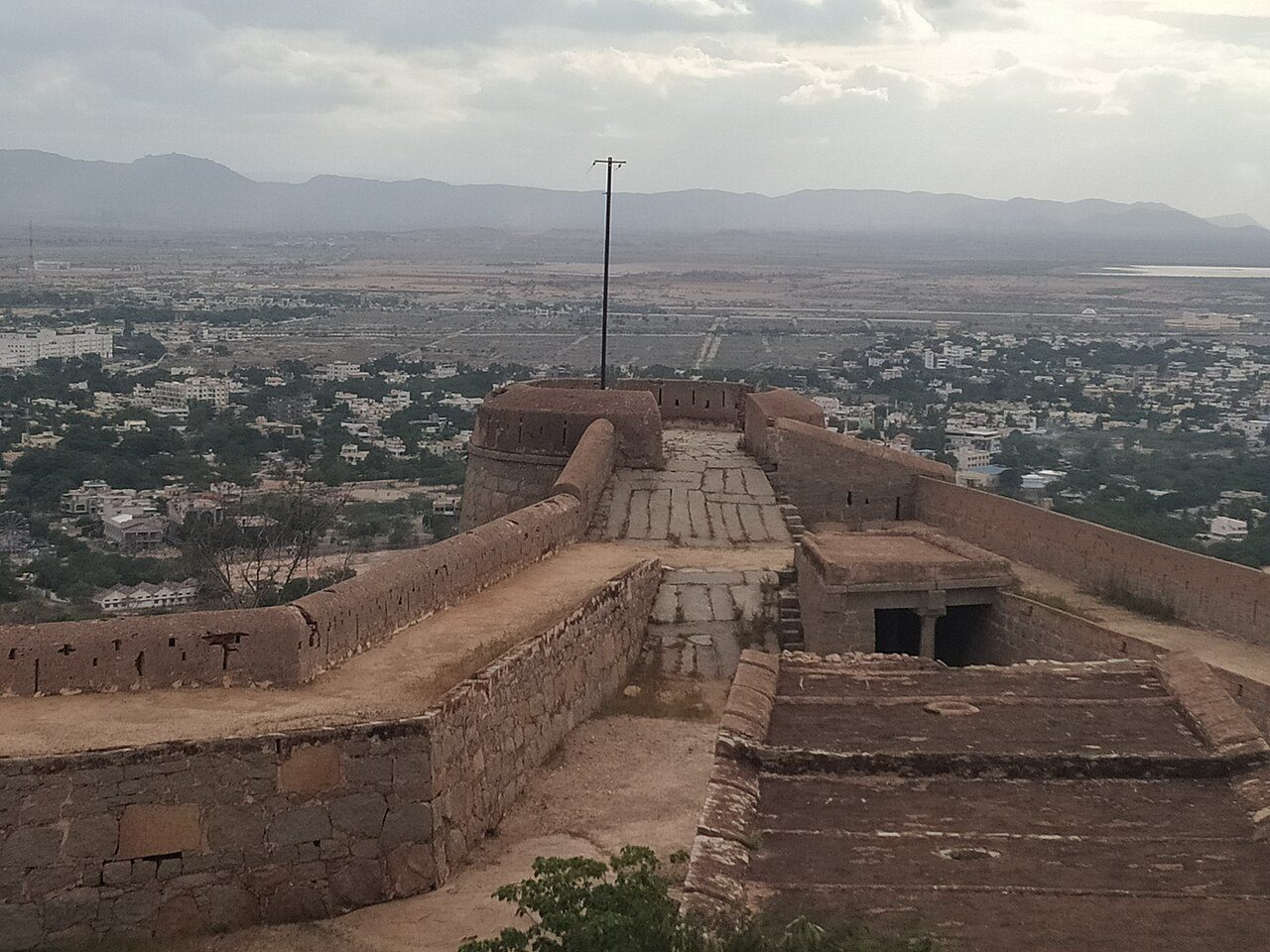
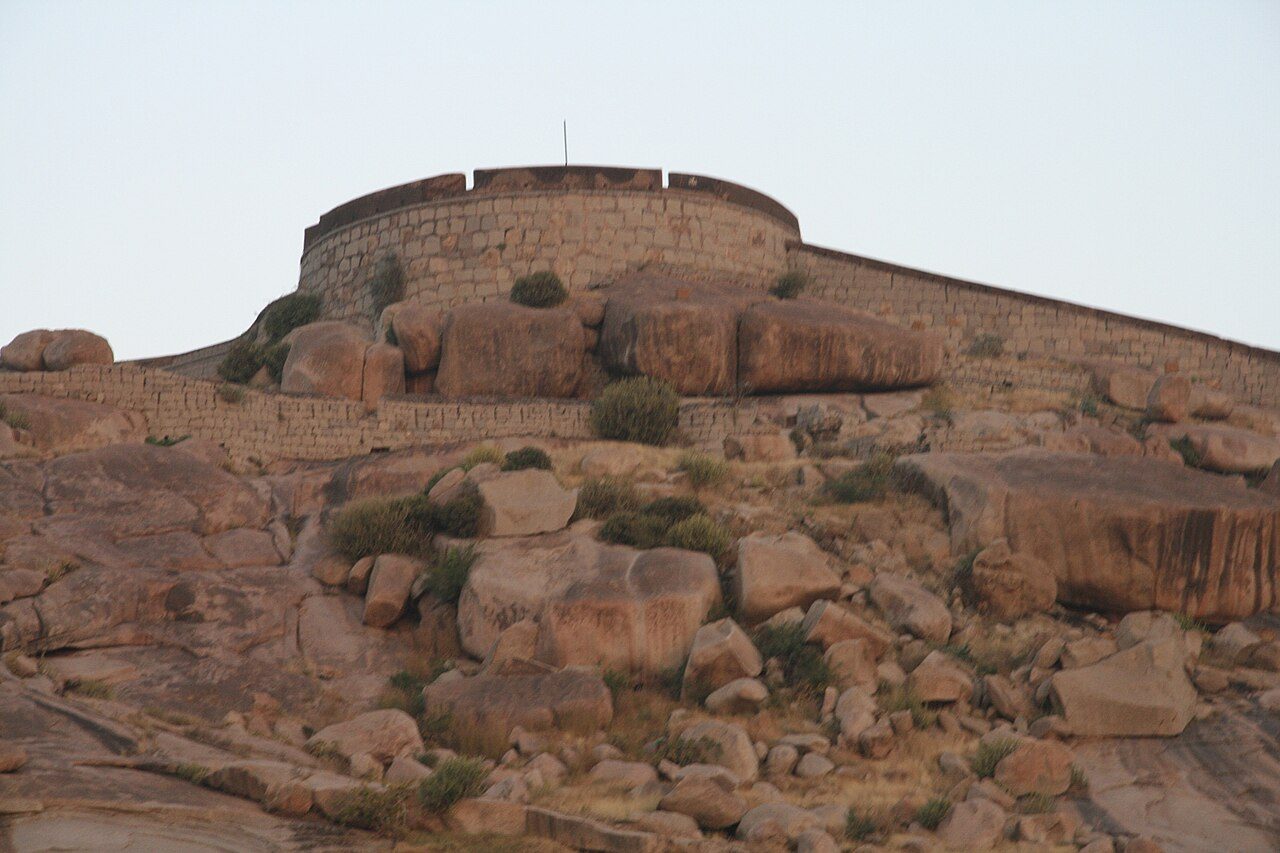
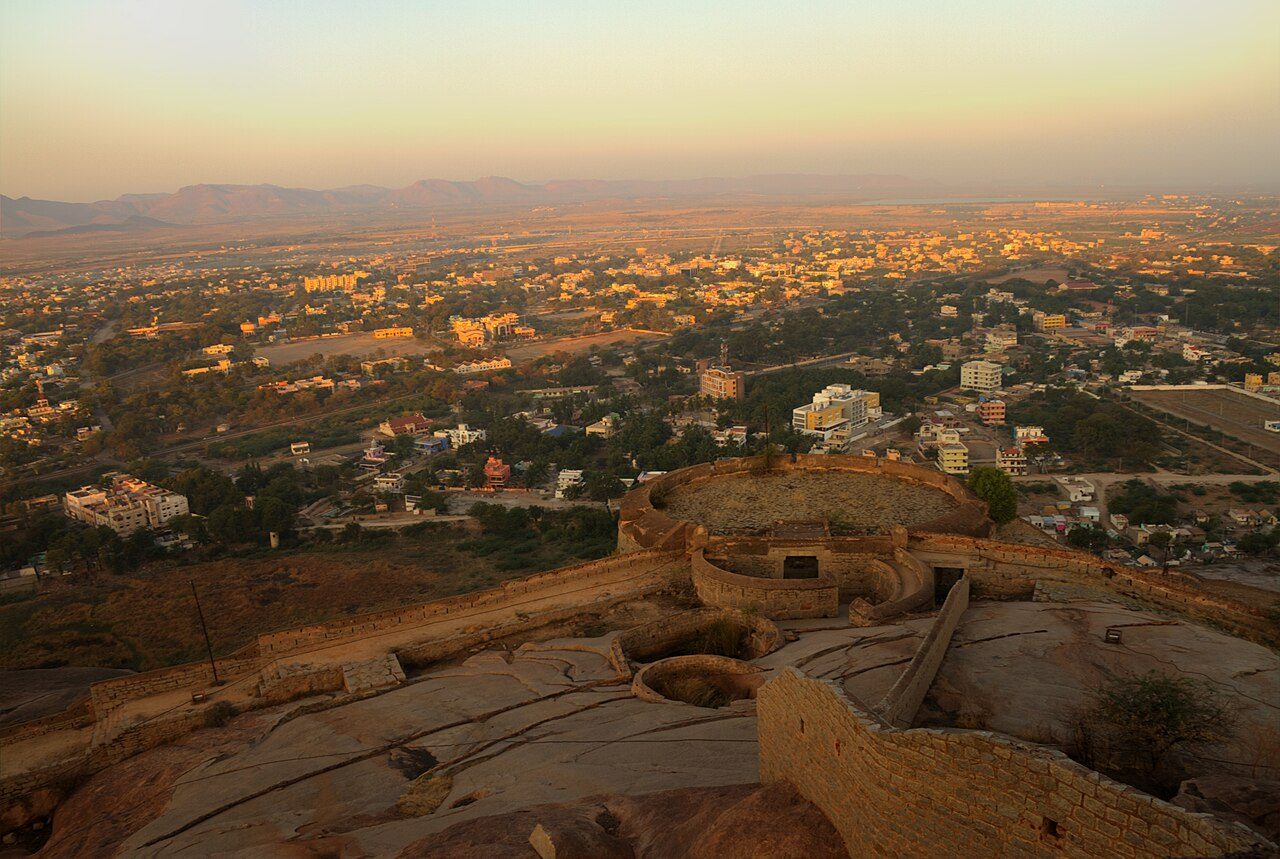
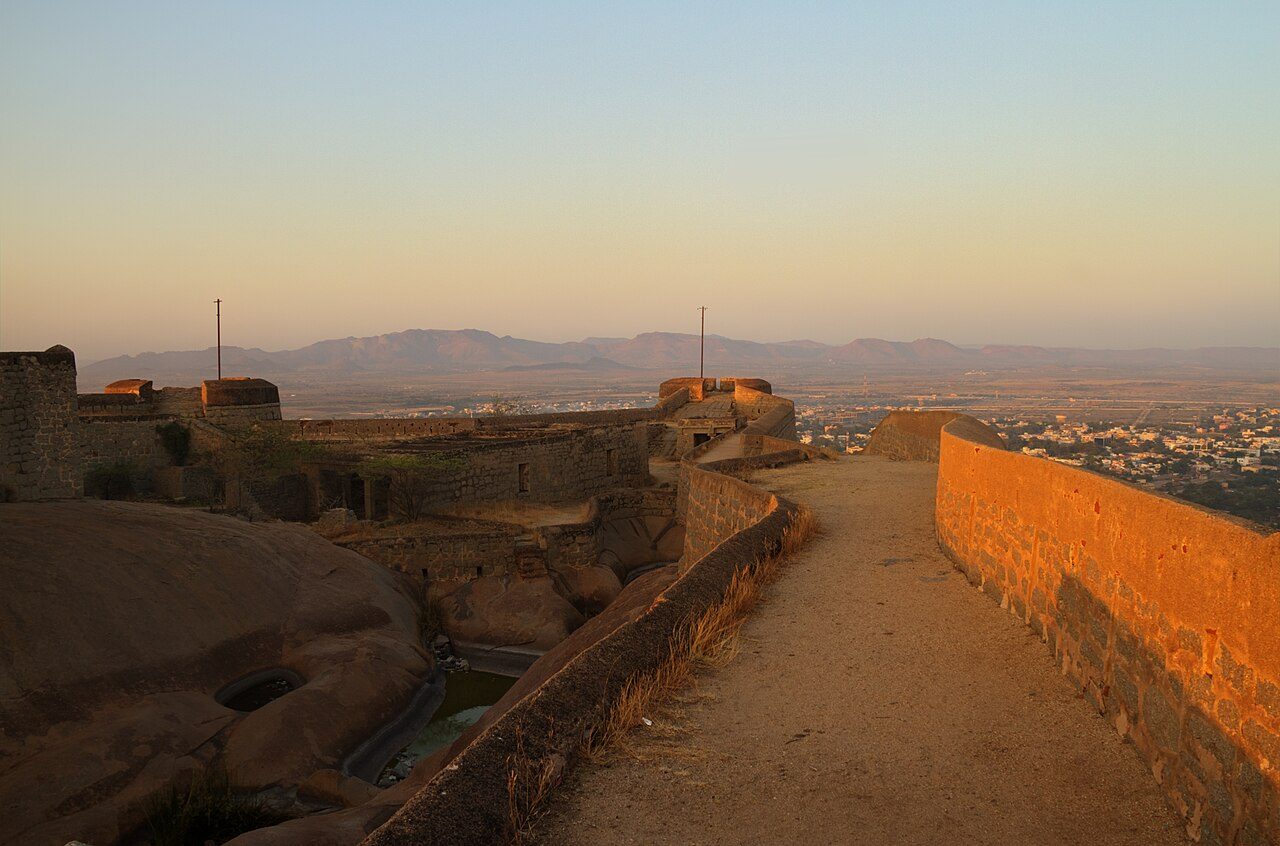
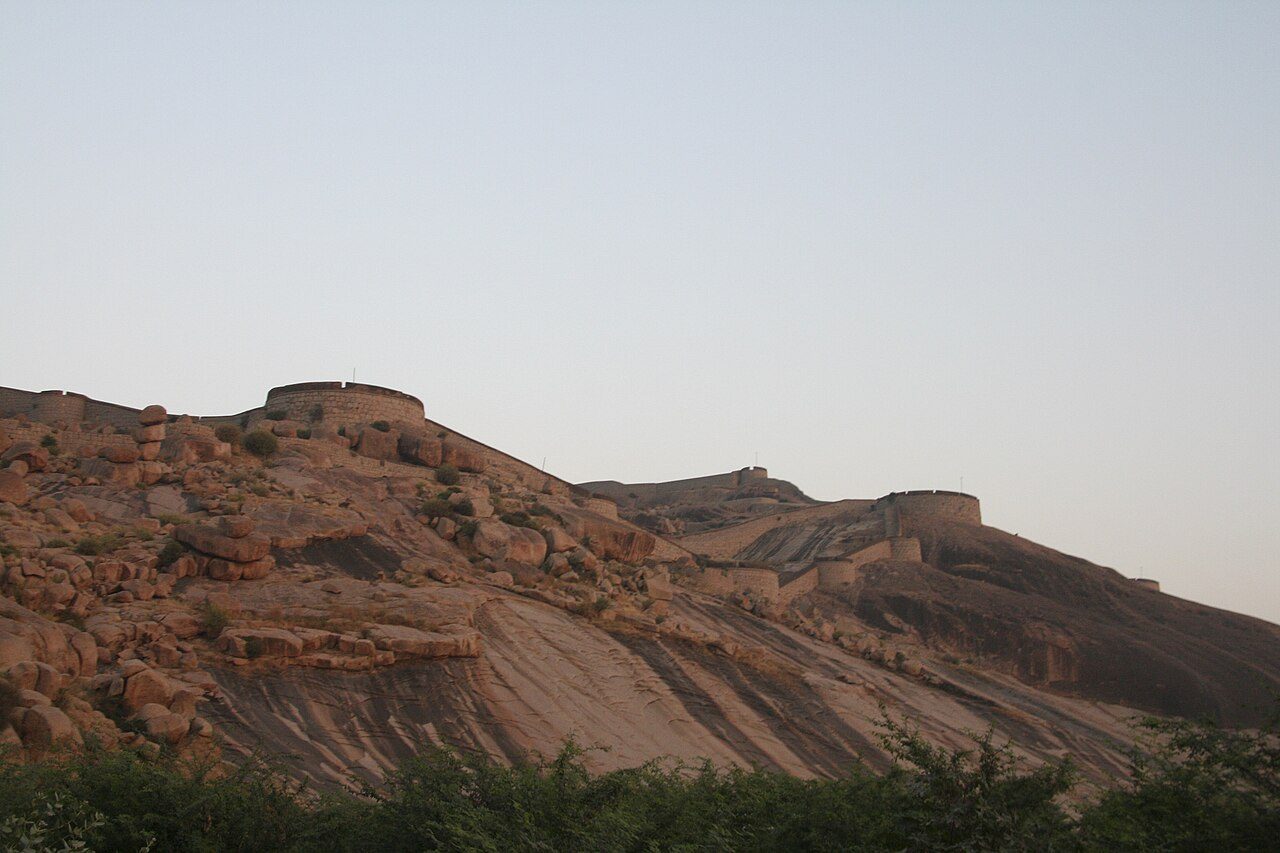
Chitradurga Fort, known locally as Elusuttina Kote, the fort of seven circles, spreads over a group of granite hills in central Karnataka. Its walls run for kilometres between natural boulders, with nineteen gateways, watchtowers, temples, granaries and a clever system of rock-cut tanks that collected rainwater and kept the garrison supplied through sieges. Built up over centuries by local chiefs and completed under the Nayakas, it finally fell to Hyder Ali in 1779. It is also remembered for Obavva, a woman who is said to have defended a narrow gap in the wall single-handed with a wooden pestle. The climb through the gates takes a couple of hours and shade is limited, so go early.
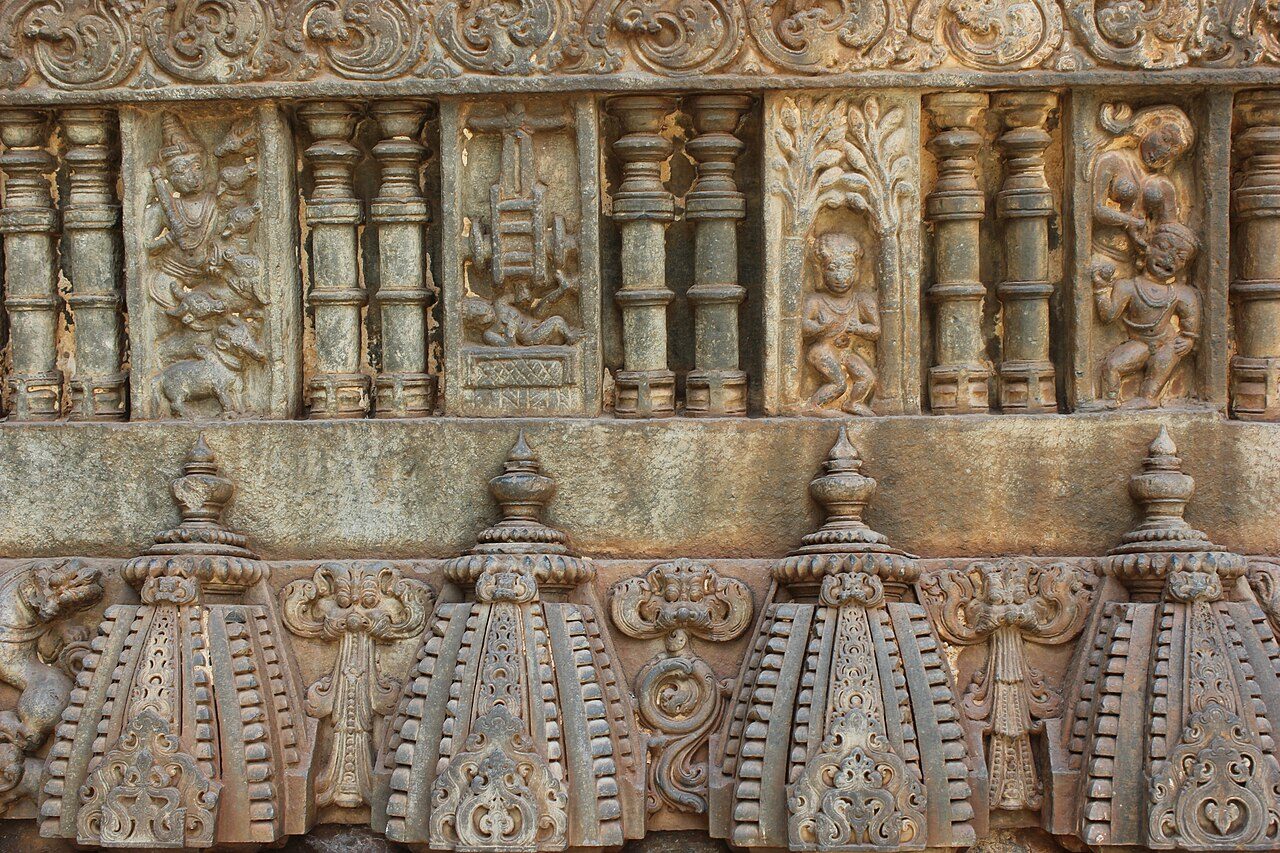
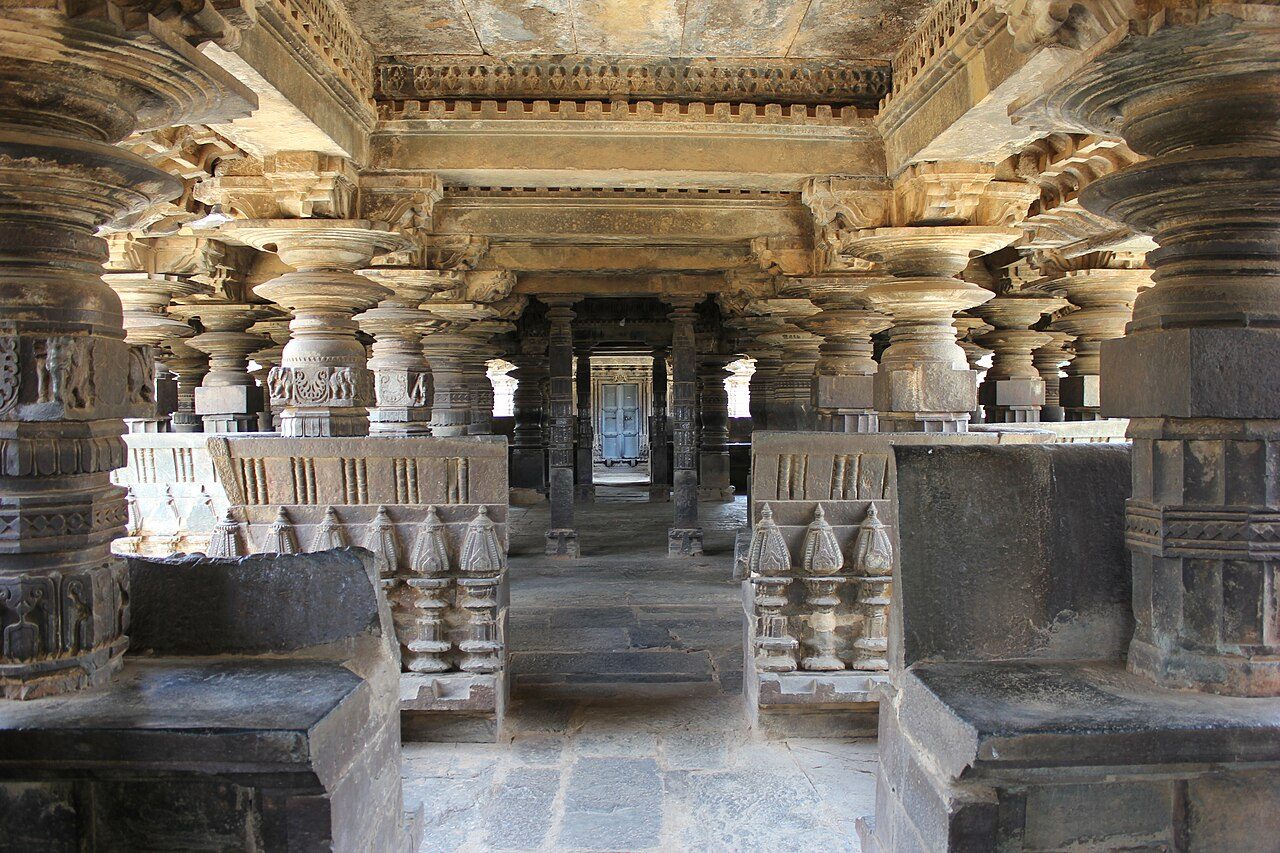
Built in 1224 under the Hoysala kings on the banks of the Tungabhadra, this temple is dedicated to Harihara, a form that combines Vishnu and Shiva in a single image. Its pillared hall and fine carving show the Hoysala style at its height. The town of Harihar takes its name from the temple.
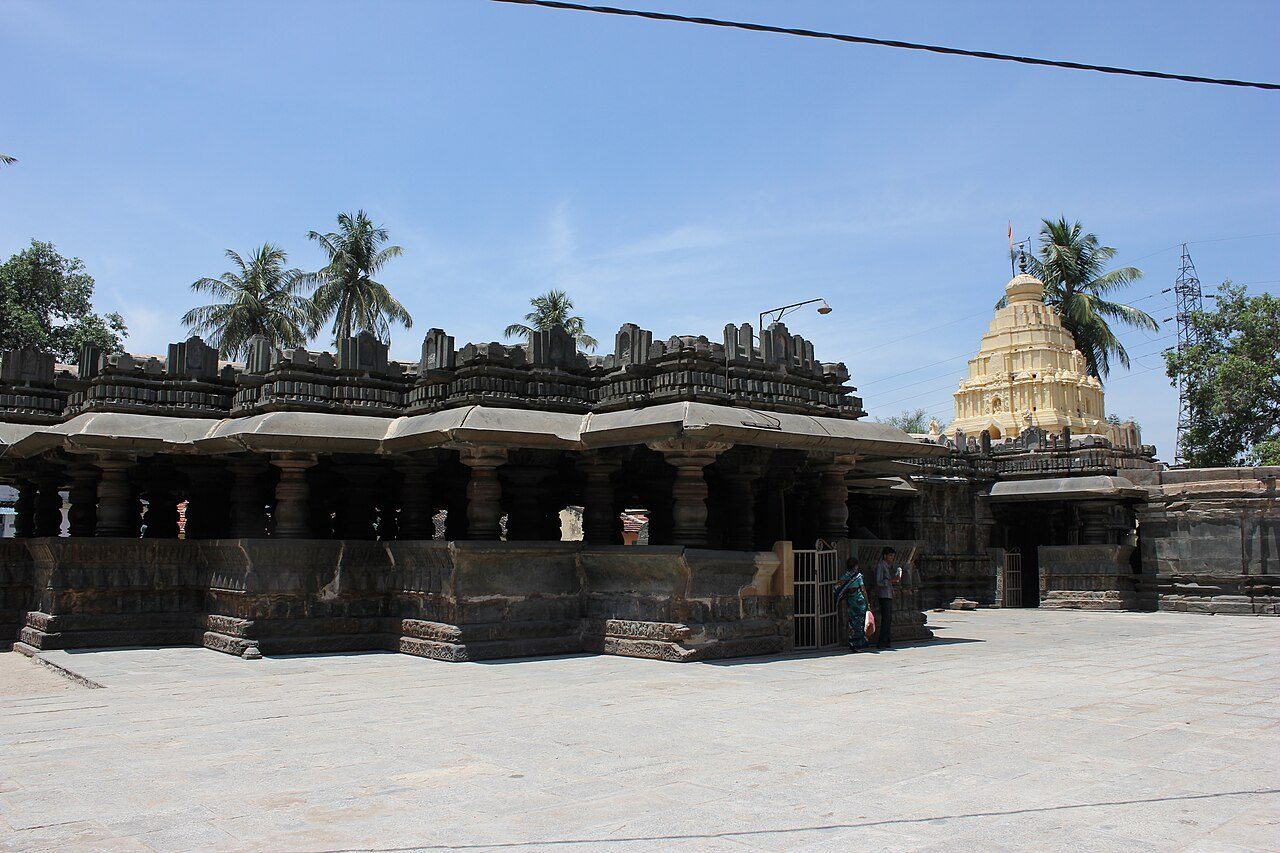
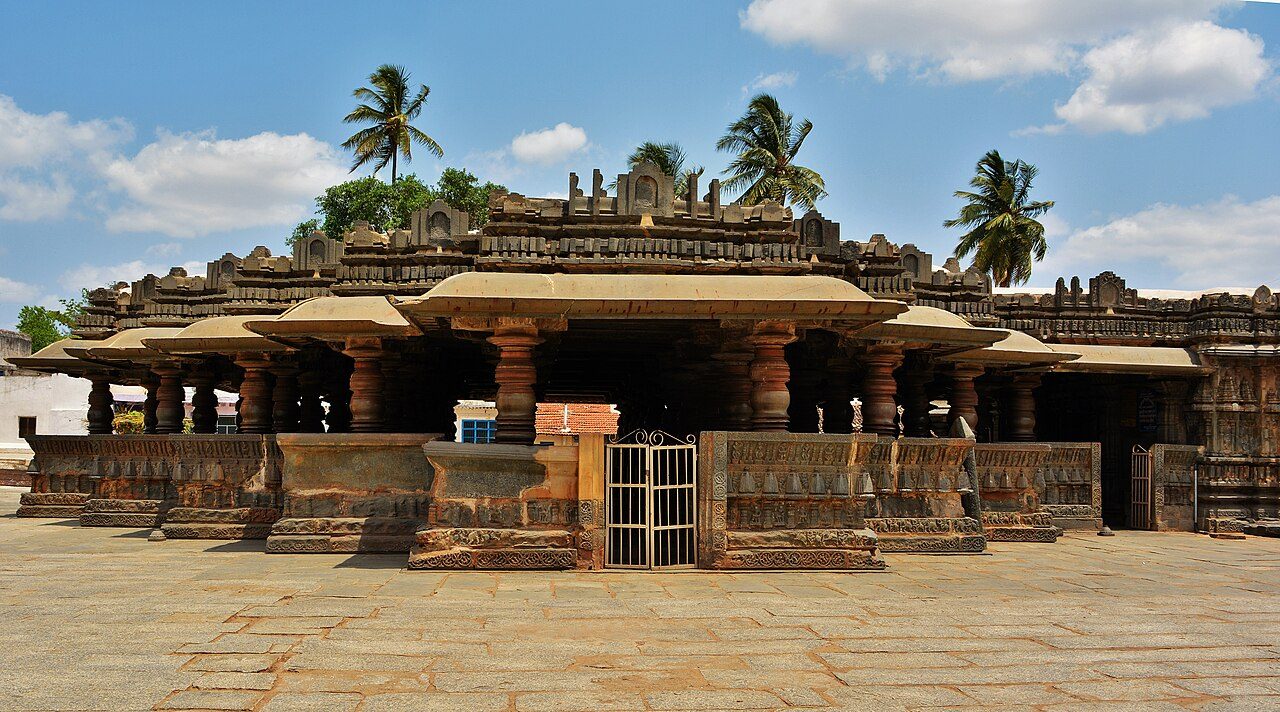
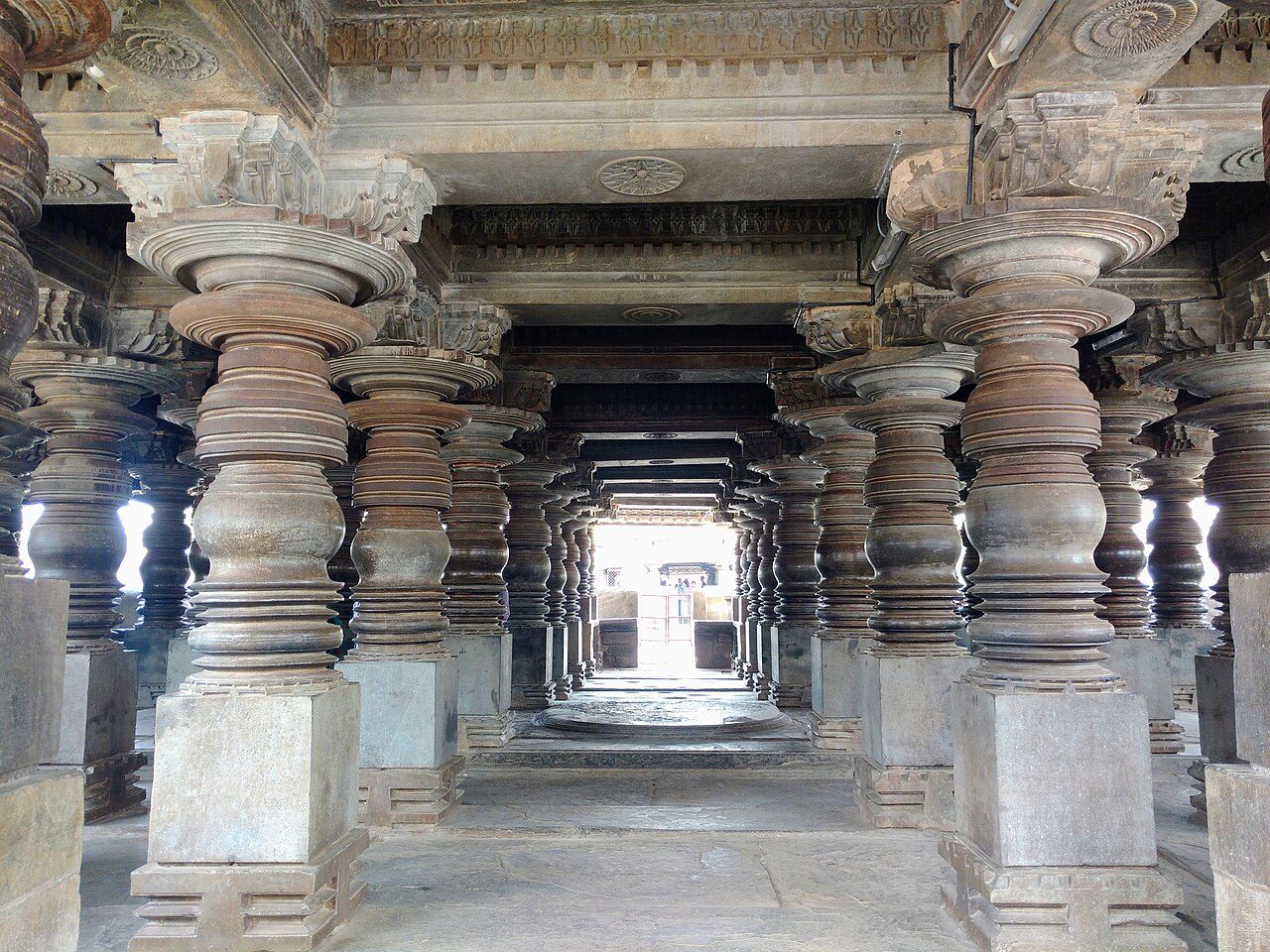
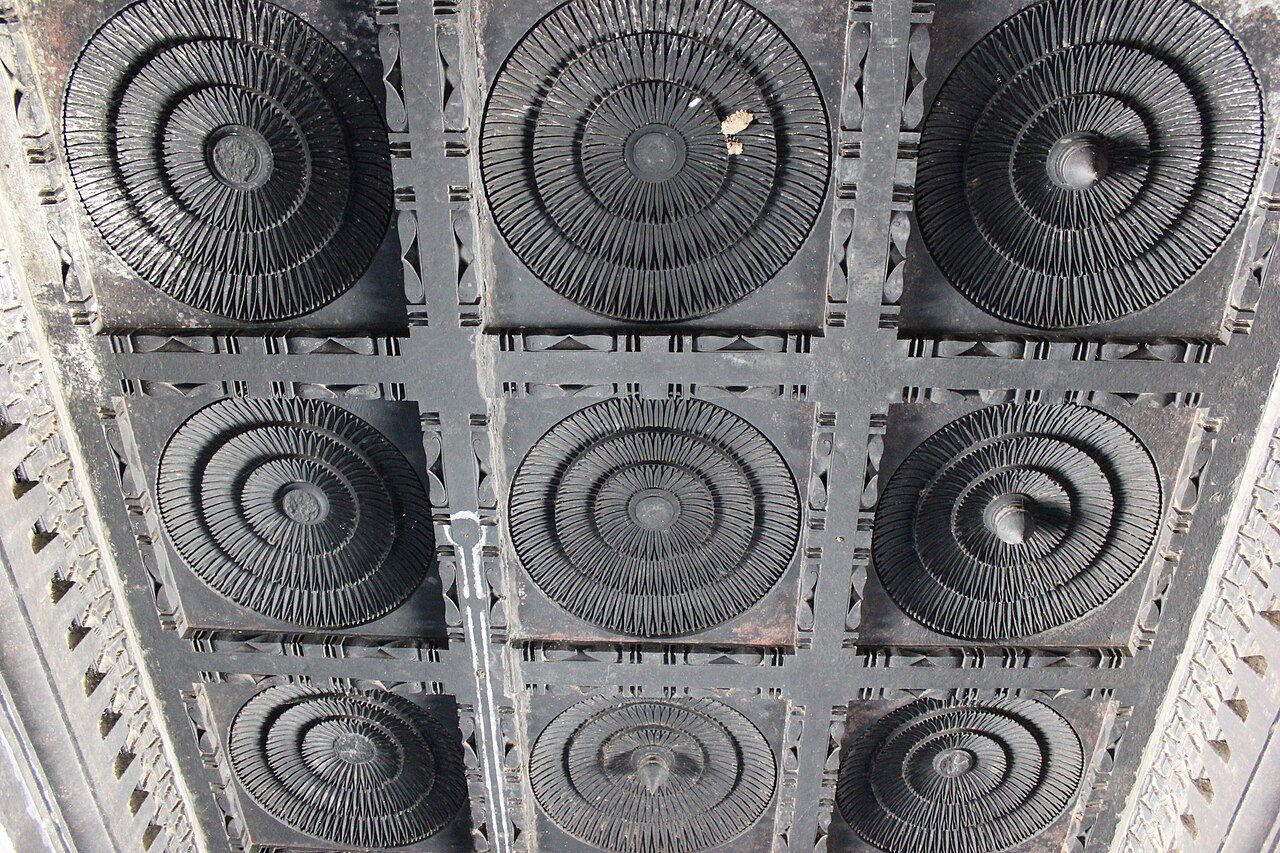
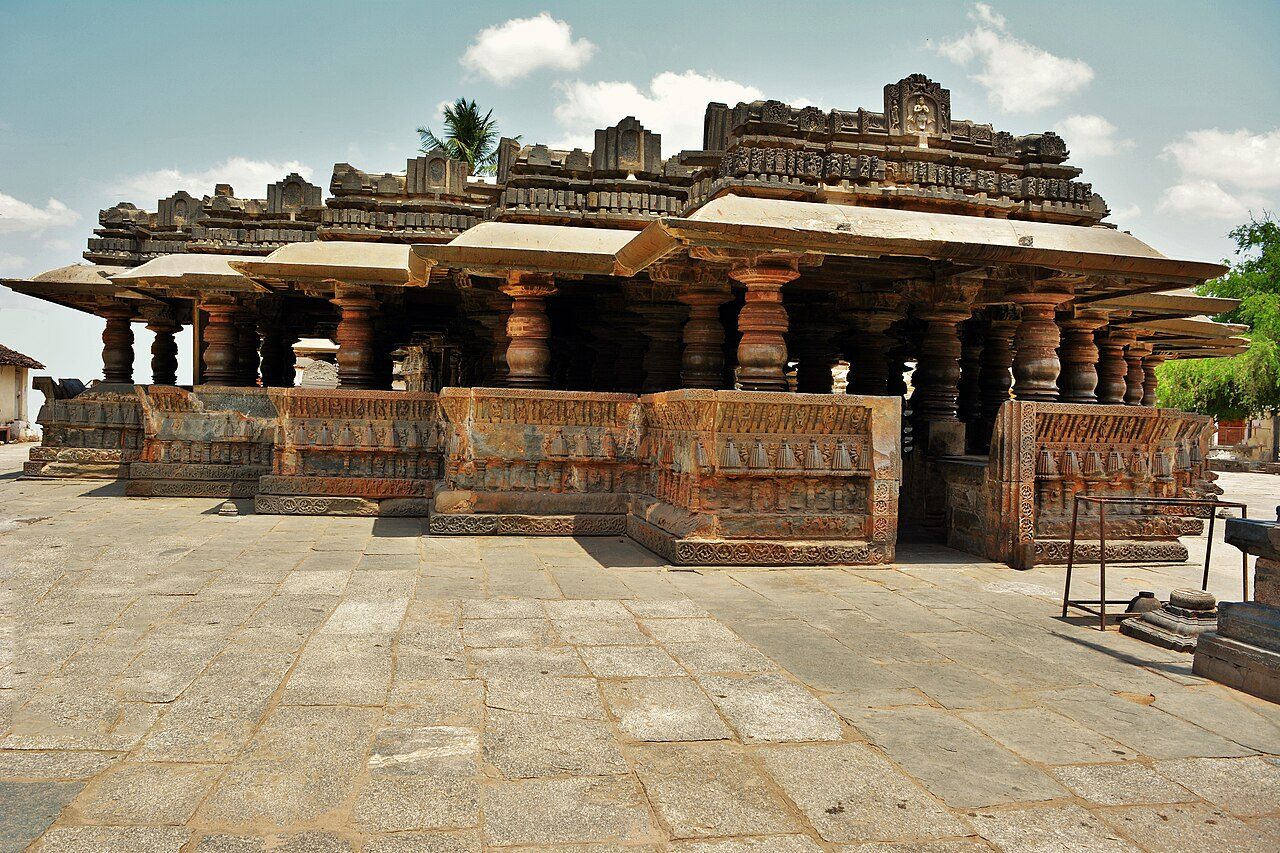
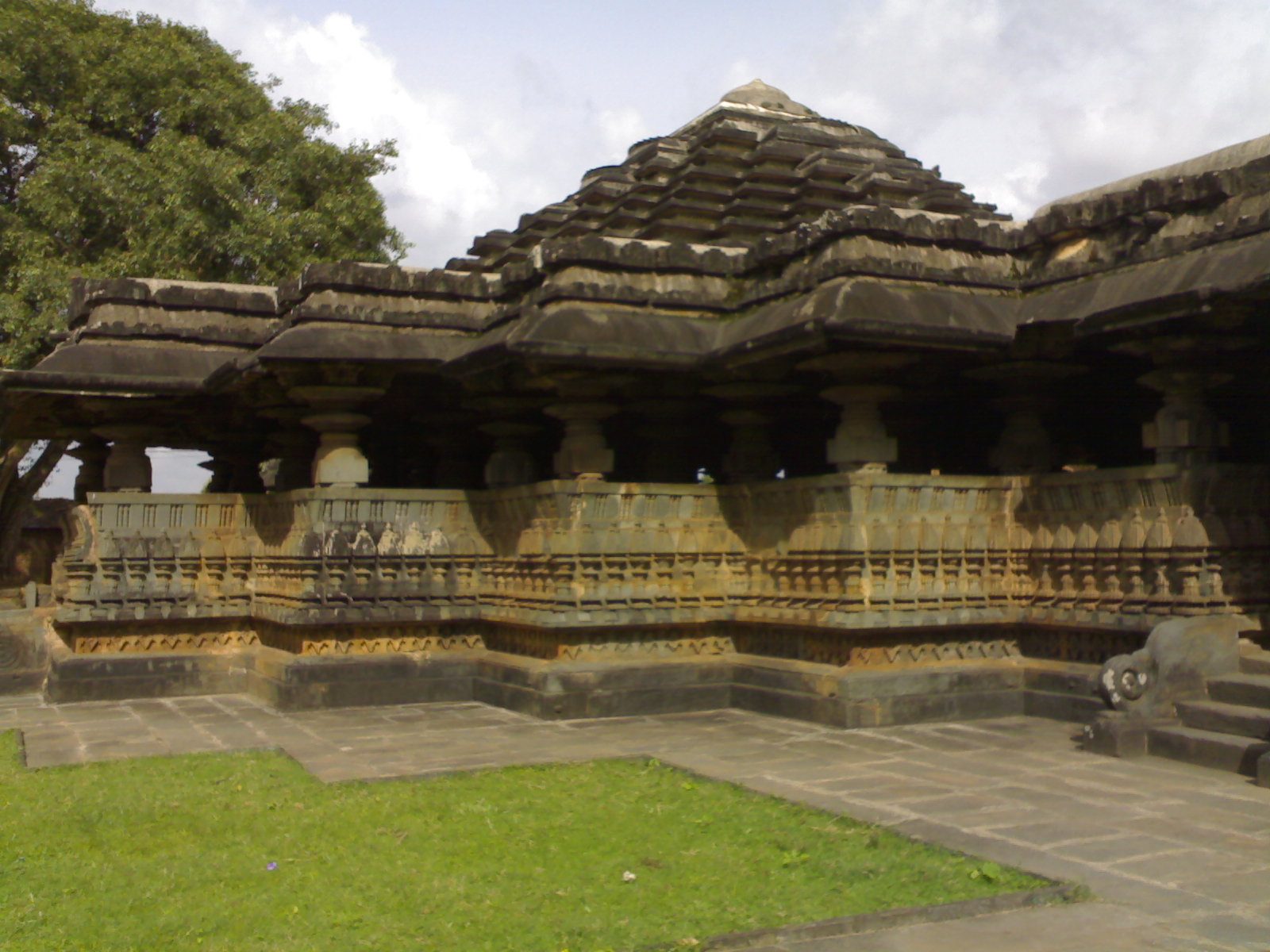
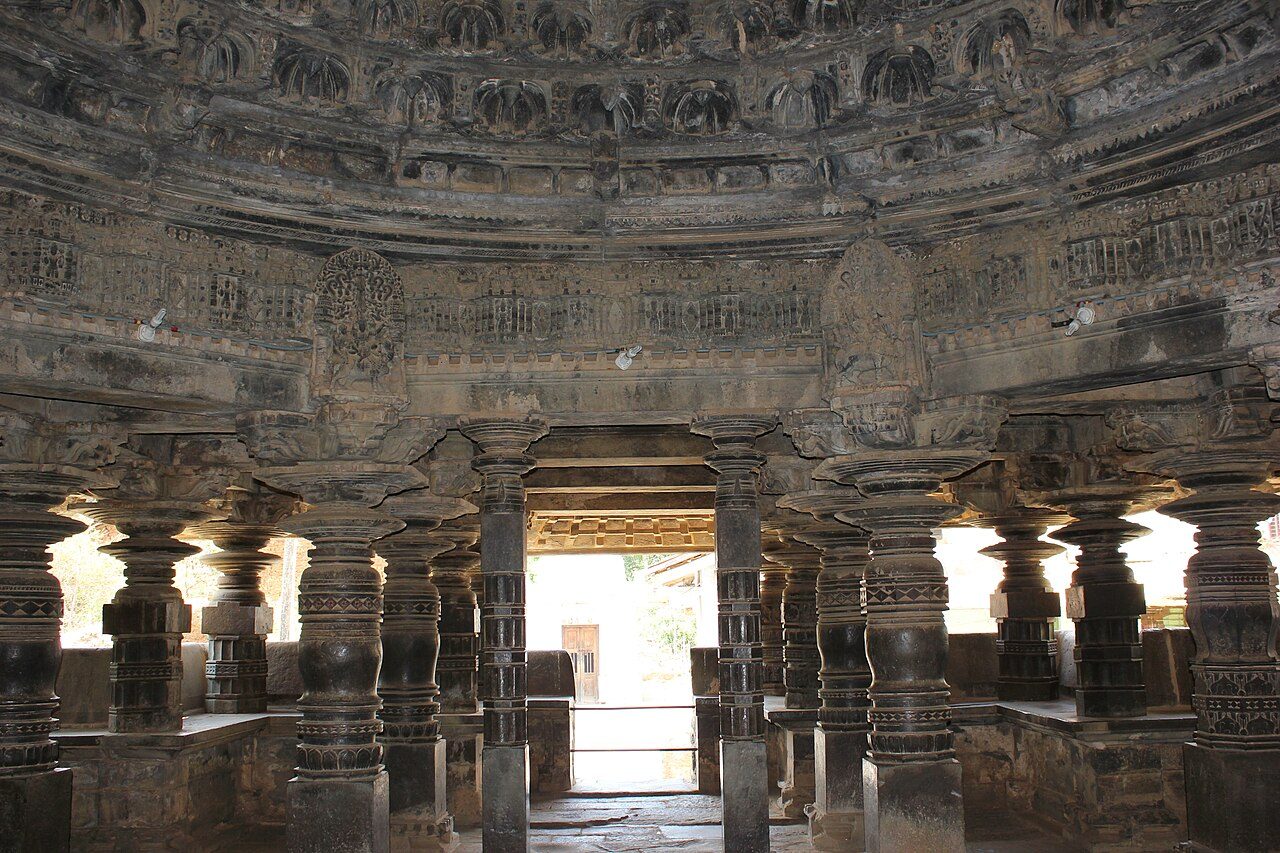
Built in the 12th century under the Kadambas of Hangal, the Tarakeshwara Temple is known for its huge domed ceiling in the hall, carved with a lotus and with layers of figures. Its large size and rich carving make it one of the finest examples of Western Chalukya architecture. The town of Hangal is identified with Viratanagara of the Mahabharata.
Built on a huge granite hill in the heart of Ballari, the fort has an upper citadel from the Vijayanagara period and a lower fort strengthened by Hyder Ali in the 18th century. The climb past walls and gateways to the top gives sweeping views over the city and the rocky landscape.
Set among the rocky hills near Hampi, Daroji was established in 1994 as the first sanctuary in India dedicated to the sloth bear. From a watchtower, visitors can watch bears come out to feed in the evening, along with leopards, jackals, peafowl and other wildlife. The bouldered landscape glows at sunset.
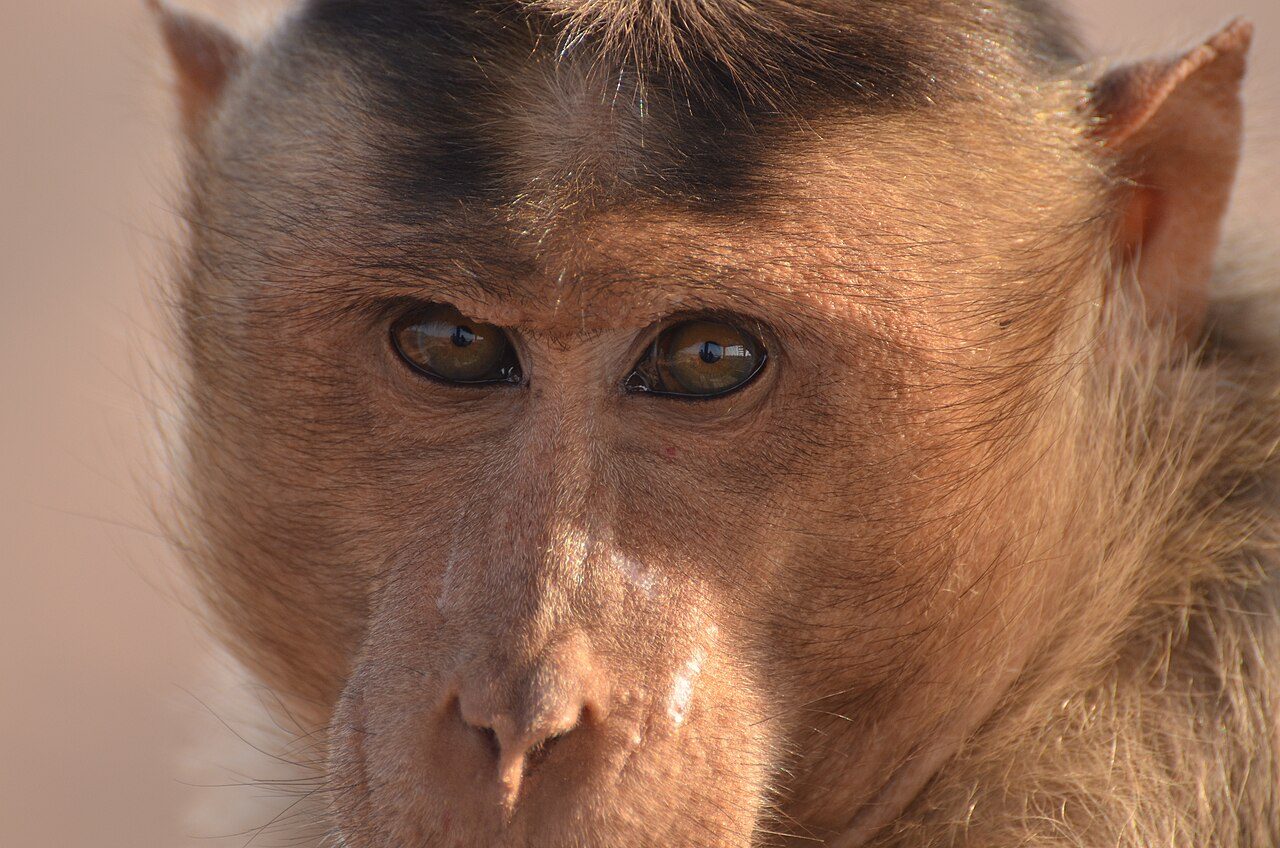
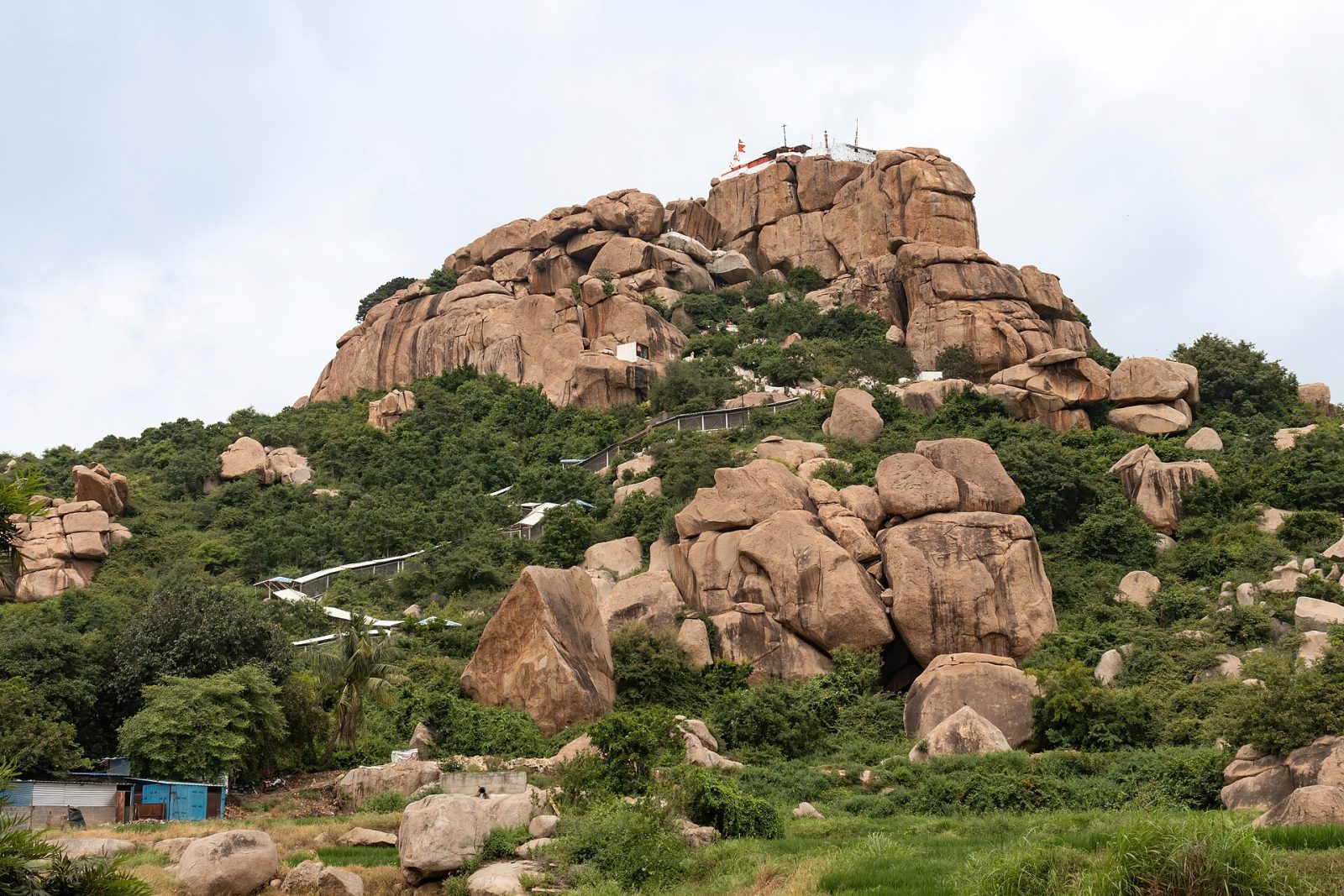
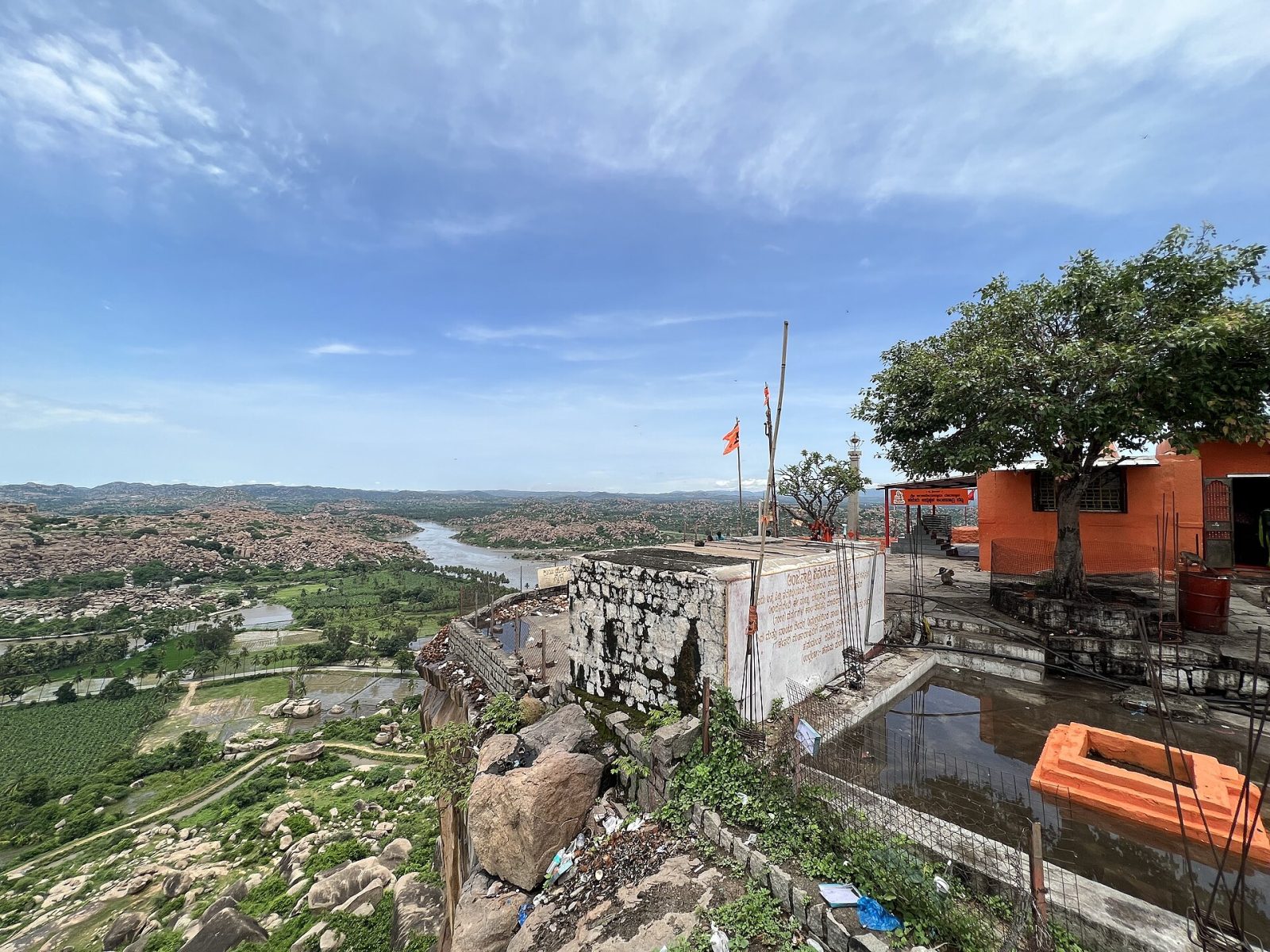
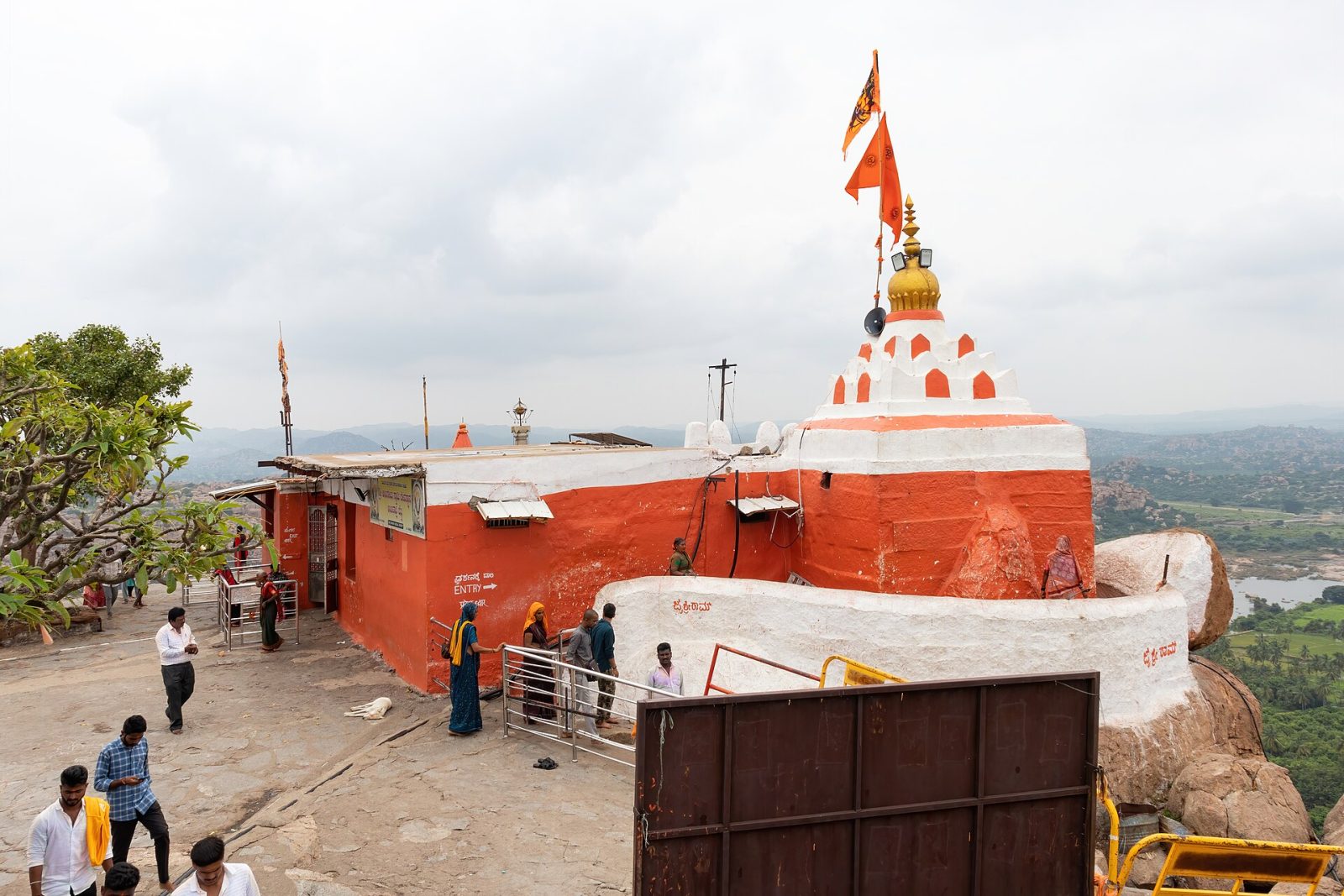
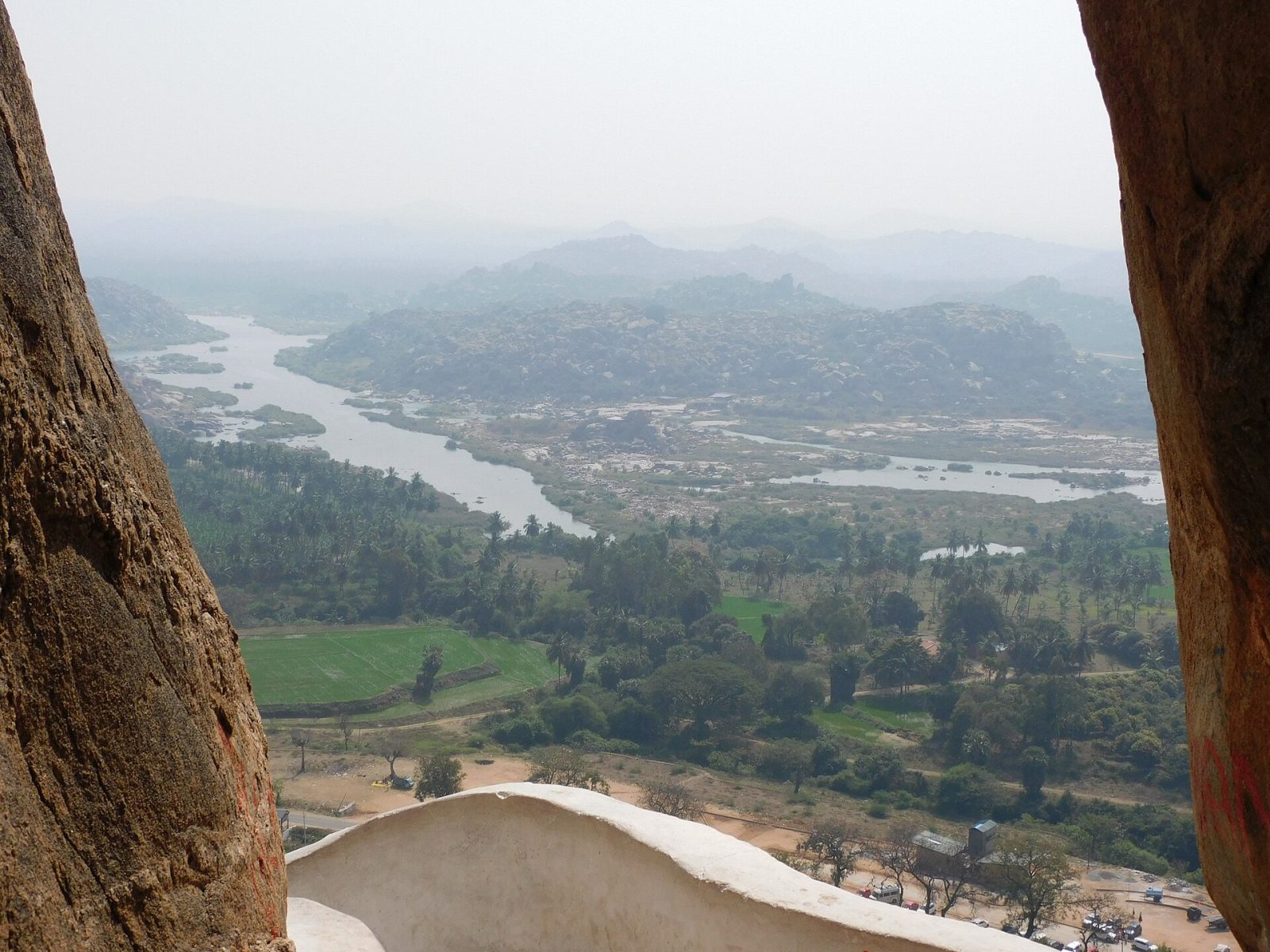
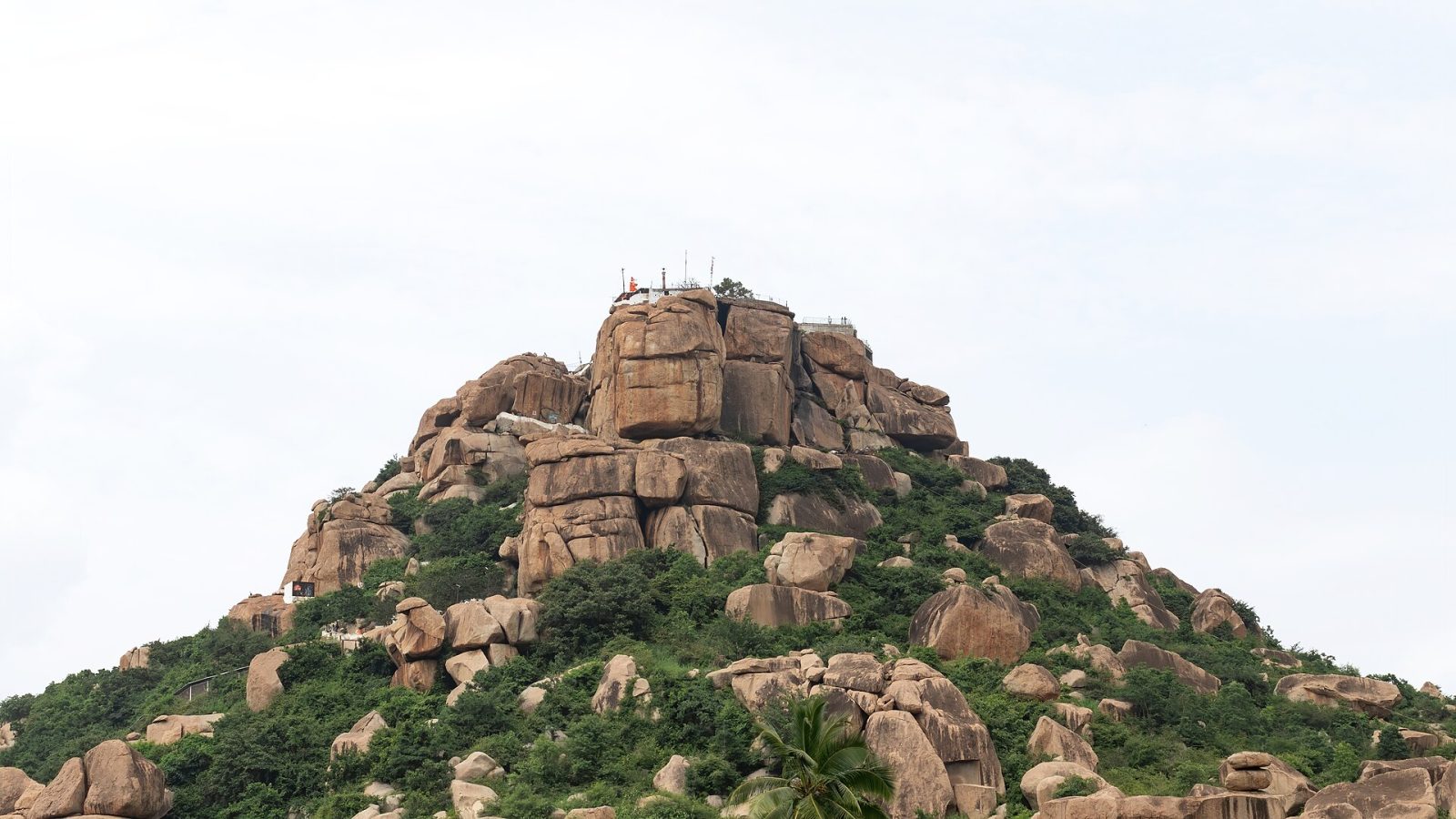
Anjanadri, across the Tungabhadra from Hampi near Anegundi, is believed by many to be the birthplace of Hanuman, son of Anjana, and a temple to him stands on the summit. About 575 steps climb the boulder hill, passing monkeys and white-painted rock, to a small shrine where pilgrims gather for the aarti. The view from the top takes in the river, paddy fields and the endless granite outcrops of the Hampi landscape, and it is the most popular sunrise and sunset spot in the area. Anegundi itself is older than Hampi and is considered part of Kishkindha in the Ramayana. Coracles and a bridge crossing link it with the main Hampi site.
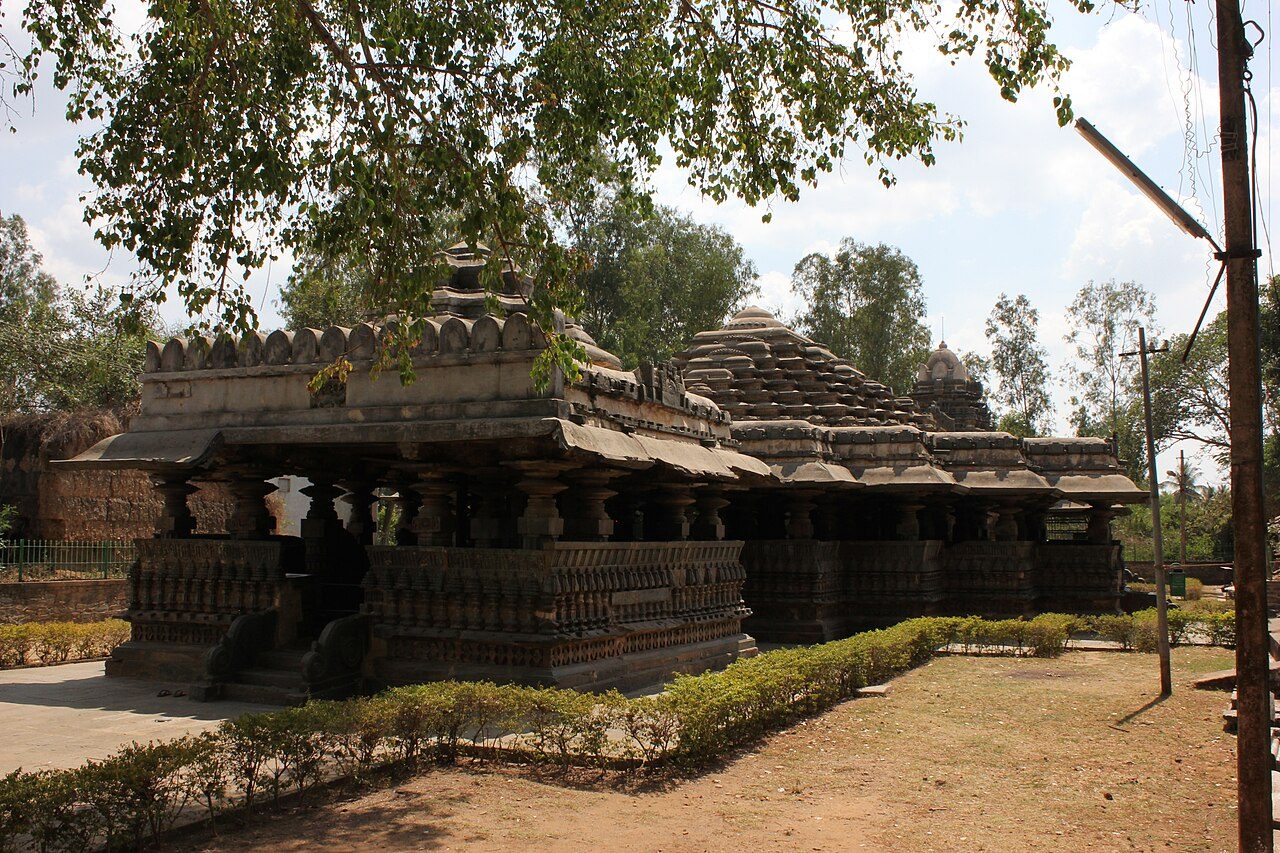
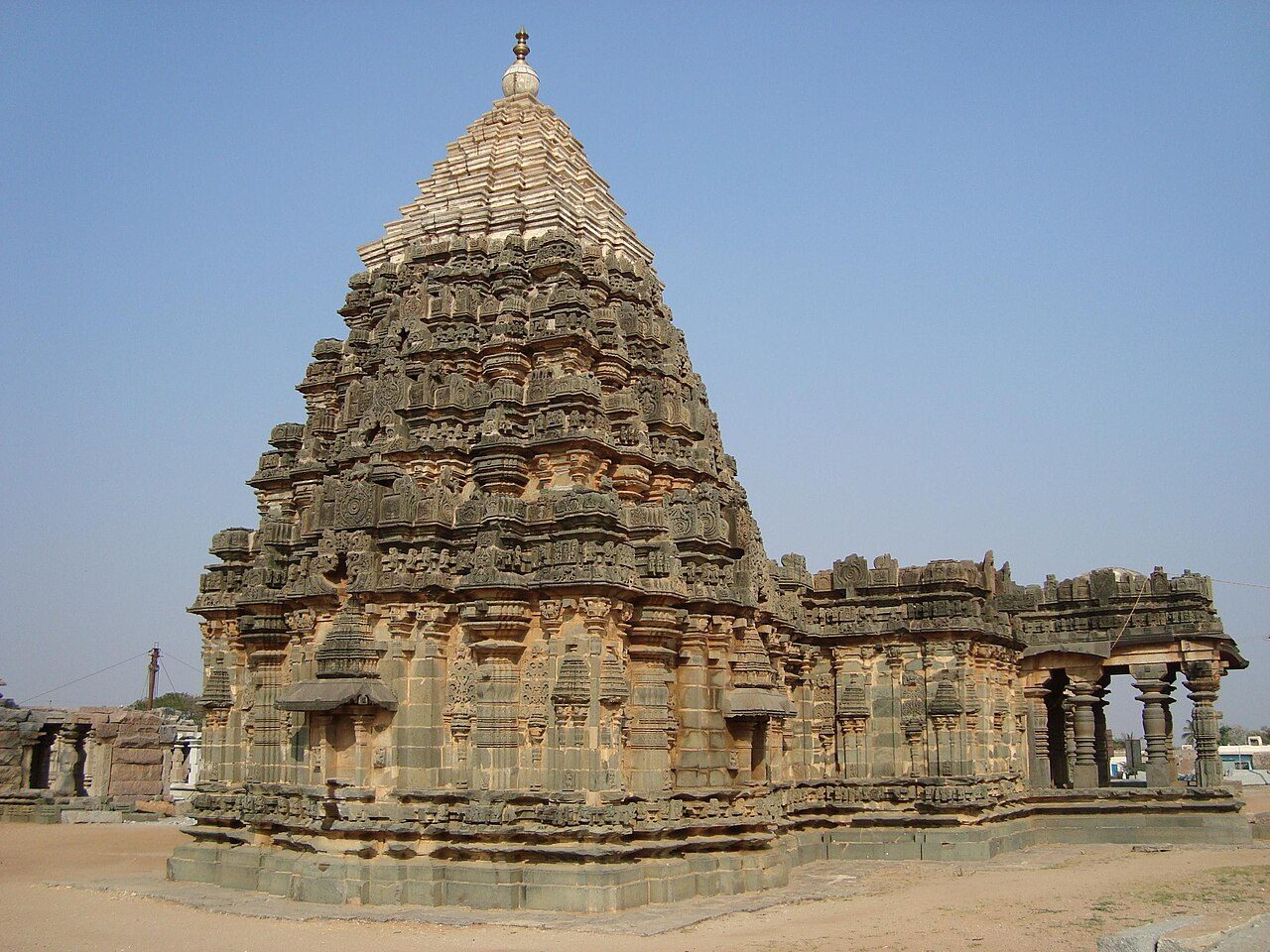
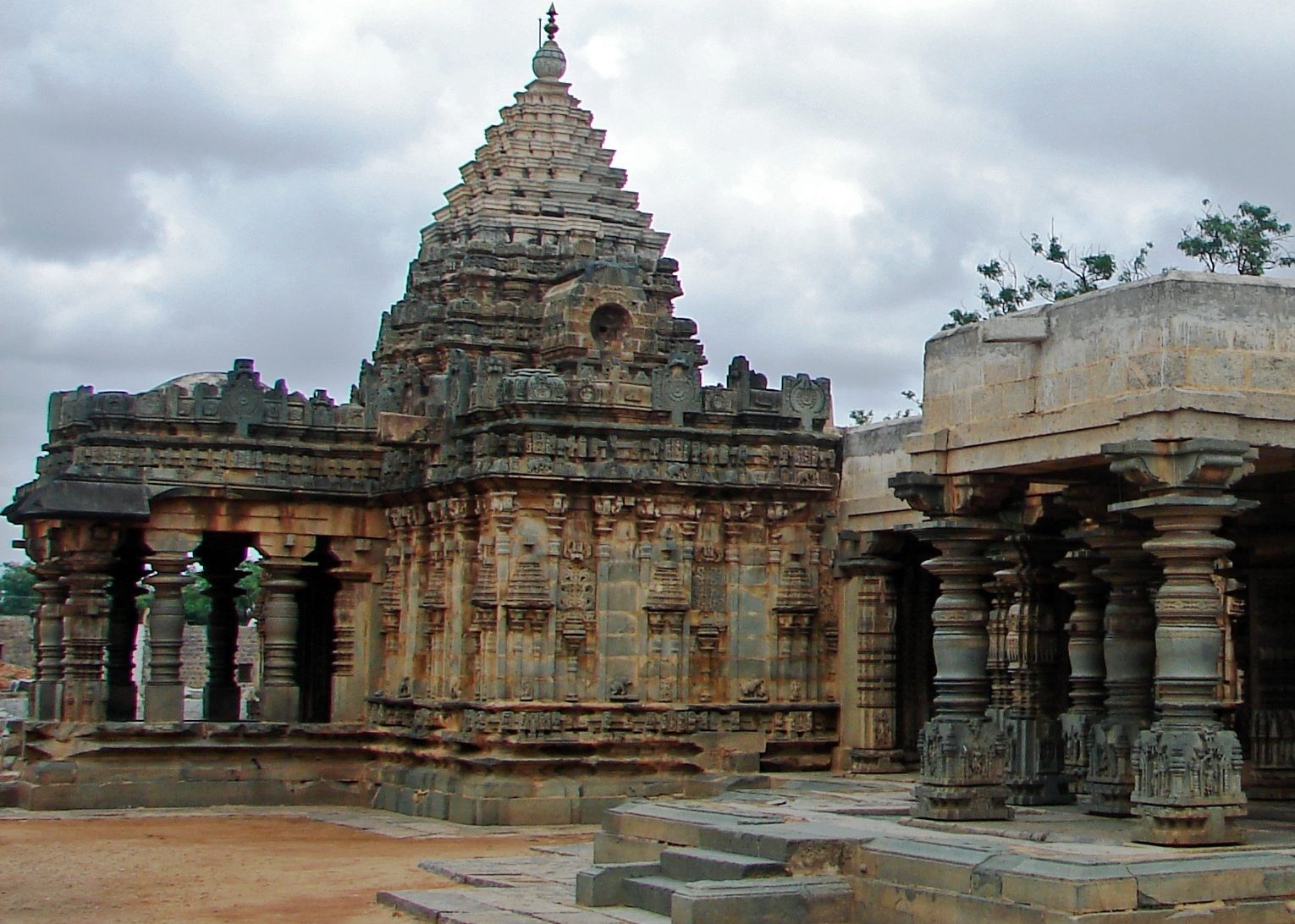
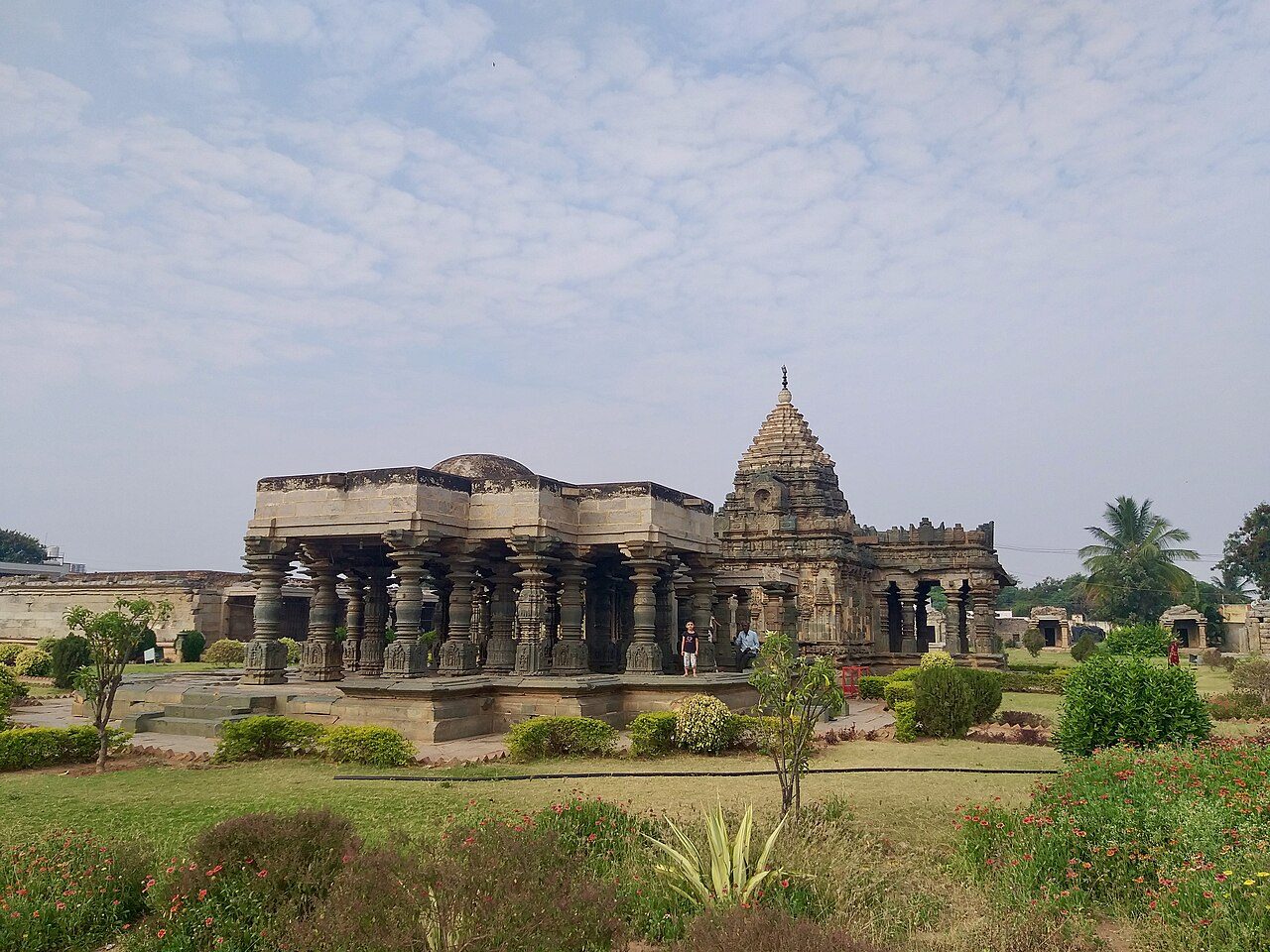
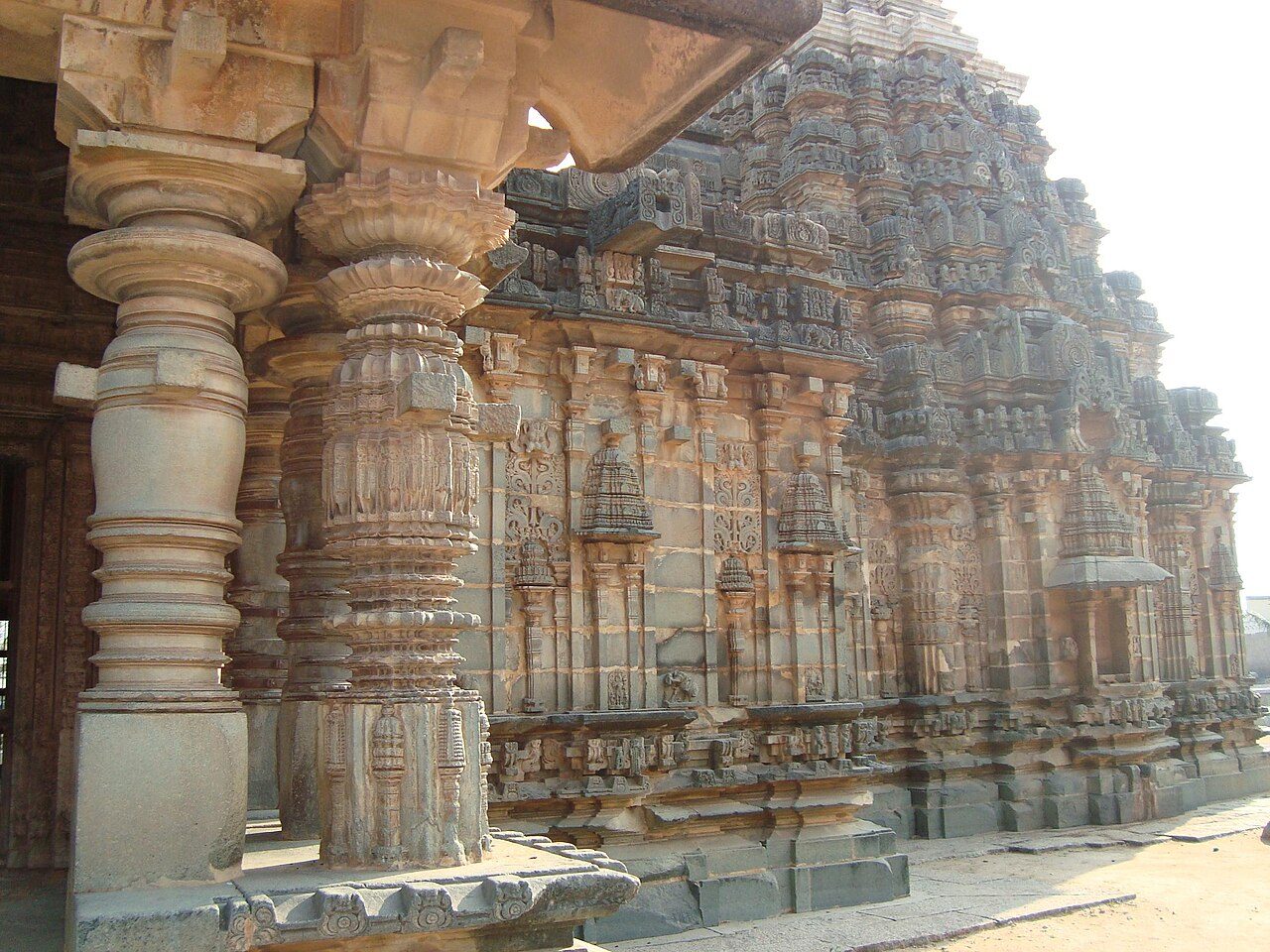
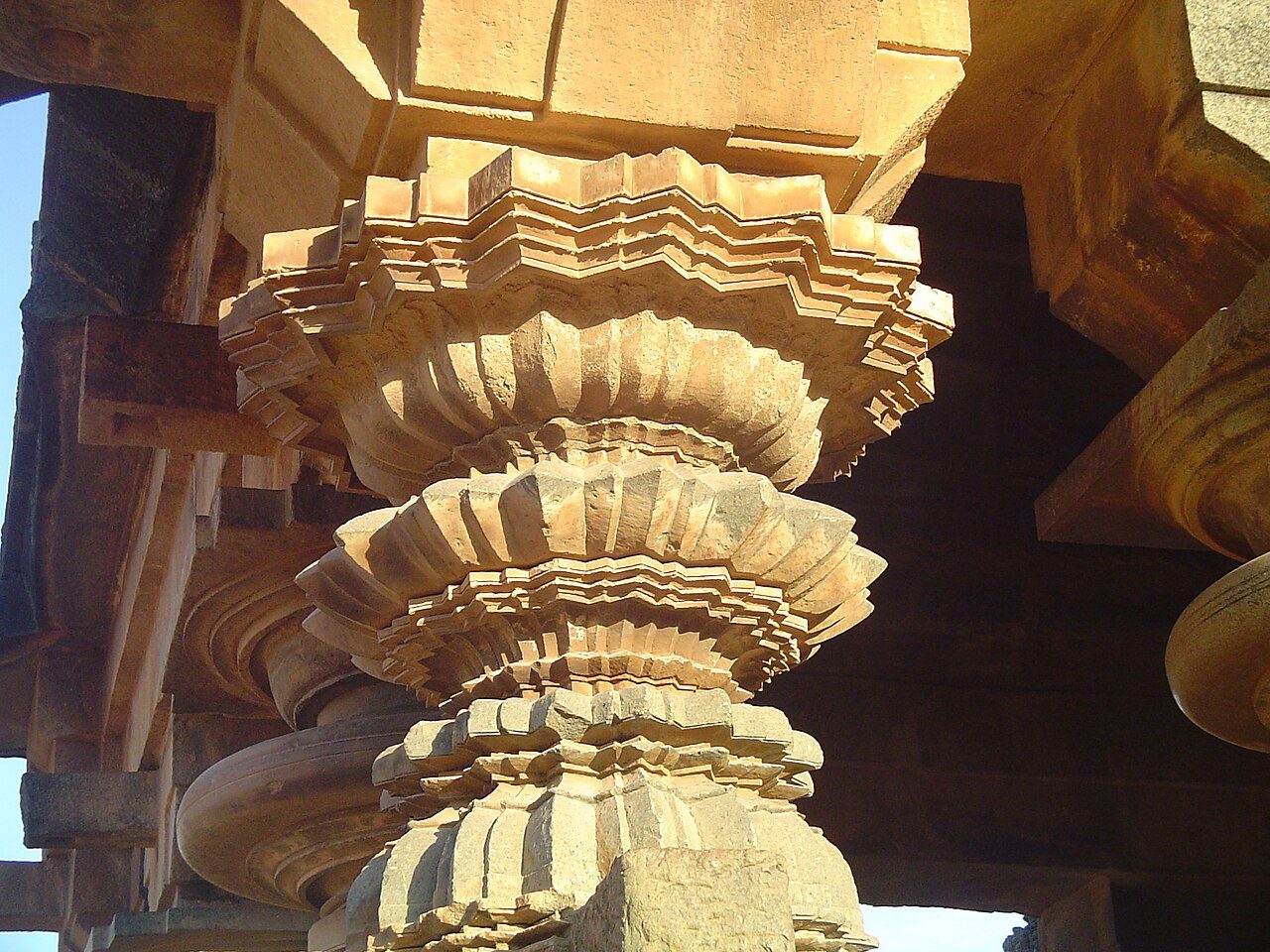
Built in 1112 by Mahadeva, a general of the Western Chalukya king Vikramaditya VI, the Mahadeva Temple at Itagi was called the 'emperor among temples' in an inscription. Its finely carved pillars, doorways and tower are among the best examples of later Chalukya work.
 WaTrips