Bhopal's lakes, mosques and museums, the Great Stupa at Sanchi, Udayagiri and the rock paintings of Bhimbetka.
Bhopal is a good base for two UNESCO World Heritage Sites. Day one stays in the city: Taj-ul-Masajid, one of India's largest mosques, the Upper Lake, the Tribal Museum, the open-air Manav Sangrahalaya and Bharat Bhavan. Day two goes to Sanchi, where the Great Stupa and its carved gateways date back to the Mauryan period, and continues to Vidisha for the Gupta-era Udayagiri caves and the Heliodorus Pillar. Day three heads south to the unfinished Bhojeshwar temple and its huge lingam, then the rock shelters of Bhimbetka, painted over thousands of years. October to March is best.
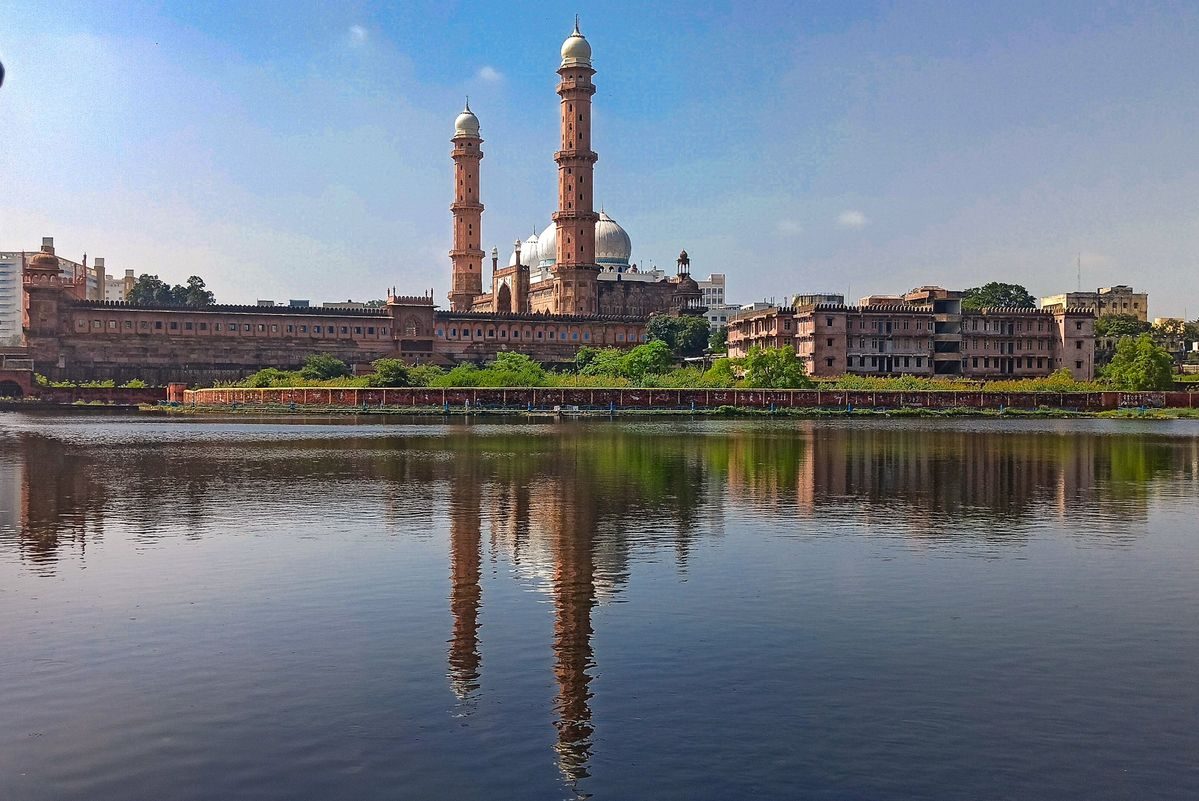
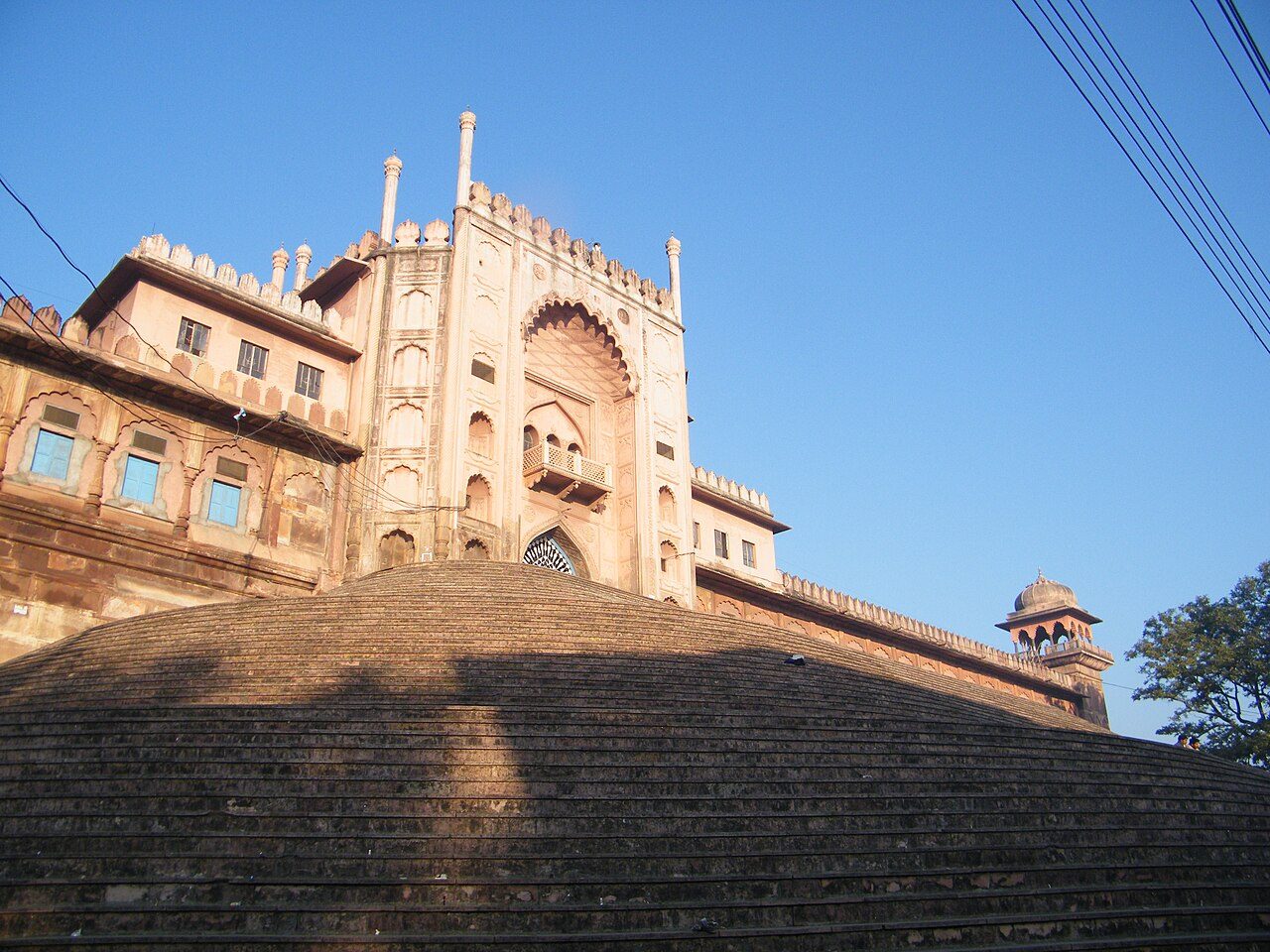
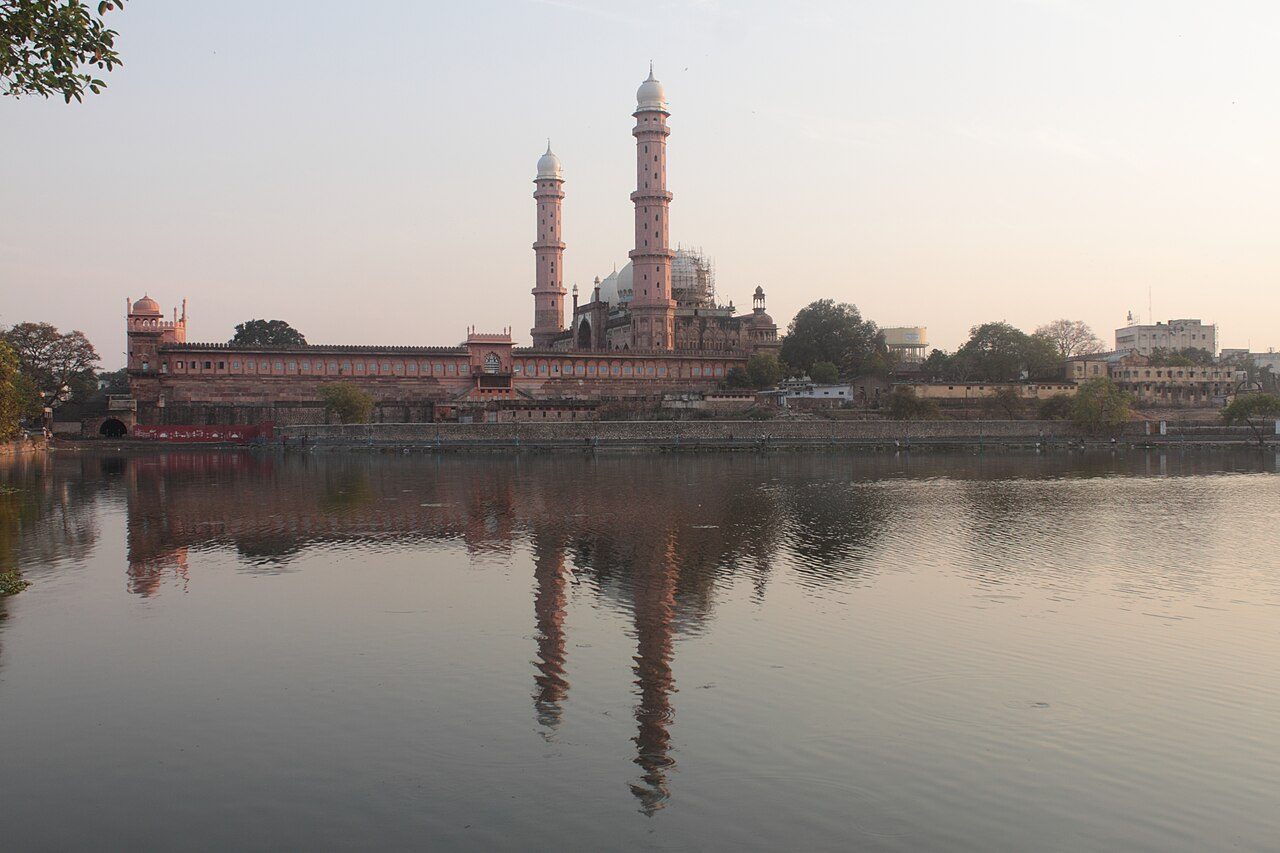
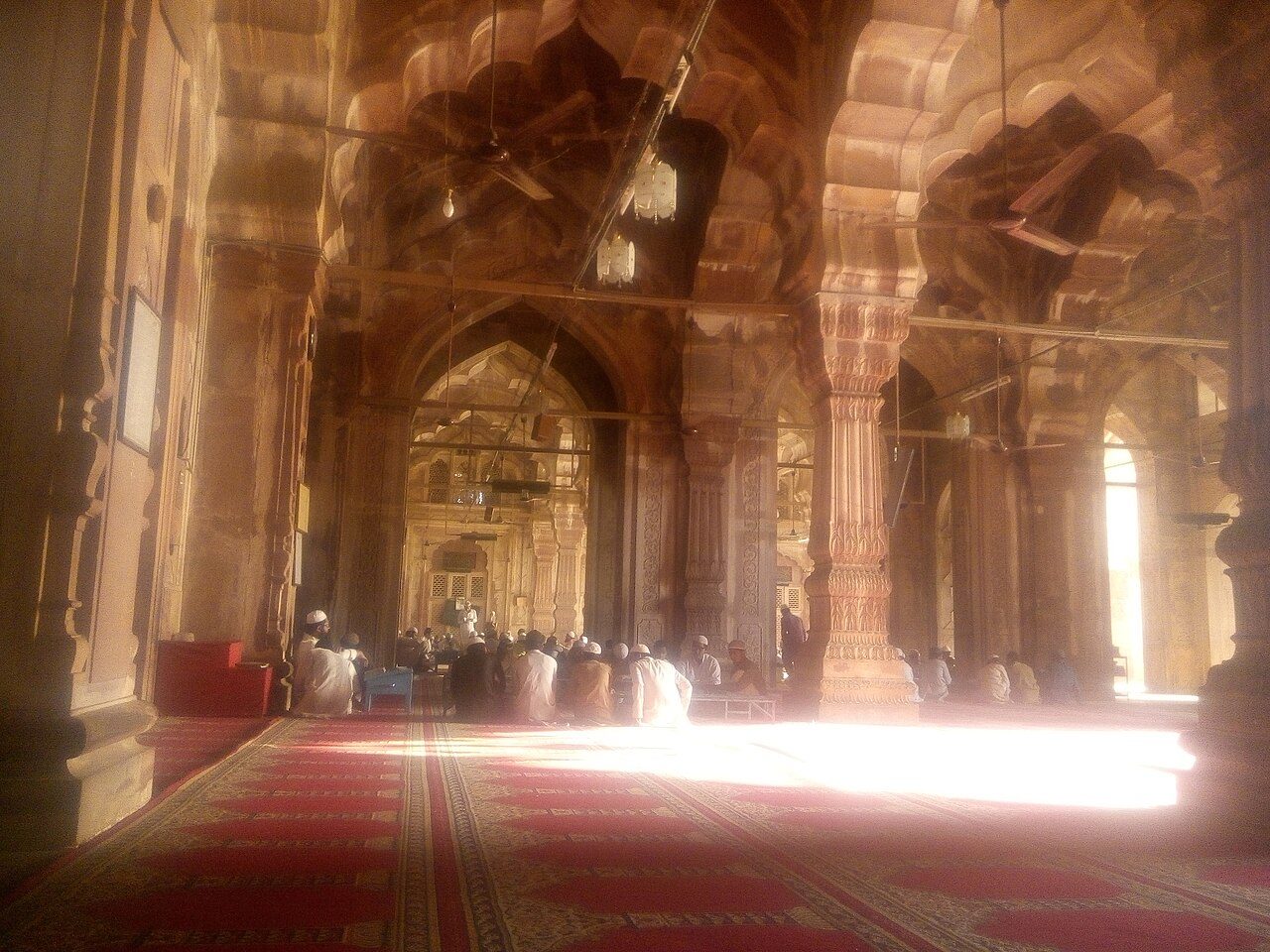
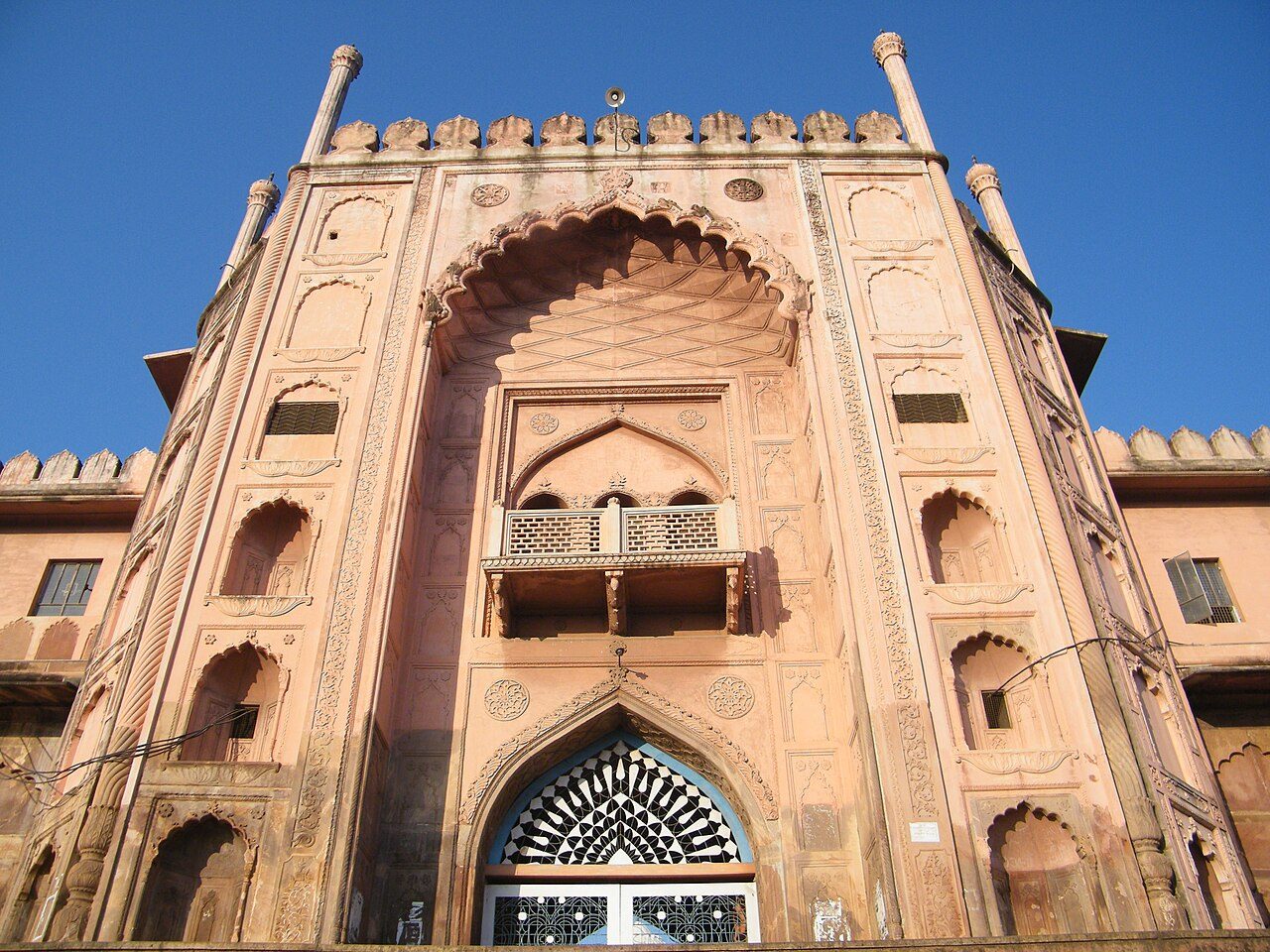
Taj-ul-Masajid, the 'crown of mosques', is among the largest mosques in India. Construction was begun in the 19th century by Shah Jahan Begum, ruler of Bhopal, but stopped for lack of funds and was completed only in the 1980s. Its pink facade carries three white domes and two tall octagonal minarets, and the vast courtyard overlooks a lake. Non-Muslim visitors are welcome outside prayer times.
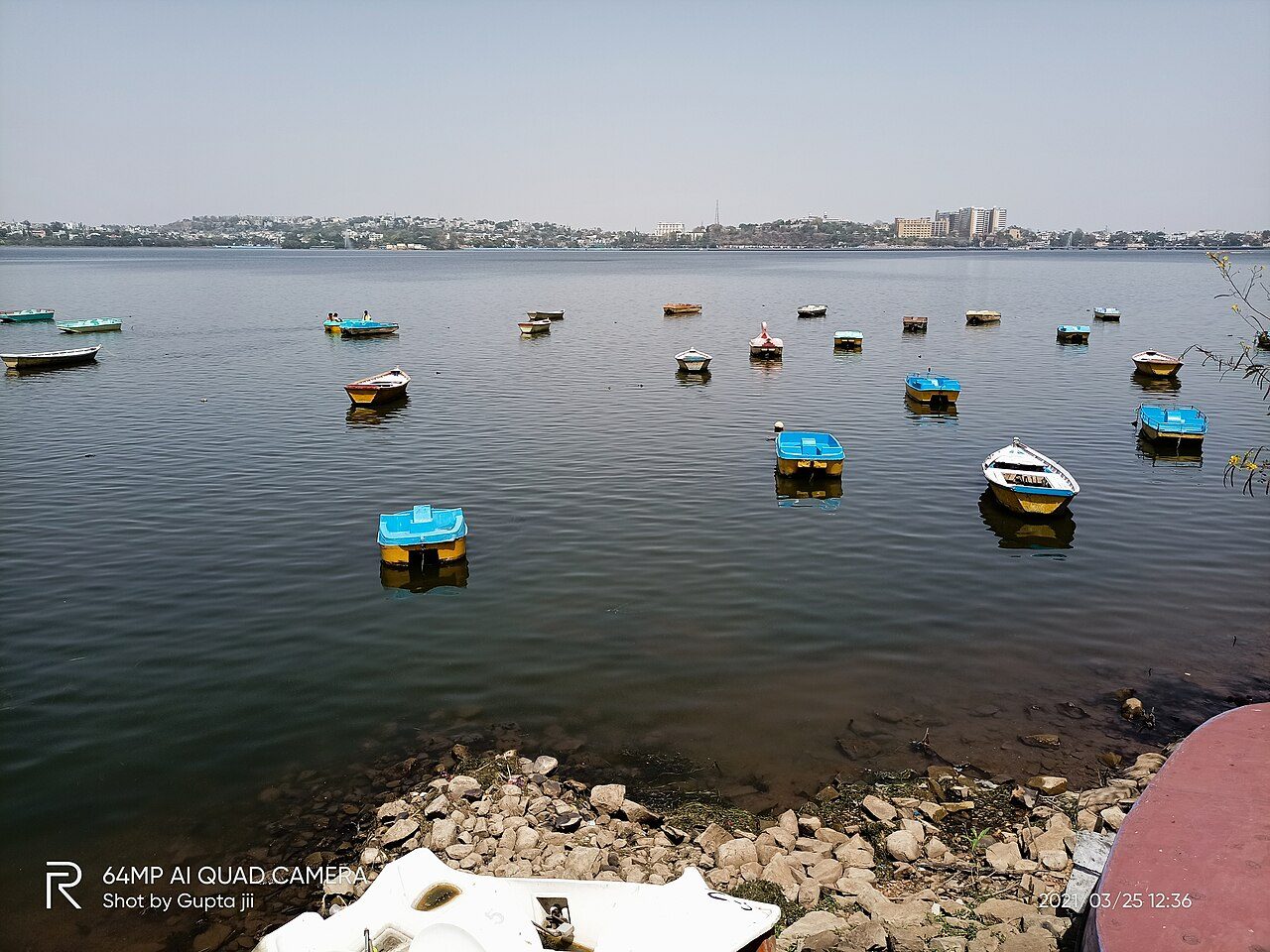
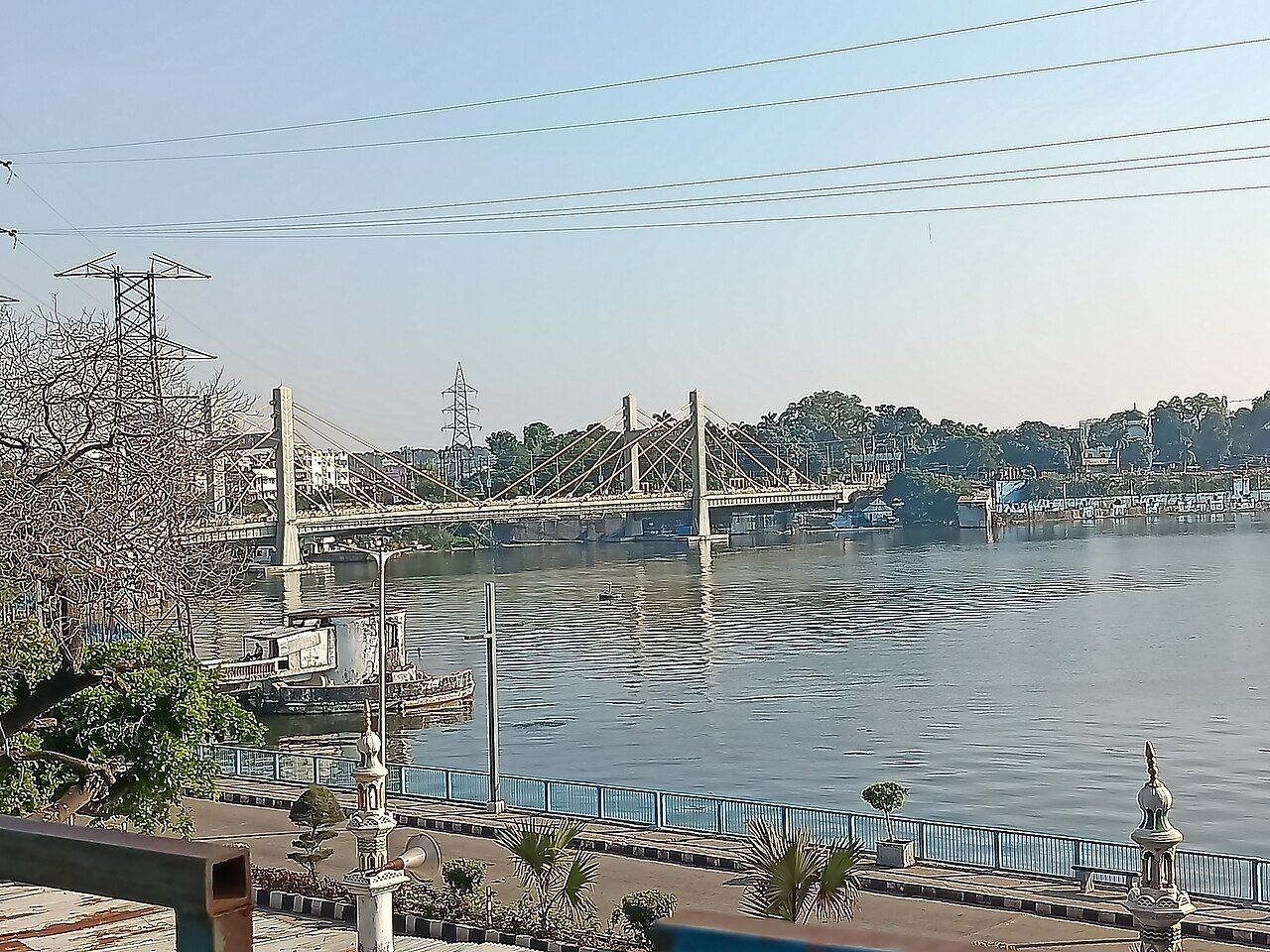
The Upper Lake, or Bhojtal, is the great reservoir on Bhopal's western edge, traditionally credited to the 11th-century Paramara king Bhoja. It supplies much of the city's drinking water and, with the adjoining Lower Lake, is a protected Ramsar wetland. The Boat Club on its eastern shore offers paddle boats, motor boats and cruises, and the lakefront promenade is at its best around sunset.
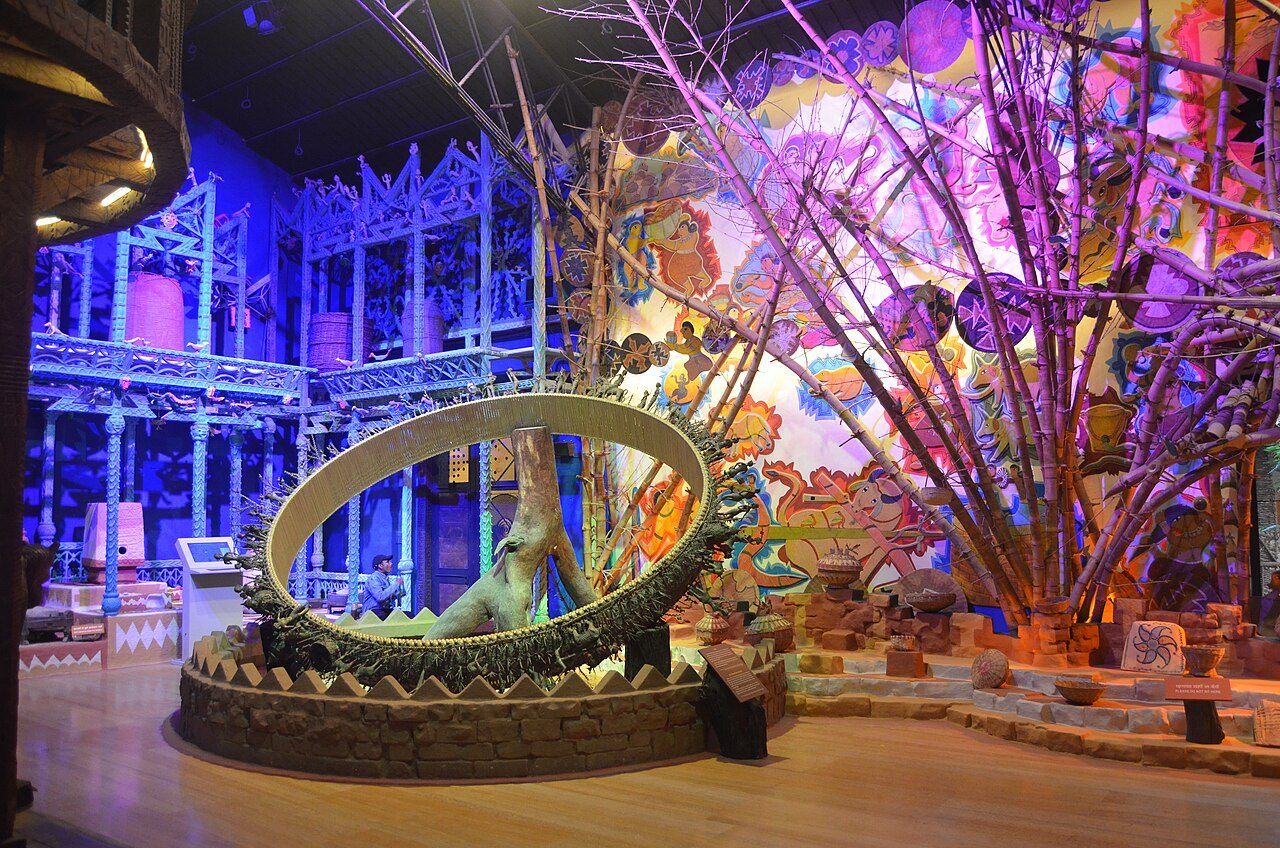
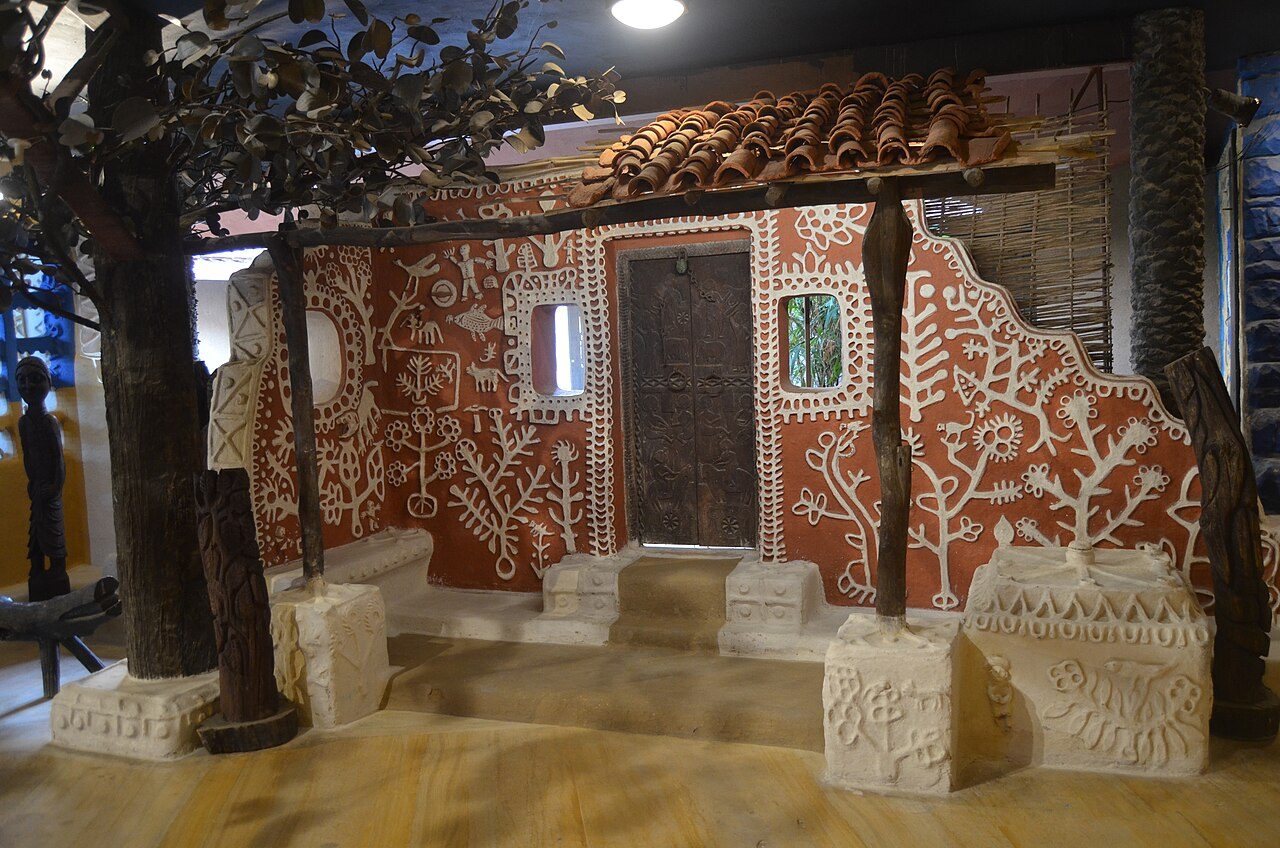
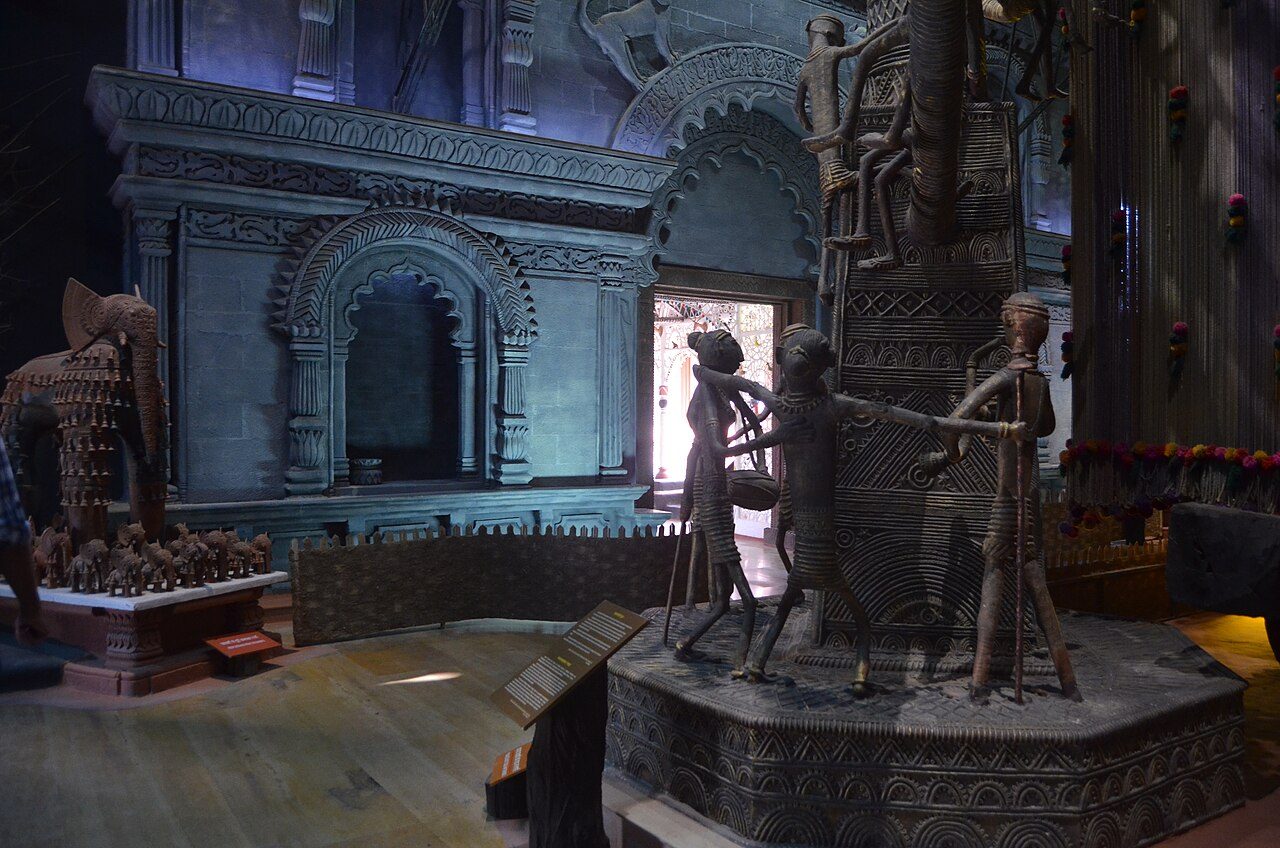
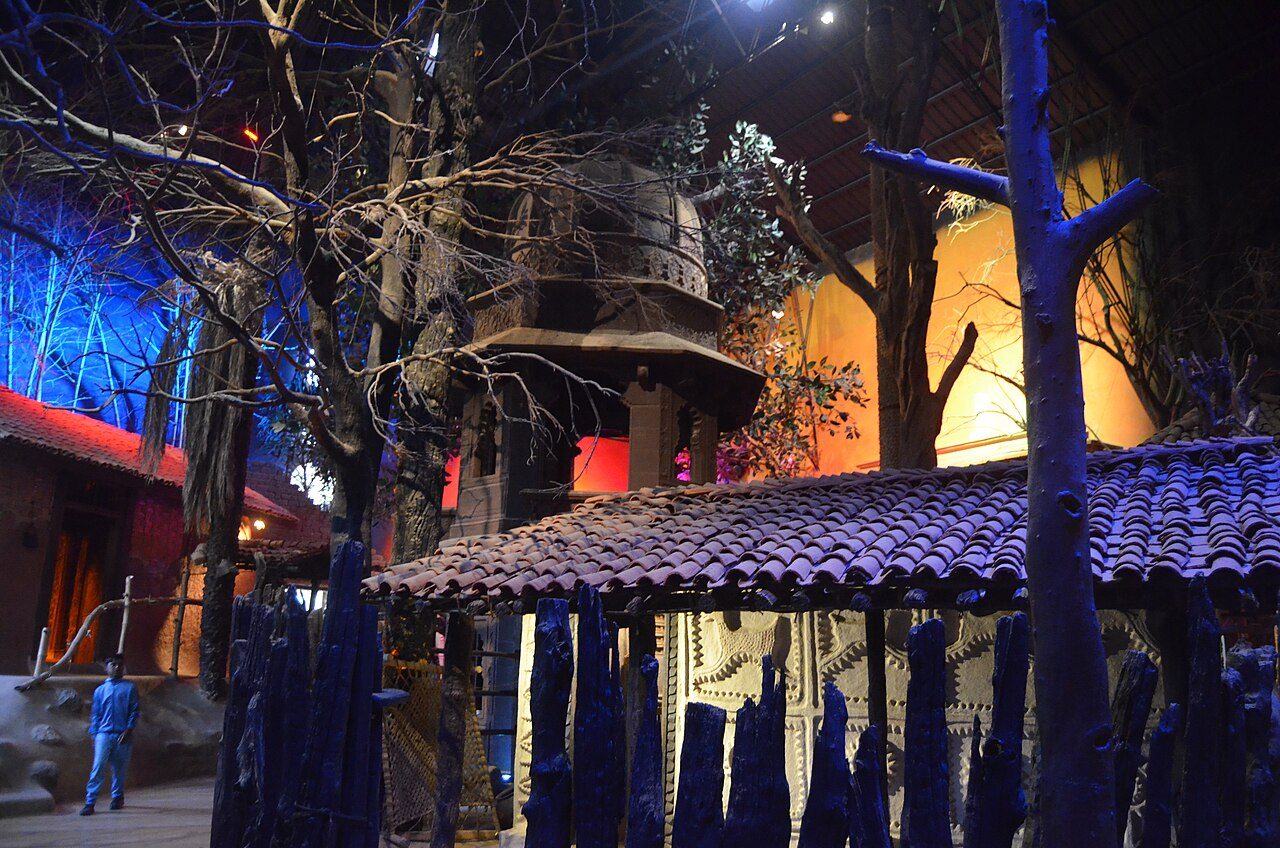
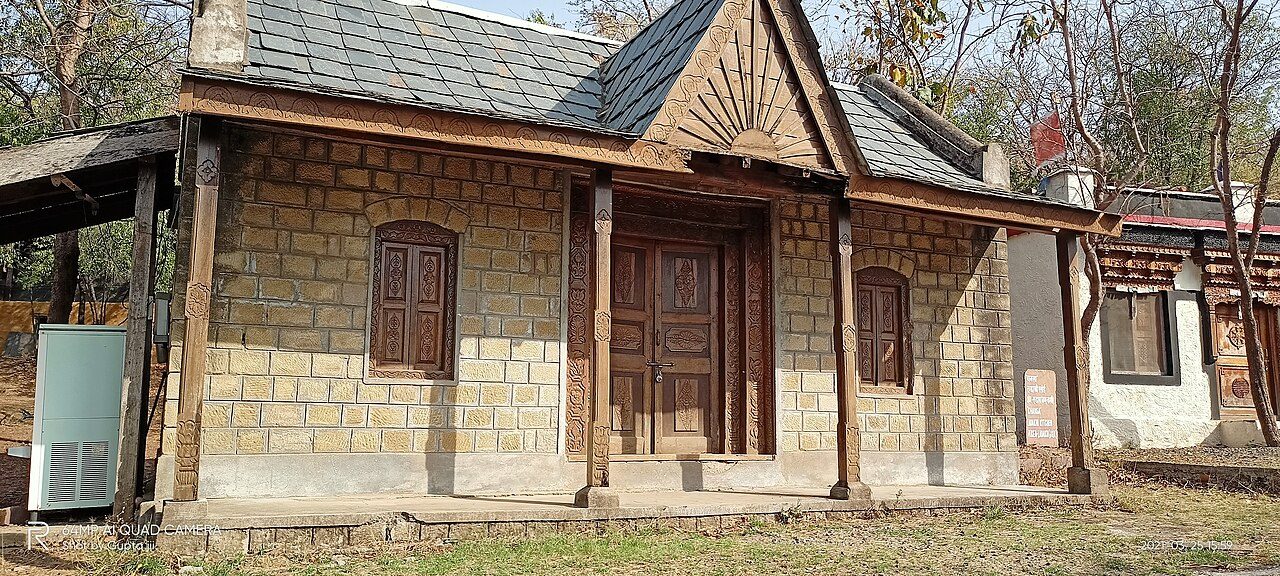
The Madhya Pradesh Tribal Museum in Bhopal, opened in 2013, presents the life of the state's major tribes, including the Gond, Bhil, Baiga, Korku and Sahariya. Instead of display cases, tribal artists themselves built the huge, colourful installations that recreate homes, myths, rituals and games. It sits on Shyamla Hills beside the State Museum and is closed on Mondays.
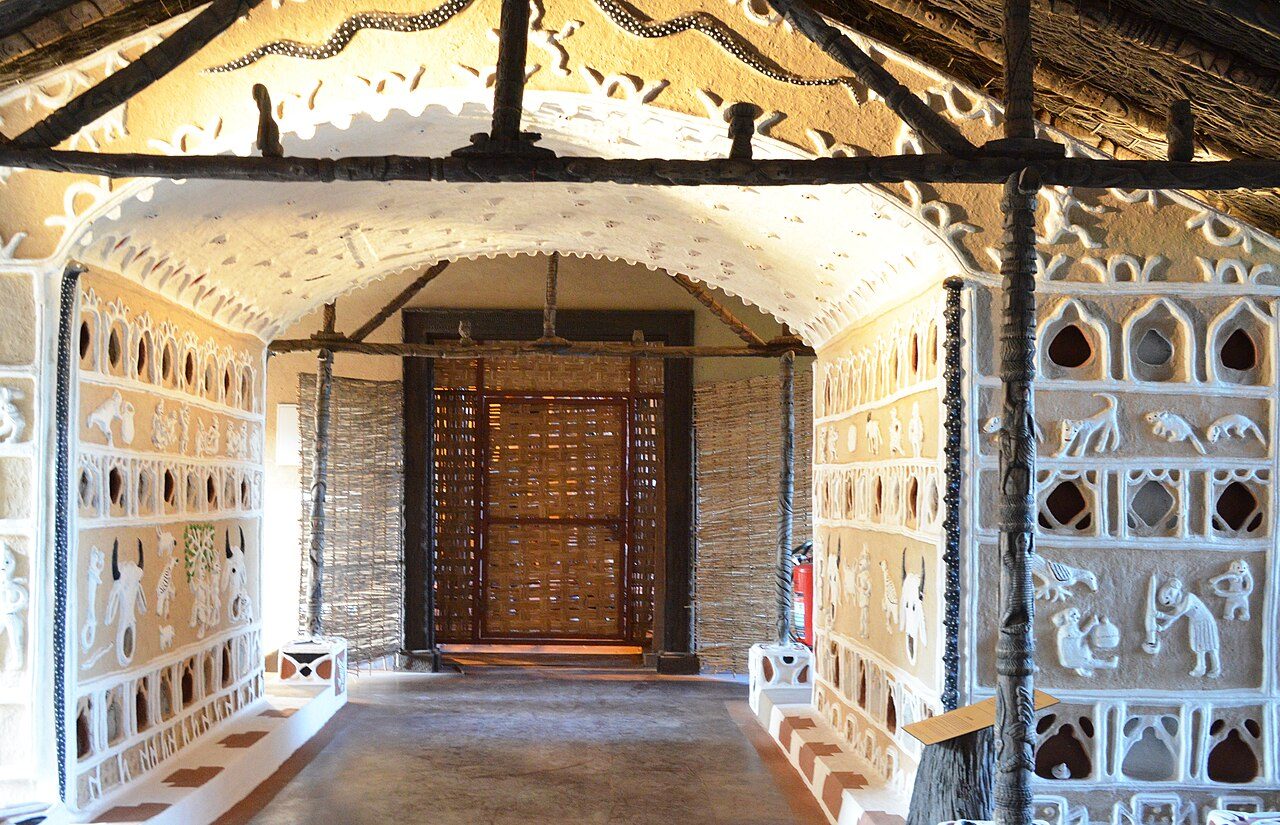
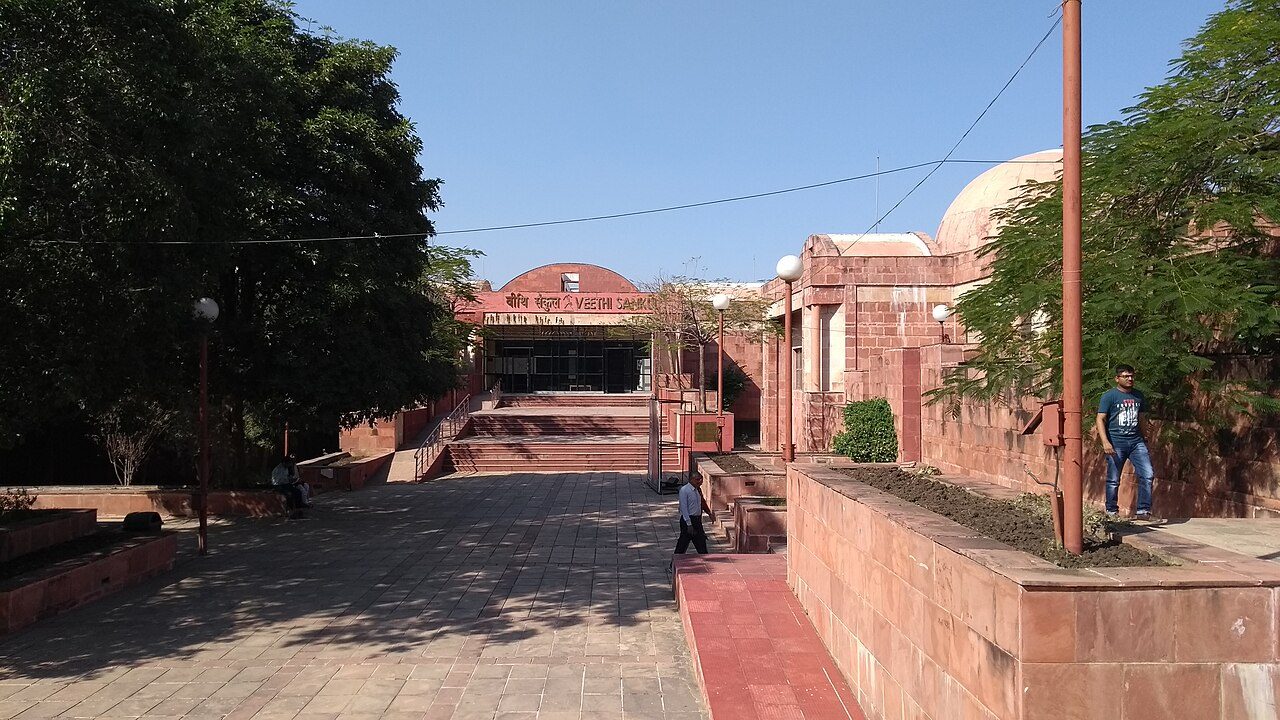
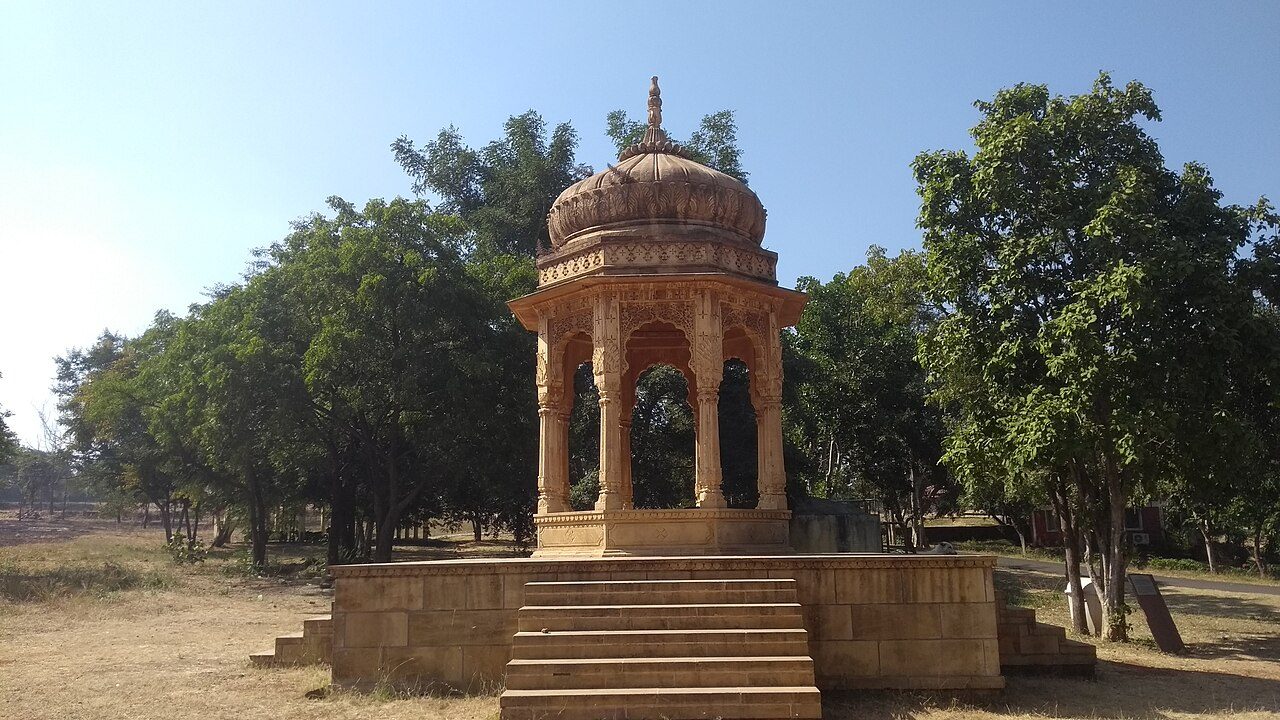
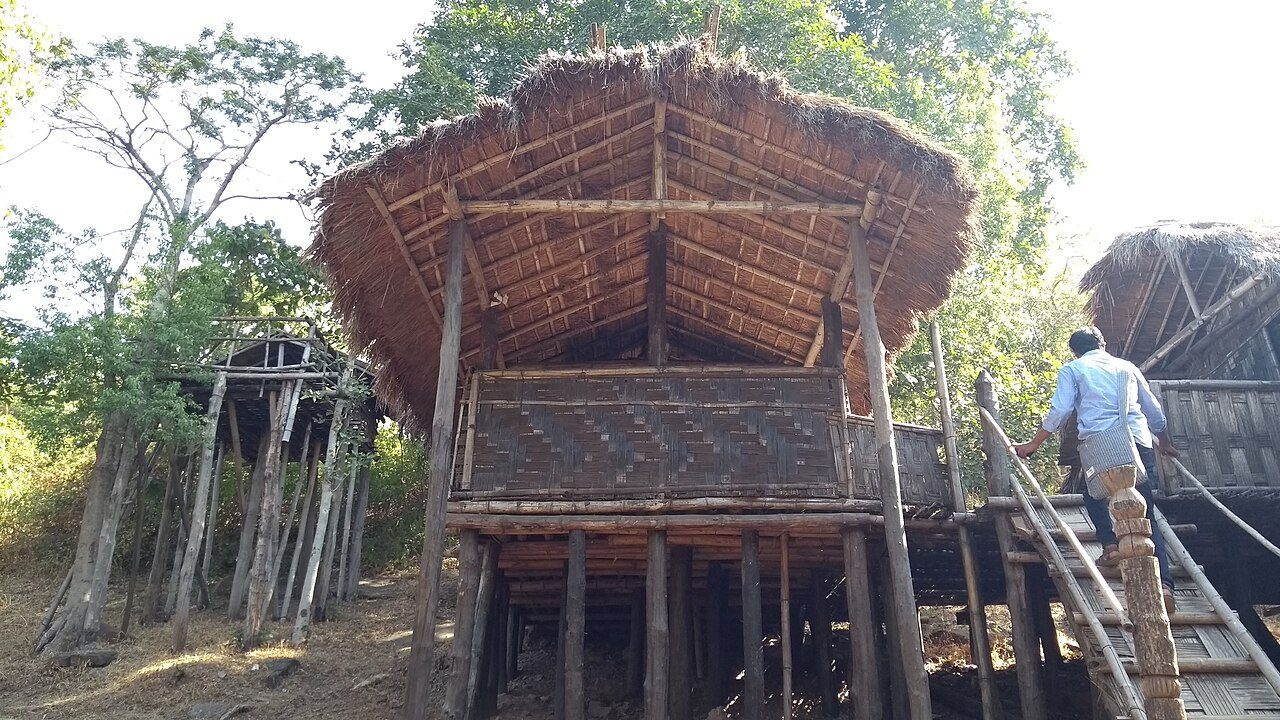
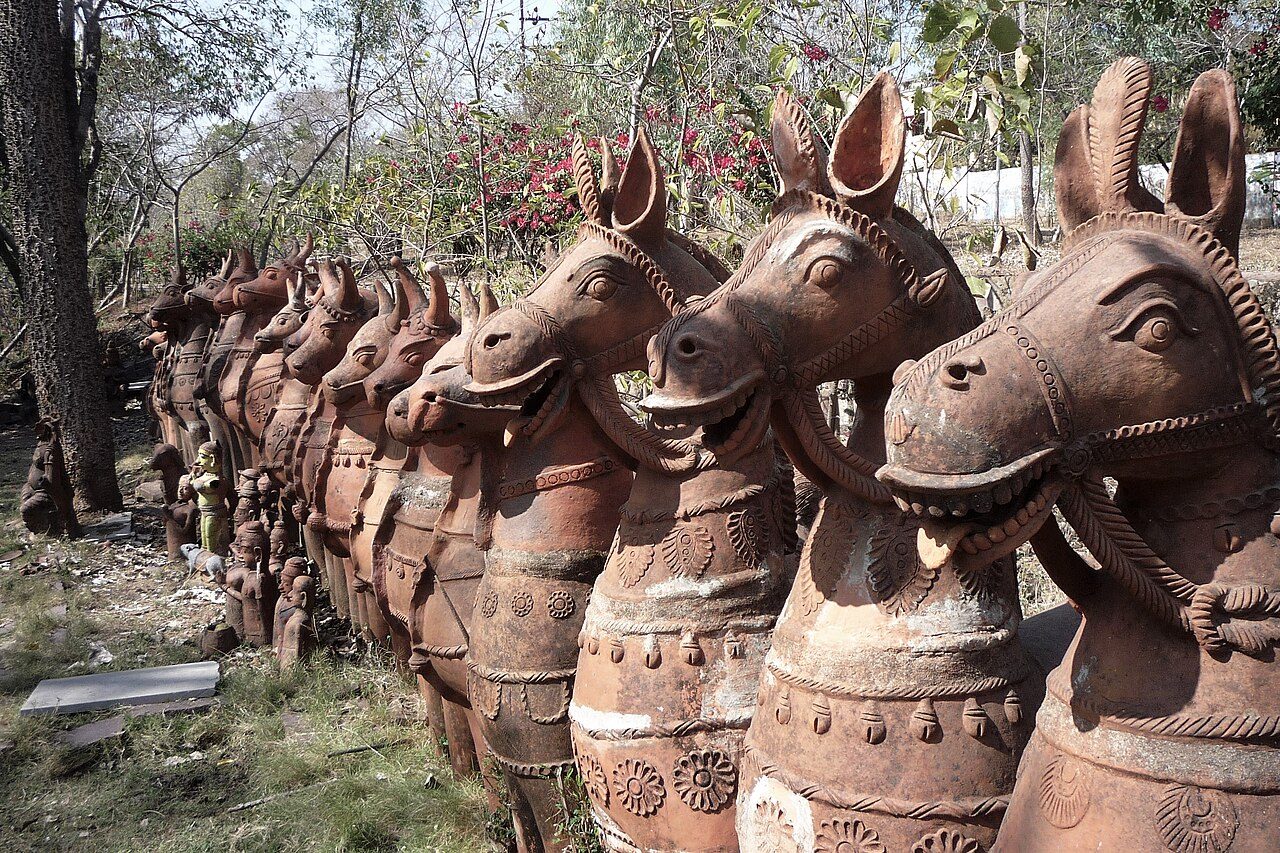
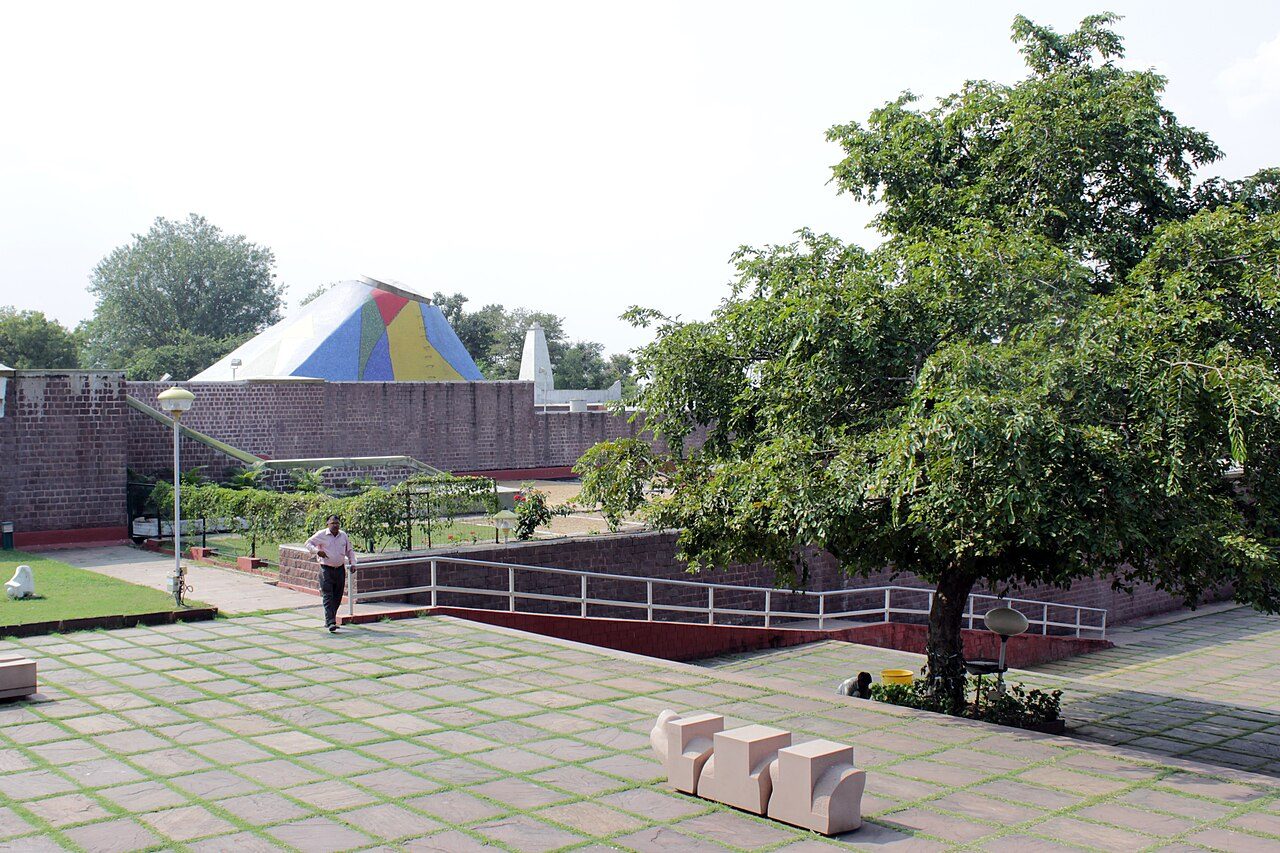
The Indira Gandhi Rashtriya Manav Sangrahalaya, or National Museum of Humankind, spreads over a hillside above Bhopal's Upper Lake. Its open-air exhibitions are full-size dwellings built by tribal and rural communities from across India, set among trees, and an indoor museum covers human evolution and culture. Prehistoric painted rock shelters survive on the site. It is closed on Mondays.
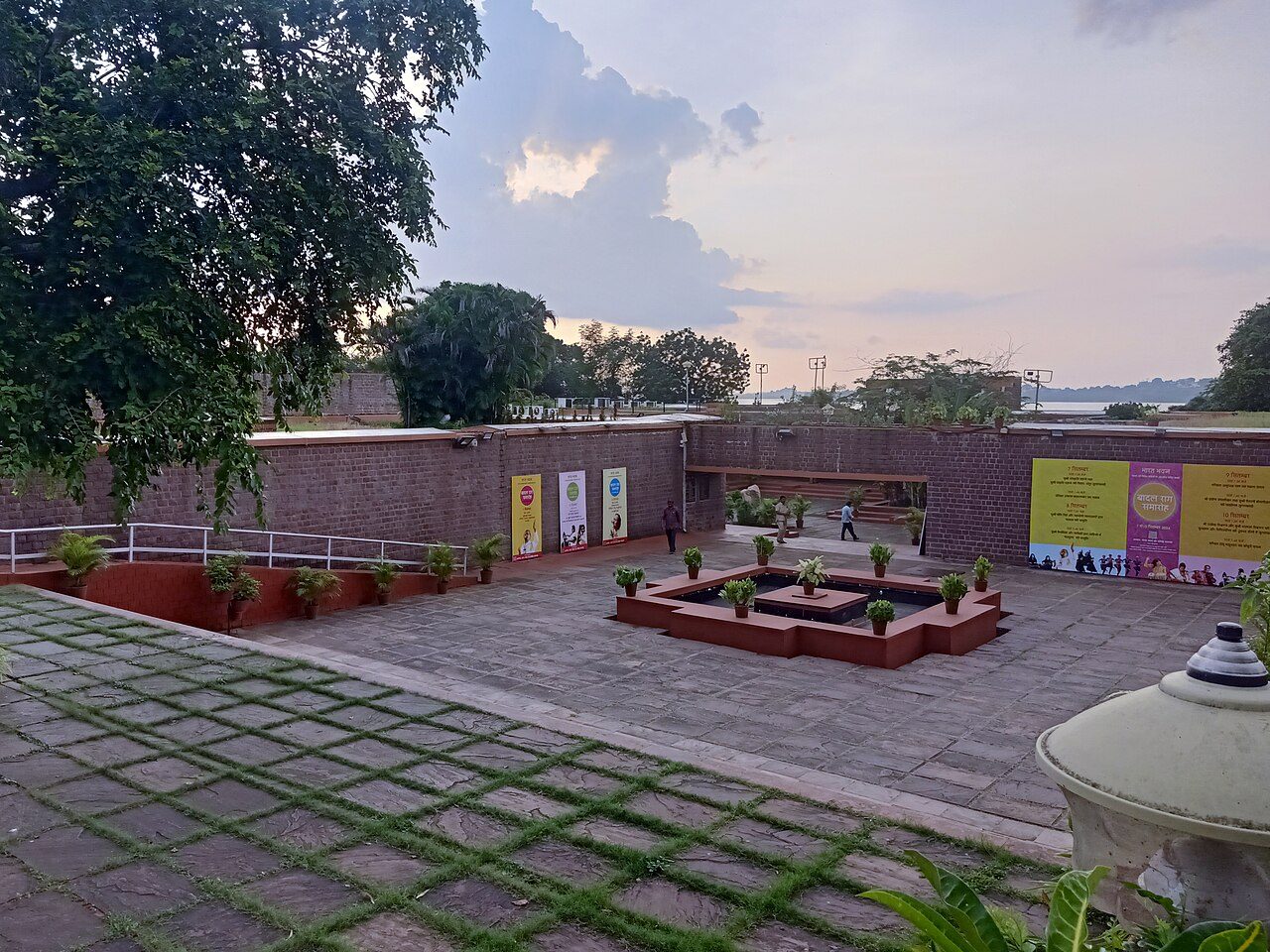
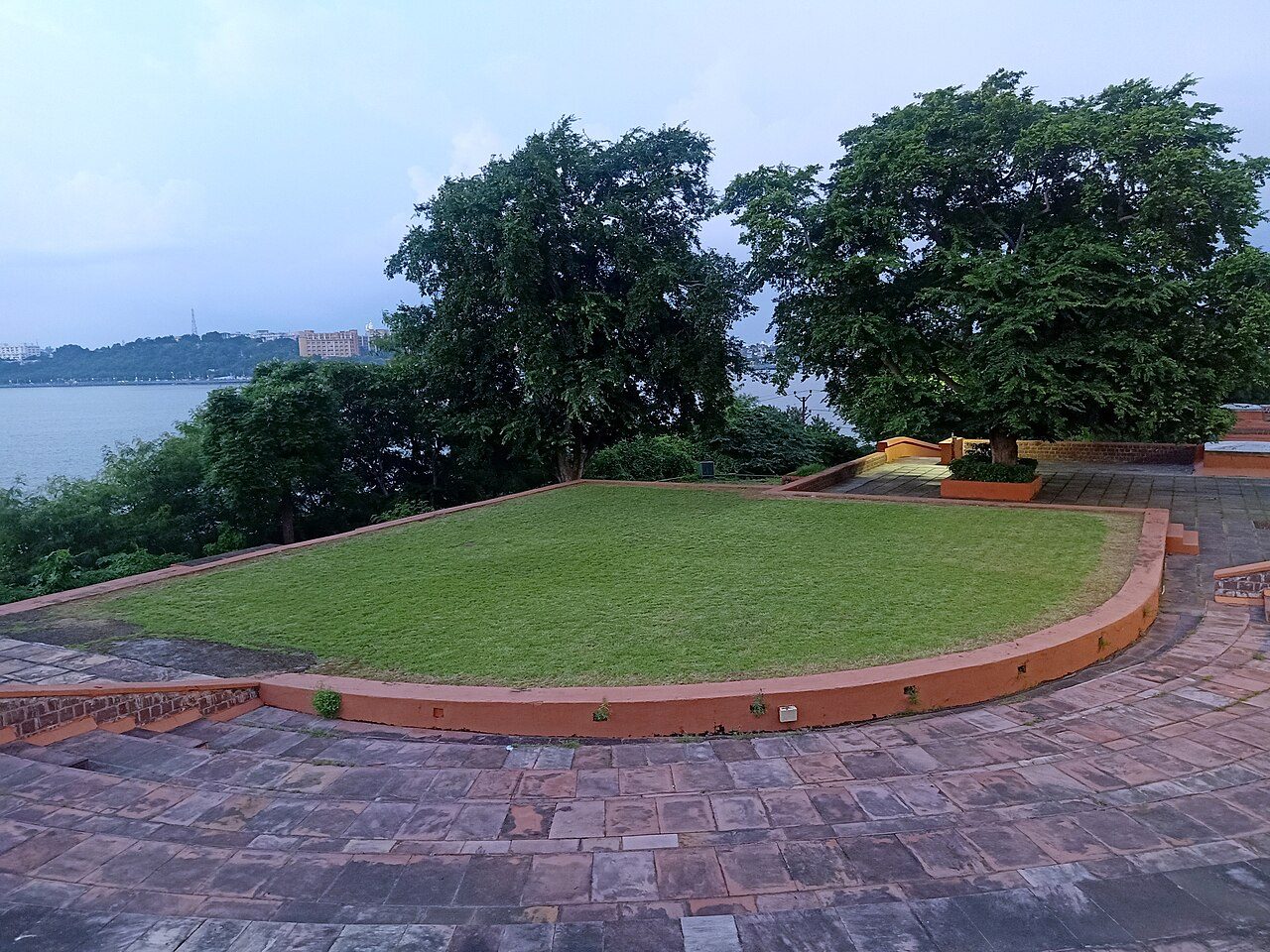
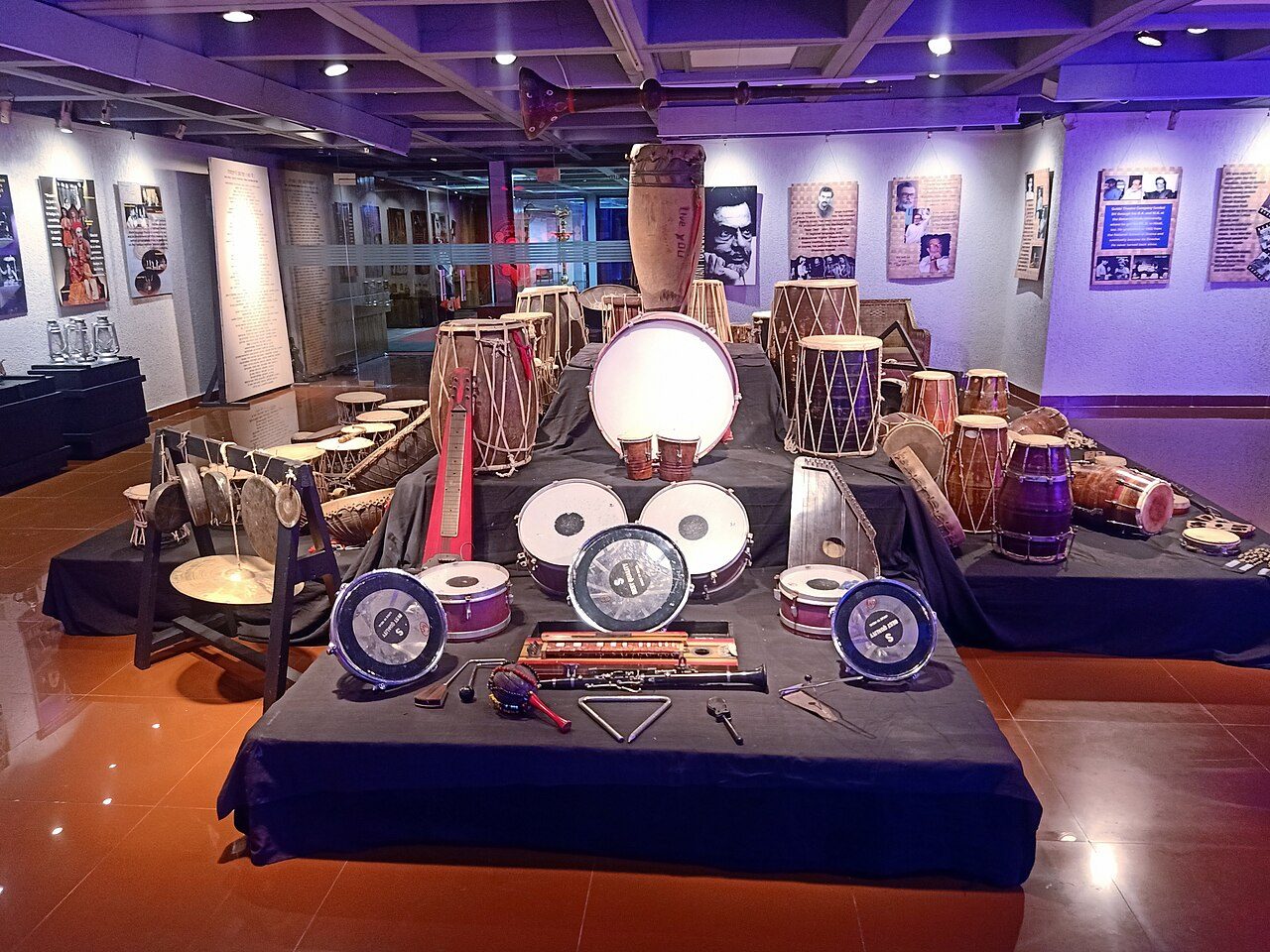
Bharat Bhavan is a multi-arts centre on a slope above Bhopal's Upper Lake, opened in 1982 and designed by the architect Charles Correa as a series of sunken courtyards and terraces. It houses galleries of modern and tribal art, a repertory theatre, an open-air amphitheatre and libraries of poetry and music. Evenings often bring performances. It is closed on Mondays.
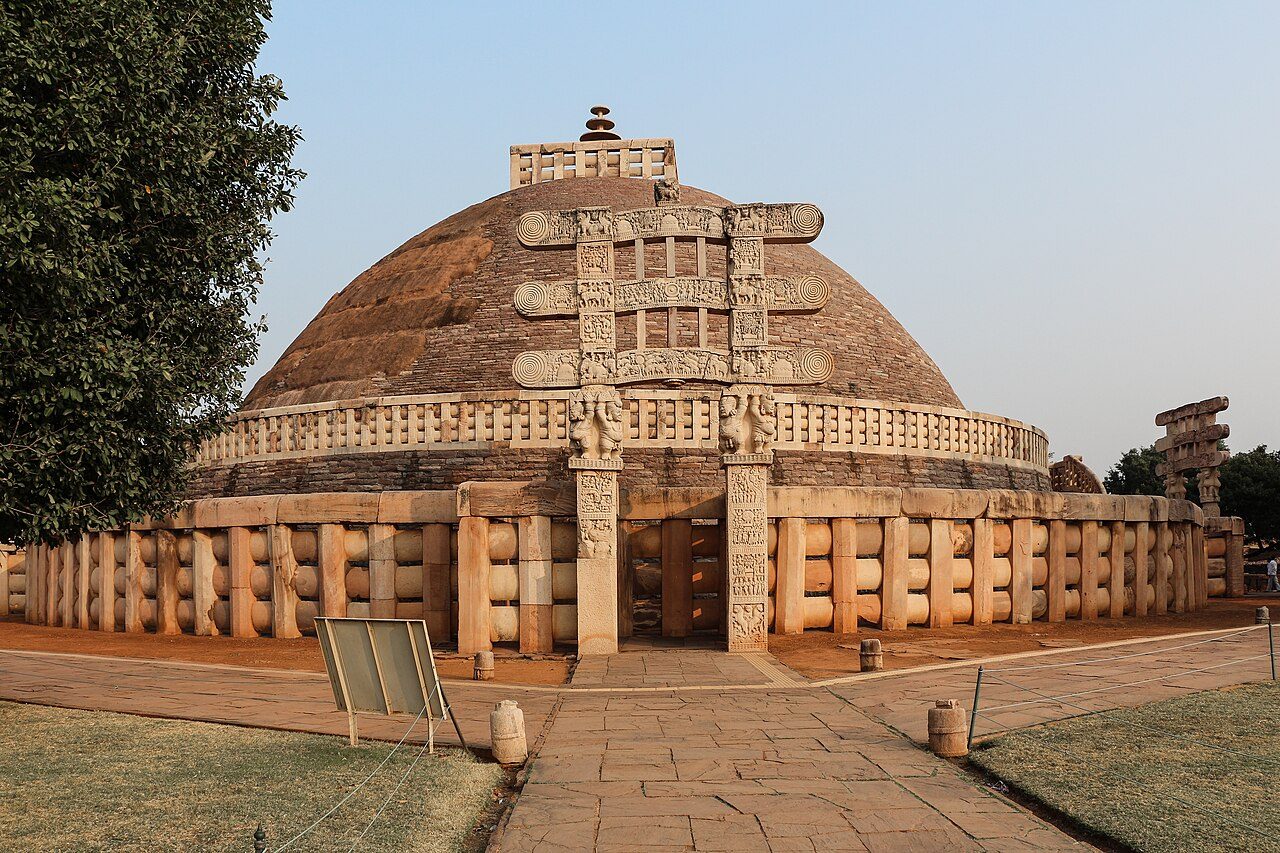
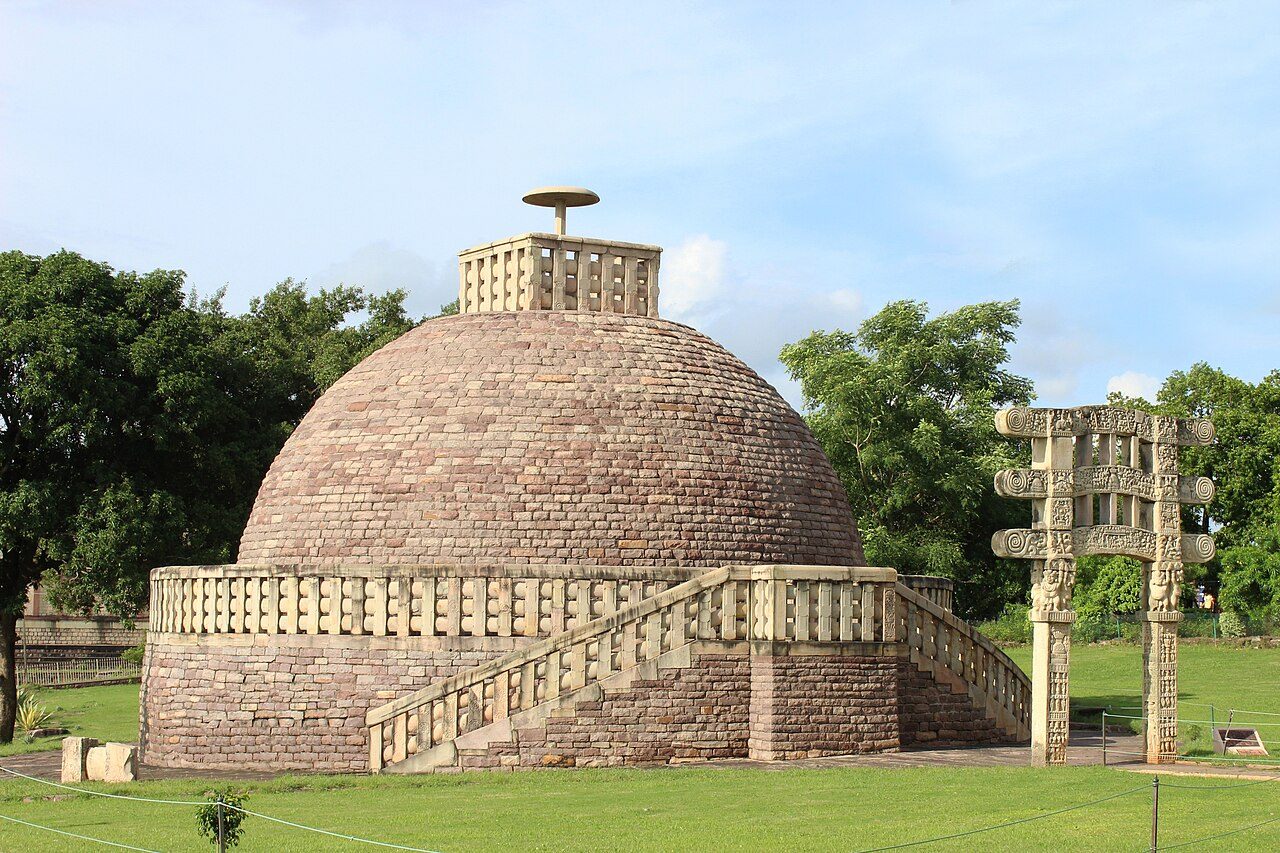
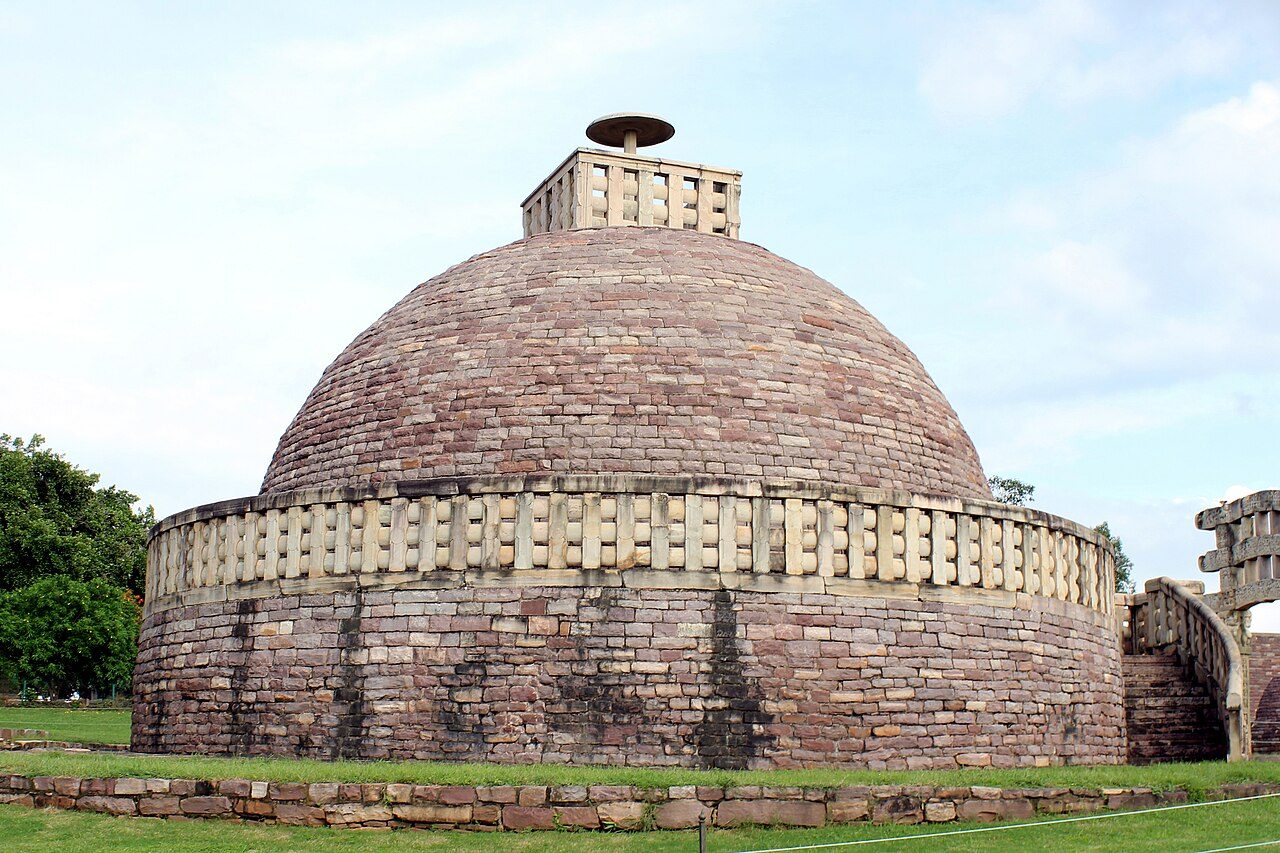
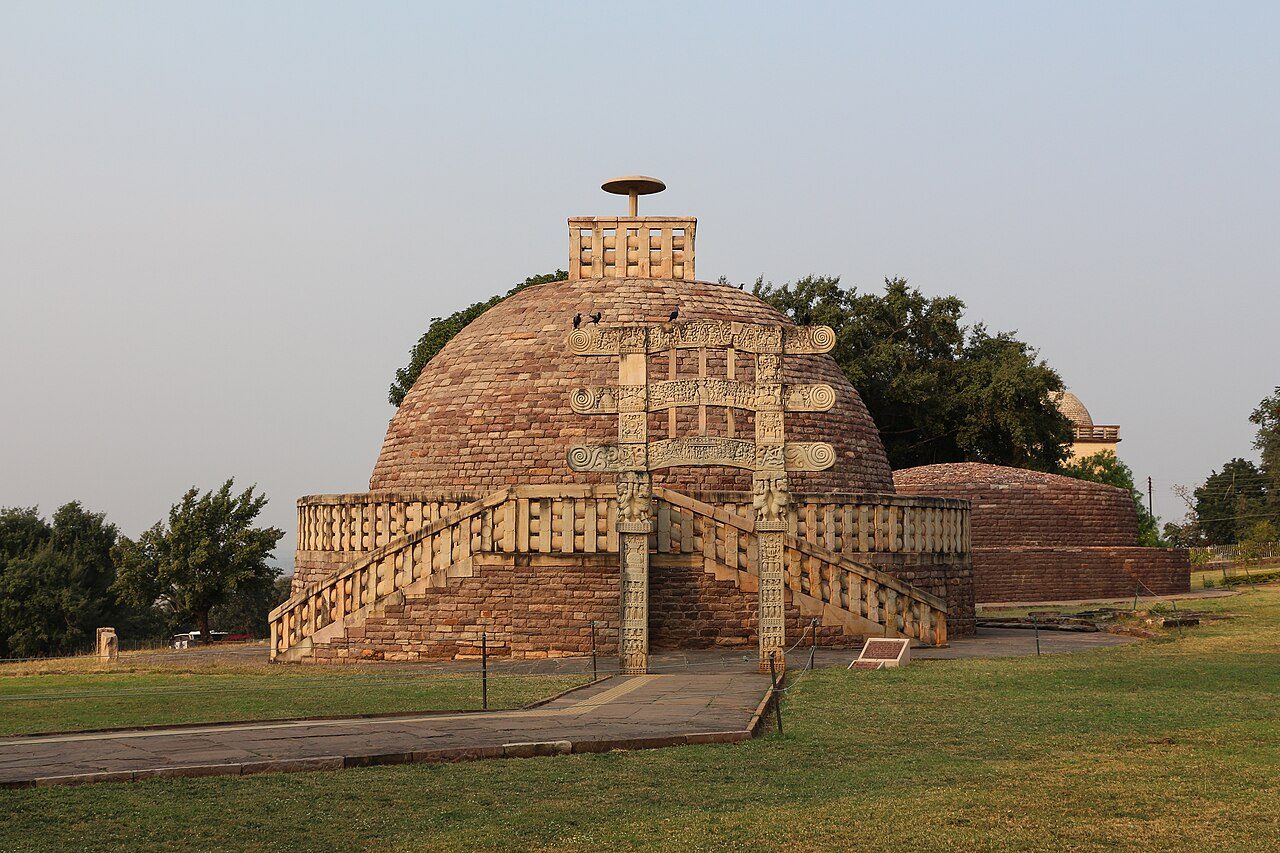
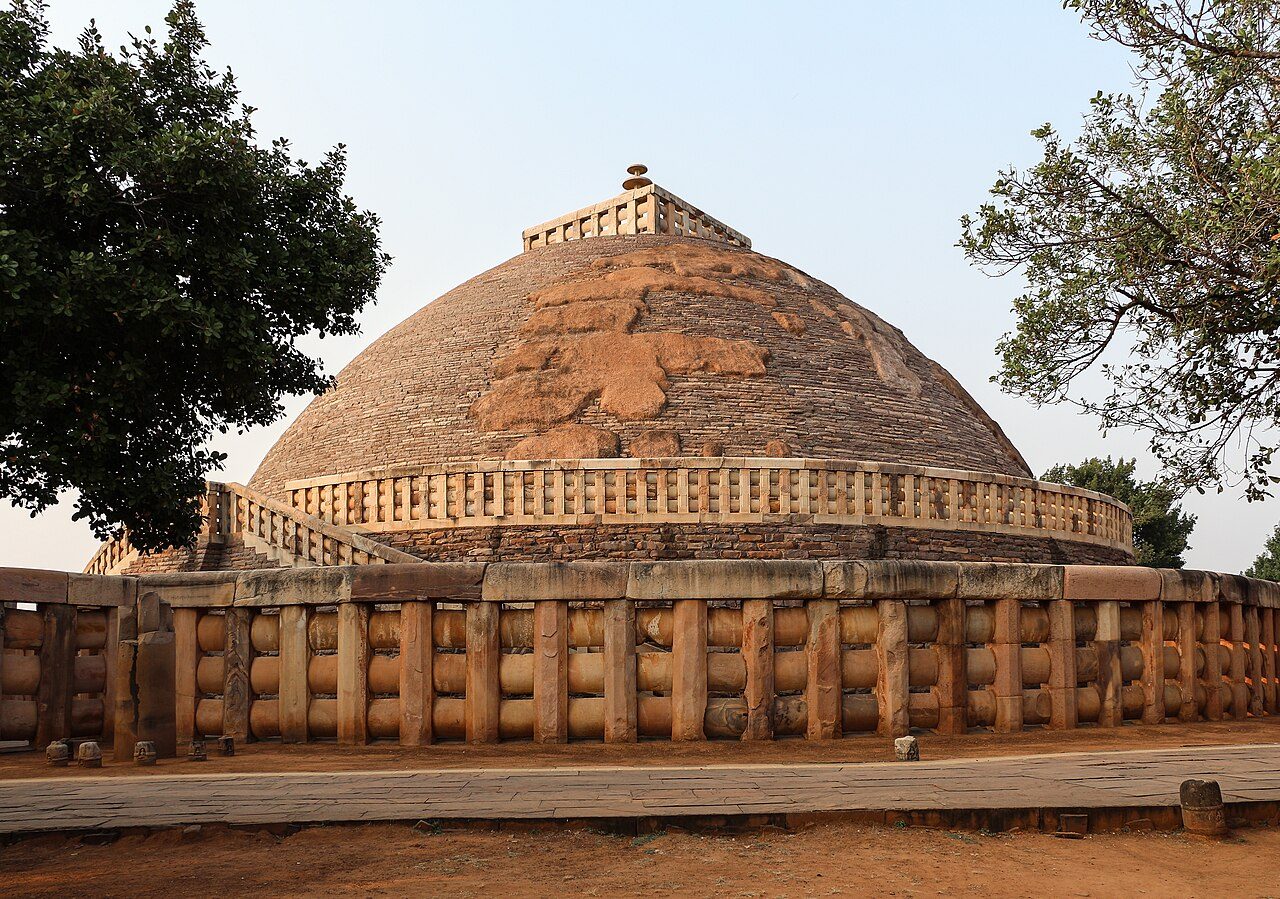
The Great Stupa at Sanchi is one of the oldest stone structures in India, begun by Emperor Ashoka in the 3rd century BCE and enlarged over the following centuries. Its four gateways are covered with detailed carvings of the Buddha's life and earlier births. The hilltop also holds smaller stupas, monasteries, temples and an Ashokan pillar, and the whole site is a UNESCO World Heritage Site.
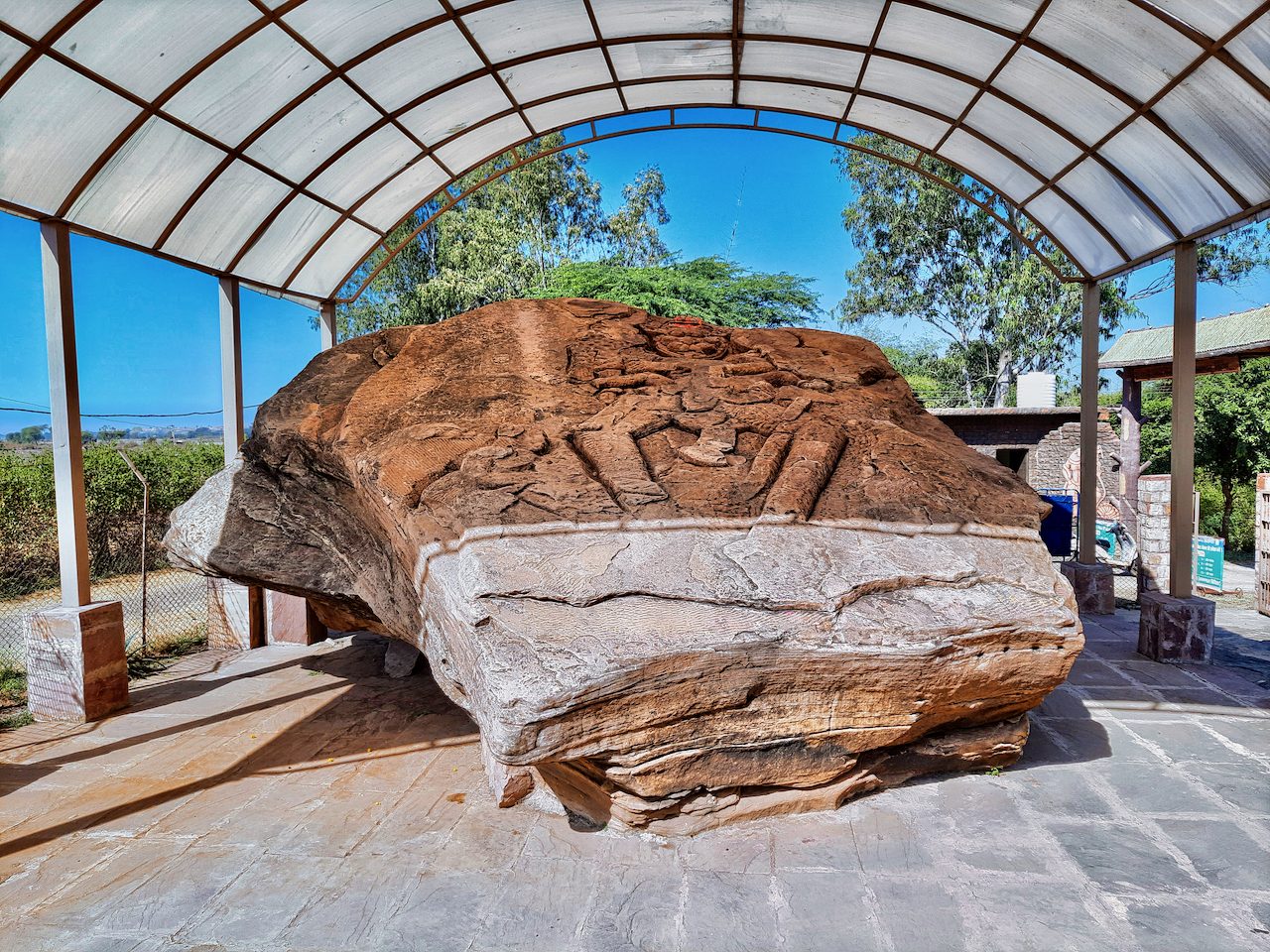
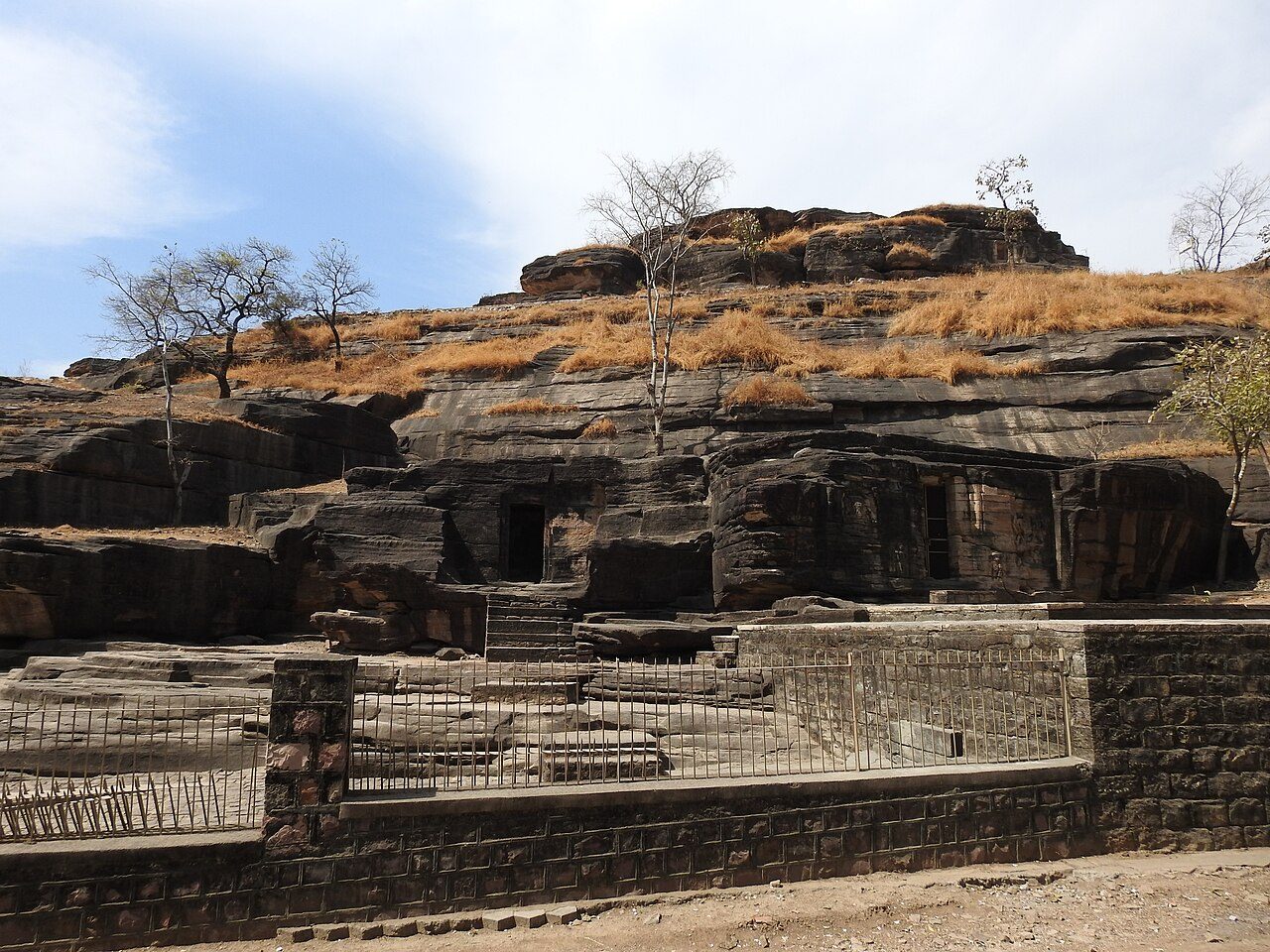
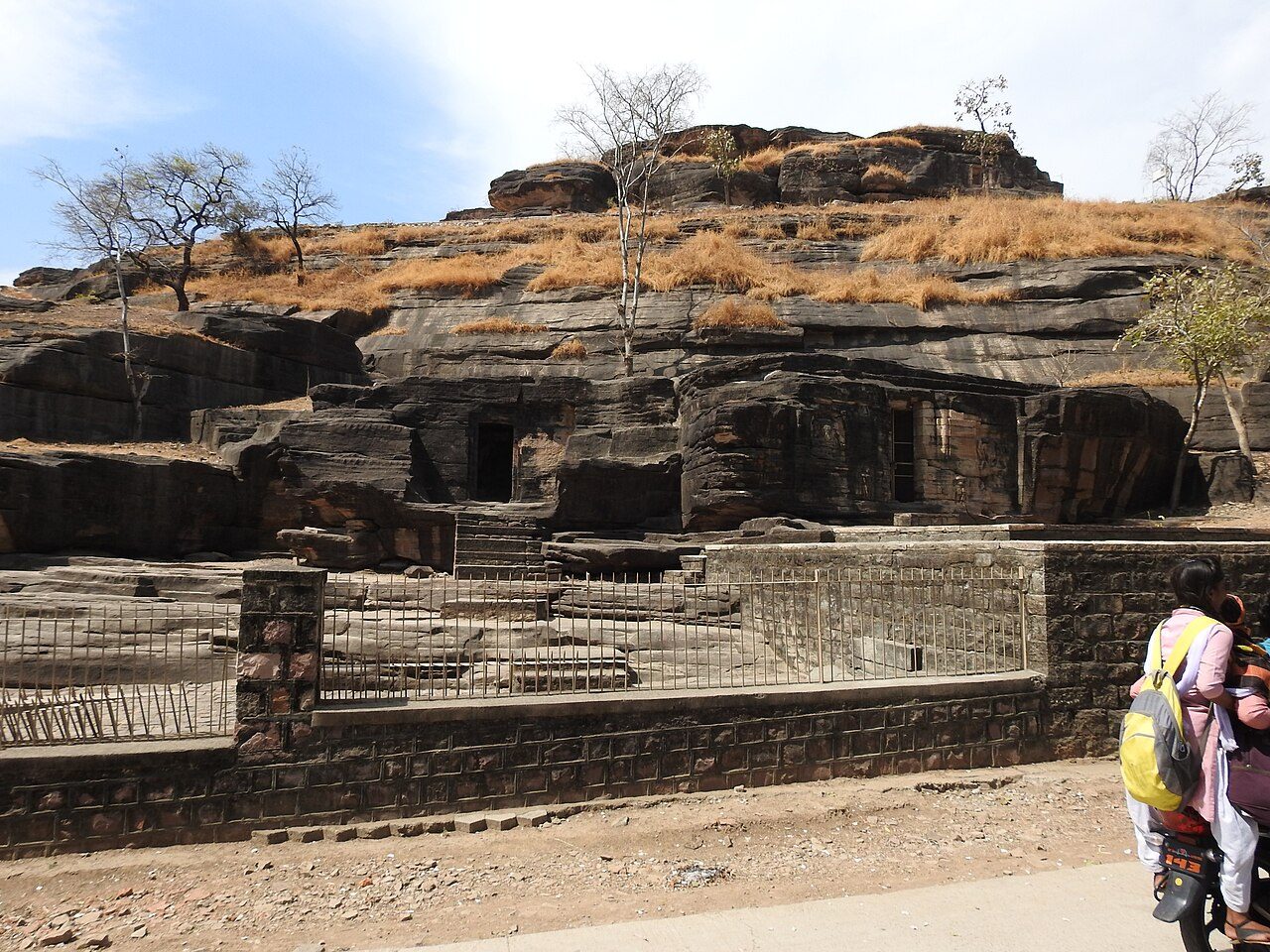
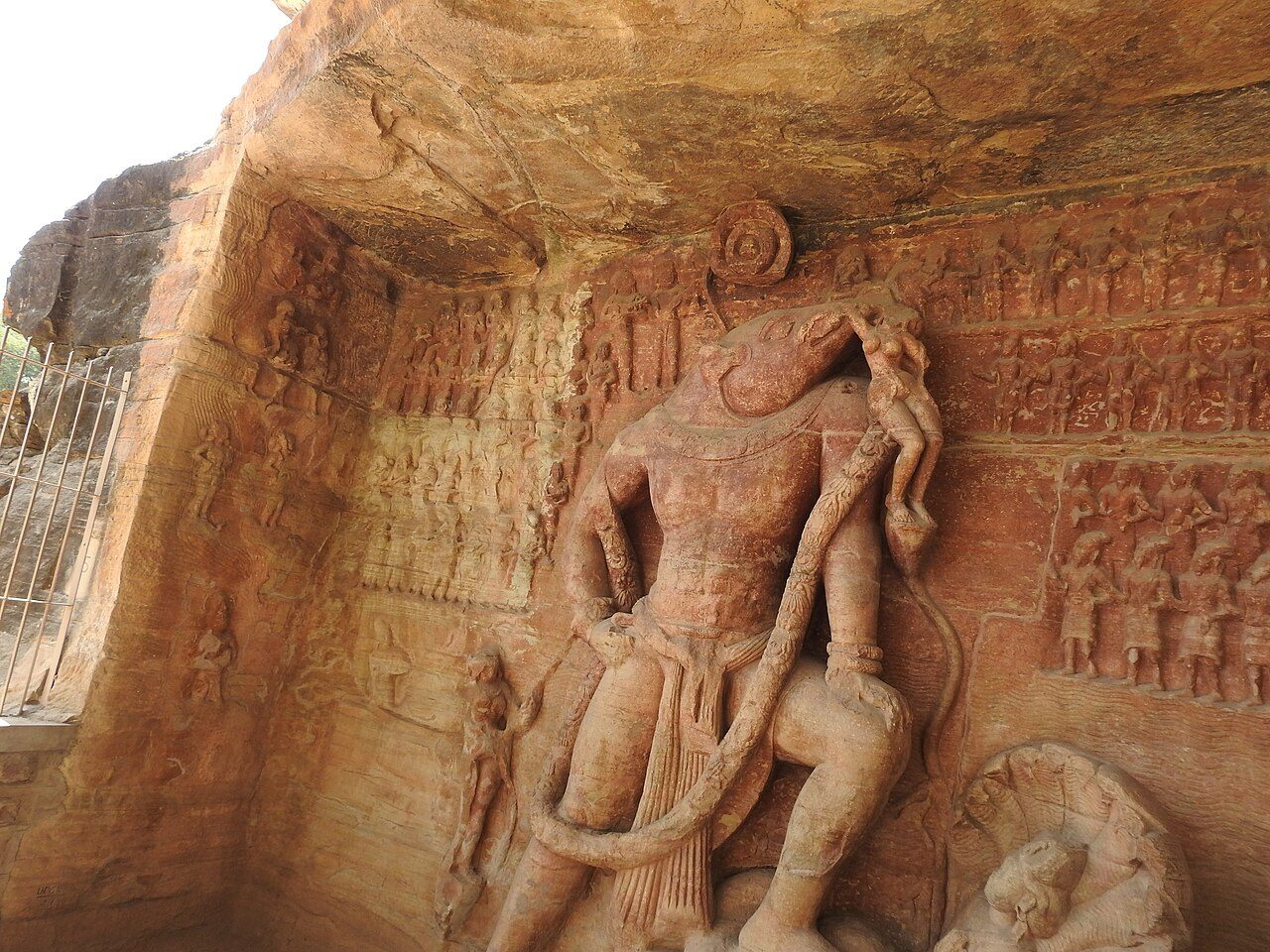
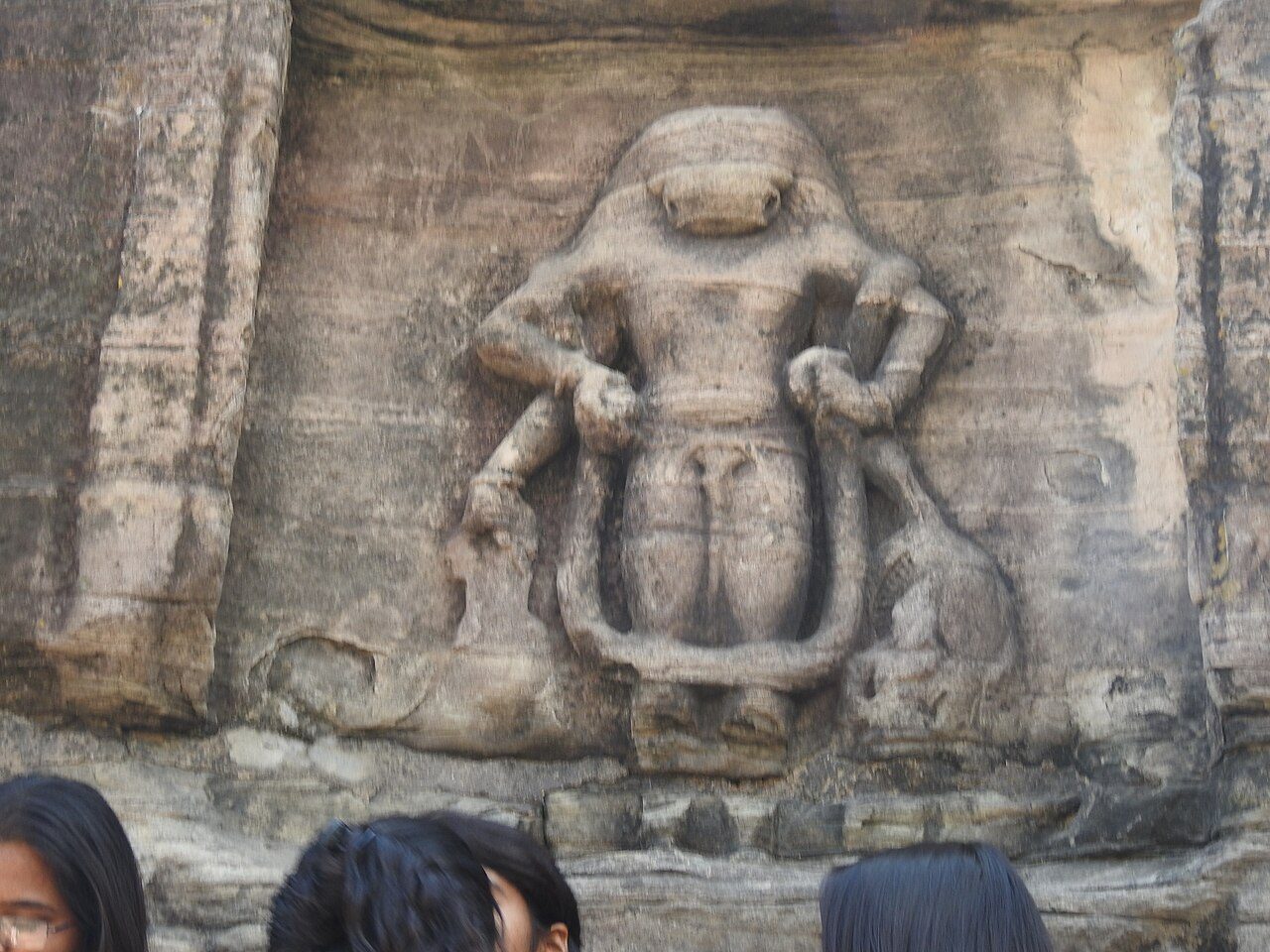
The Udayagiri Caves near Vidisha are a group of rock-cut shrines from the early 5th century, made under the Gupta king Chandragupta II. They contain some of the earliest surviving Hindu sculpture, most famously a colossal relief of Vishnu as the boar Varaha rescuing the earth goddess. Inscriptions record the king's visit. The caves line a low sandstone ridge and are easily combined with Sanchi.
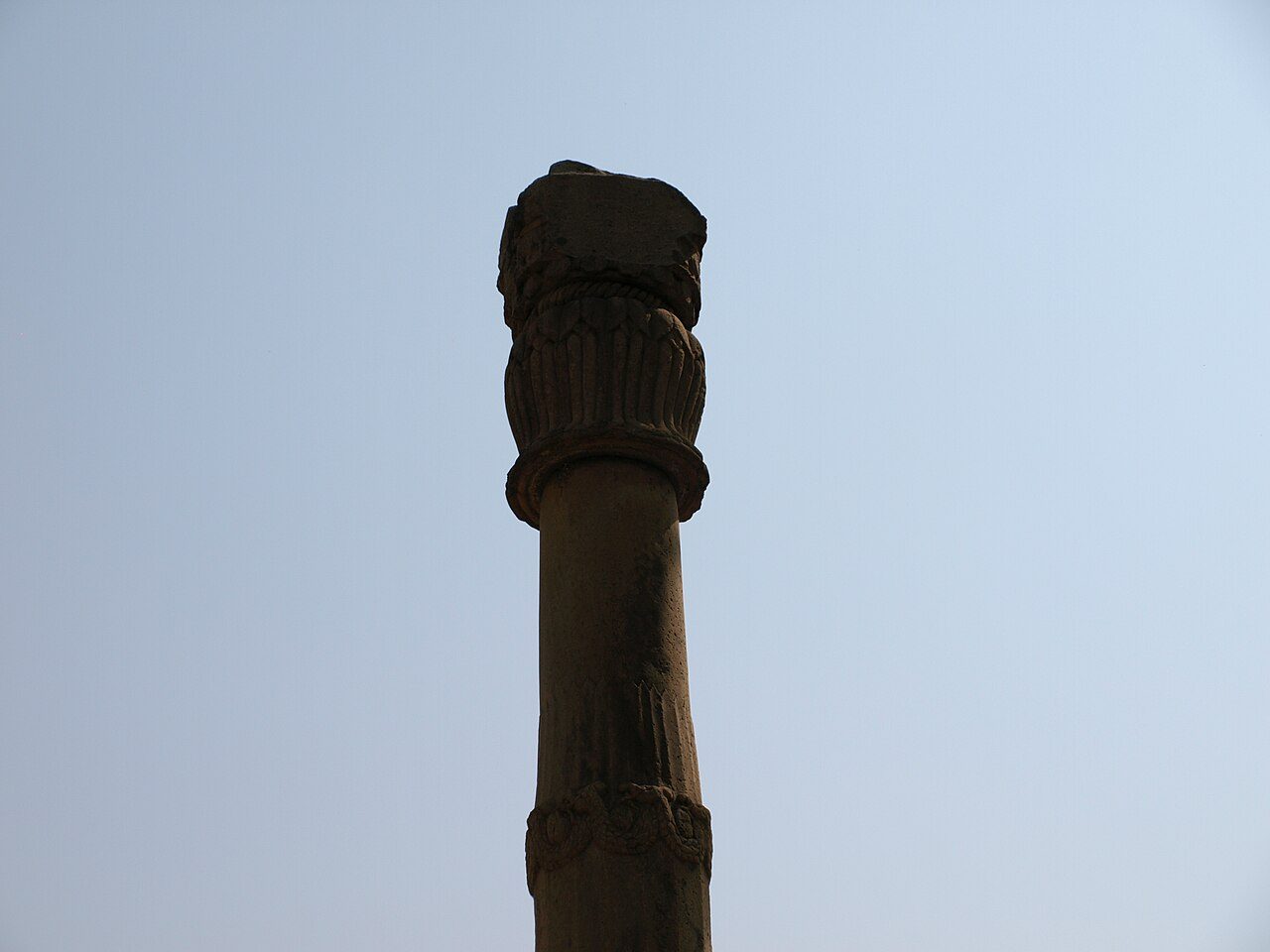
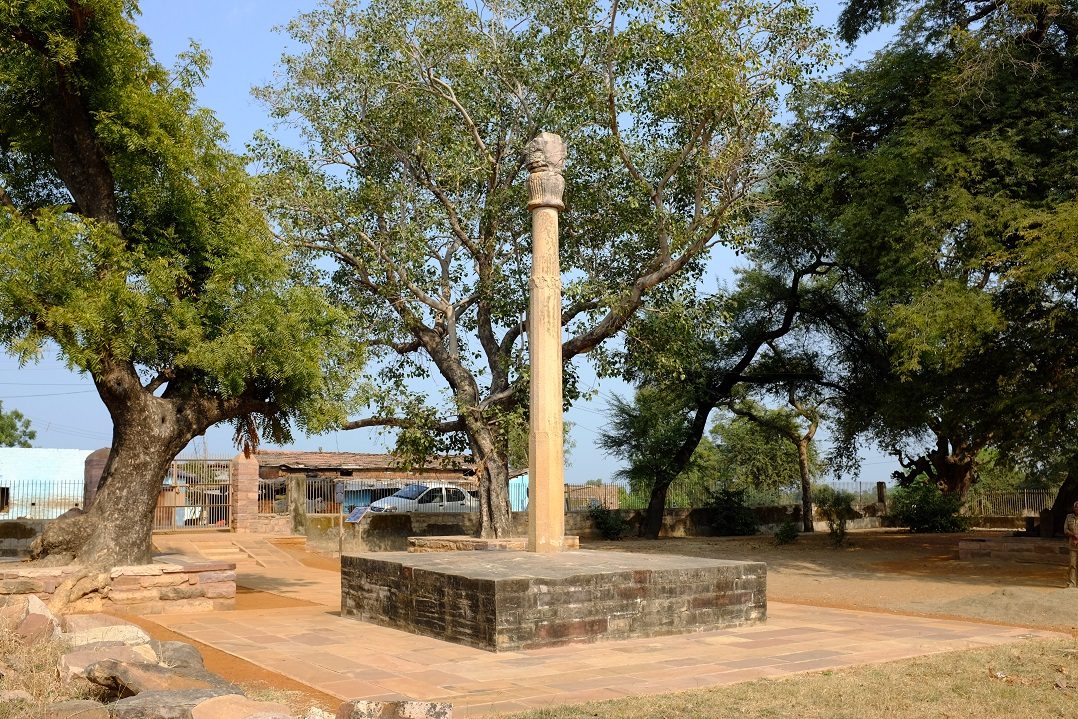
The Heliodorus Pillar, known locally as Khamb Baba, stands near Vidisha. It was set up around 113 BCE by Heliodorus, a Greek ambassador from Taxila to the local Shunga court, in honour of Vasudeva. Its Brahmi inscription is one of the earliest records of devotion to Vishnu, and of a foreigner adopting it. The slim stone column stands in a small fenced enclosure.
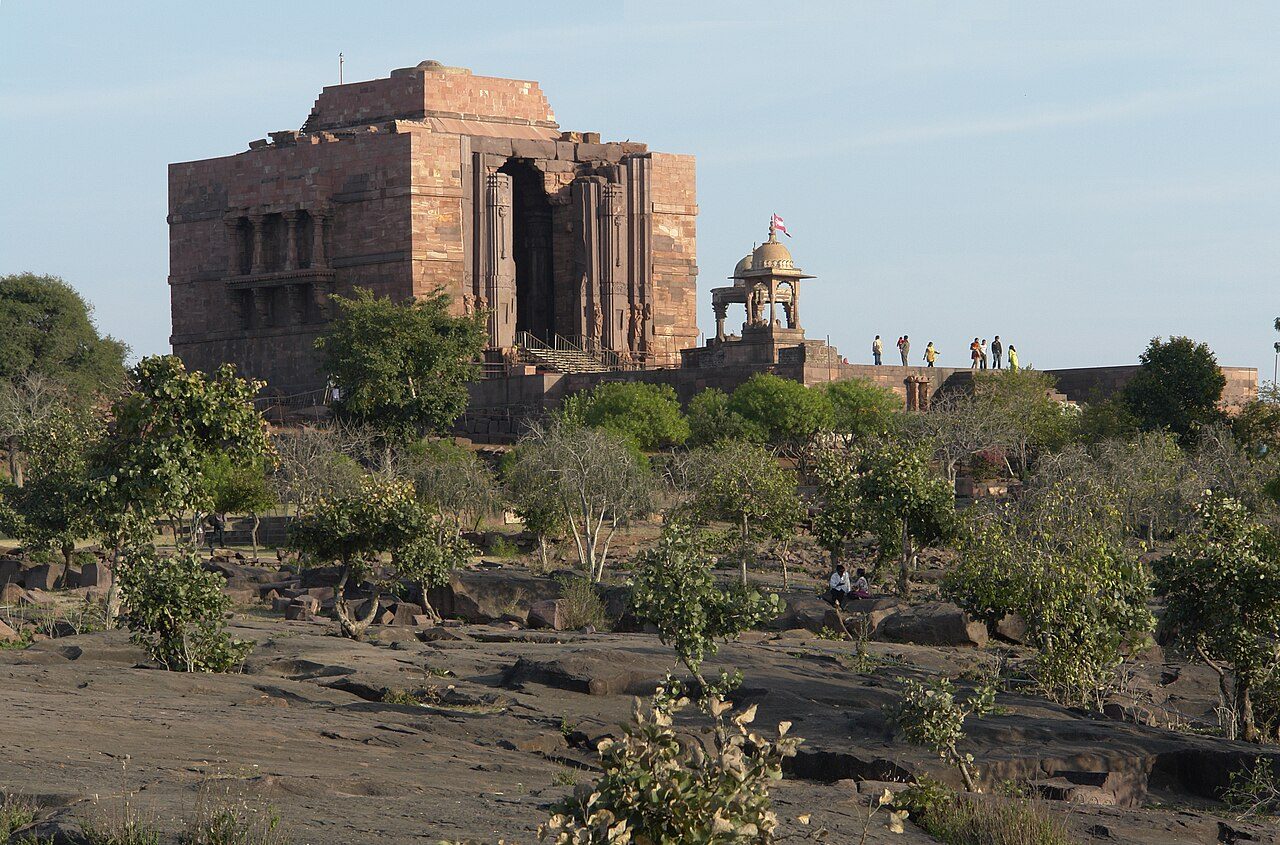
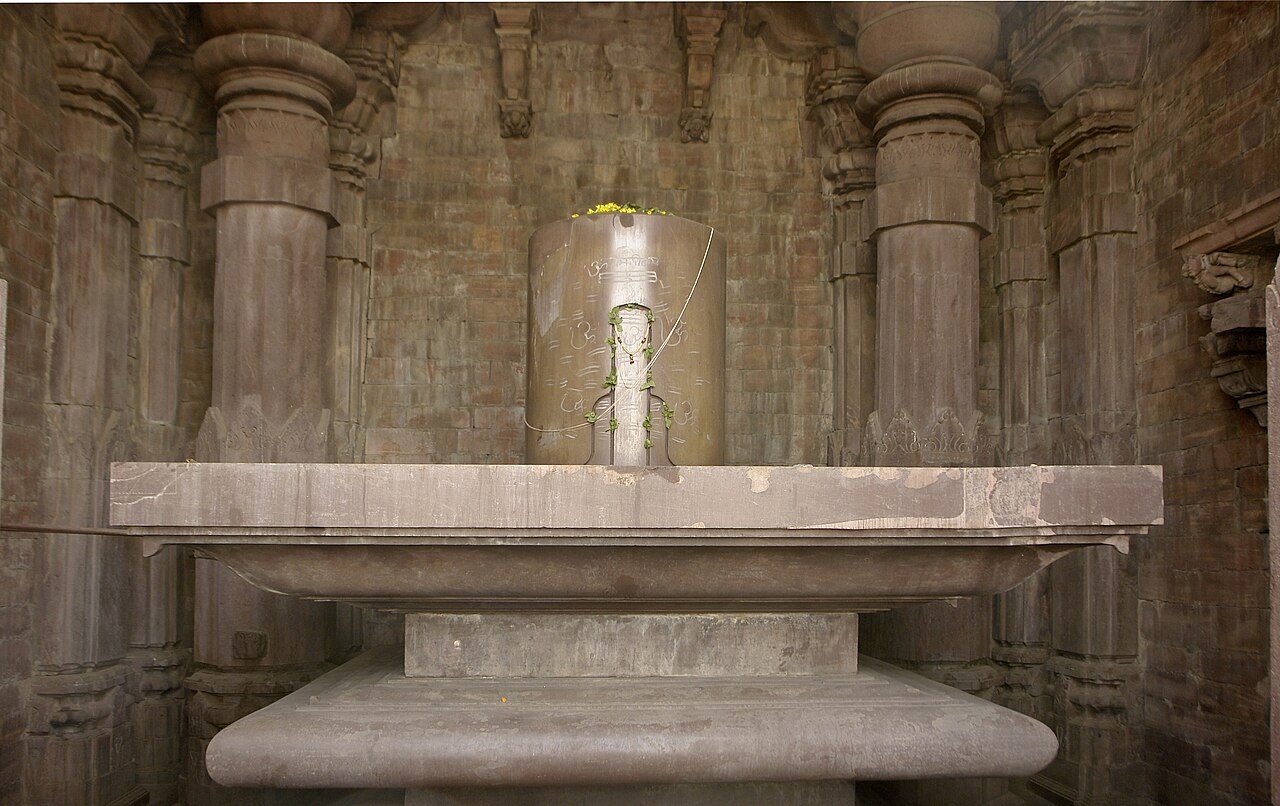
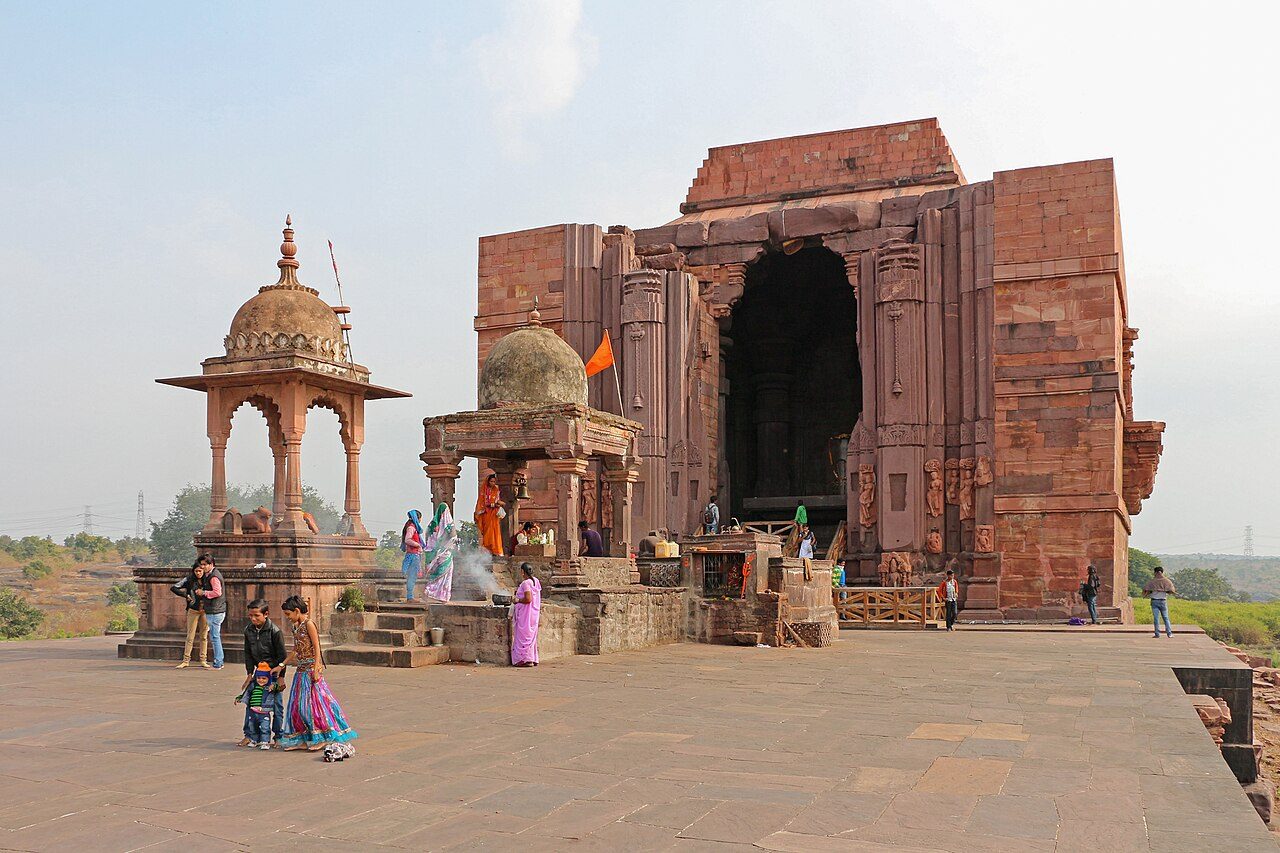
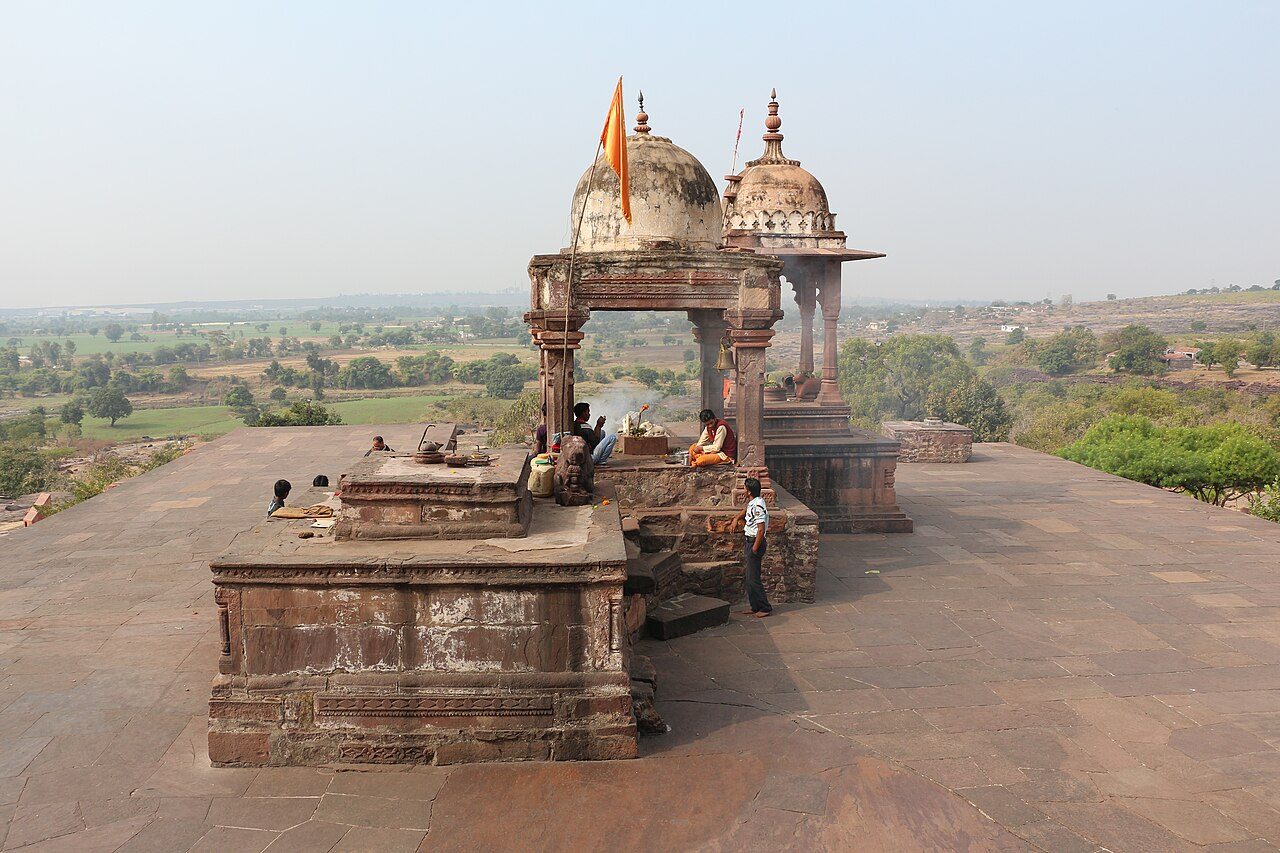
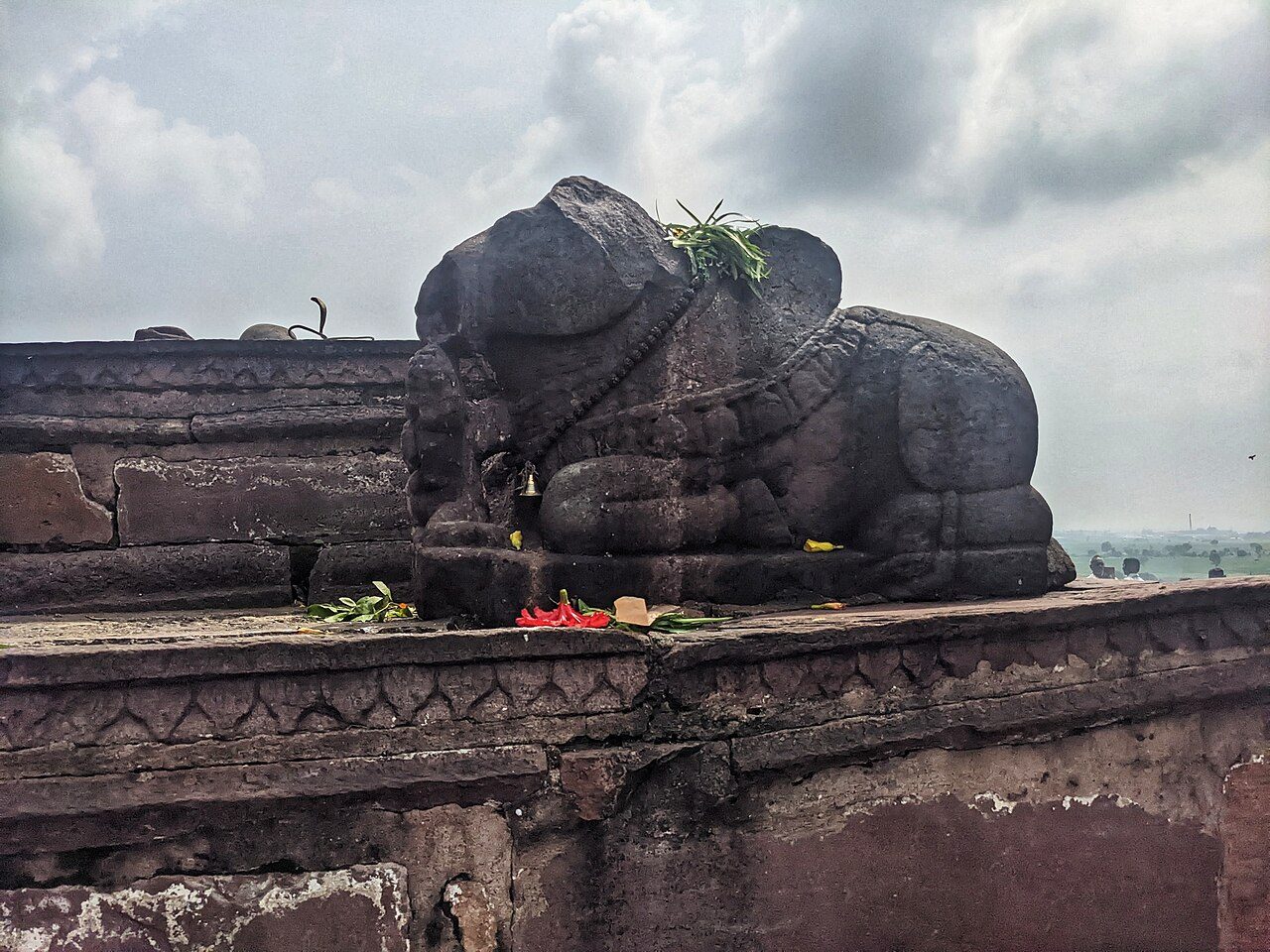
The Bhojeshwar Temple at Bhojpur was begun in the 11th century by the Paramara king Bhoja and never completed. Inside the sanctum stands one of the tallest Shiva lingas in India, carved from polished stone and set on a huge stepped platform. Architectural drawings engraved on nearby rocks and an earthen ramp show how the temple was being built.
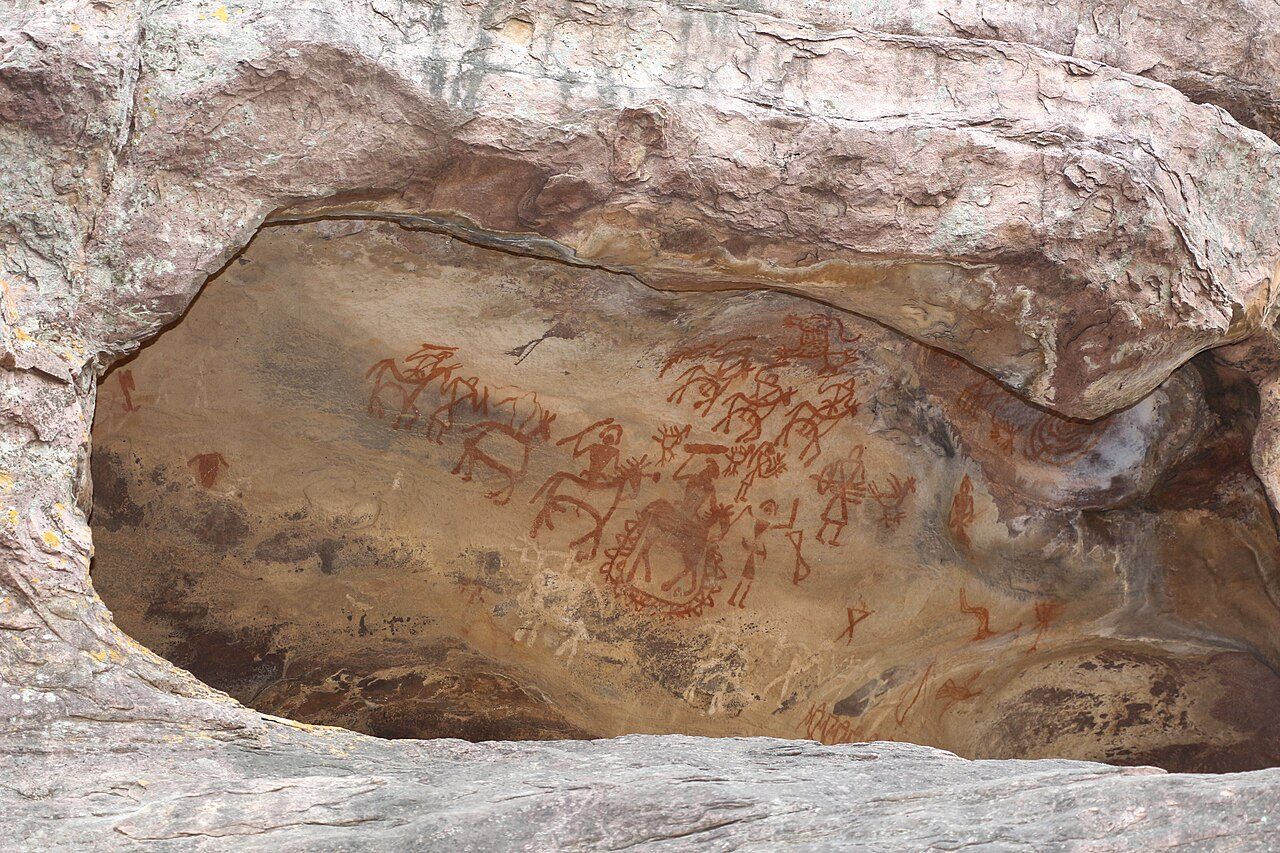
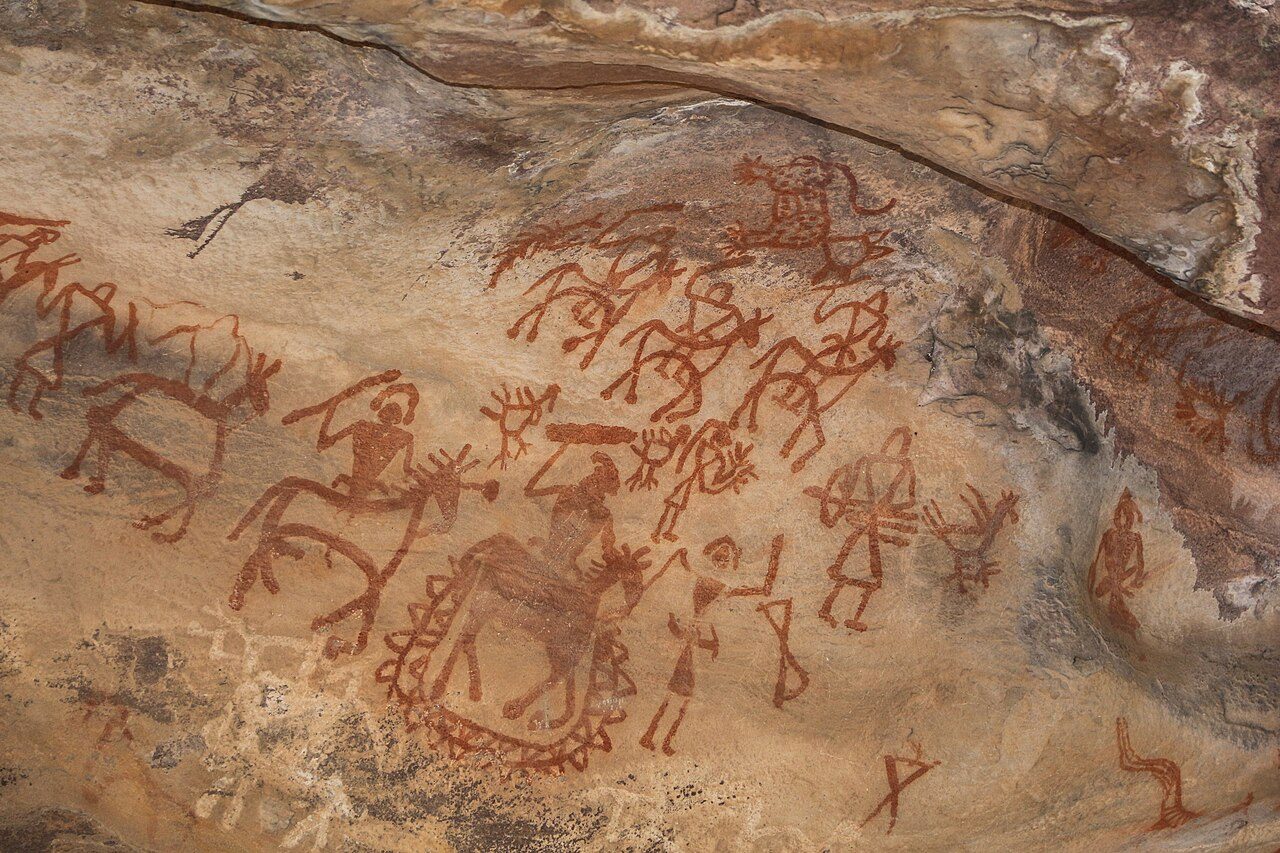
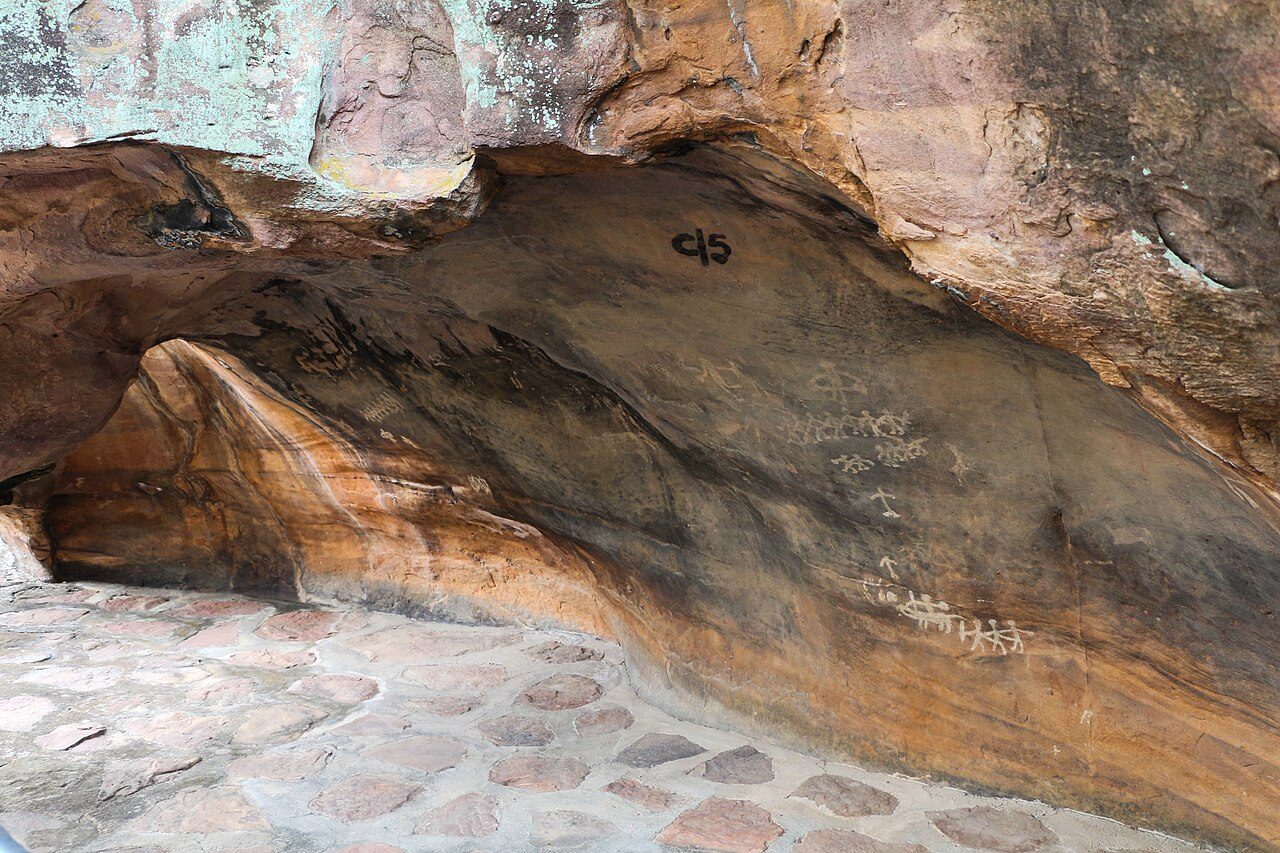
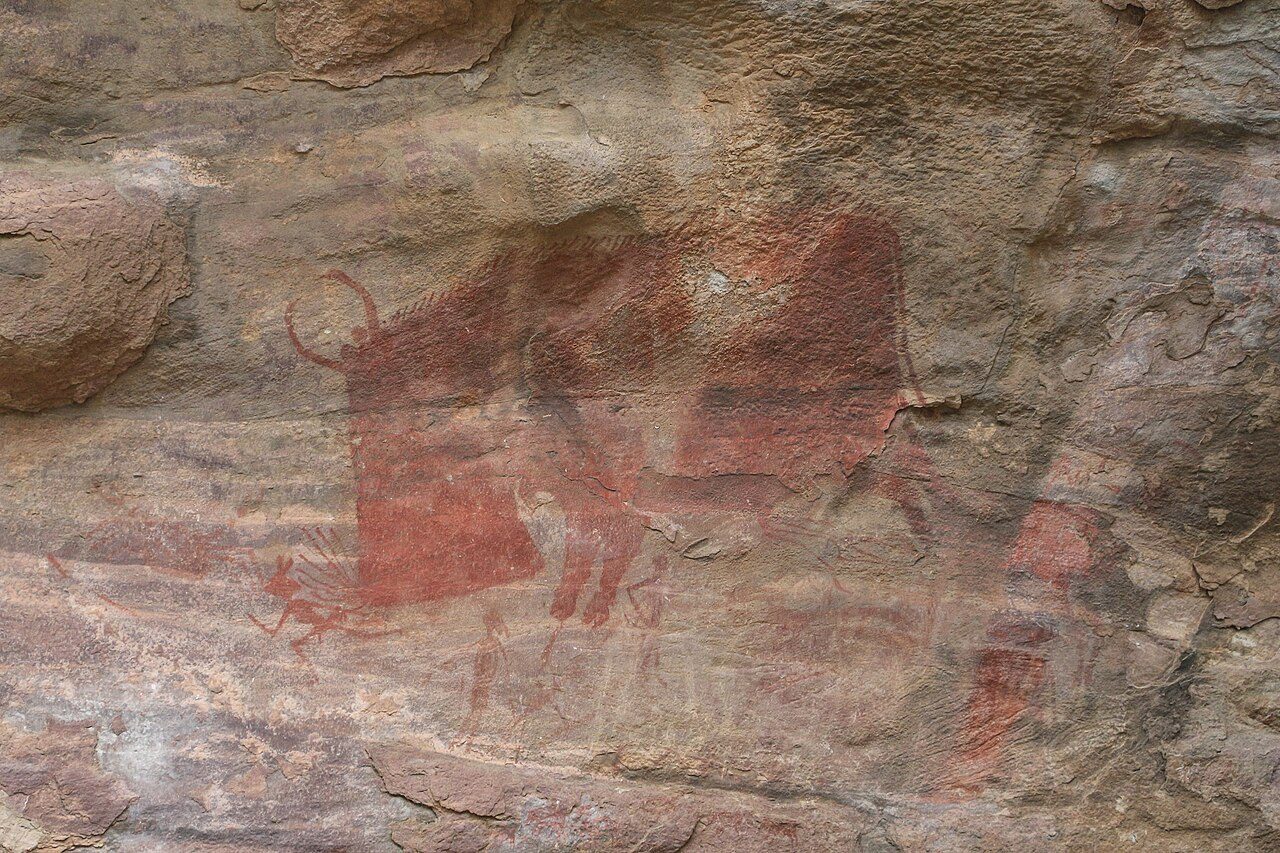
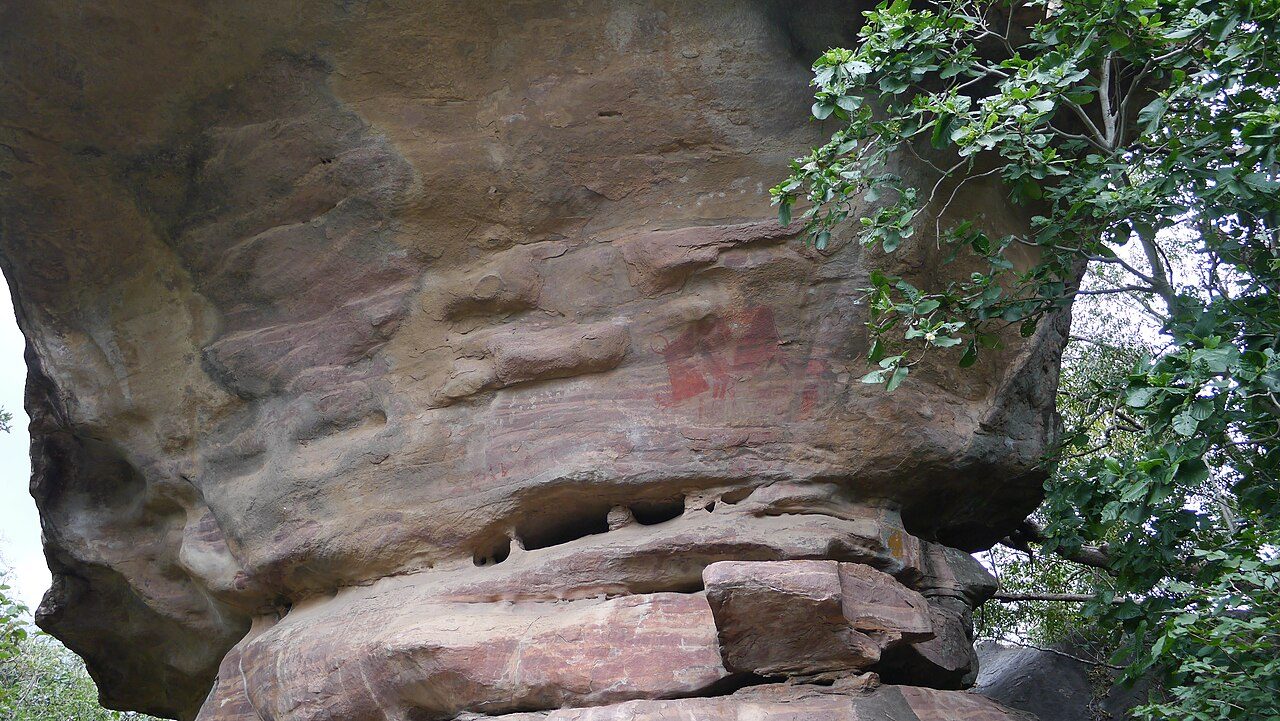
The Bhimbetka rock shelters lie in forested sandstone hills south of Bhopal and hold some of the oldest known art in India. Paintings in red and white show animals, hunting, dancing and daily life, spanning from the Stone Age to the medieval period. A marked path links the main shelters open to visitors. The UNESCO World Heritage Site is best seen in the morning light.
Best weather: Nov – MarHeavy rain: Jul – Aug
Seasons from 20 years of NASA POWER climate data.
Was this trip blog helpful?
0
0
Ready to follow this route?
Copy all 10 stops into your trip plans in the app.
 WaTrips