Bhopal, Mandu and Burhanpur in 3 Days: Mosques, Tombs and Begums
3 DAYS8 placesby WaTrips
Bhopal's Taj-ul-Masajid, Moti Masjid and Gohar Mahal, Mandu's Jami Masjid and Hoshang Shah's tomb, then Burhanpur and Asirgarh.
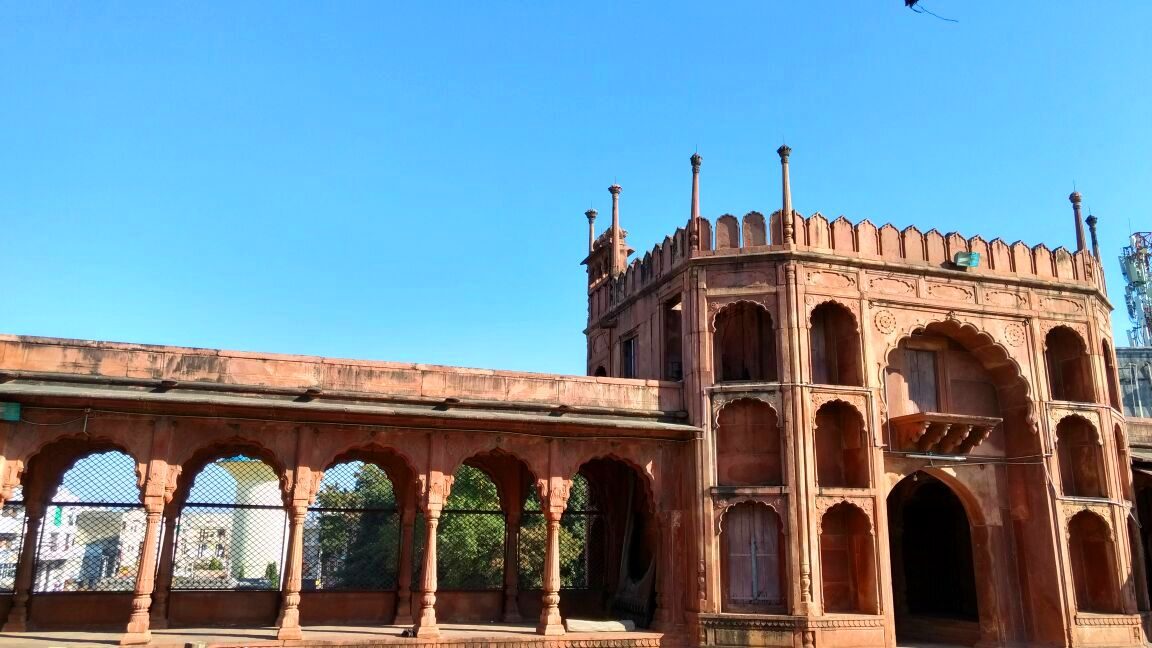
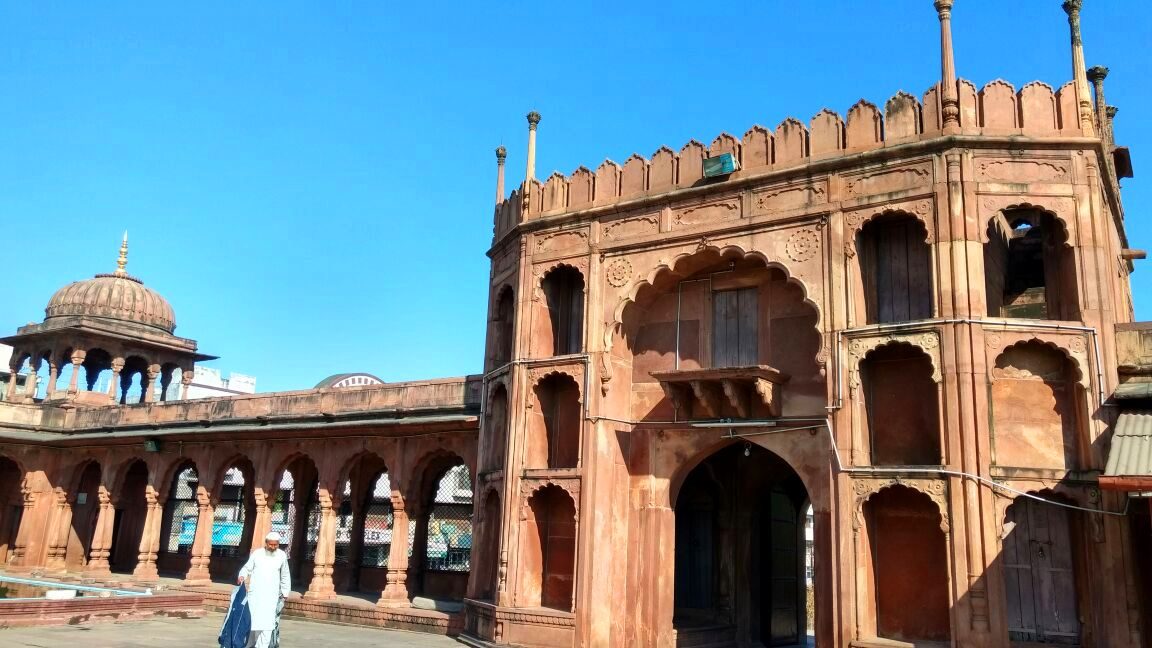
Madhya Pradesh has a rich Islamic heritage that few visitors see. Day one is Bhopal, long ruled by begums: Taj-ul-Masajid, one of India's largest mosques, the Moti Masjid and Gohar Mahal palace. Day two rides to Mandu, the hill capital of the Malwa sultans, for its Jami Masjid, Hoshang Shah's marble tomb, said to have inspired the Taj Mahal's builders, and Jahaz Mahal. Day three goes south to Burhanpur's Shahi Qila on the Tapti and Asirgarh Fort, with its old mosque on the hill. October to March is best.
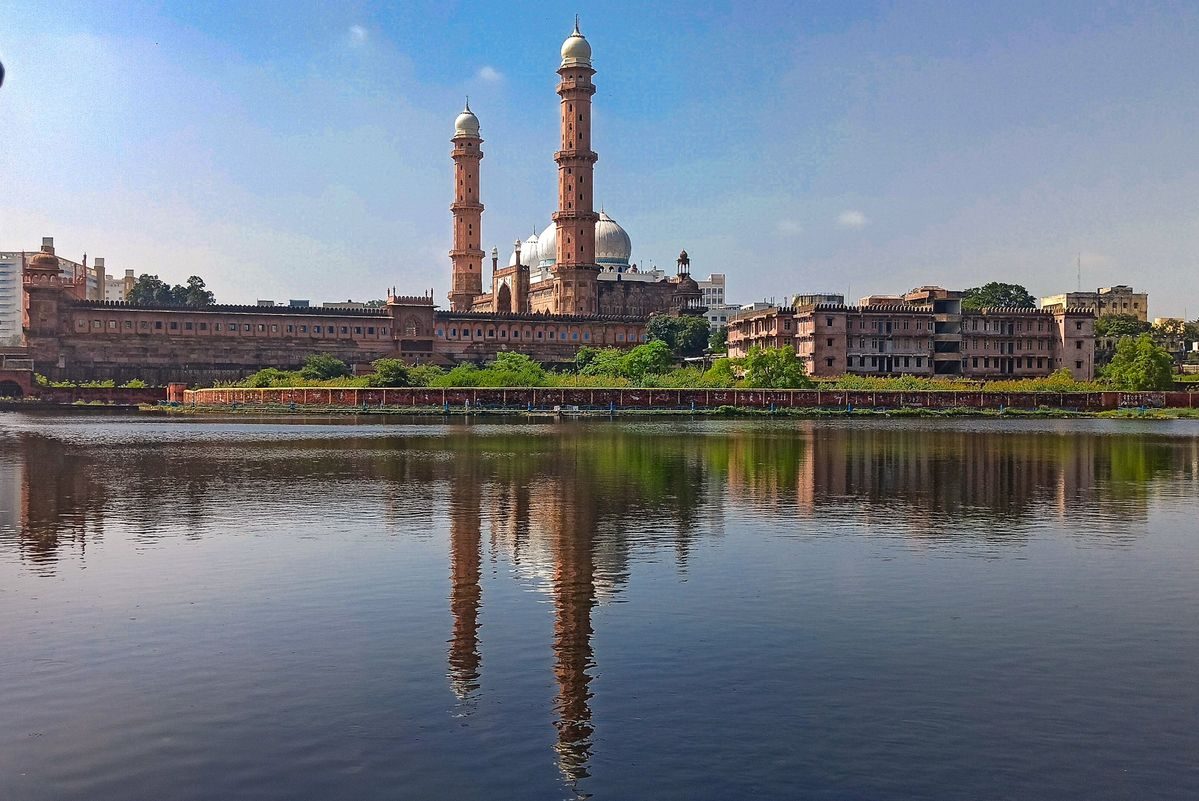
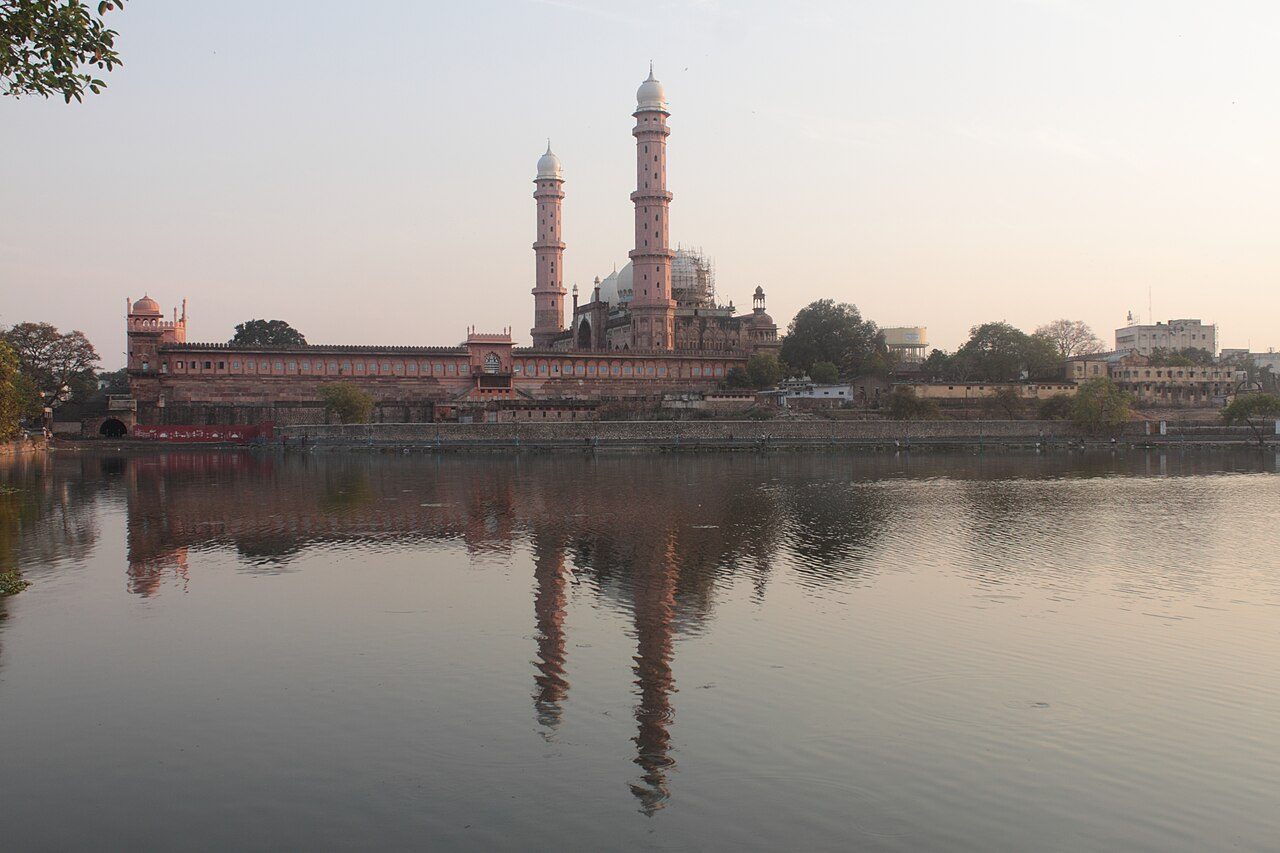
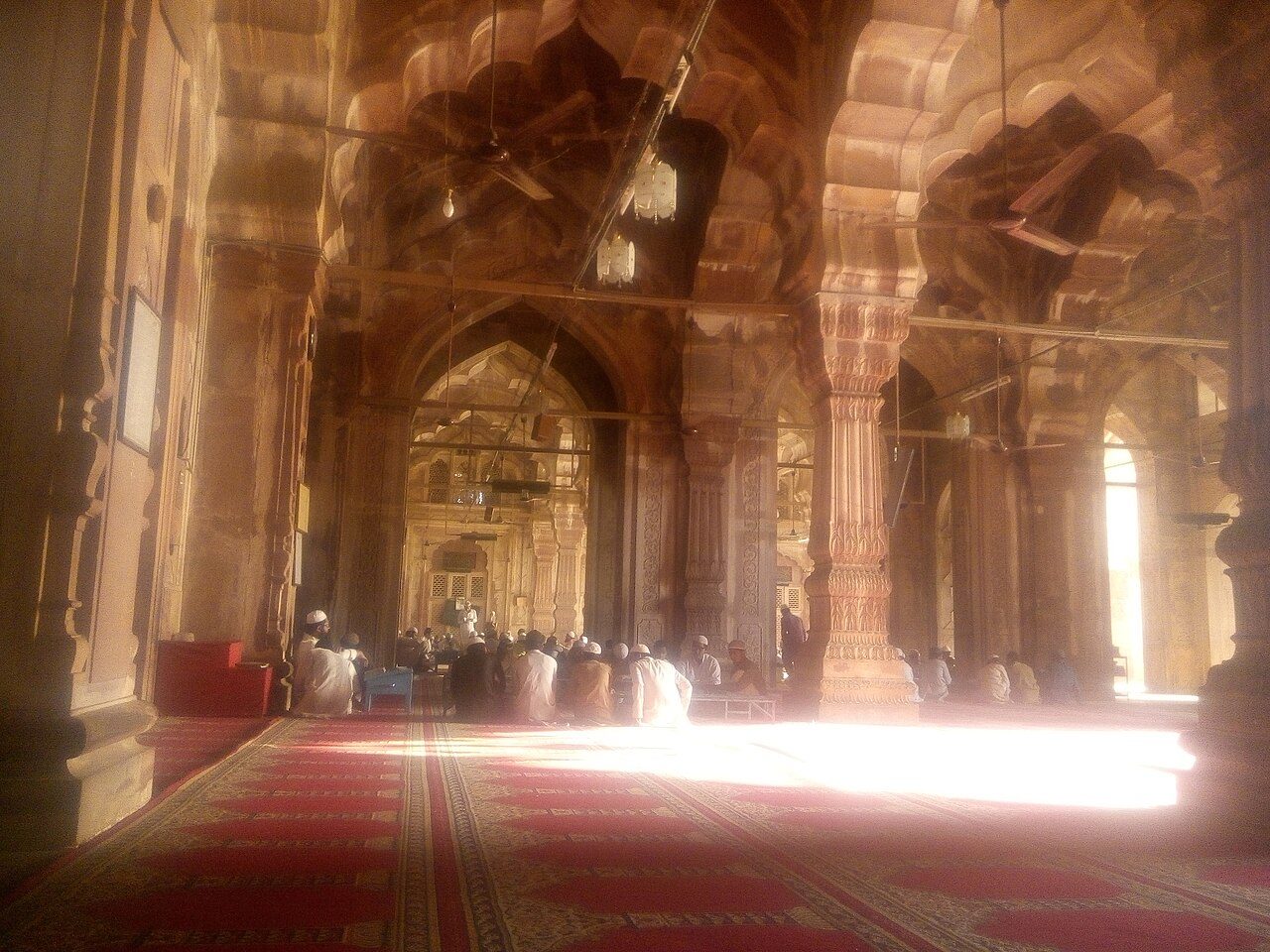
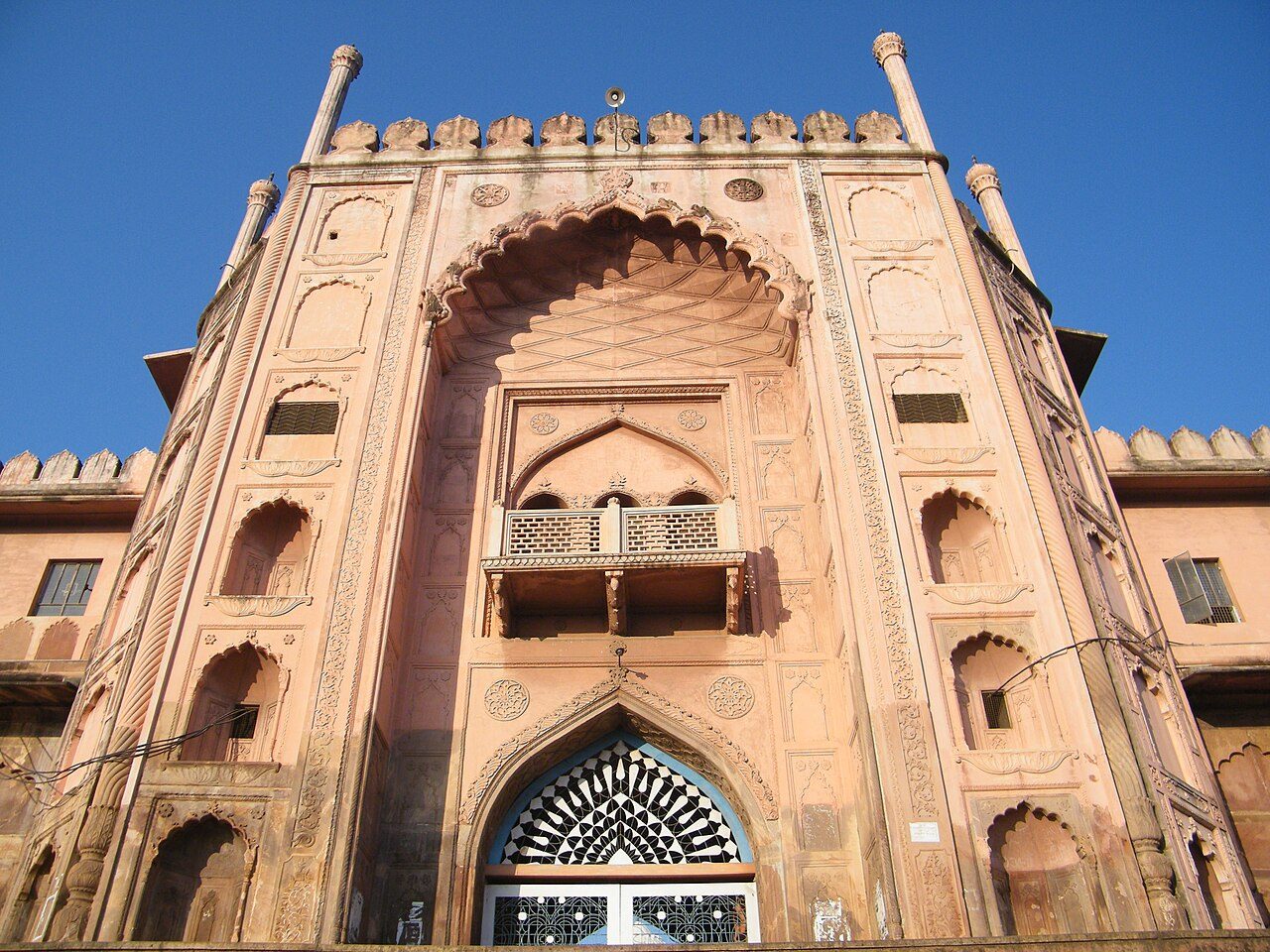
Taj-ul-Masajid, the 'crown of mosques', is among the largest mosques in India. Construction was begun in the 19th century by Shah Jahan Begum, ruler of Bhopal, but stopped for lack of funds and was completed only in the 1980s. Its pink facade carries three white domes and two tall octagonal minarets, and the vast courtyard overlooks a lake. Non-Muslim visitors are welcome outside prayer times.
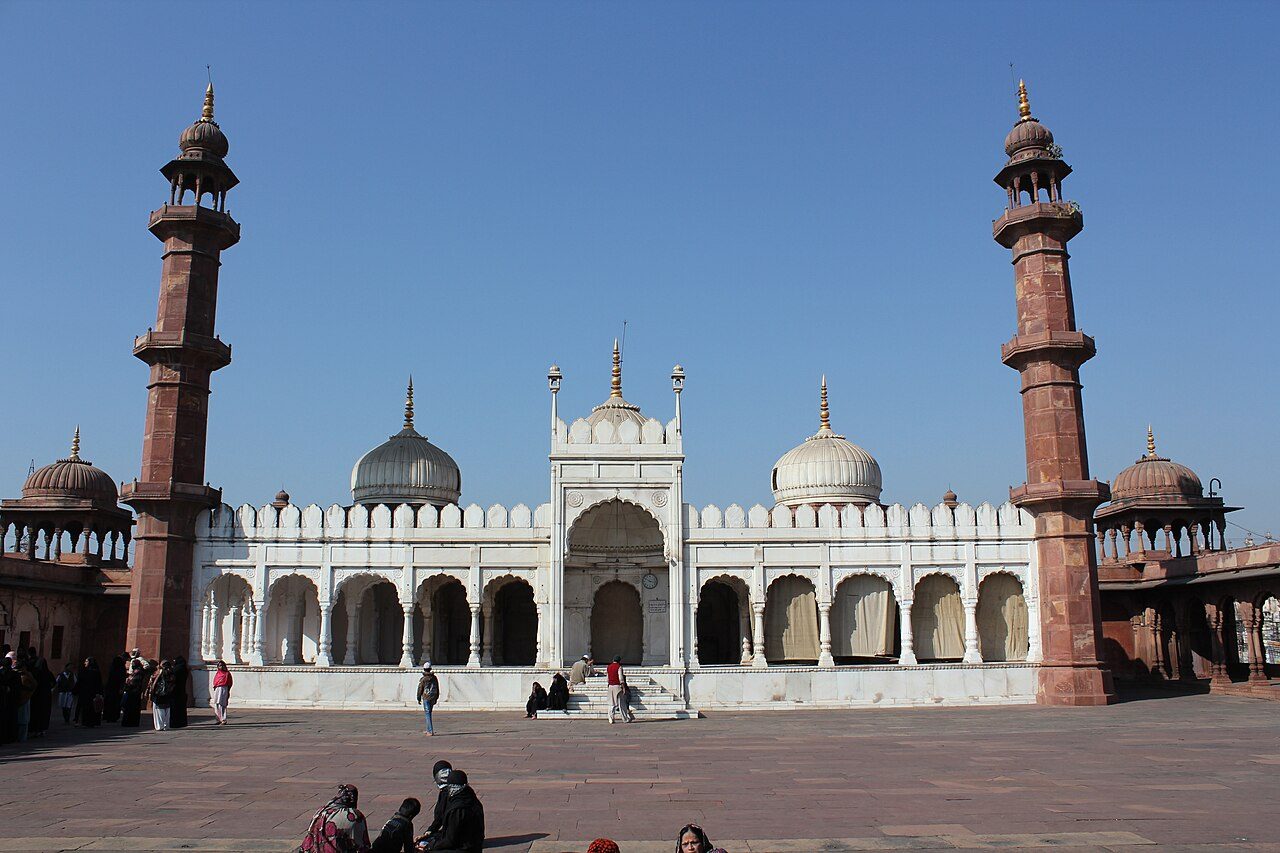
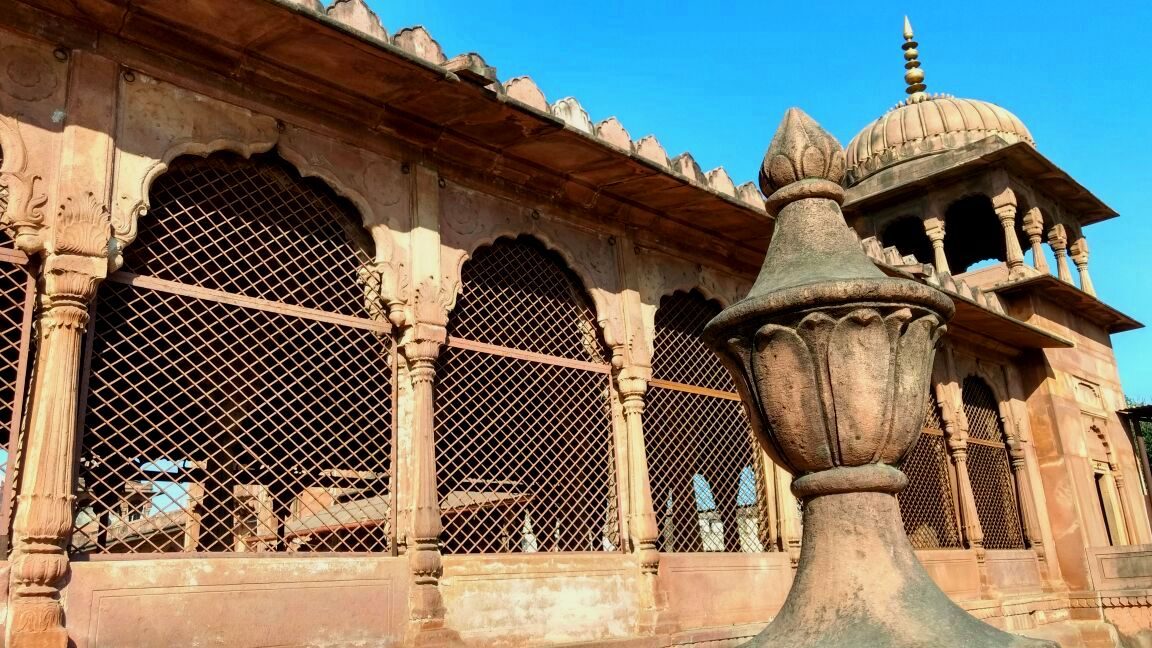
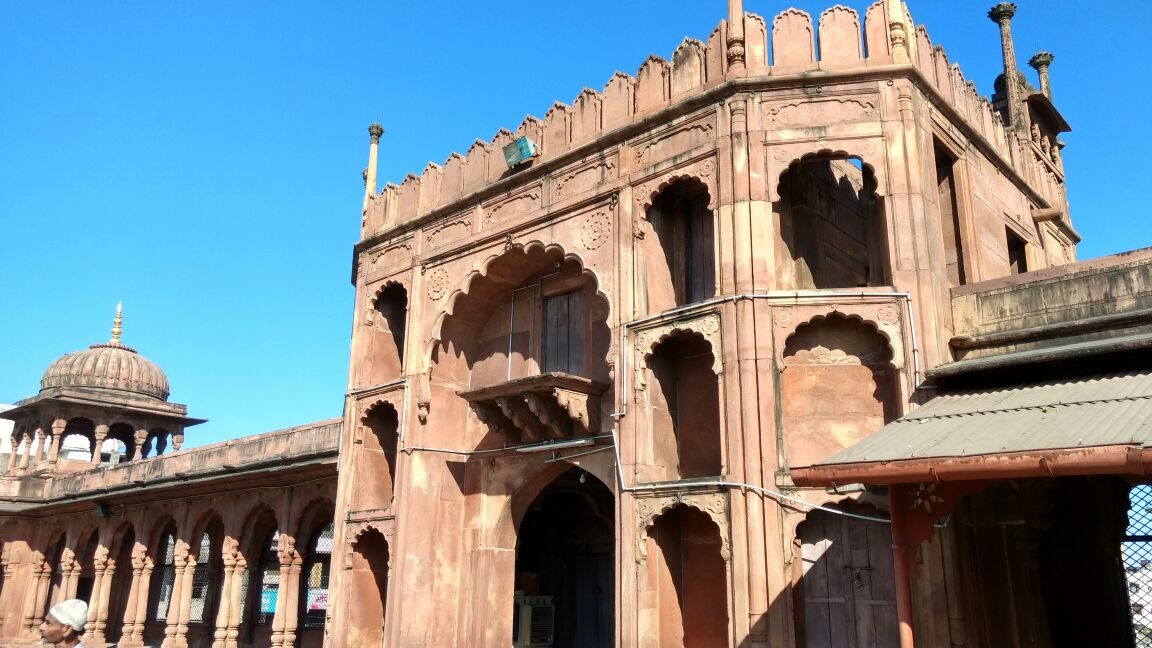
Moti Masjid, the Pearl Mosque of Bhopal, was built in 1860 by Sikander Jahan Begum, one of the remarkable women who ruled the state in the 19th century. Its design echoes the Jama Masjid in Delhi on a smaller scale, with a white marble facade, small domes and two dark red sandstone minarets. It stands in the old city close to Gohar Mahal and the Lower Lake.
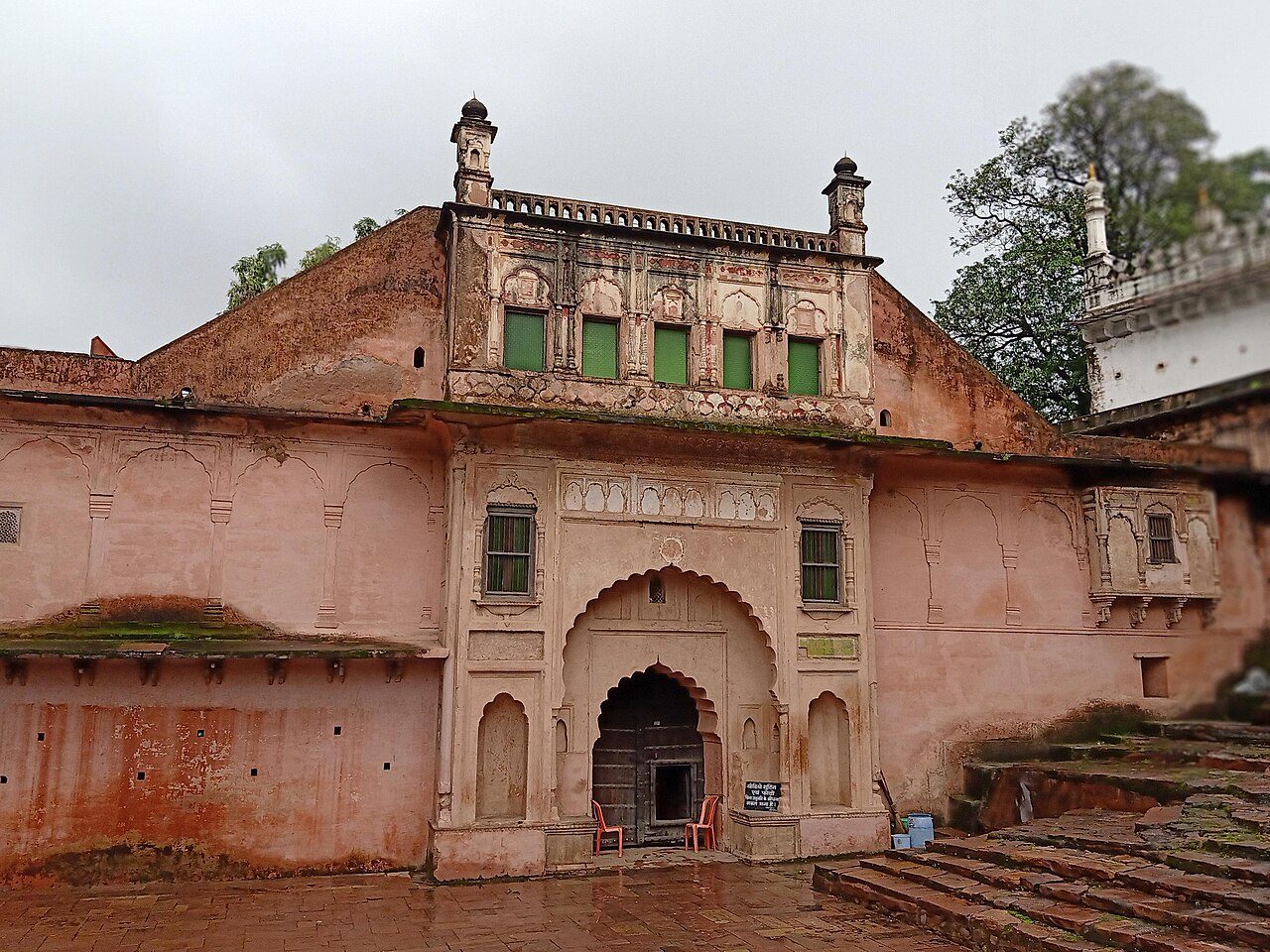
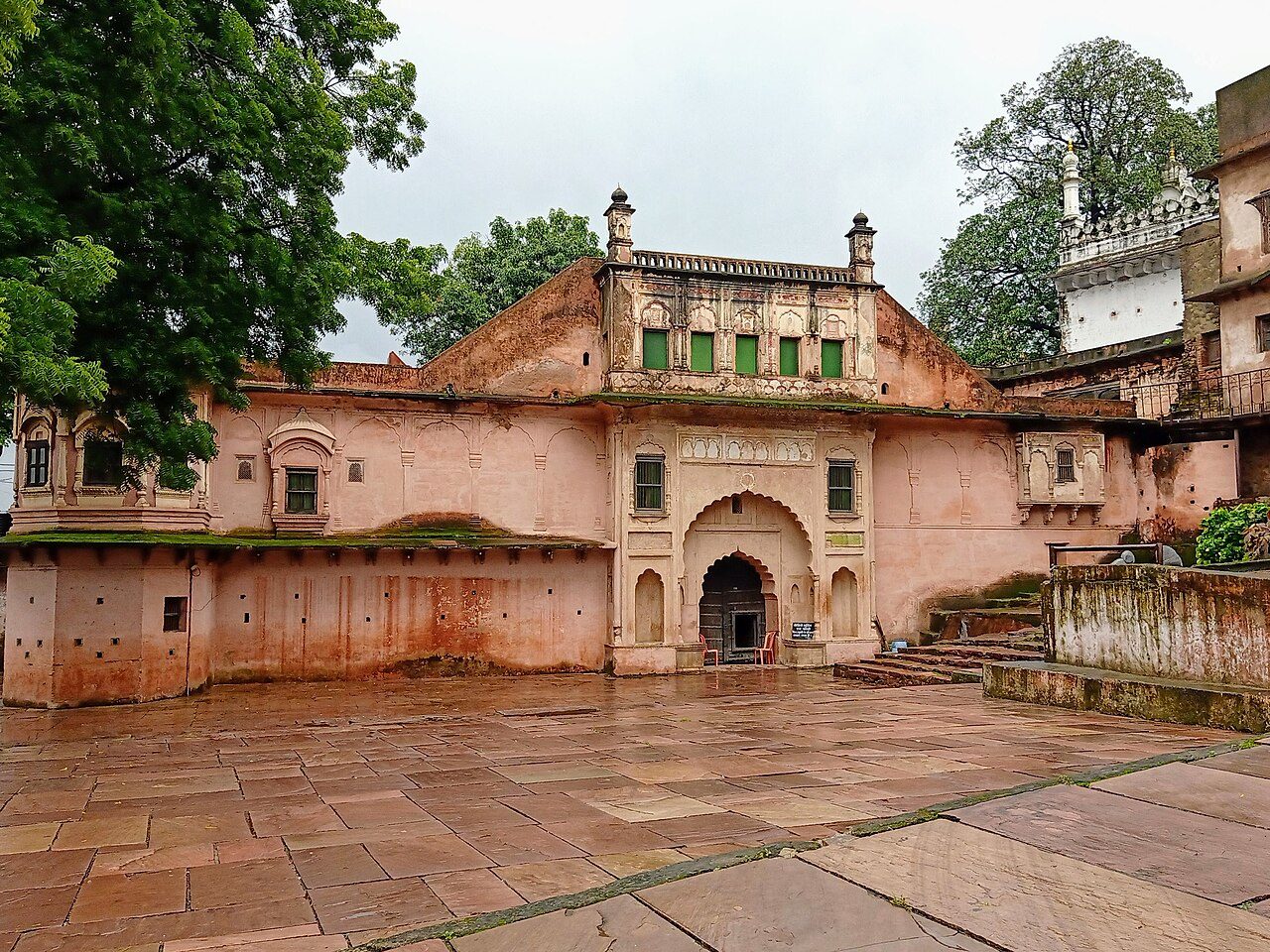
Gohar Mahal was built in 1820 by Qudsia Begum, also known as Gohar Begum, the first woman ruler of Bhopal. The palace on the shore of the Upper Lake blends Hindu and Mughal architecture, with courtyards, carved wooden balconies and arcaded halls. It has been restored and is now used for craft fairs and exhibitions, so it is liveliest when an event is on.
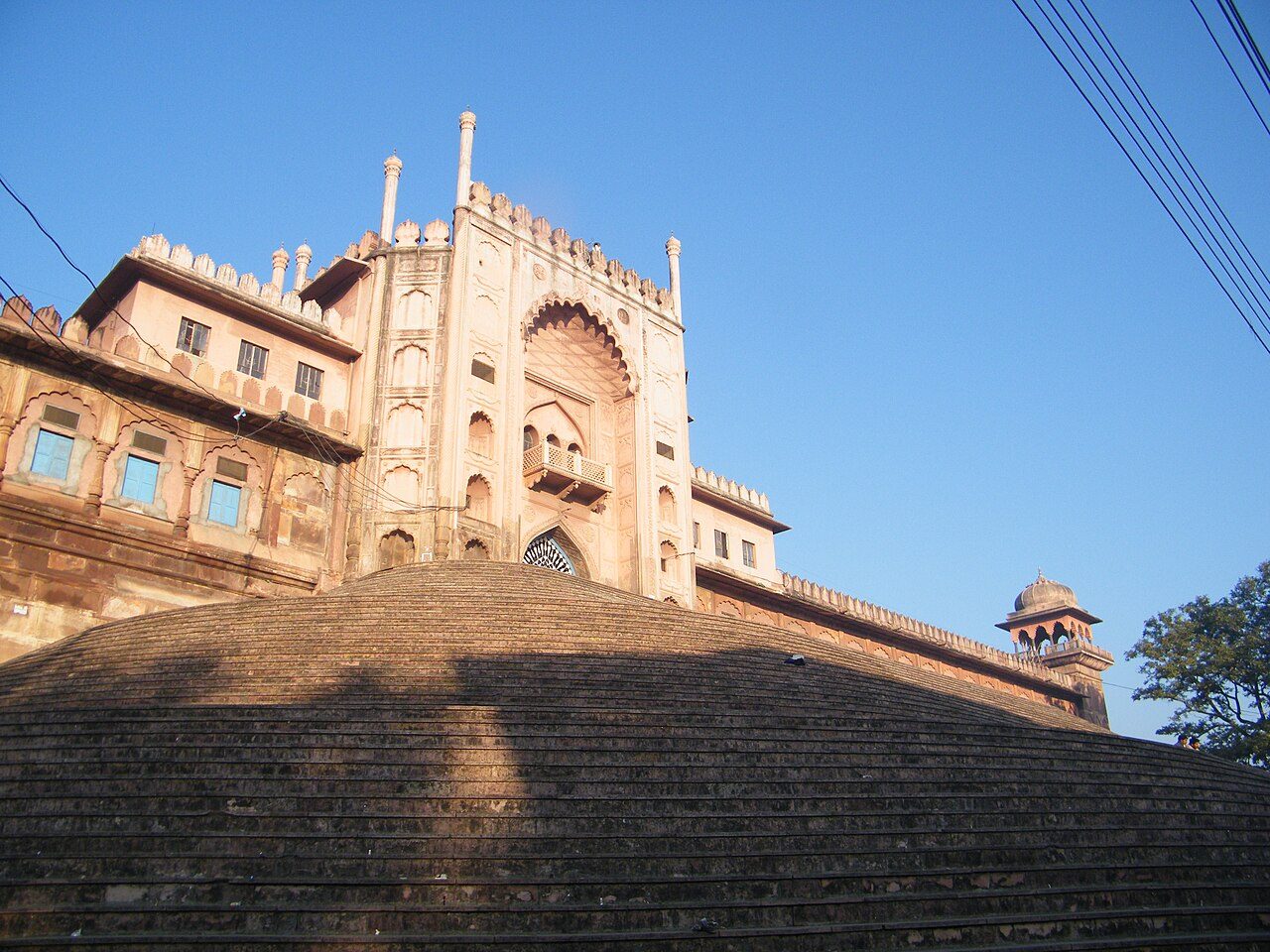
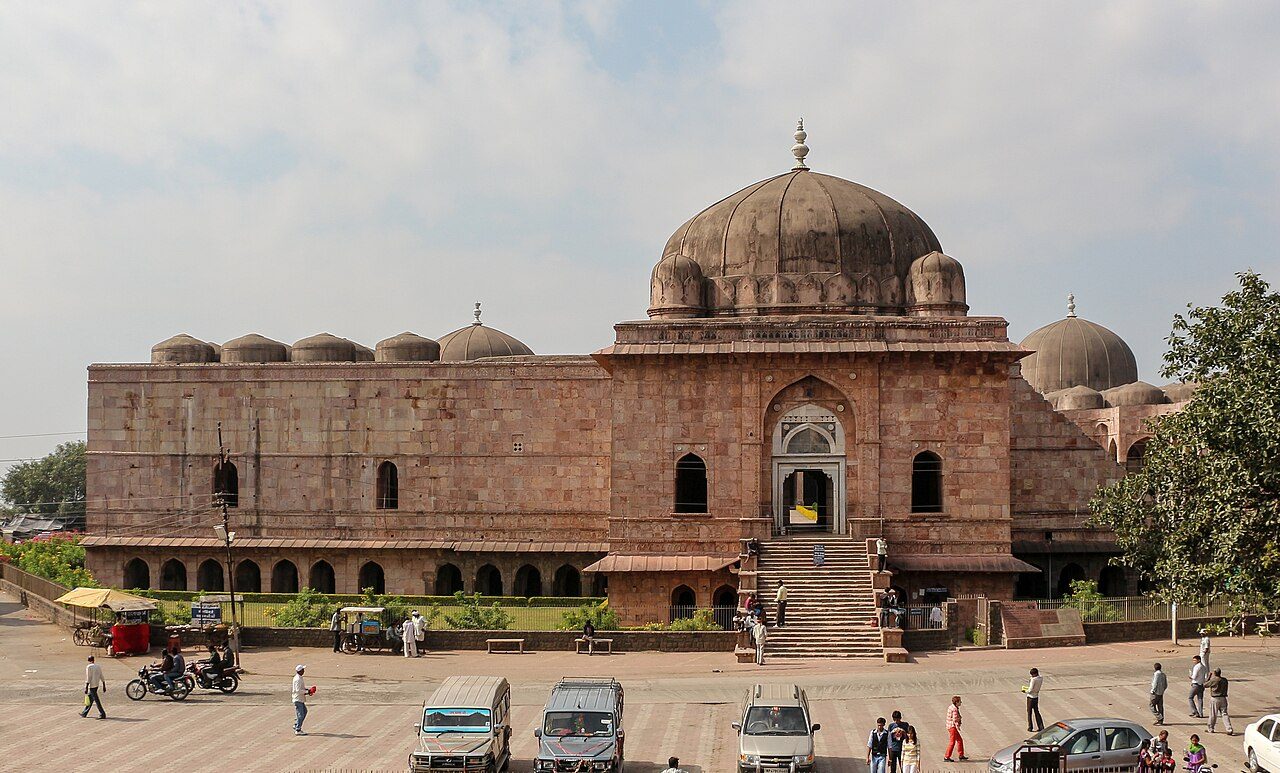
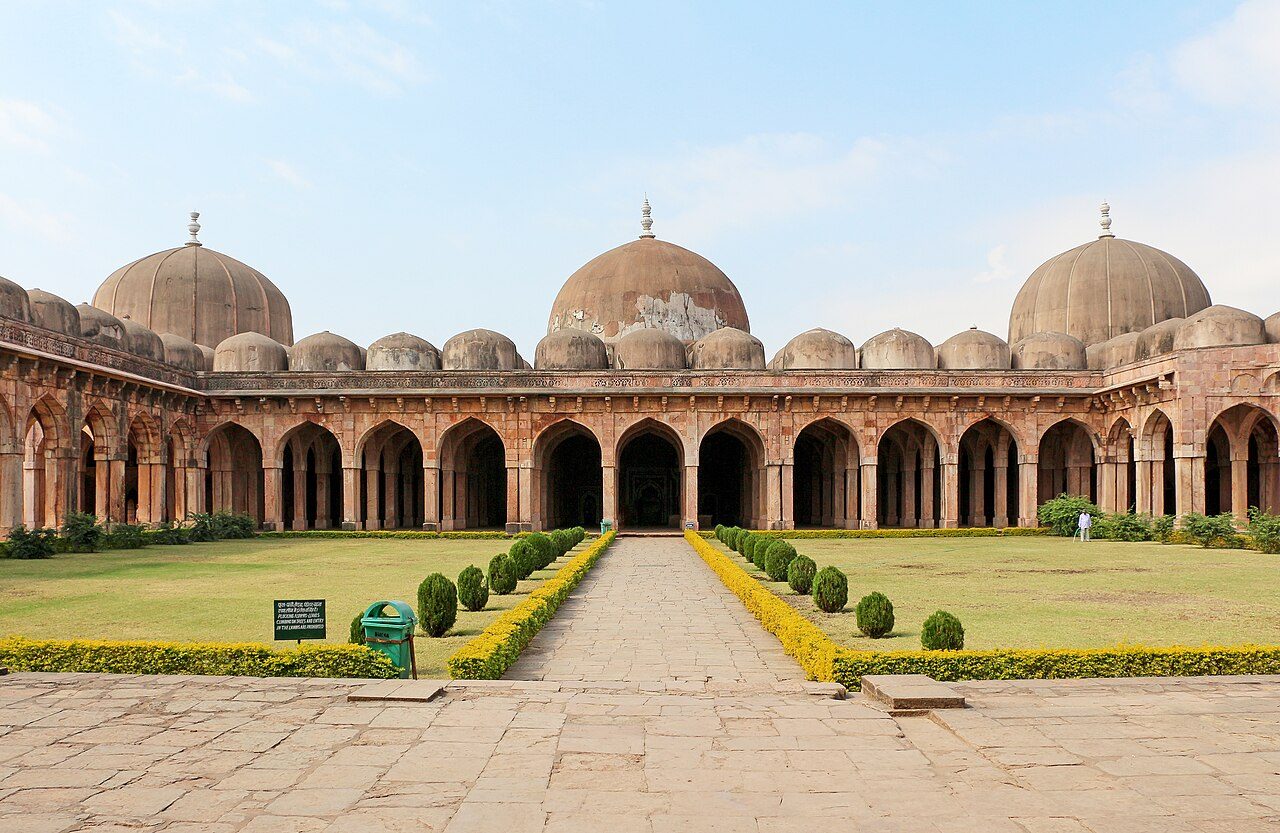
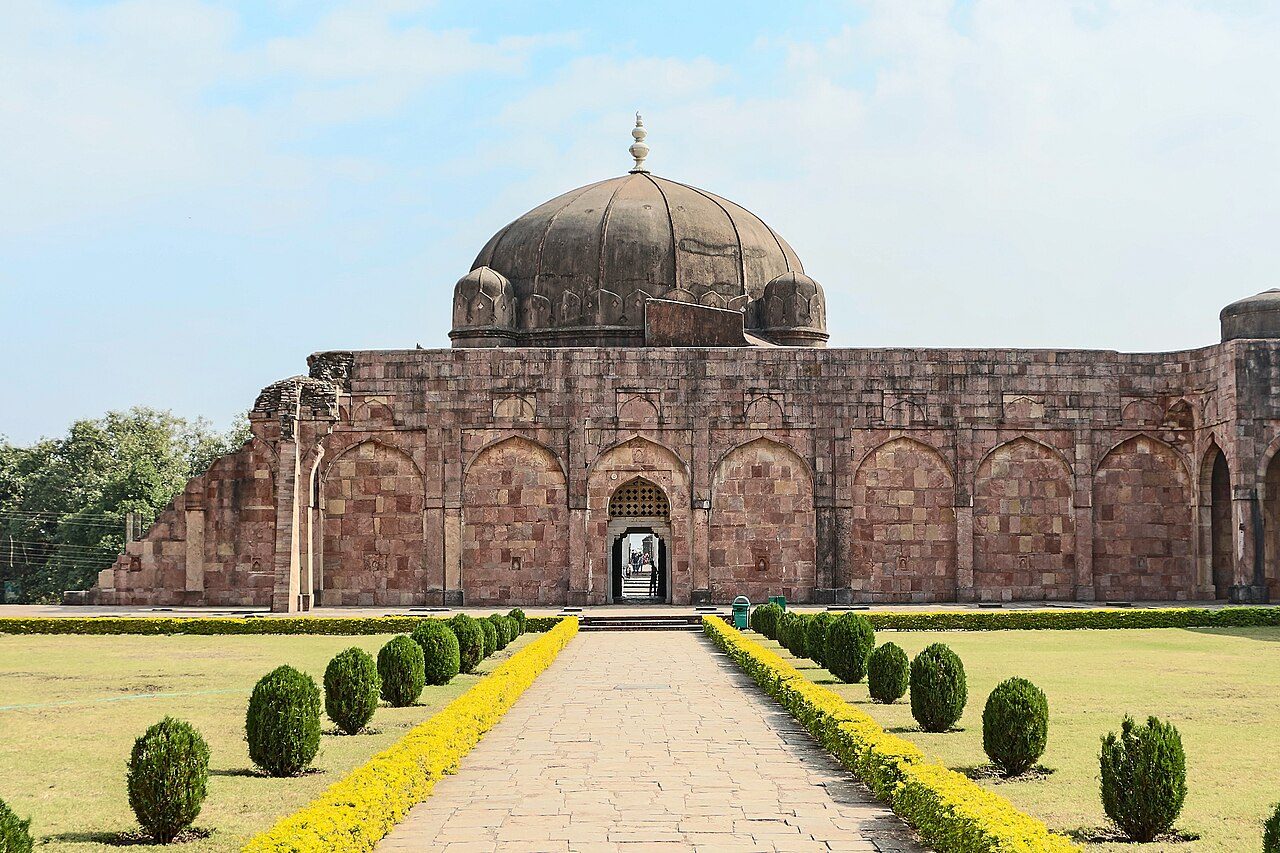
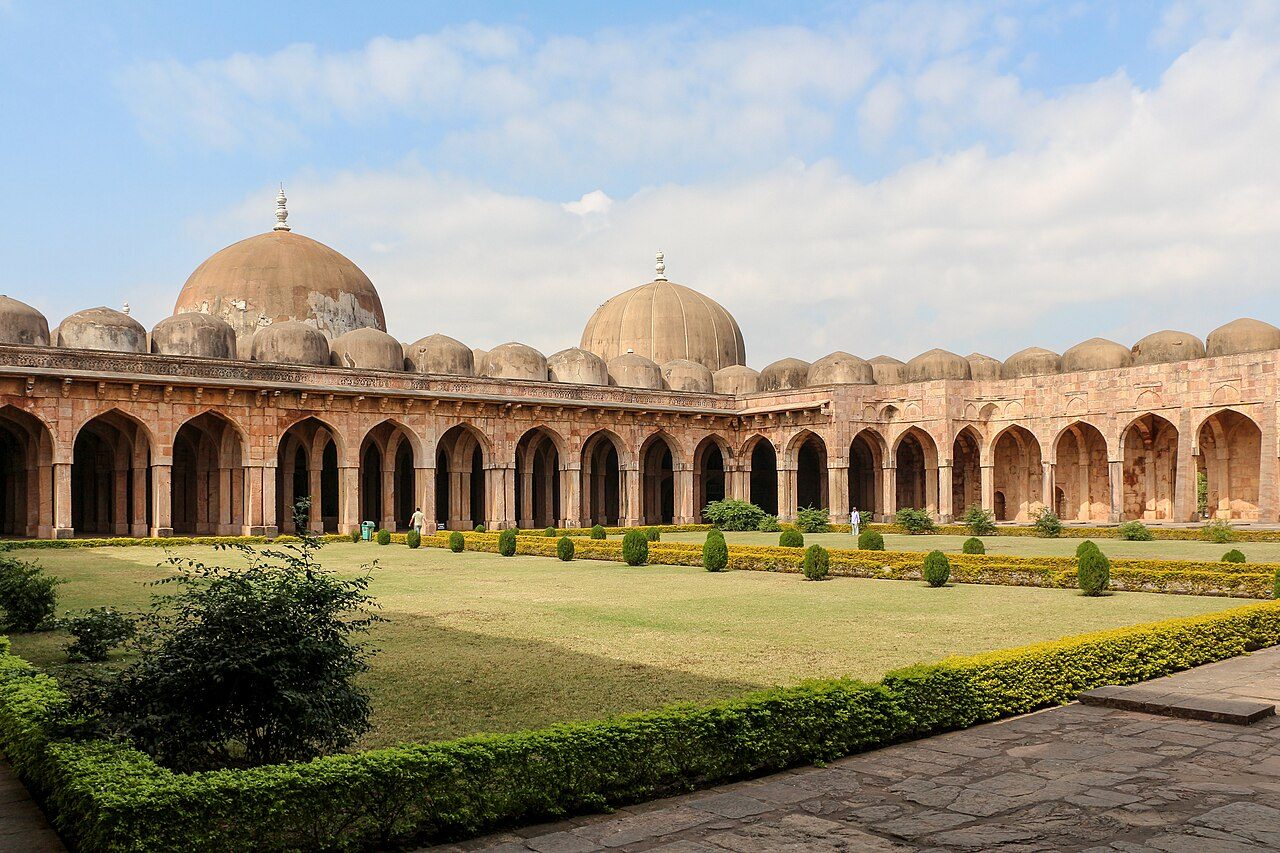
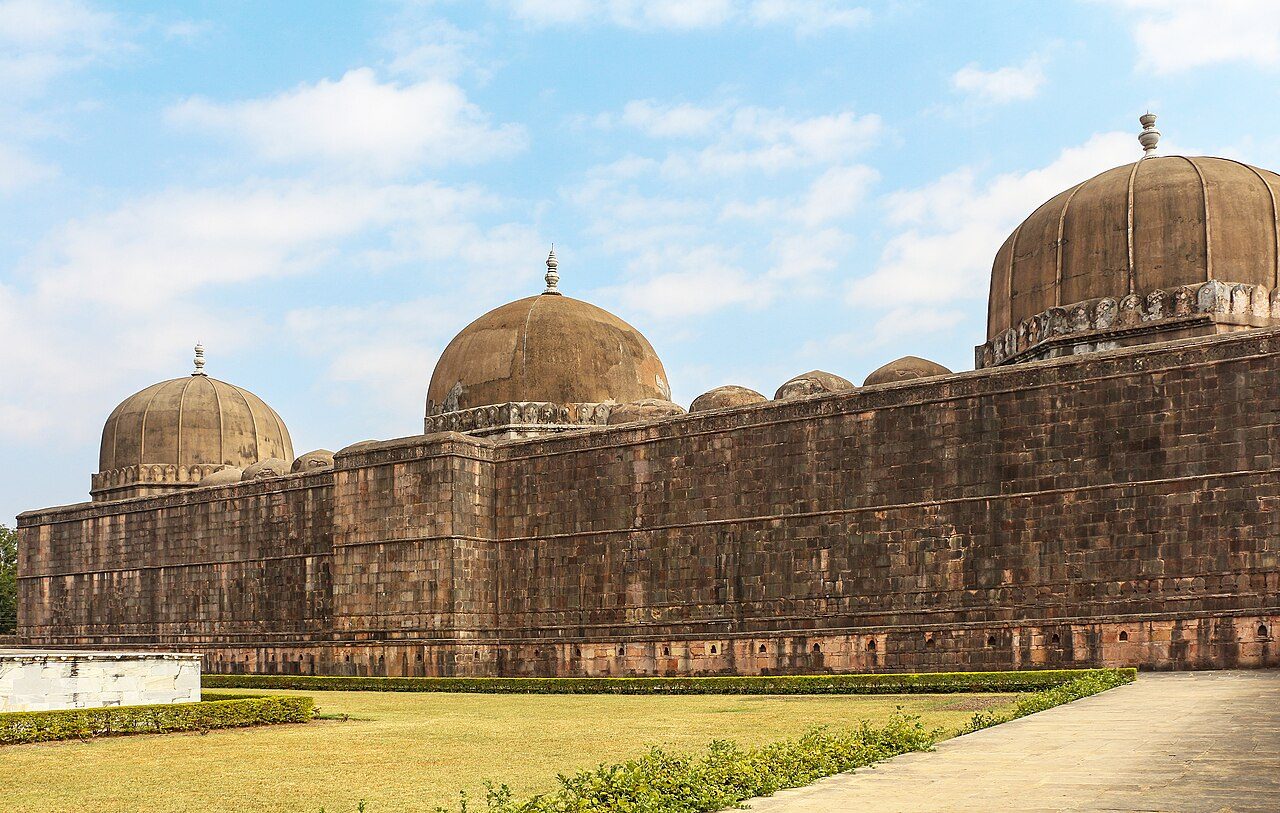
The Jami Masjid of Mandu, completed in 1454, is the grandest building of the Malwa sultans and is said to have been inspired by the great mosque of Damascus. A wide flight of steps climbs to a domed entrance porch, beyond which a huge courtyard is surrounded by arcades and rows of domes. It stands in the village centre, beside Hoshang Shah's Tomb and opposite the Ashrafi Mahal.
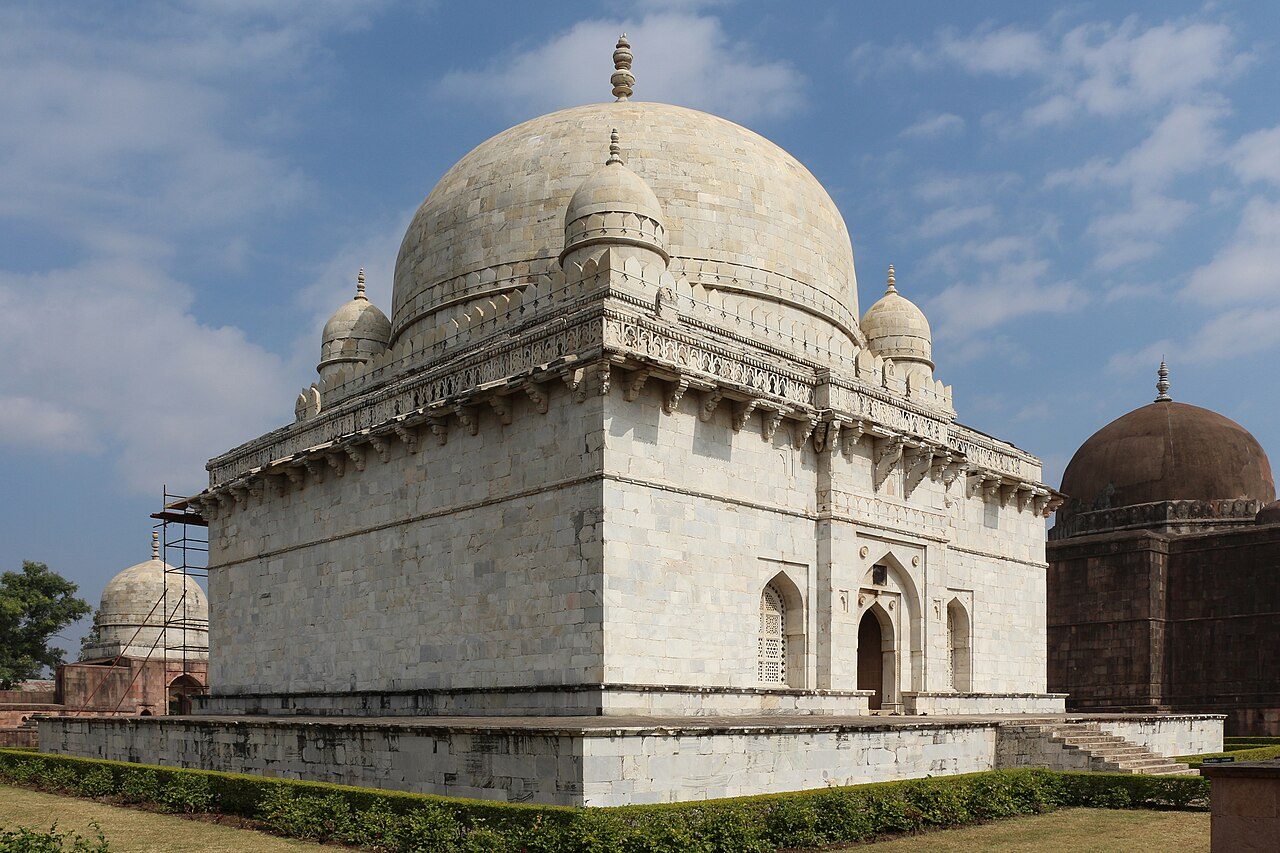
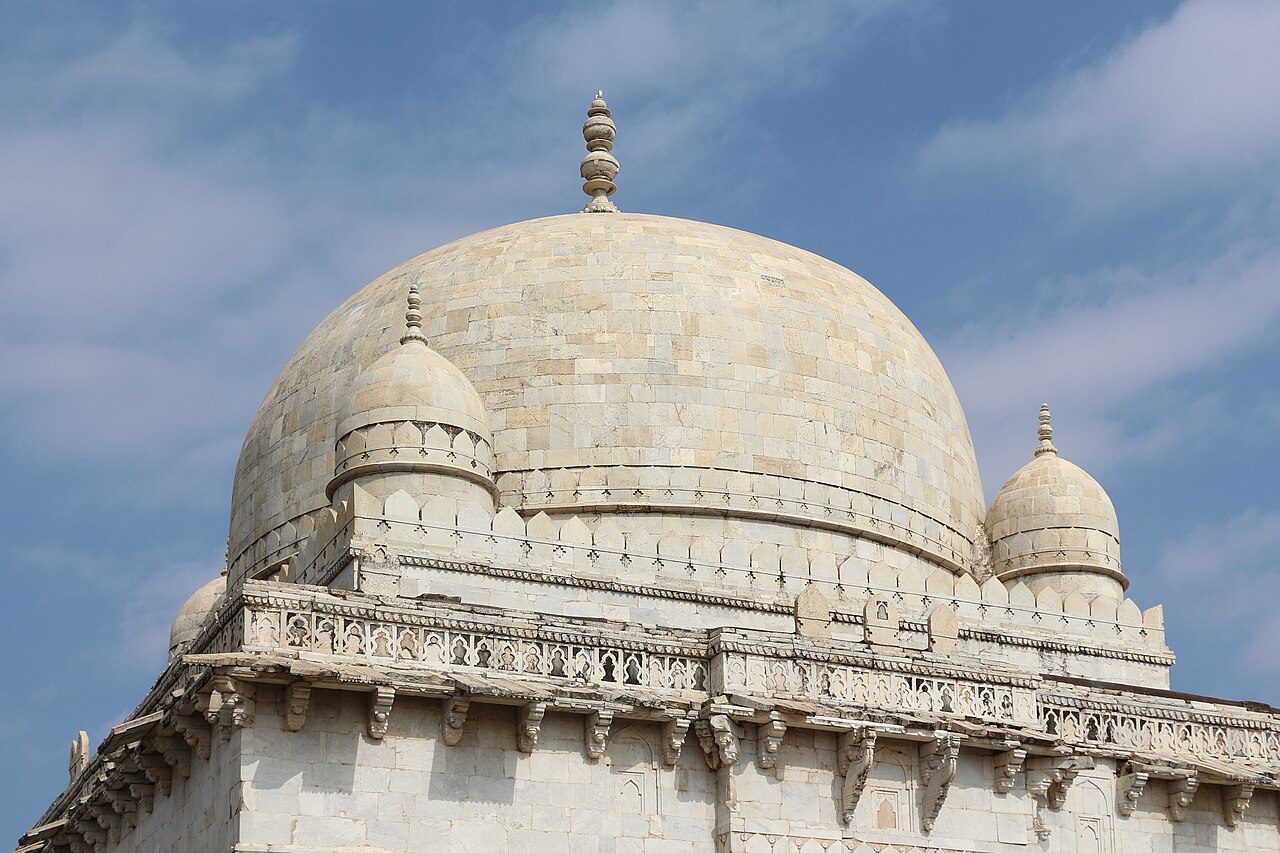
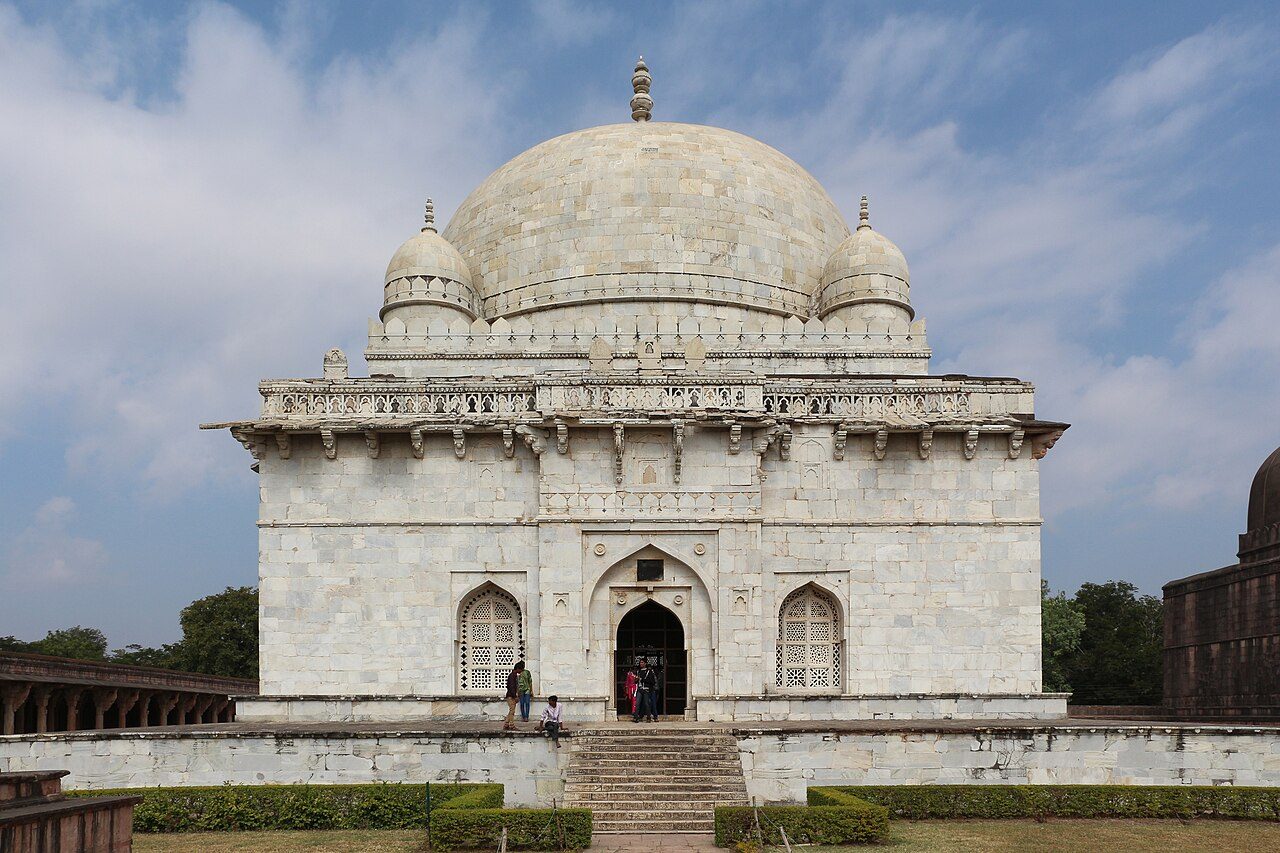
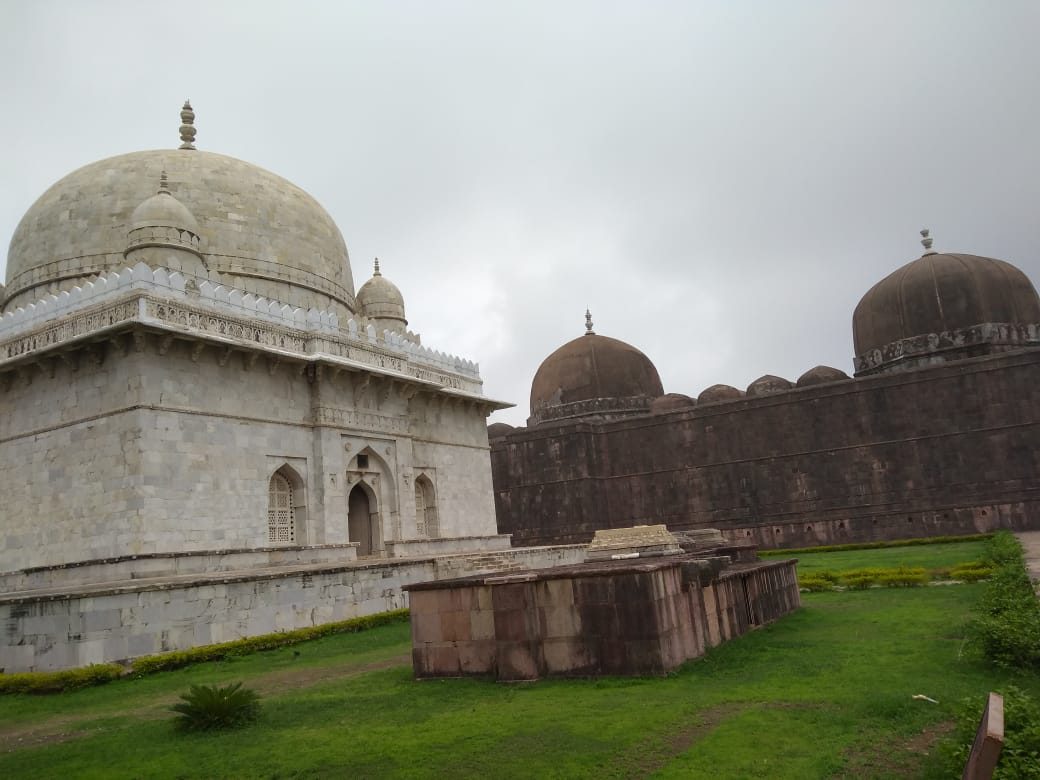
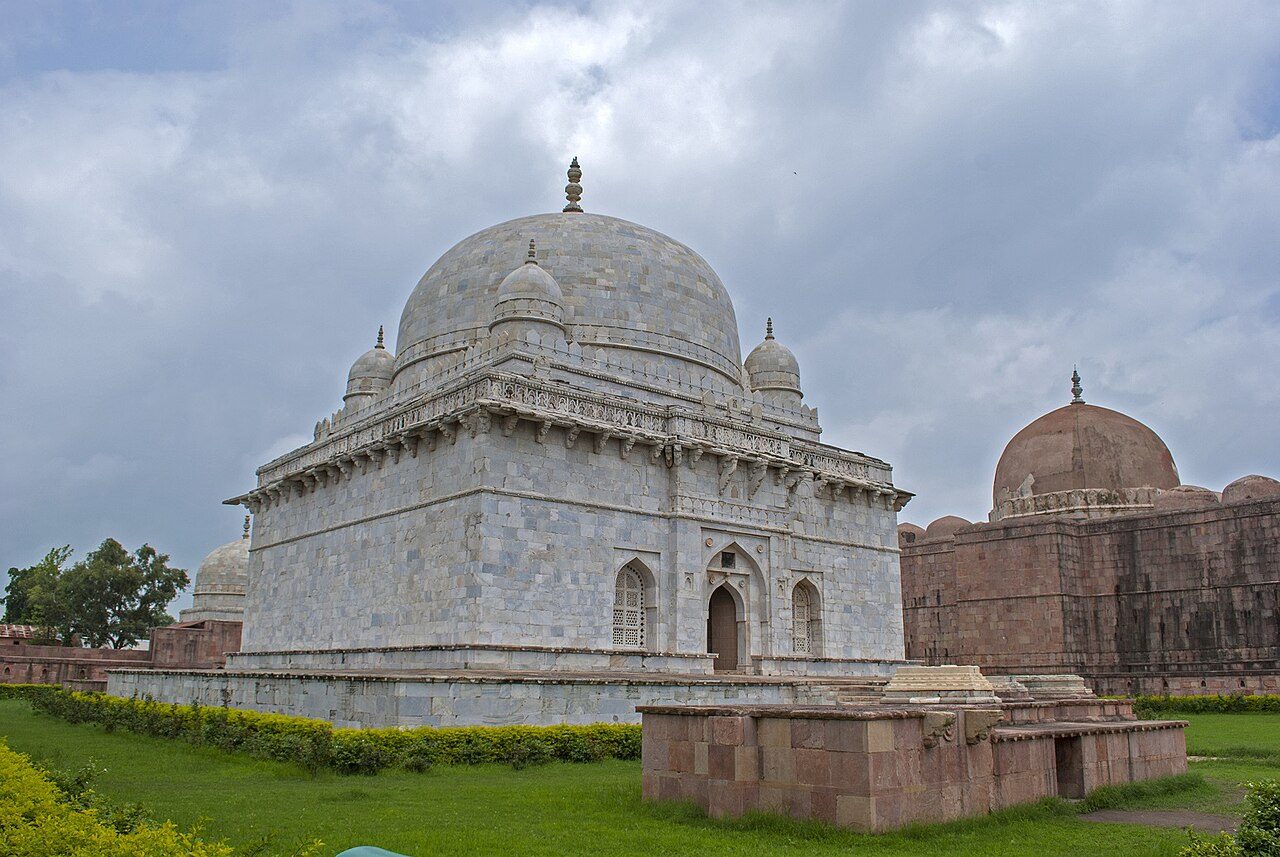
Hoshang Shah's Tomb in Mandu, finished around 1440, is considered the first marble mausoleum in India. Its plain white dome, corner turrets and delicate stone lattice screens are widely believed to have been studied by the builders of the Taj Mahal; an inscription records a visit by Shah Jahan's architects. It stands in a walled court behind the Jami Masjid.
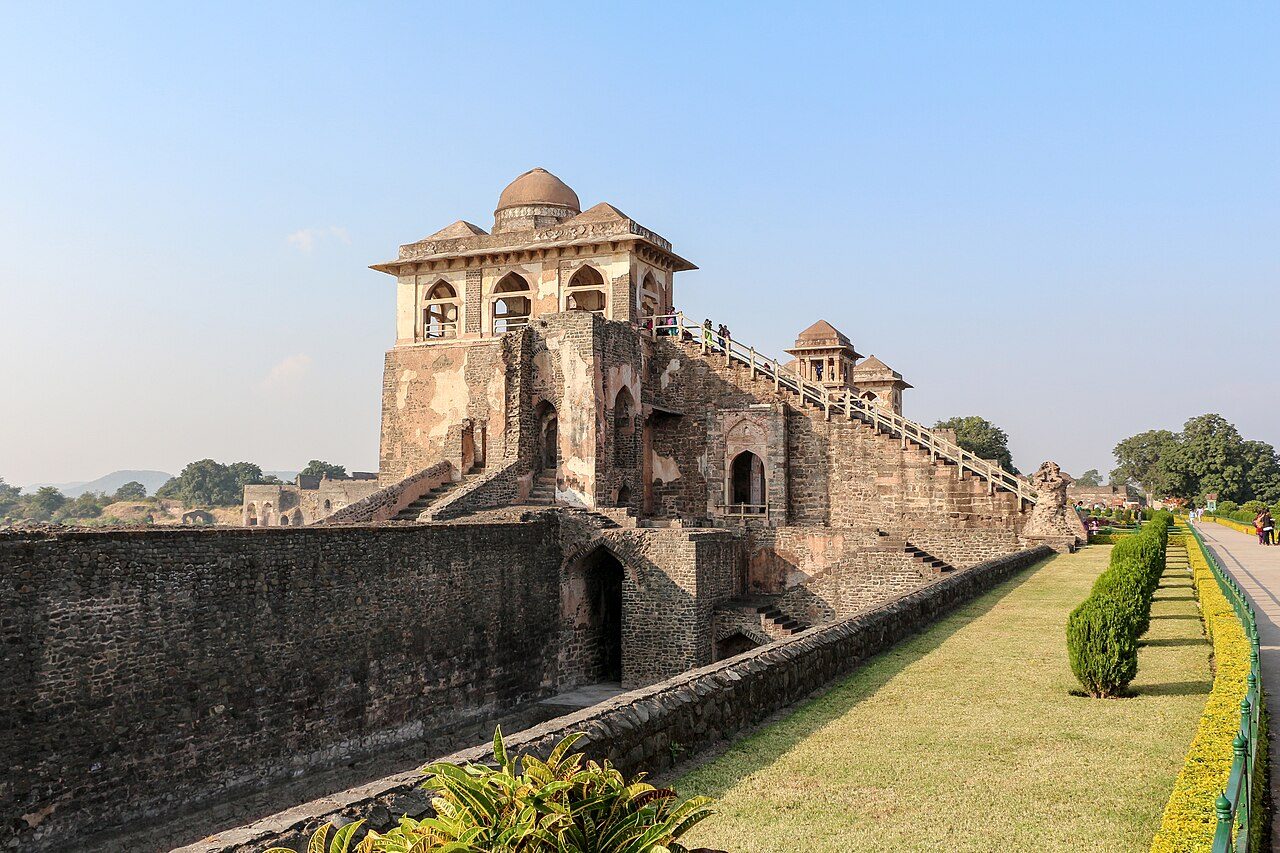
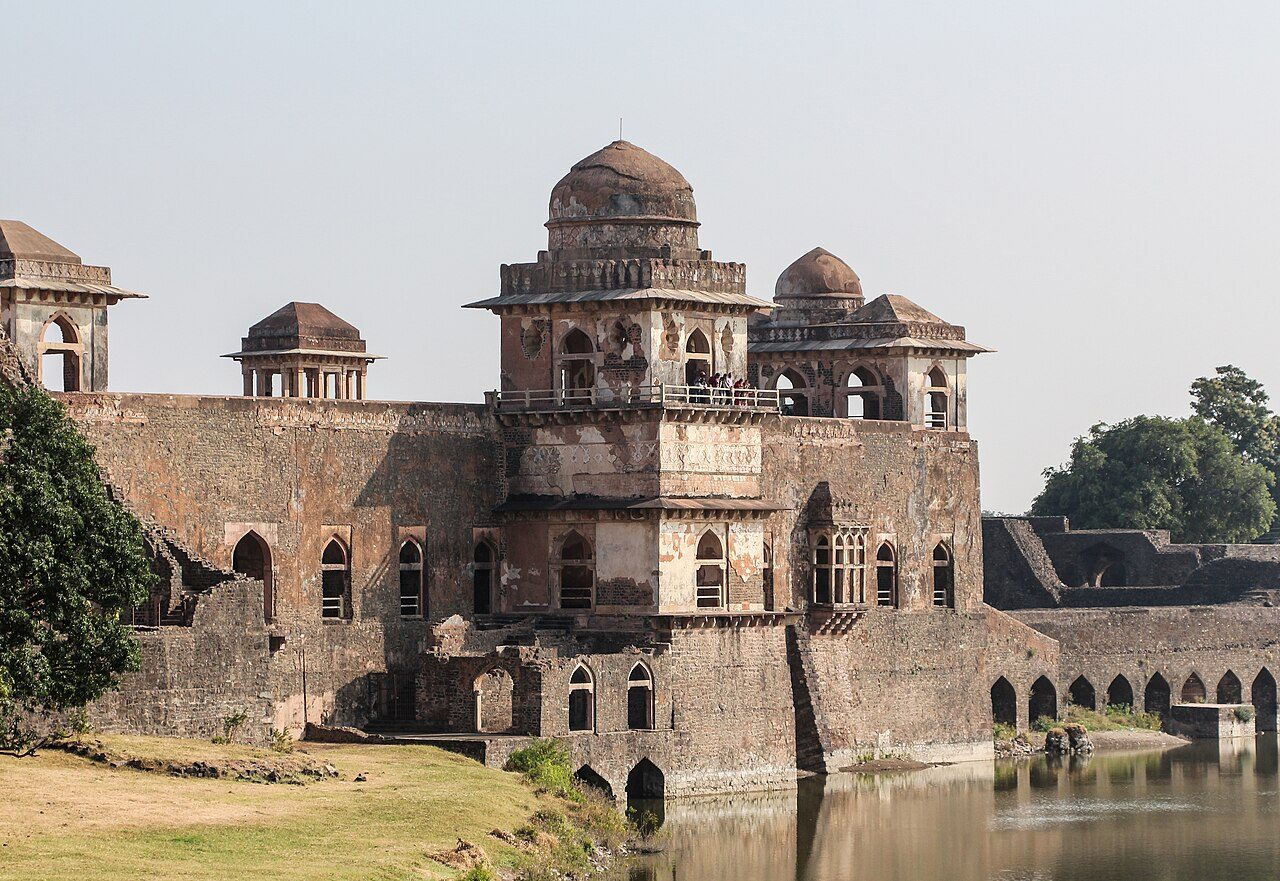
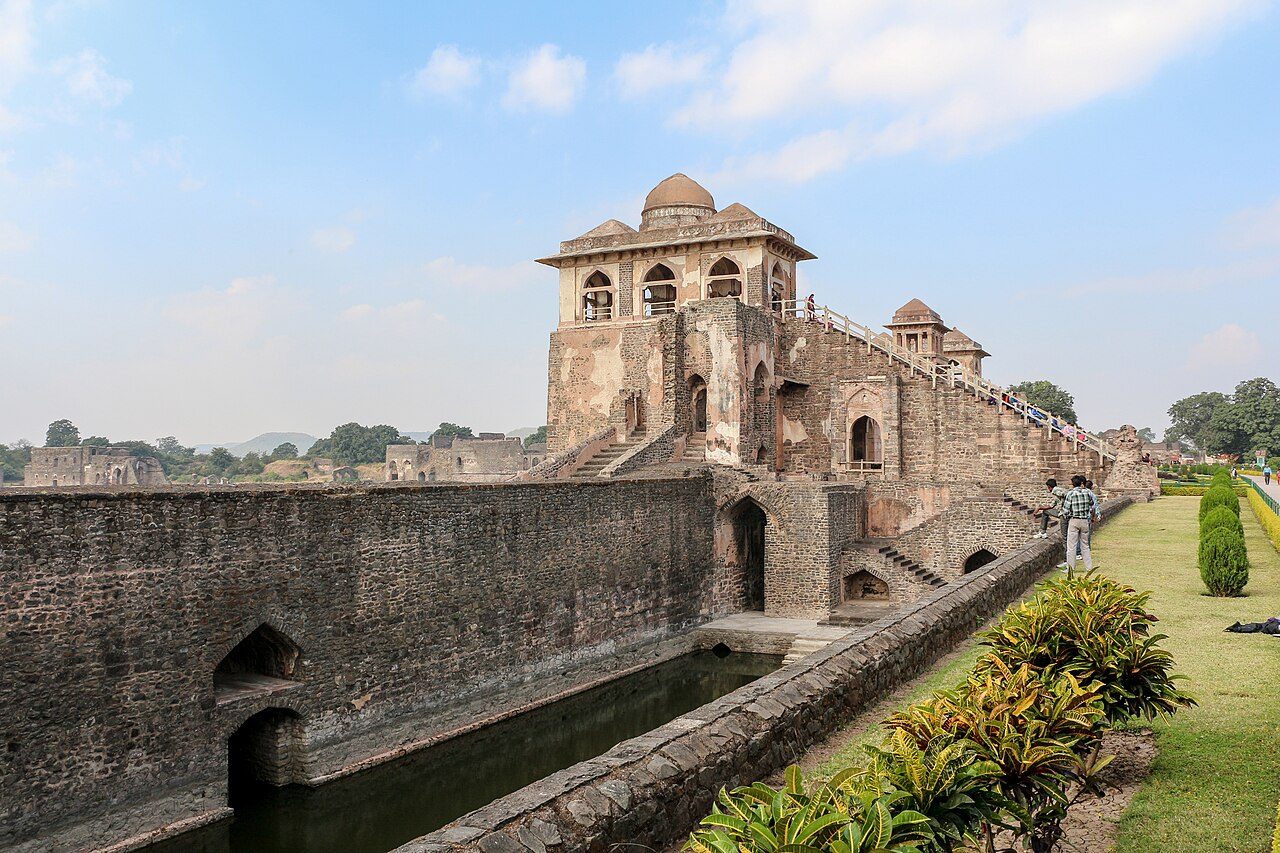
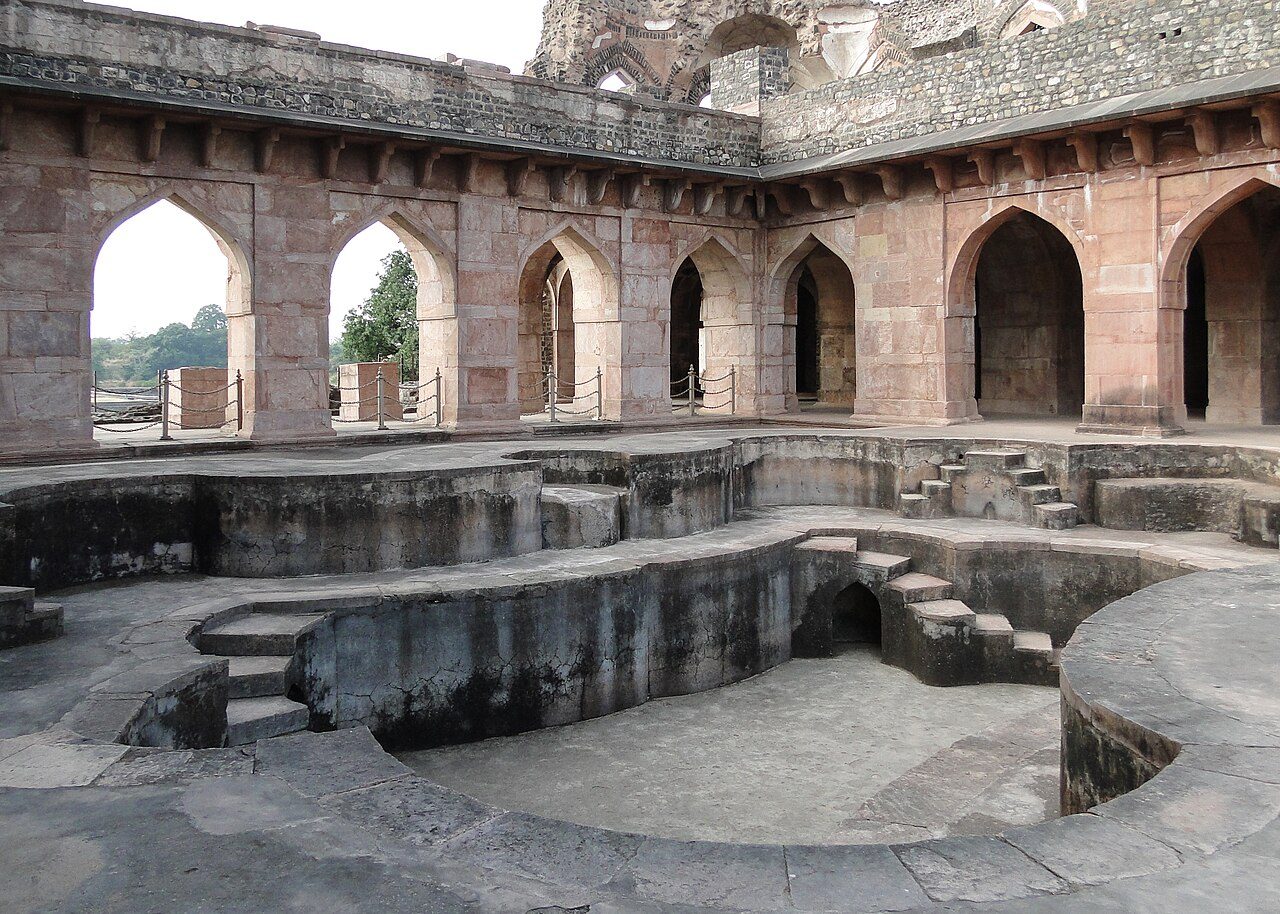
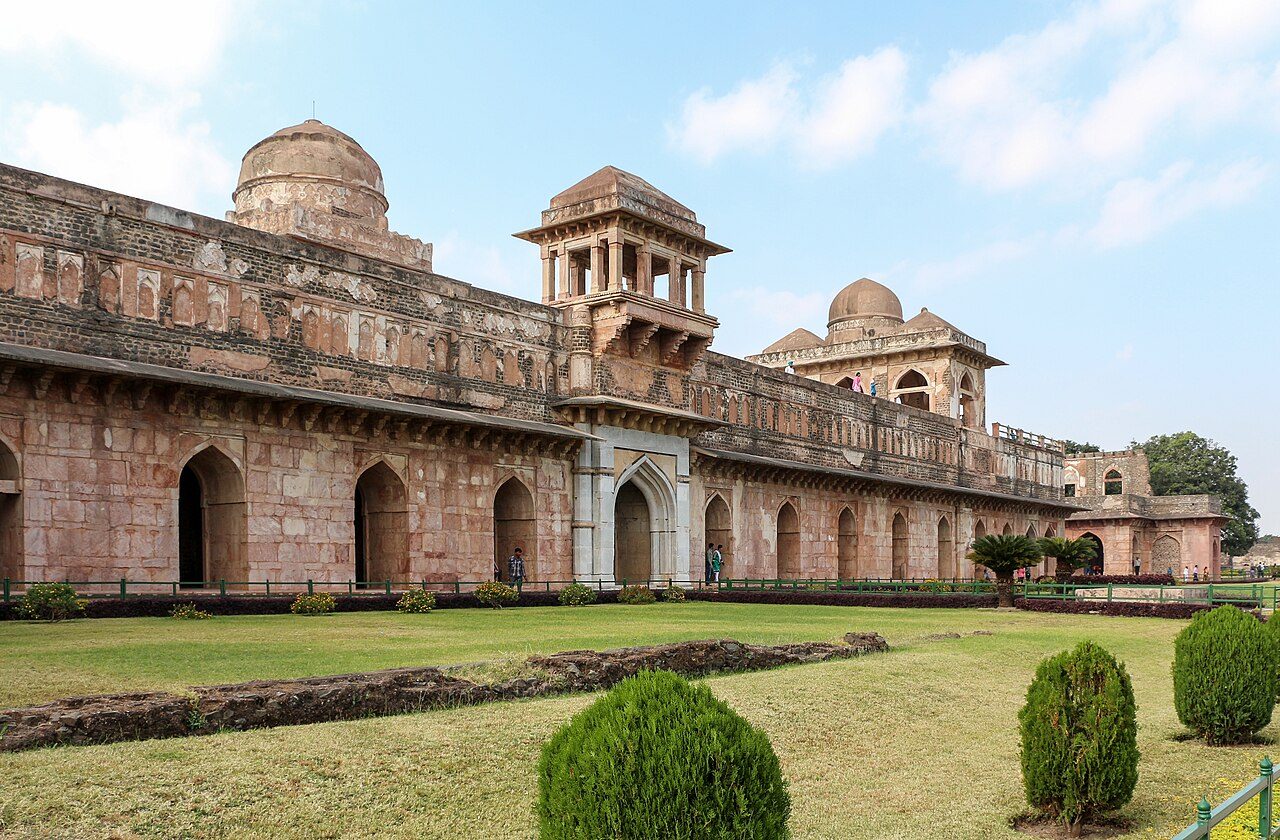
Jahaz Mahal, the 'ship palace', is the most famous building in the ruined hill-fort city of Mandu. Built in the late 15th century under Sultan Ghiyasuddin Khalji, the long, narrow palace stands between two artificial lakes, so that it seems to float when they fill in the monsoon. Its rooftop pavilions, pools and water channels are best seen from July to September.
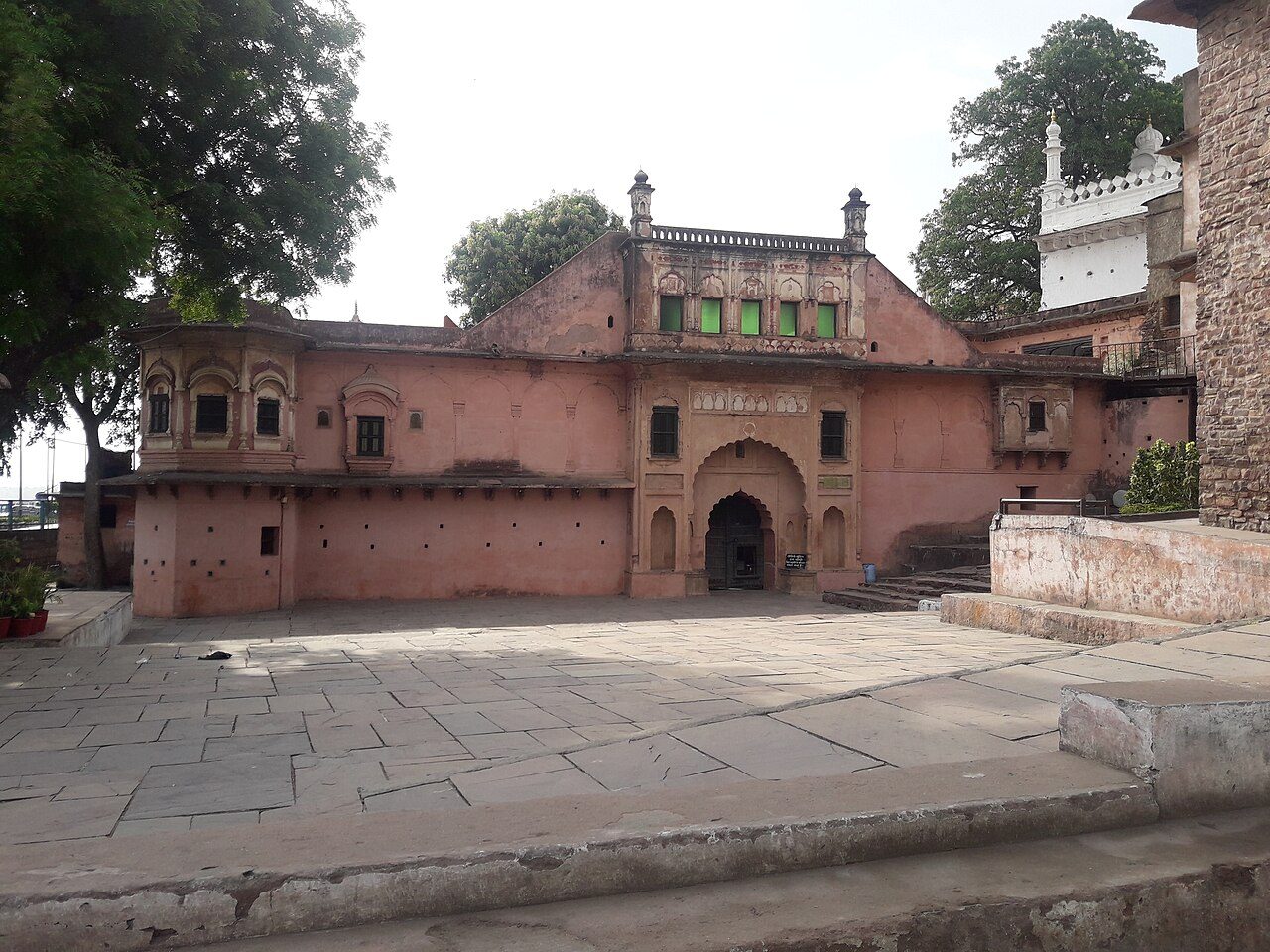
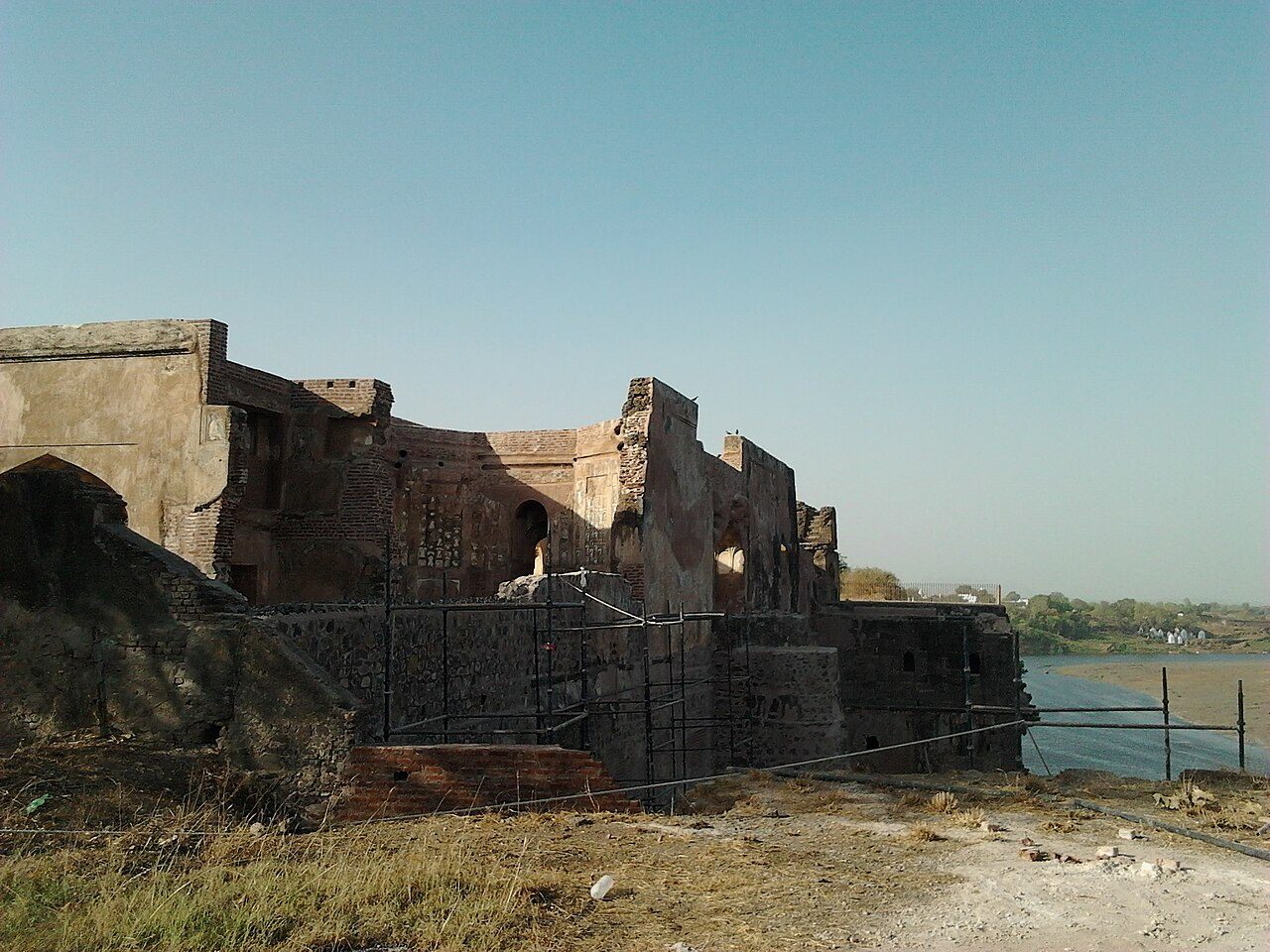
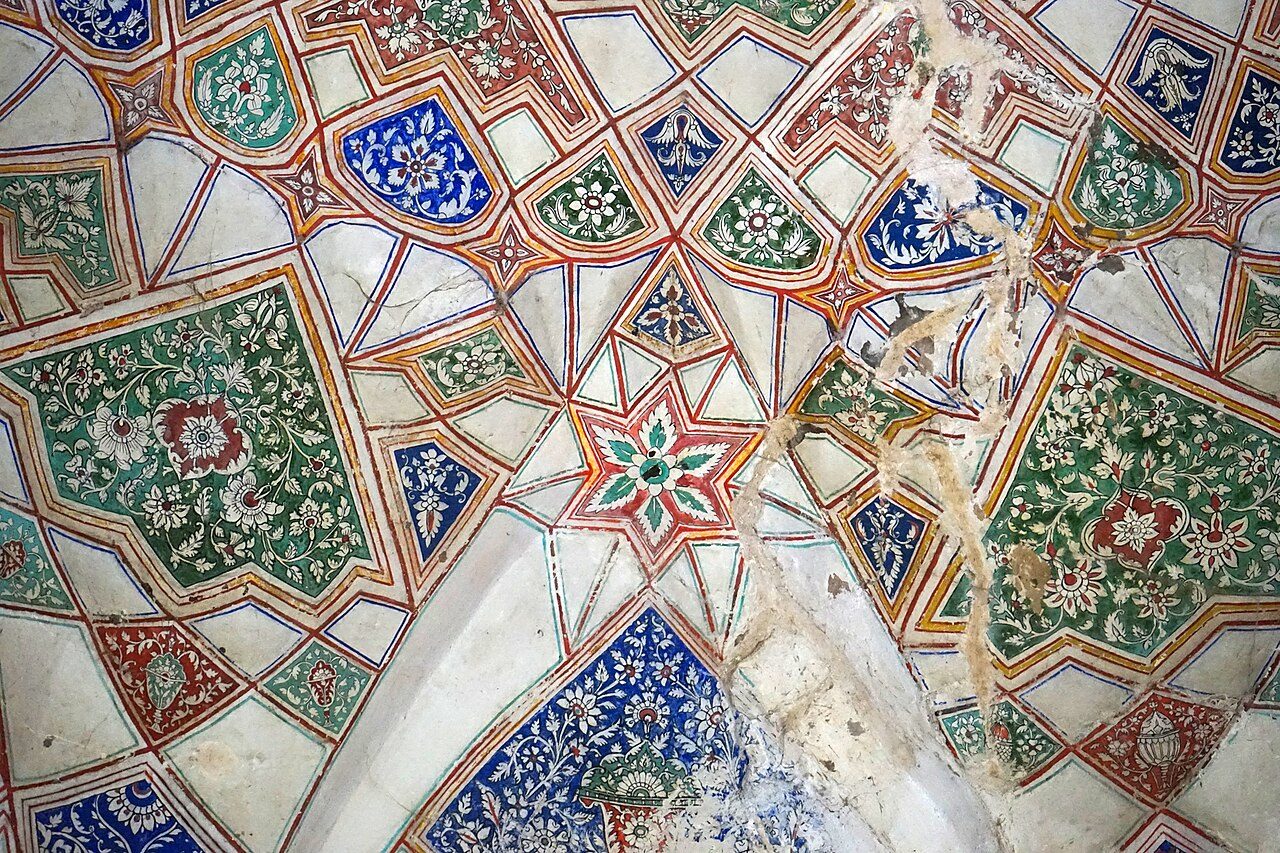
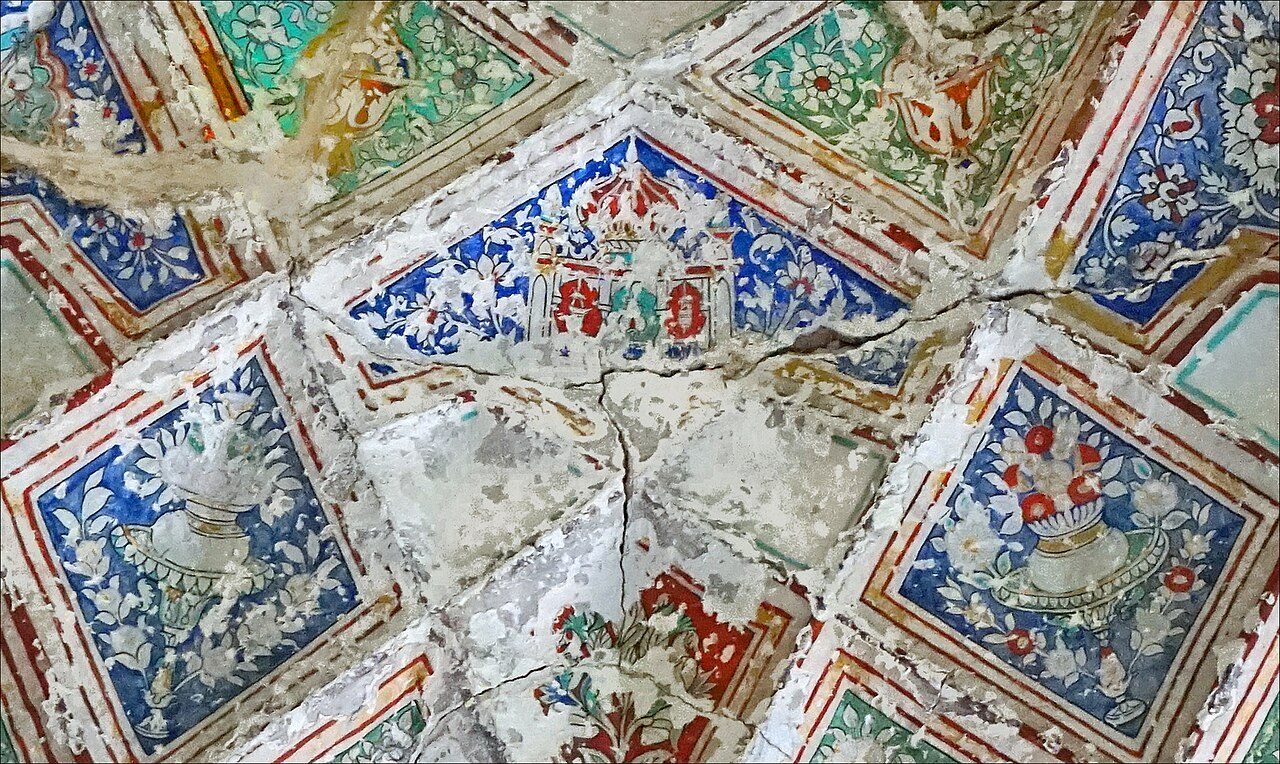
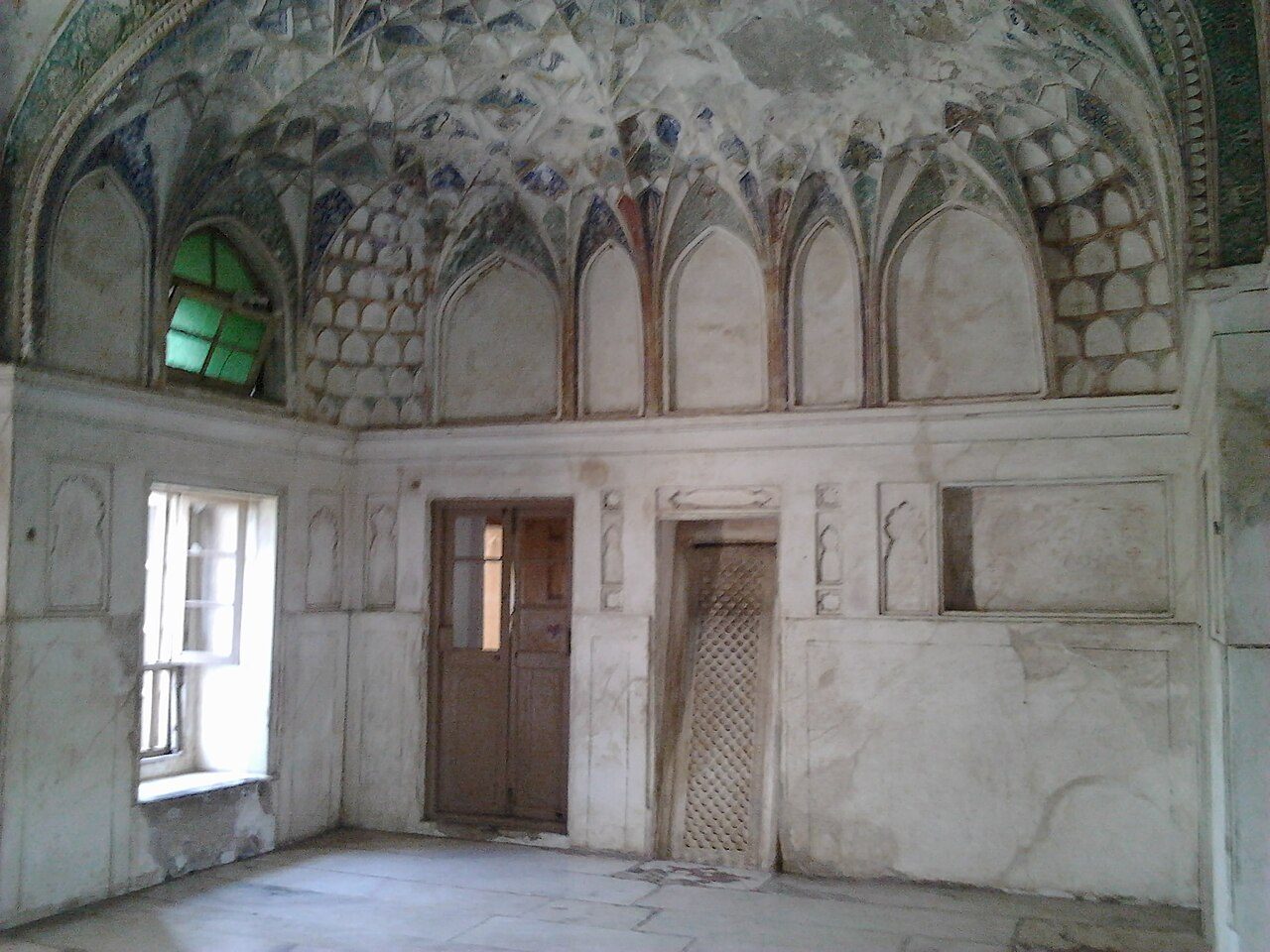
The Shahi Qila is the ruined royal palace of Burhanpur on the bank of the Tapti, built by the Faruqi sultans and enlarged by the Mughals, who made the city their base for the Deccan. Mumtaz Mahal died in Burhanpur in 1631, and the palace's royal bath, built for her, still has delicate painted ceilings. Terraces above the river and the old audience halls can also be explored.
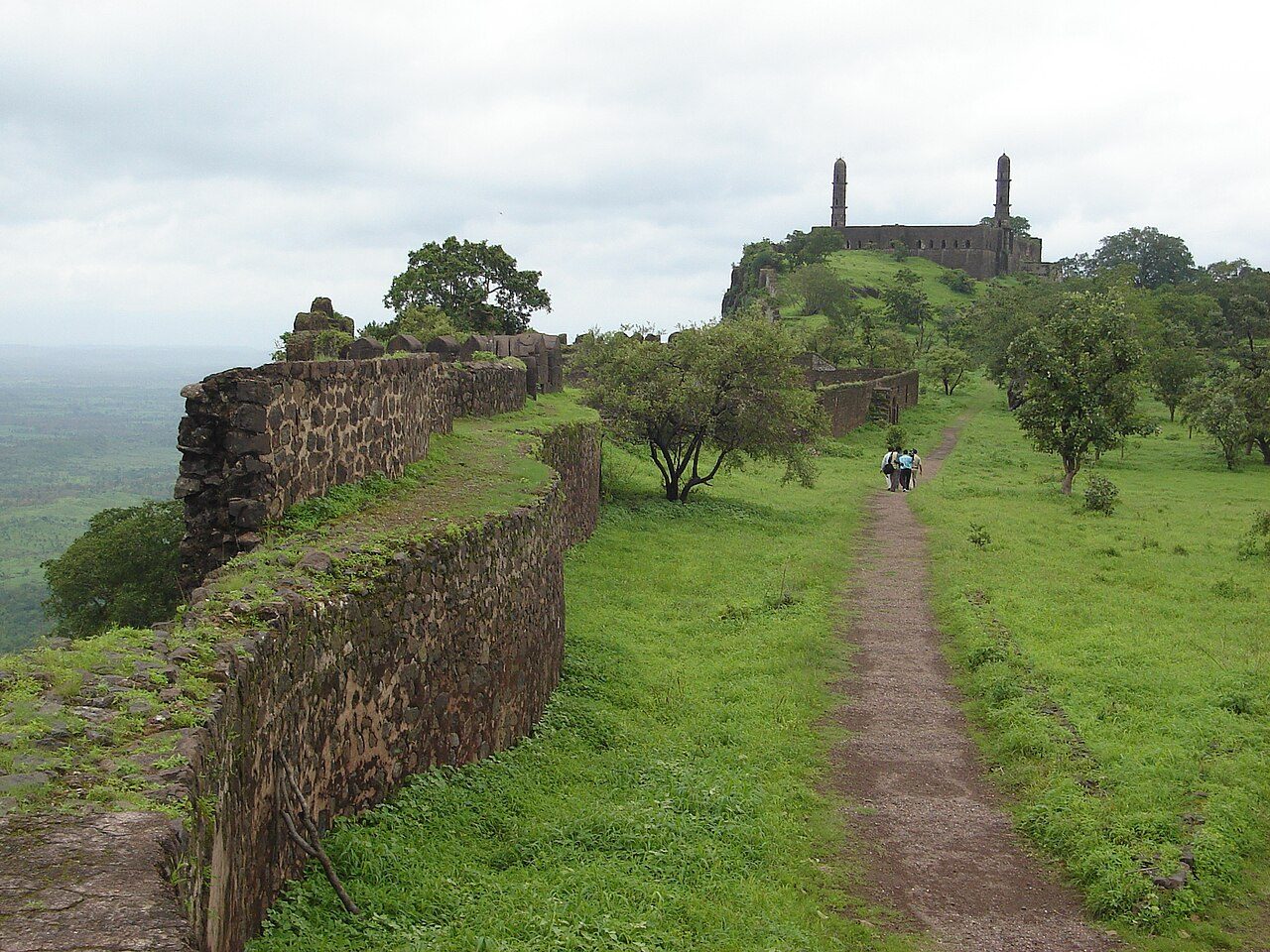
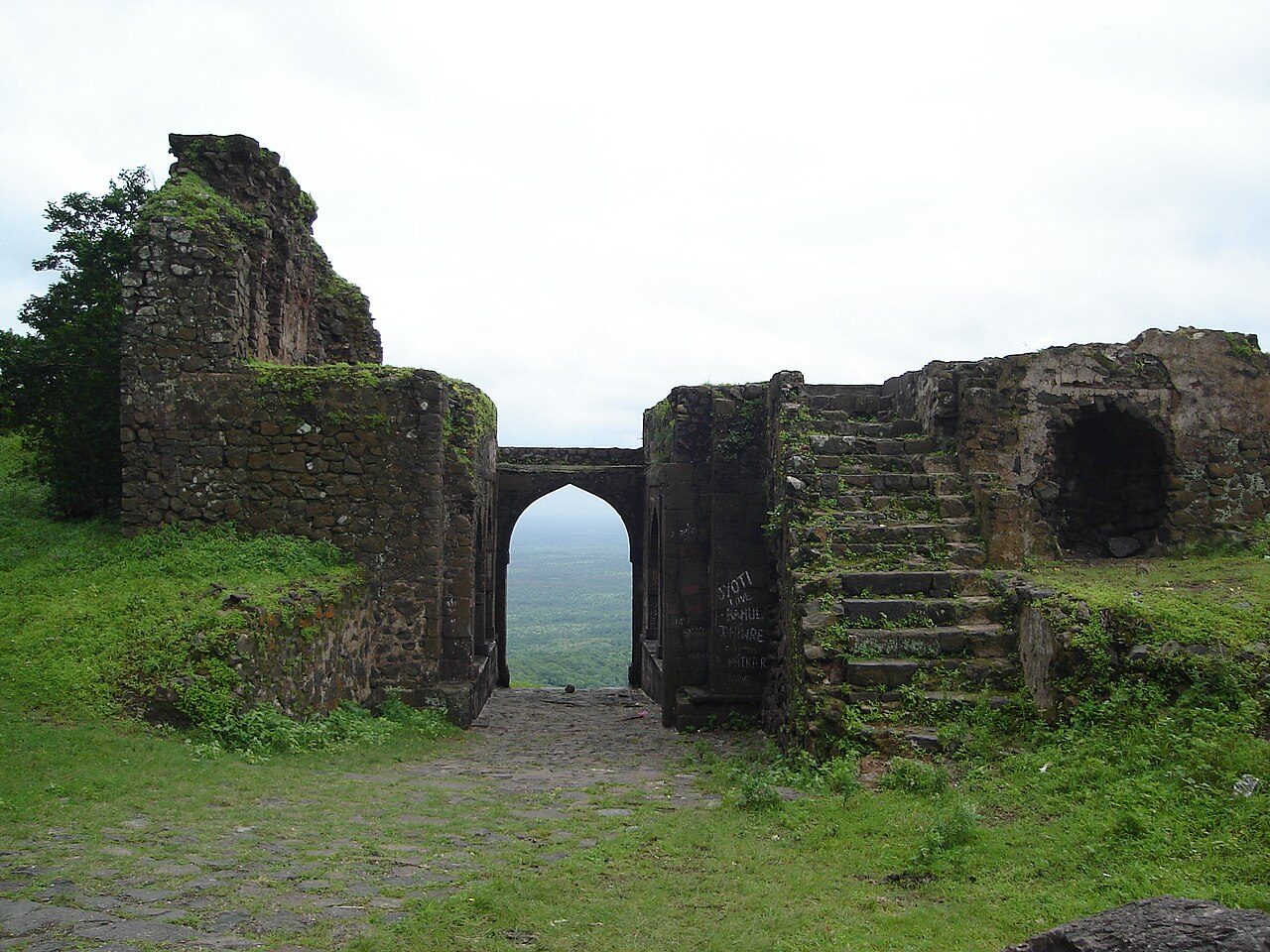
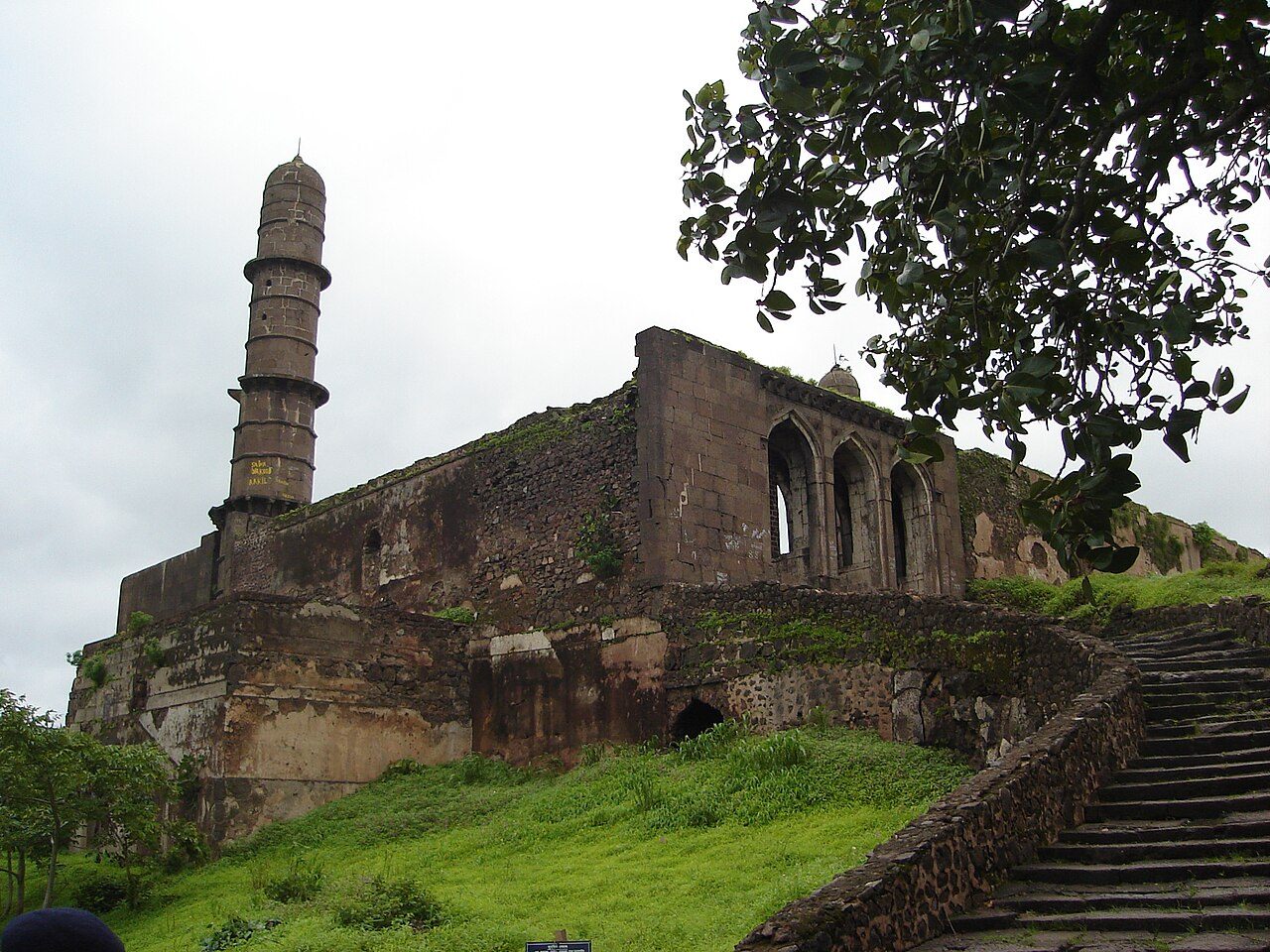
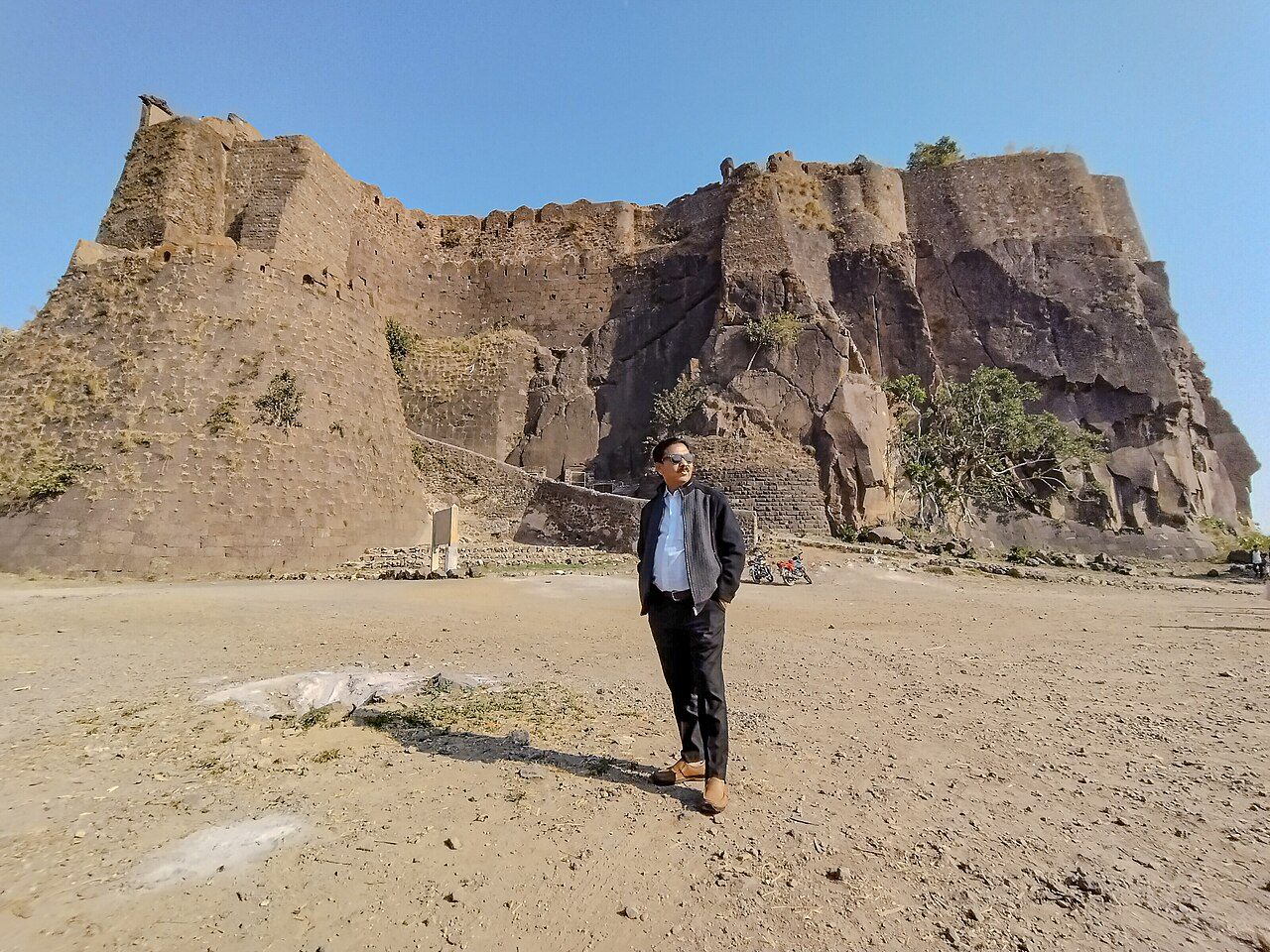
Asirgarh Fort crowns a steep hill in the Satpura range north of Burhanpur and commanded the main route between northern India and the Deccan, earning the name 'key to the Deccan'. Akbar captured it in 1601 after a long siege. Inside the walls are a large mosque with twin minarets, an old Shiva temple, British-era graves and several tanks. The climb is best in the cooler months.
 WaTrips