Neemrana and Alwar's hill fort, Bhangarh, Deeg's water palaces and Keoladeo's birds, Karauli, and Ranthambore's fort and tiger safari.
Eastern Rajasthan packs forts, wildlife and India's most famous 'haunted' ruin into a short trip, easy to start from Delhi or Jaipur. Day one passes Neemrana Fort and reaches Alwar for the Bala Quila on its ridge, the Moosi Maharani cenotaph and Siliserh Lake. Day two begins at Bhangarh, the ruined town that is open only between sunrise and sunset, then Deeg's water palaces, Bharatpur's Lohagarh Fort and the Keoladeo bird sanctuary, a UNESCO site best between October and February. Day three visits Karauli's palace and Ranthambore Fort inside the tiger reserve. The last morning is for a safari in Ranthambore National Park; book it online well ahead, as the core zones close during the monsoon.
01
STOP 1 OF 11
Neemrana Fort
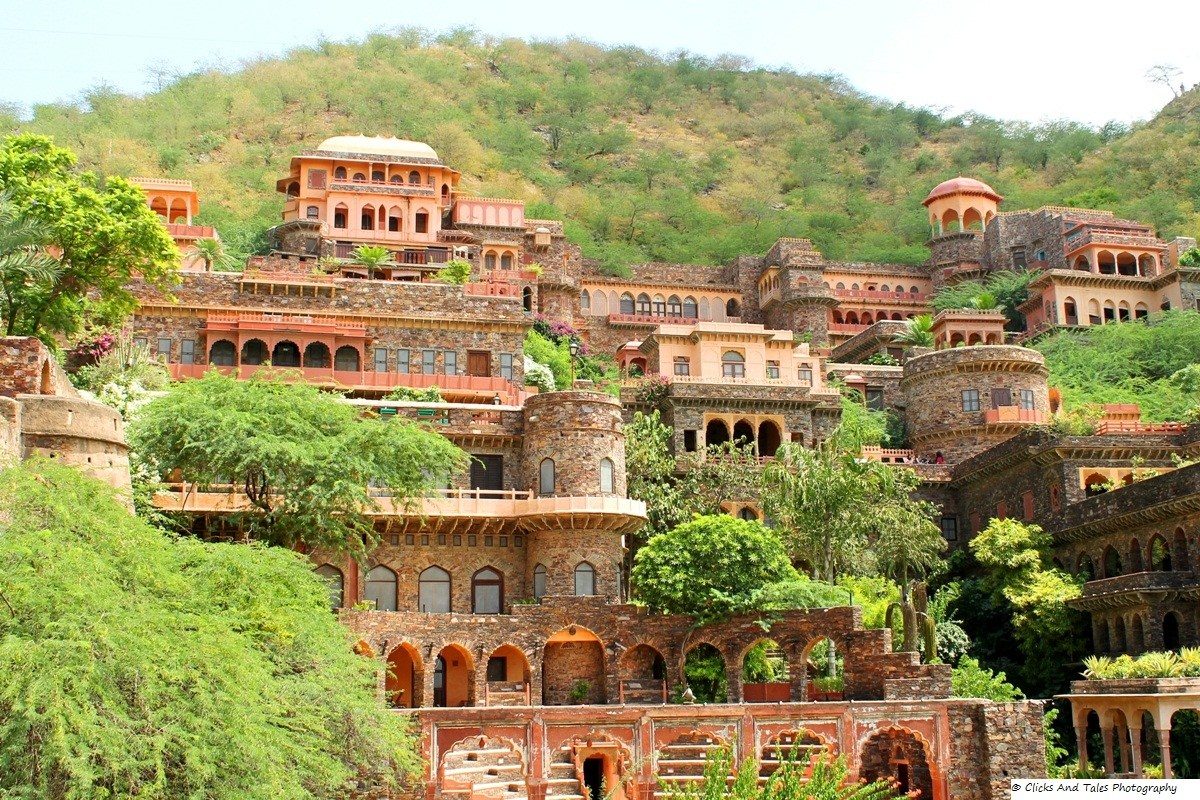
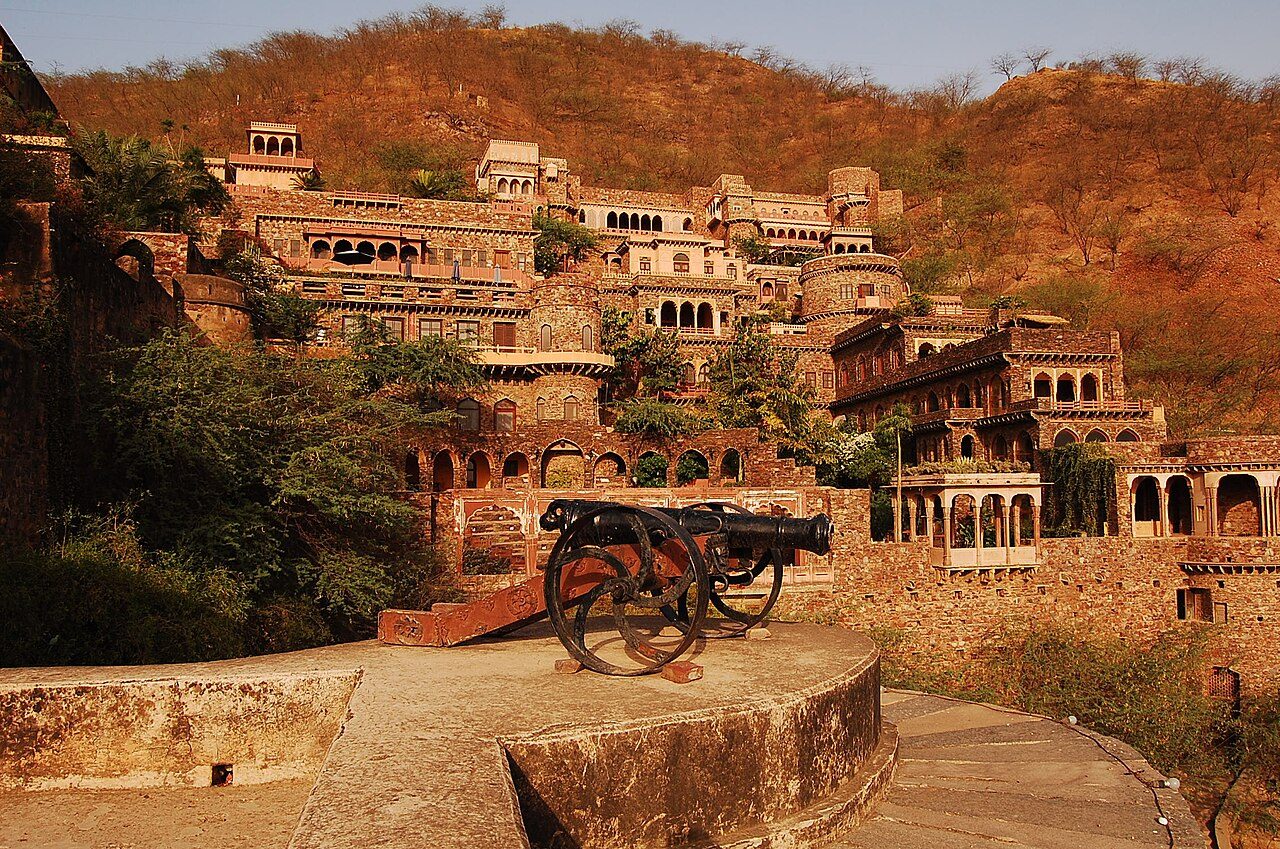
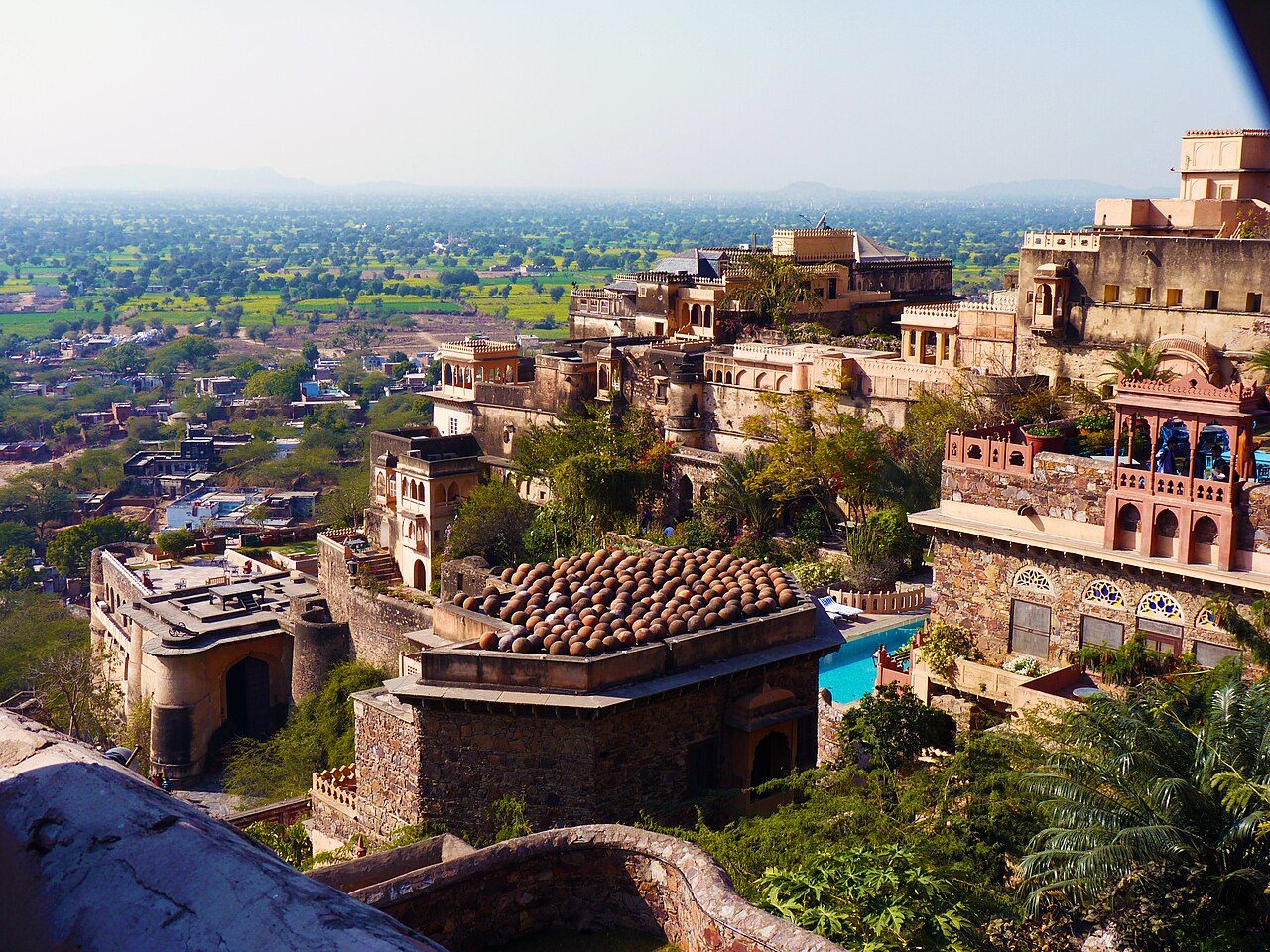
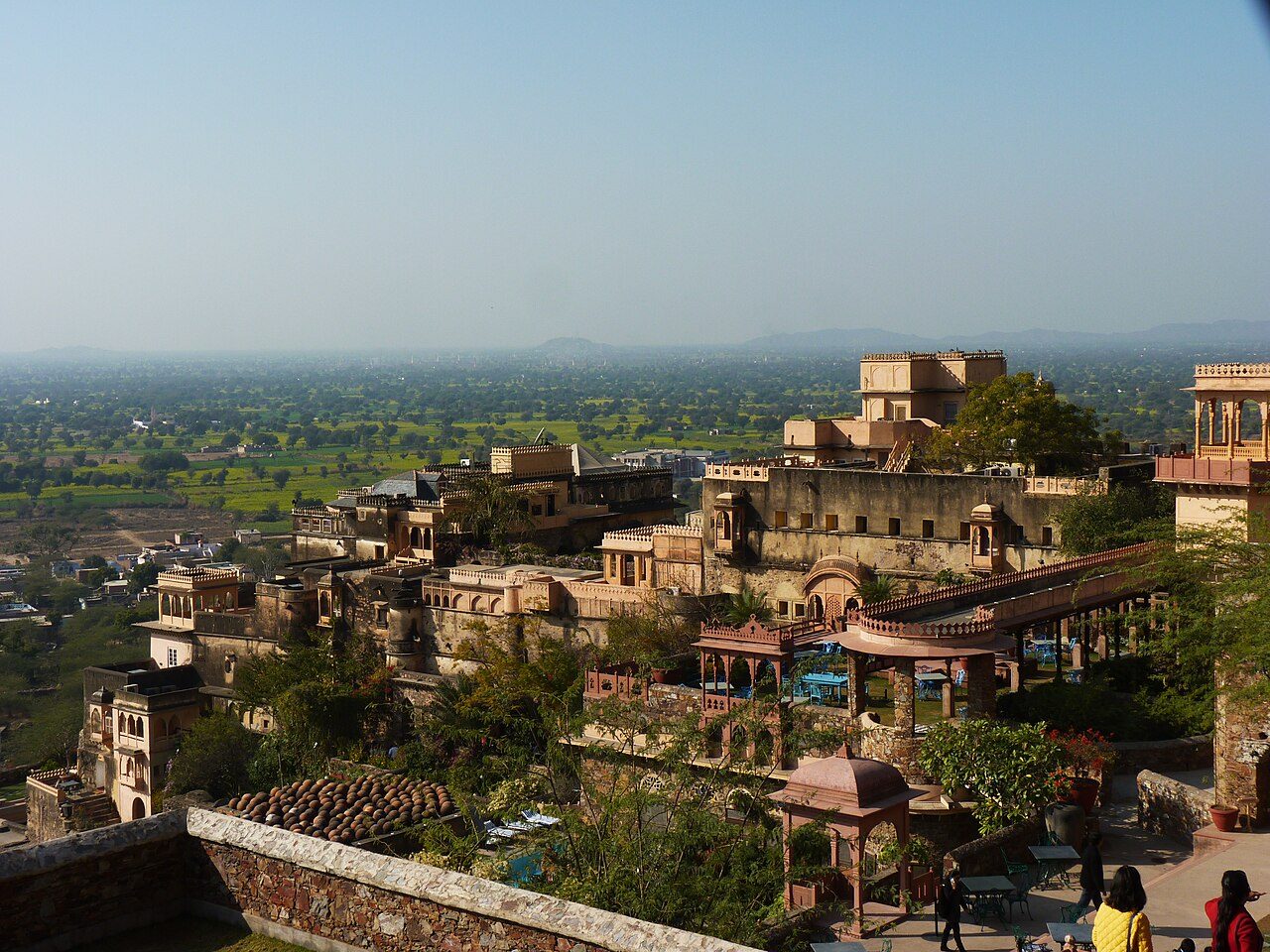
Neemrana Fort Palace was begun in 1464 and was the seat of a branch of the Chauhan Rajputs descended from Prithviraj Chauhan. The palace climbs a hillside in many tiers and fell into ruin before it was restored from the 1980s as one of India's first heritage hotels. Day visitors can tour the terraces and courtyards with a ticket. It sits just off the Delhi-Jaipur highway.
02
STOP 2 OF 11
Bala Quila Alwar
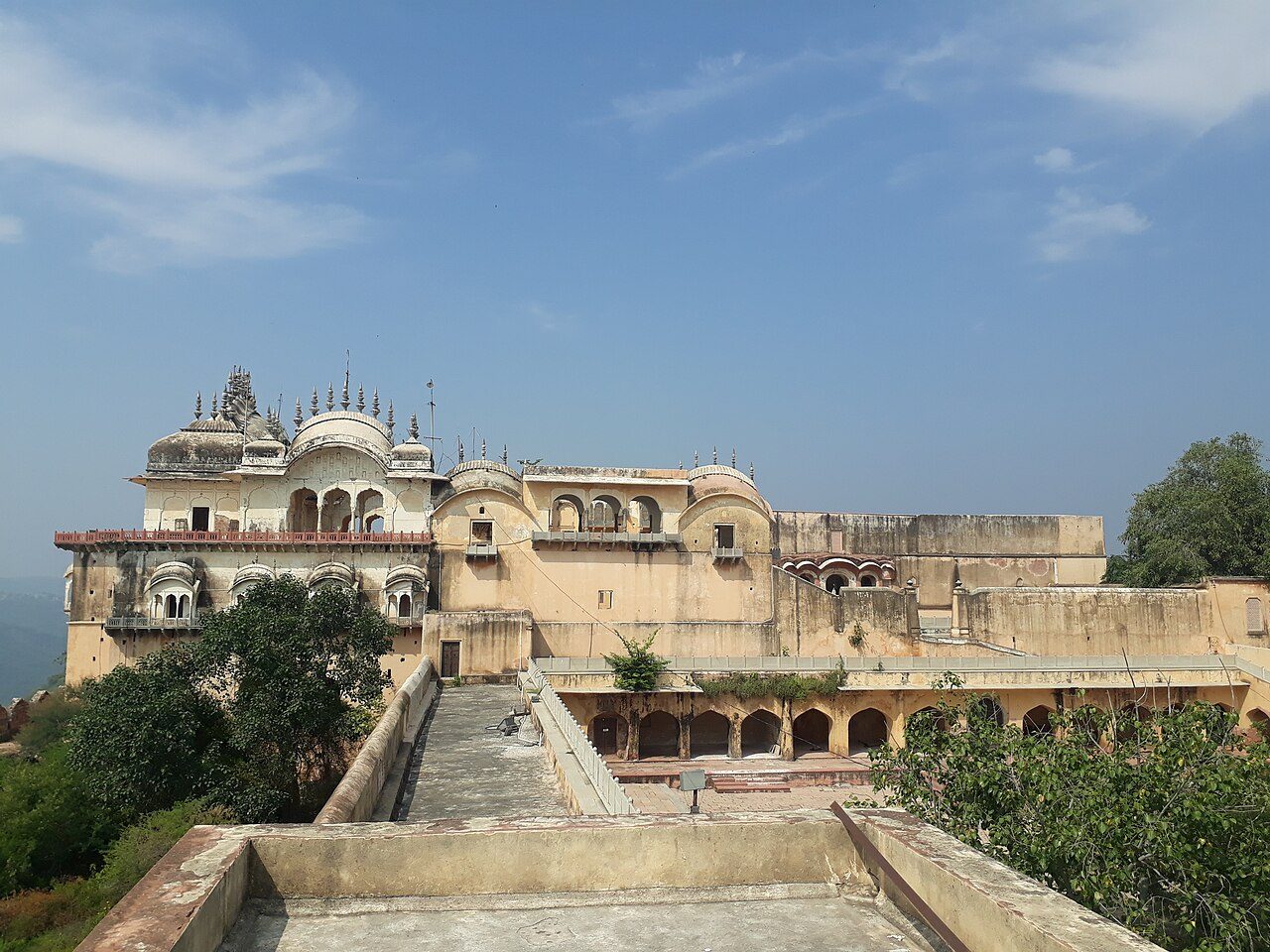
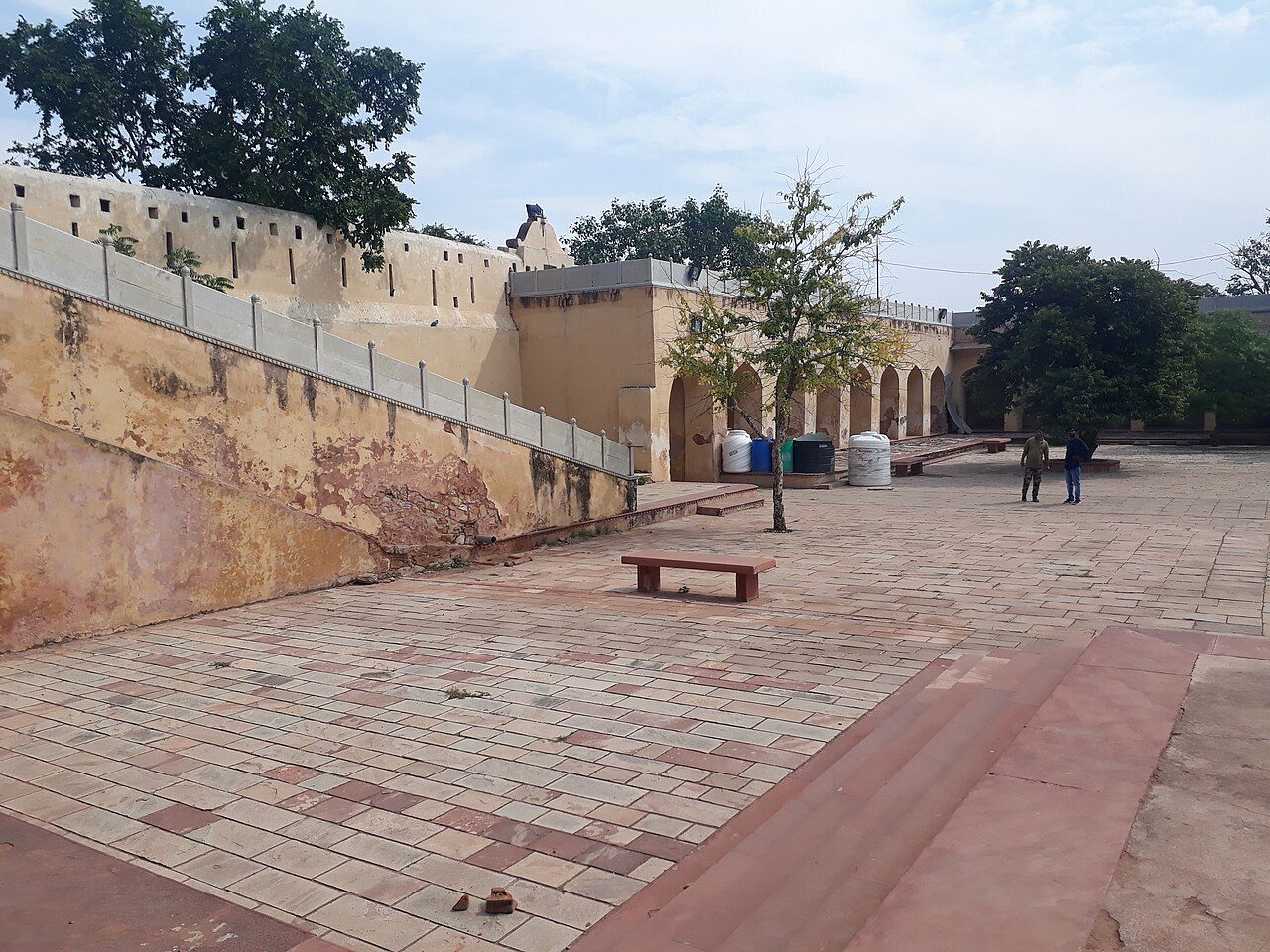
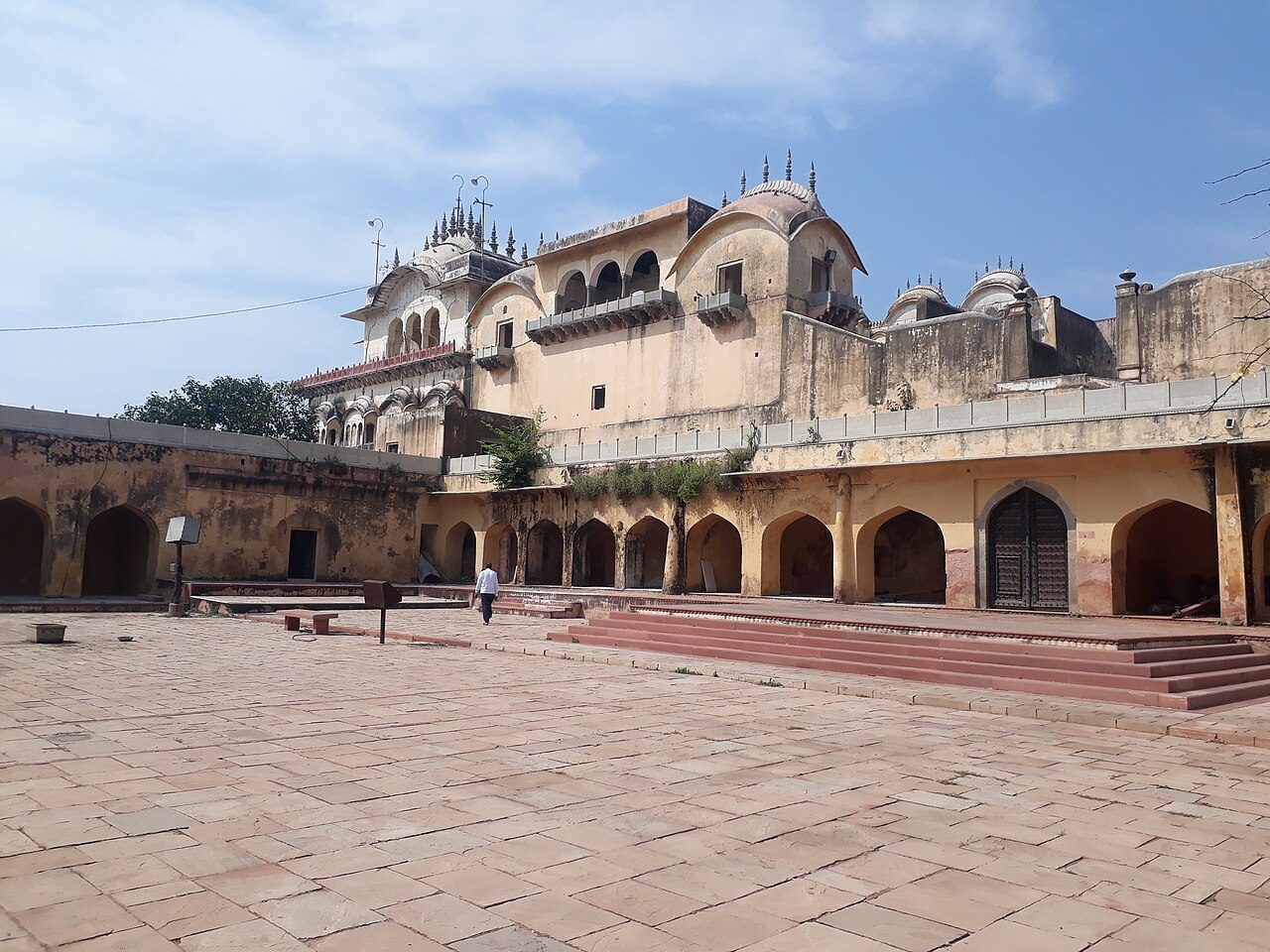
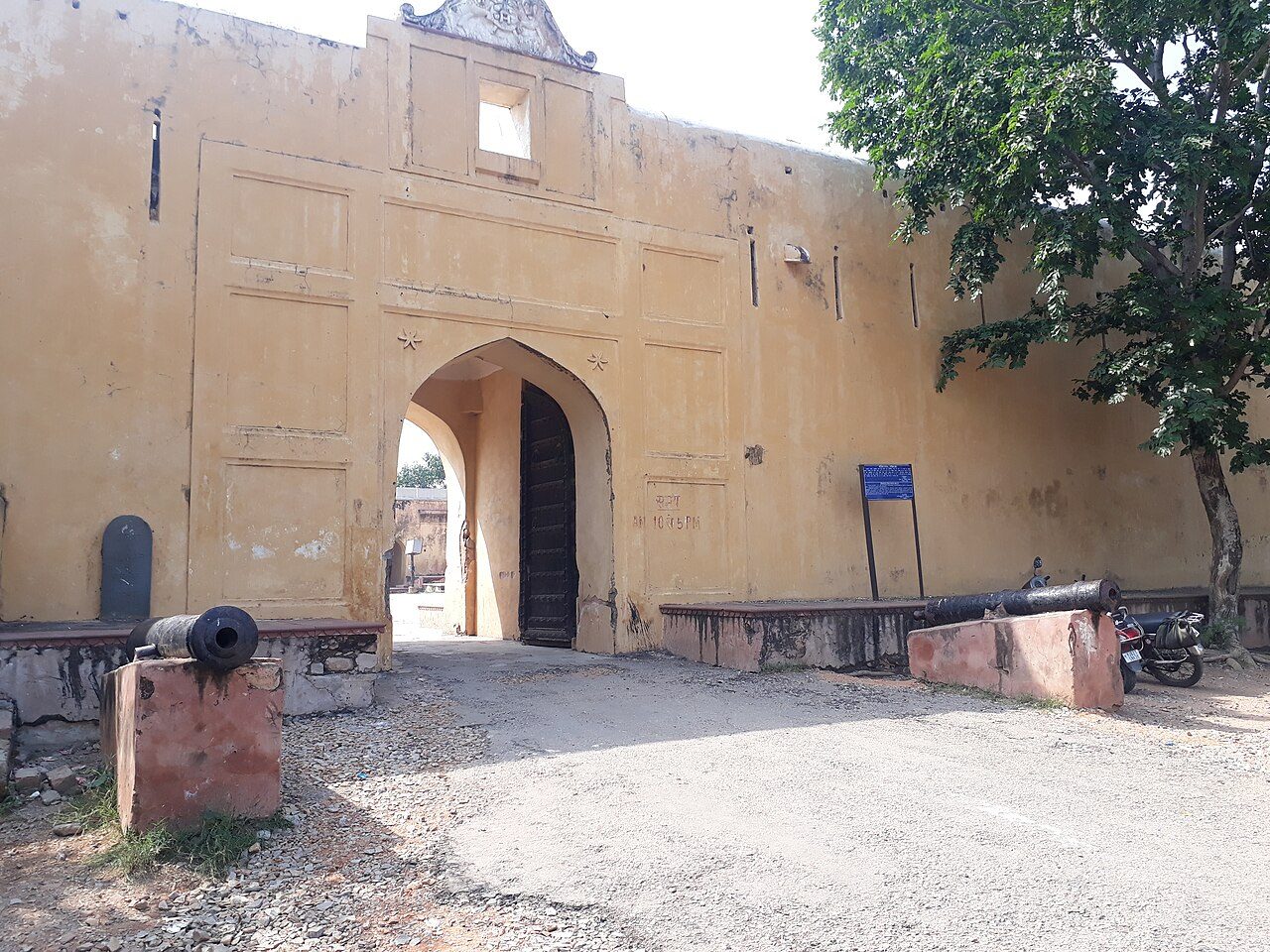
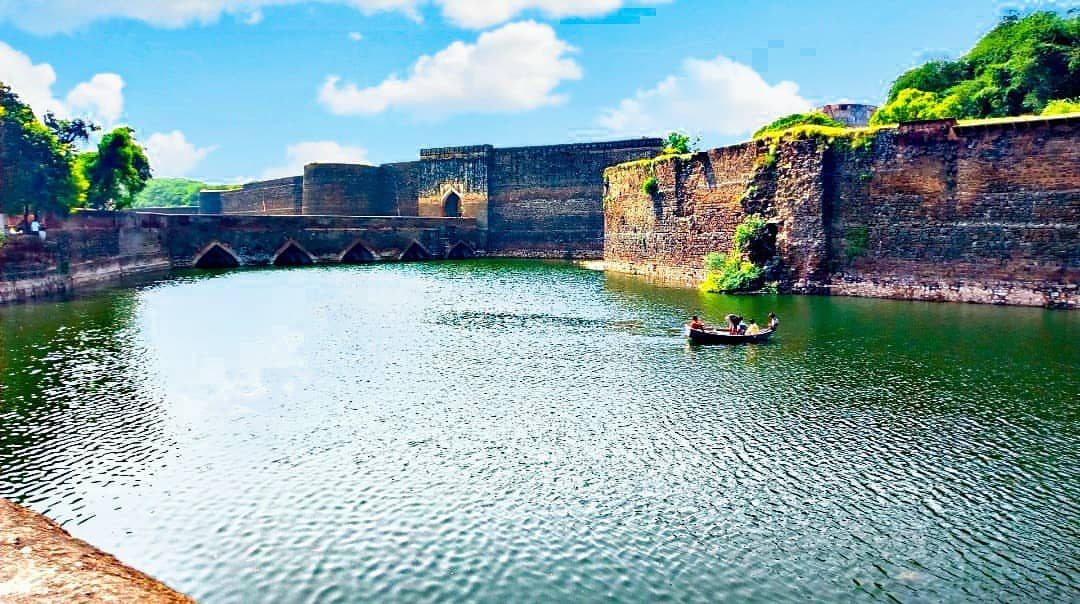
Bala Quila, the Young Fort, stands on a steep hill about 300 metres above Alwar. The site is older, but the present fort was built up from the 15th century and later held by Mughals, Marathas and Jats before the Kachwaha Rajputs took it in 1775. Its walls run for about five kilometres with several gates and many towers. The road up passes through forest that is part of the Sariska buffer zone.
03
STOP 3 OF 11
Moosi Maharani ki Chhatri
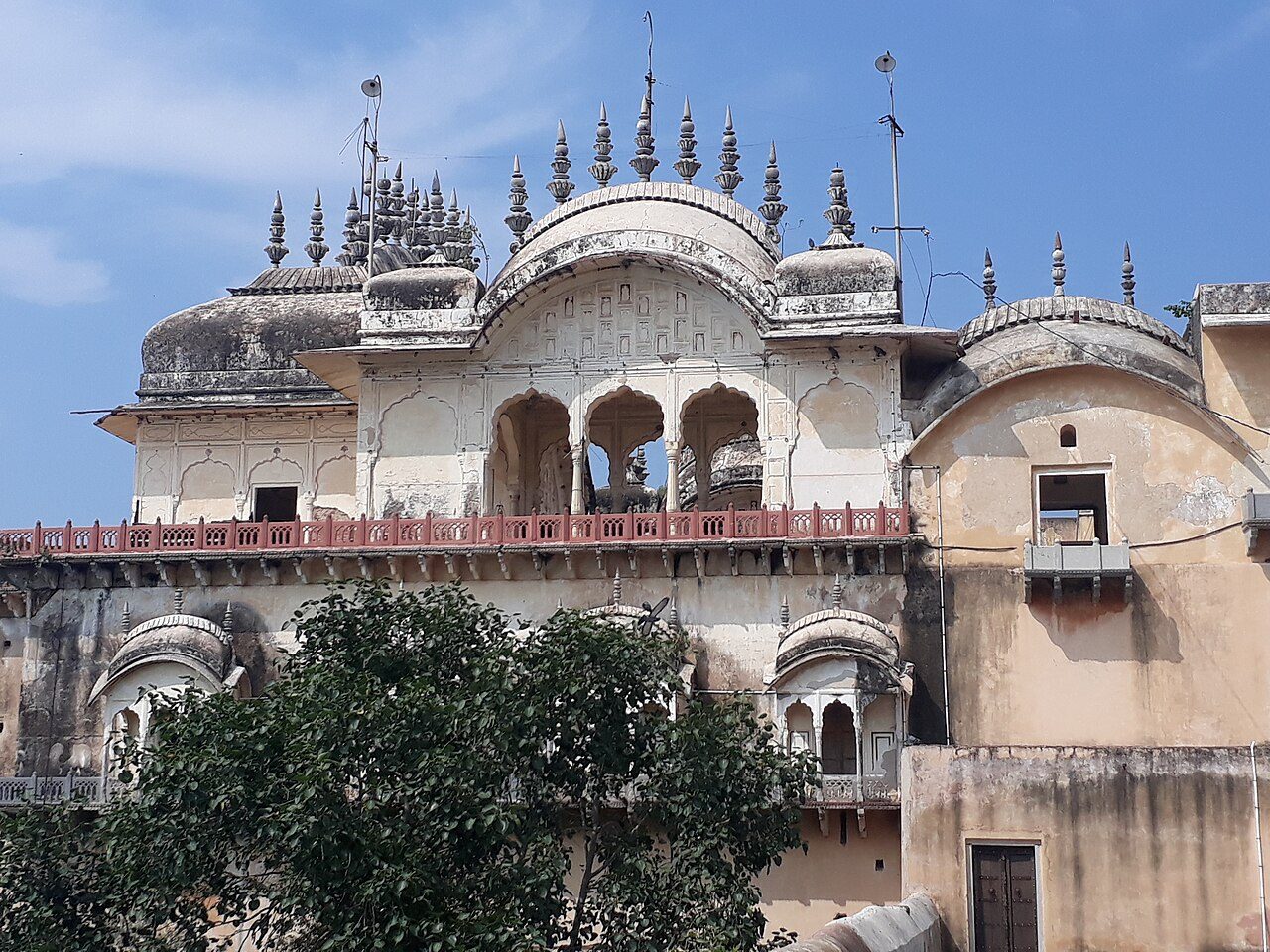
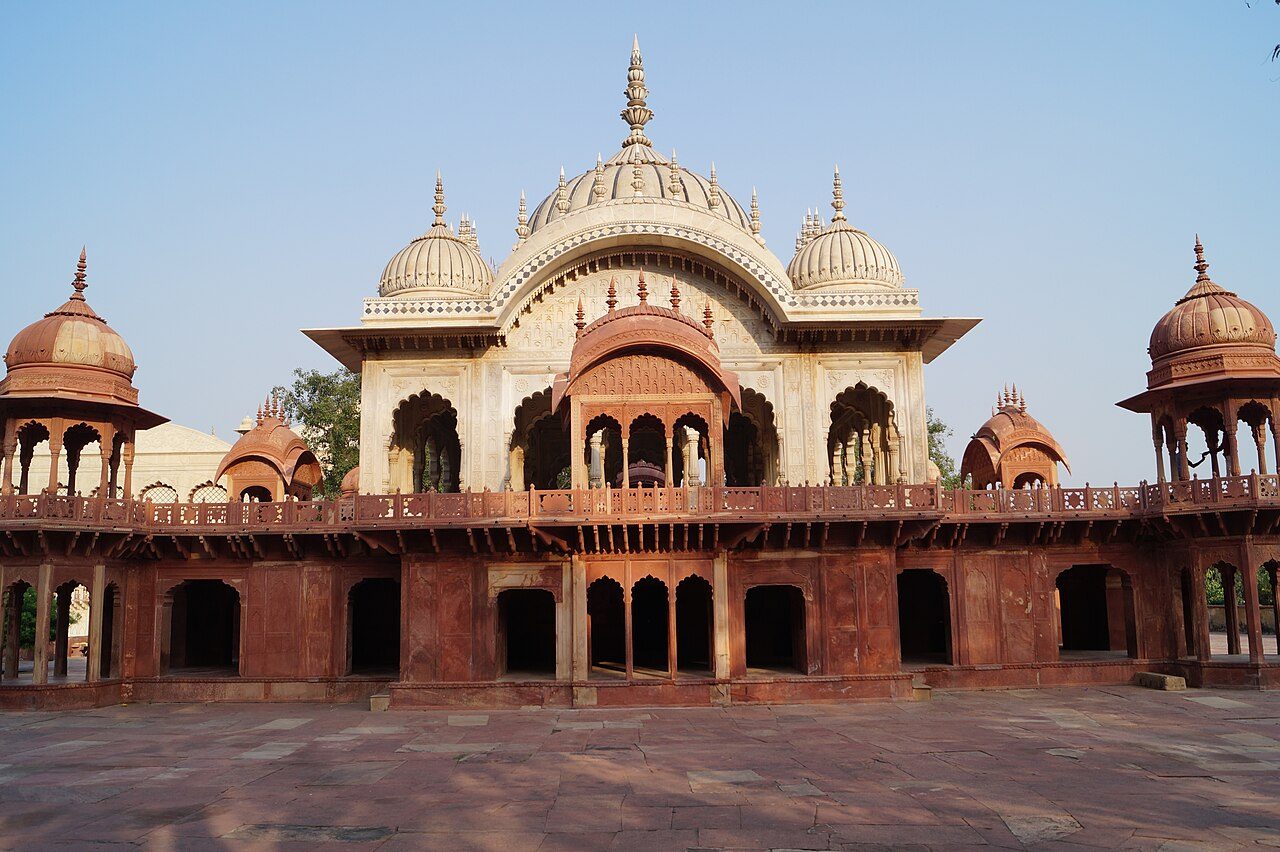
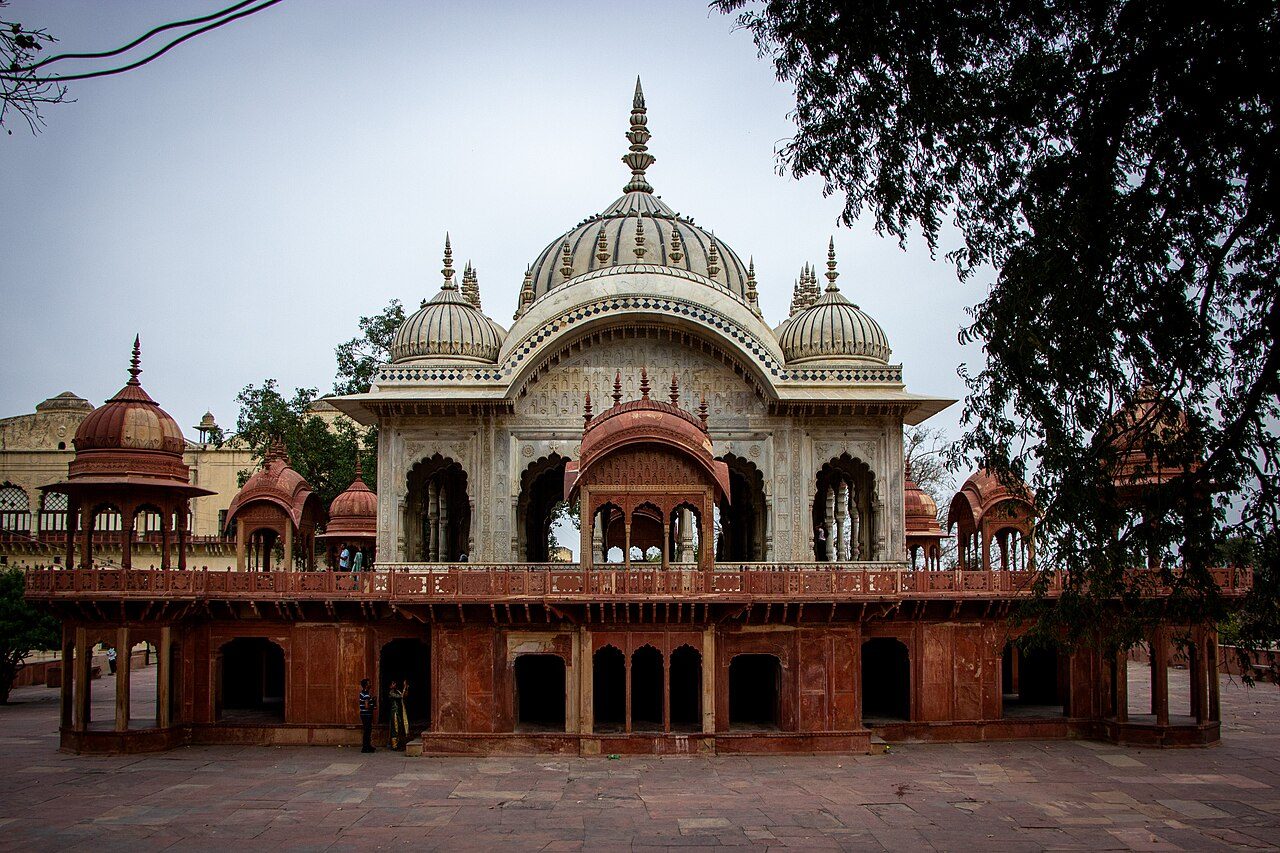
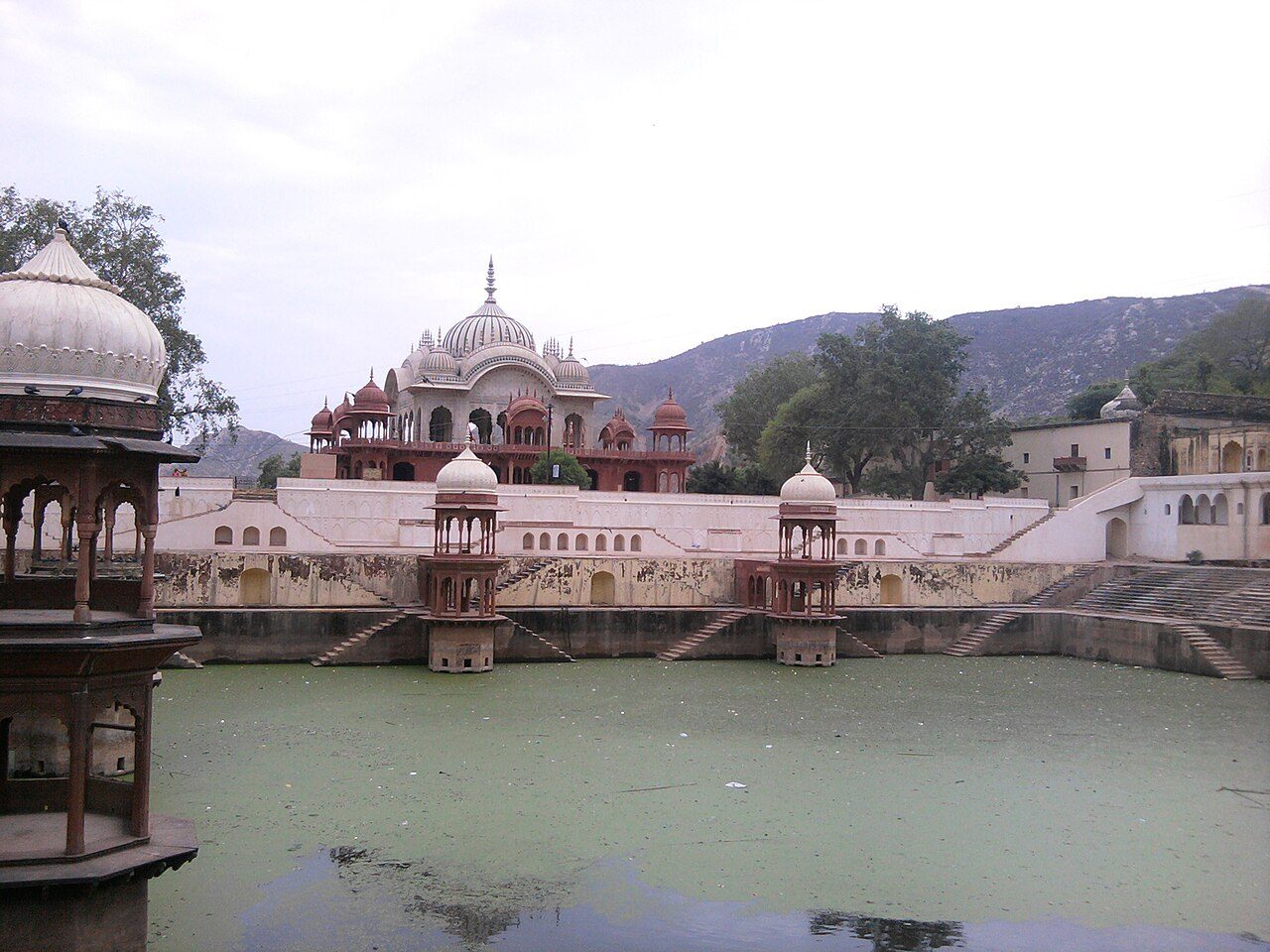
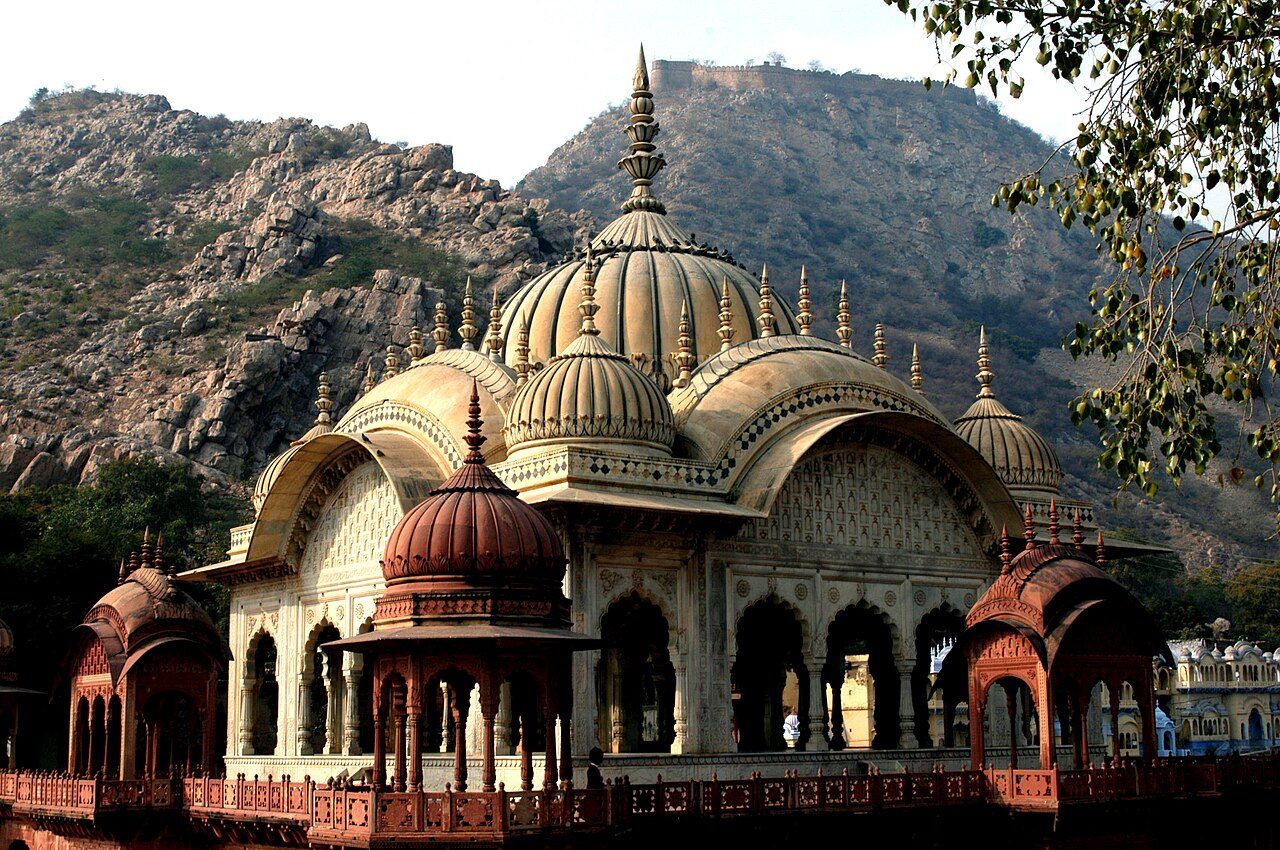
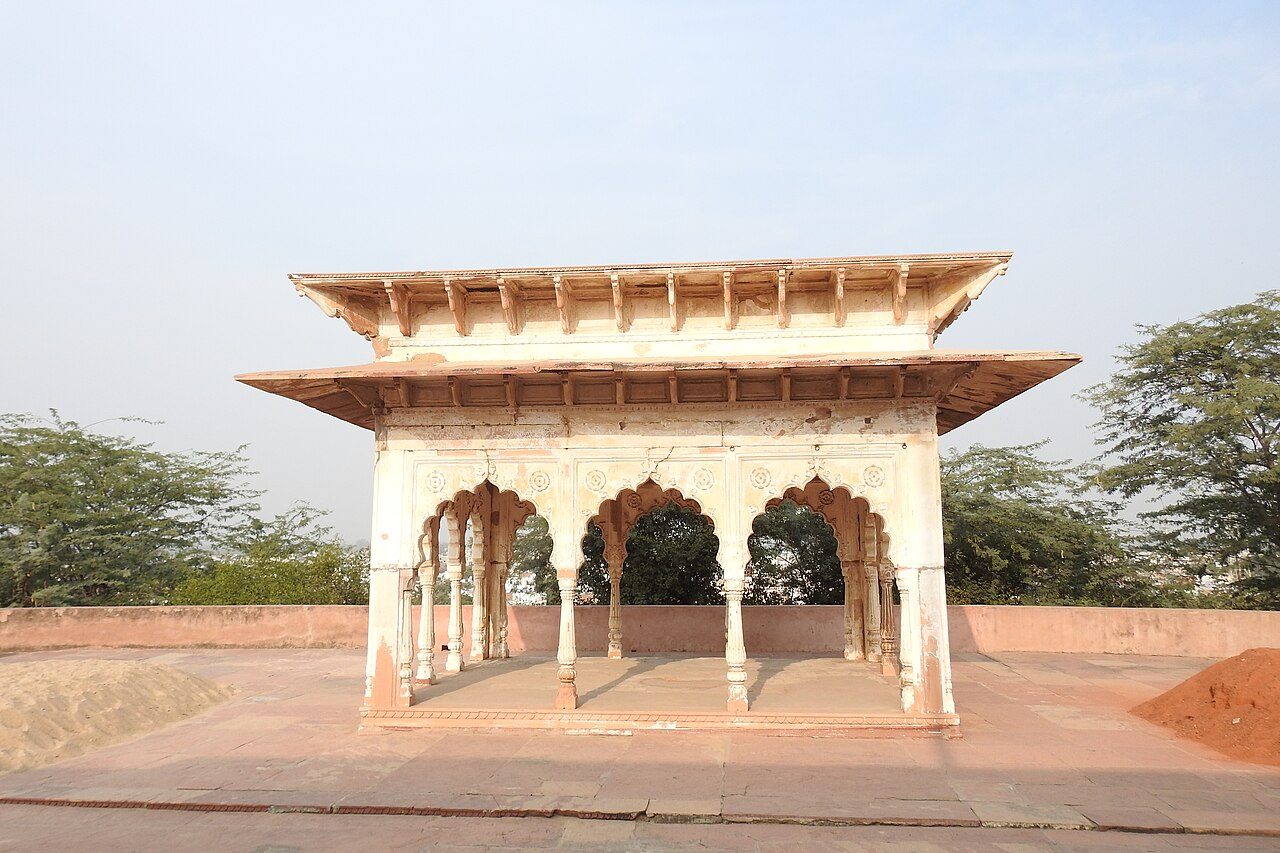
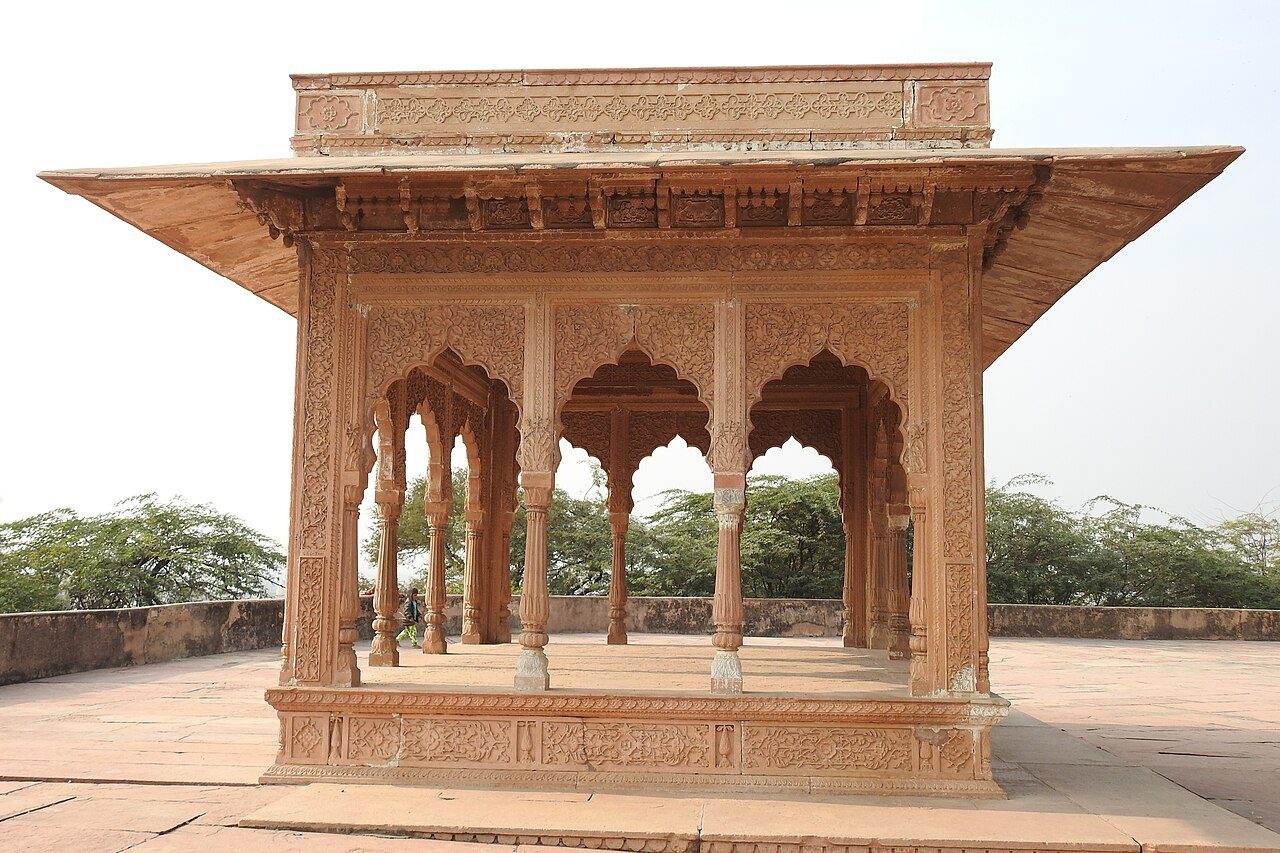
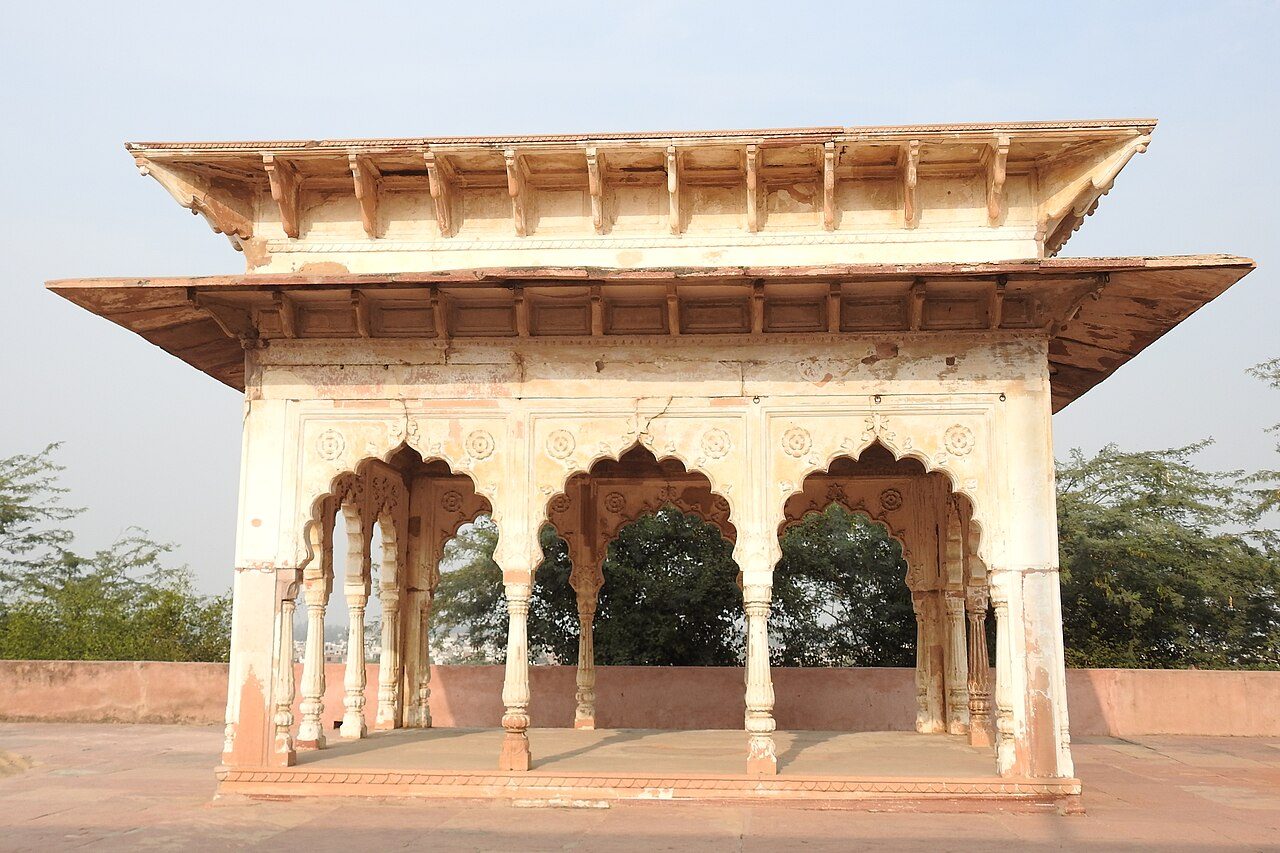
This double-storeyed cenotaph stands beside the Sagar tank behind the City Palace of Alwar. It was built in 1815 by Vinay Singh in memory of Maharaja Bakhtawar Singh and his queen Moosi, who committed sati. The lower storey is red sandstone and the upper is white marble, with domed pavilions and painted ceilings showing mythological scenes. The reflection in the tank makes it a favourite photo spot.
04
STOP 4 OF 11
Siliserh Lake
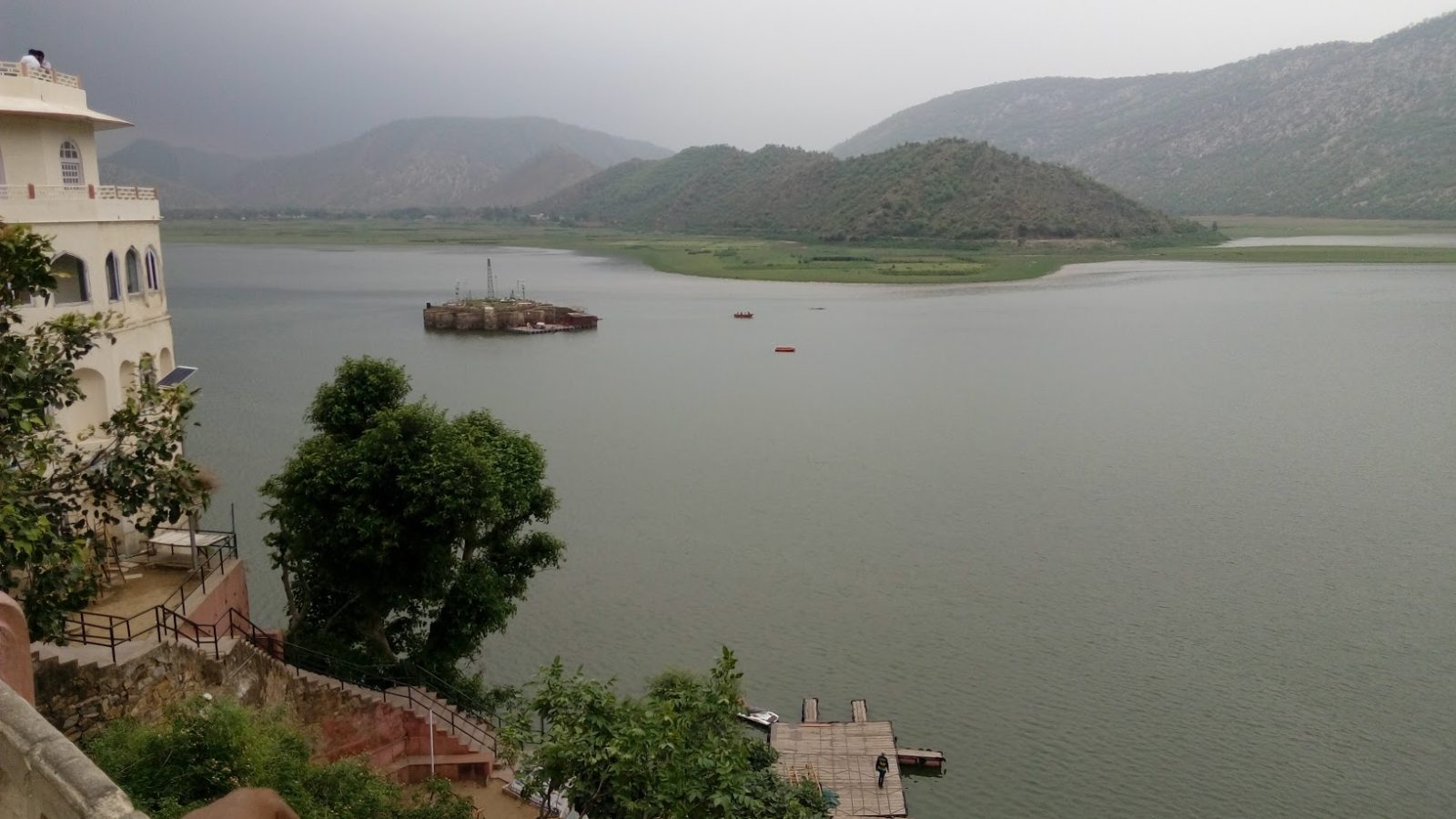
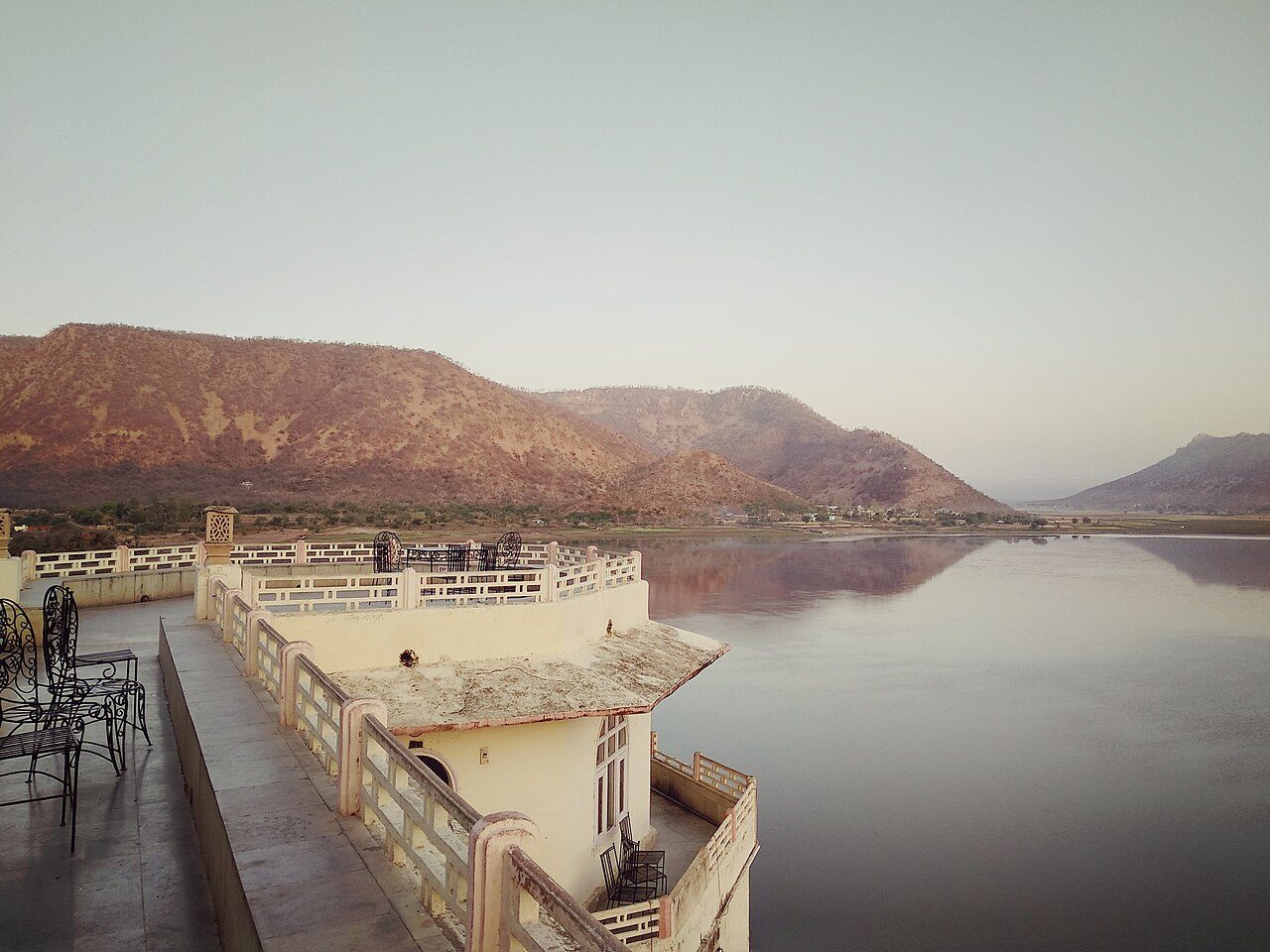
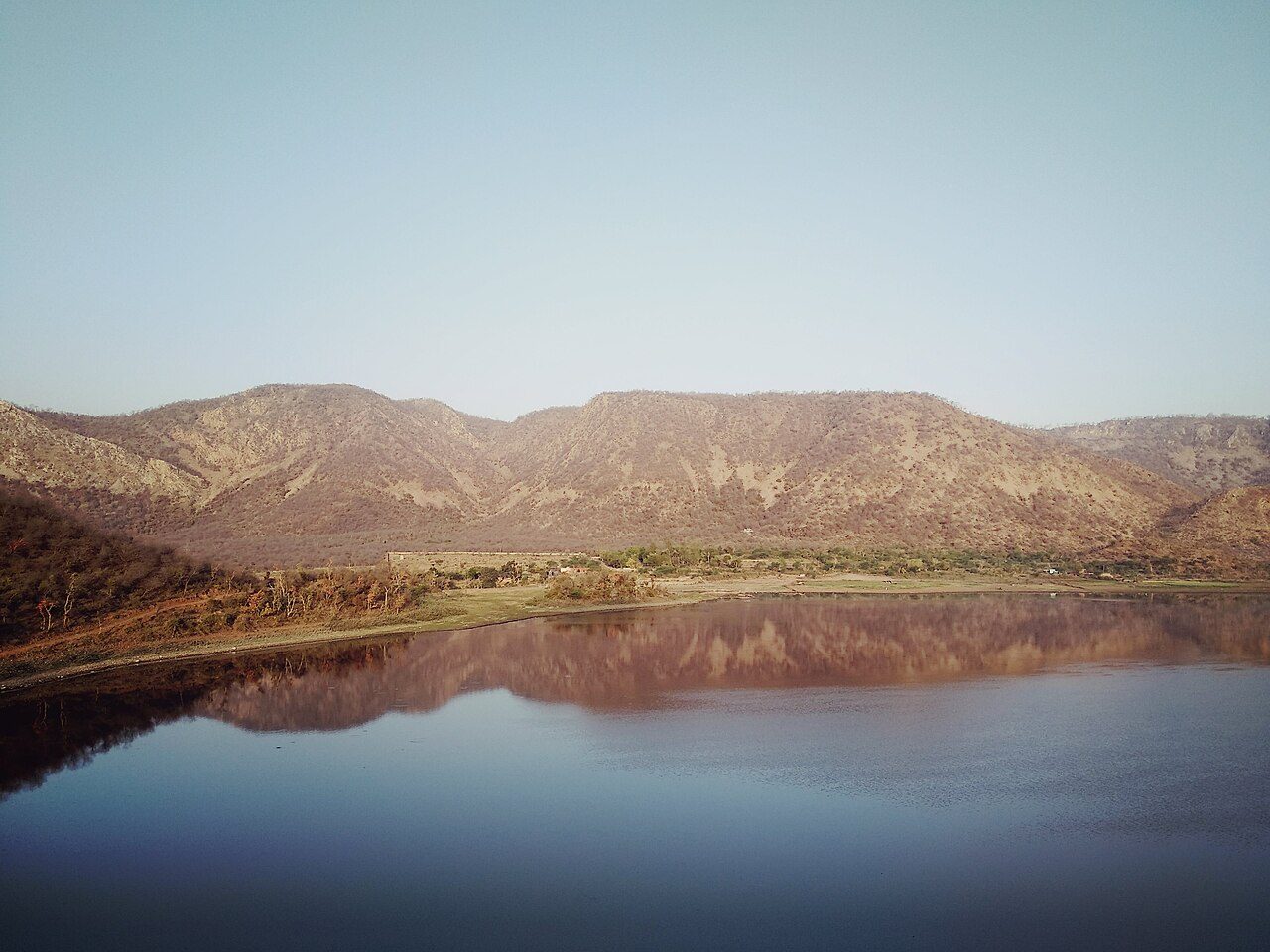
Siliserh is a scenic lake in the Aravalli hills south-west of Alwar, created in 1845 when Maharaja Vinay Singh dammed a tributary of the Ruparel river to supply the city with water. He also built the lakeside palace for his queen, which is now a state-run hotel. Boating is available, and the lake attracts water birds and the occasional crocodile. It is at its fullest after the monsoon.
05
STOP 5 OF 11
Bhangarh Fort
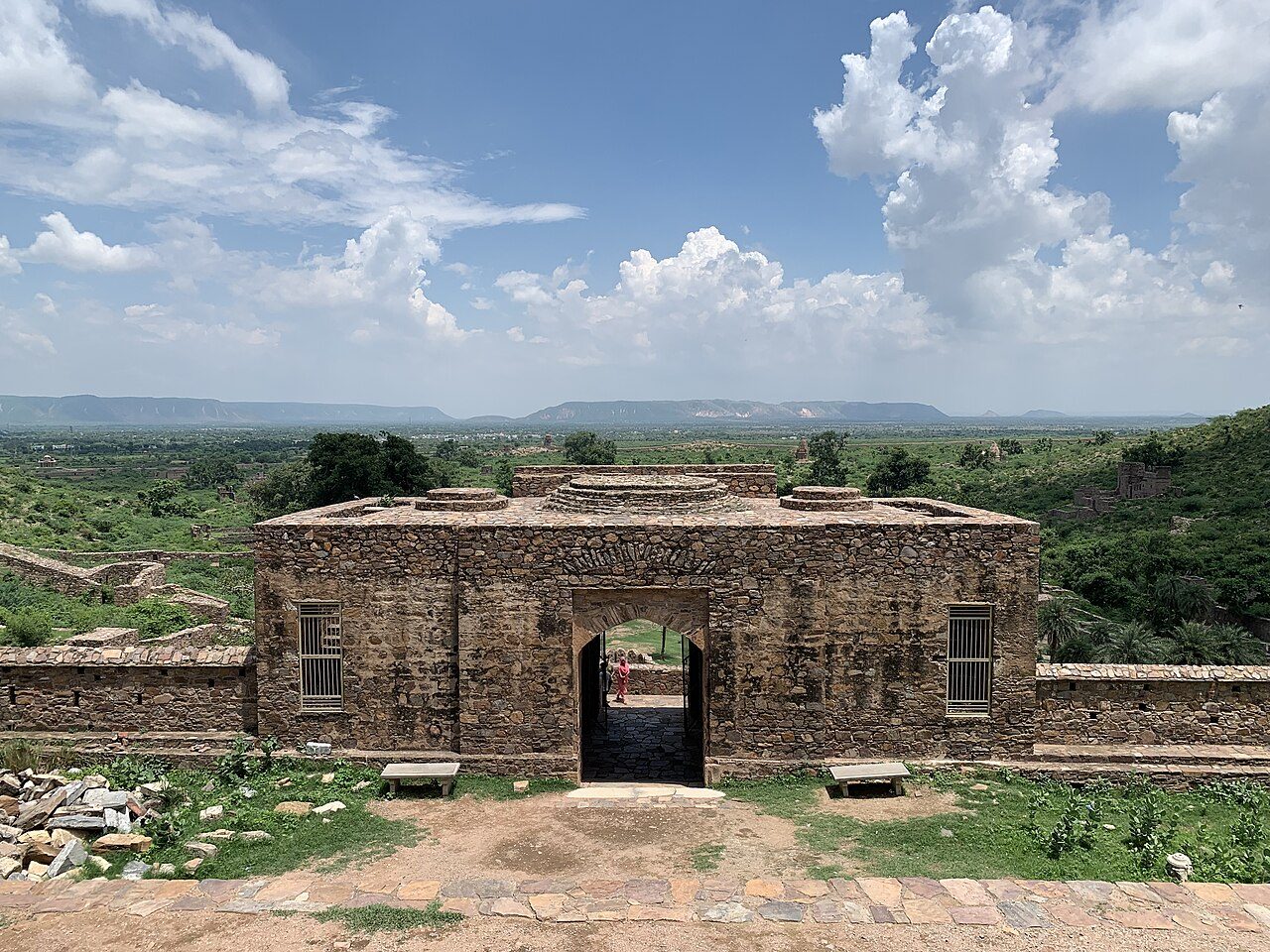
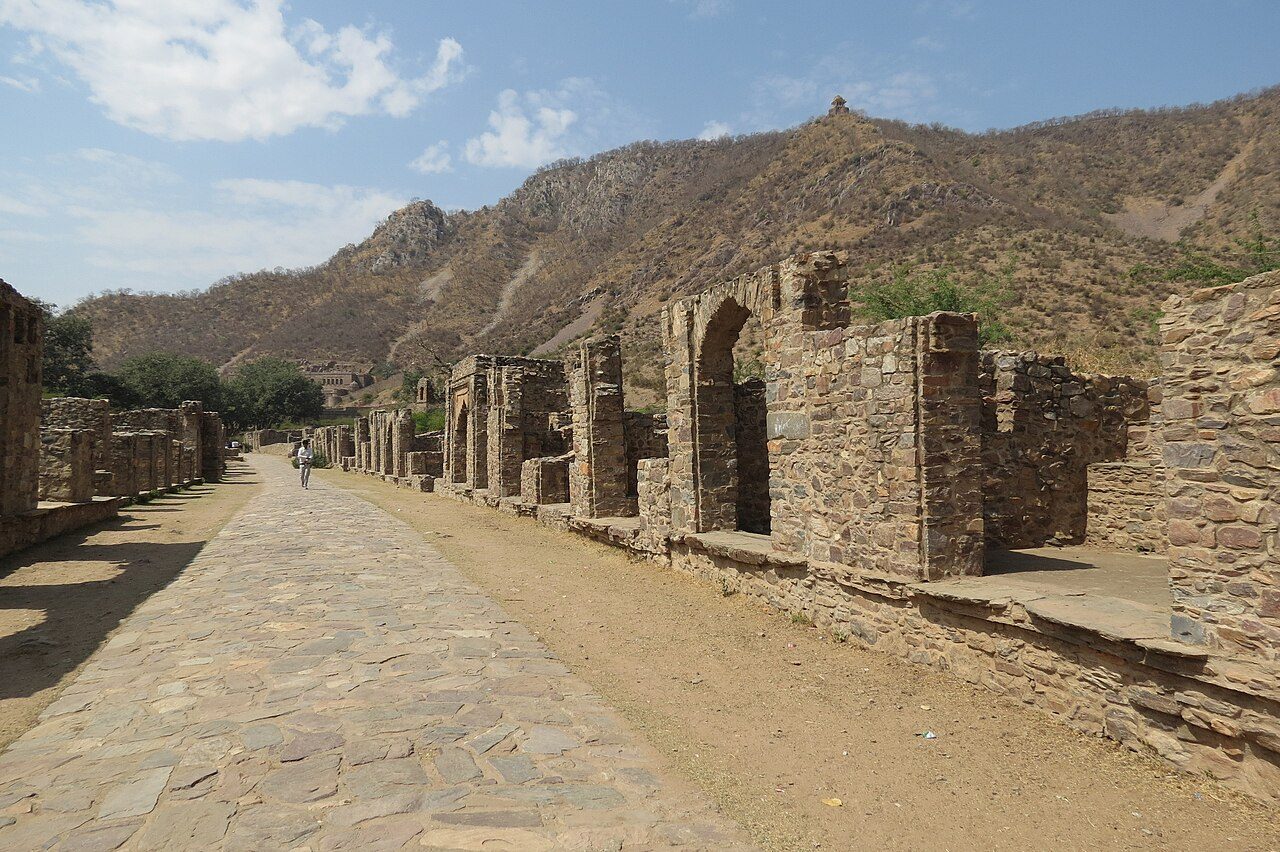
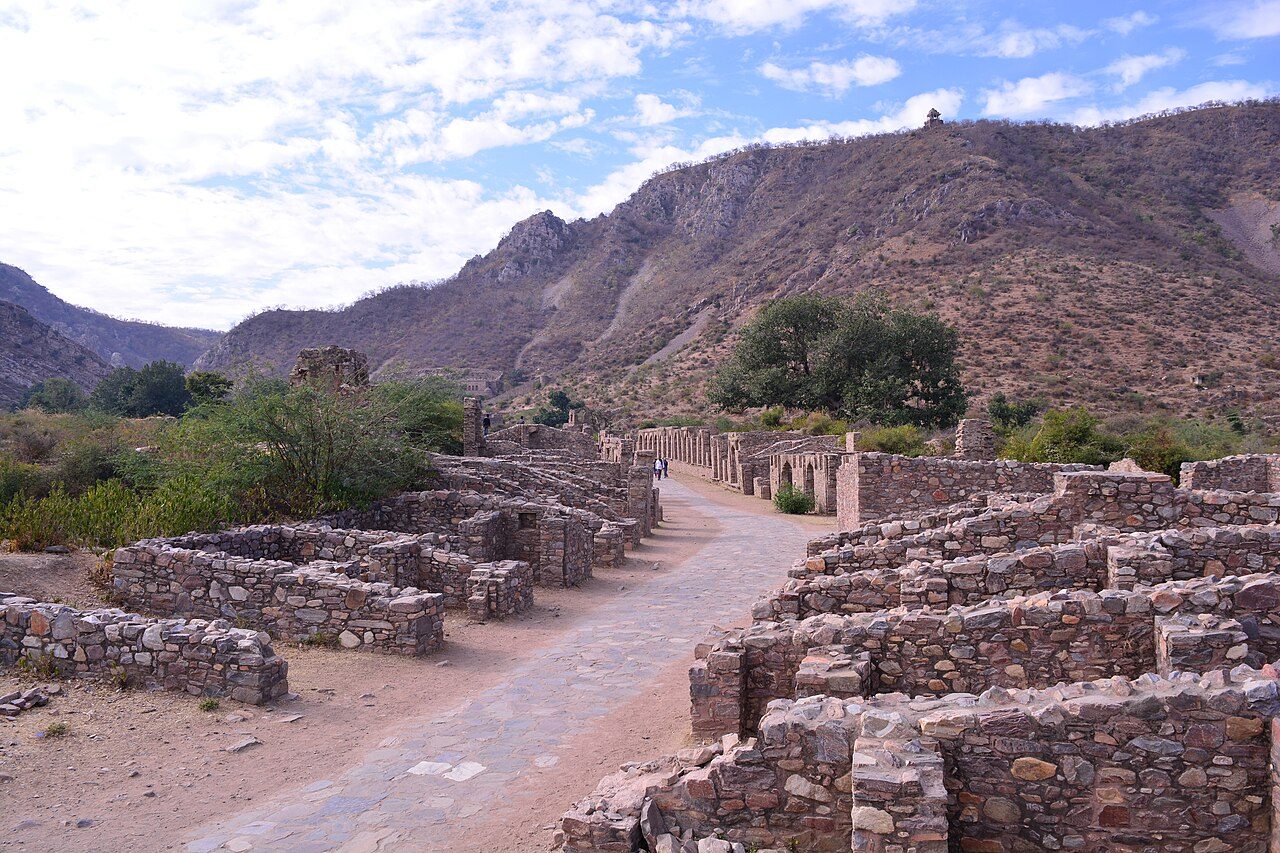
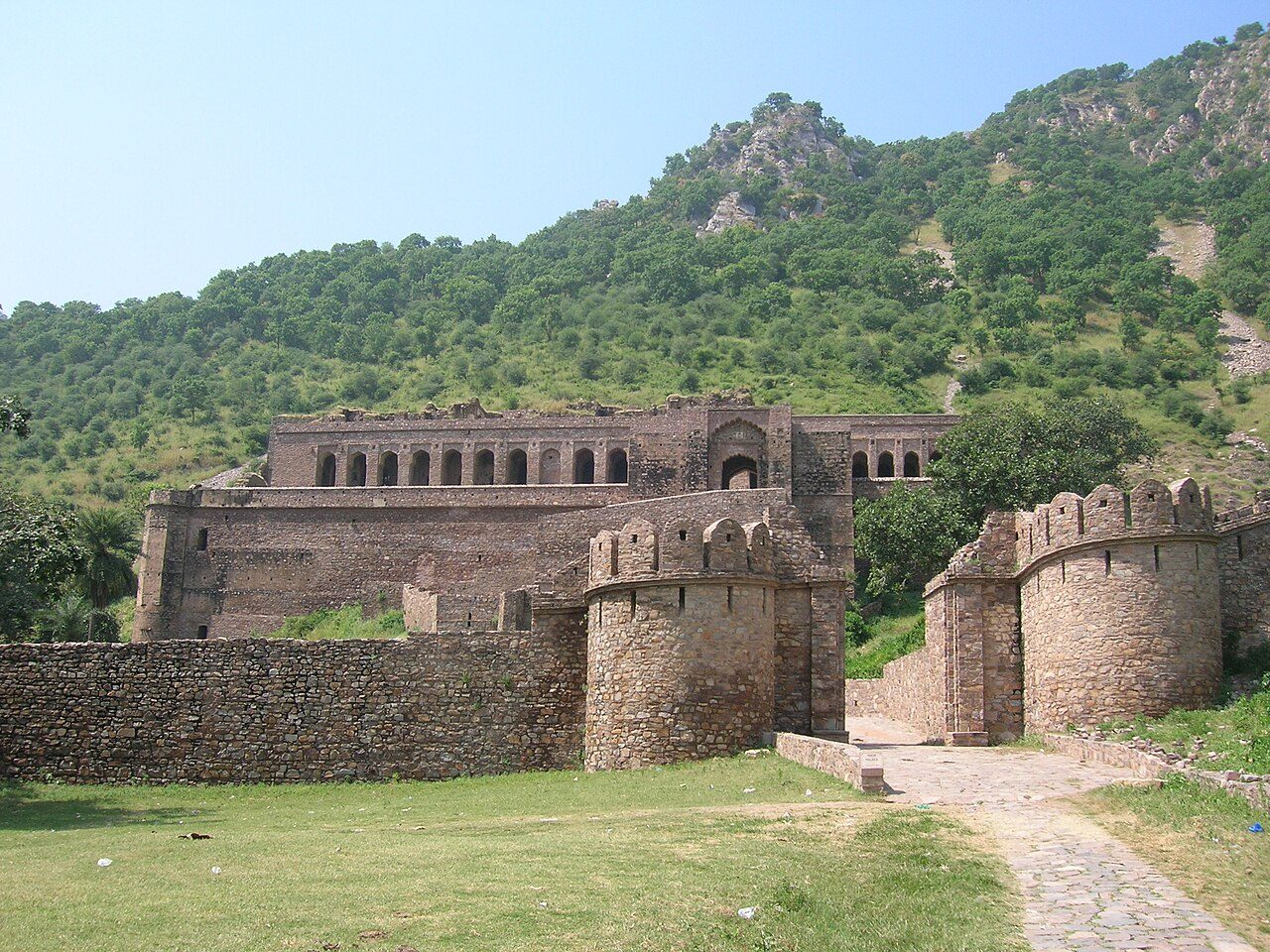
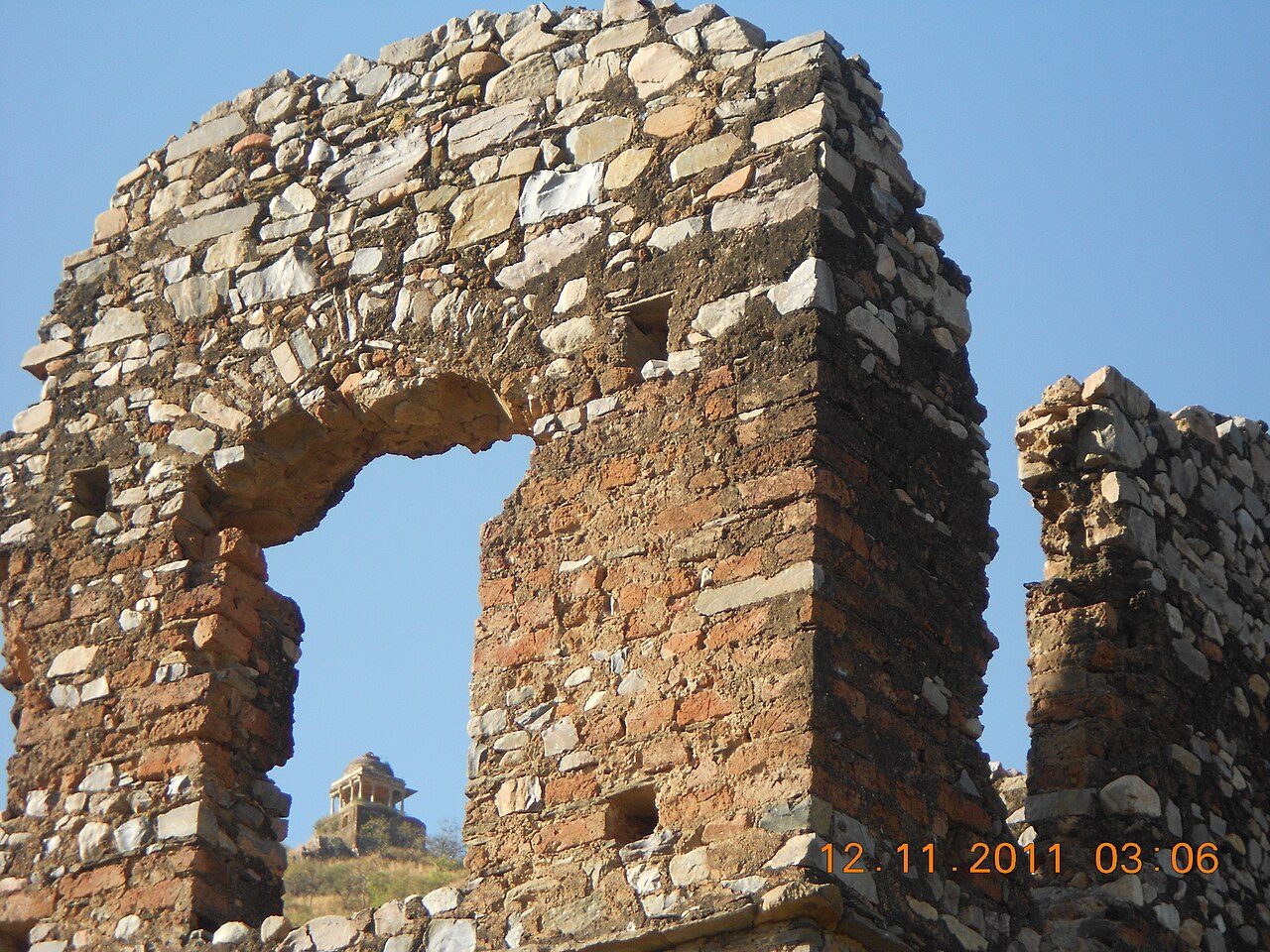
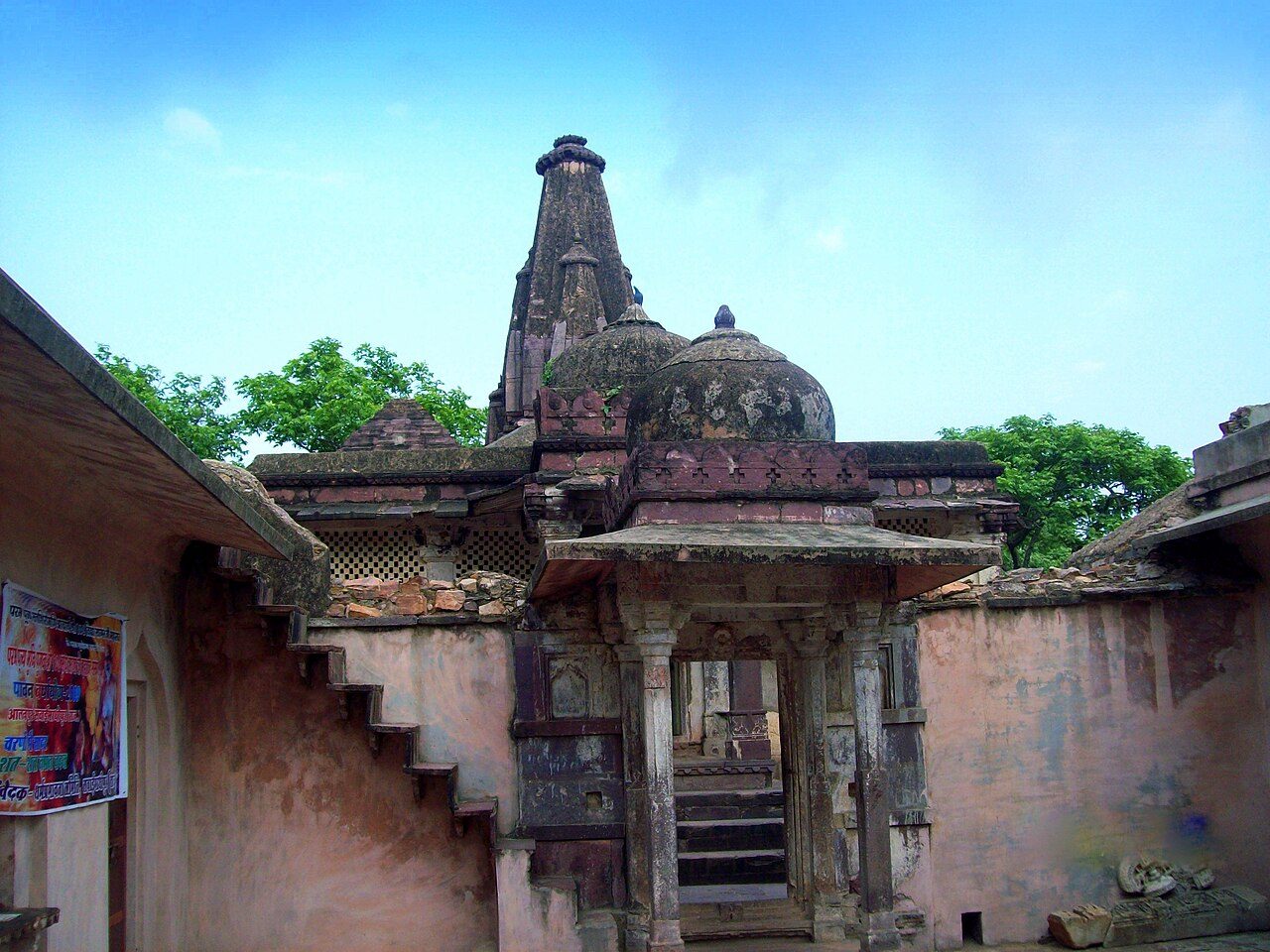
Bhangarh is a ruined fortified town from the late 16th century, built by Raja Bhagwant Das for his son Madho Singh. Inside the gates lie the remains of markets, havelis, several well-preserved temples and a palace climbing the hillside. Local legend has made it famous as the most haunted place in India, and entry is not permitted between sunset and sunrise. It lies on the edge of the Sariska reserve.
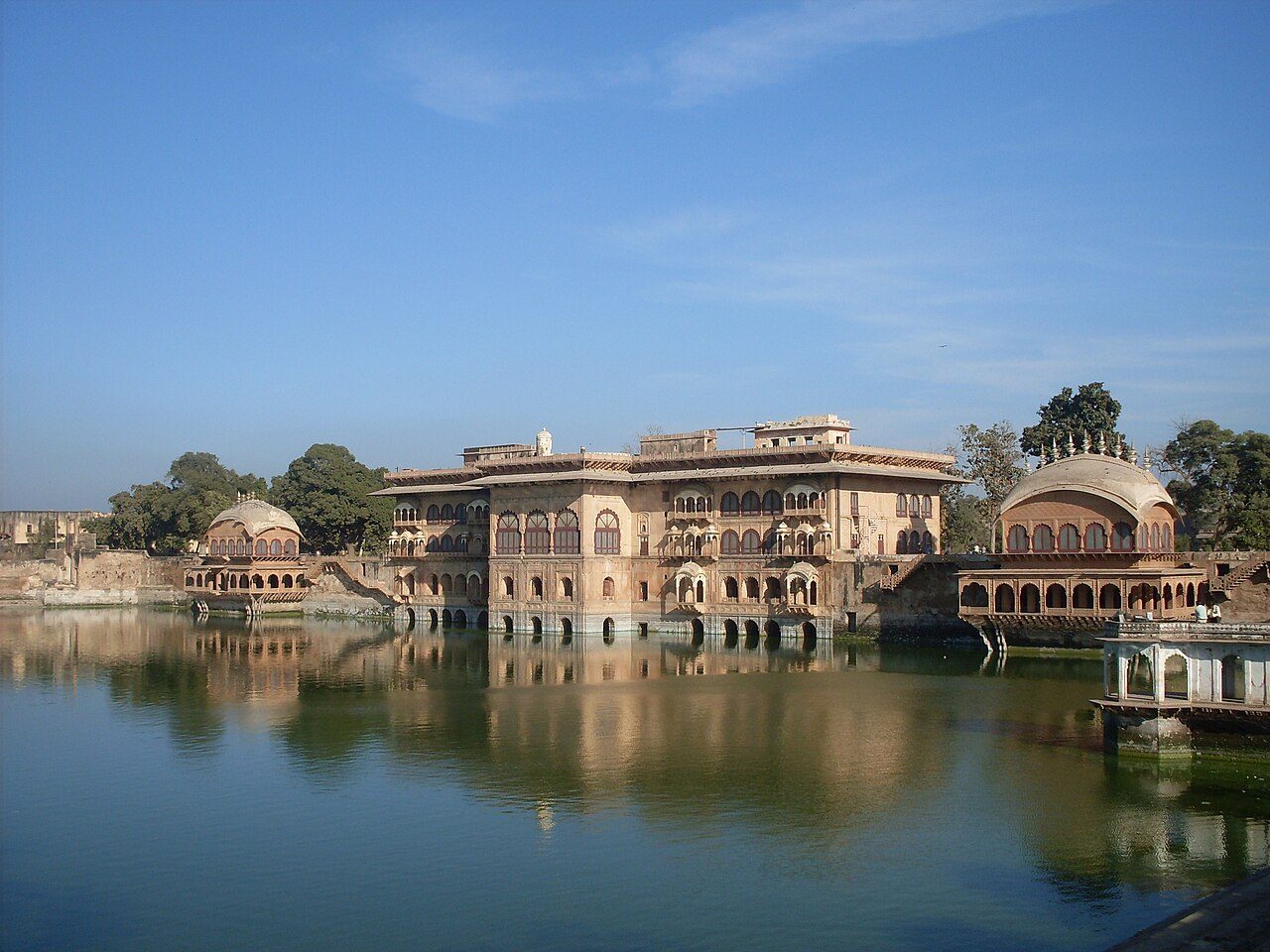
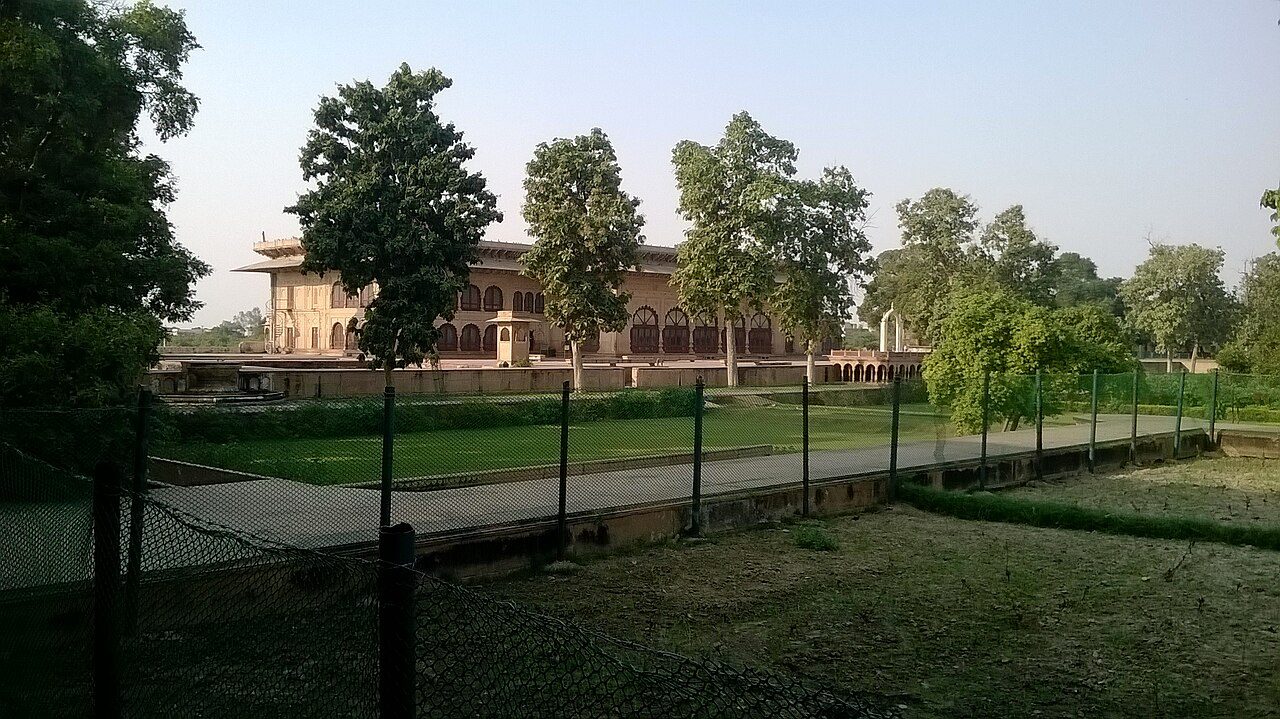
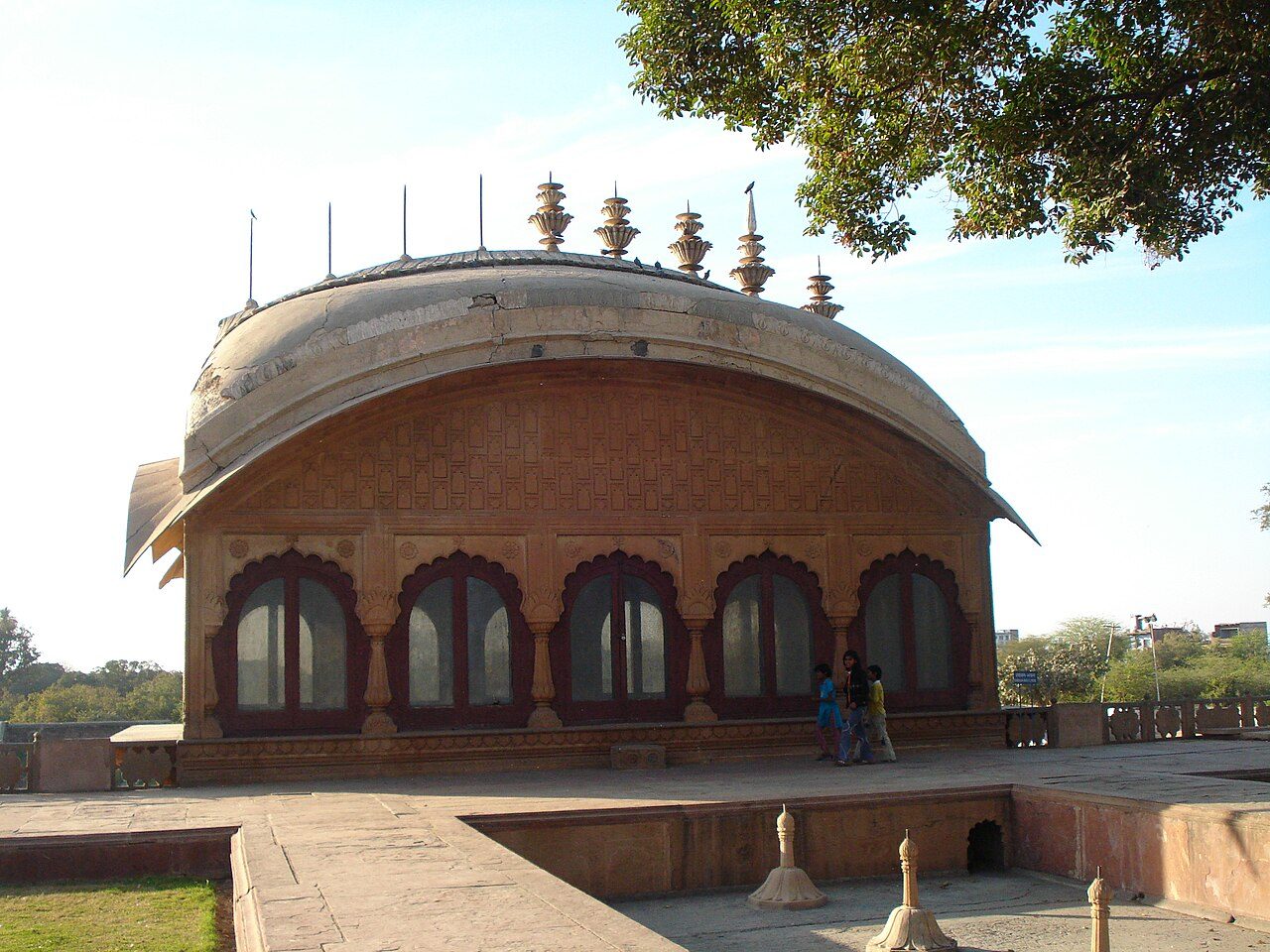
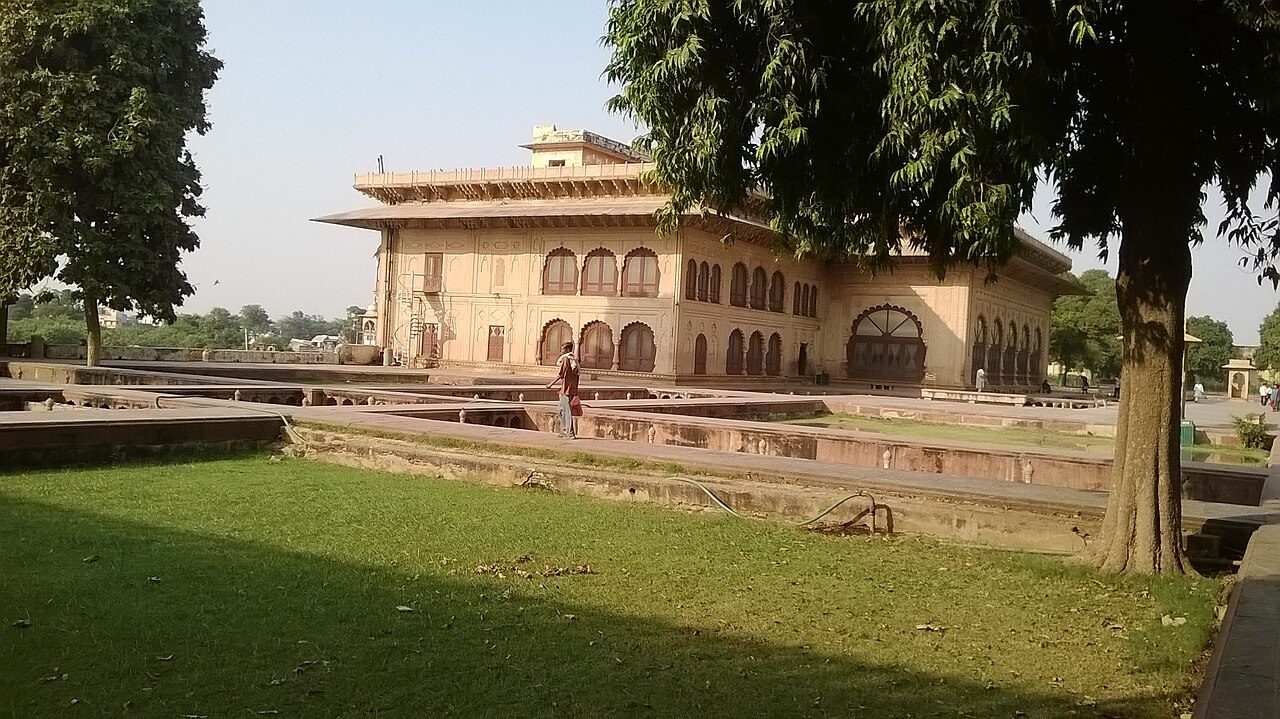
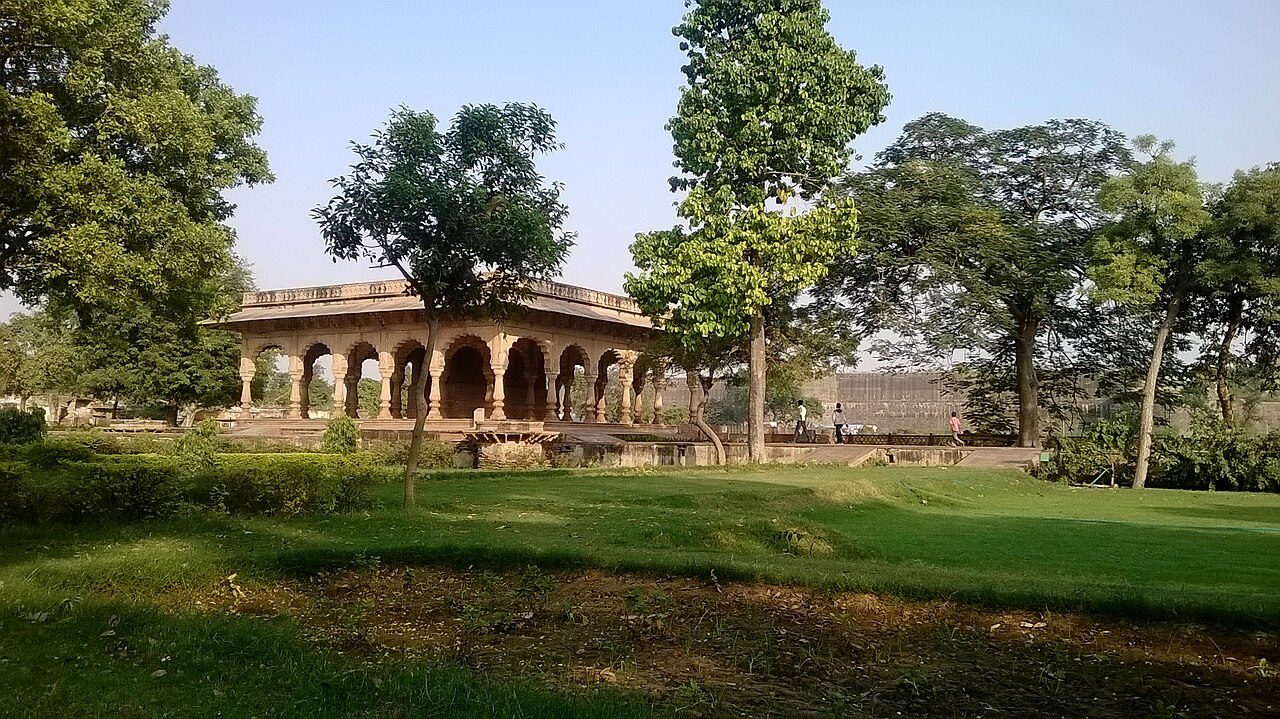
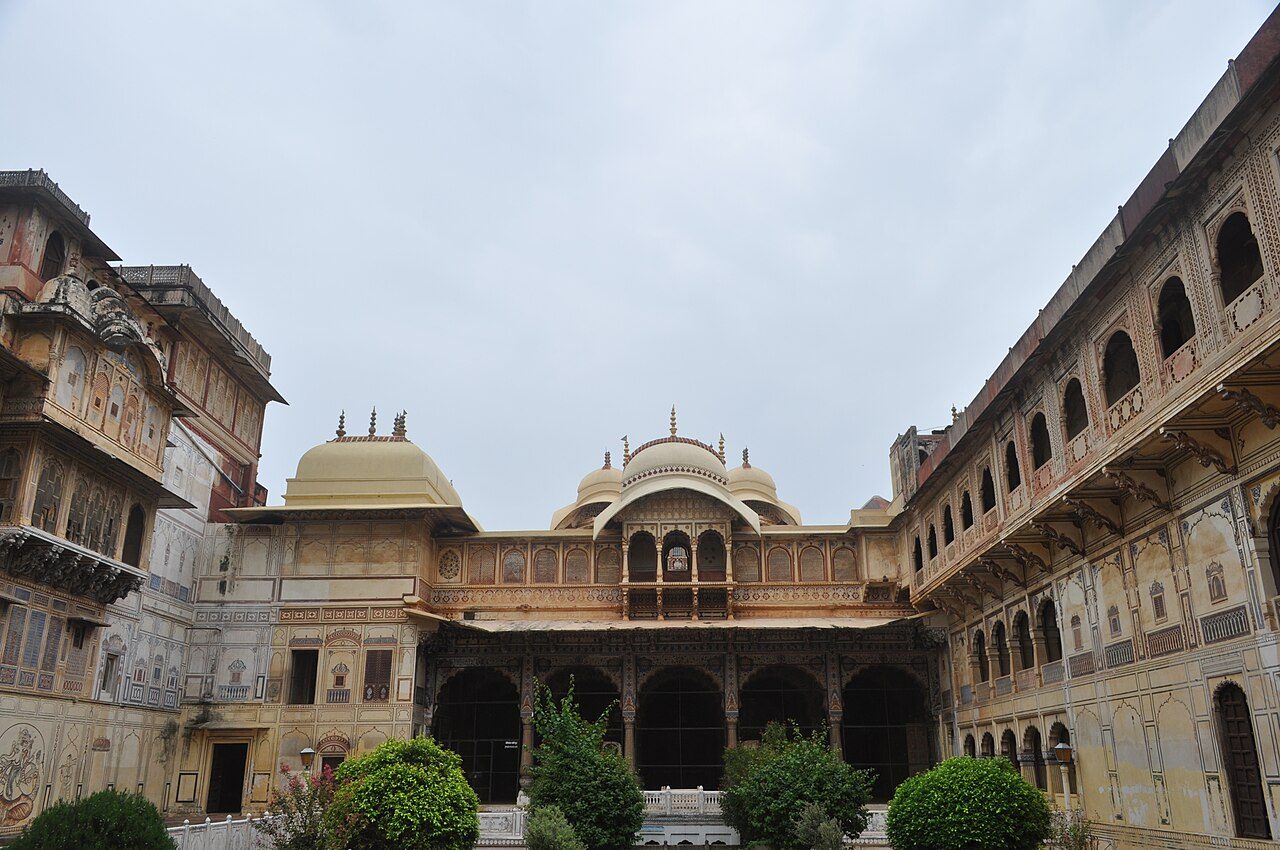
Deeg Palace was the summer residence of the Jat rulers of Bharatpur, built from 1772 by Maharaja Suraj Mal and his successors. The pavilions, named bhawans, are set among formal gardens between two large tanks, and hundreds of fountains were designed to imitate monsoon rain. Gopal Bhawan, the largest, still holds original furniture. The fountains are run on a few festival days each year.
07
STOP 7 OF 11
Lohagarh Fort
Lohagarh, the Iron Fort, was built in the early 18th century by the Jat ruler Maharaja Suraj Mal. Its thick mud walls and wide moat absorbed cannon fire so well that it withstood repeated British sieges led by Lord Lake in 1805. Inside are three palaces, a government museum and victory towers called Jawahar Burj and Fateh Burj. It lies in the centre of Bharatpur town.
08
STOP 8 OF 11
Keoladeo National Park
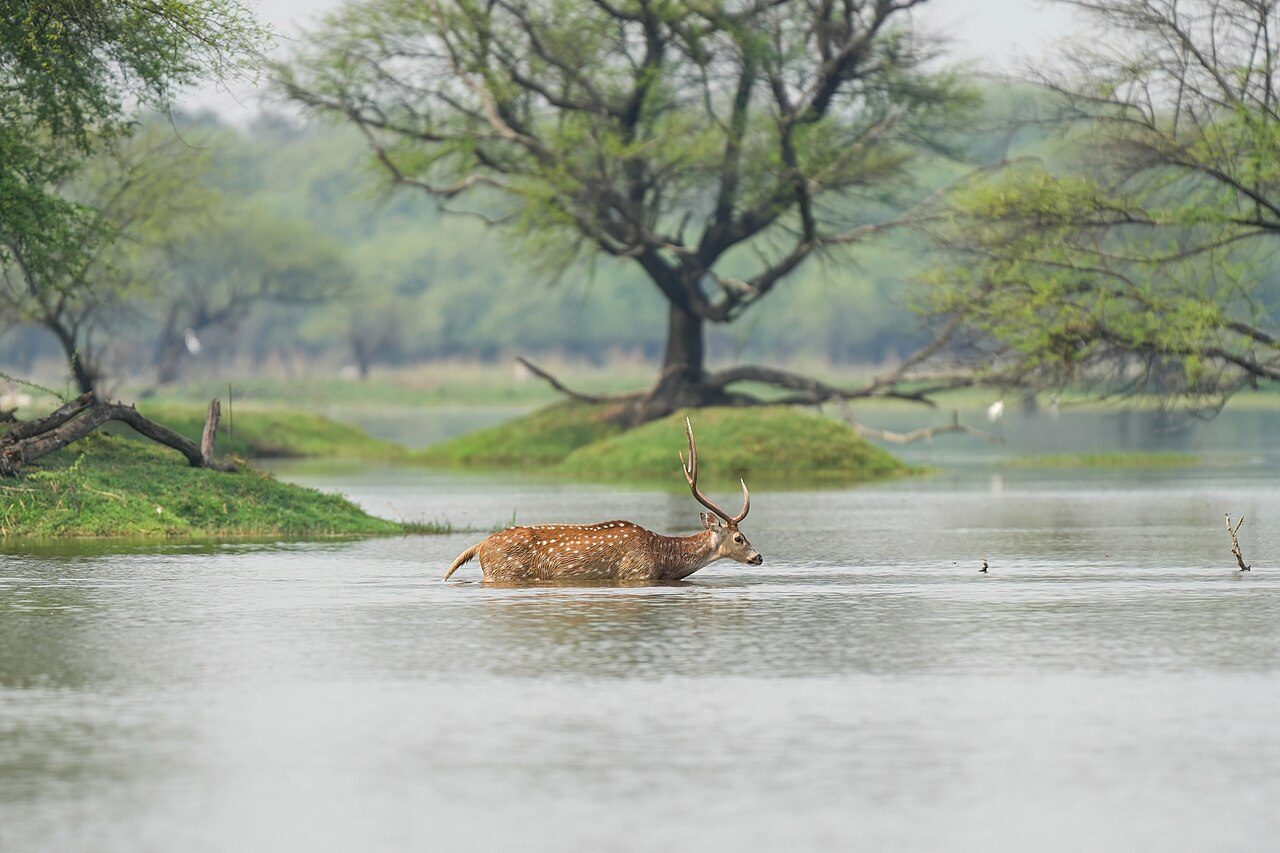
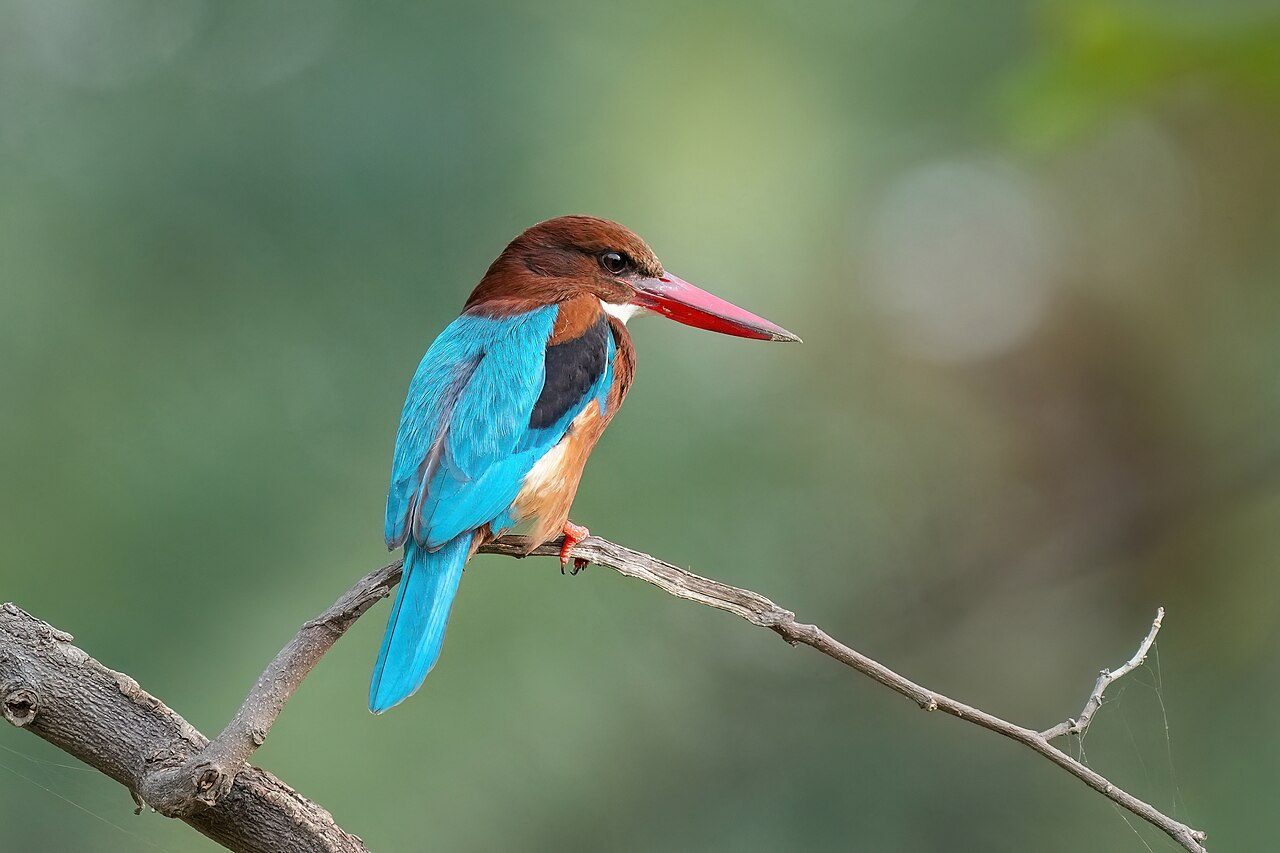
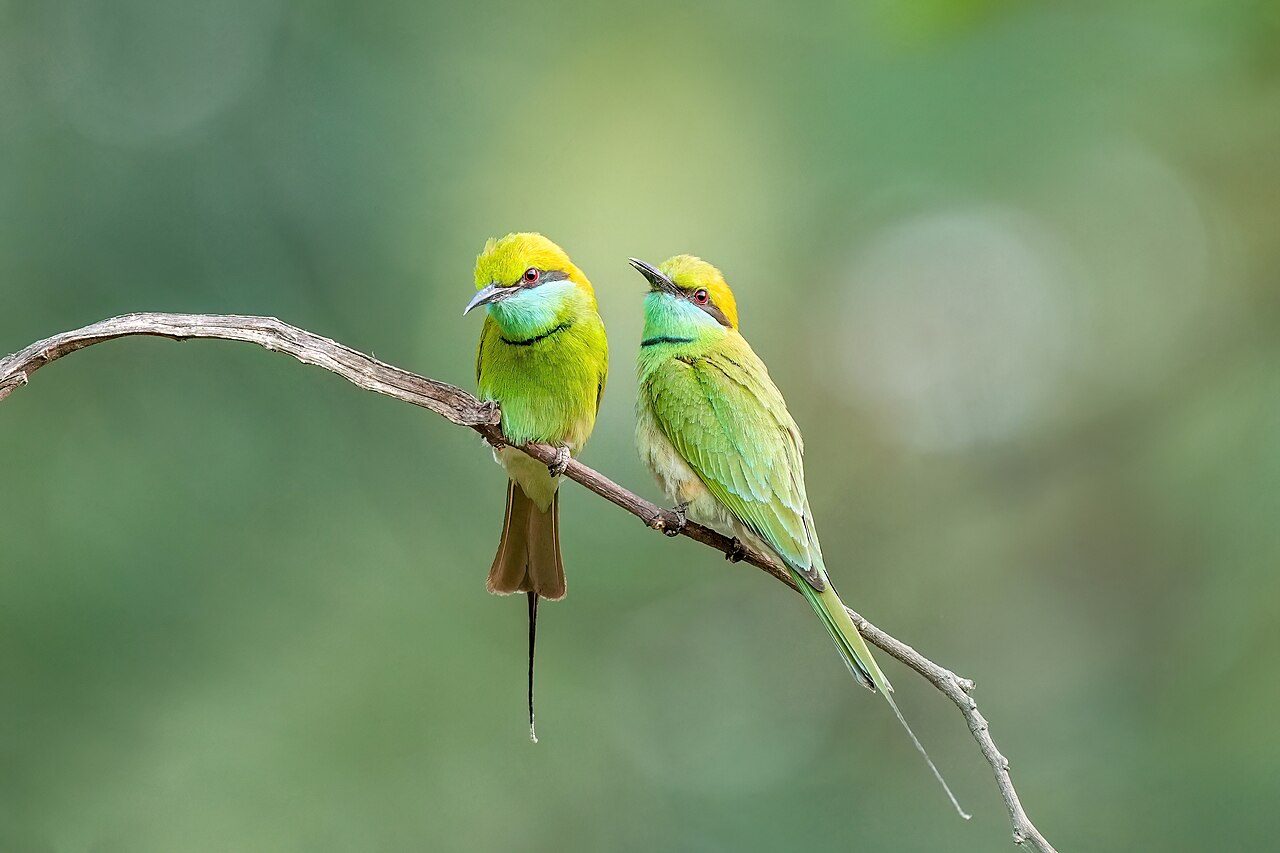
Keoladeo, once the duck-hunting reserve of the maharajas of Bharatpur, is a man-made wetland created in the 18th century and now one of the world's great bird sanctuaries. More than 350 species have been recorded, including painted storks, herons, cranes and winter migrants from Central Asia. It is a UNESCO World Heritage Site. Motor vehicles are not allowed inside, so visitors go by cycle, rickshaw or on foot; winter is best.
09
STOP 9 OF 11
Karauli City Palace
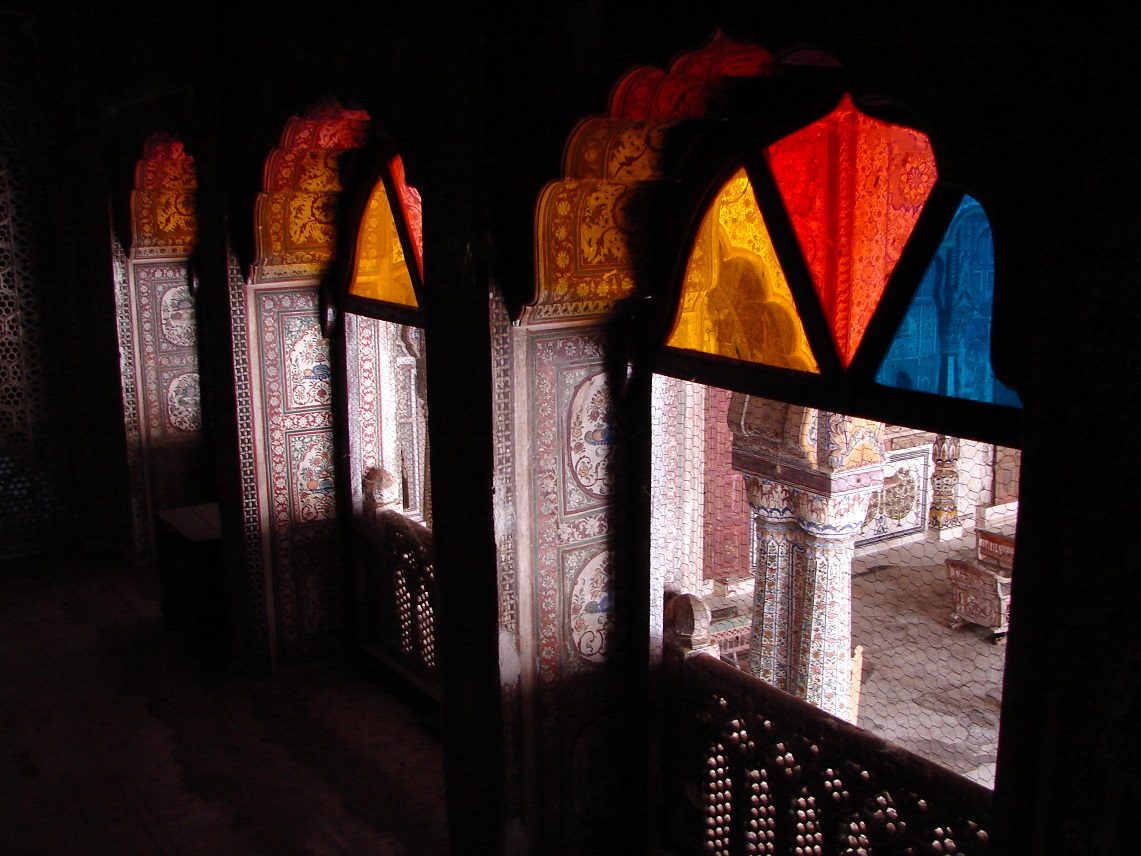
The City Palace of Karauli was founded in the 14th century, with most of the present structure added in the 18th century by Raja Gopal Singh. Built in the local red and white sandstone, it is known for its painted halls, stucco work, lattice screens and stained glass. The Madan Mohan temple beside it is an important Krishna shrine. The palace is still owned by the former royal family.
10
STOP 10 OF 11
Ranthambore Fort
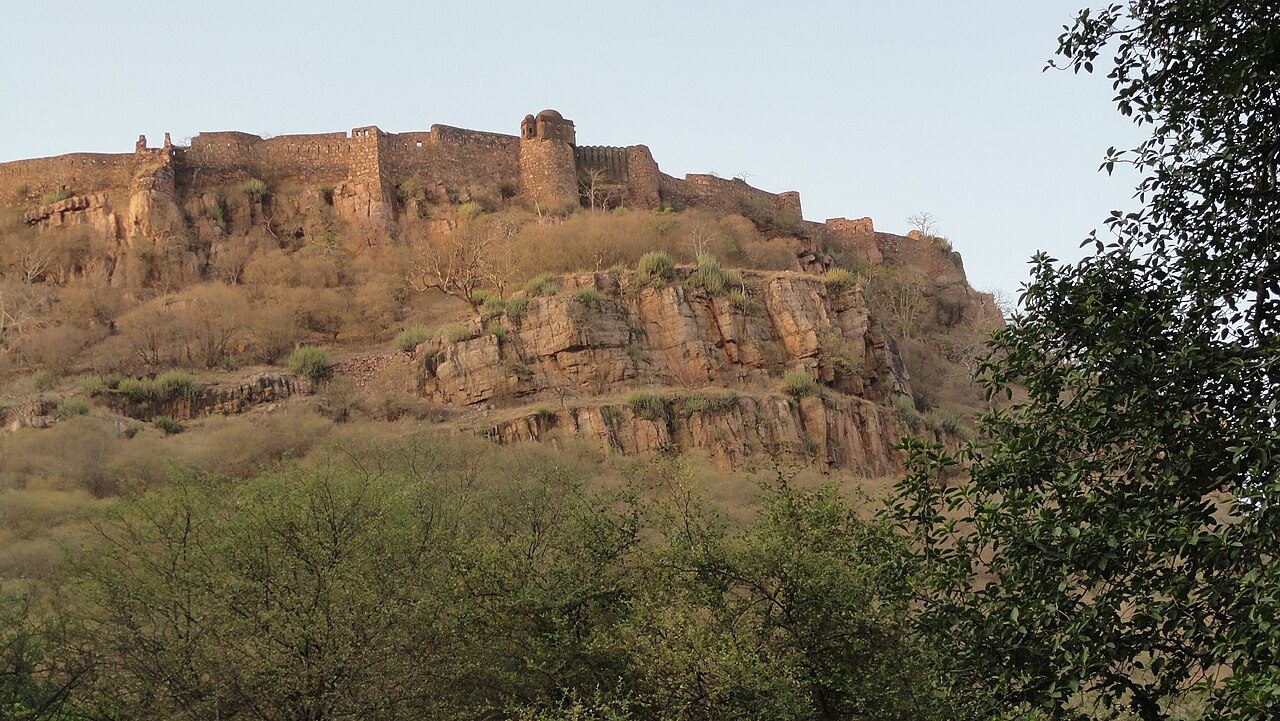
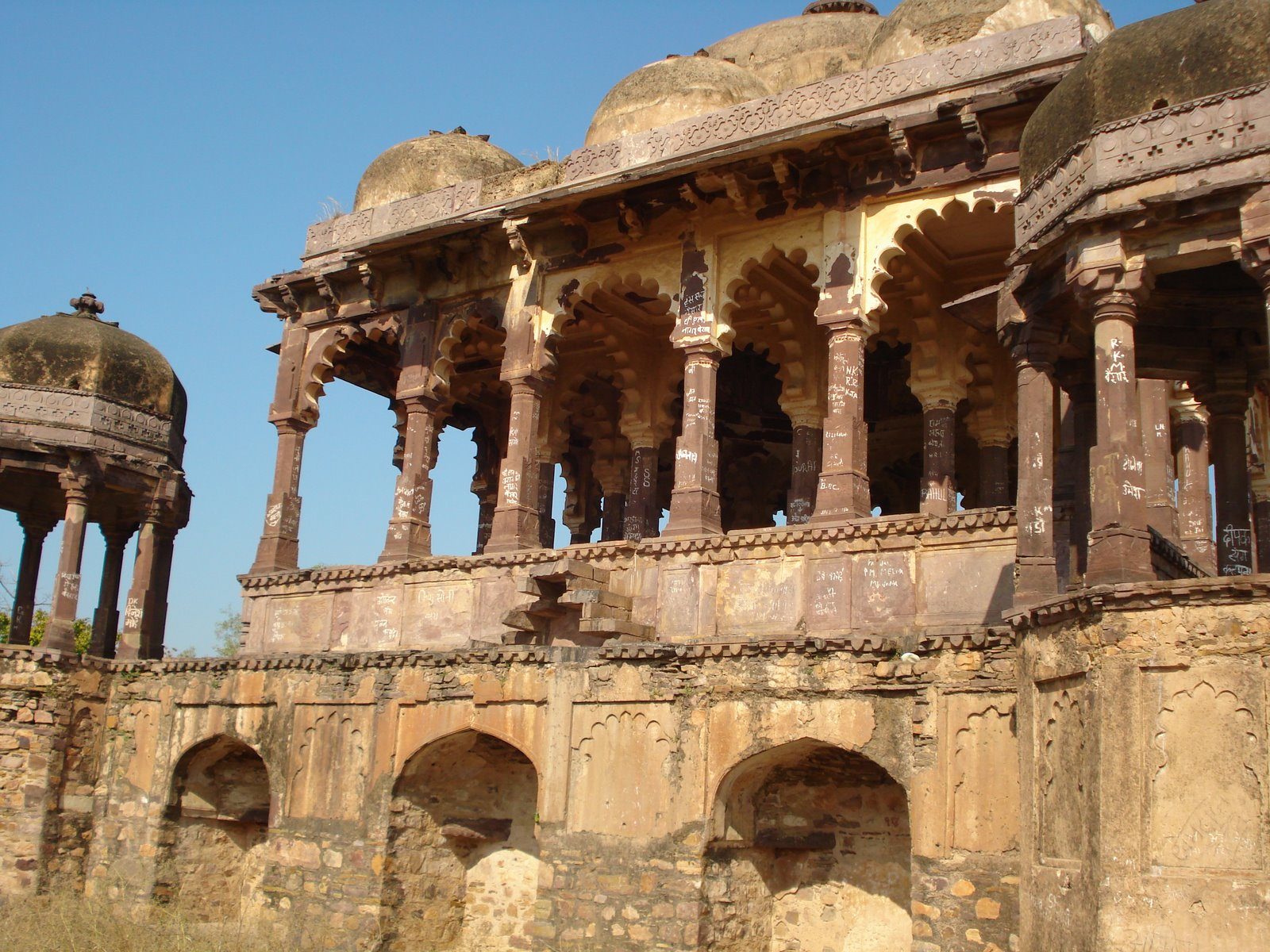
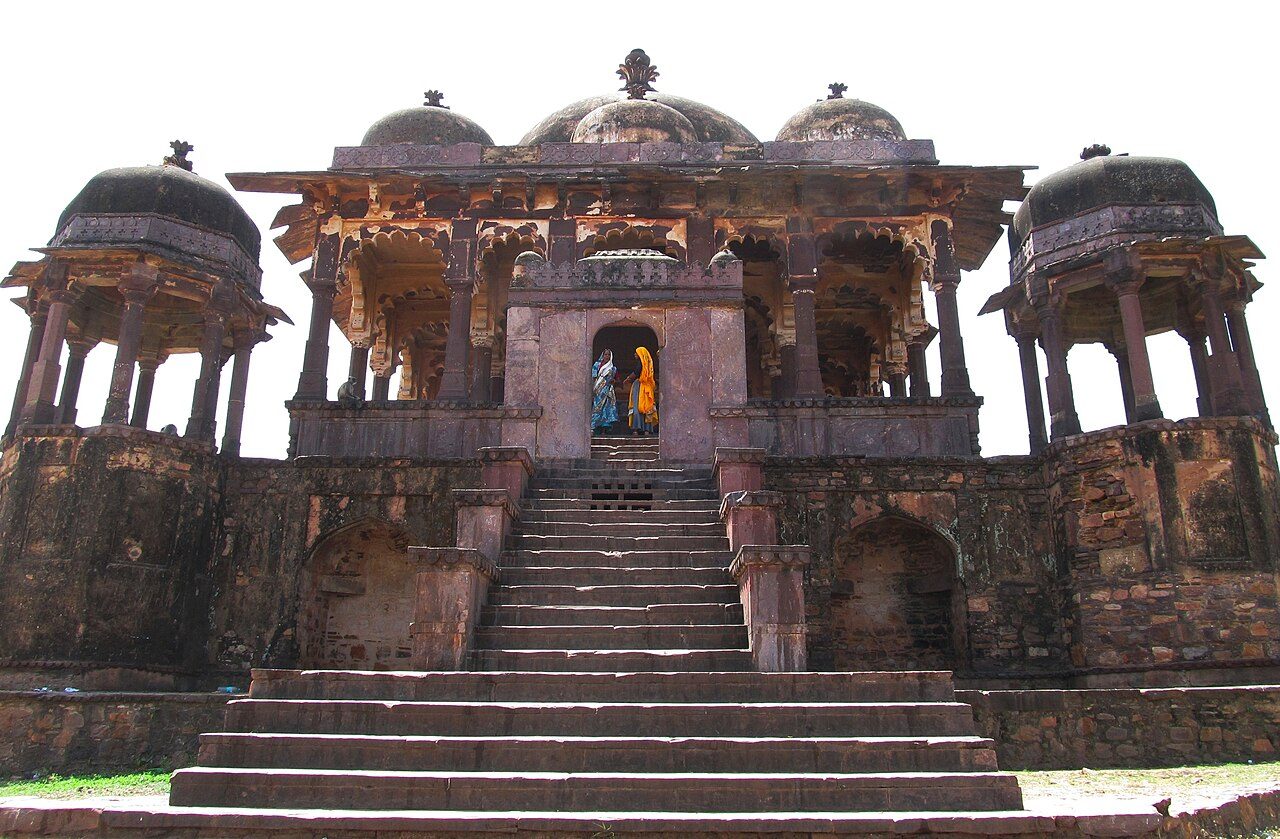
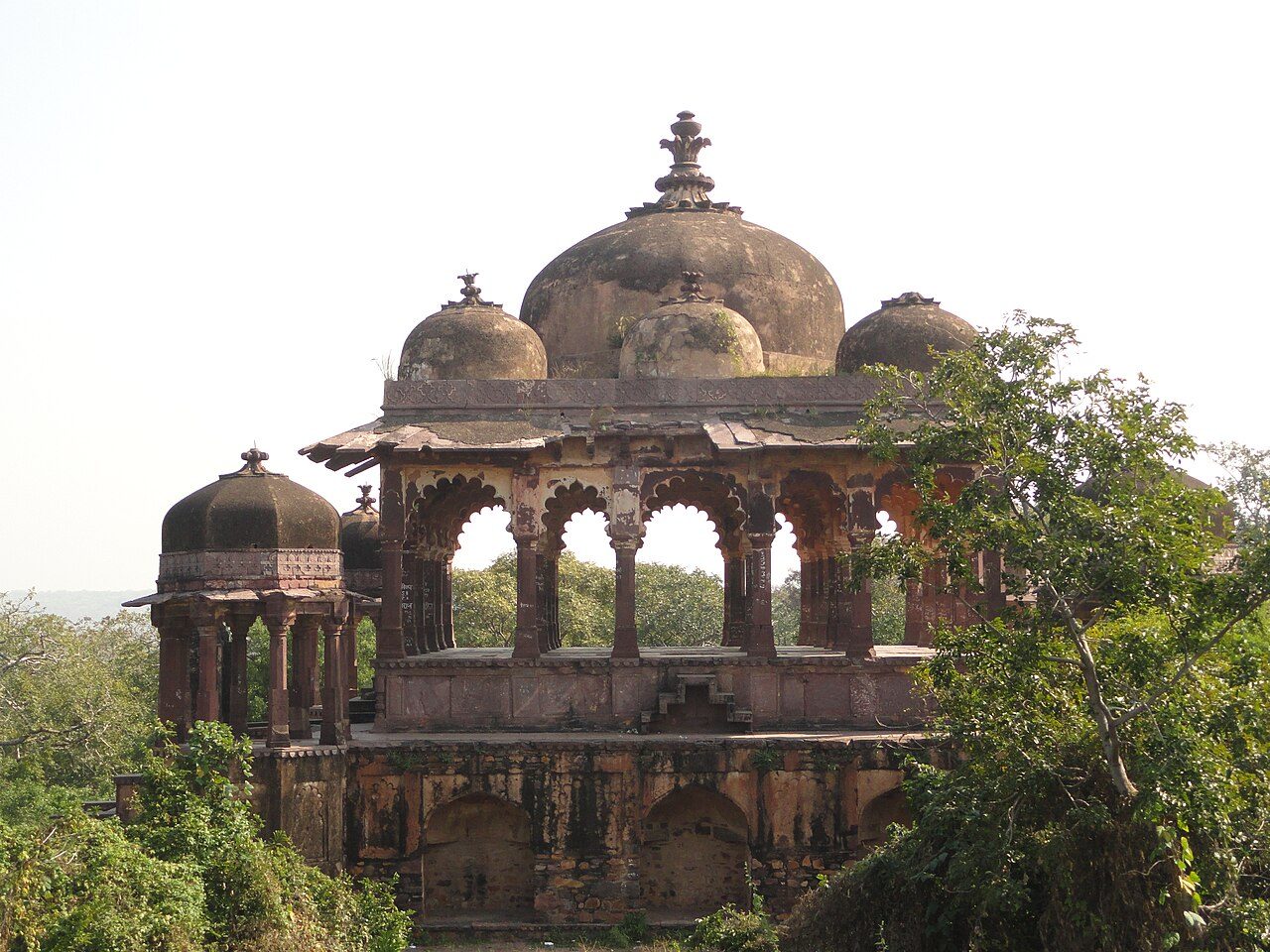
Ranthambore Fort stands on a rocky hill in the middle of the national park that takes its name. Founded around the 10th century, it was a stronghold of the Chauhan Rajputs and was besieged by Alauddin Khalji in 1301. Massive gates, palaces, cenotaphs and tanks survive, along with the popular Trinetra Ganesh temple. It is one of the hill forts of Rajasthan inscribed as UNESCO World Heritage.
11
STOP 11 OF 11 · LAST STOP
Ranthambore National Park
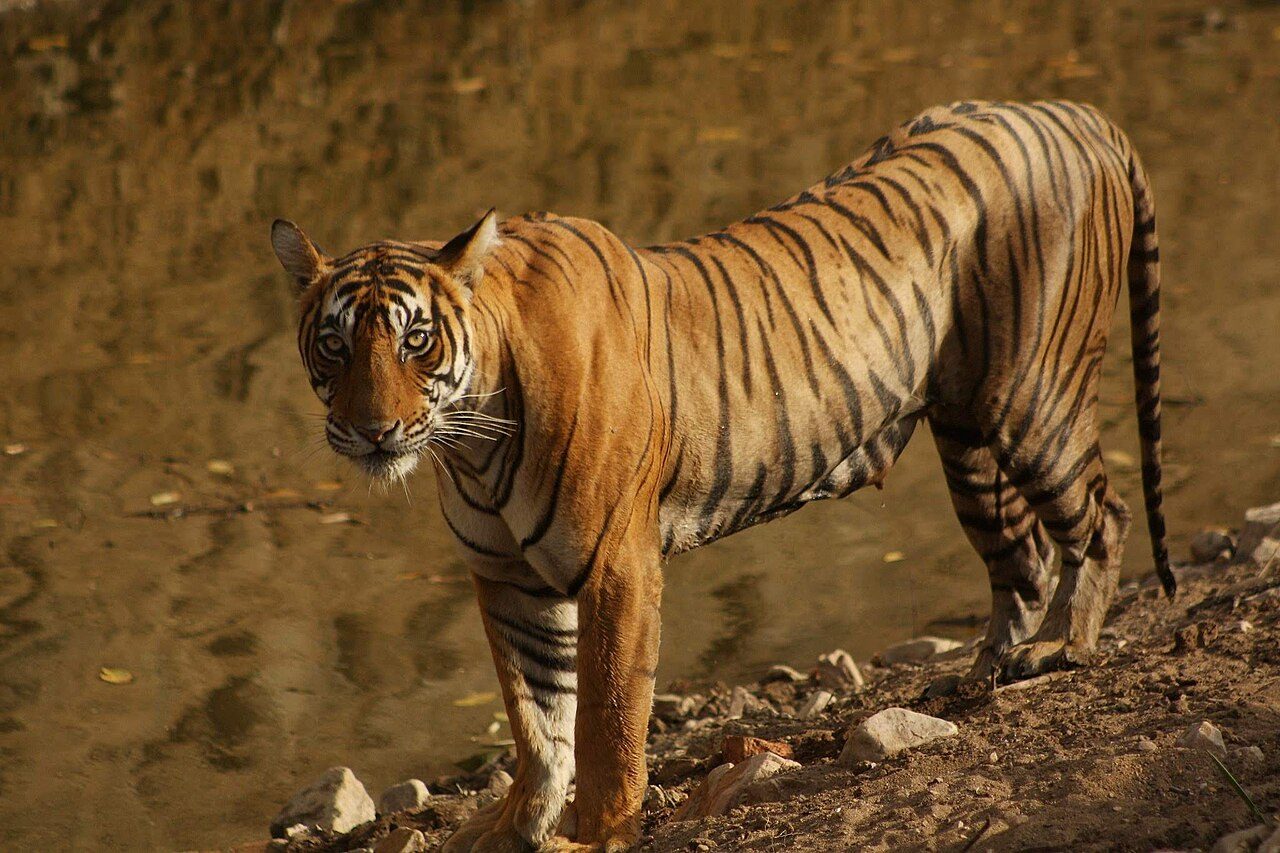
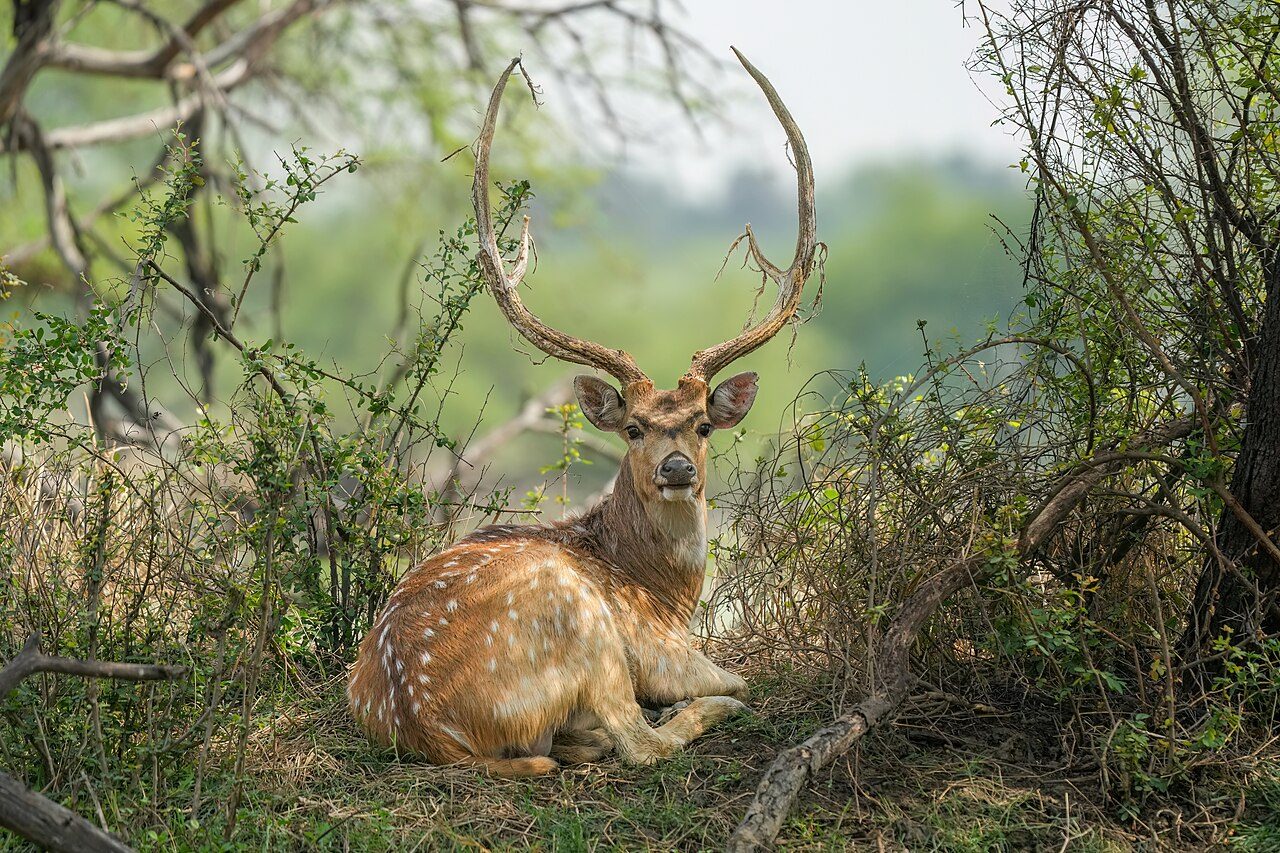
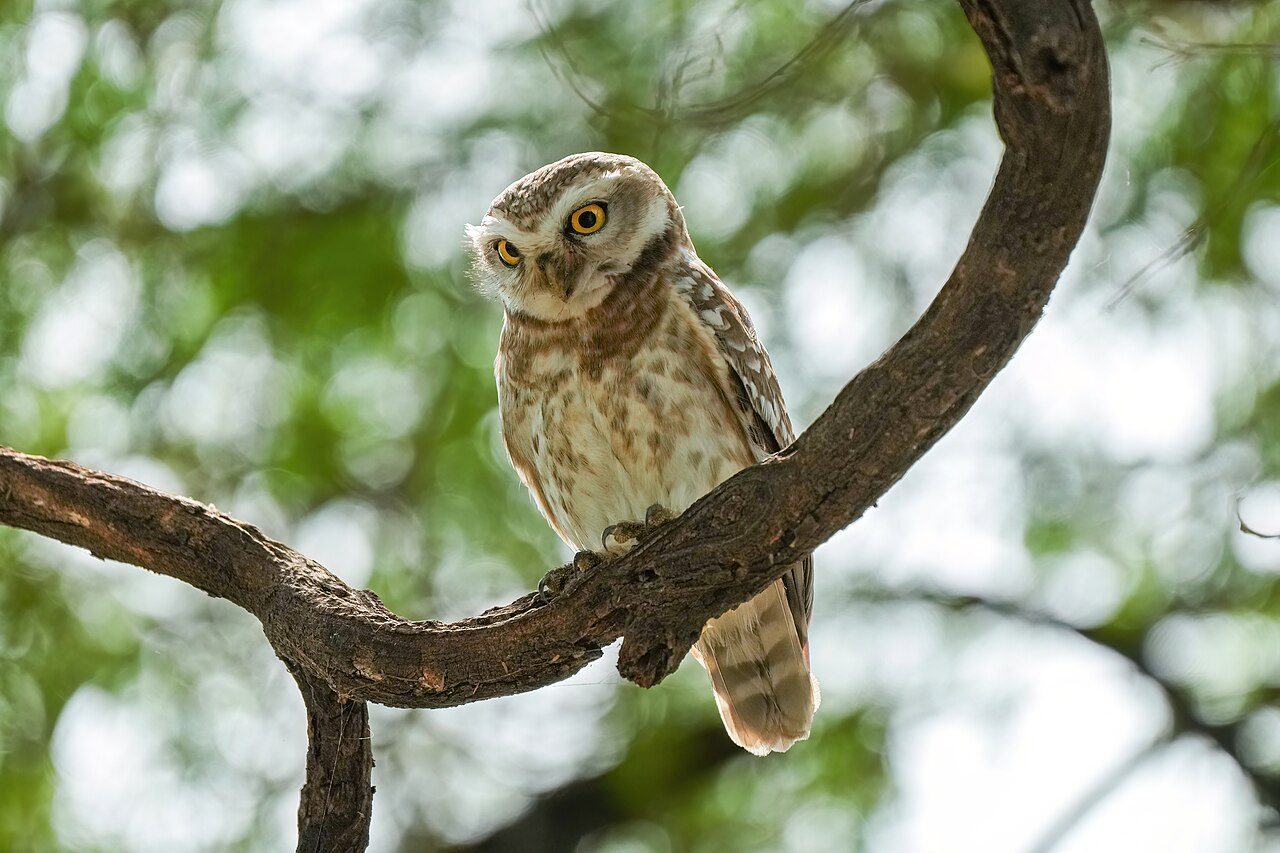
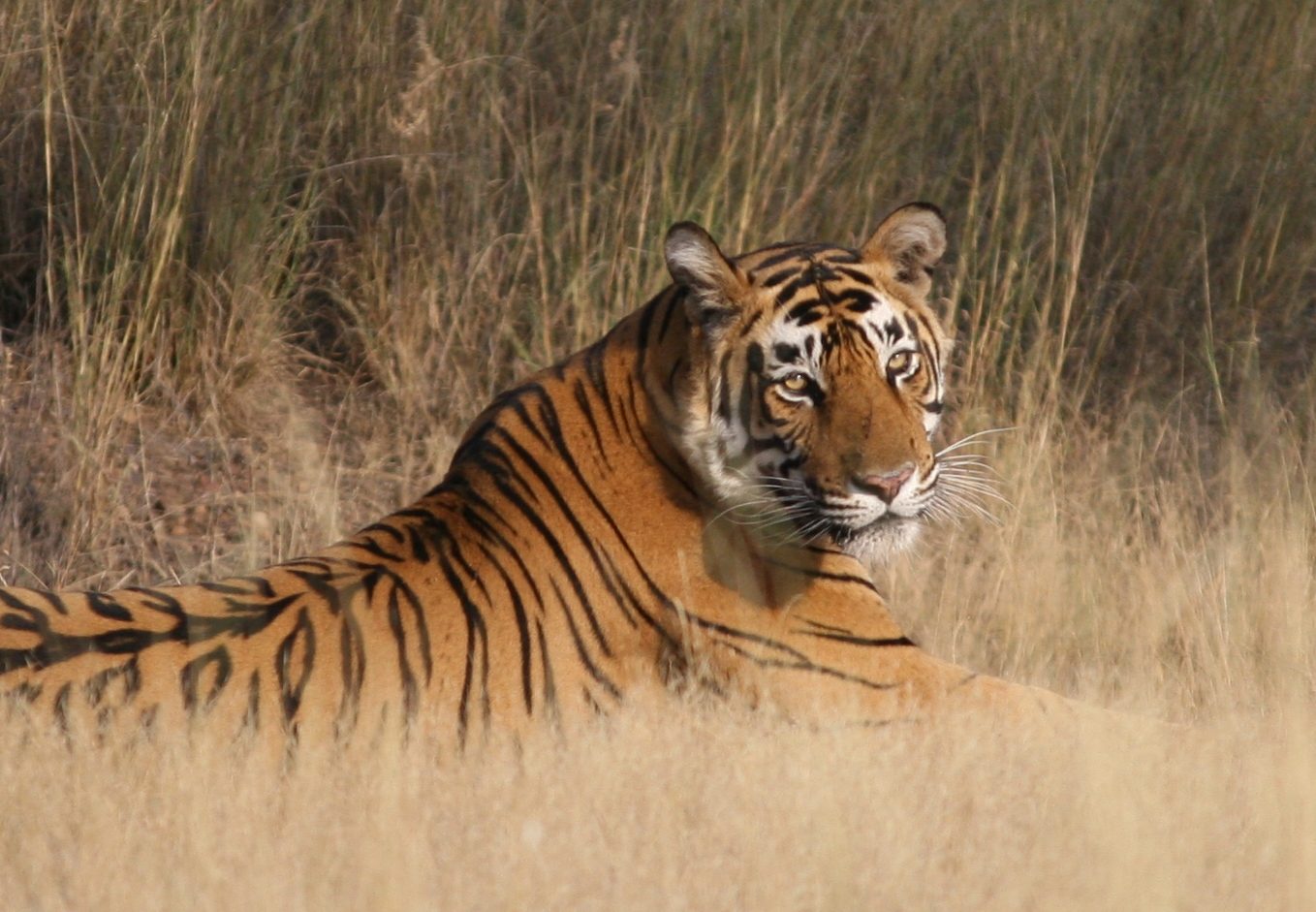
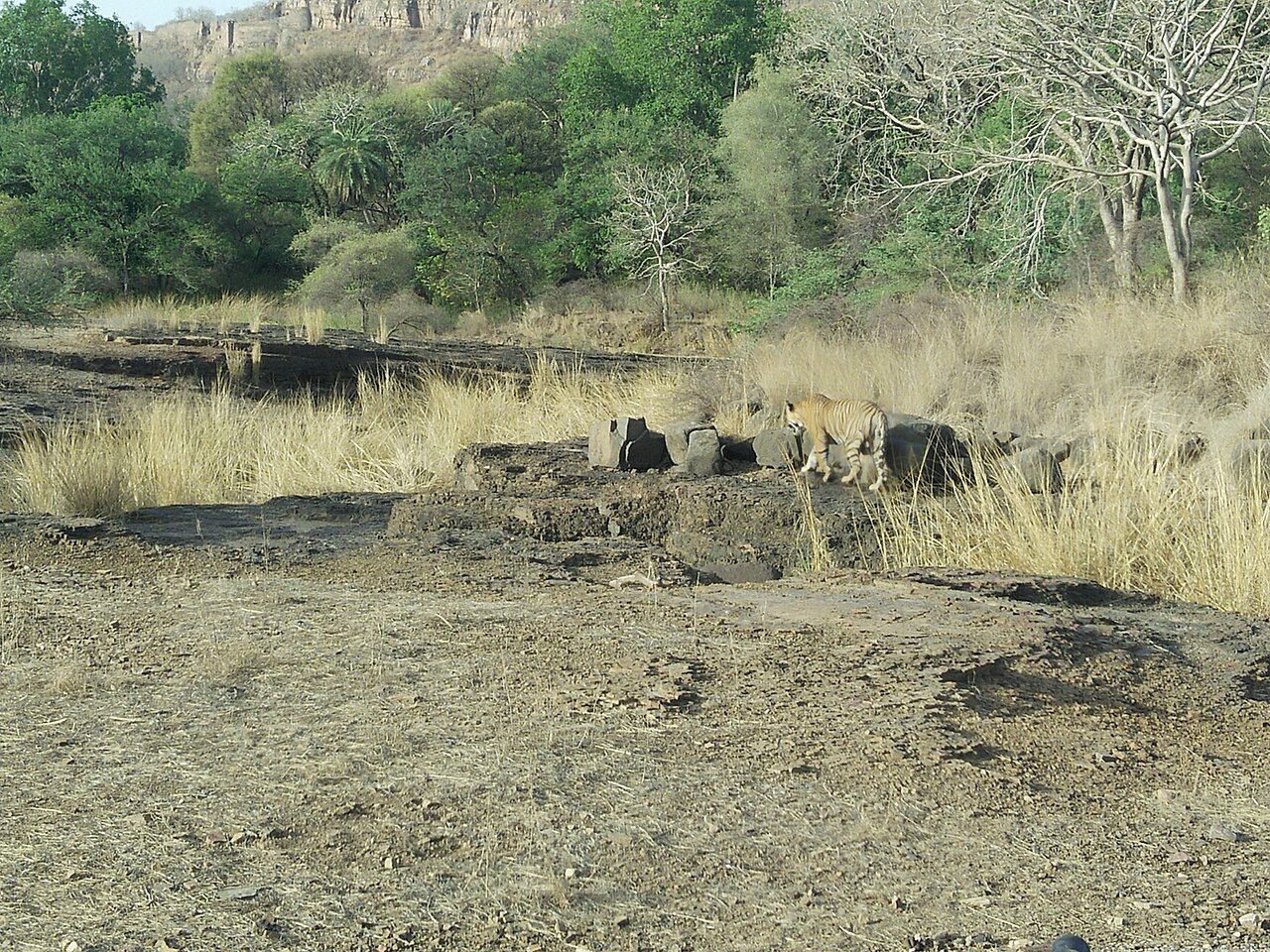
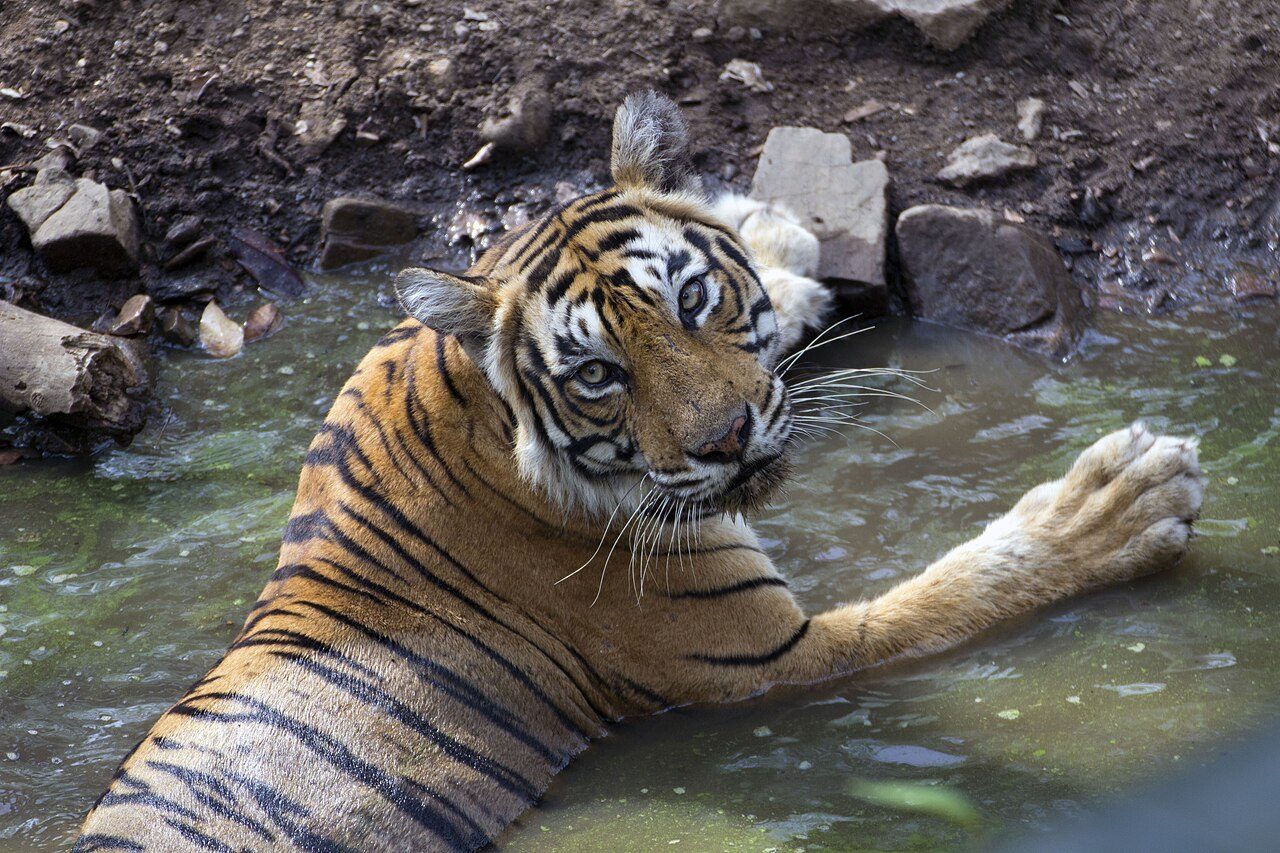
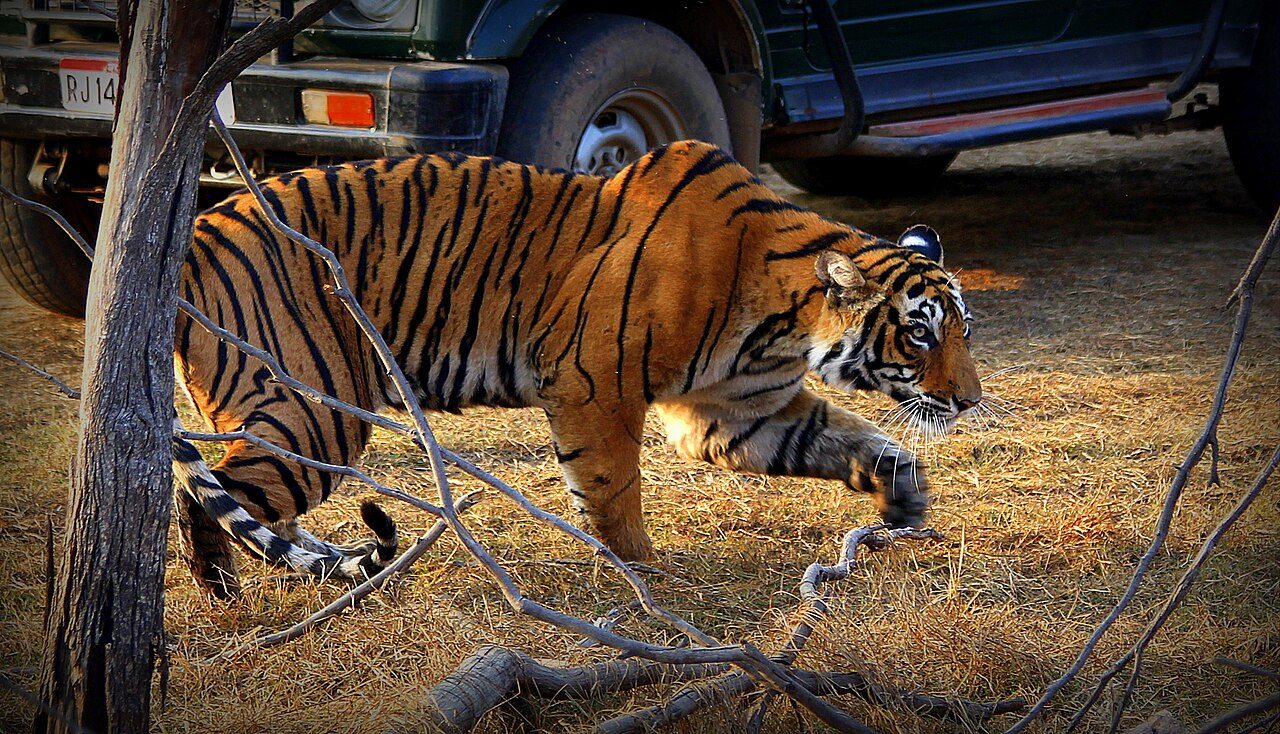
Ranthambore, once the hunting ground of the maharajas of Jaipur, is one of the best places in India to see wild tigers. Its dry deciduous forest, lakes and ruins also shelter leopards, sloth bears, sambar, crocodiles and many birds. Safaris by jeep or open canter run in fixed zones morning and afternoon and must be booked ahead. The park is open from October to June.
Seasons from 20 years of NASA POWER climate data.
 WaTrips