Ajmer and Pushkar in 2 Days: the Dargah, the Lake and the Brahma Temple TRIP BLOG Photo: Pinakpani · CC BY 4.0
India · Rajasthan · Ajmer

Ajmer and Pushkar in 2 Days: the Dargah, the Lake and the Brahma Temple

2 DAYS 6 places by WaTrips

Ajmer Sharif Dargah, Adhai Din Ka Jhonpra and Soniji Ki Nasiyan, then Pushkar's ghats, Brahma temple and Savitri temple at sunset.

Two sacred towns just 15 km apart, one Sufi and one Hindu. Day one is Ajmer: the Dargah of Khwaja Moinuddin Chishti, one of the most visited shrines in India, where qawwali is sung in the evening; the Adhai Din Ka Jhonpra mosque next door; and the gilded Jain hall of Soniji Ki Nasiyan. Day two crosses the hill to Pushkar for its sacred lake and ghats, the Brahma temple, one of very few in the world, and Savitri temple on the hill for sunset, reached by steps or ropeway. Cover your head at the dargah. The Pushkar camel fair in October or November is spectacular but very crowded.

01
STOP 1 OF 6

Ajmer Sharif Dargah

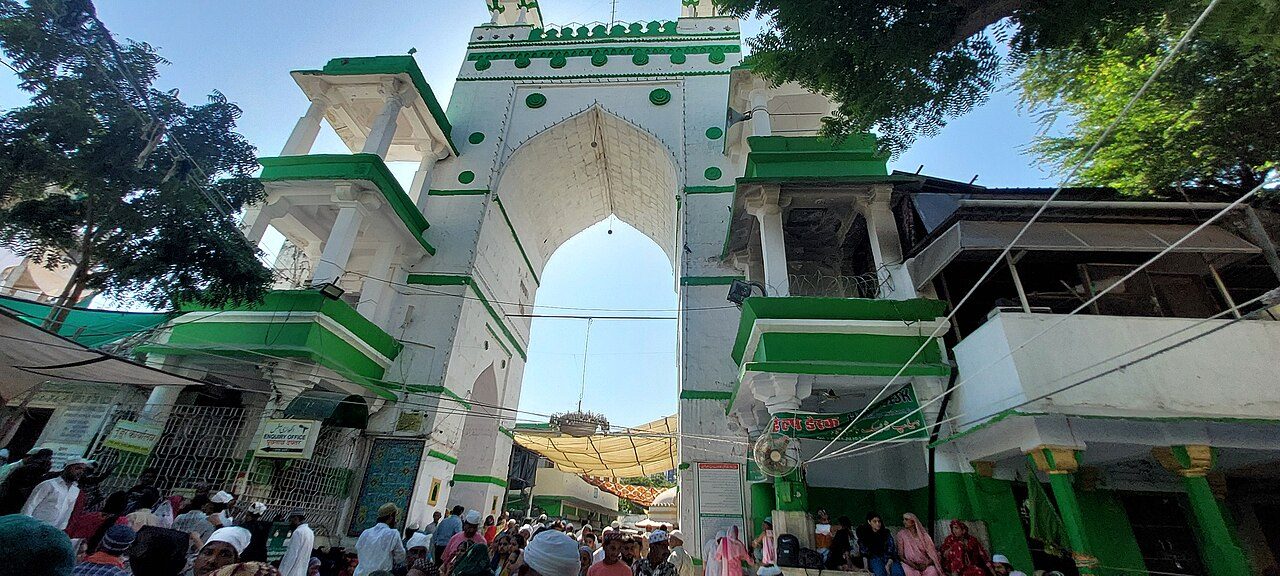
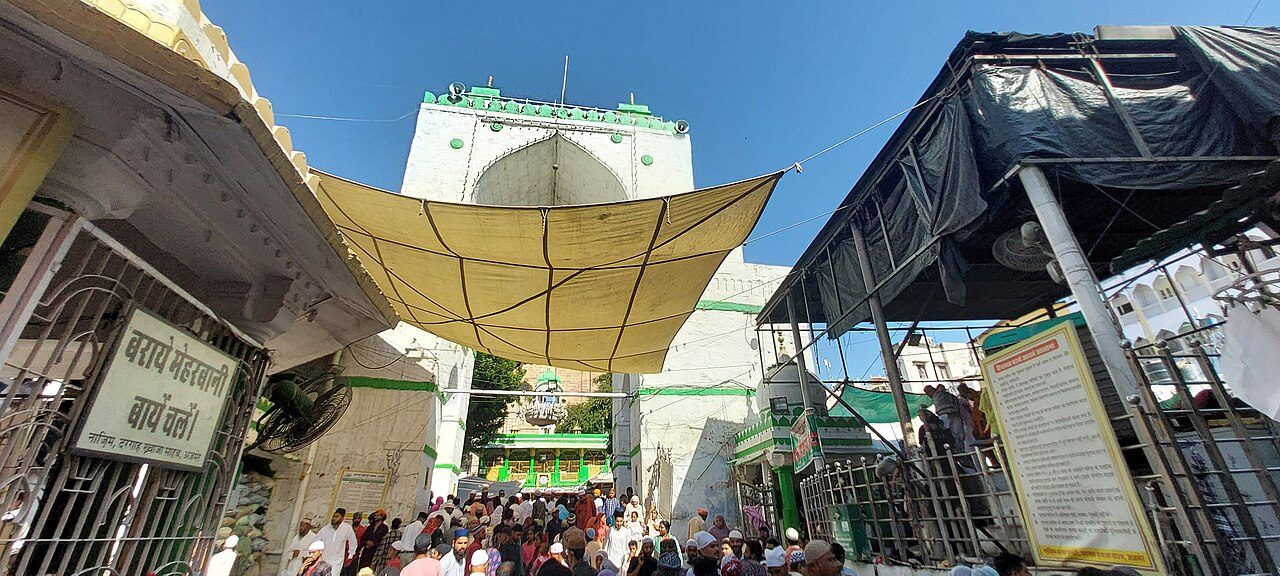
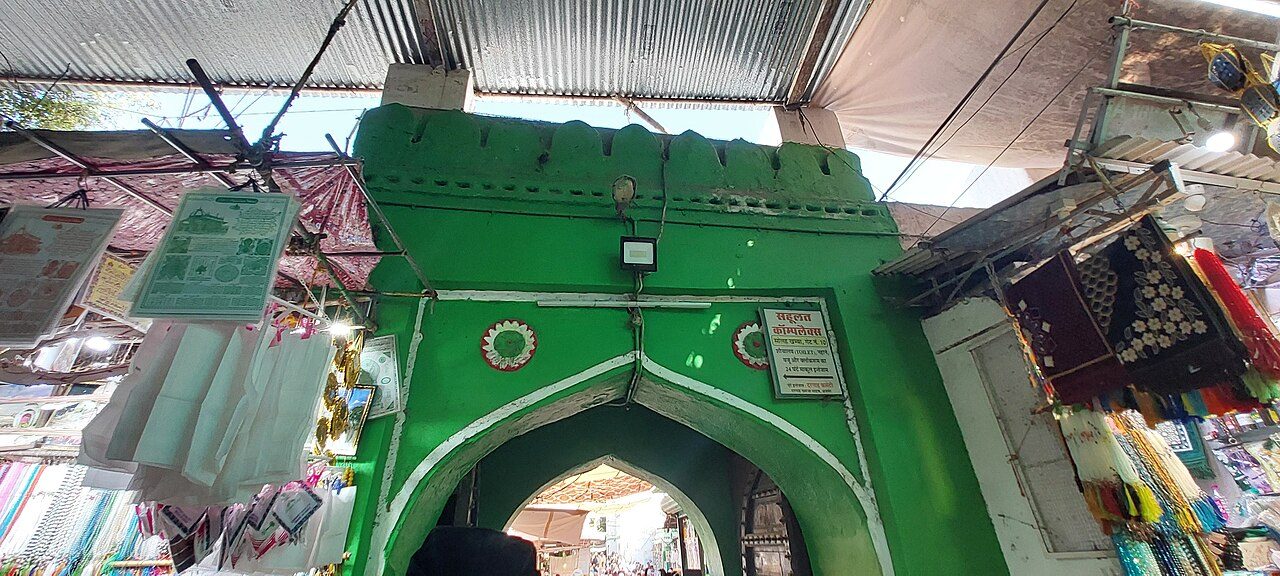
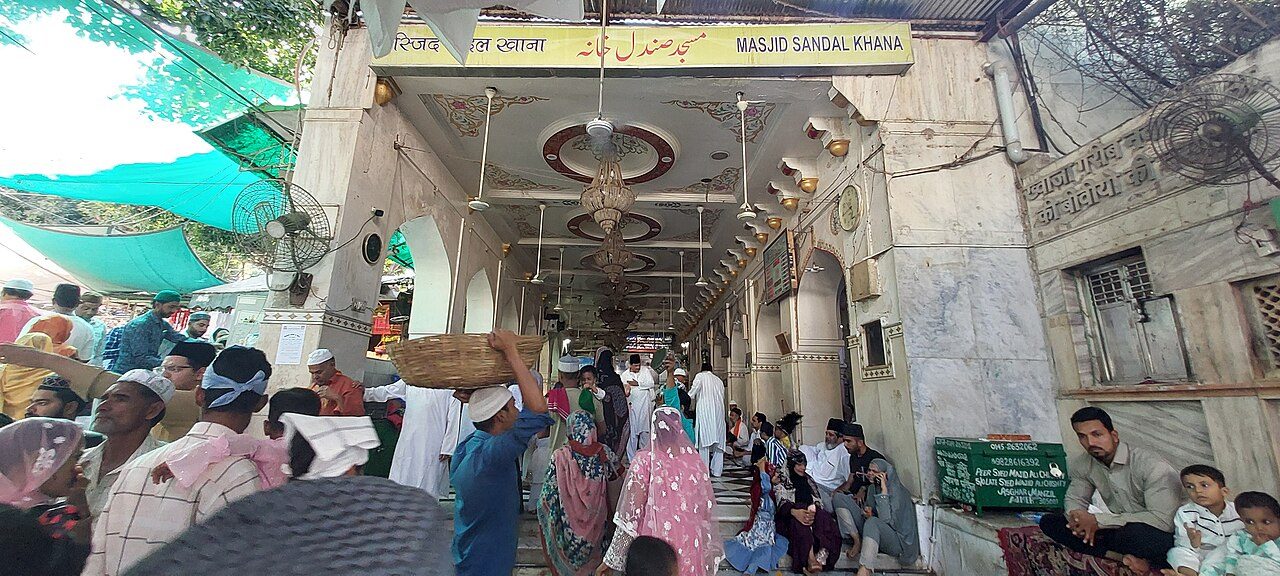
The dargah of Khwaja Moinuddin Chishti, the 13th-century Sufi saint who founded the Chishti order in India, is one of the most visited shrines in South Asia. Mughal emperors from Akbar onwards added gates, mosques and courtyards around the white marble tomb. People of all faiths come to offer flowers and chadars, and qawwali is sung in the evenings. The annual Urs draws huge crowds.

Best weather: Nov – Mar
02
STOP 2 OF 6

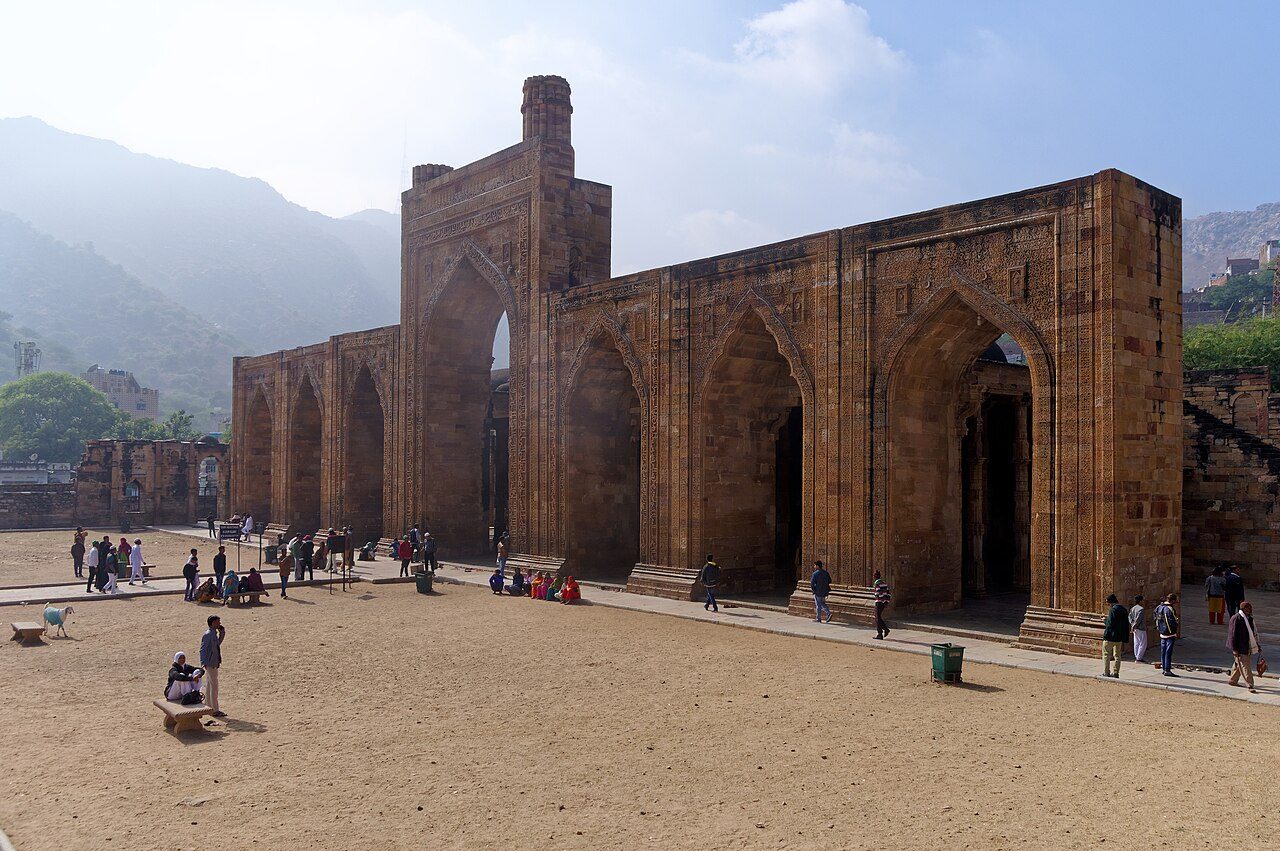
Adhai Din Ka Jhonpra

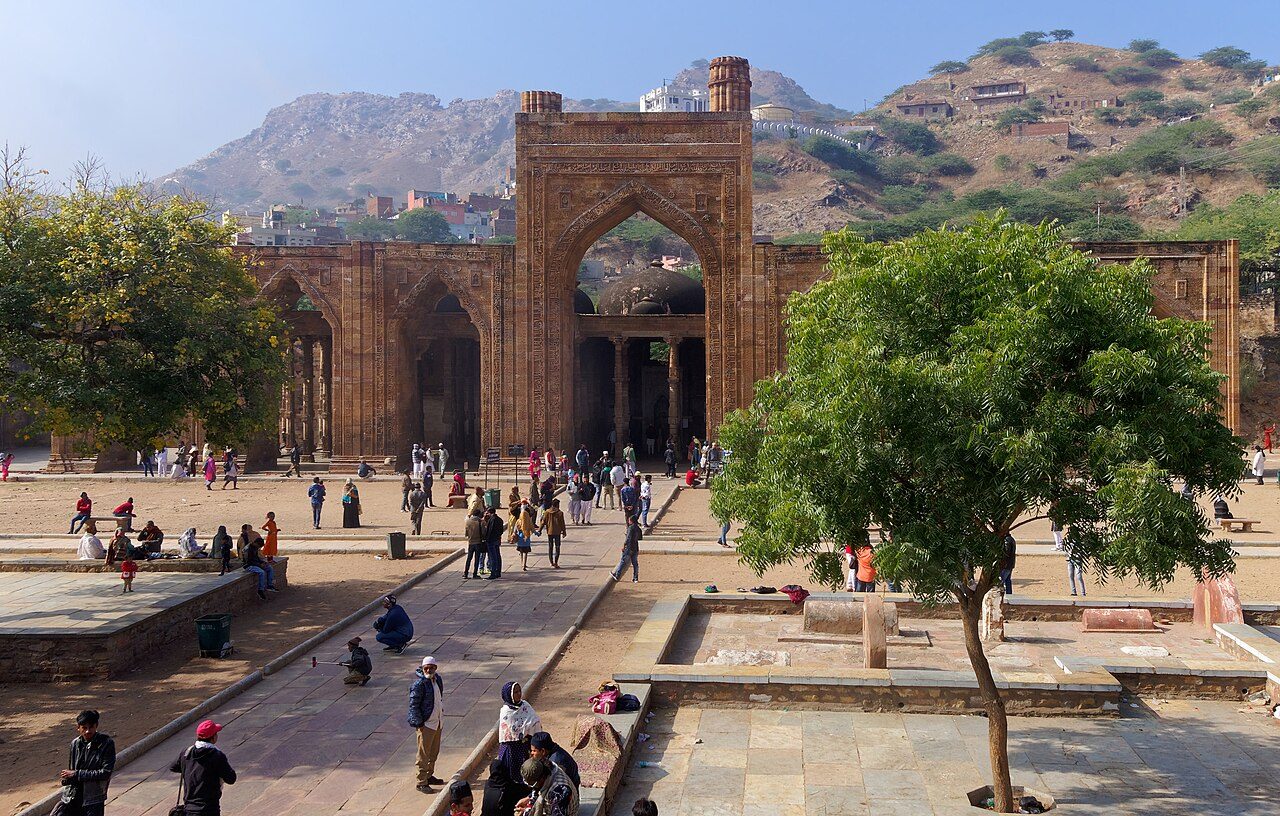
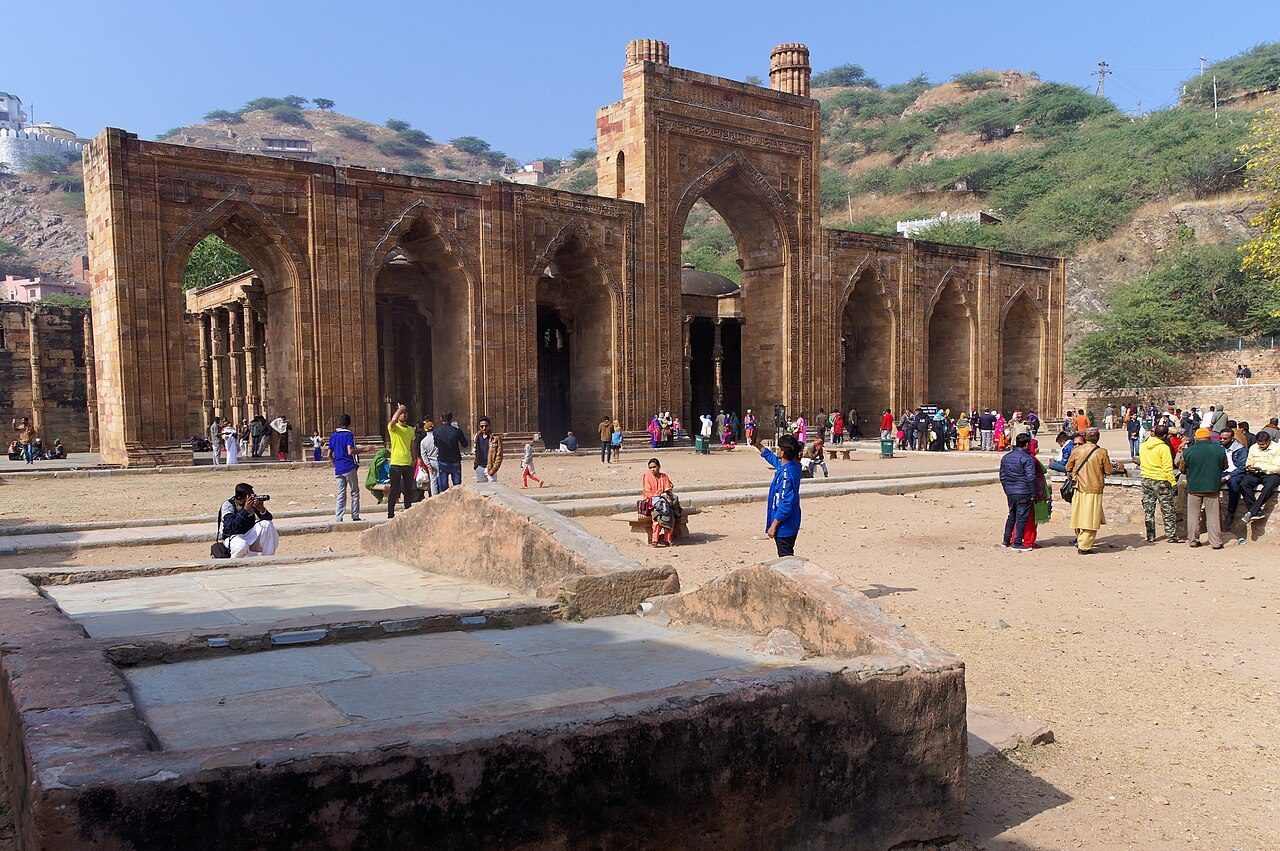
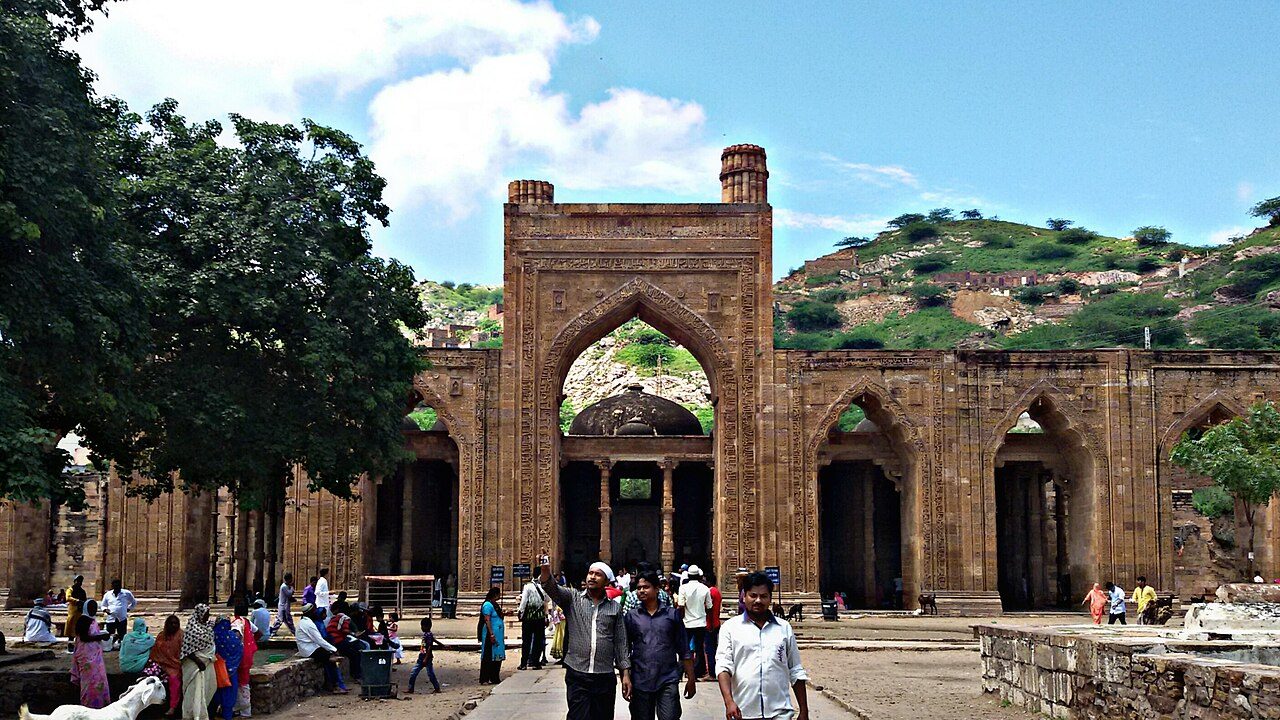
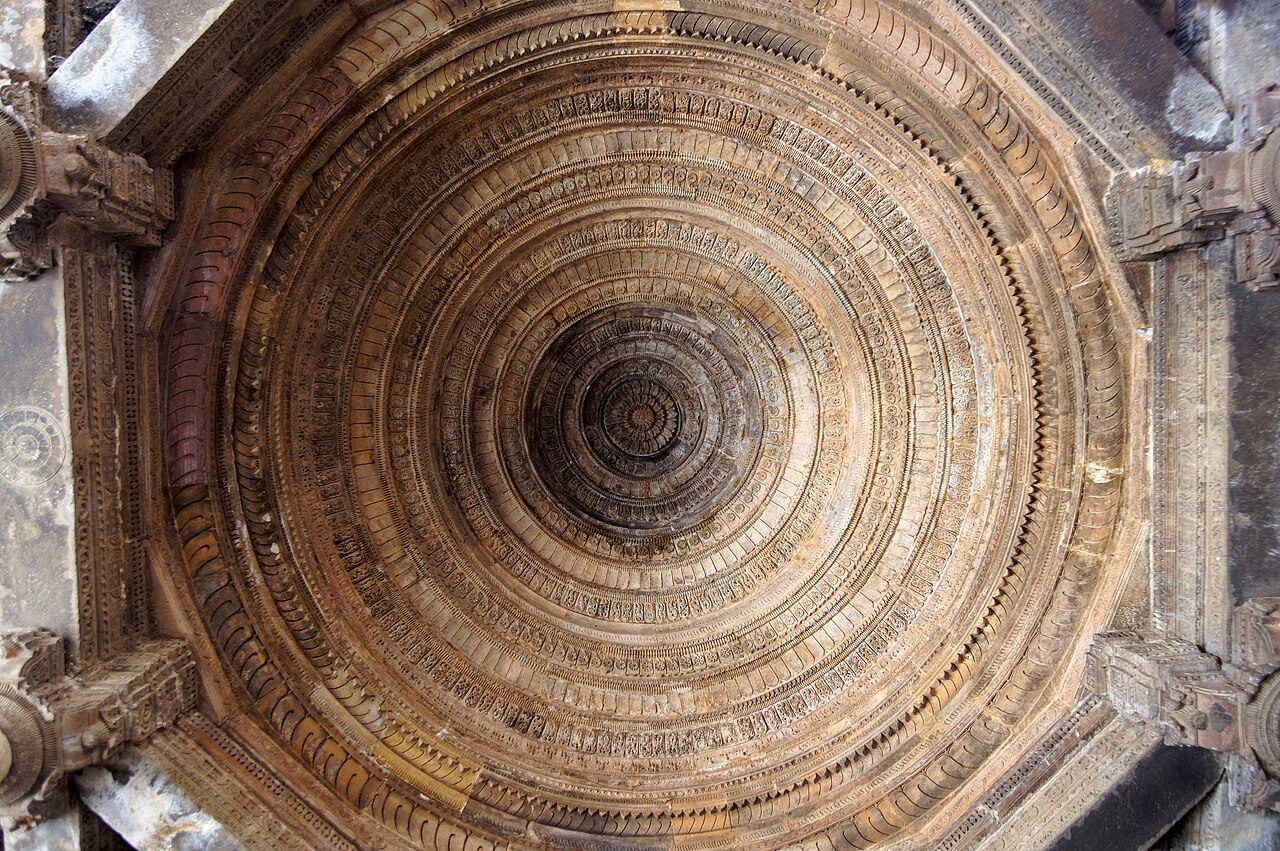
Adhai Din Ka Jhonpra is one of the oldest mosques in India, built in Ajmer in the 1190s on the orders of Qutb-ud-din Aibak. Its pillared hall reuses carved columns from earlier Hindu and Jain buildings, and a screen of seven pointed arches covered in Arabic calligraphy was added by Iltutmish. The name, meaning shed of two and a half days, has several legendary explanations. It lies a short walk beyond the dargah.

Best weather: Nov – Mar
03
STOP 3 OF 6

Soniji Ki Nasiyan

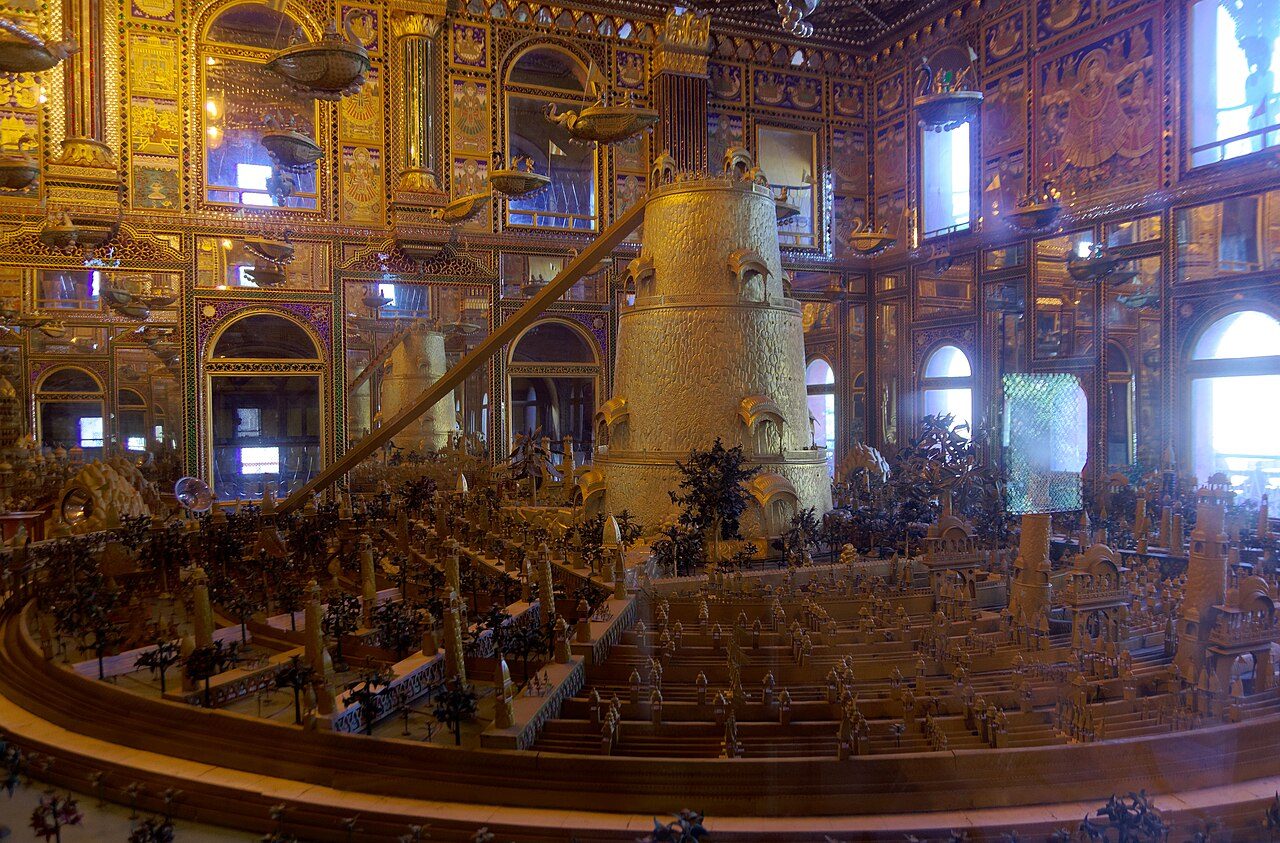
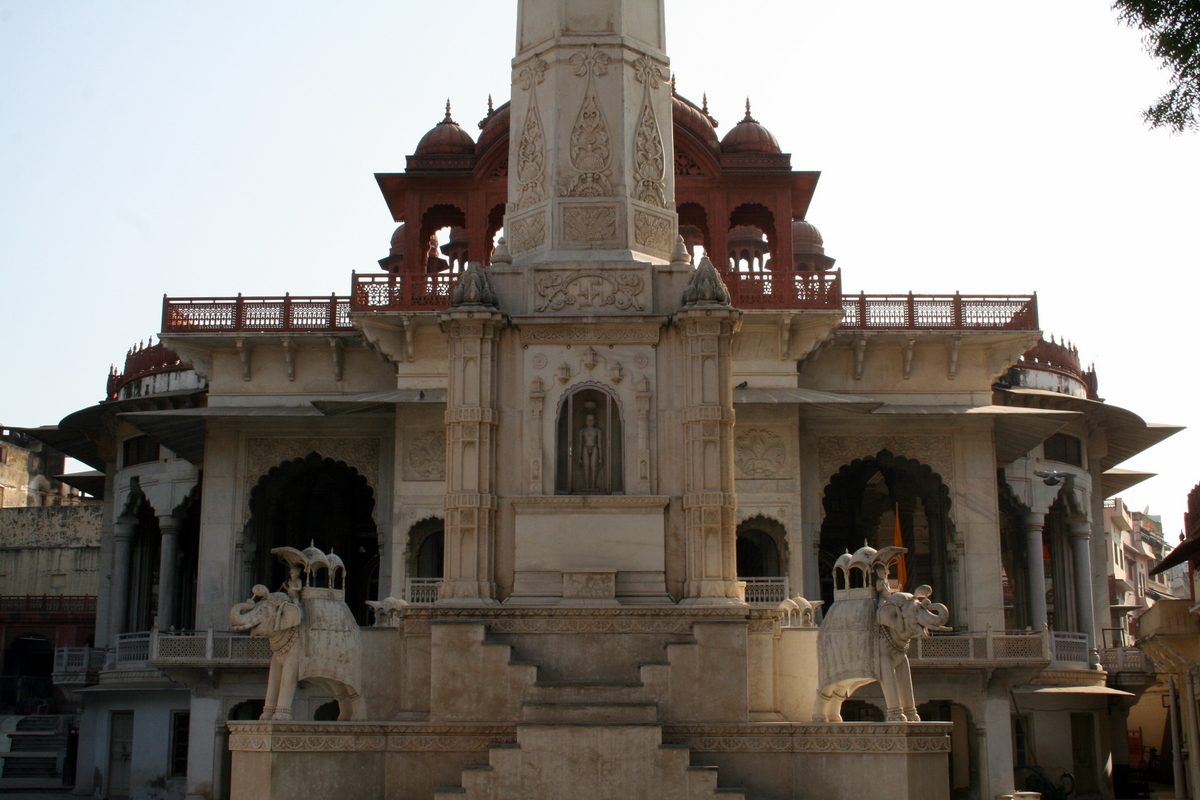
Soniji Ki Nasiyan, also called the Red Temple, is a Digambara Jain temple in Ajmer built in the late 19th century by the Soni family. Behind the temple is the Swarna Nagari hall, a two-storey chamber filled with gilded wooden models depicting the Jain conception of the universe and the life of the first Tirthankara, Rishabhanatha. Visitors of all faiths may view the hall from galleries.

Best weather: Nov – Mar
04
STOP 4 OF 6

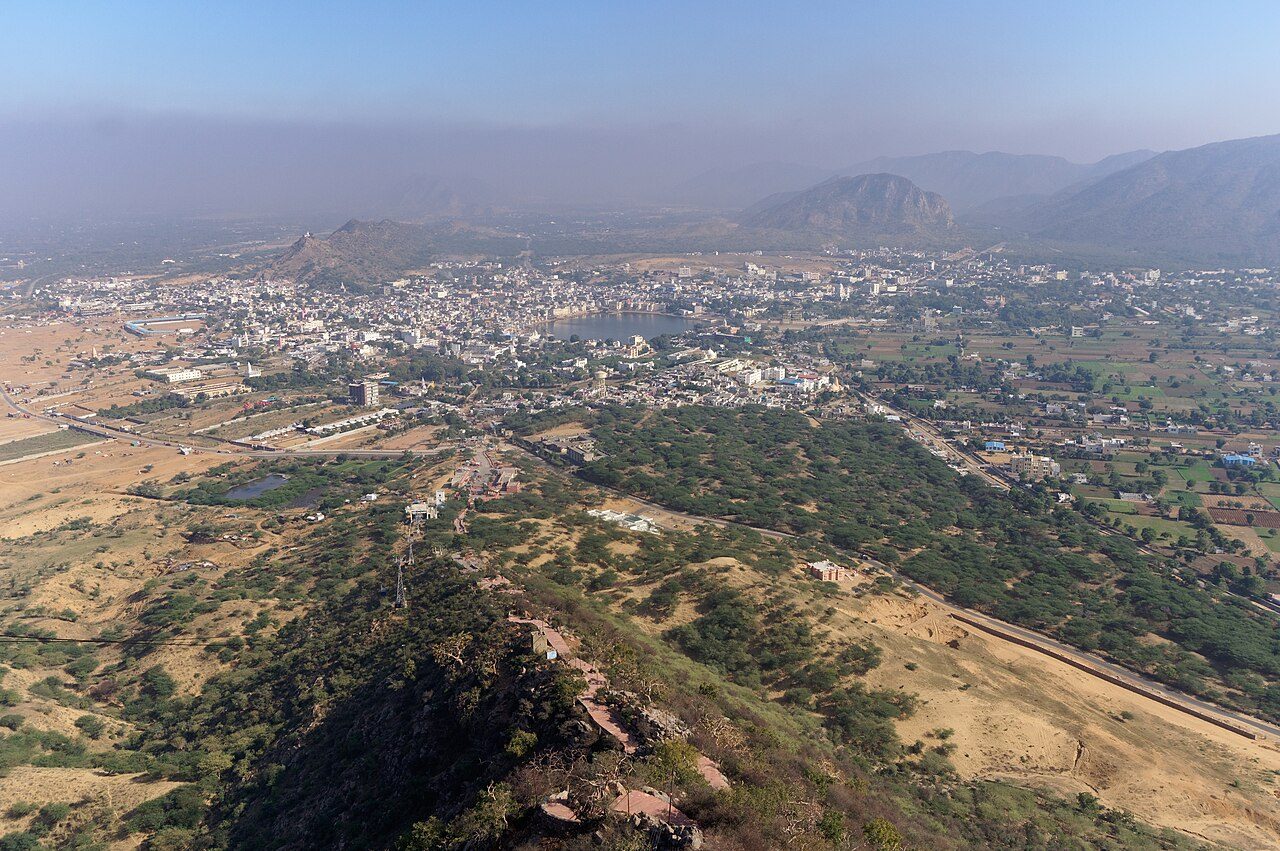
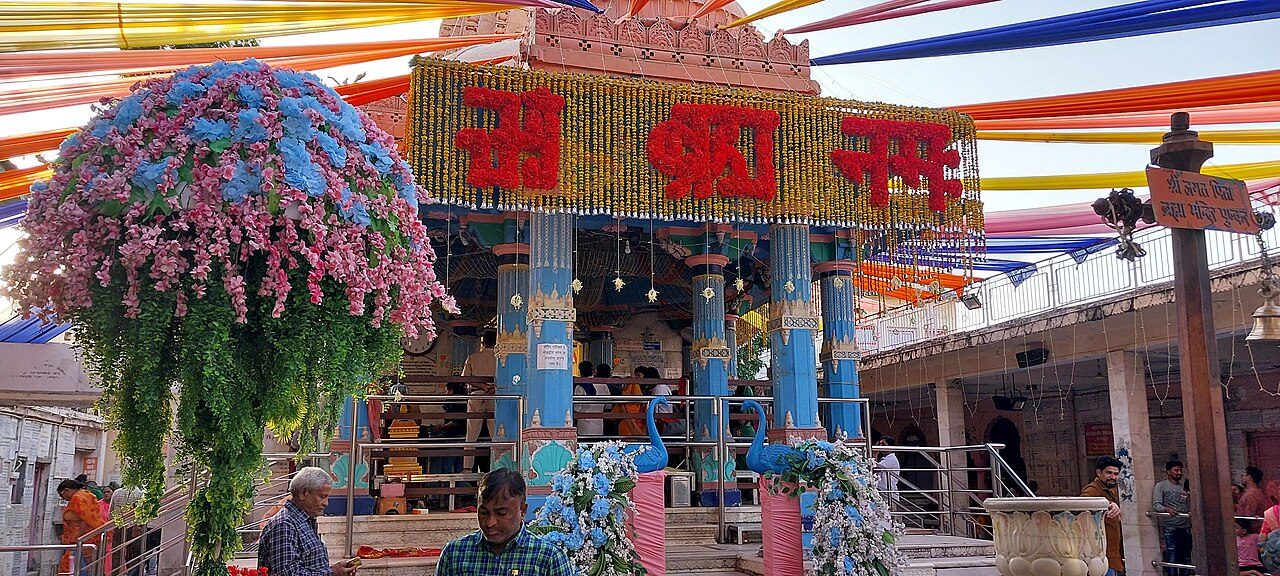
Pushkar Lake

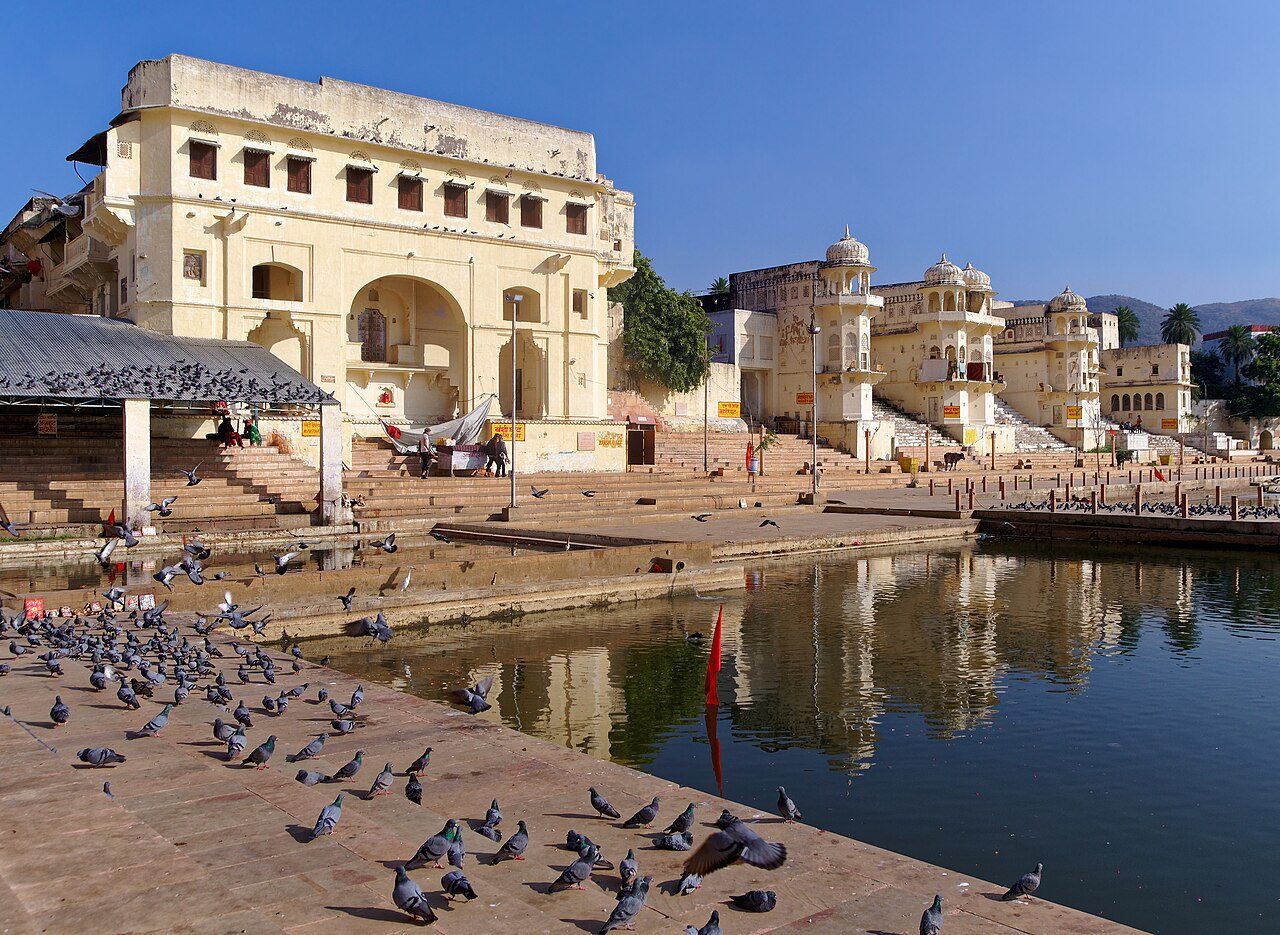
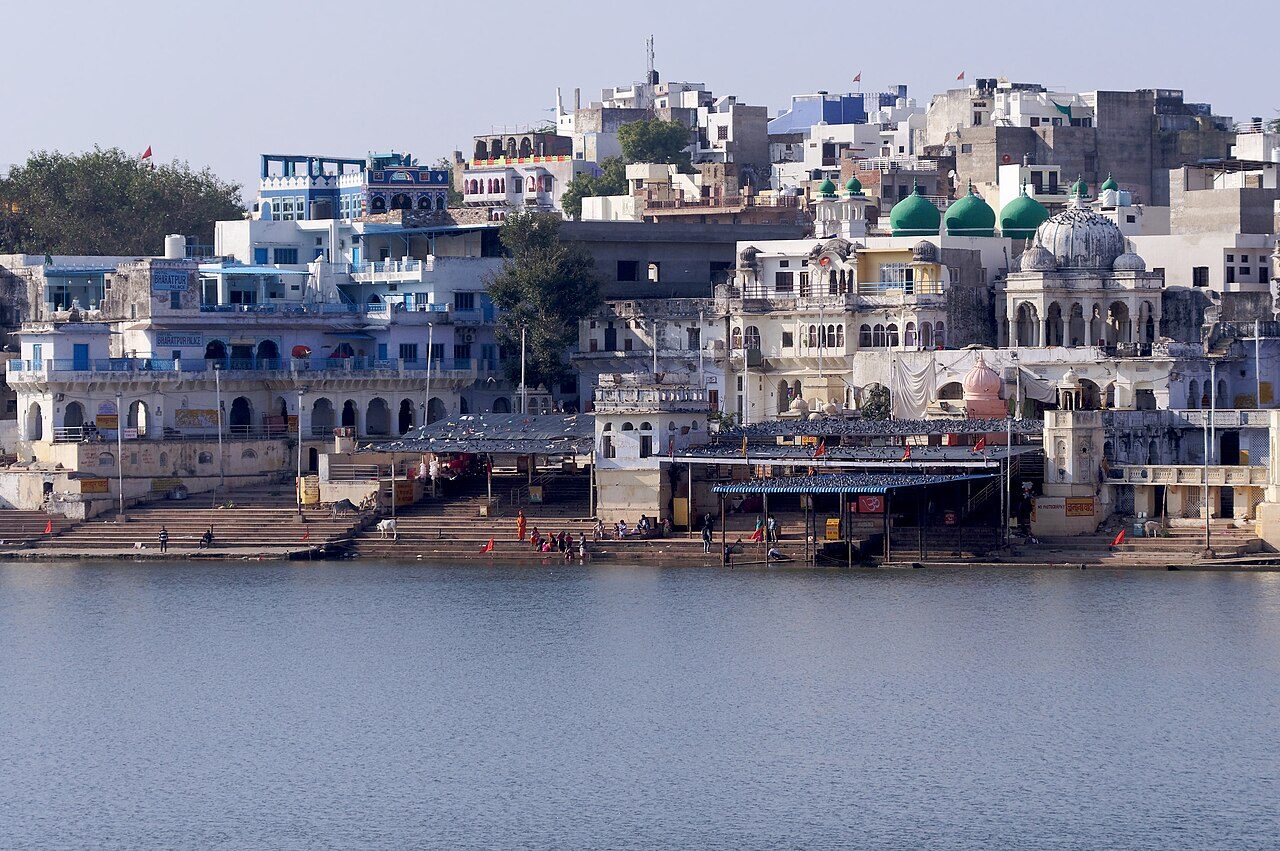
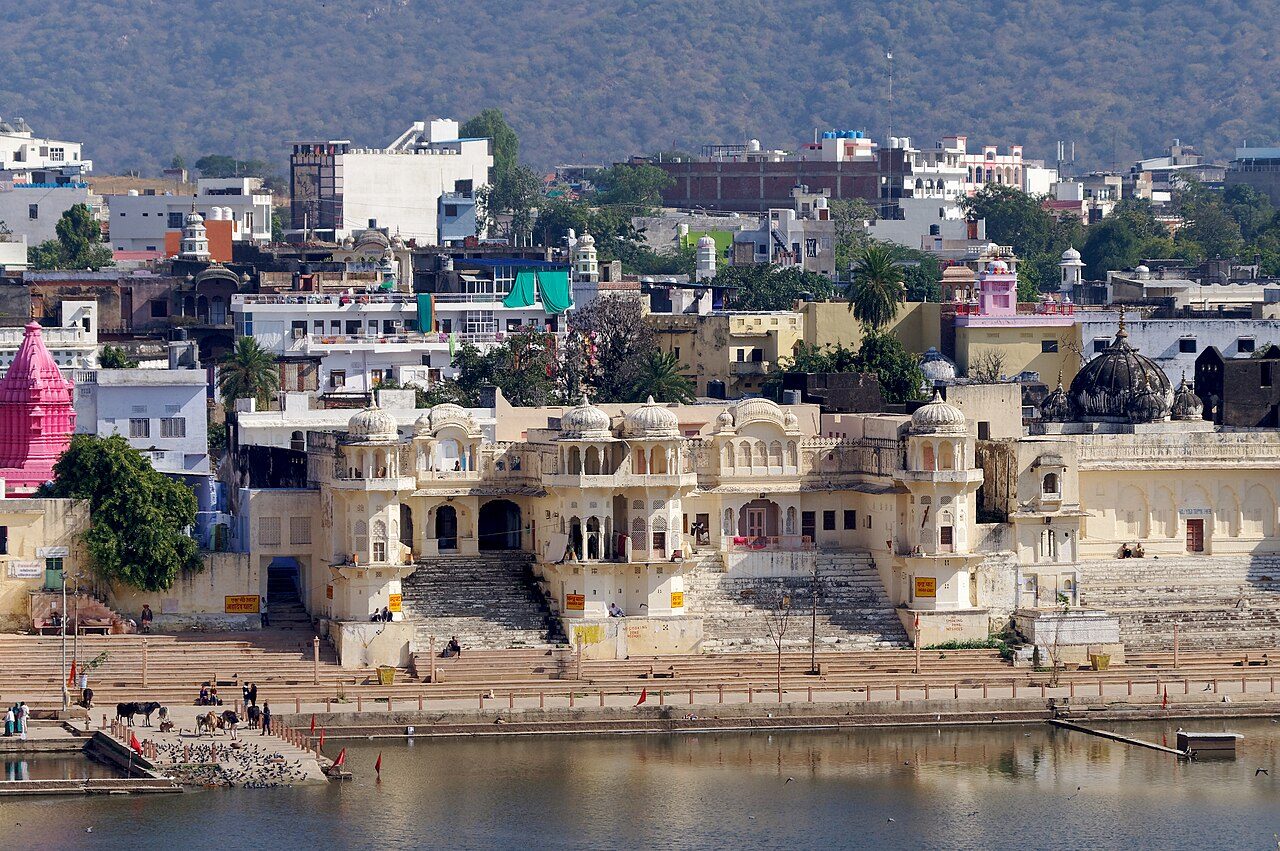
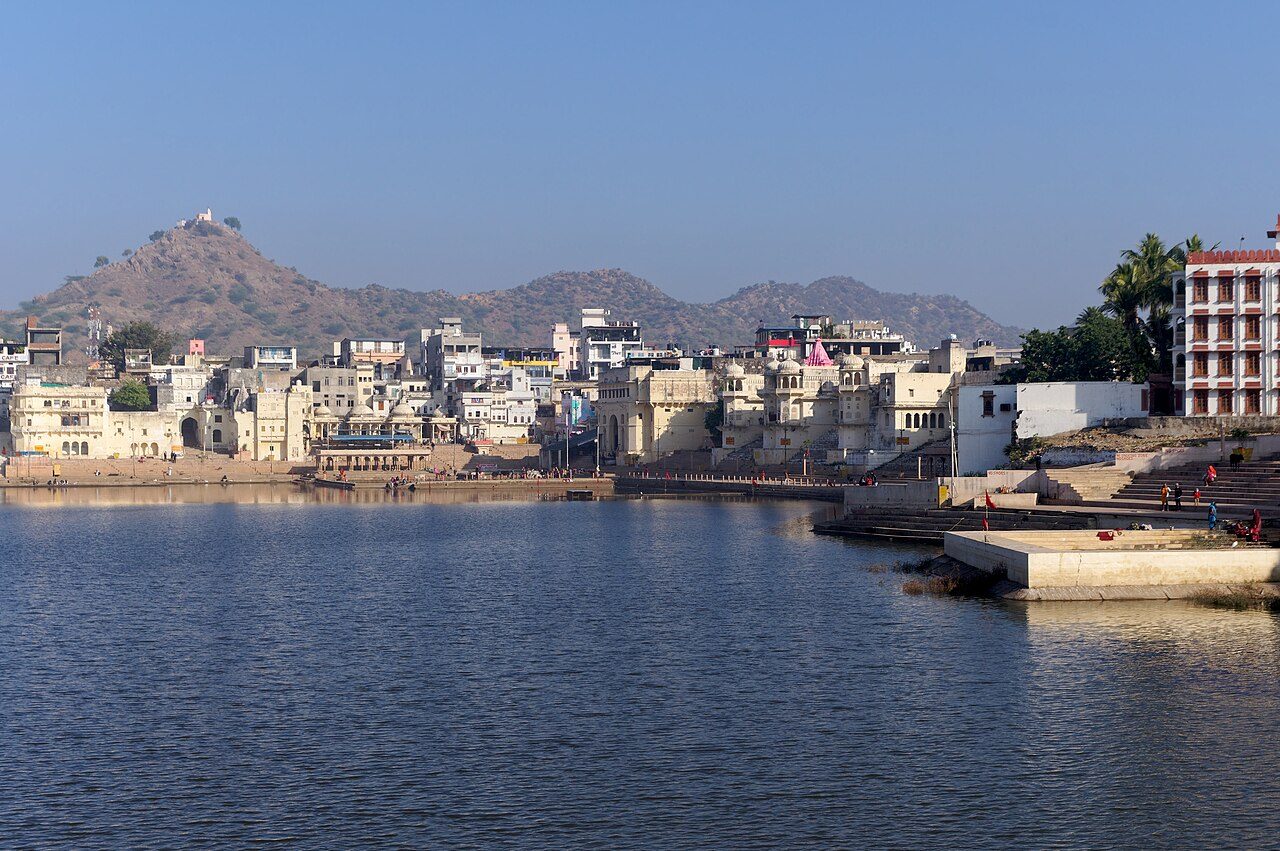
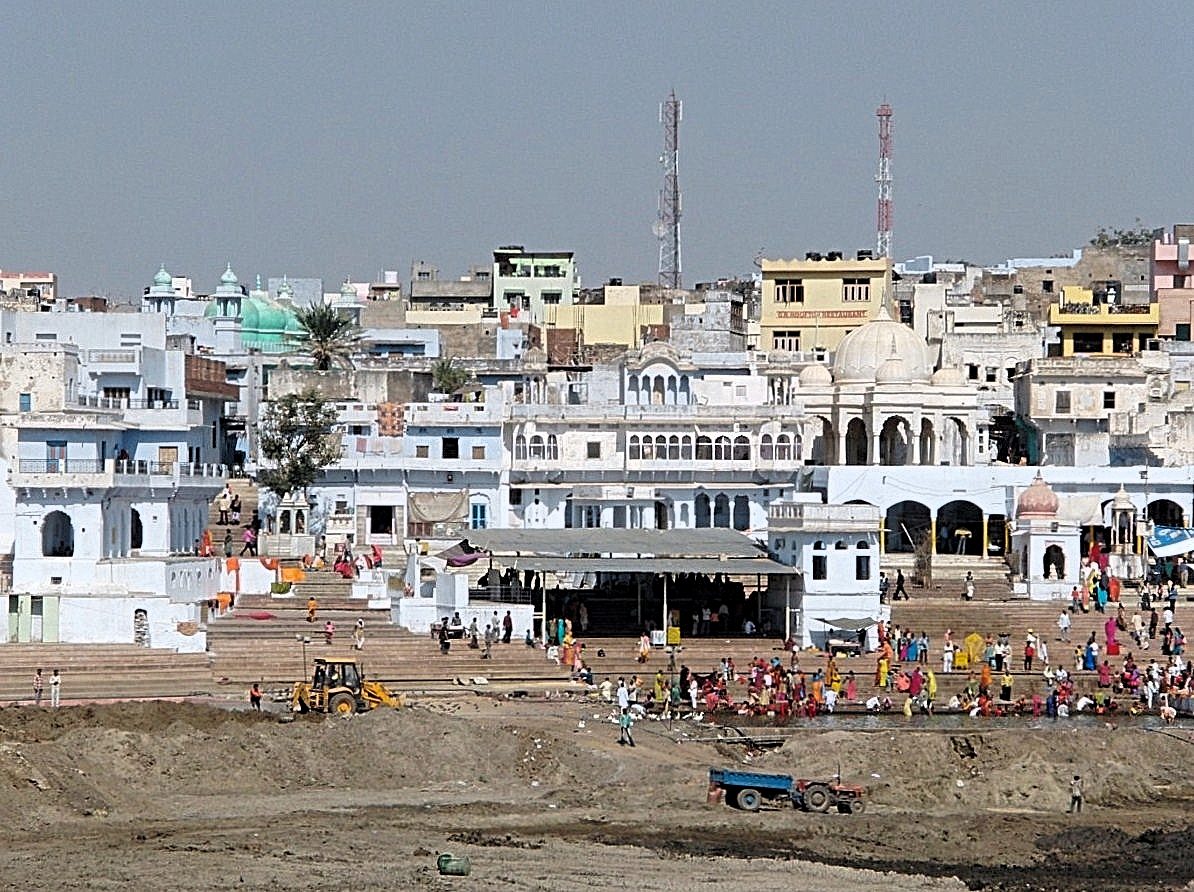
Pushkar Lake is one of the most sacred lakes in Hinduism, said in legend to have formed where a lotus fell from the hand of Brahma. It is ringed by 52 bathing ghats and hundreds of temples, and pilgrims come to bathe especially on Kartik Purnima in November, when the famous camel fair is also held. Evening aarti on the ghats is memorable. Shoes must be removed near the water.

Best weather: Nov – Mar
05
STOP 5 OF 6

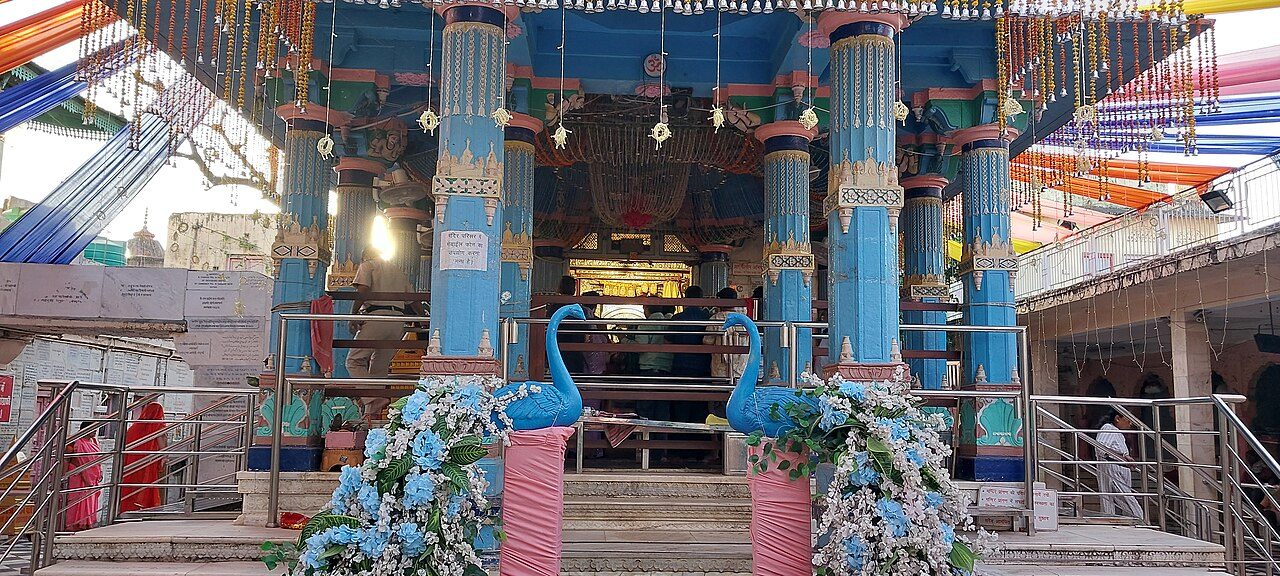
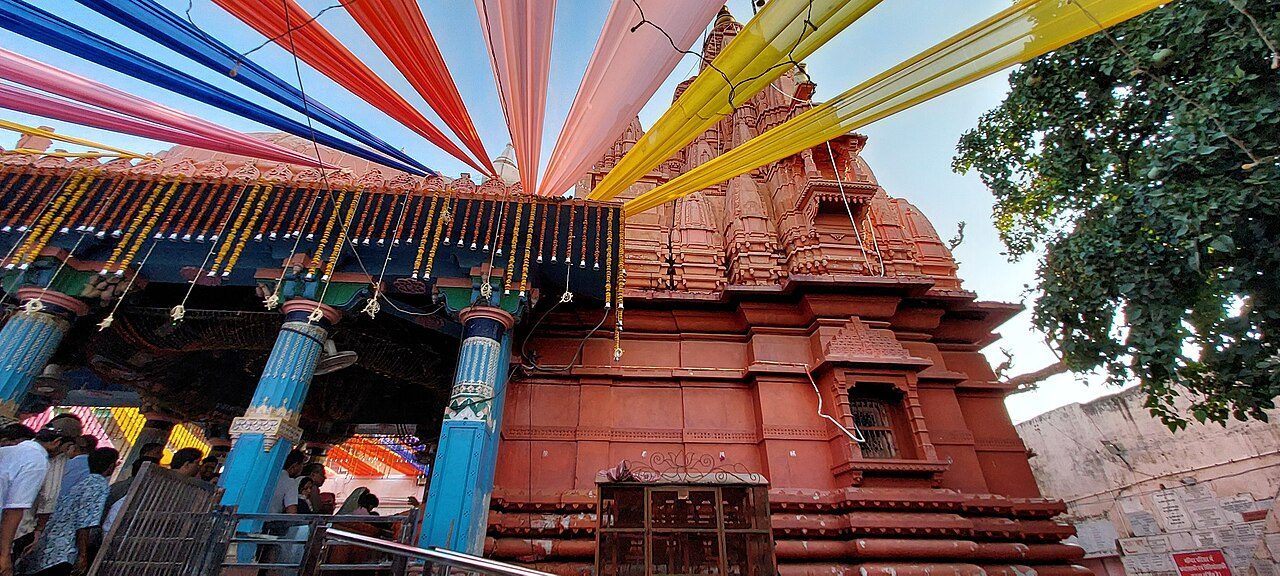
Brahma Temple Pushkar

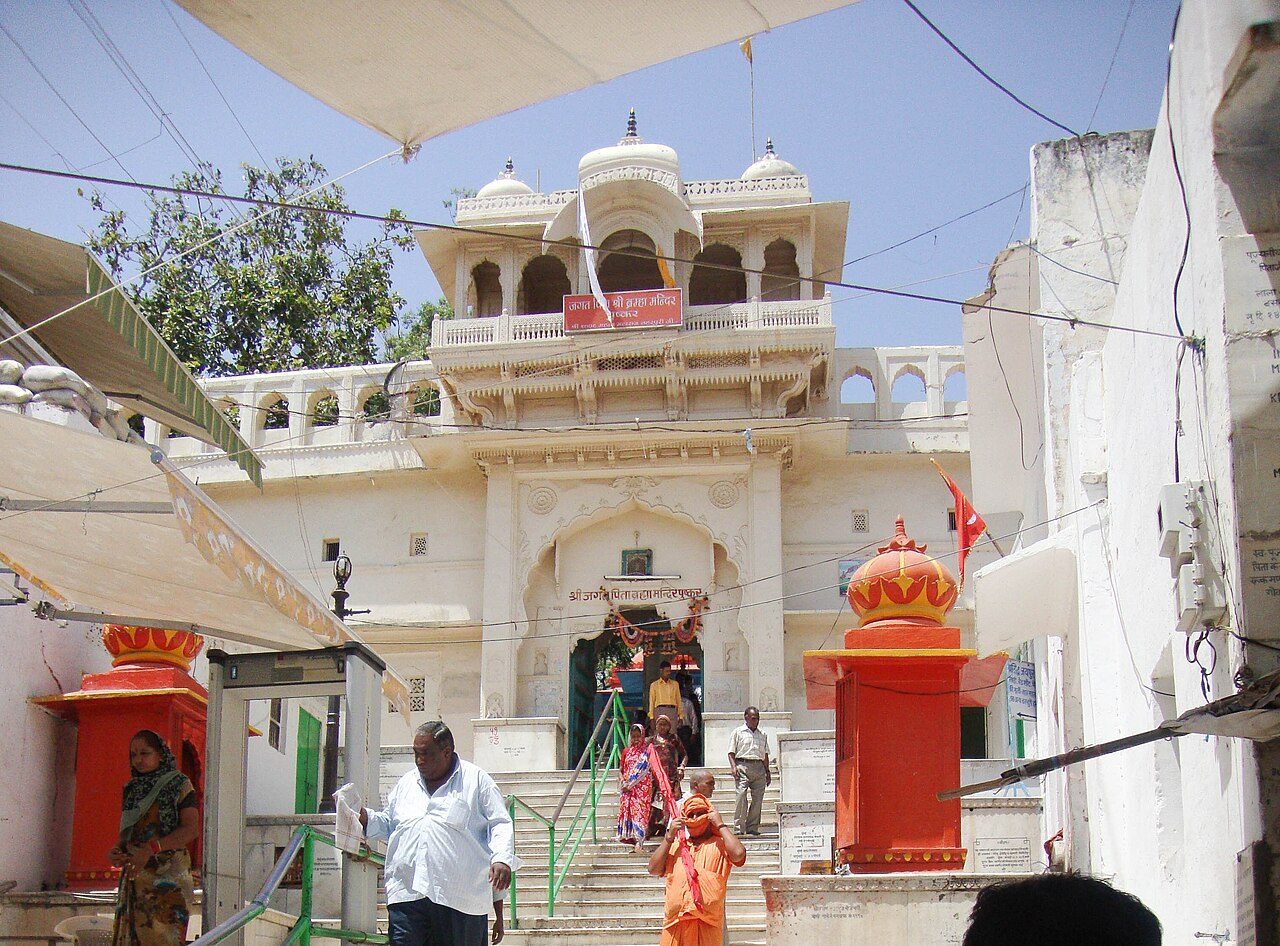
The Jagatpita Brahma Mandir in Pushkar is one of the very few temples in India dedicated to Brahma, the creator. The present structure dates largely from the 14th century, though the site is far older. It is recognised by its red spire and the image of a hamsa, Brahma's goose, over the entrance. Pilgrims visit after bathing in Pushkar Lake, and the temple is busiest on Kartik Purnima.

Best weather: Nov – Mar
06
STOP 6 OF 6 · LAST STOP

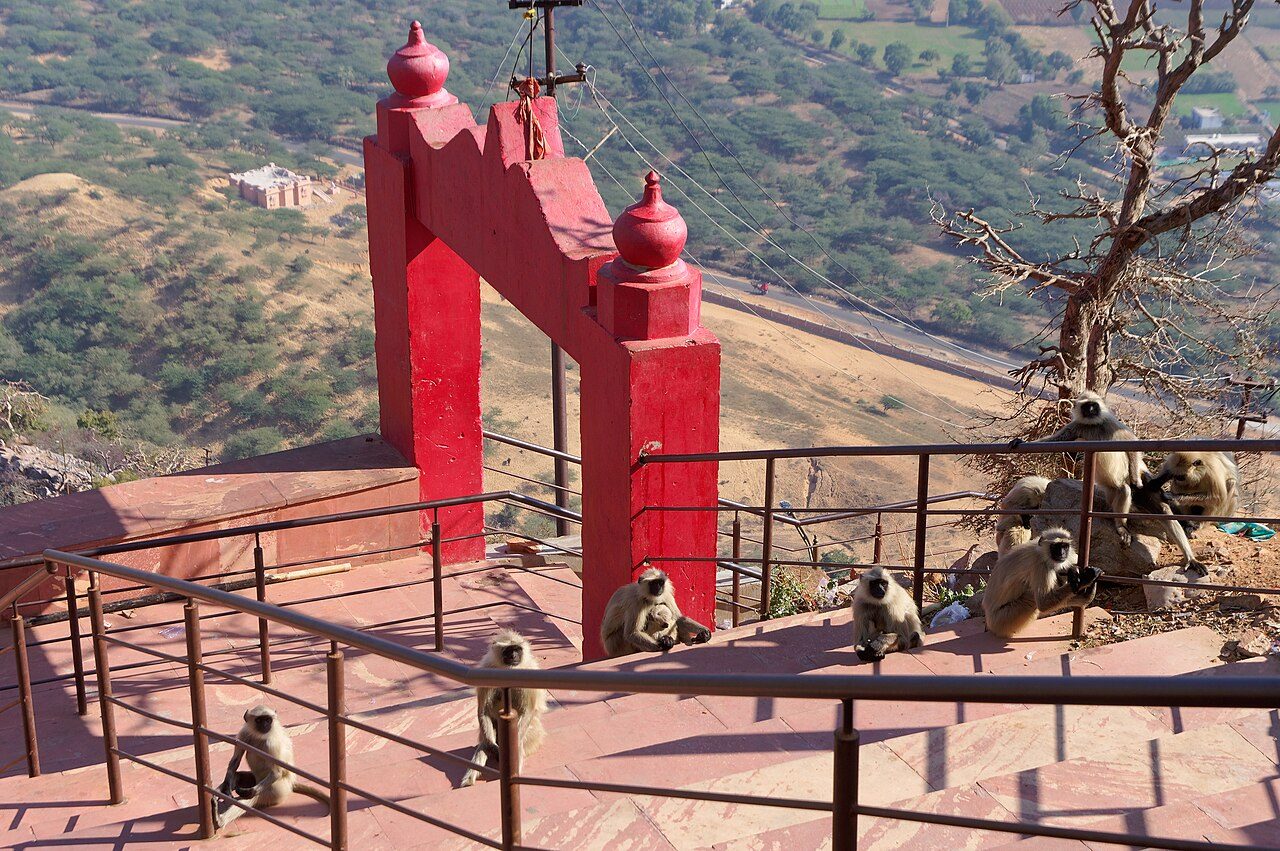
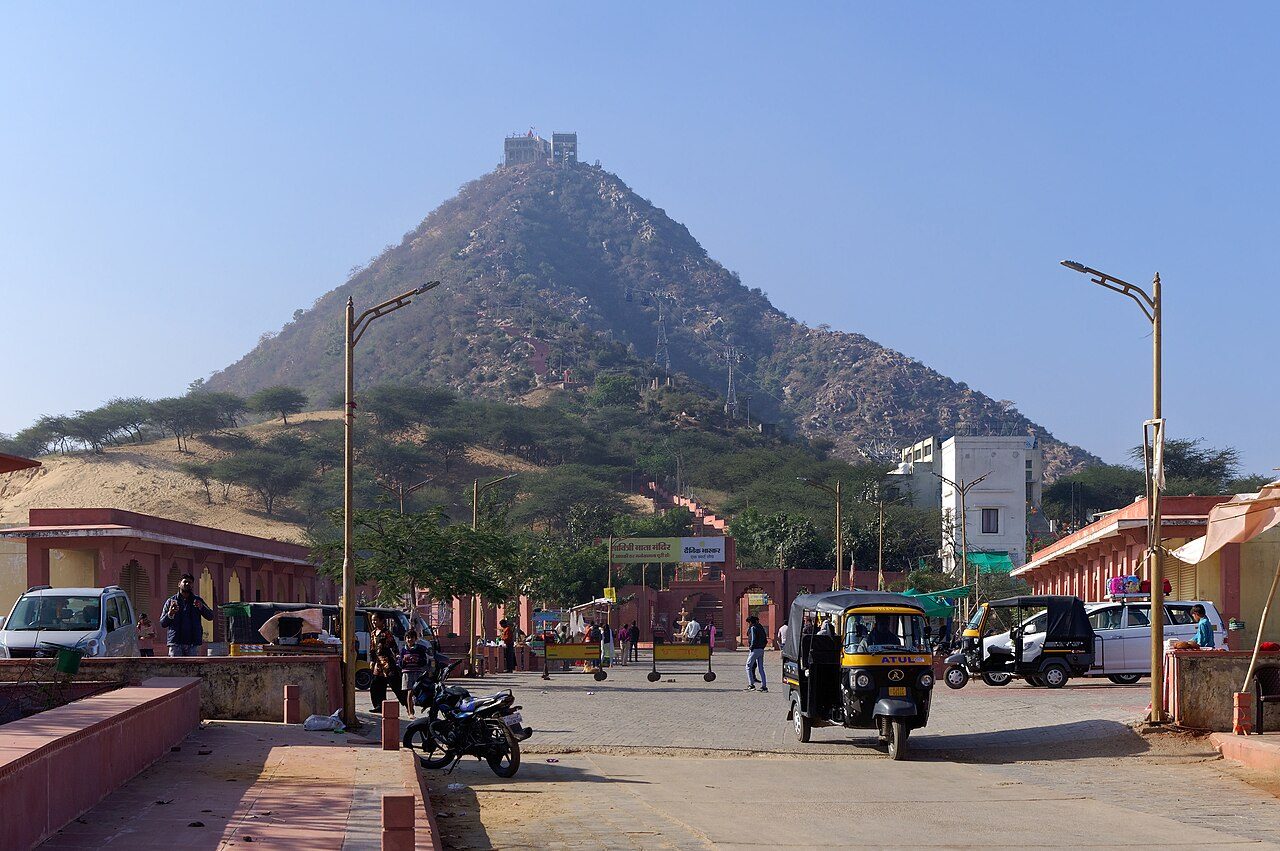
Savitri Temple Pushkar

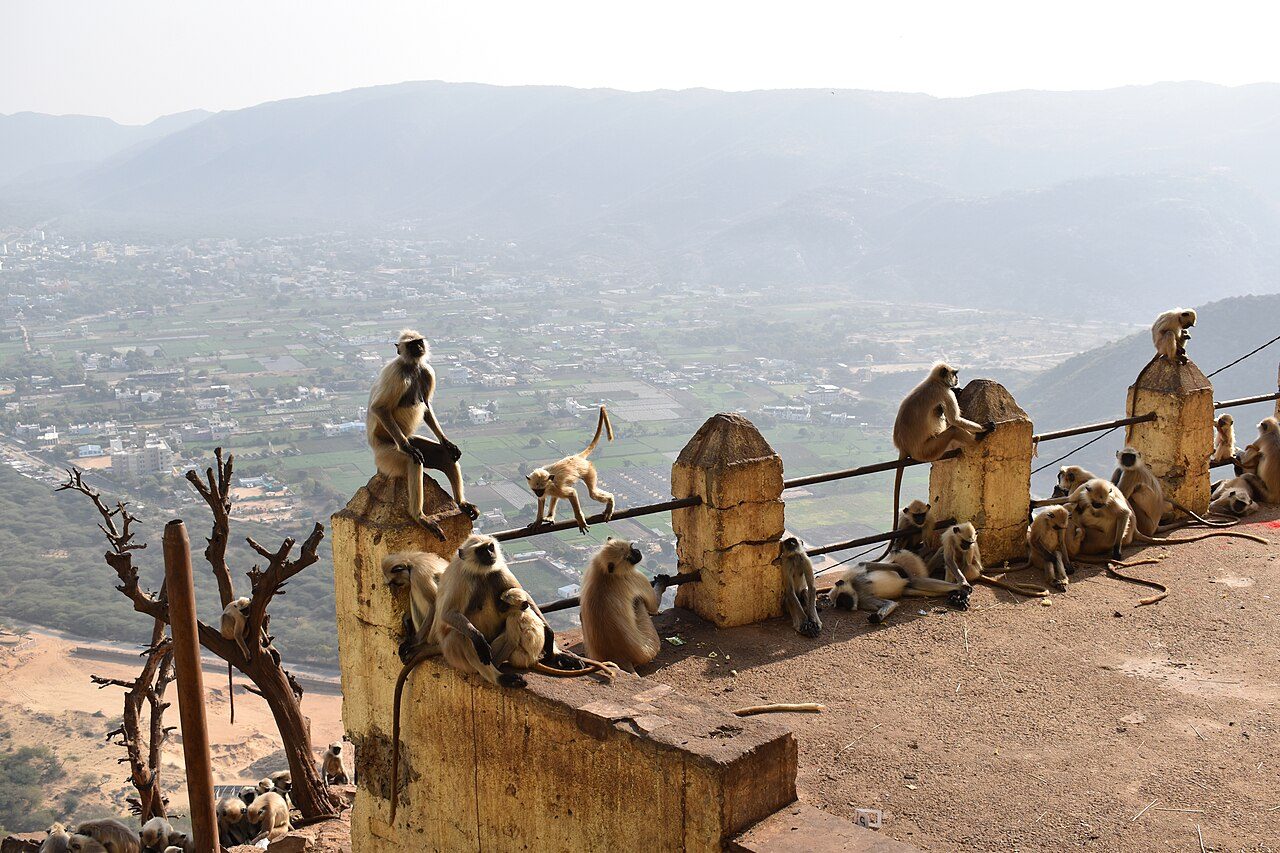
The Savitri temple sits on top of Ratnagiri hill overlooking Pushkar and is dedicated to the first wife of Brahma. According to legend, she retreated here in anger after Brahma married Gayatri. The shrine is reached by a climb of about an hour on stone steps, or by a ropeway. It is most popular at sunrise and sunset, for the view over the lake, the town and the surrounding desert.

Best weather: Nov – Mar
Seasons from 20 years of NASA POWER climate data.

Was this trip blog helpful?

0
0

Ready to follow this route?

Copy all 6 stops into your trip plans in the app.

Open in WaTrips
More trip blogs