Ahmedabad and North Gujarat in 3 Days: Stepwells, Sun Temple and Jain Temples
3 DAYS13 placesby WaTrips
Sabarmati Ashram and Ahmedabad's old city, the stepwells of Adalaj and Patan, Modhera's Sun Temple, Vadnagar, Taranga and Ambaji.
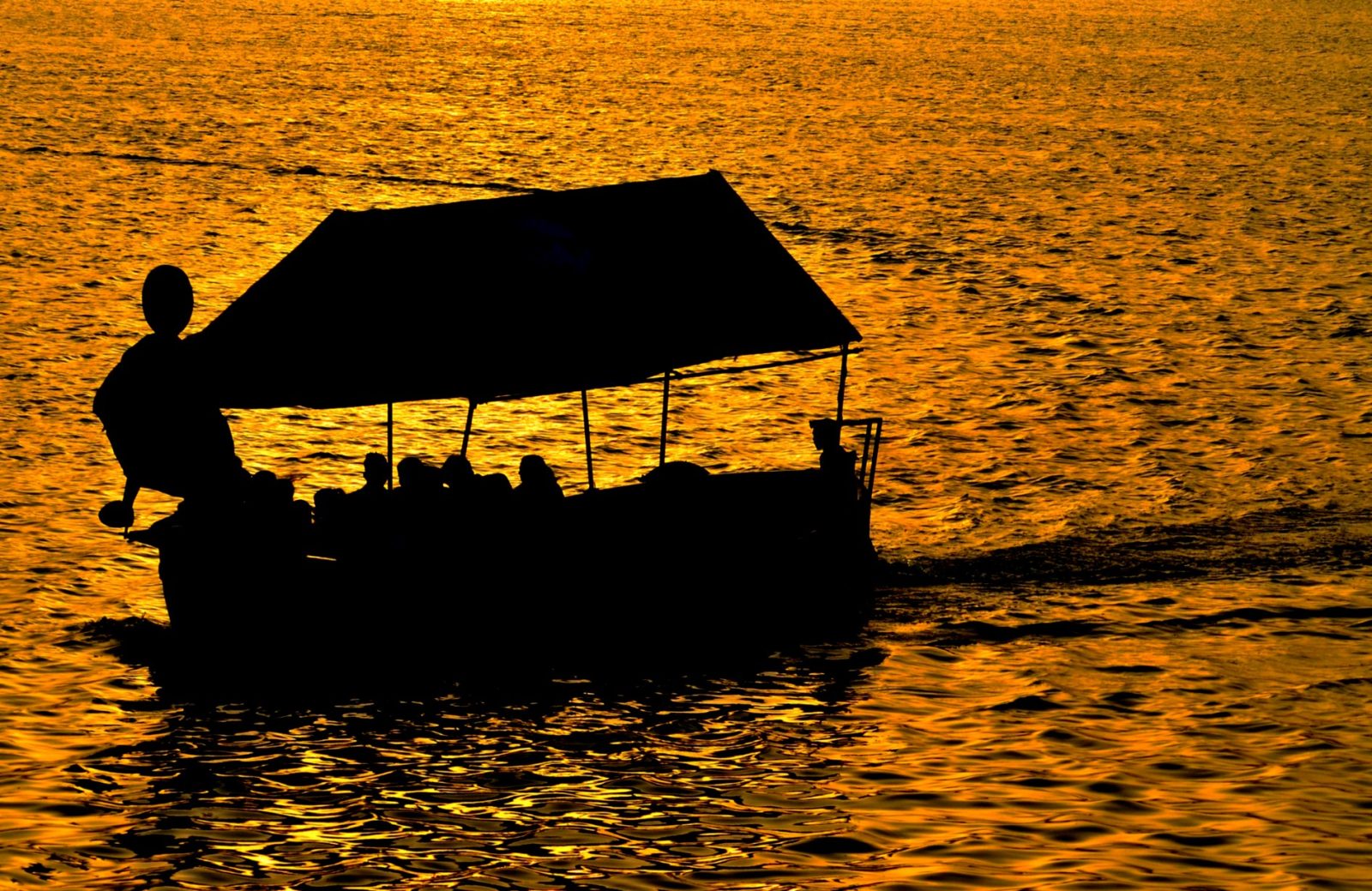
North Gujarat holds some of India's finest stone carving, all within easy reach of Ahmedabad. Day one is the city itself: Gandhi's Sabarmati Ashram, the stone lattice window of Sidi Saiyyed, the Jama Masjid, the Hutheesing Jain temple, and evening at Kankaria Lake. Day two follows the stepwells and temples north: Adalaj, the Sun Temple at Modhera with its stepped tank, and Rani ki Vav in Patan, a UNESCO World Heritage Site carved with hundreds of sculptures. Day three visits the Kirti Toran arches in Vadnagar, the hilltop Jain temple at Taranga, and ends at Ambaji and the marble temples of Kumbhariya. November to February is the most comfortable time.
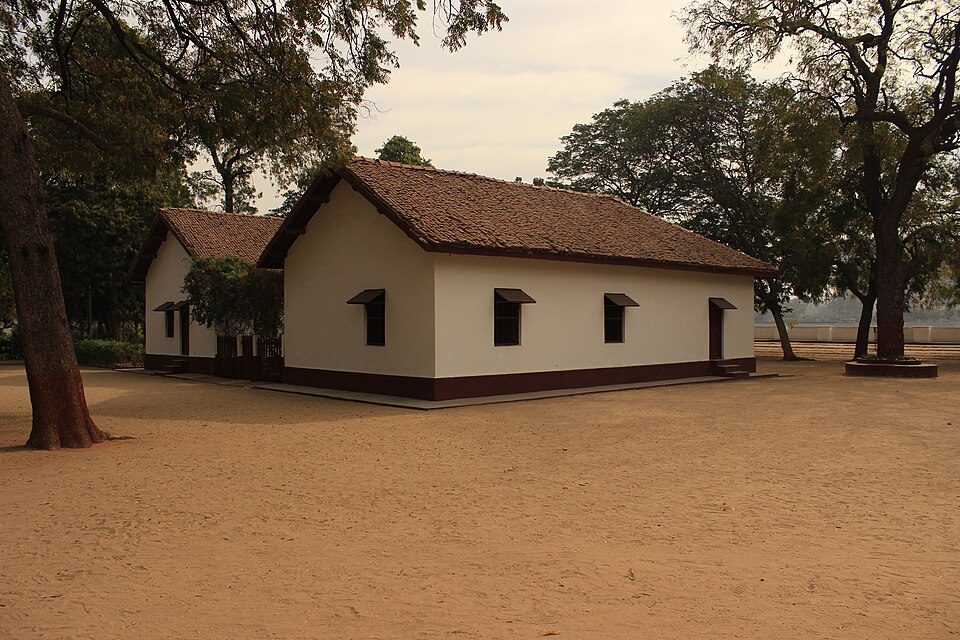
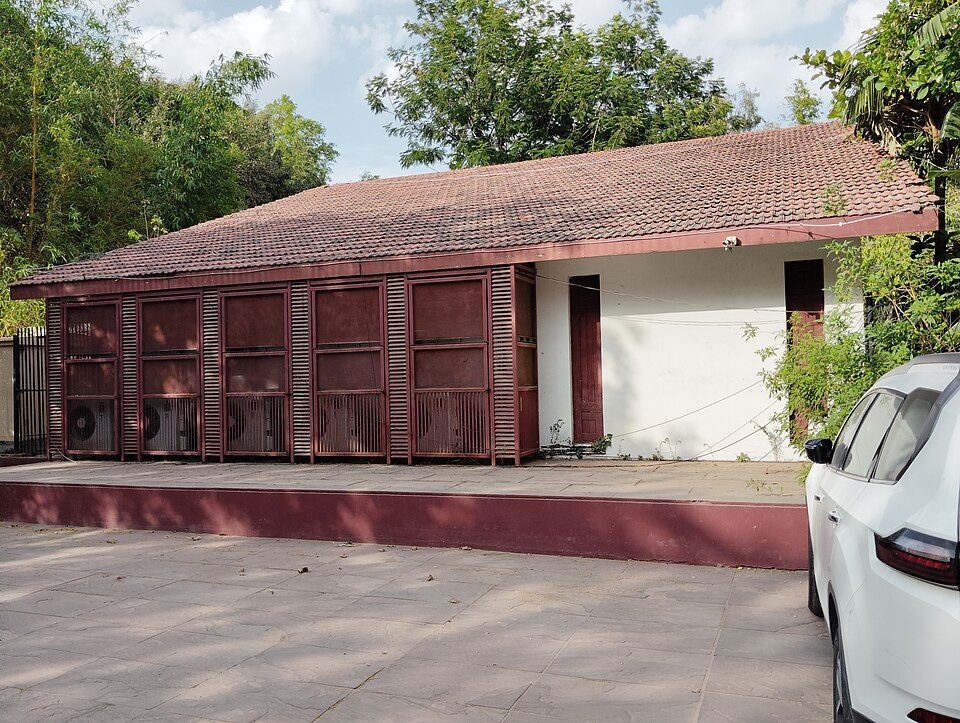
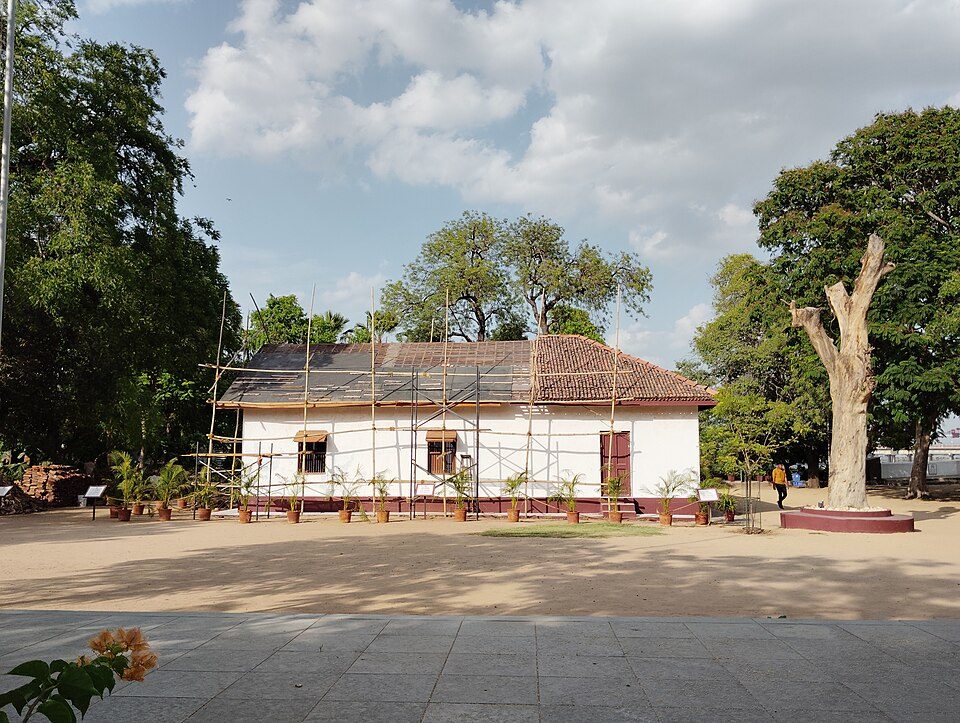
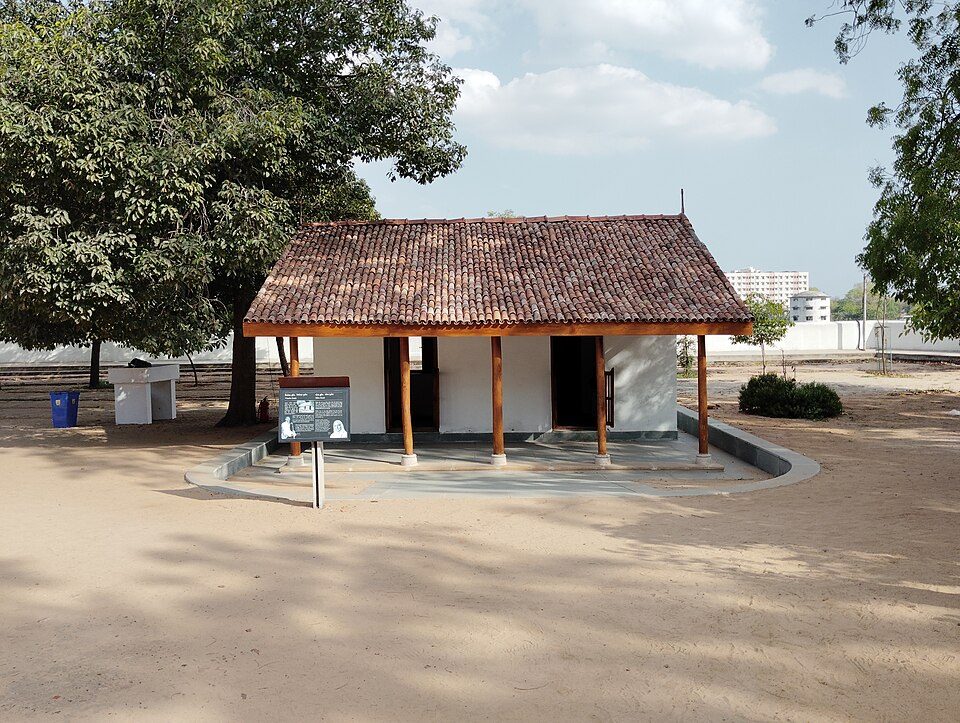
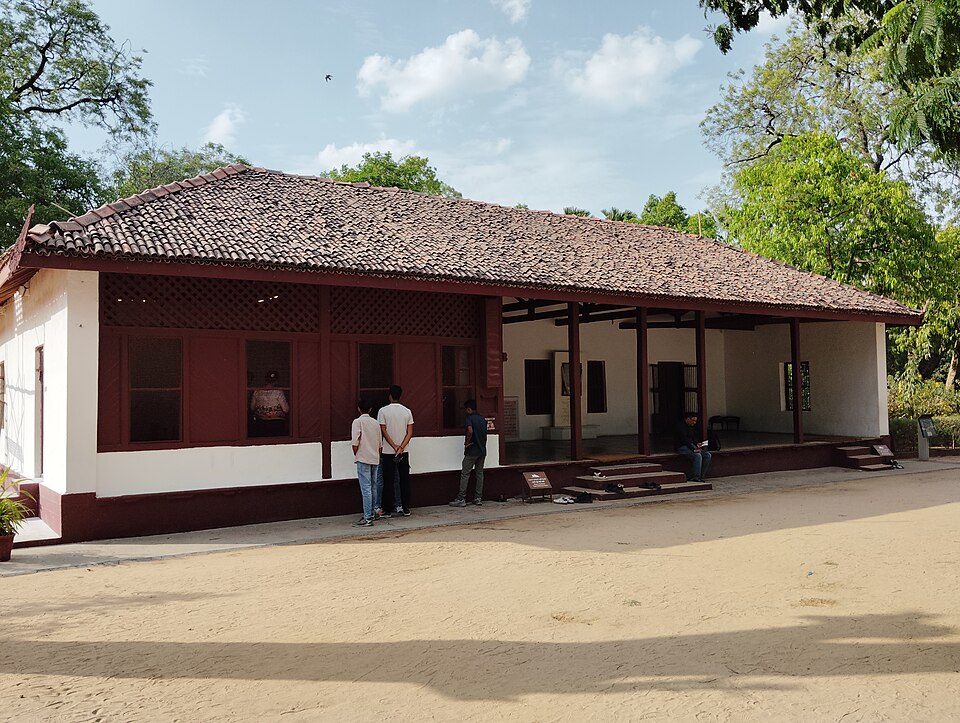
On the banks of the Sabarmati, this ashram was Mahatma Gandhi's home from 1917 to 1930 and the starting point of the Salt March to Dandi. His simple cottage, Hriday Kunj, is preserved with his spinning wheel and writing desk, and a museum tells the story of his life and the freedom movement.
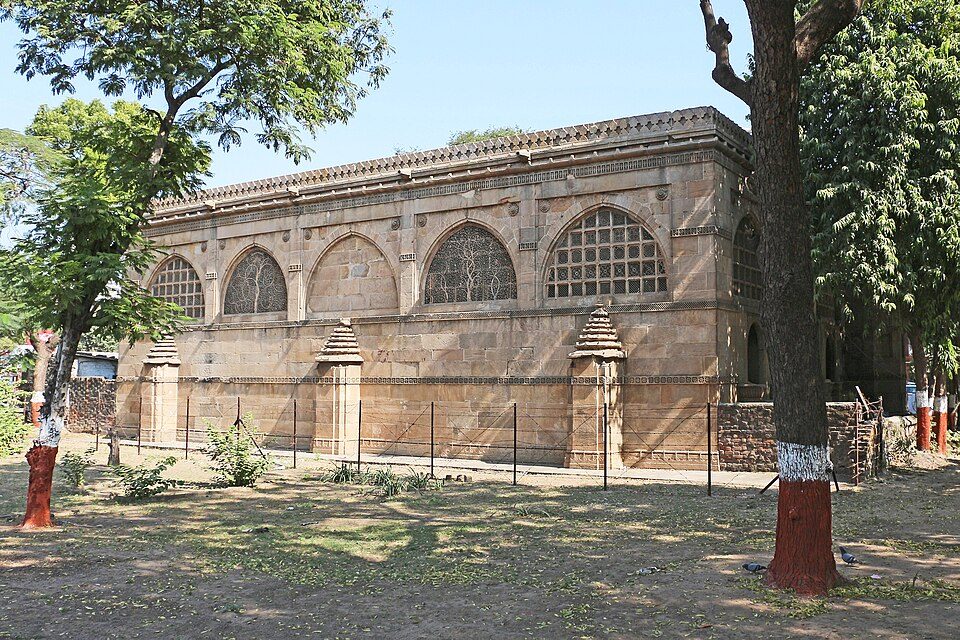
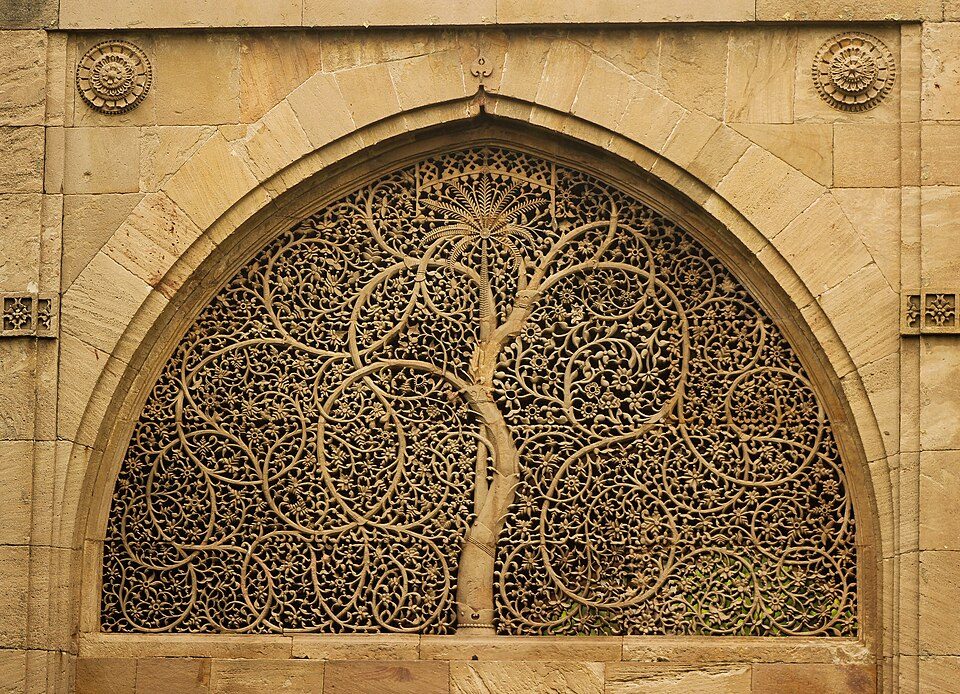
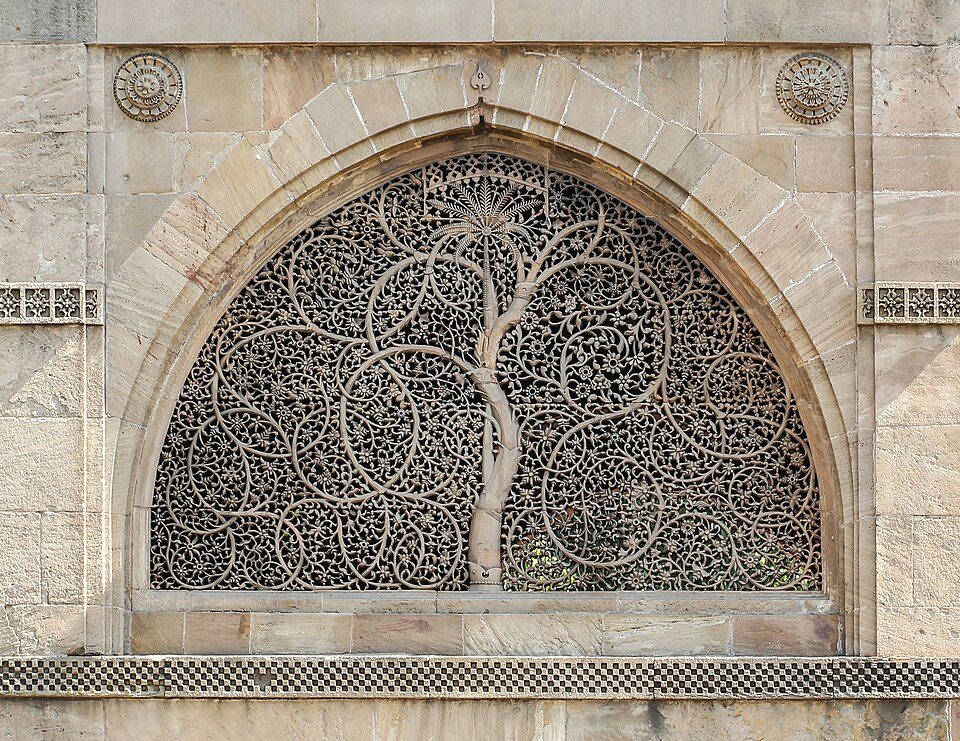
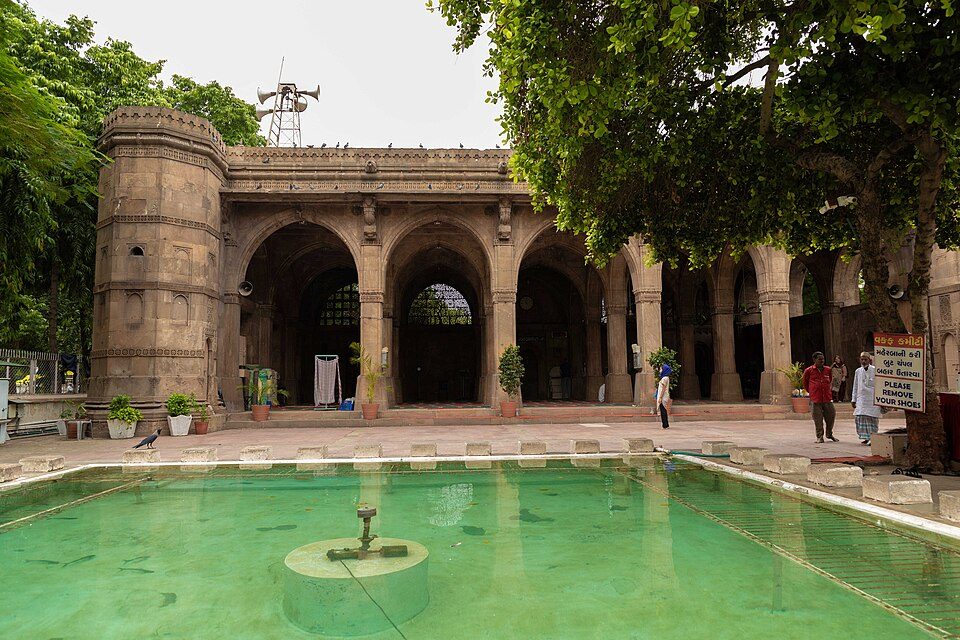
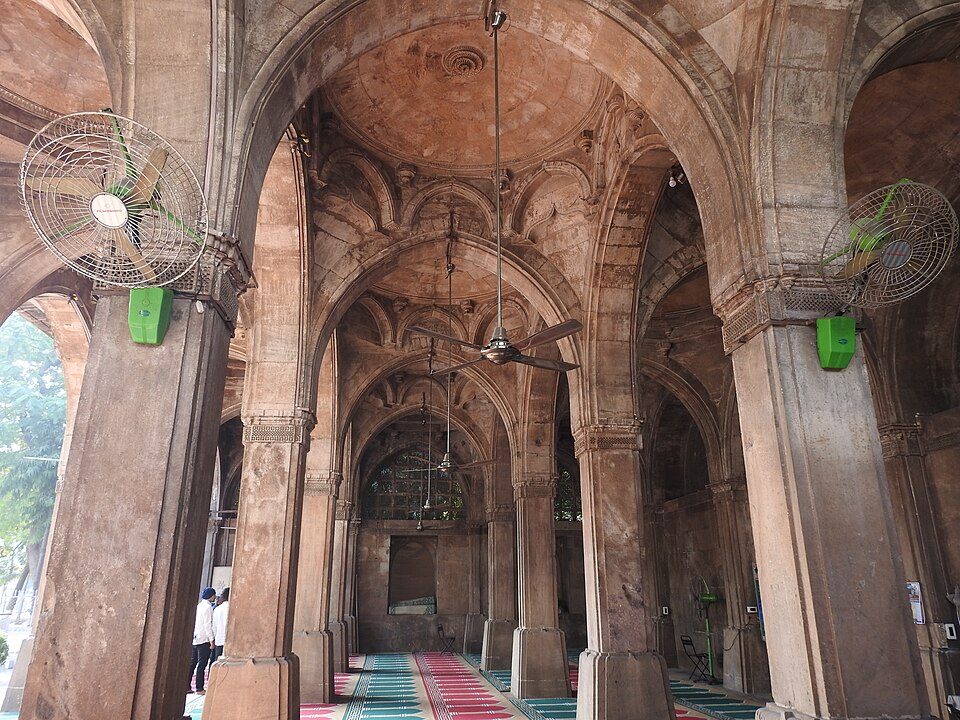
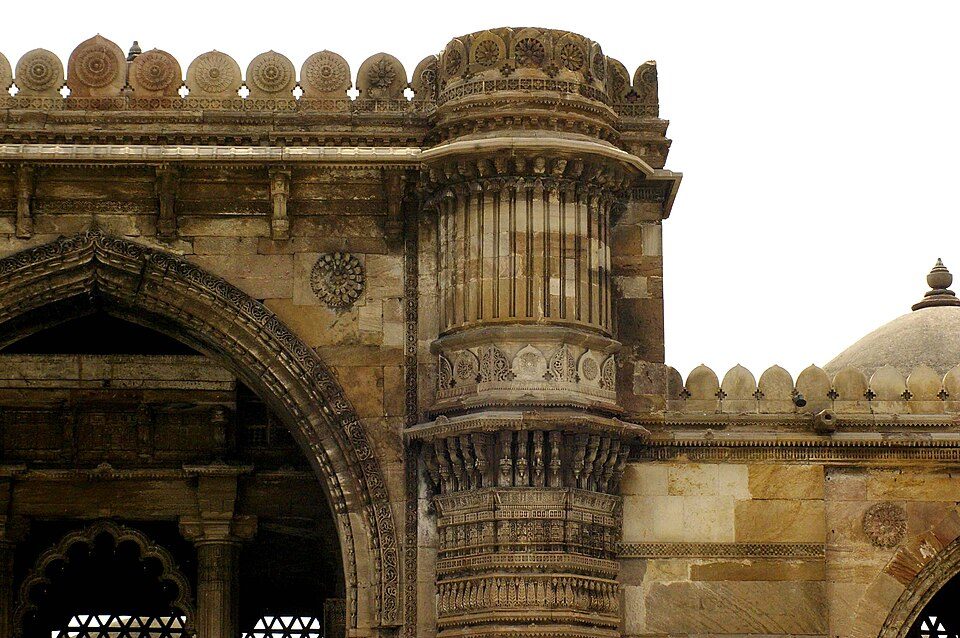
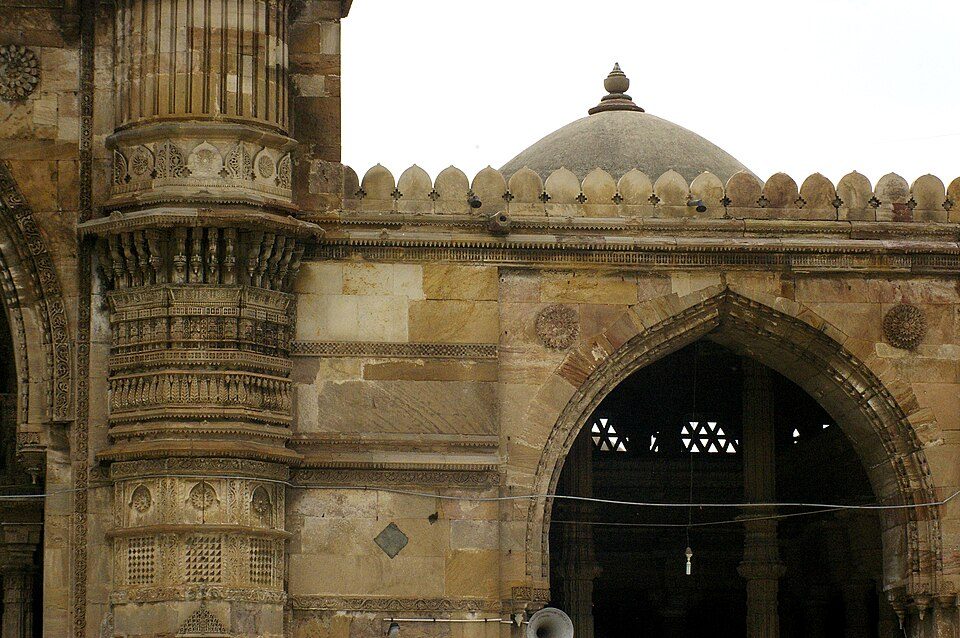
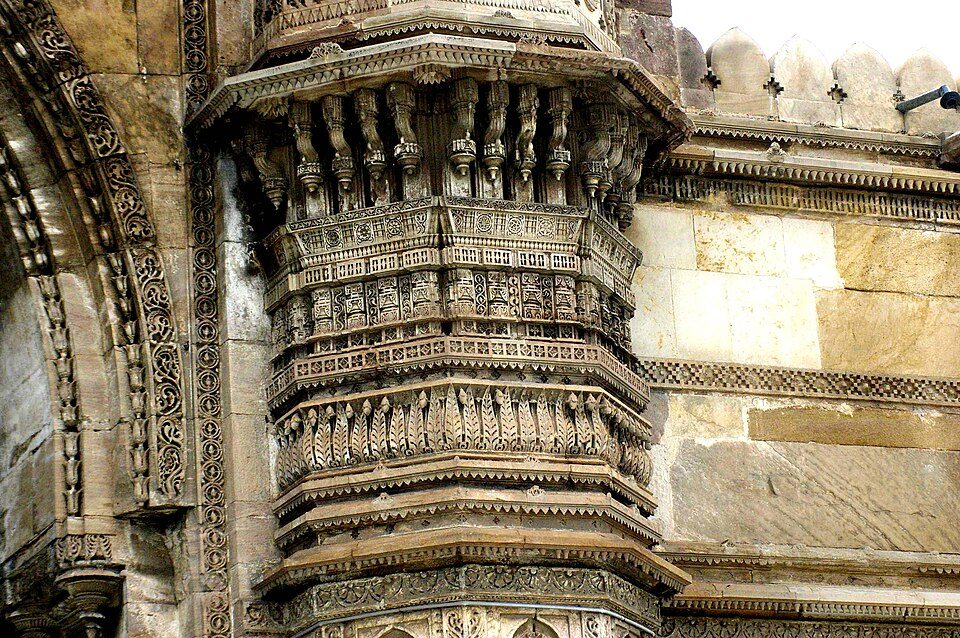
Built in 1573, in the last year of the Gujarat Sultanate, the Sidi Saiyyed Mosque is famous for its carved stone lattice windows, especially the Tree of Life, whose intertwined branches have become a symbol of Ahmedabad.
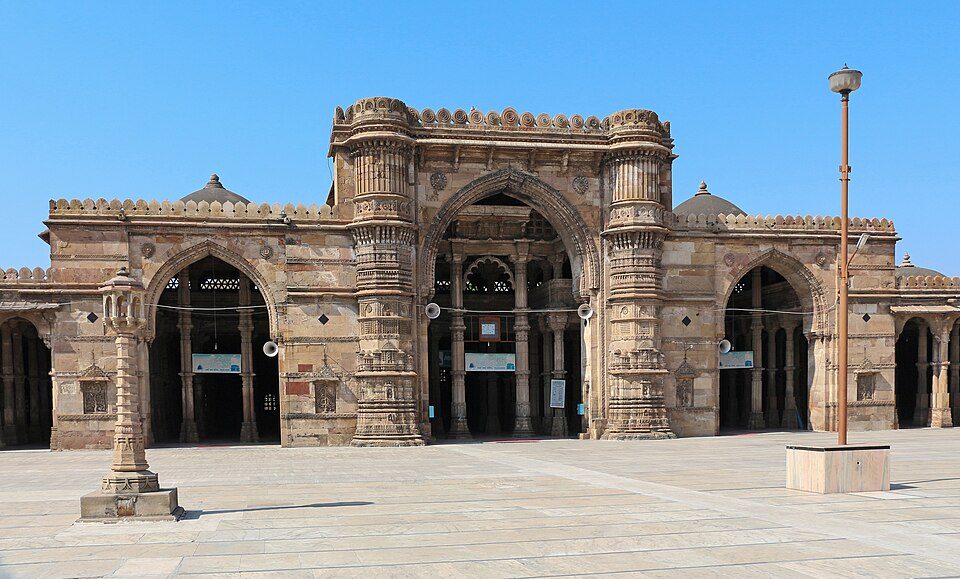
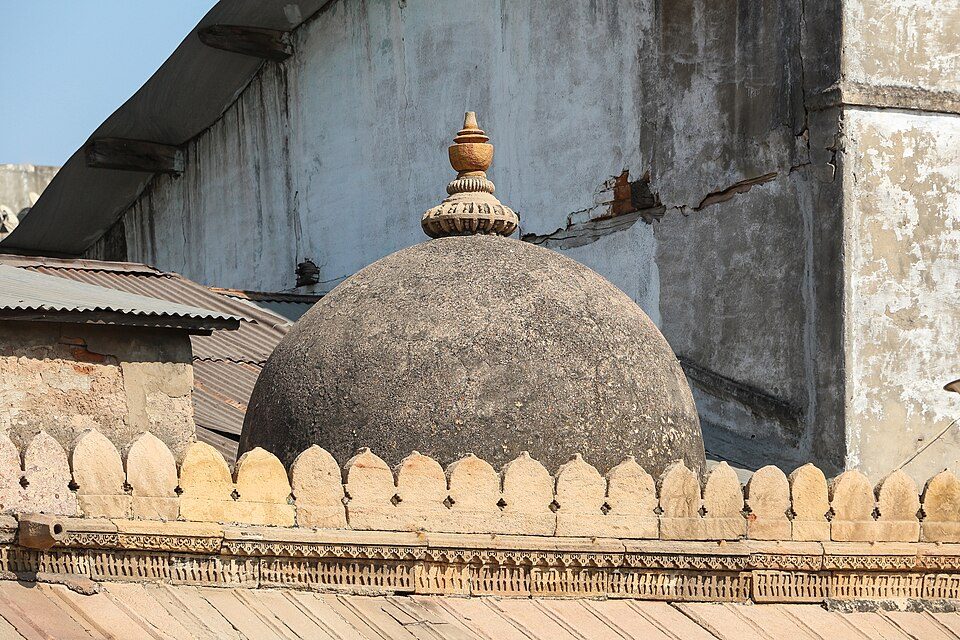
Built in 1424 by Sultan Ahmed Shah I, the founder of Ahmedabad, the Jama Masjid was then the largest mosque in the subcontinent. Its prayer hall has some 260 pillars supporting 15 domes, with carving that blends Hindu and Islamic styles, around a wide marble courtyard.
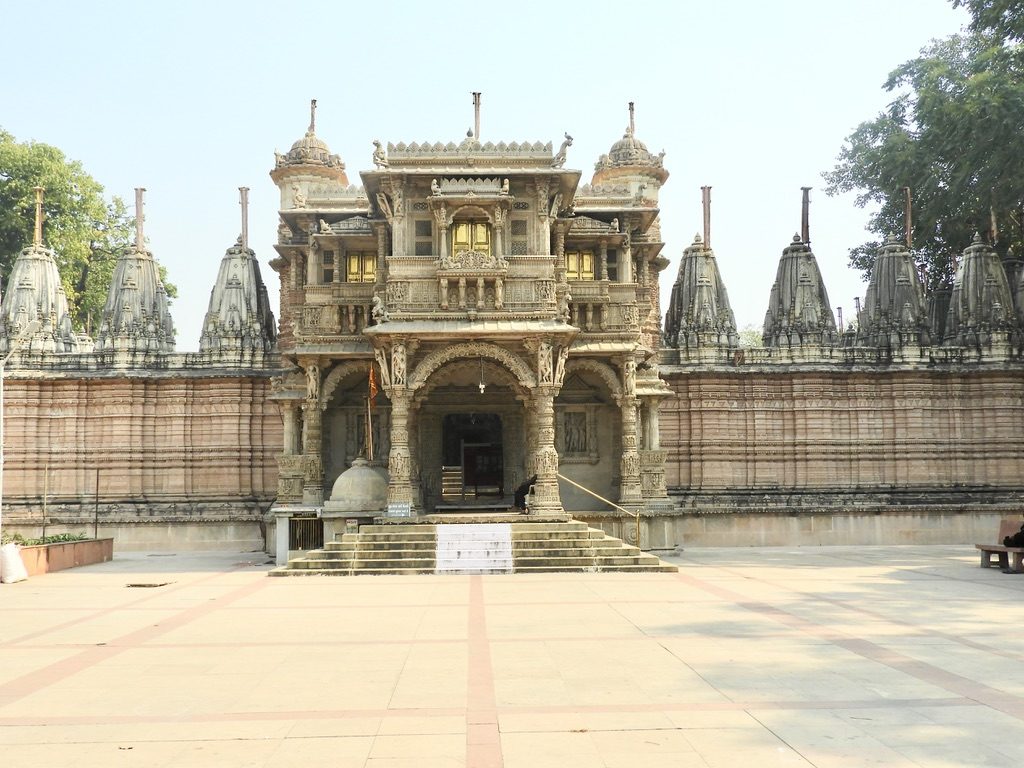
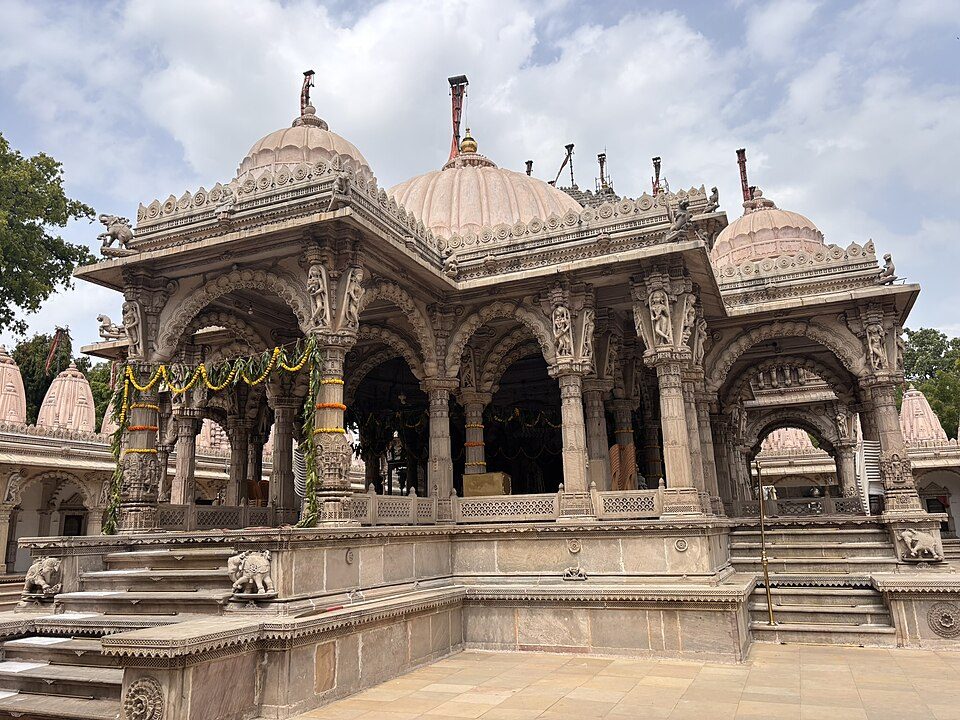
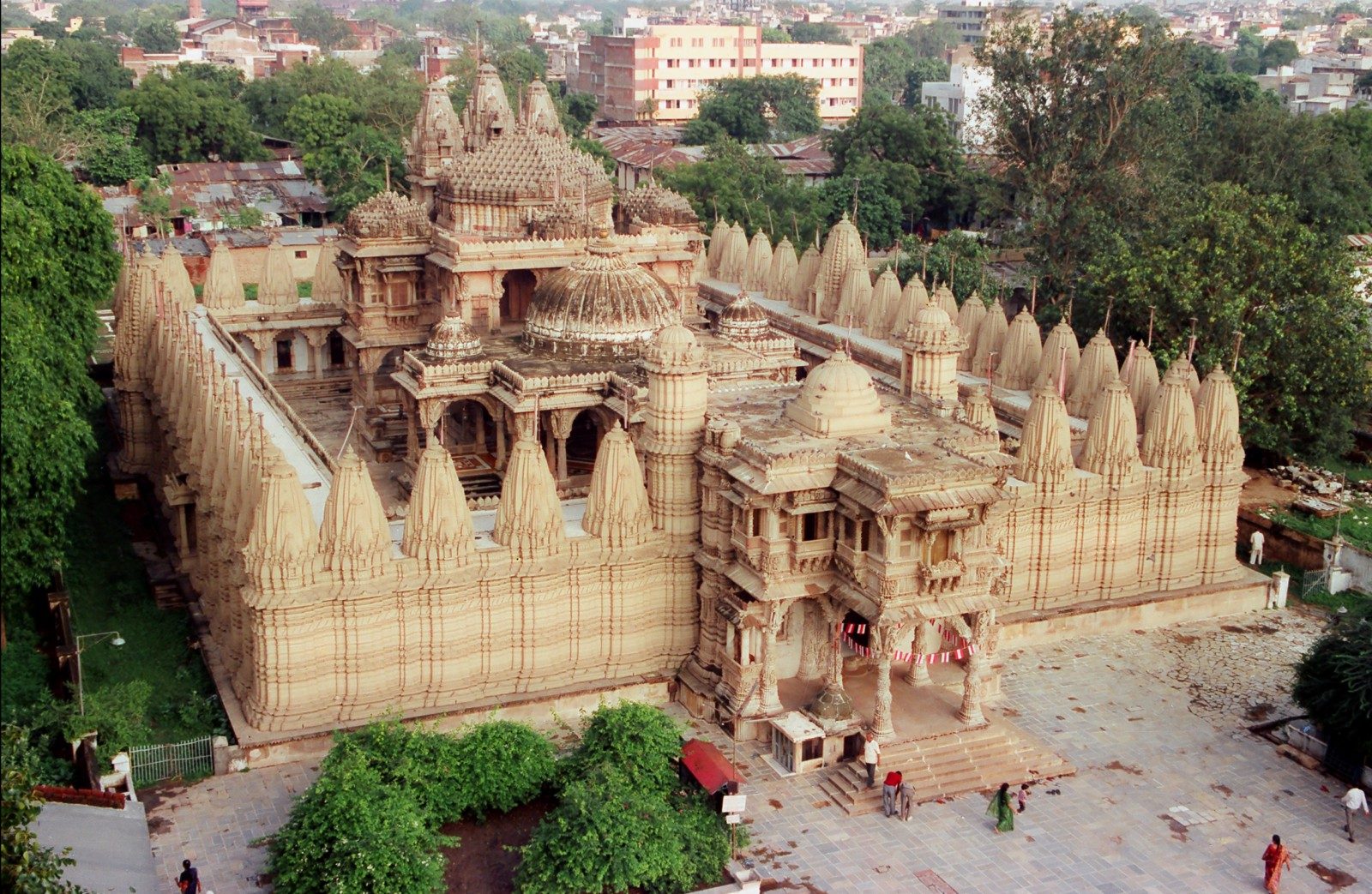
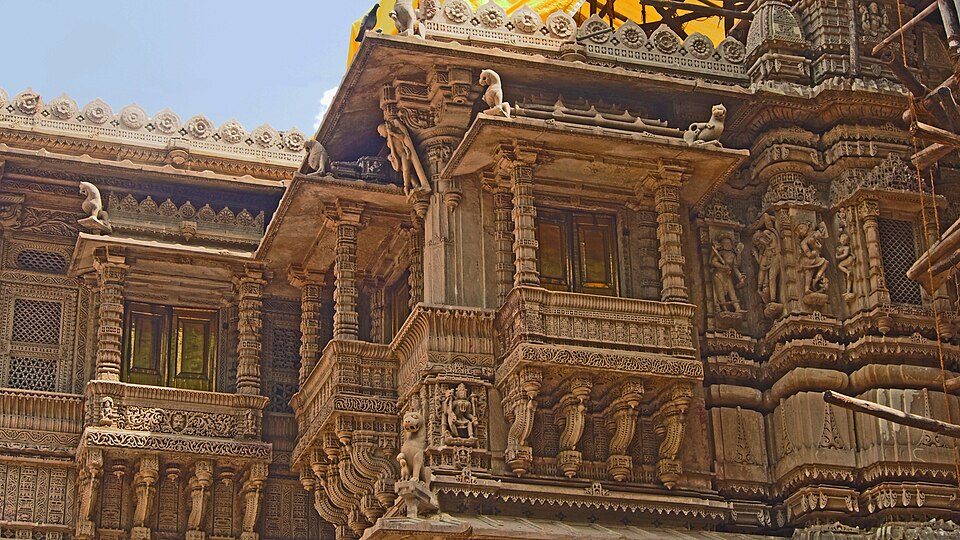
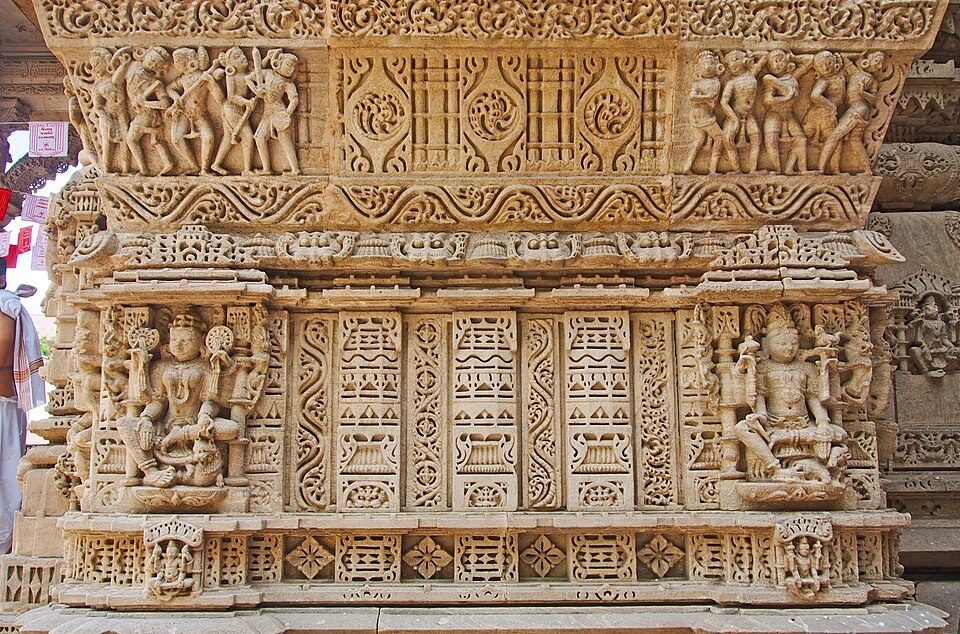
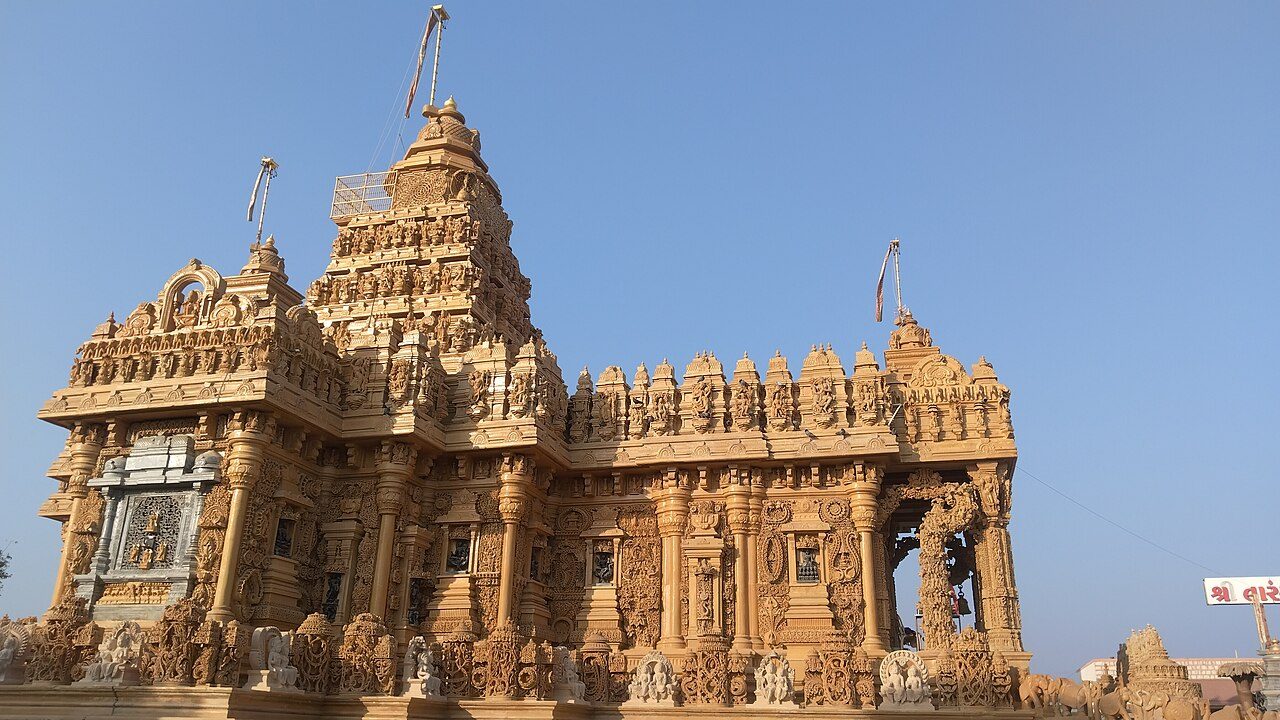
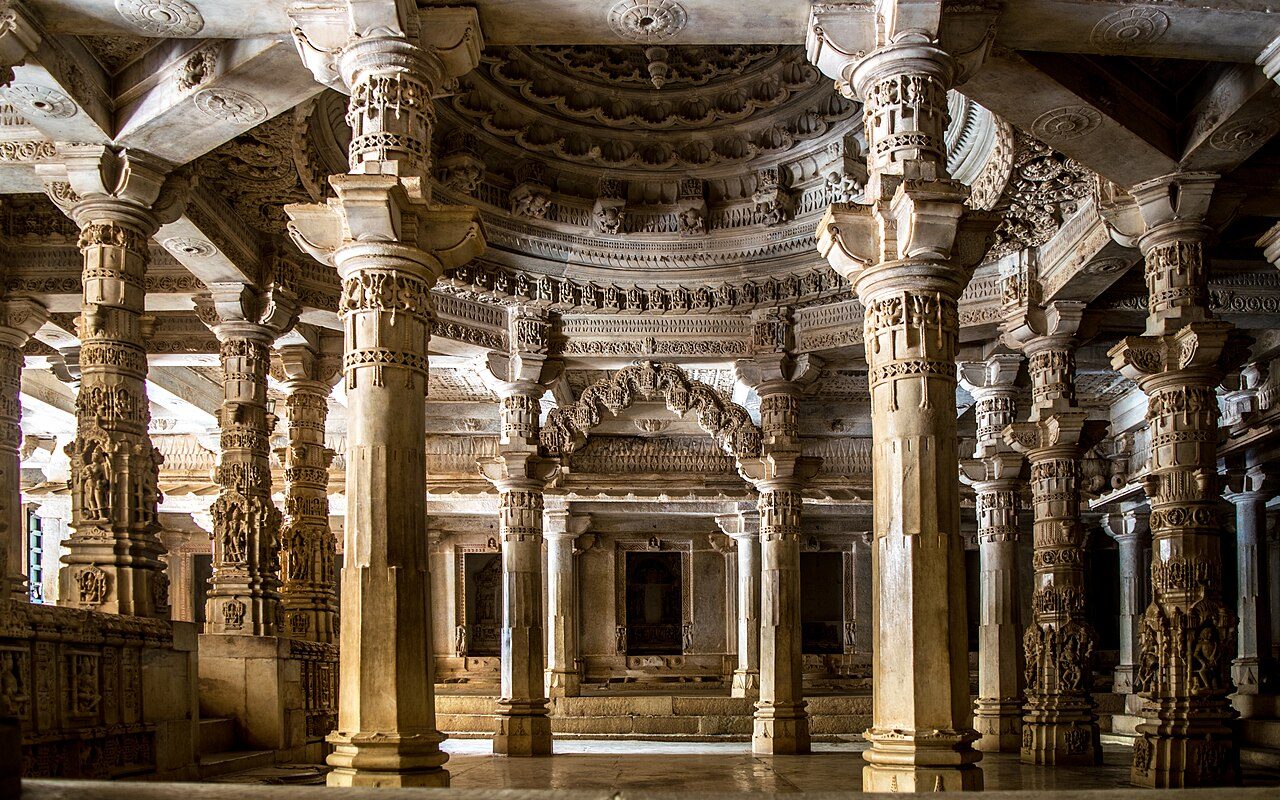
Built in 1848 by the family of the merchant Hutheesing Kesarisinh, this white marble temple is dedicated to Dharmanatha, the fifteenth Tirthankara. Its main shrine is surrounded by 52 smaller shrines, all finely carved, and a tall victory tower stands in the courtyard.
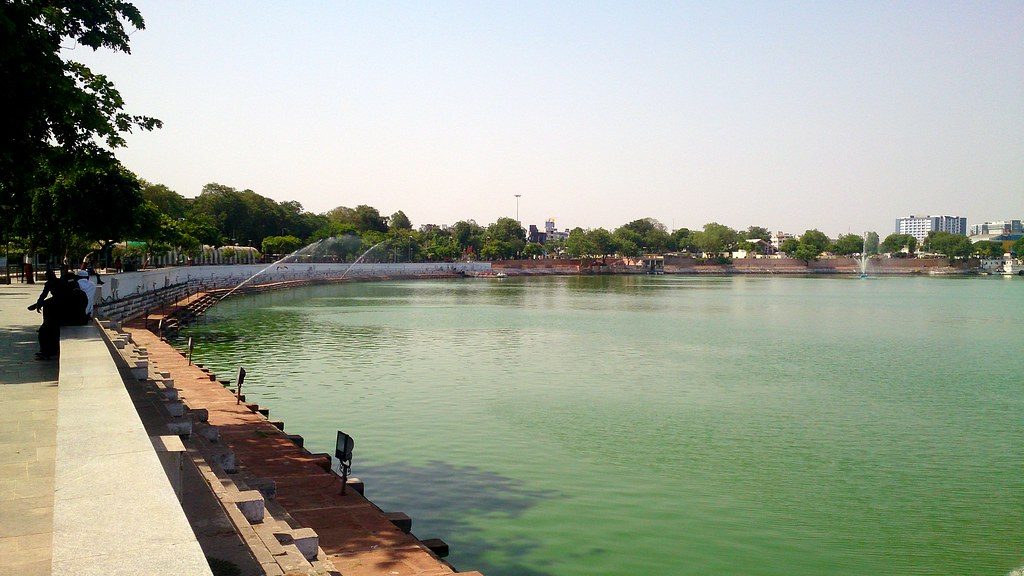
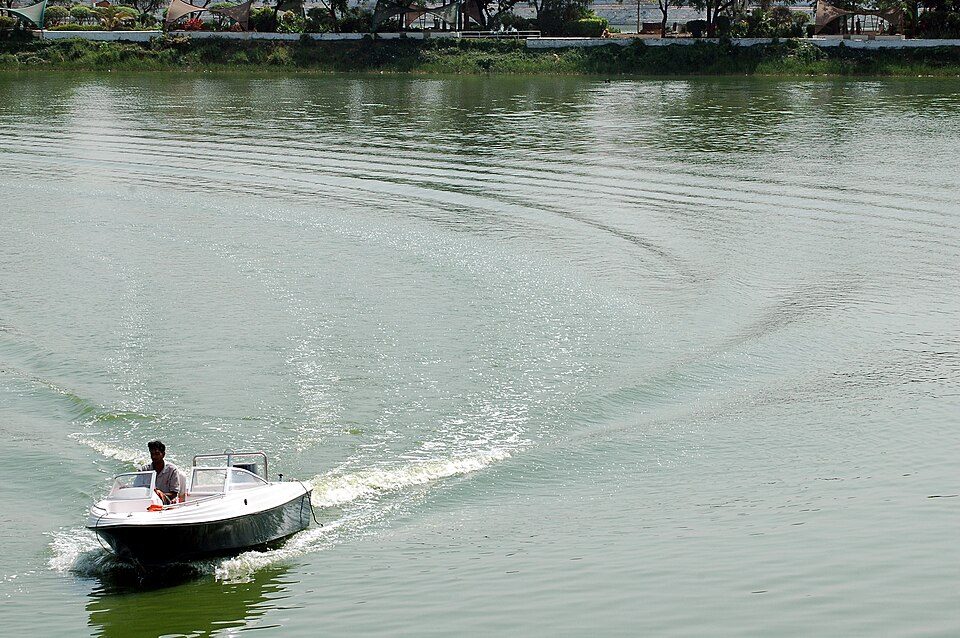
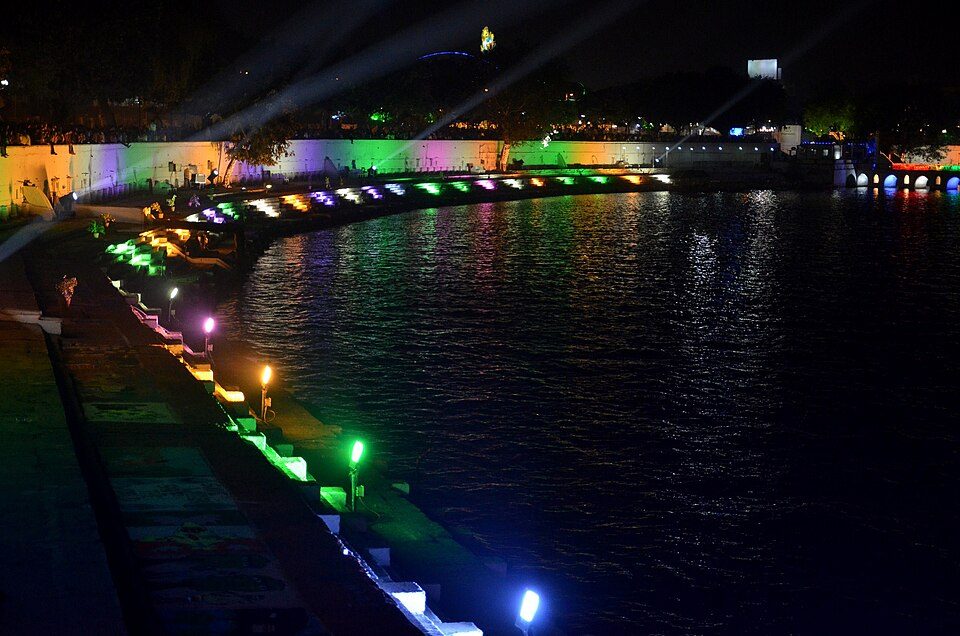
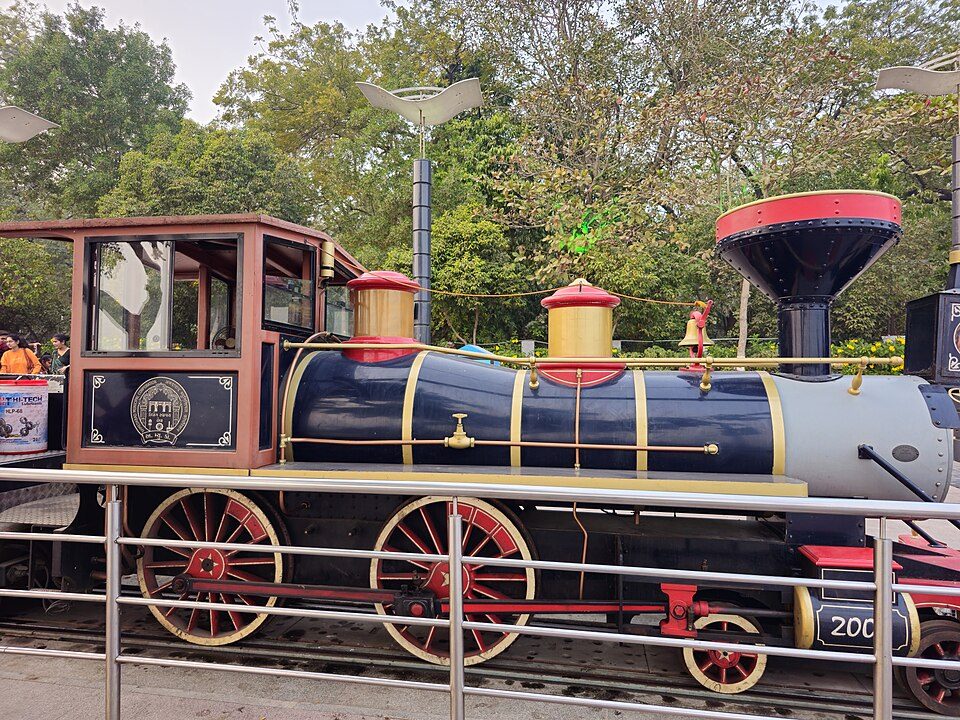
A many-sided lake built in 1451 by Sultan Qutb-ud-Din, Kankaria is Ahmedabad's favourite evening spot. Its lakefront has a zoo, a toy train, a balloon ride, food stalls and gardens, with an island garden, Nagina Wadi, at its centre.
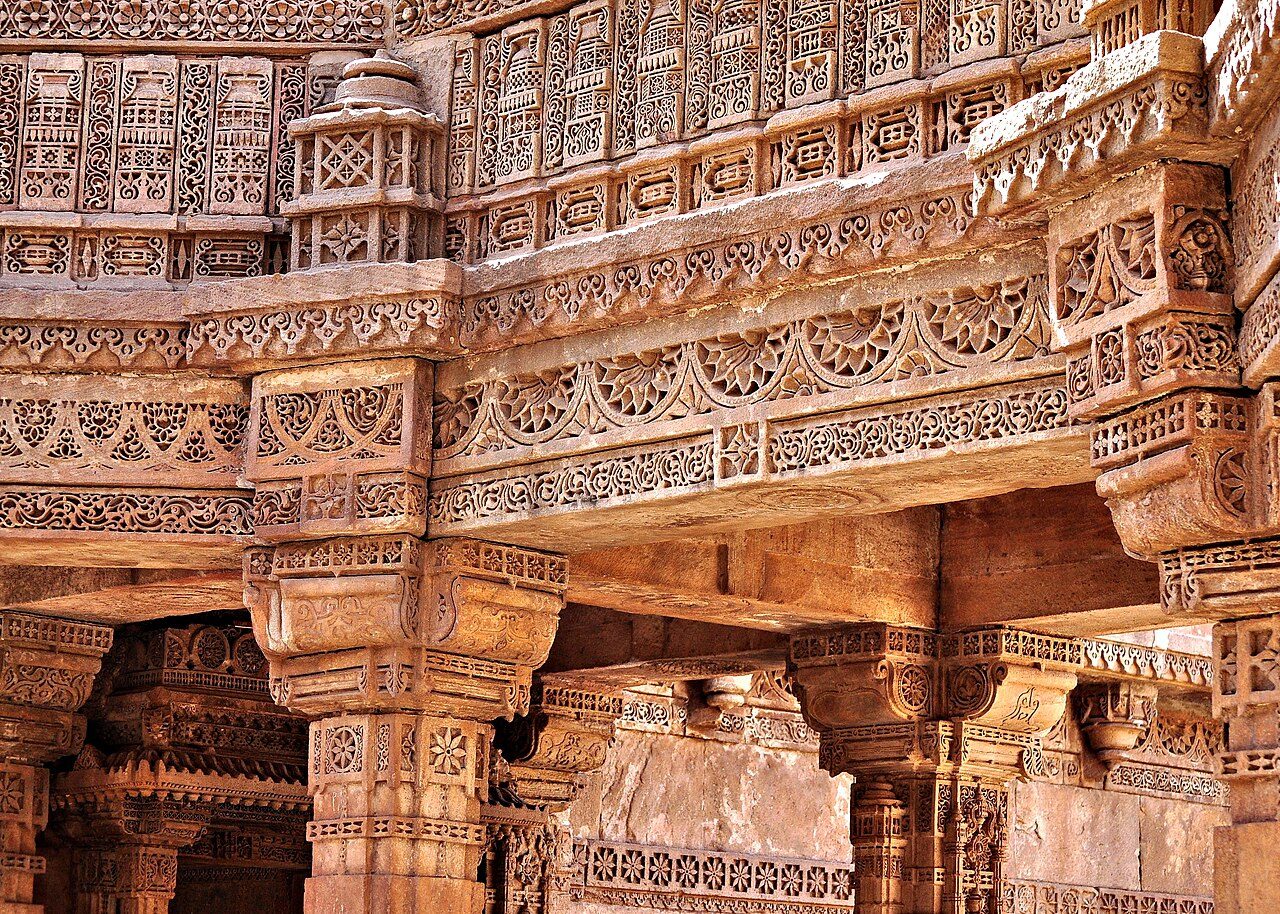
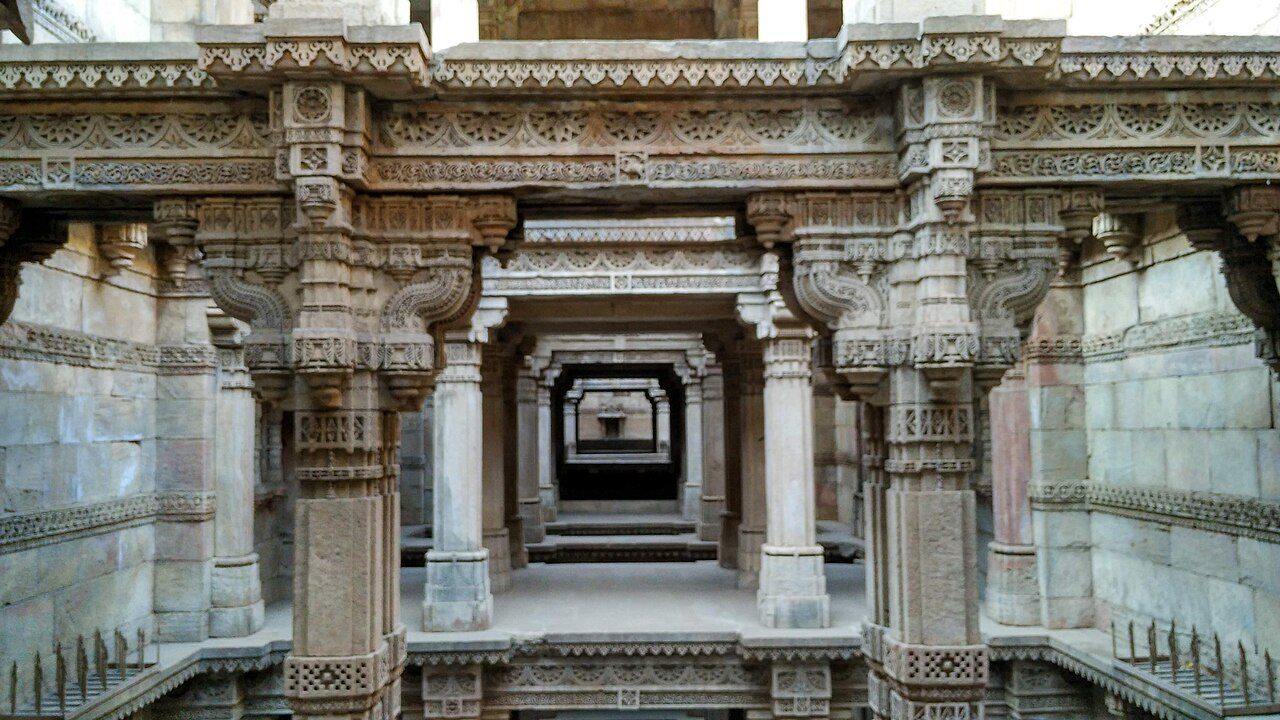
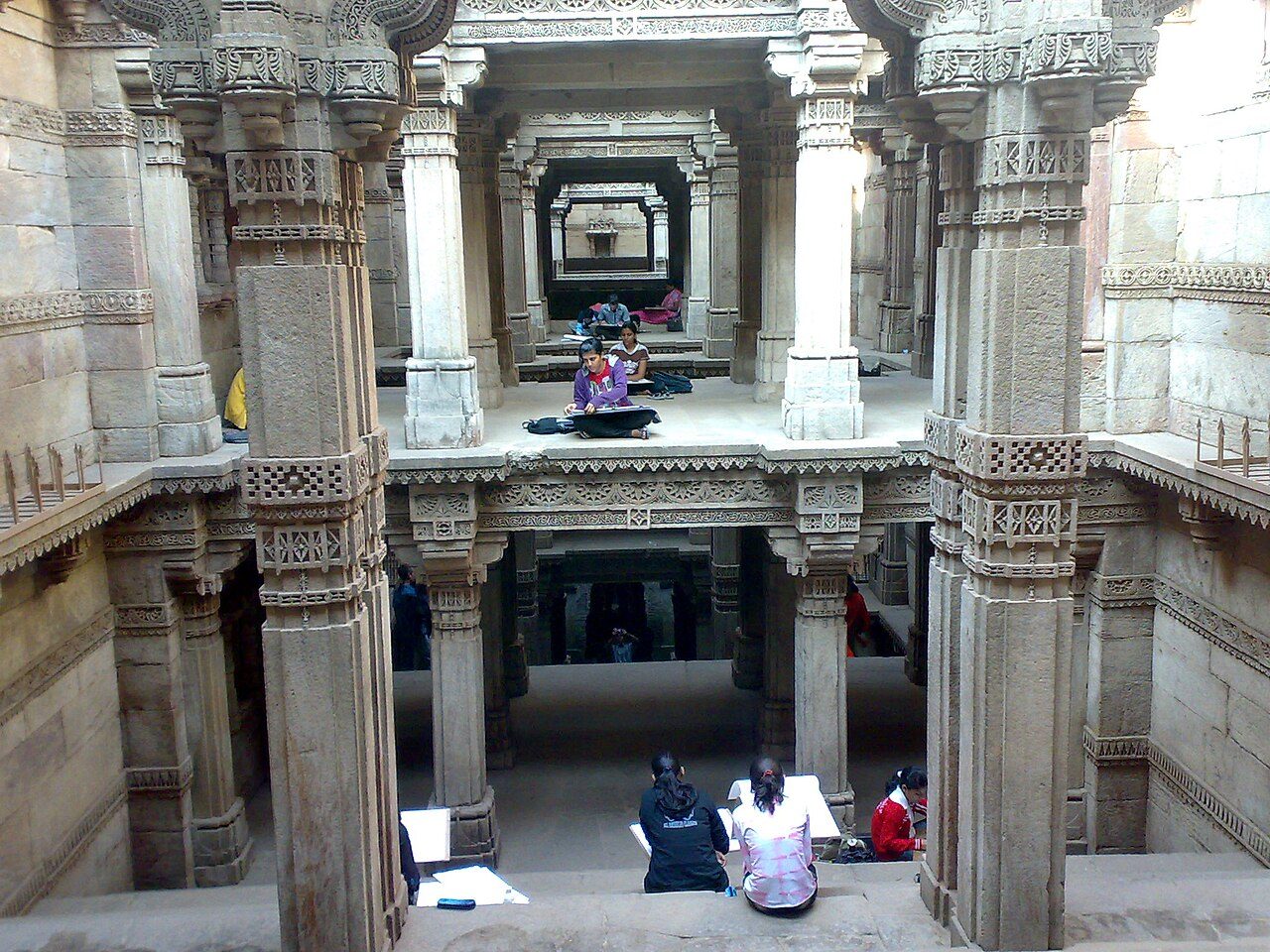
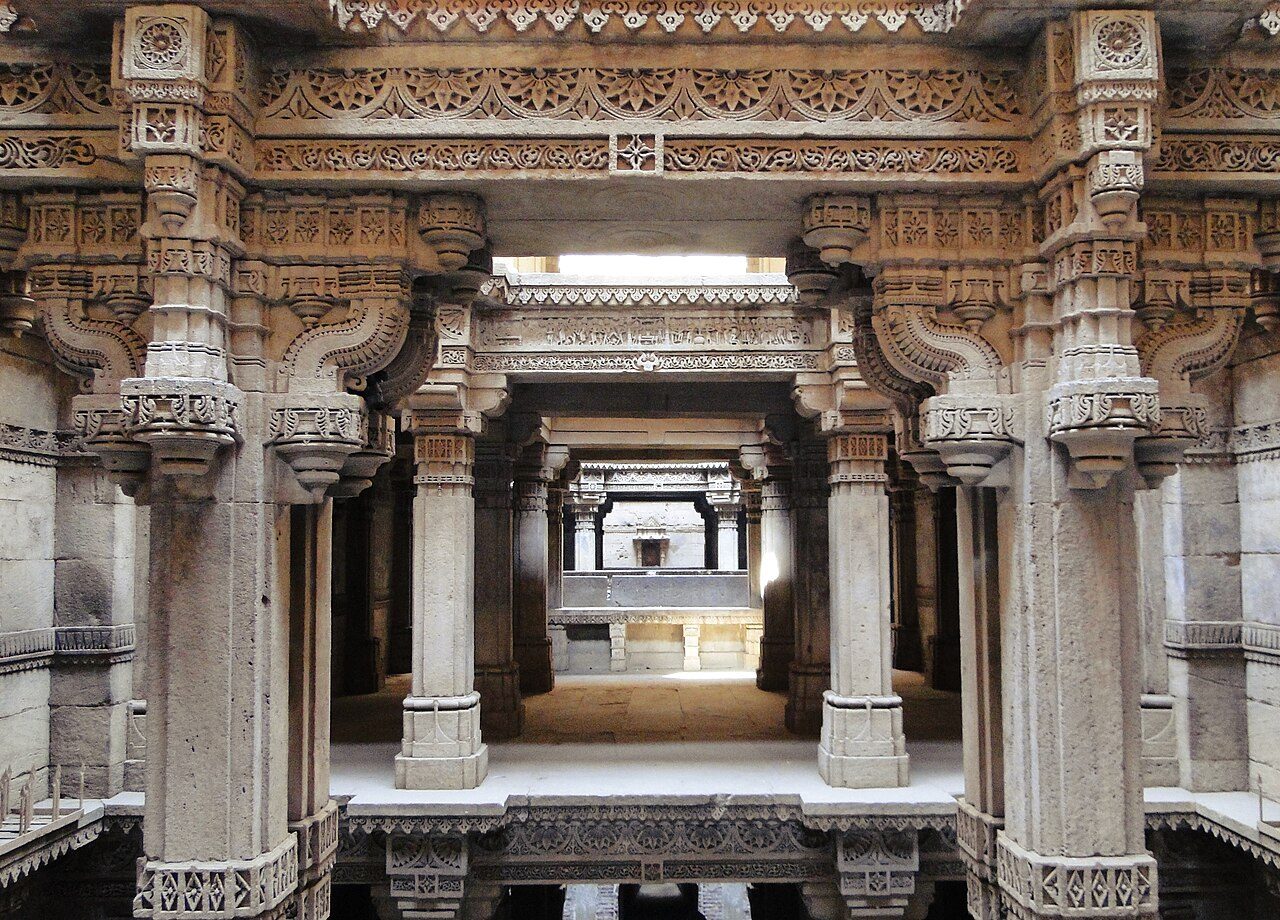
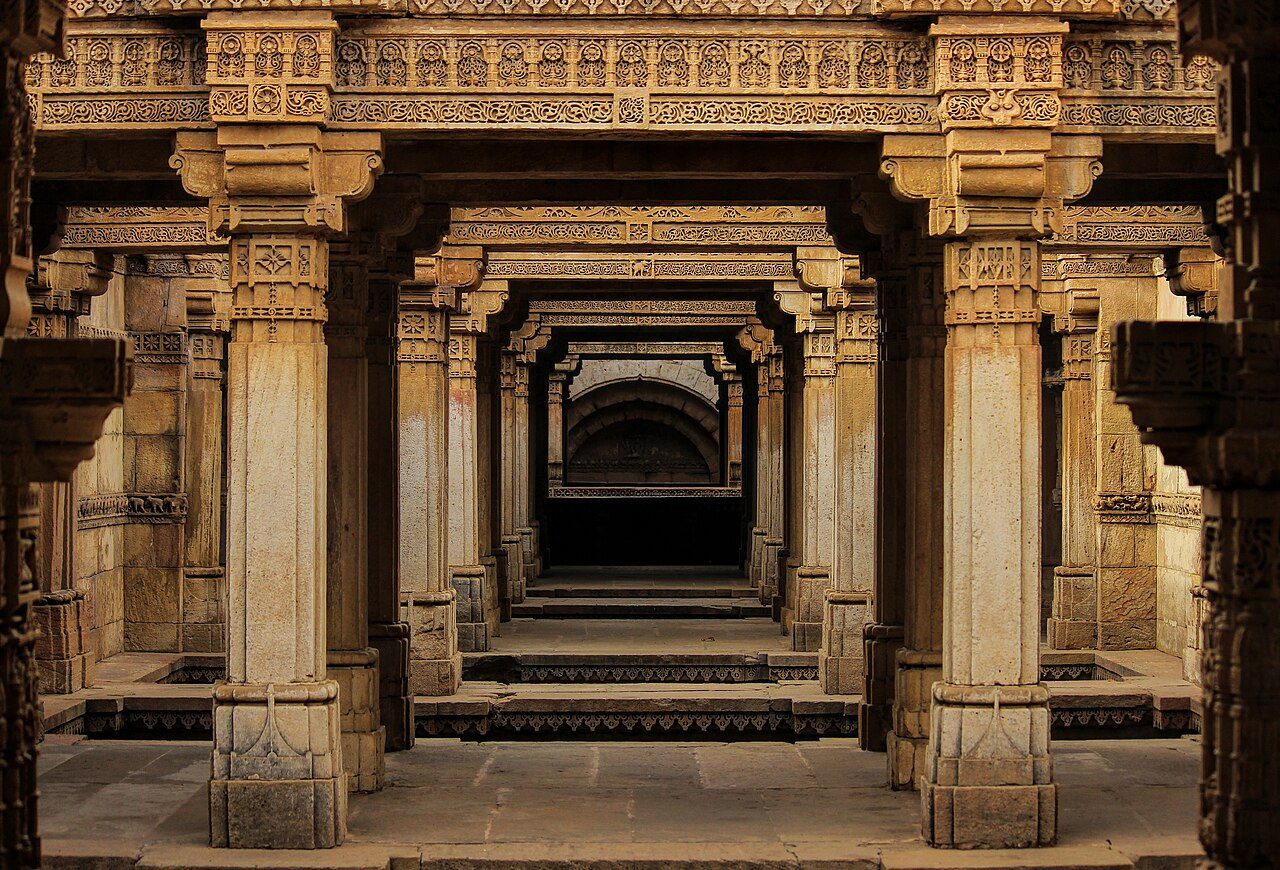
Built in 1498 by Queen Rudabai, the Adalaj stepwell descends five storeys to the water, its pillars, beams and walls covered with intricate carving in a blend of Hindu and Islamic styles. The air grows cooler with every level, as it was meant to for travellers.
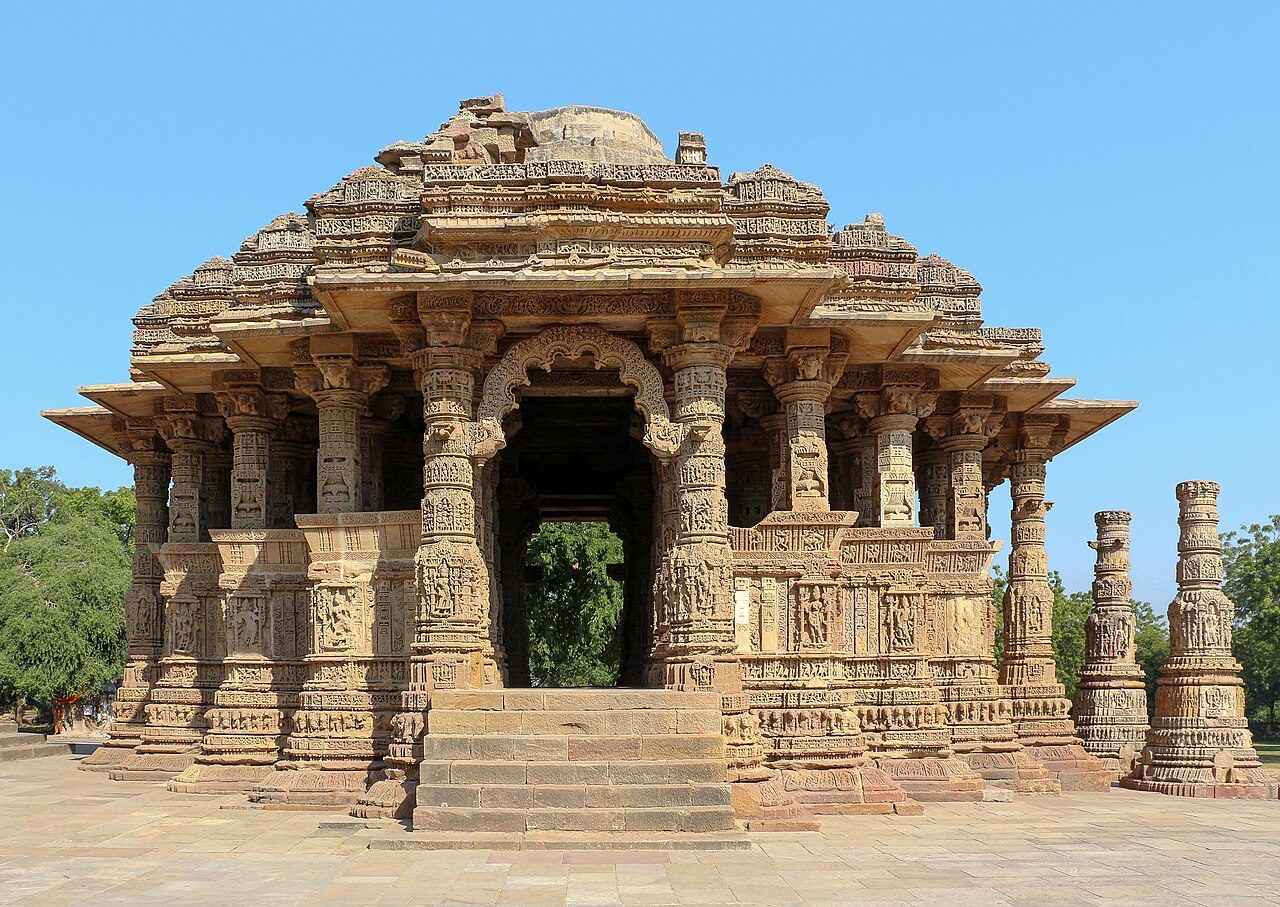
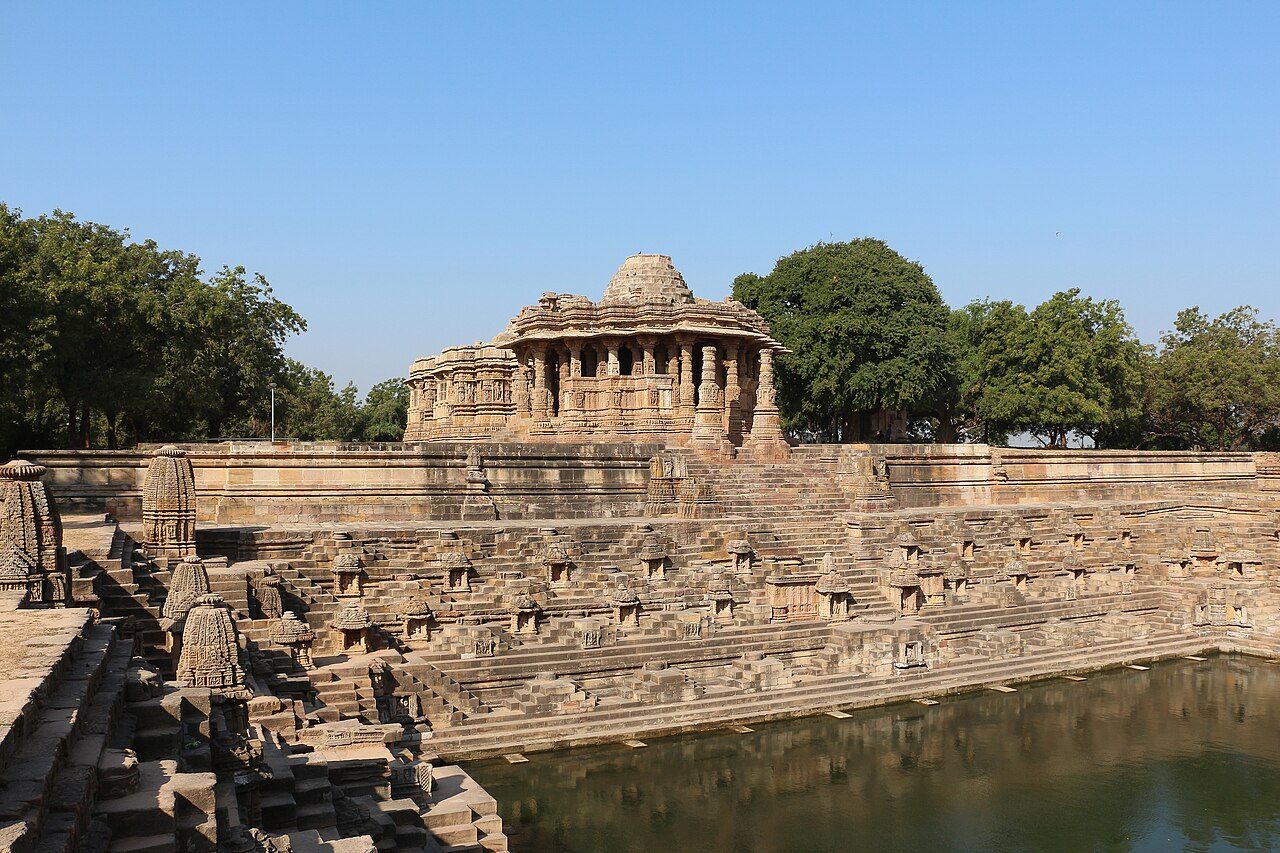
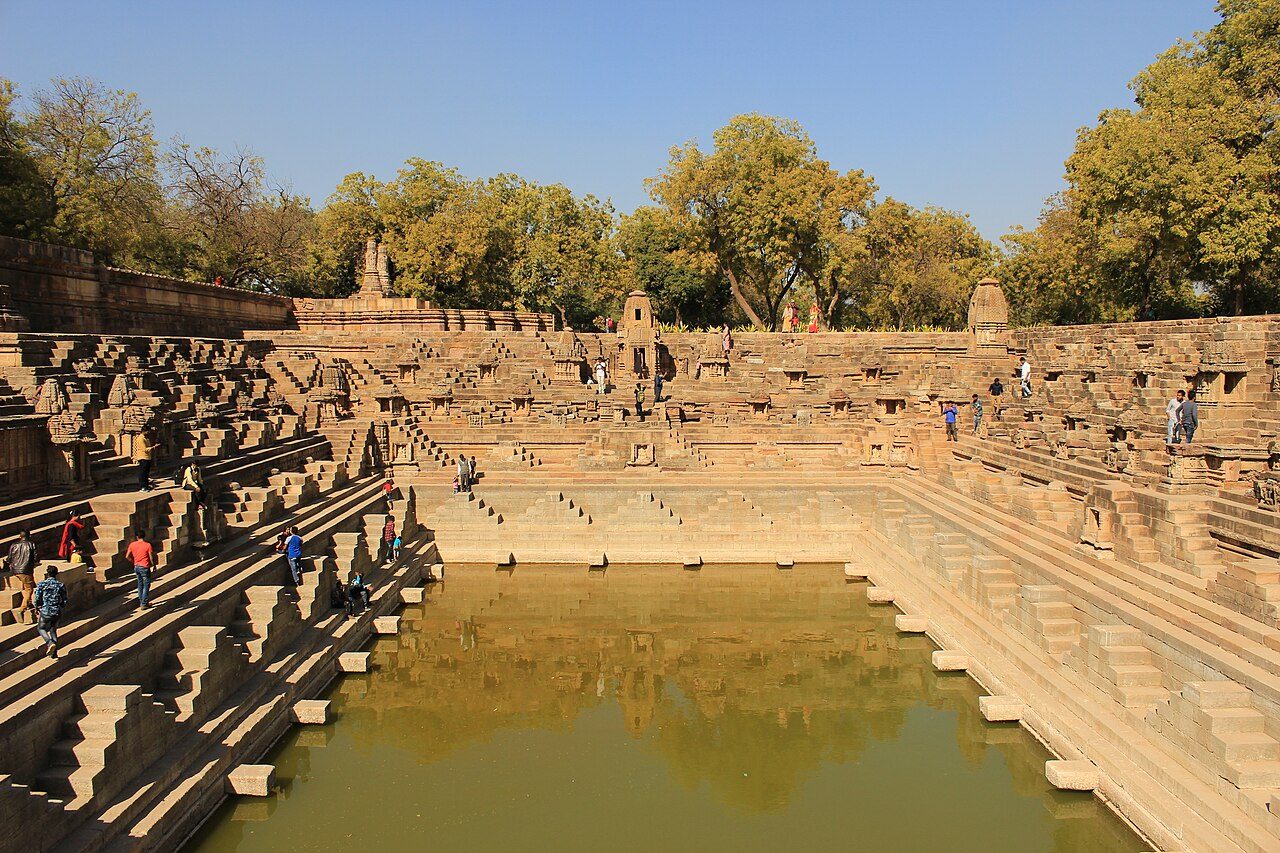
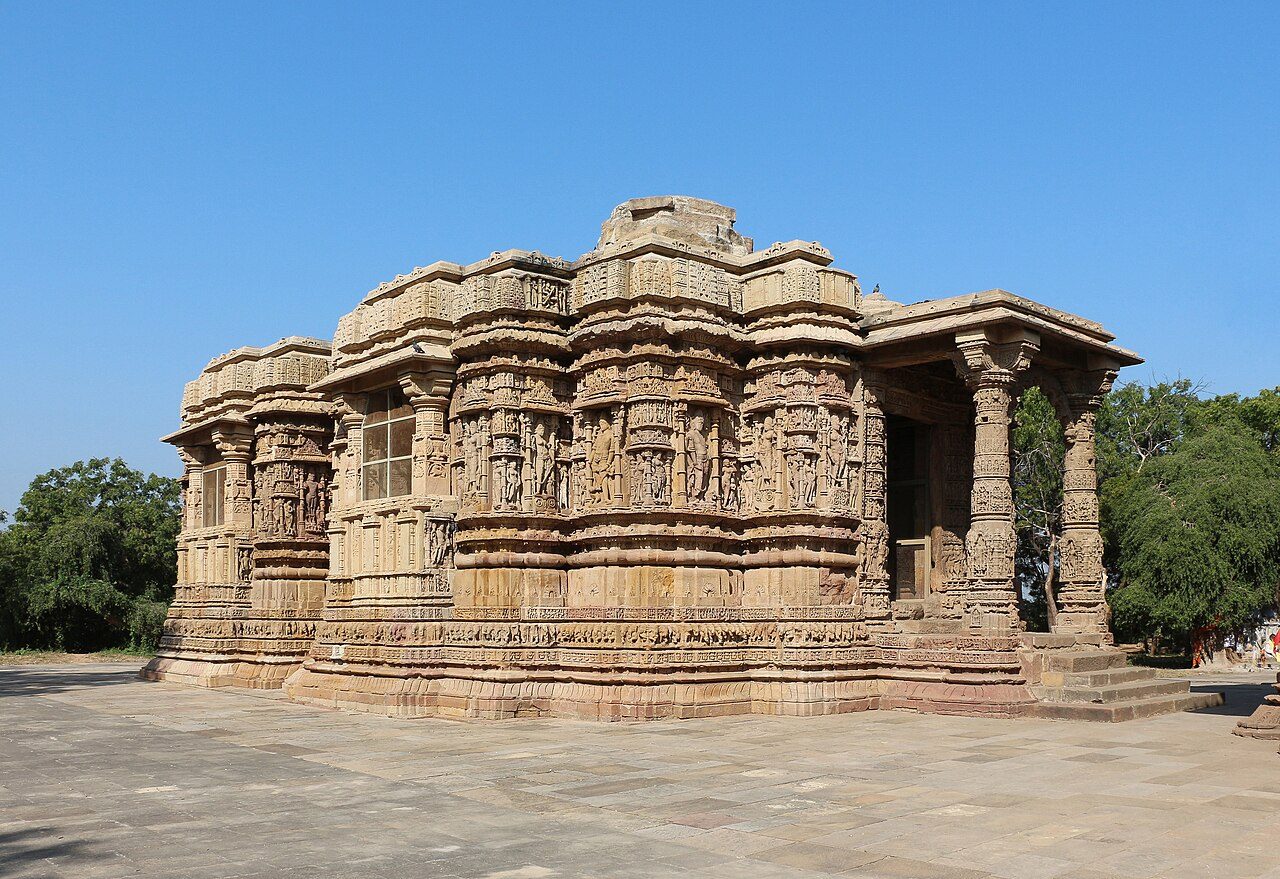
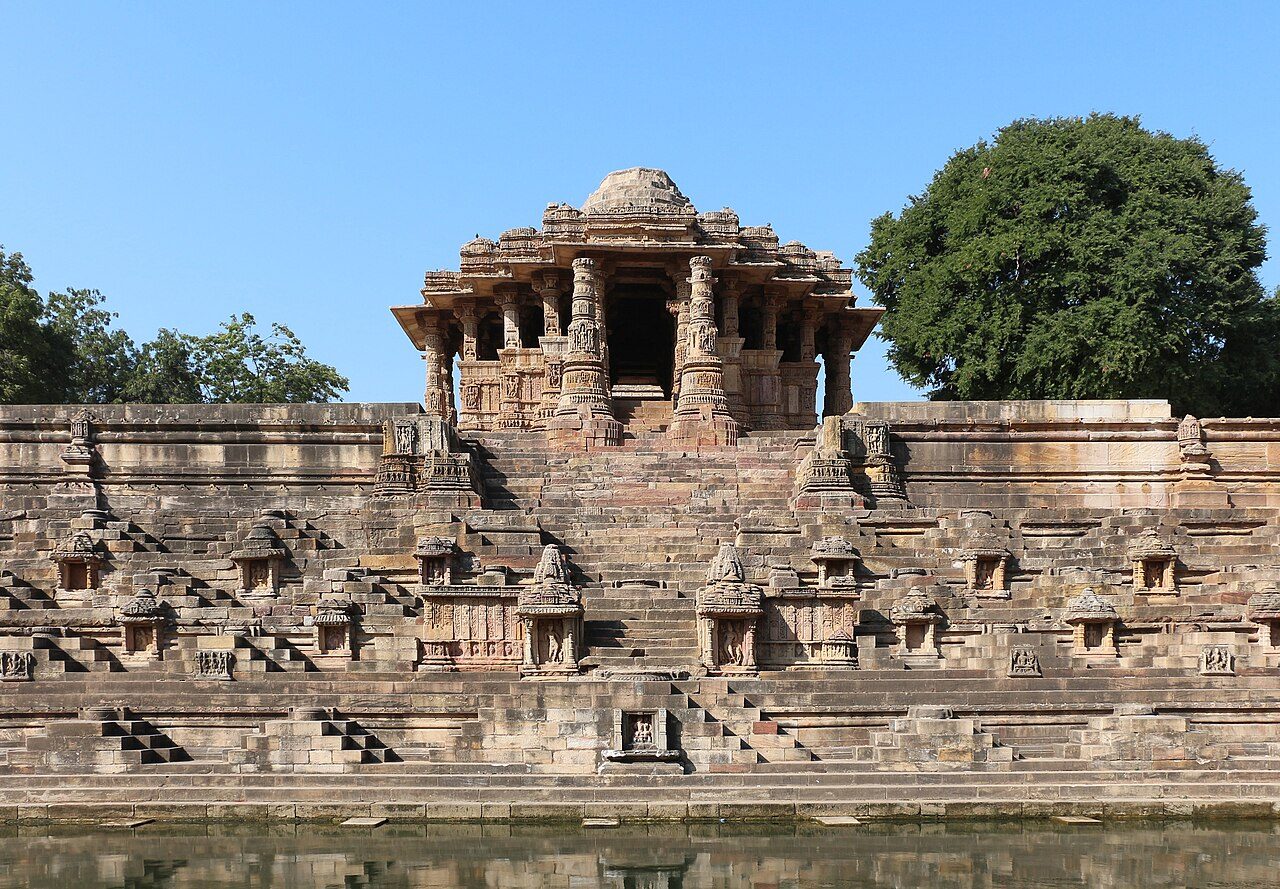
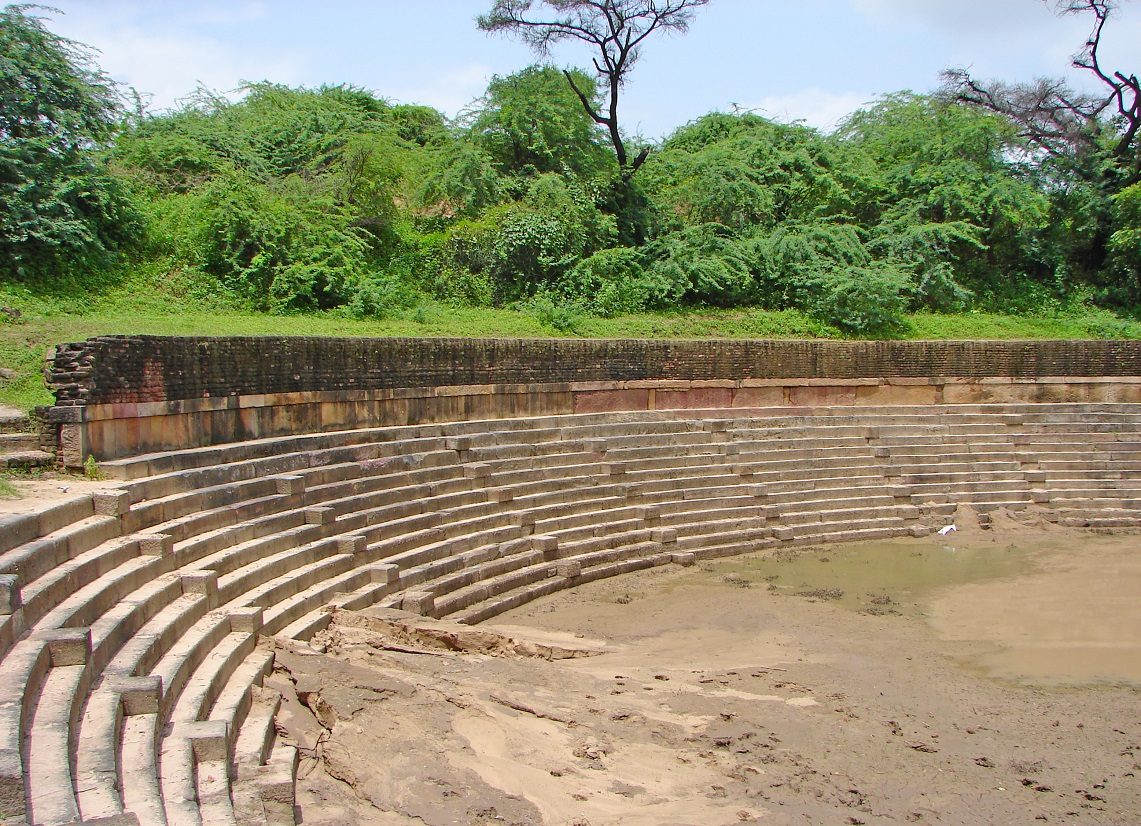
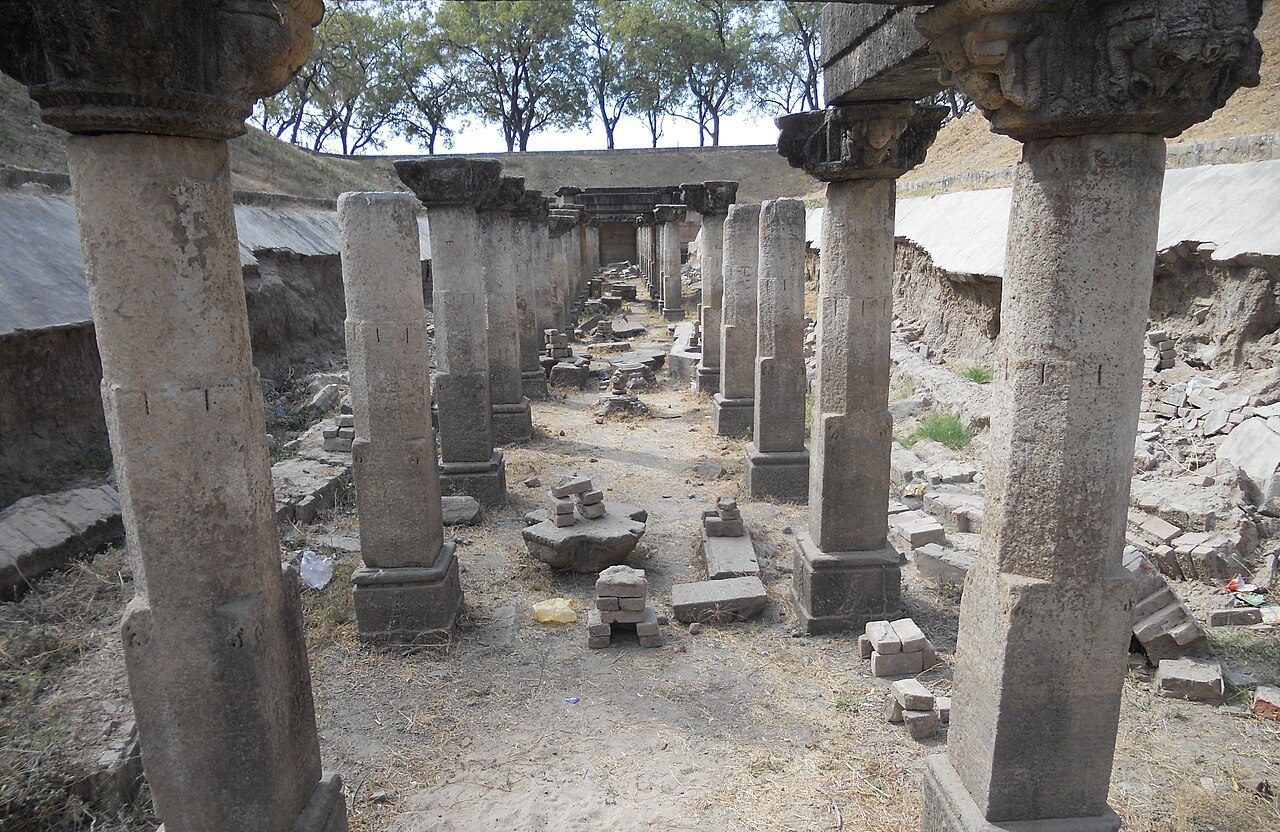
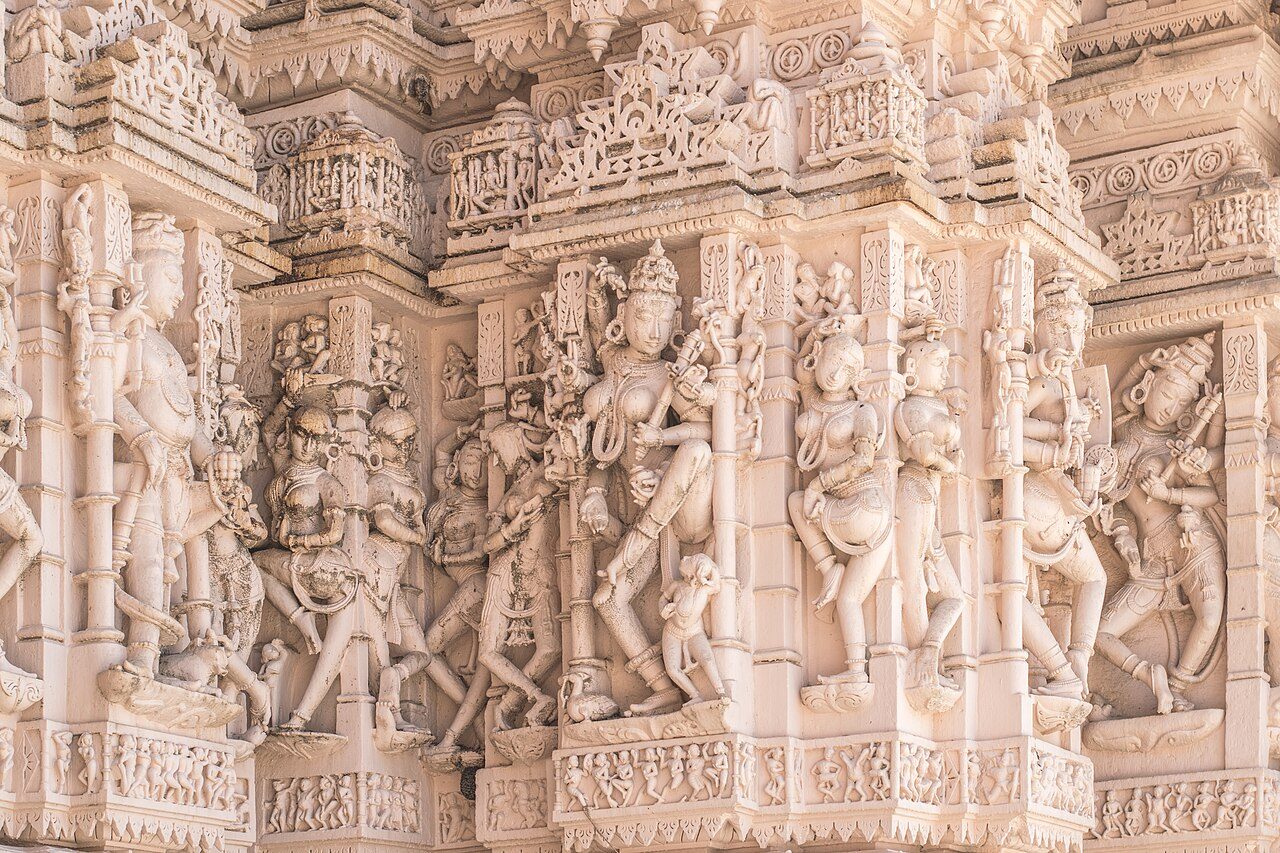
The Sun Temple at Modhera was built in the early 11th century under the Chaulukya king Bhima I and is dedicated to Surya. The complex has three parts in a line: the stepped Surya Kund tank ringed with small shrines, an open pillared assembly hall, and the main shrine, all covered in intricate carving. Worship no longer takes place here and it is maintained as a protected monument. A classical dance festival is held in January.
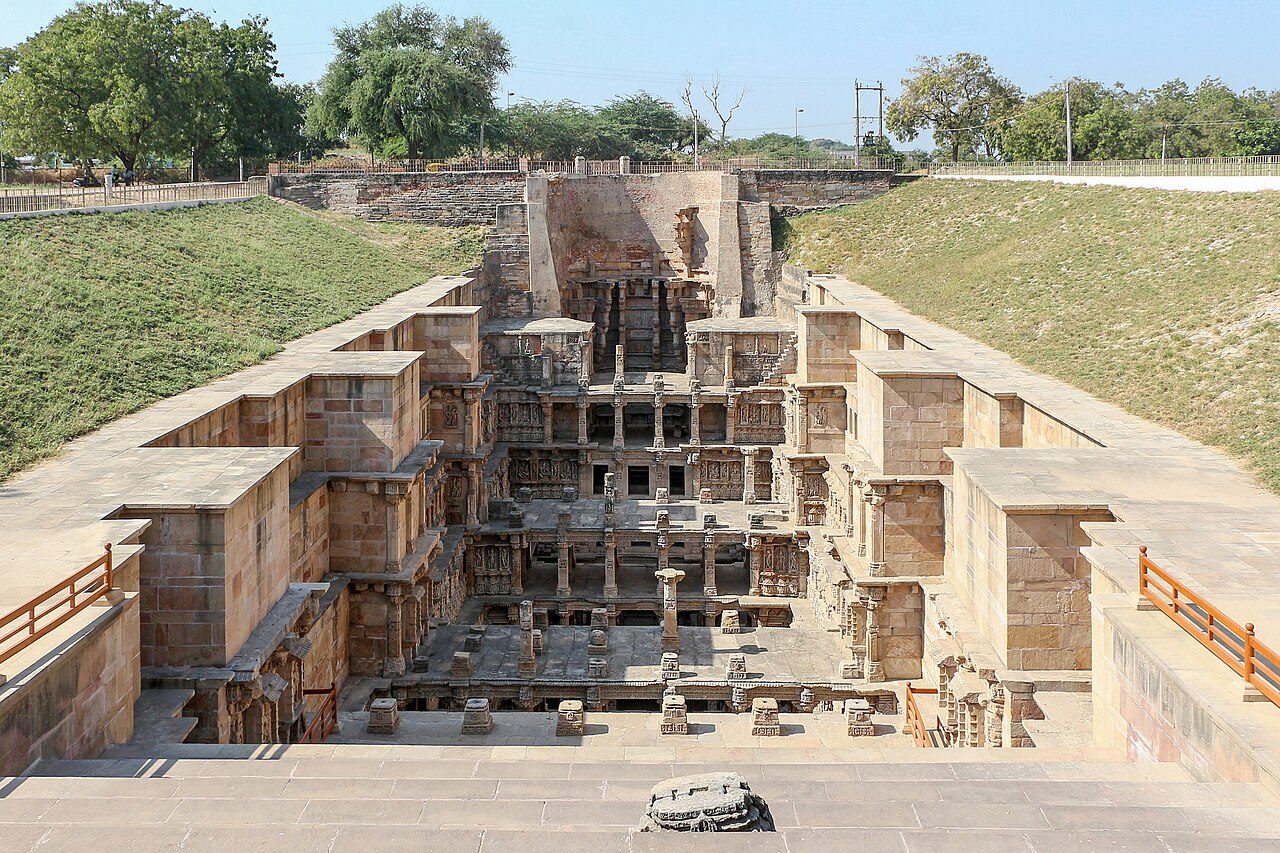
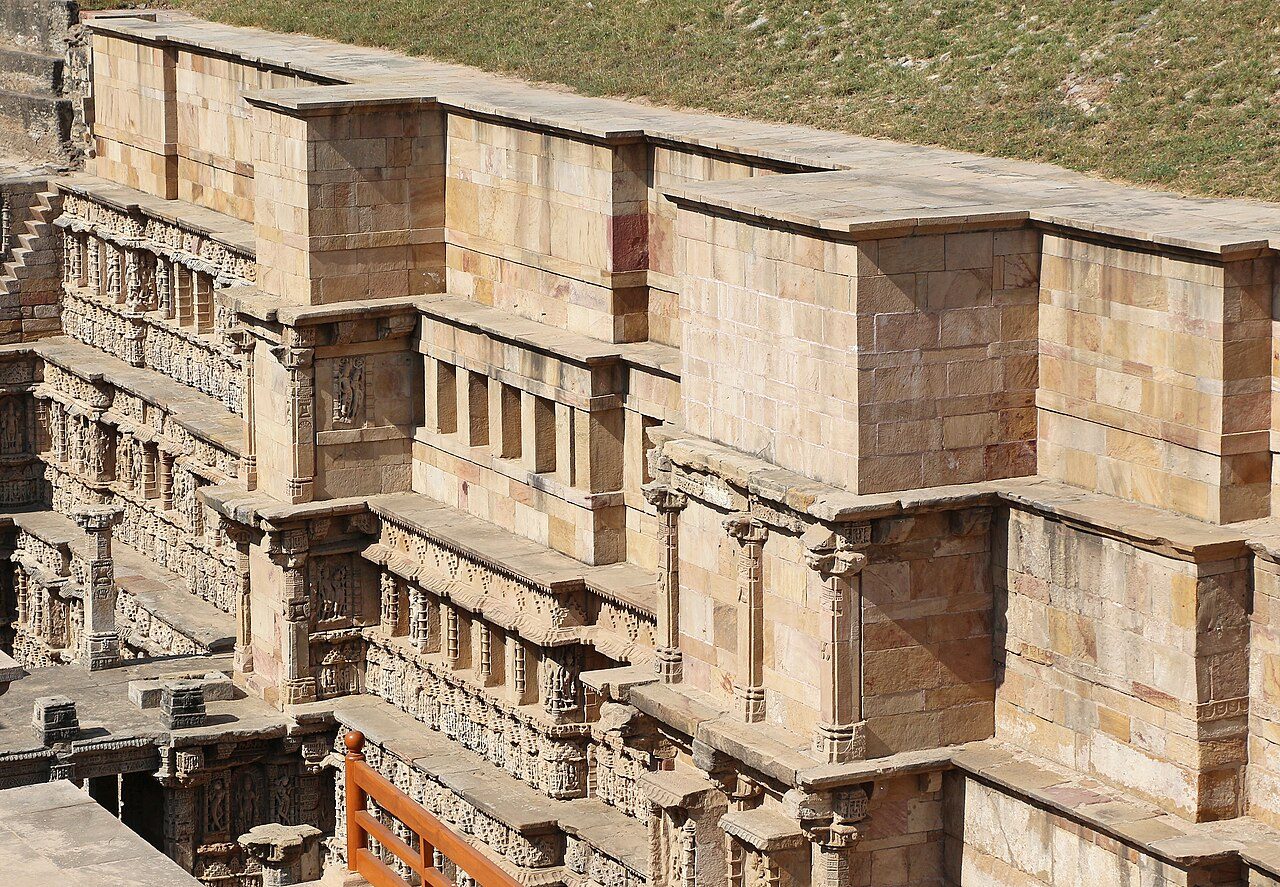
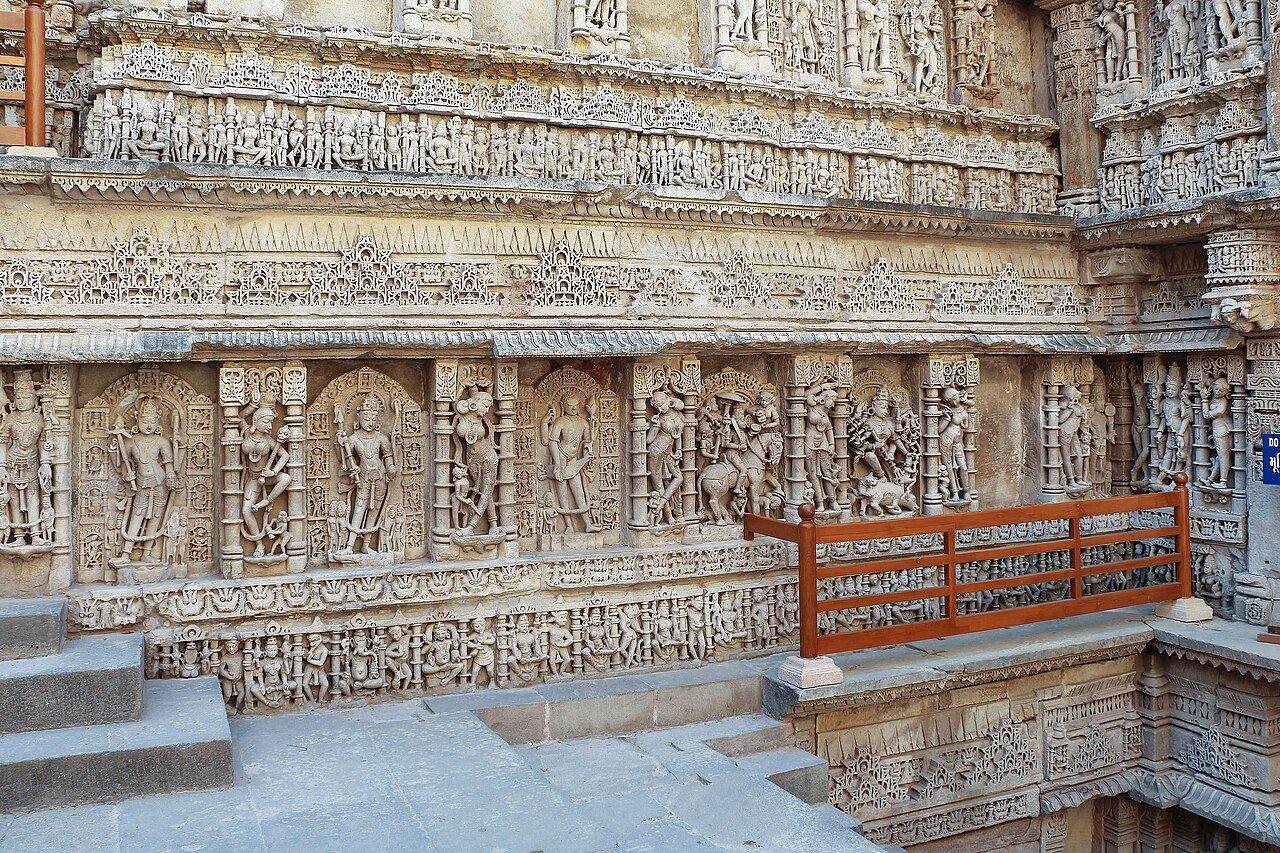
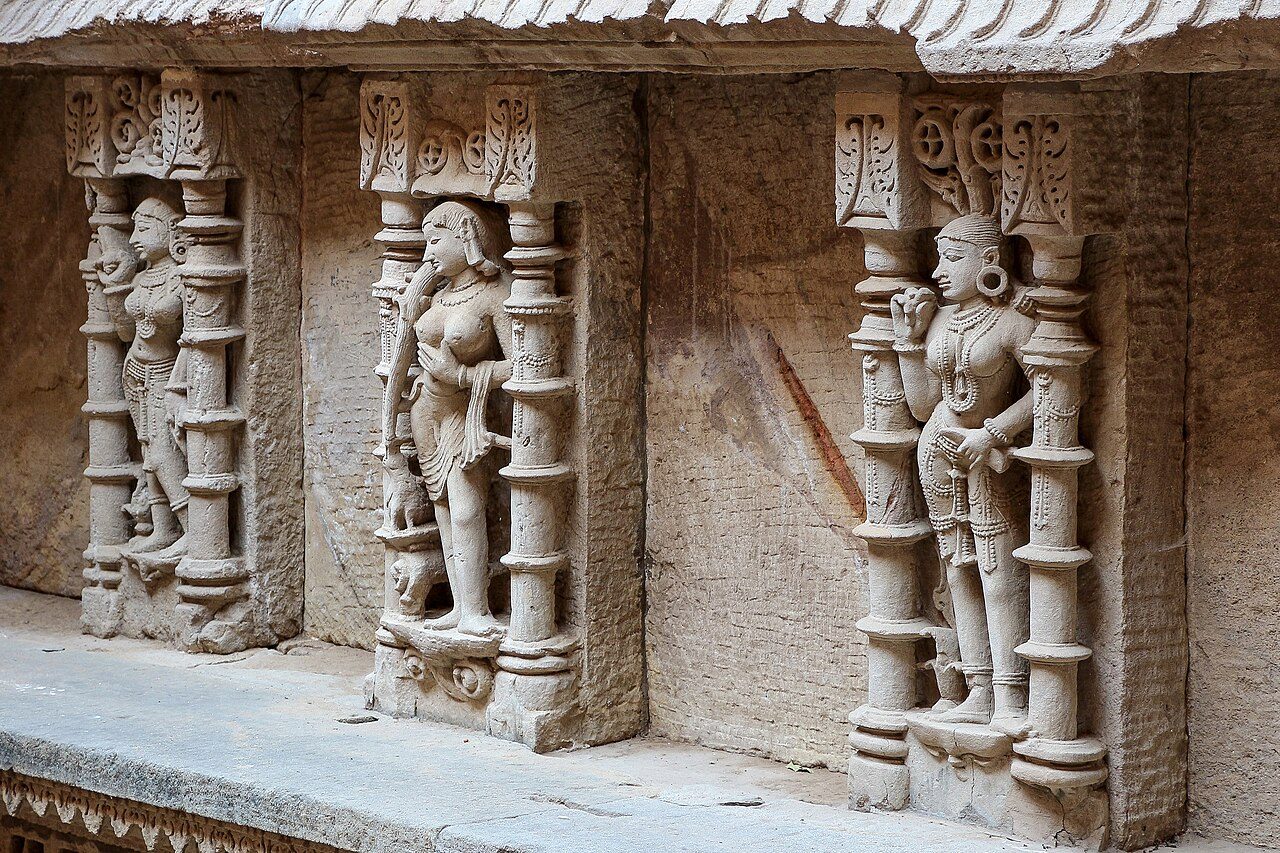
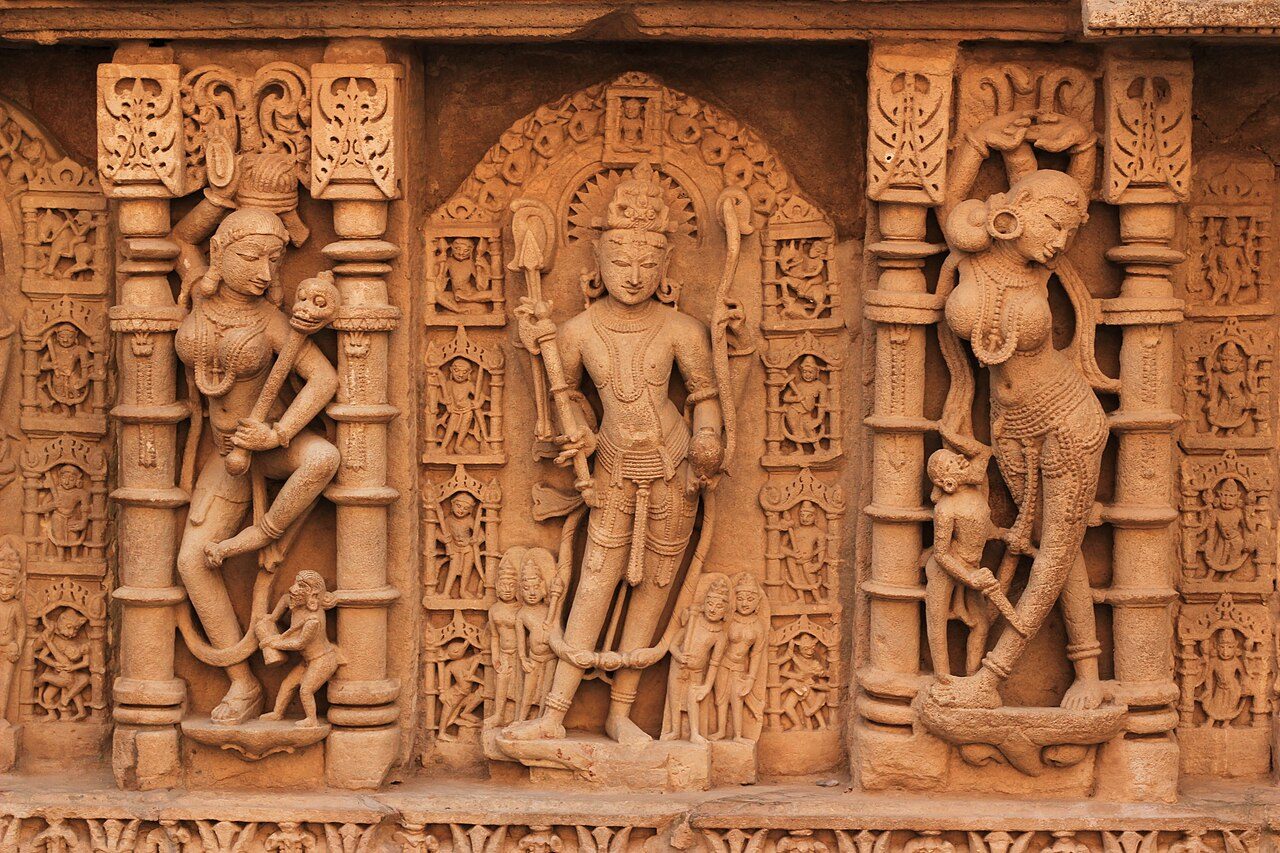
Rani ki Vav is an 11th-century stepwell built on the banks of the Saraswati by Queen Udayamati in memory of King Bhima I of the Chaulukya dynasty. Buried under silt for centuries, it was excavated to reveal seven levels of stairs lined with hundreds of finely carved sculptures, many of Vishnu's avatars. It is a UNESCO World Heritage Site and appears on India's 100-rupee note. Mornings give the best light on the carvings.
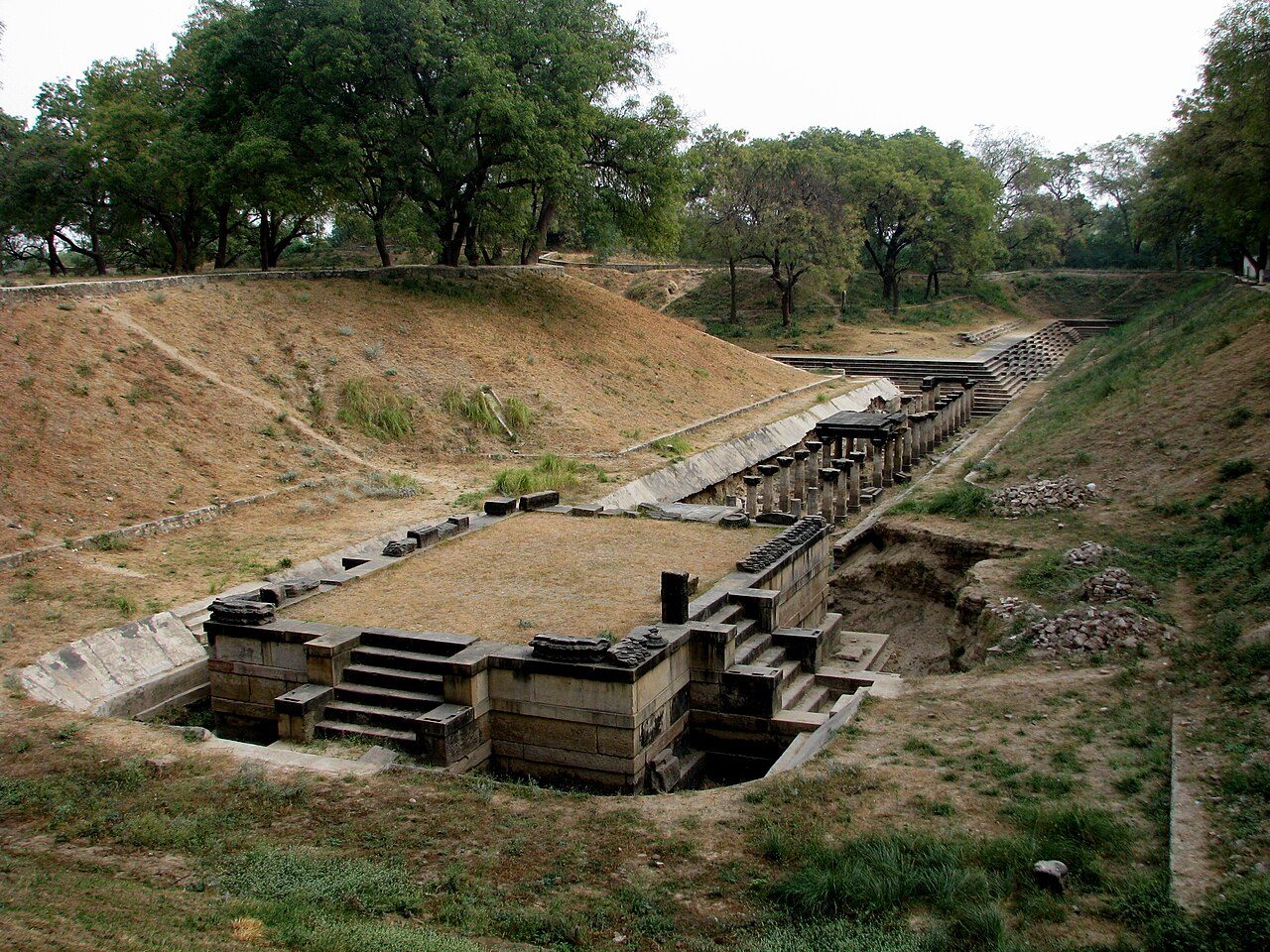
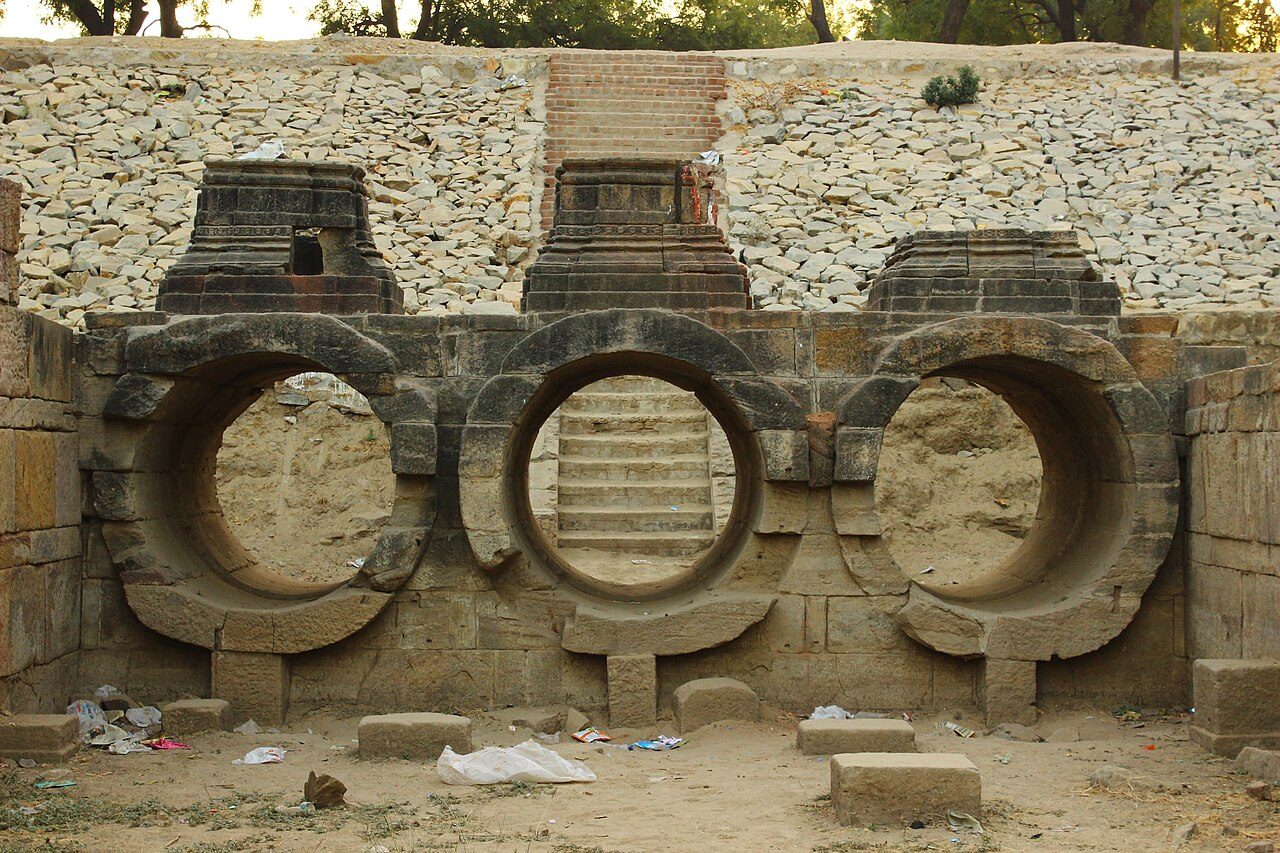
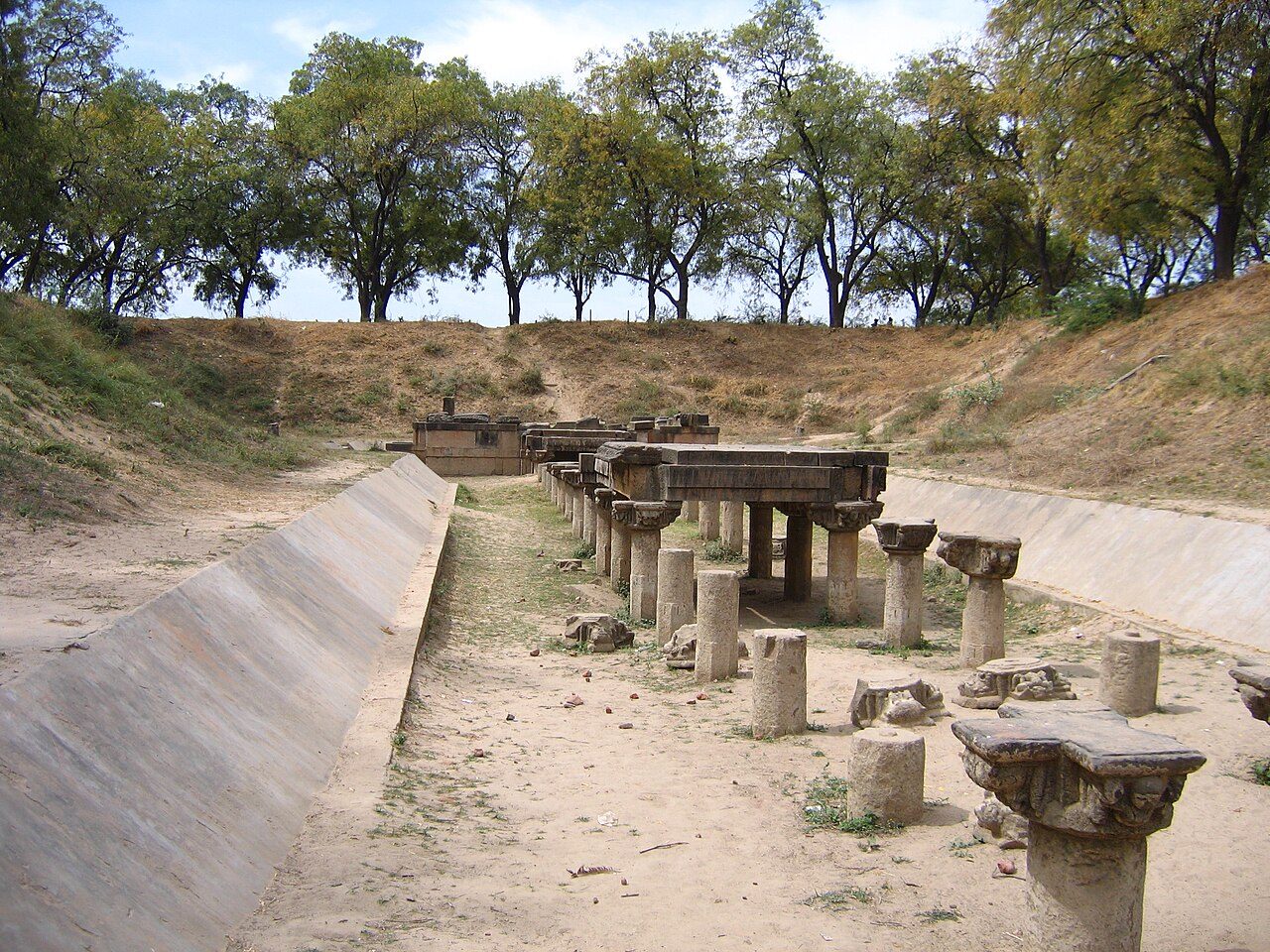
Sahasralinga Talav is a medieval artificial reservoir in Patan, commissioned by the Chaulukya king Jayasimha Siddharaja. Its name refers to the many small Shiva shrines that once lined its banks. Today the tank is dry, but the stone channels, sluice works and pillared remains show how water was drawn from the Saraswati river. It sits a short walk from Rani ki Vav, so the two are easily seen together.
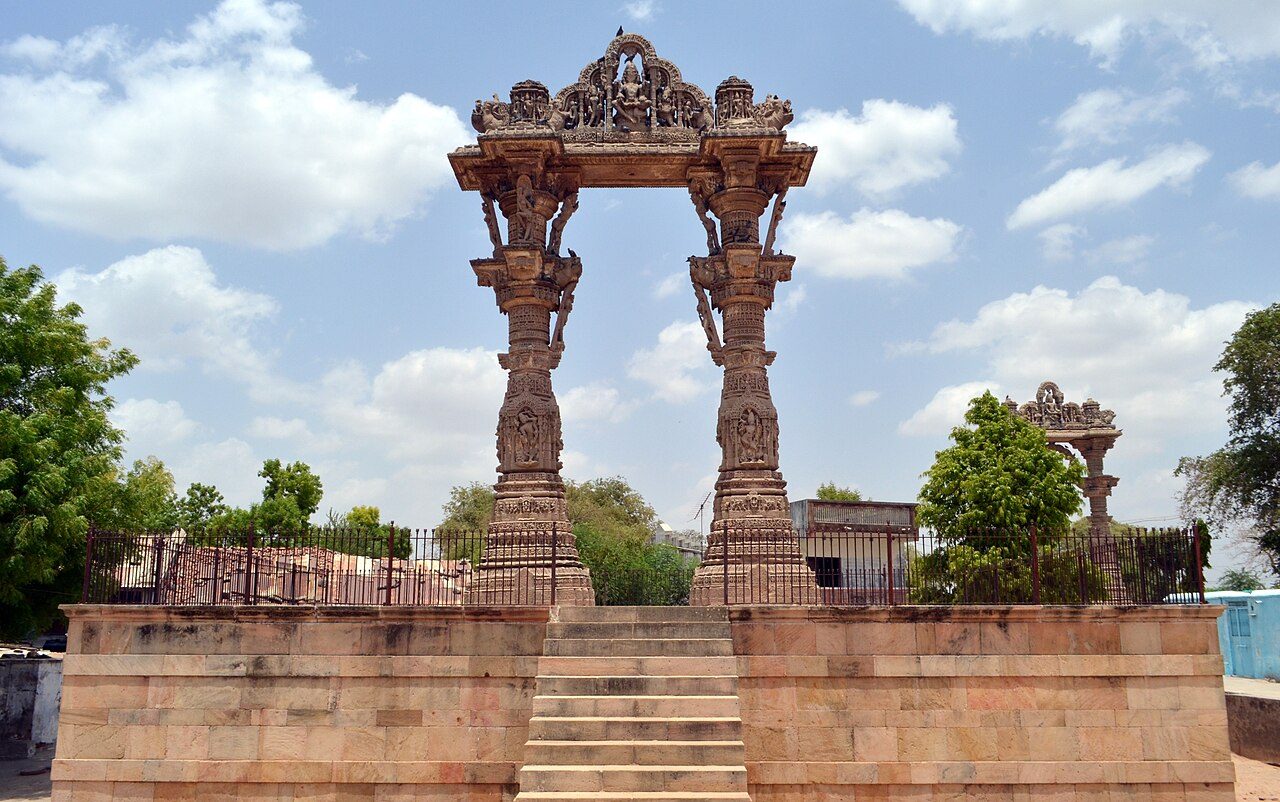
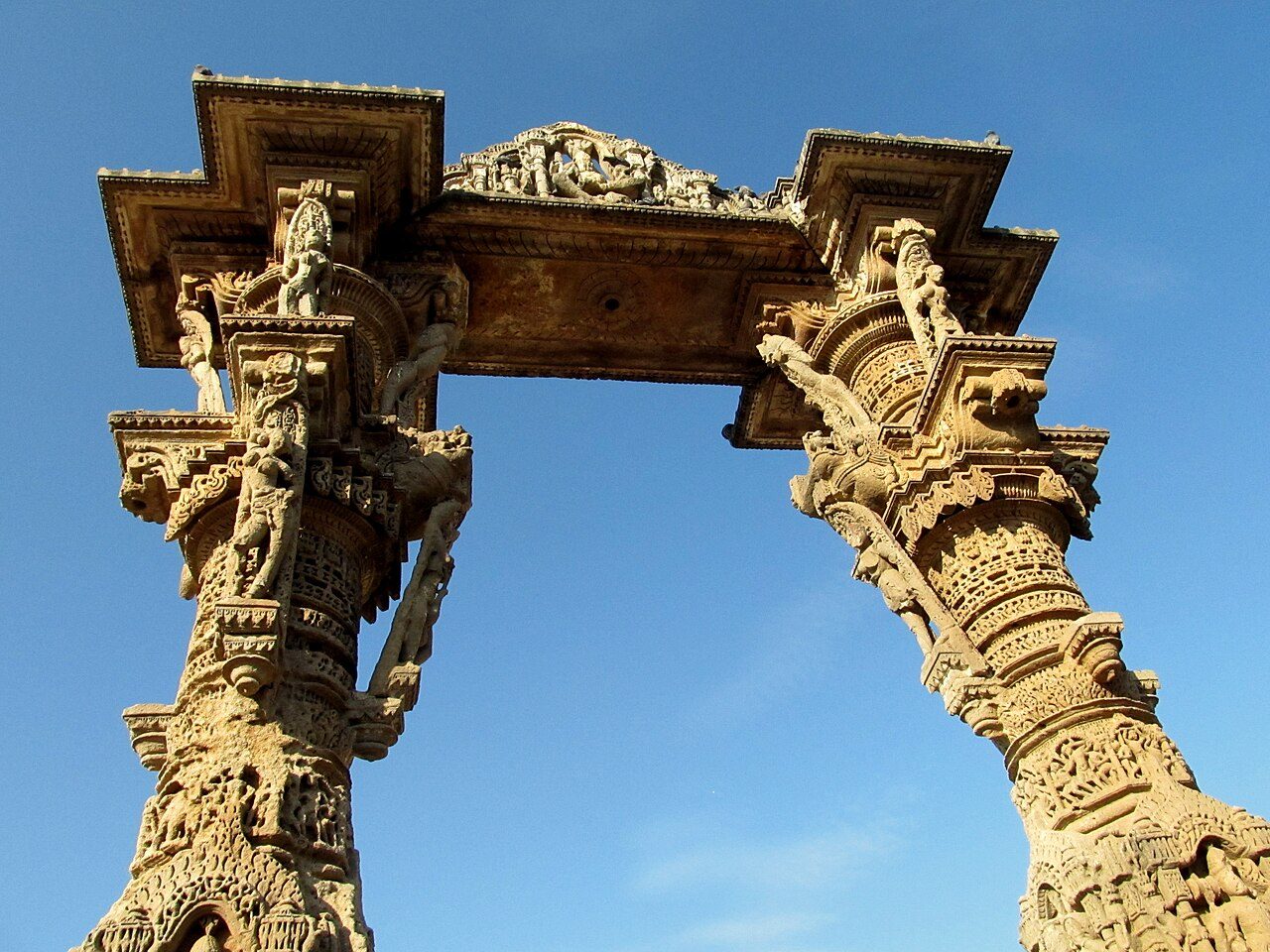
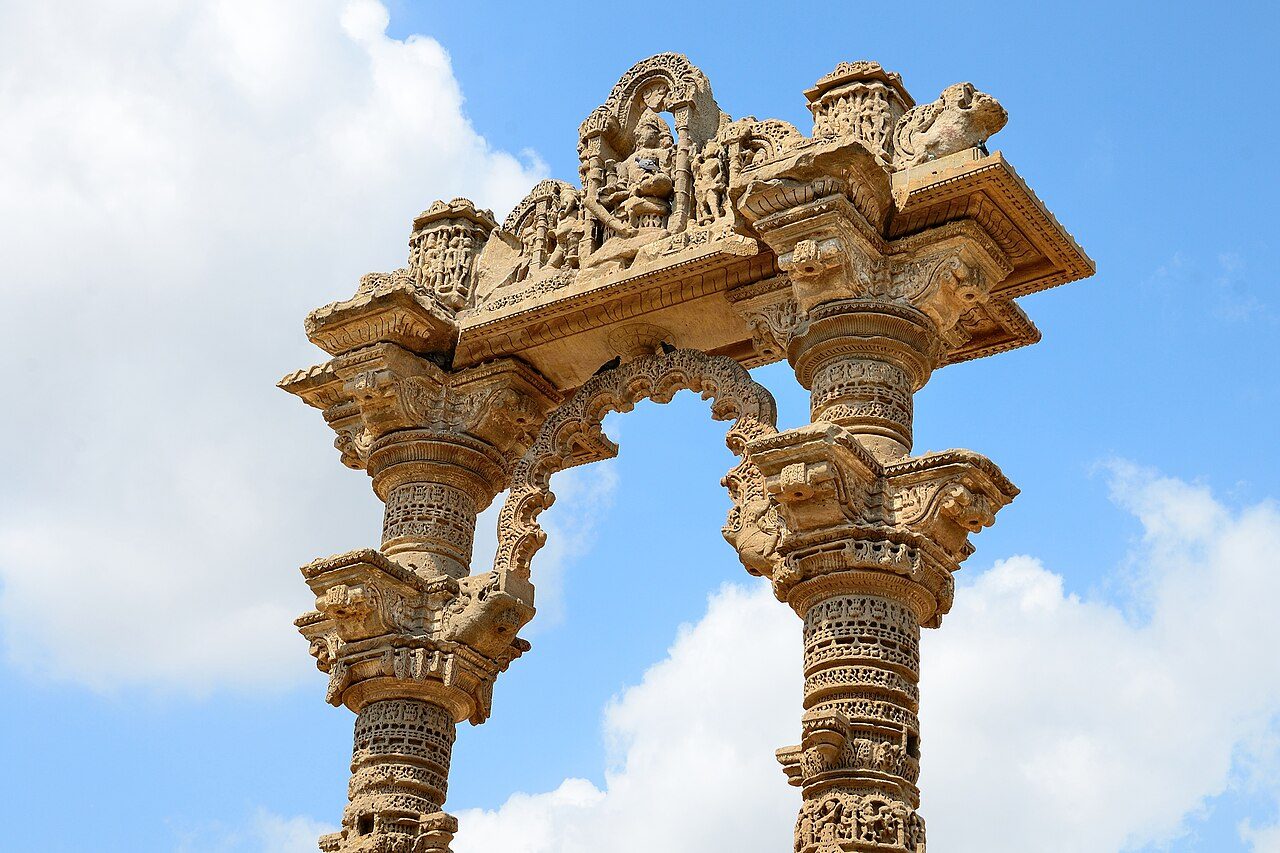
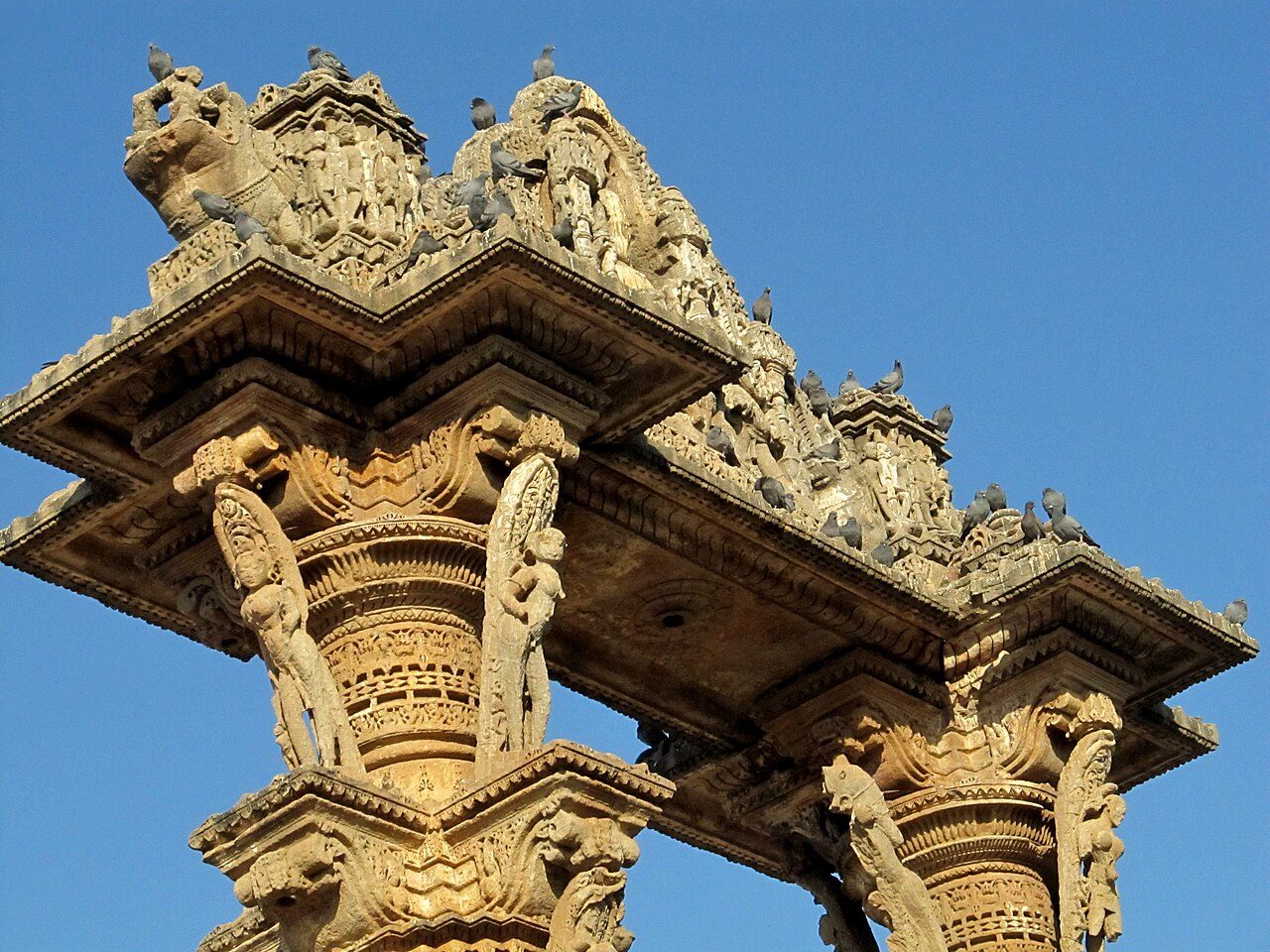
The Kirti Toran of Vadnagar is a pair of free-standing ceremonial gateways from the Chaulukya period, carved in red and yellow sandstone. Each arch rises on two heavily sculpted columns and is thought to have once marked the entrance to a large temple that no longer survives. They stand beside the old town near Sharmishtha Lake, and have become a symbol of Gujarat's medieval architecture.
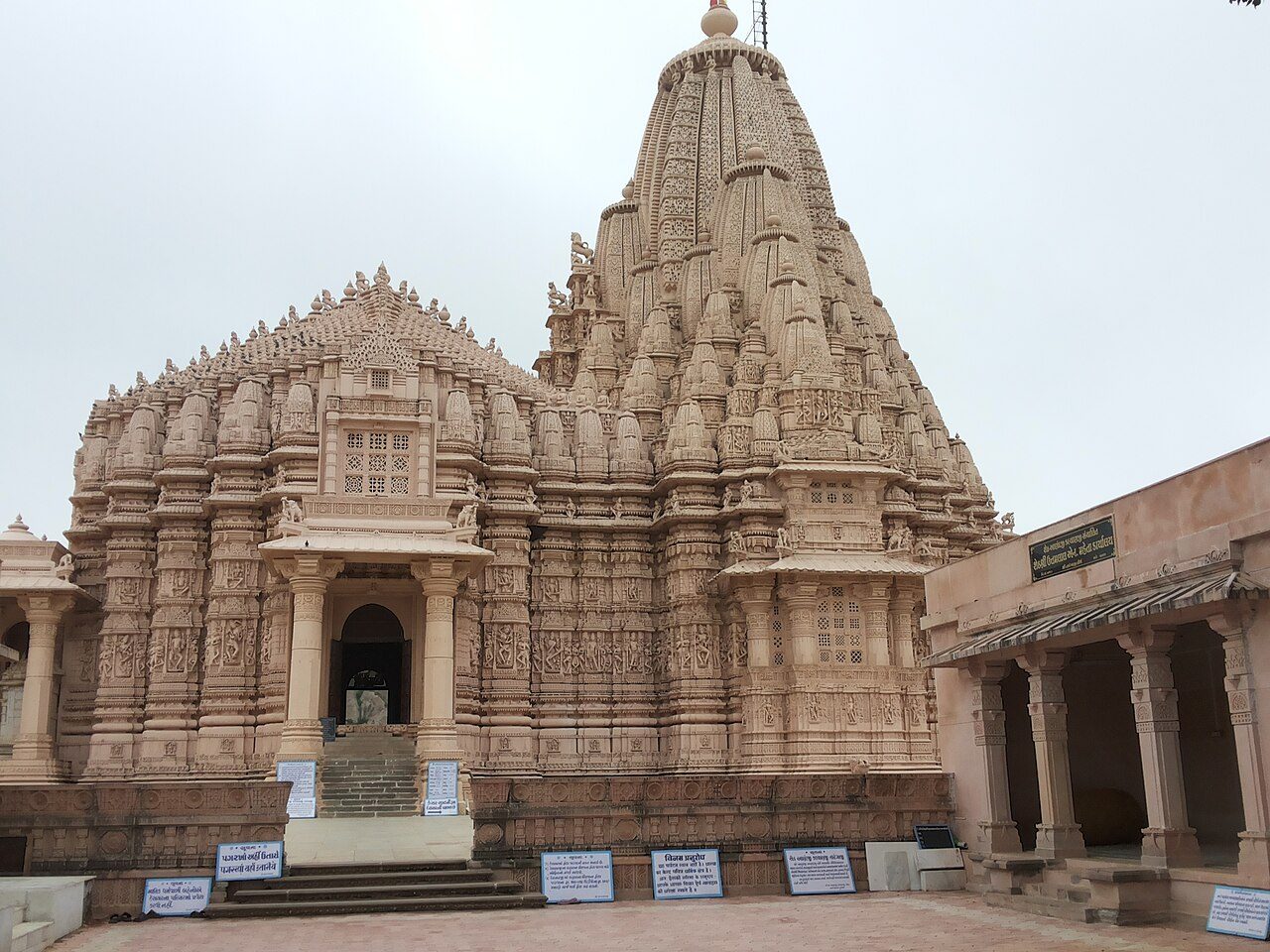
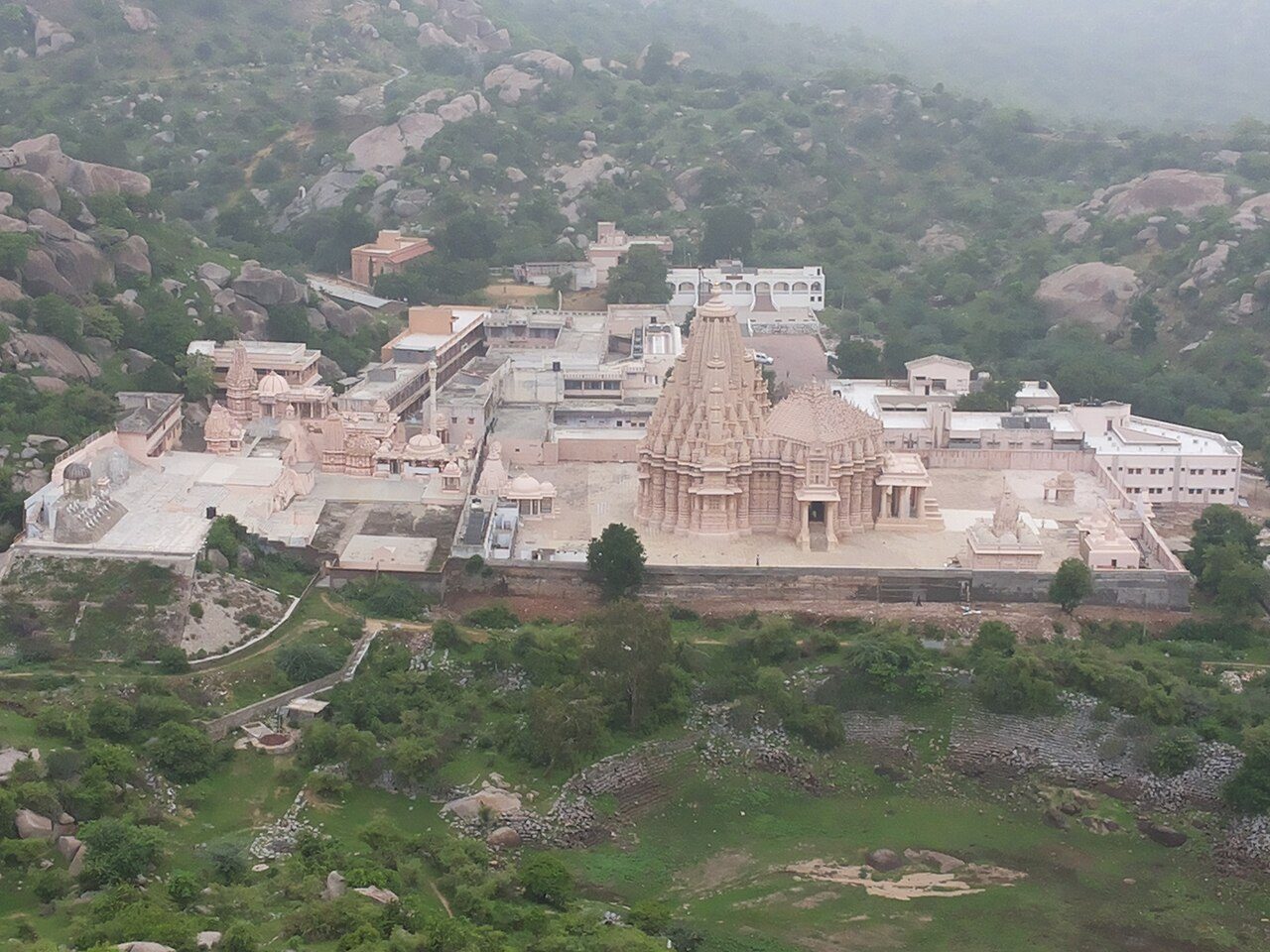
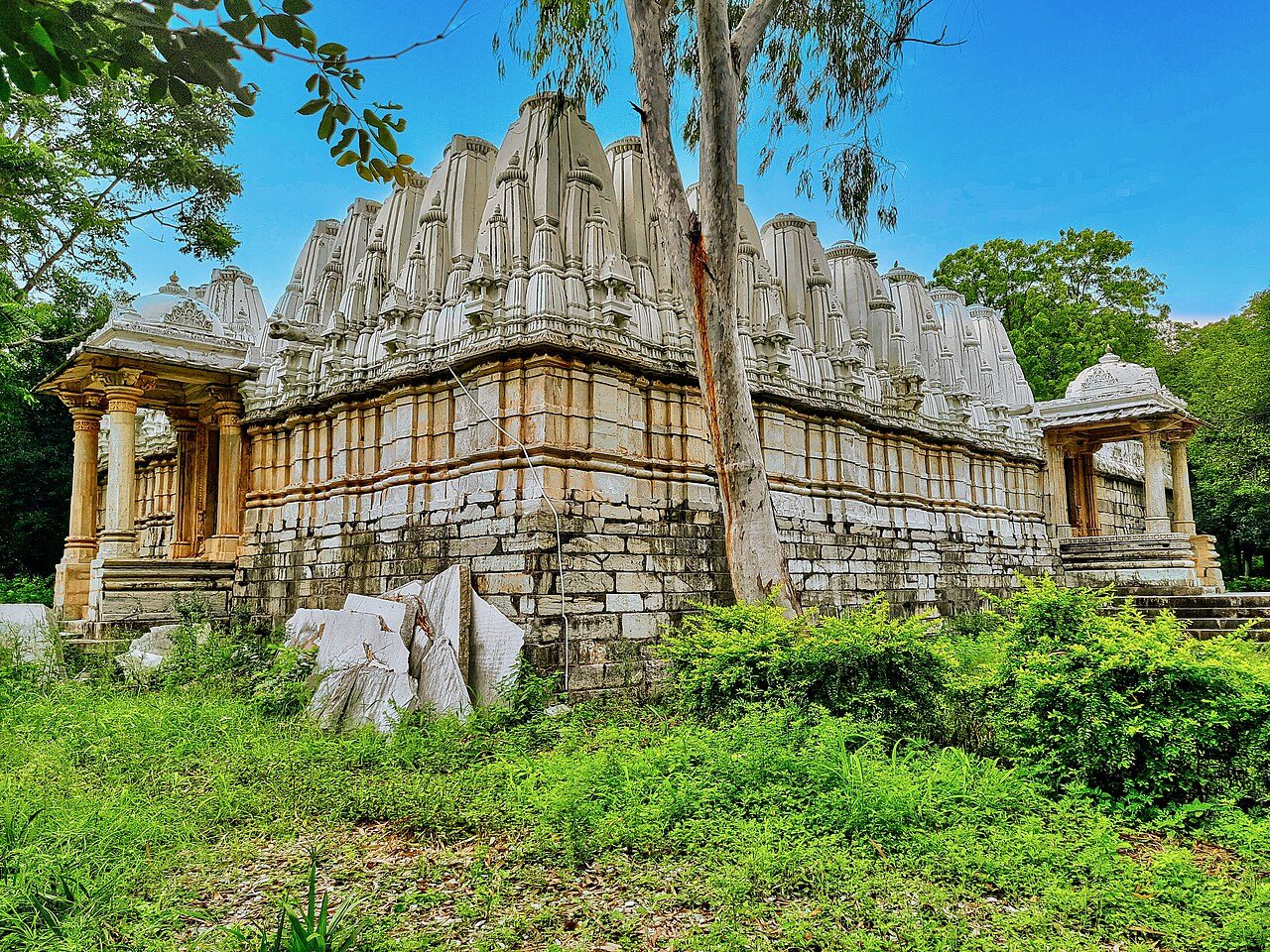
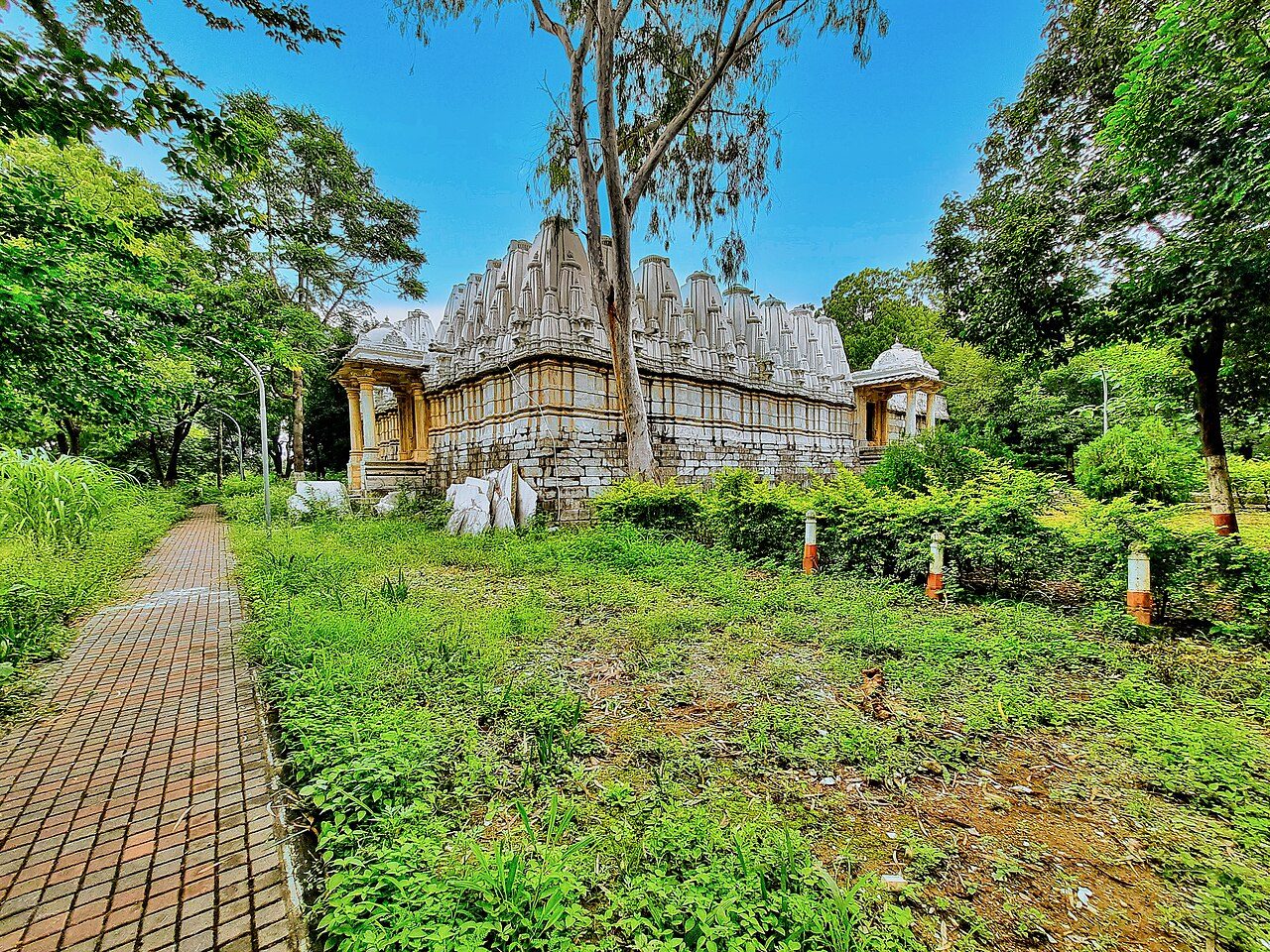
Taranga is a Jain pilgrimage hill in Mehsana district, best known for the Ajitnath temple commissioned by the Chaulukya king Kumarapala in the 12th century. The tall sandstone temple is one of the best preserved of its period, with a richly carved exterior and a large marble image of the second Tirthankara inside. Both Shvetambara and Digambara shrines stand on the hill, surrounded by boulder-strewn Aravalli slopes.
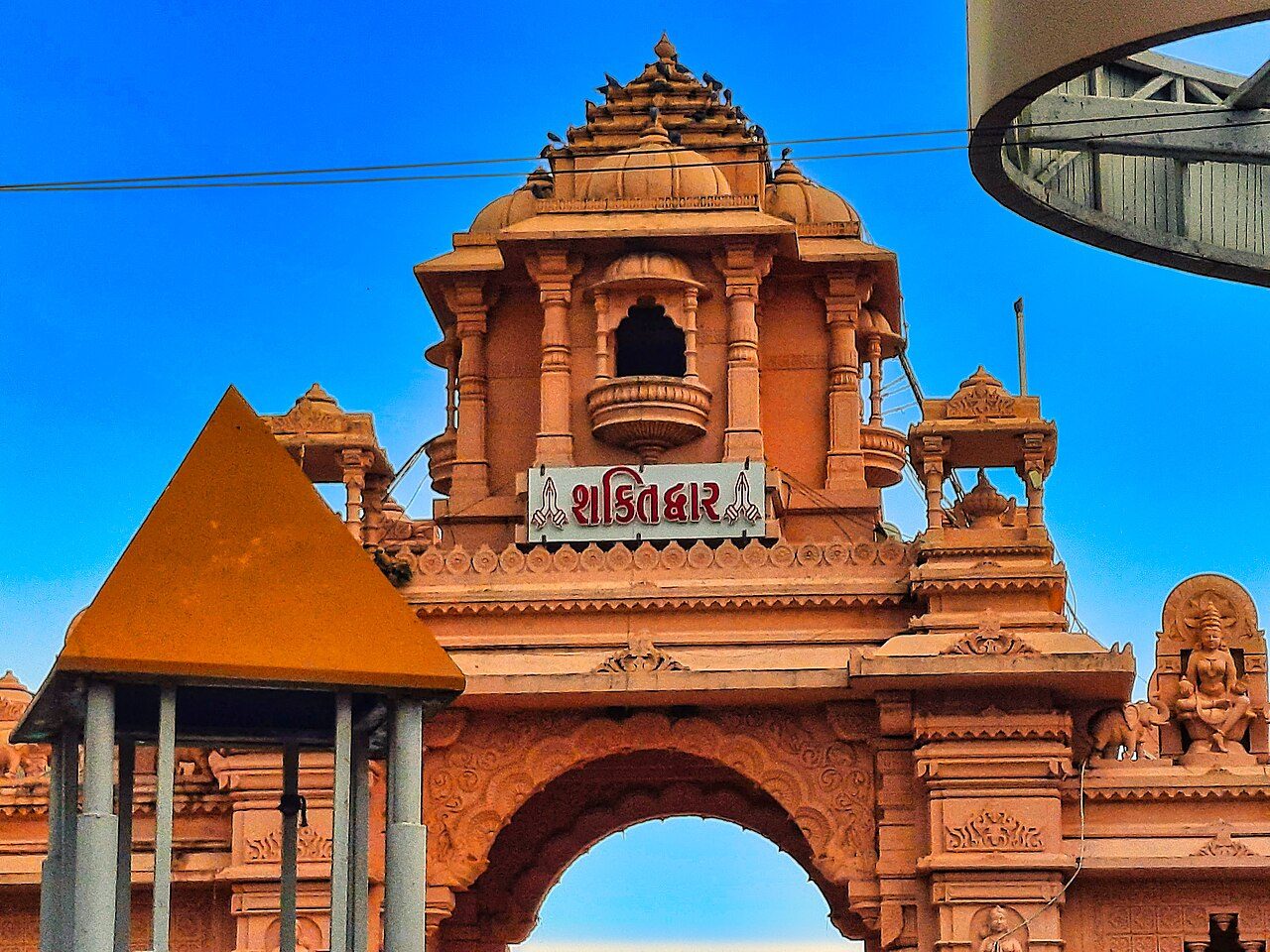
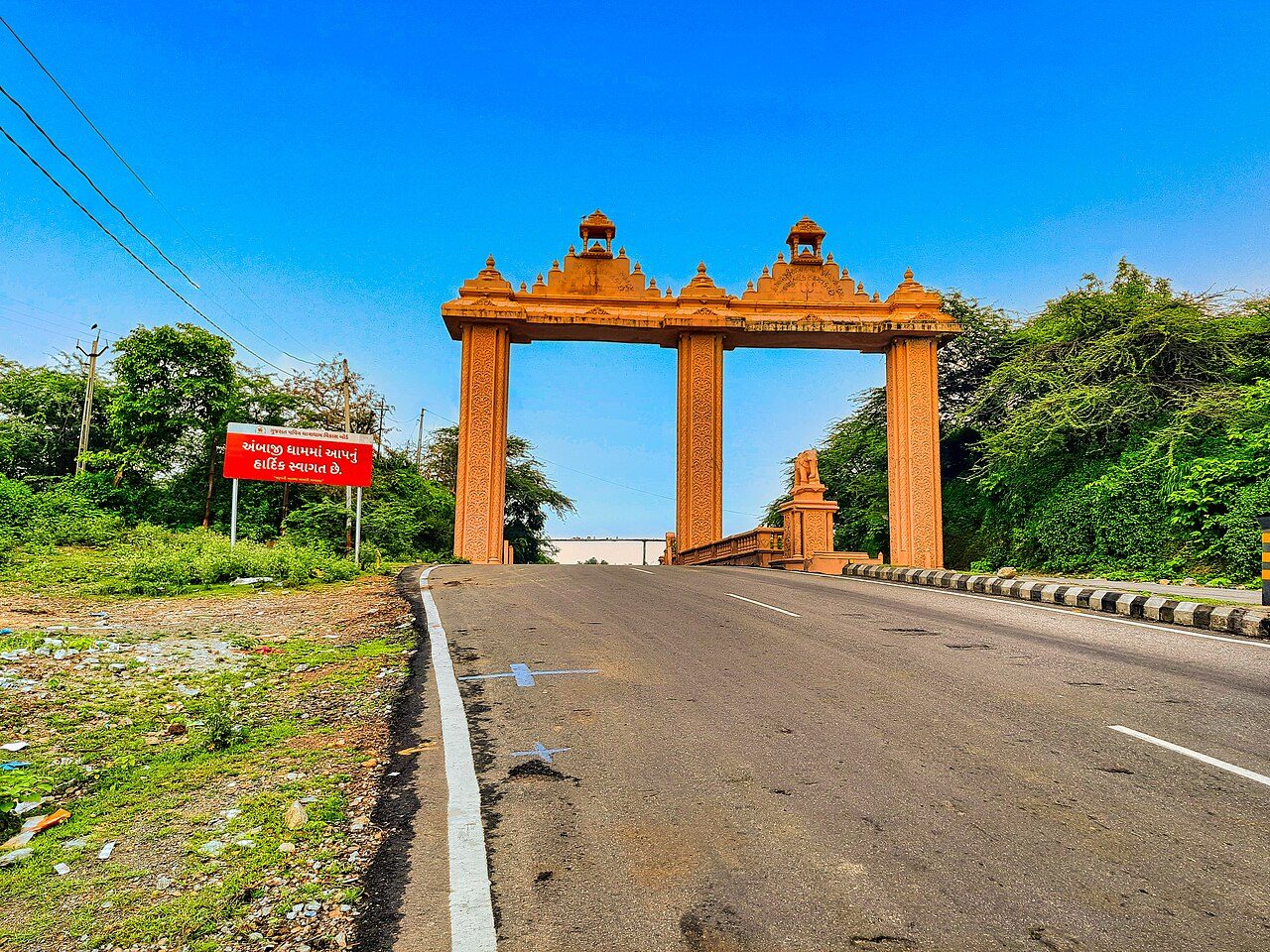
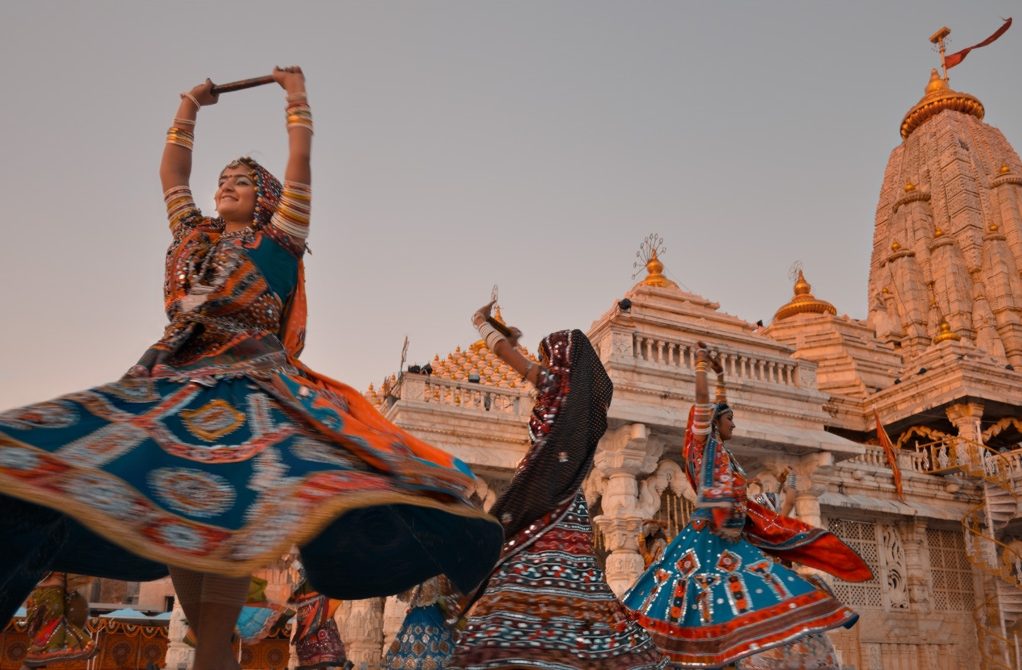
Ambaji is one of the most important Shakti Peetha shrines in India, set in the Aravalli hills near the Rajasthan border. The temple has no idol; devotees worship a sacred yantra in the inner sanctum. The white marble shrine with its gold-topped spire draws huge crowds, especially on full-moon days and during the Bhadarvi Poonam fair. Nearby Gabbar hill, reached by steps or ropeway, is regarded as the goddess's original seat.
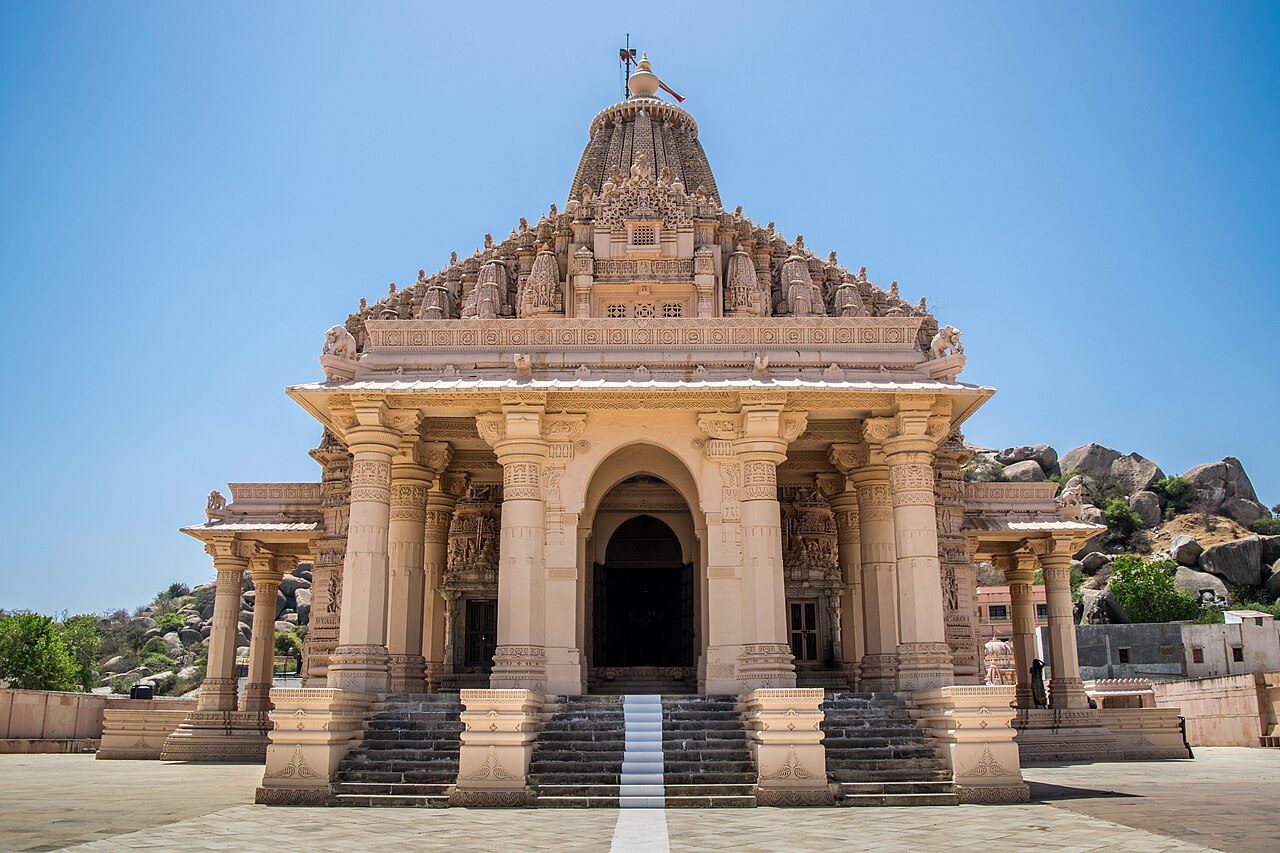
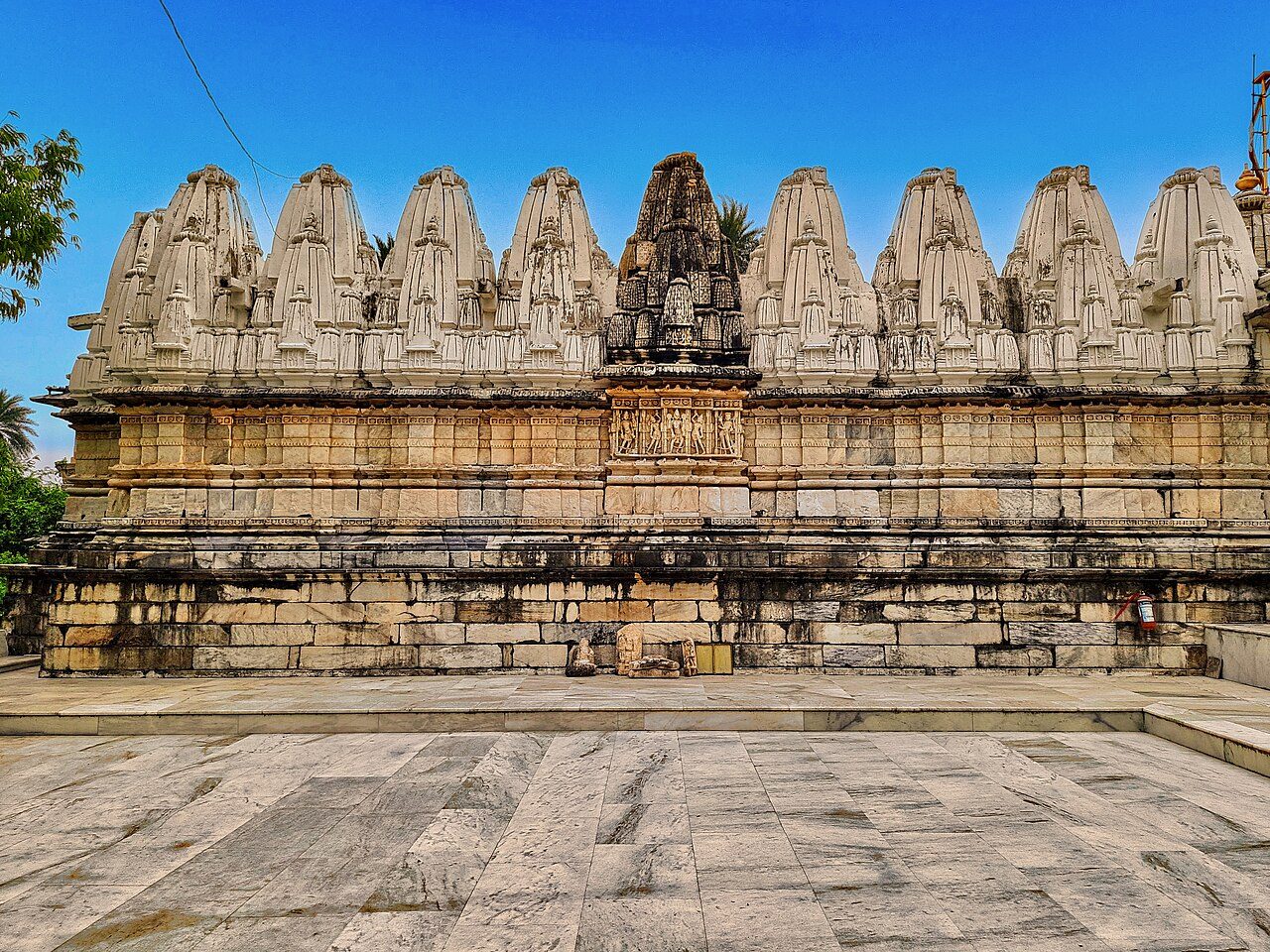
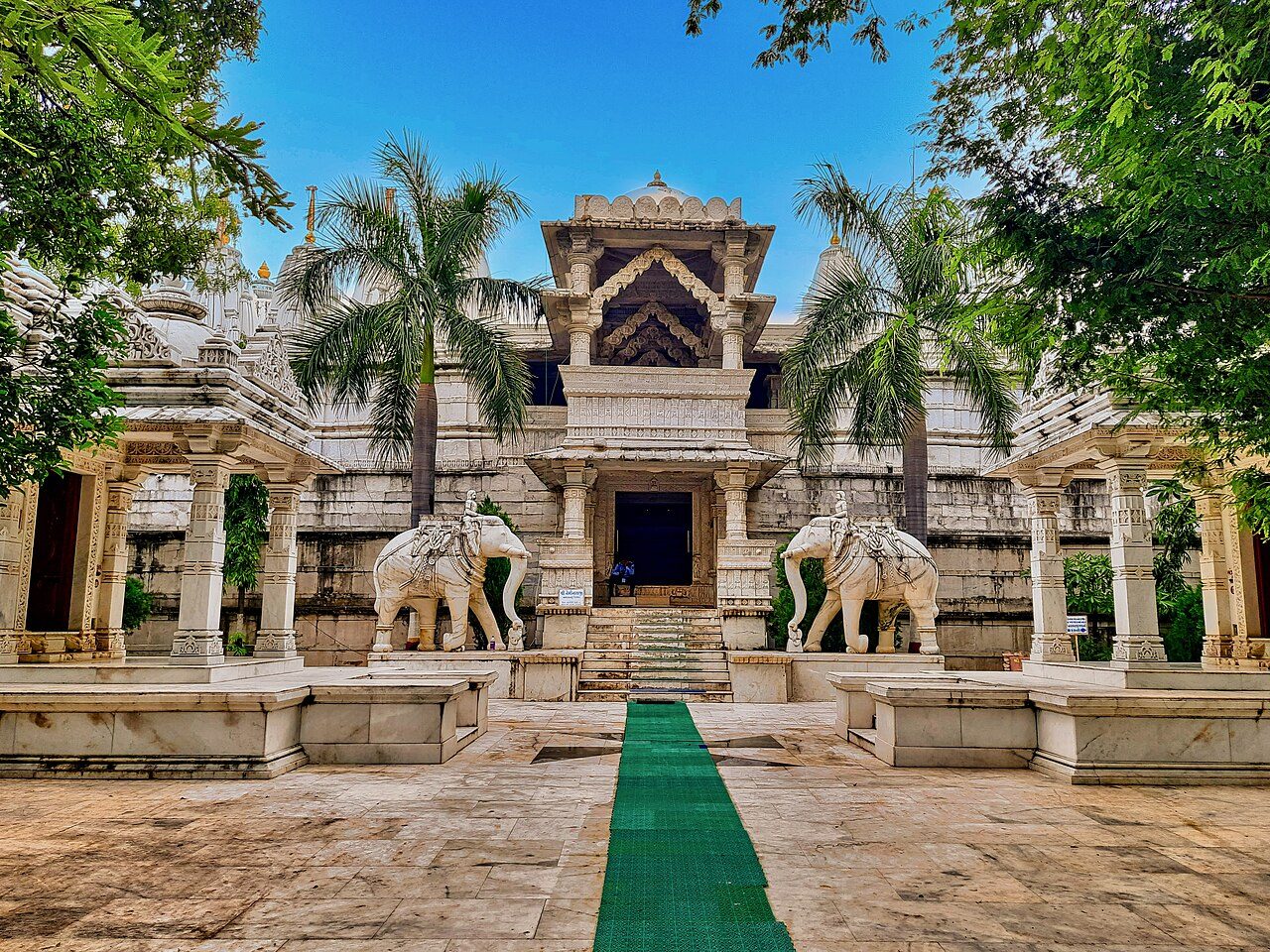
The Kumbhariya temples are a group of five Jain shrines near Ambaji, built between the 11th and 13th centuries under the Chaulukya dynasty. Carved in white marble, they are known for their ornate ceilings, pillars and doorframes, in a style closely related to the Dilwara temples of Mount Abu. The complex is quiet and well kept, and makes an easy stop for anyone visiting Ambaji, a couple of kilometres away.
Best weather: Nov – Mar
Seasons from 20 years of NASA POWER climate data.
Was this trip blog helpful?
0
0
Ready to follow this route?
Copy all 13 stops into your trip plans in the app.
 WaTrips