Gujarat's Sultanate Mosques in 2 Days: Ahmedabad, Khambhat and Champaner TRIP BLOG Photo: Bernard Gagnon · CC BY-SA 3.0
India · Gujarat · Ahmedabad

Gujarat's Sultanate Mosques in 2 Days: Ahmedabad, Khambhat and Champaner

2 DAYS 4 places by WaTrips

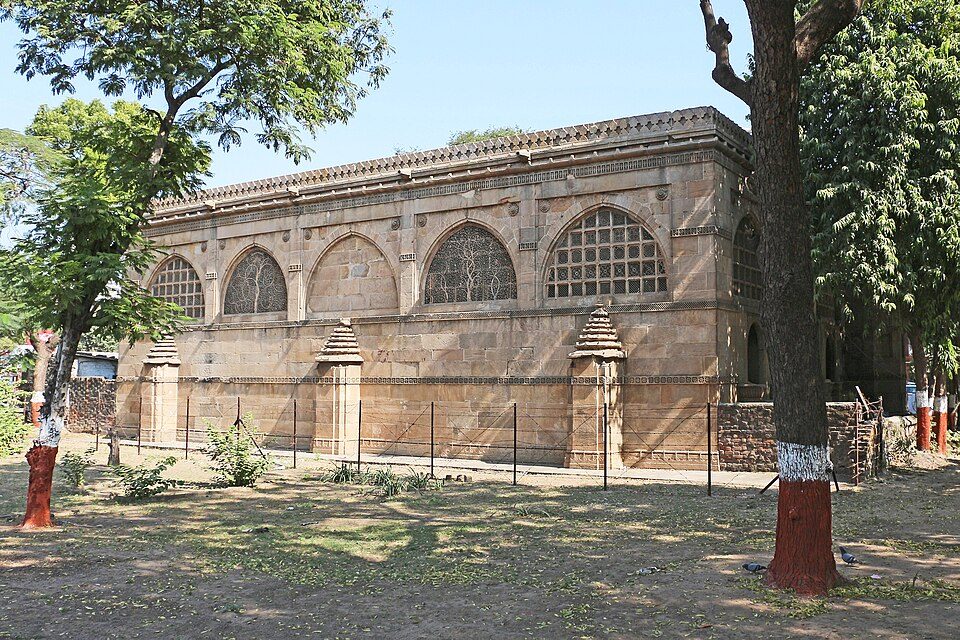
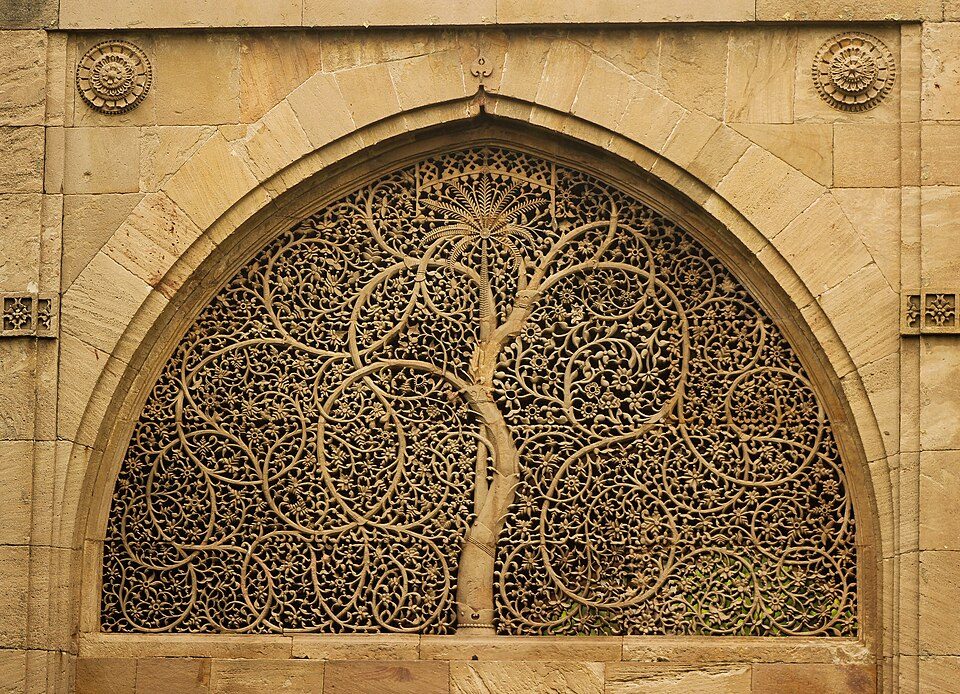
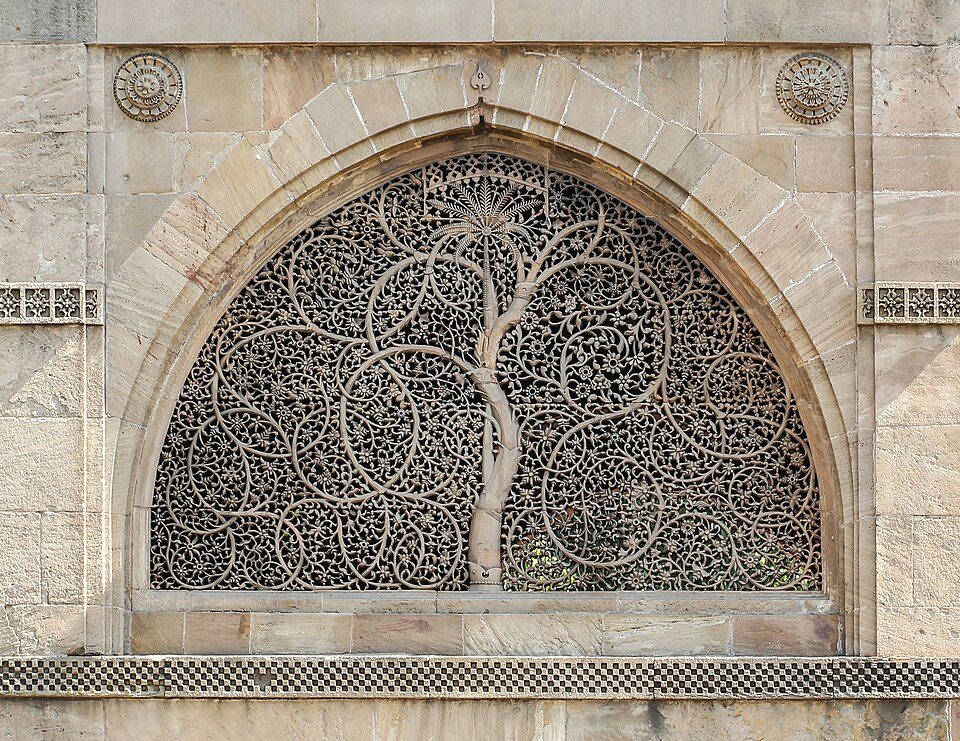
The Sidi Saiyyed window and Jama Masjid in Ahmedabad, Khambhat's Jama Masjid, and the Jami Masjid of Champaner.

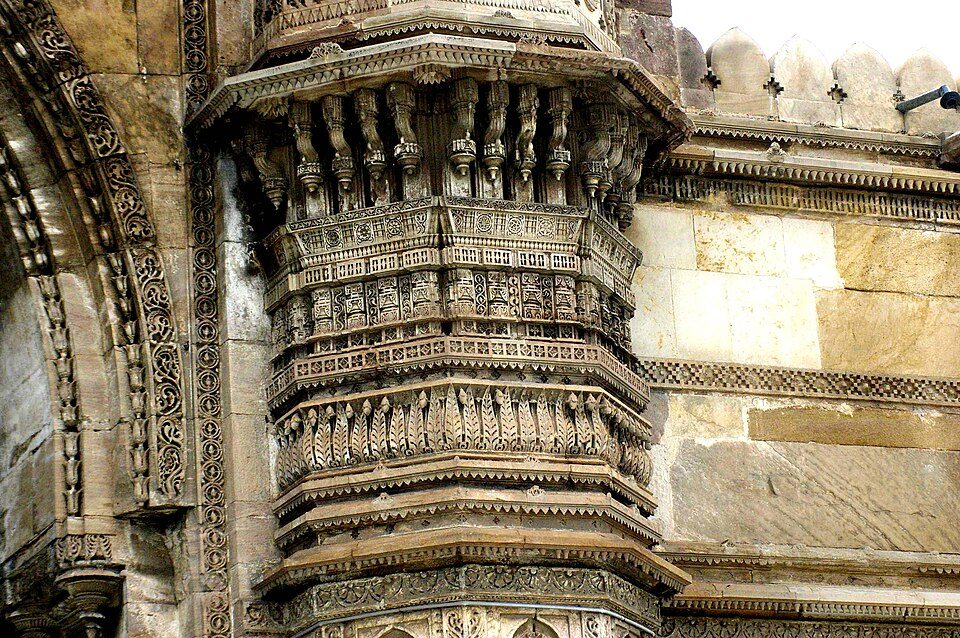
Gujarat's Sultanate builders blended Islamic forms with local stone carving, and these mosques show it best. Day one starts in Ahmedabad, a UNESCO World Heritage City, with the famous tree-of-life lattice of Sidi Saiyyed and Ahmed Shah's Jama Masjid, then rides to Khambhat for its 14th-century Jama Masjid. Day two goes to Champaner, part of the Champaner-Pavagadh World Heritage Site, whose Jami Masjid is one of the finest mosques in western India. Visit outside prayer times and dress modestly. November to February is best.

02
STOP 2 OF 4

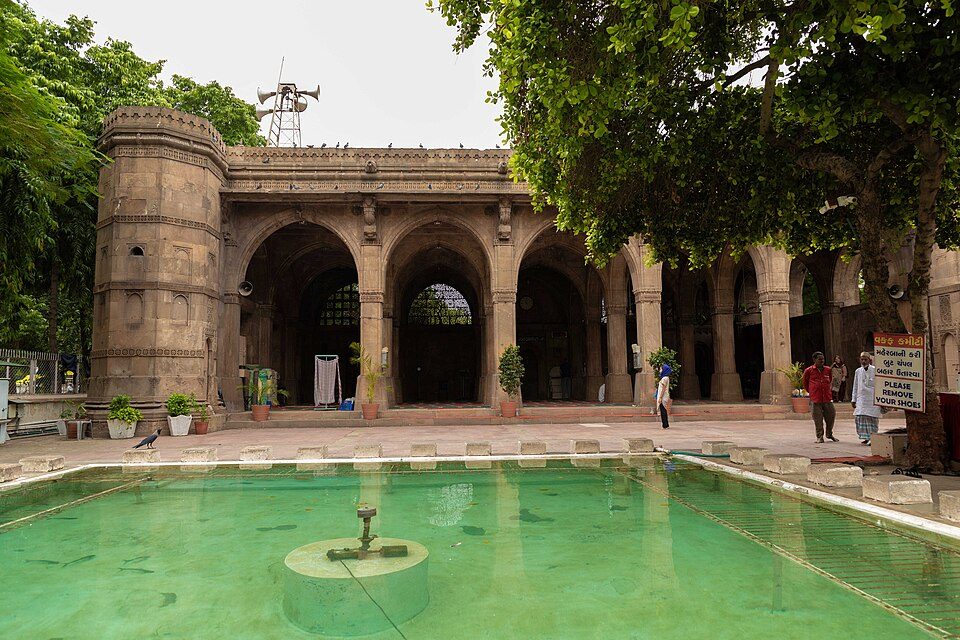
Jama Masjid Ahmedabad

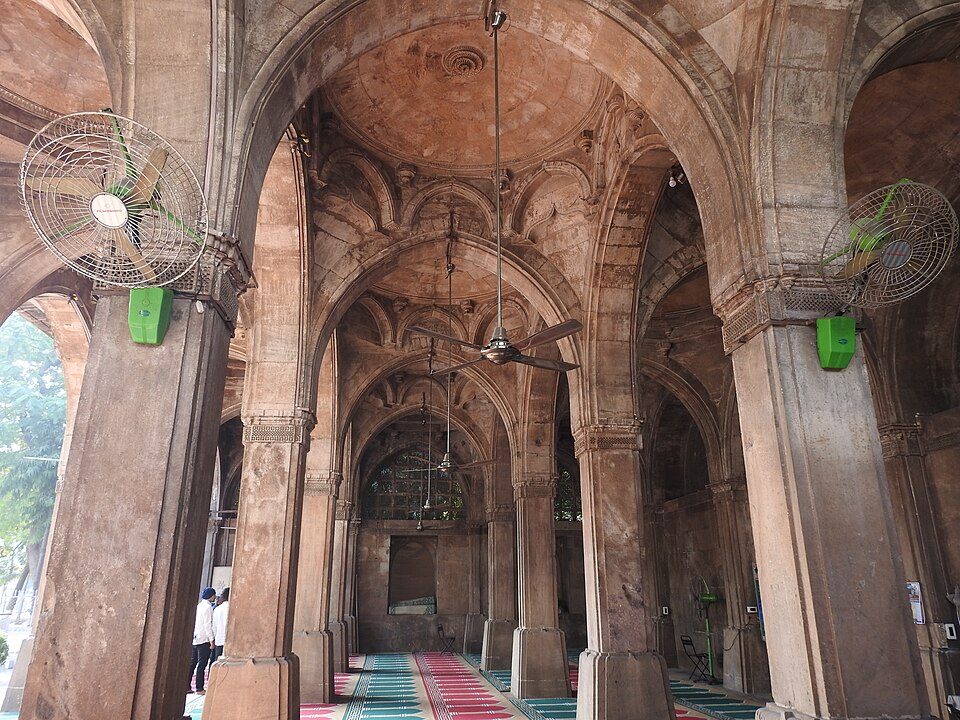
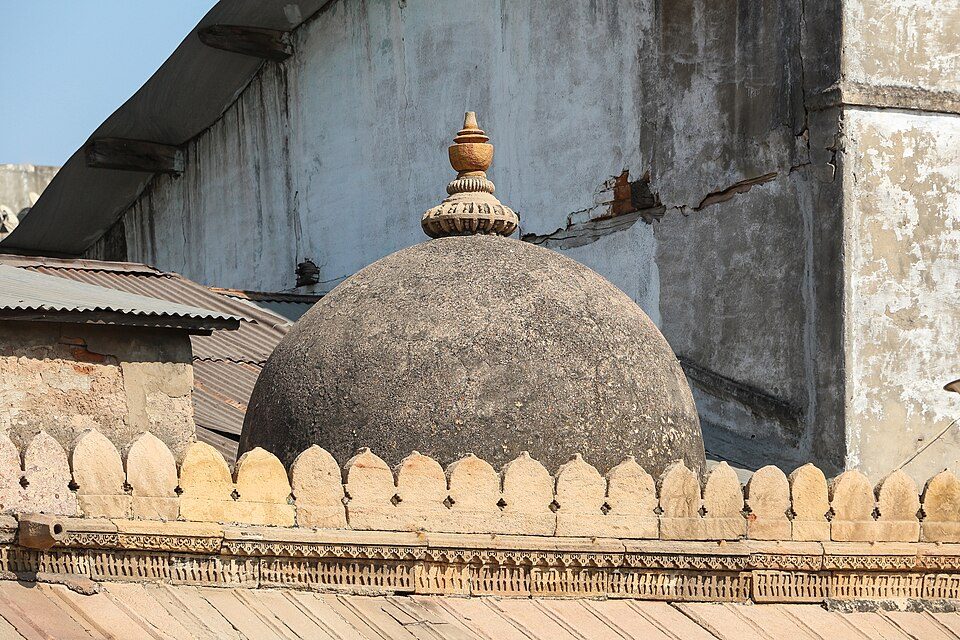
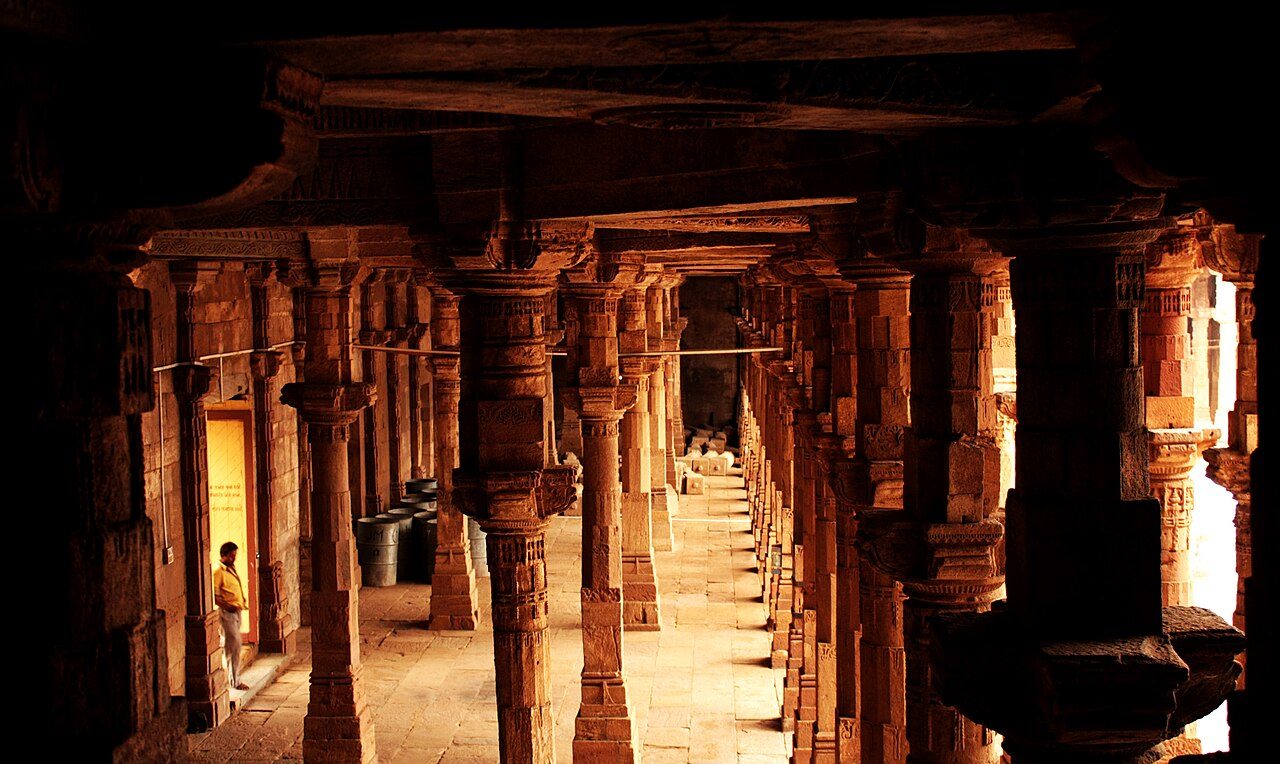
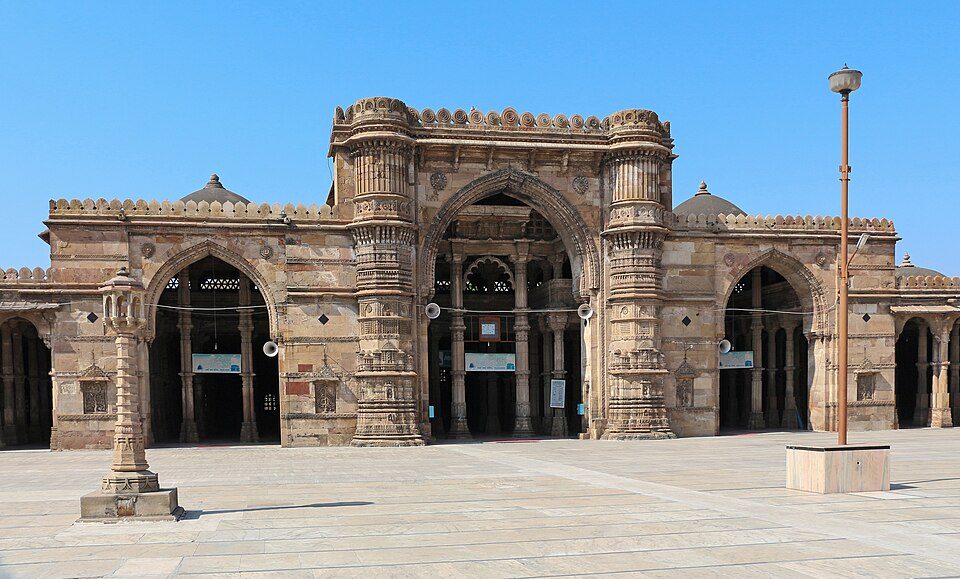
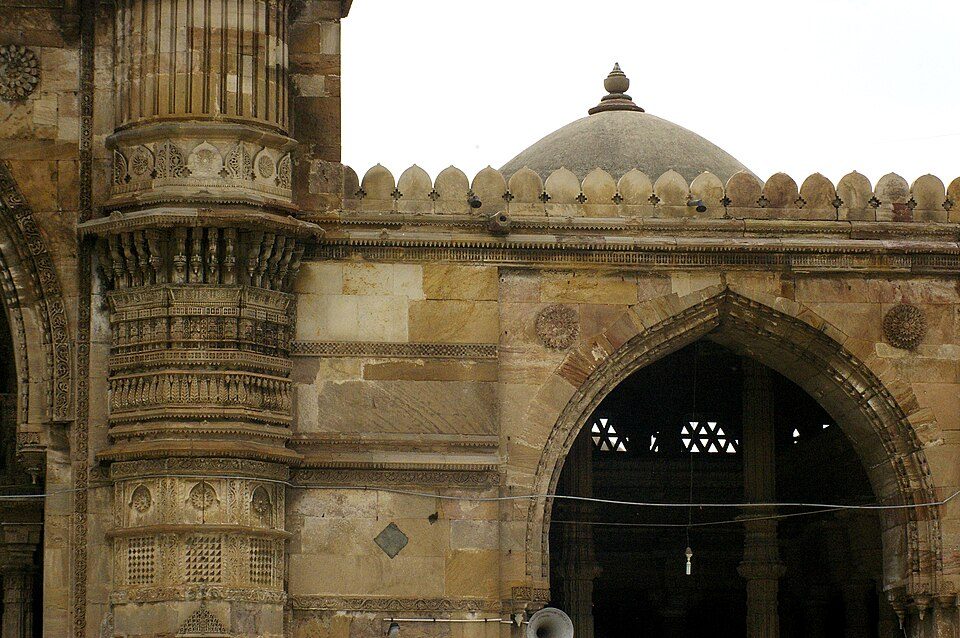
Built in 1424 by Sultan Ahmed Shah I, the founder of Ahmedabad, the Jama Masjid was then the largest mosque in the subcontinent. Its prayer hall has some 260 pillars supporting 15 domes, with carving that blends Hindu and Islamic styles, around a wide marble courtyard.

Best weather: Oct – Feb Heavy rain: Jul – Aug
03
STOP 3 OF 4

Jama Masjid Khambhat

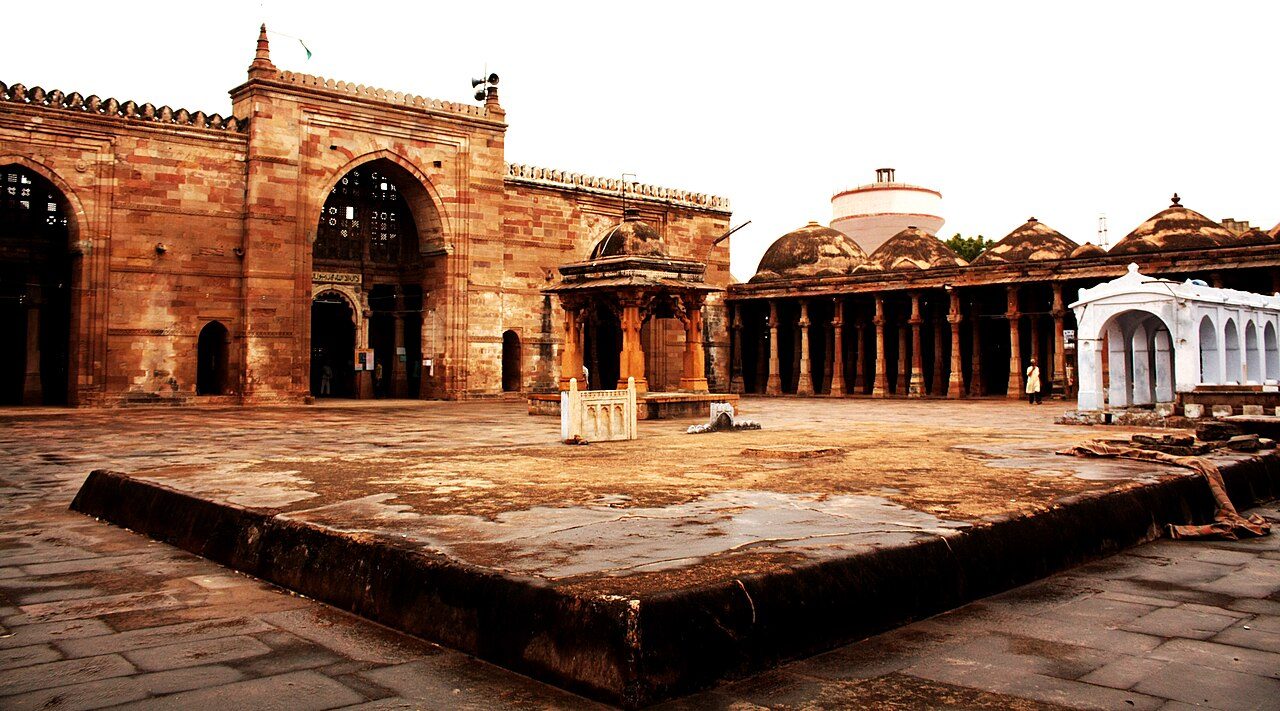
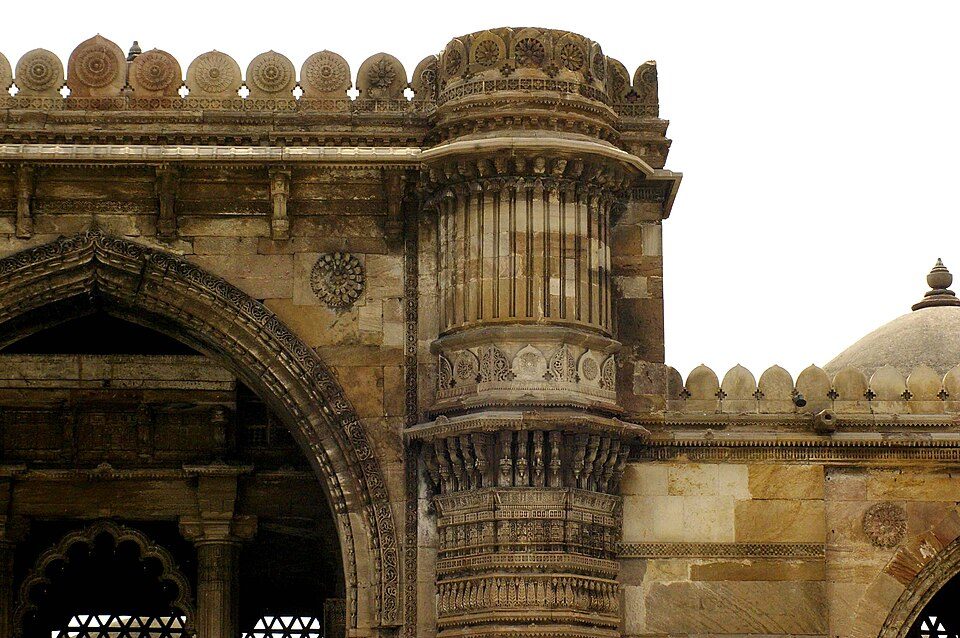
The Jama Masjid of Khambhat was built in 1325 and is among the earliest surviving mosques in Gujarat. Its open courtyard is surrounded by colonnades whose pillars were reused from older Hindu and Jain temples, a typical feature of early Sultanate architecture in the region. A tomb of the merchant who financed it stands alongside. It recalls the centuries when Khambhat, then called Cambay, was one of India's great ports.

Best weather: Oct – Feb Heavy rain: Jul – Aug
04
STOP 4 OF 4 · LAST STOP

Jami Masjid Champaner

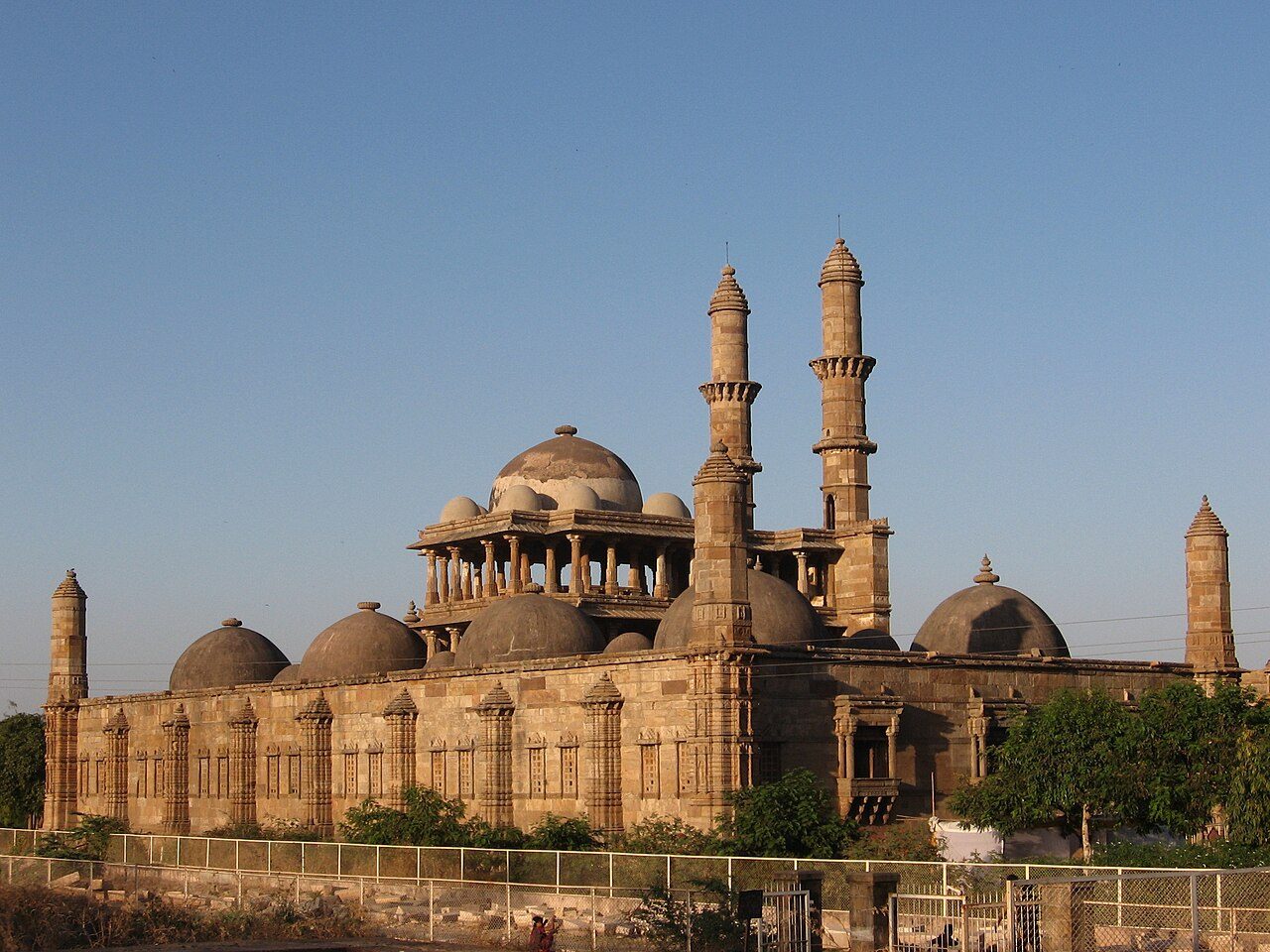
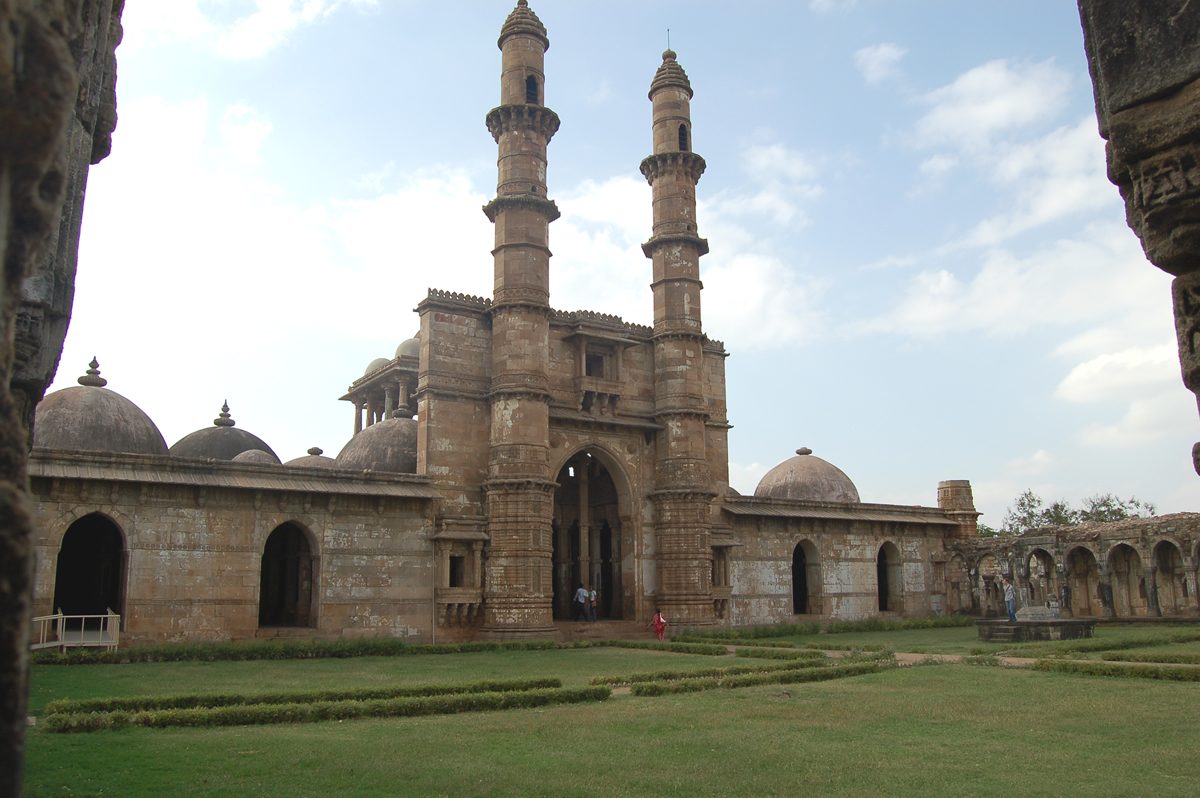
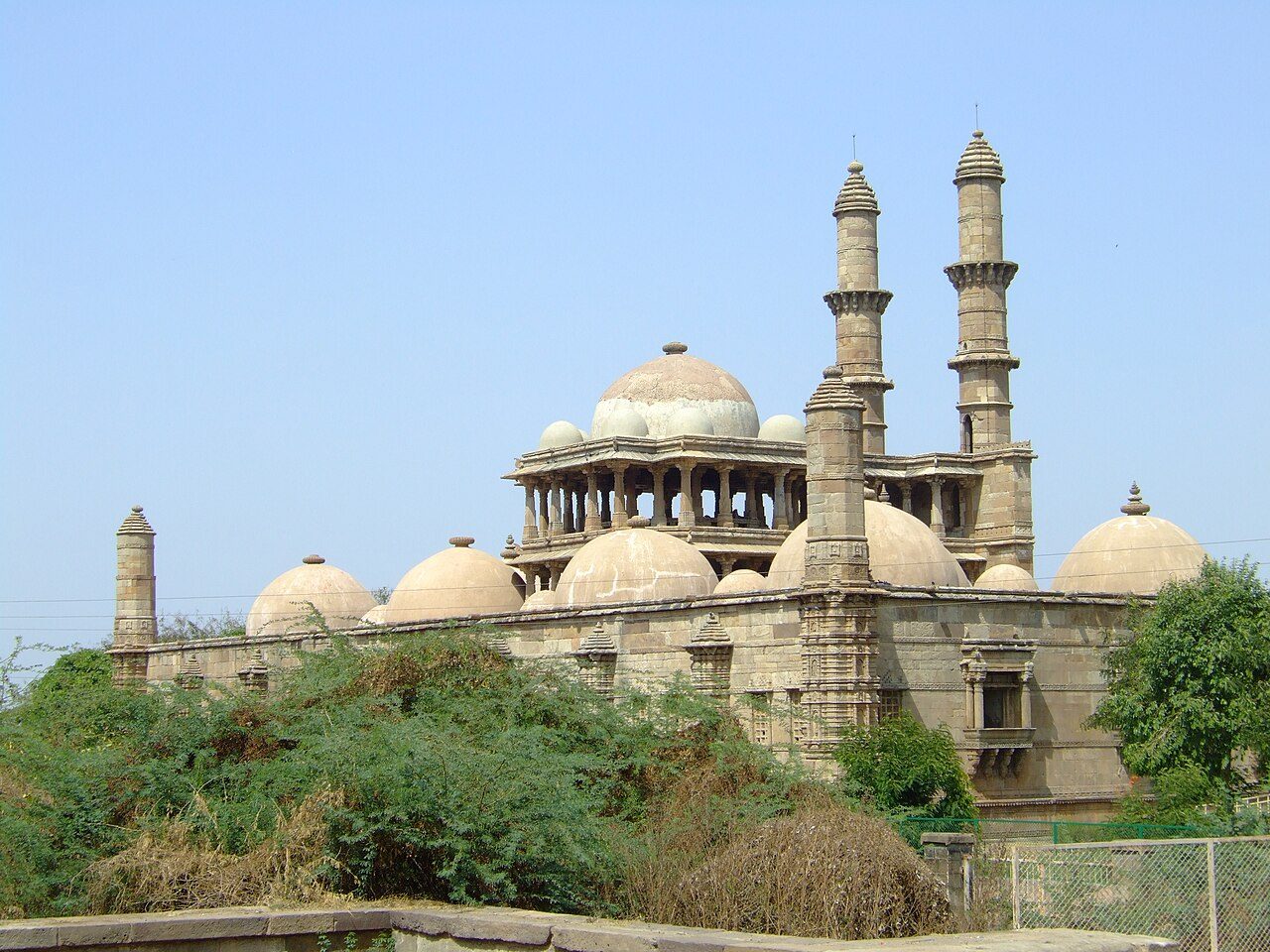
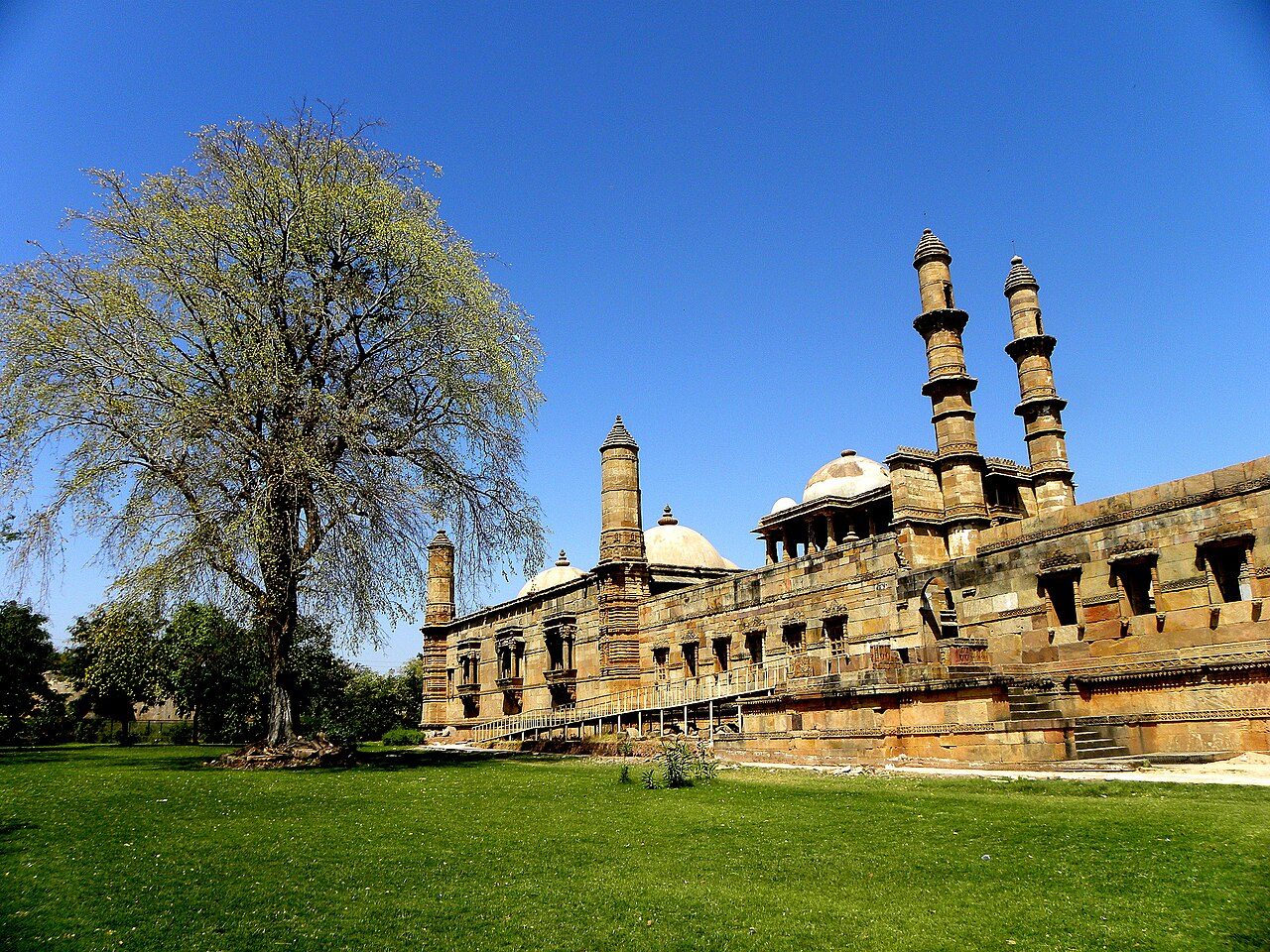
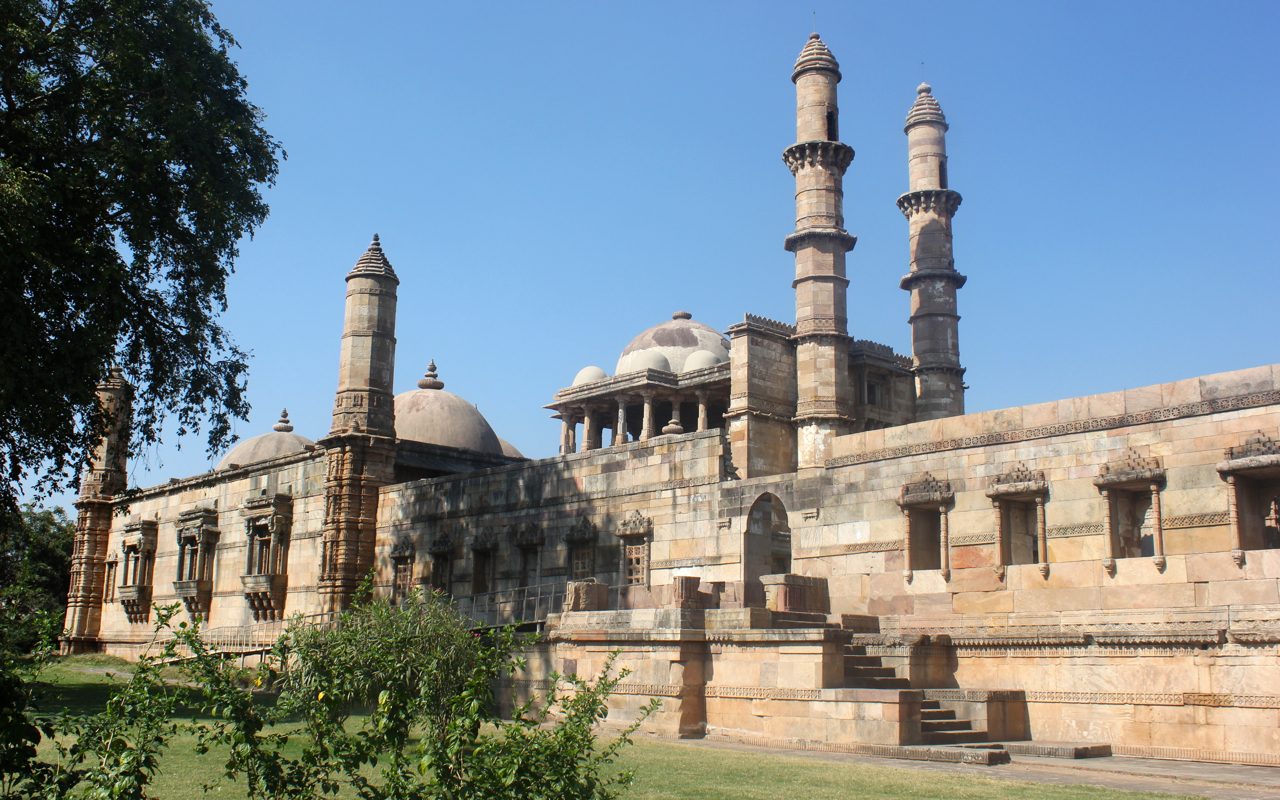
The Jami Masjid is the finest monument of the Champaner-Pavagadh Archaeological Park, a UNESCO World Heritage Site. It was built in the late 15th and early 16th century under Sultan Mahmud Begada, when Champaner was the capital of Gujarat. Two tall minarets flank the entrance, and the prayer hall has carved pillars, stone jali screens and a striking central dome, blending Hindu and Islamic craftsmanship.

Best weather: Oct – Feb Heavy rain: Jul – Aug
Seasons from 20 years of NASA POWER climate data.

Was this trip blog helpful?

0
0

Ready to follow this route?

Copy all 4 stops into your trip plans in the app.

Open in WaTrips
More trip blogs