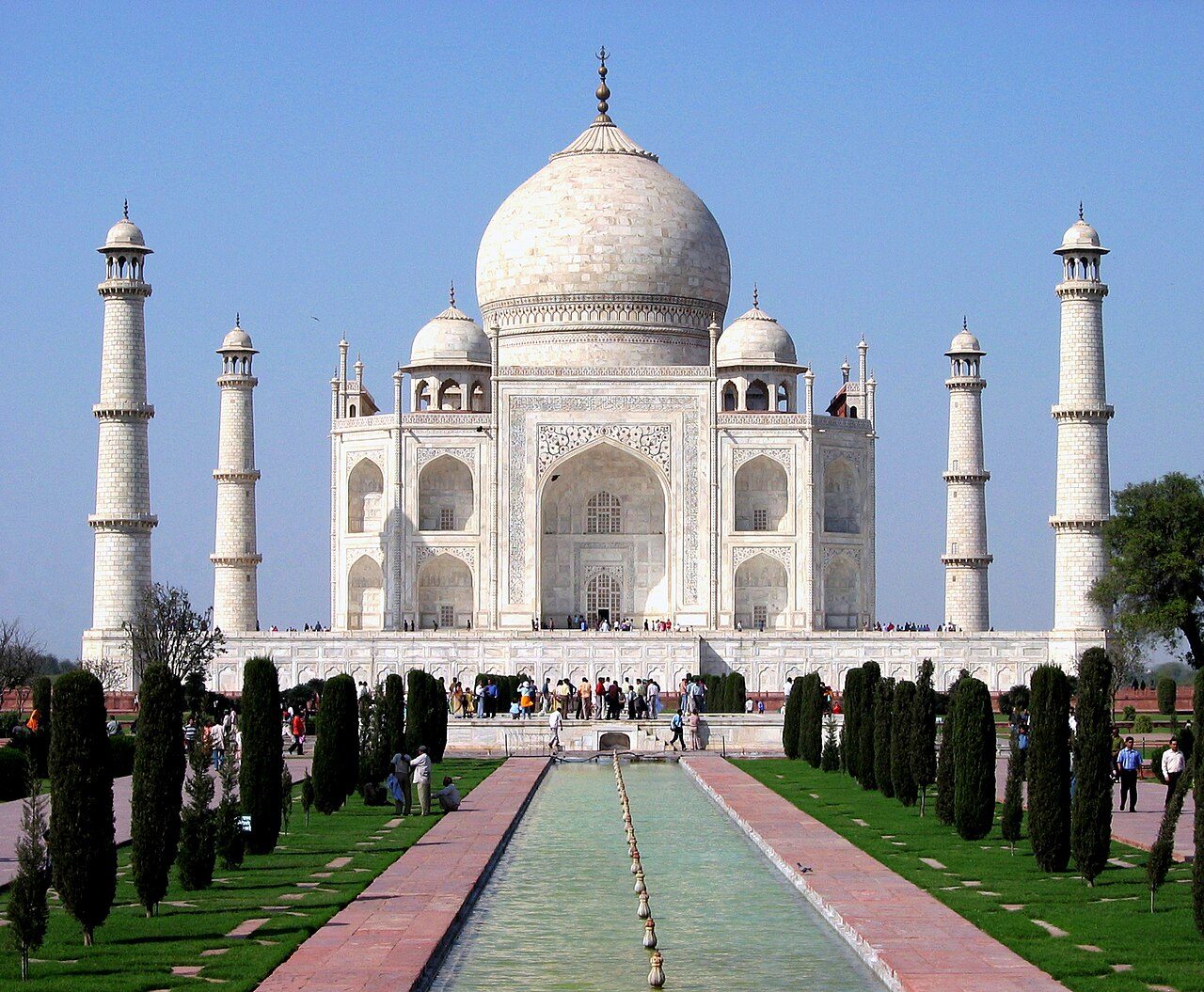
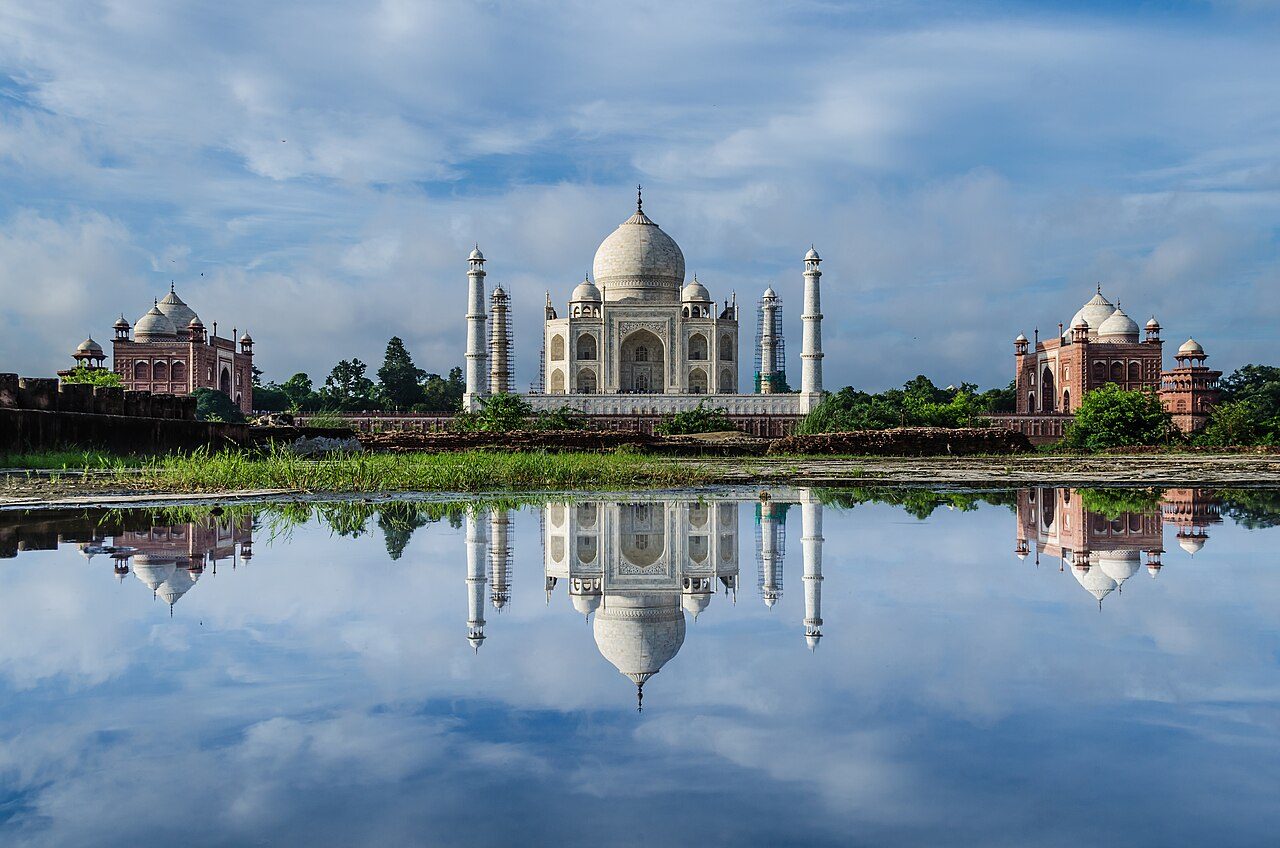
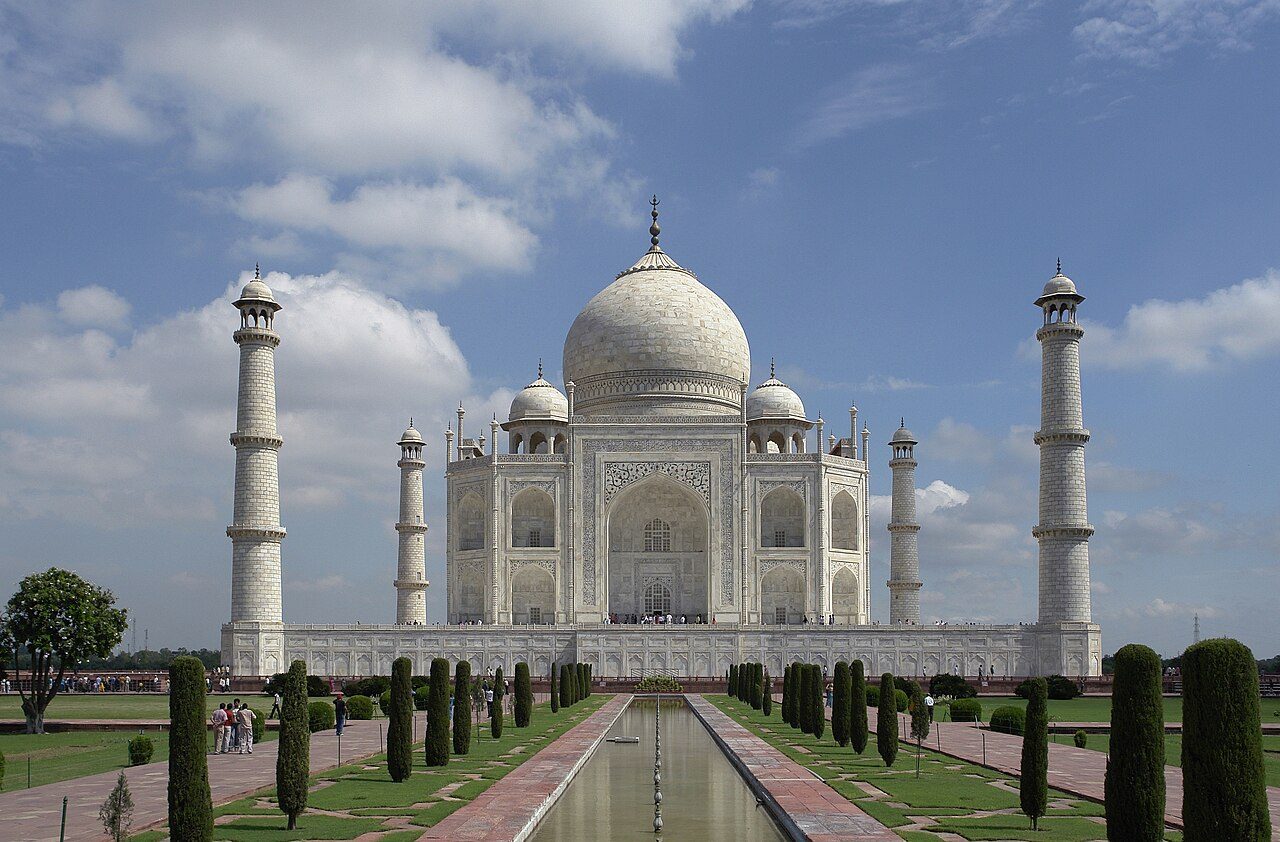
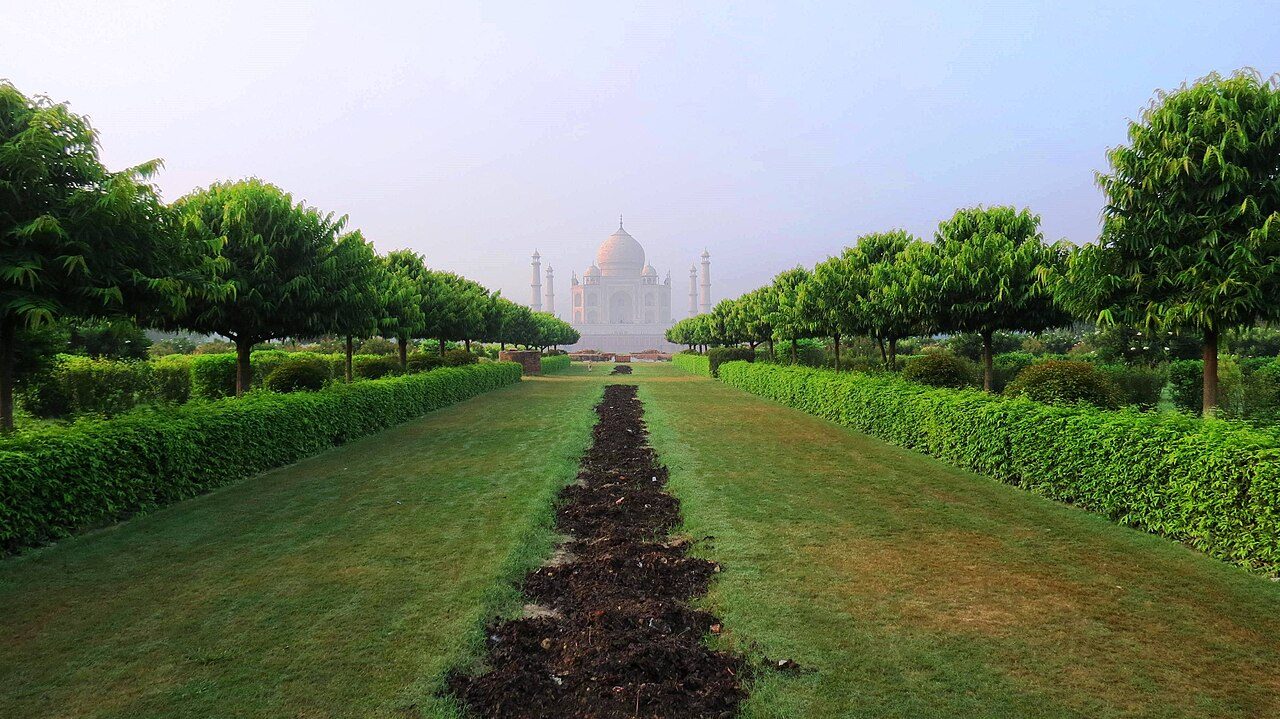
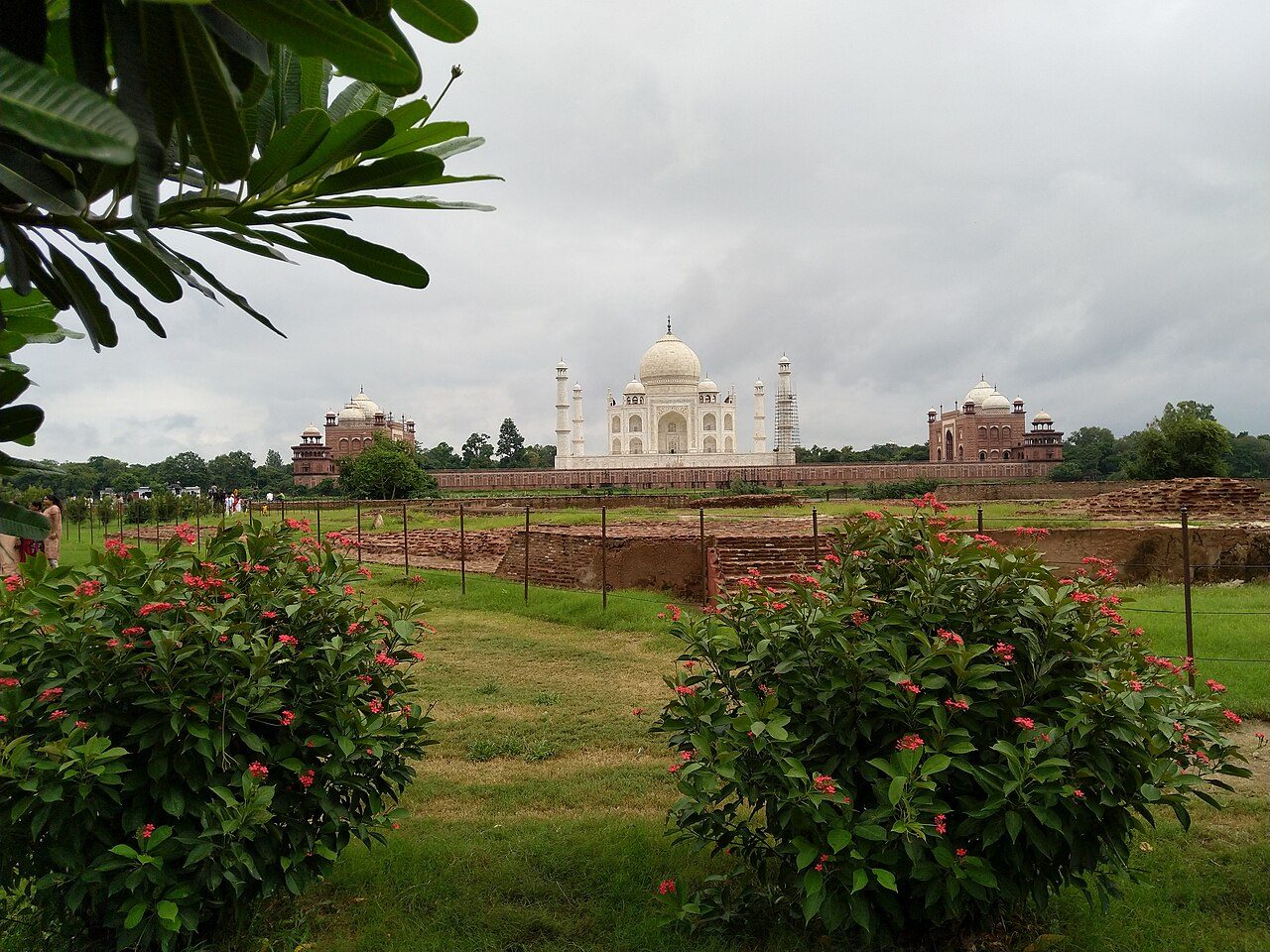
The Taj at sunrise, Agra Fort and Mehtab Bagh, the Baby Taj and Sikandra, then Fatehpur Sikri.
Most visitors rush Agra in a day; three days lets you see it properly. Day one is the Taj Mahal at sunrise, Agra Fort, and the Taj again from Mehtab Bagh across the river at sunset. Day two visits the marble Itimad-ud-Daulah, often called the Baby Taj, the tiled Chini Ka Rauza, and Akbar's tomb at Sikandra. Day three goes to Fatehpur Sikri, Akbar's red sandstone capital, and its huge Buland Darwaza. The Taj Mahal is closed on Fridays. October to March is best.
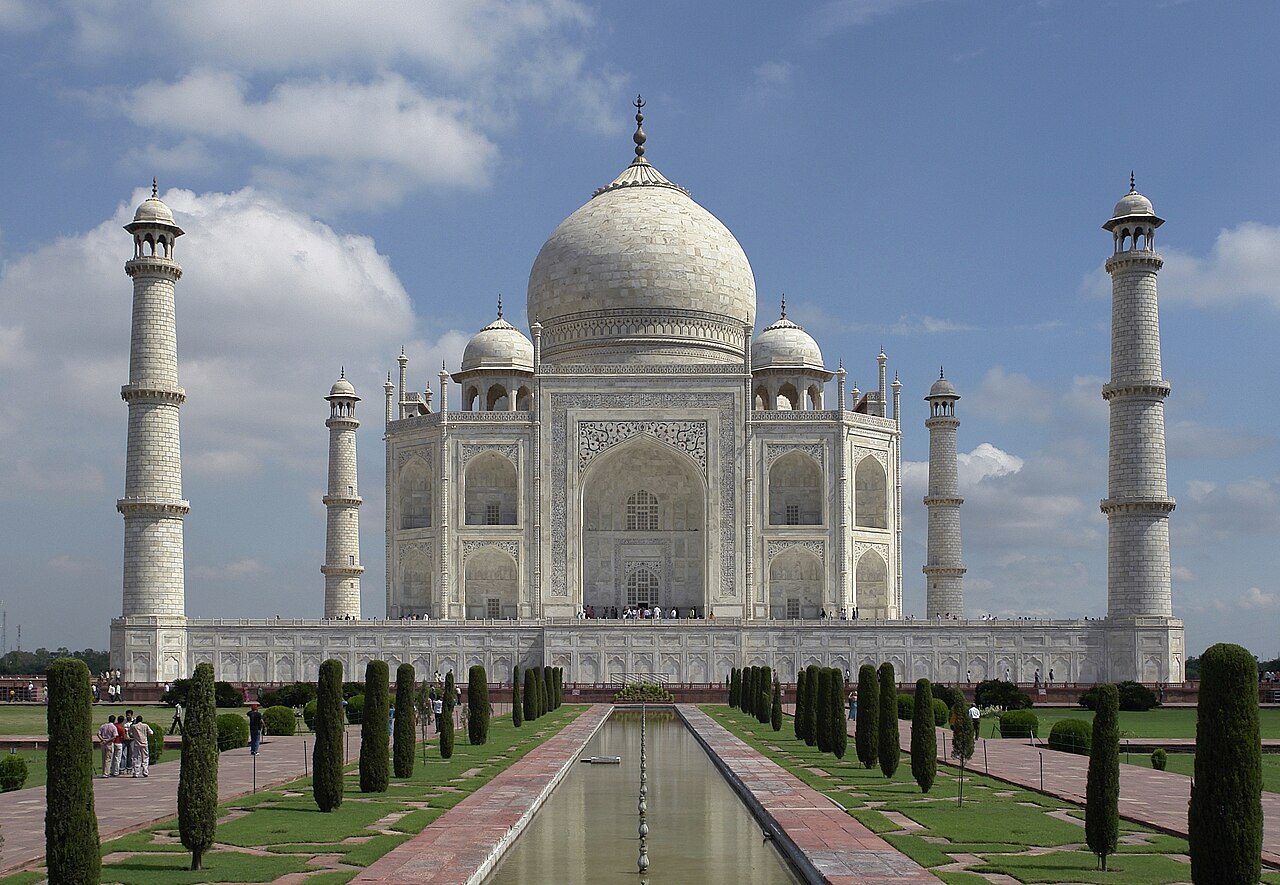
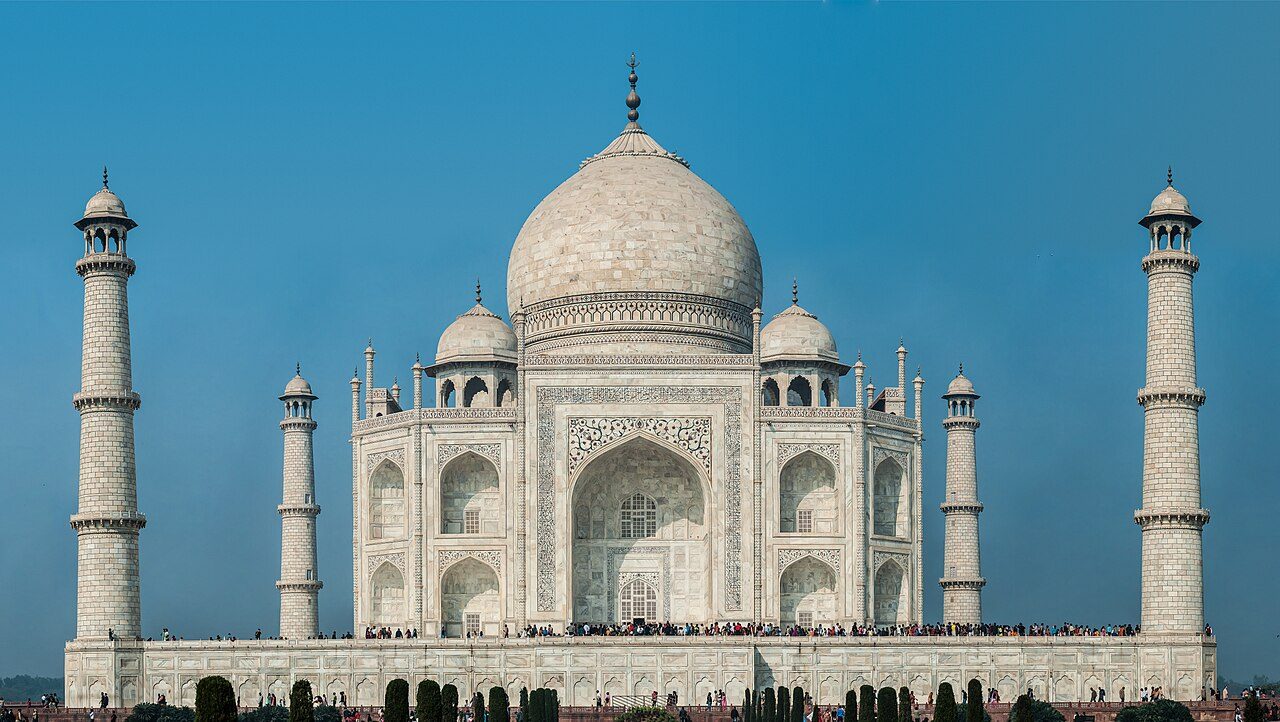
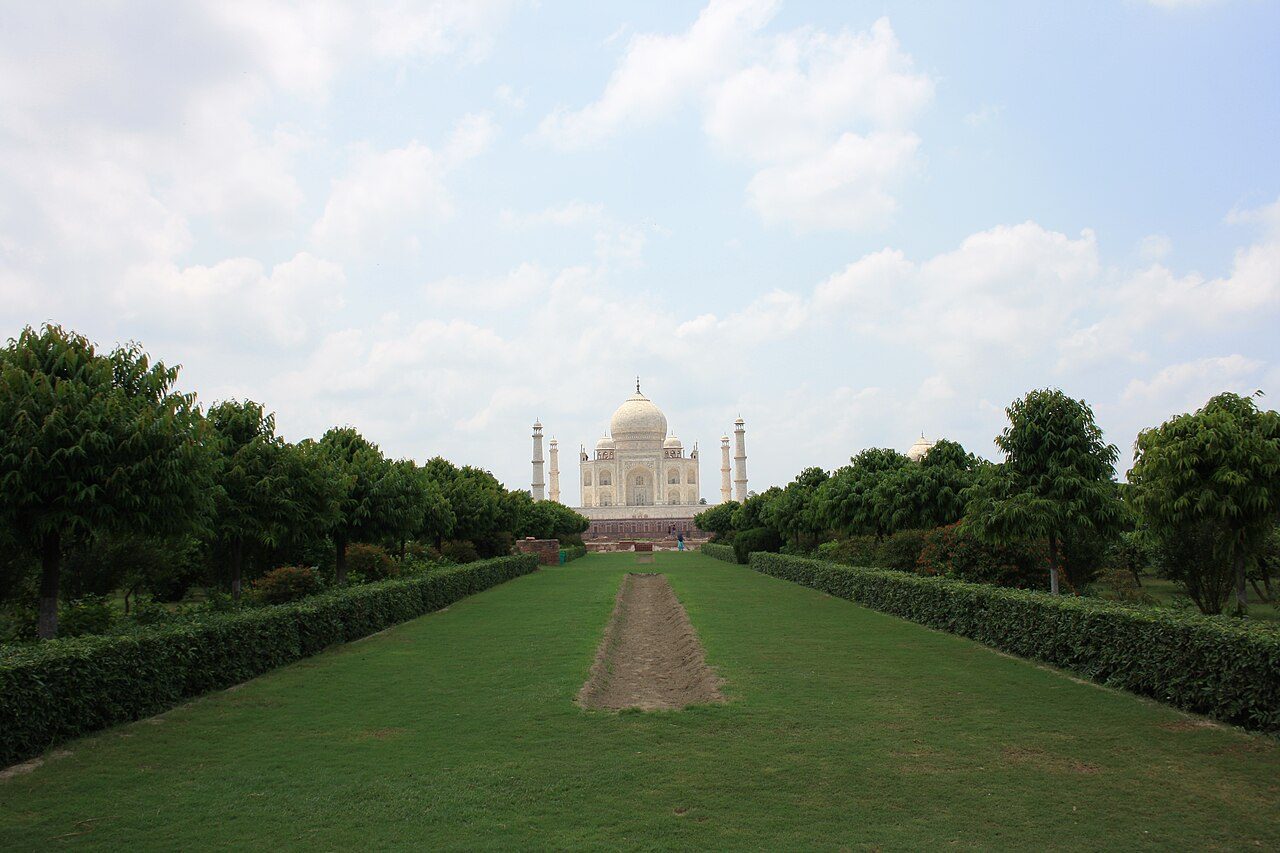
The Taj Mahal was built by the Mughal emperor Shah Jahan as the tomb of his wife Mumtaz Mahal, who died in 1631. Some 20,000 workers laboured for about two decades on the white marble mausoleum, with its perfectly proportioned dome, four minarets and inlay of semi-precious stones, set at the end of a formal garden by the Yamuna. It is a UNESCO World Heritage Site. Sunrise is the best time; it is closed on Fridays.
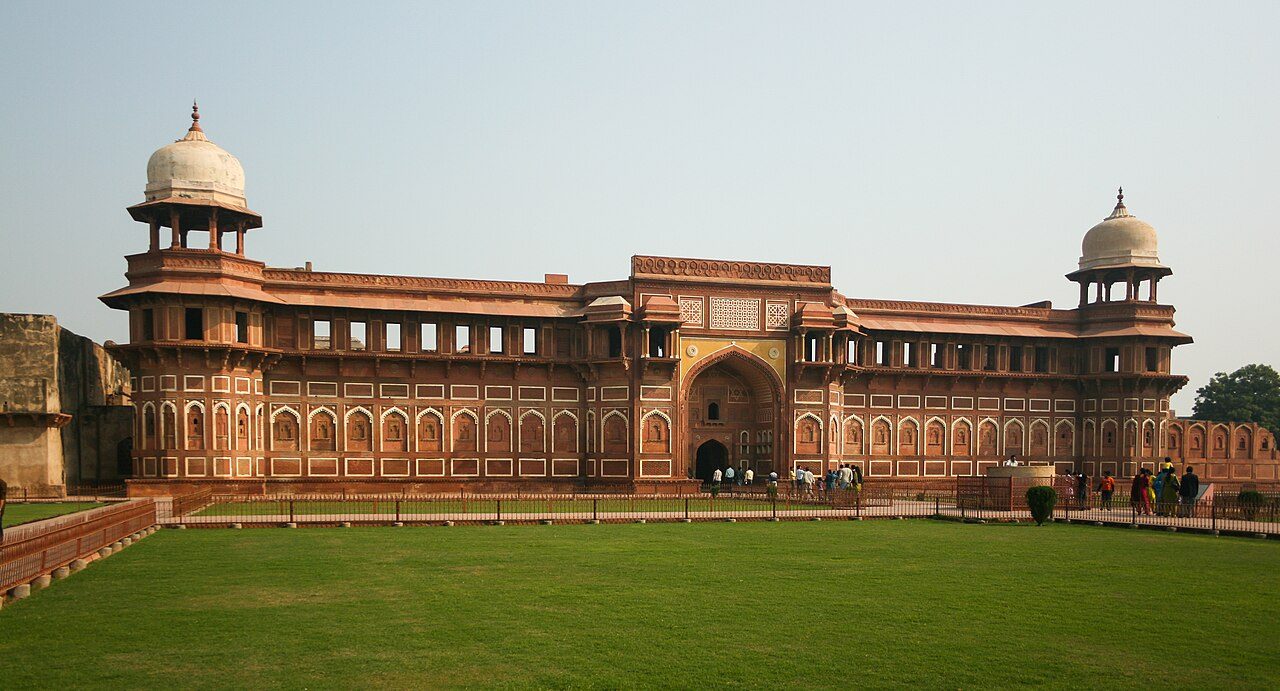
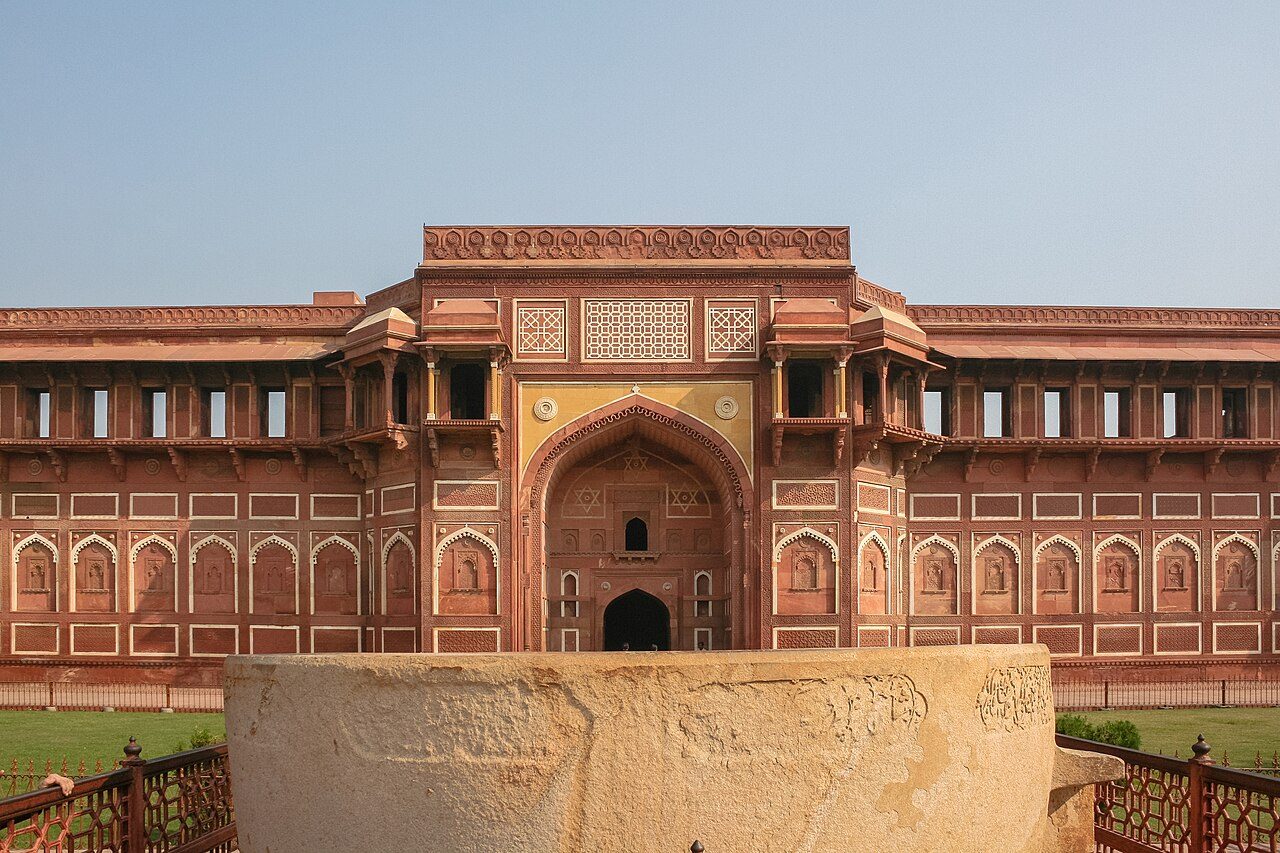
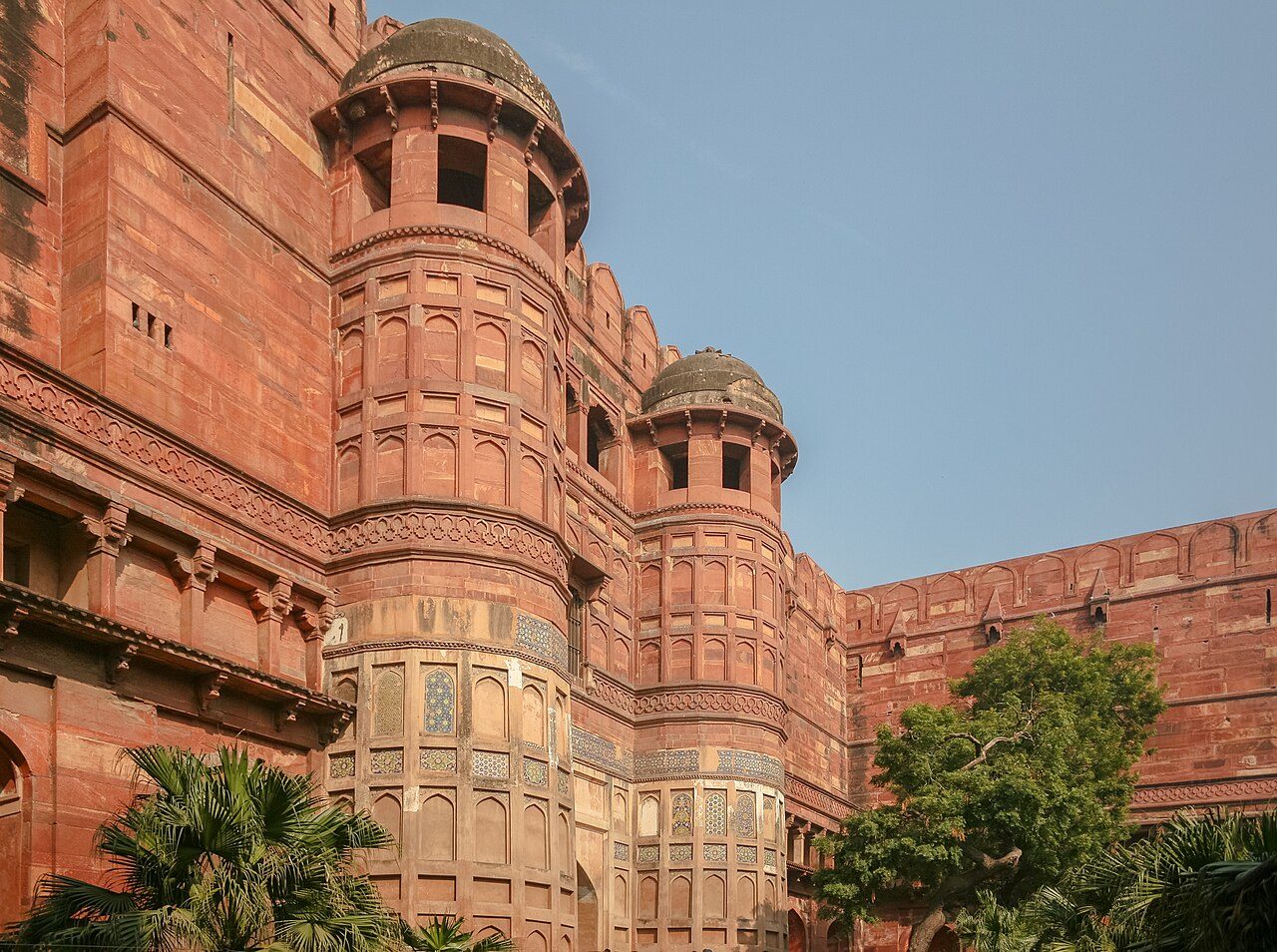
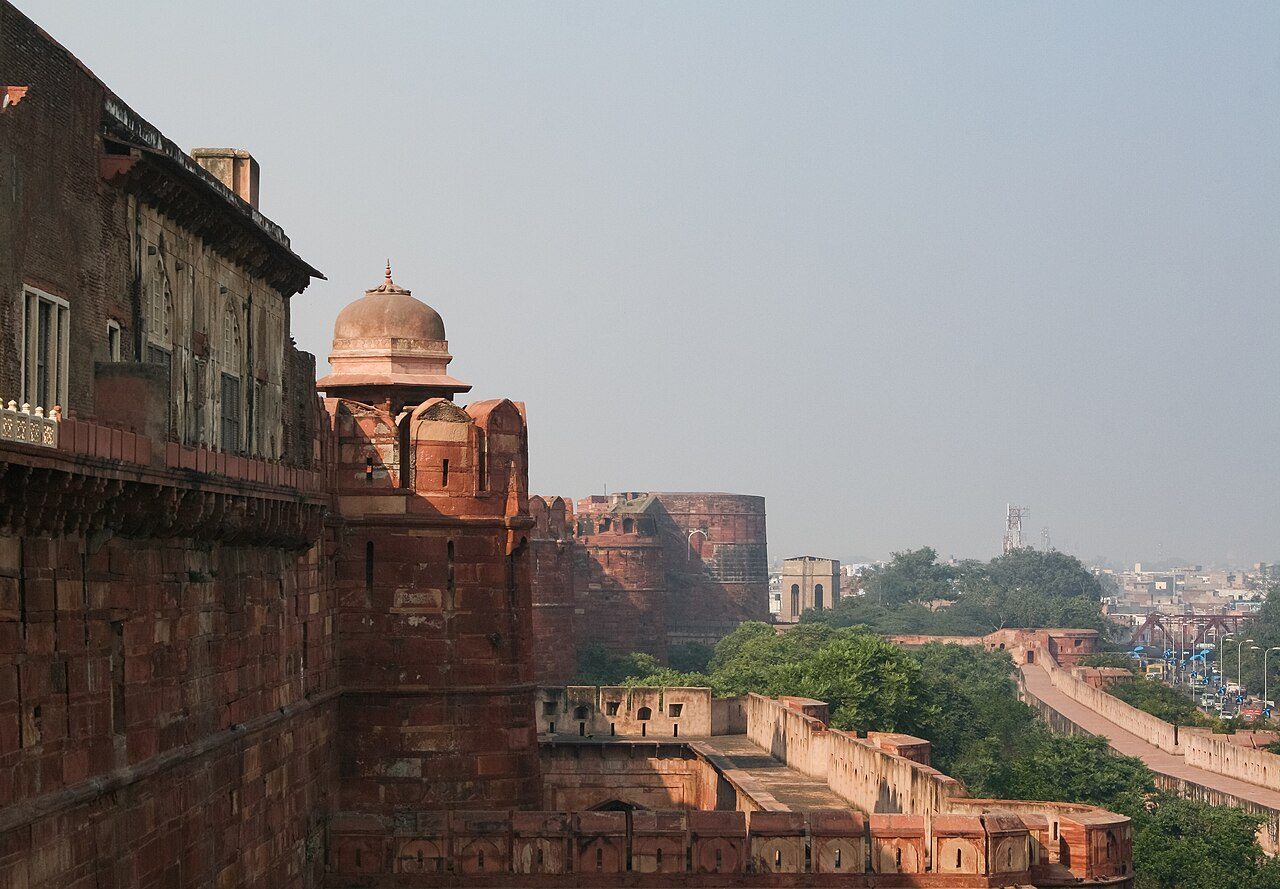
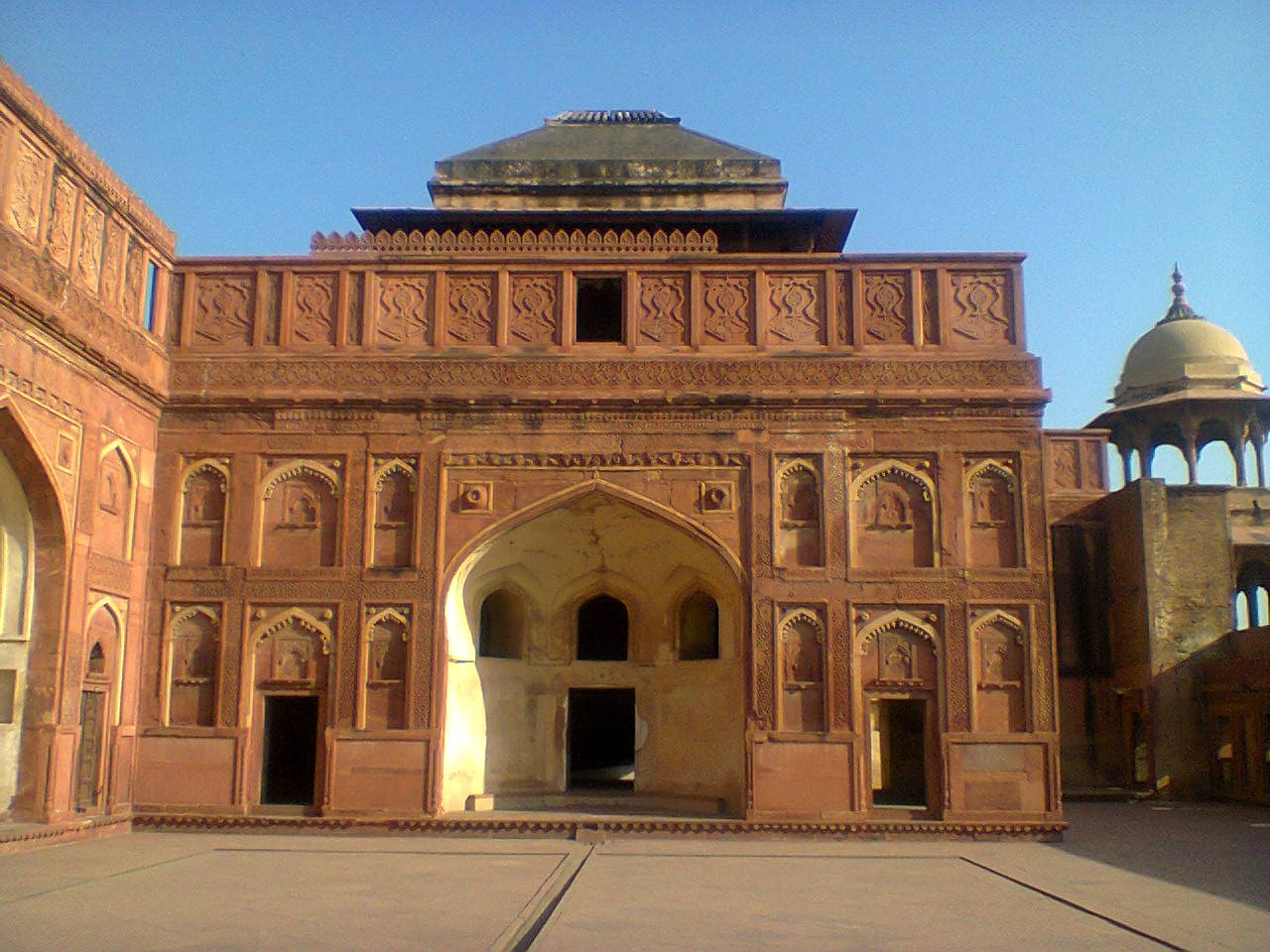
Agra Fort was rebuilt in red sandstone by the emperor Akbar from 1565 and served as the main residence of the Mughal emperors until the capital moved to Delhi. Within its 2.5 kilometres of walls are the Jahangiri Mahal, the marble Khas Mahal, the Diwan-i-Am and the Musamman Burj, where Shah Jahan is said to have spent his last years gazing at the Taj Mahal. It is a UNESCO World Heritage Site.
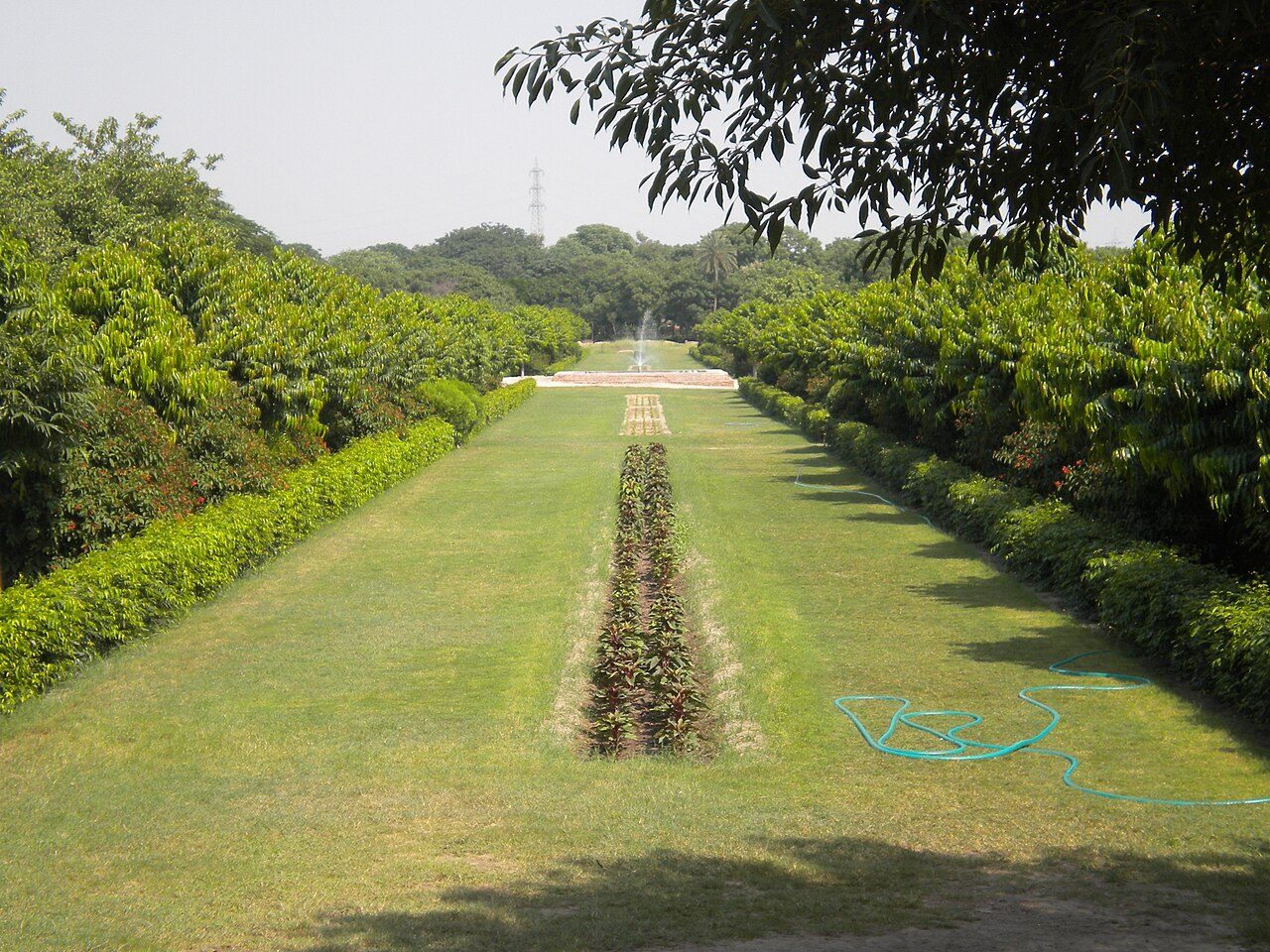
Mehtab Bagh, the Moonlight Garden, lies on the north bank of the Yamuna directly opposite the Taj Mahal. It was the last of a line of Mughal riverside gardens and is perfectly aligned with the monument. Restored in the 1990s, it is now best known as the place to watch the Taj at sunset, reflected in the river, away from the crowds.
04
STOP 4 OF 8
Itimad-ud-Daulah
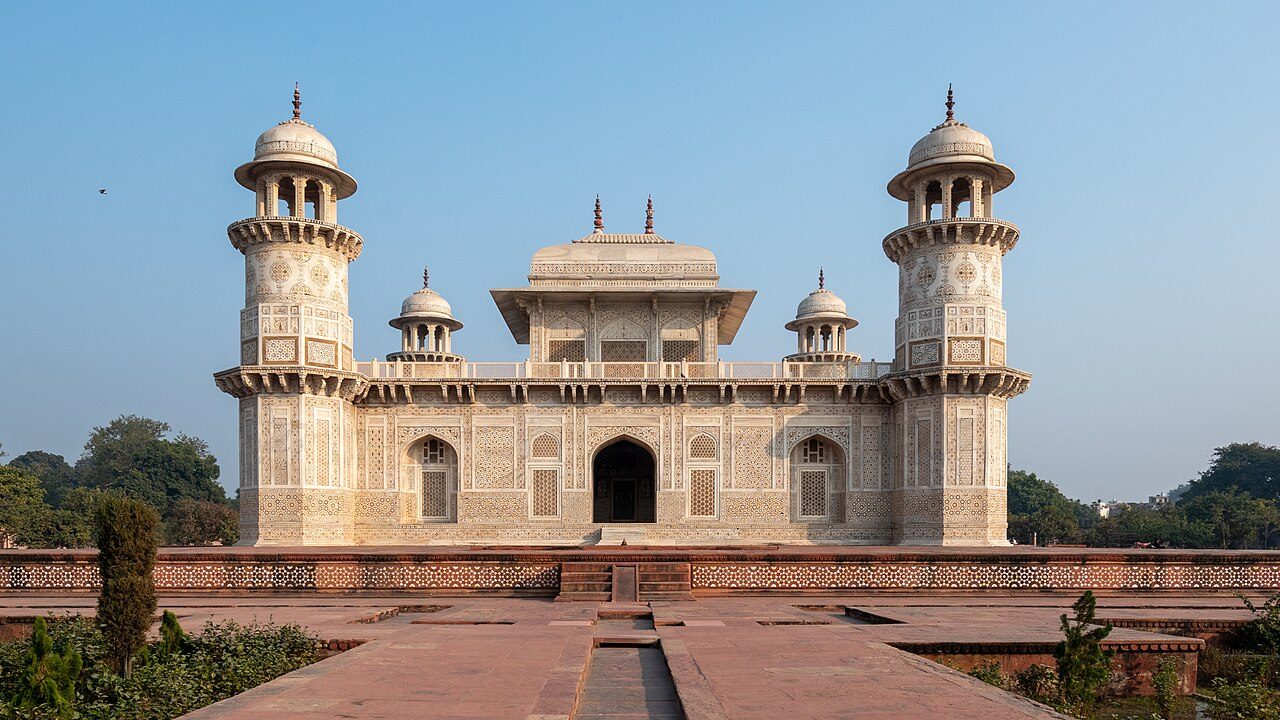
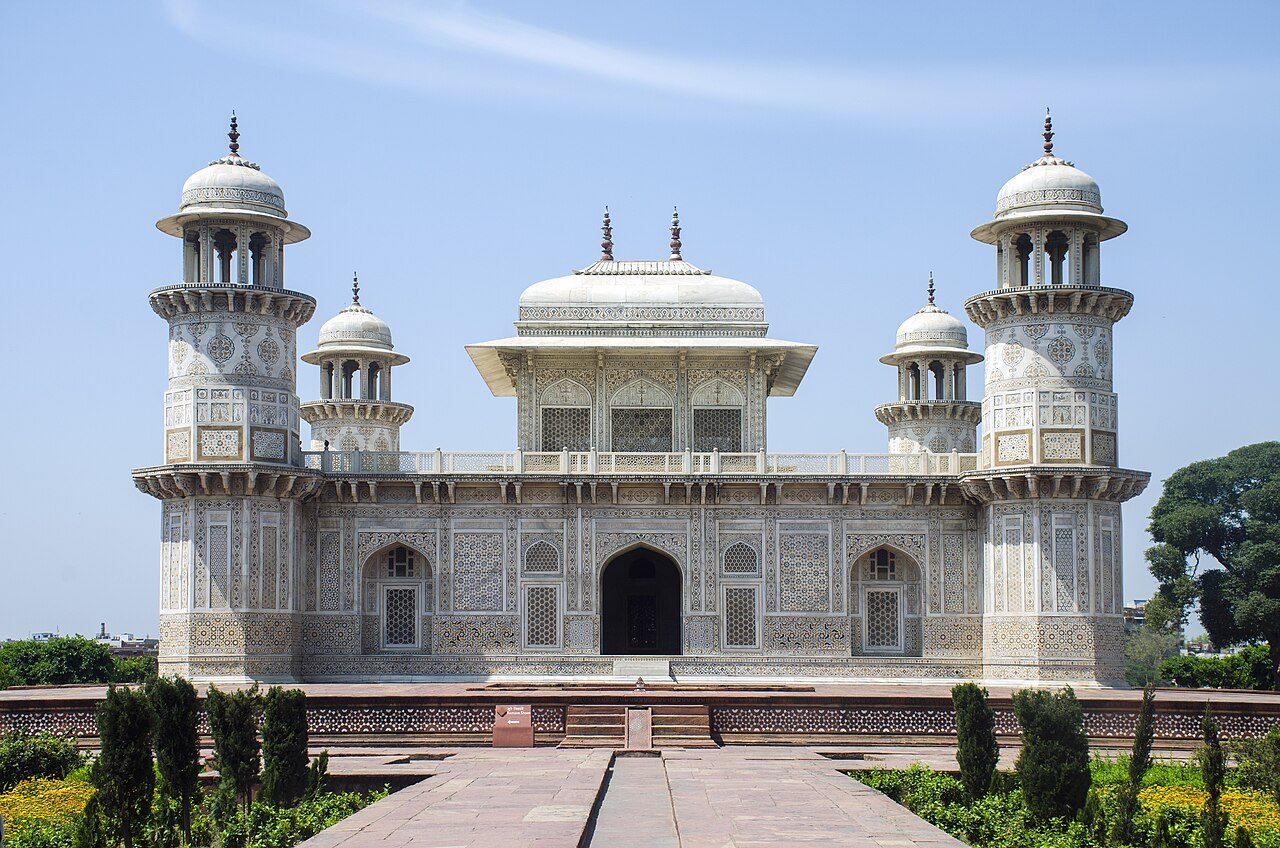
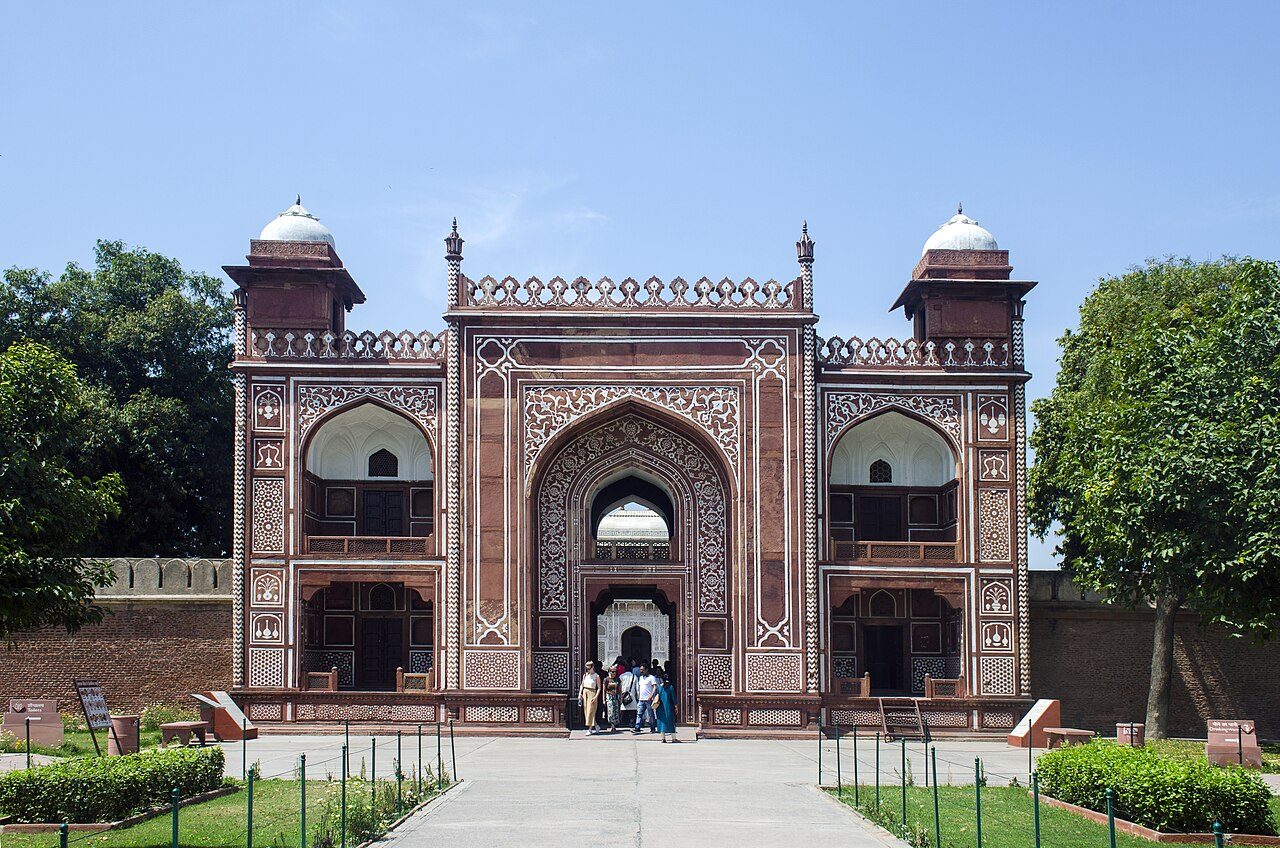
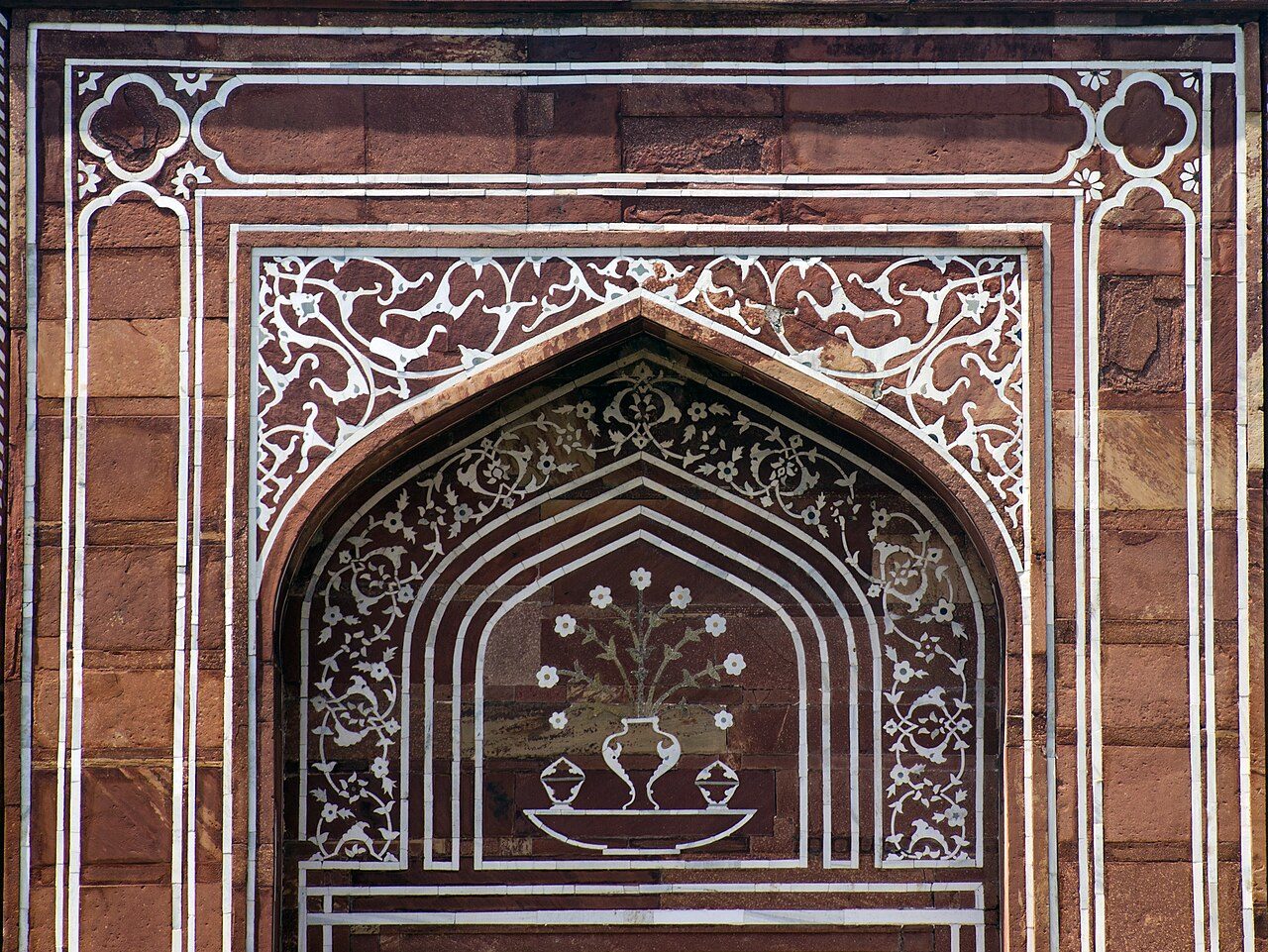
The tomb of Itimad-ud-Daulah was built between 1622 and 1628 by the empress Nur Jahan for her father, Mirza Ghiyas Beg. It was the first Mughal building faced entirely in white marble and decorated with pietra dura inlay, earning it the nickname Baby Taj. The small, jewel-like tomb stands in a garden on the east bank of the Yamuna and is far quieter than its famous successor.
05
STOP 5 OF 8
Chini Ka Rauza
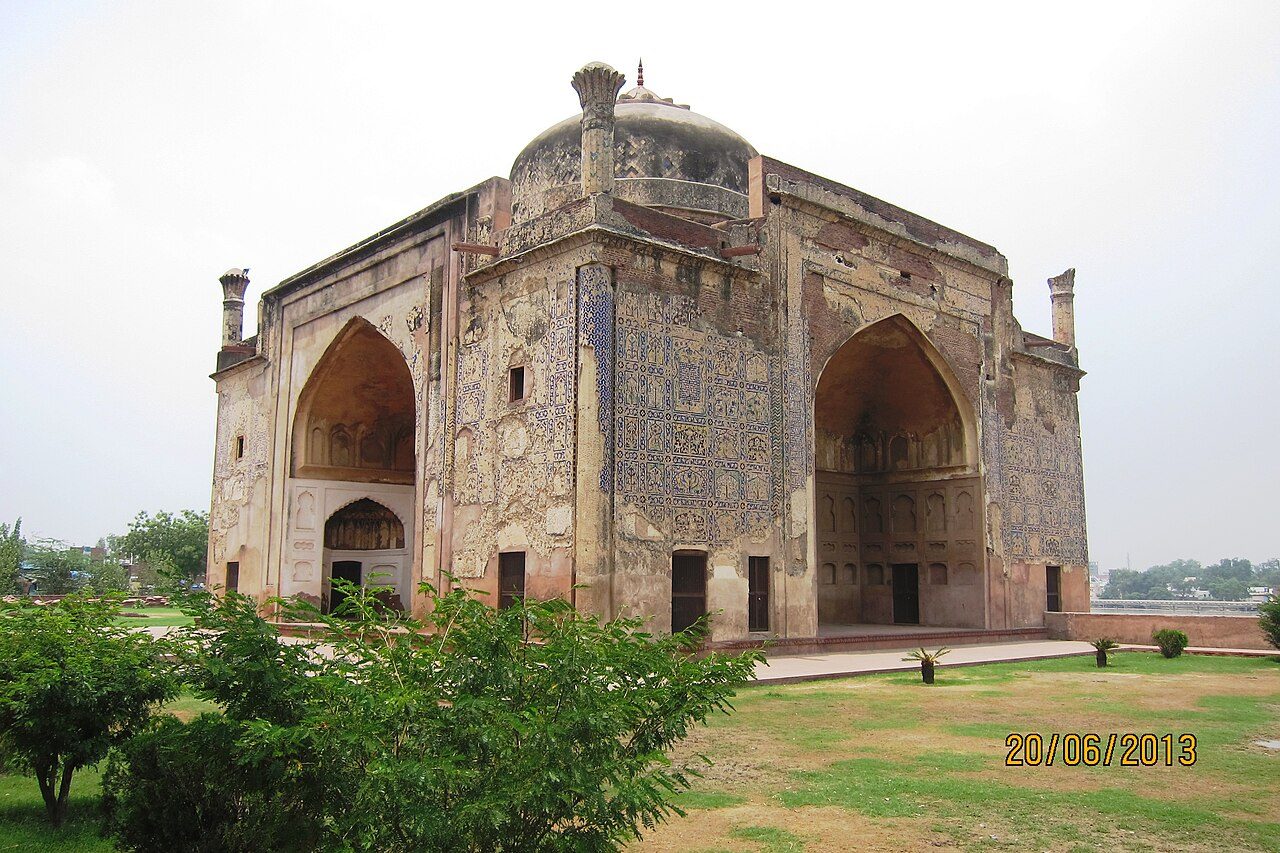
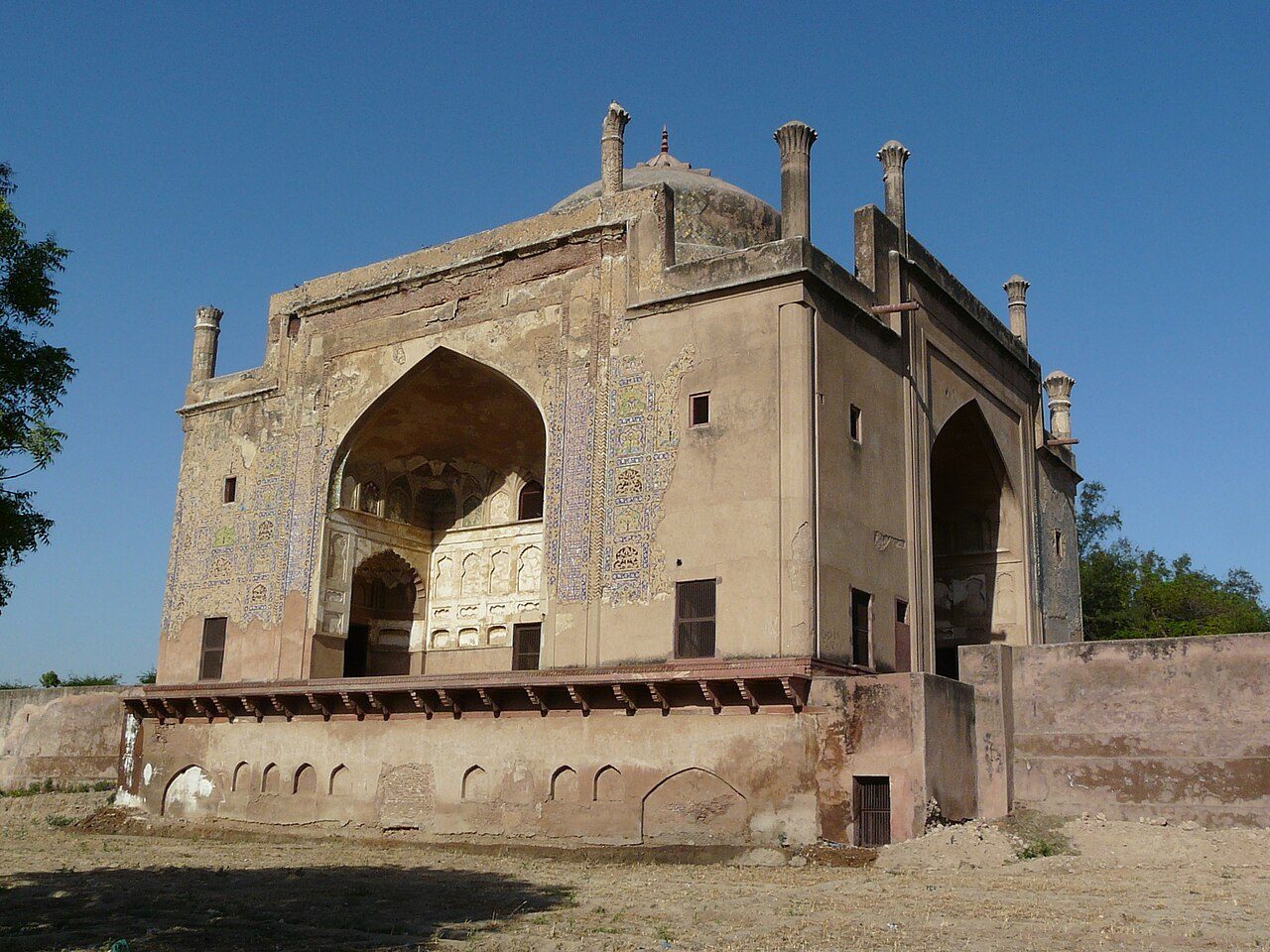
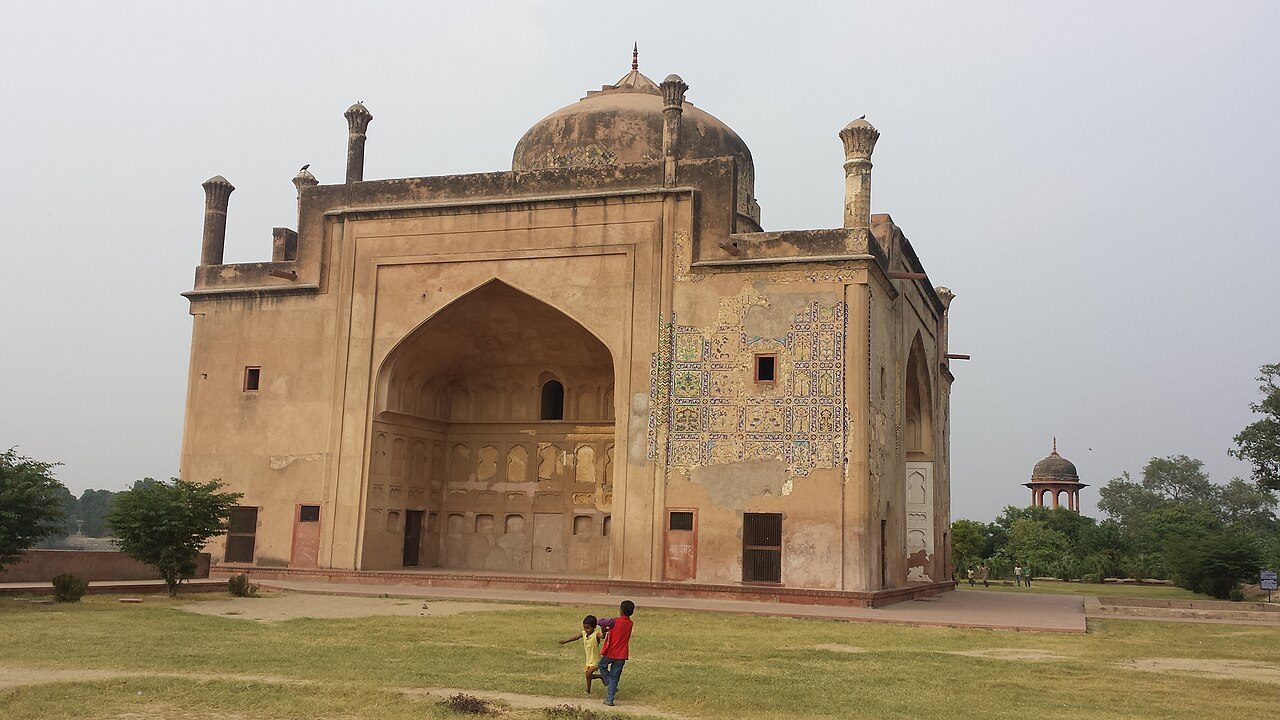
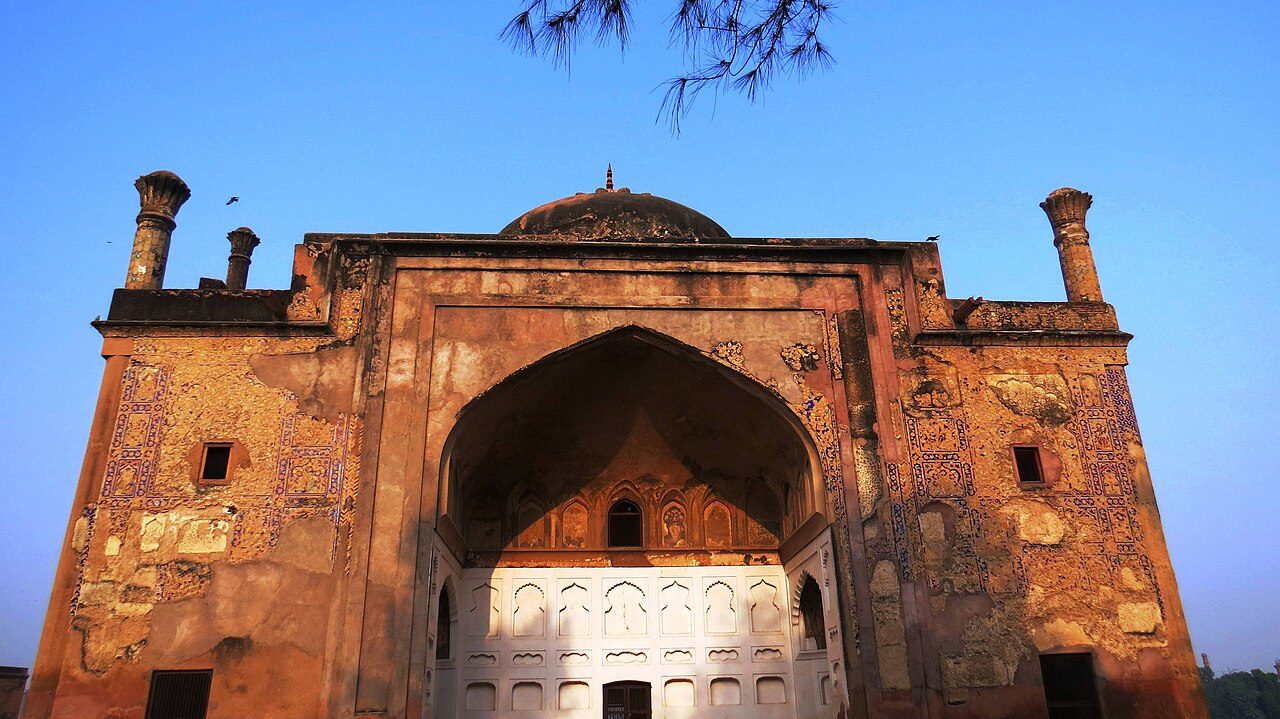
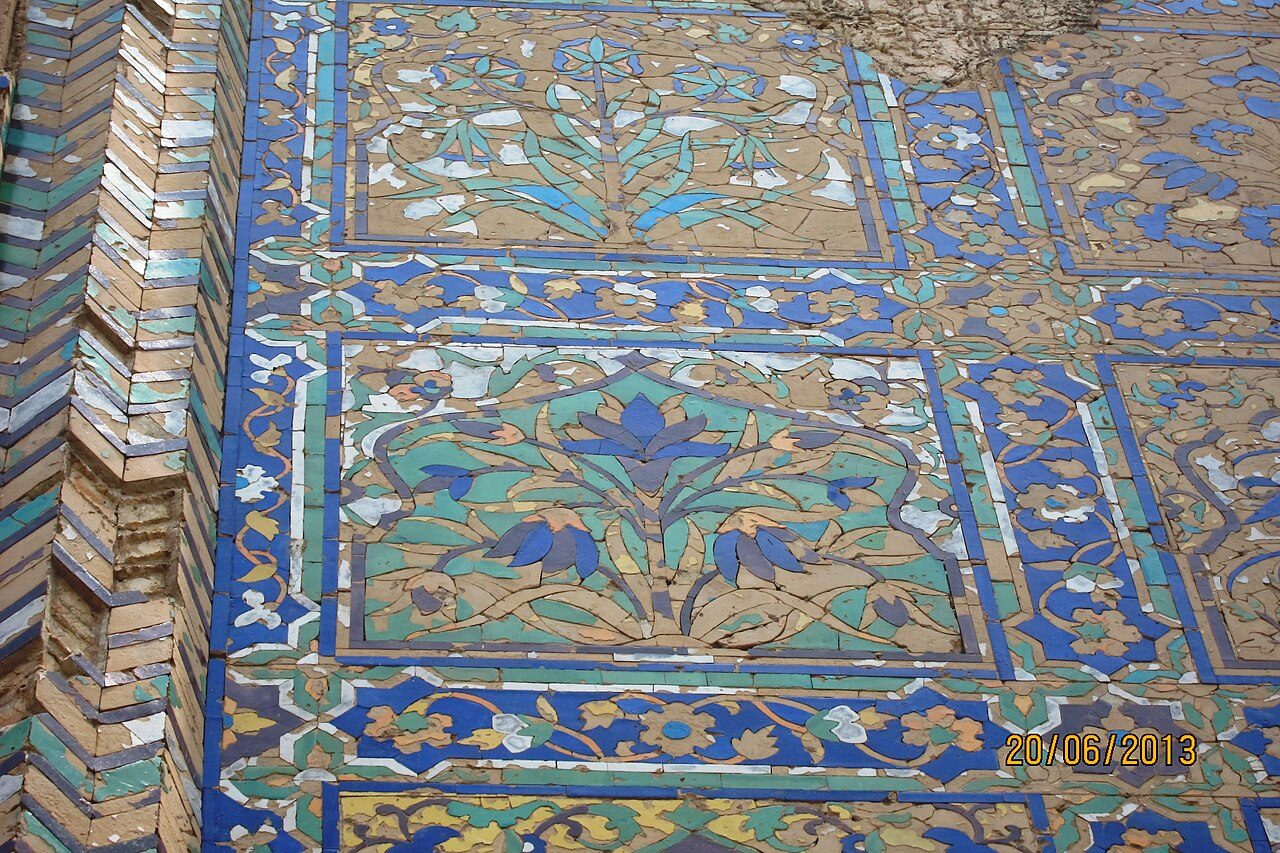
Chini Ka Rauza is the tomb of Afzal Khan Shirazi, a Persian scholar and poet who became prime minister to Shah Jahan, built around 1635. Its name comes from the glazed tiles that once covered the whole exterior in blue, green, yellow and orange, the first such use in India. Though much has fallen away, the remaining tile work and painted interior are well worth the short trip from Itimad-ud-Daulah.
06
STOP 6 OF 8
Akbar's Tomb Sikandra
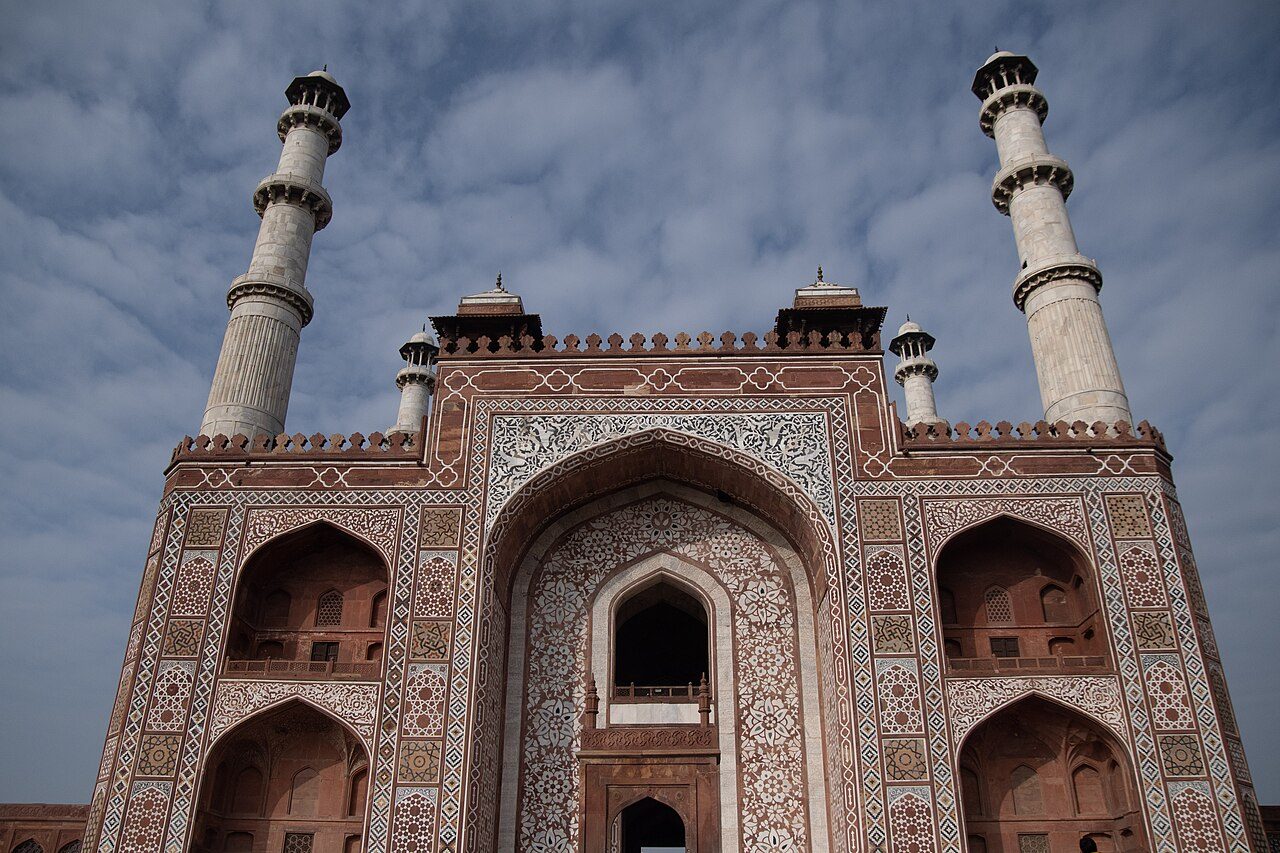
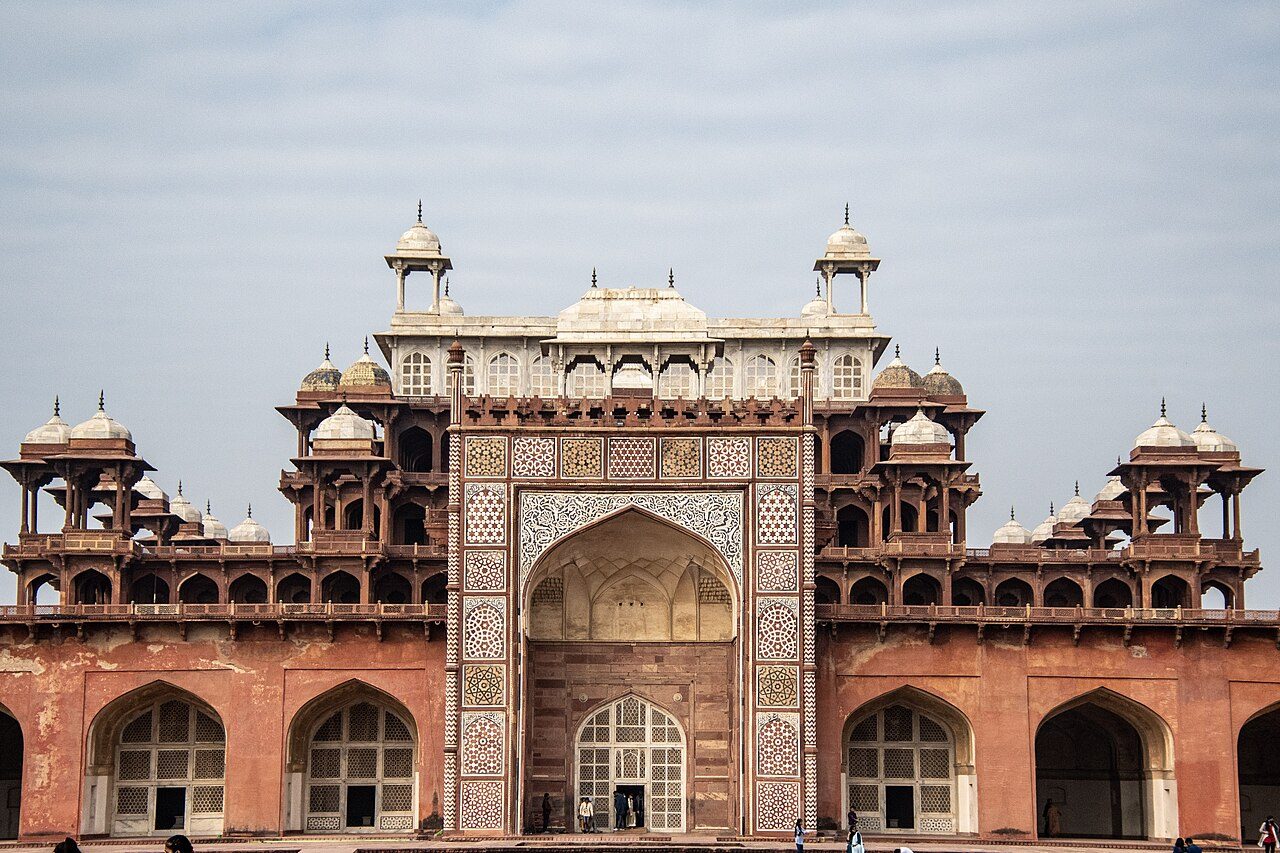
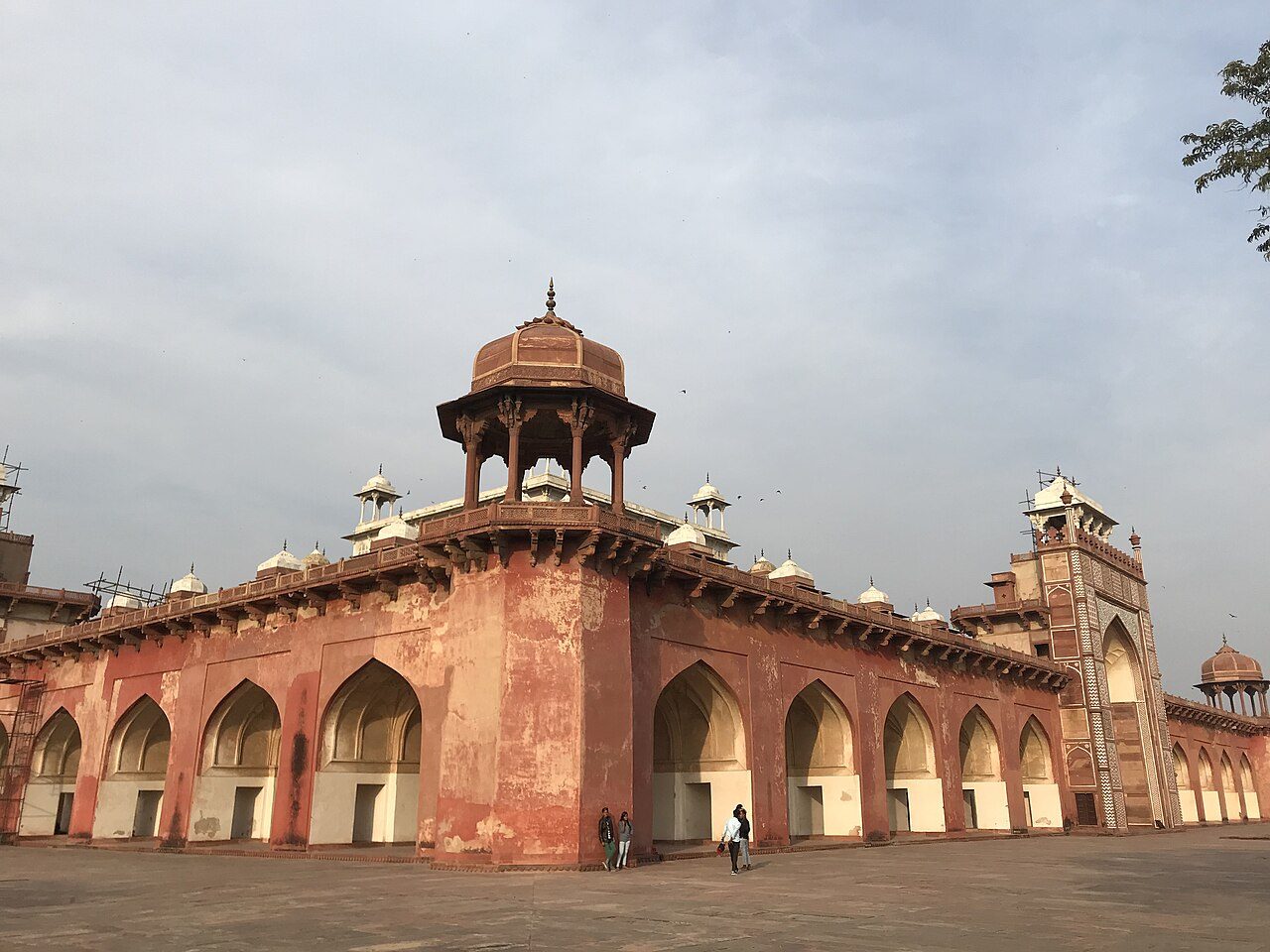
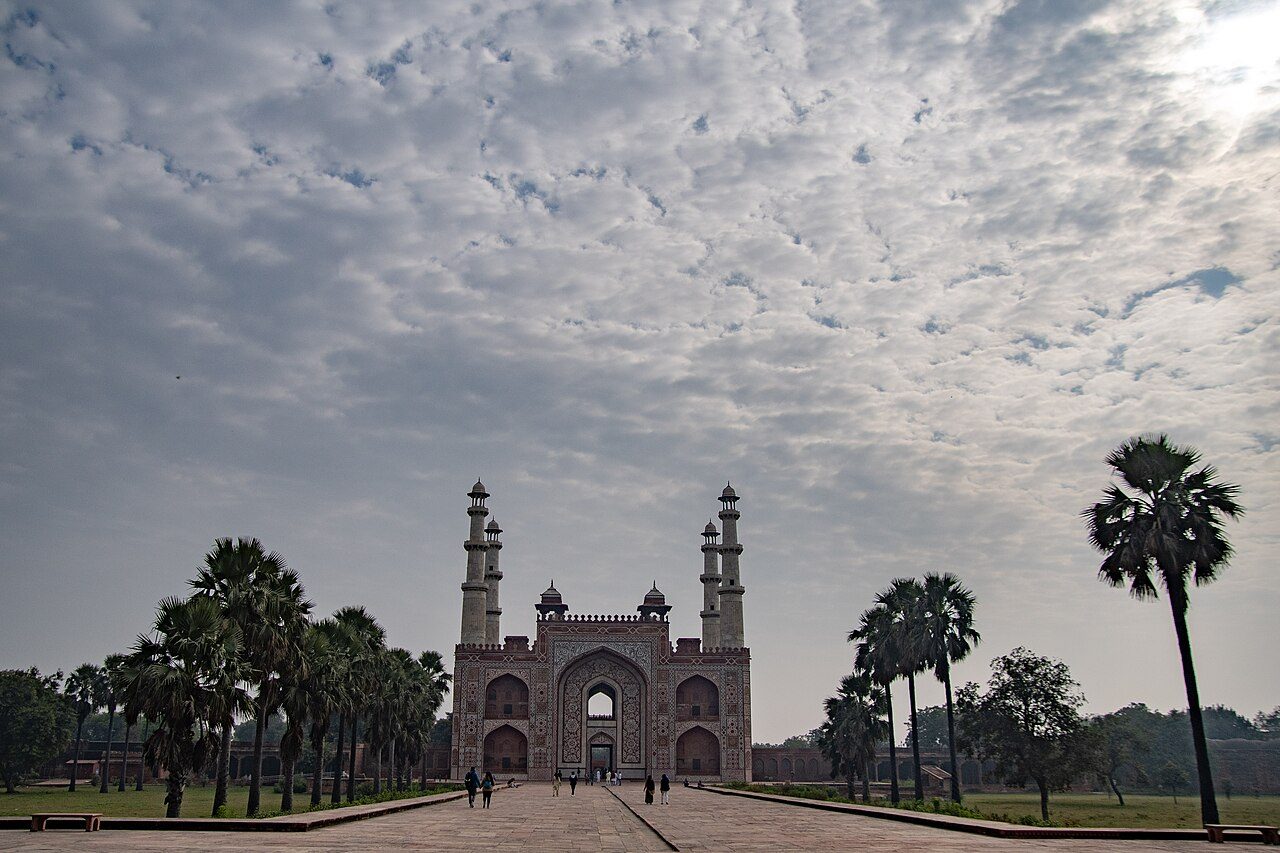
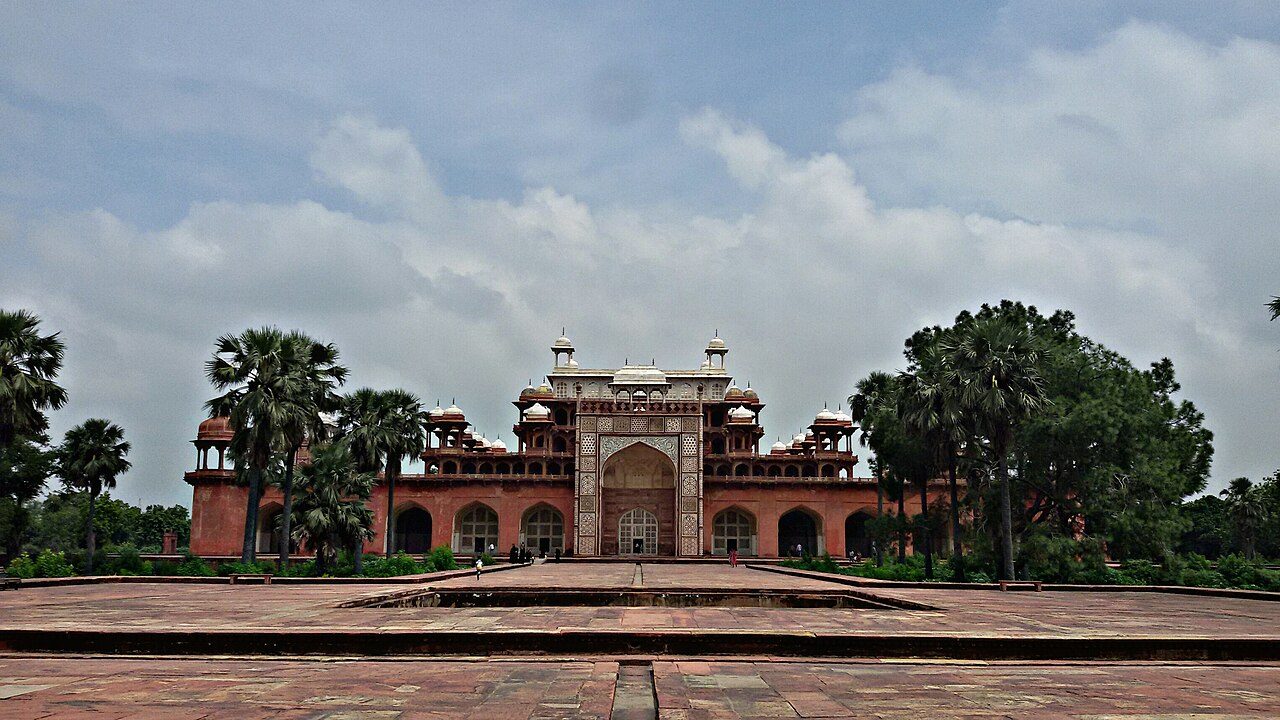
The tomb of the emperor Akbar at Sikandra was begun in his own lifetime and completed by his son Jahangir in 1613. A grand gateway inlaid with white marble and topped by four minarets leads into a vast garden where deer and monkeys roam. The tomb itself is a five-tiered pyramid of red sandstone with an open marble court at the top, blending Hindu, Islamic and other styles.
07
STOP 7 OF 8
Fatehpur Sikri
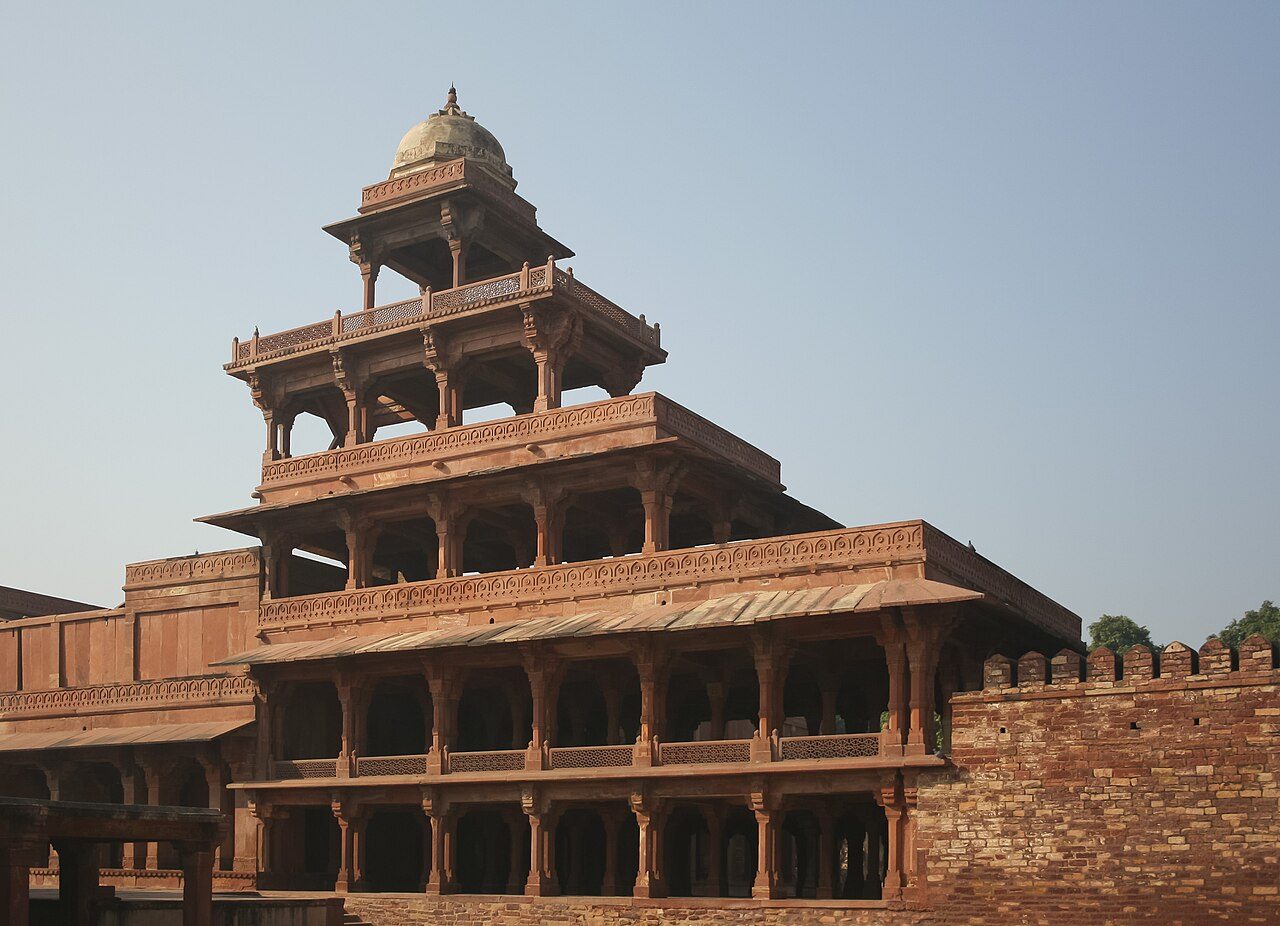
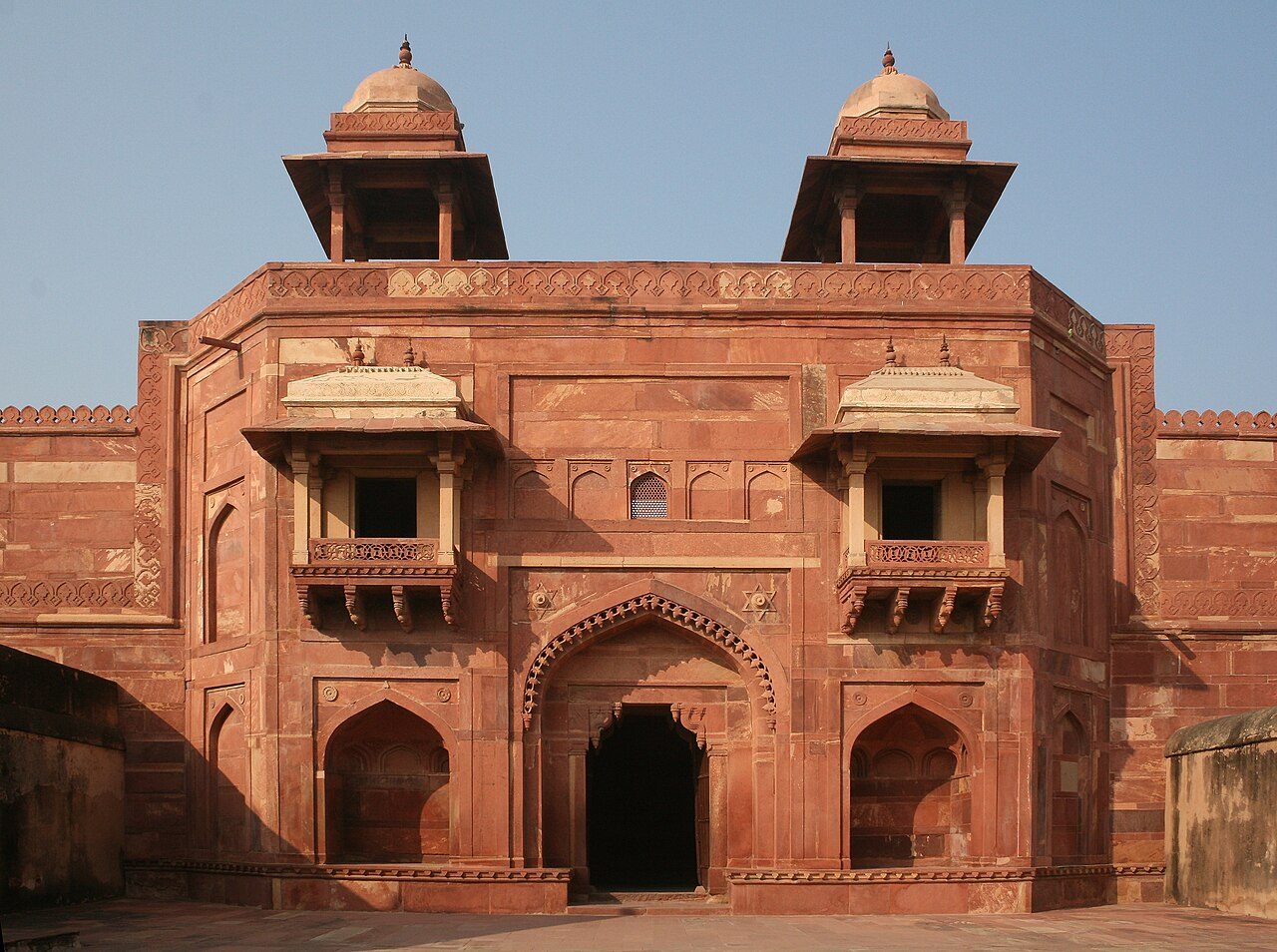
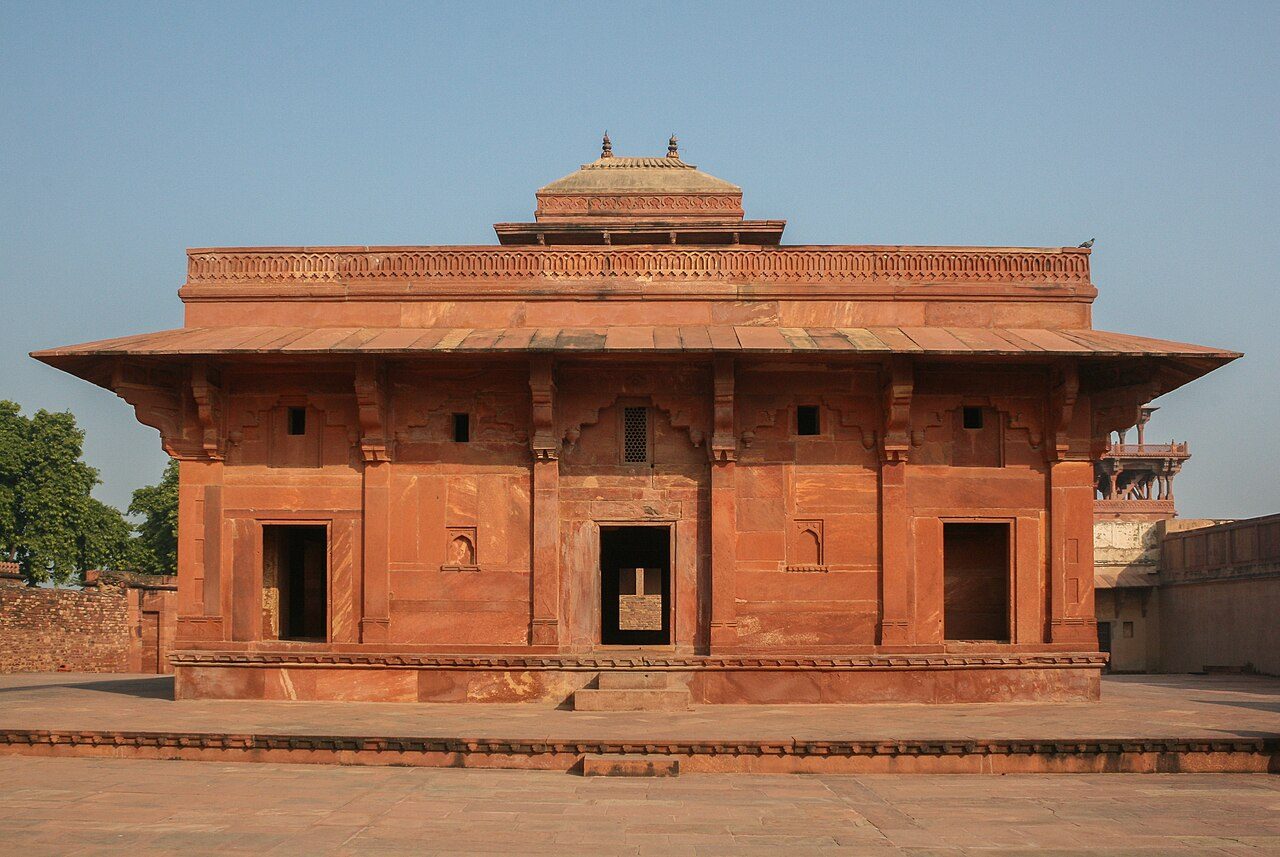
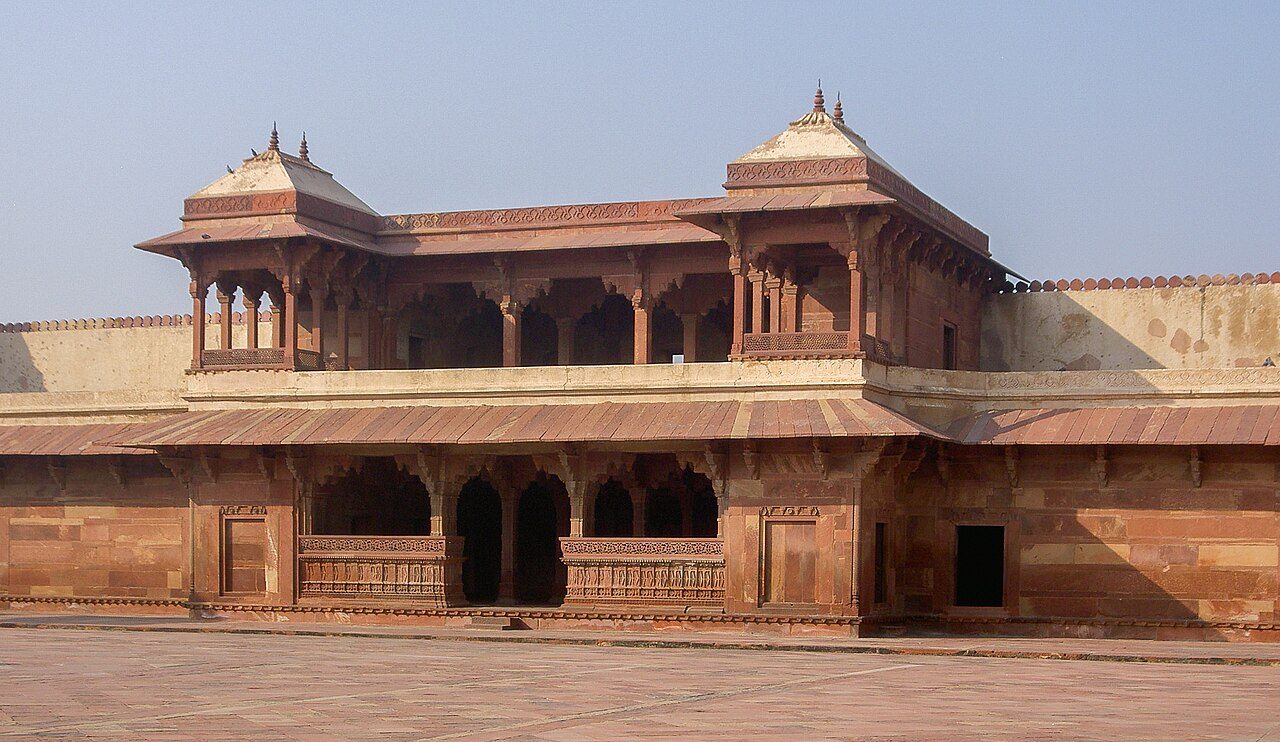
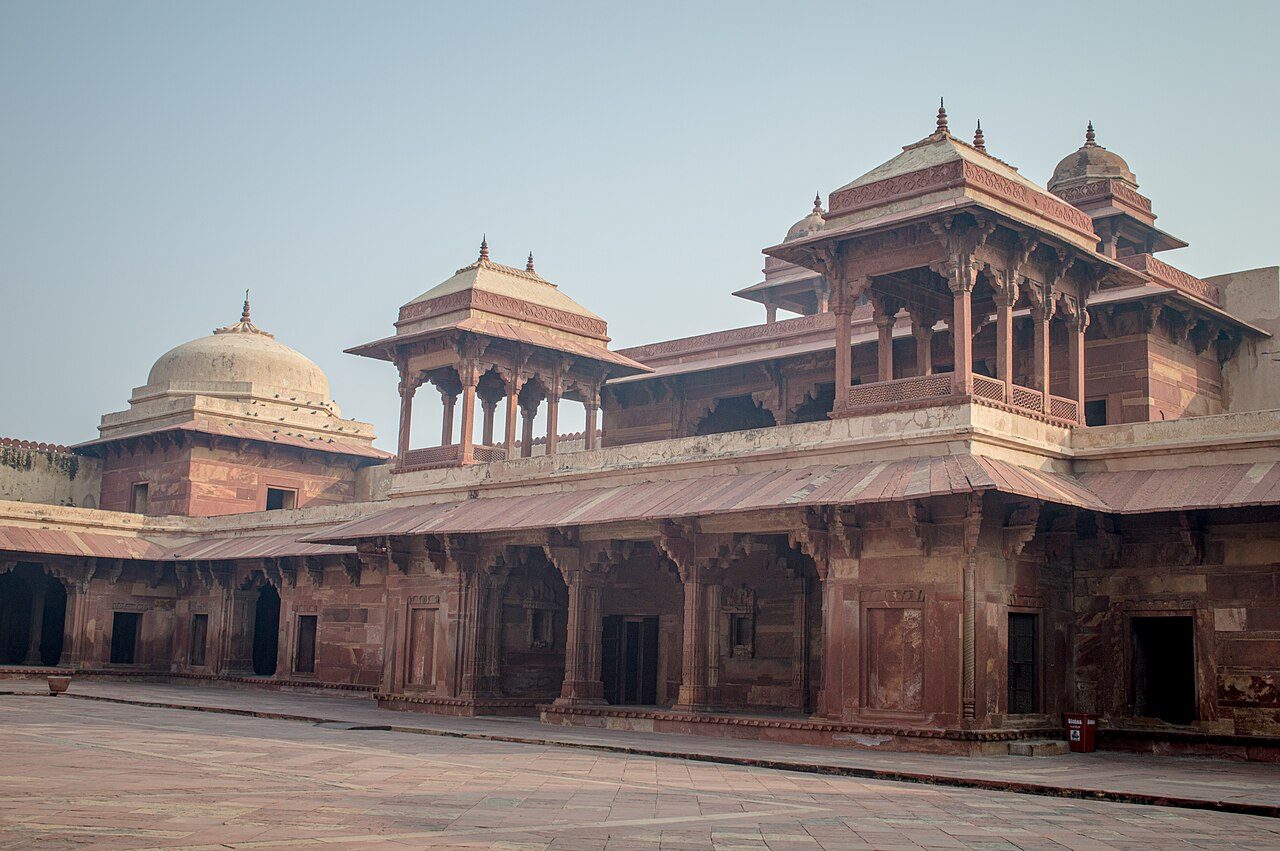
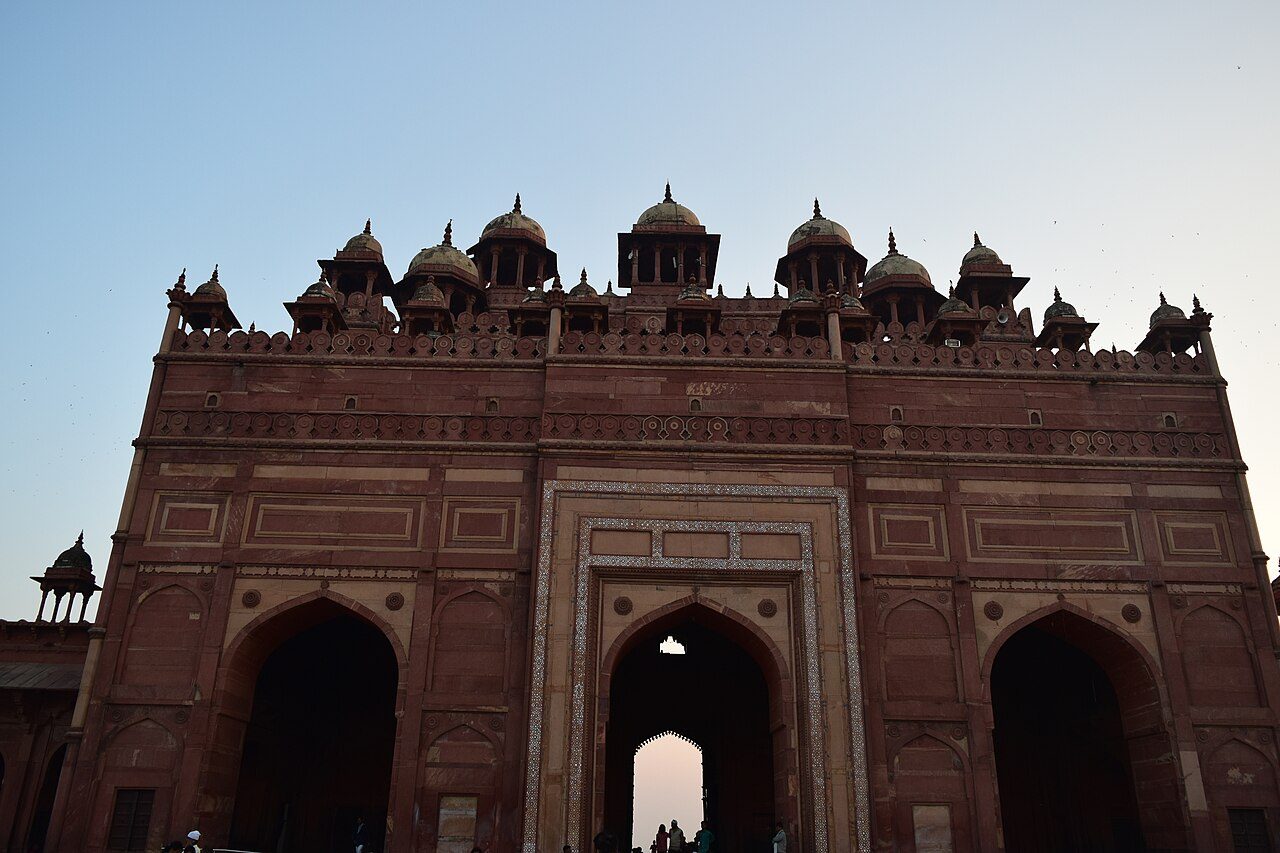
Fatehpur Sikri was built by the emperor Akbar from 1571 as his new capital, in honour of the Sufi saint Salim Chishti, and abandoned only about fourteen years later. The red sandstone palaces survive almost intact: the Diwan-i-Khas with its carved central pillar, the five-storey Panch Mahal, Jodha Bai's palace and Birbal's house. It is a UNESCO World Heritage Site, about an hour from Agra.
08
STOP 8 OF 8 · LAST STOP
Buland Darwaza
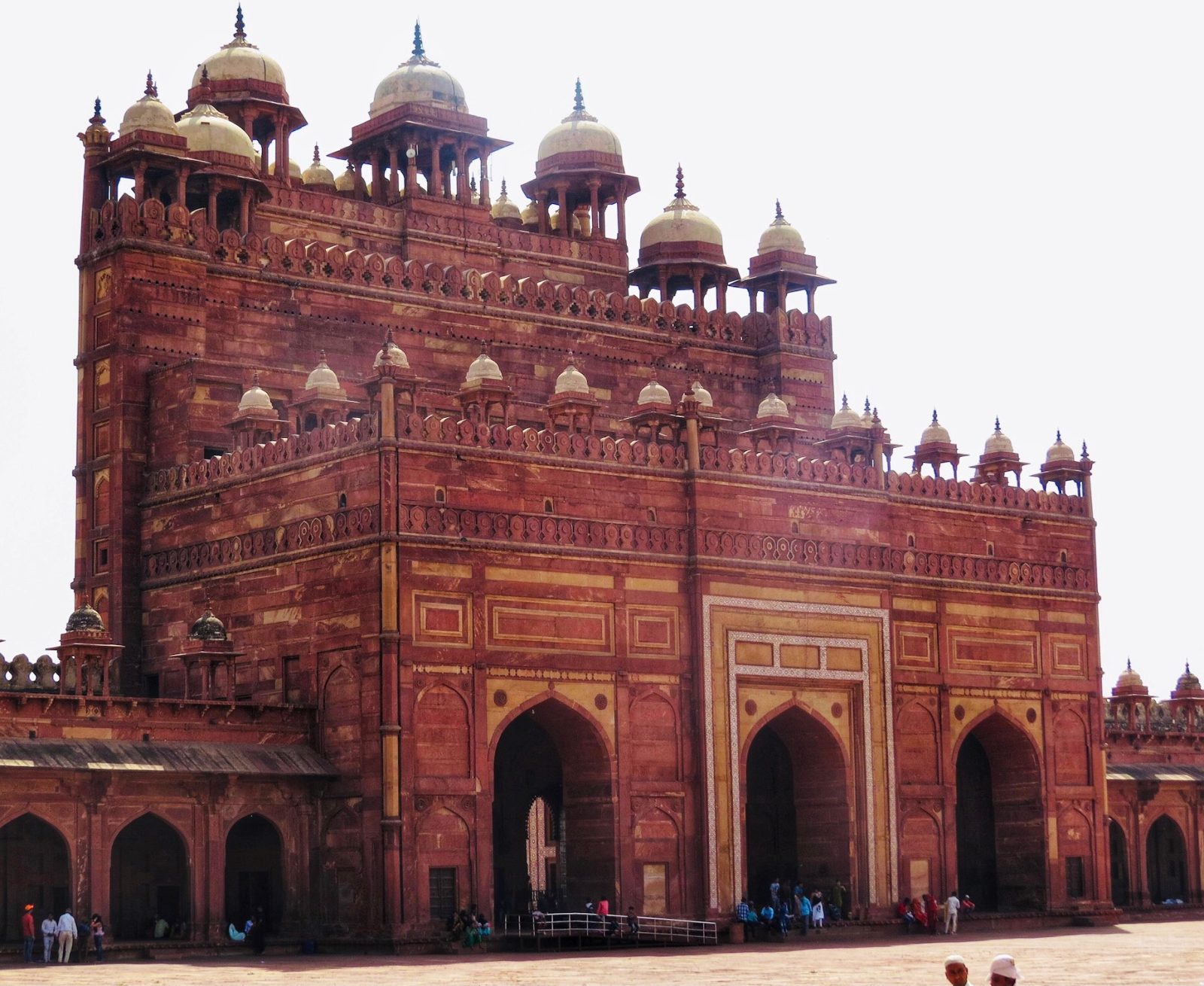
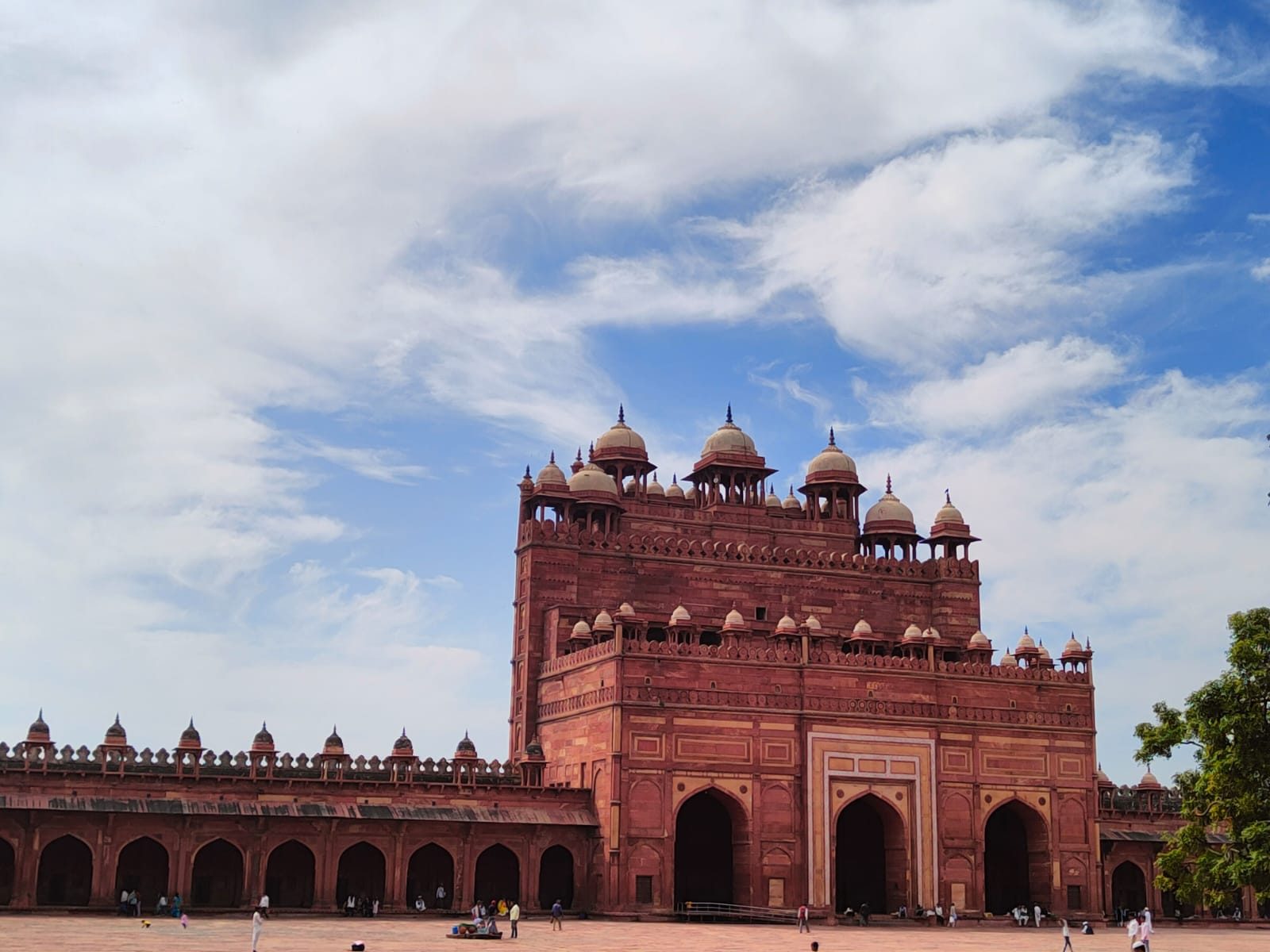
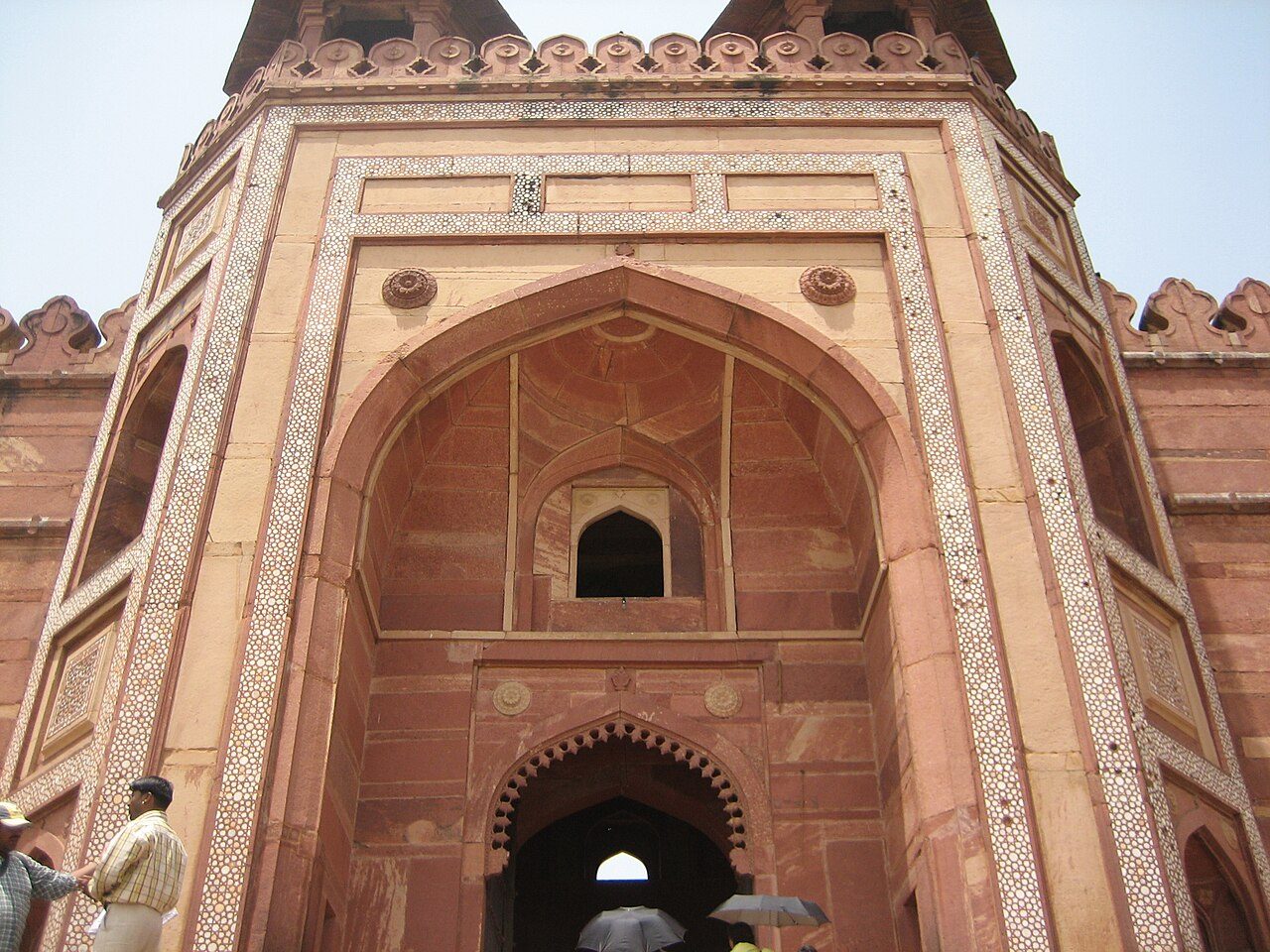
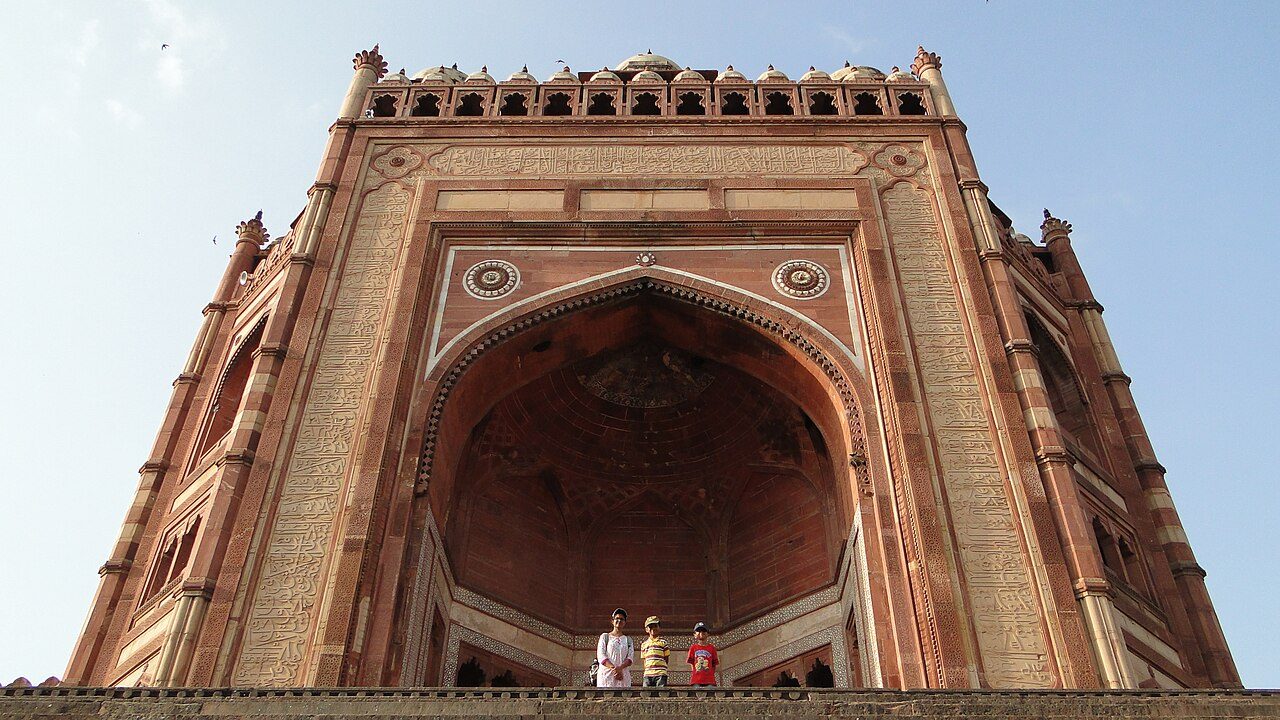
The Buland Darwaza, or Gate of Victory, is the monumental southern entrance to the Jama Masjid at Fatehpur Sikri. Akbar built it in 1575 to commemorate his conquest of Gujarat. Rising about 54 metres from the ground, it is among the tallest gateways in the world, approached by a steep flight of steps. Inside the courtyard is the white marble tomb of Salim Chishti.
Seasons from 20 years of NASA POWER climate data.
 WaTrips